Electric Fuel Transfer Pumps
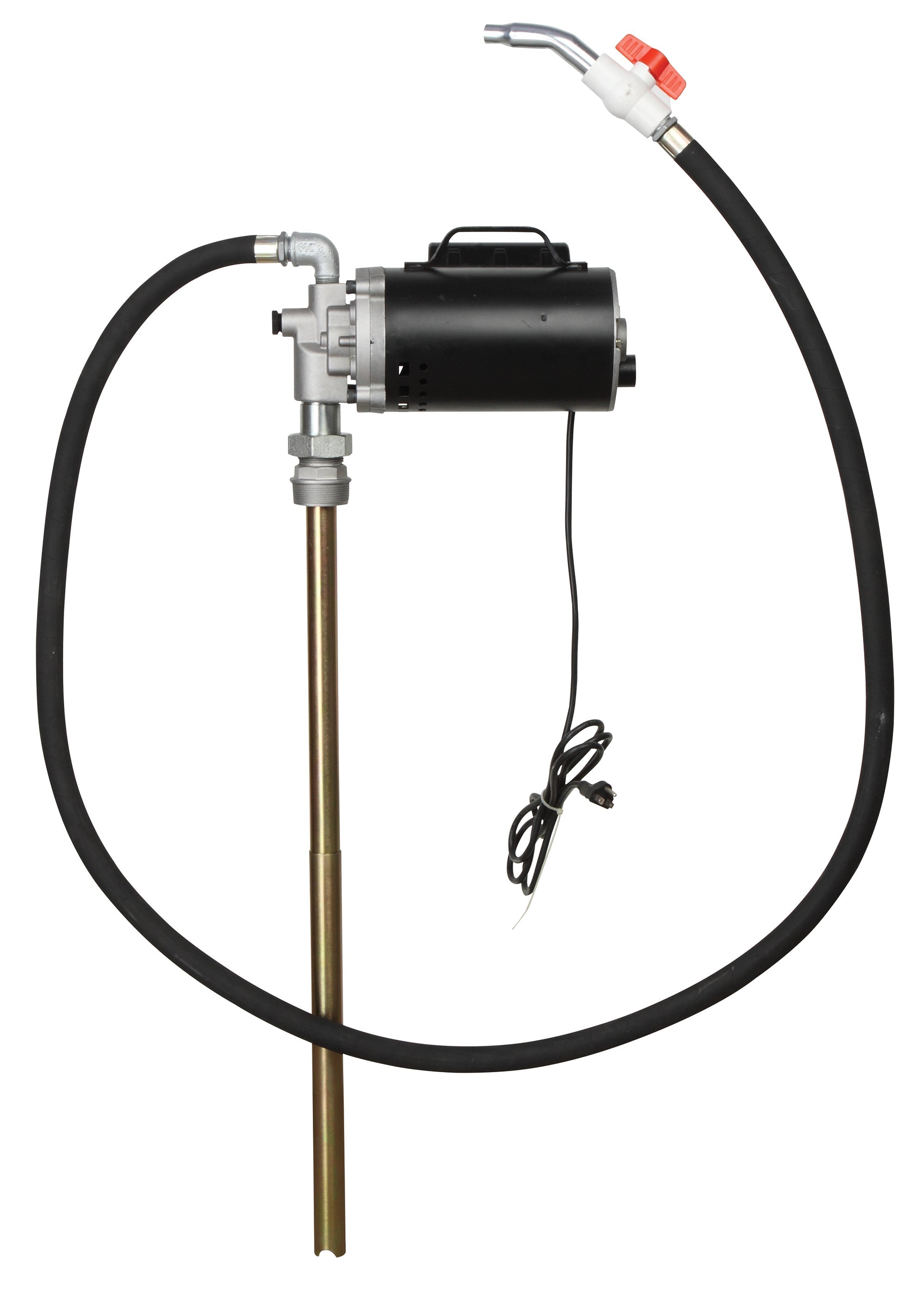
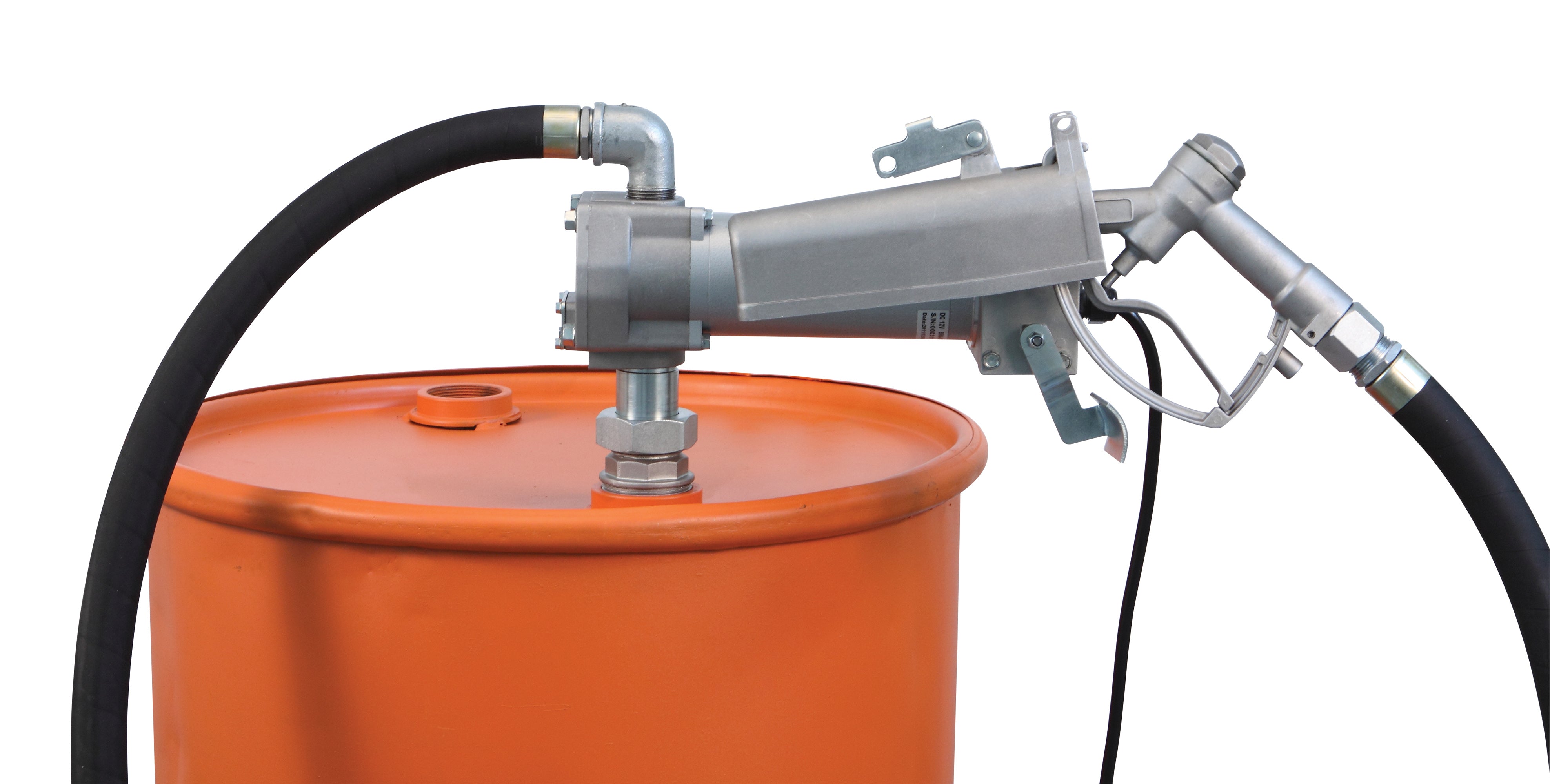
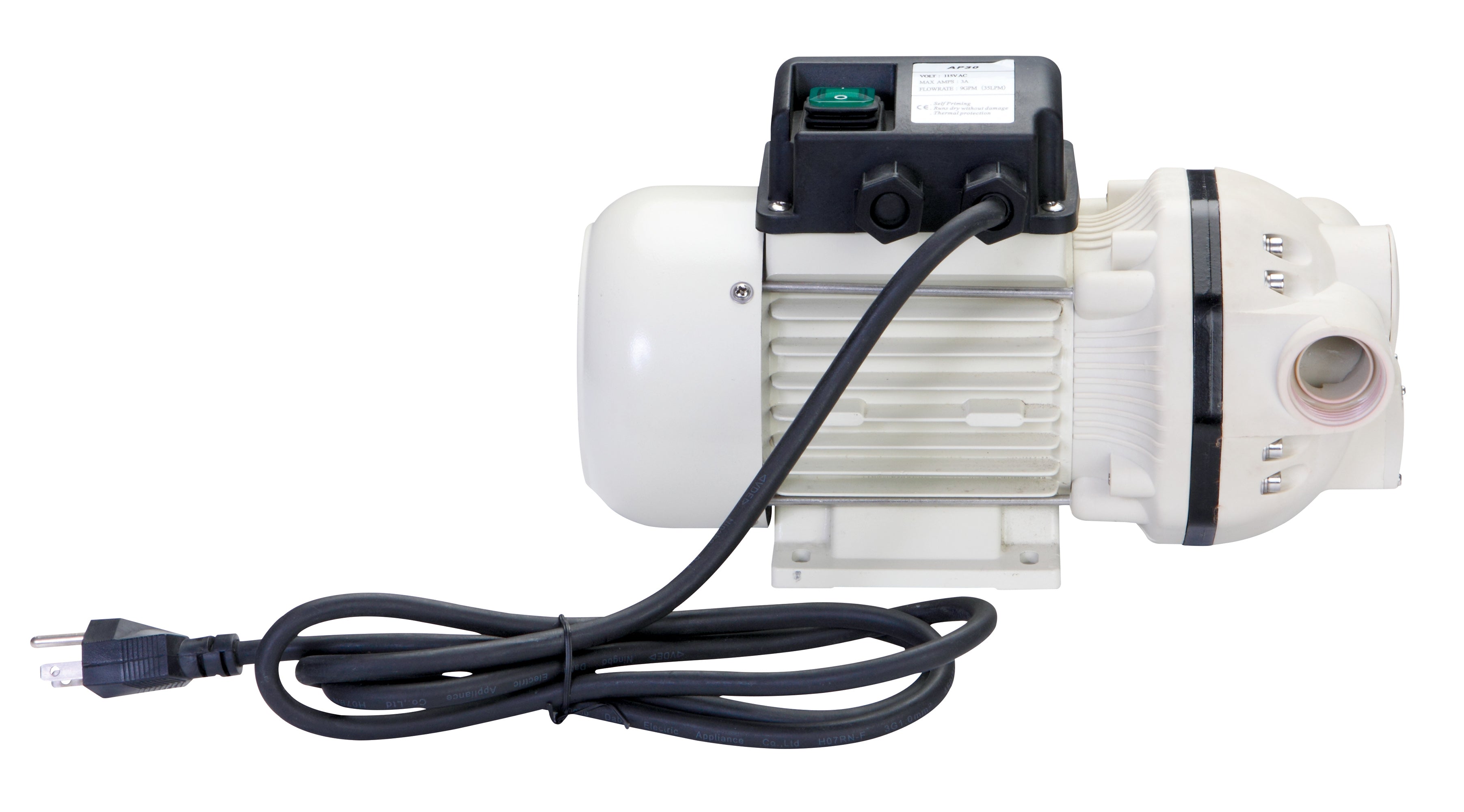
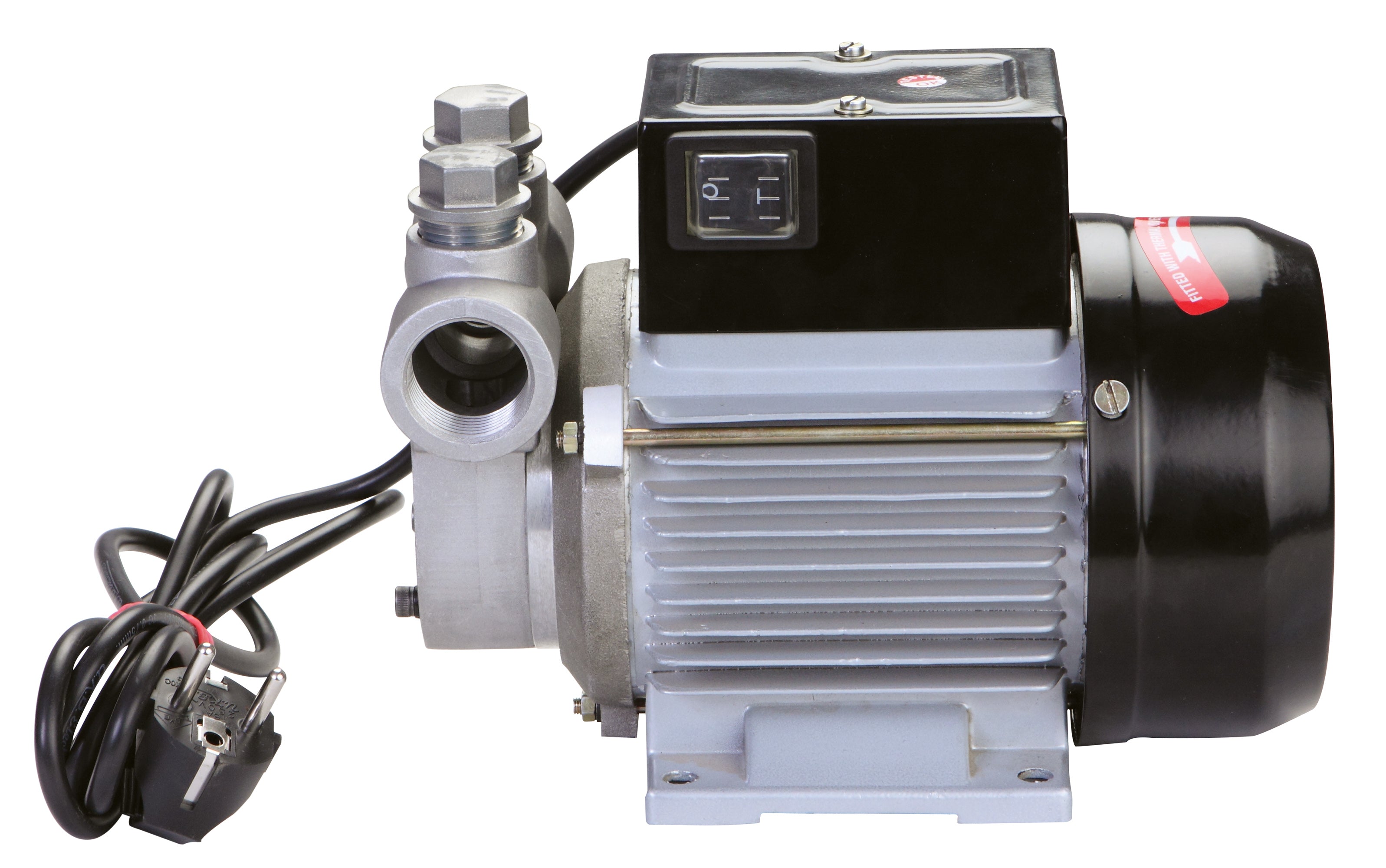
An electric fuel transfer pump moves fluid out of a drum or tank on motor power instead of a hand crank, and this collection covers the harder-working end of that job: the Vestil pumps built for DEF, oil, long continuous runs, and higher-volume fuel. These are the fluids and duty cycles that ask more of the hardware than a basic diesel unit can give. Prices run from a few hundred dollars for a continuous-duty pump that plugs into the wall to past a thousand for a 115-volt oil pump moving several gallons a minute. Two questions sort the page faster than price: what fluid you are moving, and how long the pump has to keep running without a rest. DEF corrodes the ordinary metals inside a fuel pump, oil is thick and slow, and a long dispensing job overheats a motor built to rest, so each of those problems gets a pump made for it rather than a compromise.
Compare Electric Fuel Pumps
| Model | Price | Power | |
|---|---|---|---|
| Vestil Electric Oil Pumps | $1,138 | 115V | View → |
| Vestil Heavy Duty Electric Fuel Pumps | $794 | 12V | View → |
| Vestil Electric DEF Pumps | $496 | 12V | View → |
| Vestil Continuous Duty Pump | $335 | 115V | View → |
Electric Fuel Pumps Buying Guide
Everything harder than plain diesel lands here. Diesel is the forgiving fluid, and it has its own home in the diesel fuel pumps collection under the fuel transfer pumps hub. This page picks up everything with a complication. DEF that eats the brass and aluminum inside an ordinary pump, oil too thick for a fuel-rated unit, a fill that runs long enough to overheat a motor built to rest, and higher-volume fuel work that a small 12-volt pump cannot keep up with. Name the problem first and the shortlist writes itself, because the fluid and the duty cycle decide the pump before flow rate or price ever come up. Get either one wrong and no other spec saves you: a pump matched to diesel will corrode on DEF and stall on heavy oil, and an intermittent pump bought for a continuous job burns out inside a year.
DEF needs a pump built to shrug it off. DEF, the 32.5 percent urea solution that diesel trucks meter into the exhaust to cut NOx in the SCR system, is corrosive to the brass, copper, zinc, aluminum, and carbon steel that ordinary fuel pumps are full of. Run it through a fuel pump and you damage the pump and contaminate the fluid at the same time, and contaminated DEF clogs the injectors downstream. ISO 22241, the standard that governs DEF, calls for stainless steel or compatible plastics on any surface the fluid touches, which is what the Vestil DEF pump uses on its wetted parts. It comes in AC and DC versions so you can match it to wall power or a battery. Never repurpose a diesel or oil pump for DEF, and never send DEF down a line that has carried fuel; keeping the two fluids and their plumbing apart is the entire job.
Oil is thick, so it becomes a flow-and-power question. Oil moves slower than fuel and pulls harder on the motor, so the Vestil electric oil pumps step up to 115-volt power and come in flow ratings up to roughly 3.5, 4.5, or 8 gallons a minute. Match the flow to the oil's viscosity and your patience: thin hydraulic oil moves near the pump's top rating, while heavy gear oil crawls, and buying the higher-flow model is usually cheaper than standing over a slow one. These are the priciest pumps on the page, running past a thousand dollars at the top, because moving viscous fluid reliably is simply more machine. If you dispense a range of oils, size the pump to the thickest one you handle rather than the average, since the thick end is where a marginal pump gives up.
Continuous duty decides whether it survives the shift. The number that catches people out is duty cycle. Most inexpensive 12-volt pumps are intermittent duty, rated to run something like 20 to 30 minutes and then rest an equal stretch; push past that and the motor windings and pump vanes overheat and fail. That is fine for a five-minute tractor fill and wrong for a job that dispenses all afternoon. When the pump has to keep going, the Vestil continuous-duty pump runs indefinitely without cooking on 115-volt wall power, and at a few hundred dollars it is one of the more affordable pumps here despite doing the job the others cannot. Be honest about how long the pump actually runs at a stretch, because an intermittent pump bought for a continuous job is the most common way one of these dies early, and the replacement costs more than the upgrade would have.
Heavy-duty fuel when the volume climbs. Plain diesel work is easy, but volume changes the math. When you fill bulk tanks, equipment fleets, or anything that asks a small pump to run harder and longer than it wants to, the Vestil heavy-duty electric fuel pumps carry a stouter motor and pump built for the pace. They run on 12 volts and come in AC and DC versions, so the same pump can clamp to a battery in the field or wire into bench power at a fixed station. On price they sit in the middle of the page, above the continuous-duty and DEF pumps and below the oil pumps, which is what you would expect from a pump doing routine fuel at a volume the cheaper units cannot sustain. If your fuel jobs are short and occasional, the basic diesel pump is enough; if they run long or move real volume, this is the step up.
AC or DC, and where the pump lives. Most of these pumps come in AC and DC current versions, and picking between them is really a question of where the pump lives. A DC pump runs off a 12-volt battery, which makes it portable and right for the field, a truck bed, or any spot without an outlet. An AC pump plugs into standard wall power and suits a permanent dispensing station where the tank and pump stay put; the 115-volt oil and continuous-duty pumps sit here by design. The rule is simple: if the pump travels to the fluid, buy the DC version; if the fluid comes to a fixed point, wire it once and buy AC. Settle this before you order, because it is easy to bench-mount a pump that was meant to ride in a truck, or buy a battery pump for a station with an outlet three feet away.
Frequently Asked Questions
No. DEF is a urea solution that corrodes the brass, copper, zinc, and aluminum found in ordinary fuel pumps, and once it picks up that contamination it clogs the injectors downstream. Buy the dedicated Vestil DEF pump, with its stainless and plastic wetted parts, and keep it on its own hose. Never move DEF through a line or pump that has carried diesel or oil.
A continuous-duty pump is built to run non-stop without overheating. Most cheaper 12-volt pumps are intermittent duty, meaning roughly 20 to 30 minutes of running followed by a rest of about the same length before the motor gets too hot. Short, occasional fills are fine on an intermittent pump; long dispensing runs need the continuous-duty model, and buying intermittent for a continuous job is the usual way one of these burns out early.
The Vestil electric oil pumps come rated up to roughly 3.5, 4.5, or 8 gallons a minute. Thin oils like hydraulic fluid move near the top rating, while heavy gear oil moves much slower, so size the pump to the thickest oil you actually dispense. The higher-flow model usually costs less than the time you lose standing over a slow one, so when in doubt, size up.
It depends on the model. The DEF and heavy-duty fuel pumps are 12-volt units offered in AC and DC versions, so they can run off a battery or wall power. The oil and continuous-duty pumps run on 115-volt wall power for a fixed station. Pick by where the pump lives: battery if it travels to the fluid, AC if the fluid comes to a fixed point.
Treat them as DEF, oil, and diesel-grade fuel pumps unless a specific listing says otherwise. Gasoline has a much lower flash point than diesel and needs a pump specifically rated for it, so confirm the fluid rating before pumping gasoline through anything here. When in doubt, do not, because the wrong pump on gasoline is a fire hazard, and that is a bigger problem than any warranty.