Drum Handling Equipment
Drum handling equipment exists because a full 55 gallon drum is roughly 500 lb of liquid in a package with no handles, no forgiving shape, and a habit of finding fingers. This catalog is built around Morse, the Syracuse, New York manufacturer that has done nothing but drum, barrel, and pail handling since 1923, backed by Vestil and Valley Craft on the dolly and forklift side. The range runs from a $104 dolly to a $26,700 drum tumbler, and every machine in it answers one of four verbs: move a drum across the floor, lift it, pour from it, or mix what is inside. Sorting by that verb, then by your drum type and duty cycle, gets you to the right machine faster than any spec sheet, so that is how the guide below is arranged, with the hazardous-location variants flagged where Morse builds them.
Shop Drum Handling Equipment by Category
Compare Drum Handling Equipment
| Model | Price | Capacity | Drum Size/Type | Power | |
|---|---|---|---|---|---|
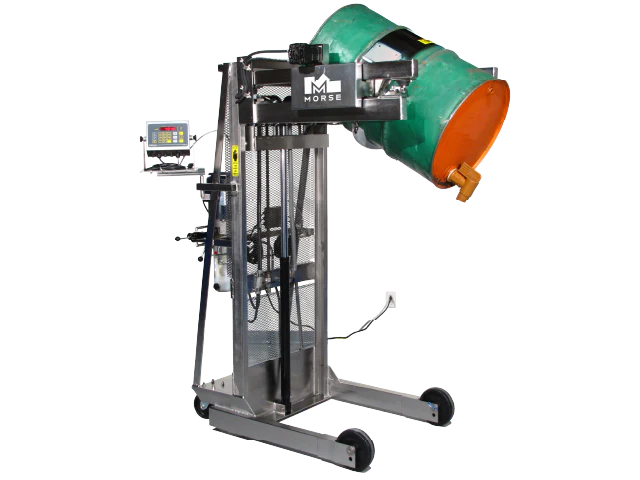
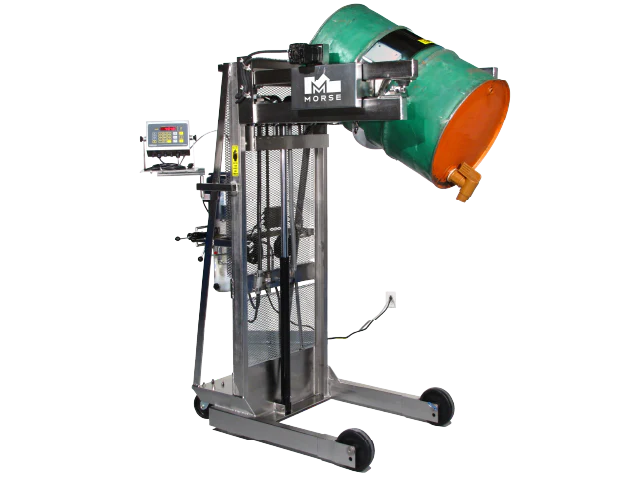
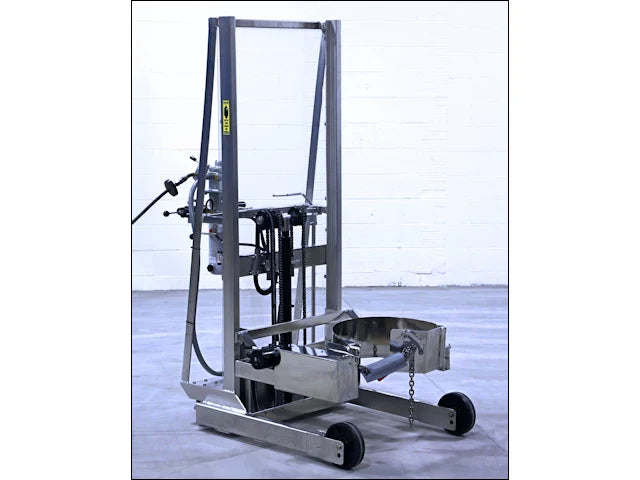
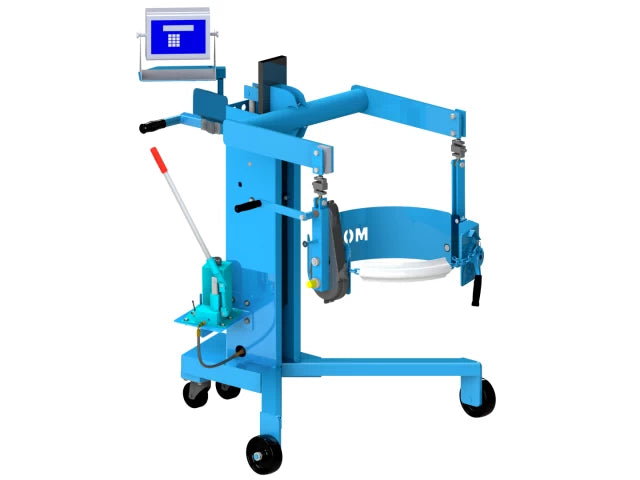
| Morse Stainless Steel Intrinsically-Safe Scale-Equipped Vertiical-Lift Drum Pourer | $39,700 | 800 lb (363 kg) full drum; 500 lb (227 kg) half-full drum (half-full rating reflects the tilt mechanism's capacity for an unbalanced, bottom-heavy load) | 55-gallon (210 L) steel drum; MORCINCH holder auto-adjusts 22"-23.5" (56-59.7 cm) diameter; Diameter Adapters available down to 14"-20.5"; Bracket Assembly/Top Rim Clamp accessories required to handle a rimless plastic drum or a fiber drum | — | View → |
| Morse Stainless Steel Scale-Equipped Vertical-Lift Drum Pourer | $35,900 | — | — | 12V | View → |
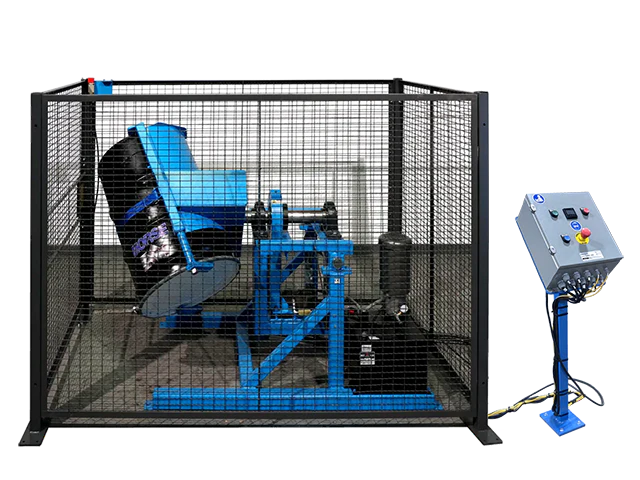
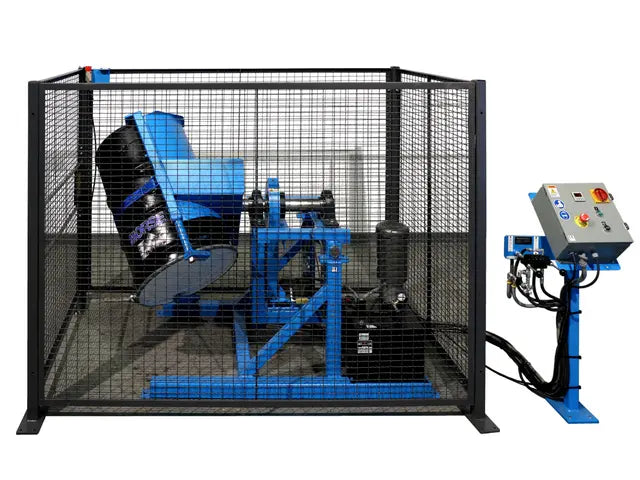
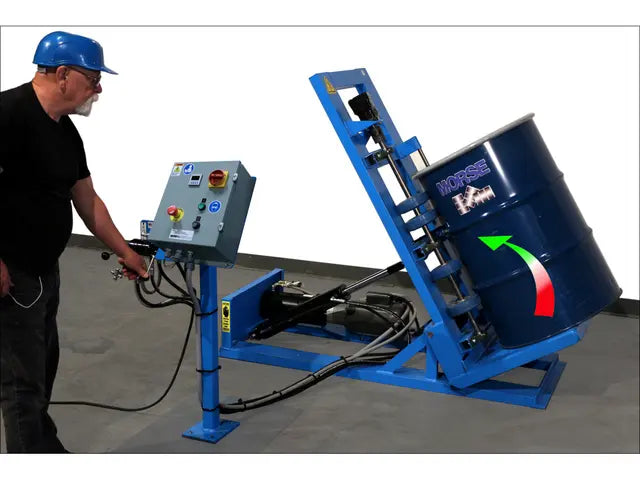
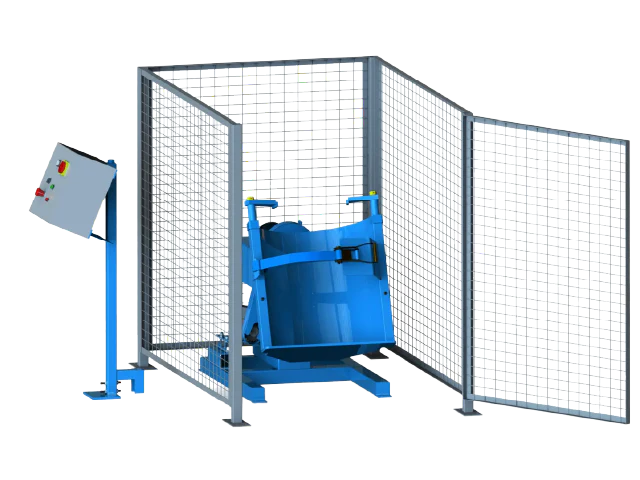
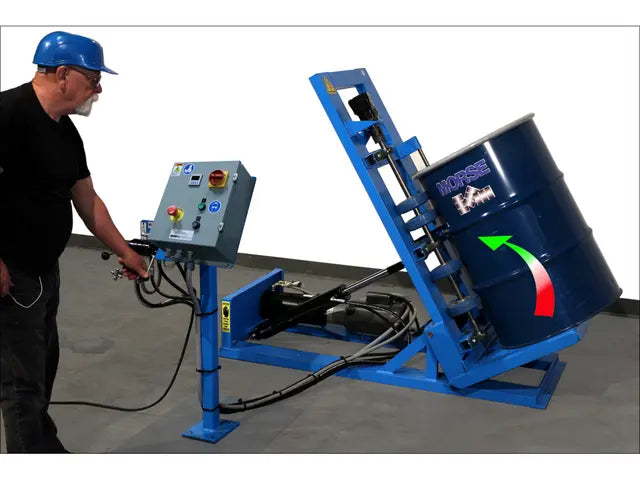
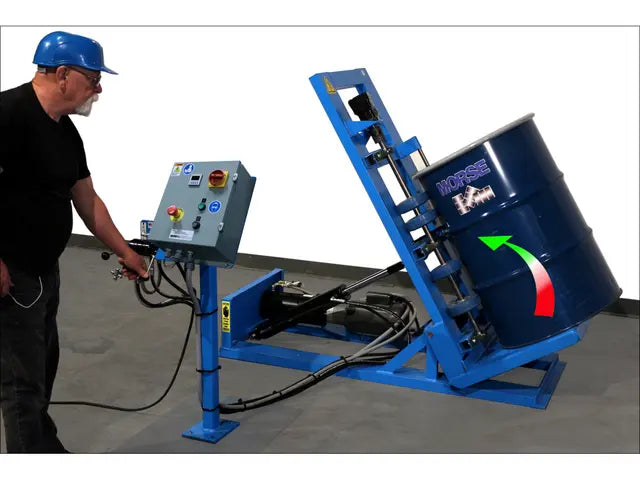
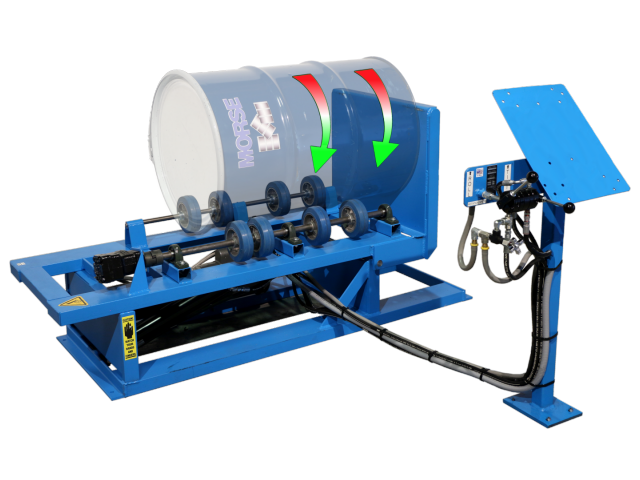
| Morse Tilt-to-Load Automated Control Drum Tumbler | $26,700 | 800 lb (363 kg) full drum; 400 lb (181 kg) half-full drum (half-full rating reflects the tilt mechanism's capacity for an unbalanced, bottom-heavy load) | Steel, plastic, or fiber drum; 18"-23.5" (457-597 mm) diameter, 28"-37" (711-940 mm) tall (typical 30- to 55-gallon / 114-210 L drum) | — | View → |
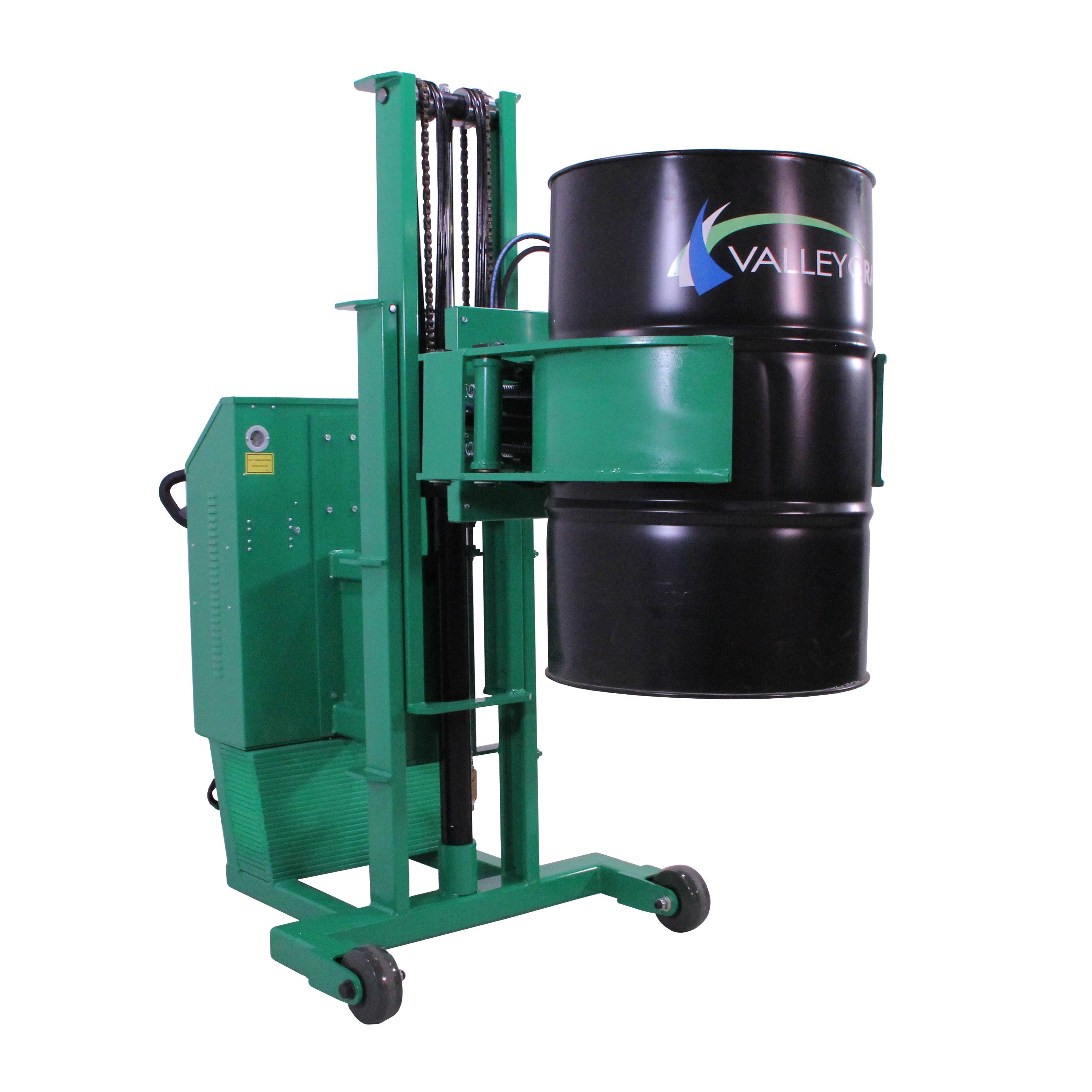
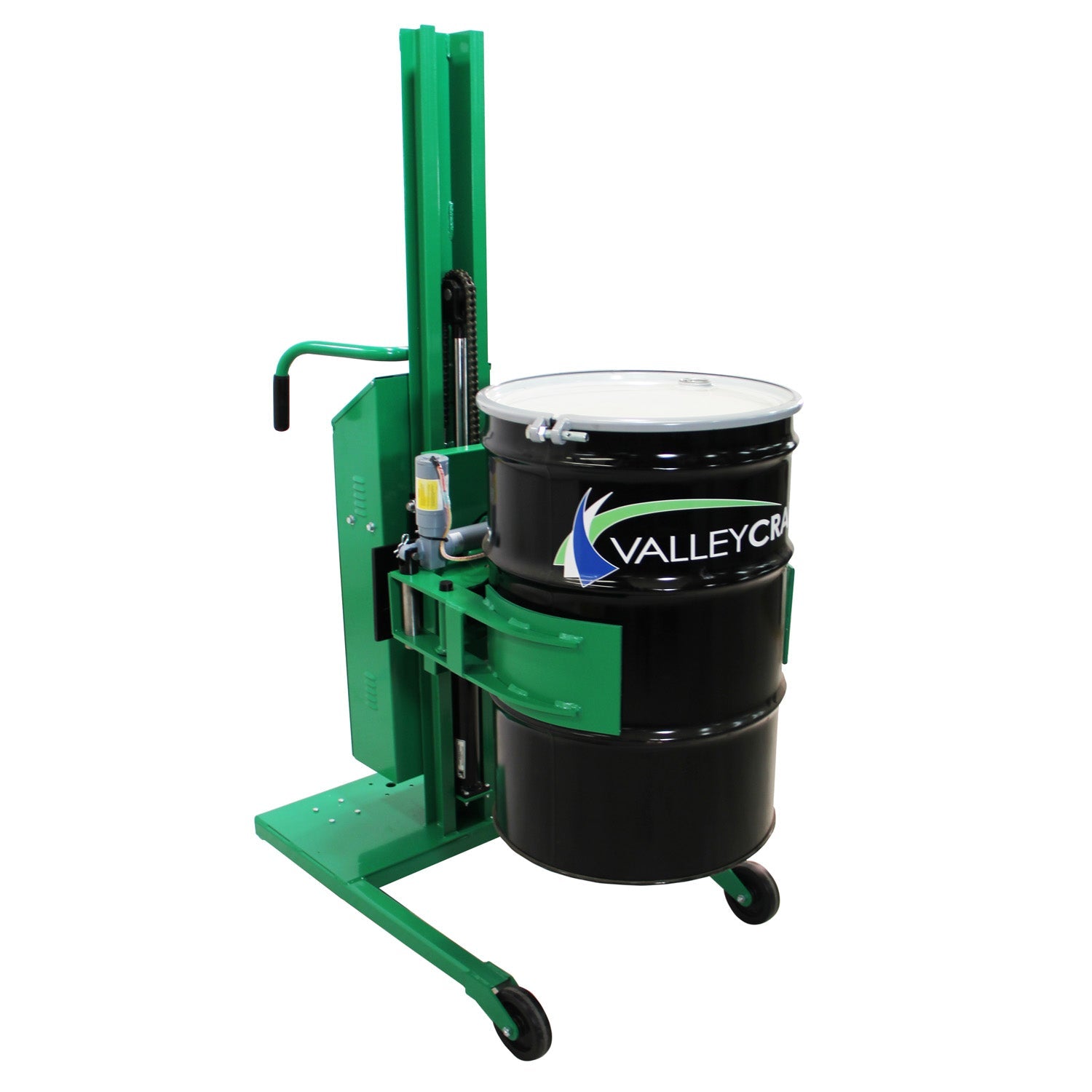
| Valley Craft Deluxe Telescopic Drum Lift & Rotator | $25,995 | 1,000 lb | — | 24V | View → |
| Morse CE-Marked Tilt-To-Load Drum Tumbler | $23,100 | 800 lb full capacity (363 kg); 400 lb (182 kg) for uneven/half loads | Steel, plastic, or fiber drum, 30-55 gallon (114-210 L); 18"-23.5" (457-597mm) diameter, 28"-37" (711-940mm) tall | — | View → |
| Morse Stainless Steel Vertical-Lift Drum Pourer | $21,880 | — | — | 12V | View → |
 In Stock
 In StockIn Stock
 In Stock
 In Stock
 In Stock
 In Stock
 In Stock
 In Stock
 In Stock
 In Stock
 In Stock
 In Stock
 In Stock
 In Stock
 In Stock
 In Stock
 In Stock
 In Stock
 In Stock
 In Stock
 In Stock
 In Stock
 In Stock
 In Stock
 In Stock
 In Stock
 In Stock
 In Stock
 In Stock
 In Stock
 In Stock
 In Stock
 In Stock
 In Stock
 In Stock
 In Stock
 In Stock
 In Stock
 In Stock
 In Stock
 In StockIn Stock
 In Stock
 In Stock
 In Stock
 In Stock
 In Stock
 In Stock
 In Stock
 In StockIn Stock
 In Stock
 In Stock
 In Stock
 In Stock
 In Stock
 In Stock
 In Stock
 In Stock
 In Stock
 In Stock
 In Stock
 In Stock
 In Stock
 In Stock
 In Stock
 In Stock
 In Stock
 In Stock
 In Stock
 In Stock
 In Stock
 In Stock
 In Stock
 In Stock
 In Stock
 In Stock
 In Stock
 In Stock
 In Stock
 In StockIn Stock
 In Stock
 In Stock
 In Stock
 In Stock
 In Stock
 In Stock
 In Stock
 In StockIn StockIn Stock
 In Stock
 In Stock
 In Stock
Drum Handling Equipment Buying Guide
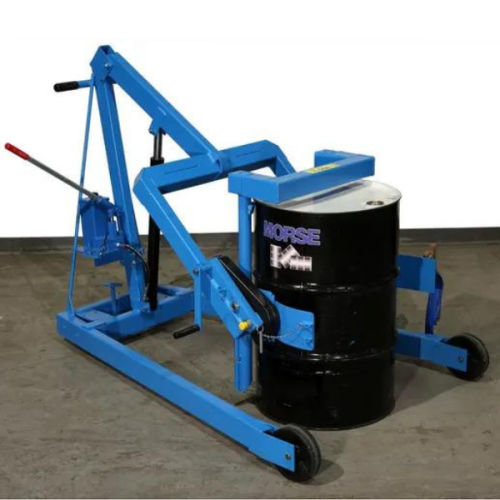
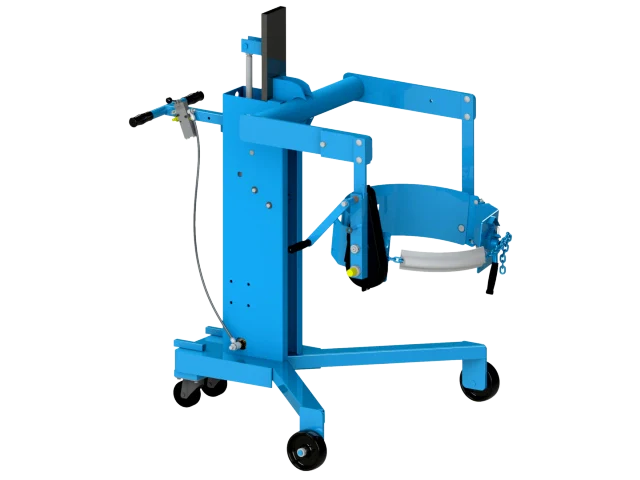
Pick the verb before the machine. Every product here does one of four jobs. Moving across the floor is drum dollies and carts. Lifting with a hoist, crane, or forklift is drum lifting attachments and forklift drum attachments. Controlled dispensing is drum pourers and rackers. Blending contents without opening the drum is drum rollers and tumblers. Machines that do several of these exist, Morse's Hydra-Lift Karriers lift, transport, and pour from one chassis, and they earn their price when a drum makes that whole journey daily. When it does not, a single-purpose machine is cheaper and usually better at its one job.
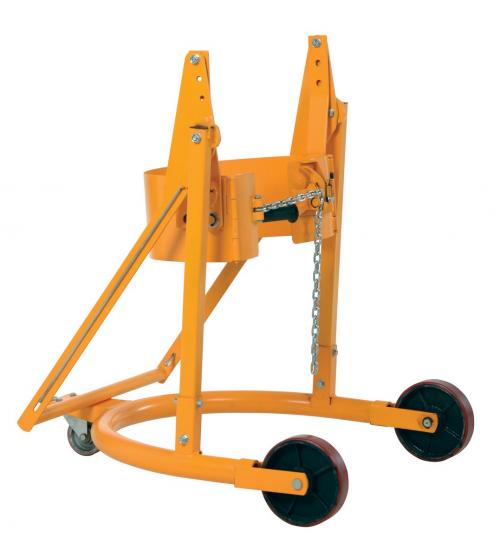
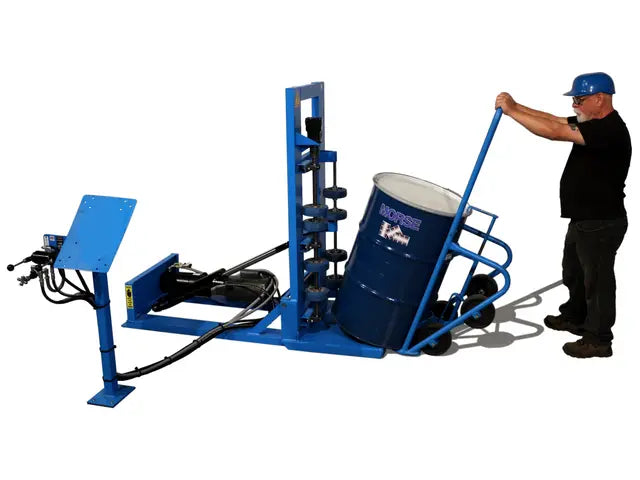
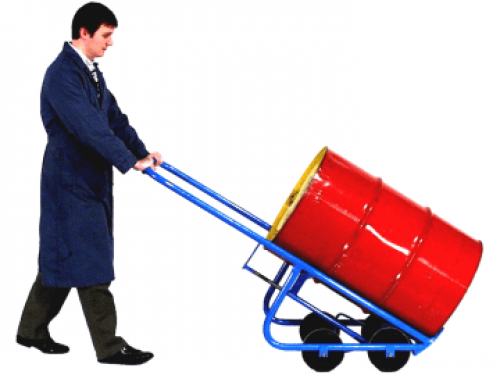
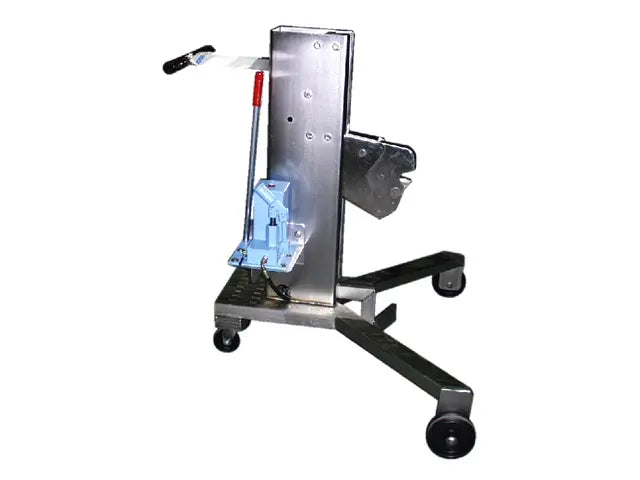
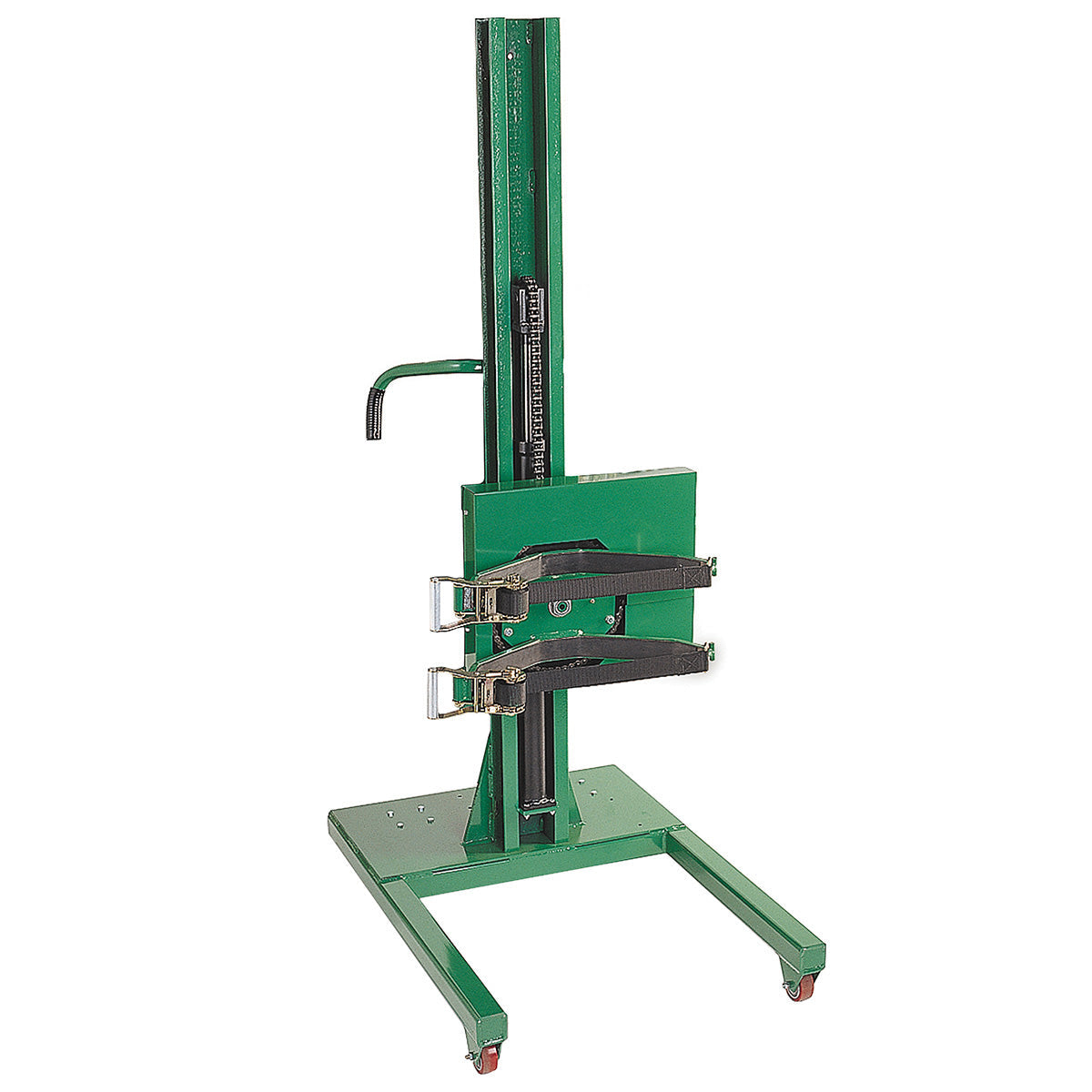
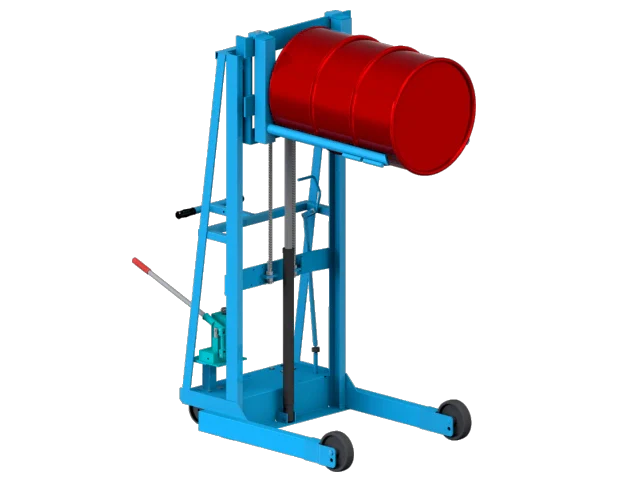
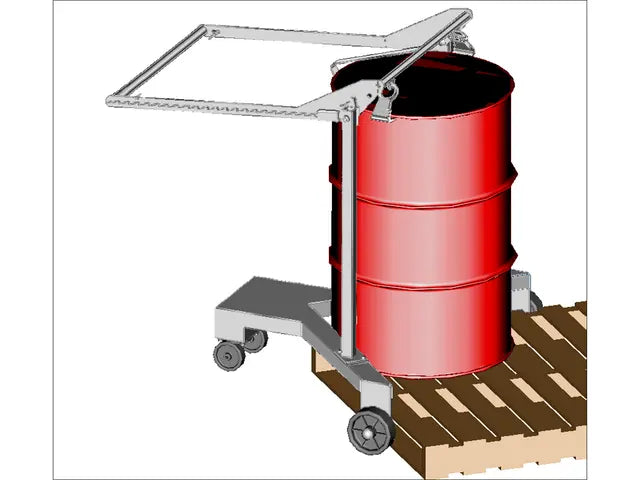
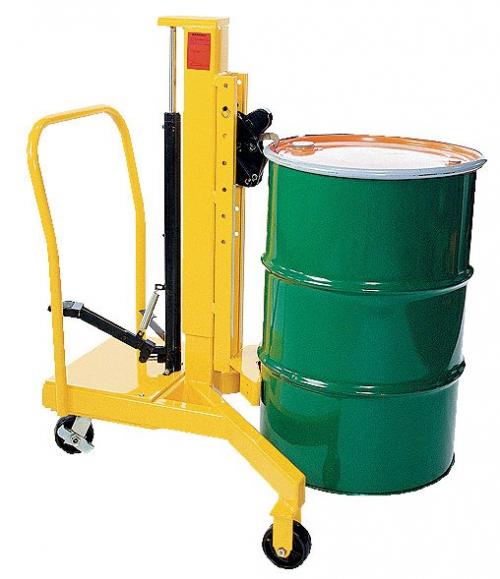
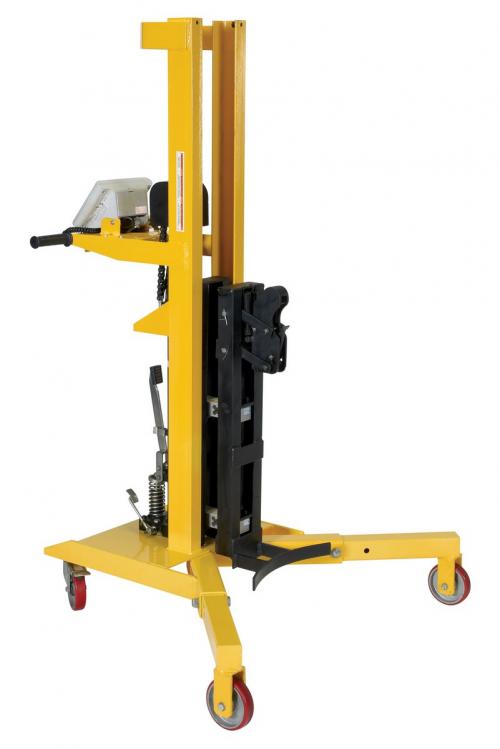
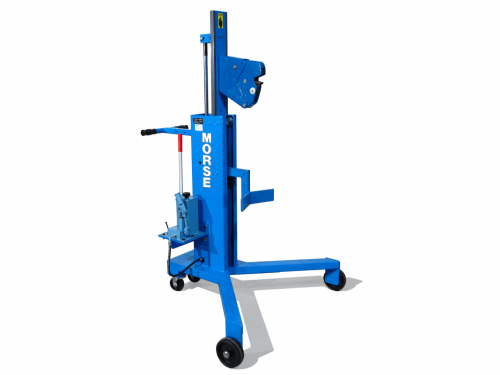
Moving: match the dolly to the floor and the volume. A basic dolly puts casters under one drum for about what the spill it prevents would cost to clean up. From there the questions are floor and throughput. Smooth concrete, one drum at a time: a standard dolly or the drum carrier and rotator trolley, which also dispenses. Pallets in the workflow: the palletizer trolley straddles a pallet and sets the drum on it, removing the single worst manual lift in most drum rooms. Heavier traffic moves you to hydraulic karriers that clamp, raise, and wheel a full drum with the operator's hands off it entirely. Capacity ratings on this gear commonly sit near 800 lb, comfortably over any full 55 gallon drum, but check yours if 85 gallon salvage drums ever pass through.
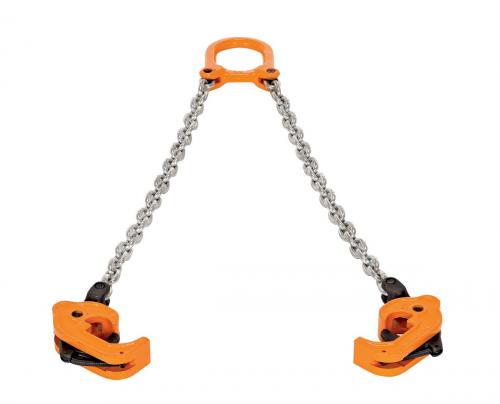
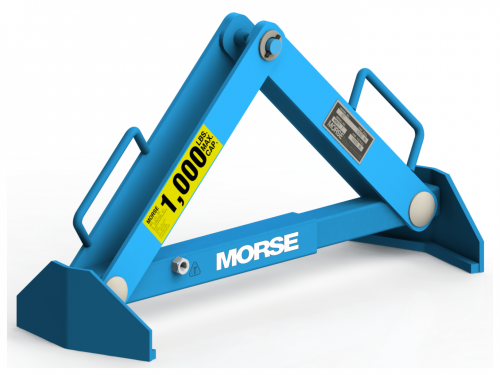
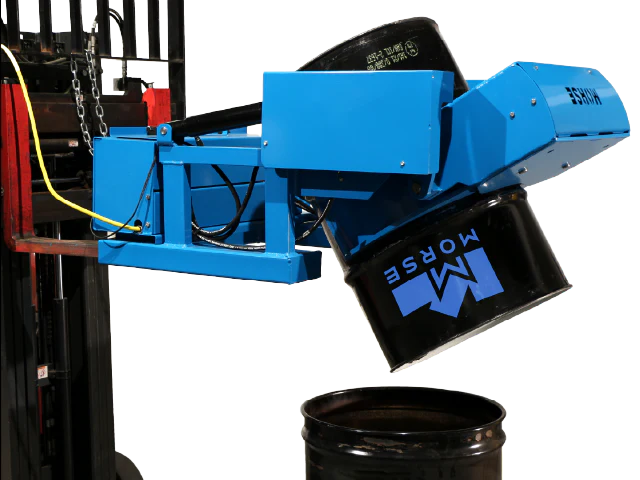
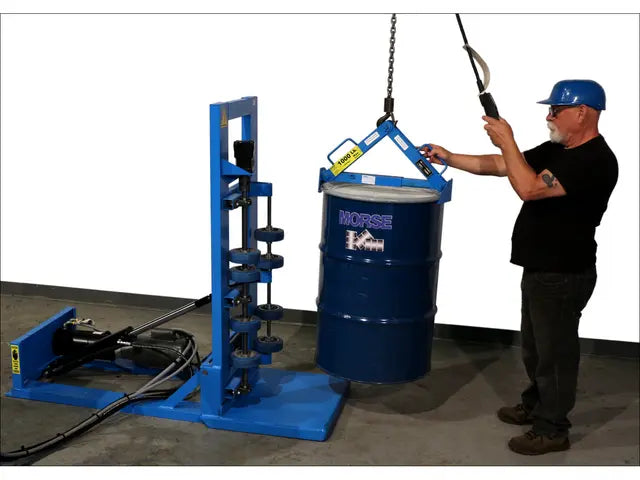
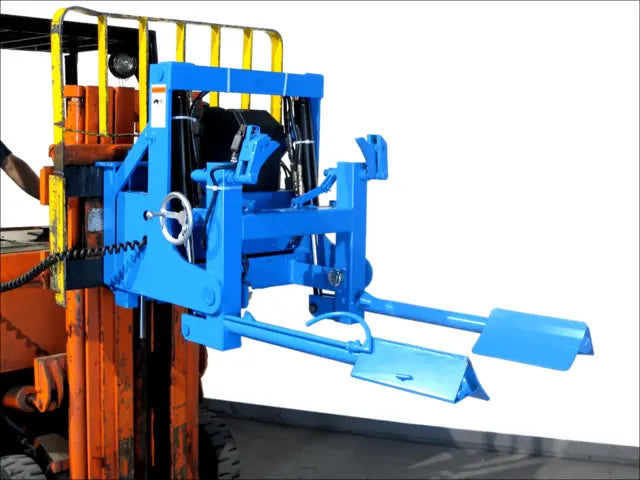
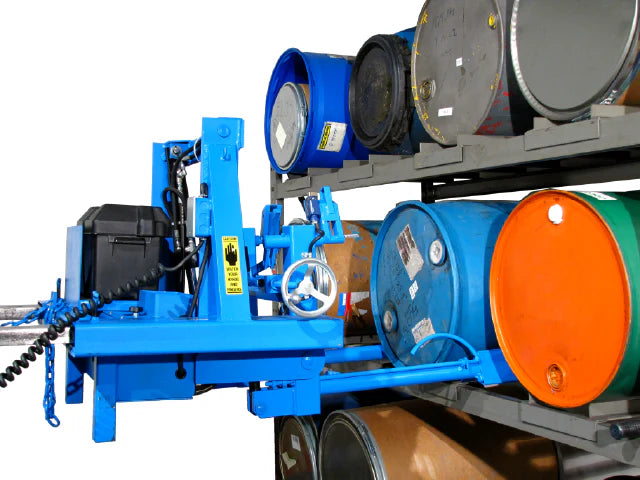
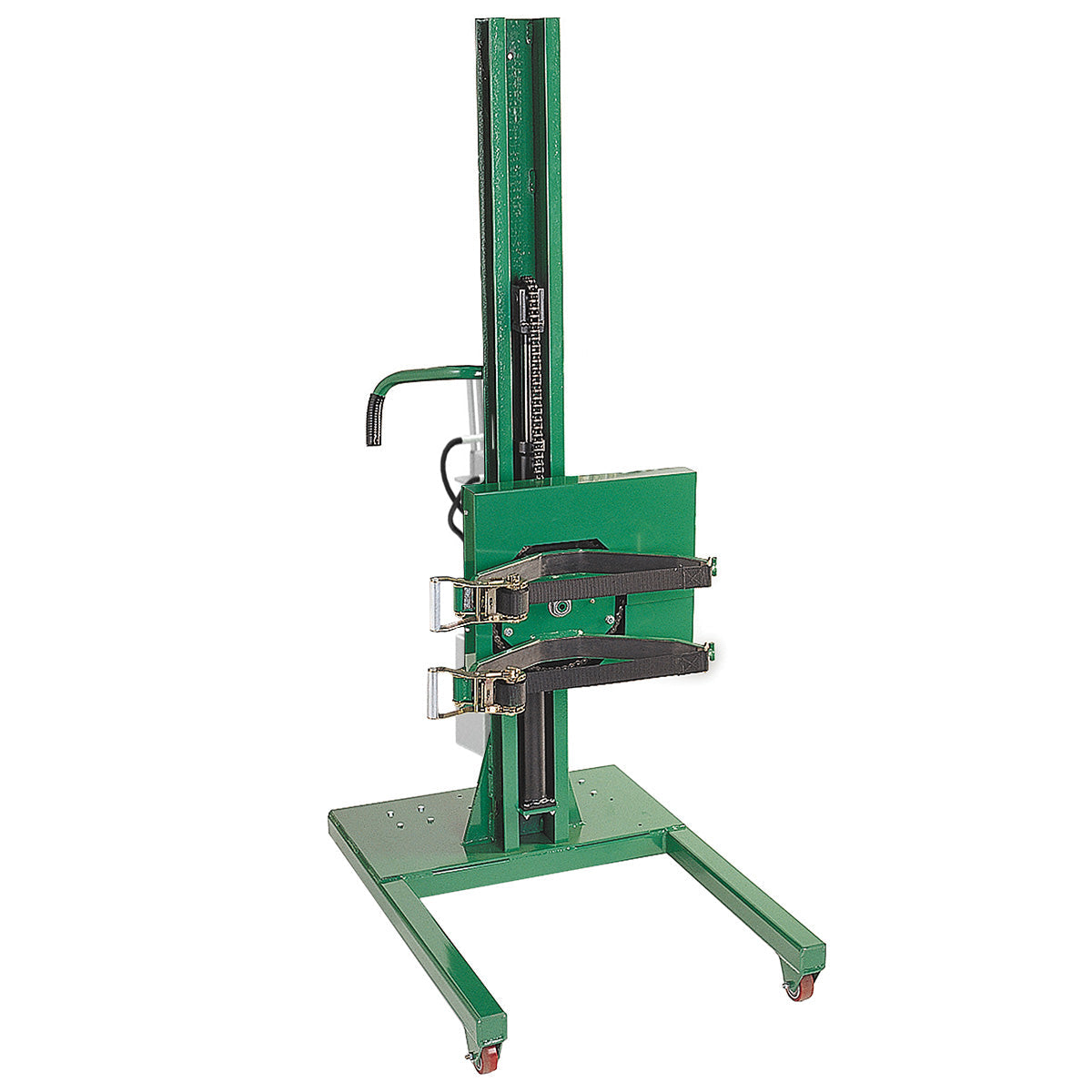
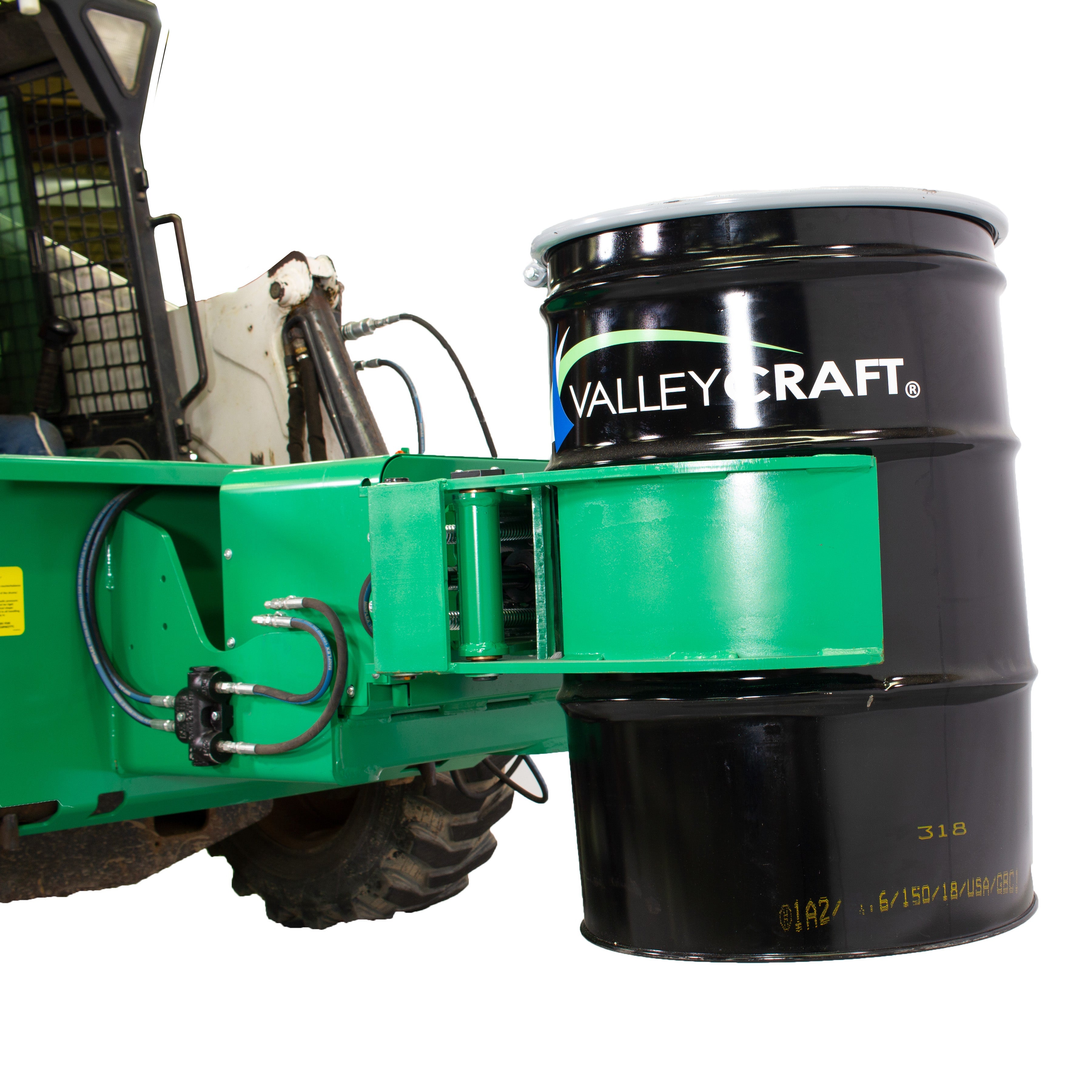
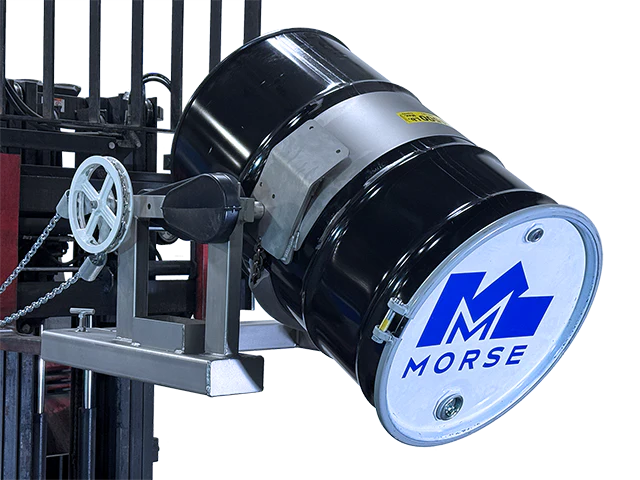
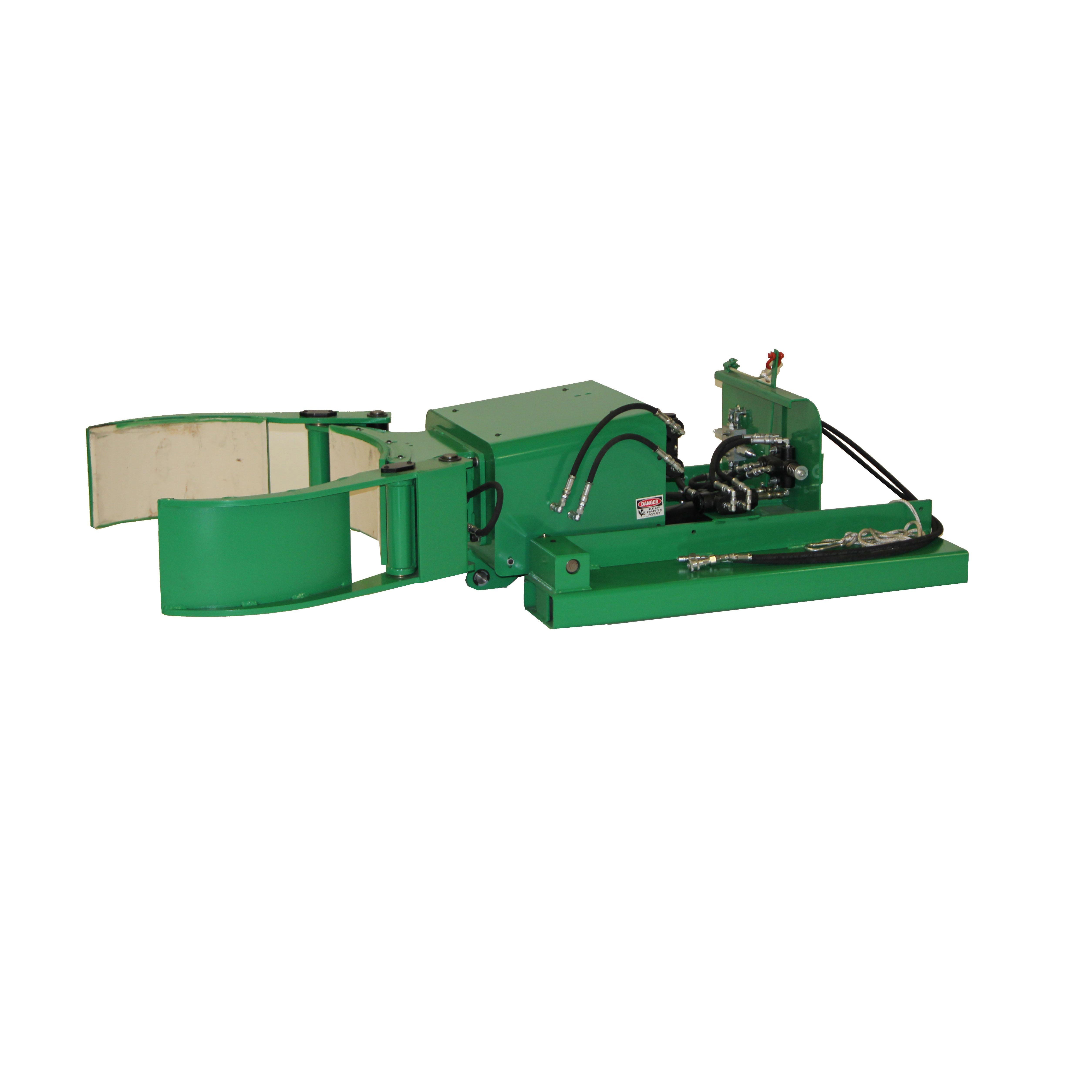
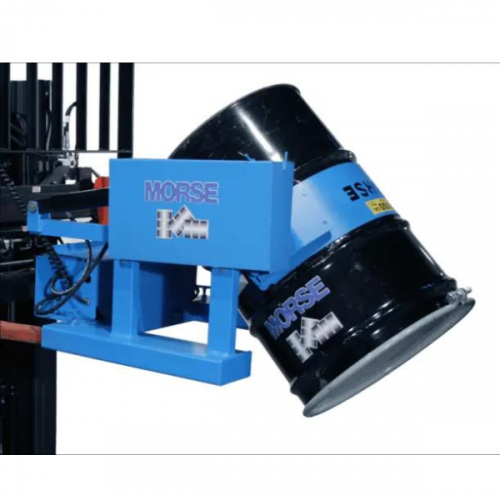
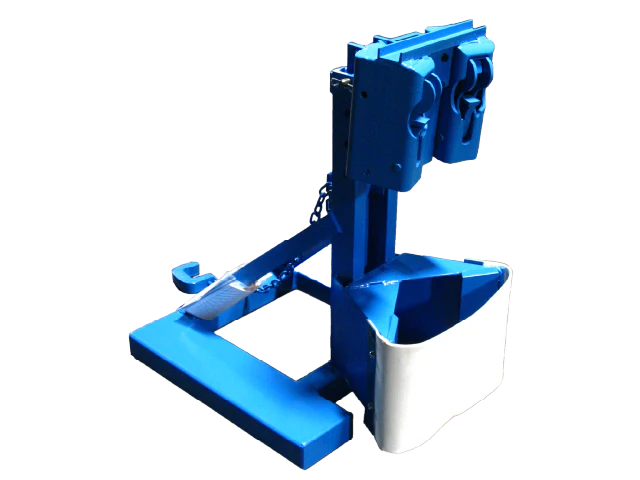
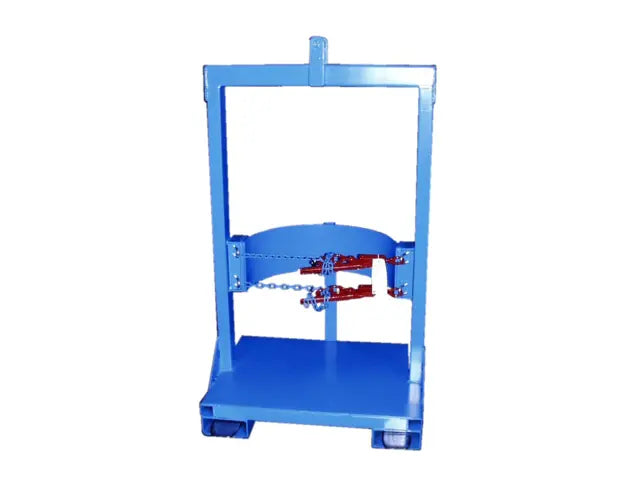
Lifting: below the hook or on the forks. Anything that hangs a drum from a hoist or crane hook is a below-the-hook lifting device, which puts it under ASME B30.20 with the same inspect-before-use discipline as your slings. The chime grabs and drum lifter chain slings in drum lifting attachments pick a closed steel drum vertically; verify any model against plastic or fiber drums before trusting it, because a poly chime is a different shape holding less. On the truck side, forklift drum attachments run from fork-pocket below-hook lifters at 1,000 and 2,000 lb to rotators that let the forklift itself invert a 55 gallon steel drum for dumping. If a lift truck already travels where the drum goes, a fork-mounted attachment is nearly always the cheapest lift in the building.
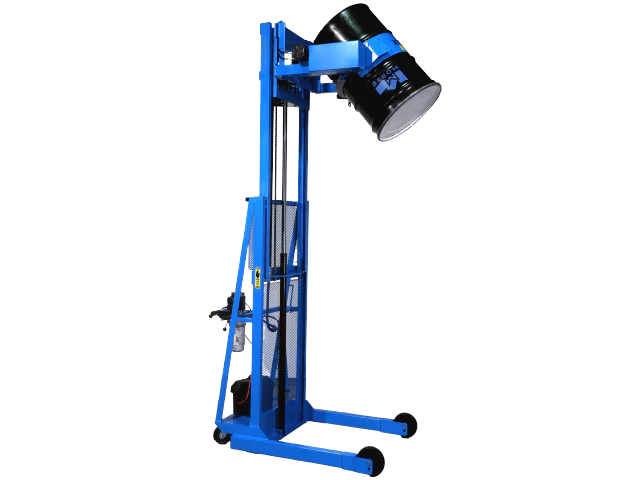
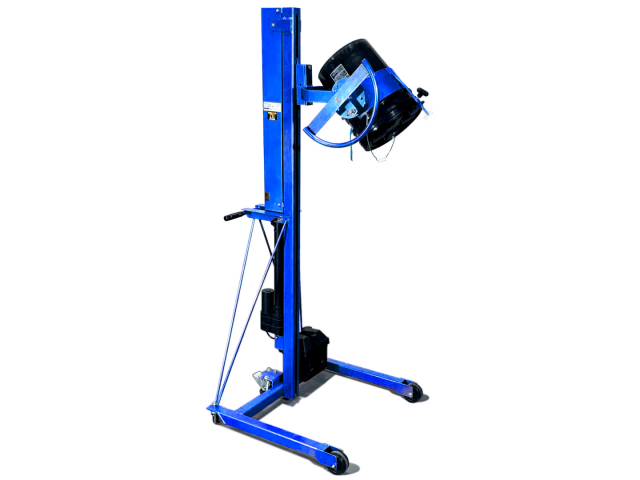
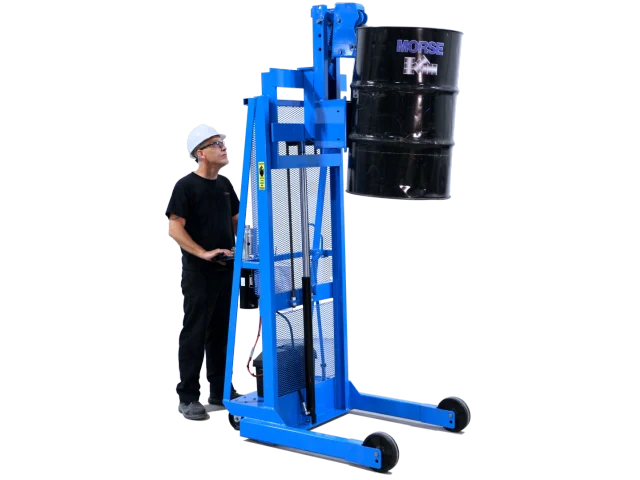
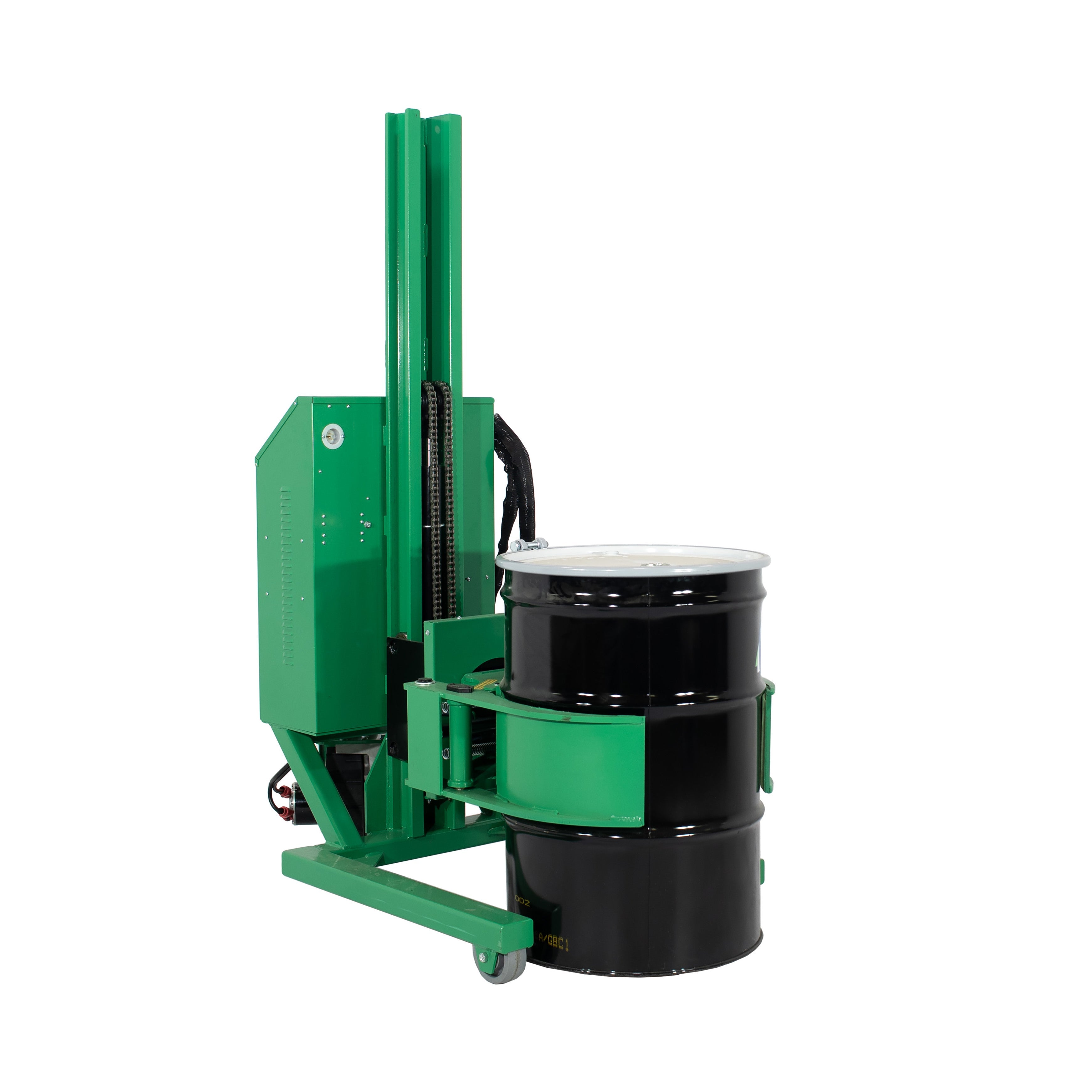
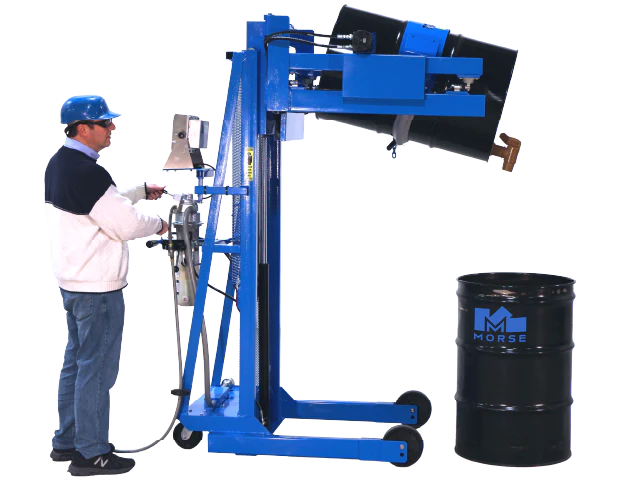
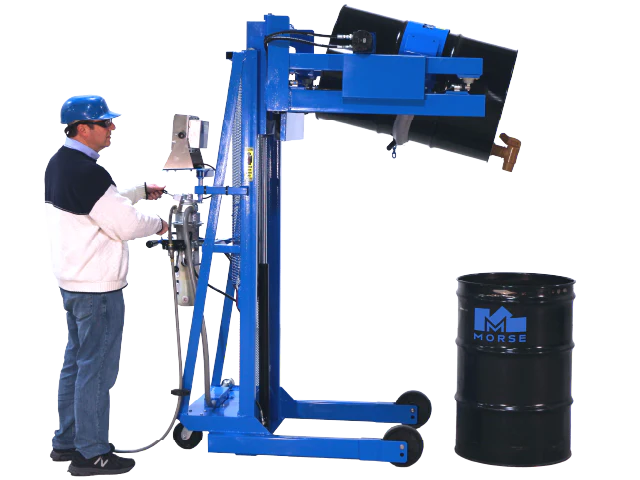
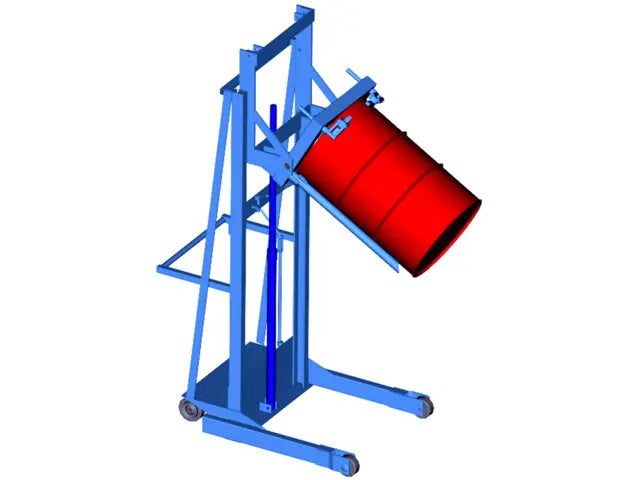
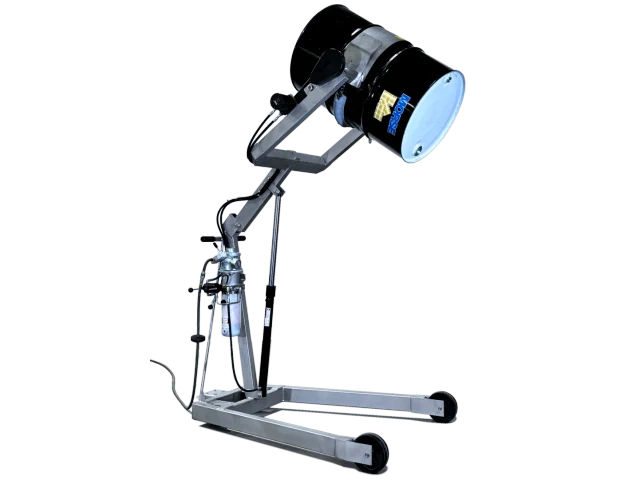
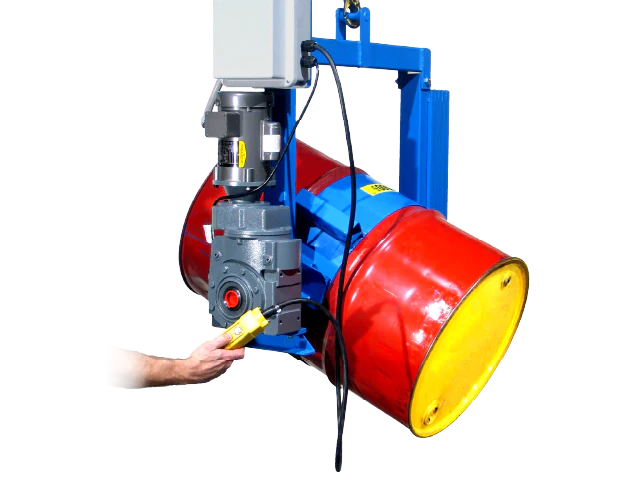
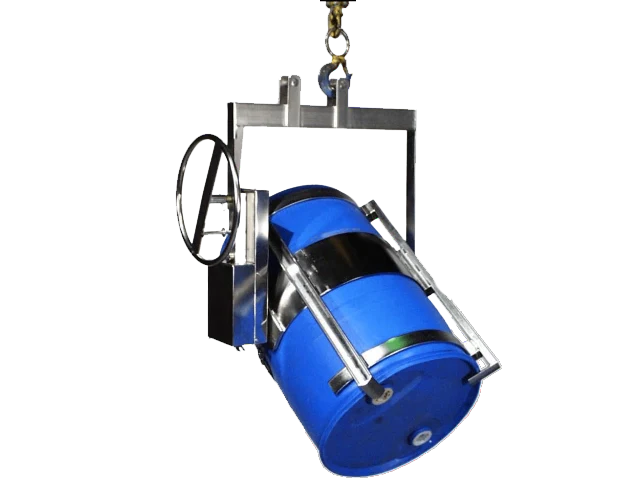
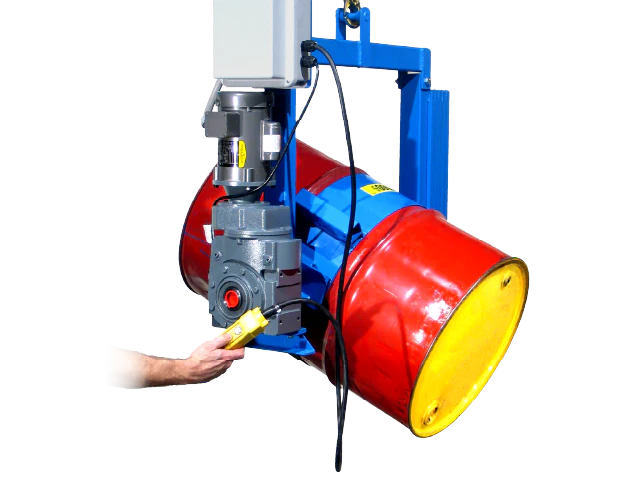
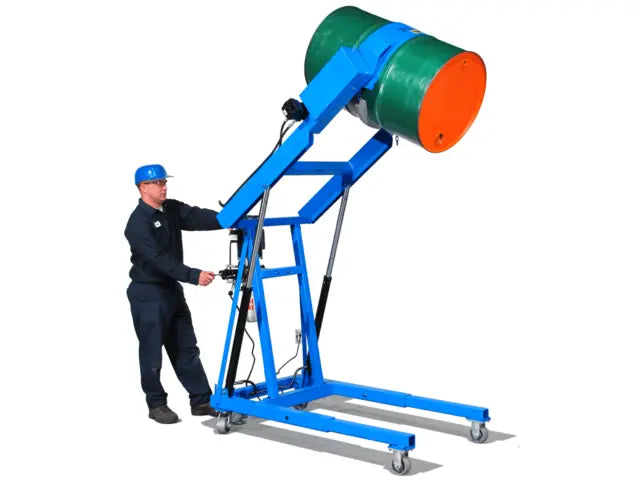
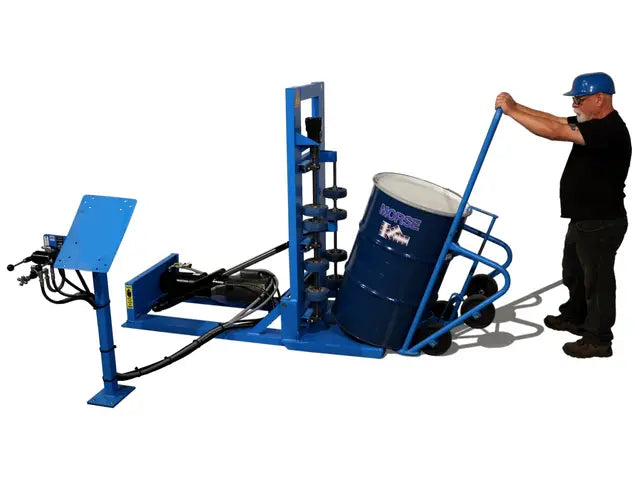
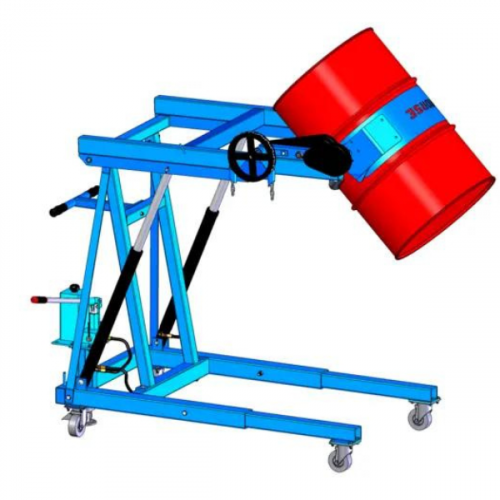
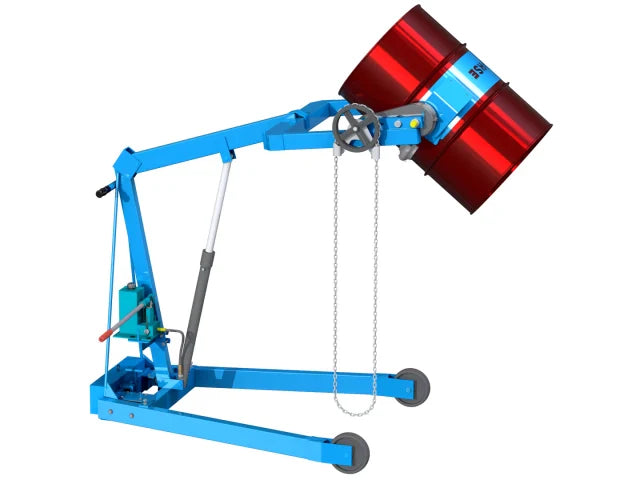
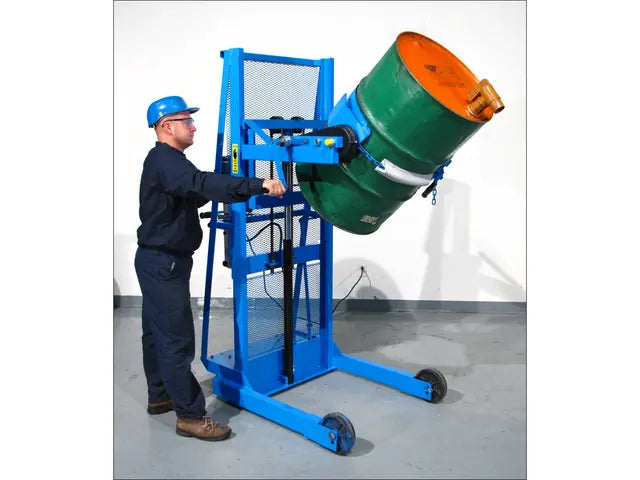
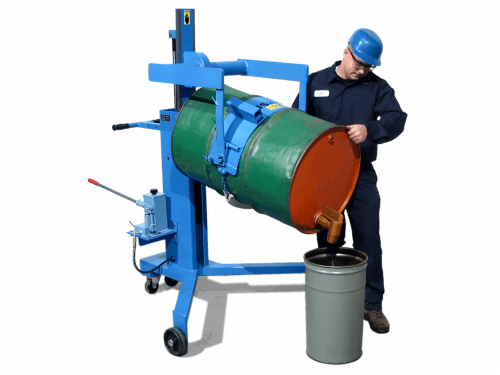
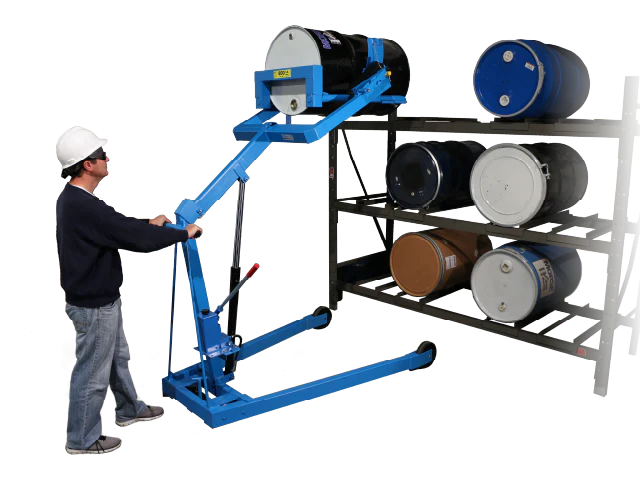
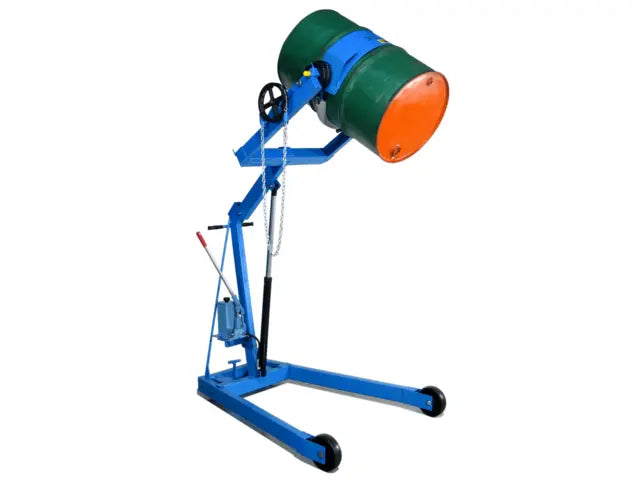
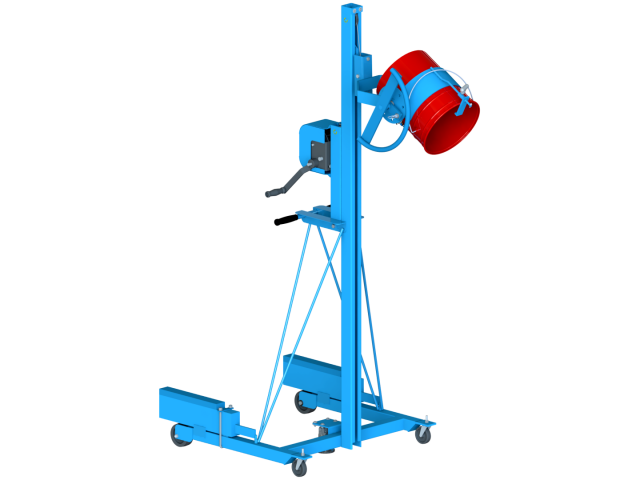
Pouring: height, angle, and what controls the flow. Dispensing is where drum handling stops being a strength problem and becomes a control problem. Morse's pourers and rackers hold the drum and meter the tilt: mobile Karrier pourers work at bench height, vertical-lift models raise a full drum to pouring heights up to 106 inches for charging tanks and hoppers, and rackers park a horizontal drum for tap dispensing. Dry material gets its own hardware, the 45 and 90 degree drum cones in drum handling accessories that channel powder out of an open drum without the surge when a bridge of material lets go. For batching by weight in classified areas, there is an intrinsically safe, scale-equipped vertical-lift pourer.
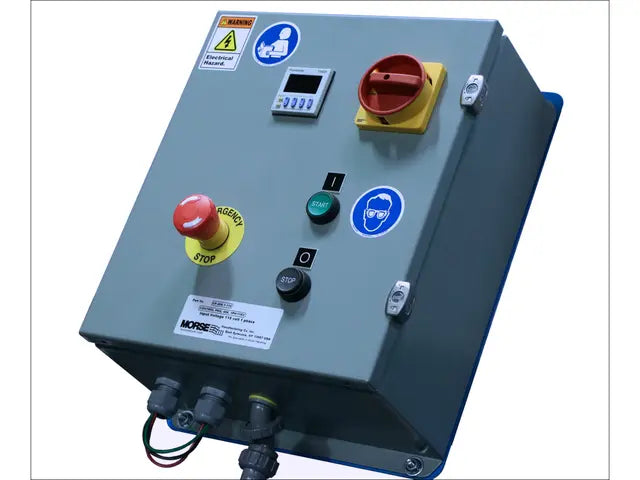
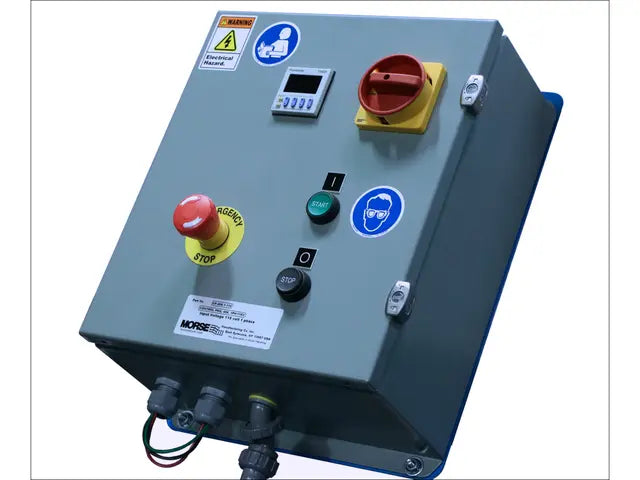
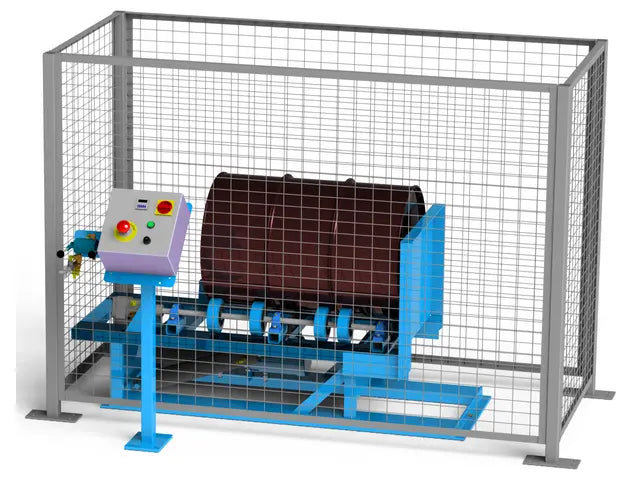
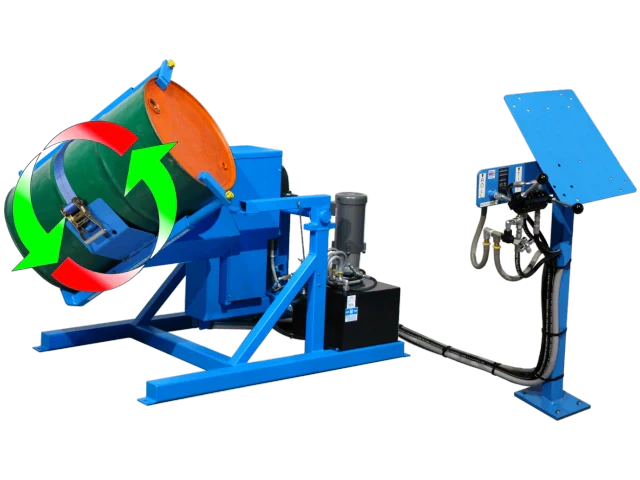
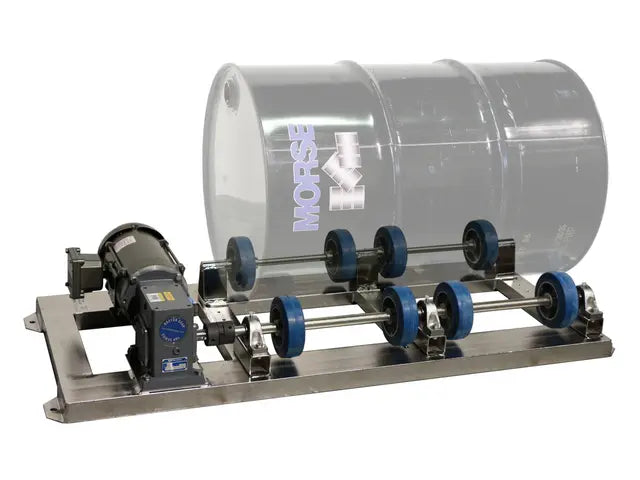
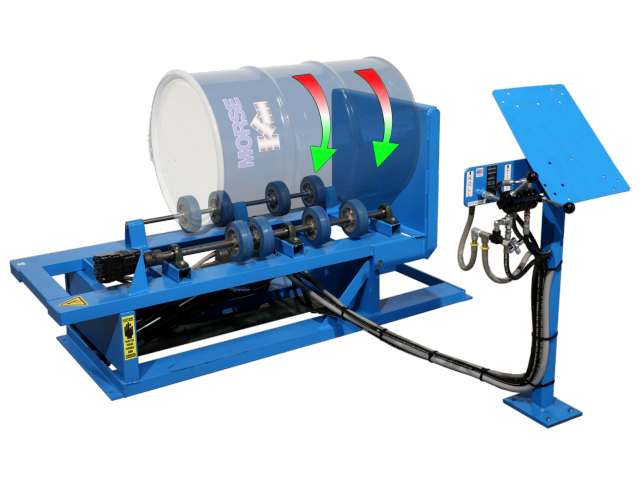
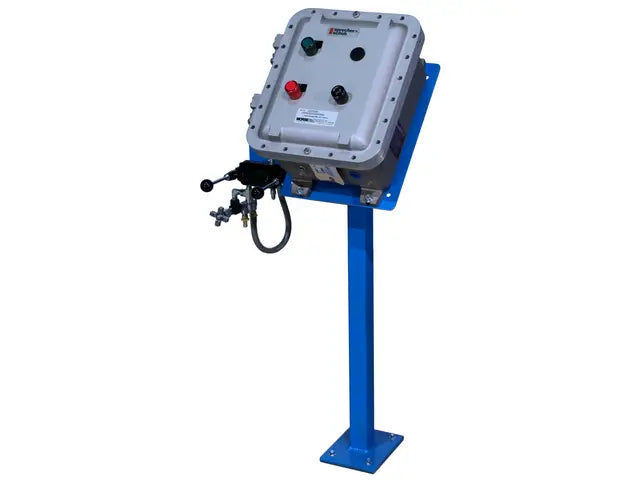
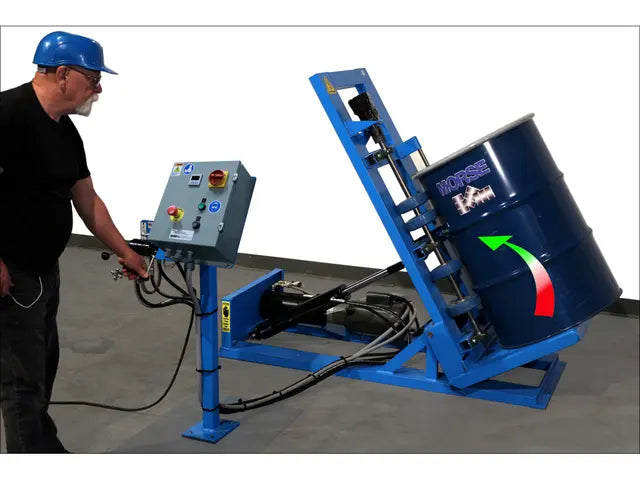
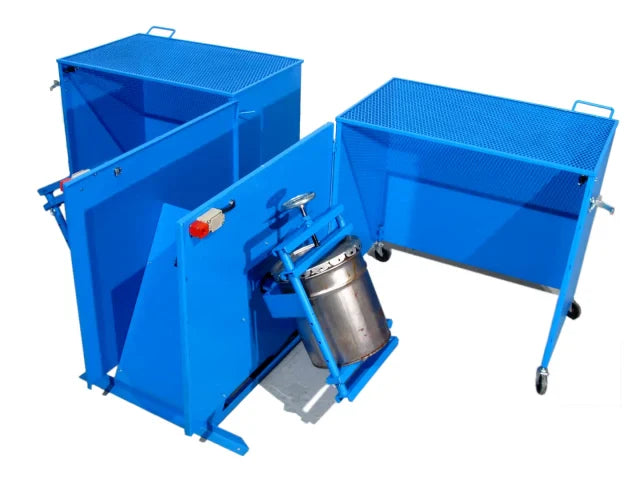
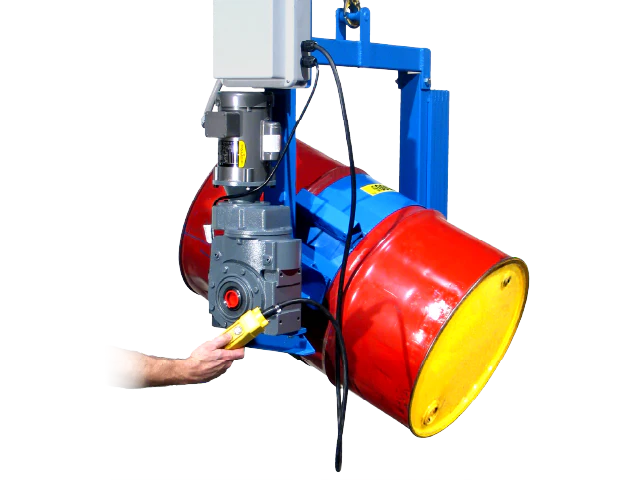
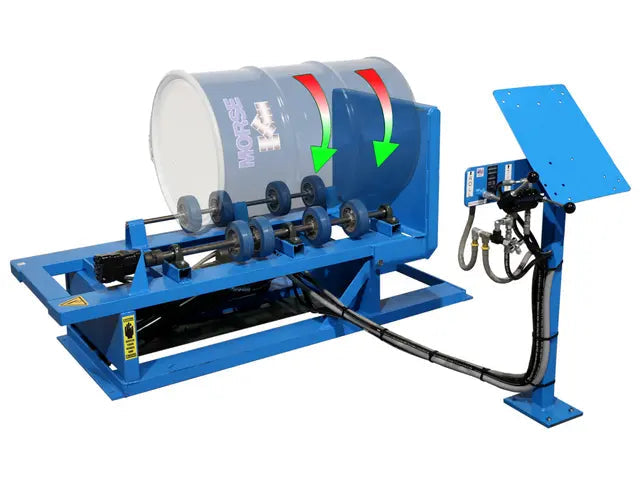
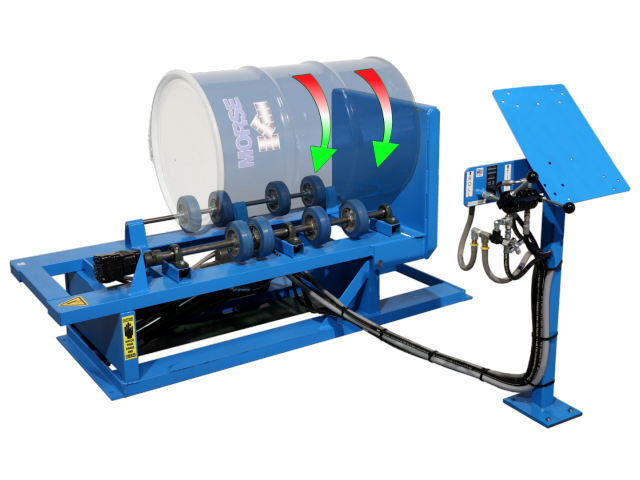
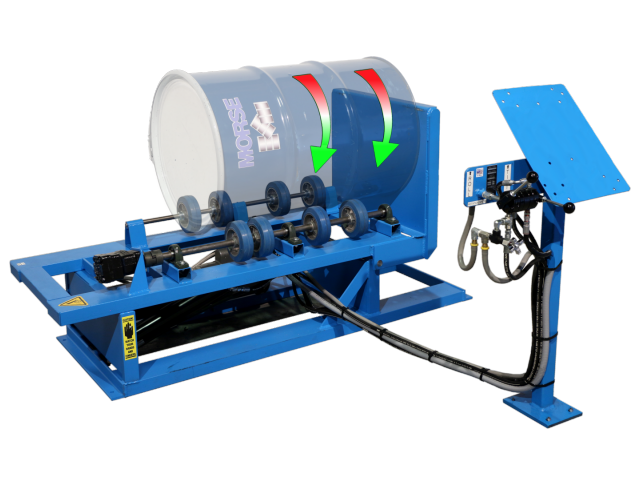
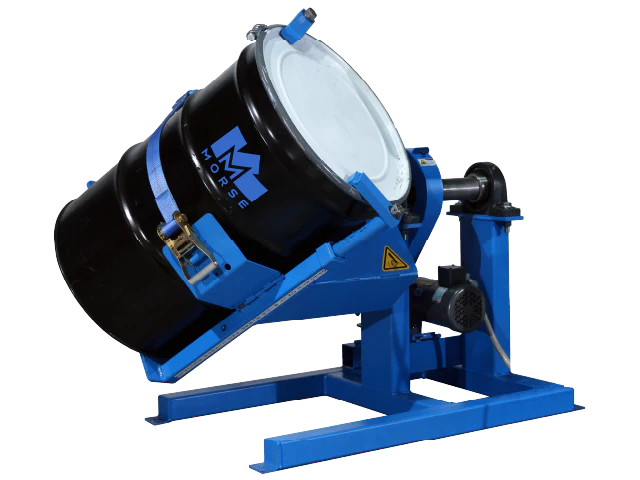
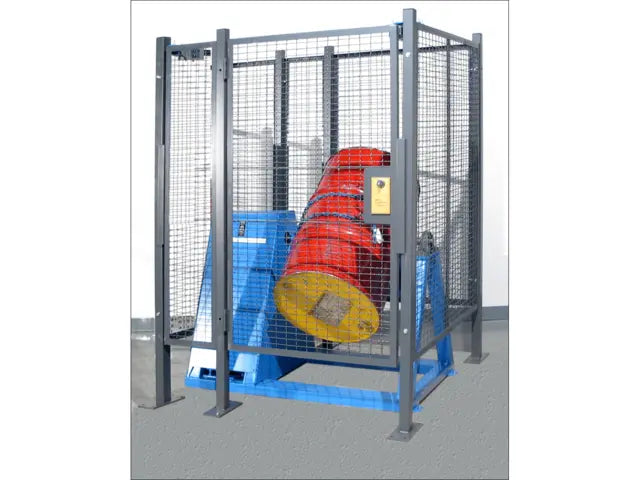
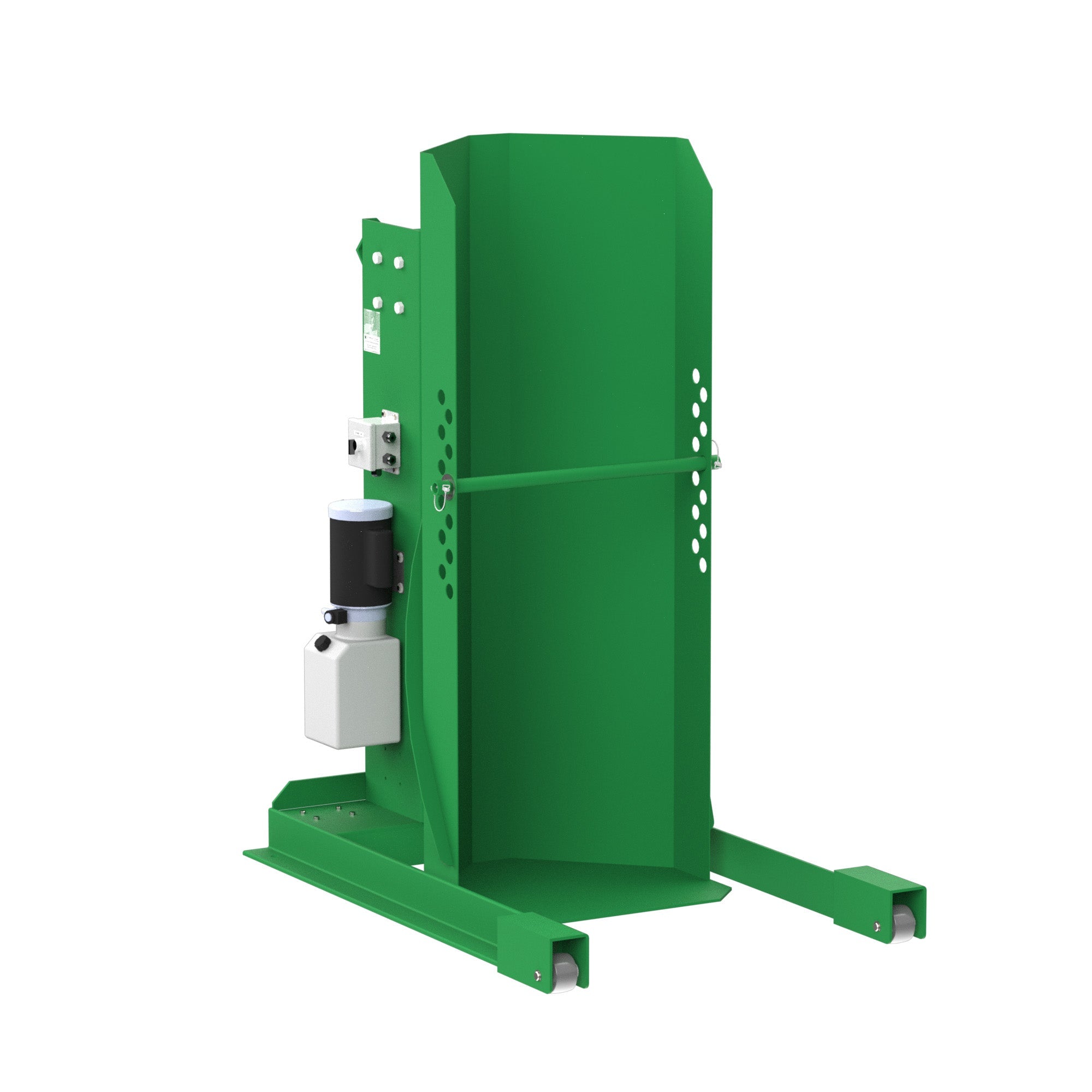
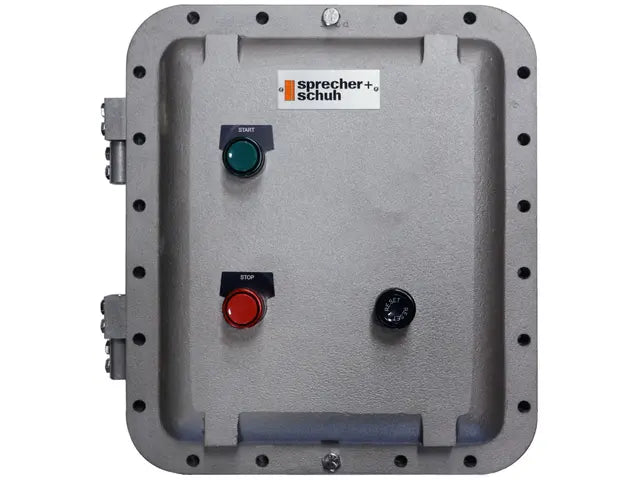
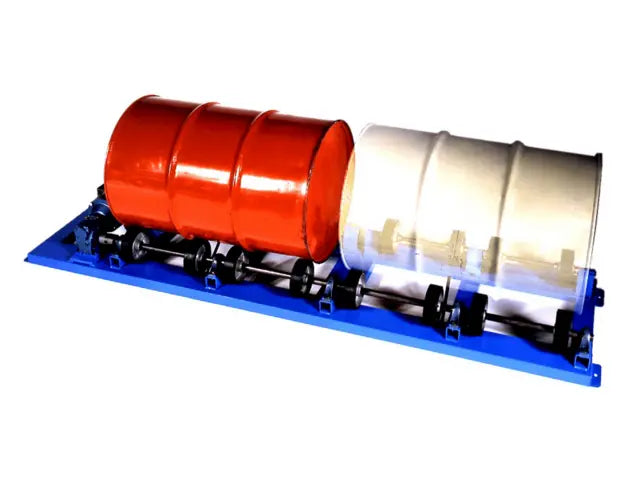
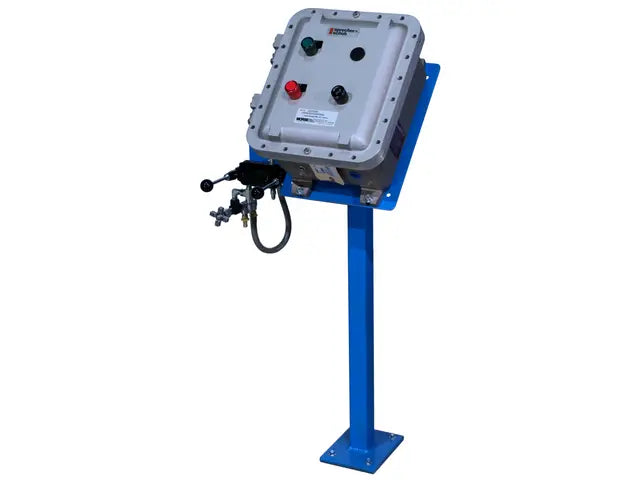
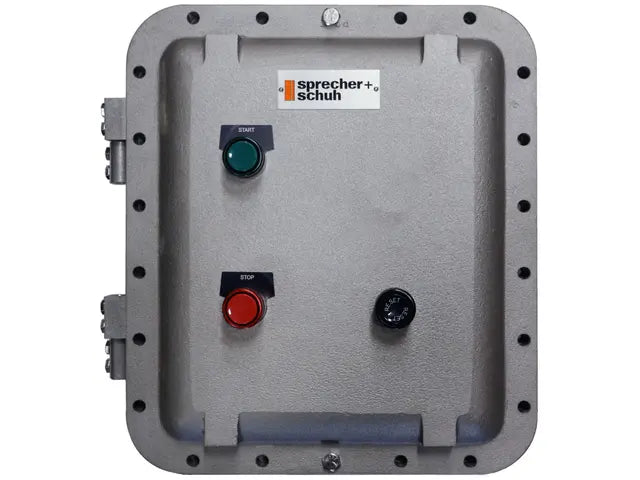
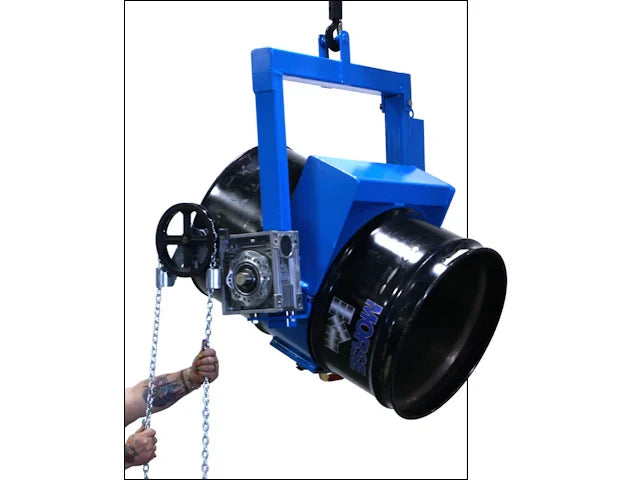
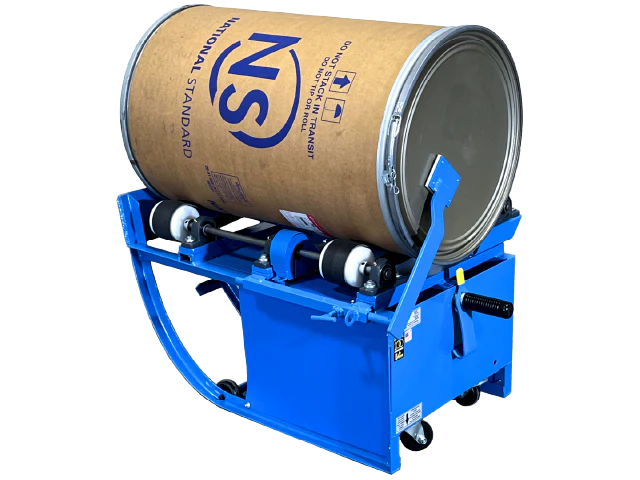
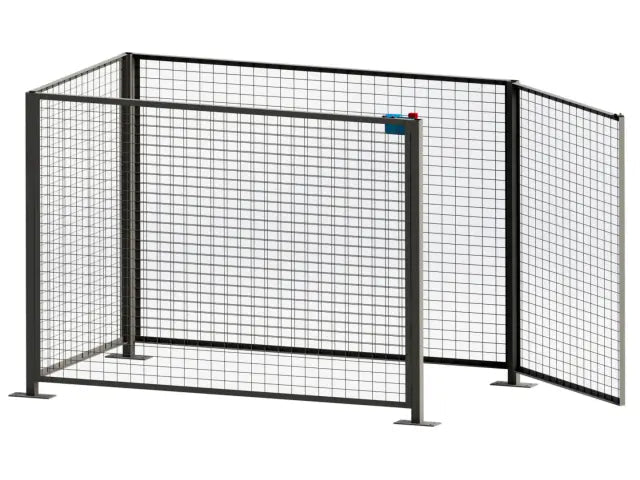
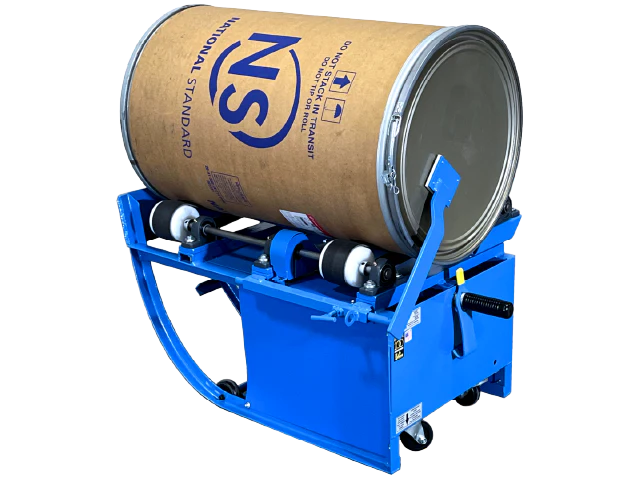
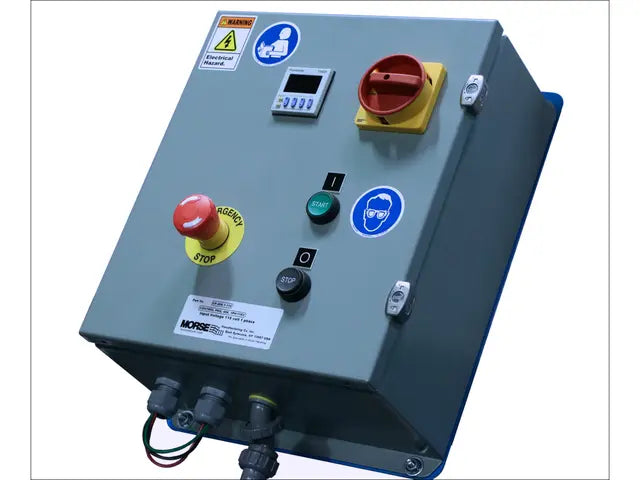
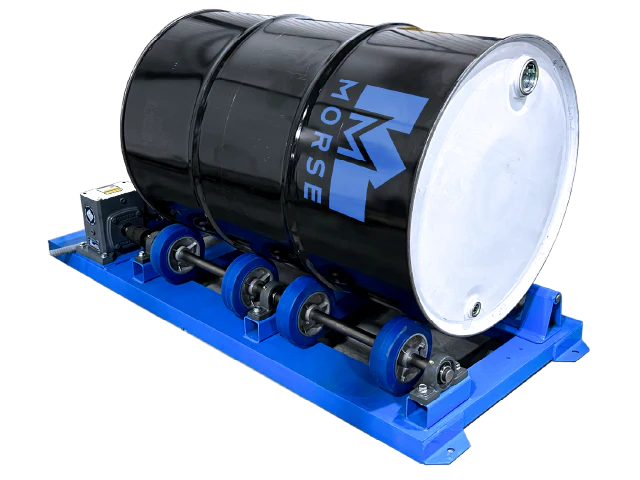
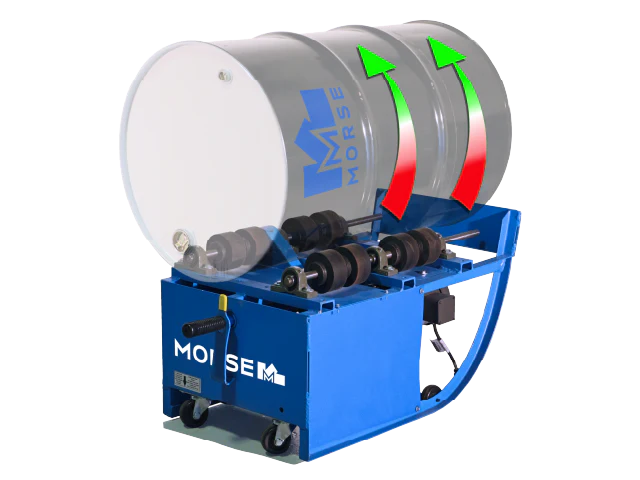
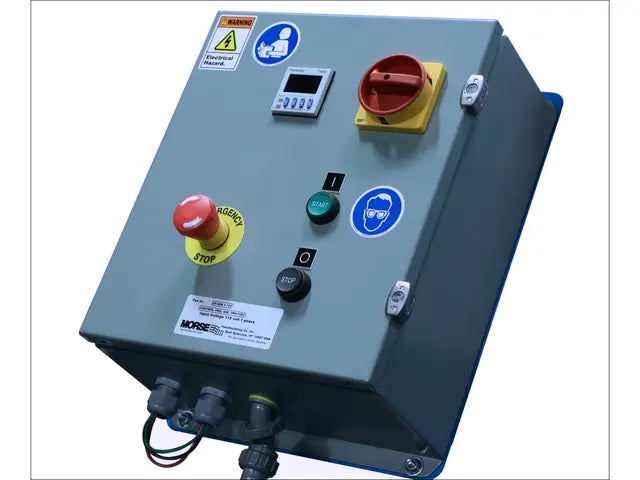
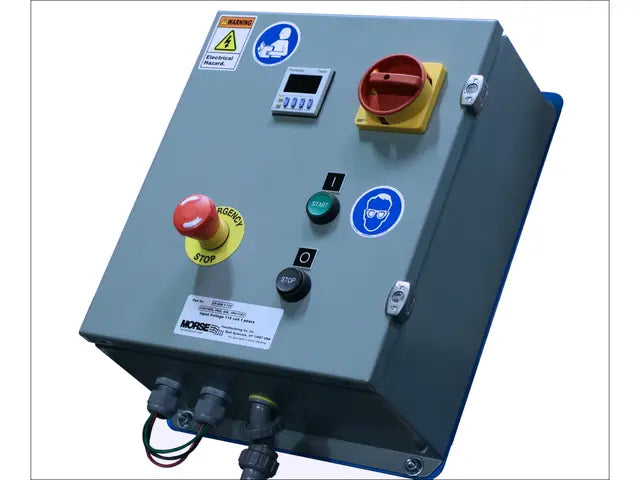
Mixing: the drum is the vessel. Rollers and tumblers blend paint, coatings, adhesives, and slurries inside the sealed drum: no transfer, no cleanup, no exposure. The 456 series Hydra-Lift rollers spin a horizontal drum at adjustable speed, while drum rollers and tumblers also covers end-over-end tumblers for mixes that stratify, can tumblers down to 1 gallon containers, CE-marked builds for European installations, and tilt-to-load frames that accept the drum at floor level. Read the listings on controls: several rollers ship without motor controls, and the matching packages, single and three phase, 400V and 575V, plus an explosion-proof version, live in drum handling accessories. Order machine and controls together so voltage, phase, and hazard rating are settled before wiring day.
Steel, plastic, or fiber: the drum decides the shortlist. A machine rated for a 55 gallon steel drum is not automatically rated for the plastic or fiber version of the same size. Steel drums carry a rolled chime that grabs and clamps predictably; plastic drums flex, taper differently, and shed some chime hooks entirely, which is why Morse lists drum-type compatibility model by model. Before buying, confirm the machine against your actual drums on type and size, then against your heaviest full weight, about 500 lb for a 55 gallon drum of water-thin liquid and more for dense product, and finally against the environment, since washdown areas and classified zones are where the stainless and explosion-proof options earn their premium. Getting those three answers right the first time is the whole trick of this category.
Frequently Asked Questions
Fifty-five gallons of water weighs about 459 lb, so with the drum itself you are near 500 lb for water-thin liquids, less for fuels, more for dense product. Rate your equipment against your heaviest real drum, and remember overpacks and 85 gallon salvage drums if they ever pass through your plant.
Not automatically. Chime grabs are shaped for the rolled steel chime, and plastic drums flex and taper differently, so Morse lists drum type compatibility per model. Check the listing against the drums you actually run, and when in doubt choose a clamping or cradling style over a chime hook.
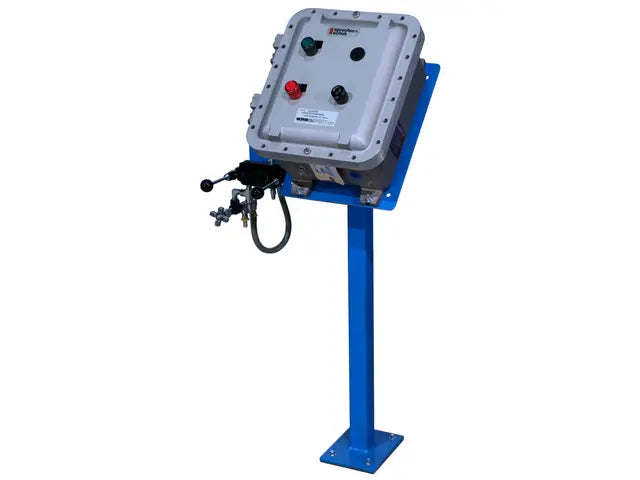
Several 456 series Hydra-Lift rollers ship without them, and the listing says so where that applies. The matching Morse control packages are in drum handling accessories, including single and three phase versions for 400V and 575V supplies and an explosion-proof package, so order machine and controls together with your voltage confirmed.
Explosion-proof control packages for the drum rollers and Morse's intrinsically safe, scale-equipped vertical-lift pourer. Confirm your area classification first, and treat any standard motor package as off the table inside it.
The below-the-hook lifters are ASME B30.20 devices: rated, marked, and inspected like the rest of your rigging, with a check before use and documented periodic inspections. Dollies and carts are not, but their capacity ratings still assume an intact, evenly loaded drum.