Protective Barriers
Protective barriers put steel, rubber, and high visibility plastic between the things that move through a facility and the things that must not get hit: rack uprights, machinery, door tracks, walls, and above all people. Nearly everything in this collection is Vestil, built in welded steel, ductile iron, aluminum, and molded polyethylene, and the range runs from a $3 replaceable bollard cap to a mezzanine safety gate near $3,700. The organizing question is what you are protecting and from which direction the hit comes. Bollards and guard rail systems stop vehicles. Rack and machinery guards soak up the low speed forklift strikes that bend uprights and crack motor housings. Railings and gates keep feet away from edges and openings. Speed bumps, car stops, and guidance barriers manage traffic before it ever becomes an impact. The guide below works through each family, with the details that decide between a $30 guard and a $300 one.
Shop Protective Barriers by Category
Compare Protective Barriers
| Model | Price | Material | |
|---|---|---|---|
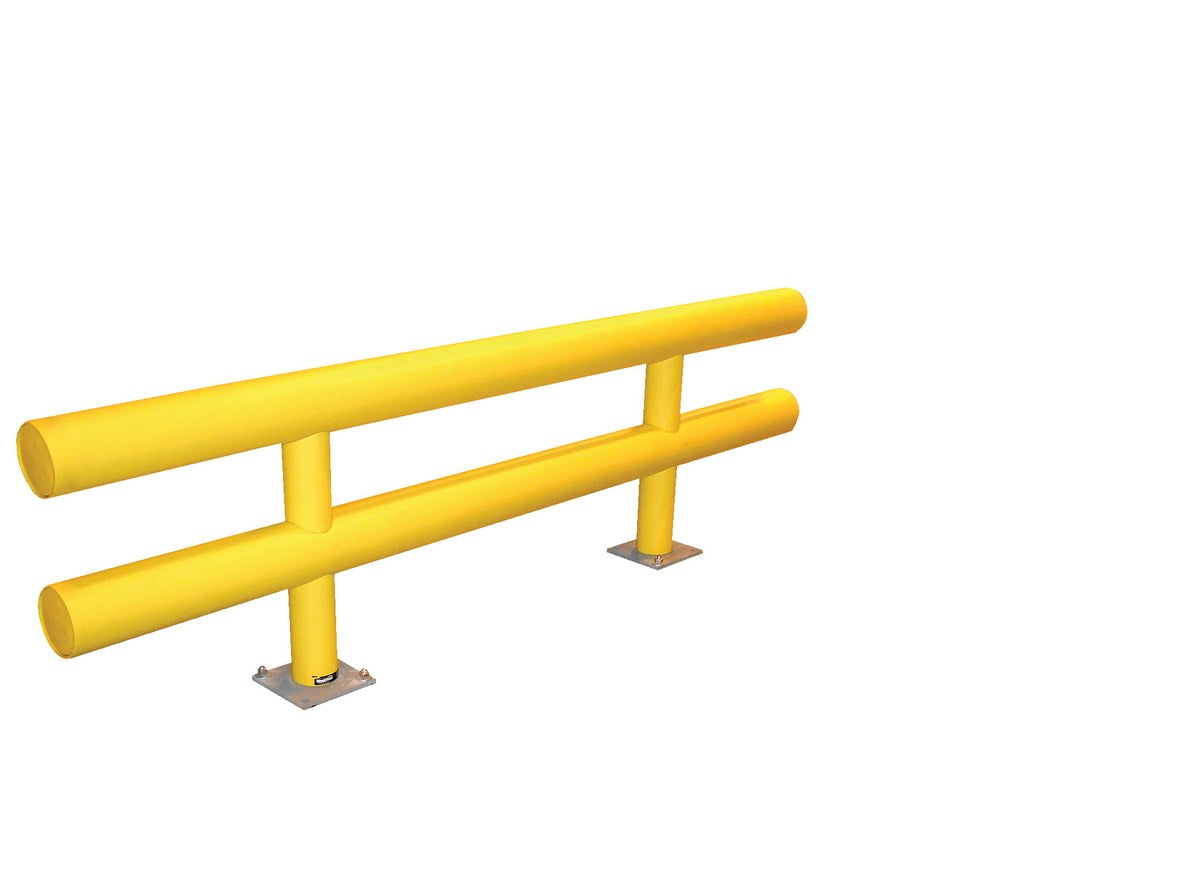
| Vestil Heavy Duty Guard Rails | $1,683 | — | View → |
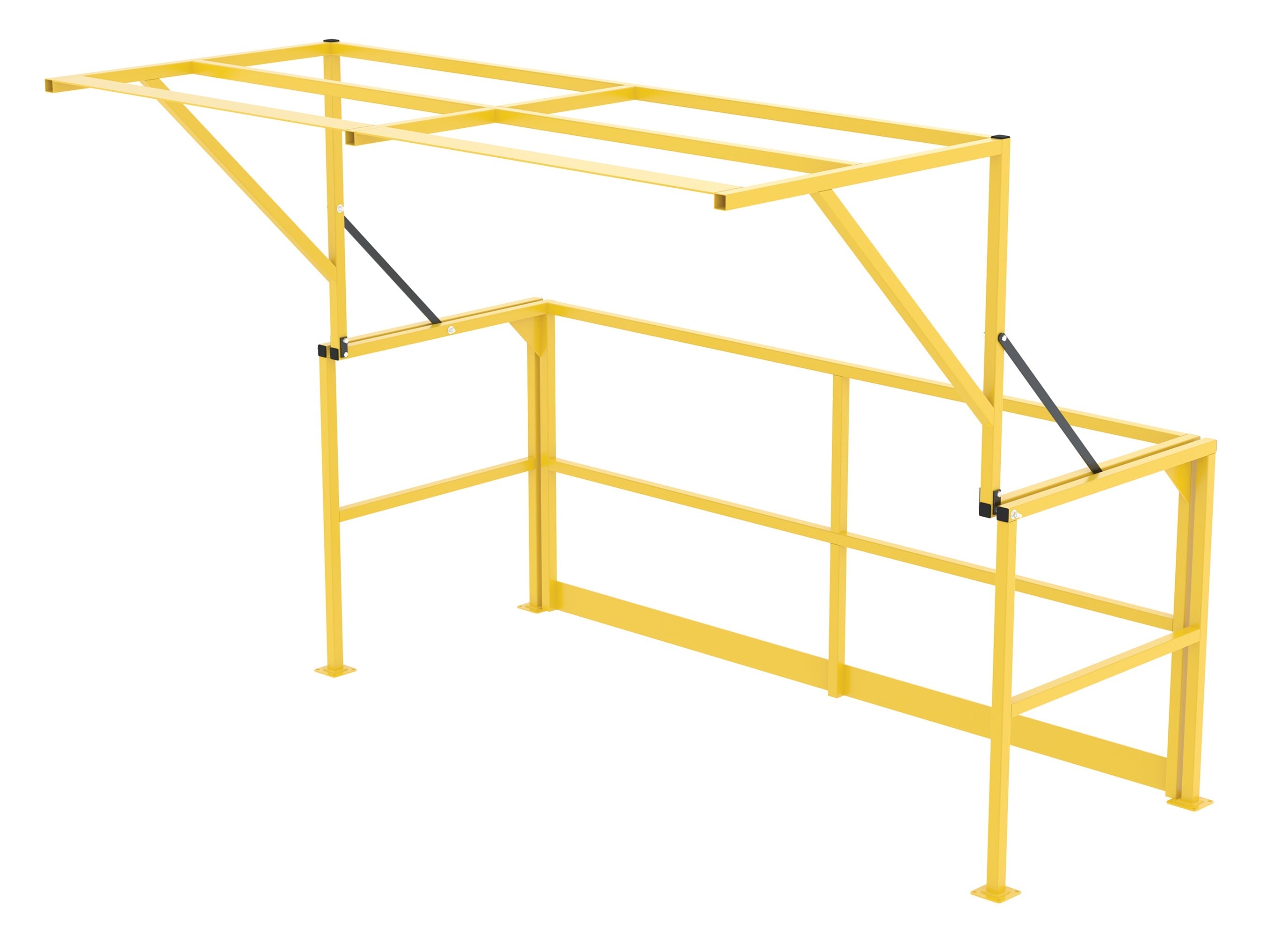
| Vestil Mezzanine Safety Gates | $737 | — | View → |
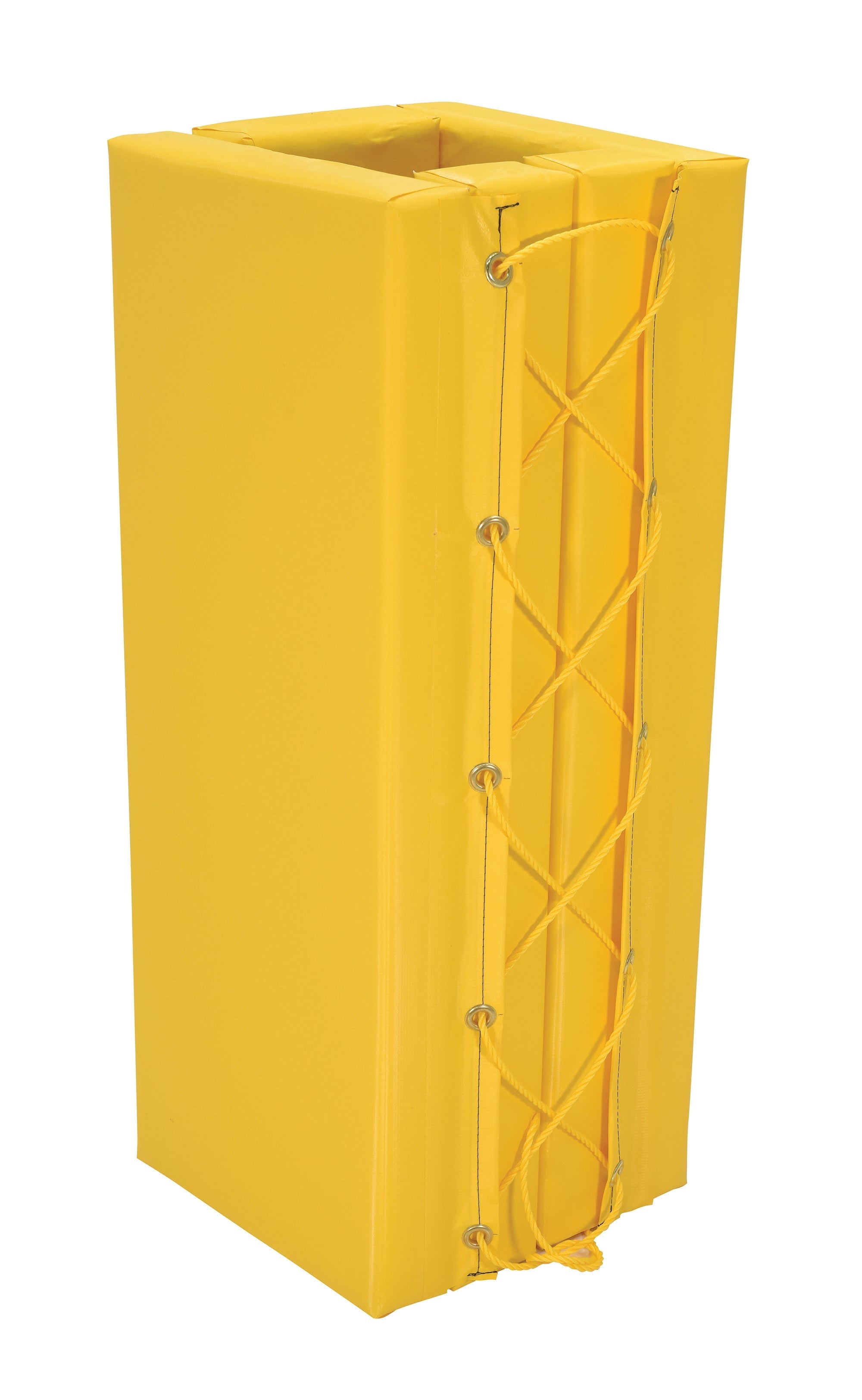
| Vestil Square Column Protective Pads | $640 | — | View → |
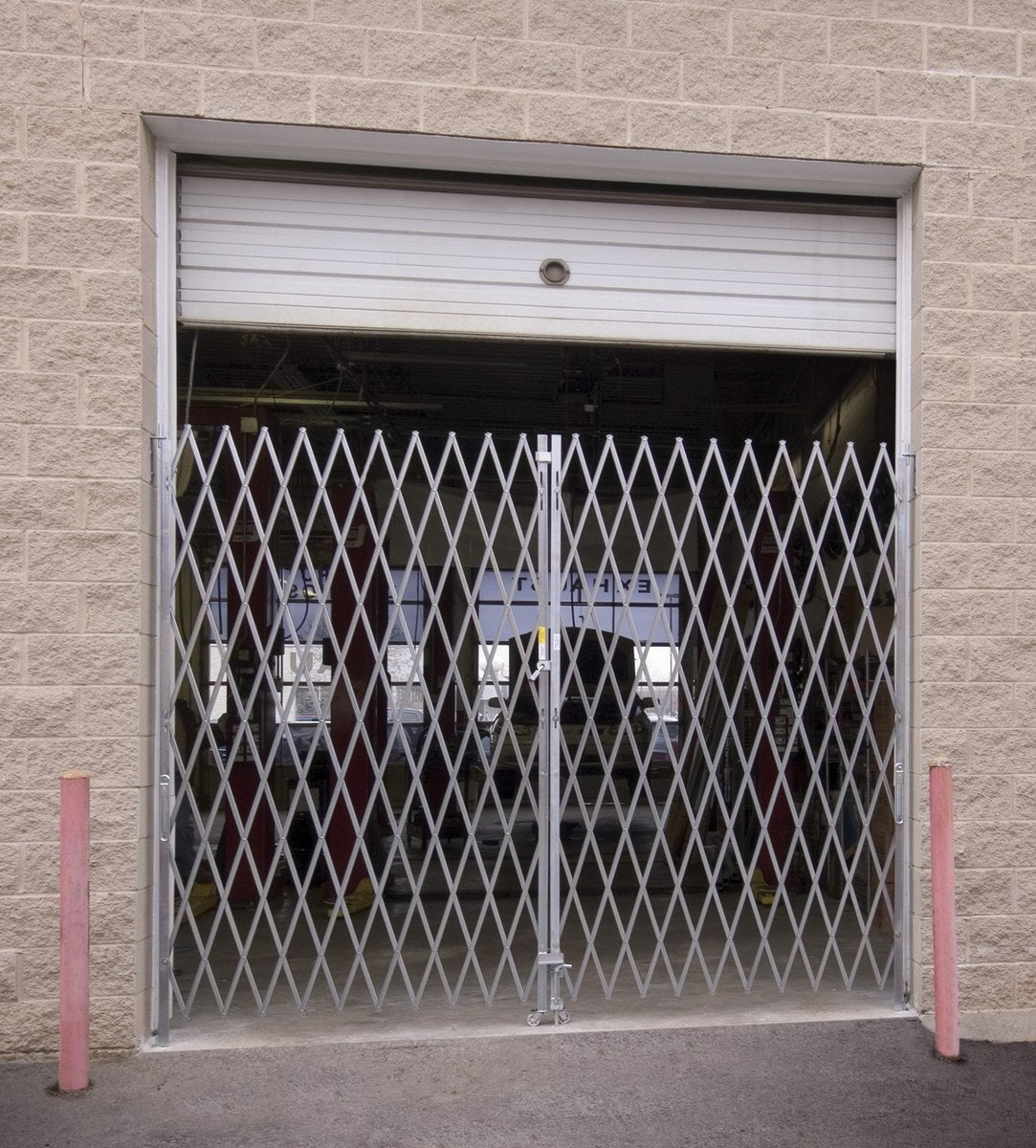
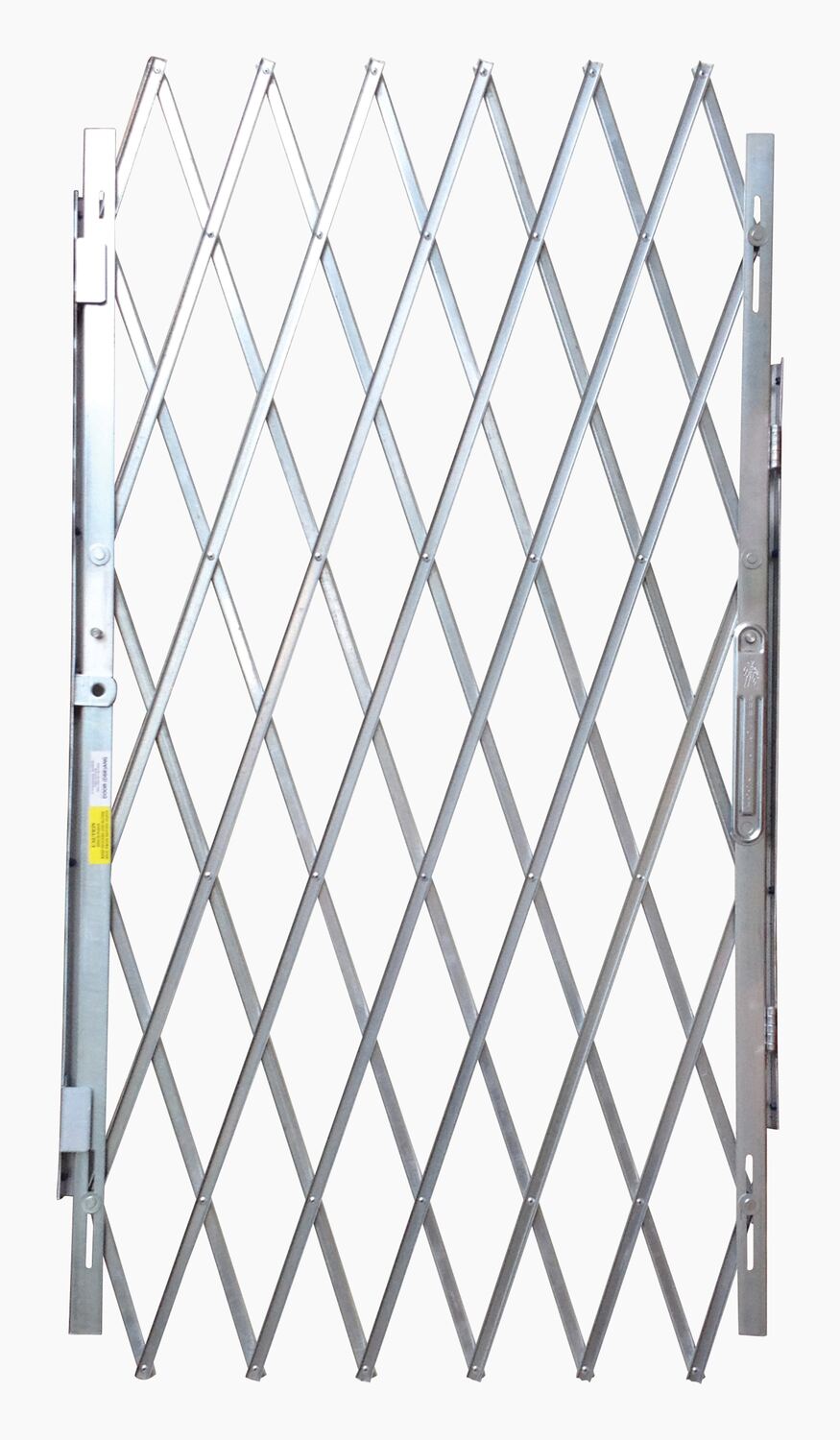
| Vestil Galvanized Folding Gates | $638 | Galvanized steel, 14 gauge | View → |
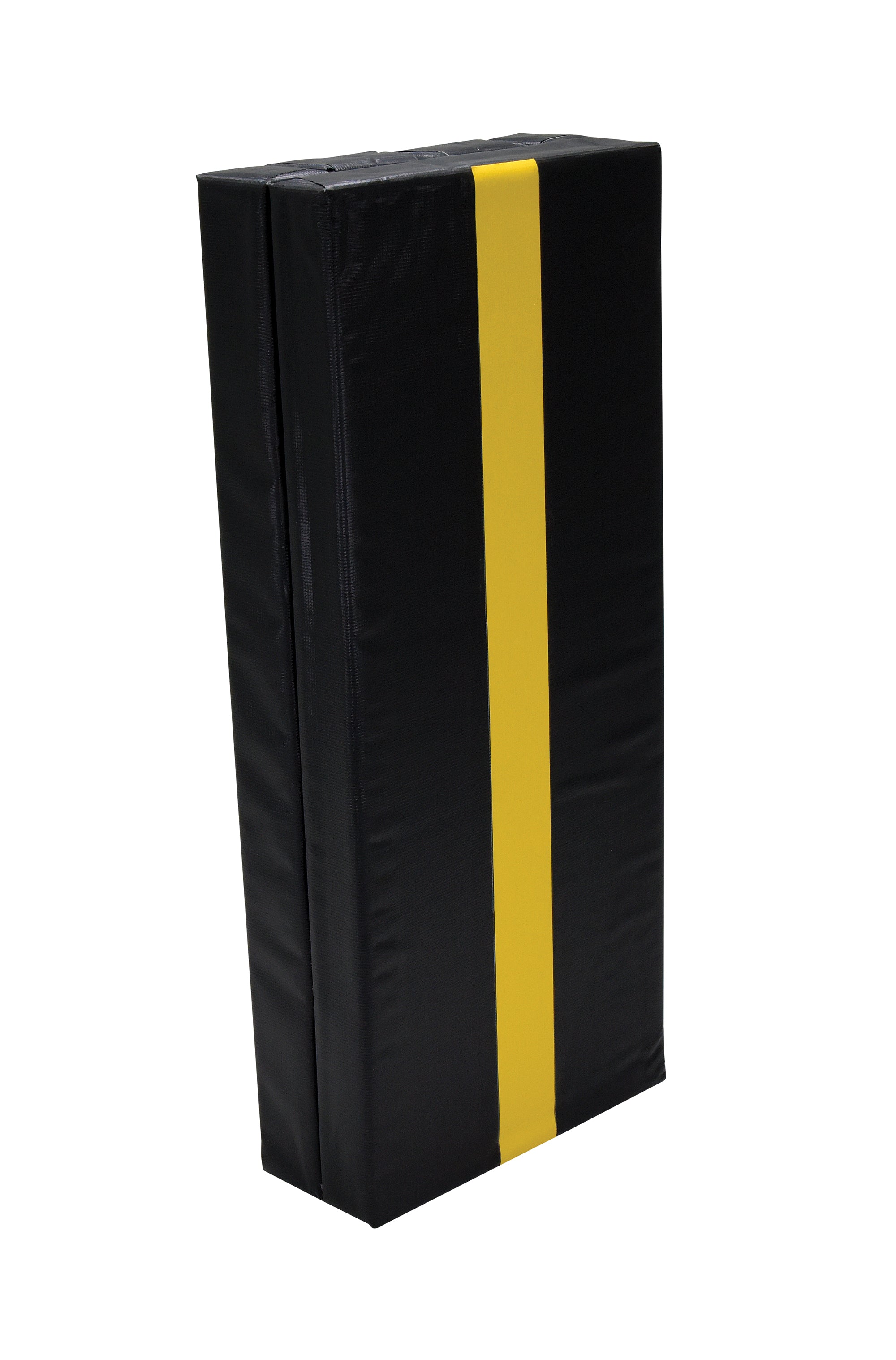
| Vestil iBeam Protective Pads | $523 | Nylon-reinforced vinyl over high-density foam (3 in. compressible foam core) | View → |
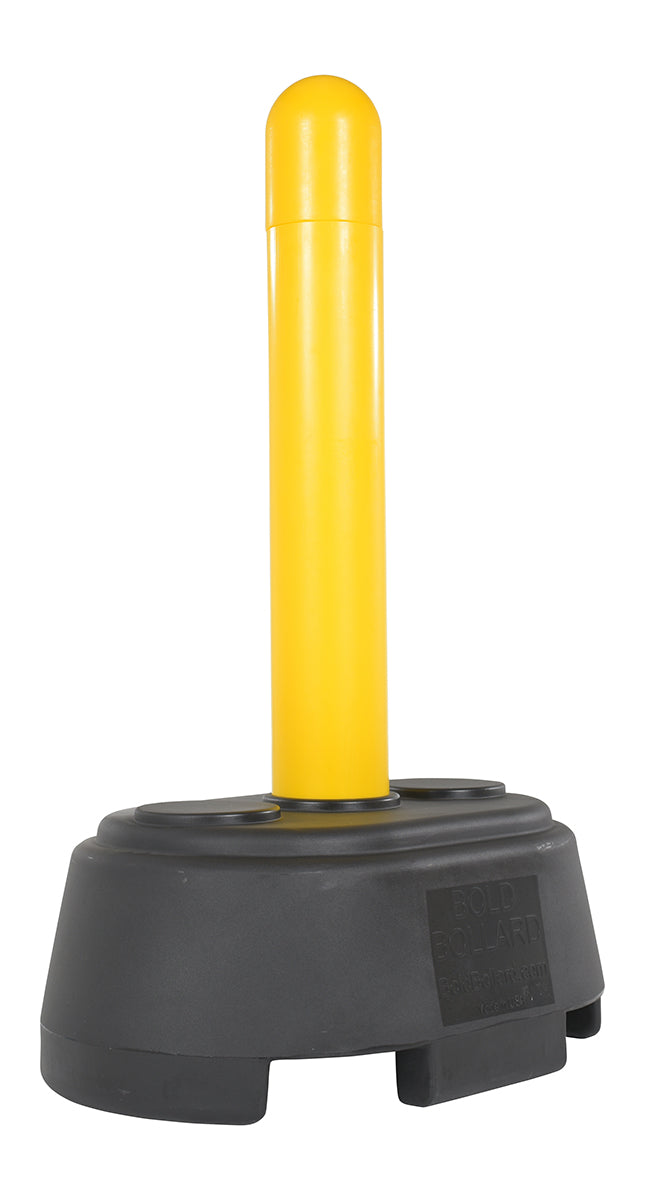
| Vestil Portable Base Plastic Bollard | $503 | Plastic (fillable base) | View → |
 In Stock
 In Stock
 In Stock
 In Stock
 In Stock
 In StockIn StockIn Stock
 In Stock
 In Stock
 In Stock
 In Stock
 In Stock
 In Stock
 In Stock
 In Stock
 In StockIn Stock
 In Stock
 In Stock
 In Stock
 In Stock
 In Stock
 In Stock
 In Stock
 In Stock
 In Stock
 In Stock
 In Stock
 In StockIn Stock
 In Stock
 In Stock
 In Stock
 In Stock
 In StockIn Stock
 In Stock
 In Stock
 In Stock
 In Stock
 In Stock
 In Stock
 In Stock
 In Stock
 In Stock
 In Stock
 In Stock
 In Stock
 In Stock
 In StockIn Stock
 In Stock
 In Stock
 In Stock
 In Stock
 In Stock
 In Stock
 In Stock
 In Stock
 In Stock
 In Stock
 In StockIn StockIn Stock
 In Stock
 In Stock
 In Stock
 In Stock
 In Stock
 In Stock
 In Stock
 In Stock
 In Stock
 In Stock
 In Stock
 In Stock
 In Stock
 In Stock
 In Stock
 In Stock
 In Stock
 In Stock
 In Stock
 In Stock
 In Stock
 In Stock
 In Stock
 In Stock
 In Stock
 In Stock
 In Stock
 In Stock
 In Stock
 In Stock
 In Stock
Protective Barriers Buying Guide
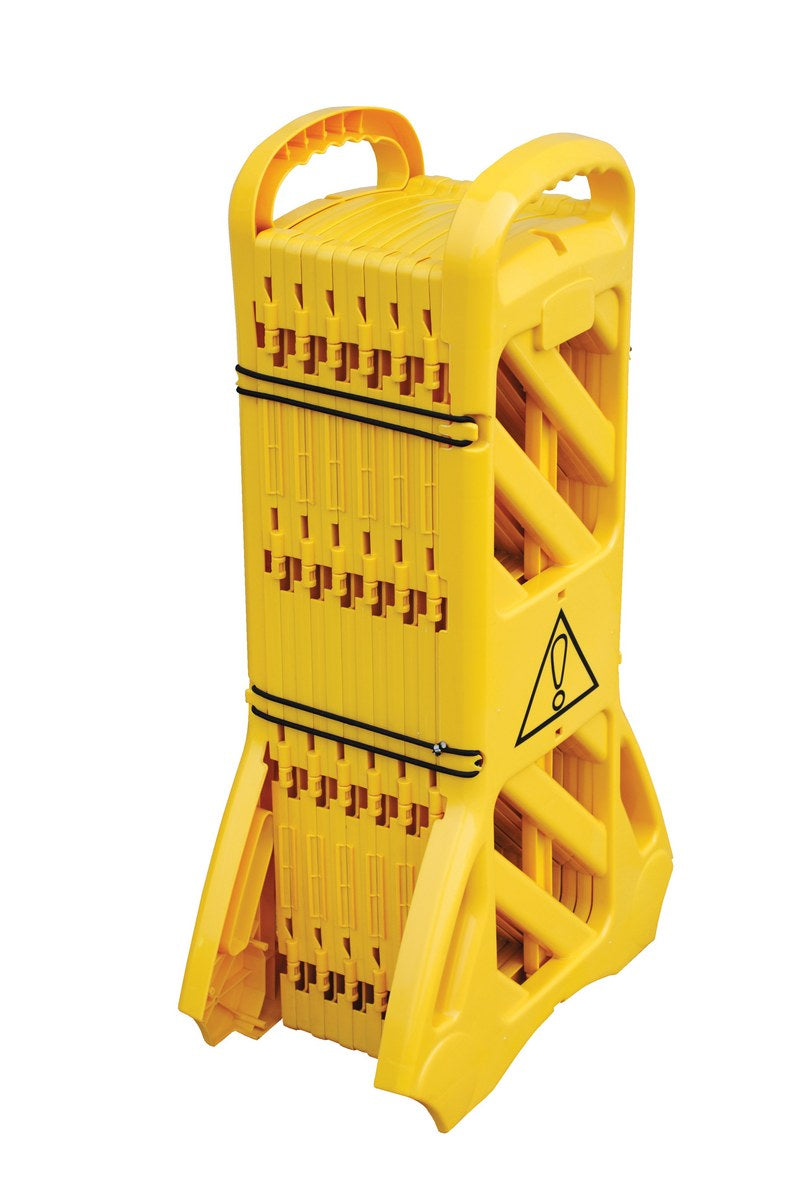
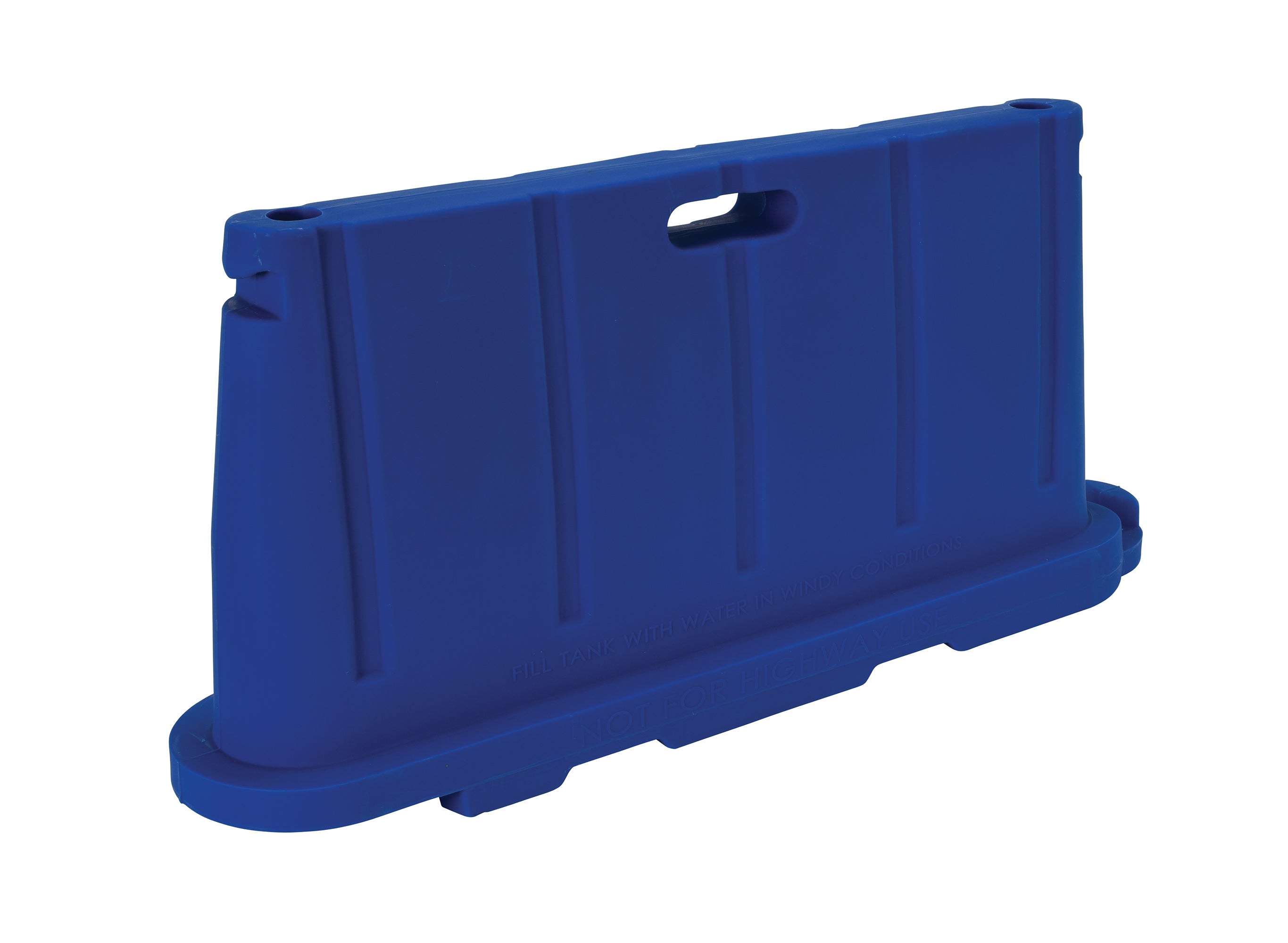
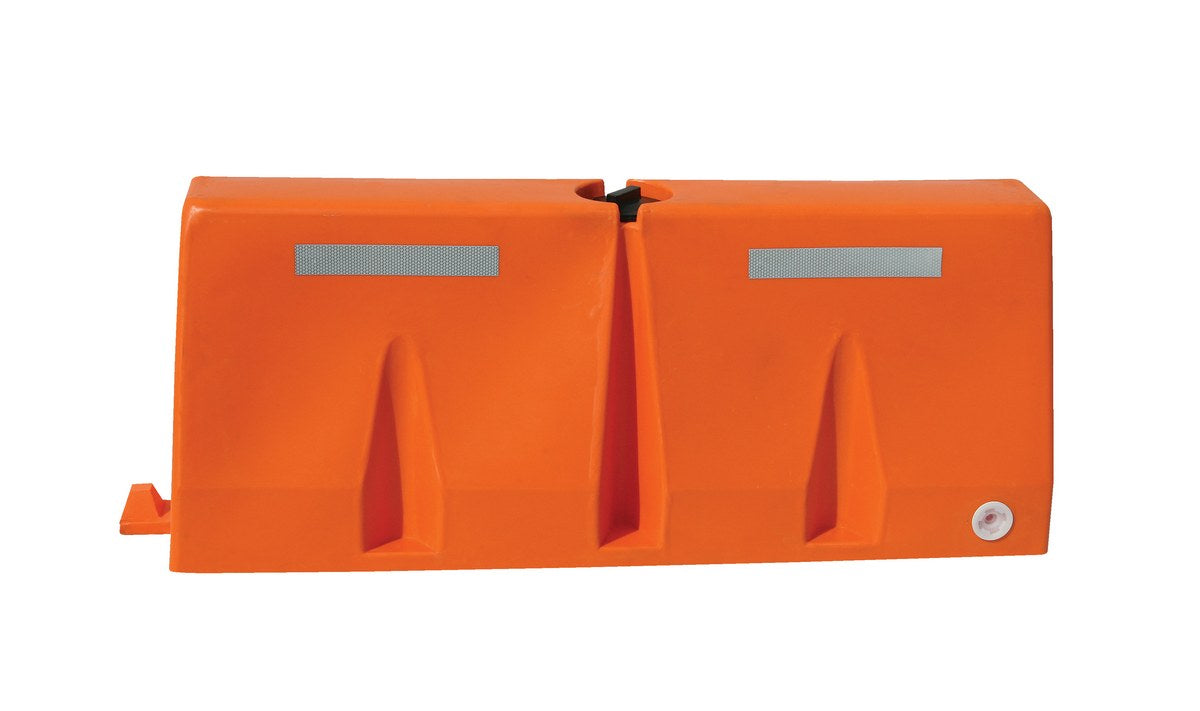
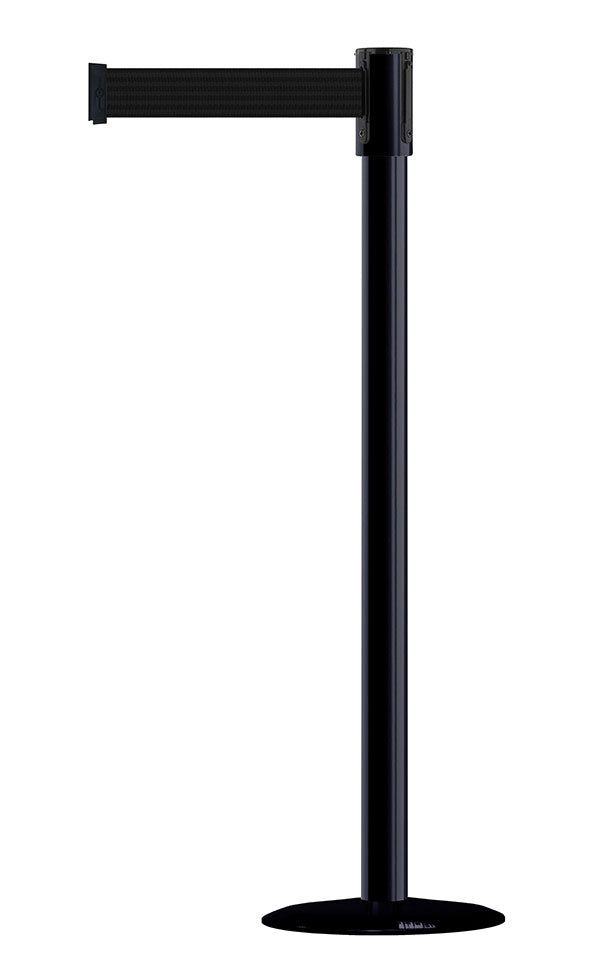
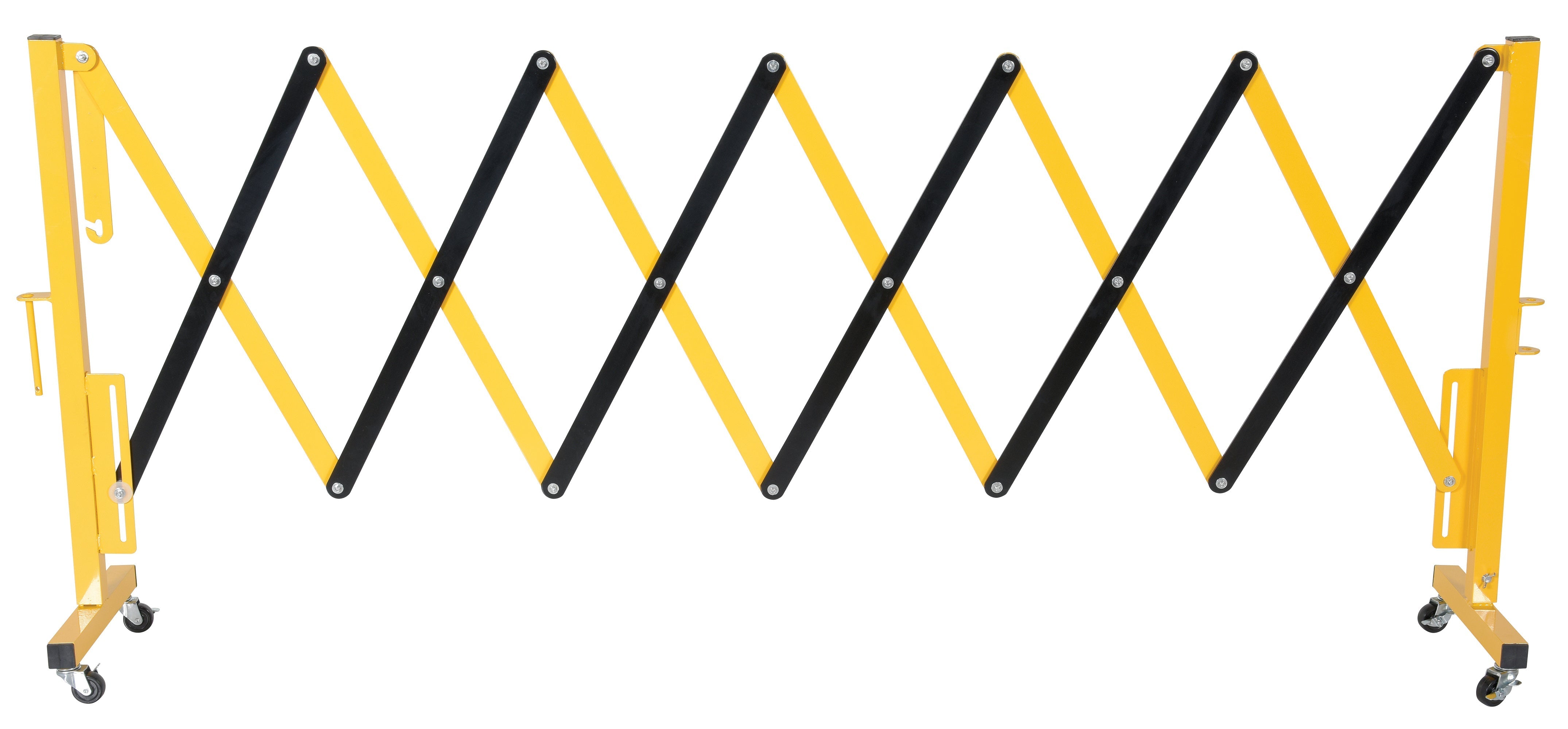
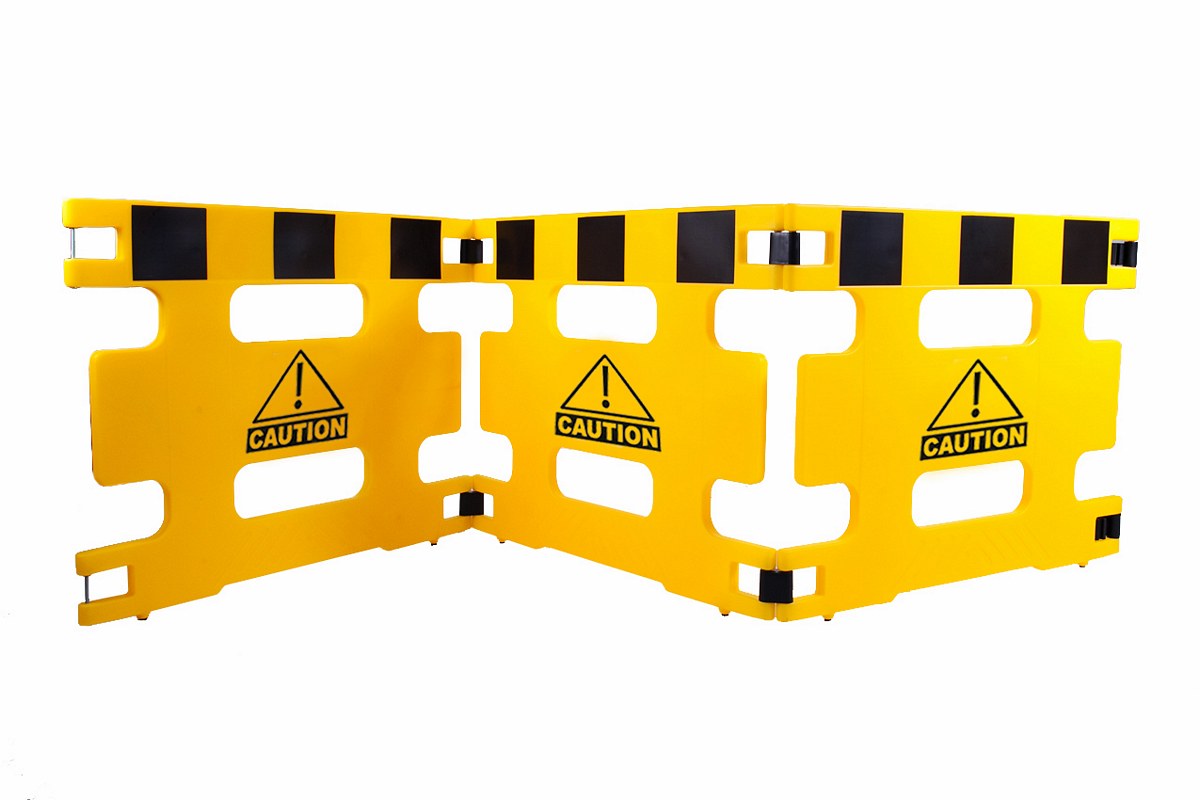
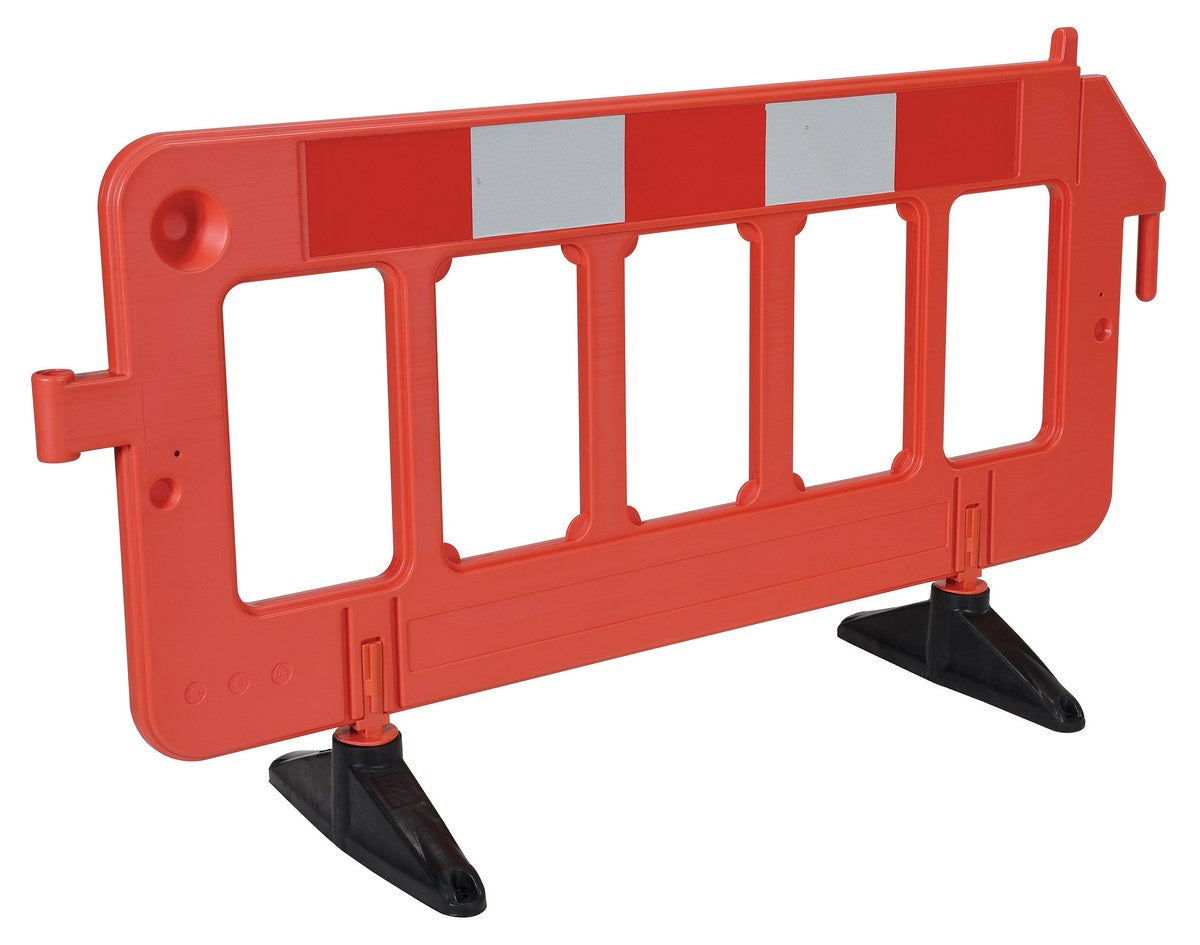
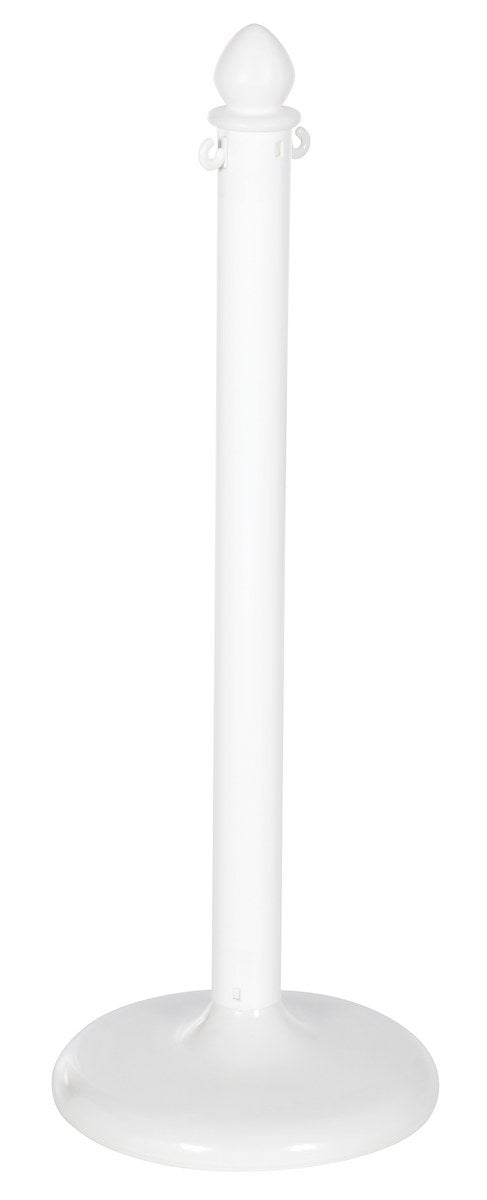
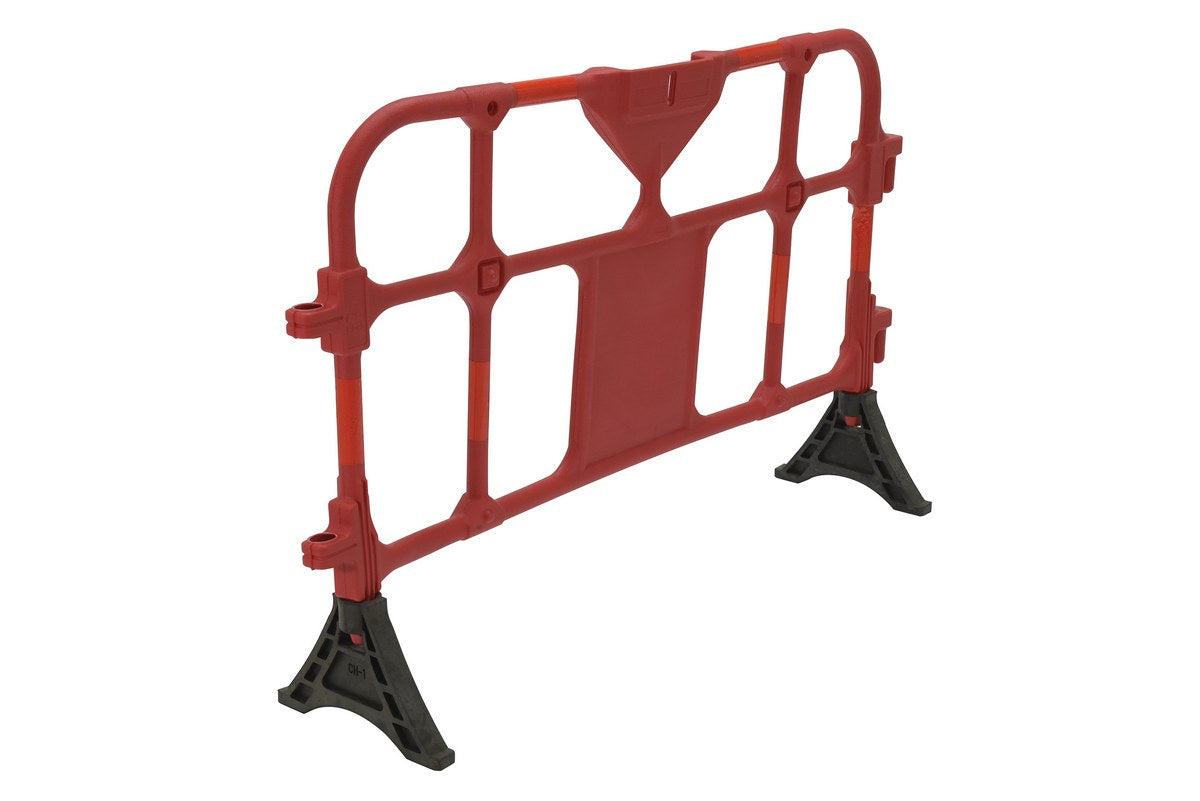
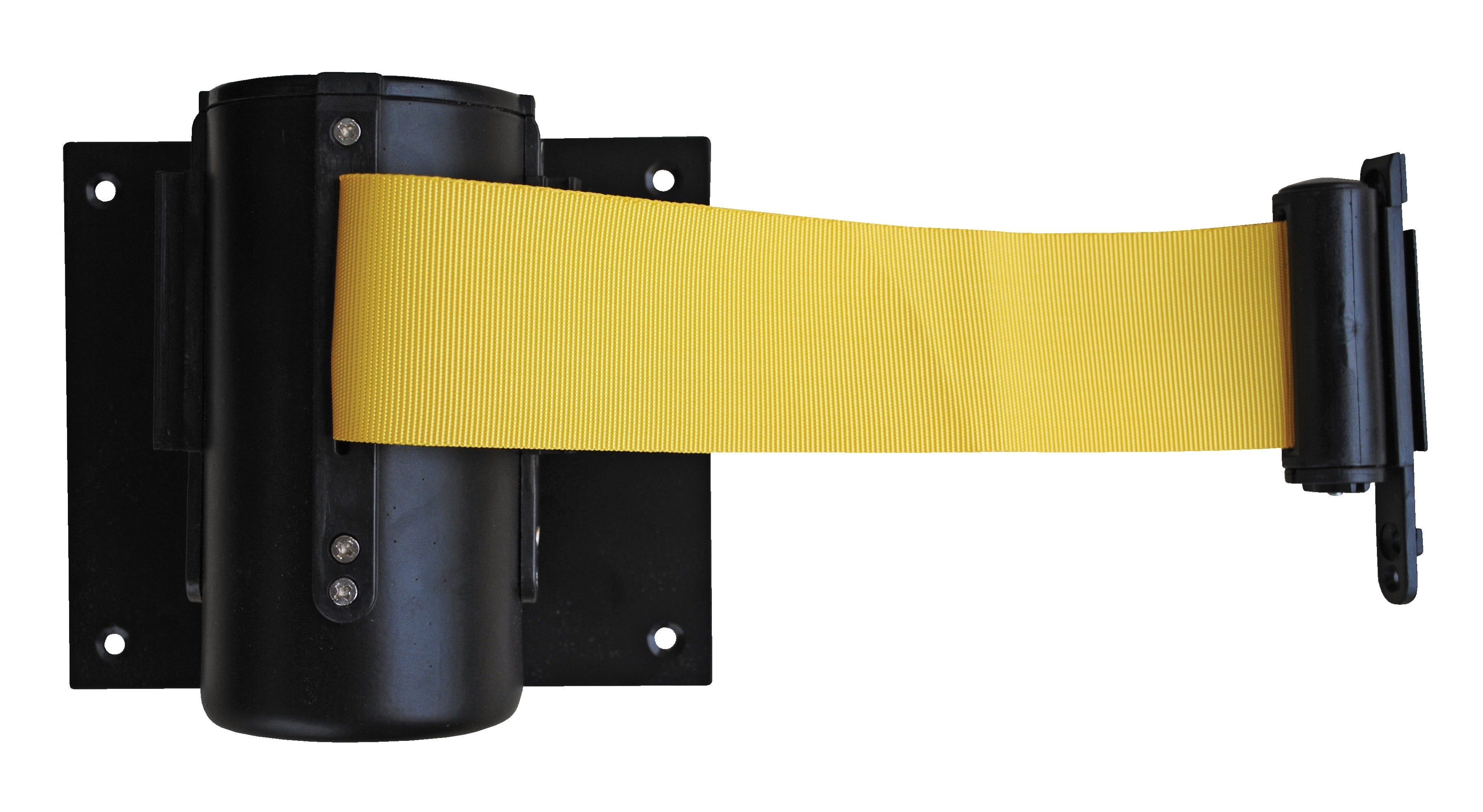
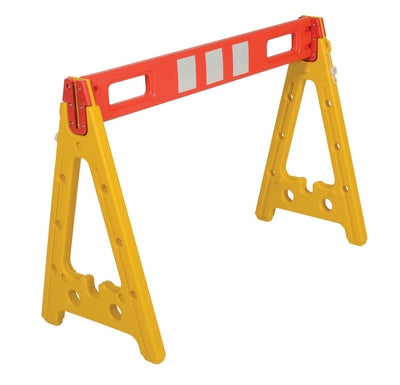
Stop the vehicle or steer the person: pick the family first. Every product here does one of two jobs, and mixing them up is how facilities buy the wrong thing. Impact protection is steel and mass: bollards, structural guard rail, rack guards, machinery guards. Guidance is visibility and psychology: the guidance barriers collection covers Expand-A-Gates and folding gates for doorways, interlocking plastic traffic barriers, chain barricades, Tensabarrier belt posts, and traffic cones from about $11. A plastic barricade will reroute a pedestrian all day and will not slow a forklift for an instant, so buy it to organize people and buy steel to stop machines. OSHA 1910.176(a) requires sufficient safe clearances and marked aisles wherever mechanical handling equipment runs, and a physical barrier is the marking that still works after the paint wears off.
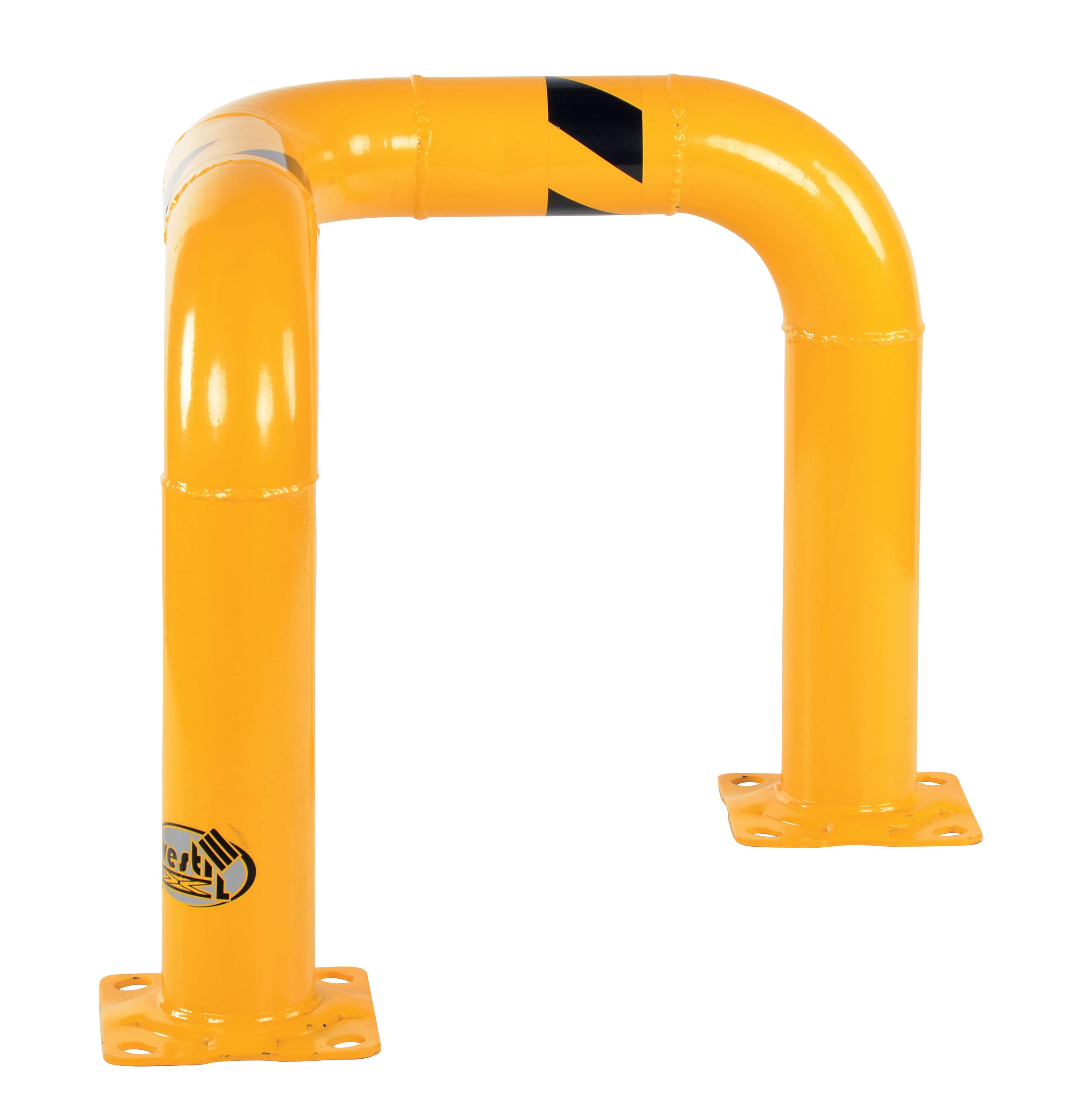
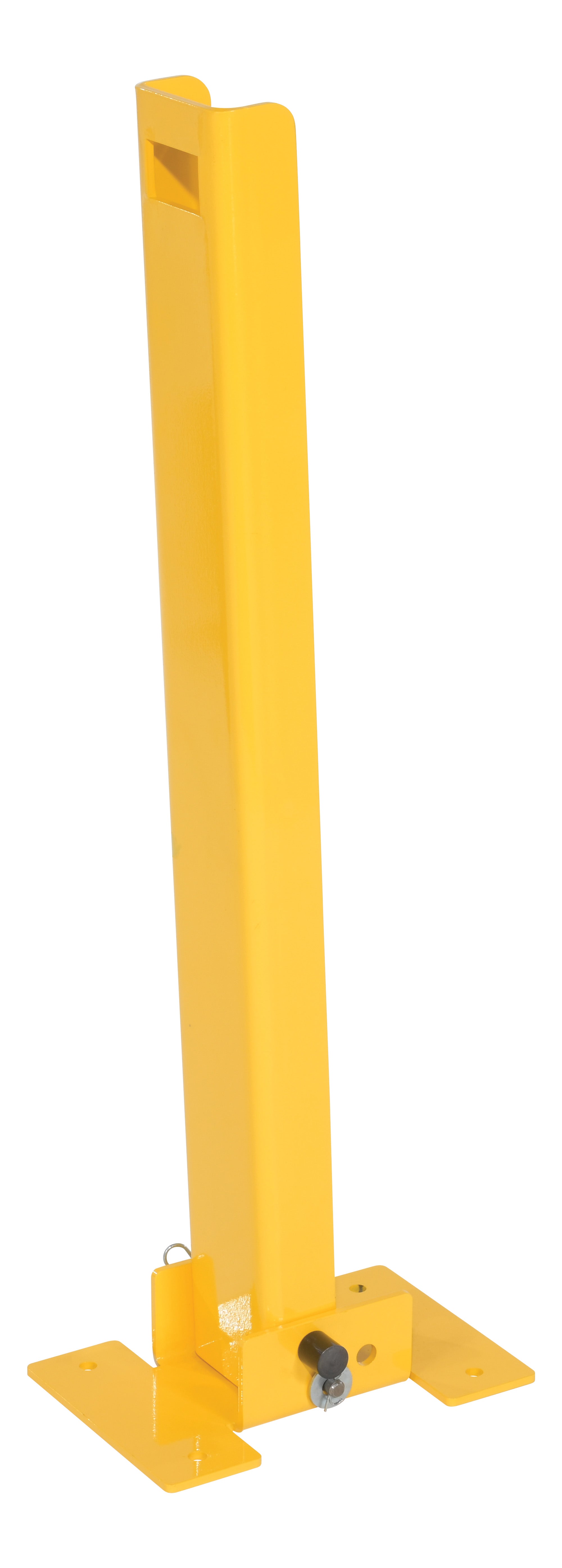
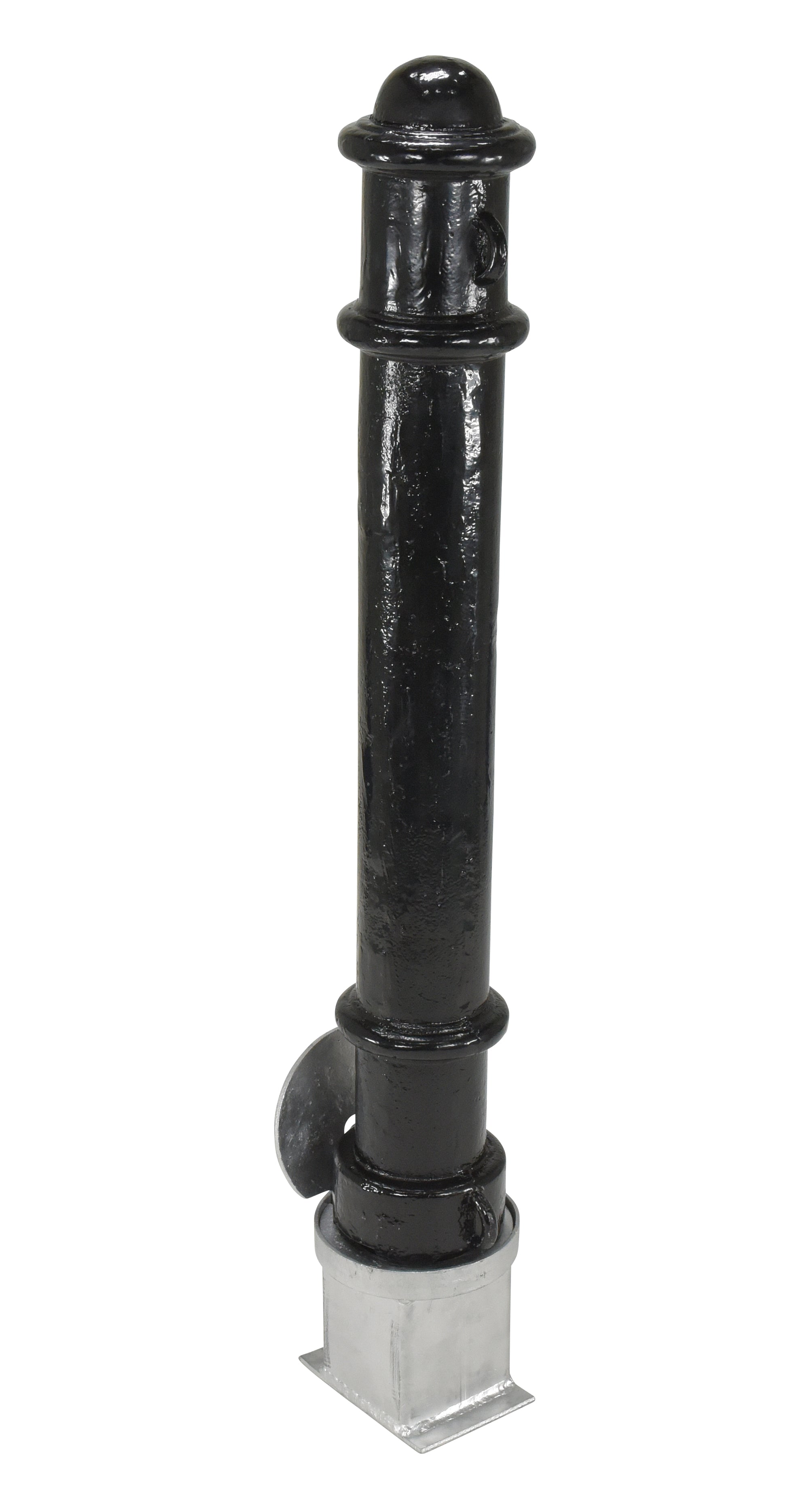
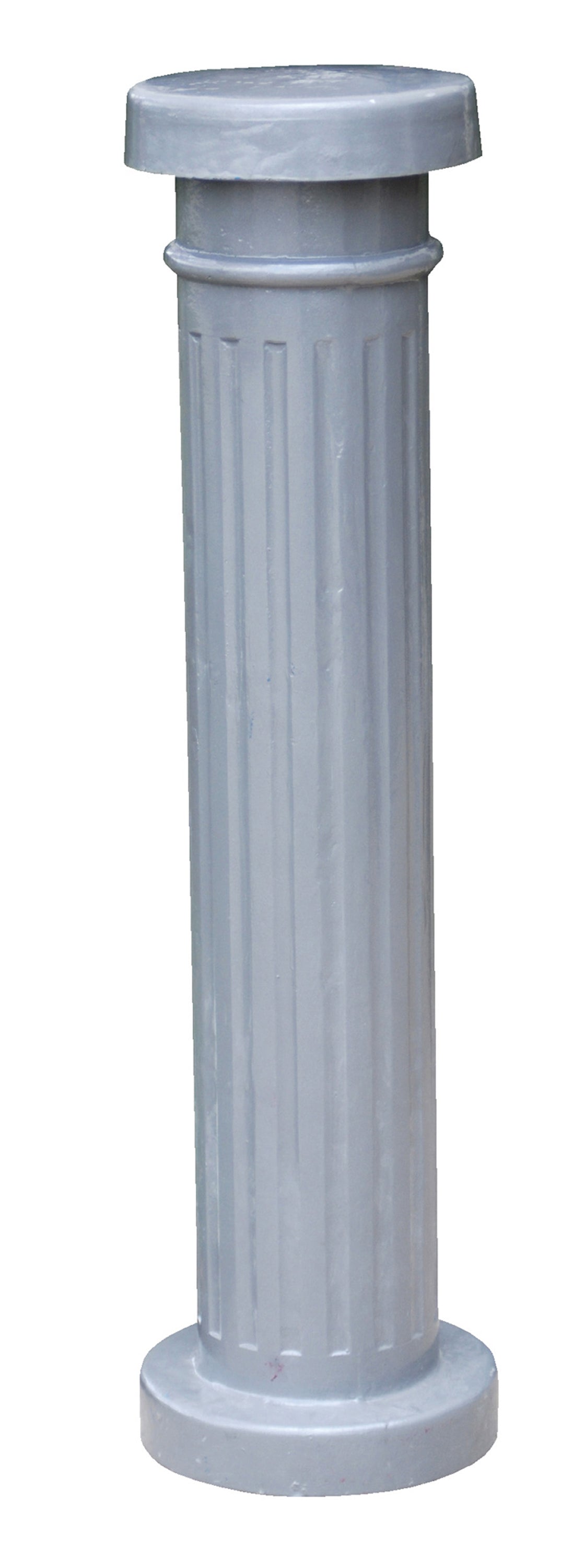
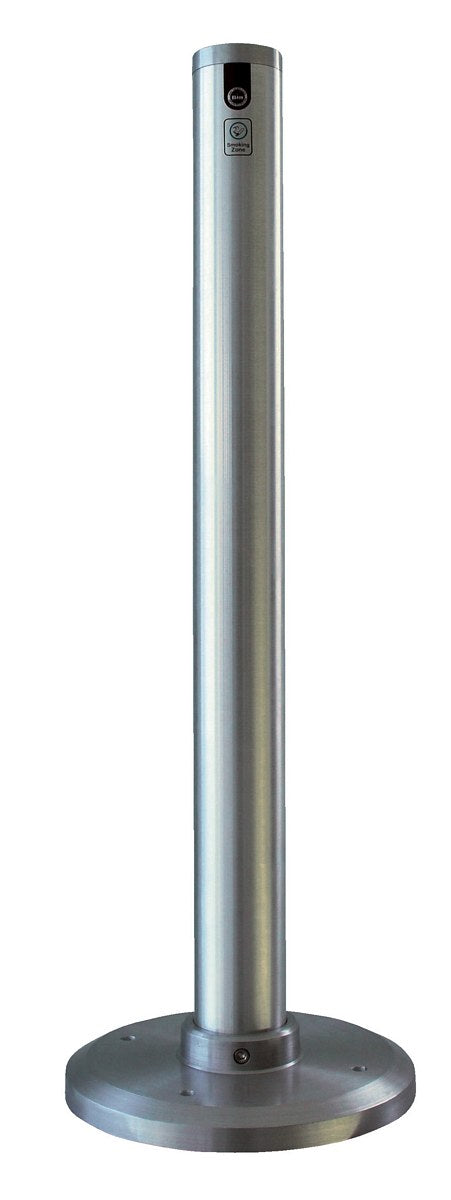
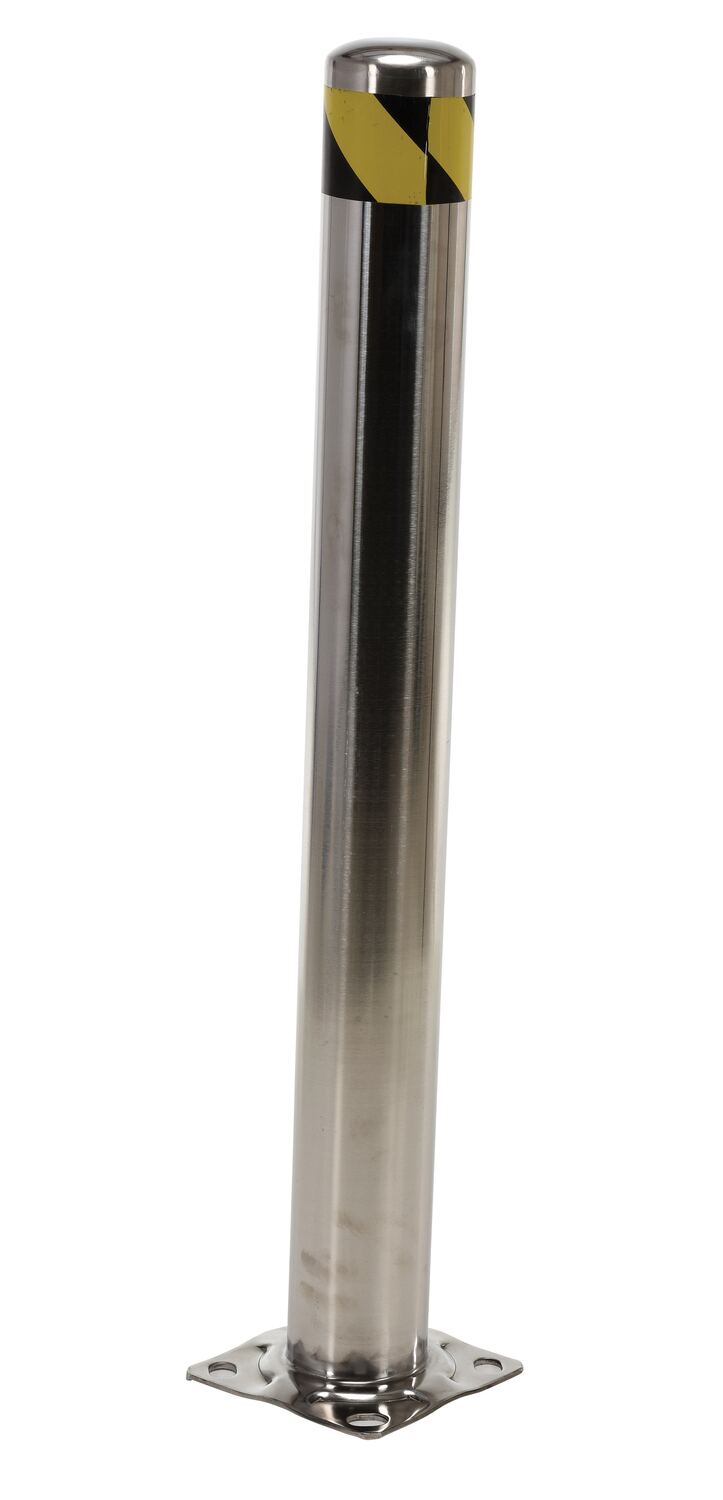
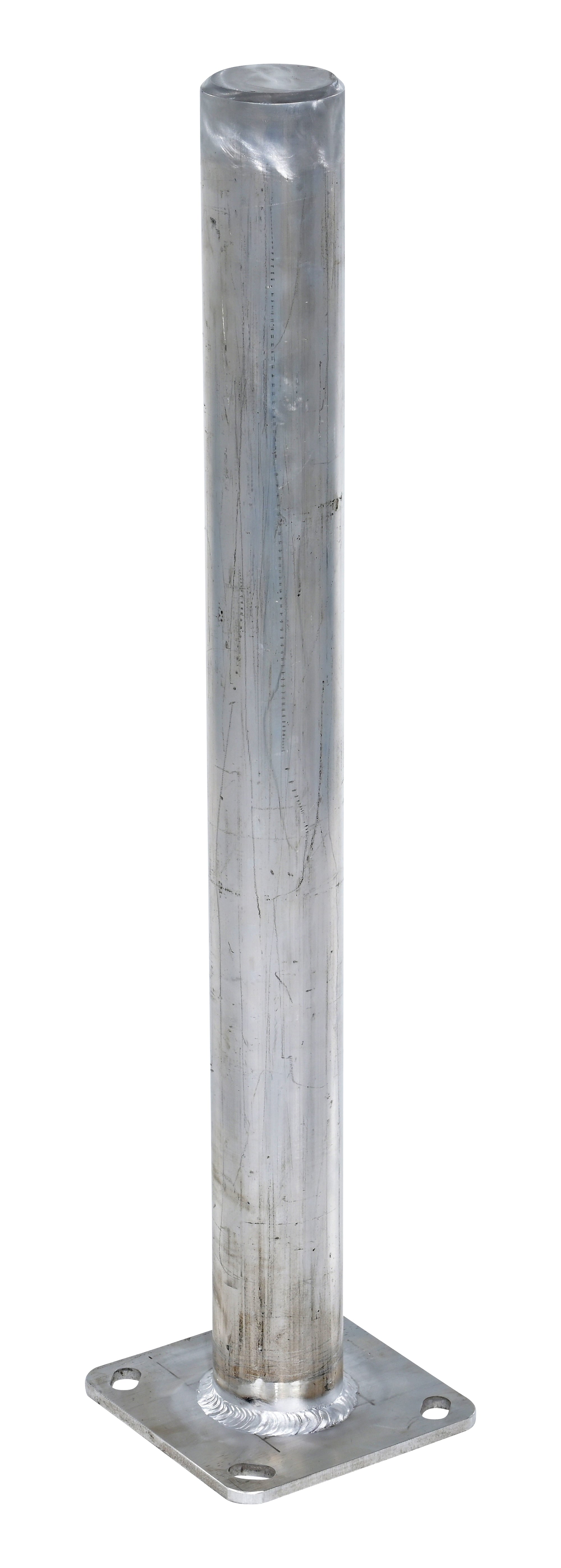
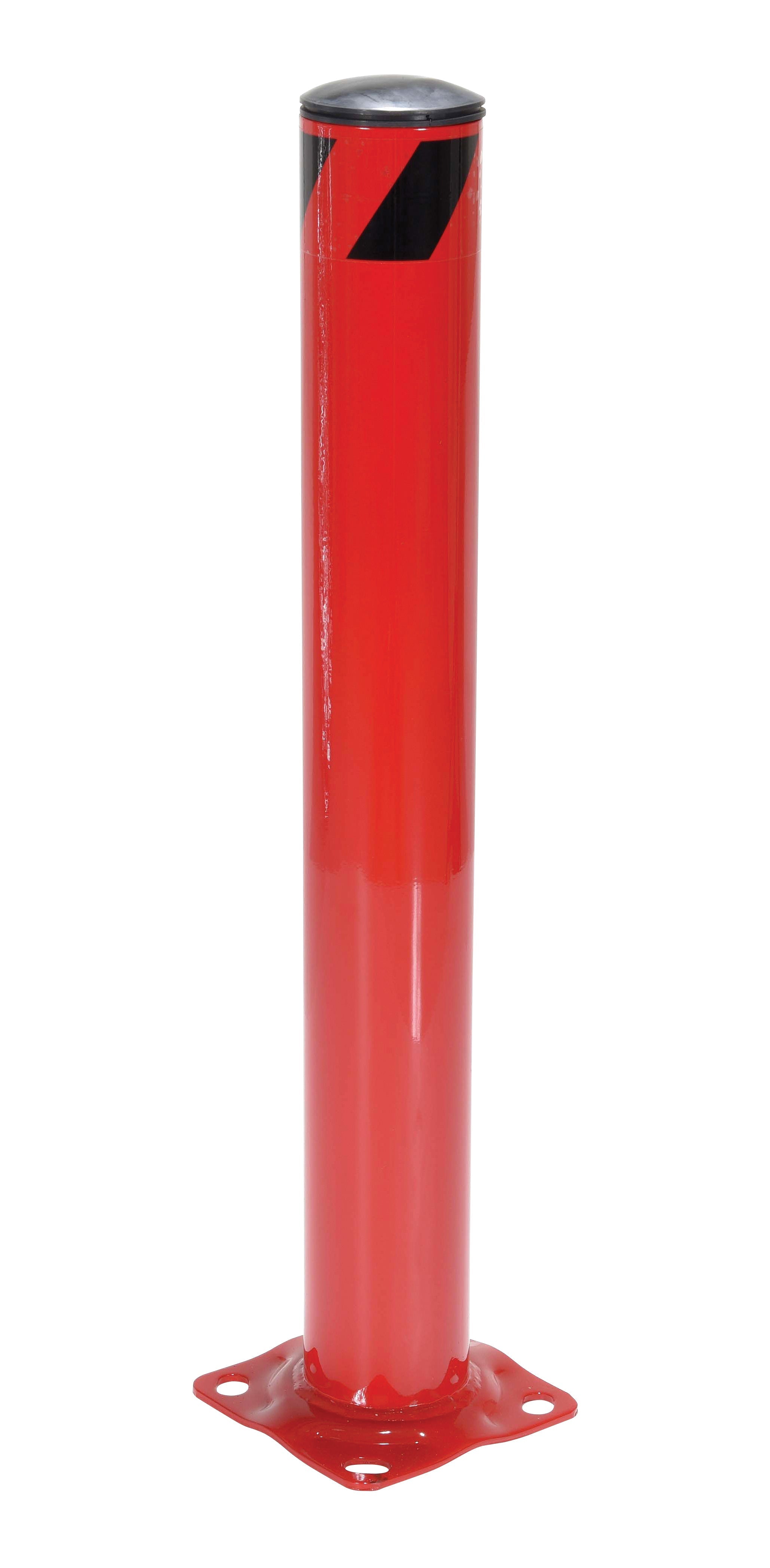
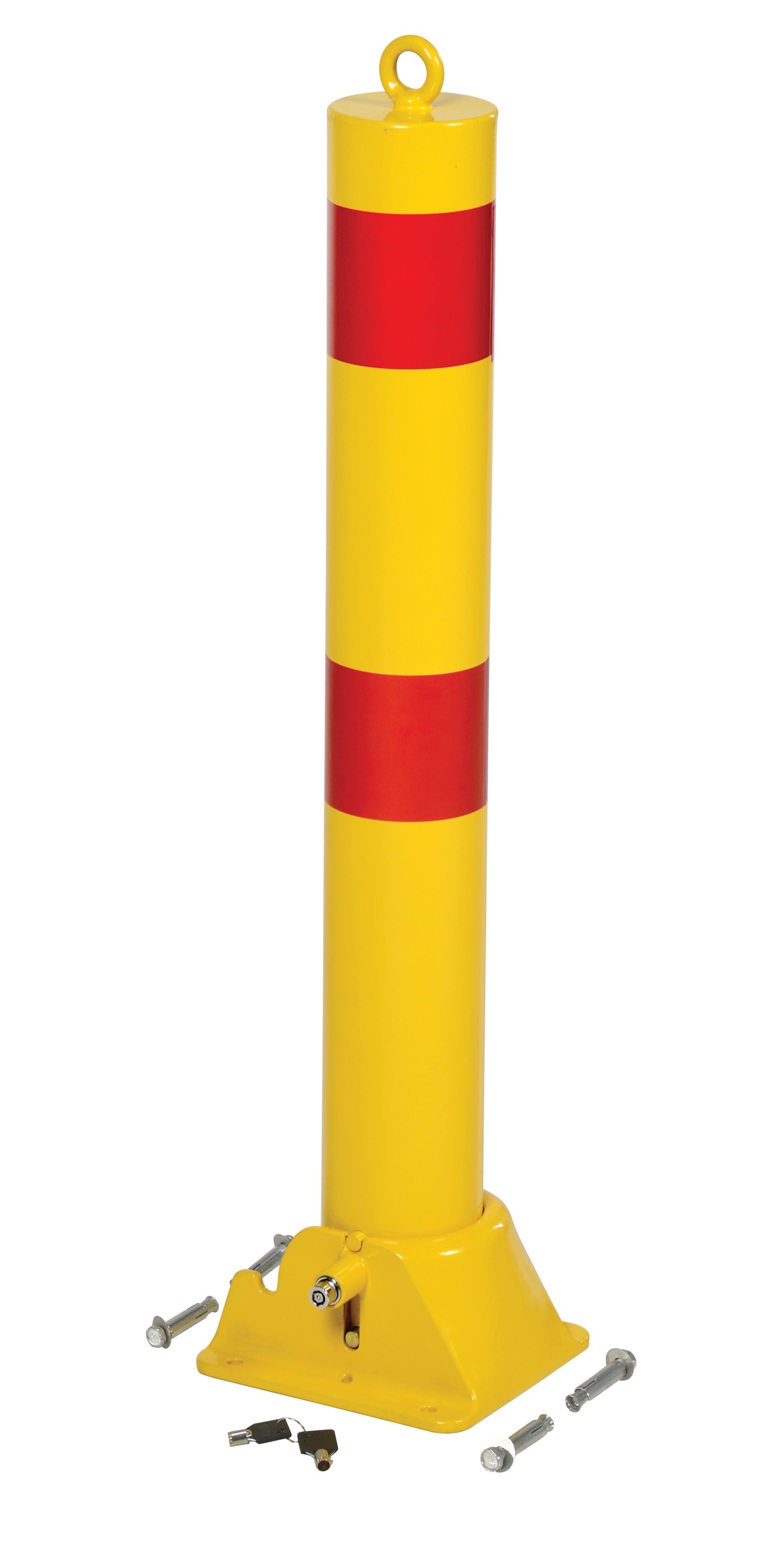
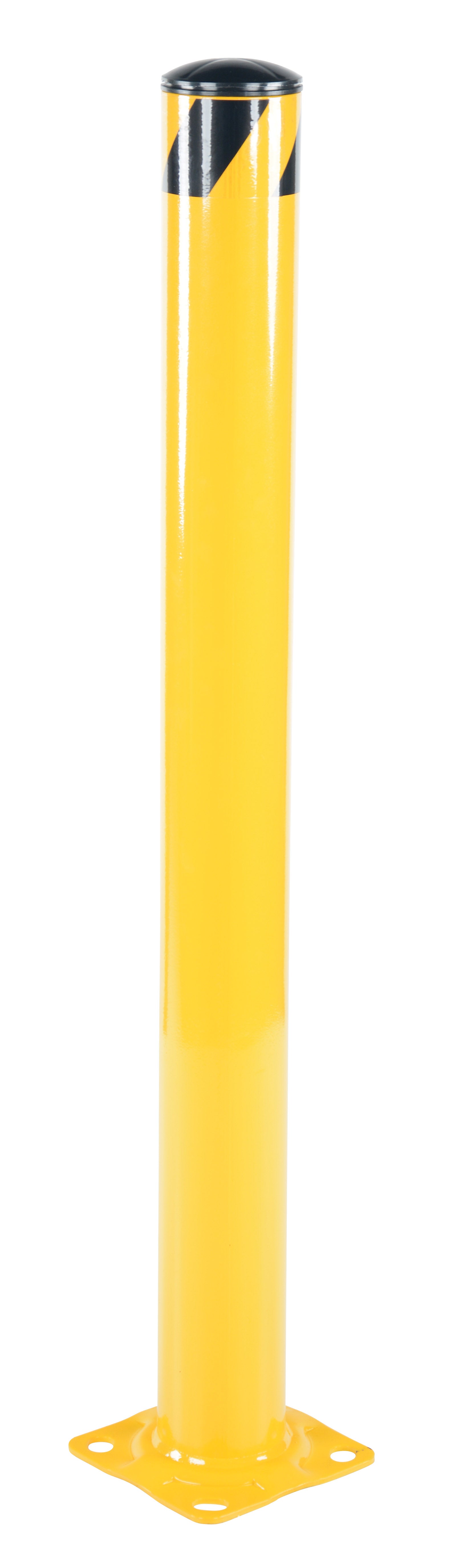
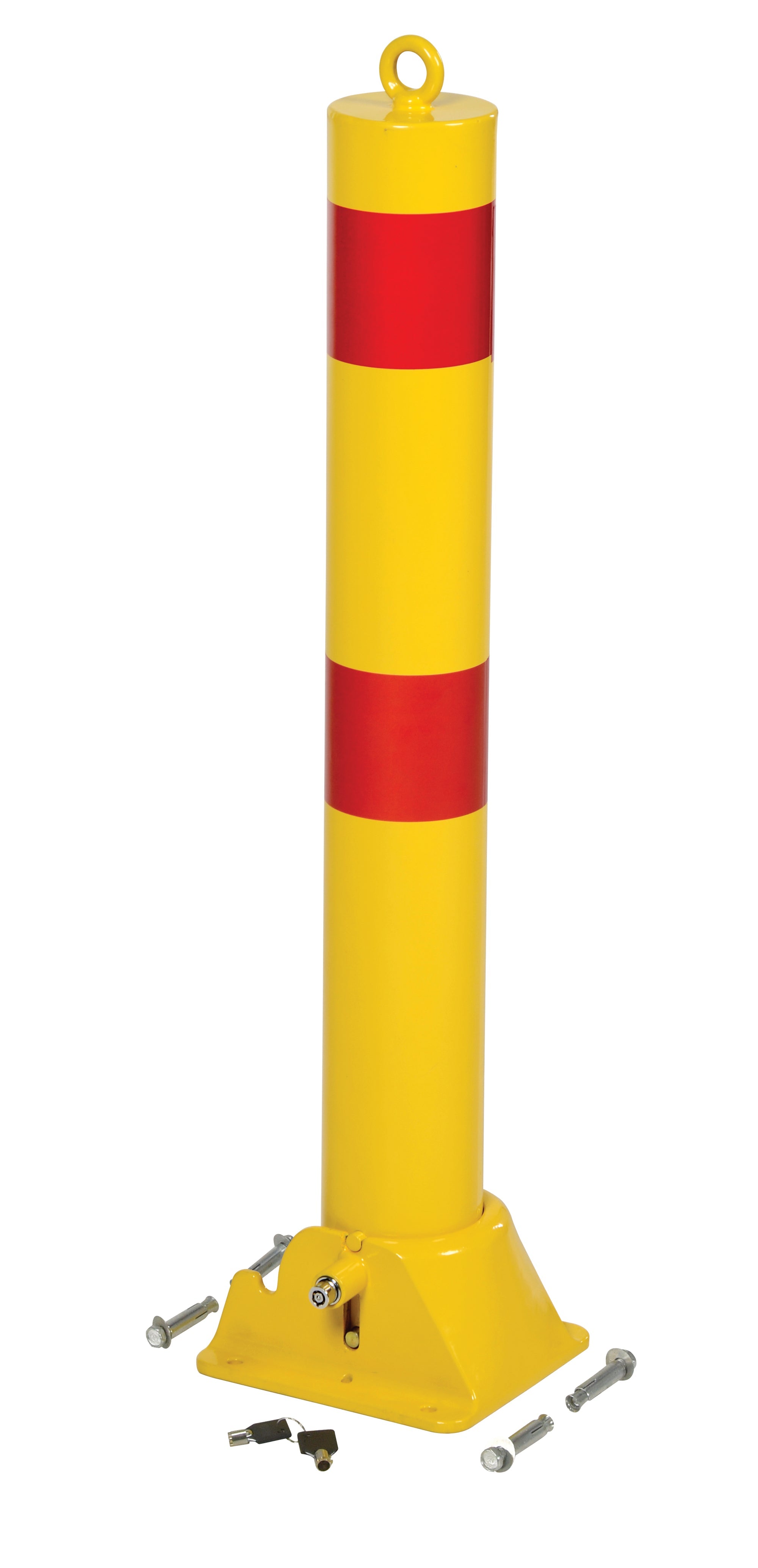
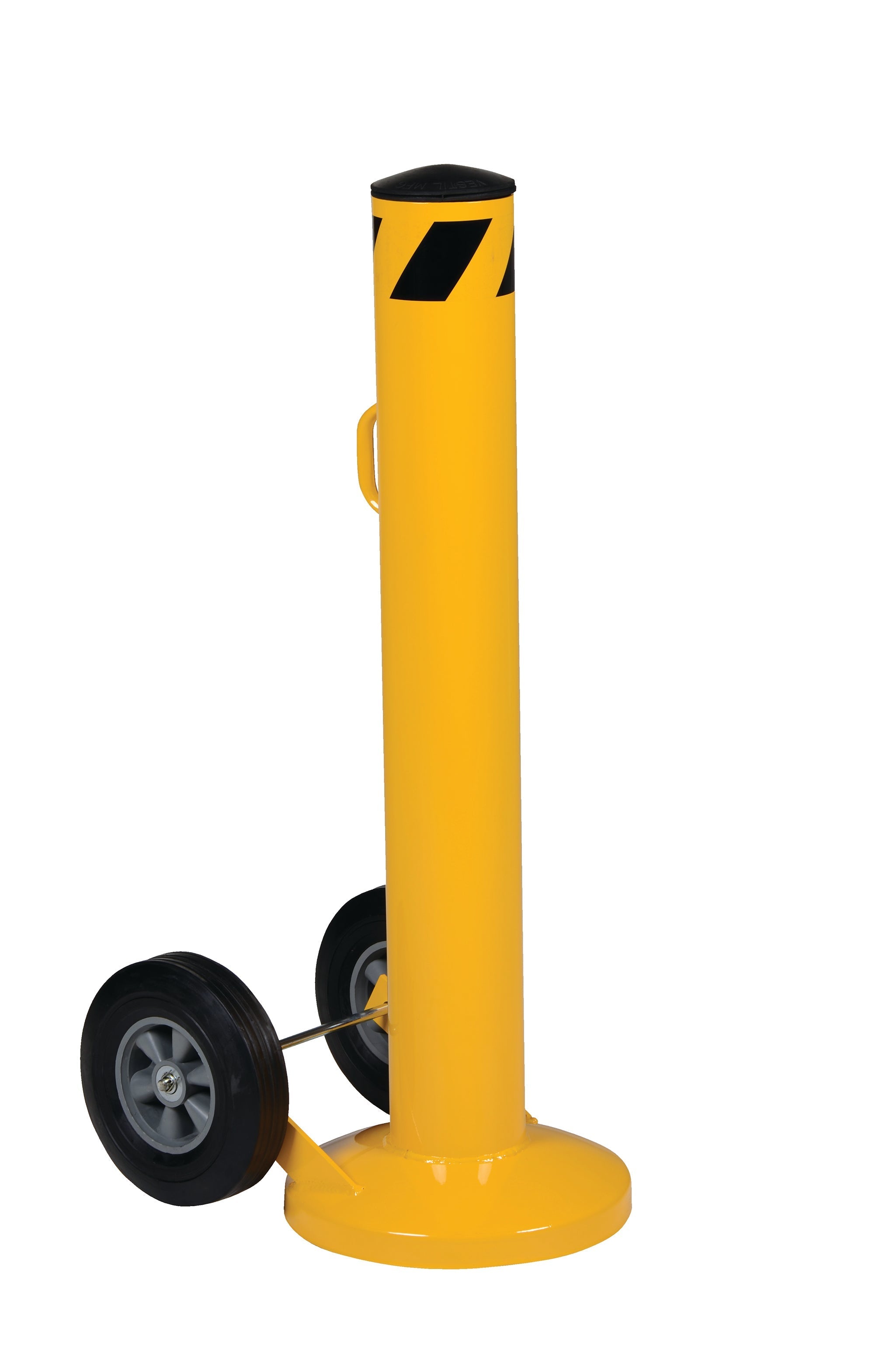
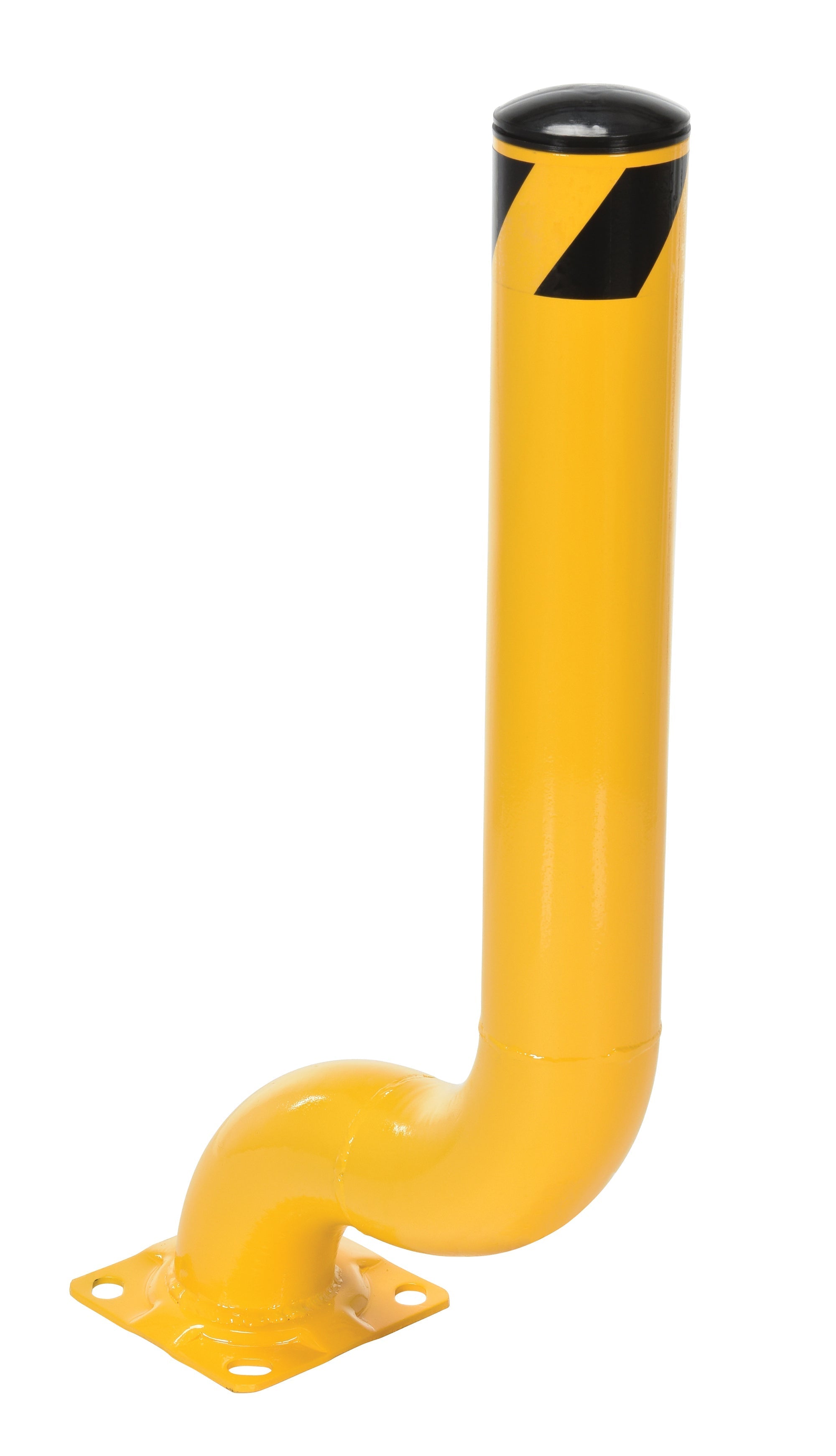
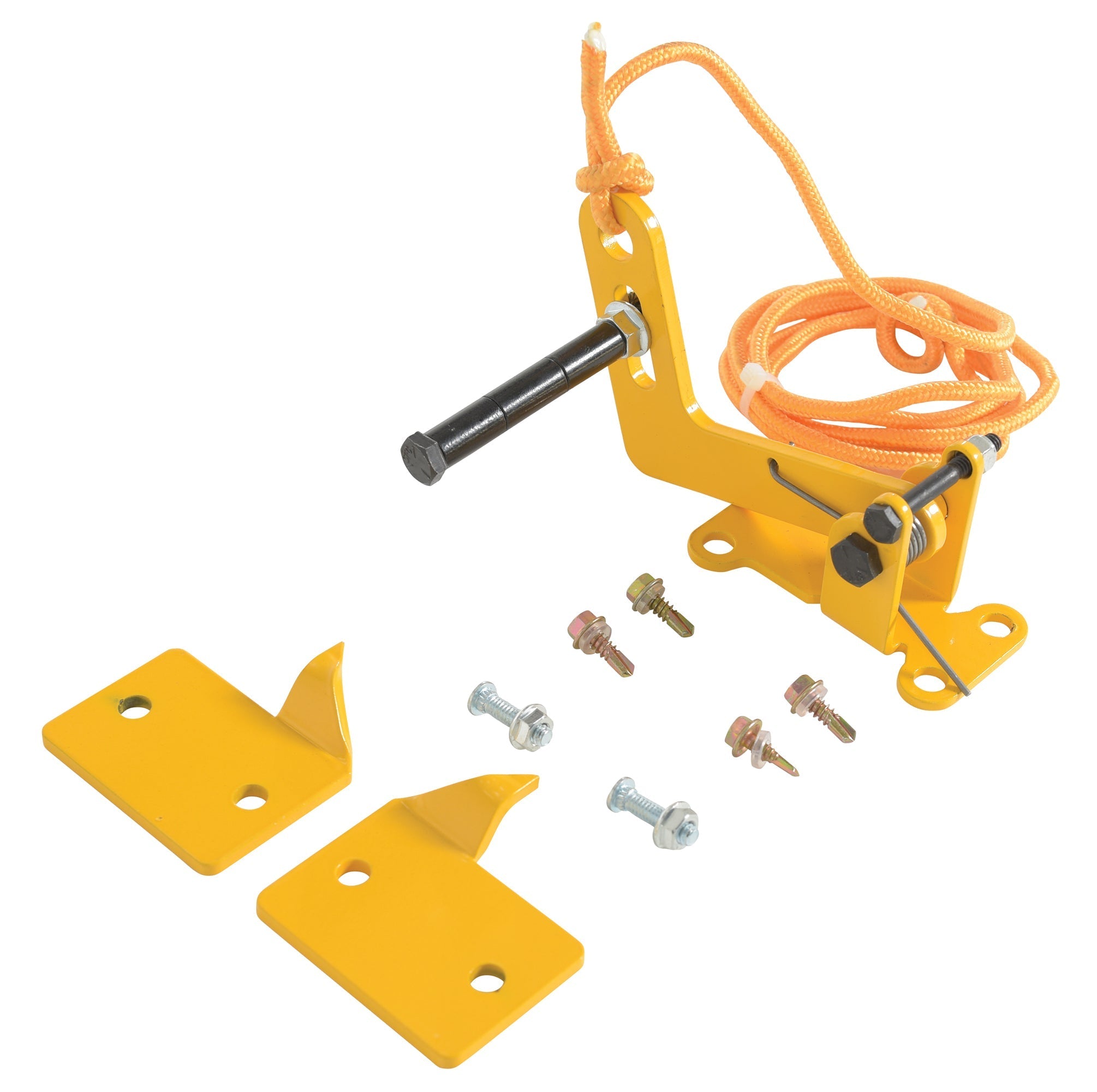
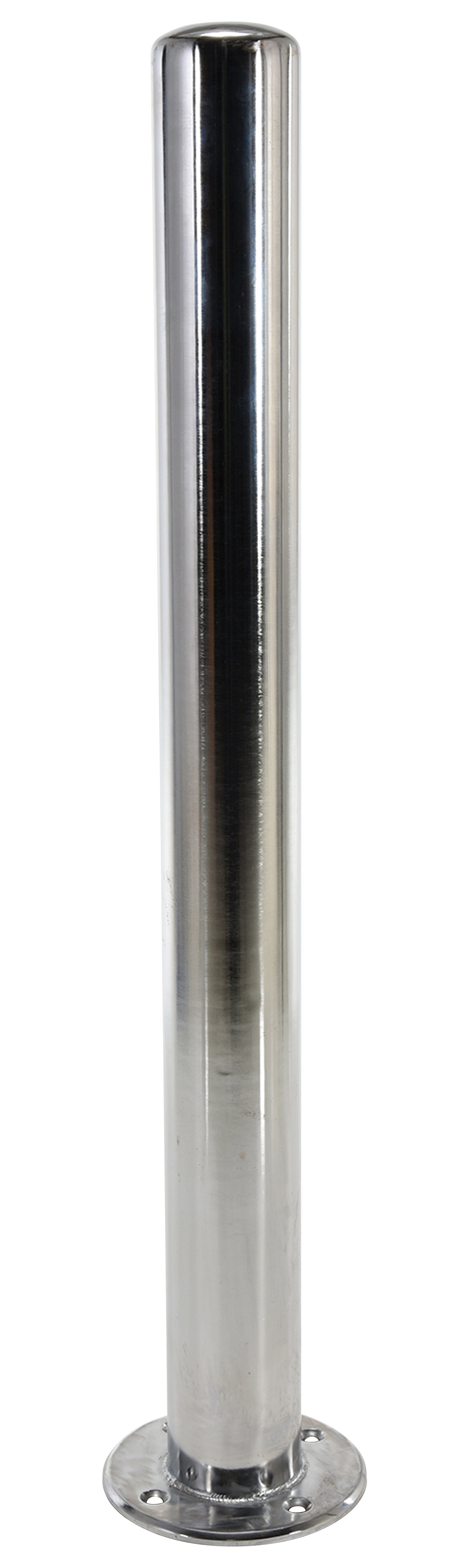
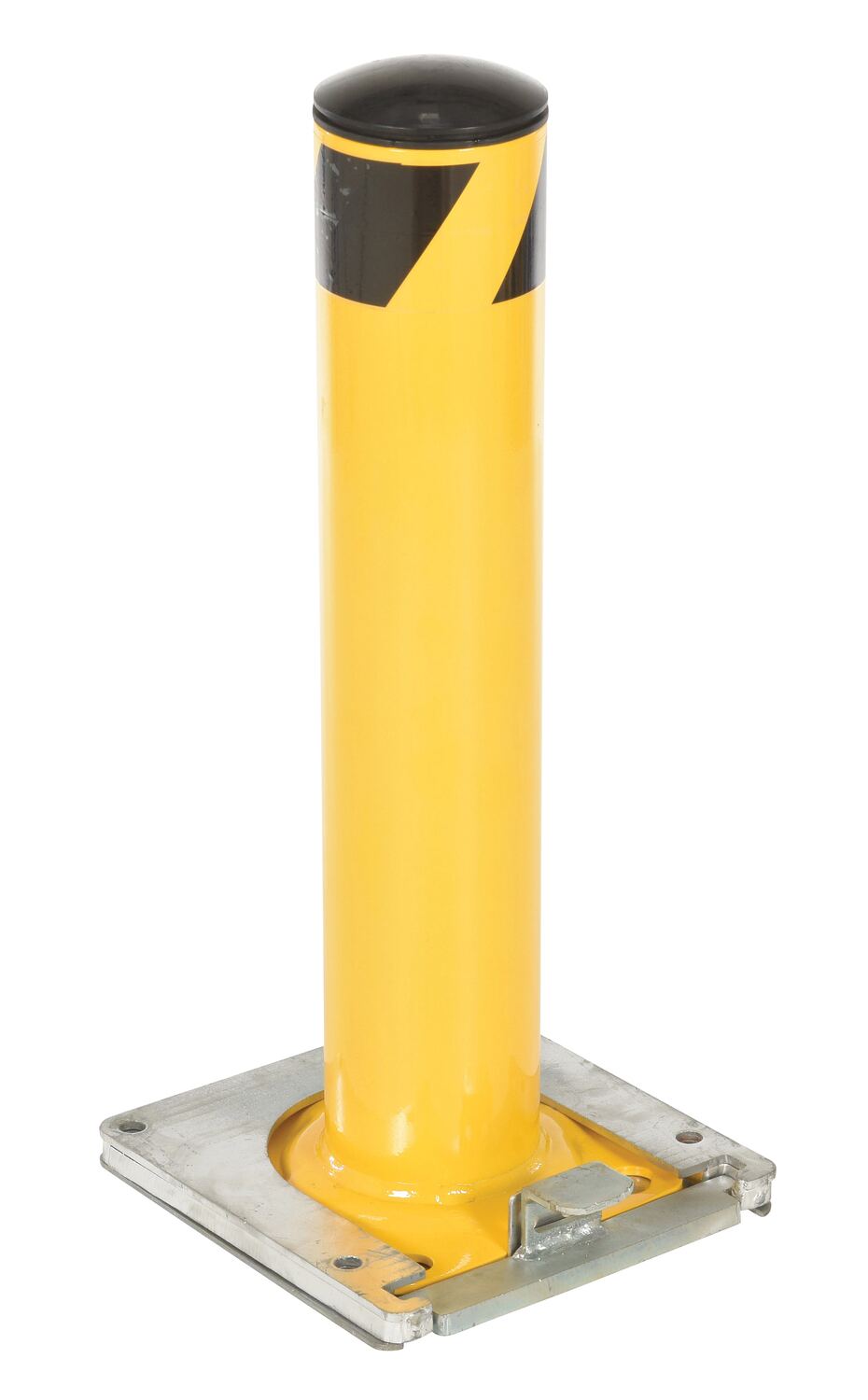
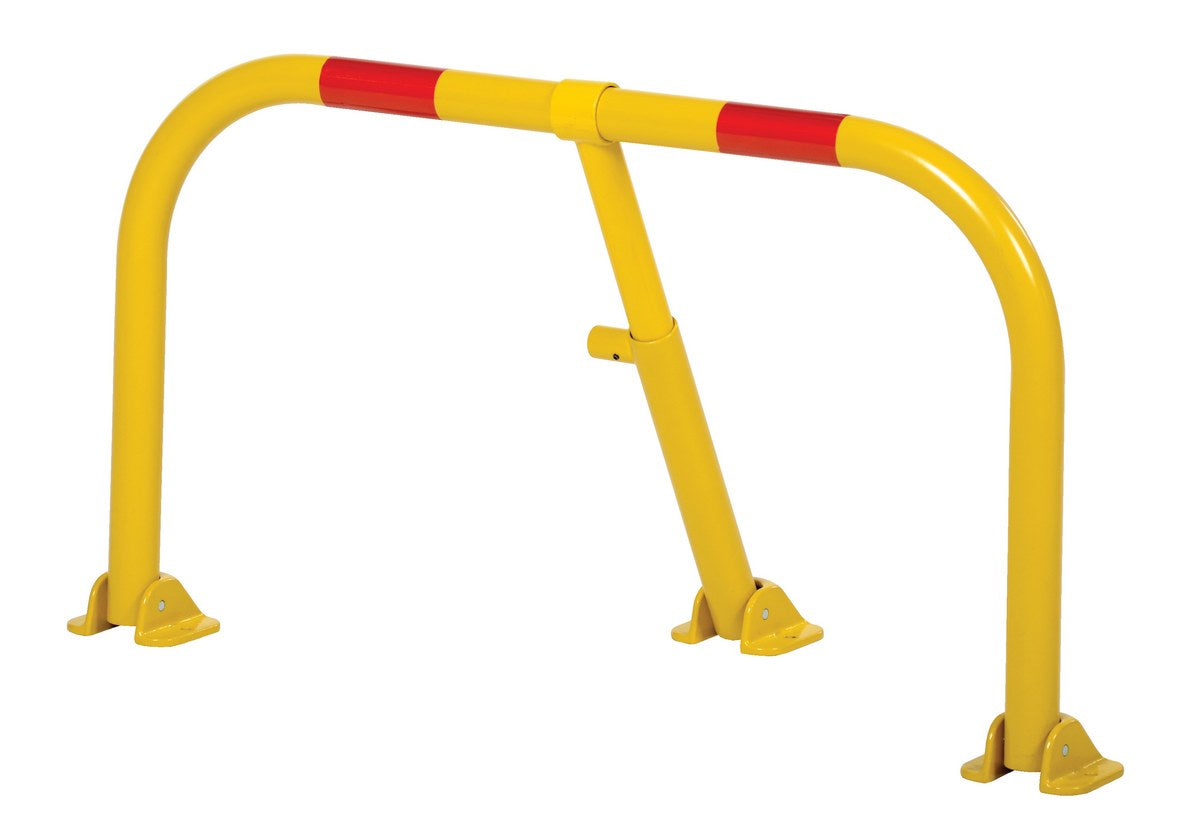
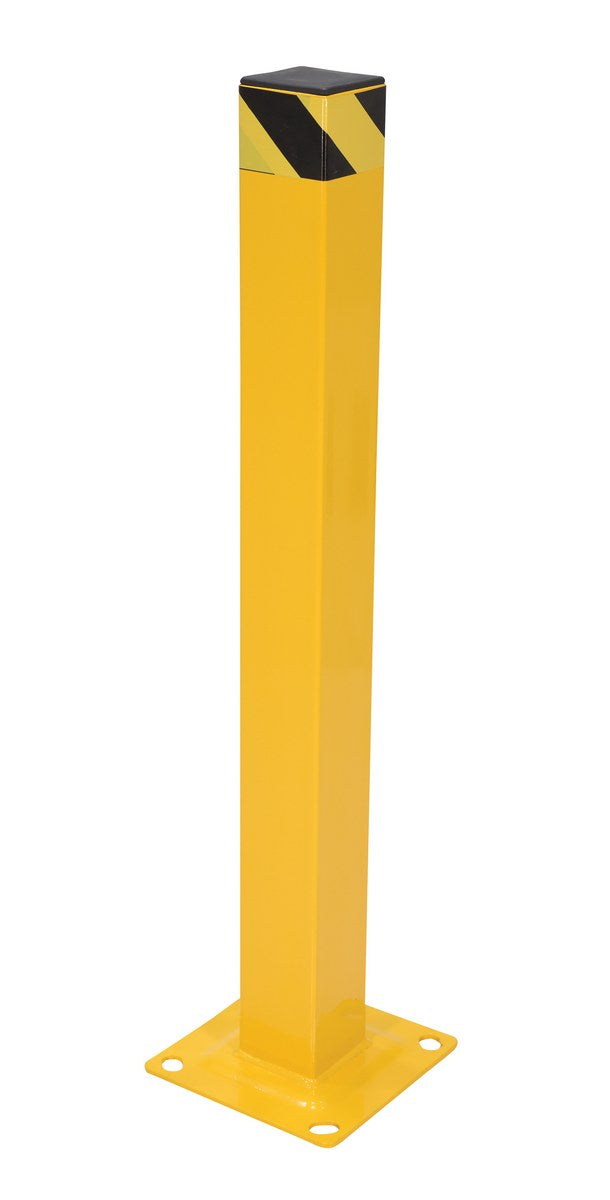
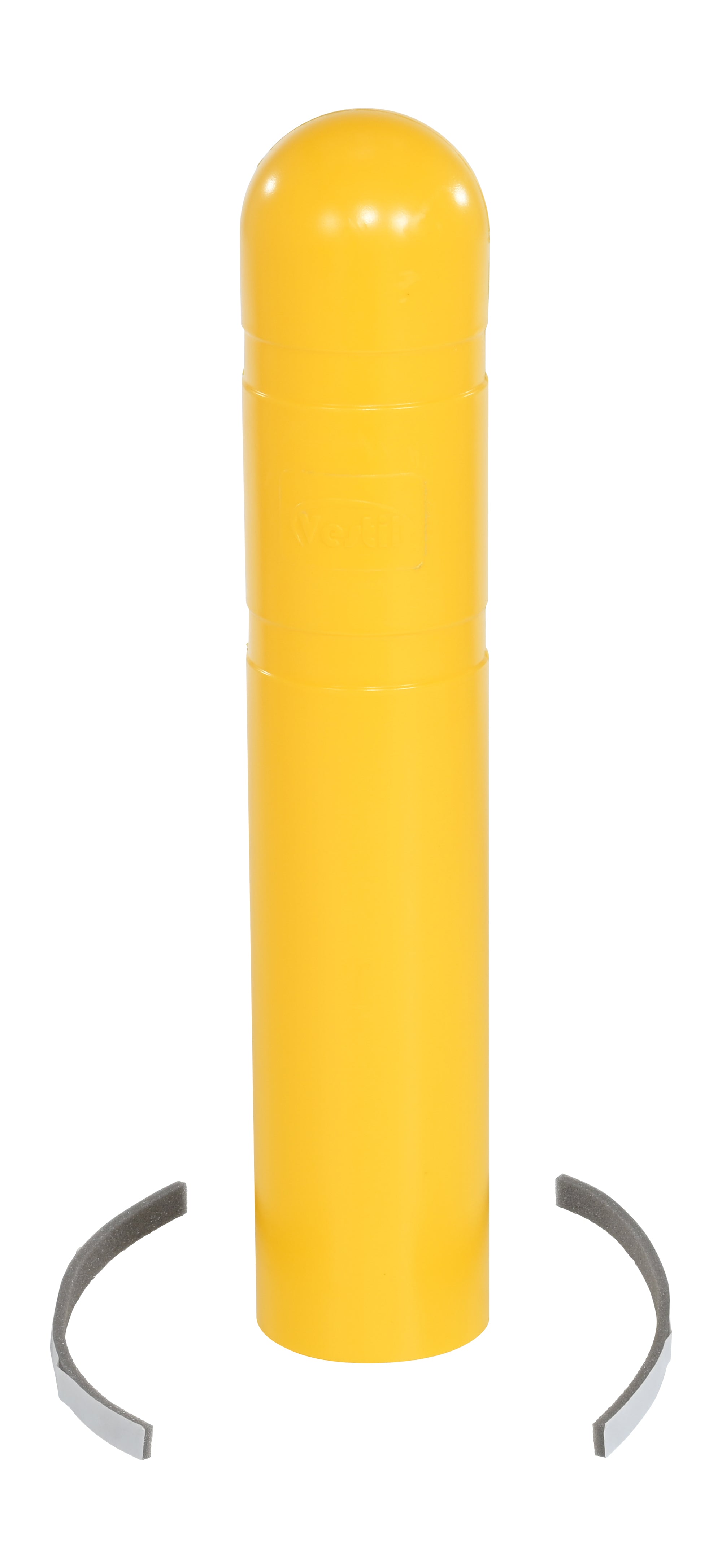
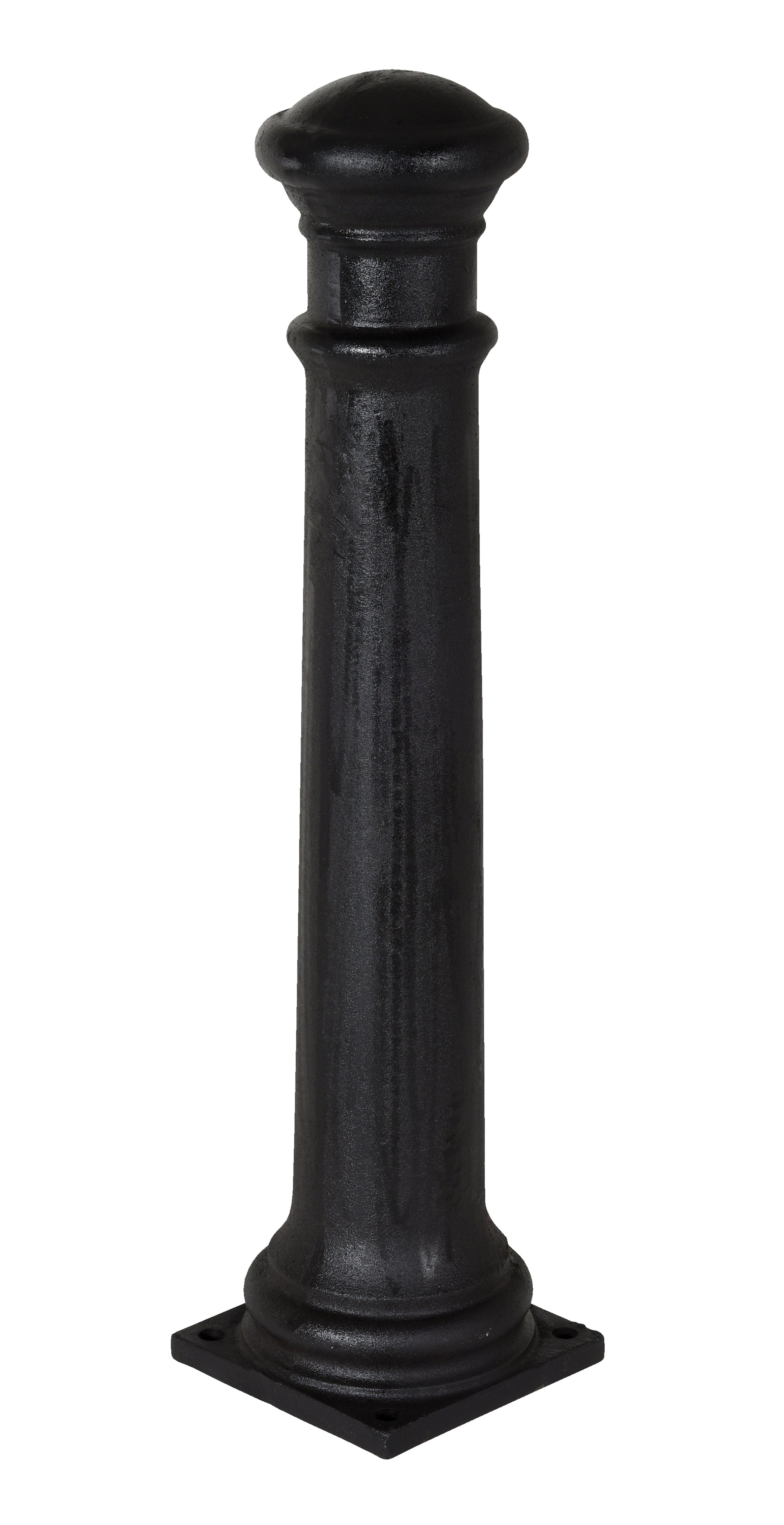
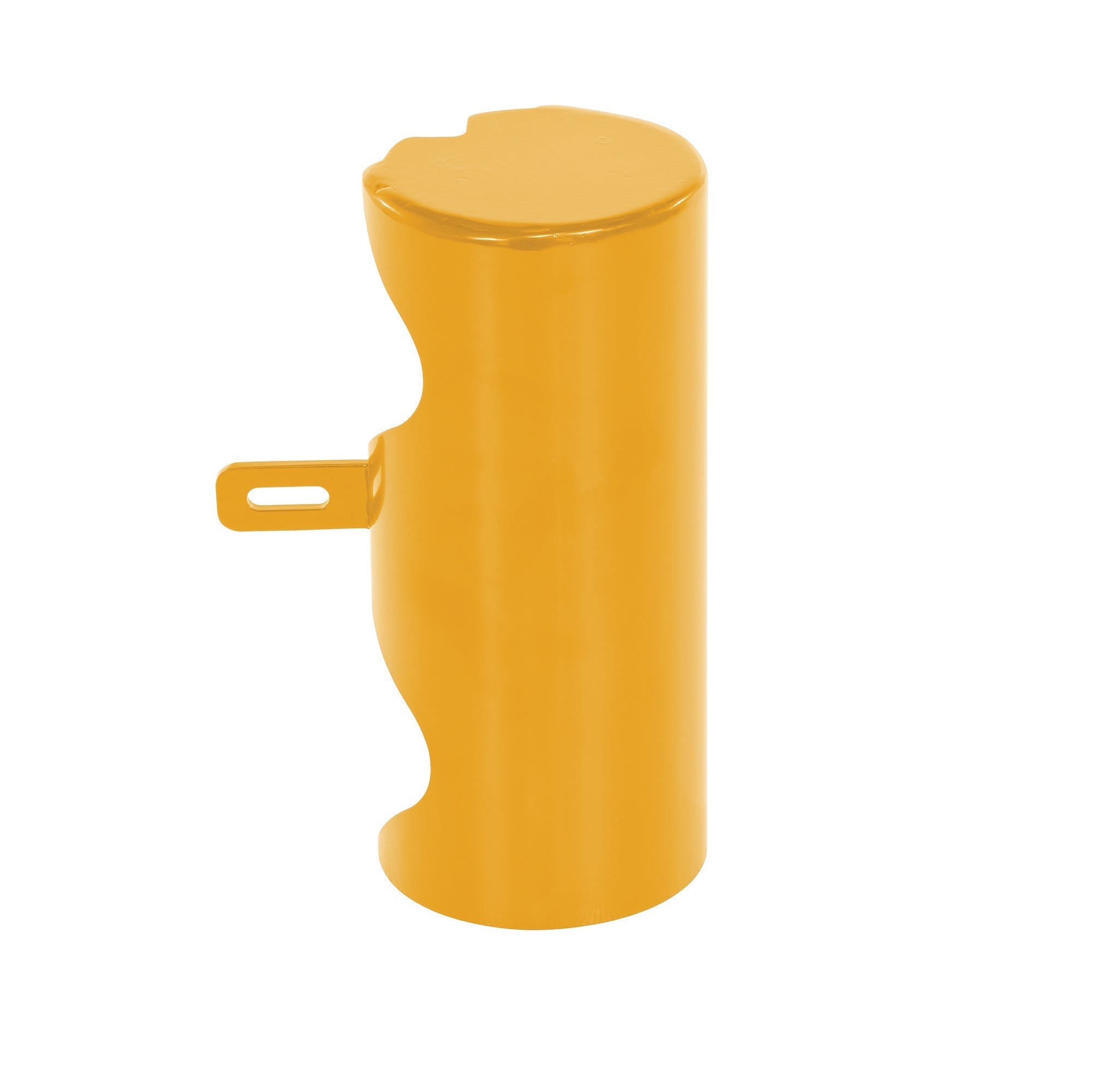
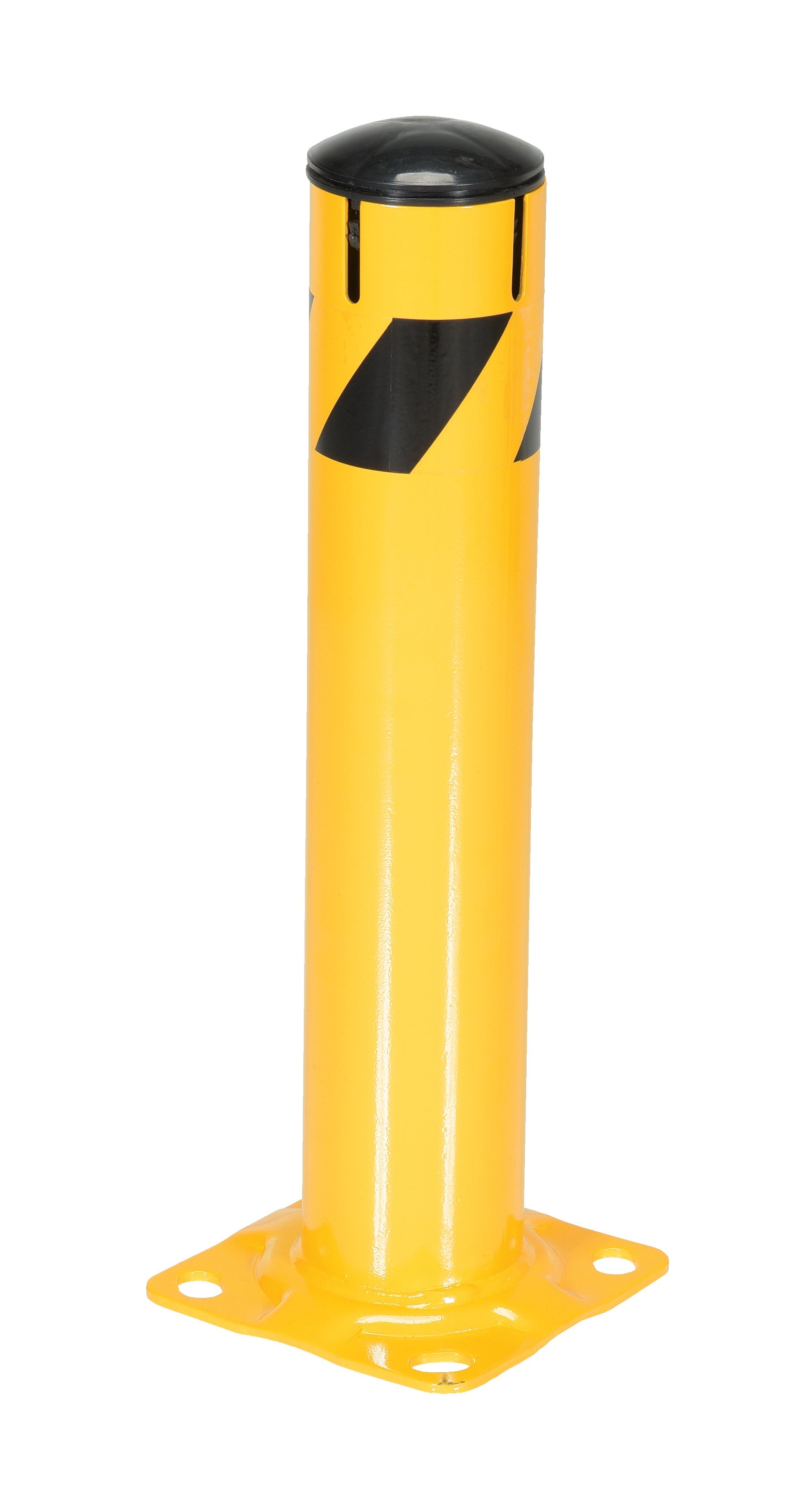
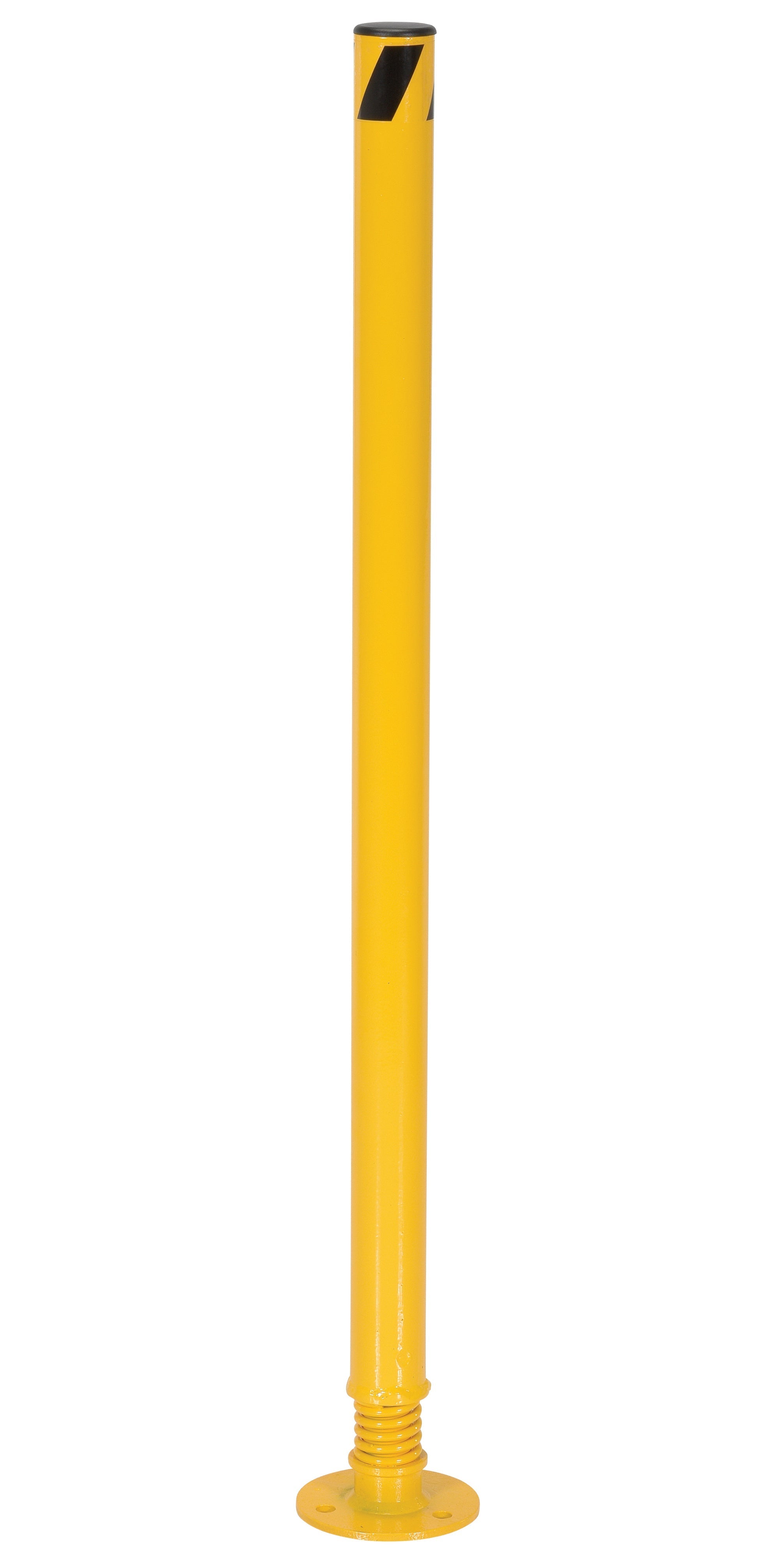
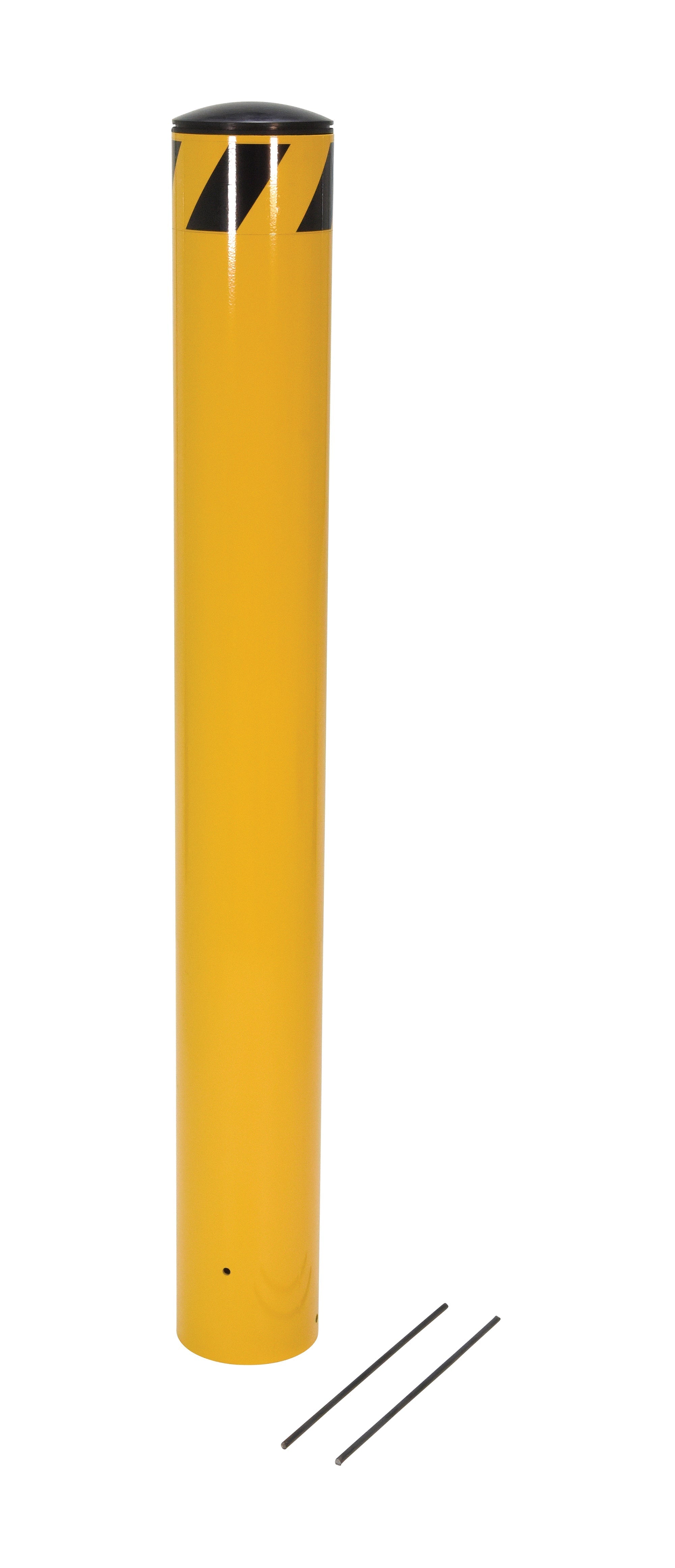
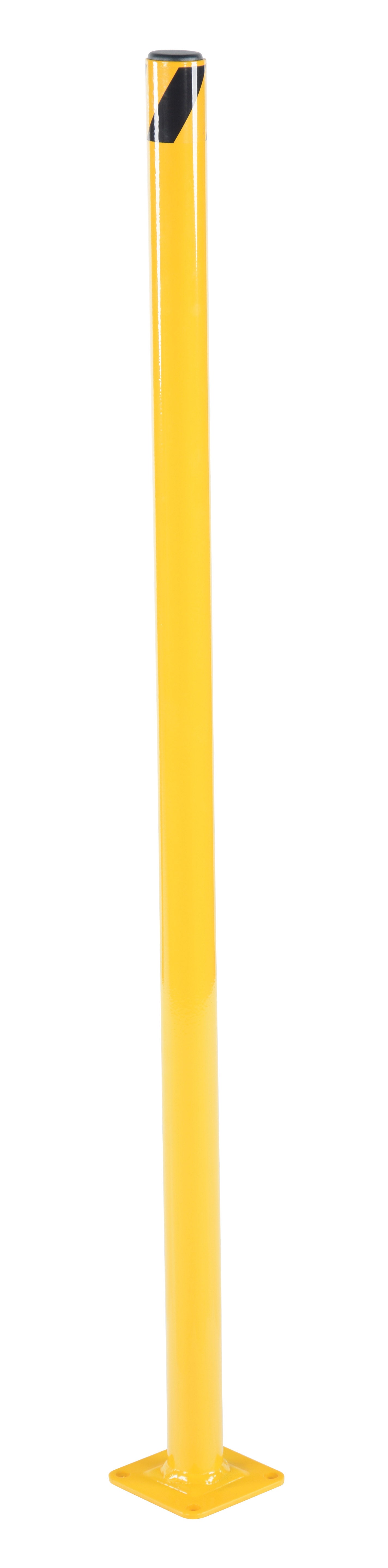
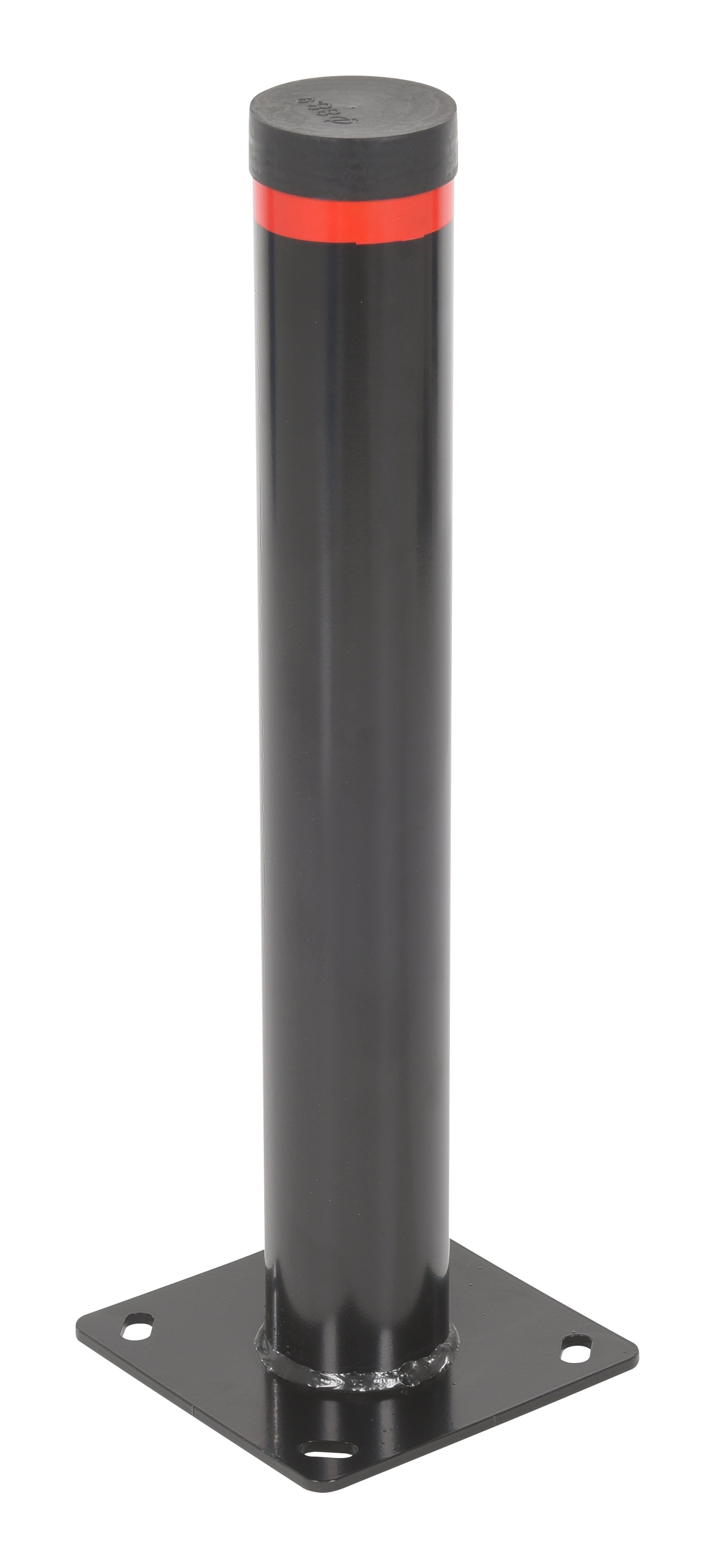
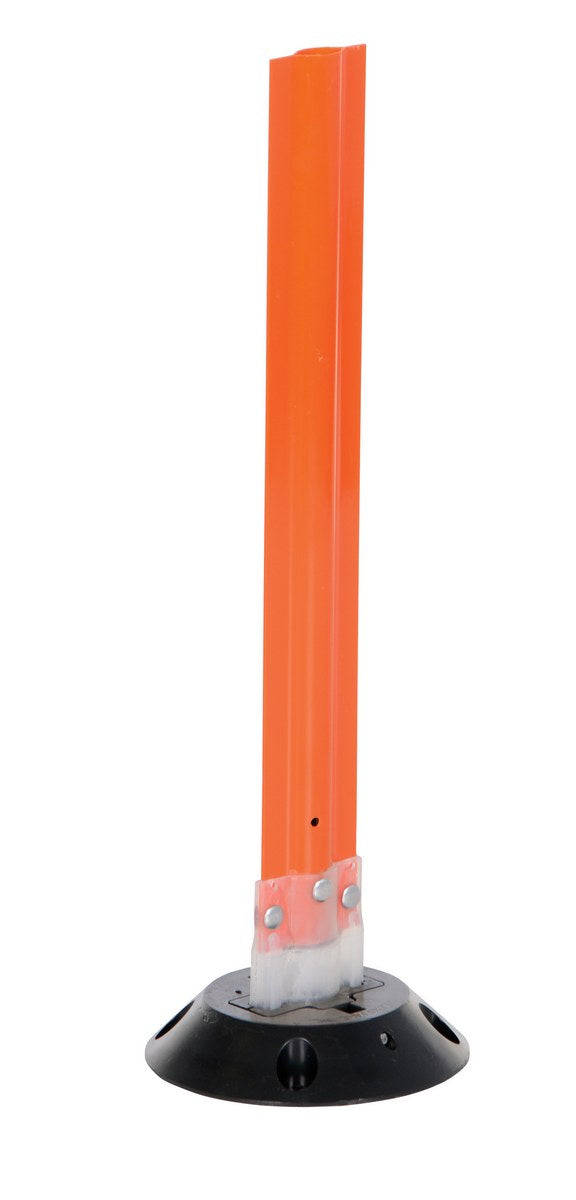
Safety bollards: fixed, removable, or fold-down. The deepest family in the collection is safety bollards, and the first decision is permanence. Fixed steel pipe bollards run from 42 to 48 inch heights up to nearly 63 inch models, starting around $65, and pour-in-place versions set directly into new concrete for the strongest anchorage you can buy. Where the lane sometimes needs to open, surface mounted removable bollards lift out of a floor sleeve, fold-down and 2-way fold-down models hinge flat, and spring loaded bollards from about $75 give a little on contact and stand back up. Material sets the message: concrete-fillable steel pipe stops vehicles, the $39 plastic bollard and the orange poly models mark routes without pretending to be armor, and ductile iron and stainless decorative bollards protect storefronts without looking industrial. Finish the run with bollard chain through the chain-slot models, and cover older posts with plastic bollard covers instead of repainting them.
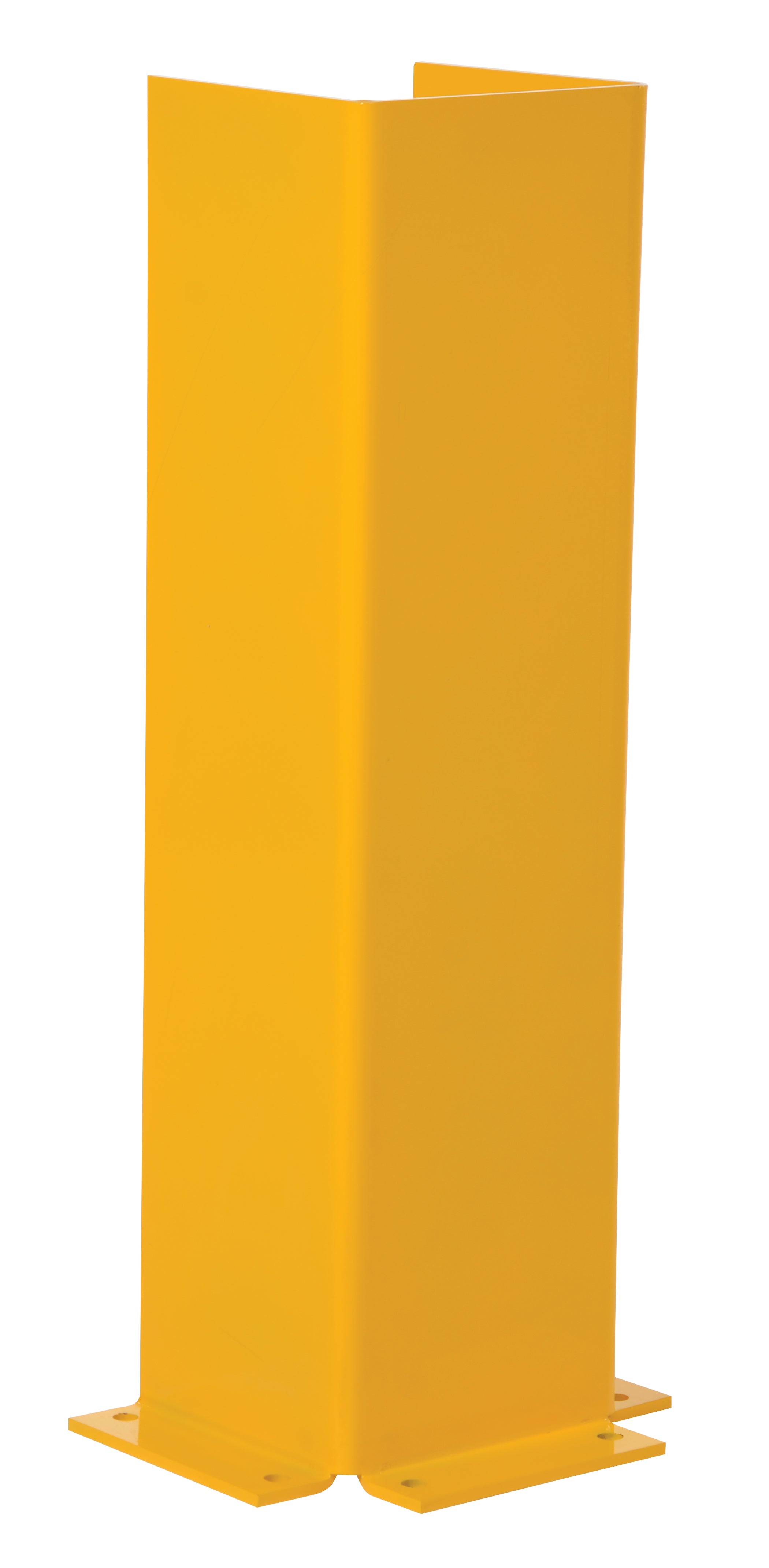
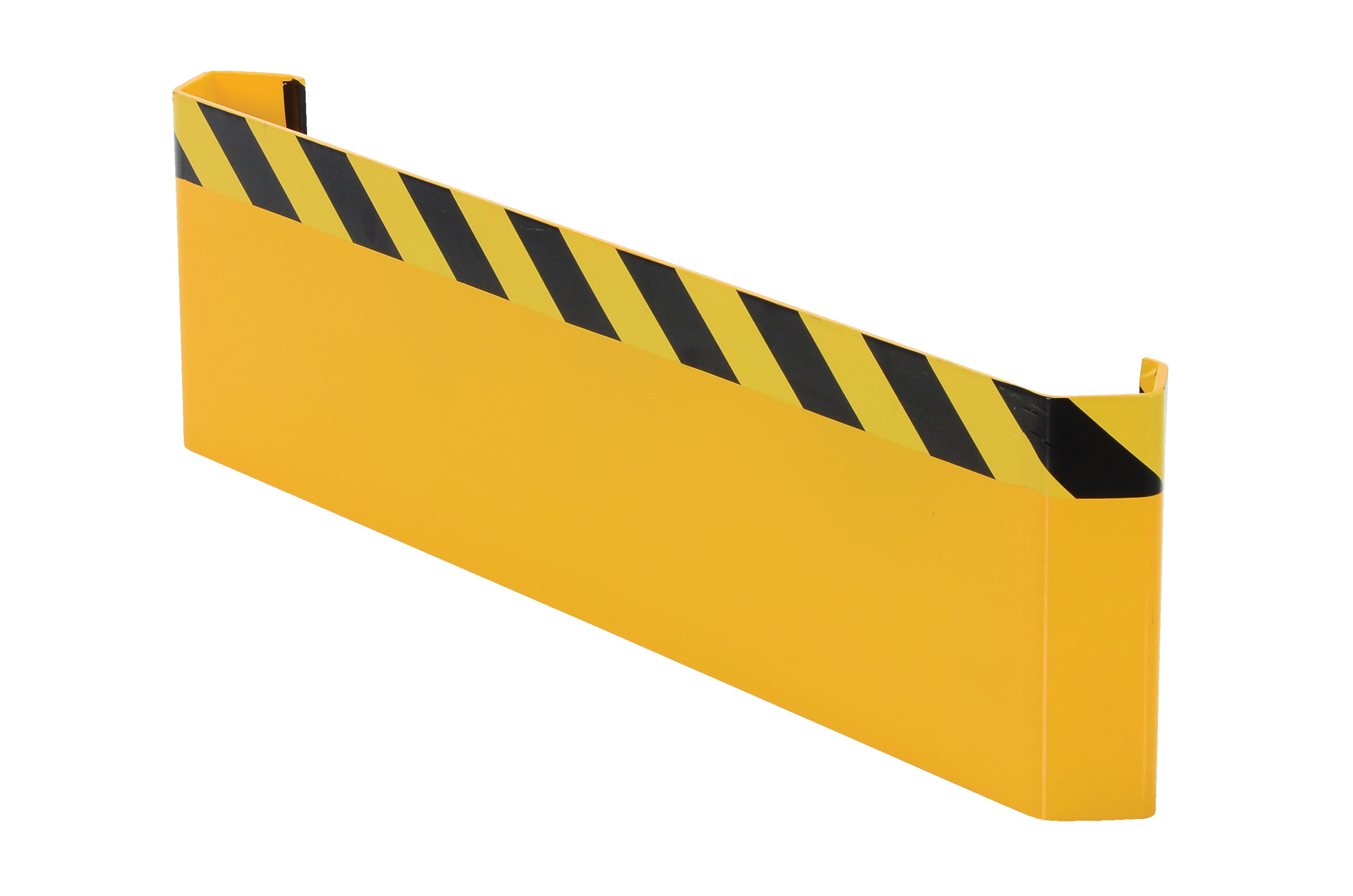
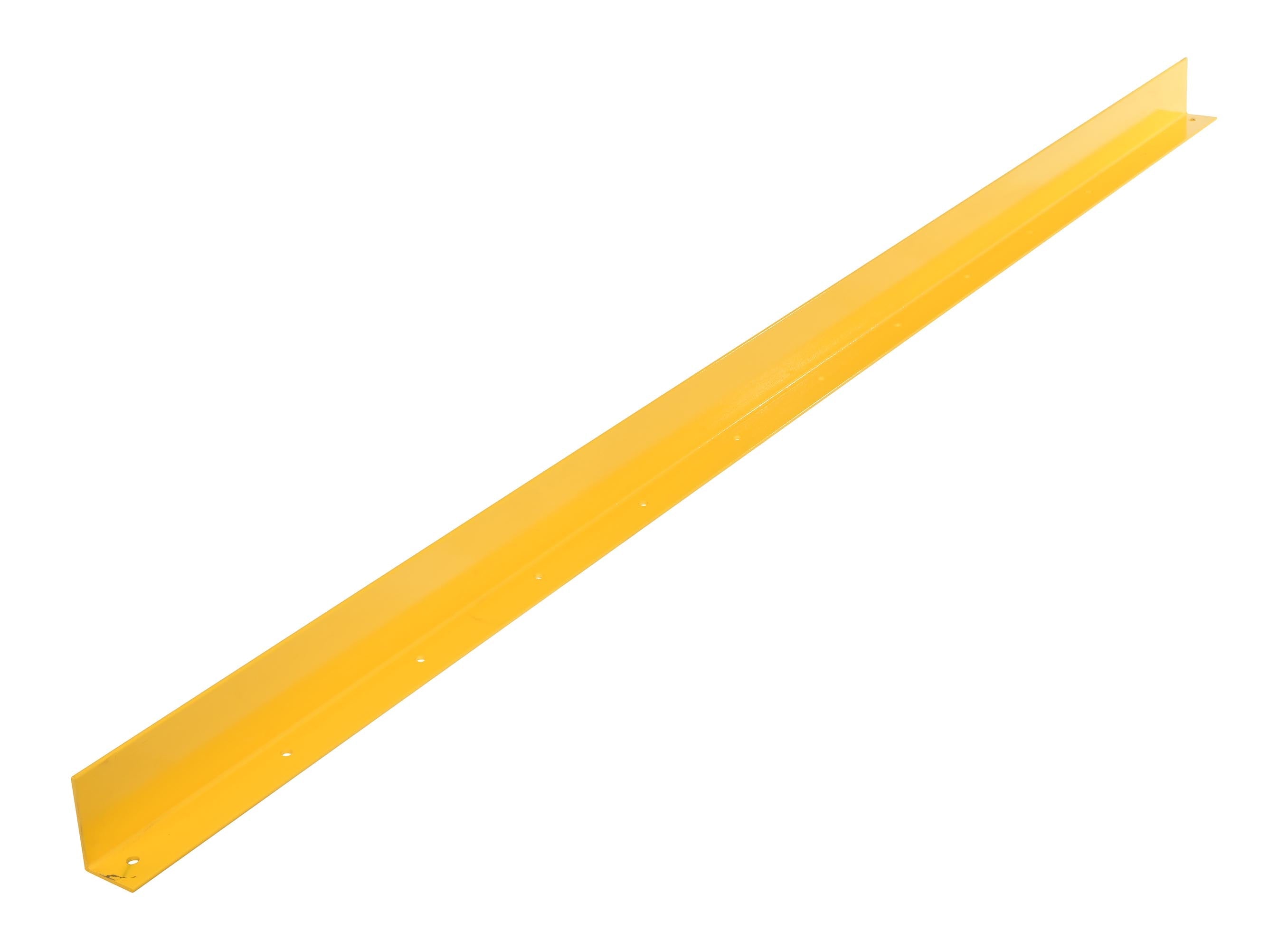
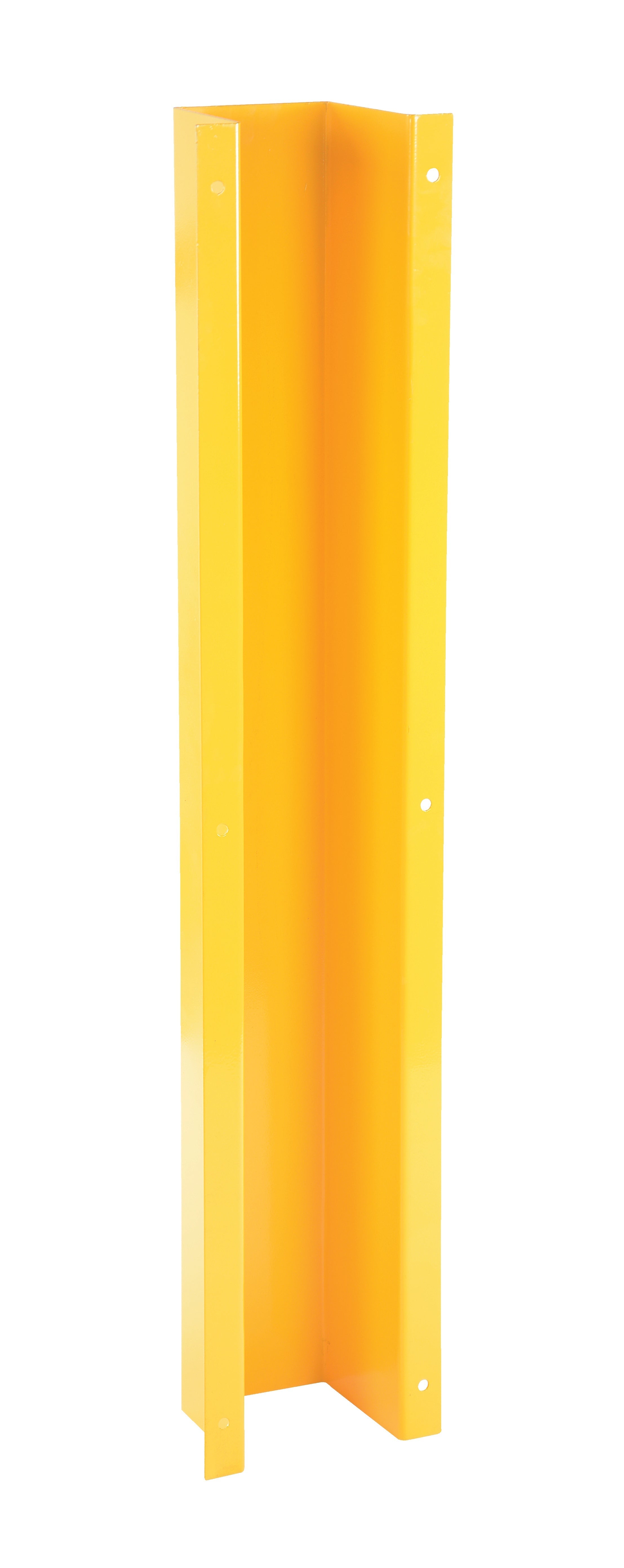
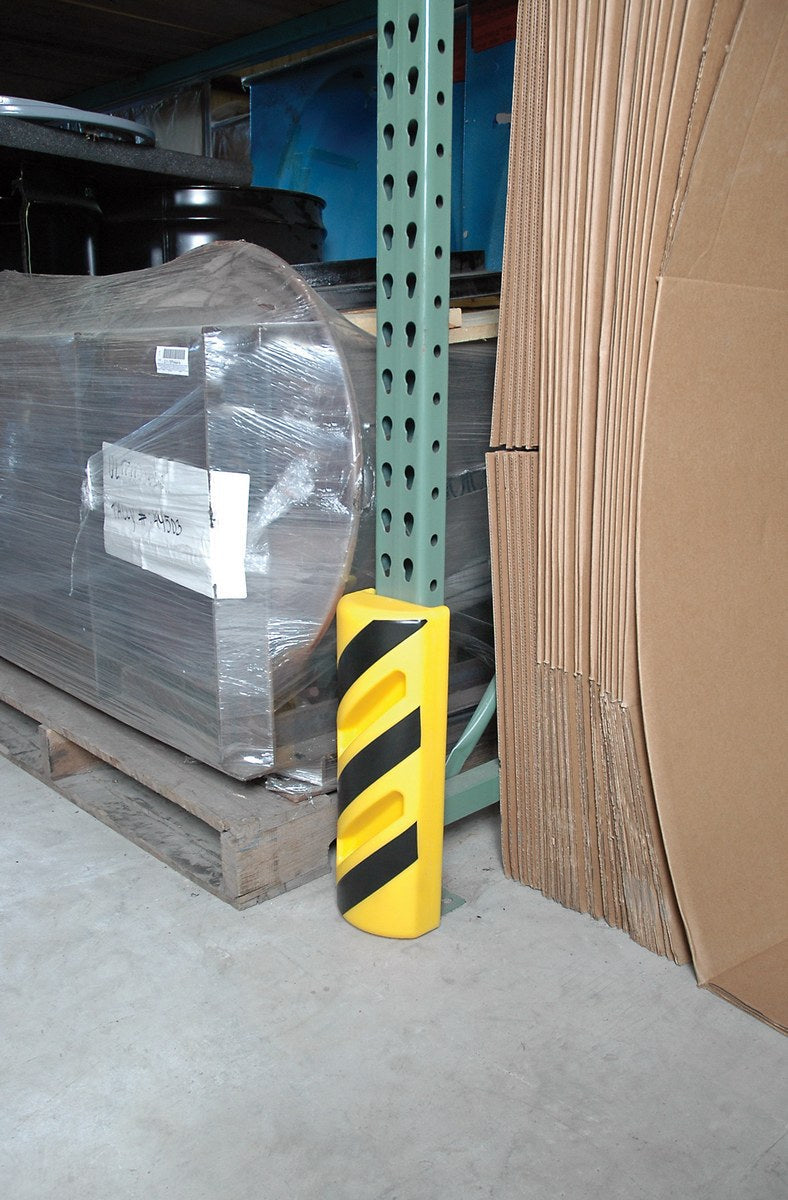
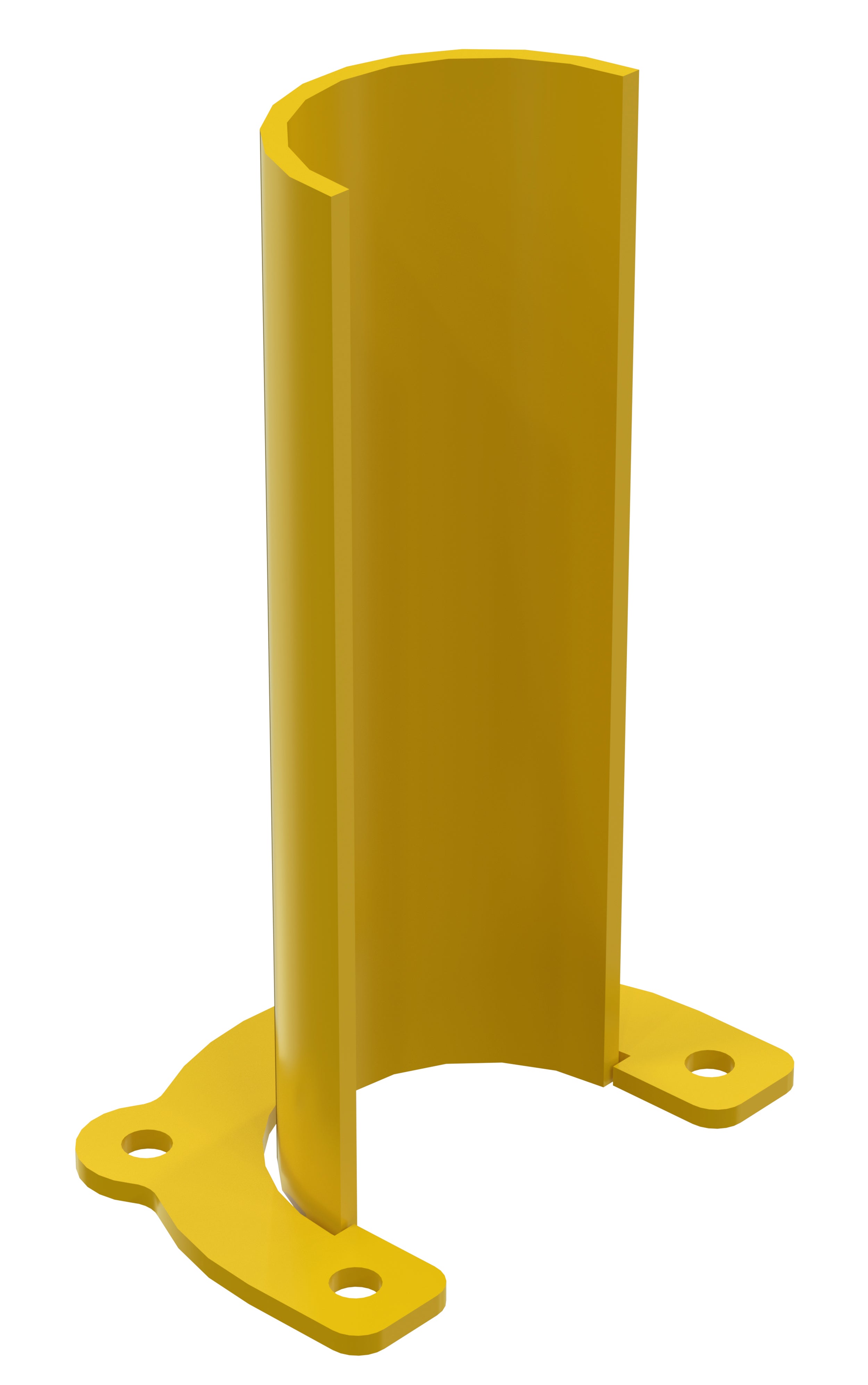
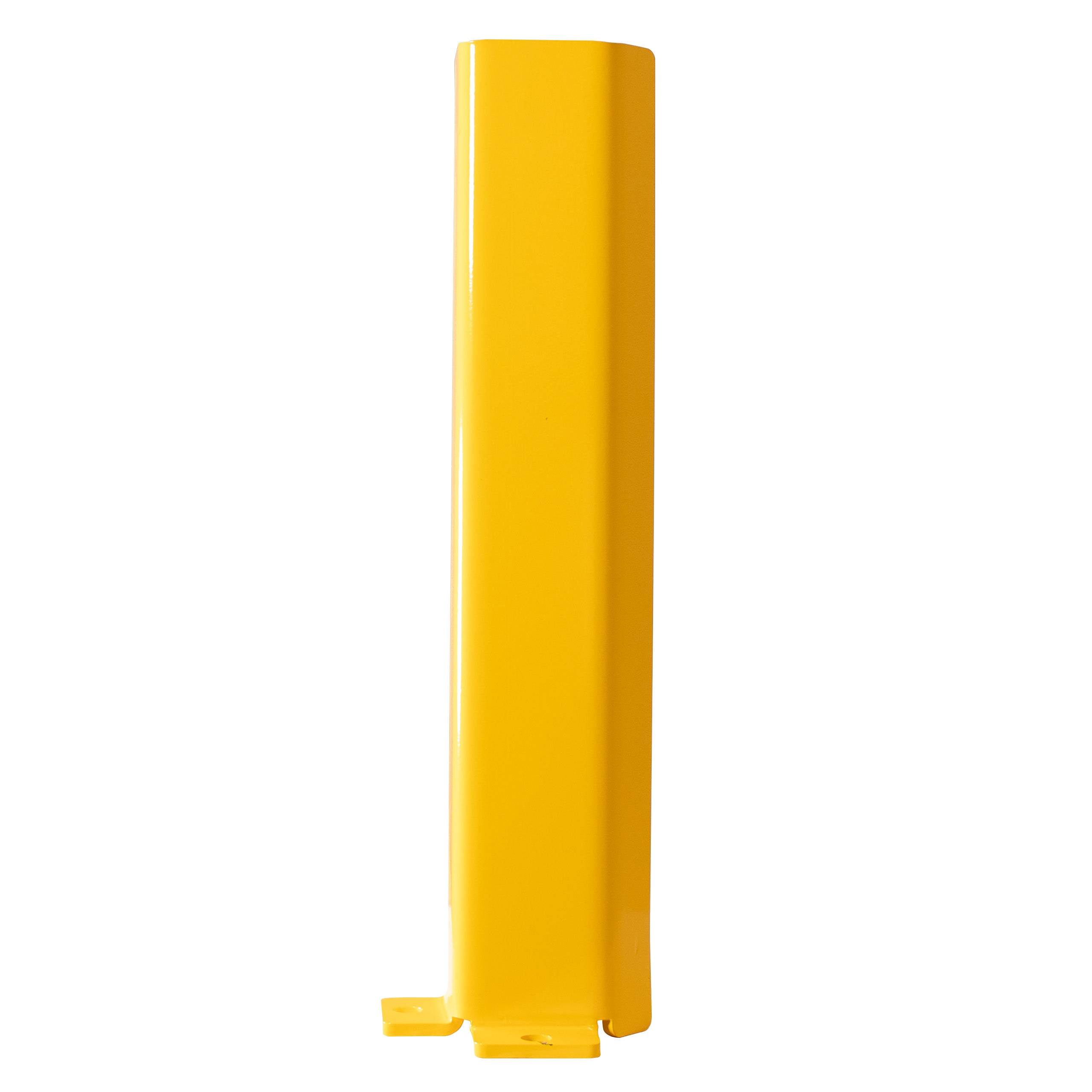
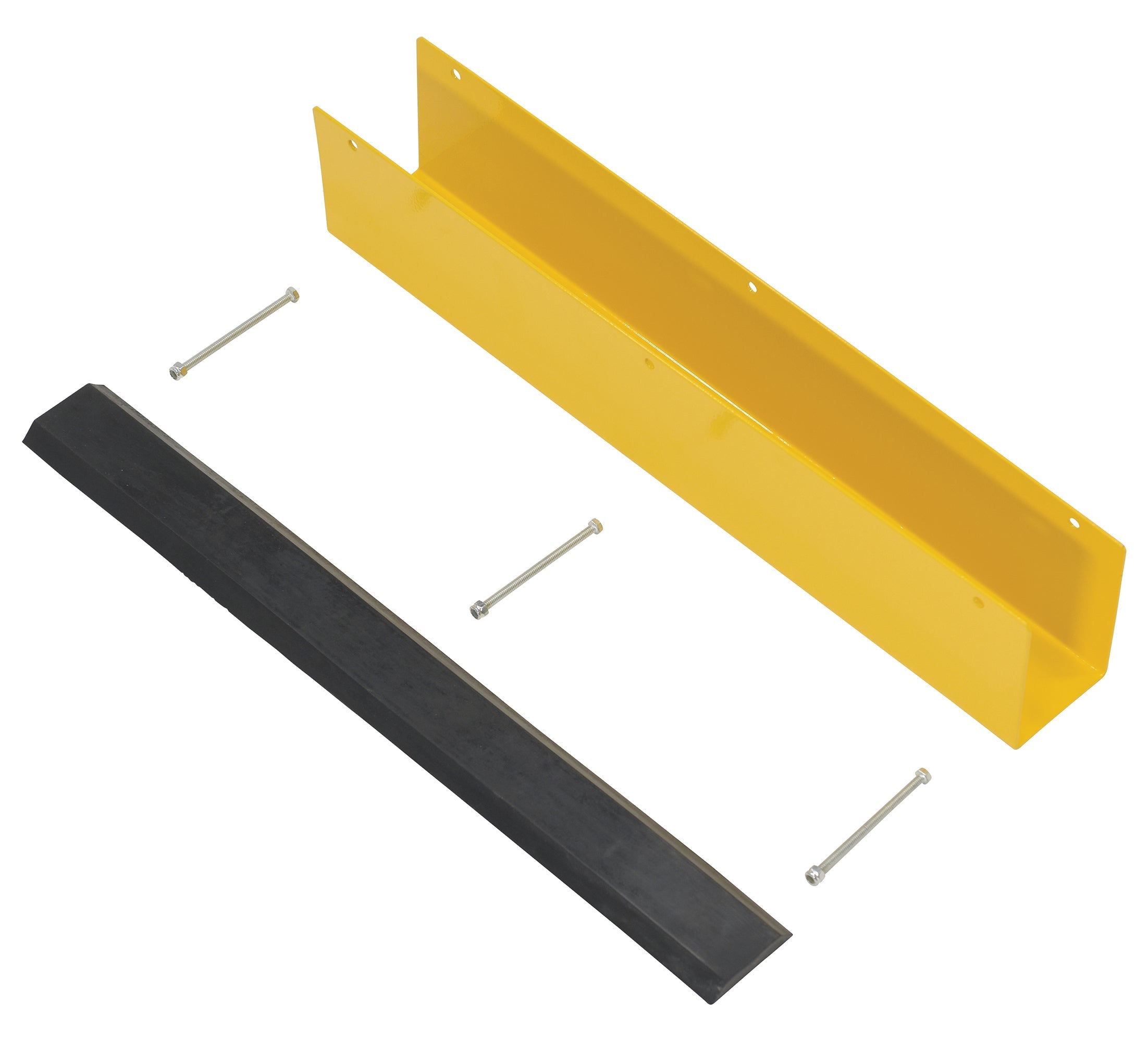
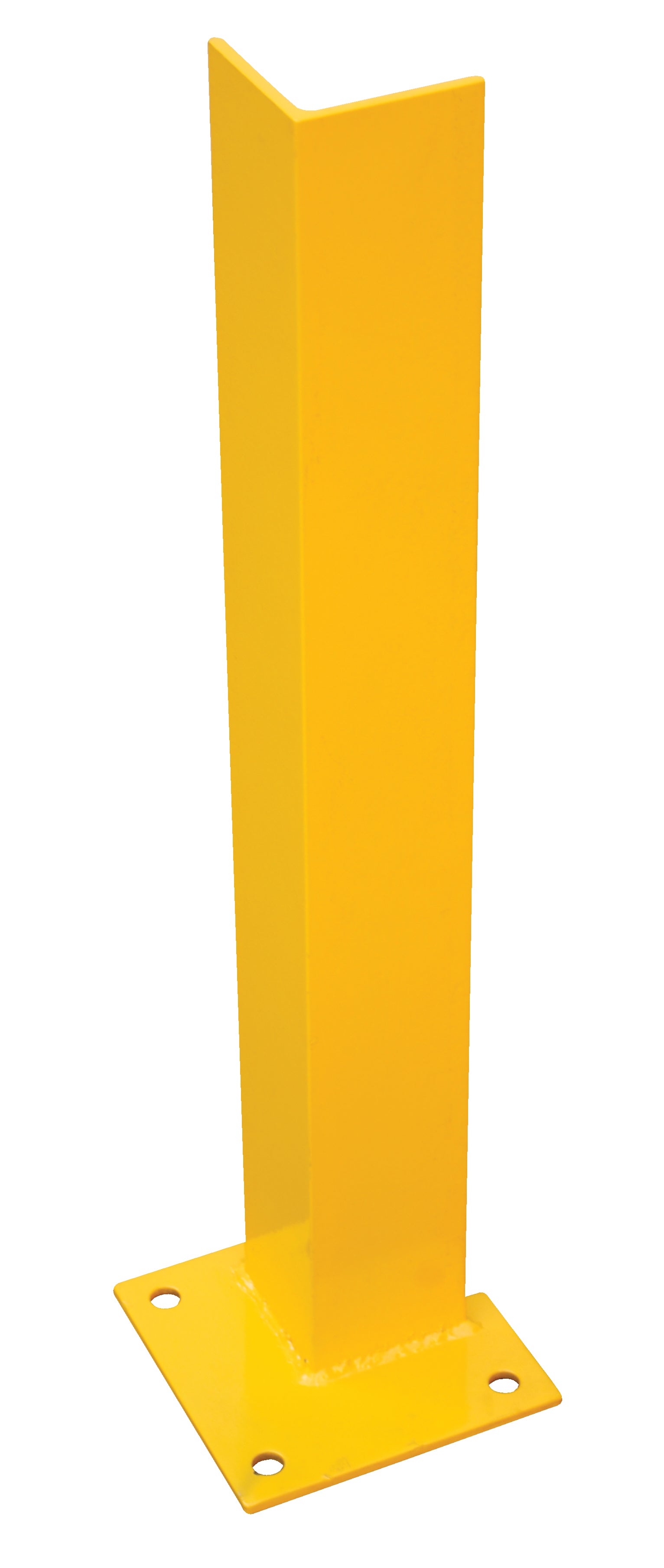
Rack guards: the cheapest insurance in the warehouse. A bent rack upright means unloading every pallet in the bay and cutting out the damaged column, which is why the rack guards collection is full of parts that cost less than a service call. Bolt-on rack upright guards run about $25, high impact plastic upright guards and rack shields under $30 snap around the column and take the scrape instead of the steel, and rubber-bumper-insert guards cushion the frame. For the spots that take real hits, the ends of aisles and the corners forklifts cut, step up to floor-anchored protection: structural rack guards from about $46, the $229 pallet rack end guard, rounded rack guards that deflect a glancing blow, and inline floor curbs that stop the fork wheels before the mast reaches the rack. Valley Craft post protectors cover the same duty on freestanding columns. Guard the uprights that face travel lanes first; the middle of the run almost never gets hit.
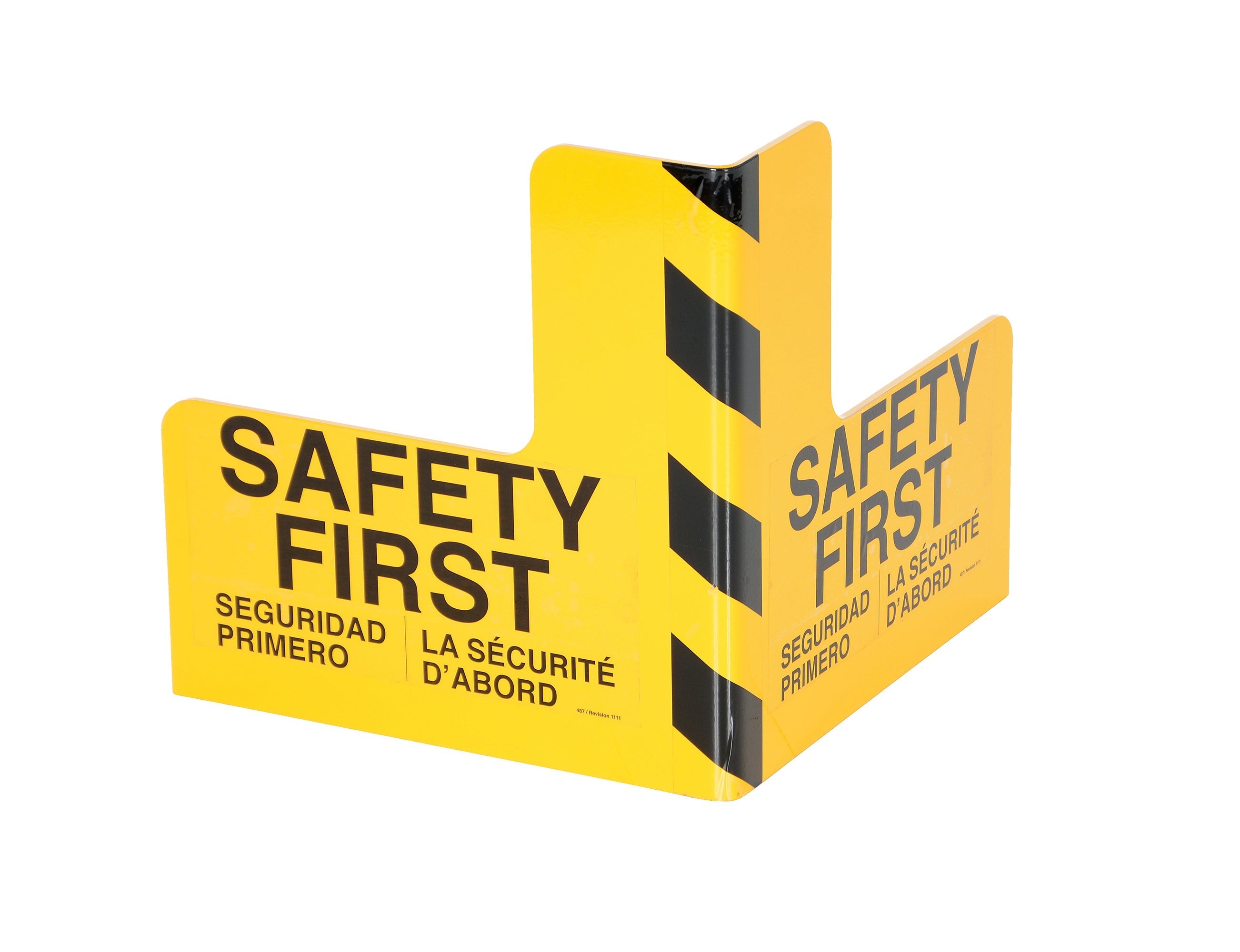
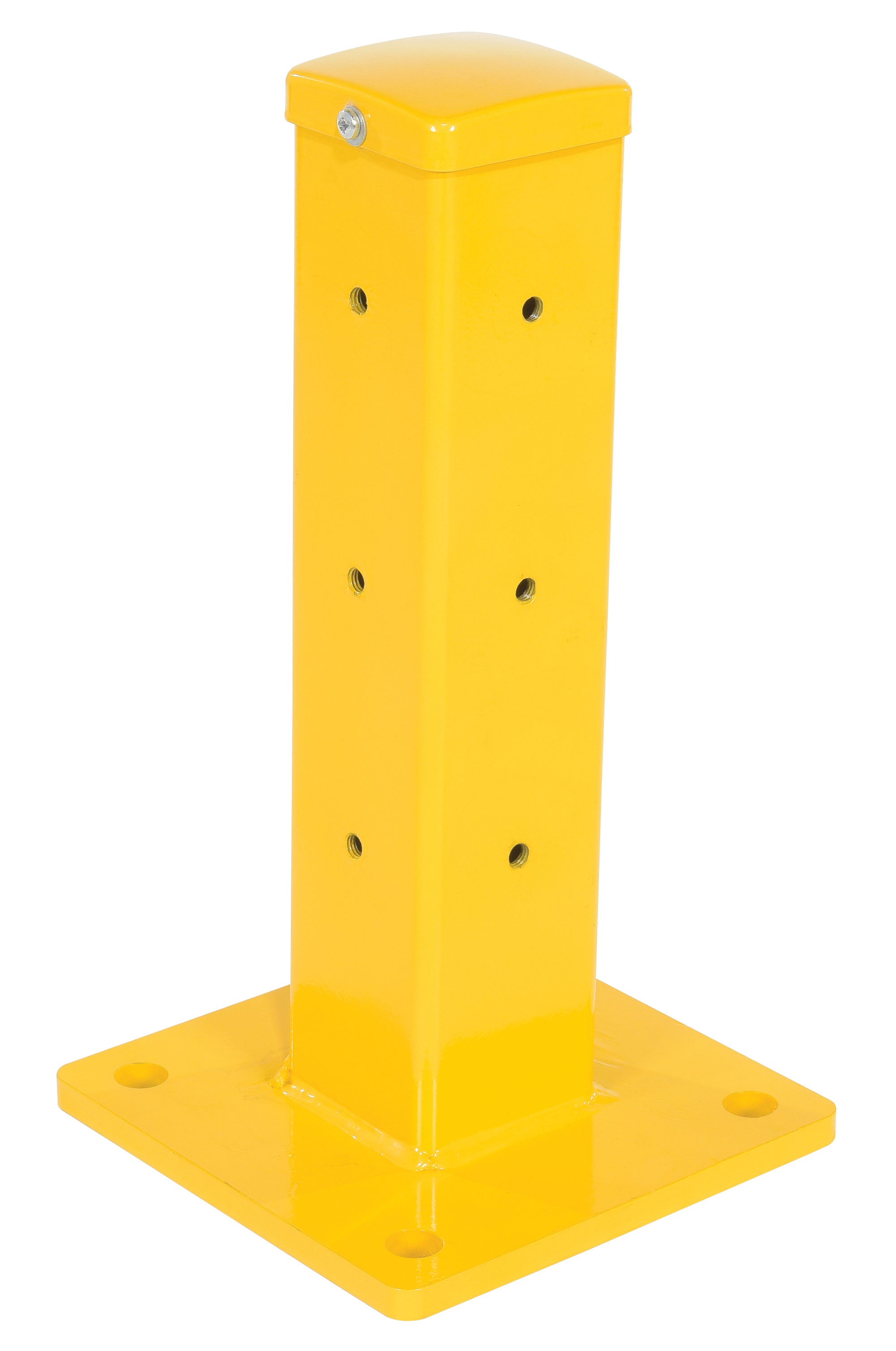
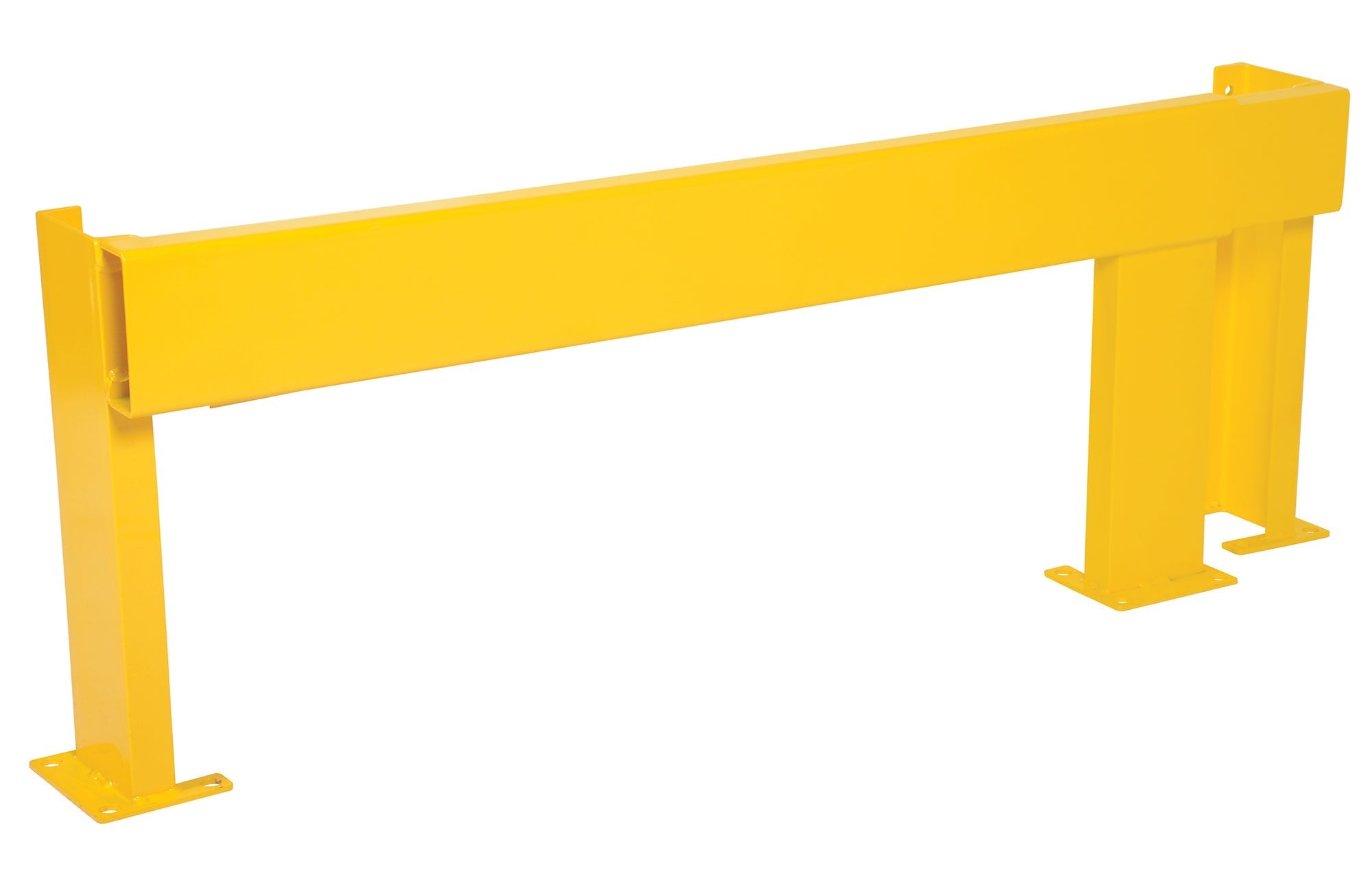
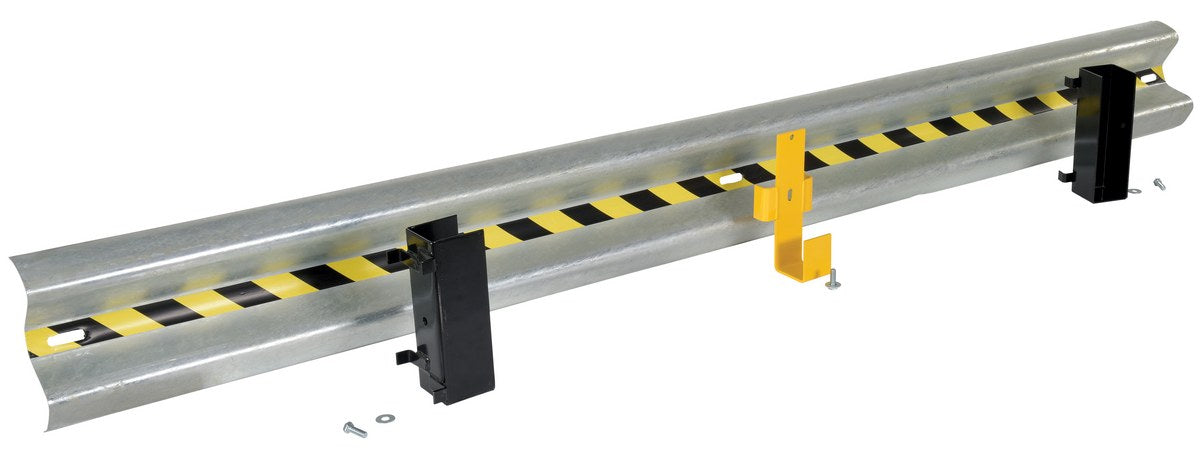
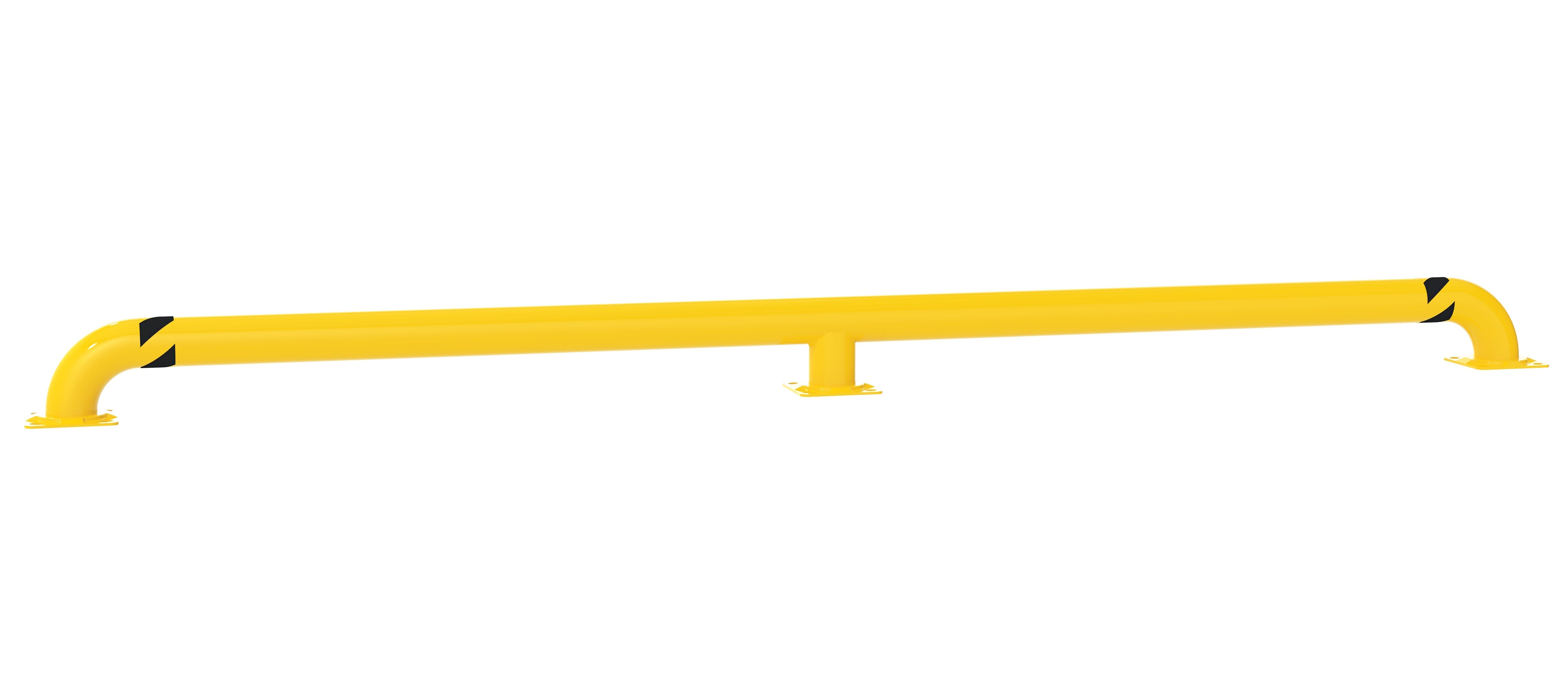
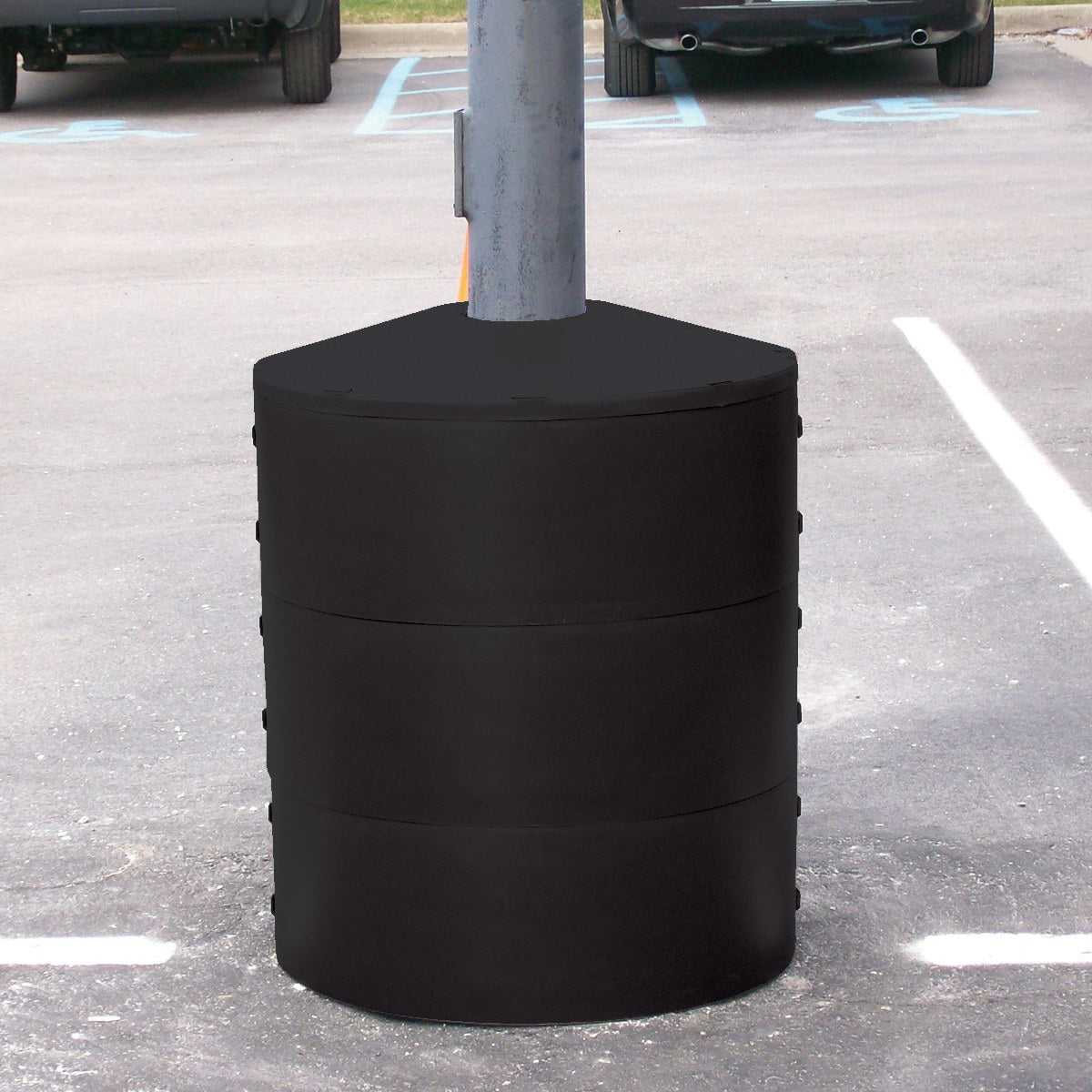
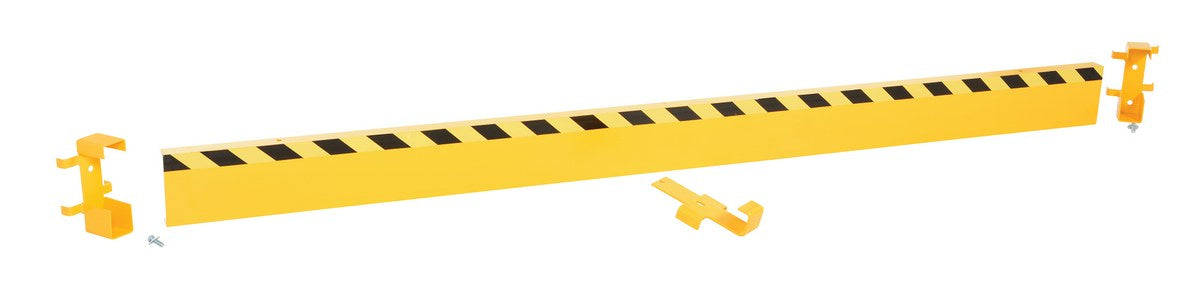
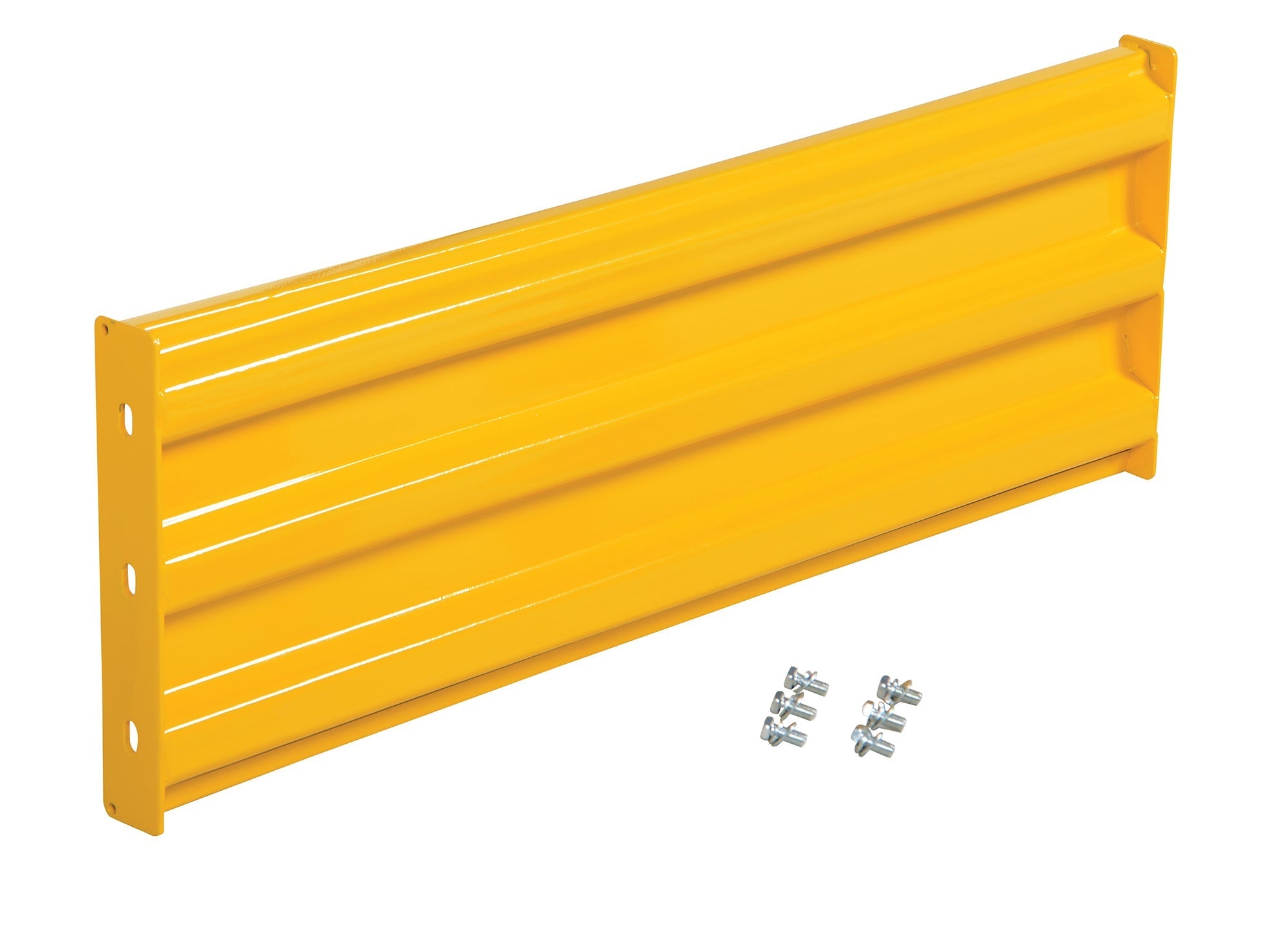
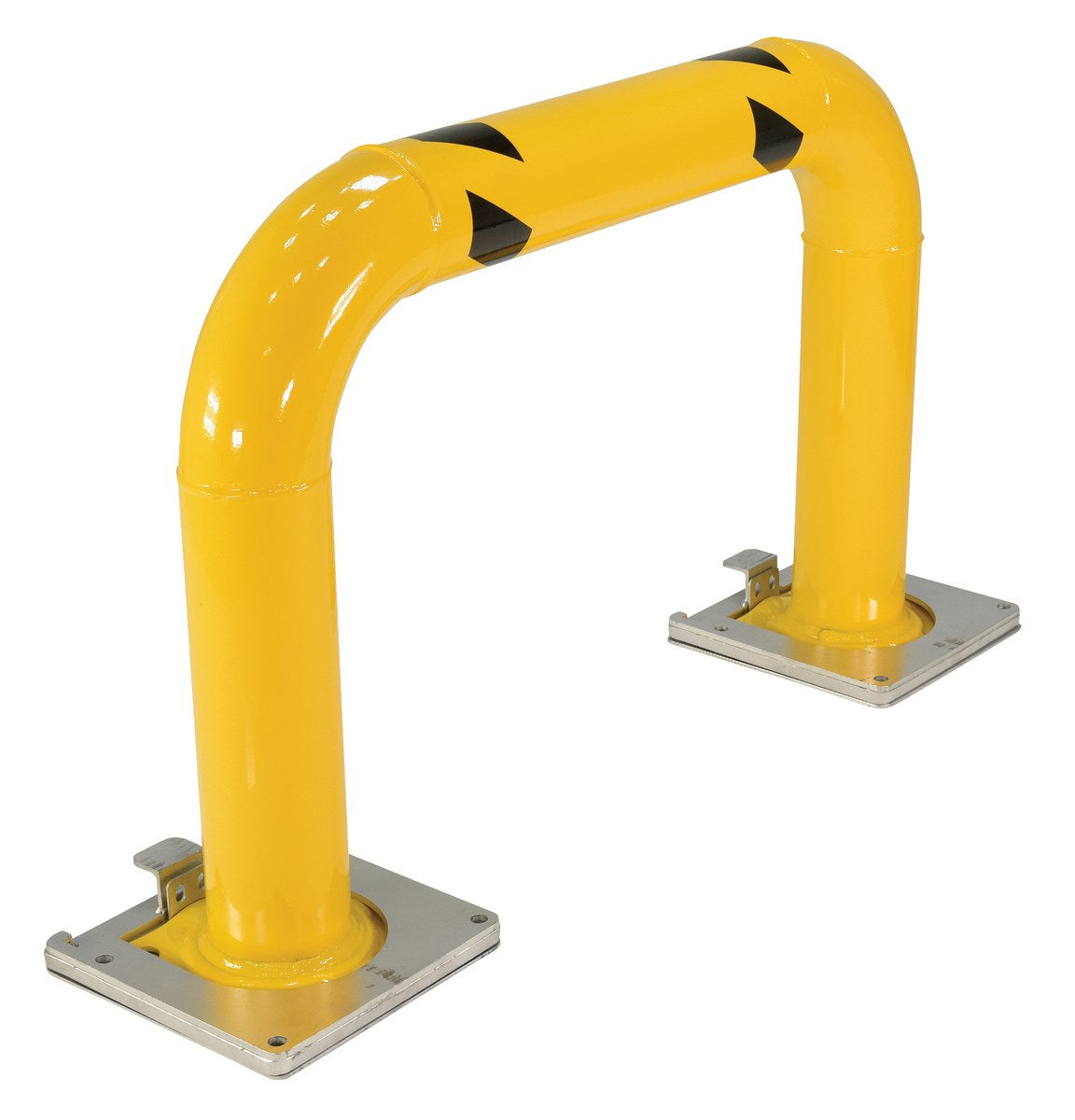
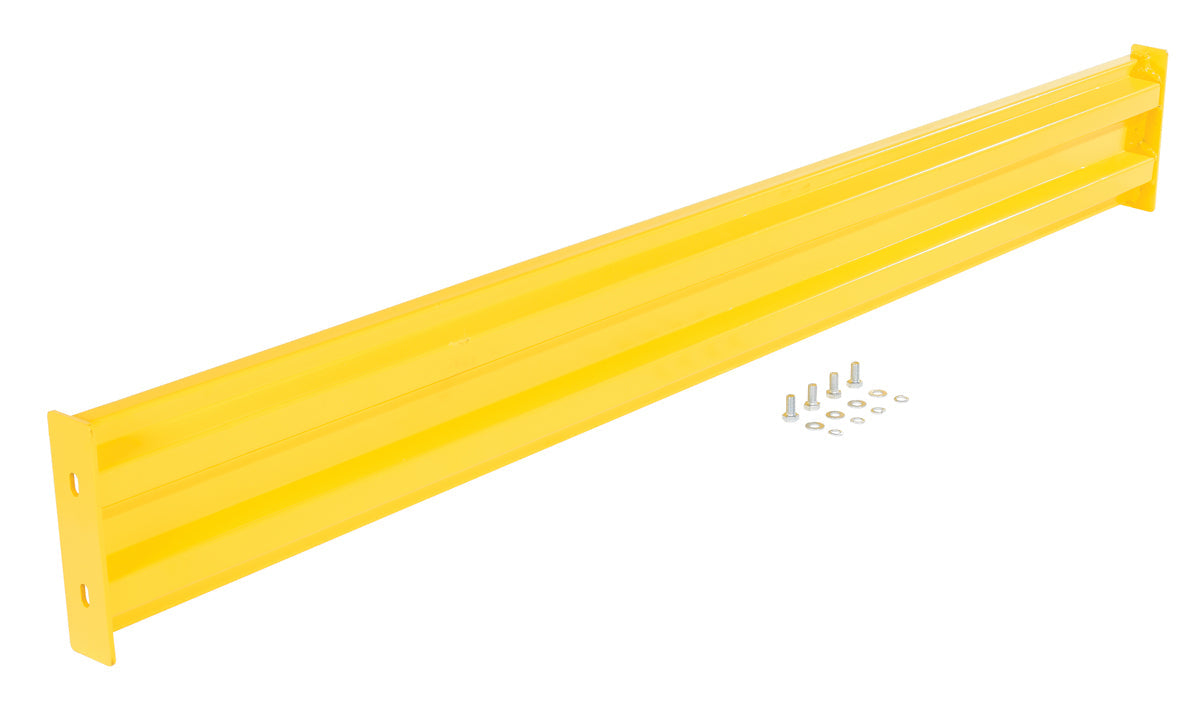
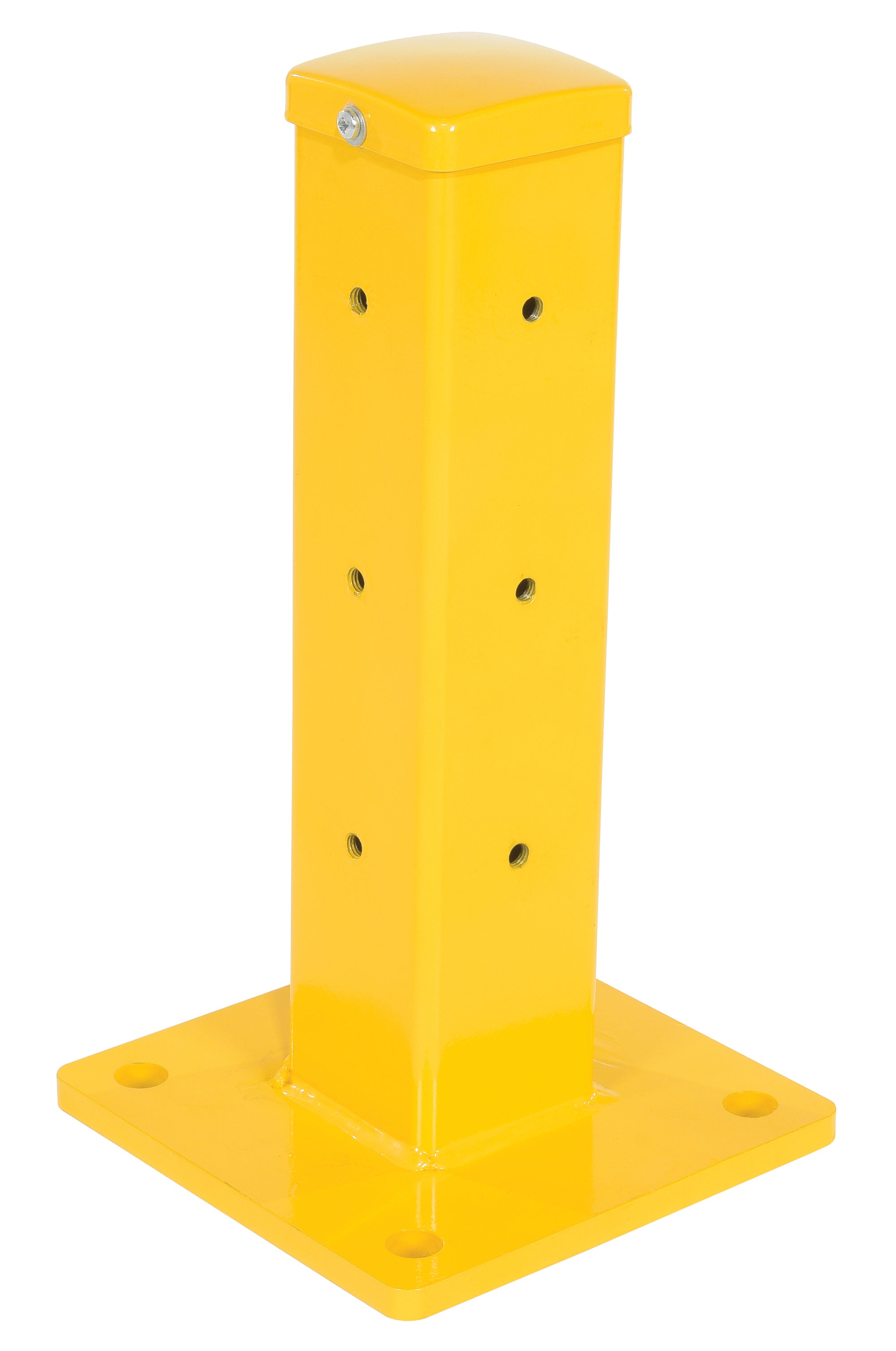
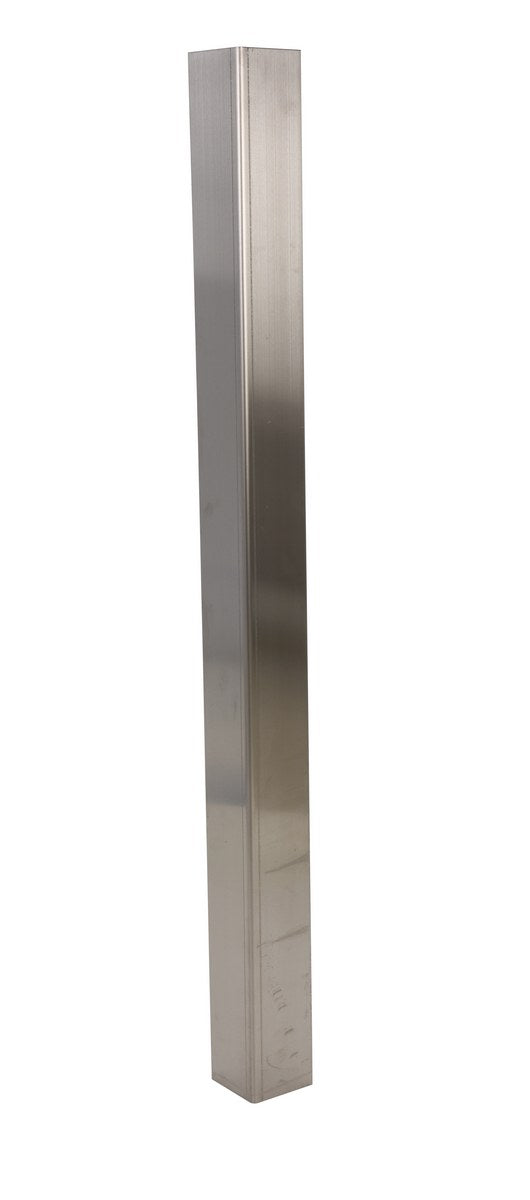
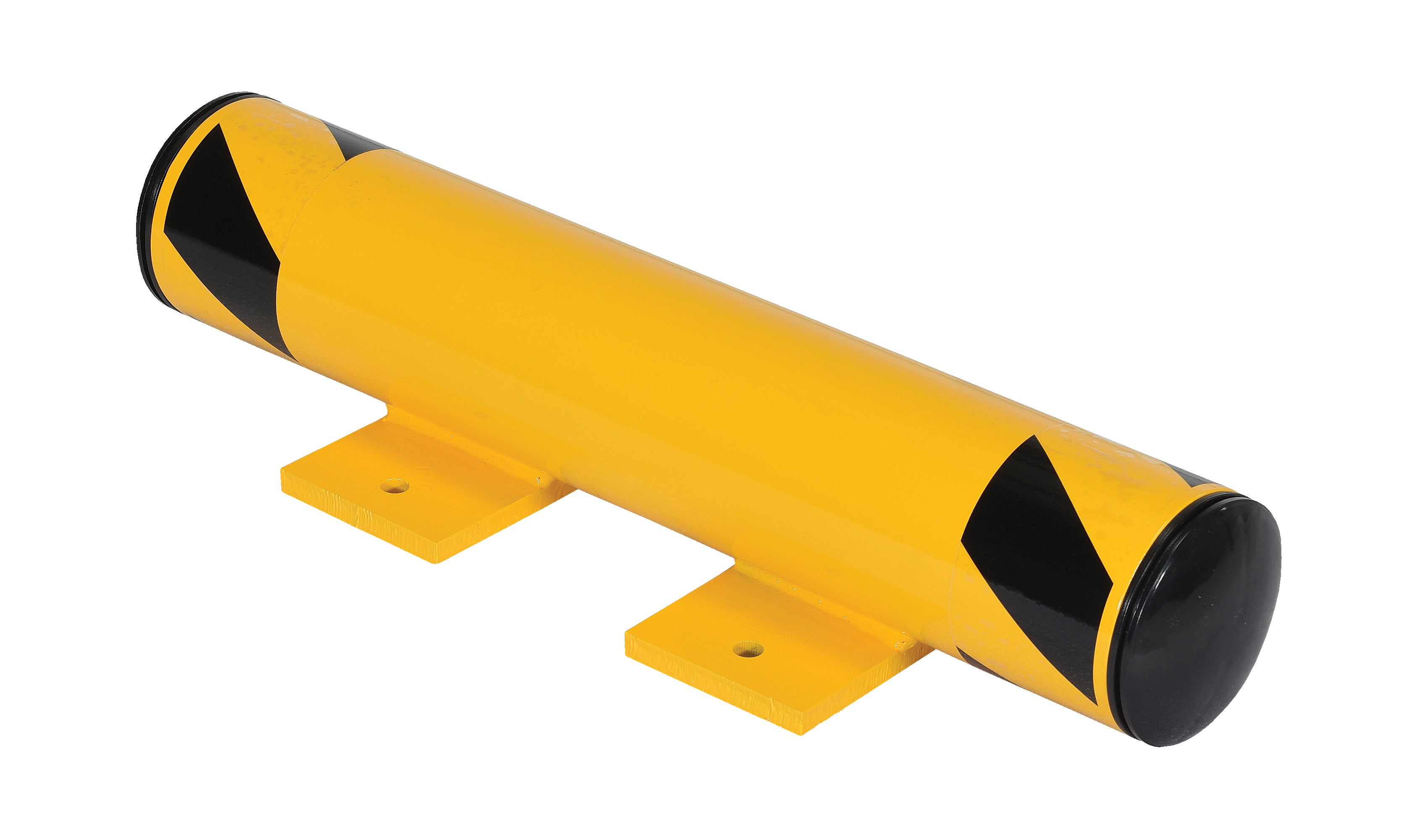
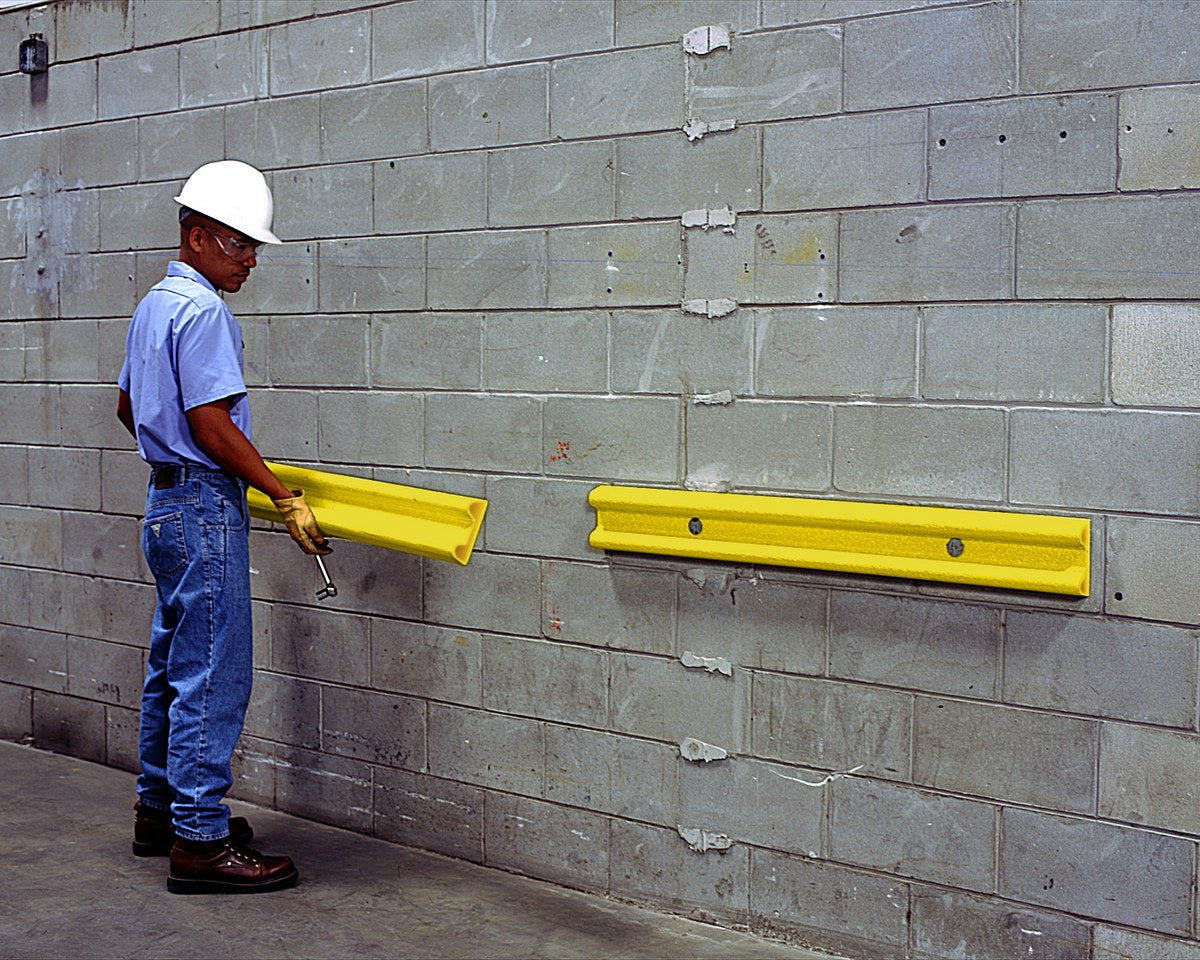
Machinery guards and structural guard rail. OSHA 1910.212(a)(1) requires machine guarding to protect operators and nearby employees from point of operation, ingoing nip points, rotating parts, and flying chips and sparks; that guarding protects people from the machine. The machinery guards collection works the other direction too, protecting the machine from the facility: low profile machinery guards from about $41 ring equipment bases where forklifts pass, surface mounted removable guards come out for maintenance access, the gantry and jib guard shields crane columns, and iBeam and square column protective pads wrap the building steel itself. Where a whole zone needs walling off, guard rail systems supply the heavy answer: 2-rib and 3-rib bolt-together structural rail, posts and rails sold separately to run any length, drop-in bracket highway style rail whose sections lift out for access, wall mount rails for the building, and heavy duty guard rails from about $1,160 for the lanes loaded trucks travel.
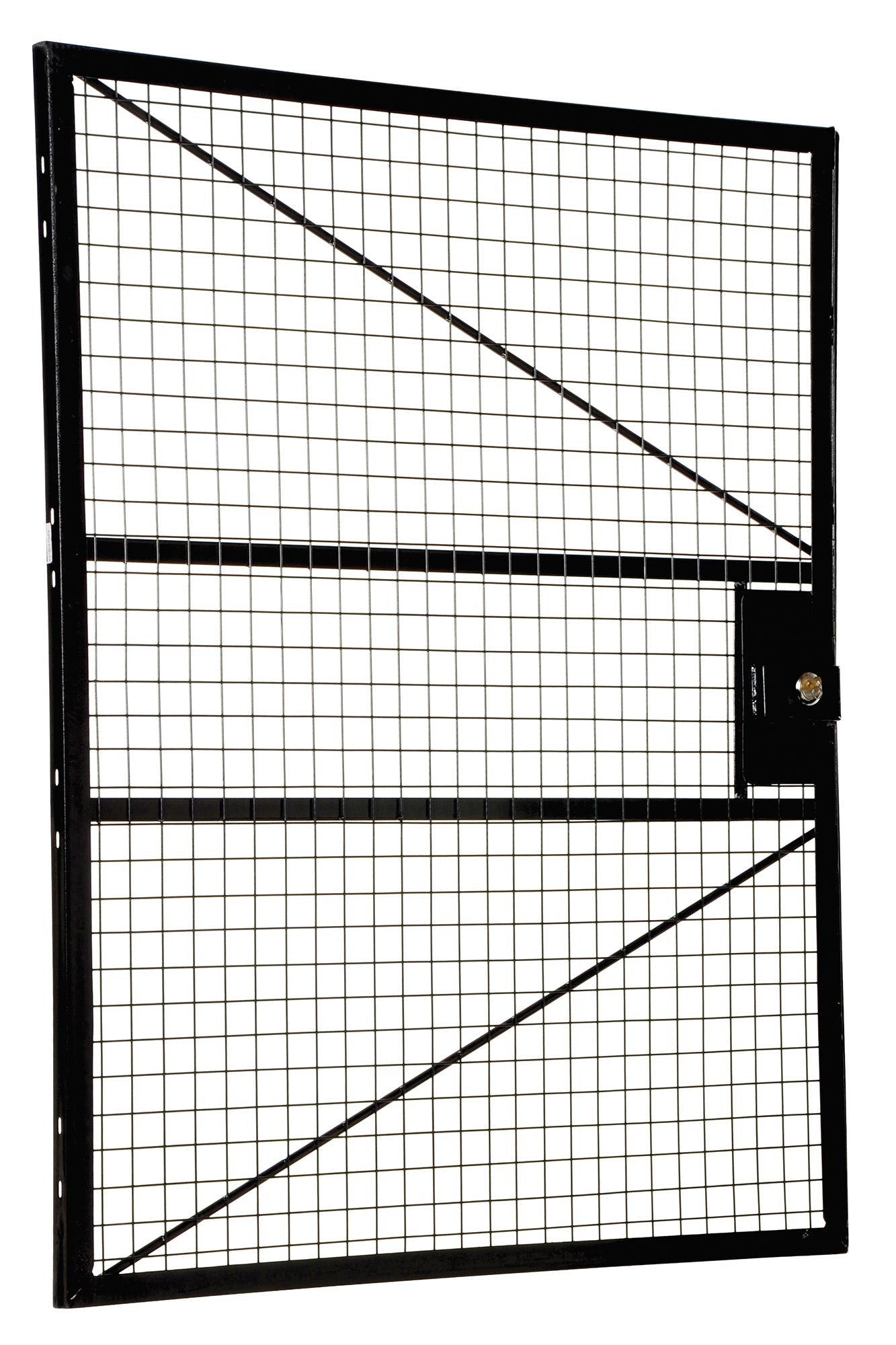
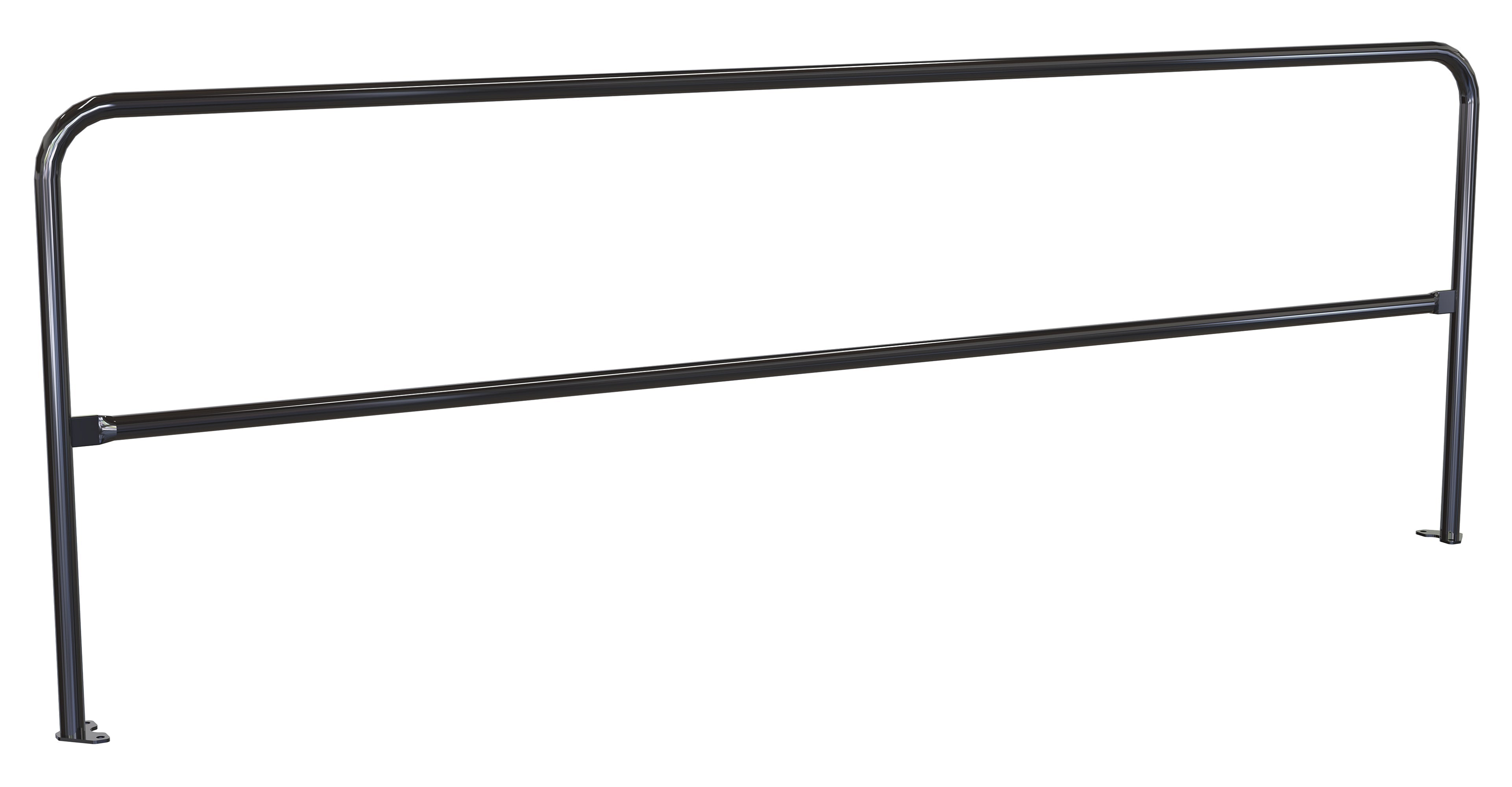
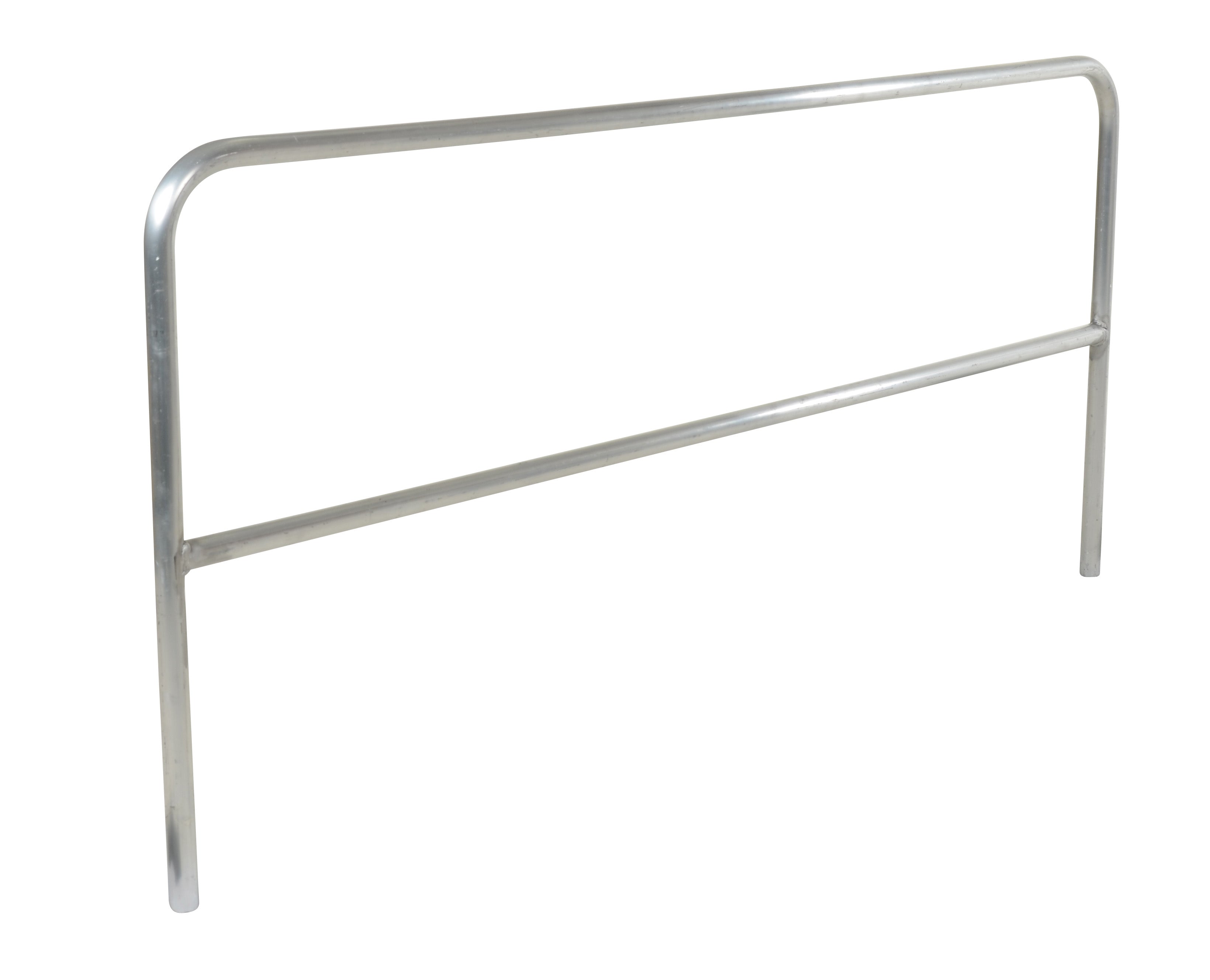
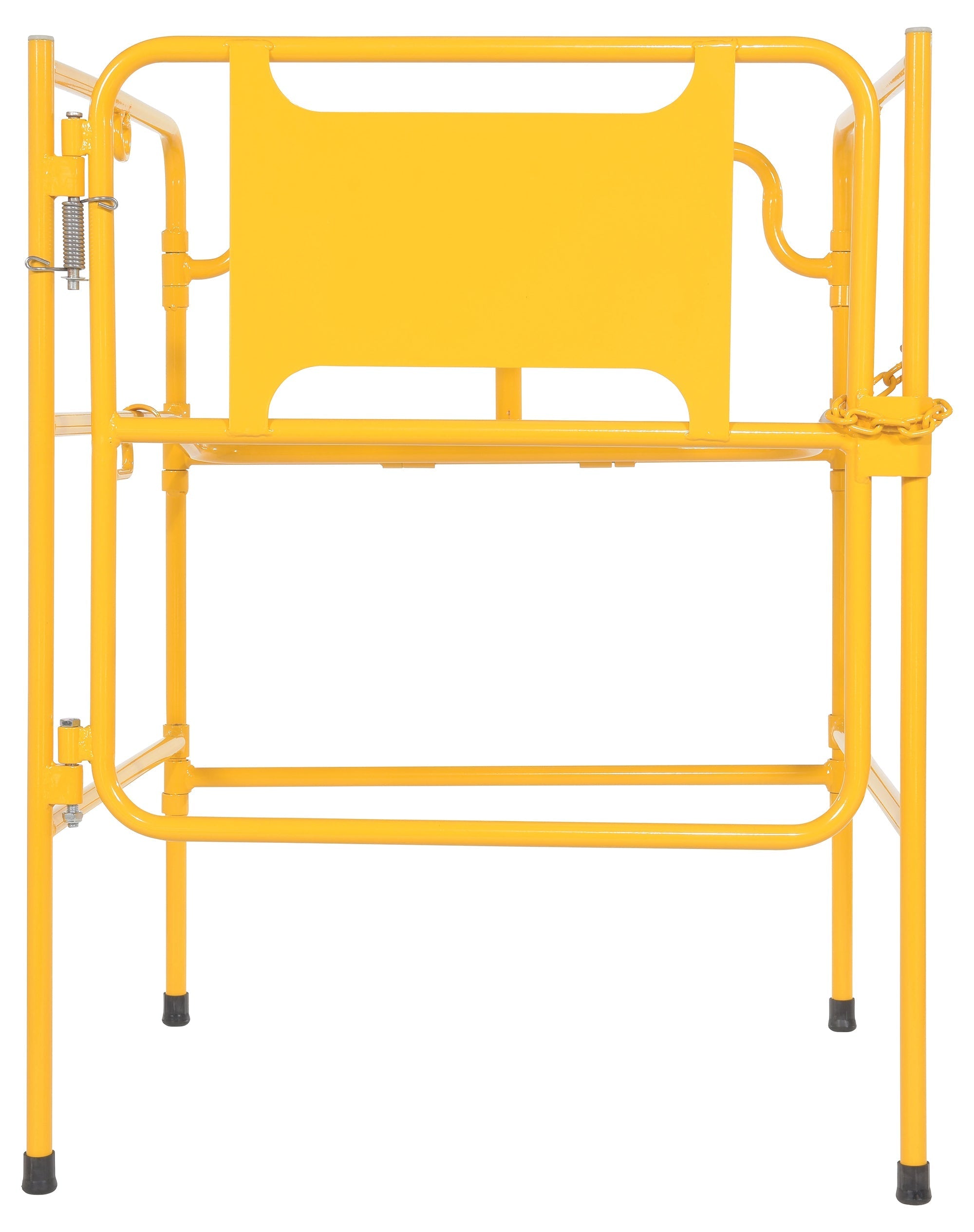
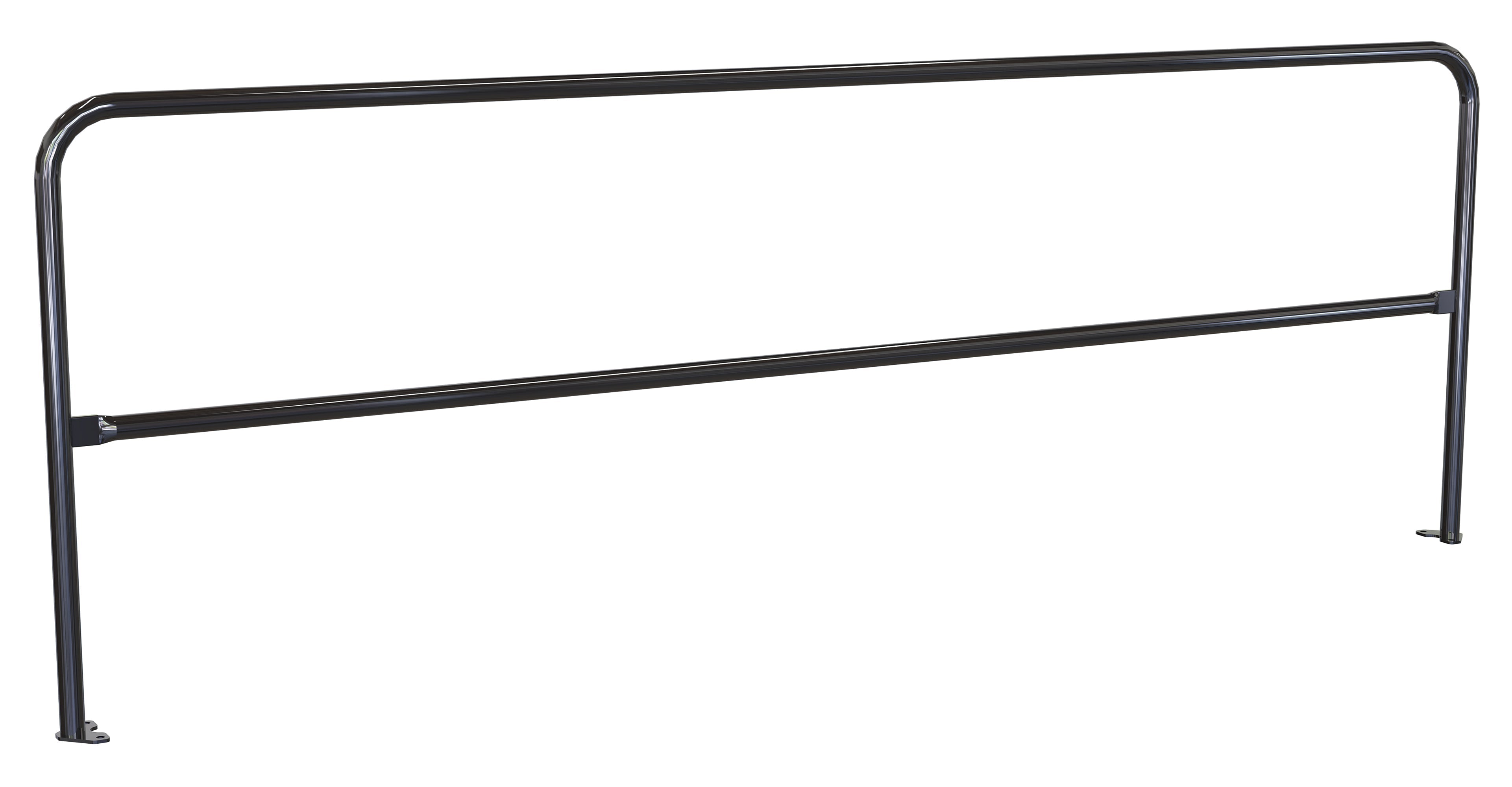
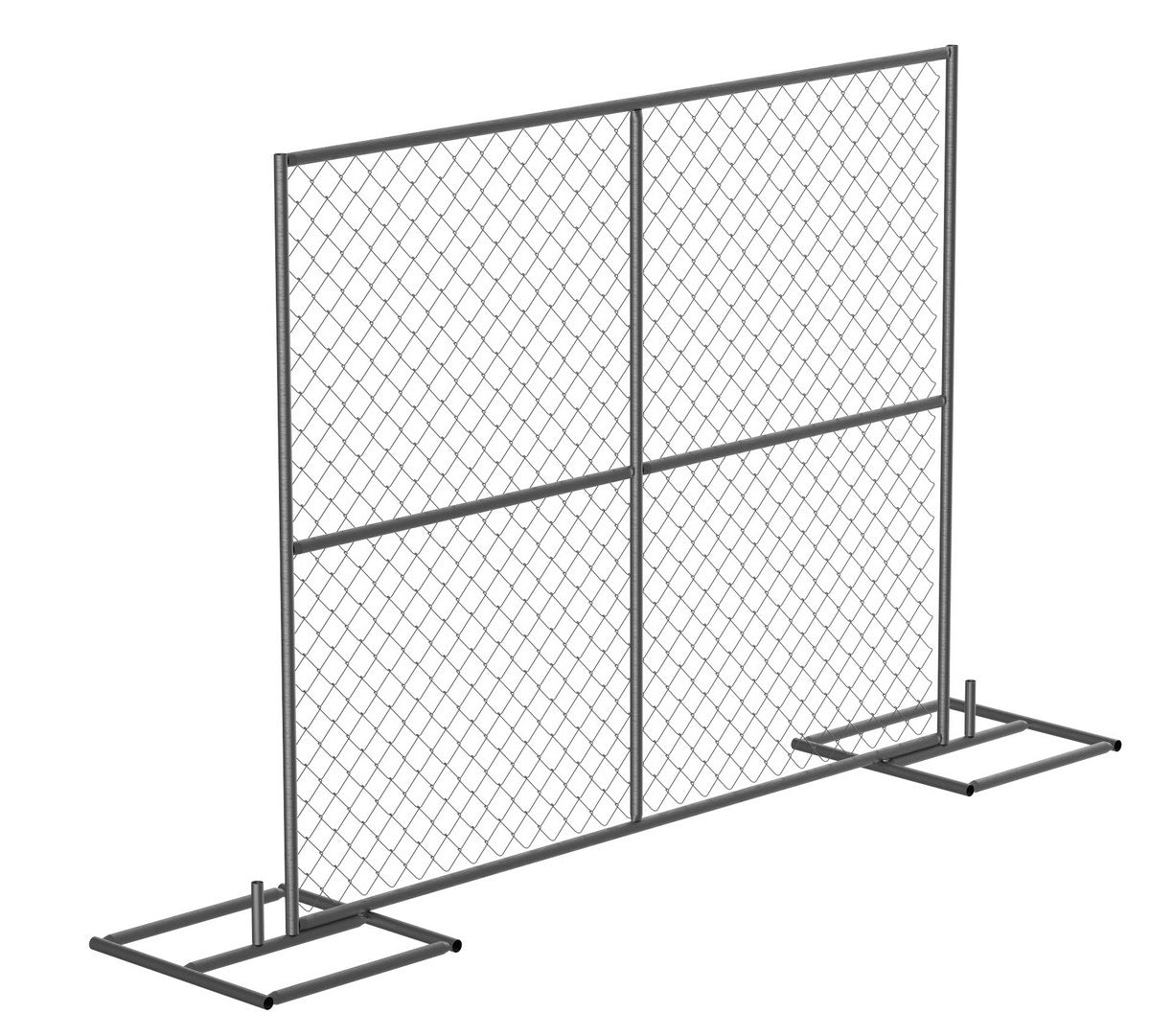
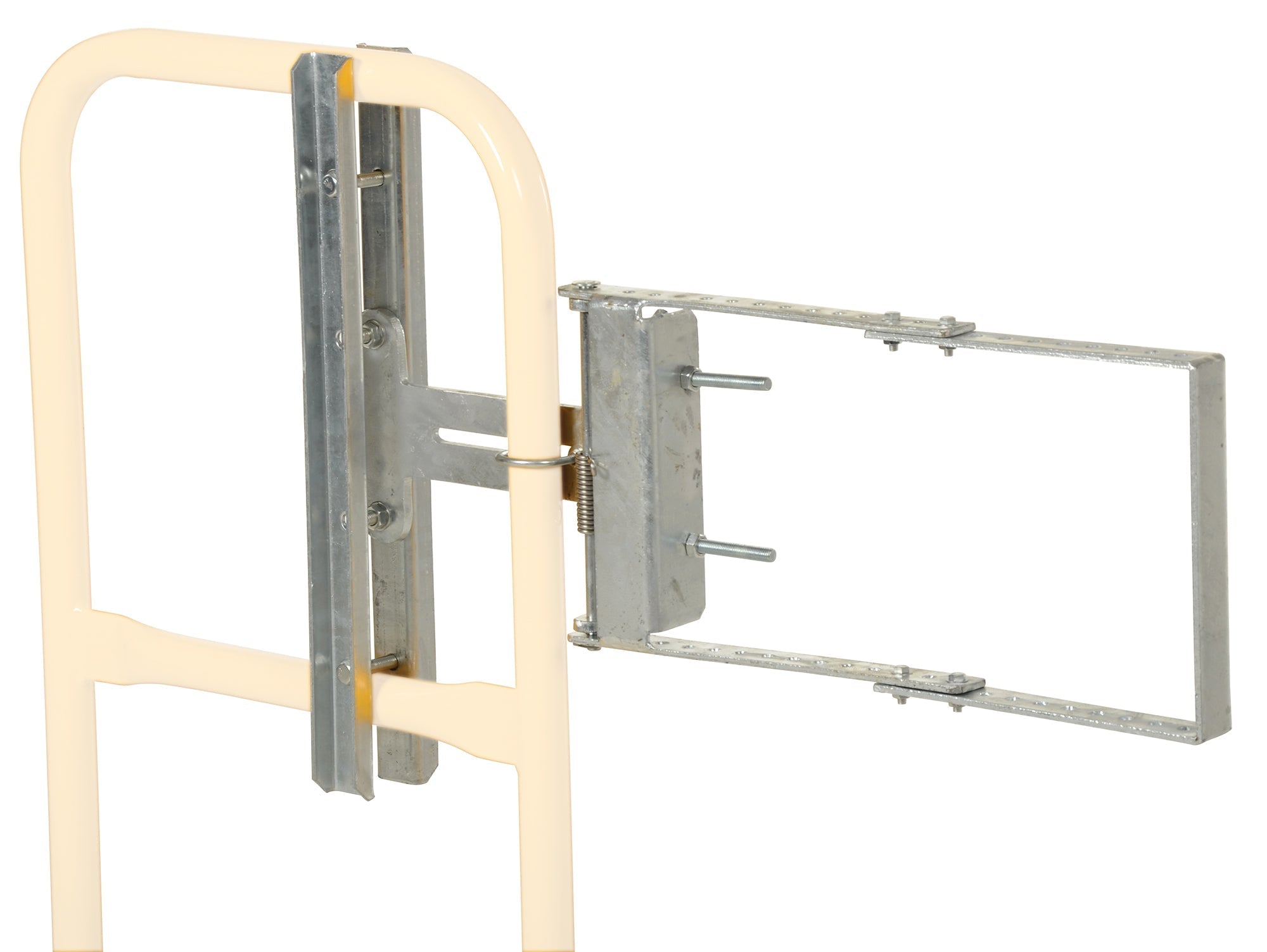
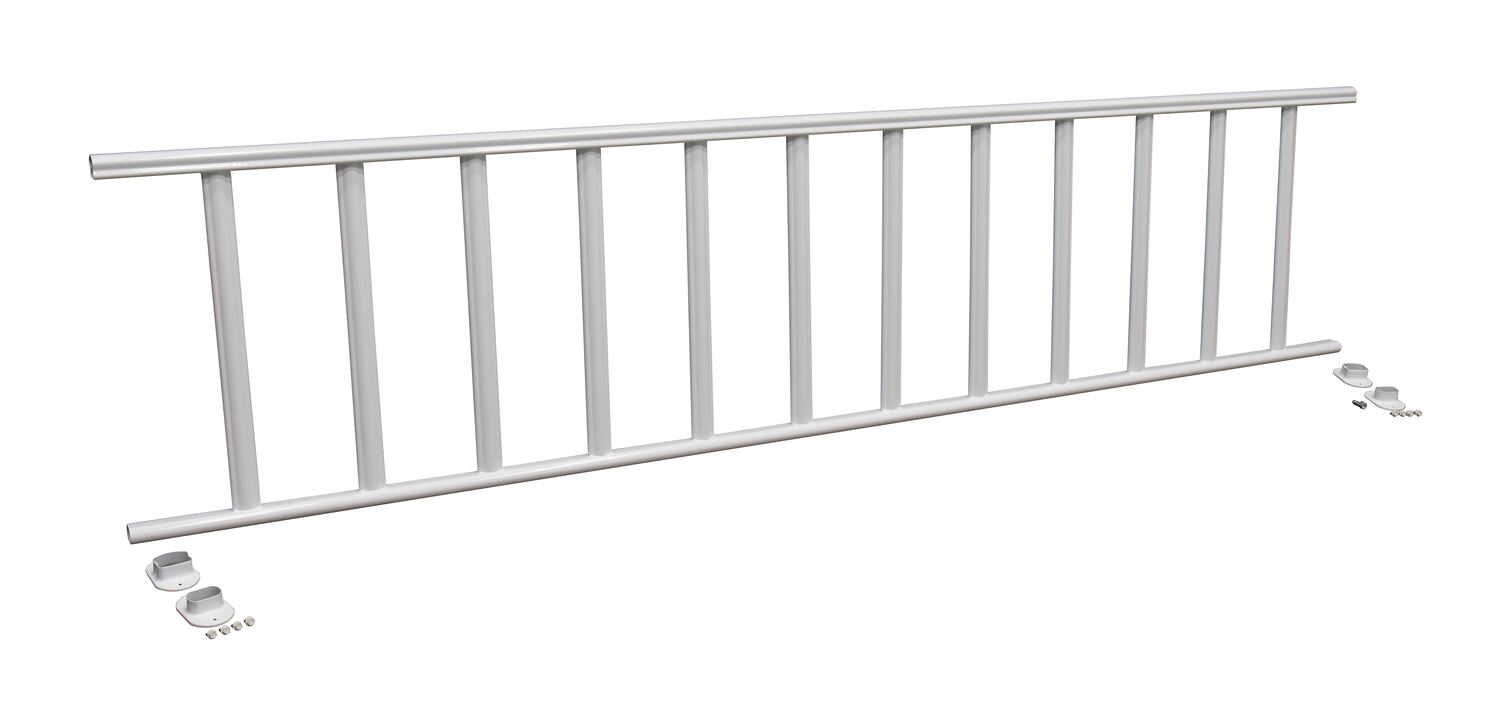
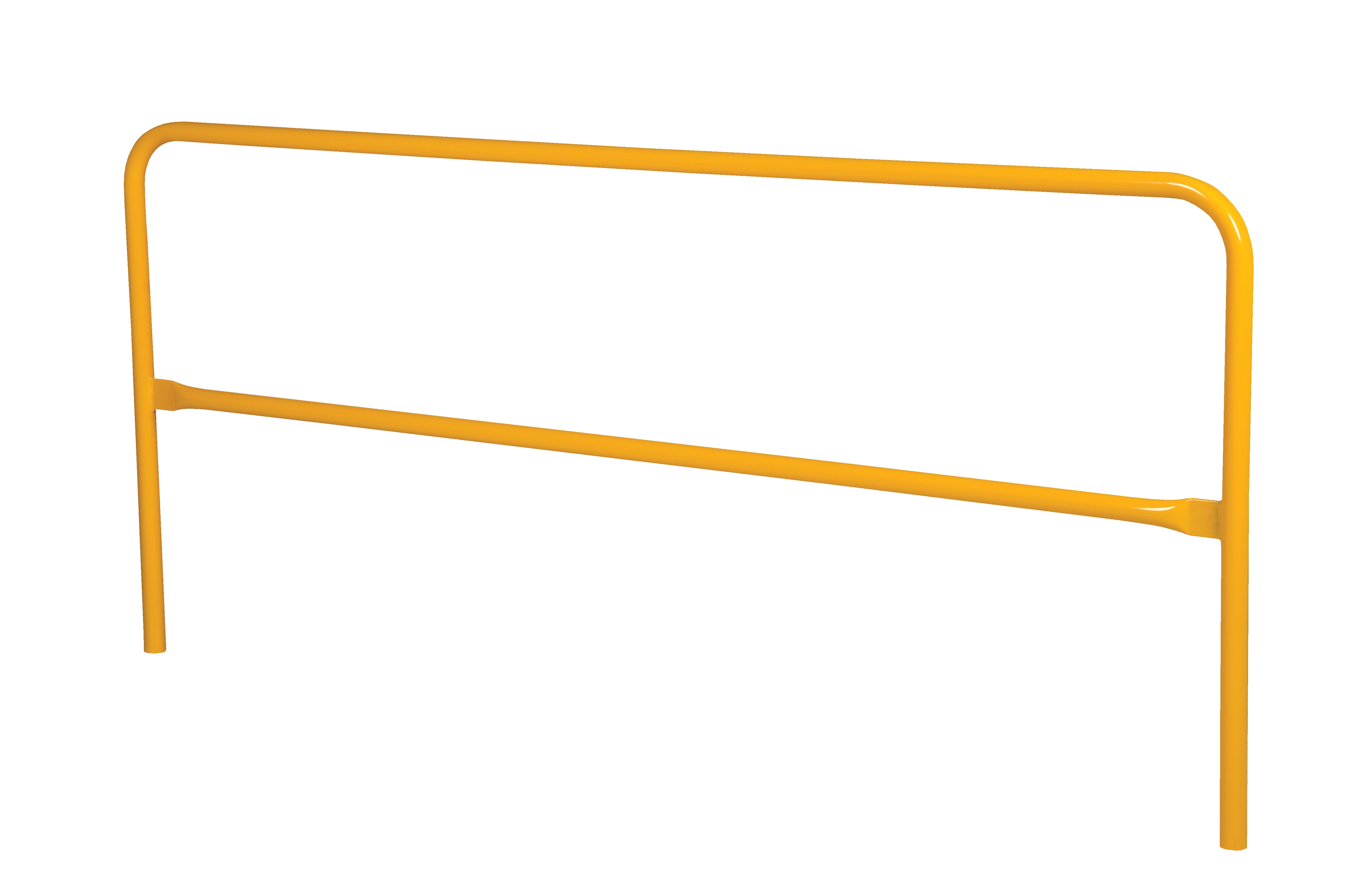
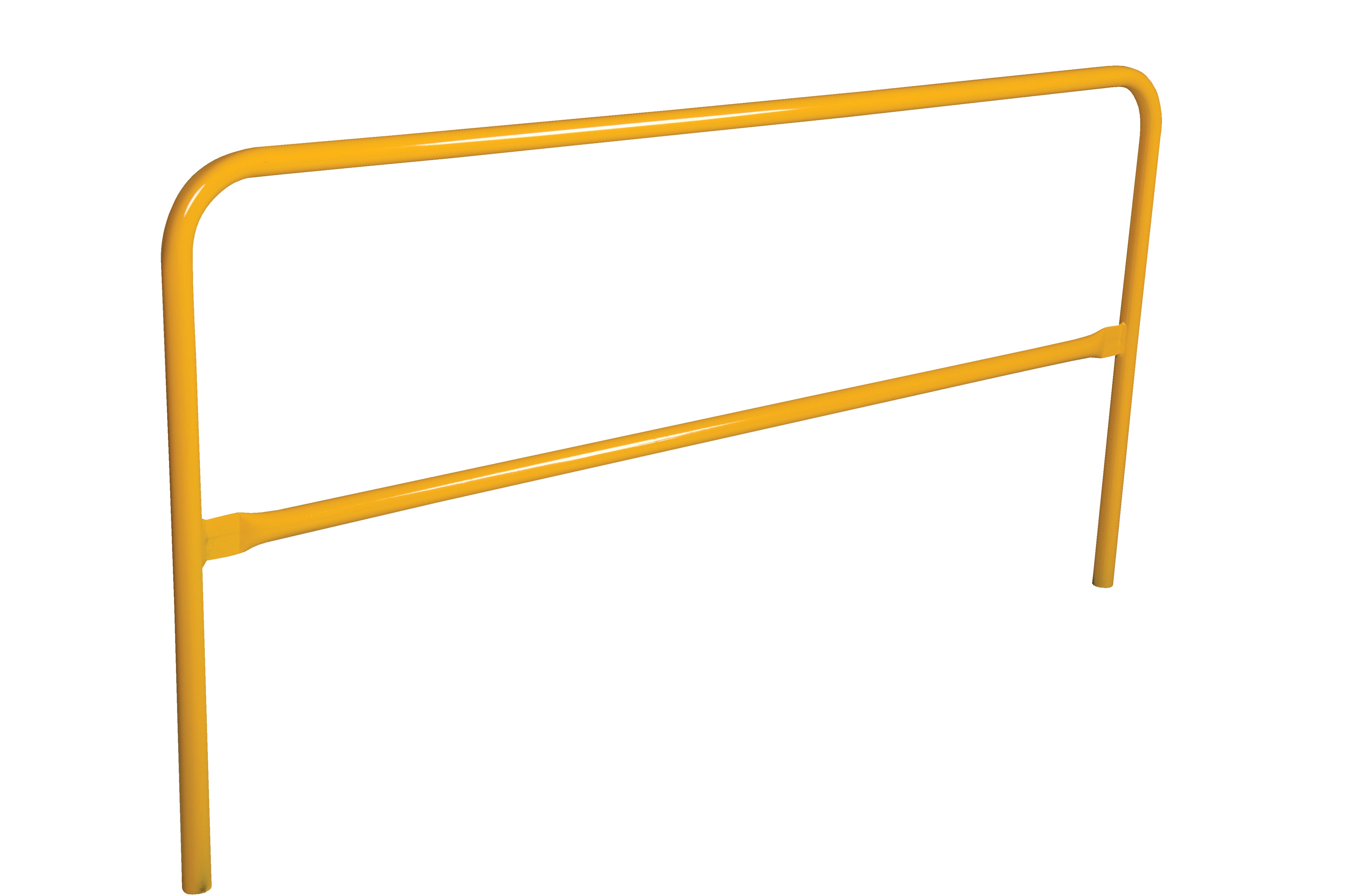
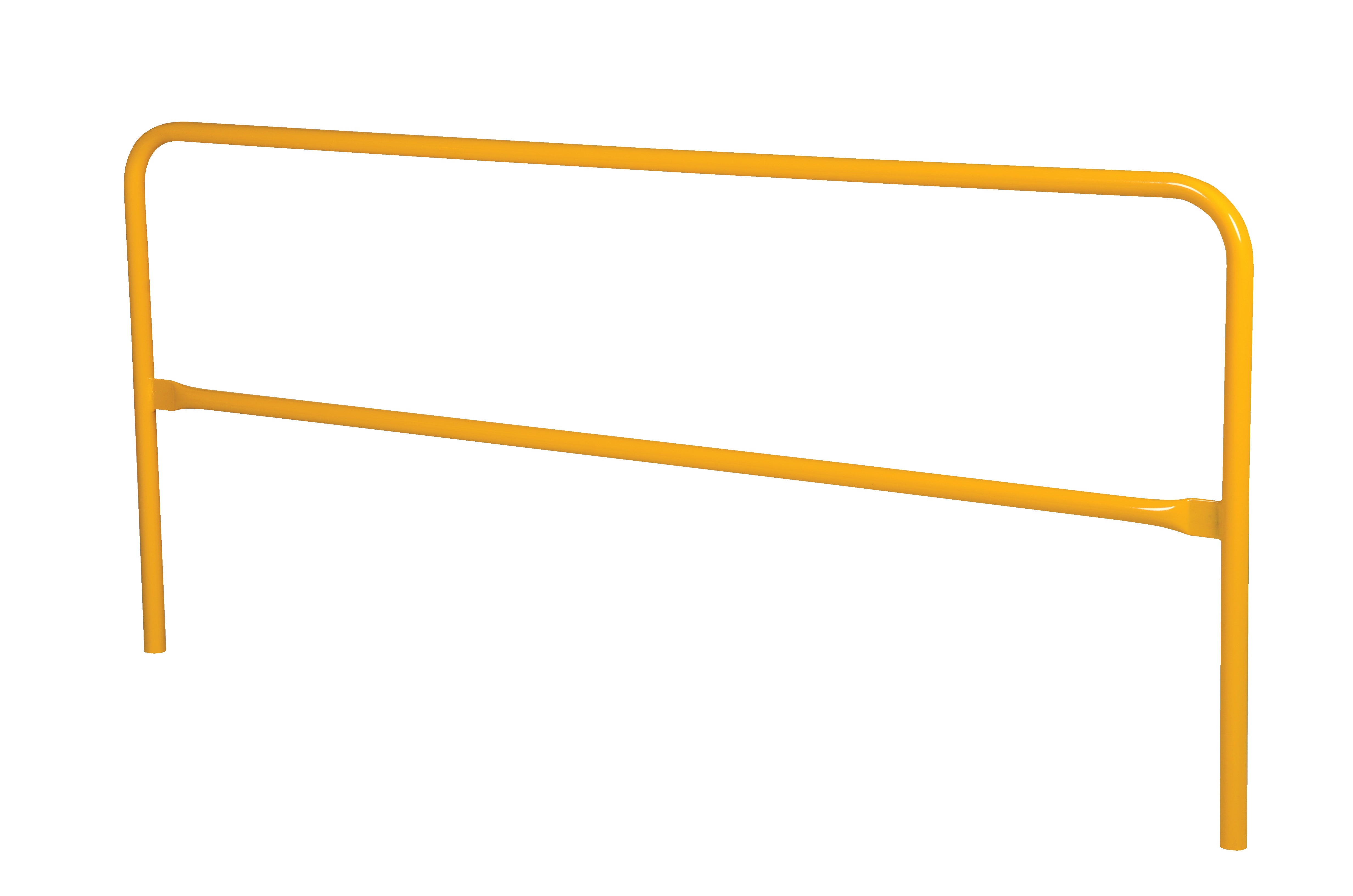
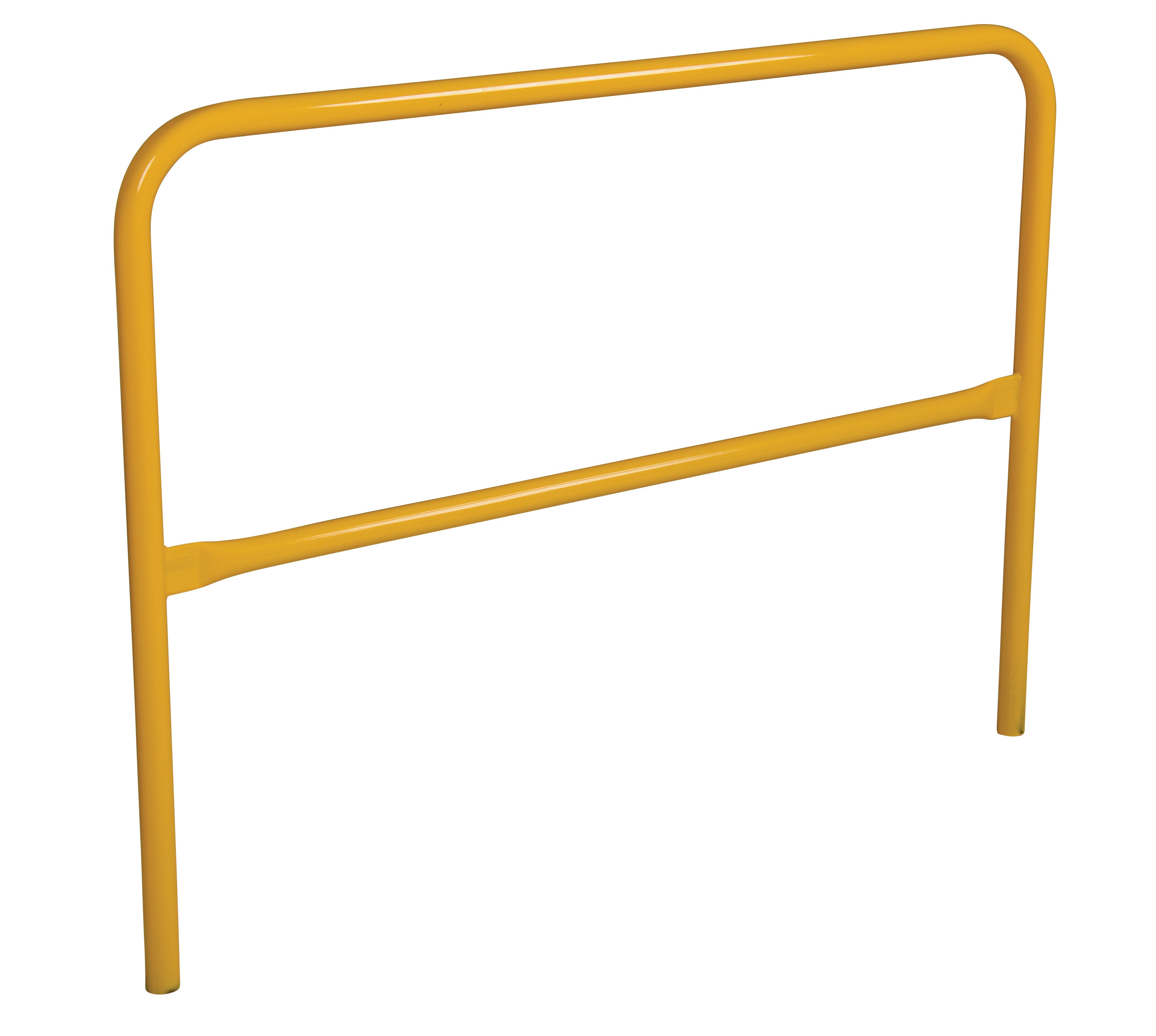
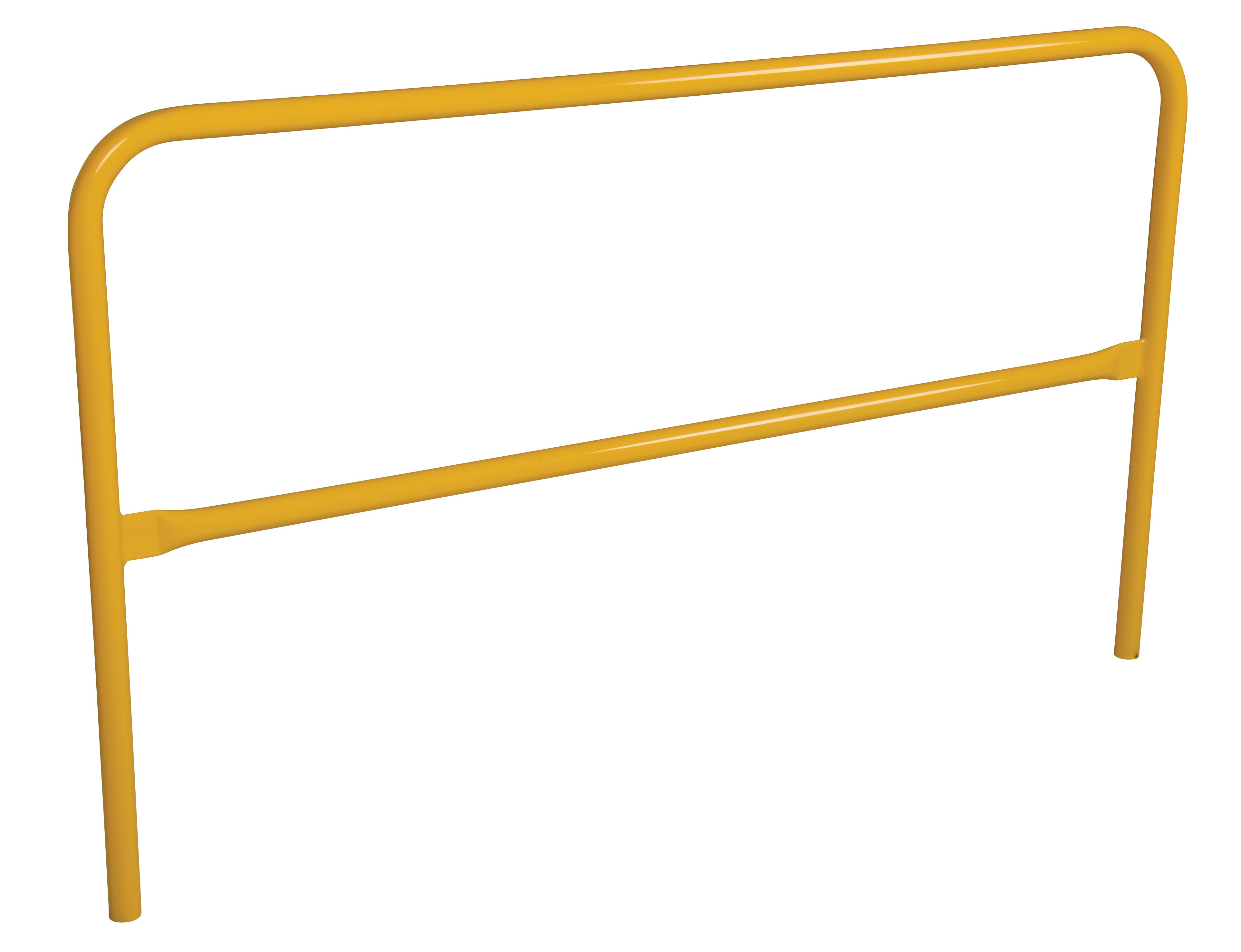
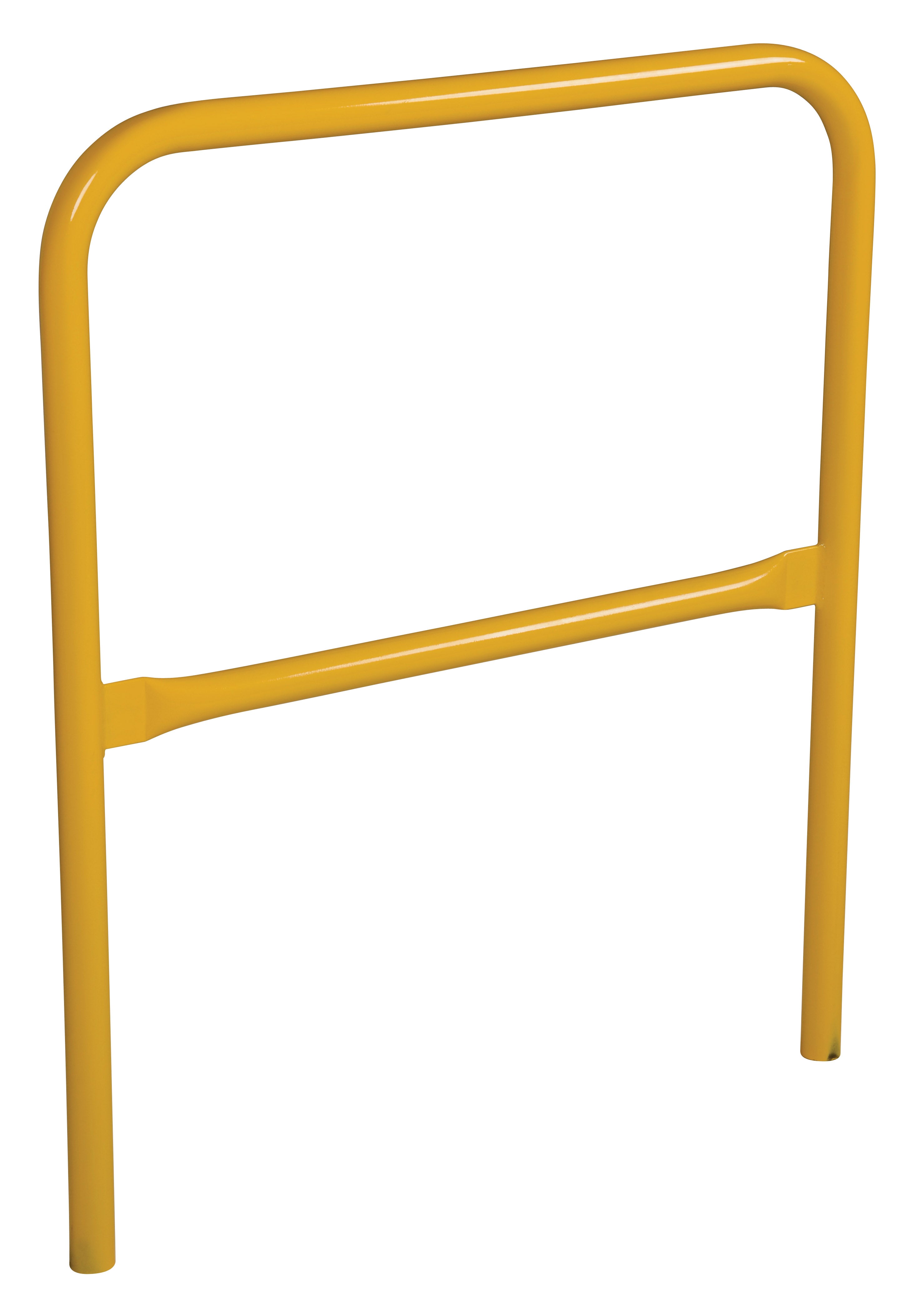
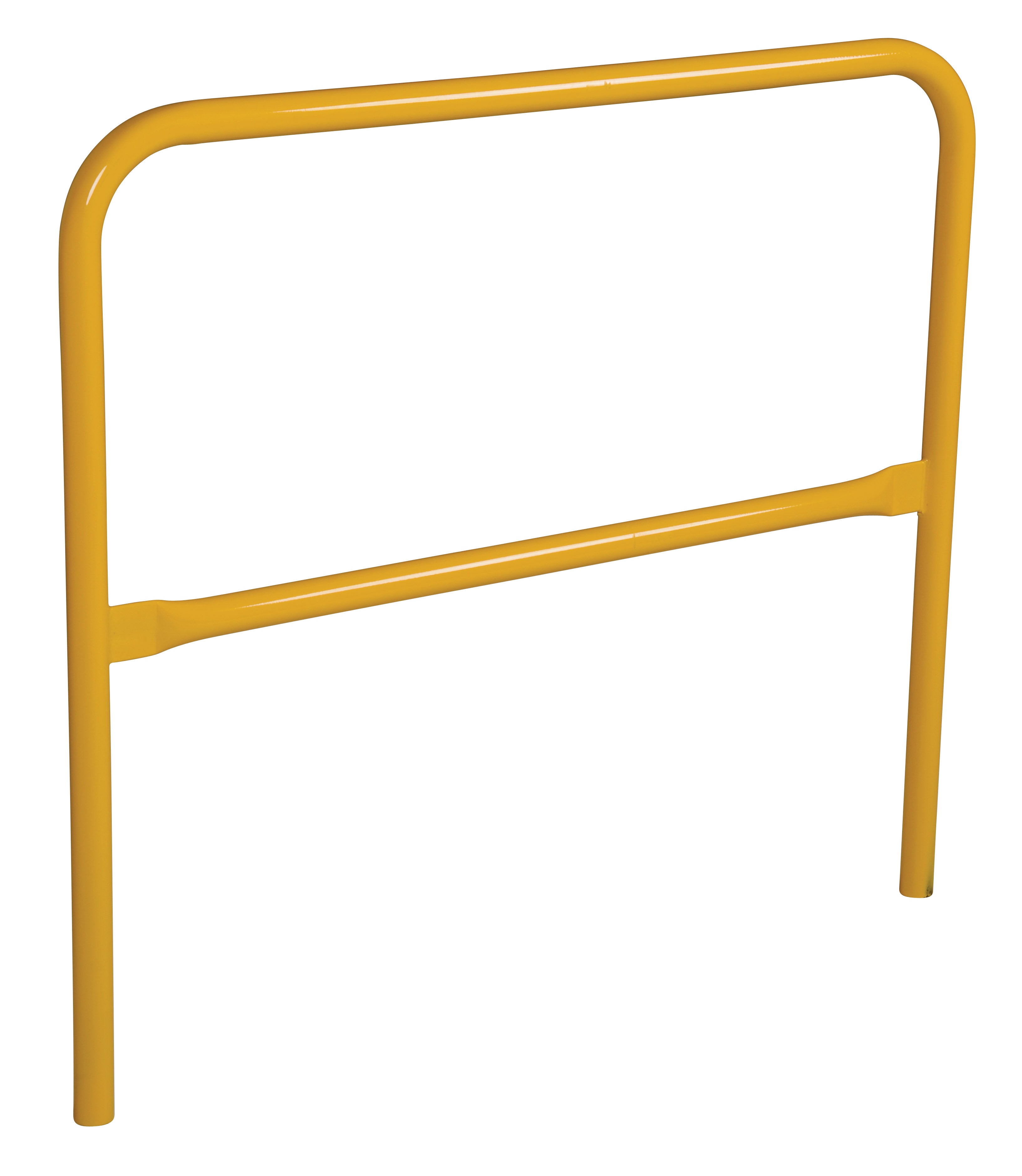
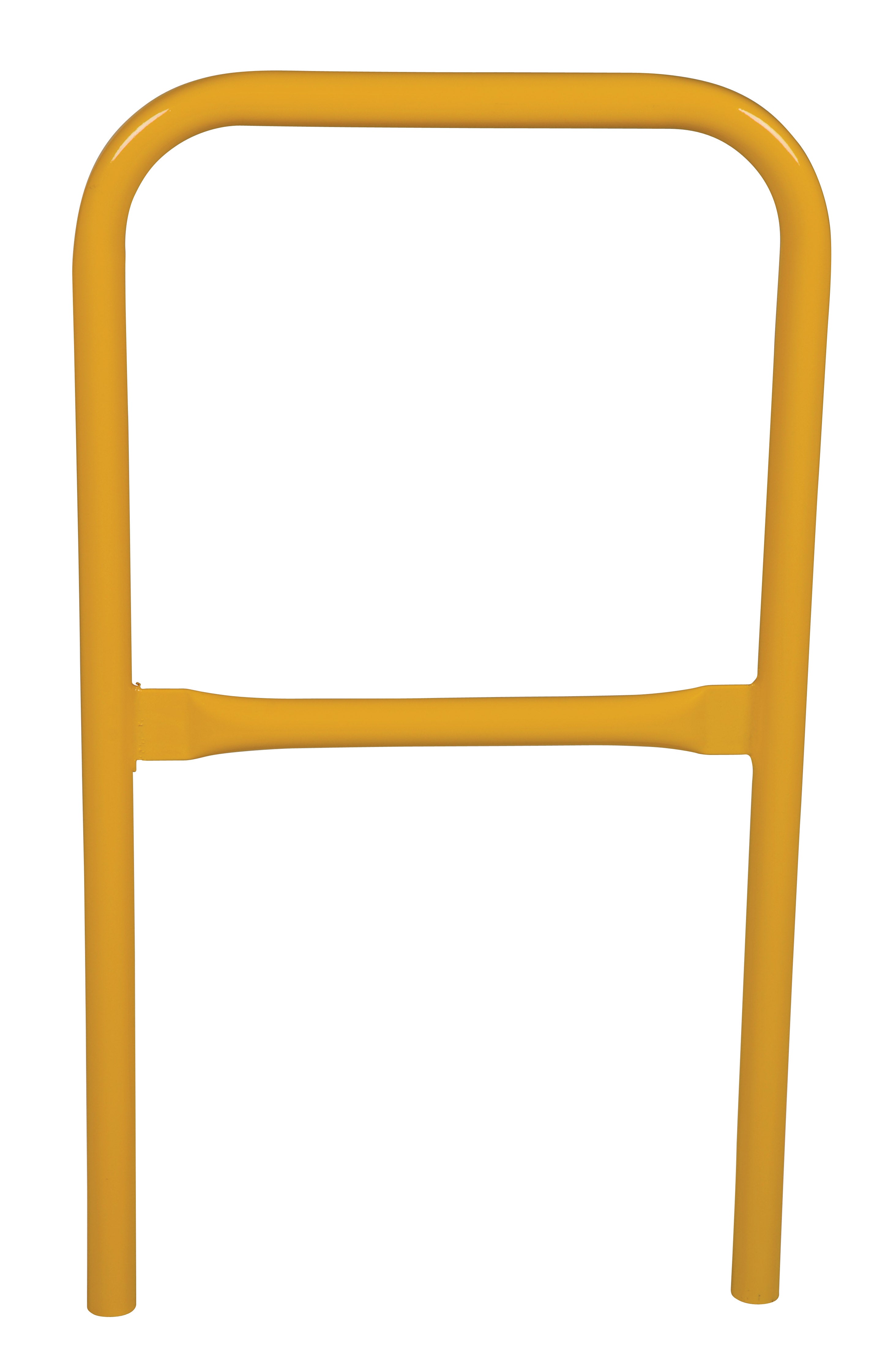
Railings and gates for the edges people fall from. When a barrier guards an elevated walking surface rather than a traffic lane, it stops being optional. OSHA 1910.29(b) requires the top rail to sit 42 inches above the surface, plus or minus 3 inches, and to take a 200 lb force in any downward or outward direction without failing. The safety railings collection covers that duty in bolt-down steel sections from 2 to 10 ft, welded-baseplate versions, aluminum railings where weight or corrosion matters, and square safety handrails for stairs and platform edges. Openings get their own hardware: adjustable width self-closing steel gates spring shut behind whoever passes through, and mezzanine safety gates from about $694 keep the pallet drop area guarded even while material is staged in it. Galvanized construction barrier systems fence off the work zones that will move next month.
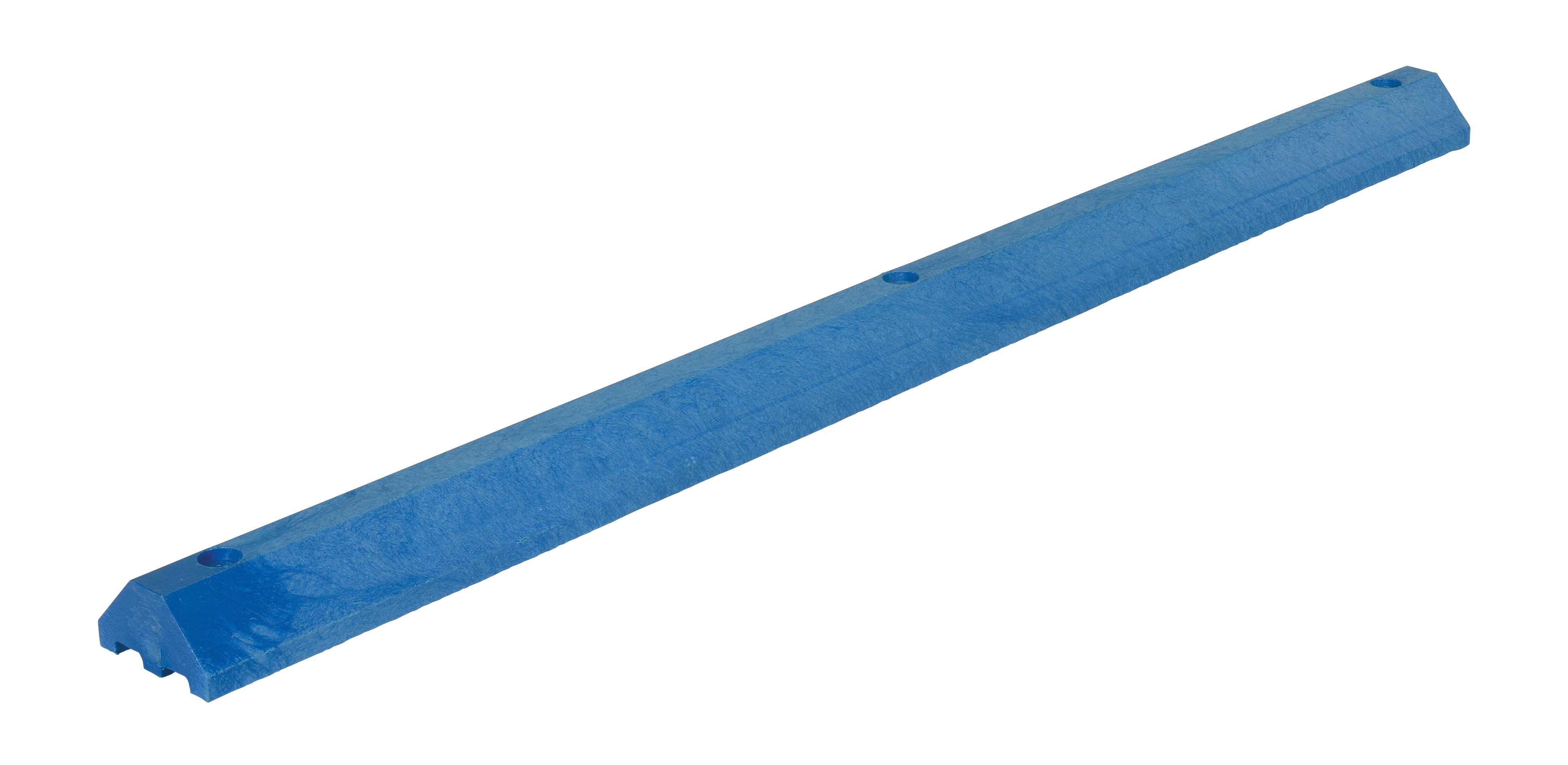
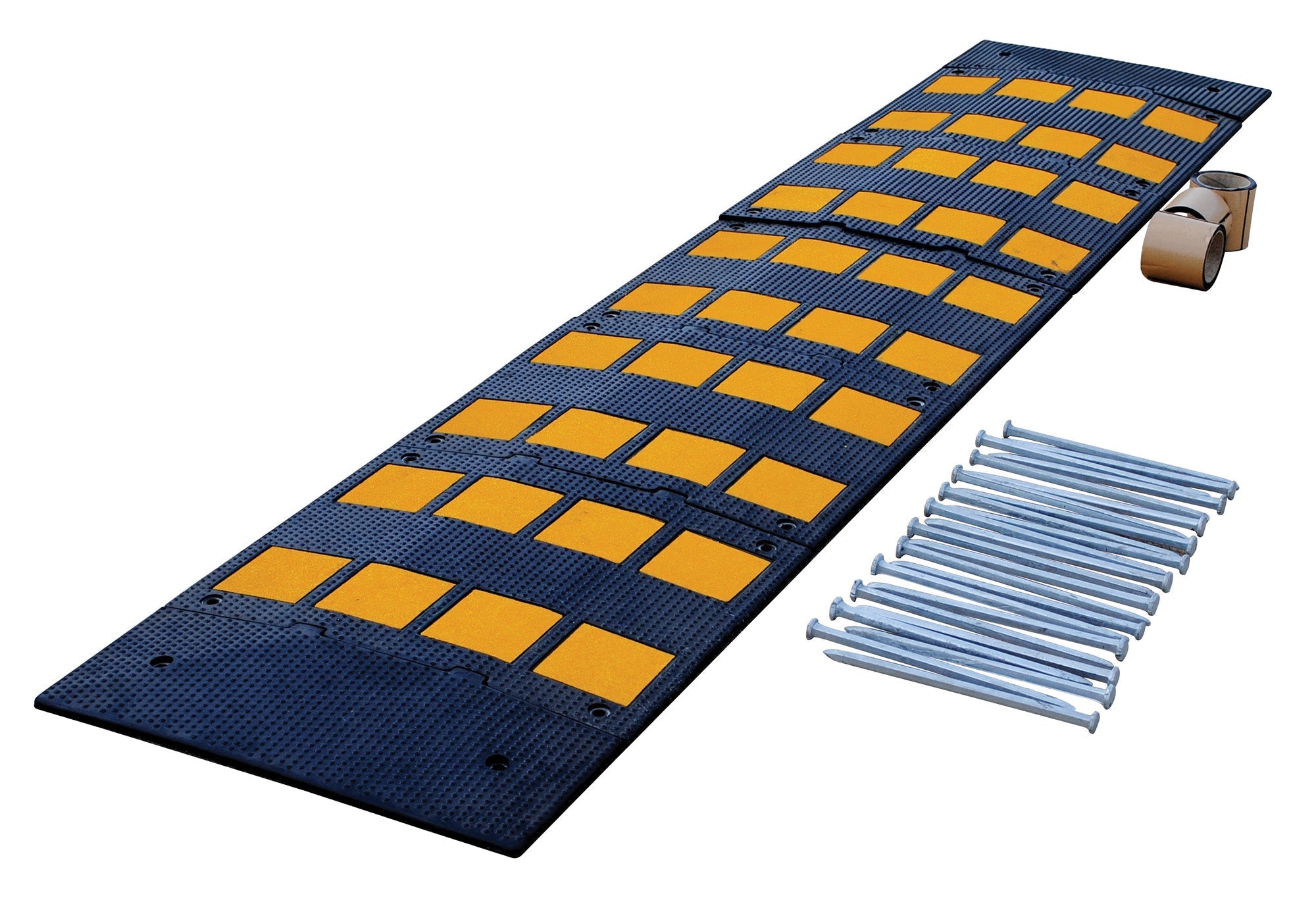
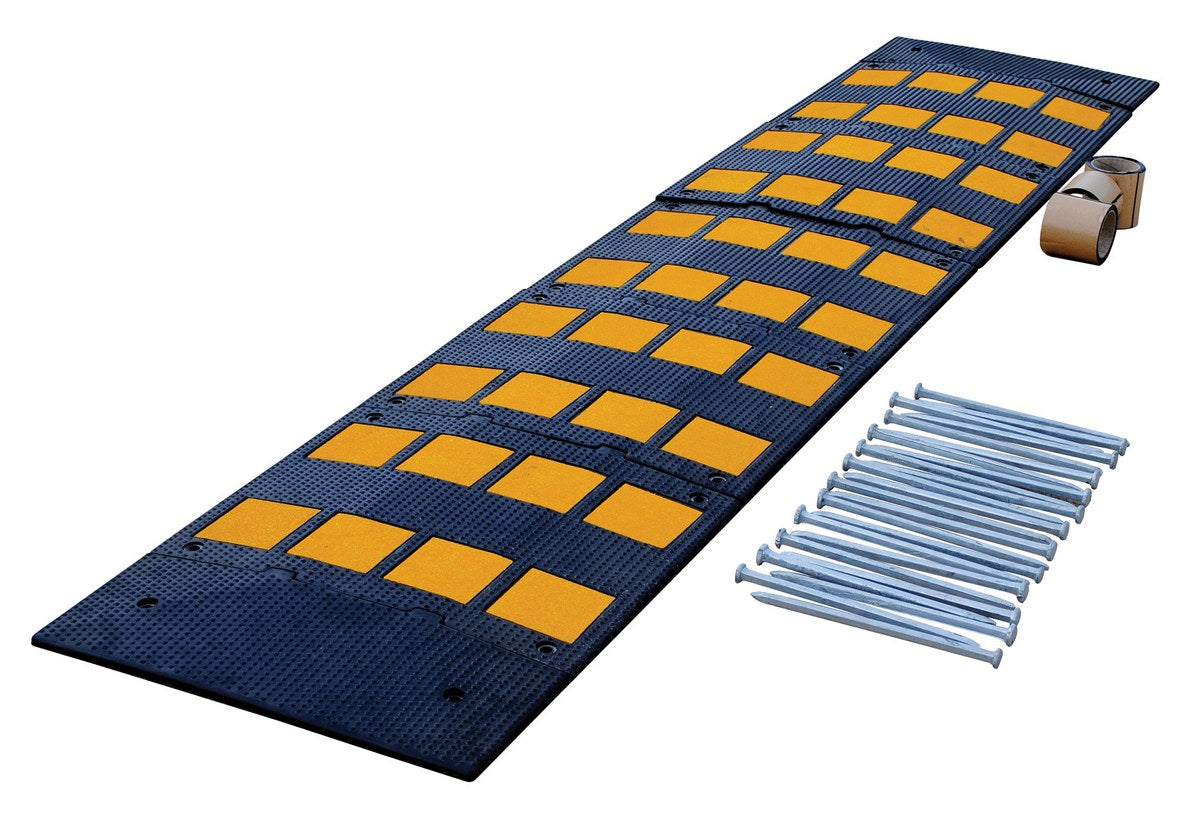
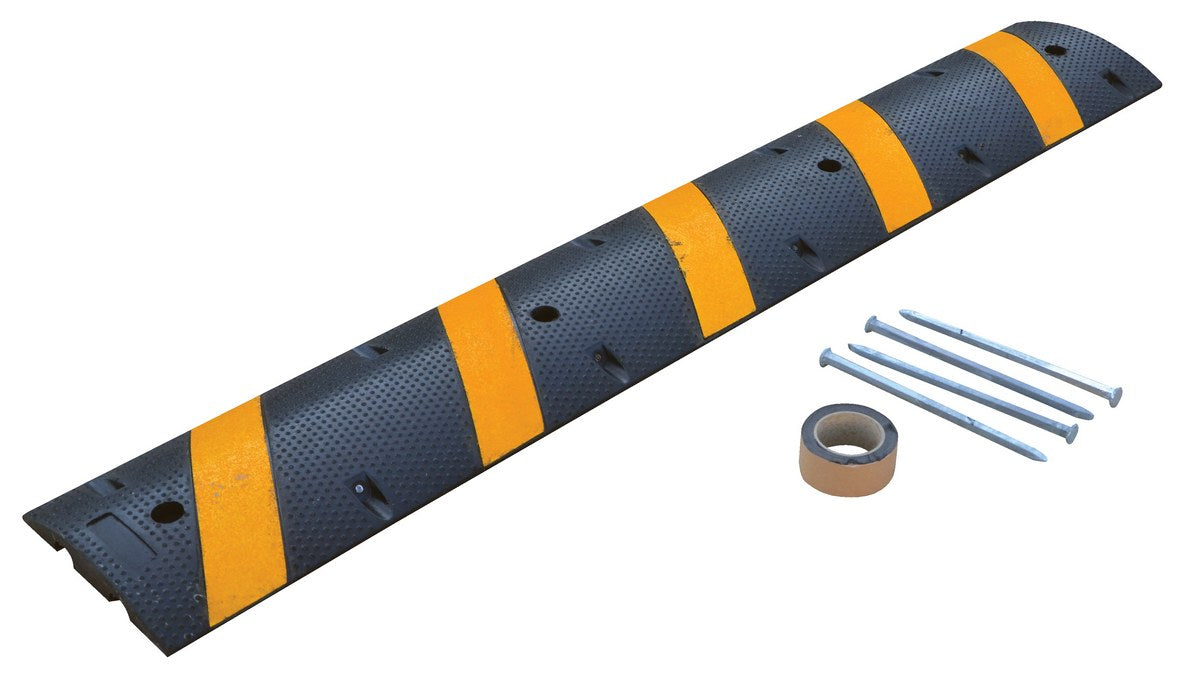
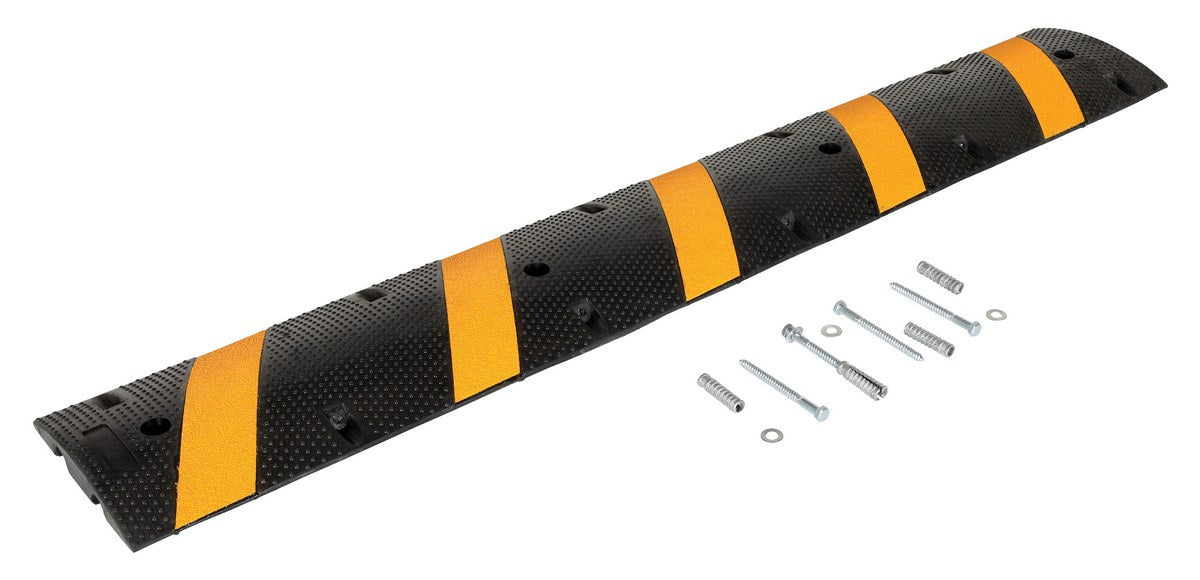
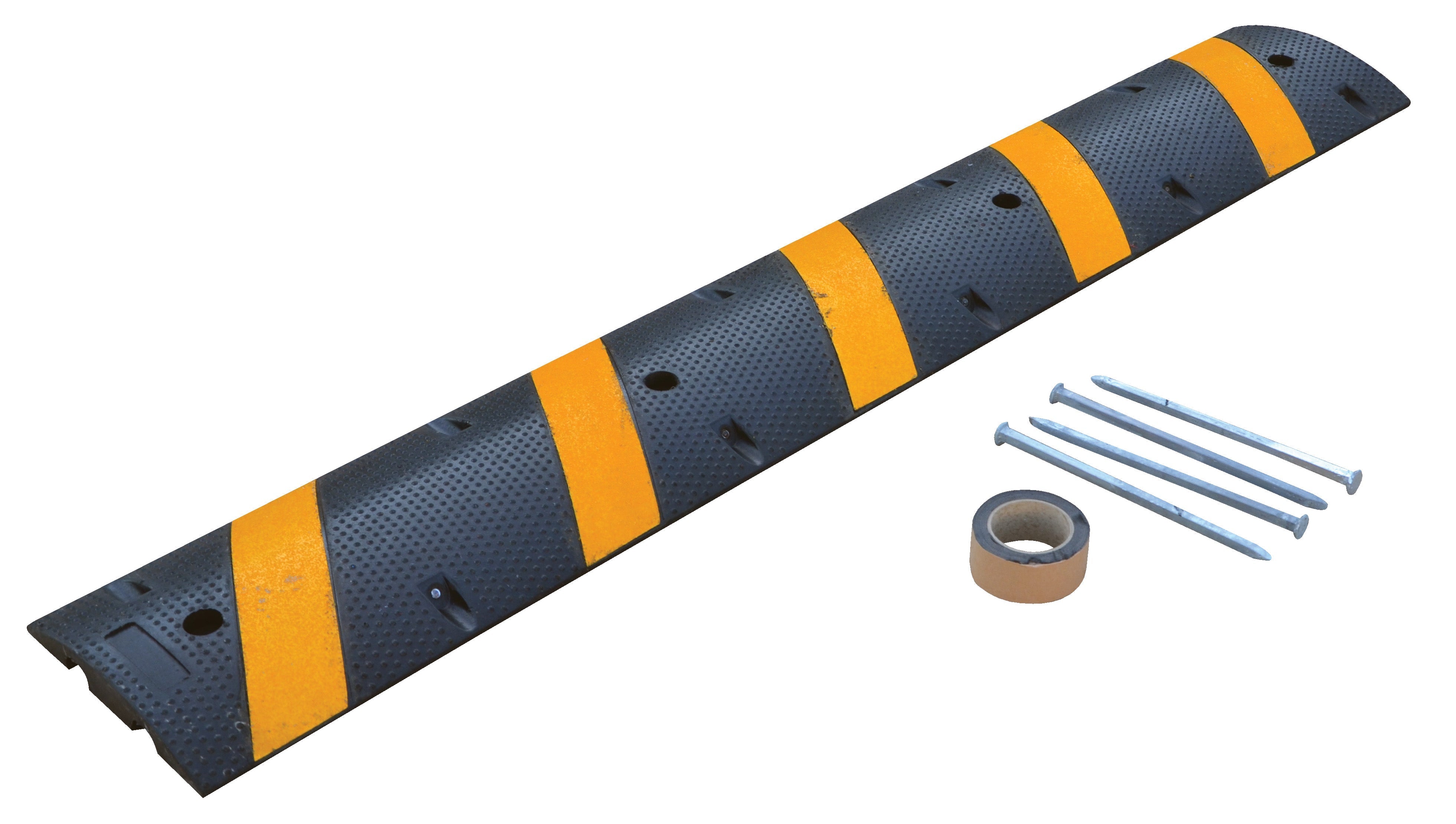
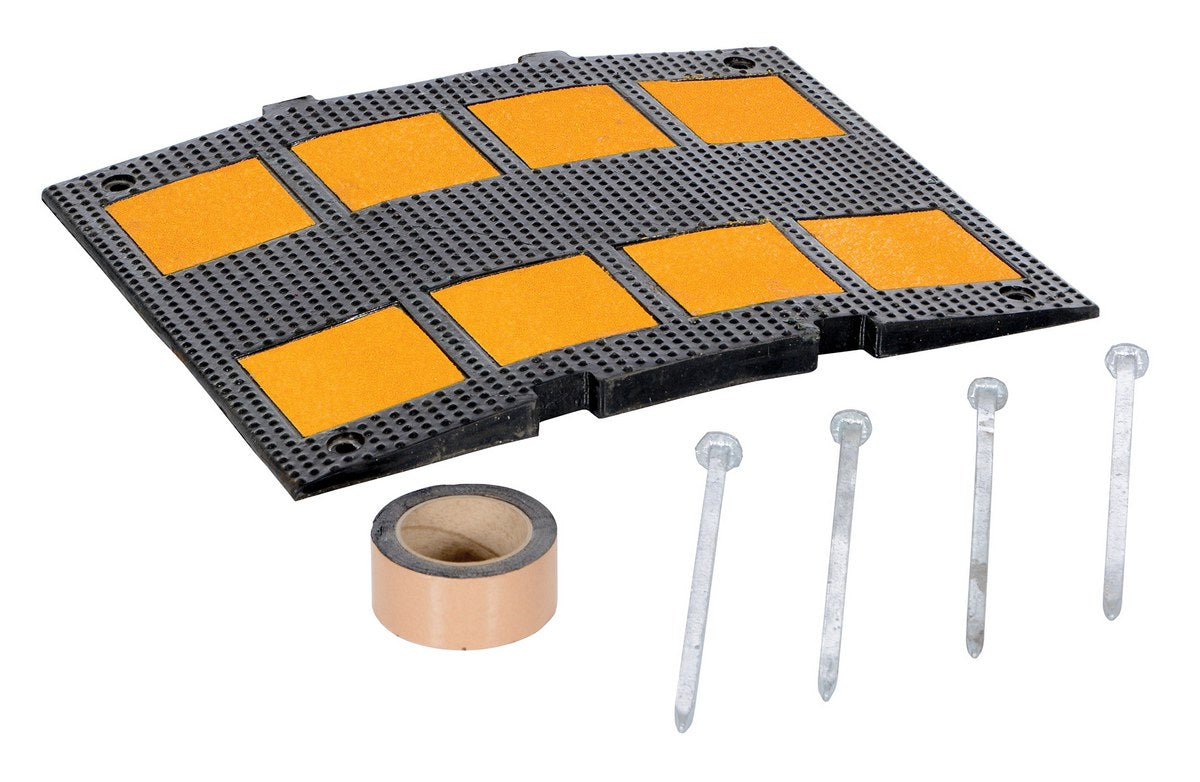
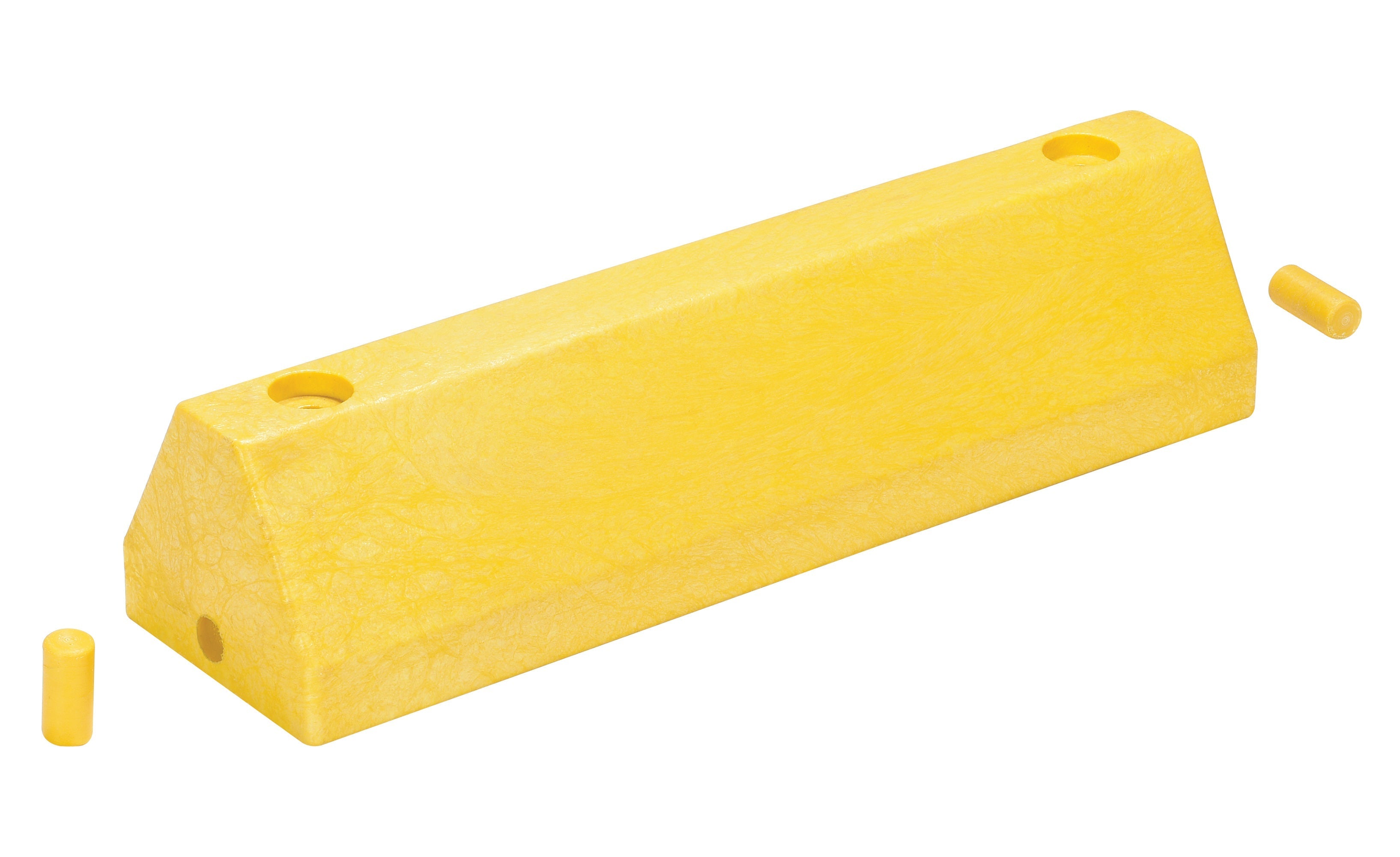
Slow the traffic, save the corners. The last layer works on speed and geometry. In speed bumps and car stops, the choice is bump or hump: a molded rubber speed bump is short and abrupt and drops parking lot traffic to roughly 2 to 10 mph, while the longer rubber speed humps, sold as male, female, and middle sections that chain to any width, ease vehicles down to about 10 to 15 mph on internal roads. Both come in asphalt and concrete anchor versions, so match the kit to your slab. Rubber car stops from about $40 end the argument about how far forward a bay goes. Then protect what the traffic brushes past: corner and edge guards run from $24 foam and PVC edge guards to stainless steel corner guards near $87, plus overhead door track protectors, because a bent track means a door that will not close that night.
Frequently Asked Questions
Both, in different geometries. A concrete-filled steel bollard protects a point, a door frame, a panel box, a machine corner. Structural guard rail protects a line, walling a whole aisle or work cell off from traffic. Plastic bollards and barricades stop nothing; they exist to steer people and mark routes. If a loaded truck can reach it, spec steel and anchor it to the slab.
For vehicle impact duty, yes, fill them. An empty pipe bends where a filled one shrugs. Vestil's pour-in-place models are made to set into fresh concrete for the strongest installation, while surface mounted and removable bollards trade some ultimate strength for the ability to open the lane when you need it. Decorative and plastic bollards are guidance, not armor, and stay empty.
OSHA 1910.29(b) puts the top rail at 42 inches above the walking surface, plus or minus 3 inches, with a midrail, and the system has to withstand at least 200 lb applied downward or outward. The steel and aluminum railing sections here are built to that duty, and self-closing gates cover the openings a fixed rail cannot.
A bump is short and aggressive, dropping cars to roughly 2 to 10 mph, right for parking lots and dock approaches where you want a near stop. A hump is longer and gentler, holding traffic around 10 to 15 mph on internal roads without punishing every axle. The modular hump sections here chain male-female to any road width, and both styles come in asphalt or concrete anchor versions.
For managing people, absolutely. Folding gates close a doorway in seconds, interlocking plastic barriers wall off a spill or a wet floor, and belt posts organize a queue for a fraction of what steel costs. Just be honest about the job: they communicate, they do not resist. Anything that has to survive contact with a vehicle needs to be steel and anchored.
Surface mounted removable models bolt a receiver to the slab and the post lifts out of it; in-ground versions drop into a sleeve set in the concrete so the post sits flush-anchored and stores away cleanly. Fold-down and spring loaded designs stay attached, hinging flat or flexing on impact, which is the better pick when the lane opens daily and a loose post would wander off.