Chain Hoists
A chain hoist is the most direct way to put controlled overhead lifting under a beam, and this collection covers the manual and air-powered machines that do it with no wired-in motor. The range spans hand chain blocks from Bison, Harrington, CM, Chester, Coffing, OZ Lifting, and William Hackett, ratchet lever hoists built for pulling and tensioning, and Harrington and CM air hoists for high-duty-cycle and spark-sensitive work, from a $175 half-ton Bison block up past ten-ton units. Alongside the hoists sit the trolleys and beam clamps that actually hang one on your steel. The buying order stays the same across the whole page: pick the drive first (hand chain, lever, or air), then the capacity, then the lift height and headroom, then how it suspends. The guide below walks that order, and each sub-type breaks out into its own collection once you know what you need.
Shop Manual Hoists & Trolleys by Category
Compare Manual Hoists & Trolleys
| Model | Price | Capacity | |
|---|---|---|---|
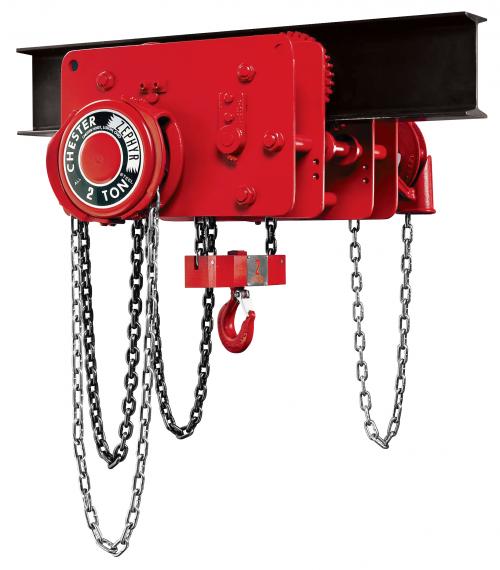
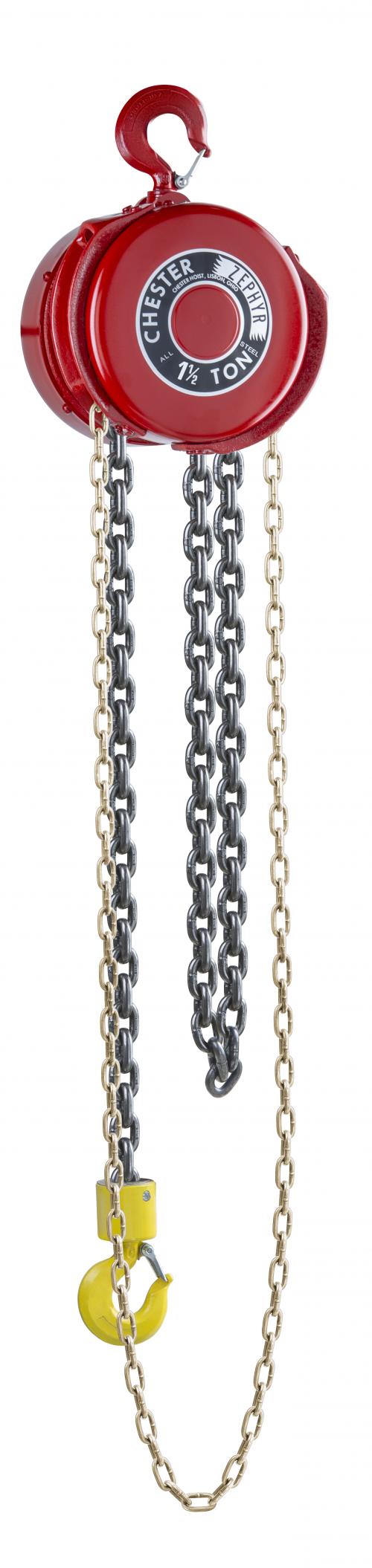
| Chester Zephyr Low Headroom Geared Trolley Hand Chain Hoist | $18,336 | 1.5-25 ton | View → |
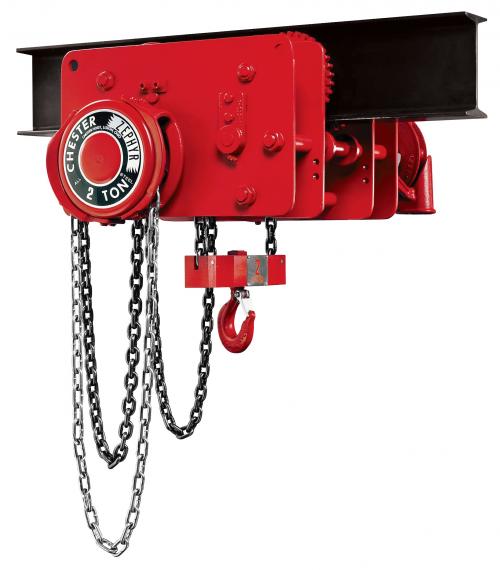
| Chester Zephyr Steel Low Headroom Plain Trolley Hand Chain Hoist | $16,836 | 1.5-25 ton | View → |
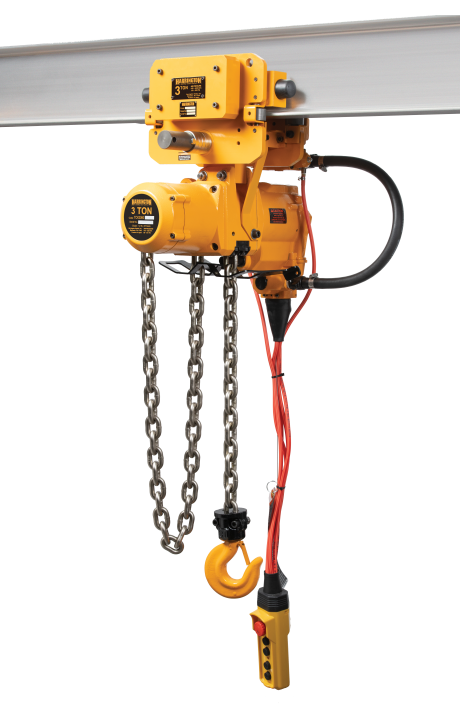
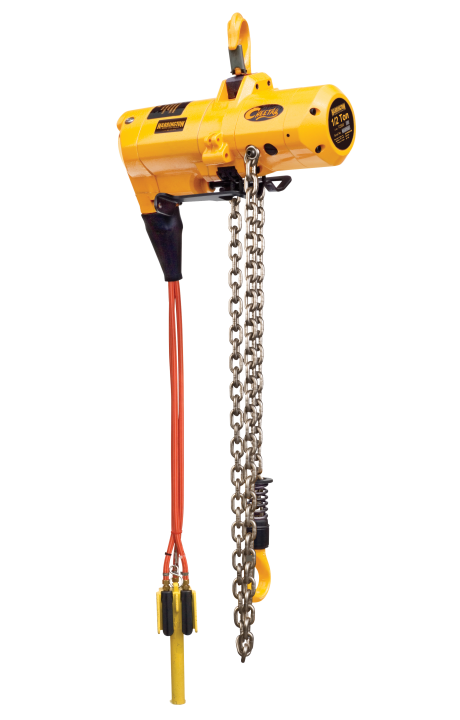
| Harrington TCKM Air Powered Trolley Hoist | $15,624 | 3-6 ton | View → |
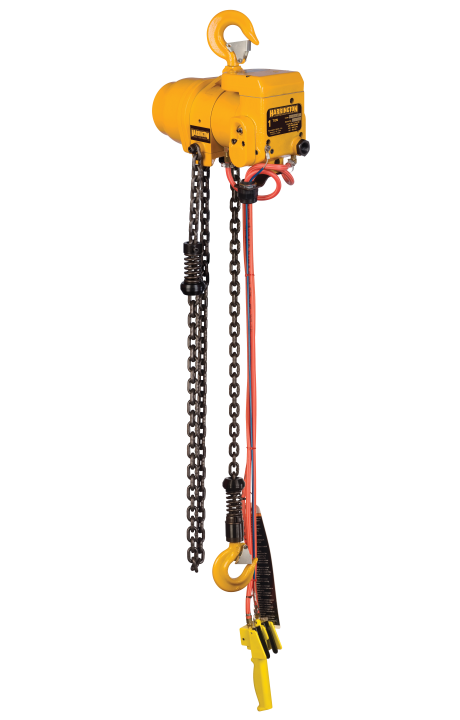
| Harrington TCK Hook Mount Air Hoist | $10,407 | 3-6 ton | View → |
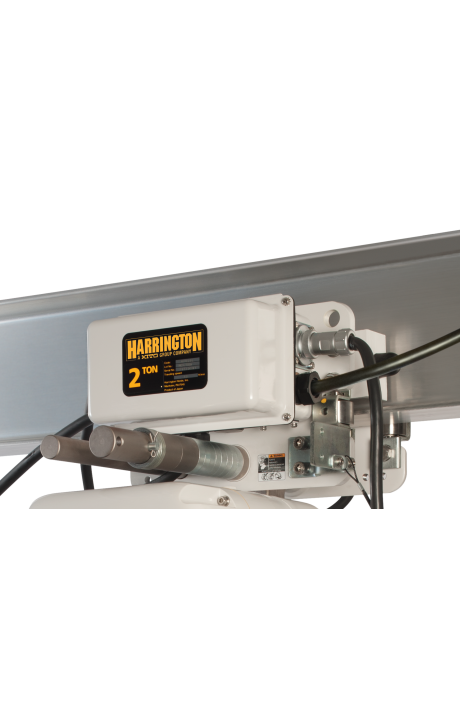
| Harrington TCRM Air Powered Trolley Hoists | $10,390 | 1/4-2 ton | View → |
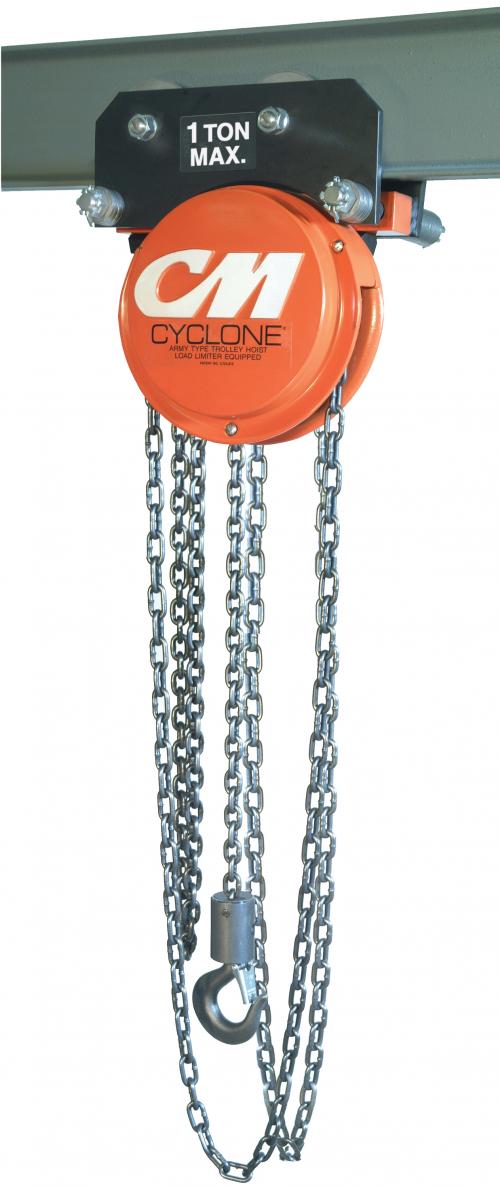
| CM Cyclone Hand Chain Hoist with Low Headroom Trolley | $10,204 | 1/2-6 ton | View → |
 In StockIn StockIn Stock
 In Stock
 In Stock
 In Stock
 In Stock
 In Stock
 In Stock
 In Stock
 In Stock
 In Stock
 In Stock
 In Stock
 In Stock
 In Stock
 In Stock
 In Stock
 In Stock
 In Stock
 In Stock
 In Stock
 In Stock
 In Stock
 In Stock
 In Stock
 In Stock
 In Stock
 In Stock
 In StockIn Stock
 In Stock
 In Stock
 In Stock
 In Stock
 In Stock
 In StockIn Stock
 In Stock
 In Stock
 In Stock
 In Stock
 In Stock
 In Stock
 In Stock
 In Stock
 In Stock
 In Stock
 In Stock
 In Stock
 In Stock
 In Stock
 In Stock
 In Stock
 In Stock
 In Stock
 In Stock
 In Stock
 In Stock
 In Stock
 In Stock
 In Stock
 In Stock
 In Stock
 In Stock
 In Stock
 In Stock
 In Stock
 In Stock
 In Stock
 In Stock
 In Stock
 In Stock
 In Stock
 In Stock
 In StockIn Stock
 In Stock
 In Stock
 In Stock
 In Stock
Manual Hoists & Trolleys Buying Guide
Hand chain, lever, or air is the first fork. The drive decides most of the buy. A hand chain block is the default for straight vertical lifting: you stand under or beside the load and haul the hand chain, and it does not care whether power reaches the spot. Reach for the manual chain hoists shelf for that work. A lever hoist trades the hand chain for a ratcheting handle so you can pull, tension, and lift at angles a chain block cannot manage, which is why the lever hoists (come-a-longs) live in their own collection. When the job runs hard all shift, or lands in a paint booth or washdown bay, the pneumatic (air) hoists take over. Settle this question before you look at a single capacity, because it changes which whole shelf you are shopping.
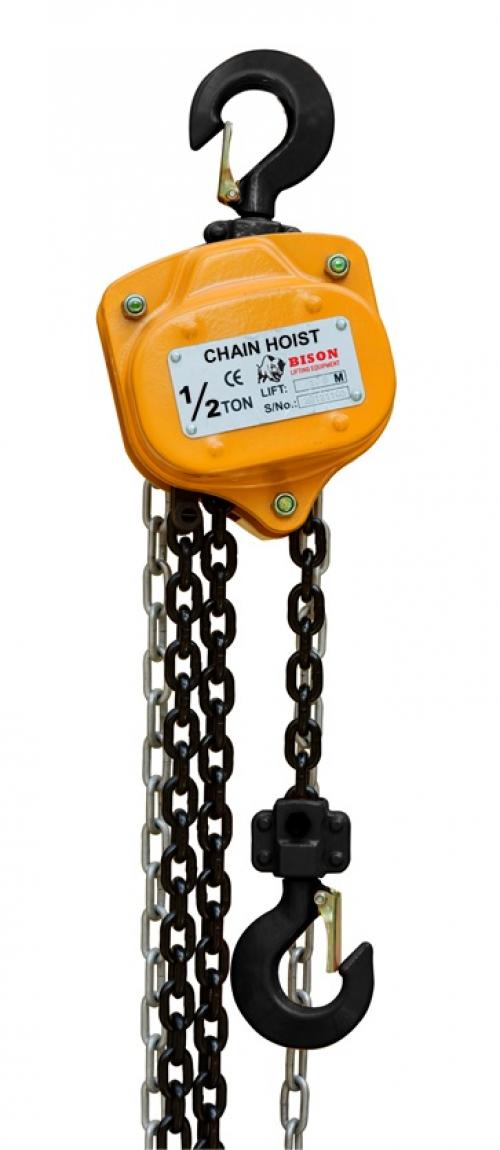
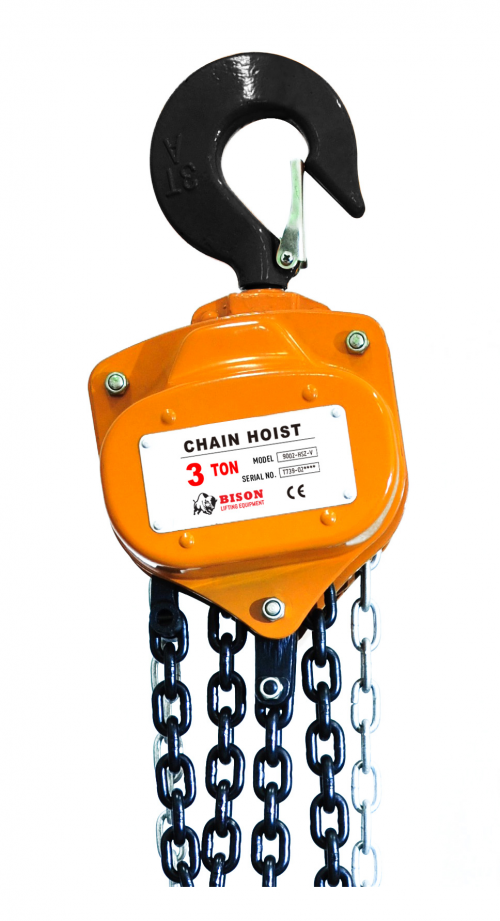
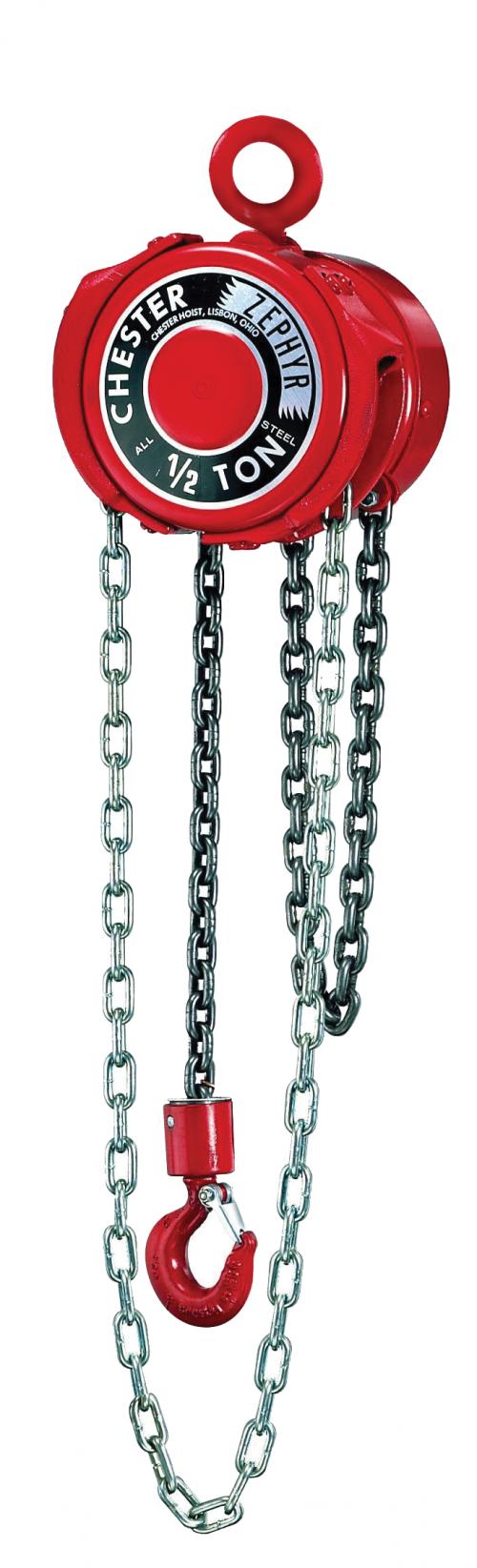
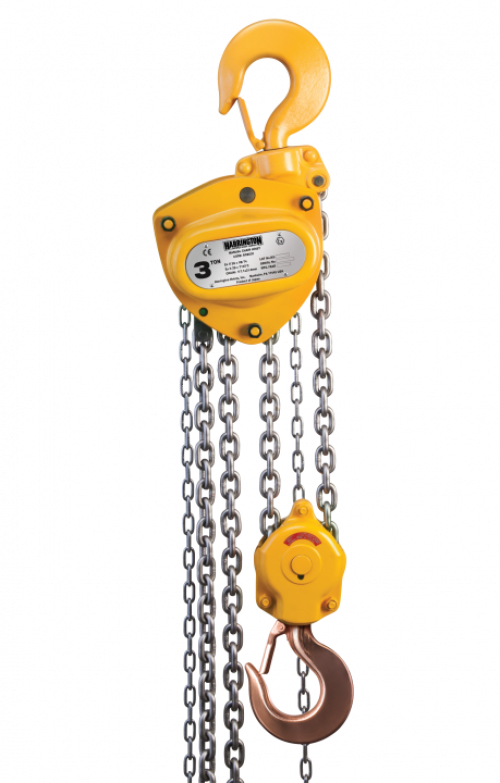
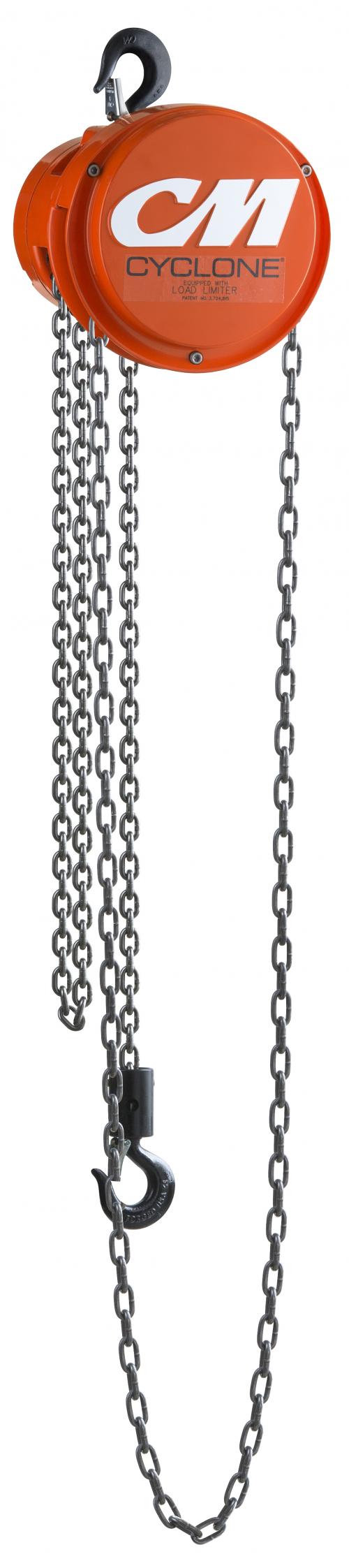
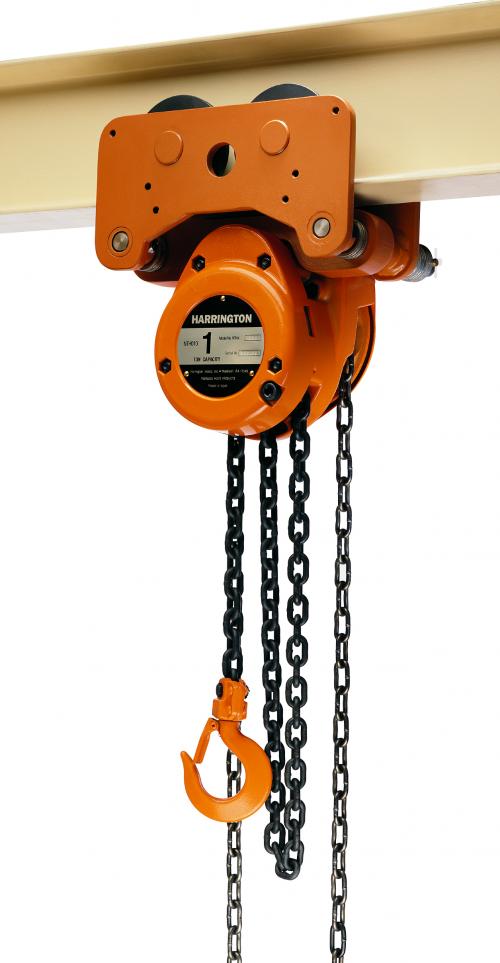
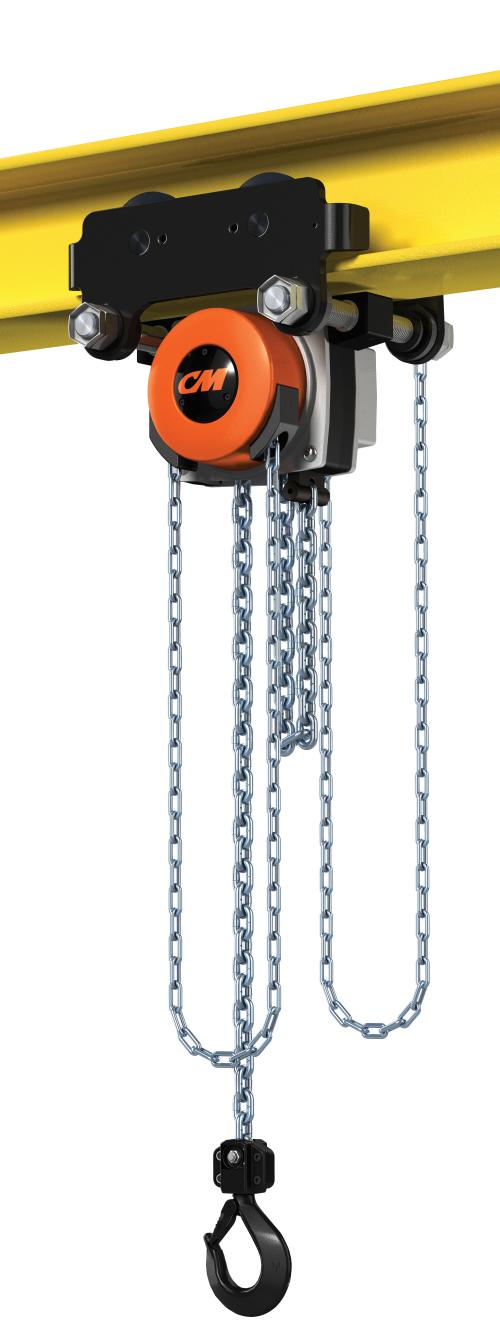
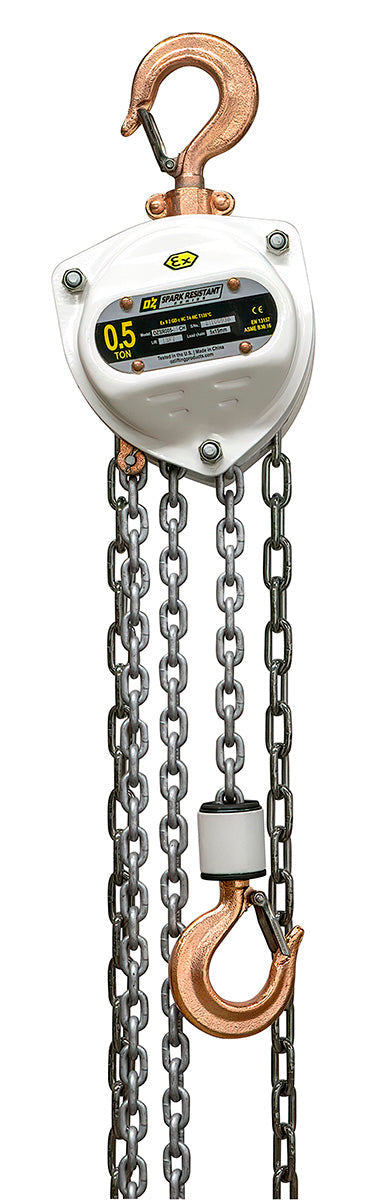
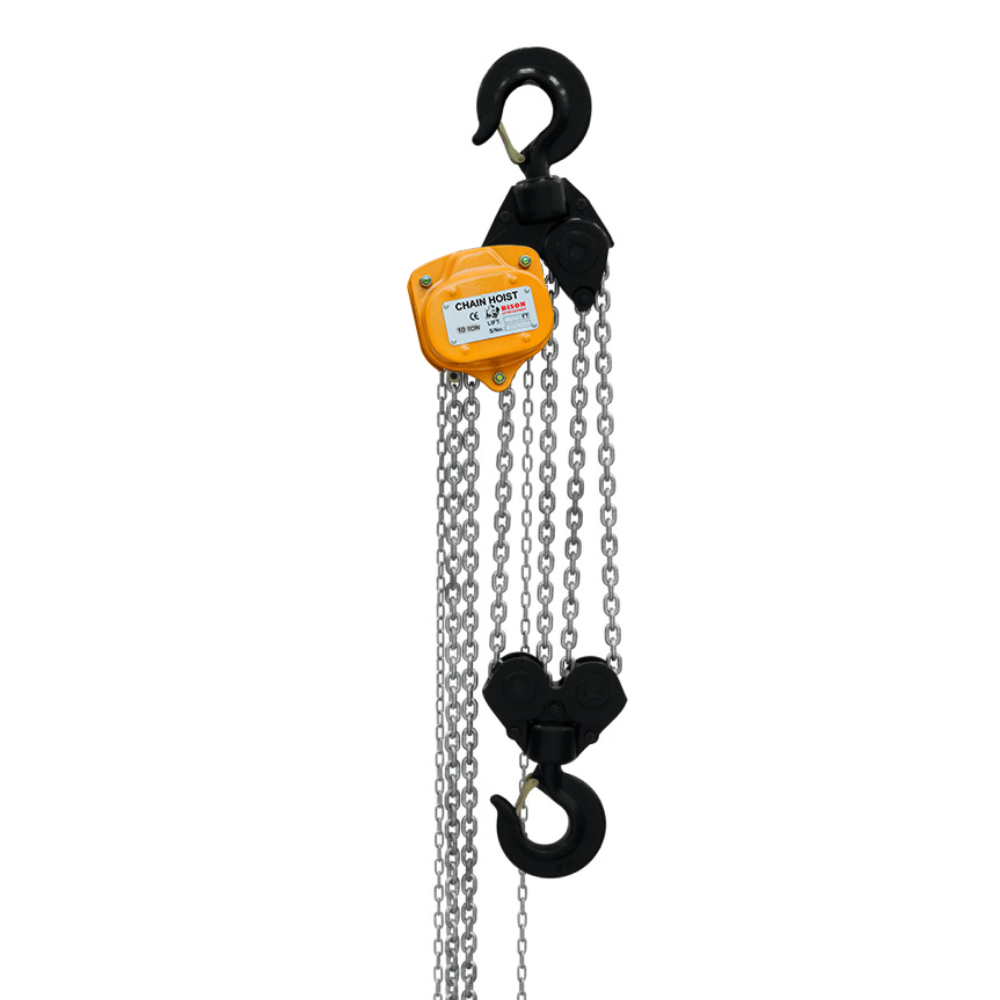
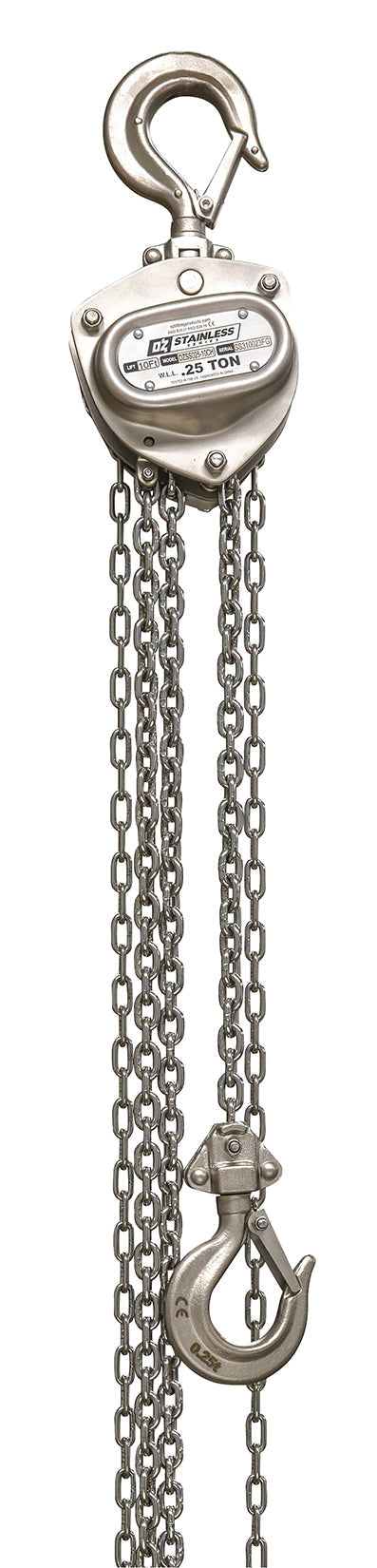
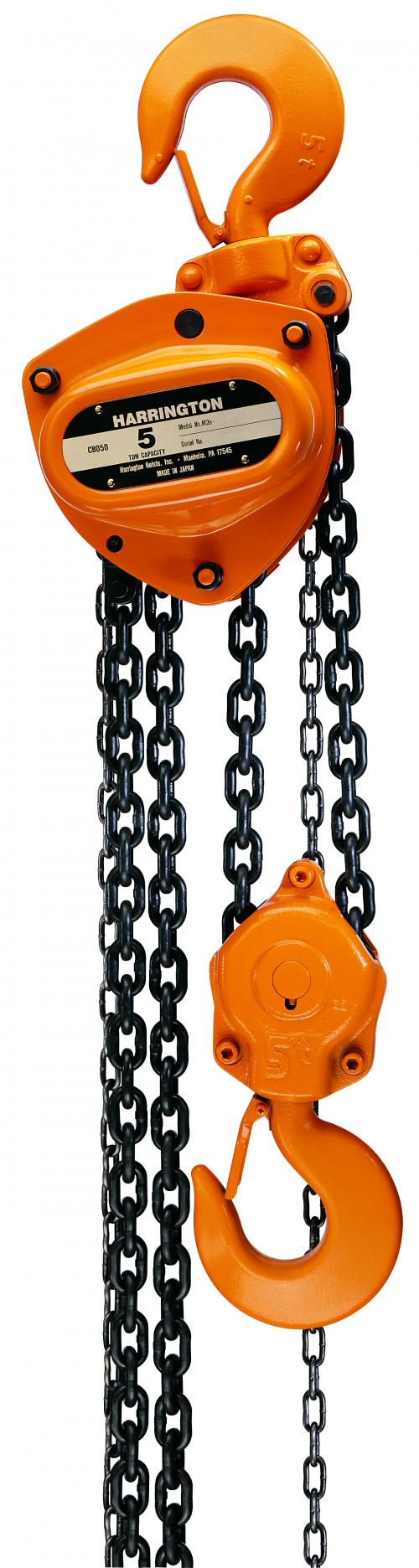
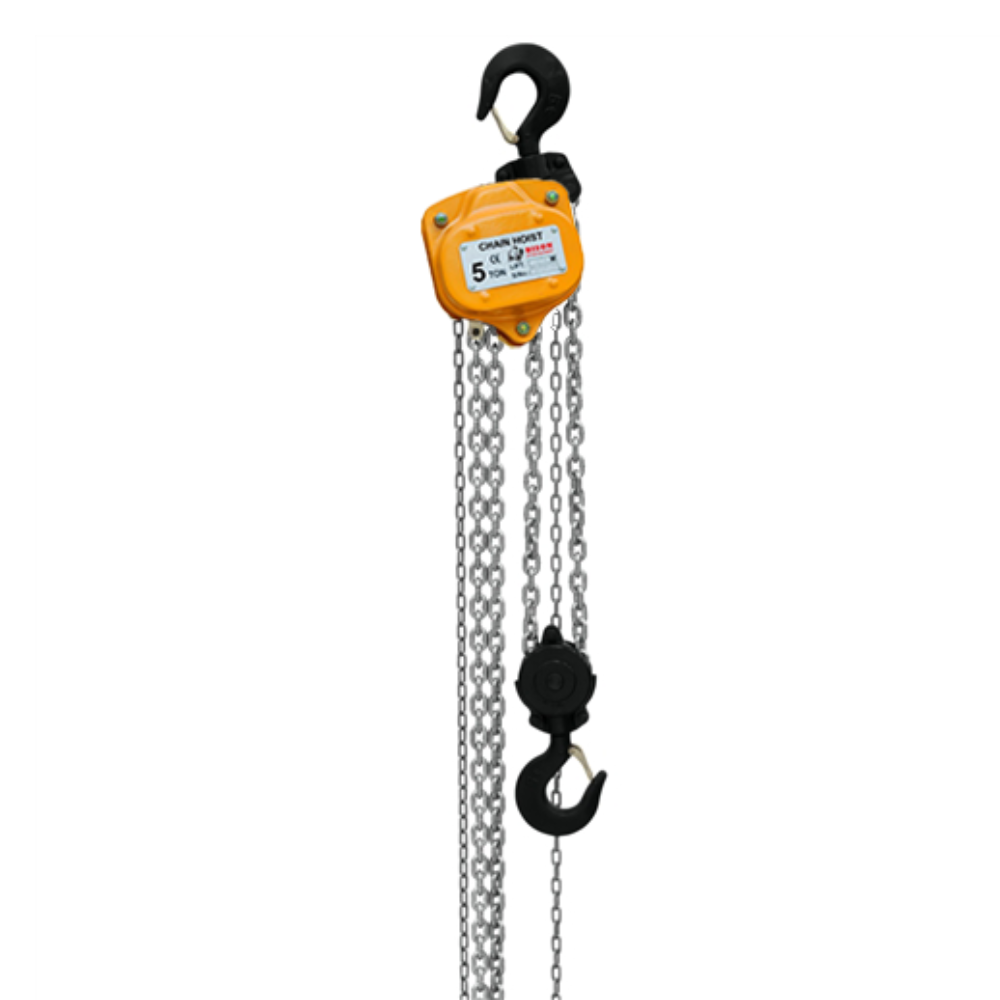
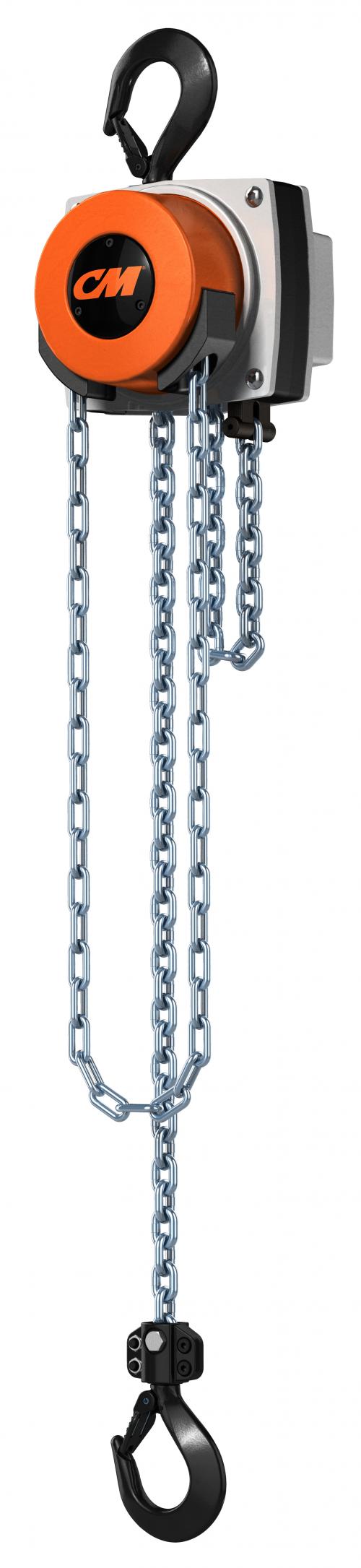
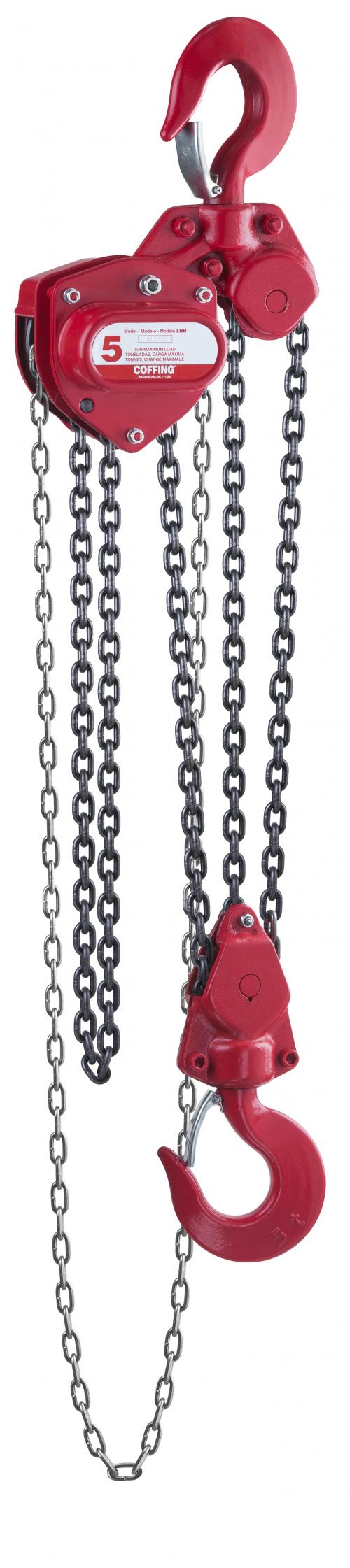
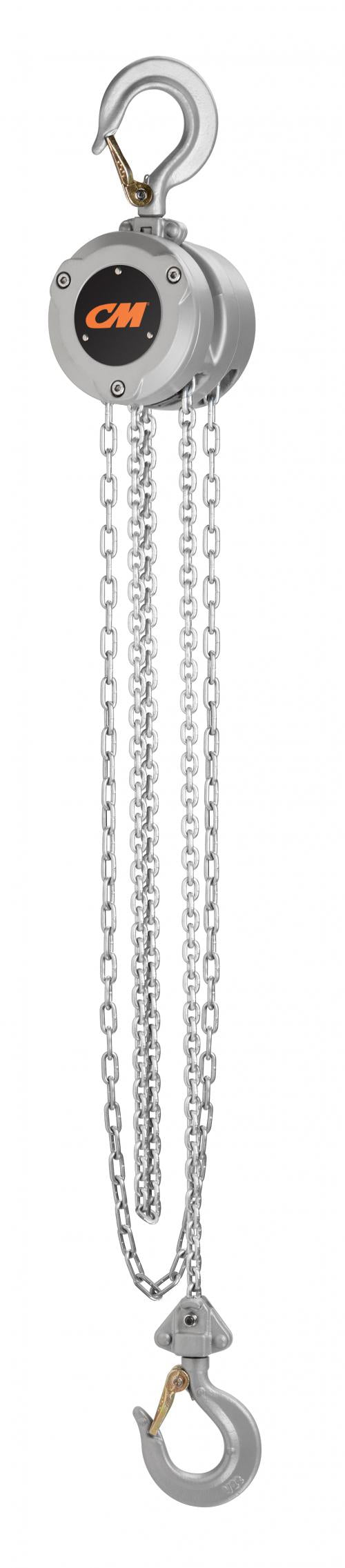
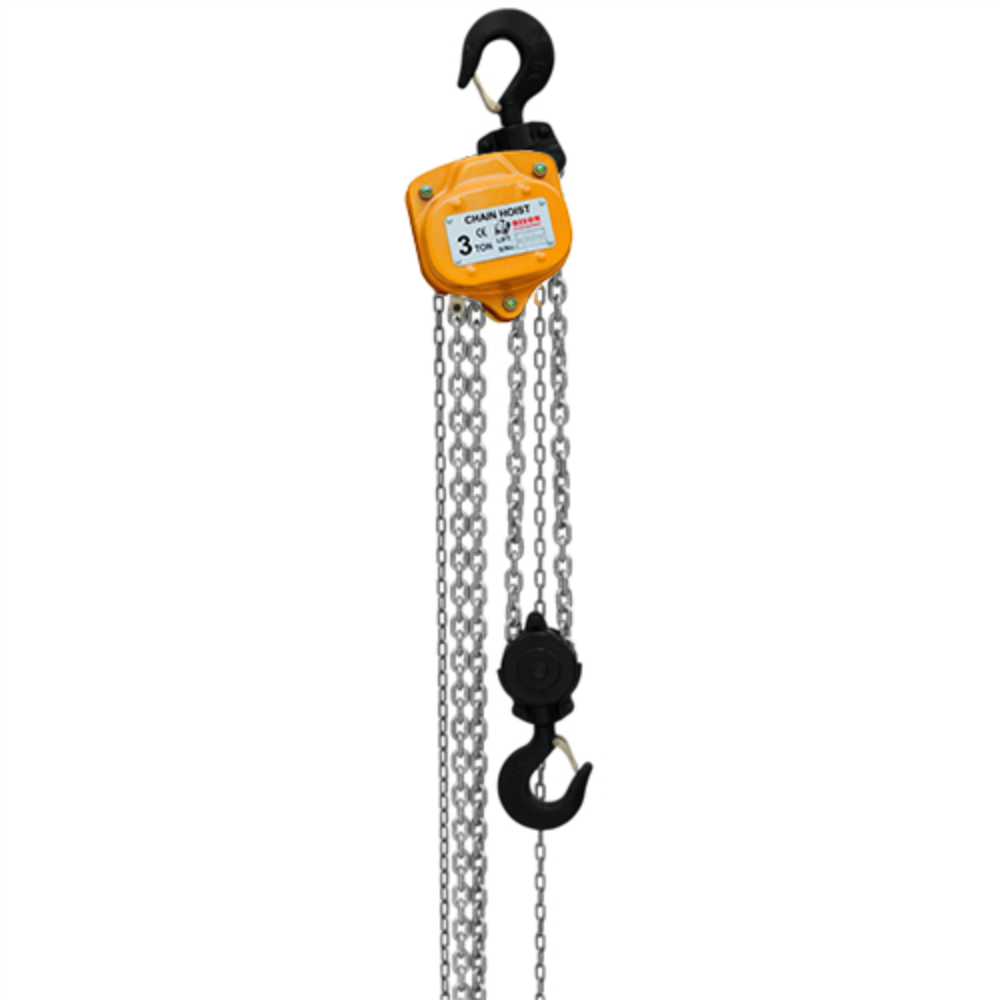
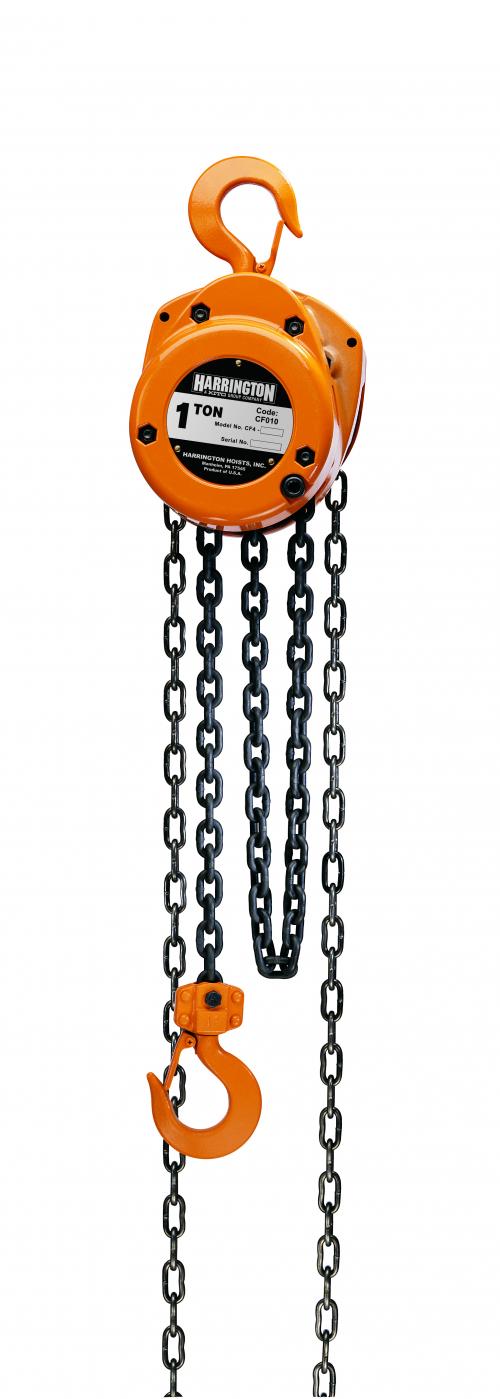
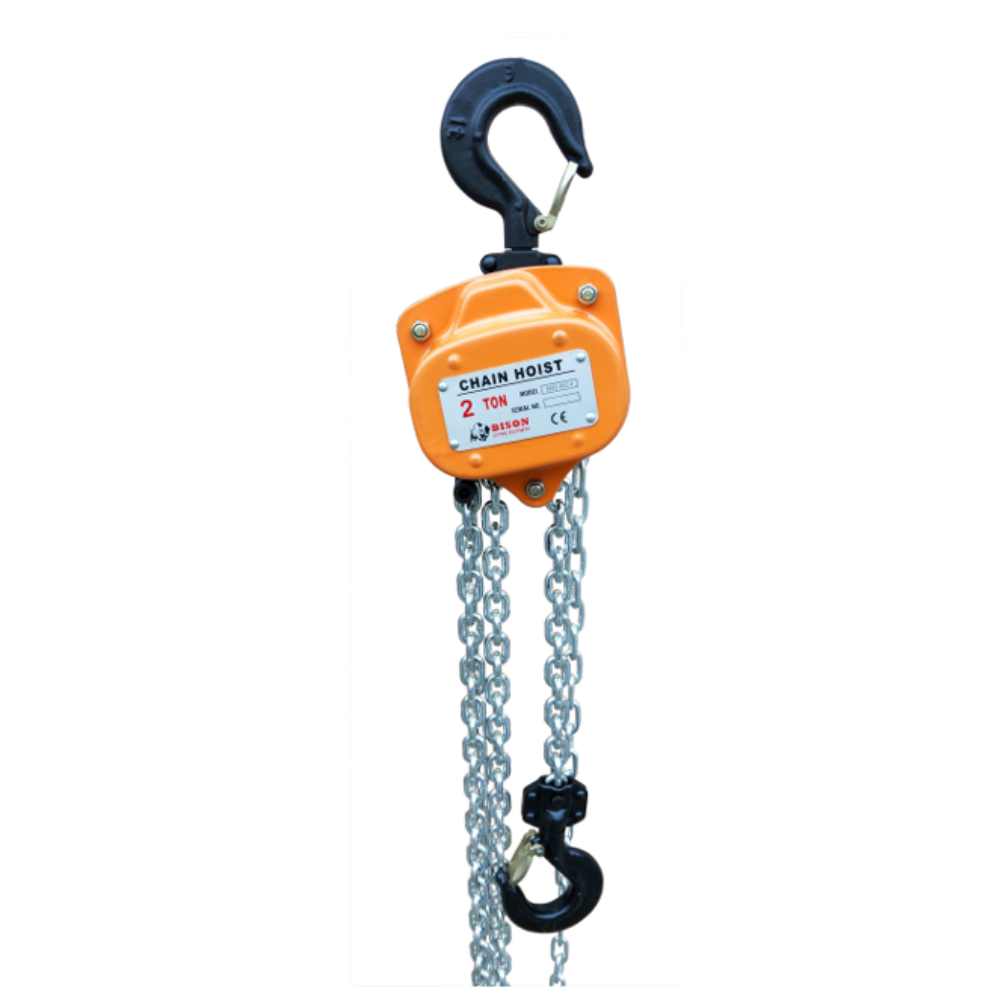
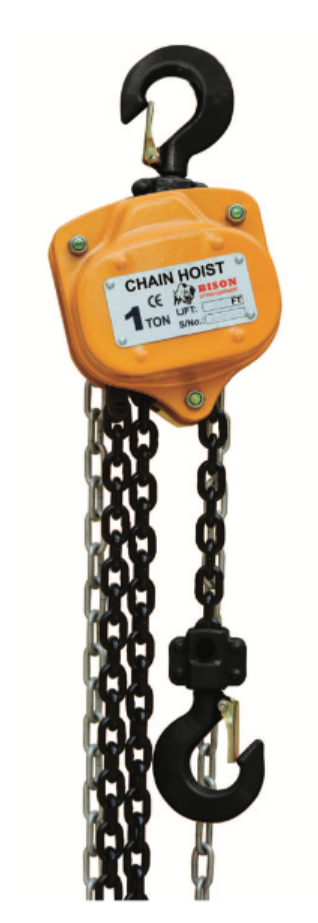
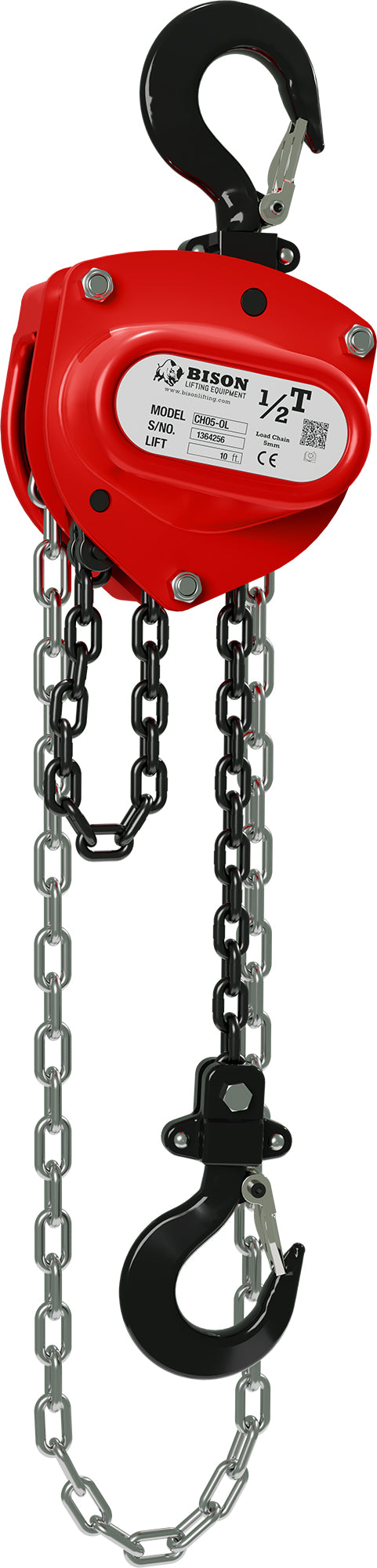
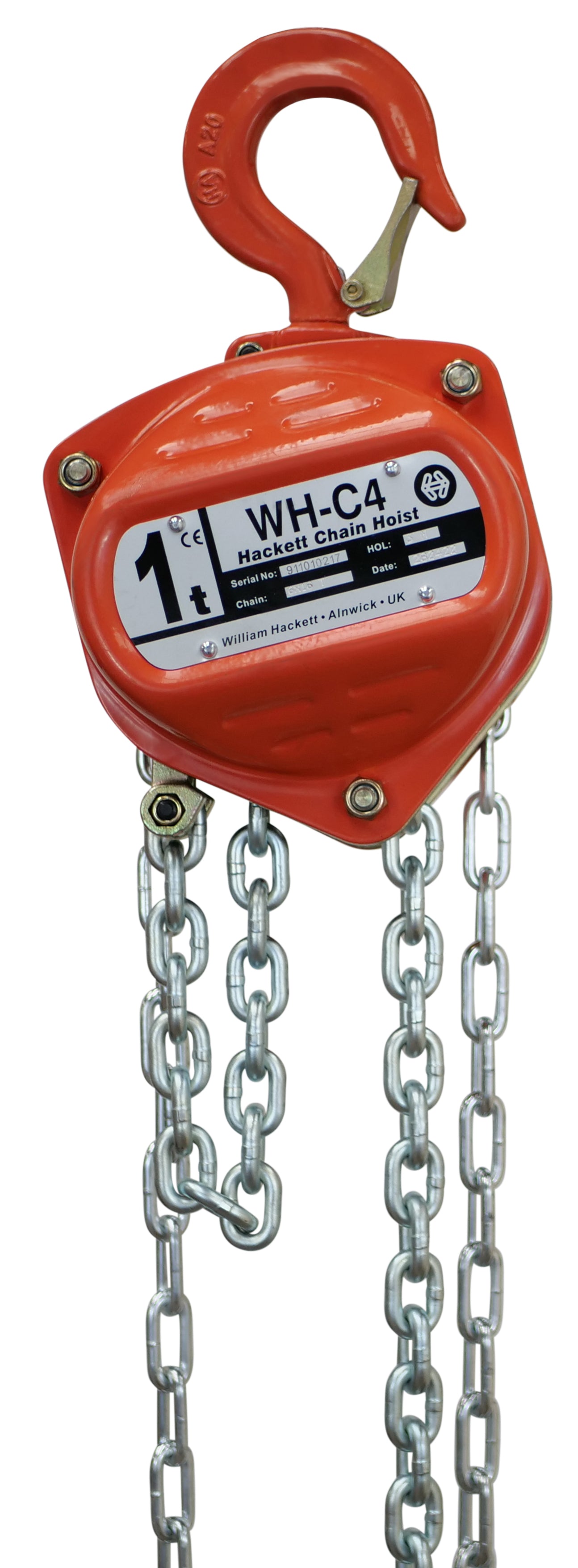
Hand chain hoists, and what holds the load. A hand chain hoist multiplies your pull through a gear reduction, then parks the load on a Weston-type screw brake: two friction discs sandwich a ratchet pawl, and the weight itself clamps the discs shut through a coarse-thread screw, so the load holds the instant you stop pulling and lowers only against that friction. That mechanism is why a person can hold tons on a light hand chain. Capacity and lift are the two numbers to set. Our Bison blocks run 1/2 to 10 ton with 10 or 20 ft of chain, starting at $175, and the whole Bison range is gathered under Bison hand chain hoists for a fast value pick. The broader manual chain hoists collection is where the multi-brand ladder lives: the economical Harrington CF and the William Hackett WH-C4 at the entry end, Harrington's CB with its one-piece machined pinion and the CM Hurricane and Cyclone in the middle, and Chester Zephyr, OZ Lifting stainless, and spark-resistant models at the specialist end. Every foot of lift you buy adds hand chain to coil and store, so size the drop to the job and no further.
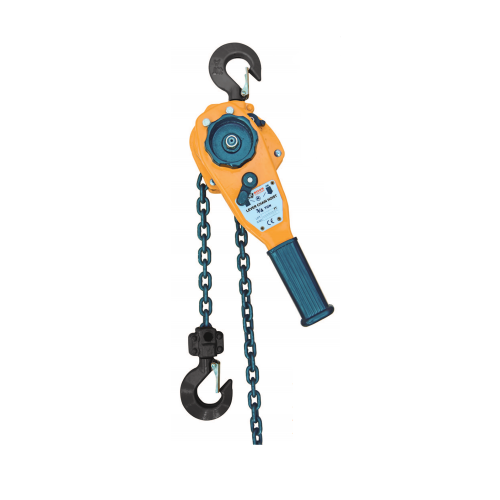
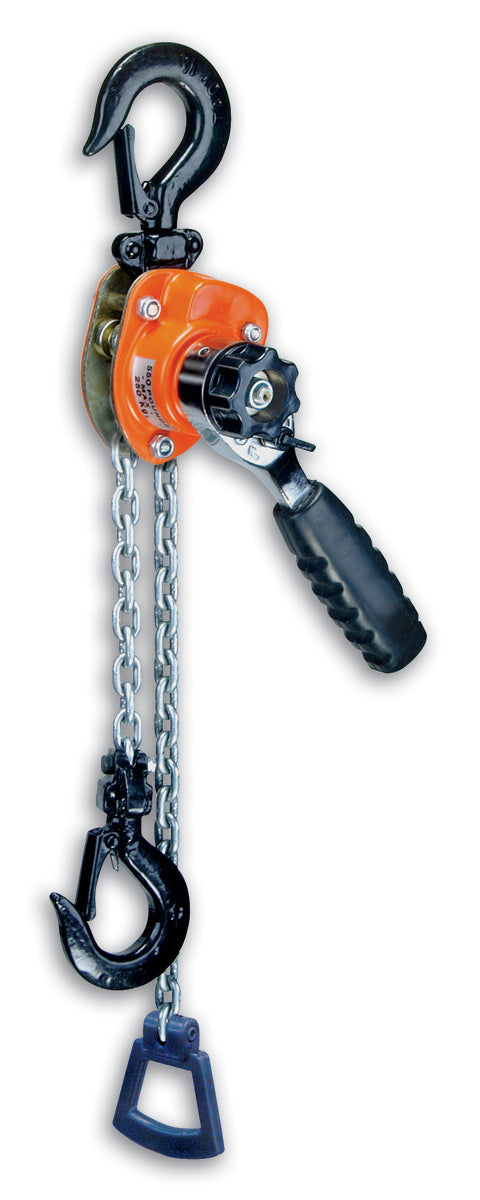
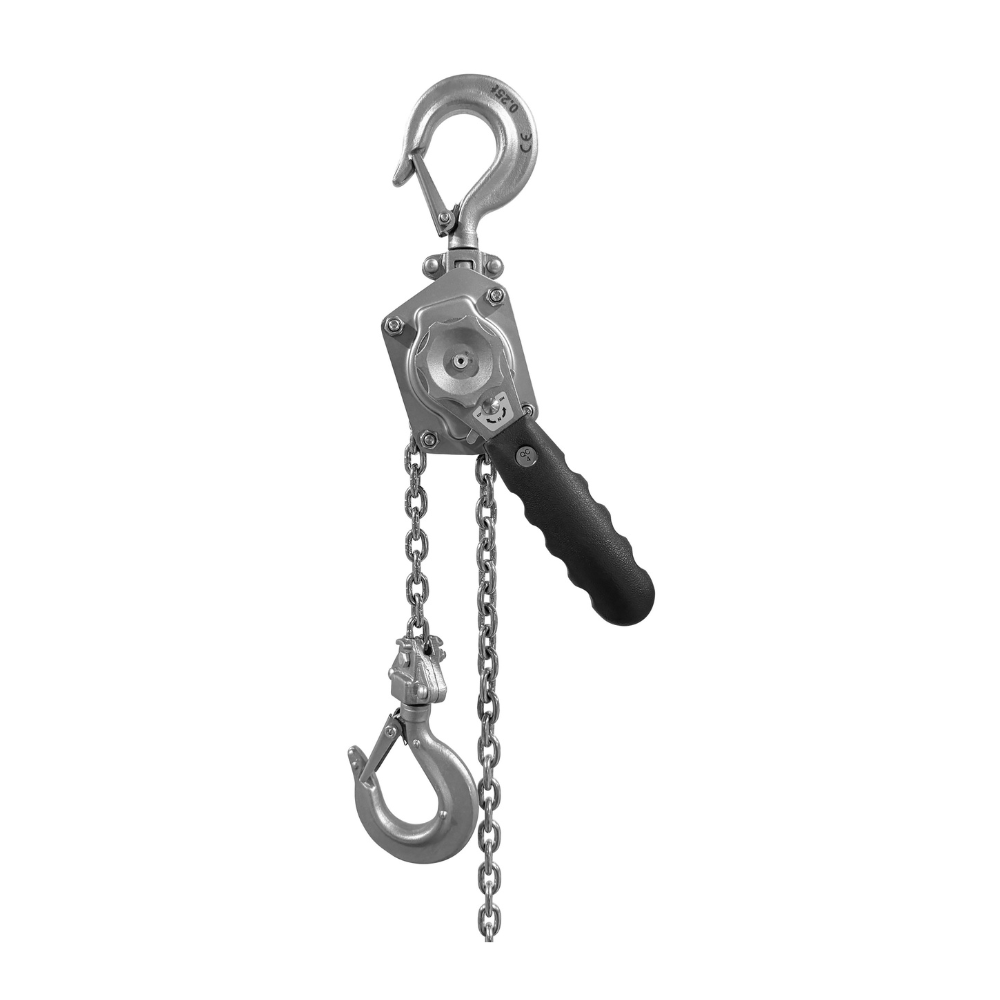
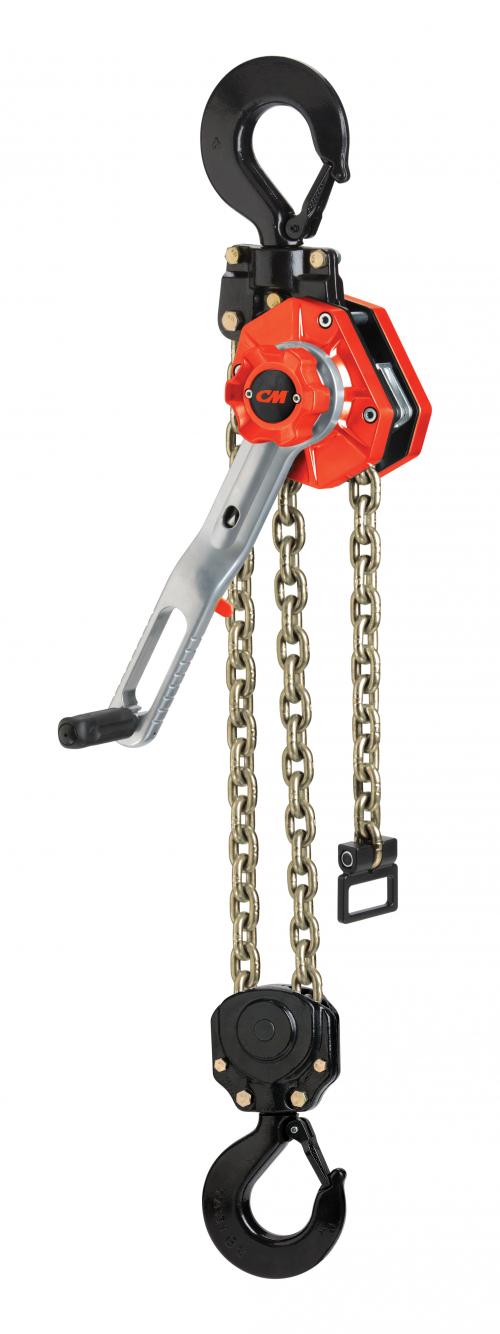
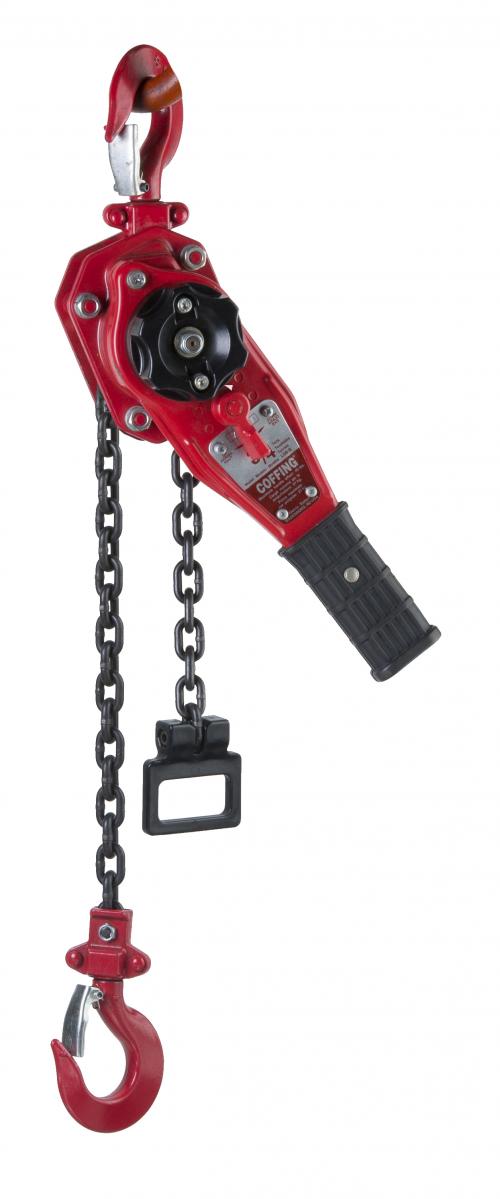
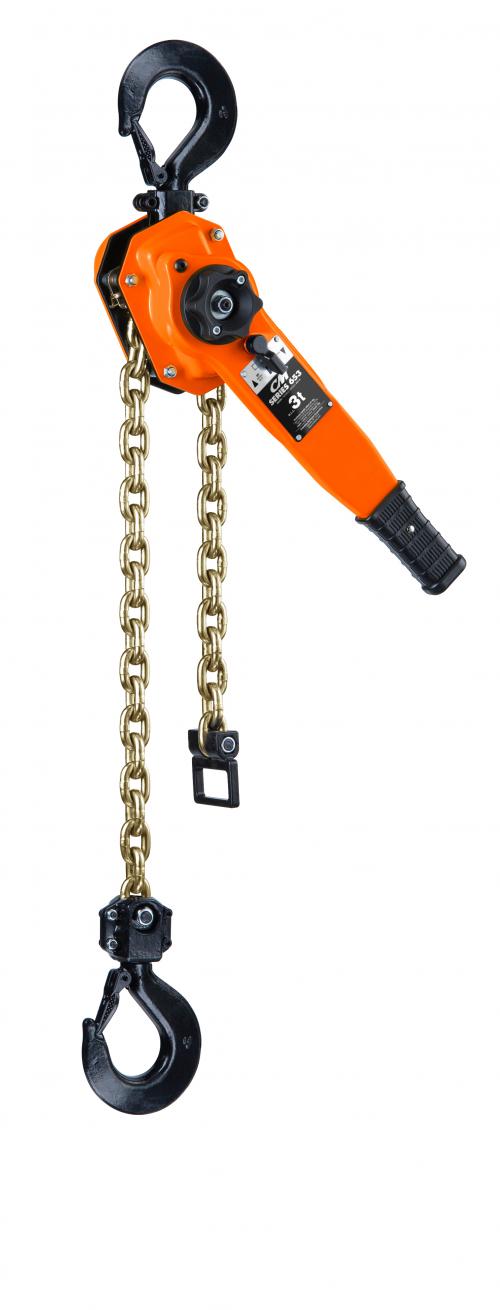
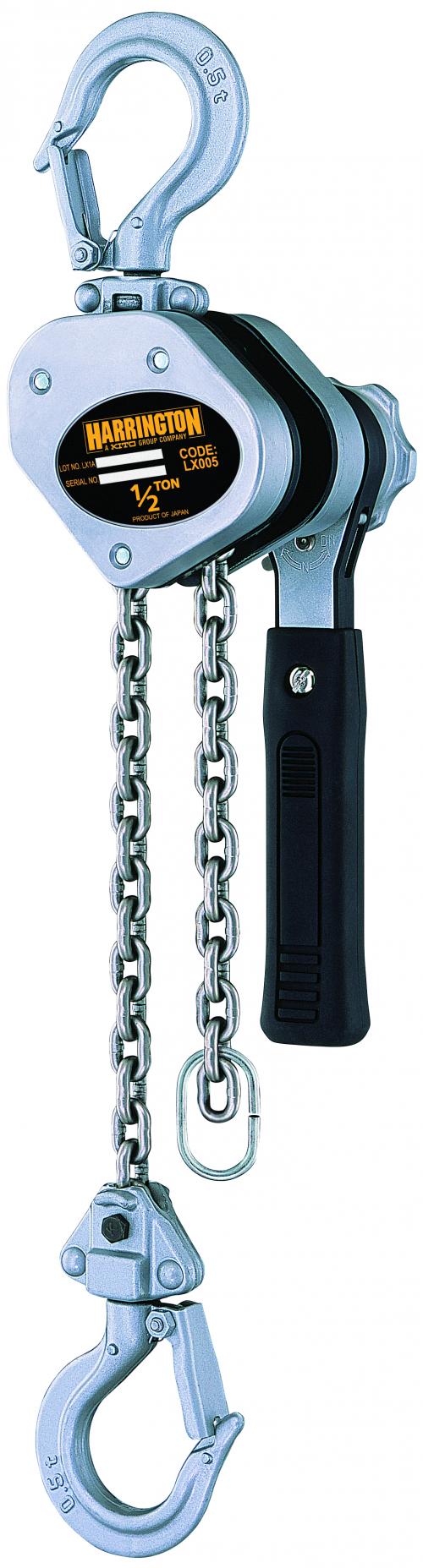
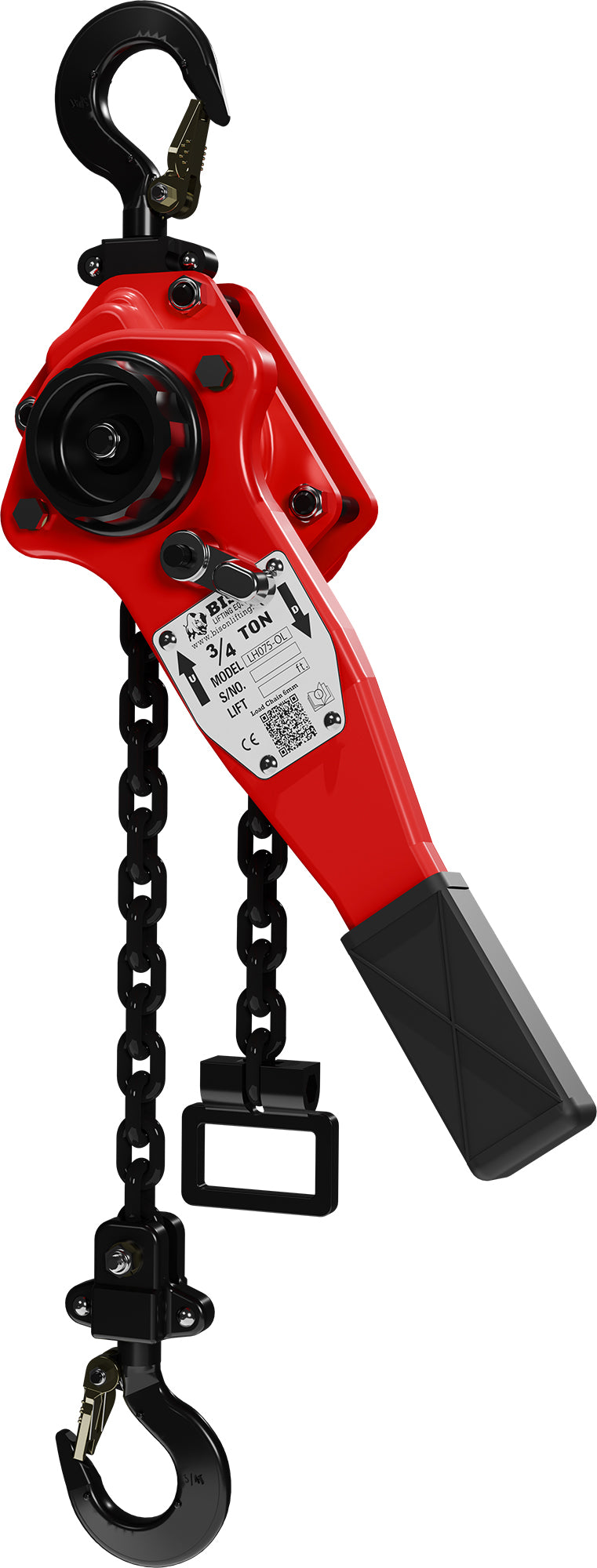
Lever hoists earn their place off the vertical. A lever hoist advances the load chain a click at a time as you crank the handle back and forth, and that gives it two things a chain block does not have: it works at any angle, and it doubles as a puller for tensioning, dragging, and pulling slack out of a rig. Those are the jobs on the lever hoists (come-a-longs) shelf. Short-handle mini units like the Harrington LX and the CM Mini, from around $313, get into tight spots and travel in a truck box; the Harrington LB, CM 653A, CM Tornado 360, and Coffing LSB step up in capacity and duty for production and rigging, and the OZ Lifting stainless model handles washdown and corrosive settings. A lever hoist and a chain block are not interchangeable: if the pull is straight down and repetitive, buy the block; if it is horizontal, angled, or a tensioning job, buy the lever.
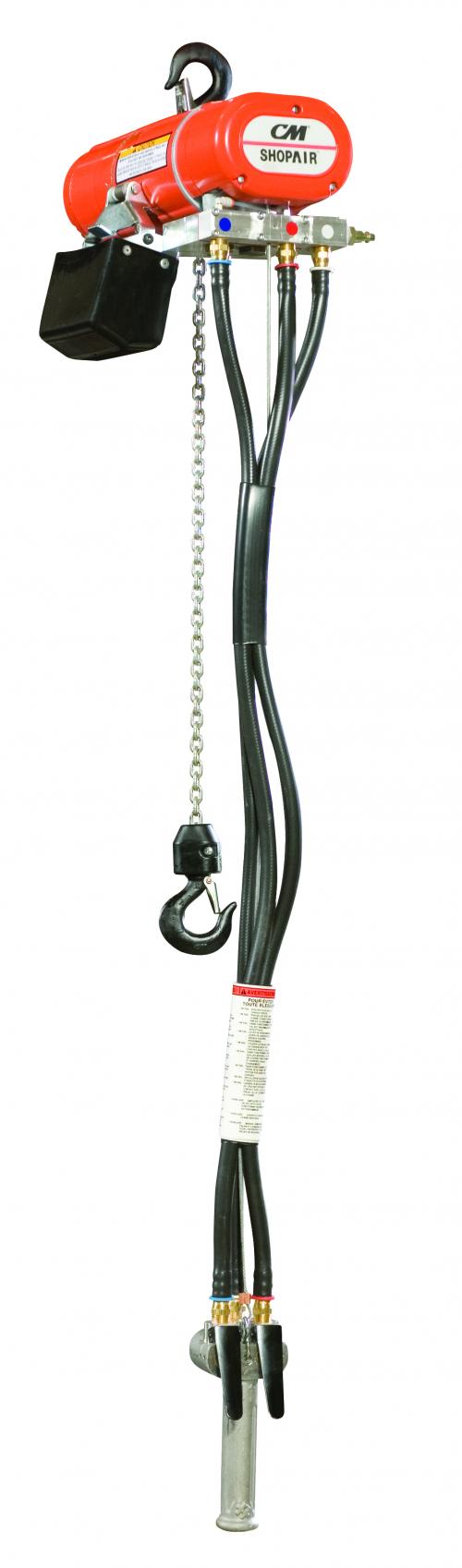
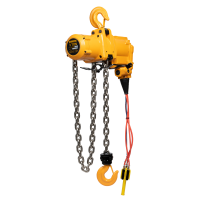
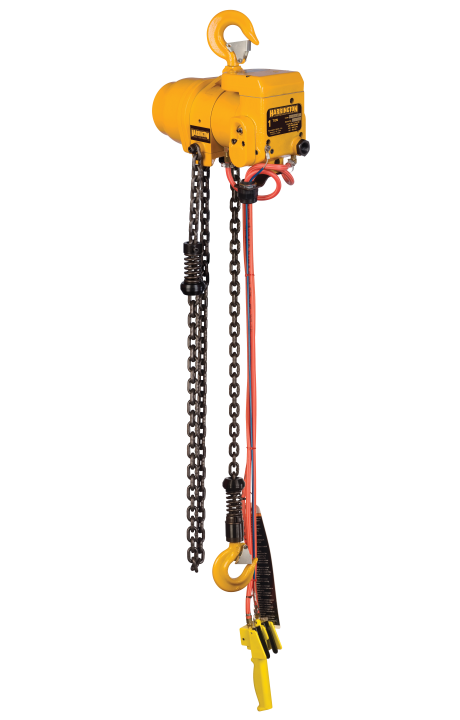
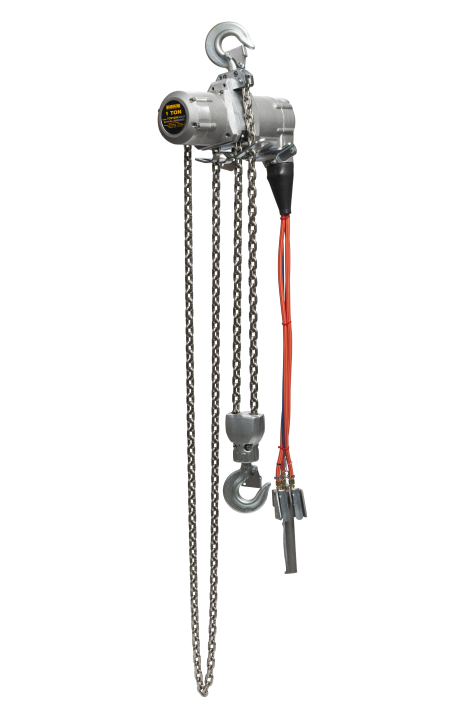
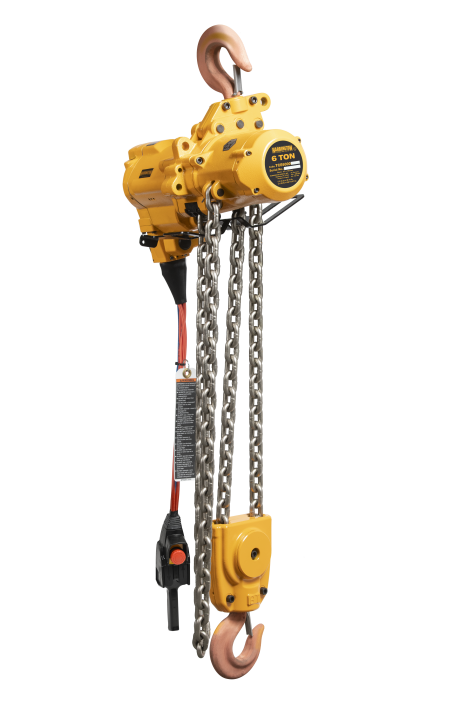
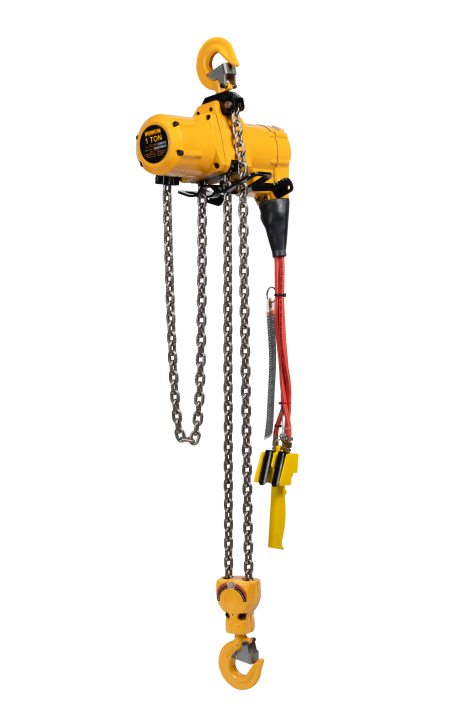
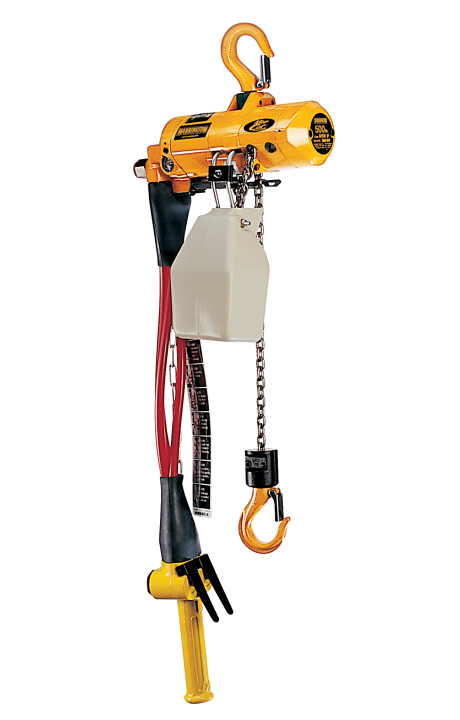
Air hoists for duty cycle and the spark question. Air hoists answer two problems electric and manual units cannot. First, duty cycle: compressed air cools the motor as it runs, so a pneumatic hoist tolerates the near-continuous, start-stop production work that would overheat other drives, and it is infinitely variable from a crawl to full speed. Second, ignition: an air motor has no electrical arc, so spark-resistant and explosion-proof pneumatic hoists are the standard answer for hazardous locations where flammable vapor or dust is present. The pneumatic (air) hoists collection is built almost entirely on Harrington, from the compact AH Mini-Cat and the TCS Cheetah and TCK hook-mount units, which start around $915, up through the TCR series, the lube-free TCL and TWC washdown models for food and pharma, and the TCE EX spark-resistant line, plus the CM Shopair. You pay more up front and you need the air supply to feed them, so air earns its price on hours run and on where the hoist has to live, not on the lift itself.
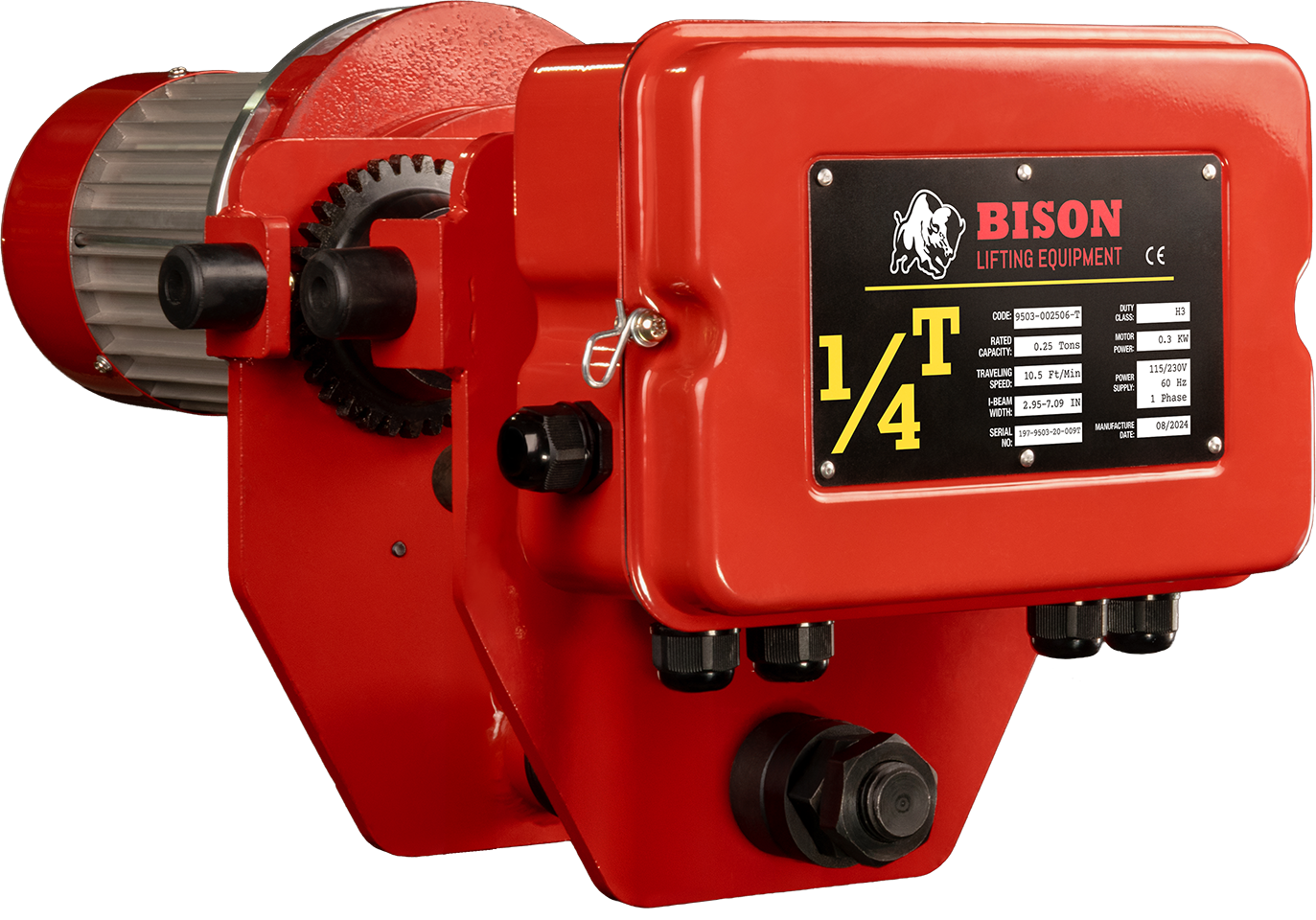
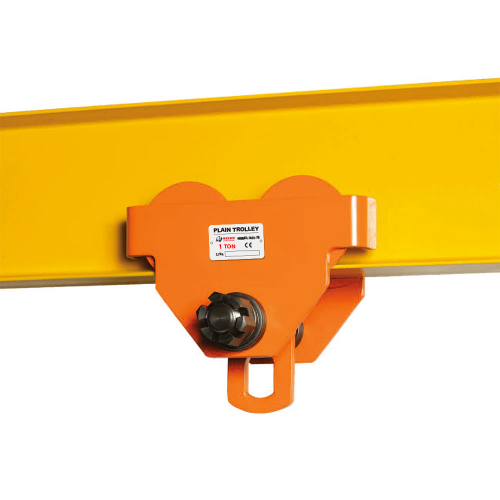
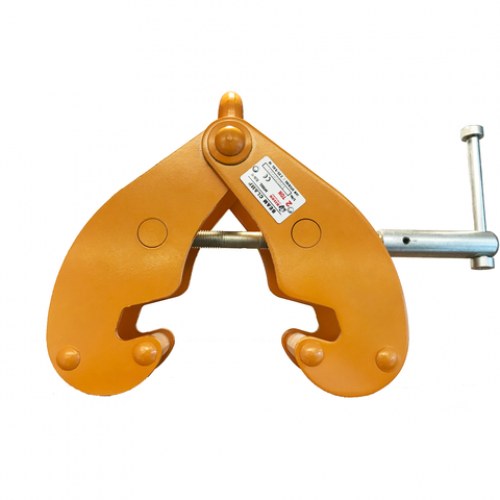
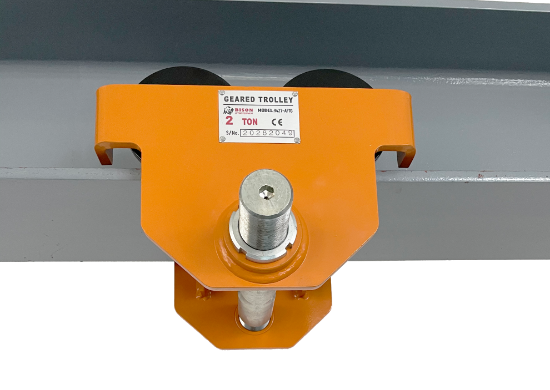
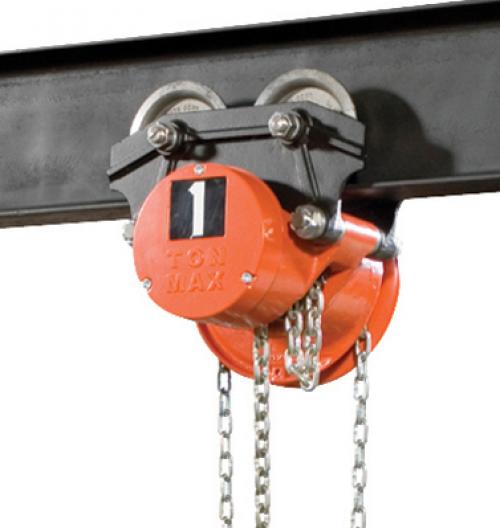
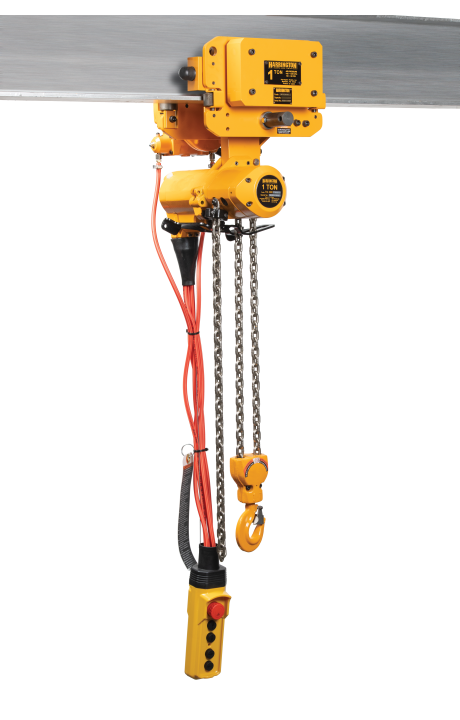
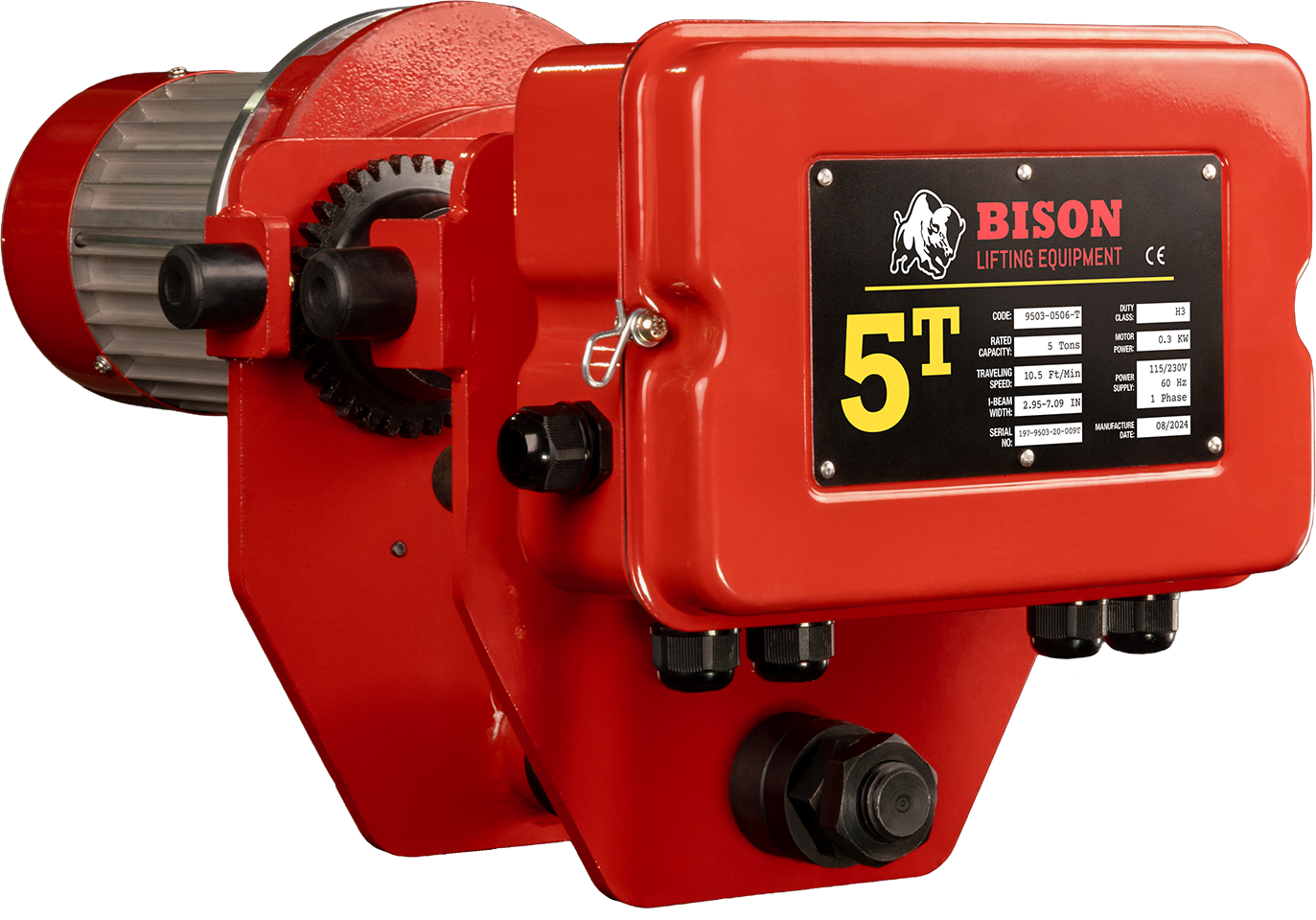
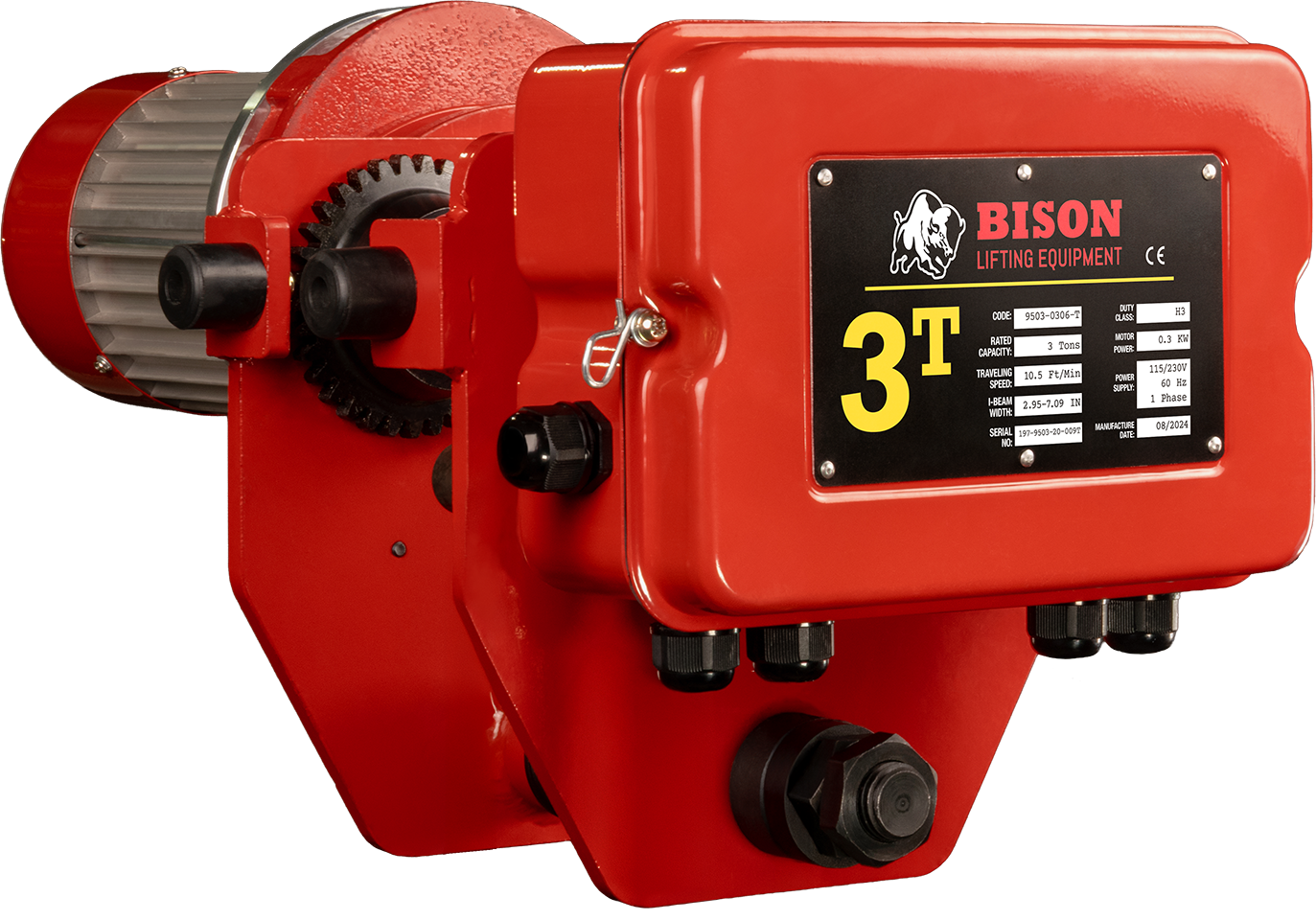
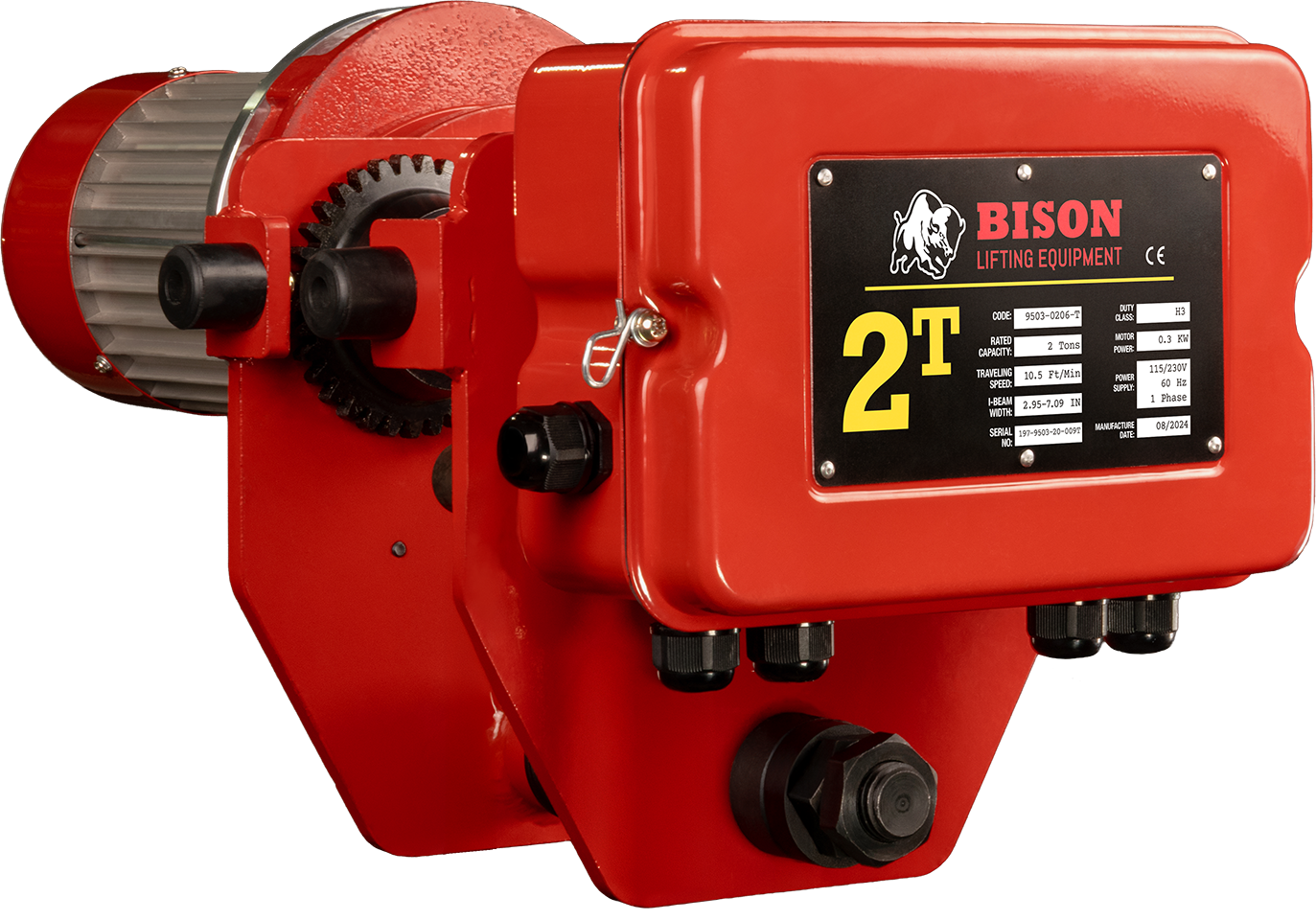
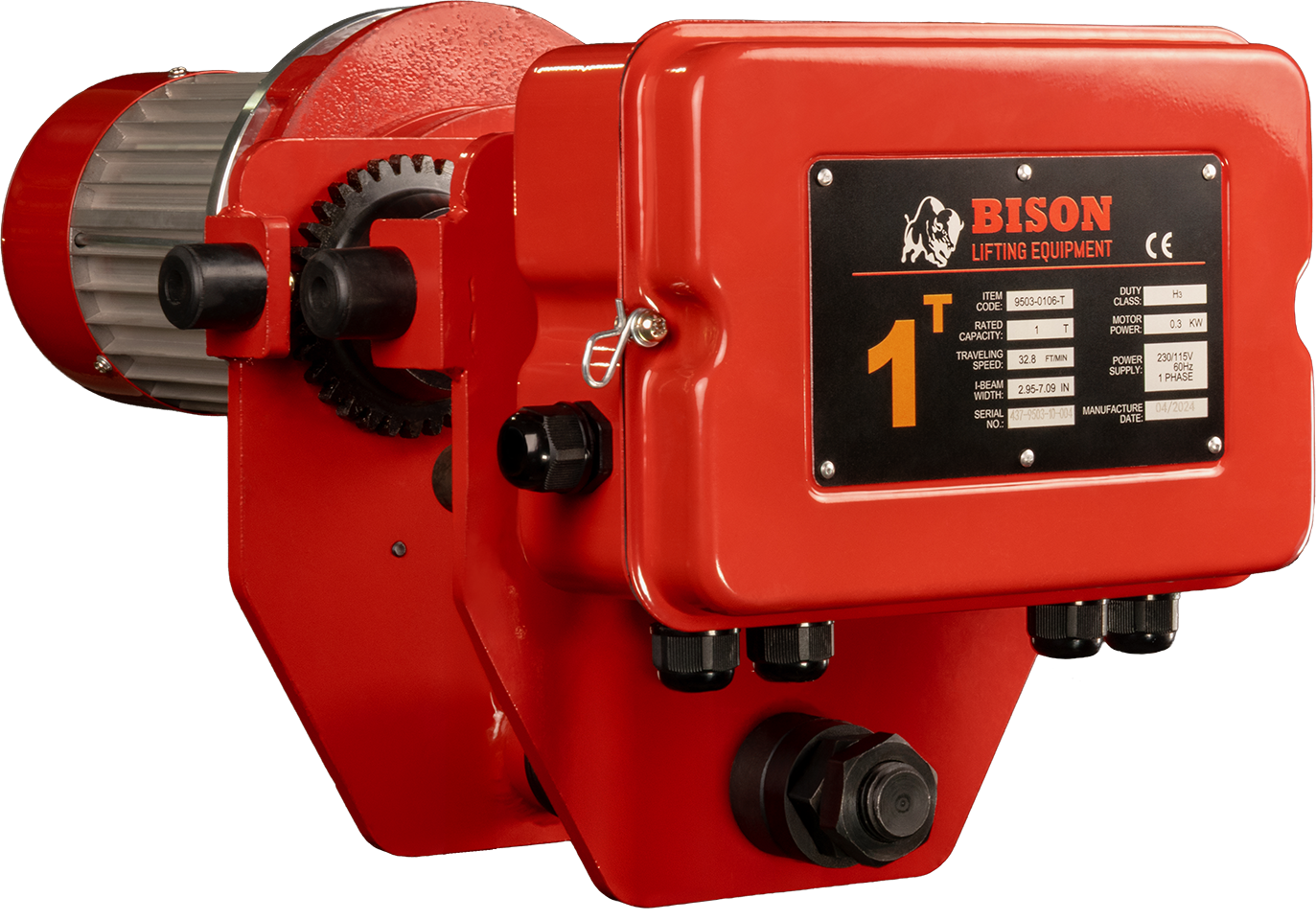
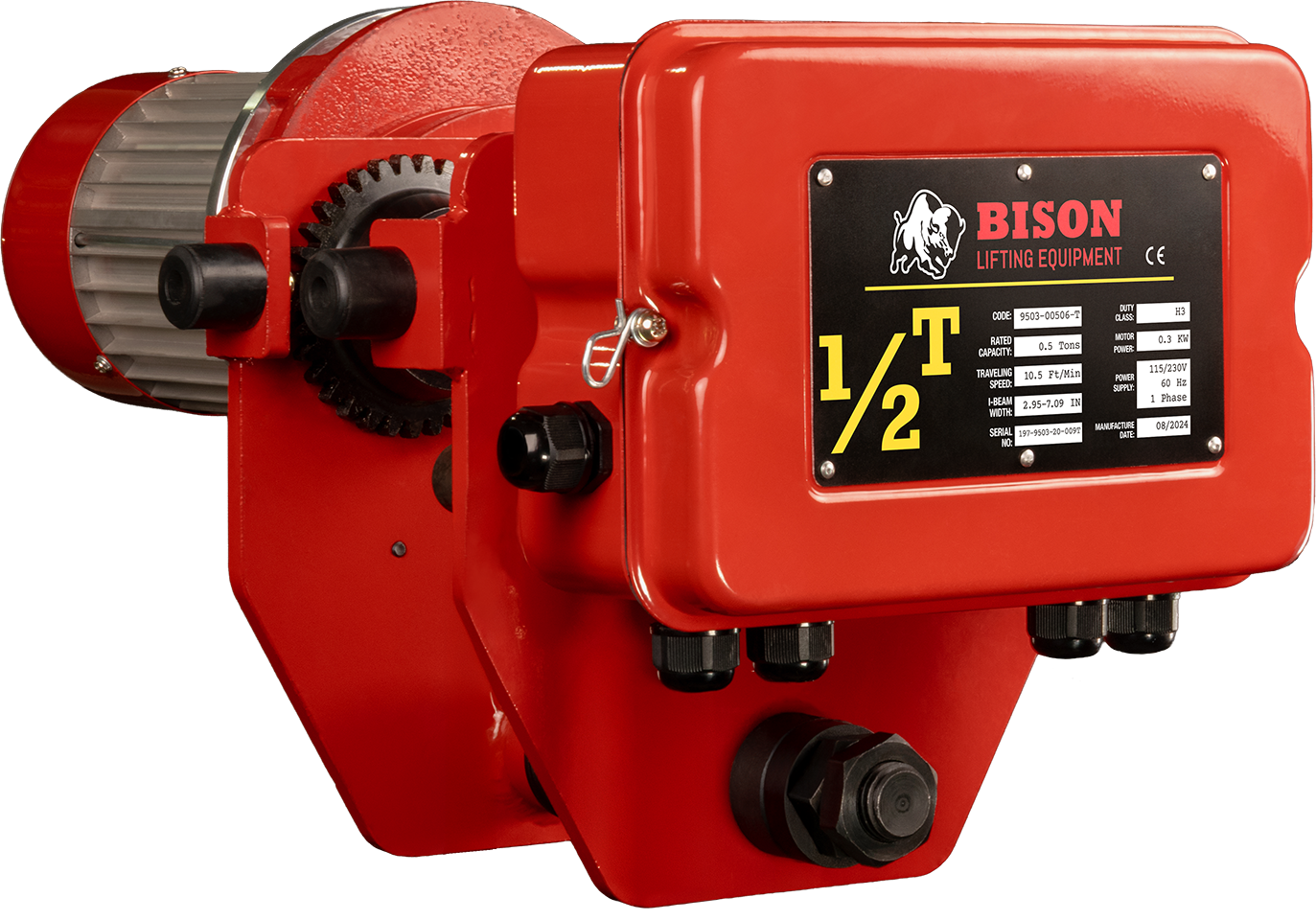
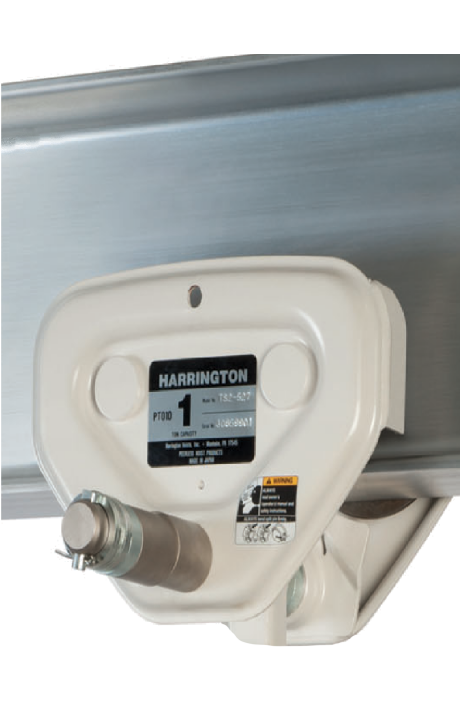
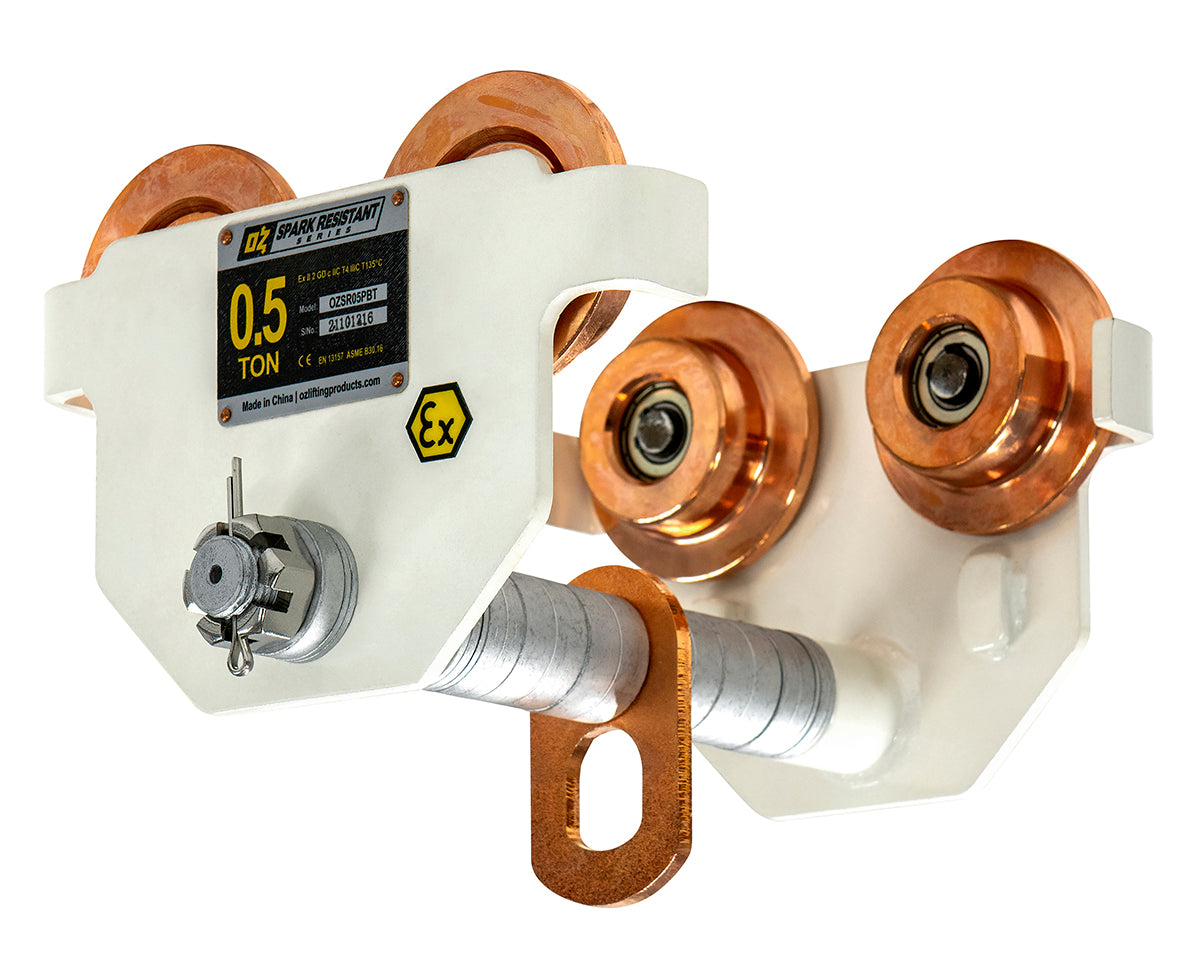
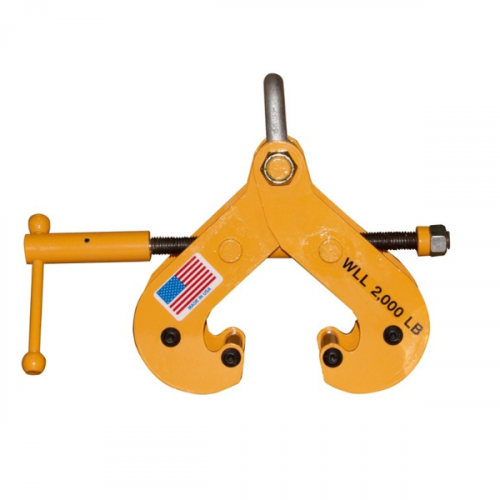
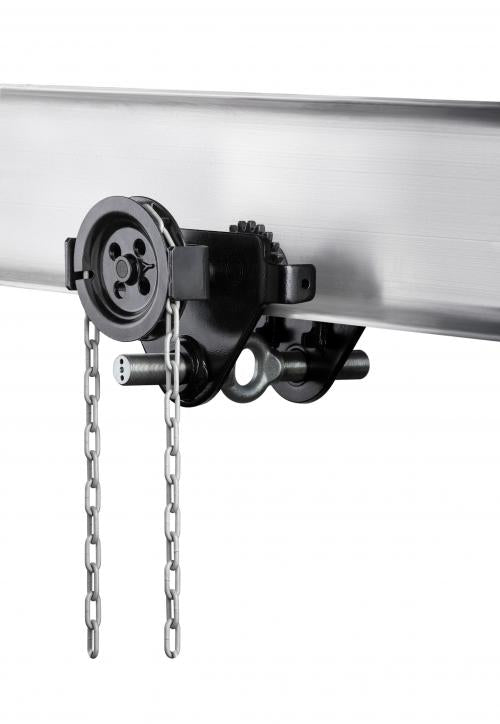
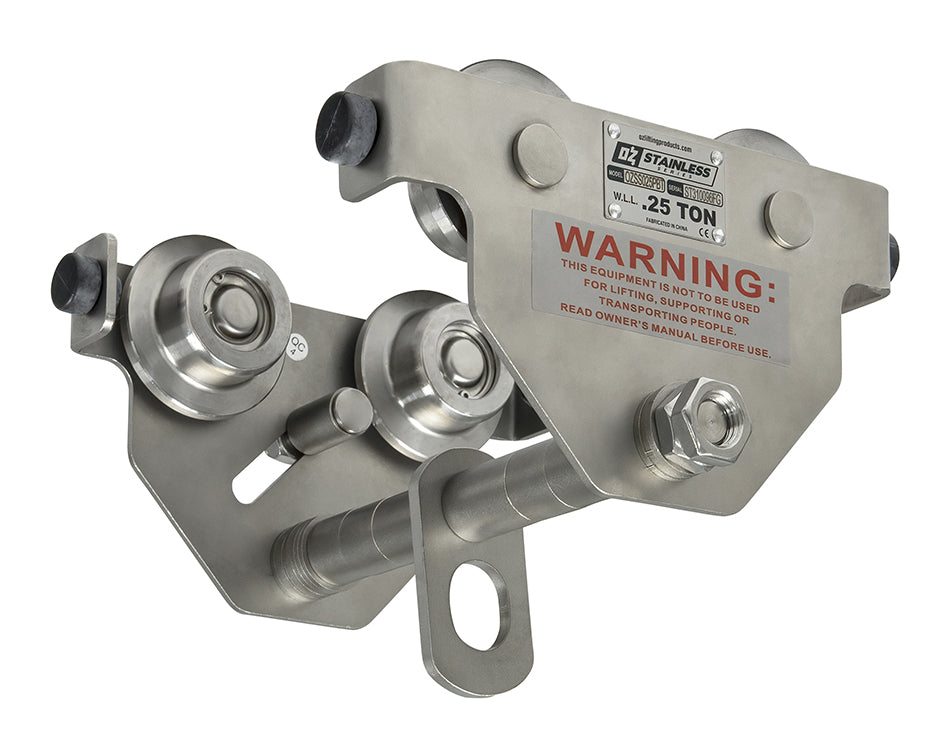
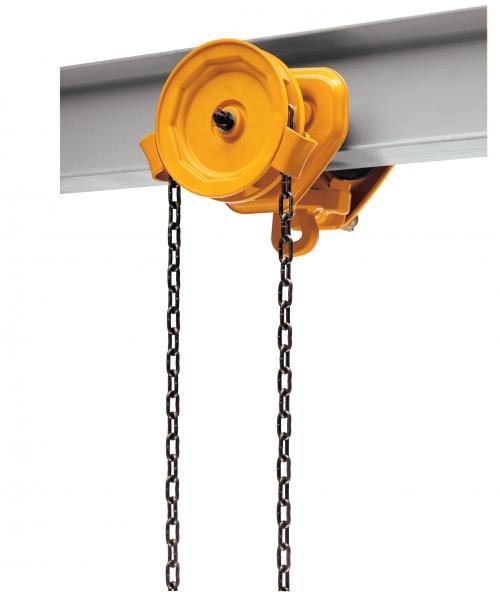
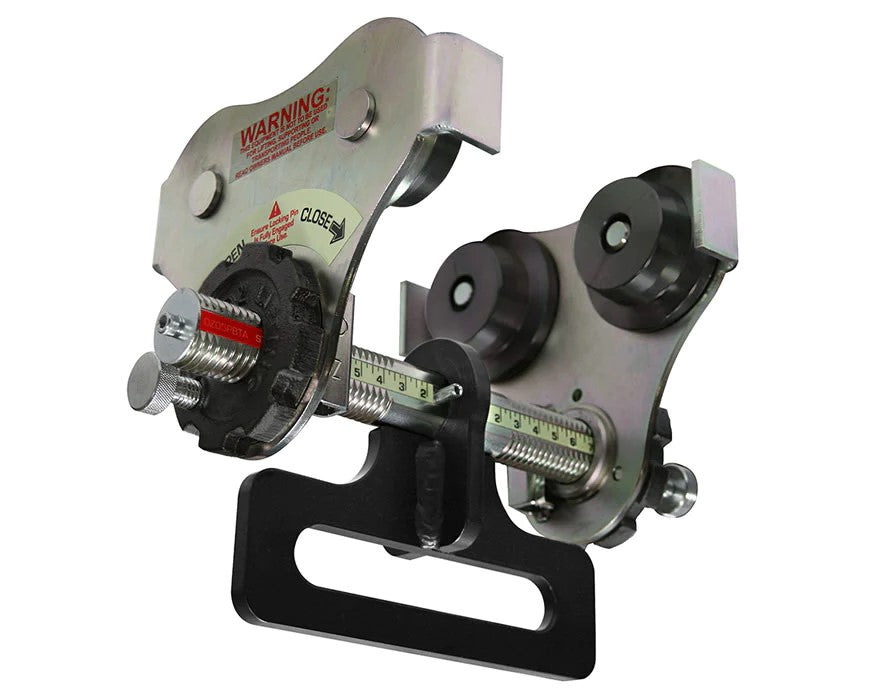
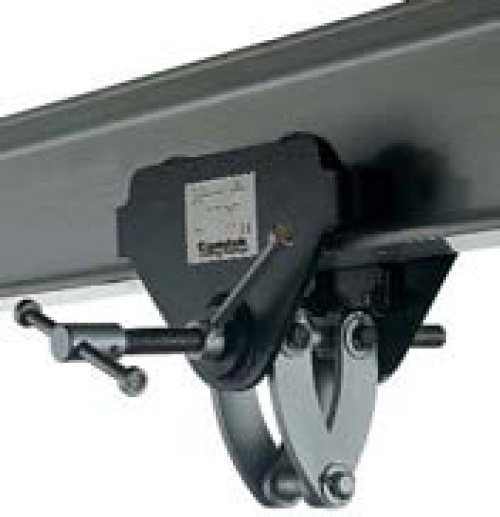
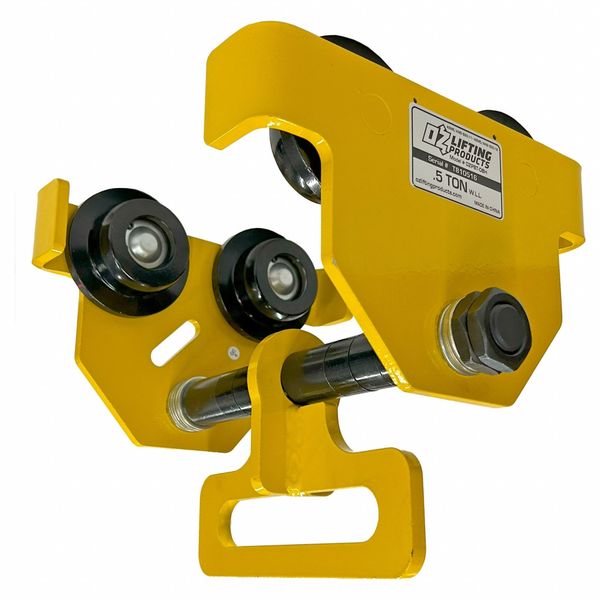
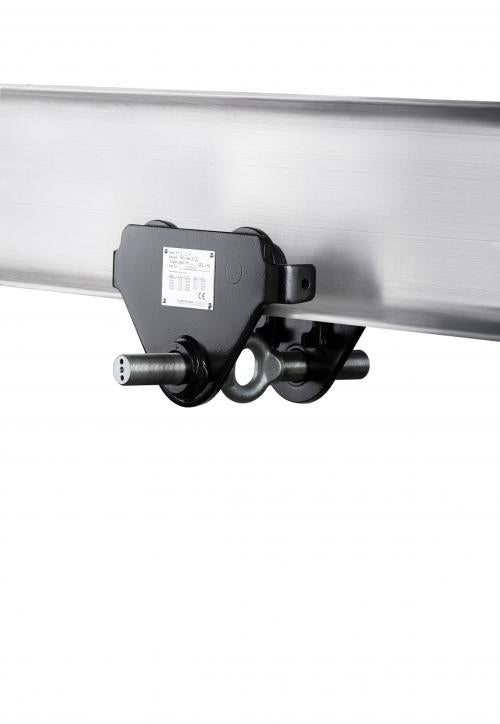
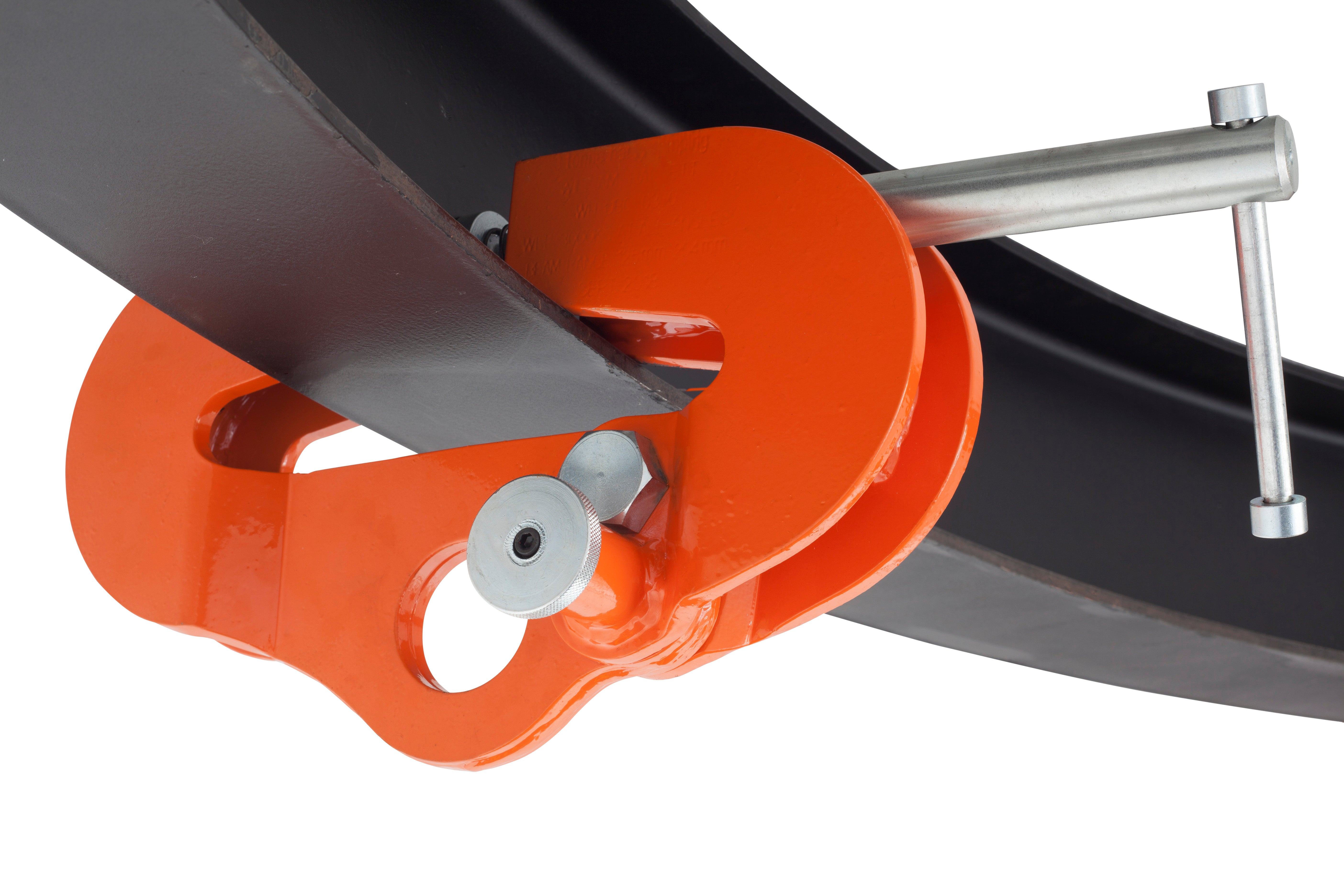
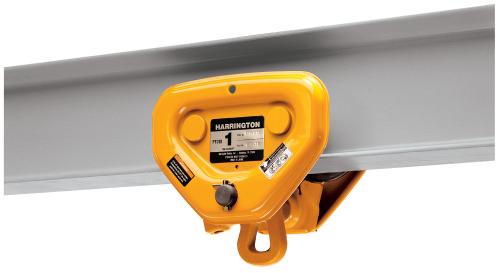
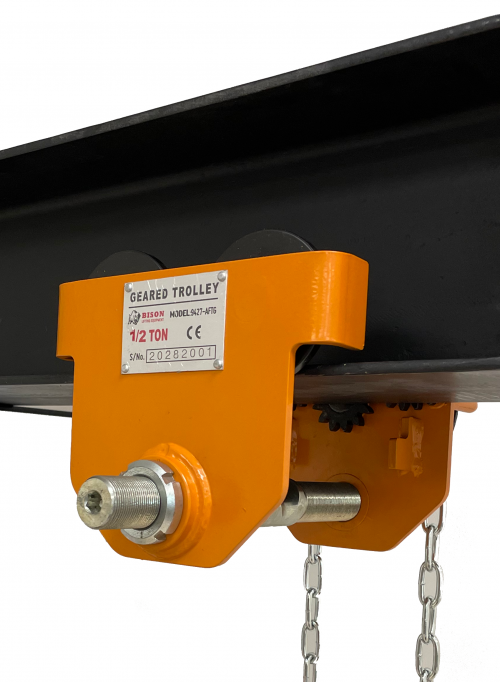
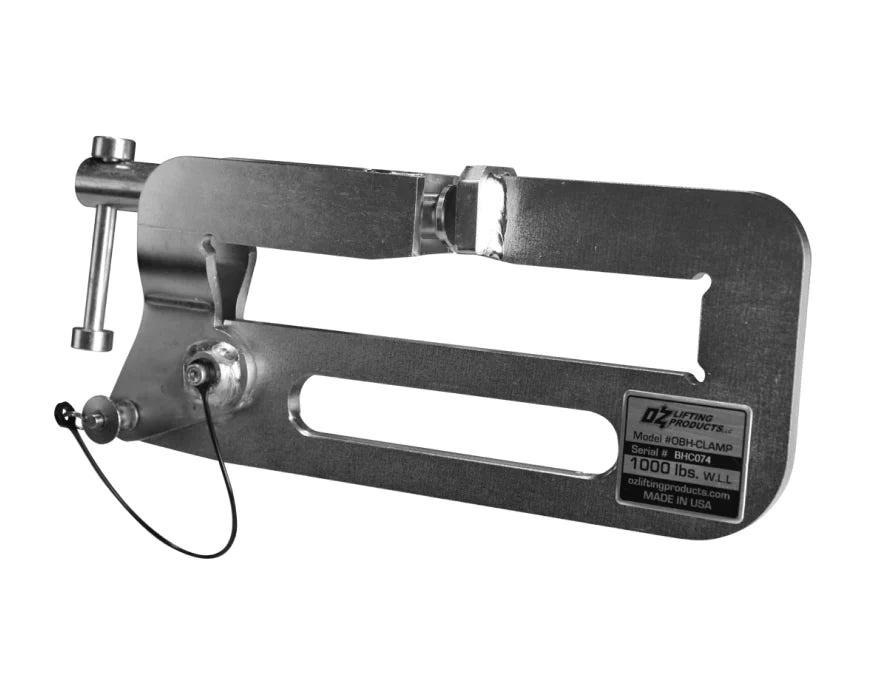
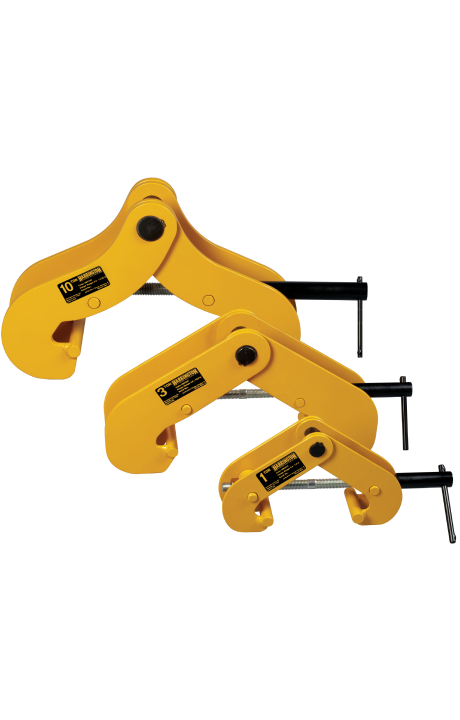
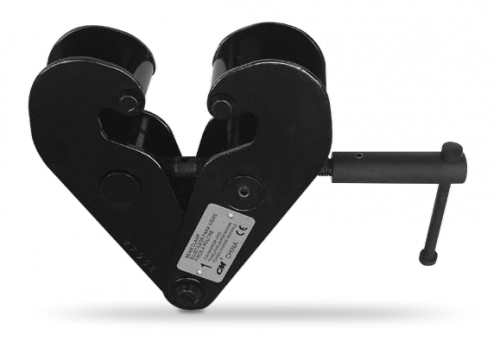
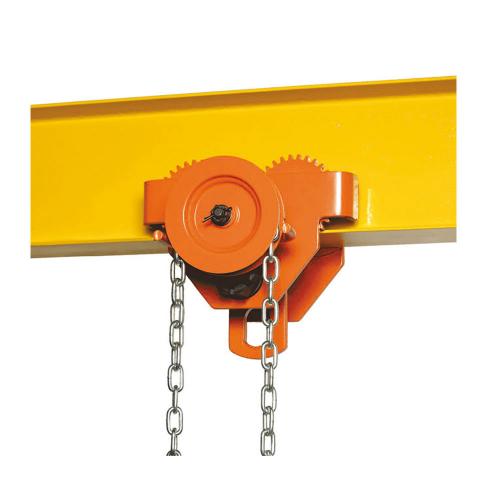
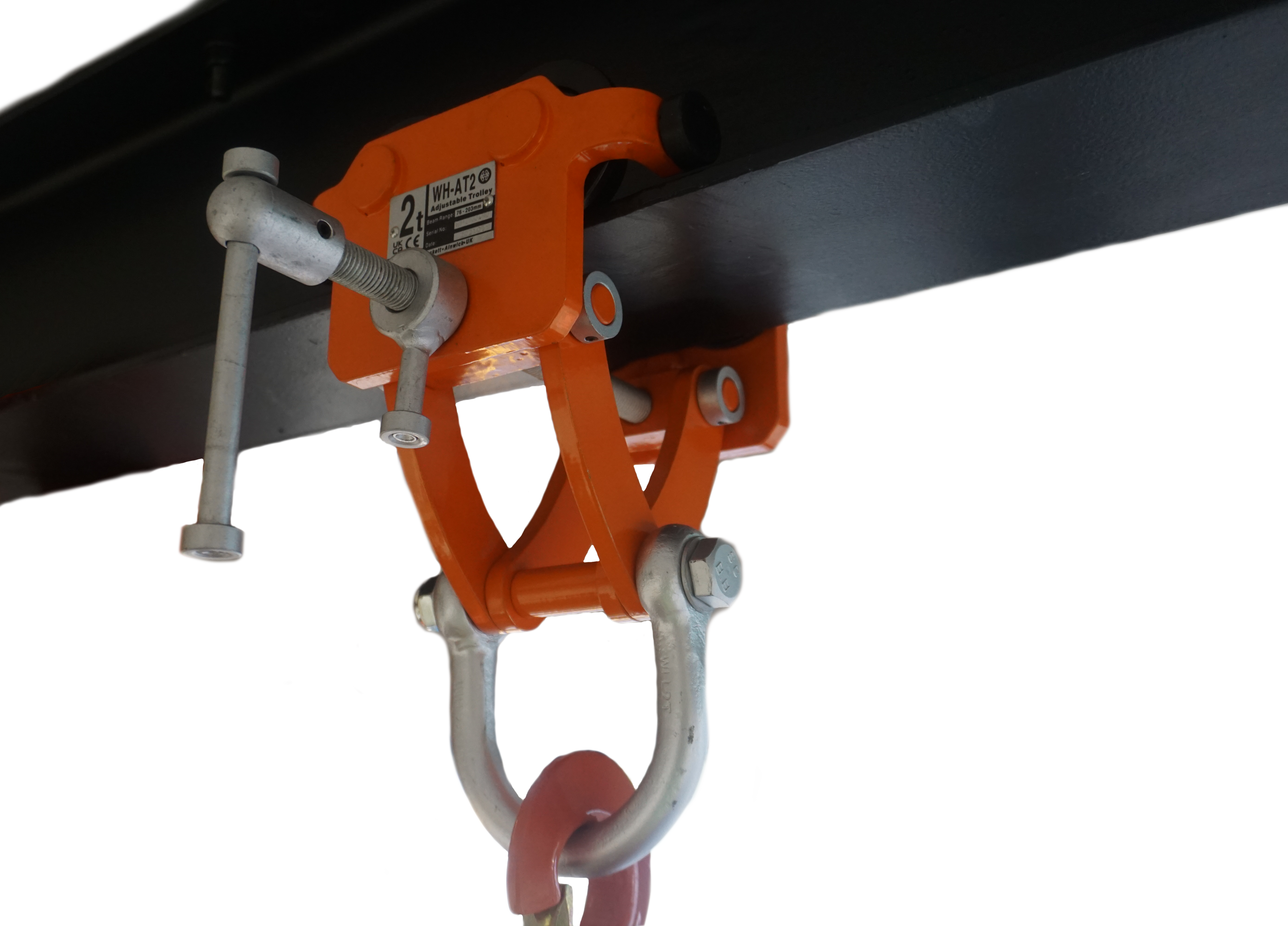
Getting the hoist onto the beam. A hoist with a top hook hangs from whatever you give it, but most installs want it riding your steel, and that is the suspension points collection: trolleys and beam clamps from Bison, CM, Harrington, OZ Lifting, William Hackett, and Tandemloc. A beam clamp fixes a single lifting point on a flange in seconds with no travel, ideal for a one-spot pick or a temporary anchor, from about $96. A plain or push trolley rolls the hoist along the beam by hand and suits light loads, short spans, and occasional travel, from around $109. A geared trolley adds a hand chain for precise, controlled positioning under heavier loads and in tight clearance, and a motorized trolley powers the travel for production lines. Two rules govern the pick: match the trolley to the beam flange width and to the hoist capacity, and where headroom is scarce, look at the low-headroom and integrated trolley hoists that keep the load tight to the beam.
Size it, then check it against the standards. Rate the hoist for the whole hanging weight, not the bare load: add the hoist, the trolley, and the slings and shackles below the hook, then round up to the next capacity. Set the lift from the actual drop plus the reeving the hoist needs, and confirm the loaded unit still clears your headroom on its trolley. On the rules, hand chain and air-powered chain hoists fall under ASME B30.16, overhead underhung and stationary hoists, while lever hoists have their own volume, ASME B30.21. Both call for a frequent visual check before use and a documented periodic inspection on intervals that tighten as service gets heavier, with the load chain, hooks (watch the throat opening), and brake as the items that take a unit out of service. Keep the rated capacity legible on the hoist, and never load past it.
Frequently Asked Questions
Buy a hand chain hoist for straight vertical lifting where you can stand at the load and pull the hand chain. Buy a lever hoist when the pull is horizontal or at an angle, or when you need to tension, drag, or position a load, since its ratcheting handle works off the vertical and doubles as a puller. Many shops keep both: a chain block for lifts and a lever hoist for rigging and tensioning.
Add up everything that hangs from the beam, the load plus the hoist, the trolley, and the slings and shackles, then round up to the next rating with margin to spare. Never size right at your heaviest load. Our Bison hand chain hoists cover 1/2 to 10 ton, and the multi-brand shelves reach well beyond that, so match the rating to the worst case rather than the average lift.
Two reasons. Air motors are cooled by the compressed air passing through them, so a pneumatic hoist handles near-continuous, high-duty-cycle production that would overheat other drives, and it varies infinitely from a crawl to full speed. And an air motor produces no electrical arc, so spark-resistant and explosion-proof air hoists are the accepted choice for hazardous areas with flammable vapor or dust. The trade is the cost and the need for an air supply.
A beam clamp fixes one lifting point on a beam flange and does not move, which is right for a single-spot pick or a temporary anchor. A trolley lets the hoist travel along the beam: a plain or push trolley for light loads and occasional hand movement, a geared trolley for precise positioning under heavier loads, and a motorized trolley for powered production travel. Match either one to your beam flange width and the hoist capacity.
Order the lift from the actual vertical drop the hook has to cover, not the ceiling height. Extra chain does nothing but coil up and add weight and storage bulk, so size the drop to the job. Then check that the fully rigged hoist, on its trolley or clamp, still clears your available headroom once the load is on the hook.
Hand chain and air-powered chain hoists fall under ASME B30.16 and lever hoists under ASME B30.21. Both require a frequent visual inspection before use and a documented periodic inspection on a schedule set by how hard the hoist works. Watch the load chain for stretch, wear, and gouges, the hooks for a widened throat opening or cracks, and the brake for slip. Anything in doubt comes out of service until a qualified person clears it.