Industrial Fans & Heaters
Industrial fans are the bulk of this collection: Vestil circulators, floor fans, workstation fans, and belt and direct drive blowers that move air over people and product when a plant has no whole-building climate budget to spend. Alongside them sits a line of Vestil heaters, from a small portable electric unit under $300 to forced-air salamanders and infrared panels that warm objects instead of the air, plus a variable speed air curtain for the doorway. Everything here is Vestil, the Angola, Indiana manufacturer that has built material handling and plant hardware since 1957, and the range runs from a roughly $180 floor fan to an air curtain past $6,000. The page is organized by what the air needs to do: circulated over a workspace, forced at a wet floor or a fume, pulled out through a wall, held across a doorway, or heated. Match the machine to that job and the duty cycle, and the rest is blade size and mounting.
 In Stock
 In Stock
 In Stock
 In Stock
 In Stock
 In Stock
 In Stock
 In Stock
 In Stock
 In Stock
 In Stock
 In Stock
 In Stock
 In Stock
 In Stock
 In Stock
 In Stock
Fans, AC & Heaters Buying Guide
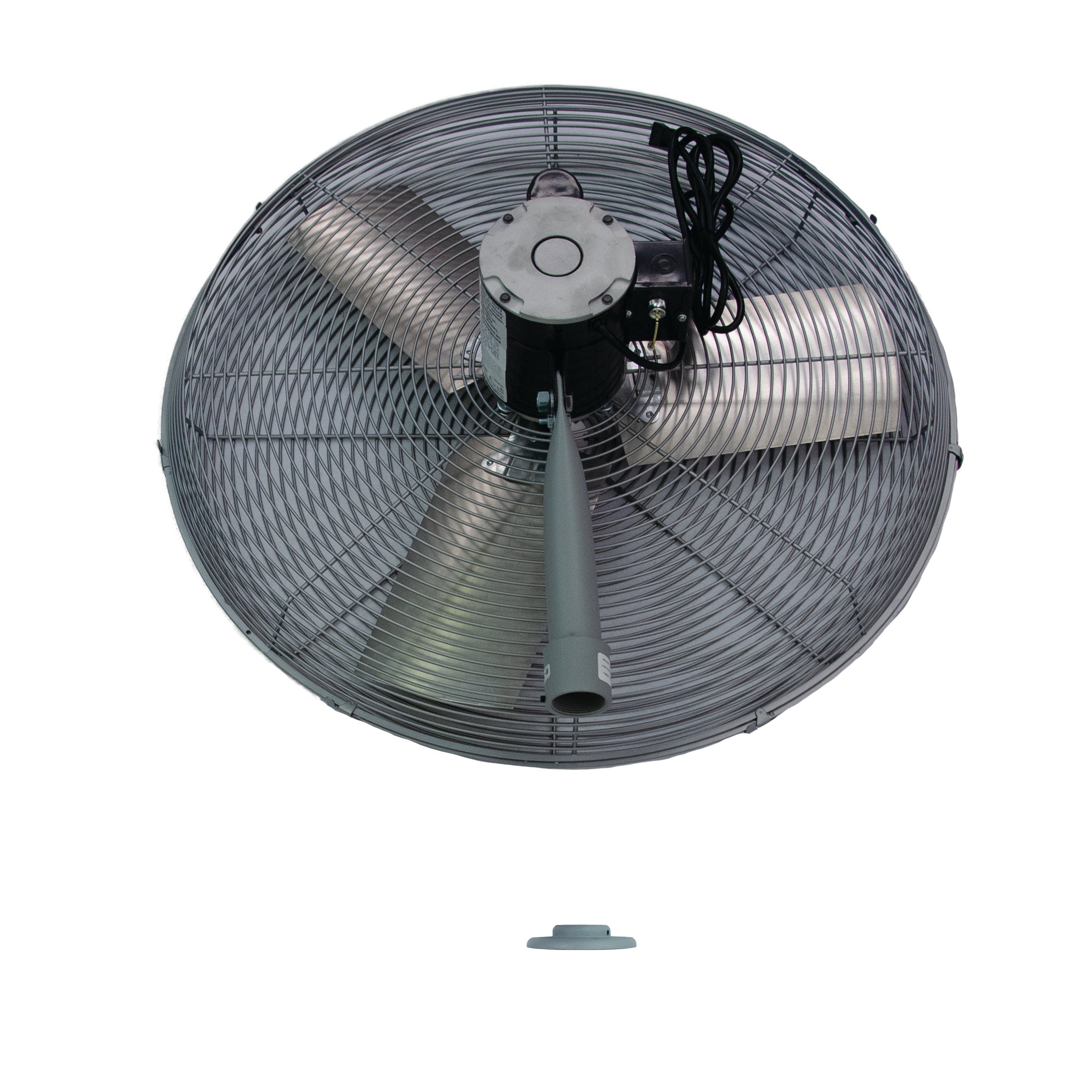
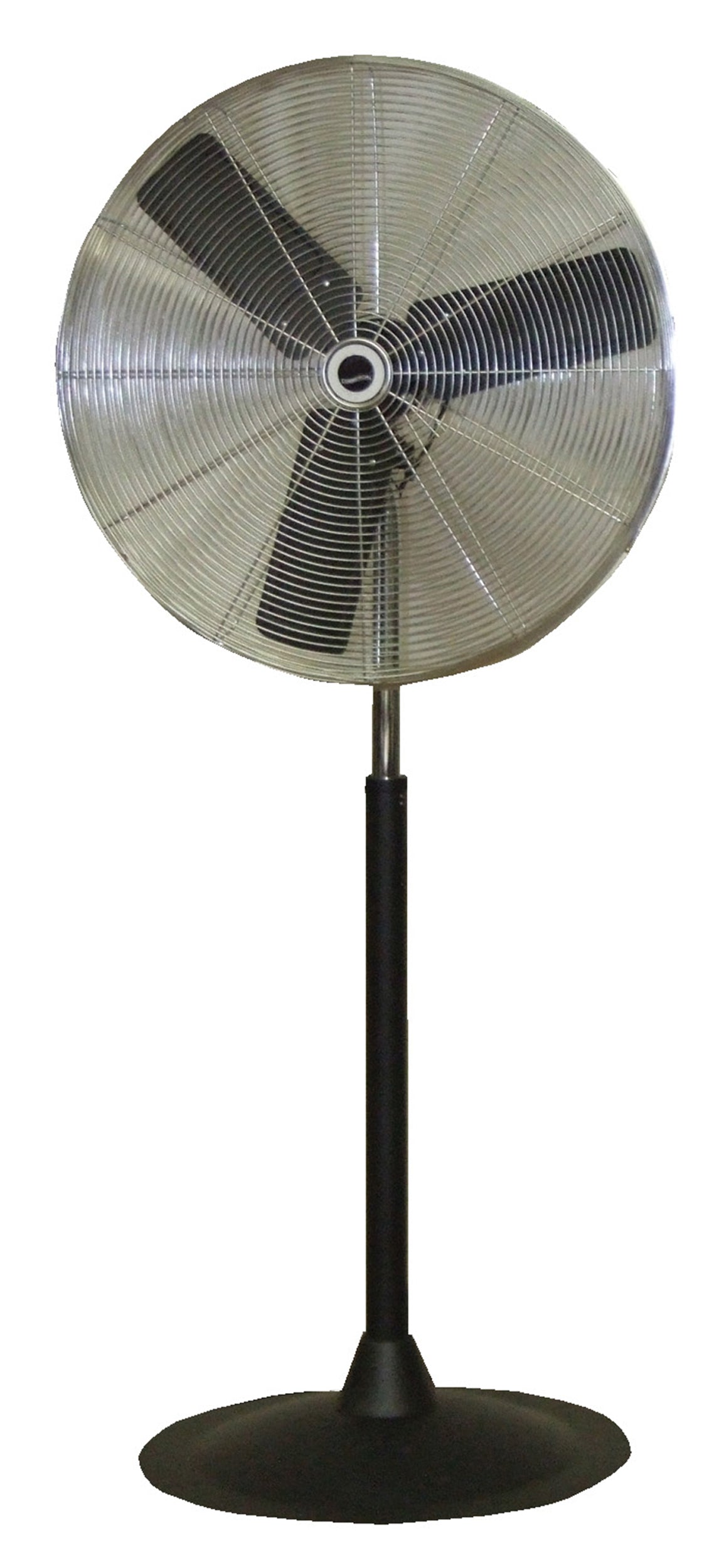
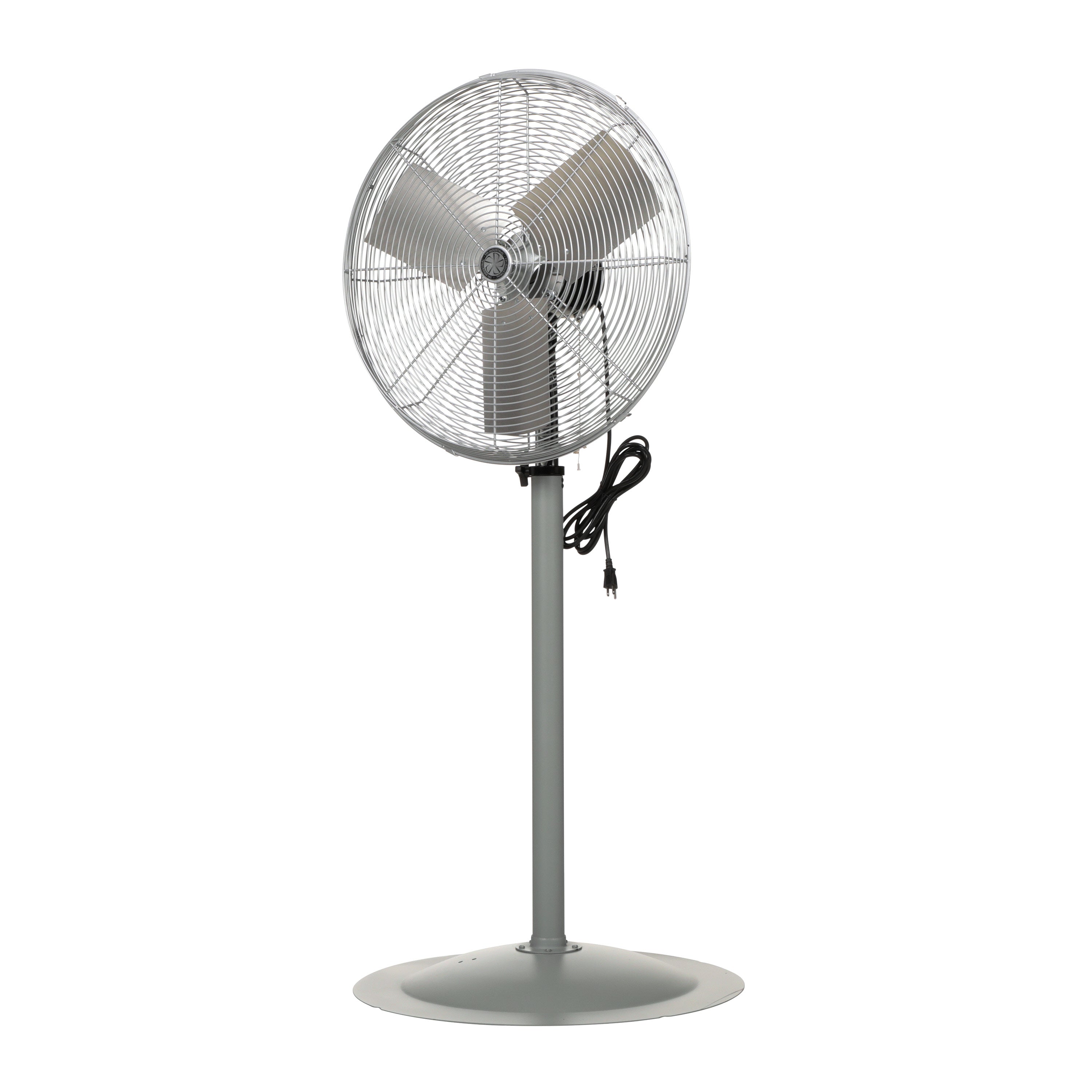
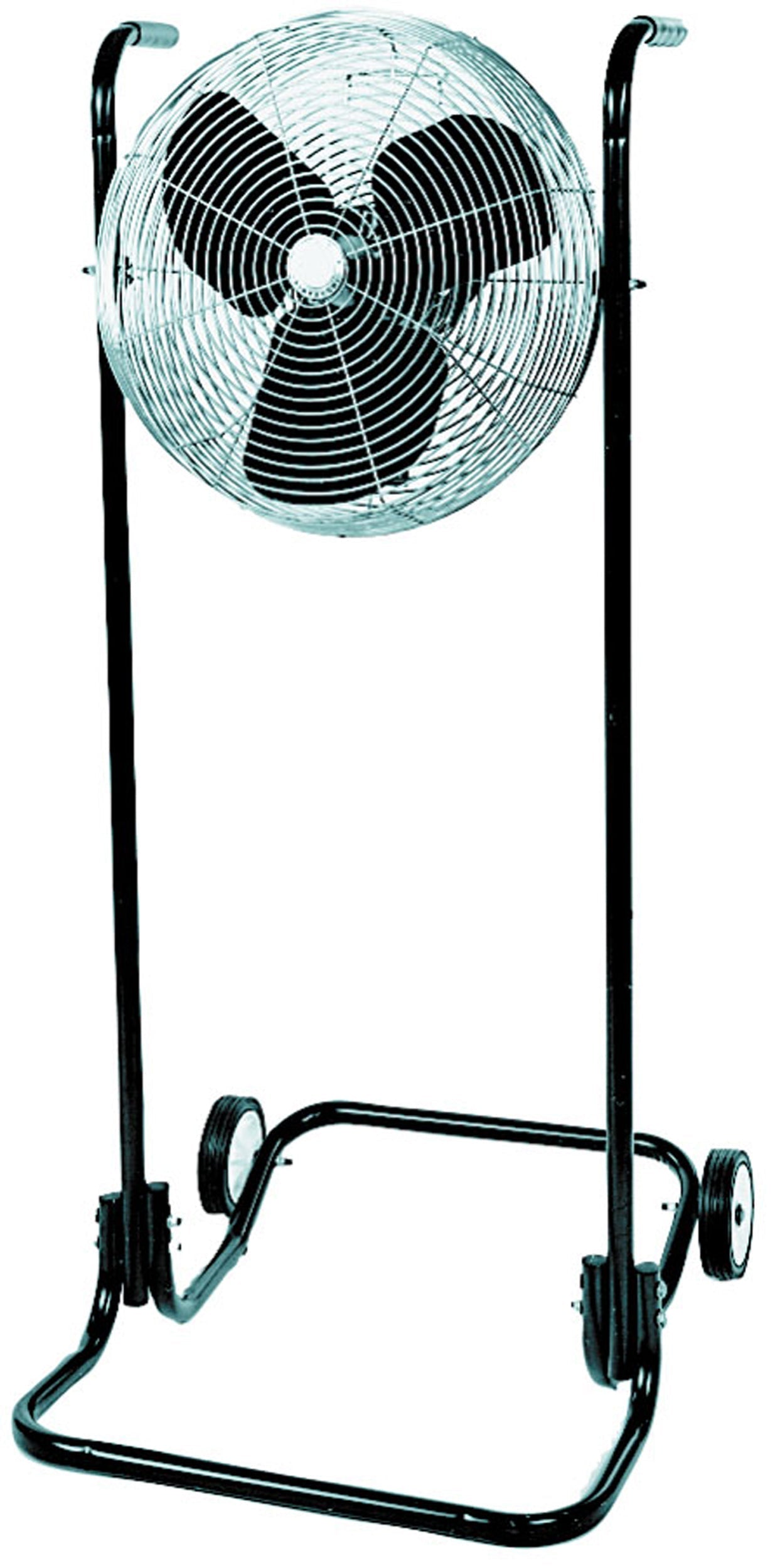
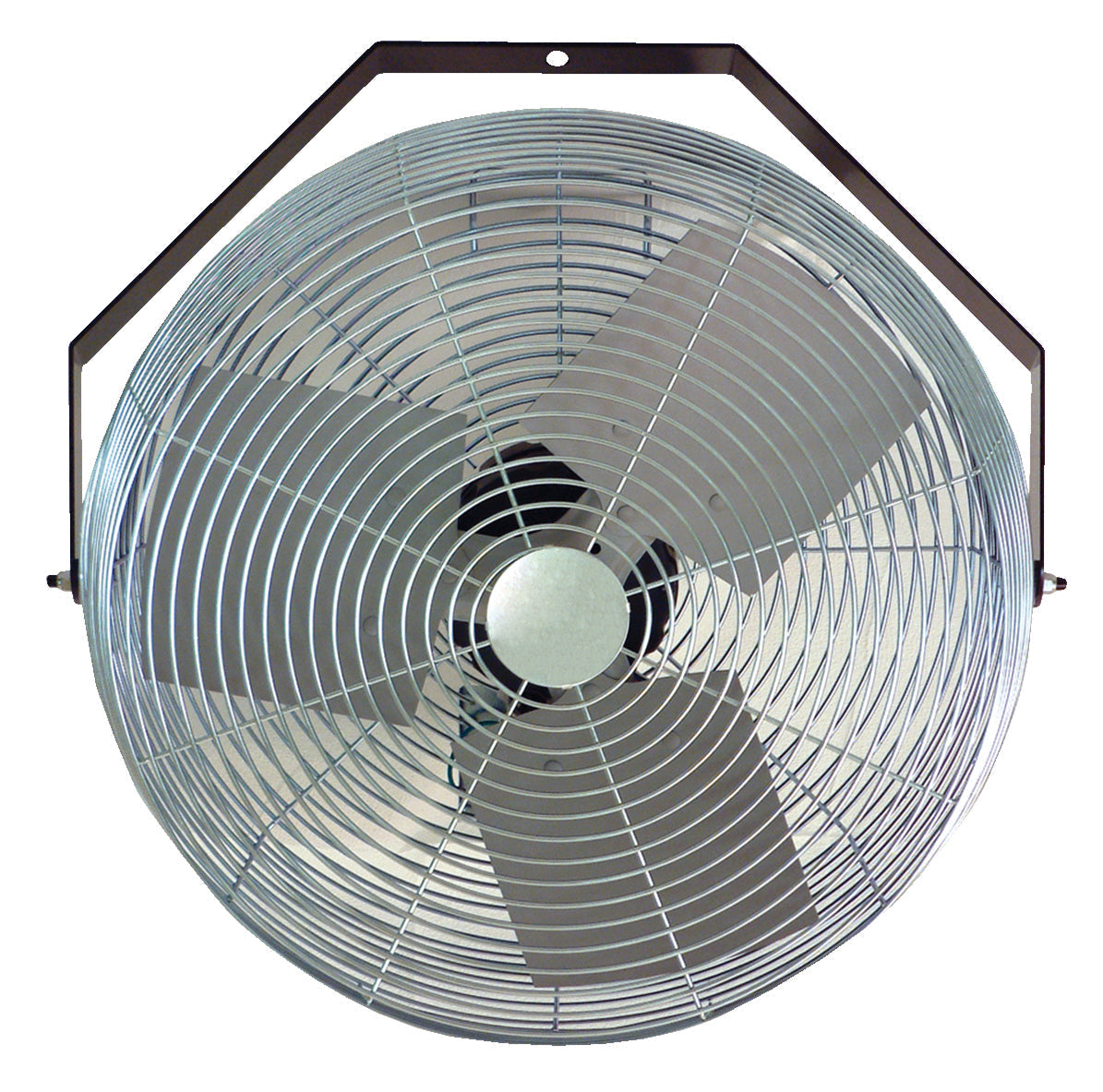
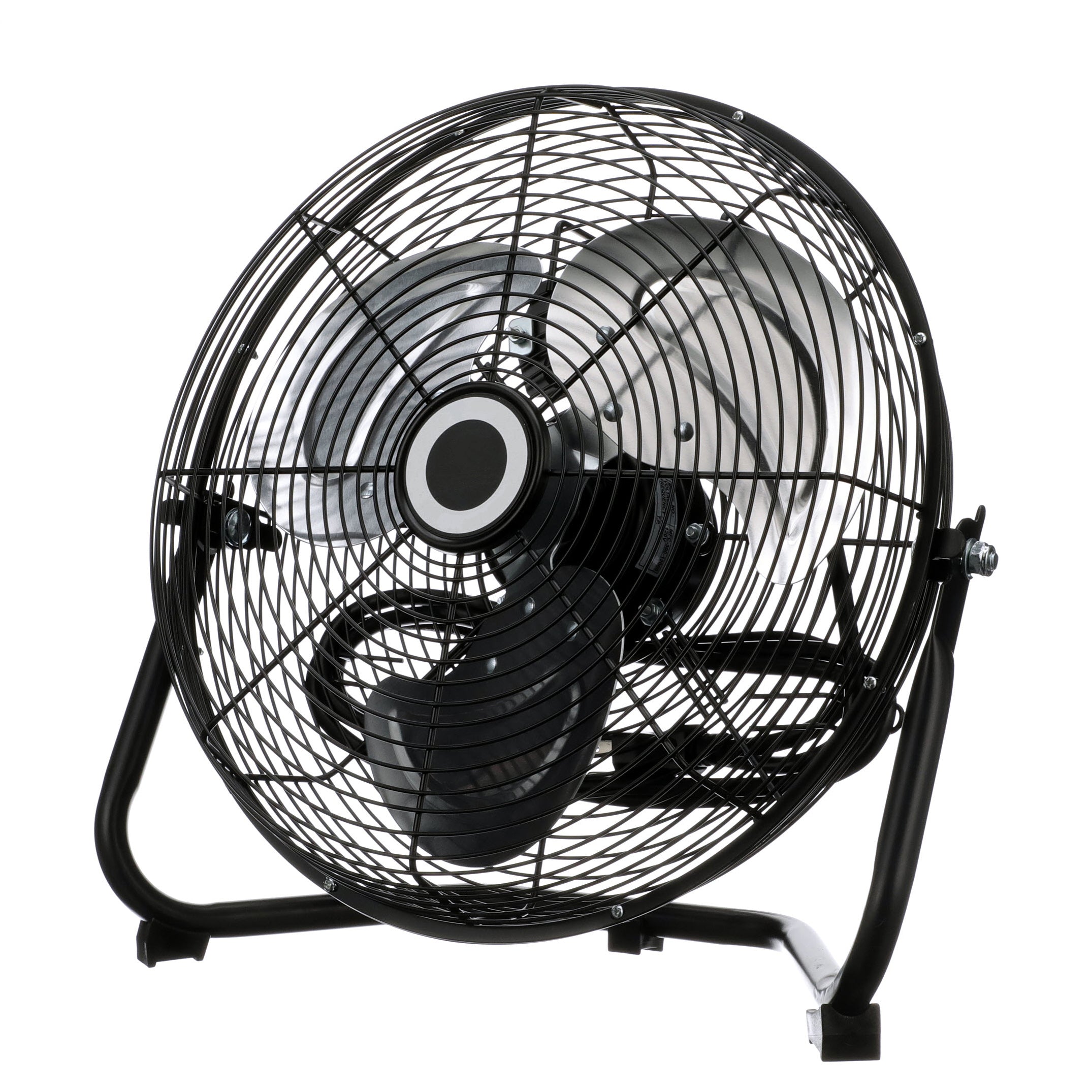
Circulators, floor fans, and workstation fans. The fans here split by how far the air has to reach. Workstation and floor fans put a directed stream on one person or one bench: the workstation fans in 12 and 18 inch blades mount to a wall or sit on a floor stand for a few hundred dollars, and the commercial floor fans in 12 and 20 inch sizes are the cheapest air on the page, aimed at a specific spot. Circulators are the step up when the job is turning over the air in a whole bay rather than cooling one station. Vestil builds three tiers: commercial circulators in 24 and 30 inch blades on a pedestal or wall bracket, industrial duty circulators that add oscillation and a taller pedestal, and high performance circulators that reach past a thousand dollars and mount to a ceiling, an i-beam, a pedestal, or a wall. A bigger blade and a higher tier buy more air moved and more throw, so size to the square footage you actually need to keep moving, not the biggest fan in the catalog.
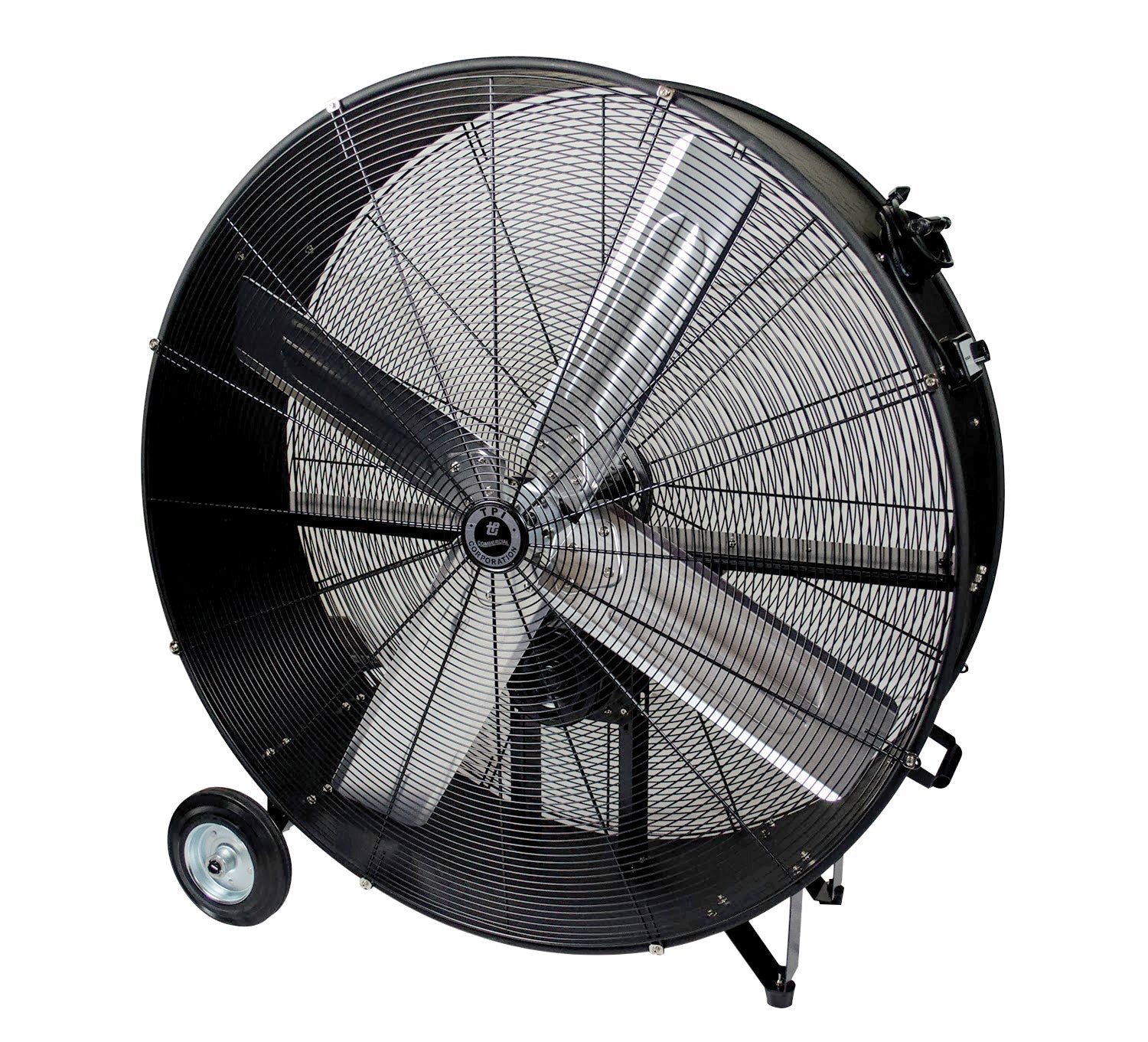
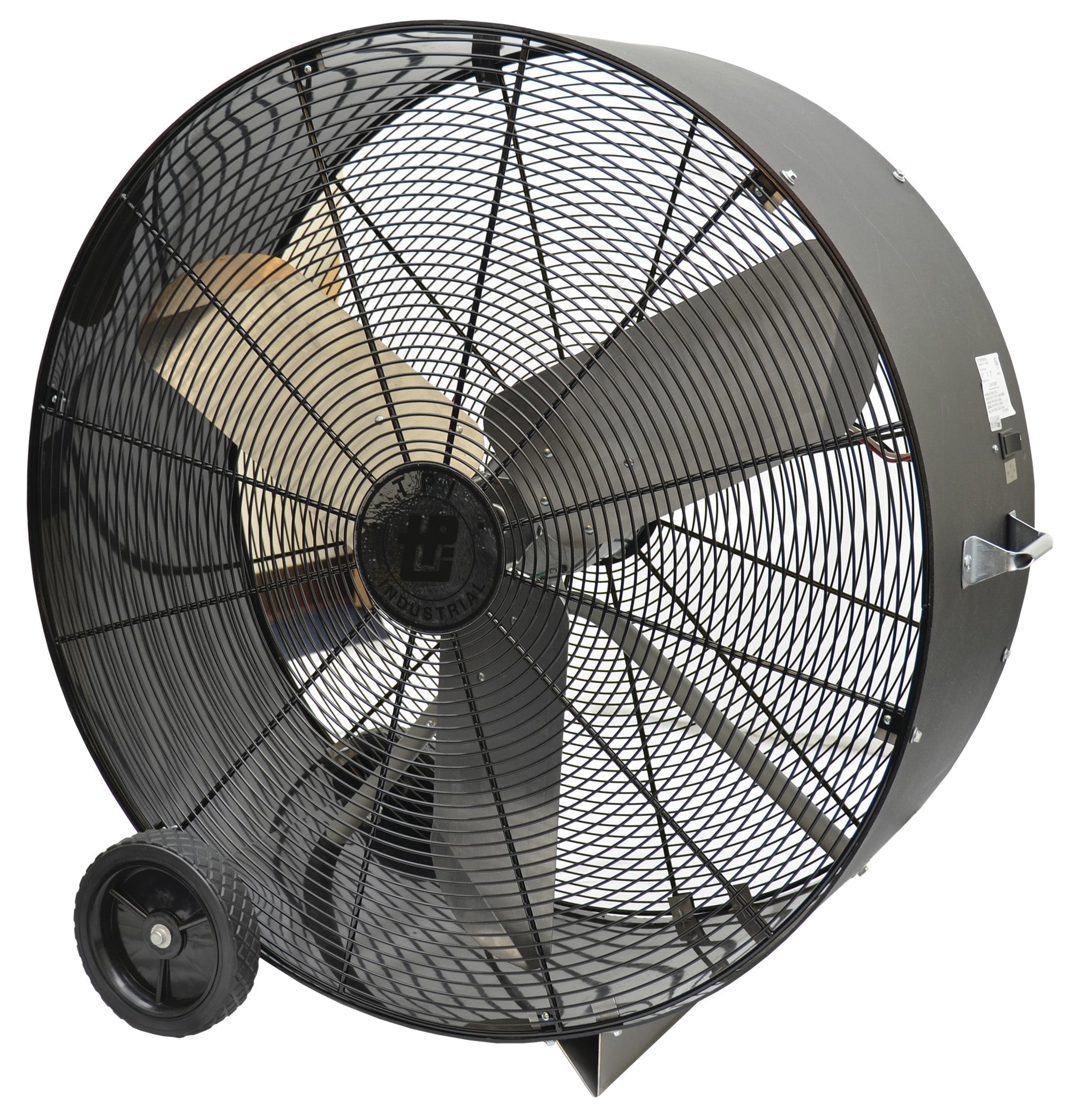
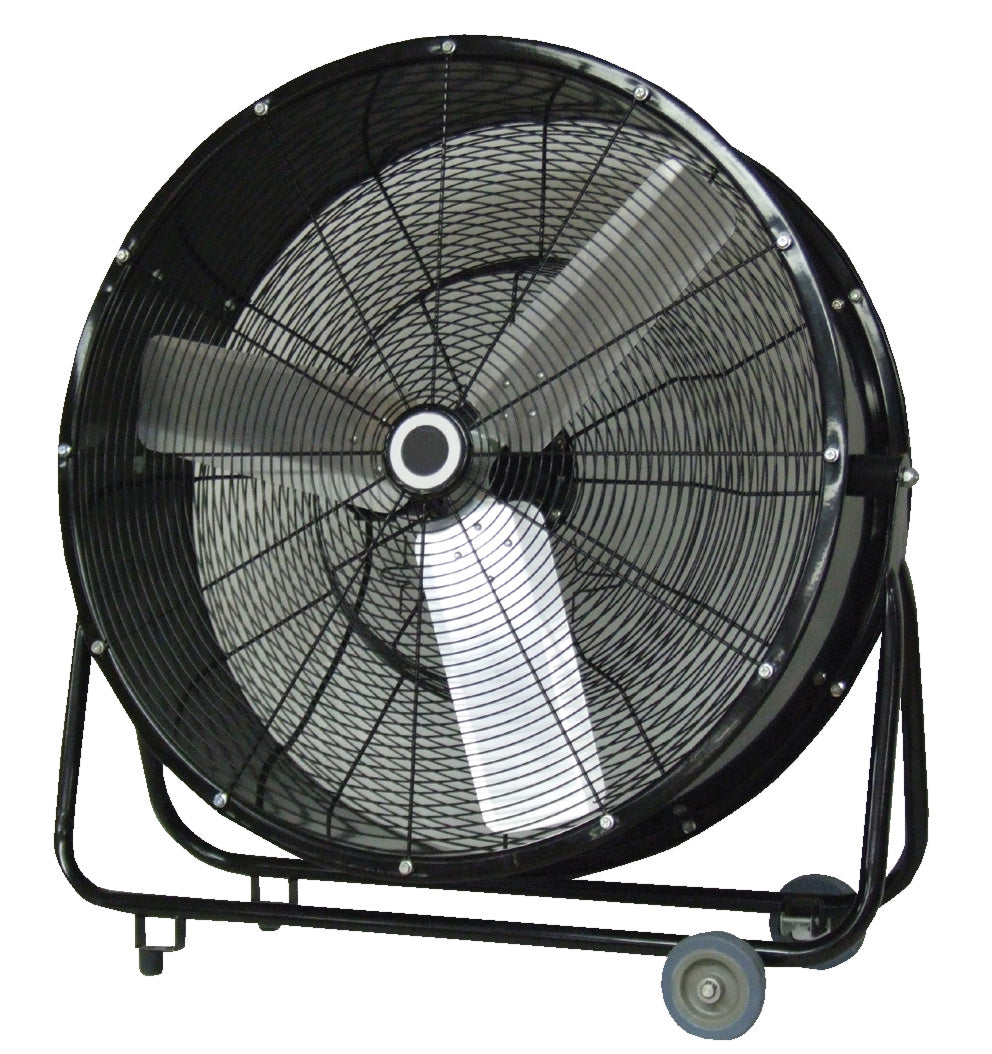
Blowers push air where a fan cannot. A fan circulates open air; a blower forces it at a target or through resistance, which is the machine you want for drying and spot ventilation rather than comfort. The direct drive blowers in 30 and 36 inch sizes and the belt drive and direct drive portable blowers do the maintenance work: drying a scrubbed floor before a shift, clearing fumes out of a repair bay, or pushing fresh air into a space while a crew works inside it. Portable blowers earn their keep because the wet spot or the fume source moves around the building, and a fixed fan cannot chase it. If the same corner always needs air, a mounted circulator is cheaper to live with; if the need travels, buy the blower on wheels.
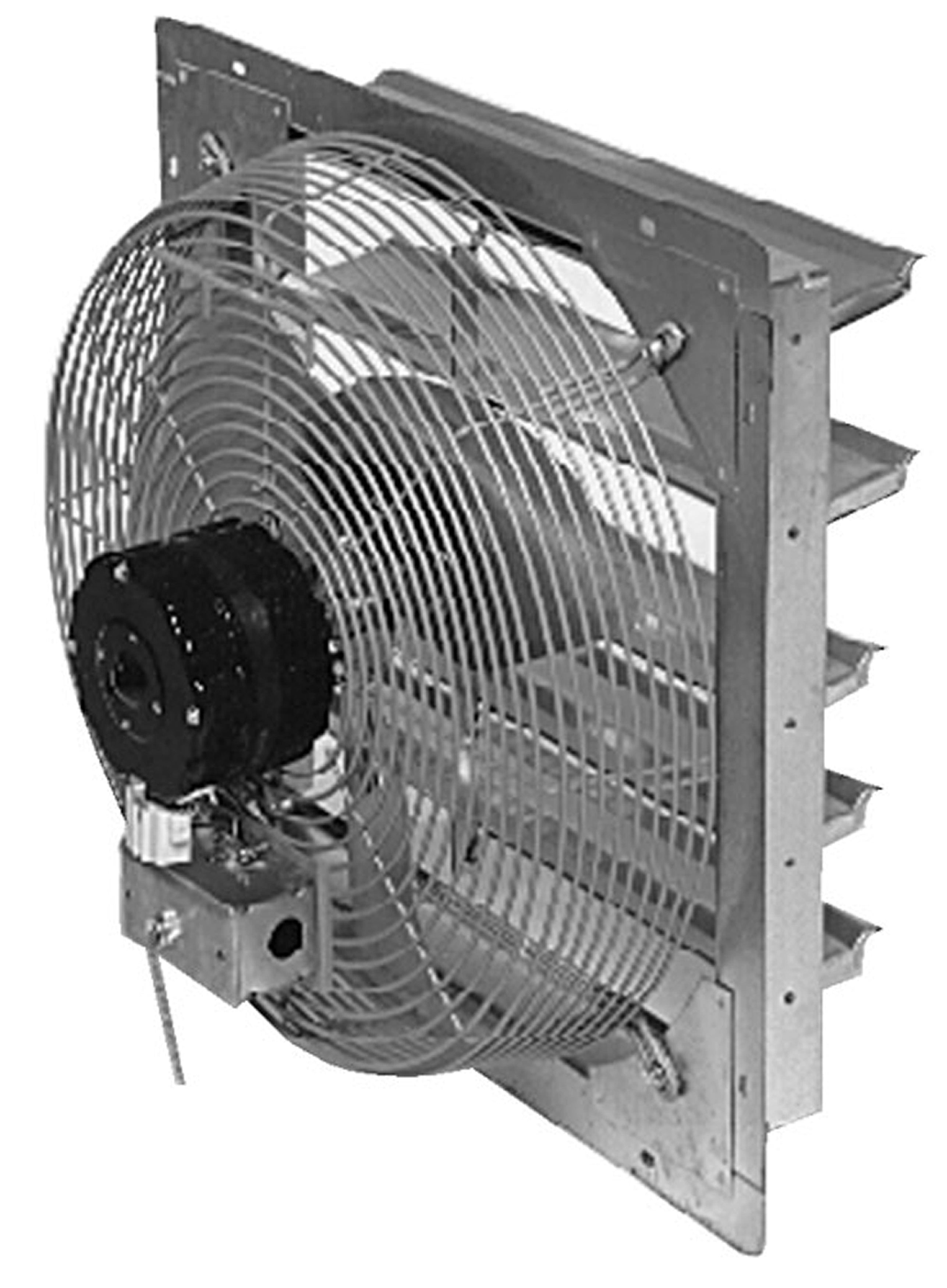
Shutter exhaust fans take air out. Circulators and blowers move air around inside; a shutter mounted exhaust fan removes it. These wall-mount units come in 12 through 30 inch blades and pull stale, hot, or contaminated air out through an exterior wall, while gravity shutters close against weather and backdraft when the fan is off. They are the fixed half of a ventilation plan: an exhaust fan on one wall and make-up air from an opening on the other keeps a shop from going stagnant in summer. Size the fan to the room volume and the number of air changes the space needs per hour, and remember that an exhaust fan pulling against a sealed building moves very little, so it needs a path for replacement air.
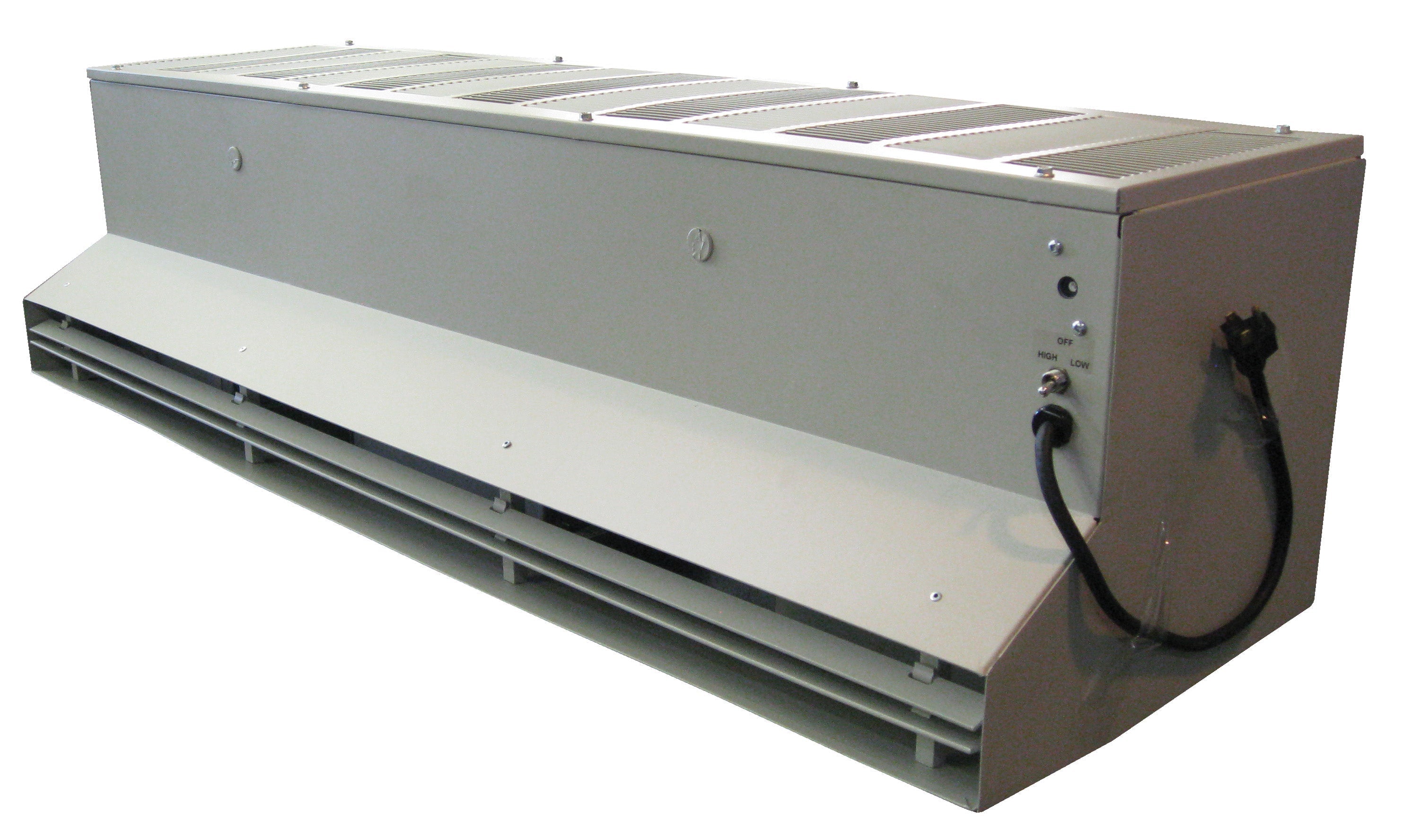
The air curtain is a doorway tool. The variable speed air curtain is the odd one on this page, since it neither cools nor heats. It hangs above a doorway and drops a high velocity sheet of air across the opening, which reduces the flying insects that come in and slows the loss of conditioned air every time the door opens. Vestil builds it in lengths from 36 to 120 inches to match the opening, and the variable speed control lets you tune the stream to the door height. It pays off on a door that opens all day, a loading dock, a drive-through bay, a kitchen back door, where the constant swap of inside and outside air is a real cost. Mount it to the width of the opening, not the width of the wall.
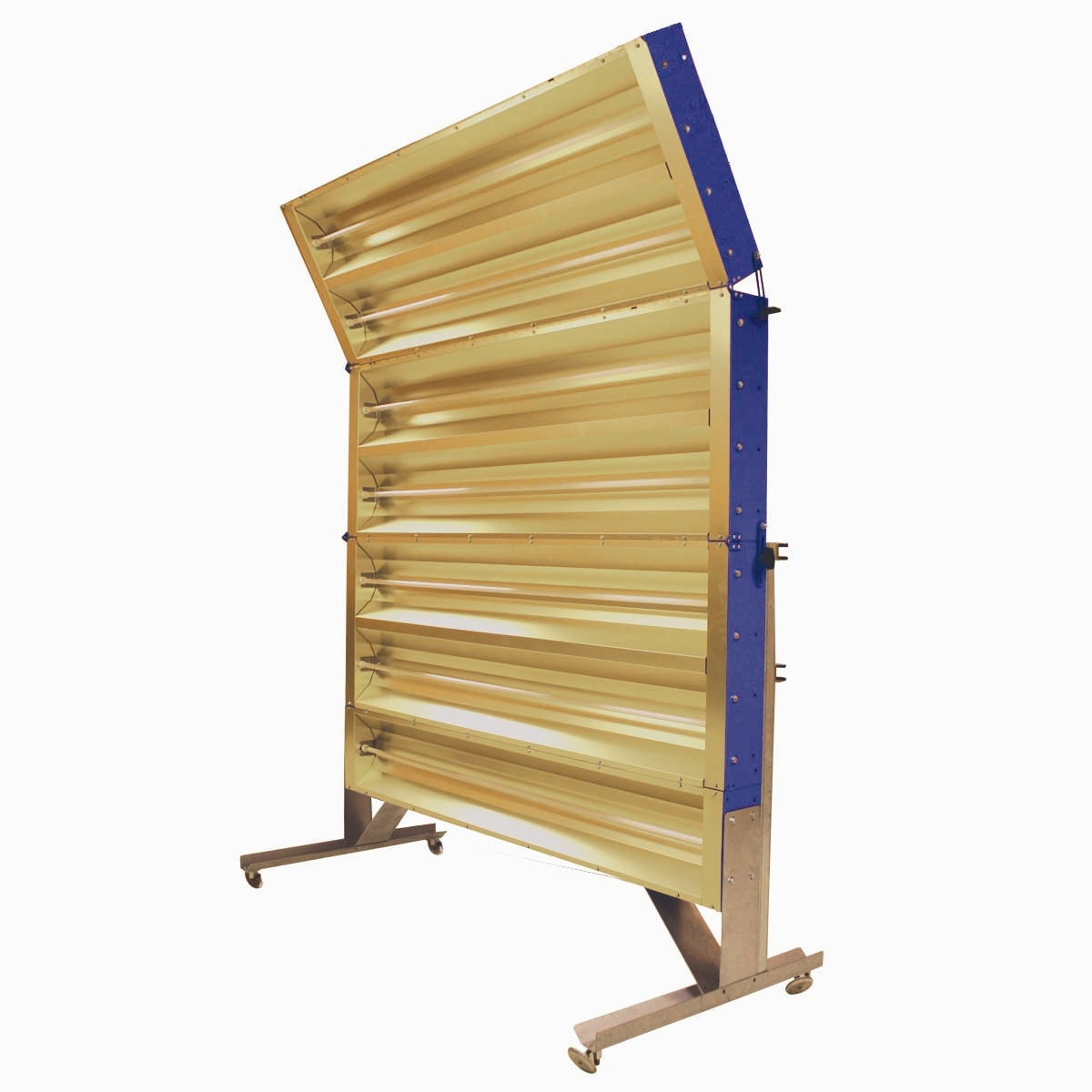
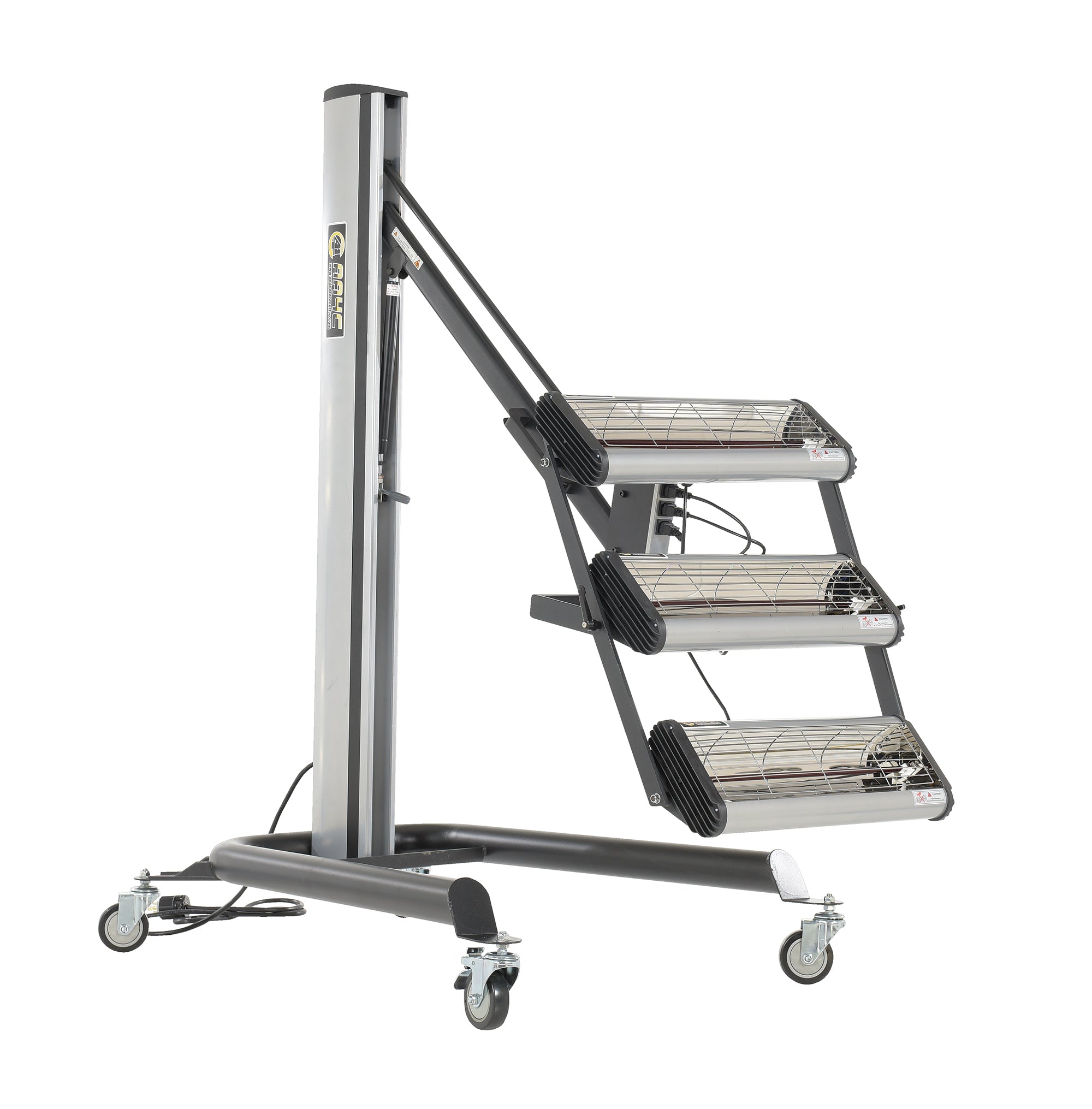
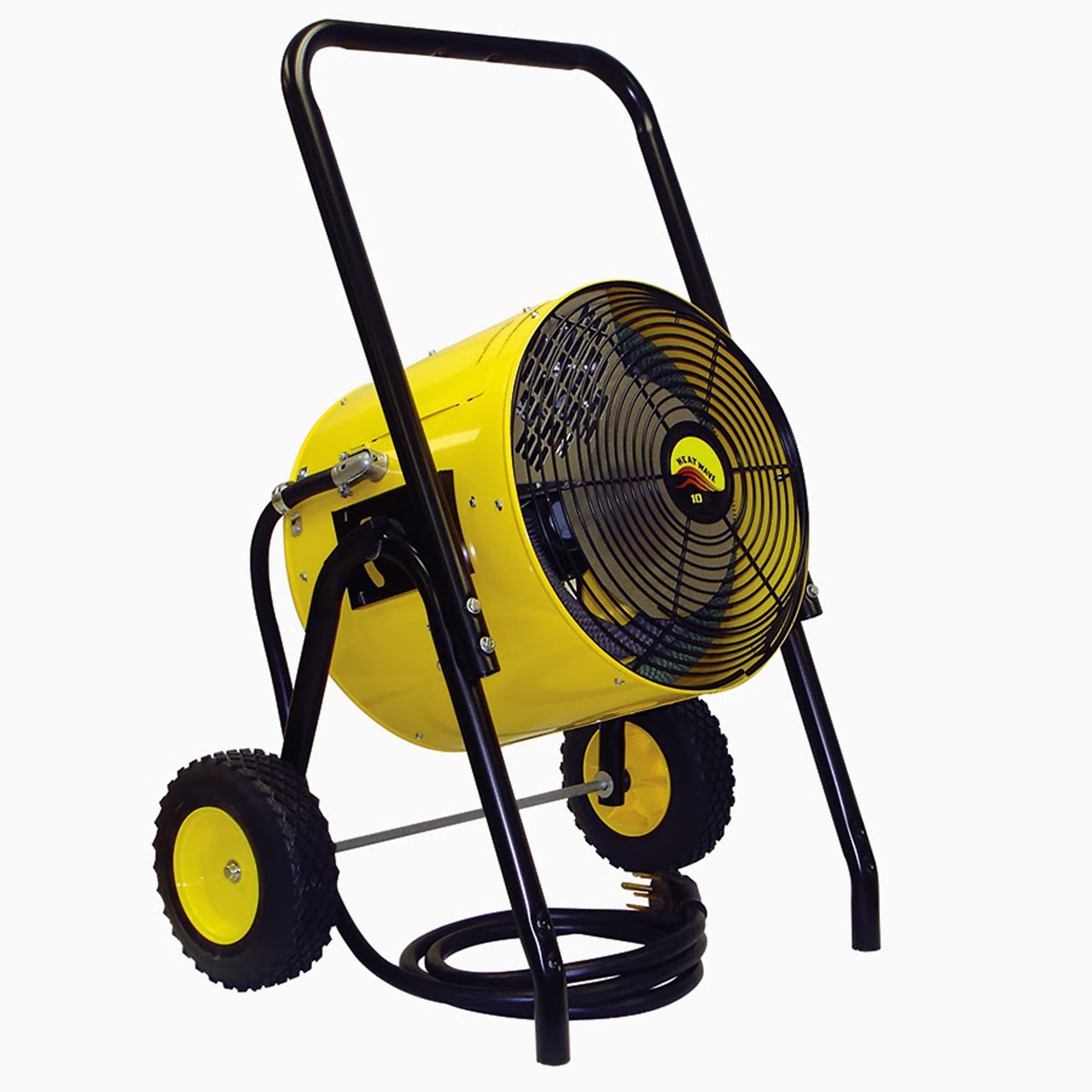
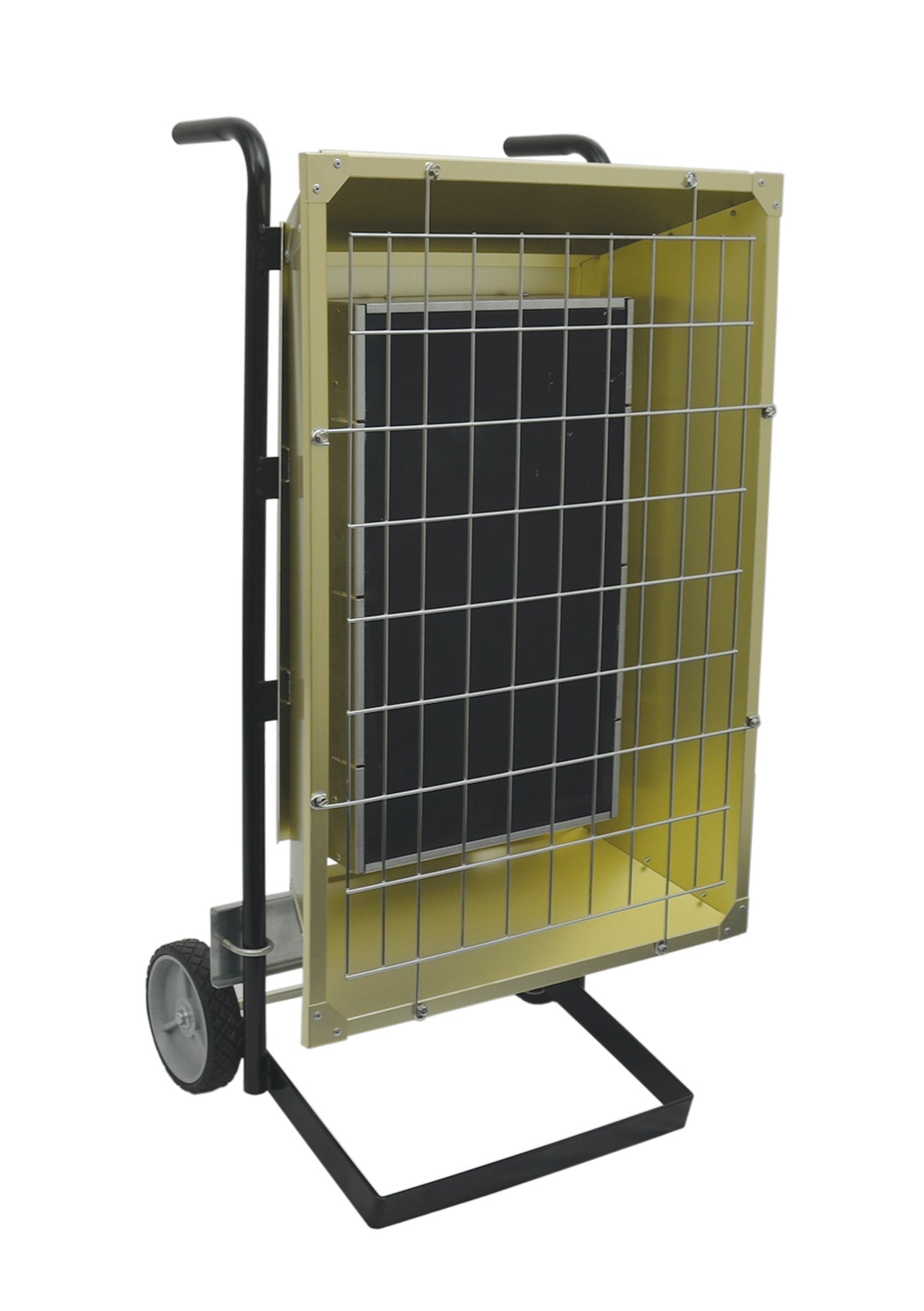
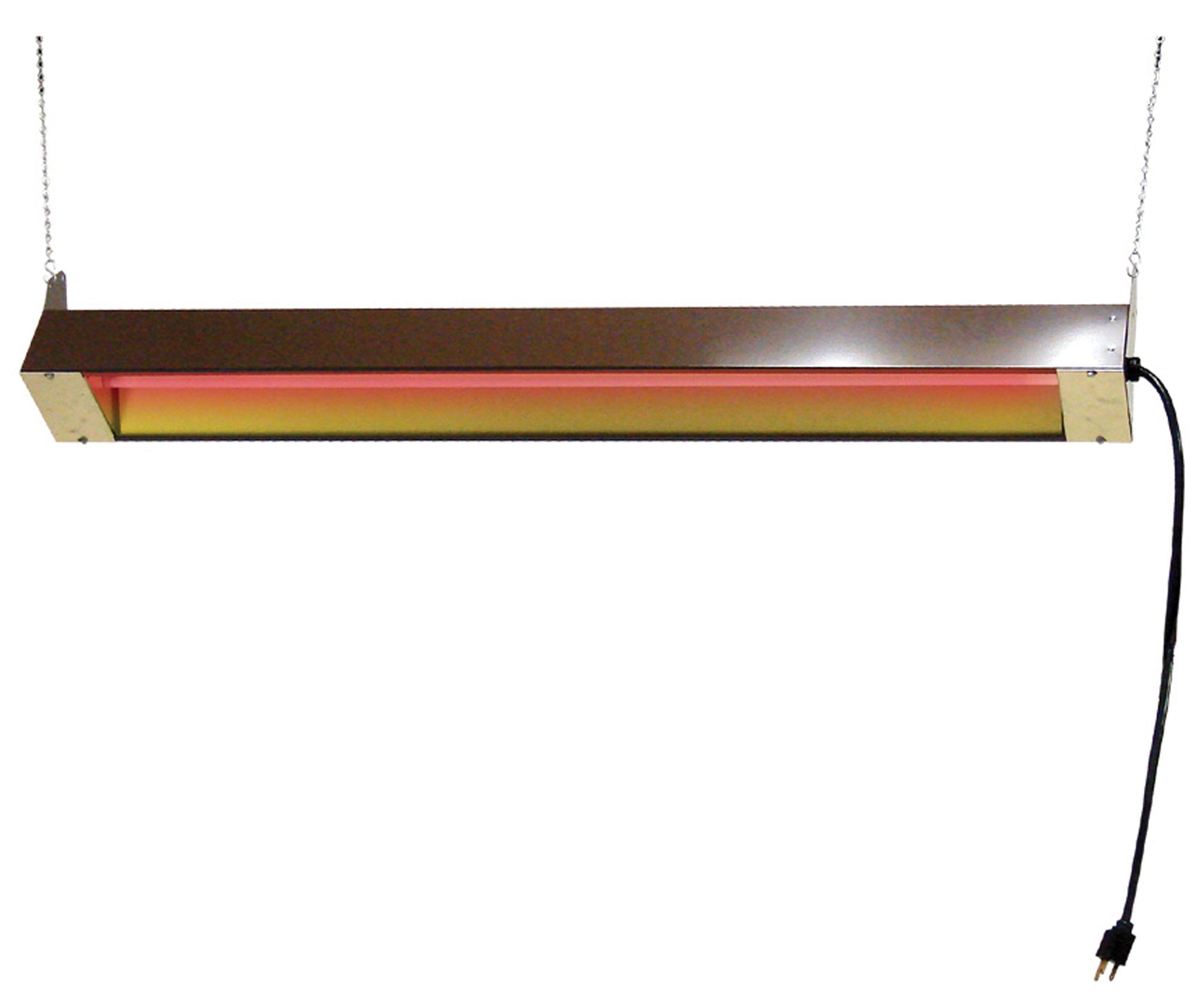
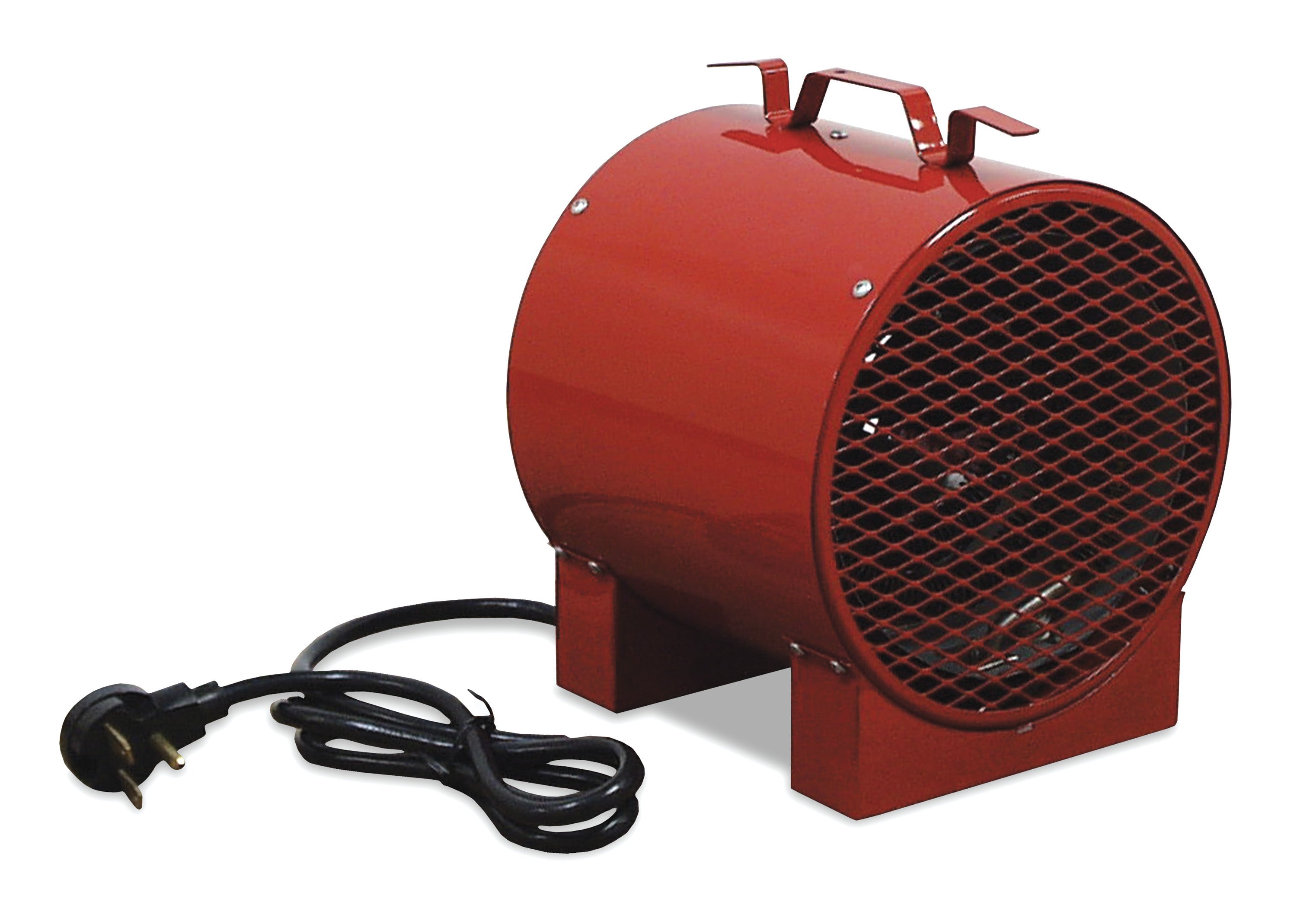
Heaters split into forced-air and infrared. The heat side of this collection runs on two ideas. Forced-air heaters warm the air and blow it into the room: the portable electric heaters cover a bench or a small office for under $300, and the electric salamanders are the big forced-air convection units, from 10 to 30 kilowatts, built to heat a large open construction site or an unheated shop. Salamanders want a ventilated space and a heavier electrical feed, since they run on 240 or 480 volt power rather than a wall outlet. Infrared heaters take the other path: they warm objects and people directly instead of heating the air, which makes them the answer in a drafty or high-bay space where warmed air just rises and leaves. Vestil covers infrared with quartz heaters from 1,500 to 3,000 watts, portable and fixed electric infrared units, multi-panel infrared heaters, and large infrared heat panels for the biggest spot-heating jobs. In a tall or leaky building, infrared usually beats a forced-air heater that spends its output warming air on the way to the ceiling.
Power, mounting, and duty cycle. Two practical checks decide most of these buys. First, power: the fans, blowers, and air curtain run on standard 115 volt building power, so they plug in and go, while the salamanders and larger infrared heaters need 240 or 480 volt circuits and often three phase, which is an electrician's line item to budget before the heater arrives. Second, portable or fixed: a machine that lives in one spot should be mounted and wired once, a wall circulator, a shutter exhaust fan, a ceiling or i-beam high performance fan, while anything that chases a seasonal hot spot or a wet floor should be the portable version on a stand or wheels. Buy the mount that matches how the equipment actually gets used, and keep a spare of anything the floor cannot run without, since the day a fan or heater fails is never a slow day.
Frequently Asked Questions
A circulator moves open air across a space to keep it turning over and to cool people; a blower forces air at a target or through resistance, which is what you want for drying a floor, clearing fumes, or pushing air into an occupied space. If the goal is comfort in a bay, buy a circulator or a floor fan. If the air has to hit one spot or do work, buy a blower.
The fans, blowers, and air curtain run on 115 volt building power and plug into a standard outlet, and the small portable electric heaters do too. The electric salamanders and the larger infrared heaters need 240 or 480 volt circuits, often three phase, so budget an electrician before those arrive.
It depends on the building. A forced-air salamander heats the air and works well in a space you can keep reasonably closed. In a drafty or high-bay building where warm air rises and escapes, an infrared heater is usually better, since it warms the people and objects directly instead of the air on its way to the ceiling. Many shops run both: infrared over fixed work areas and a salamander for fast whole-room warm-up.
It hangs over a doorway and drops a high velocity sheet of air across the opening. That air barrier cuts down the flying insects that get in and slows the loss of heated or cooled air each time the door opens, without a physical door in the way. It is aimed at openings that stay busy all day, such as docks, drive-through bays, and back entrances.
Both, depending on the model. Floor fans, portable blowers, portable heaters, and the portable workstation fan are made to move. Wall and pedestal circulators, shutter exhaust fans, ceiling and i-beam high performance fans, and the air curtain are meant to be mounted and wired in place. Pick the version that matches where the air problem lives.
Size it to the room volume and the number of air changes the space needs per hour, then confirm the building has a path for make-up air. An exhaust fan pulling against a sealed room moves very little, so pair it with an intake opening or louver on another wall.