Industrial Cranes
Industrial cranes solve the problem a forklift cannot: a load that has to travel through the air, vertically and precisely, inside a defined work area. This hub covers the fixed and semi-portable end of that world. The core is HSI jib cranes, freestanding, wall mounted, mast type, and articulated, from 150 lb bench-scale units to 10,000 lb heavy duty frames with spans to 20 ft. Around them sit davit cranes from OZ Lifting, Thern, and Reid Lifting, compact cranes from 500 to 5,500 lb that move between mounting bases, plus Vestil shop and truck cranes, Star under-hook attachments, and DICA crane pads. Prices run from about $460 to $26,000, and most of the money rides on one question: should the crane own a spot in the building, or follow the work around? That question is where the guide below starts.
Compare Cranes
| Model | Price | Span | Under-Beam Height | Capacity | |
|---|---|---|---|---|---|
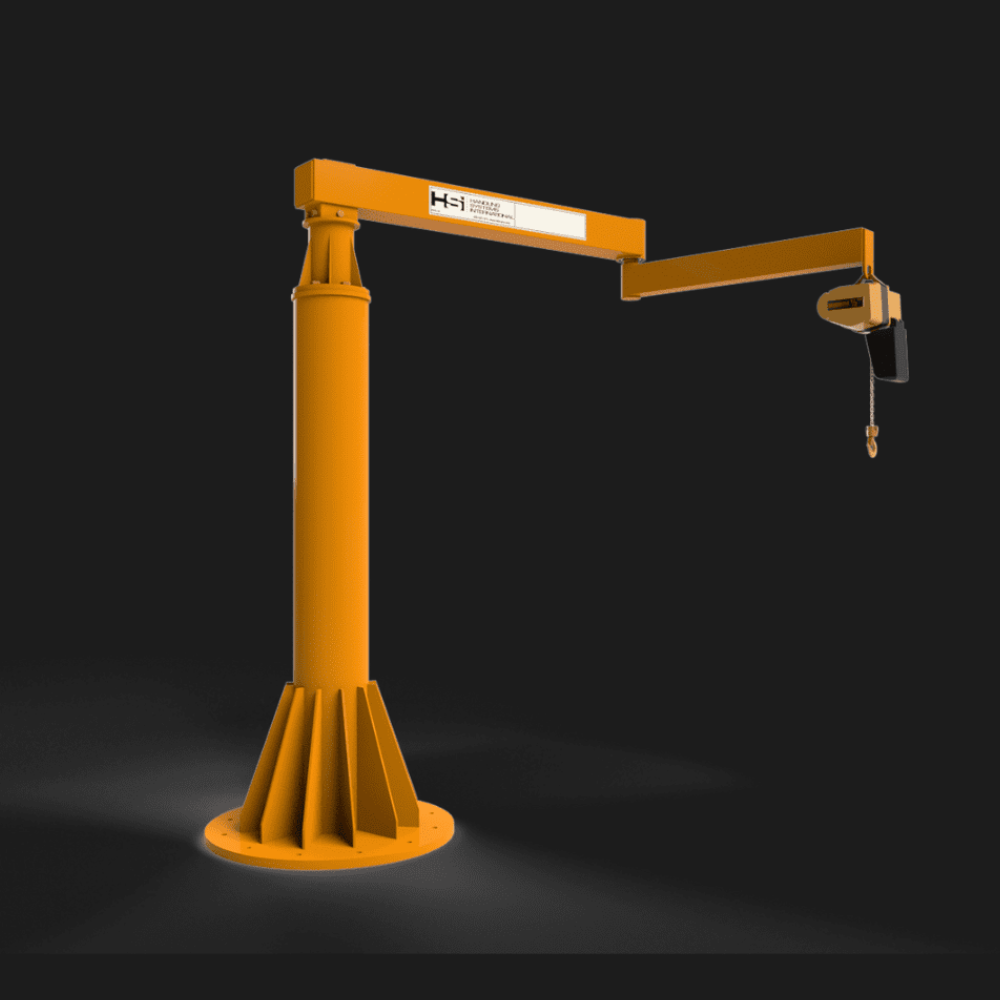
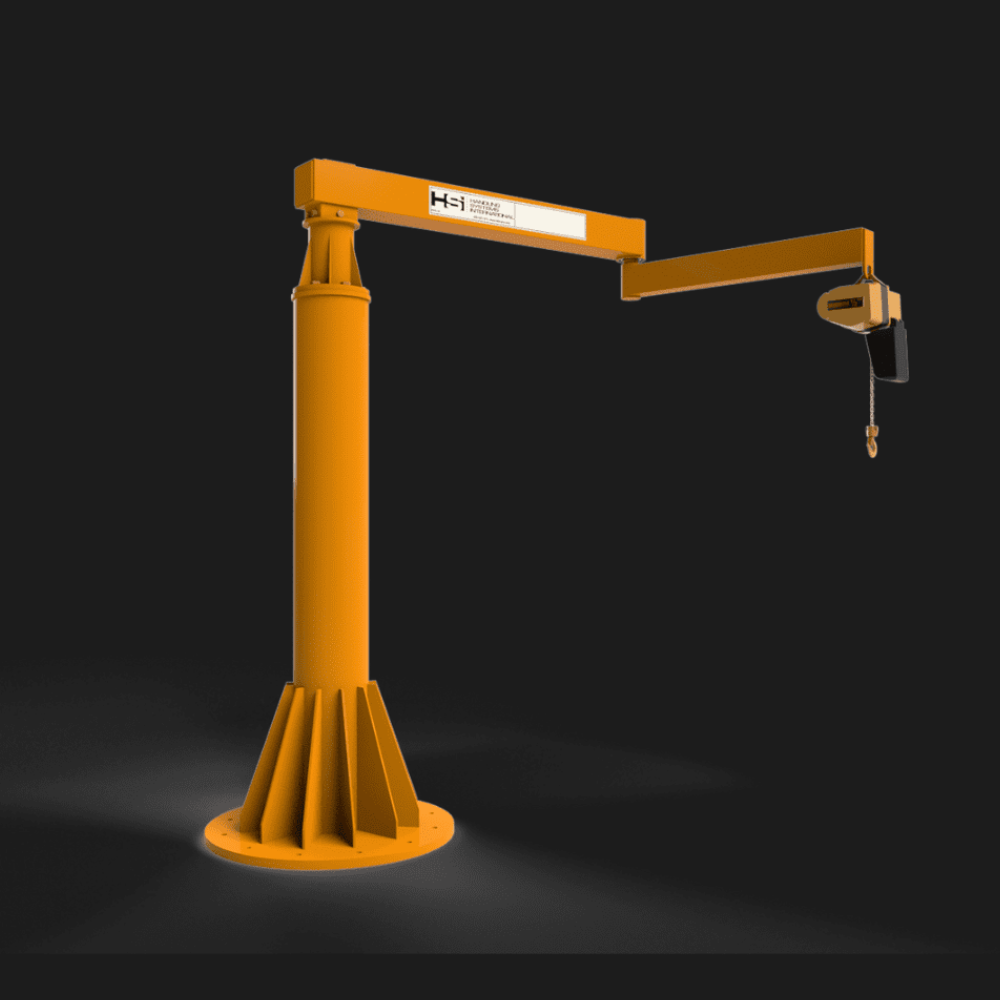
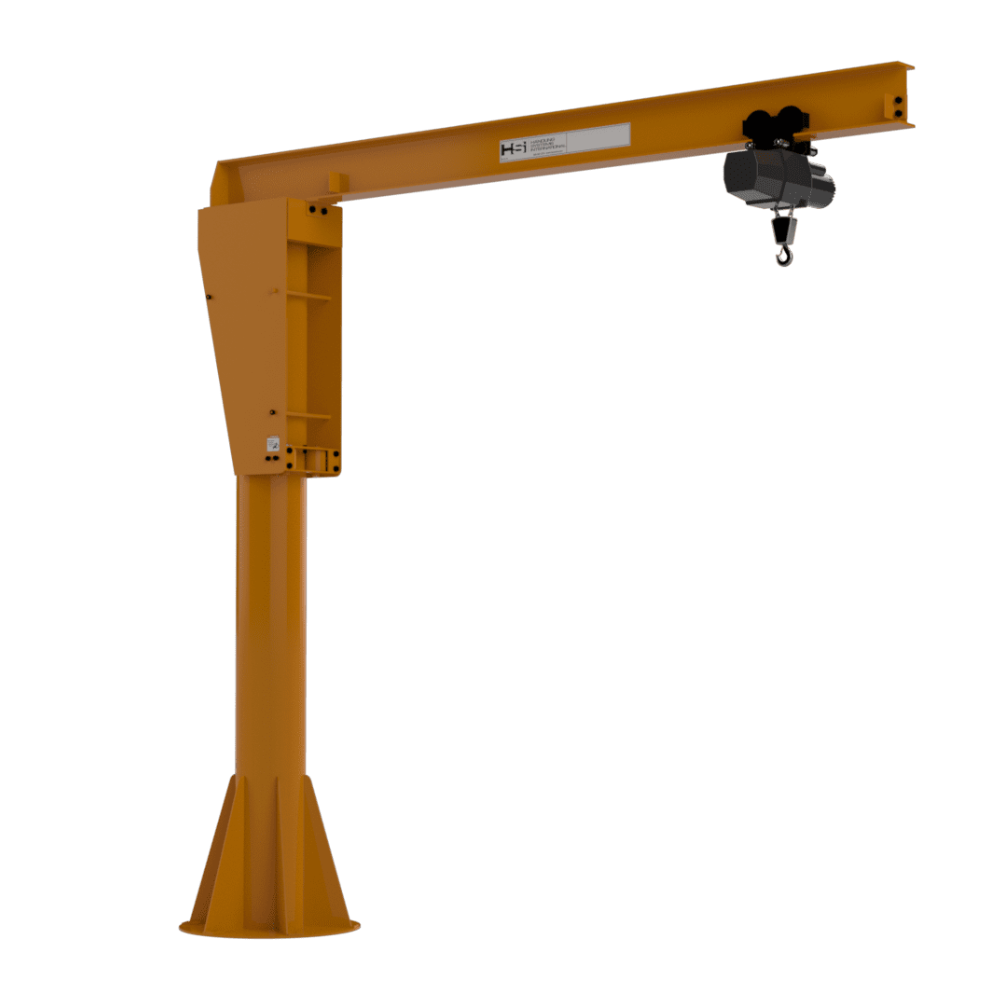
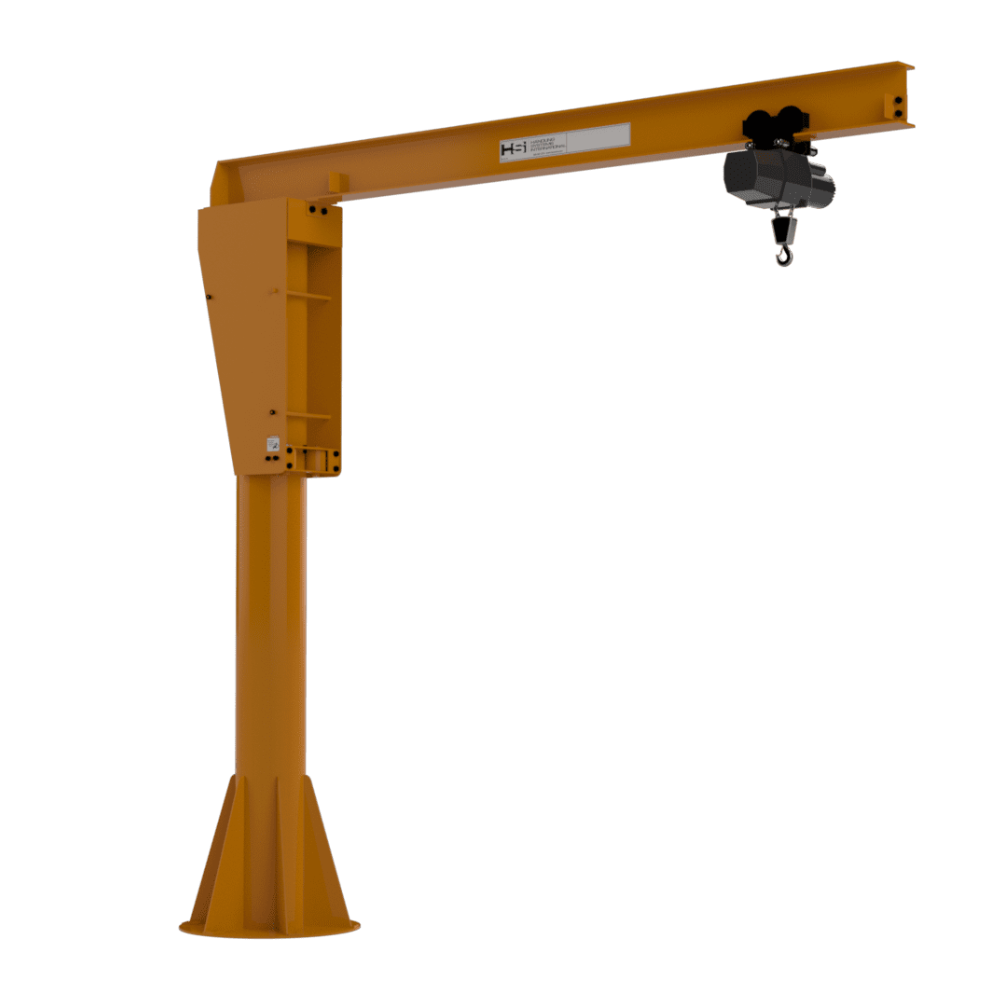
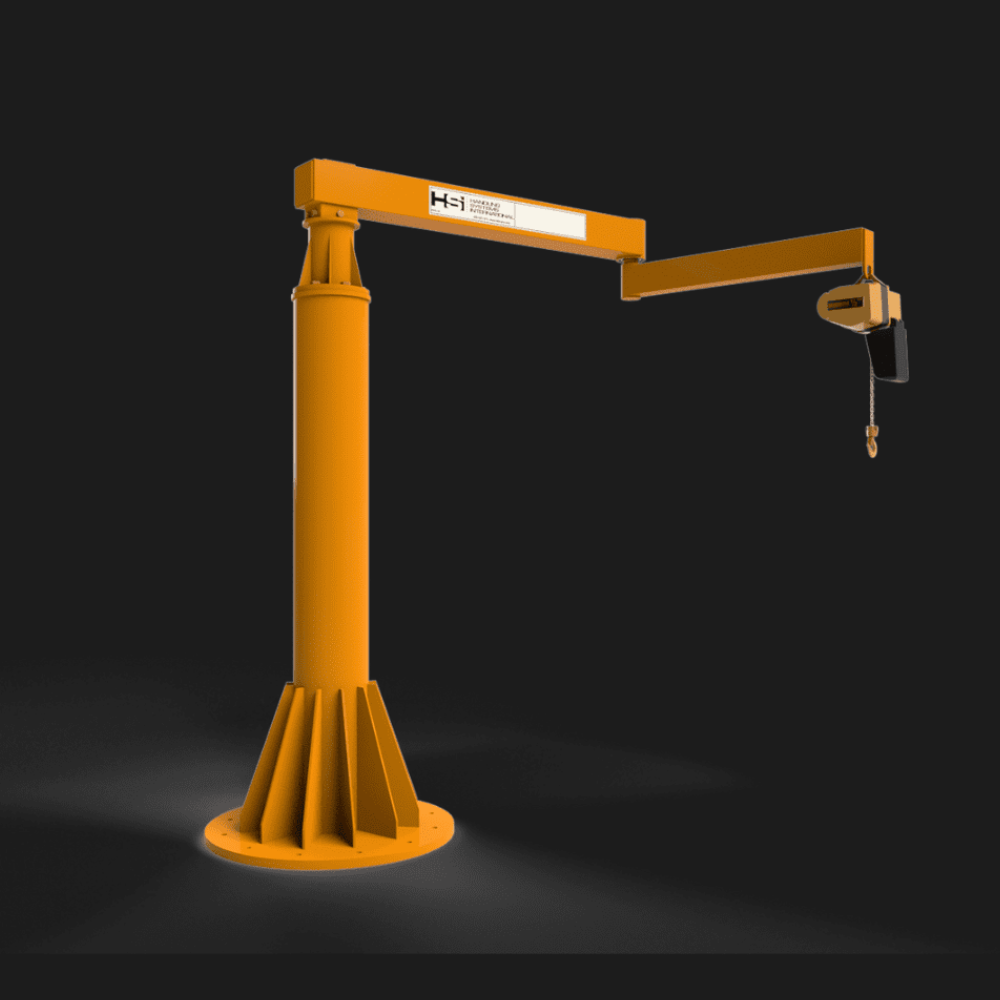
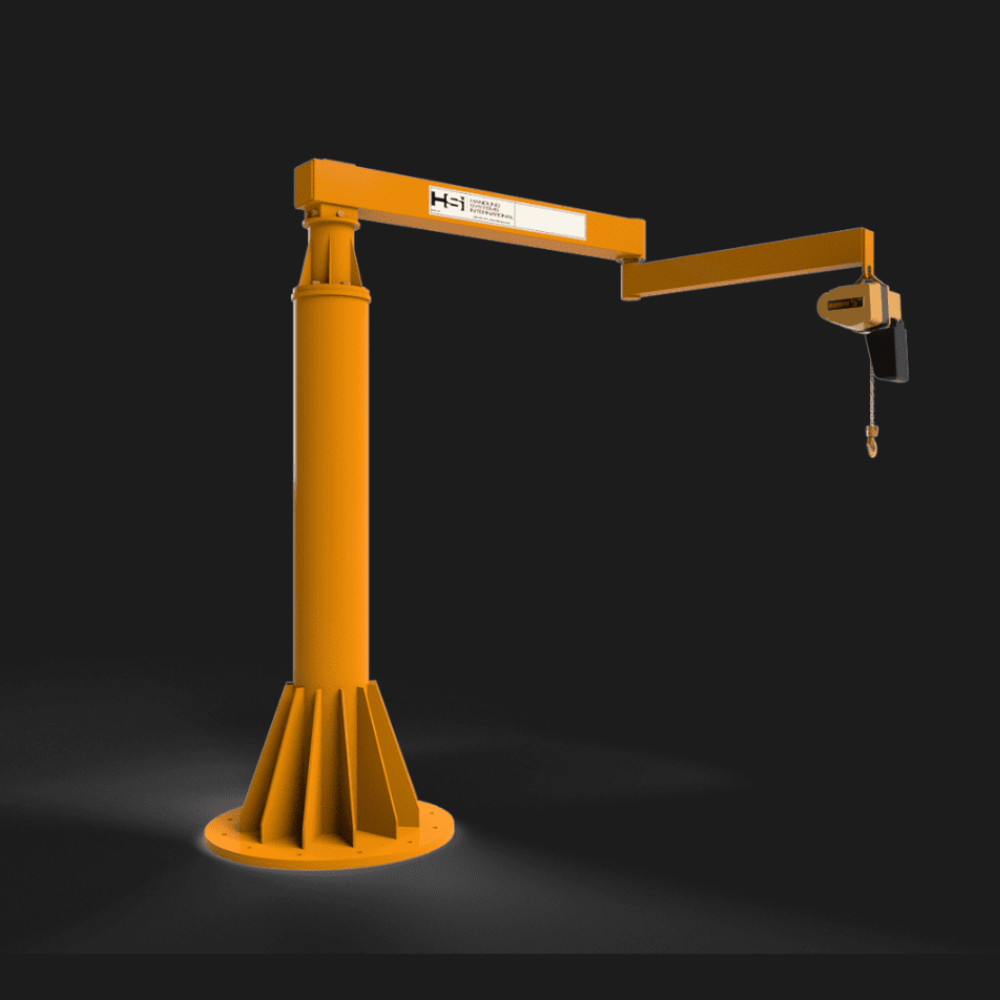
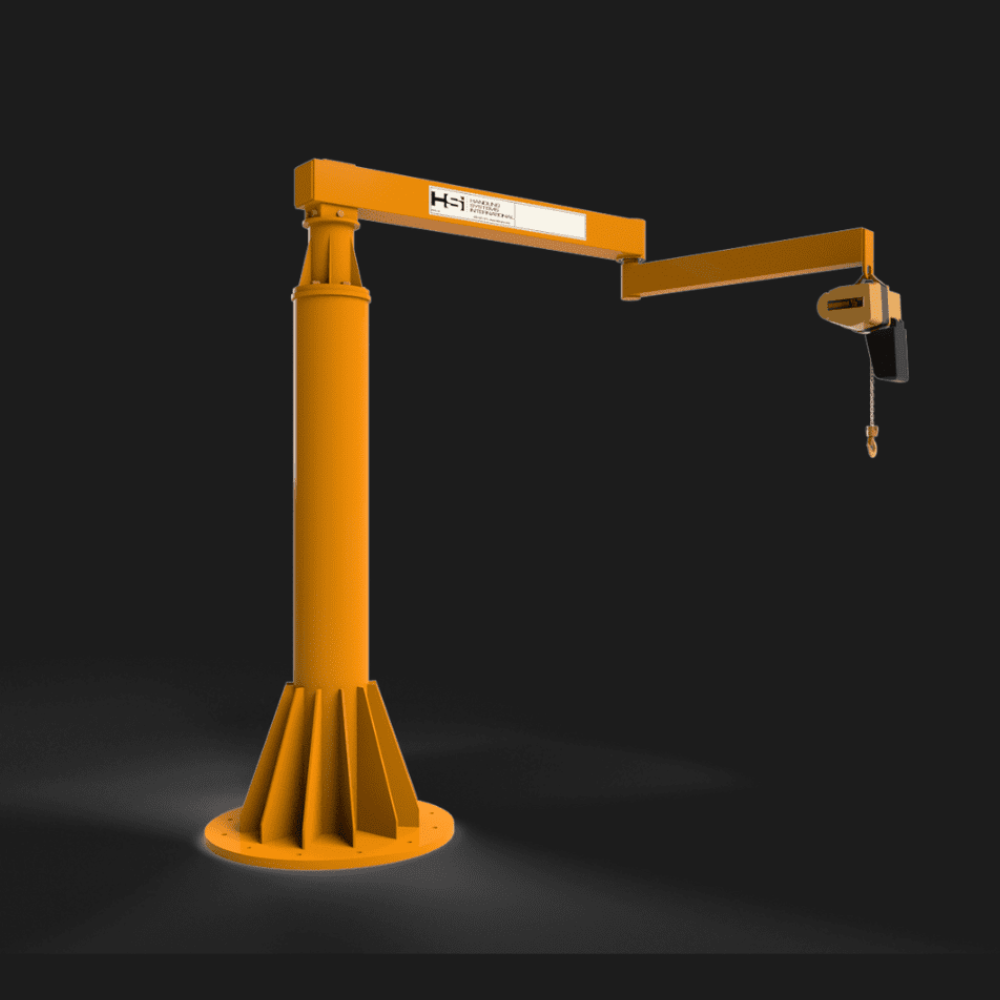
| HSI 2000lbs Freestanding Articulated Jib Cranes | $25,925 | 8 ft | 8-14 ft | 2,000 lb | View → |
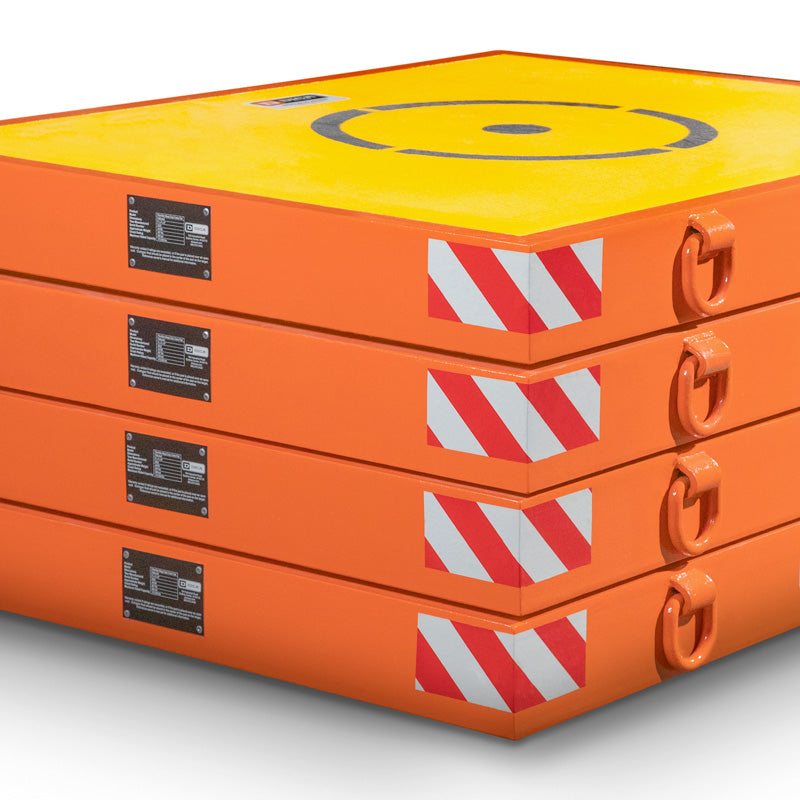
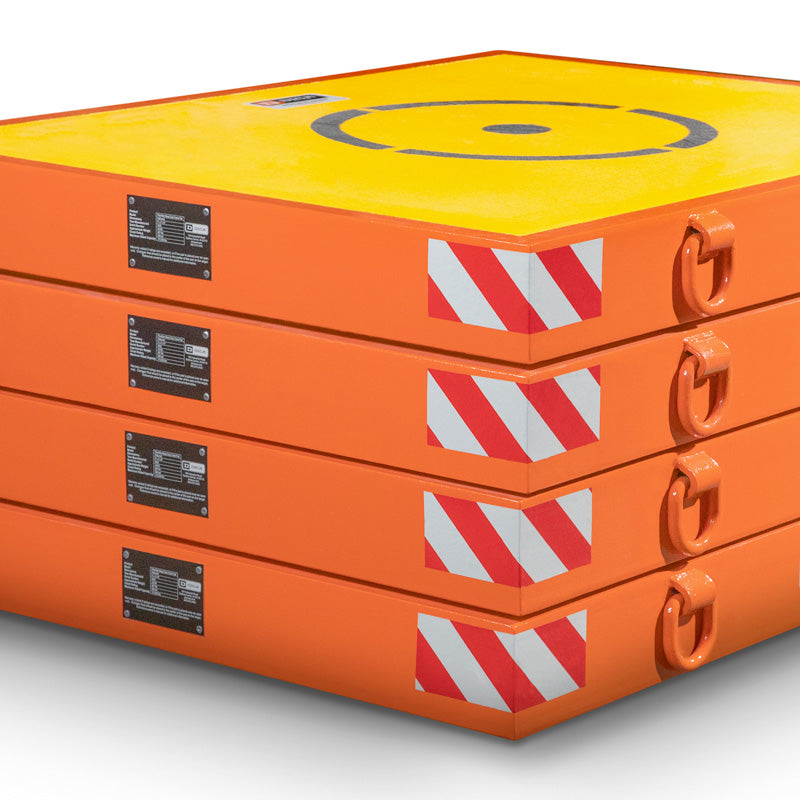
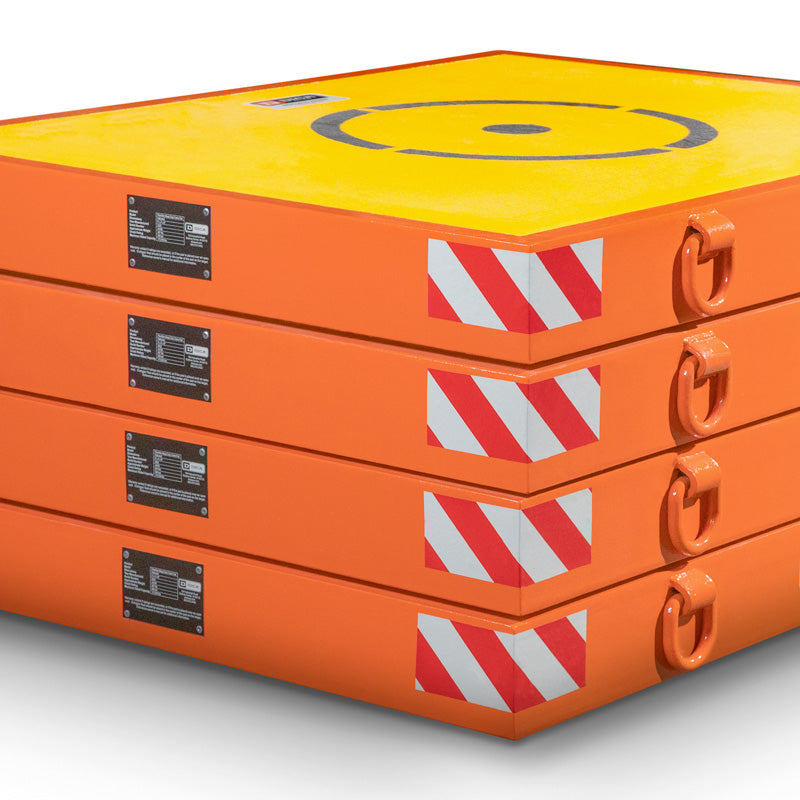
| DICA 12Inch FiberMax Crane Pads | $19,559 | — | — | 400,000 lb | View → |
| HSI 1000lbs Freestanding Articulated Jib Cranes | $18,836 | 8-16 ft | 8-14 ft | 1,000 lb | View → |
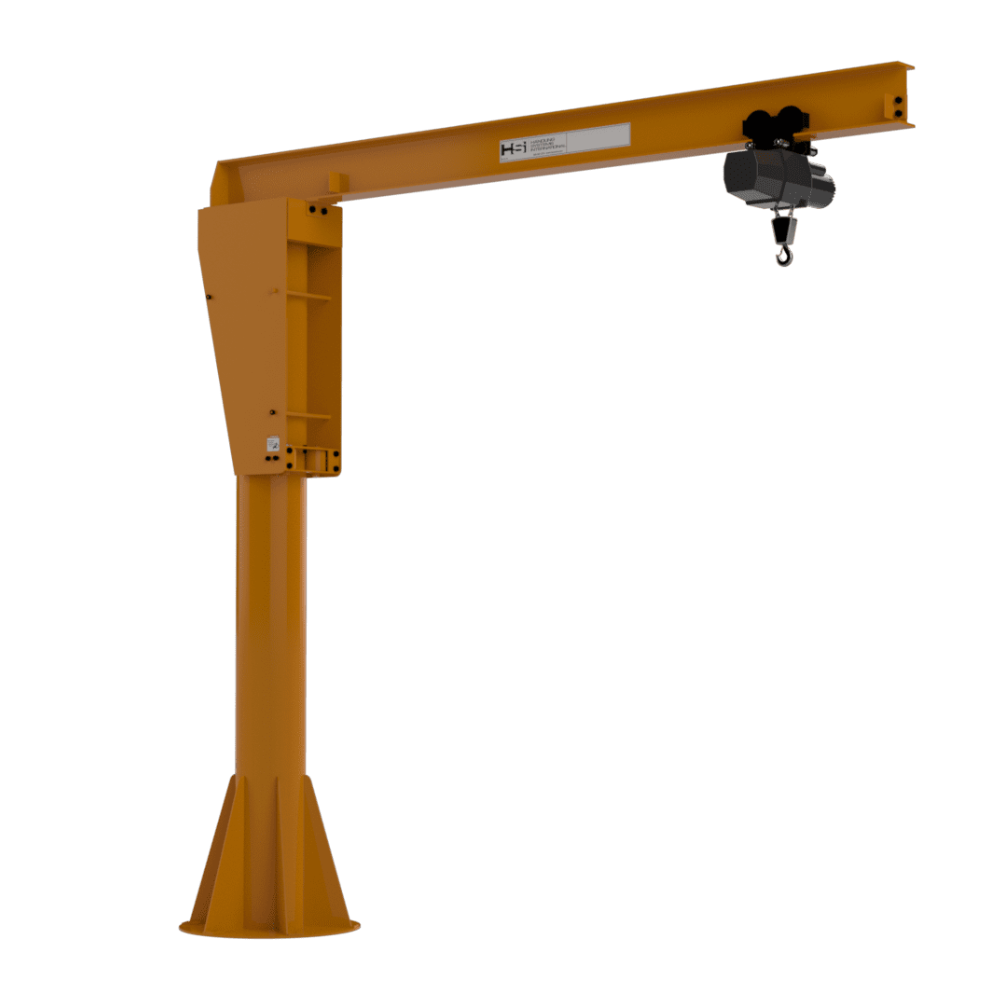
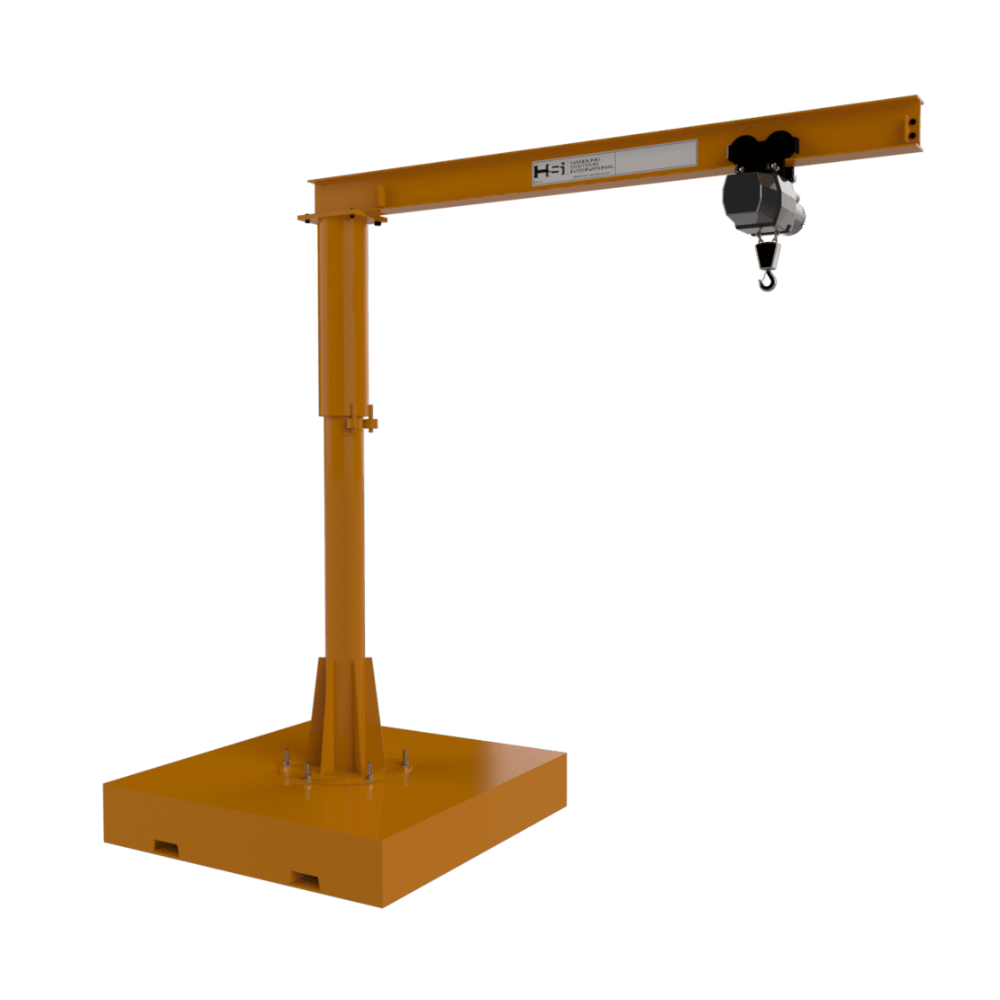
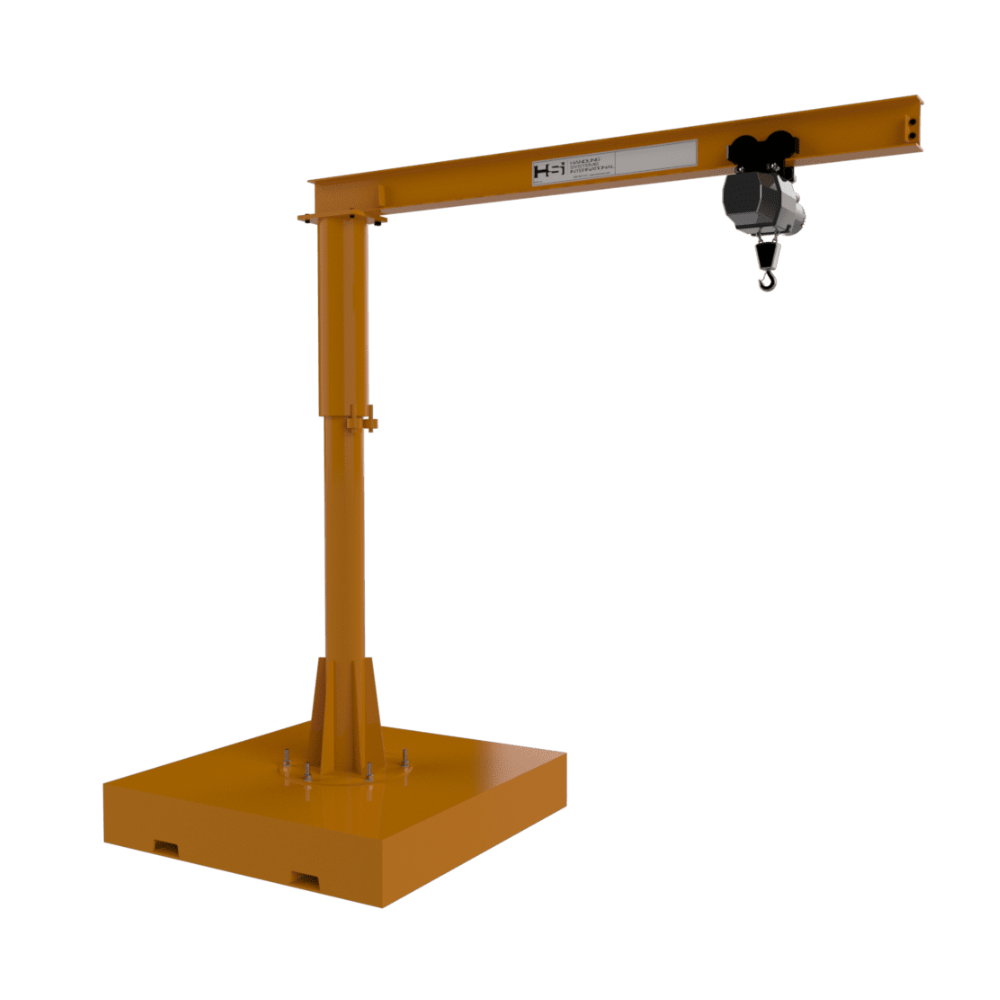
| HSI 10000lbs Heavy Duty Freestanding Jib Cranes (15ft - 20ft Span) | $15,104 | 15-20 ft | 8-20 ft | 10000 lb | View → |
| HSI 8000lbs Heavy Duty Freestanding Jib Cranes (15ft - 20ft Span) | $15,104 | 15-20 ft | 8-20 ft | 8000 lb | View → |
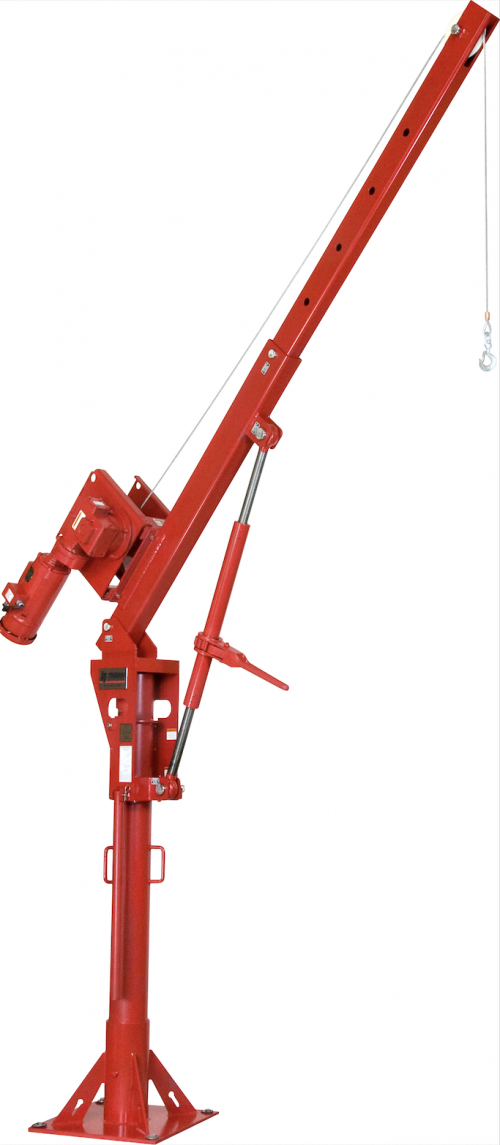
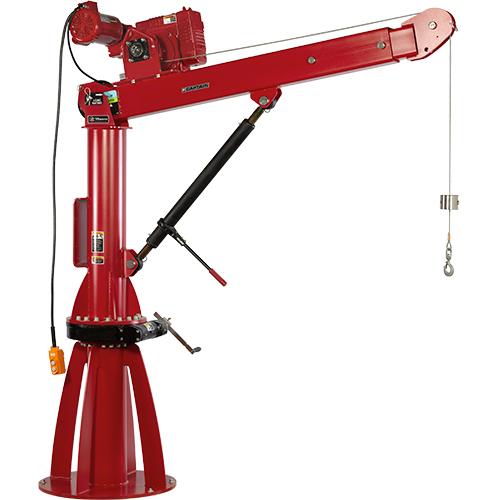
| Thern 5PT30 SERIES 3,000lbs Transportable Davit Crane with Winch | $13,320 | — | — | up to 3,000 lb — derates to 2,400 lb; see load rating table | View → |
 In Stock
 In Stock
 In Stock
 In Stock
 In Stock
 In Stock
 In Stock
 In Stock
 In Stock
 In Stock
 In Stock
 In Stock
 In Stock
 In Stock
 In Stock
 In Stock
 In Stock
 In Stock
 In Stock
 In Stock
 In Stock
 In Stock
 In Stock
 In Stock
 In Stock
 In Stock
 In Stock
 In Stock
 In Stock
 In Stock
 In Stock
 In Stock
 In Stock
 In Stock
 In Stock
 In Stock
 In Stock
 In Stock
 In Stock
 In Stock
 In Stock
 In Stock
 In Stock
 In Stock
 In Stock
 In Stock
 In Stock
 In Stock
 In Stock
 In Stock
 In Stock
 In Stock
 In Stock
 In Stock
 In Stock
 In Stock
 In Stock
 In Stock
 In Stock
 In Stock
 In Stock
 In Stock
 In Stock
 In Stock
 In Stock
 In Stock
 In Stock
 In Stock
 In Stock
 In Stock
 In Stock
 In Stock
 In Stock
 In Stock
 In Stock
 In Stock
 In Stock
 In Stock
 In Stock
 In Stock
 In Stock
 In Stock
 In Stock
 In Stock
 In Stock
 In Stock
 In Stock
 In Stock
 In Stock
 In Stock
 In Stock
 In Stock
 In Stock
 In Stock
 In Stock
 In Stock
Cranes Buying Guide
Decide if the crane owns a spot or follows the work. A jib crane is infrastructure: bolted to a foundation, wall, or column, sweeping the same circle for decades. A davit crane is a tool: light enough to carry or wheel, dropped into a socket where the lift happens. If your lifts happen at one machine, one dock door, or one assembly bench all day, buy the jib crane and be done. If the same 500 to 1,200 lb pick happens at six pump pits across a plant, one davit crane and six mounting bases cost a fraction of six jibs. And when the lift point is a truck bed or a job site, the answer shifts again, to the truck cranes and shop cranes covered below.
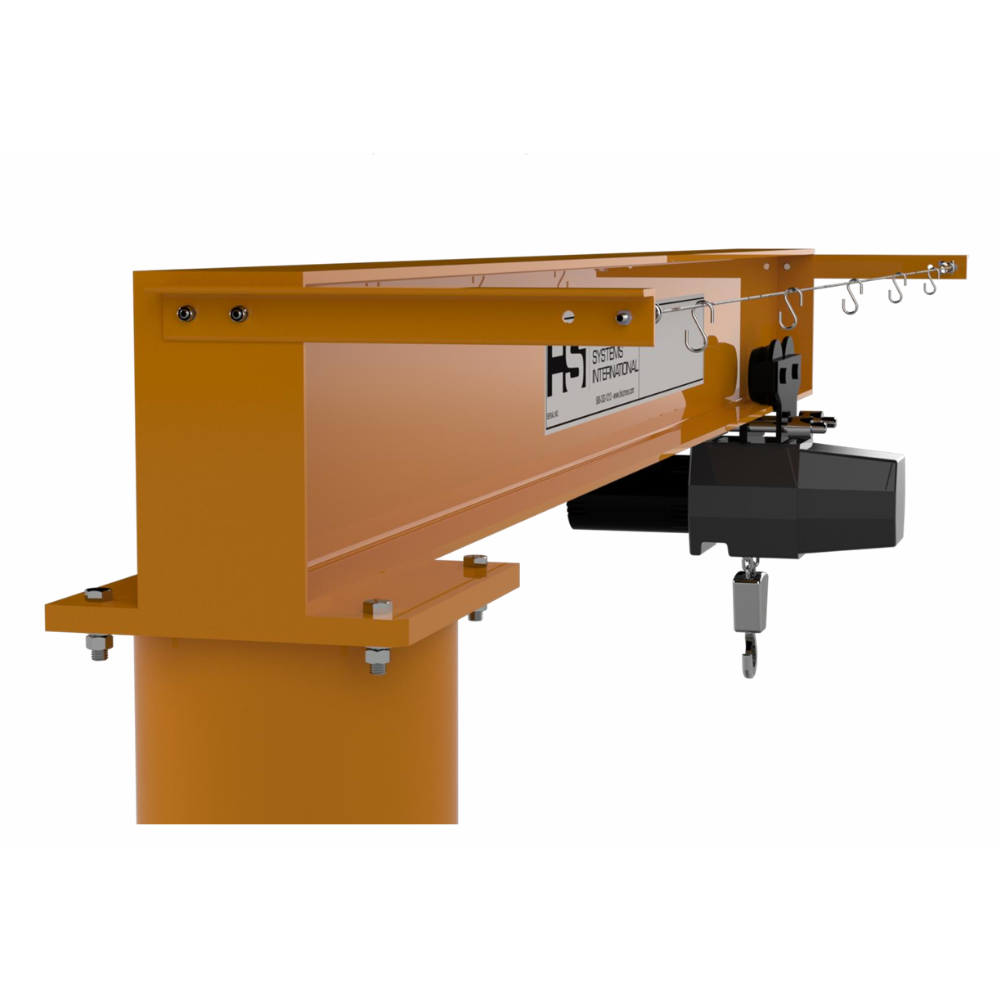
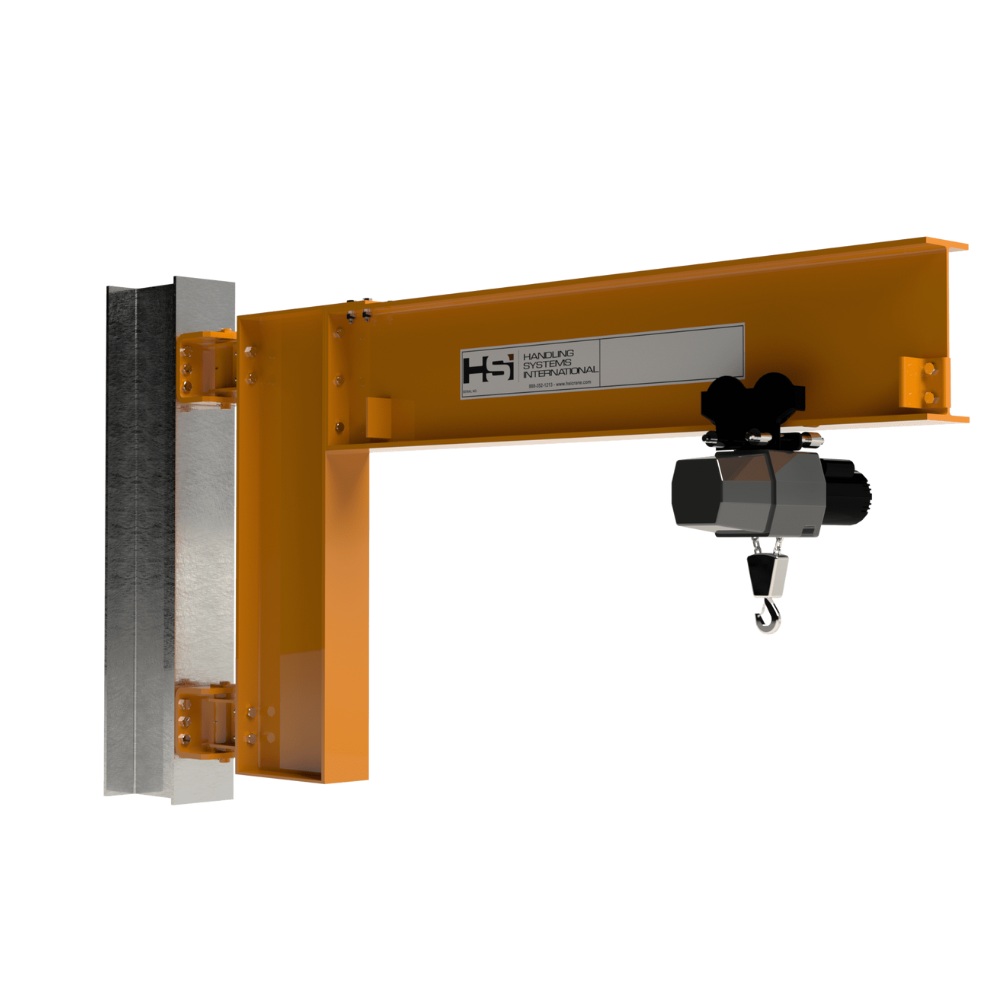
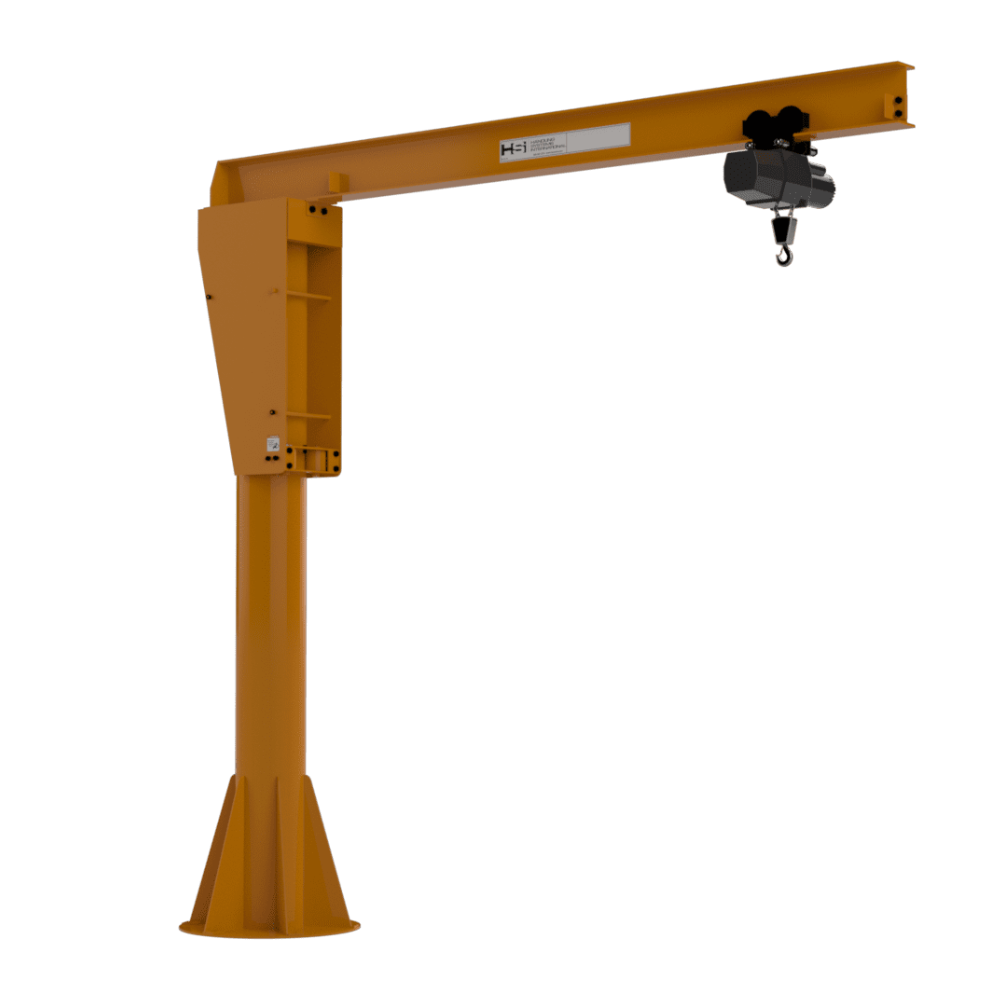
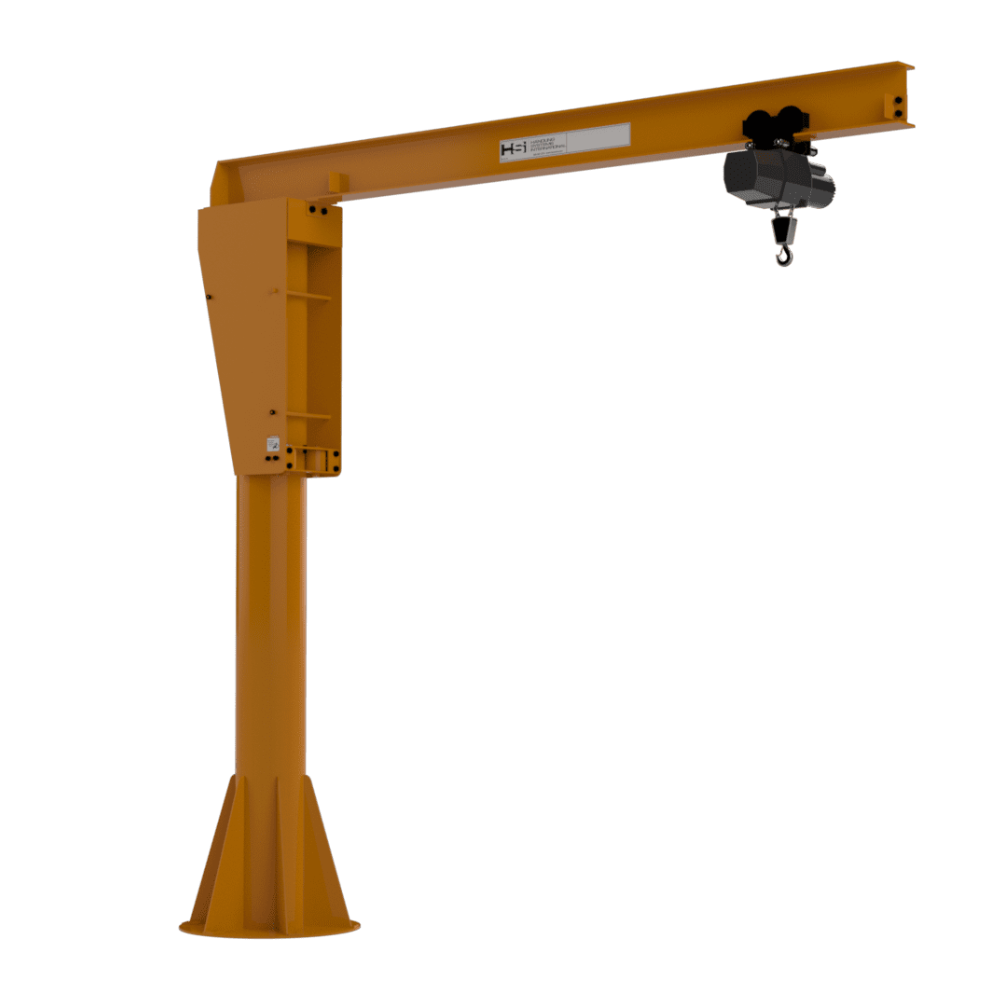
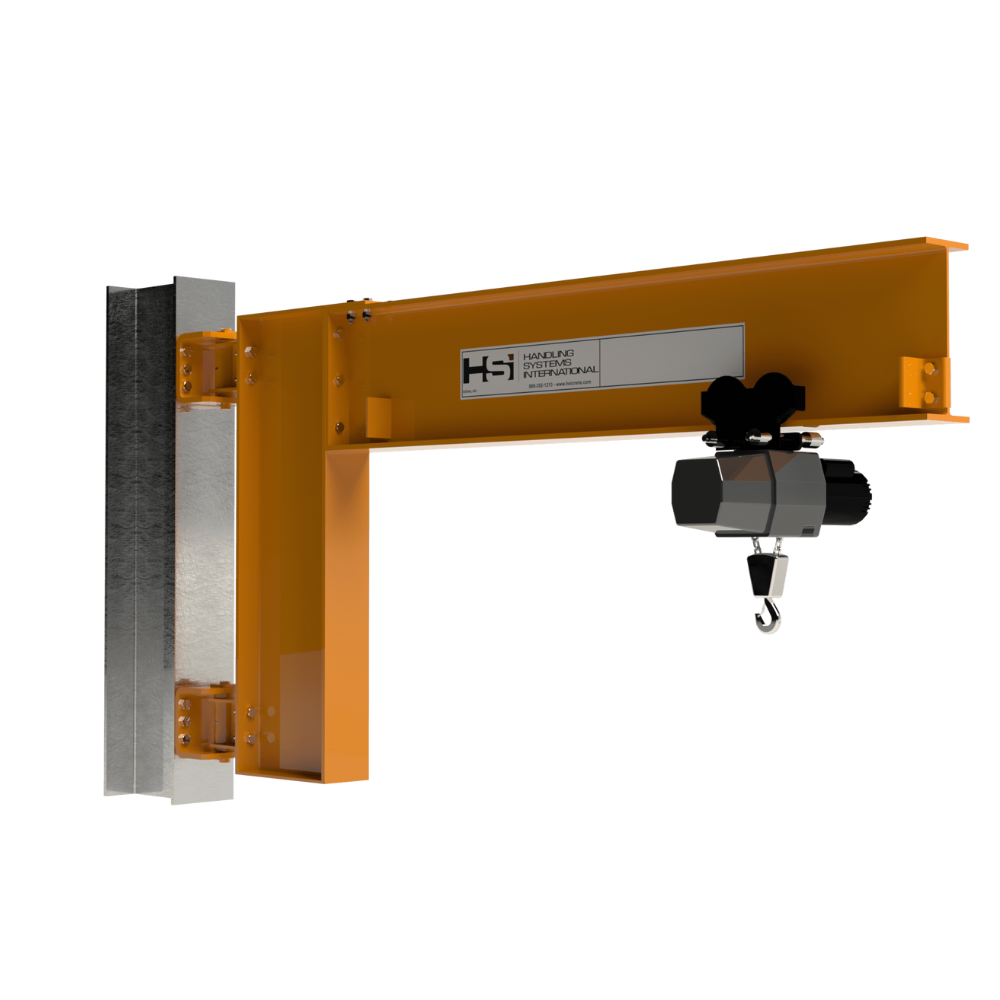
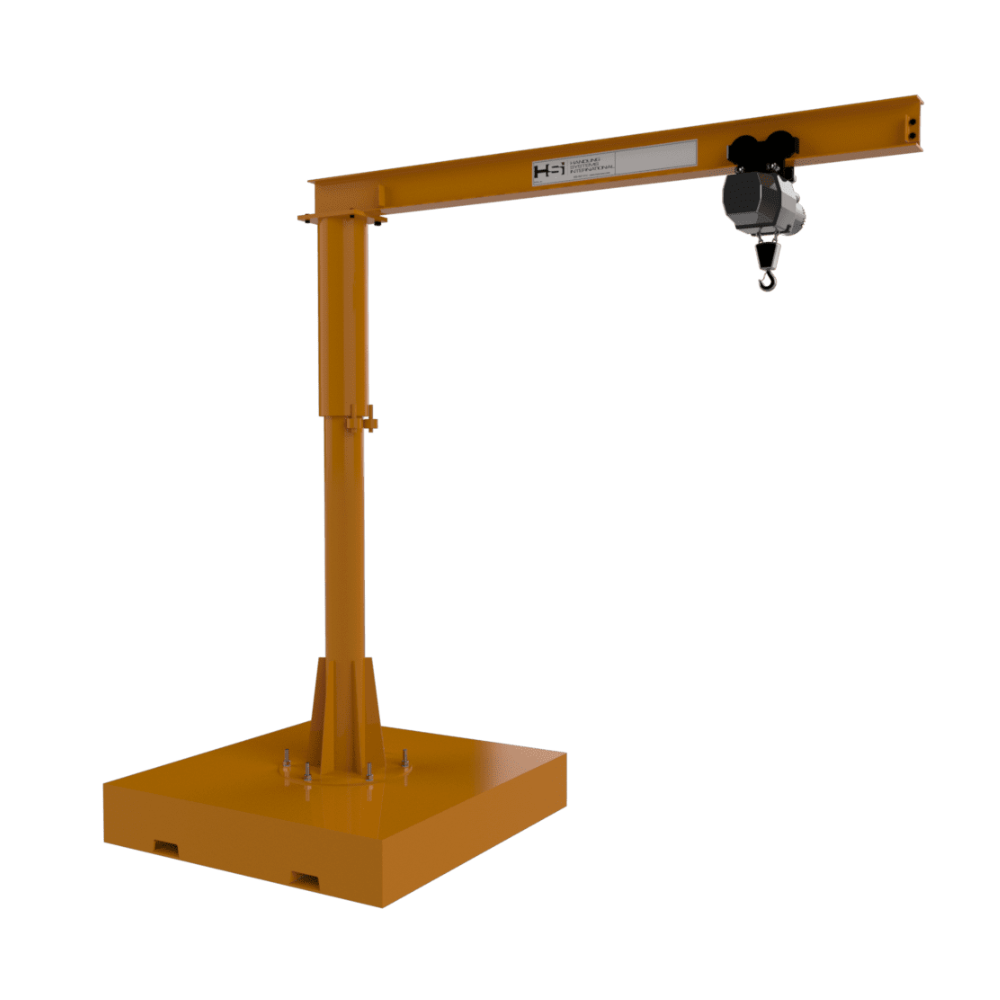
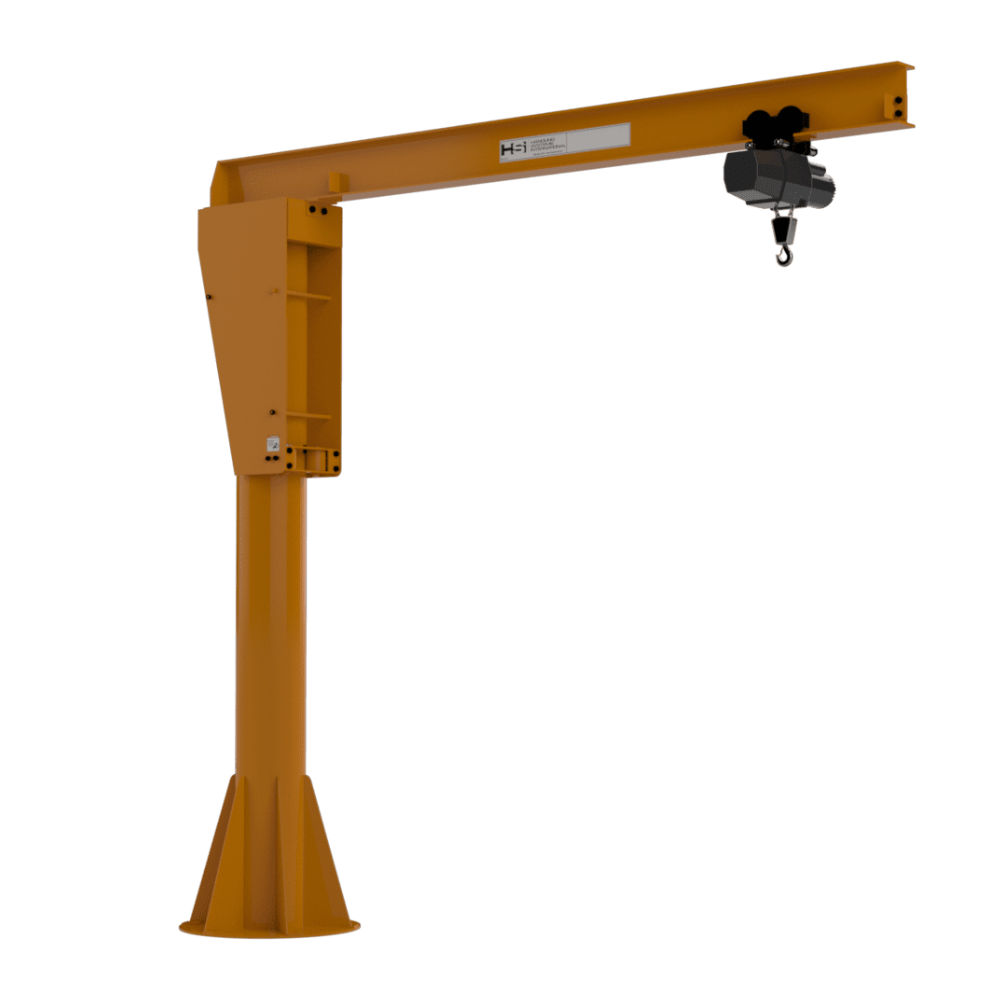
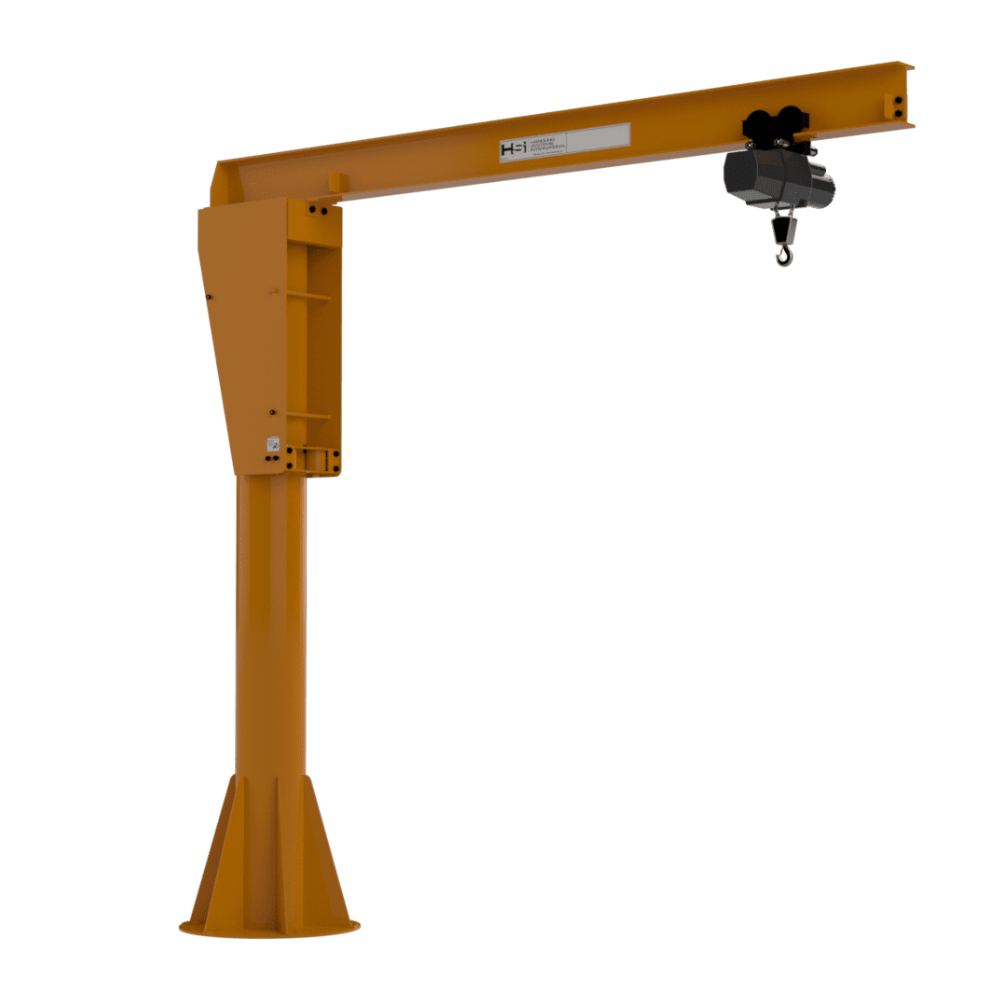
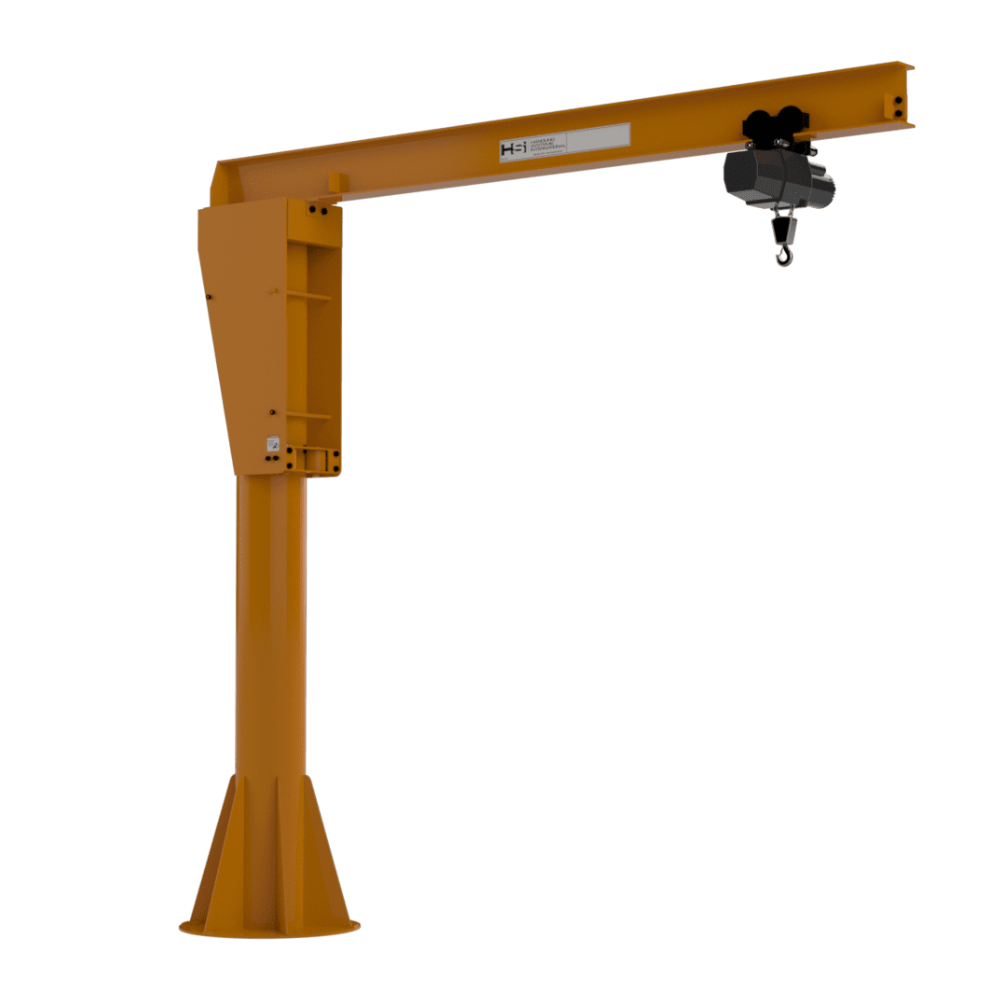
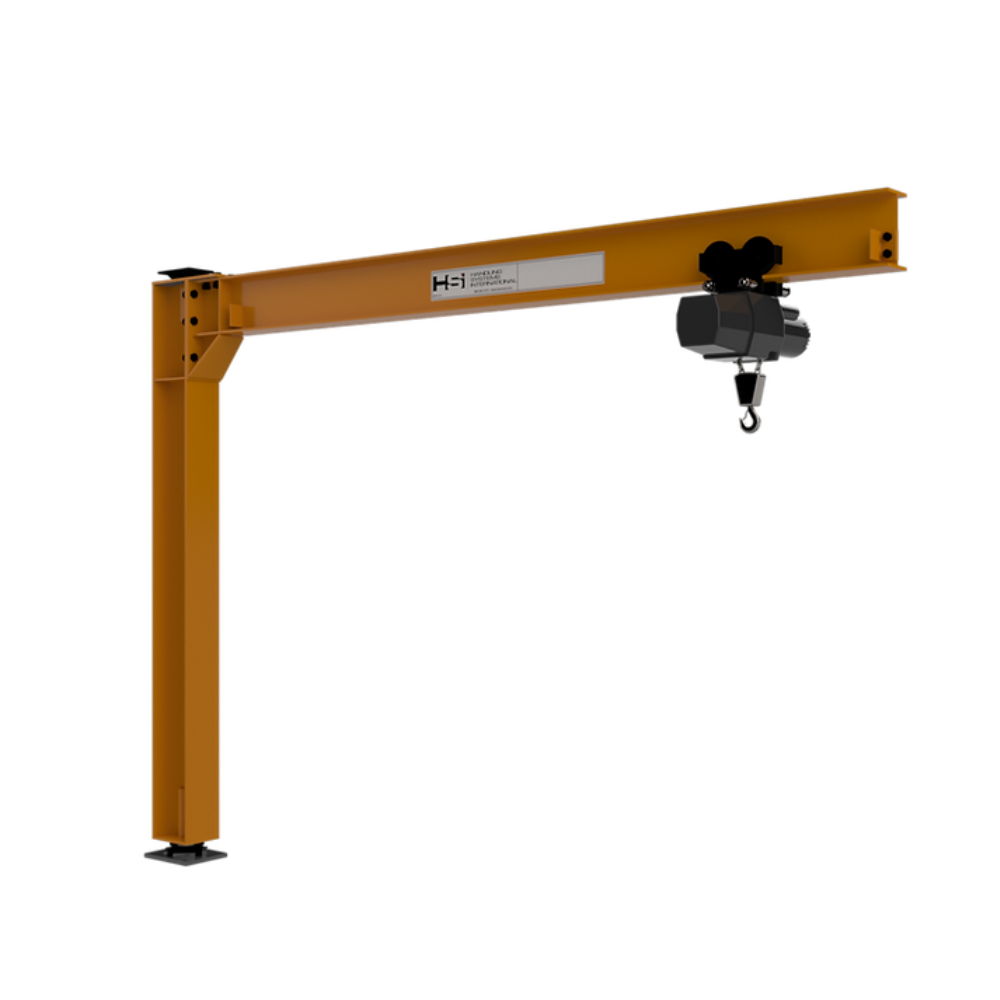
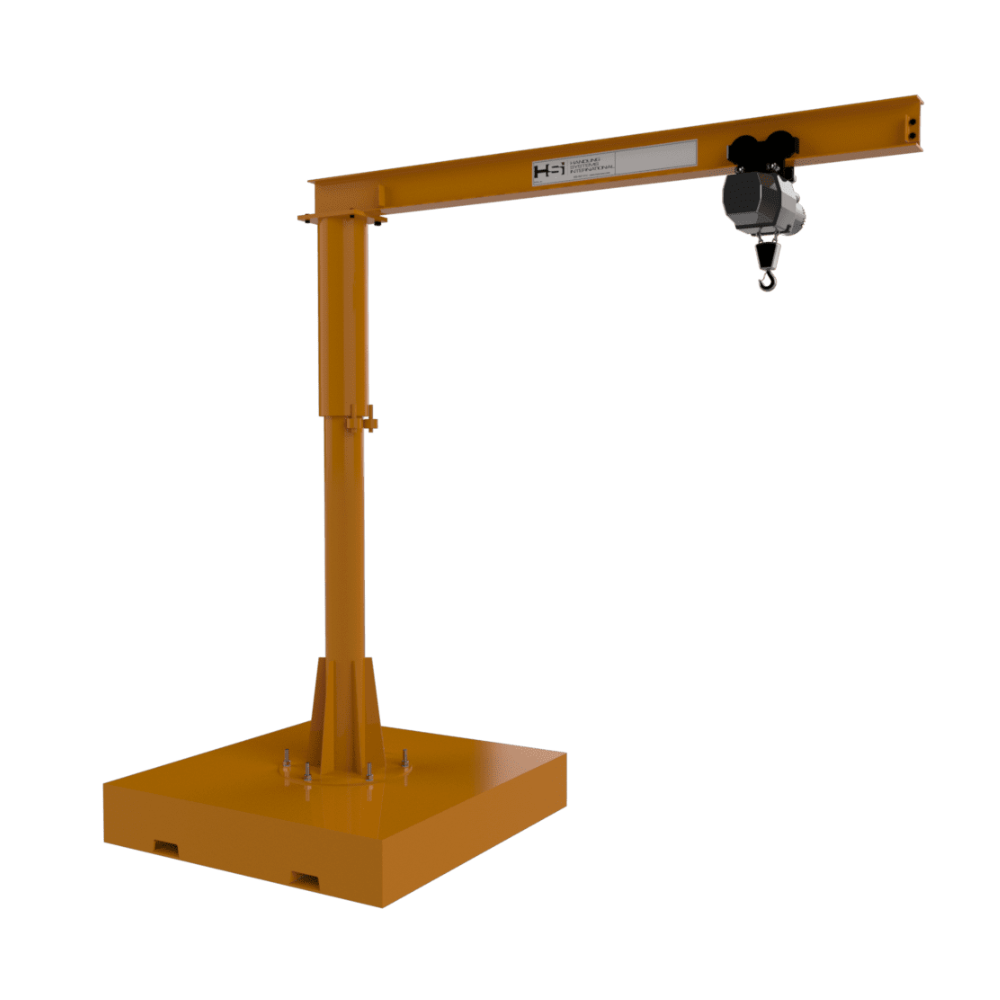
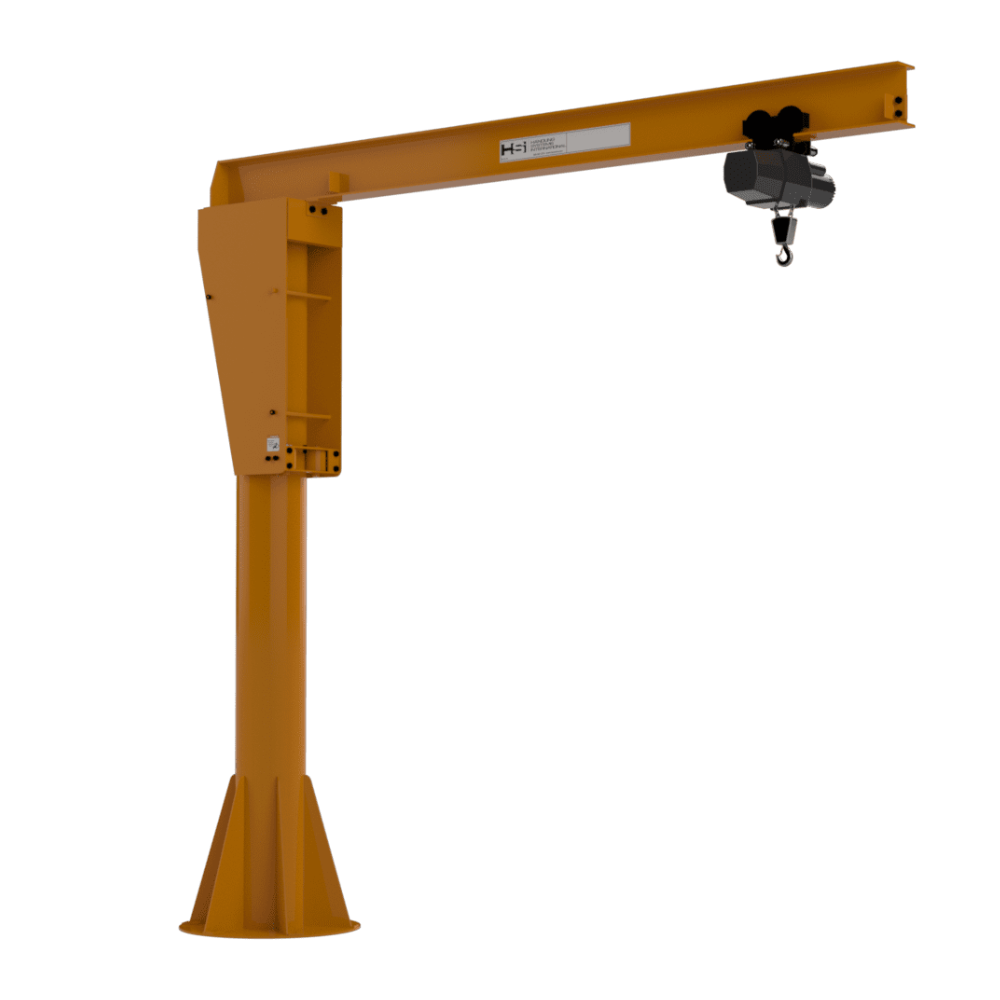
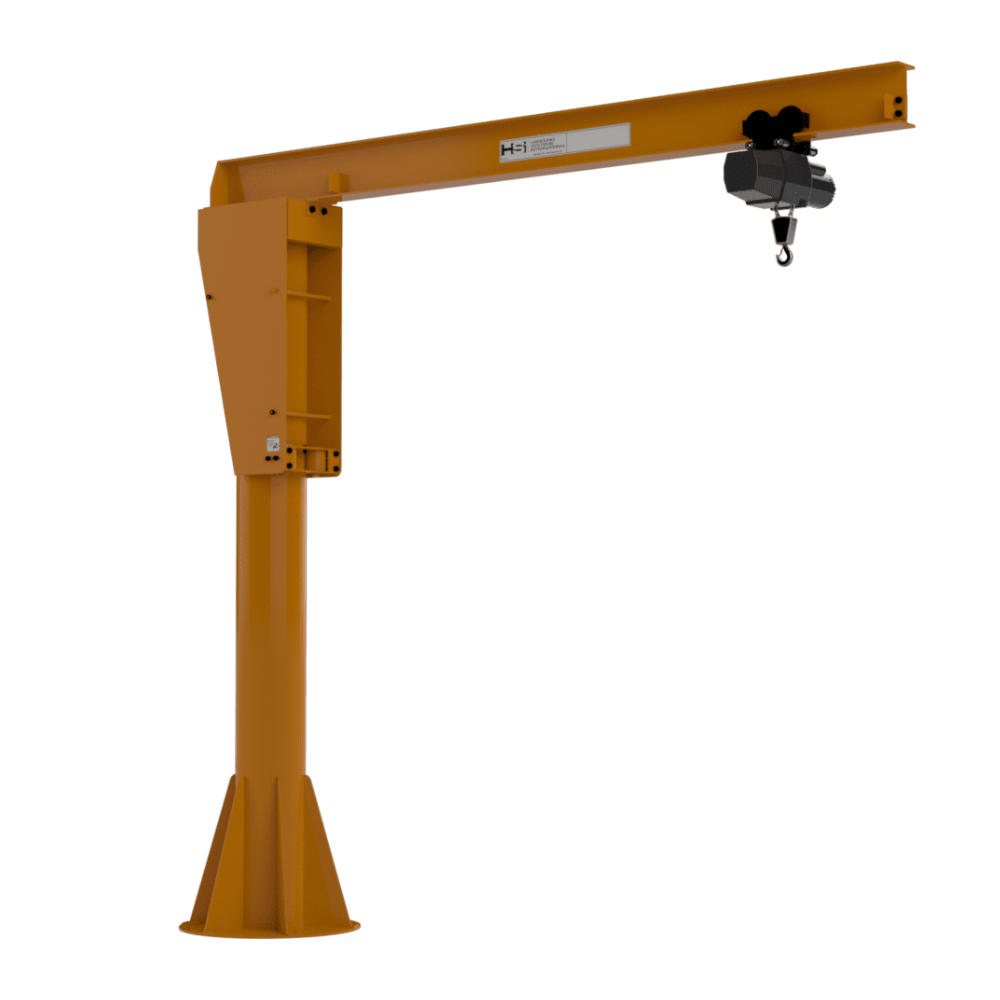
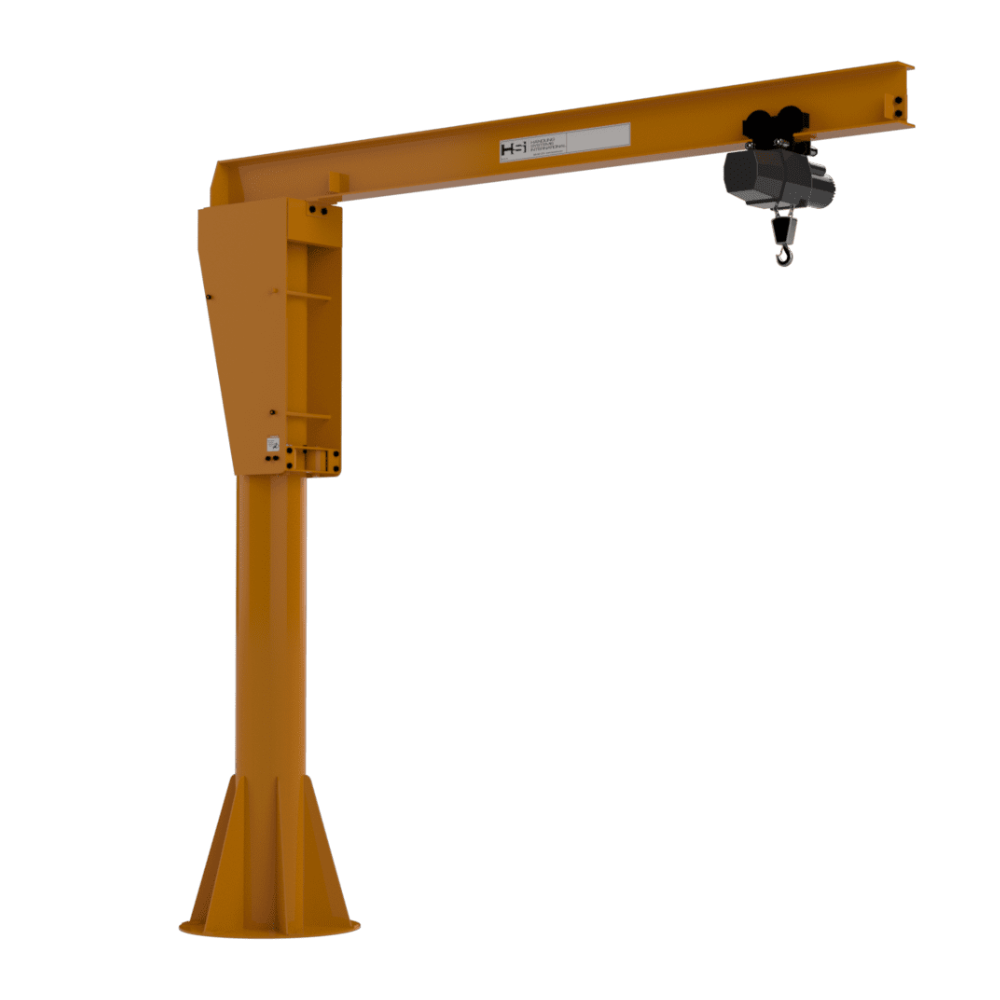
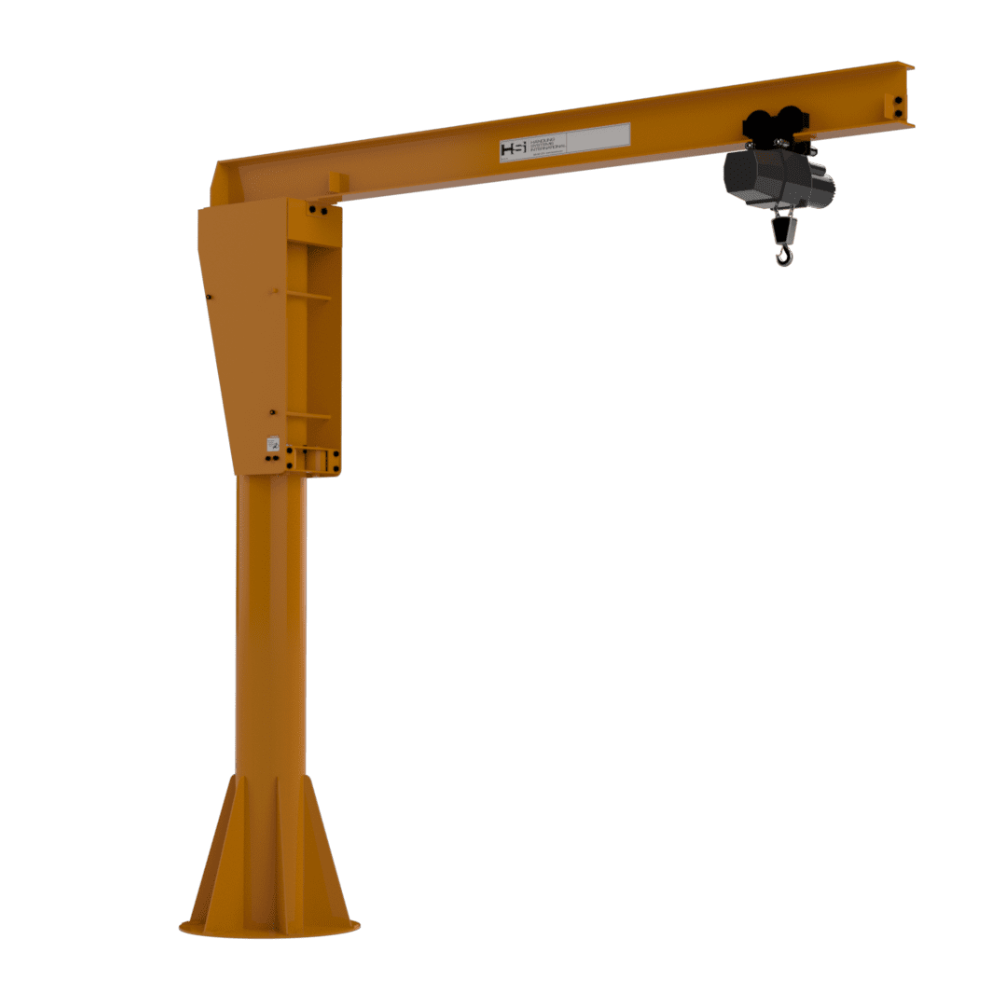
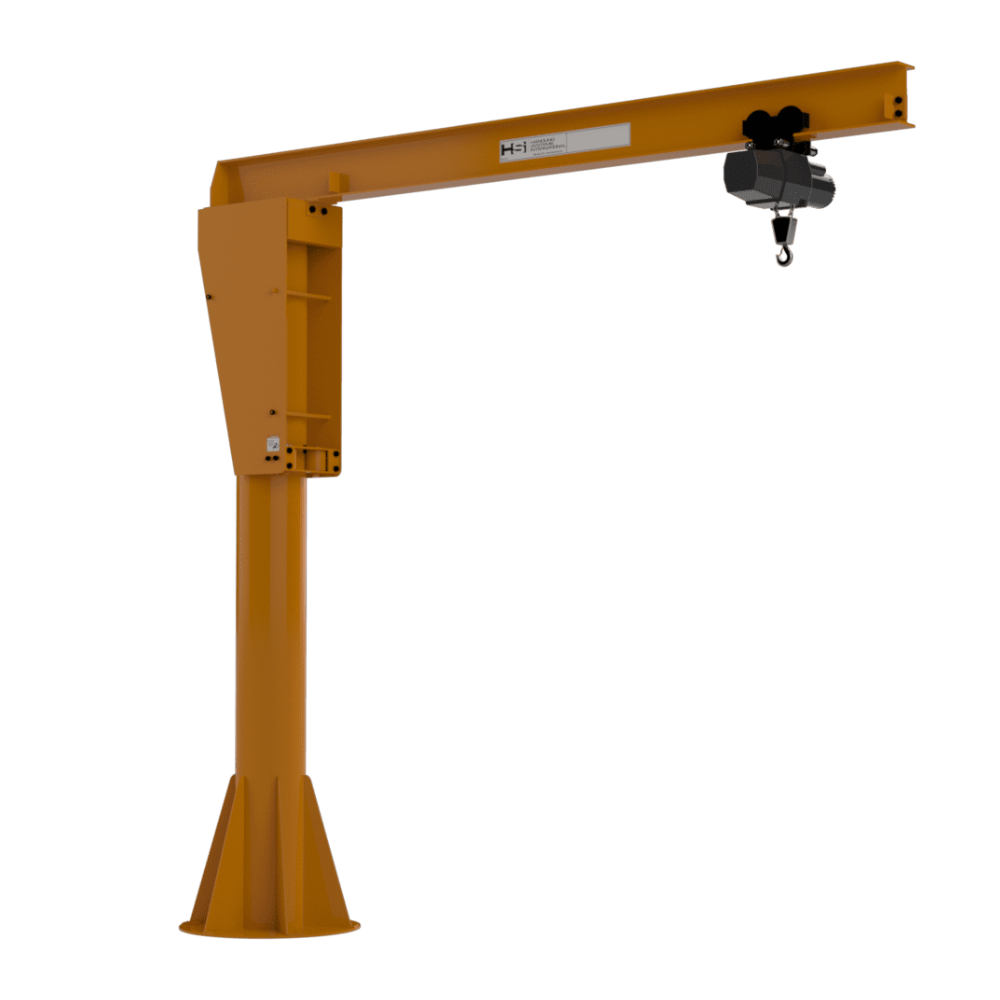
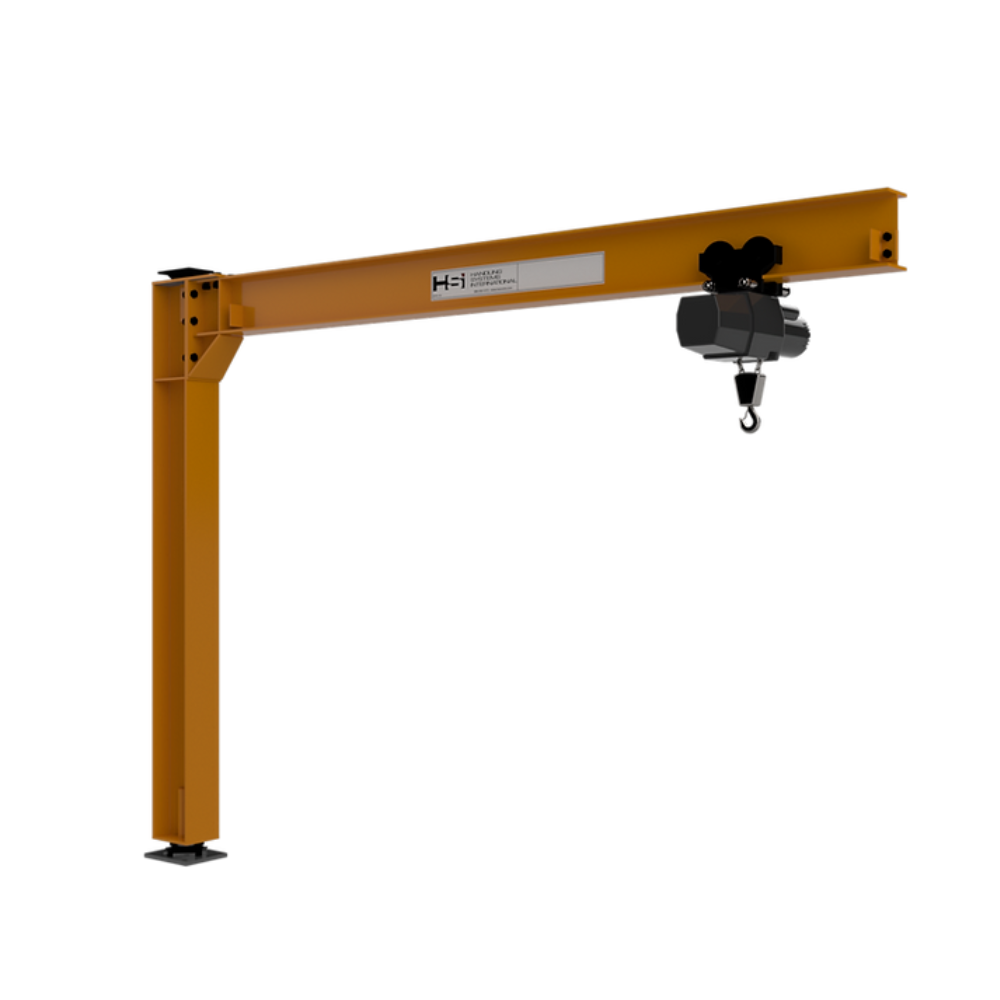
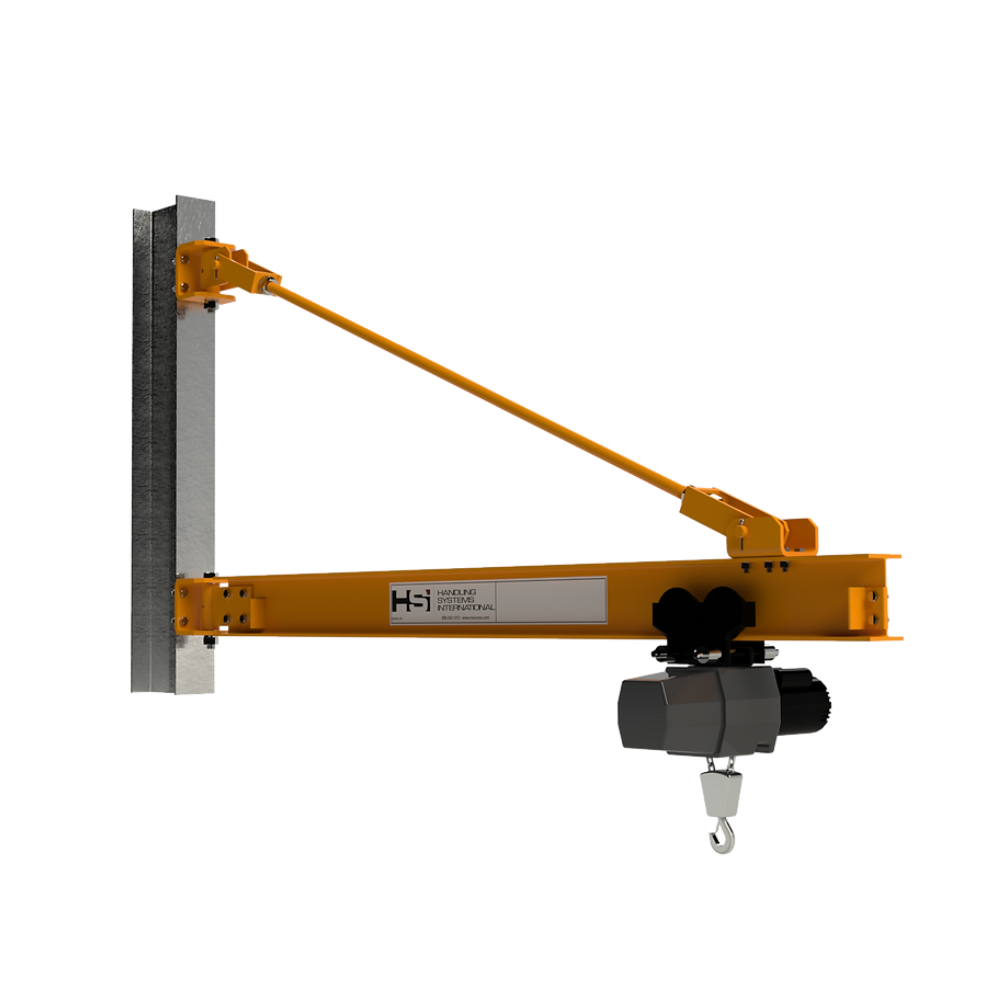
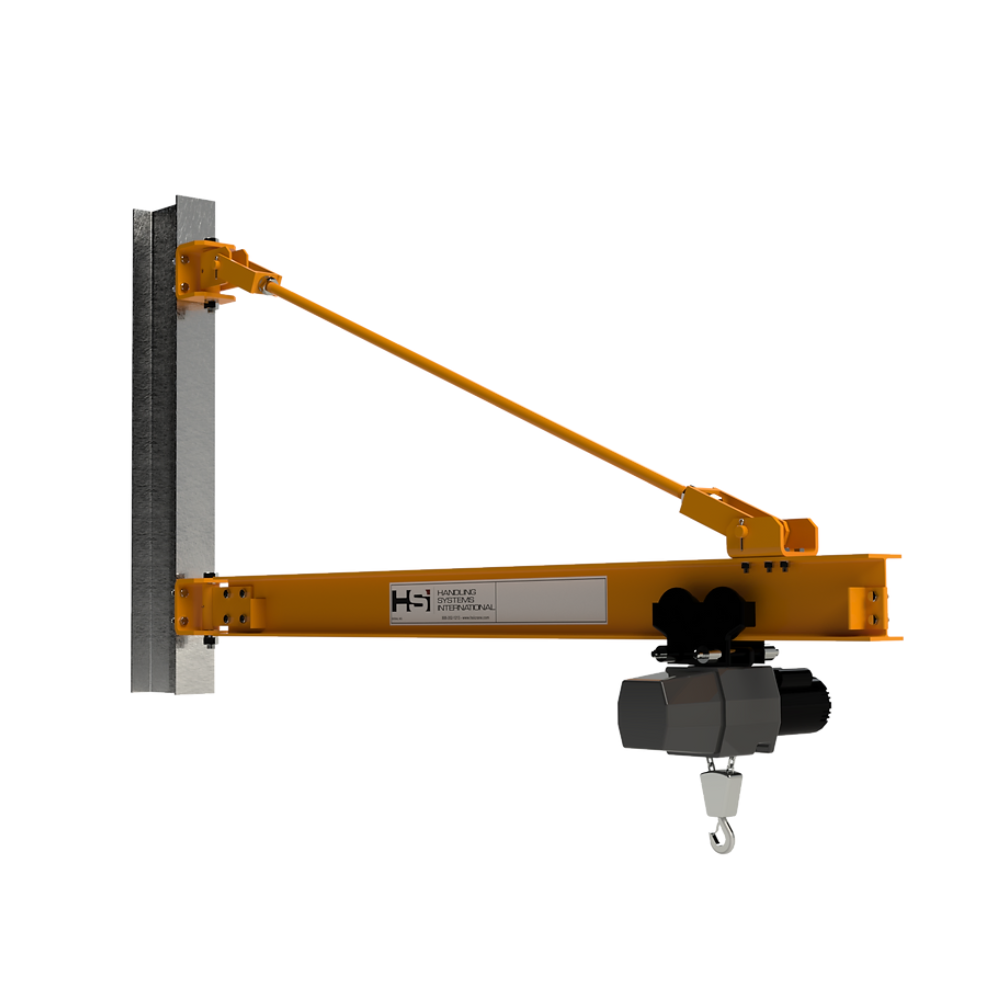
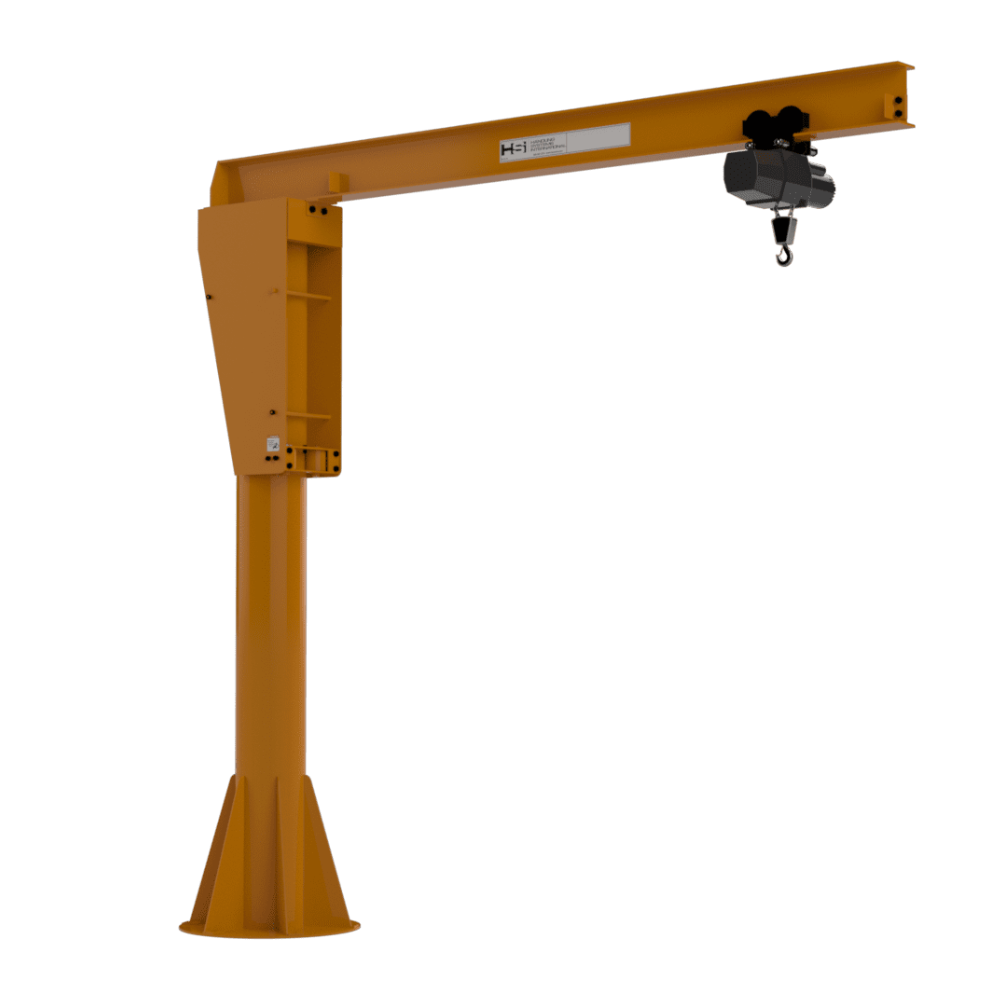
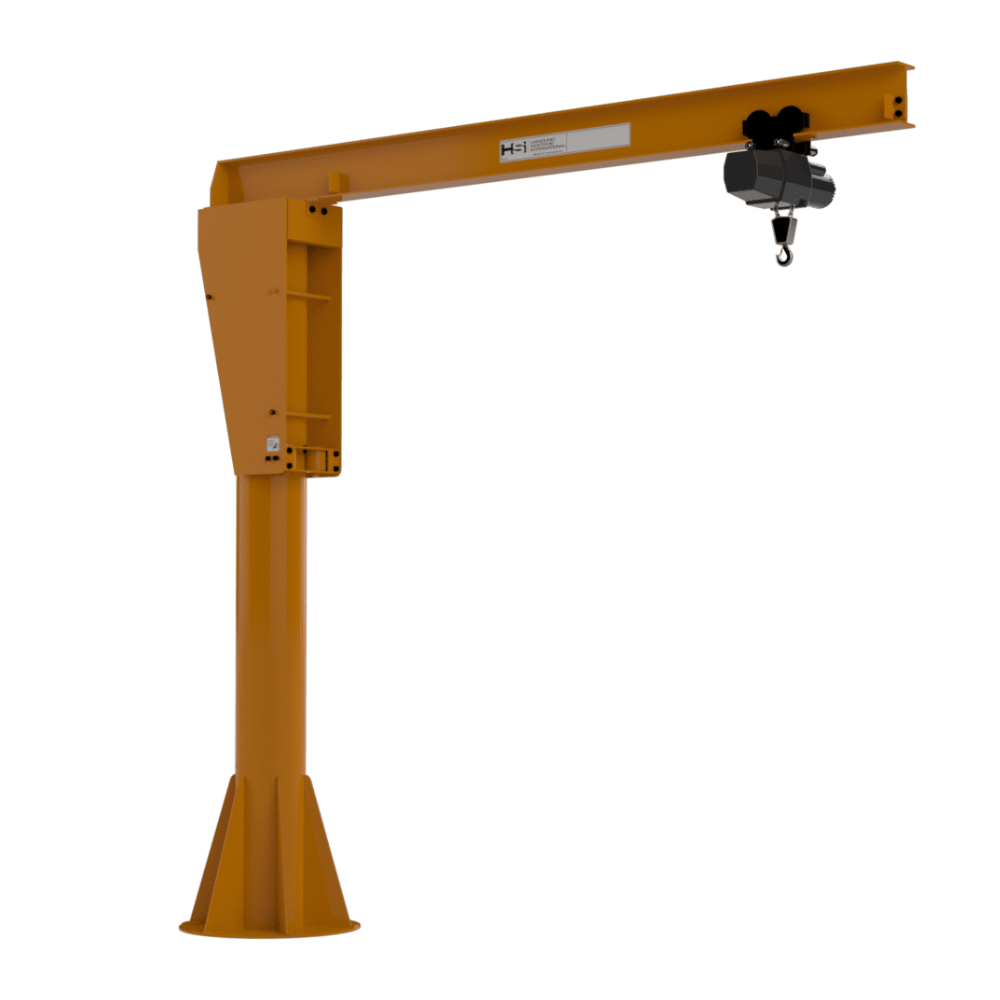
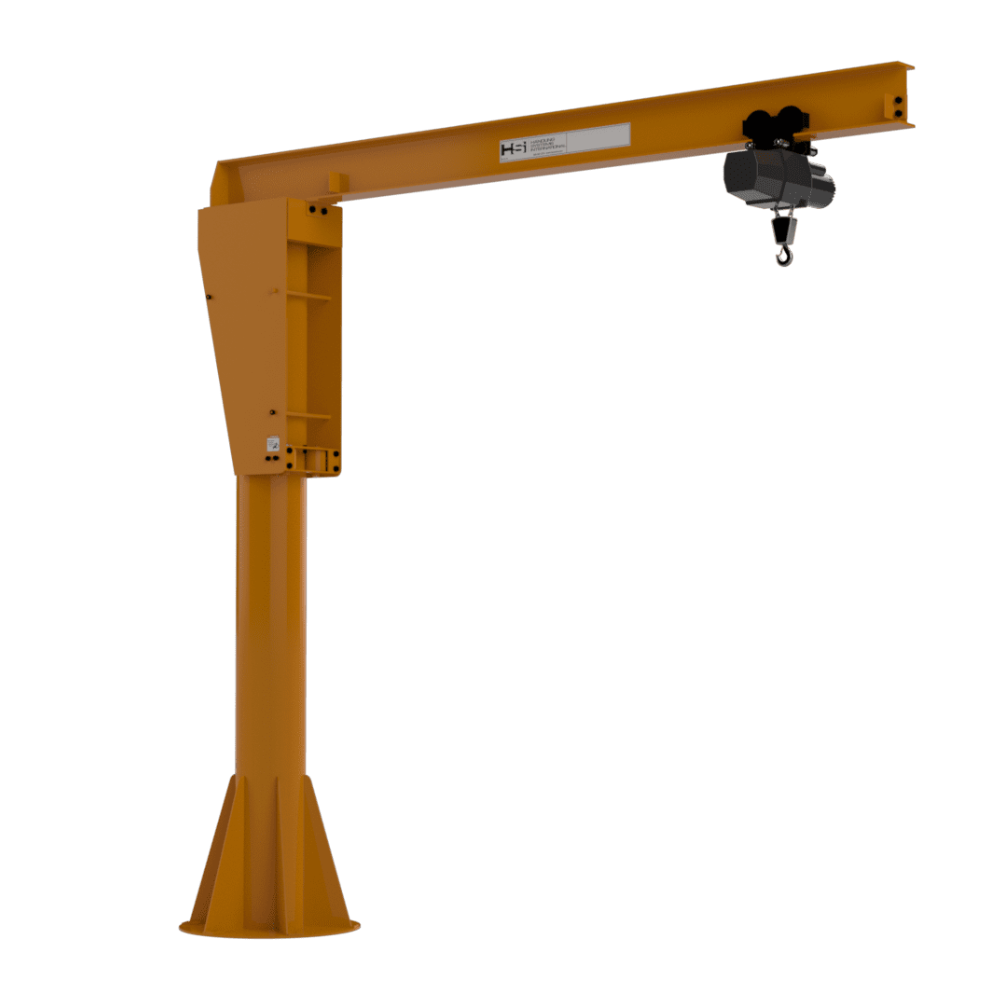
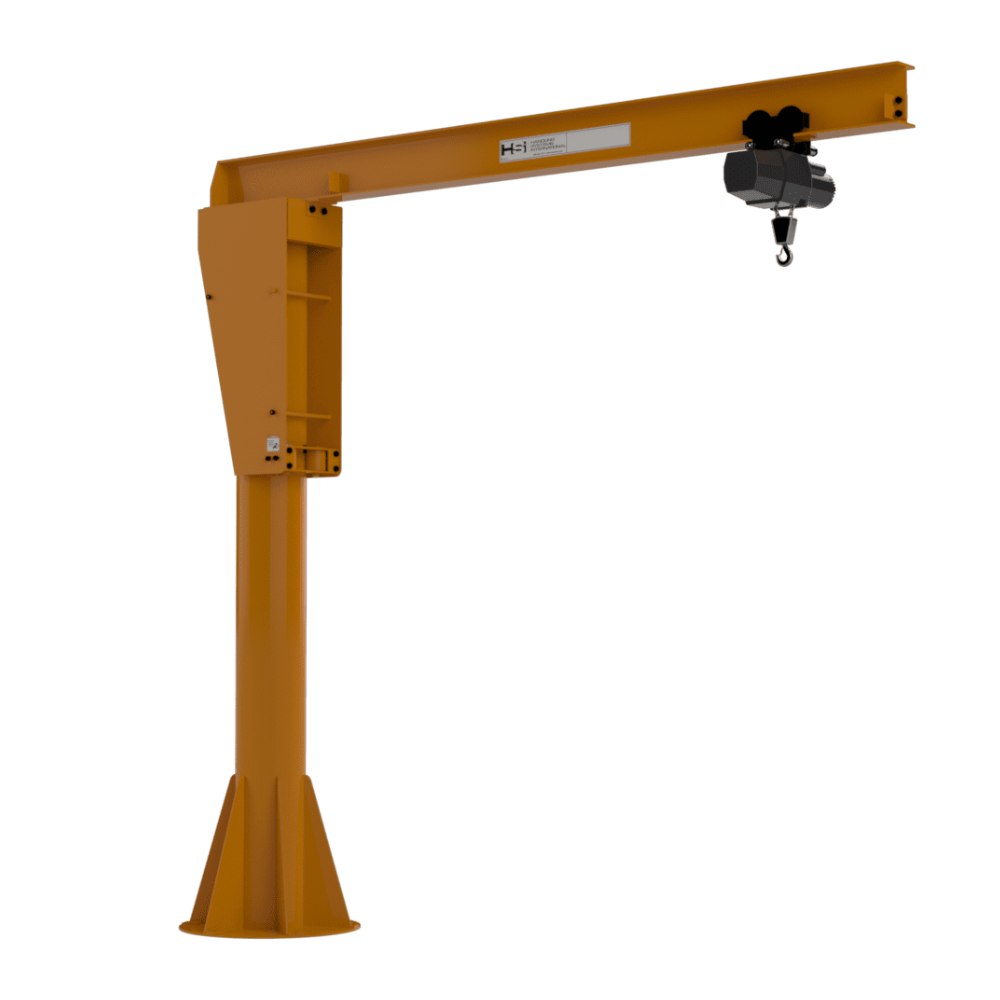
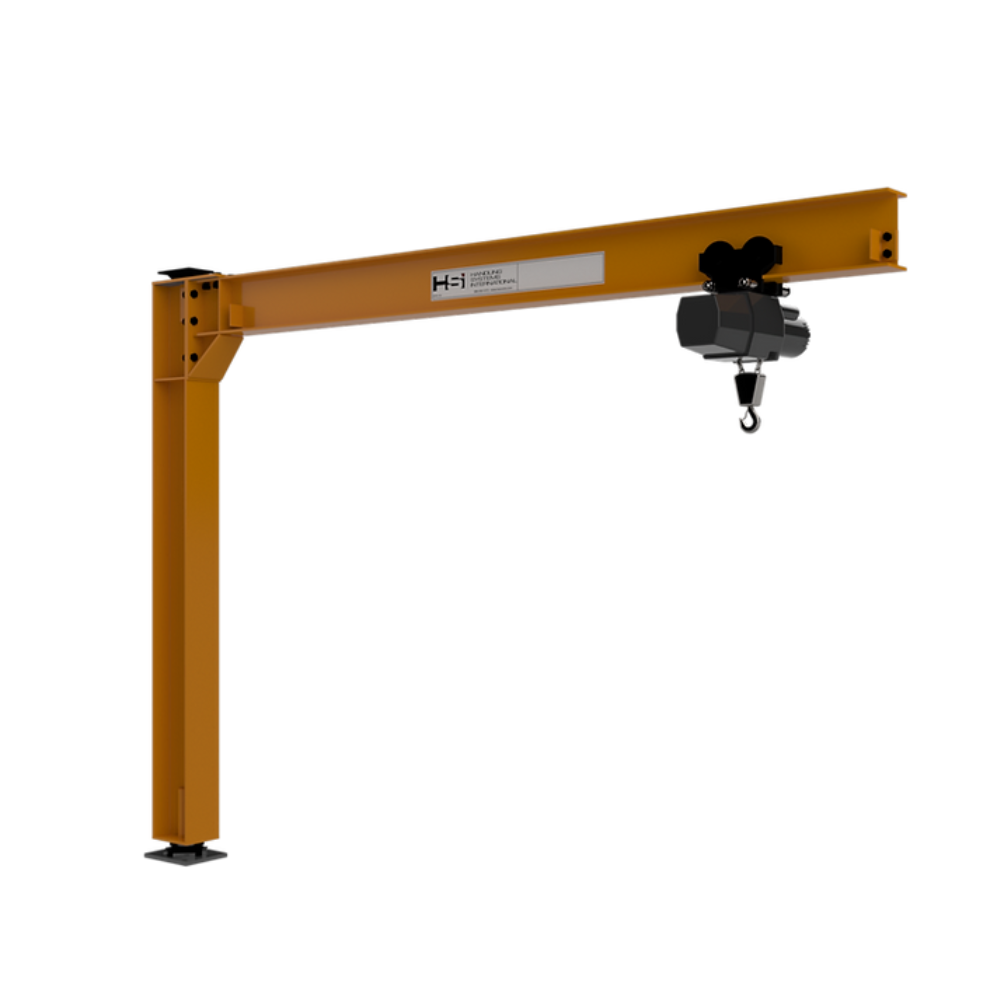
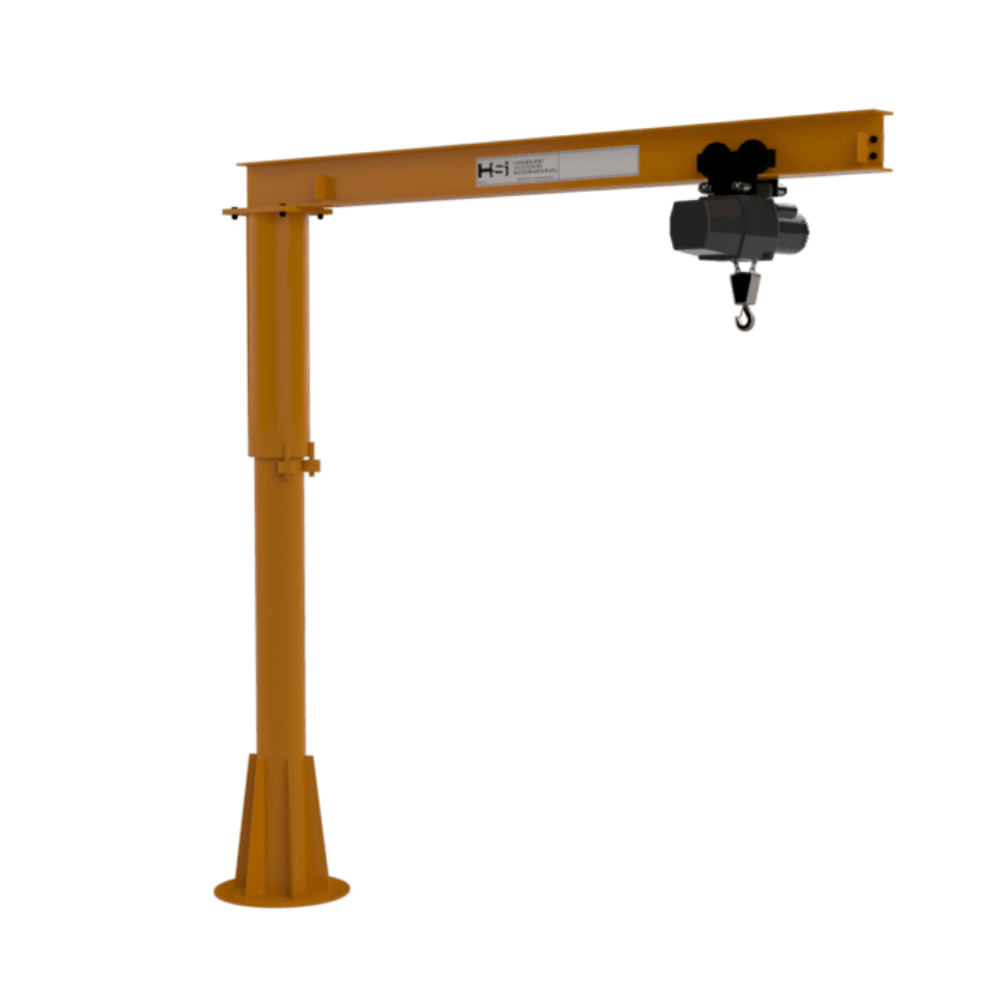
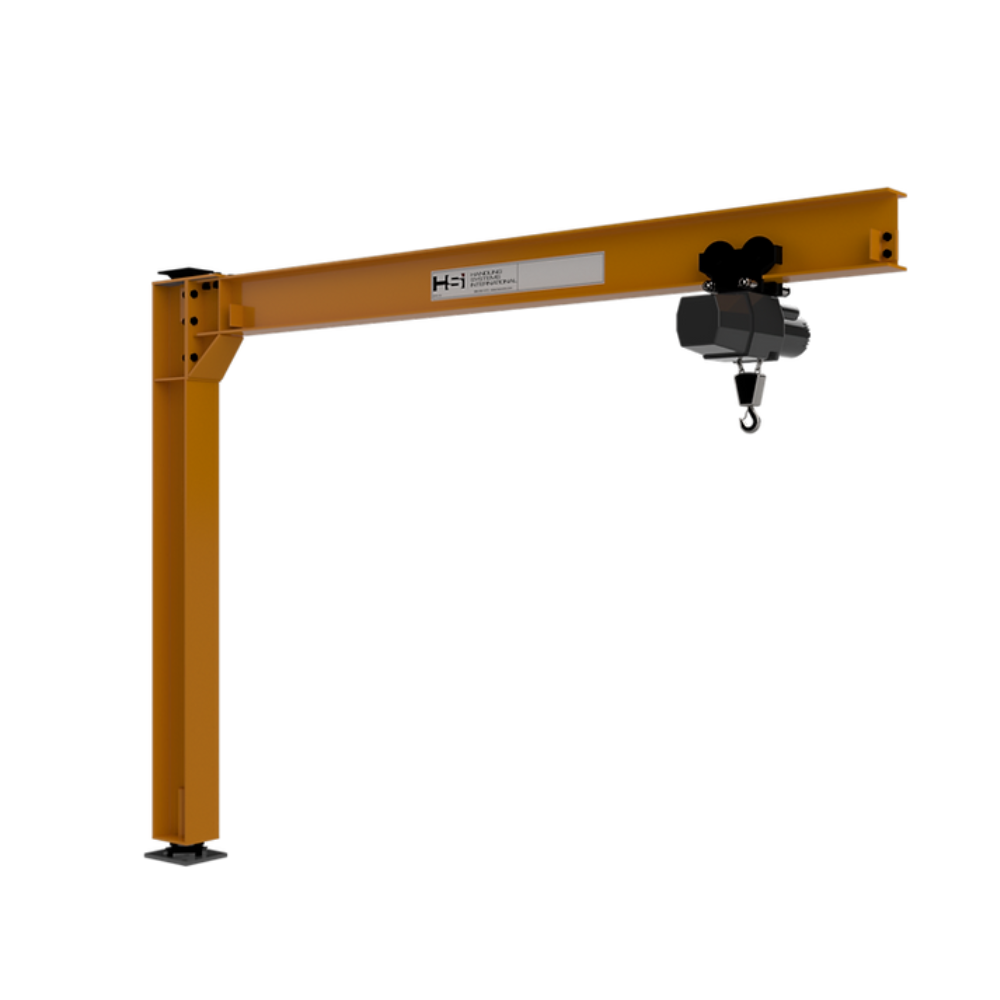
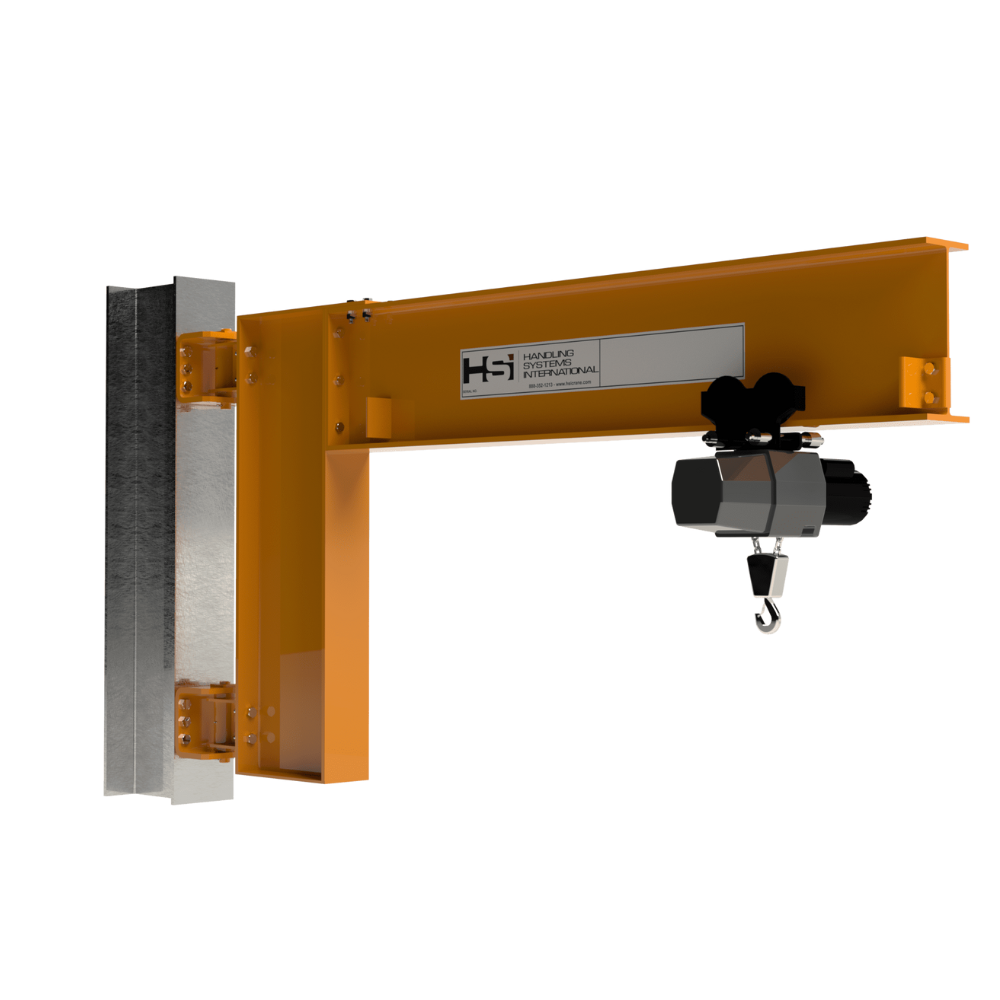
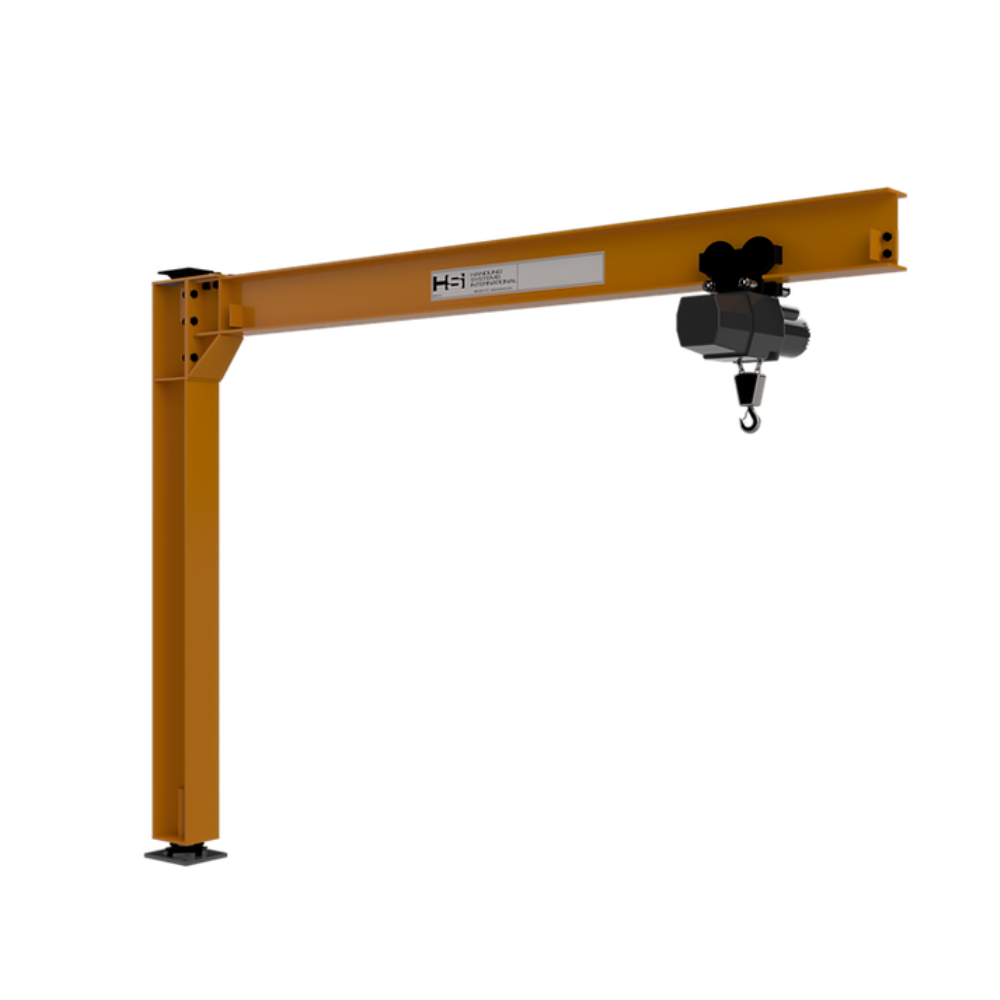
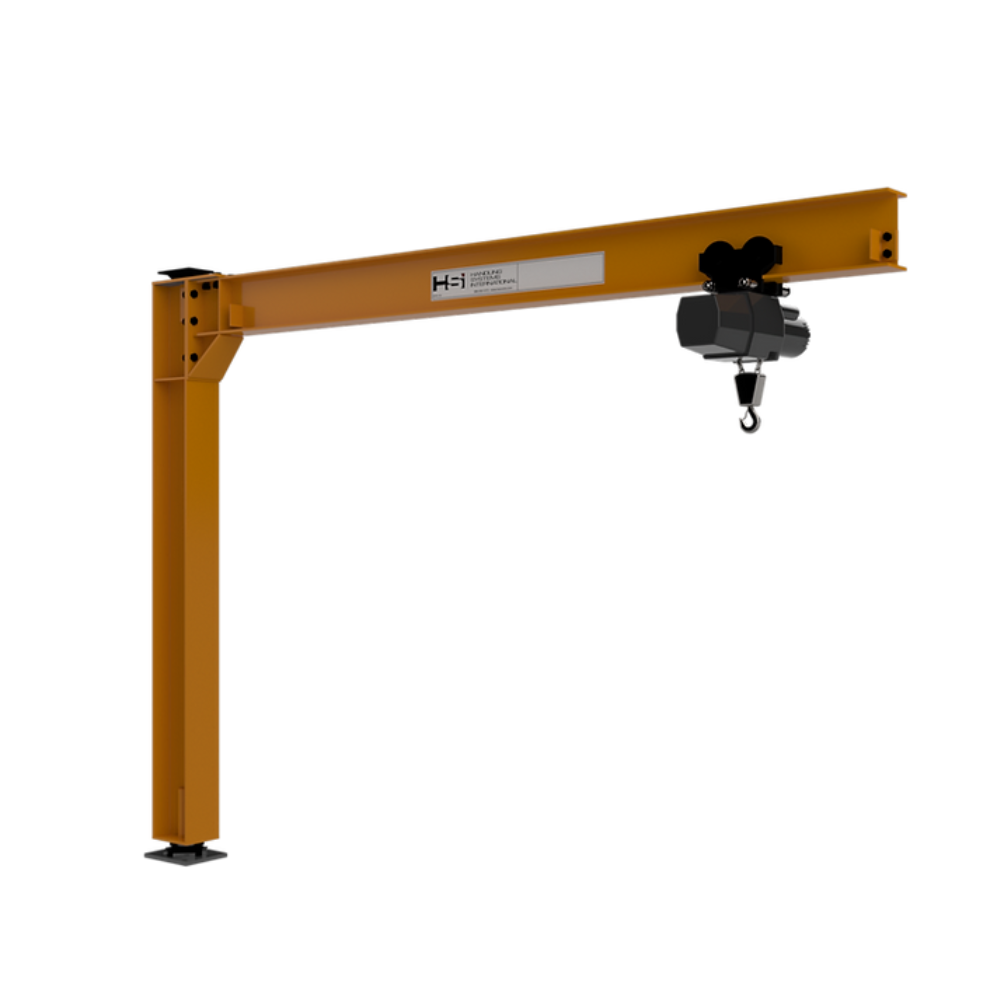
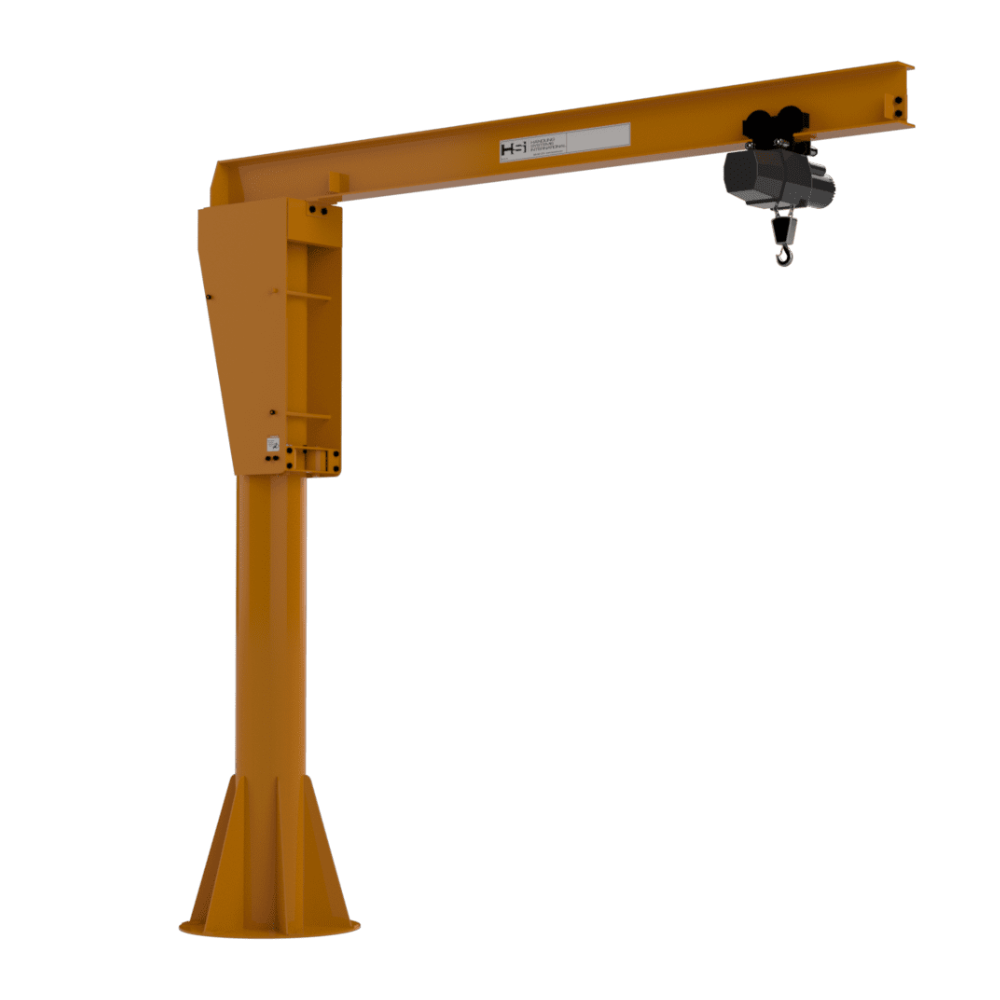
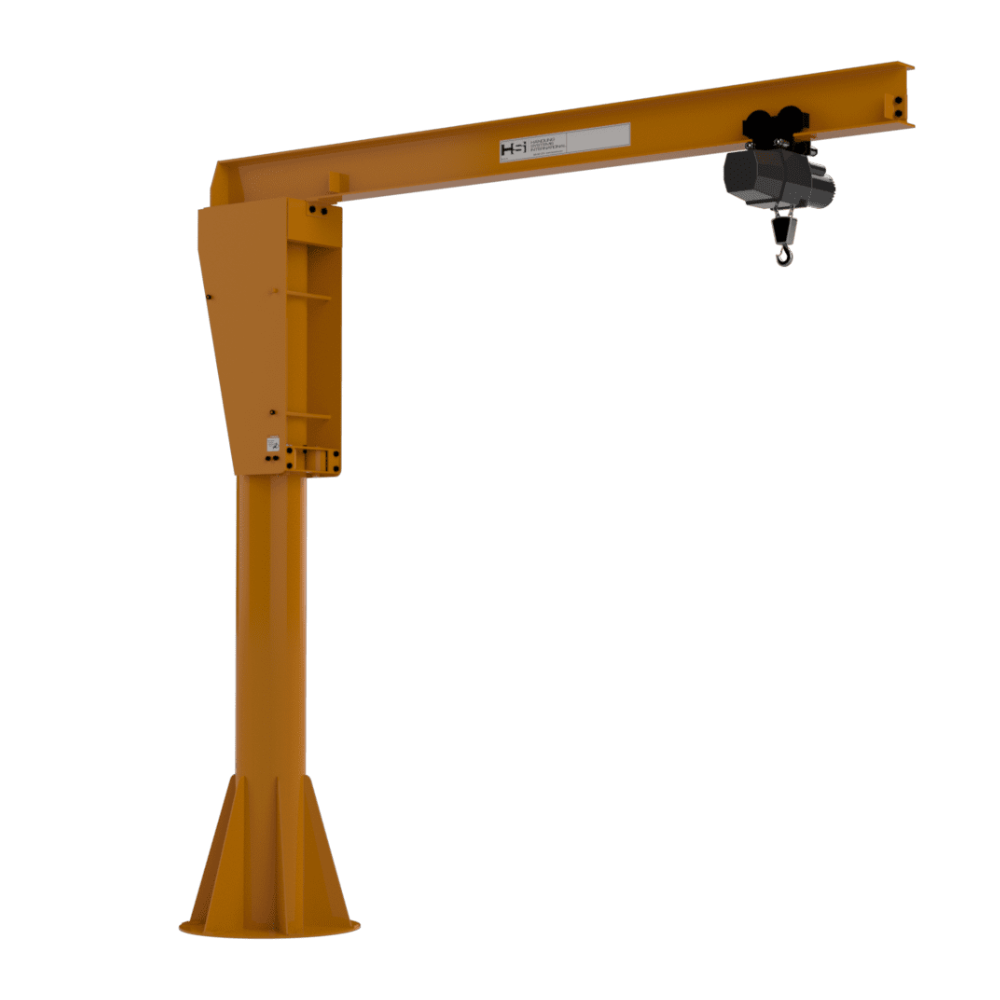
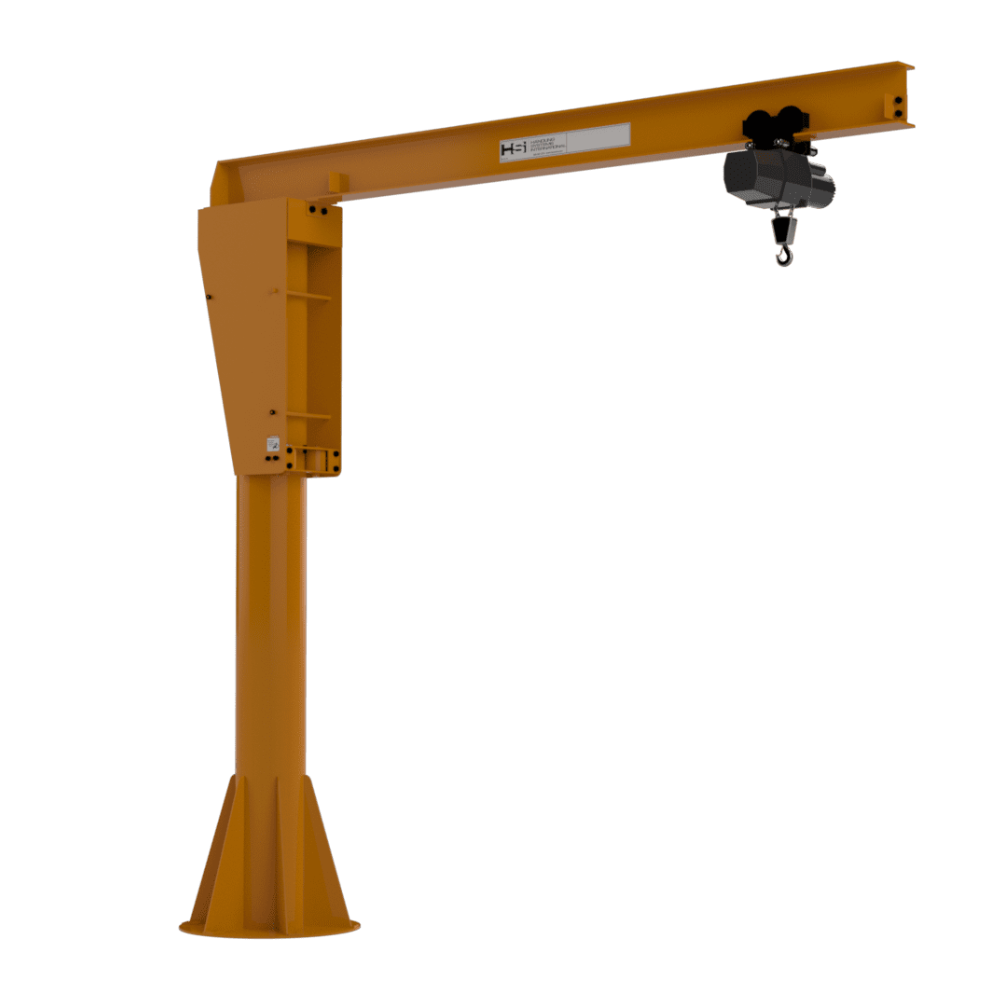
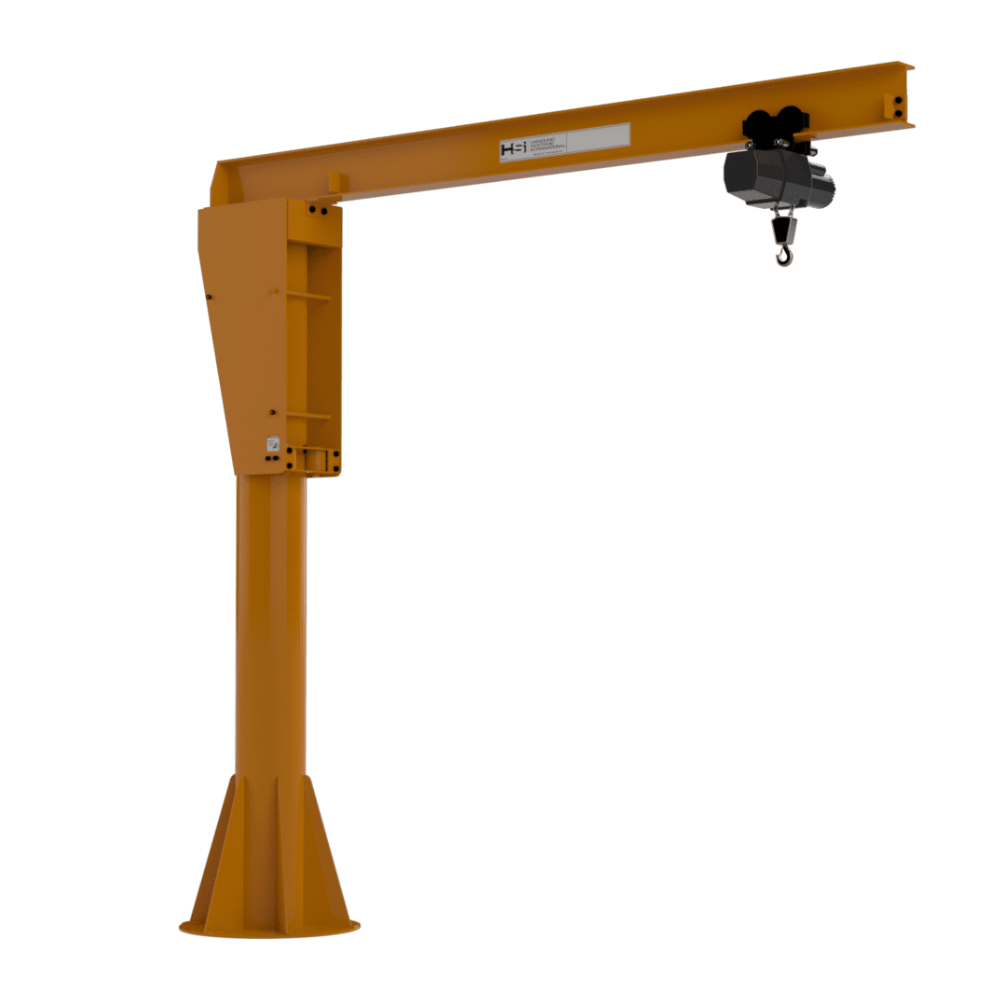
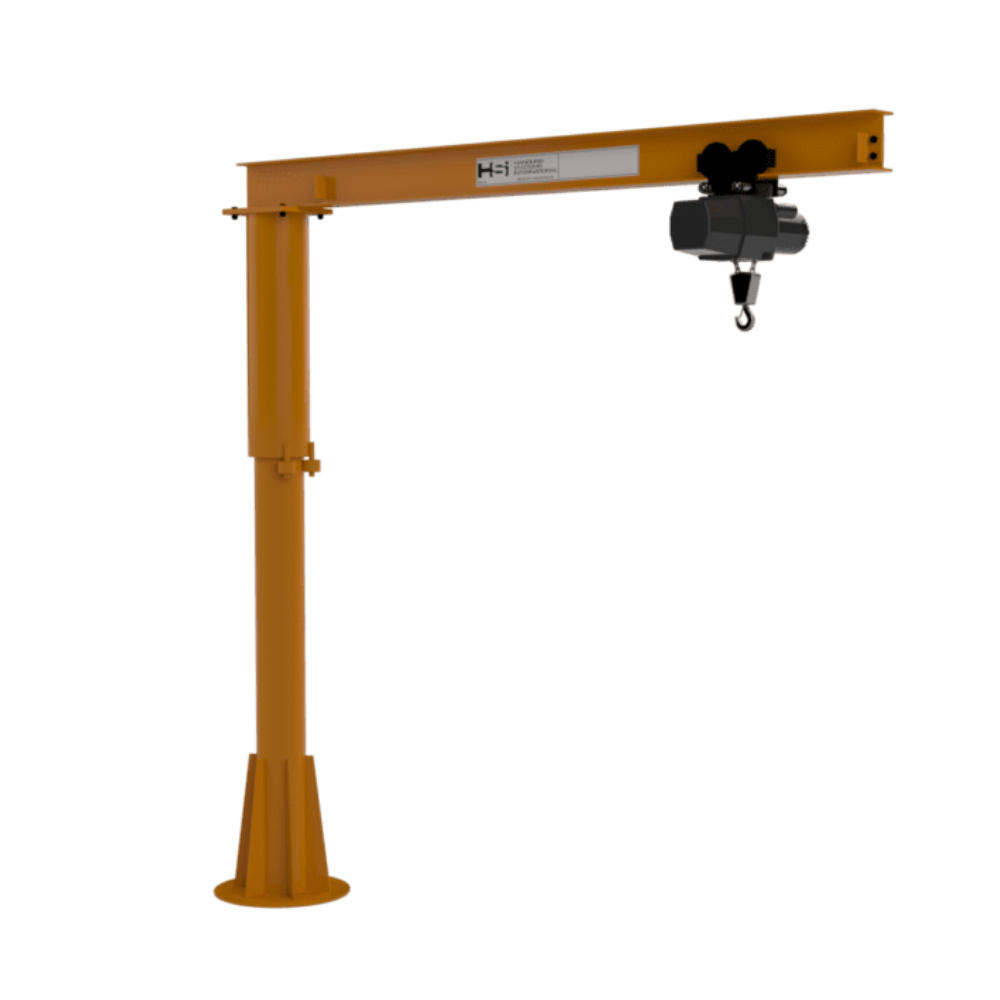
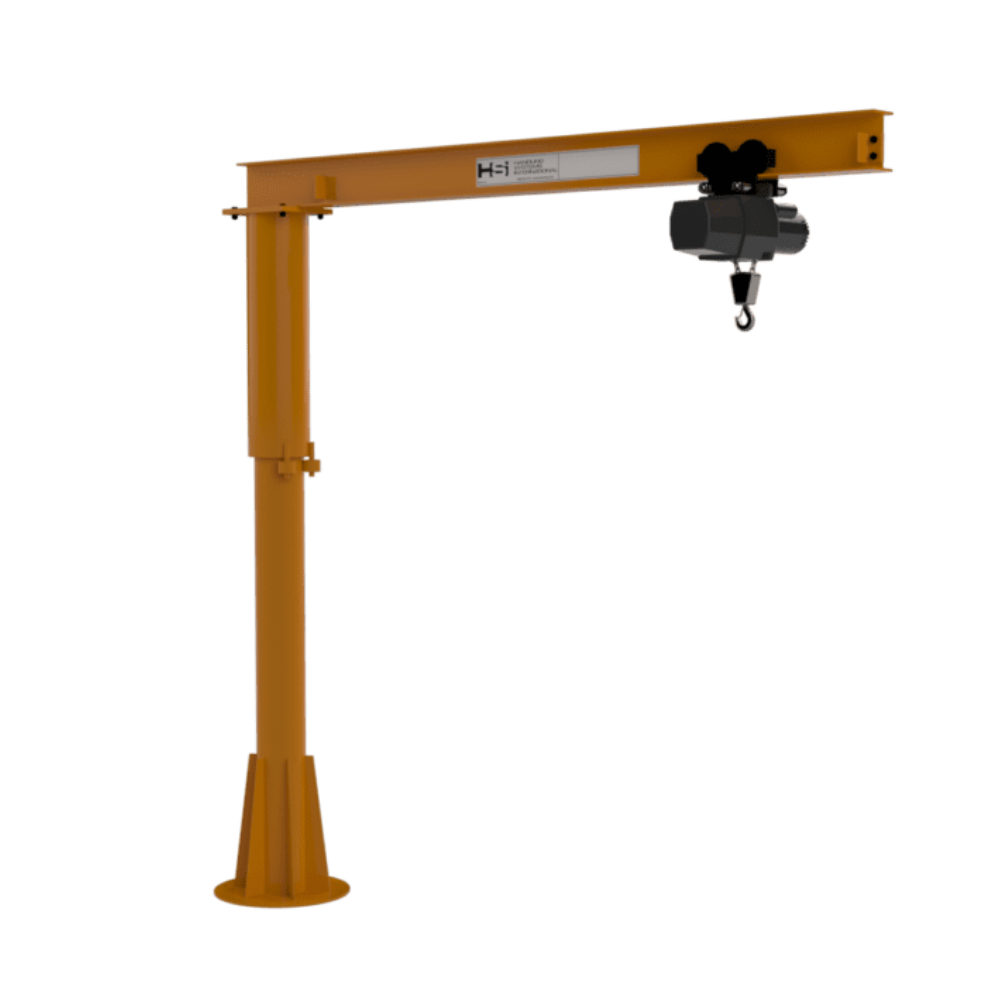
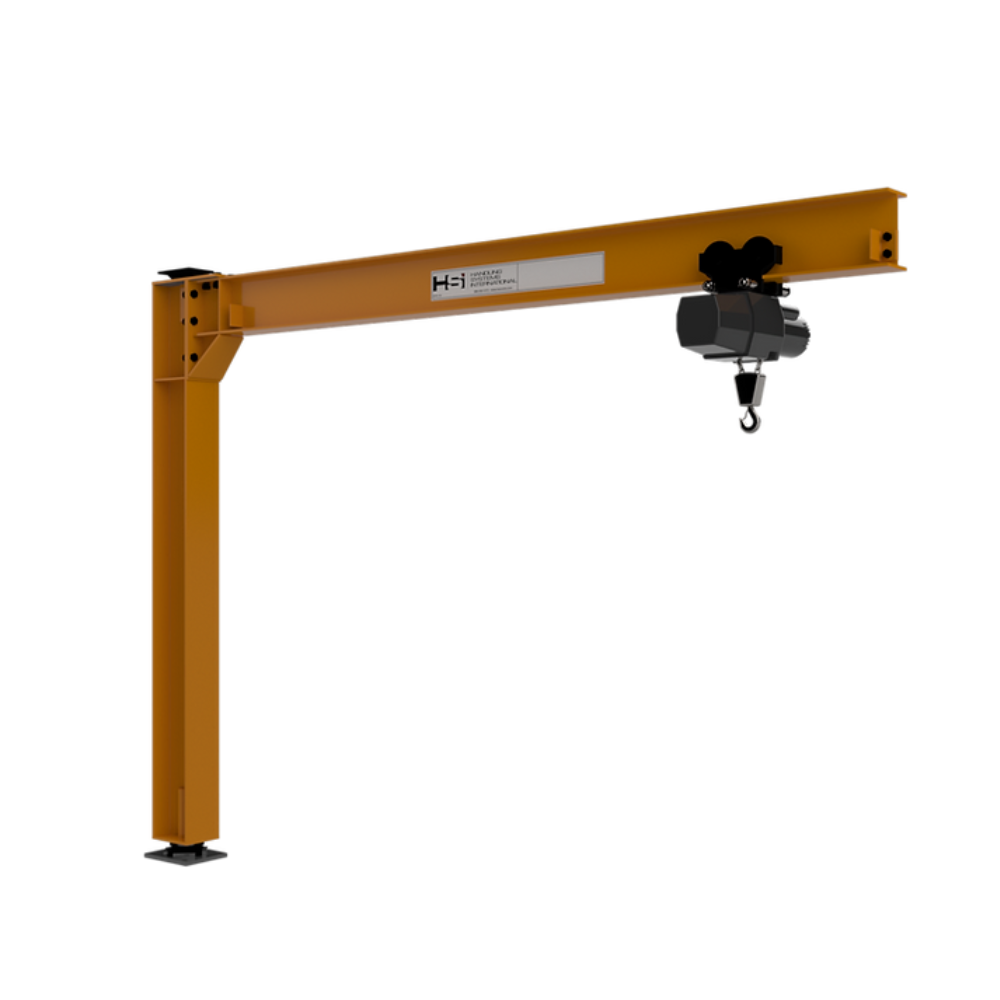
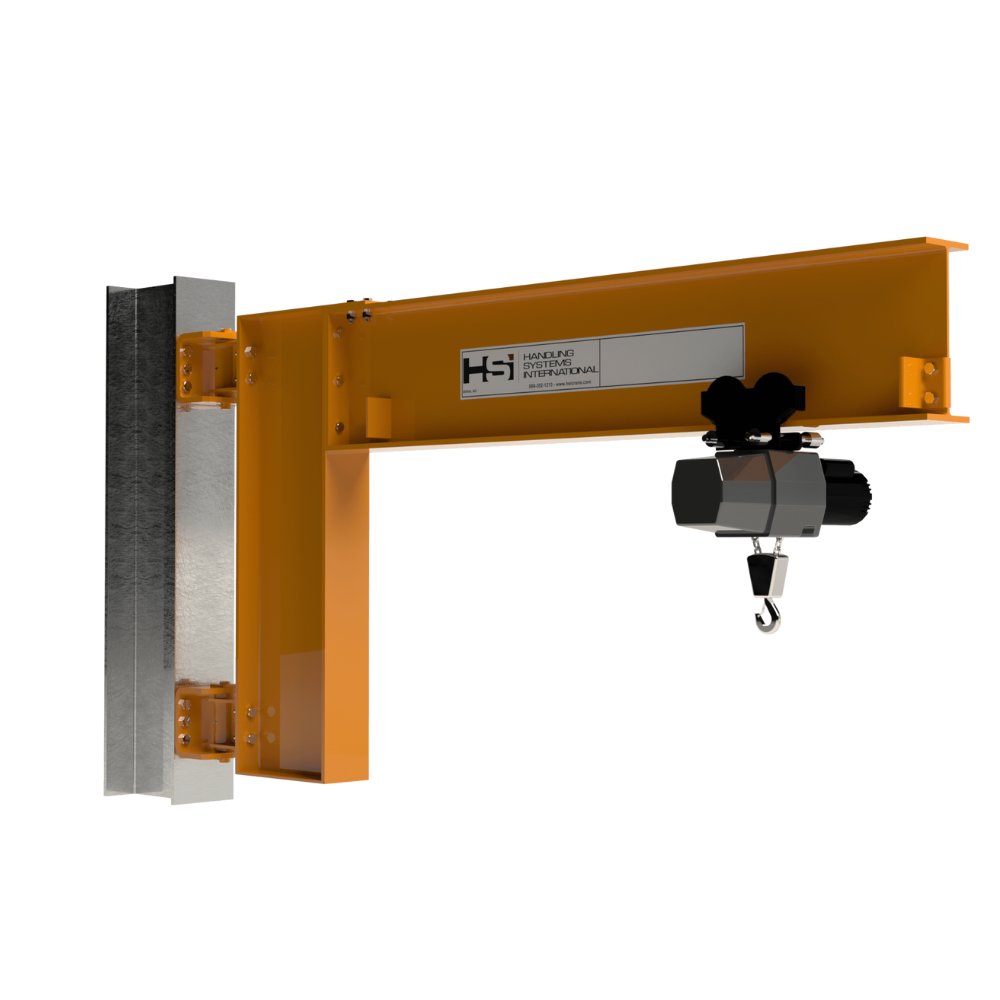
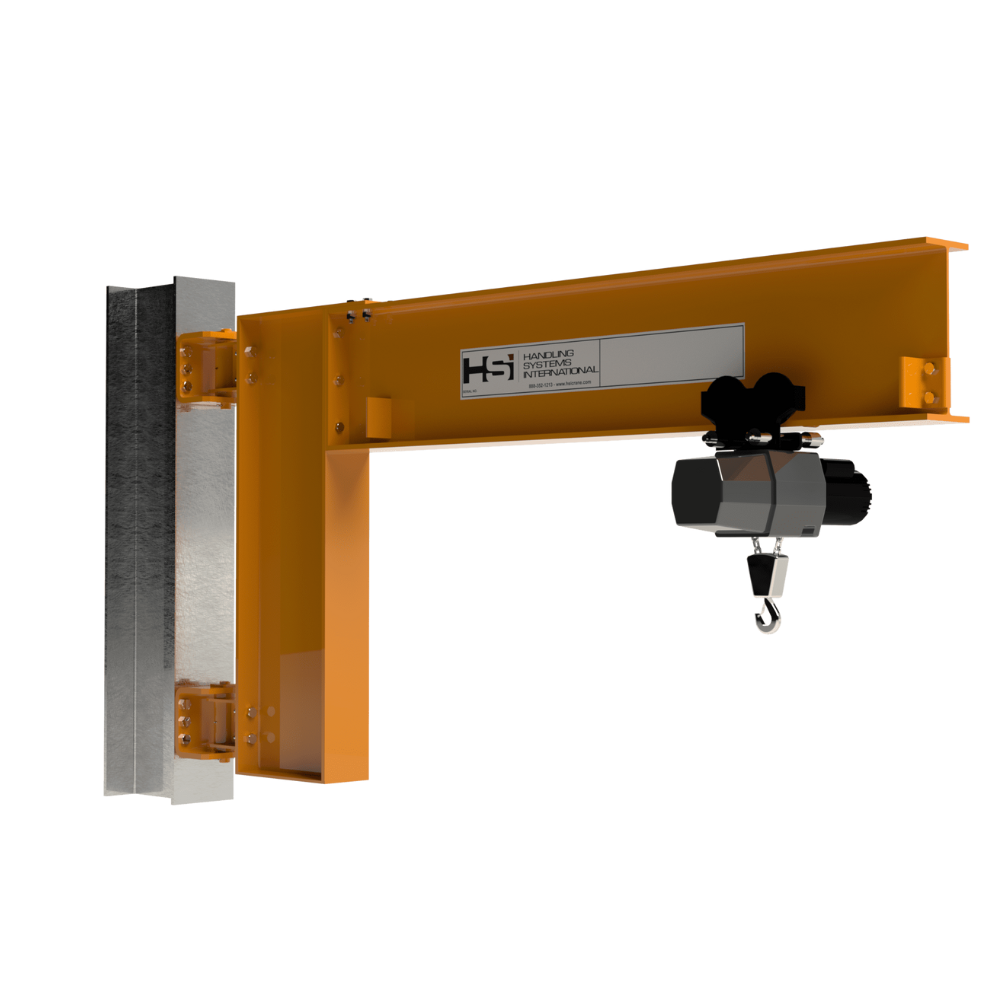
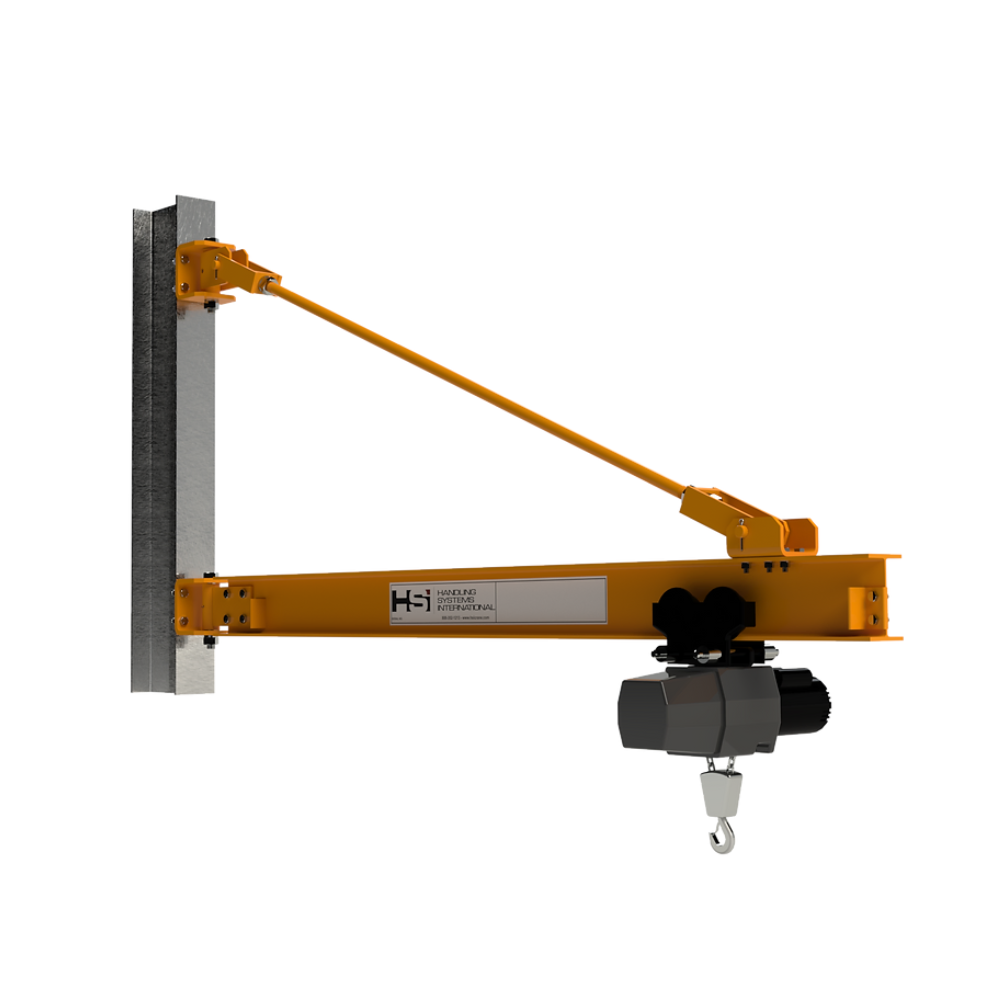
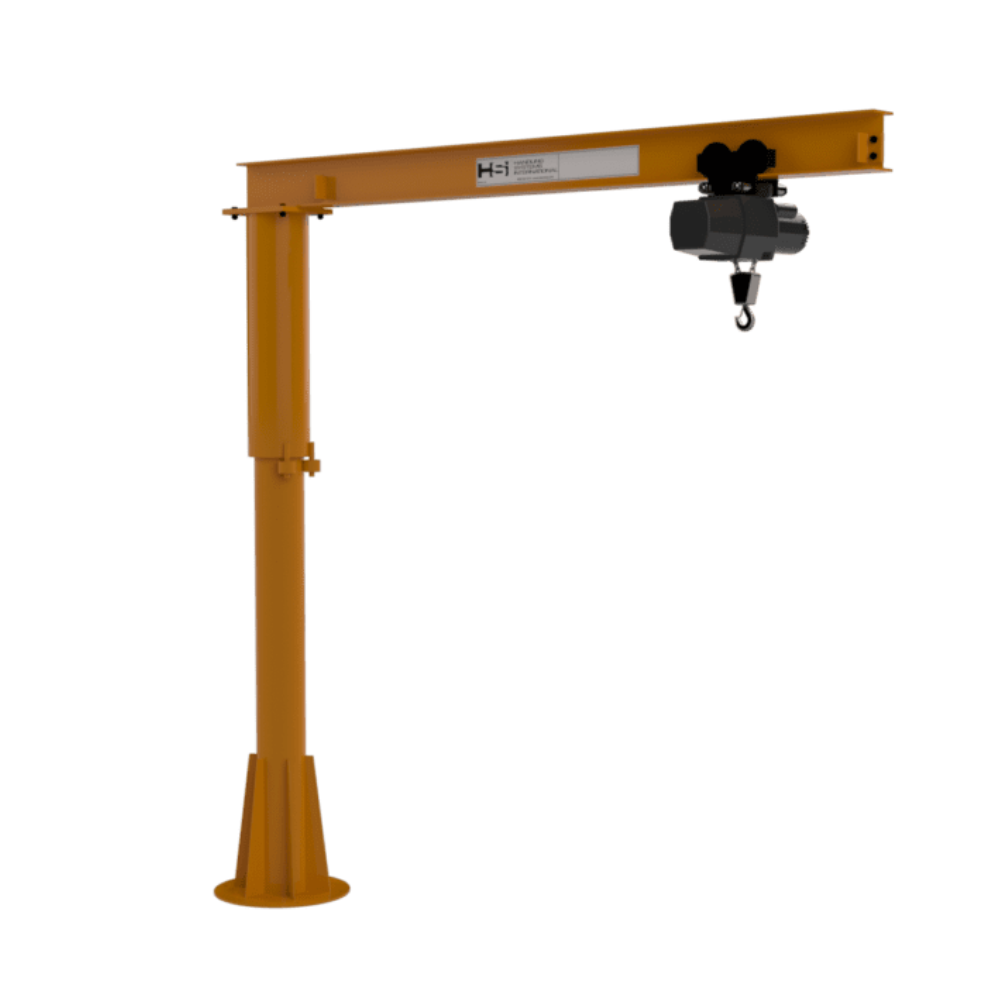
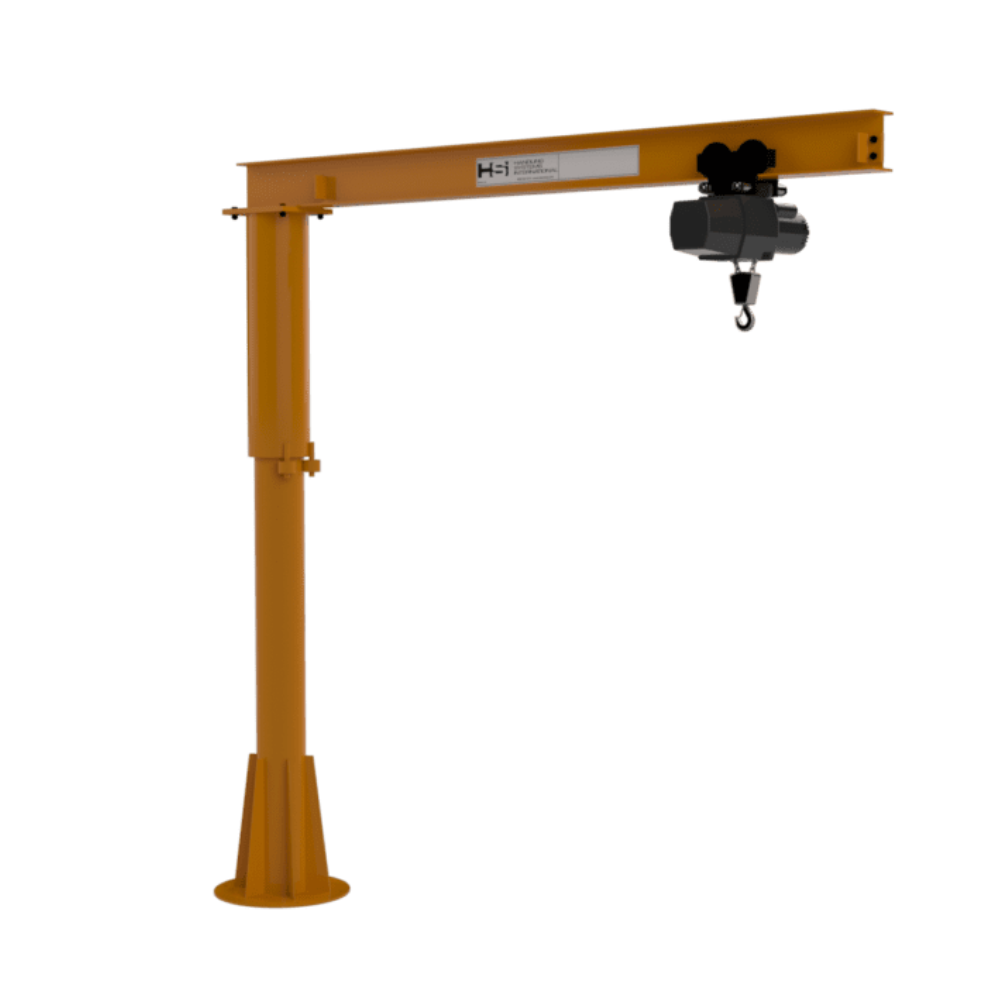
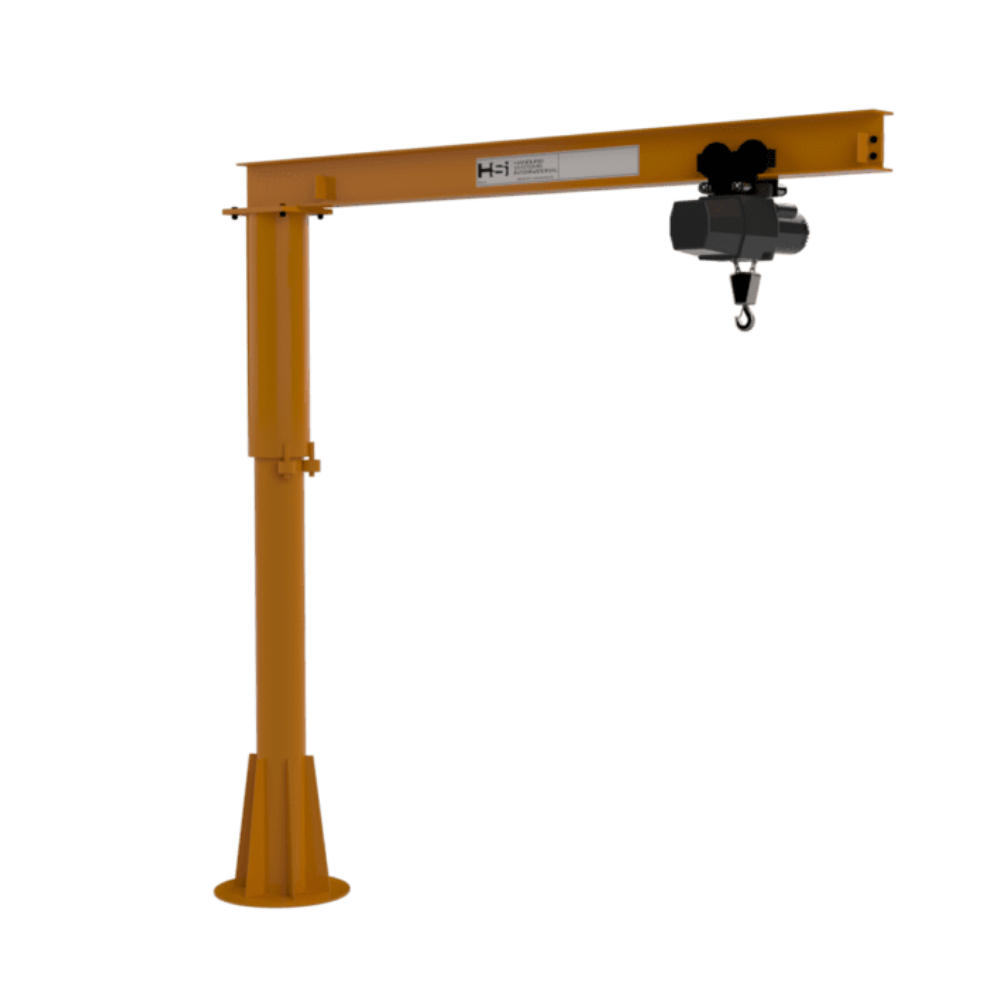
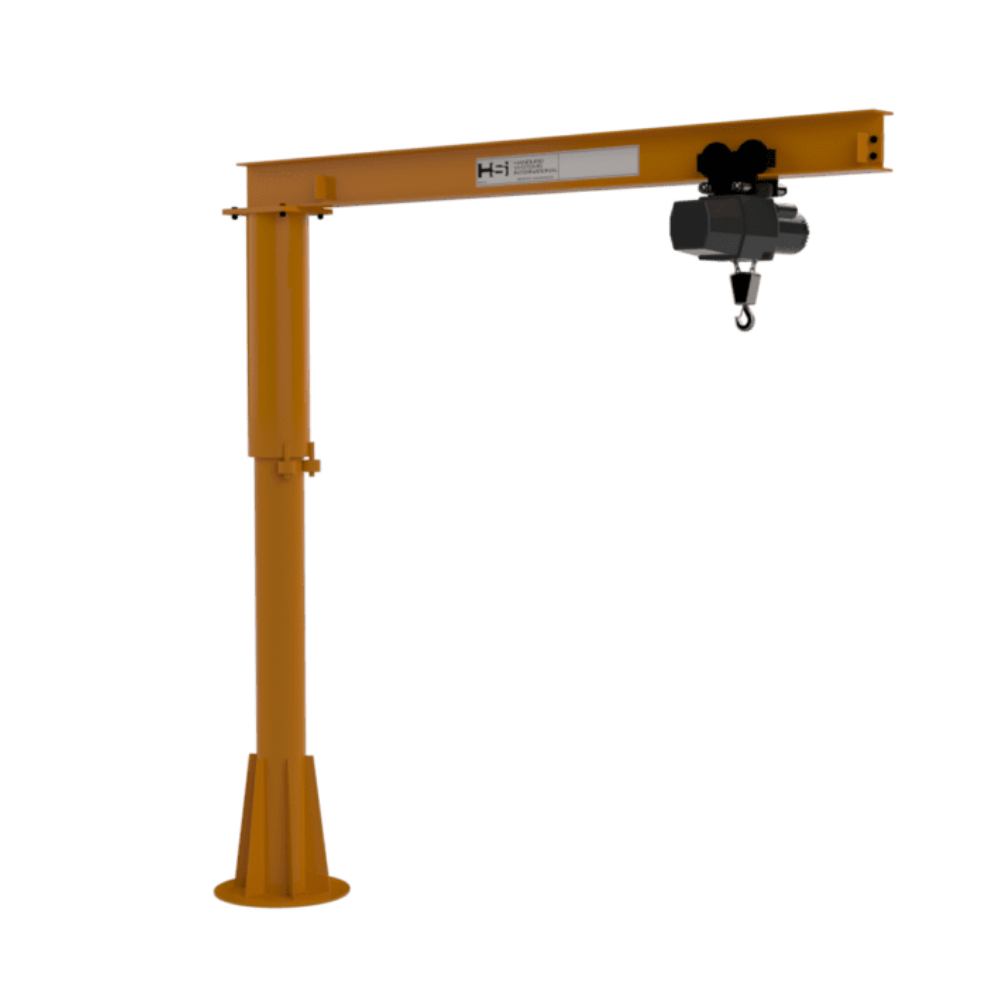
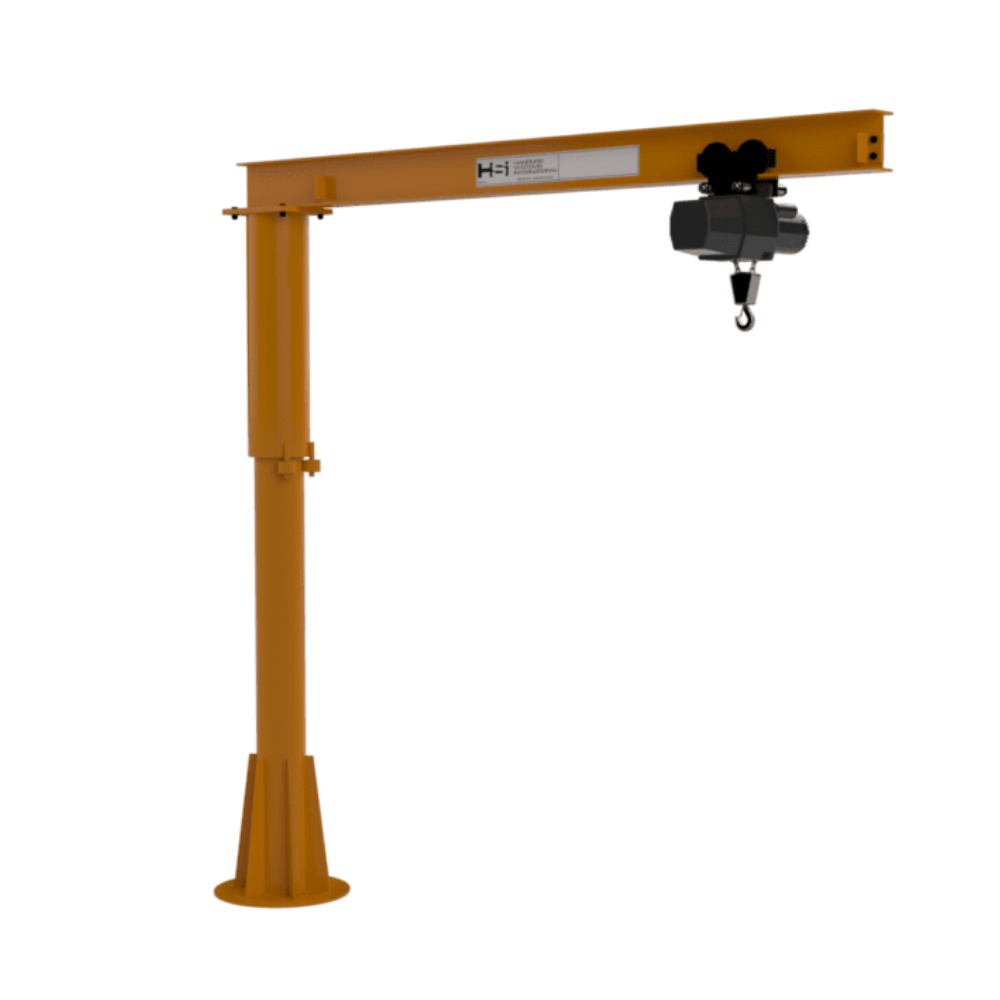
Jib cranes: the mounting style is the real decision. Capacity gets the attention, but mounting decides cost, coverage, and installation pain. Freestanding jibs rotate a full 360 degrees and serve everything within their span, 8 to 20 ft on the HSI heavy duty line, but the standard versions want a proper reinforced concrete foundation poured to the manufacturer's drawings. HSI's foundationless models trade some reach for a baseplate that anchors to an existing slab, generally a minimum of 6 inches of reinforced concrete, which is the difference between a crane this month and a crane after the pour cures. Wall and column mounted tie rod jibs are the budget path, starting around $1,600, because the building carries the load; the trade is rotation, roughly 180 to 200 degrees instead of a full circle. Mast type jibs bear on the floor and overhead steel, and articulated jibs swing at two pivots to put the hook around corners and inside machines a straight boom cannot reach.
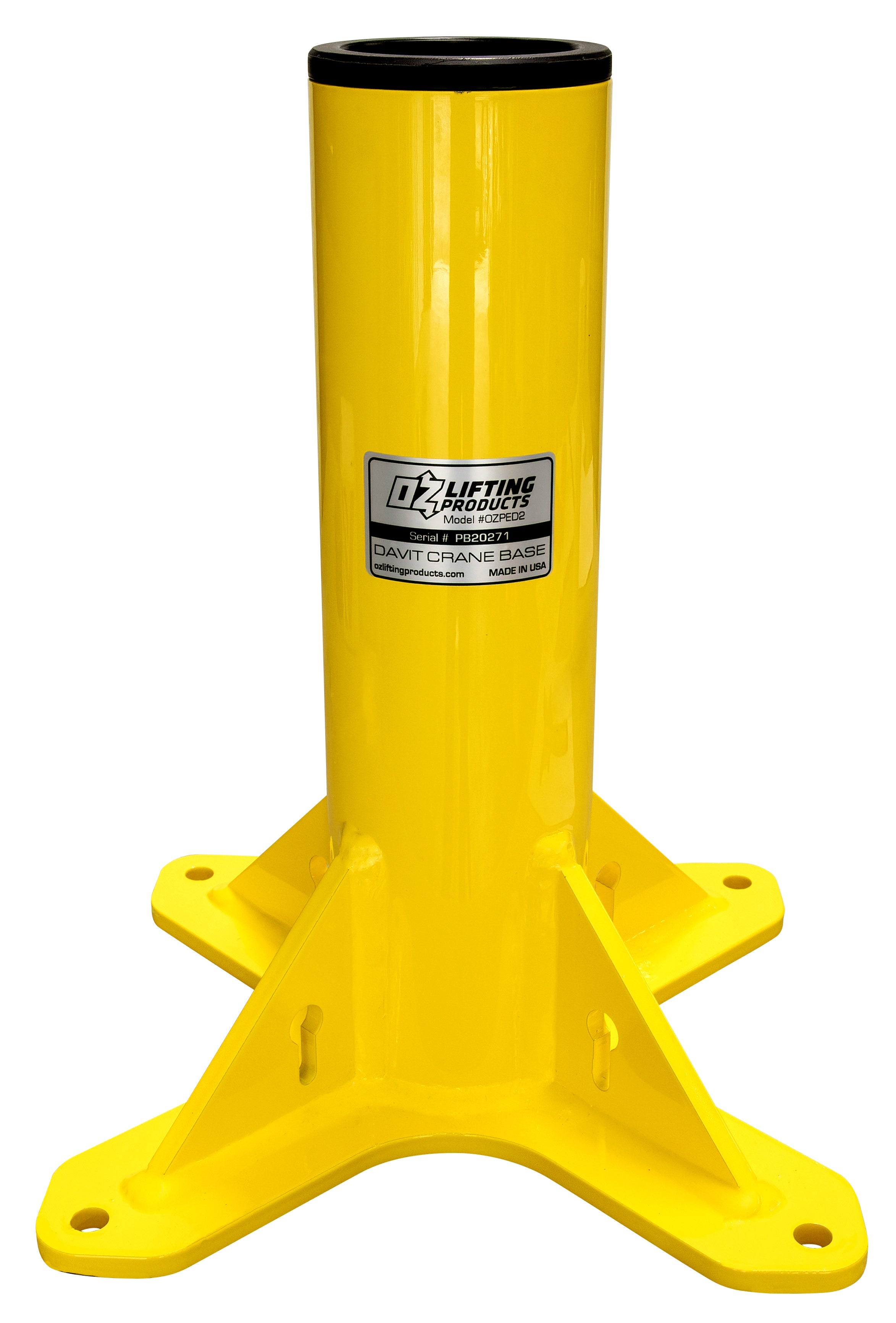
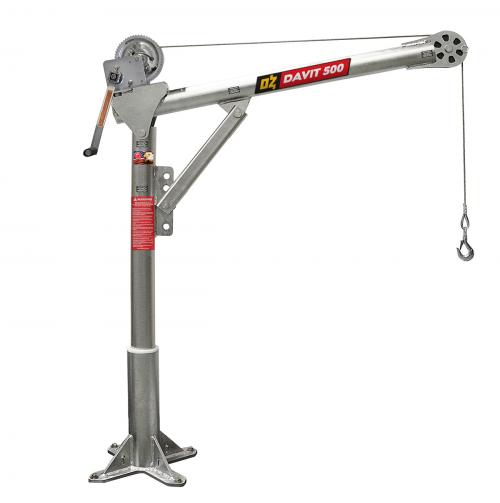
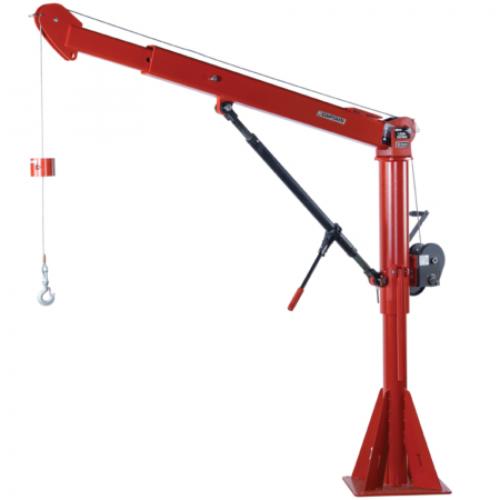
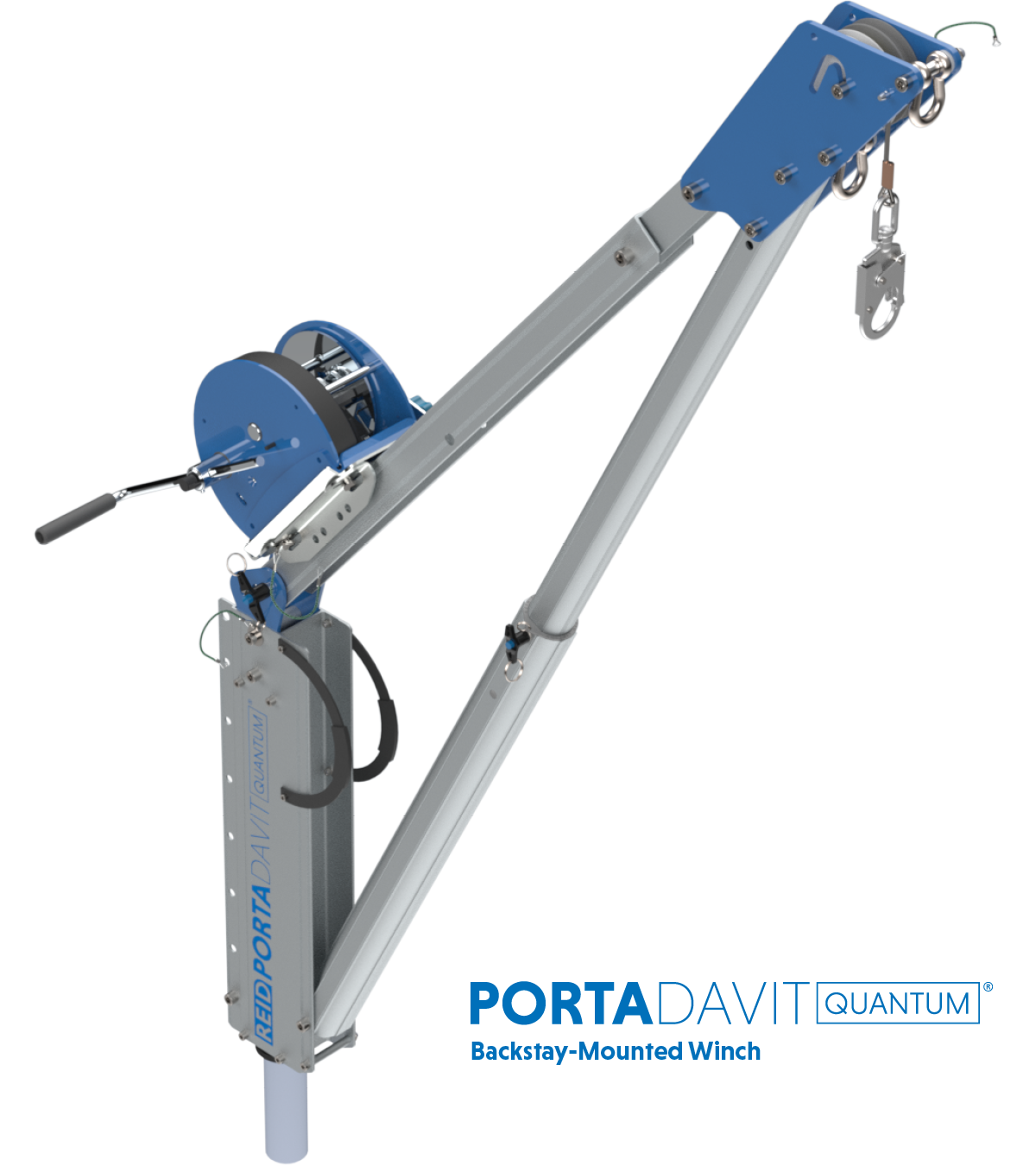
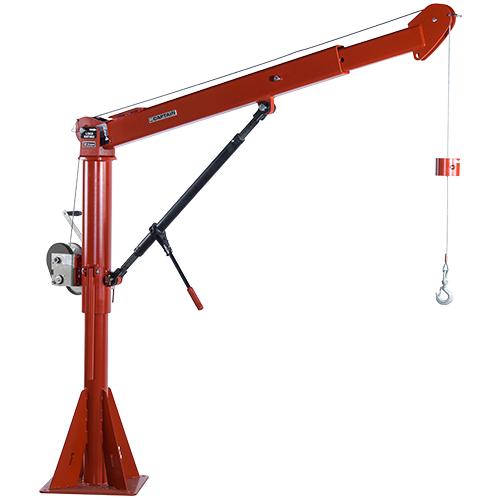
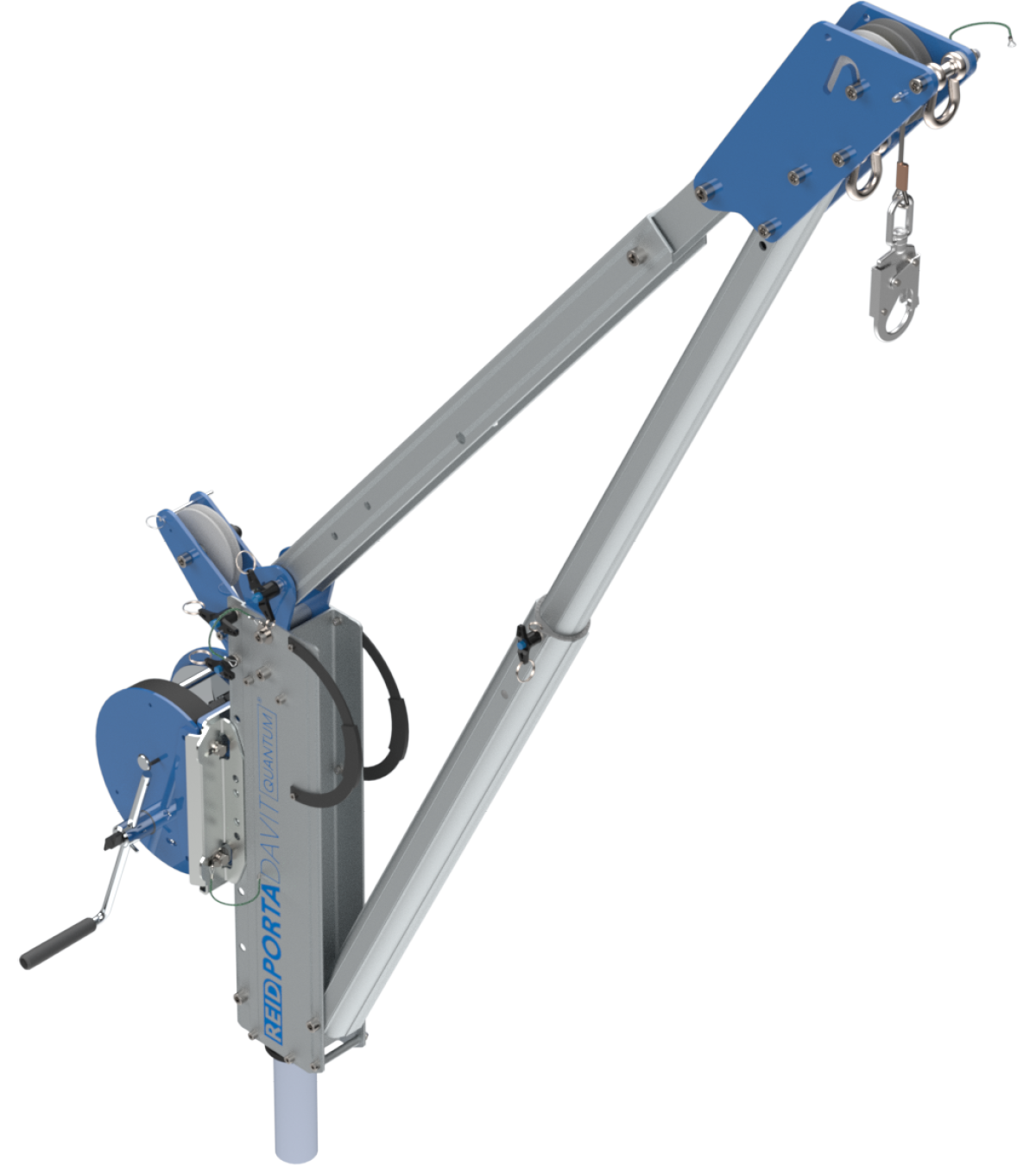
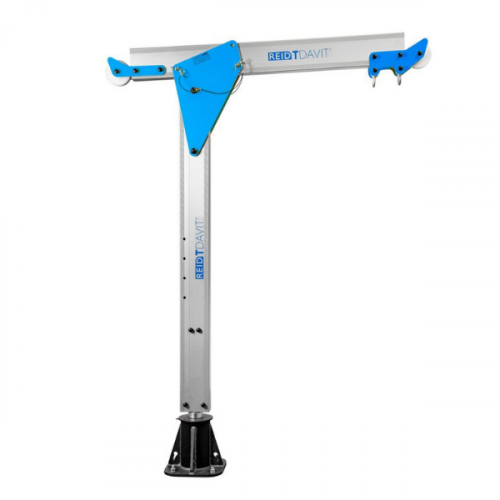
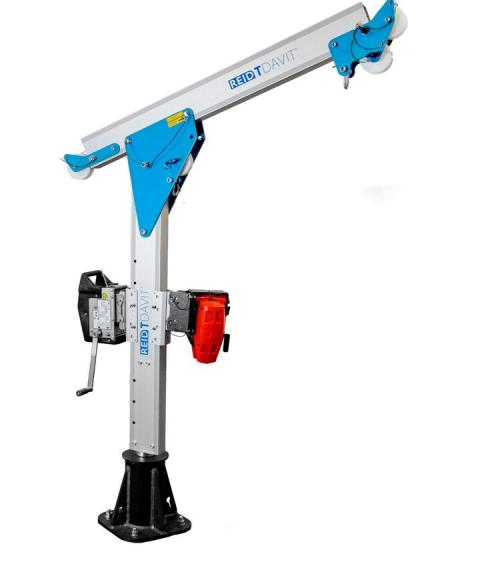
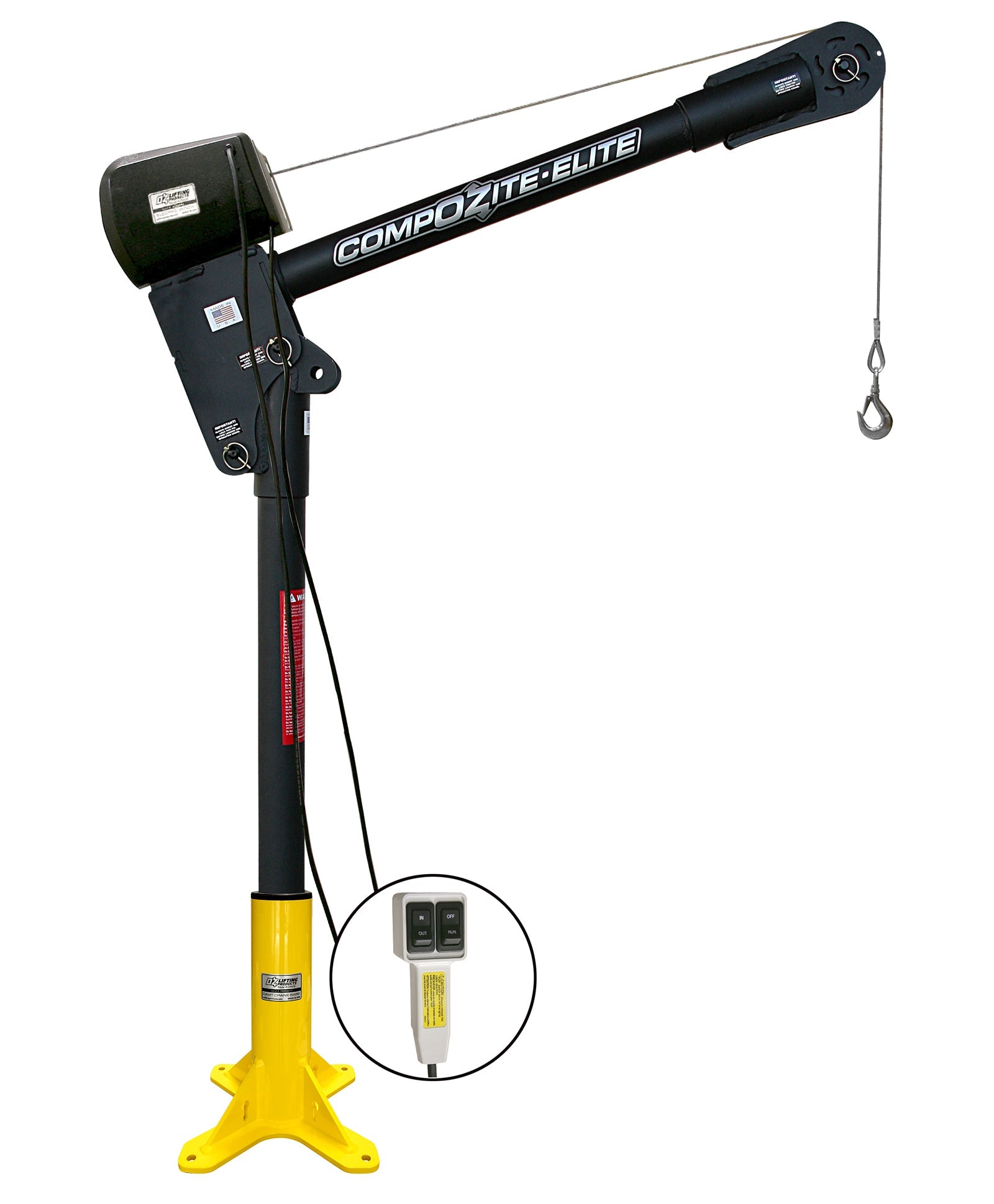
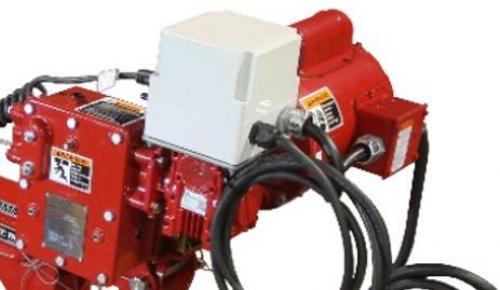
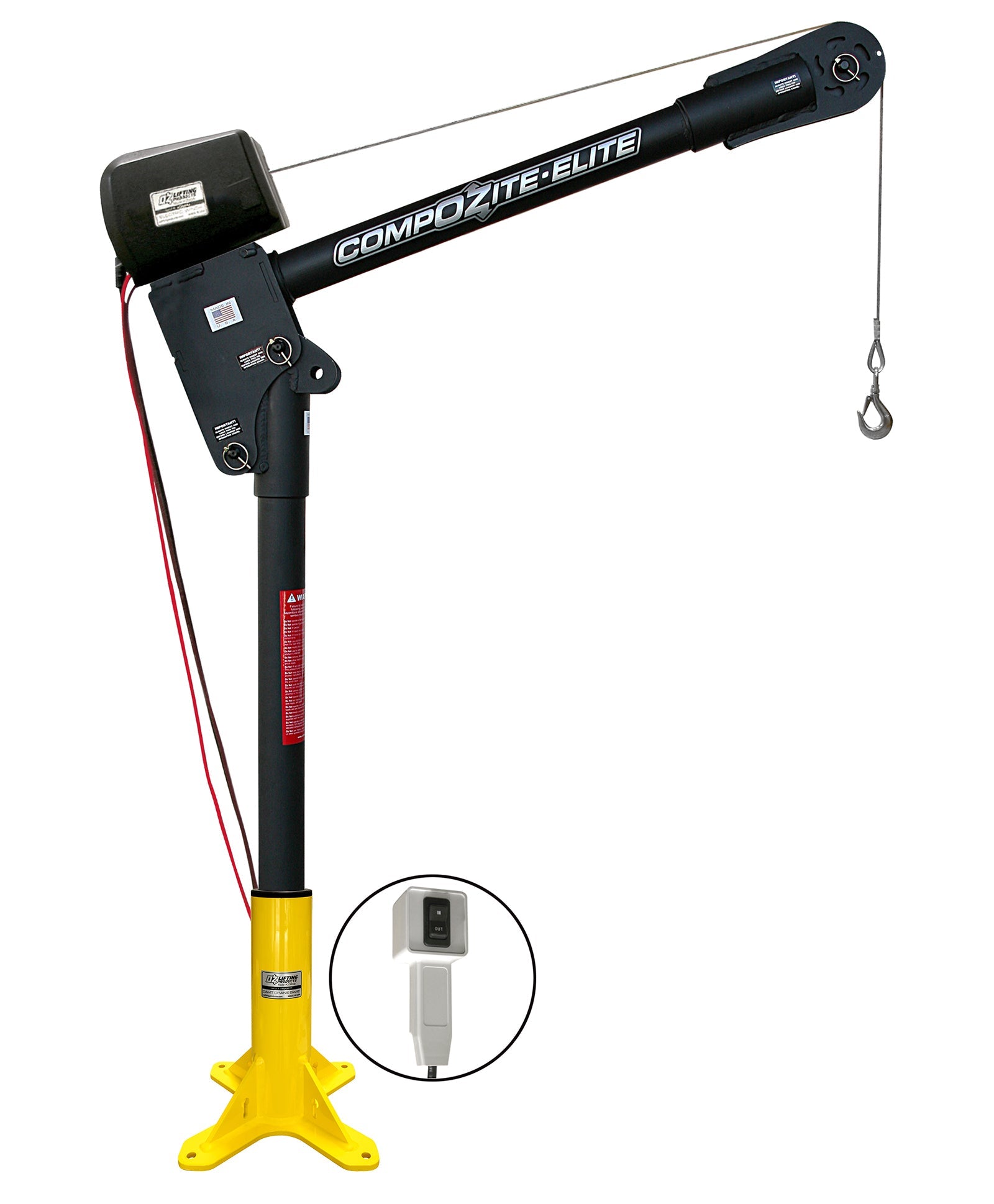
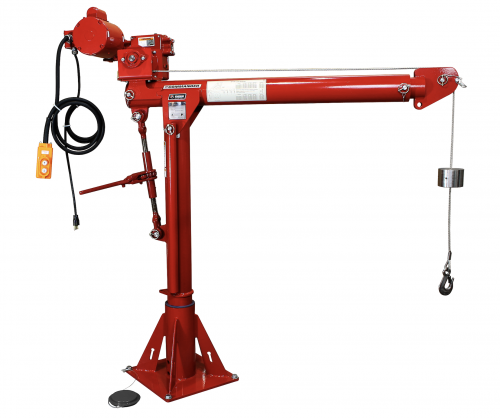
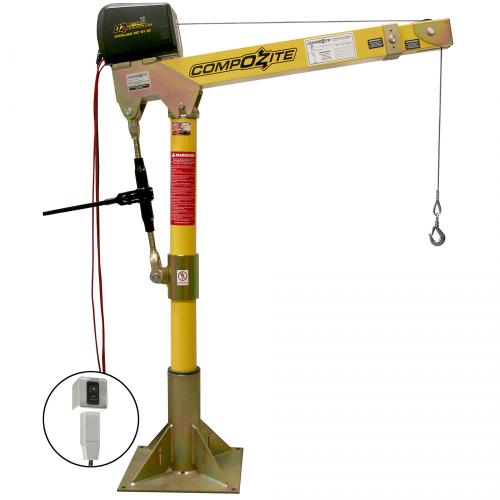
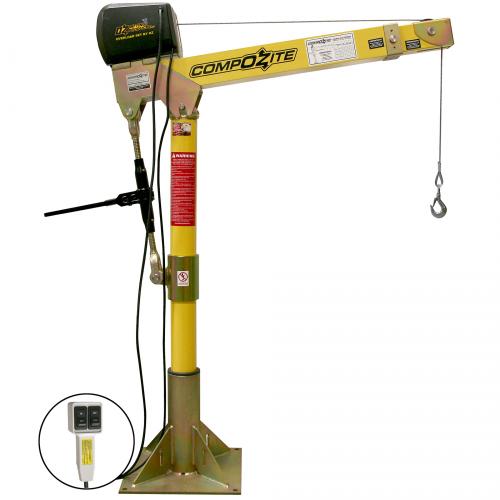
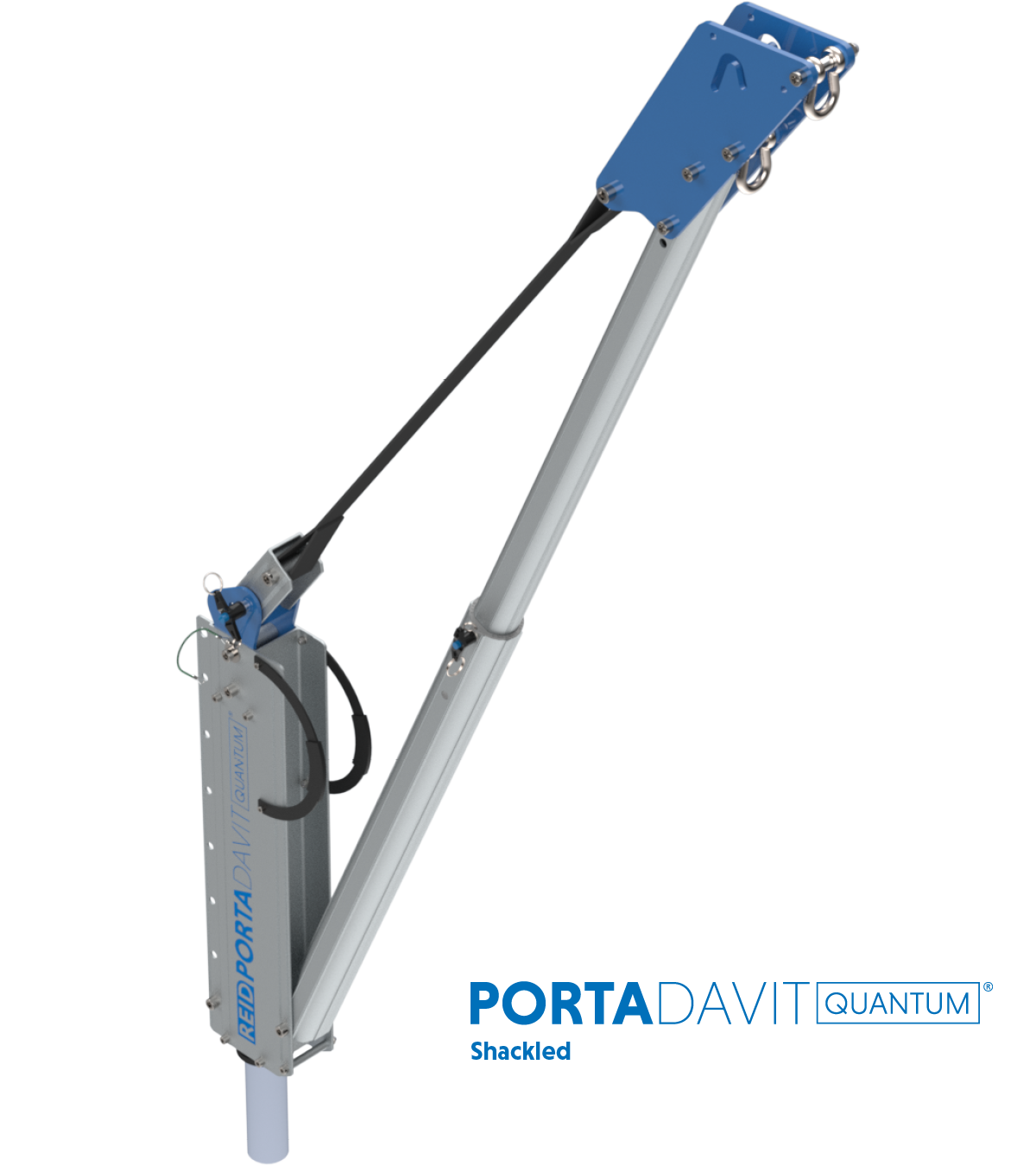
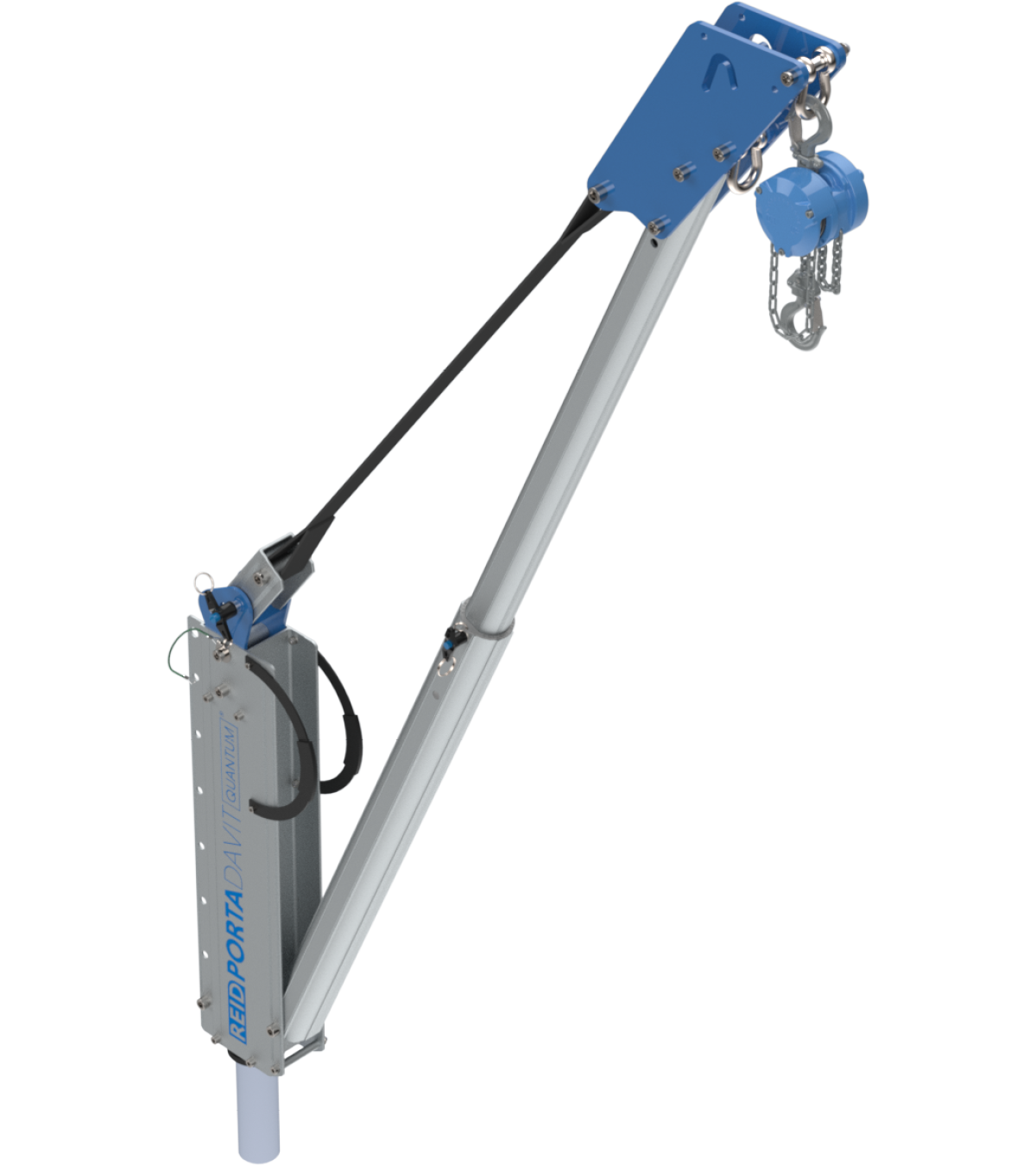
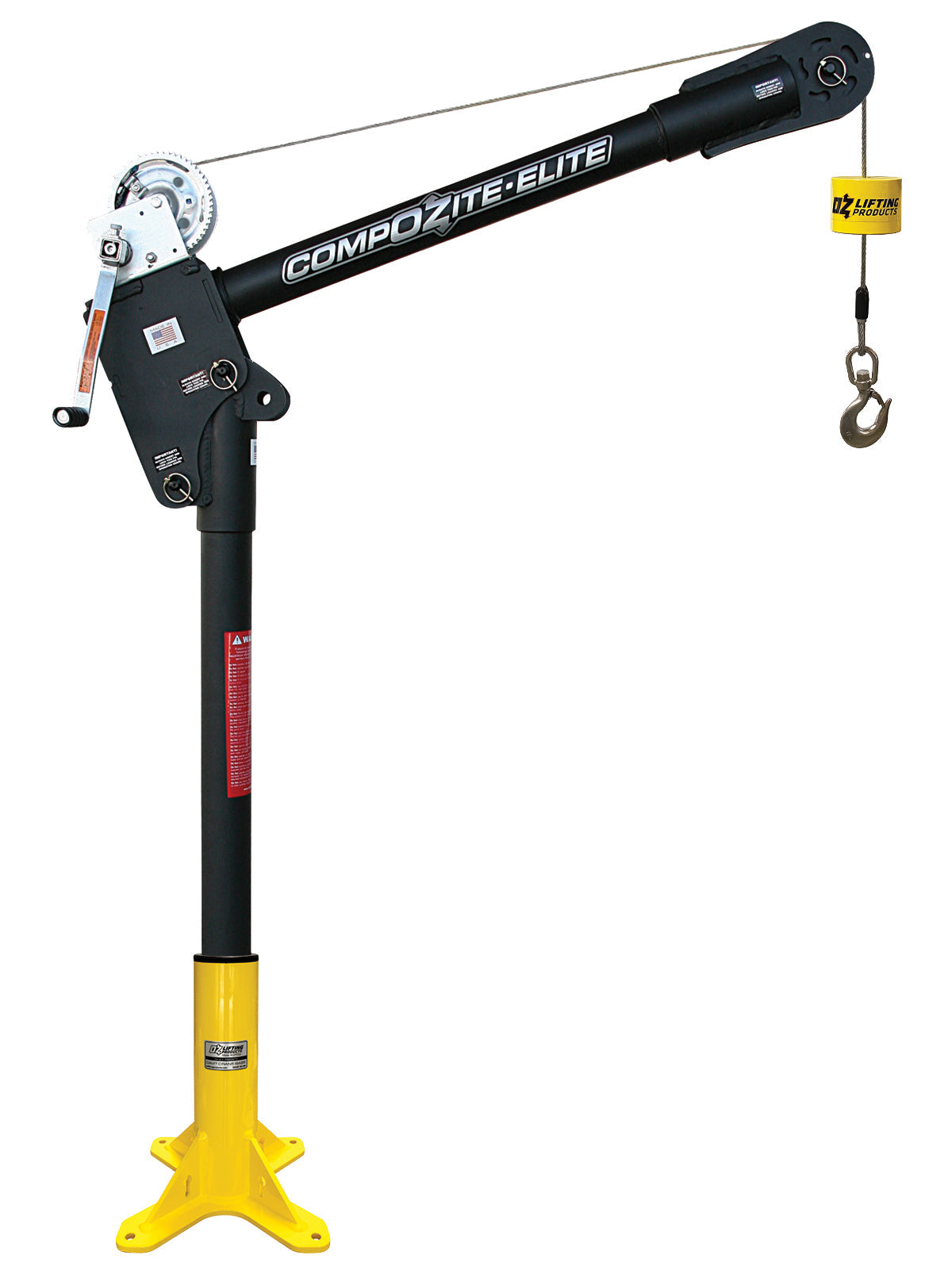
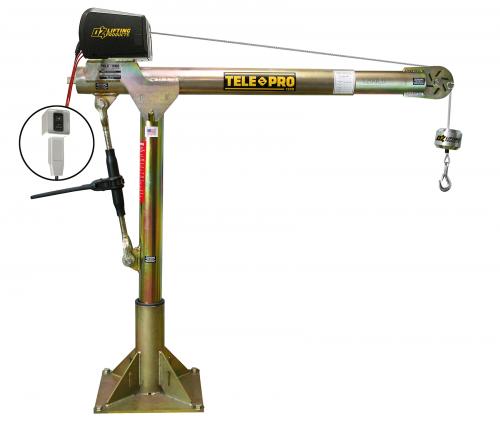
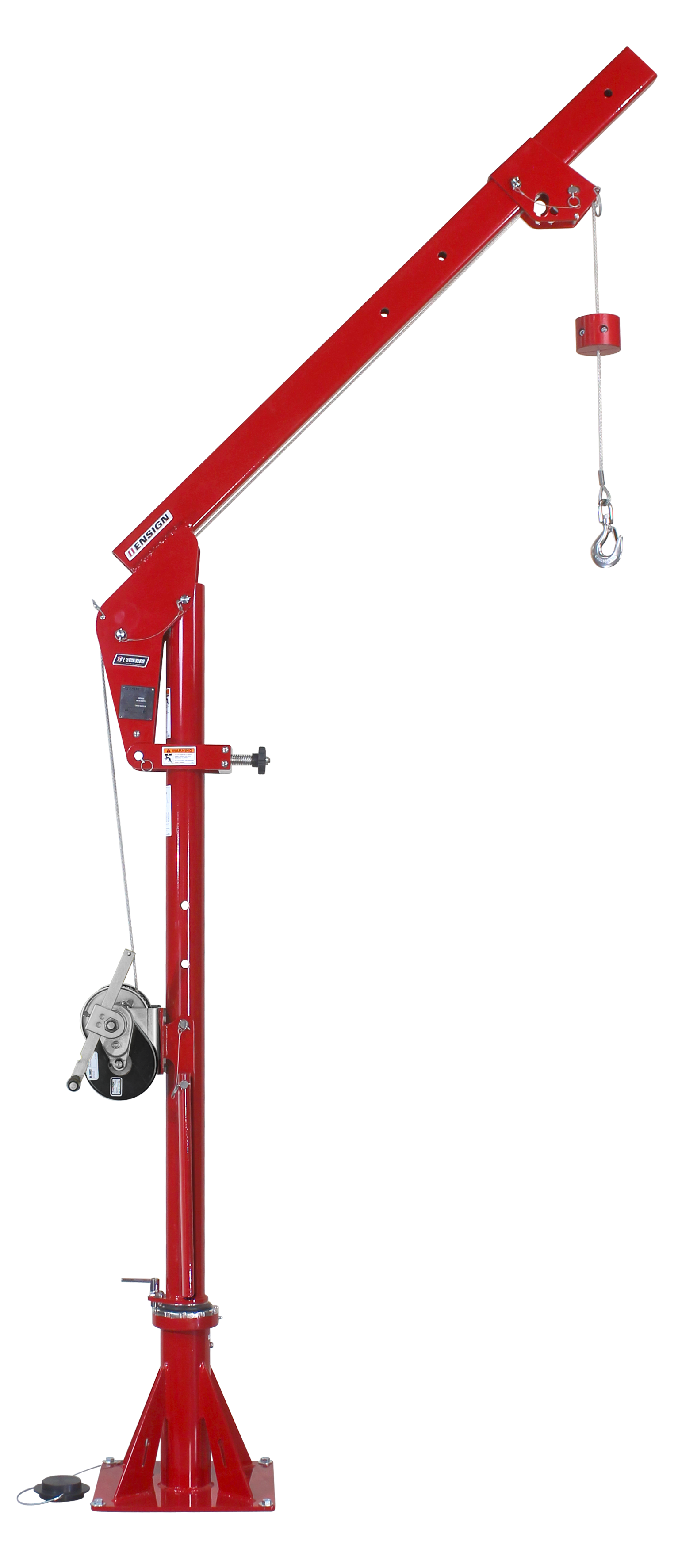
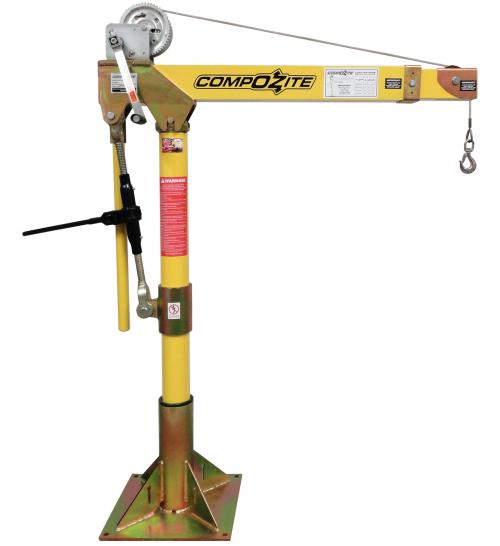
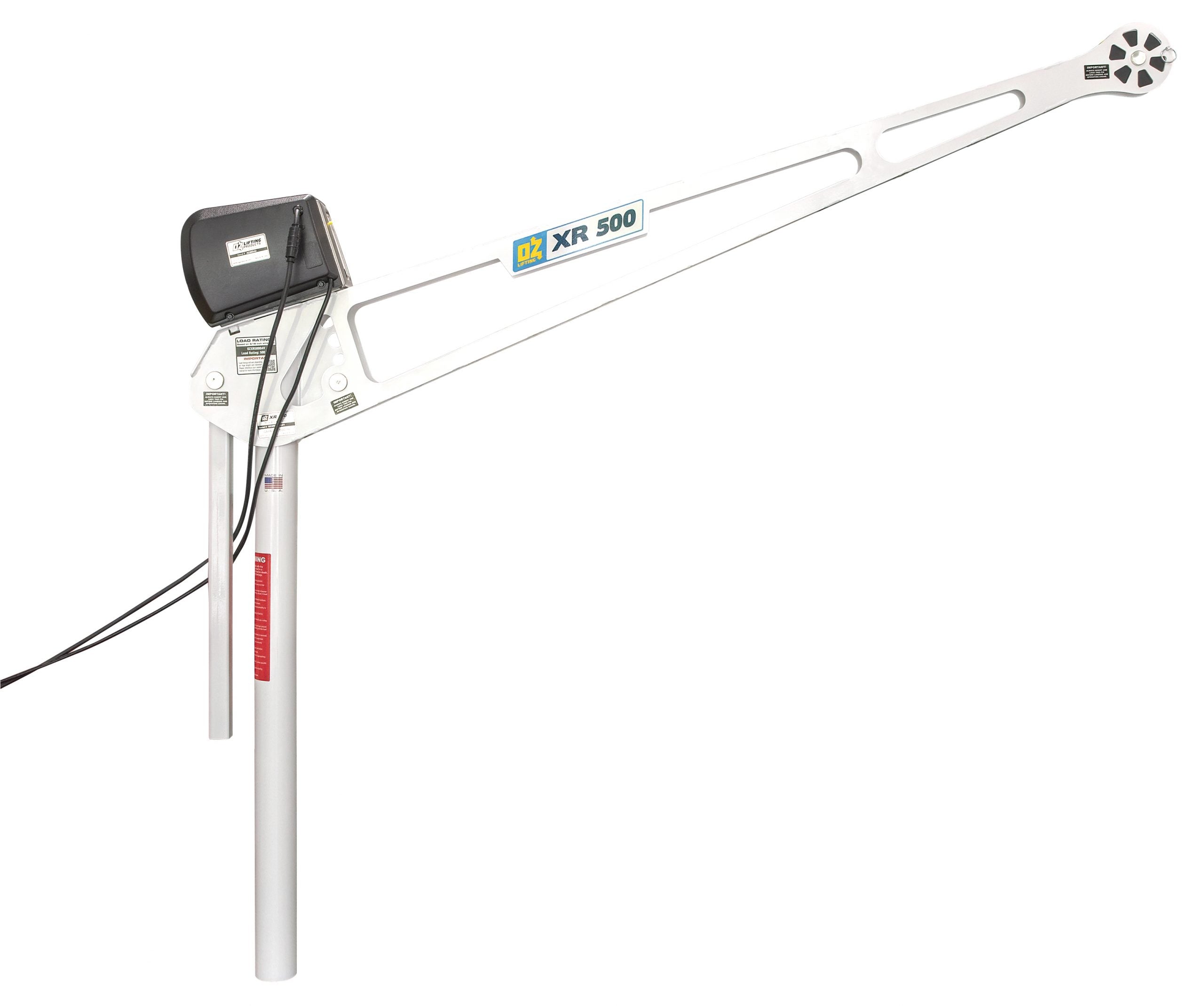
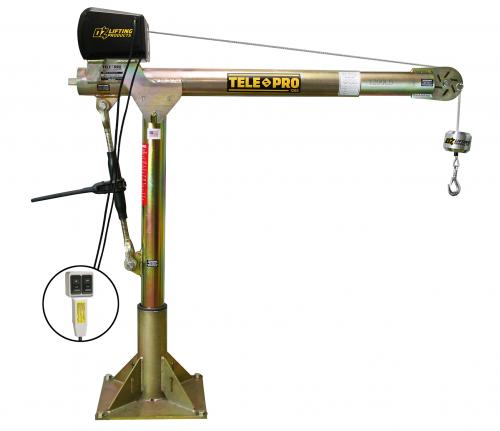
Davit cranes: buy the crane once, the bases everywhere. The davit pattern is a mast and boom that lifts out of its base, so the working questions are weight, who carries it, and to where. Steel davits are the value pick when the crane rides a truck or stays near one bay. OZ Lifting's CompOZite composite and carbon fiber ELITE models cut the carry weight for one-person setup, Reid Lifting's PDQ aluminum davits do the same at 1,100 and 1,320 lb ratings, and Thern's stationary line runs to 5,500 lb where the davit is permanent in everything but name. The winch decision matters as much as the crane: manual for occasional lifts, 12V DC where the crane works off a service truck battery, 110V AC for daily duty near power. Pedestal, socket, and wall bases, wheel bases, mast extenders, covers, and roller bags all live in the davit cranes collection.
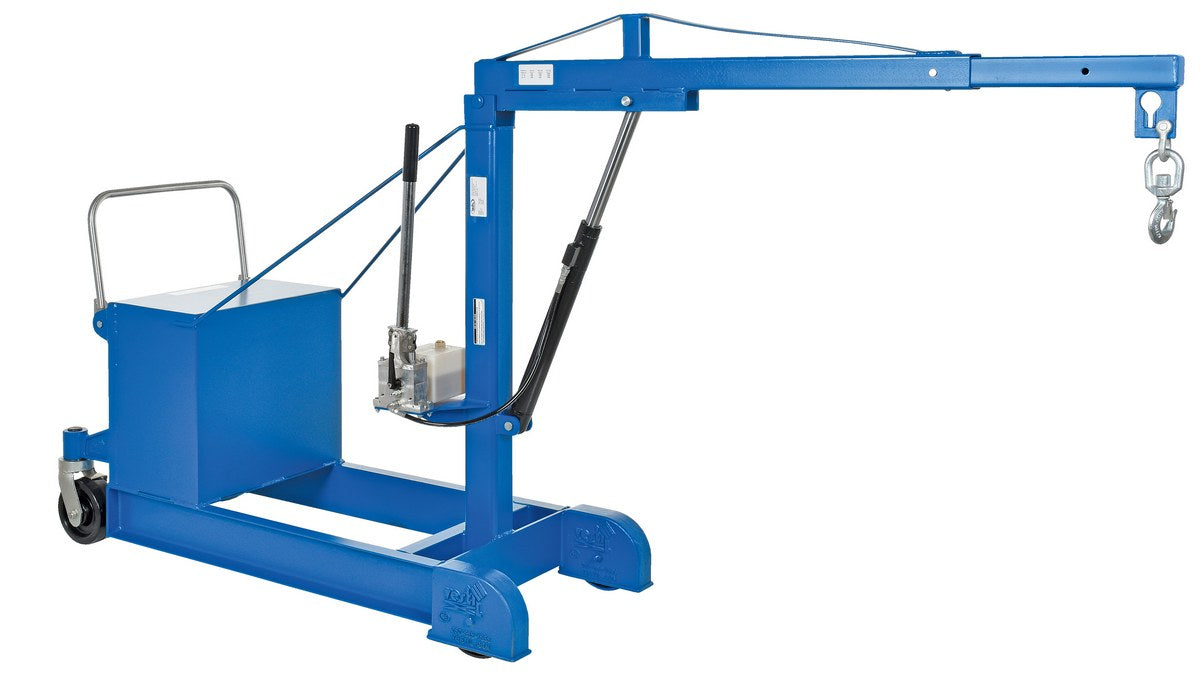
Shop and truck cranes for the mobile end. Two Vestil families cover lifting that follows a vehicle. The shop cranes, a $457 engine-hoist style unit and a counterbalance model whose weight rather than straddle legs provides the stability, roll to the job on smooth floors and stay out of the way after. The truck cranes, a hitch mounted crane and a truck mounted davit, put a lift point on the vehicle itself for field service work, generator swaps, and toolbox-scale machinery. None of these replace a jib for precision production work, and no jib replaces them the day the lift is 40 miles away.
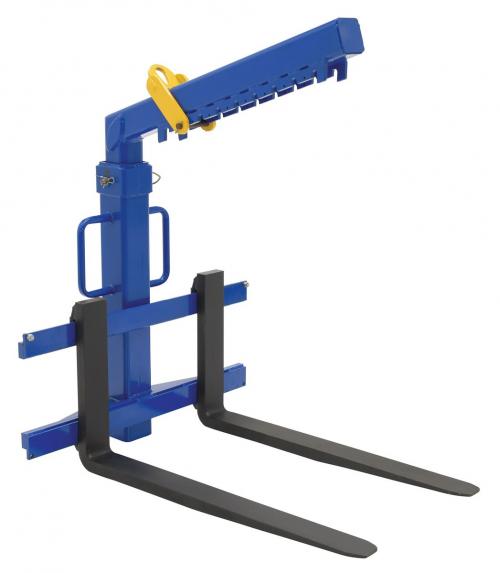
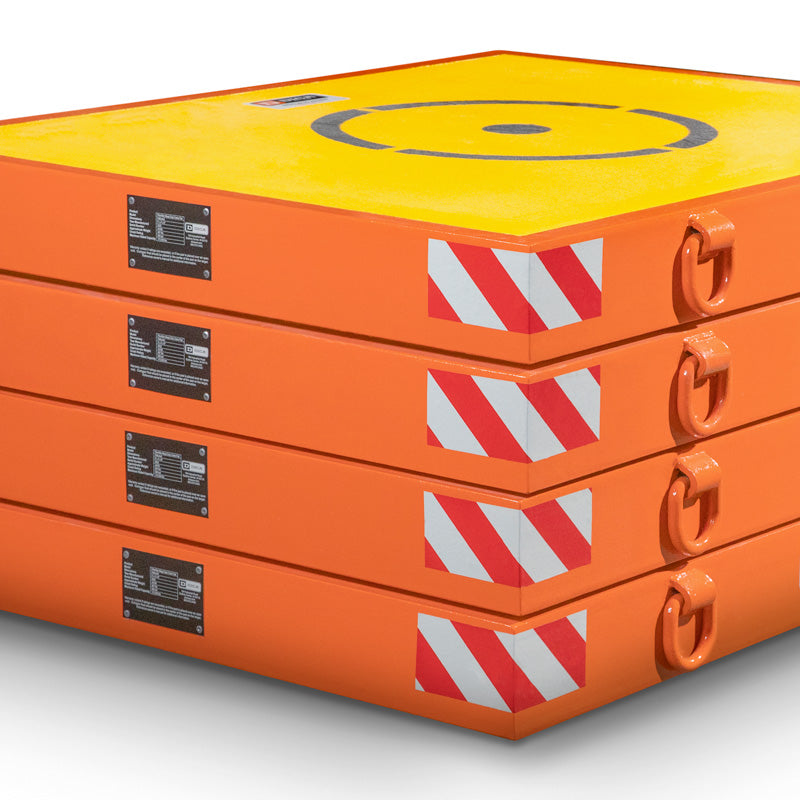
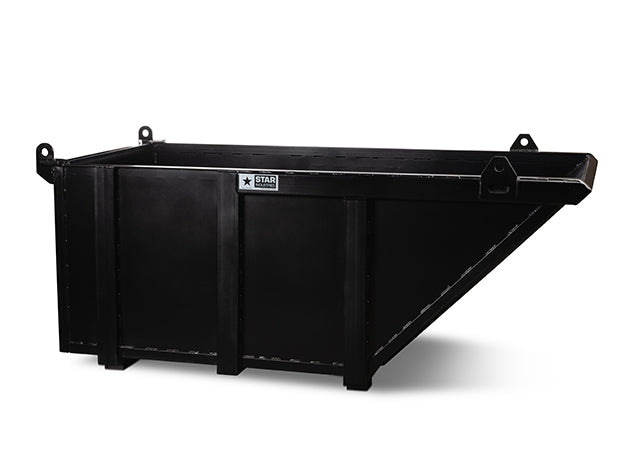
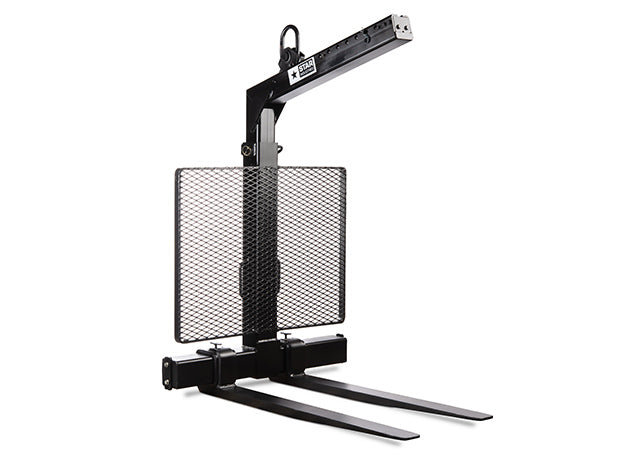
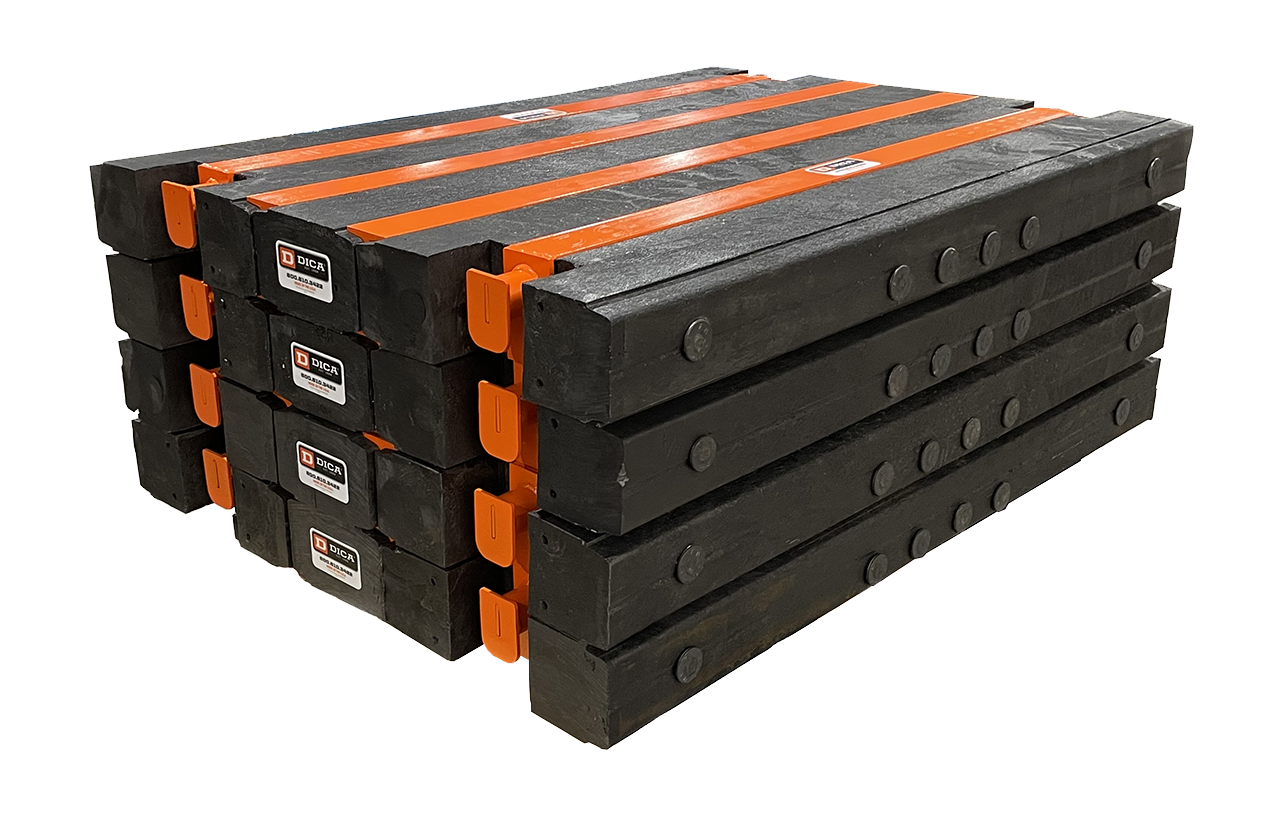
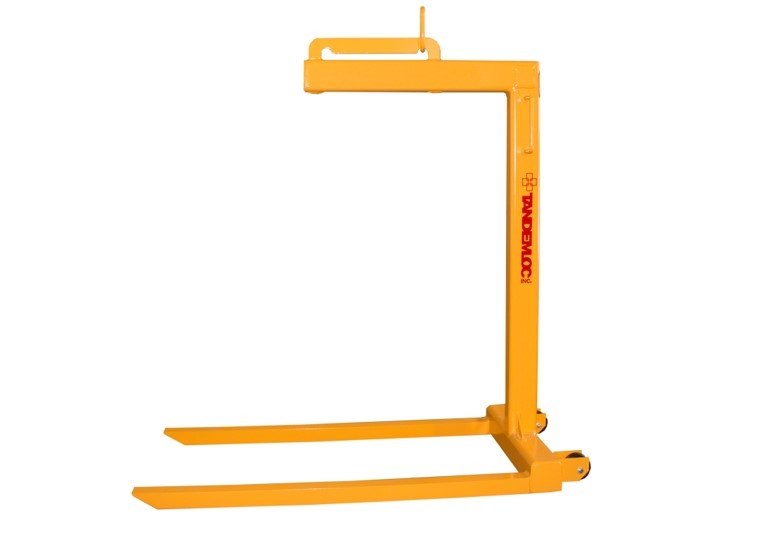
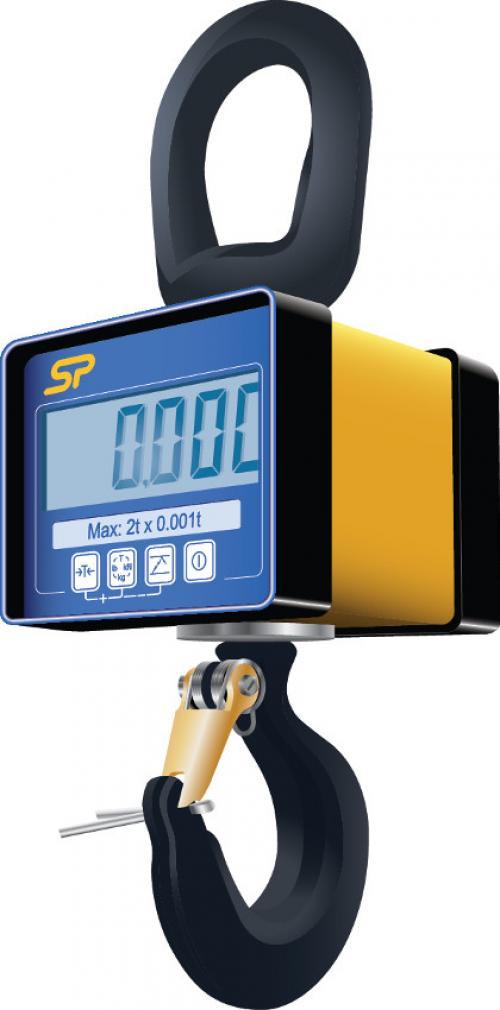
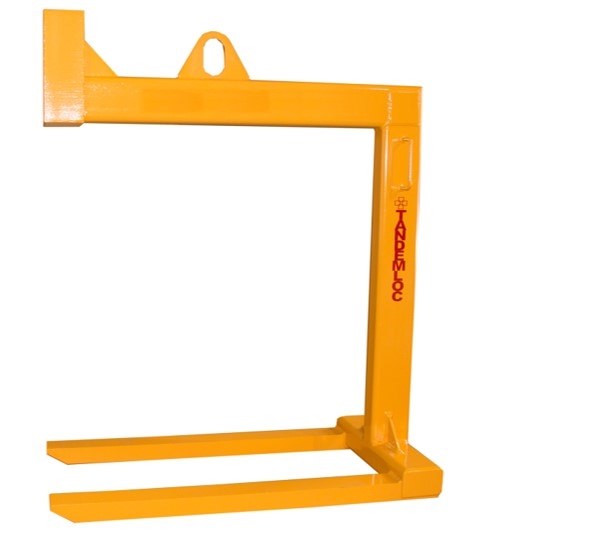
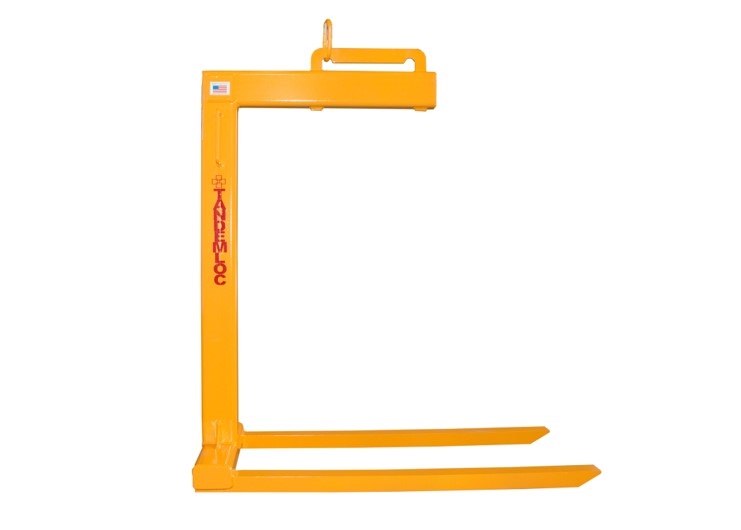
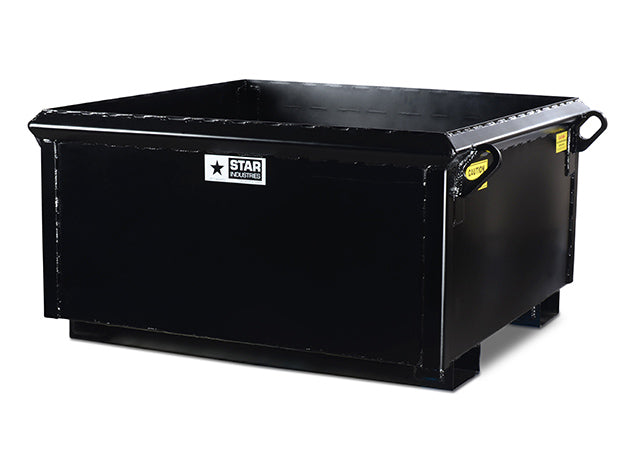
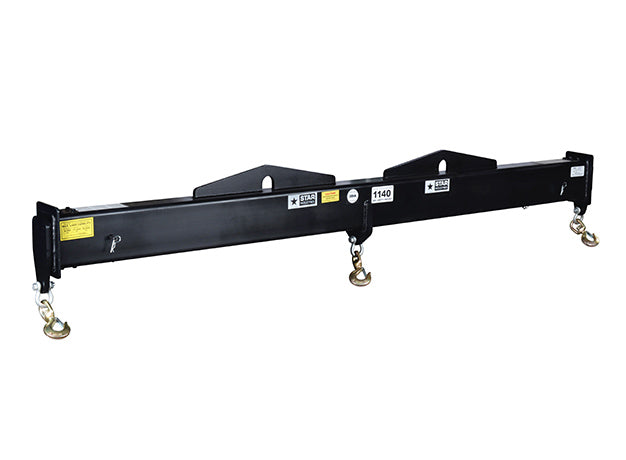
Capacity, the hoist, and what hangs below the hook. Rate the whole lift: the hoist and trolley on a jib count against its capacity just like the load, and if you land between sizes, buy the next one up, since duty cycle, span, and boom deflection all get easier. Plan the hoist as its own line item, built to ASME B30.16 with a trolley matched to the boom flange, and treat under-hook gear, the Star crane forks, spreader bars, lift boxes, and trash skips in this hub, as ASME B30.20 devices with their own ratings and inspections. Outdoors, DICA FiberMax and EcoMax crane pads spread outrigger loads for the mobile cranes this equipment works alongside, and the Straightpoint Miniweigher puts a scale in the rigging when the paperwork wants proof of load. If what you actually need is a crane that rolls over the load and breaks down afterward, that is our portable gantry cranes page, a different animal with its own buying logic.
Frequently Asked Questions
Freestanding and mast type jibs rotate a full 360 degrees. Wall and column mounted jibs sweep roughly 180 to 200 degrees because the building is in the way. Articulated jibs pivot at two points, which is how they reach around obstructions a straight boom cannot.
Standard freestanding jibs anchor to a reinforced concrete foundation built to the manufacturer's drawings for that capacity and span. HSI's foundationless models instead spread the load through a larger baseplate onto an existing slab, generally a minimum of 6 inches of sound reinforced concrete, so verify your floor before choosing that route.
Treat the jib crane as the structure and the hoist as its own line item unless a listing states otherwise. Pair the crane with a hoist built to ASME B30.16 and a trolley sized to the boom flange, and remember that hoist, trolley, and rigging weight all count against the crane's rated capacity.
Manual winches suit occasional lifts and spots without power. 12V DC models run off a service truck battery, which makes them the field pick. 110V AC versions handle daily duty near an outlet. The crane structure is the same either way, so choose by where the lifting actually happens.
Not top-running bridge cranes. For a free-standing crane you can roll over a load and knock down for transport, see our portable gantry cranes, which run from 880 lb folding aluminum frames to 11,000 lb systems. This hub covers the jib, davit, shop, and truck crane end of overhead lifting.