Confined Space Rescue Equipment
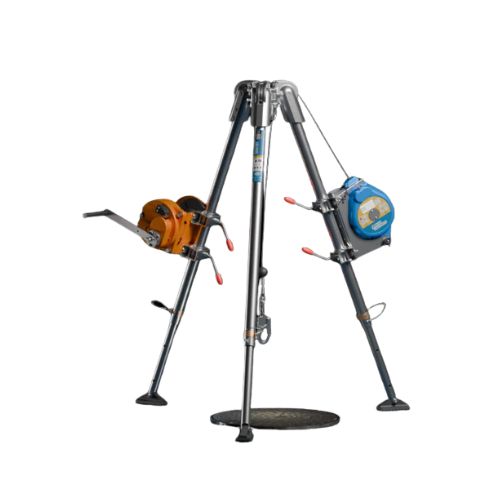
Confined space rescue equipment is the hardware that gets a worker back out of a tank, manhole, or vault when something goes wrong below grade, and OSHA treats it as compliance gear, not an accessory. Under 29 CFR 1910.146, a retrieval system has to be in place whenever an authorized entrant goes into a permit-required confined space, unless retrieval would add risk, and 1910.146(k)(3)(ii) requires a mechanical device for any vertical space deeper than 5 ft. This hub pairs Globestock and KStrong tripods and davit systems with personnel-rated winches, 3-way SRL-R retrieval devices, rescue ladders, and the brackets and receivers that tie them together, from a $64 mounting receiver to an $8,700 floor-mounted davit kit. The point is a rescue you can run from outside the space: non-entry recovery, powered by a winch or SRL-R at the head of the opening. The sections below walk the entry rig in the order you build it.
Shop Confined Space Equipment by Category
Compare Confined Space Equipment
| Model | Price | Capacity | |
|---|---|---|---|
| KStrong® Megadavit™ H-Base Deluxe Kit | $8,699 | 1,102 lb | View → |
| KStrong® Megadavit™ H-Base Basic Kit. | $6,617 | 1,102 lb | View → |
| KStrong® Megadavit™ Floor Mount Deluxe Kit | $6,118 | 1,102 lb | View → |
| KStrong® Megadavit™ H-Base Frame Assembly | $4,276 | — | View → |
| Globestock Confined Space Tripod Kits | $4,059 | — | View → |
| KStrong® Megadavit™ Floor Mount Basic Kit | $4,036 | 1,102 lb | View → |
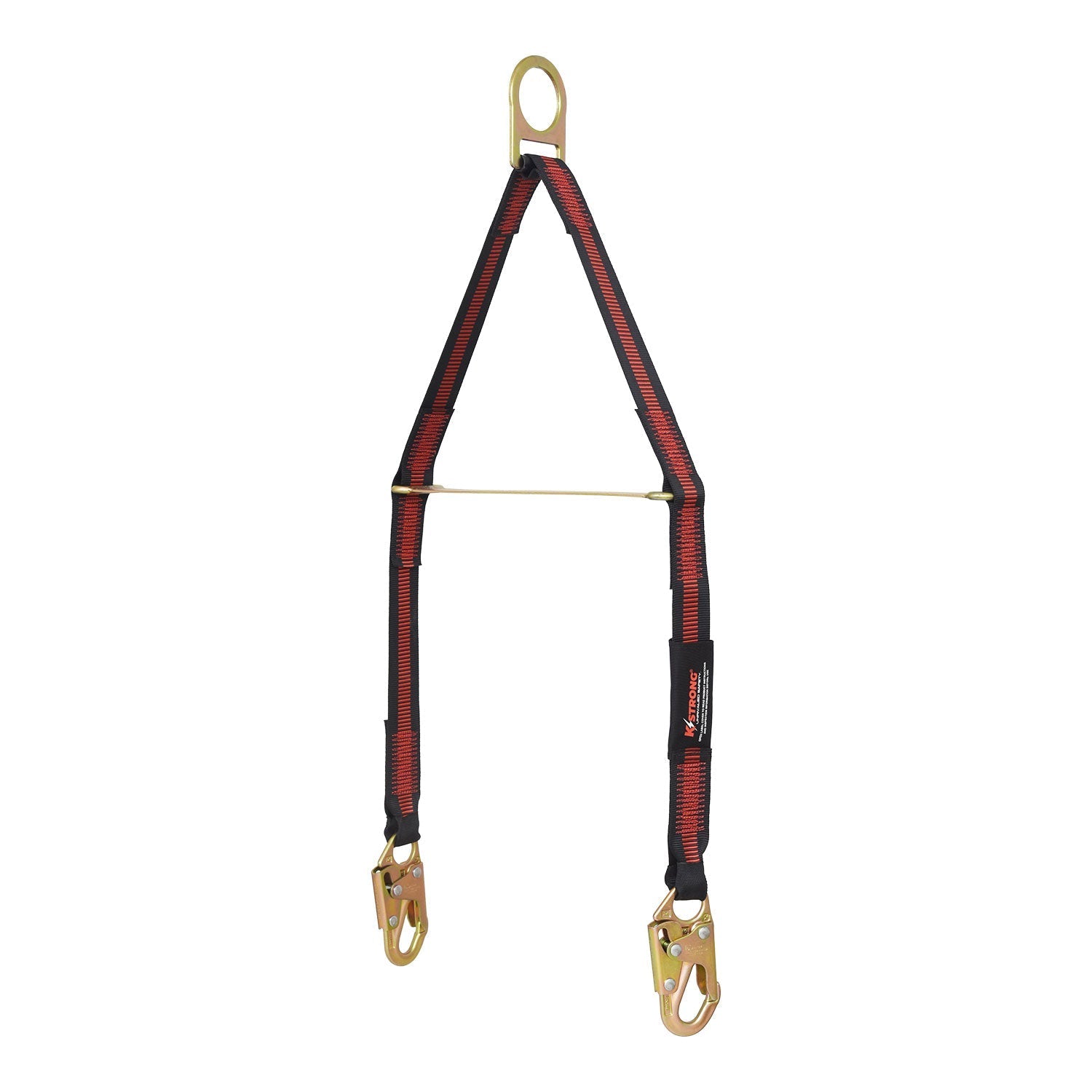 In Stock
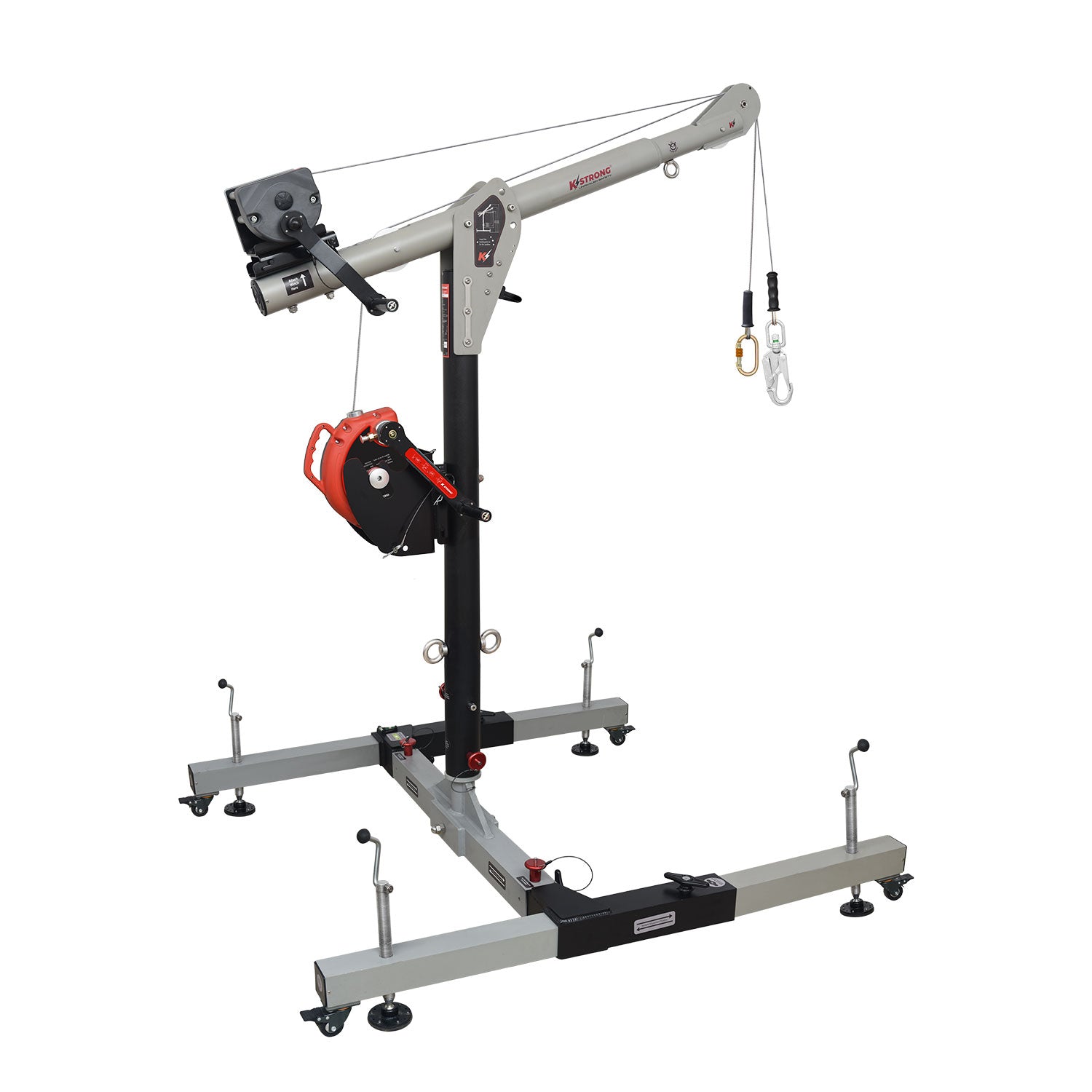 In Stock
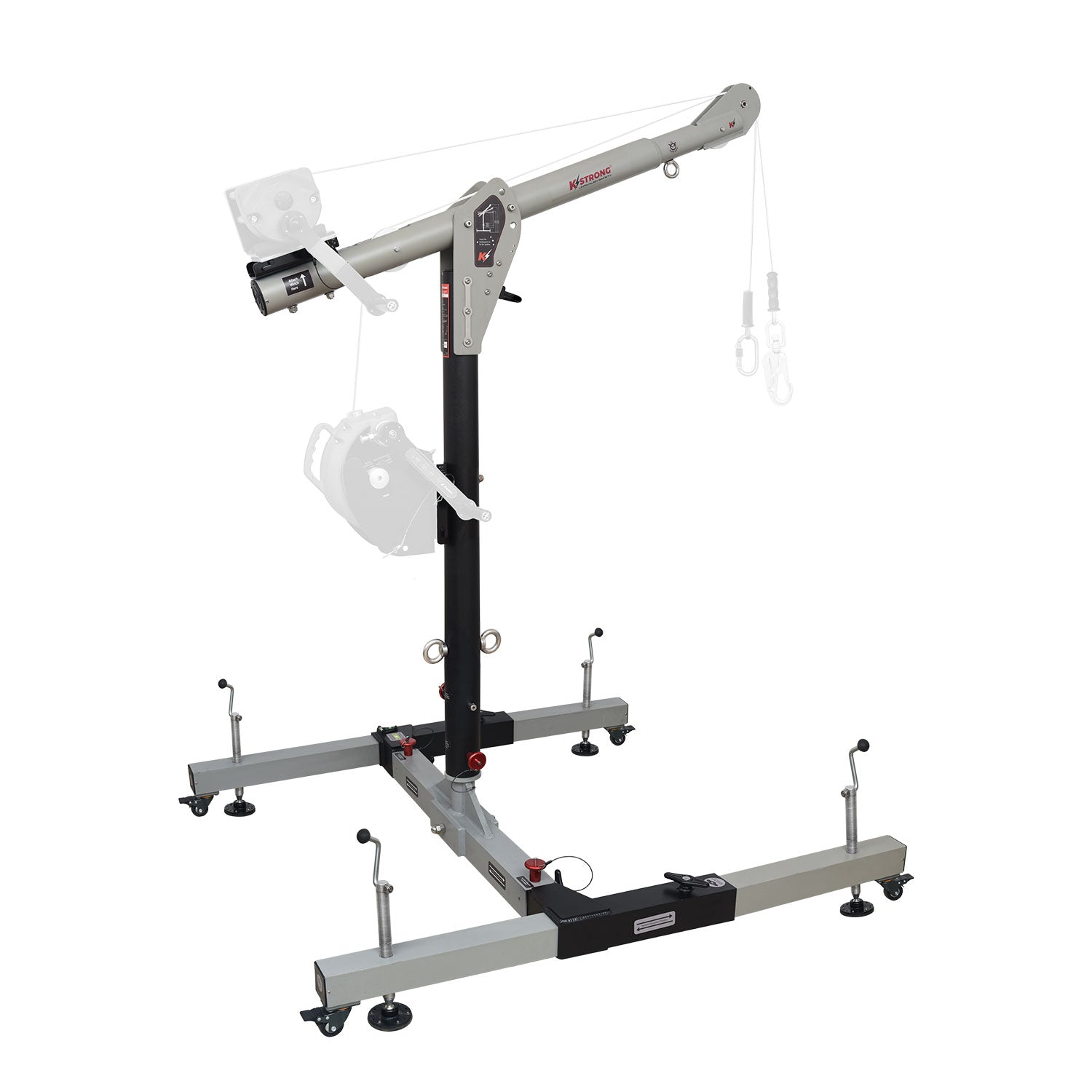 In Stock
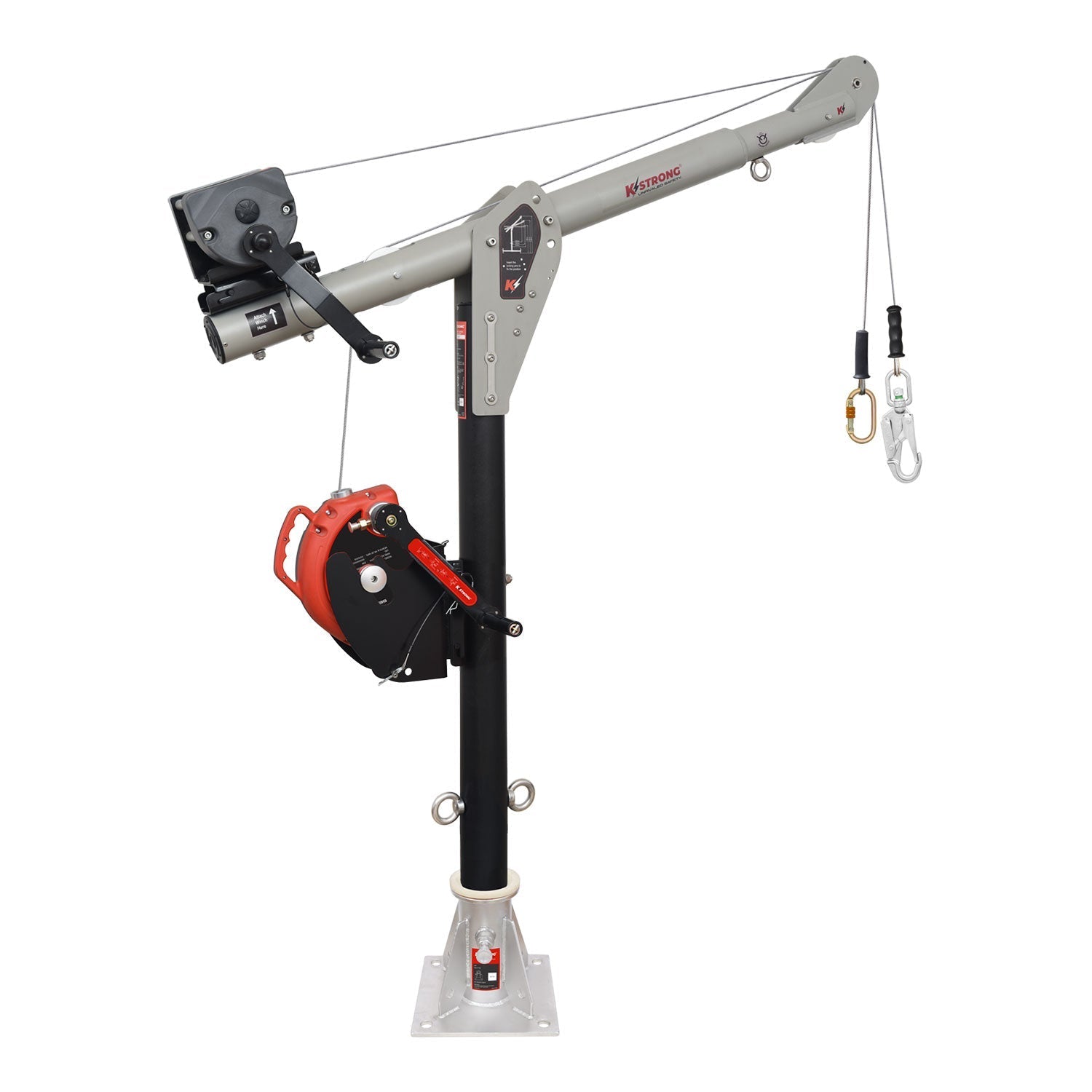 In Stock
 In Stock
 In StockIn Stock
 In Stock
 In Stock
 In Stock
 In Stock
 In StockIn Stock
 In Stock
 In Stock
 In Stock
 In Stock
 In StockIn Stock
 In Stock
 In Stock
 In Stock
 In StockIn Stock
 In Stock
 In Stock
 In Stock
 In Stock
 In Stock
 In Stock
 In Stock
 In Stock
 In Stock
 In Stock
 In Stock
Confined Space Equipment Buying Guide
Non-entry rescue is the default, and OSHA wrote it that way. OSHA 1910.146 and the construction rule at 29 CFR 1926 Subpart AA both push the same order of preference: get the entrant out without sending a second person in. A retrieval system attached to the entrant before entry means the attendant stationed outside can wind or lower a worker to safety the moment a monitor alarms or the entrant stops responding, with no second body added to the hazard. Entry rescue is the fallback, and it is where confined space fatalities cluster, because would-be rescuers go in on instinct and become the second and third victims. Everything in this hub is built to keep the rescue on the outside of the opening: the anchor over the hole, the line down to the harness, and the mechanical advantage to raise a limp load straight up a shaft.
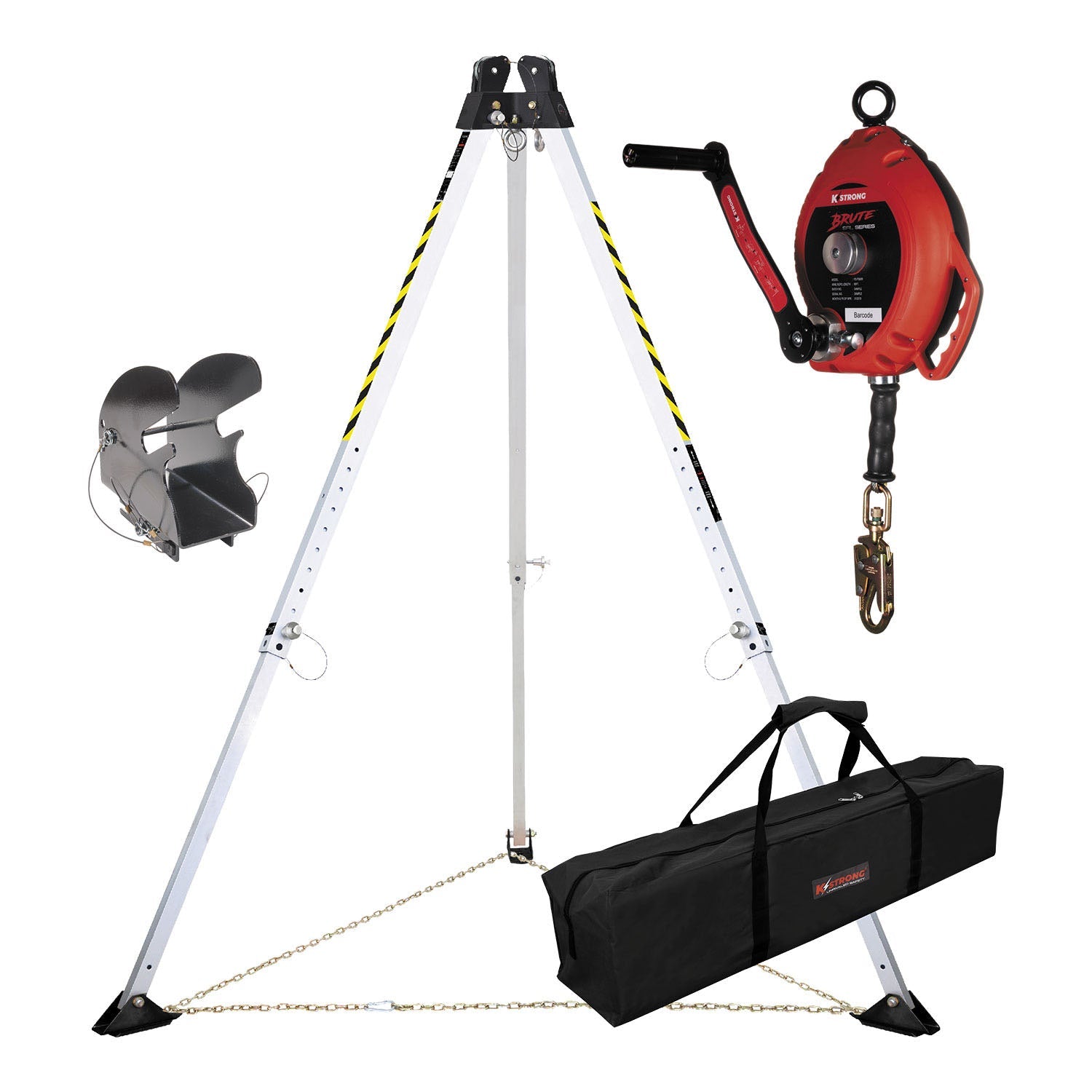
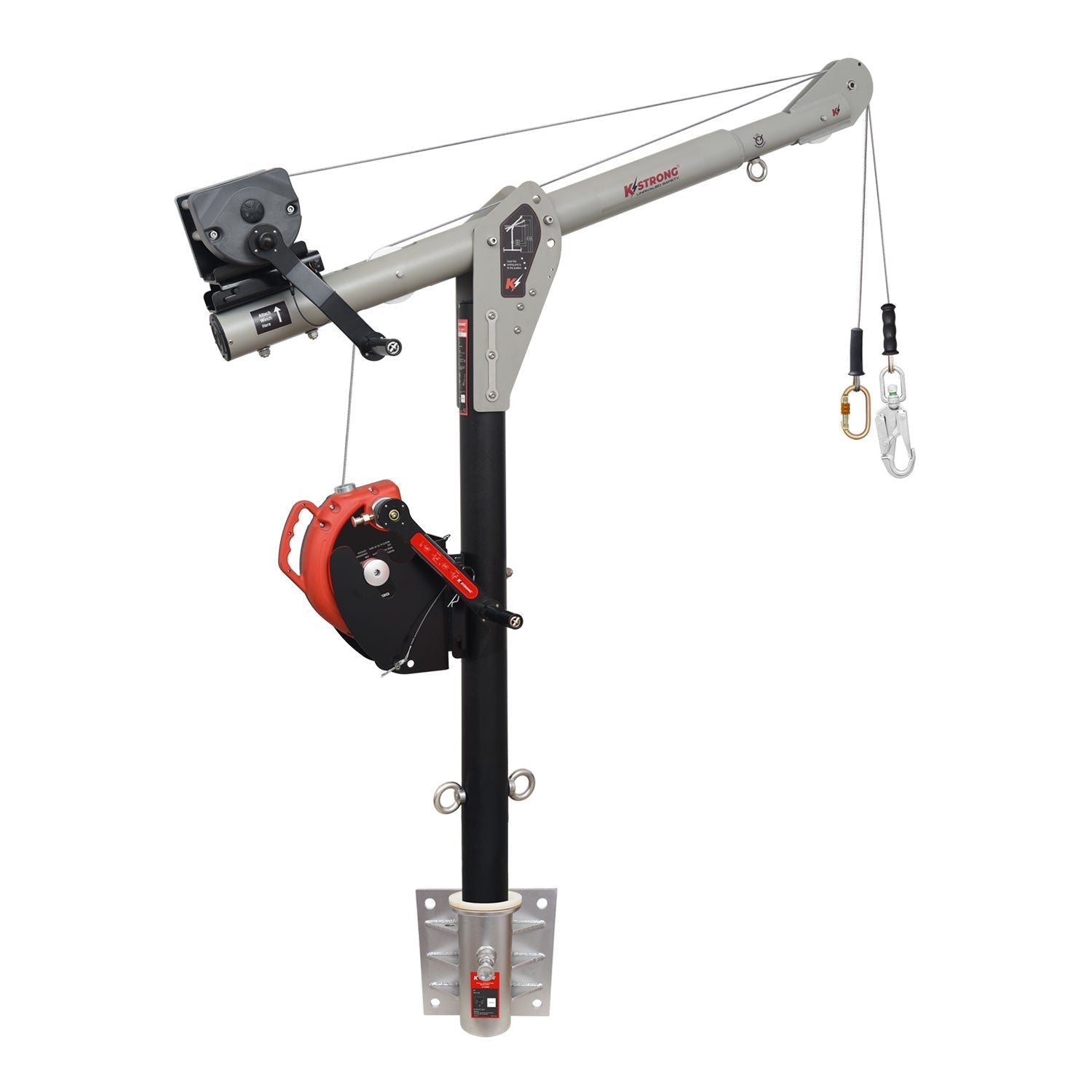
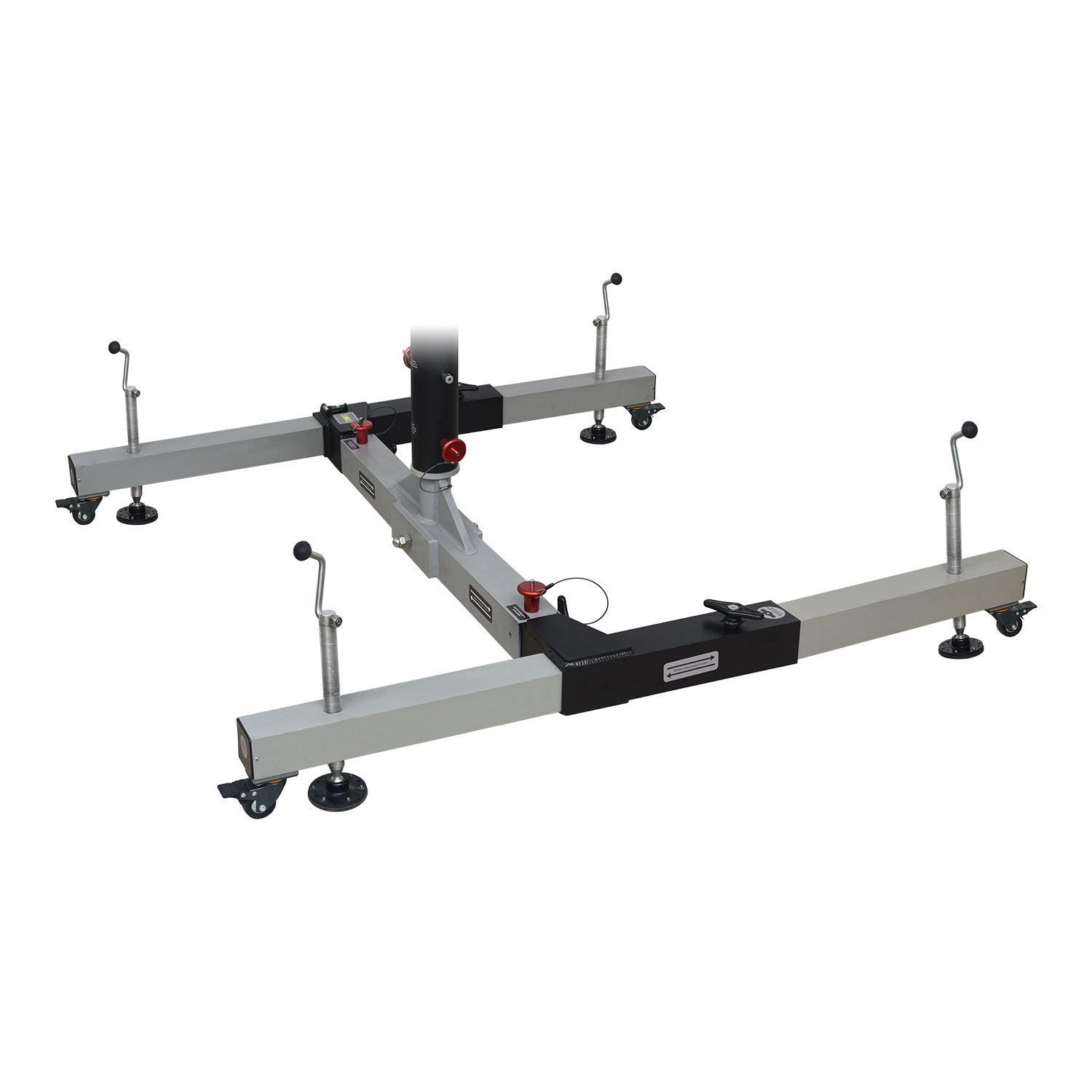
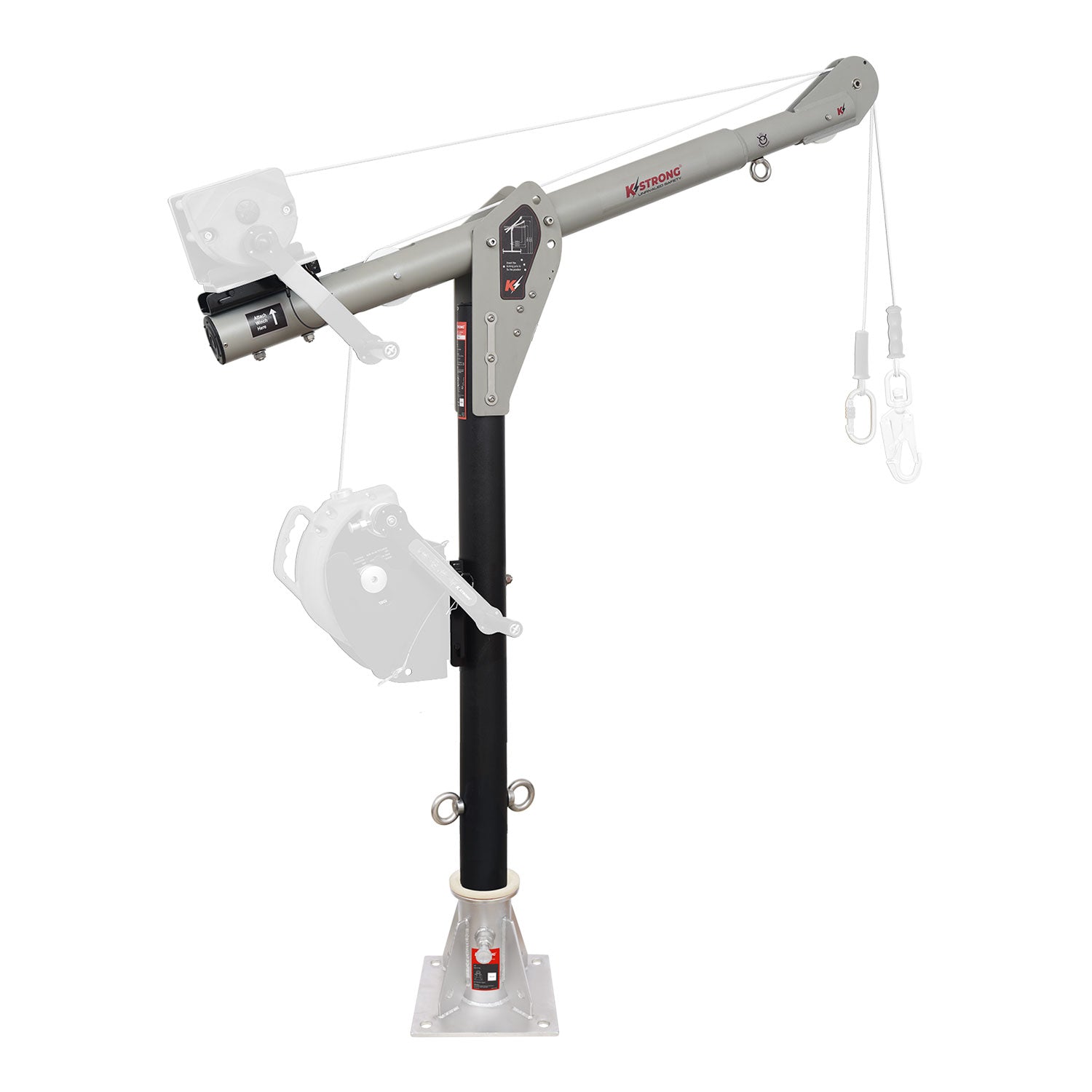
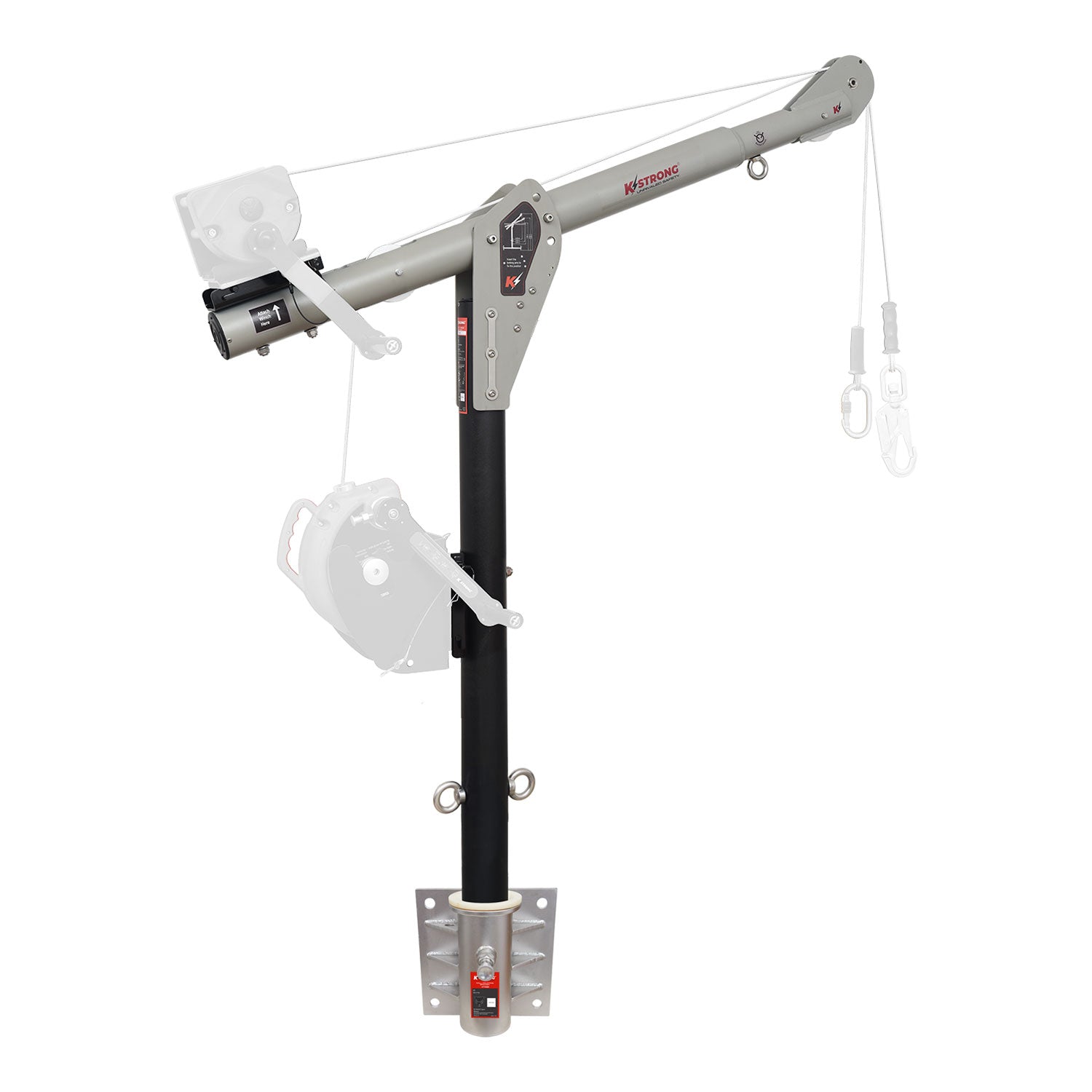
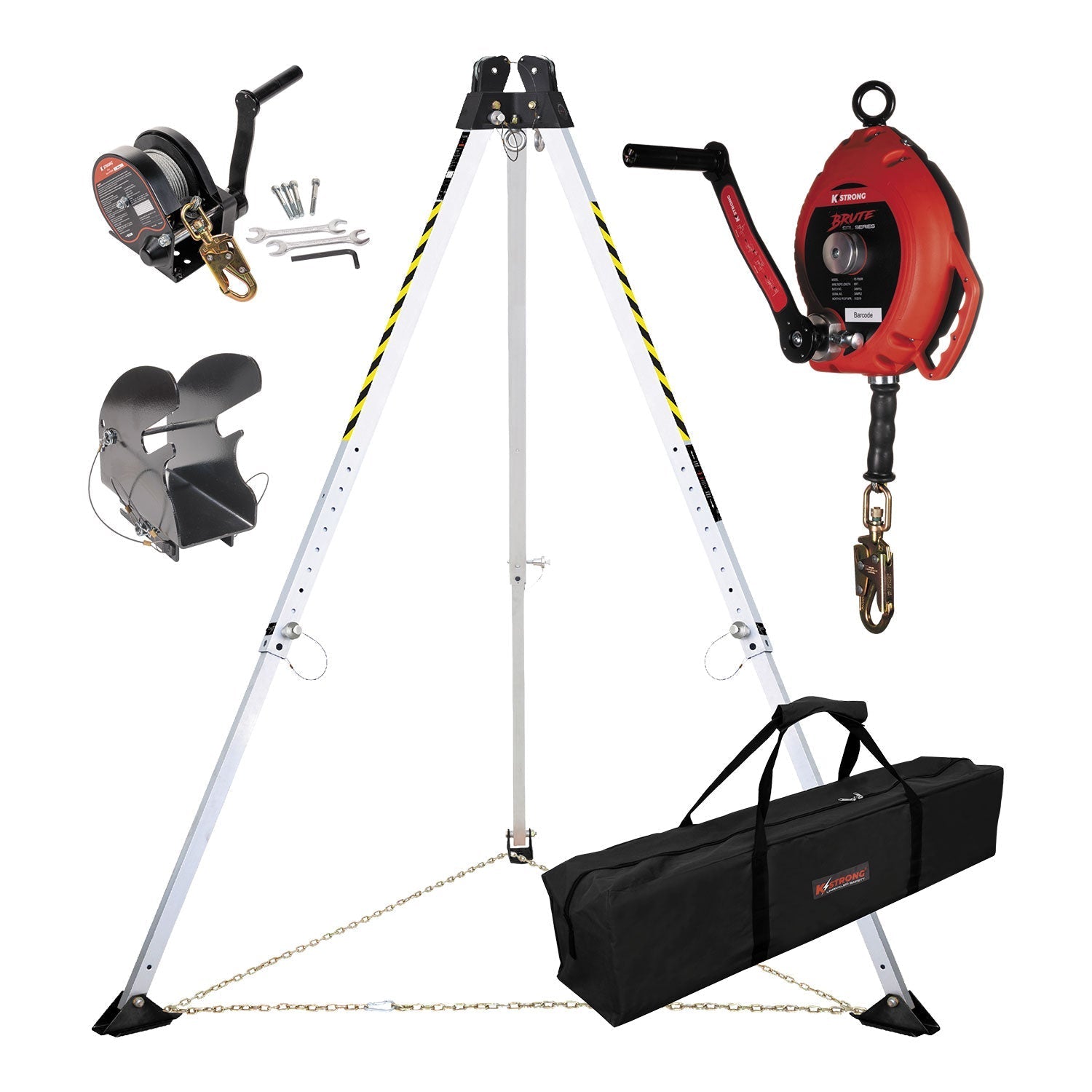
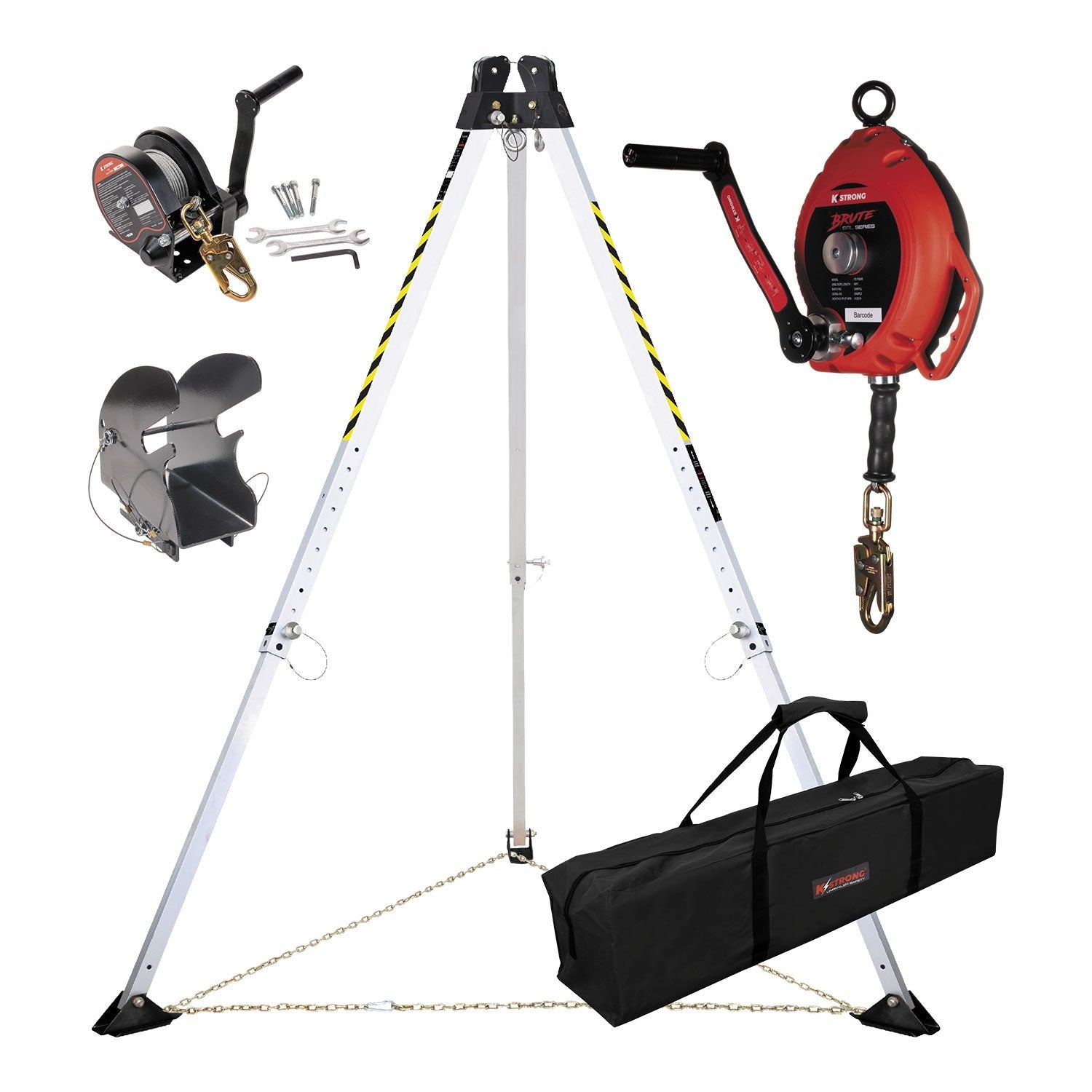
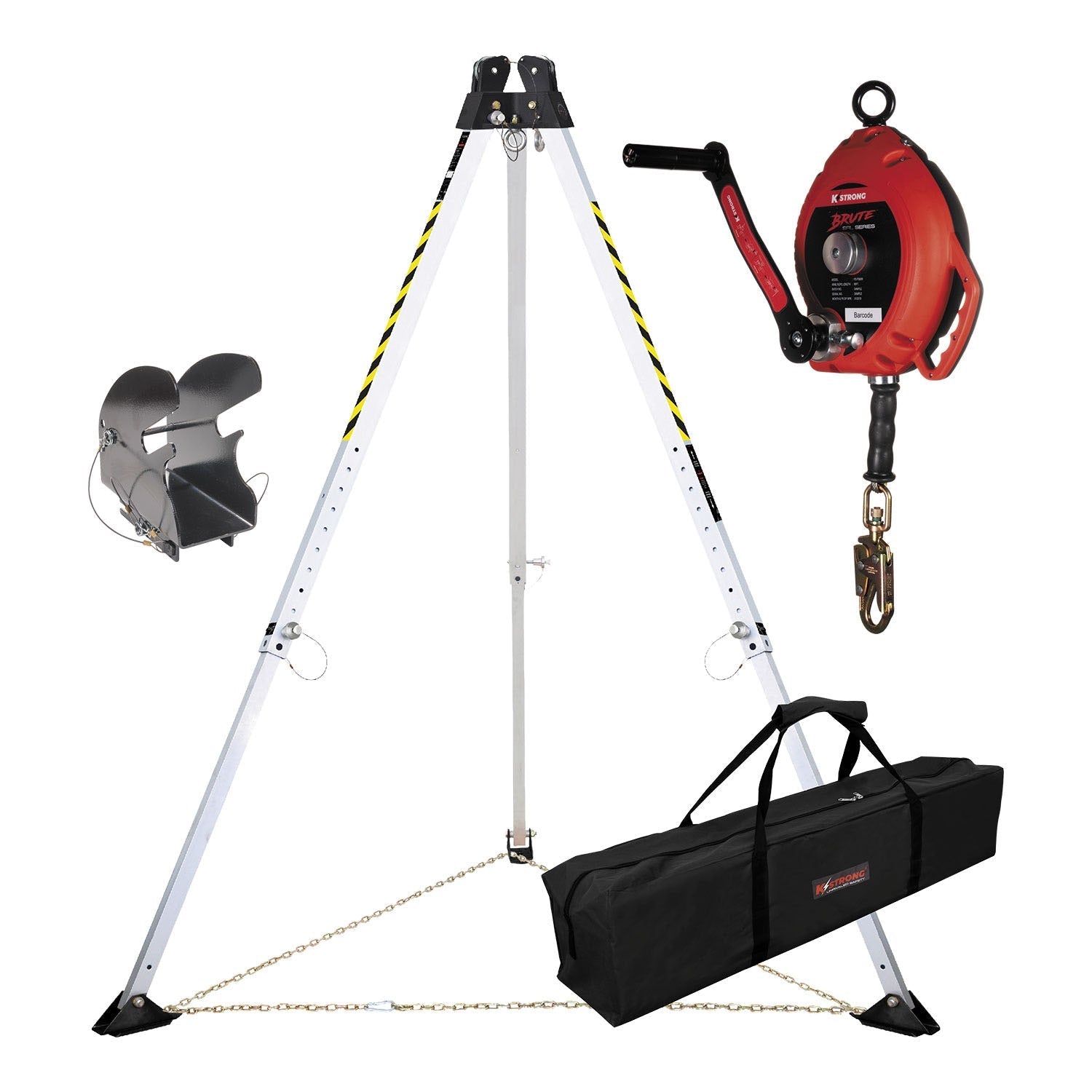
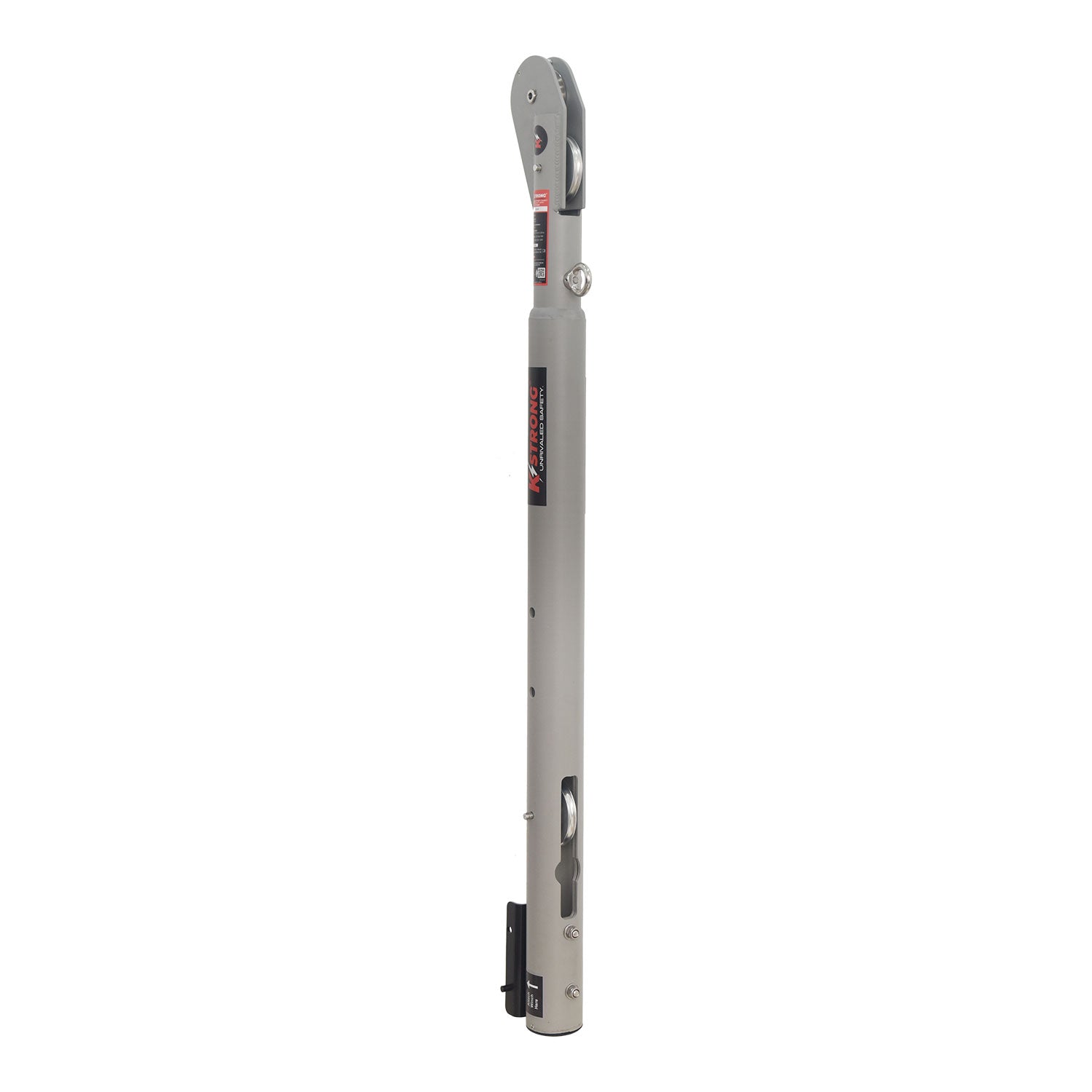
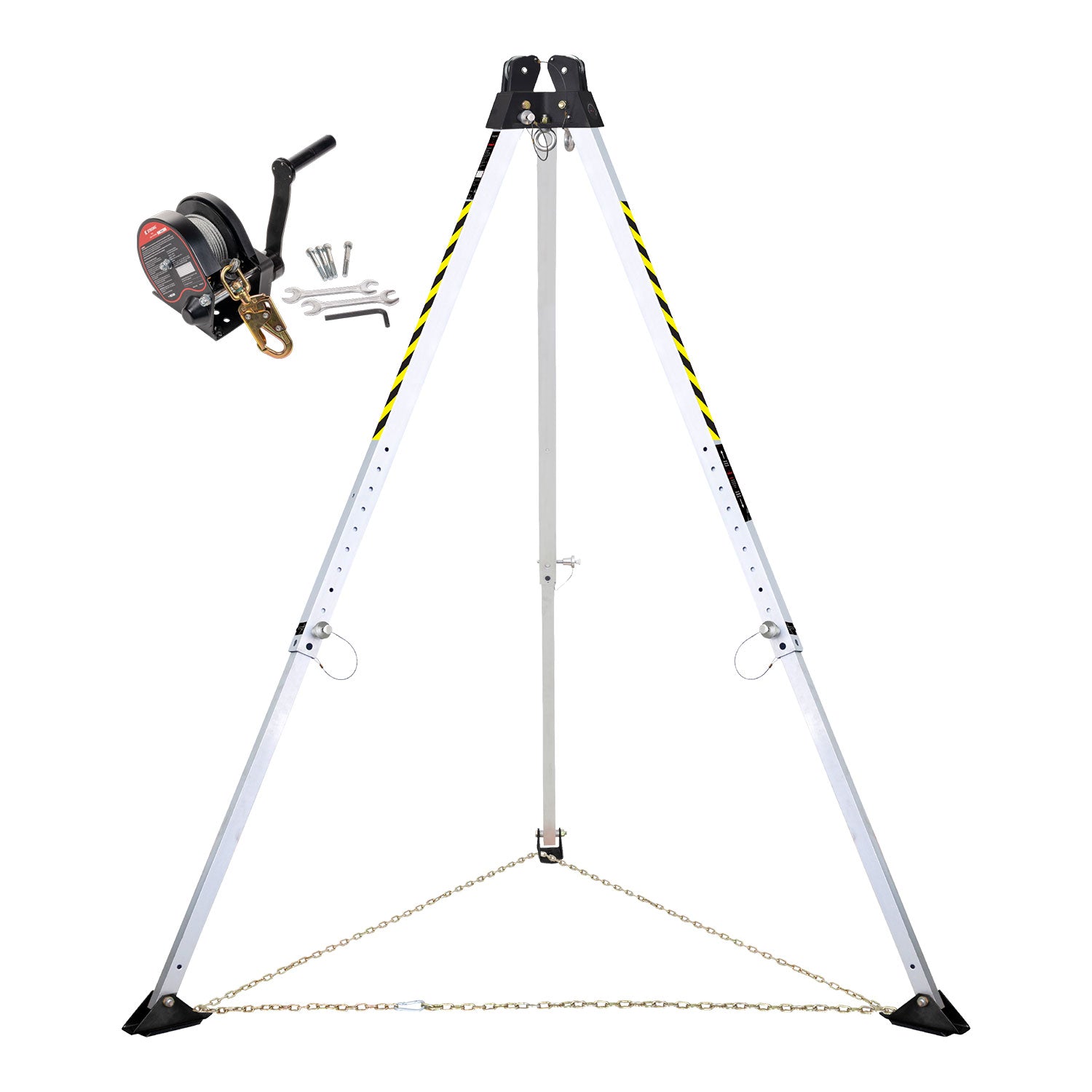
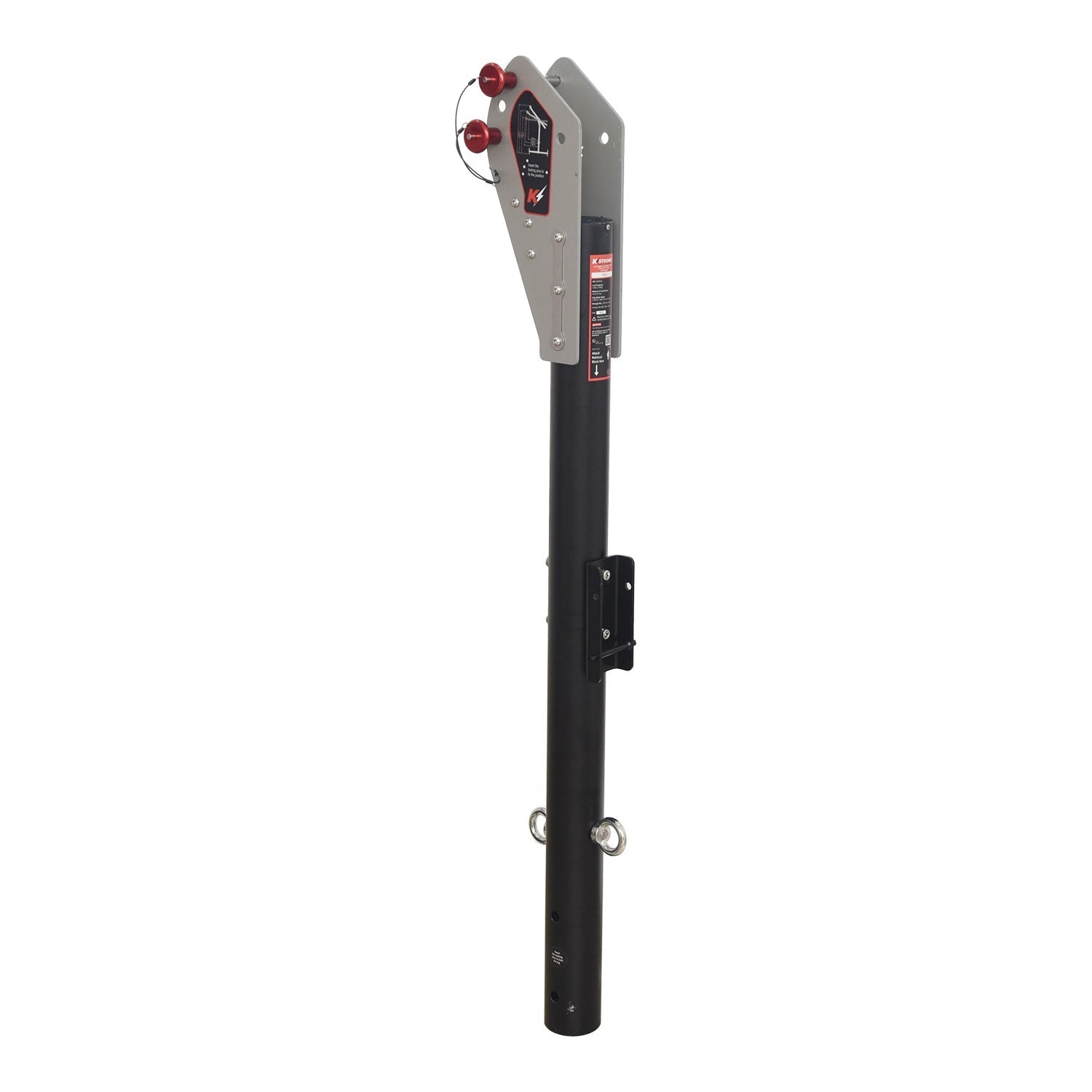
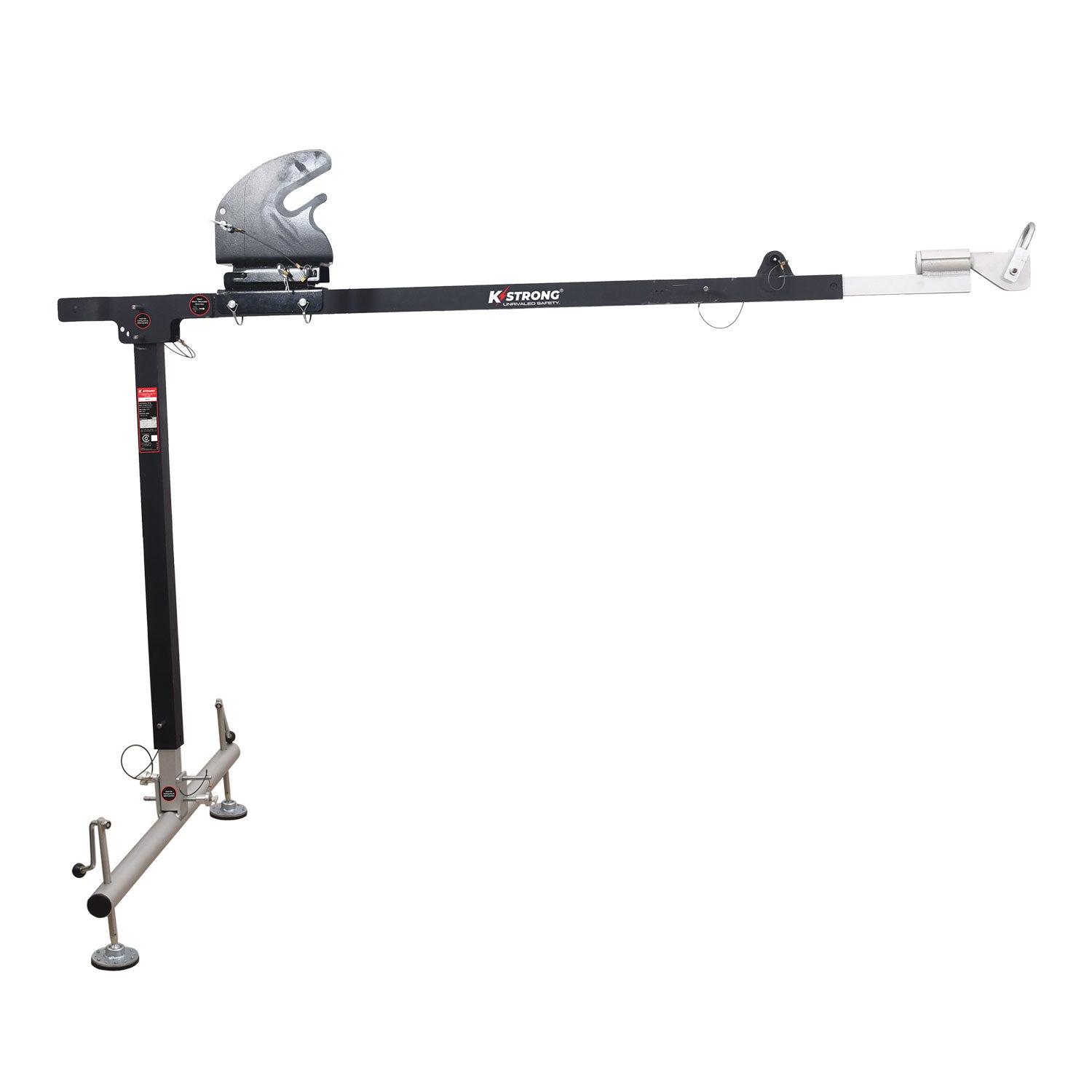
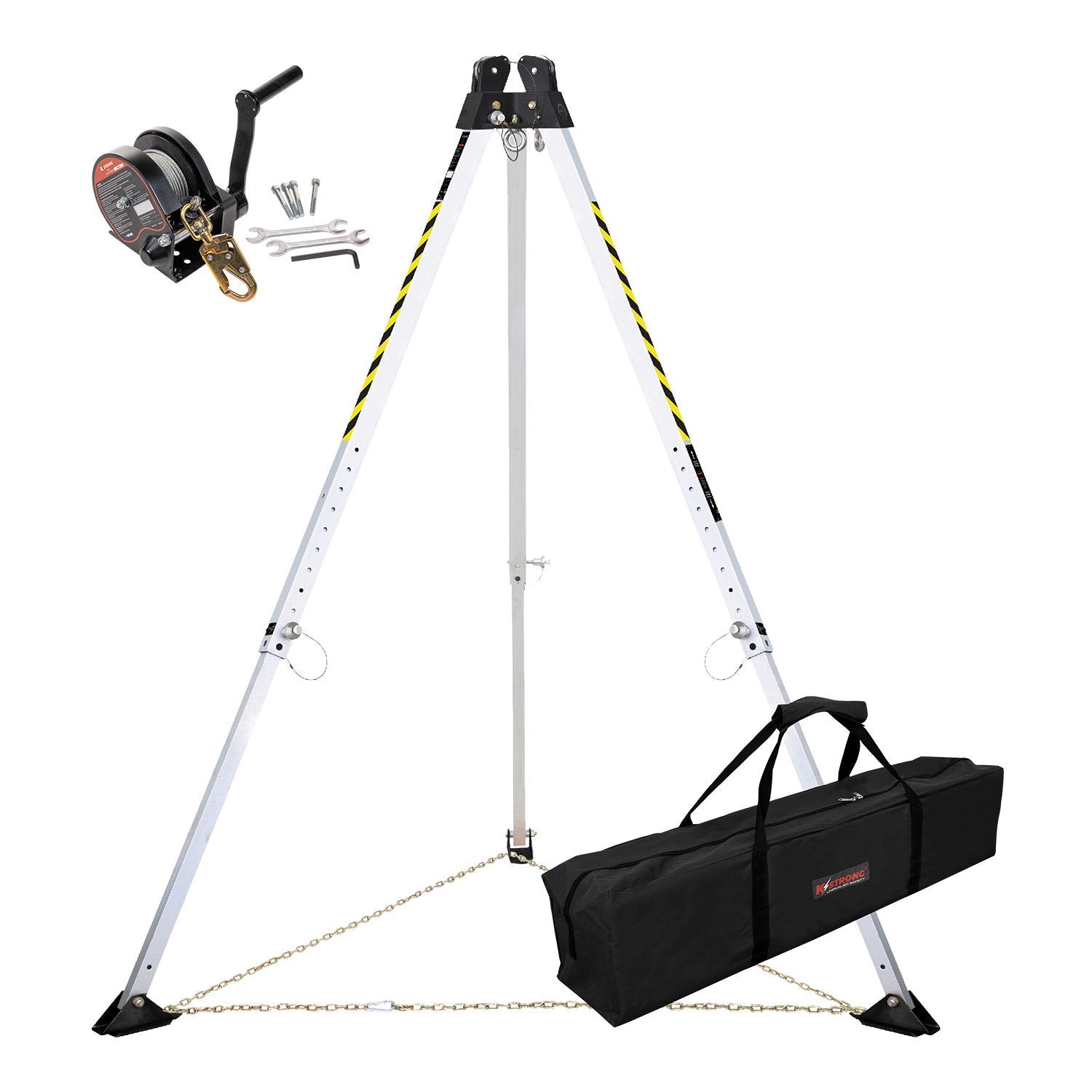
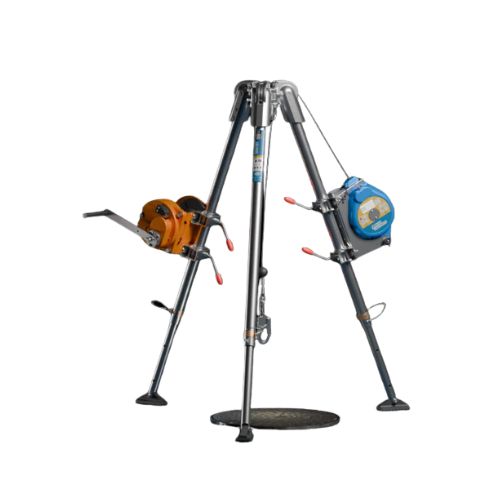
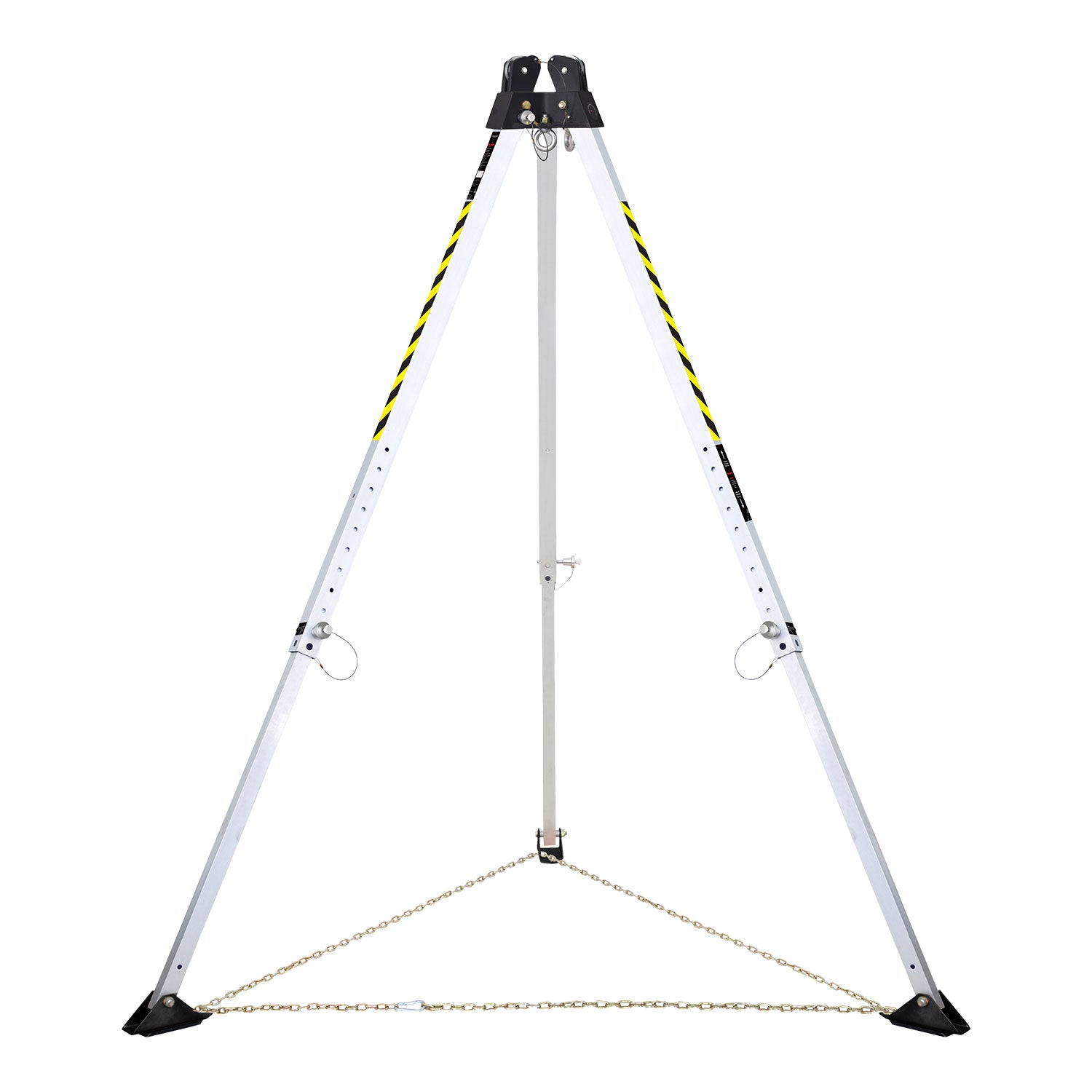
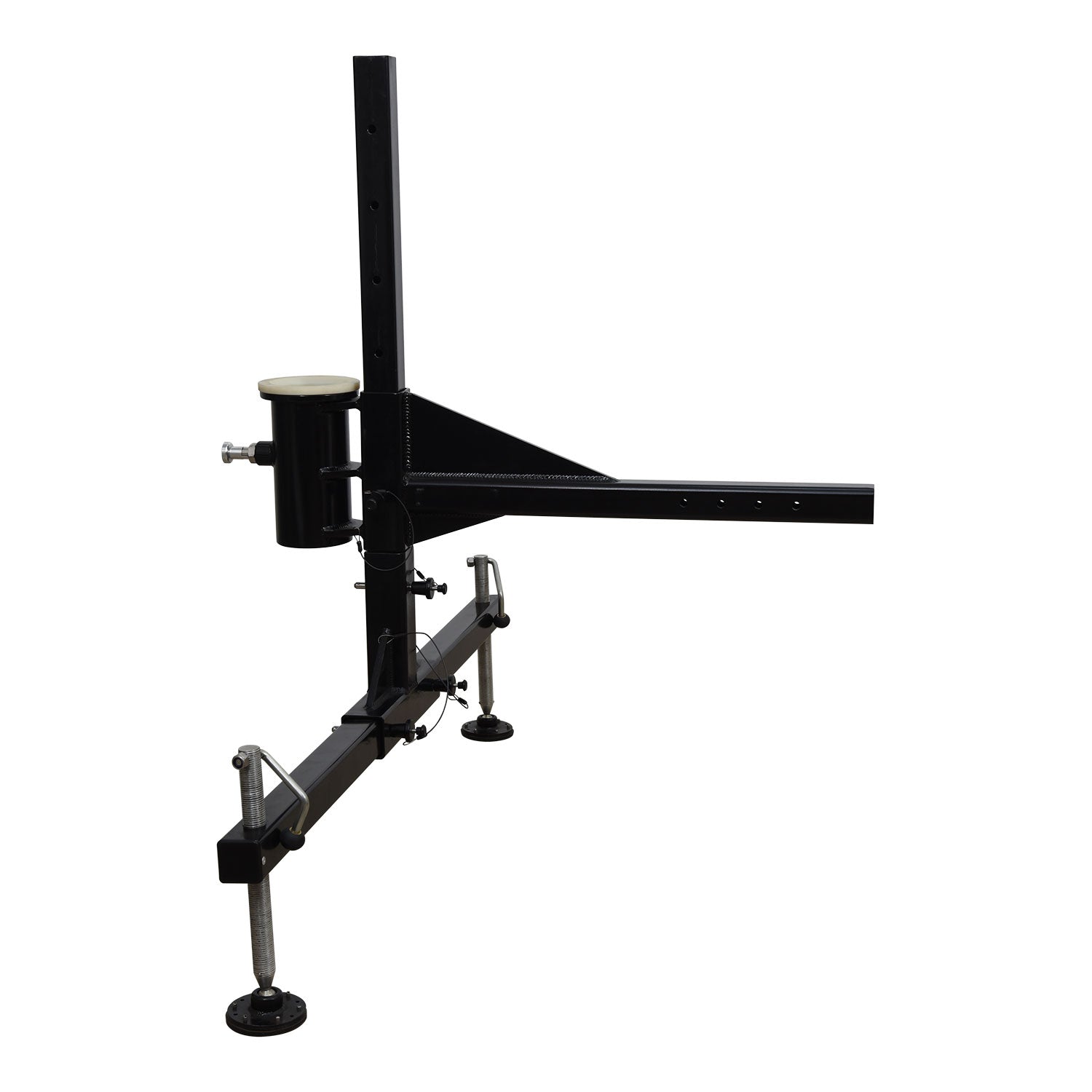
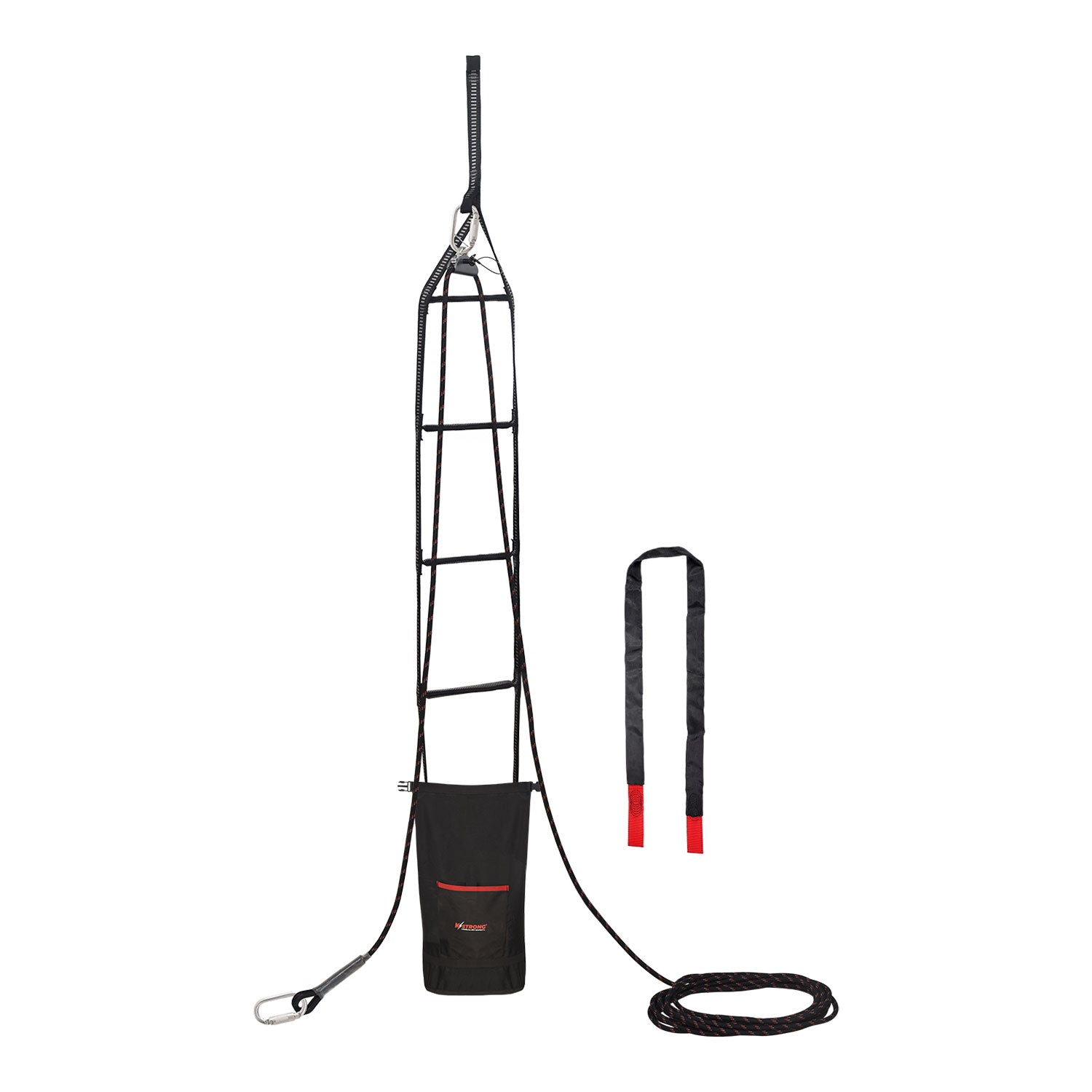
The tripod or davit is the anchor over the opening. Every retrieval line needs an overhead anchor, and the shape of the opening decides which one. A tripod straddles a round manhole or a floor hatch and sets the pulley directly over the entrant, so the pull stays vertical; the rescue and recovery kits collection runs KStrong Megapod tripods in 7 and 10 ft heights, basic through deluxe, from about $1,925, plus the adjustable Megapod with a dual built-in pulley for two-line entries. When the opening sits against a wall, offset, or too wide for legs to straddle, a davit arm takes over: the Megadavit column mast reaches over the edge on a floor, wall, hitch, or H-base mount, with complete kits from roughly $3,971 to $8,699, and the side entry davit assembly handles openings a tripod cannot cover. The 20 ft rescue ladder system, around $457, gives an entrant a self-rescue path before any of that is needed.
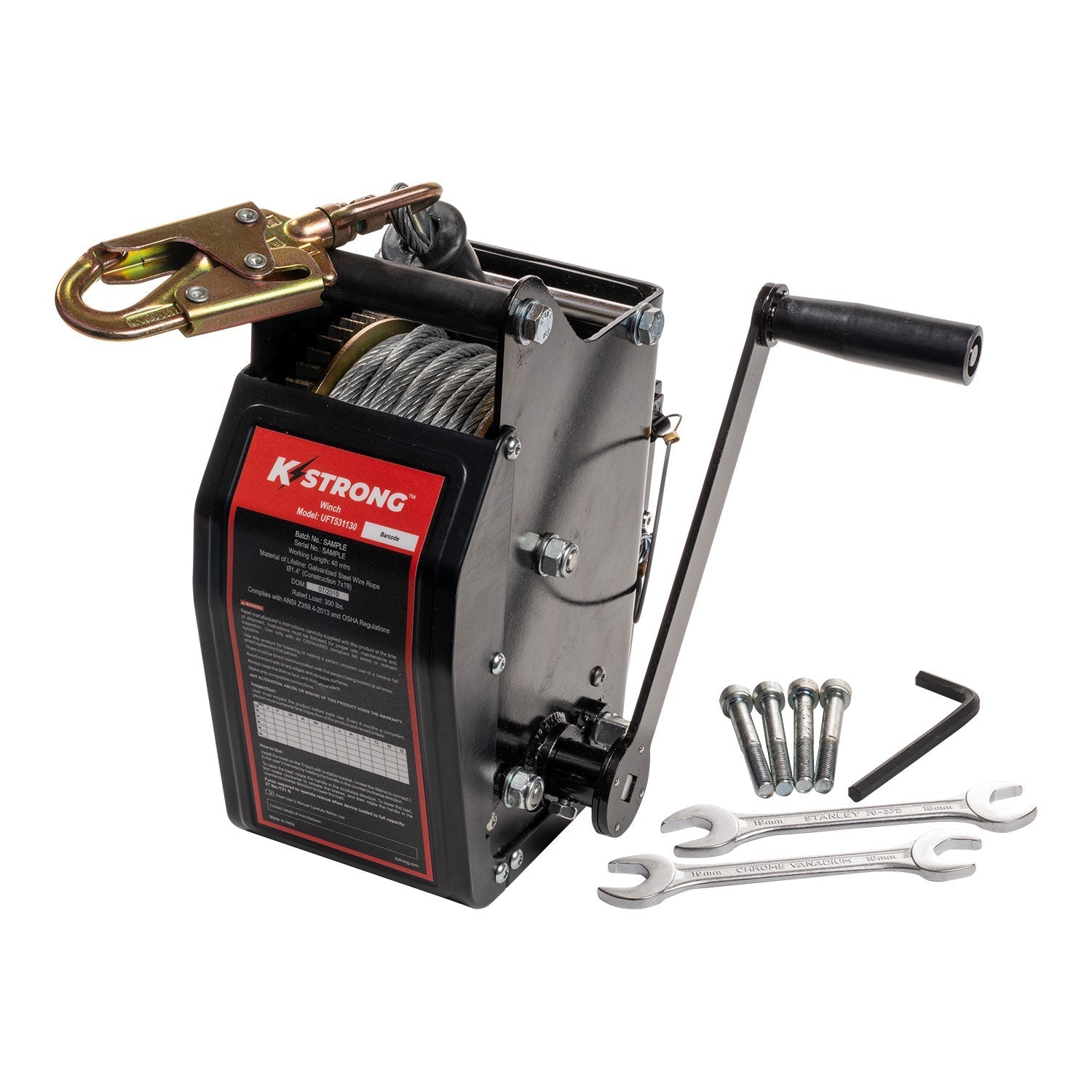
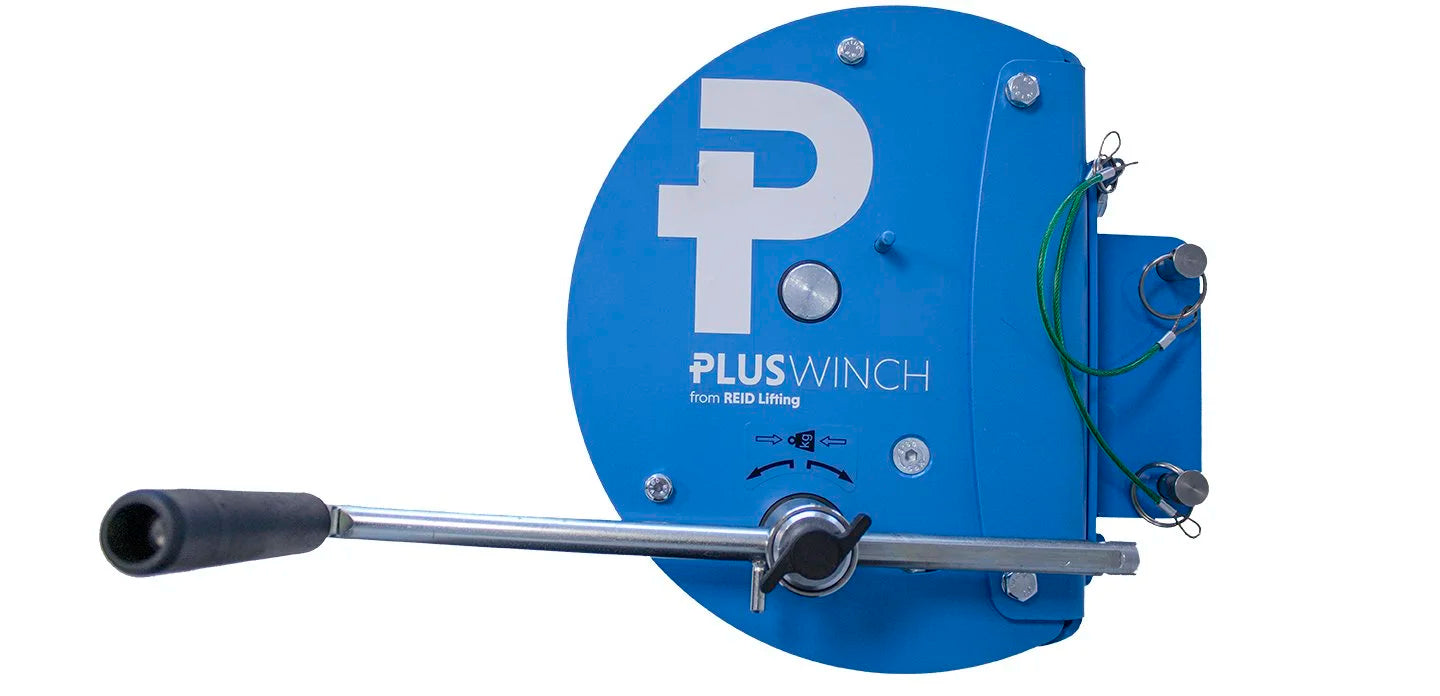
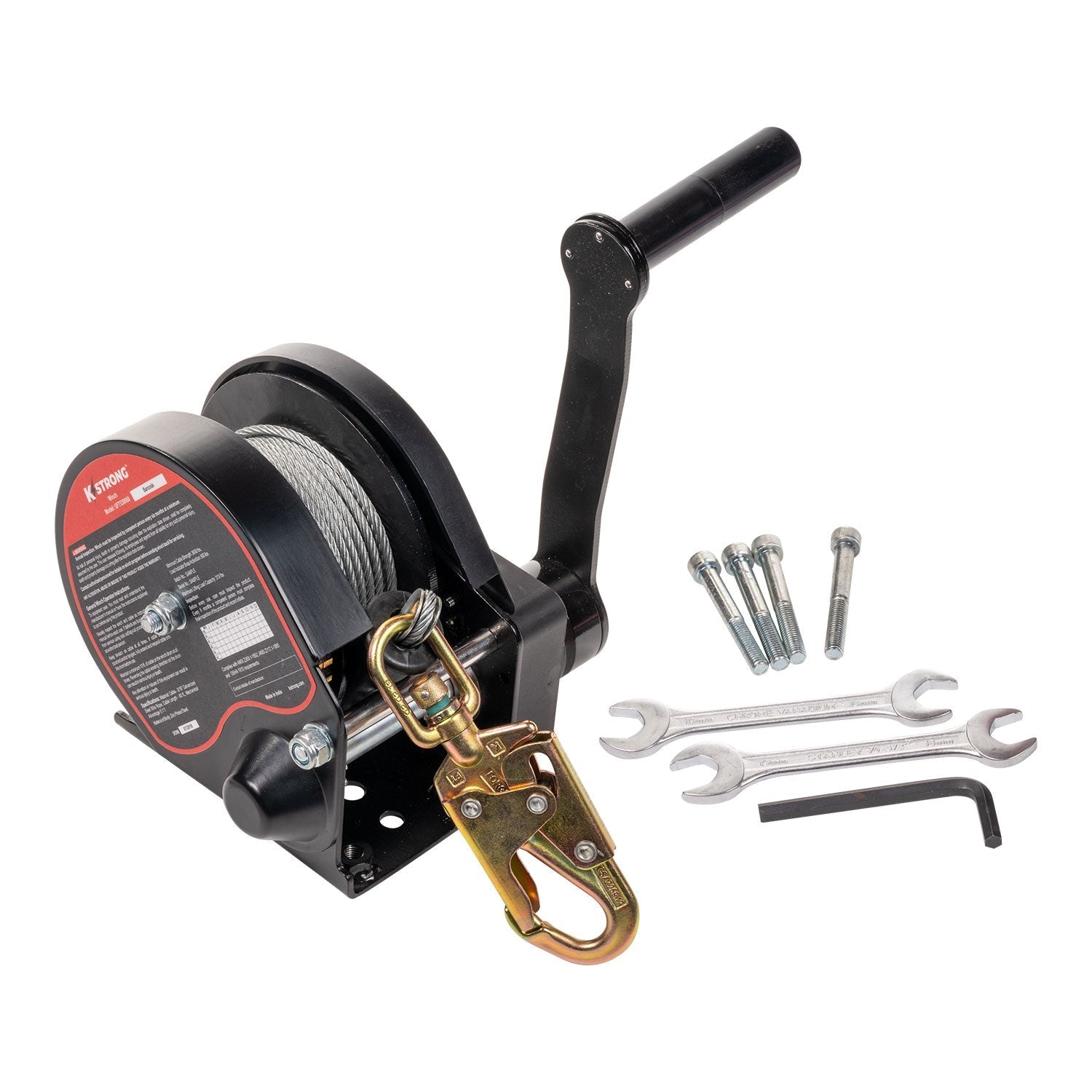
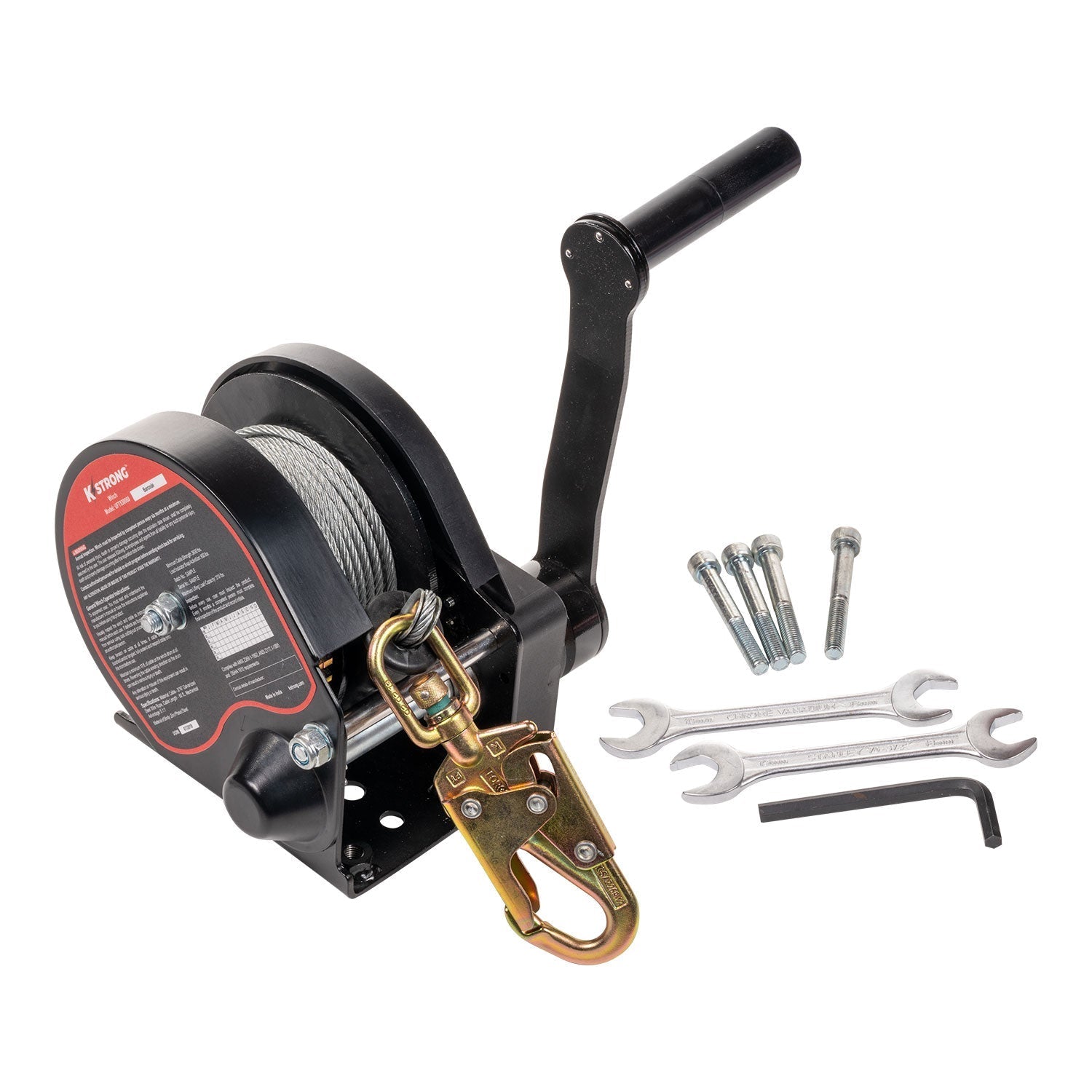
The winch does the lifting, and it has to be rated for people. The device that actually lifts a person has to carry a personnel rating, not a material-handling one, and it has to work in both directions so the attendant can lower an entrant in and raise them out under control. The confined space winches collection is the KStrong personnel and material rated line: bi-directional winches with a brake, carrying 60 to 100 ft of galvanized or stainless steel wire cable, rated to 310 lb, from $886 for the 60 ft galvanized unit to $1,116 for the 100 ft galvanized version with mounting bracket. Stainless is the pick for wet, corrosive, or wash-down spaces like wastewater vaults. The collection also stocks the REID PLUSWINCH 1,100 lb manual goods winch for material only, which is the line to keep well away from any job that puts a person on the hook.
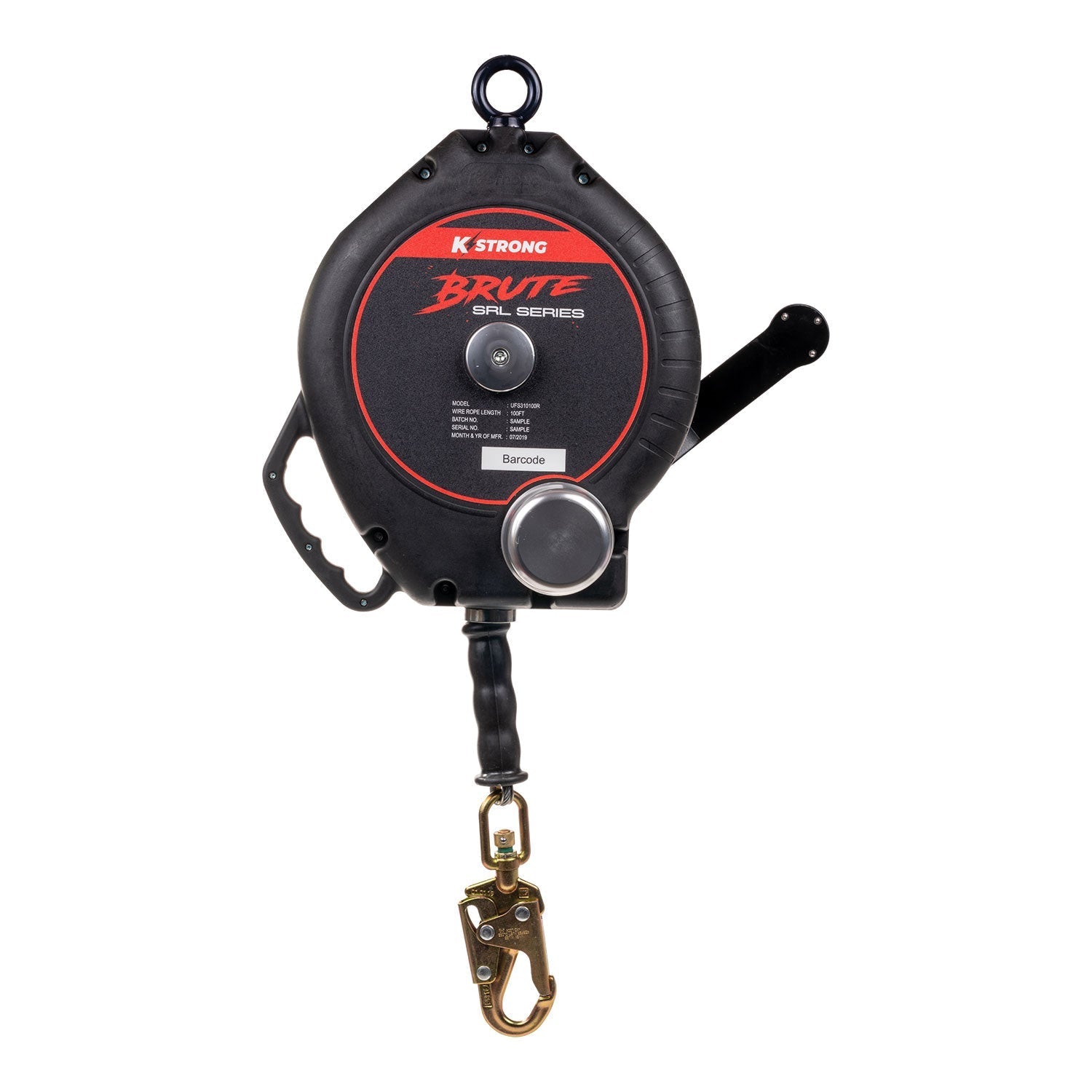
SRL-R: fall arrest and rescue in one housing. A winch raises and lowers on command; a self-retracting lifeline with integral rescue, an SRL-R, does both jobs of a fall arrester and a retrieval device in one housing. Under ANSI/ASSP Z359.14-2021 an SRL-R arrests a fall like any SRL, locking within inches, then adds an integral means to raise or lower the fallen worker for rescue by turning a handle. The rescue lifelines collection carries the KStrong BRUTE 100 ft wire cable 3-way rescue retrieval SRL-R, around $1,745, along with the universal lower-assembly receiver and the mounting bracket that fixes any KStrong 3-way device to a tripod or davit. A 3-way device earns its keep on entries where the entrant is climbing or working at a level rather than being winched straight down, because it protects against the fall and still recovers the worker if the fall happens.
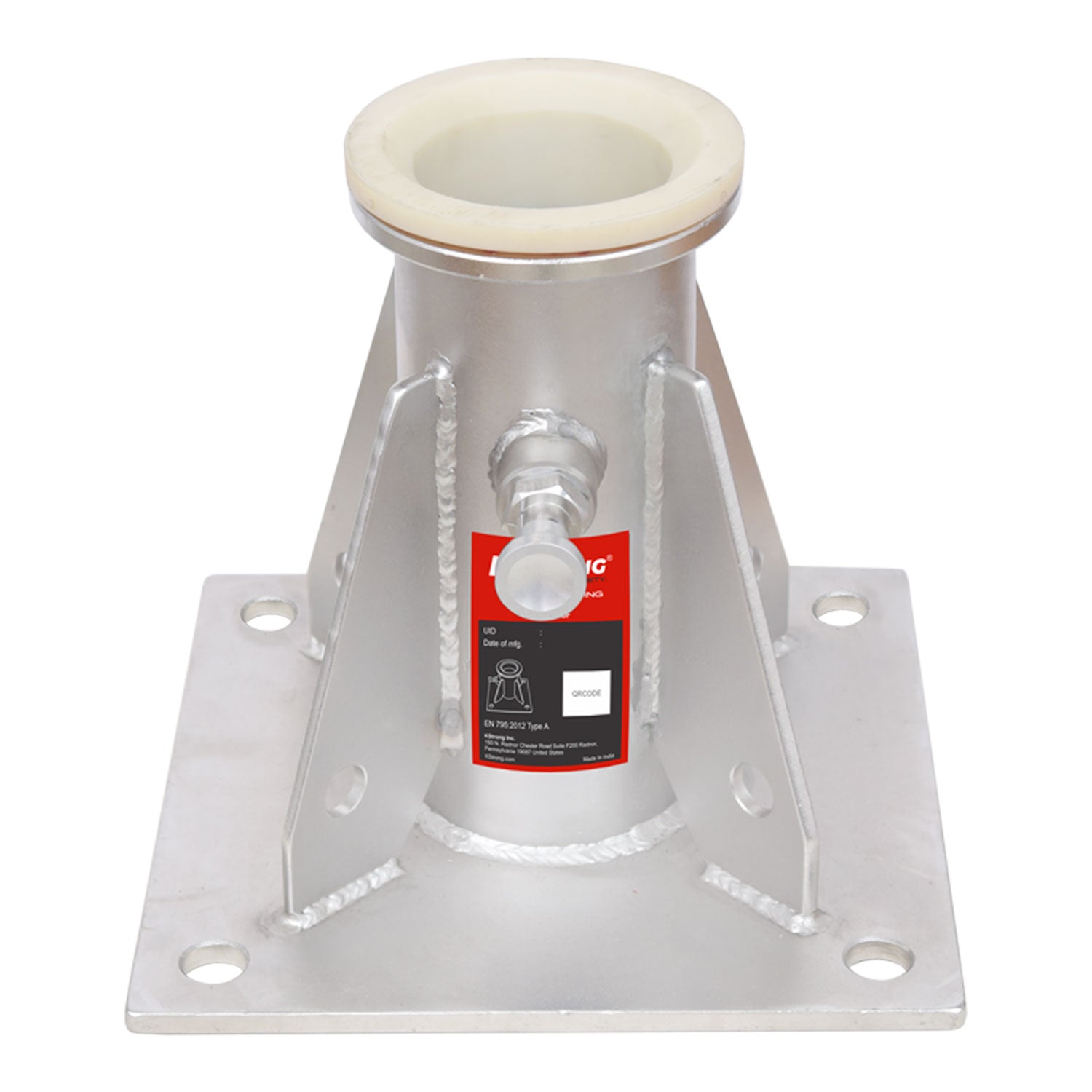
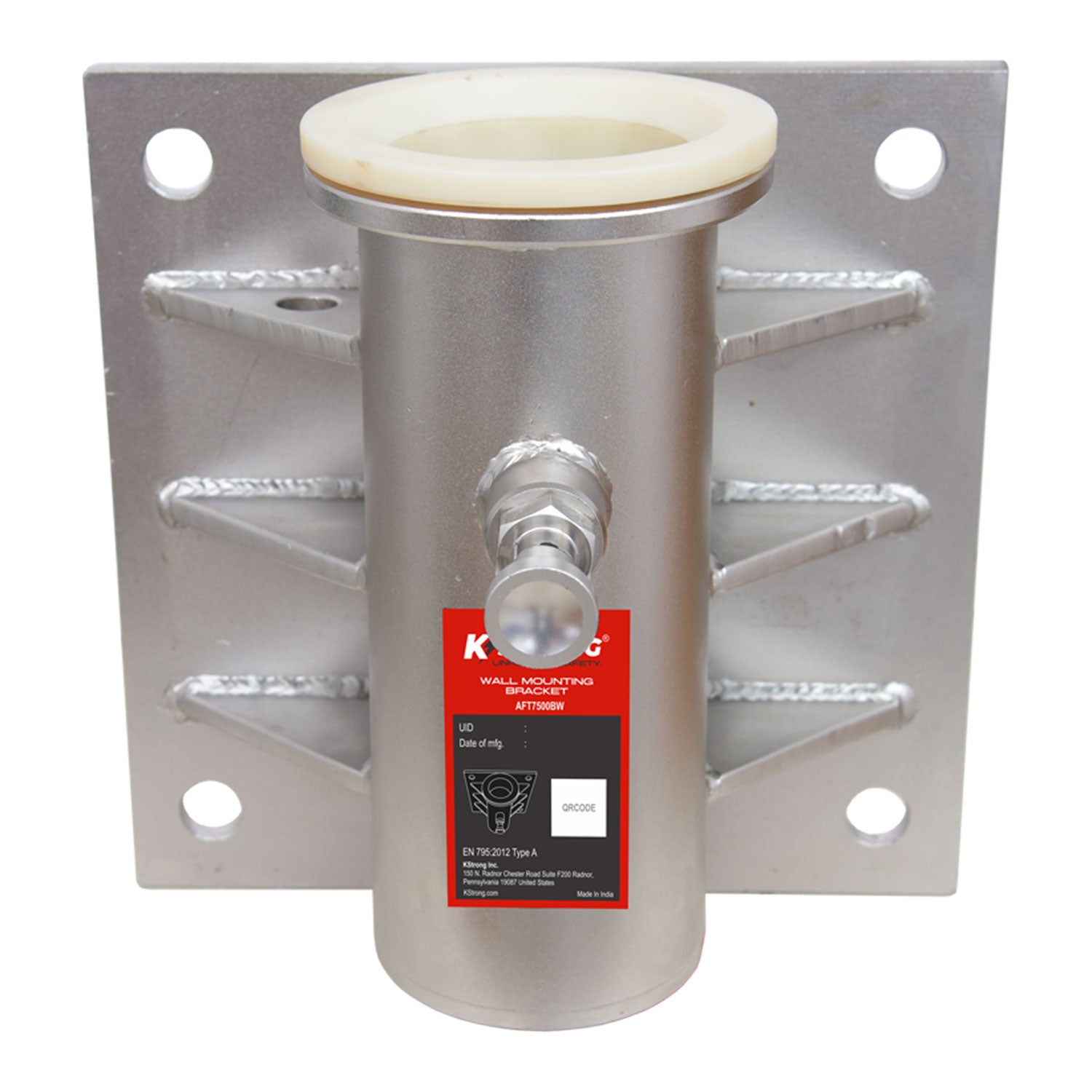
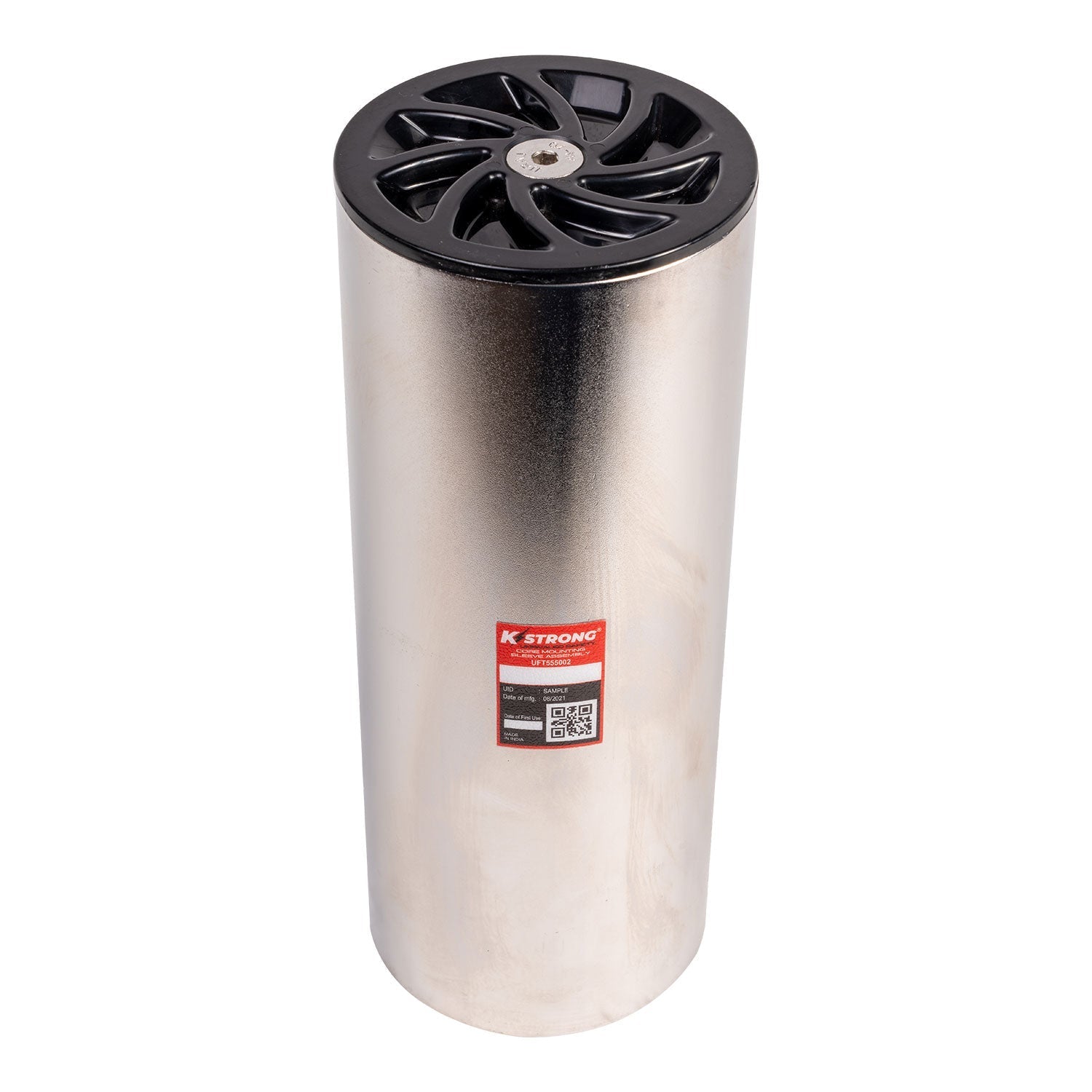
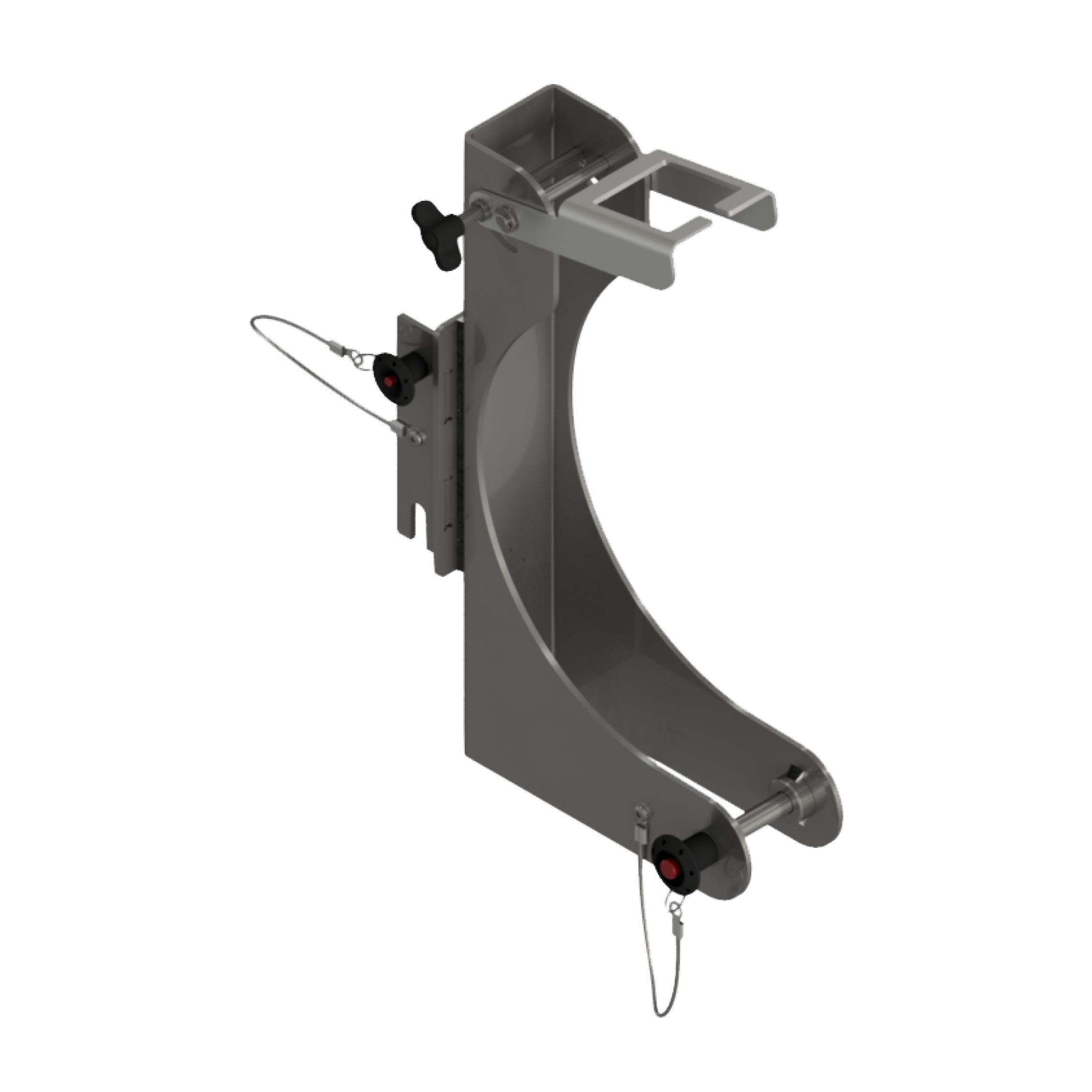
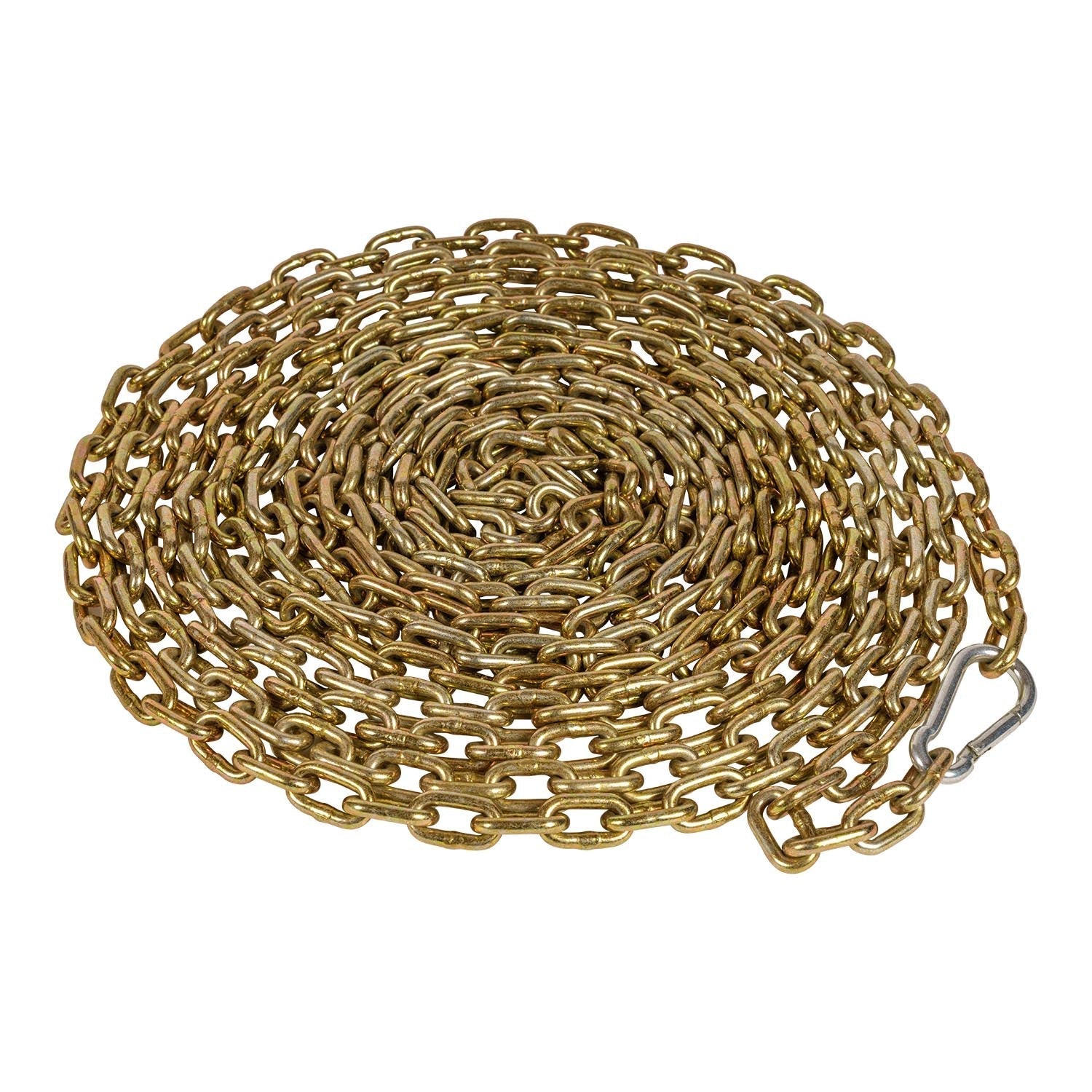
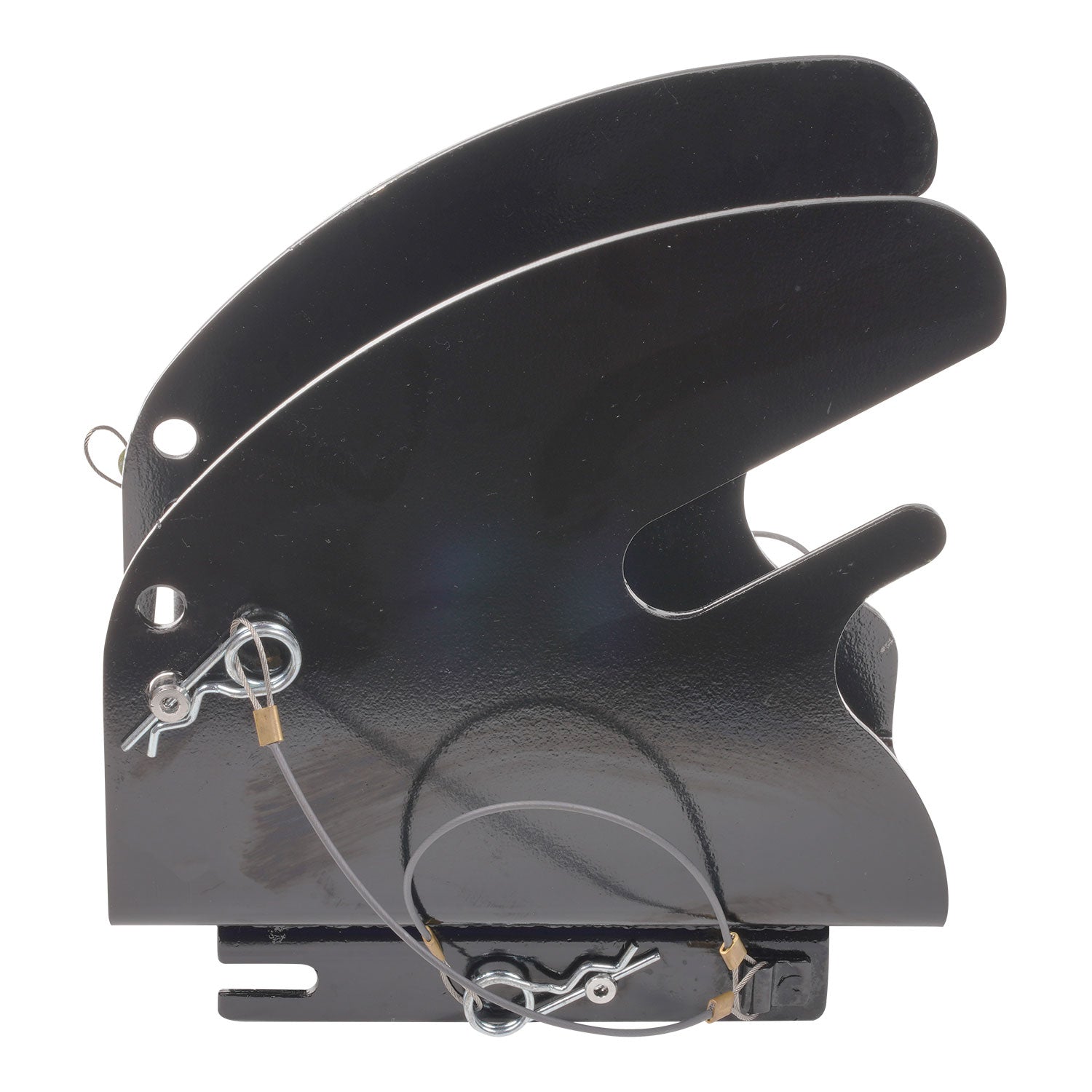
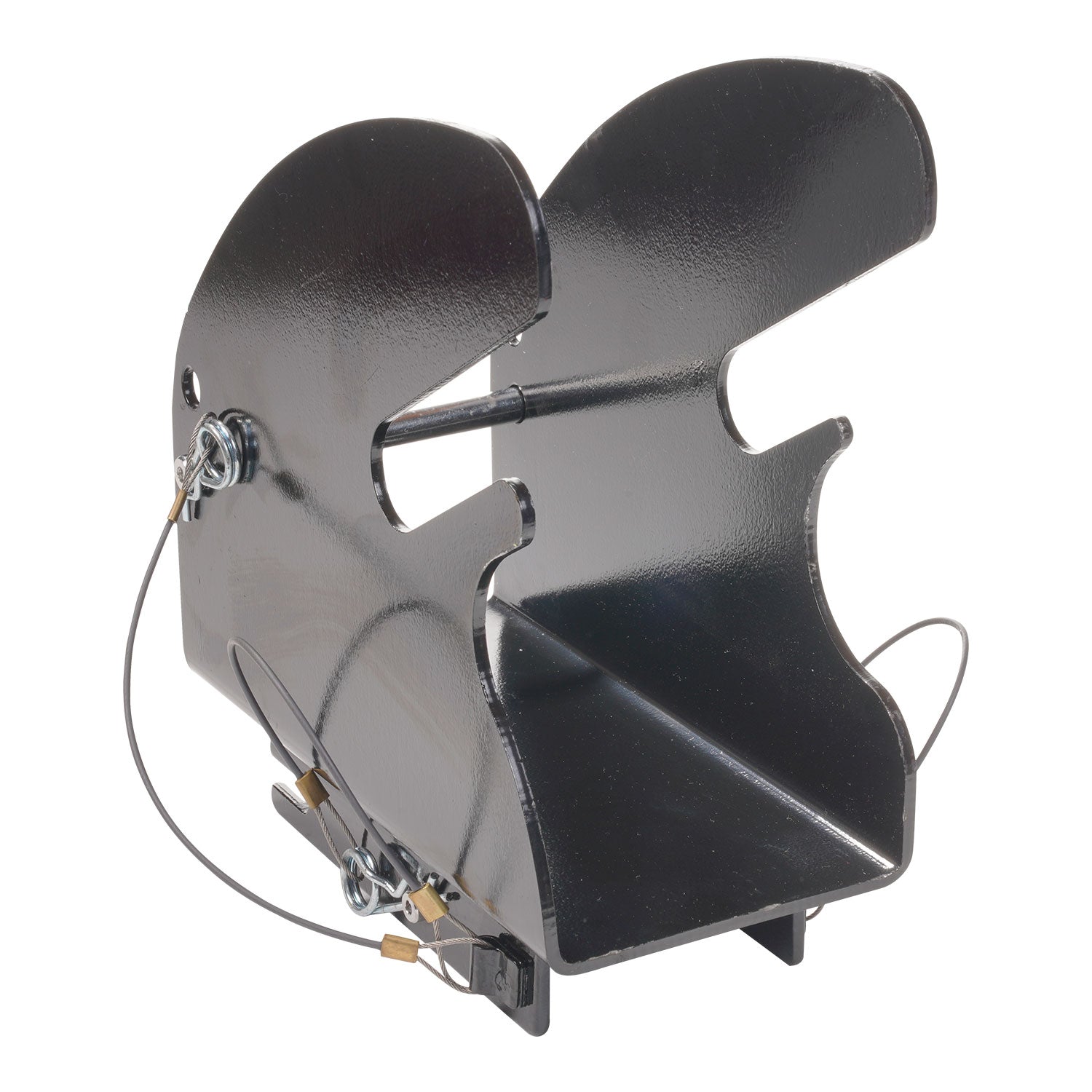
Brackets and receivers make the system a system. A tripod, a winch, and an SRL-R do nothing until they are joined, and the joining hardware is where mismatched systems fail. The confined space accessories collection carries the receivers and brackets that make the parts land on the right frame: KStrong Megadavit column mast receivers in SS316 stainless for concrete embed, floor, and wall mounting, from about $532, the Globestock SAVER/STOP one-piece mounting bracket that fixes a 3-way device to the SENTRY tripod, and the Megapod chain link assembly and storage bag that round out a kit. Buy the bracket that is tested with your winch or SRL-R rather than the one that looks close; the receiver is the cheapest part of the rig and the one nobody thinks about until a $1,700 device has nowhere to bolt.
Atmospheric testing, the attendant, and the harness connection. Hardware is half the entry; the permit is the other half. Before anyone drops a line, the atmosphere gets tested in a fixed order with a calibrated direct-reading instrument: oxygen first, then flammable gases and vapors, then toxics, because a wrong reading on any one of them changes the whole entry. An attendant stays outside the space the entire time, monitoring and never entering to attempt a rescue unless trained, equipped, and relieved. The retrieval line clips to a chest or full body harness at the center of the entrant's back near shoulder level or above the head, so a recovered worker rides up straight instead of jackknifing in the shaft; wristlets are allowed only where a harness is demonstrably infeasible. This gear lives inside the broader fall protection equipment program, and the same inspection discipline applies before every use.
Frequently Asked Questions
29 CFR 1910.146 requires a retrieval system for every authorized entrant in a permit-required confined space unless it would increase risk, and 1910.146(k)(3)(ii) requires a mechanical device to retrieve personnel from vertical spaces more than 5 ft deep. In practice that means a tripod or davit over the opening, a personnel-rated winch or SRL-R, and a harness with a retrieval line on the entrant. Non-entry rescue from outside the space is the preferred method, because sending a rescuer in is how confined space incidents multiply.
A winch is a controlled raise-and-lower device the attendant cranks to move an entrant in and out; a self-retracting lifeline with rescue, an SRL-R, is a fall arrester that also raises or lowers a fallen worker. Use a winch when you are lowering someone into a vertical space on purpose; use a 3-way SRL-R when the entrant is climbing or working at level and needs fall arrest plus recovery in one device. Many entries carry both, the winch for controlled access and the SRL-R for the fall that access does not plan for.
A tripod straddles a round manhole or floor hatch and sets the pull directly overhead, which is the simplest rig when the opening is open on all sides. A davit arm reaches over an edge, so it wins on wall-mounted, offset, or oversized openings a tripod cannot straddle. The KStrong Megapod covers tripod entries and the Megadavit covers davit entries, with floor, wall, hitch, and H-base mounts, so the choice comes down to the geometry of the opening you actually have to work over.
The KStrong confined space winches here are personnel and material rated and bi-directional, built to raise and lower a worker under control. The REID PLUSWINCH in the same collection is a material goods winch only and must never carry a person. Always confirm the personnel rating on the label before a winch goes on a rescue rig; a goods hoist on a person is the kind of substitution that gets someone killed, and the rating exists precisely to stop that call from being made in the moment.
More than 5 ft. OSHA 1910.146(k)(3)(ii) requires a mechanical device to retrieve personnel from vertical type permit spaces deeper than 5 ft, because a hand line cannot generate the controlled lift needed to pull a limp body straight up a shaft. Below that depth a retrieval line attached to the harness may be enough on its own, but the attachment point, the attendant, and the atmospheric testing requirements all still apply to the entry.