Fall Arrest & Restraint Gear
Fall arrest and restraint gear is the connecting middle of a fall protection system: the lanyard, tether, or climbing device that runs between the harness D-ring and the anchor, and the component that decides whether a slip becomes a fall at all, and what your body feels if it does. This collection is KStrong end to end, covering shock absorbing and work positioning lanyards from about $31, twin leg and tie-back designs, arc flash rated models, complete roofers kits with harness, rope, and anchor in one box, ladder climbing cable systems for fixed ladders, and the Kaptor tool tethering line from a $5.85 hard hat lanyard up. Harnesses, self-retracting lifelines, and anchorage hardware each have their own collections; this one is about the link in between, where the difference between restraint and arrest, and between a positioning lanyard and a shock absorbing one, is exactly the kind of detail that gets tested at the worst possible moment.
Shop Fall Arrest & Restraint Gear by Category
Compare Fall Arrest & Restraint Gear
| Model | Price | Type | |
|---|---|---|---|
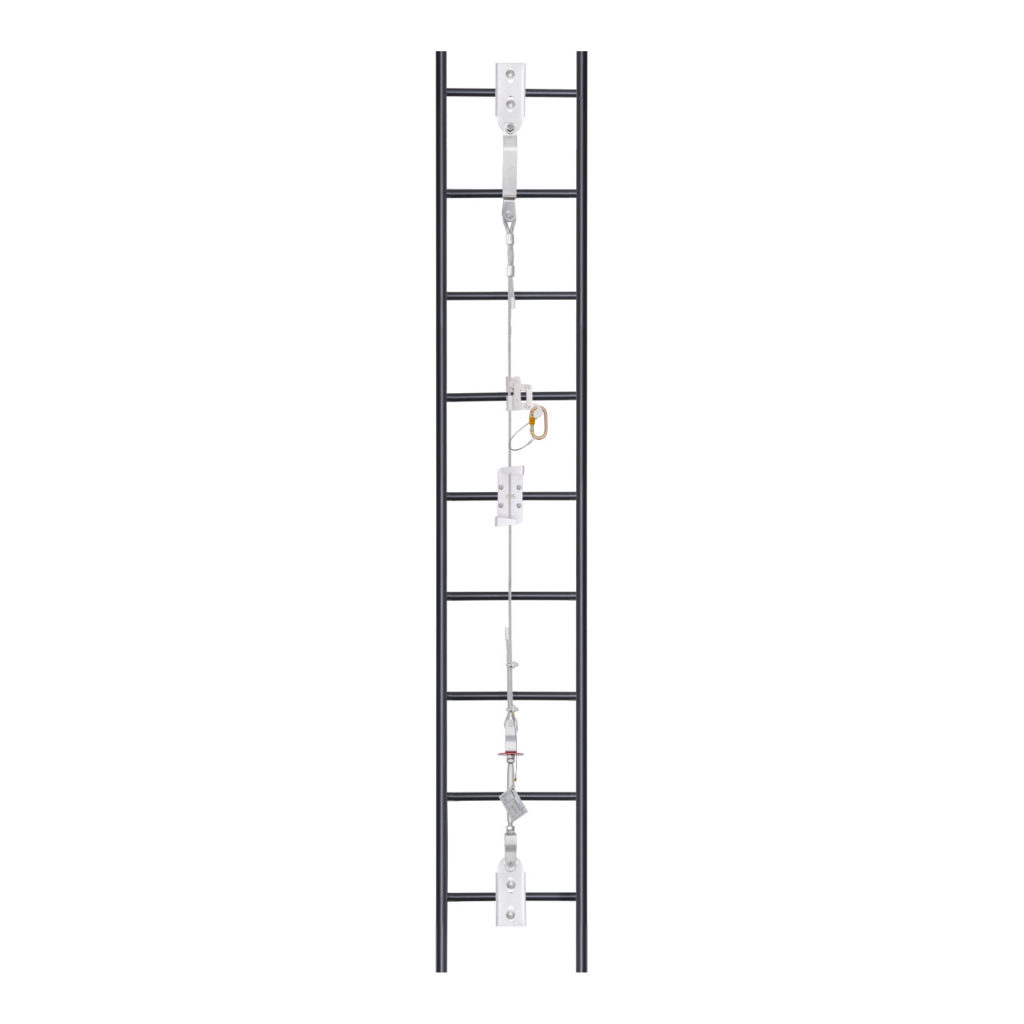
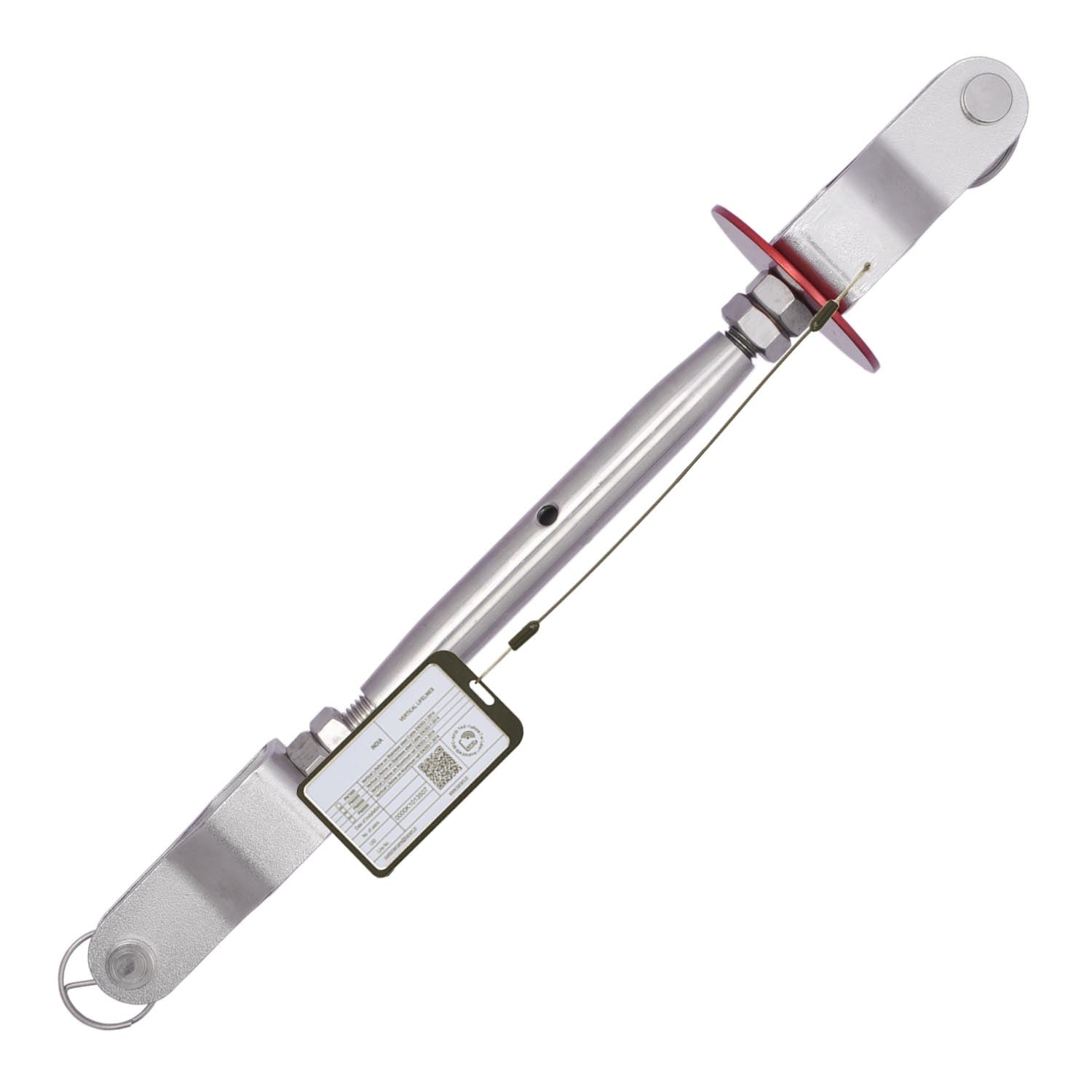
| KStrong® Ladder Climbing Cable | $1,071 | — | View → |
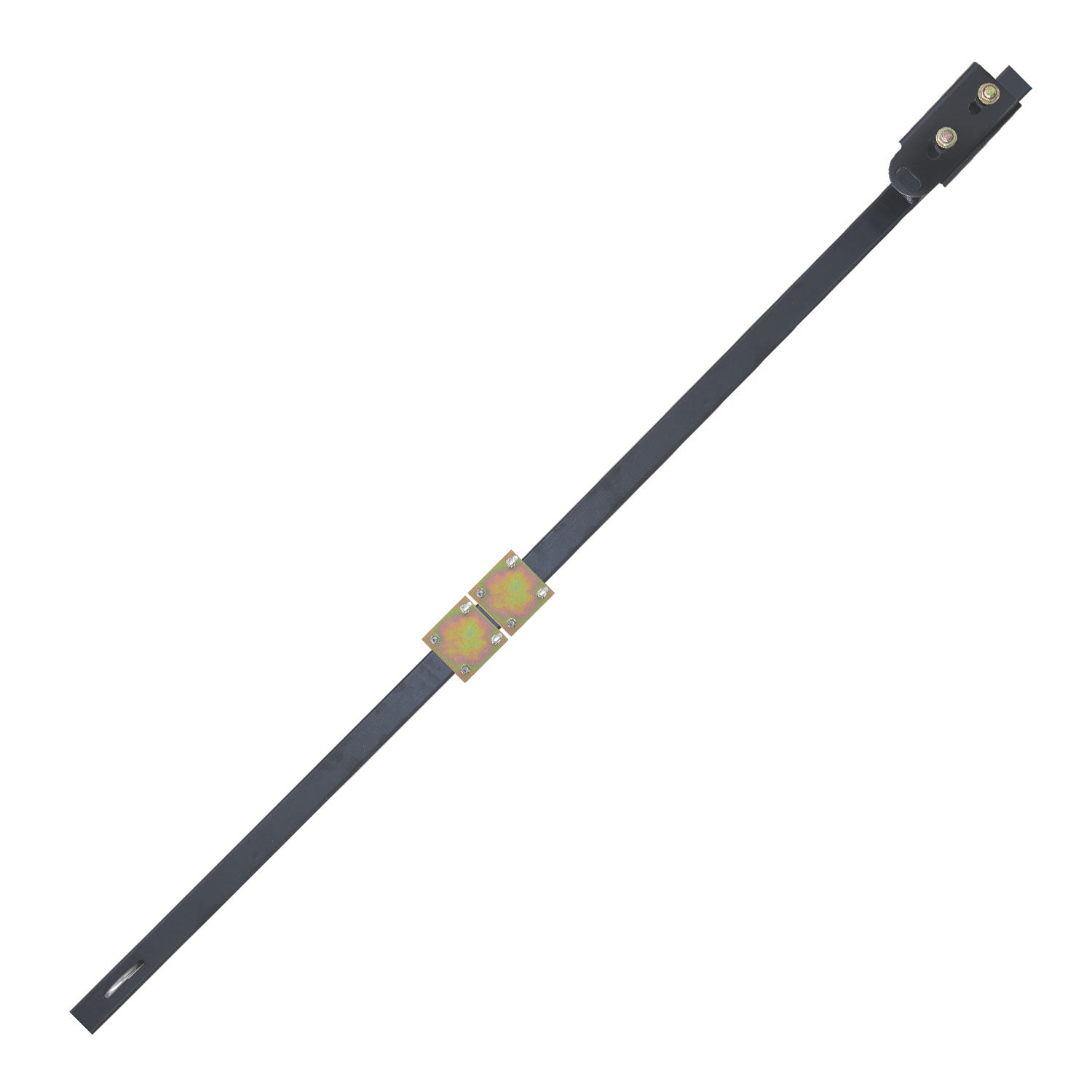
| KStrong® Ladder Extension Davit Kit for Fixed Ladders | $464 | Ladder Extension Davit Kit for Fixed Ladders | View → |
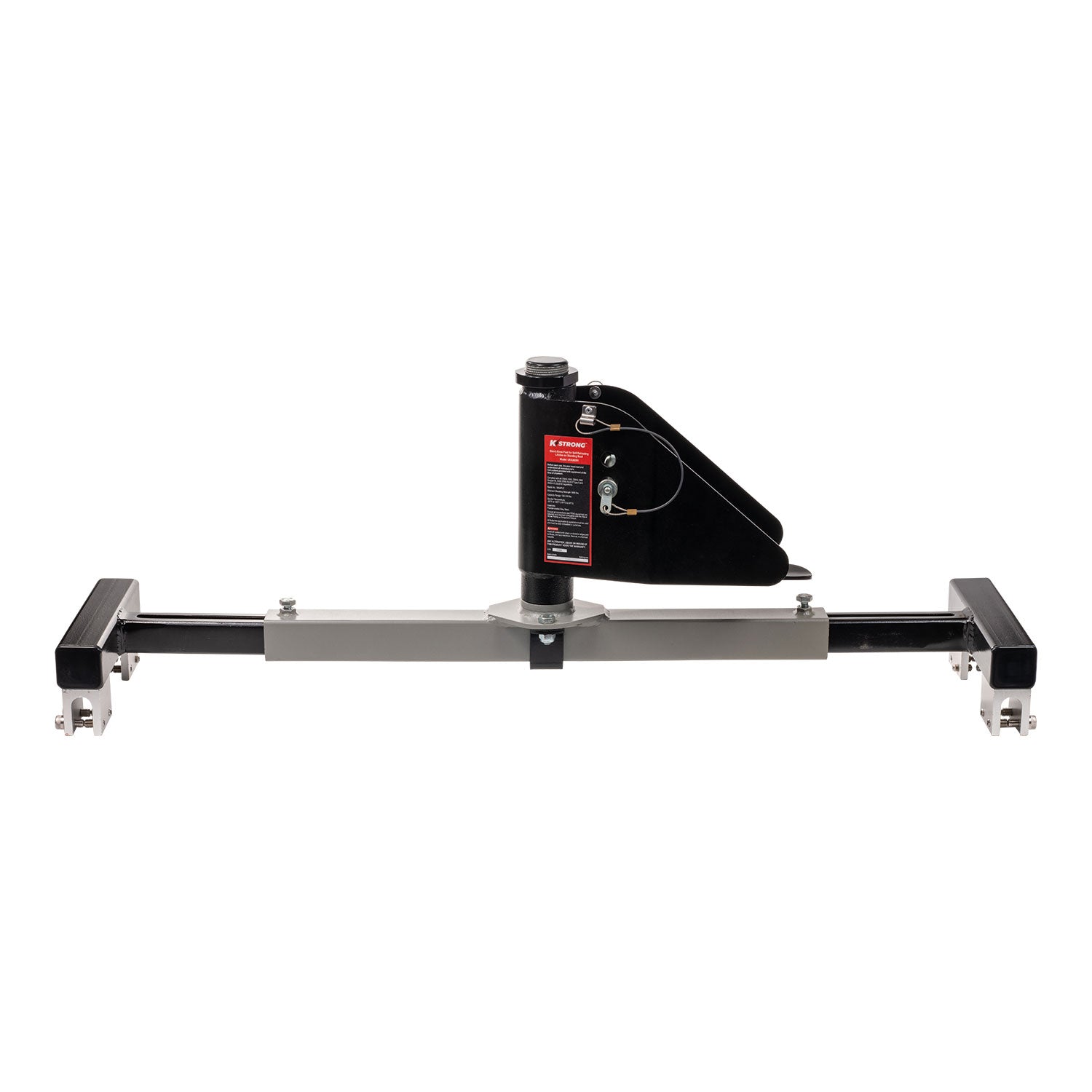
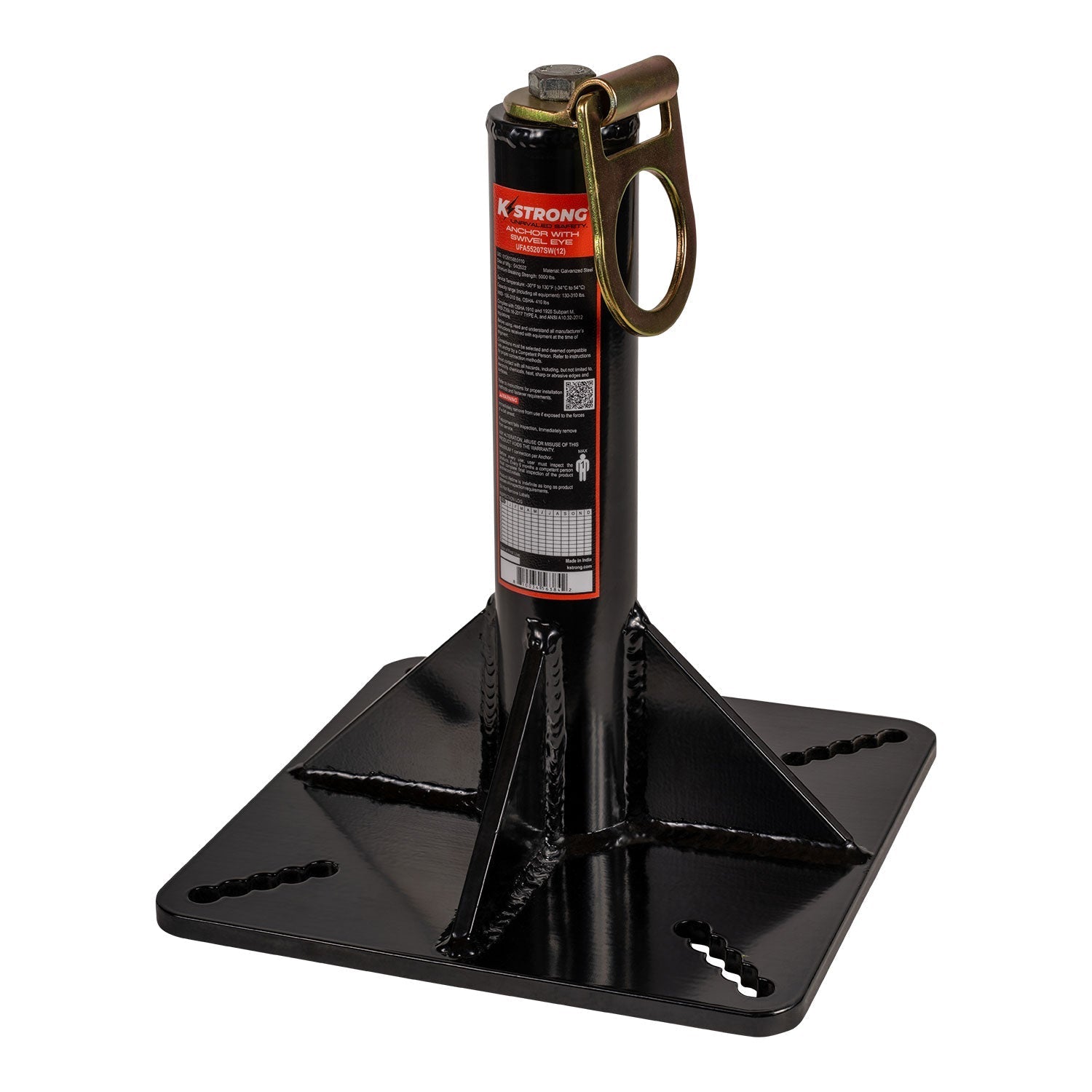
| KStrong® Swivel Anchor for Self Retracting Lifelines (ANSI) | $273 | Anchor for Self-Retracting Lifelines, 360° rotation | View → |
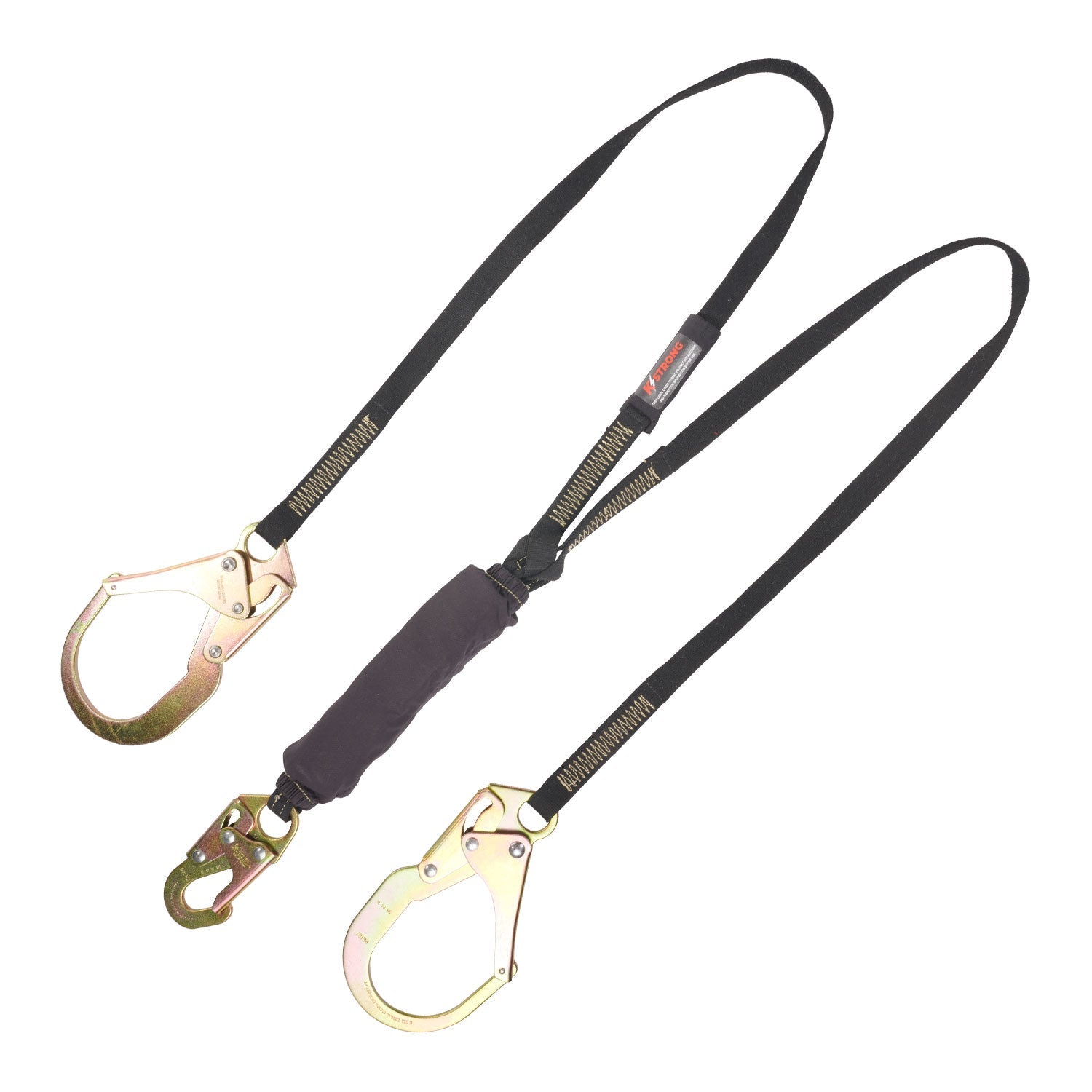
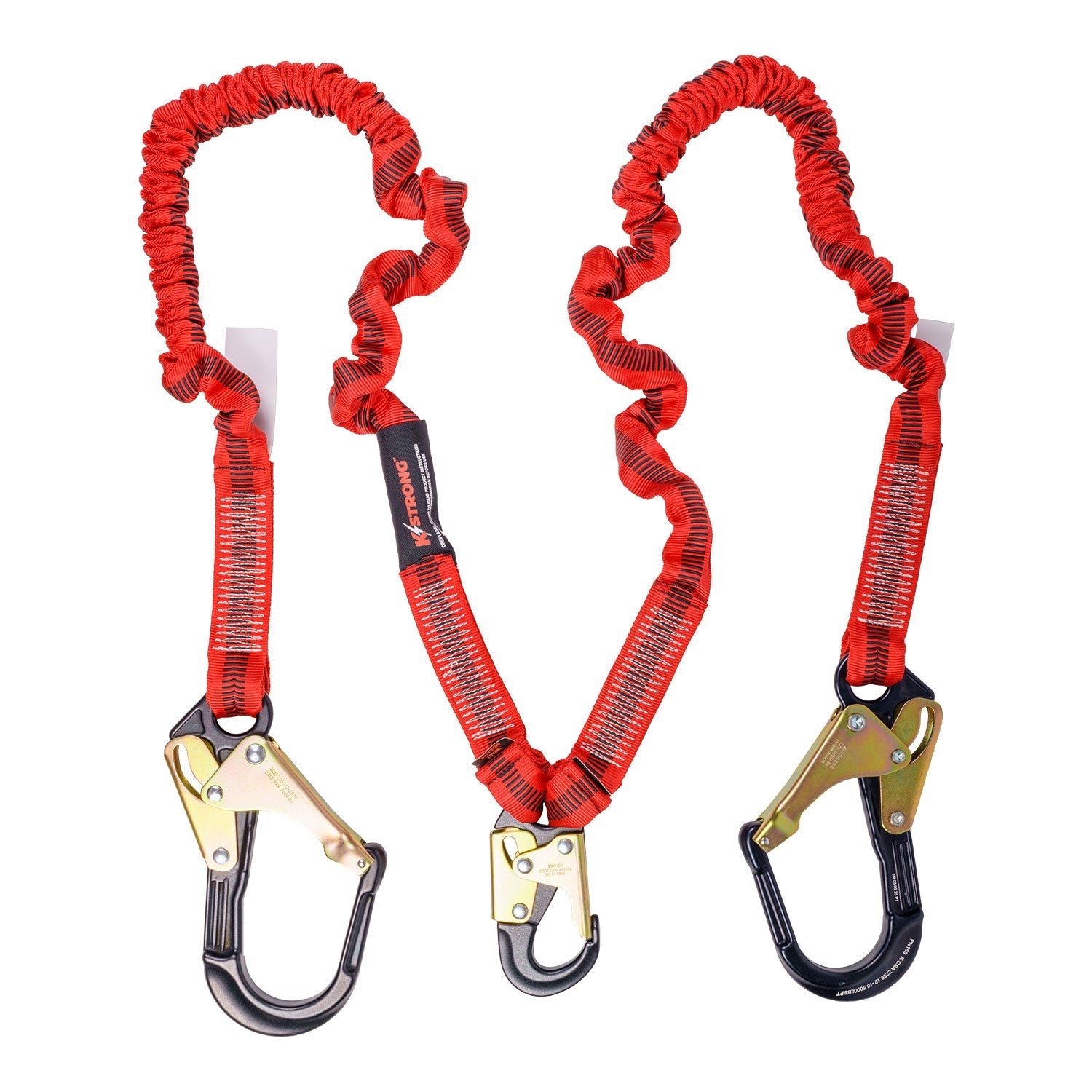
| KStrong® 6 ft. Twin Leg 100% Tie-off Arc Flash Rated Shock Absorbing Lanyard (ANSI) | $249 | — | View → |
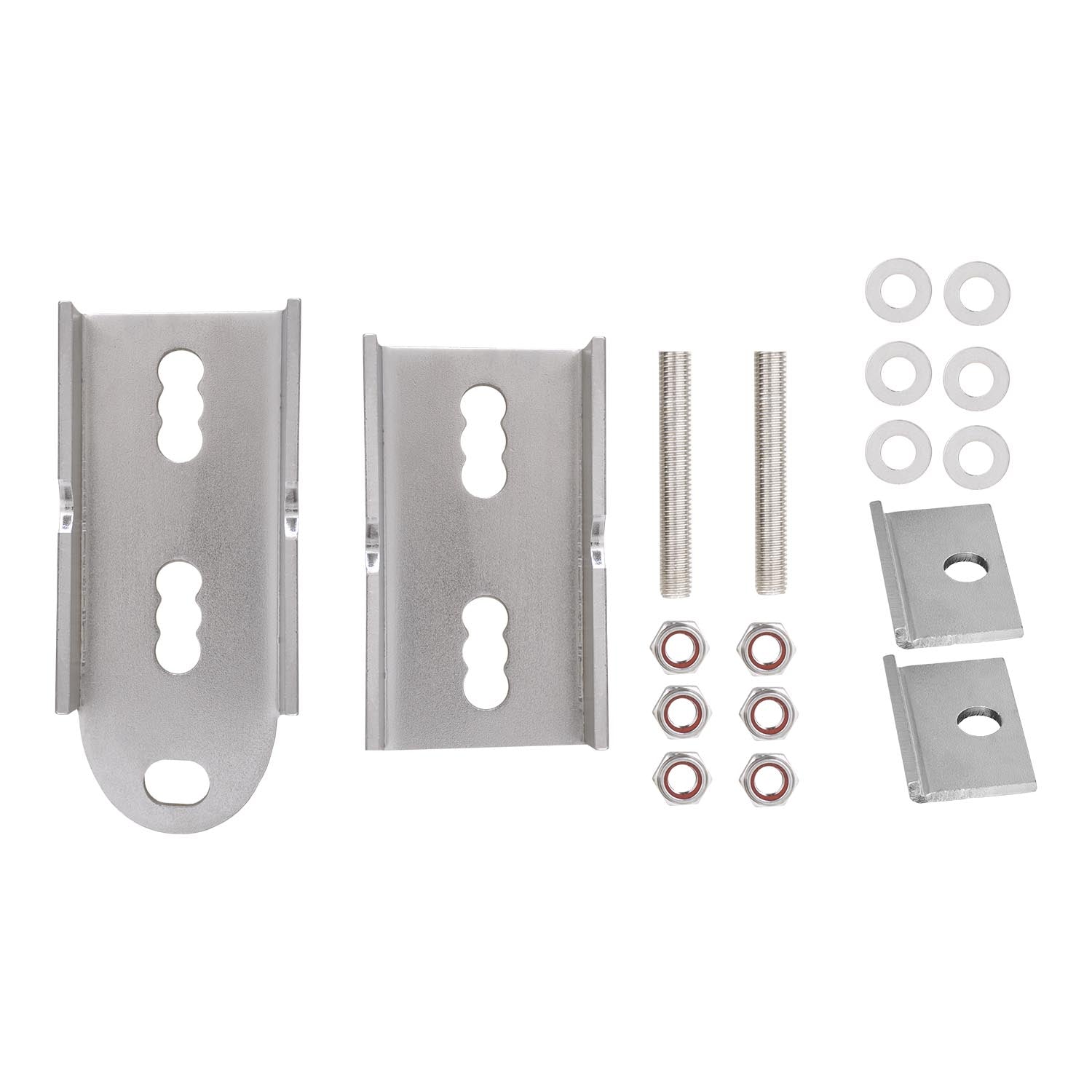
| KStrong® Mounting Bracket Including Plates, Studs, and Nuts (SS316) | $248 | — | View → |
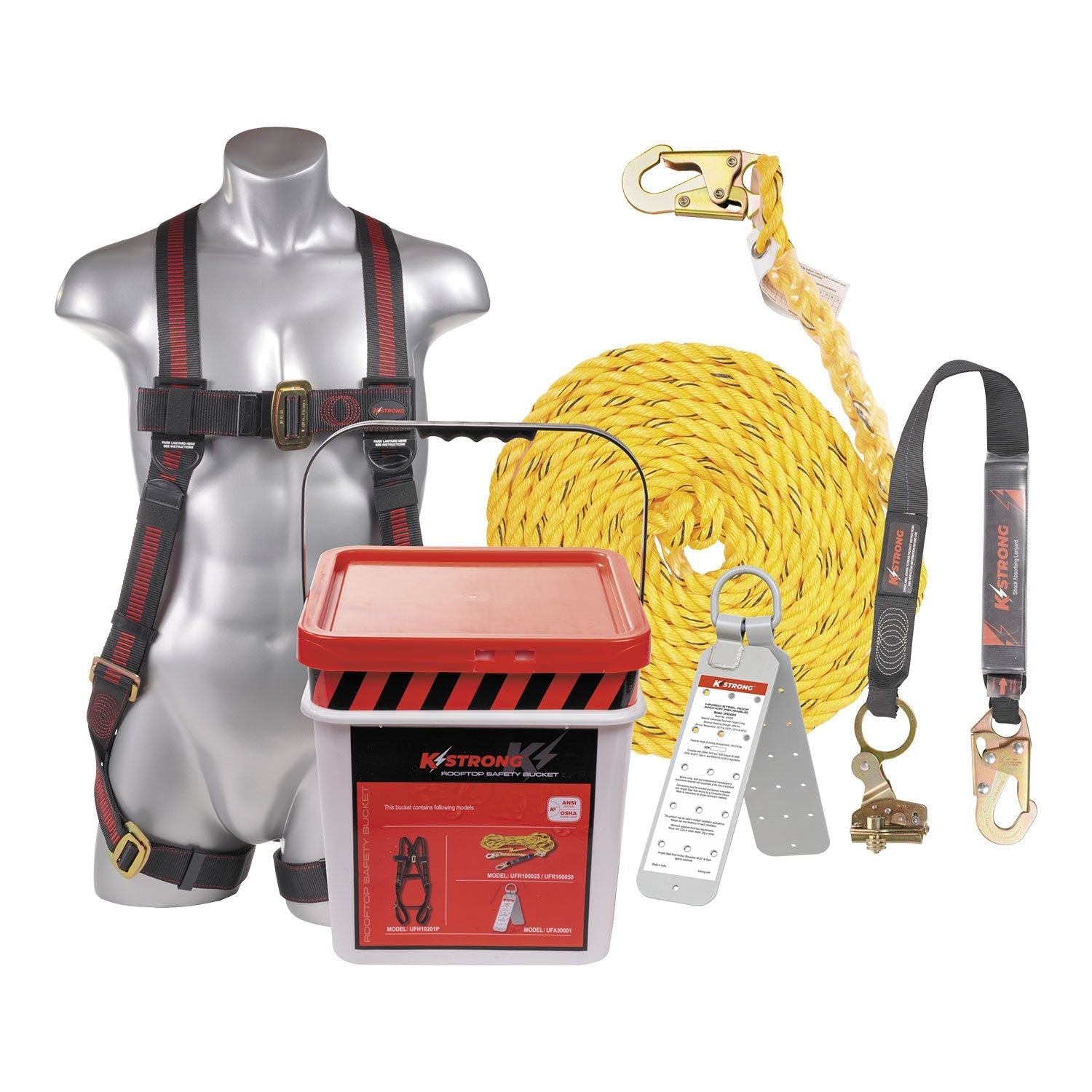
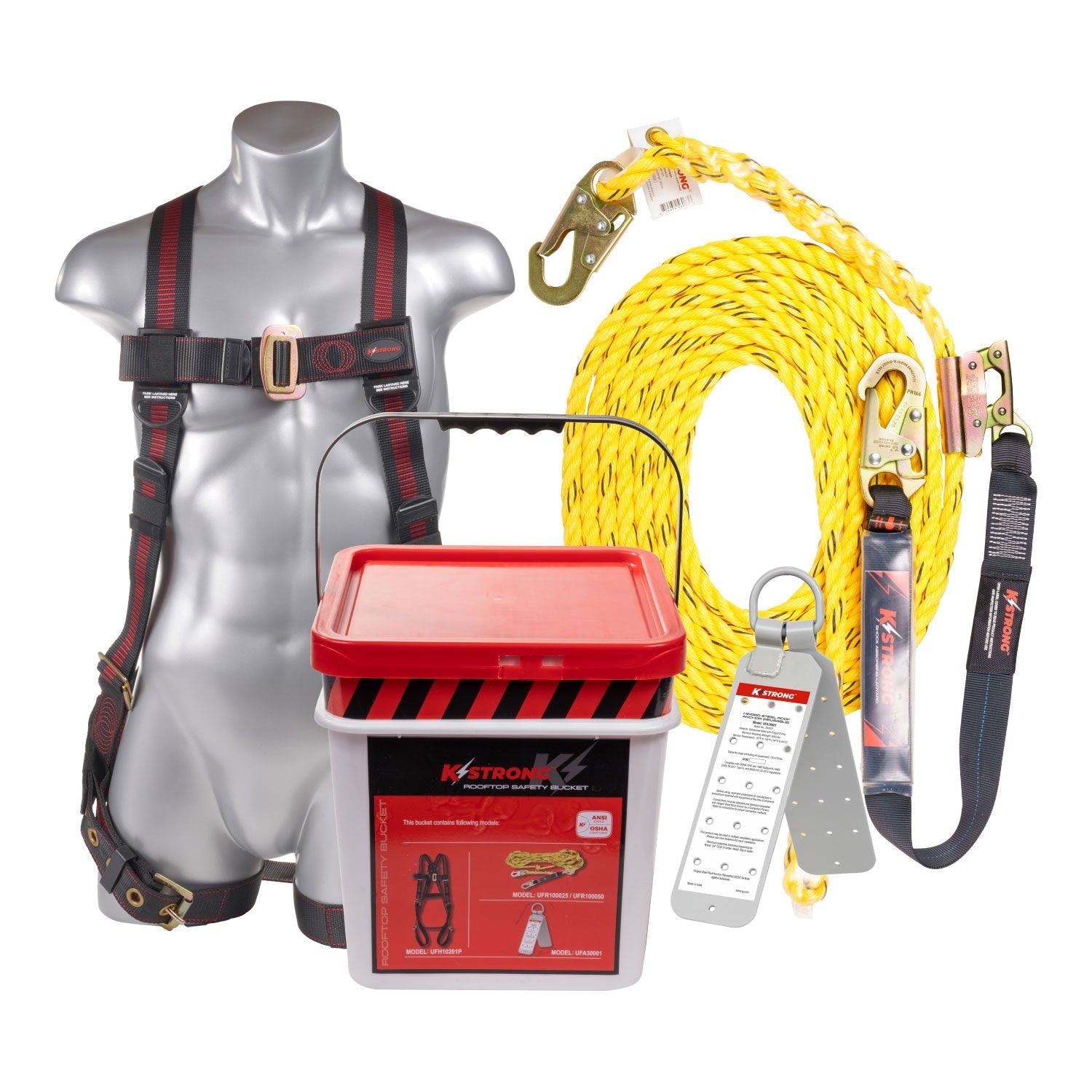
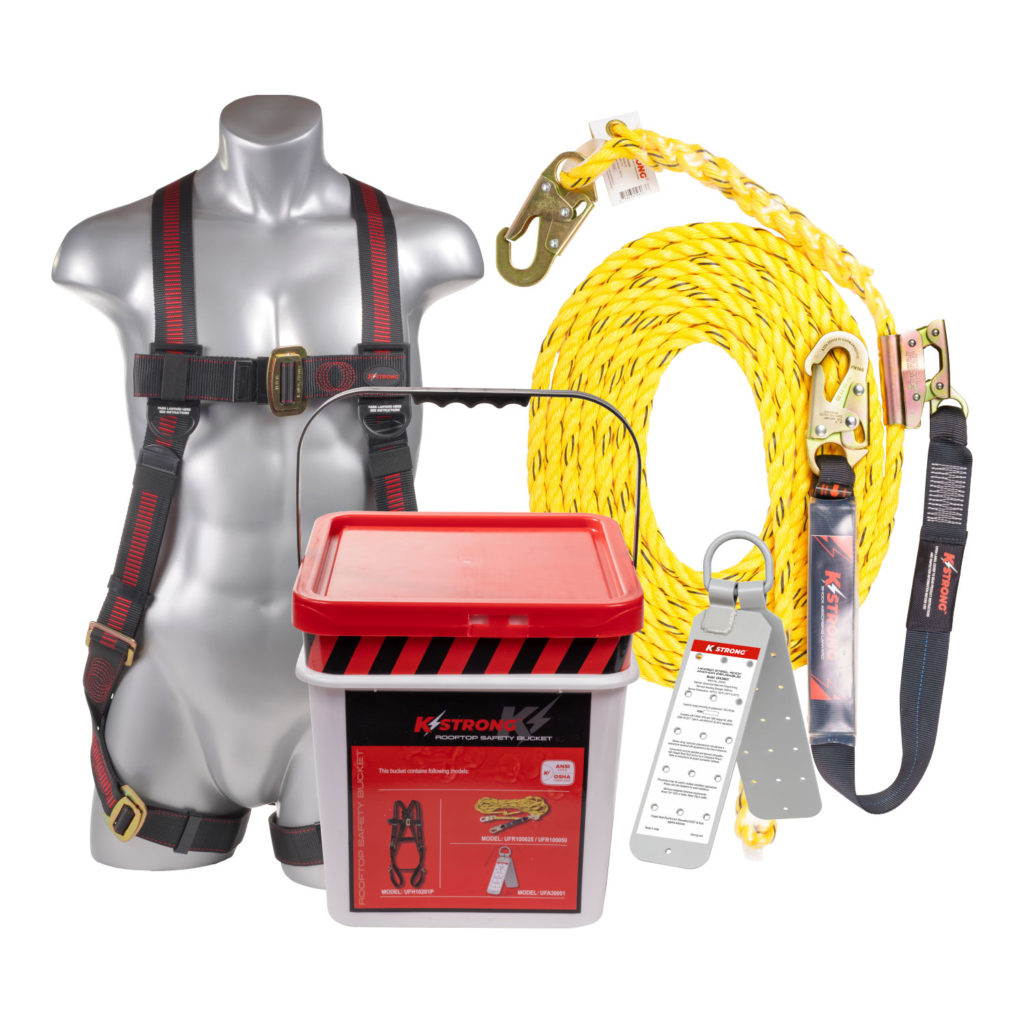
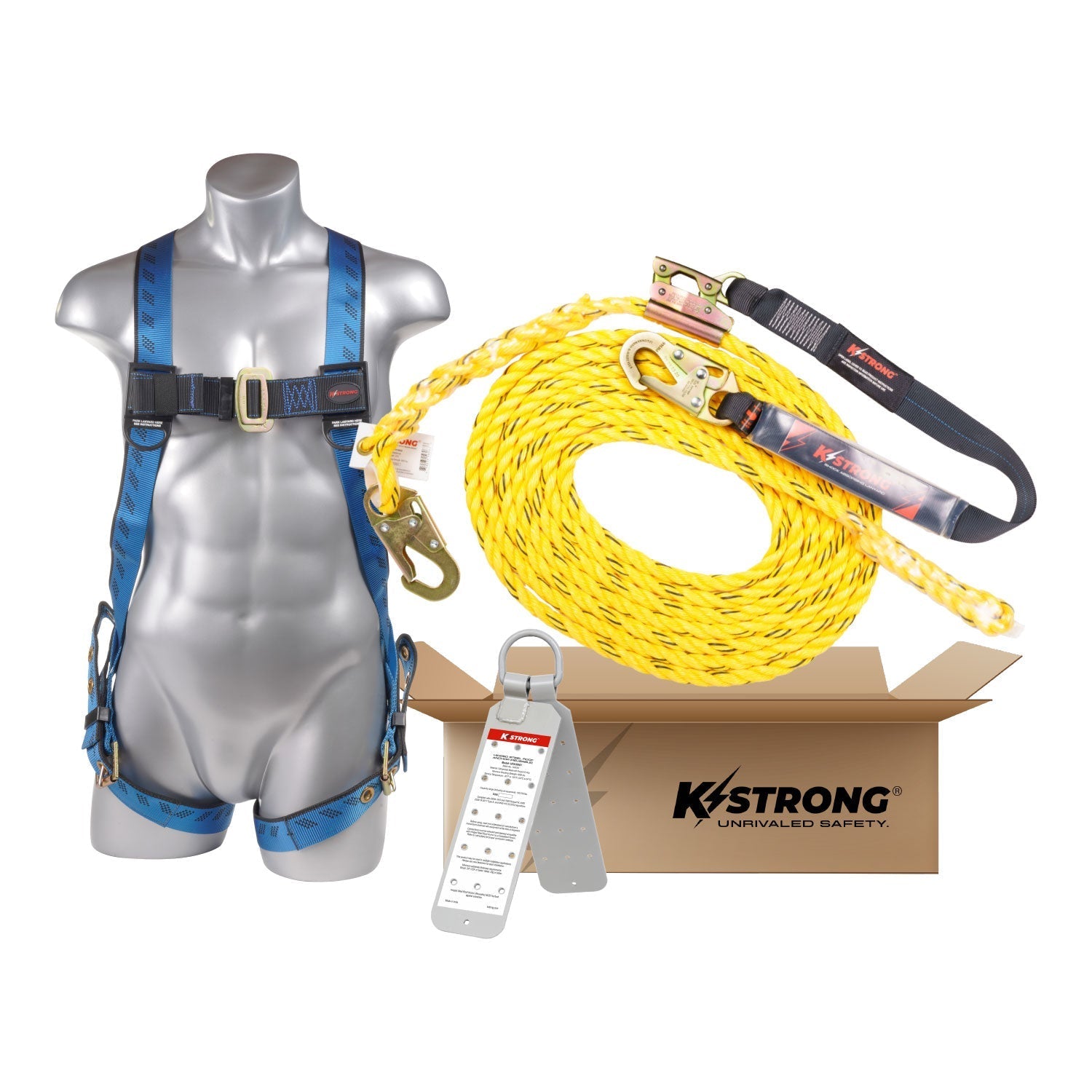
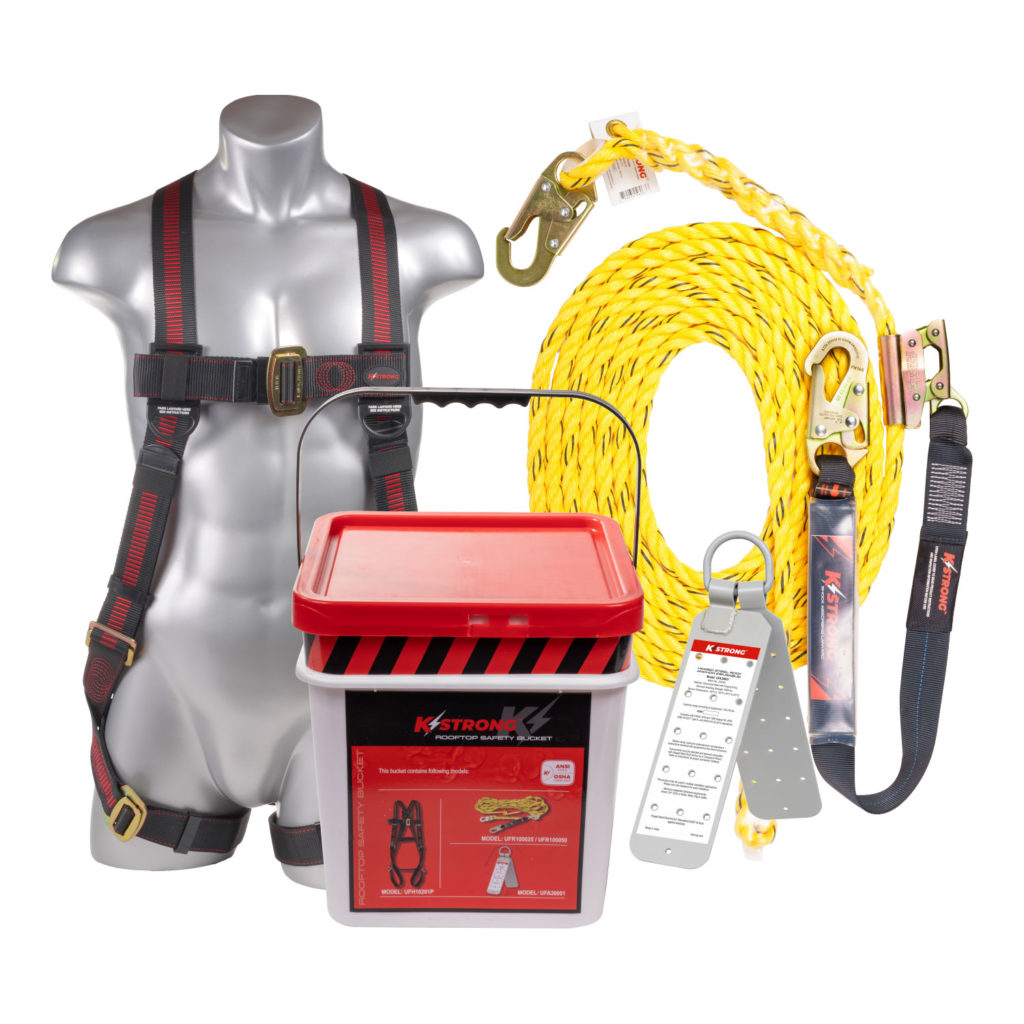
| KStrong® 25 ft. Deluxe Roofers Kit with Elite+ 5-Point Harness (M-L) | $227 | Roofers Kit | View → |
 In Stock
 In Stock
 In Stock
 In Stock
 In StockIn Stock
 In Stock
 In Stock
 In Stock
 In Stock
 In Stock
 In Stock
 In Stock
 In Stock
 In Stock
 In Stock
 In Stock
 In Stock
 In Stock
 In Stock
 In Stock
 In Stock
 In Stock
 In Stock
 In Stock
 In Stock
 In Stock
 In Stock
 In Stock
 In Stock
 In Stock
 In Stock
 In Stock
 In Stock
 In Stock
 In Stock
 In Stock
 In StockIn Stock
 In Stock
 In Stock
 In Stock
 In Stock
 In Stock
 In Stock
 In Stock
 In Stock
 In Stock
 In Stock
 In Stock
 In Stock
 In Stock
 In Stock
 In Stock
 In Stock
 In Stock
 In Stock
 In Stock
 In Stock
 In Stock
 In StockIn Stock
 In Stock
 In Stock
 In Stock
 In Stock
 In Stock
 In Stock
 In Stock
 In Stock
 In Stock
 In Stock
 In Stock
 In Stock
 In Stock
 In Stock
 In StockIn Stock
Fall Arrest & Restraint Gear Buying Guide
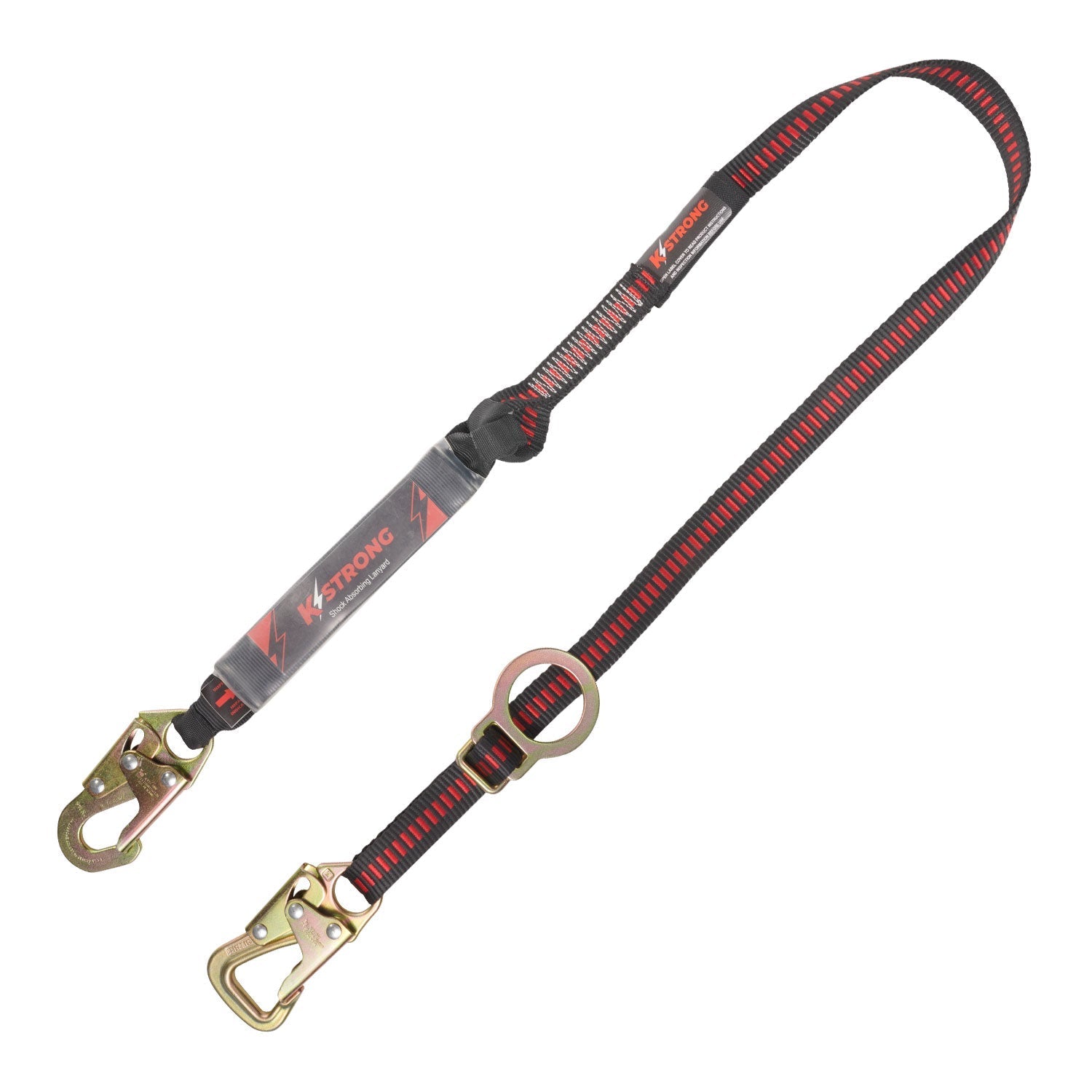
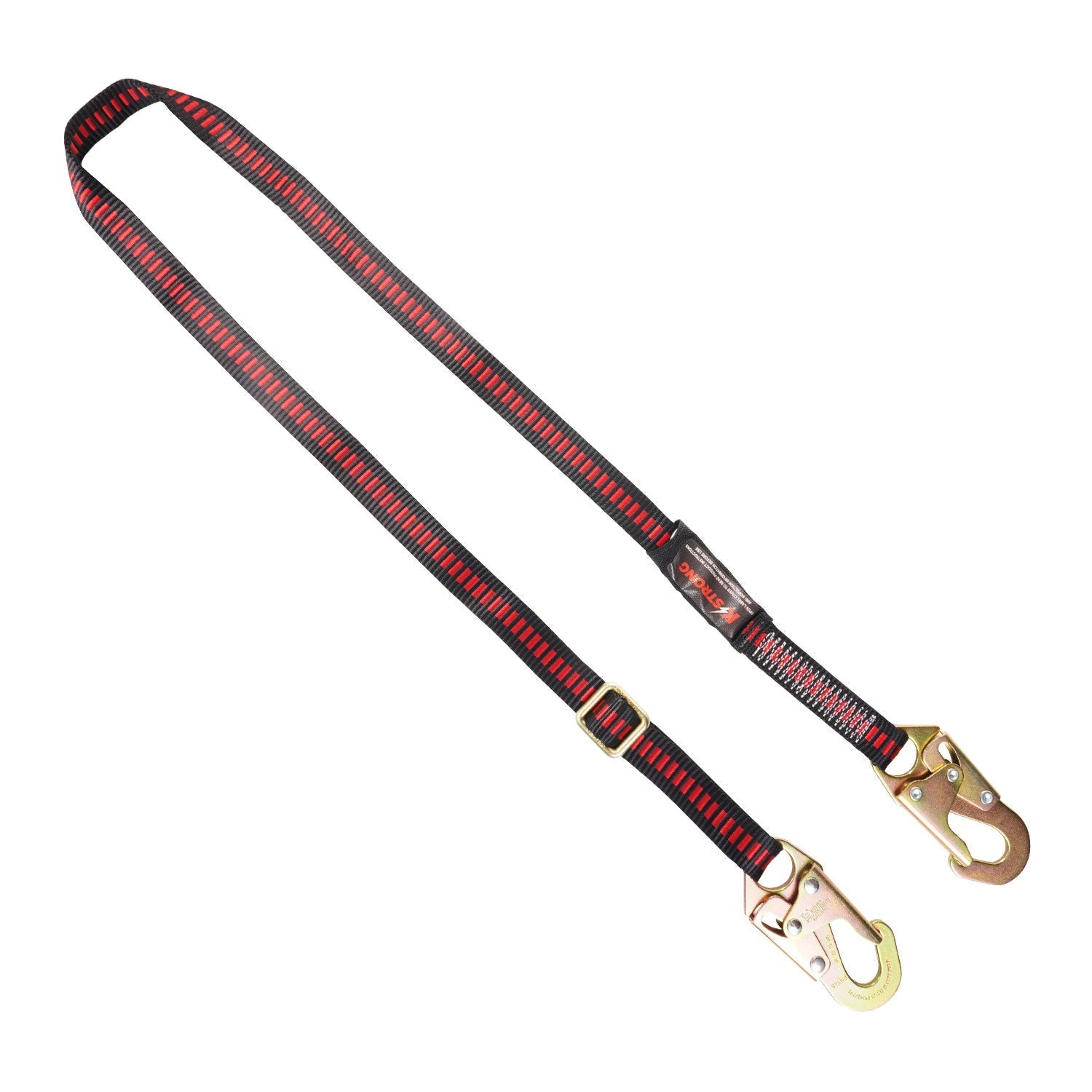
Restraint first: the fall that never starts. OSHA 1910.140 defines a travel restraint system as an anchorage, connector, lanyard, and body support rigged so the worker cannot reach the edge, and it is the most underused option in fall protection. Rig short enough that the fall is geometrically impossible and the whole problem disappears: no arrest forces, no clearance calculation, no rescue plan. The adjustable 4.5 to 6 ft work positioning lanyards in this collection, from $30.93, make practical restraint tethers because the adjuster sets the working radius to the actual distance between anchor and edge. Measure to the nearest edge in every direction the lanyard allows, and treat any setup where a worker can get a foot past the edge as arrest. When the work happens at the edge itself, the rest of this page takes over.
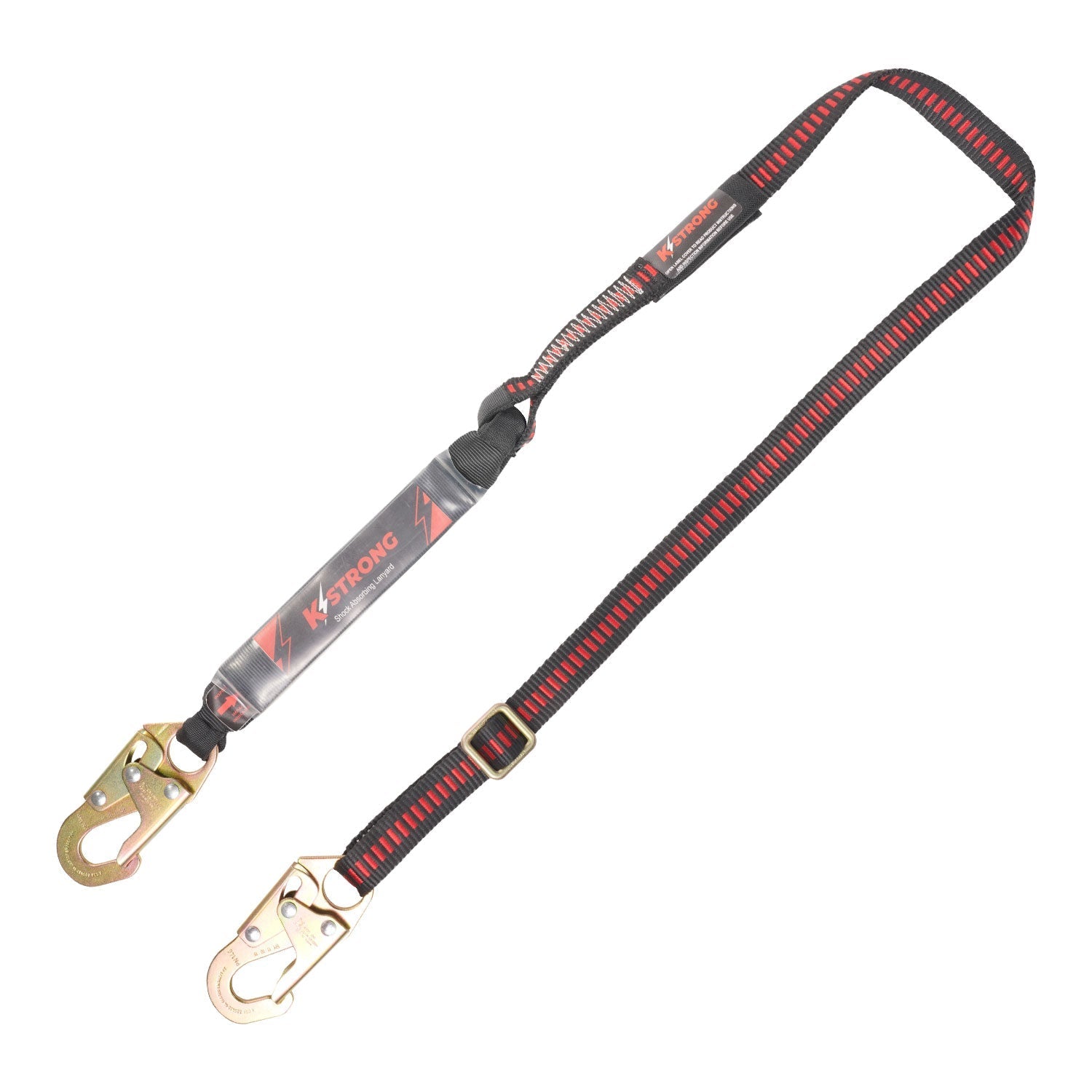
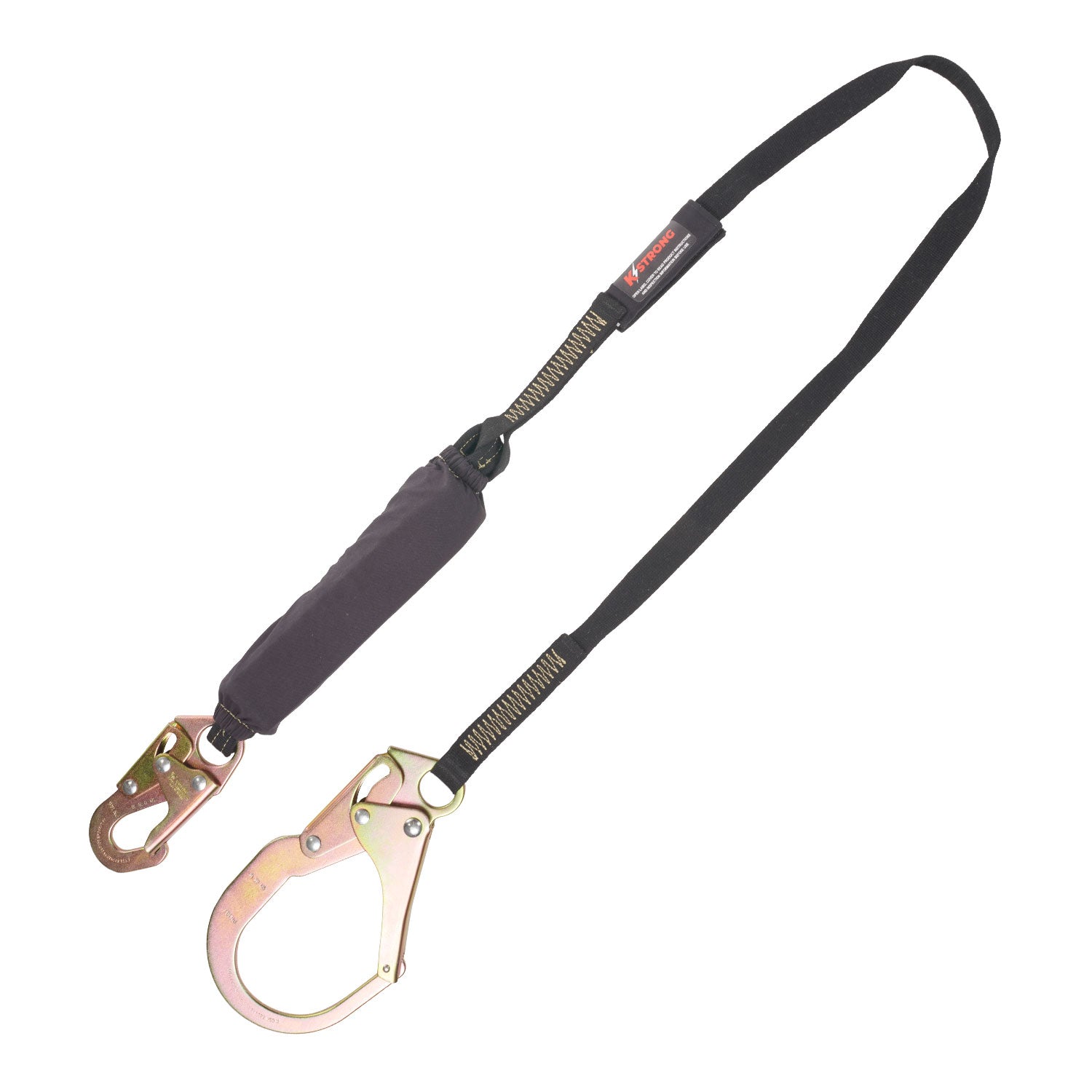
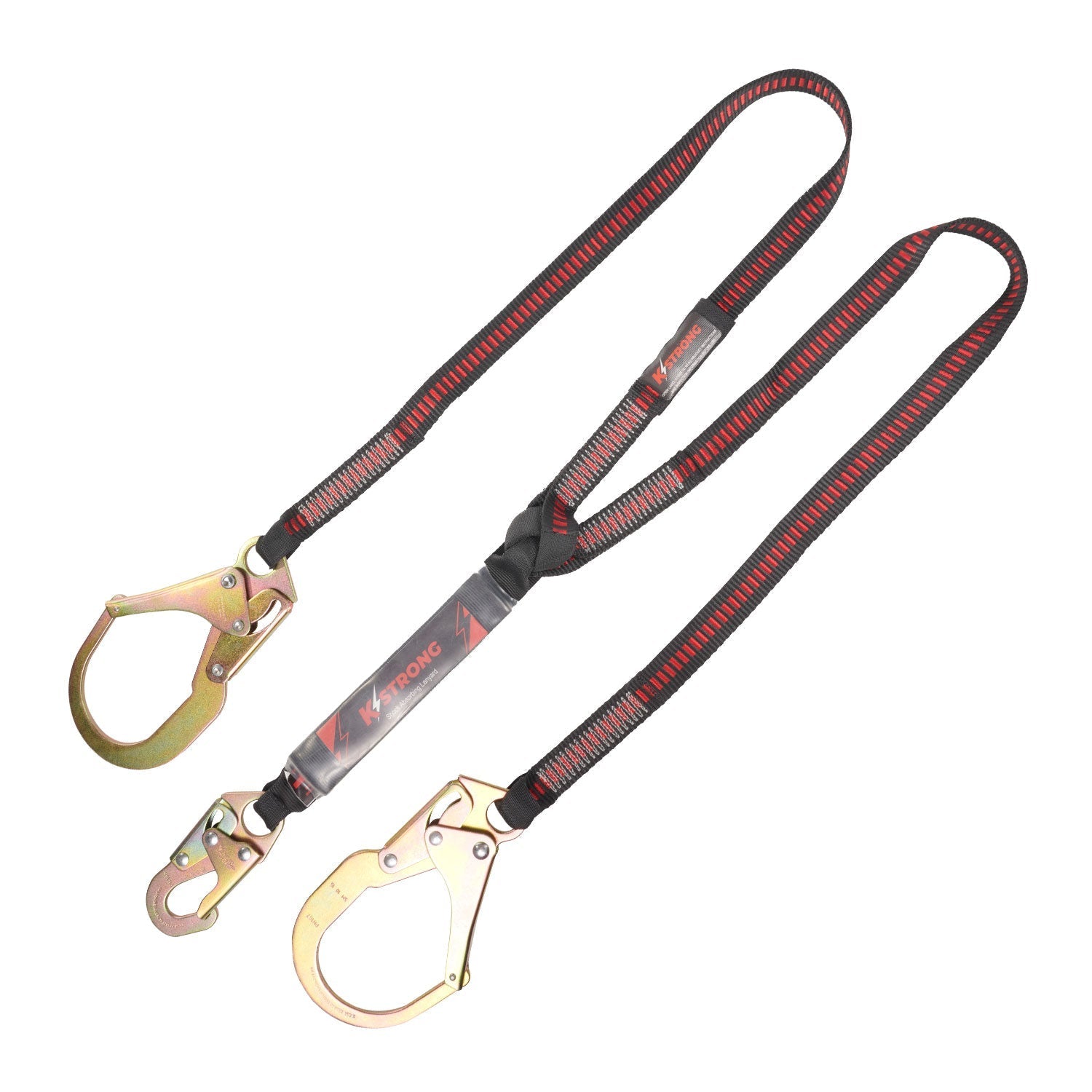
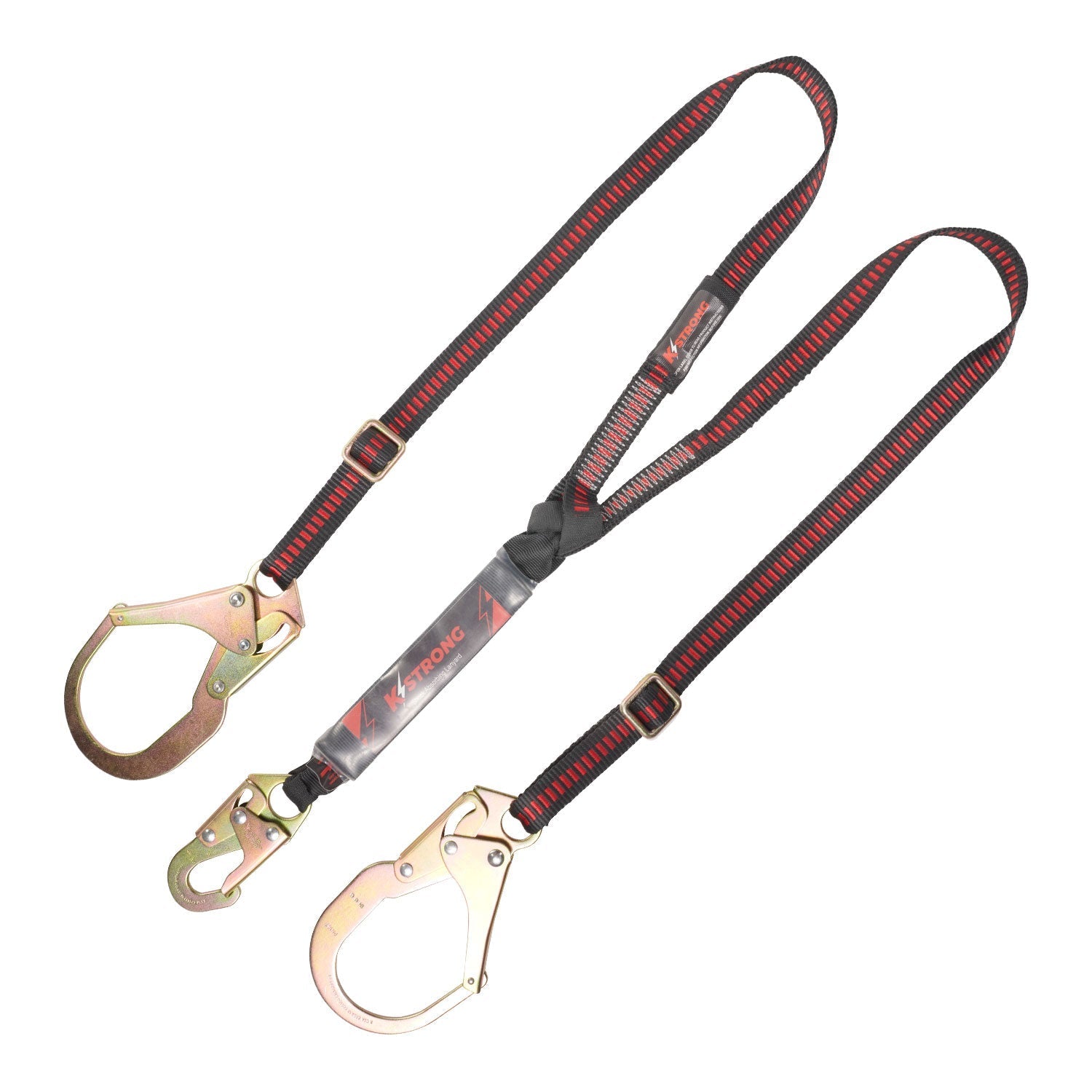
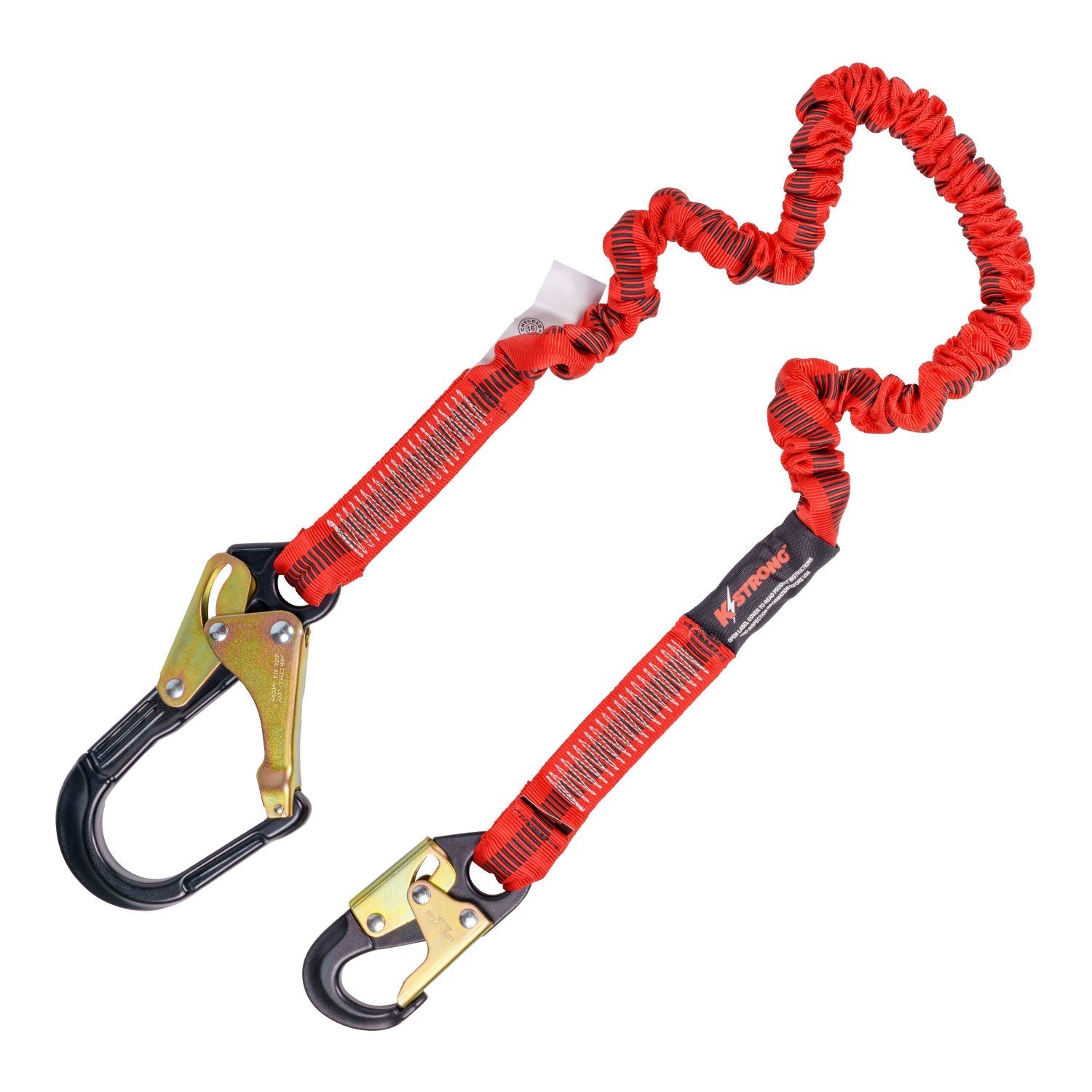
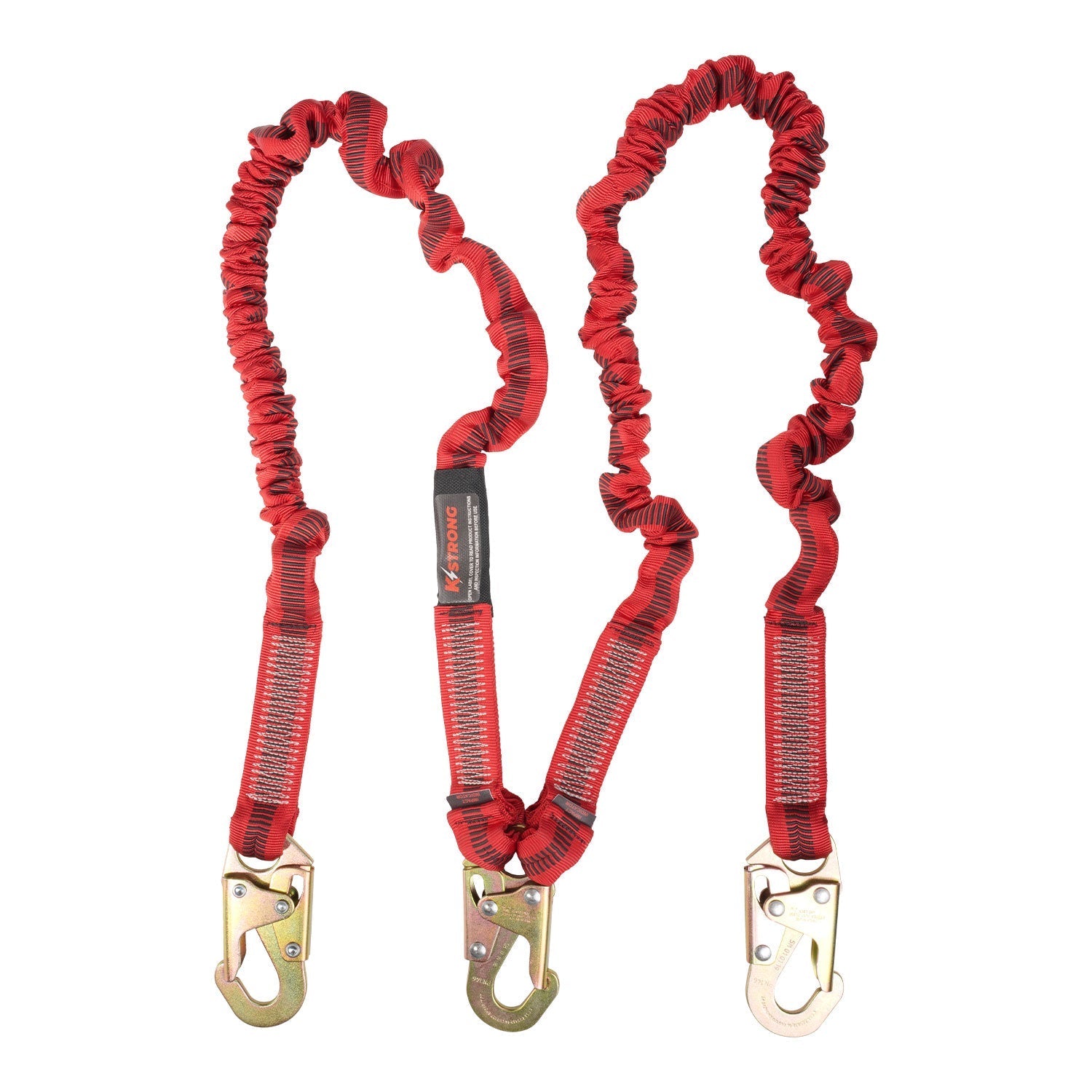
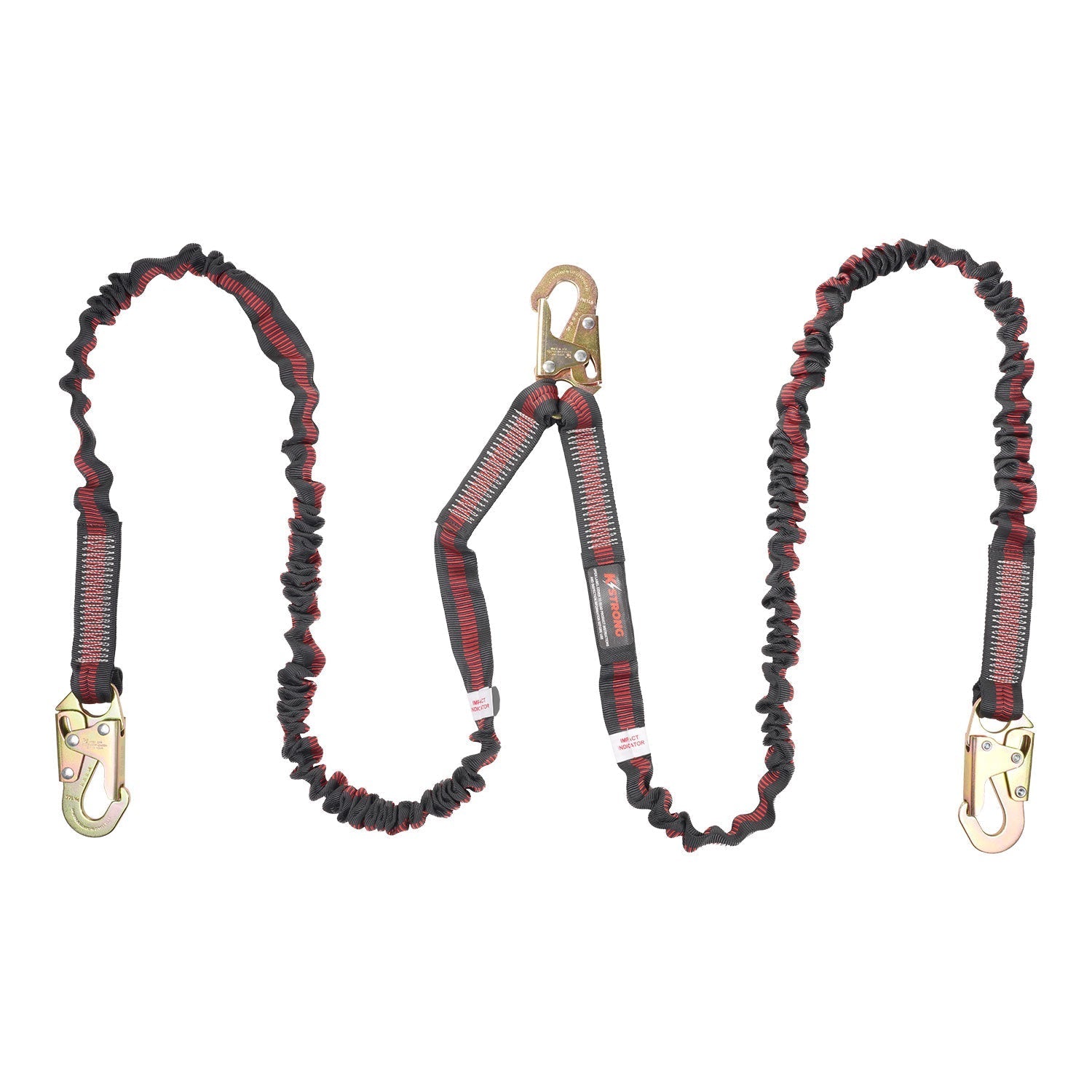
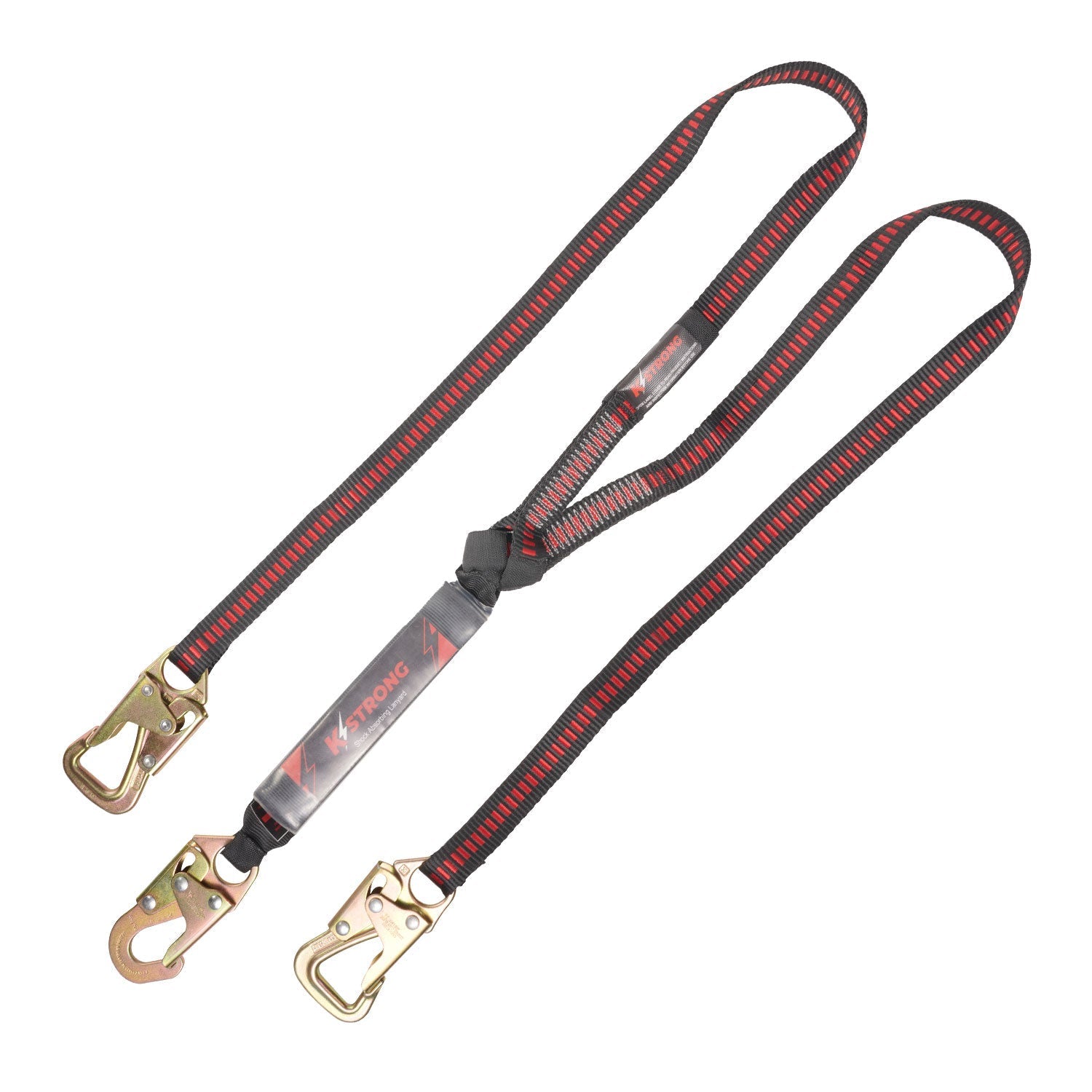
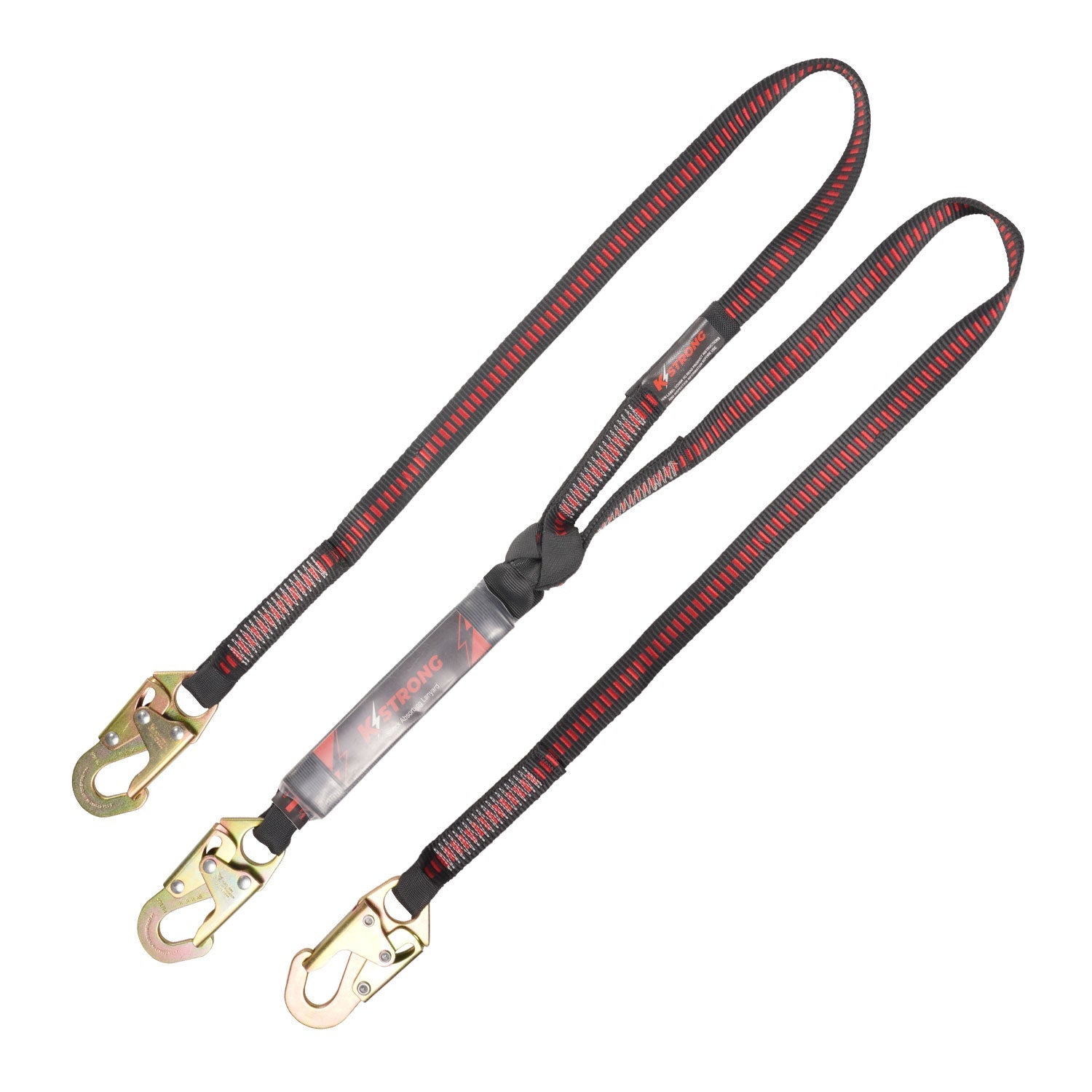
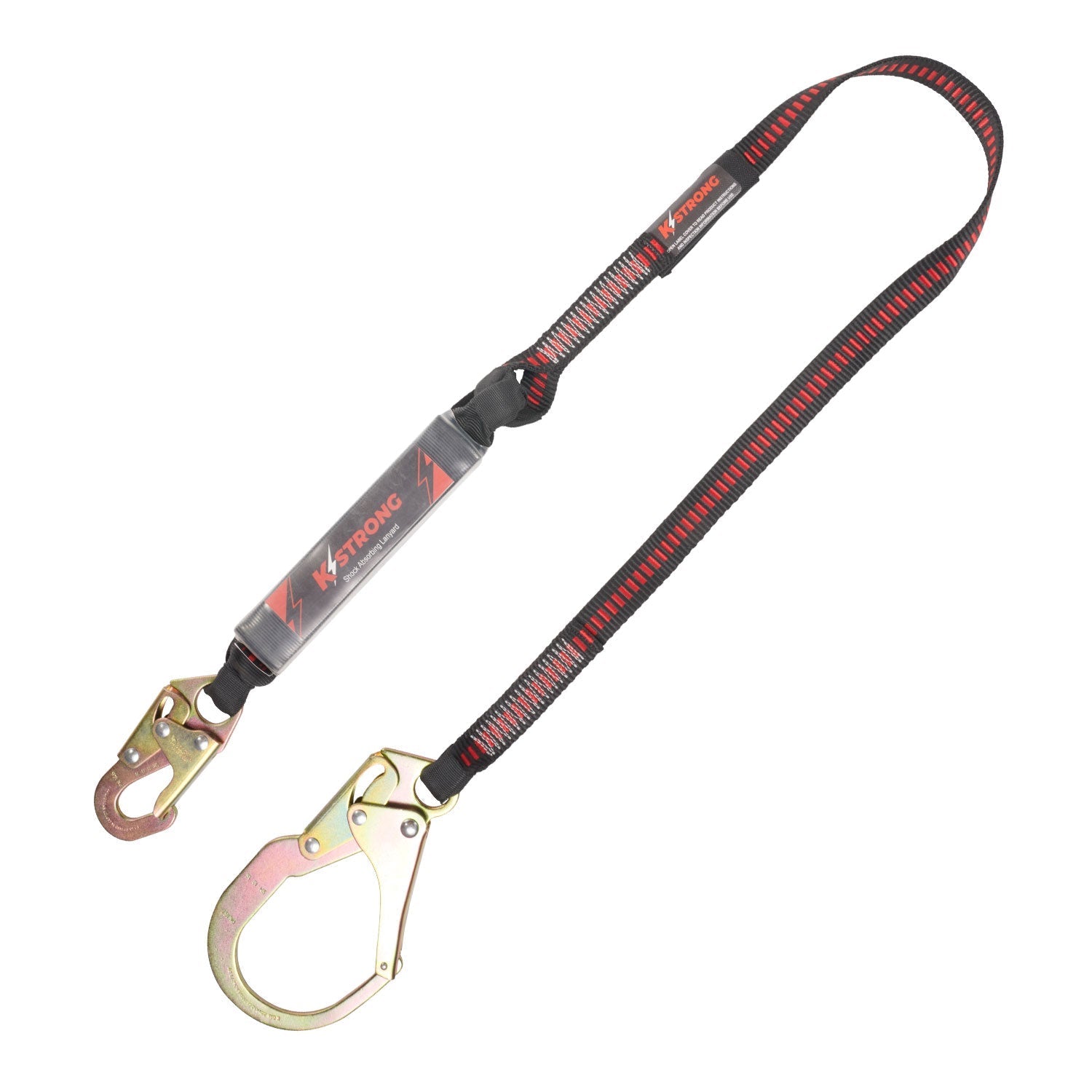
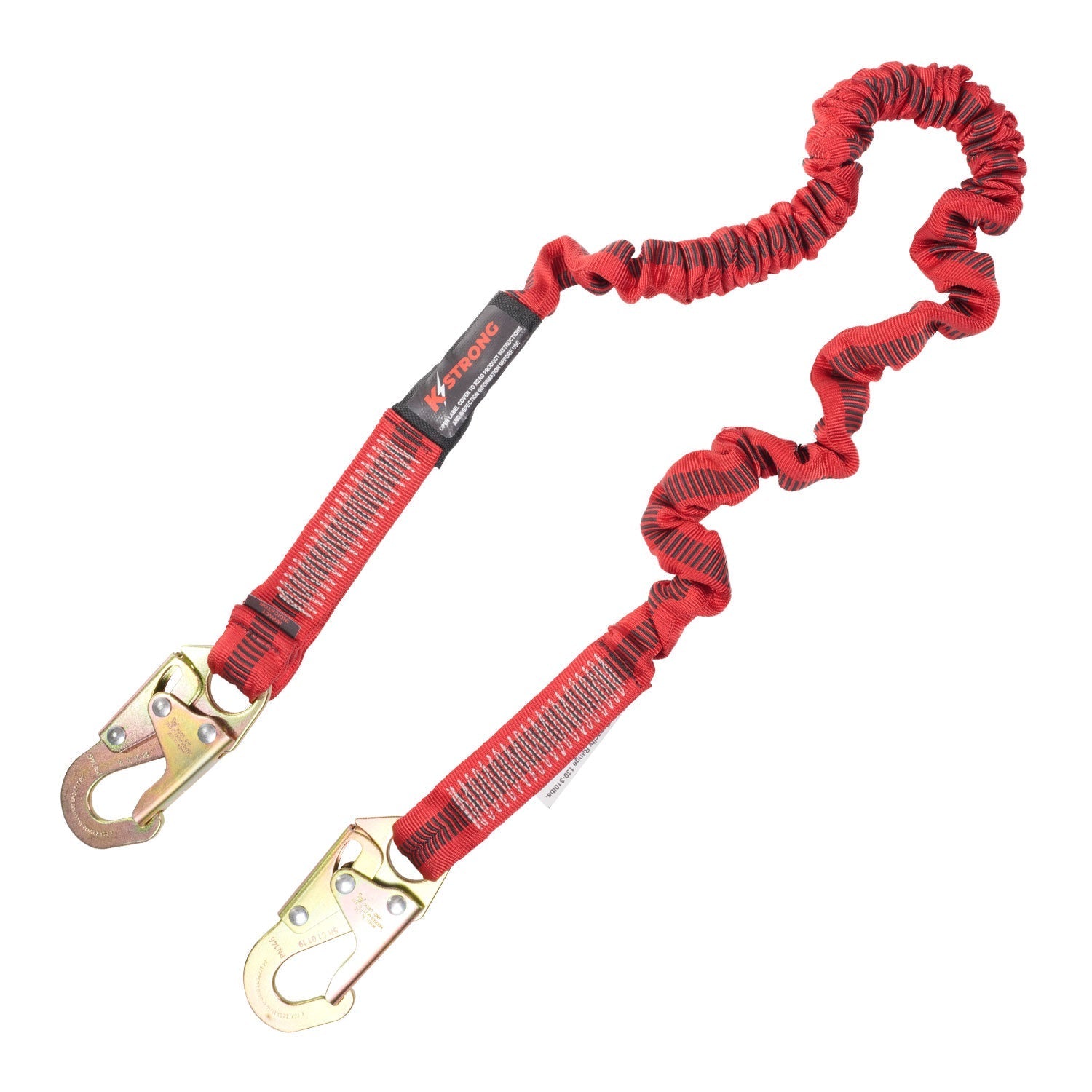
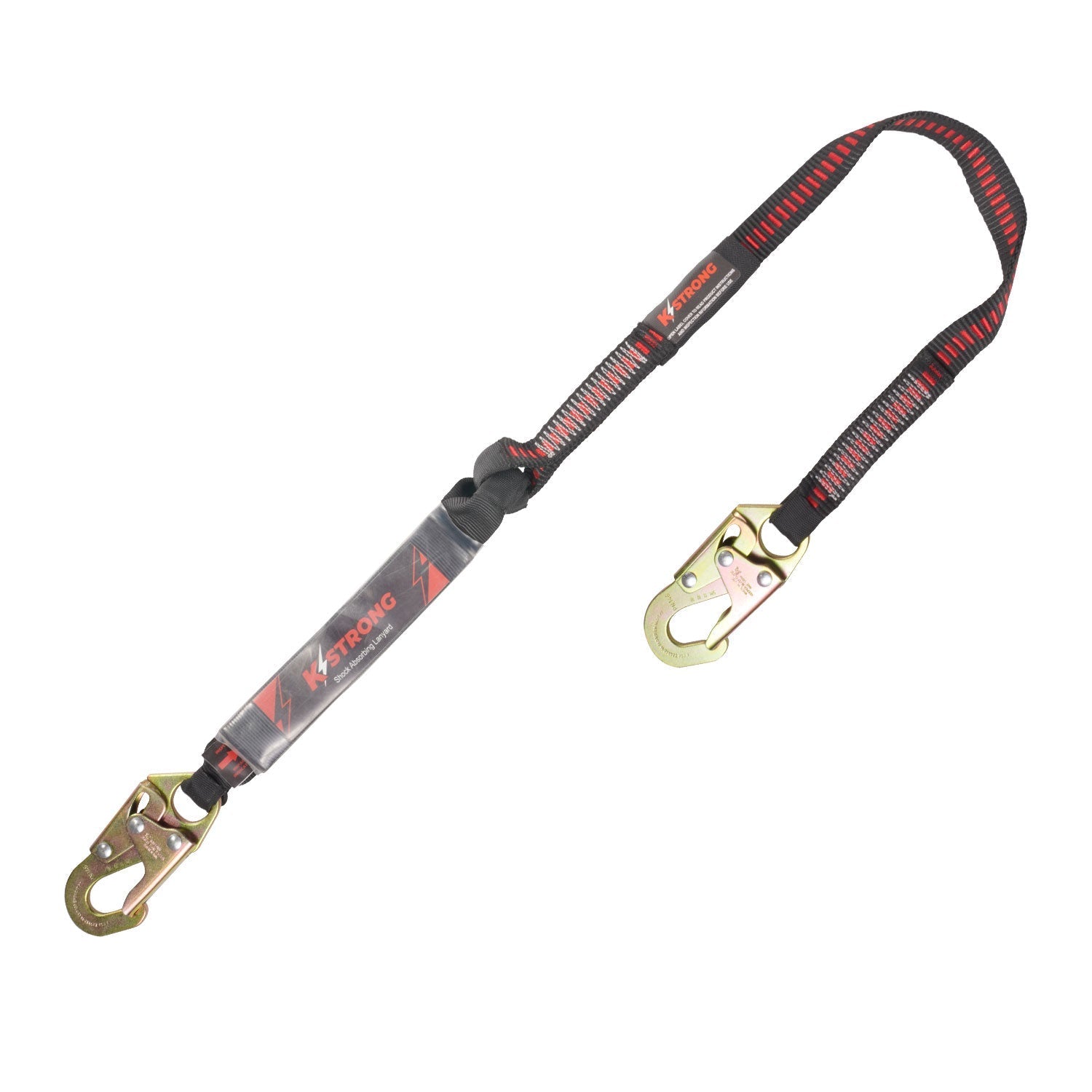
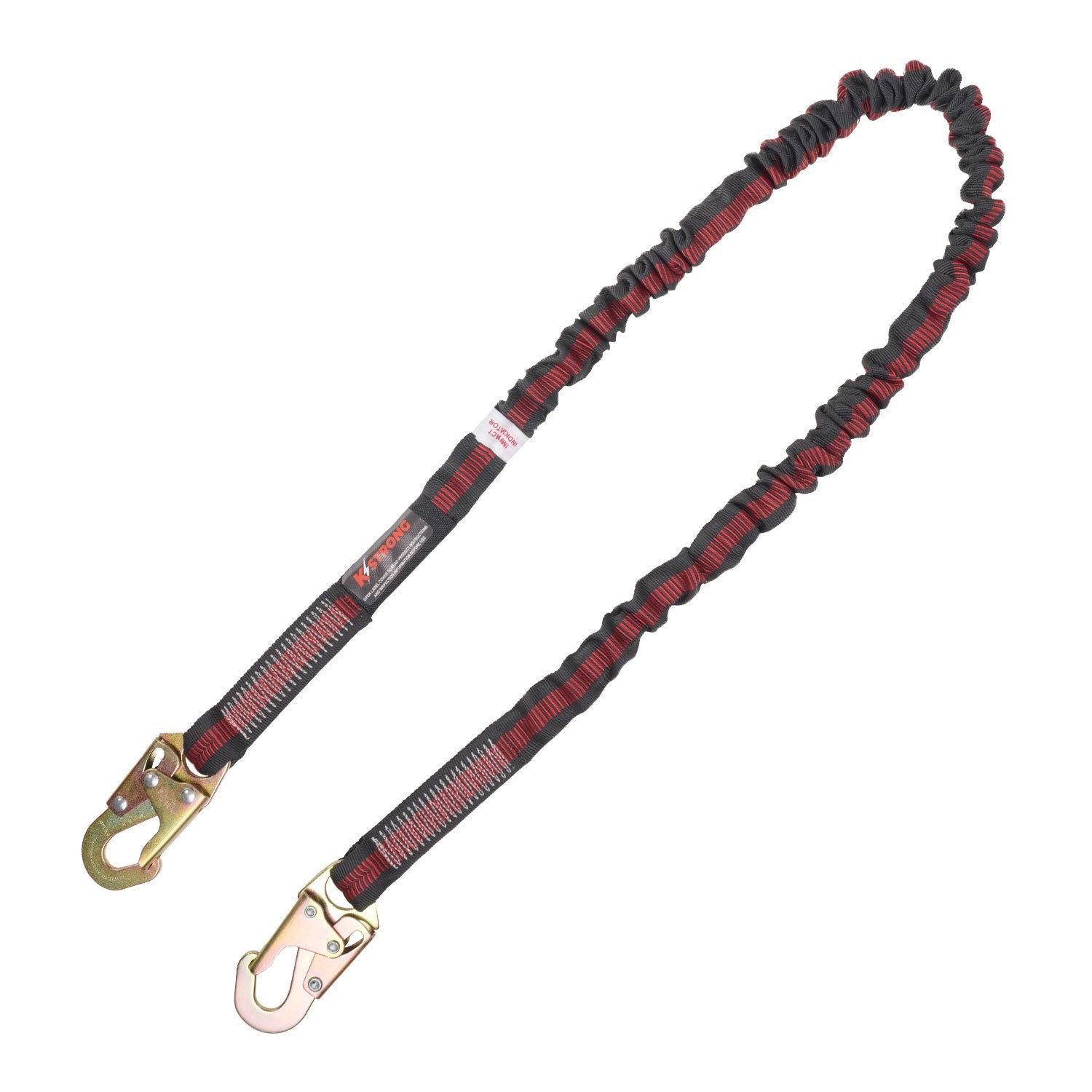
Shock absorbing lanyards: the absorber does the real work. In a fall, a plain lanyard delivers the stop to your spine; a shock absorbing lanyard tears open a folded energy absorber and spends the fall's energy on that instead. ANSI Z359.13 governs, requiring the absorber to hold forces under 10 G for users from 130 to 310 lb, inside OSHA 1926.502(d)(16)'s caps of 6 ft free fall and 1,800 lb arresting force with a full body harness. The lanyards collection runs the KStrong build styles: internal design absorbers sewn inside the webbing from $43.99, clear pack designs whose transparent cover shows the absorber at inspection, and elasticated designs from $53.76 that contract when unloaded instead of dragging at your knees all shift. Aluminum snap and rebar hook versions cut the dead weight hanging off your back, and rebar hooks open wide enough to close around structure a standard snap hook cannot.
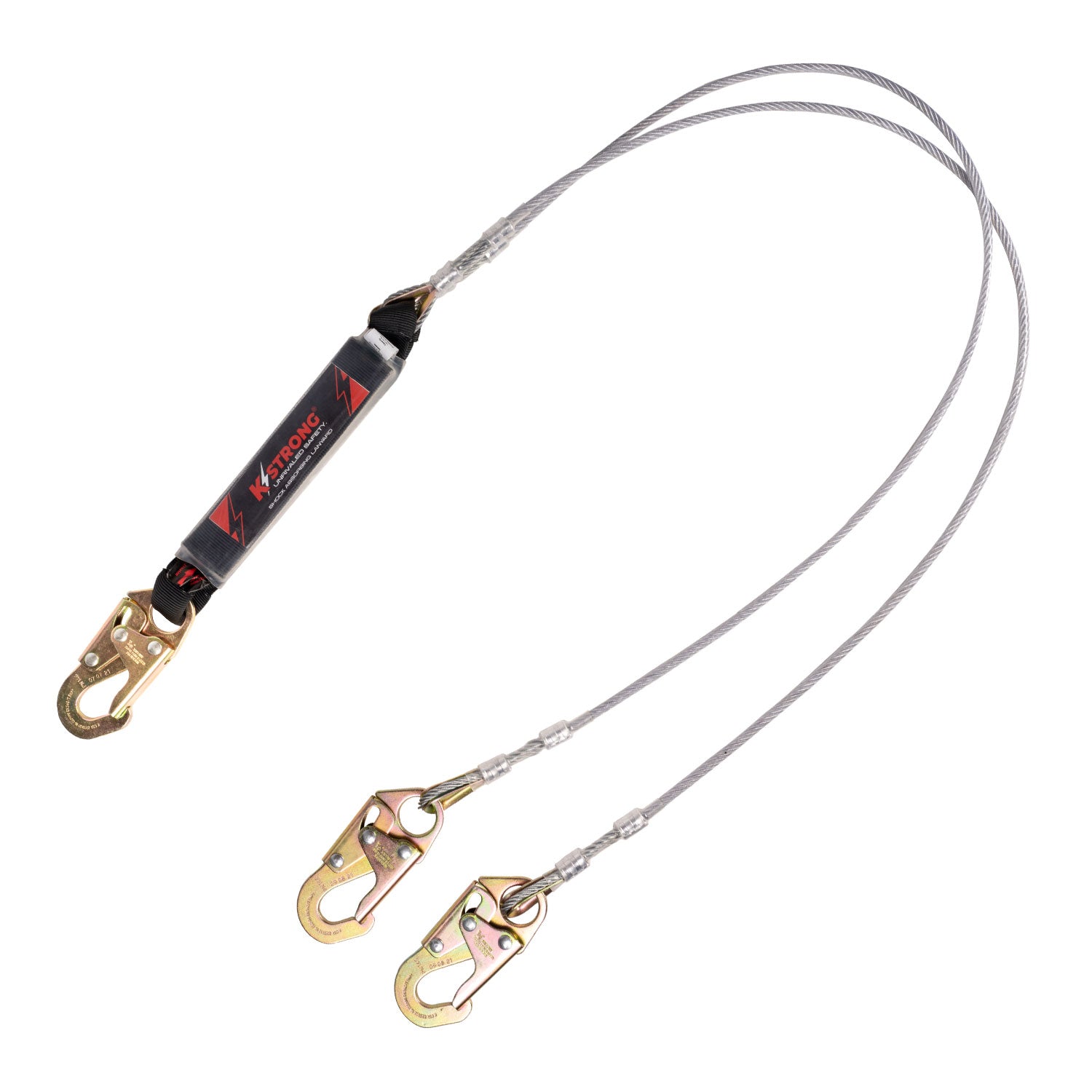
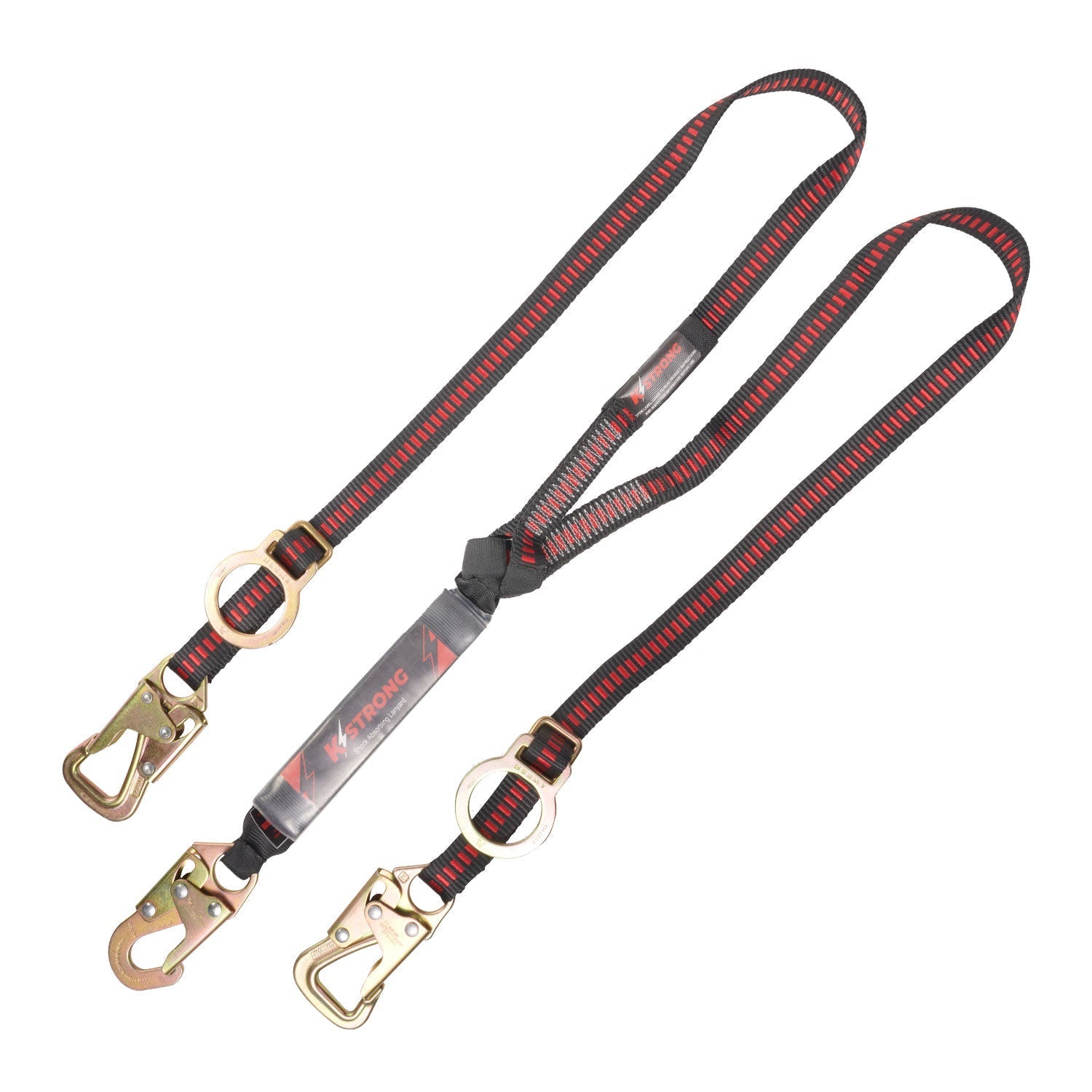
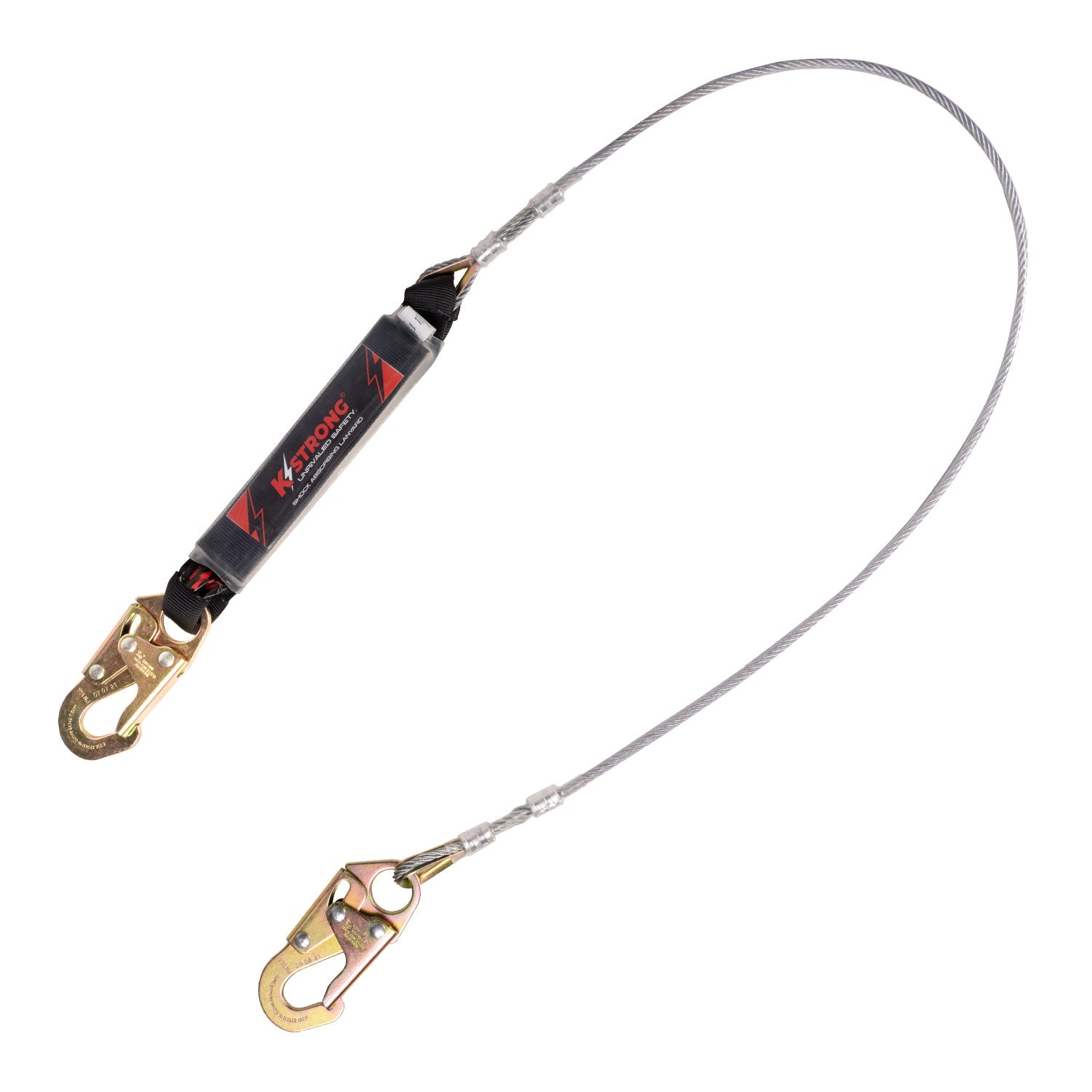
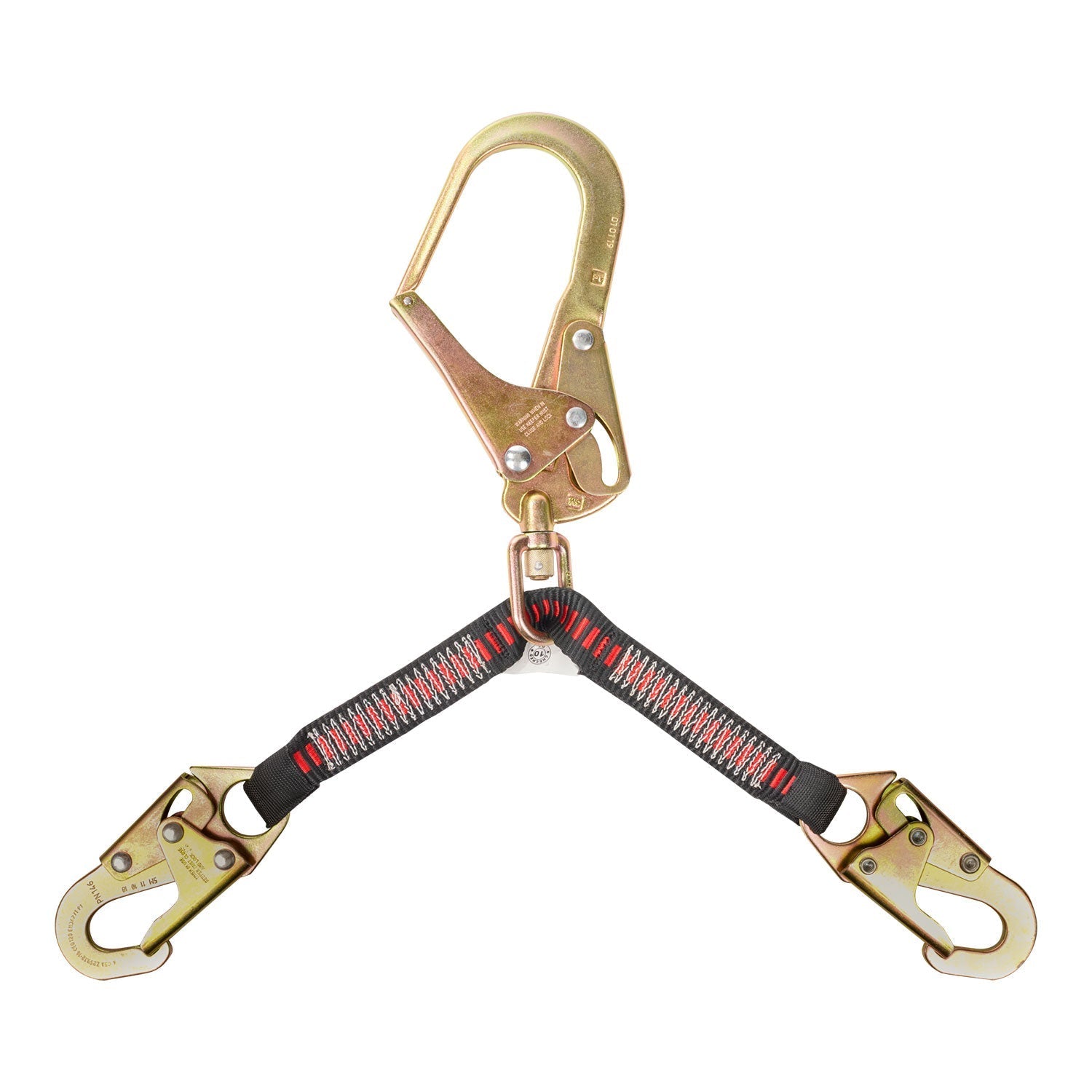
Clearance math, twin legs, and the specialty ratings. A 6 ft shock absorbing lanyard anchored at the dorsal D-ring needs roughly 18.5 ft of clear space below the working surface: 6 ft of free fall, 3.5 ft of absorber deployment, then D-ring shift, harness stretch, and safety margin. When the number does not fit, the answer is a self-retracting lifeline from the lifelines collection, not optimism. A single leg also means unclipping to move; the twin leg 100 percent tie-off models from $63.49 keep one leg anchored while the other reaches the next point, so you are never unclipped at height. Tie-back versions carry a rated hook that lets the lanyard wrap the structure and clip back on itself. Arc flash rated lanyards from $170.58 survive electrical exposure that destroys standard webbing, and leading edge rated coated wire models handle foot-level anchors where a fall can load the line across a deck edge.
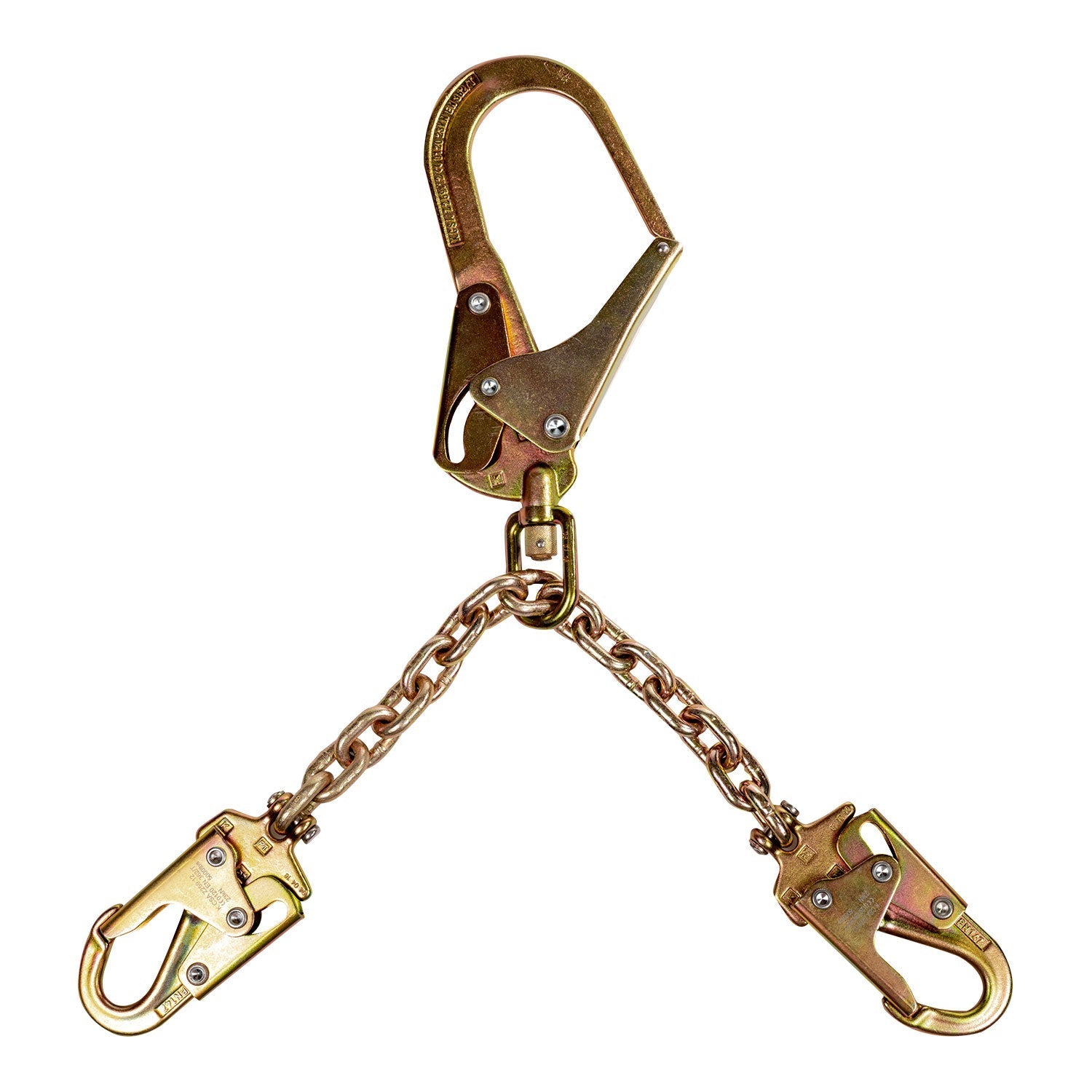
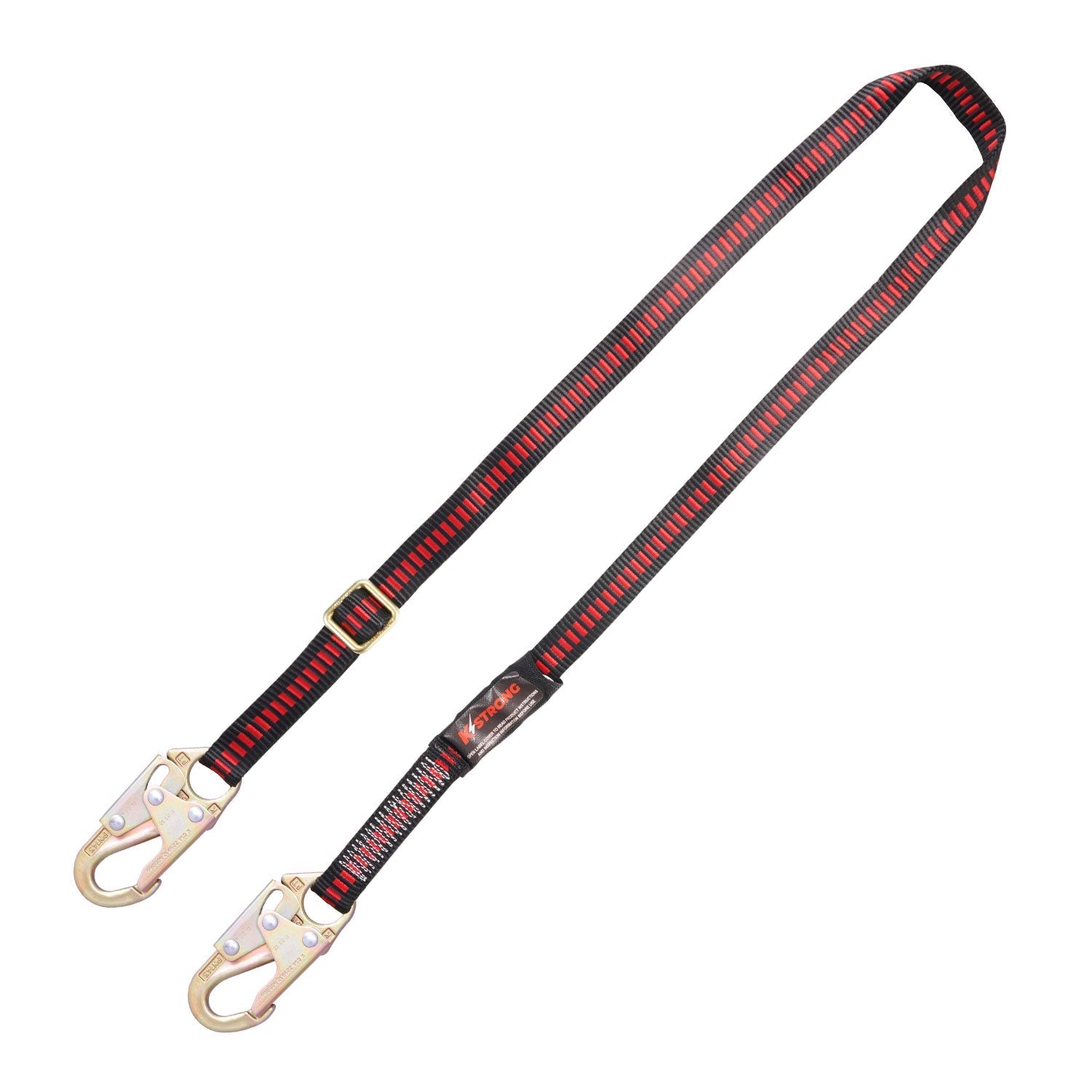
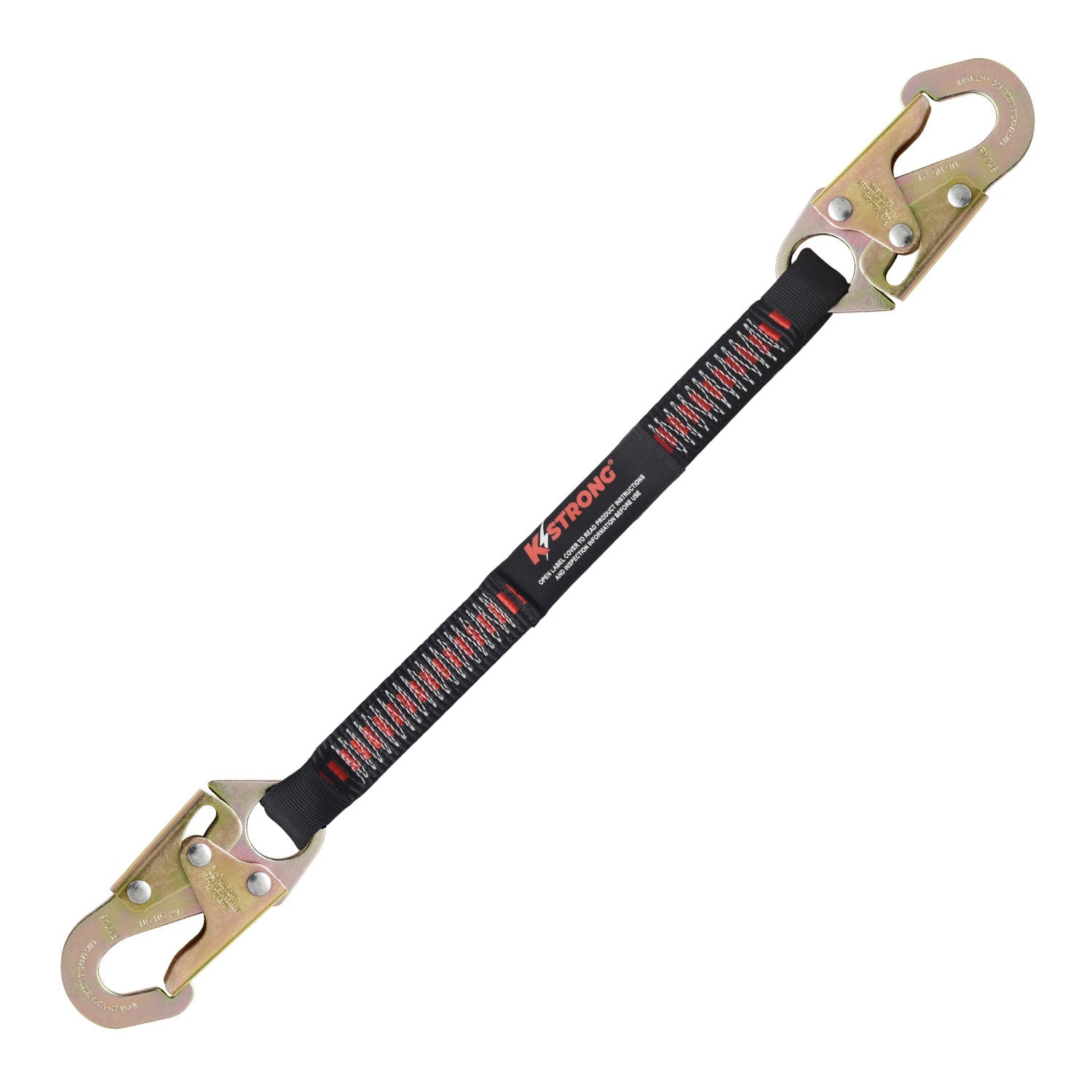
Positioning holds you in place, and it is not arrest. Work positioning gear, covered by ANSI Z359.3, holds a worker against the structure, leaning into the harness with both hands free, the classic rebar and pole posture. OSHA 1926.502(e) requires positioning devices to be rigged so free fall can never exceed 2 ft, which tells you what they are not: fall arrest. The positioning hardware here, web positioning lanyards with snap hooks from $30.93, the swivel rebar hook web assembly, and the $70 rebar chain assembly that shrugs off the abrasion that eats webbing, connects to the harness side D-rings and takes the worker's weight in normal use. The arrest system, anchored to the dorsal D-ring through a shock absorbing lanyard or SRL, rides along as the independent backup. Two systems, two jobs, both on the body at once.
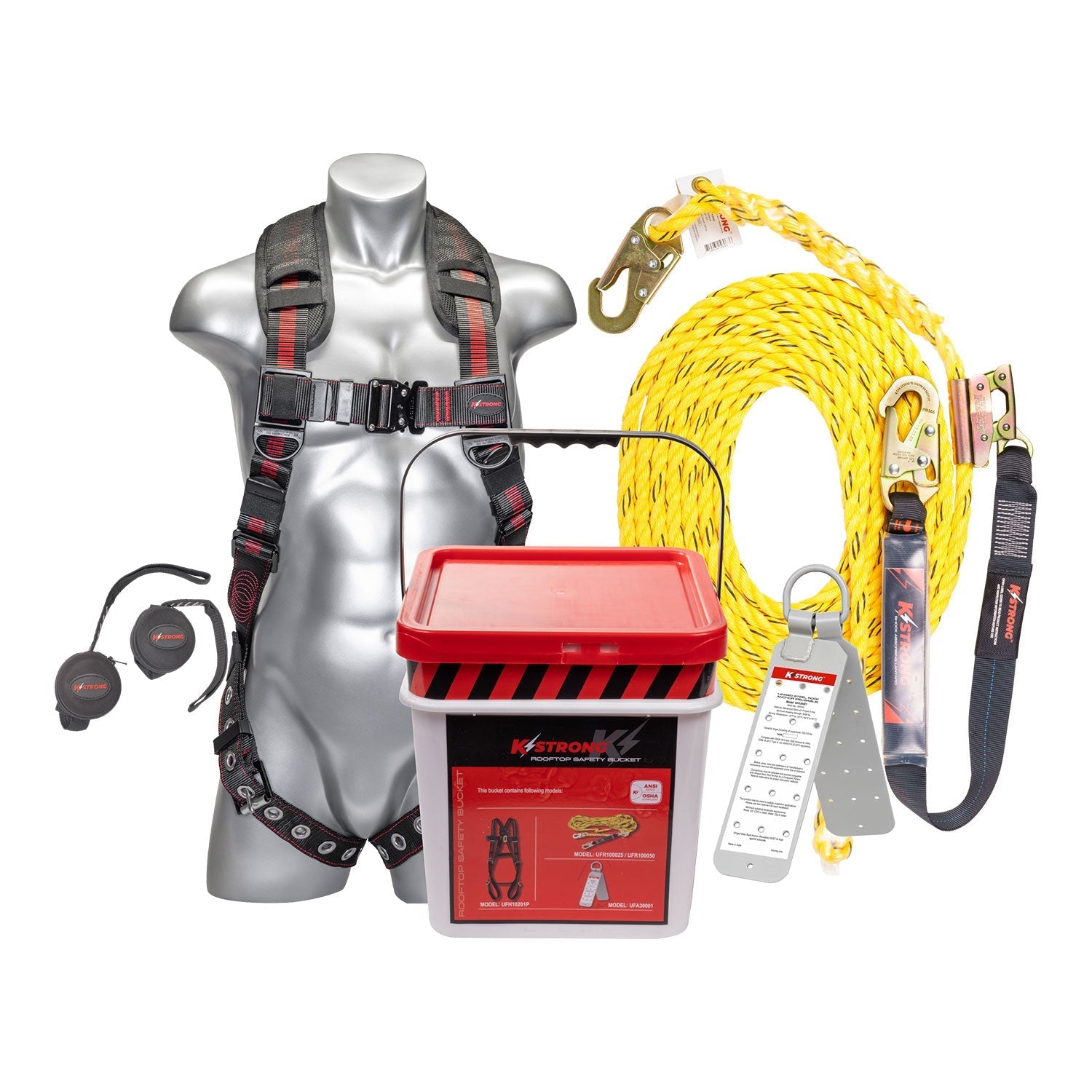
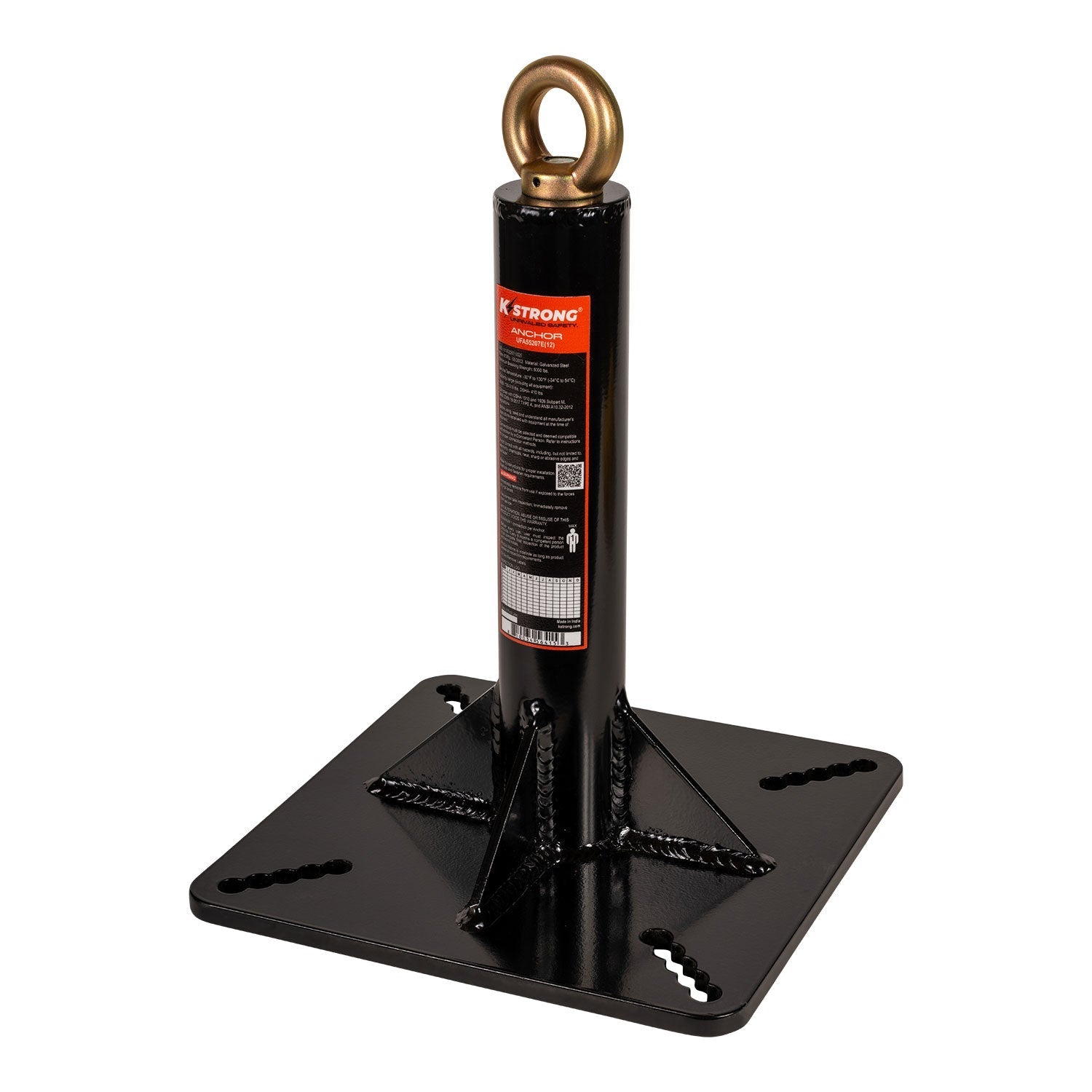
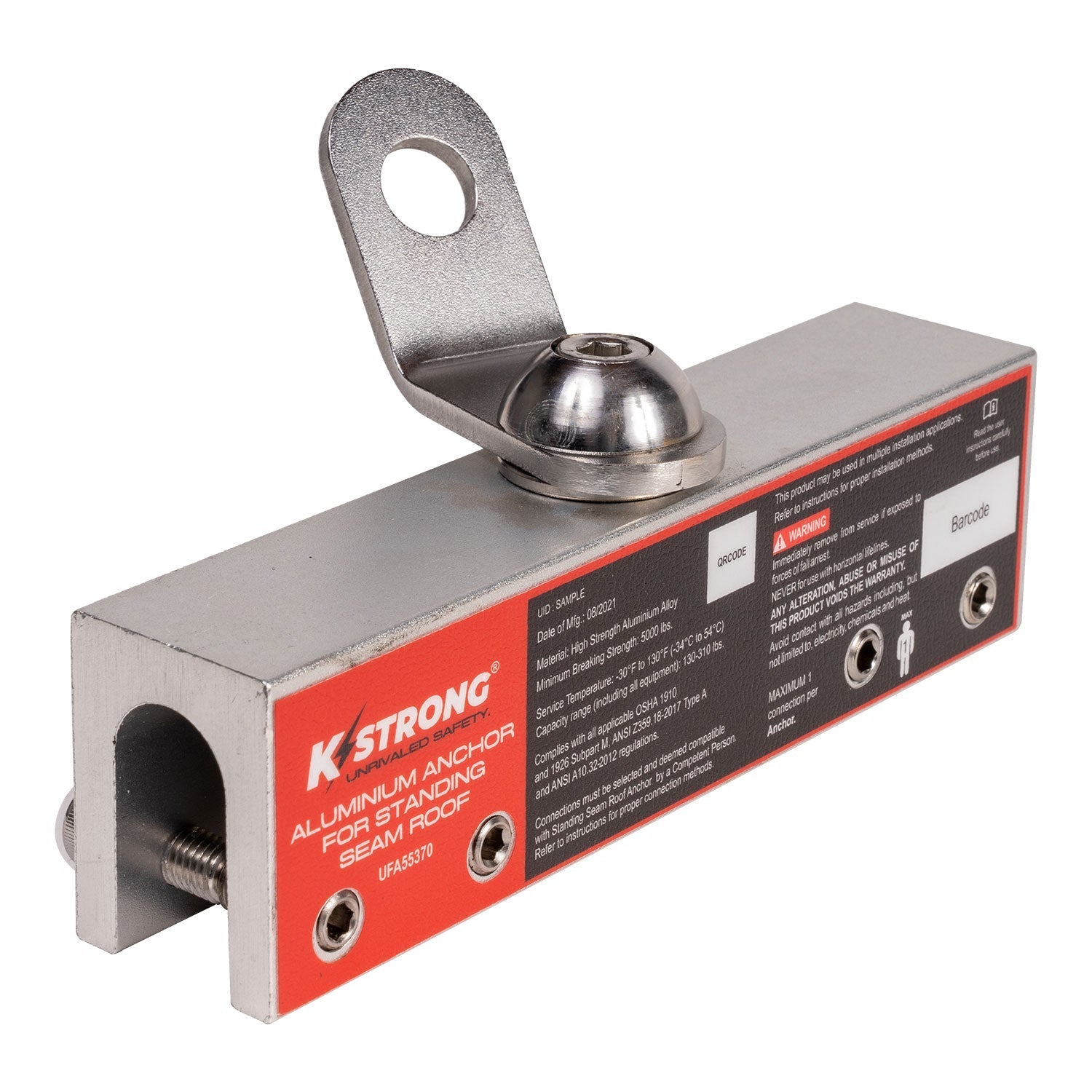
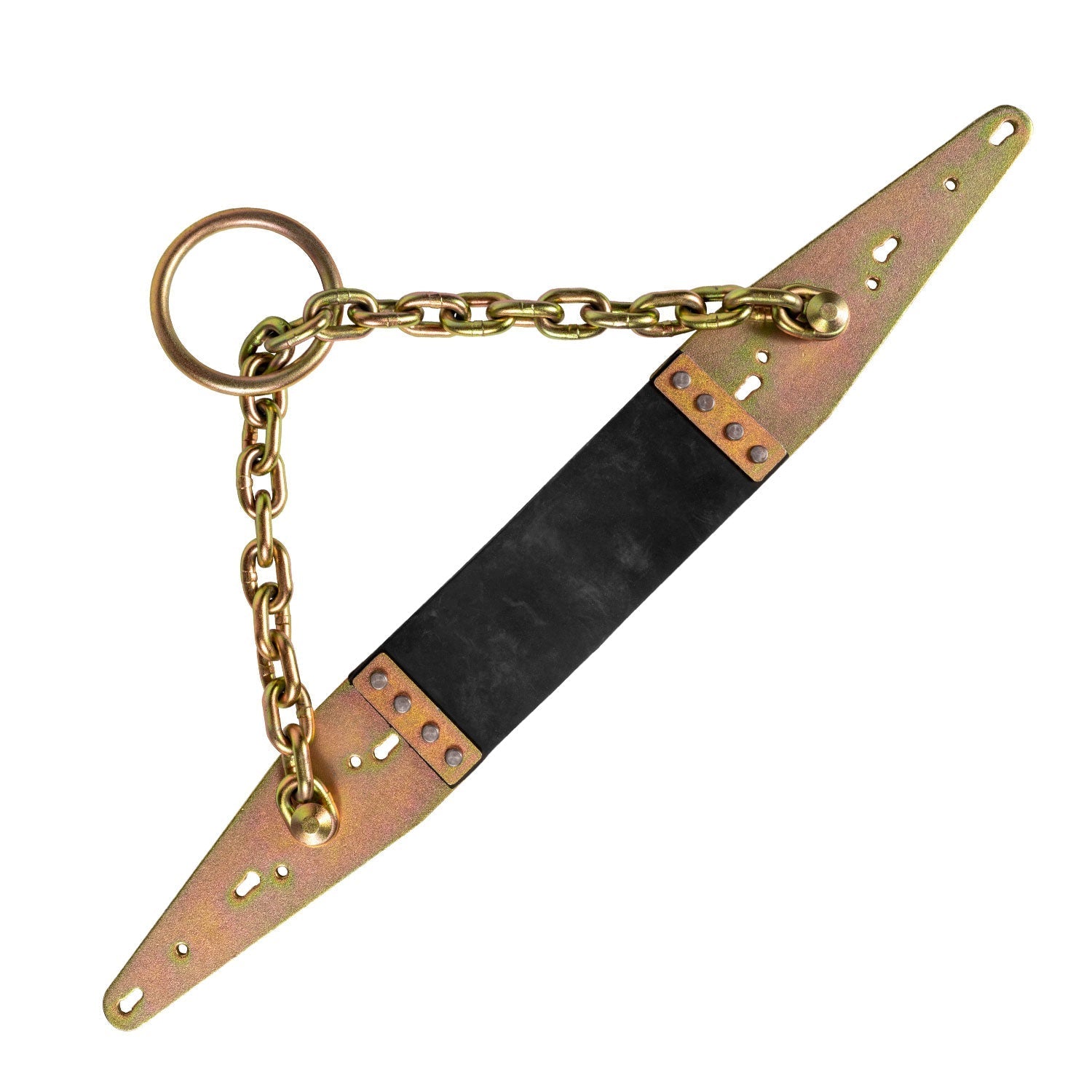
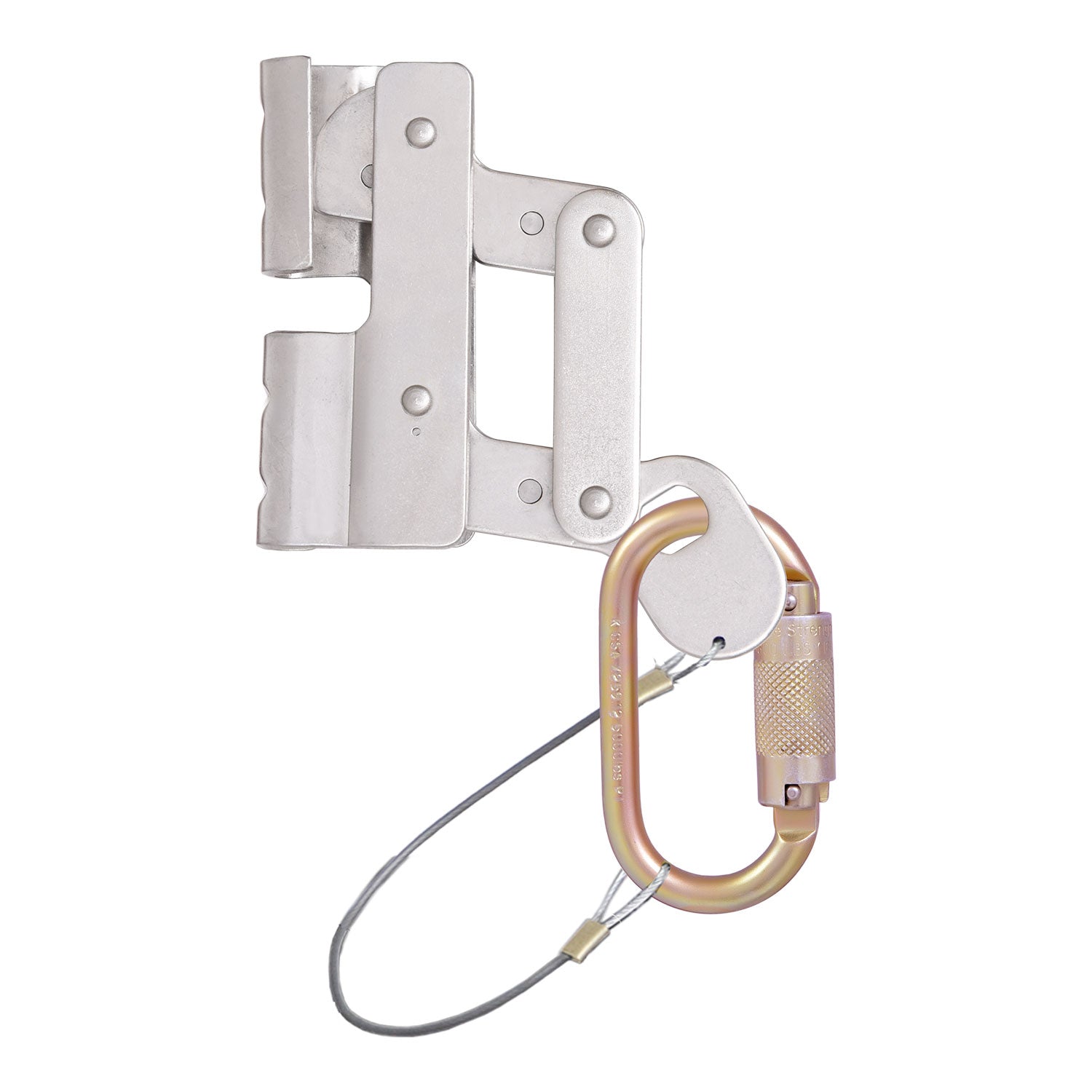
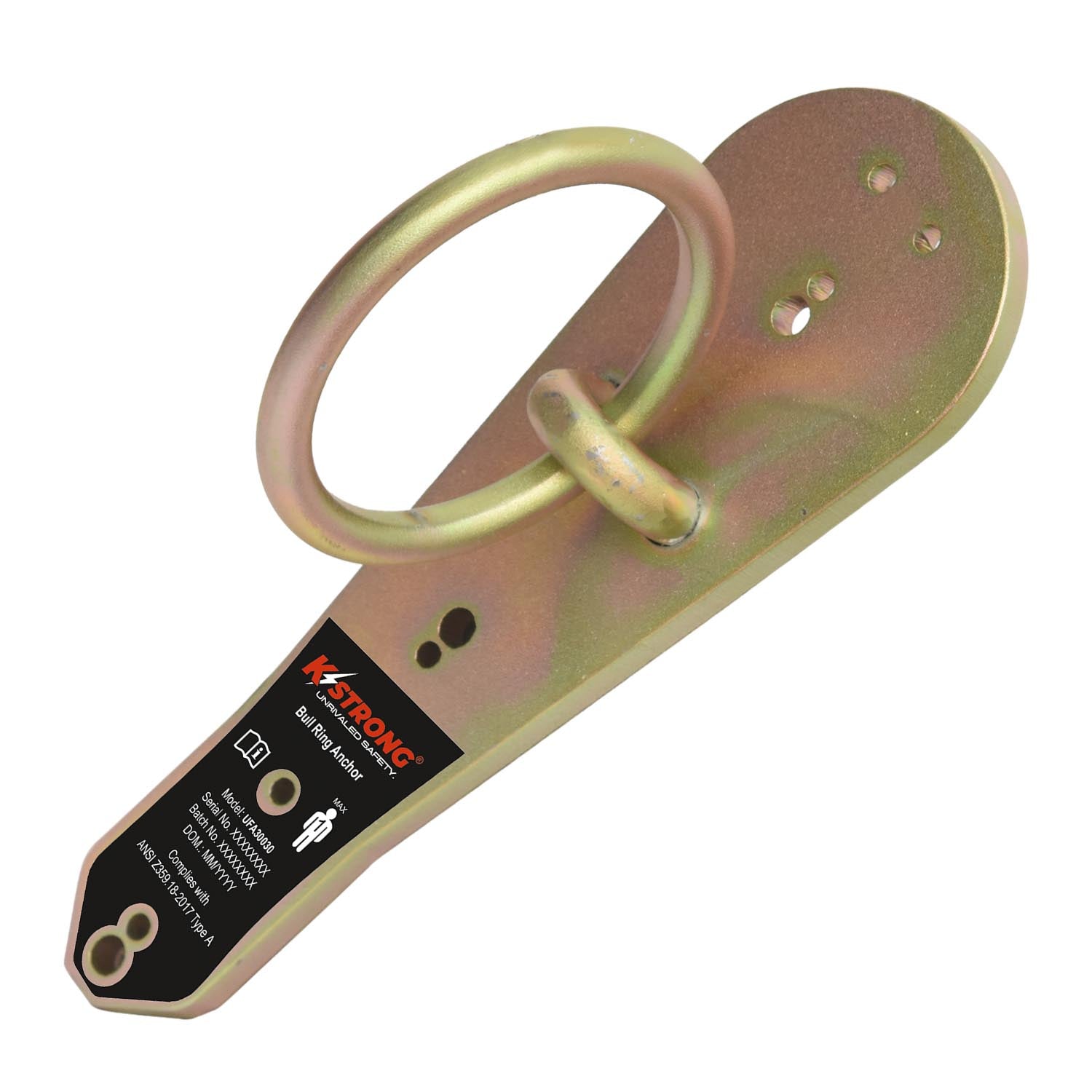
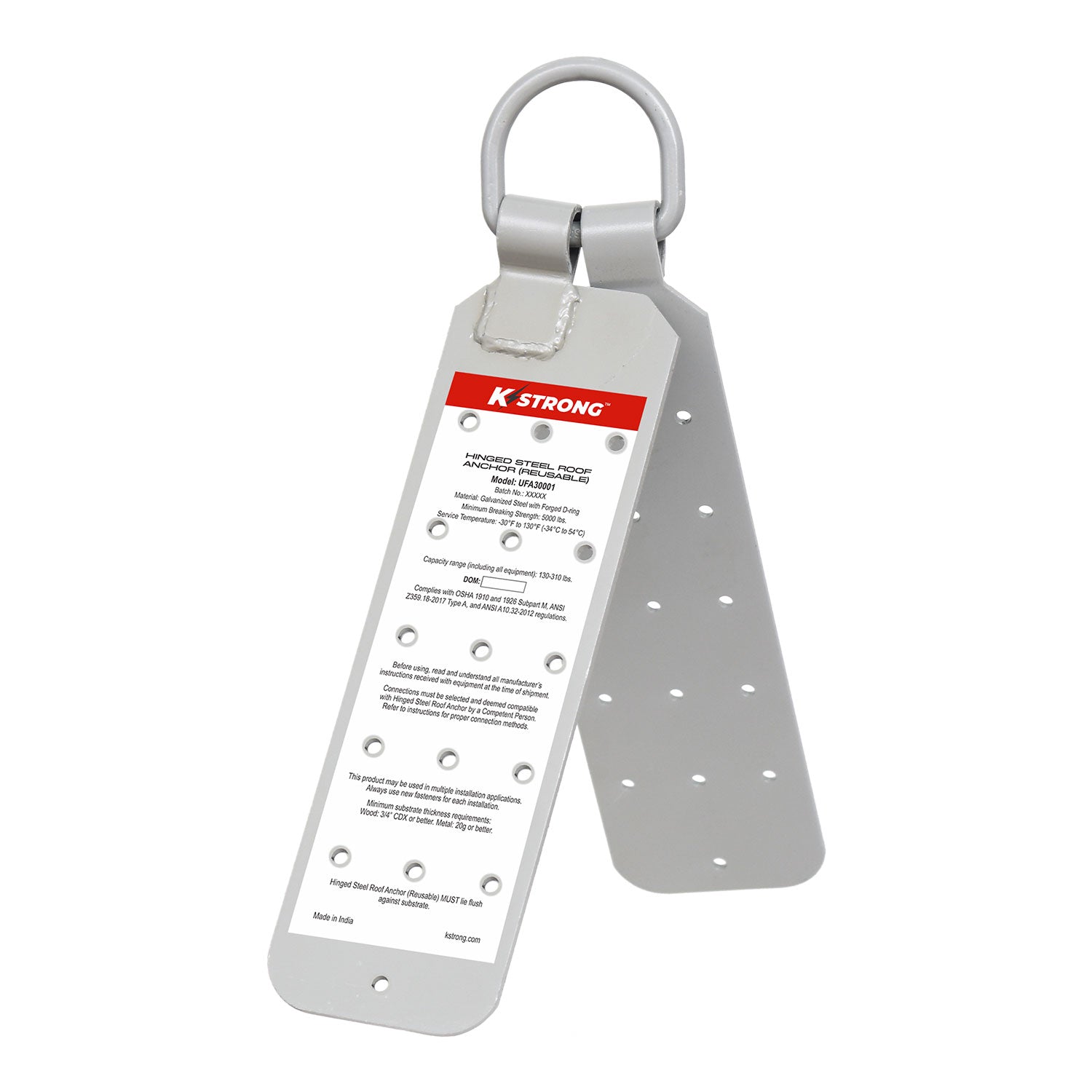
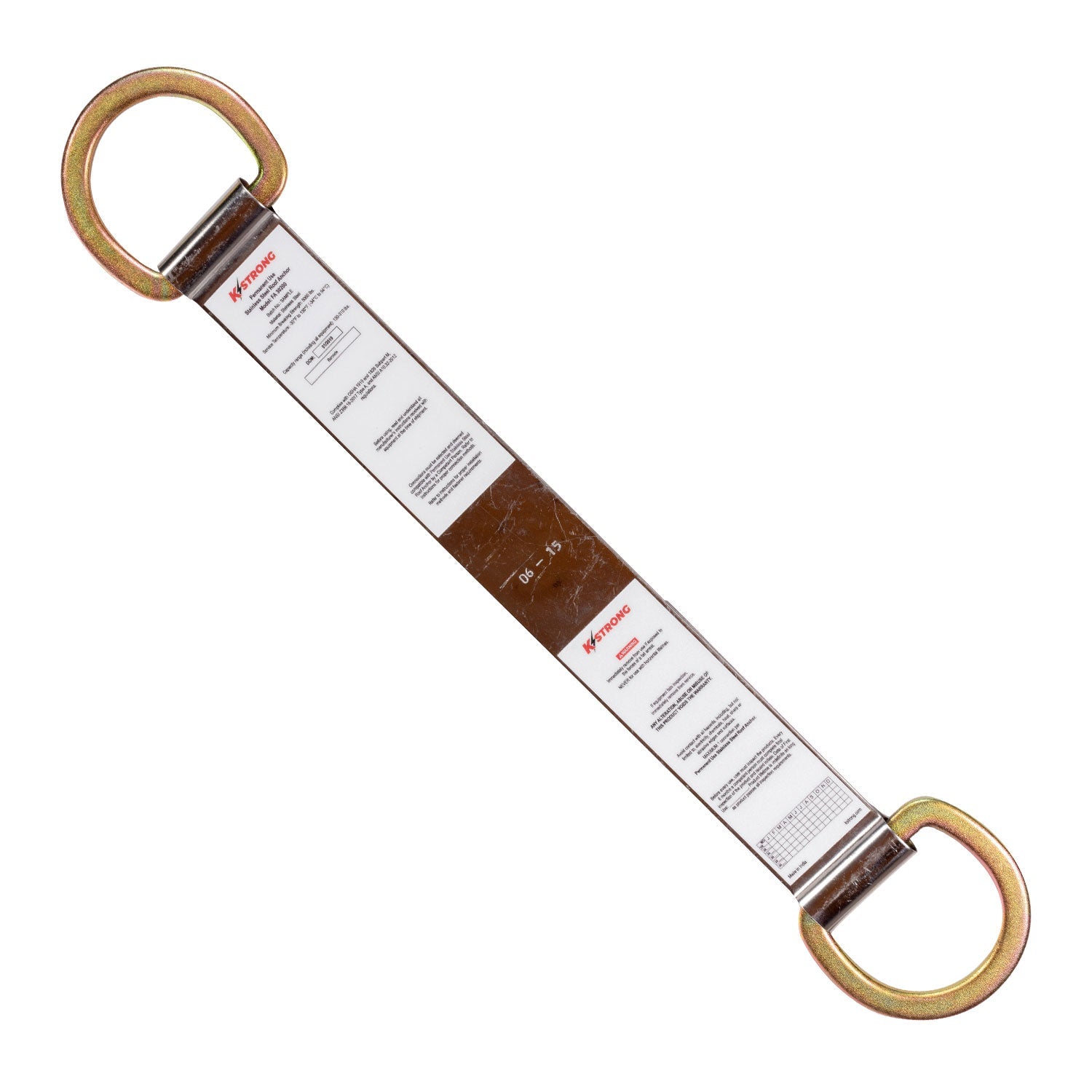
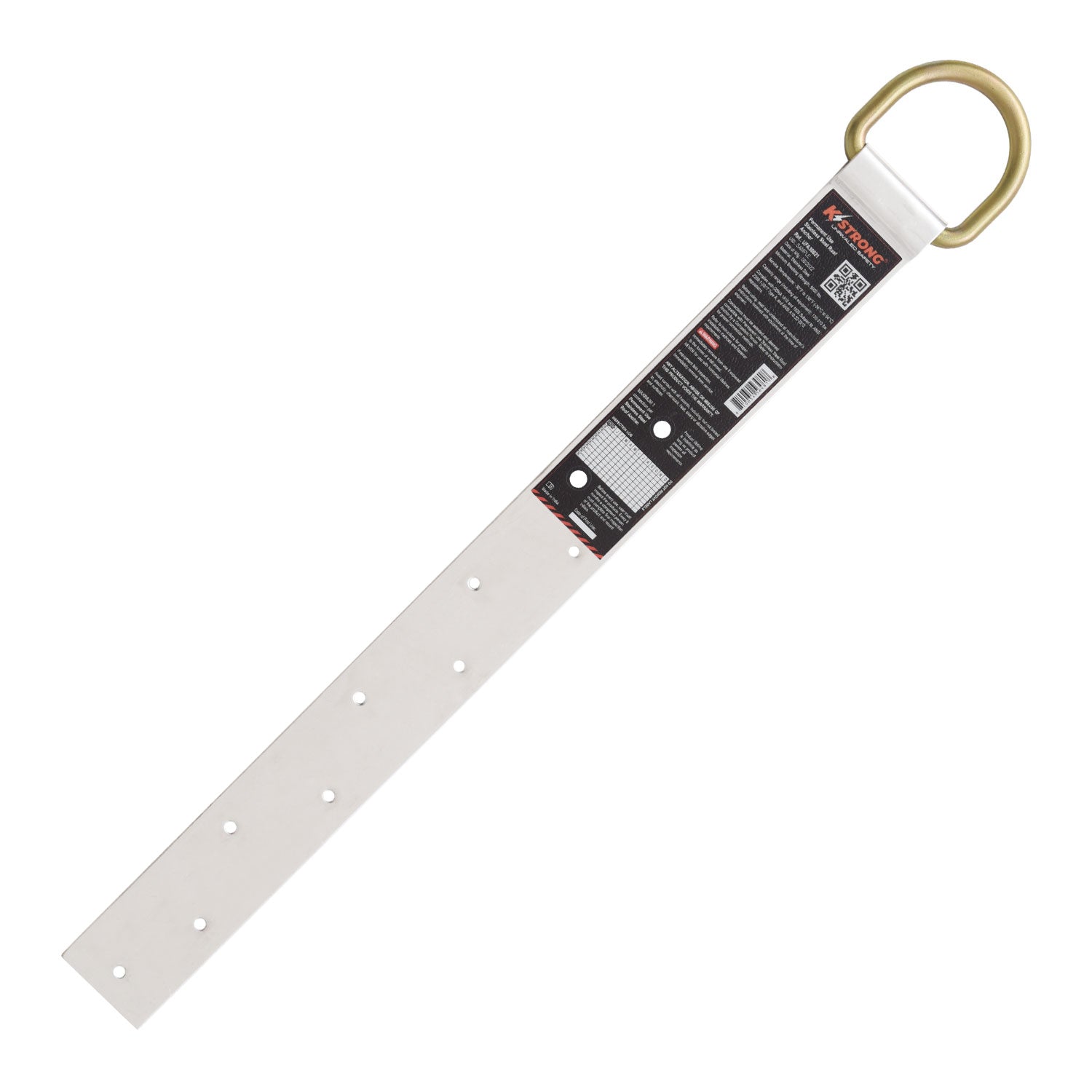
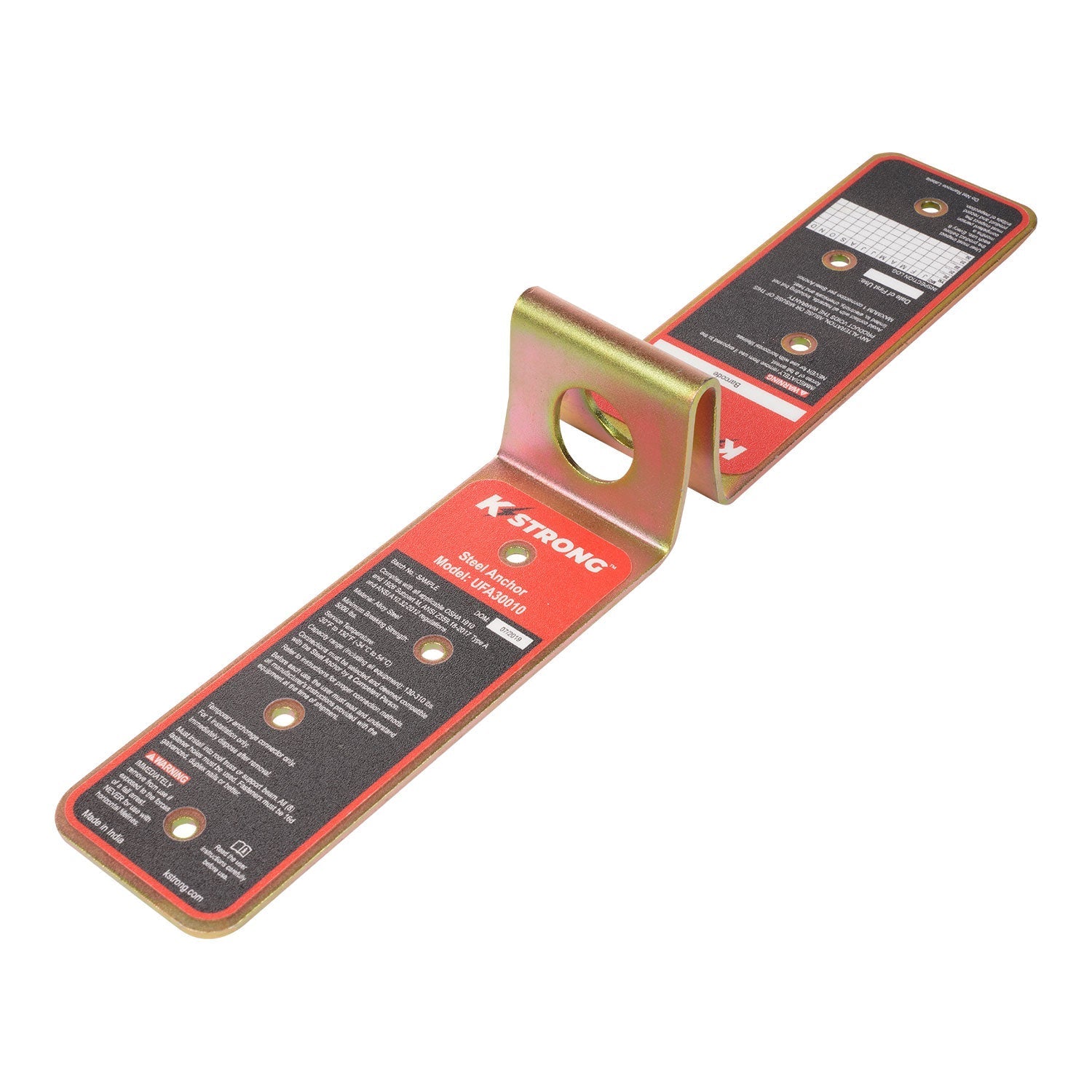
Roofers kits and ladder climbing systems. Residential roofing has one of the bluntest rules in OSHA: 1926.501(b)(13) requires conventional fall protection at 6 ft, and the roofers kits collection packages the whole answer, harness, rope lifeline, and roof anchor, from $153 for the 25 ft Elite 5-point kit to $227 deluxe, plus 50 ft kits for larger roofs. The anchor wall backs the kits: single use steel roof anchors from $6.41, hinged reusable anchors, permanent stainless anchors, a standing seam anchor, and riser post and bull ring anchors. Fixed ladders run on a different clock: OSHA 1910.28(b)(9) requires a personal fall arrest or ladder safety system on fixed ladders over 24 ft; cages stop qualifying on November 18, 2036. The ladder climbing equipment collection builds that system: ladder climbing cable from $52.50, the stainless cable grab for 8mm 7x19 wire rope that locks the instant a climber loads it, plus the tensioner, mounting brackets, and a ladder extension davit kit for the top.
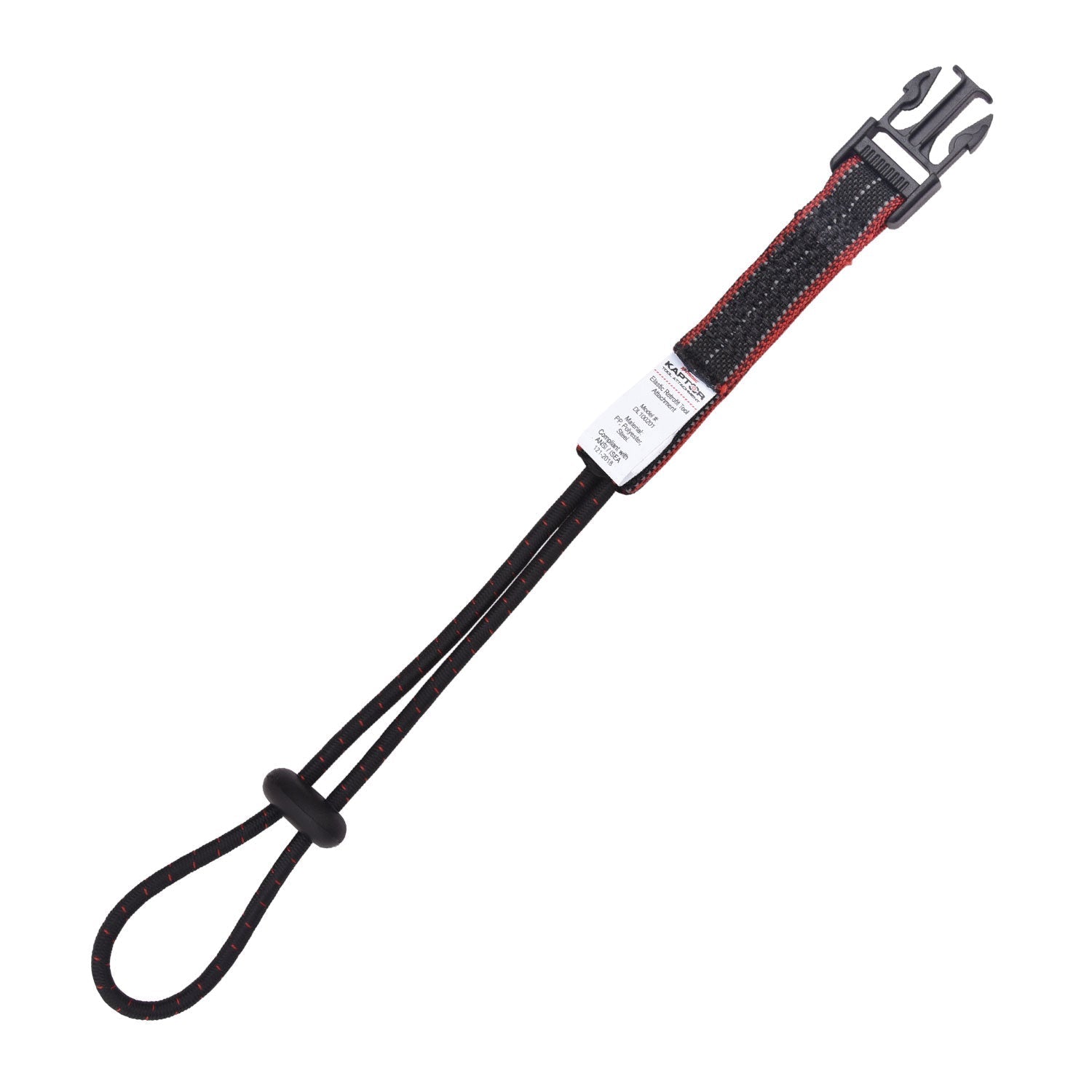
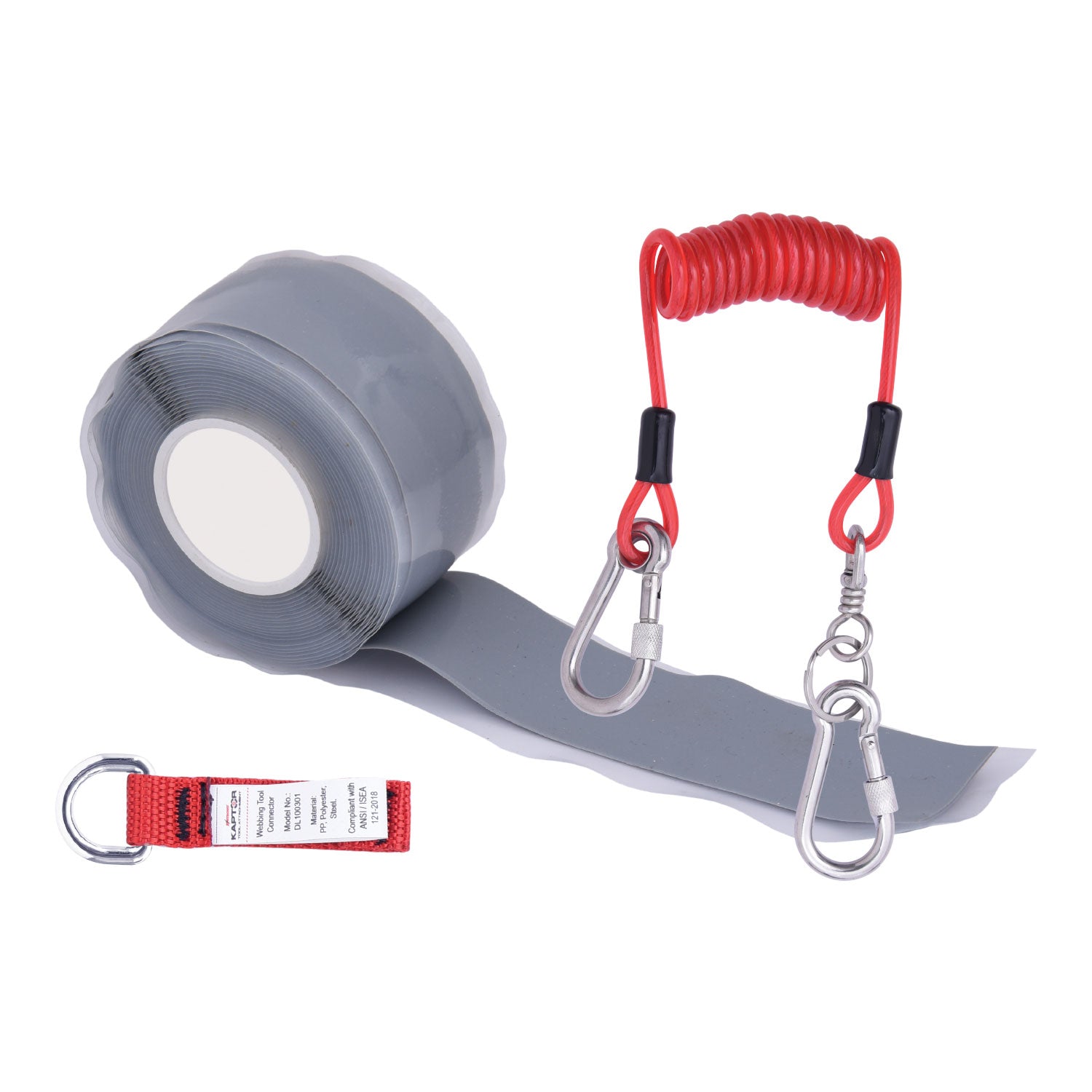
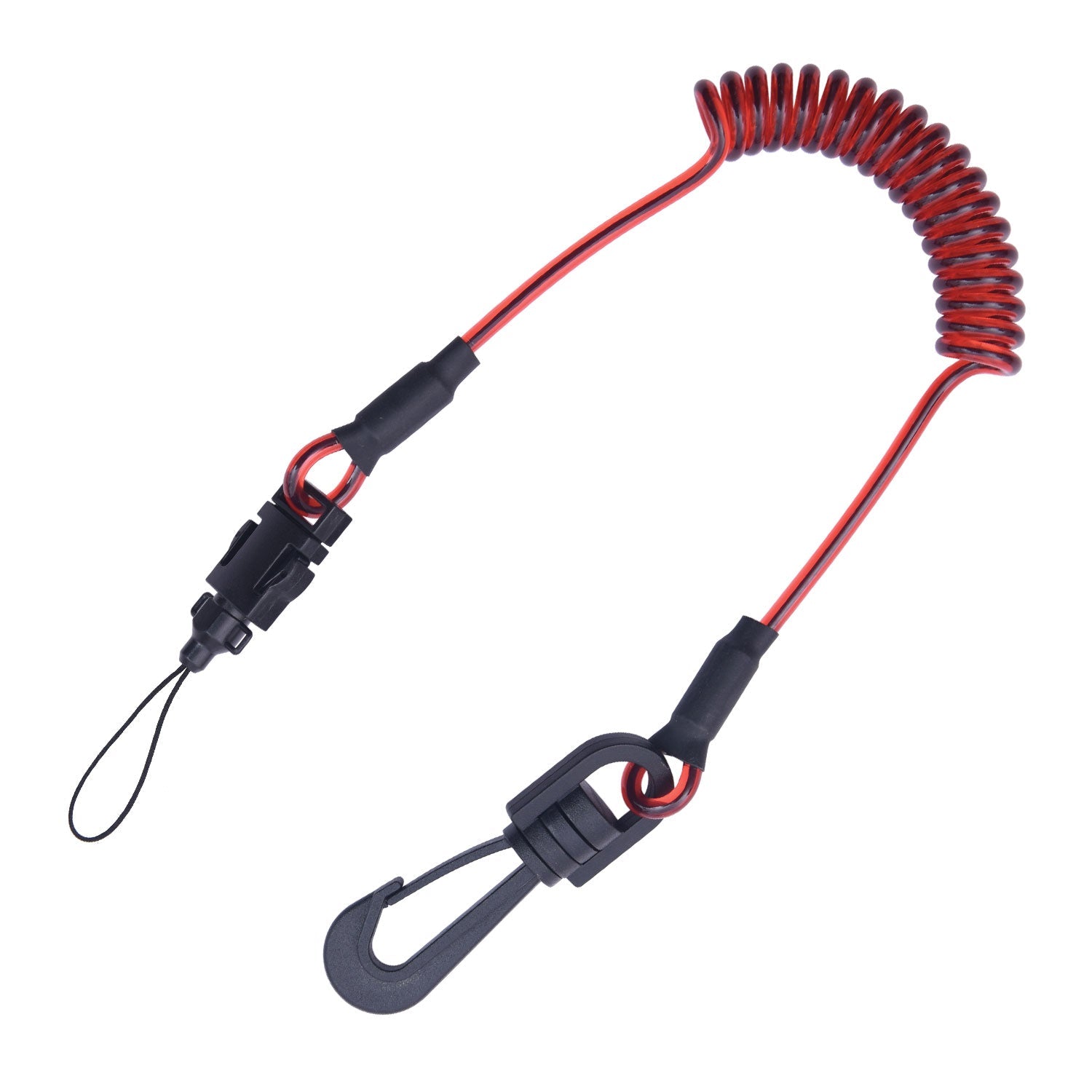
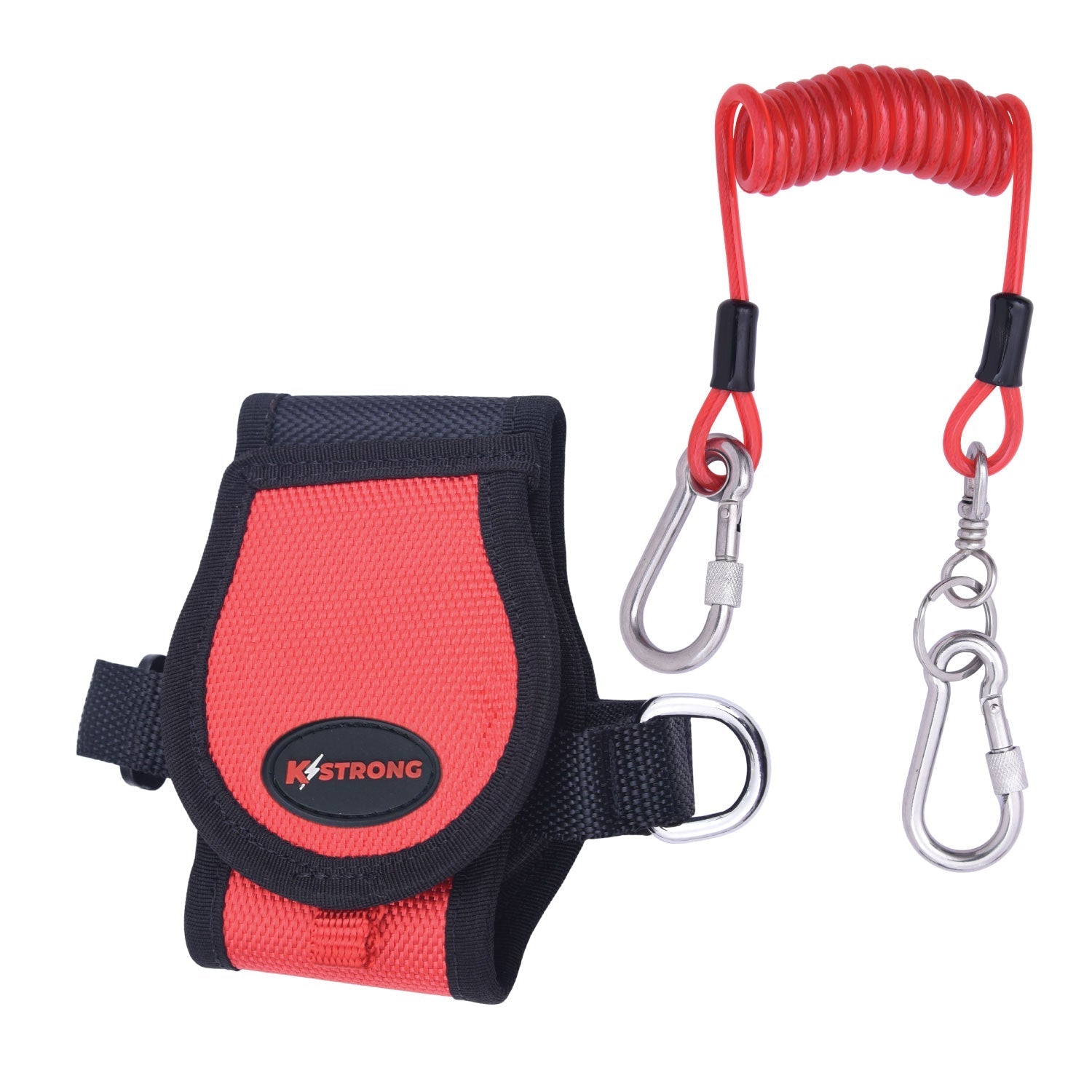
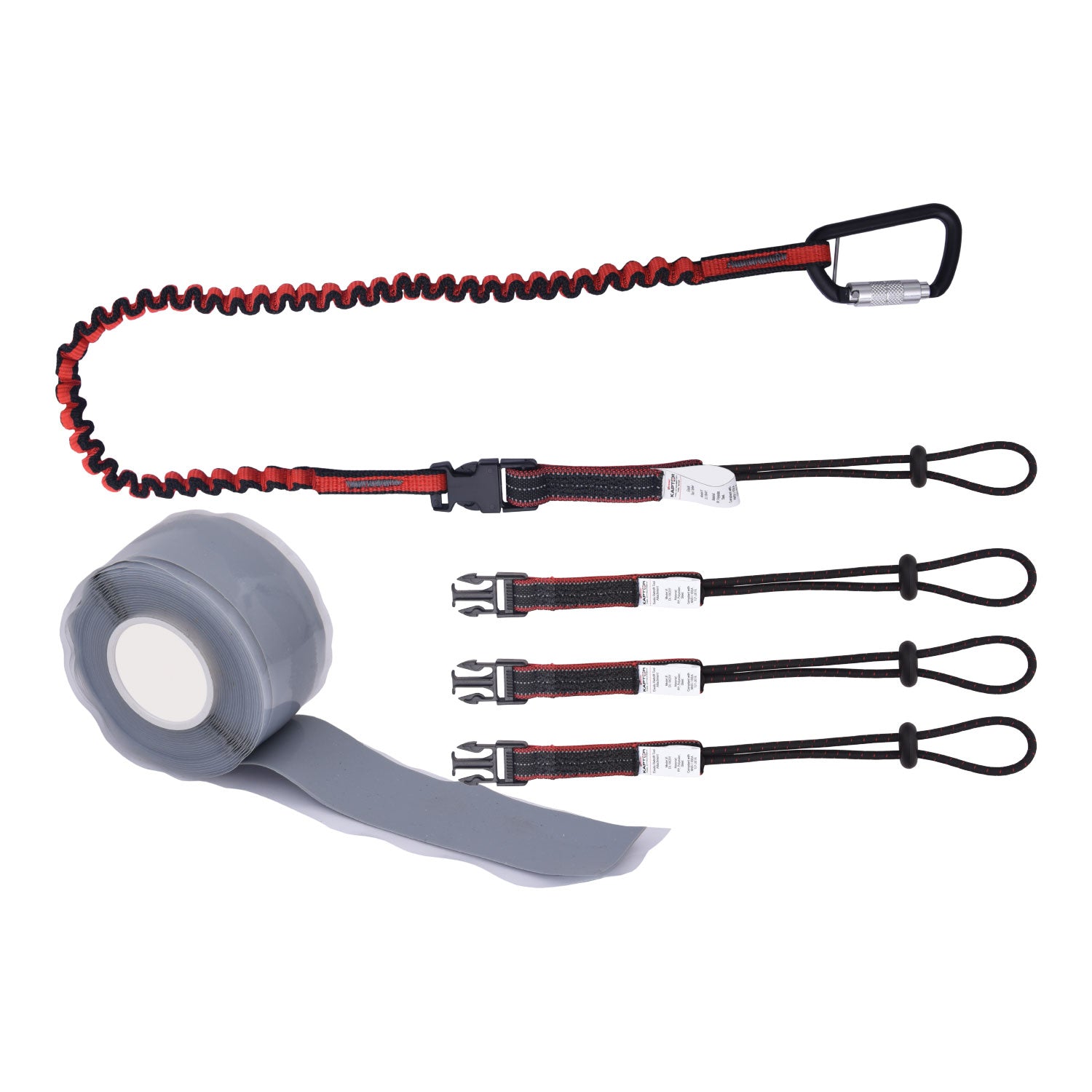
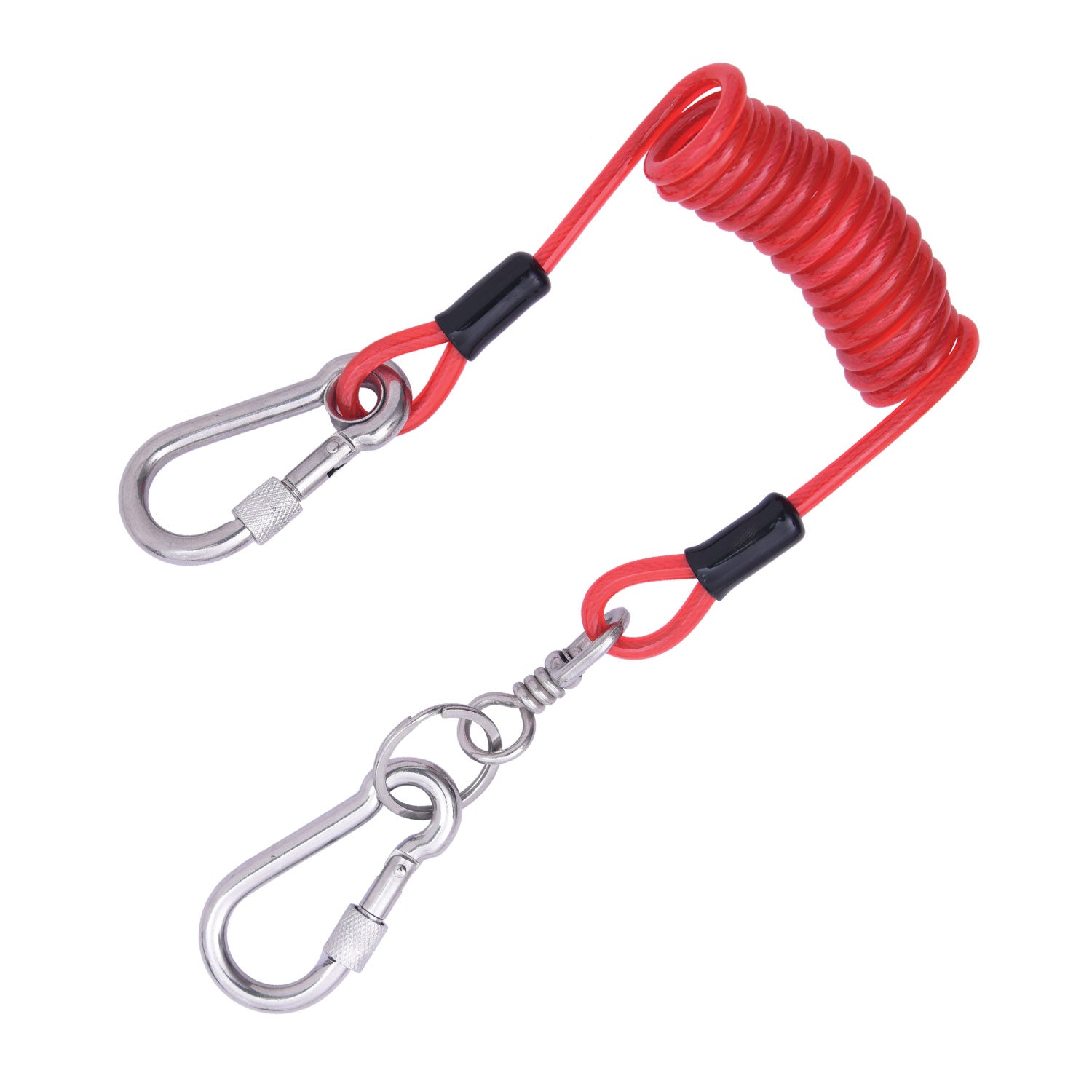
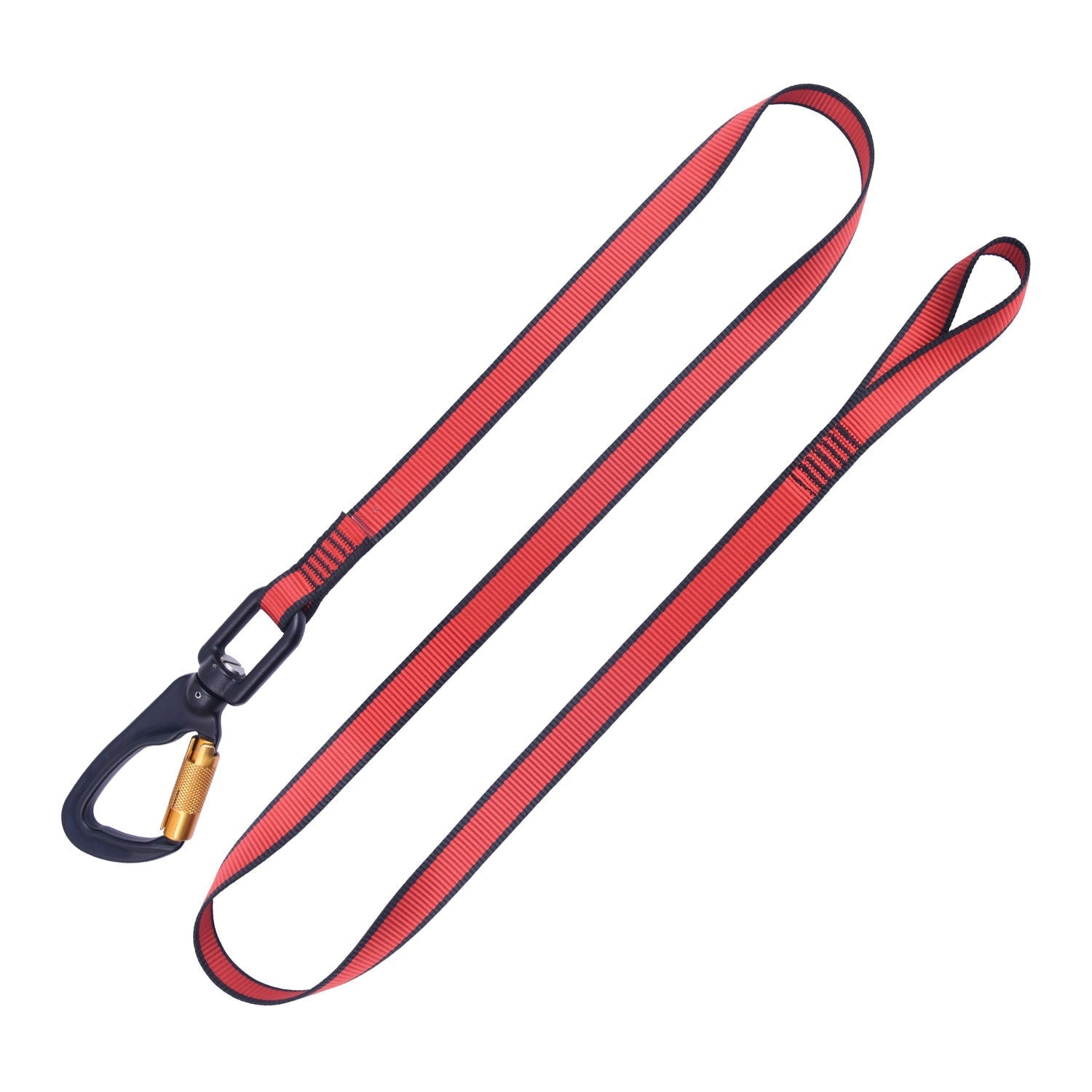
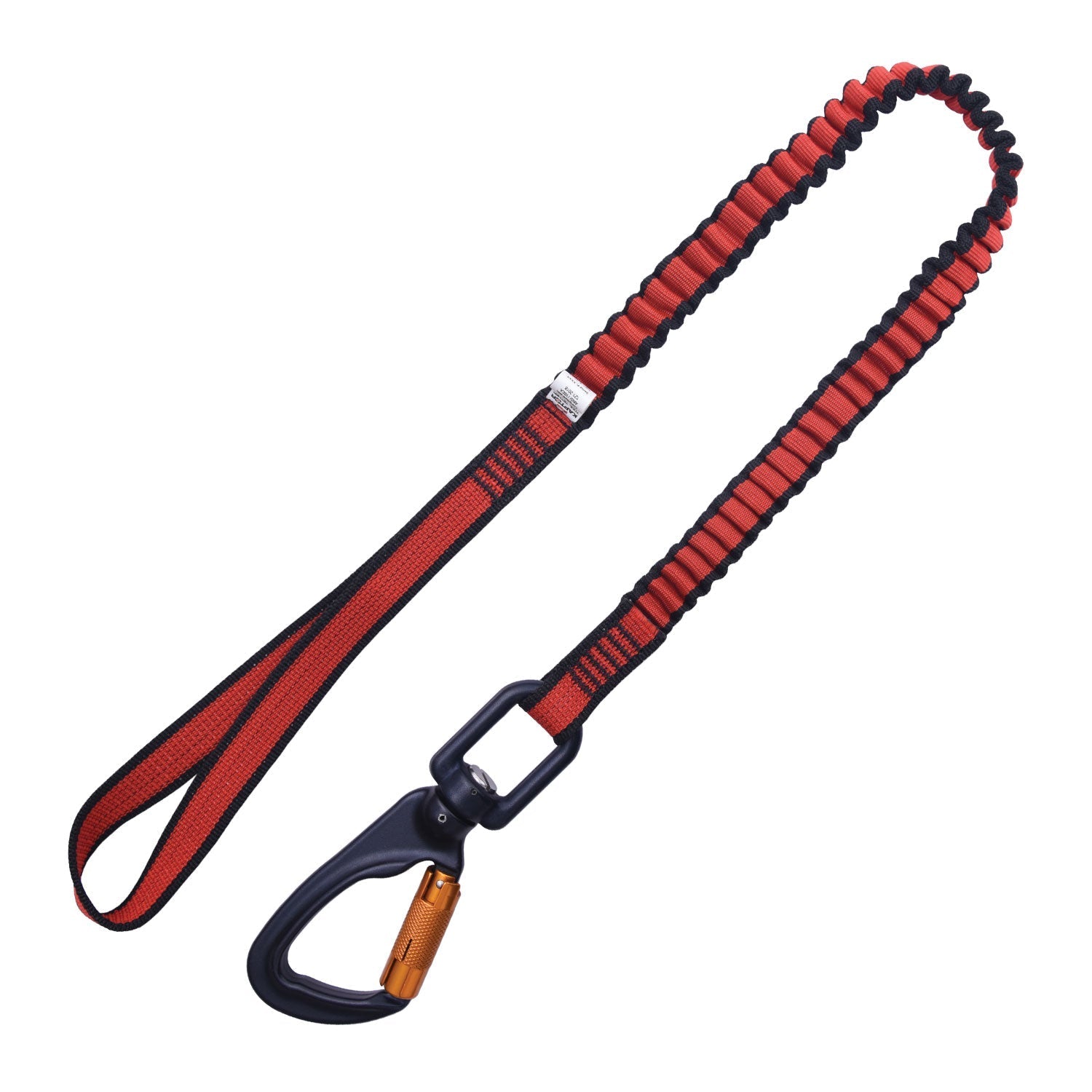
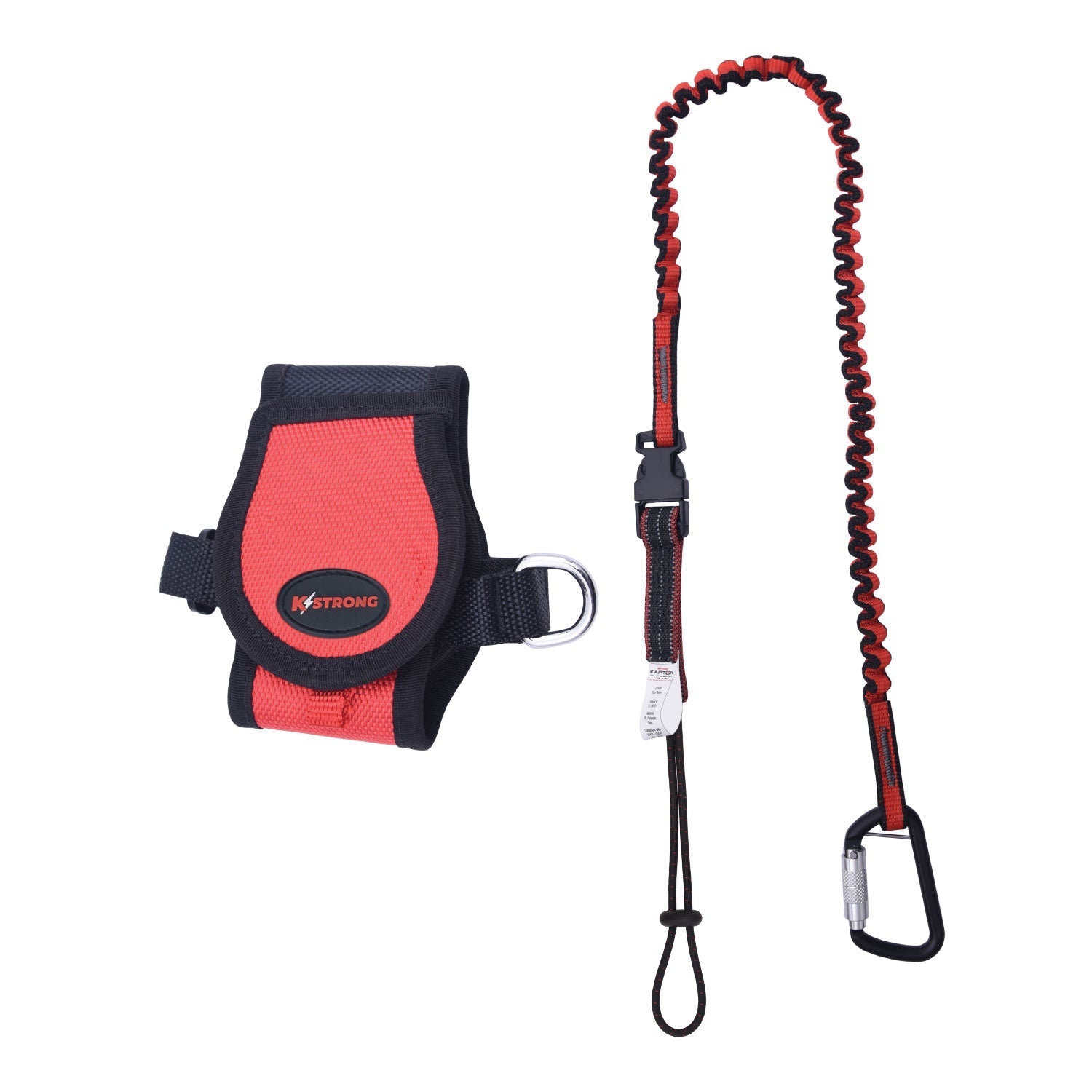
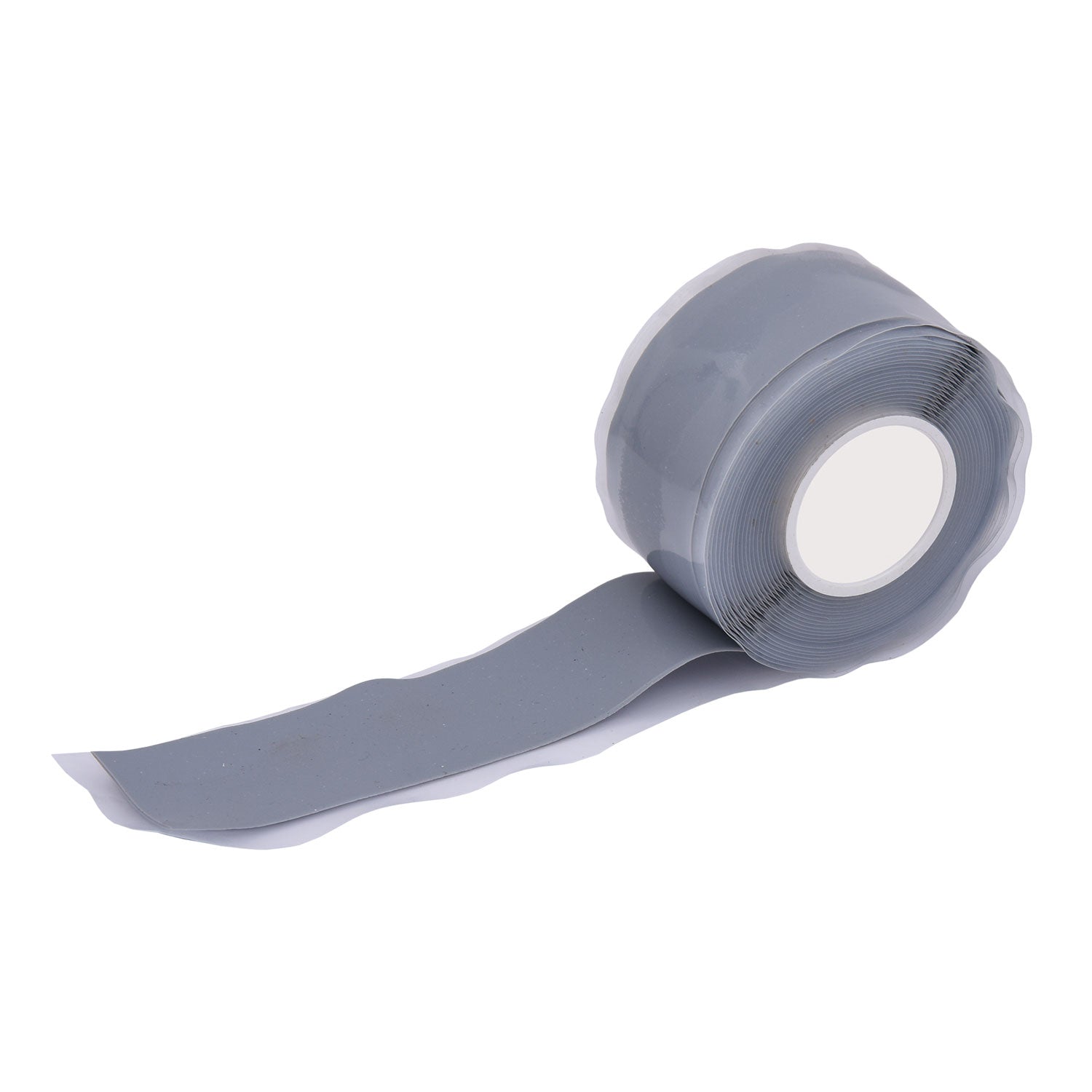
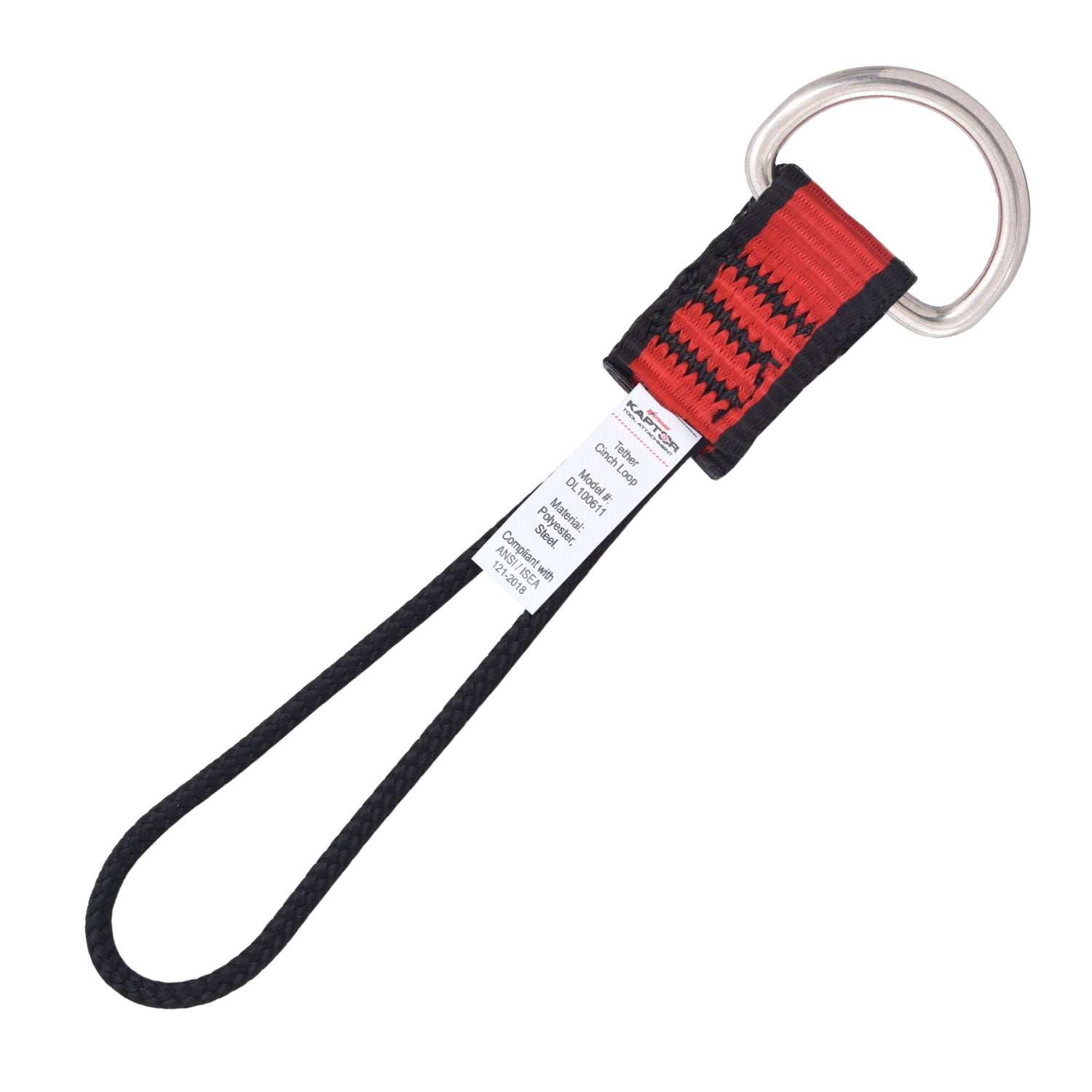
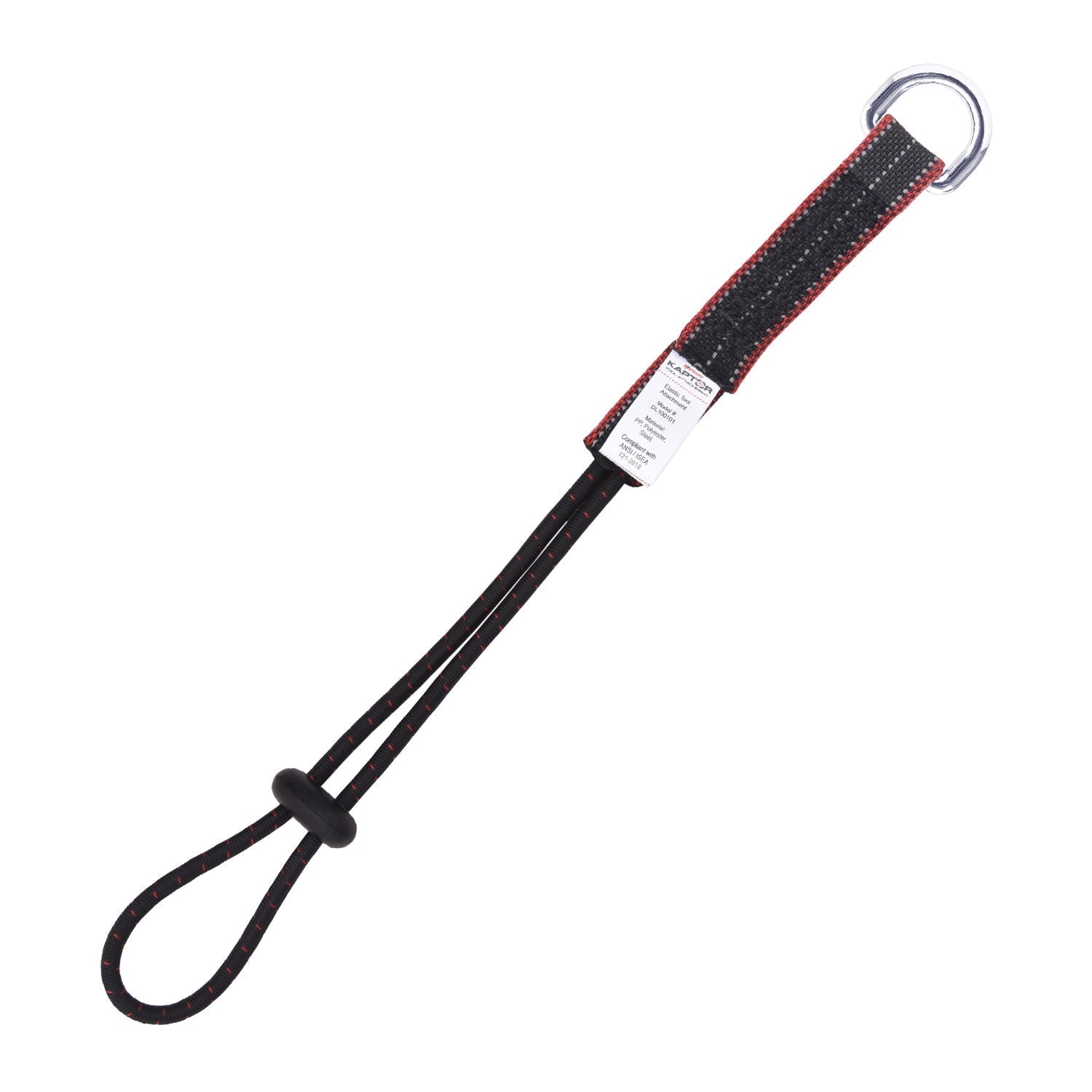
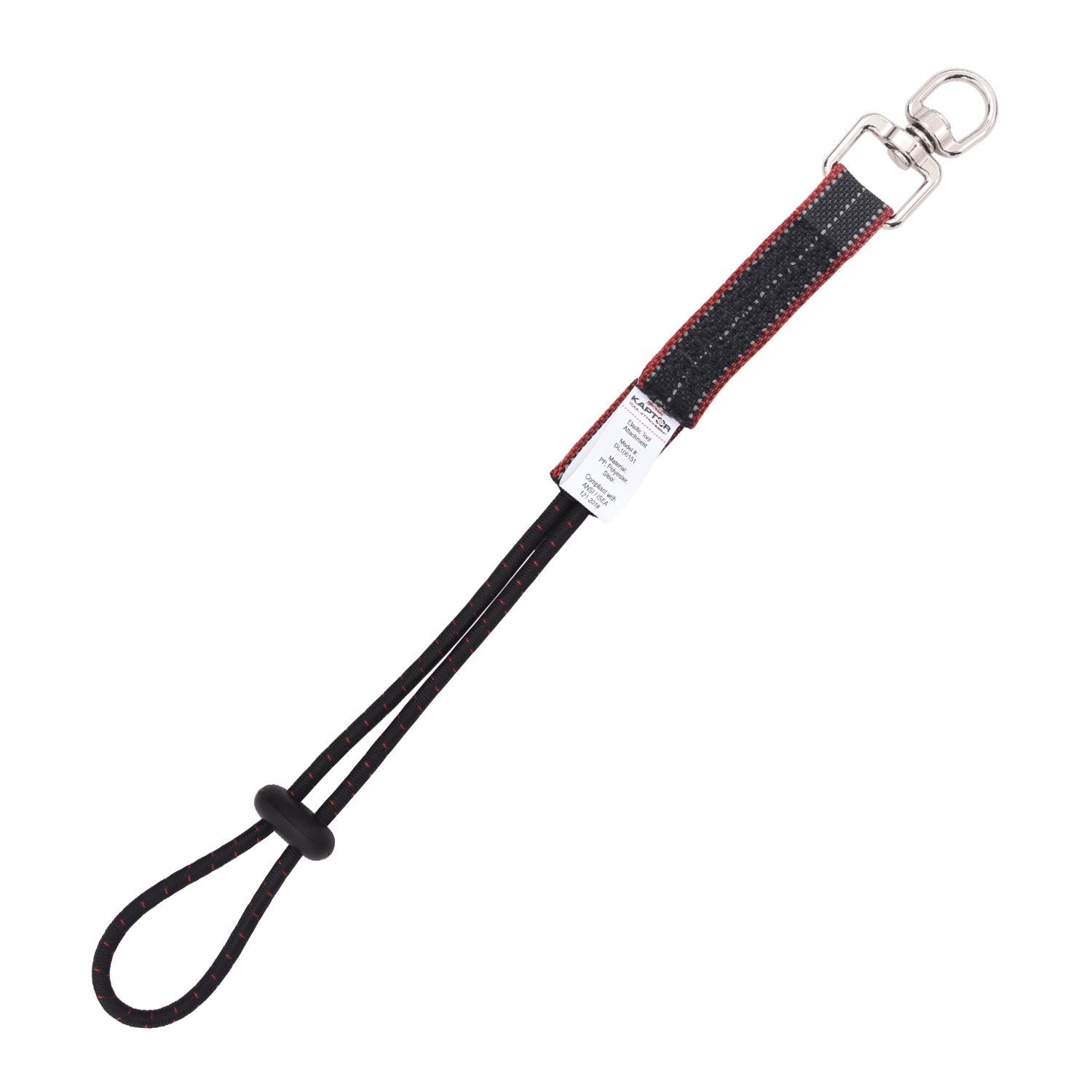
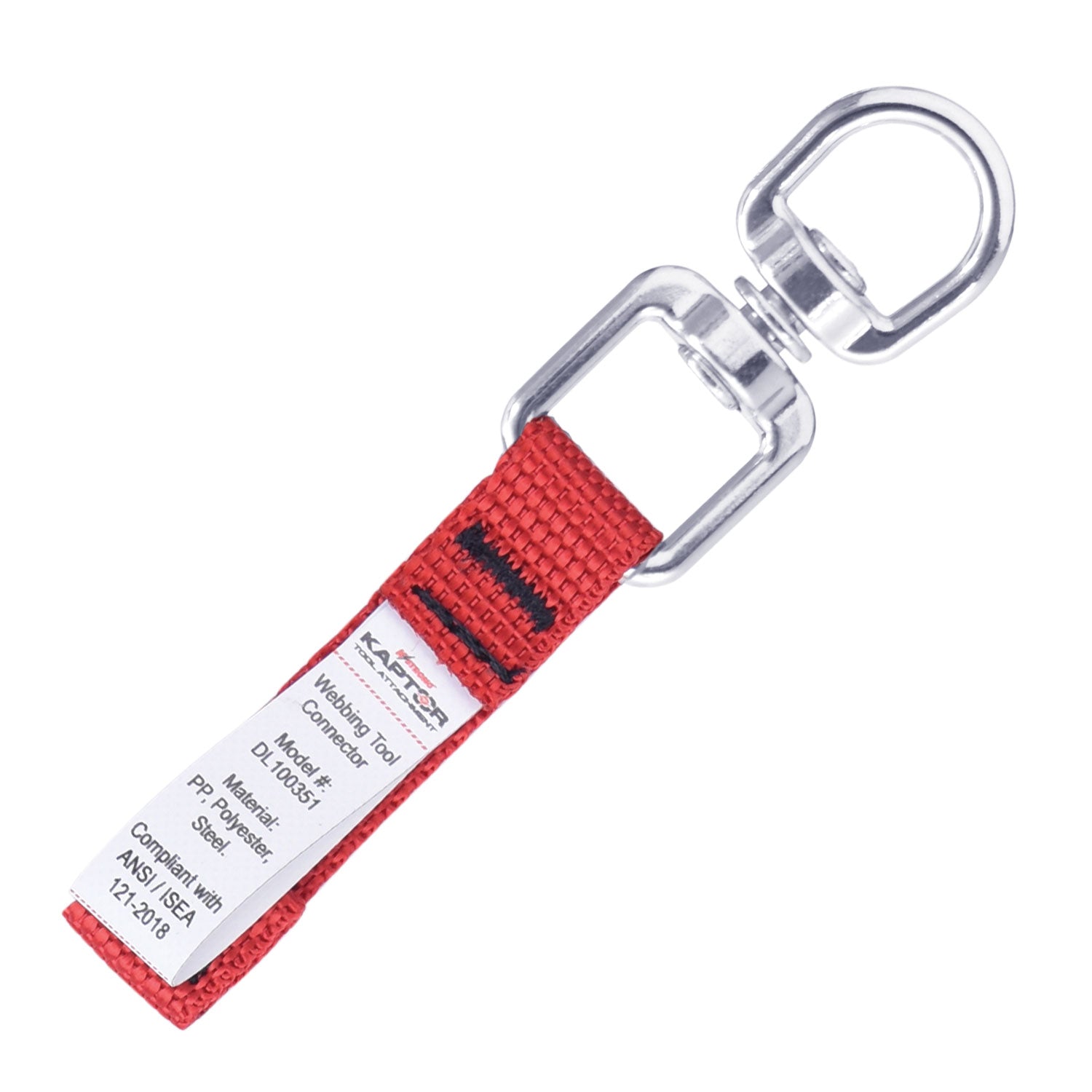
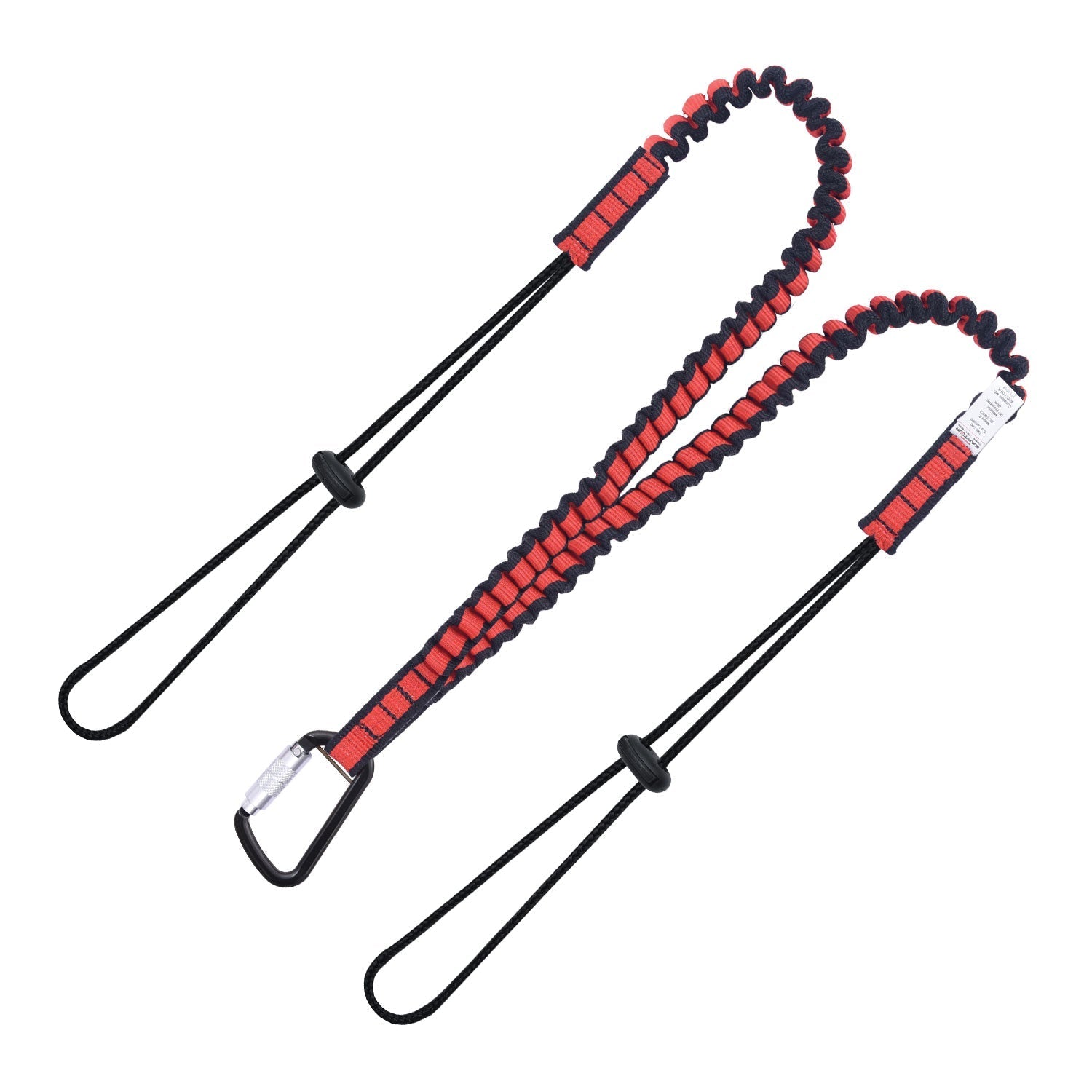
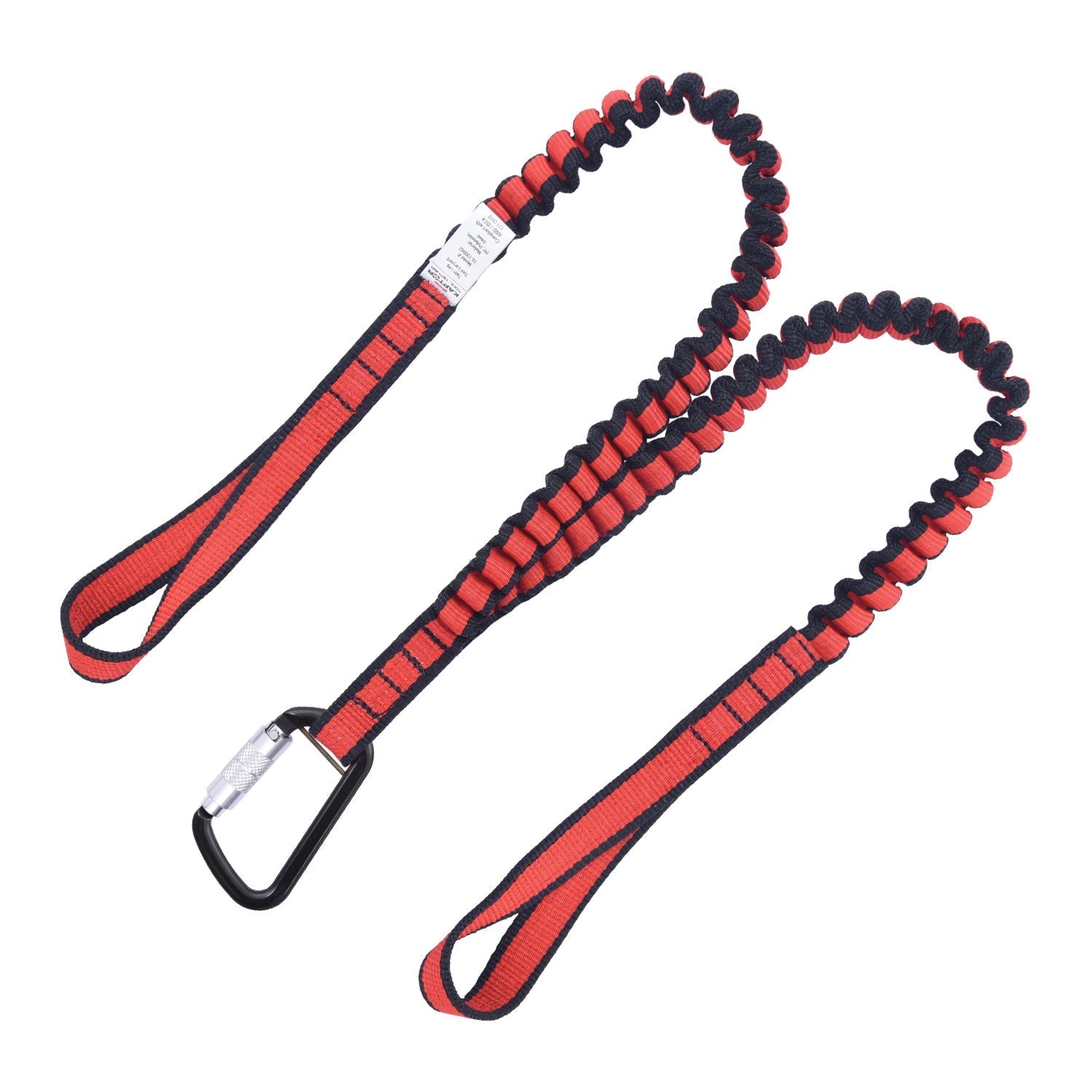
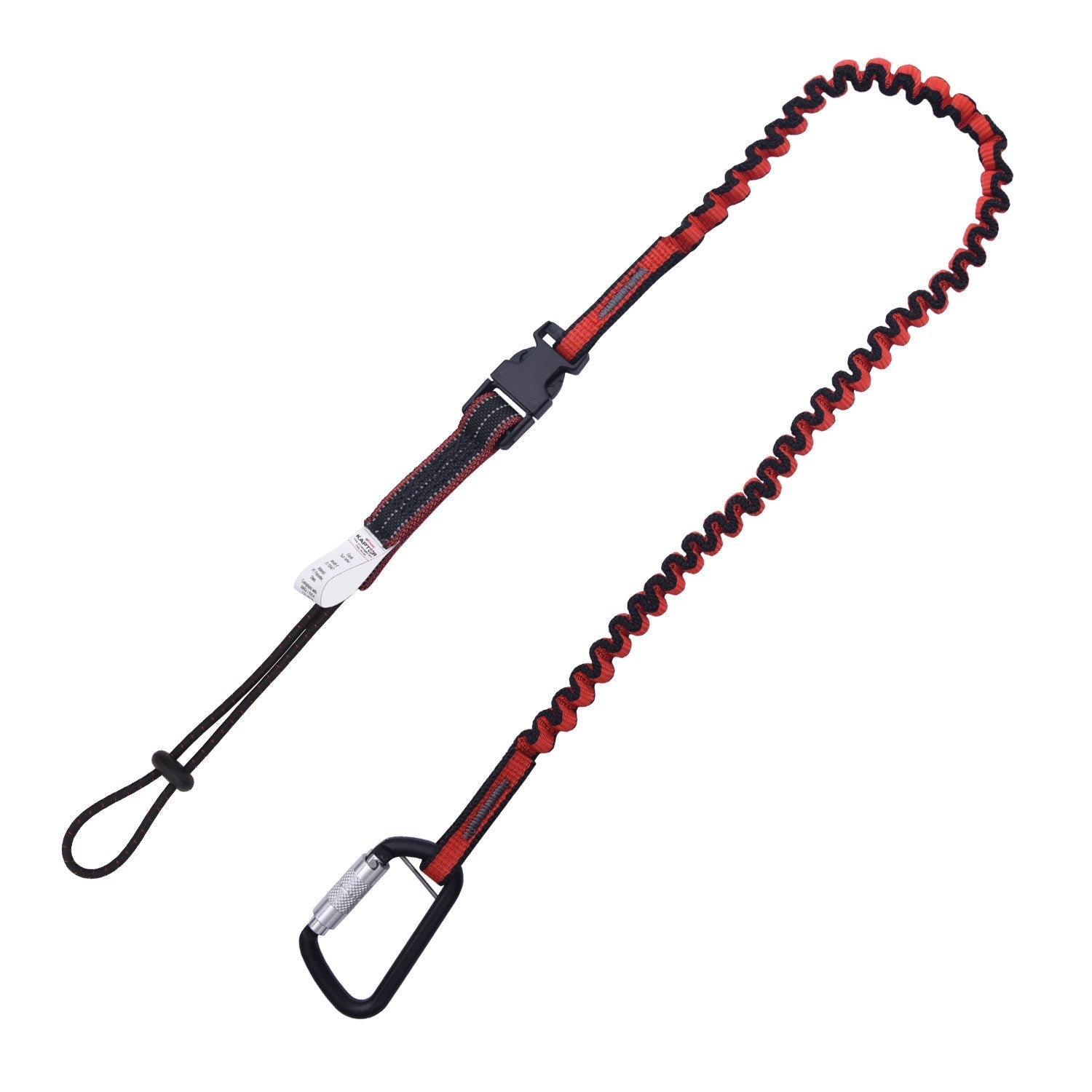
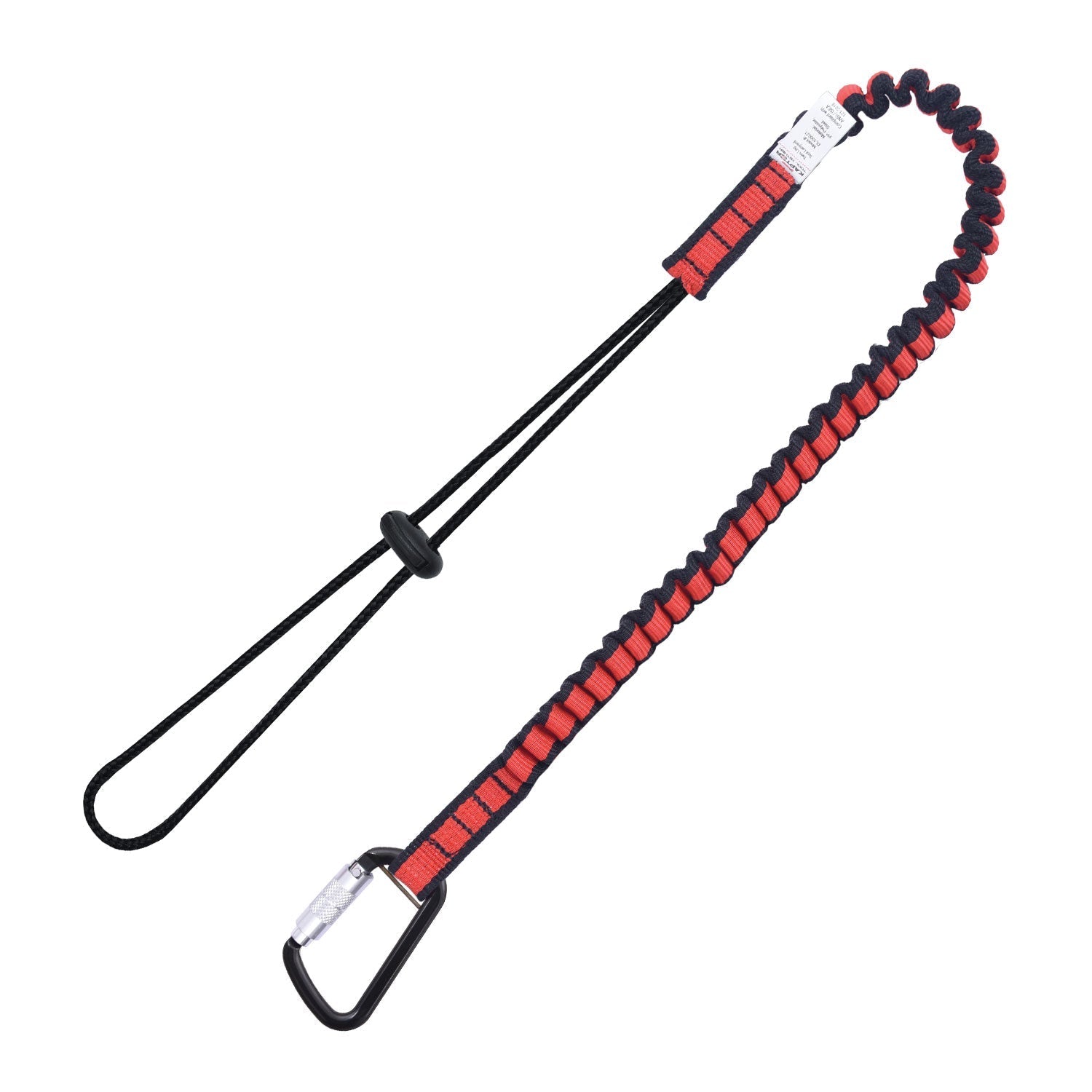
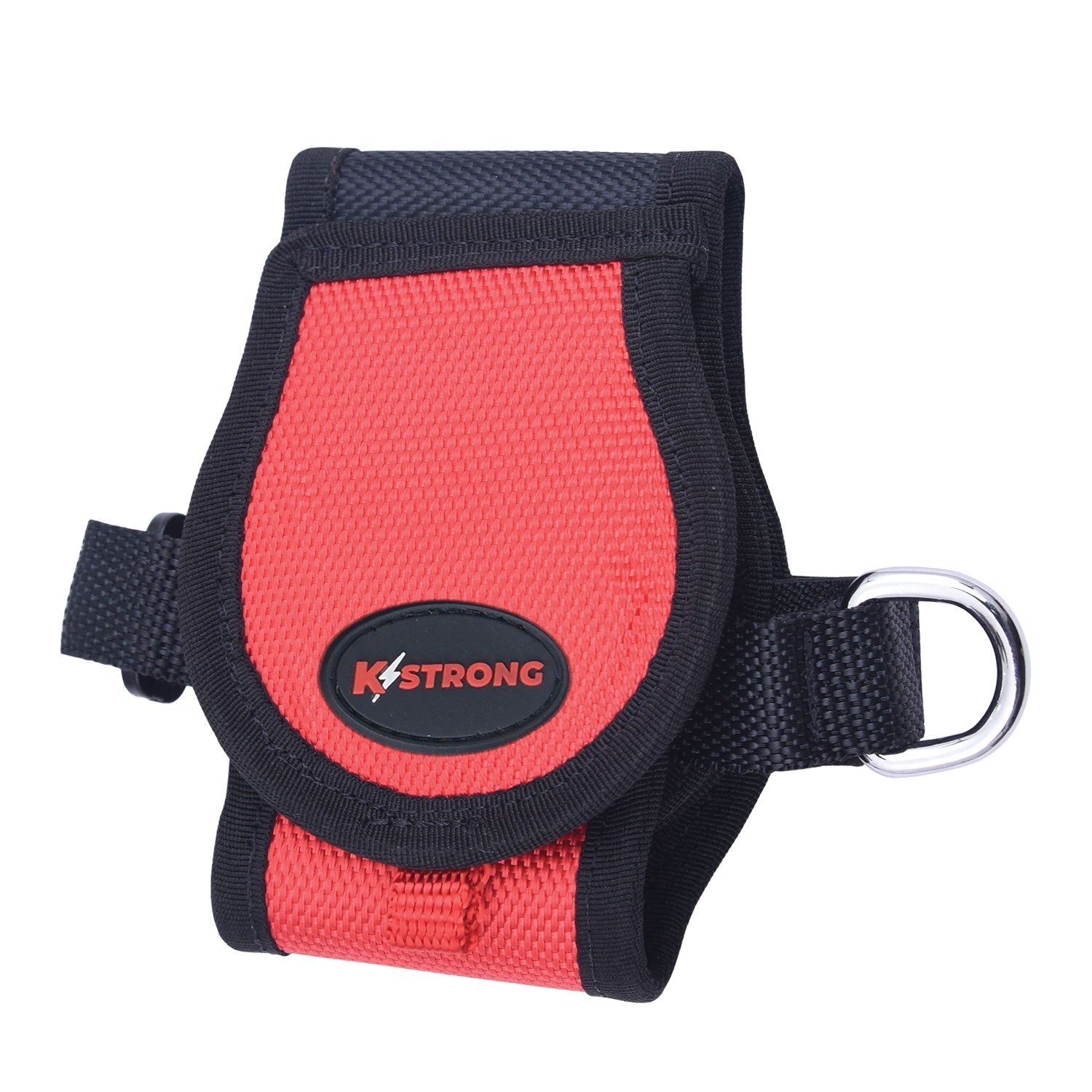
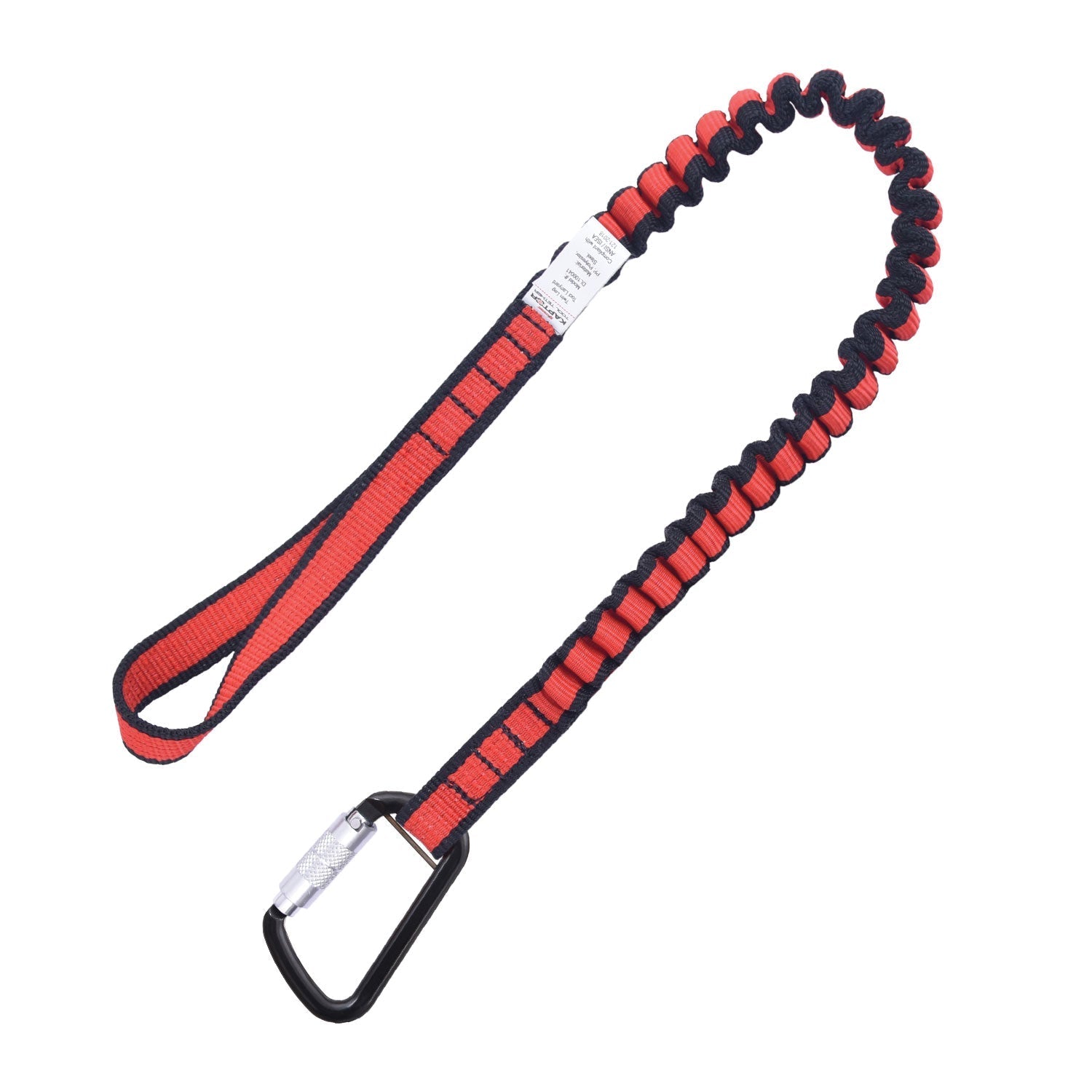
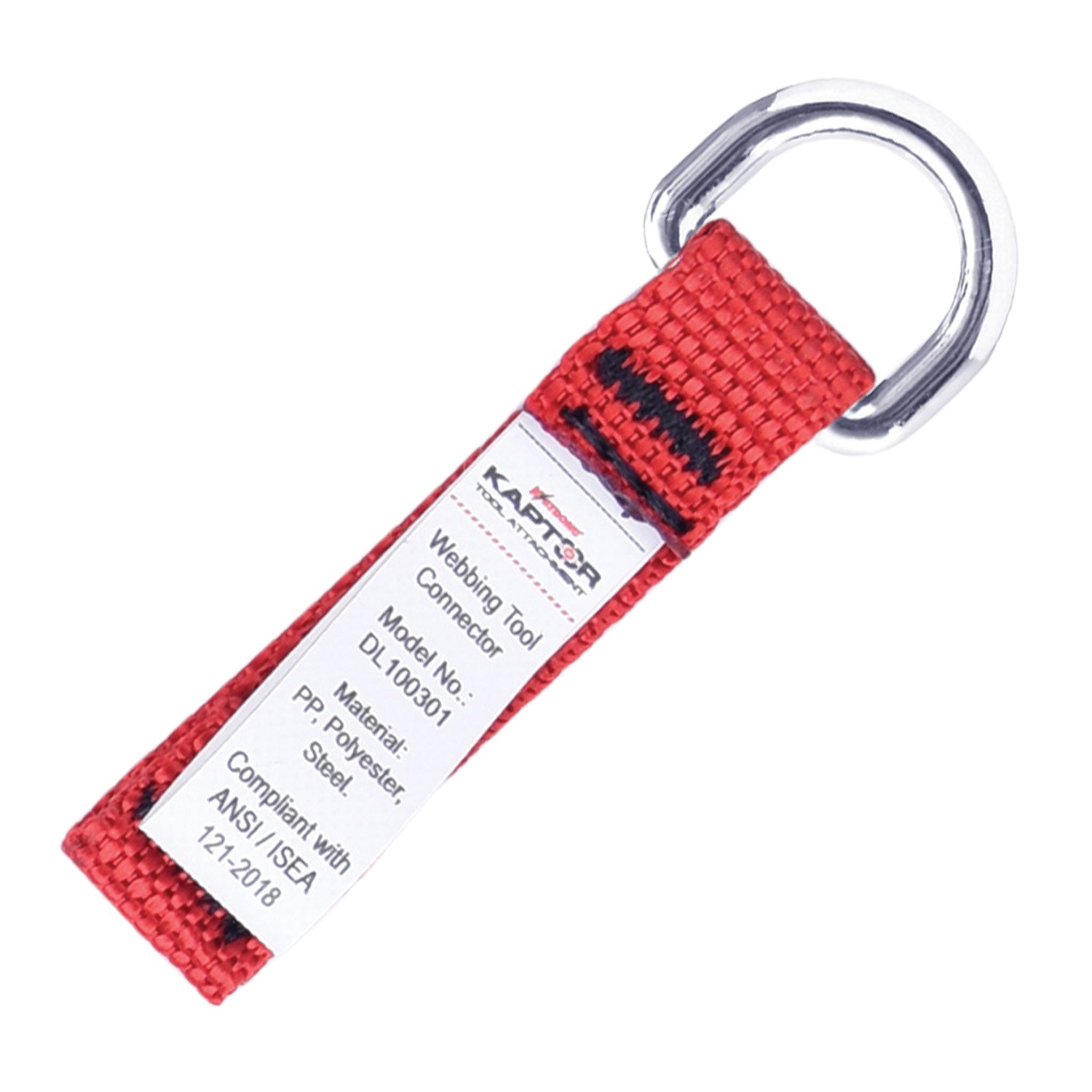
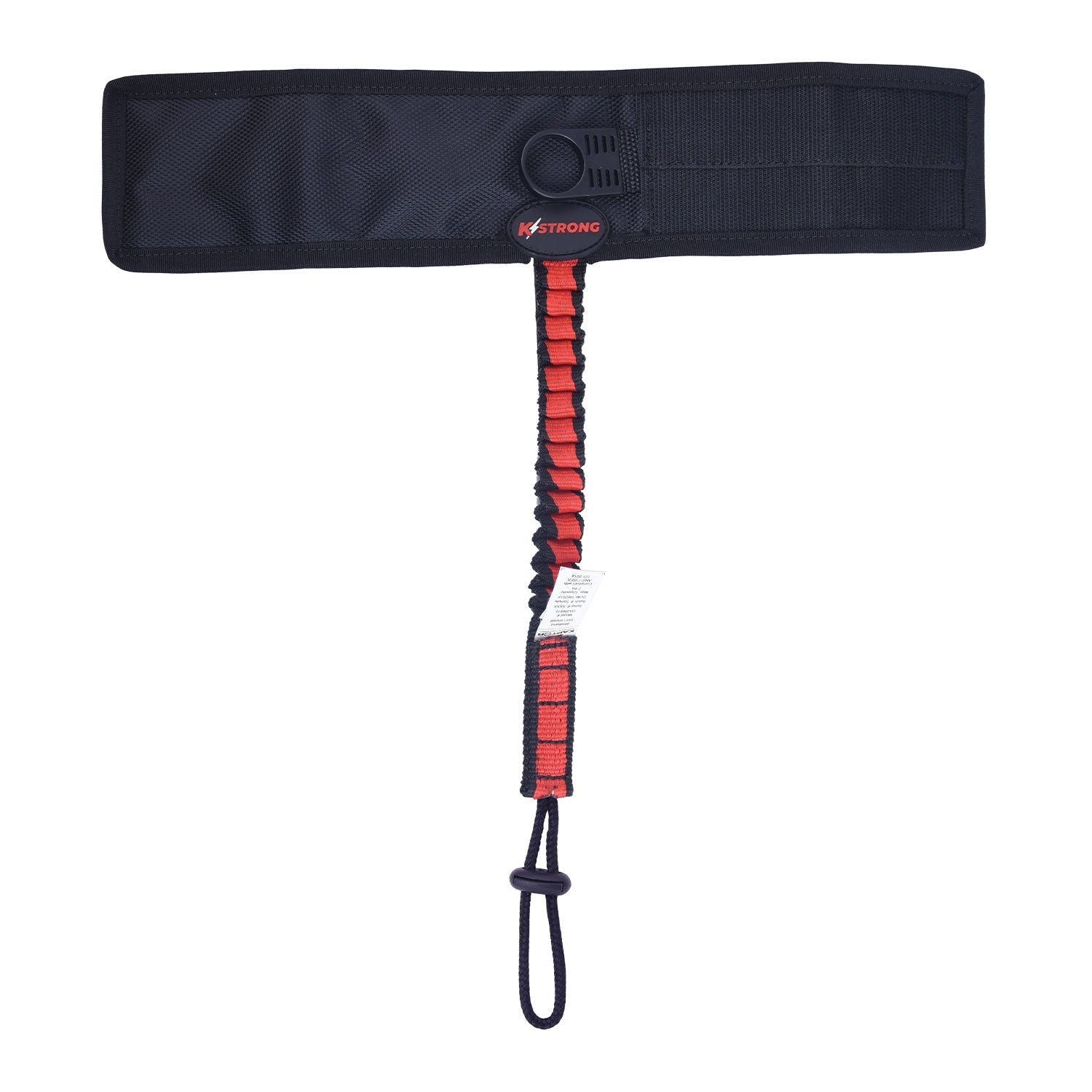
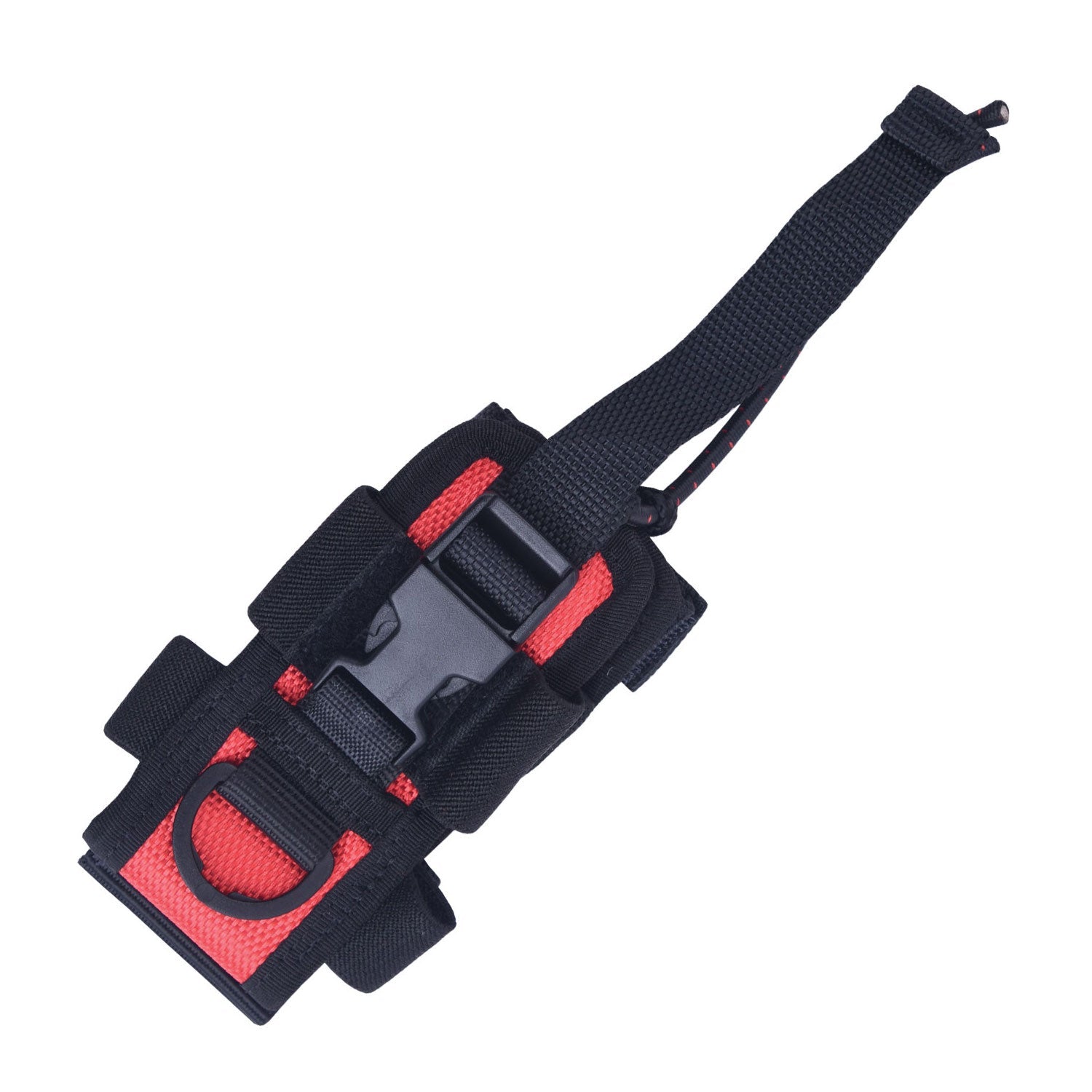
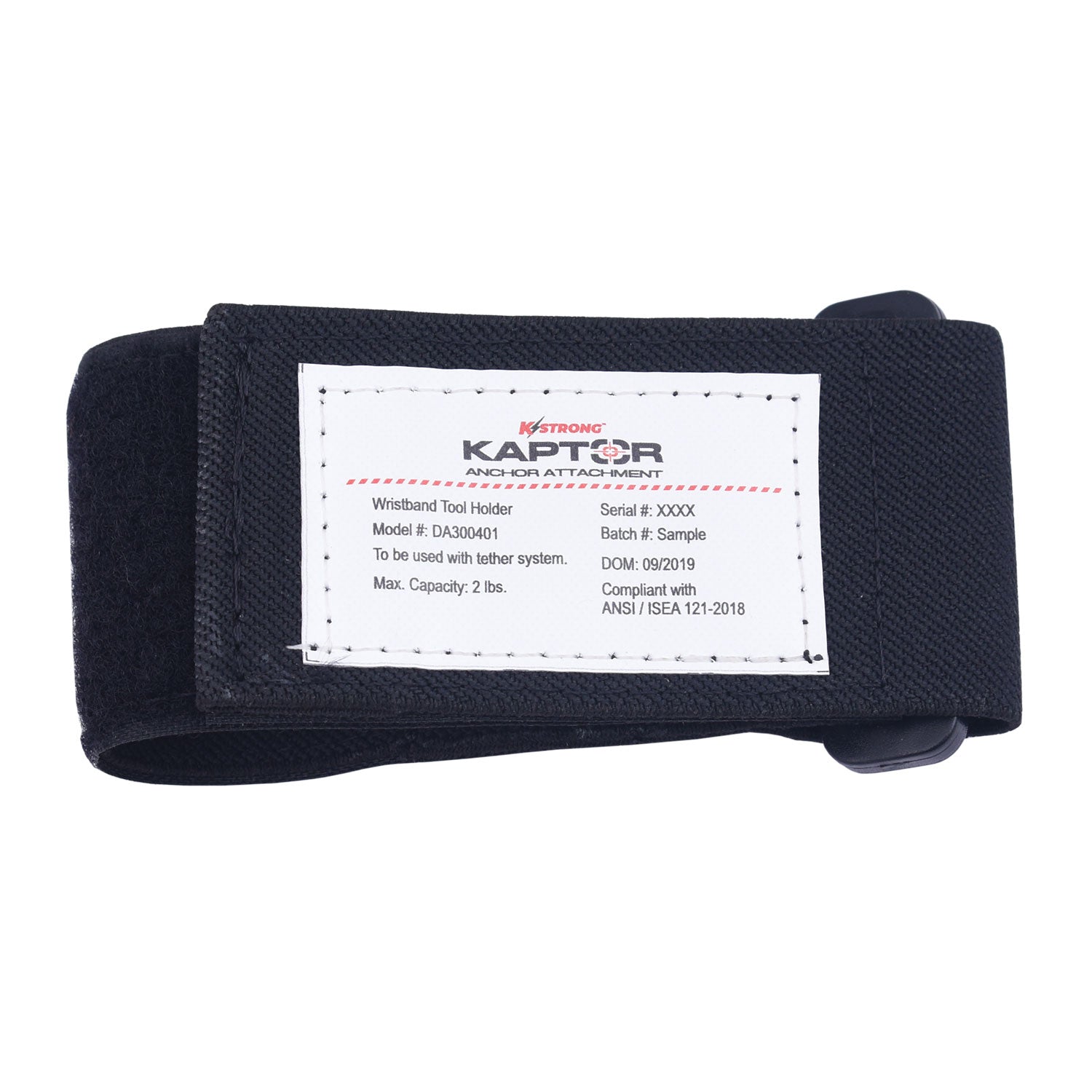
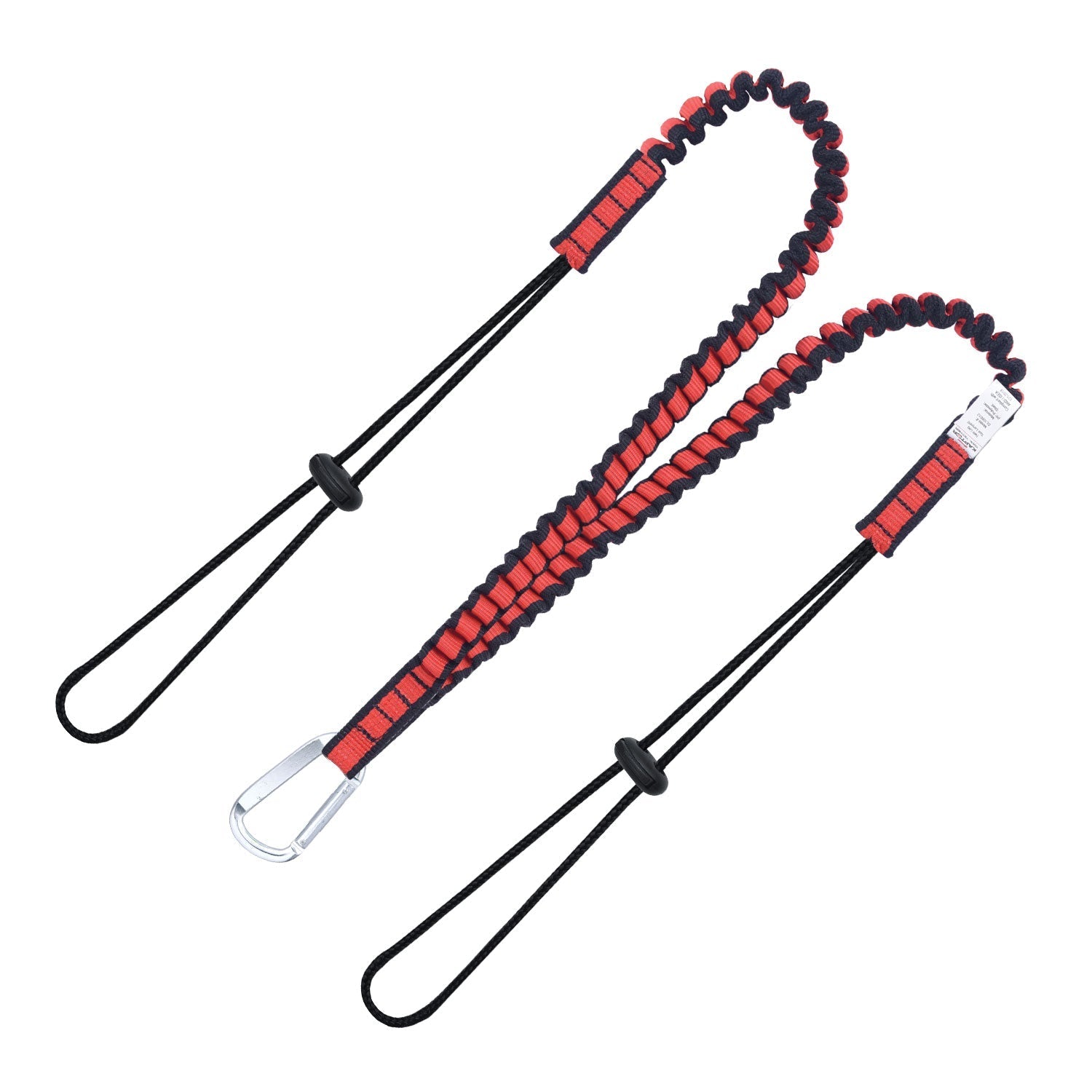
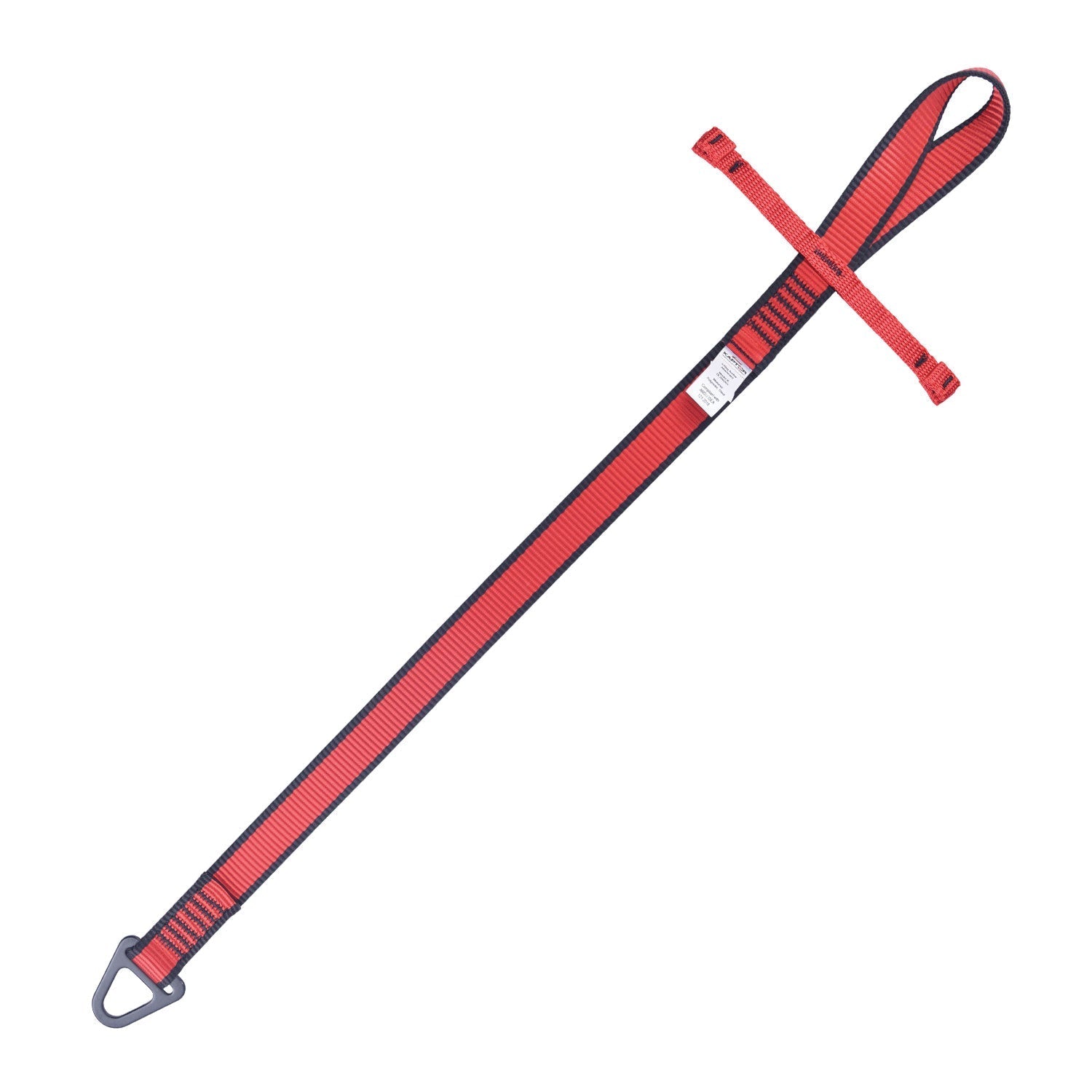
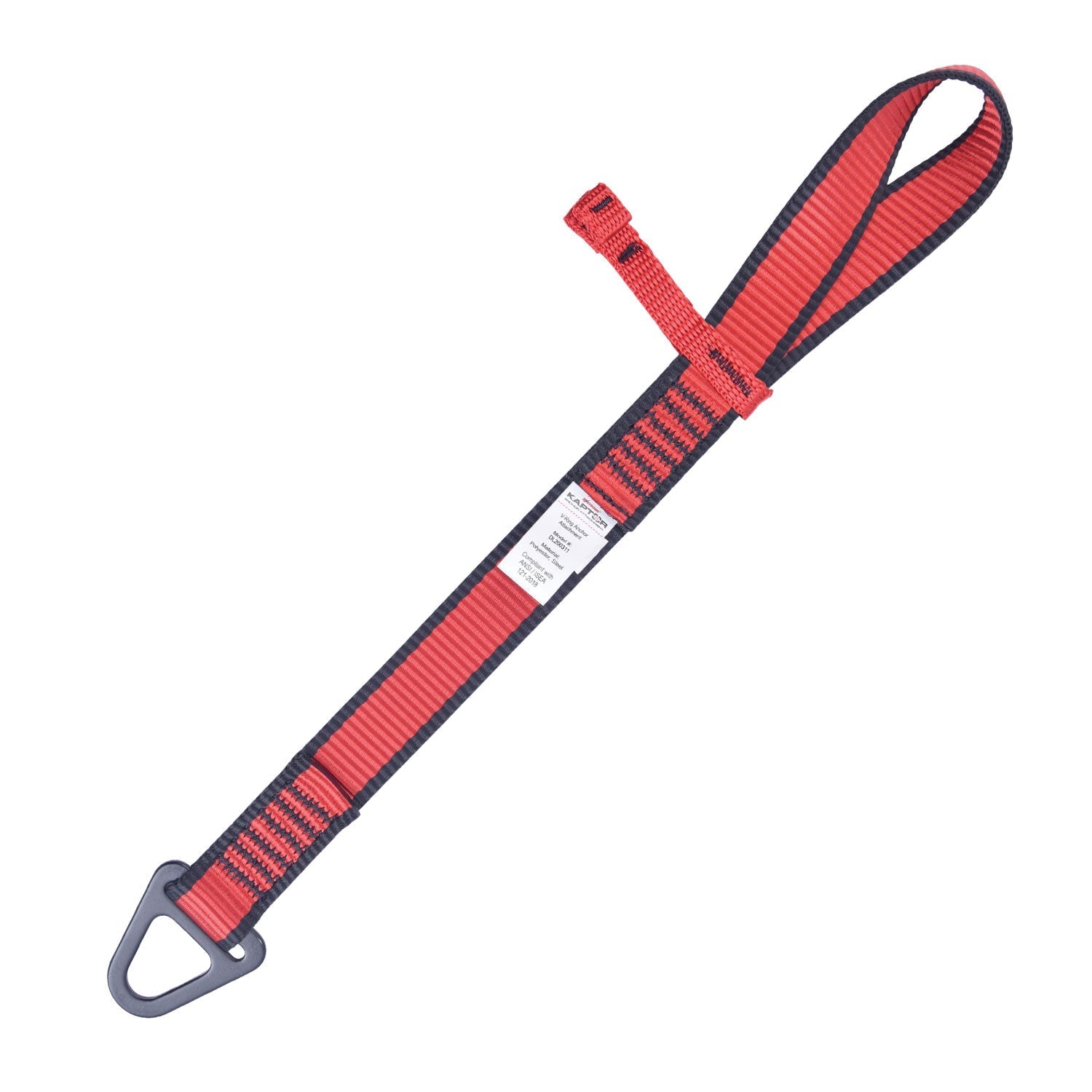
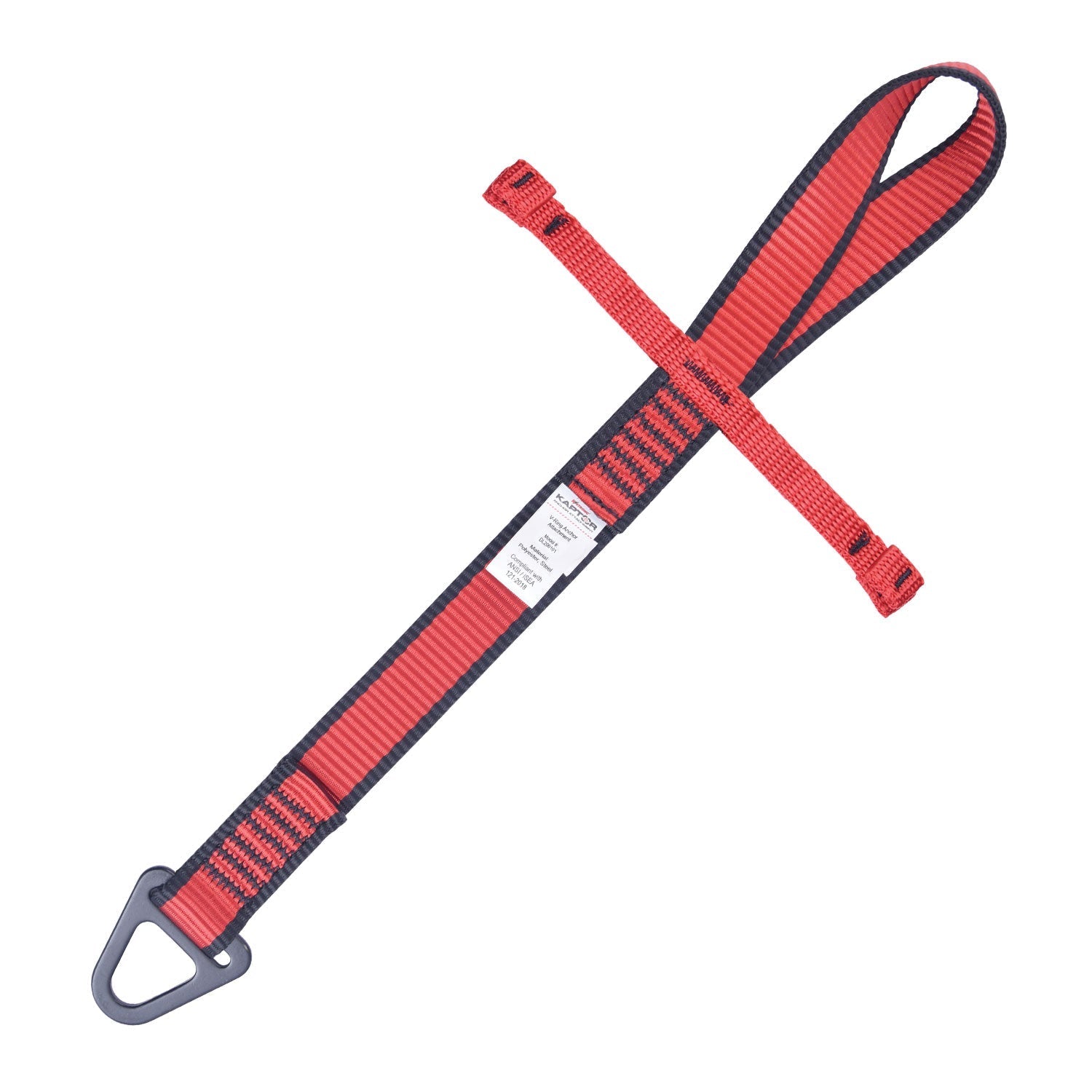
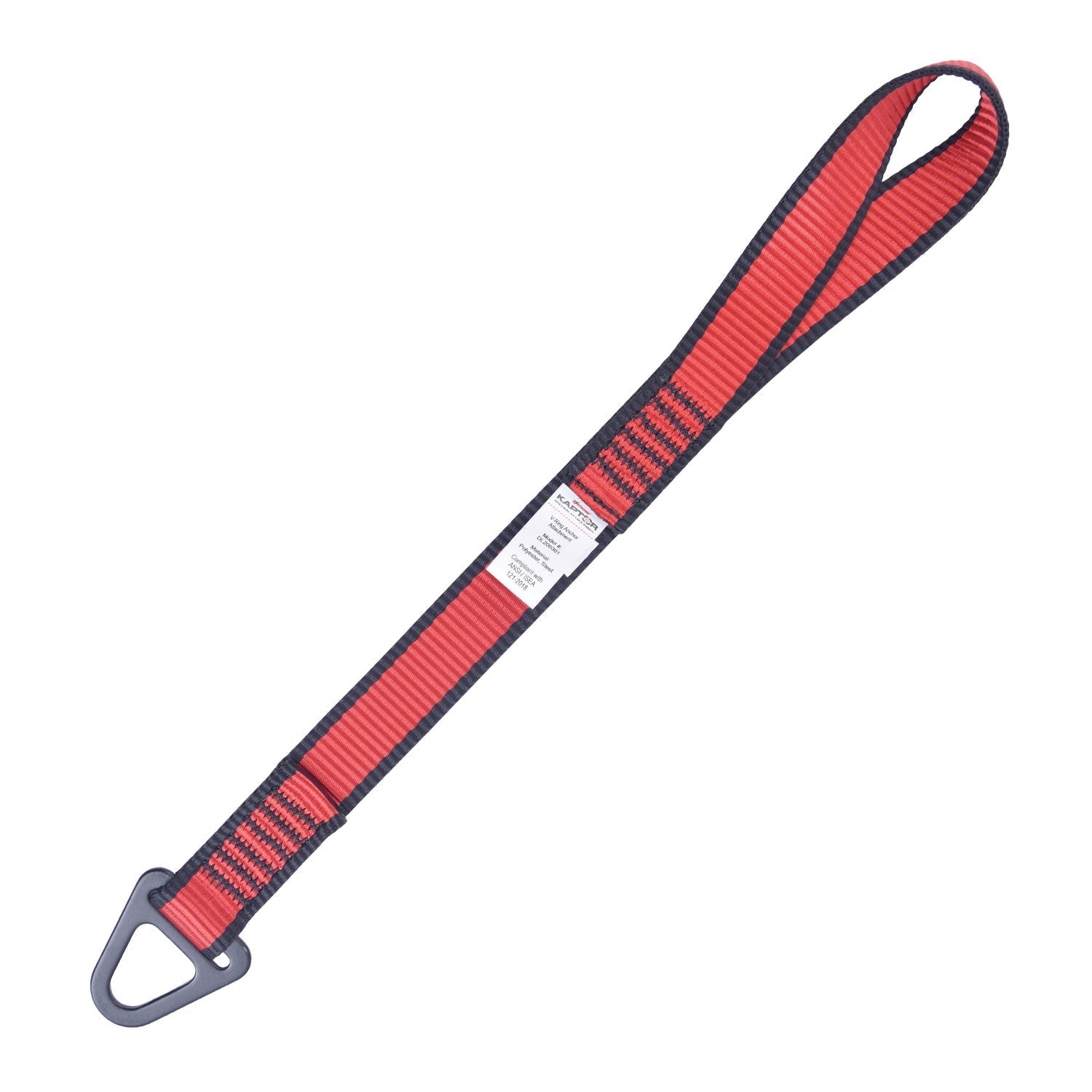
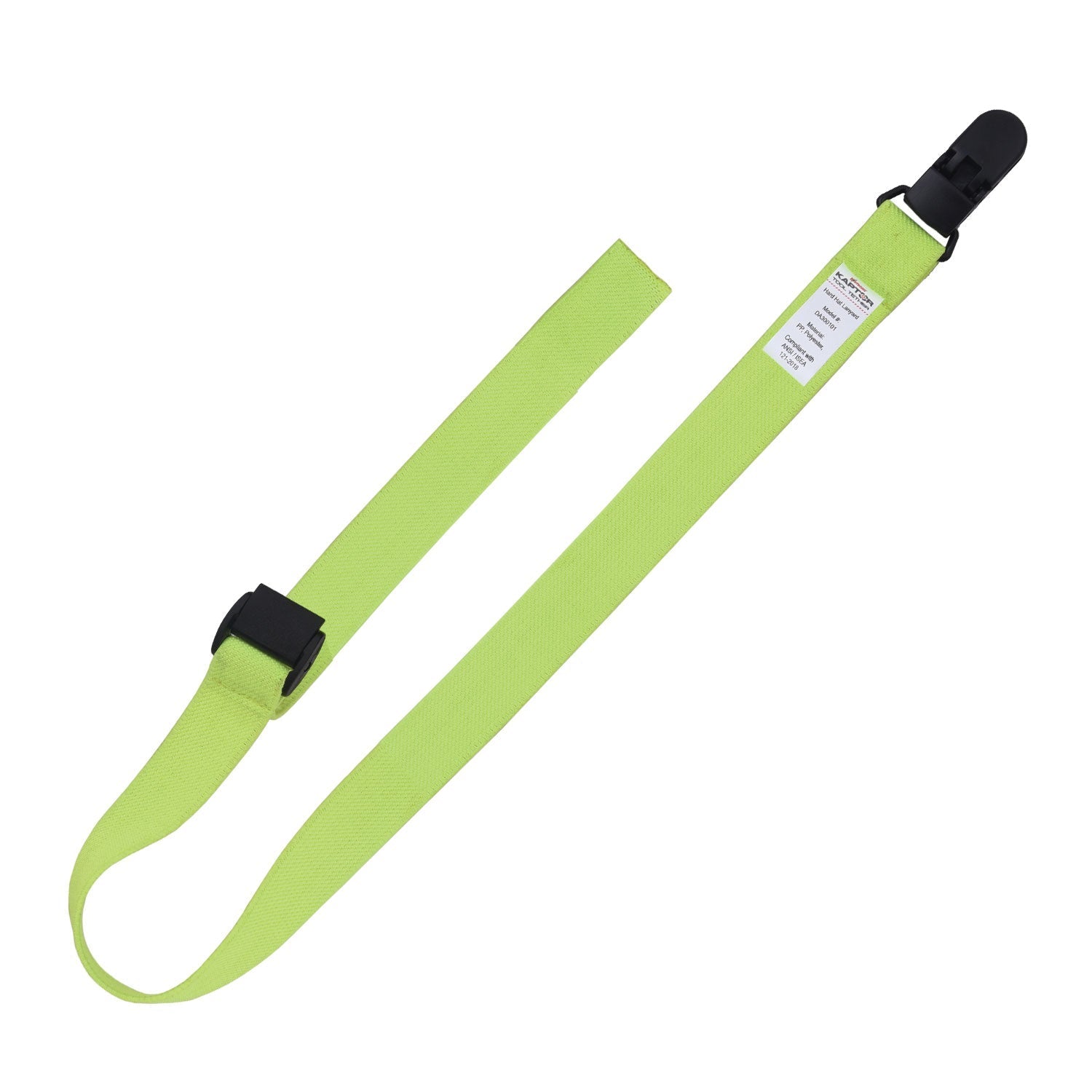
Tools fall too: tethering to ANSI/ISEA 121. A dropped wrench obeys the same physics as a dropped worker, and ANSI/ISEA 121-2018 gives dropped object prevention its own equipment standard across four categories: anchor attachments, tool attachments, tool tethers, and containers. The tool lanyards and kits collection is the KStrong Kaptor line, and the discipline is matching the tether's rating to the tool's weight: 2 lb coiled cable and wrist lanyards for tape measures, 5 lb detachable elasticated lanyards from $13.88 for the mid weight bench, 22 and 35 lb single and dual leg lanyards for real iron, and the 80 lb heavy duty hook-to-loop tether at the top. Tool cinches from $6.50 and six-pack web tool tails retrofit attachment points onto bare tools, the tape measure trap and self-adhering tape wrap handle the awkward shapes, and complete tethering kits from $112.30 outfit a worker in one order. Weigh the tool, then buy the rating above it.
Frequently Asked Questions
Restraint rigs the lanyard short enough that you cannot reach the edge, so a fall never starts; arrest assumes the fall happens and catches it. Restraint is the better system wherever geometry allows it, because it eliminates arrest forces, clearance requirements, and rescue. The adjustable positioning lanyards here rig either way, but the moment a worker can get past the edge, treat the setup as arrest with a shock absorbing lanyard or SRL on the dorsal D-ring.
Plan on roughly 18.5 ft below the working surface when anchored at dorsal D-ring height: 6 ft of free fall, up to 3.5 ft of energy absorber deployment, then D-ring shift, harness stretch, and margin. Anchoring below the D-ring adds free fall and makes it worse. If the space under you is shorter than the math, switch to a self-retracting lifeline, which locks in inches instead of feet.
Never being disconnected at height. A twin leg lanyard has two legs on one energy absorber: one leg stays clipped while the other reaches the next anchor point, so moving across a structure never opens a gap in protection. The twin leg models here start at $63.49, and the tie-back versions add a rated hook that lets each leg wrap the structure and clip to itself.
No. Positioning devices are rigged under OSHA 1926.502(e) so free fall cannot exceed 2 ft, and they have no energy absorber; they exist to hold you against the structure with your hands free. A positioning rig always works alongside an independent fall arrest system on the dorsal D-ring. Use each for its job and never substitute one for the other.
The maximum tool weight the tether is built to stop, per the ANSI/ISEA 121-2018 dropped object standard. The Kaptor line runs 2 lb wrist and coil tethers up to an 80 lb heavy duty model, and the rating has to exceed the tool on the end of it, including anything bolted to that tool. Weigh the tool, round up, and give small parts a container instead of a tether.
The connecting system for one worker in one box: a full body harness, a 25 or 50 ft rope lifeline with rope grab, and a roof anchor, from $153. Kits keep a crew's gear standardized and inspection simple. Roofs that get worked repeatedly are worth upgrading with permanent stainless anchors or the standing seam anchor, so the next visit starts with a clip instead of an install.