Container Lifting Equipment
Container lifting equipment is the specialized gear that lets a crane, forklift, or hoist pick up an ISO shipping container by its corner fittings and set it down where you need it. This hub covers the three jobs the work breaks into: connecting to the box, spanning it to keep the pull vertical, and moving it once it lands. The heart of the range is Tandemloc, the North Carolina maker of container spreaders, frames, and lugs, alongside Camlok top-corner lifting lugs and HTS ground skates. Capacities run from single lugs rated in the tens of thousands of pounds up to spreader frames that carry a fully loaded container at its 67,200 lb maximum gross weight. Prices span from a few hundred dollars for one lifting lug to past $80,000 for a full 40 ft forklift spreader. The right buy depends on how you reach the container and whether you lift from the top, the bottom, or roll it across the floor, which is where the guide below starts.
Shop Container Lifting Equipment by Category
Compare Container Lifting Equipment
| Model | Price | Capacity | |
|---|---|---|---|
| Tandemloc 40ft Forklift Container Spreader | $85,402 | 67,200 lb | View → |
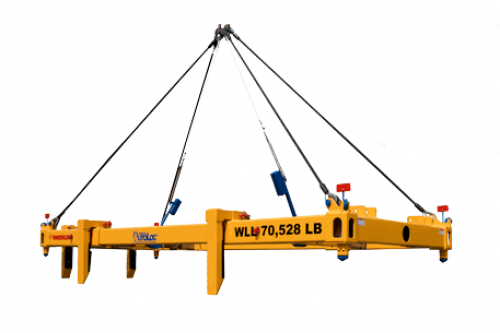
| Tandemloc Modular Autoloc 70,500lbs Spreader Frame | $54,488 | 70,528 lb | View → |
| Tandemloc Autoloc Spreader Container Lifting Frame | $33,249 | 67,200-70,000 lb | View → |
| Tandemloc Load Levelling Bottom Lift Sling for ISO Containers | $19,927 | — | View → |
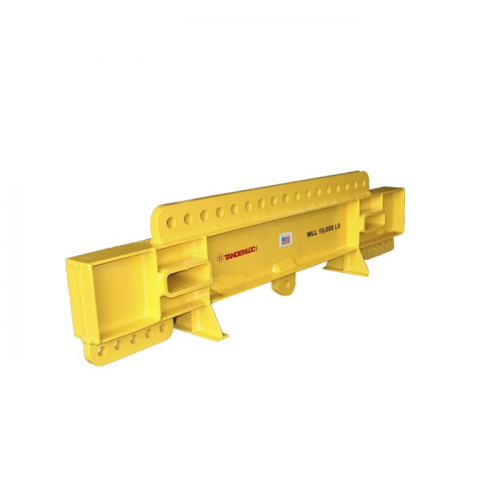
| Tandemloc Forklift Spreader Bar with Multiple Padeyes | $15,634 | 12,000 lb | View → |
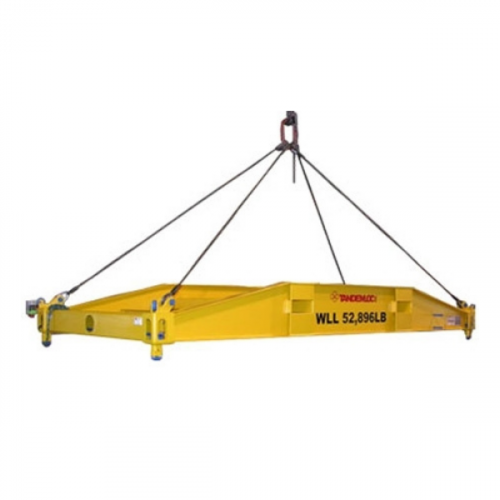
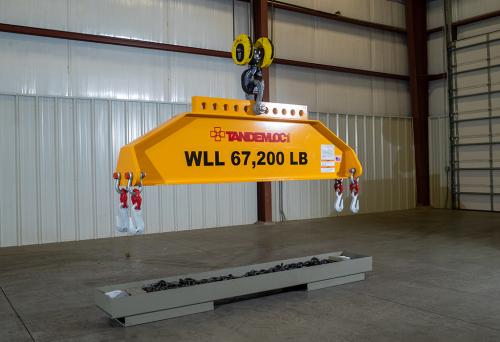
| Tandemloc ISO Container Spreader Beam | $9,544 | 52,900-67,200 lb | View → |
 In Stock
 In Stock
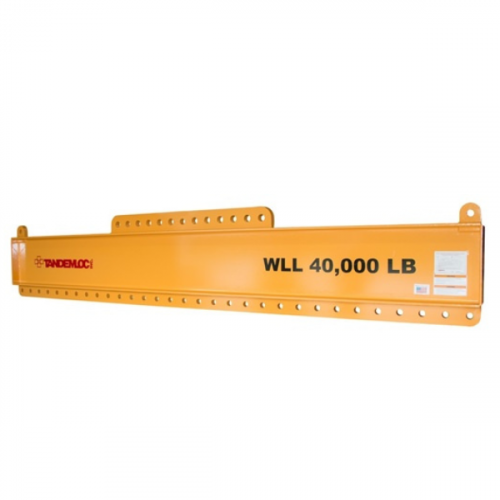 In Stock
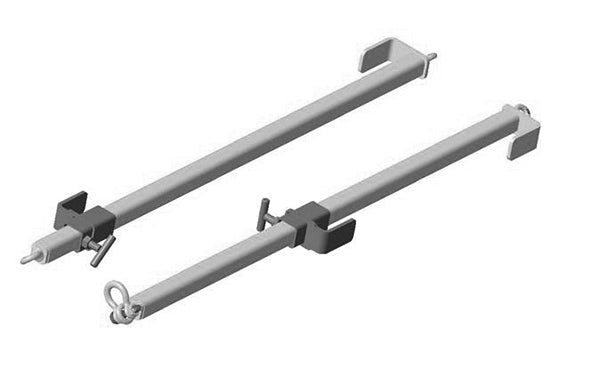 In Stock
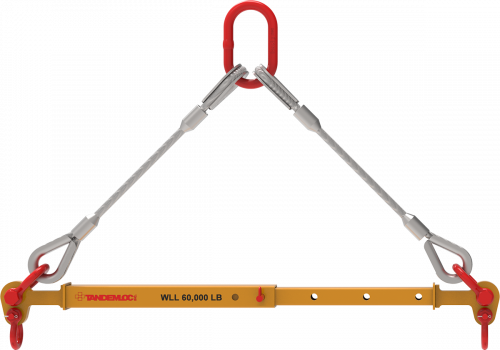 In StockIn Stock
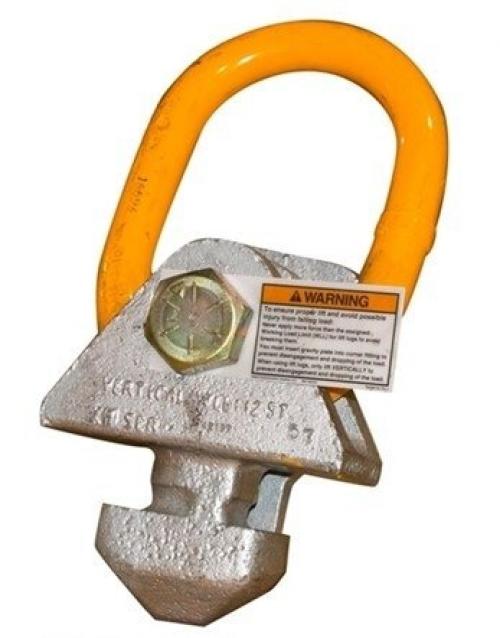 In Stock
 In Stock
 In Stock
 In Stock
 In Stock
 In Stock
 In Stock
 In Stock
 In Stock
 In StockIn Stock
 In Stock
 In Stock
 In Stock
 In Stock
 In Stock
 In Stock
Container Lifting Equipment Buying Guide
Start with how you reach the container. Every product in this hub answers one of three questions about a container. If a crane or hoist picks the box from above, you need something that engages the four top corner castings and holds the pull straight, which is container lifting slings and rigging for the corner hardware and container spreaders and beams for the frames that carry the weight. If the container is already on the ground and just has to slide to a new spot, that is container moving carts, where steel skates roll it without a crane at all. Sort by the reach first, because a shop with a forklift but no overhead crane buys completely different gear than a yard with a gantry. Only then do capacity and container size narrow the shortlist.
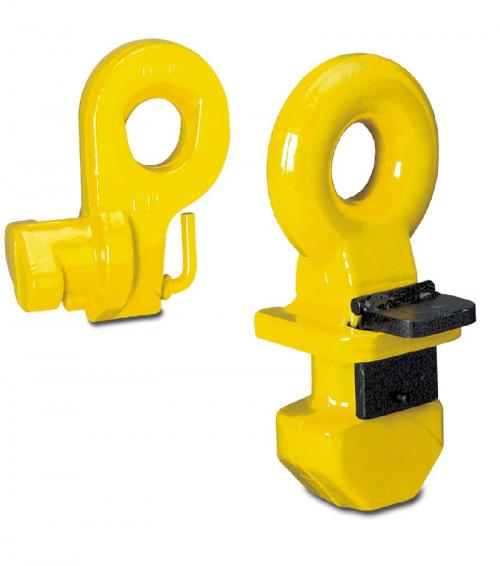
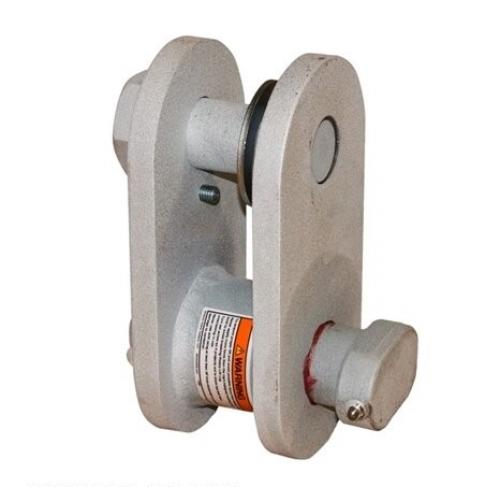
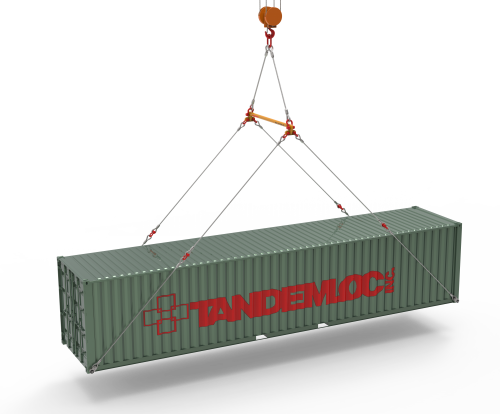
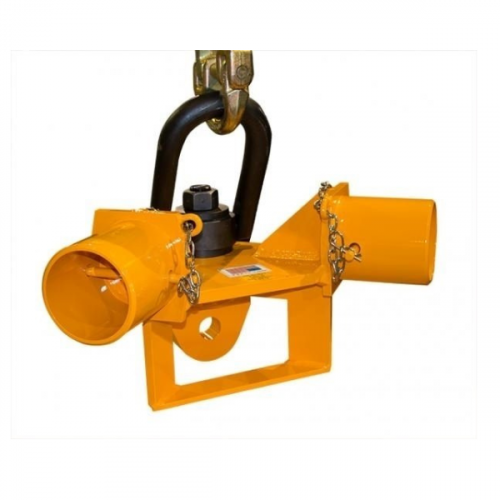
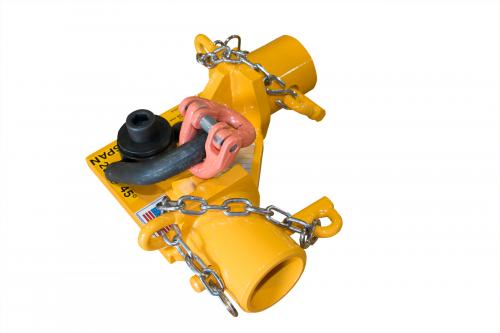
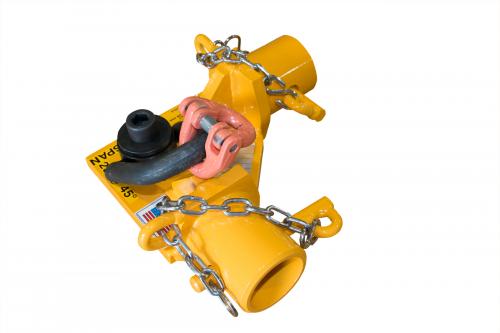
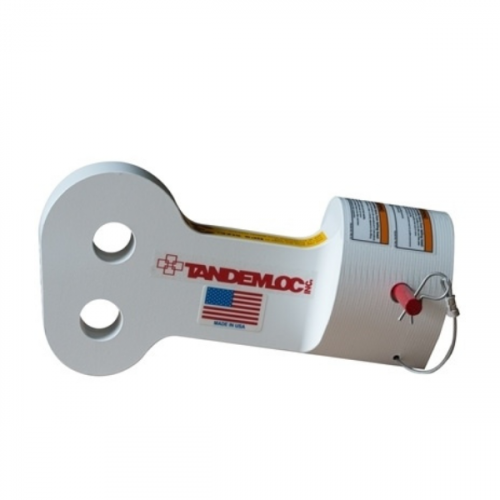
Top lift by the corner castings: lugs and the ISO rule. A container lifting lug is the simplest way to hang a box from a hook. Each lug drops into the oval aperture on a top corner casting and turns a quarter turn to twistlock, with a pin that keeps it from backing out, so a set of four turns the container into a four-point pick. The Camlok set of four is rated 123,480 lb for the group, about 30,870 lb per corner, while Tandemloc's 20901AA lug carries 25,000 lb and its rotary lug 33,600 lb. The catch is geometry. ISO 3874, the standard for handling freight containers, says a packed container lifted by the top corners needs a spreader or vertical slings, and angled slings pulling inward on the castings are not allowed. Lugs alone give you the connection, but you still owe the box a vertical pull, which the next two sections handle. Find the lugs in container lifting slings and rigging.
Bottom lift and load levelling. Bottom lifting picks the container from its four lower corner fittings instead of the top, which is the move when the top corners are blocked, stacked on, or you want the lowest possible headroom. It carries the same rule in reverse: the sling legs cannot simply run up to a single hook, because that drags them inward against the container top rails and crushes them. A load levelling bottom lift sling solves it with built-in geometry that keeps each leg clear of the box and shares the weight evenly across the four corners. The Tandemloc load levelling bottom lift sling for ISO containers is rated 67,200 lb, matching a fully loaded box, and sits in container lifting slings and rigging alongside the lugs.
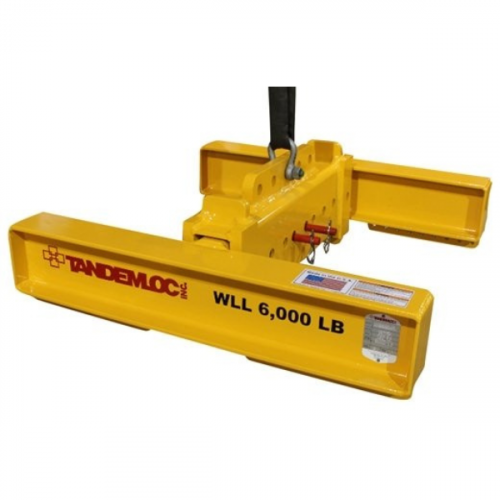
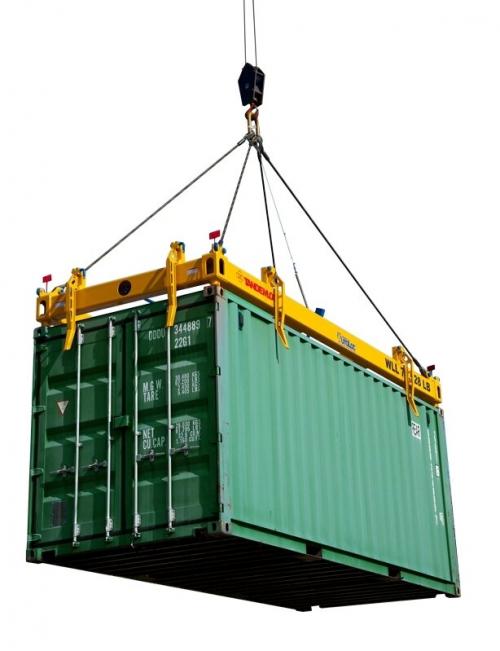
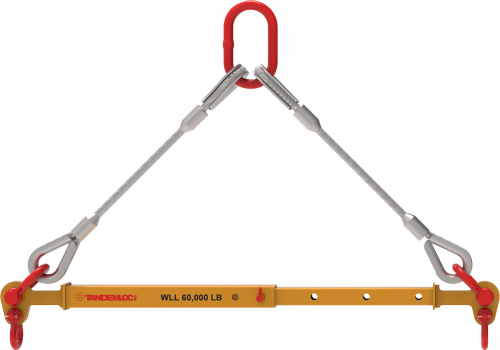
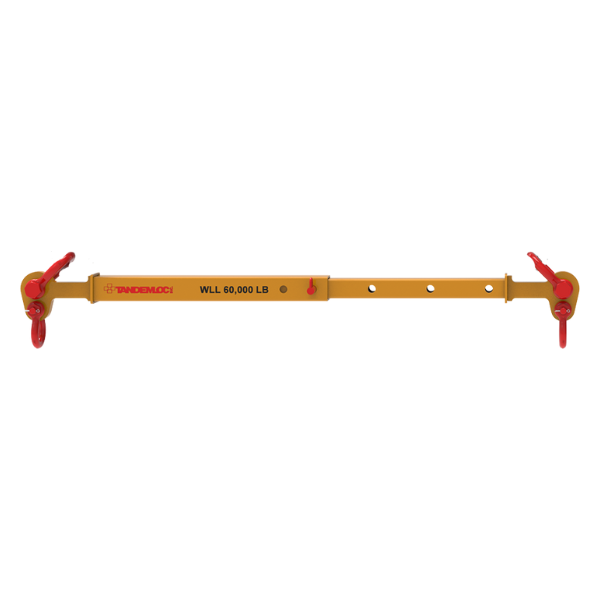
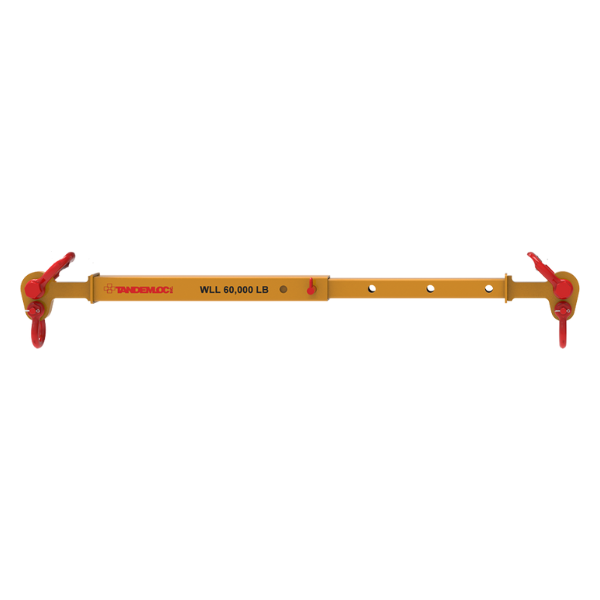
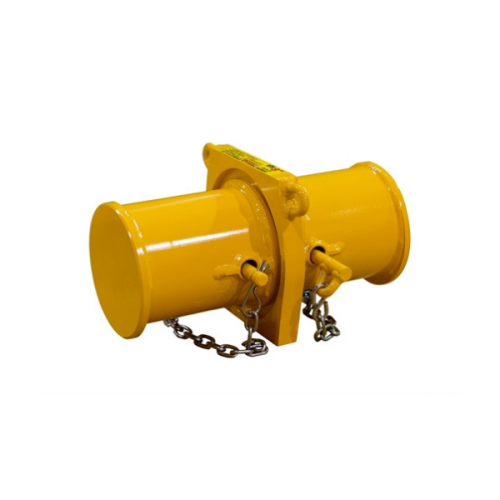
Spreaders and frames: keeping the pull vertical. A spreader holds the four lifting lines vertical so the corner castings see only the load they were designed for. Container spreaders and beams is the deepest part of this hub and splits by how you power the lift. For crane and hoist work, the Tandemloc ISO container spreader beam carries 67,200 lb, and the Autoloc lifting frames go further: they drop onto all four top corners and twistlock automatically, so one operator lands the frame and lifts without climbing the box, rated from 70,000 lb on the standard Autoloc up to about 70,500 lb on the modular version. Lighter and adjustable options include the AT14 telescopic beams from 2,000 lb and the AL50 combination beam at 10,000 lb. For a forklift or reach truck with no overhead steel, fork-mounted spreaders let the truck top-pick a container directly, from a 10,000 lb multi-pick beam up to a full 40 ft forklift spreader rated 84,000 lb.
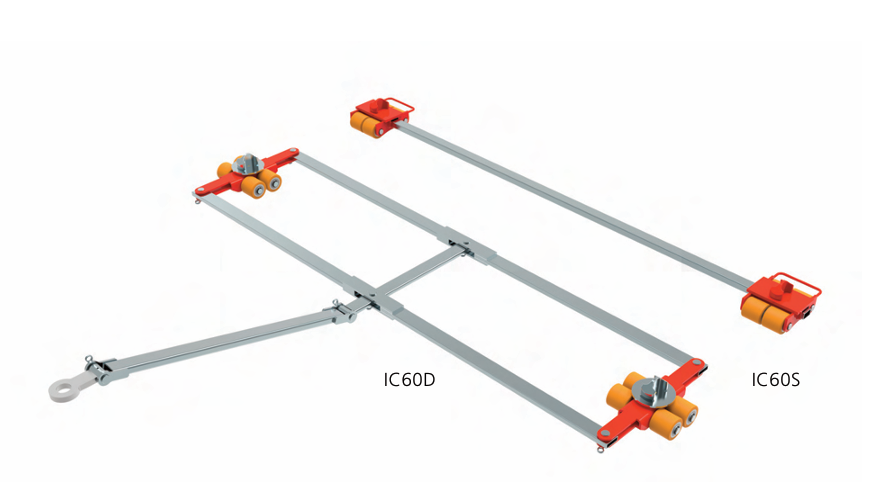
Moving a landed container without a crane. Once a container is on the ground, moving it a short distance does not need a crane at all. Container moving carts covers machine skates that fit to the box and roll it on hardened steel wheels. The HTS ECO-Skate ISOCON system is built to grab a container's corner geometry and is rated 140,800 lb across the set, enough to walk a fully loaded box across a warehouse or yard with a tugger. Skates are the cheapest way to reposition a landed container by a wide margin, and they turn one or two people into a moving crew, provided the floor is flat, hard, and clear. They lift nothing off the ground, so pair them with the top-lift or bottom-lift gear above whenever the container has to leave the floor.
Rating, marking, and the standards that apply. Three standards frame this whole category. ISO 1161 sets the dimensions and strength of the corner fittings themselves, which is why hardware from different makers fits the same box. ISO 3874 governs how you handle and secure the container: top corner fittings are the recommended lifting points, and the vertical-pull rule that shapes every choice above comes from it. Anything that hangs below the hook to lift the load, meaning the spreader beams, the lifting frames, and the lugs used as a lifting device, falls under ASME B30.20, which covers marking, construction, testing, and inspection. In practice that means each device carries its rated load and serial number, gets proof tested before first use, commonly to 125 percent of its rating, and takes a documented periodic inspection on top of a visual check before every lift. Buy the device rated for your heaviest full container with margin, confirm it against your container size, and keep the test paperwork with it.
Frequently Asked Questions
A general purpose ISO container, whether 20 ft or 40 ft, carries the same maximum gross weight rating of 67,200 lb (30,480 kg), which is the container plus its cargo. The two sizes share the rating, so a loaded 20 ft box can be just as heavy as a 40 ft. Size your spreader, frame, or bottom-lift sling to cover that full figure with margin unless you know for certain the container will always ride lighter.
Only if the slings pull vertically. ISO 3874 allows lifting a packed container by the top corner fittings with a spreader or with vertical slings and chains, but angled slings that pull inward on the castings are not permitted, because that loads the corners in a direction they are not built for. Use lugs with a spreader beam or frame, or a purpose-made load levelling bottom lift sling, so every line stays vertical.
Top lifting is the standard method and the one ISO 3874 recommends: lugs or a spreader engage the four top corner castings. Bottom lifting, from the lower corner fittings, is the choice when the top corners are blocked or you need minimum headroom, and it requires a load levelling sling or frame to keep the legs from crushing the box. Either way the pull has to stay vertical at the corners.
A lug is just the connector that twistlocks into one corner casting; four of them turn a container into a four-point pick but do nothing about sling angle. A spreader beam or frame holds the four lifting lines apart and vertical so the corners see a clean straight pull. On lighter or well-controlled lifts, lugs with vertical slings can be enough; for routine or fully loaded container work, a spreader or Autoloc frame is the safer, faster buy.
Yes. Spreader beams, lifting frames, and lugs used as lifting devices fall under ASME B30.20 for below-the-hook equipment. Each is marked with its rated load and serial number, proof tested before first use, commonly to 125 percent of its rating, and given a documented periodic inspection in addition to a visual check before every lift. Keep the test certificate and inspection records with the device.
You do not need a crane. Machine skates like the HTS ECO-Skate ISOCON system roll a landed container across a flat, hard floor on hardened steel wheels, rated to 140,800 lb across the set. A small crew can walk a loaded box to a new spot with a tugger. It is by far the cheapest way to reposition a container over short distances, though it only slides the box and never lifts it clear of the floor.