Lifting Clamps
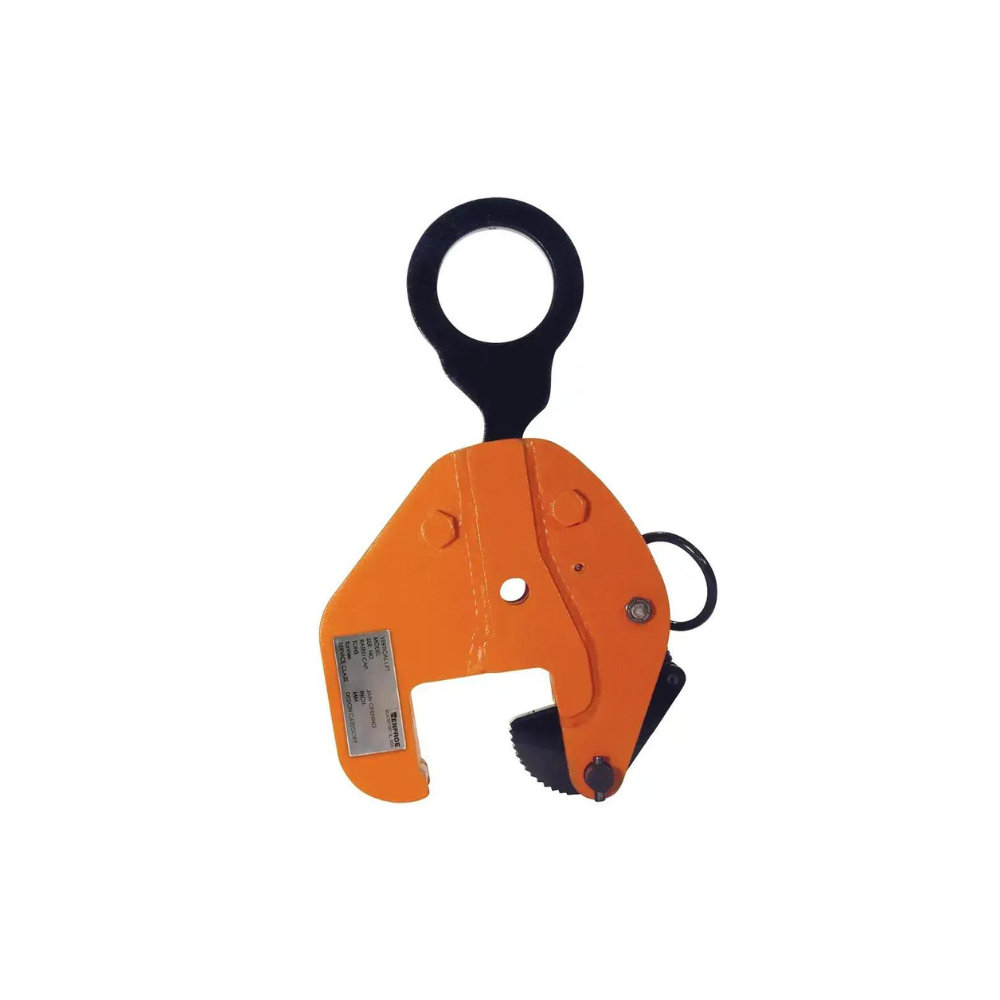
A lifting clamp grips the load itself, no slings passed underneath and no lift points welded on, which is why plate yards and fab shops run on them. This collection covers the four families that matter: vertical plate clamps that raise a plate from flat to hanging on edge, led by Renfroe's locking designs from Caldwell alongside Bison, Camlok, and Vestil from $117; horizontal clamps that carry plate flat in matched sets; specialist clamps for girders, pipe, coils, and containers from Camlok and Tandemloc; and MagMate permanent lifting magnets from $316 for stock with no edge to grip. Capacities start at 500 lb and climb well into plate-mill territory, and every device here is a below-the-hook lifter under ASME B30.20, with the marking and inspection duties that brings. The guide below sorts vertical from horizontal, locking from non-locking, and covers the two numbers, WLL and jaw range, that size every clamp.
Shop Lifting Clamps by Category
Compare Lifting Clamps
| Model | Price | Capacity | |
|---|---|---|---|
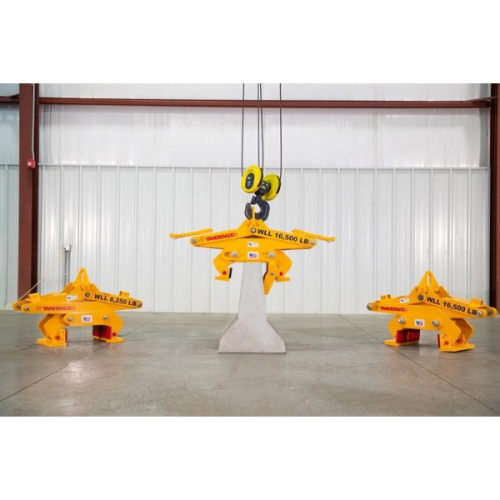
| Tandemloc Concrete Barrier Grabs | $7,604 | 8,200-16,500 lb | View → |
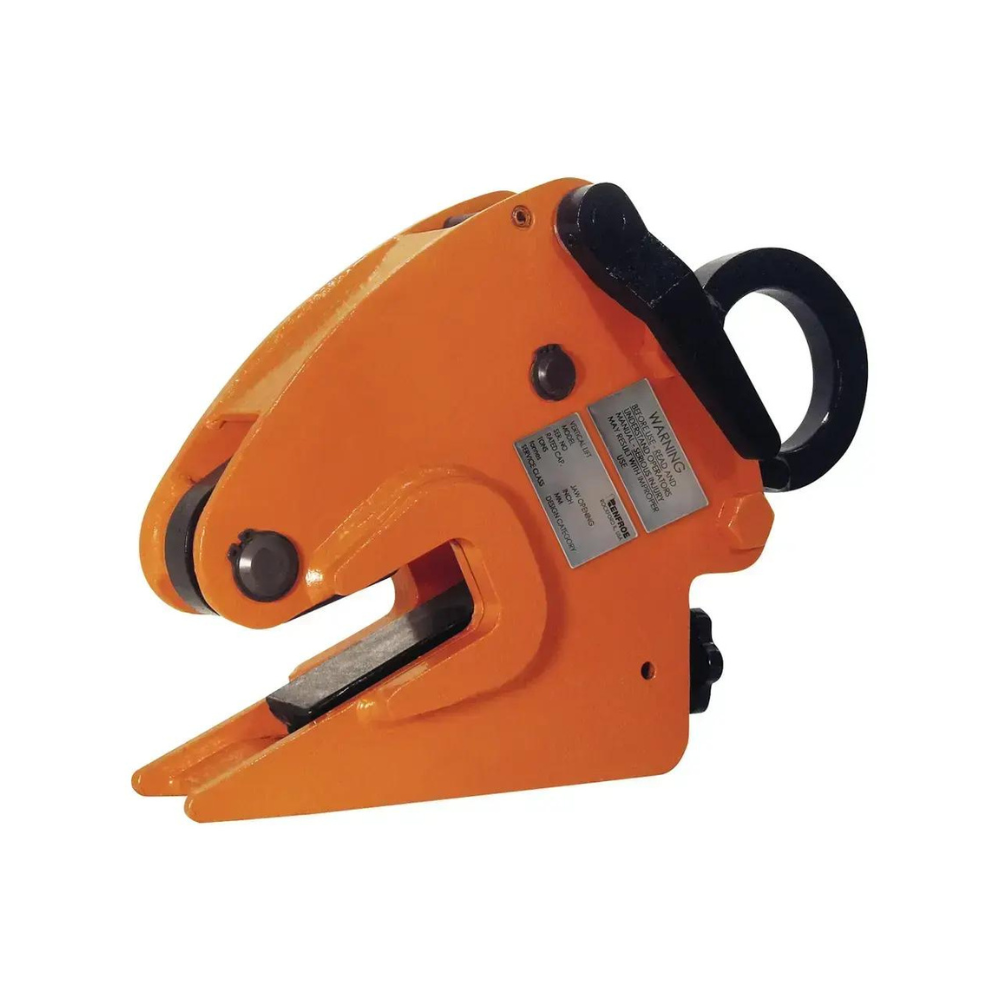
| Caldwell Lifting Solutions Renfroe NMA Locking Type Non-Marring Lifting Clamps | $5,716 | 1/2-4 ton | View → |
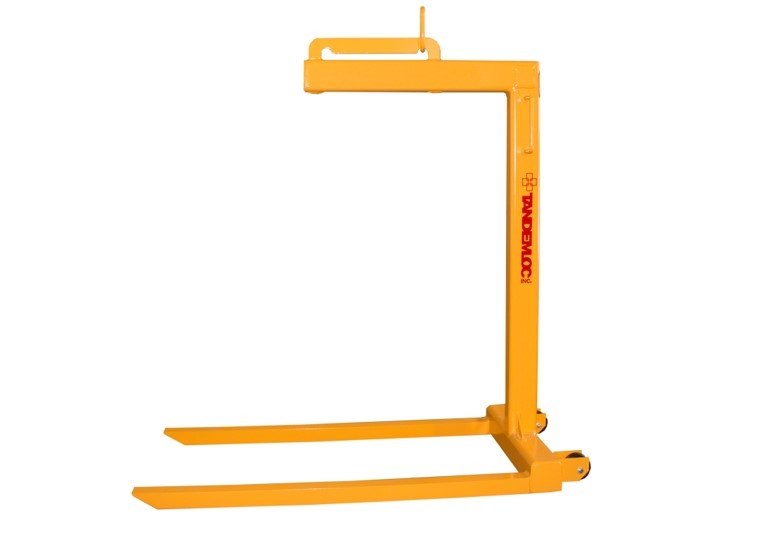
| Tandemloc AN17W Wheeled Lightweight Pallet Lifters | $3,865 | 2,000-4,000 lb | View → |
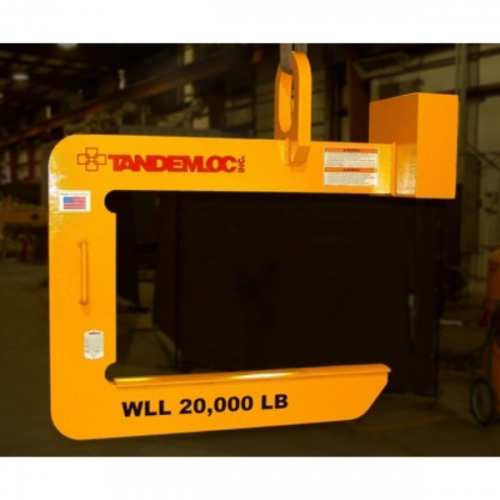
| Tandemloc Heavy-Duty Coil Lifters | $3,778 | 10,000-100,000 lb | View → |
| Caldwell Lifting Solutions Renfroe NM Locking Screw Type Non-Marring Lifting Clamps | $3,665 | 1-12 ton | View → |
| Camlok CX Heavy-Duty Hinged Universal Plate Clamp | $3,511 | 2,200-22,000 lb | View → |
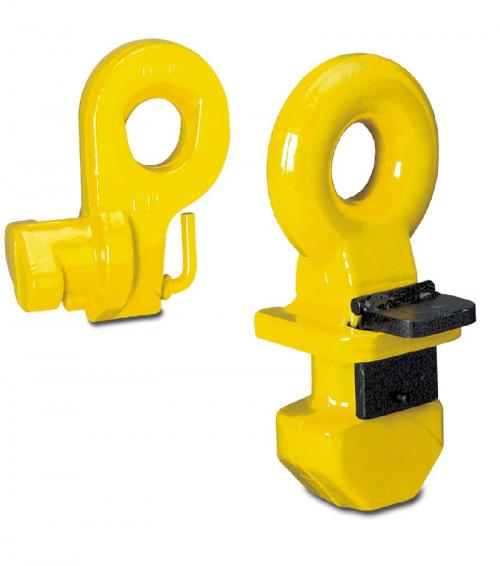 In Stock
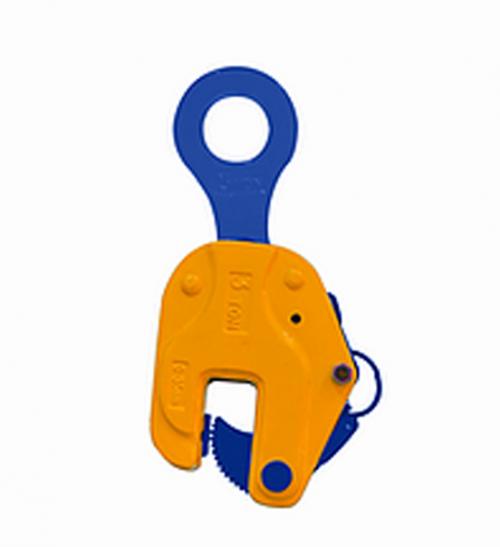 In Stock
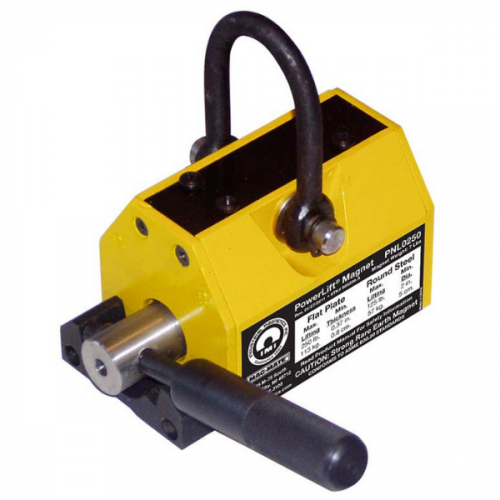 In StockIn Stock
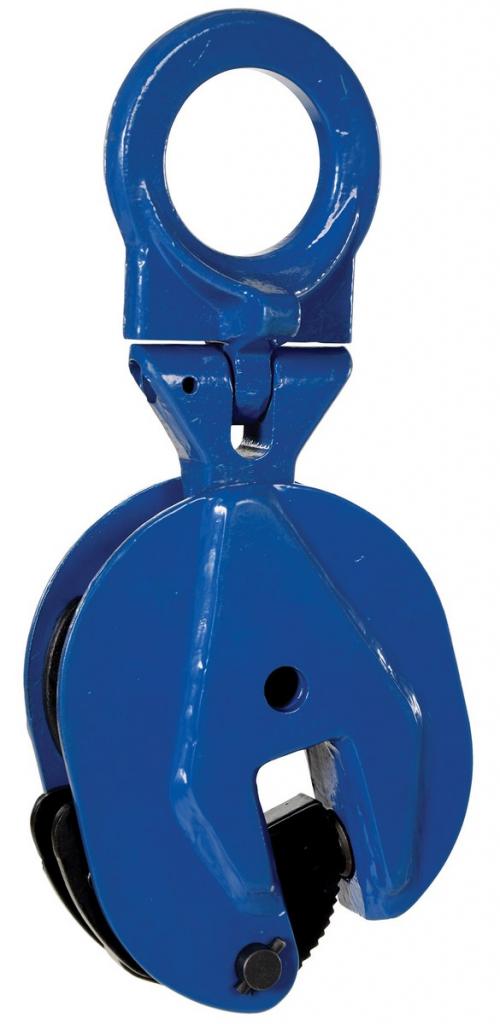 In Stock
 In Stock
 In Stock
 In Stock
 In Stock
 In Stock
 In Stock
 In Stock
 In Stock
 In Stock
 In Stock
 In Stock
 In Stock
 In Stock
 In Stock
 In StockIn Stock
 In Stock
 In Stock
 In Stock
 In Stock
 In Stock
 In Stock
 In Stock
 In Stock
 In Stock
 In Stock
 In Stock
 In Stock
 In Stock
 In Stock
 In Stock
 In Stock
 In Stock
 In Stock
 In StockIn Stock
 In Stock
 In Stock
 In StockIn Stock
Lifting Clamps Buying Guide
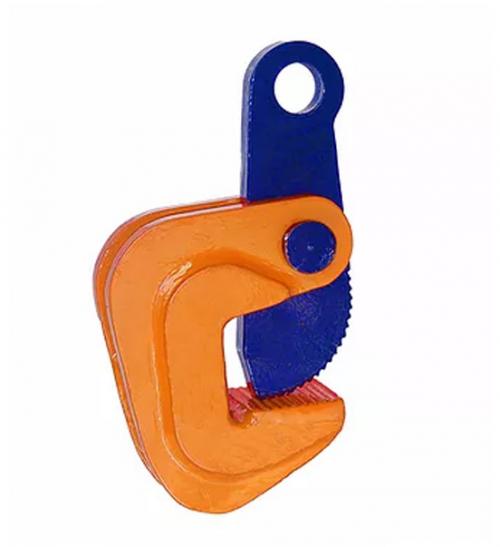
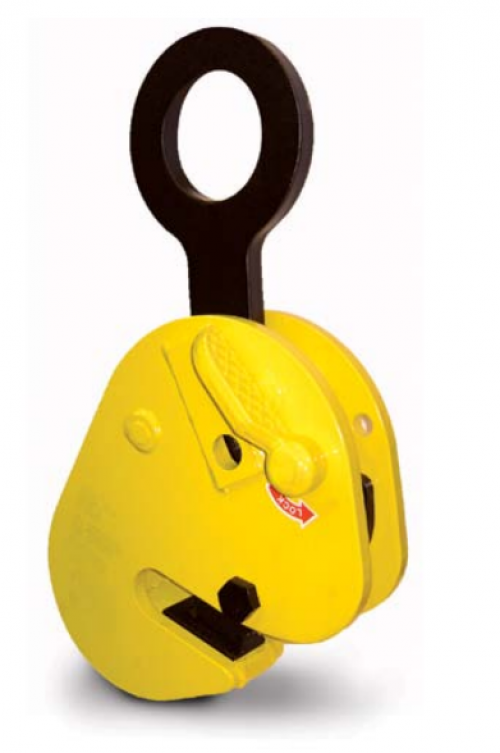
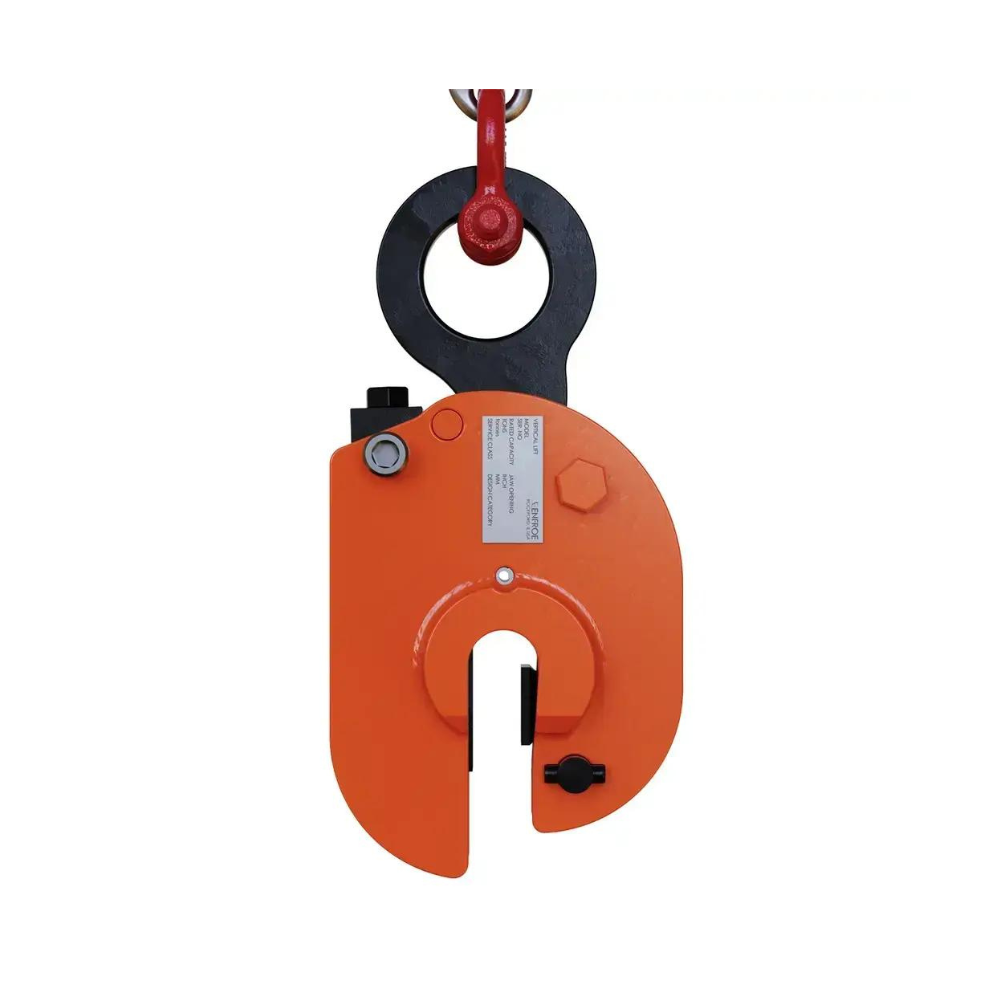
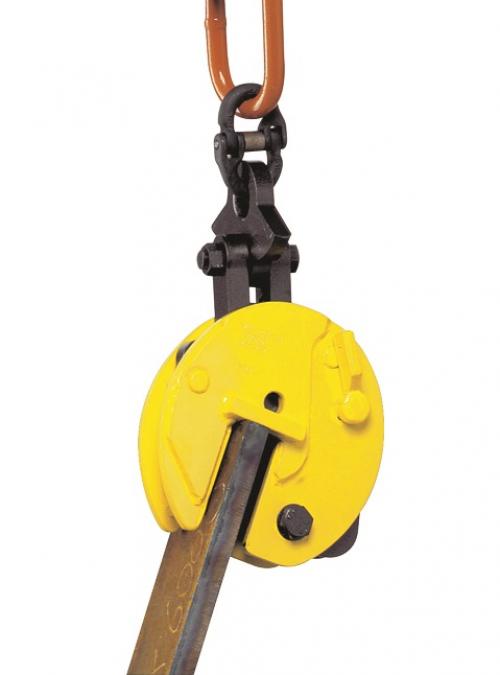
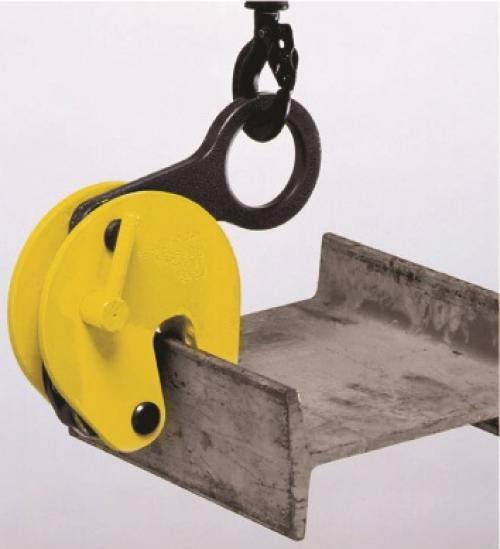
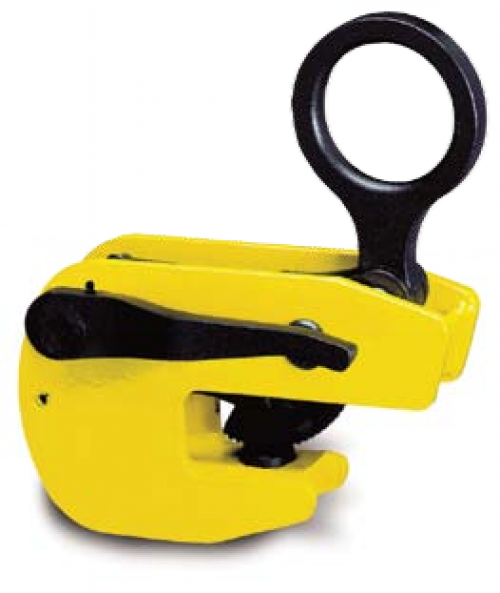
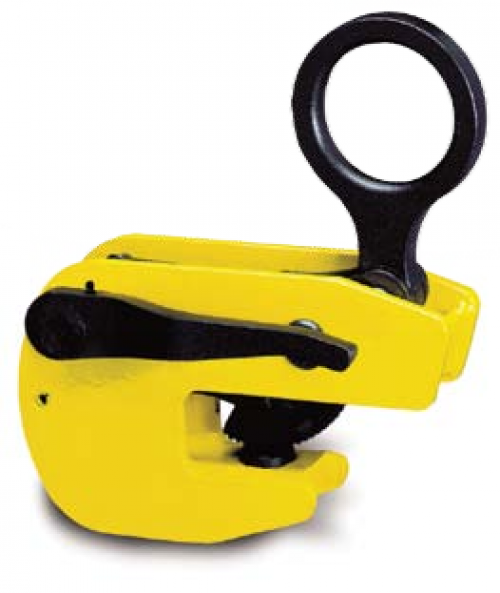
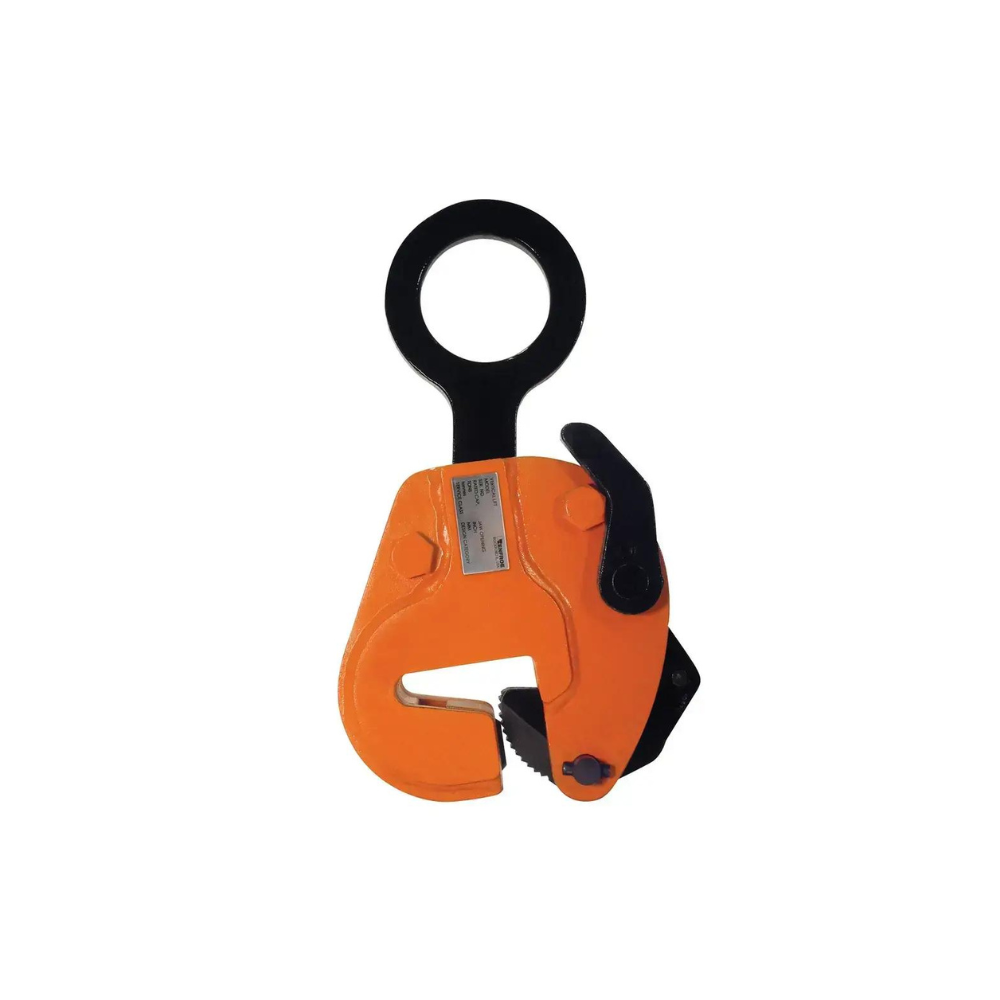
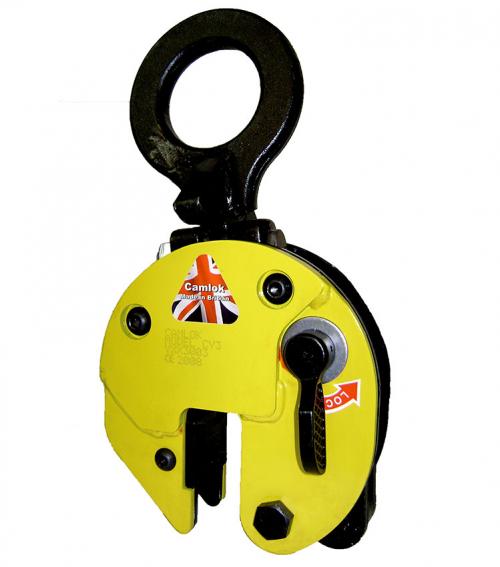
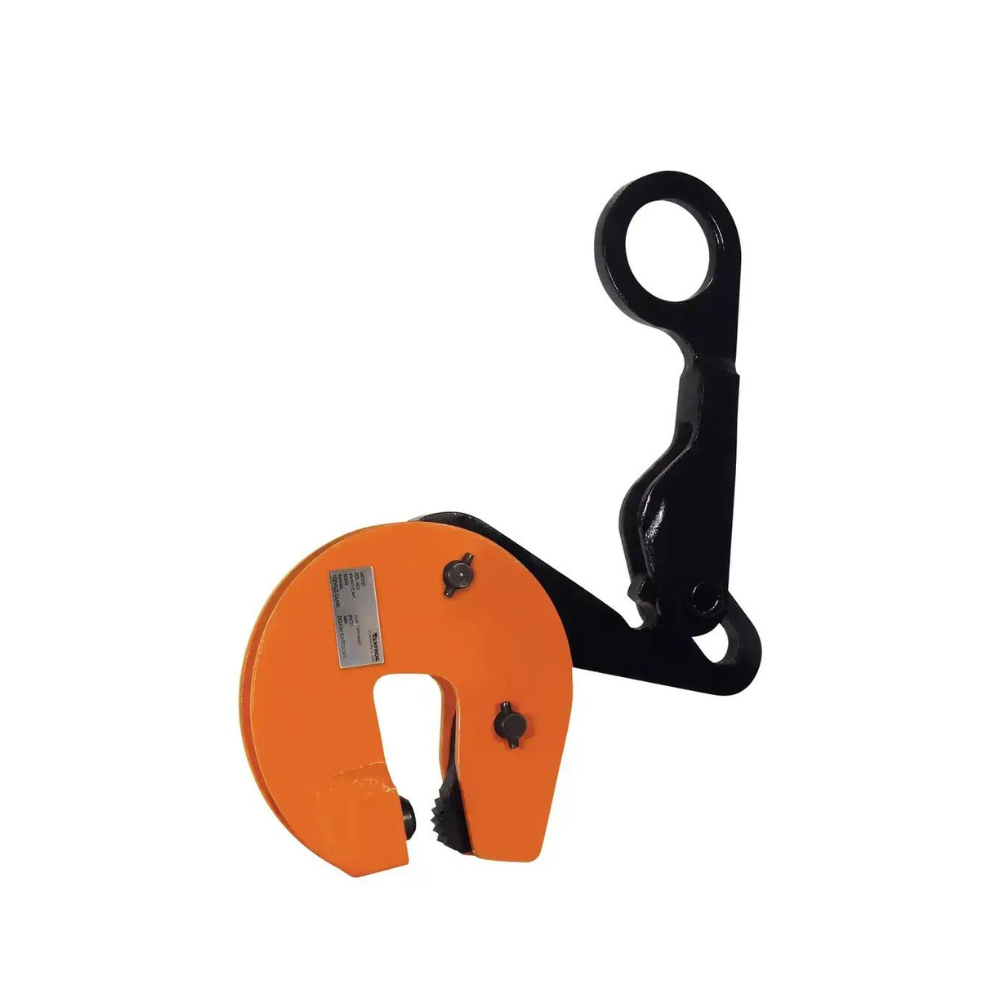
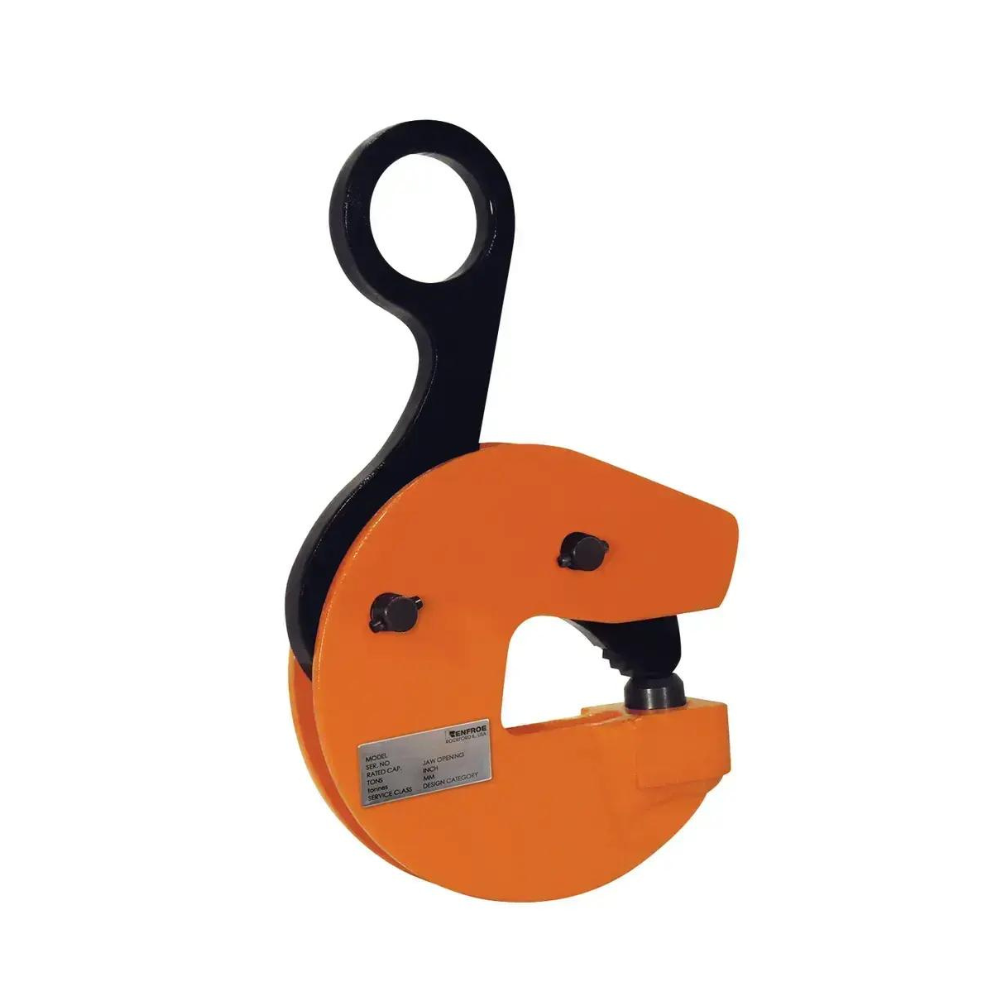
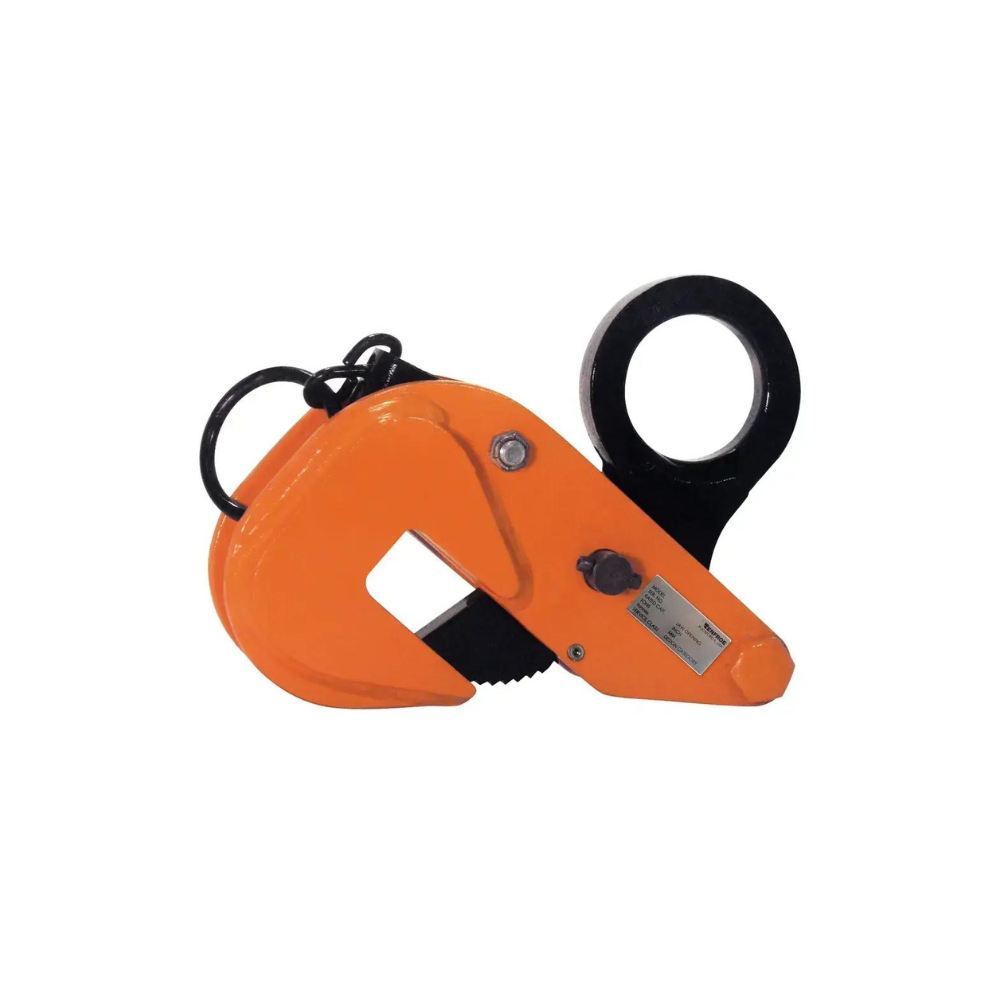
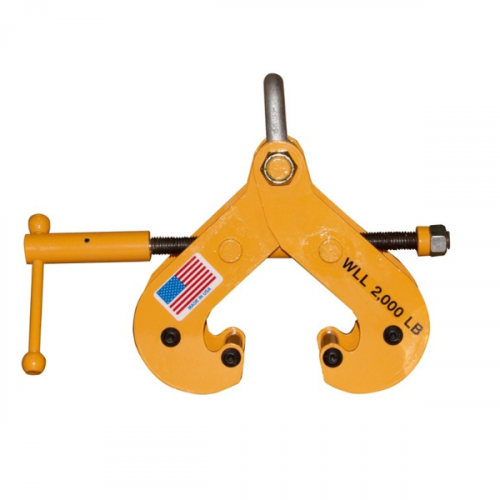
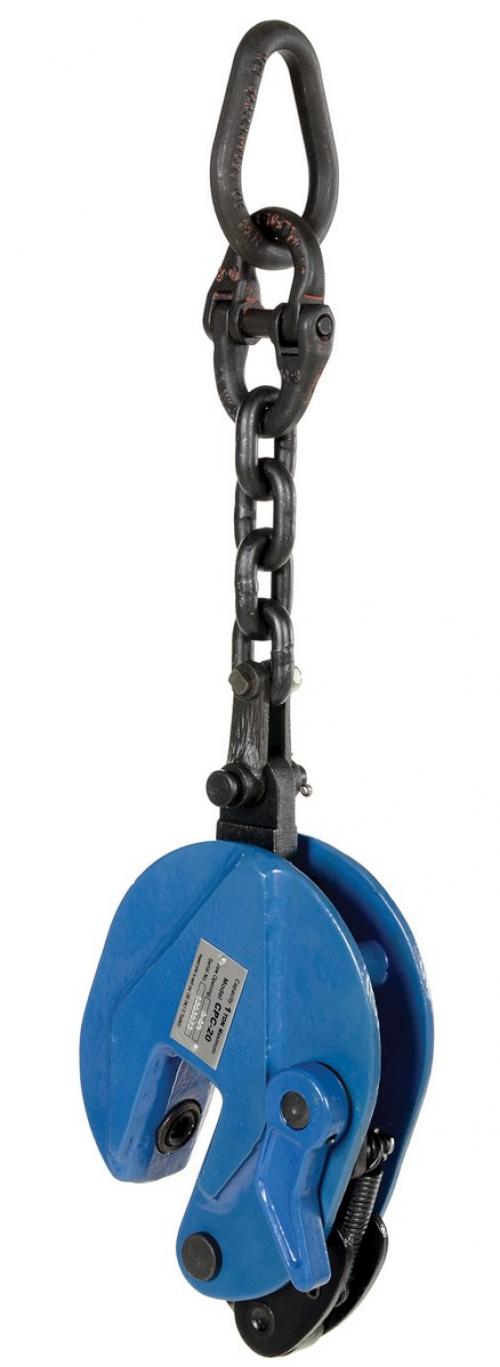
Vertical clamps: flat to hanging in one motion. A vertical plate clamp does the signature move of plate handling: grip the top edge of a plate lying flat, lift, let it swing to hang vertically, then set it down and release. The cam geometry is the safety feature, because load tension drives the jaw tighter, and the spread in vertical lifting clamps is really a spread in duty. Vestil's EPC clamps from $117 at 1,000 to 6,600 lb cover the occasional lift, Bison's VPG line runs 1 to 8 tons from $232, Camlok's CY clamps print their jaw capacity beside the rating, and the Renfroe clamps from Caldwell are the fabrication-floor standard, with locking mechanisms and jaw options across the range. Tandemloc's beam clamps, 2,000 to 10,000 lb from $694, sit in the same collection for gripping structural flanges.
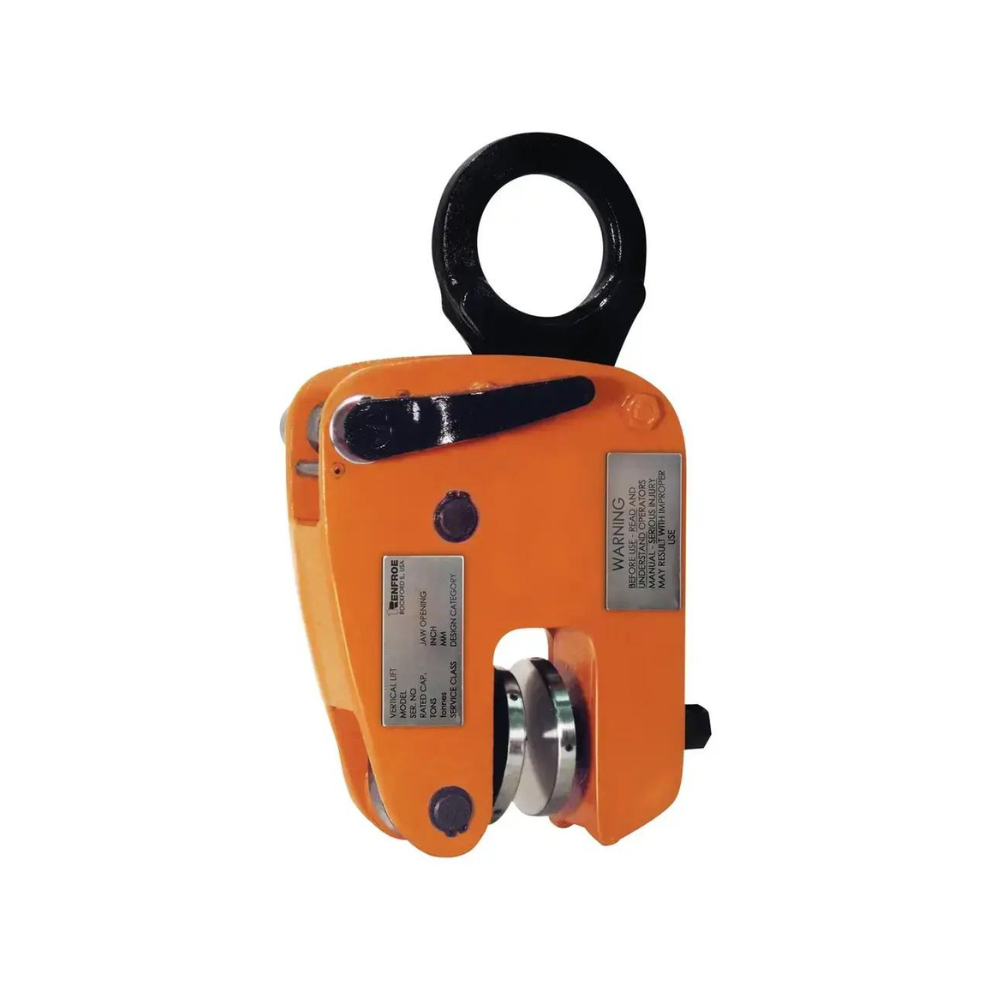
Locking or non-locking is a question about slack. A non-locking clamp grips while the load keeps tension on it. Let the plate touch down, or let a leg go slack for a moment mid-turn, and the jaw can relax, which is why non-locking patterns like the Renfroe AST and ASTL belong to controlled, repetitive handling where the clamp stays loaded. A locking clamp, the Renfroe DG, M, and SX among them, adds a mechanism that maintains jaw pressure with the tension off, covering the moment a lift pauses or a plate bounces on set-down. Finished surfaces change the answer again: the Renfroe non-marring series, from the NMBL at $2,329 through the NM and NMA screw-type clamps, grips through smooth pads instead of hardened teeth, which is the price of handling polished, stainless, and coated plate without leaving a signature. Buy the lock unless a specific workflow argues otherwise, because slack finds every rig eventually.
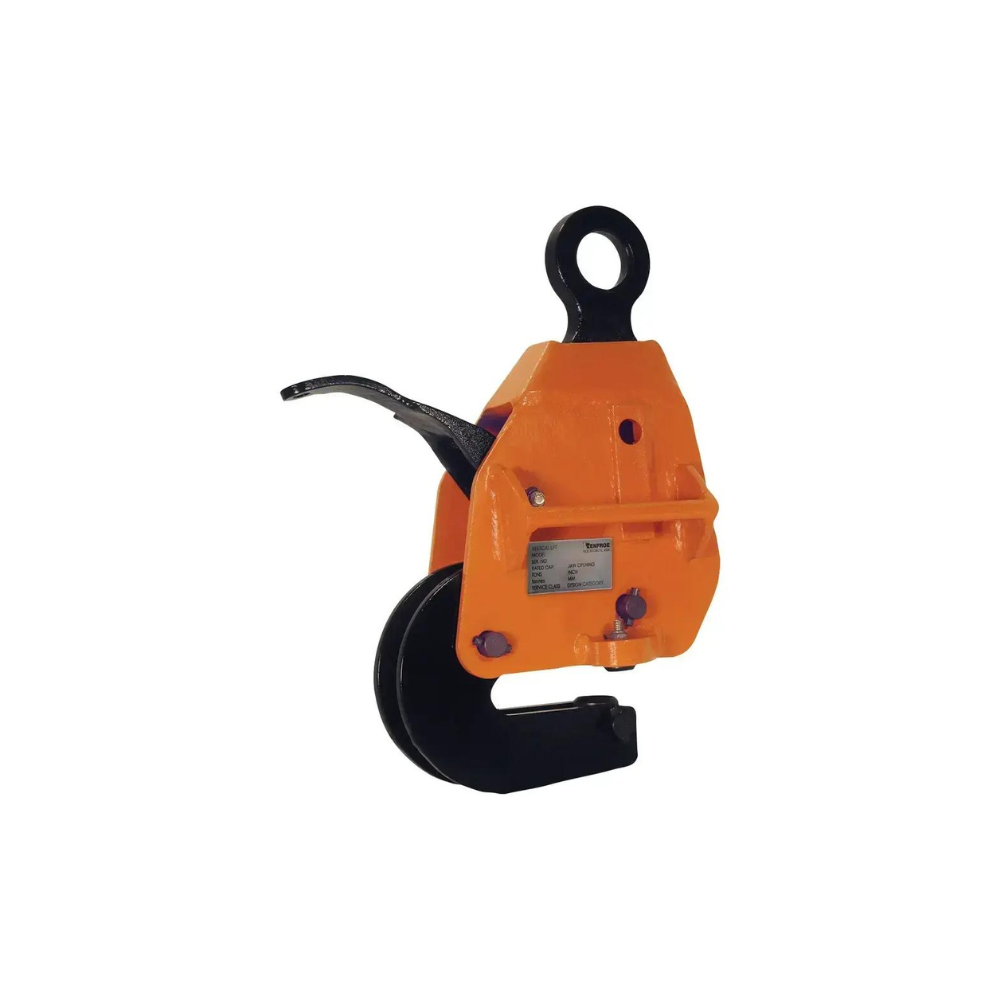
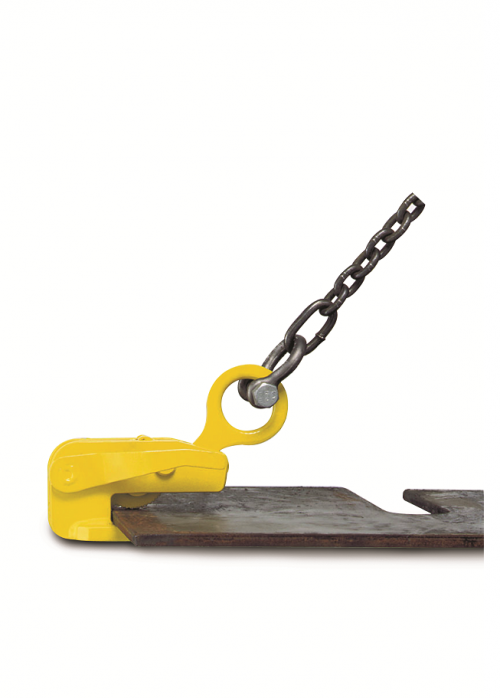
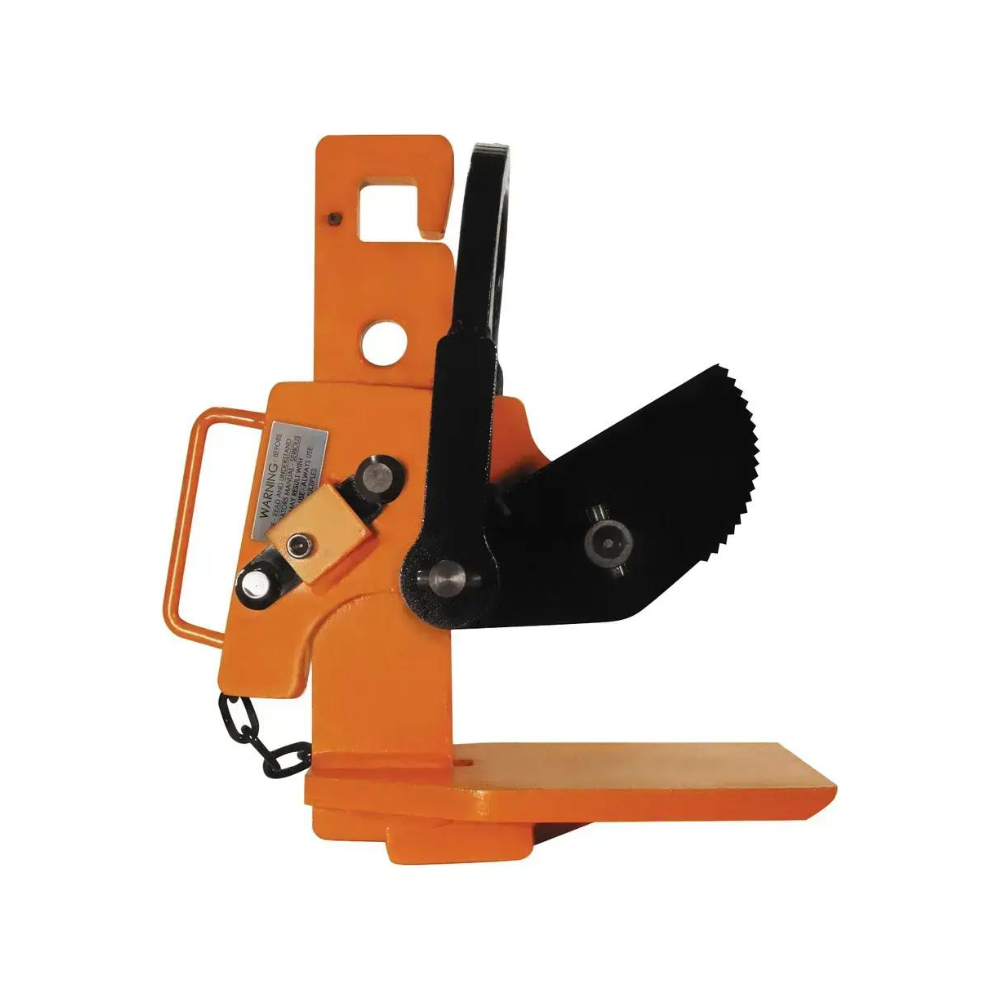
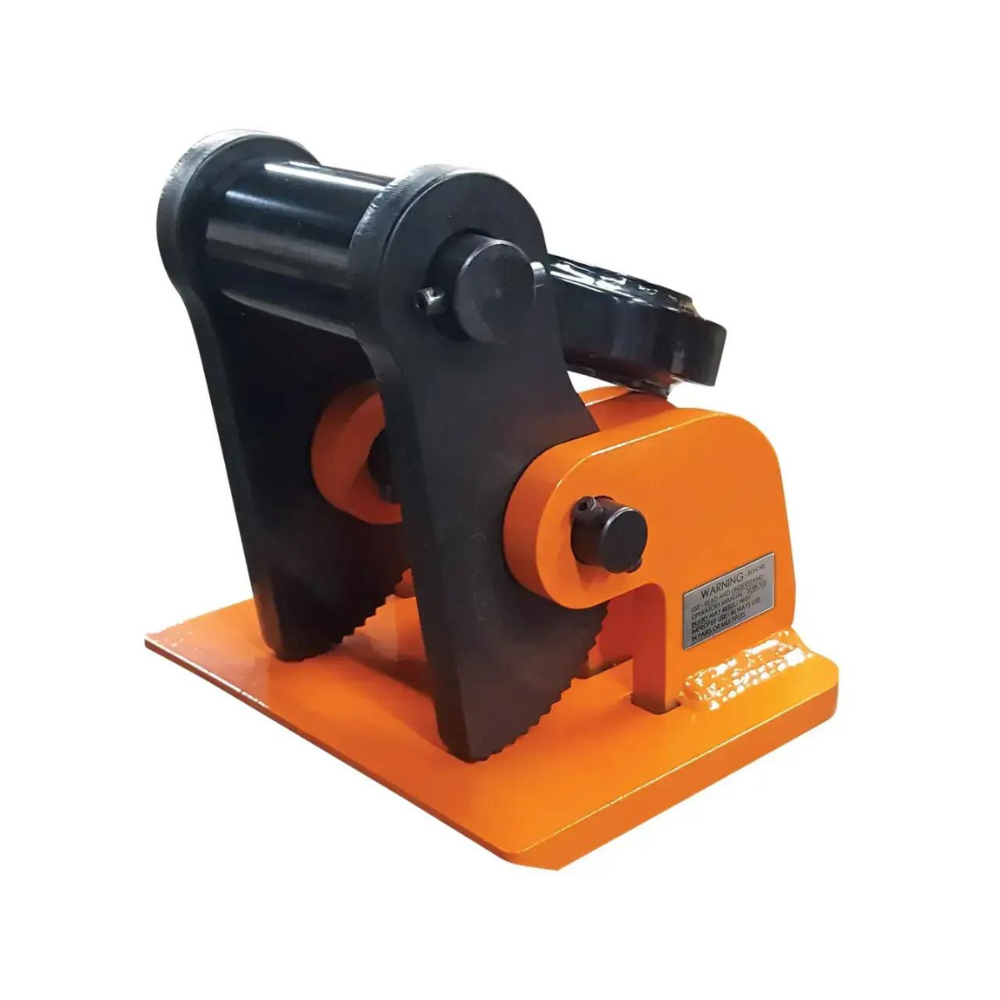
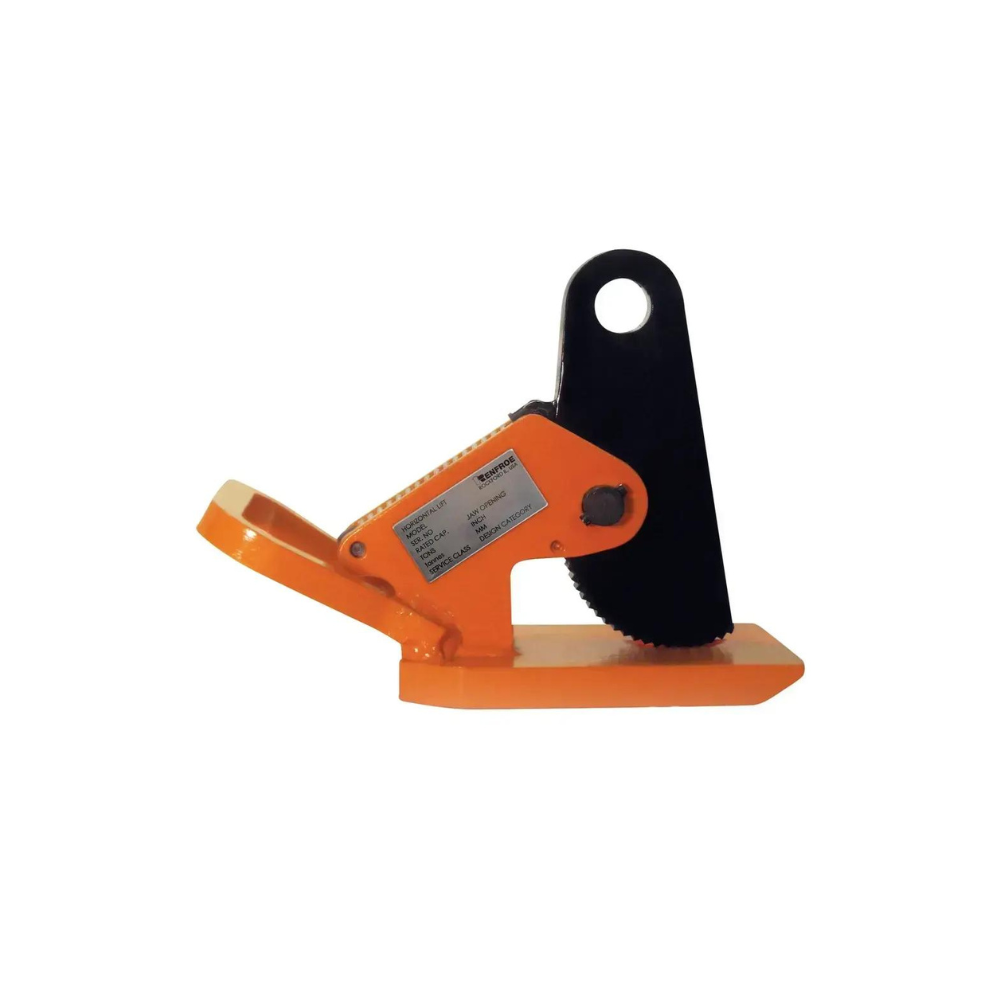
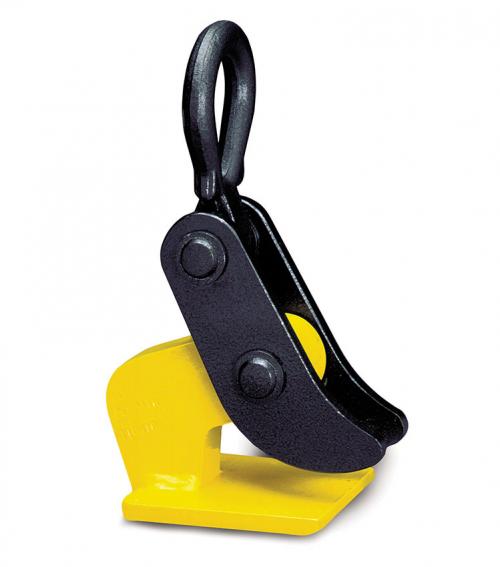
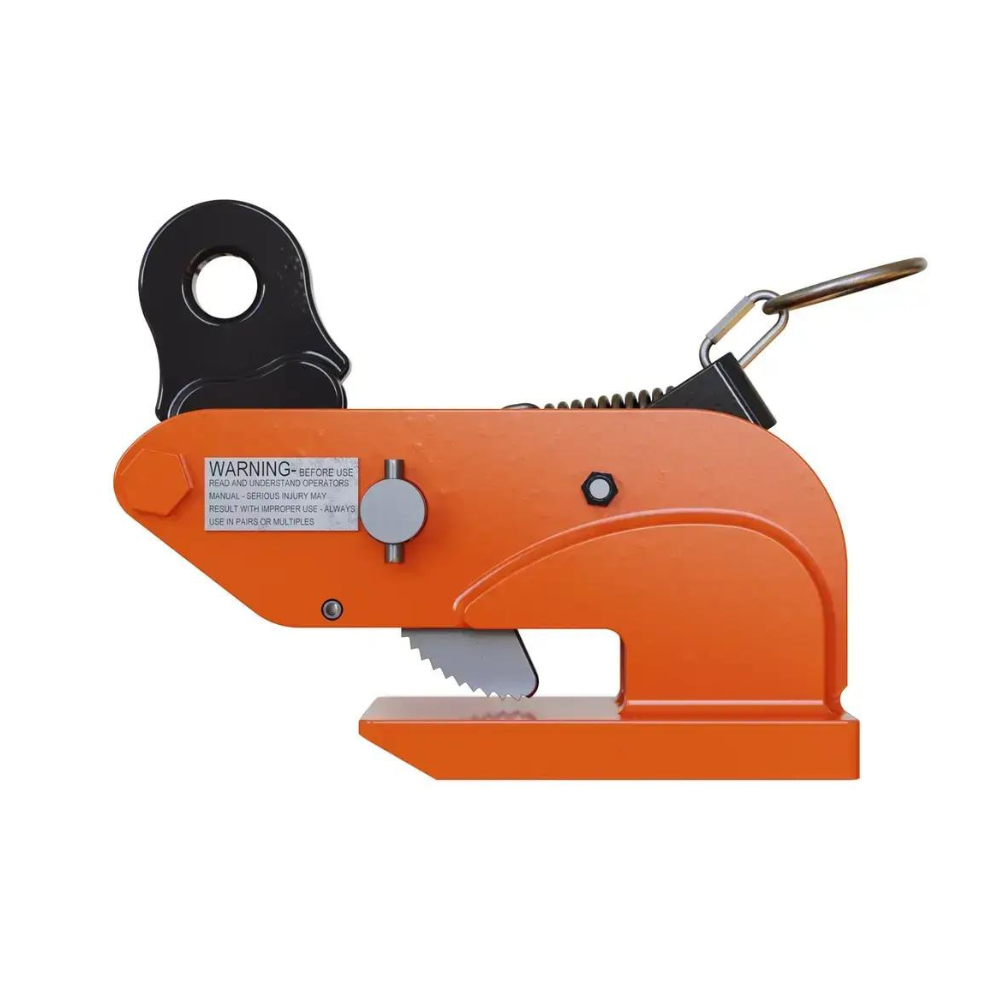
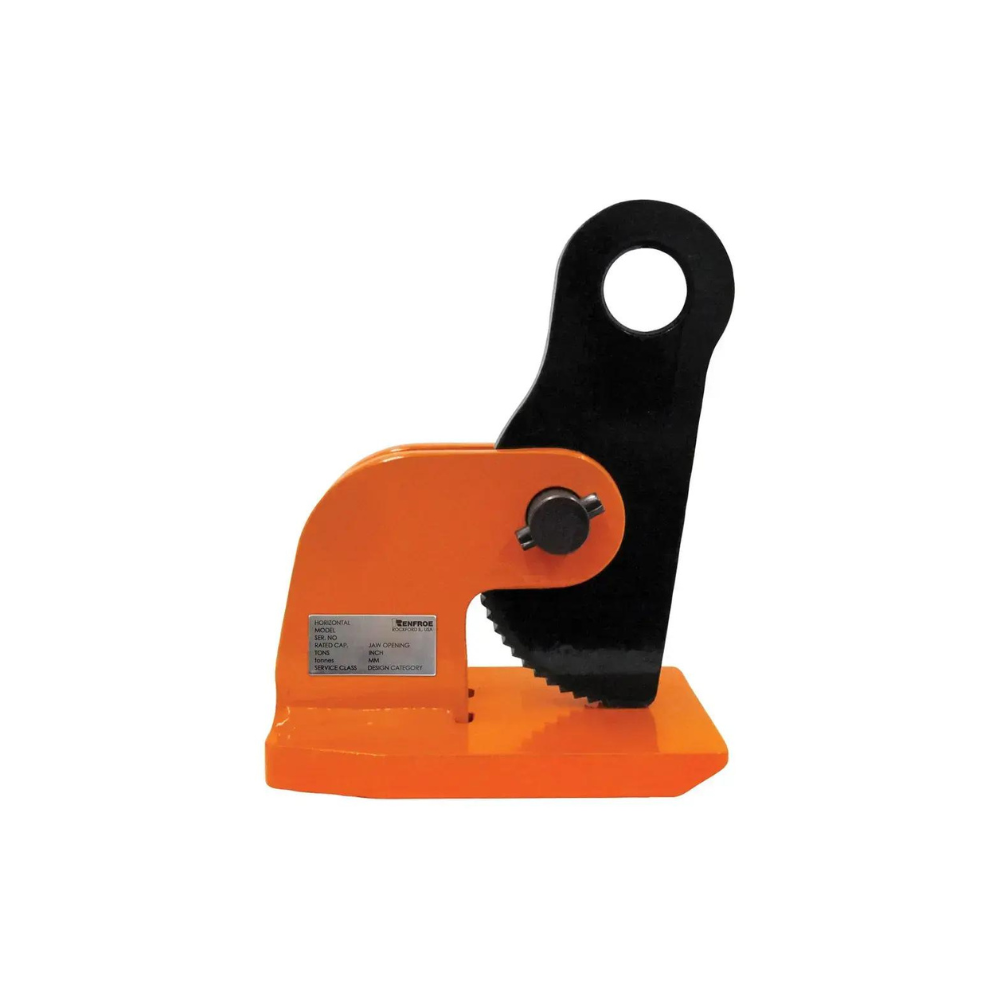
Horizontal clamps work in teams. Plate carried flat is a different problem: no single edge takes the whole load, so horizontal clamps grip the plate in opposed pairs, or two pairs on long plate, hung from a multi-leg sling or a spreader. The horizontal lifting clamps collection runs from the Renfroe LHC at 500 through 8,000 lb starting at $412 and Bison's HPG at 2 to 5 tons from $153, up through Camlok's CH and THS heavy plate patterns and girder stacking clamps. The rigging rules do the real work here. Every clamp in the set must be rated for its share with the sling angle figured in, the clamps sit opposed so the plate cannot slide out of the jaws, and long thin plate wants four clamps and a spreader before it wants a bigger pair, because sag in the middle of a two-point pick unloads jaws exactly when the plate starts moving.
WLL and jaw range are both sizing numbers. Every clamp carries two specs, and both have to fit. The working load limit covers the weight; the jaw range covers the plate, and a Renfroe M at 1 ton comes in 0 to 1 inch, 0.75 to 1.5 inch, and 1.25 to 2 inch jaw builds precisely because a plate outside the range is not gripped as designed. The less obvious rule is the minimum load. A cam clamp needs enough weight on it to drive the teeth into the plate, and manufacturers commonly set that floor at 10 to 20% of WLL; Camlok prints it directly in the rating, a CY2 reading 200 to 2,000 kg. Picking a 150 lb sheet with a 3 ton clamp is exactly the misuse that drops plates. Check plate hardness against the manufacturer's limit before clamping abrasion-resistant stock, since teeth that cannot bite cannot hold, and lift one plate at a time, never a stack.
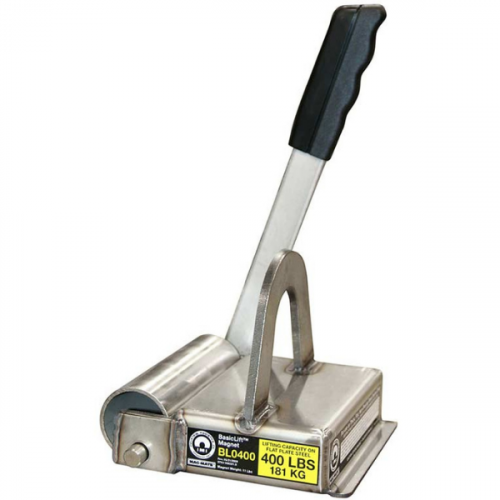
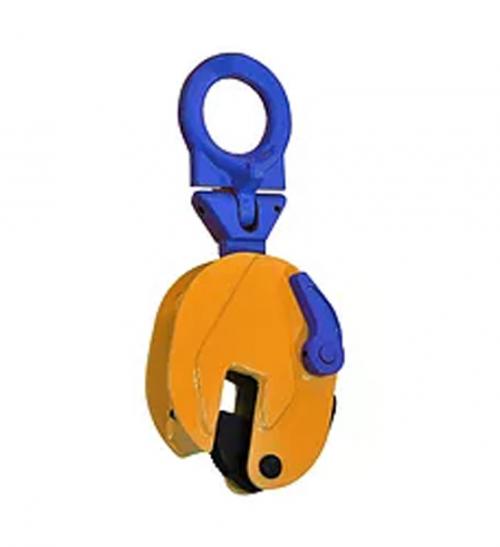
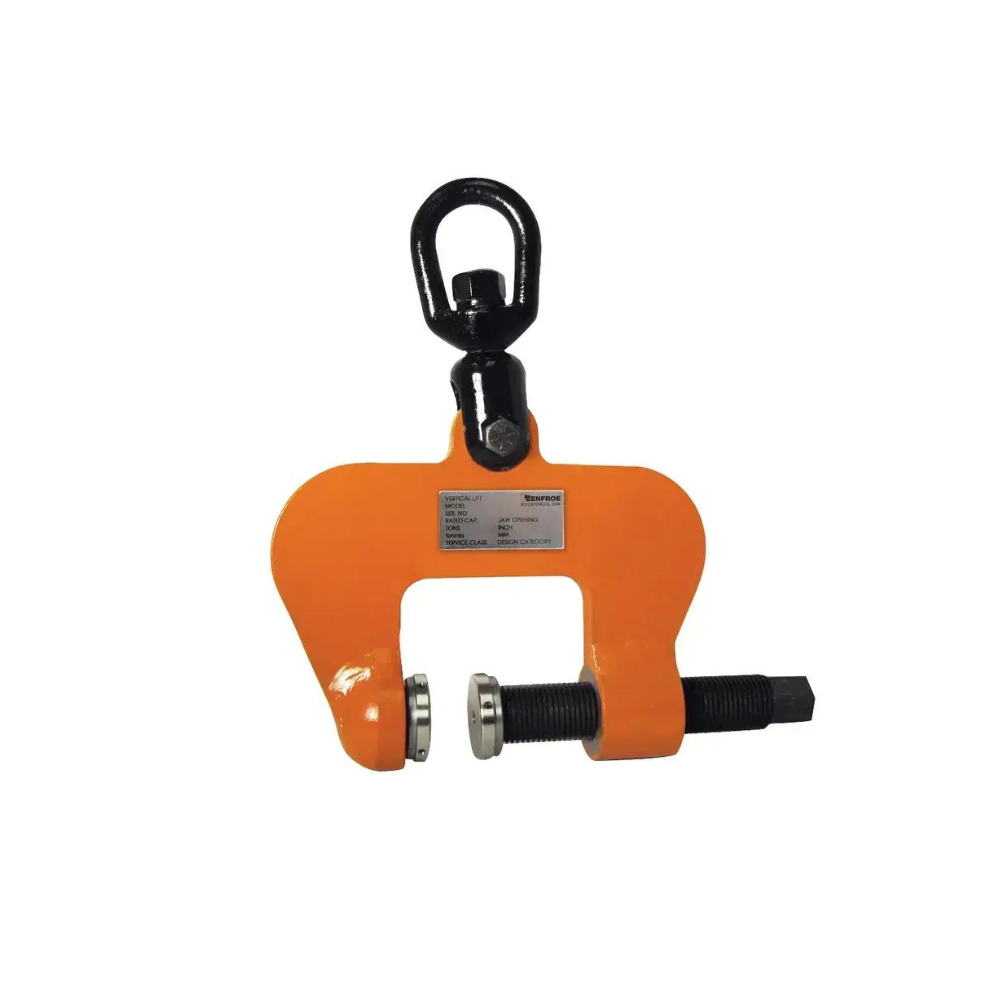
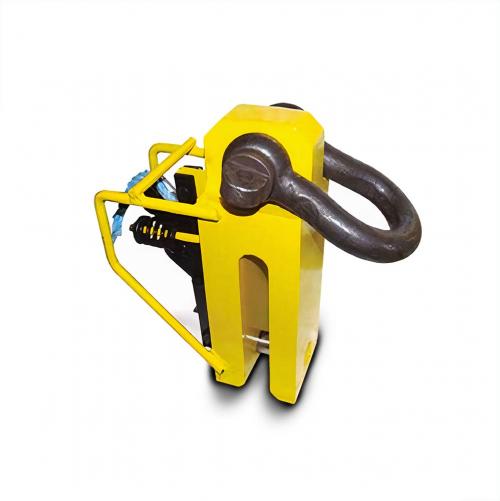
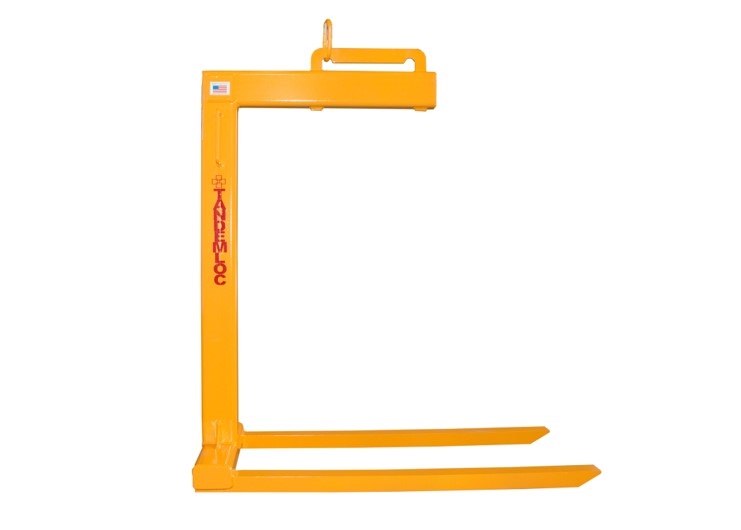
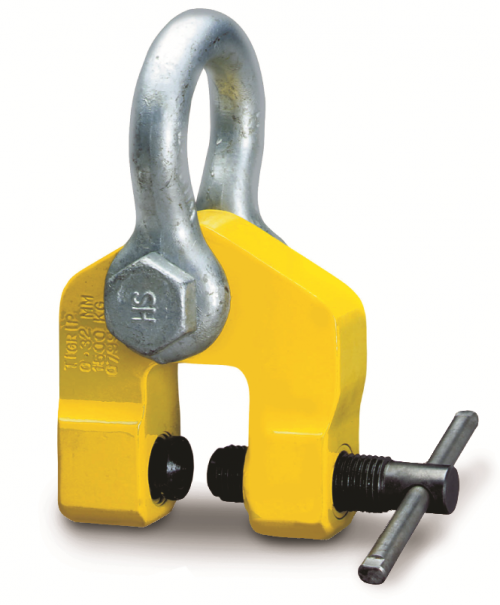
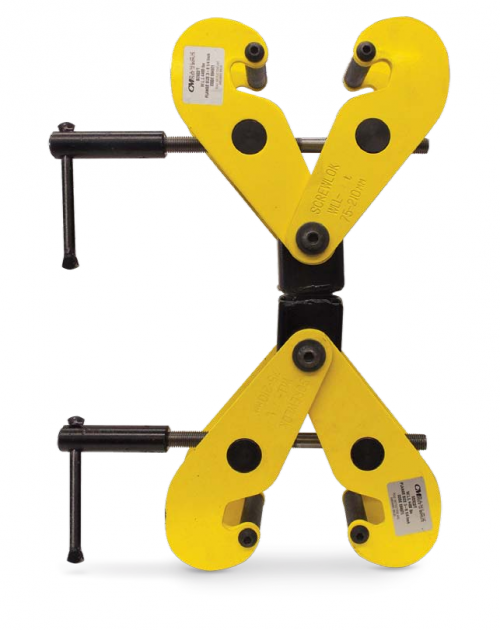
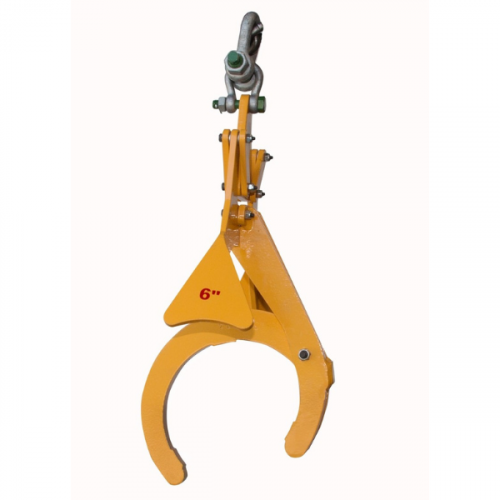
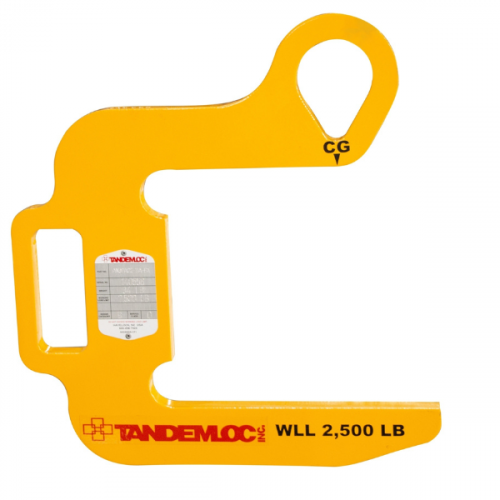
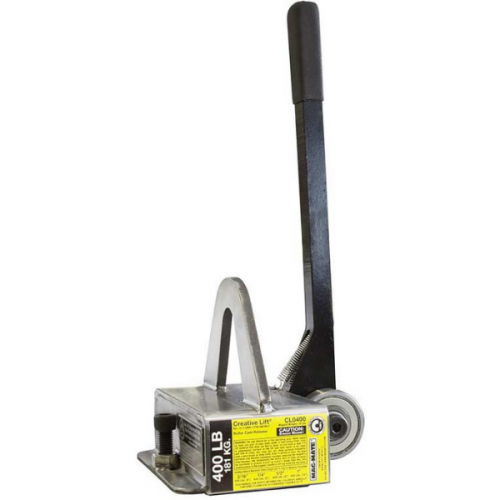
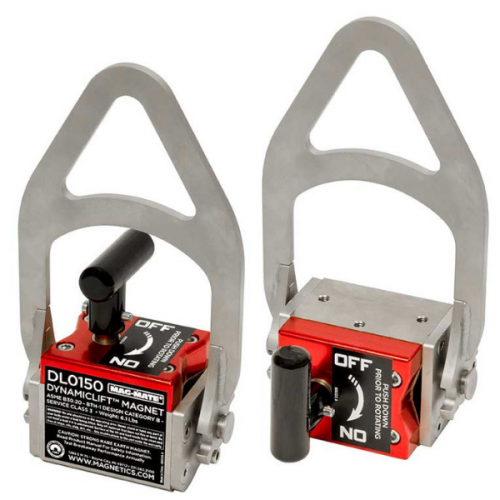
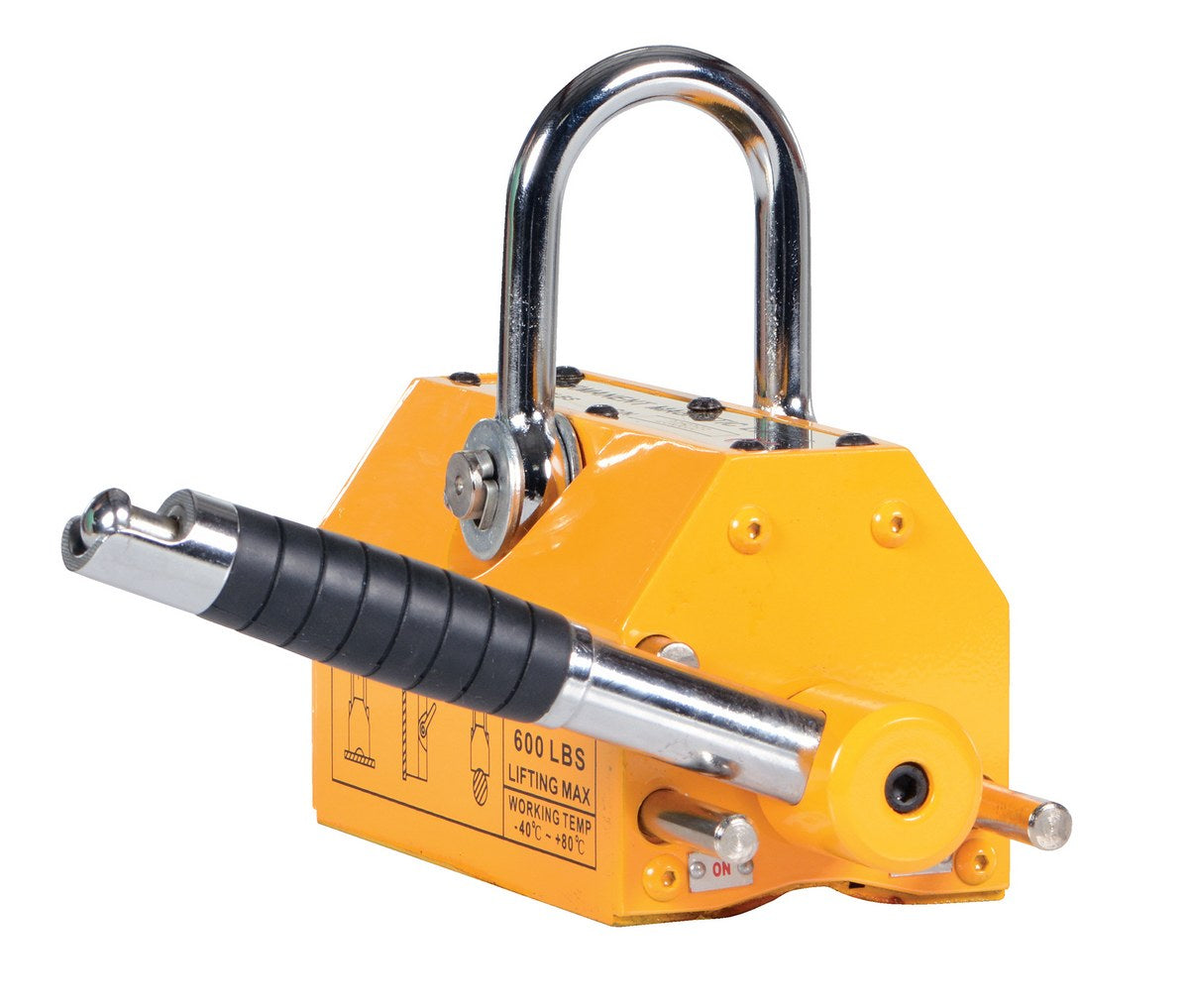
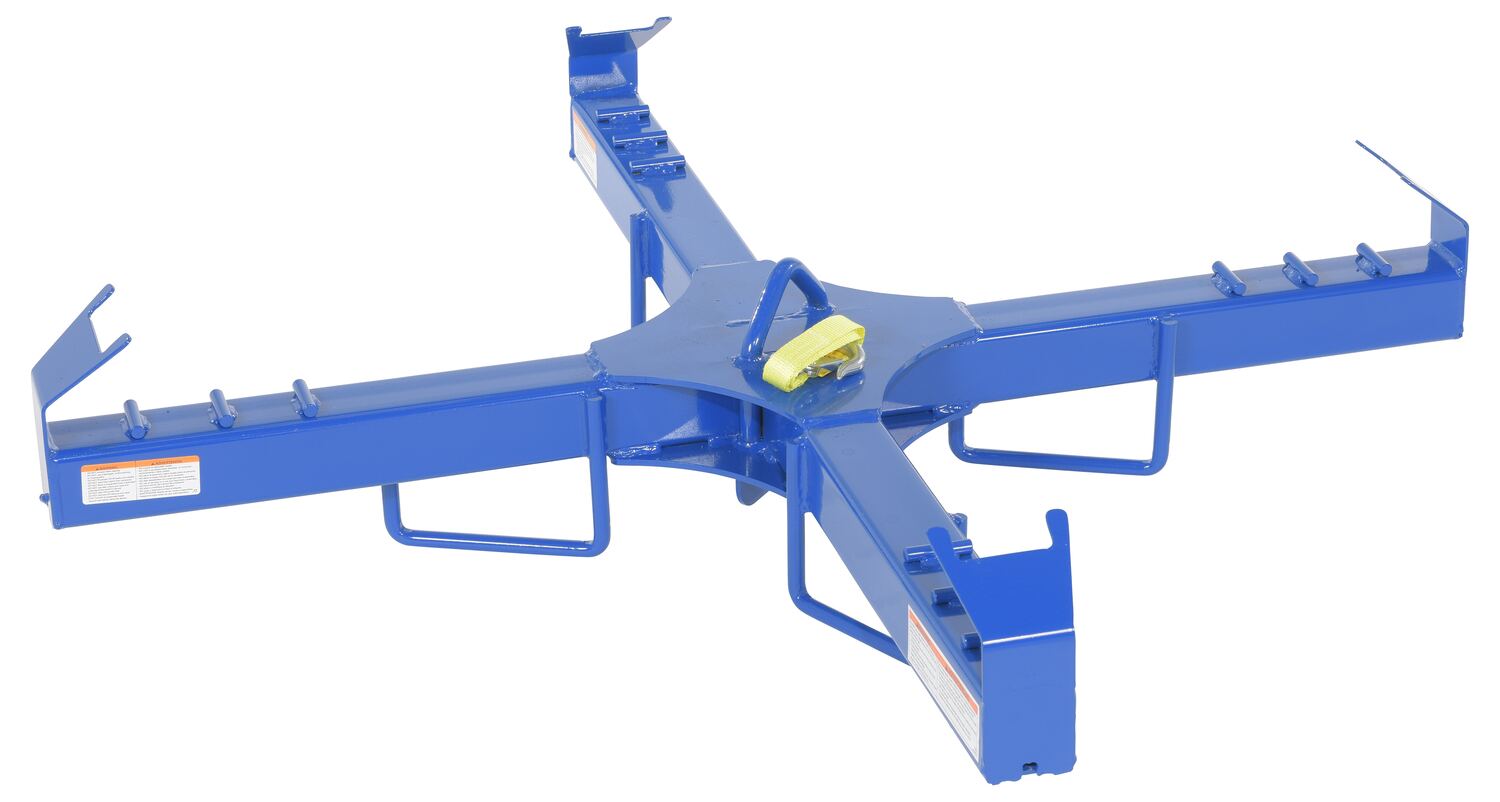
Girders, pipe, coils, and loads with no edge at all. Specialist lifting clamps collects the shapes plate clamps cannot serve: Camlok girder turning and vertical girder clamps, pitching clamps for erection work, and twin beam clamps, alongside Tandemloc pipe grabs from $916, coil lifters from $602, concrete barrier grabs, pallet lifter frames, and container lugs in sets of four at $1,048. When the load has no edge to grip at all, sheet stacks, machined blocks, die sets, the lifting magnets take over: MagMate permanent magnets led by the PowerLift rare earth line, 250 to 5,000 lb from $316, lever-switched and holding with no power supply to fail. Magnet ratings assume thick, clean, flat, low-carbon steel; thin plate, air gap, alloy content, and round stock all cut holding force, per the manufacturer's derating tables. The 3:1 design factor between rated load and breakaway force, per ASME B30.20 and BTH-1, exists because those variables stack.
ASME B30.20: the clamp is a lifting device, not an accessory. Every clamp and magnet here is a below-the-hook lifting device under ASME B30.20, and the duties come with the territory: rated load marked and legible, a check before use, periodic inspections kept on record, and repairs limited to the manufacturer or a qualified person. The clamp-specific items are worth pinning to the crib wall: jaw teeth worn flat or packed with scale, cam springs that have lost their snap, lock mechanisms that no longer hold position, and any spread or twist in the body from a side pull the clamp was never rated to take. Magnets get a scheduled breakaway verification. And the rule that costs nothing: nobody works or walks under a clamped load, because a clamp's grip is conditional in ways a shackle pin never is.
Frequently Asked Questions
The cam needs weight to drive its teeth into the plate; too light a load and the jaw never bites, so the plate can slip on the first swing. Manufacturers set the floor around 10 to 20% of the working load limit, and Camlok prints the span right on the clamp, a CY1 reading 100 to 1,000 kg. Size clamps to the plates you actually lift, not the biggest one in the yard.
Locking, unless your workflow keeps the clamp loaded every second it is on the plate. The lock maintains jaw pressure through set-downs, pauses, and slack moments that relax a non-locking cam. Non-locking Renfroe patterns earn their place in fast, repetitive, controlled handling where that slack never happens.
No. The clamp grips the outer plate and friction is all that holds the rest, which is how second plates arrive at the floor early. One plate per clamp, every lift. For moving stacks, look at magnets rated for the job or handle plates individually.
At rating, a permanent magnet assumes thick, flat, clean, low-carbon steel in full contact. Thin plate saturates before full grip, rust, paint, and scale add air gap, alloys conduct flux poorly, and round stock touches along a line, so each condition takes a bite out of holding force. Check the manufacturer's derating tables, and remember the 3:1 breakaway design factor is a margin, never spare capacity.
A vertical clamp is rated for its designed arc, lifting a plate from flat through hanging vertical and back. Pulls outside the manufacturer's stated angle range side-load the jaw and shed plates. Turning girders and full rotations belong to purpose-built hardware like the Camlok girder turning clamps in the specialist collection.
As below-the-hook lifting devices under ASME B30.20: marked rated load, inspection before use, documented periodic inspections, and repairs by the manufacturer or a qualified person. OSHA enforces the practices around them, including keeping people out from under suspended loads. Treat a clamp with the same paperwork discipline as a crane, scaled down.