Crane Scales & Dynamometers
Industrial weighing scales in a lifting shop are not the platform scales from the shipping dock; they hang in the rig and read the load while it is in the air. This collection is built around Crosby Straightpoint, the load-monitoring specialist whose cells run from around 100 kg to well past 1,000 tons, backed by Vestil on the economy end. The range covers three jobs: weigh a load off the hook with a crane scale, read the tension inside the lifting line with a load cell, or reach for a specialist instrument when the geometry is unusual. Prices run from a Vestil dial scale near $900 to six-figure wireless load pins for serious iron. Picking the right tool starts with one question: do you need to know the weight of the whole load, or the force in one specific part of the rig?
Shop Load Weighing Equipment by Category
Compare Load Weighing Equipment
| Model | Price | Capacity | Resolution | Weight | Battery Type | |
|---|---|---|---|---|---|---|
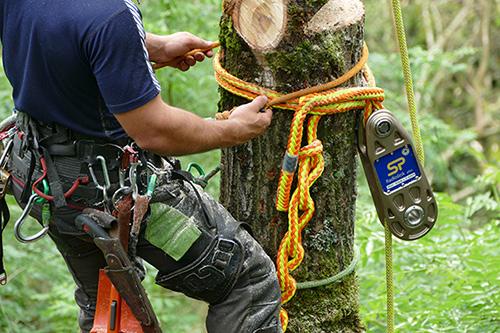
| Straightpoint Arborist Load Cell Impact Block | $7,539 | 6 ton | 0.1kN | 6kg | 4x AA Alkaline | View → |
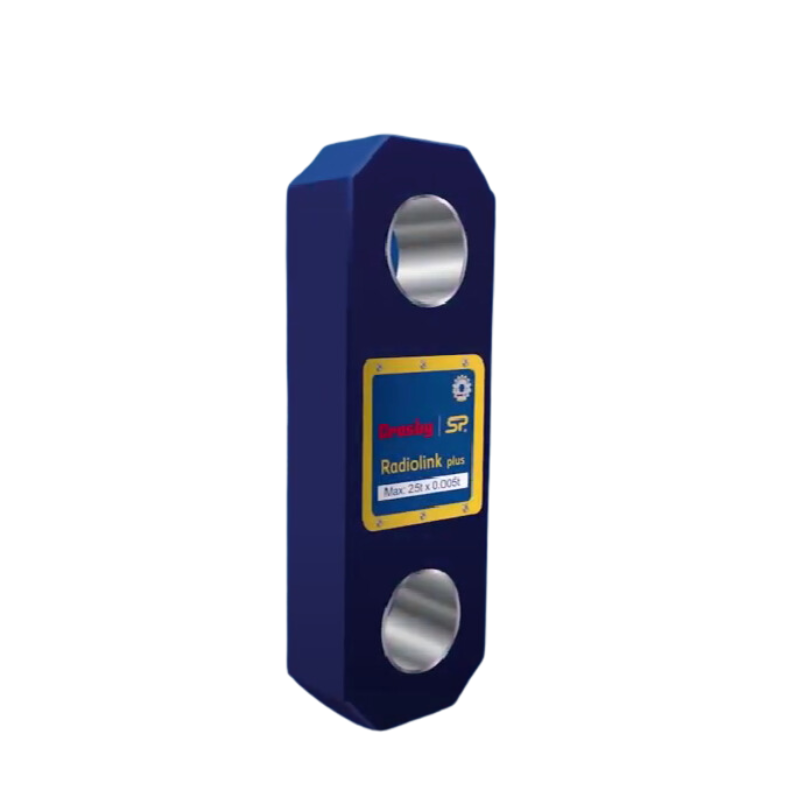
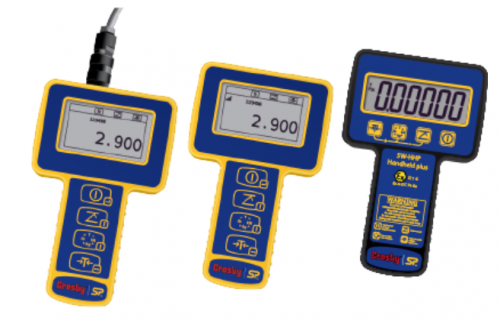
| StraightPoint Radiolink Plus Handheld Wireless Load Cell | $5,600 | 1-300 ton | — | — | — | View → |
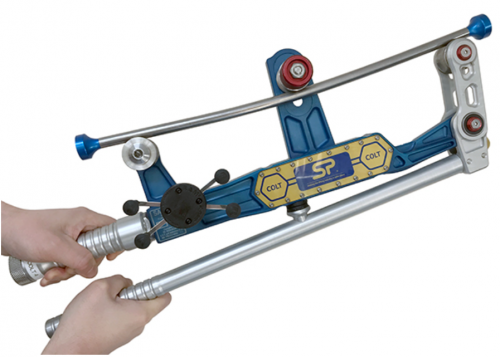
| Straightpoint 5000kg Clamp On Line Tensionmeter (COLT) | $5,267 | 11,000 lb | 10kg | 3.5kg | 2 x 'C' cell batteries | View → |
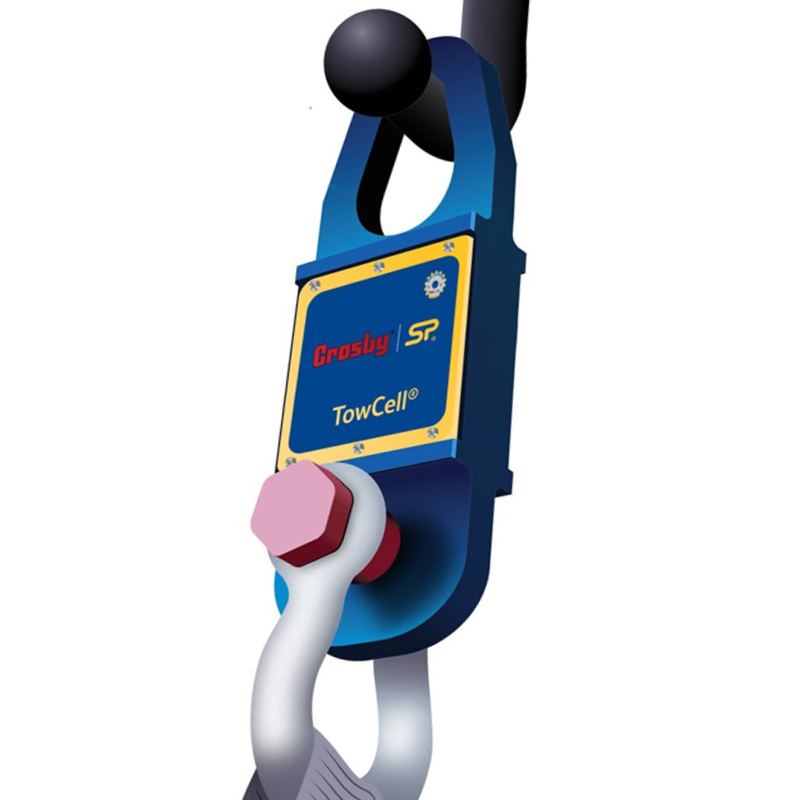
| Straightpoint Towcell Towbar Load Cell | $4,930 | 2.5 ton | 0.01kN | 1.4kg | 4 x AA alkaline batteries | View → |
| Straightpoint LoadSafe Wireless Compression Loadcells | $4,370 | 5-150 ton | — | — | — | View → |
| Straightpoint Radiolink Plus Compound Wireless Load Cell (NO HANDHELD) | $4,097 | 1-300 ton | — | — | — | View → |
In Stock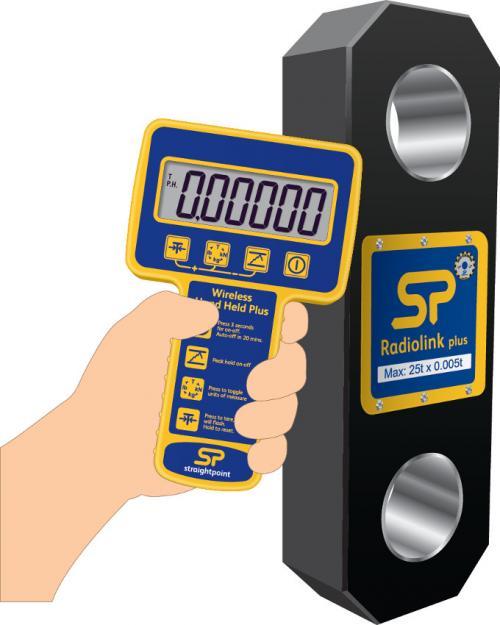 In StockIn Stock
 In Stock
 In Stock
 In Stock
 In Stock
 In StockIn Stock
 In Stock
 In Stock
 In Stock
 In Stock
 In Stock
 In Stock
 In Stock
 In Stock
 In Stock
 In Stock
 In Stock
Load Weighing Equipment Buying Guide
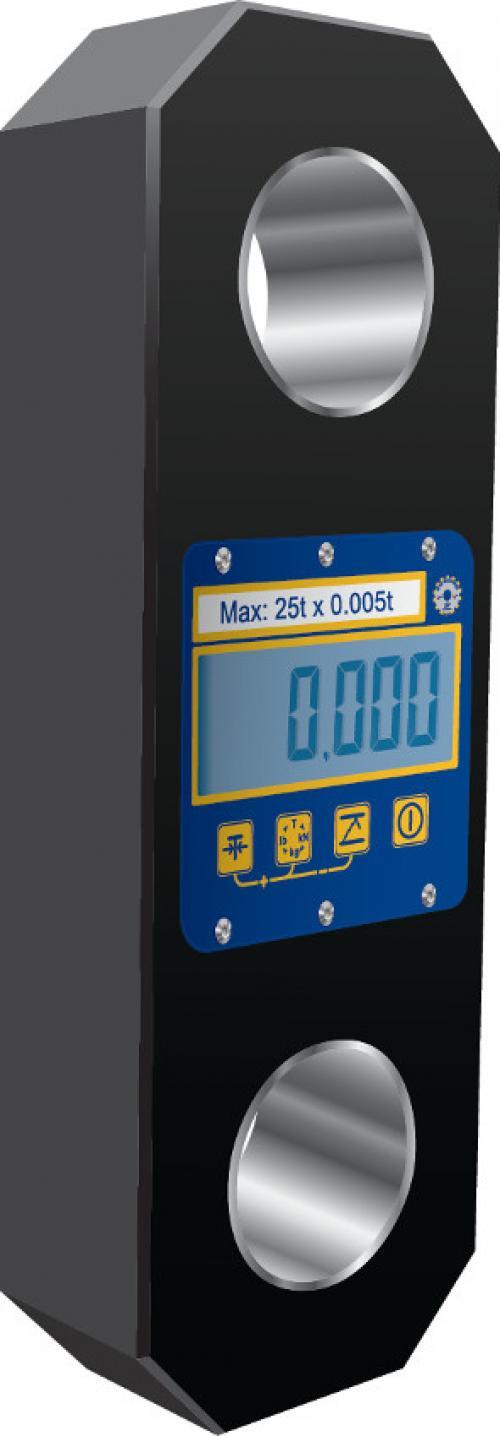
Weigh the load, or read the force in the rig. Everything here answers one of two questions, and the split decides the tool. If you want the weight of the load, you want a crane scale: it hangs between the hook and the top of the sling, takes the whole load in line, and shows pounds or kilograms on a face you read from the floor. If you want the force in one specific member of the rig, a sling leg, a guy wire, a jacking point, you want a load cell or one of the specialist instruments, placed exactly where that force runs. A crane scale weighs; a load cell measures tension where you put it. Plenty of jobs use both, weighing the pick and watching the leg that carries the most.
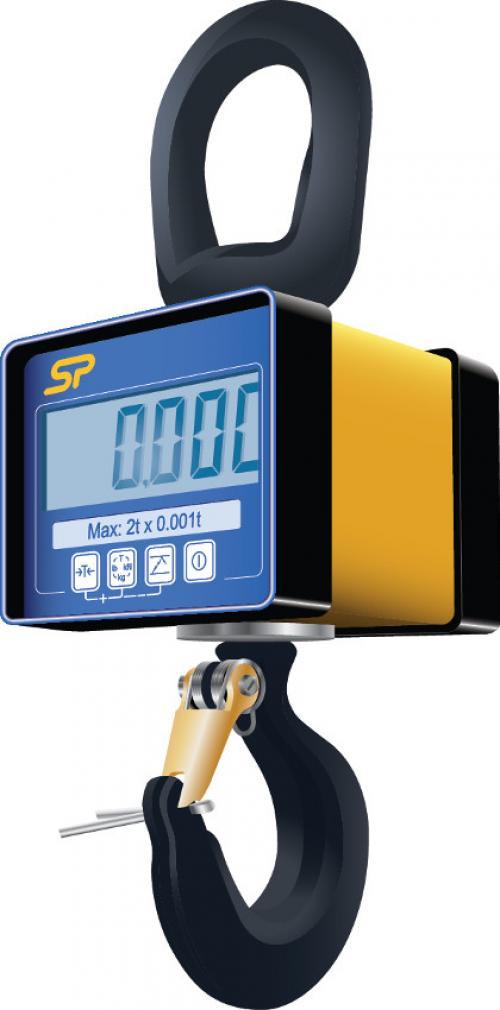
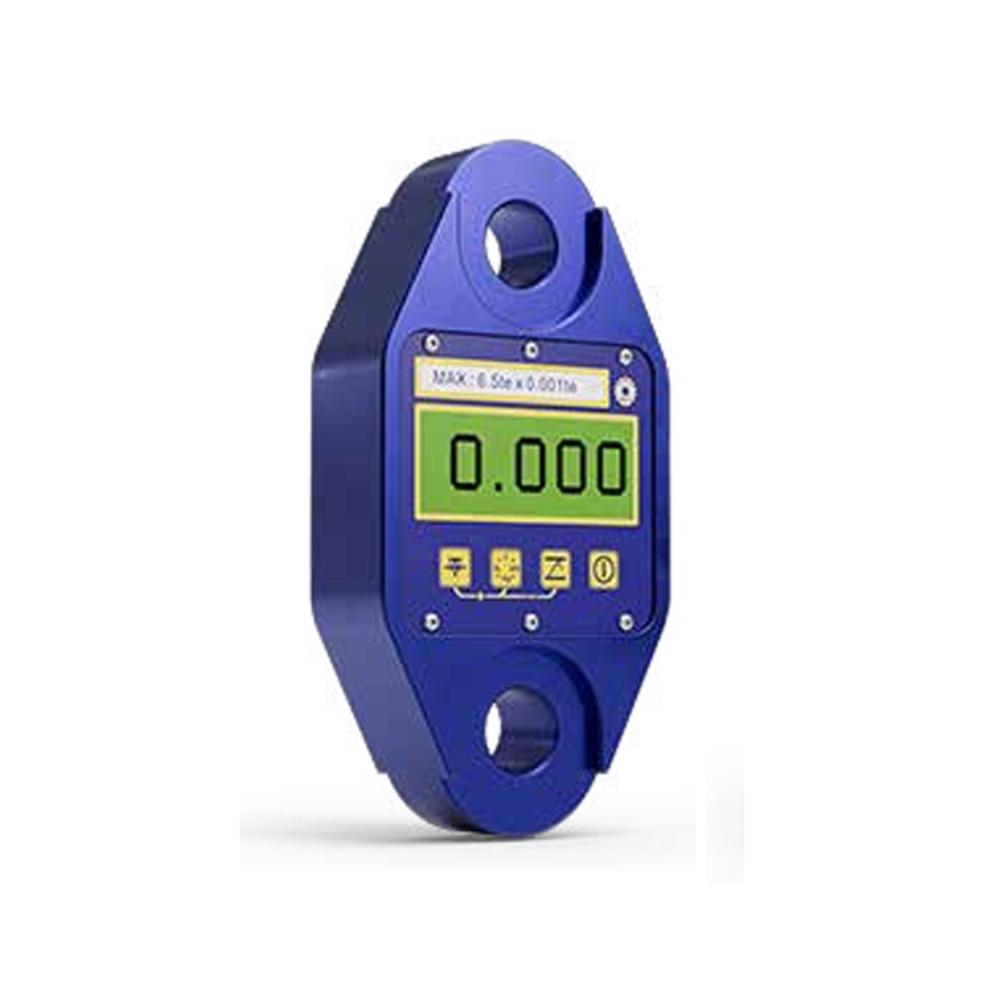
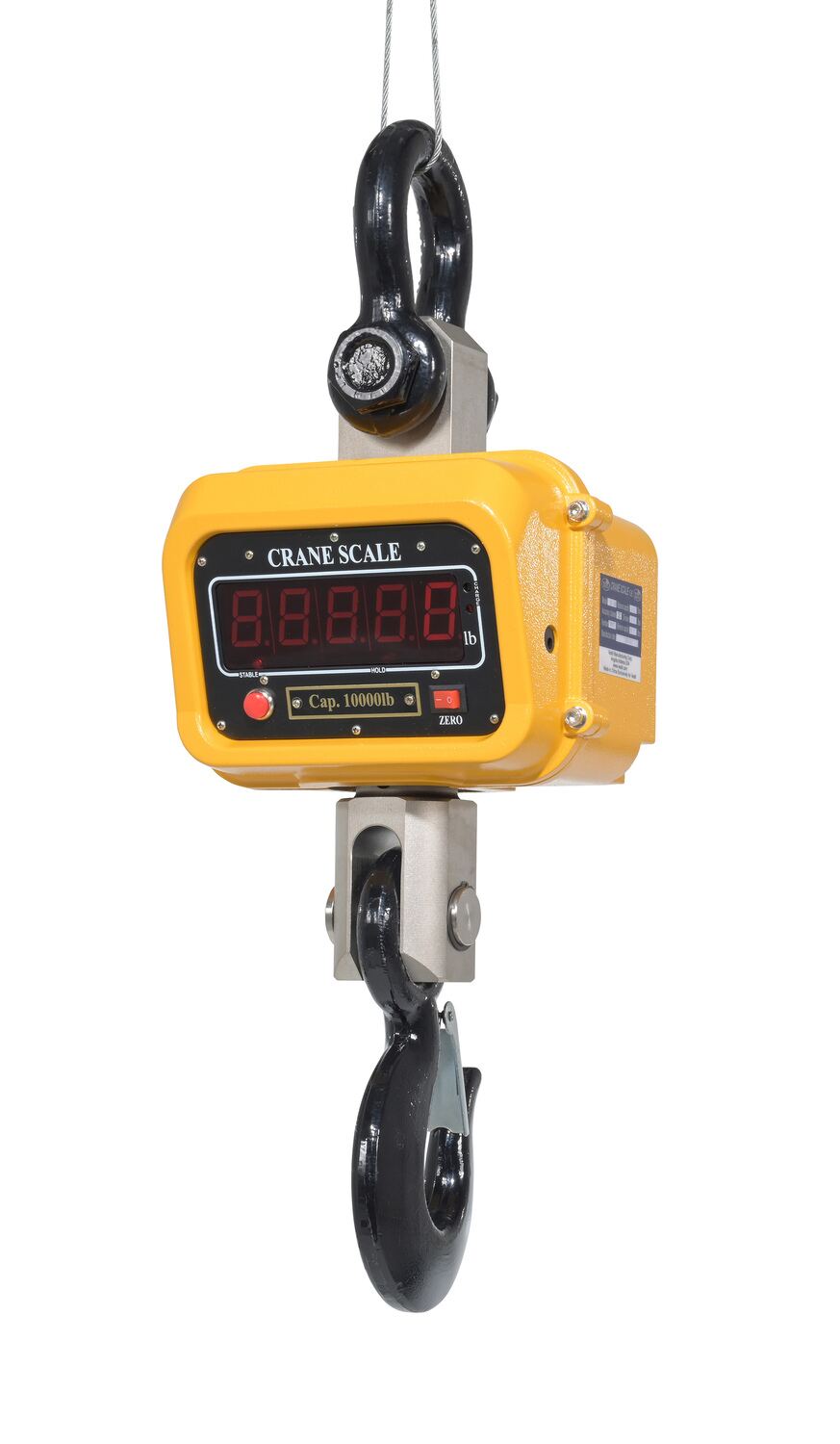
Crane scales: economy dial to precision wireless. Crane scales split cleanly by budget and accuracy. The Vestil scales are the economy path: simple digital hook scales from 600 to 6,000 lb, $902 to about $1,040, right for a receiving bay or a fab shop that needs a believable weight and not a certificate. The Straightpoint Miniweigher Plus is the precision end, a compact wireless crane scale from 100 kg to 5 tonnes reading to Straightpoint's plus or minus 0.1% of full scale, starting around $3,469. The gap between them is not a number on a dial; it is whether you can defend the reading. If you are balancing a load or checking you are under the crane's rating, the Vestil is plenty. If the weight feeds a bill, a stress calc, or a lift plan, buy the accuracy.
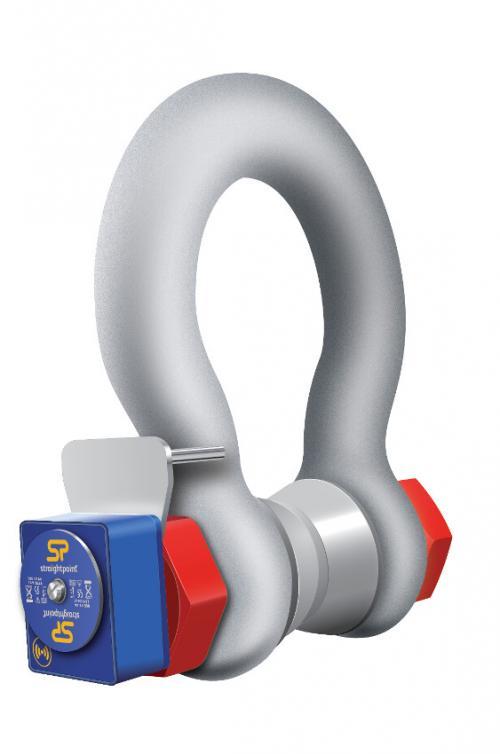
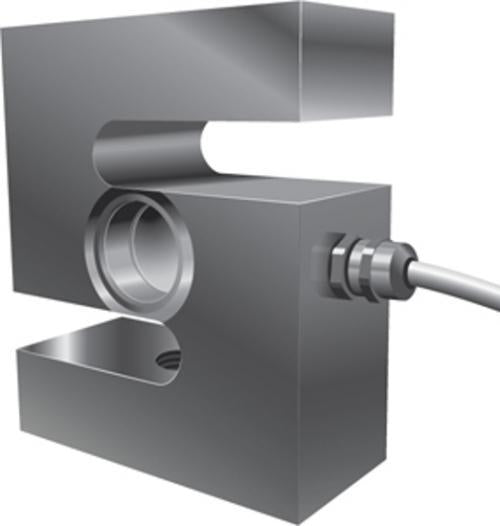
Load cells: pick how it joins the rig. A load cell is the same idea as a crane scale, a strain-gauged element that turns force into a number, but sold as a link you build into the rig rather than a scale you read. Straightpoint's line sorts by how it connects. The LoadLink Plus is the cabled tension dynamometer, a shackle-to-shackle link from 1 to 300 tonnes starting at $3,447, wired to a nearby display. The Radiolink Plus is the same link gone wireless, transmitting to a handheld or PC up to 1000 m, about 3,280 ft, on the long-range version, from around $4,097. The Wireless Loadshackle drops a Crosby shackle with the cell built into the pin straight into an existing connection, 3.25 to 400 tonnes, so you add monitoring without adding a link. When you would rather retrofit than re-rig, that shackle is the quiet answer.
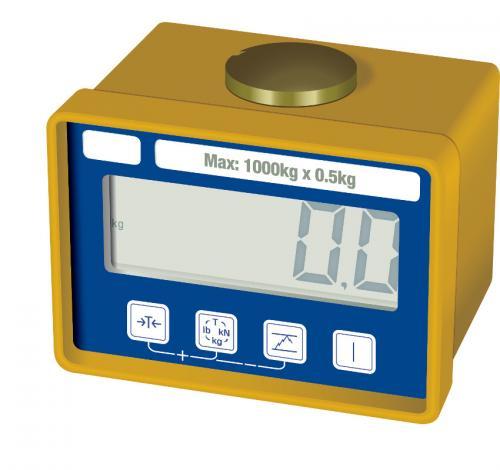
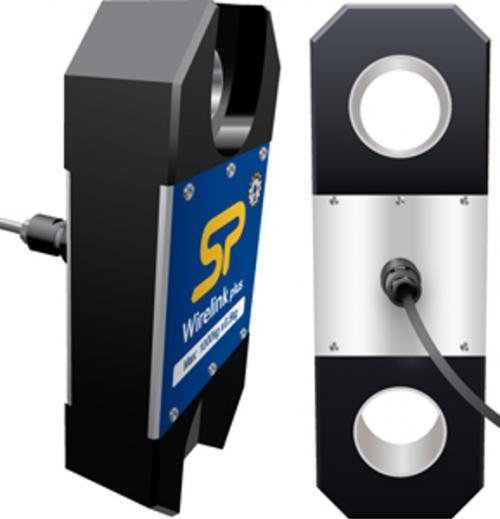
Cabled, wireless, Bluetooth, or analogue output. How the reading gets to you matters as much as the cell. Cabled cells like the LoadLink are simple and immune to interference but tether you to the display. Straightpoint's wireless system runs 1000 m, 3,280 ft, on its long-range 2.4 GHz radio; the Bluetooth versions trade range for talking straight to a phone app at up to 100 m, 328 ft. For readings that have to feed a PLC, a chart recorder, or a control system, the WireLink Plus offers analogue output, 4-20 mA or 0-10 V among others, so the load signal joins your existing instrumentation. Multi-point jobs run several wireless cells into one handheld or into the INSIGHT PC software, which logs every channel and lets you watch a whole rig at once.
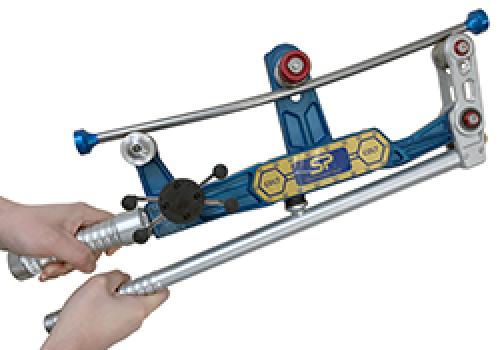
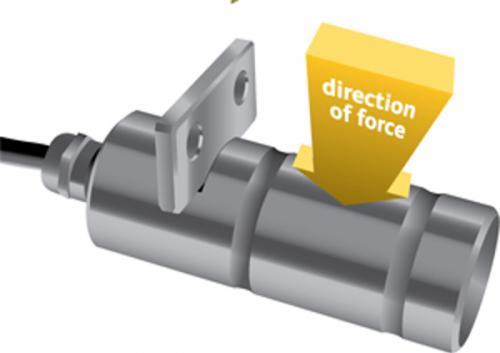
Specialist instruments: clamp-on, compression, and load pins. The specialist load and tension monitoring shelf is where measurement stops fitting the shackle-to-shackle mould. The COLT clamp-on line tensionmeter reads the tension in a wire rope already under load, up to 11,000 lbf, 5,000 kgf, by clamping over it: no disconnecting, no re-rigging, which is the only practical way to check a guy wire or a rigged crane pendant. The LoadBlock and LoadSafe compression cells read push instead of pull, for jacking, presses, and structural loads, with LoadSafe available ATEX and IECEx rated for hazardous zones. Load pins replace a clevis, sheave, or pivot pin with an instrumented one, 500 kg to 1,500 tonnes, so a machine or sheave reads its own load with nothing added to the load path. And the Towcell reads towbar force for pull testing. When a hanging scale cannot go where the force is, one of these can.
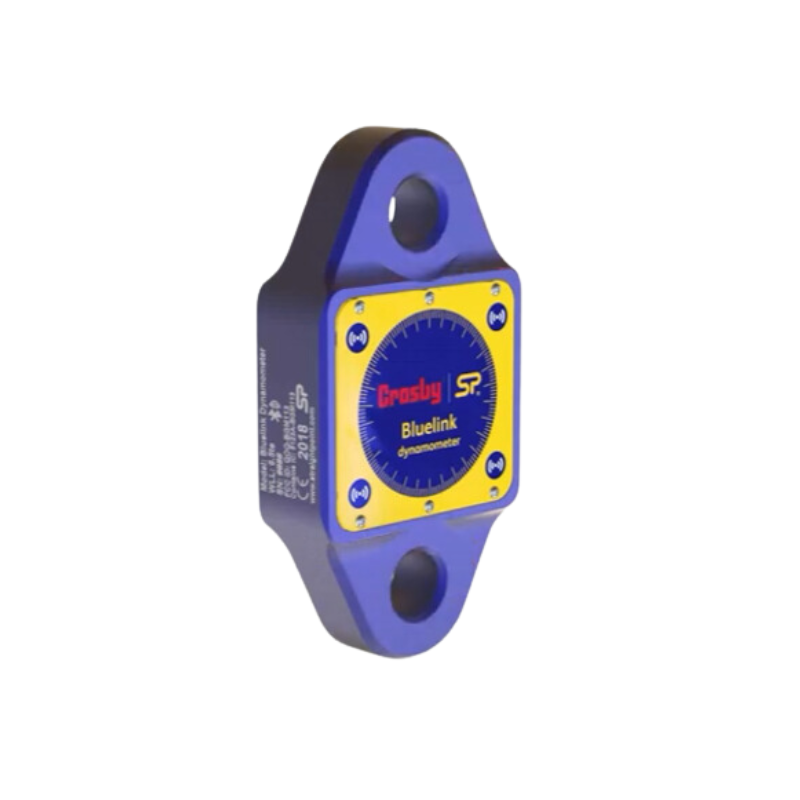
Accuracy, calibration, and legal-for-trade. Two numbers decide whether a reading holds up. Accuracy is stated as a percentage of full scale: Straightpoint's cells read to plus or minus 0.1% of full scale (the BlueLink dynamometer to 0.2%), best near full load and coarsest at the bottom, which is why you size a cell to the load rather than far above it. The second is the calibration certificate. Every cell ships calibrated against a traceable reference and should be recalibrated on a schedule, usually yearly; that certificate is what an auditor wants to see. One caution: high accuracy is not the same as legal-for-trade. Buying and selling by weight in the US needs an NTEP-approved scale that meets NIST Handbook 44, and these load-monitoring cells, accurate as they are, are built for process and safety weighing rather than commerce. If the weight sets a price, confirm the device is legal-for-trade first.
Why measure at all. The whole rig is rated on assumptions a measurement checks. A load cell in the line confirms a proof test hit its target, catches a shallow sling angle multiplying leg tension past the sling's rating, and flags an off-center pick loading one leg far past its share. Straightpoint builds its cells with a safety factor over 500%, so the instrument outlasts the abuse it reads. On a lift that matters, the cost of a cell is small against the cost of guessing.
Frequently Asked Questions
A crane scale if you want the weight of the whole load: it hangs between the hook and the sling and reads pounds or kilograms. A load cell if you want the force in one part of the rig, a single sling leg, a guy wire, a jacking point, because you place the cell exactly where that force runs. Weighing the pick and monitoring the worst-loaded member are different jobs, and many lifts use one of each.
It is the accuracy band across the whole range, referenced to the cell's top rating, not to the current reading. On a 10-tonne Straightpoint cell, 0.1% of full scale is about 10 kg, and that band is the same whether the load is 2 tonnes or 9. Accuracy is therefore best near full load and loosest at the bottom, which is why you size the cell close to the load you expect rather than buying far more capacity than you need.
Treat them as no unless a listing says otherwise. Legal-for-trade weighing in the US means an NTEP-approved device that meets NIST Handbook 44, the standard for buying and selling by weight. Straightpoint load cells and crane scales are high-accuracy instruments built for process weighing, load testing, and lift safety, not for commerce. If the weight will set a price on an invoice, confirm the specific model is legal-for-trade before you rely on it.
Not always. A LoadLink or Radiolink adds a link between two shackles, so it does lengthen the rig slightly. But a Wireless Loadshackle swaps in for a shackle you already have, a load pin replaces an existing clevis or sheave pin, and the COLT clamps over a wire rope that stays under tension. Those three add measurement without adding anything to the load path, which is the usual reason to choose them over an inline cell.
Cabled cells like the LoadLink are cheaper, need no batteries, and shrug off interference, but they tie you to the display, which suits a fixed test bench. Wireless Radiolink and Loadshackle cells free you to stand back, up to 1000 m on the long-range radio or 100 m on Bluetooth to a phone, which matters for overhead picks and multi-point monitoring. If the reading has to drive a control system, choose the WireLink Plus with analogue output instead.