Lifting Points & Hoist Rings
A lifting point is the engineered answer to the question every fabrication eventually asks: where does the hook go? This collection covers the bolt-on and weld-on hardware that turns a tapped hole or a weld bead into a rated connection: RUD Starpoint eyebolts from $58, VLBG and VWBG load rings, the ACP-Turnado line built for turning loads, Codipro swivel eye bolts and hoist rings, William Hackett HA lifting points and swivel hoist rings, and RUD weld-on rings and blocks from $28. Ratings run from a few hundred pounds to 31.5 metric tons, in metric and UNC threads. The recurring theme is angle. A plain eyebolt is a fine vertical connection and a poor angled one, and most of the engineering on this page exists to make off-axis pulls safe. The guide below works through that choice first, then threads, welding, torque, and the ASME B30.26 inspection rules.
Shop Lifting Points by Category
Compare Lifting Points
| Model | Price | Capacity | |
|---|---|---|---|
| RUD VWBG load Ring, UNC Thread with Variable Length | $12,783 | 15-50 ton | View → |
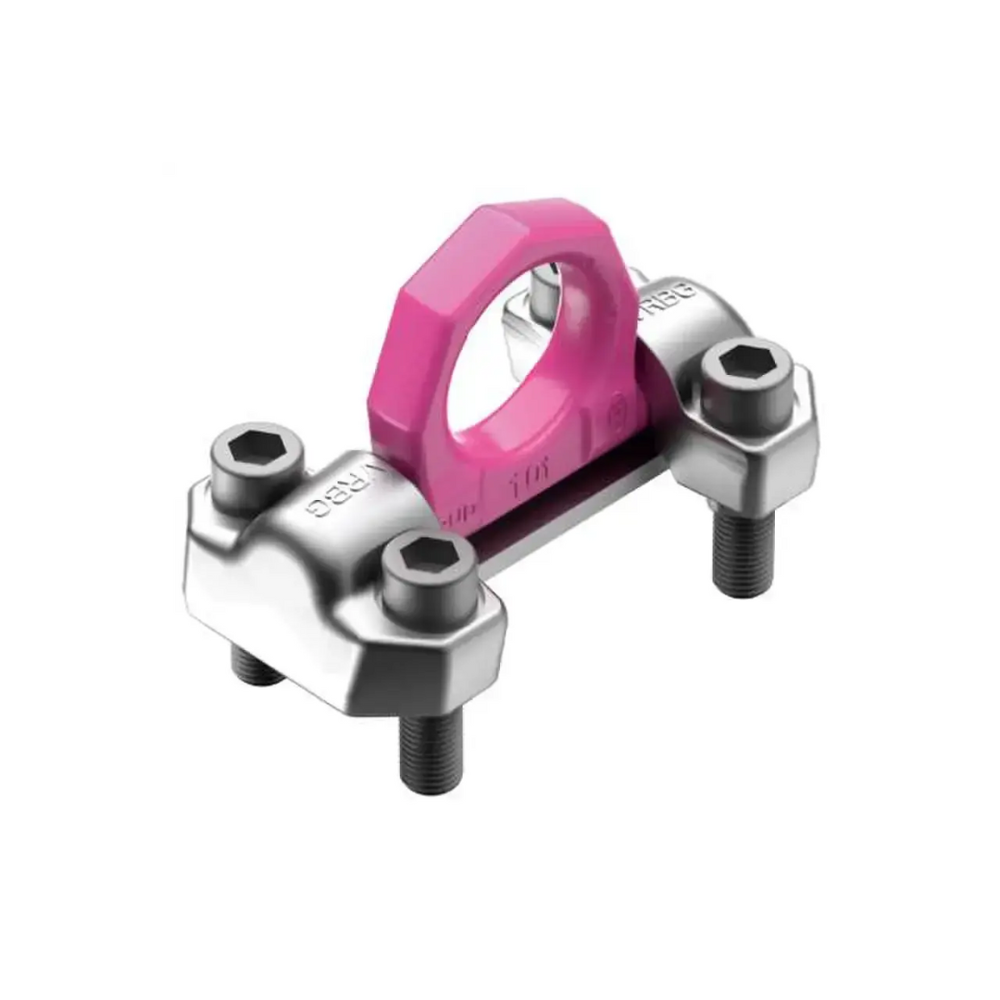
| RUD VRBK-FIX/VRBK Load Ring for Welding 90° Corners | $12,710 | 8,820-110,230 lb | View → |
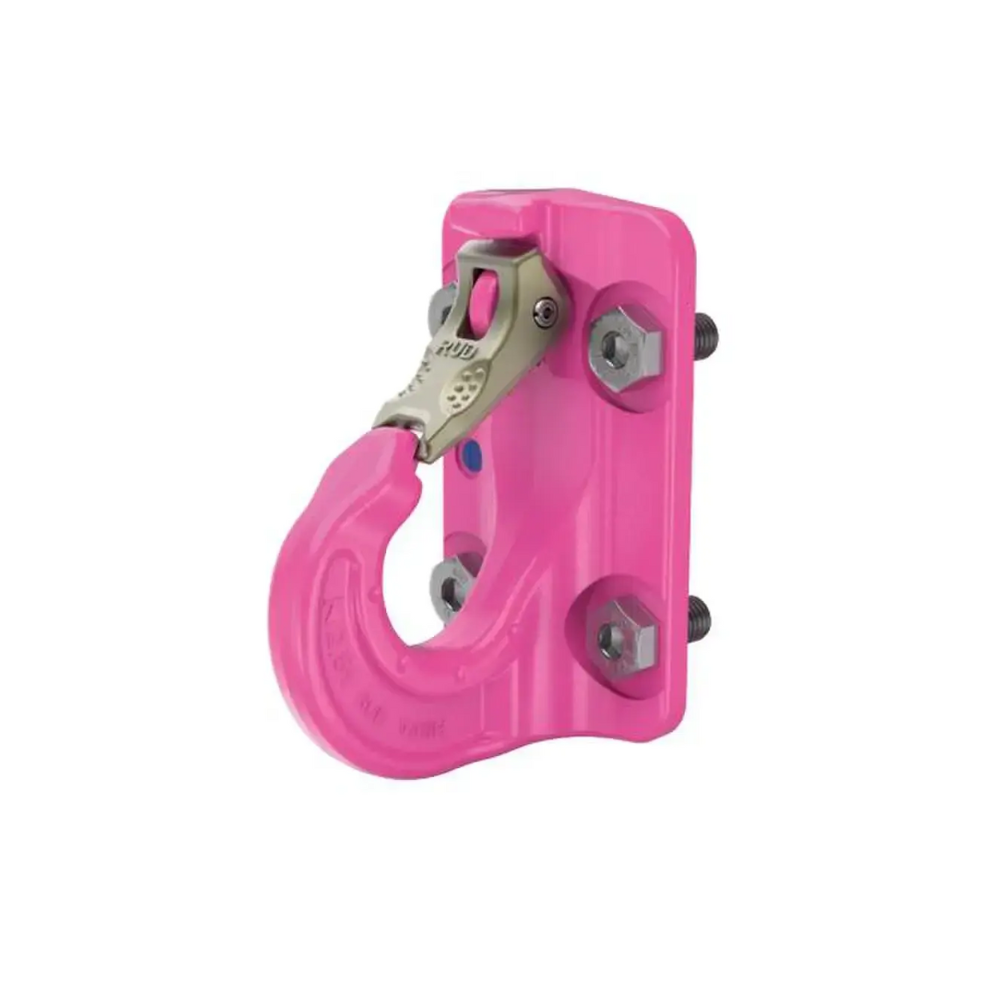
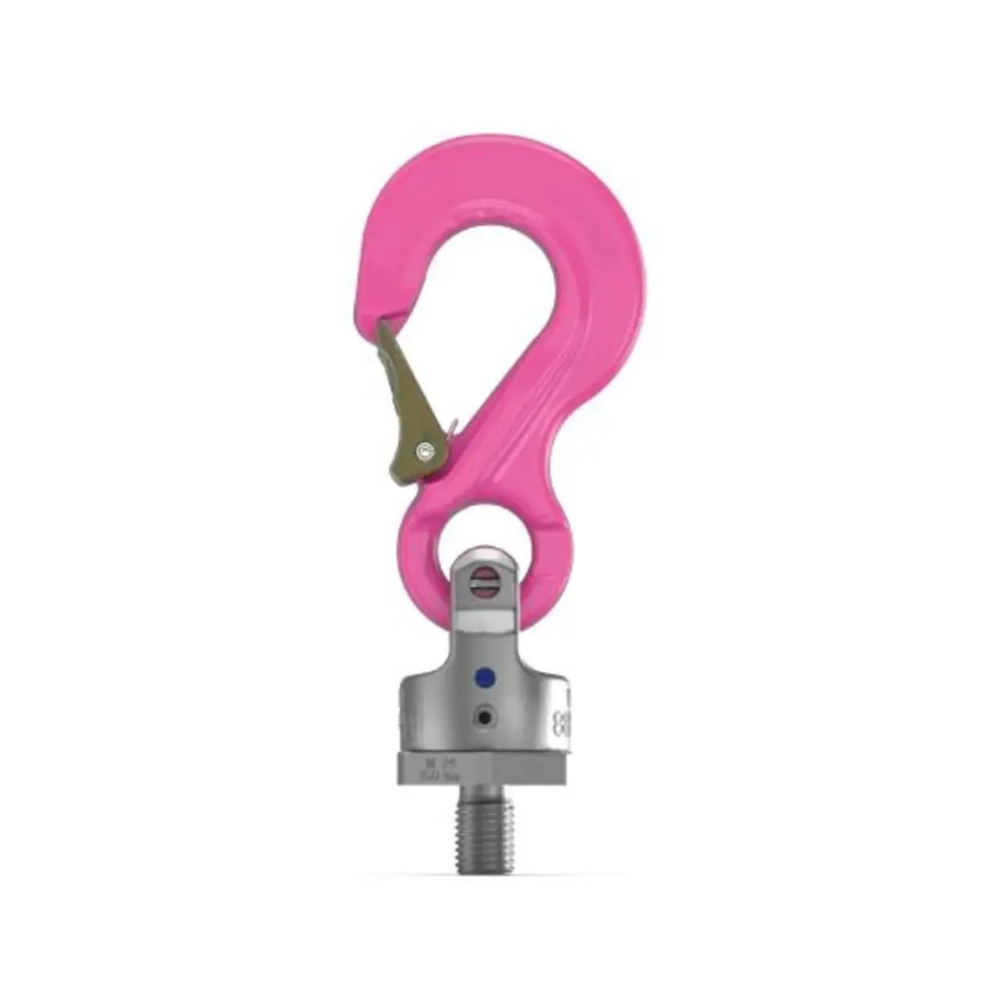
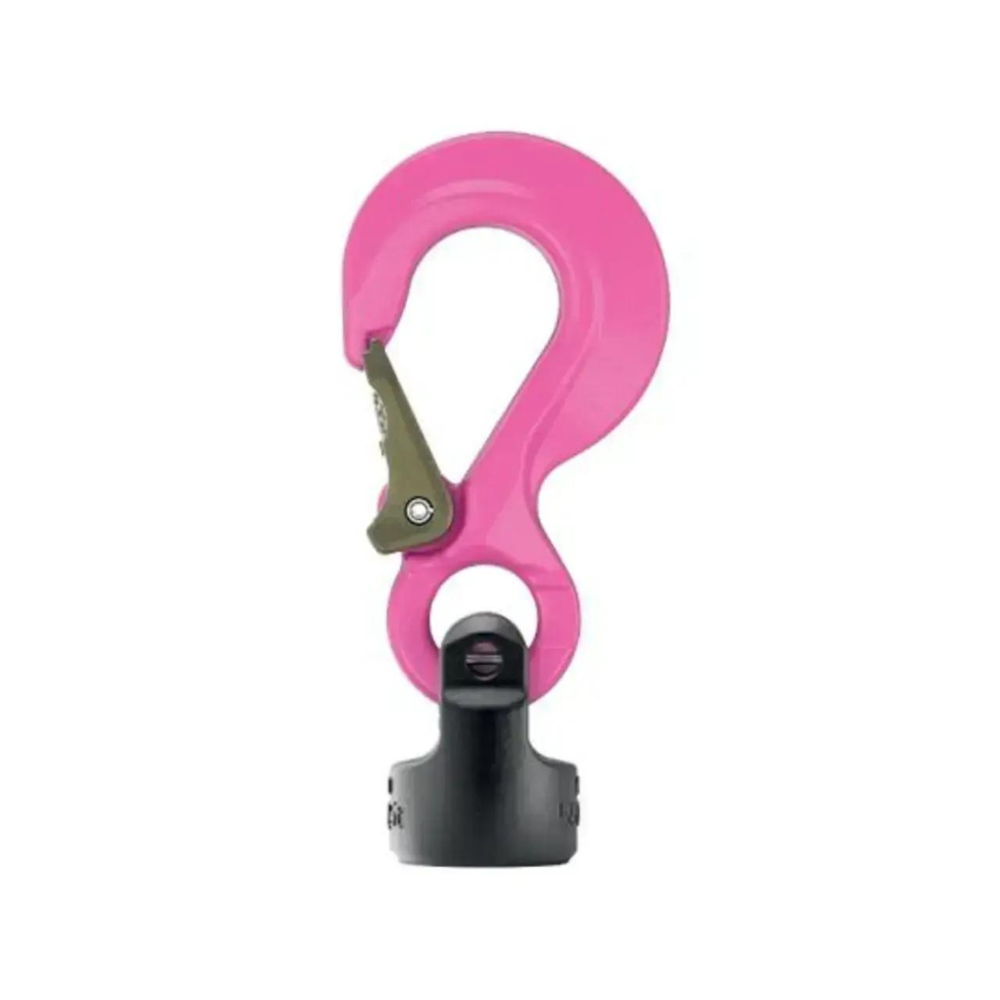
| RUD ROV-Hooks | $9,222 | 10-25 ton | View → |
| RUD VRBG 31.5 and 50 Load Ring on Plate for Bolting | $8,186 | 69,440-110,230 lb | View → |
| RUD ACP-Turnado Supermax, Metric Thread | $4,980 | 57,320 lb | View → |
| Straightpoint Wireless Loadshackles | $4,067 | 3.25-400 ton | View → |
 In Stock
 In Stock
 In StockIn Stock
 In Stock
 In Stock
 In Stock
 In Stock
 In Stock
 In Stock
 In Stock
 In Stock
 In Stock
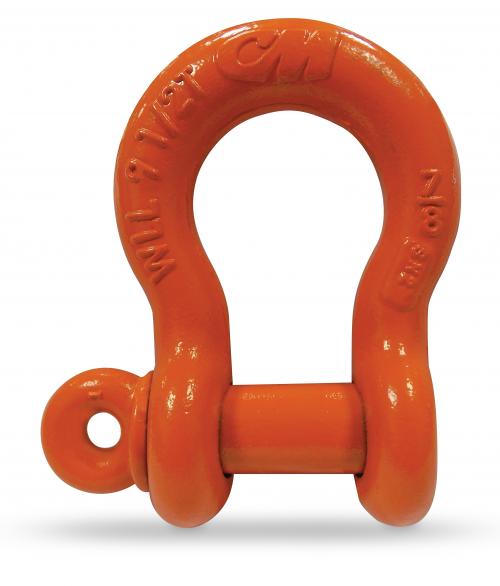 In Stock
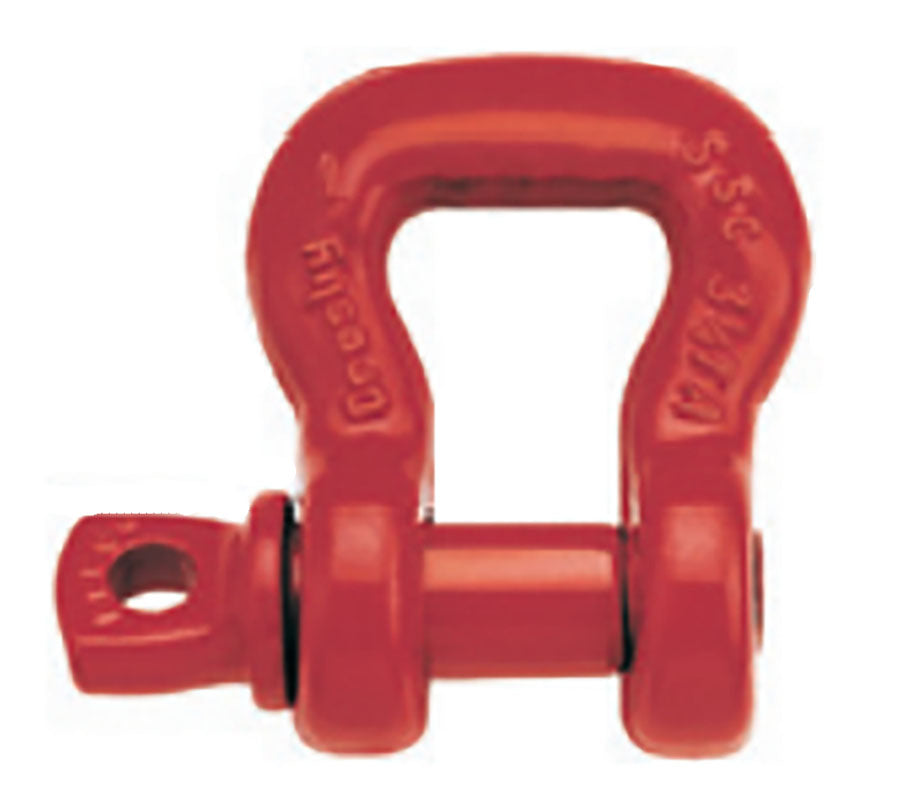 In Stock
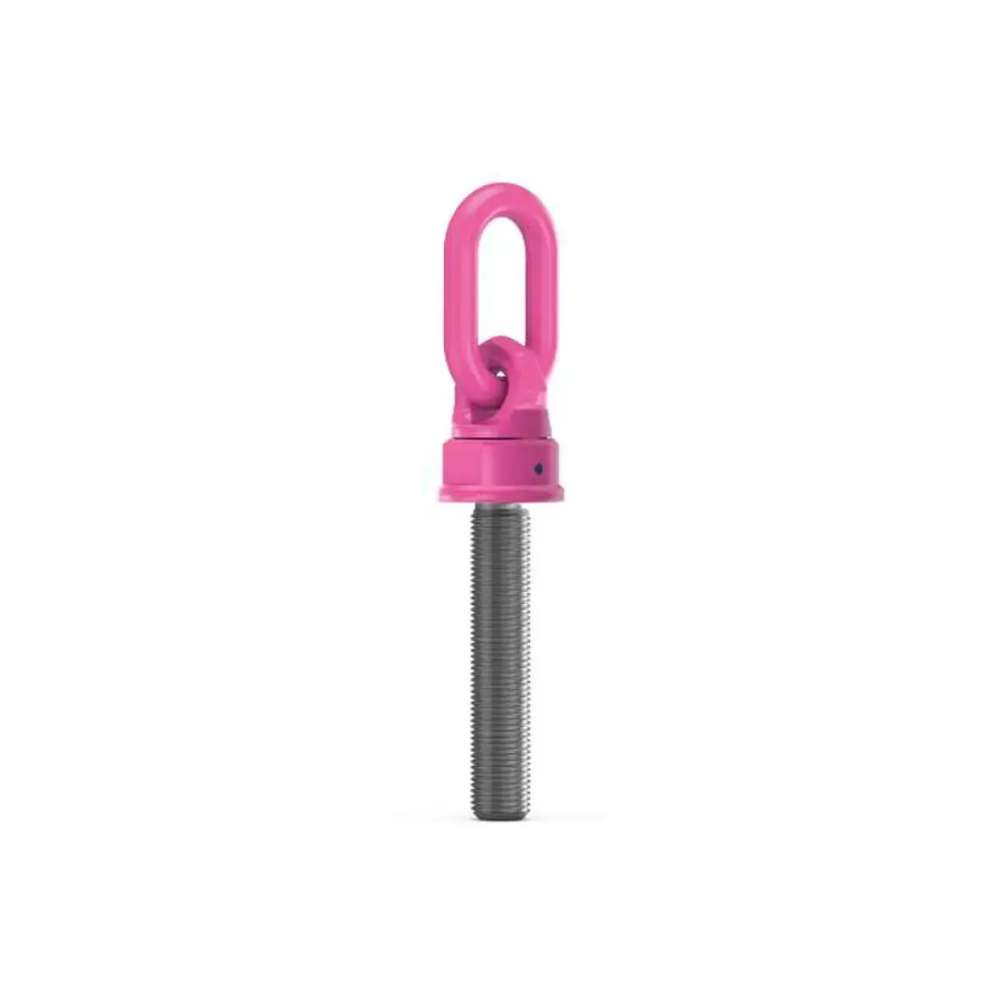 In StockIn Stock
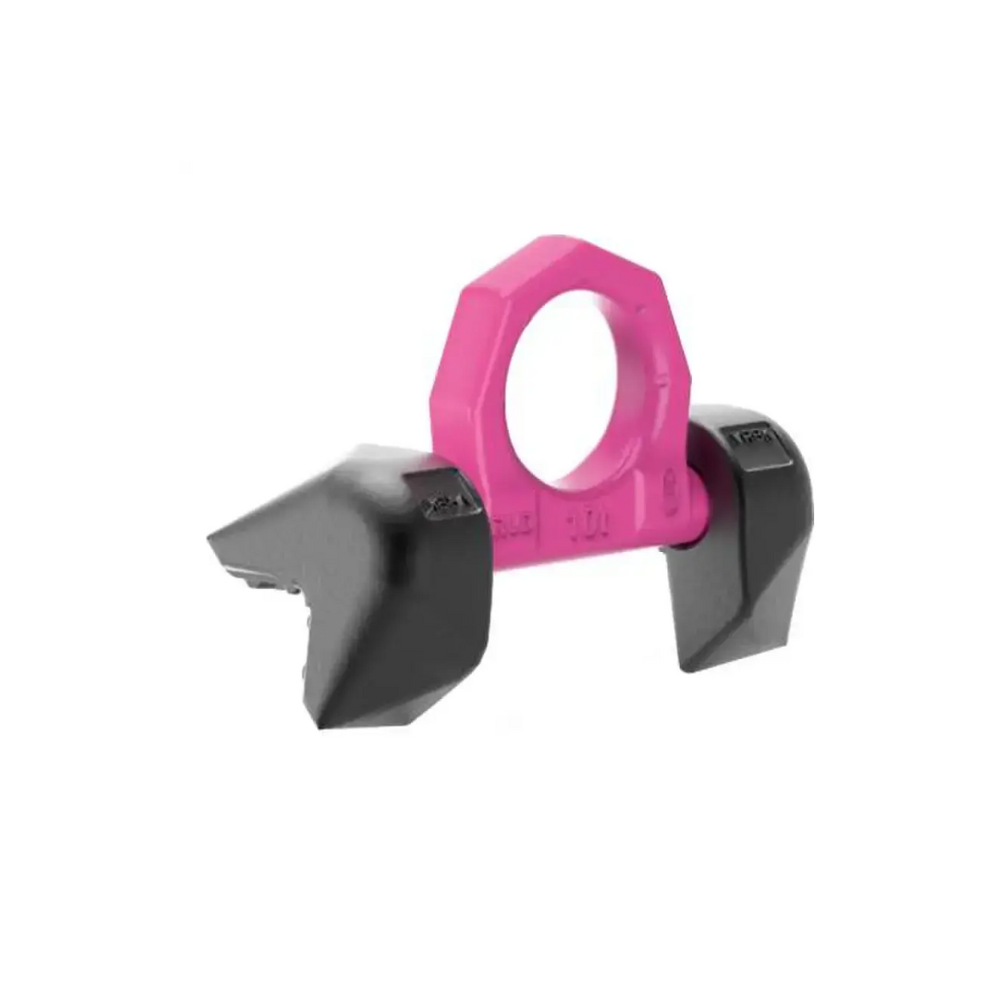 In Stock
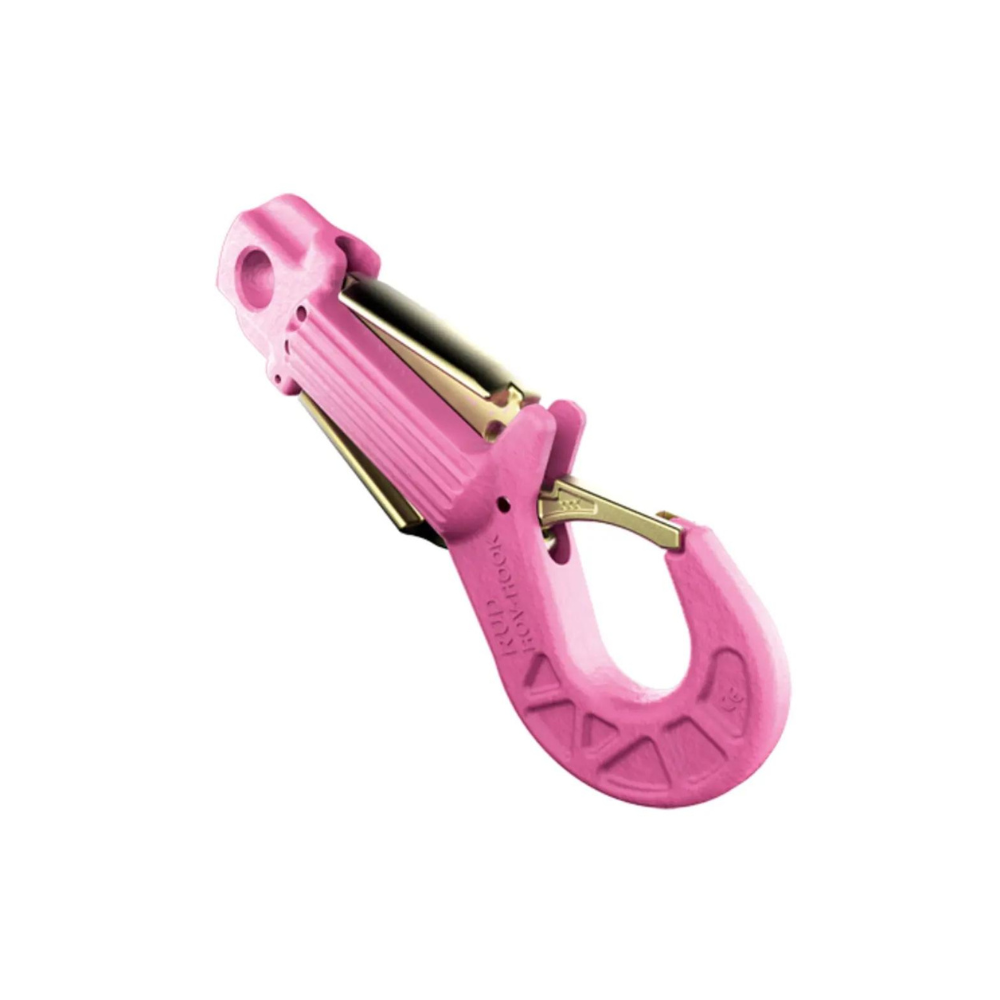 In Stock
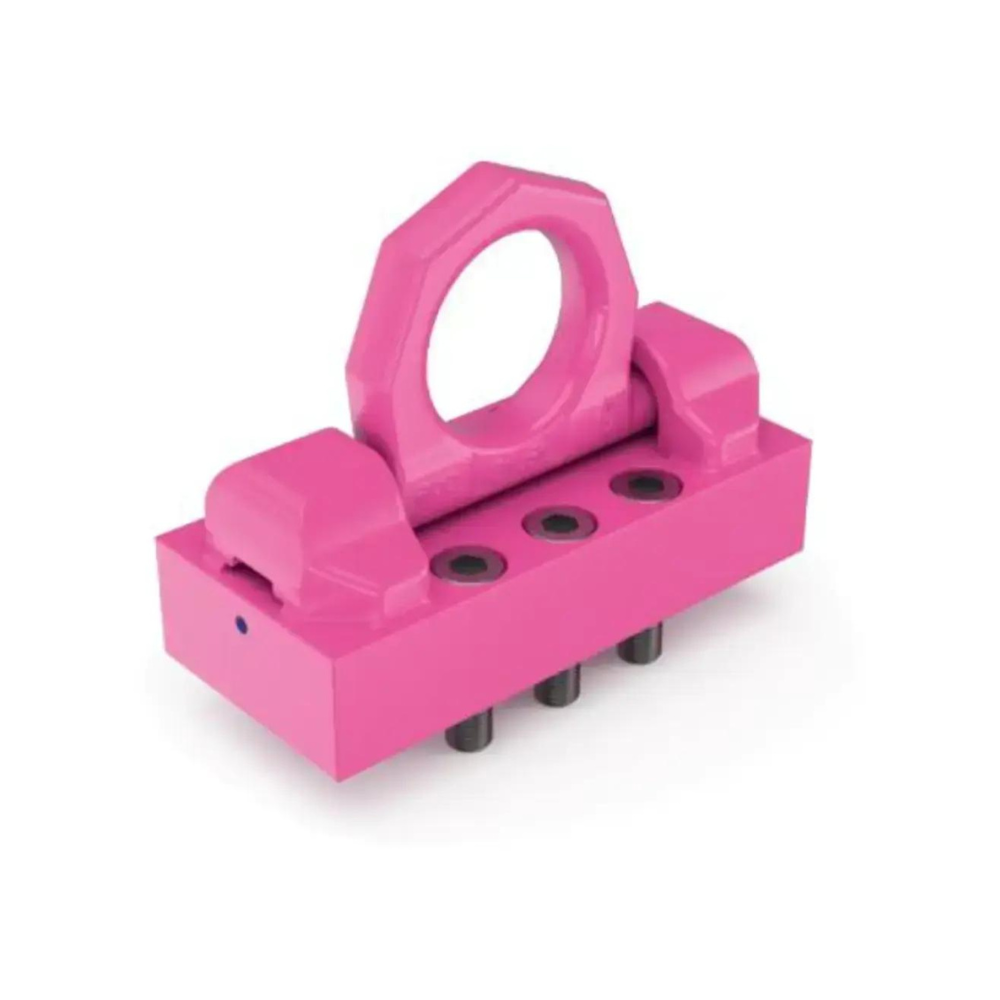 In Stock
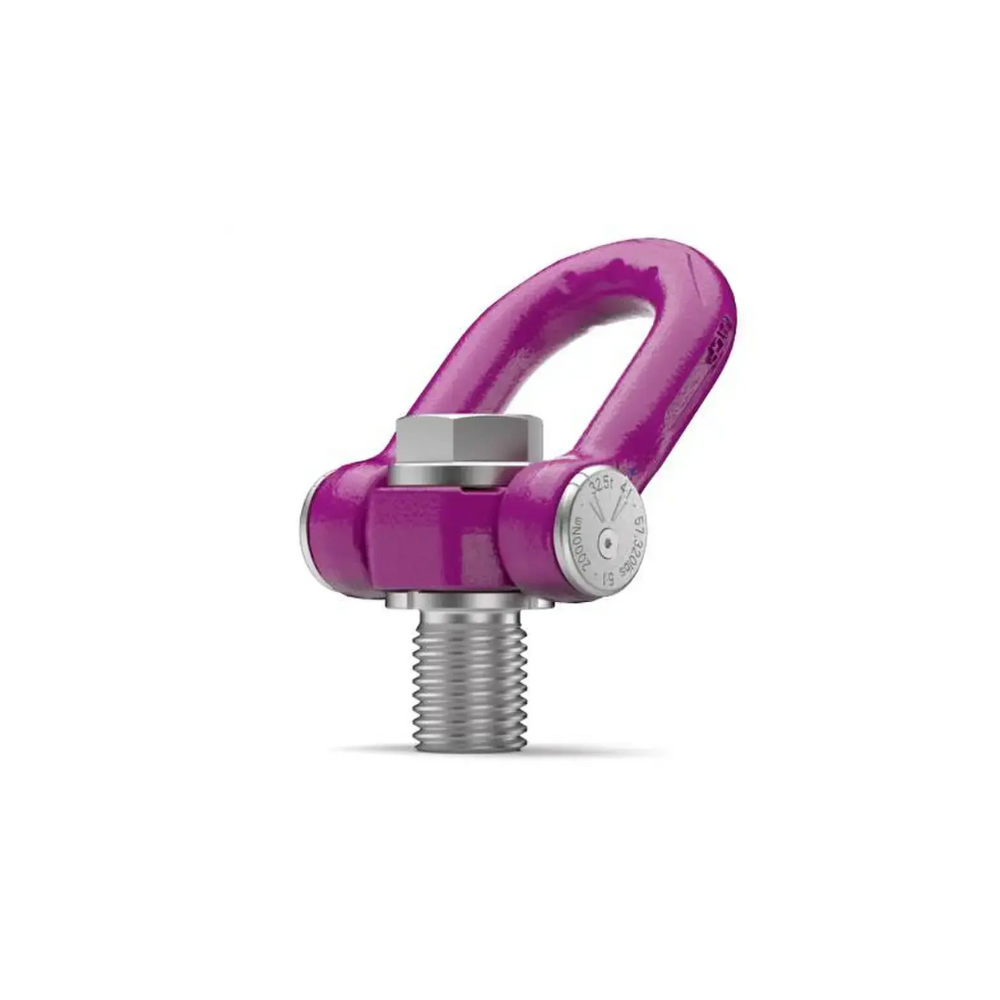 In Stock
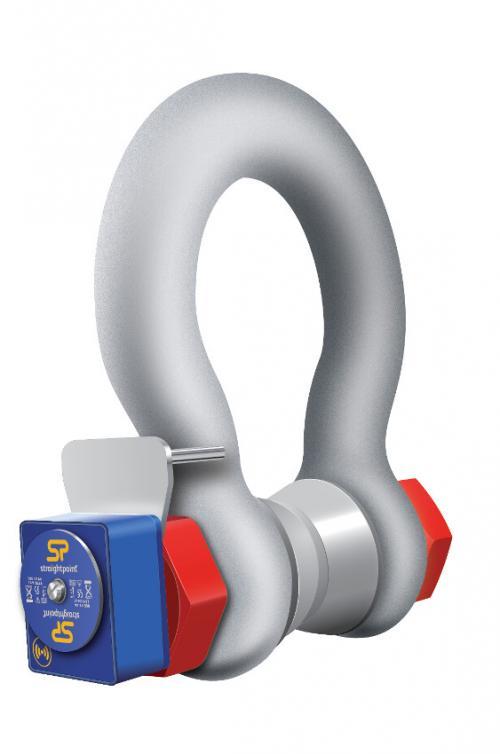 In Stock
 In Stock
 In Stock
 In Stock
 In Stock
 In Stock
 In Stock
 In Stock
 In Stock
 In Stock
 In Stock
 In Stock
 In Stock
 In Stock
 In Stock
 In Stock
 In Stock
 In Stock
 In Stock
 In Stock
 In Stock
 In Stock
 In Stock
 In Stock
 In StockIn Stock
 In Stock
 In Stock
 In Stock
 In Stock
 In Stock
 In Stock
 In Stock
 In Stock
 In Stock
 In Stock
 In Stock
 In Stock
 In Stock
 In Stock
 In Stock
 In Stock
 In Stock
 In Stock
 In Stock
 In Stock
 In Stock
 In Stock
 In Stock
 In Stock
 In Stock
 In Stock
 In Stock
 In Stock
 In Stock
 In Stock
 In Stock
 In Stock
 In Stock
 In Stock
 In Stock
 In Stock
 In Stock
 In Stock
 In Stock
 In Stock
 In Stock
 In Stock
 In Stock
 In Stock
 In Stock
 In Stock
 In Stock
 In Stock
 In Stock
Lifting Points Buying Guide
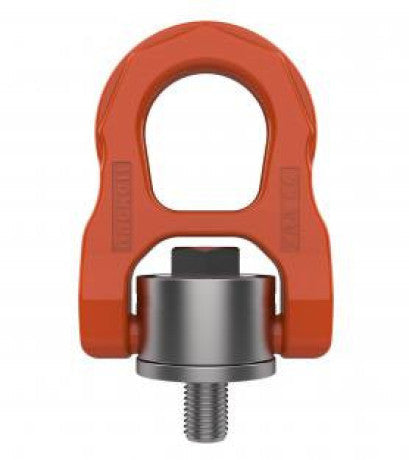
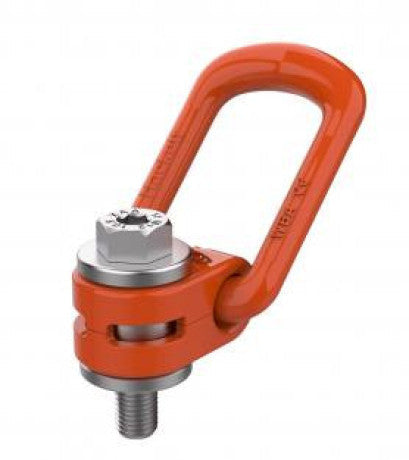
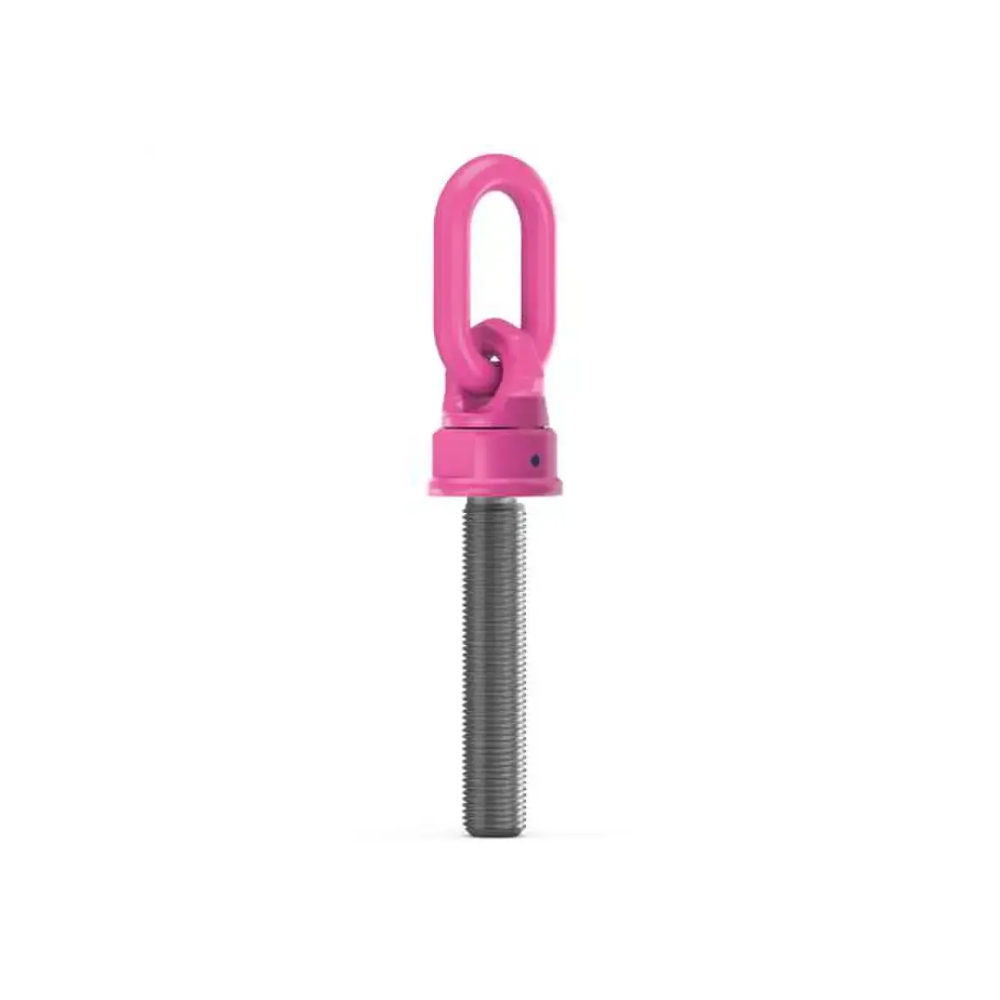
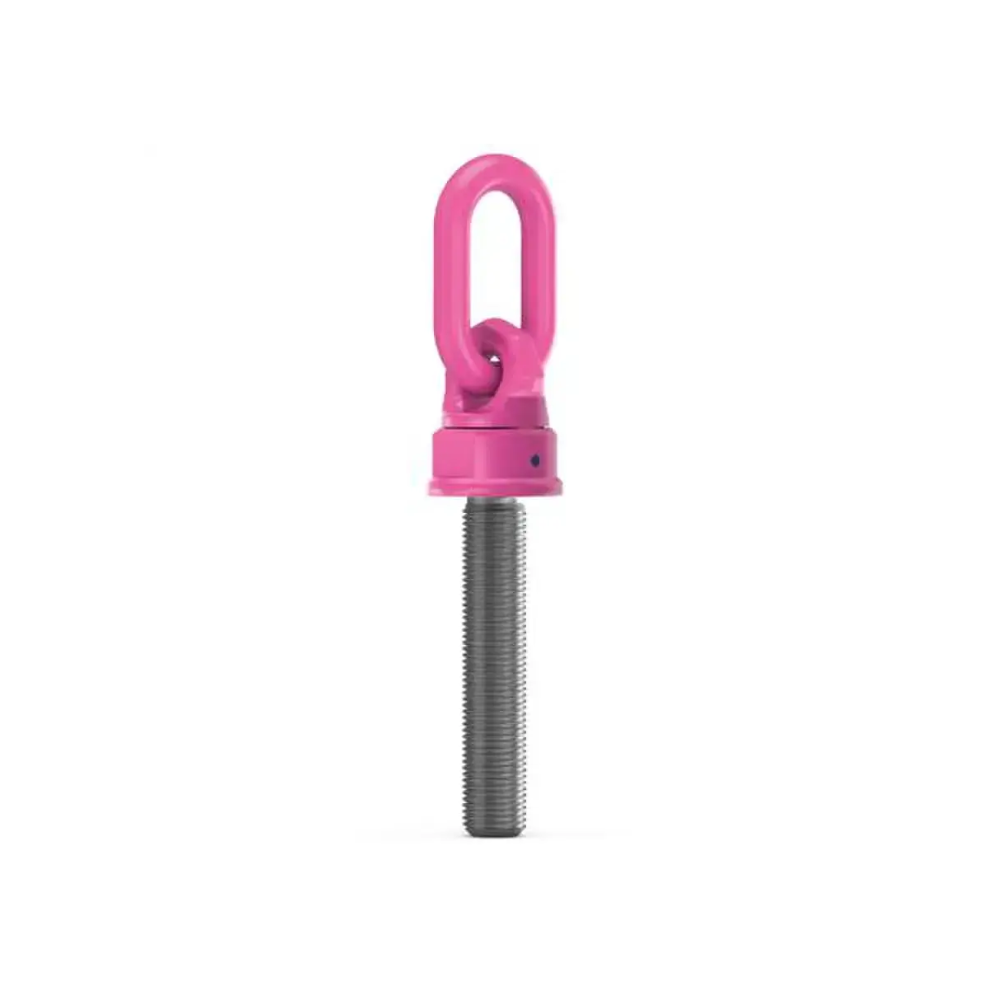
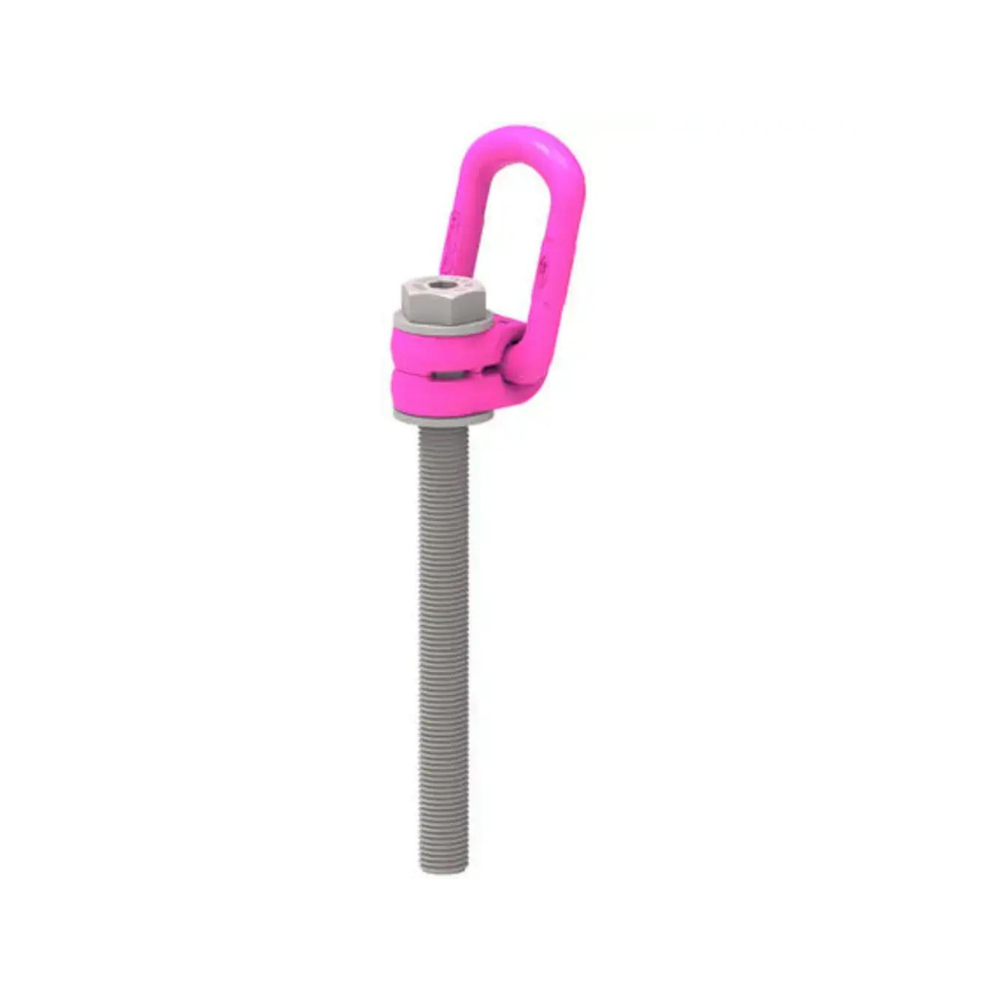
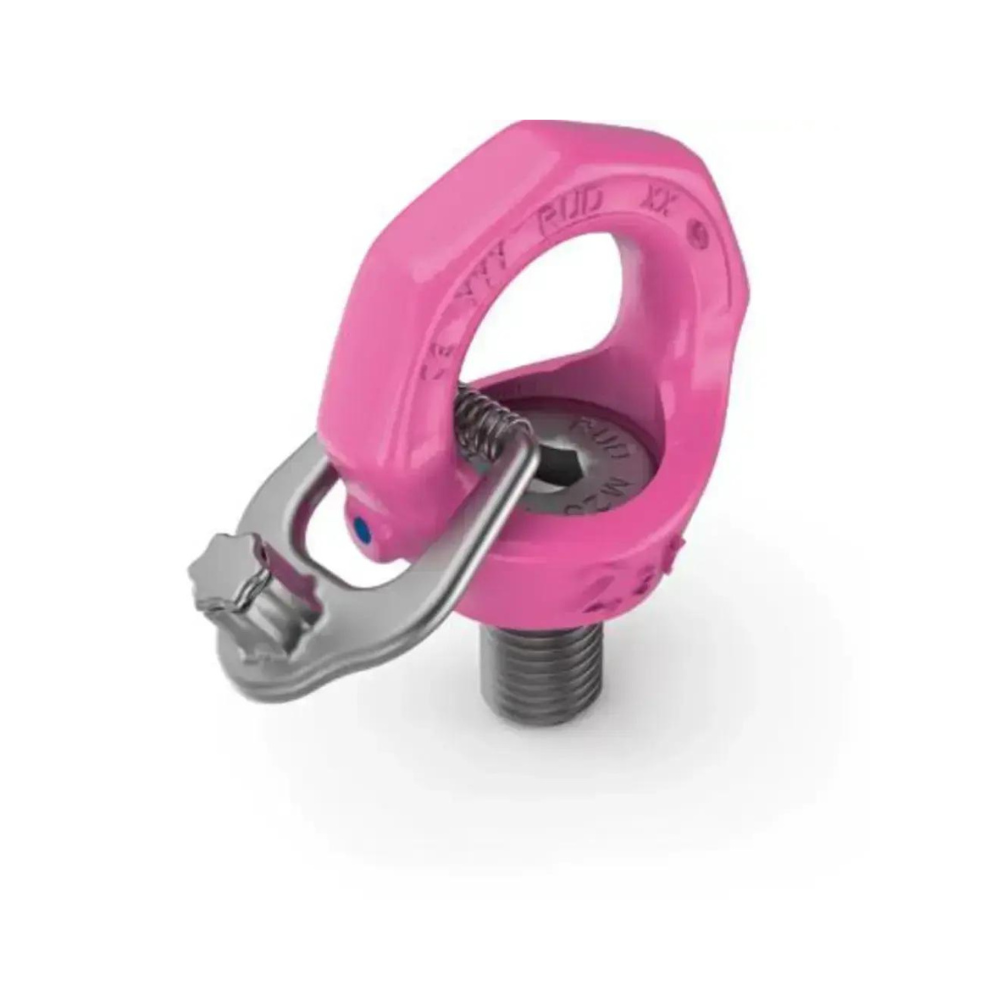
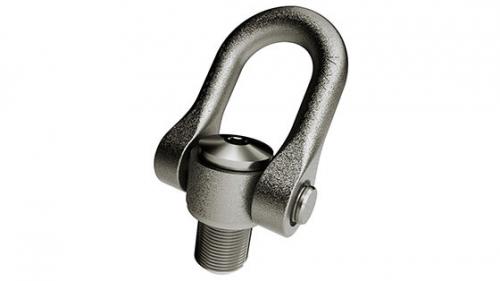
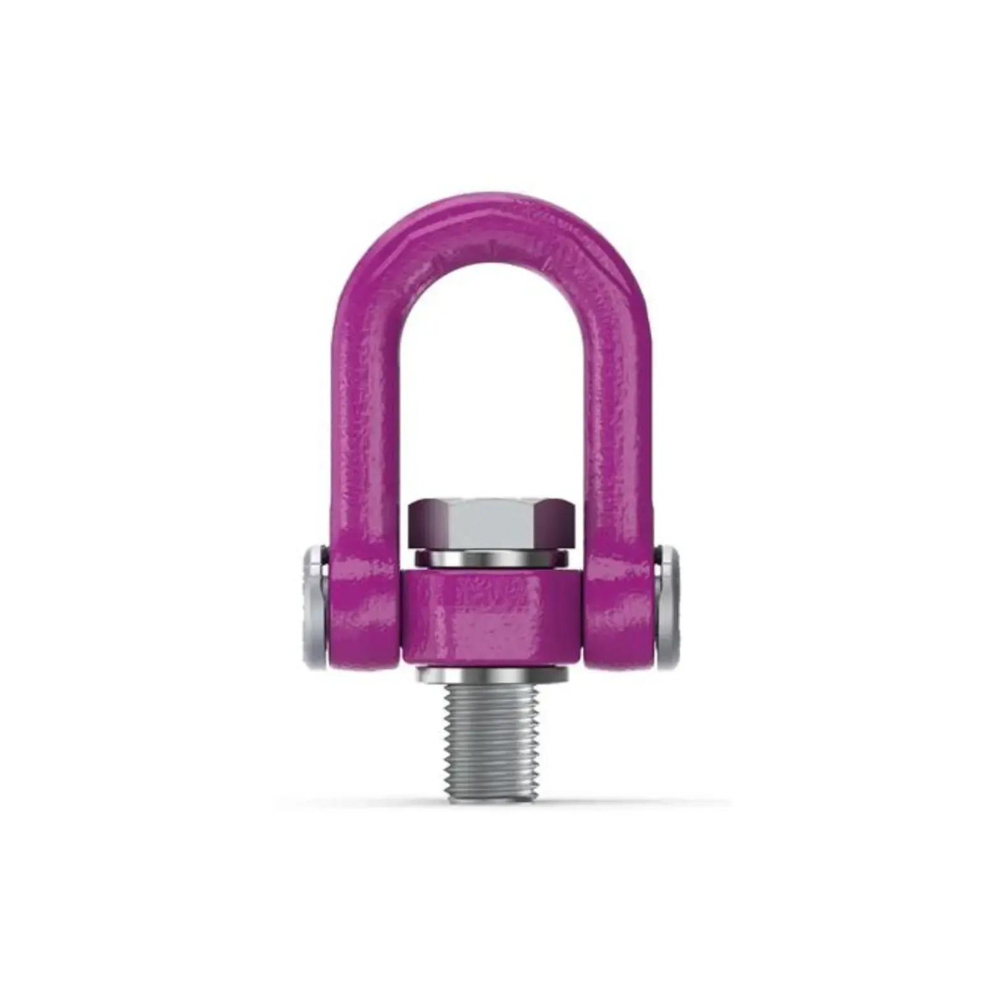
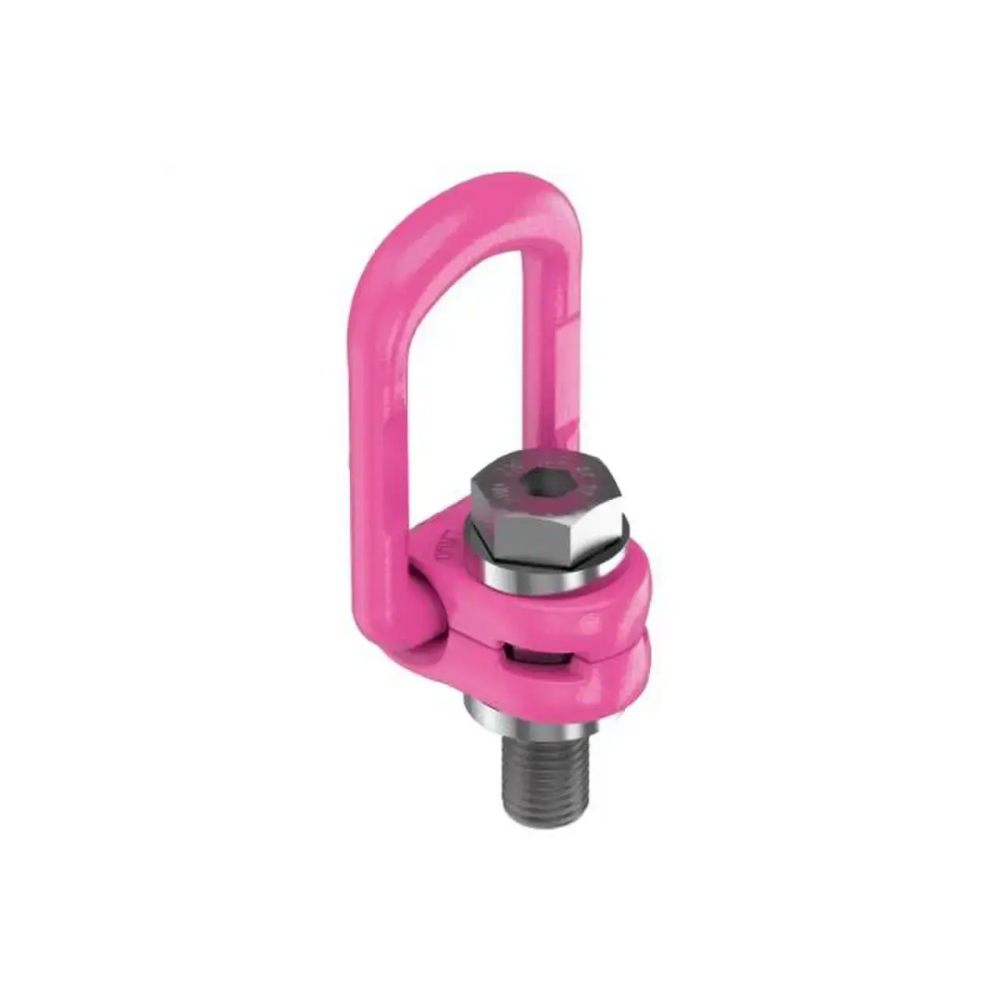
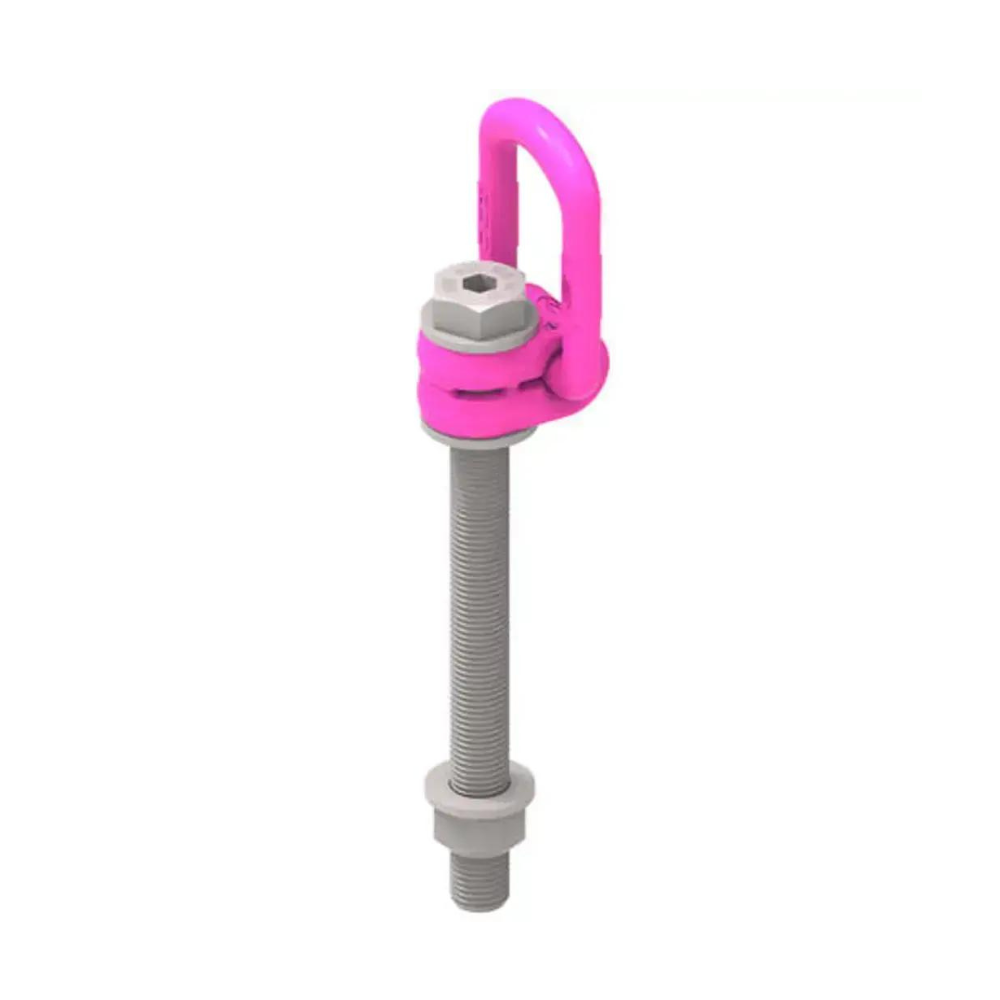
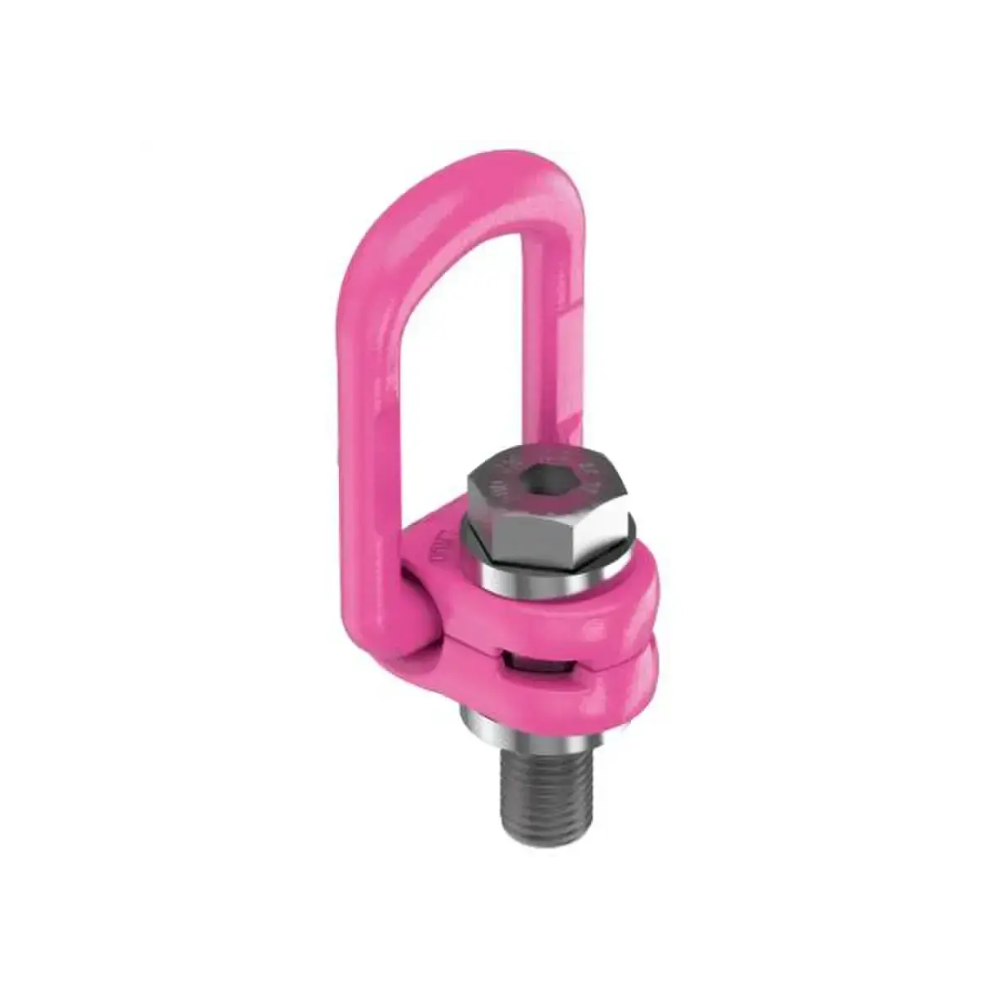
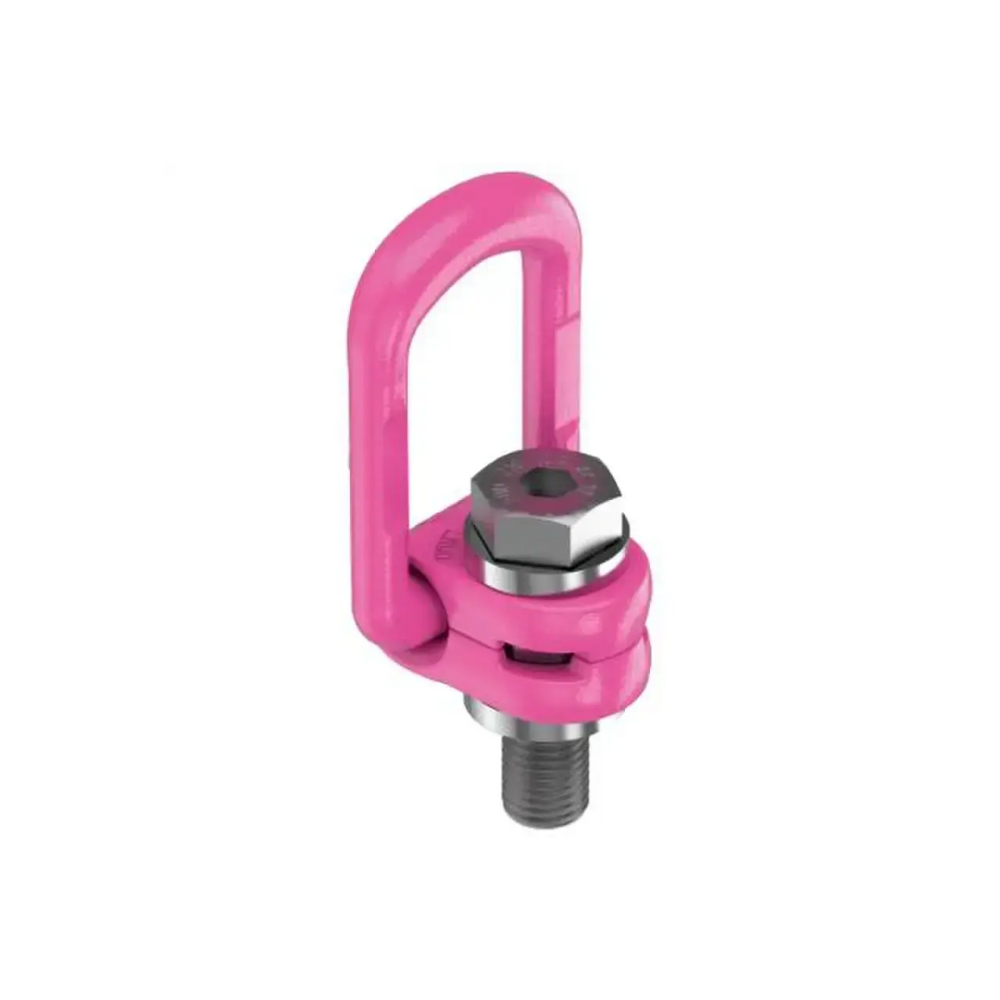
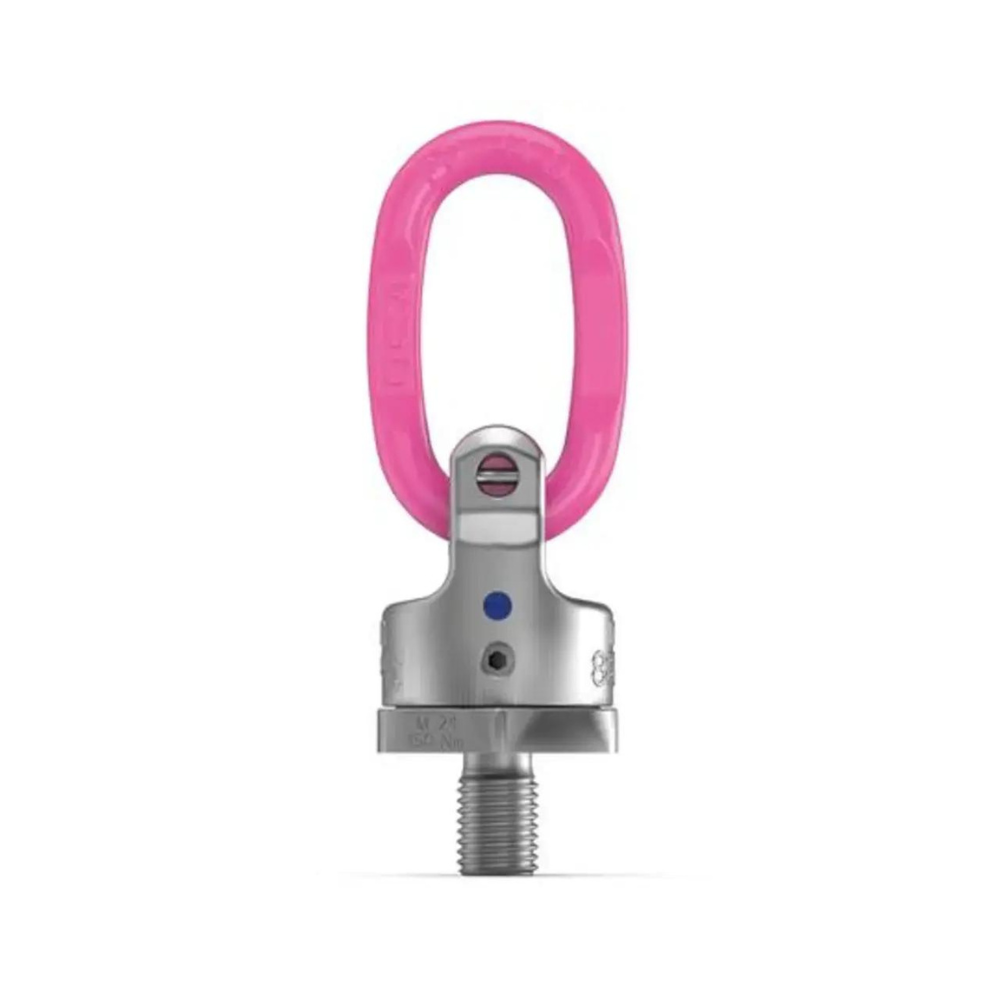
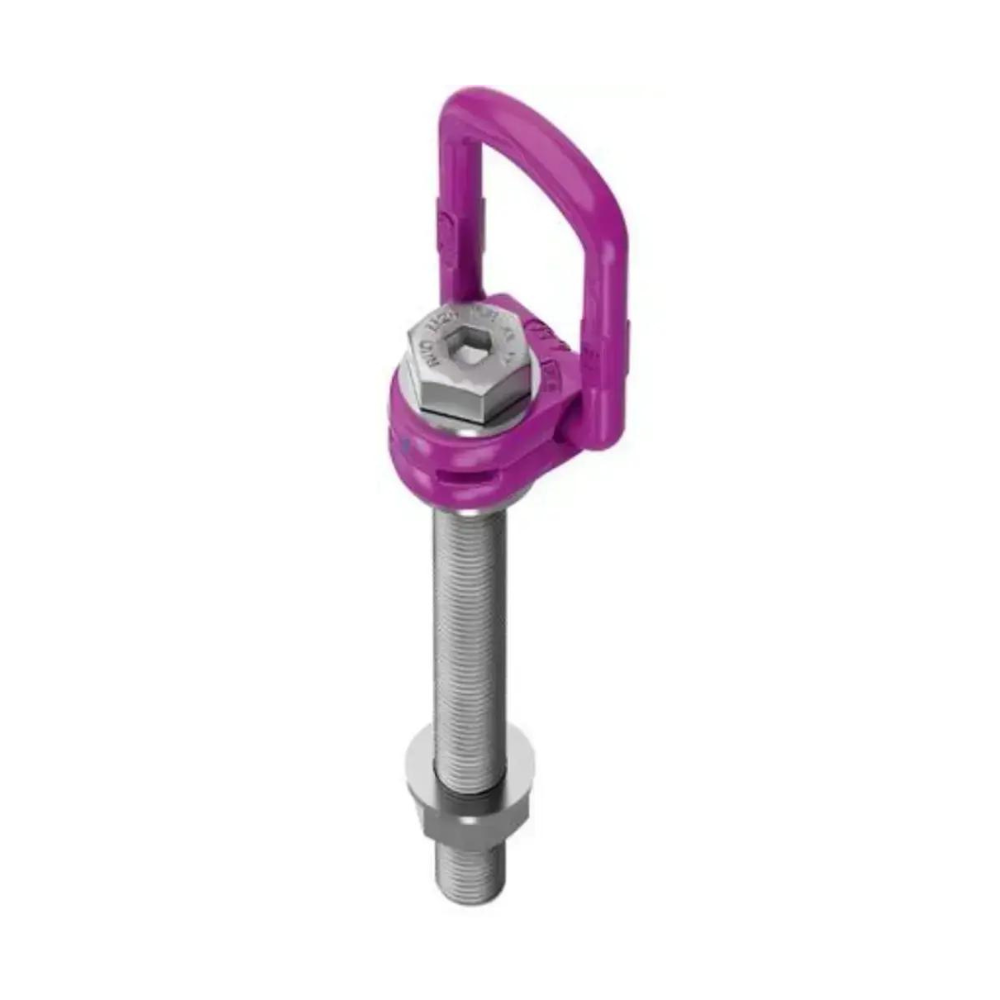
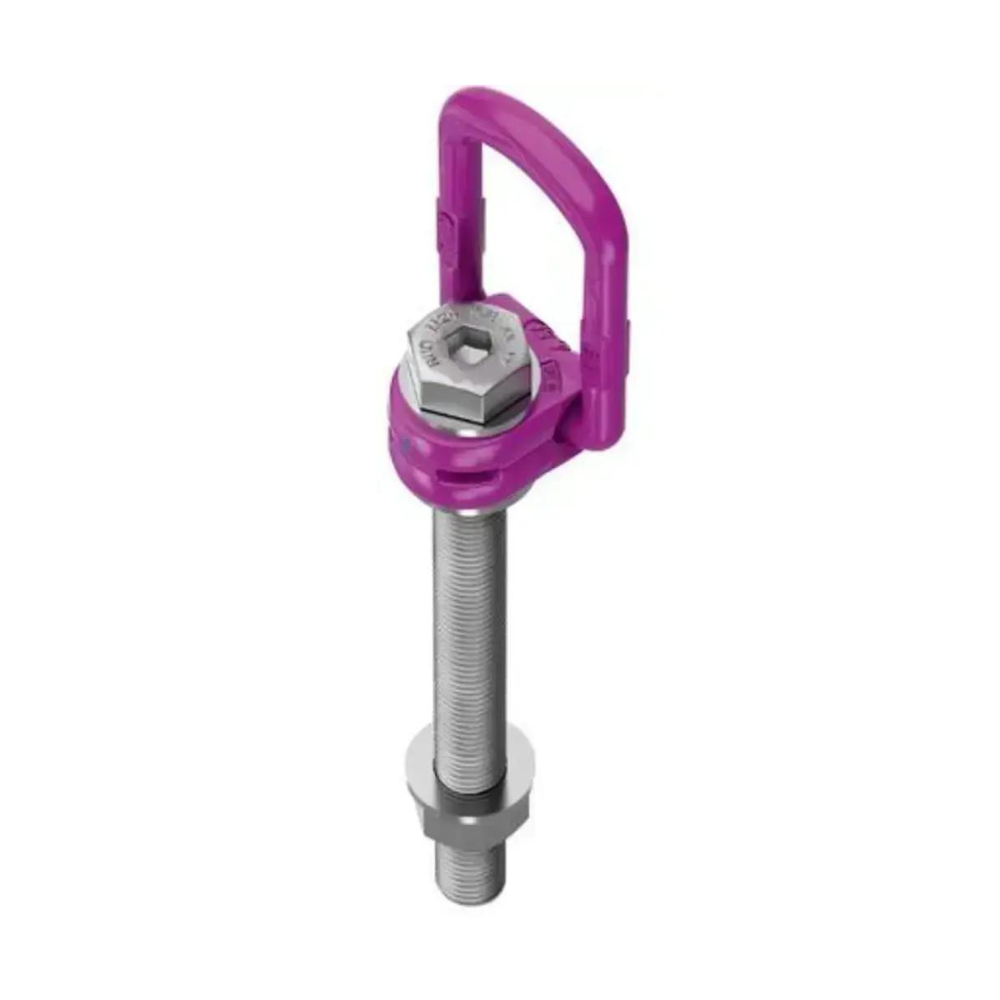
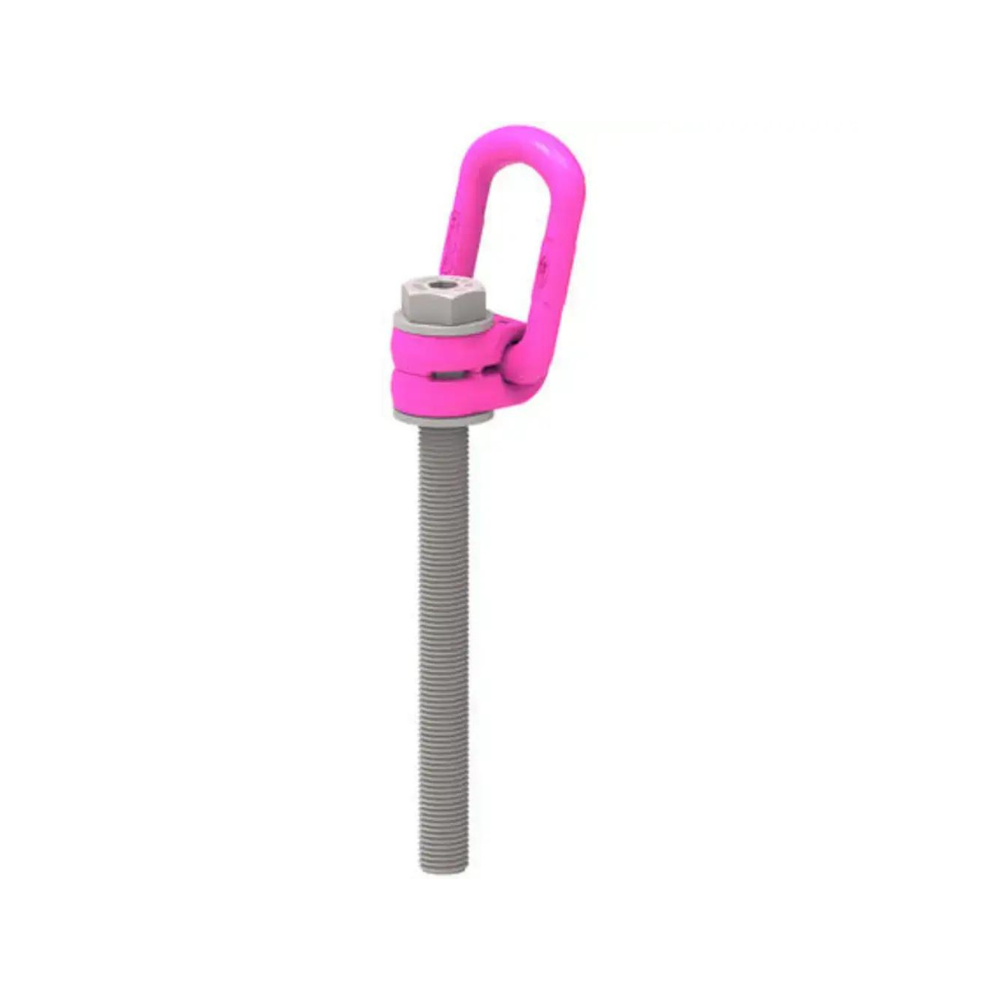
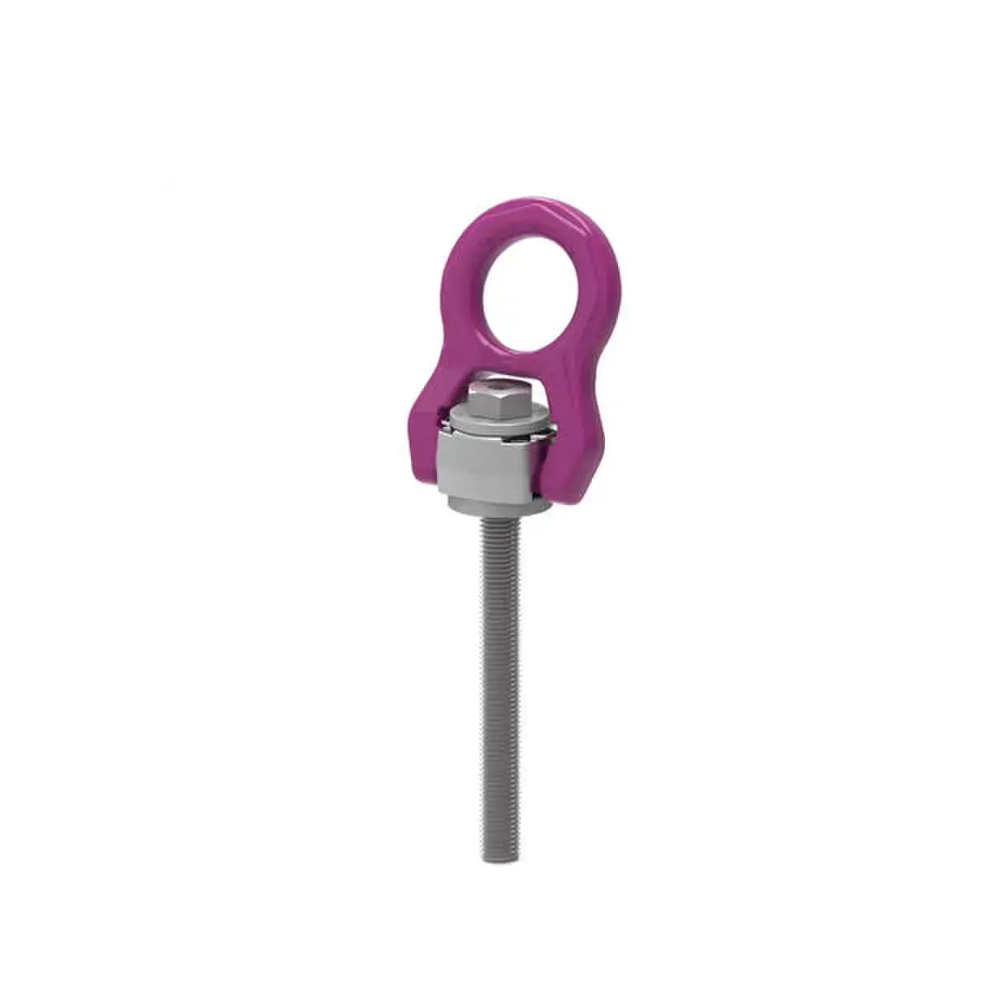
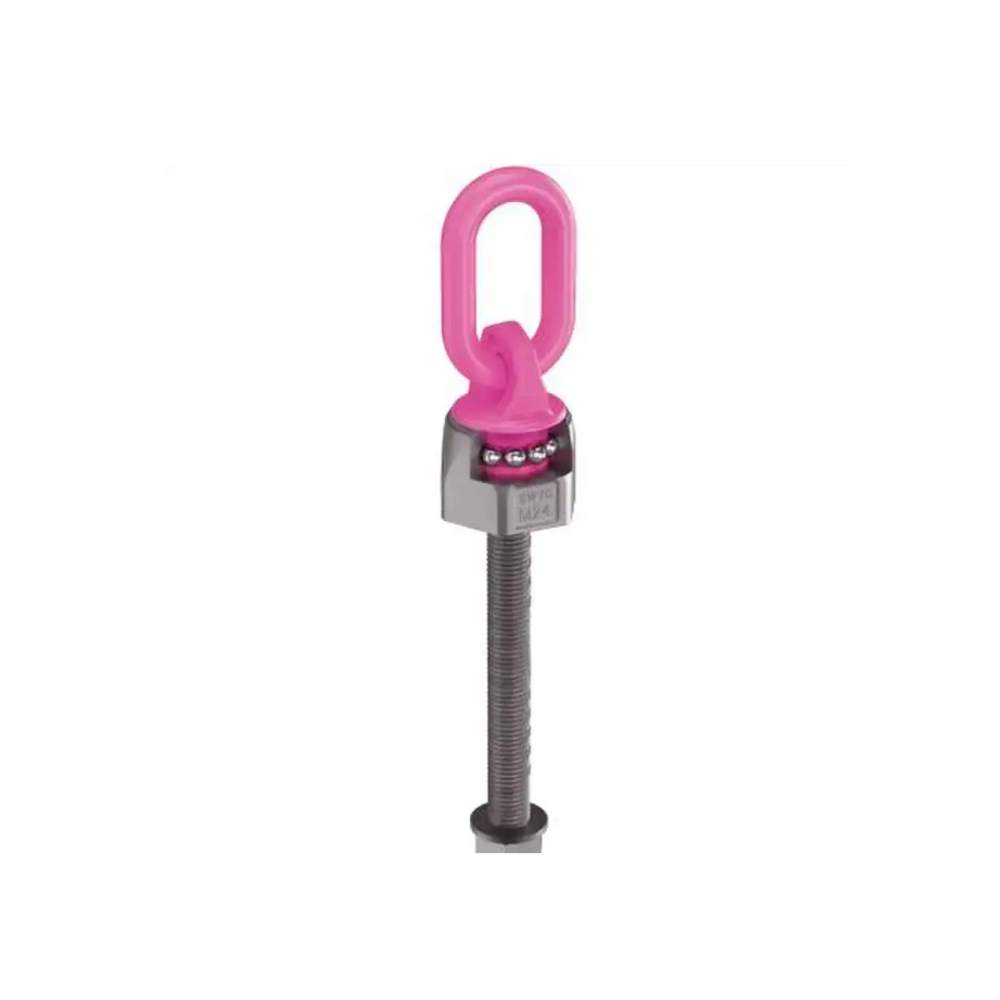
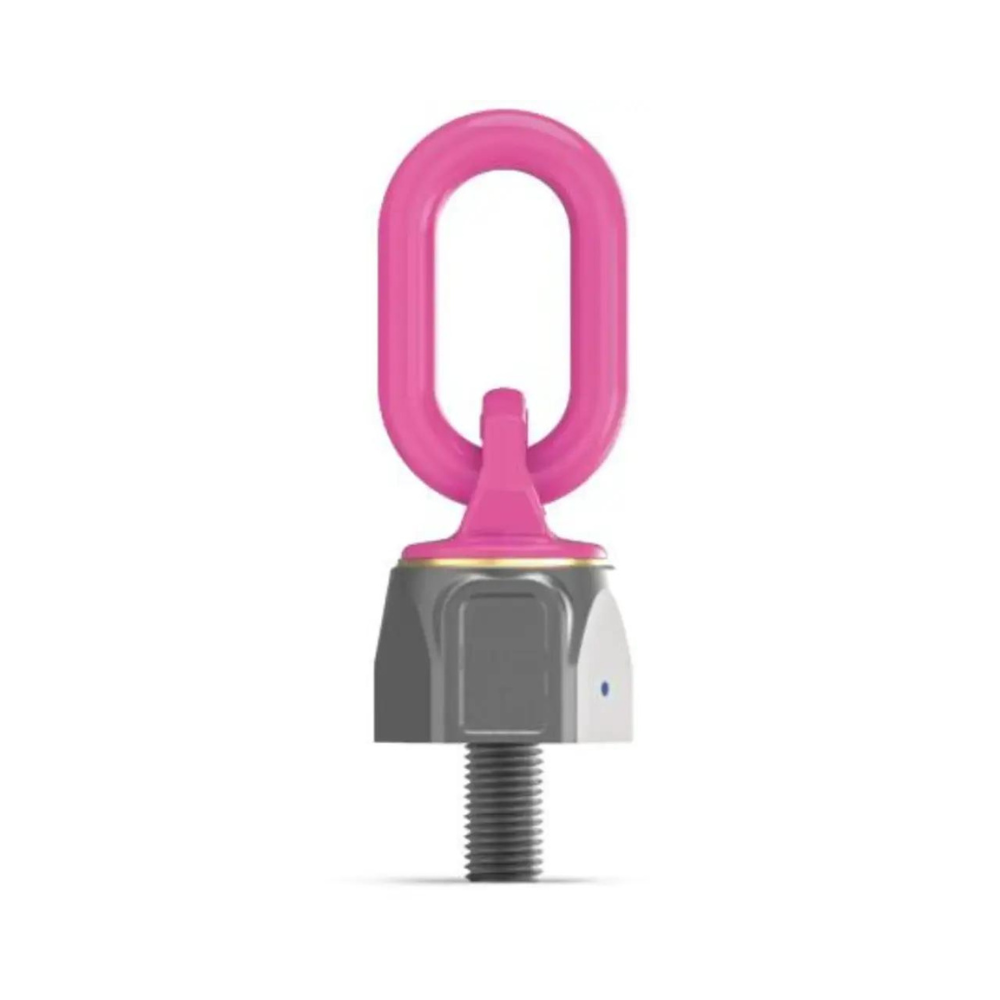
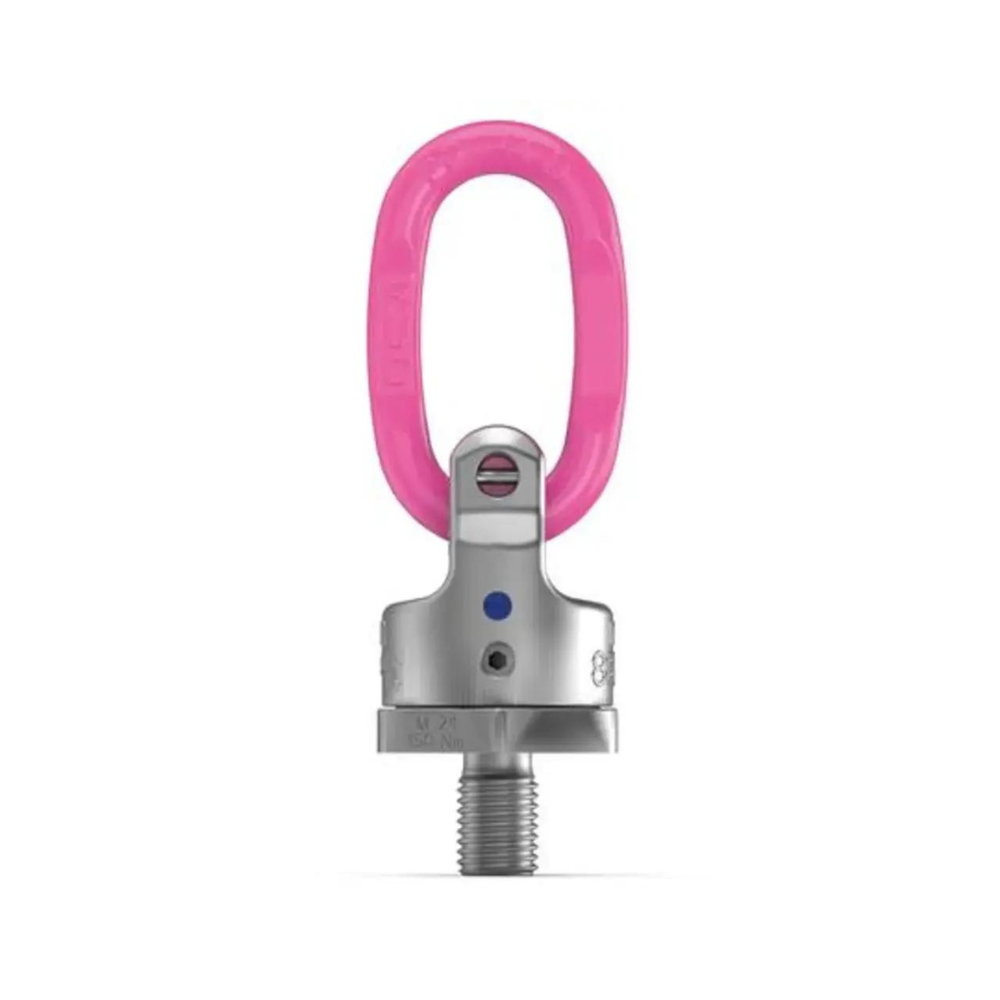
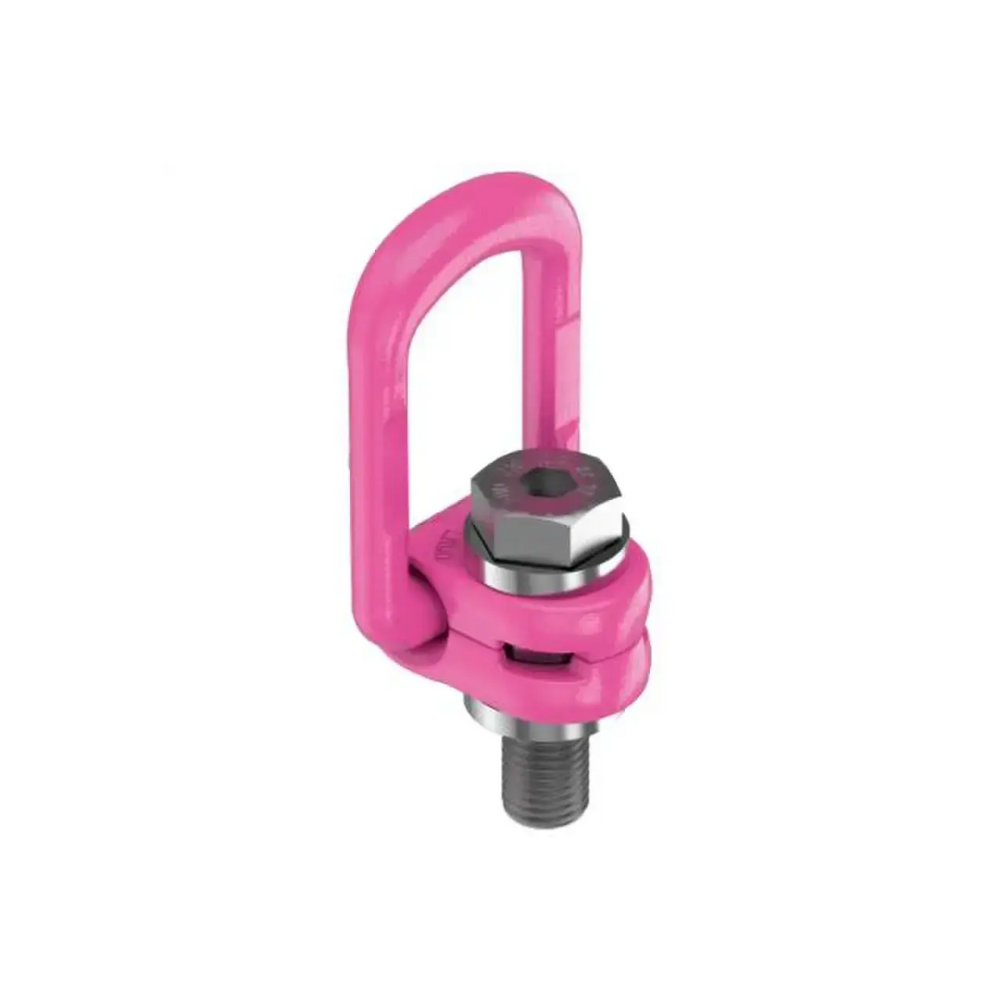
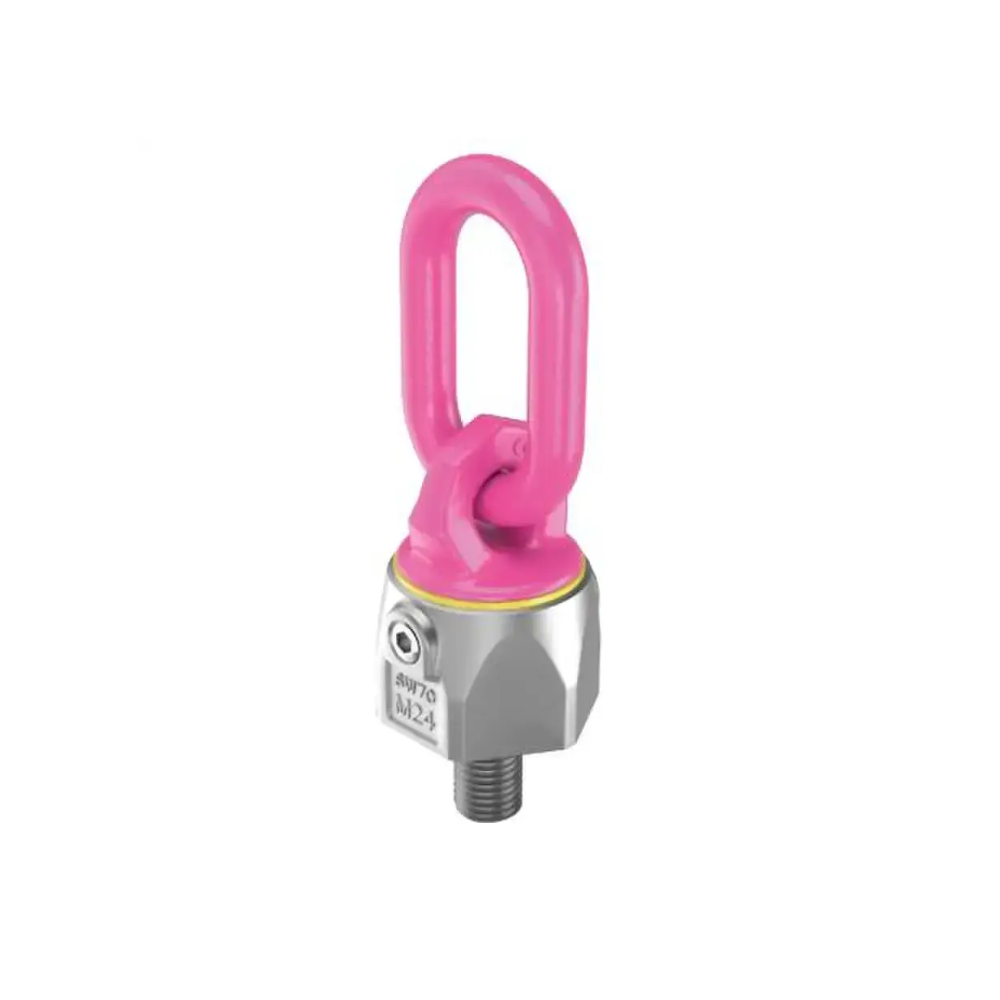
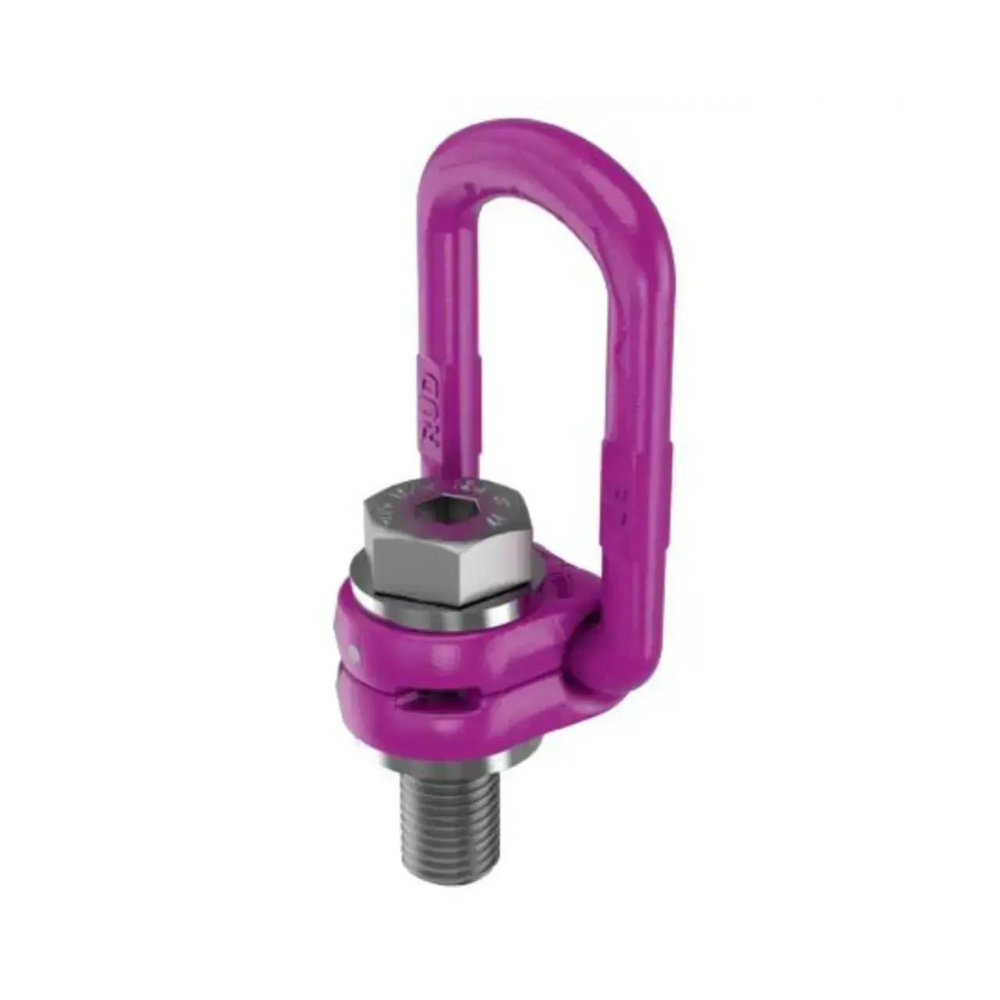
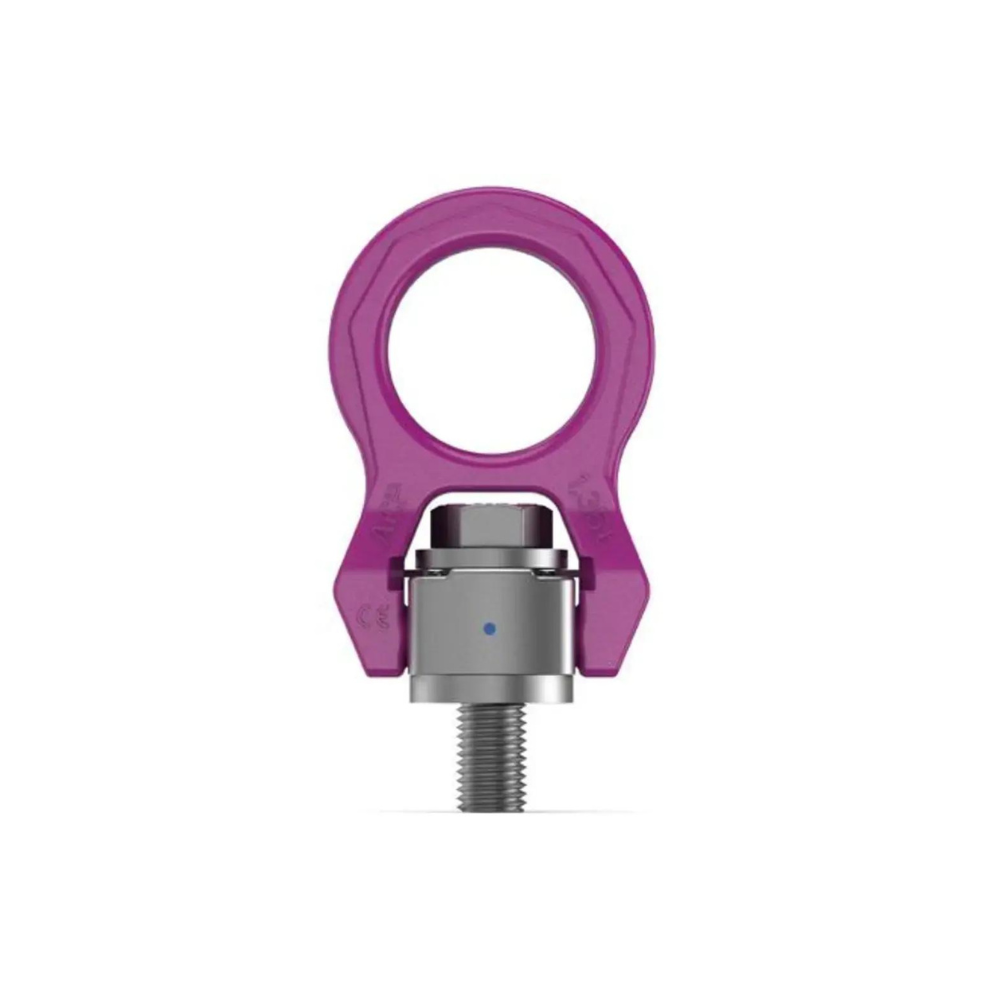
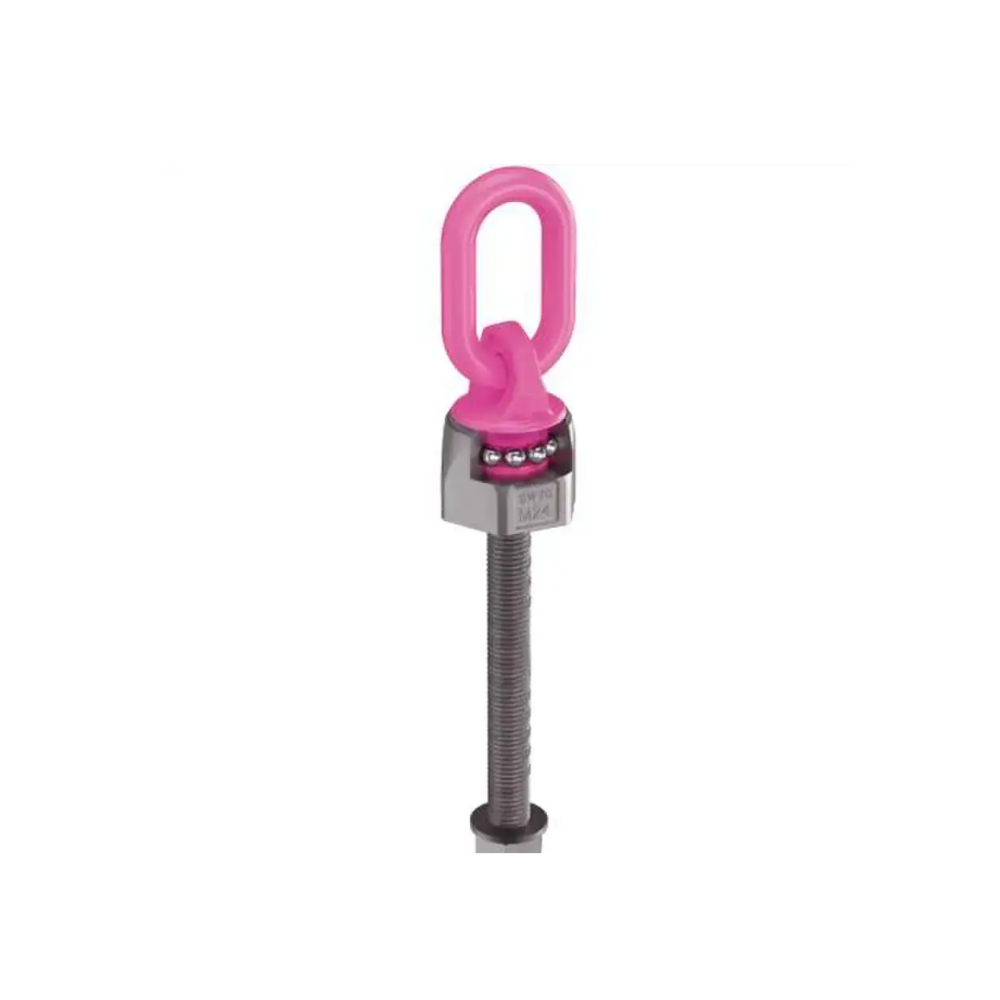
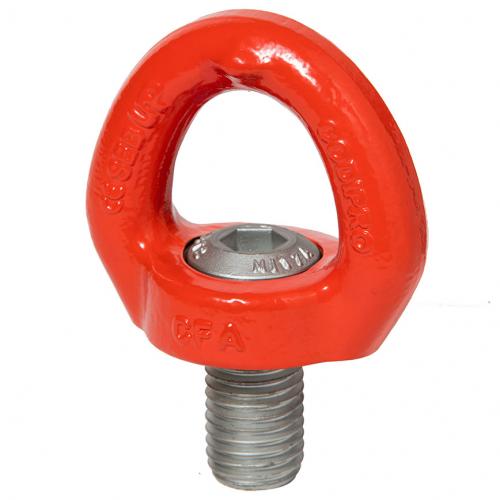
Why a hoist ring beats an eyebolt the moment the pull leans. A shoulder eyebolt is rated for a straight vertical pull, and the derating for anything else is brutal: industry tables run 80% of rating at 15 degrees off axis, 65% at 30 degrees, 30% at 45 degrees, and no rating at all past 45. The bail of a swivel hoist ring pivots 180 degrees and swivels 360 under load, so the pull always arrives in line with the bail, and the device carries 100% of its working load limit through that whole range, provided the bolt is torqued to spec and the ring is free to align. That is the entire argument. The William Hackett HA swivel hoist rings run 2,200 lb at 1/2 inch UNC to 11,000 lb at 1 inch starting at $77, a modest premium over the fixed HA lifting point at $58, and on any lift where sling legs come in at an angle, which is most multi-leg lifts, the swivel is the buy.
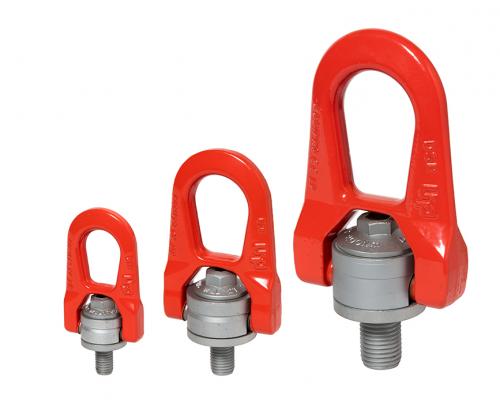
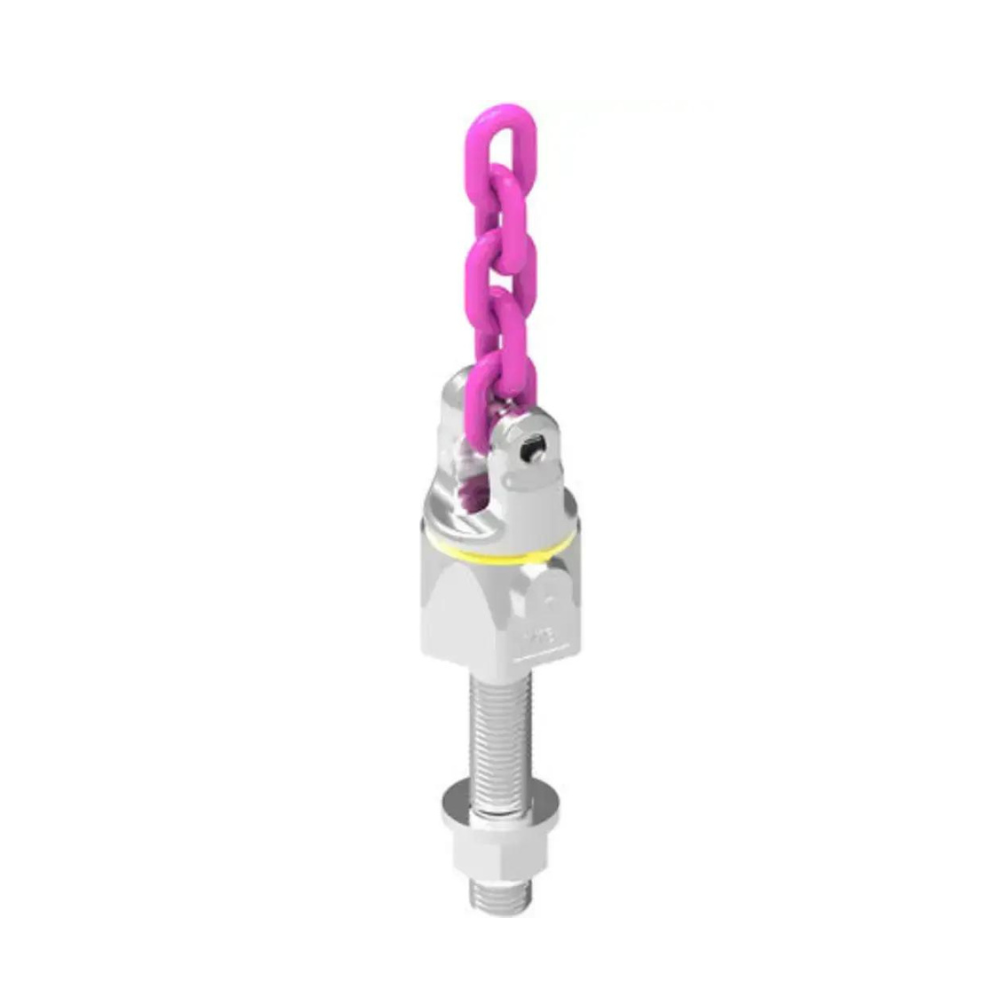
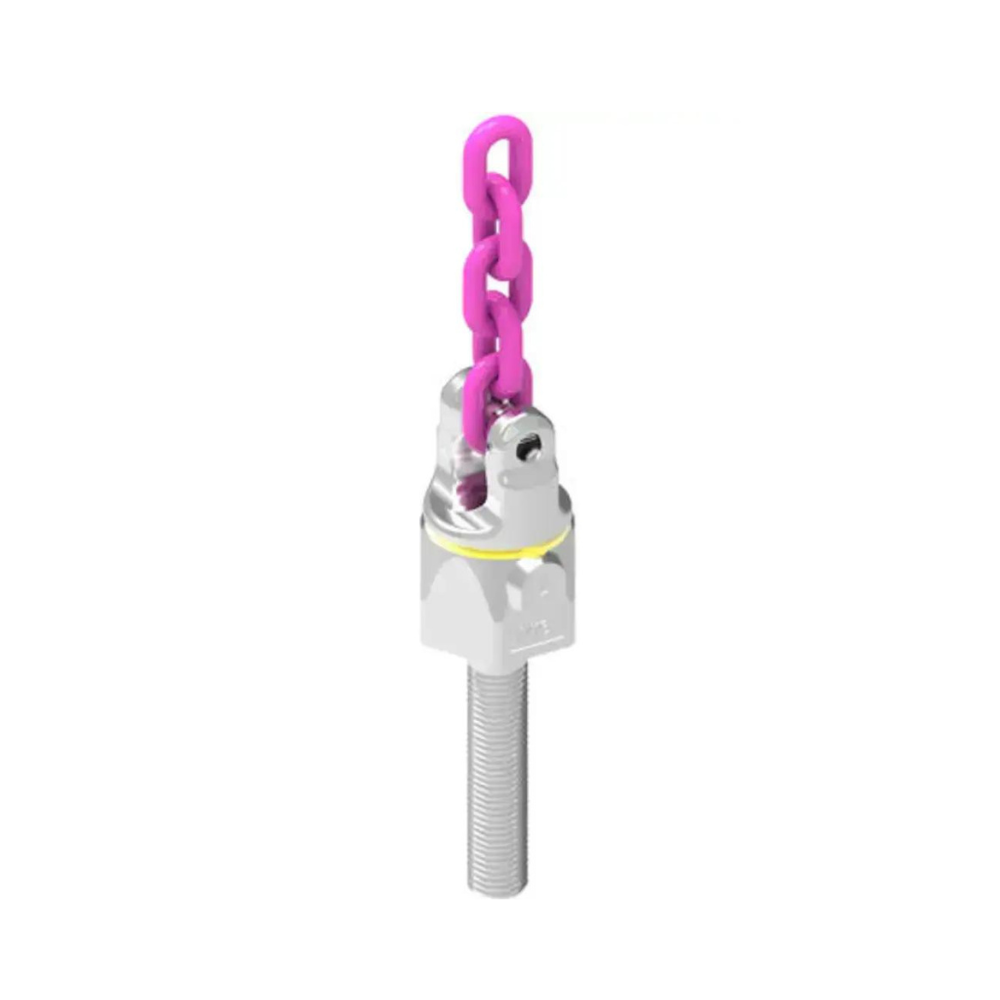
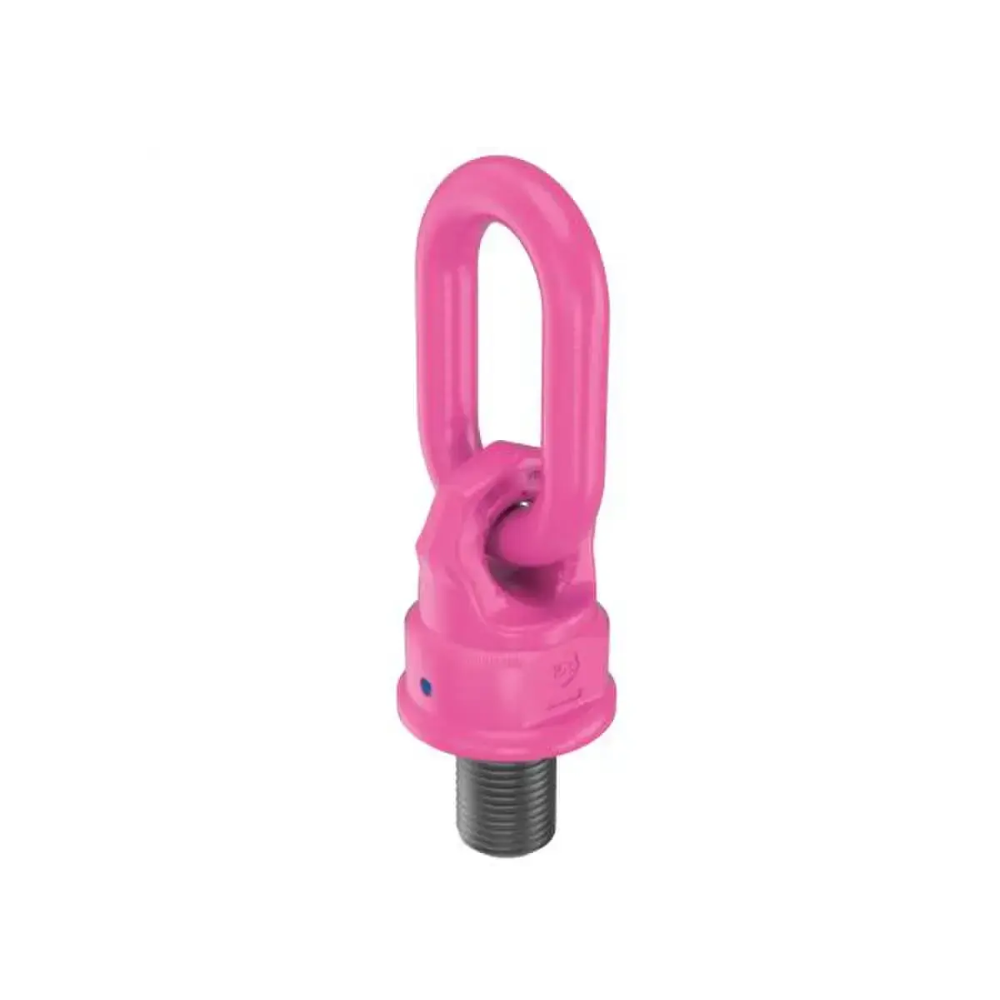
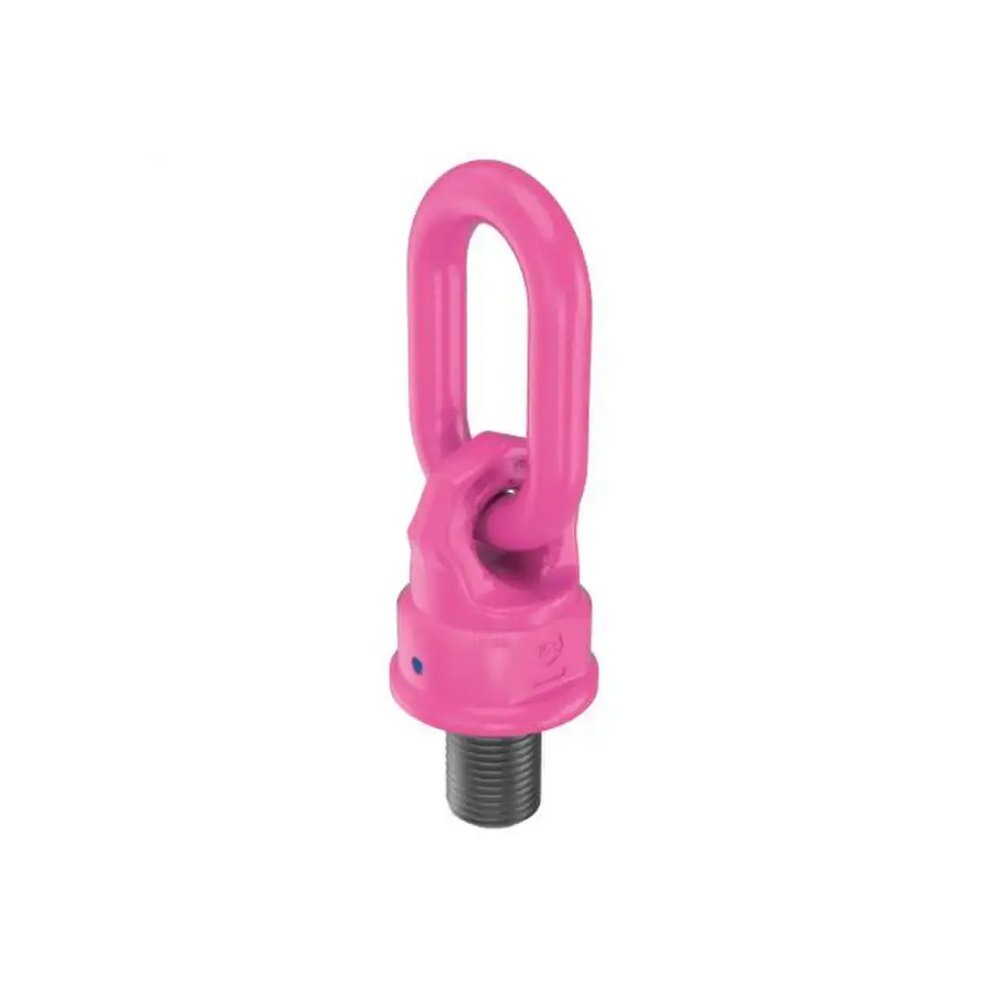
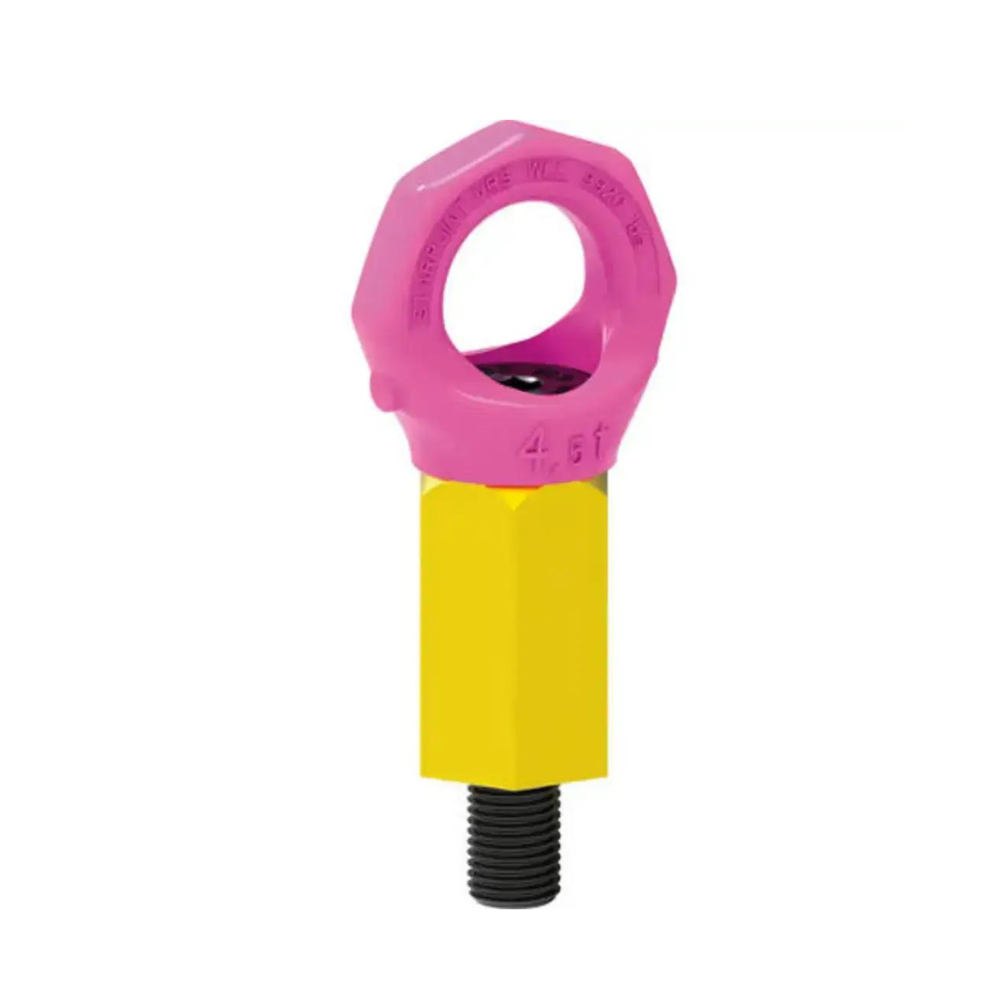
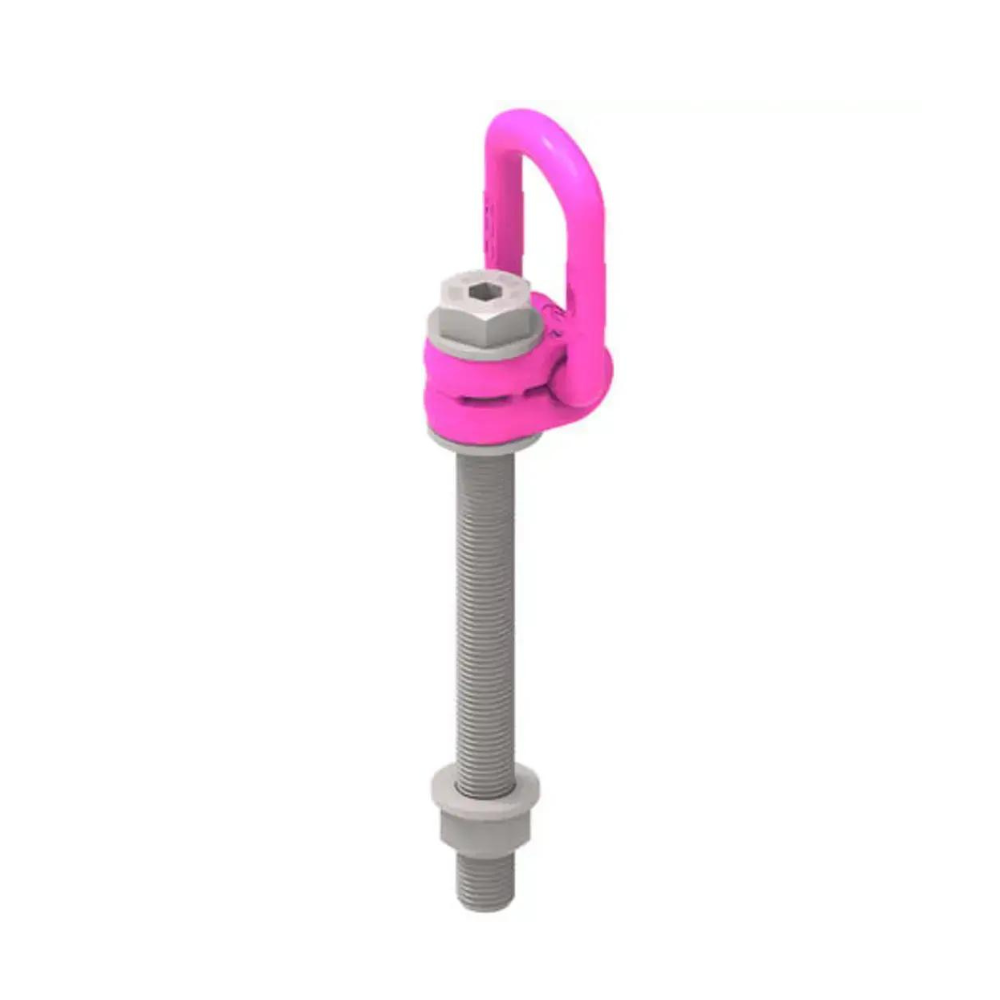
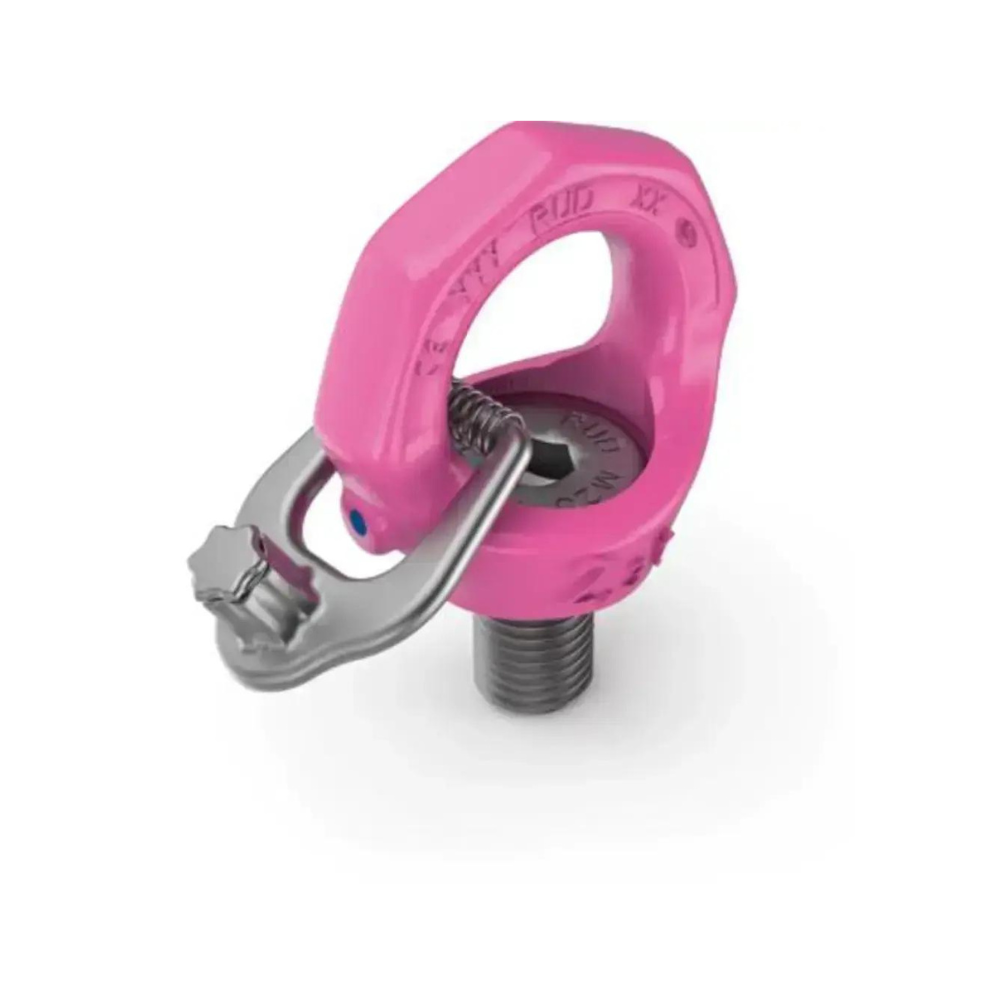
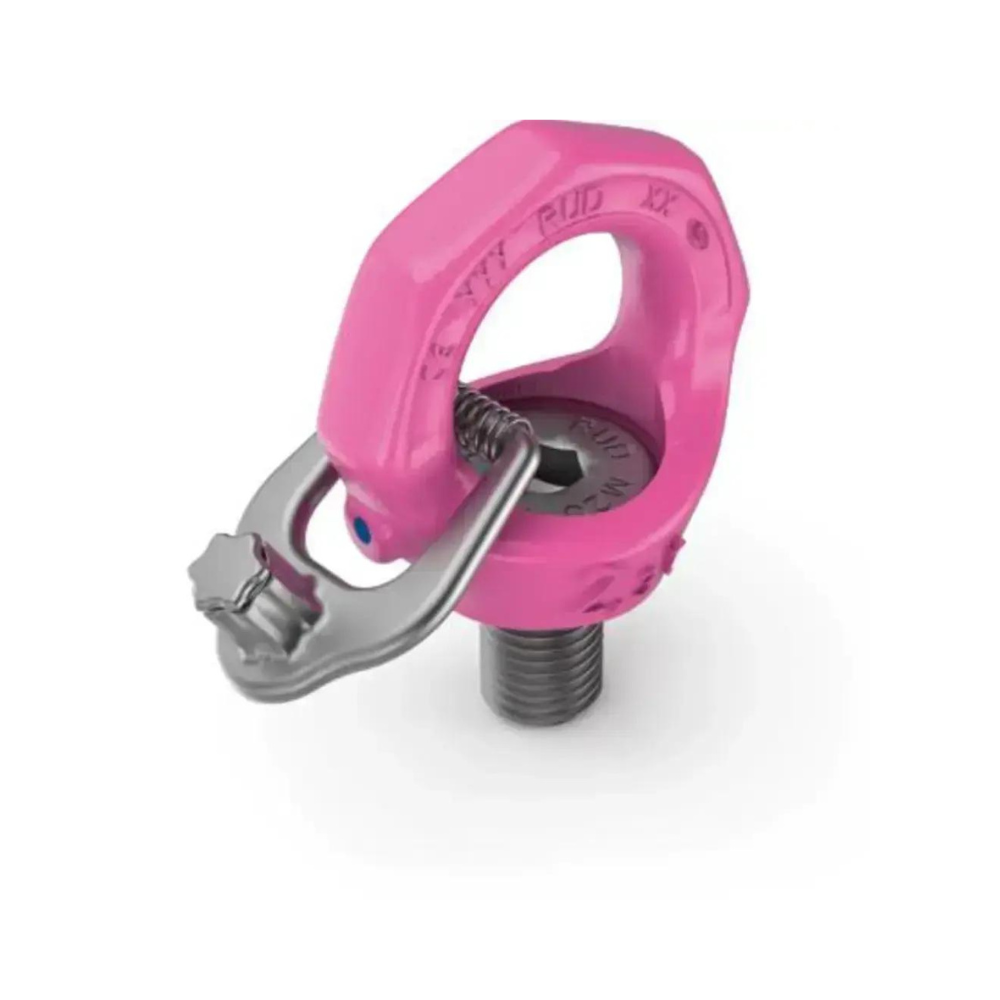
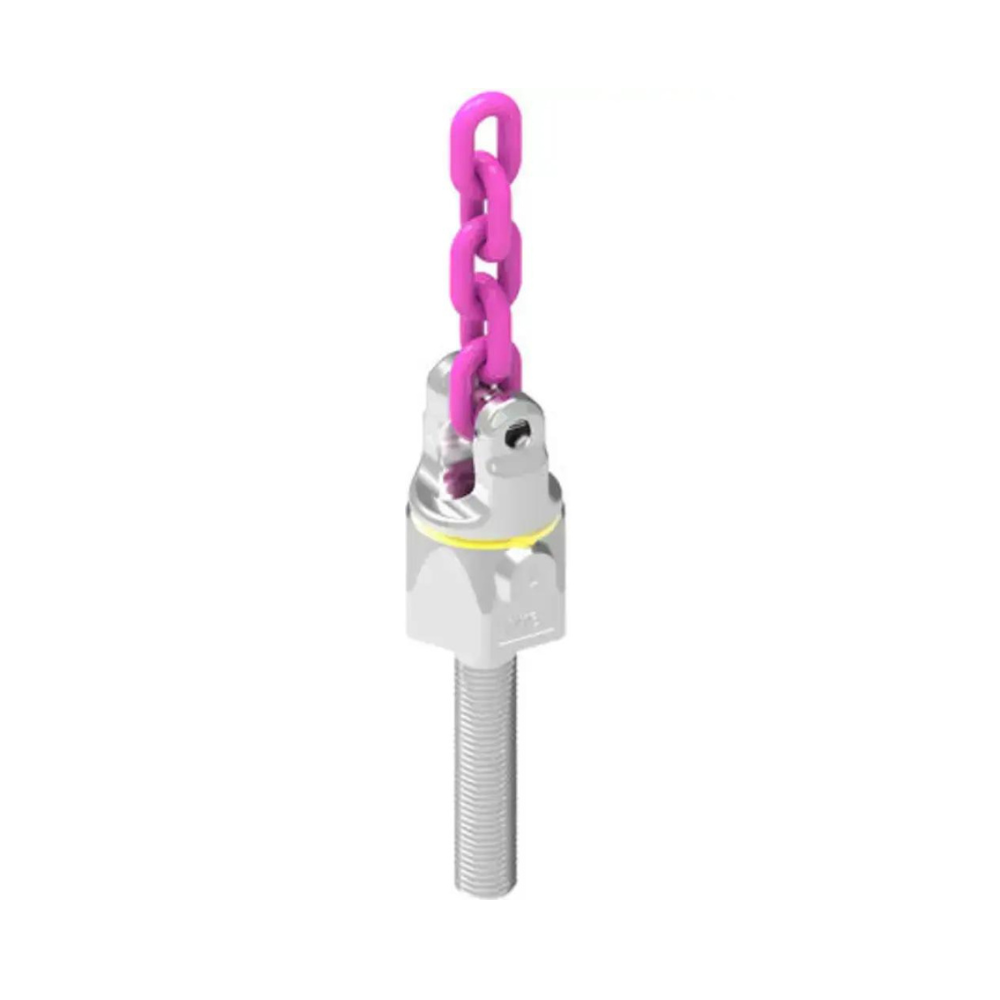
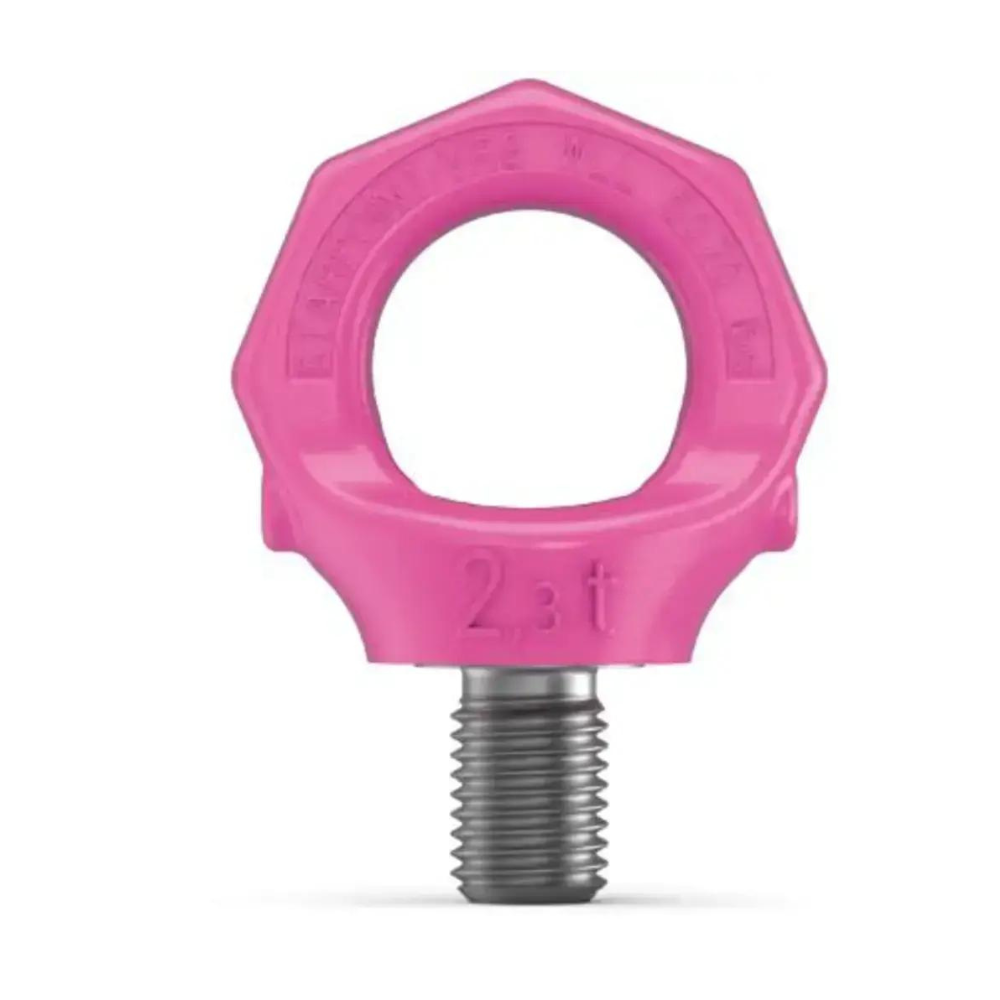
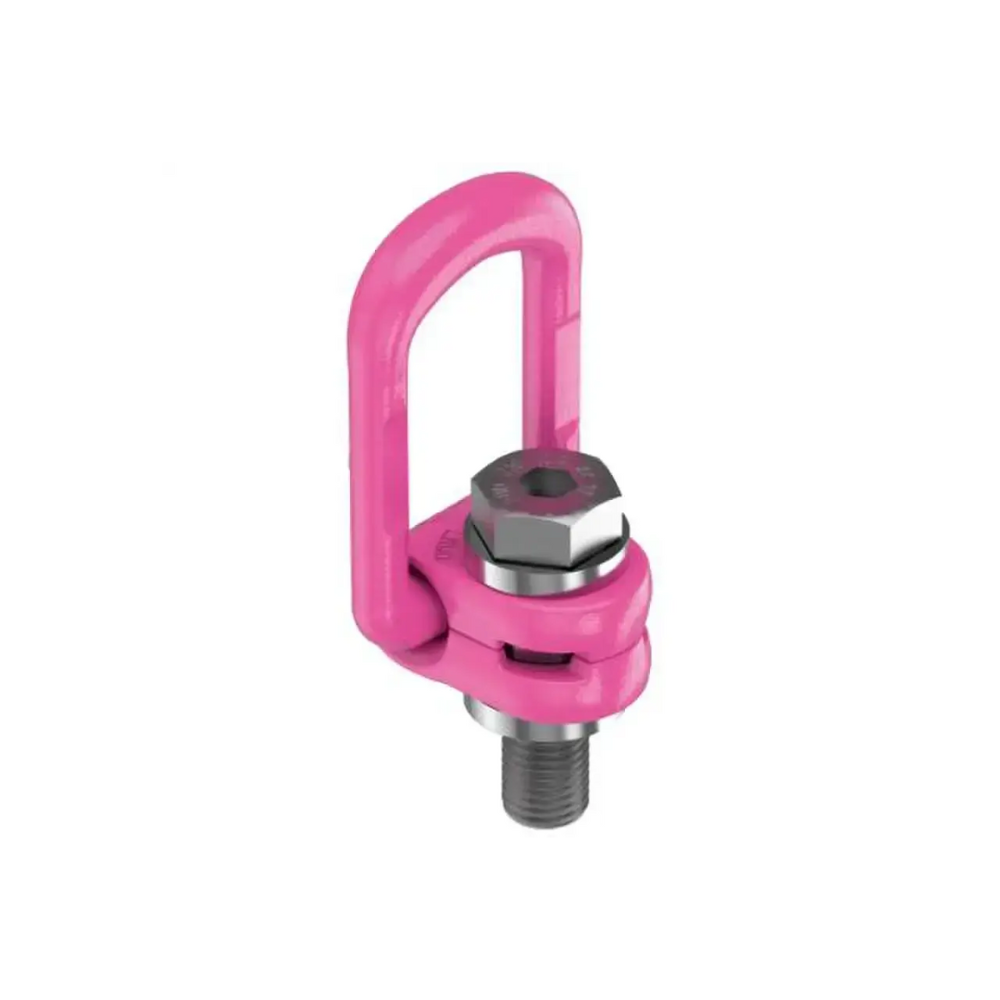
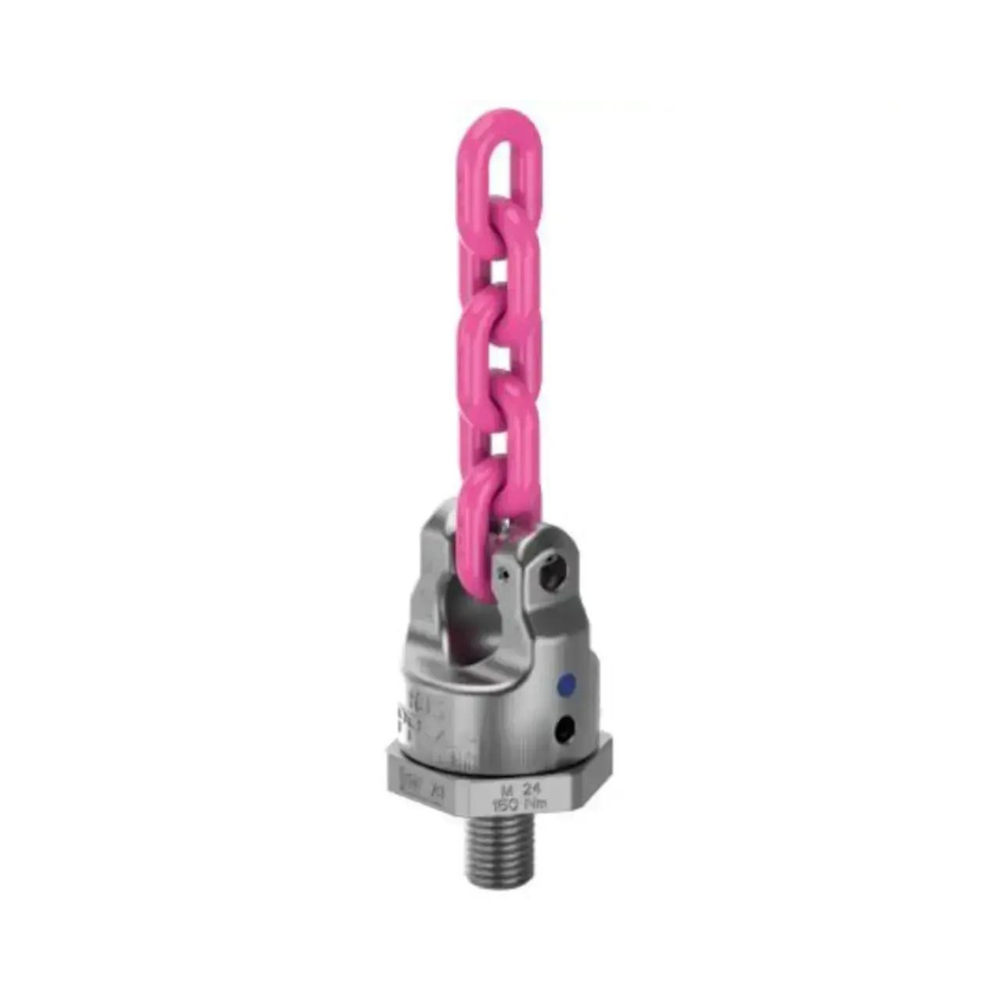
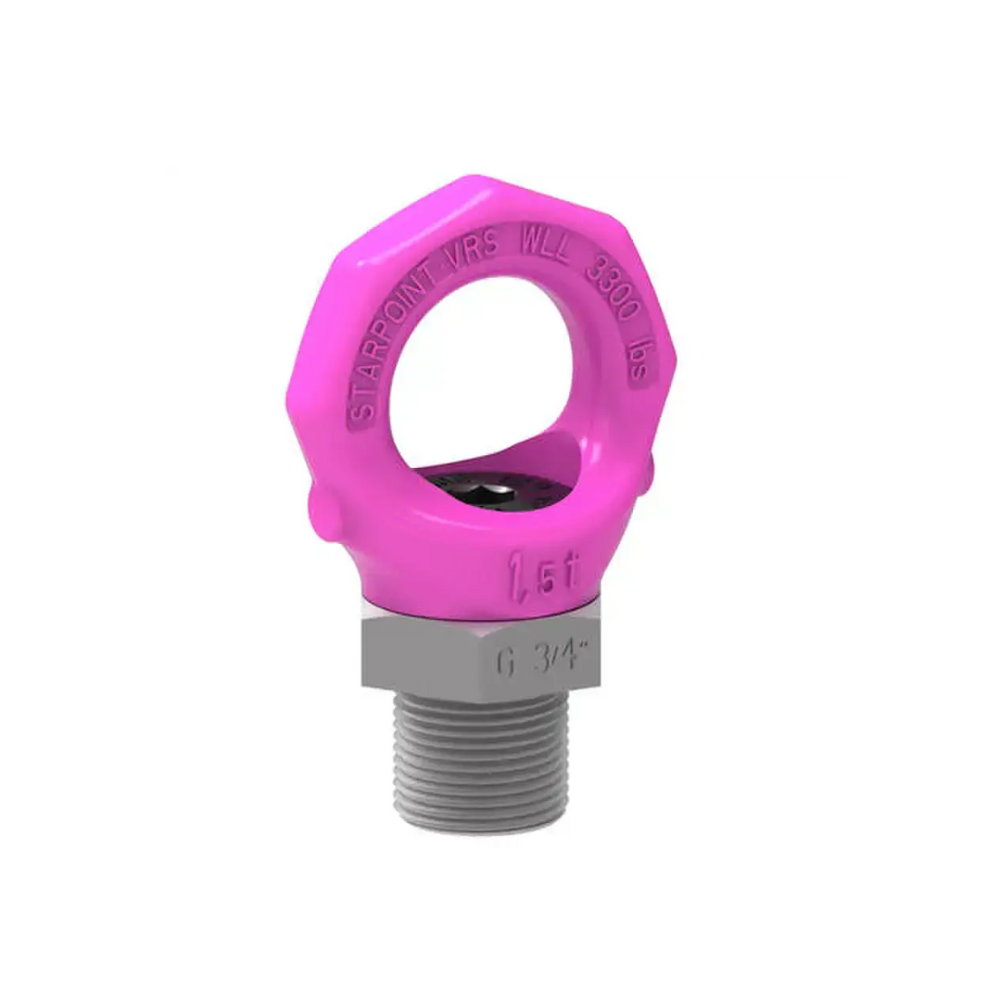
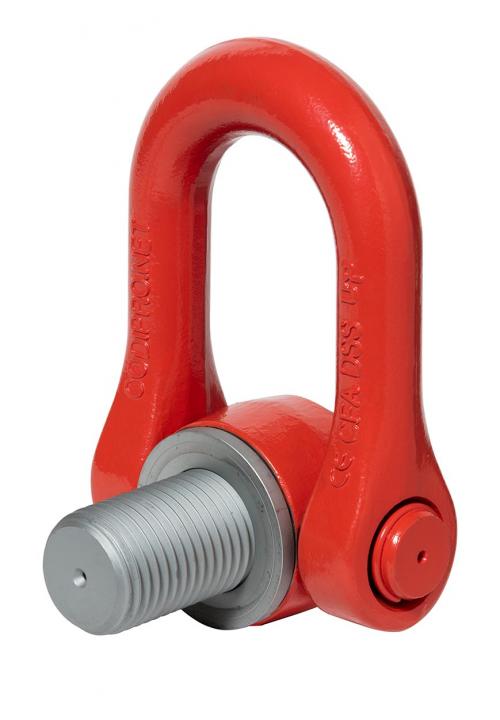
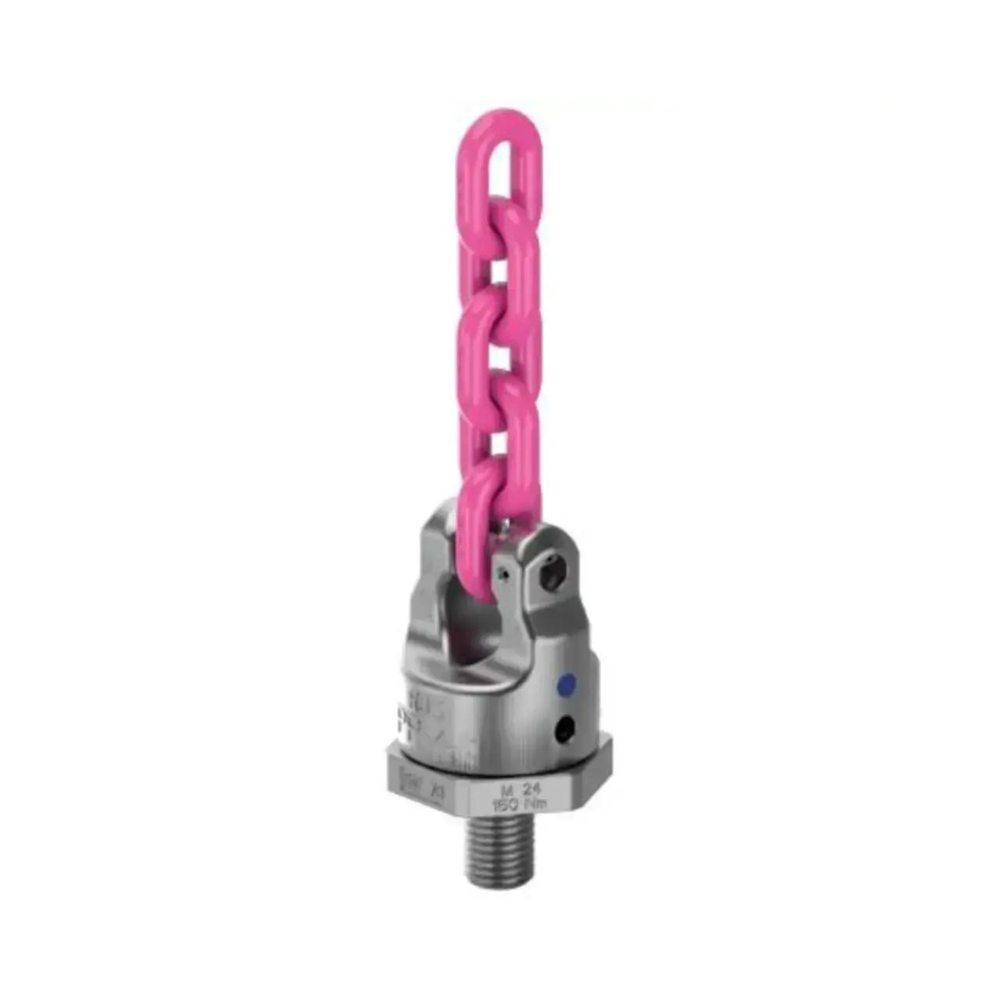
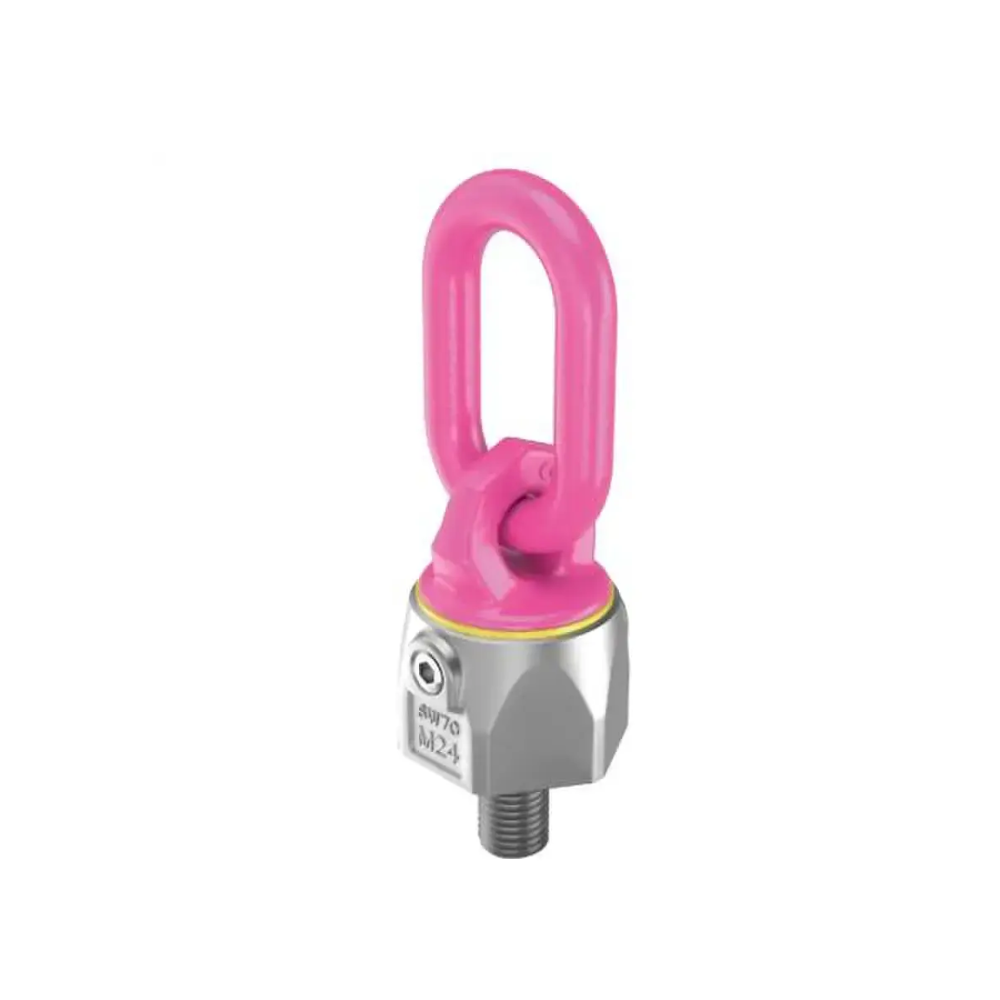
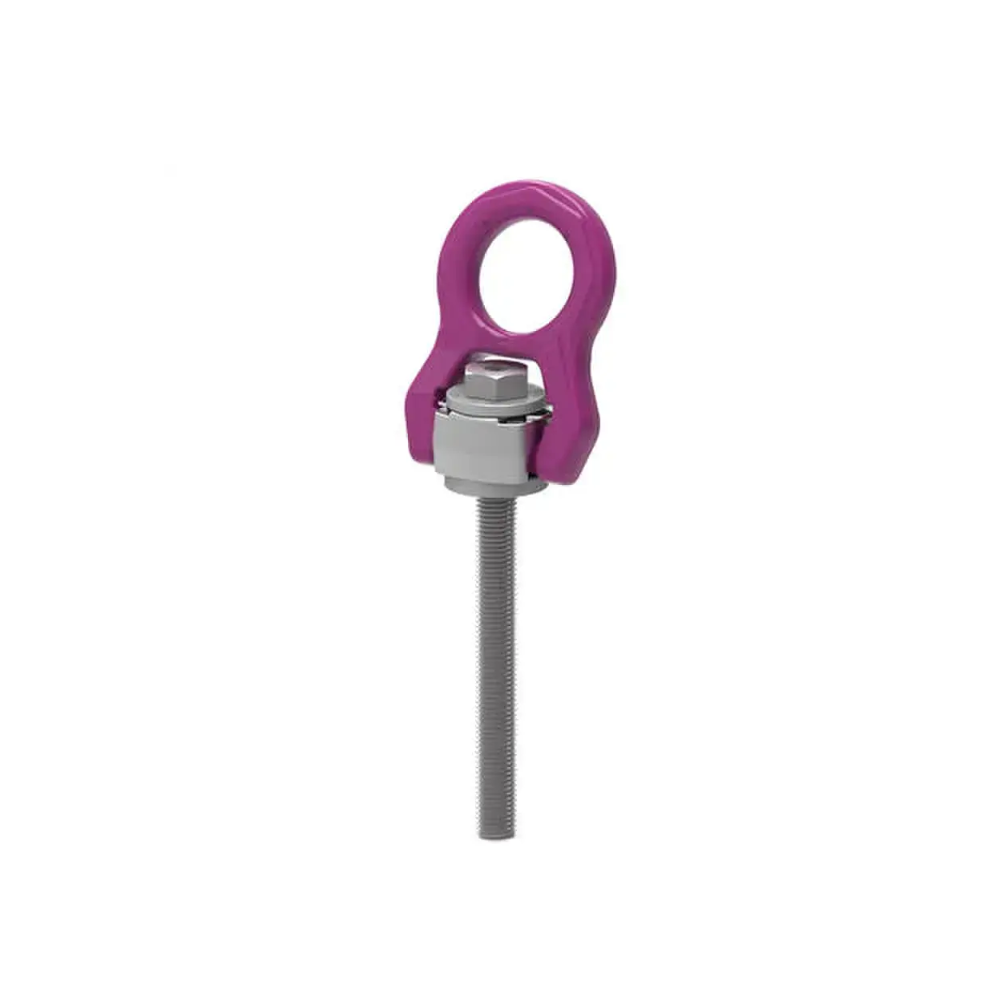
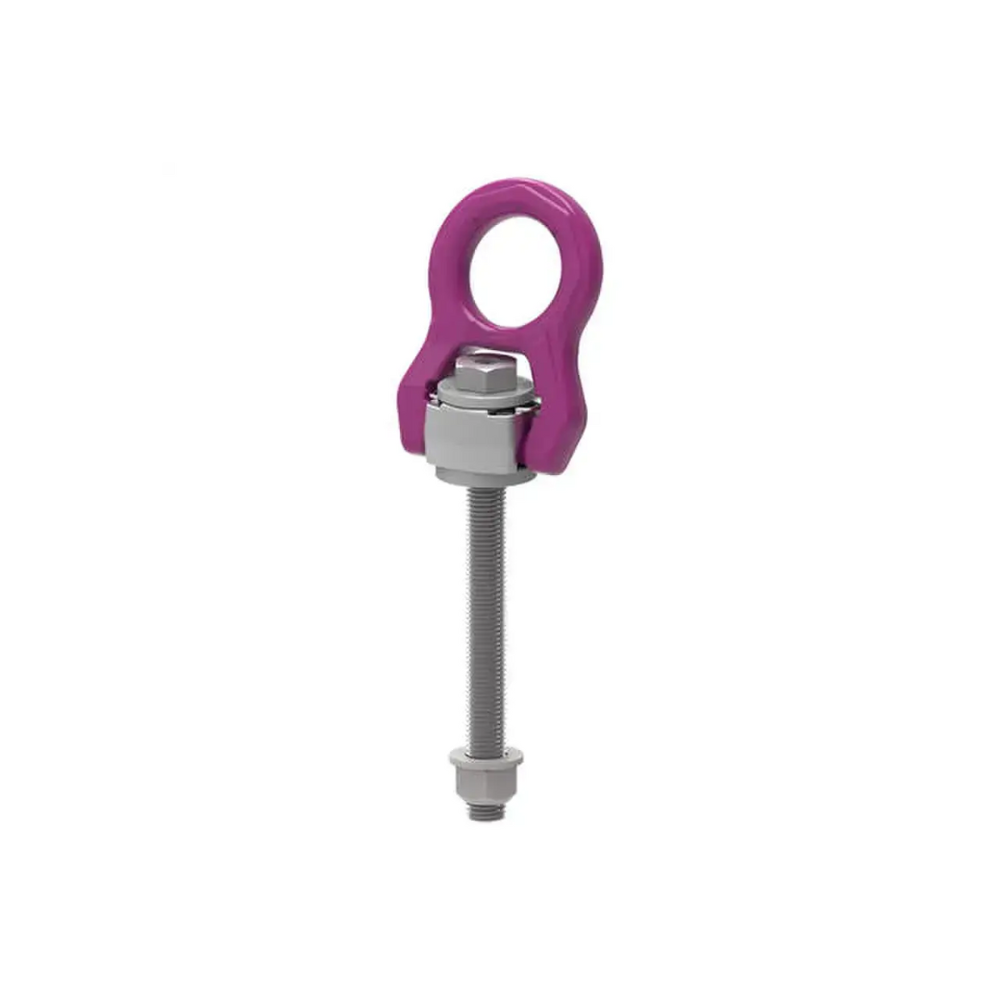
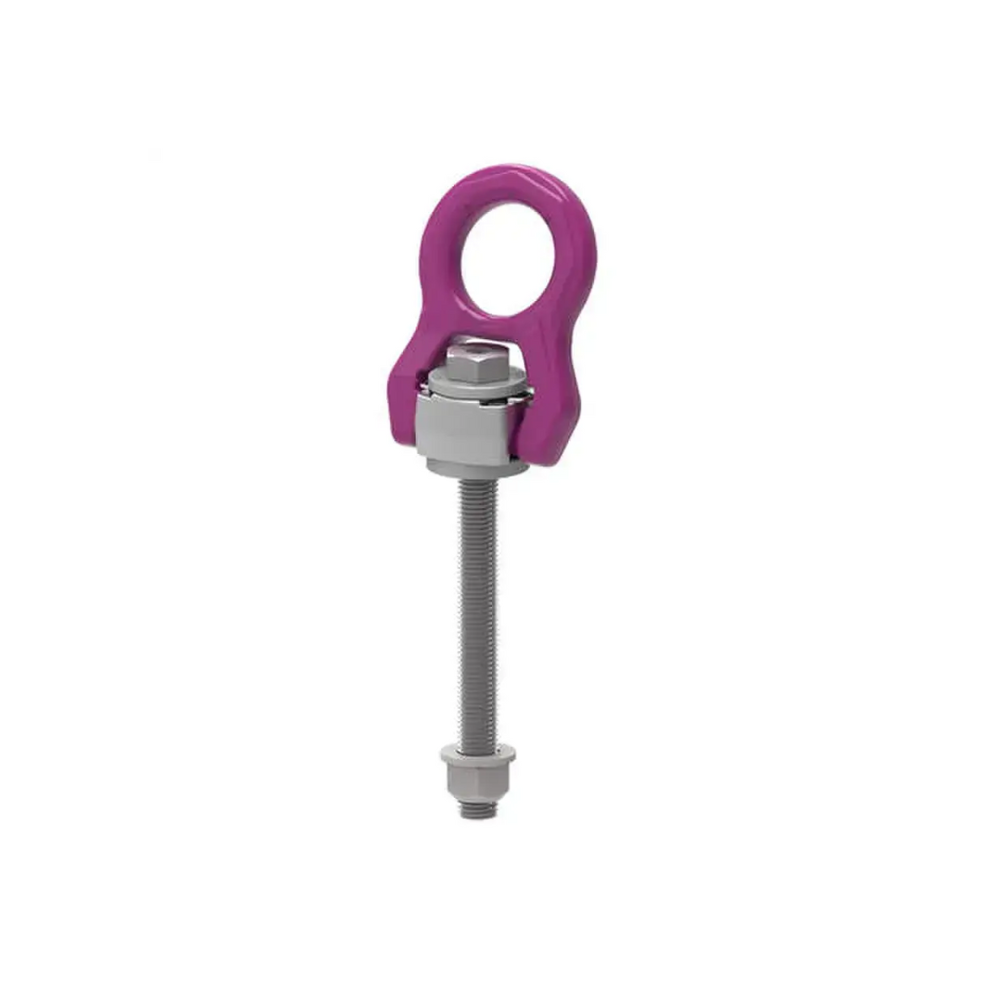
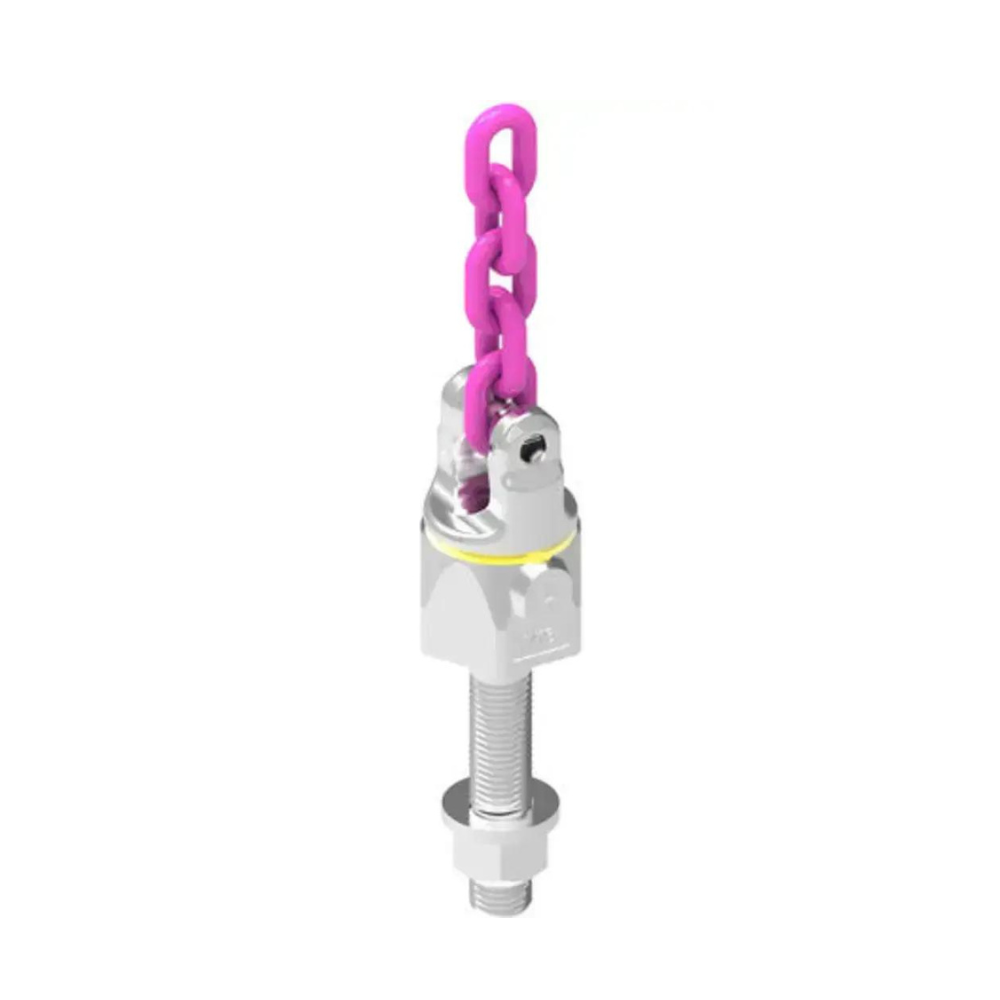
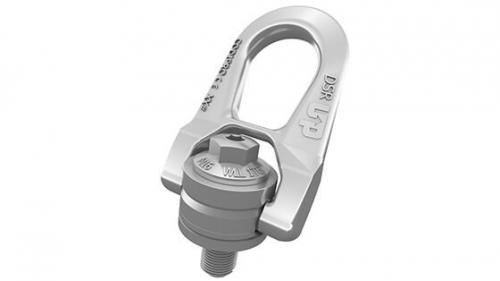
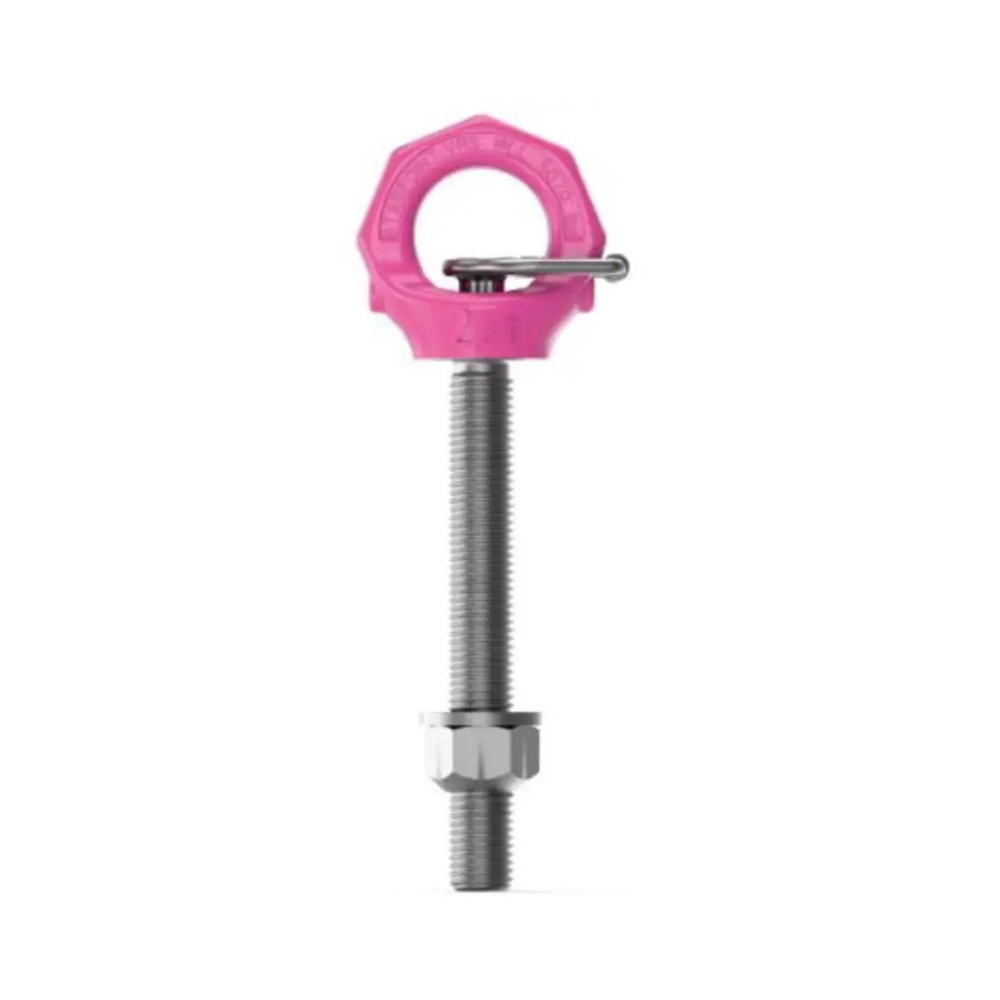
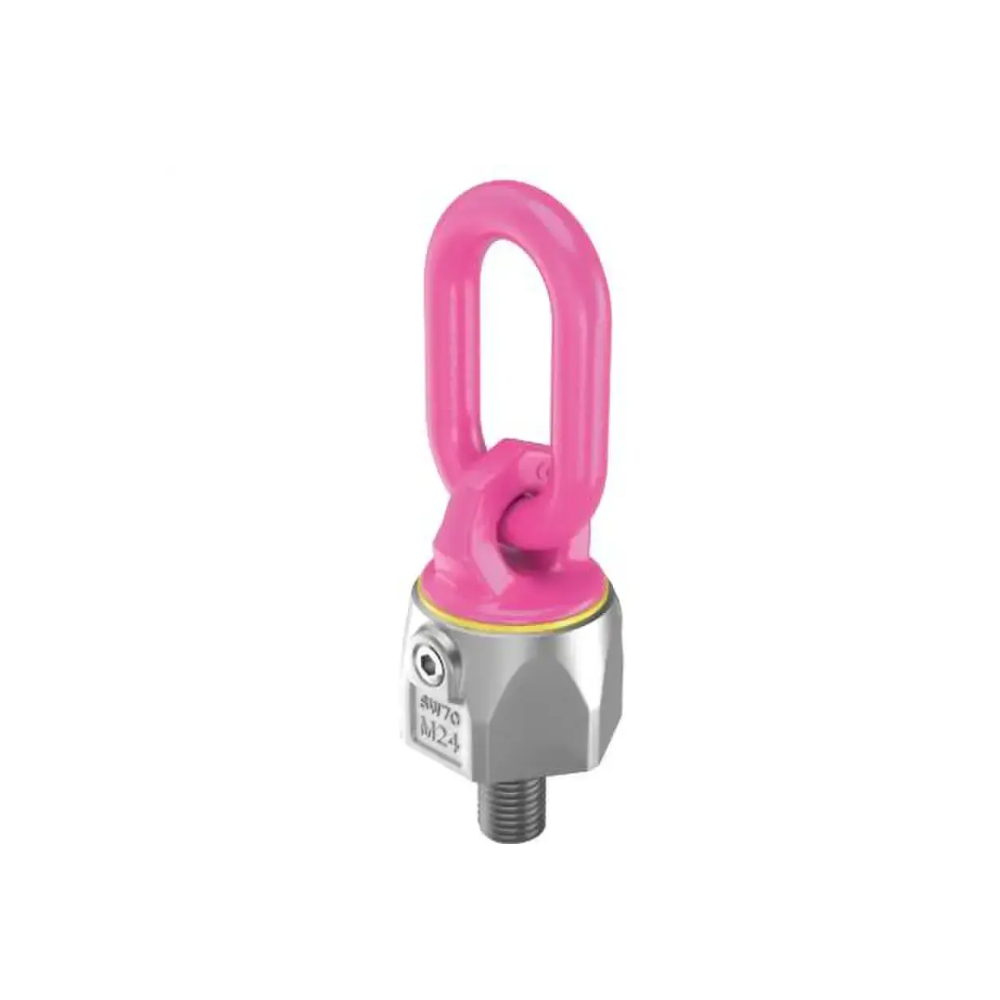
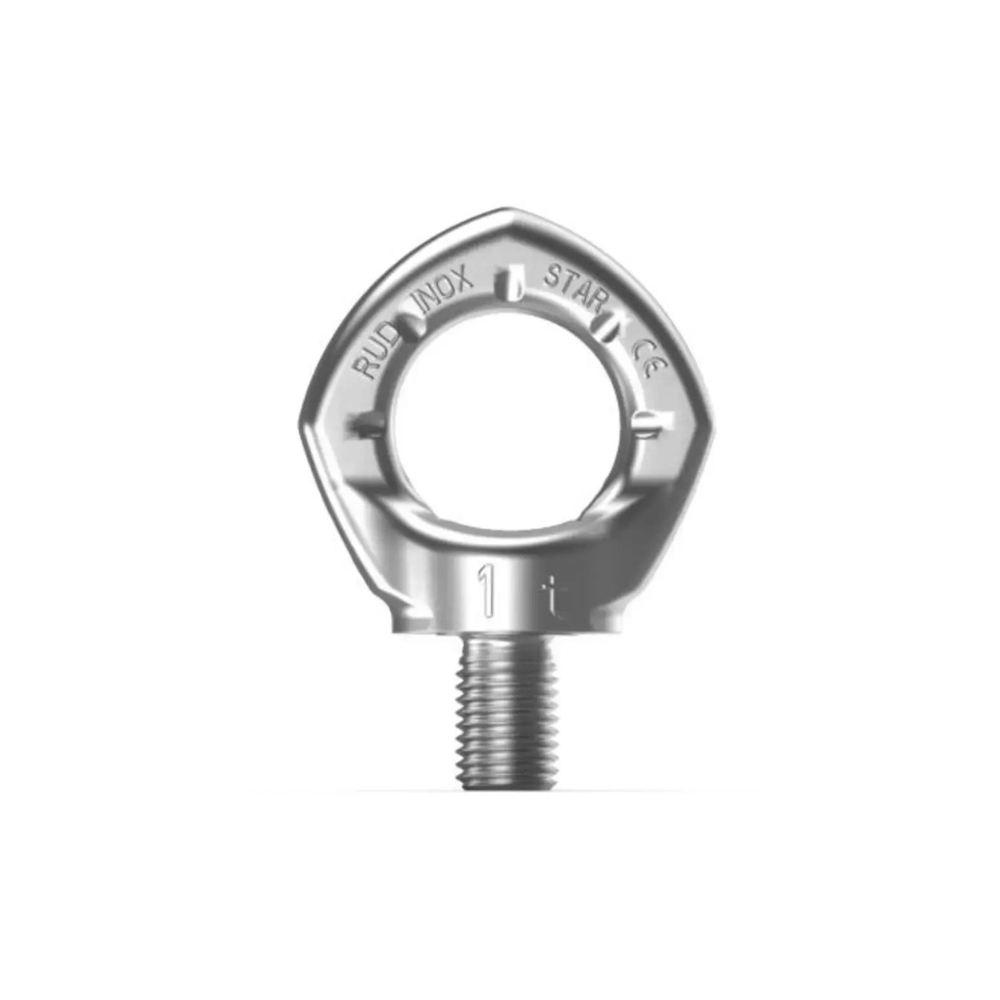
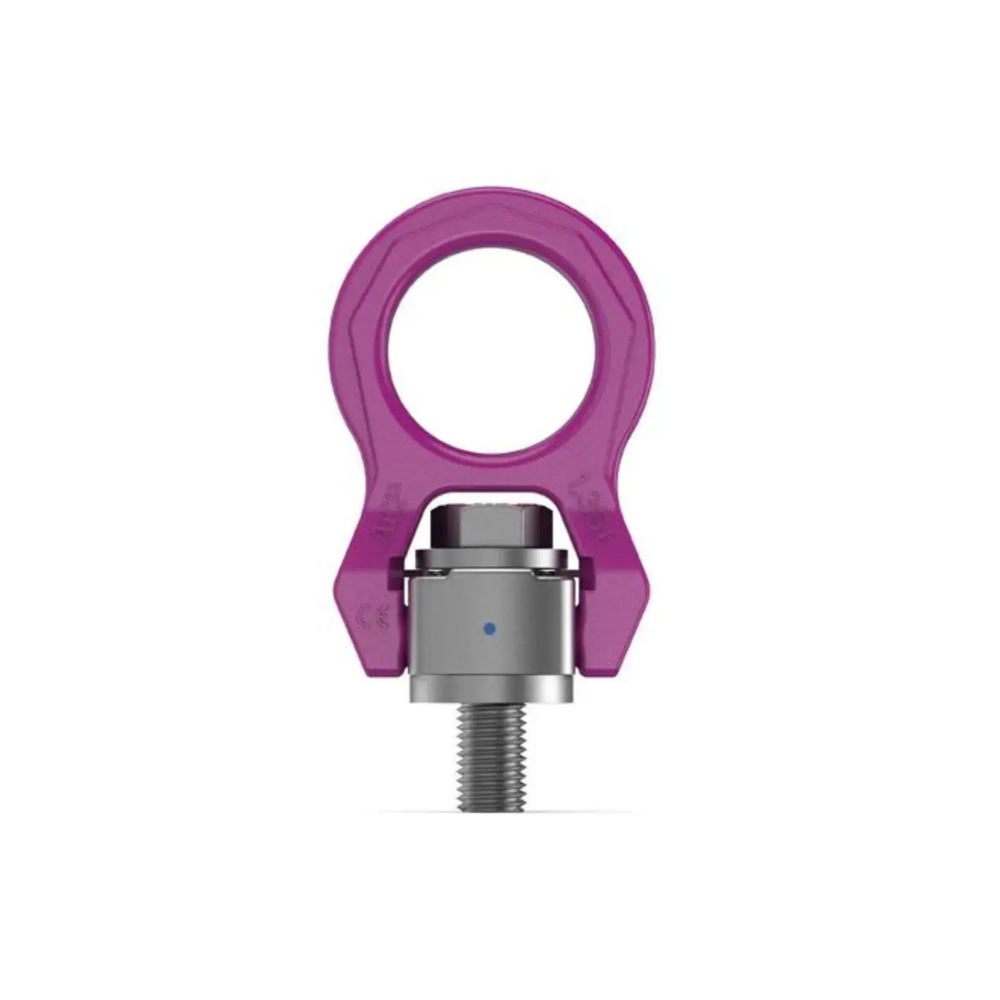
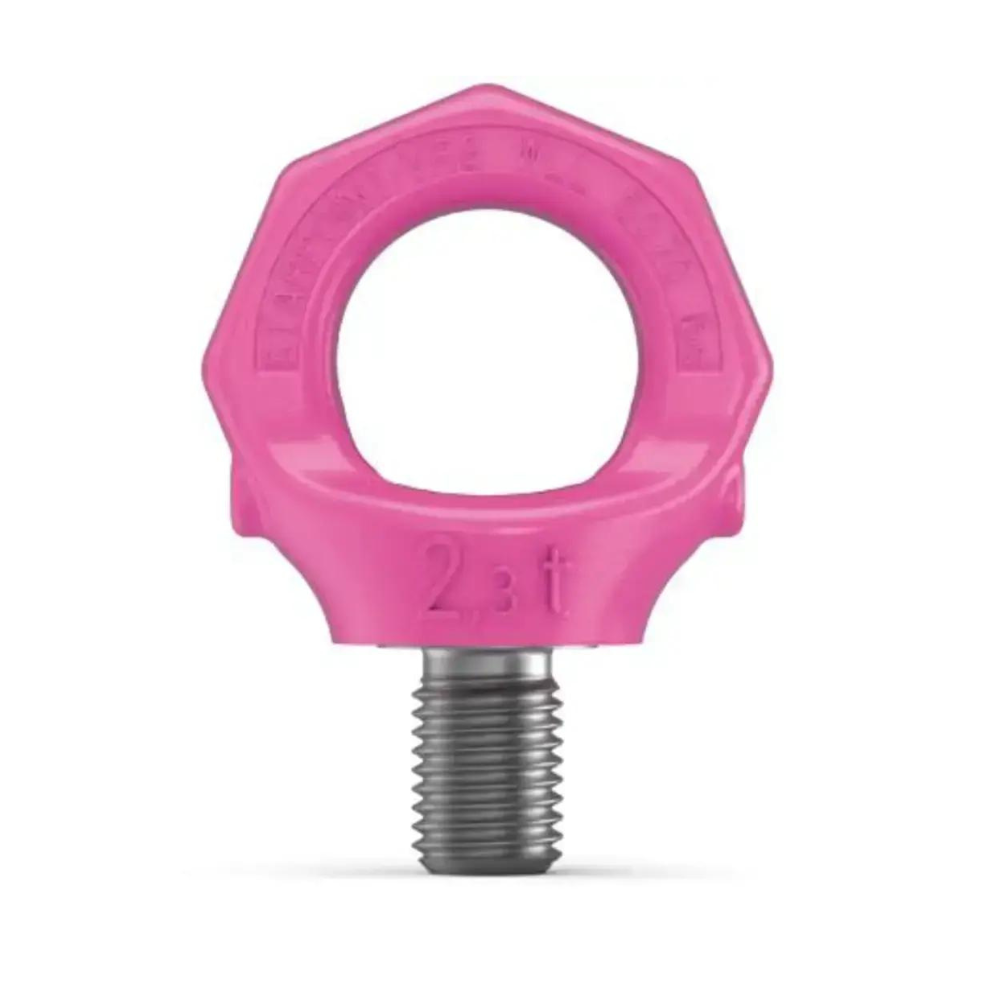
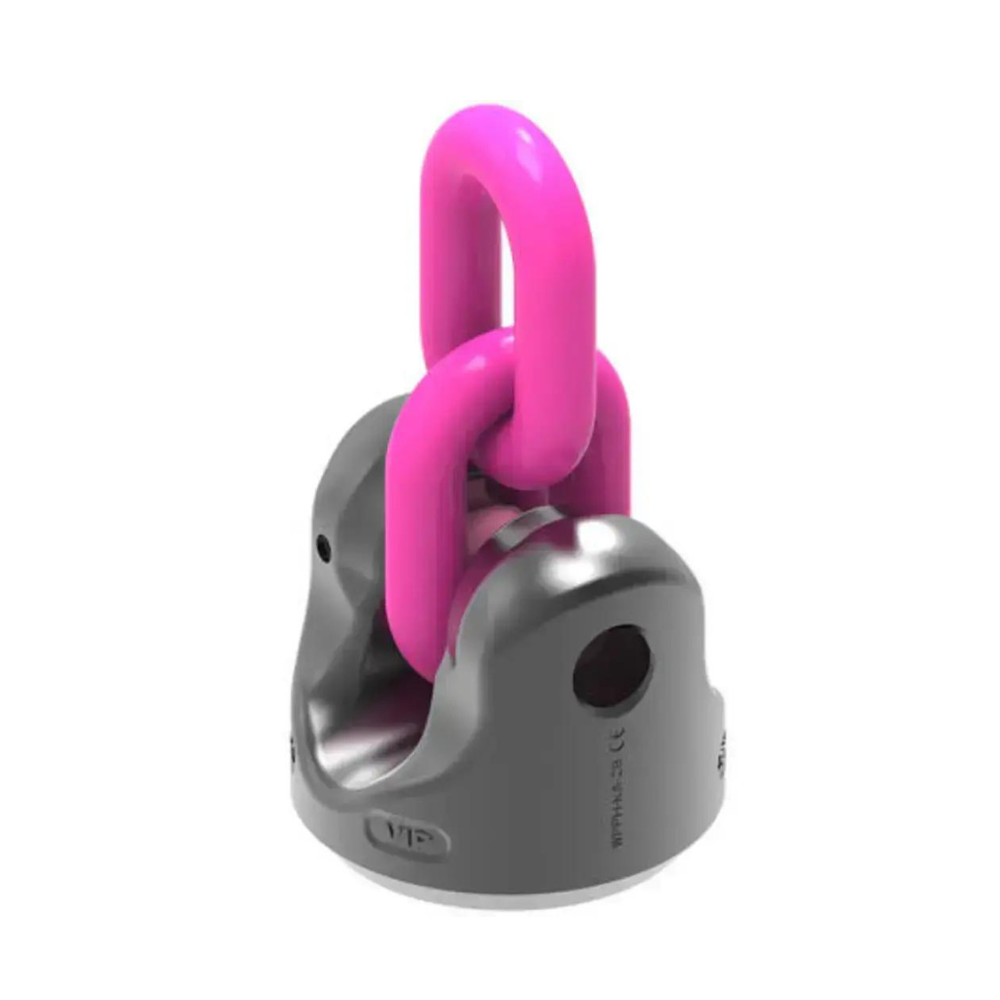
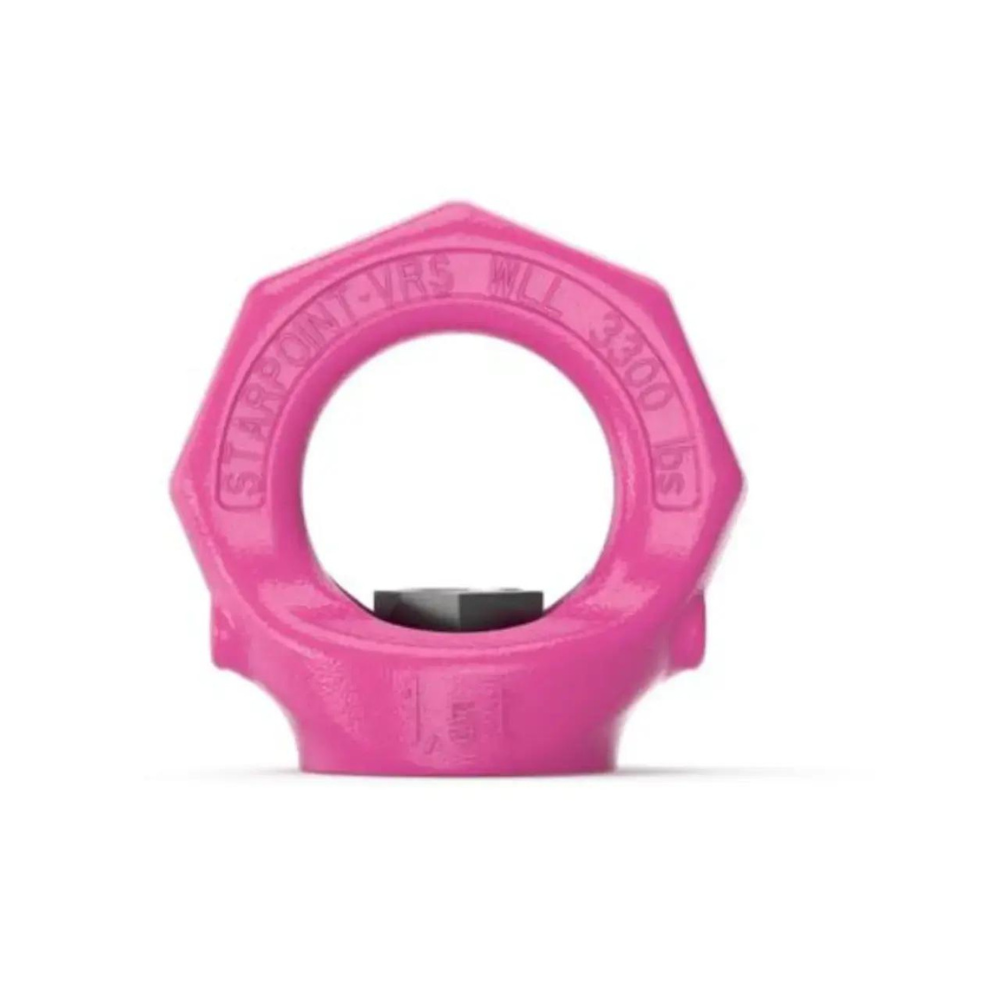
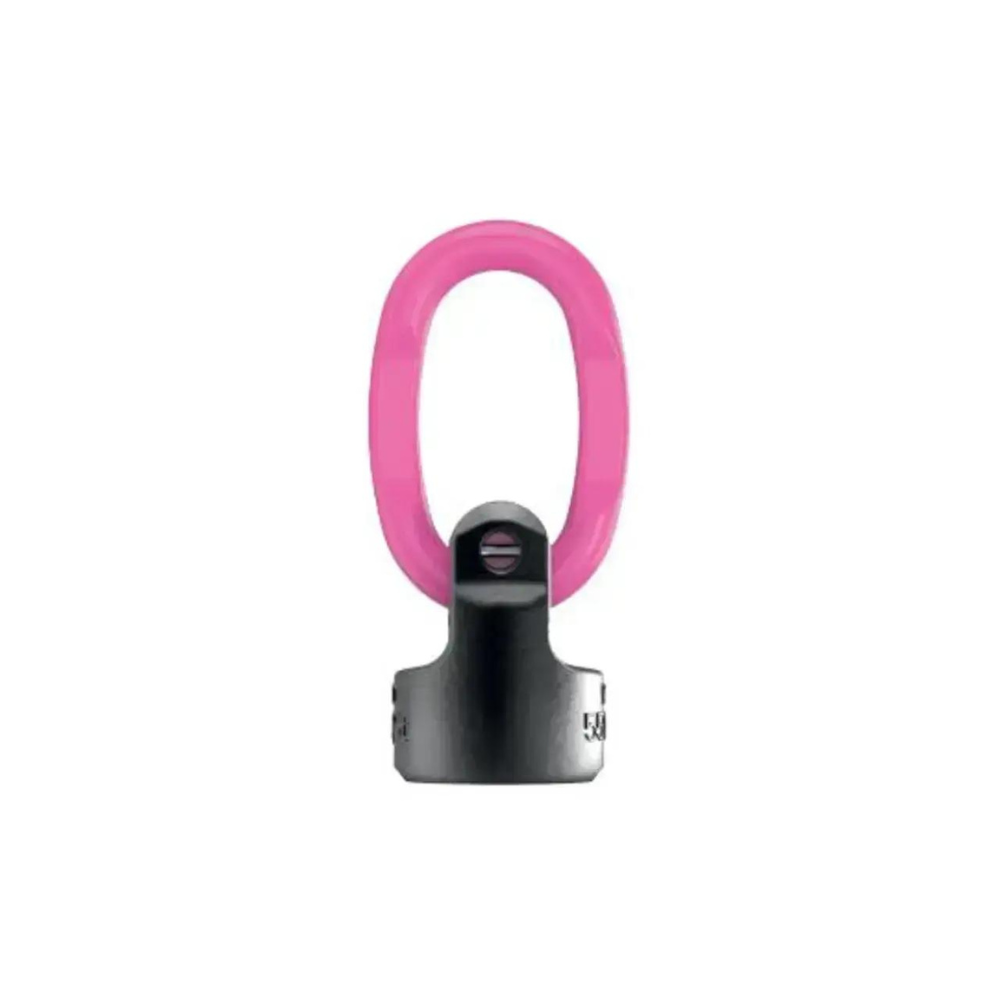
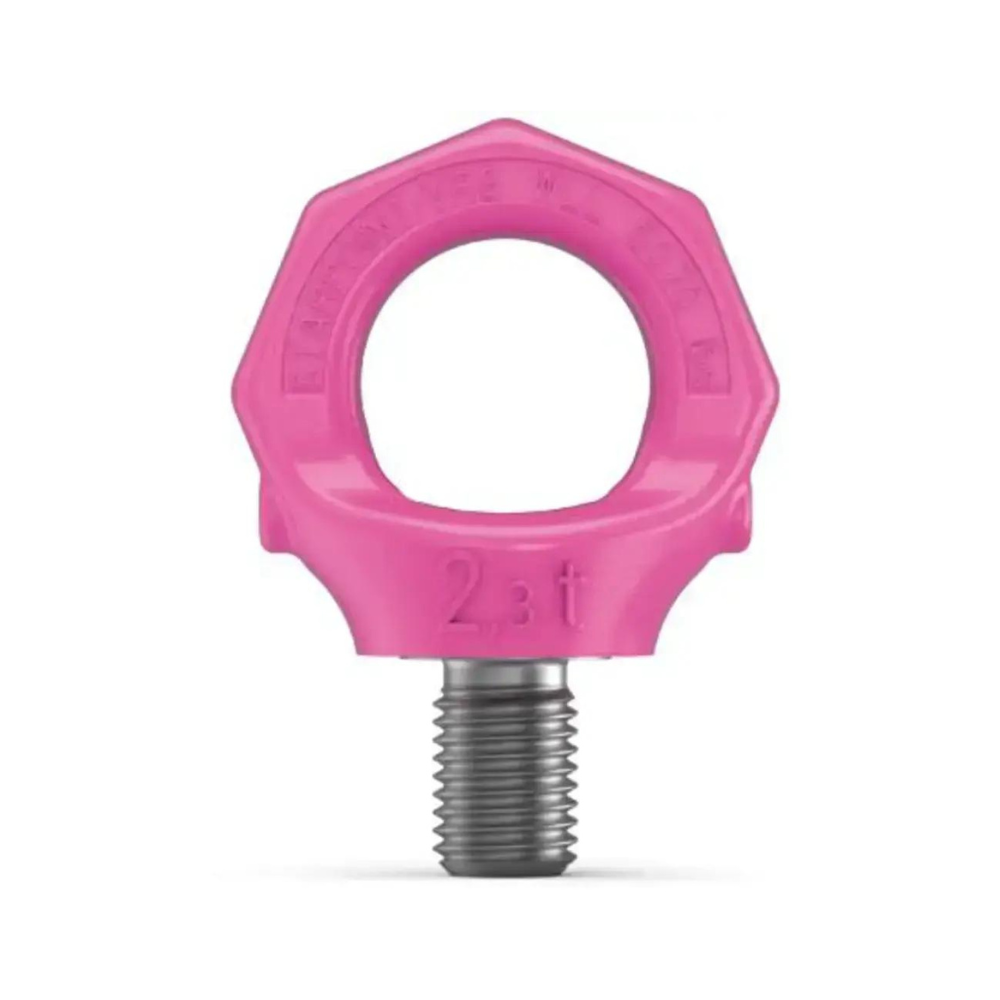
The screw-in range, from Starpoint to Turnado. Eyebolts and screw type lifting points holds the full RUD system alongside Codipro and William Hackett. The RUD VRS Starpoint from $58 is the rated eyebolt done properly, offered in metric, UNC, UNF, and pipe threads, with a ring that turns to face the pull once seated. The VLBG and VLBG-Plus load rings, 0.63 through 20 metric tons, articulate under load and come in variable and maximum length versions for through-bolting and thick sections. The ACP-Turnado, 0.7 to 8 t in standard form with Max and Supermax builds above it, is the one to spec when a load must be rotated in the rig, and the Powerpoint family couples VIP chain directly to the point with no shackle in between. Codipro rounds out the shortlist with DSR swivel hoist rings from $104, SEB swivel eye bolts from $77, and stainless double swivel versions for washdown plants, with RUD's INOX-Star covering stainless in metric.
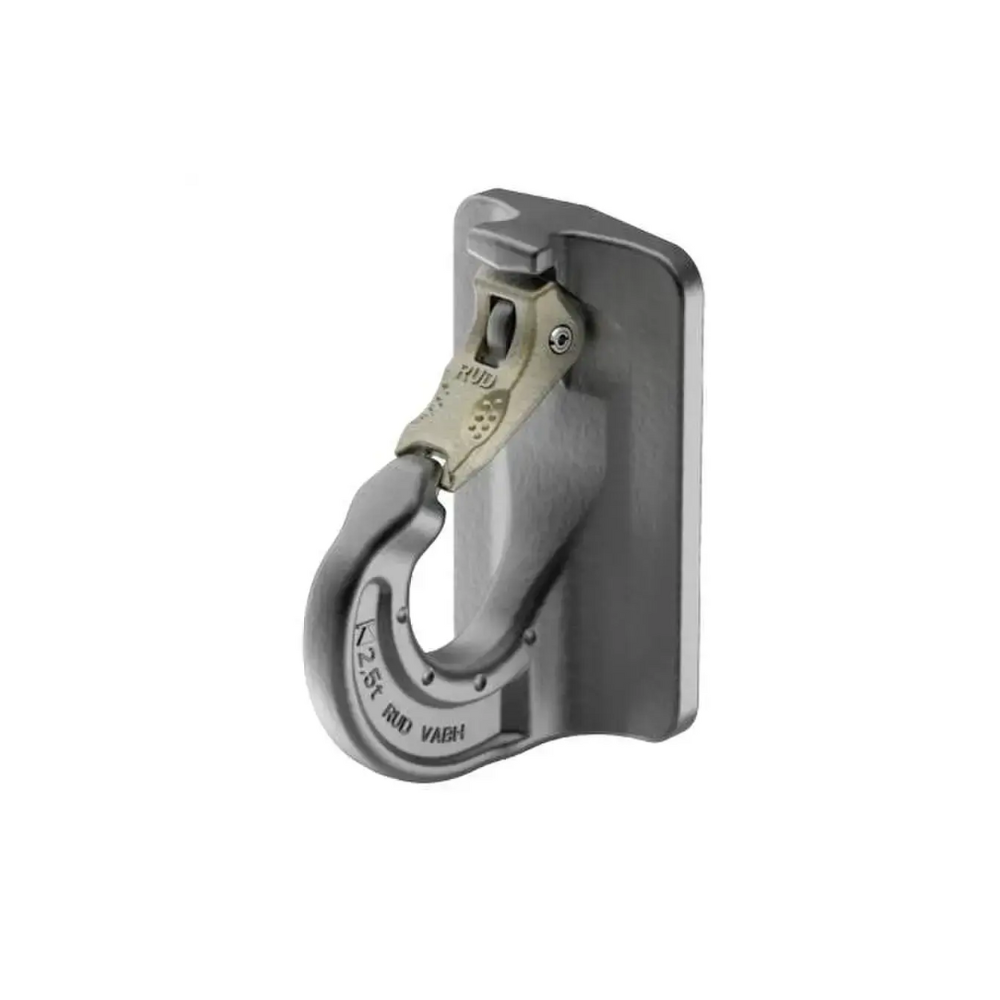
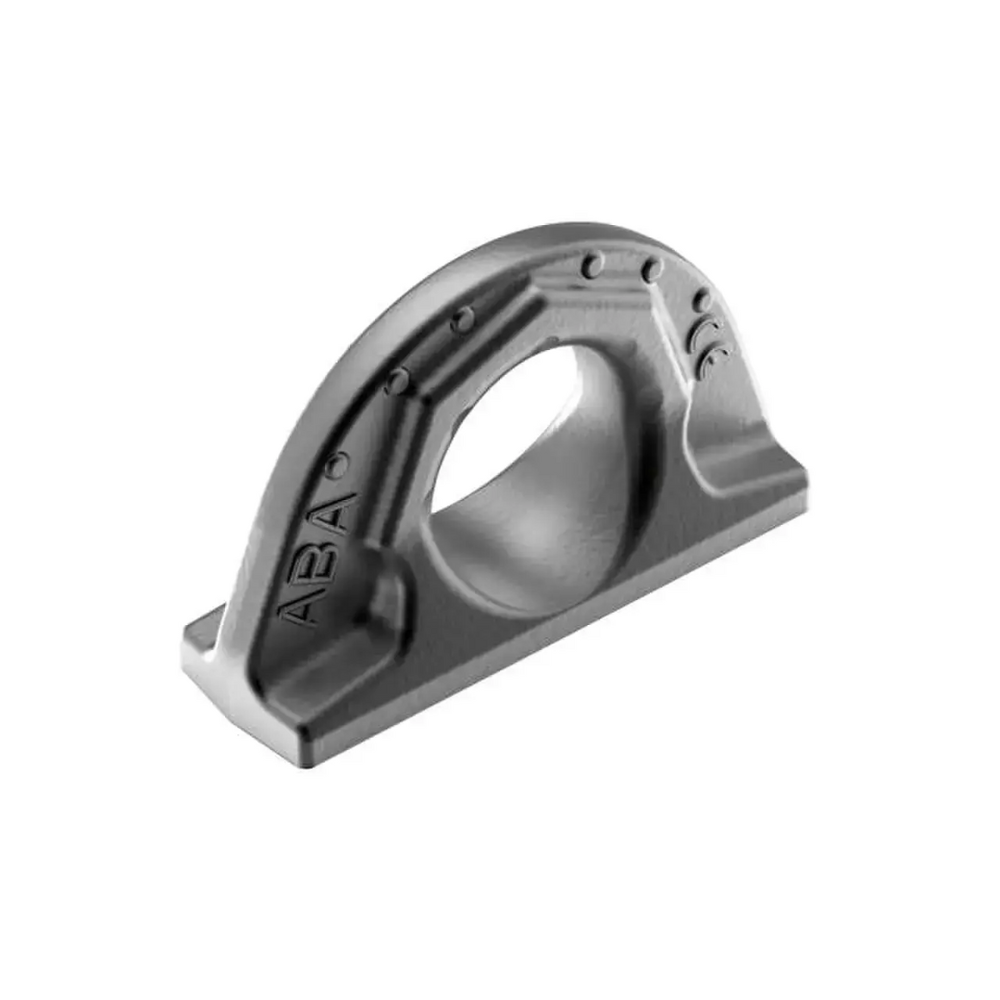
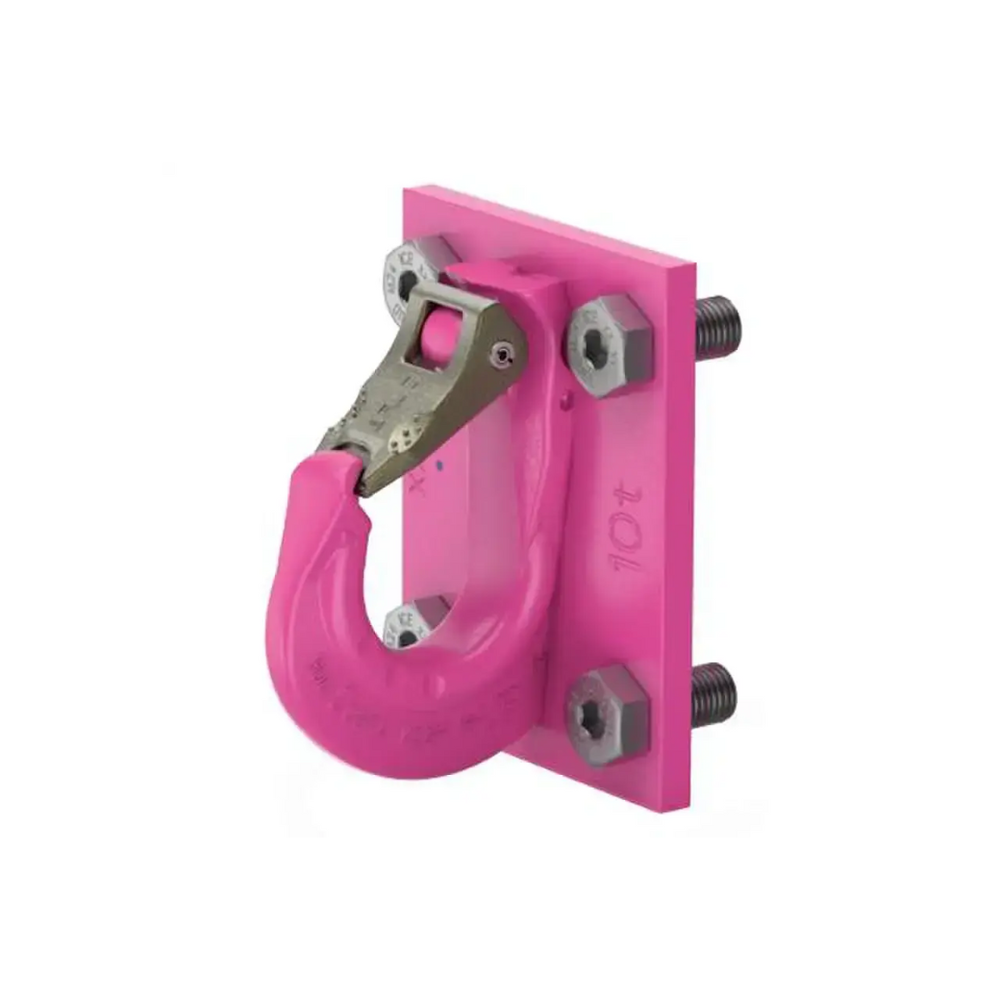
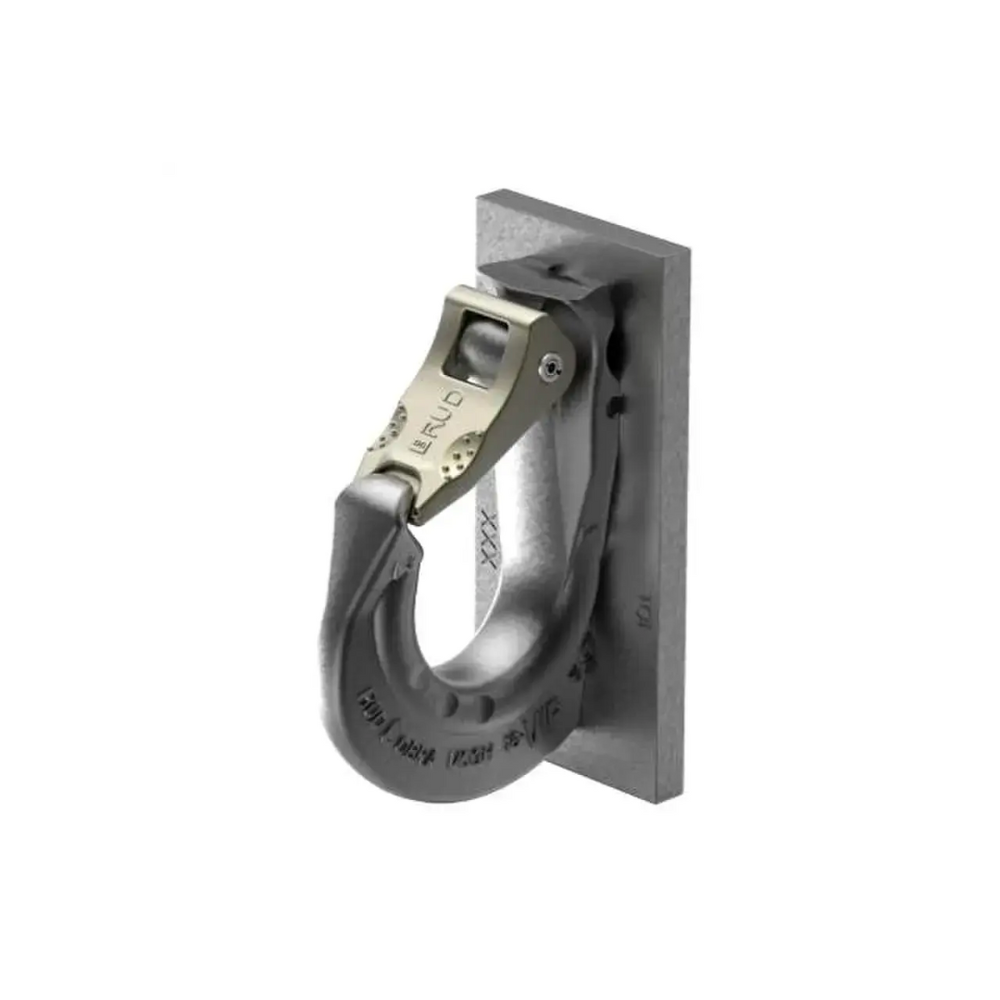
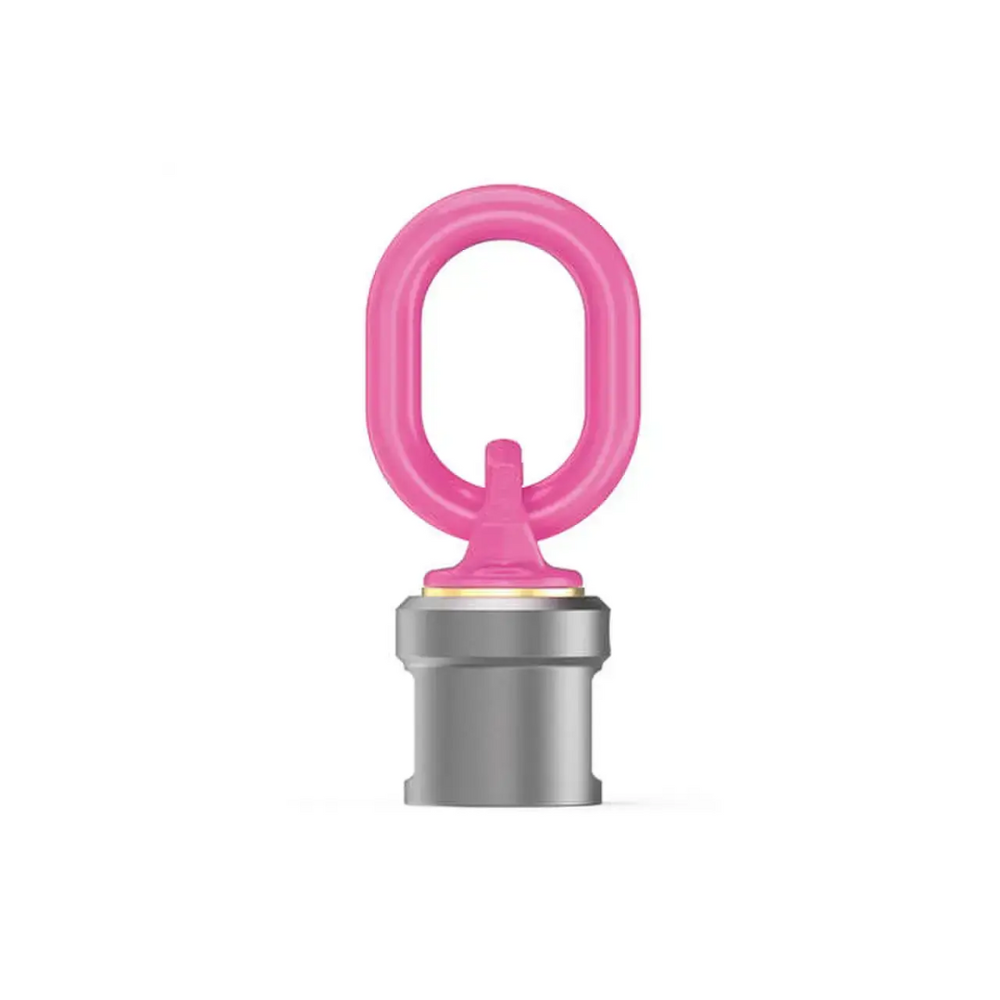
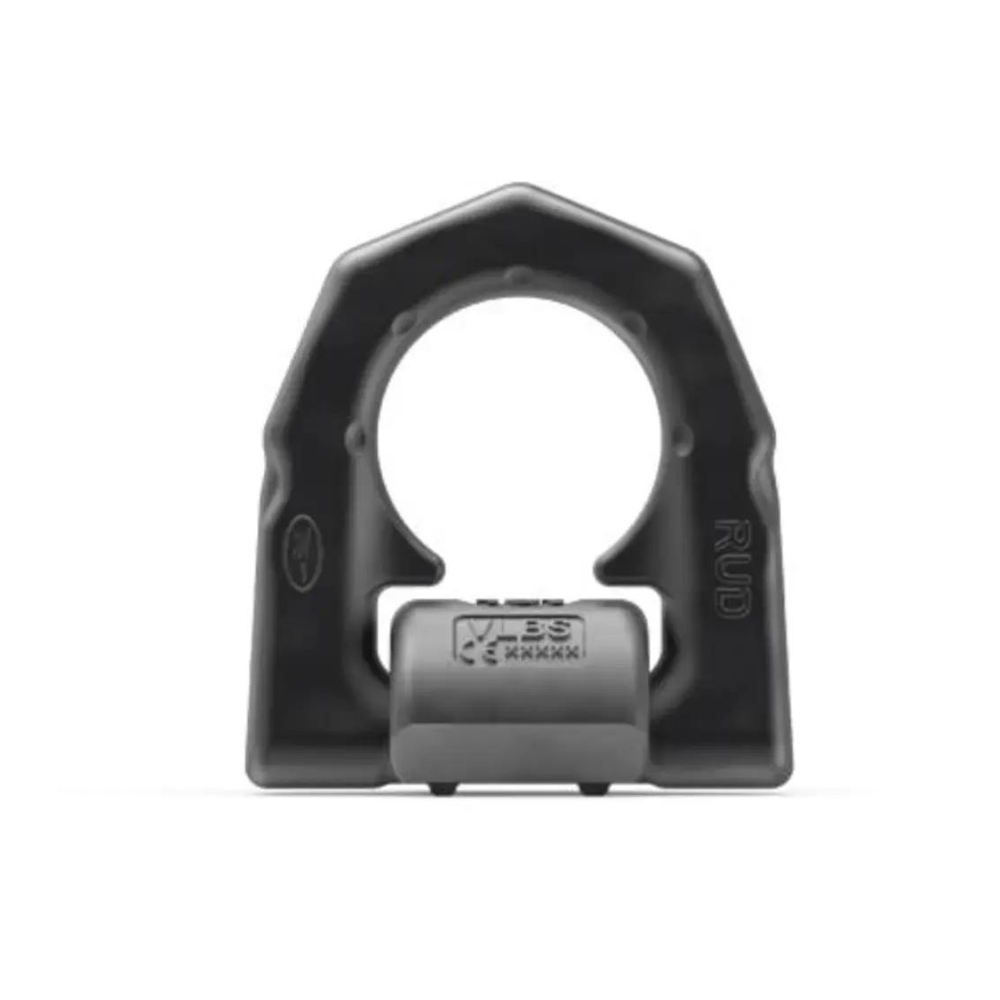
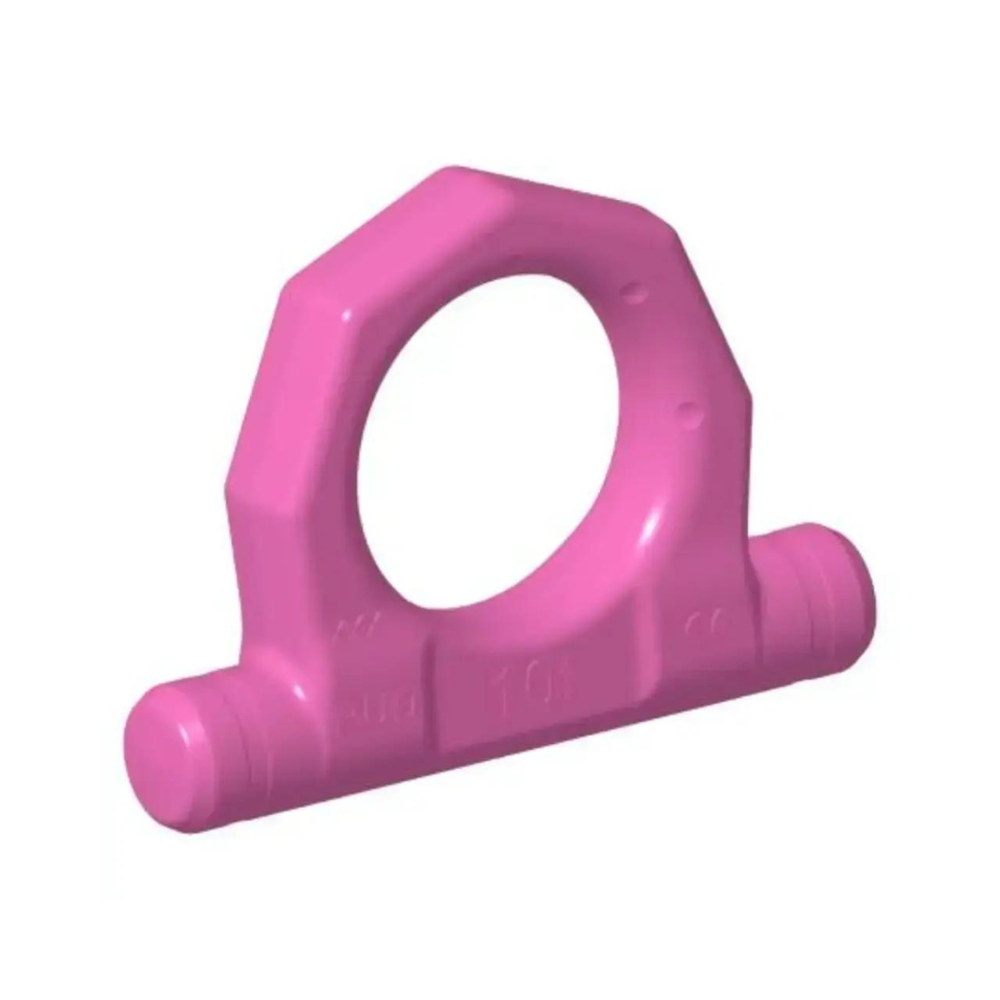
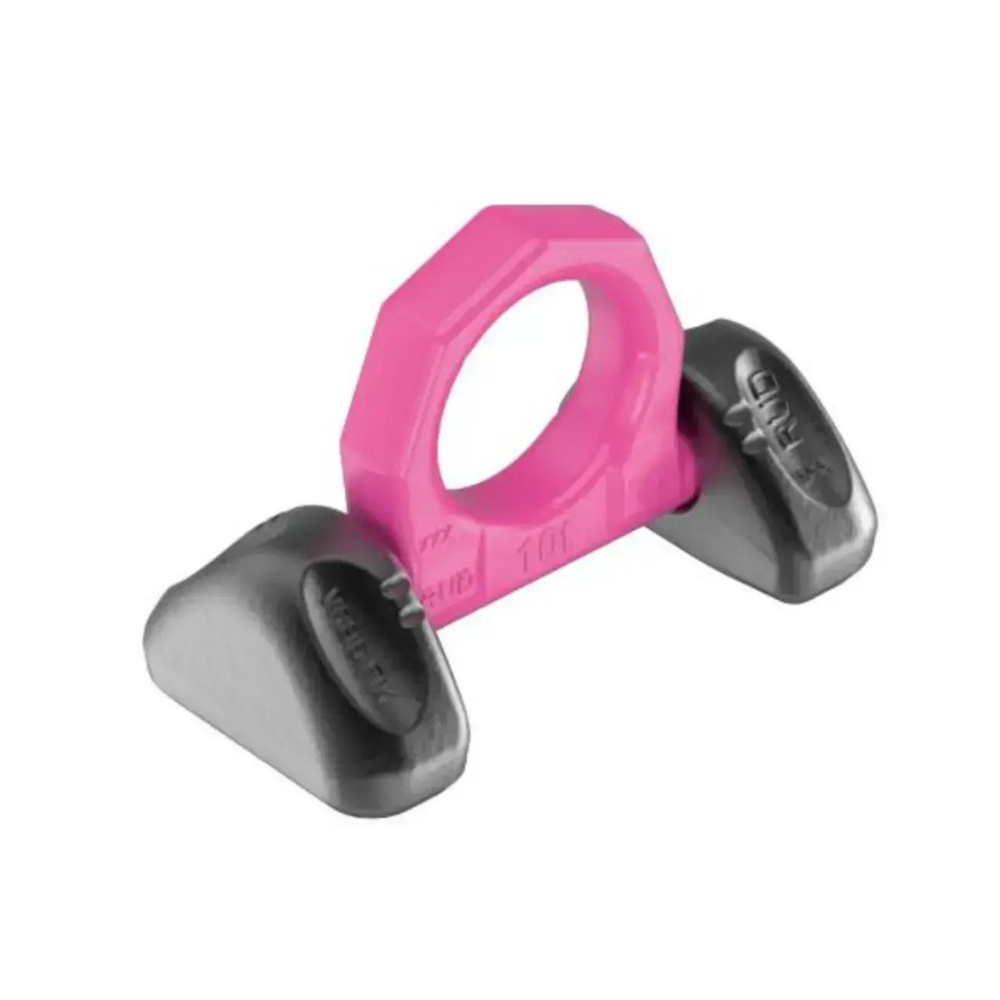
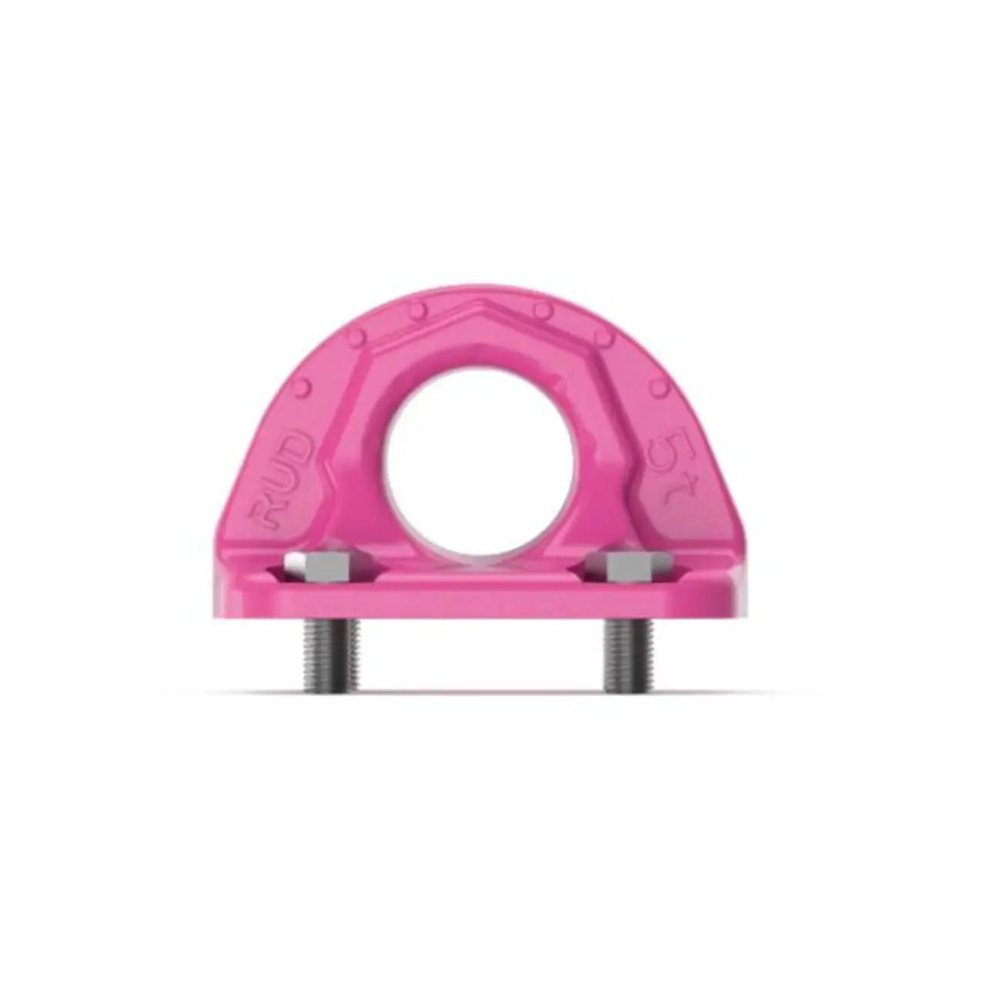
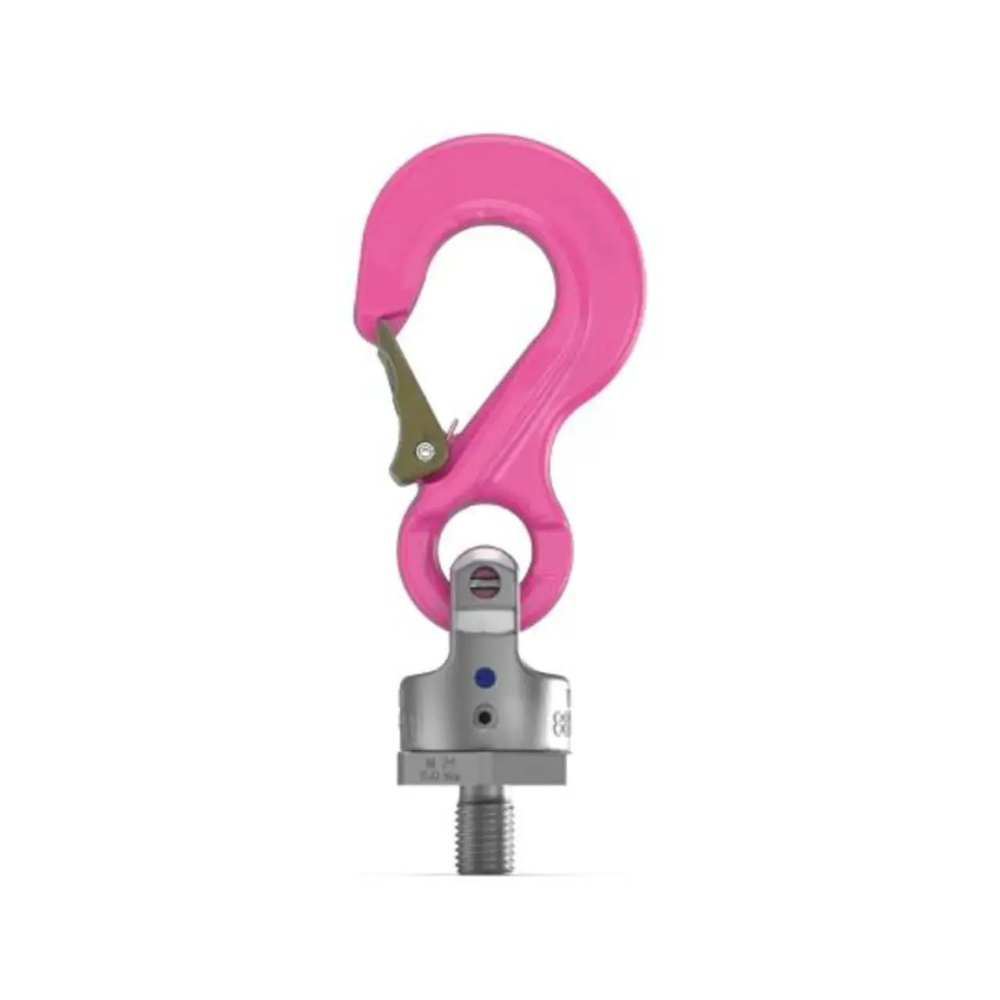
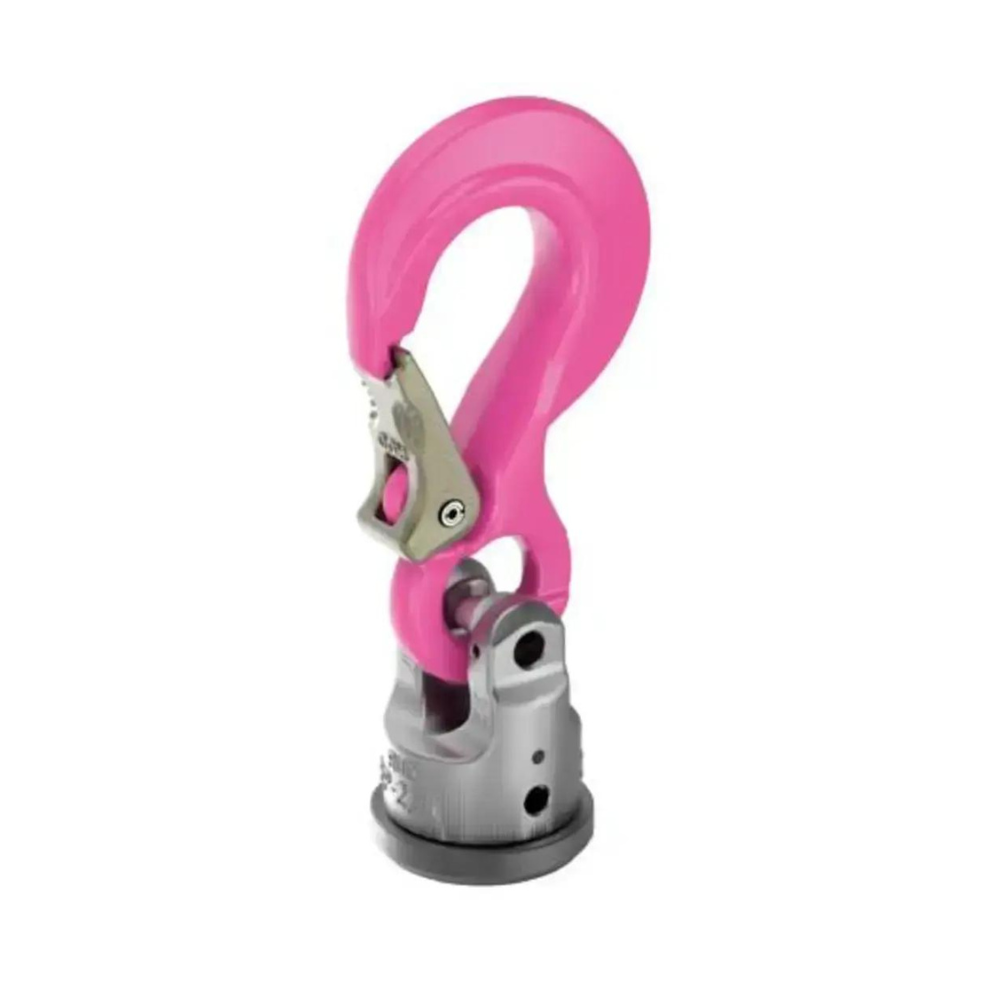
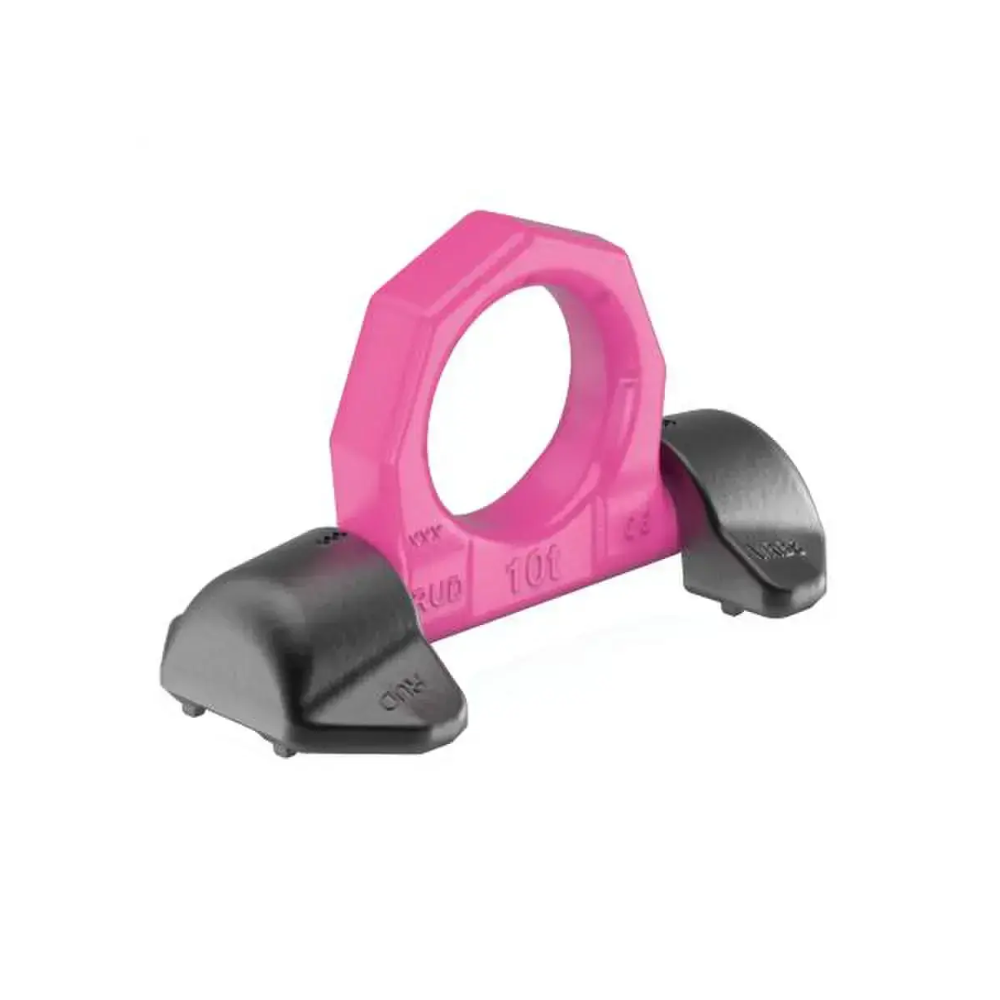
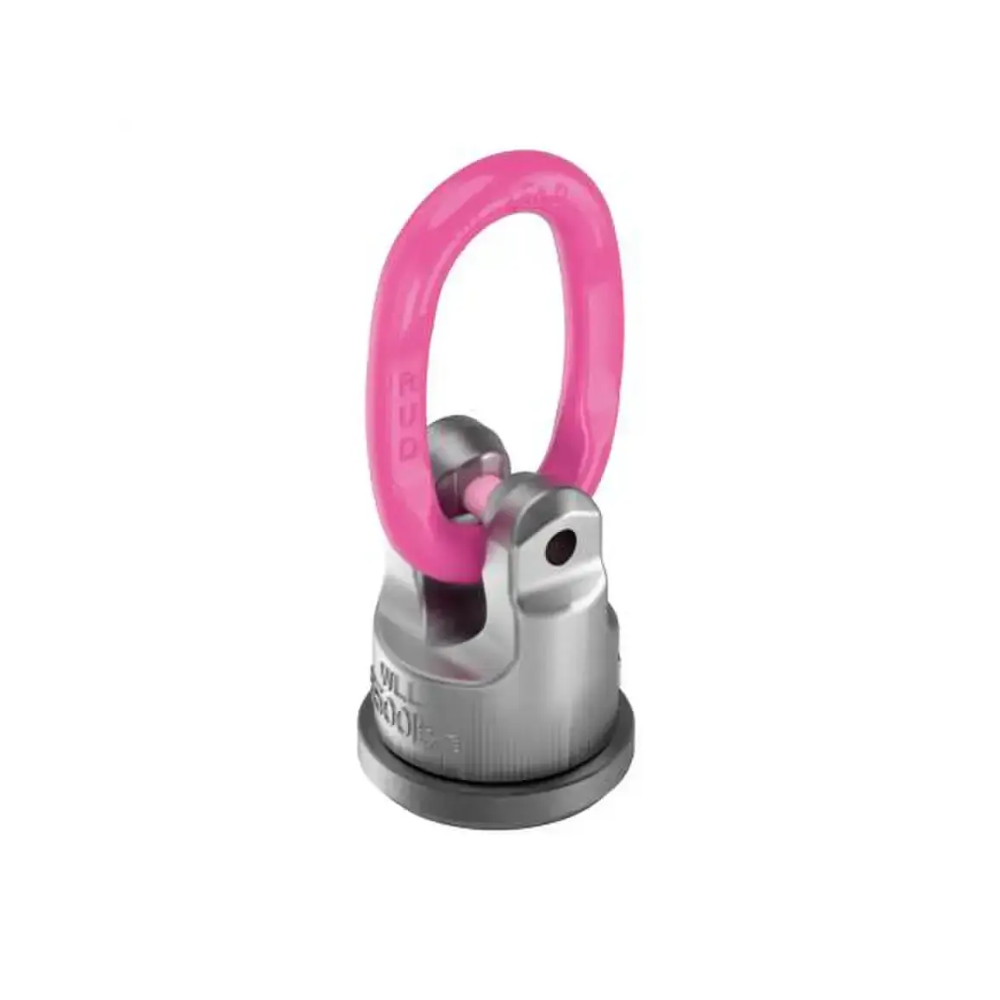
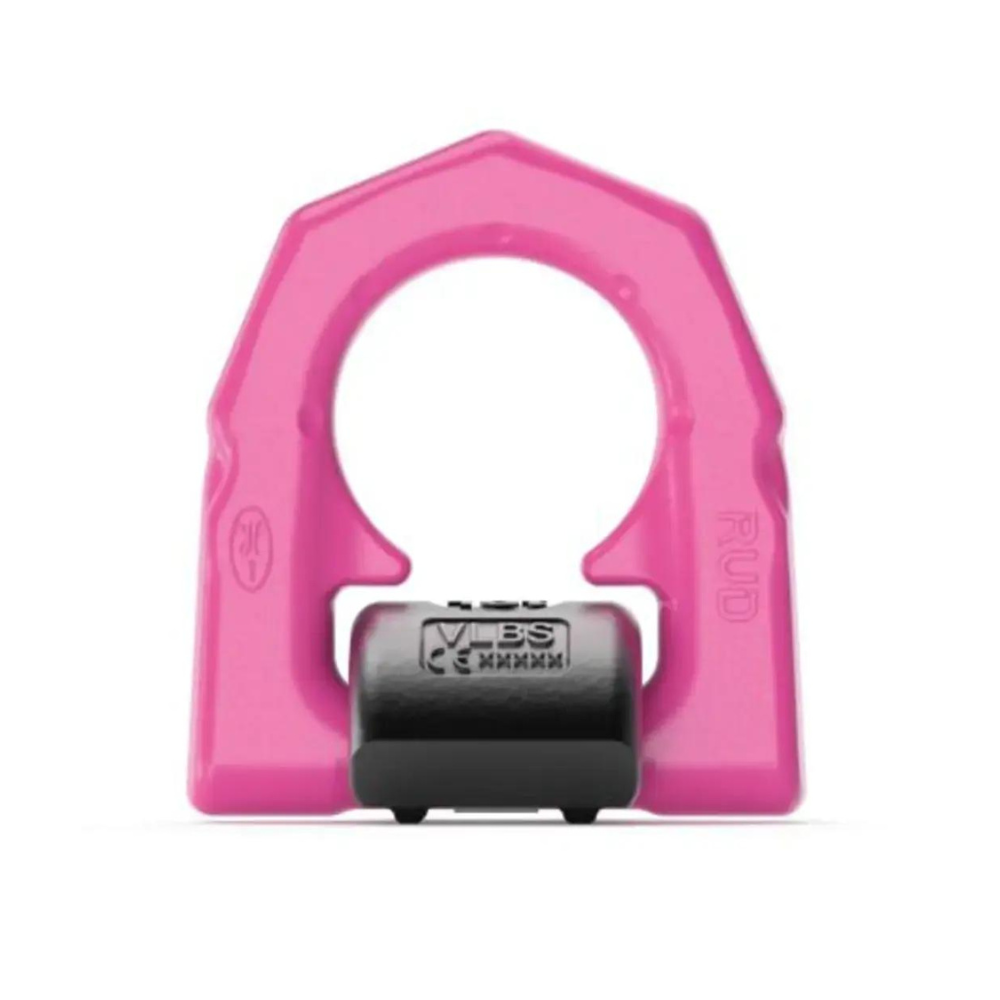
Weld-on points for steel you cannot tap. When there is no boss to drill and tap, or the wall is too thin to thread, weld on lifting points moves the connection to a weld bead. The RUD VLBS load rings start at $82, with spring versions that hold the ring standing up for one-handed hookup, and the VRBS family runs from the $28 weld-on block through rings for general fabrication. The specialized profiles are the reason to buy into a system: the VRBK is shaped for welding into 90 degree corners, the VRBS-FIX for circumferential seams on round sections, and the VLBS-U-LT is qualified for low temperature service. W-ABA points run 0.8 to 31.5 t, and weld-ready excavator hooks cover bucket and attachment work. One caveat carries the section: the rating on a weld-on point assumes the weld the manufacturer specifies, laid by a qualified welder on suitable base material, so the published welding procedure is part of the product, not paperwork to skim.
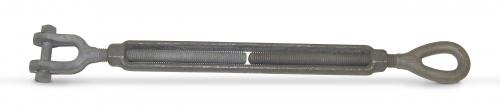
Thread, seat, and torque are where ratings go to die. A lifting point is only as good as its installation. Match the thread system exactly, metric to metric and UNC to UNC, which is why the RUD and William Hackett lines here carry both rather than asking anyone to improvise. The contact face must seat flush on flat, clean material; a point tightened down onto paint, weld spatter, or a curved surface is preloaded wrong from the first turn. Respect the manufacturer's minimum thread engagement for the base material, because a rated point holding in three shallow threads of aluminum is not a rated connection, and RUD's variable length versions exist precisely for sections where standard bolts run short. Torque to the published figure and recheck points that live on a load permanently. For the hardware that completes the rig, lifting shackles close the loop out to the sling and turnbuckles put fine adjustment into leveling the lift.
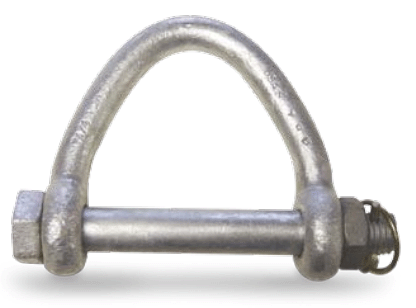
Inspection under ASME B30.26. Lifting points and hoist rings are rigging hardware under ASME B30.26, the same volume as the shackles and turnbuckles they rig with, and it wants two layers of attention: the glance before every use and a periodic inspection, documented, at least yearly in normal service. The removal criteria track the failure modes. Illegible markings end service on their own, since an unmarked point cannot be tied to a rating. Bent, elongated, or gouged rings, damaged or corroded threads, and any swivel that binds, grinds, or wobbles on its bearing condemn the device, and so does a spring that no longer holds a weld-on ring upright, because a flopped ring invites side loading at hookup. Permanently installed points earn one more habit, a scheduled torque check, since vibration works fasteners loose long before anything looks wrong. At $58 to a few hundred dollars for most sizes here, replacing hardware is always cheaper than the load it holds.
Frequently Asked Questions
Yes, through its rated pivot and swivel range, which is what the design exists to do: the bail aligns to the pull, so the bolt sees tension rather than bending. The conditions are real, though. The bolt must be torqued to specification, the ring free to rotate without binding on the load, and the mounting surface flat.
An unrated eyebolt has no working load limit, no traceability, and no place in a lift under ASME B30.26. Even rated shoulder eyebolts lose capacity fast off axis, down to 30% at 45 degrees and nothing beyond. Rated points cost little more, and the swivel designs remove the angle problem entirely.
Bolt-on wins when there is material to tap or a through-bolt path: it installs with a torque wrench and moves between jobs. Weld-on wins on thin walls, castings you cannot drill, and permanent fixtures, and shapes like the RUD VRBK corner ring go where no tapped hole could. The weld must follow the manufacturer's procedure to keep the rating.
Match the hole, never adapt. Imported machinery is usually metric; domestic fabrications and fixtures usually UNC. RUD, Codipro, and William Hackett lines here come in both systems, and RUD adds UNF and pipe thread Starpoints for the odd cases, so the right thread is a stocking question rather than a compromise.
To the manufacturer's published torque, with a calibrated wrench. The preload keeps the shoulder or bushing seated so the pull loads the bolt in tension the way the rating assumes. Points that stay installed get periodic torque checks, because vibration backs fasteners off invisibly.
Look them over before every use, and run a documented periodic inspection at least annually under ASME B30.26, more often in severe service. Retire anything with unreadable markings, thread damage, a deformed ring, or a swivel that no longer turns smoothly, and send doubtful hardware to a qualified person.