Ratchet Straps
Ratchet straps are the working end of cargo securement: polyester webbing, a heat-treated steel ratchet that multiplies hand tension, and an end fitting matched to the anchor point. This collection carries the two names flatbed and van fleets already run, Kinedyne and Lift-All, in 1 through 4 inch widths, every common hook pattern, and ratings from light utility pairs up to Lift-All Load Hugger tiedowns at 15,000 lb. The supporting hardware lives here too: winch straps with the trailer winches and winch bars that tension them, wheel nets and axle straps for vehicle transport, and StrapPak models that rewind their own slack. Buying straps is mostly arithmetic, because the FMCSA counts working load limits before an inspector looks at anything else, so the guide below starts with the ratings and the tie-down math, then works outward to widths, fittings, and hardware.
Shop Ratchet Straps by Category
Compare Ratchet Straps
| Model | Price | Capacity | Series | Web Width (in) | Web Material | |
|---|---|---|---|---|---|---|
| Lift-All Hi-Viz Chain Anchor 15k Load Hugger Tuff-Edge Tiedown w/ Ratchet 4" | $543 | 5,000 lb | — | — | — | View → |
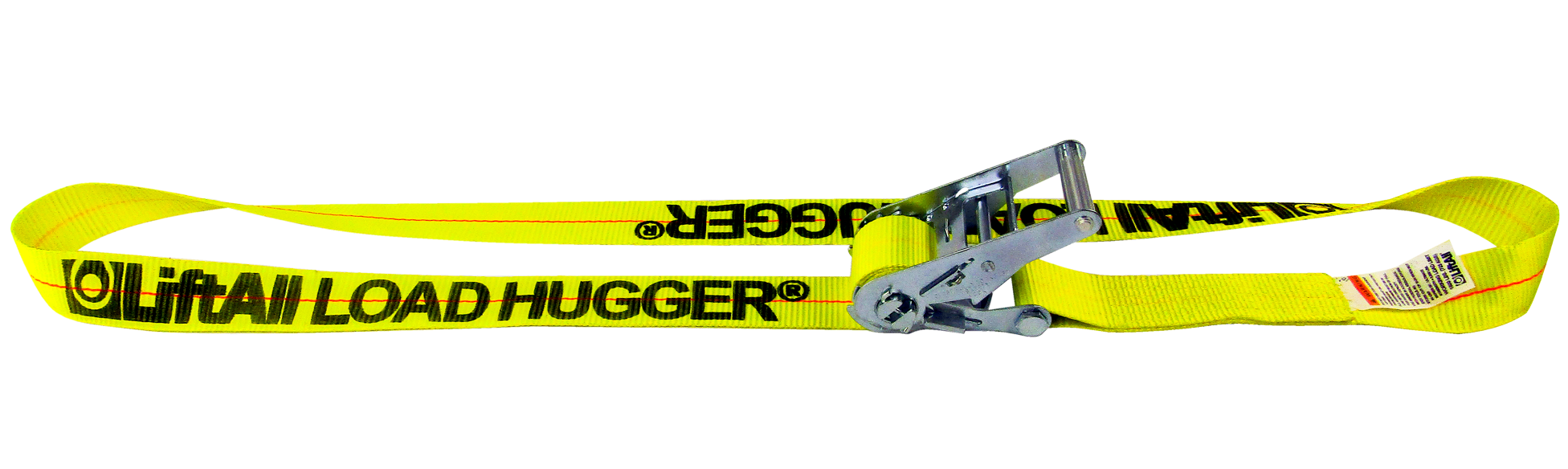
| Lift-All Chain Anchor Hi-Viz 10k Load Hugger Tuff-Edge Tiedown w/ Ratchet 2" | $266 | — | Series 10,000 | 2 | Tuff-Edge Hi-Vis Polyester | View → |
| Lift-All Forged Snap Hook Hi-Viz 10k Load Hugger Tuff-Edge Tiedown w/ Ratchet 2" | $244 | — | Series 10,000 | 2 | Tuff-Edge Hi-Vis Polyester | View → |
| Lift-All Hi-Viz Forged Snap Hook 5k Load Hugger Tuff-Edge Tiedown w/ Ratchet 2" | $237 | — | Series 5,000 | 2 | Tuff-Edge Hi-Vis Polyester | View → |
| Lift-All Chain Anchor Hi-Viz Load Hugger Tuff-Edge Tiedown Winch Strap 4" | $222 | 5,000 lb | — | — | — | View → |
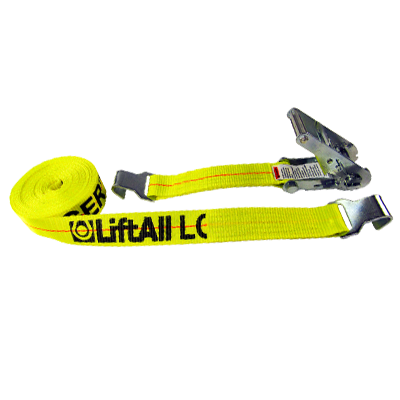
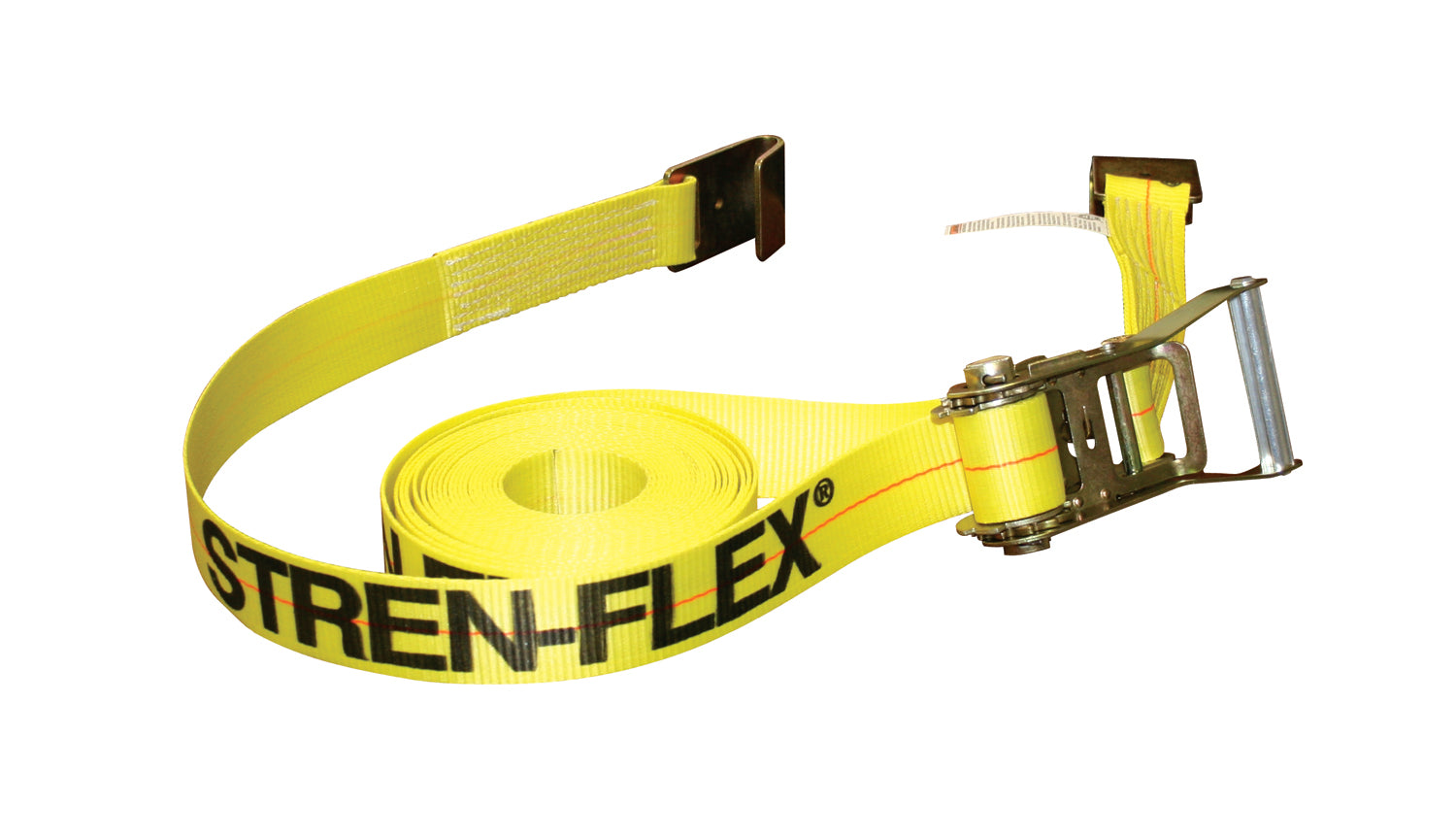
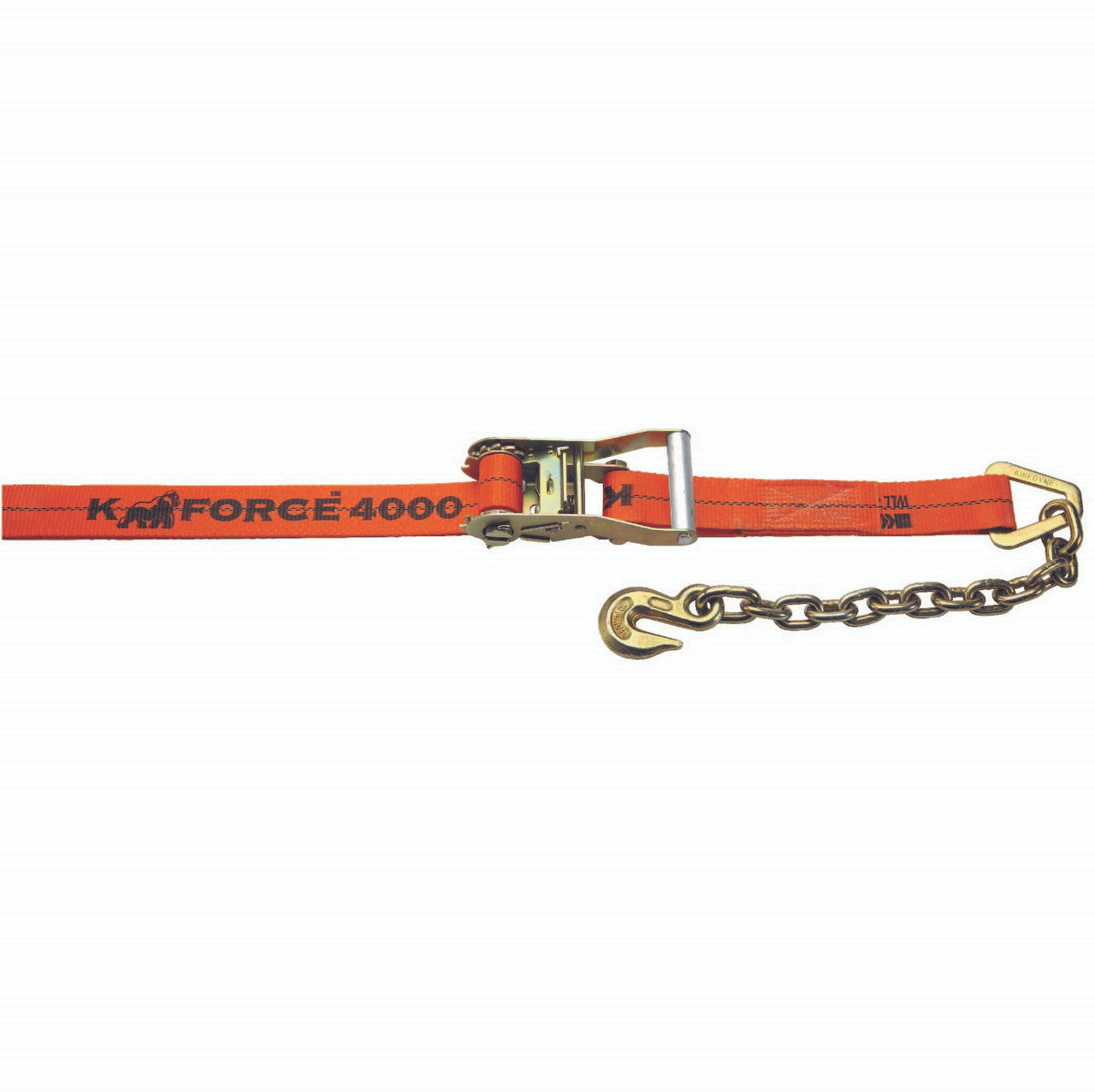
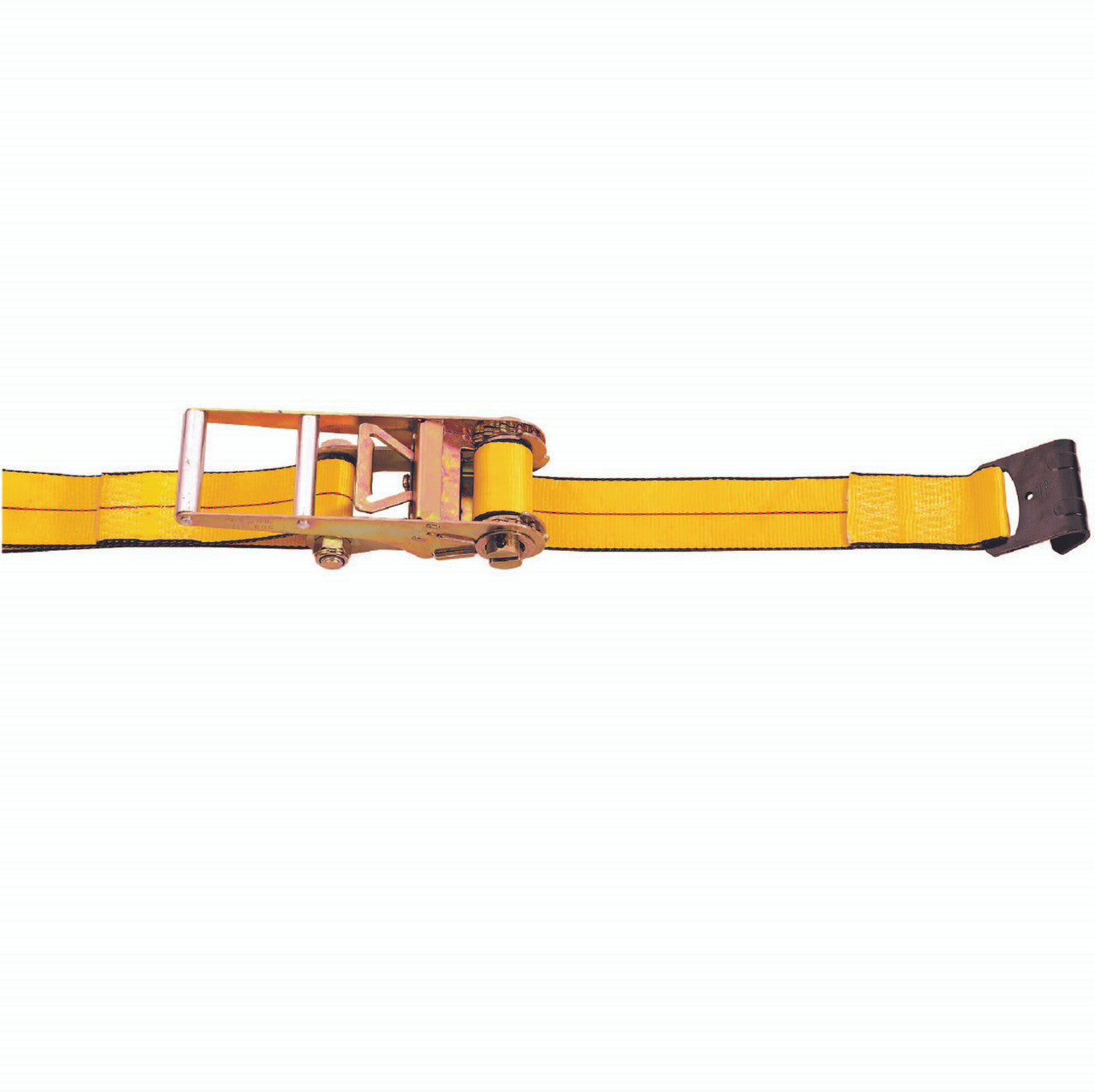
| Kinedyne 4" K-FORCE™ Flat Hook Ratchet Strap | $104 | 6,670 lb | — | — | — | View → |
 In Stock
 In Stock
 In StockIn Stock
 In Stock
 In Stock
 In Stock
 In Stock
 In StockIn StockIn StockIn Stock
 In Stock
 In StockIn StockIn StockIn StockIn StockIn Stock
 In StockIn Stock
 In StockIn Stock
 In StockIn Stock
 In Stock
 In StockIn Stock
 In Stock
 In StockIn StockIn Stock
 In Stock
 In Stock
 In StockIn StockIn StockIn StockIn StockIn StockIn Stock
 In StockIn StockIn StockIn StockIn StockIn Stock
 In Stock
 In Stock
 In Stock
 In Stock
 In Stock
 In Stock
 In Stock
 In Stock
 In Stock
 In StockIn Stock
 In Stock
 In Stock
 In Stock
 In Stock
 In Stock
 In Stock
 In Stock
 In Stock
 In Stock
 In Stock
 In Stock
 In Stock
 In Stock
 In Stock
 In Stock
 In Stock
 In Stock
 In Stock
 In Stock
 In Stock
 In Stock
 In Stock
 In Stock
 In StockIn Stock
 In Stock
 In Stock
 In Stock
 In Stock
 In Stock
 In Stock
 In Stock
 In Stock
 In Stock
 In Stock
 In Stock
 In Stock
 In Stock
Ratchet Straps Buying Guide
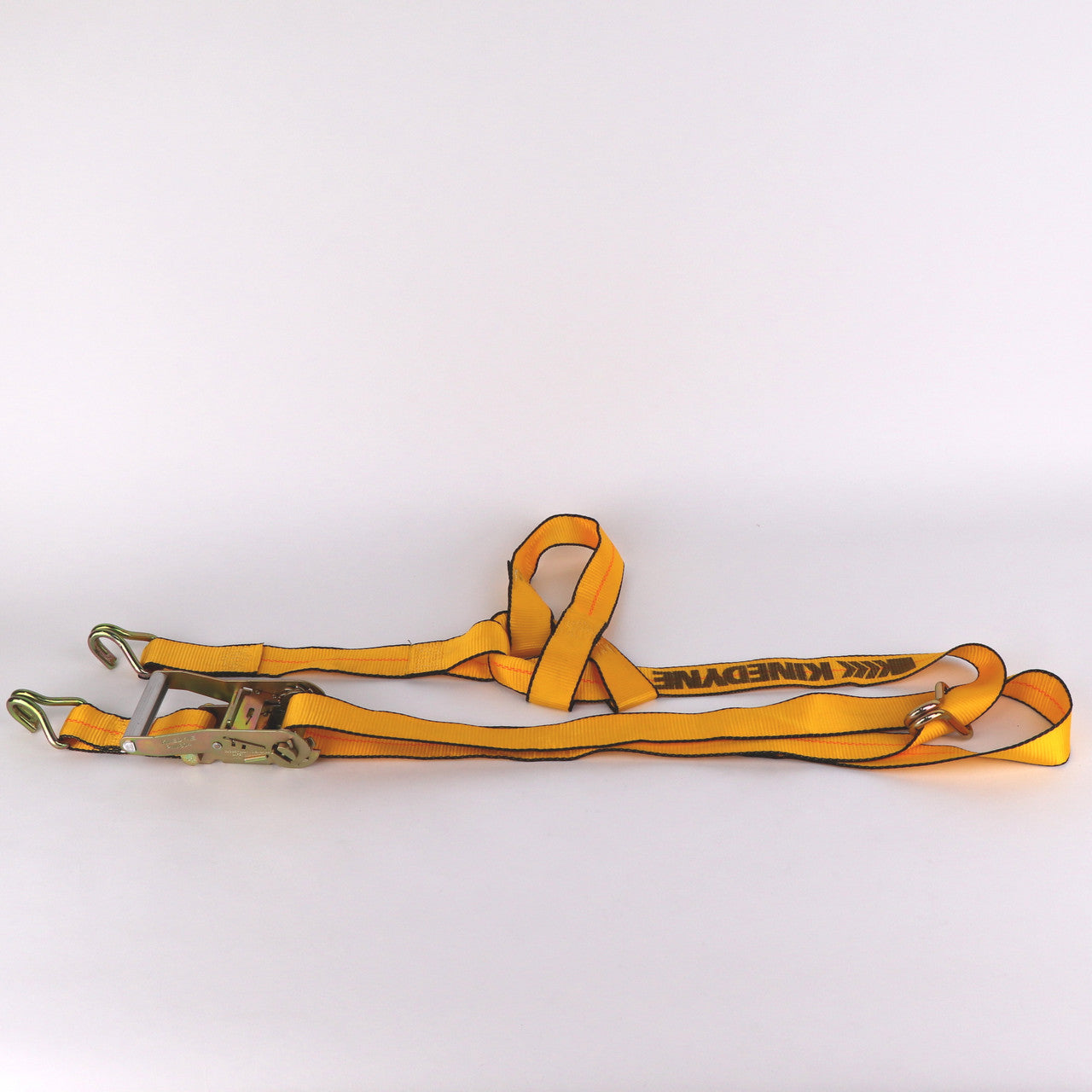
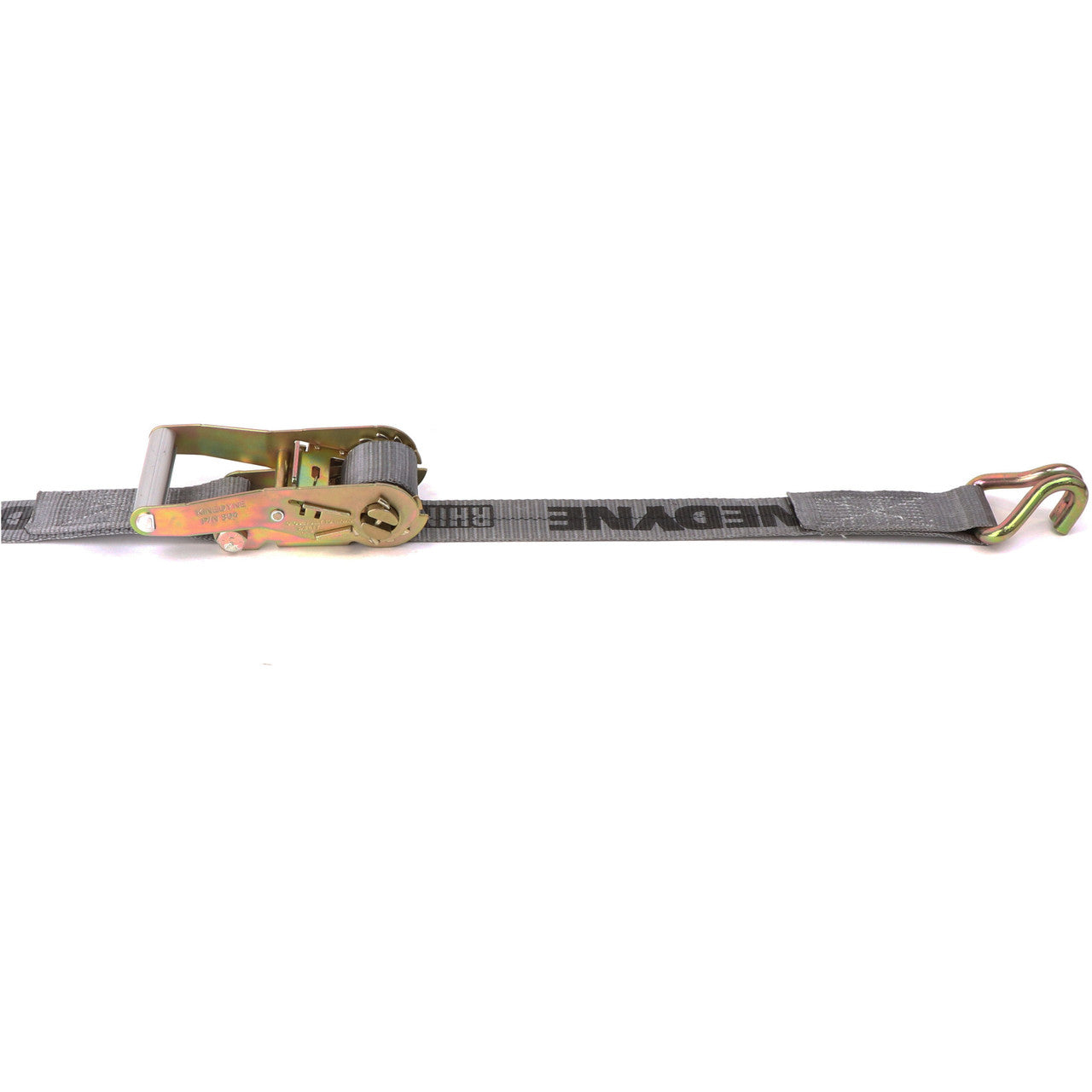
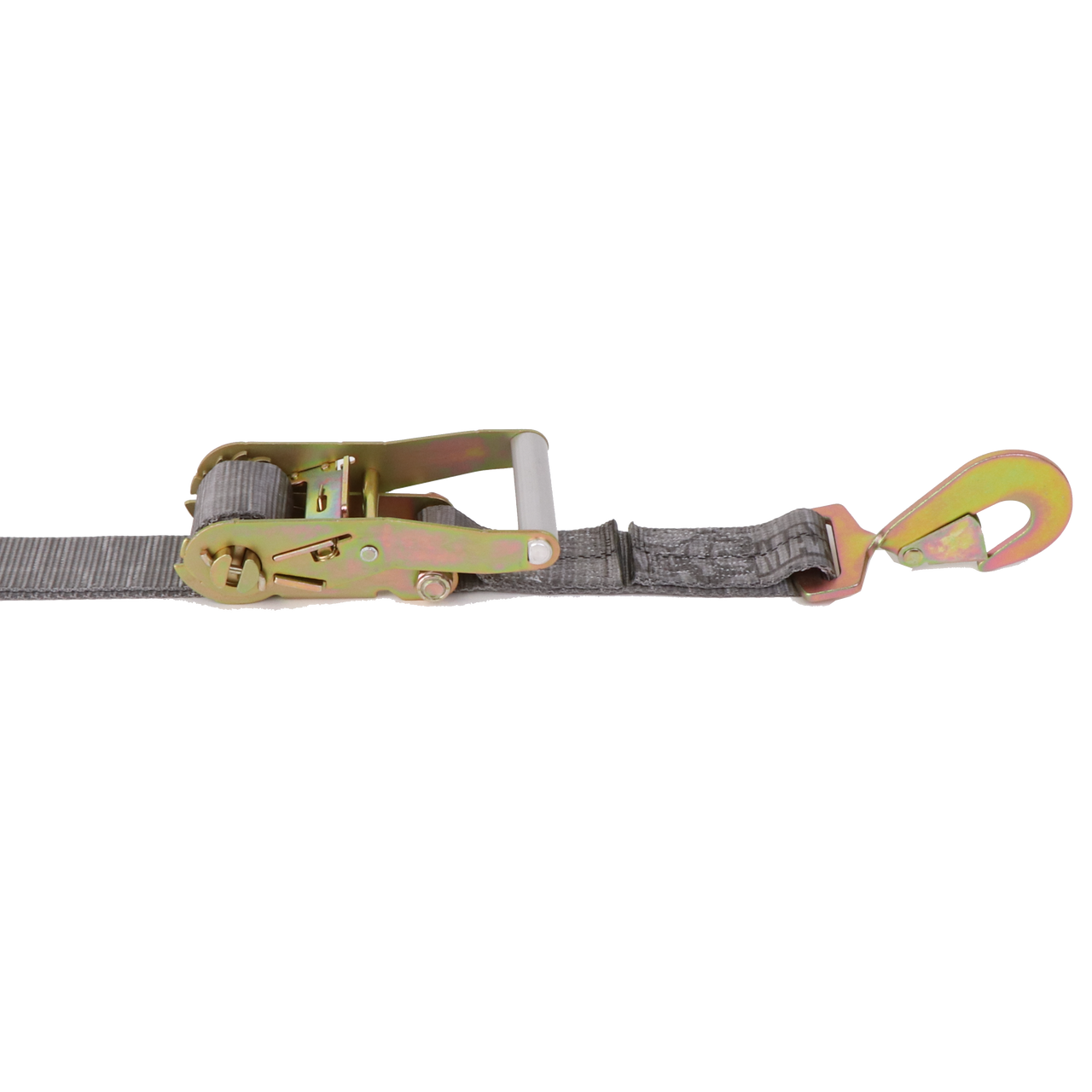
The tag is the rating, and the math behind it. Every strap here carries a working load limit assigned under the WSTDA standard, which caps the WLL at no more than one third of the assembly's break strength. Assembly is the operative word: the rating covers webbing, stitching, ratchet, and hooks together, and the weakest of them sets the number. Kinedyne's 2 inch by 27 ft flat hook ratchet strap is the reference point, a 3,335 lb working load limit on 10,000 lb break strength webbing, at about $23. That two-thirds reserve absorbs shock loading, abrasion, and age; it is not capacity you get to spend. The rating also assumes the tag or fitting stamp is readable. FMCSA rules assign unmarked tiedowns a default working load limit from the tables in 49 CFR 393.108, well below what a marked strap carries, so a missing tag downgrades the strap on the spot.
The FMCSA half-weight math. Federal rule 49 CFR 393.106 requires the aggregate working load limit of the tiedowns on an article to reach at least half its weight, and the counting is specific: half the WLL of each strap that runs from the vehicle to the cargo, and the full WLL of each strap that crosses over the load and anchors to the vehicle on both sides. A 12,000 lb machine needs 6,000 lb of aggregate, so two 3,335 lb straps over the top make 6,670 and pass. Then 49 CFR 393.110 sets a minimum count for cargo not blocked against forward movement: one tiedown for articles up to 5 ft long and 1,100 lb, two for anything longer or heavier, and one more for each additional 10 ft of length or fraction of it. Meet both tests, and remember they are the legal floor, not the mark of a careful driver.
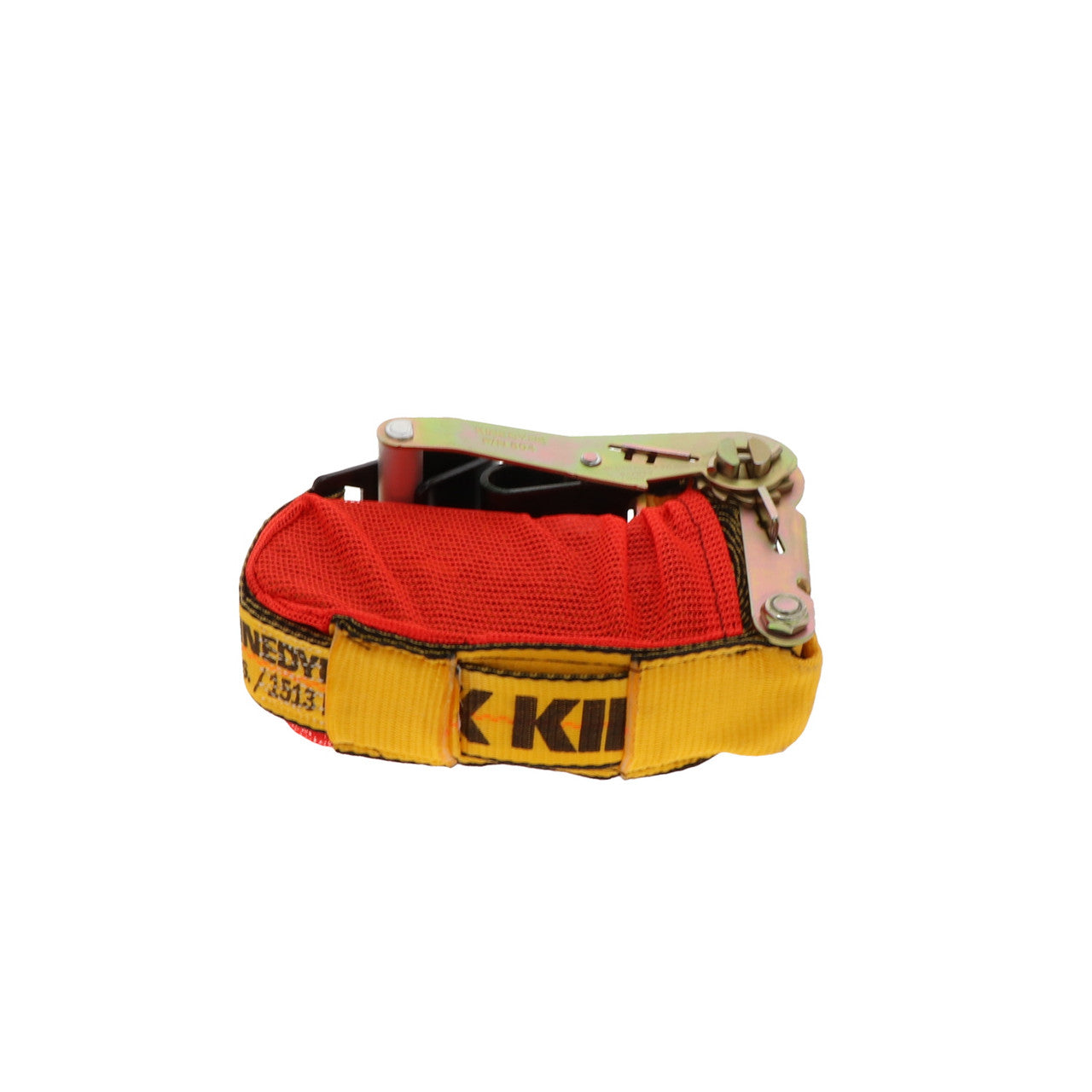
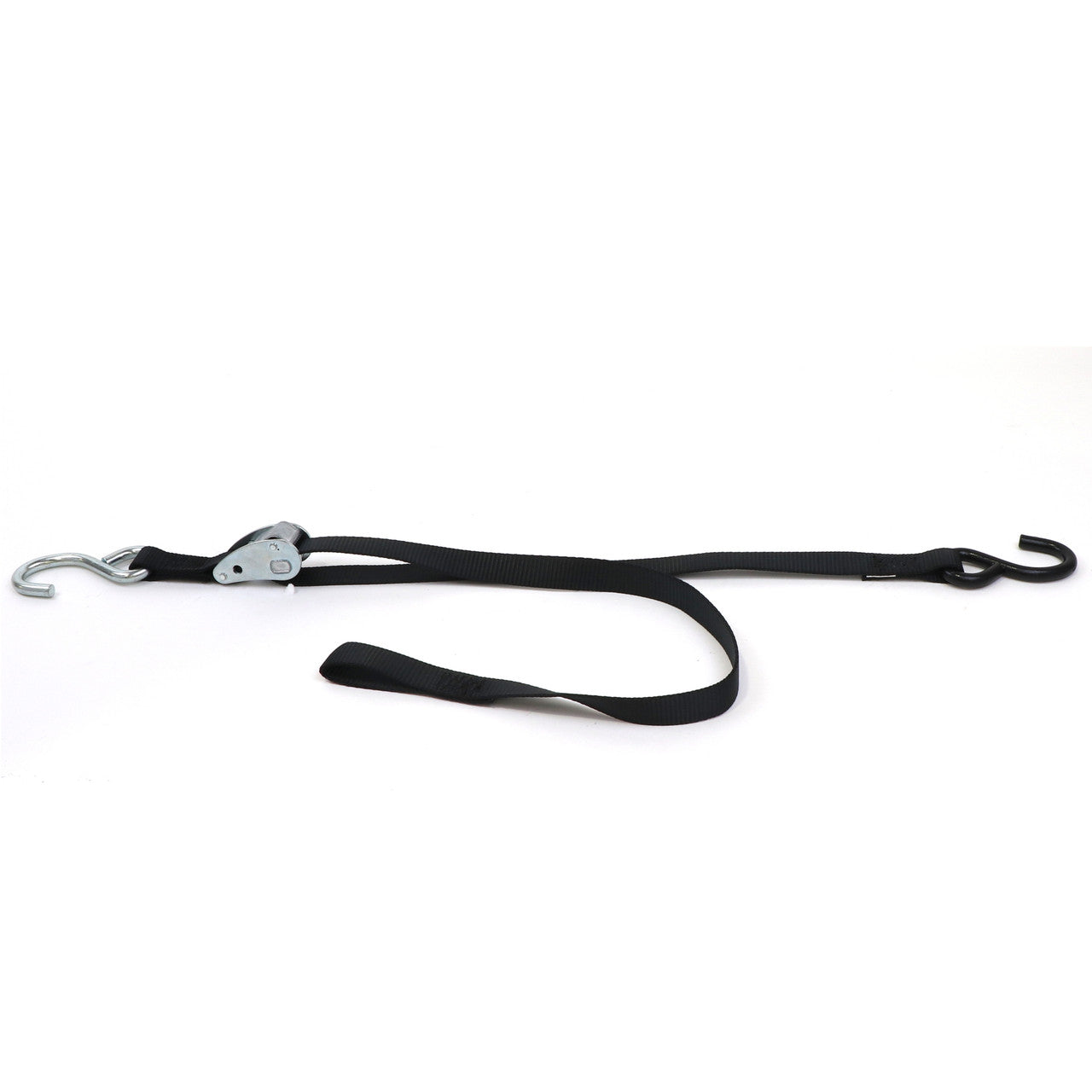
Width picks the weight class. One inch straps handle powersports, boats, and utility loads, sold here mostly as S hook and snap hook pairs from about $34. Two inch is the general freight workhorse, from a $10 spring loaded logistic ratchet strap for E track vans up to Kinedyne's K-FORCE and Rhino MAX webbing upgrades for hard daily service, all inside heavy duty ratchet straps. Three and 4 inch straps are machinery and steel territory, topping out with the 4 inch K-FORCE flat hook around $104. Above the standard lines sit Lift-All's Load Hugger tiedowns in 5,000, 10,000, and 15,000 lb ratings, with high visibility webbing and Tuff-Edge construction that resists the edge wear that retires most straps early. Buy the width the math demands, then consider one step up if the strap will work outdoors year round.
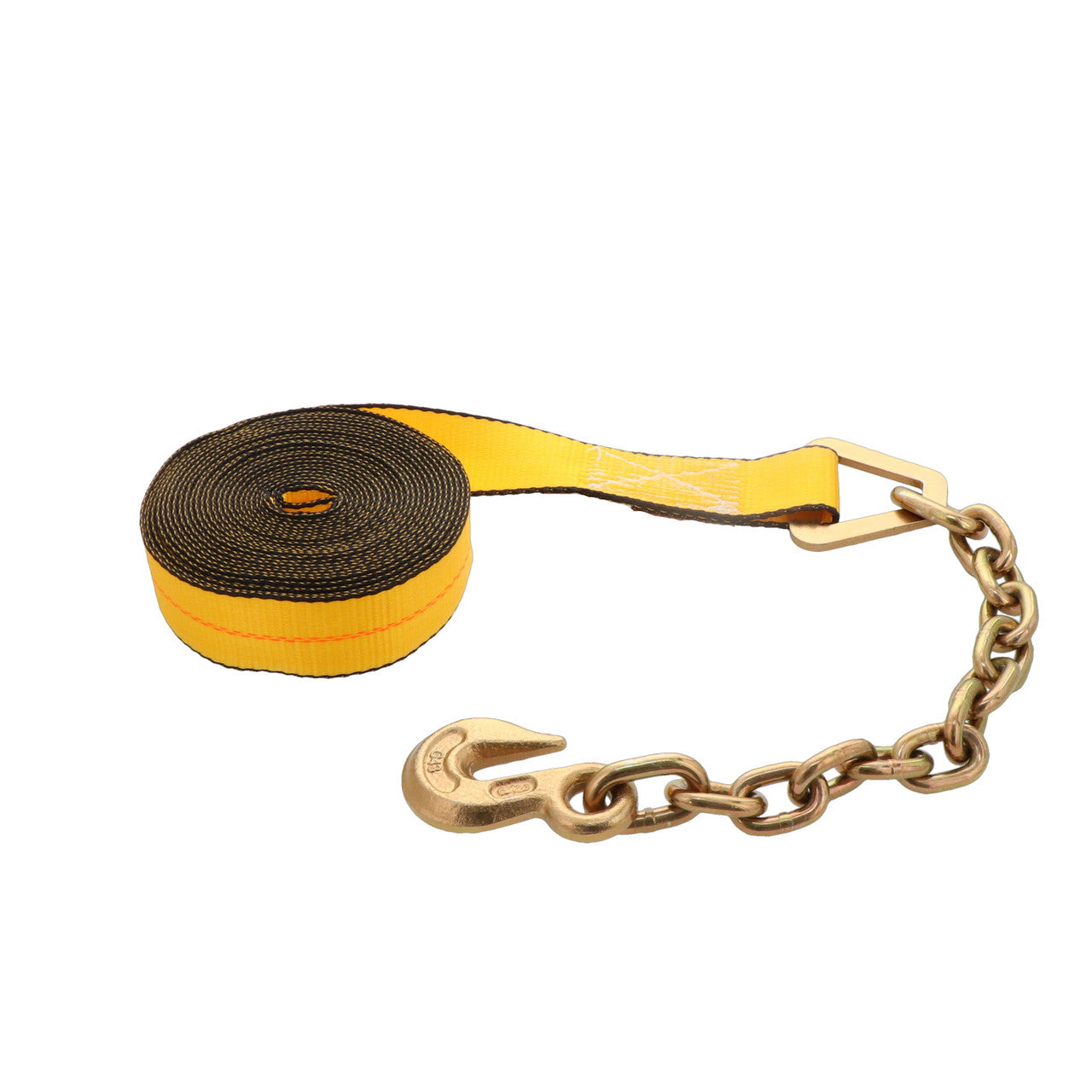
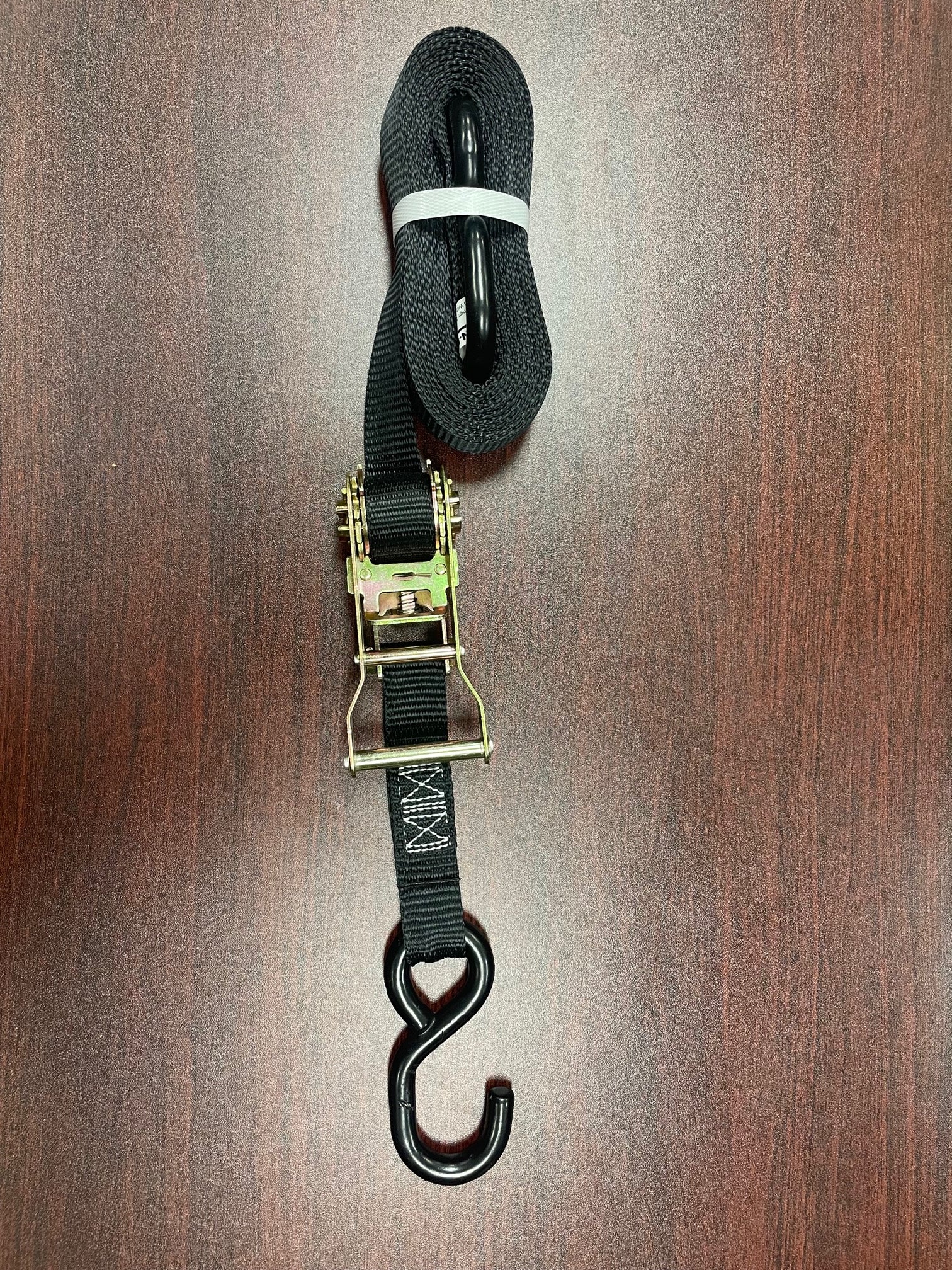
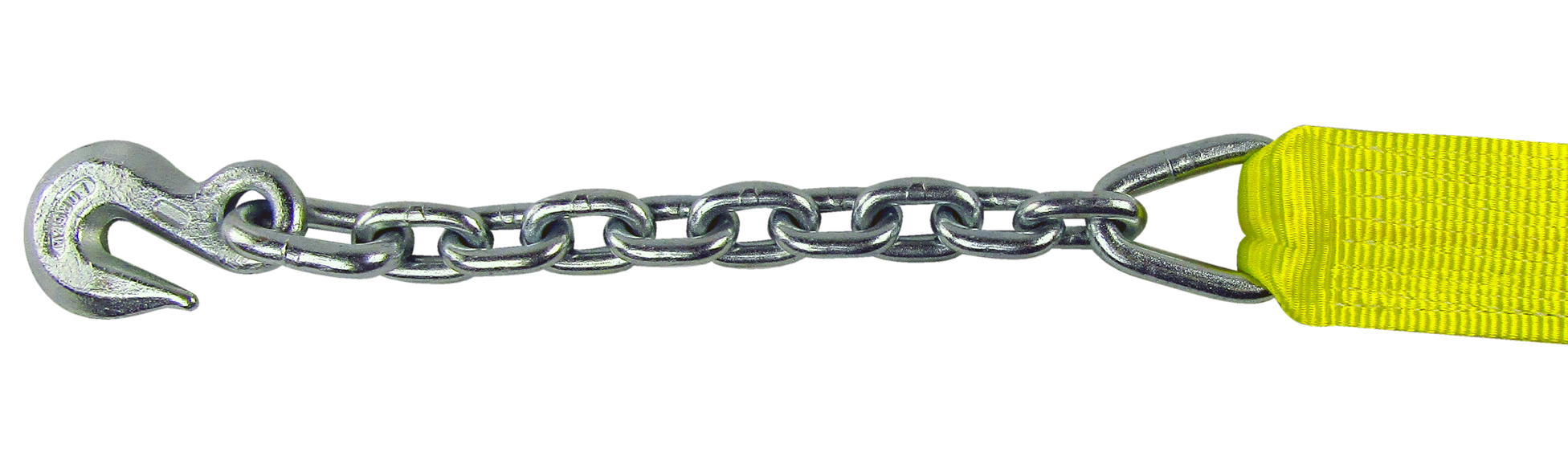
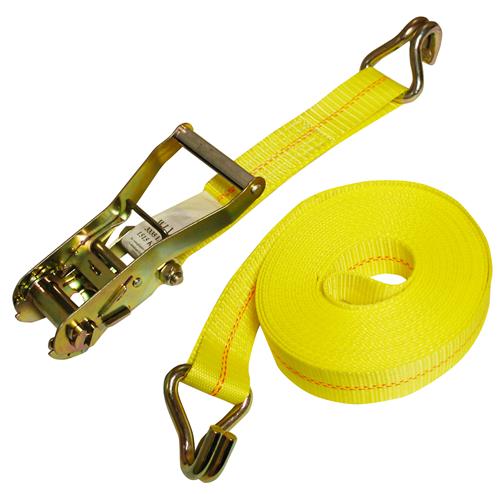
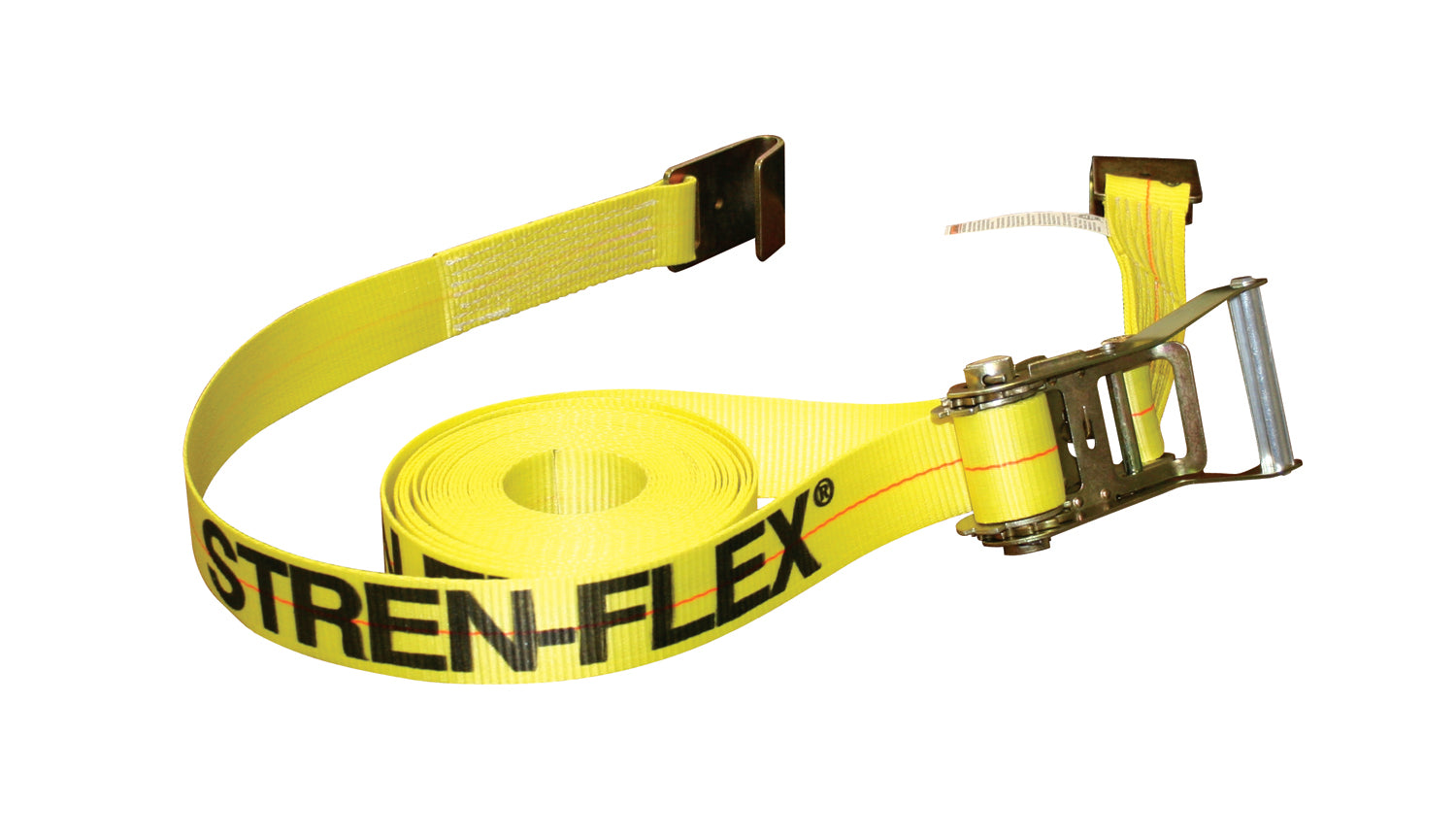
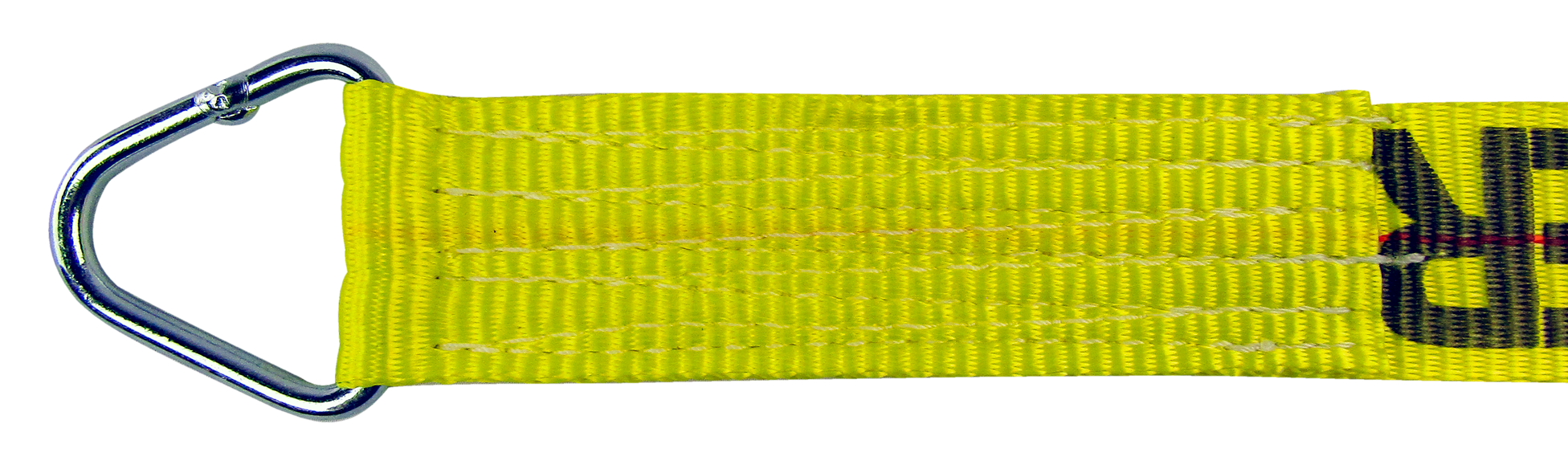
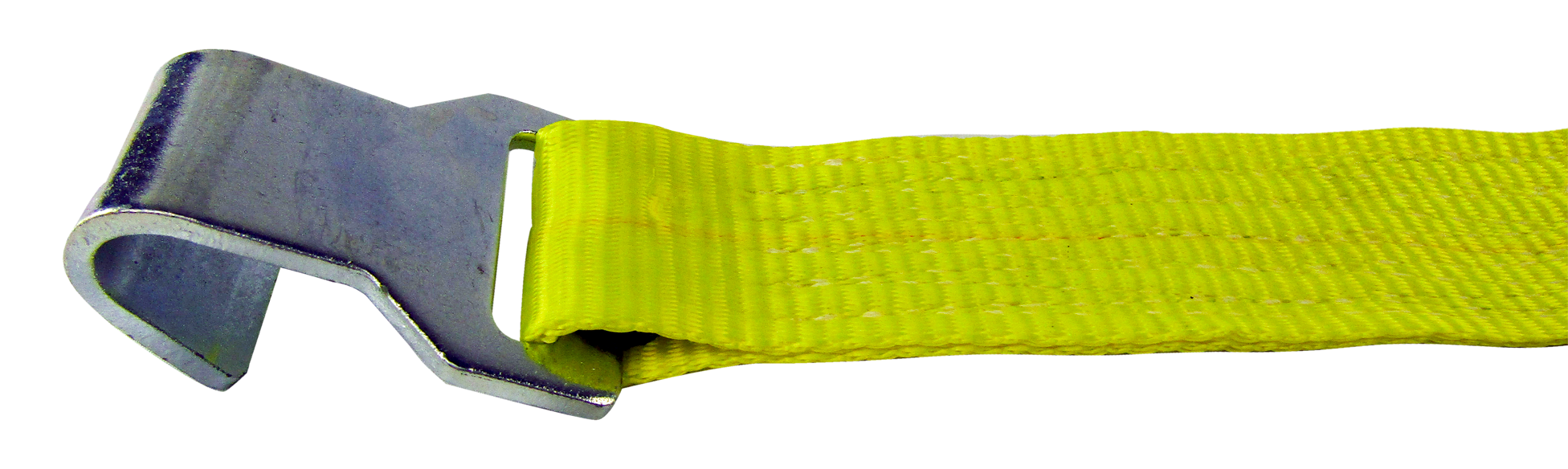
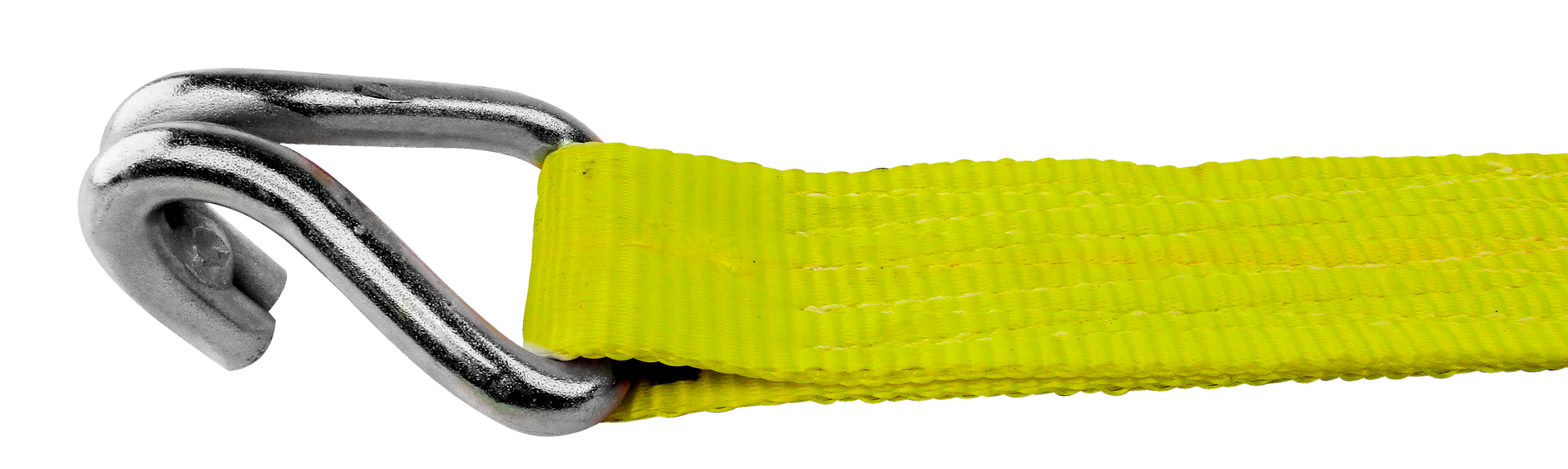
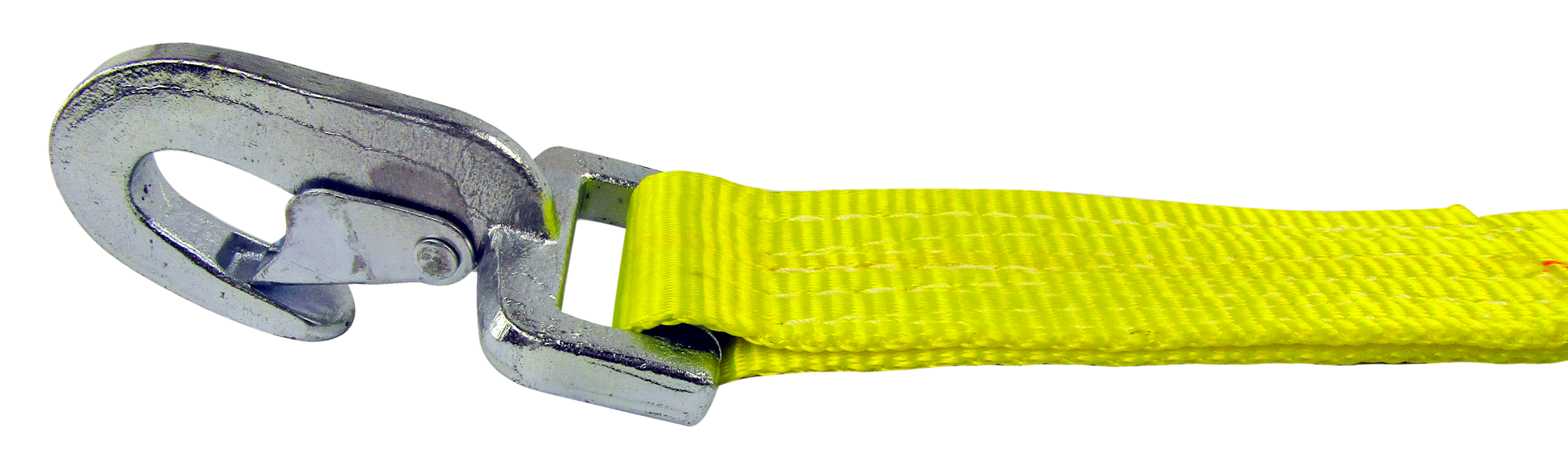
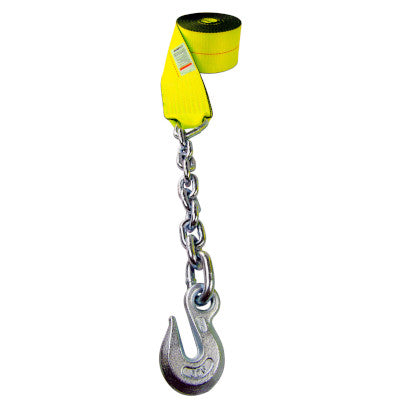
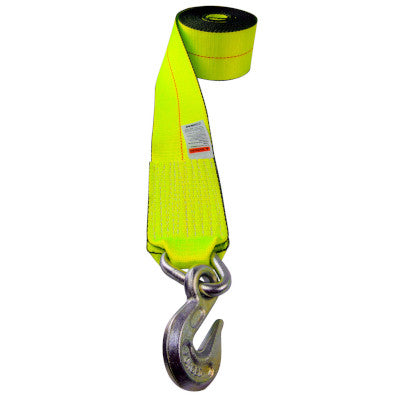
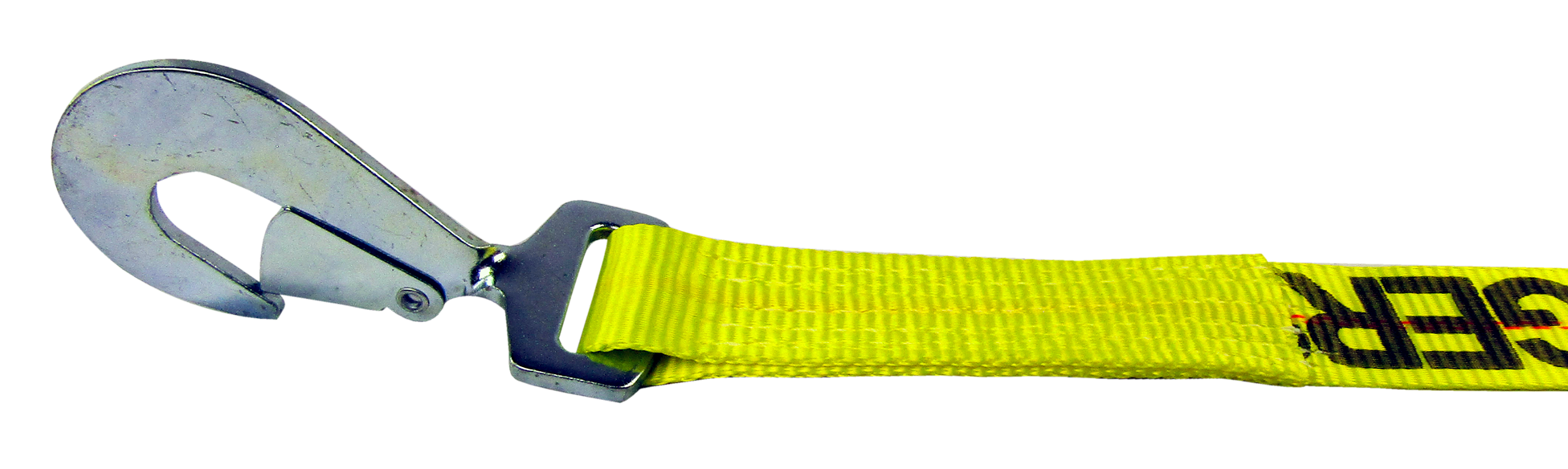
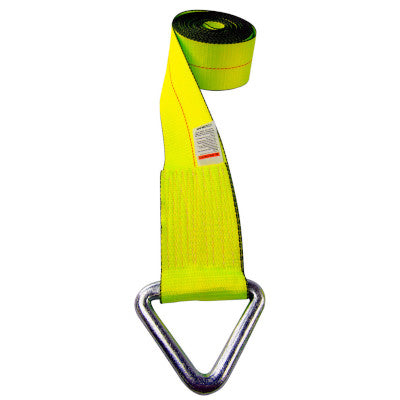
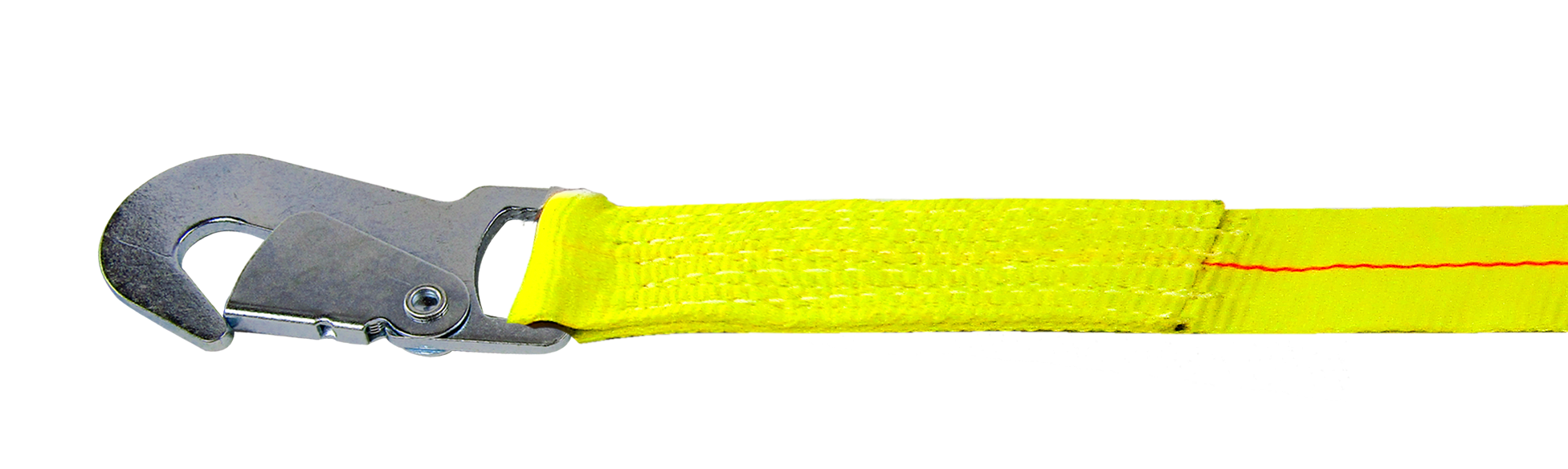
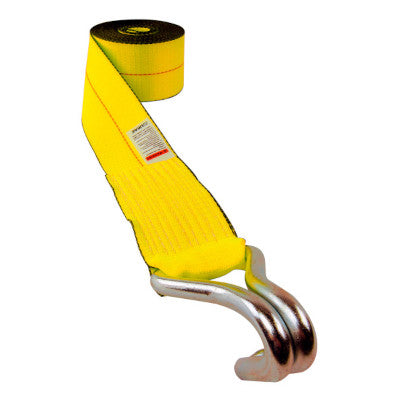
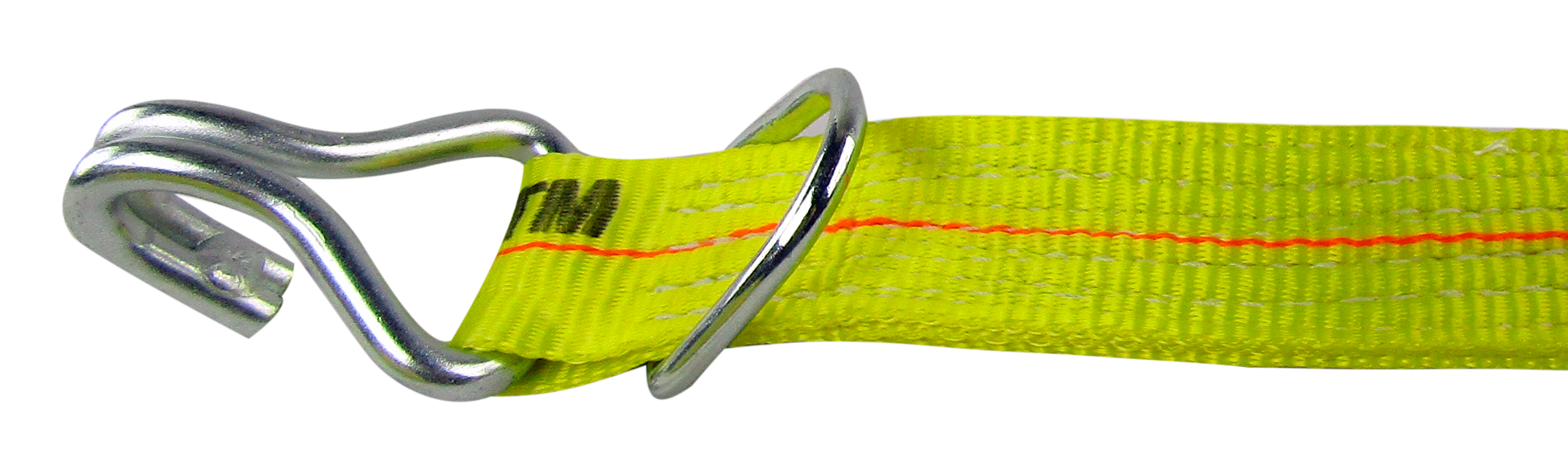
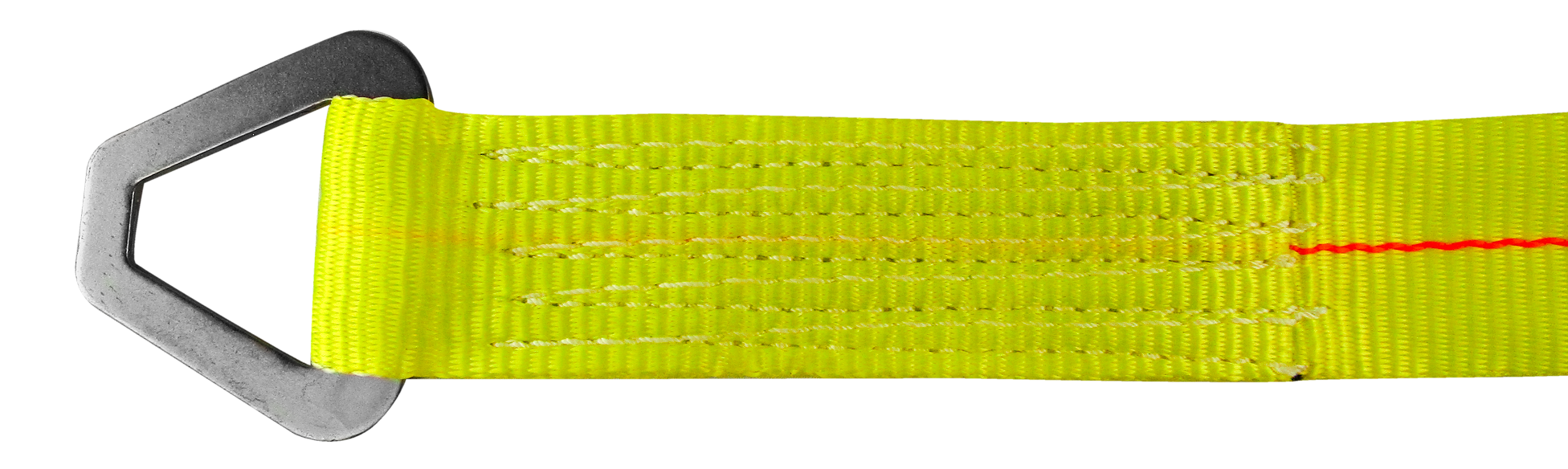
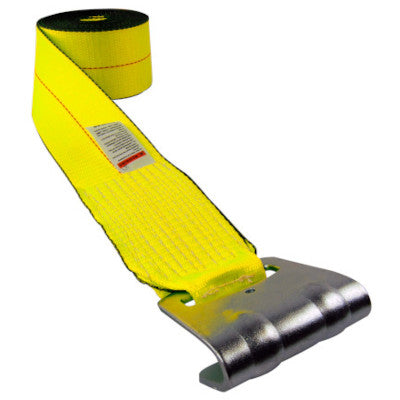
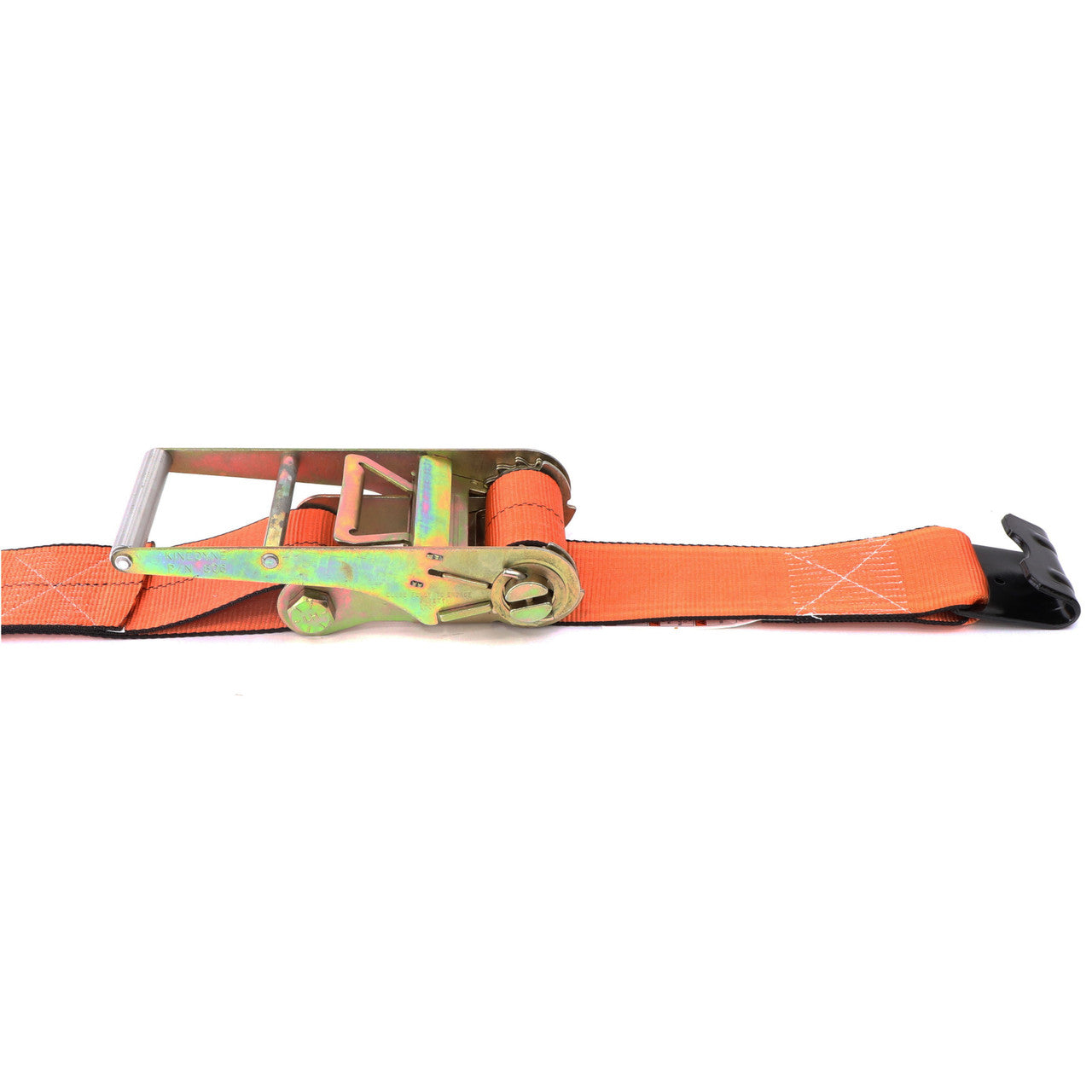
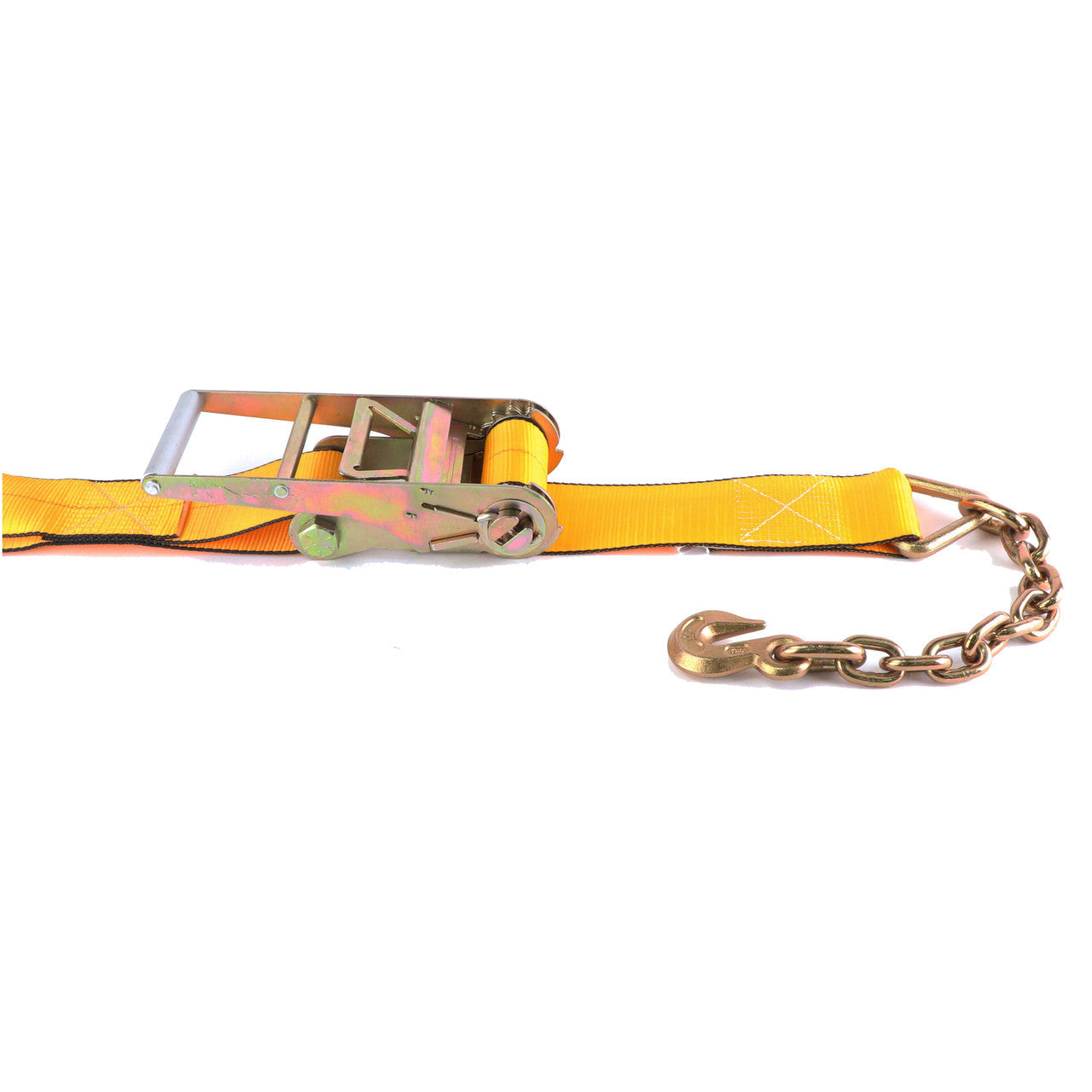
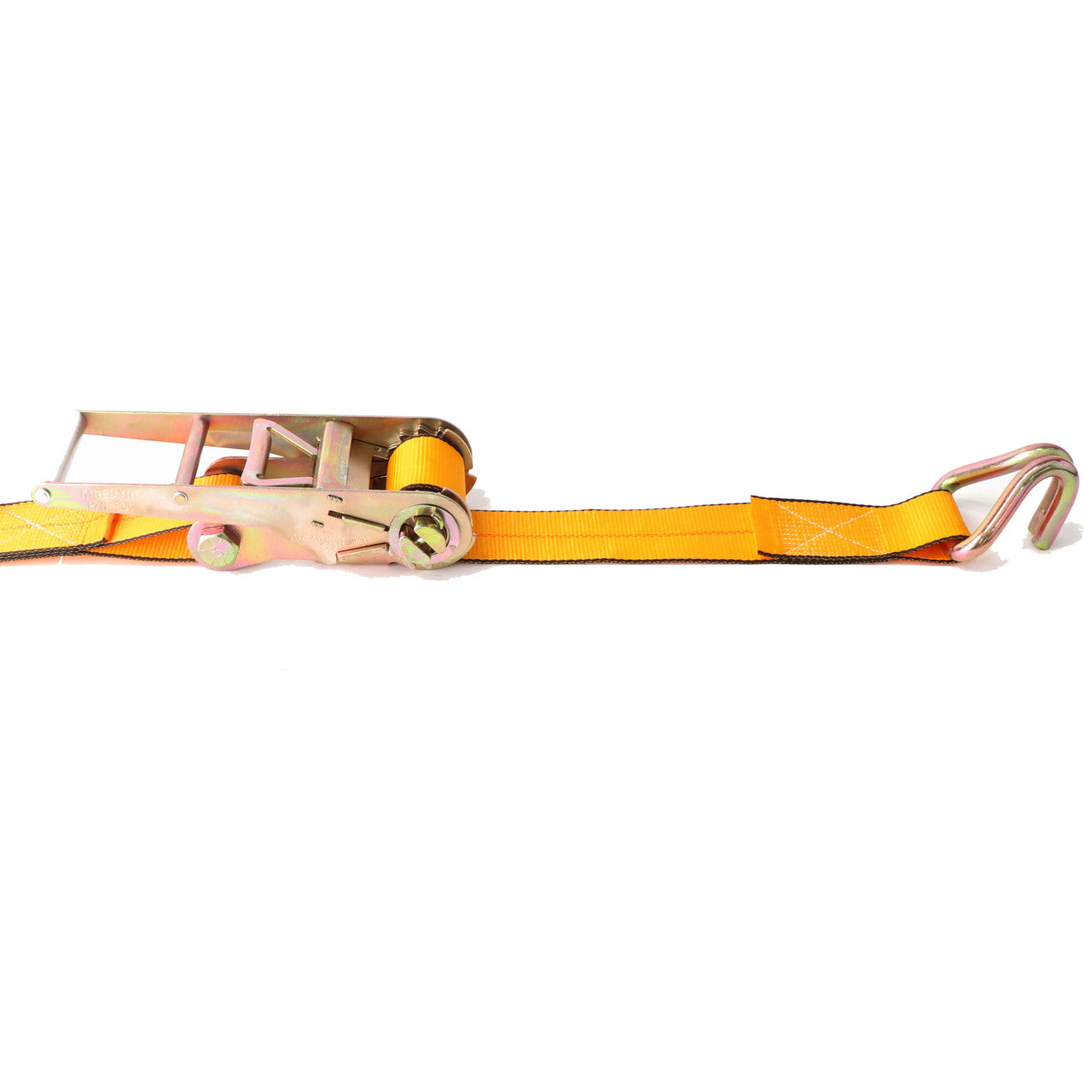
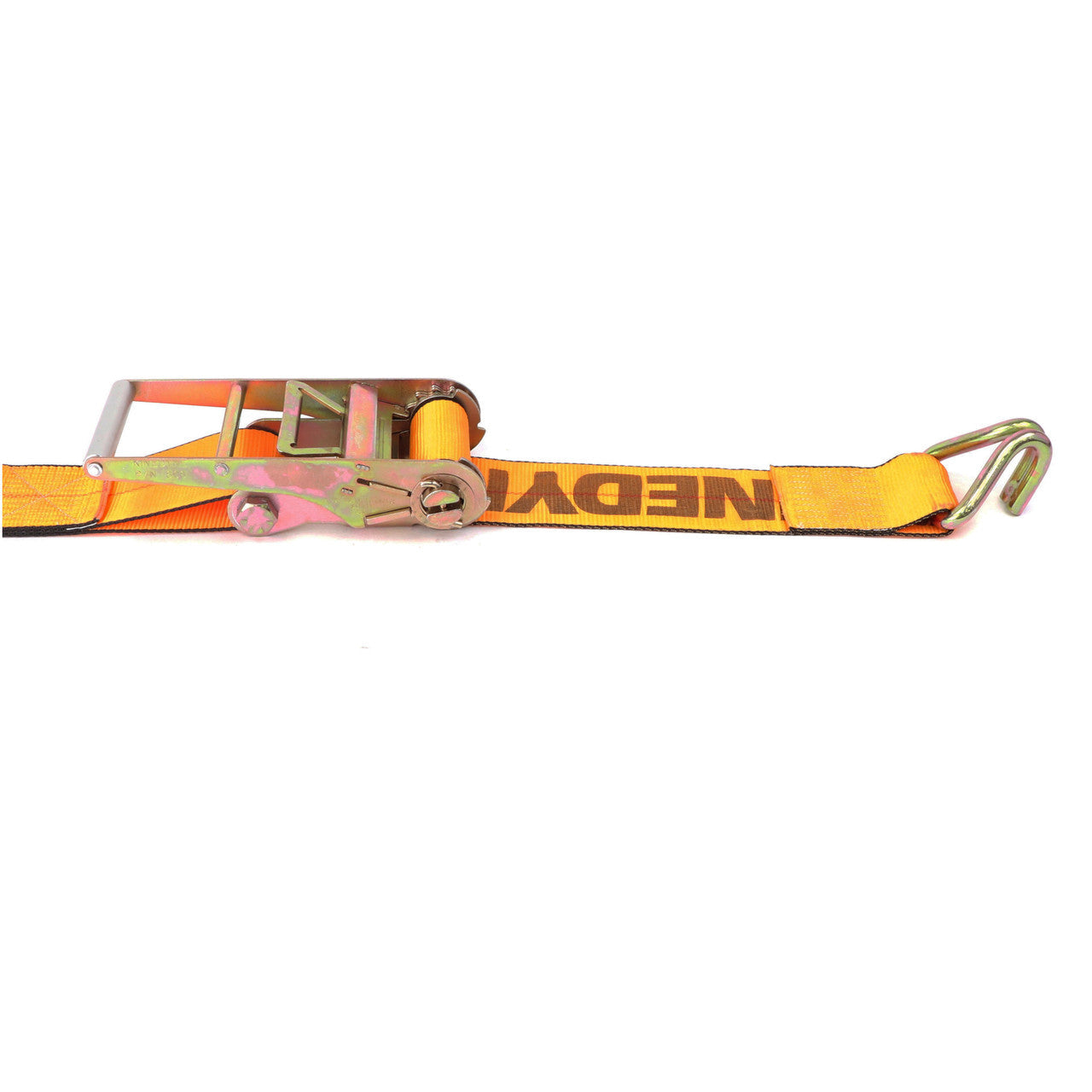
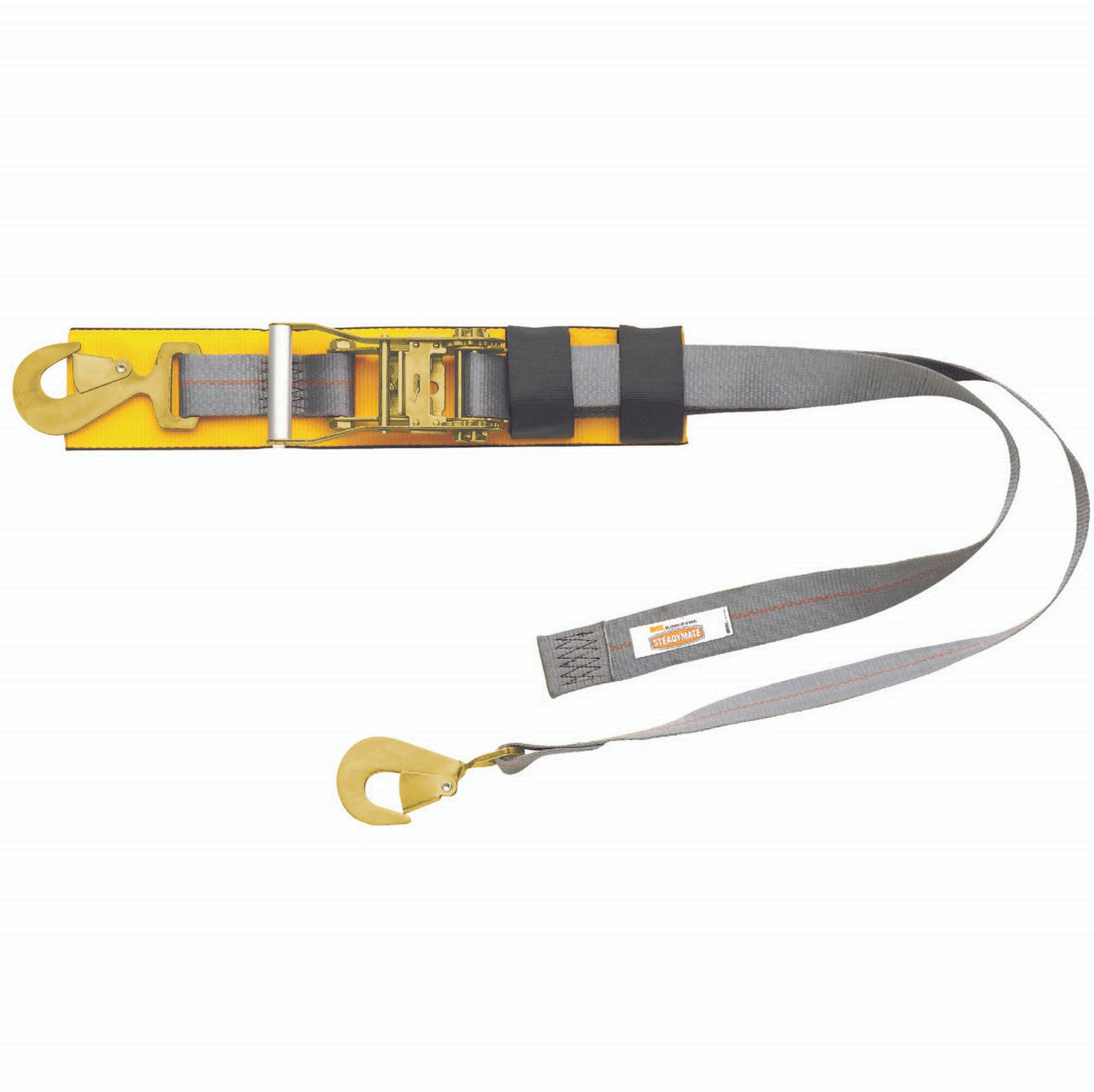
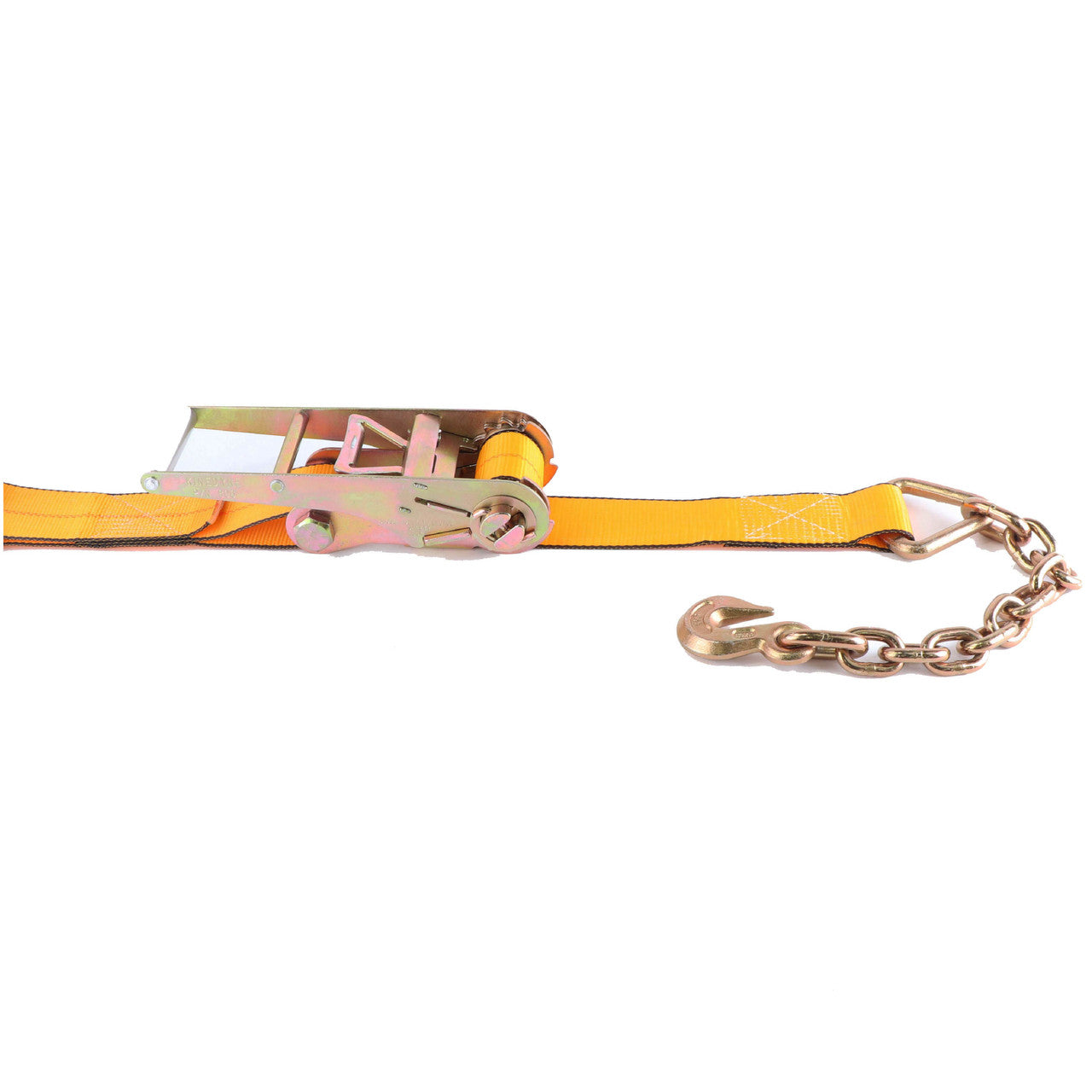
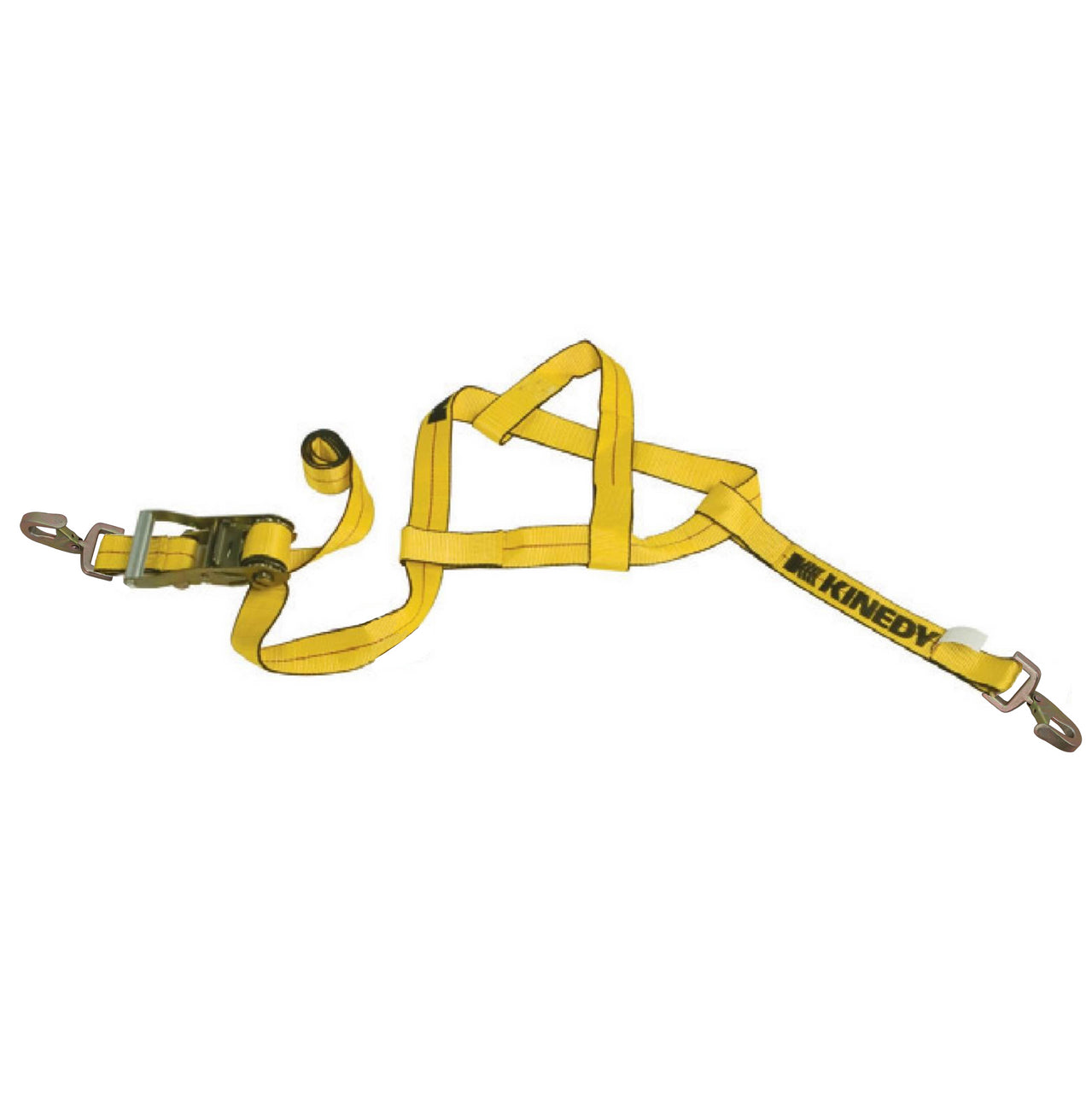
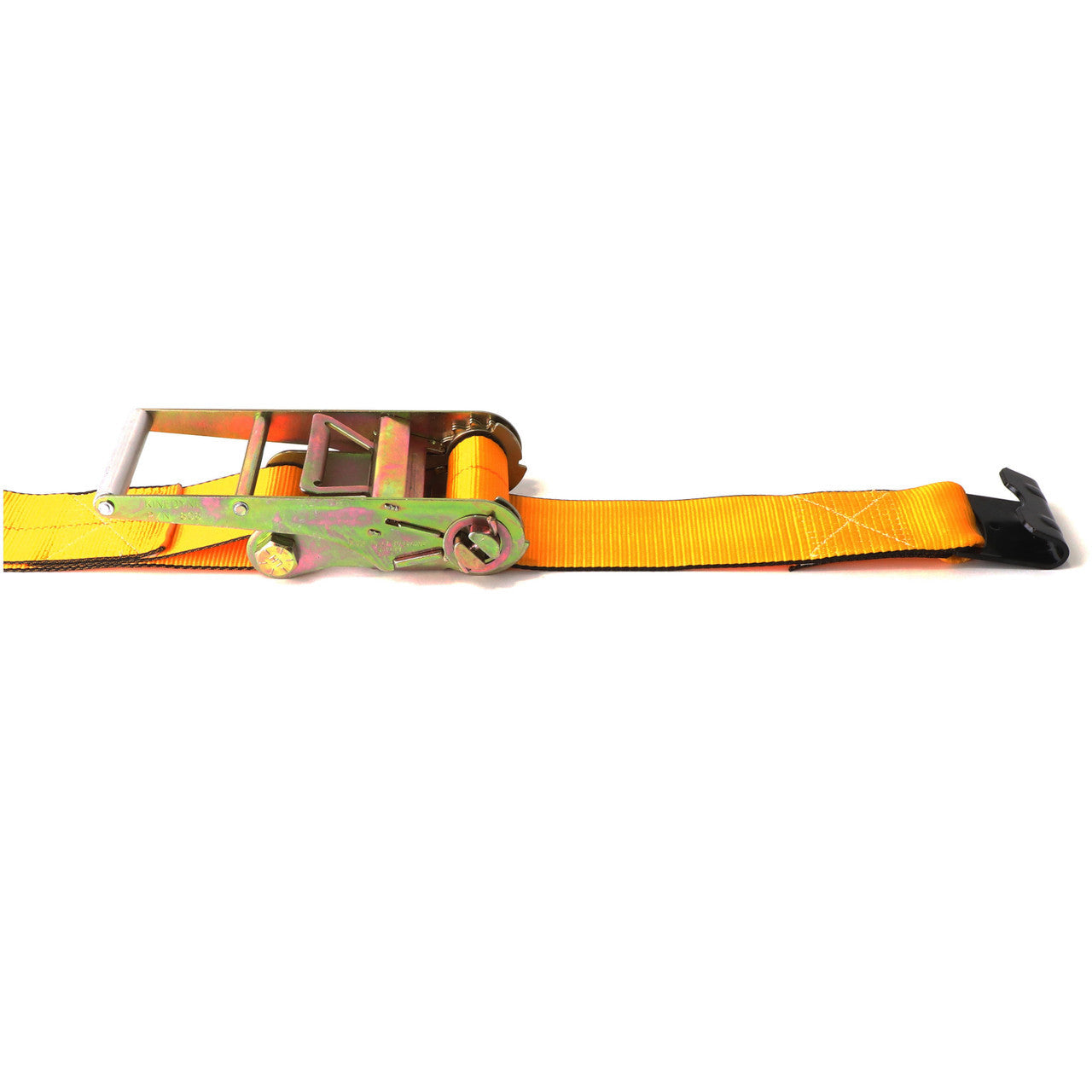
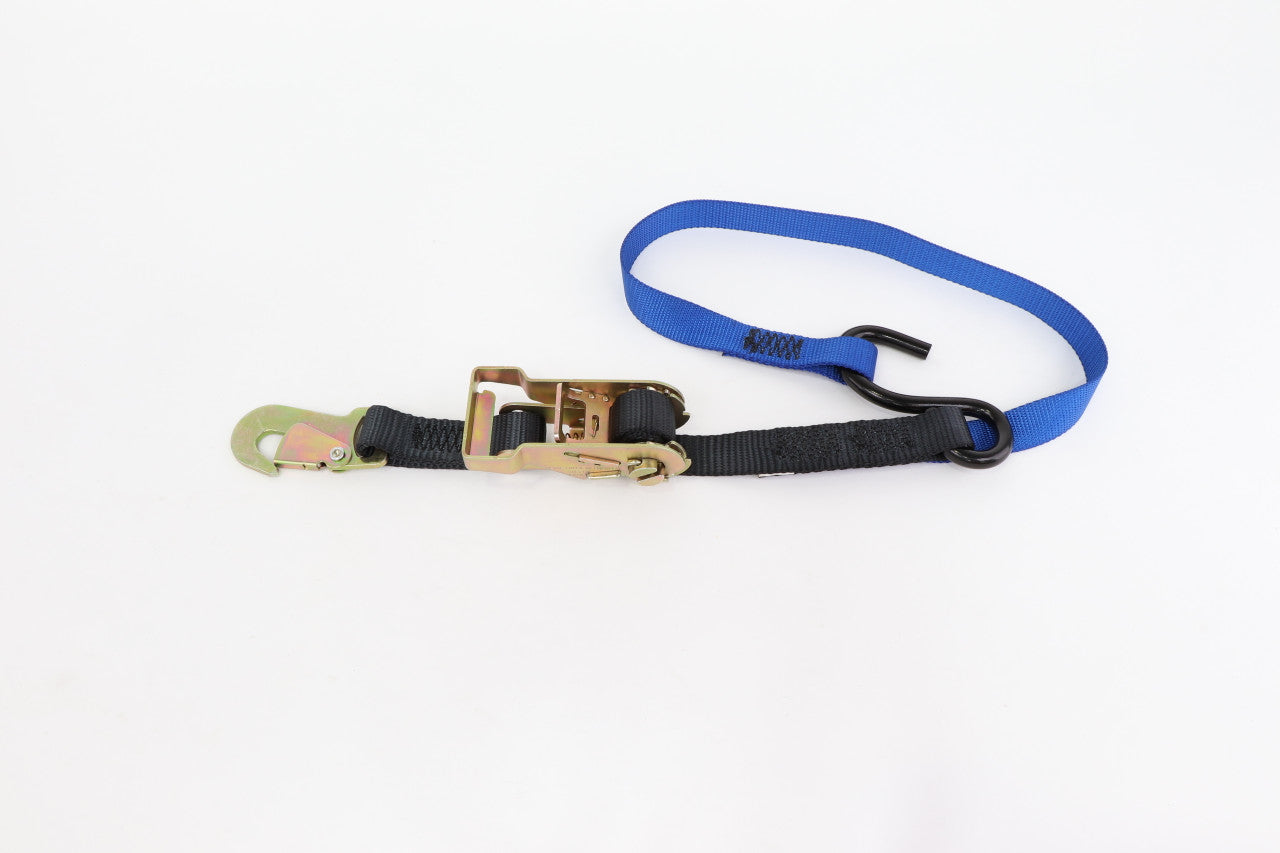
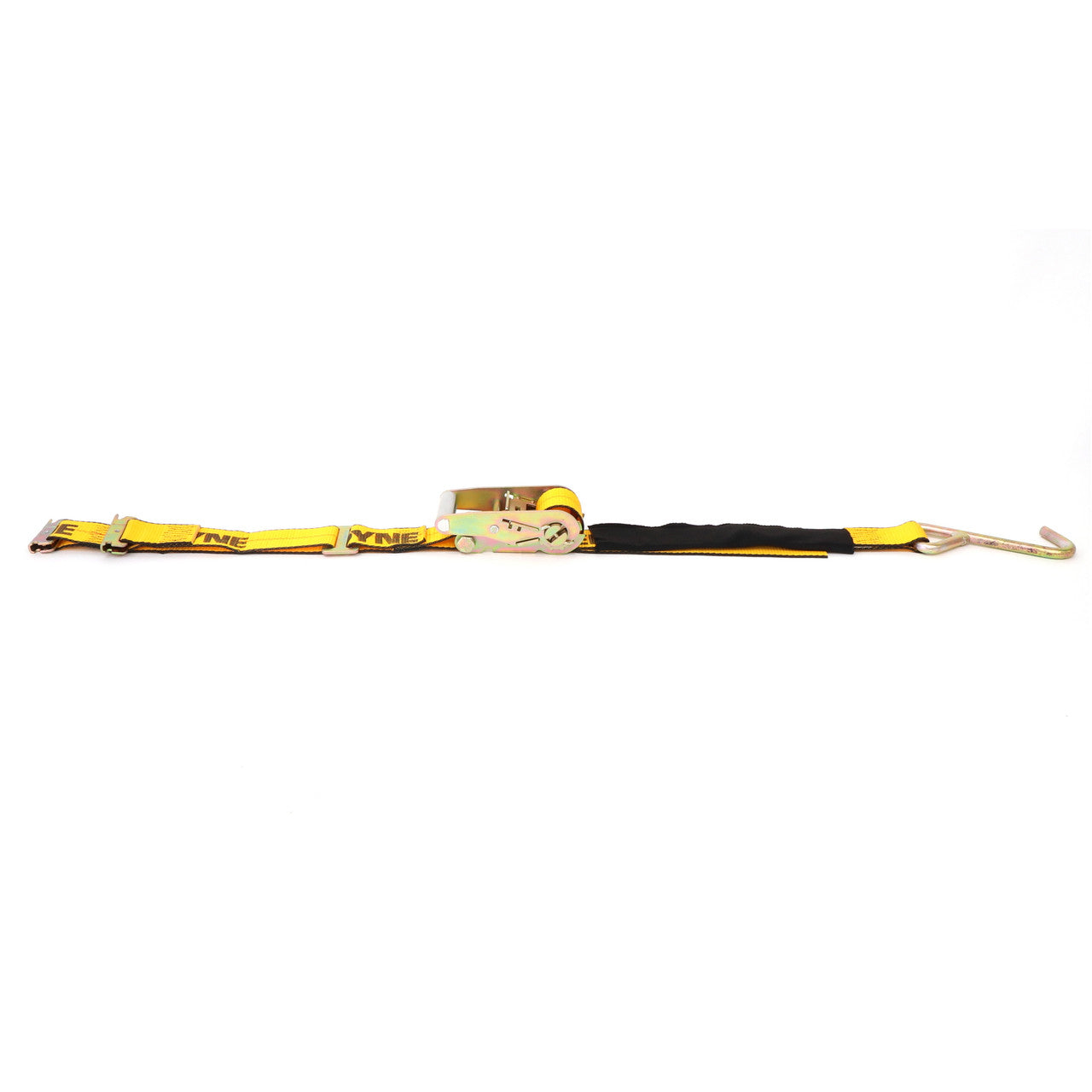
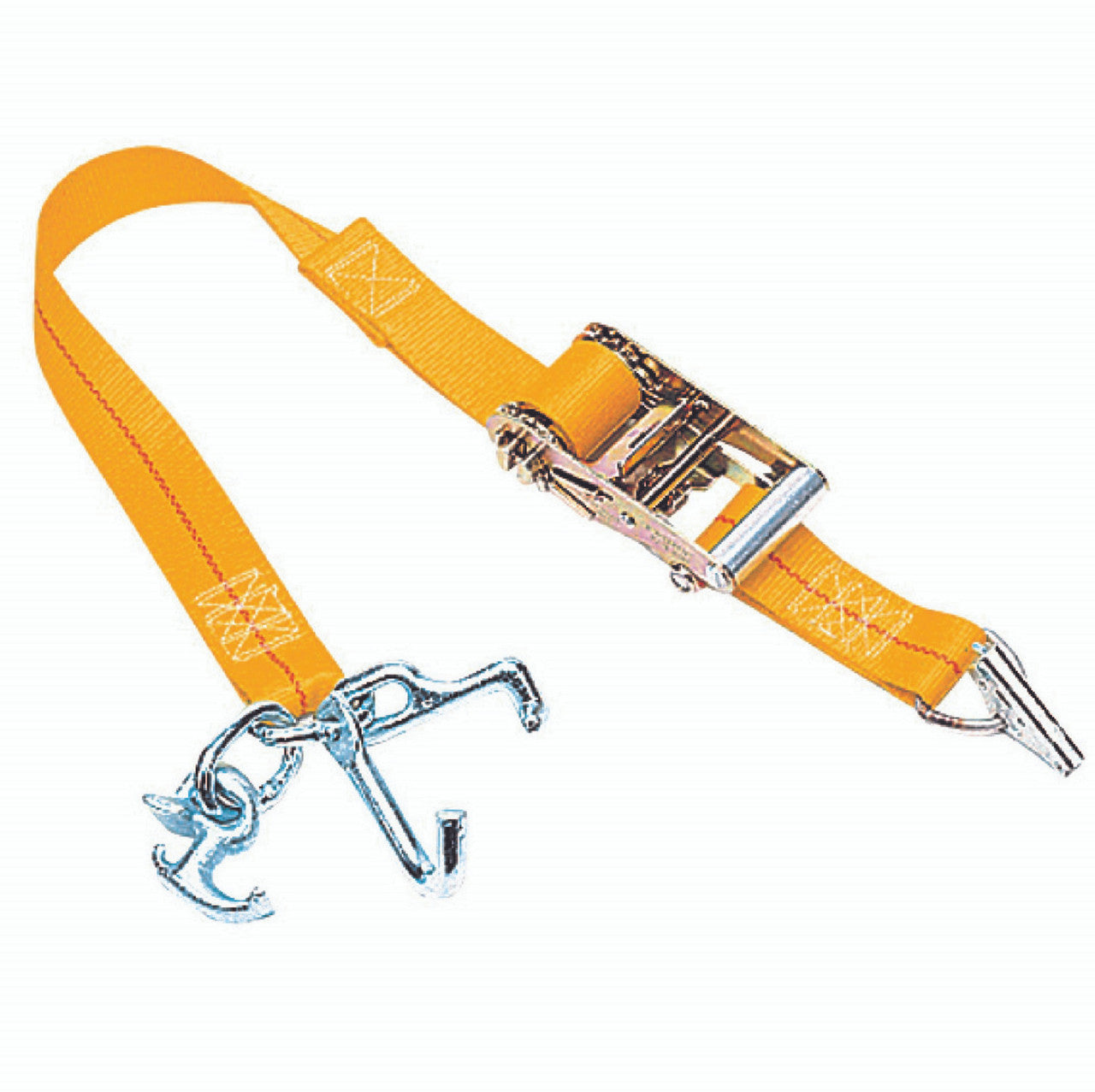
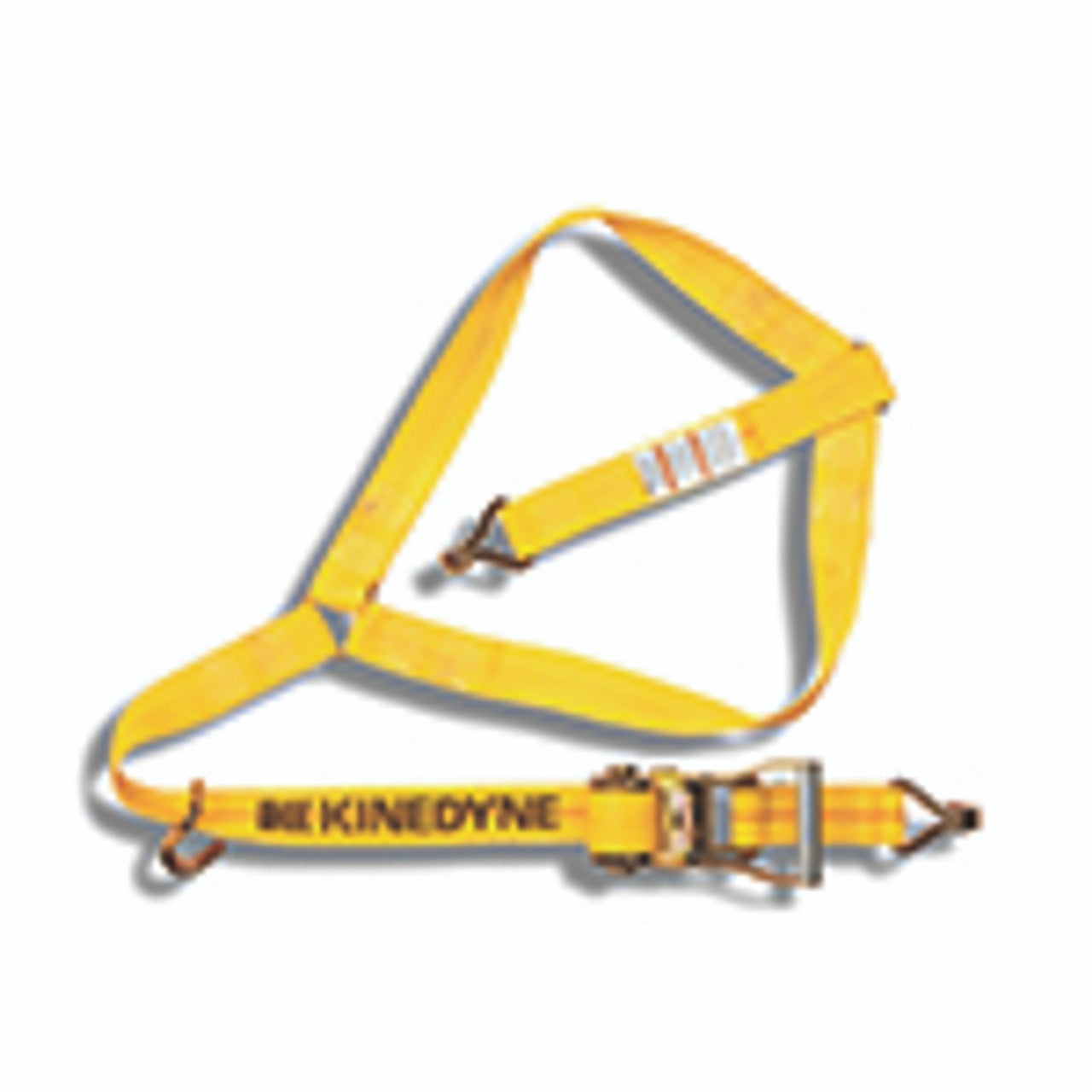
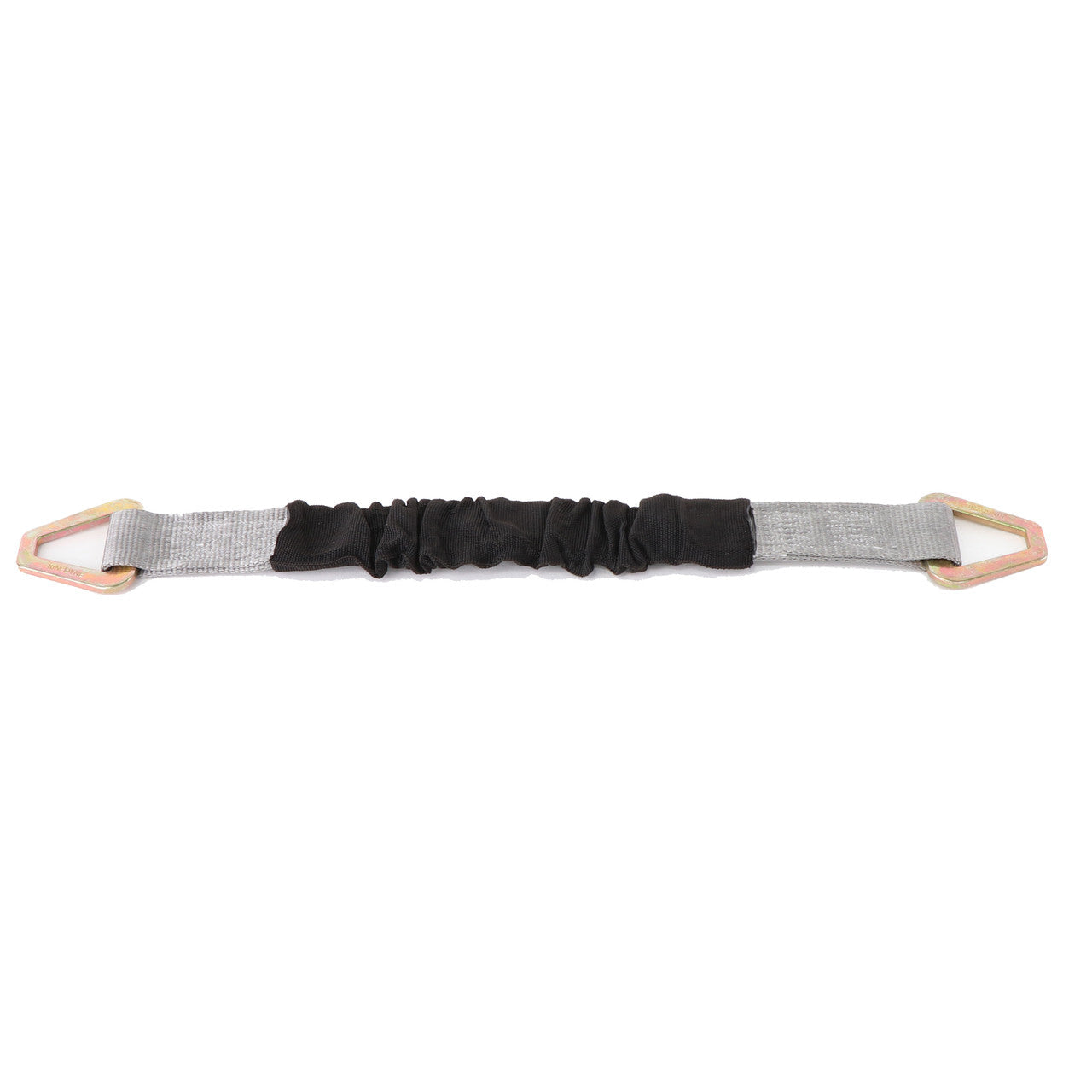
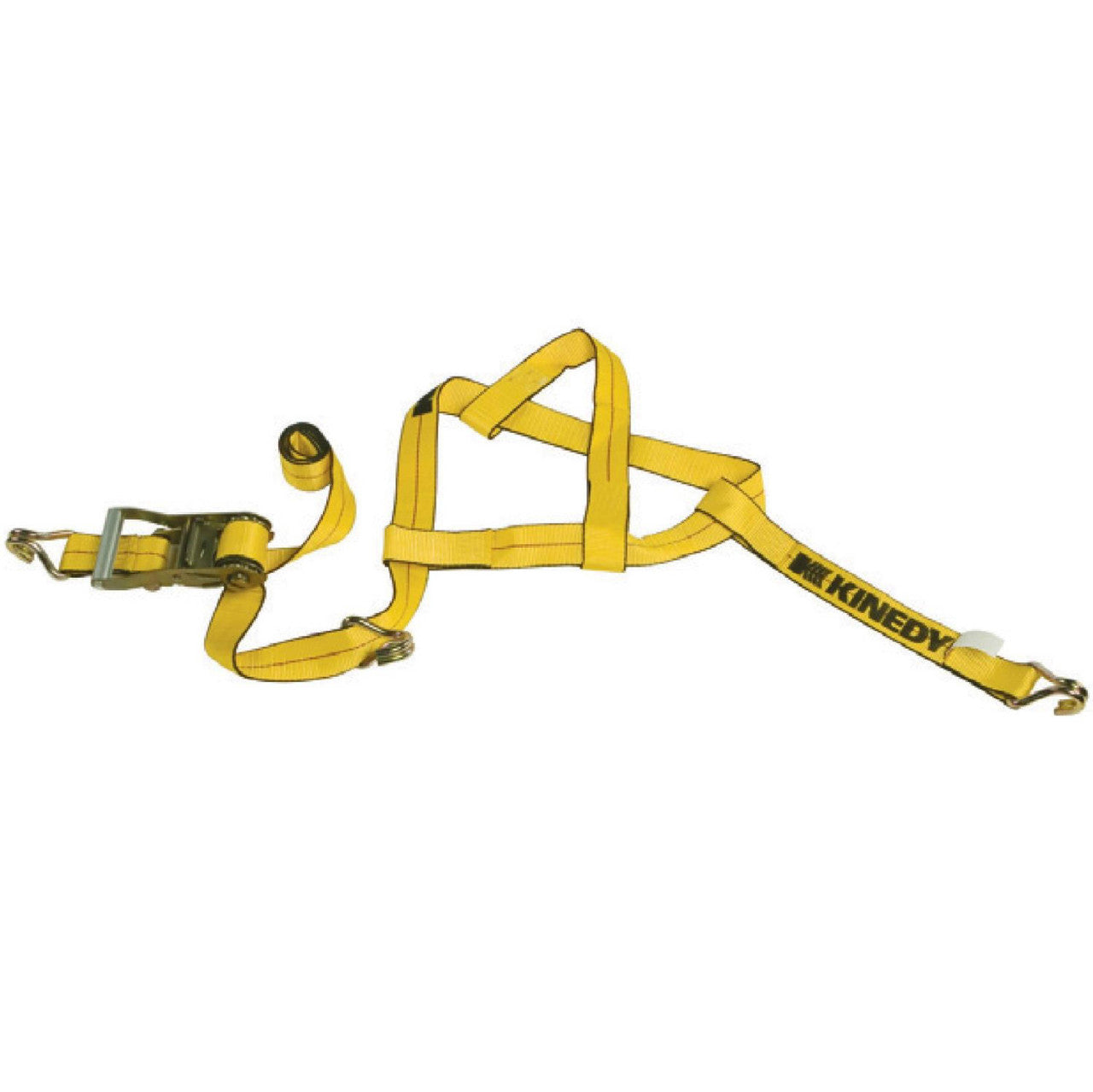
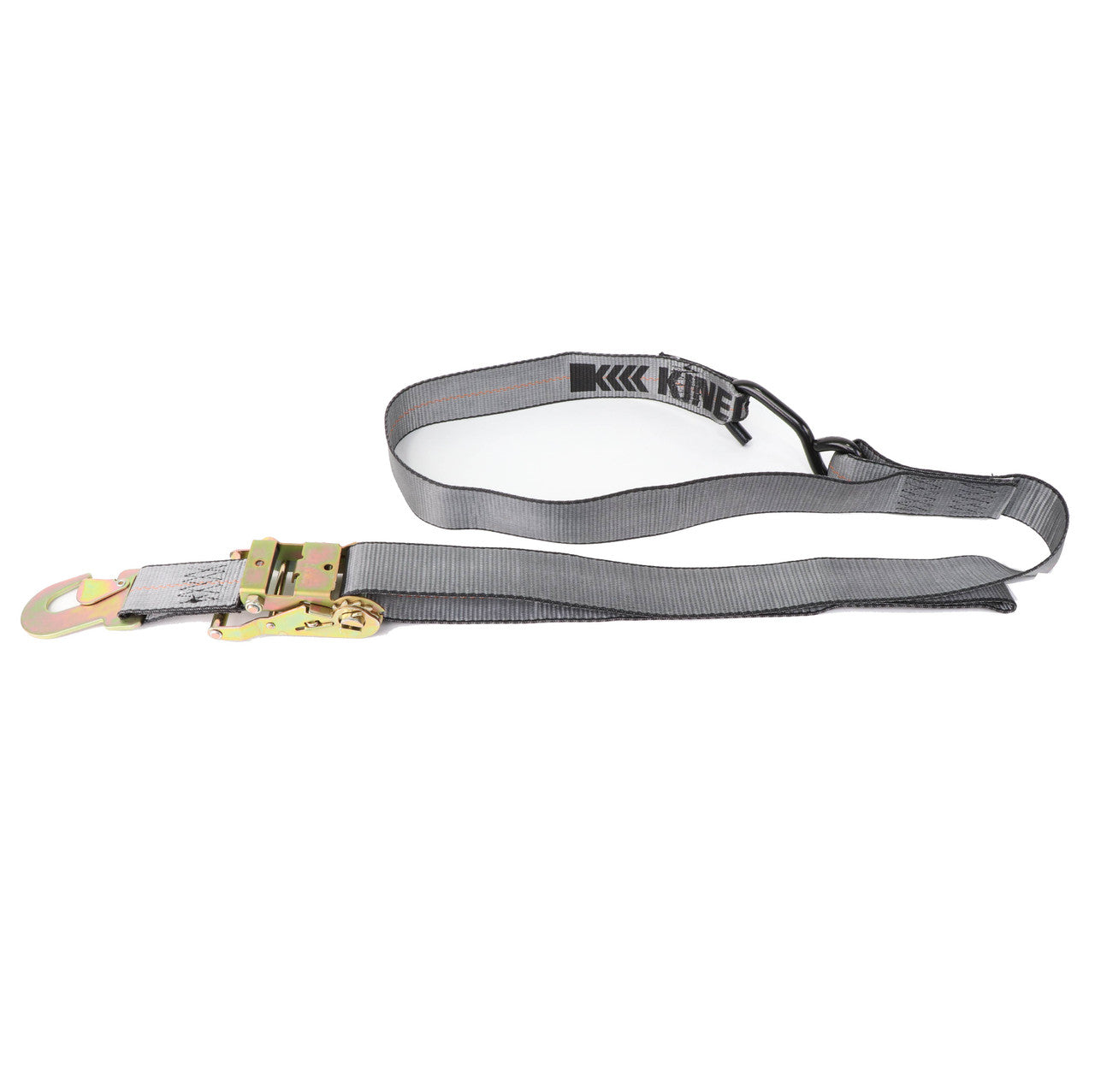
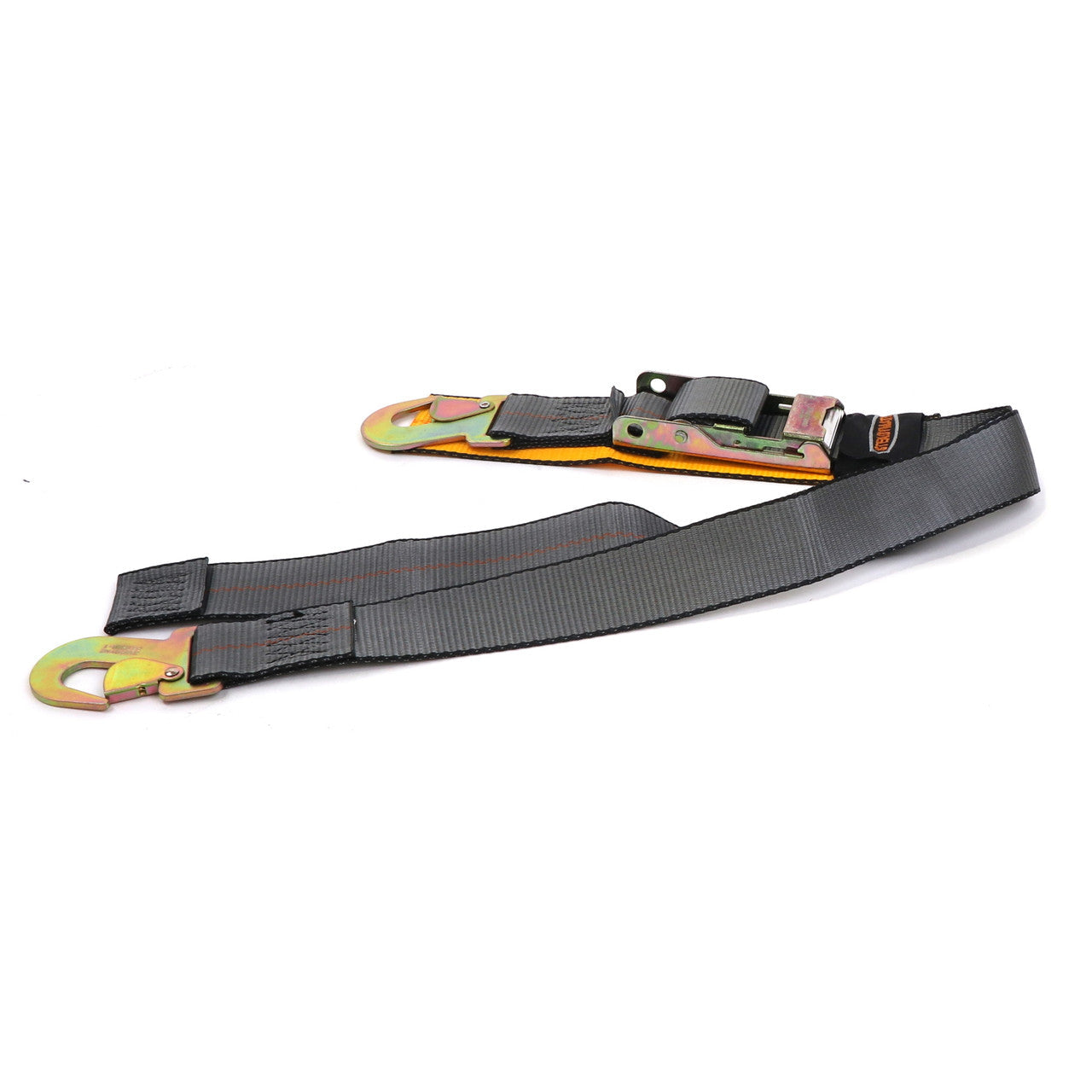
Match the end fitting to the anchor point. The hook decides whether a strap works on your equipment. Flat hooks grab flatbed rub rails and are the freight default. Wire hooks are slimmer, for stake pockets and worn rails. Chain anchors end in a length of chain, for machinery tie-downs and anchor points webbing cannot reach. Snap hooks close over D rings and rule marine transom work, S hooks suit light utility loads, and delta rings build drop-deck and van systems. Spring loaded, butterfly, and plate trailer fittings click into the wall systems in logistic tracks for enclosed trailers. Vehicle transport gets its own bench: basket style wheel nets in ratchet and cam patterns, a ratchet tire net for E and A track, heavy duty axle straps with protective sleeves, and cluster hook auto tie-downs that reach factory slots without touching paint.
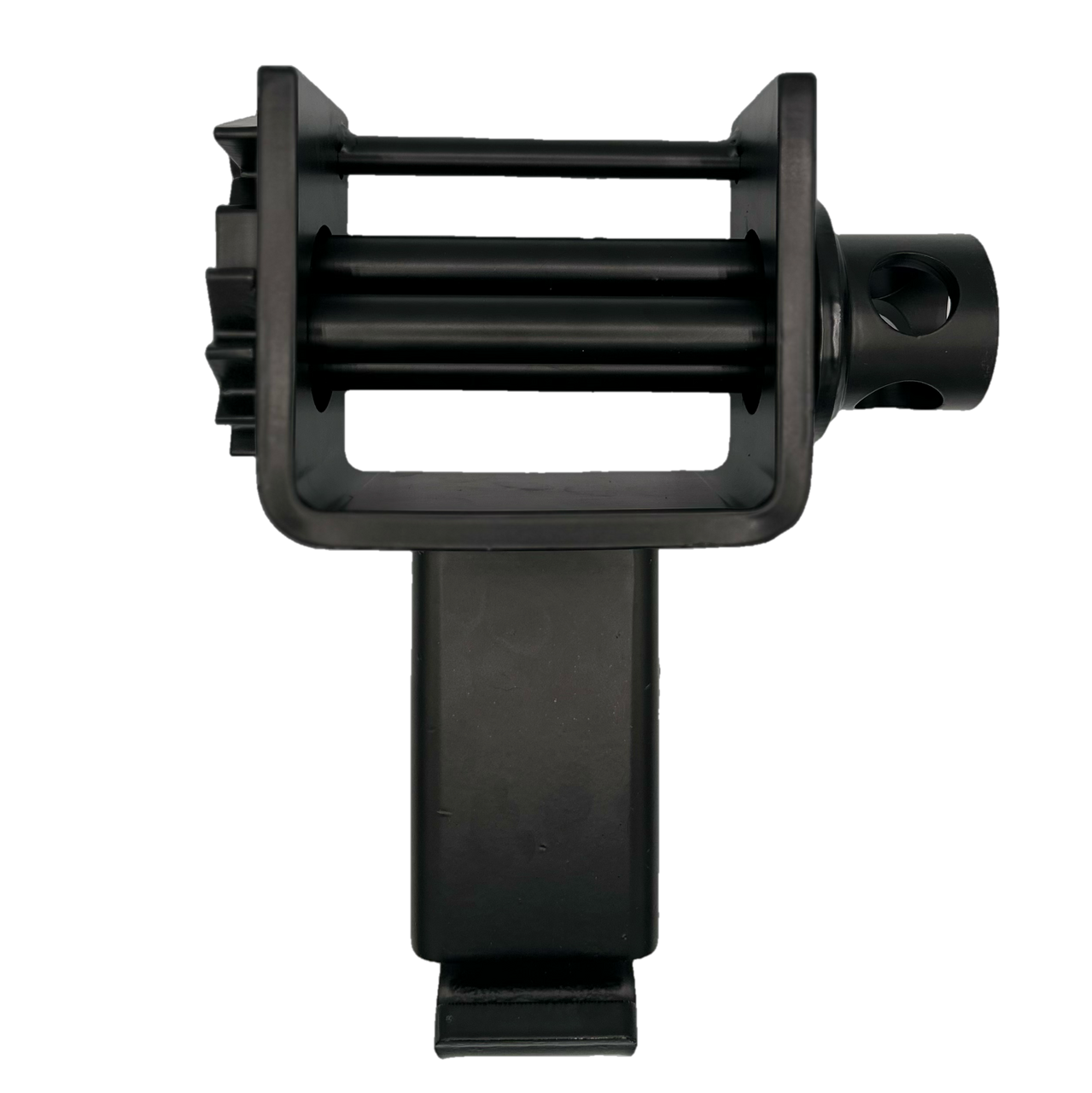
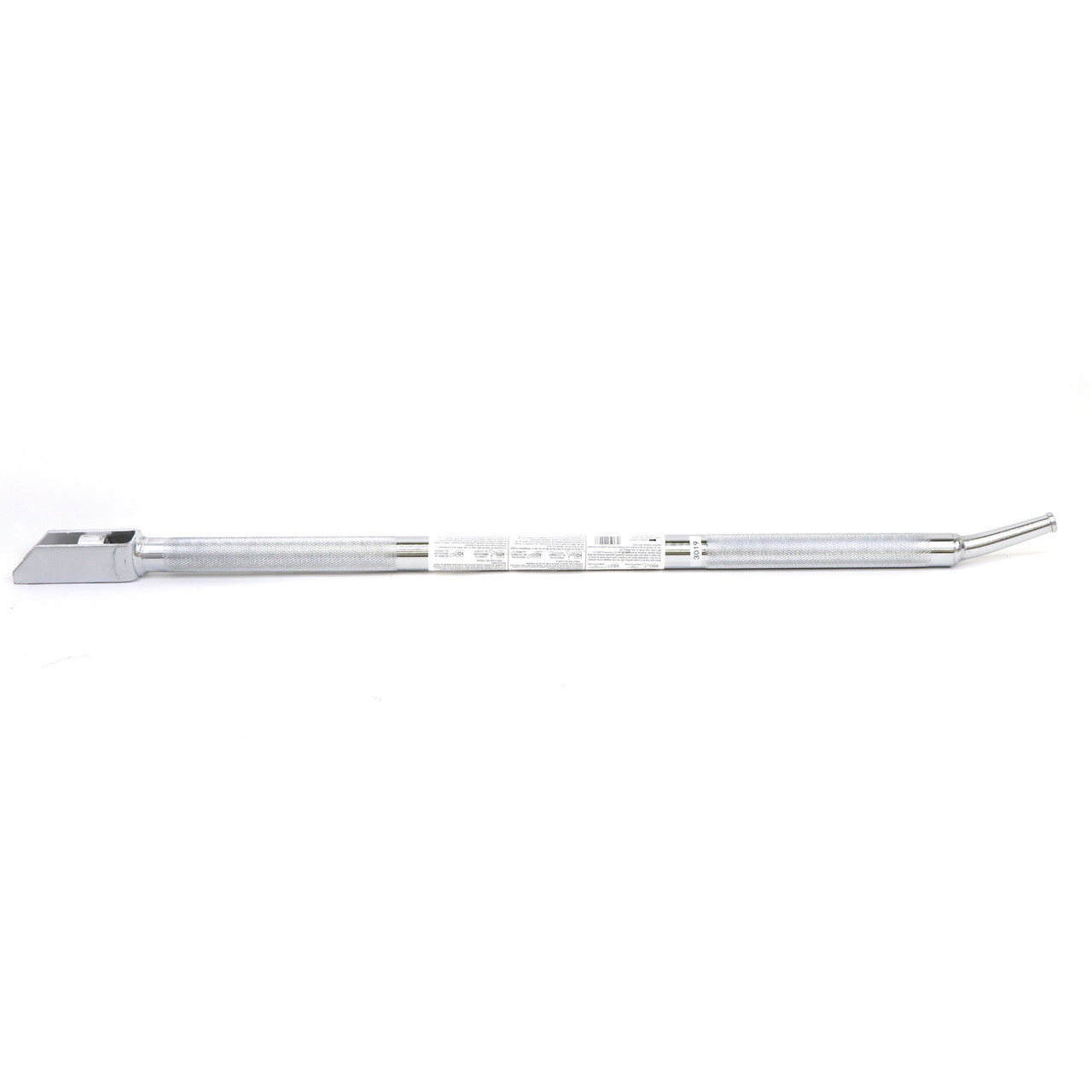
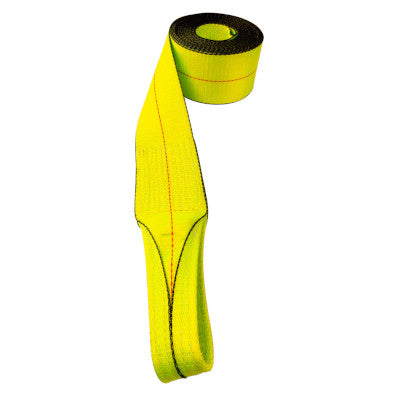
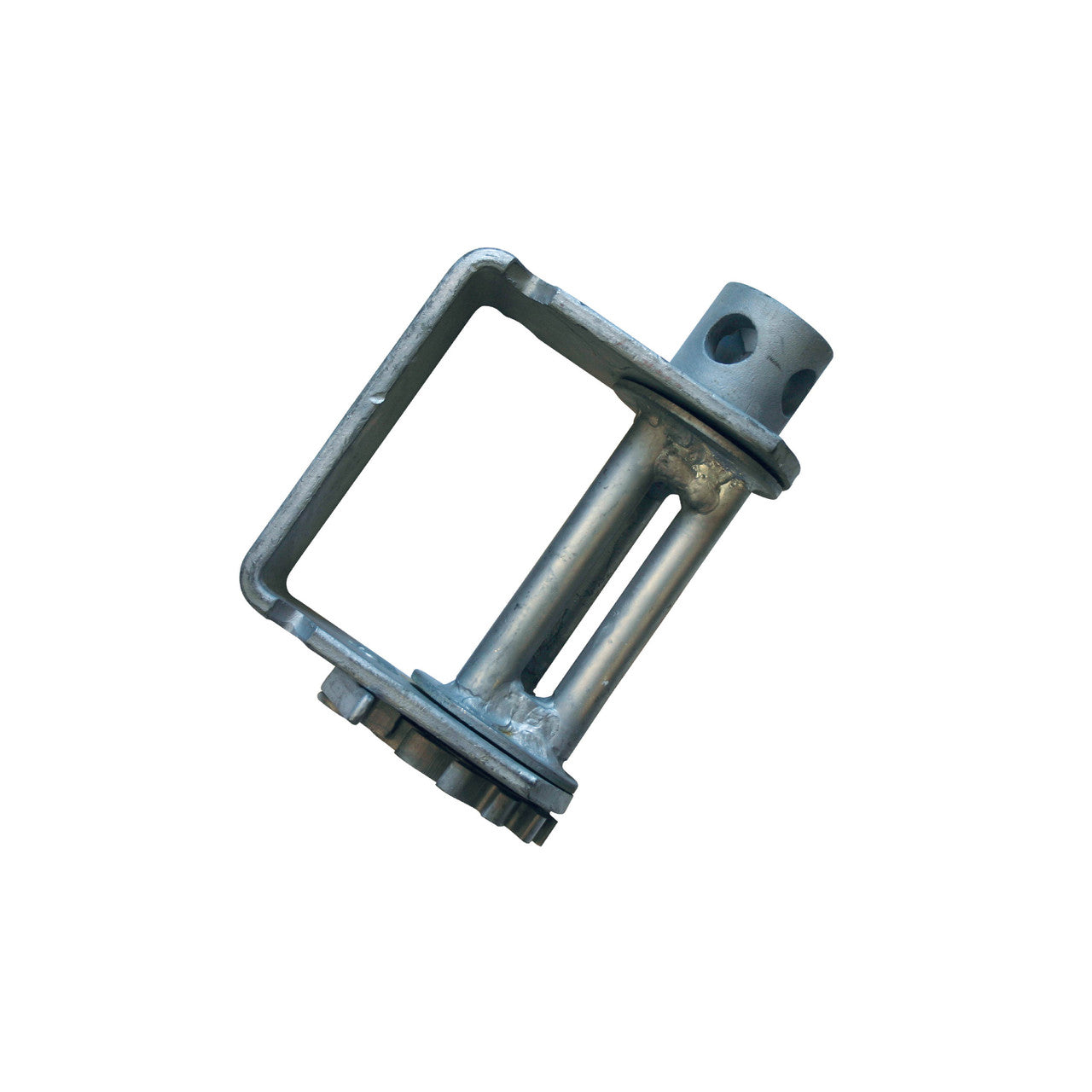
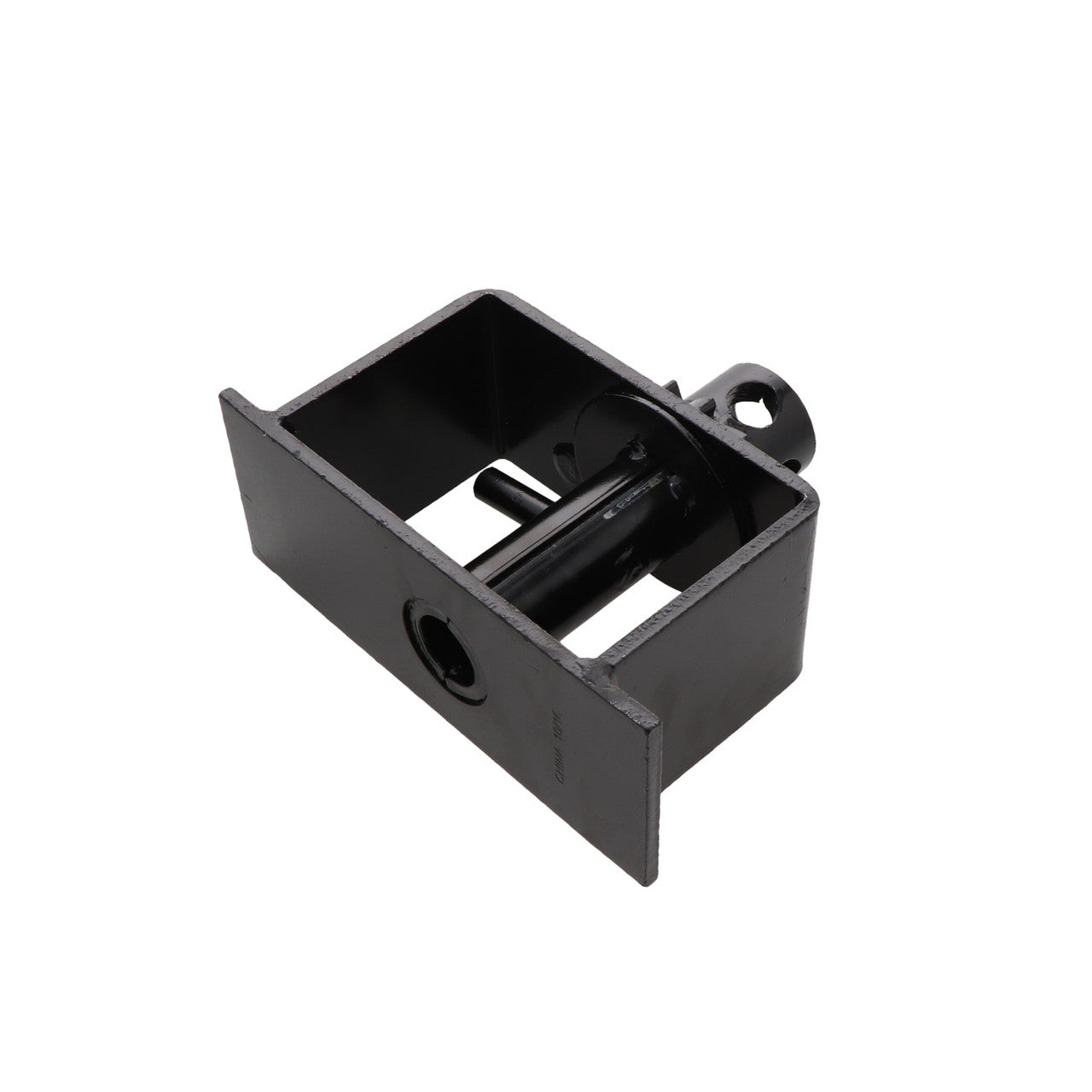
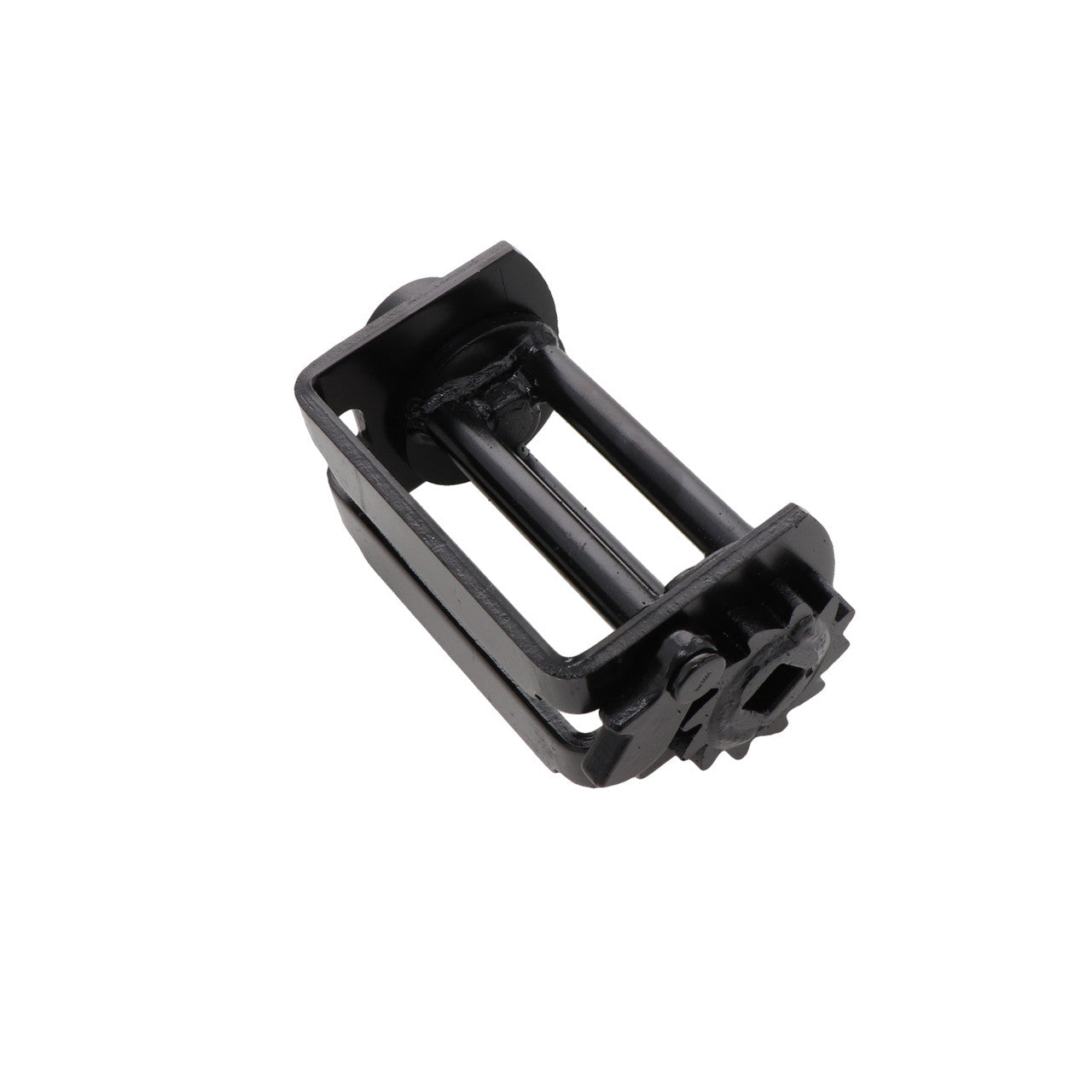
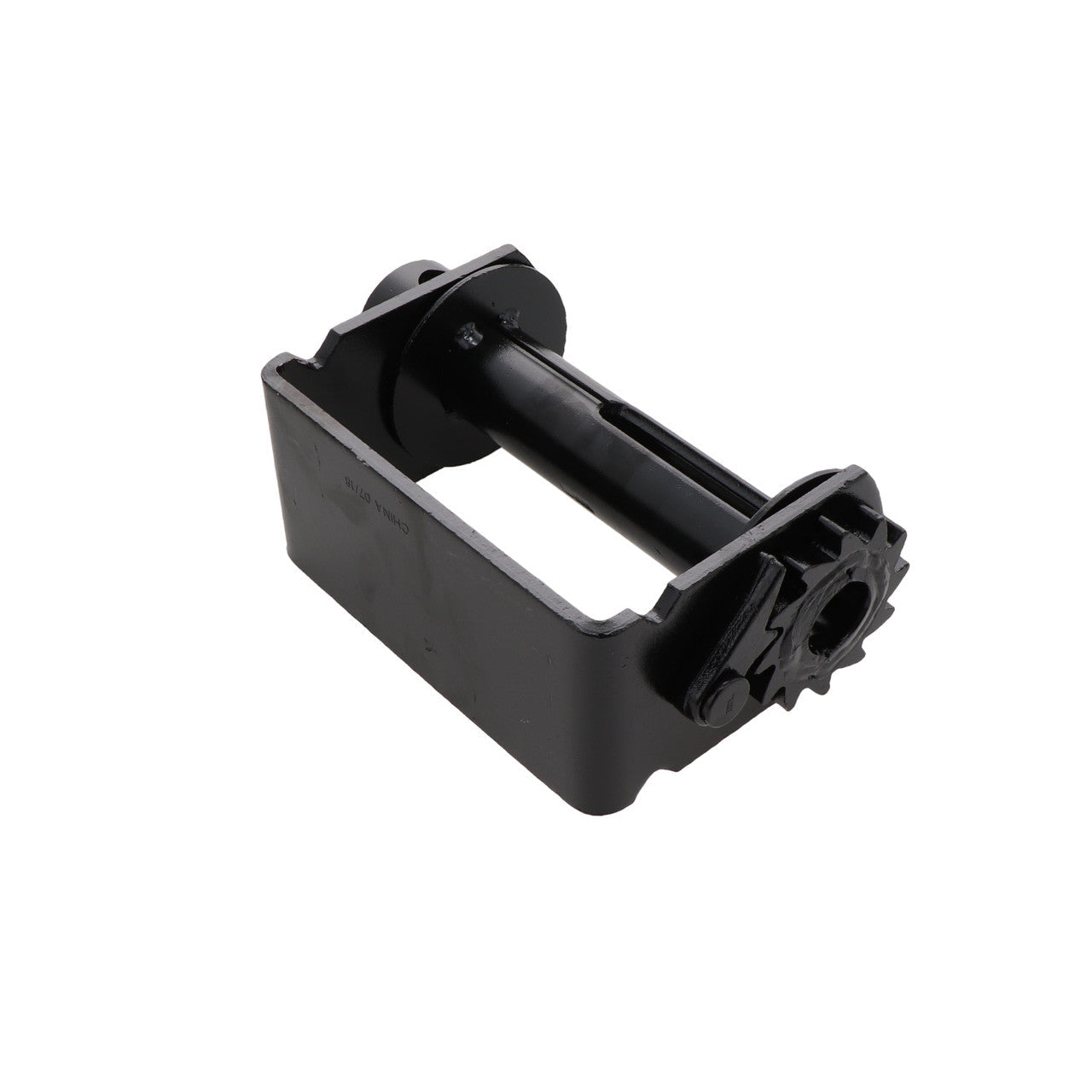
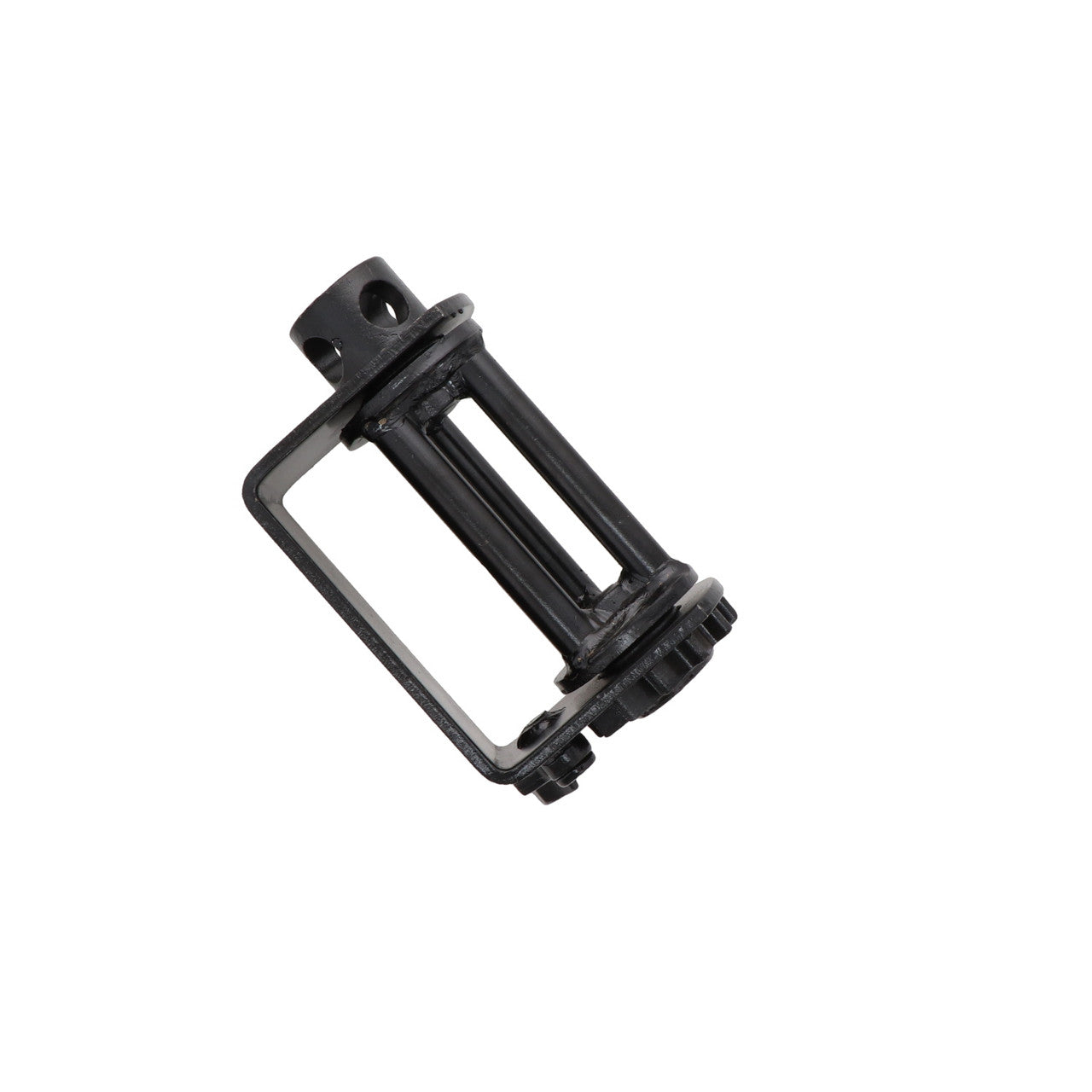
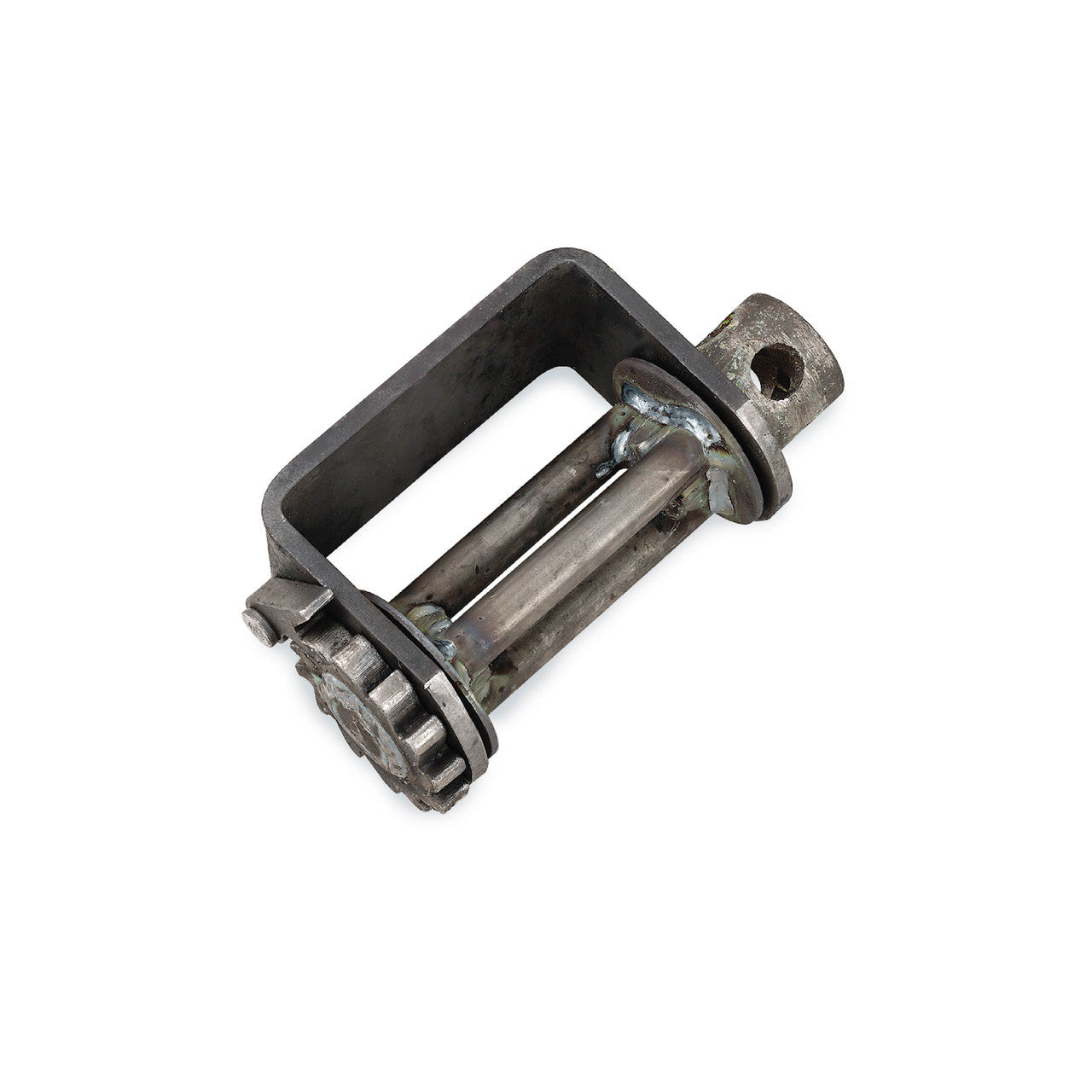
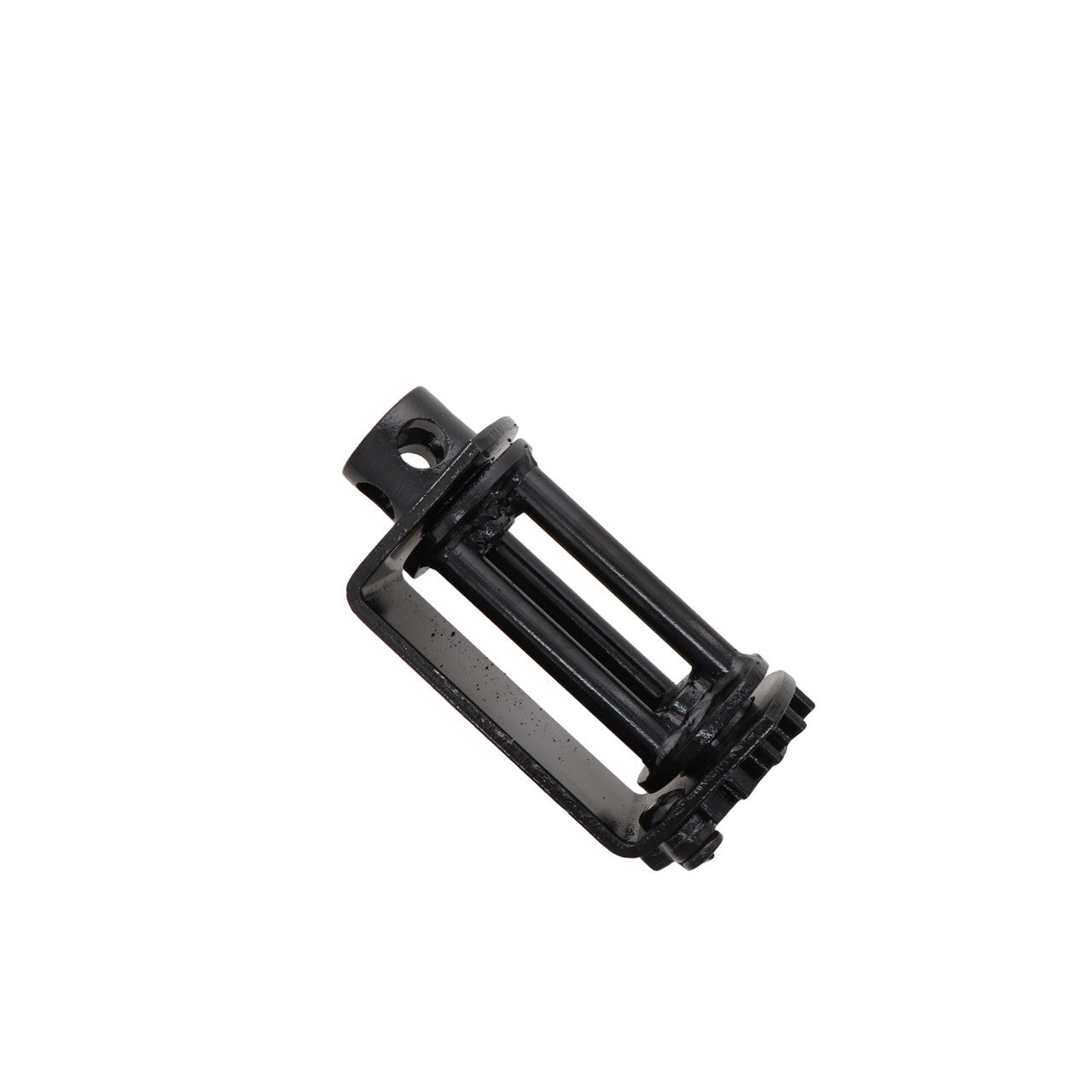
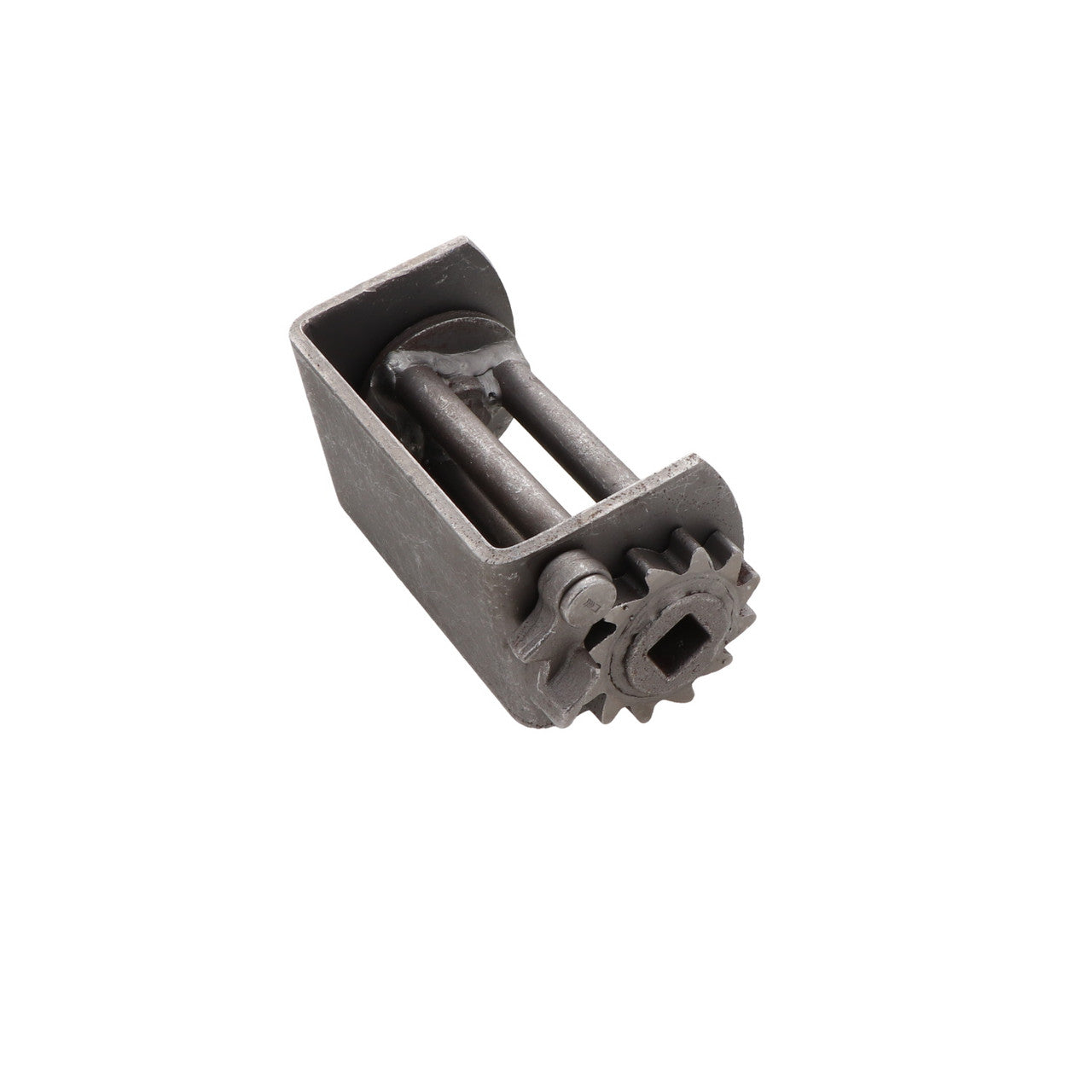
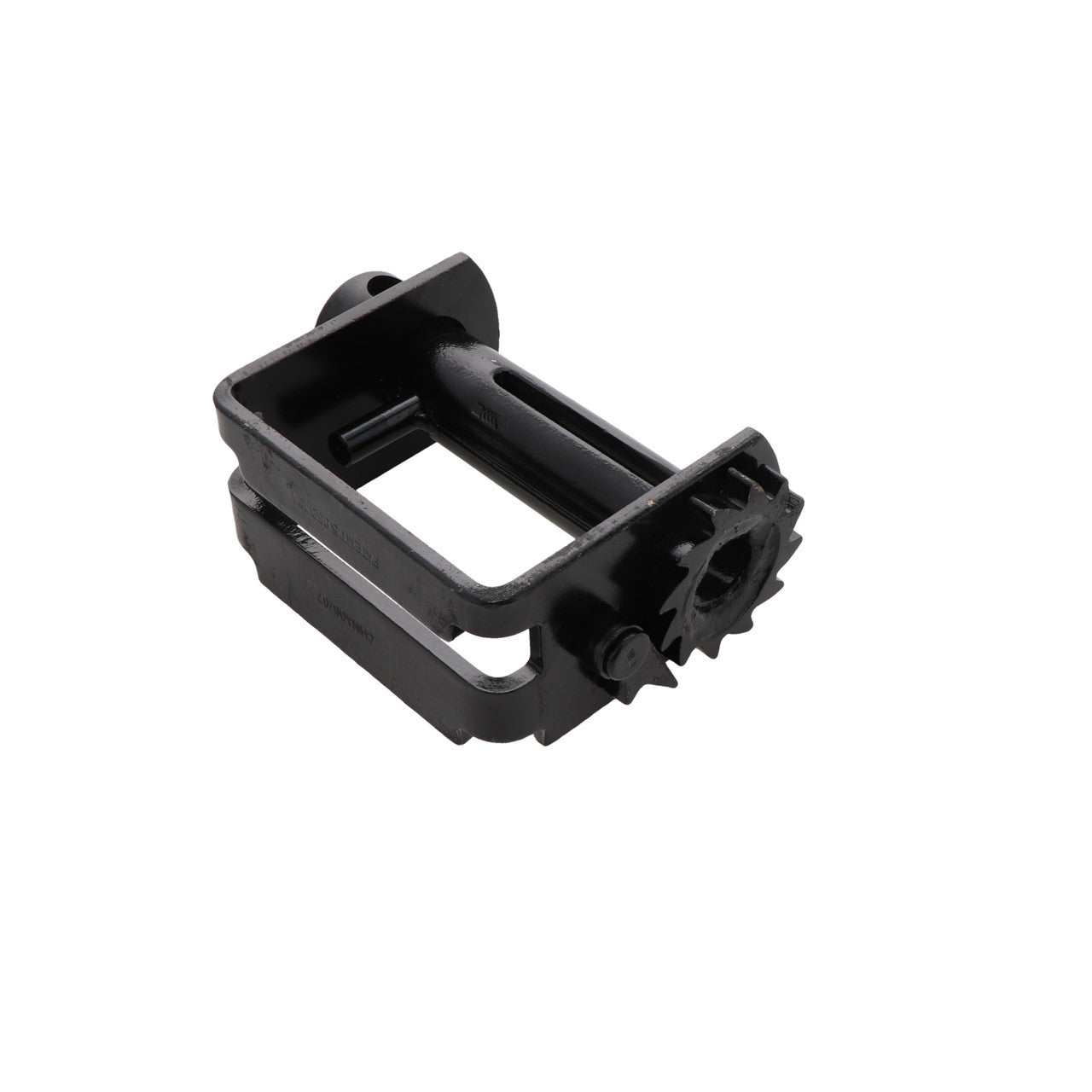
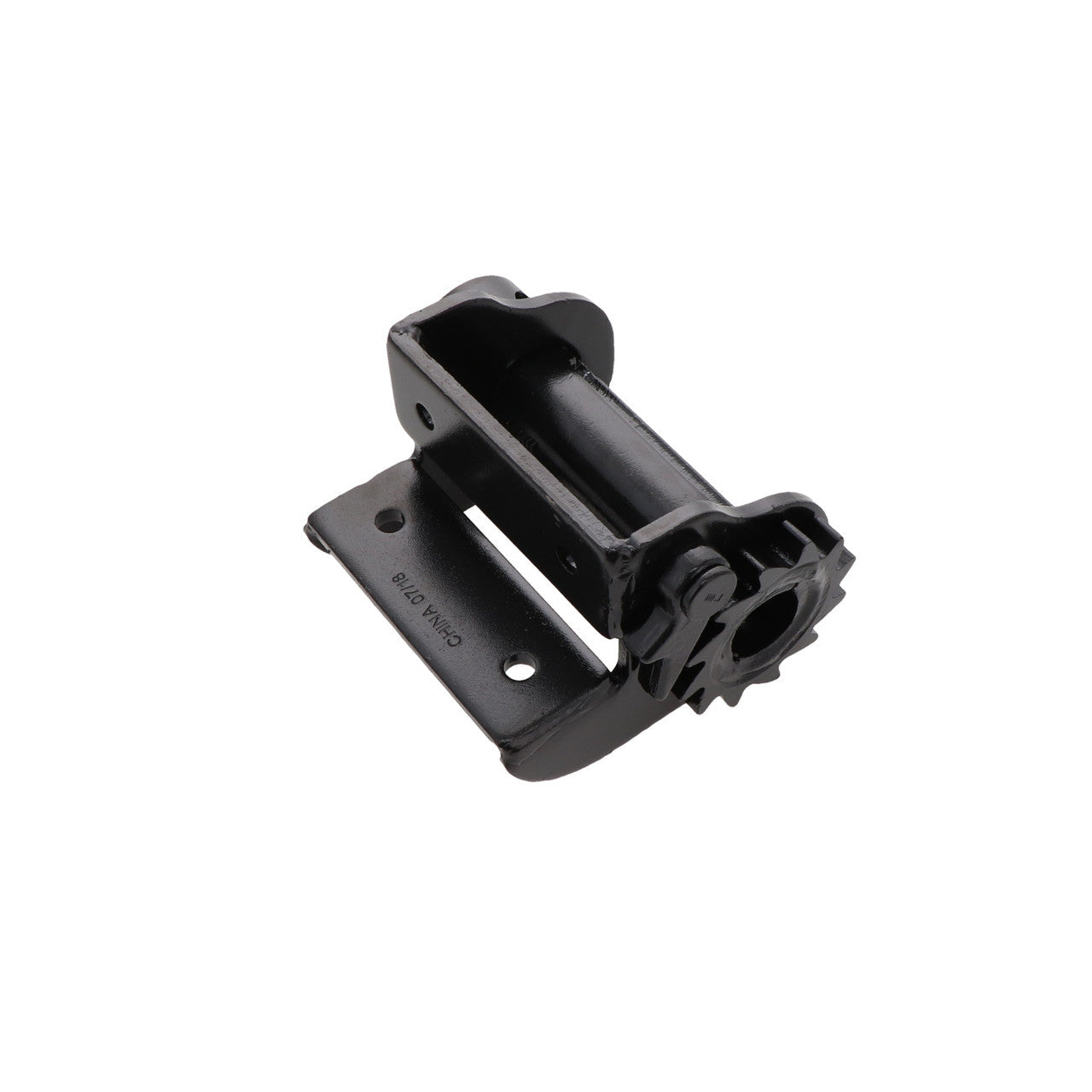
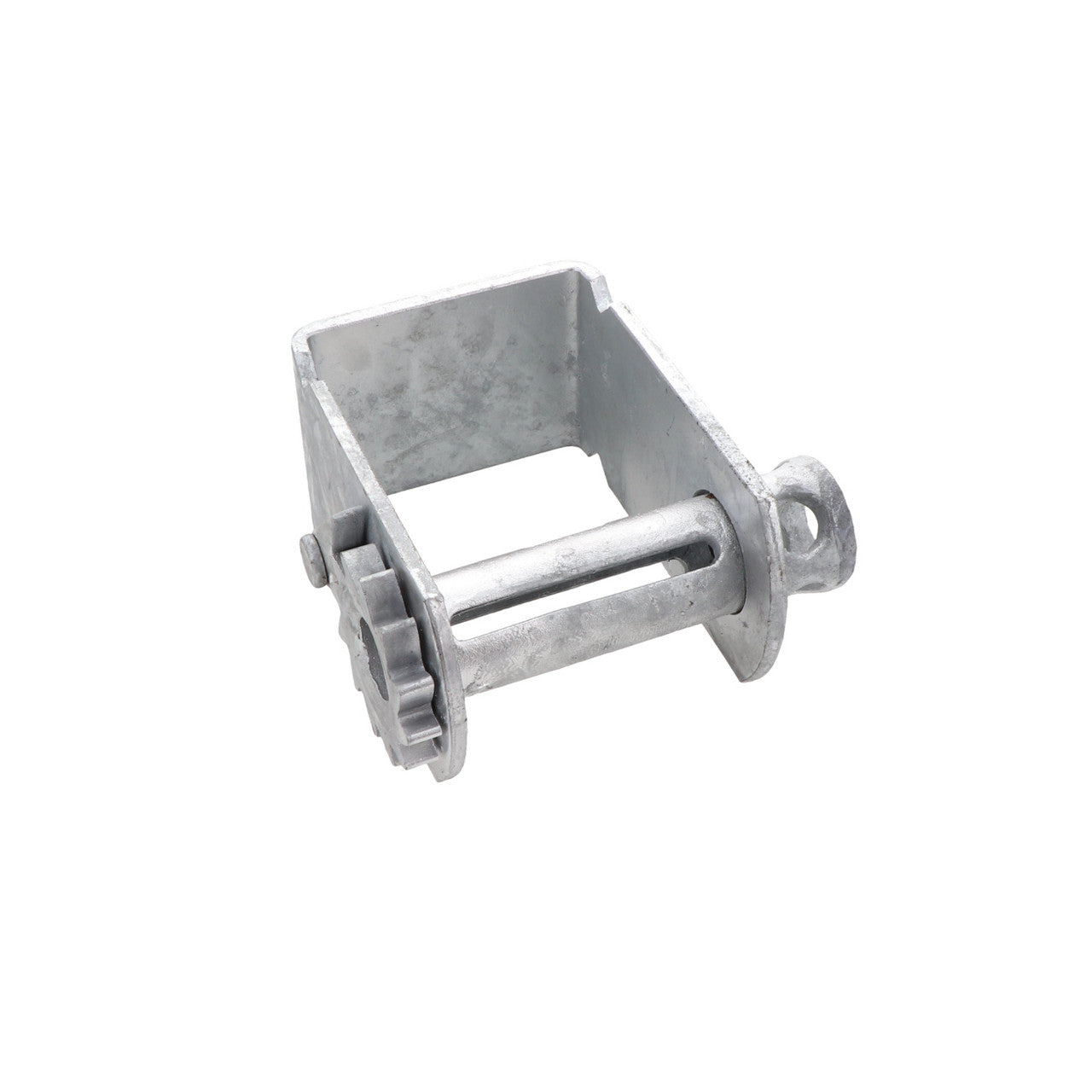
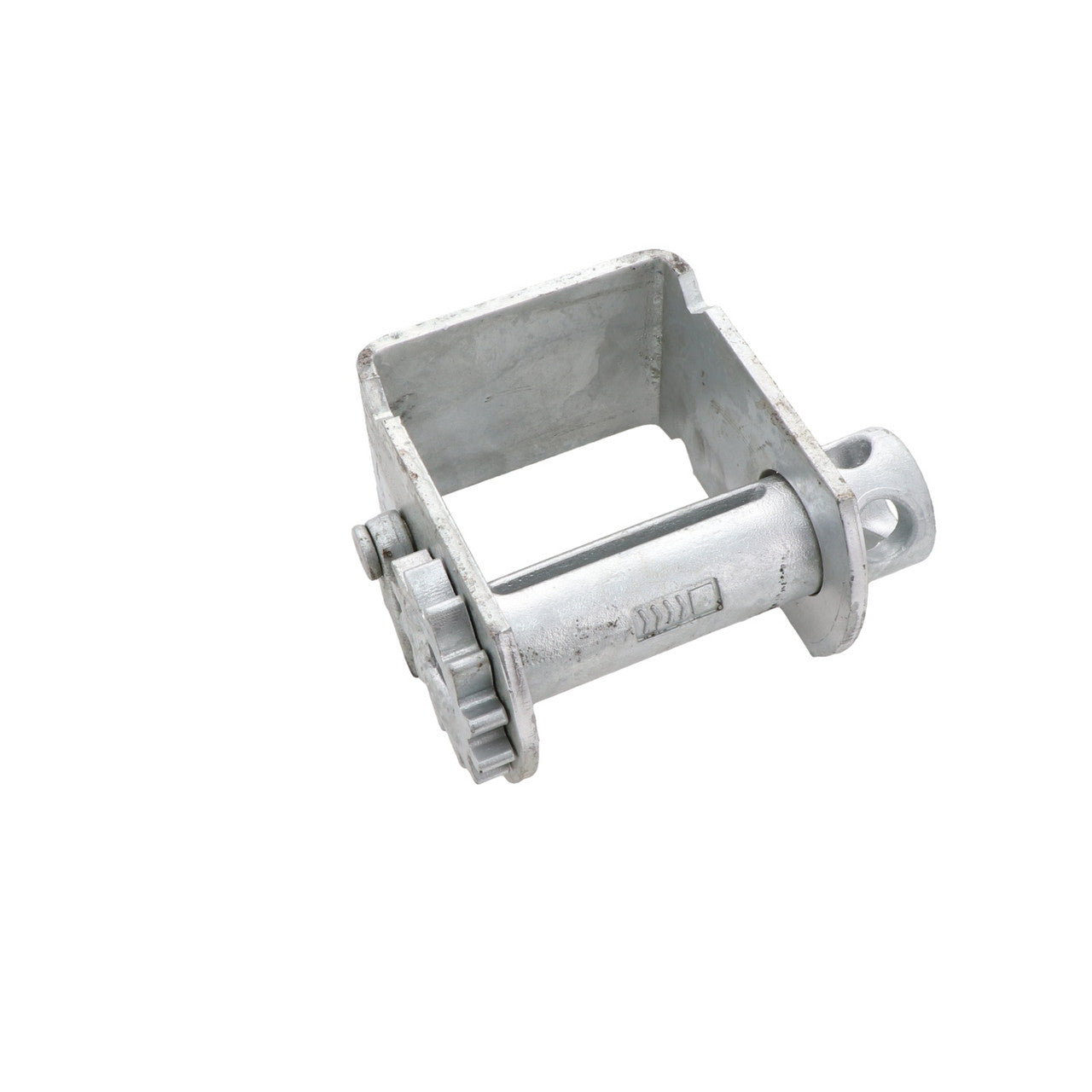
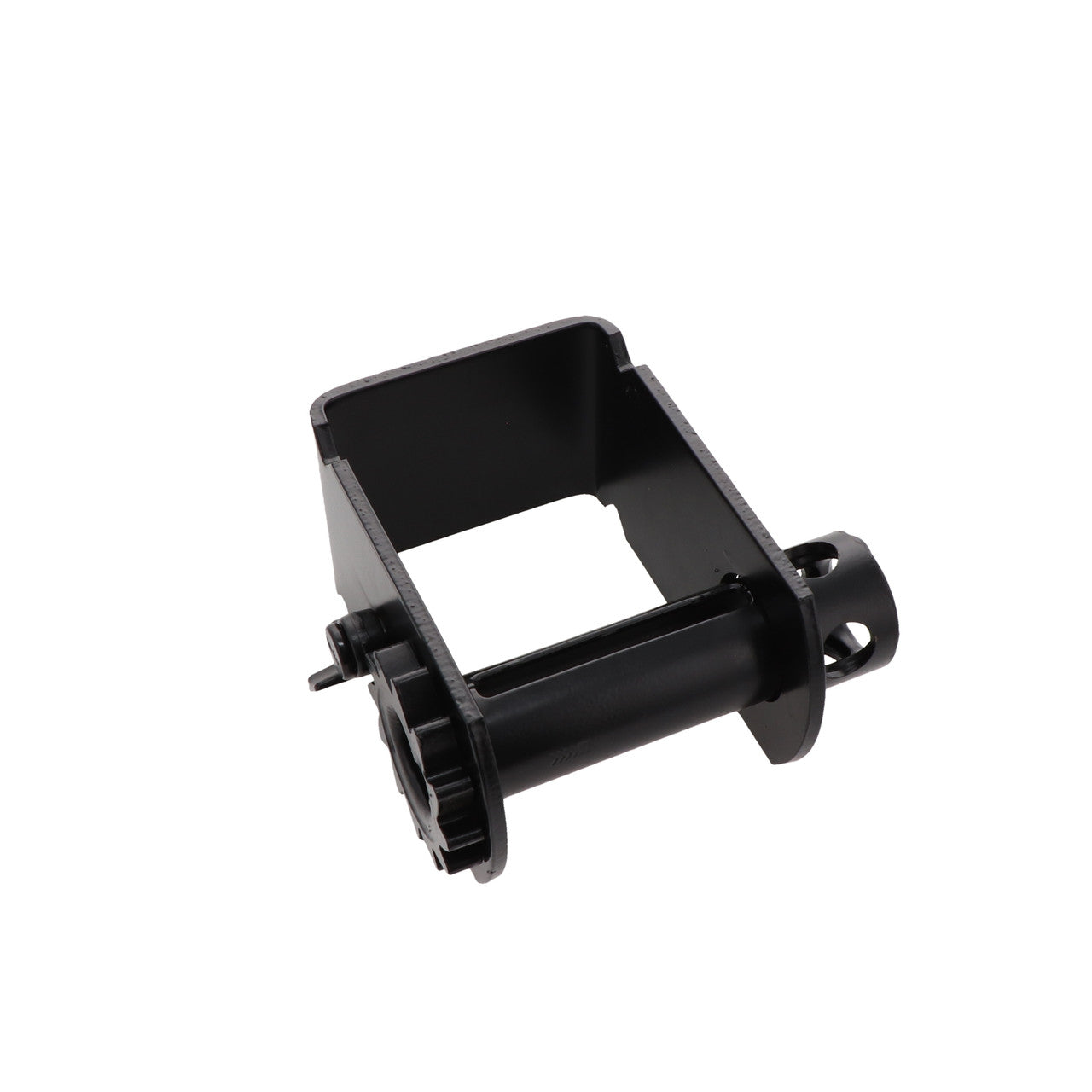
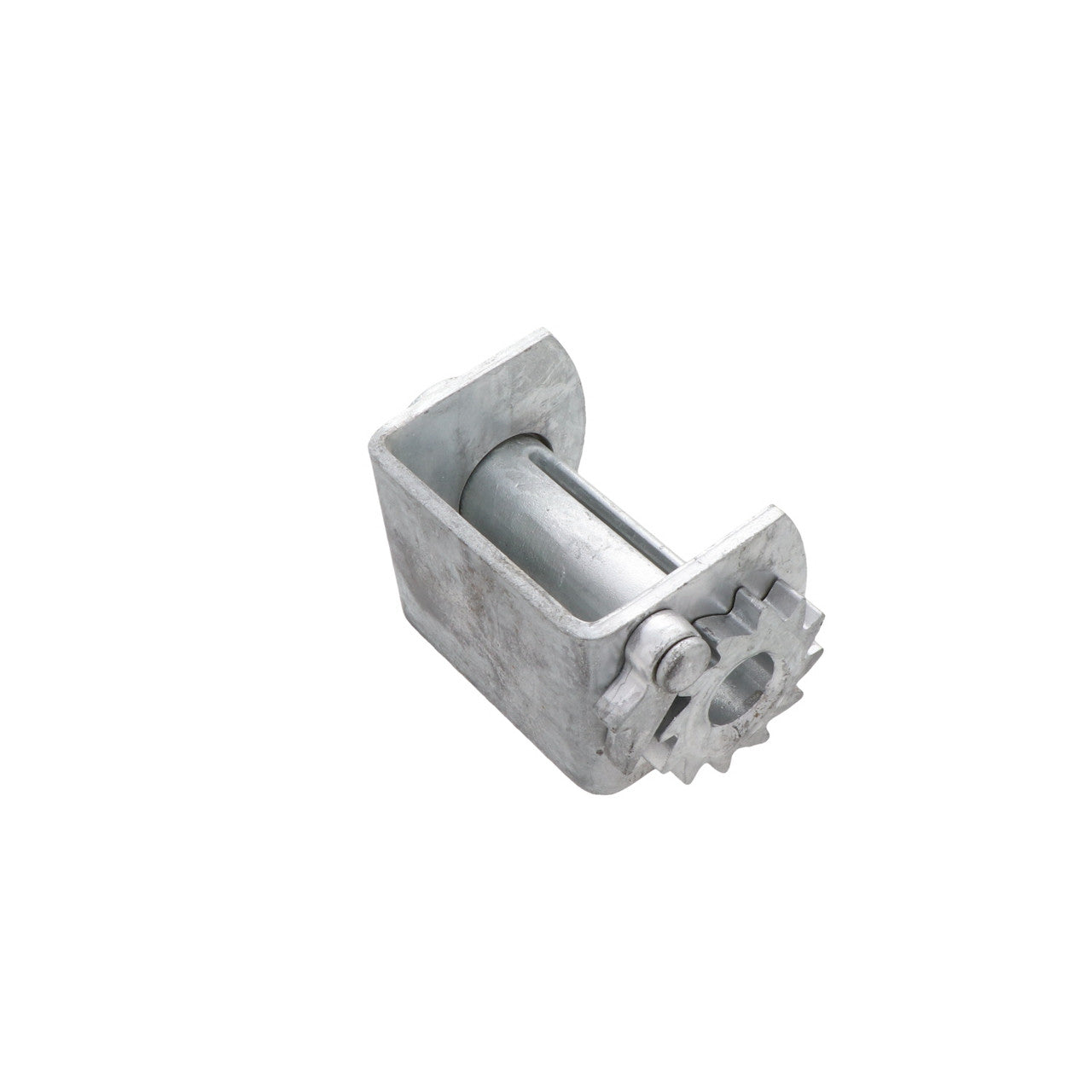
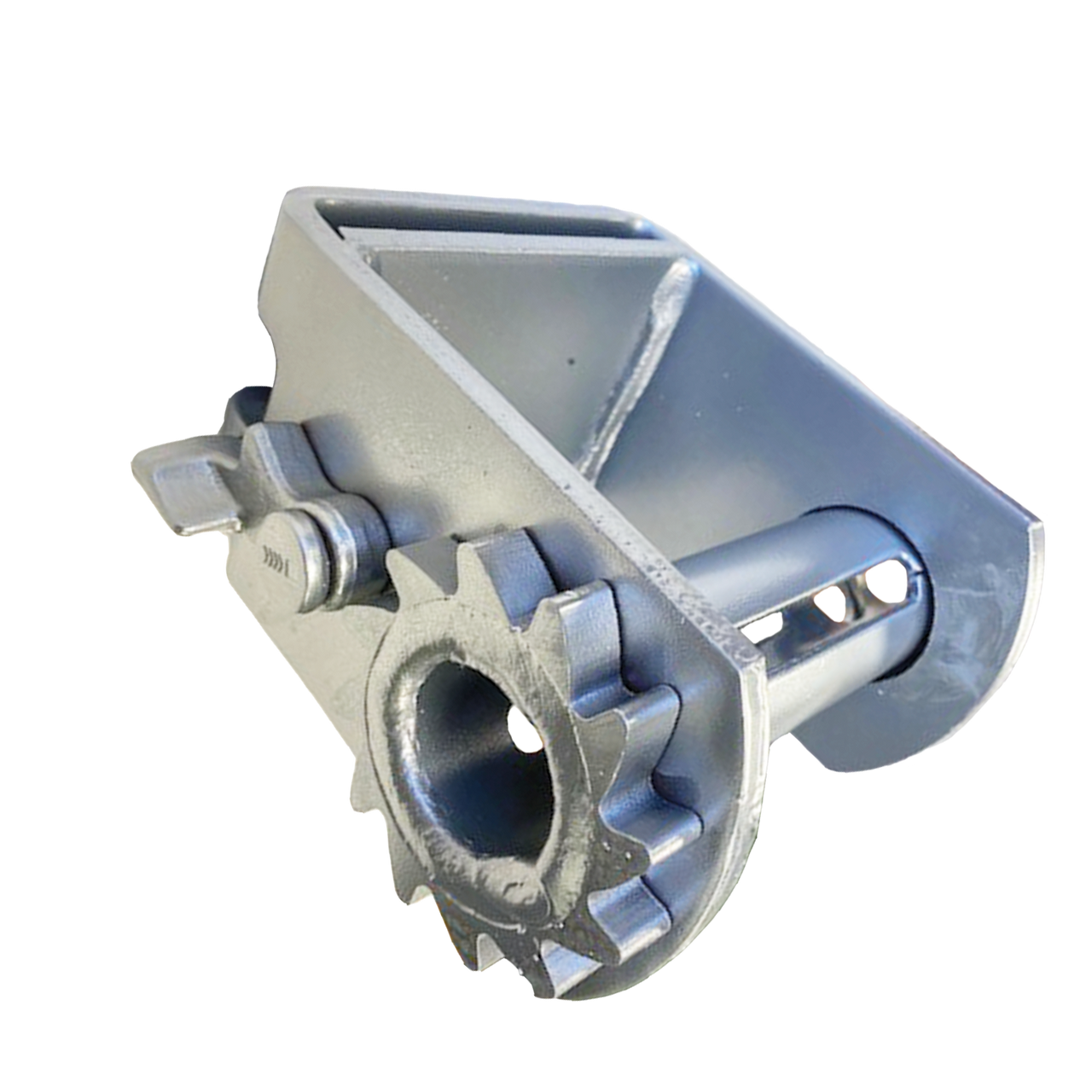
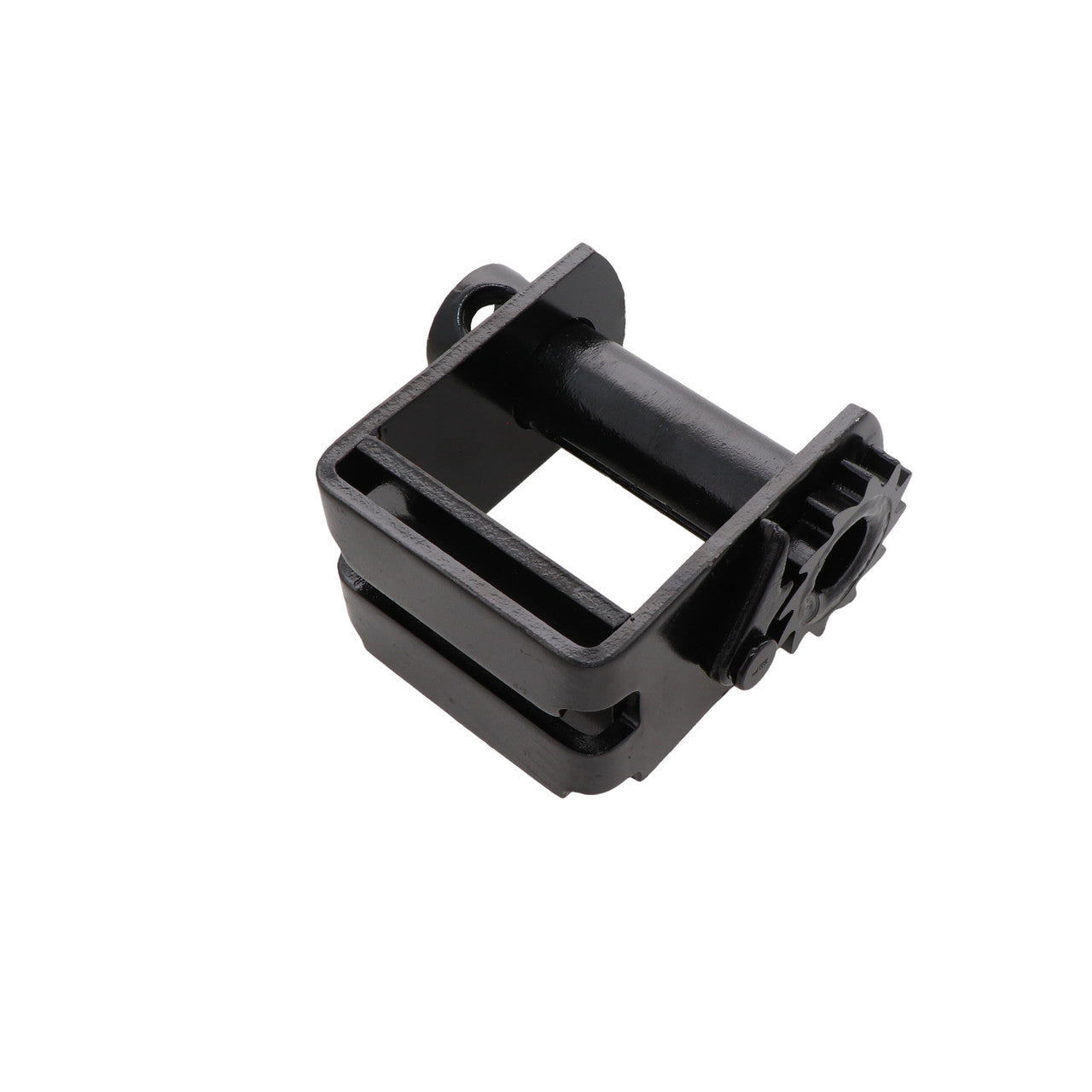
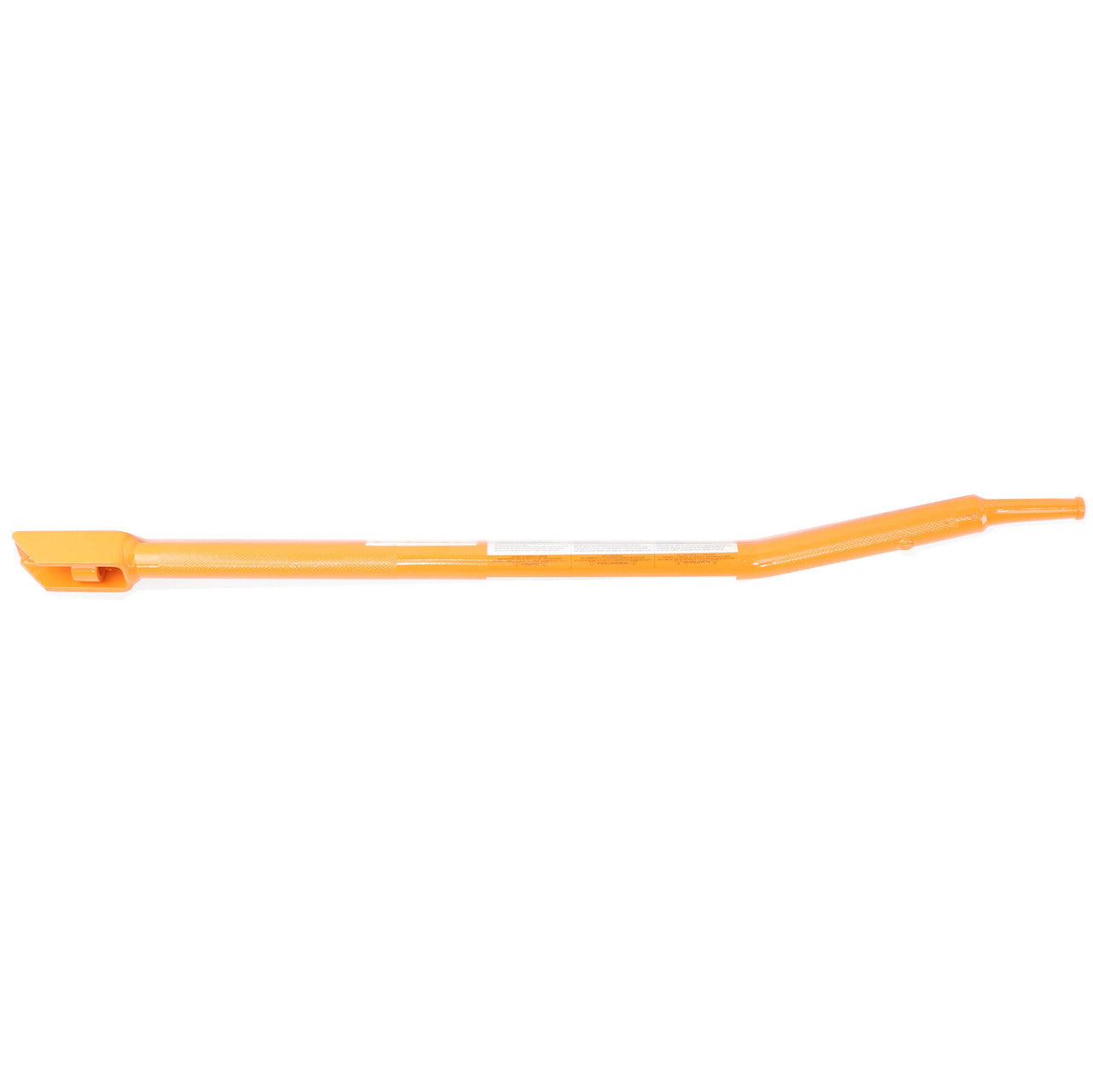
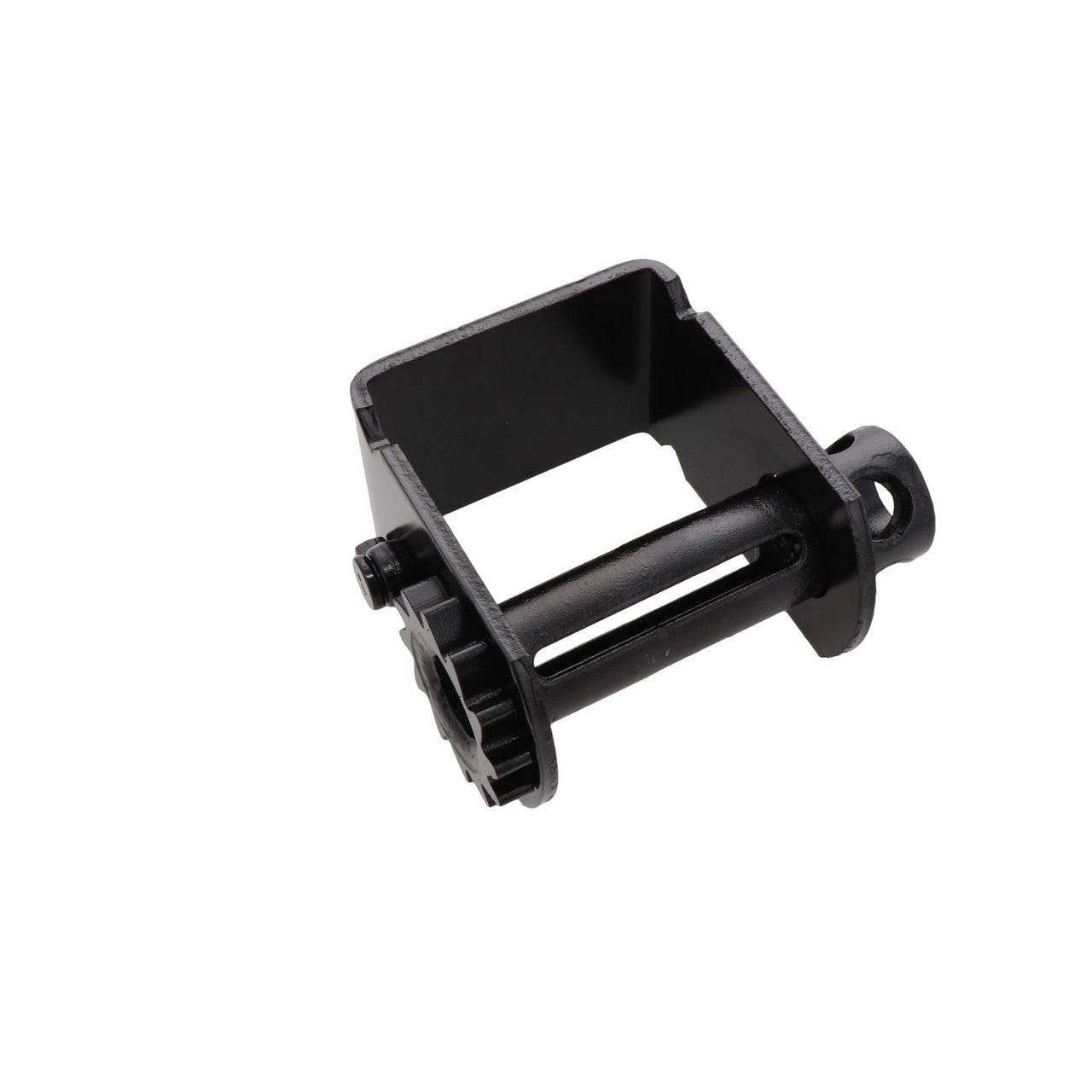
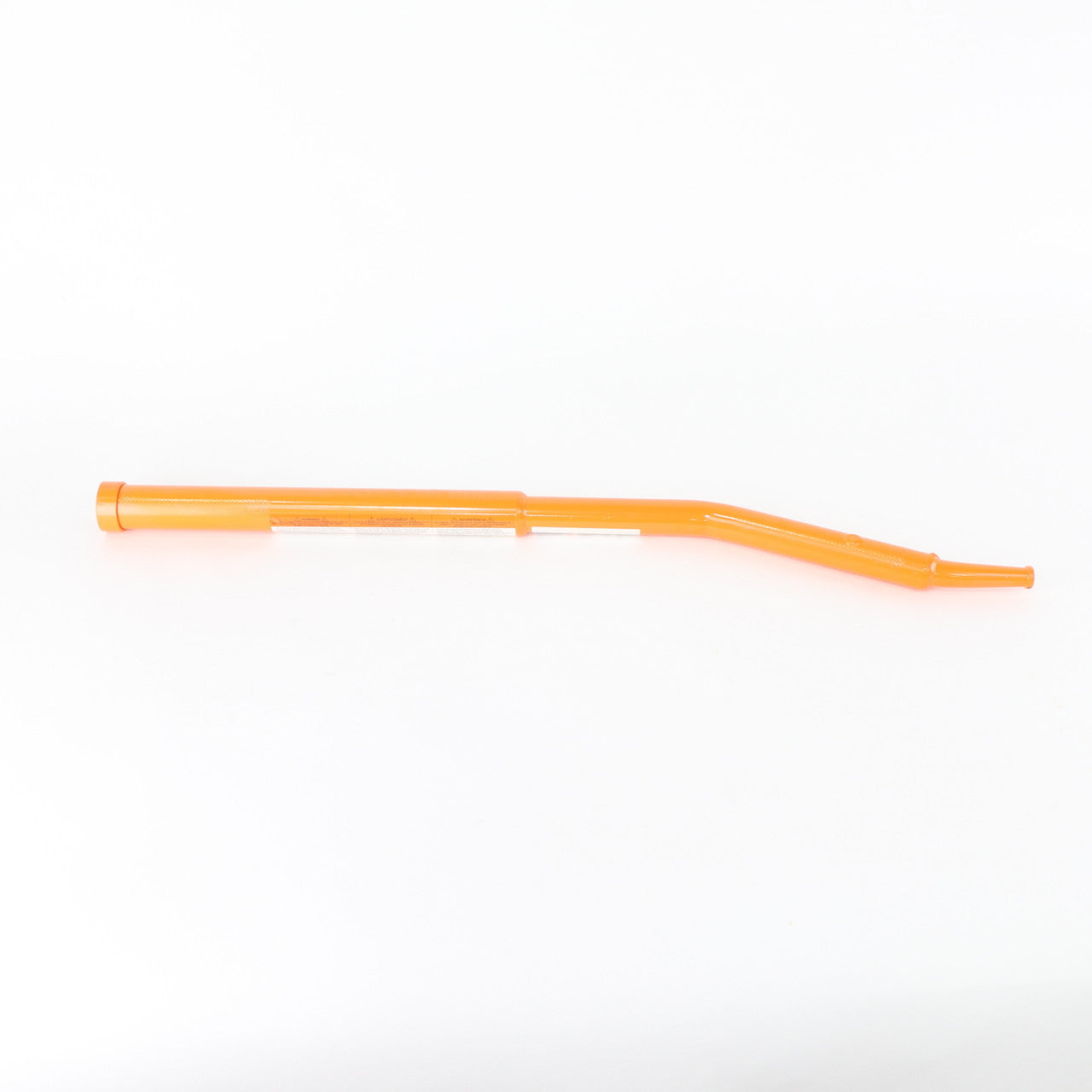
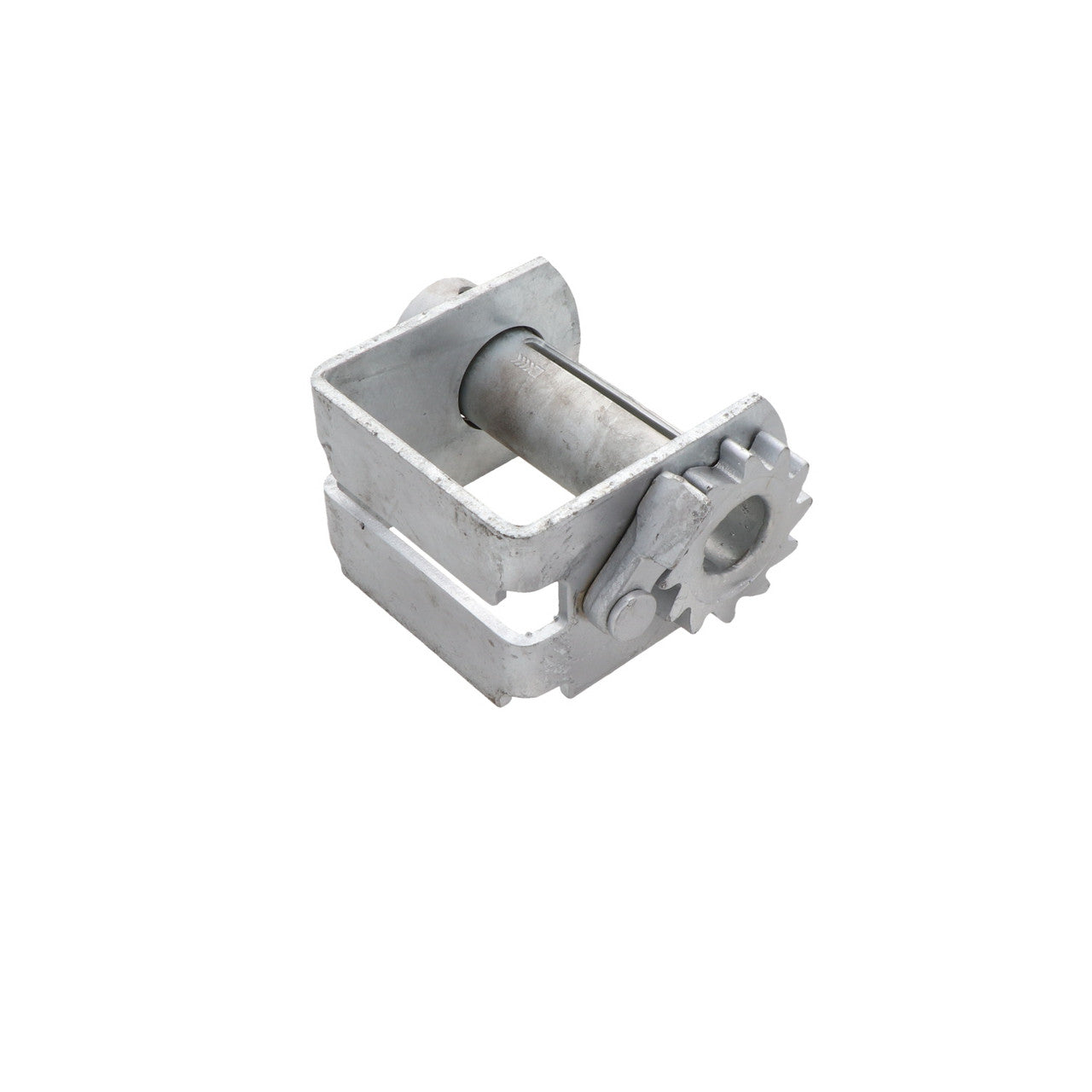
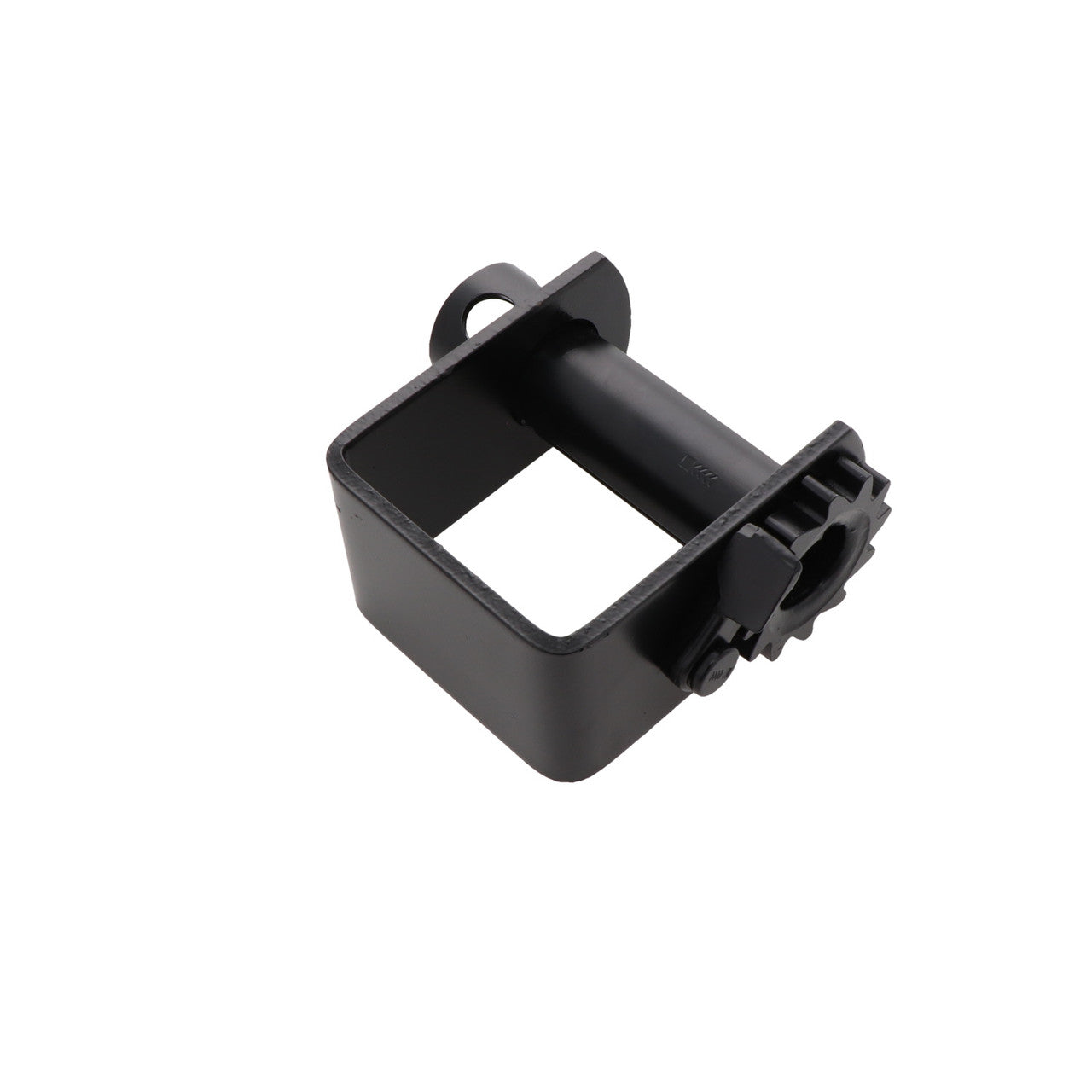
Ratchet strap or winch strap. A ratchet strap carries its own tensioner, so it works anywhere. A winch strap has a fitting on one end only; the loose end winds onto a winch mounted on the trailer rail and is tensioned with a winch bar. On a flatbed pulling a dozen tie-downs a day that split pays, because the mechanism stays on the truck: Kinedyne winch straps run about $14 to $37, and the strap winches collection covers weld-on, bolt-on, portable, and sliding C channel and double L patterns to fit the trailer you already own. Two other patterns fill gaps. Endless ratchet straps form a continuous loop for bundling and anchorless wraps, and the StrapPak models add a built-in retractor that rewinds slack webbing before it drags, frays, or finds an axle.
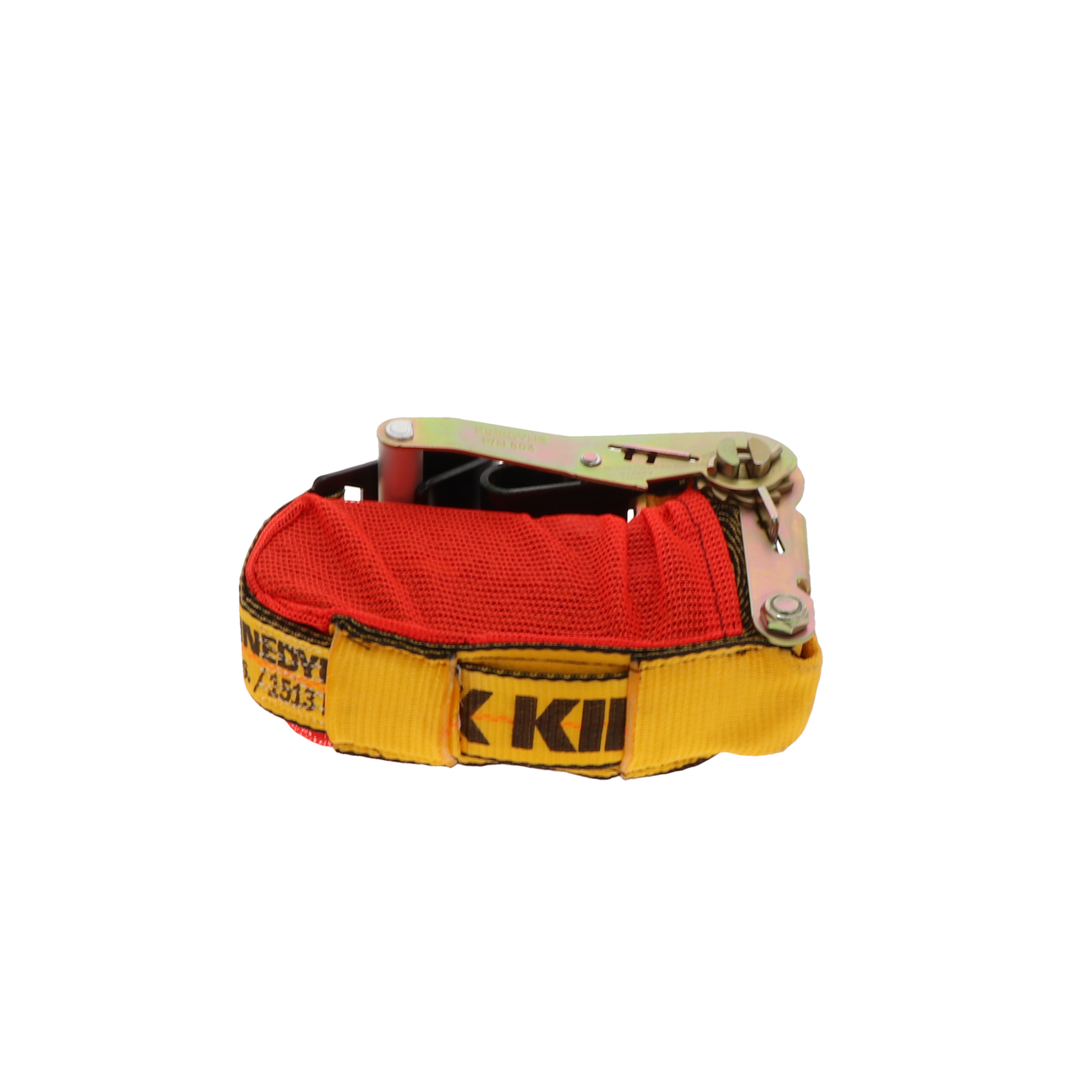
Webbing dies at the edge. Nearly every strap failure starts where webbing crosses a corner, so protection is the highest-return line in the collection: nylon protective sleeves in 2, 3, and 4 inch widths from about $4, reinforced rubber web protectors, and VeeBoard edge guards, with the full range in corner and web protection. Inspect before every trip. Cuts, fraying, burns, UV bleaching, crushed or bent hooks, and ratchets that will not lock all take a strap out of service, because damaged webbing has no honest rating at any discount, and at these prices no load is worth defending a $23 strap. For hulls, motorcycles, and other loads a ratchet can crush, the hand-tensioned cam buckle straps are the right tool, and the rest of the securement world, transport chain, binders, and track, lives in our cargo control hub.
Frequently Asked Questions
Two tests, both from the FMCSA. Under 49 CFR 393.110, cargo not blocked against forward movement needs one tiedown if it is 5 ft or less and under 1,100 lb, two if longer or heavier, and one more per additional 10 ft. Under 393.106, the aggregate working load limit must reach at least half the cargo weight, counting half the WLL of each vehicle-to-cargo strap and the full WLL of each strap that crosses over the load.
Break strength is where the assembly fails on a test bed. The working load limit is the number you rig to, set under the WSTDA standard at no more than one third of break strength. Kinedyne's 2 inch flat hook strap is typical: 10,000 lb break, 3,335 lb WLL. The gap covers shock, wear, and age, and it is not spare capacity.
A ratchet strap is self-contained and works on anything with anchor points. A winch strap needs a winch mounted on the trailer and a winch bar to tension it, which is why it is the flatbed fleet standard: the straps are cheaper because the mechanism stays on the truck. If you run one trailer daily, winches pay; if the strap moves between vehicles, buy ratchets.
Look at the anchor first. Flat hooks for flatbed rub rails, wire hooks for stake pockets and narrow rails, chain anchors where the anchor point suits chain rather than webbing, snap hooks for D rings and marine transoms, and spring loaded or butterfly fittings for E and A track inside vans. The strap is the same polyester either way; the fitting is what has to fit.
Not at its original rating. FMCSA rules assign unmarked tiedowns default working load limits from the tables in 49 CFR 393.108, far below a marked strap, so an inspector will count it accordingly. Cut, frayed, or burned webbing is worse: it has no reliable rating at all. Replace it and keep the sleeves on the next one.
Over the wheels, not the frame. The basket style wheel nets fit 13 to 22 inch tires with flat, wire, and snap hook ends, the ratchet tire net works in E and A track trailers, and the axle straps with protective sleeves take the alternative route around an axle. The cluster hook tie-downs reach factory slots on unibody vehicles.