Transport Chain & Binders
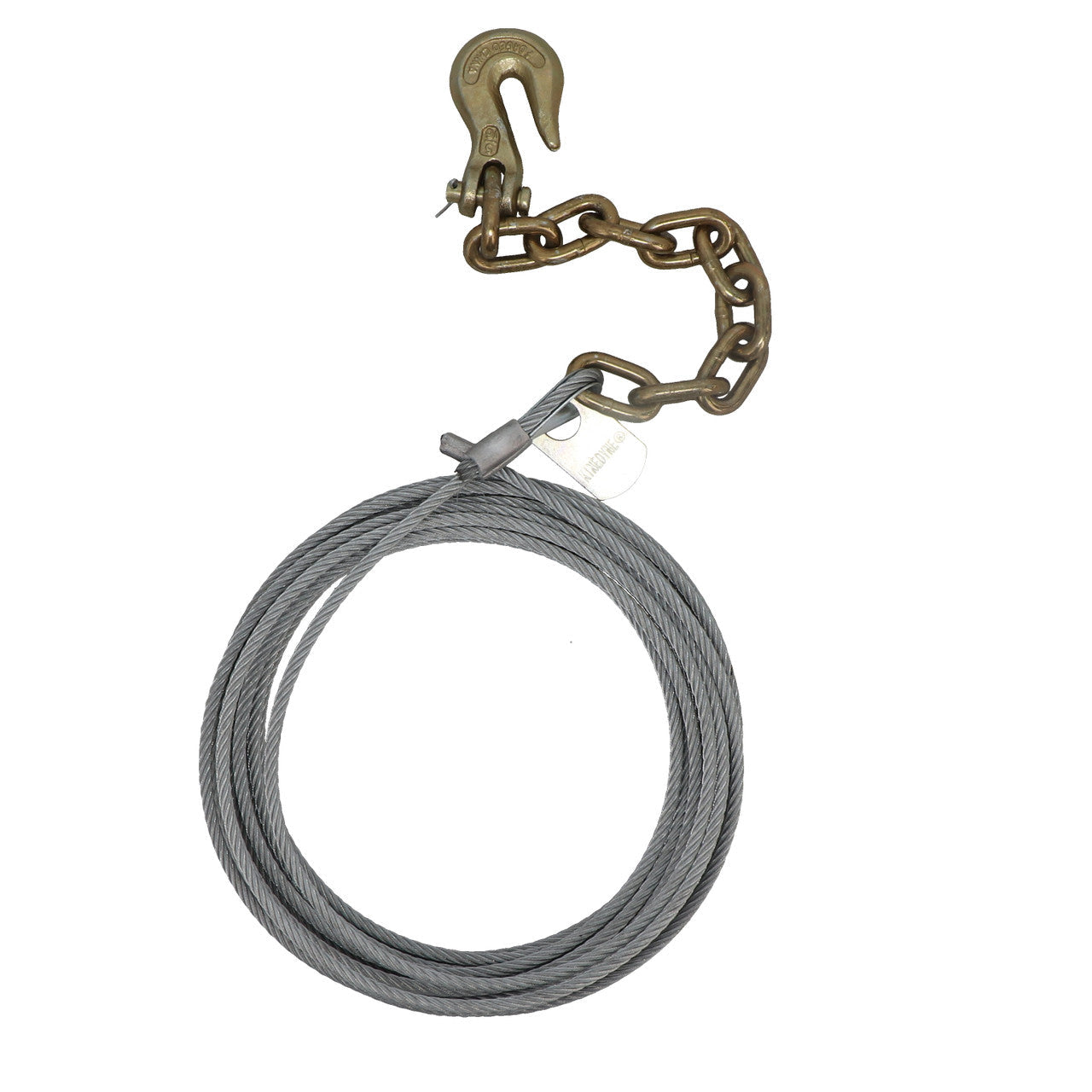
Transport chain and binders are the steel end of cargo securement, the system that holds machinery, steel, pipe, and equipment down when webbing would cut through on the first sharp corner. A working assembly is two parts bought to match: a length of Grade 70 transport chain and a load binder that tensions it. This collection carries Kinedyne, Crosby, Mytee, and Universal Restraint Systems in the sizes flatbed and heavy-haul fleets actually run, from 1/4 inch chain rated 3,150 lb up to 1/2 inch at 11,300 lb, with lever, ratchet, and Crosby torque drive binders to match. Grab-hook chain assemblies arrive ready to rig, bulk barrels feed shops that cut their own, and floor chain tie-downs handle the deck. The two halves live on separate pages so you buy the pair by working load limit, because on a chain rig the weaker of the two sets the number an inspector reads.
Shop Chain Binders & Lashing Chains by Category
Compare Chain Binders & Lashing Chains
| Model | Price | Material | Barrel Weight | Working Load Limit | |
|---|---|---|---|---|---|
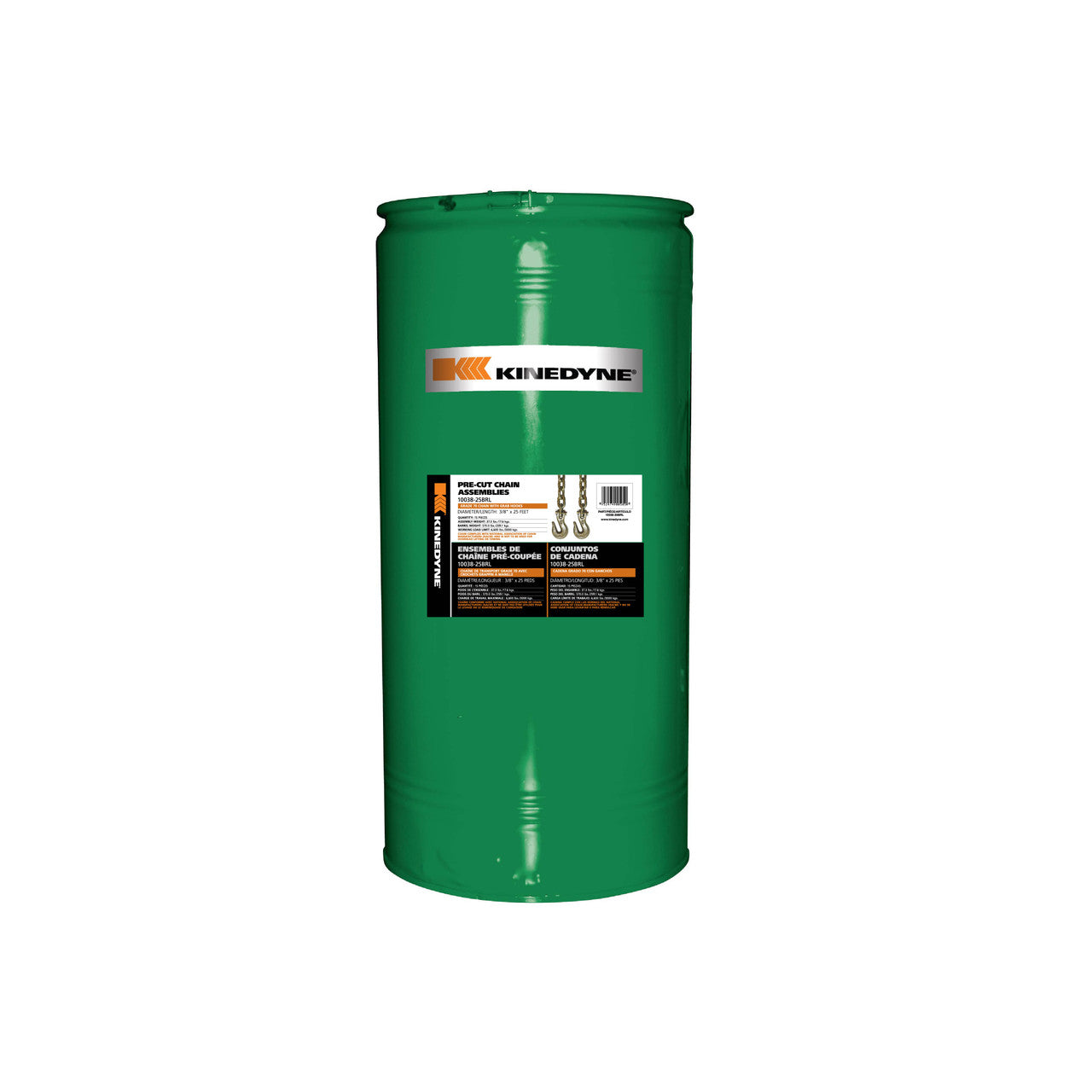
| Kinedyne 3/8" Grade 70 Bulk Barrel of Chain | $1,645 | Grade 70 alloy chain | 565-618 lb | 6,600 lbs / 3,000 kgs | View → |
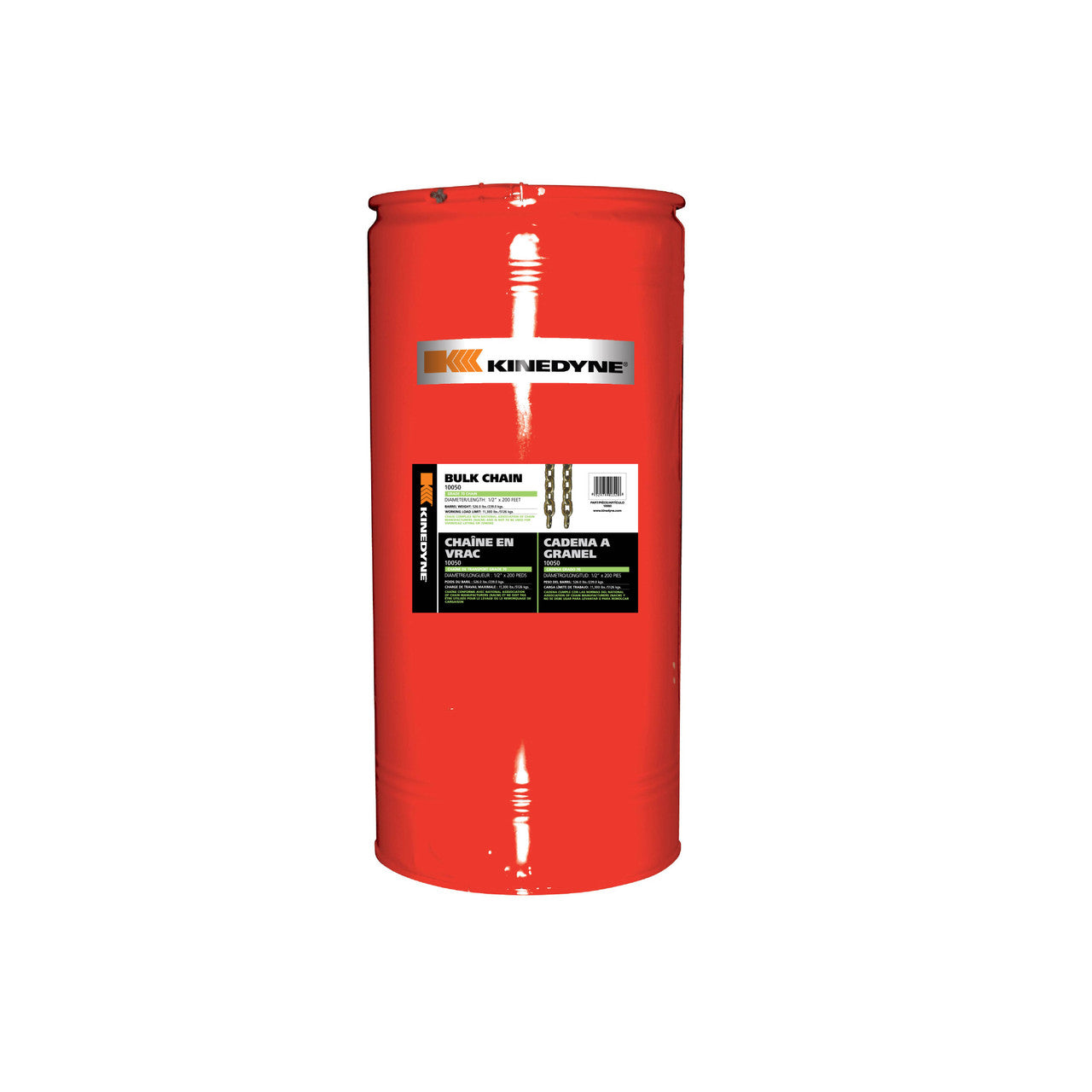
| Kinedyne 1/2" Grade 70 Bulk Barrel of Chain | $1,589 | Grade 70 alloy chain | 525-551 lb | 11,300 lb | View → |
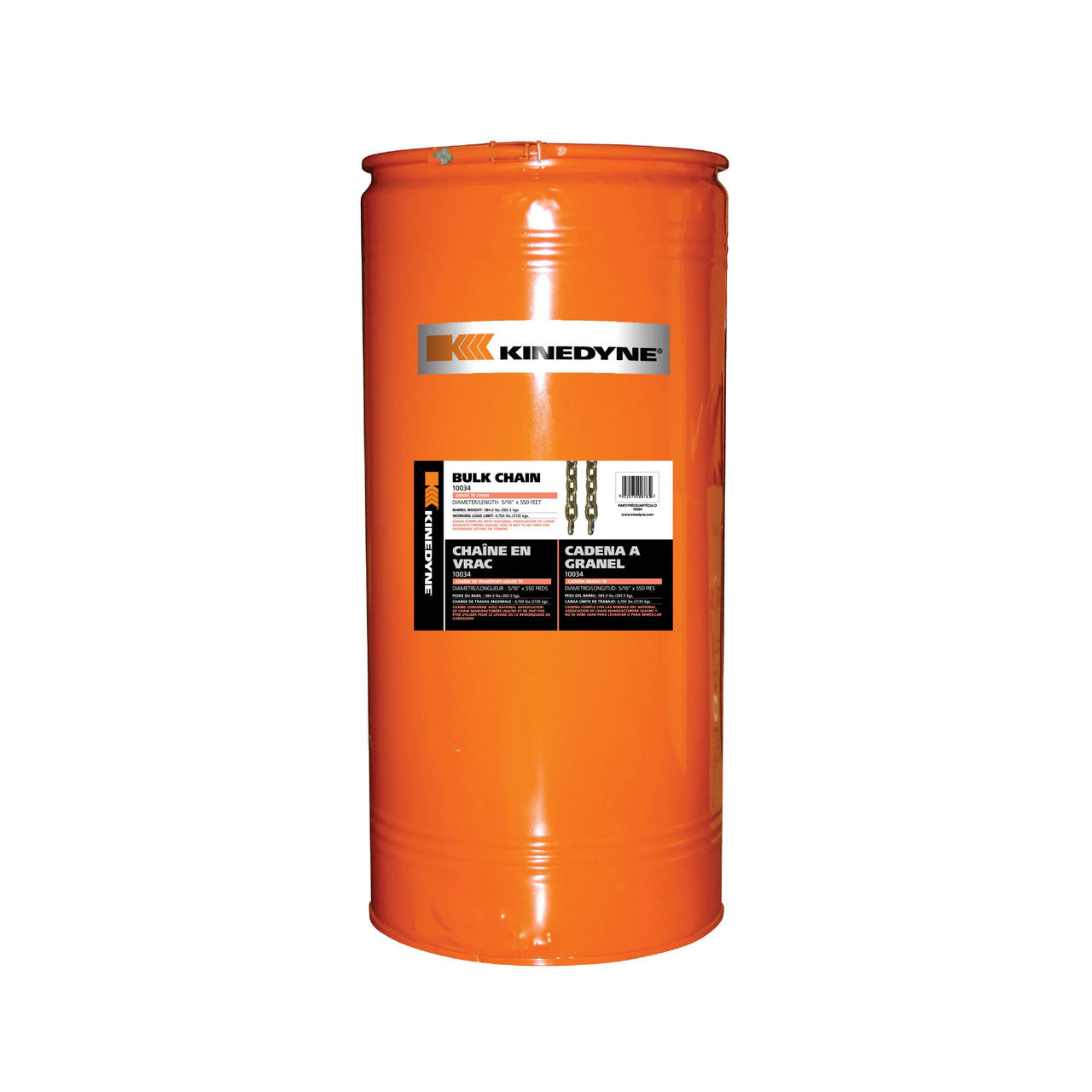
| Kinedyne 5/16" Grade 70 Bulk Barrel of Chain | $1,582 | Grade 70 alloy chain | 527-584 lb | 4,700 lbs / 2,135 kgs | View → |
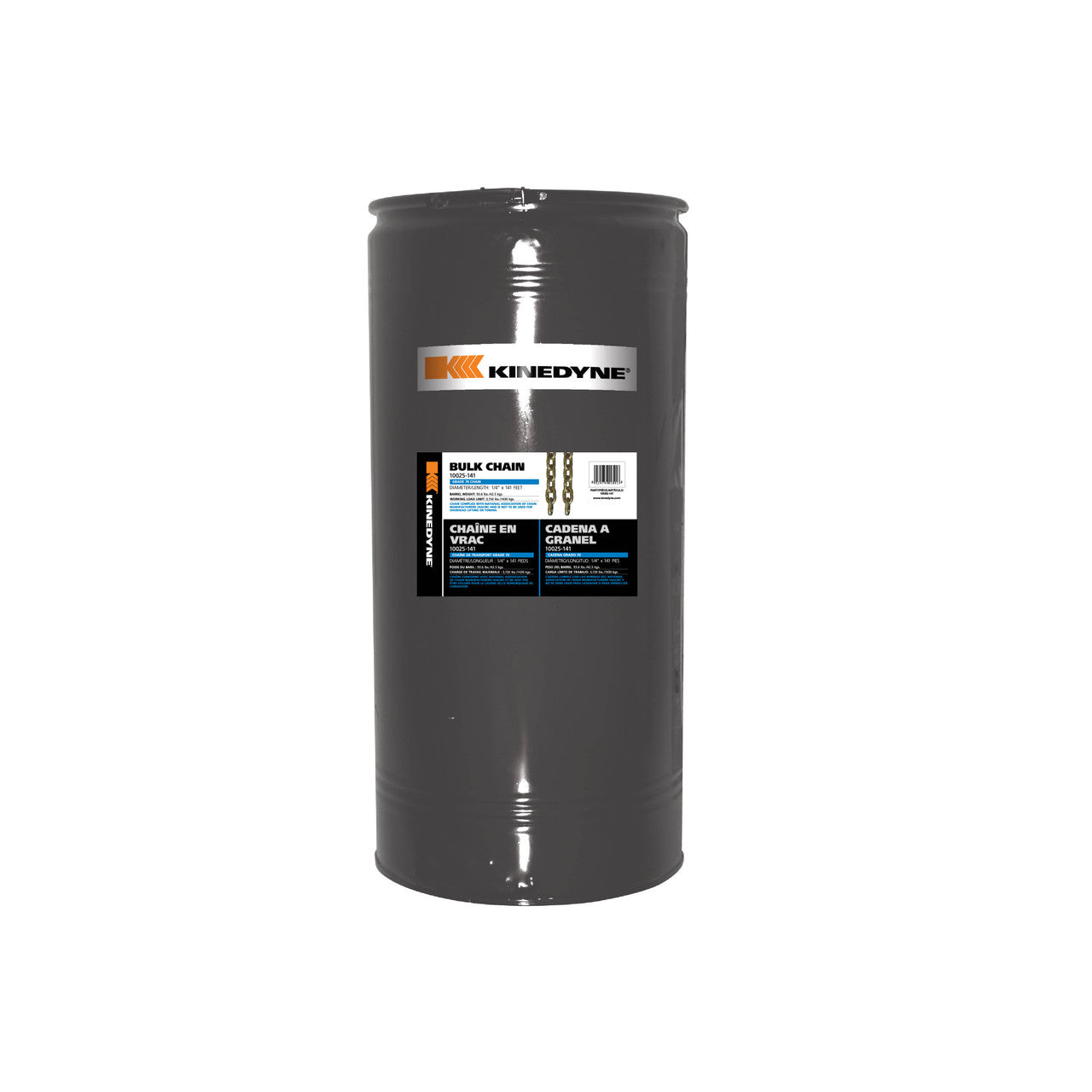
| Kinedyne 1/4" Grade 70 Bulk Barrel of Chain | $1,291 | Grade 70 alloy chain | 524 lbs / 238 kgs | 3,150 lbs / 1,430 kgs | View → |
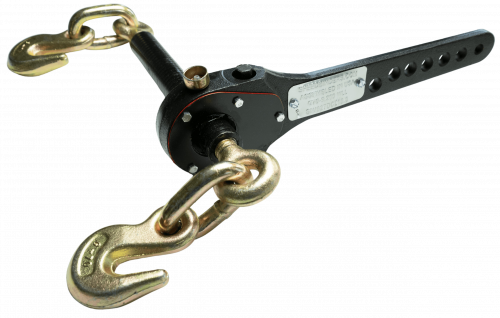
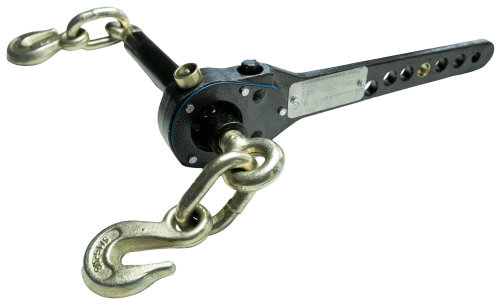
| Crosby Speedbinders TD13GLHH Torque Drive Load Binder 1/2-5/8 | $287 | — | — | — | View → |
| Crosby Speedbinders TD66BL Torque Drive Load Binder 5/16-3/8 | $186 | — | — | — | View → |
 In Stock
 In Stock
 In Stock
 In Stock
 In Stock
 In Stock
 In Stock
 In Stock
 In Stock
 In Stock
 In Stock
 In Stock
 In Stock
 In Stock
 In Stock
 In Stock
 In Stock
 In Stock
 In Stock
 In Stock
 In Stock
 In Stock
 In Stock
 In Stock
 In Stock
 In Stock
 In Stock
 In Stock
 In Stock
 In Stock
 In Stock
 In Stock
Chain Binders & Lashing Chains Buying Guide
Buy the chain and the binder as a matched pair. A chain tie-down is two rated parts, and each carries its own working load limit. The transport chain is the length that wraps the load and hooks to the deck; the chain binders are the tensioners that pull the slack out and hold it. Both have a WLL stamped or tagged, and the assembly is only ever rated to the lower of the two. A 6,600 lb binder on 3/8 inch chain rated 6,600 lb is a matched rig; the same binder on 1/2 inch chain throws away the chain's higher rating. Buy them together, match the binder's chain-size range to the chain diameter, and the hardware and the chain carry the same honest number instead of one quietly downgrading the other.
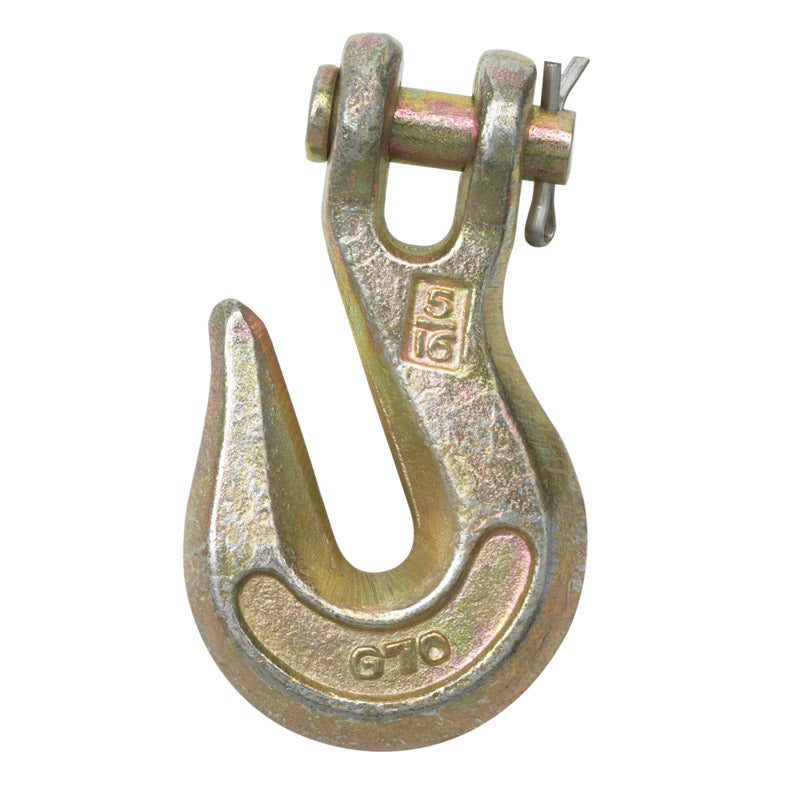
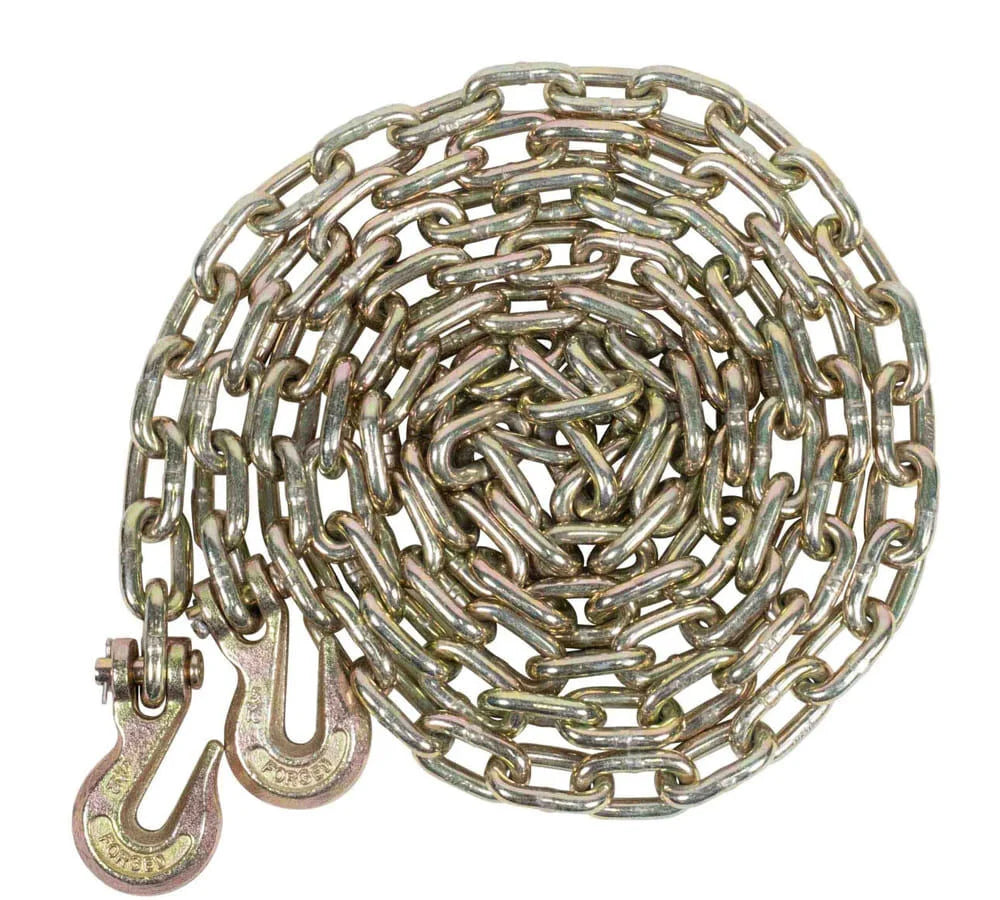
Grade 70 is the transport standard, and the color tells you. The chain here is Grade 70, the heat-treated carbon steel transport chain that fleets have run for decades. NACM rates it on a 4:1 design factor, meaning a break strength of at least four times the WLL, and it wears a gold chromate finish so a roadside inspector can identify the grade at a glance and read the 7 or 70 embossed in the links. That marking is not cosmetic. Under 49 CFR 393.108, welded steel chain with no legible grade or working load limit is treated as Grade 30 proof coil, a fraction of what Grade 70 actually carries, so an unreadable link costs you rating on the spot. The transport chain page also stocks a Grade 43 high-test floor chain tie-down for lighter deck work, rated roughly 20 percent below Grade 70 size for size.
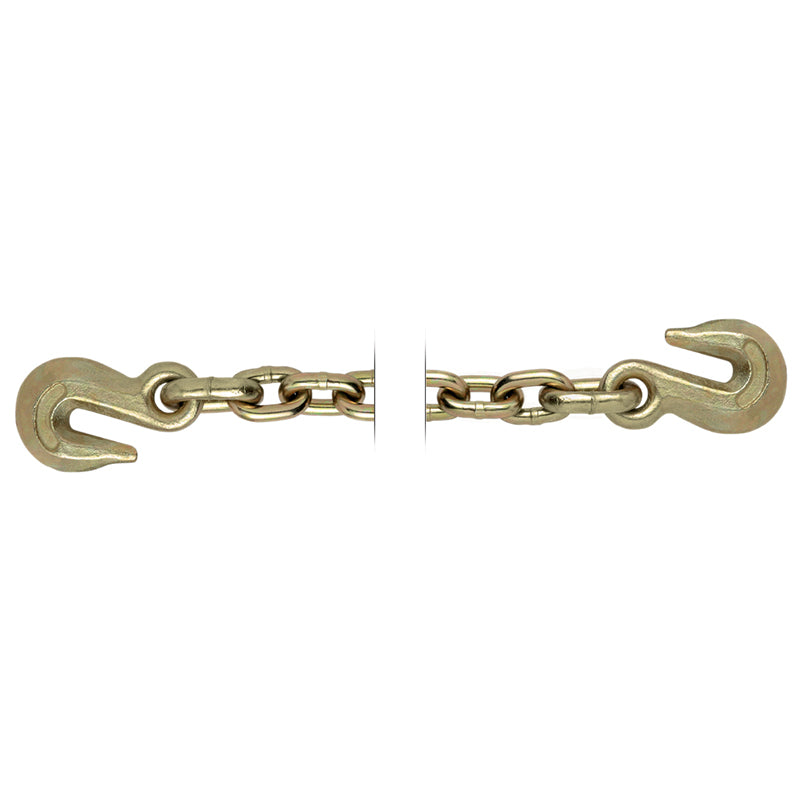
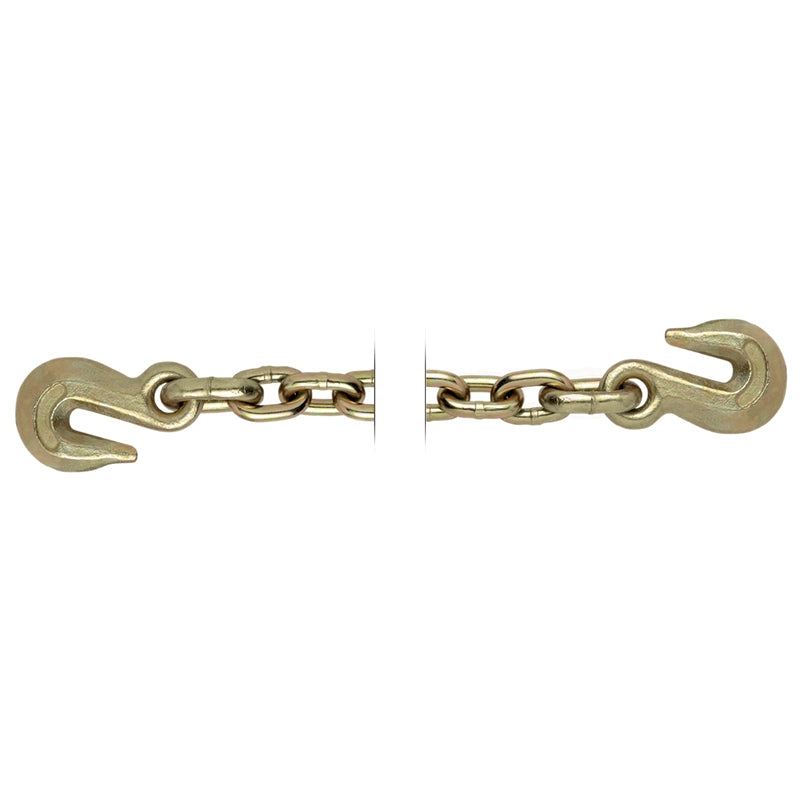
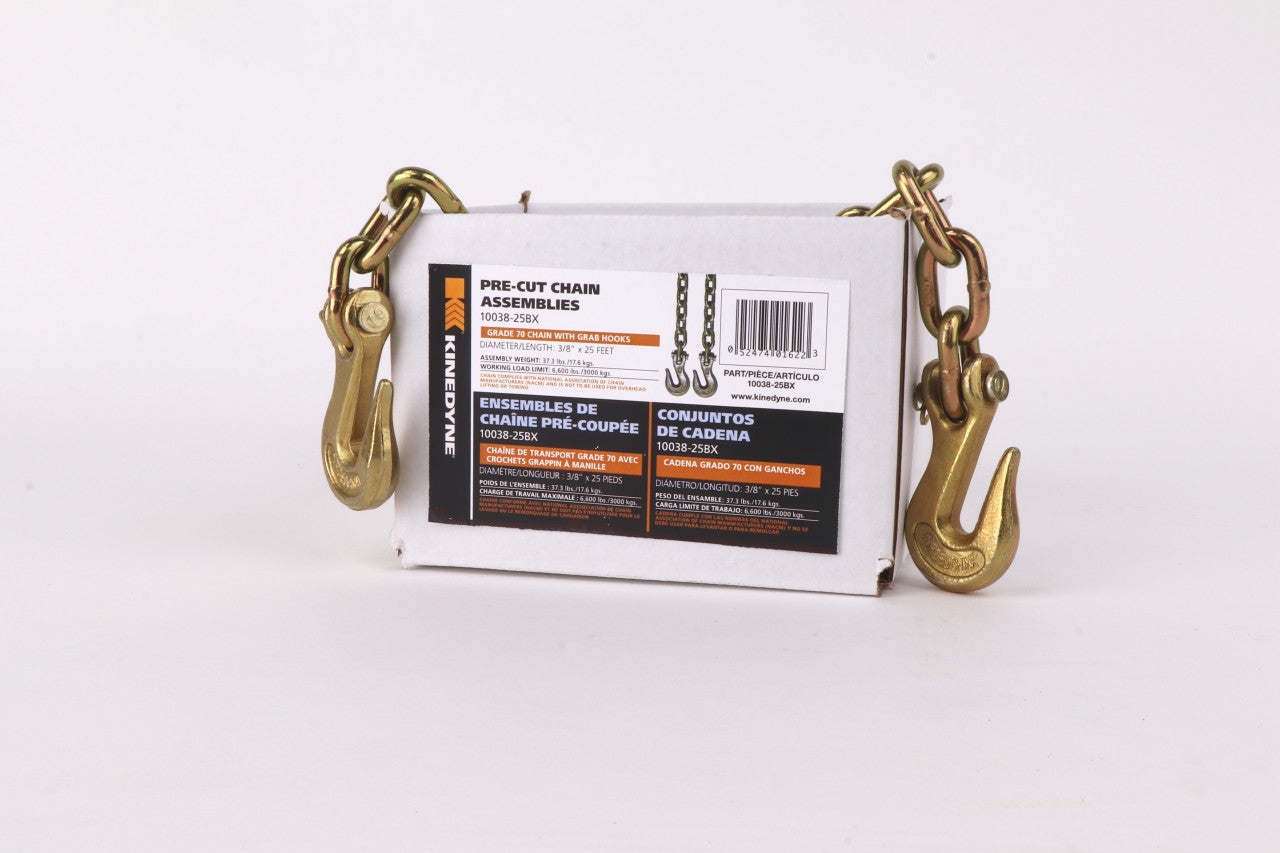
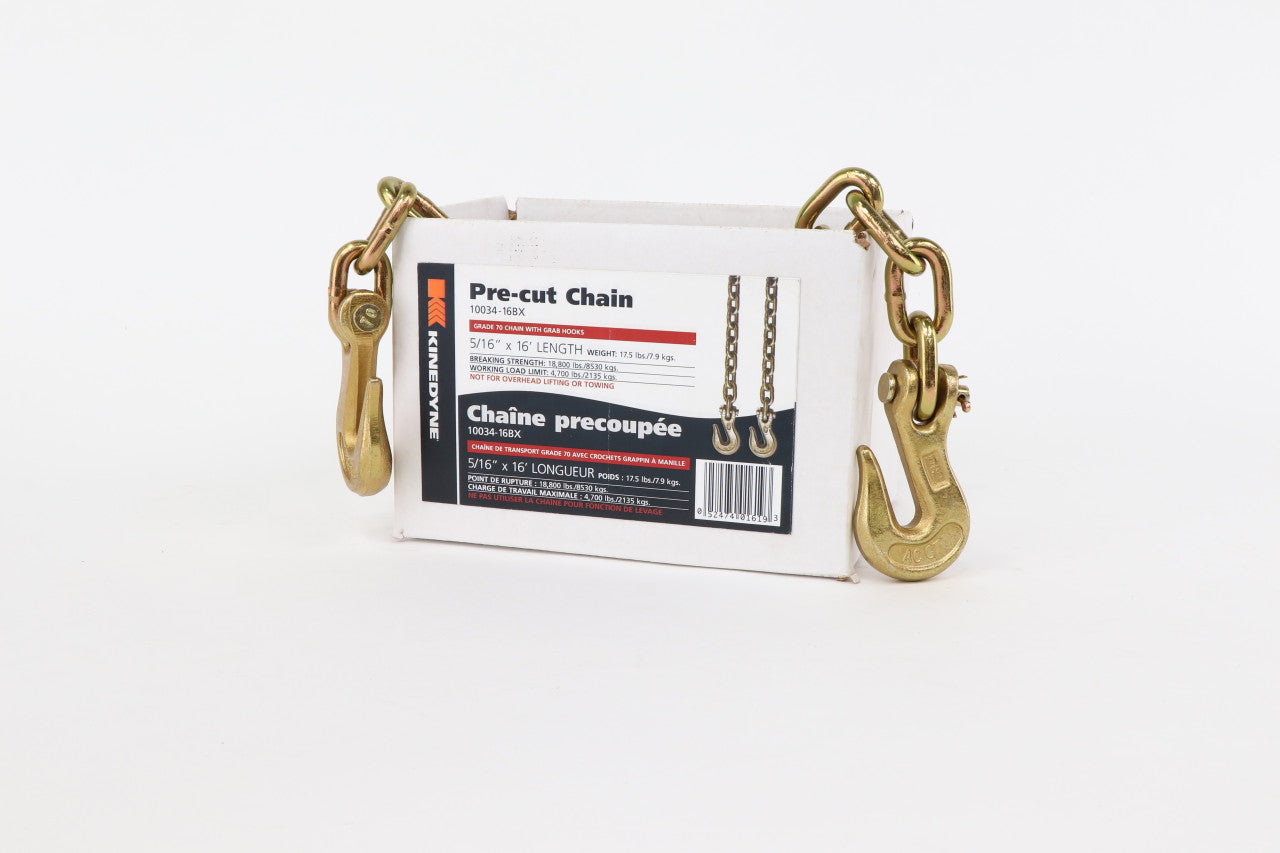
Sizes, and what each diameter holds. Rating climbs with diameter. The Mytee Grade 70 binder chain runs 1/4 inch at 3,150 lb, 5/16 inch at 4,700 lb, 3/8 inch at 6,600 lb, and 1/2 inch at 11,300 lb, in cut lengths from 6 to 25 feet, roughly $30 to $119 by size. Three-eighths inch is the flatbed workhorse for machinery and steel; 5/16 inch handles lighter equipment and is the common floor-chain diameter; 1/2 inch is for the heavy iron. Kinedyne grab-hook chain assemblies arrive with hooks swaged on ready to rig, the 3/8 inch at 6,600 lb from about $70, and shops that cut their own buy Grade 70 by the bulk barrel. Size the chain to the securement math first, then pick a binder whose chain range and WLL cover it.
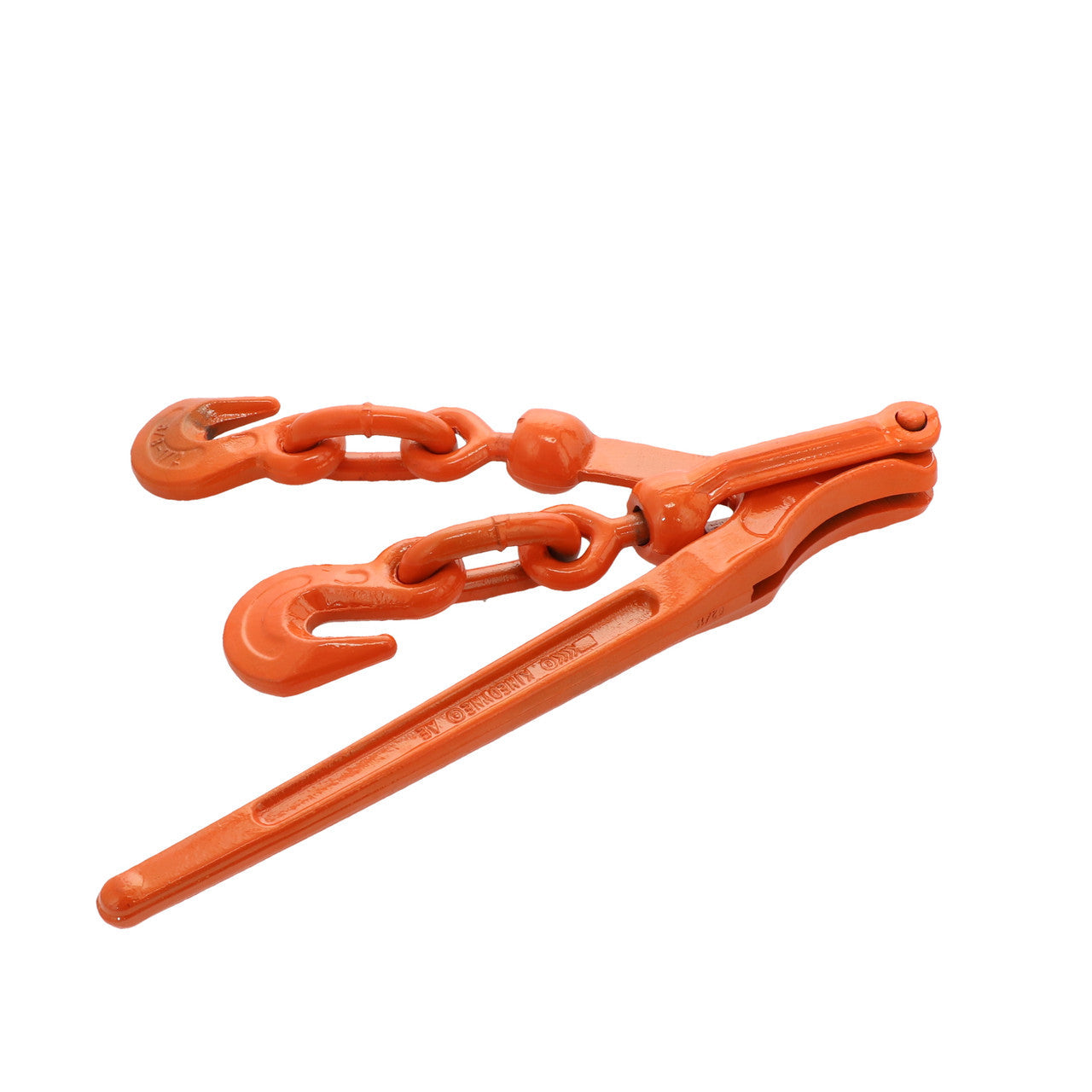
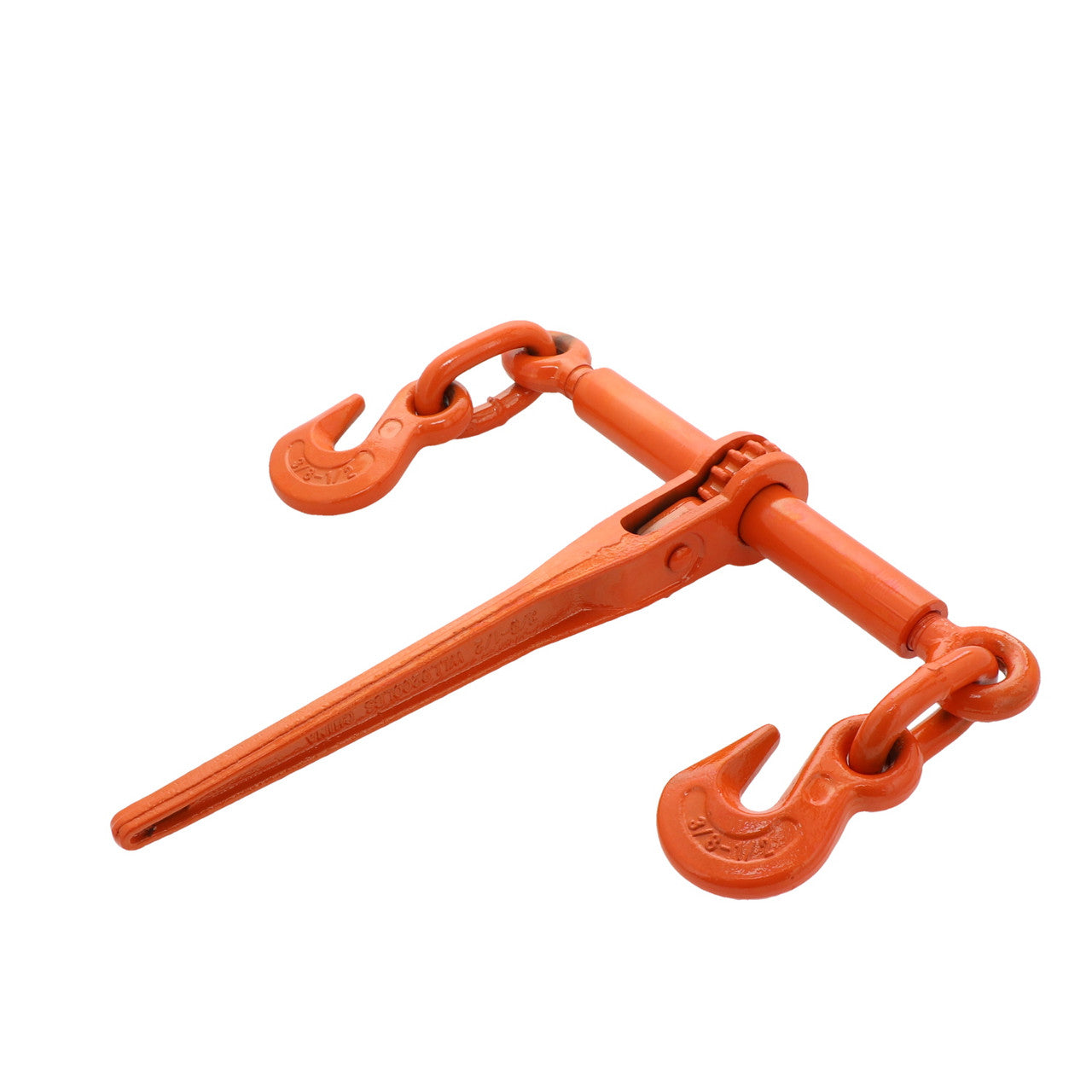
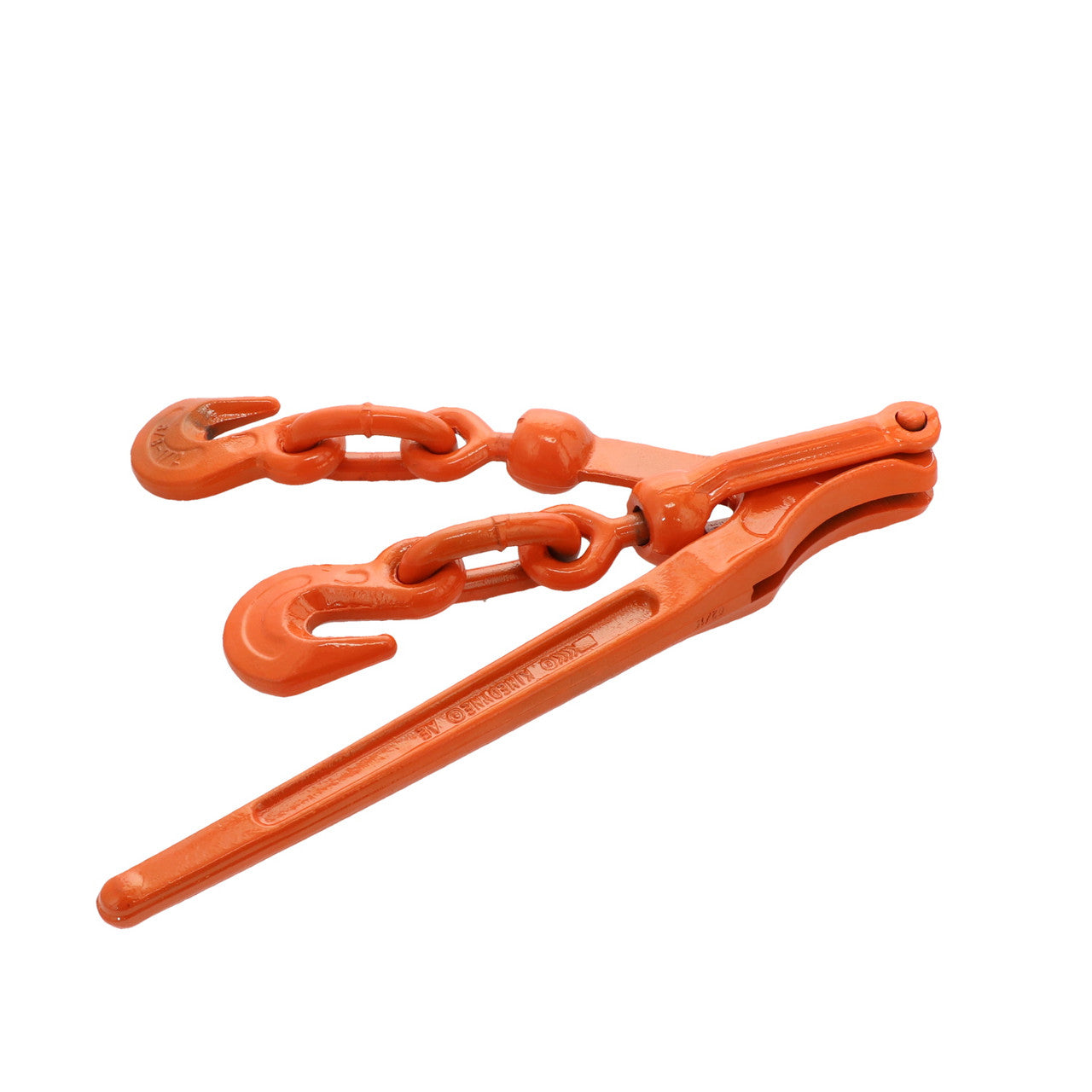
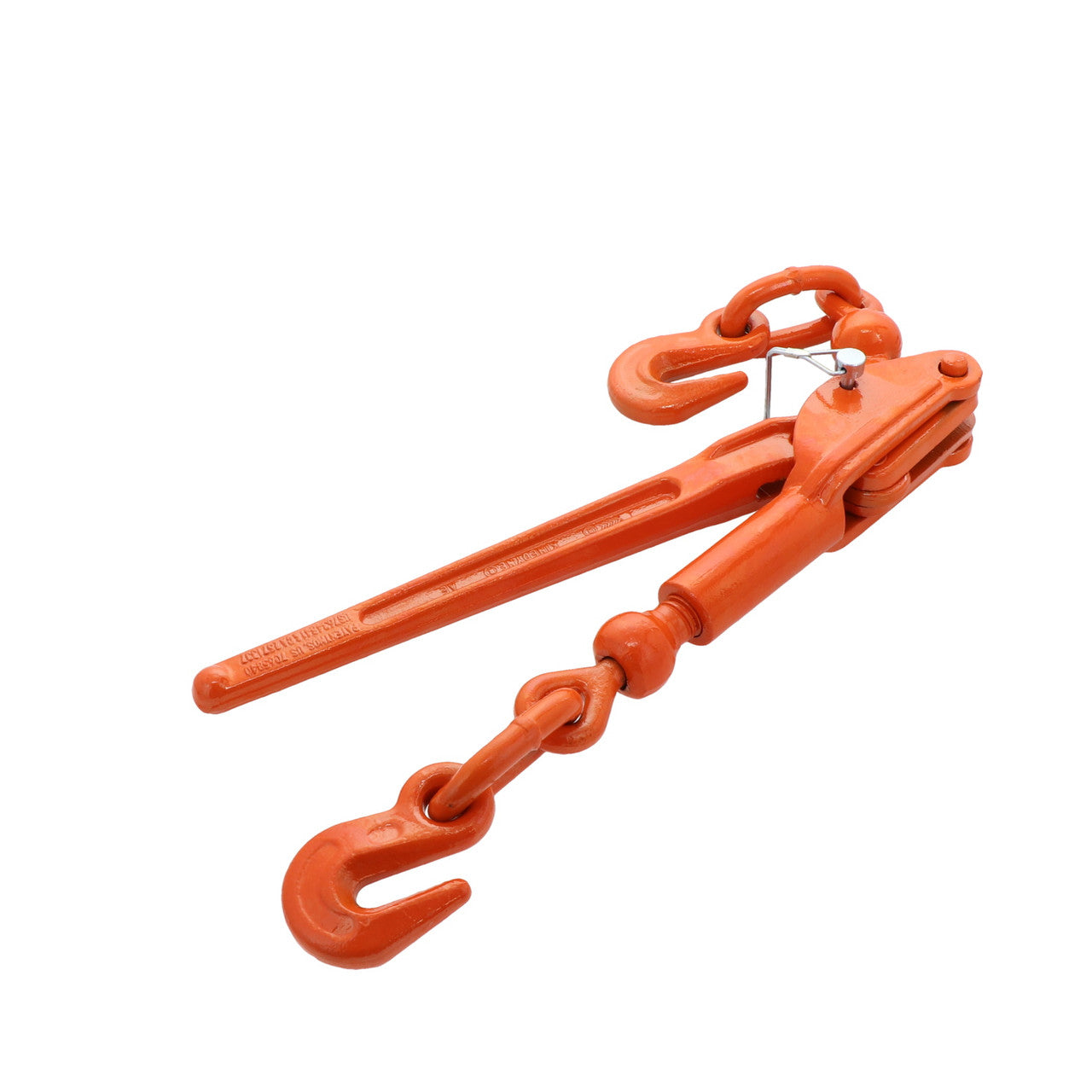
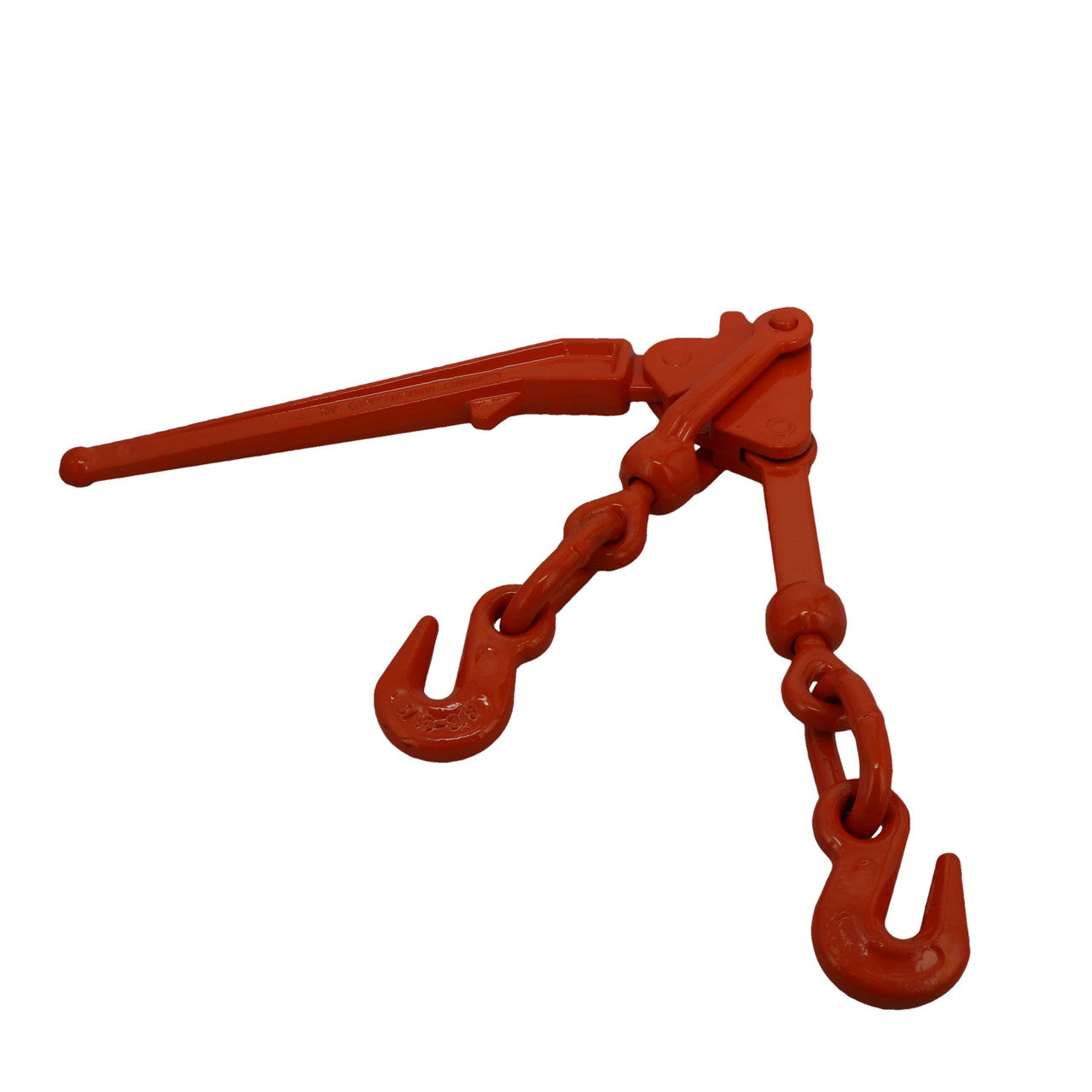
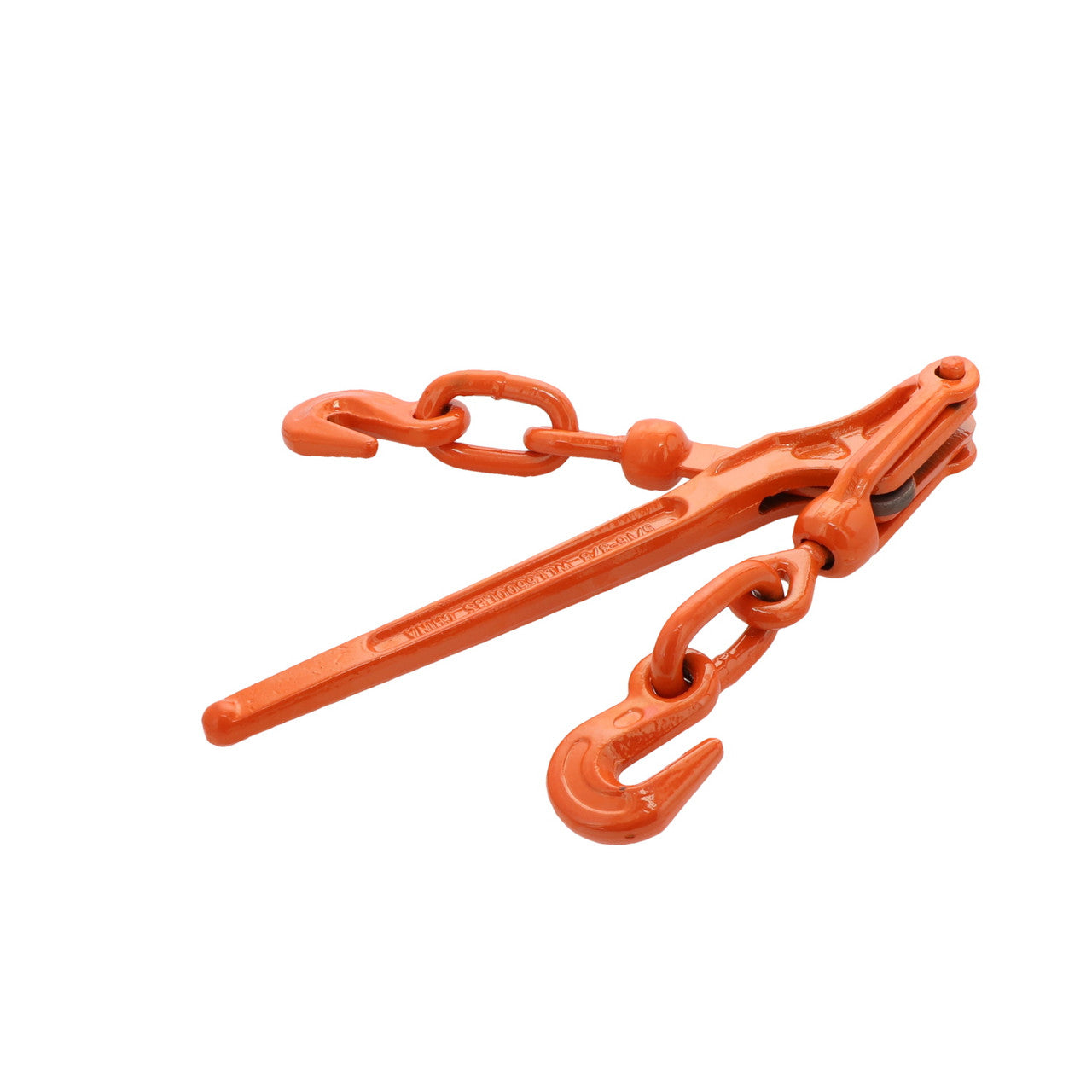
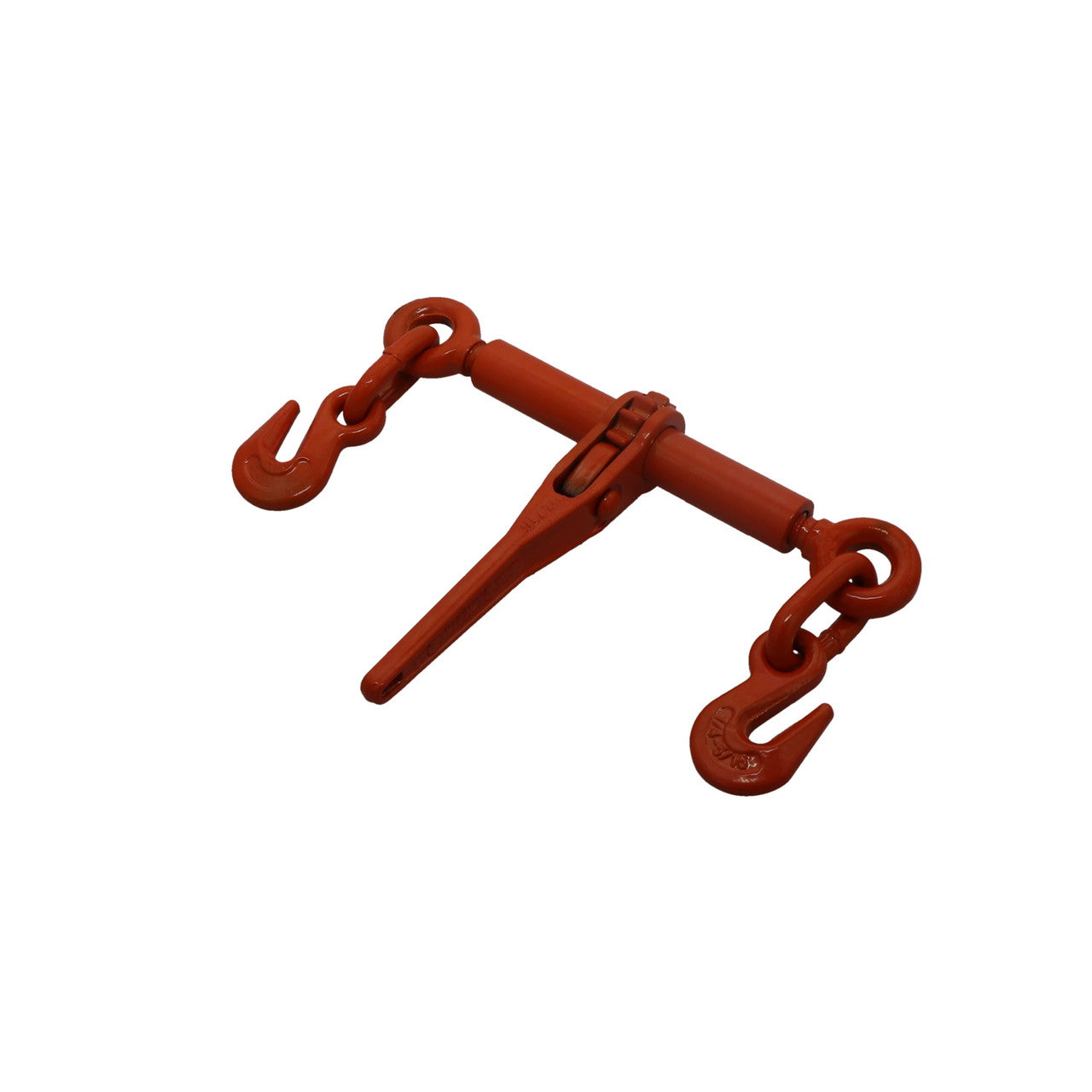
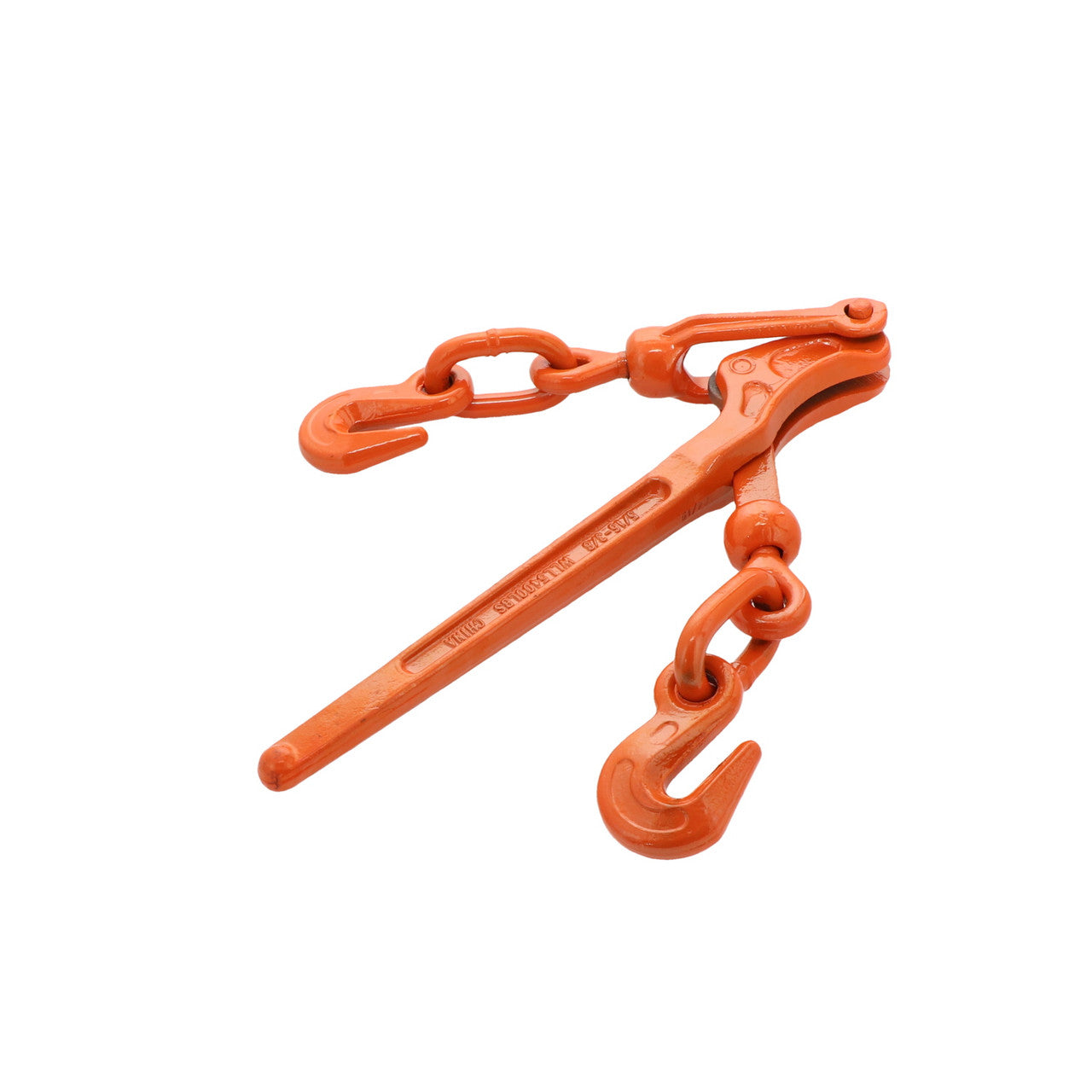
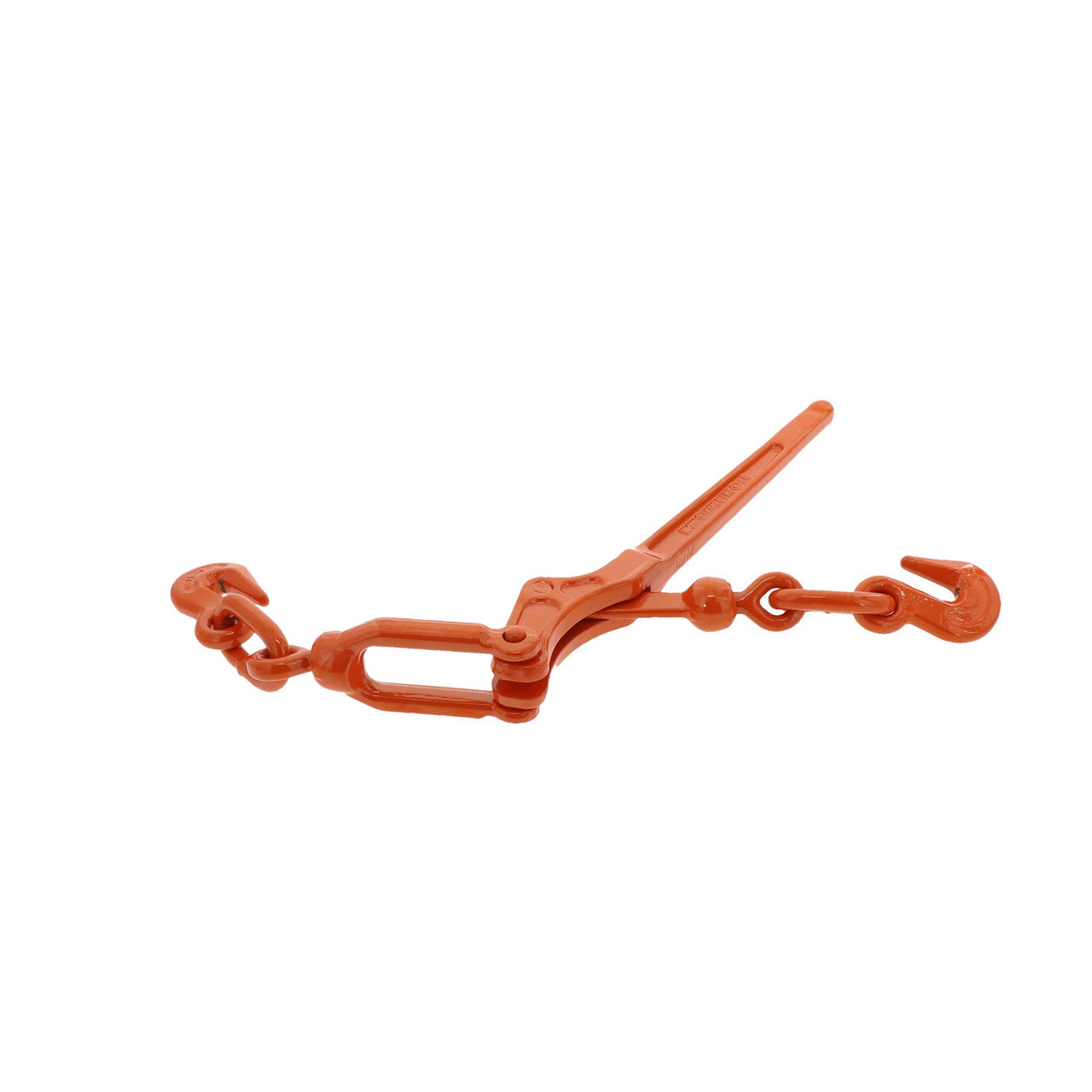
Lever binders: fast, high leverage, and they store energy. A lever binder tensions the chain with a single hinged handle you pull through center until it locks, giving roughly 25:1 mechanical advantage in a cheap, fast tool. The Kinedyne lever binders cover 1/4 to 5/16 inch chain at 2,600 lb from about $27, up to 1/2 to 5/8 inch at 13,000 lb near $106, with an adjustable version that takes up extra slack. The catch is stored energy: a tensioned lever handle holds spring force and can snap back hard if it slips or is released carelessly, which is the classic binder injury. That is why the chain binders page also carries recoilless and Saf-T-Binder models, both rated 5,400 lb for 5/16 to 3/8 inch chain, that hold the handle through release so it cannot fly.
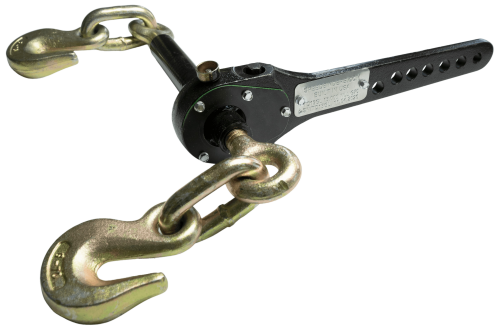
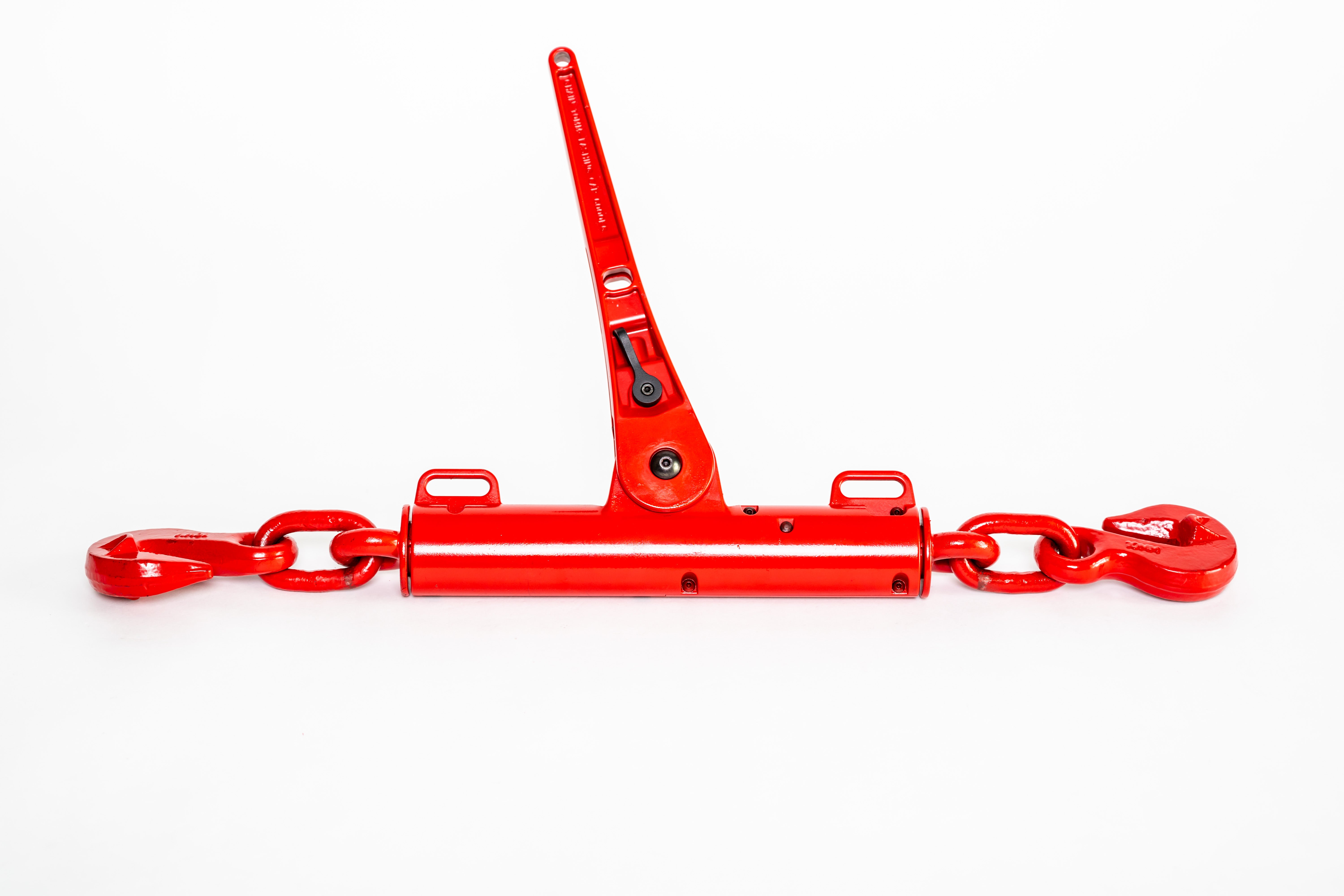
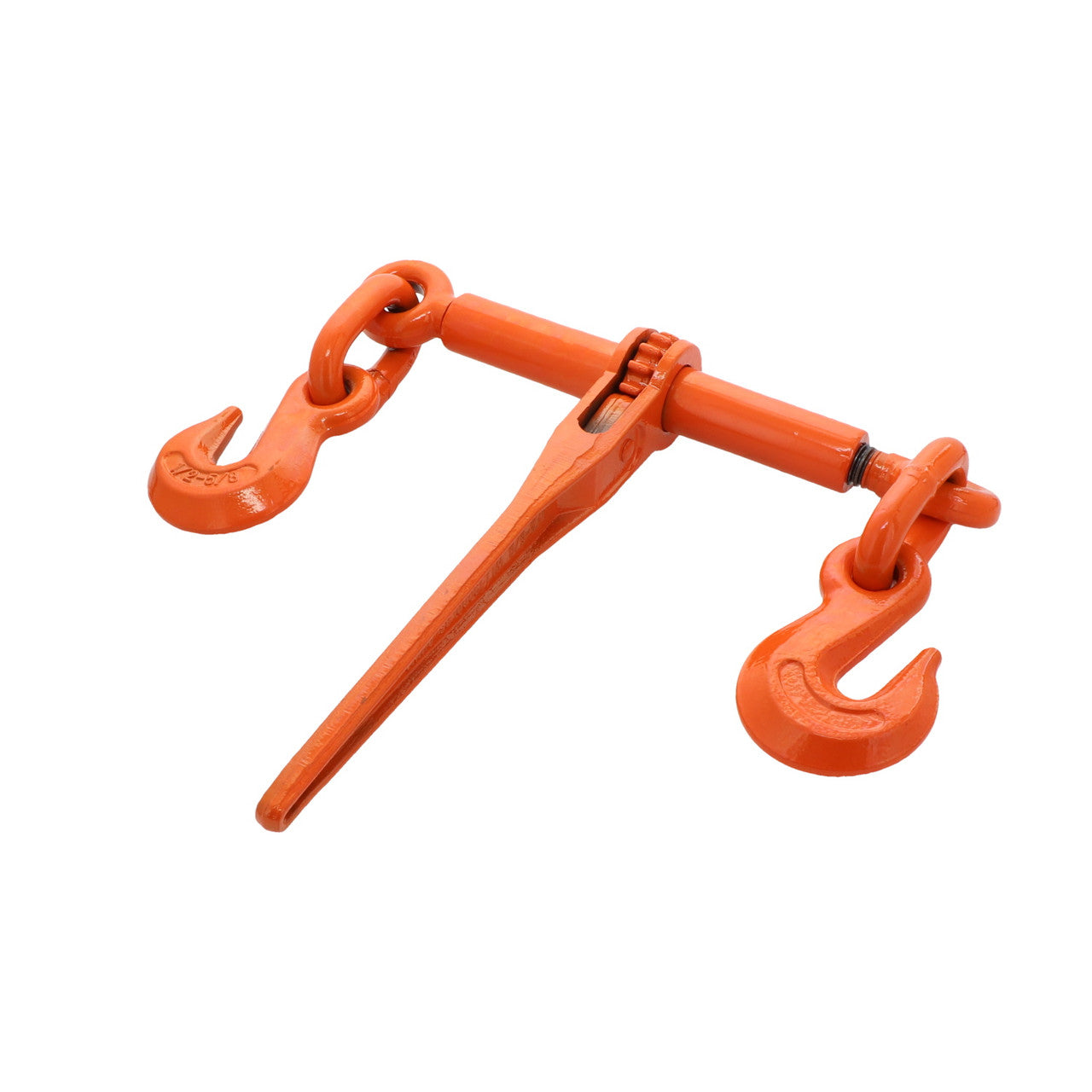
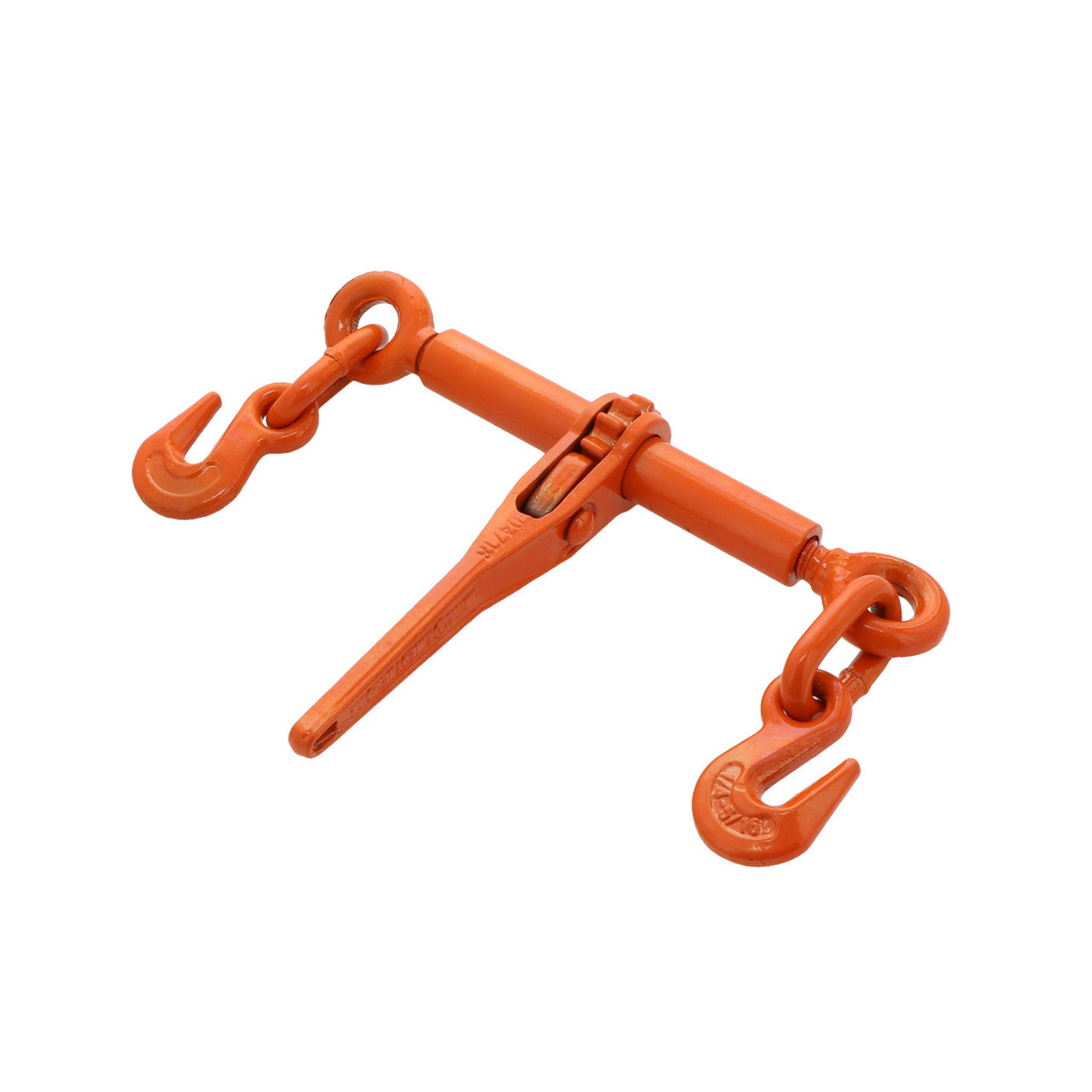
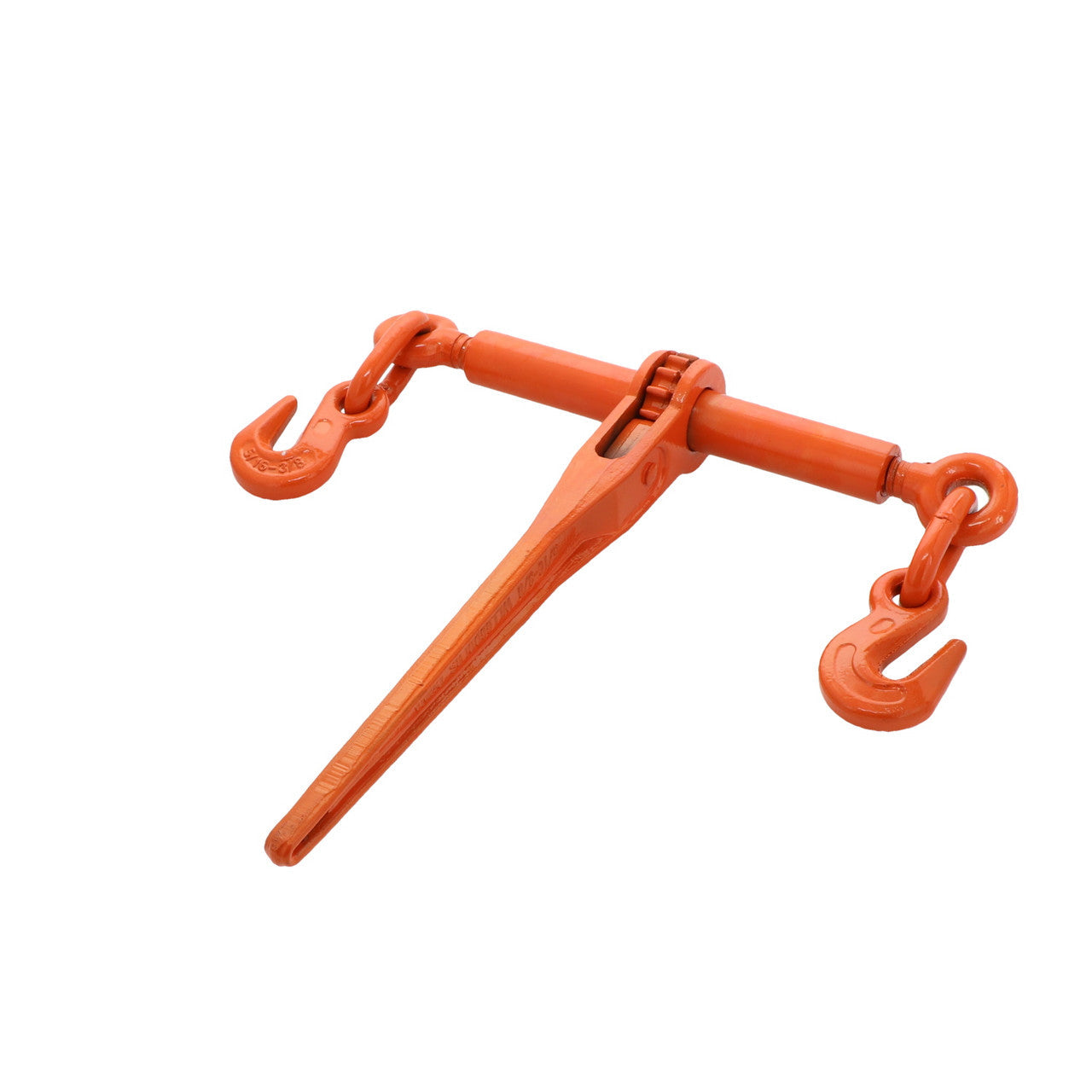
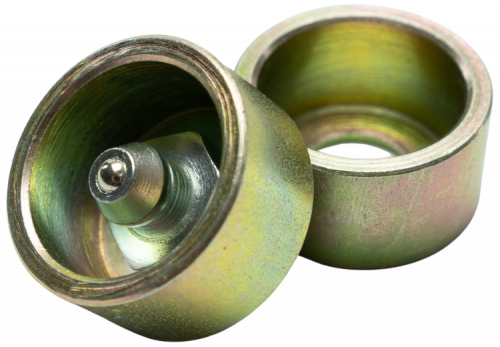
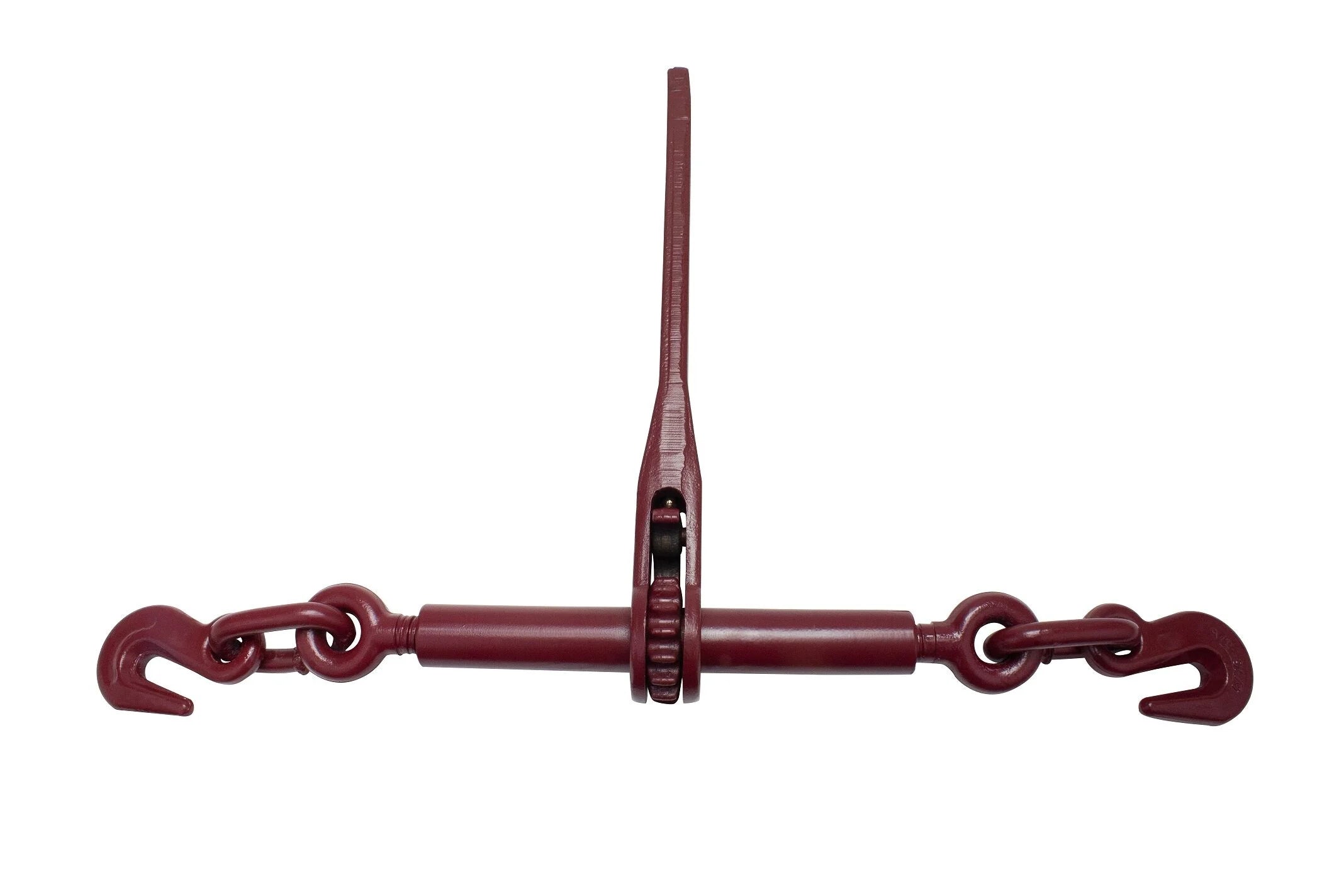
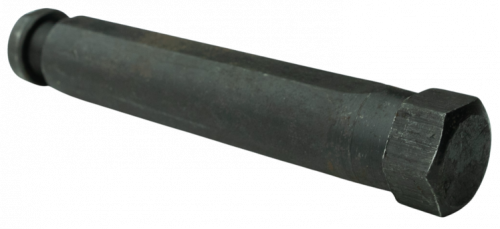
Ratchet and torque drive binders: slower, safer take-up. A ratchet binder replaces the single lever with a gear, pawl, and screw, so tension goes on in small controlled increments and comes off the same way, storing far less energy than a lever and taking up safer. Kinedyne ratchet binders run from about $40 for 3/8 to 1/2 inch chain at 9,200 lb up to $71 for 1/2 to 5/8 inch at 13,000 lb. The Crosby Speedbinders take that further with a torque drive design tensioned by a cordless drill and a 14 mm socket, no handle to swing or snap back, which fits tight decks and speeds a full trailer. They run about $180 to $290 by size, carry 6,600 to 13,000 lb ratings, and the chain binders collection stocks the zerk protectors and replacement drive bolts that keep them serviced.
How many, and the tie-down math. Chain rigs answer to the same federal rules as straps. 49 CFR 393.106 requires the aggregate working load limit of the tie-downs on an article to reach at least half its weight, counting the full WLL of a chain that crosses the load and anchors on both sides, and half the WLL of one that runs from deck to cargo. Then 49 CFR 393.110 sets the minimum count: one tie-down for articles up to 5 feet and 1,100 lb, two for anything longer or heavier, and one more for each additional 10 feet. A 12,000 lb machine needs 6,000 lb of aggregate, so two 3/8 inch chains at 6,600 lb over the top clear it. Those numbers are the legal floor, not the careful figure a good driver runs to.
Inspect the chain and the binder before every load. Grade 70 has no repair path. A chain with a stretched, gouged, nicked, or cracked link, or one worn past the maker's allowance, gets scrapped, never welded or heated, because any heat or field repair destroys the heat treatment the rating depends on. Check the binder with the same eye: a bent handle, a sprung or worn pawl, a hook opened past its throat tolerance, or a binder that will not hold tension takes the whole assembly out of service. Keep the grade marking readable too, since an unmarked link is a downgraded link the moment an inspector cannot read it. At these prices, from a $27 lever binder to a $70 chain assembly, no load is worth defending damaged hardware.
Frequently Asked Questions
Two things have to line up. First, the binder's chain-size range has to fit your chain diameter, so a binder marked for 5/16 to 3/8 inch takes 5/16 or 3/8 inch chain, not 1/2 inch. Second, the binder's working load limit has to meet or beat the chain's WLL, because the assembly is rated to the lower of the two. Match both and the chain sets the limit, which is how a balanced rig should read.
A lever binder is faster and cheaper and gives about 25:1 leverage from a single handle, but it stores spring energy that can snap back if it slips, so it demands respect. A ratchet binder uses a gear and pawl to take up tension in small steps, stores far less energy, and releases under control, which is the safer choice for daily use and higher tension. Recoilless, Saf-T-Binder, and Crosby torque drive models close the lever's safety gap if you want lever speed without the snap-back.
On the Grade 70 chain here, 1/4 inch is rated 3,150 lb, 5/16 inch 4,700 lb, 3/8 inch 6,600 lb, and 1/2 inch 11,300 lb. Those are the numbers stamped and embossed on NACM Grade 70 at a 4:1 design factor. Three-eighths inch is the usual flatbed size for machinery and steel, and 5/16 inch covers lighter equipment and floor-chain work.
Because federal rule 49 CFR 393.108 says an inspector who cannot read a chain's grade or WLL marking must treat it as Grade 30 proof coil, which is rated far below Grade 70. That downgrade can drop your rig under the aggregate the load needs and put you out of compliance even though the chain is physically strong. Grade 70 wears a gold chromate finish and an embossed 7 or 70 for exactly this reason, so keep the marking legible and retire chain where it has worn away.
No. Grade 70 is a tie-down and transport chain, not lifting chain, and it is not rated or legal for overhead lifting. Overhead work needs alloy Grade 80 or Grade 100 lifting chain, which is marked 8 or 80 and 10 or 100 and rated for the shock and safety factors lifting demands. Keep the two jobs separate: Grade 70 holds a load down on a deck, alloy chain picks a load off the ground.