Winches
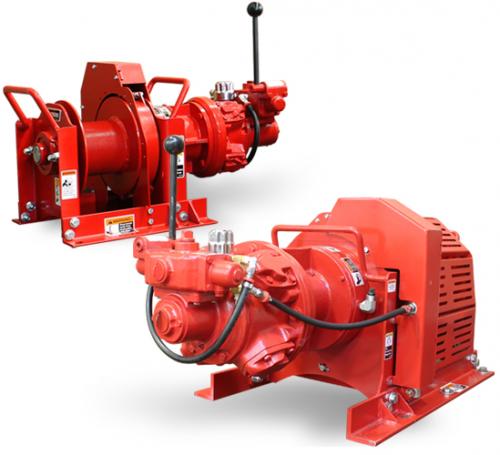
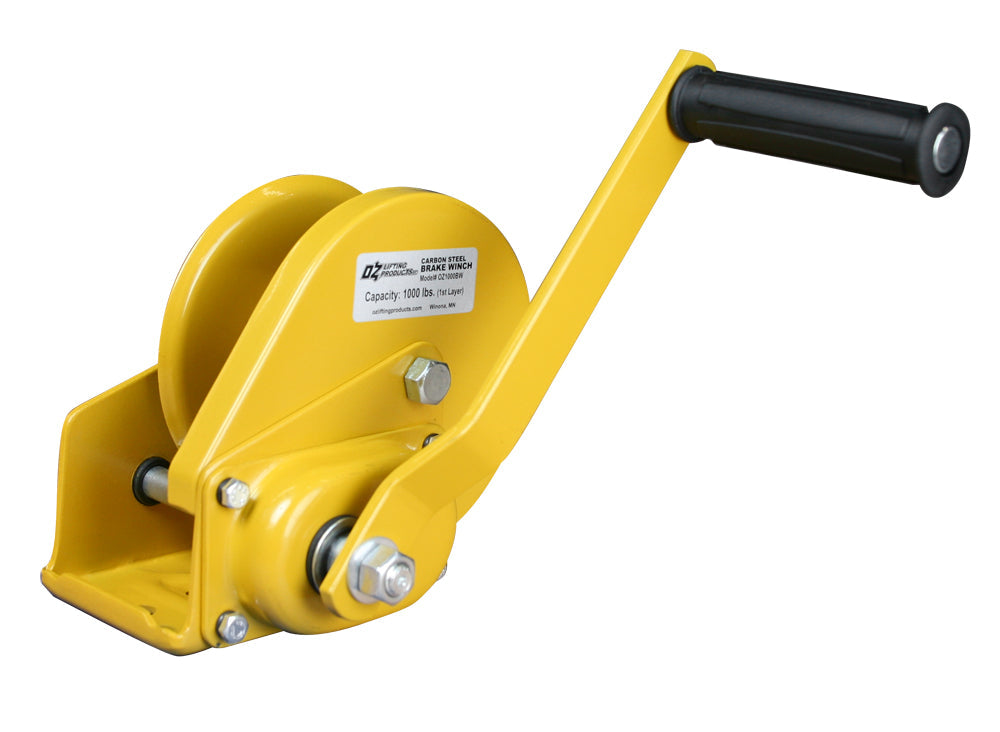
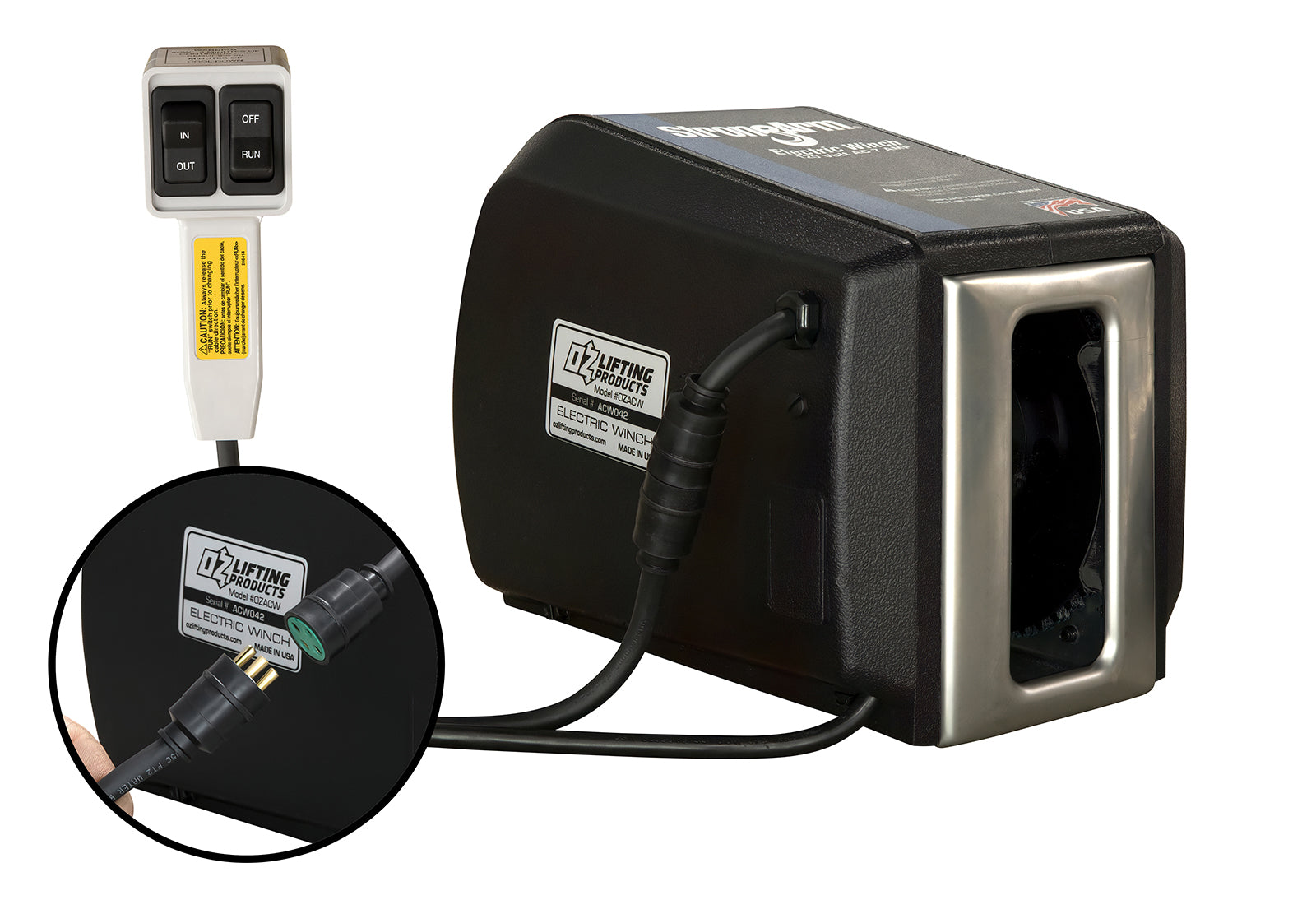
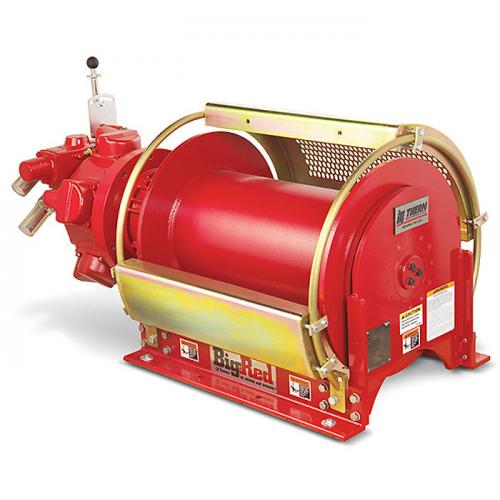
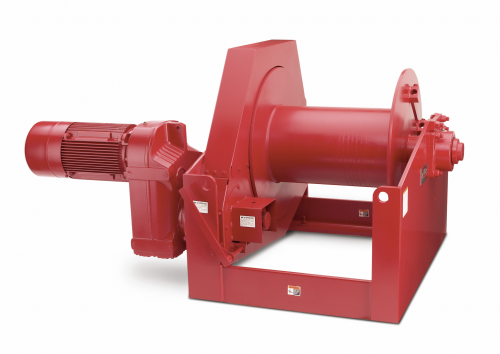
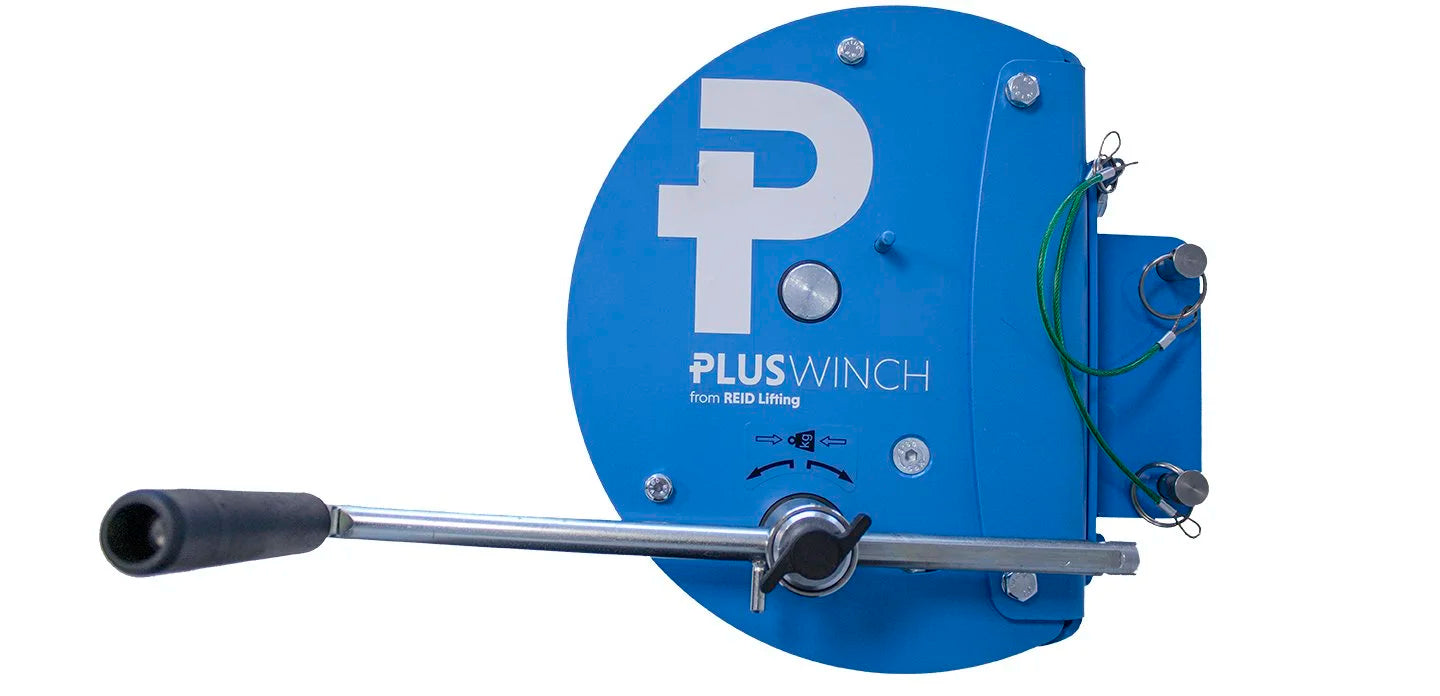
A winch is a drum, a wire rope, and gearing that multiplies effort, and choosing one starts with a question that sounds pedantic and is not: will it pull loads along a surface, or lift and hold them in the air? The two duties carry different ratings, and this collection is organized around the answer. The range runs from OZ Lifting hand and brake winches starting at $85, through the OZ 1200 lb electric winch and Thern's geared power winch series, up to Thern piston air tuggers built for shift-long duty, with REID's PLUSWINCH covering portable goods lifting at 1,100 lb. Thern marks its hand winches model by model as pulling only or lifting rated, which makes the catalog unusually honest about the distinction. The guide below works through drive type, gearing, rope, and the ASME B30.7 rules that sit over all of it.
Shop Winches by Category
Compare Winches
| Model | Price | Capacity | Power | |
|---|---|---|---|---|
| Thern Utility Rated Air Winches | $39,750 | 15,700 lb | — | View → |
| Thern Mini Series Radical Piston Air Winches | $14,940 | 1,000-2,000 lb | — | View → |
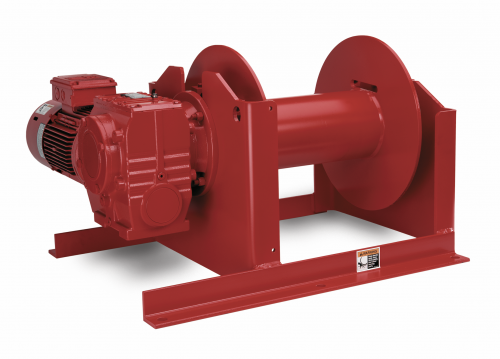
| Thern 4HS Series - Helical/Spur Gear Power Winches | $12,580 | 5,000-56,000 lb | 230V/460V | View → |
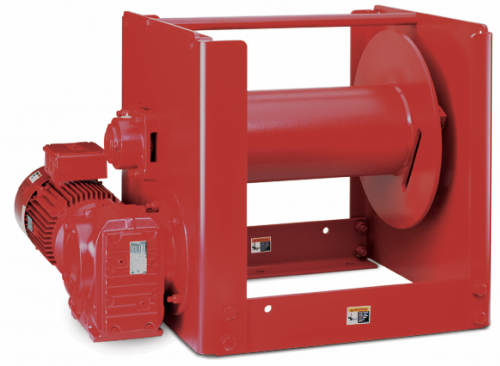
| Thern 4HWF Series - Helical/Worm Gear Power Winches | $6,270 | 1,500-8,000 lb | 230V/460V | View → |
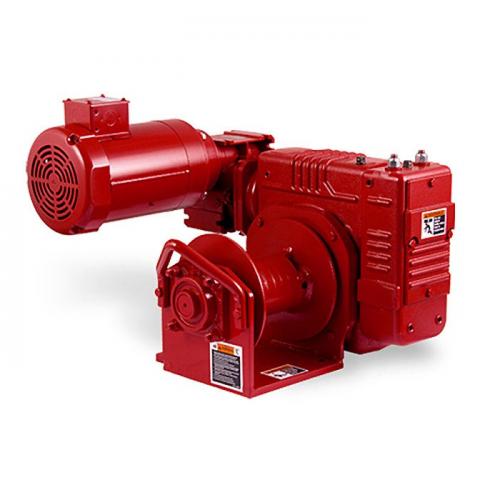
| Thern 3WG4 Series Worm Gear Power Winches | $6,150 | 4,600 lb | 115V/208V/230V/460V | View → |
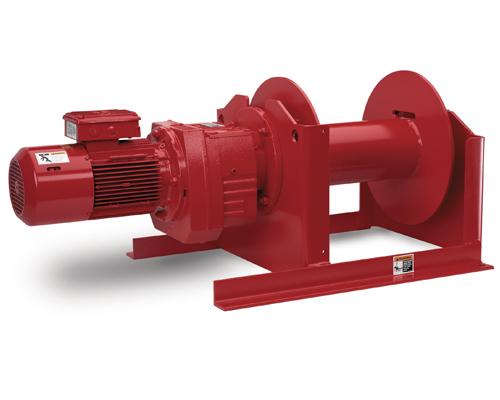
| Thern 4HPF Series - Helical/Parallel Gear Power Winches | $5,345 | 2,000-25,000 lb | 230V/460V | View → |
 In Stock
 In Stock
 In Stock
 In StockIn Stock
 In Stock
 In Stock
 In Stock
 In Stock
 In Stock
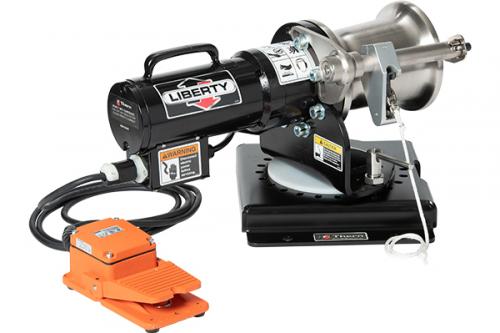 In Stock
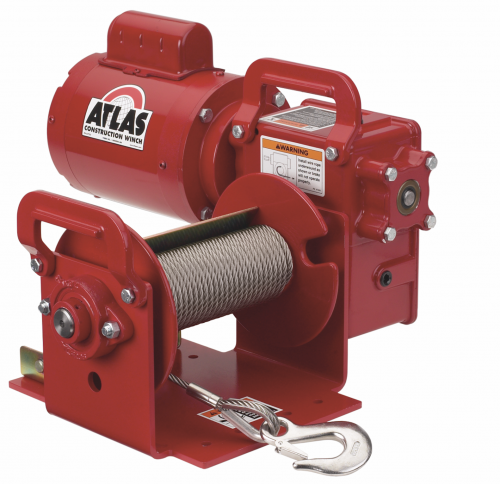 In Stock
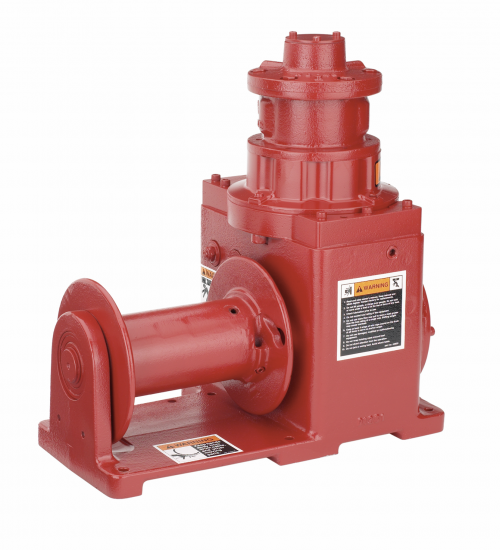 In Stock
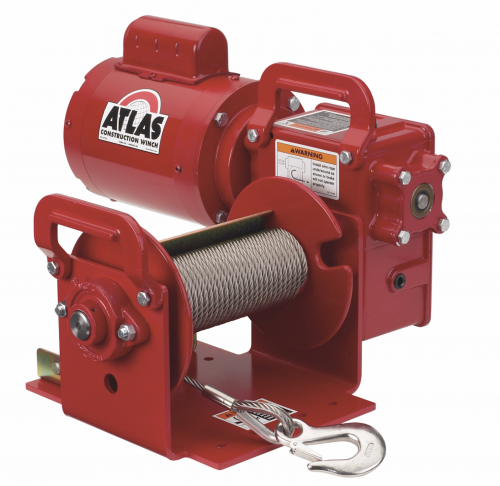 In Stock
 In Stock
 In Stock
 In Stock
 In Stock
 In Stock
 In Stock
 In Stock
 In Stock
 In StockIn Stock
 In StockIn Stock
 In Stock
 In StockIn Stock
 In Stock
 In Stock
 In Stock
 In Stock
 In Stock
 In Stock
 In Stock
 In Stock
 In Stock
 In Stock
 In Stock
 In Stock
 In Stock
 In Stock
 In Stock
 In Stock
 In Stock
 In Stock
 In Stock
 In Stock
 In Stock
 In Stock
 In Stock
 In Stock
 In StockIn Stock
 In Stock
 In Stock
 In StockIn Stock
 In Stock
 In StockIn Stock
Winches Buying Guide
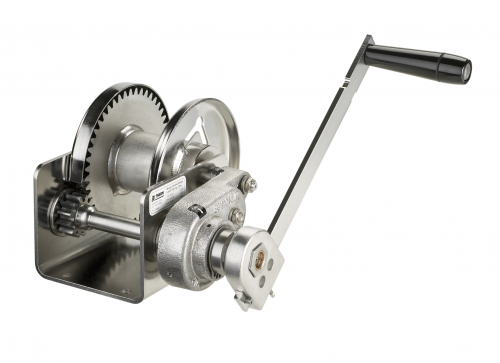
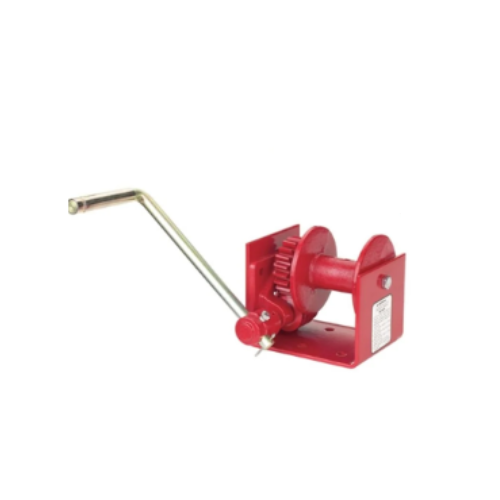
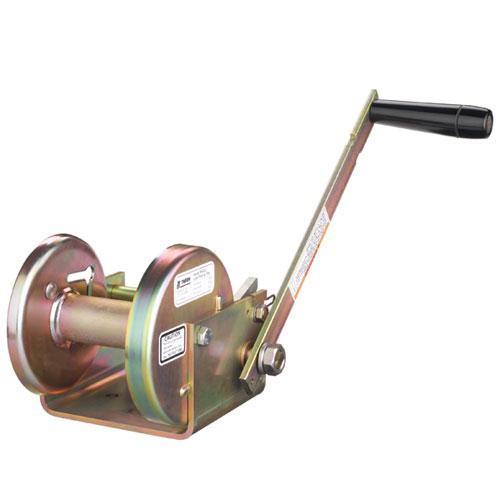
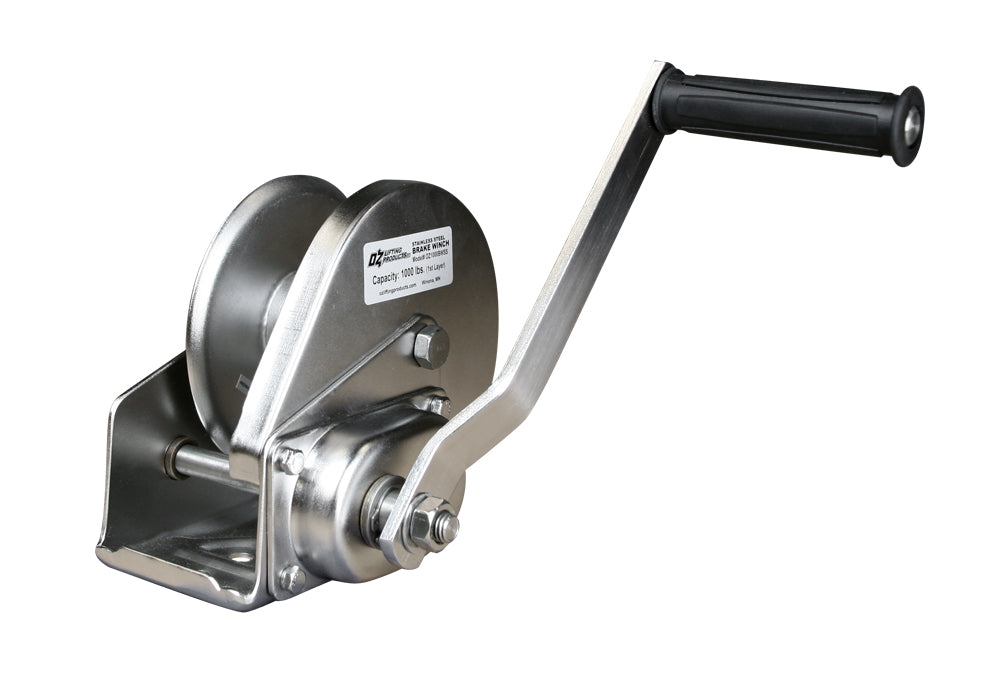
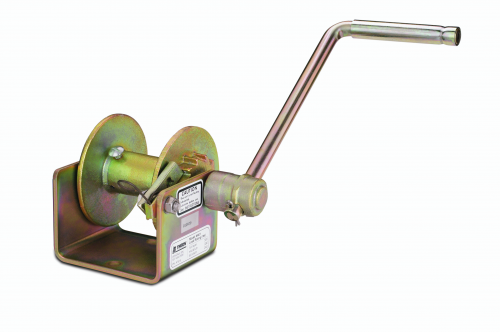
Pulling duty and lifting duty are different ratings. The split shows up right in the Thern model list: the 750 lb open gear hand winch at $327 is marked for pulling only, while the 1,000 and 2,000 lb versions with brakes are rated for lifting. The difference is what happens when the operator lets go. A lifting-rated winch has a load-holding brake that keeps a suspended load exactly where it is; a pulling winch has nothing designed to do that, and a load on the hook will find its own way down. OZ Lifting's brake winches, from $85 in carbon steel and $269 in stainless, carry an automatic brake for exactly this reason. The rule is absolute: never hang a load from a winch the manufacturer rates for pulling only, no matter how well the gearing seems to hold it.
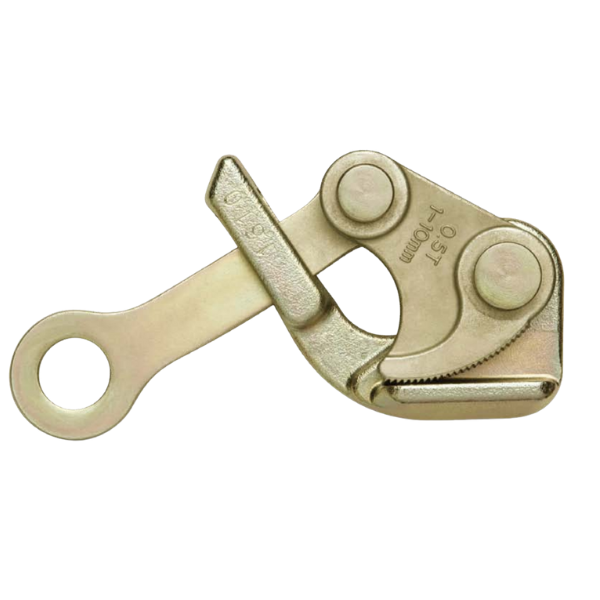
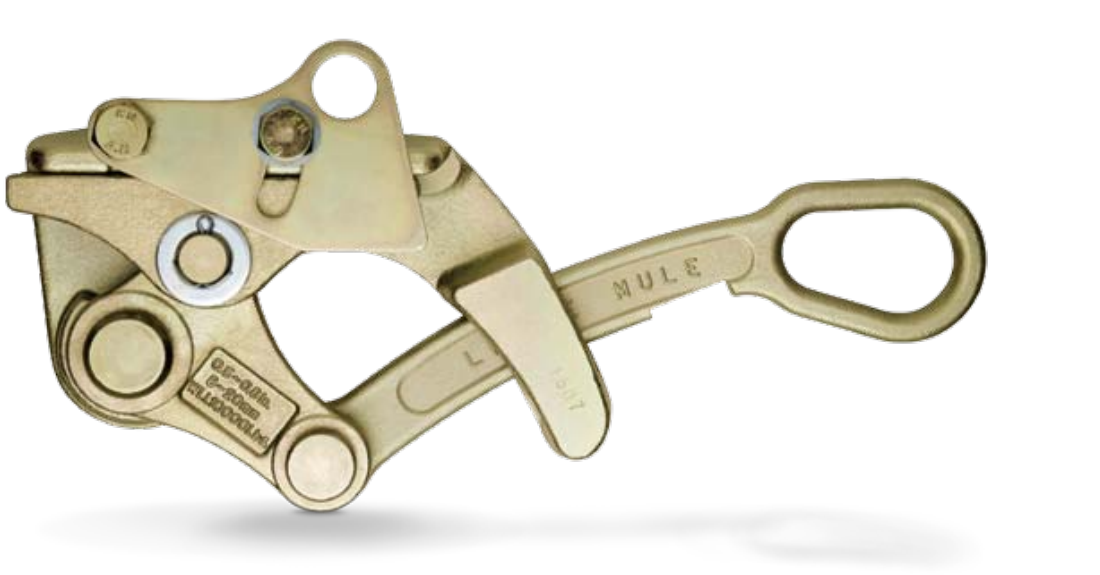
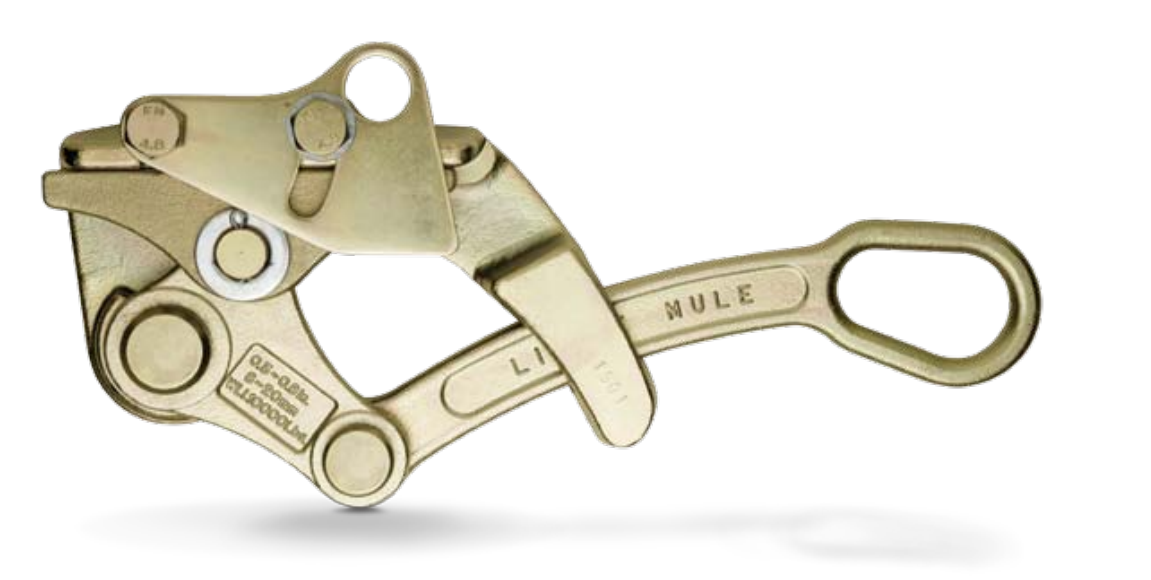
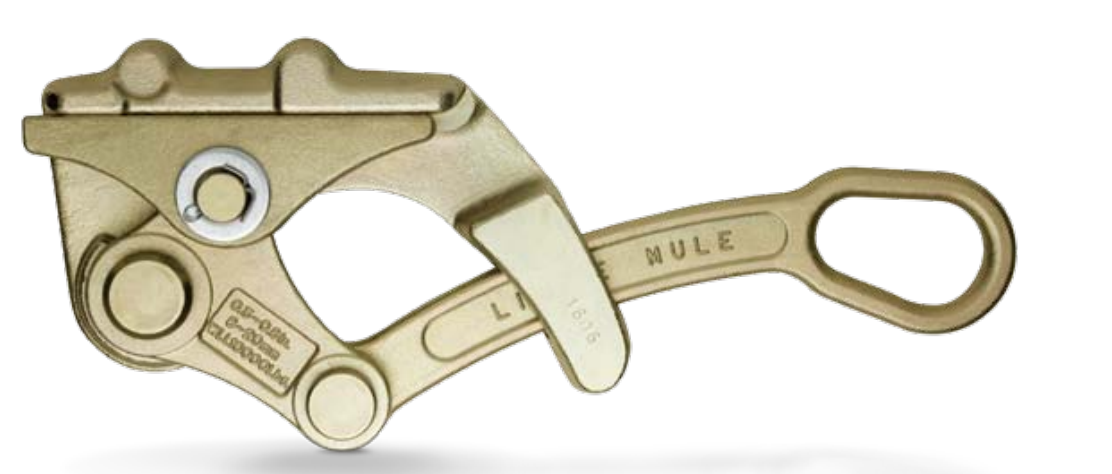
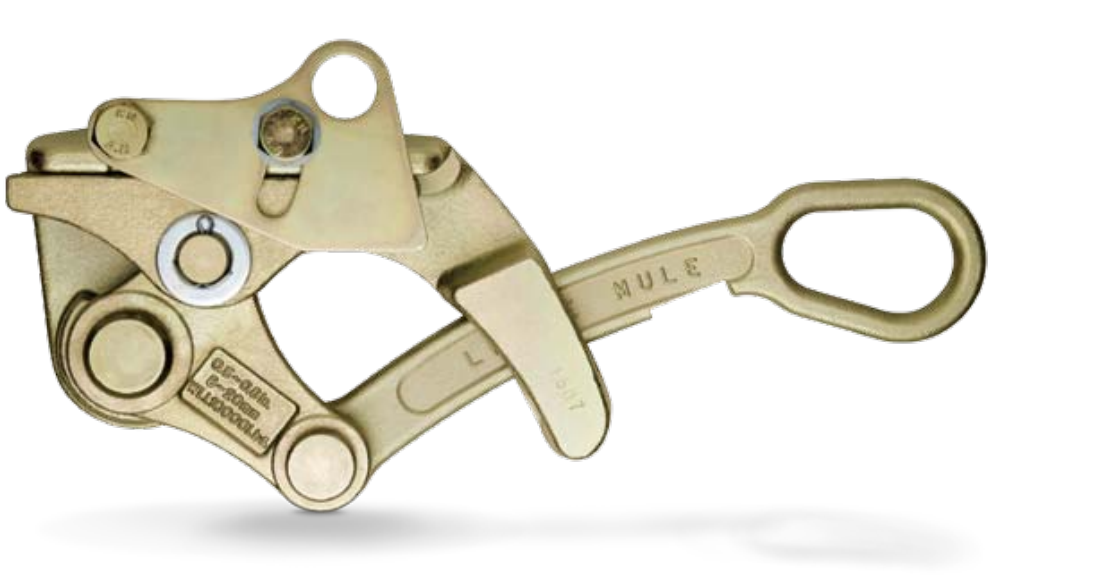
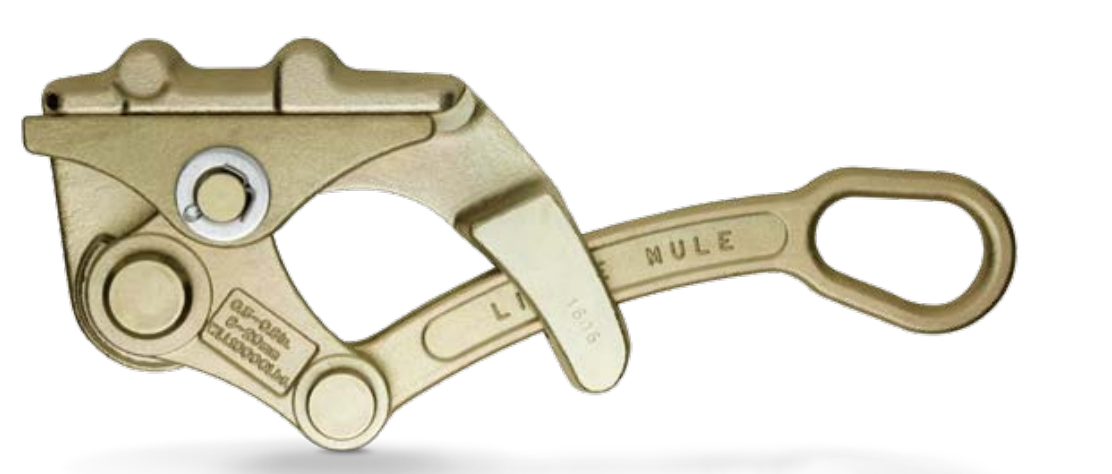
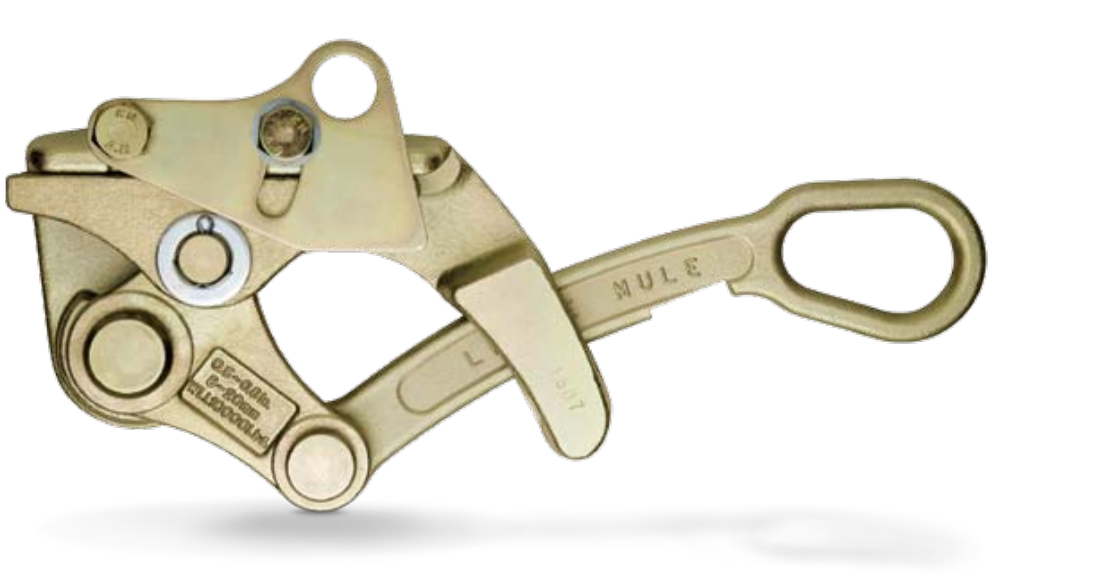
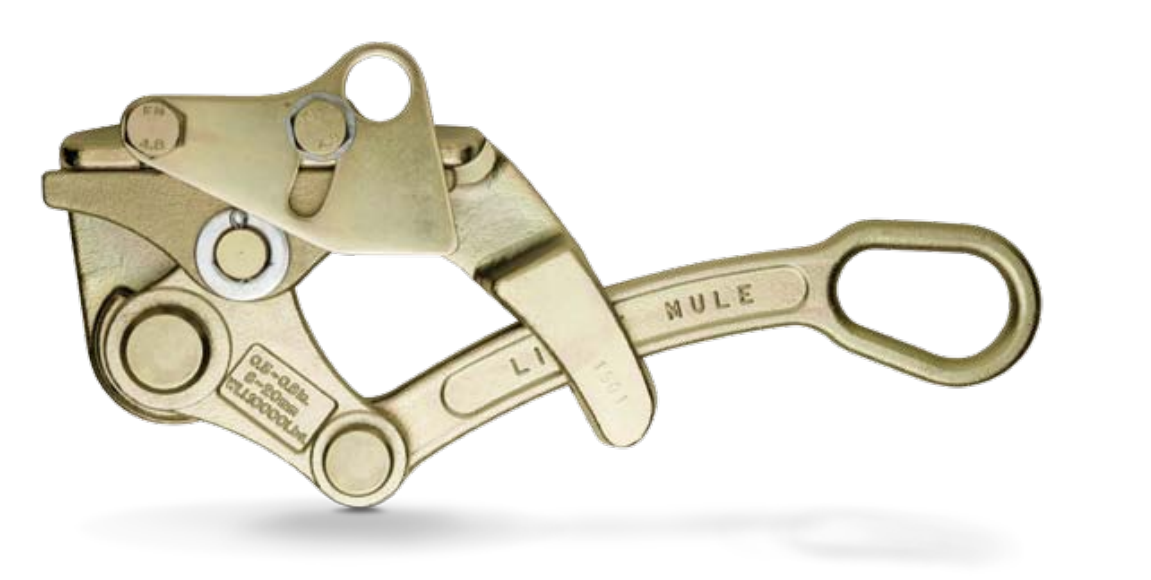
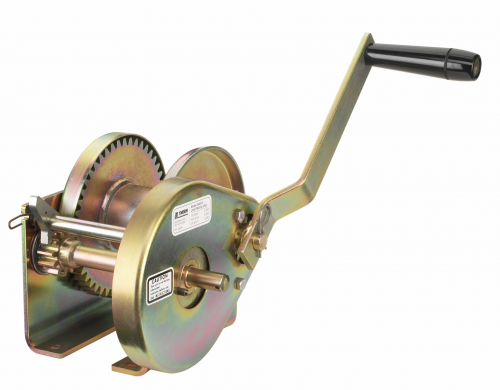
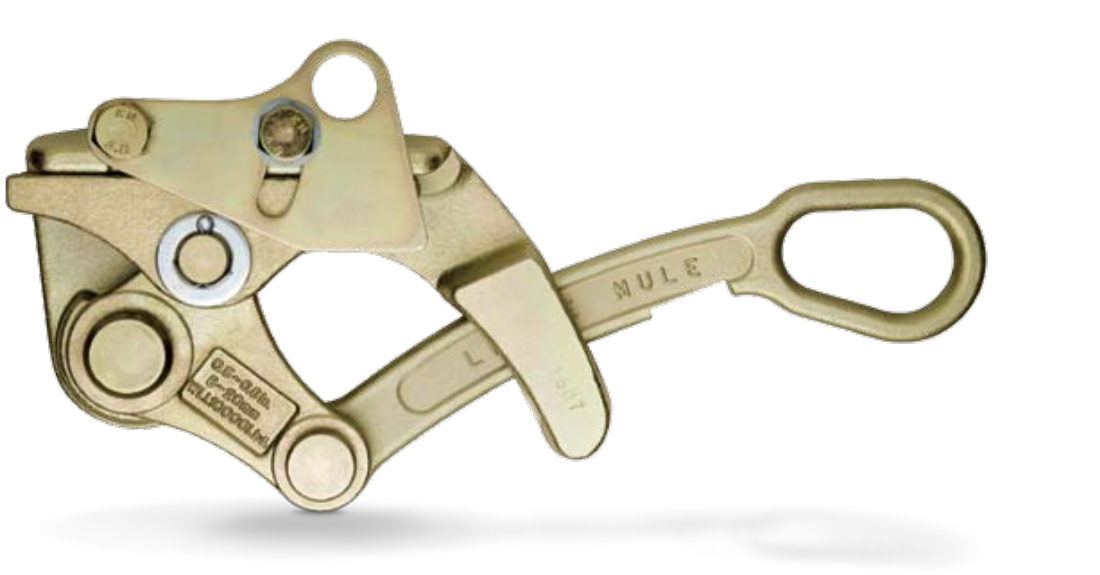
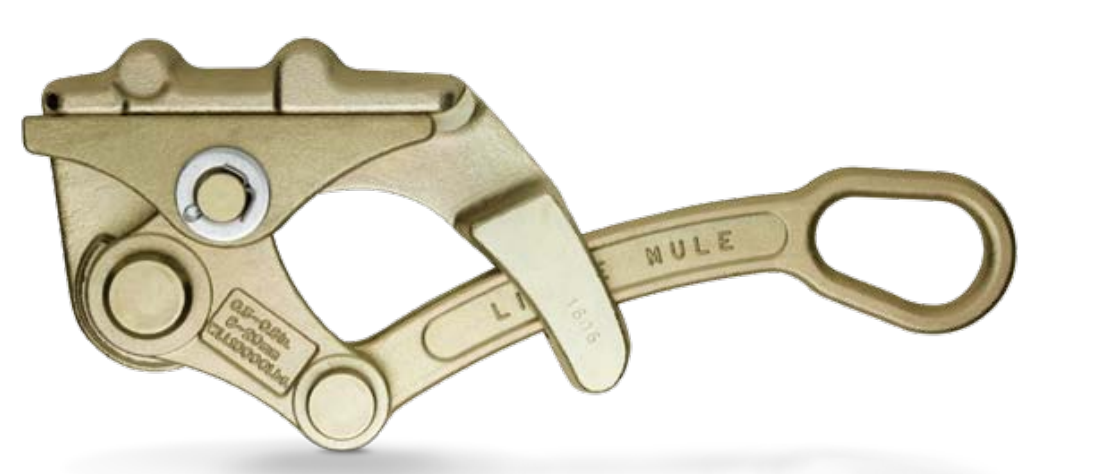
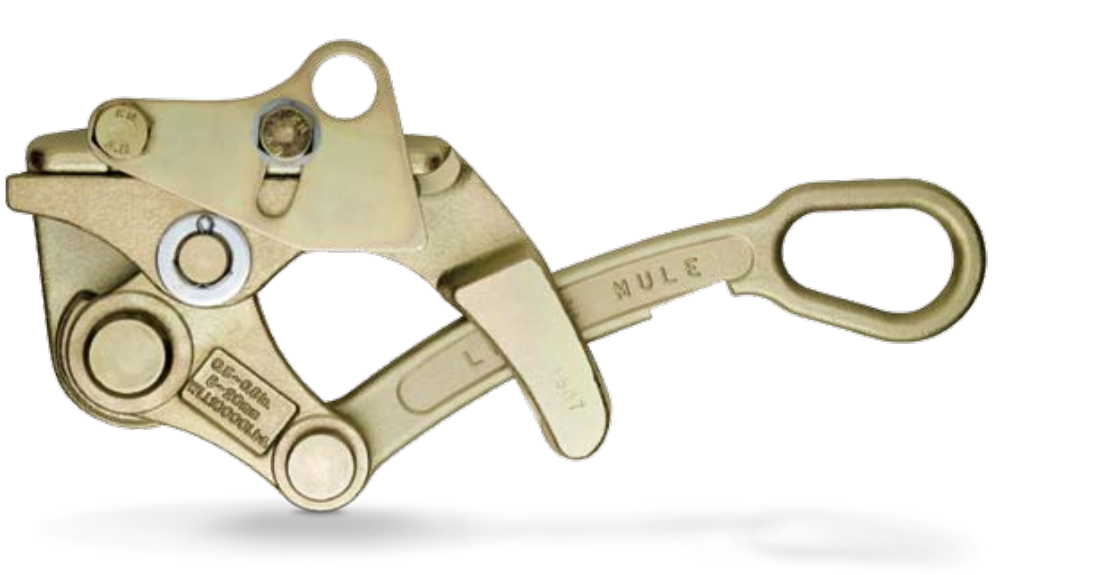
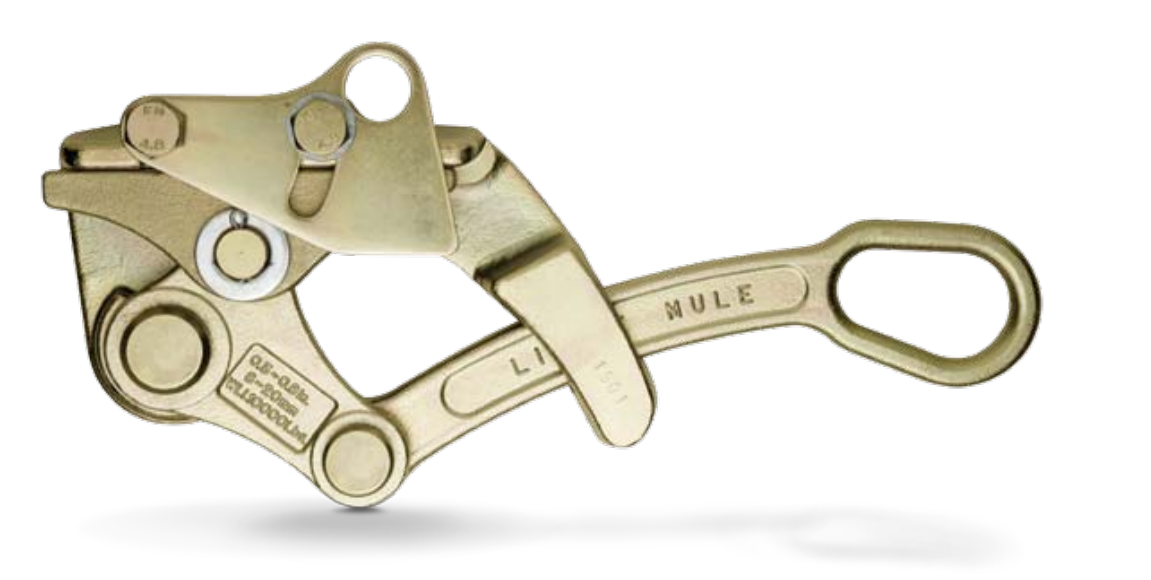
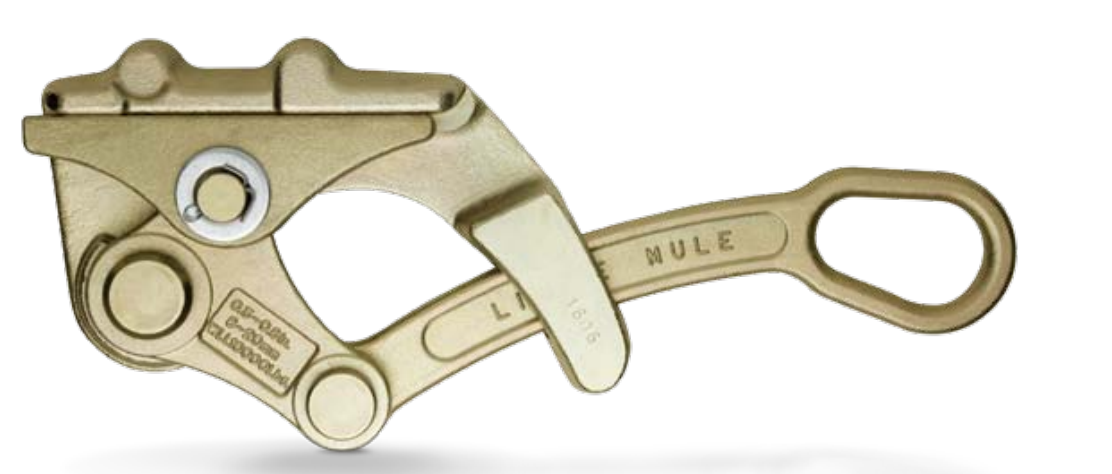
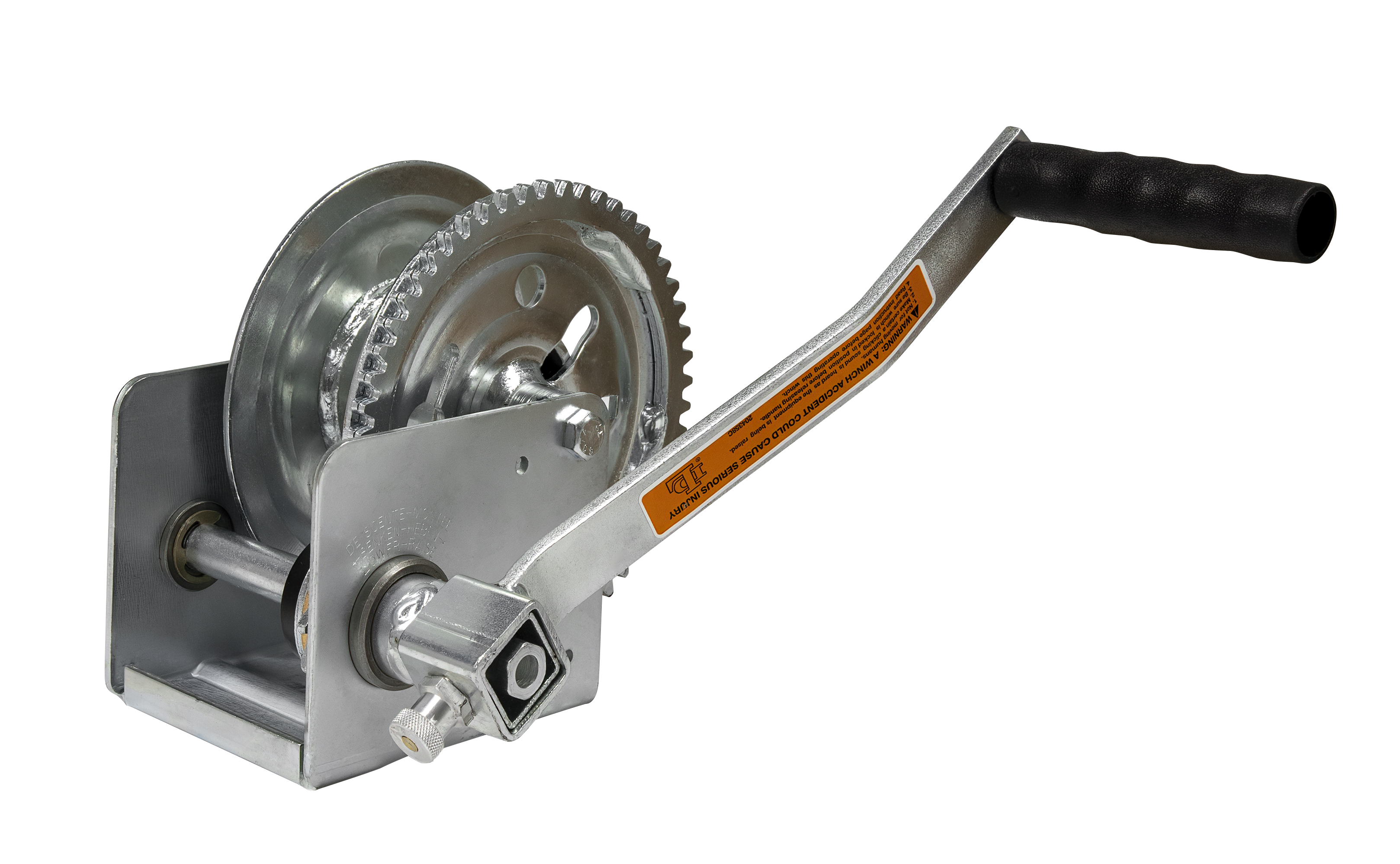
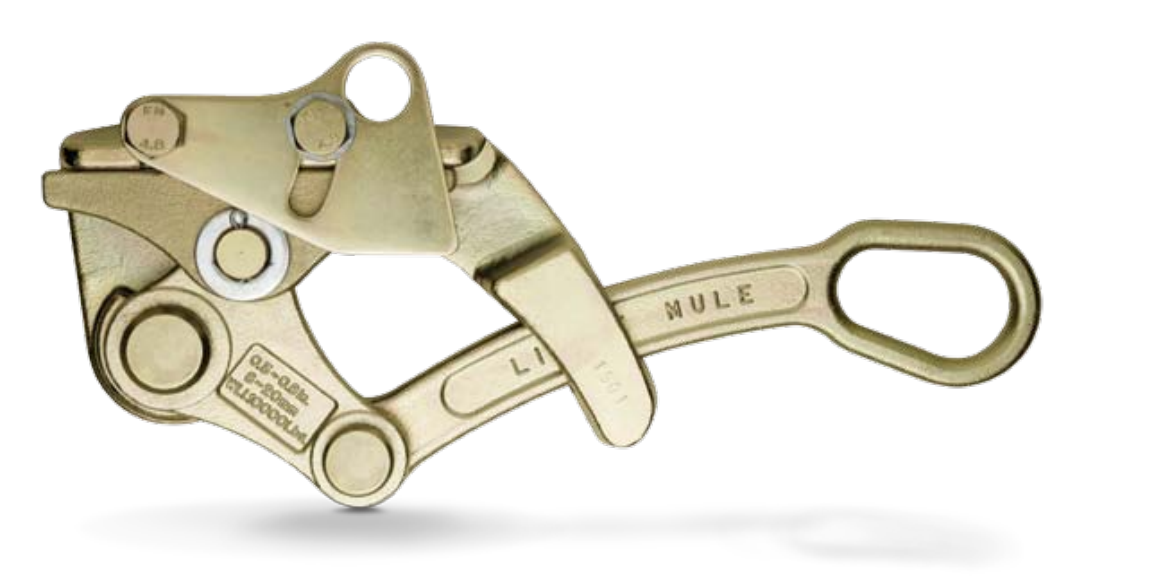
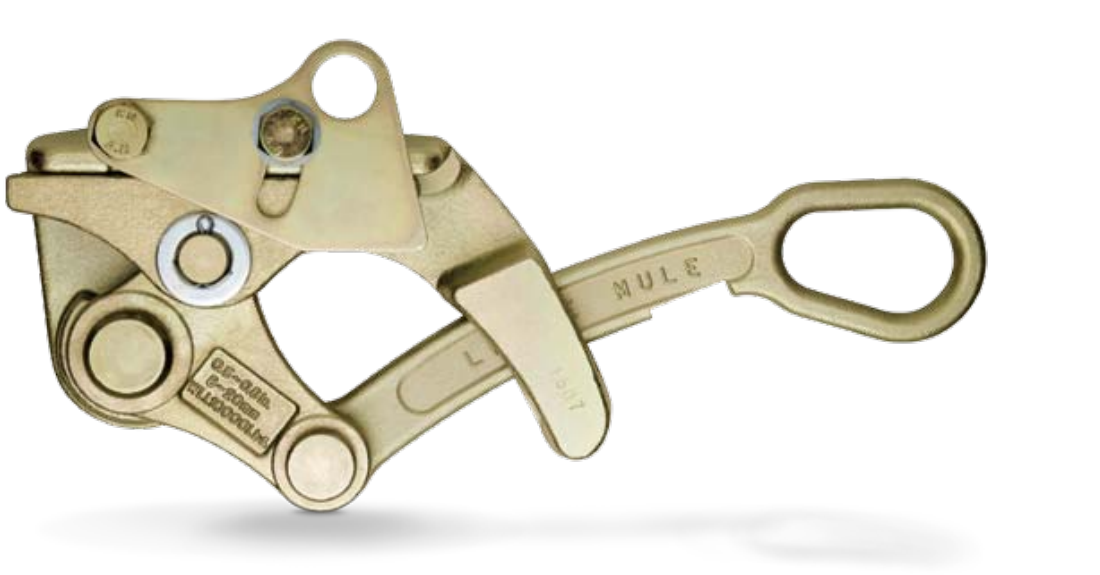
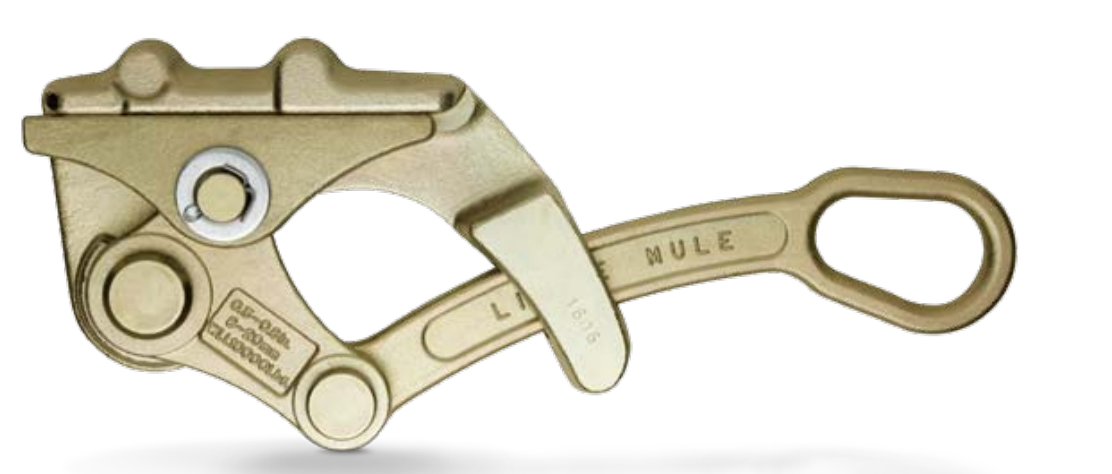
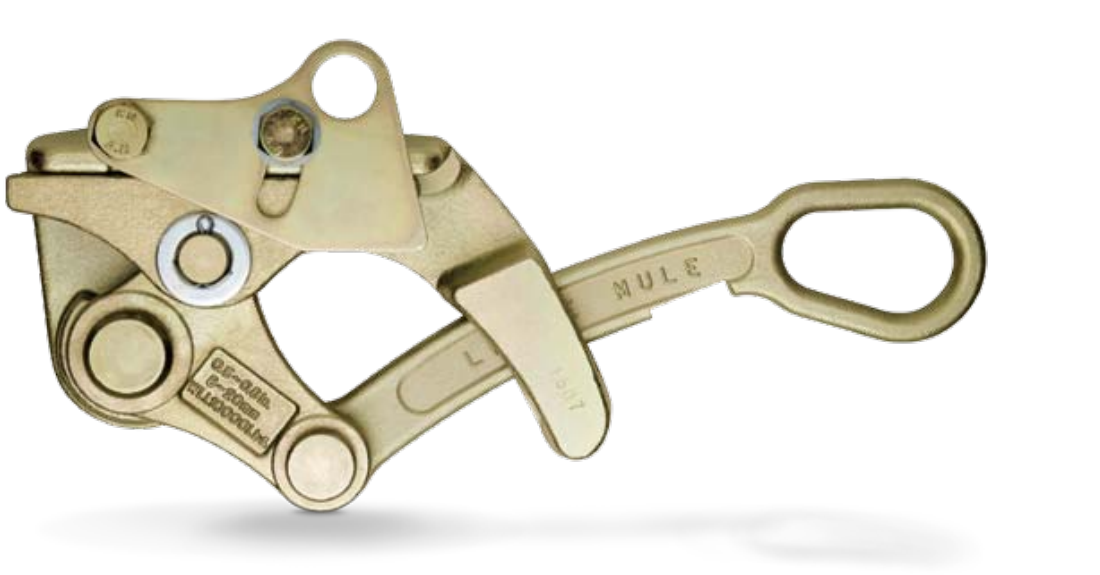
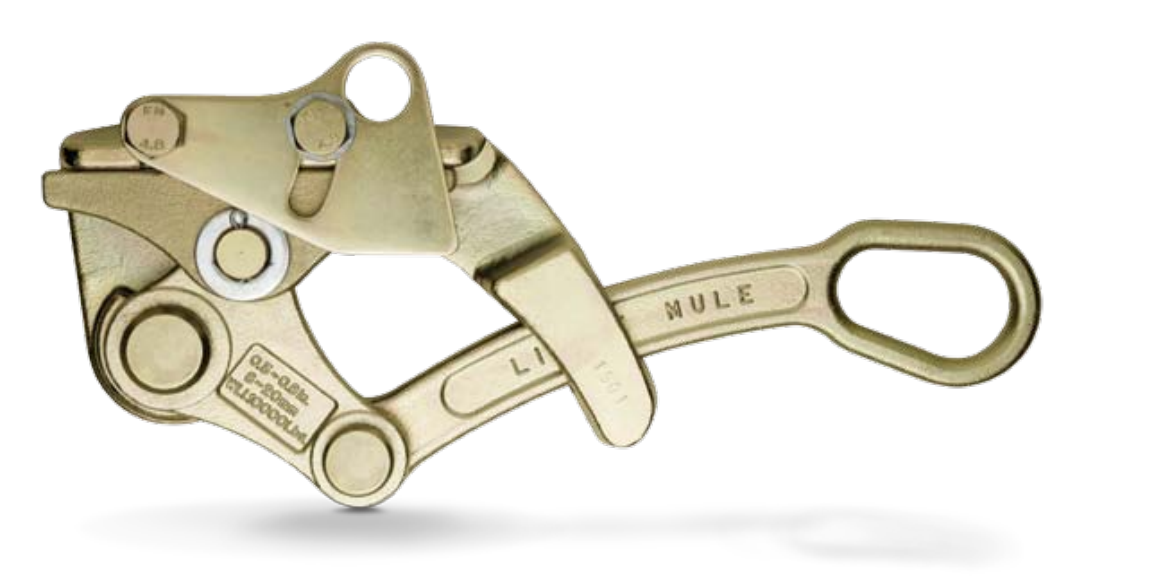
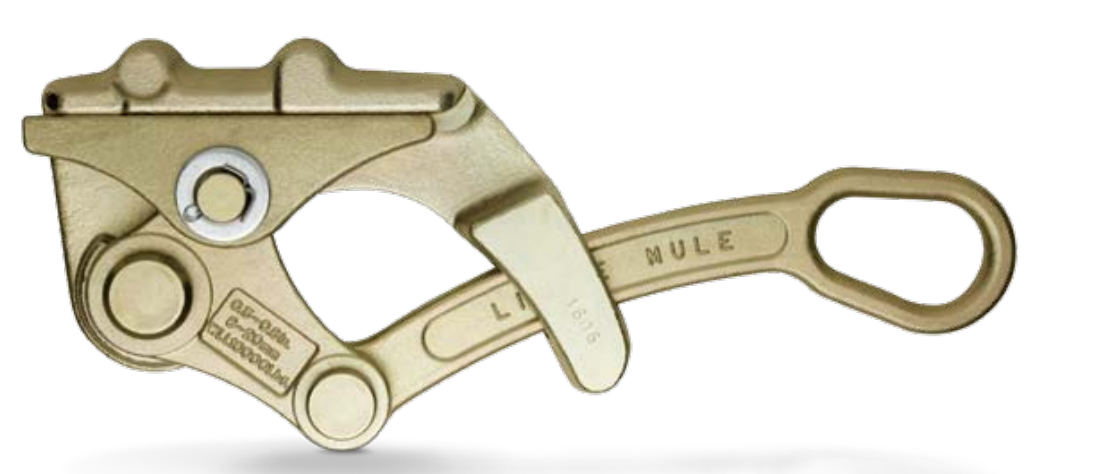
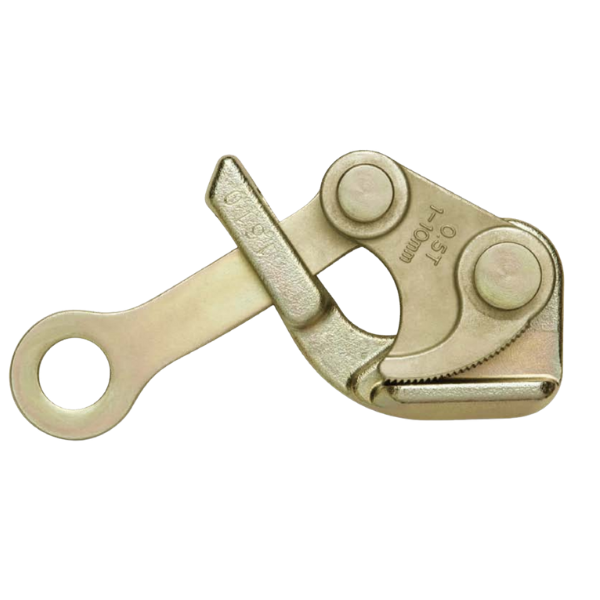
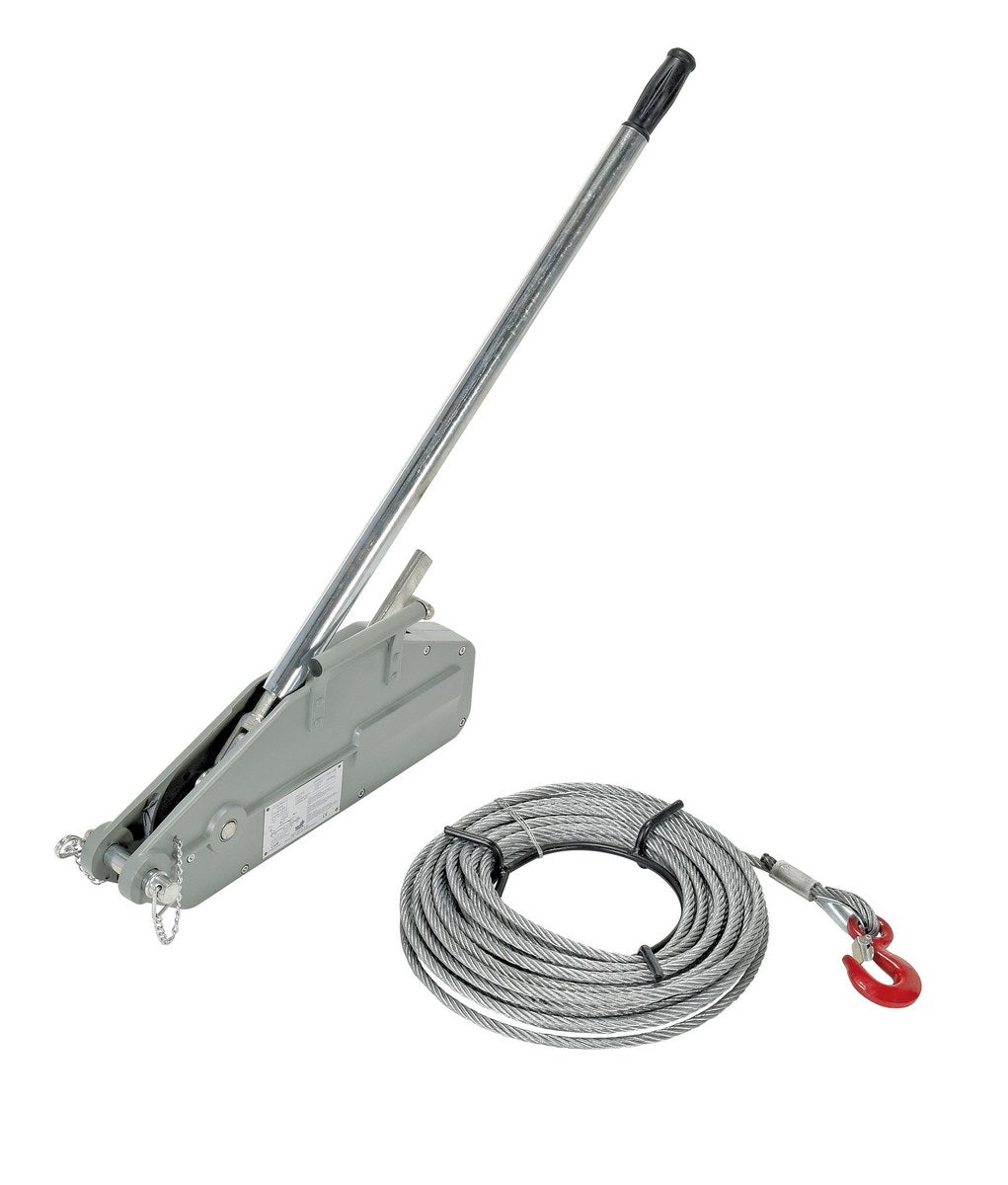
Manual, electric, or air. Hand winches earn their keep on jobs that happen occasionally: positioning a machine, tensioning a line, raising a gate. Everything in hand winches cranks by hand, topping out at Thern's 4,600 lb worm gear model, and Thern's 4WM2 accepts a drill drive when cranking gets old. When the same pull repeats all day, an electric winch pays for itself fast: industrial electric winches starts with the OZ 1200 lb unit at $749 in 110V AC or 12V DC and runs through Thern's worm and spur gear power series from $2,591, with horsepower, brake, and control options per model. Air is the continuous-duty answer. The Thern piston units in air tugger winches run from plant air, meter speed through the throttle, and stall at overload without cooking a motor, which is why they show up in mills and rigging lofts. For straight-line cable pulls, the Little Mule wire grips and the 60 ft Vestil puller in cable pullers and grips grab the conductor itself, and they never lift.
Rate the pull at the layer you will use. A winch's rated line pull is measured with the rope on the first layer of the drum, where the working diameter is smallest and the gearing has the most advantage. Every layer that builds on top increases that diameter, so pull drops and line speed rises as the drum fills. If the job needs full capacity at the end of a long pull, check the manufacturer's per-layer figures rather than the headline number. Duty cycle deserves the same honesty: electric winch motors are rated for intermittent service unless stated otherwise, and a pull that runs minutes at a stretch, hour after hour, is the argument for a heavier power winch or an air tugger. Voltage is the easy call. Wire 110V AC where the winch lives near a panel, and choose 12V DC where it works off a truck battery in the field; the OZ electric winch comes either way.
Gearing sets the feel of a hand winch. Spur gearing cranks fast and suits lighter lines and frequent travel: Thern's single reduction models start at $325, and the double reduction versions trade speed for cranking effort at 2,000 lb. Worm gearing multiplies harder and resists back-driving, which makes the handle feel controlled under load, at the price of slow line speed; the Thern worm gear hand winches run to 4,600 lb. The $236 direct drive model covers light utility work where gearing would be overkill. REID's PLUSWINCH sits apart from the crank-and-drum crowd: an 1,100 lb goods winch with mounting bracket, rope material, and rope length options, built alongside the REID davit and gantry systems we carry. The ratio that makes a load easy to raise is also the ratio you turn all day, so match the reduction to how often the winch works.
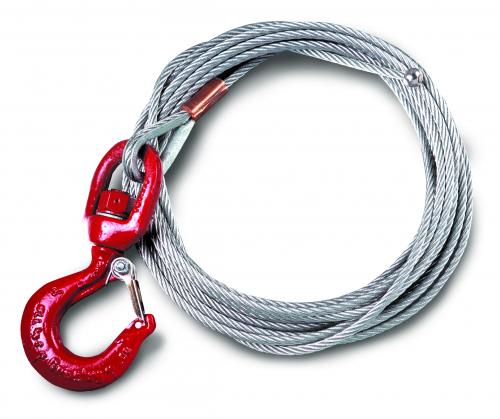
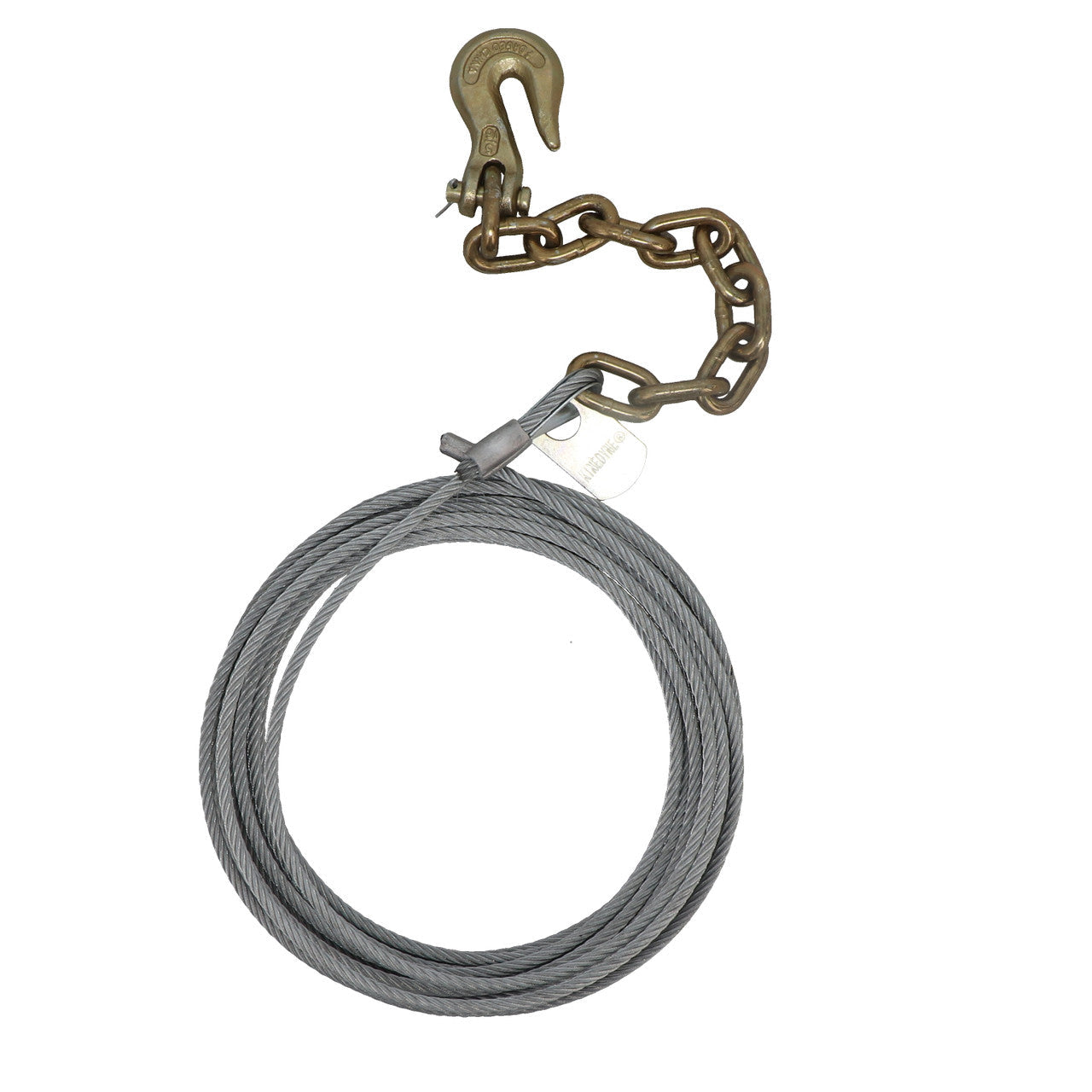
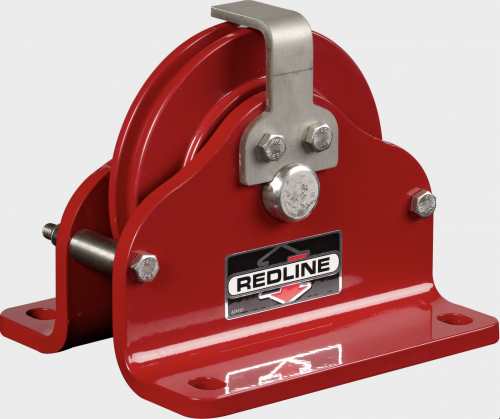
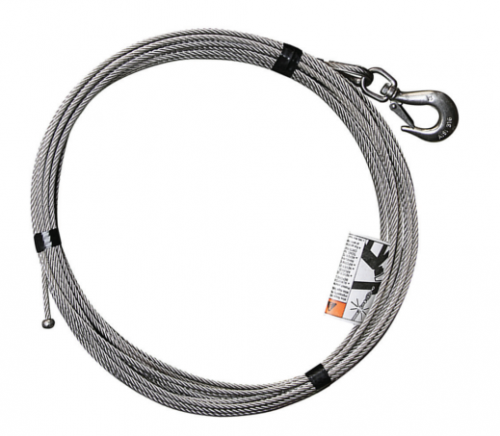
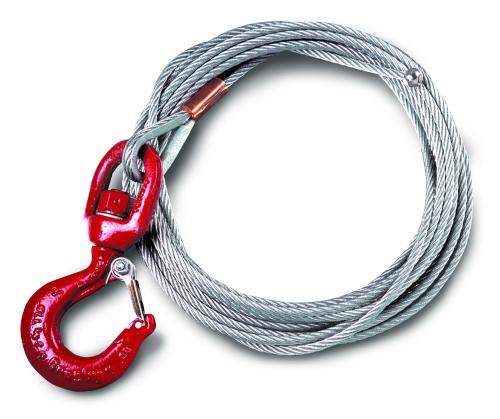
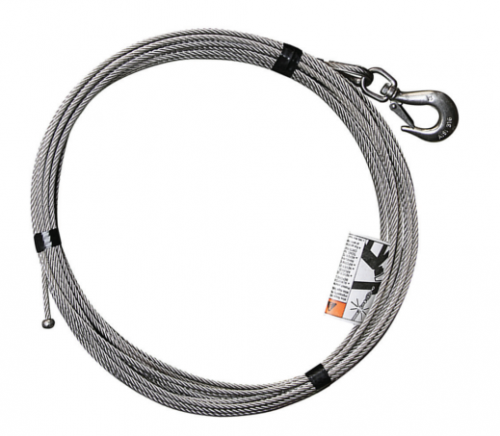
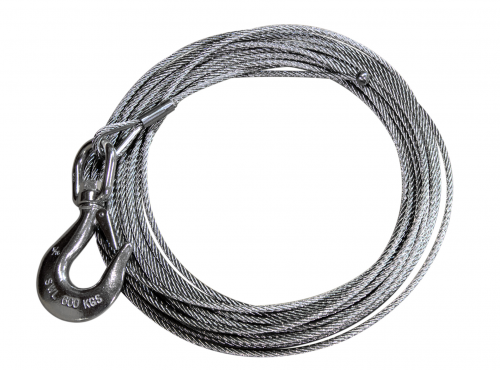
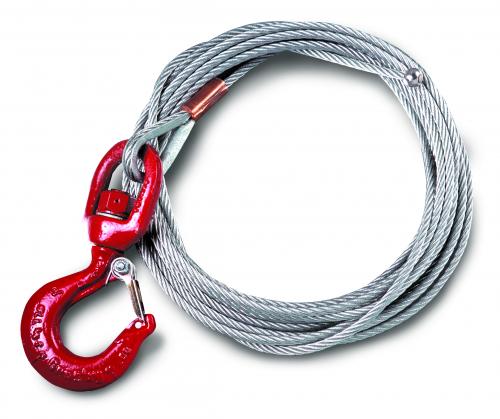
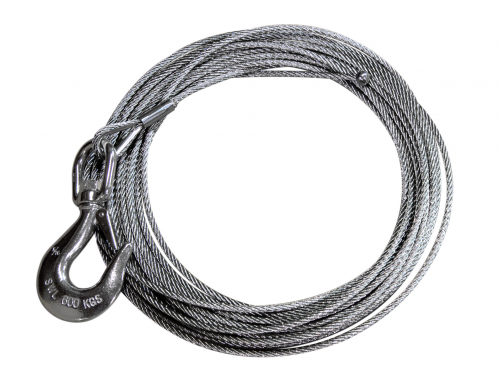
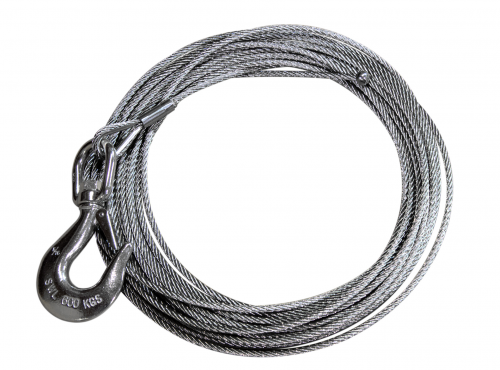
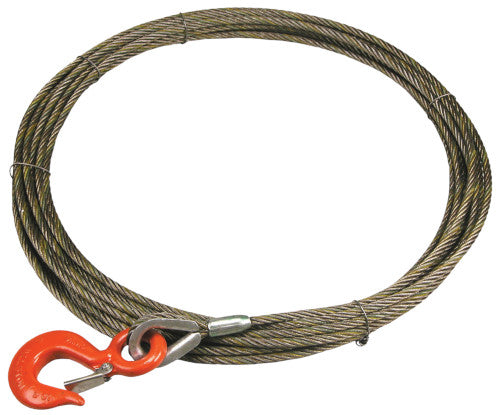
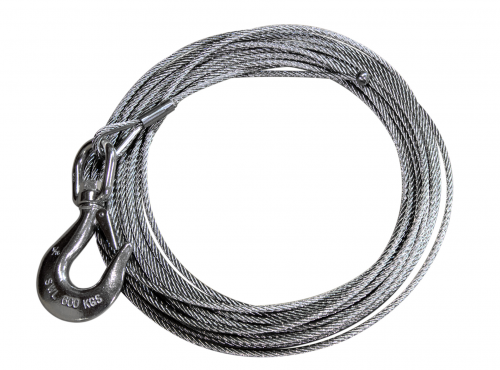
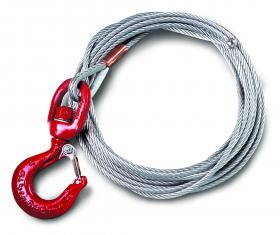
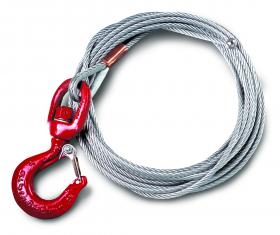
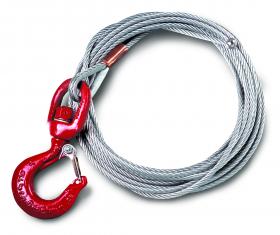
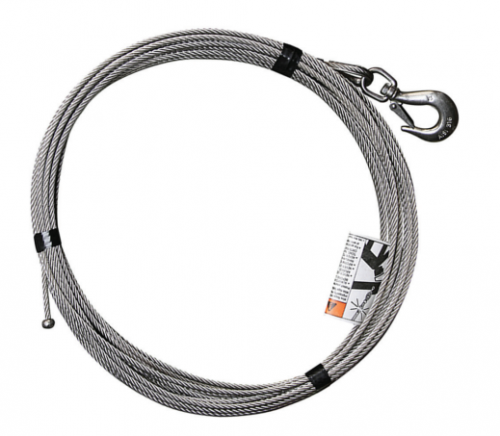
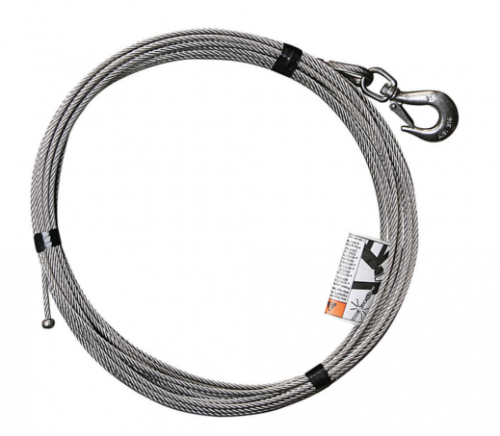
Rope is a specification, not an accessory. Most winches here ship bare, and the rope gets chosen like any other rated component. The winch ropes collection carries Thern galvanized and stainless assemblies from 3/16 to 3/8 inch, OZ assemblies split between electric and manual winch fitment that should never be swapped across, and Samson synthetic rope assemblies for Thern winches at $805 for the weight and handling advantages of fiber. Galvanized is the default; stainless earns its premium in washdown and outdoor service. Two habits keep any of them alive: keep the manufacturer's minimum dead wraps on the drum, because the rope anchor alone is not rated to hold the load, and spool under tension so upper layers cannot crush down into loose lower ones. When the pull has to change direction, the Thern vertical lead block in wire rope pulleys turns the rope without grinding it over structure.
ASME B30.7, and the question of people. Winches fall under ASME B30.7, the volume formerly titled Base-Mounted Drum Hoists, covering construction, installation, operation, and inspection for drum winches driven by electric motors, air, hydraulics, or engines. It expects the same discipline as the rest of the B30 family: rated load marked and respected, a look before use, and periodic inspections of rope, brake, and drum kept on record. One scope note worth knowing: the 2016 revision clarified that capstans sit outside B30.7, so the Thern Liberty capstan winch runs on its manufacturer's instructions rather than the volume's provisions. And the bright line: nothing on this page lifts people. Thern states plainly that its standard winches are designed for material, never for lifting people or lifting anything over people, and personnel work takes purpose-built, personnel-rated equipment.
Frequently Asked Questions
No. A winch is rated for lifting when it carries a load-holding brake and the manufacturer says so. Thern marks its hand winch models for pulling only or for lifting, and OZ Lifting's brake winches carry automatic brakes for suspended loads. A pulling-only winch under a hanging load has nothing designed to stop it from paying out.
A hoist is purpose-built to lift straight up, with load braking as a core design feature. A winch is built to pull along a surface, and lifts only when specifically rated for it. If the load hangs vertically under a beam or crane, shop our hoists collection first; if it moves along a ramp, deck, or track, a winch is the right machine.
Match the power you actually have at the work. The OZ 1200 lb electric winch comes as a 110V AC unit for shop and dock positions near a panel, and as a 12V DC unit that runs off a vehicle battery for trailers and field work. Capacity is the same; the wiring plan decides.
Line pull is quoted at the first rope layer, where the drum diameter is smallest. Each added layer enlarges the working diameter, which trades pull for line speed. On a long pull, size the winch against the manufacturer's rating at the layer where the heavy work happens, not the bare-drum number.
No. Thern states that its standard winches and cranes are designed for lifting material only, never people or anything over people, and the same applies across this collection. Personnel lifting takes equipment specifically rated for it, along with its own standards and rescue planning.
Wire rope is the default: tough, heat-tolerant, and cheap to replace, with galvanized for general service and stainless for corrosive spots. The Samson synthetic assemblies for Thern winches weigh a fraction as much, handle without fishhook wire breaks, and suit crews that rig and re-rig often, but they need protection from sharp edges, abrasion, and heat.