Pallet Jacks
A pallet jack is the shortest path between a loaded pallet and where it needs to be, and for most buildings it moves more freight in a year than anything else on the floor. We stock the Vestil line end to end: hand pallet trucks from about $420, semi-electric and fully powered walkies from around $2,600, and specialty builds for low skids, rough ground, washdown rooms, and pallets that need weighing on the move. The buying decision splits three ways. Manual or electric is a question of daily volume and travel distance. Capacity and fork size are questions about your pallets, and the answers are usually 5,500 lb and 27 x 48 in, but the exceptions are exactly the loads that break the wrong truck. The sections below walk each call in order, including the OSHA training rule that comes with anything powered.
Shop Pallet Jacks by Category
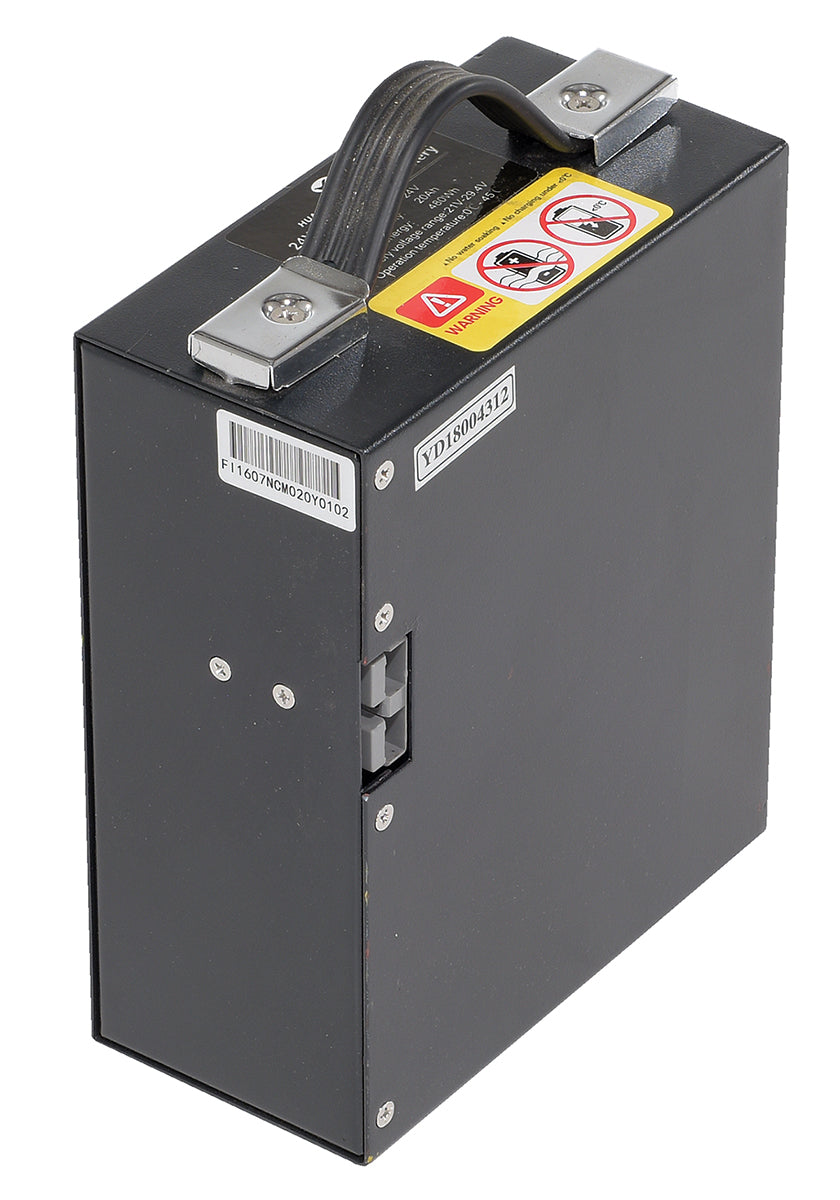
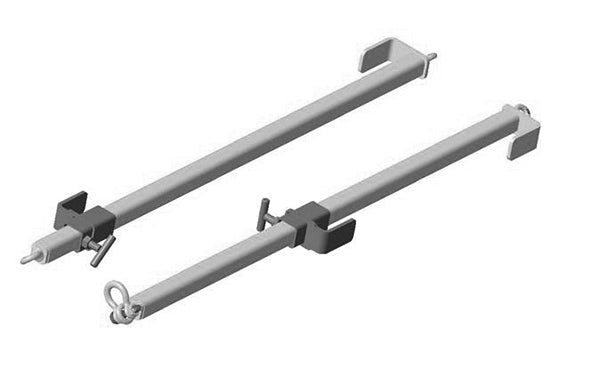
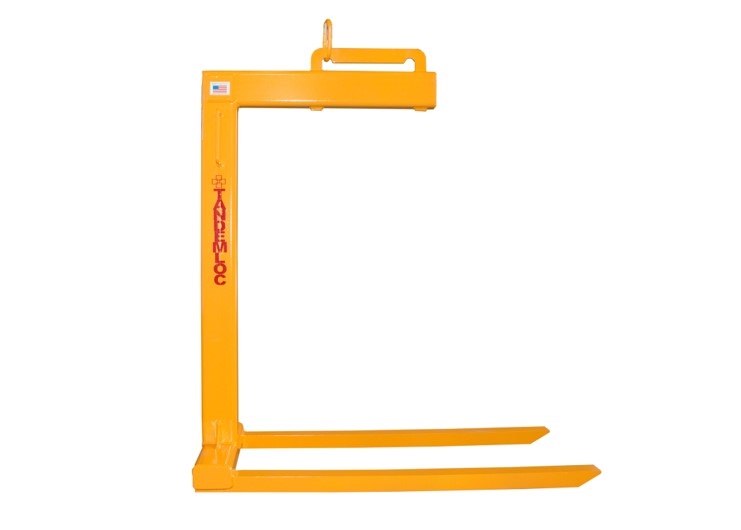
Compare Pallet Jacks
| Model | Price | Capacity | |
|---|---|---|---|
| Vestil Portable Pallet Inverters | $27,922 | — | View → |
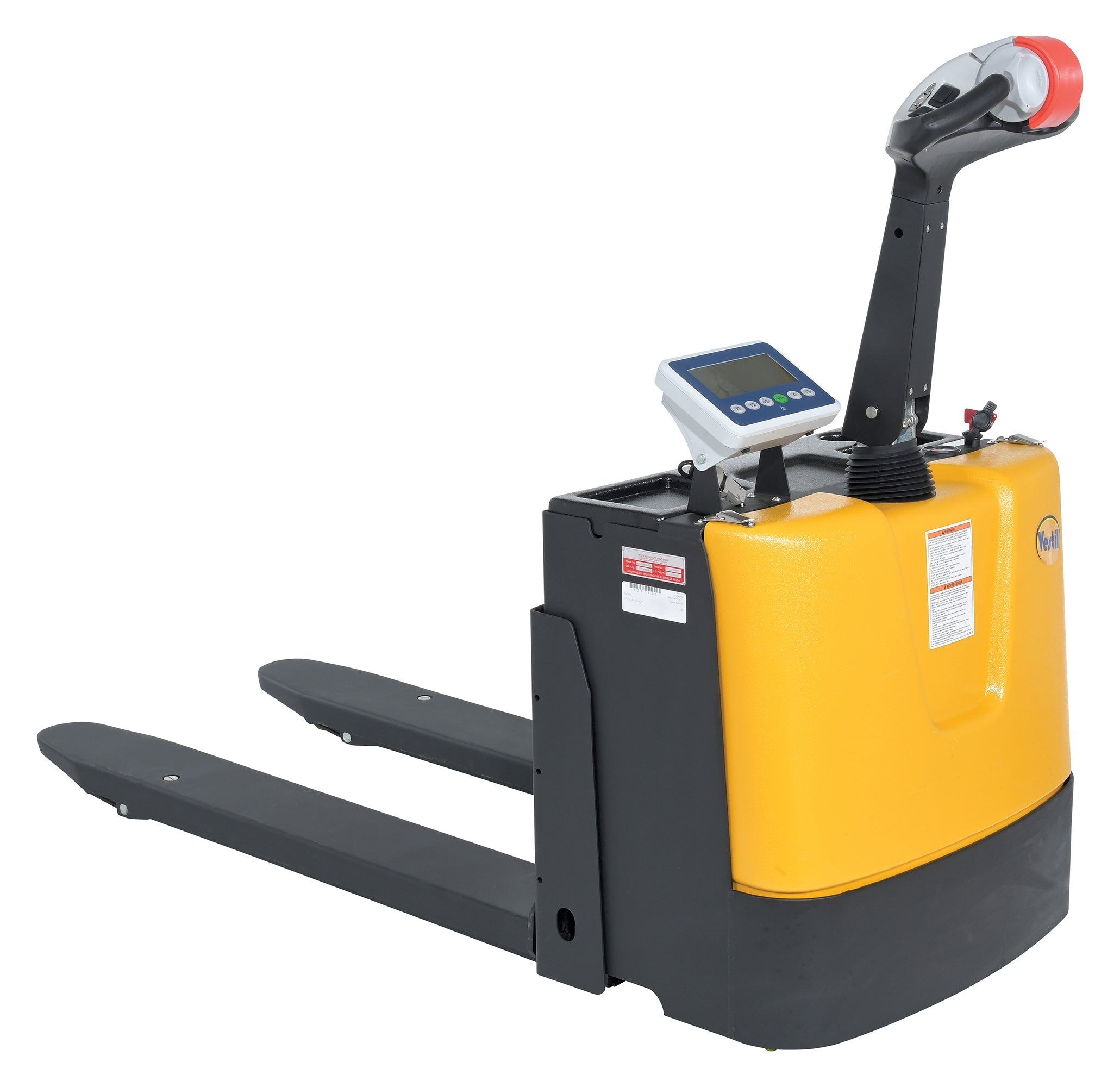
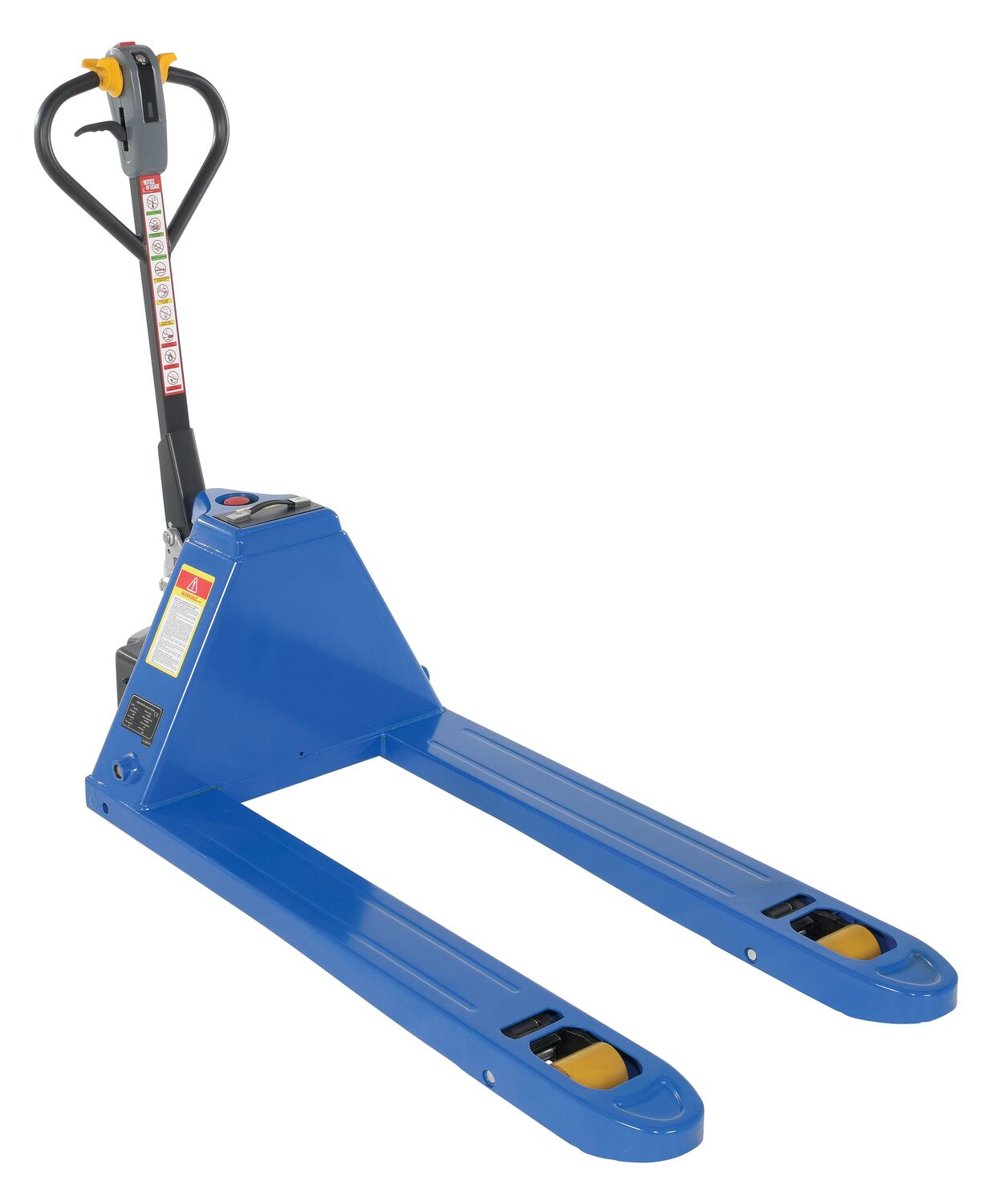
| Vestil Fully Electric Pallet Truck with Backrest | $22,966 | 6,000 lb | View → |
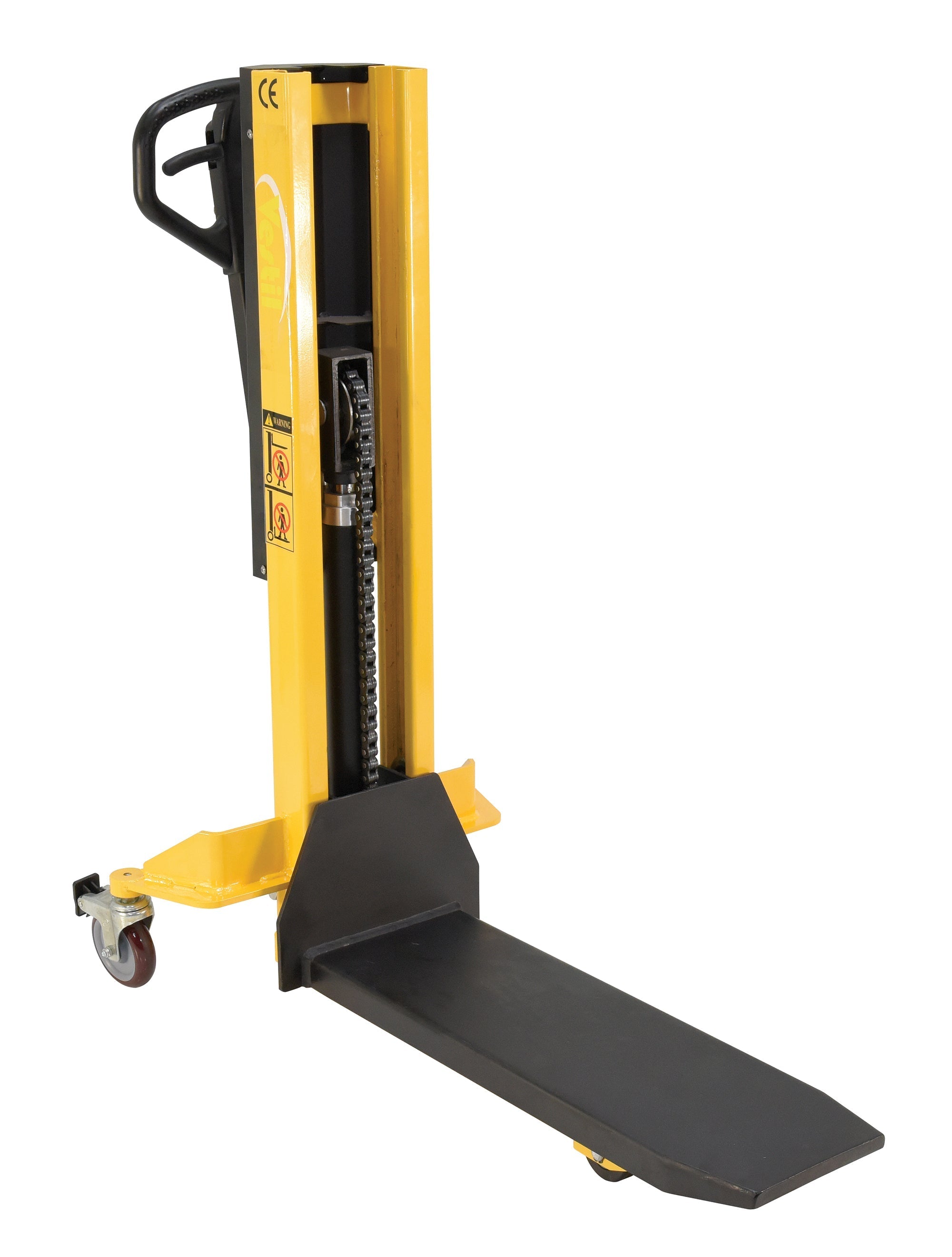
| Vestil High Tote Lifter | $17,356 | — | View → |
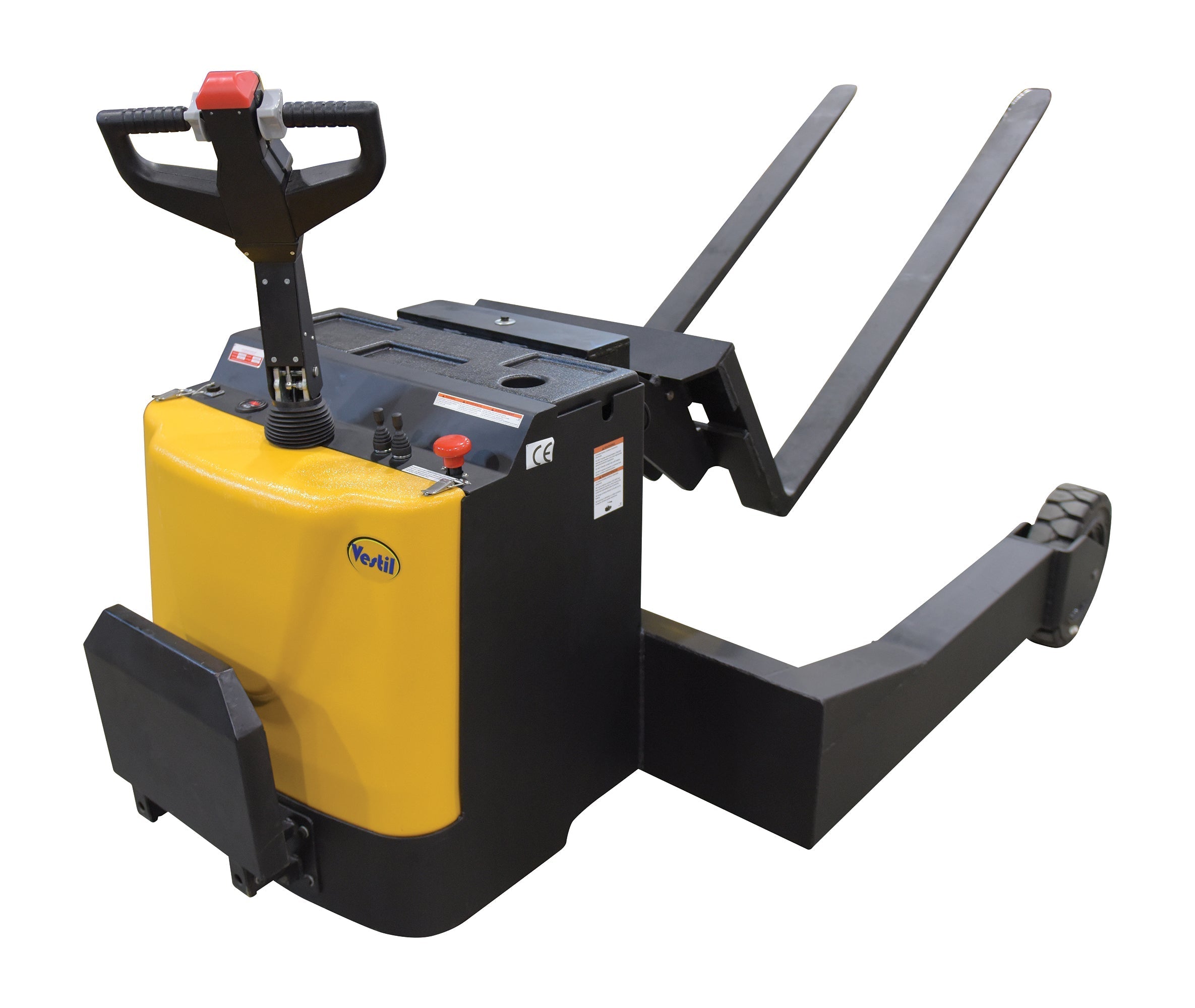
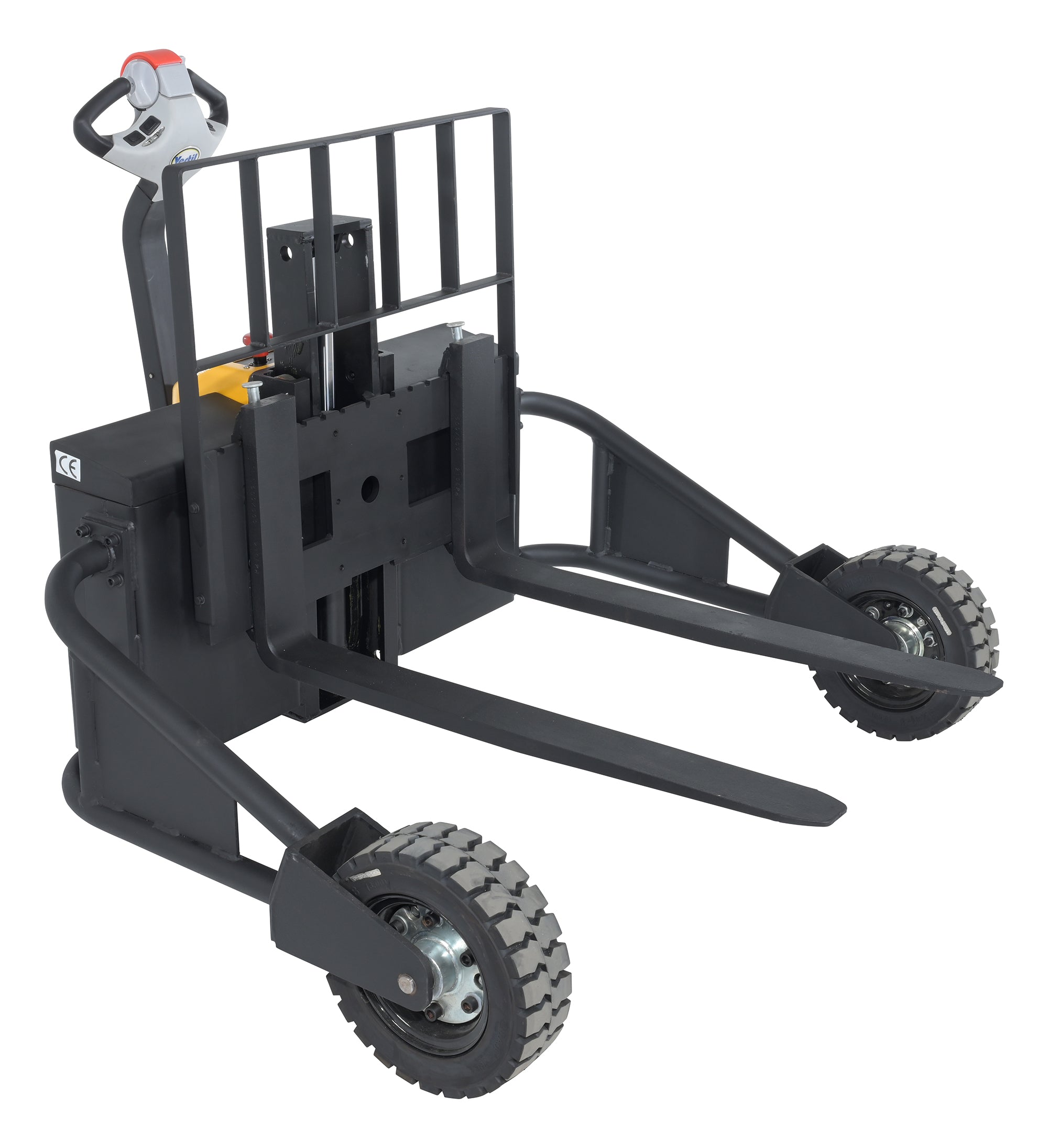
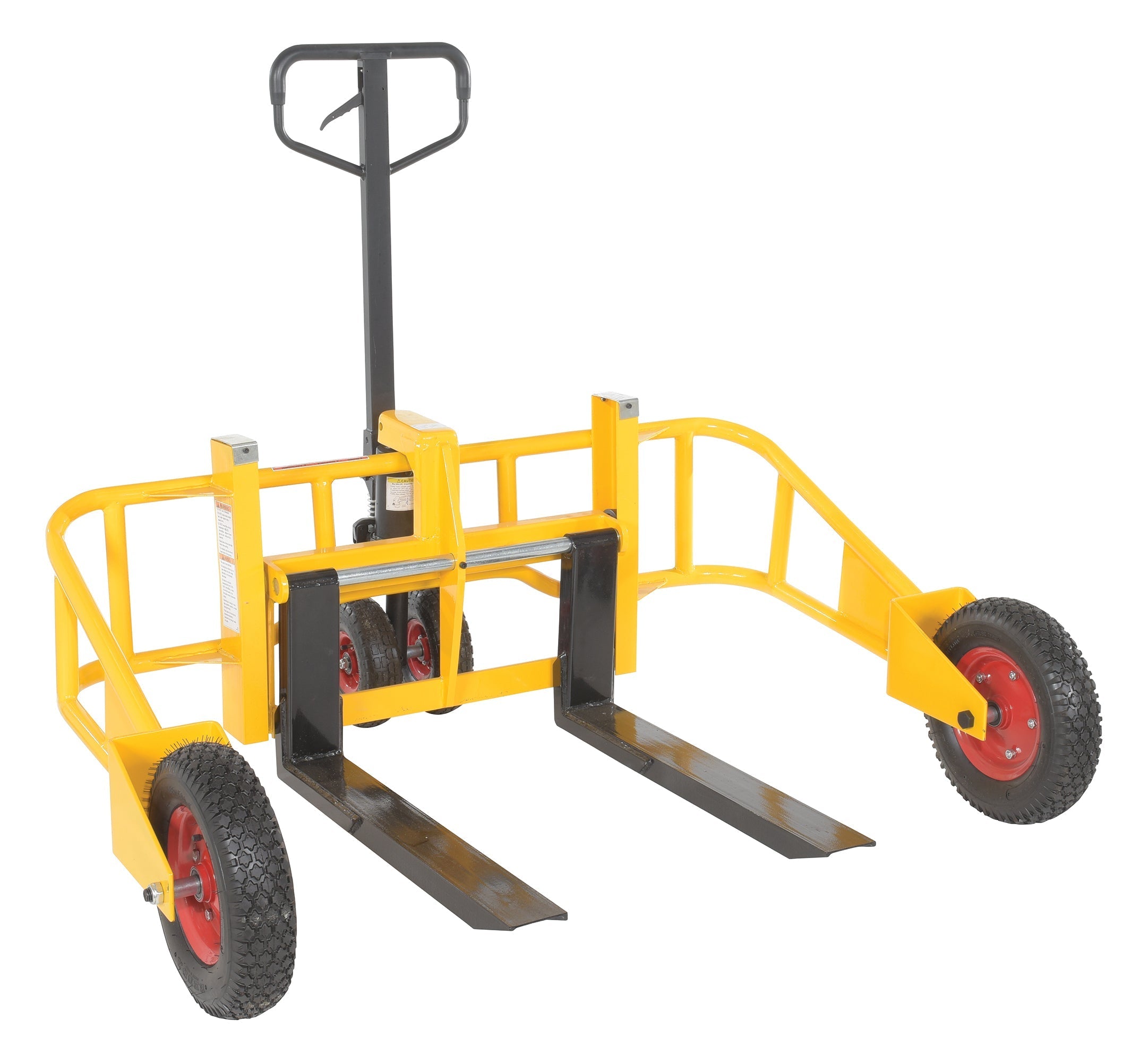
| Vestil Rough Terrain Tilting Electric Pallet Truck | $13,346 | 2,500 lb | View → |
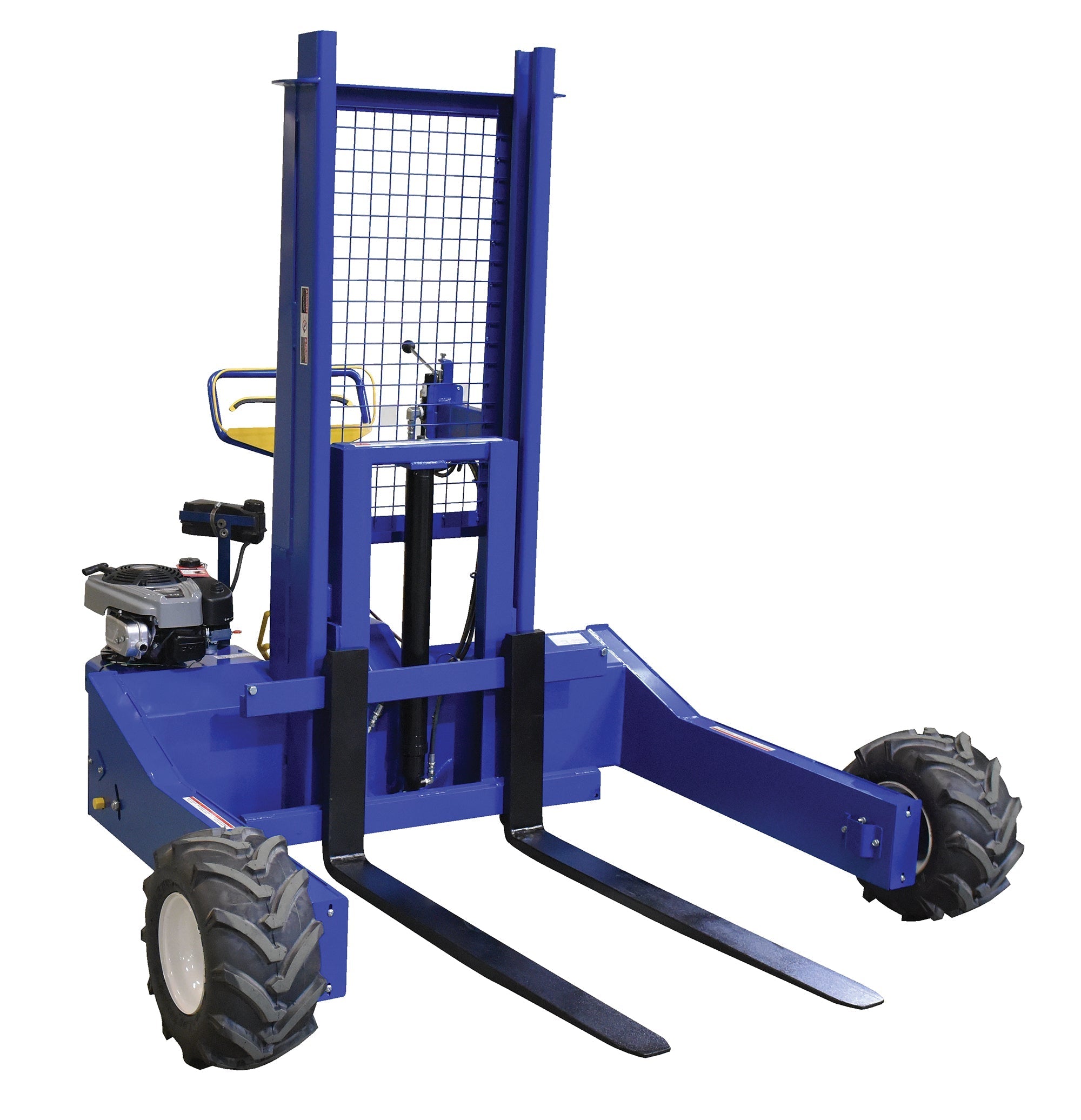
| Vestil Gas Powered All Terrain Pallet Trucks & Stackers | $12,129 | 1,000-4,000 lb | View → |
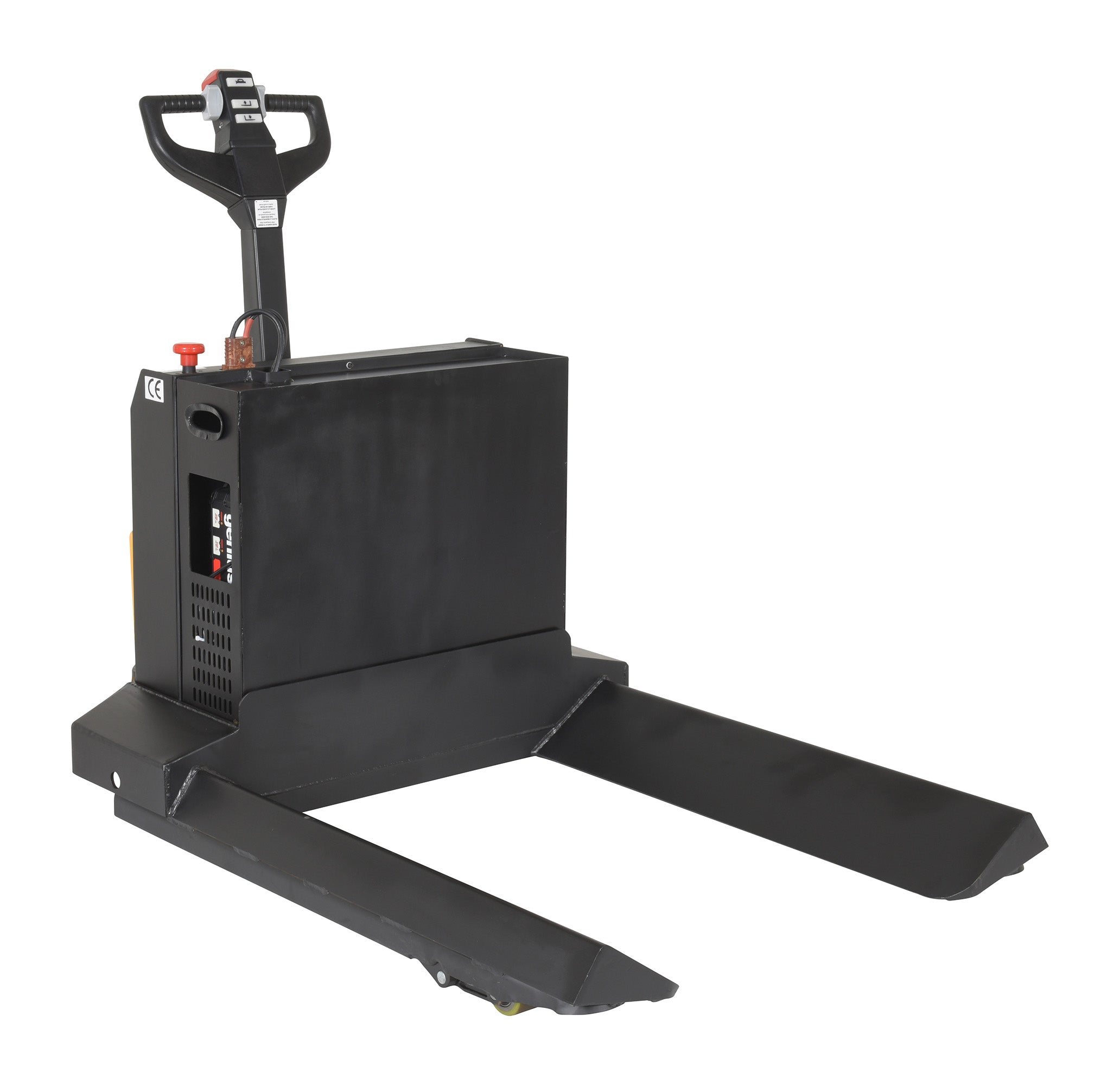
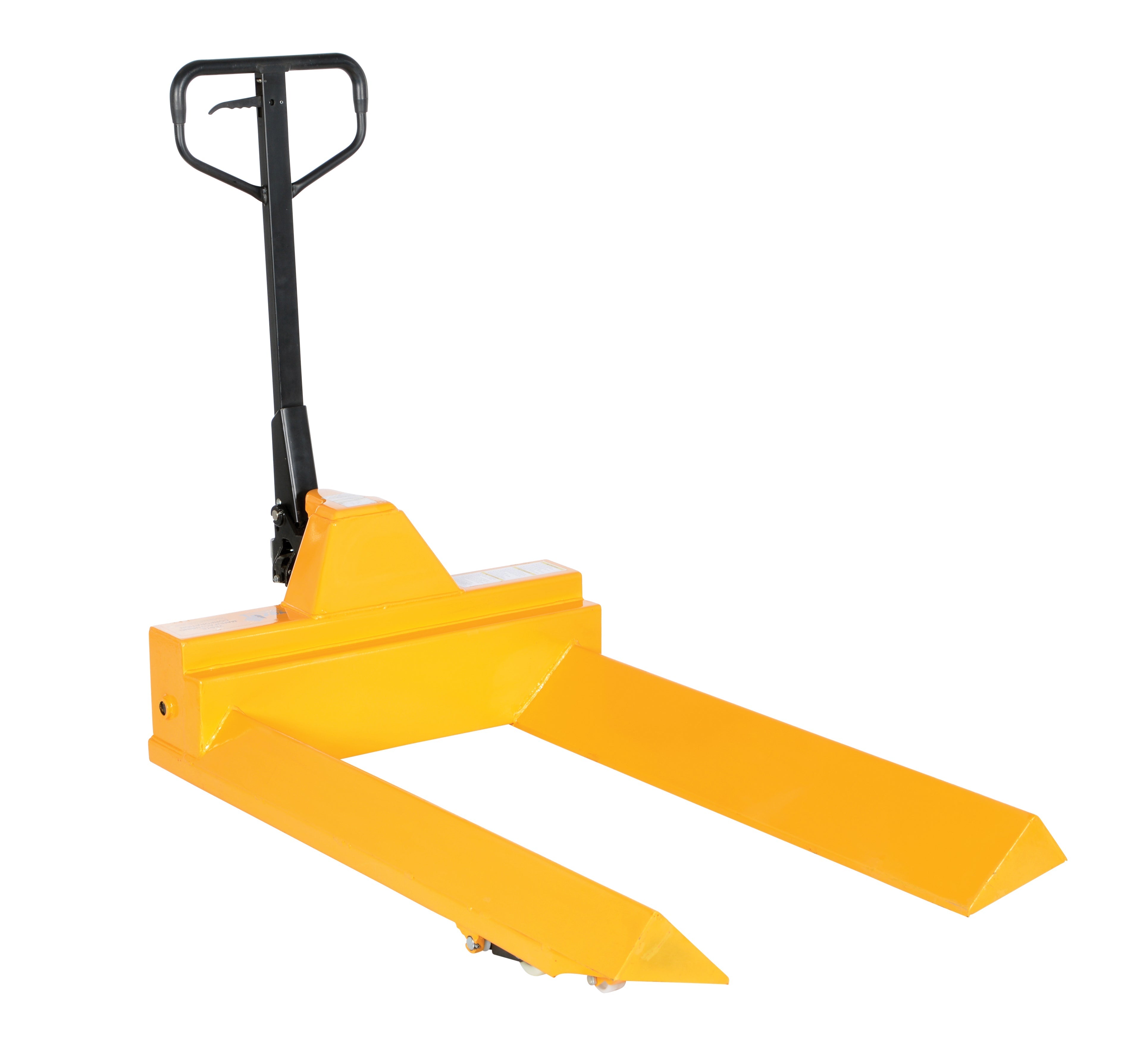
| Vestil Electric Powered Roll Pallet Trucks | $10,713 | — | View → |
In StockIn Stock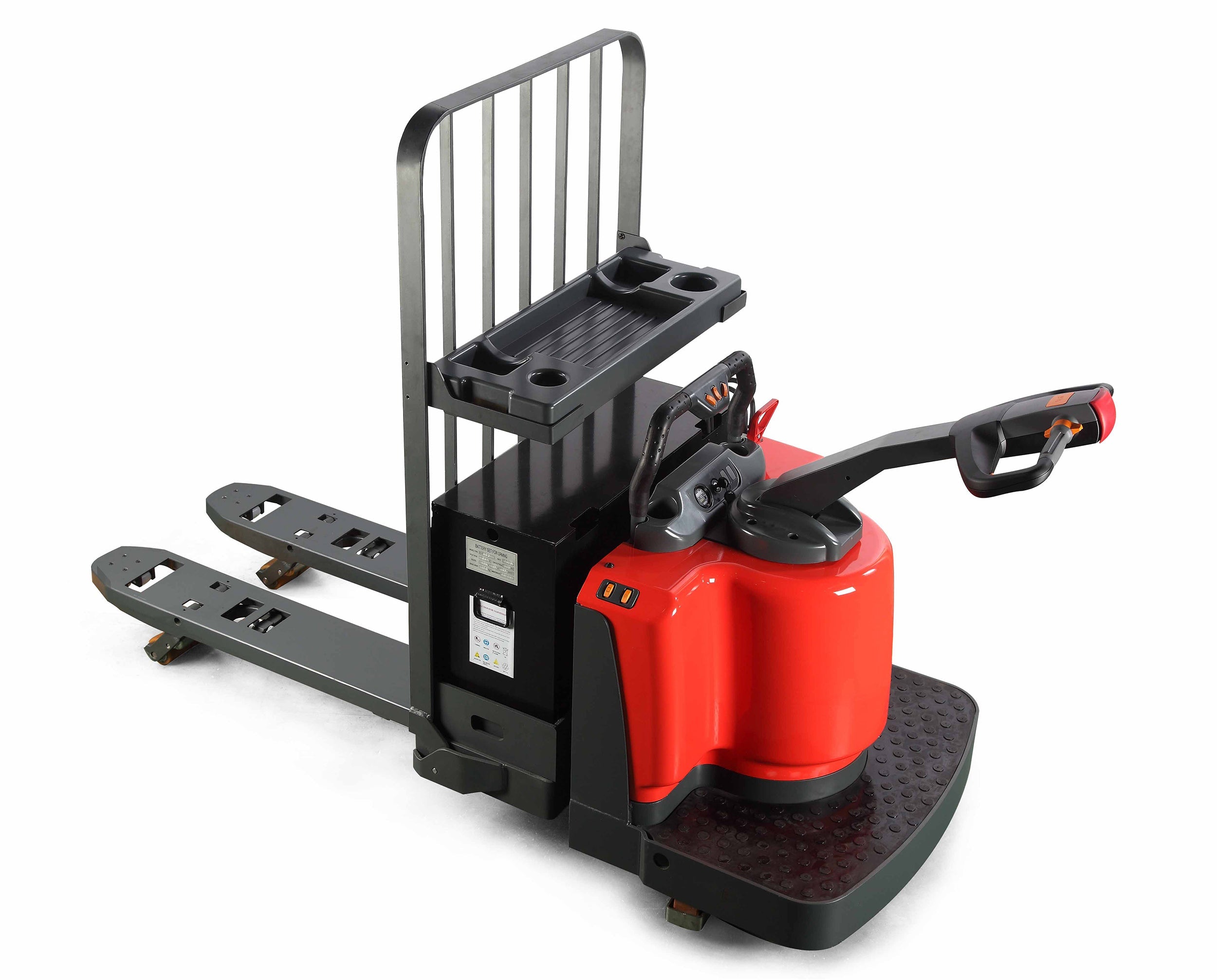 In Stock
 In Stock
 In Stock
 In Stock
 In Stock
 In Stock
 In Stock
 In Stock
 In Stock
 In Stock
 In Stock
 In Stock
 In Stock
 In Stock
 In Stock
 In Stock
 In Stock
 In StockIn Stock
 In Stock
 In Stock
 In Stock
 In Stock
 In StockIn Stock
 In Stock
 In Stock
 In Stock
 In Stock
 In Stock
 In StockIn Stock
 In Stock
 In Stock
 In Stock
 In Stock
 In Stock
 In Stock
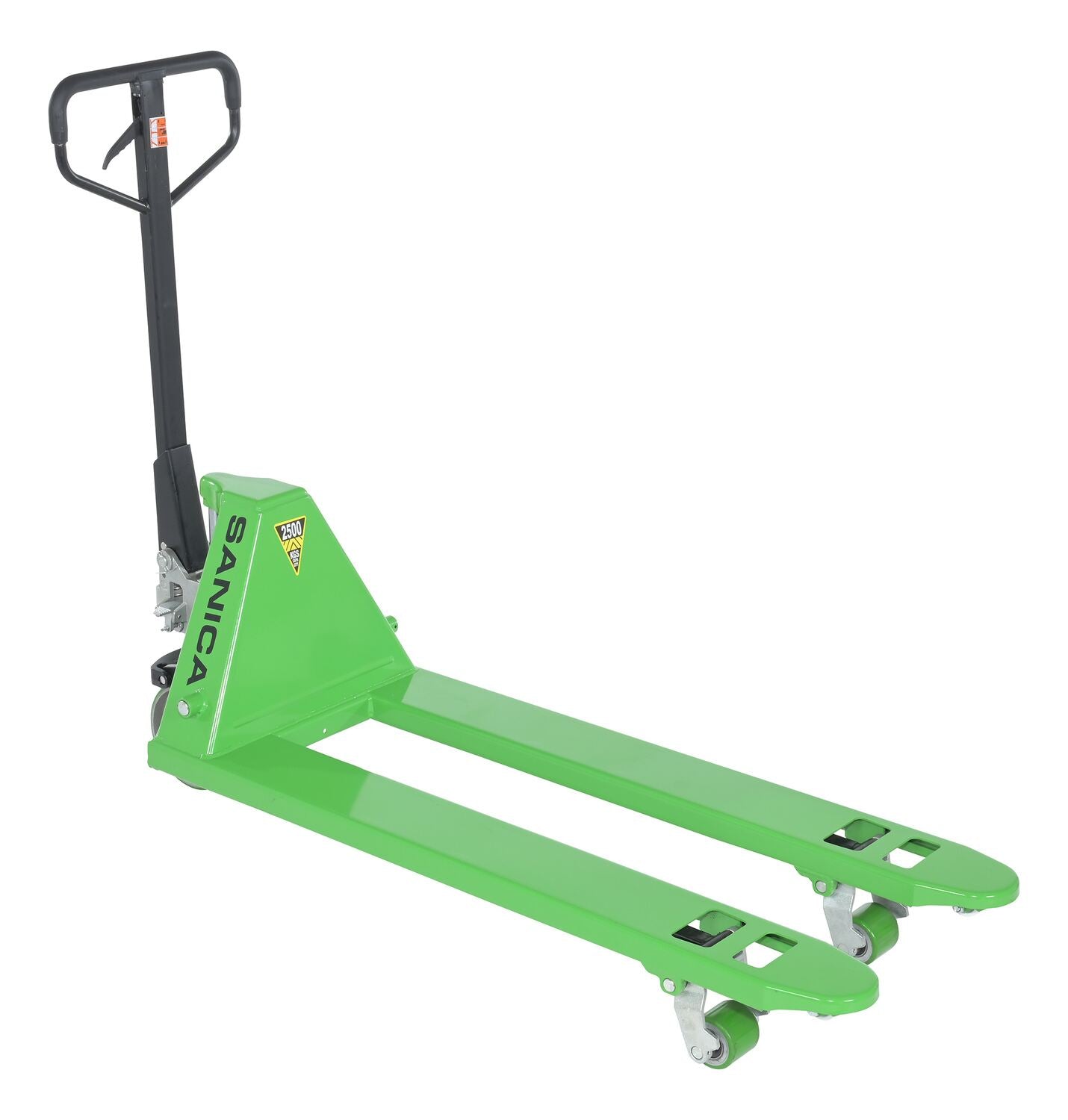 In Stock
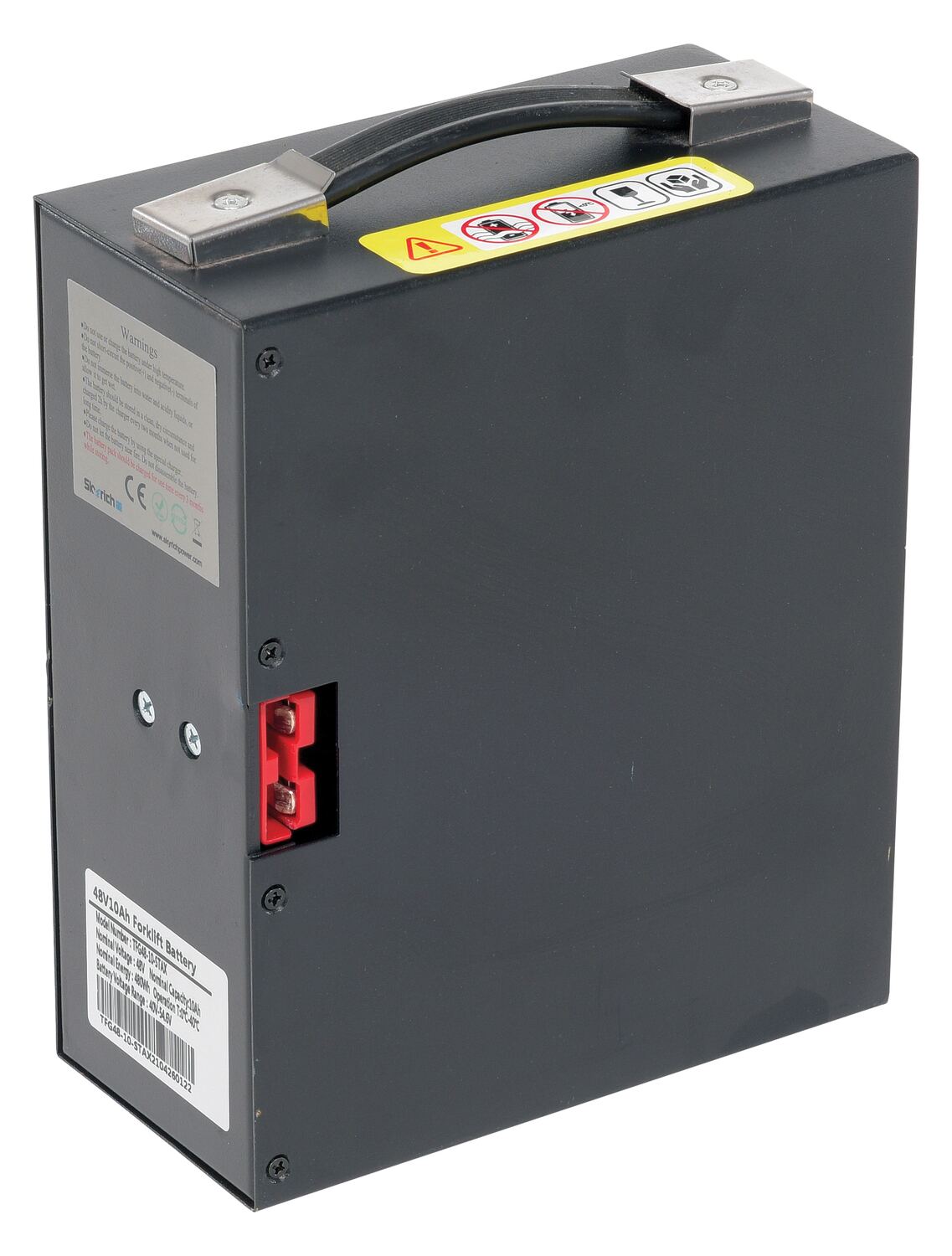 In Stock
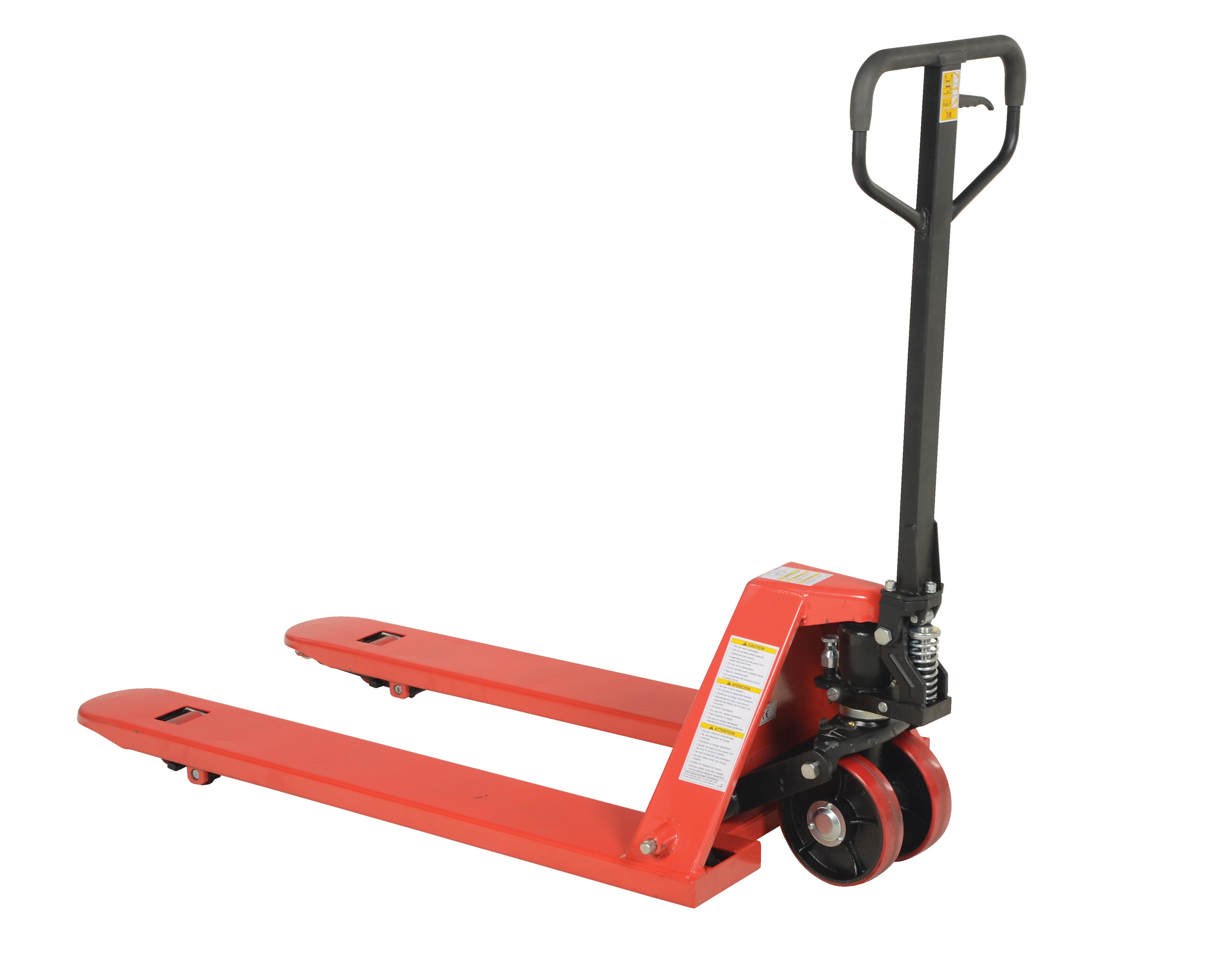 In Stock
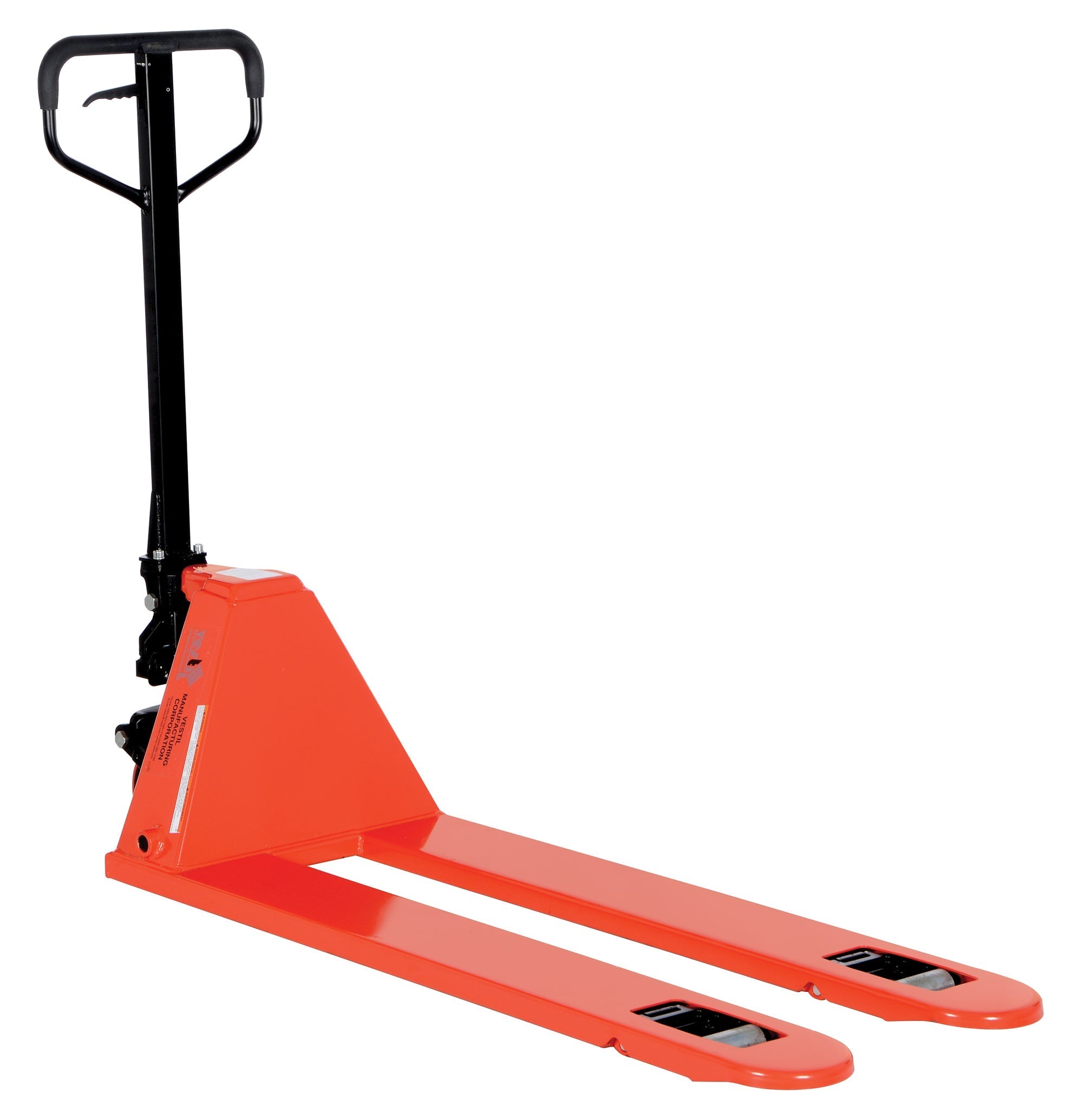 In Stock
 In Stock
 In Stock
 In Stock
 In Stock
 In Stock
 In Stock
 In Stock
 In Stock
 In Stock
 In Stock
Pallet Jacks Buying Guide
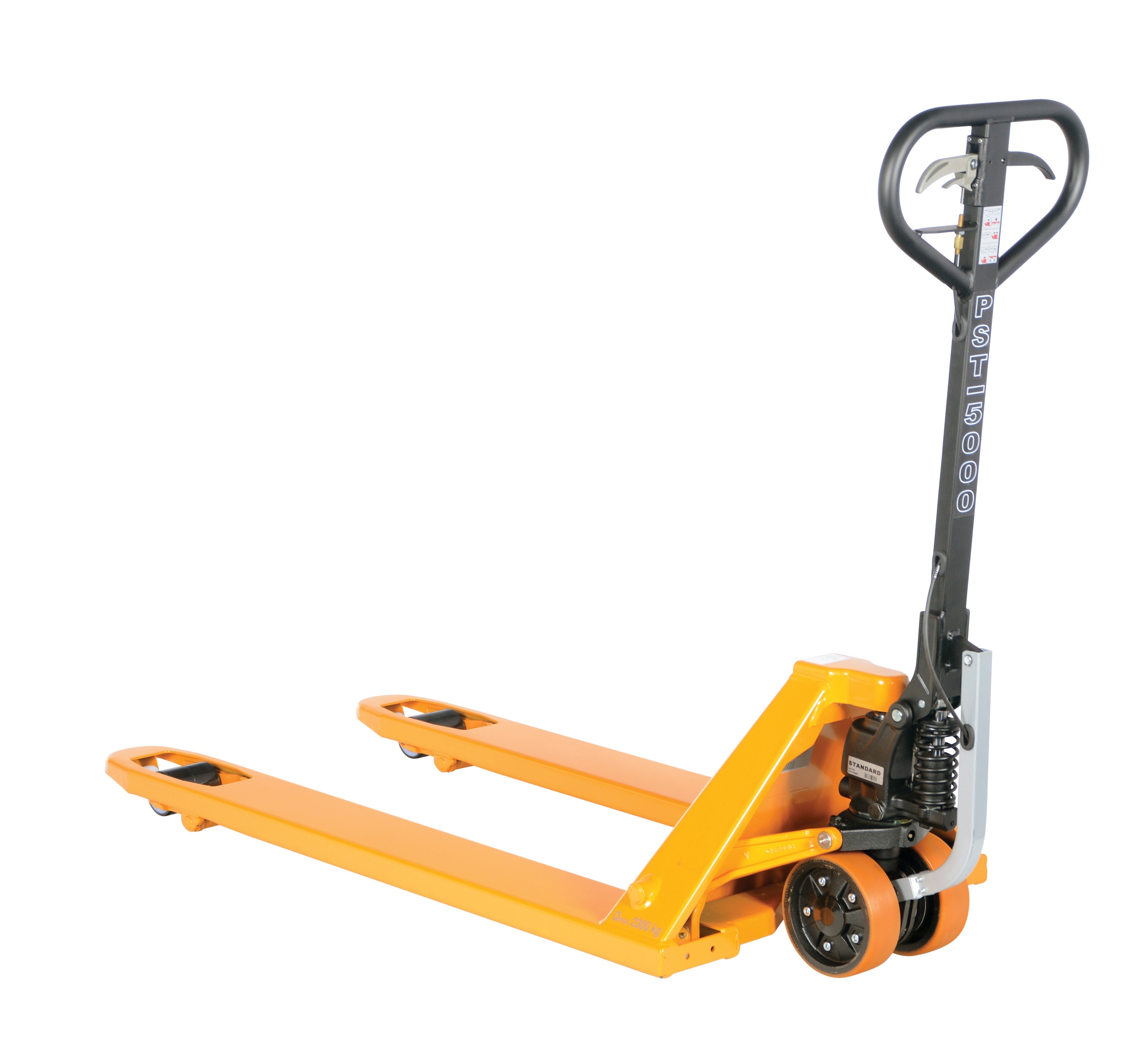
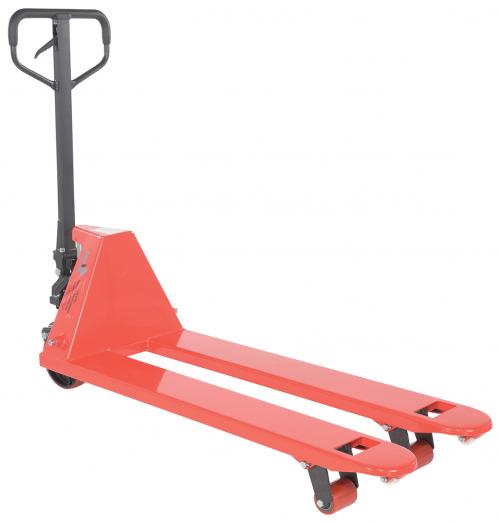
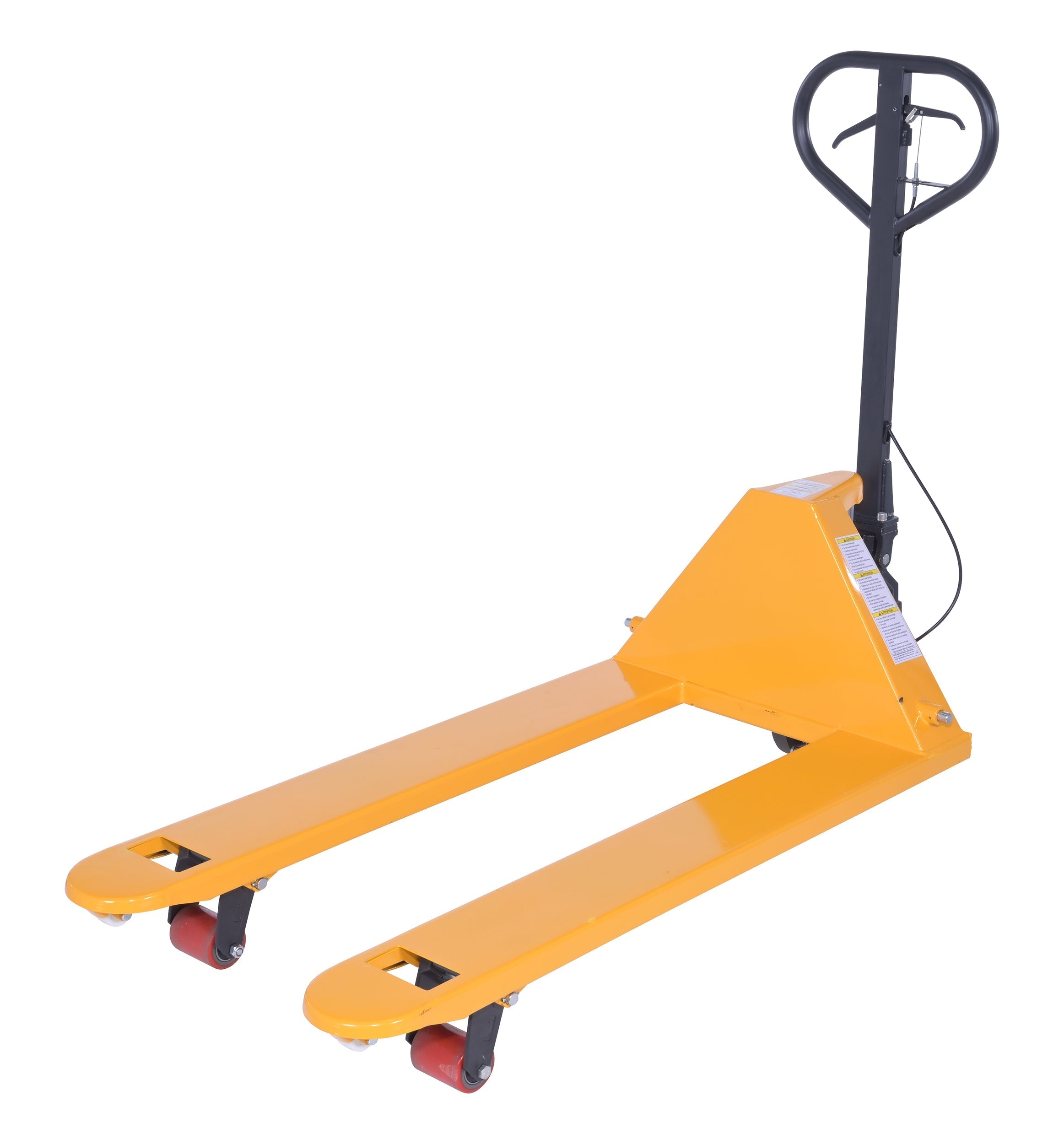
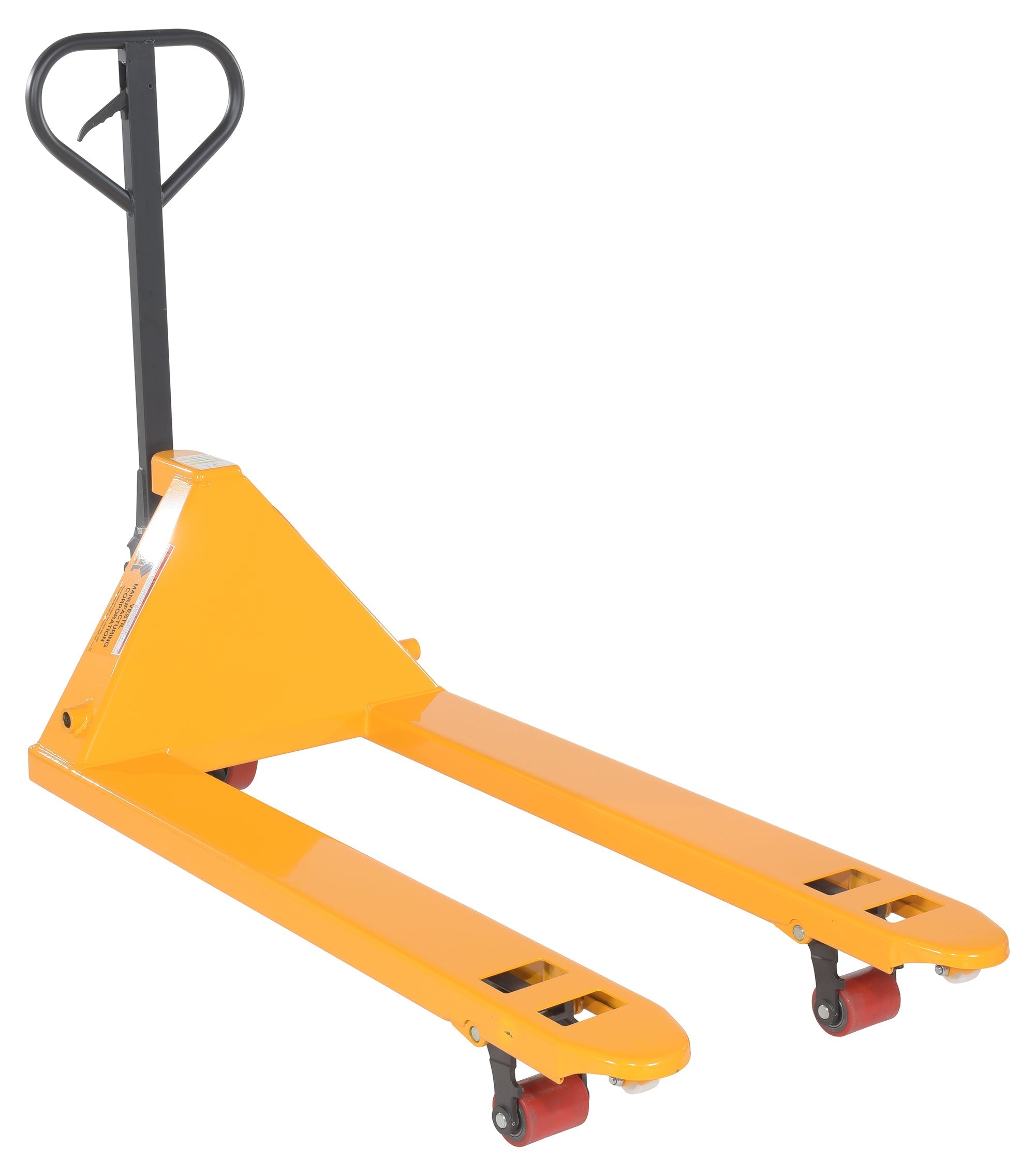
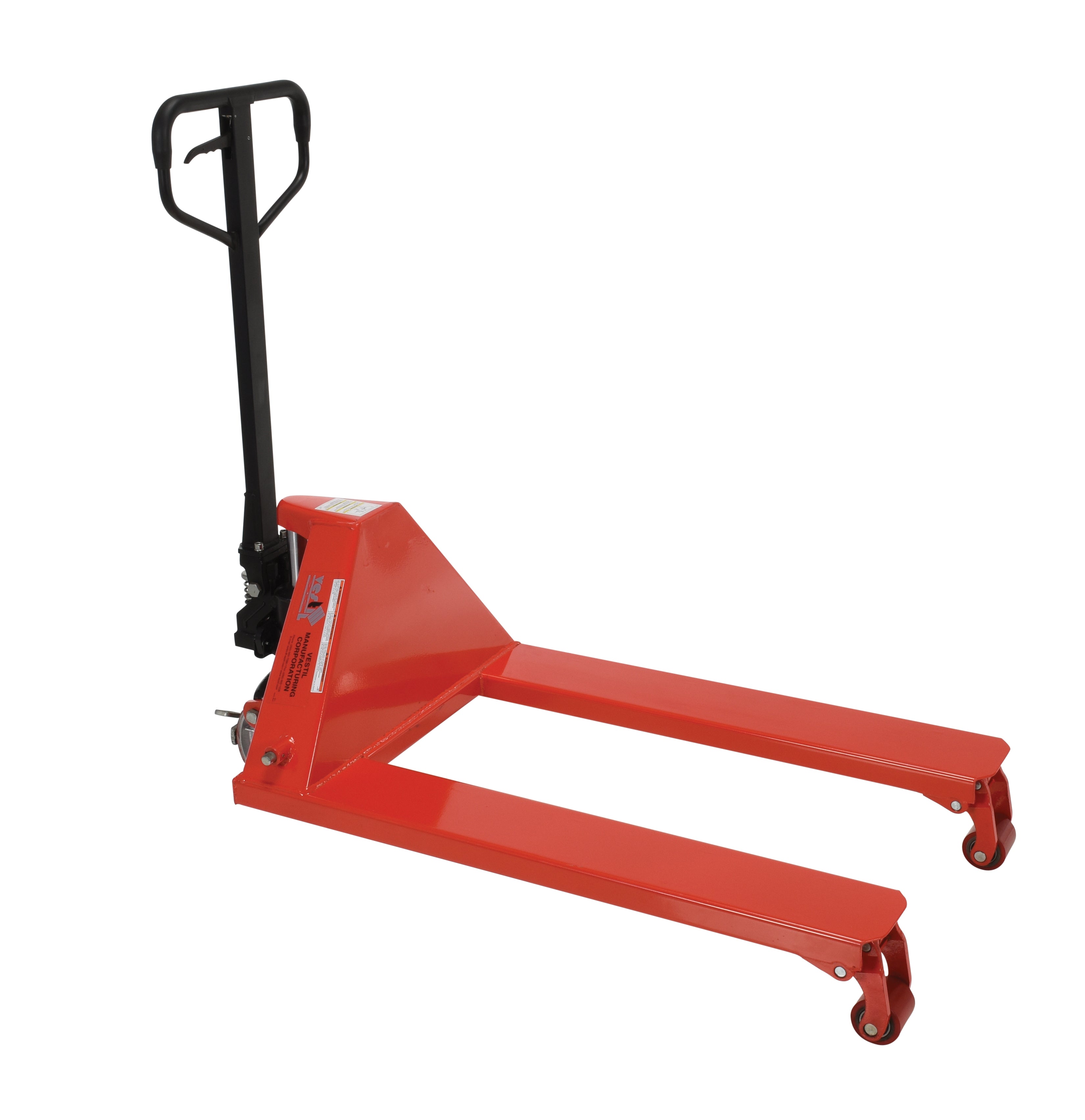
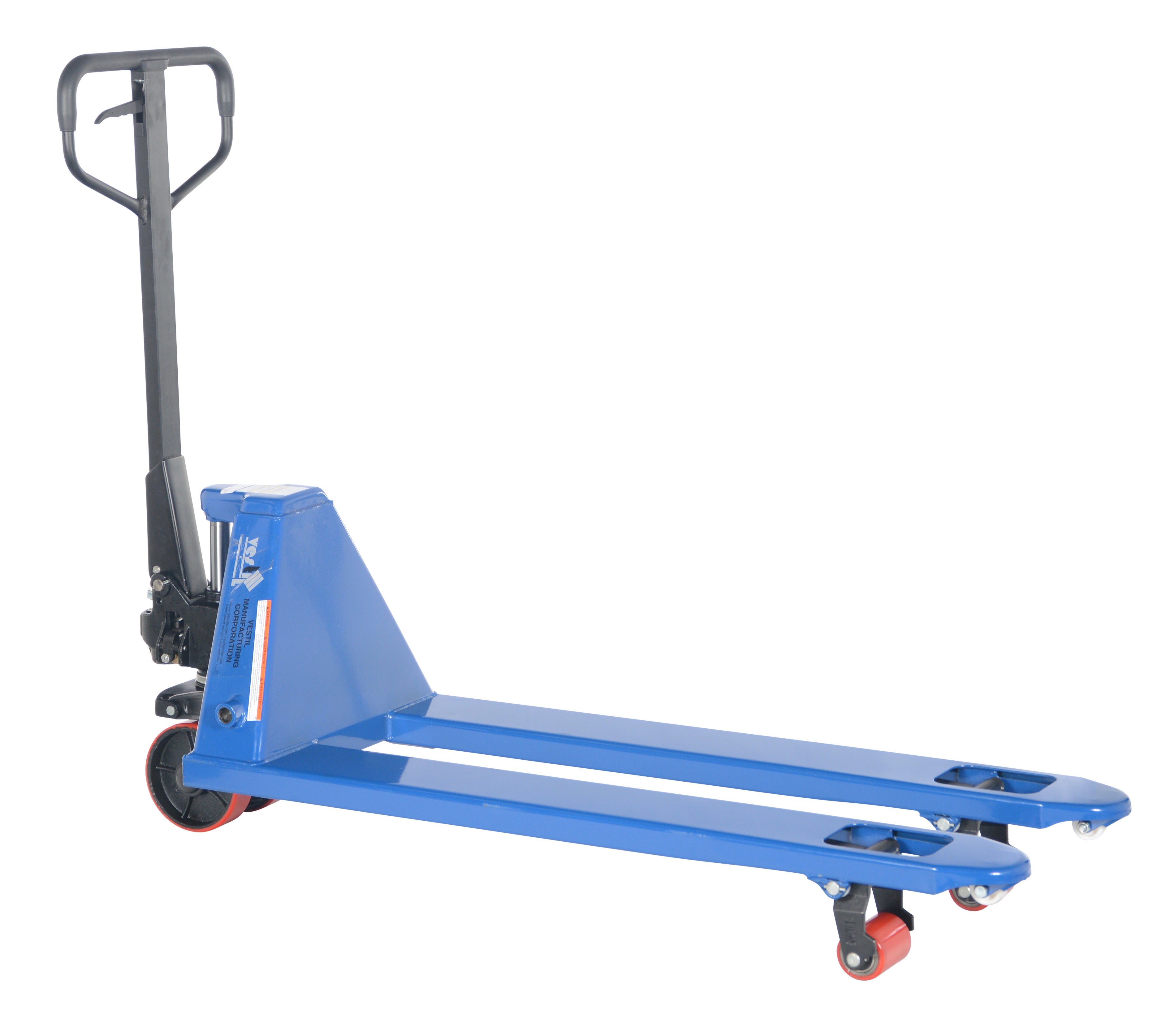
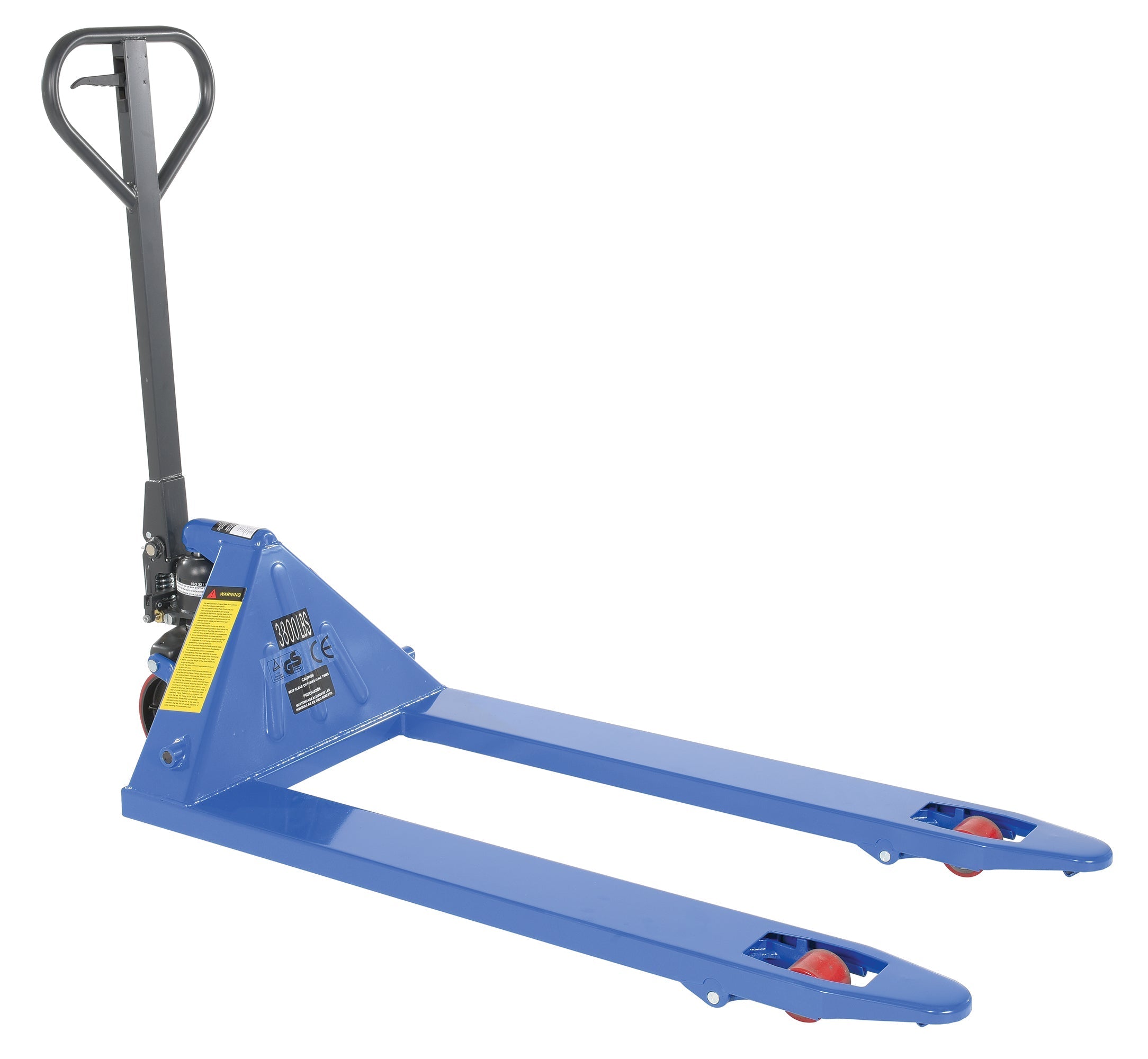
Manual or electric is a distance and volume question. A hand pallet truck asks the operator to supply the muscle, and over a few pallet moves a day across a small floor, that is a fair trade for a machine that starts around $420 and needs no charger. The math flips as distance and frequency climb. An operator dragging 4,000 lb across a 200 ft warehouse dozens of times a shift is a fatigue problem and eventually a back-injury problem, and any grade steeper than a dockplate makes a manual truck genuinely hard to control. Our hand operated pallet jacks cover the light and medium end, and electric pallet jacks take over where the routes get long, the shifts get full, or the loads meet a ramp. A useful rule: if moving pallets is somebody's job rather than an occasional task, power pays for itself.
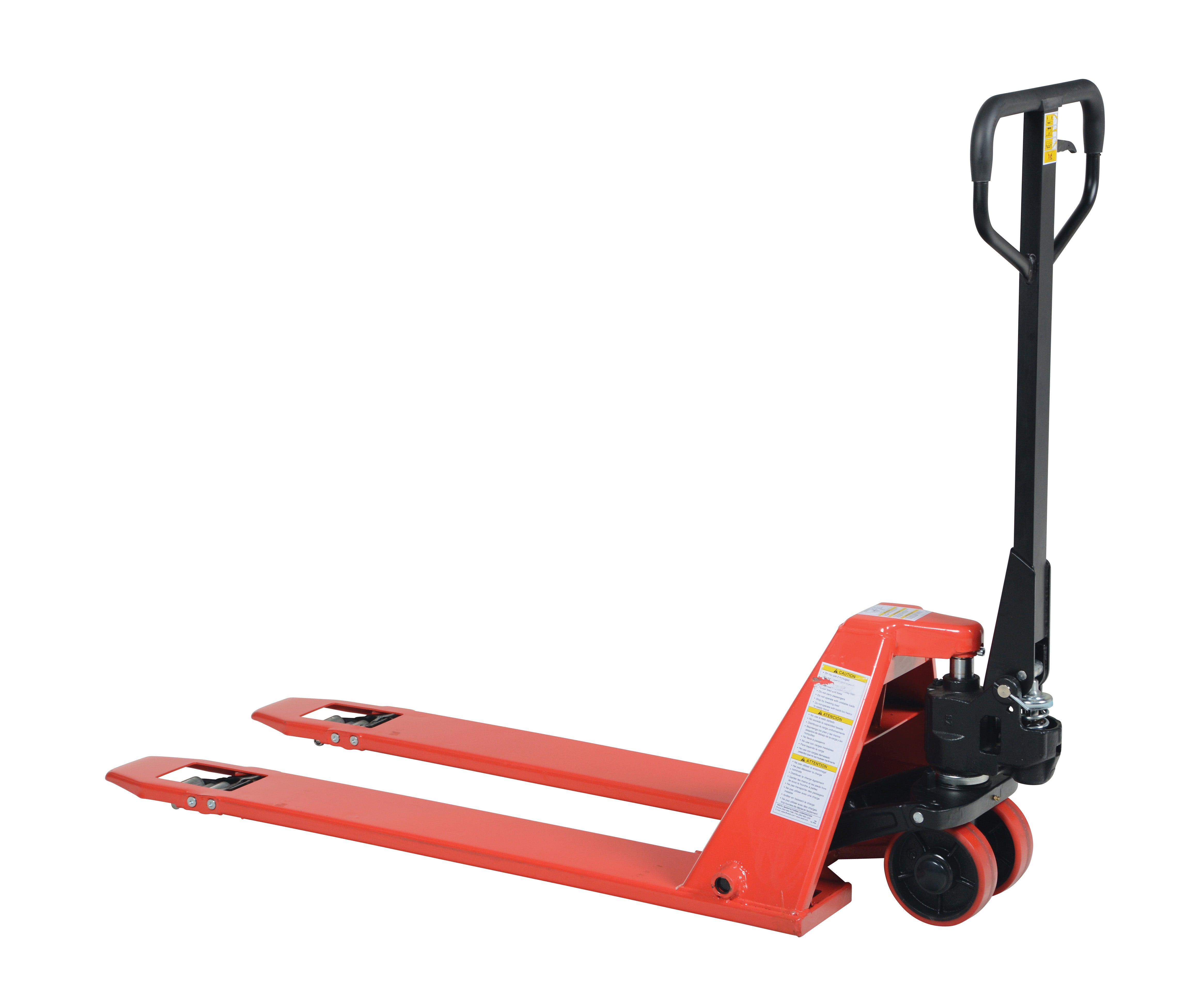
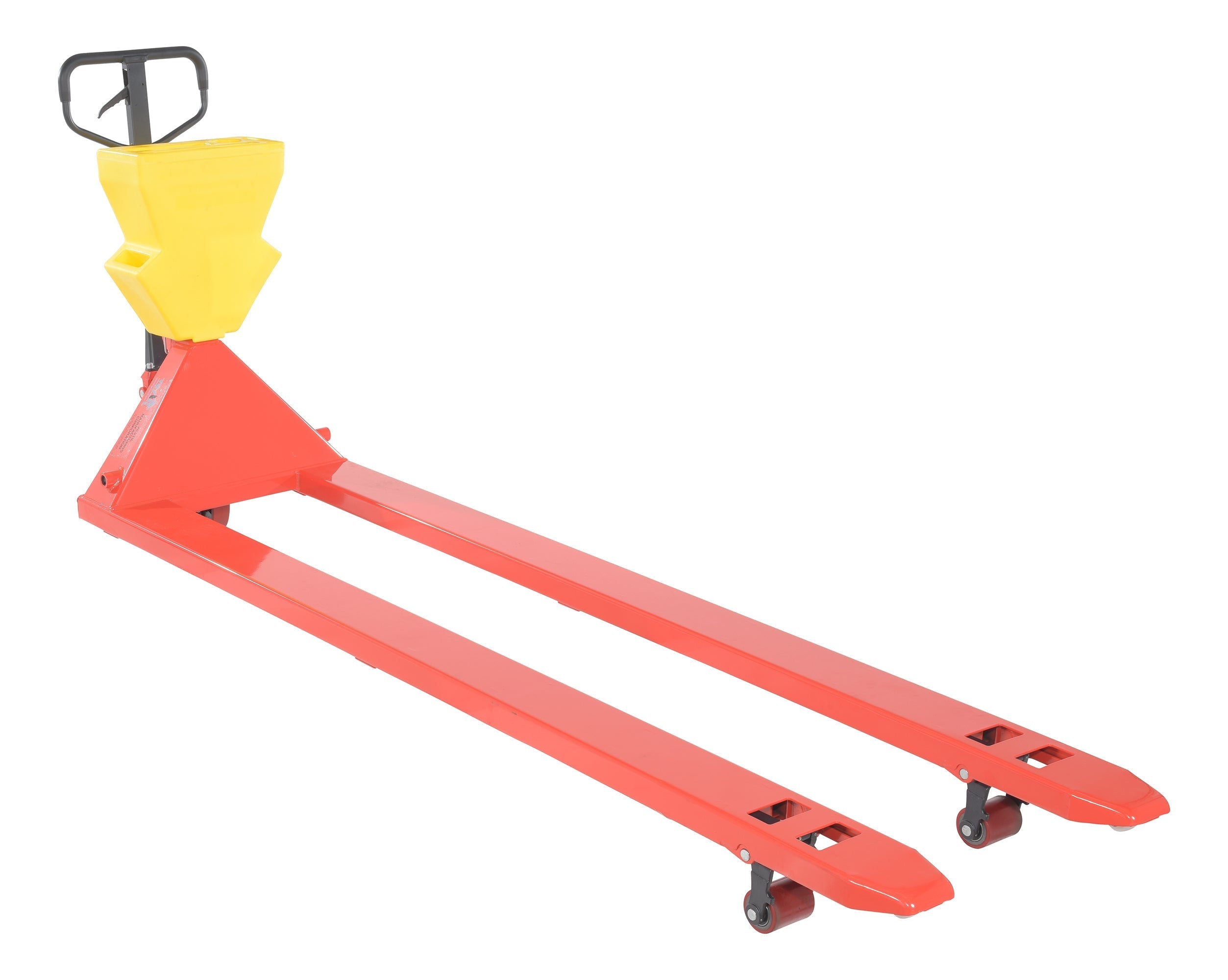
Capacity: weigh the heaviest pallet, not the average one. The Vestil standard hand truck is rated 5,500 lb, the economy model 4,400 lb, and the low profile 4,000 lb, which covers the great majority of loaded pallets moving through American docks. The trap is rating to your average pallet instead of your worst one. A pallet of paper, tile, or drummed liquid can pass 4,000 lb without looking any different from the aisle, so weigh or calculate the heaviest load the truck will ever see and buy above it. Electric models are optioned by capacity, and the fully powered line runs from about $3,500 up past $11,000 as capacity, fork size, and battery grow, topping out with a 6,000 lb rider unit. Overloading a pallet truck does not fail dramatically; it bends forks and wears out hydraulics early, and both show up as a truck that will not hold height.
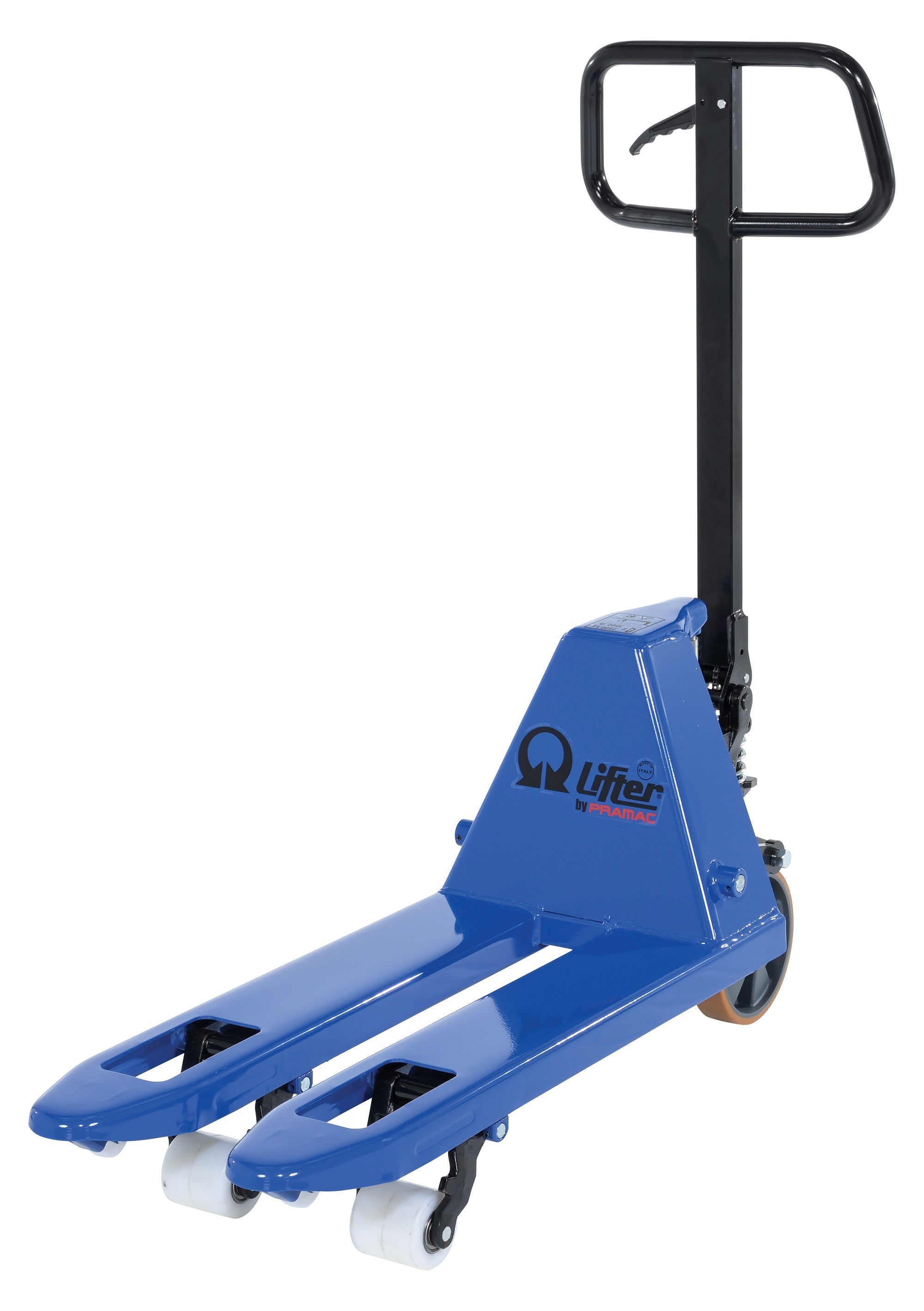
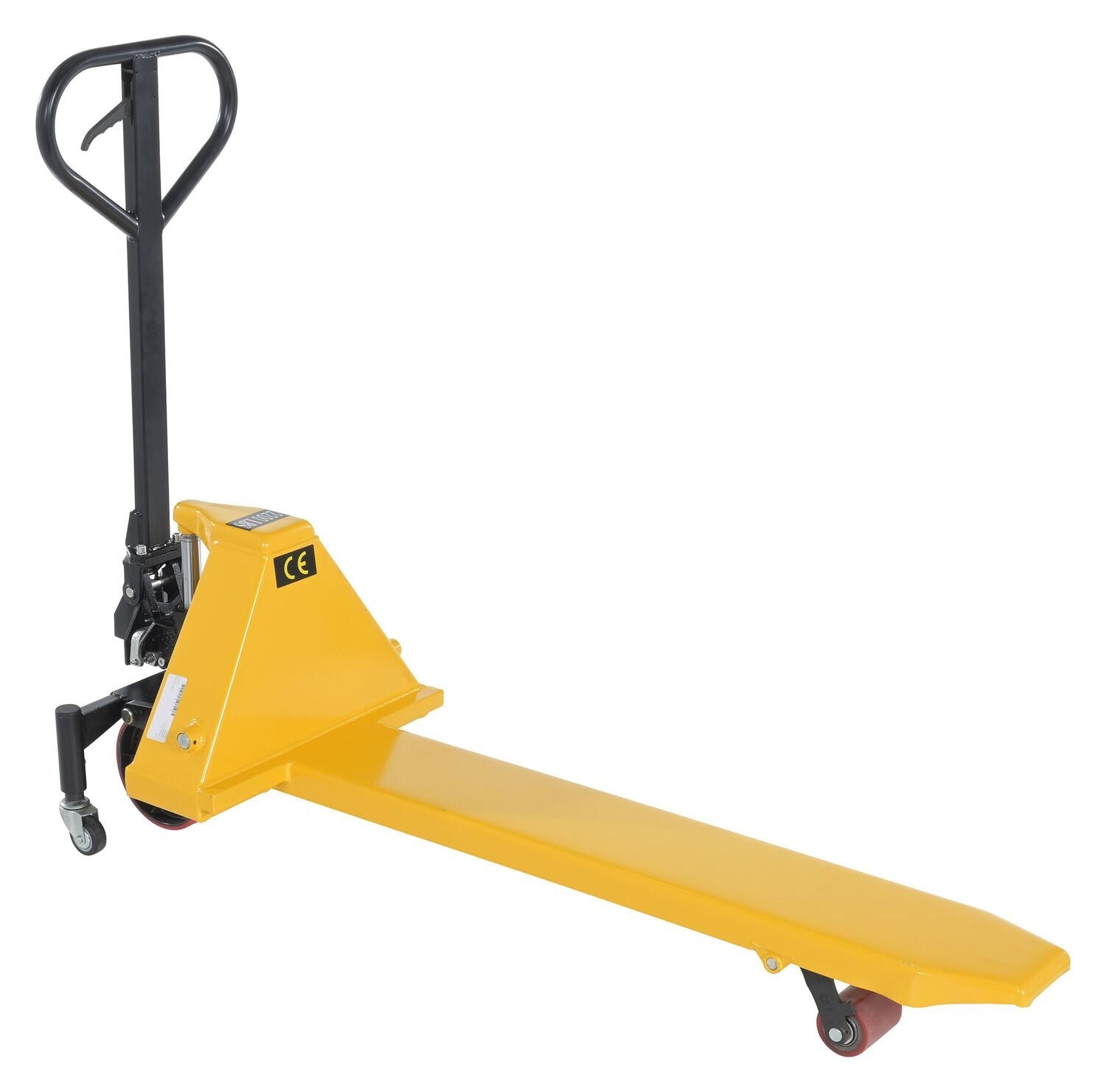
Fork size: match the forks to the pallets you actually run. Standard forks are 27 in wide by 48 in long, sized for the 48 x 40 in GMA pallet that dominates North American freight. If that is what arrives on your dock, the standard truck is the right buy and there is nothing more to decide. The exceptions matter, though. Narrow 21 x 45 in forks on the low profile trucks suit skids and specialty pallets with tighter openings, and the low profile deck itself drops into openings a standard truck cannot enter. Forks that are too long for the pallet poke out the far side and stab the next load; forks too short leave the rear boards unsupported and split them. Count your pallet types before ordering, and if you run both stringer and block pallets, confirm the truck's entry height clears the lower opening.
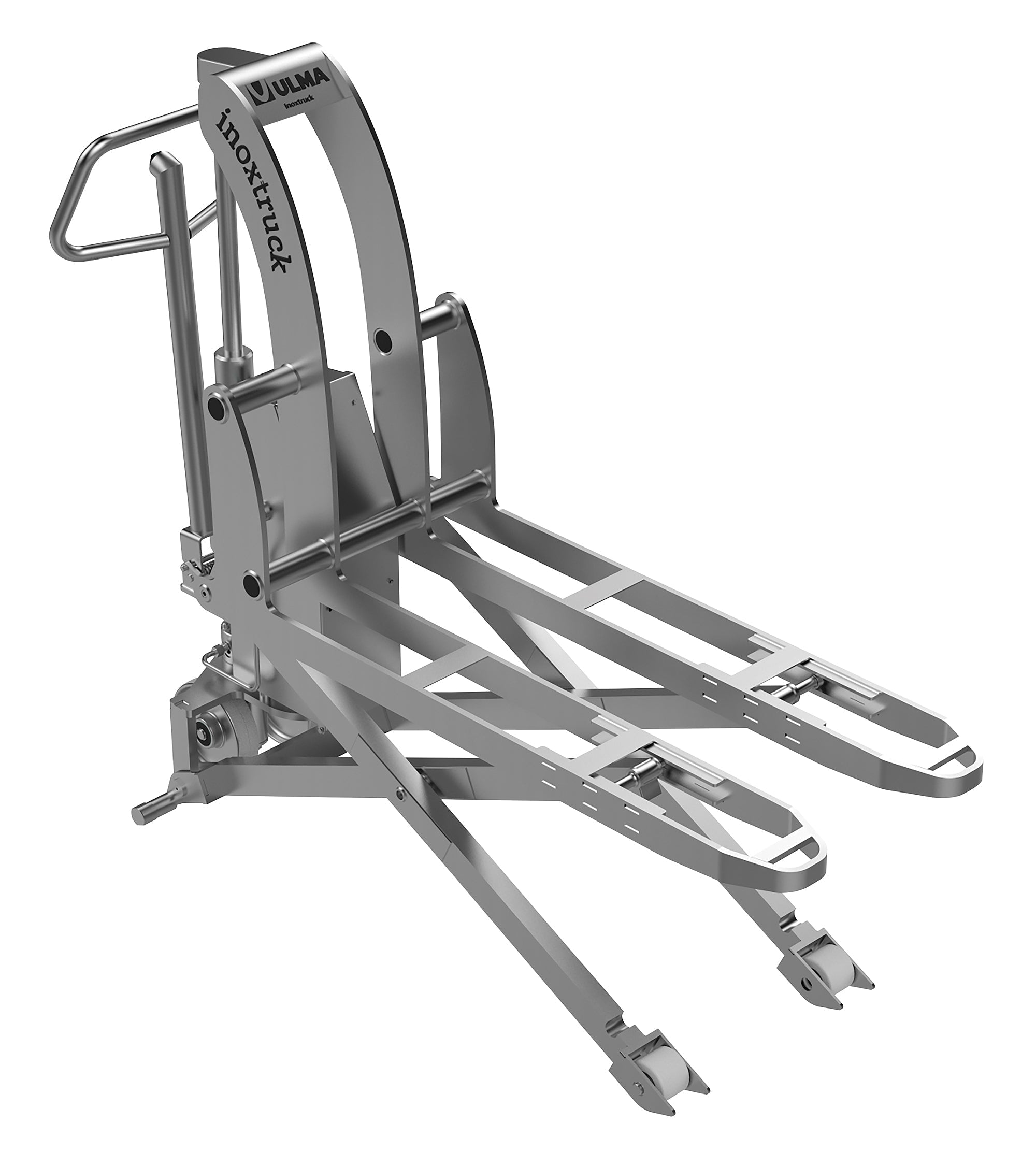
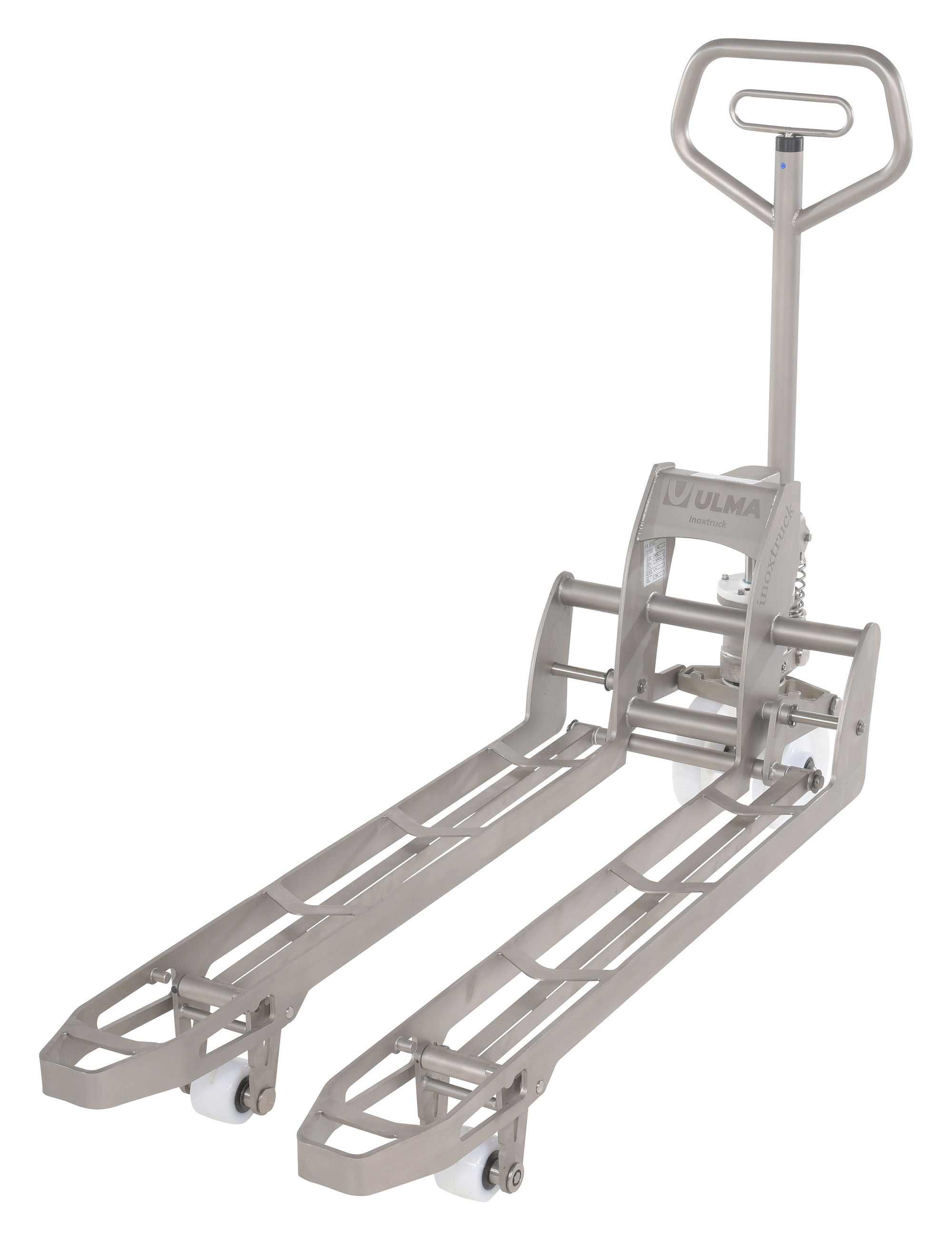
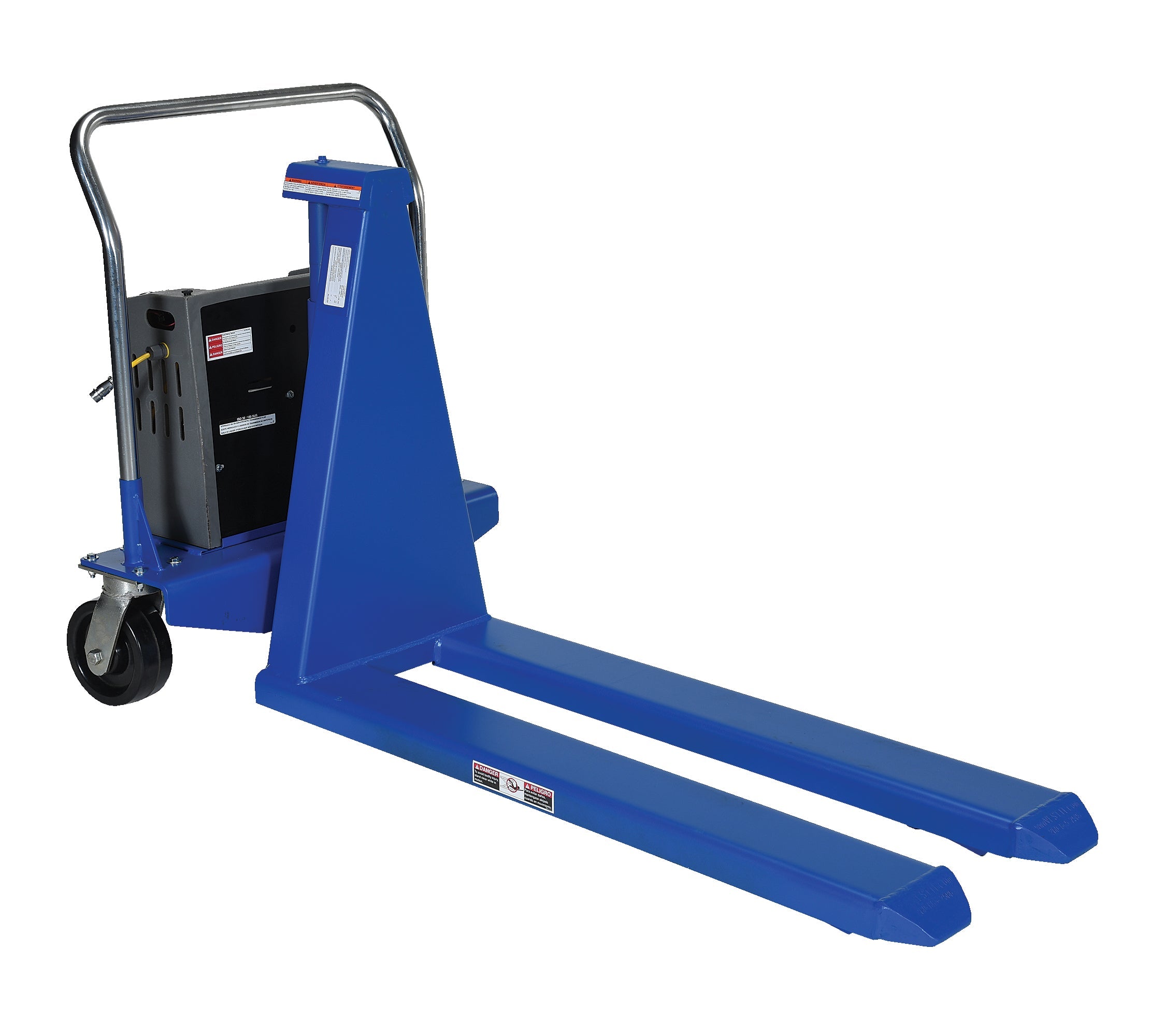
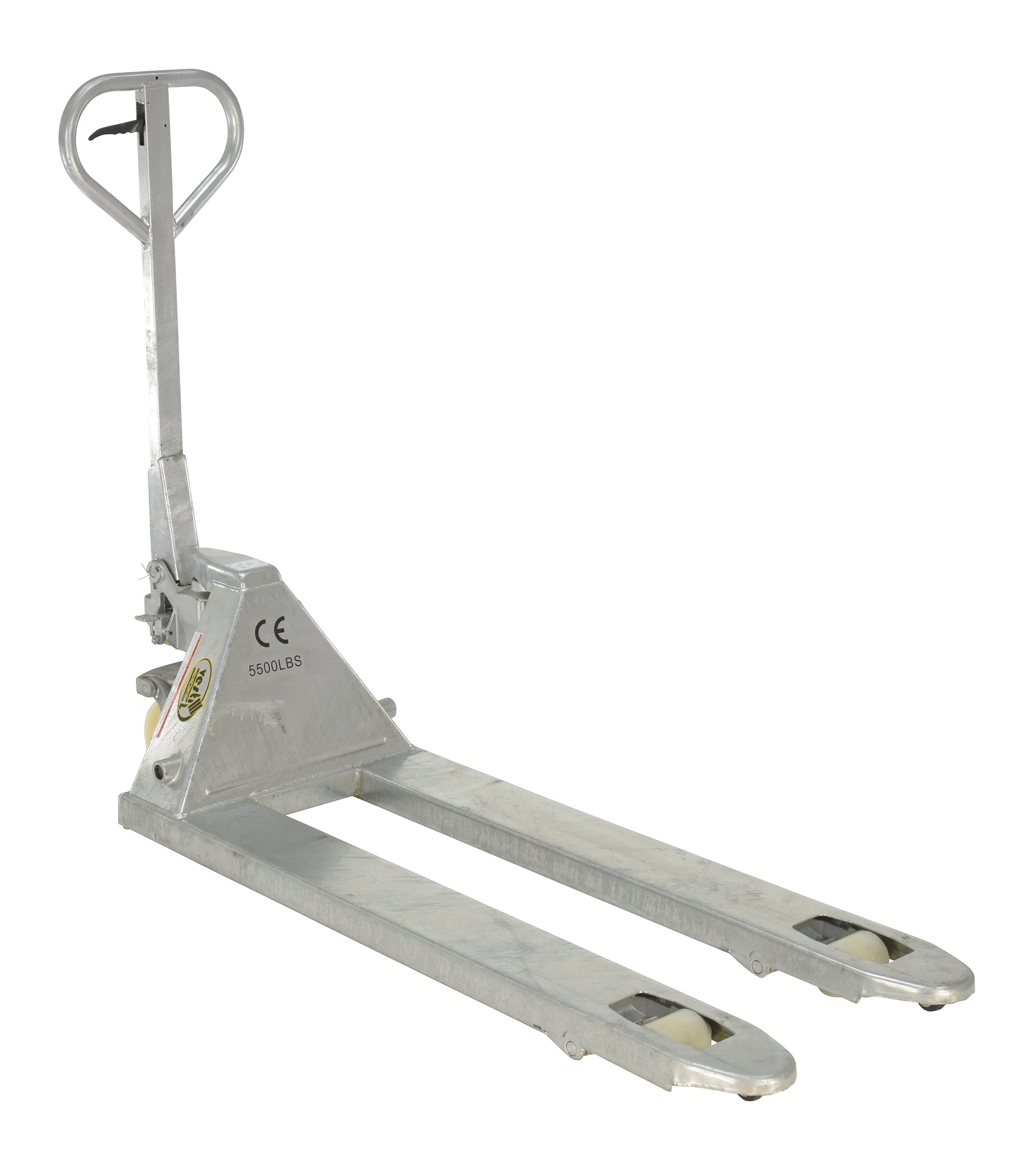
Wheels, floors, and the conditions the spec sheet assumes. Every pallet truck rating assumes smooth, level concrete, and the wheels are where reality intervenes. Polyurethane steer wheels are the default: quiet, non-marking, and kind to finished floors. Nylon rolls with less effort and shrugs off water and debris, at the cost of noise and floor marks. Tandem load rollers bridge expansion joints and dock plate lips that a single roller drops into. Off the concrete entirely, the specialist pallet trucks and Vestil's all terrain models put large pneumatic tires under the load for gravel and packed dirt, and there are electric rough terrain versions when the site is big as well as rough. Stainless steel trucks, starting around $5,300, handle washdown environments where a carbon steel frame would rust from the inside out.
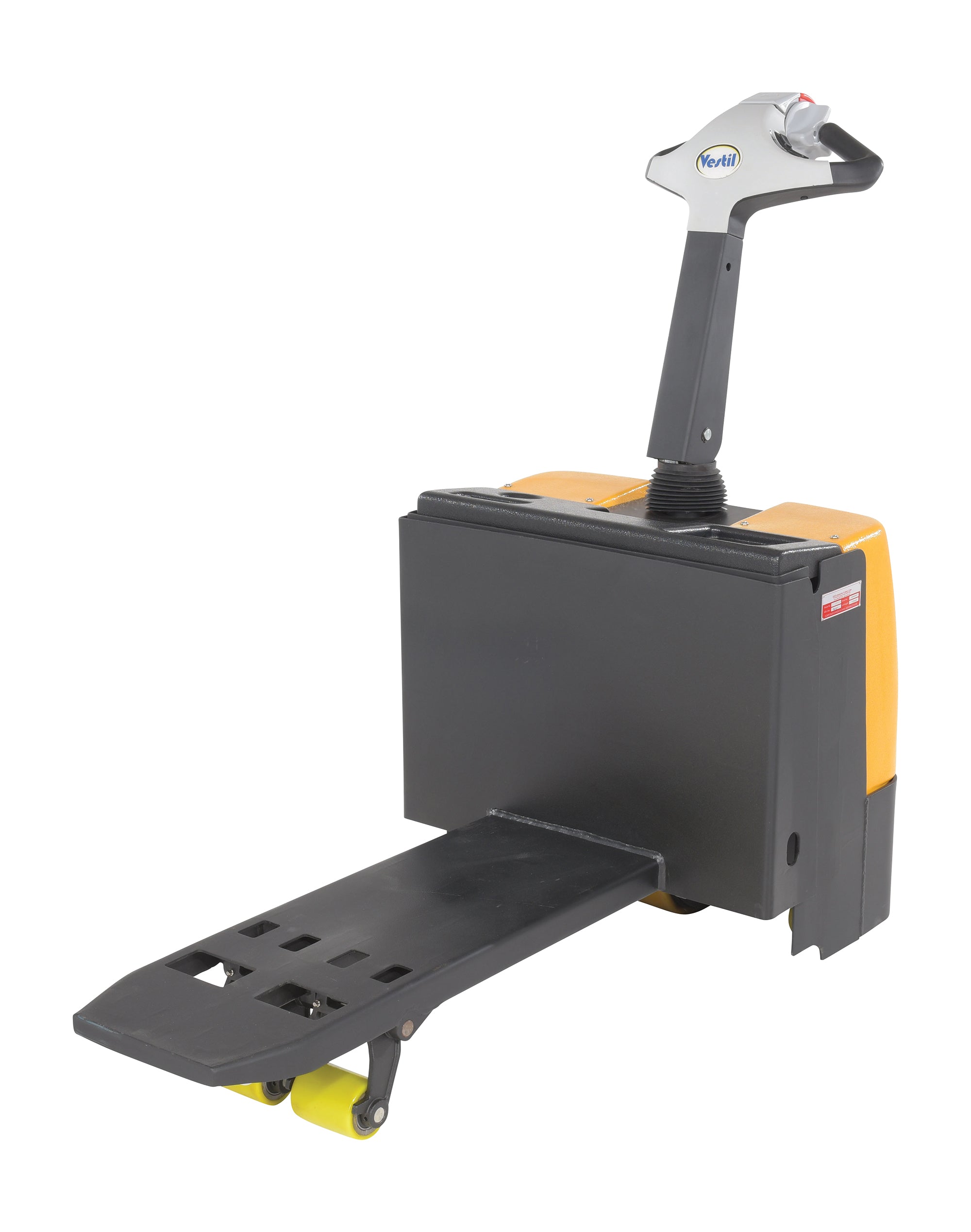
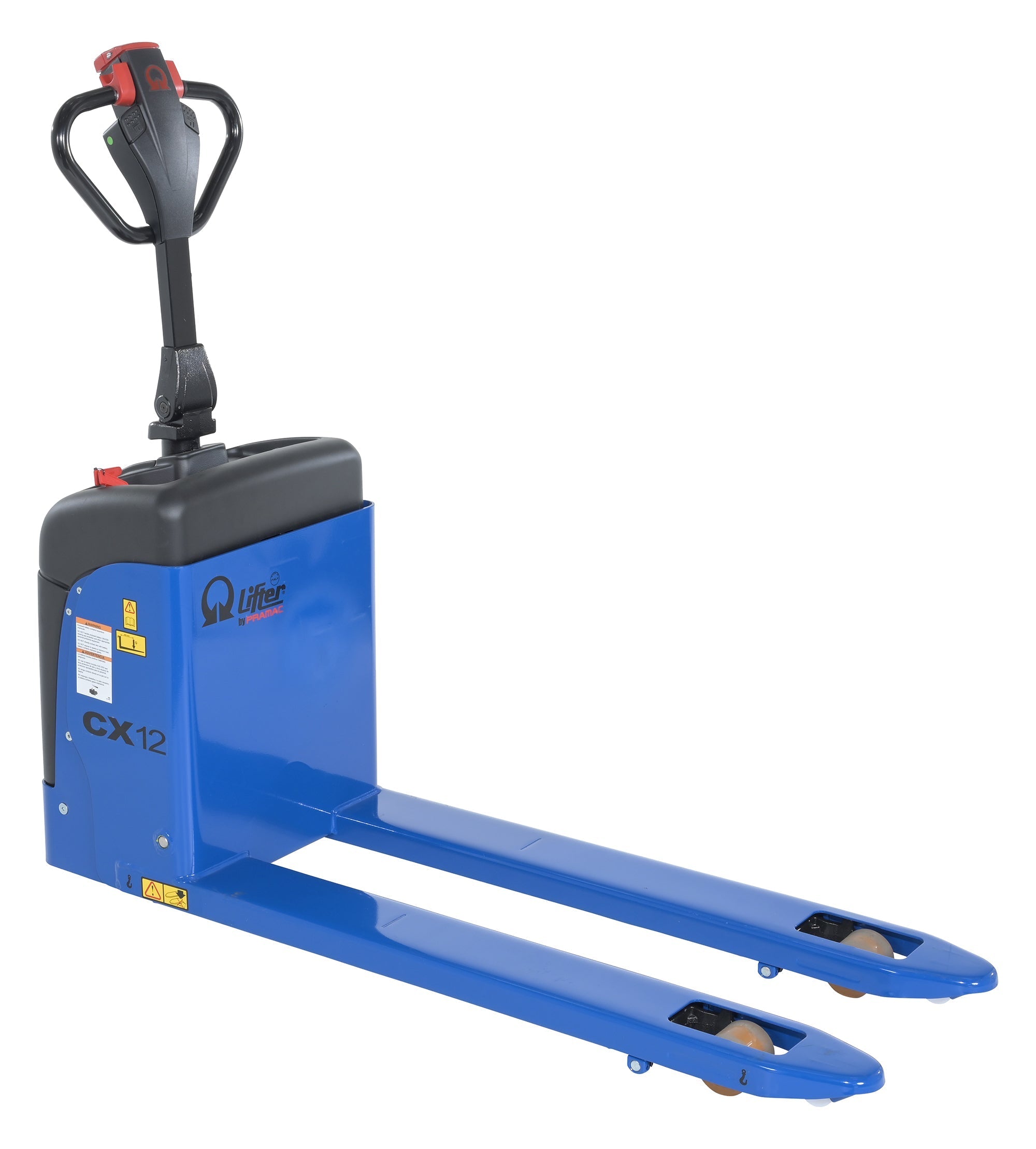
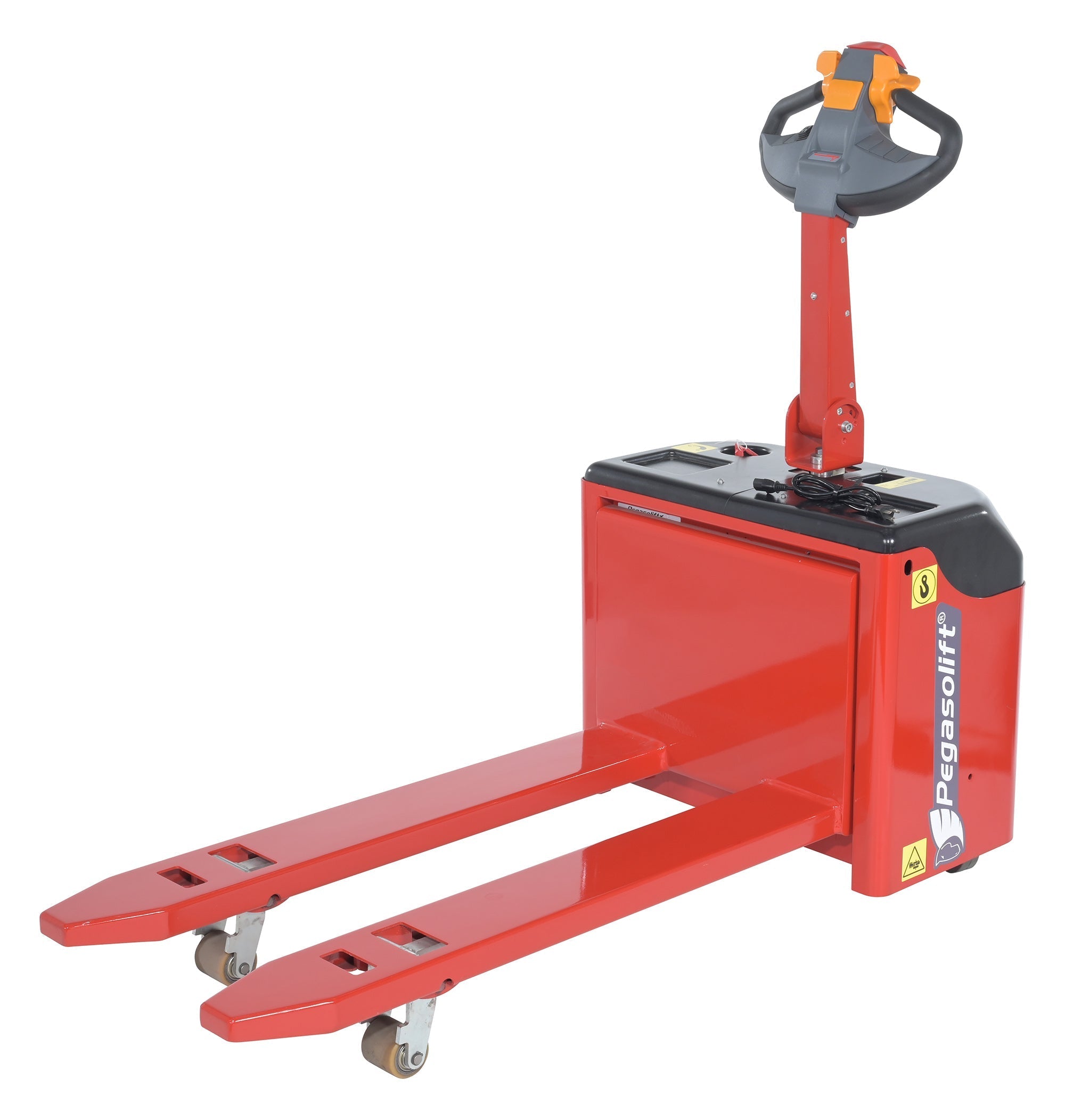
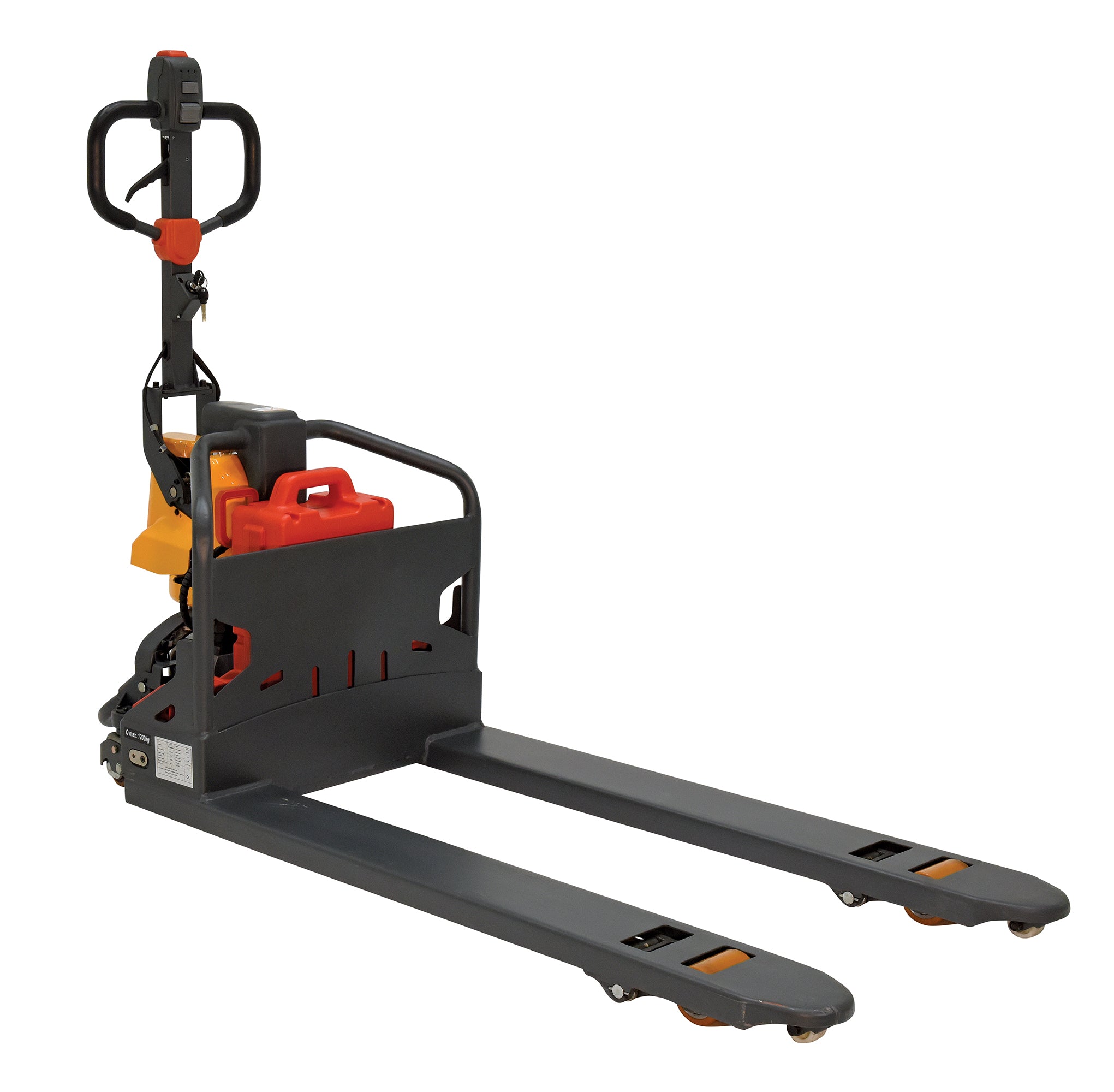
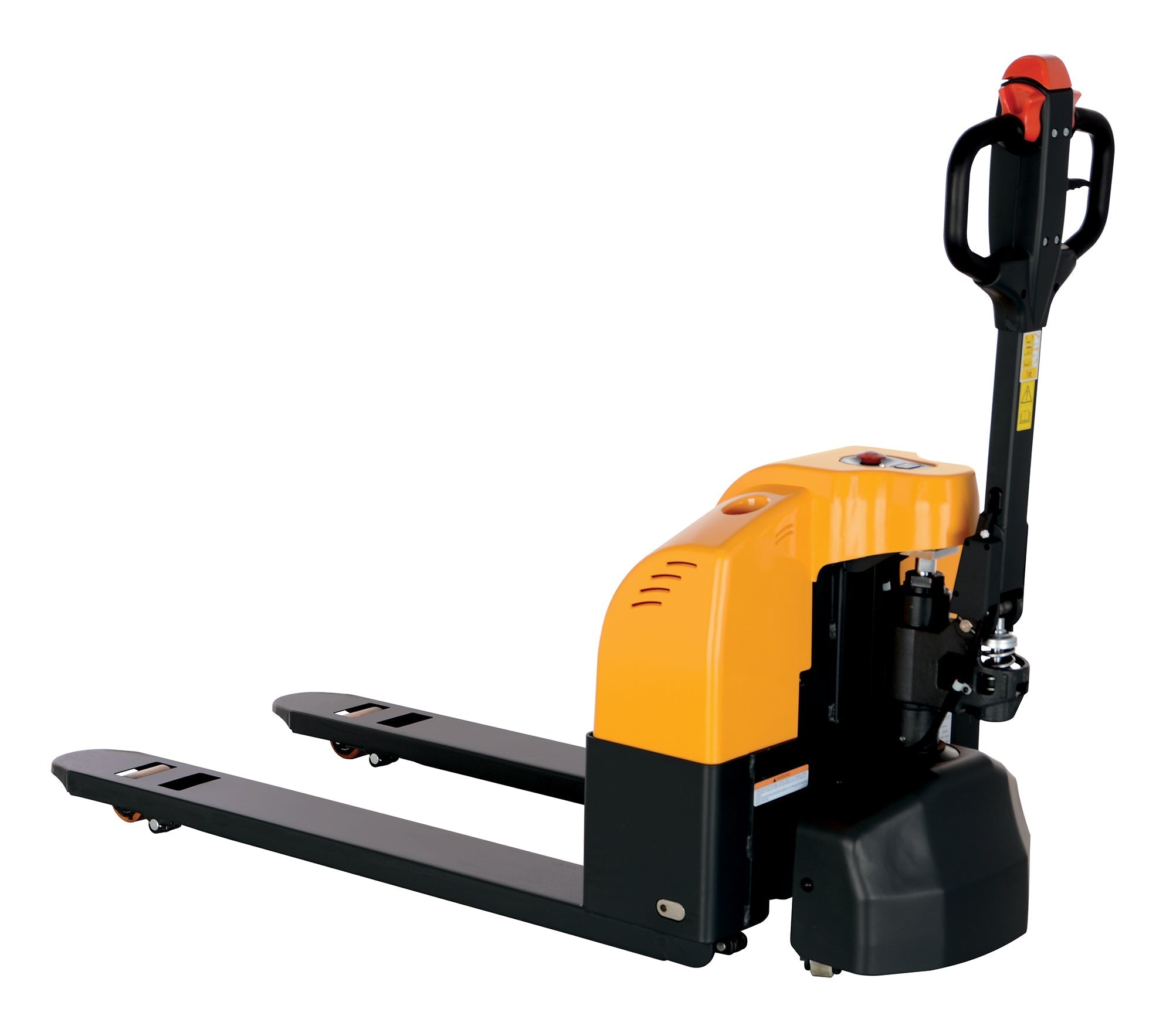
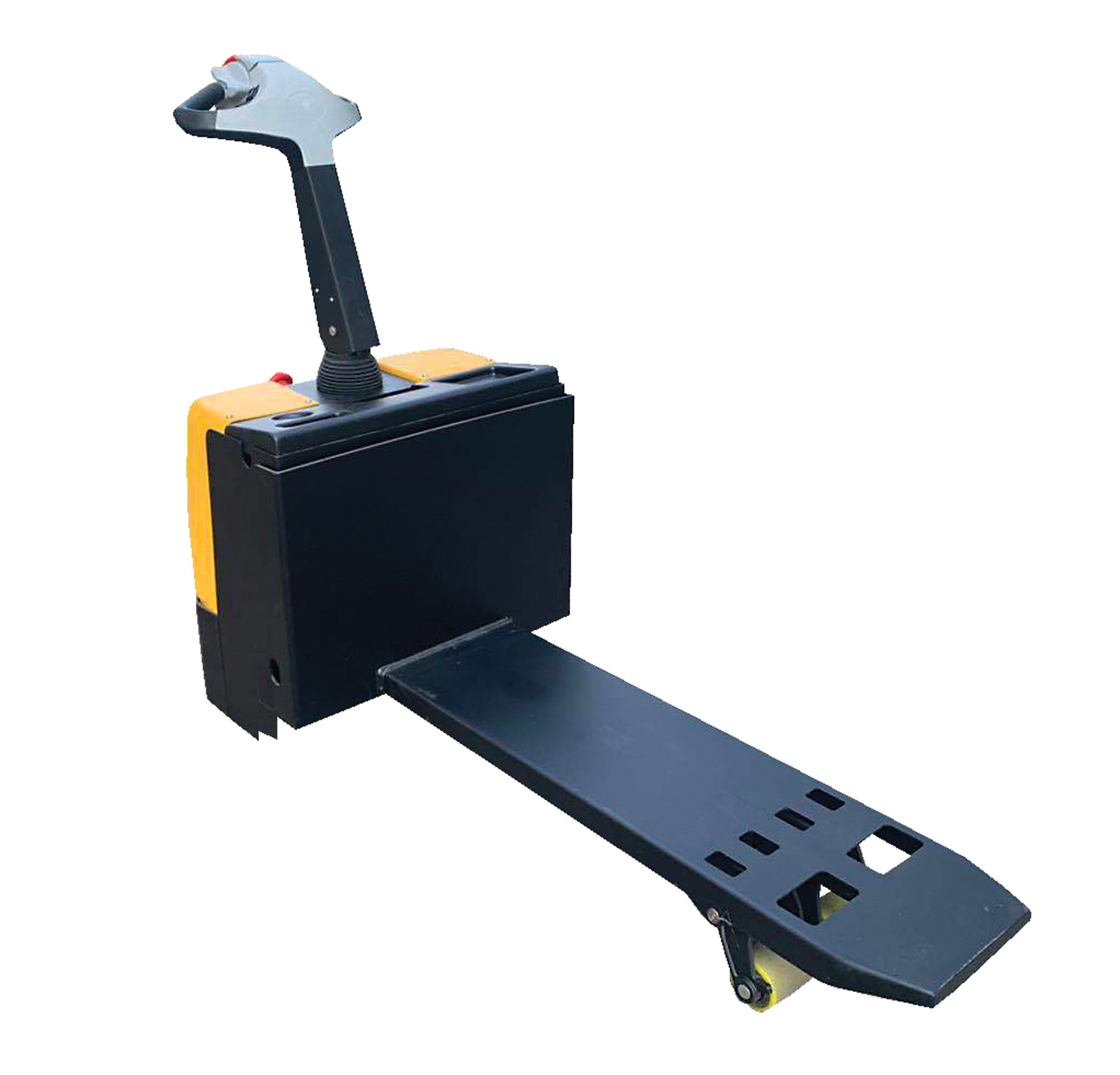
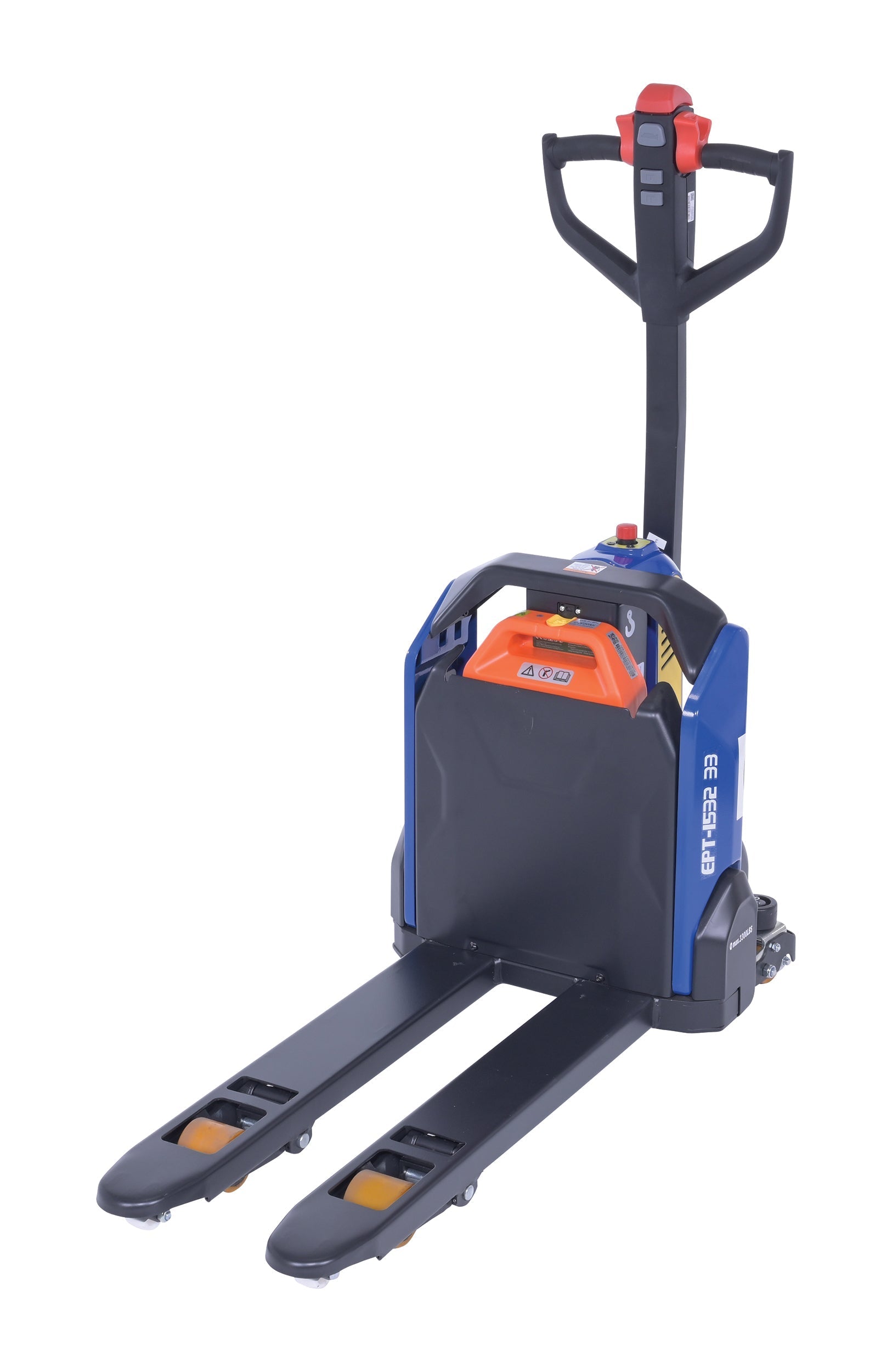
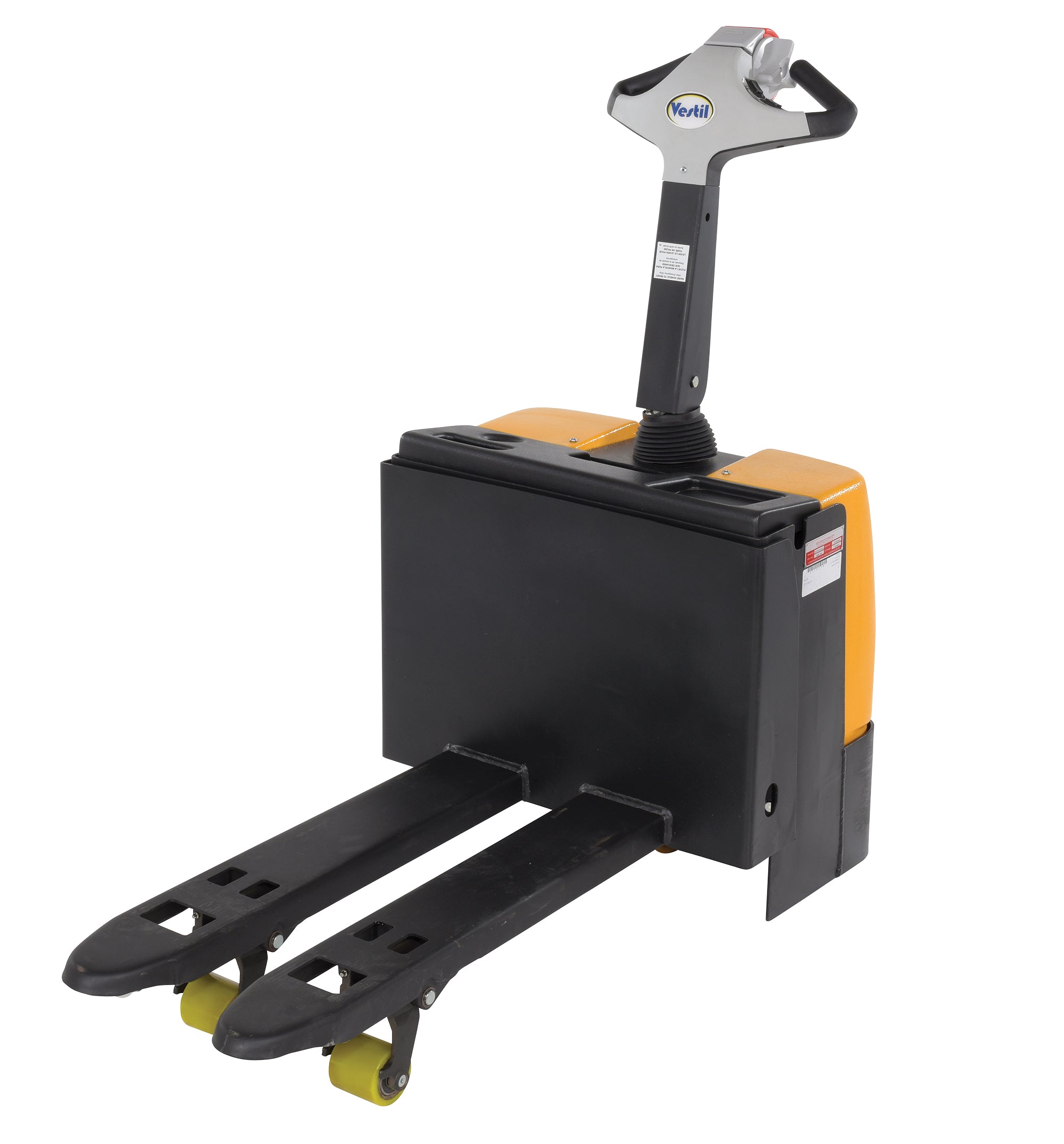
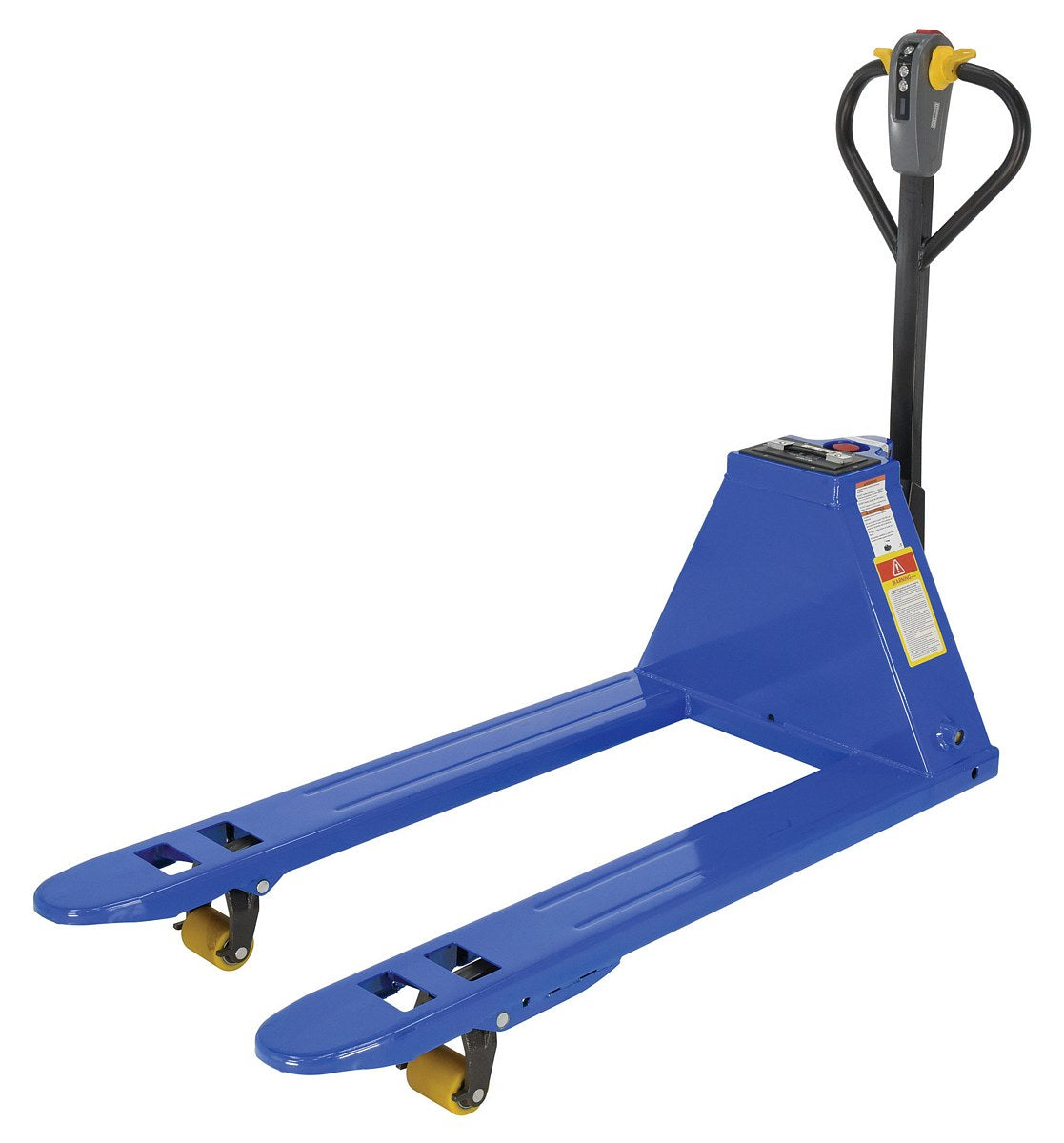
Electric pallet jacks: semi or full power, and the training that comes with them. Within electric pallet jacks, the split is between semi-electric trucks, which power the drive but leave lifting to the hydraulic handle, and fully powered trucks, which do both. Vestil's economy semi-automatic runs about $2,600 and the fully automatic about $3,100, and the gap widens from there with 24V systems, scale-equipped models that weigh while they carry, and rider platforms for long routes. One obligation arrives with any of them: a powered pallet jack is a powered industrial truck under OSHA 1910.178, so operators need formal training and evaluation before they run one, the same rule that covers forklifts. Manual trucks carry no such requirement. Budget the training time along with the purchase, and plan where the truck will charge, because a battery that never gets a full cycle dies young.
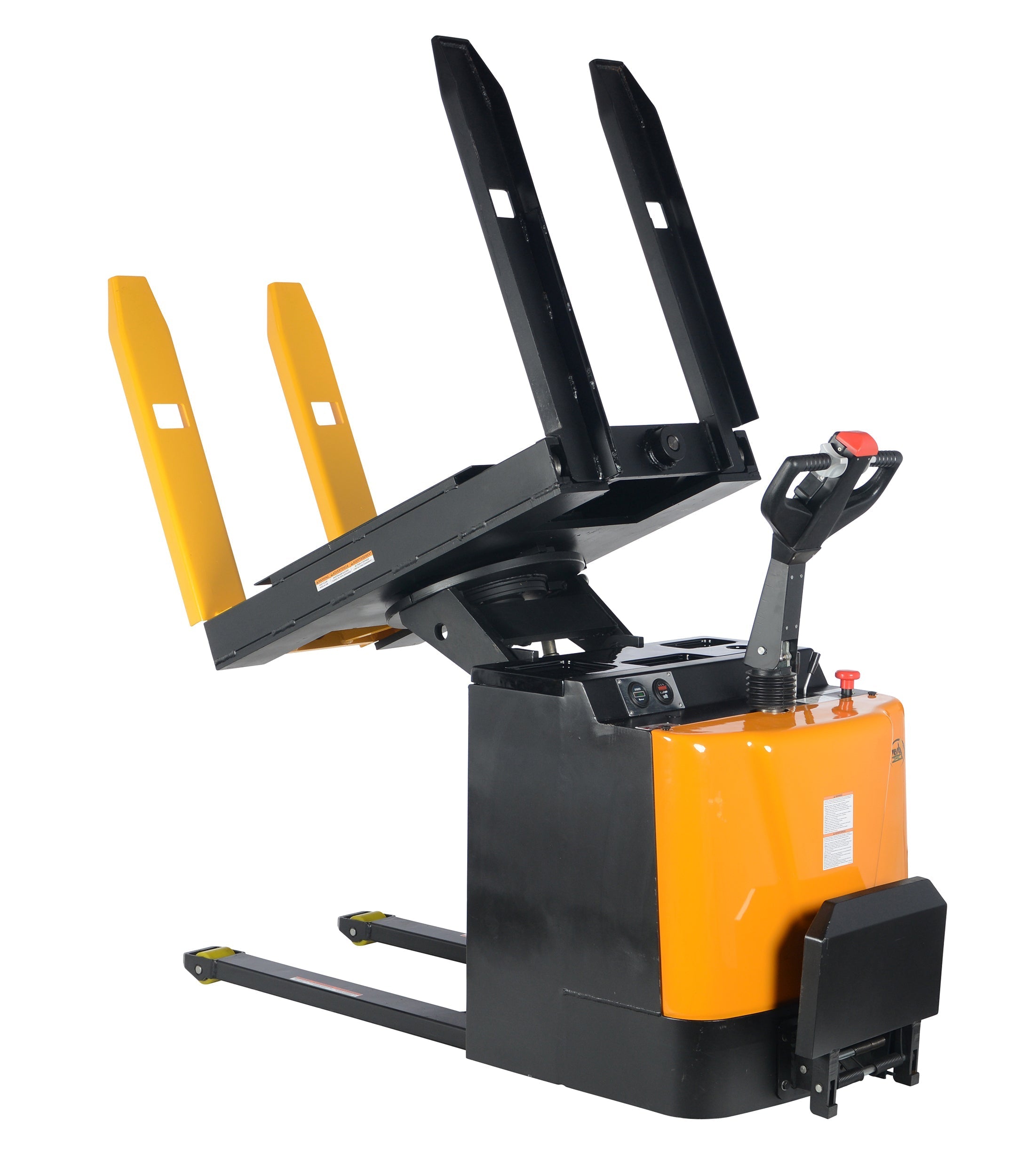
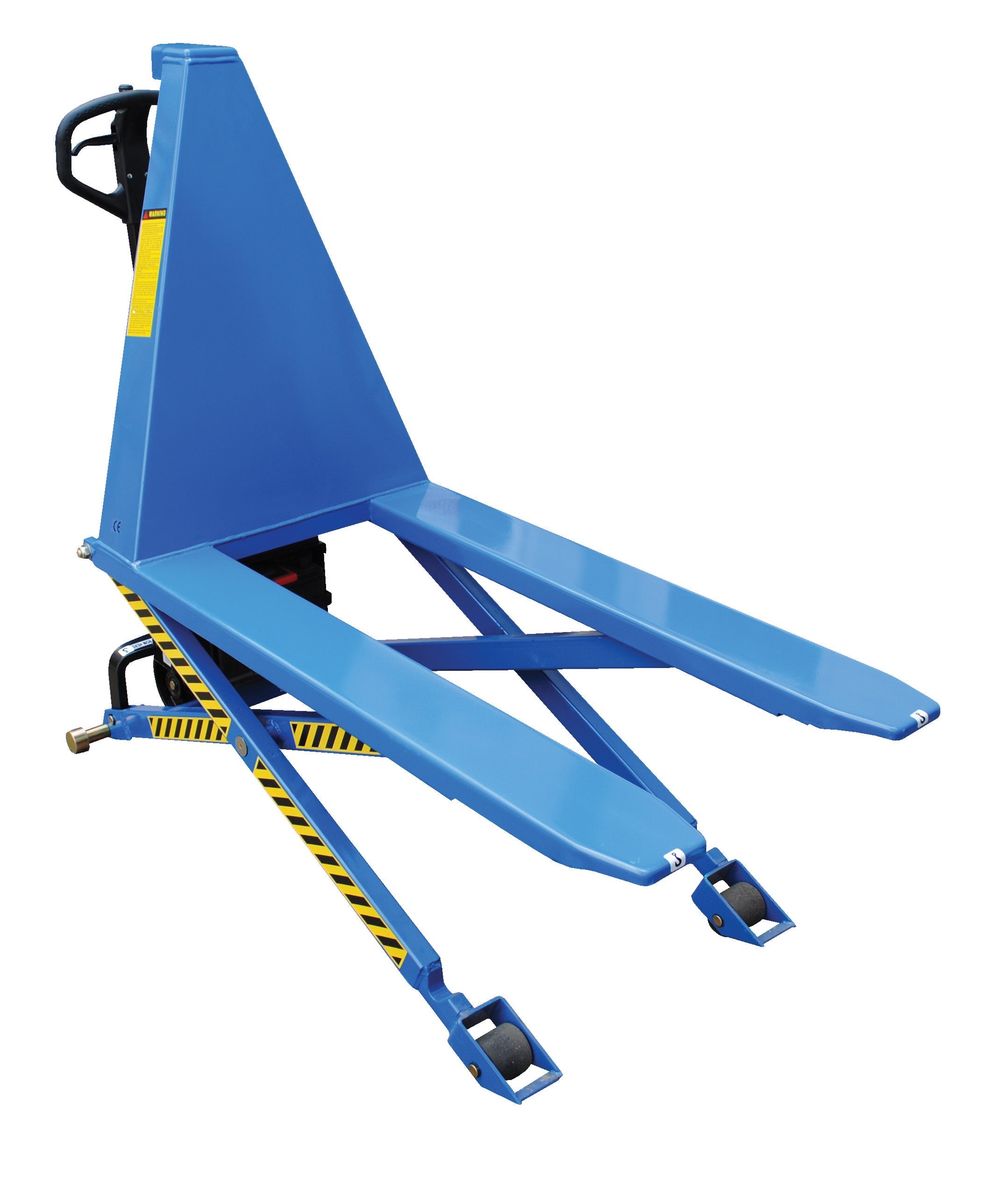
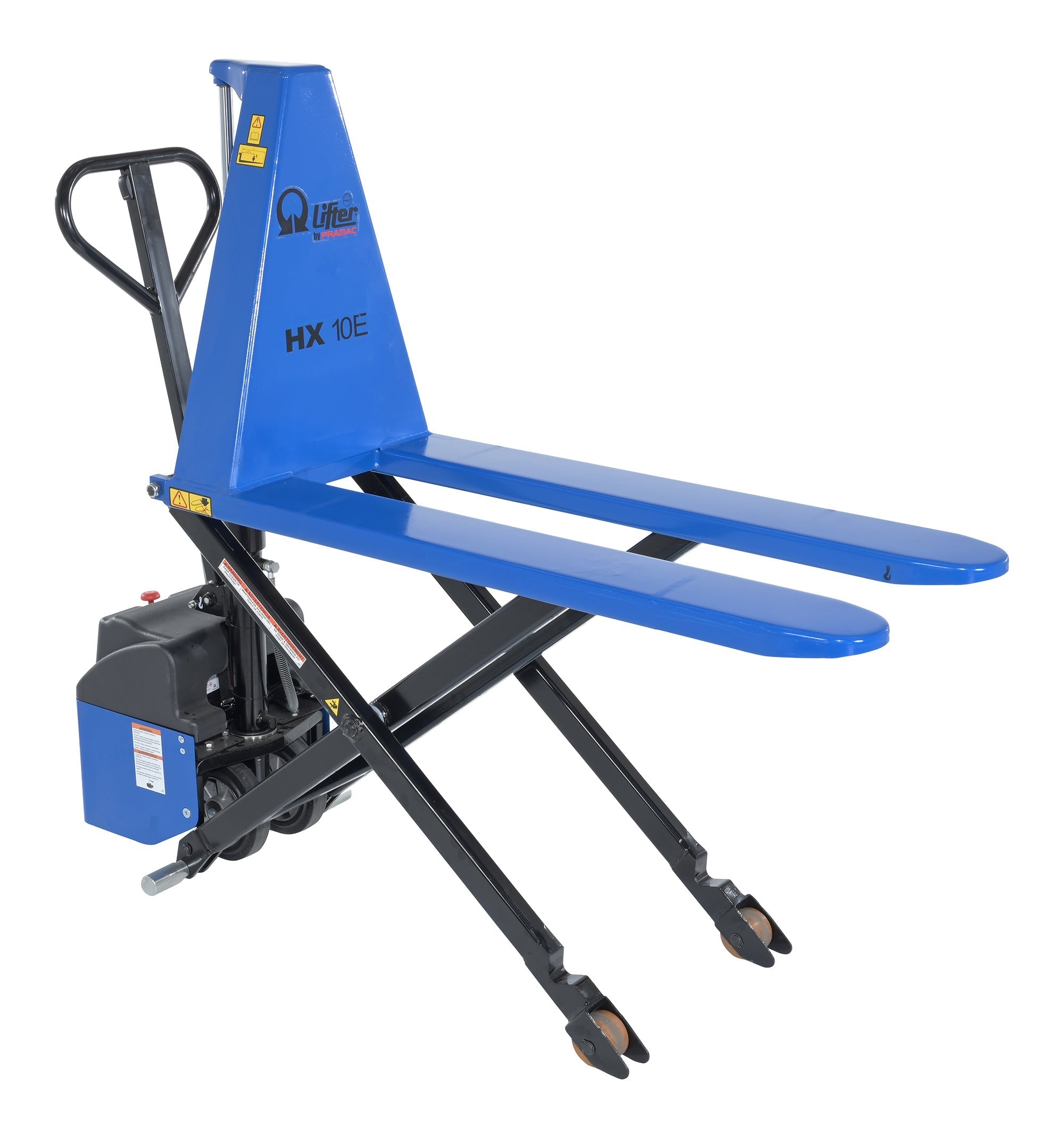
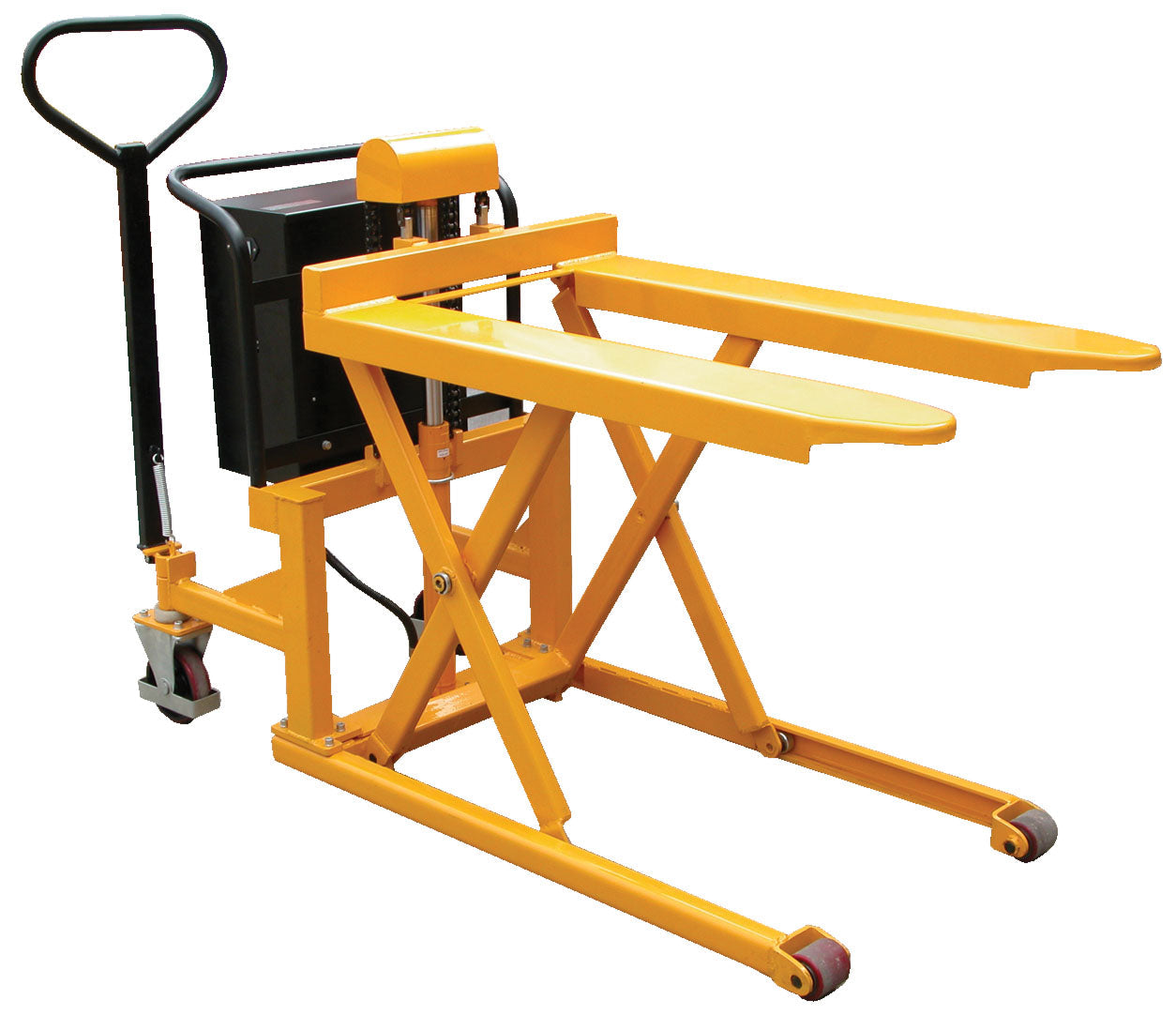
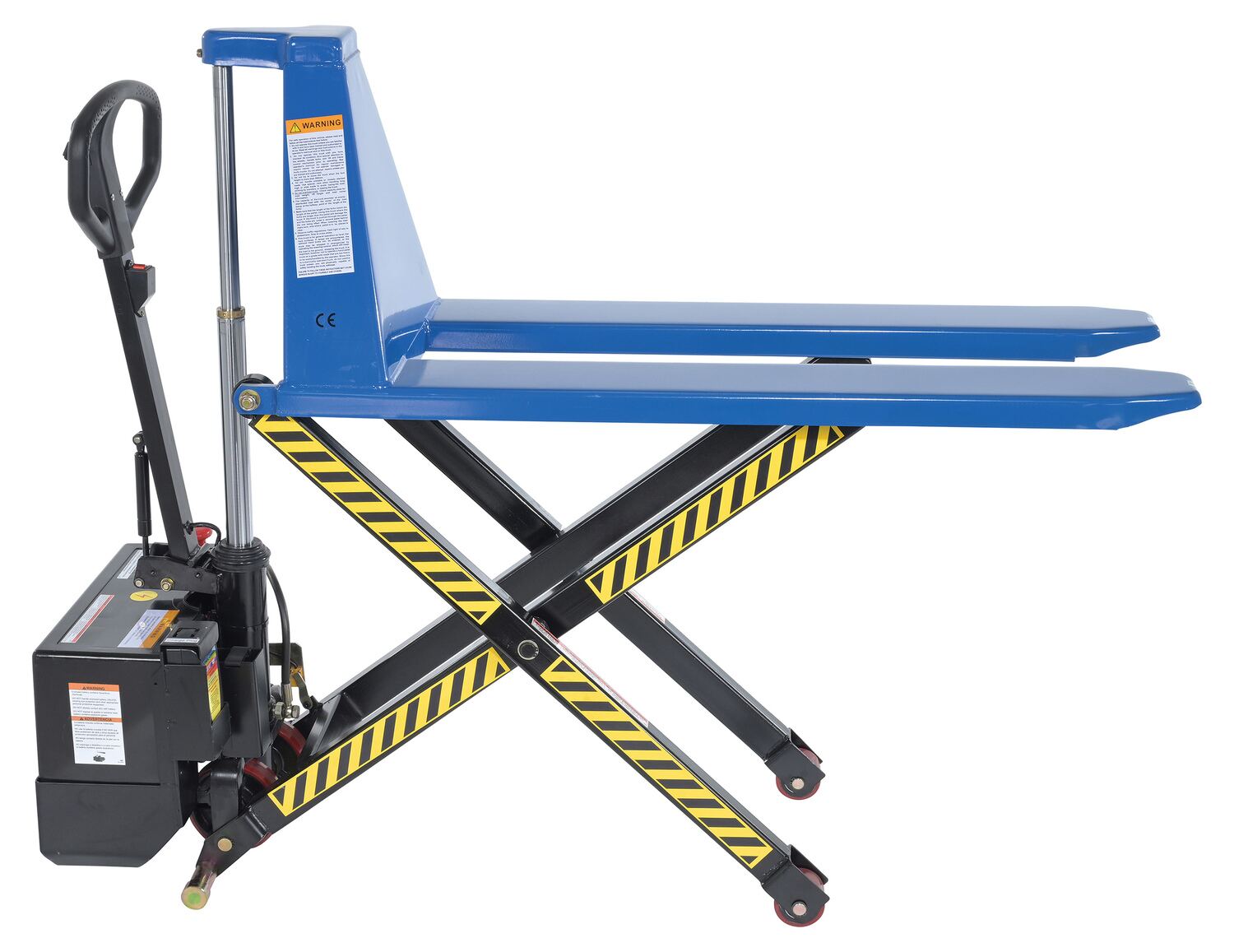
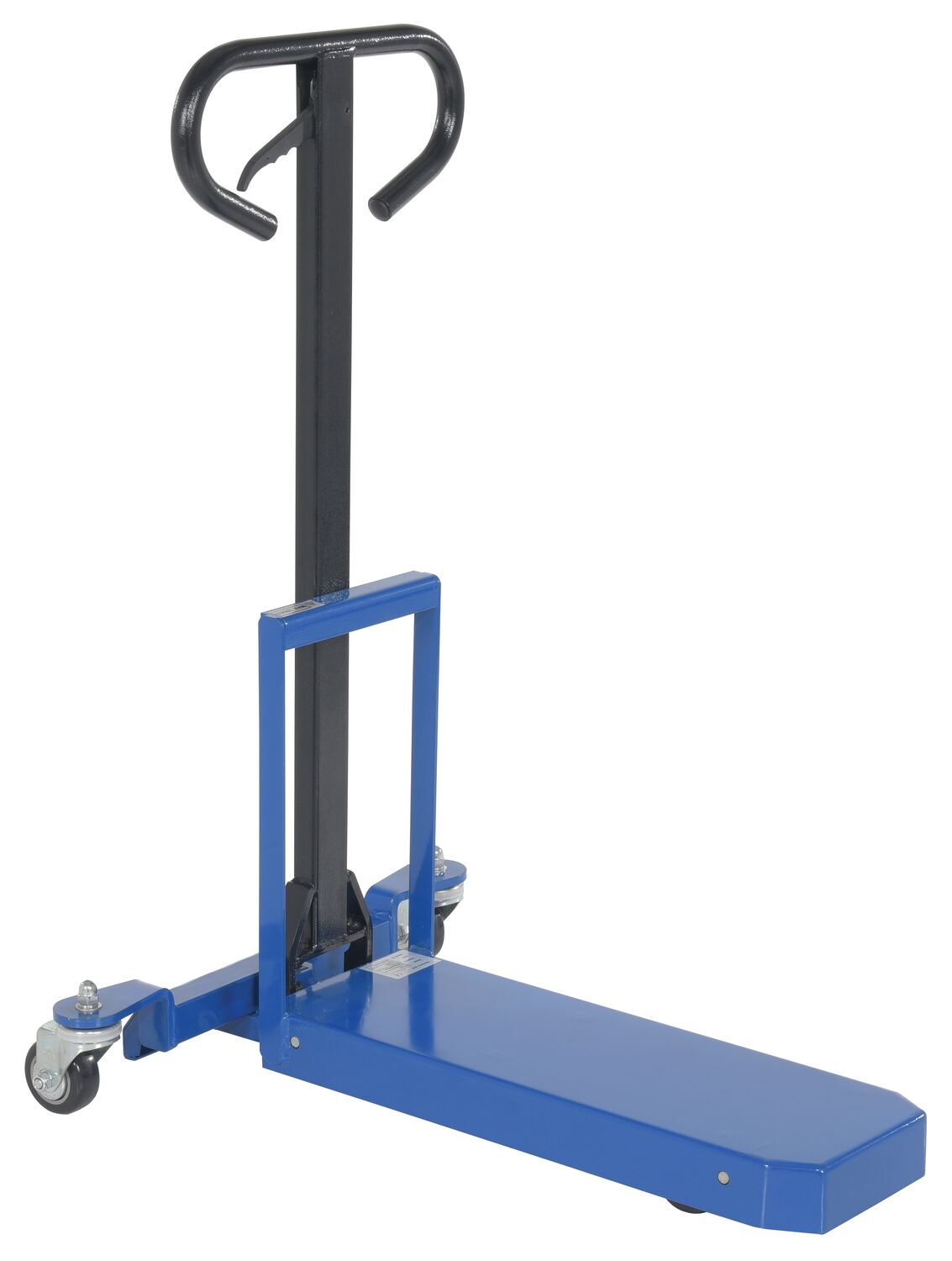
Past the standard truck: totes, skids, and full pallet inversion. Some loads are pallet-shaped without being pallets. The tote and skid lifters carry containers and skids and add lift height a pallet truck does not have, raising totes to workbench level so nobody unloads parts from the floor; the high-lift and Tote-A-Load models run from about $1,100 to $4,100 with 12V powered options. At the far end of the collection, pallet inverters rotate an entire loaded pallet so you can swap a broken pallet out from under its load, or exchange wood for plastic before a load enters a clean room, without restacking a thing by hand. At around $27,000 a portable inverter is a serious purchase, and the arithmetic that justifies it is the labor cost of hand-restacking multiplied by how often you do it.
Frequently Asked Questions
Yes. OSHA classifies powered pallet jacks as powered industrial trucks under 1910.178, so operators must complete formal instruction, practical training, and an evaluation before running one, with refreshers after any incident. Manual pallet jacks fall outside the rule and need no certification, though basic training is still smart.
Rate the truck to the heaviest pallet it will ever move, not the typical one, and leave margin. The standard 5,500 lb Vestil hand truck covers most general freight; dense loads like paper rolls, tile, and drummed product are the usual reasons to check the number twice. Chronic overloading shows up as bent forks and hydraulics that bleed down.
Standard 27 x 48 in forks are sized for the 48 x 40 in GMA pallet, the most common footprint in North America. Nonstandard skids, block pallets with low openings, and narrow specialty pallets are where you look at the 21 x 45 in low profile trucks instead. Measure the entry opening and the stringer spacing before ordering.
When pallet moves are a job rather than an errand: long runs, full shifts, ramps, or loads near the top of the rating. A semi-electric walkie at about $2,600 removes the hardest part of the work, the initial pull, and a fully powered truck removes all of it. Below a handful of short moves a day, a $420 hand truck is hard to beat.
It clamps a loaded pallet and rotates the whole thing so the pallet can be swapped without restacking, which is how you exchange a damaged pallet under 2,000 lb of product, or trade wood for plastic ahead of a hygiene-controlled area. It replaces hours of hand restacking per occurrence, which is the number that justifies the price.