Cargo Control & Tie-Downs
Cargo control and tie-downs are what keep a load where you put it, and this hub gathers the securement gear a flatbed, van, or recovery rig runs through in a day. The core is webbing: Kinedyne and Lift-All ratchet straps in 1 through 4 inch widths, Kinedyne winch straps for the trailer rail, and the winch bars and protective sleeves that tension and guard them. Grade 70 transport chain with Crosby and Kinedyne load binders covers the loads that would saw through polyester, while E-track systems, corner protectors, coil chocks, shoring beams, rubber tarp ties, and reflective oversize load flags handle the details around them. Vestil dock boards, dockplates, and ramps cover the loading end, and snatch blocks, a soft shackle, and a Vestil farm jack cover the day something leaves the pavement. Most of it prices in the tens to low hundreds; what costs real money is a violation or a load that shifts. The guide below starts with the tie-down math an inspector checks first.
Shop Truck & Tow by Category
Compare Truck & Tow
| Model | Price | Capacity | |
|---|---|---|---|
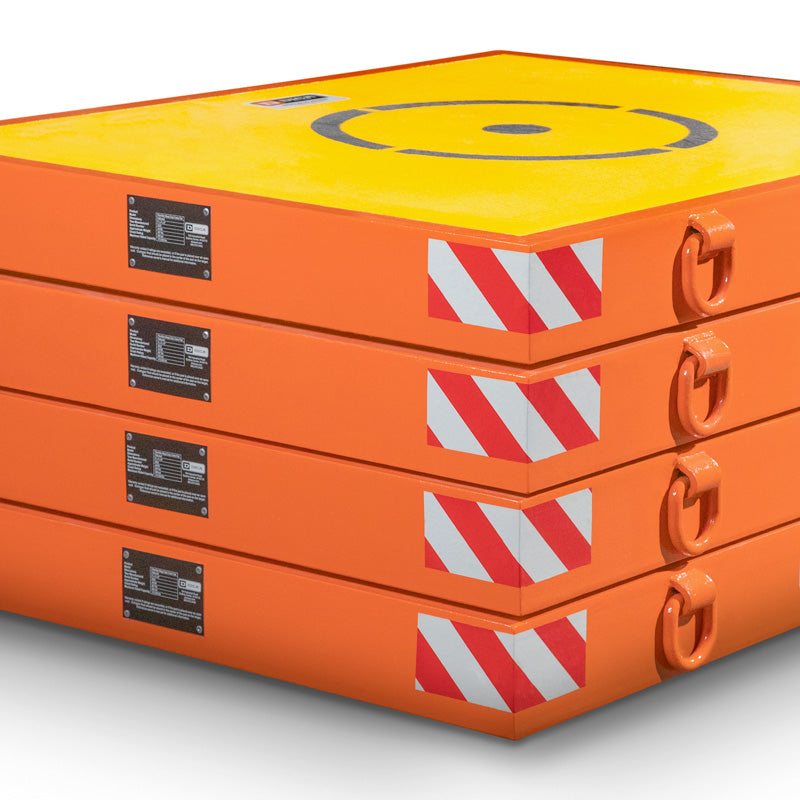
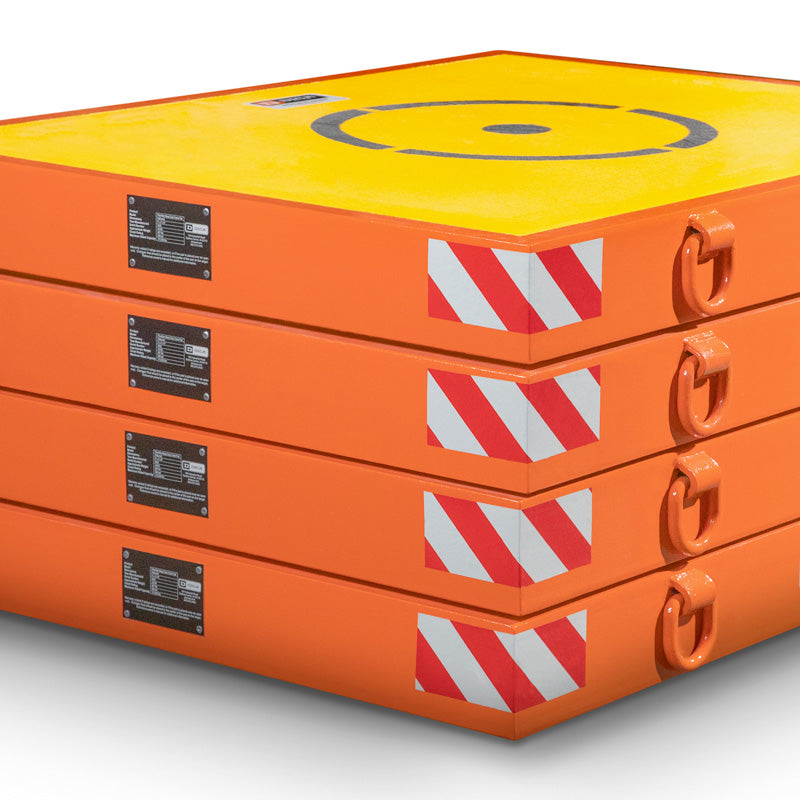
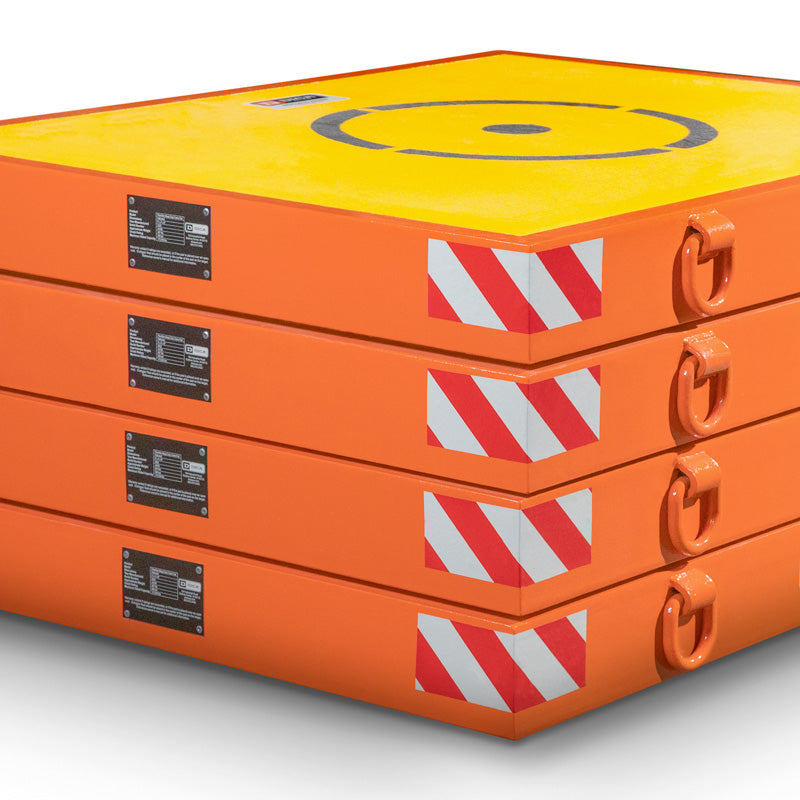
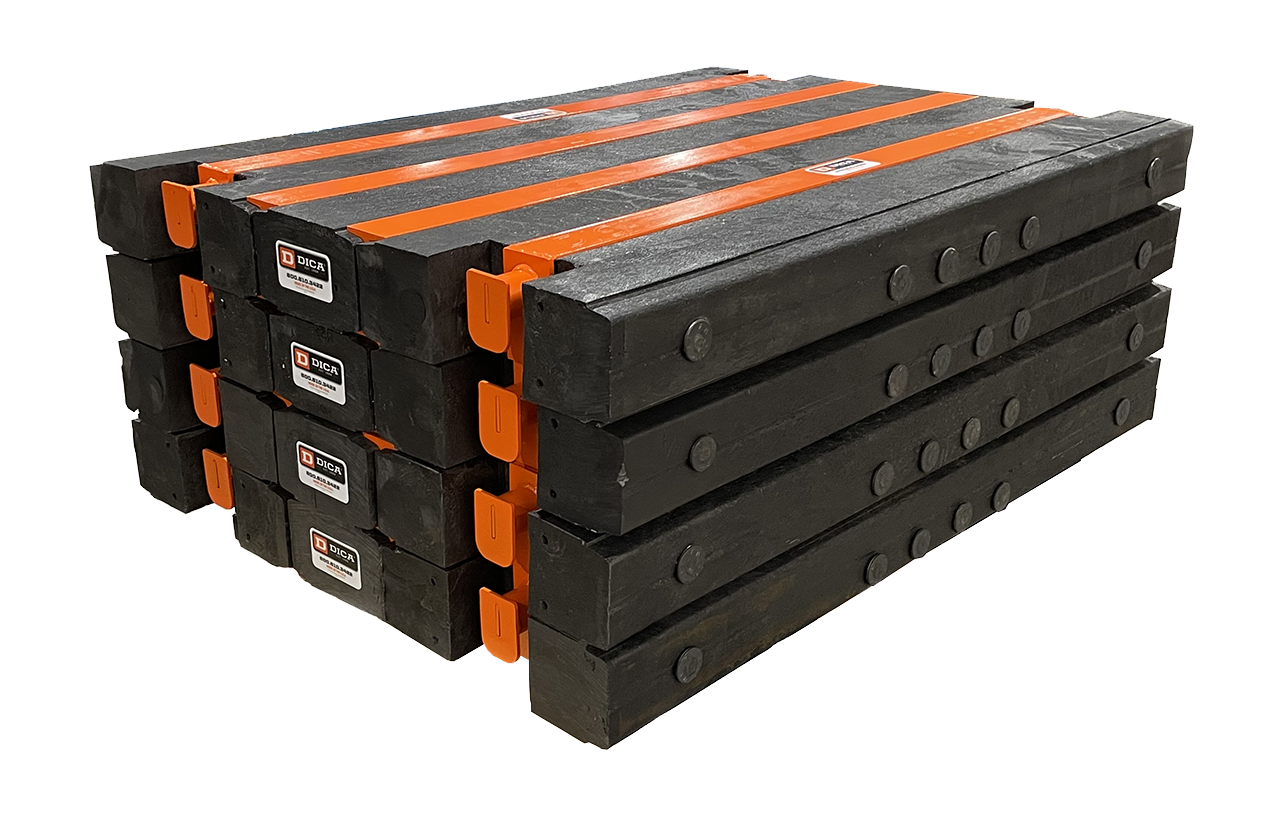
| DICA 12Inch FiberMax Crane Pads | $19,559 | 400,000 lb | View → |
| Vestil Premium Truck Scissor Dock Lift | $19,556 | 5,000-12,000 lb | View → |
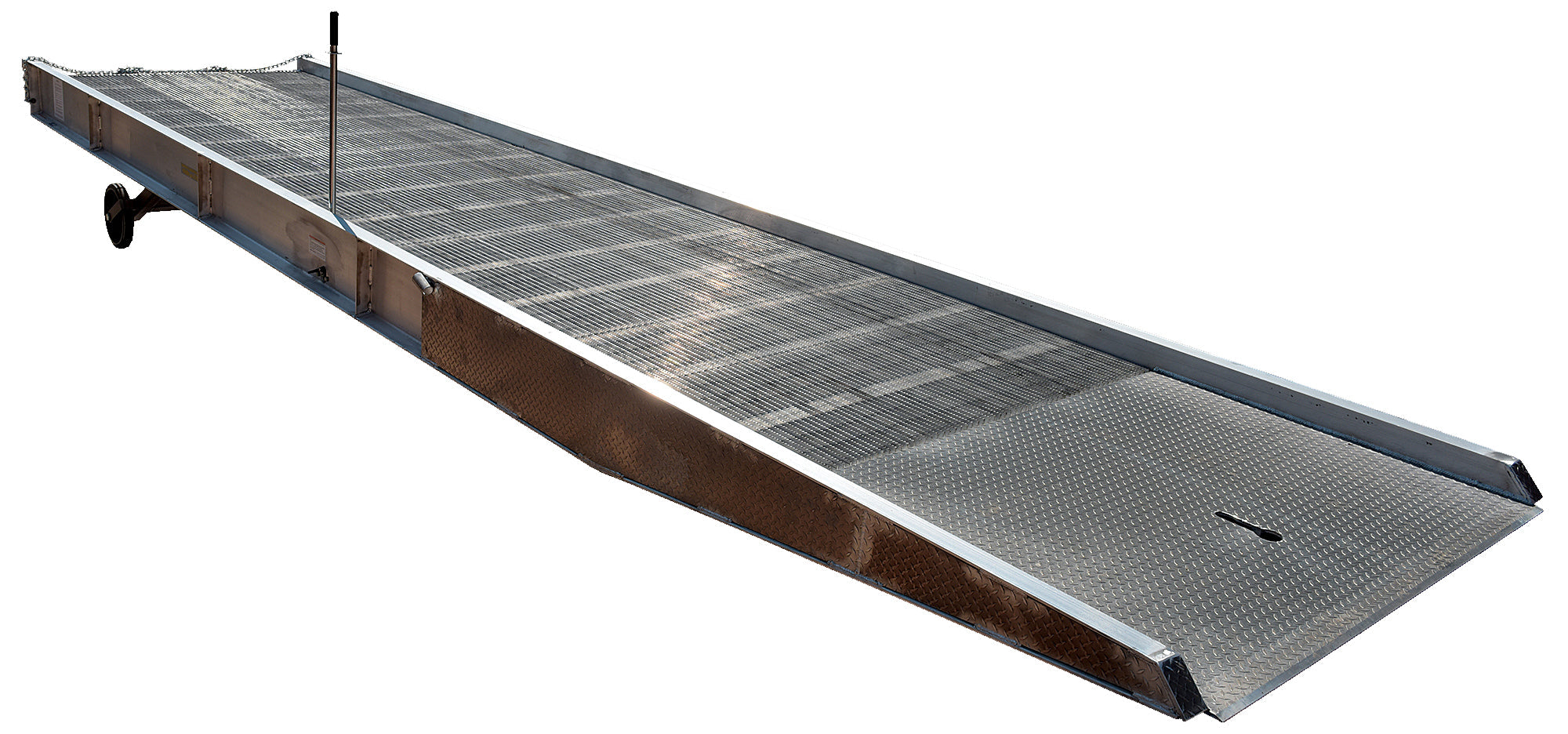
| Vestil Aluminum Yard Ramps | $16,955 | 16,000-30,000 lb | View → |
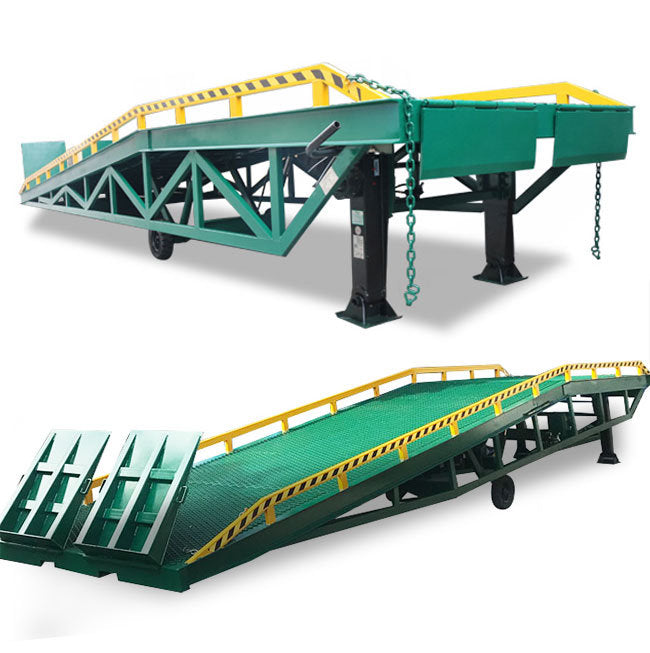
| EKKO EKYR 22000lbs Yard Ramp | $15,998 | 22,000 lb. | View → |
| DICA 10Inch FiberMax Crane Pads | $12,773 | 325,000 lb | View → |
| DICA 6.75Inch FiberMax Crane Pads | $9,706 | 250,000 lb | View → |
 In Stock
 In Stock
 In Stock
 In StockIn Stock
 In Stock
 In Stock
 In Stock
 In Stock
 In Stock
 In Stock
 In StockIn Stock
 In Stock
 In Stock
 In Stock
 In Stock
 In Stock
 In Stock
 In Stock
 In Stock
 In Stock
 In Stock
 In Stock
 In Stock
 In Stock
 In Stock
 In Stock
 In Stock
 In Stock
 In Stock
 In Stock
 In Stock
 In Stock
 In Stock
 In Stock
 In Stock
 In StockIn Stock
 In Stock
 In Stock
 In Stock
 In Stock
 In Stock
 In Stock
 In Stock
 In Stock
 In Stock
 In Stock
 In Stock
 In Stock
 In Stock
 In Stock
 In Stock
 In Stock
 In Stock
 In Stock
 In Stock
 In Stock
 In Stock
 In StockIn Stock
 In Stock
 In Stock
 In Stock
 In Stock
 In Stock
 In StockIn Stock
 In StockIn StockIn Stock
 In Stock
 In Stock
 In StockIn Stock
 In StockIn StockIn Stock
 In StockIn Stock
 In Stock
 In Stock
 In Stock
 In Stock
 In Stock
 In StockIn StockIn Stock
 In Stock
 In Stock
 In Stock
 In Stock
 In Stock
 In StockIn Stock
Truck & Tow Buying Guide
The tie-down math the FMCSA checks first. Cargo securement is arithmetic before it is anything else. Federal rule 49 CFR 393.106 sets the floor: the aggregate working load limit of the tiedowns on an article has to reach at least half its weight, counting half the WLL of each strap running from anchor to cargo and the full WLL of one that crosses over the load and anchors on both sides. Then 393.110 sets the count for cargo that is not blocked against forward movement: one tiedown for articles up to 5 ft and 1,100 lb, two once it runs longer or heavier, and another for every additional 10 ft or fraction of it. Those are pass-an-inspection minimums, not a target for a careful driver. They also assume every strap in the count has a legible WLL and sound webbing, so a shredded or unmarked ratchet strap does not count toward the number even if it still holds. Buy to the ratings, then add margin.
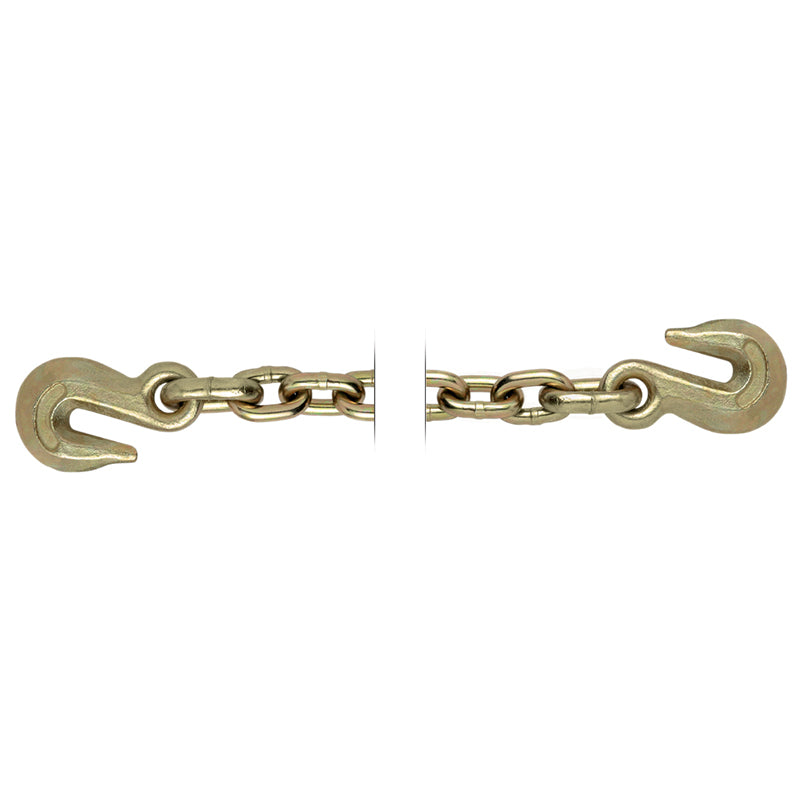
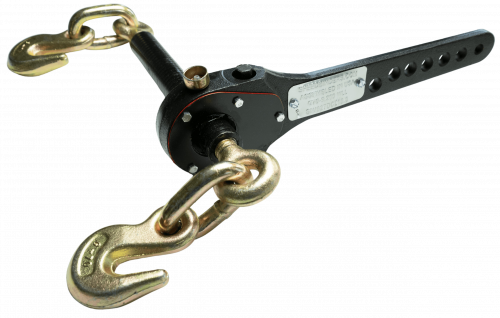
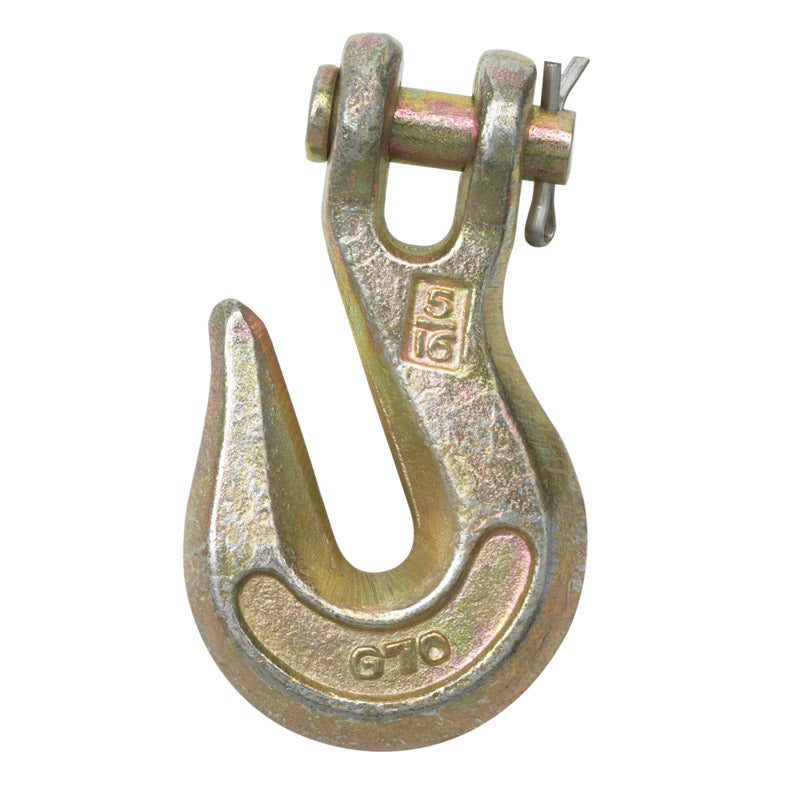
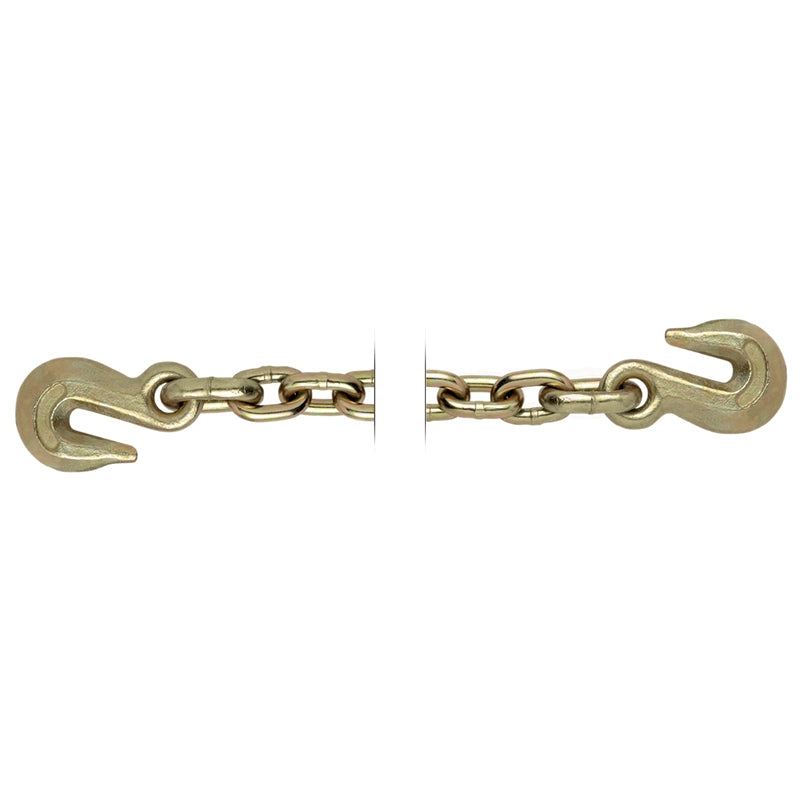
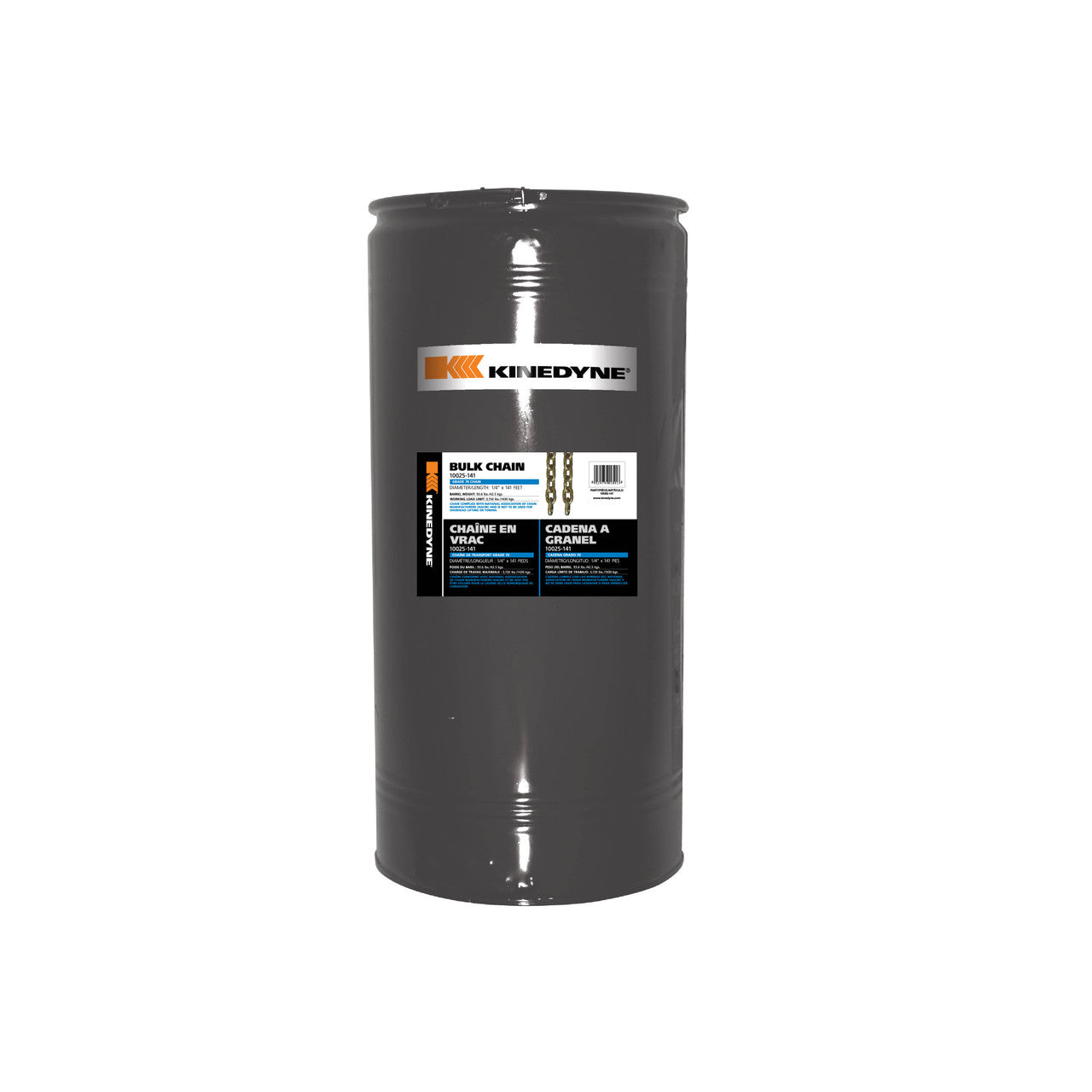
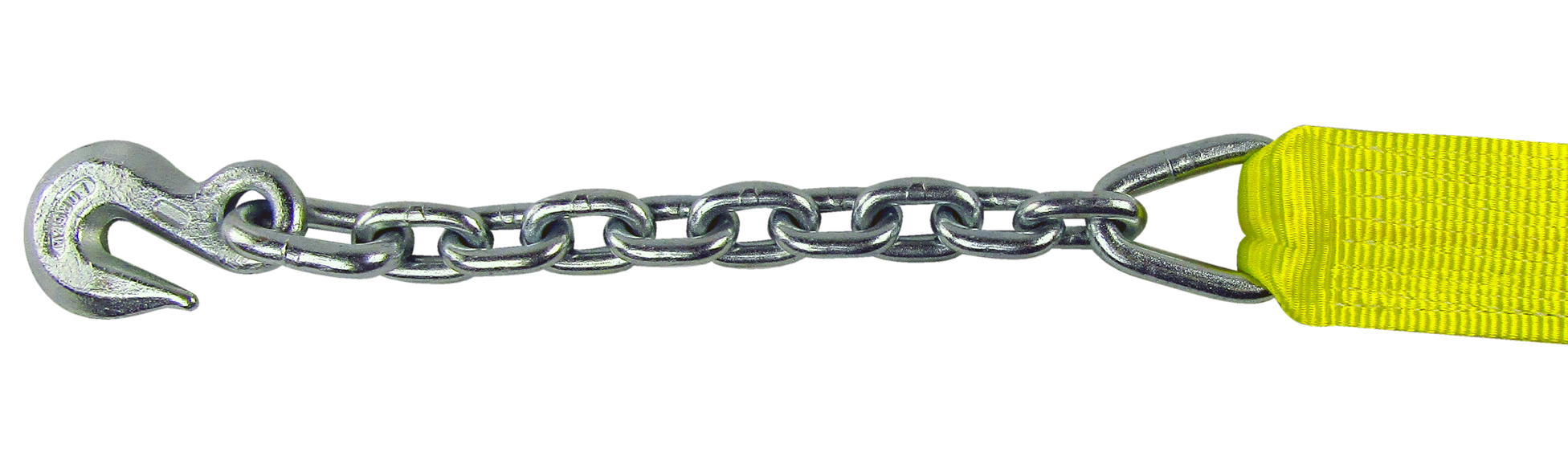
Web for most loads, chain for the loads that cut. Synthetic webbing is light, easy on painted and finished surfaces, and rated conservatively. Under the WSTDA standard a web tie-down's working load limit is set at one third of its assembly break strength, so that two-thirds reserve absorbs shock, abrasion, and age rather than sitting there for you to spend. Webbing covers the bulk of flatbed and van work, but it loses to anything with a hard edge. Machinery, steel plate, and coil saw straight through polyester, and that is where transport chain and binders take over: Grade 70 chain, gold chromated so an inspector can read the grade at a glance, tensioned with Kinedyne lever binders or Crosby Speedbinders torque drive load binders. Where webbing does ride over a corner, a steel or plastic strap corner protector keeps the edge from cutting it and spreads the crush on the load underneath.
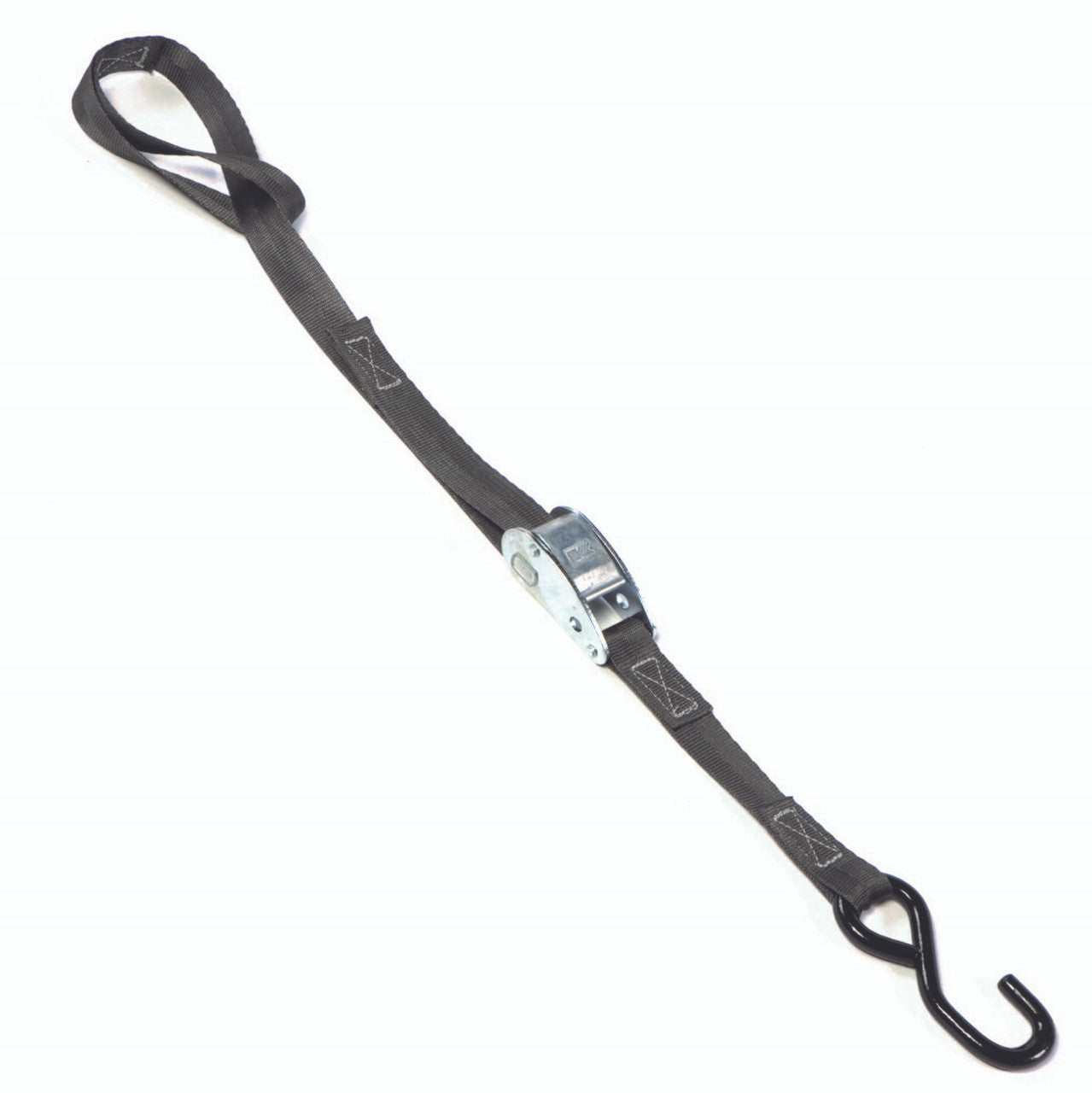
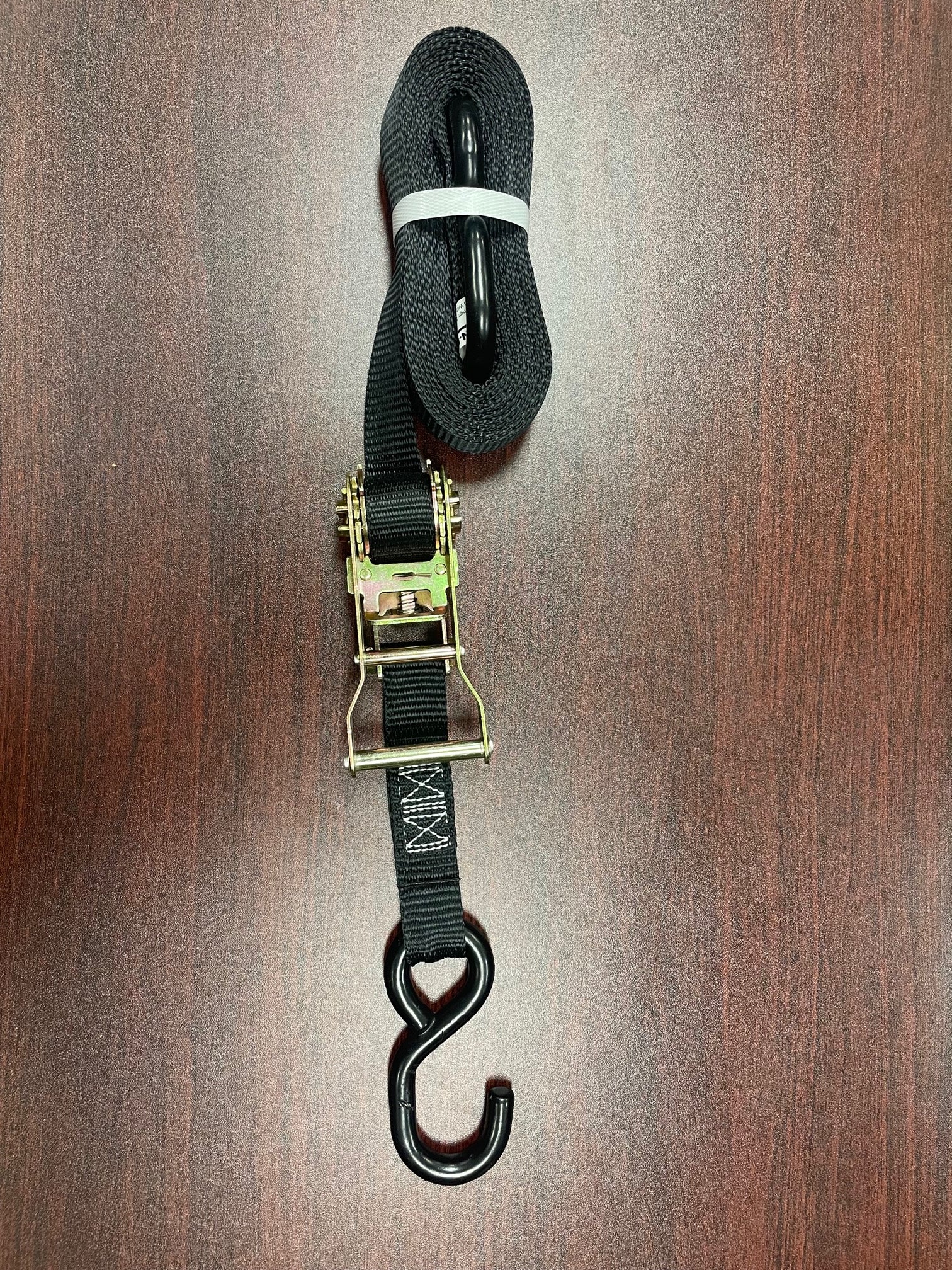
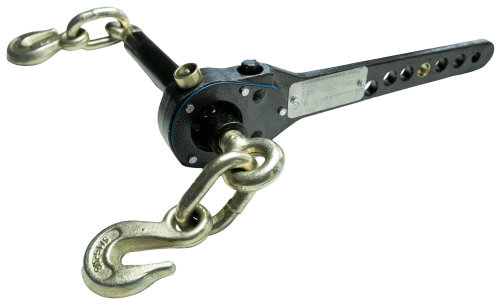
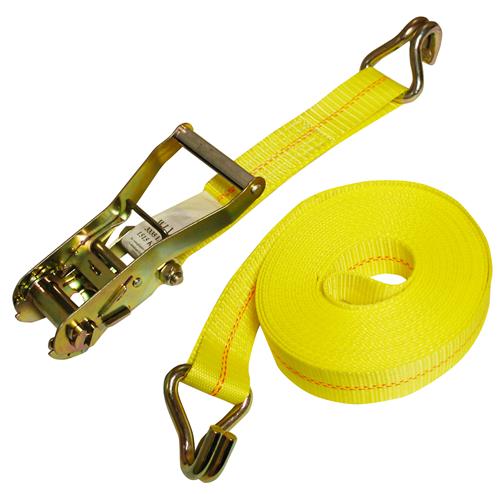
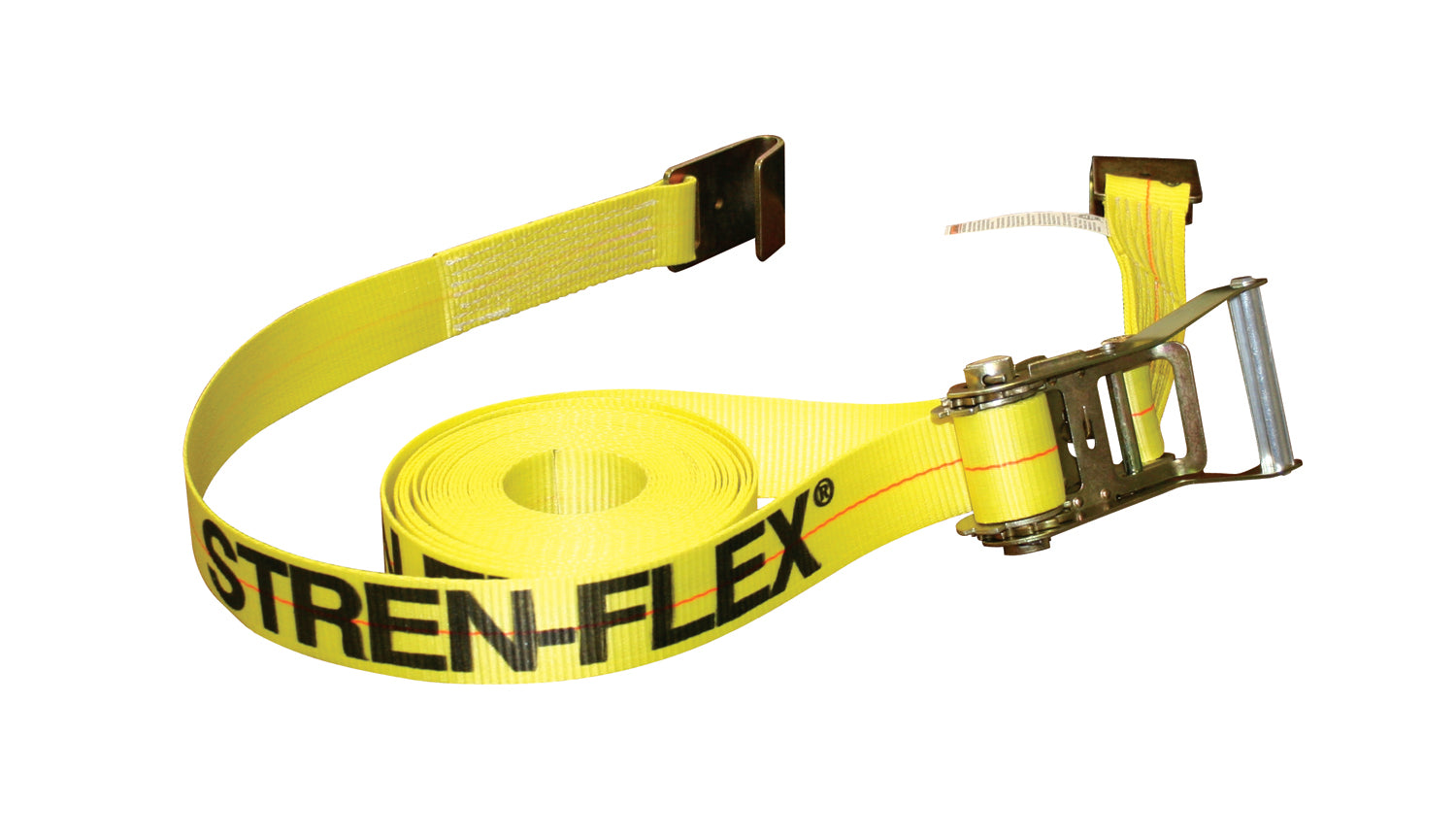
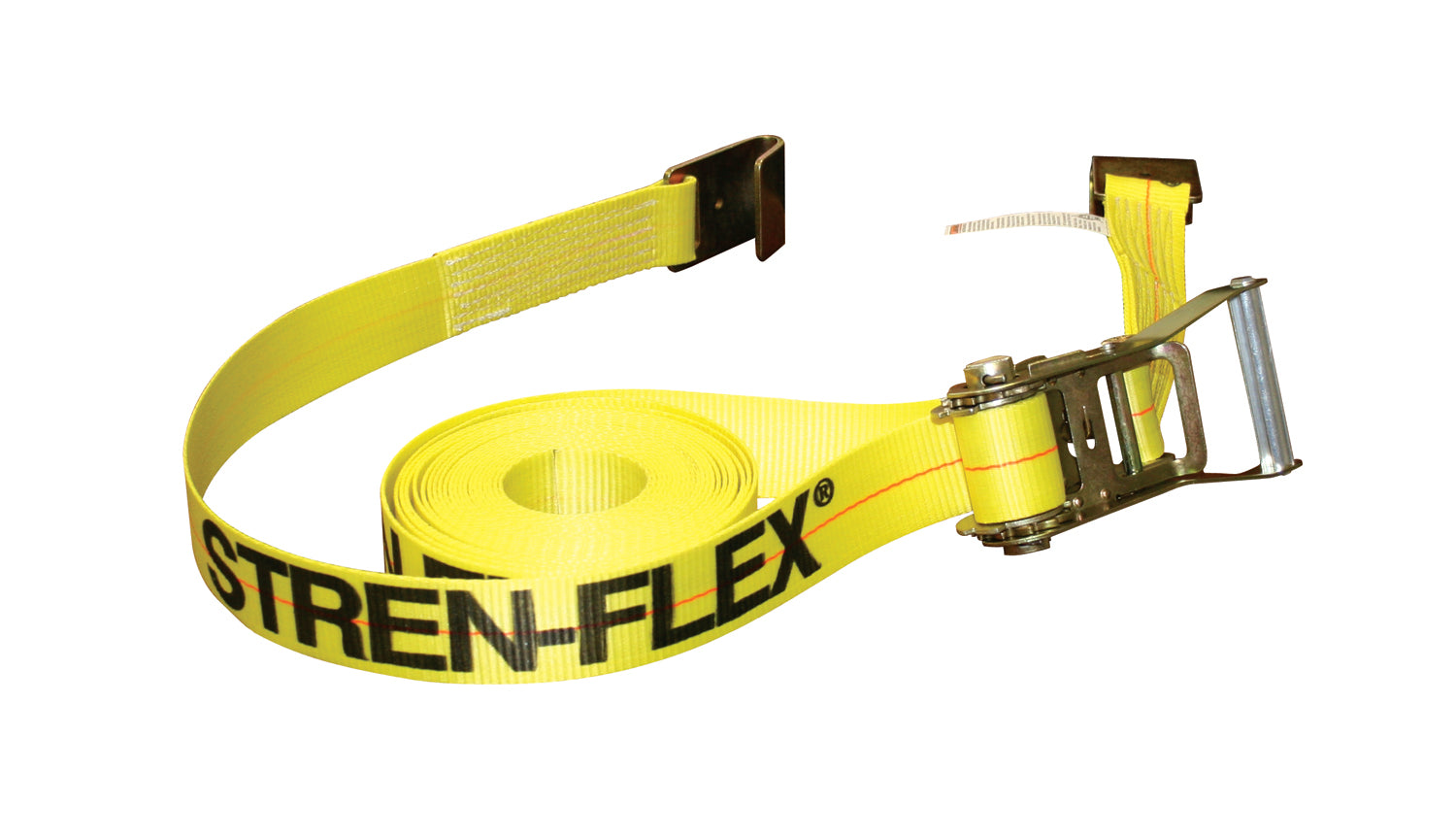
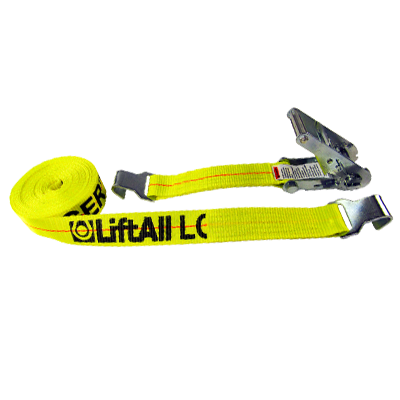
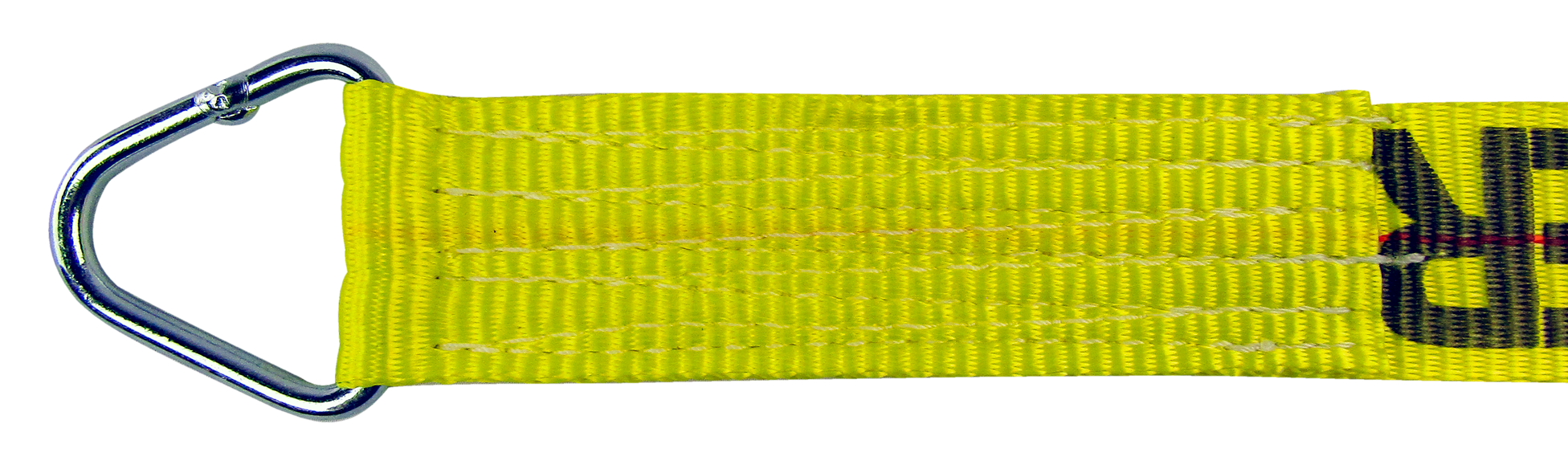
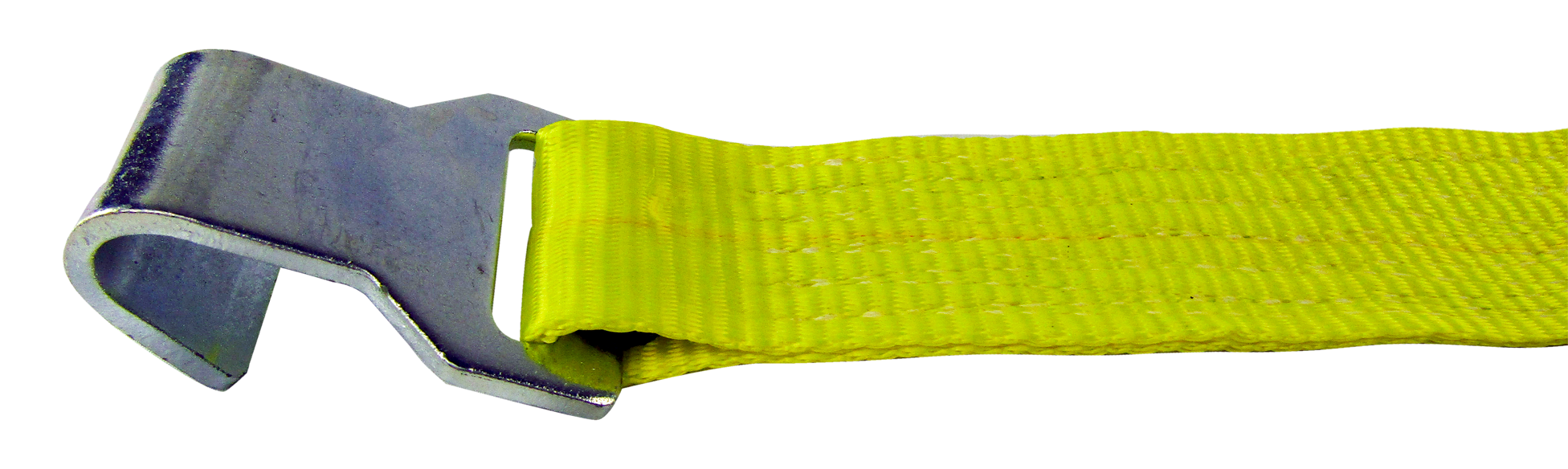
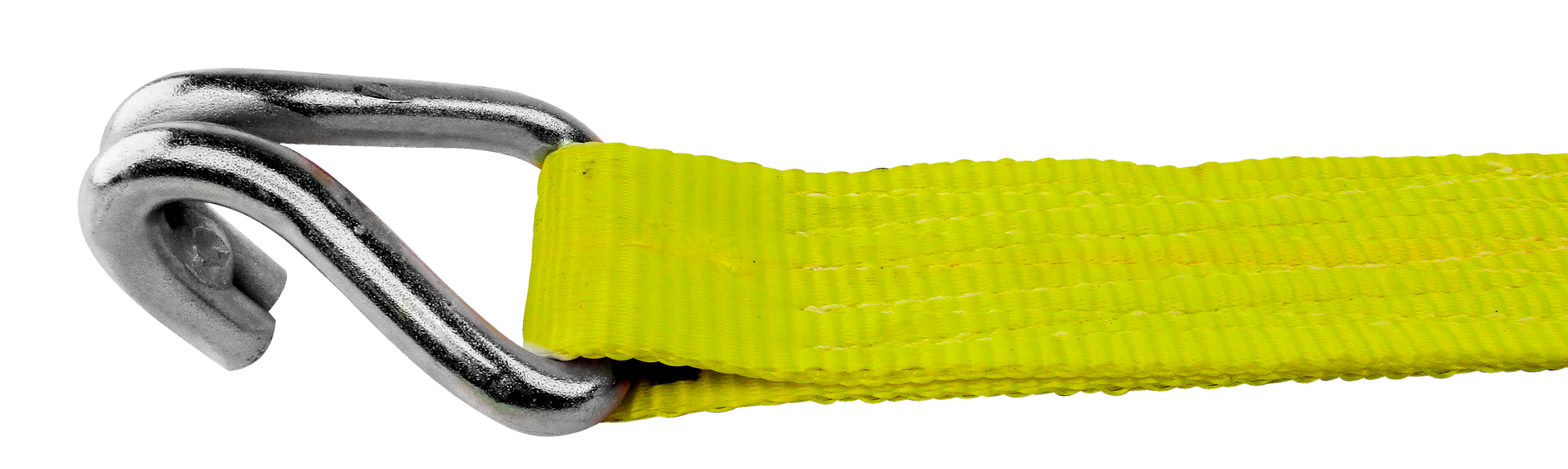
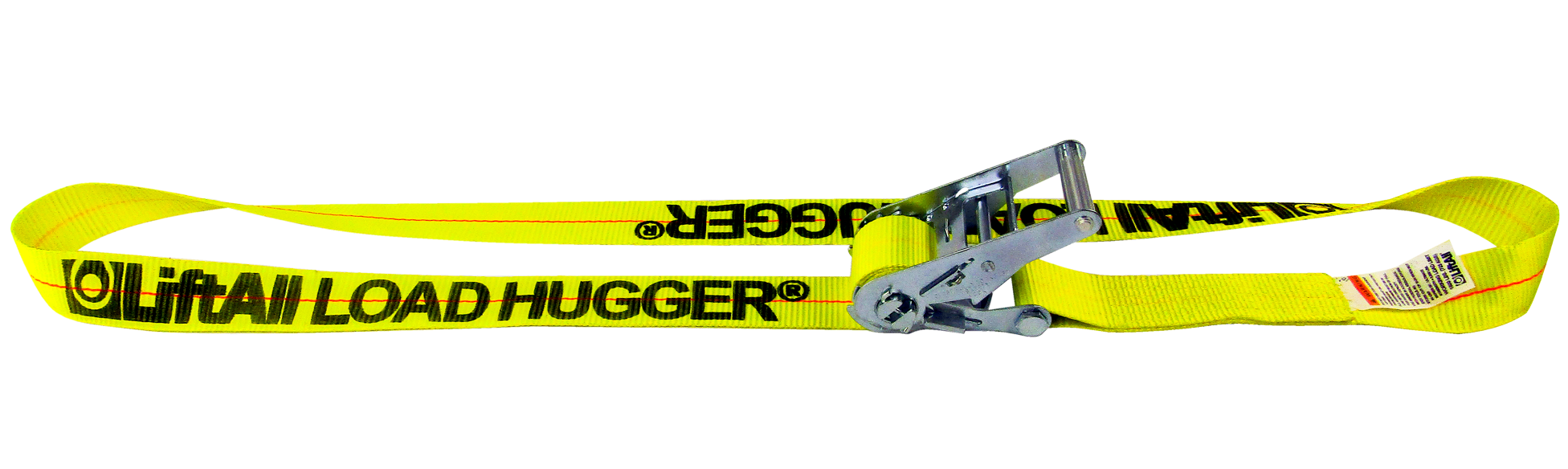
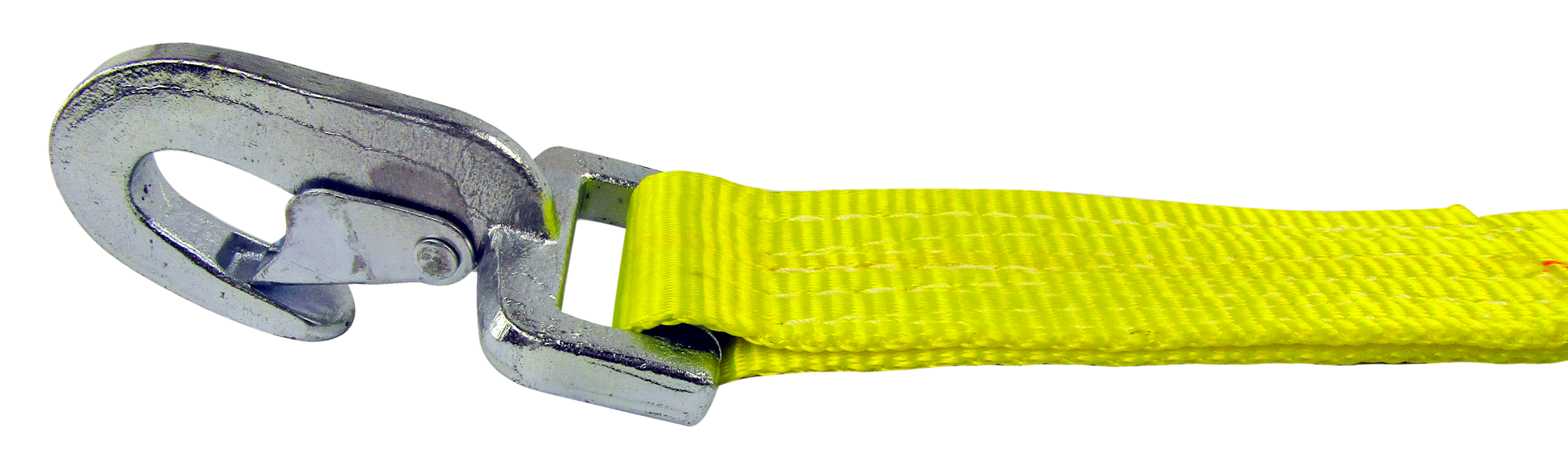
Ratchets, winch straps, and the bars that tension them. The working strap comes in two families here. Ratchet straps use a heat-treated ratchet to multiply hand tension and strip off just as fast, in every common hook pattern from flat and wire hook to Delta ring, plus wheel nets for vehicle transport, with Lift-All Load Hugger tiedowns reaching up to 15,000 lb. Winch straps trade the ratchet for the trailer's built-in winch on the rail, Kinedyne 2, 3, and 4 inch flat hook, wire hook, and chain anchor styles that most flatbed fleets standardize on. A winch strap only tensions with a winch bar, so the combination and standard bars belong in the same order, along with a nylon sleeve where the webbing wraps a sharp corner. When a lever ratchet is overkill, a cam buckle strap holds lighter loads with a friction cam that will not overtension a kayak, a watercraft, or a piece of furniture.
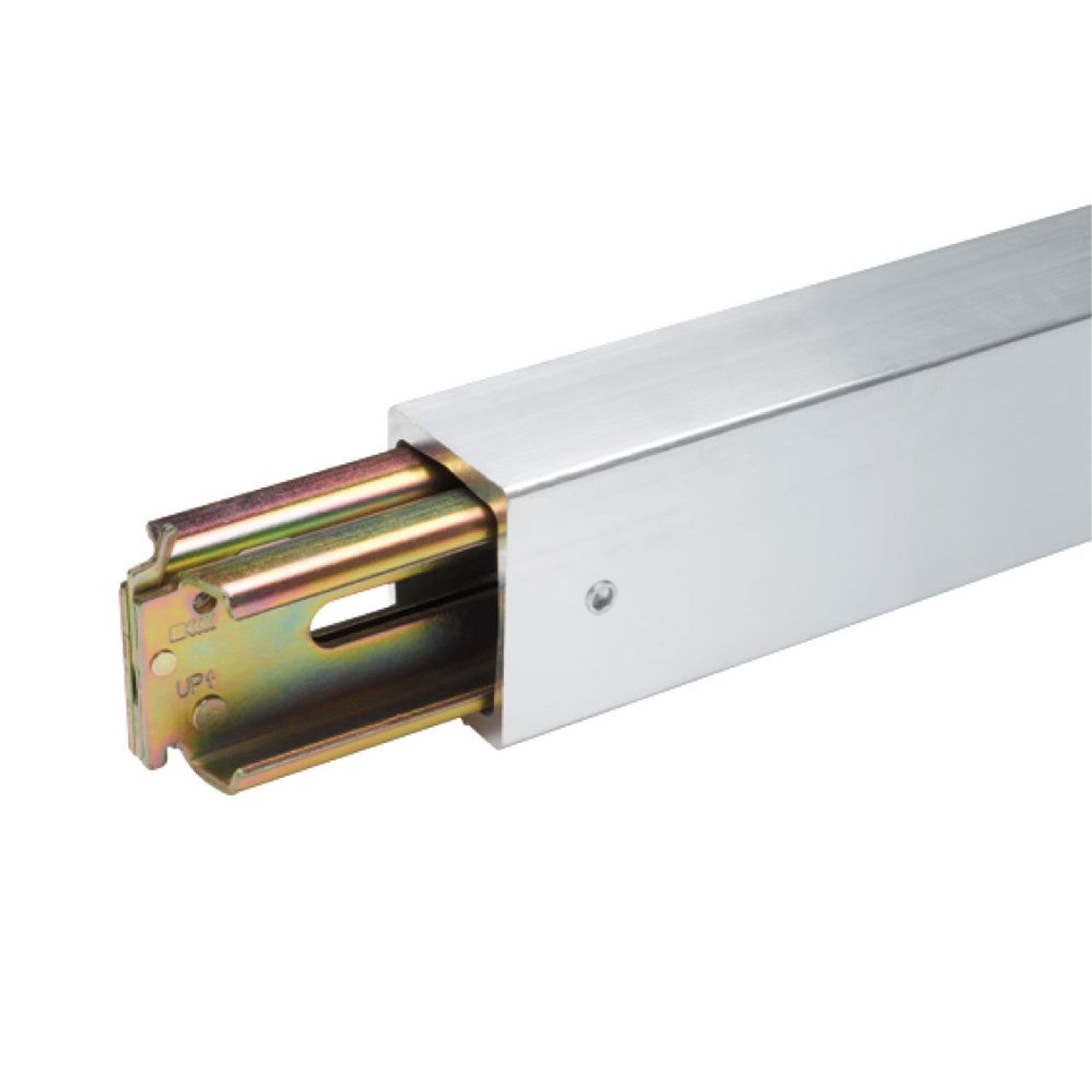
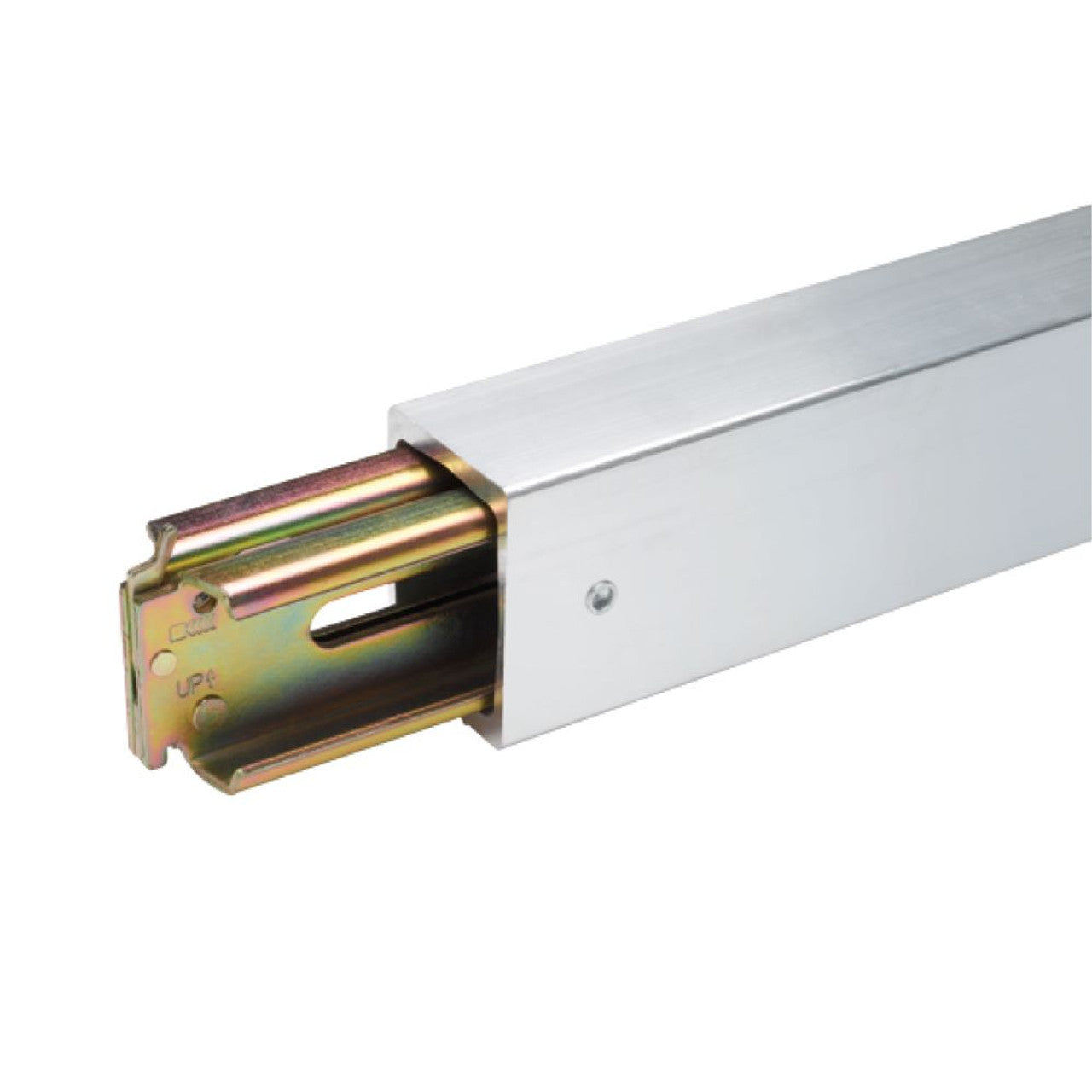
Securing inside the van: E-track. Enclosed trailers and box trucks anchor to the wall, not the deck, and that is what E-track systems provide: horizontal and vertical Series E and A track, powder coated, galvanized, or aluminum, that bolts to the van wall and gives a rated anchor anywhere along its length. The fittings that lock into it are E-track straps, spring-loaded ratchet and cam buckle straps with the E fitting already crimped on, so a load gets tied off in seconds without a floor D-ring in sight. Add shoring beams, the adjustable jack and shoring bars that ratchet between the walls to brace a partial load or split a deck into layers, and an empty box turns into a securement grid.
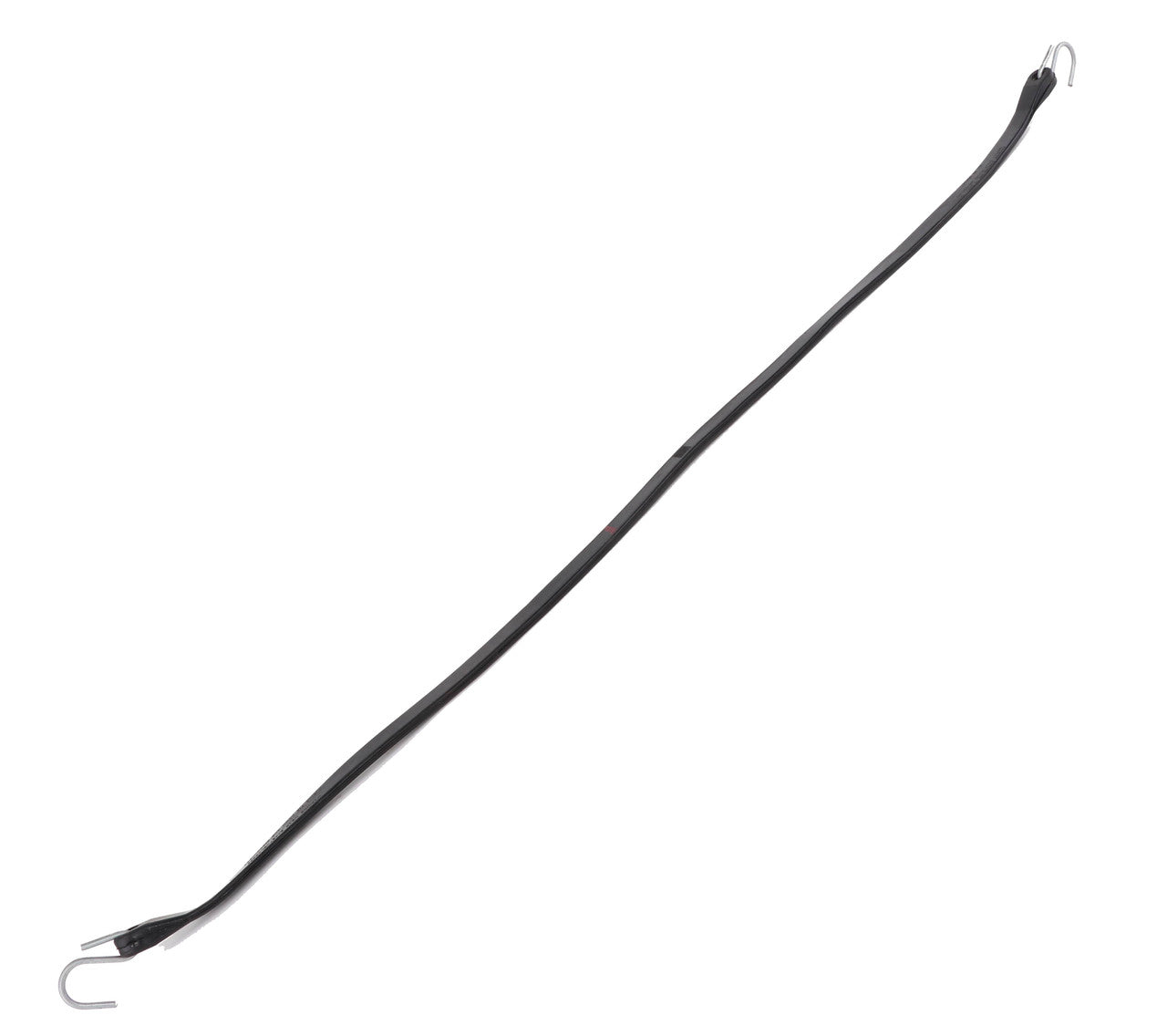
Chocks, tarps, and the visible details. Some loads need shaping, not merely strapping. Steel coil rides in a coil chock or on a friction mat that cradles the roll and keeps it from walking, and a tarped load holds its cover with rubber tarp straps, EPDM and natural rubber ties from 15 to 41 inches that flex in the cold without cracking. Anything wider or longer than the legal envelope has to be made visible with oversize load flags: red and fluorescent orange 18 inch warning flags and reversible Wide Load and Oversize Load banners, sized to the state rules an inspector will hold you to.
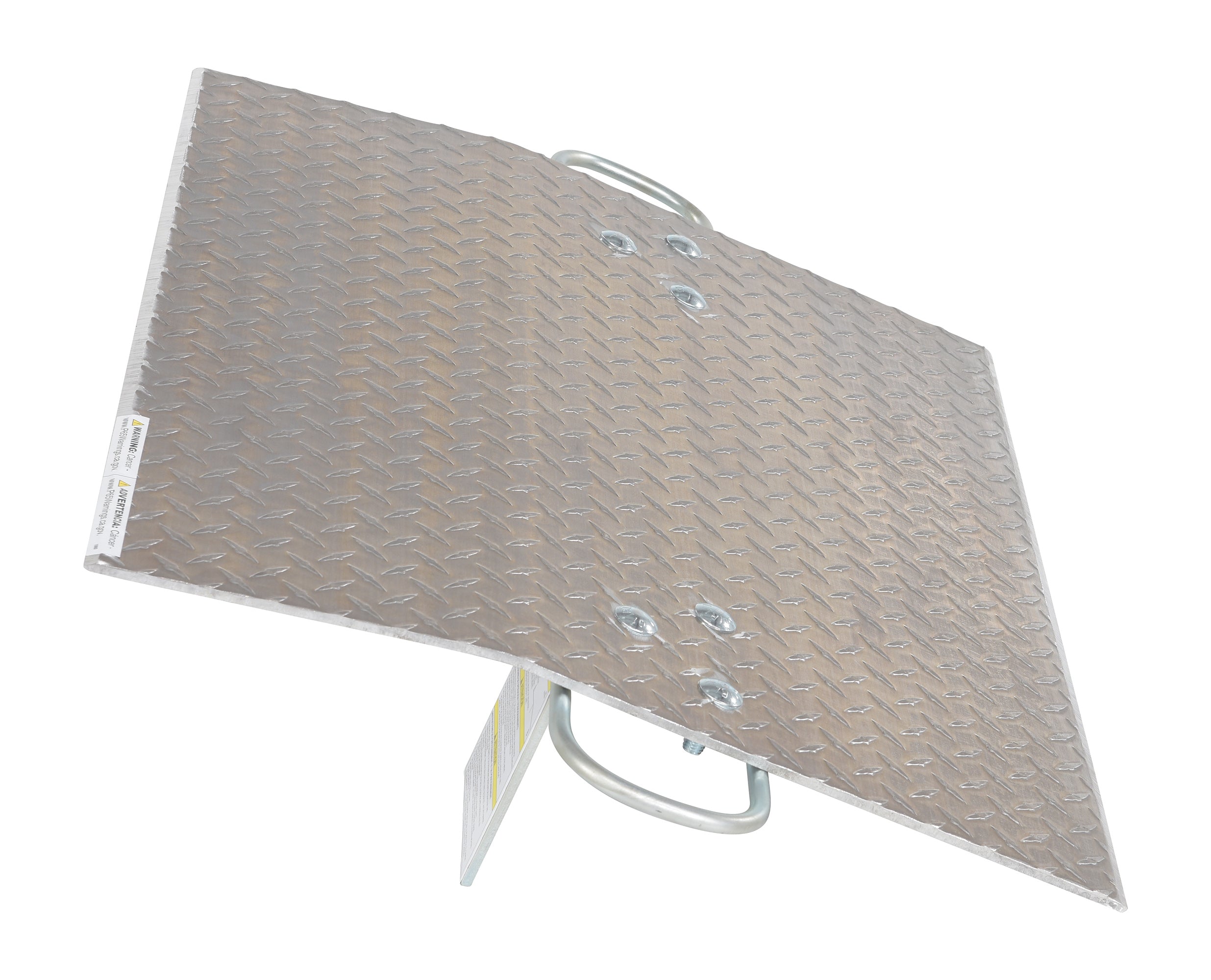
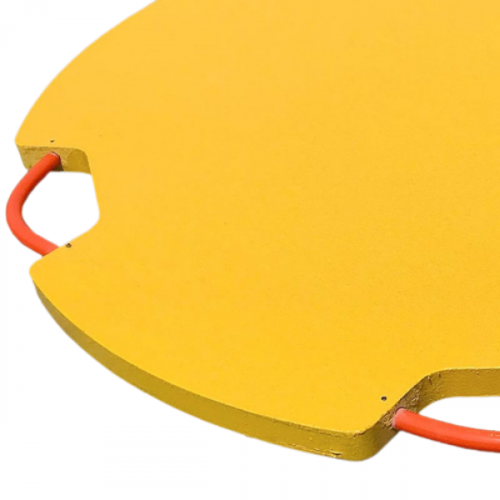
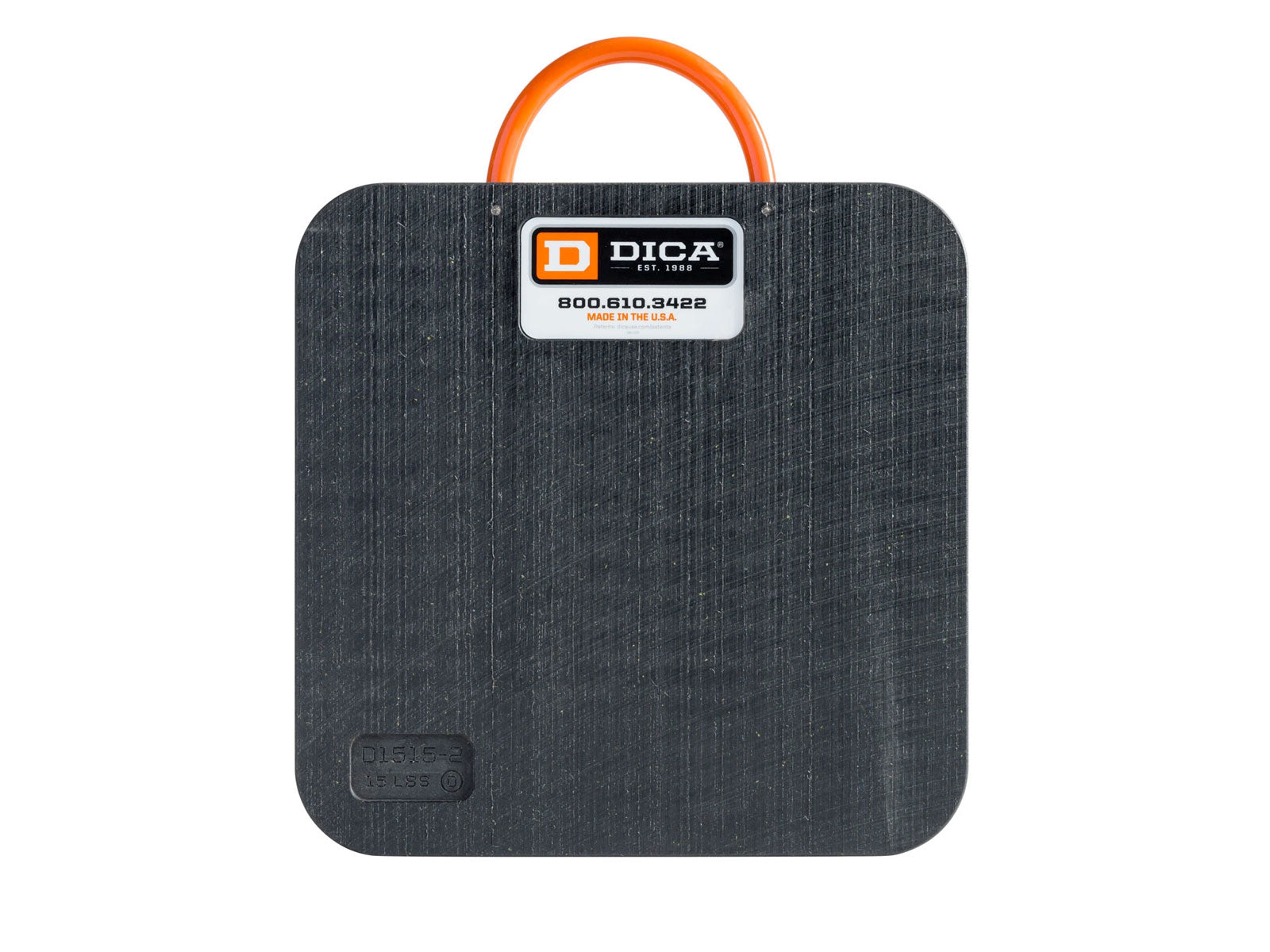
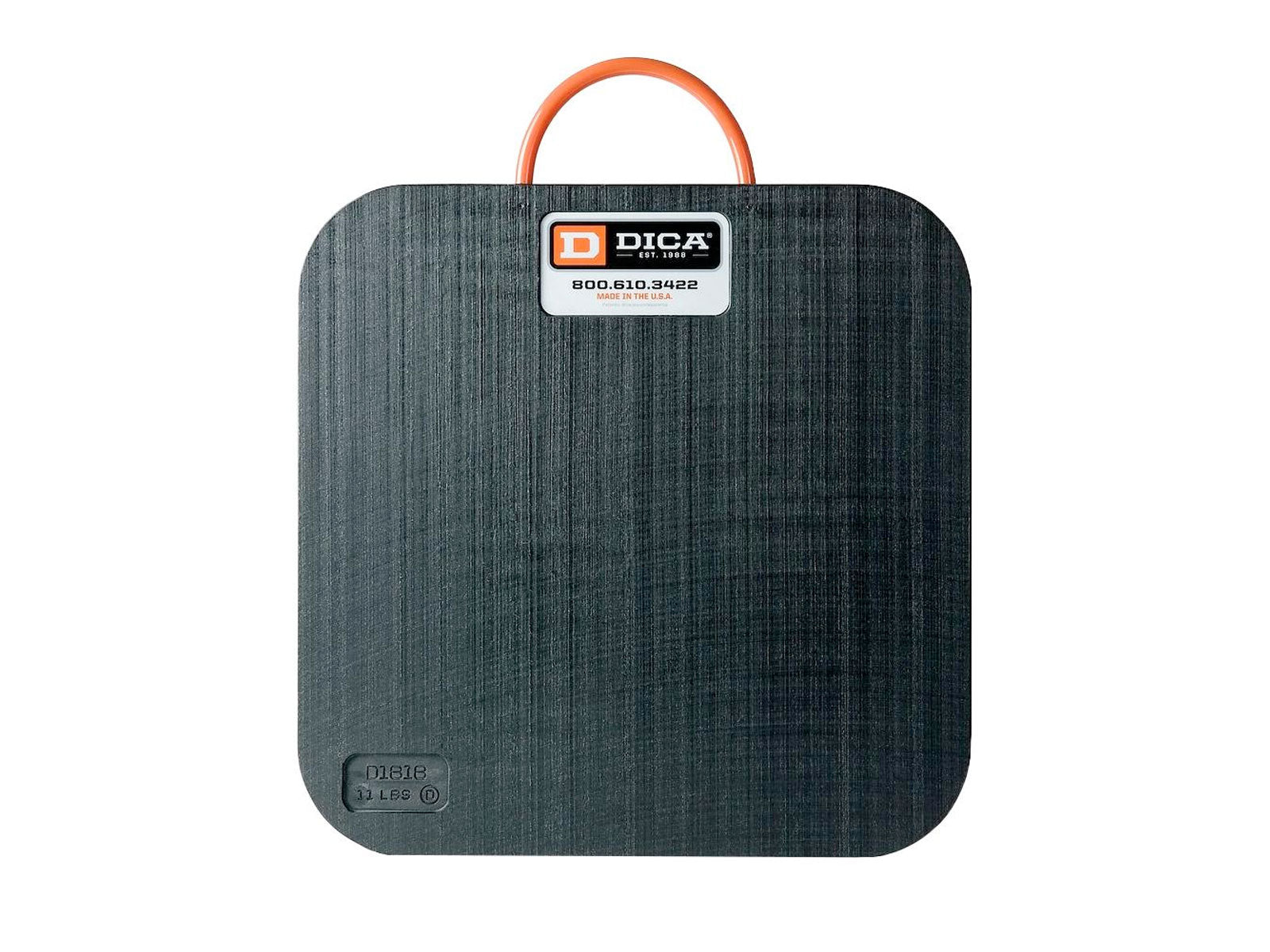
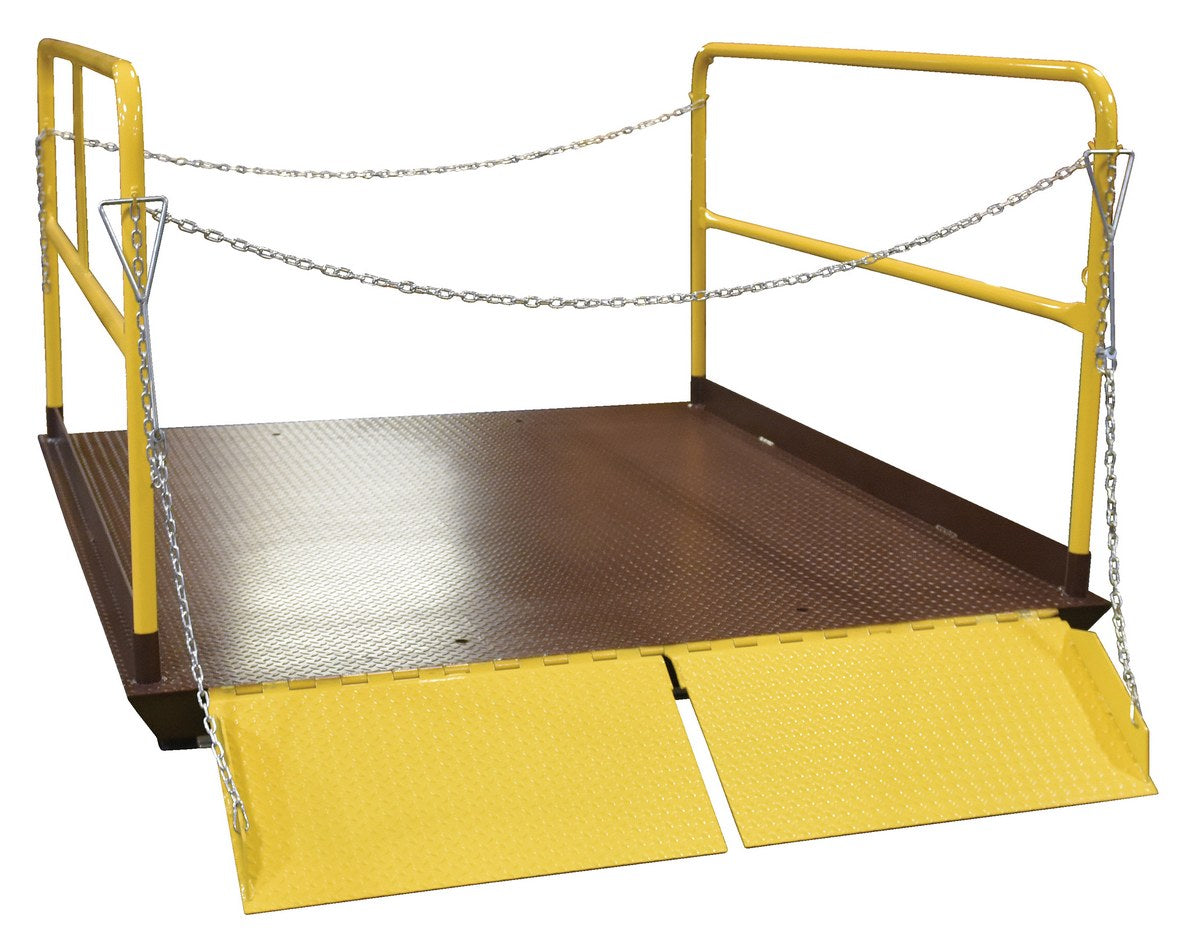
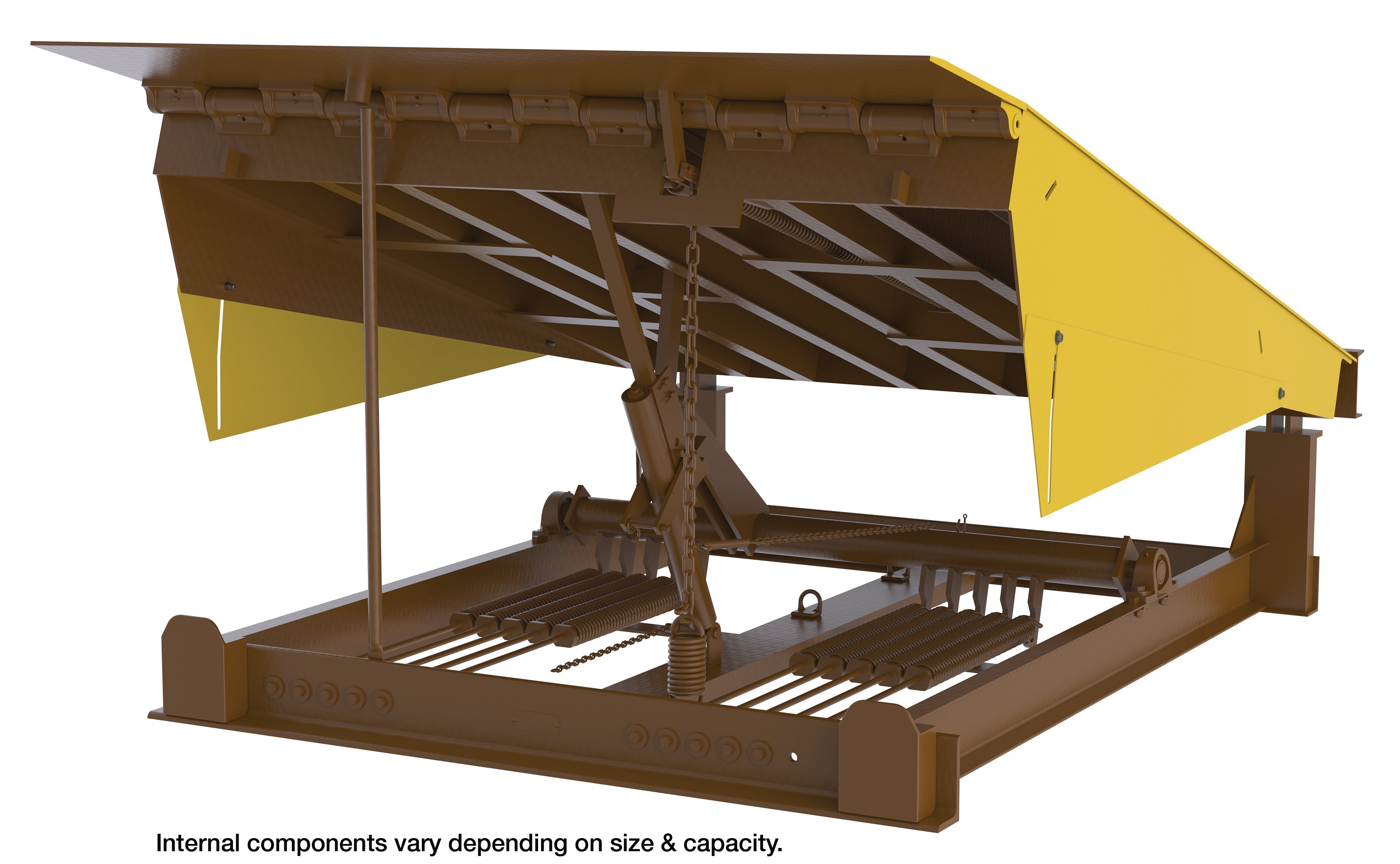
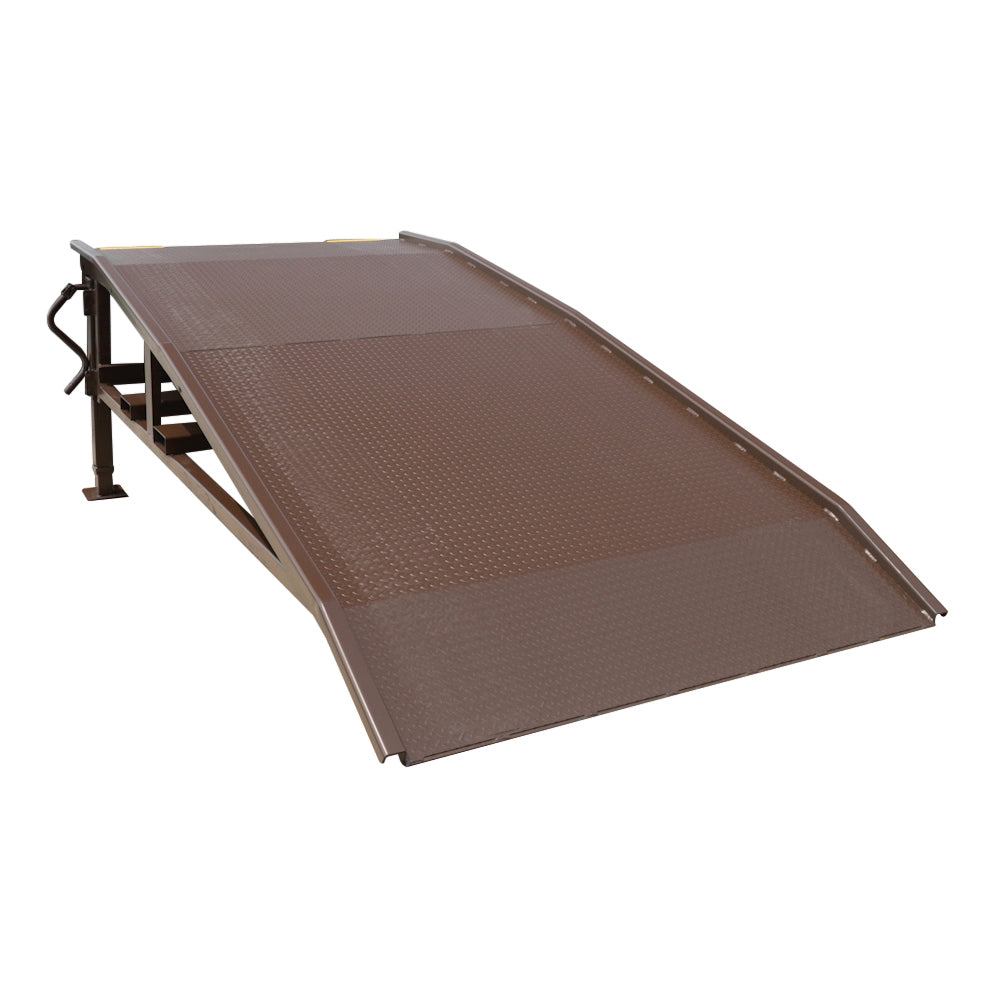
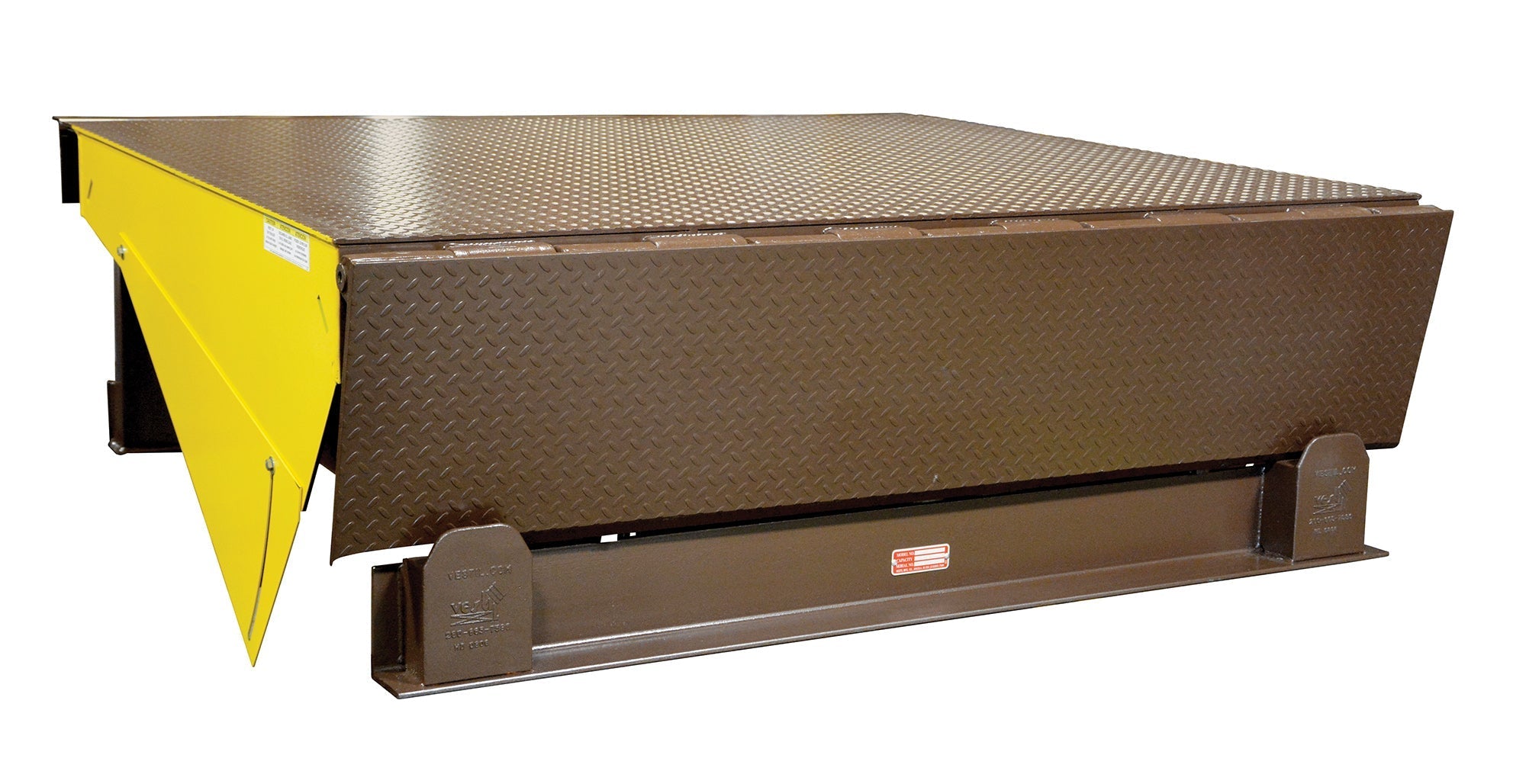
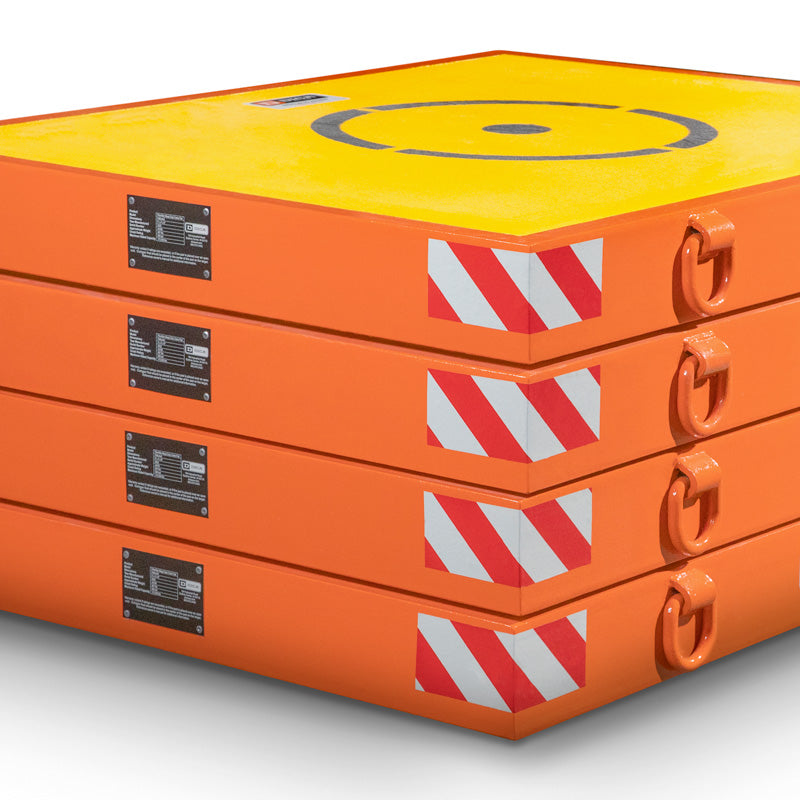
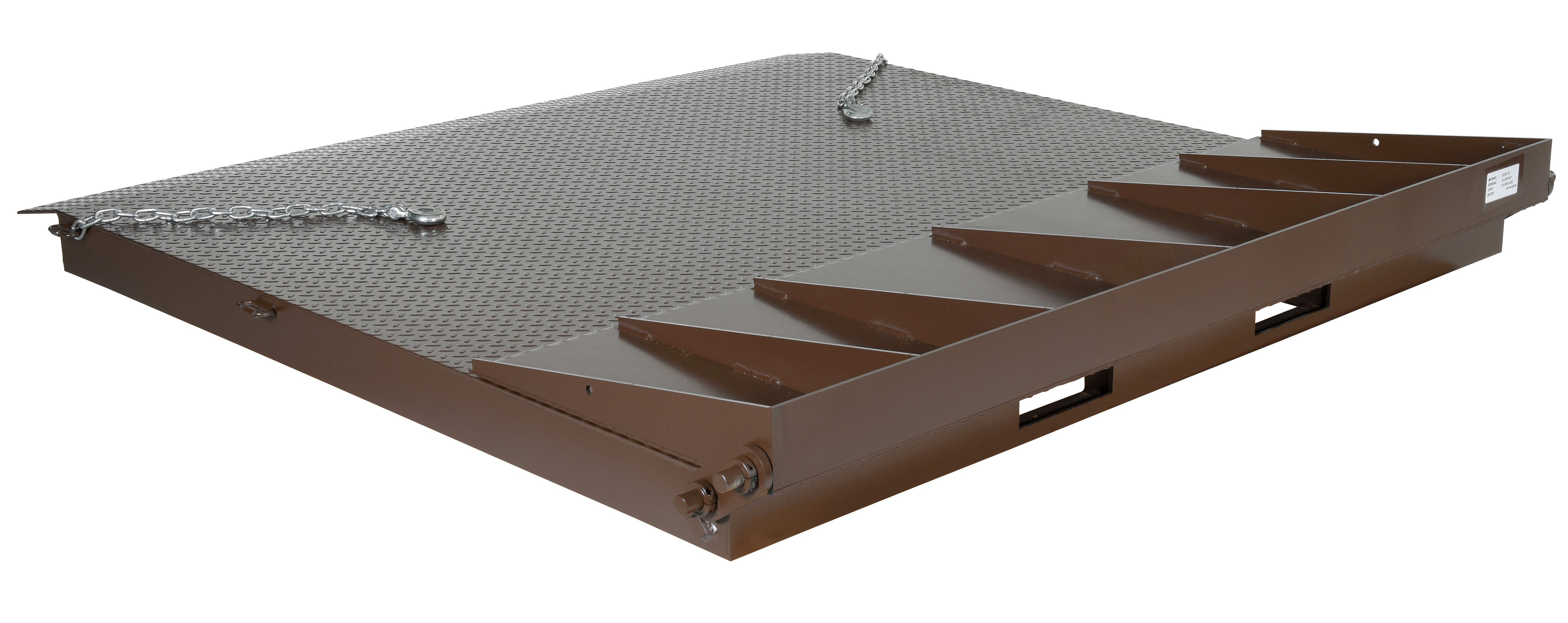
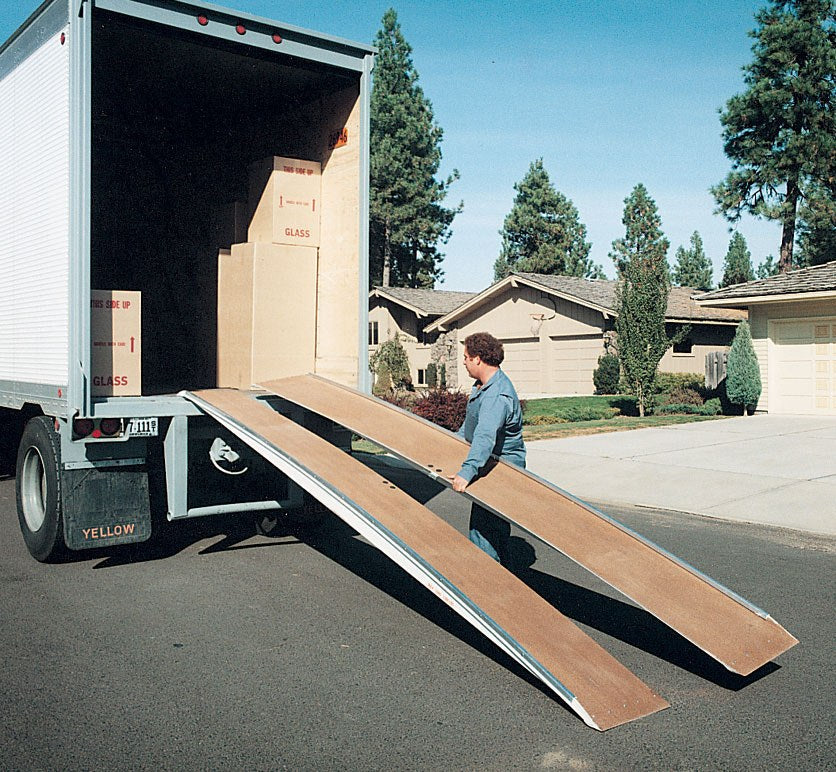
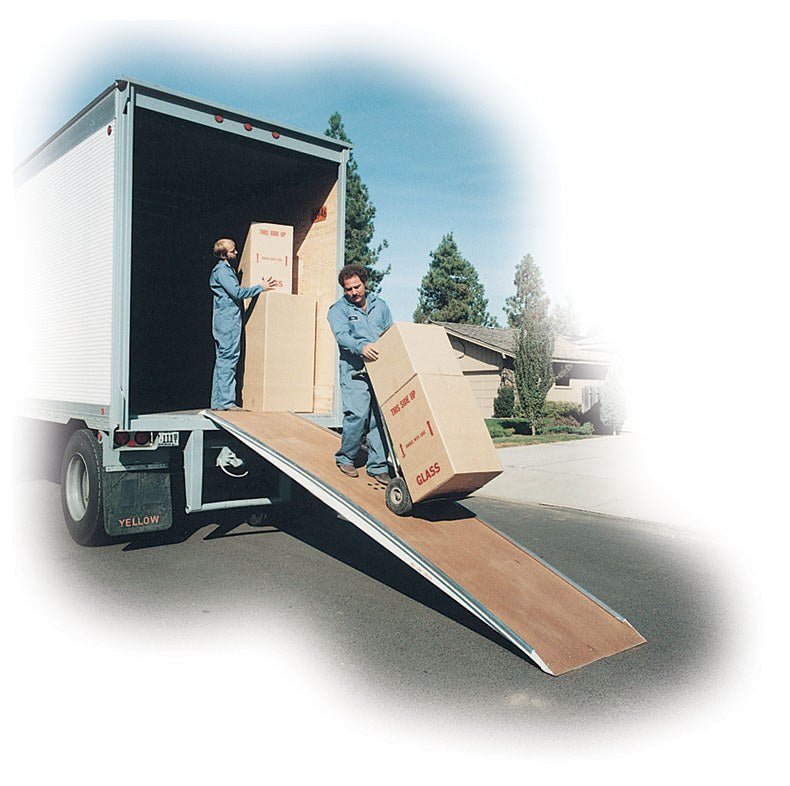
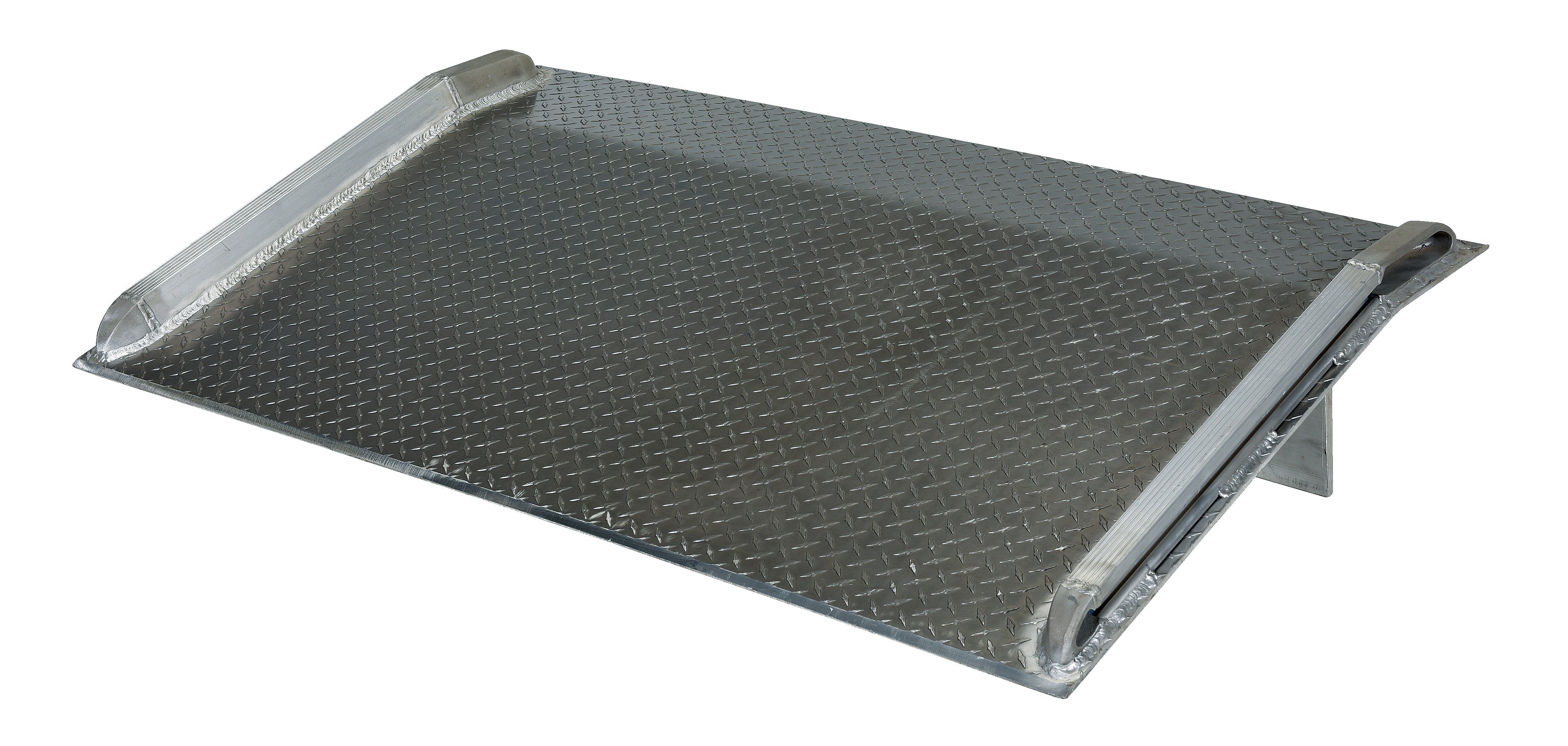
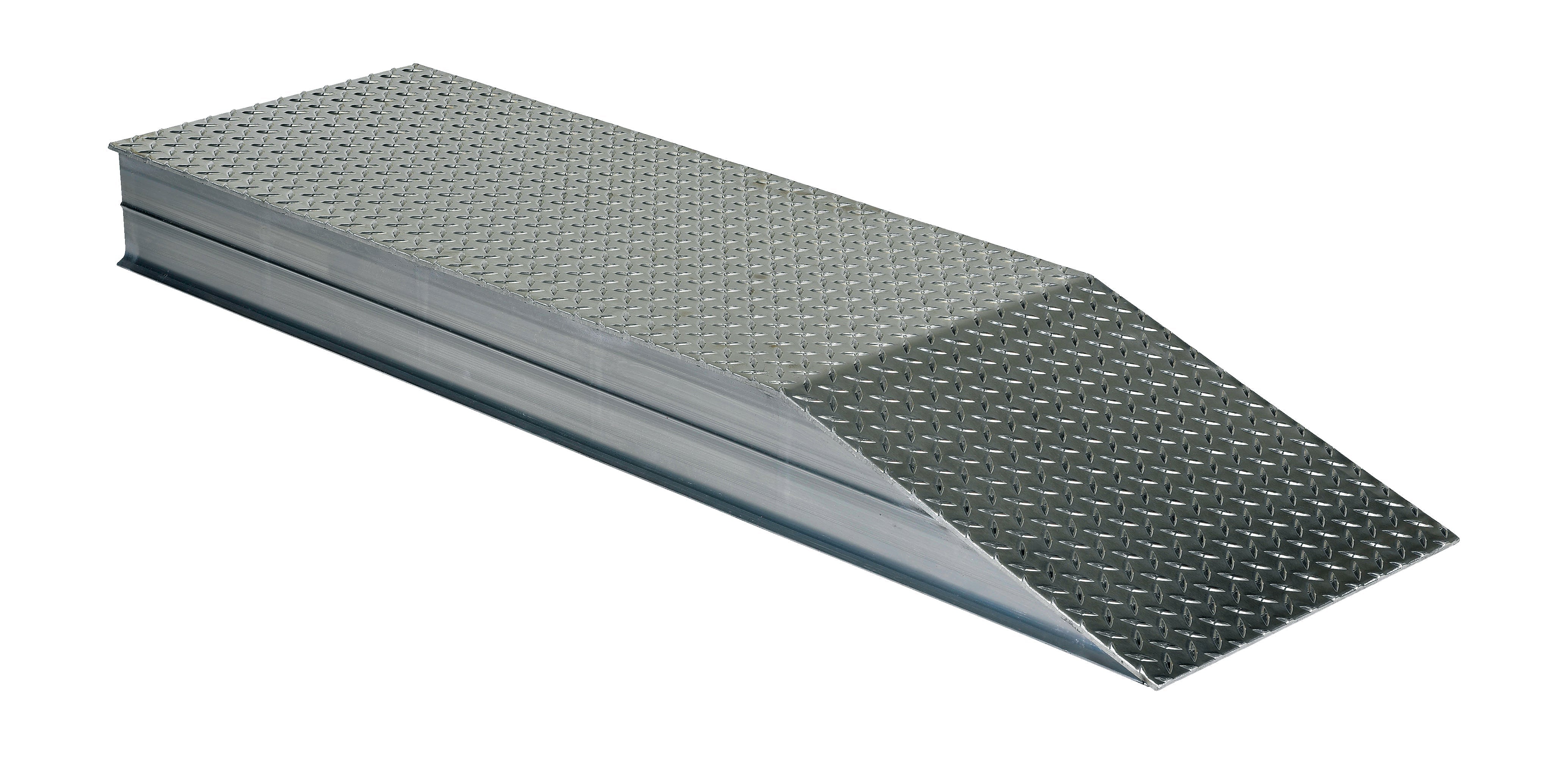
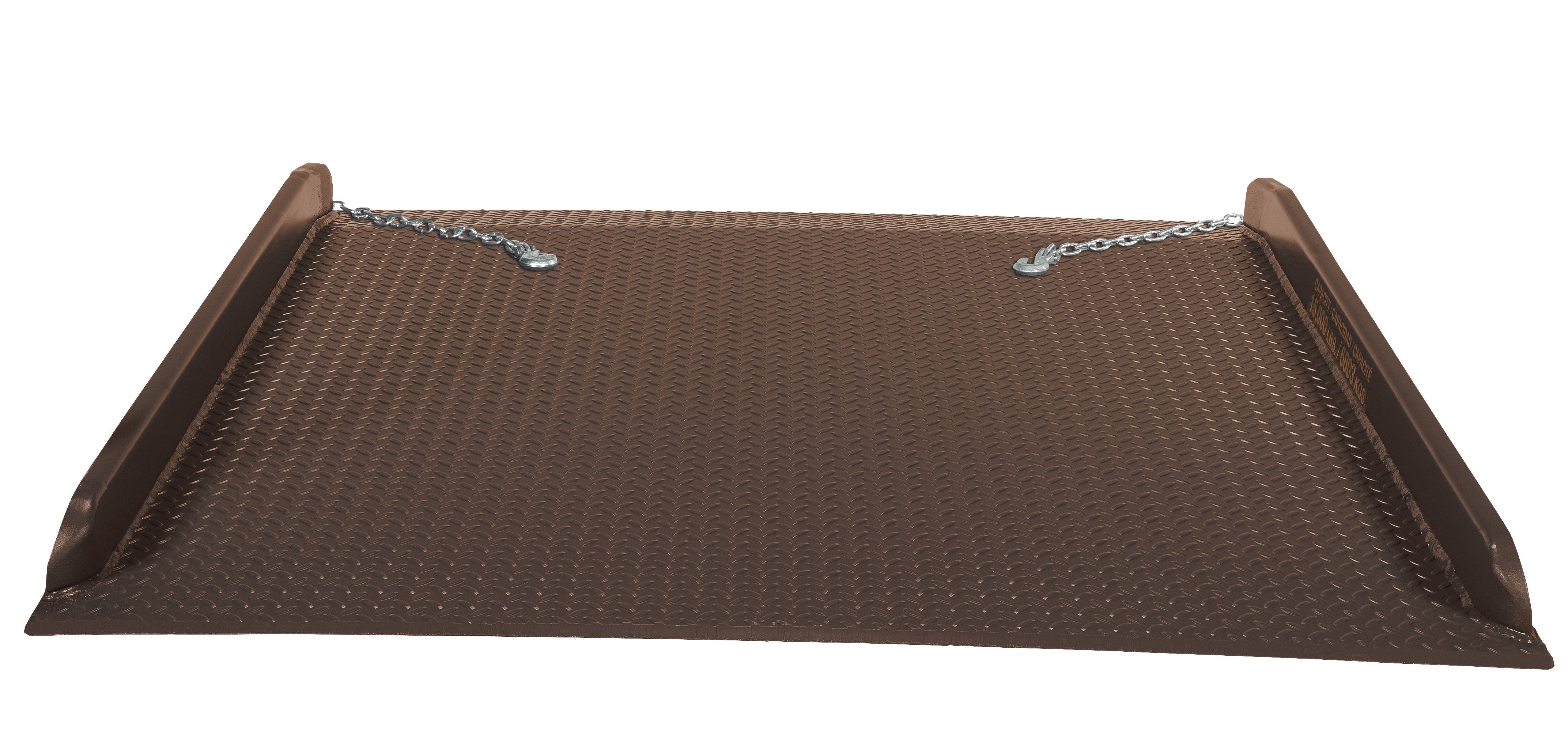
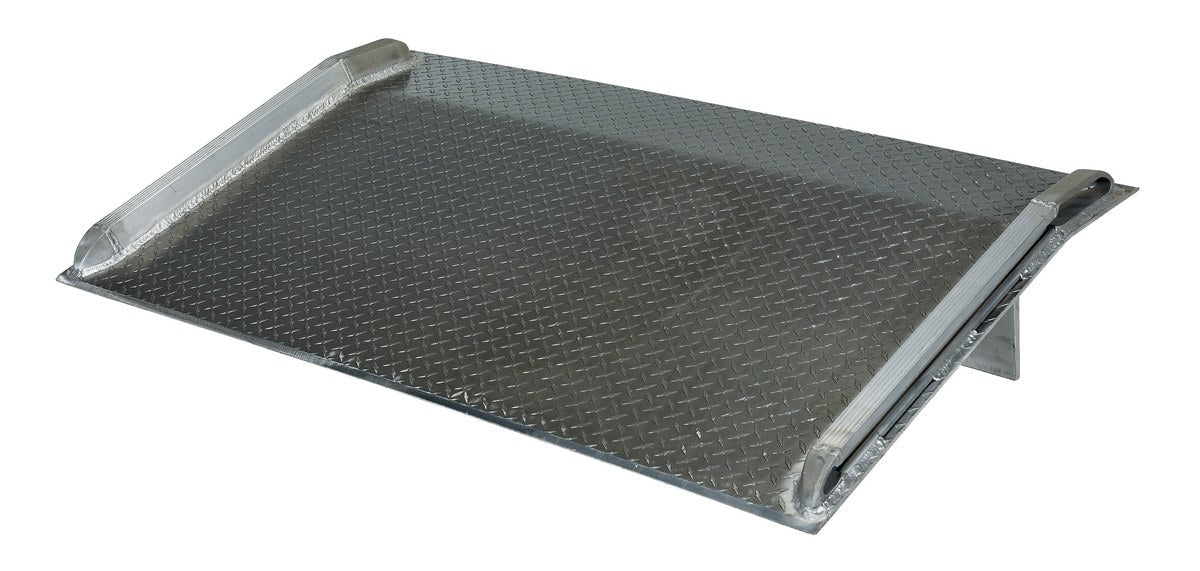
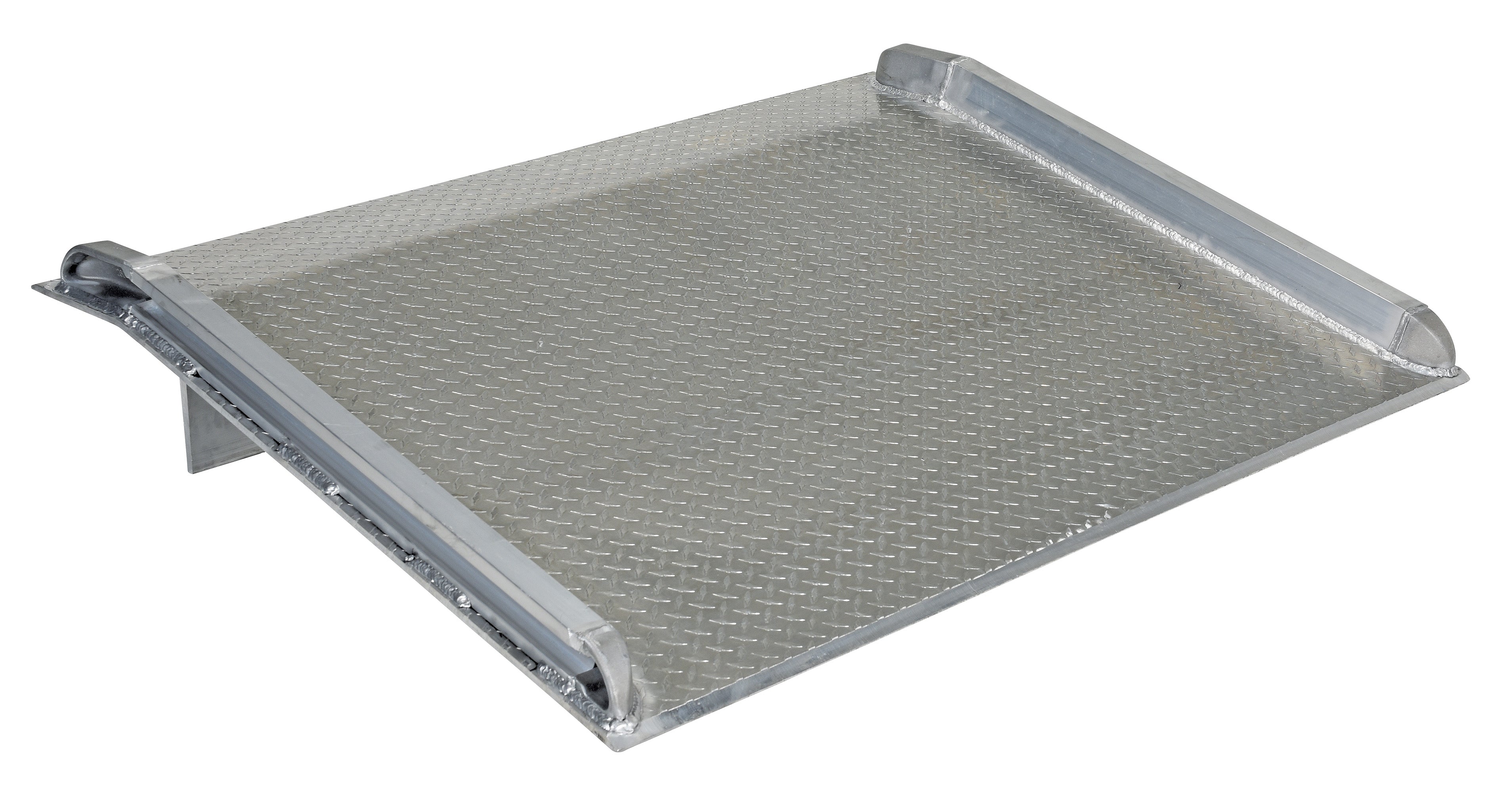
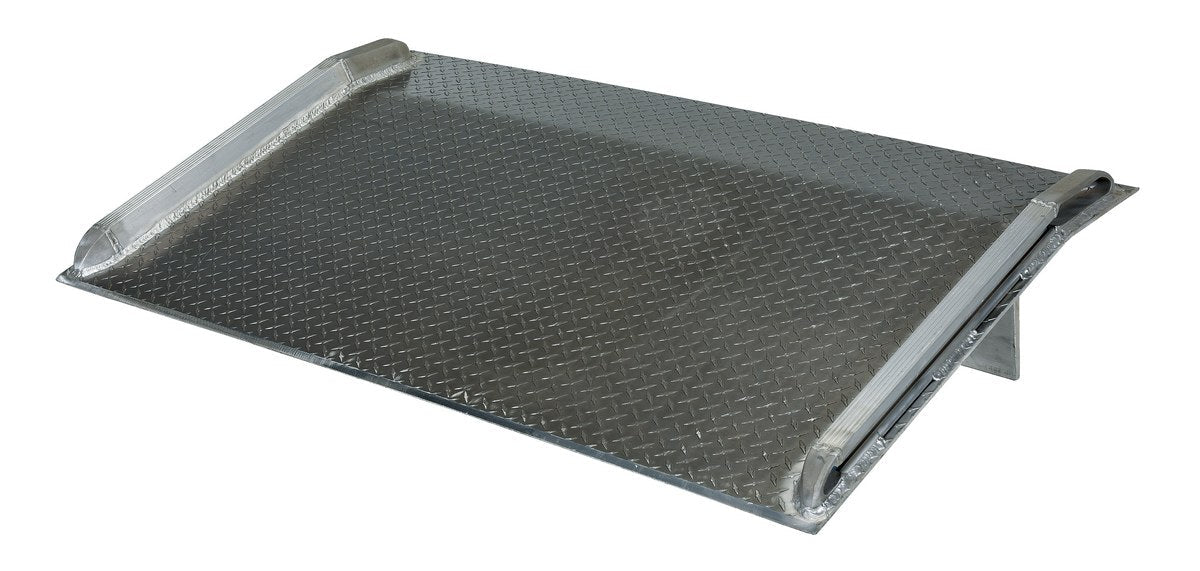
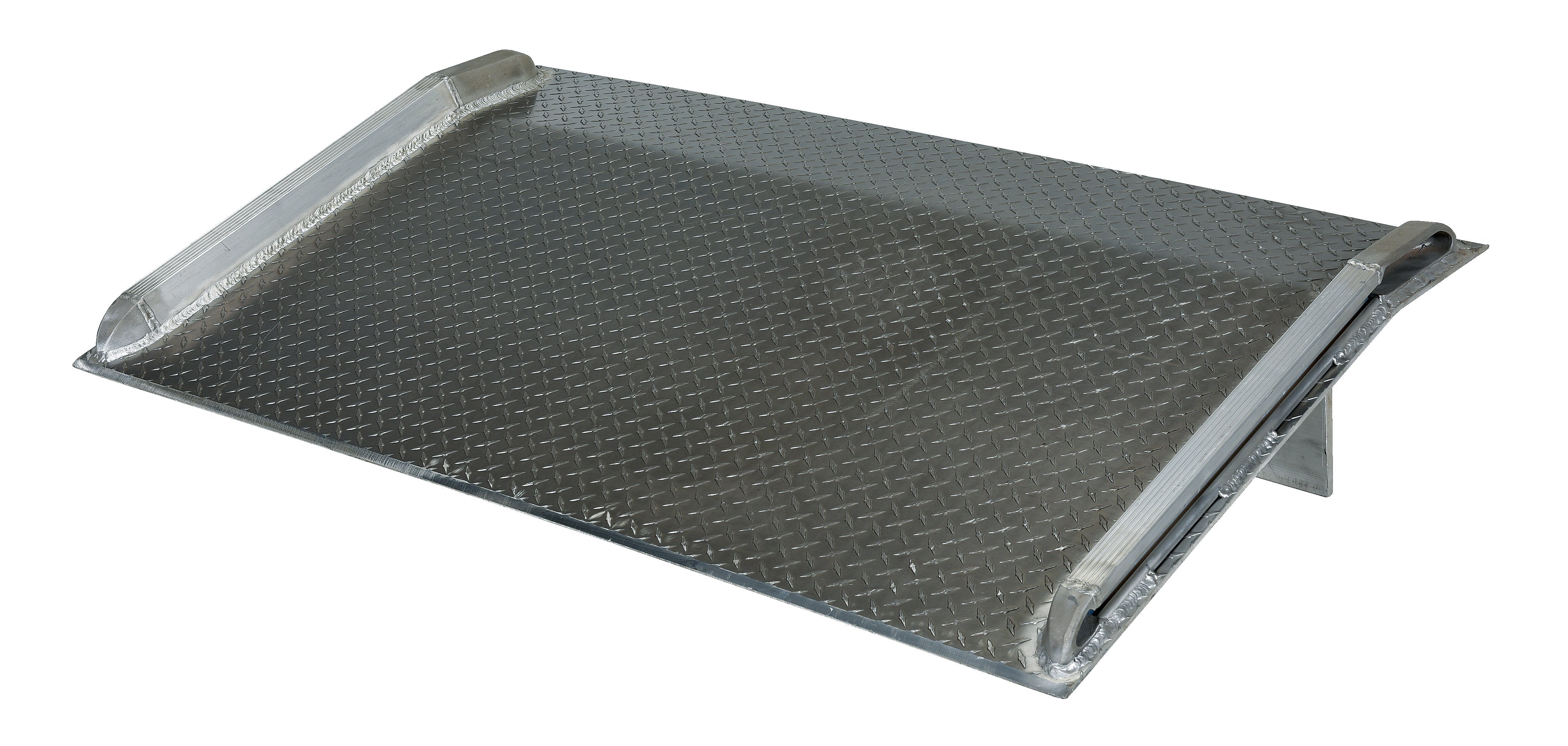
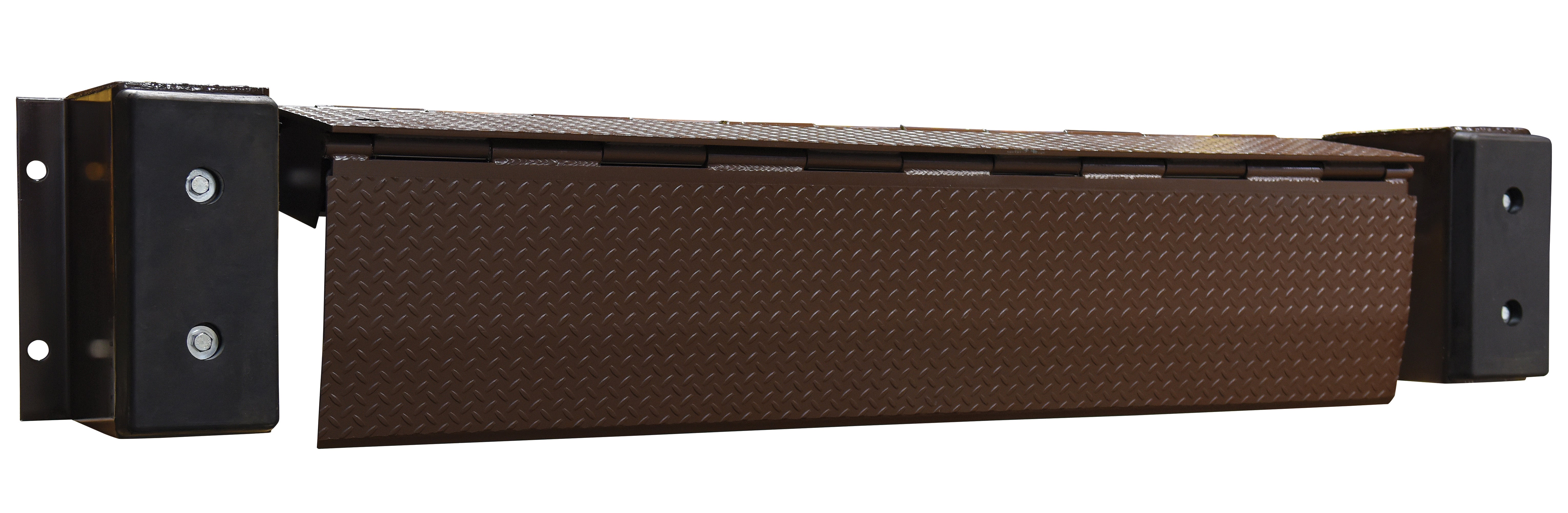
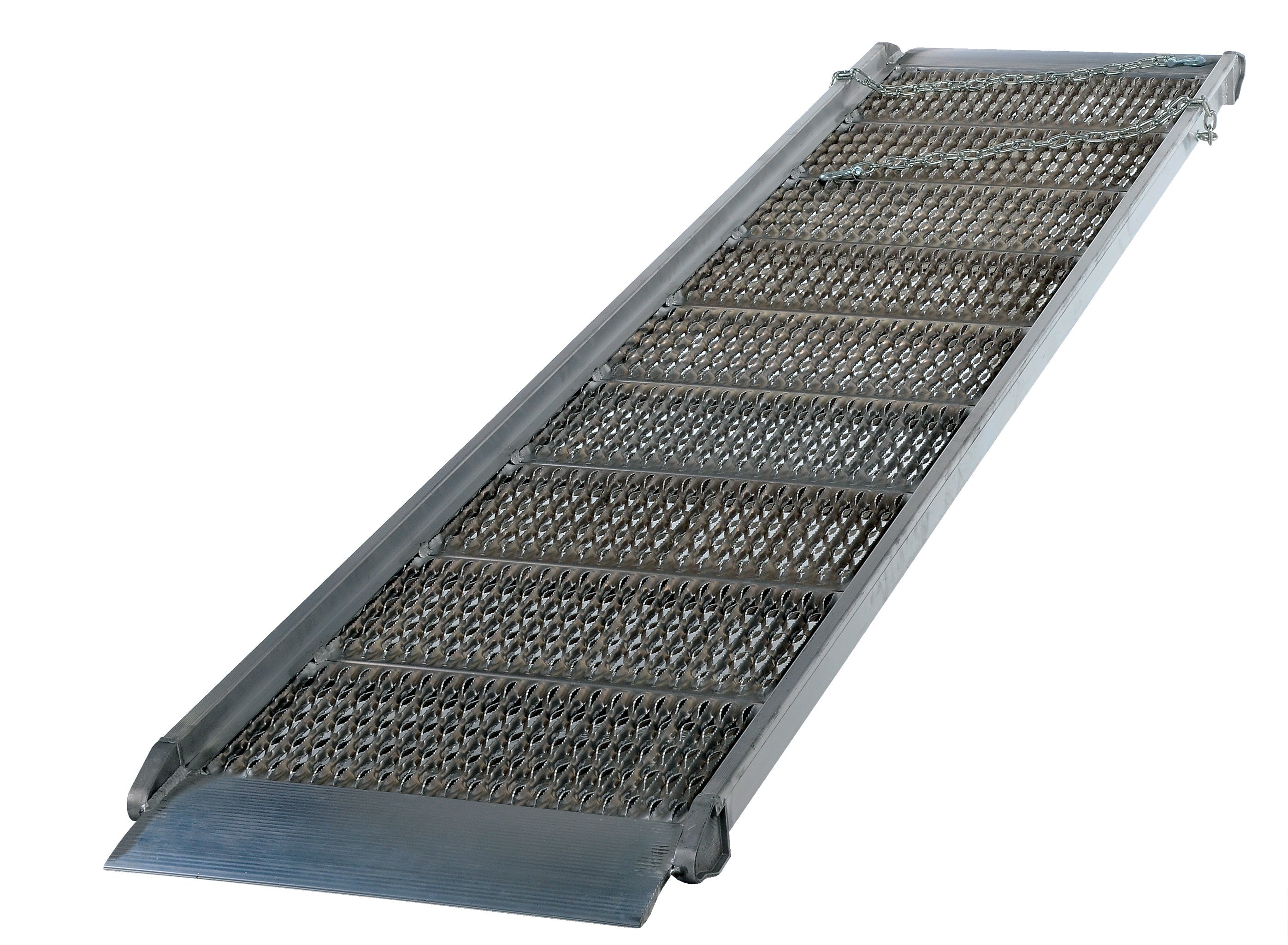
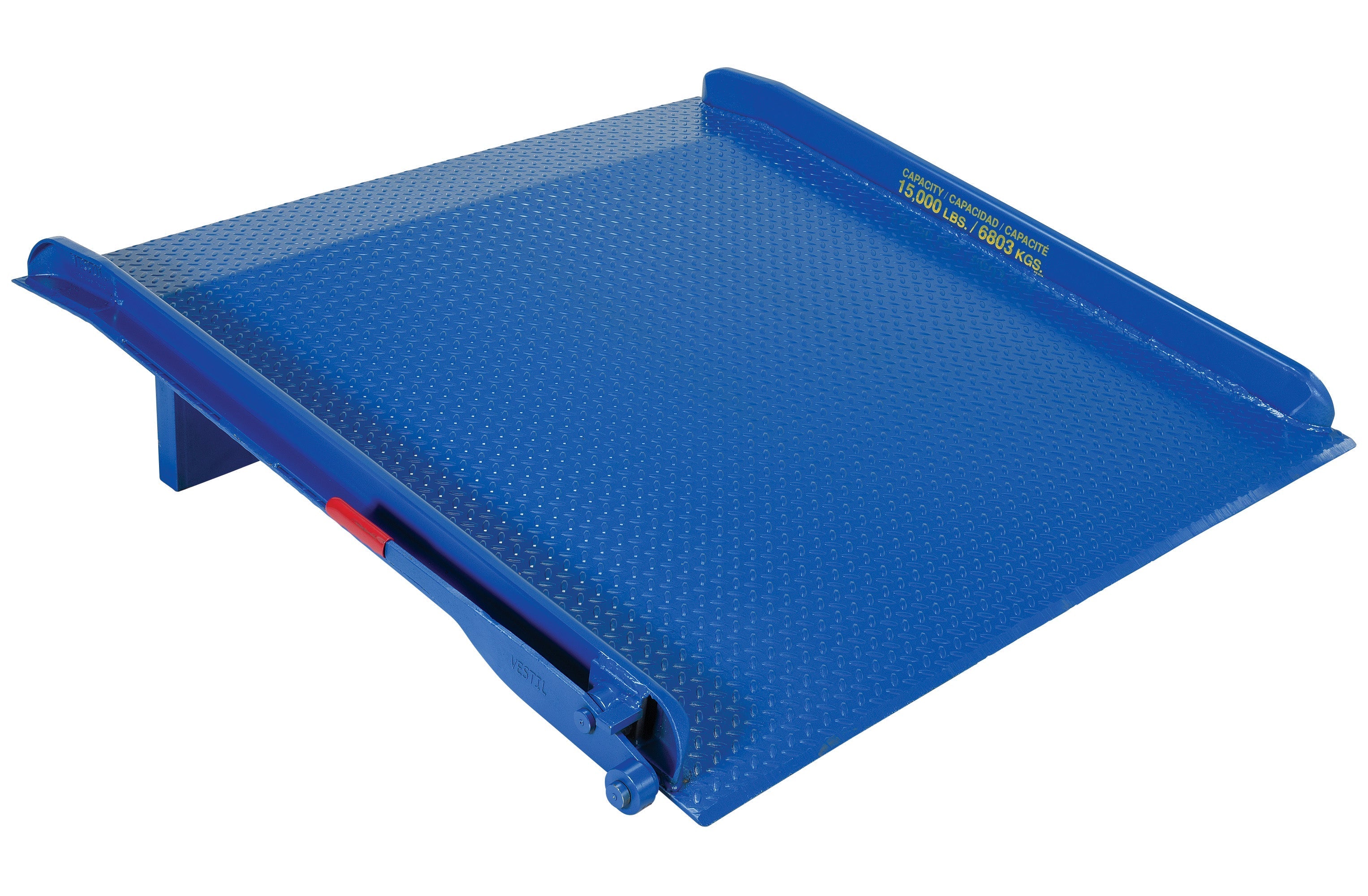
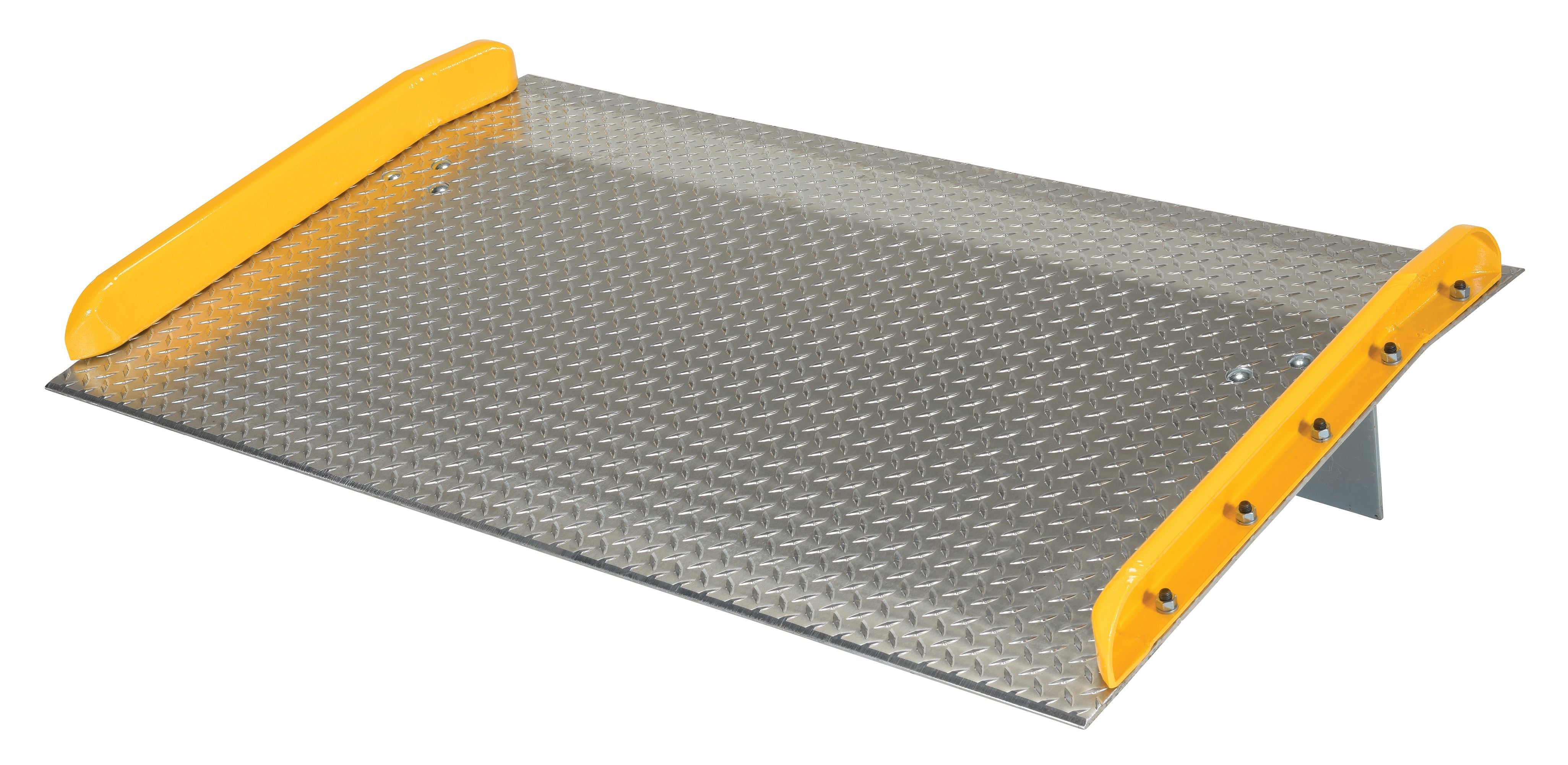
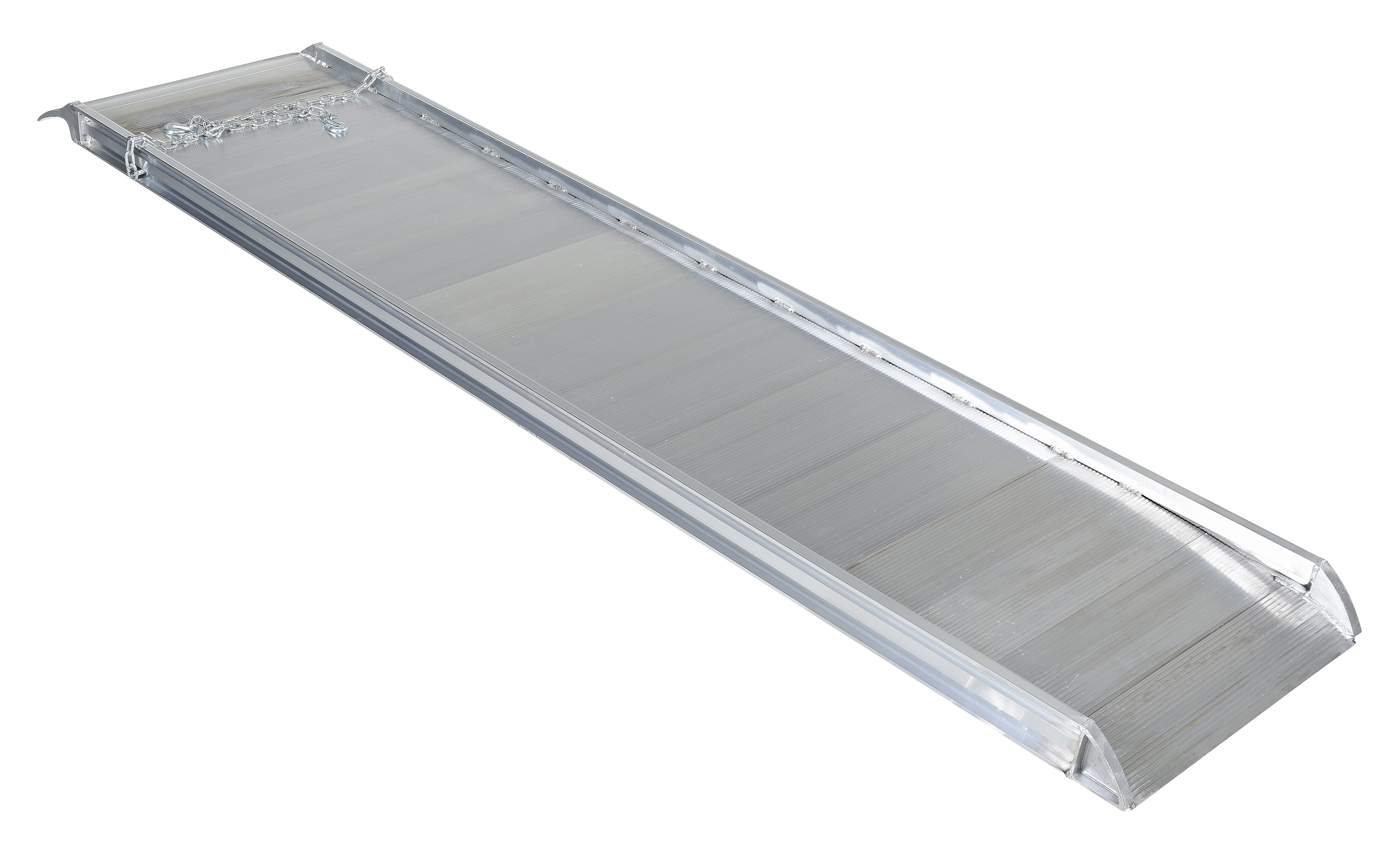
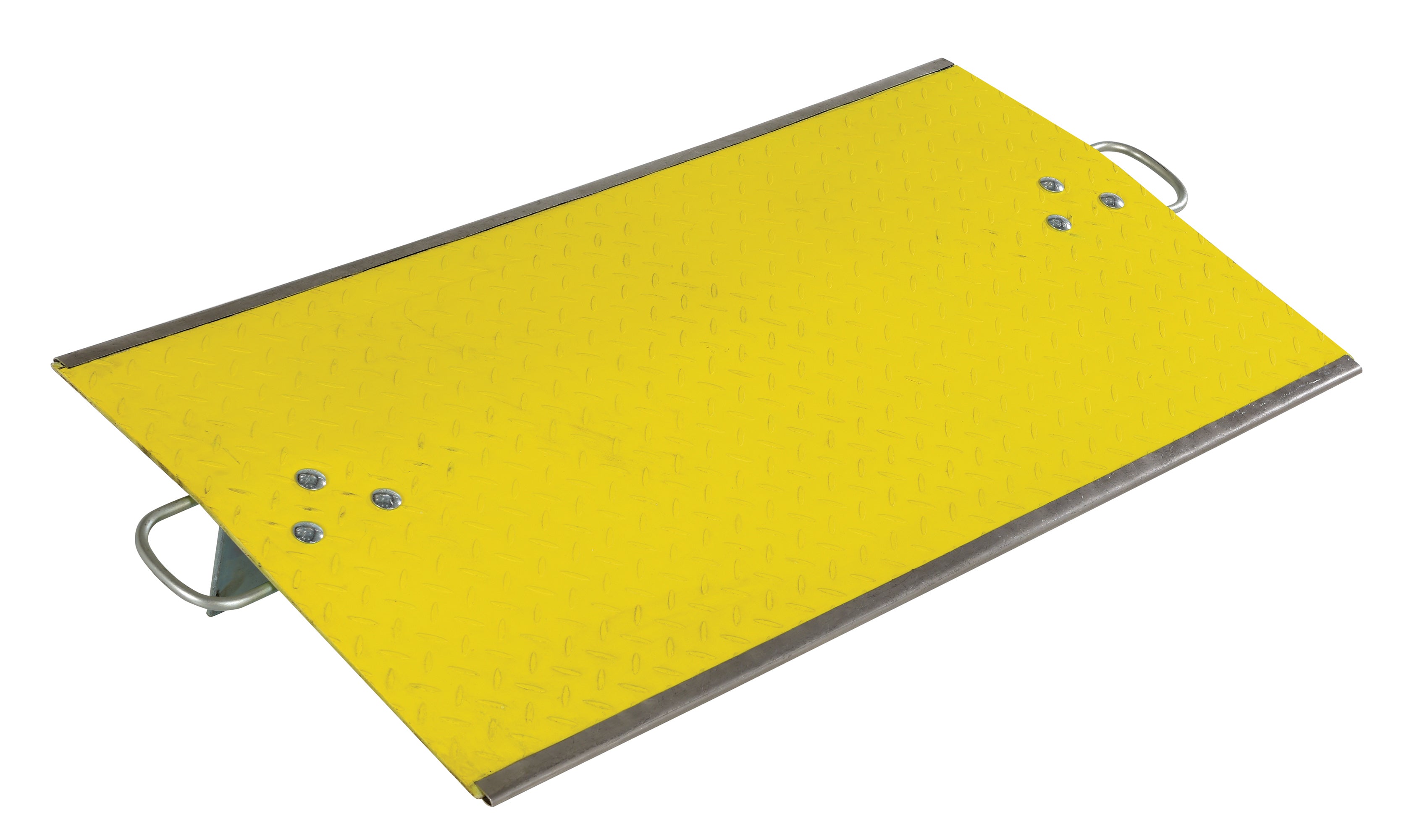
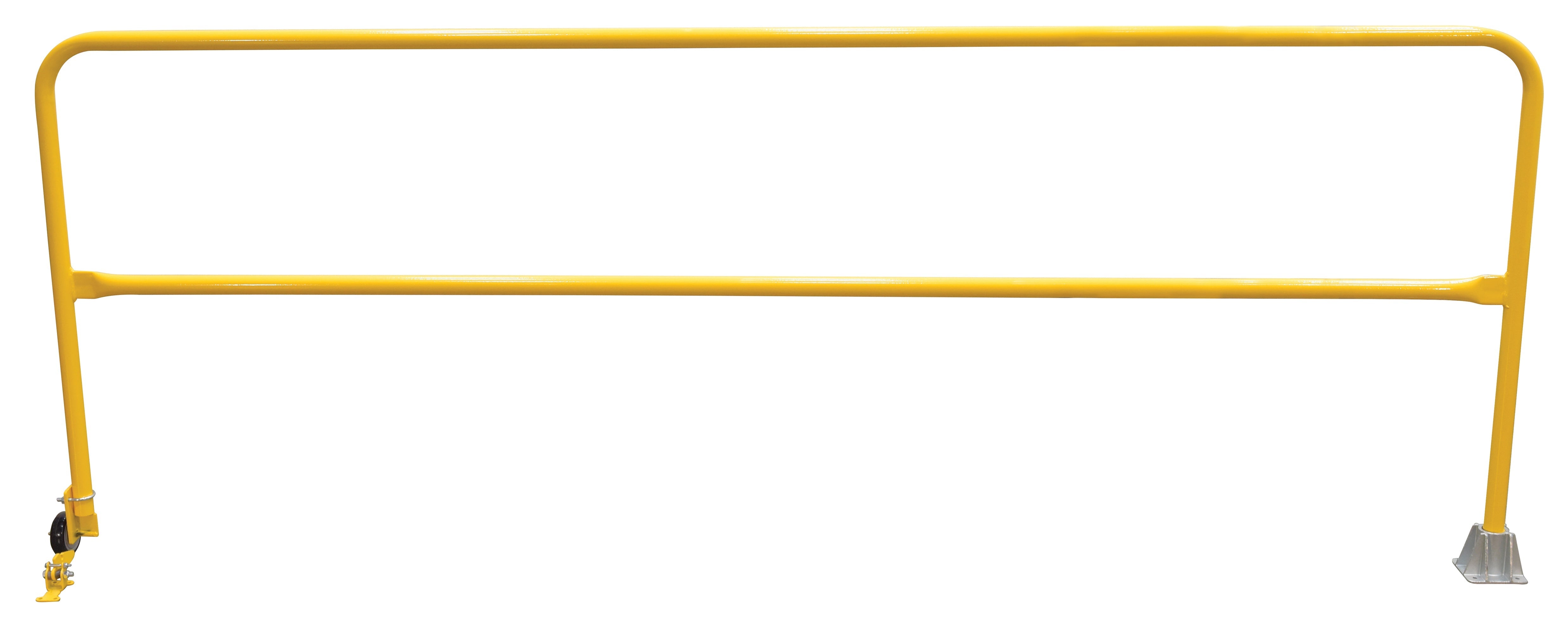
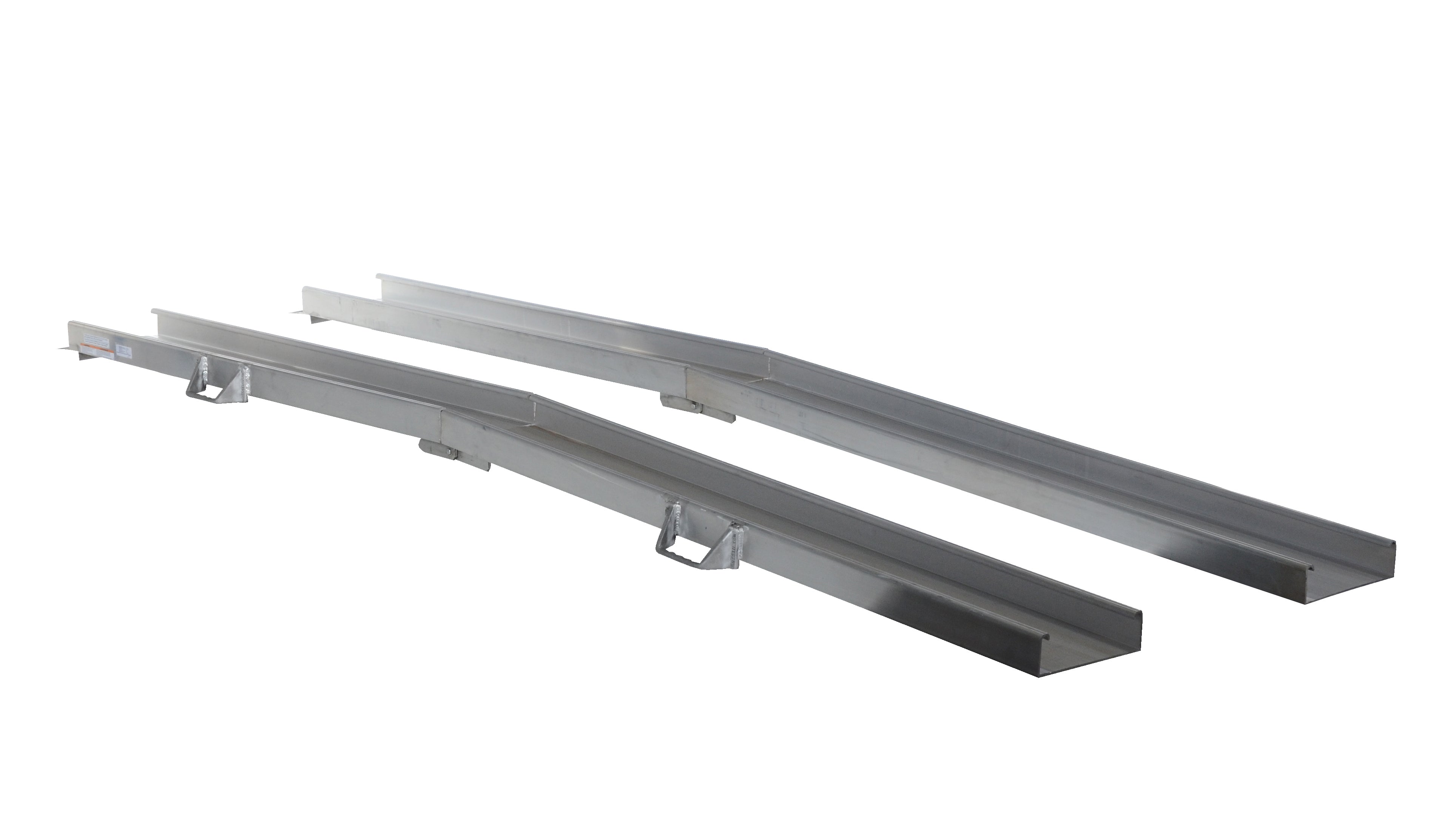
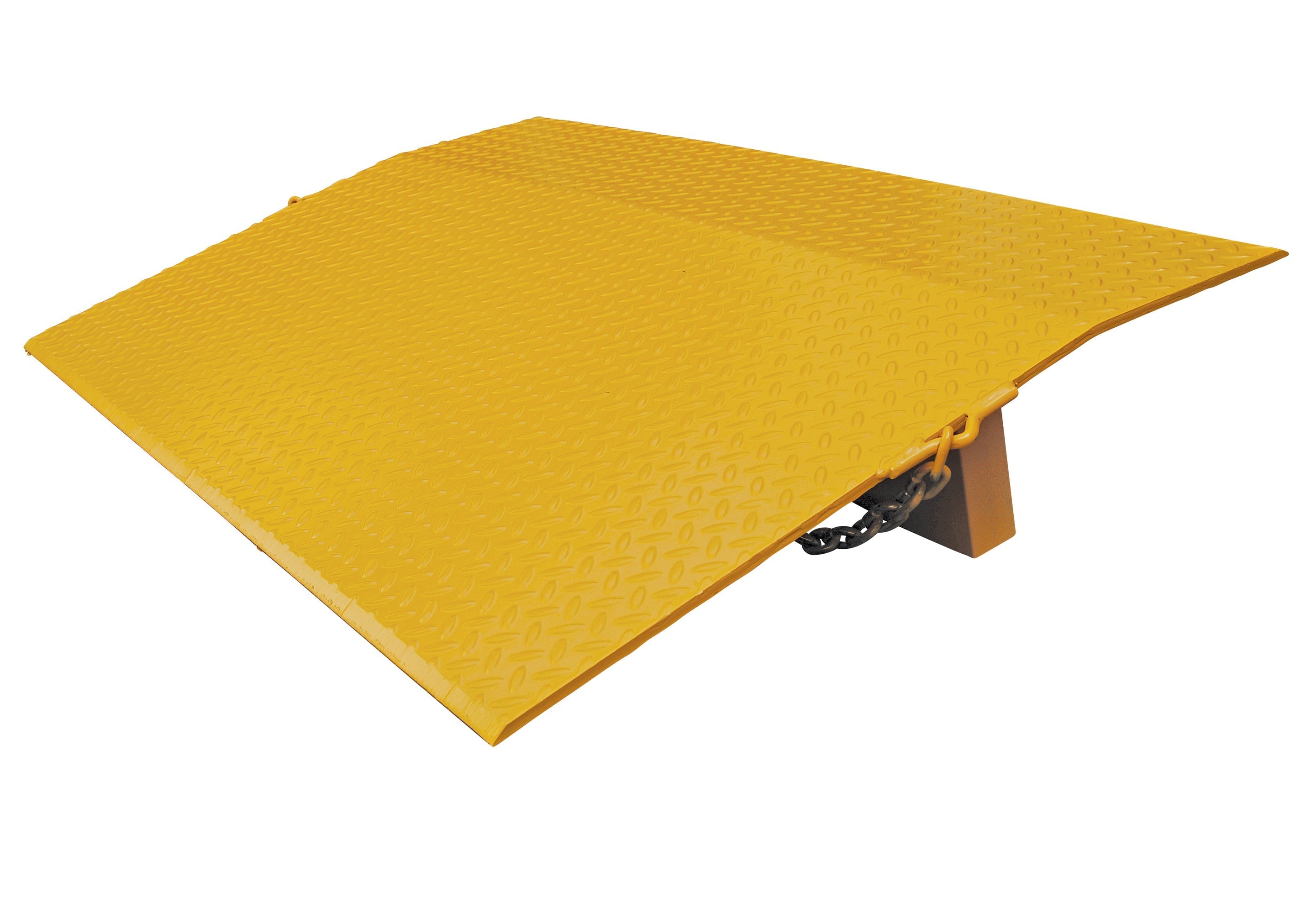
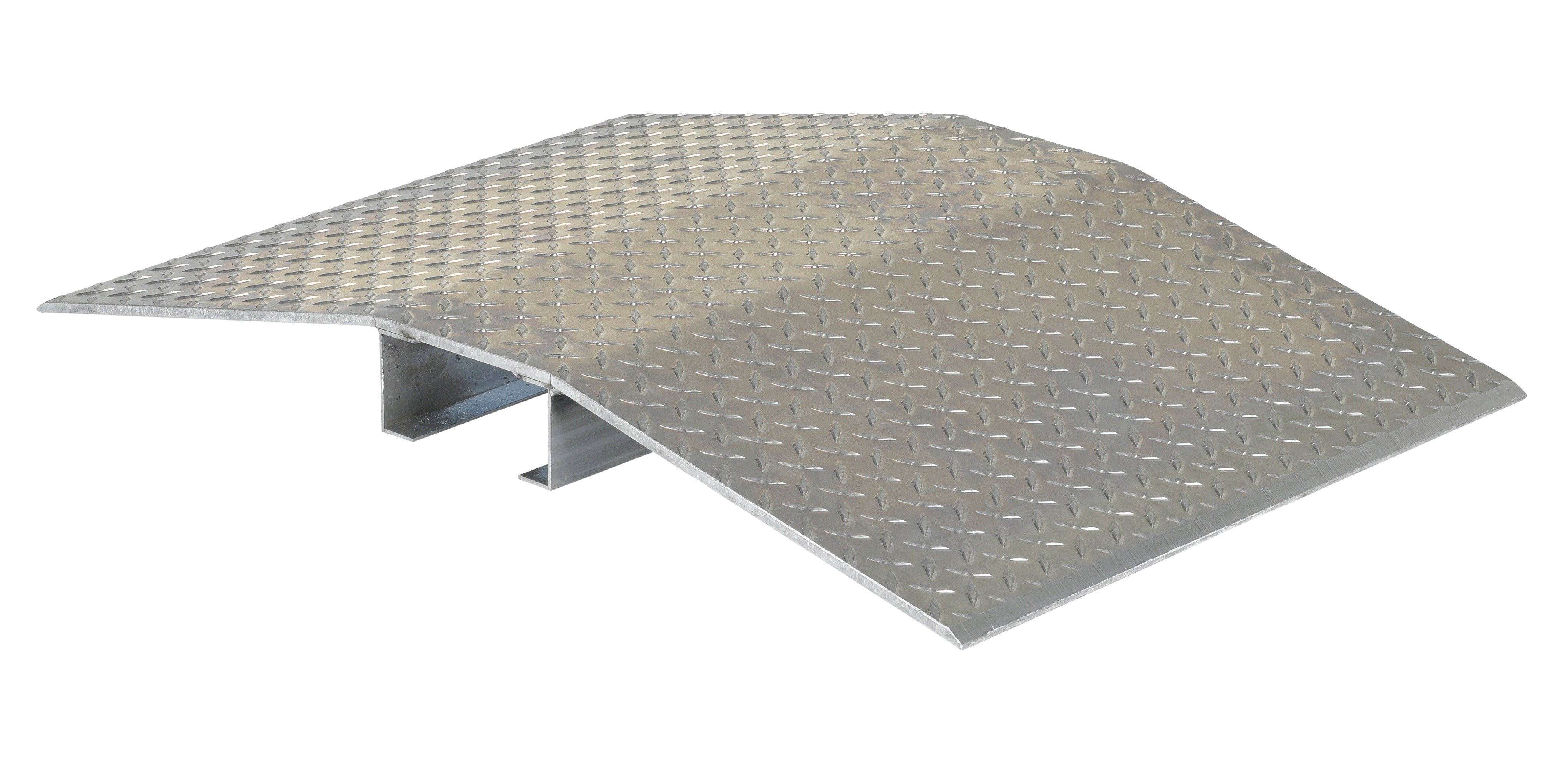
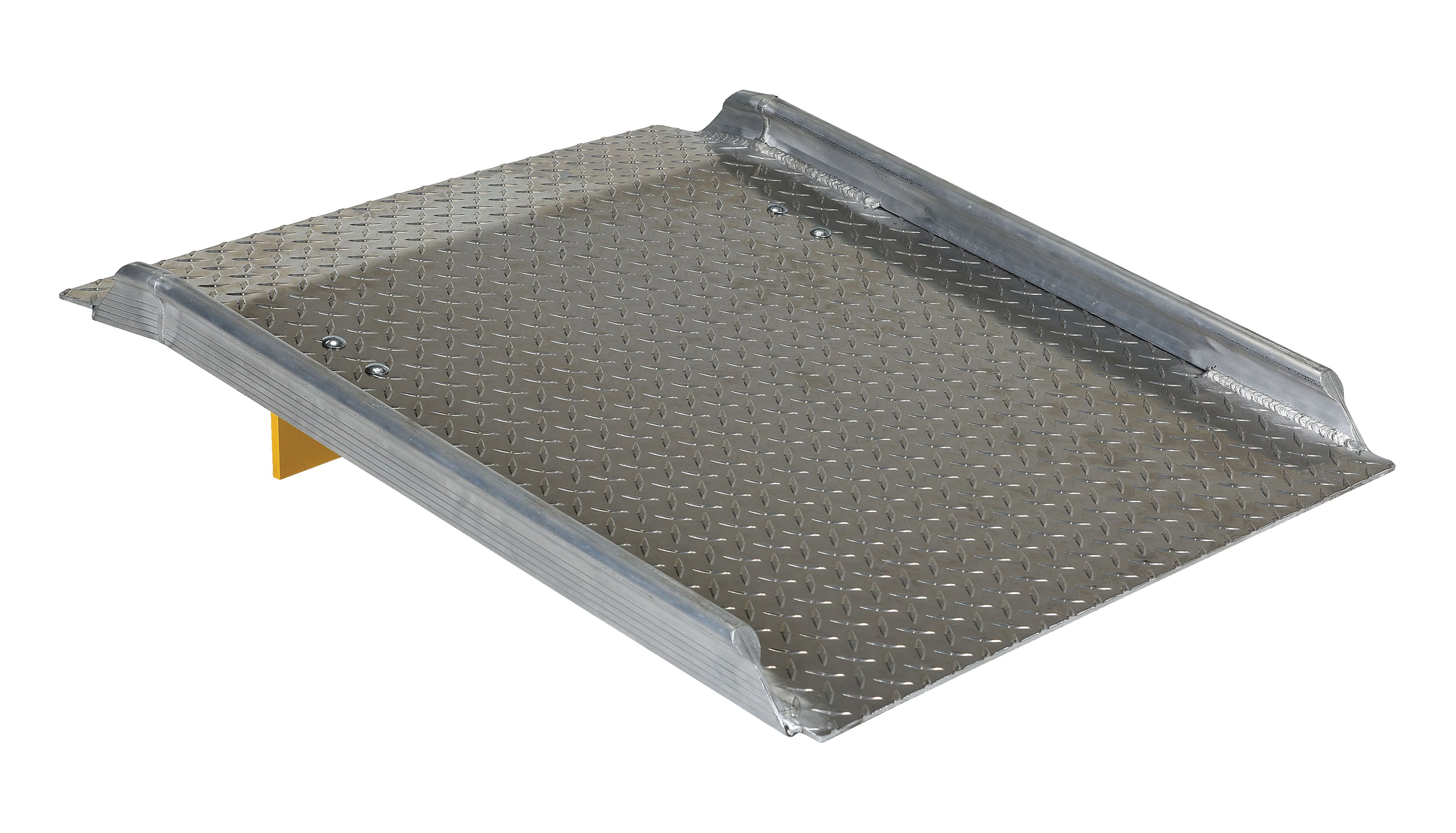
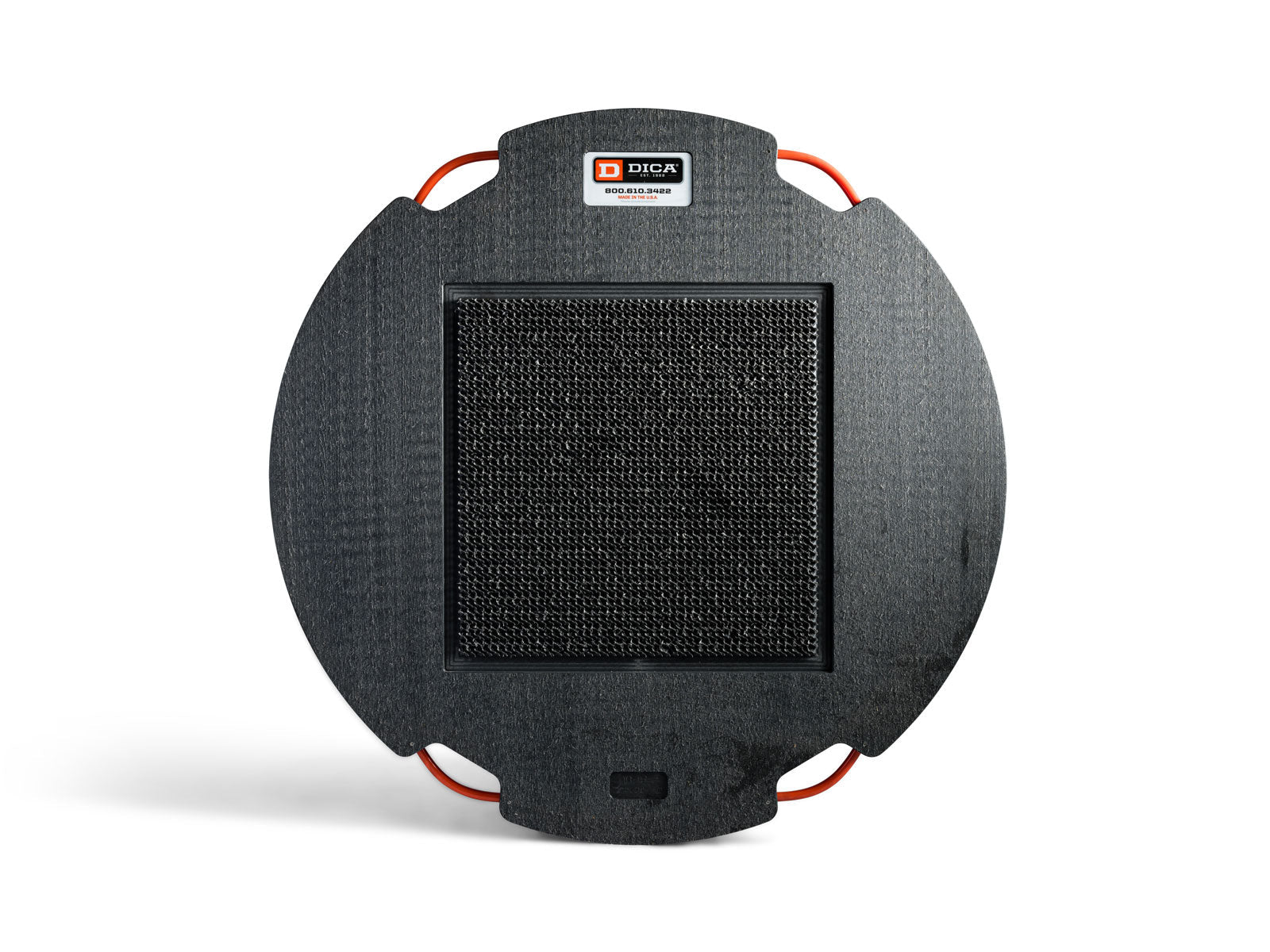
The loading end and the heavy iron. Getting the load on and off is its own gear. Loading dock equipment here is all Vestil, aluminum and steel dock boards, dockplates, and walk ramps that bridge the gap between a trailer and a dock or the ground, rated from a hand-truck plate up to welded 11,000 to 12,000 lb truck dockboards. And when the truck carrying the load is a mobile crane or boom, its outriggers need a footing: DICA outrigger pads in FiberTech and SafetyTech builds spread the outrigger load over enough ground that the machine stays level on soft or uneven surface.
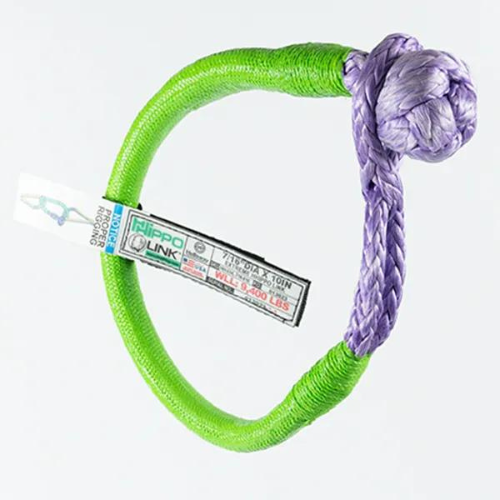
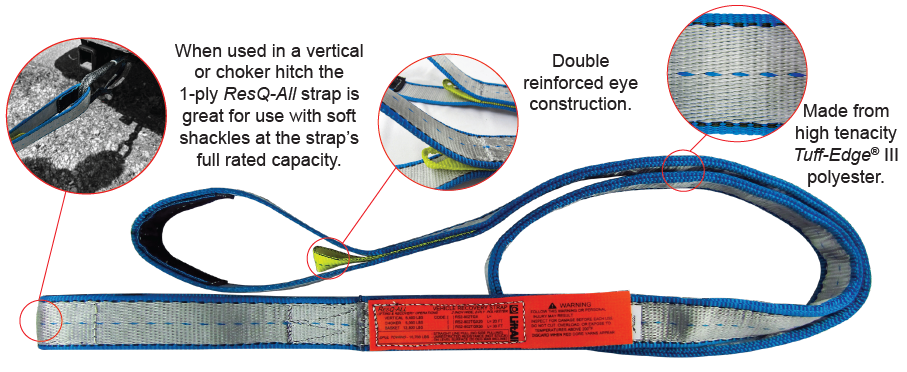
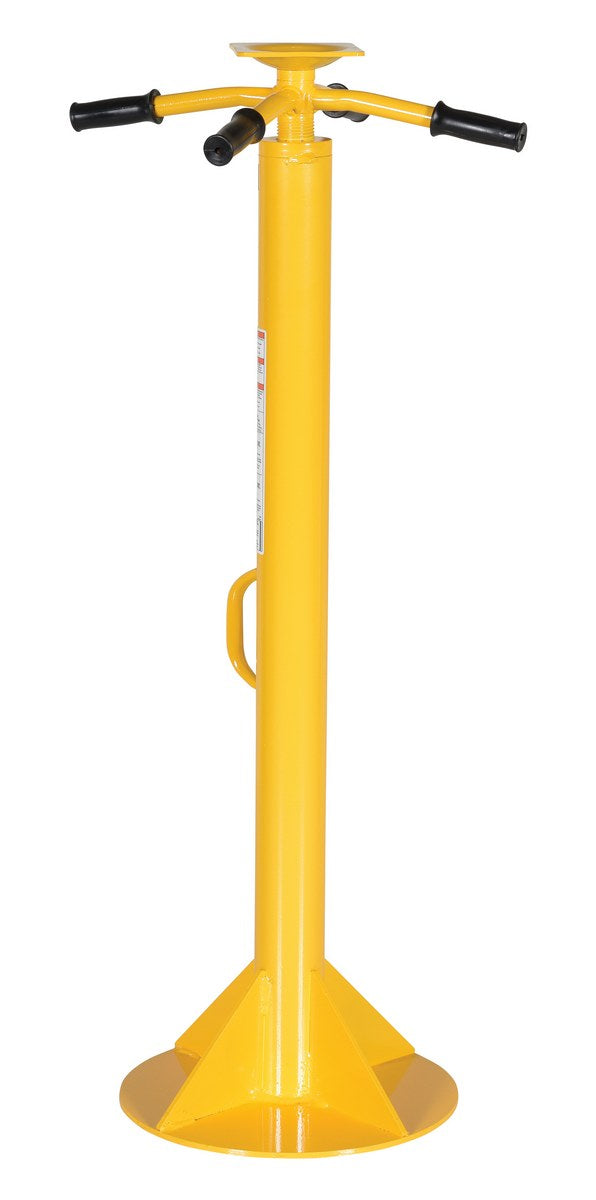
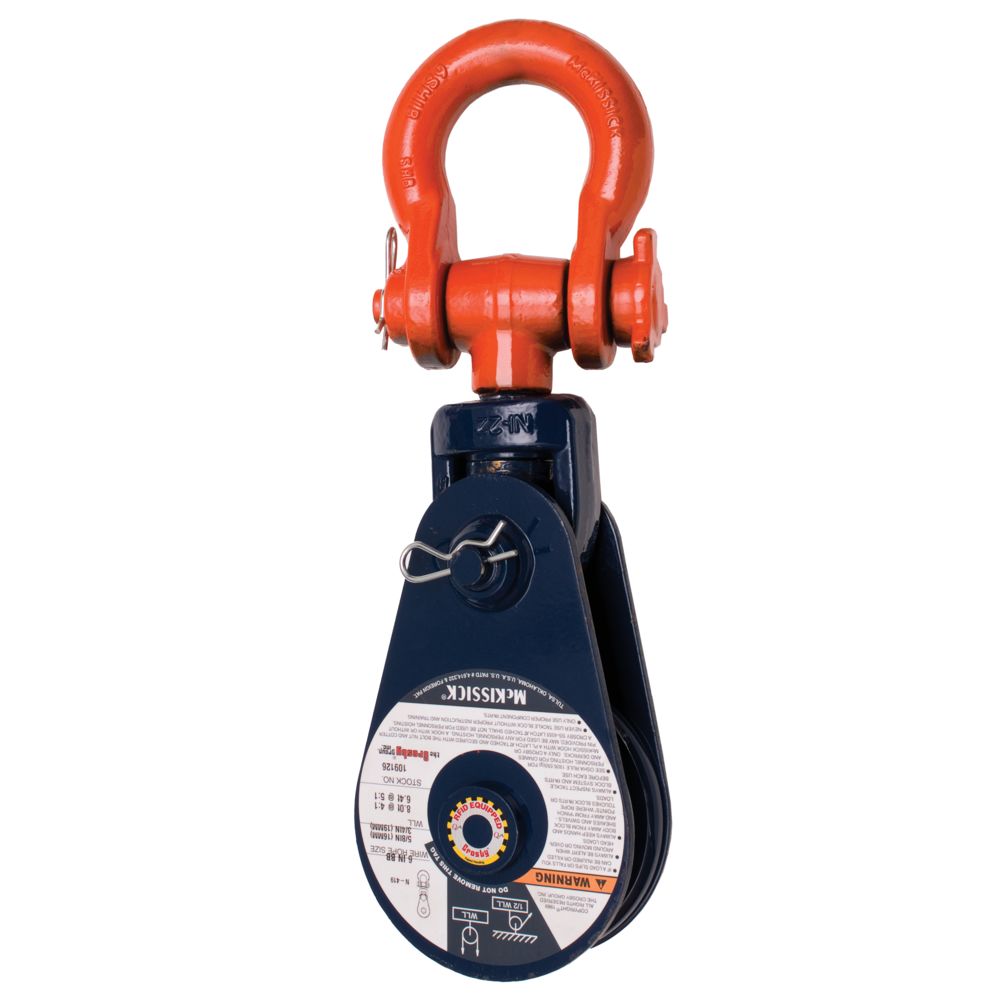
When it leaves the pavement. The last shelf is recovery. A snatch block redirects a winch line or doubles its pulling power, from Mytee hook and shackle blocks up to McKissick 419 and William Hackett units for heavier line. A soft shackle, the spliced HHIppo Link, connects a synthetic winch line without the stored energy a steel shackle throws if something parts. And an off road jack, the Vestil heavy-duty farm jack, lifts, winches, and clamps a stuck vehicle when nothing else reaches. None of it is everyday securement, but the day a load leaves the road it is the difference between a delay and a phone call.
Frequently Asked Questions
For cargo that is not blocked against forward movement, 49 CFR 393.110 sets the minimum count: one tiedown for an article up to 5 ft long and 1,100 lb, two once it runs longer or heavier than that, and one more for every additional 10 ft of length or fraction of it. Separately, 49 CFR 393.106 requires the aggregate working load limit of those tiedowns to reach at least half the article's weight. You have to satisfy both rules, so on a heavy short load the WLL math, not the count, is usually what drives the number of straps.
Both are polyester tie-downs, but they tension differently. A ratchet strap has its own ratchet handle, so it works on any anchor point and comes off fast, which suits general flatbed and van work. A winch strap has no ratchet; it feeds into the sliding winch mounted on a flatbed's side rail and is tensioned with a separate winch bar. Flatbed fleets that already run rail winches standardize on winch straps in 2, 3, and 4 inch widths; anyone without rail winches wants ratchet straps.
Use chain when the load has edges or heat that would destroy synthetic webbing: steel plate and coil, machinery with sharp corners, and anything hot or abrasive. Grade 70 transport chain paired with a lever or torque drive binder is the standard flatbed answer, and its gold chromate finish lets an inspector confirm the grade at a glance. For finished, painted, or thin-walled loads, webbing is kinder and lighter, and corner protectors let it survive the occasional hard edge.
Any time webbing bends over a square edge you should protect it, because a sharp corner concentrates the load and cuts the strap while also crushing the cargo edge. Plastic corner protectors are cheap insurance for finished loads and light edges; steel corner protectors and VeeBoards handle heavier crush and sharper steel. They are inexpensive next to a strap failure or a scarred load, so most flatbed operators keep a handful in the toolbox.
Rules vary by state, but the common baseline is a red or fluorescent orange warning flag at least 18 inches square at the widest and rear-most points of the load, with reflective Wide Load or Oversize Load banners where dimensions cross the legal envelope. Because the exact size and placement depend on the permit and the state you run through, check the requirements for your route and carry flags that meet the strictest one.