Lifting Equipment
Lifting equipment is the department that puts a load in the air: the hoists that do the pulling, and the cranes, trolleys, and frames that hold them up while they do it. The nine collections below run from a half-ton hand chain block to container spreader frames rated past 140,000 lb, across Harrington, CM, Bison, HSI, Thern, OZ Lifting, REID, Vestil, and Tandemloc. If you already know you need an electric chain hoist or a jib crane, go straight to that collection. If you know the job but not the machine, this page is the sorting step. Two questions settle most of it: what structure will hold the load up, and how often the lift repeats. Answer those and the right category usually falls out on its own.
Shop Lifting Equipment by Category
Compare Lifting Equipment
| Model | Price | Capacity | |
|---|---|---|---|
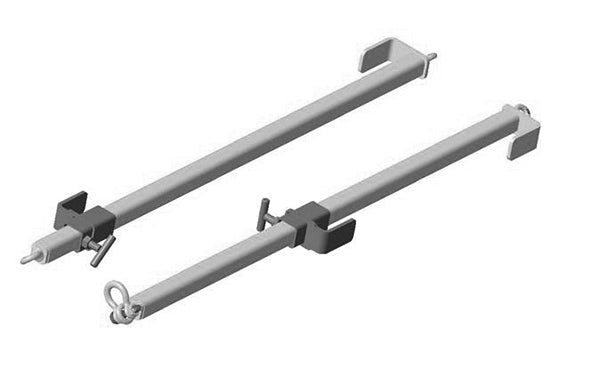
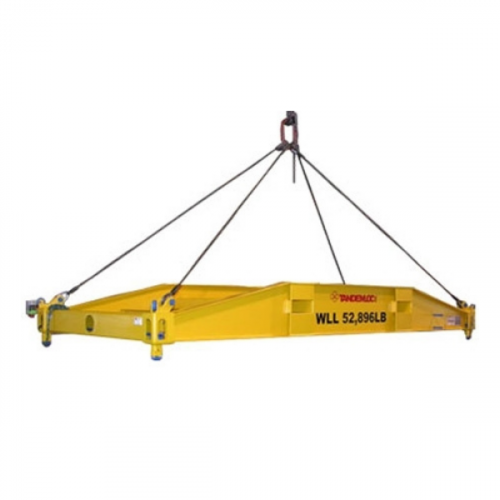
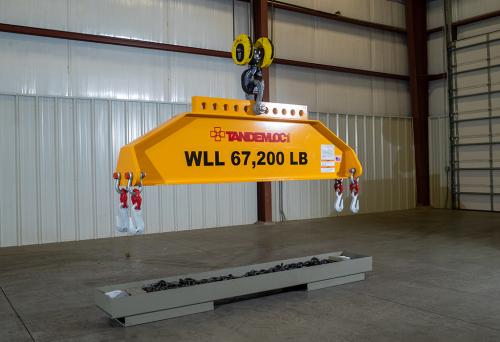
| Tandemloc 40ft Forklift Container Spreader | $85,402 | 67,200 lb | View → |
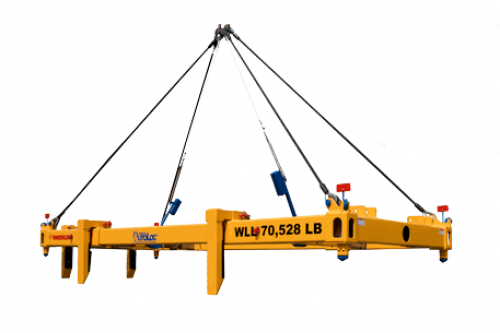
| Tandemloc Modular Autoloc 70,500lbs Spreader Frame | $54,488 | 70,528 lb | View → |
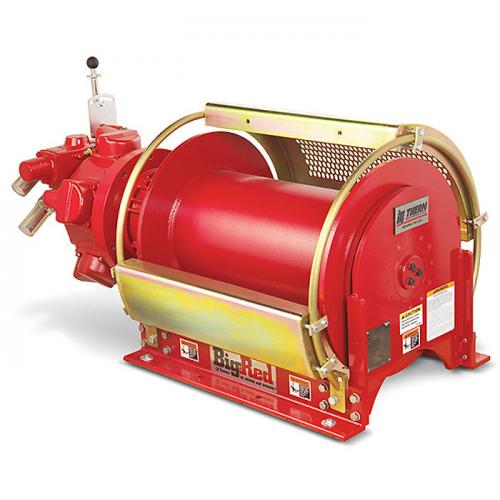
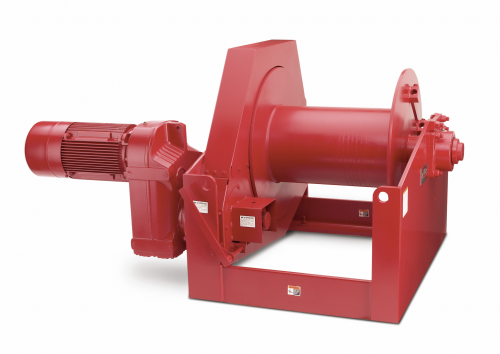
| Thern Utility Rated Air Winches | $39,750 | 15,700 lb | View → |
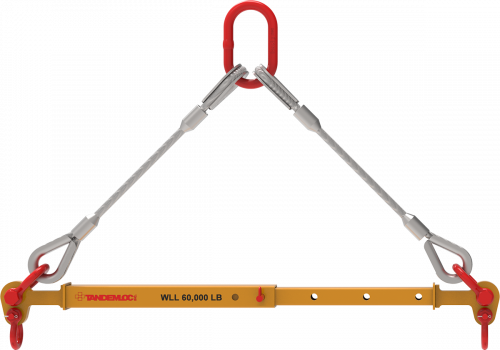
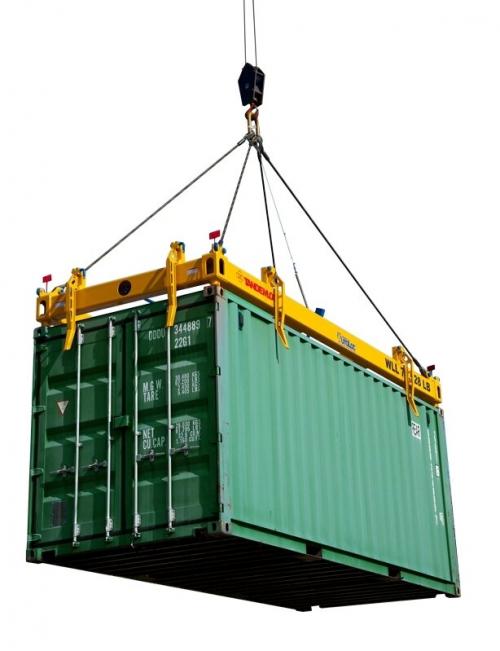
| Tandemloc Autoloc Spreader Container Lifting Frame | $33,249 | 67,200-70,000 lb | View → |
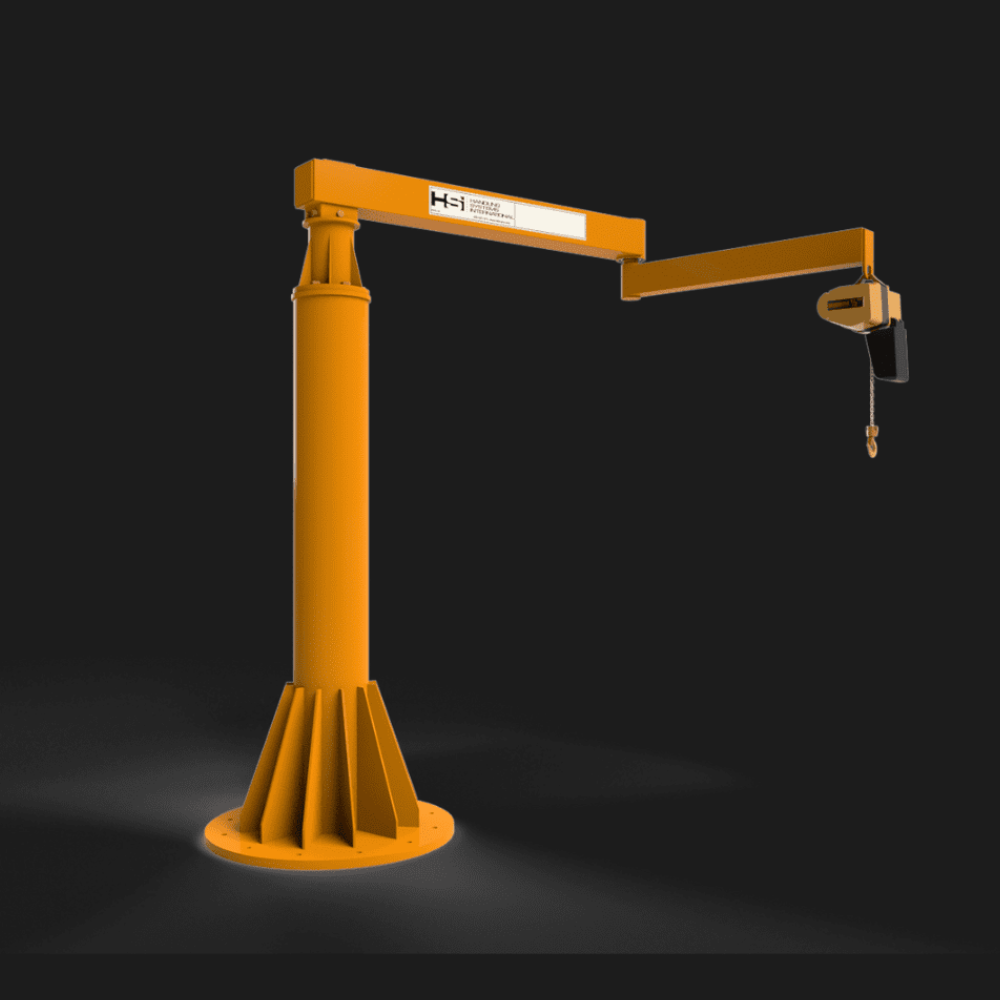
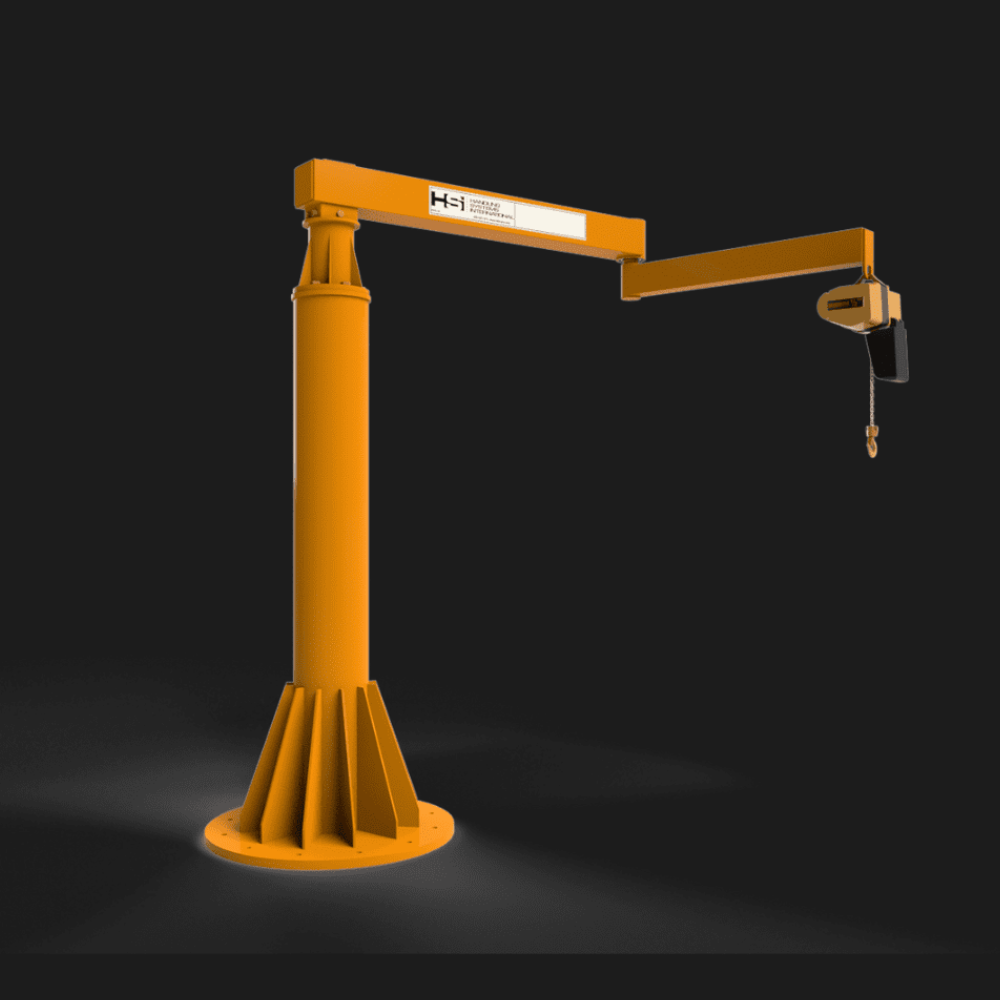
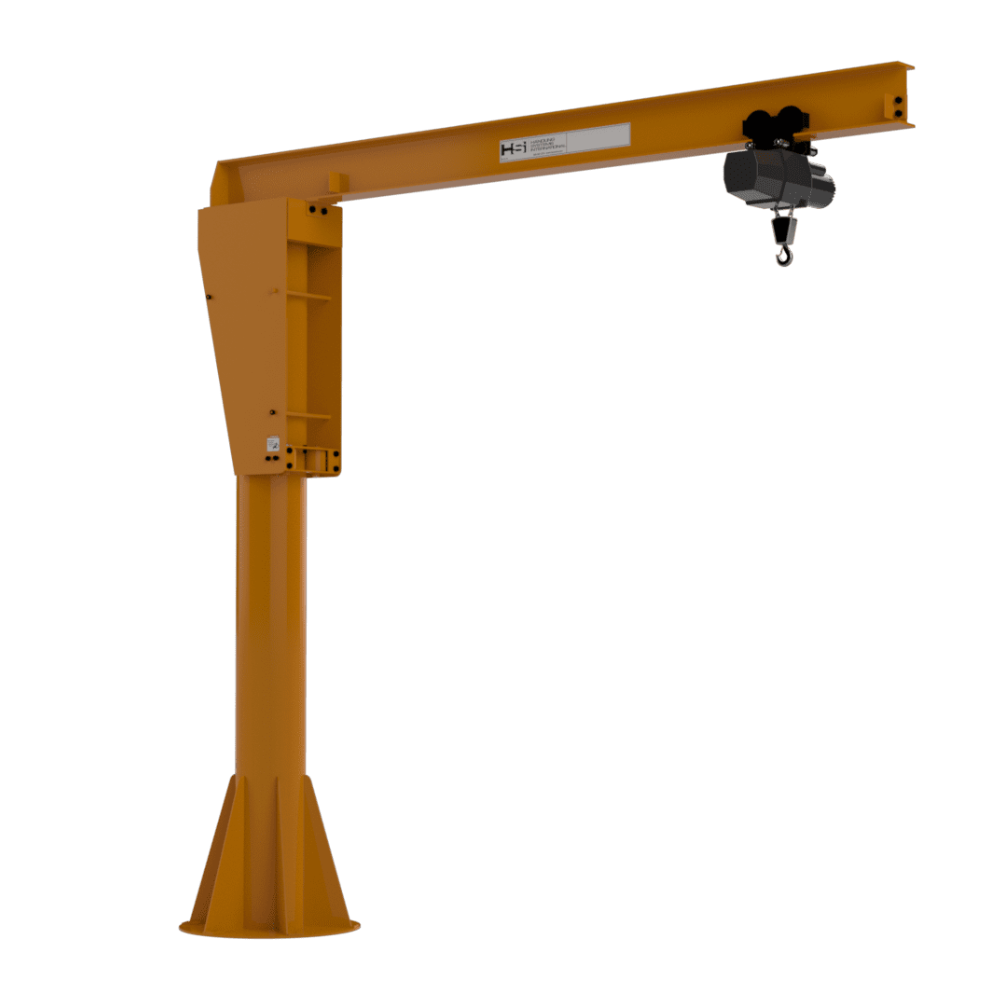
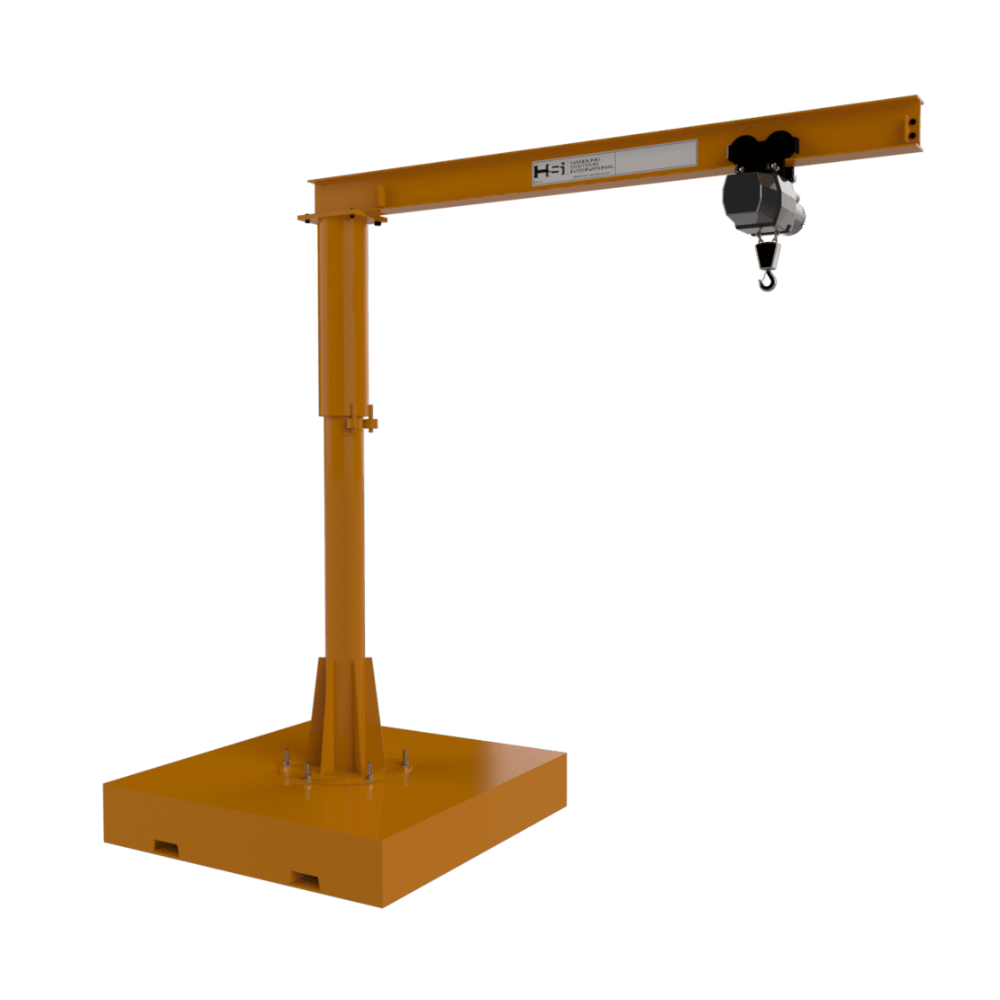
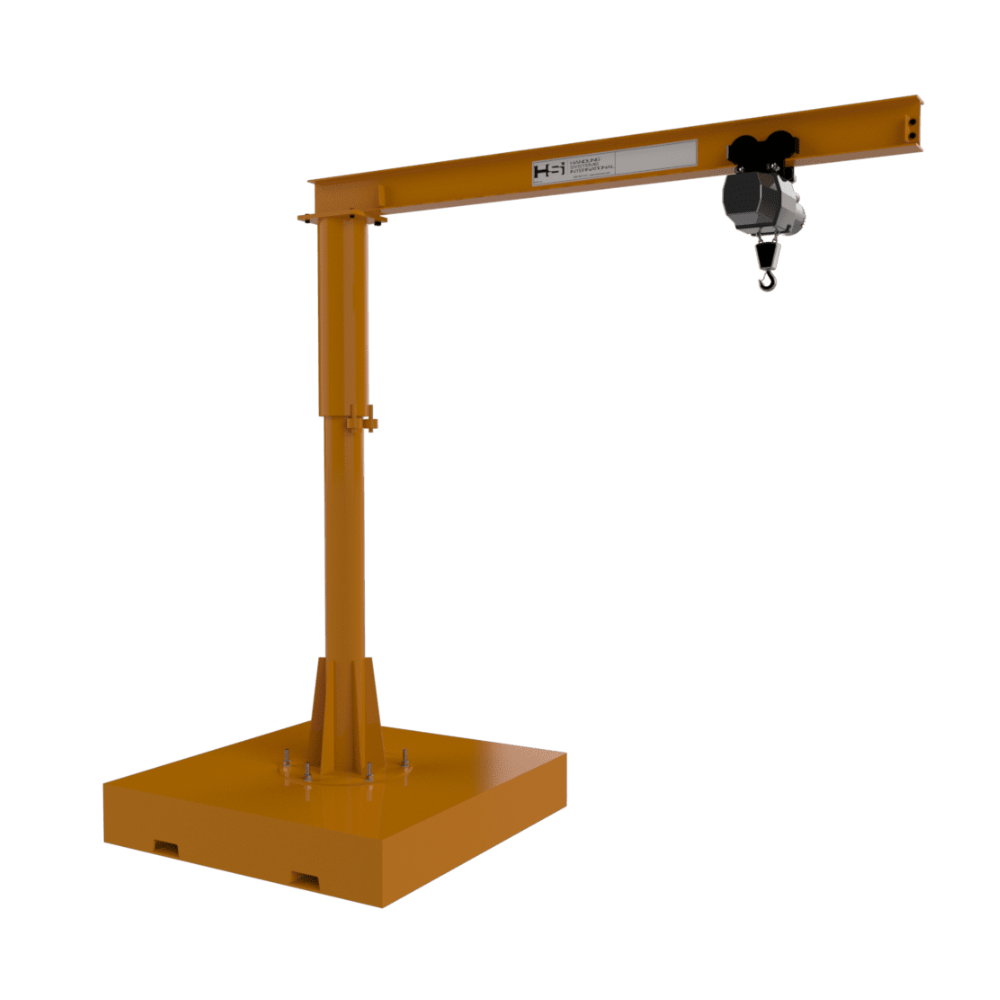
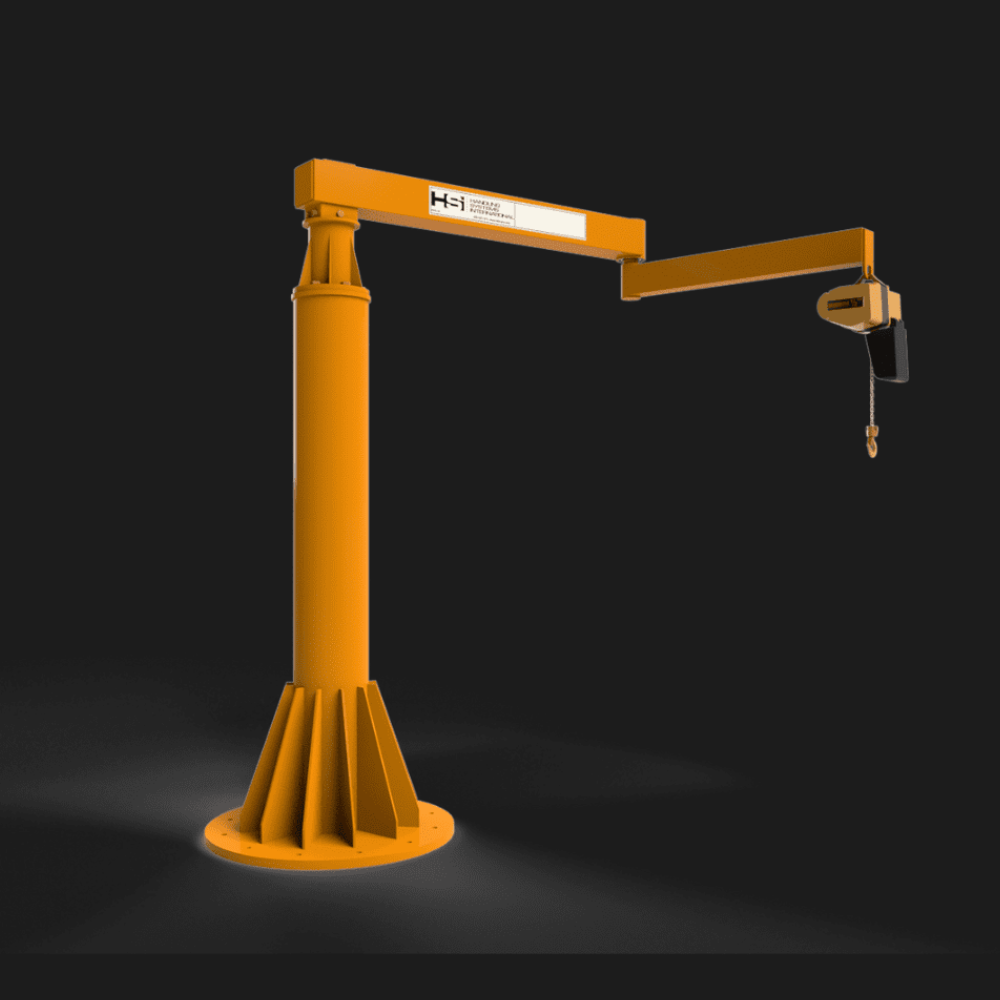
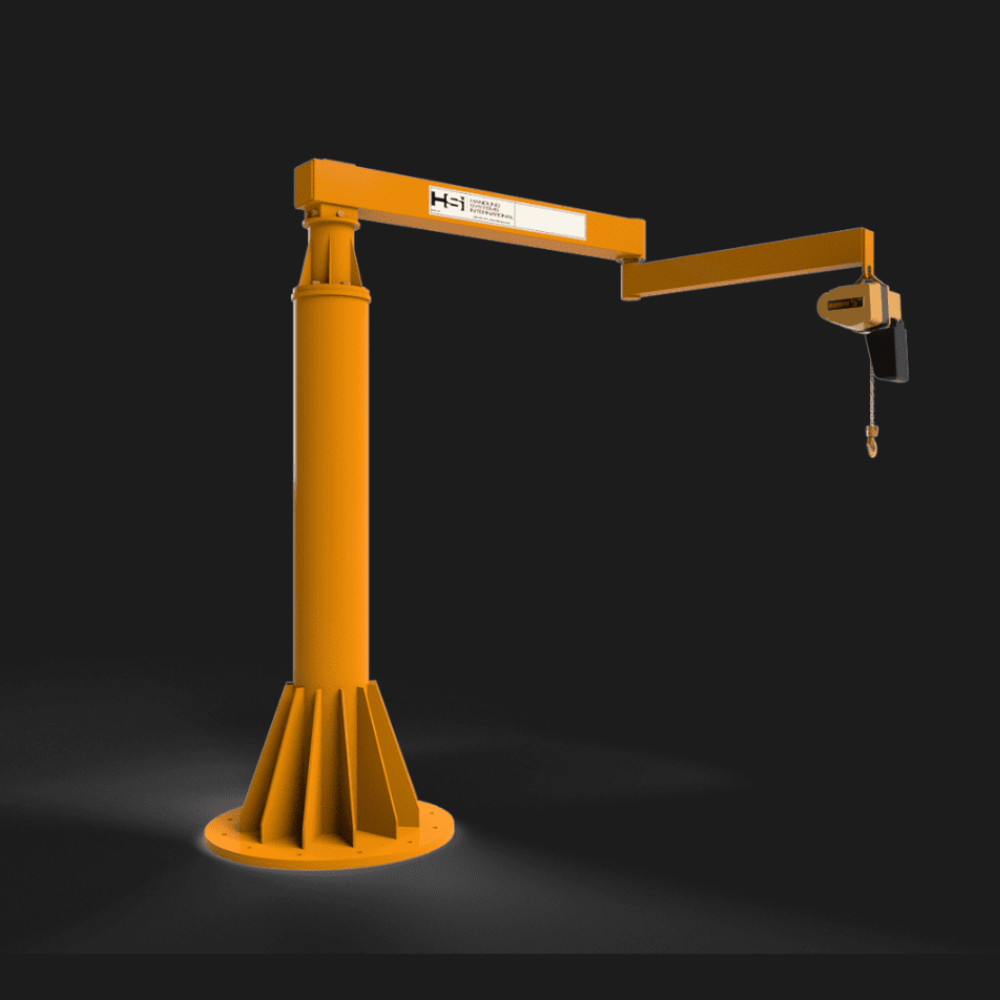
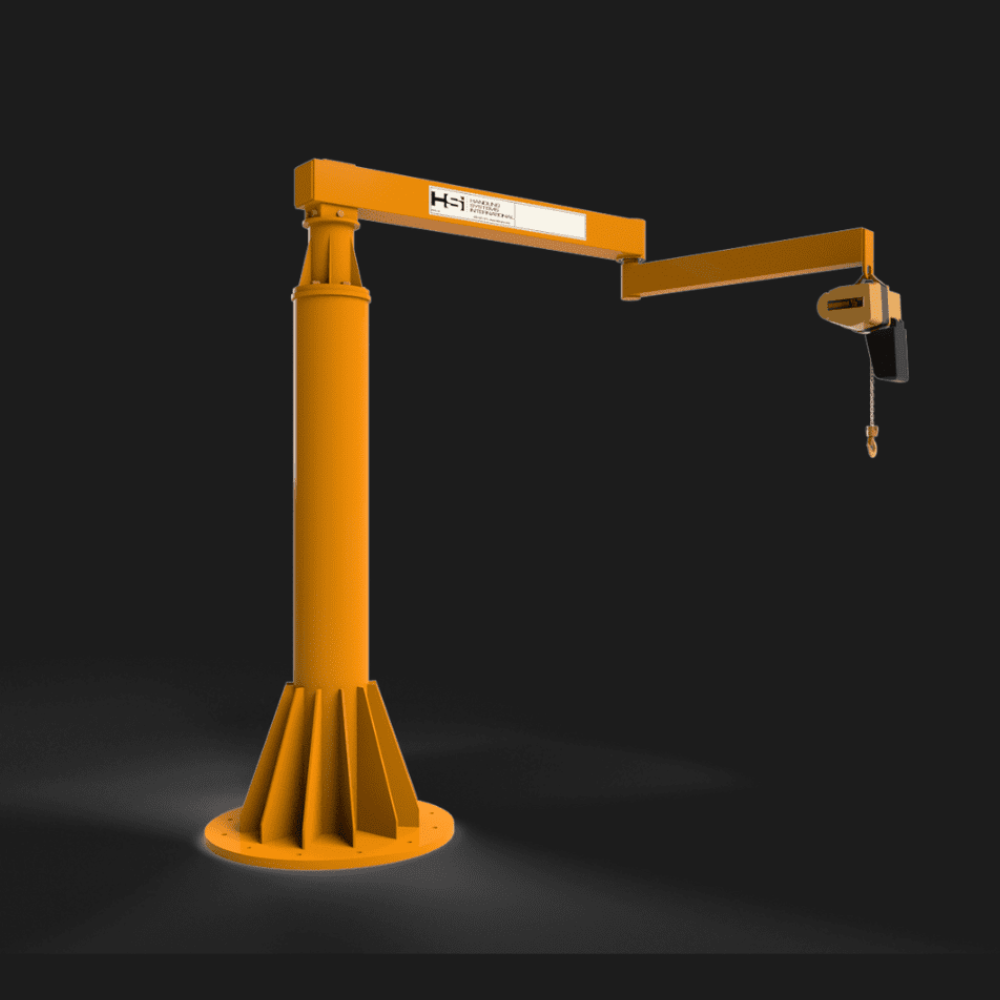
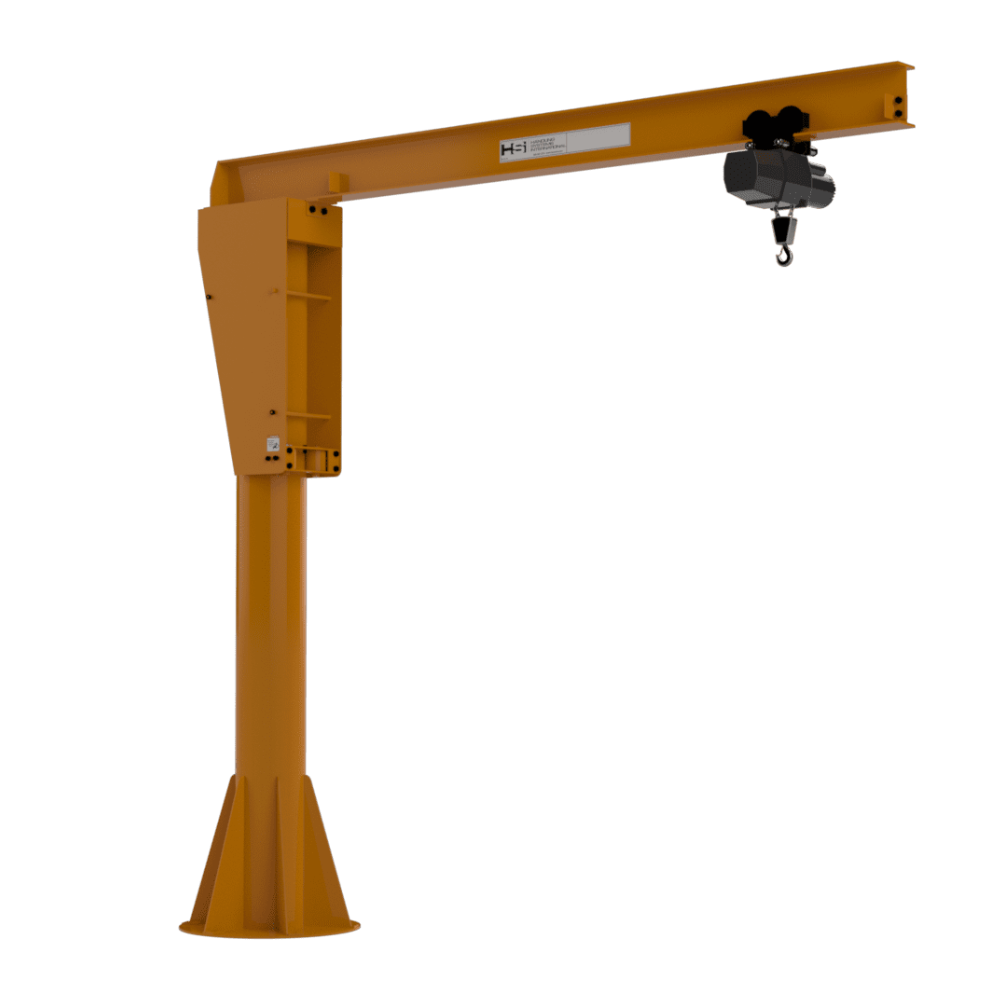
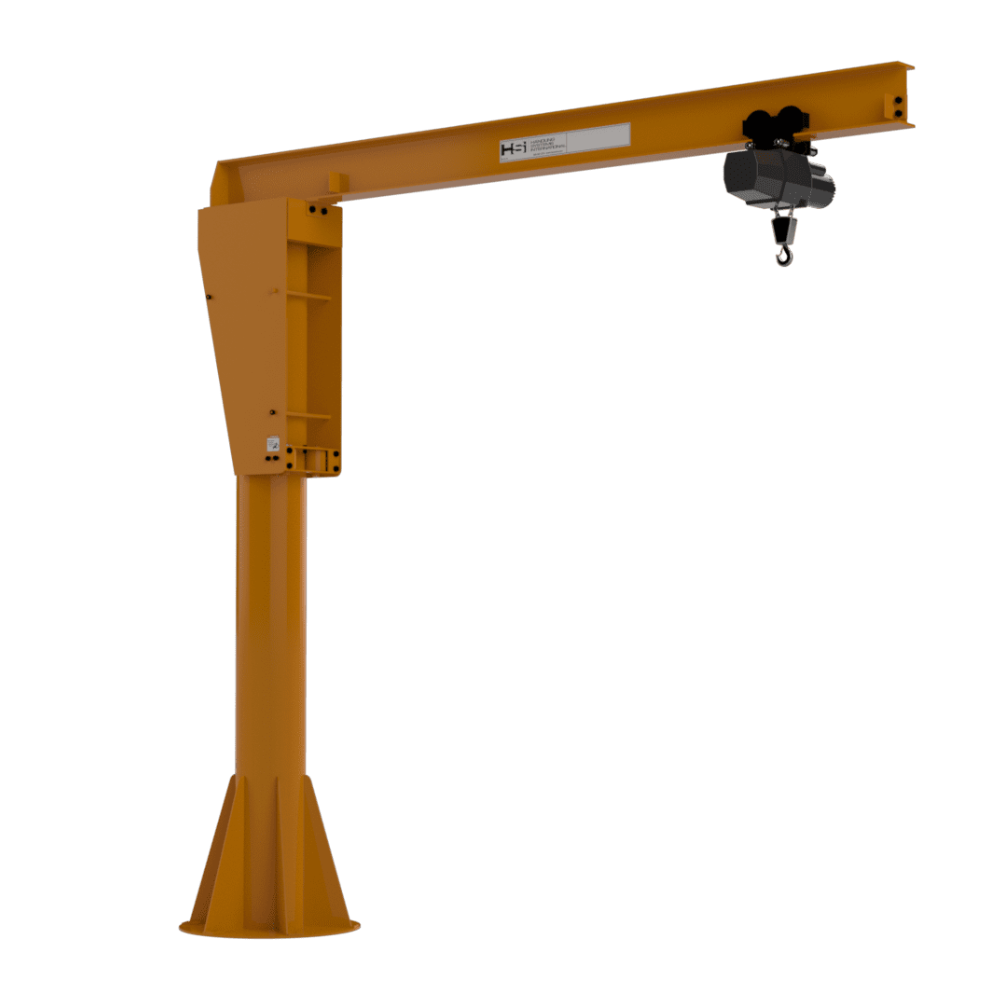
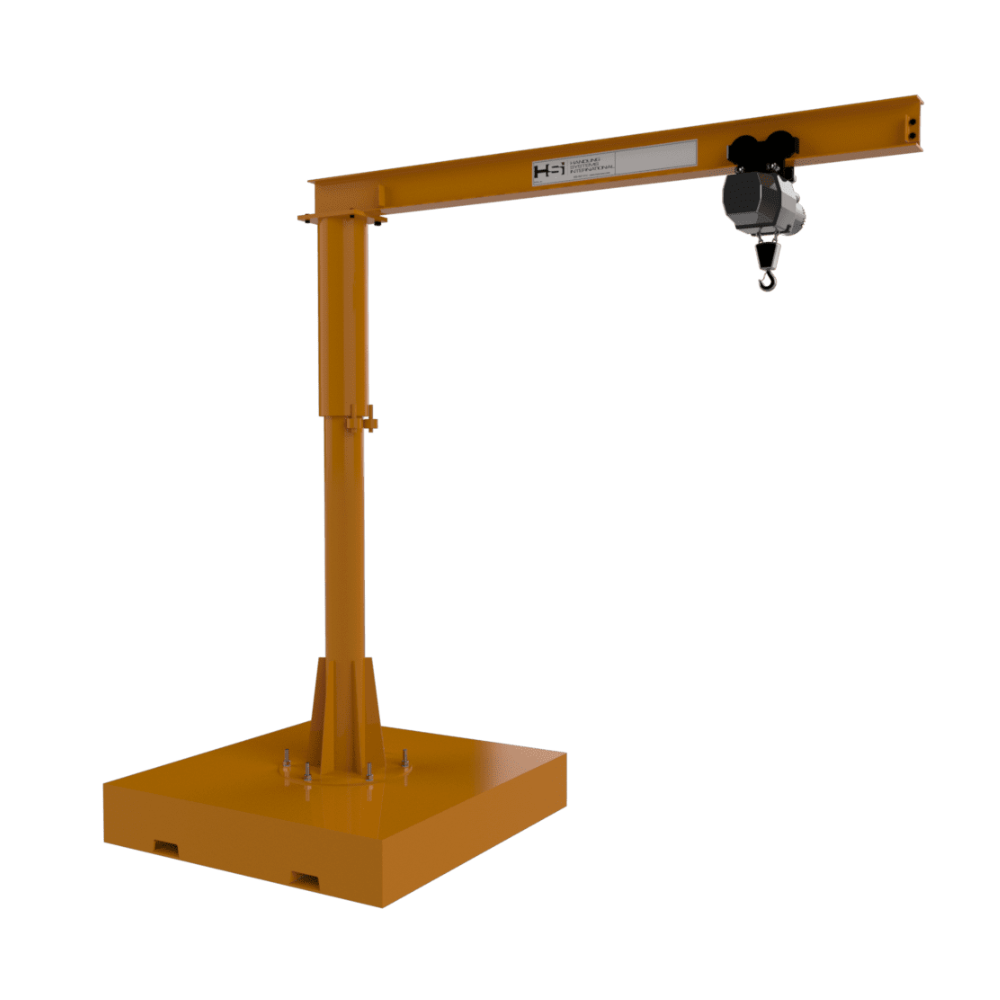
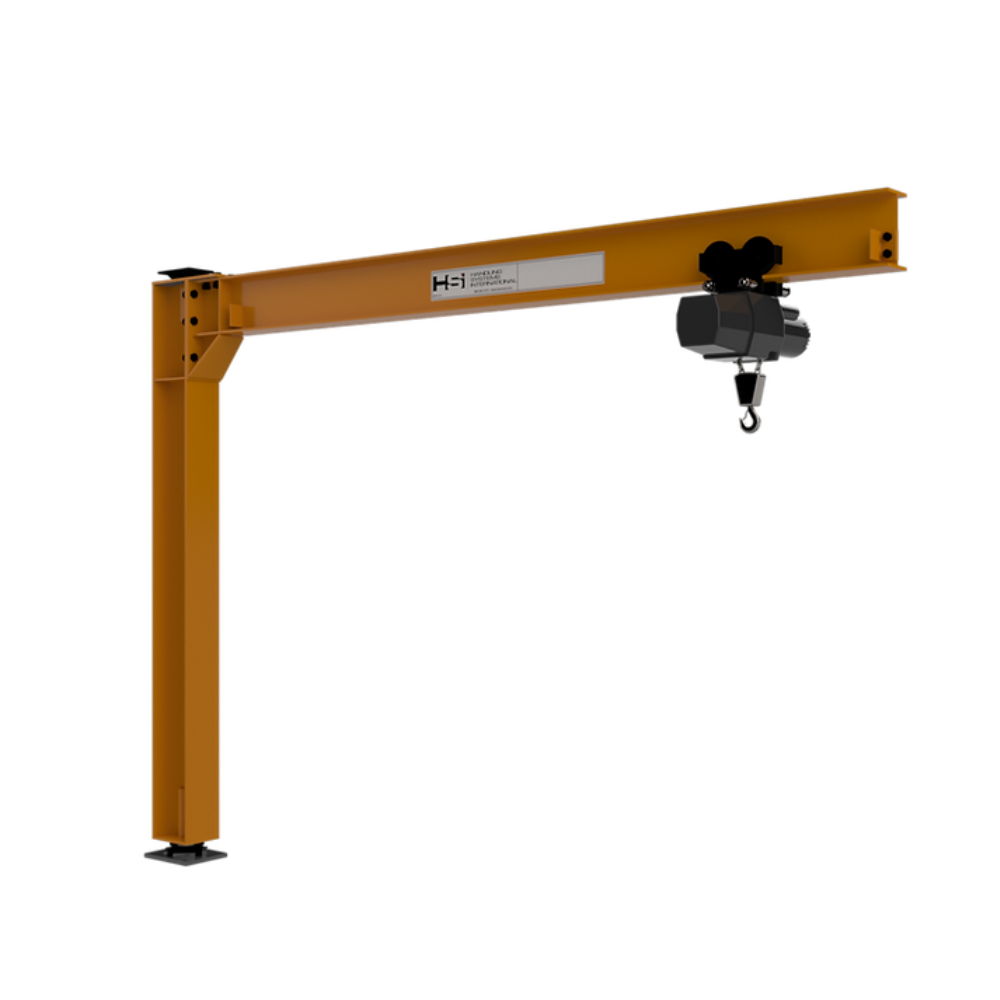
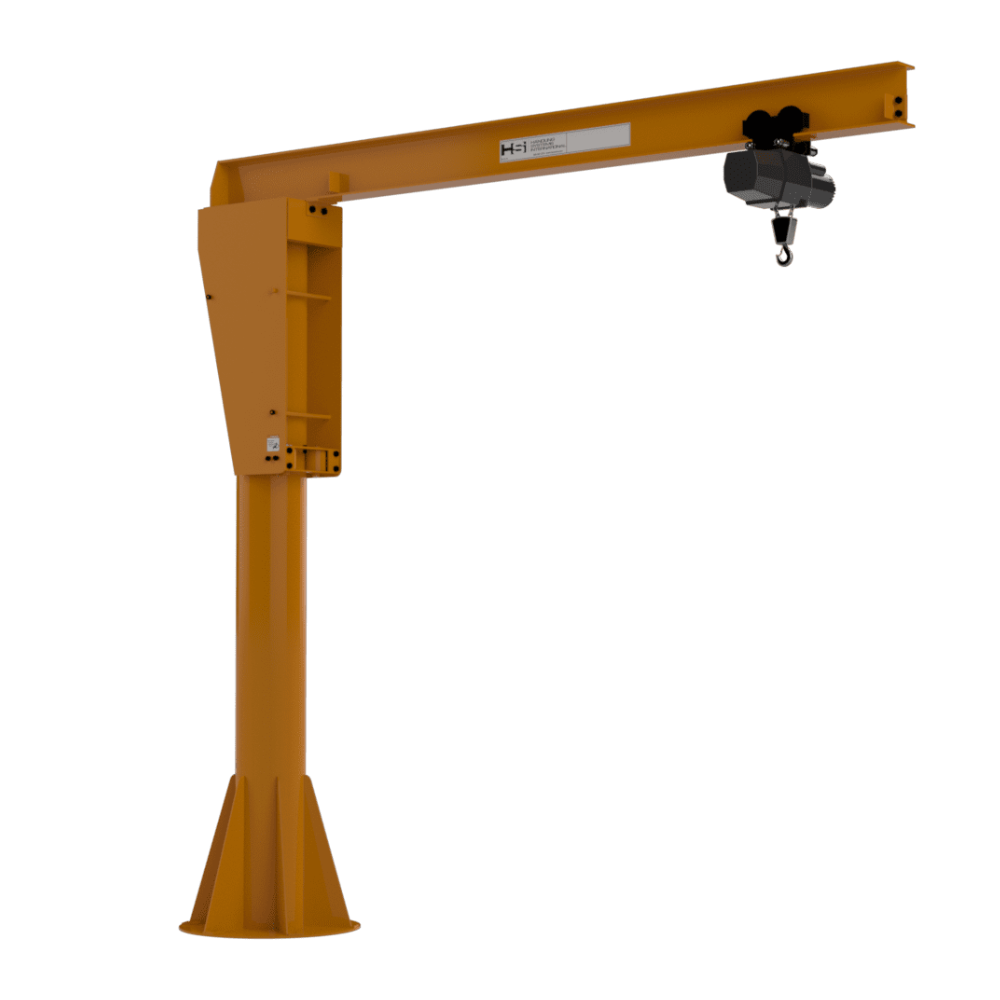
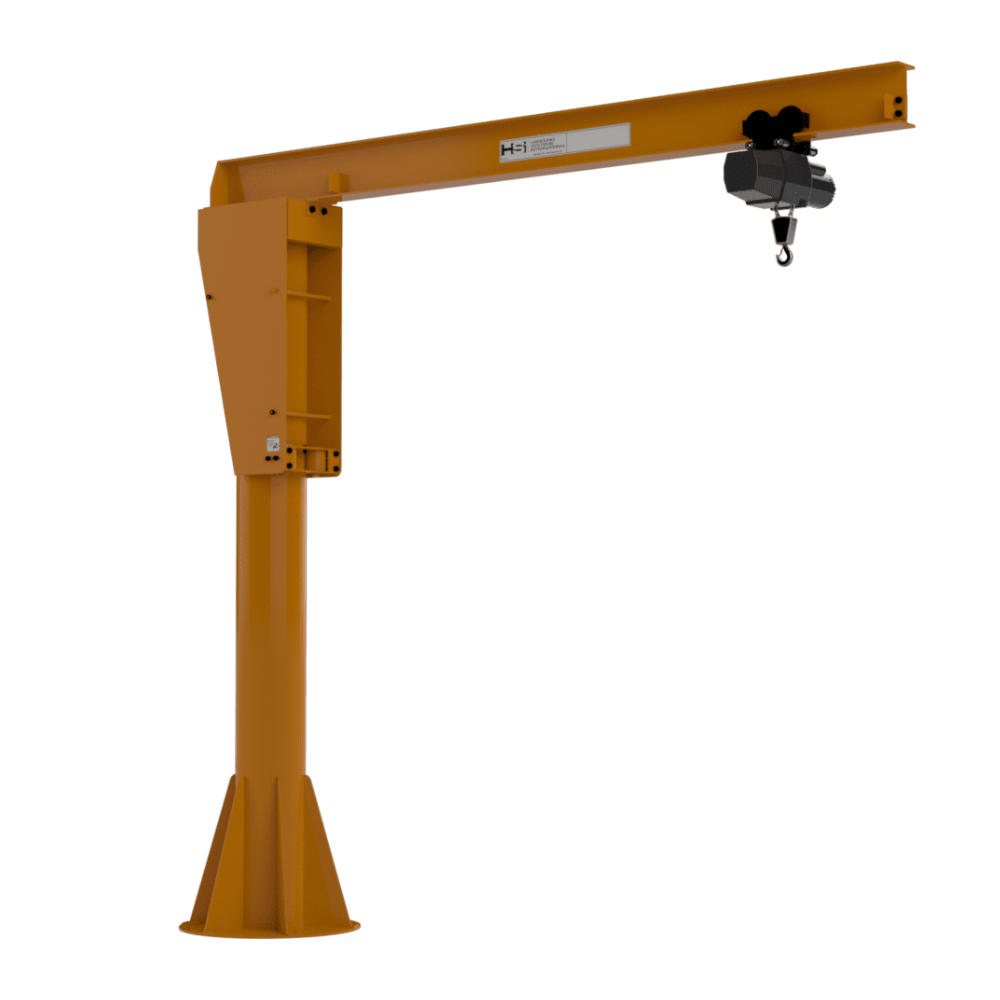
| HSI 2000lbs Freestanding Articulated Jib Cranes | $25,925 | 2,000 lb | View → |
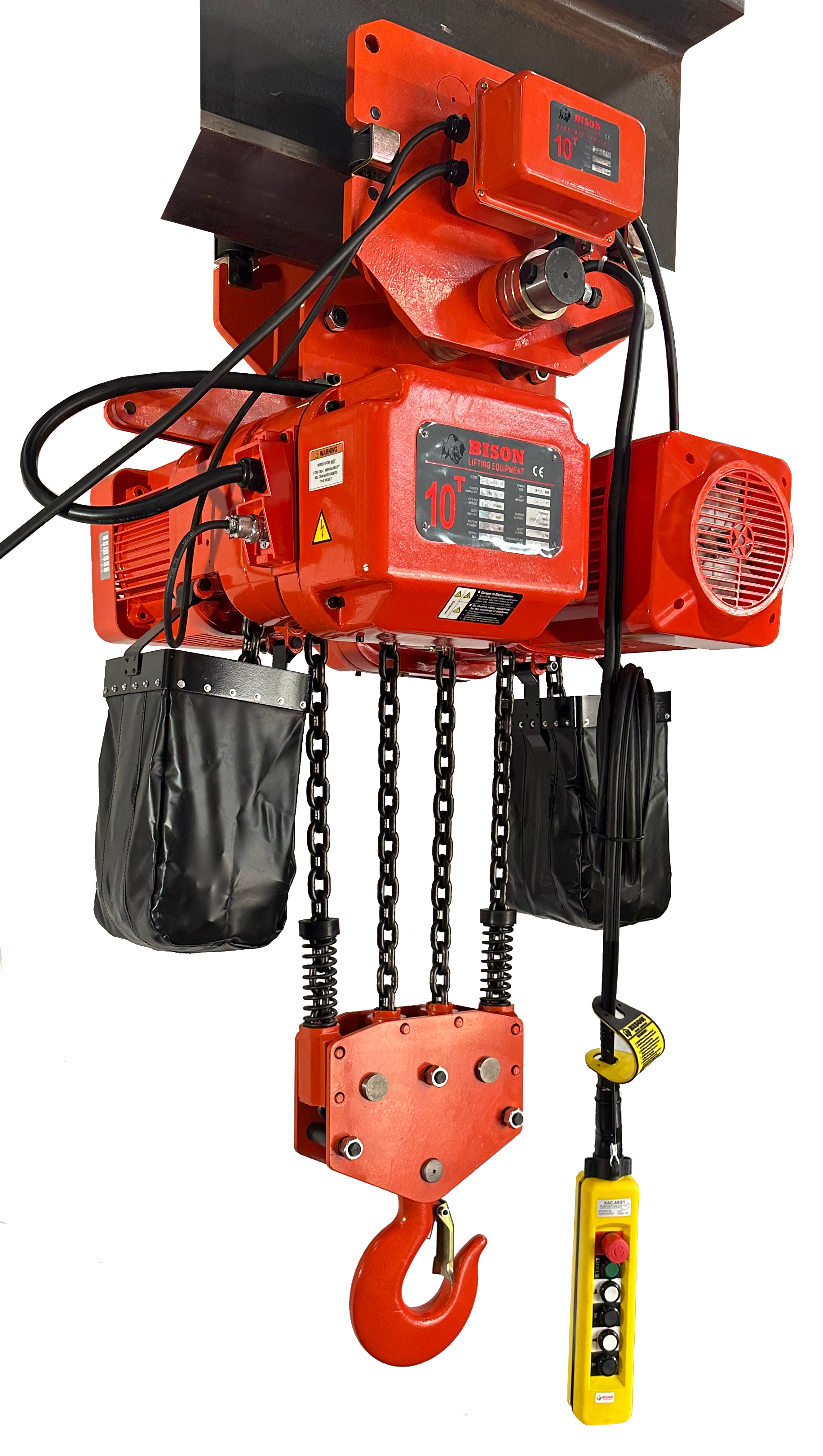
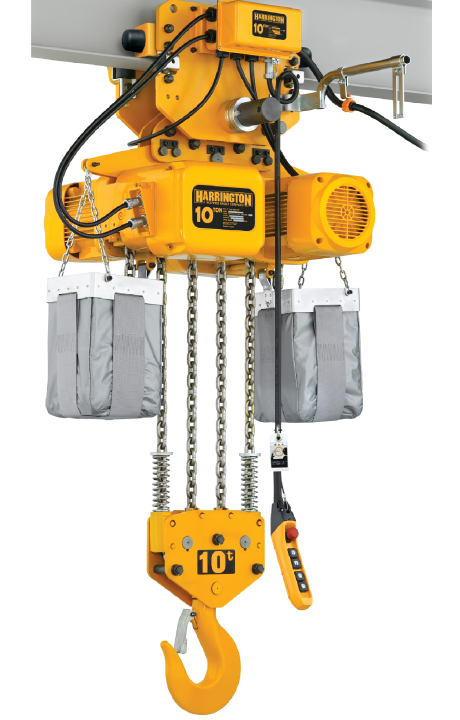
| Bison 10Ton Three Phase Dual Speed Electric Chain Hoist with Trolley 230v/460v | $21,823 | 10 ton | View → |
 In Stock
 In Stock
 In Stock
 In Stock
 In Stock
 In Stock
 In Stock
 In Stock
 In Stock
 In Stock
 In Stock
 In Stock
 In Stock
 In Stock
 In Stock
 In Stock
 In Stock
 In Stock
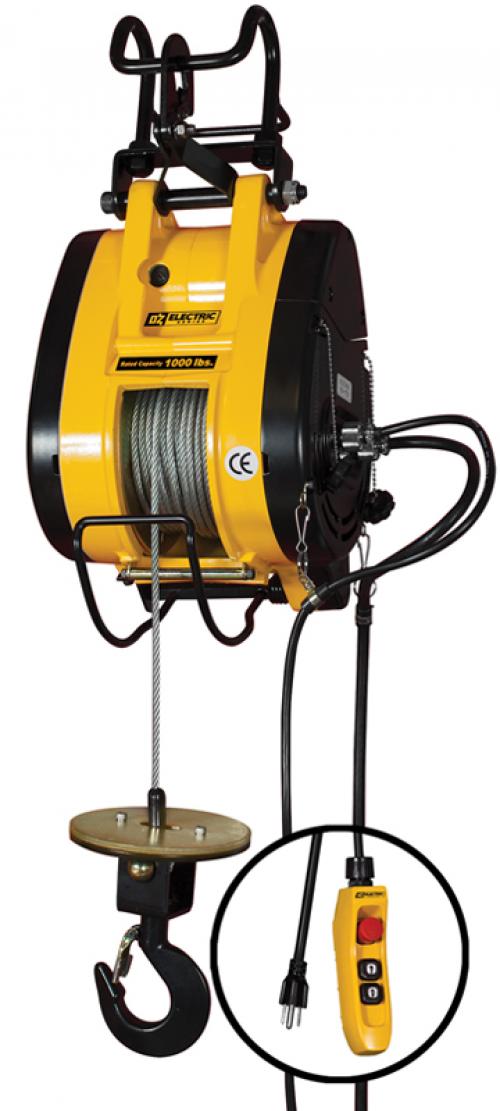 In Stock
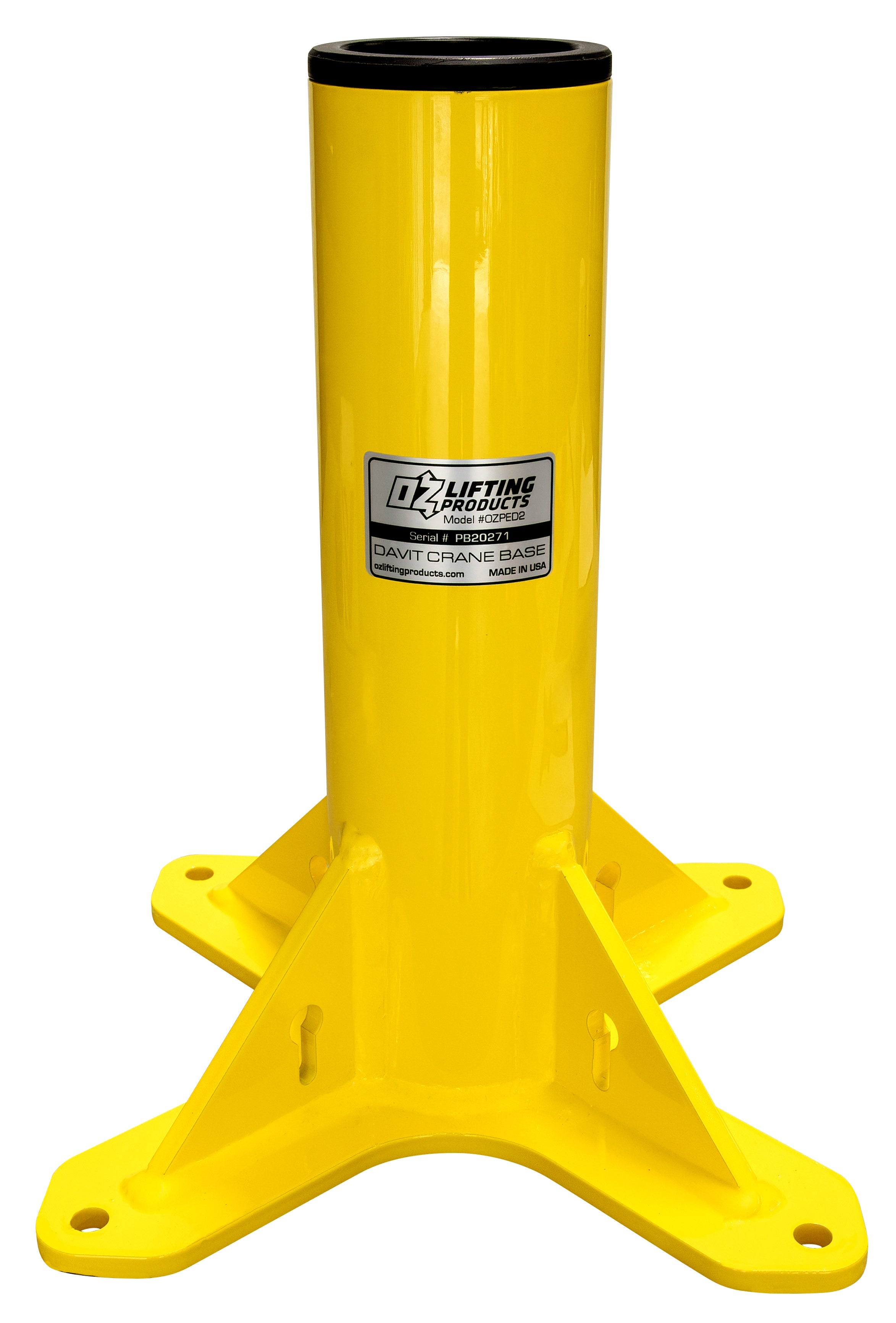 In Stock
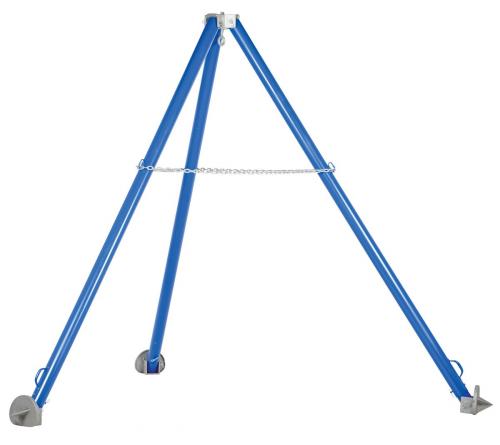 In Stock
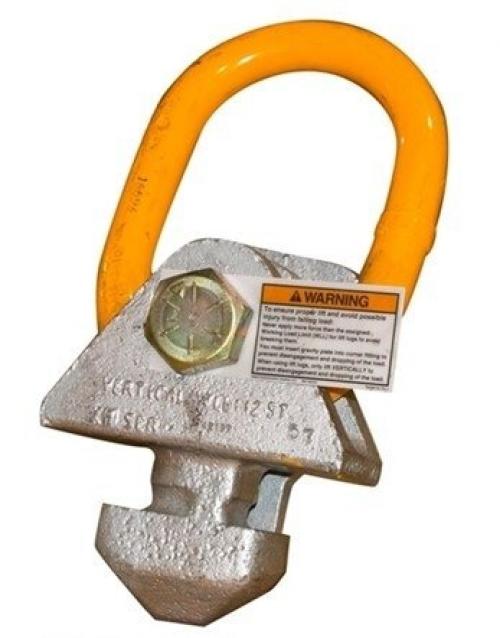 In Stock
 In Stock
 In Stock
 In Stock
 In Stock
 In Stock
 In Stock
 In Stock
 In Stock
 In Stock
 In Stock
 In Stock
 In Stock
 In Stock
 In Stock
 In Stock
 In Stock
 In Stock
 In Stock
 In Stock
 In Stock
 In Stock
 In Stock
 In Stock
 In Stock
 In Stock
 In Stock
 In Stock
 In Stock
 In Stock
 In Stock
 In Stock
 In Stock
 In Stock
 In Stock
 In Stock
 In Stock
 In Stock
 In Stock
 In Stock
 In Stock
 In Stock
 In Stock
 In Stock
 In Stock
 In Stock
 In Stock
 In Stock
 In Stock
 In Stock
 In Stock
 In Stock
 In Stock
 In Stock
 In Stock
 In Stock
 In Stock
 In Stock
 In Stock
 In Stock
 In Stock
 In Stock
 In Stock
 In Stock
 In Stock
 In Stock
 In Stock
 In Stock
 In Stock
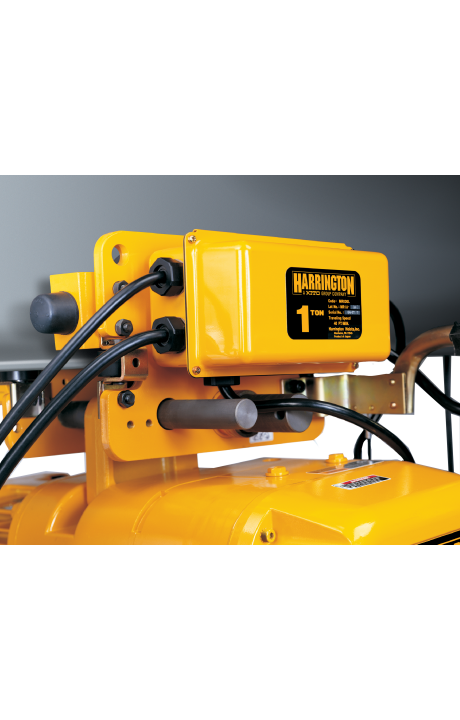 In Stock
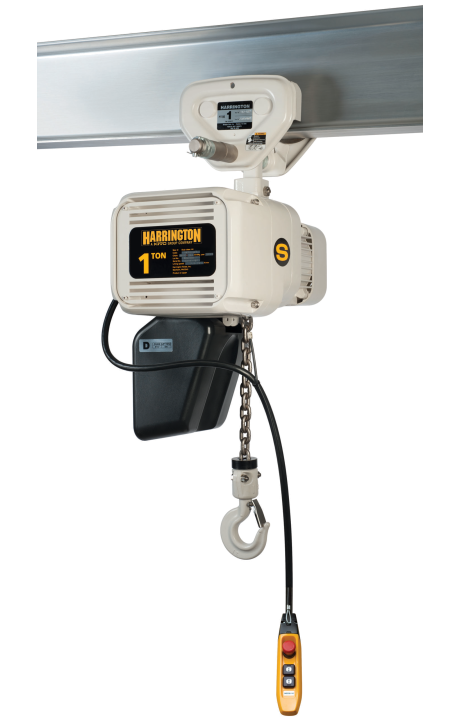 In Stock
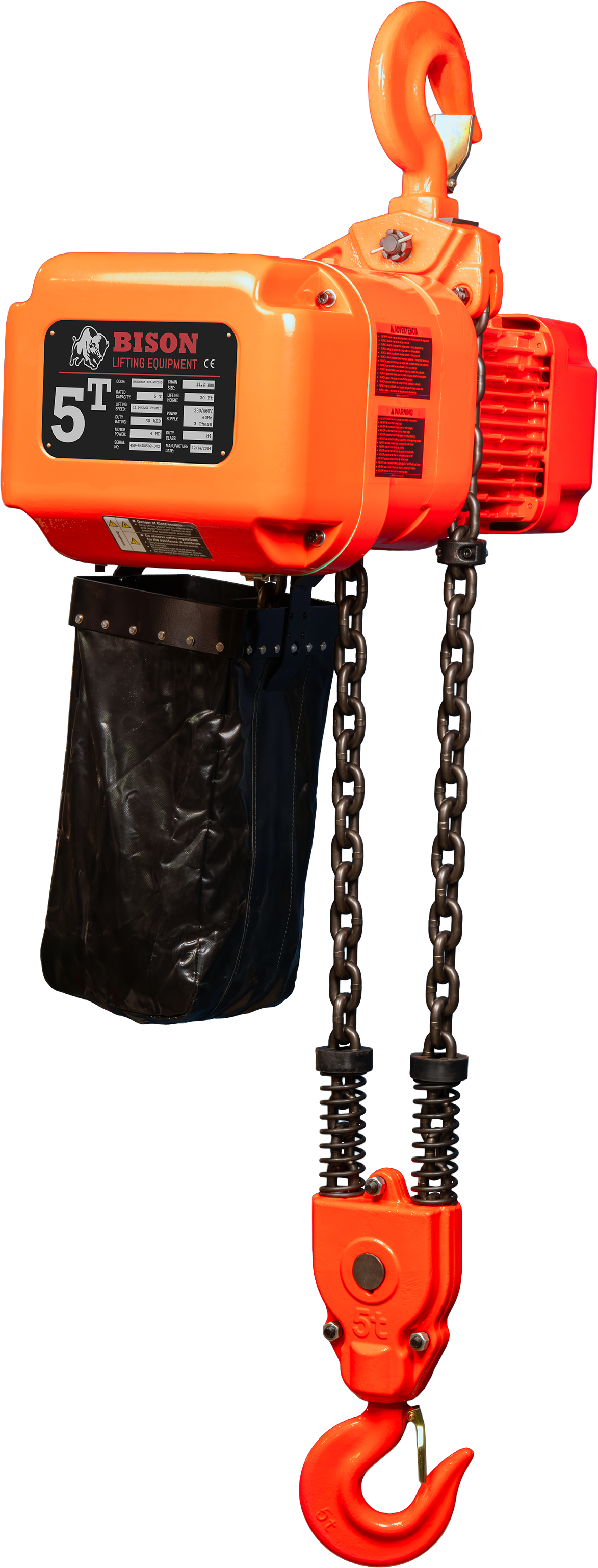 In Stock
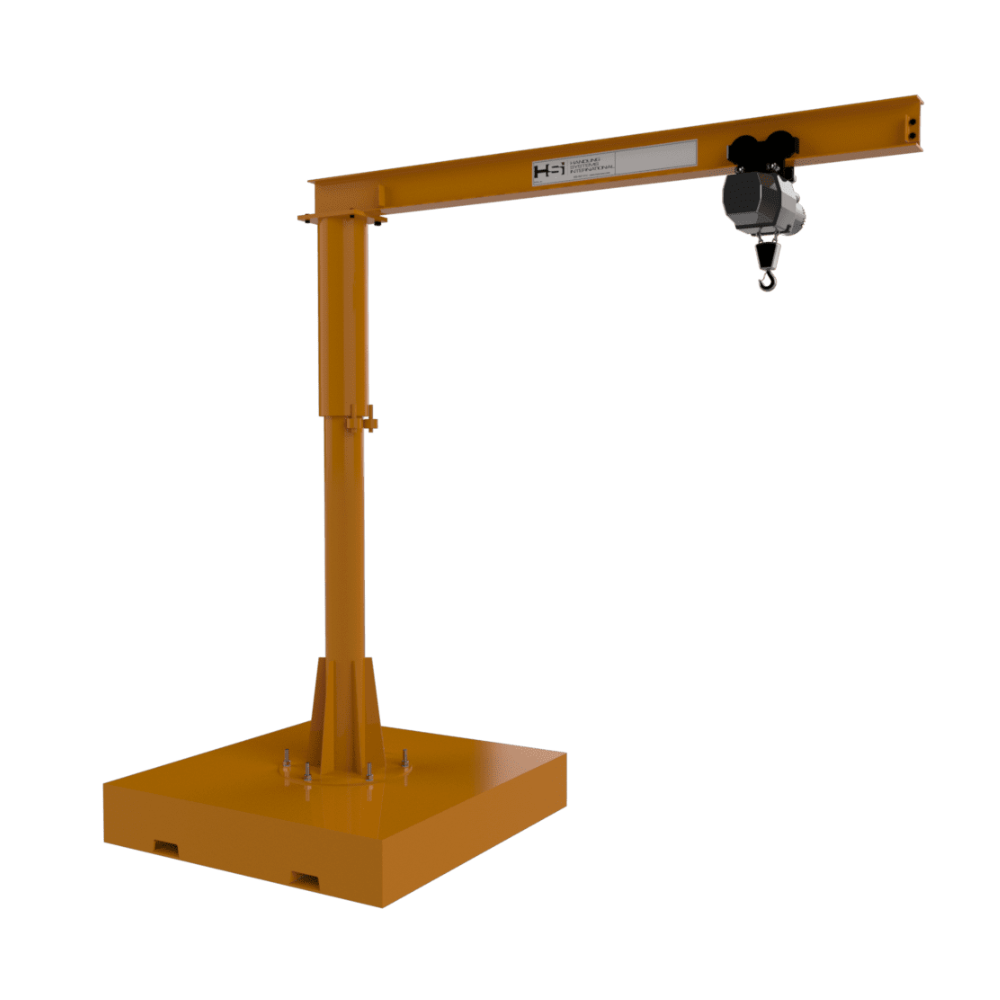 In Stock
 In Stock
 In Stock
Lifting Equipment Buying Guide
Start with what holds the load up. Every lift hangs from something, and what that something is routes you to a category. If the building already has steel over the work area, a runway beam, a monorail, the flange of an I-beam, you do not need a crane at all; a hoist and a trolley turn that steel into one. If there is no beam where the work happens but a wall, column, or slab can carry one, a jib crane parks a rotating boom over the spot and serves it for decades. If there is no structure at all, or the lift happens somewhere different every week, a portable gantry, davit, or shop crane brings its own frame, stands on the floor, and rolls or lifts away when the job is done. And if the load moves along the ground rather than straight up, a winch anchored to a vehicle or a fixed mount does the pulling. Settle which of those situations you are in before comparing capacities; the wrong category at the right rating is still the wrong buy.
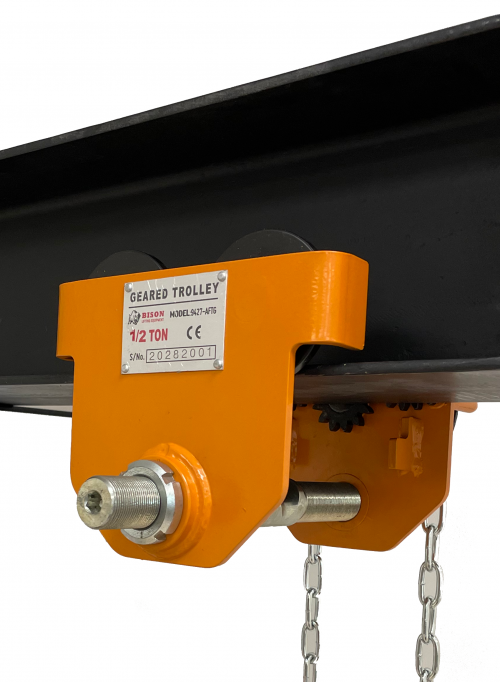
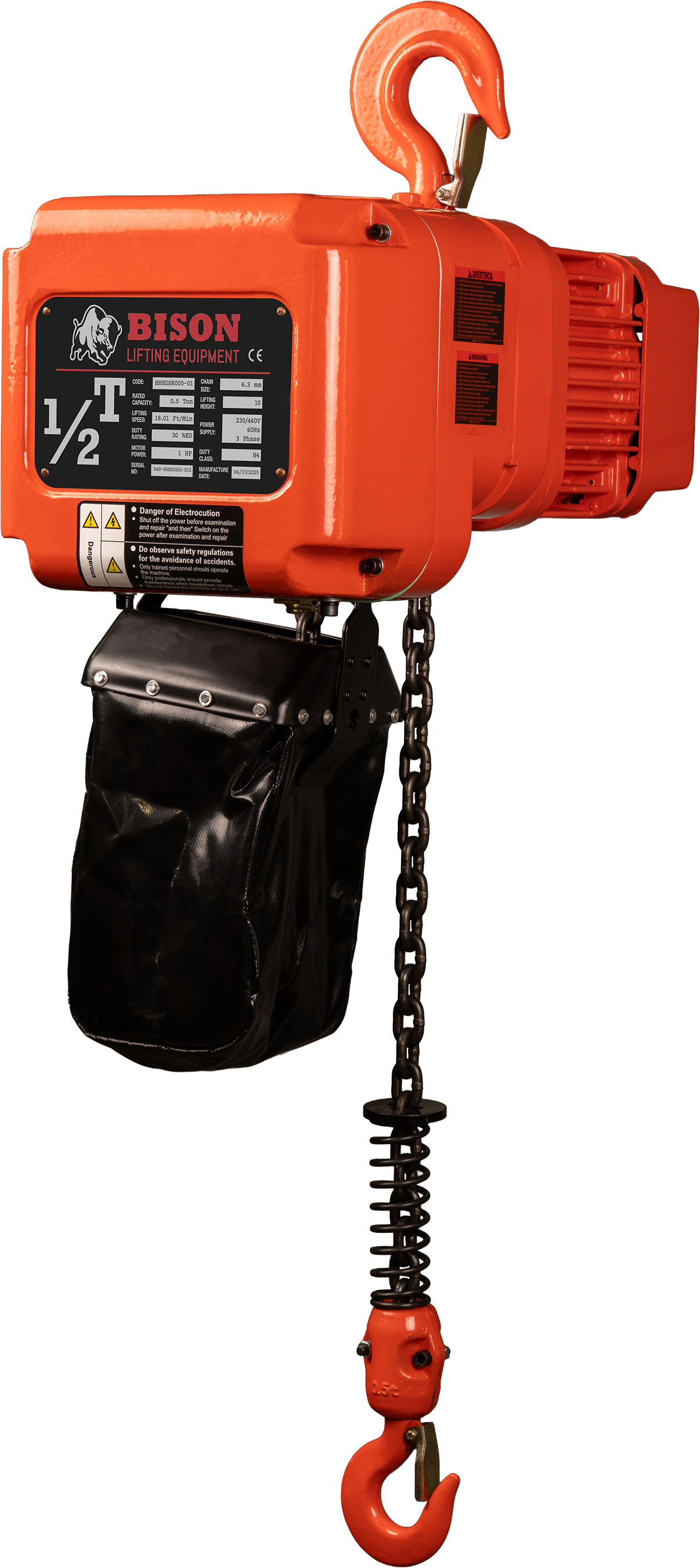
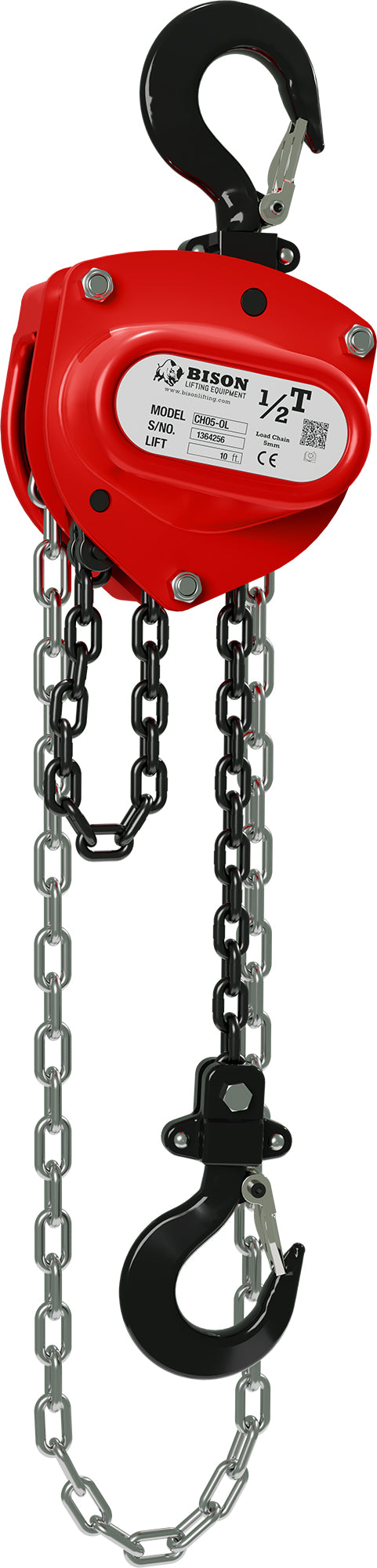
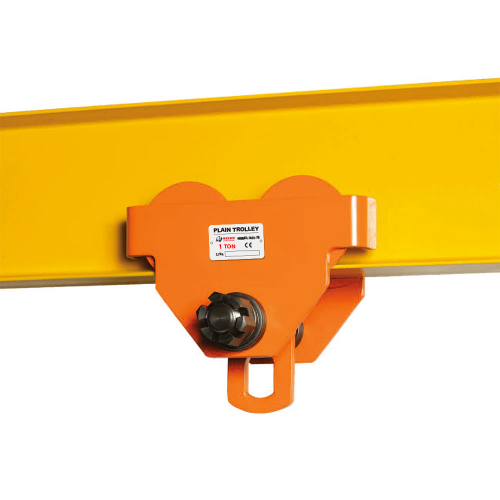
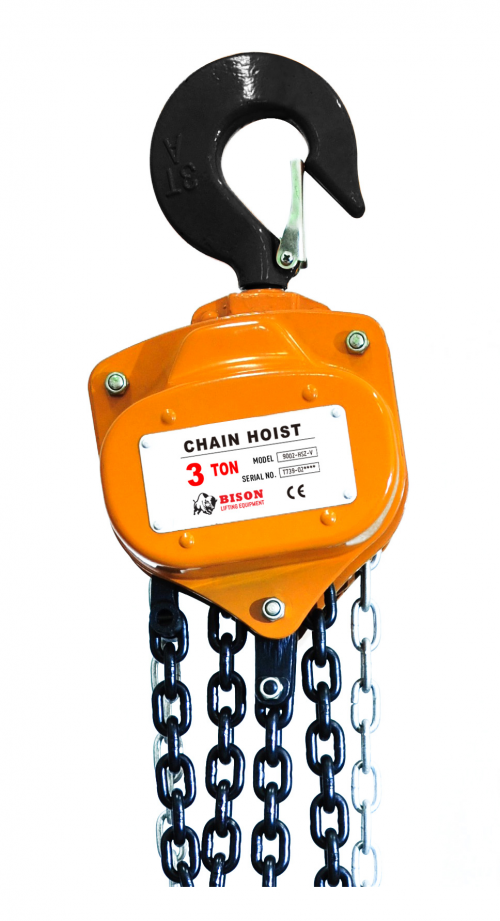
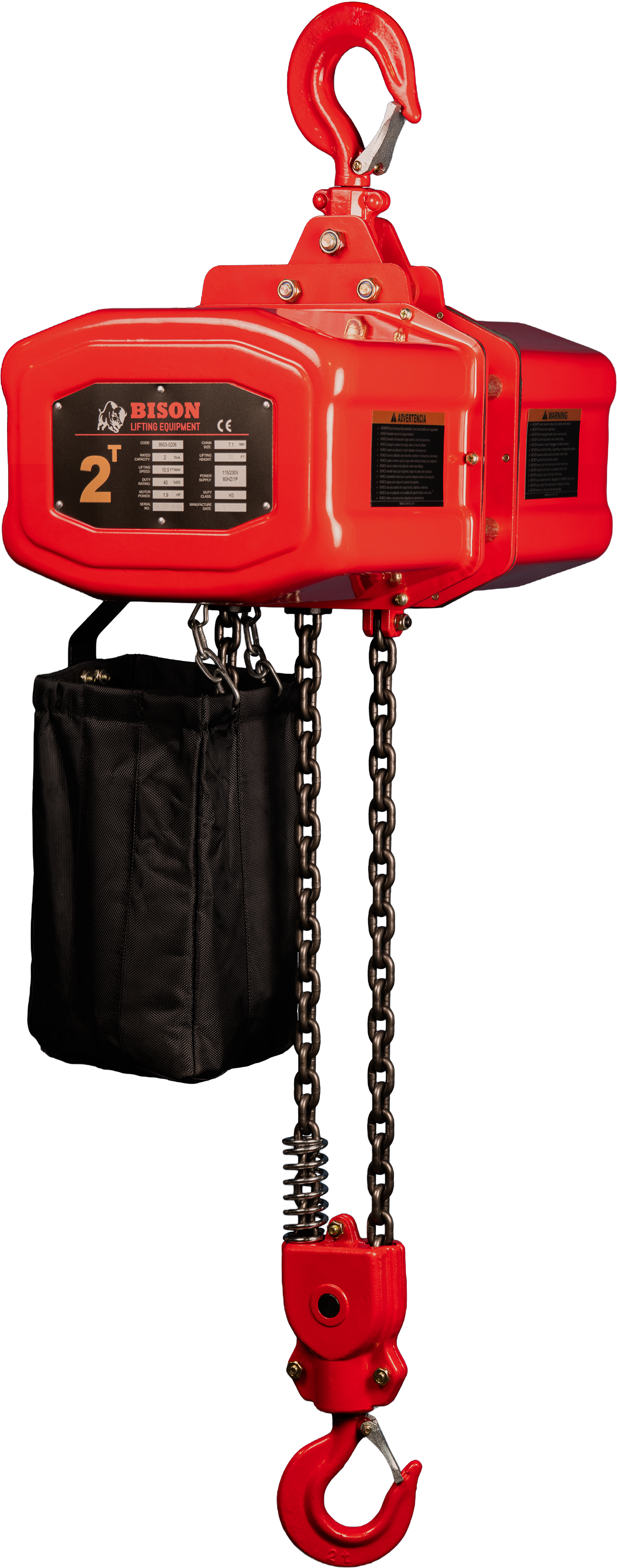
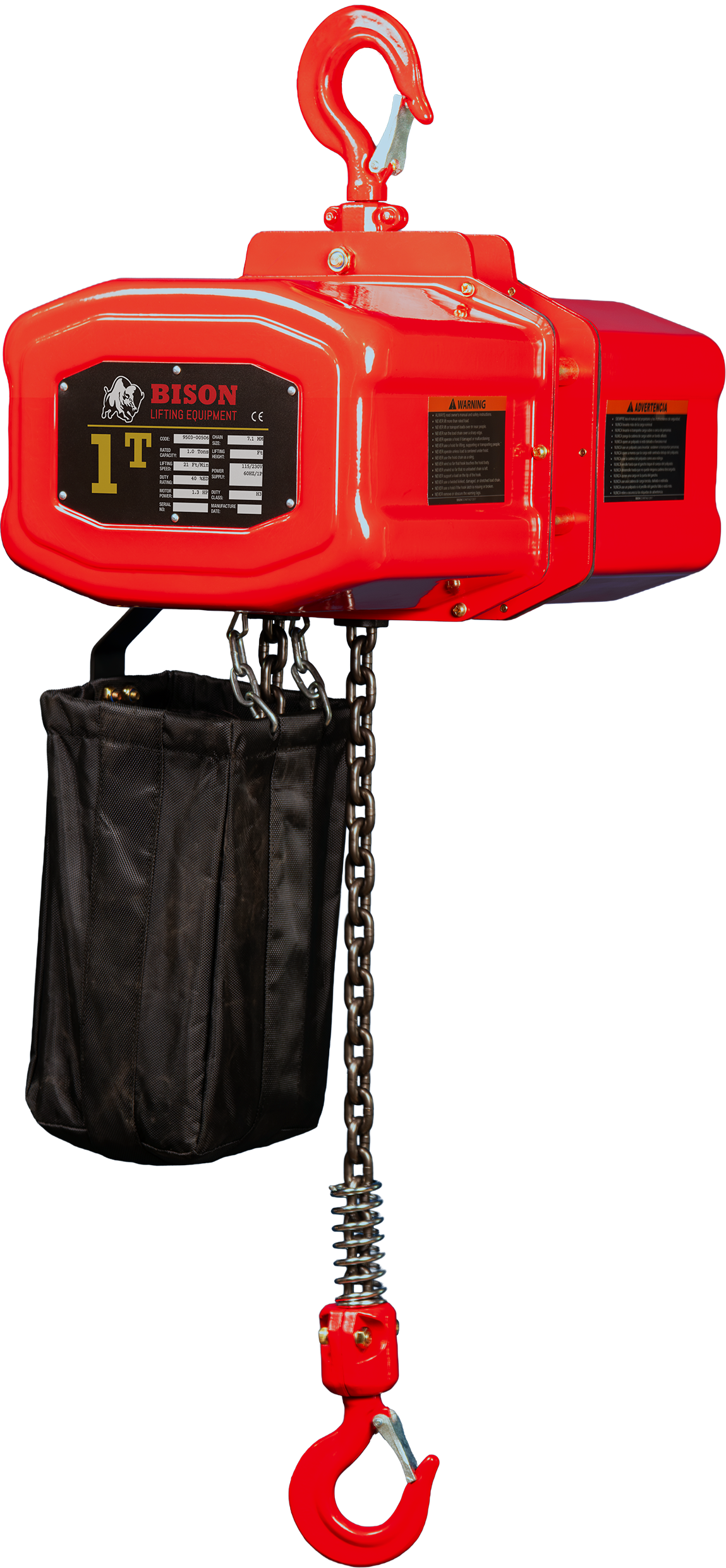
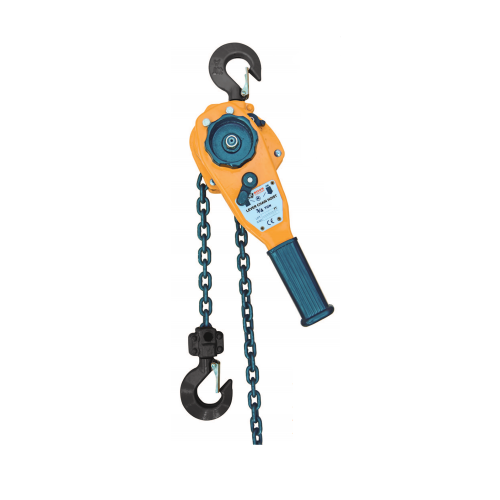
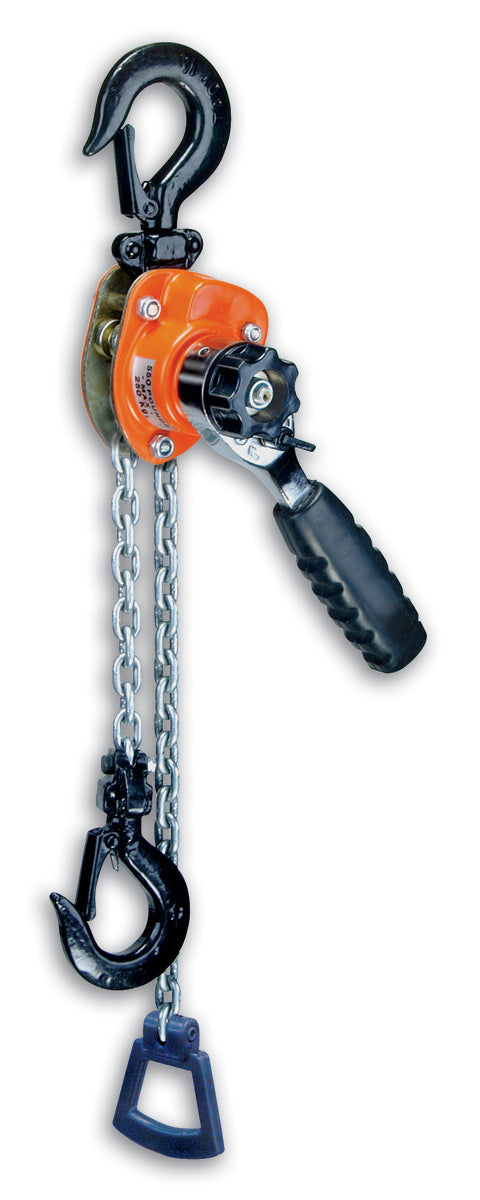
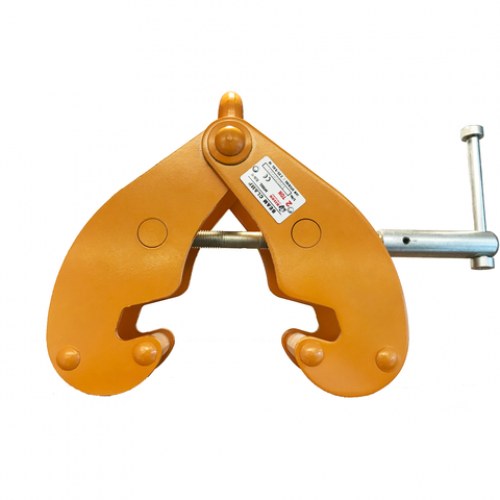
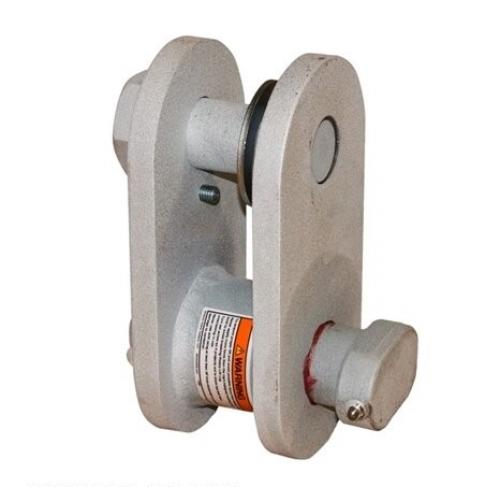
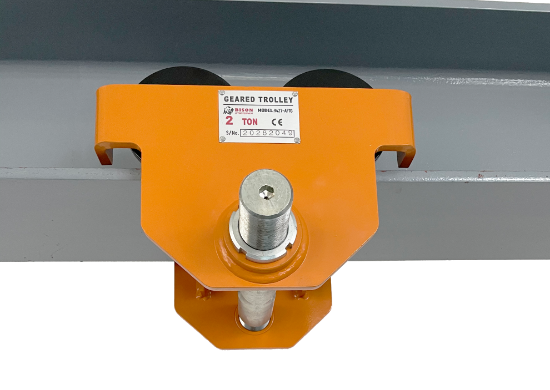
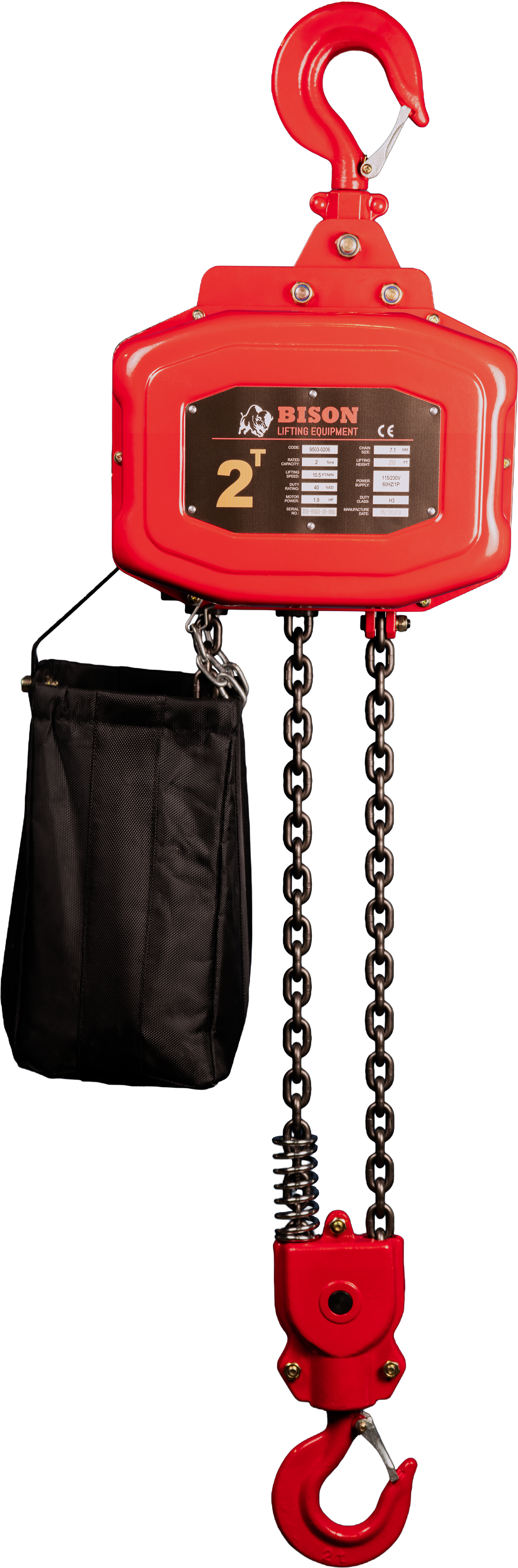
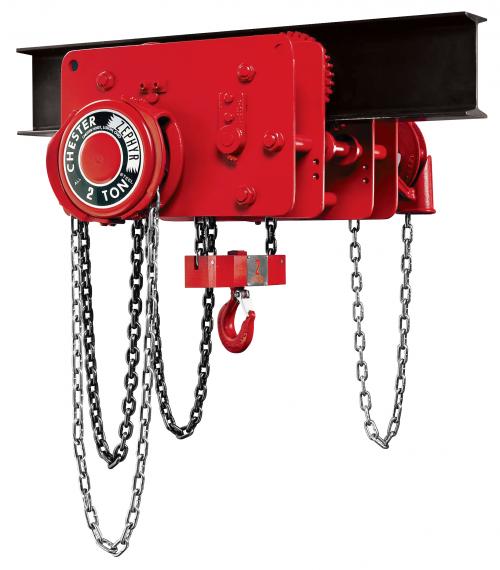
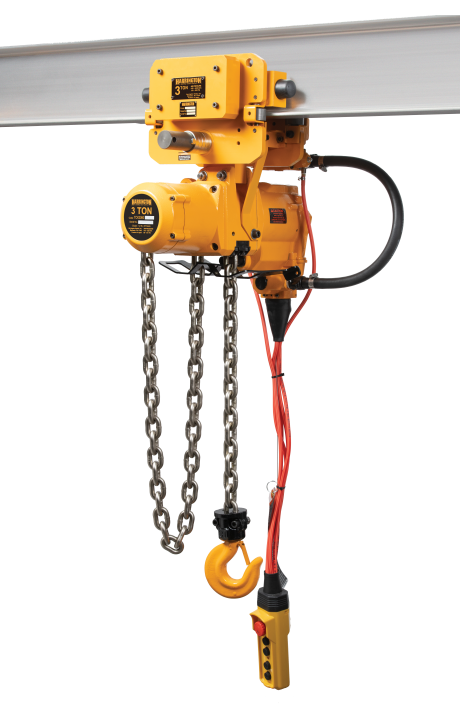
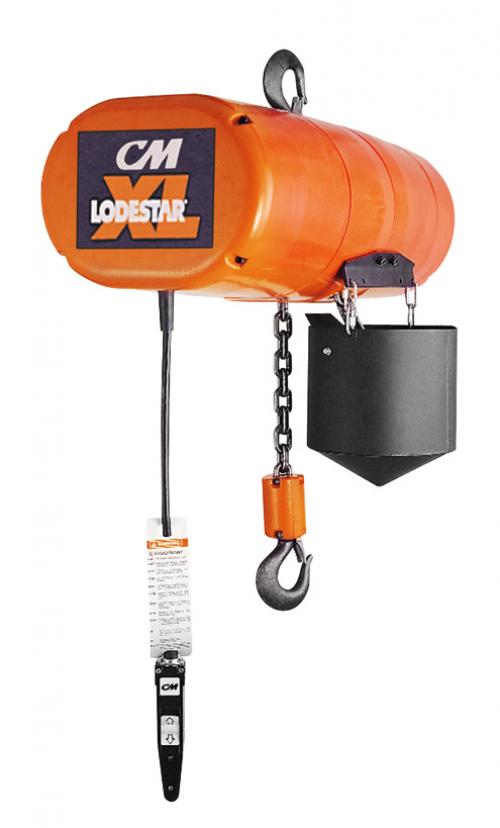
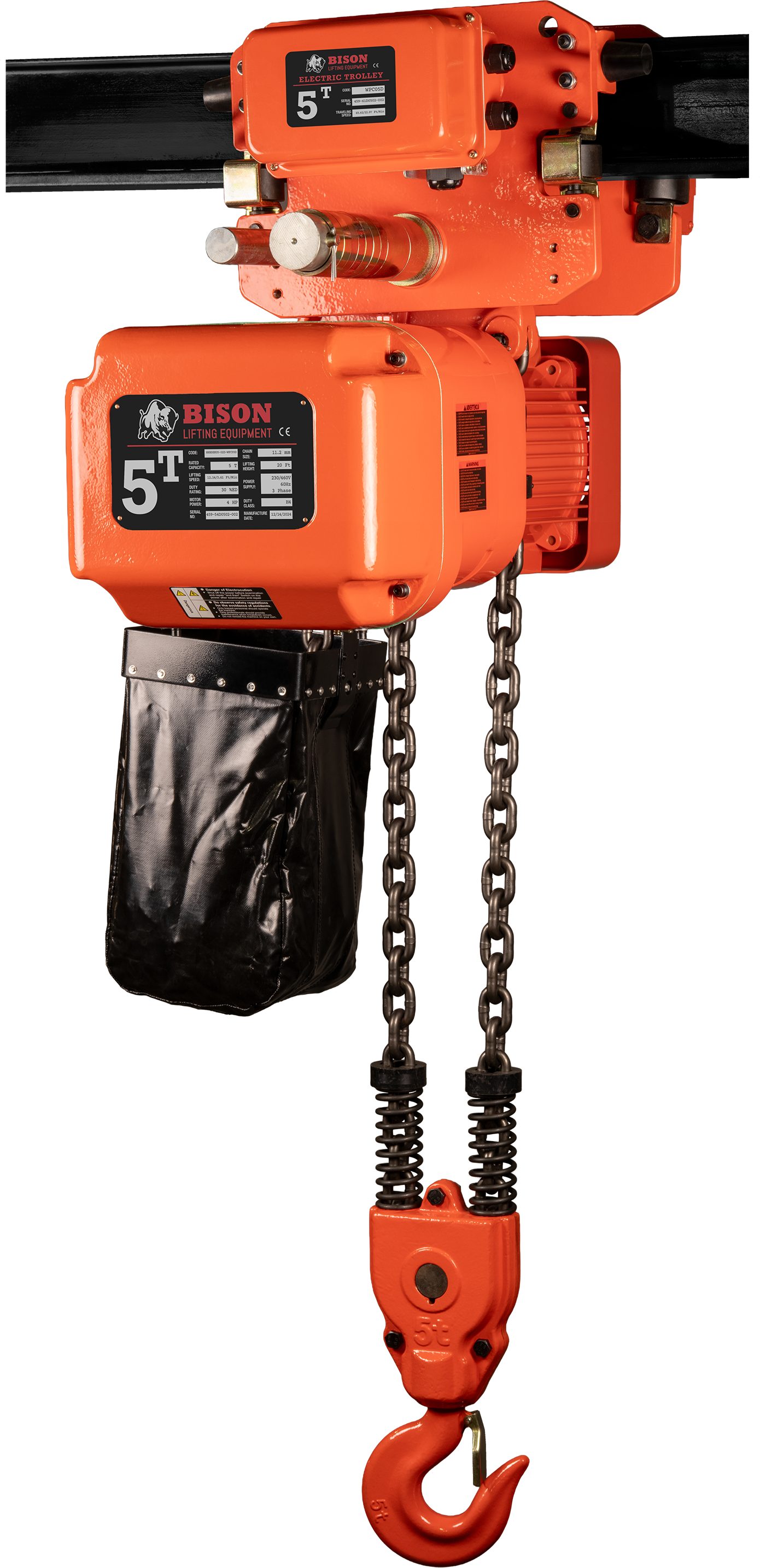
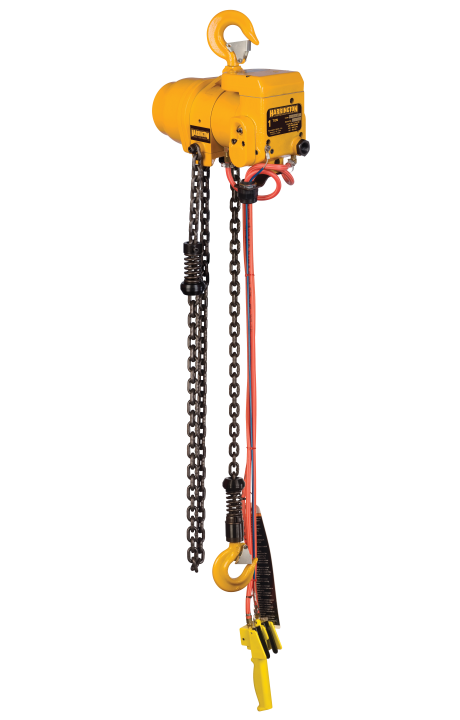
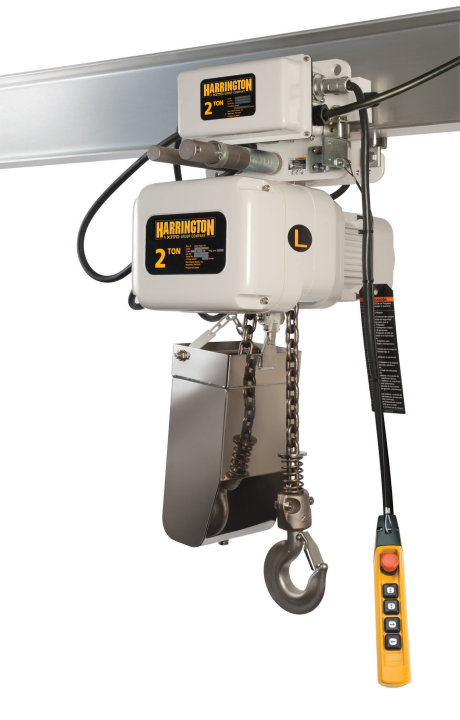
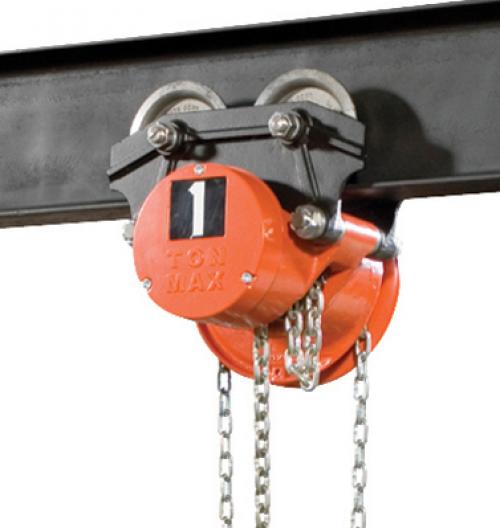
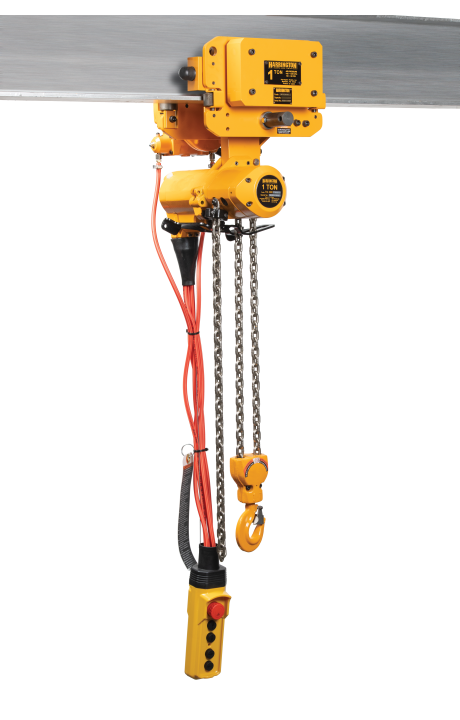
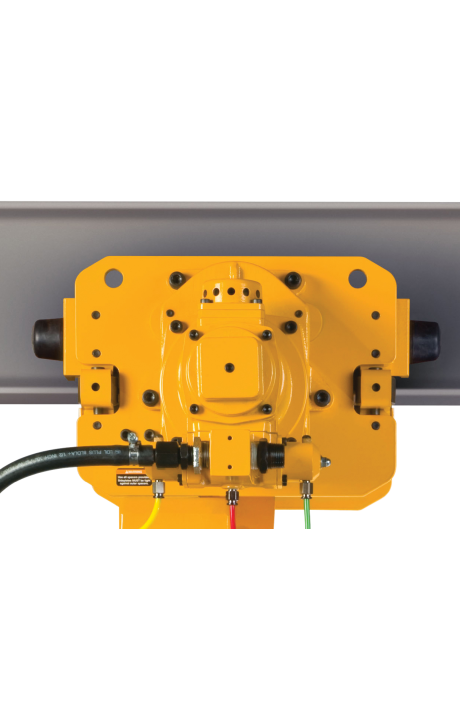
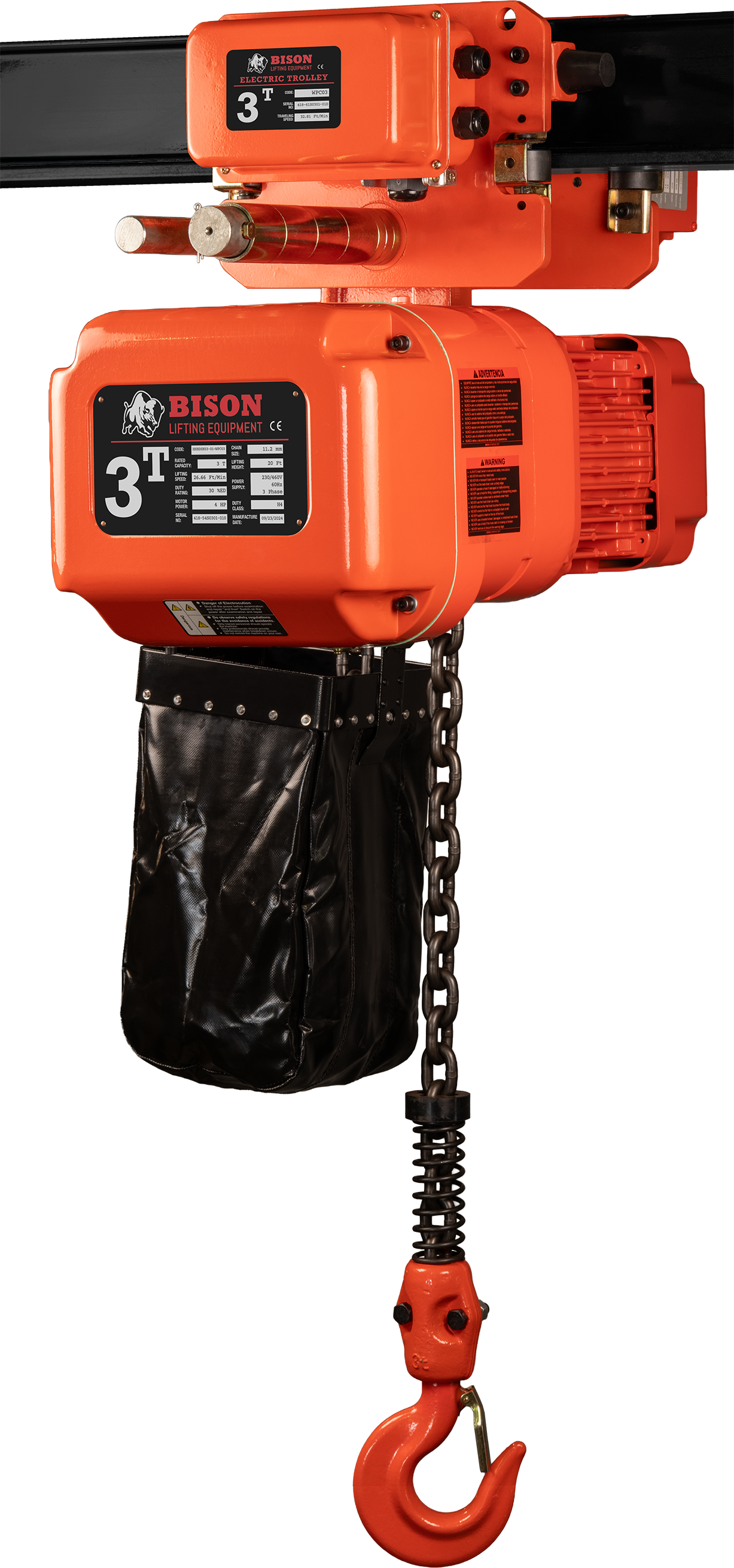
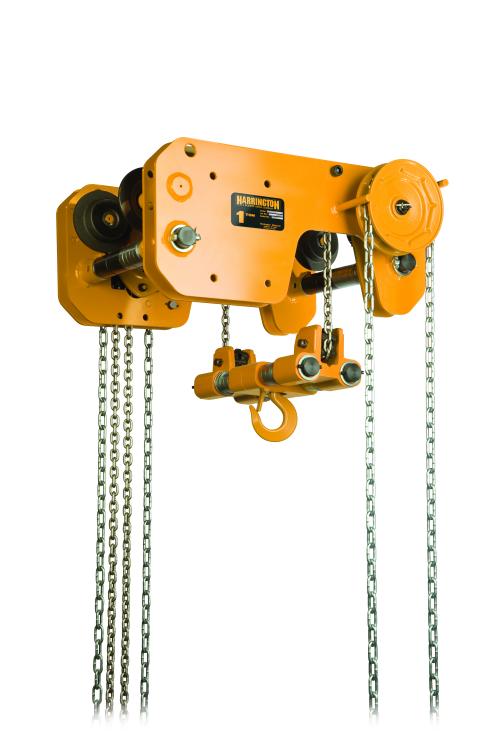
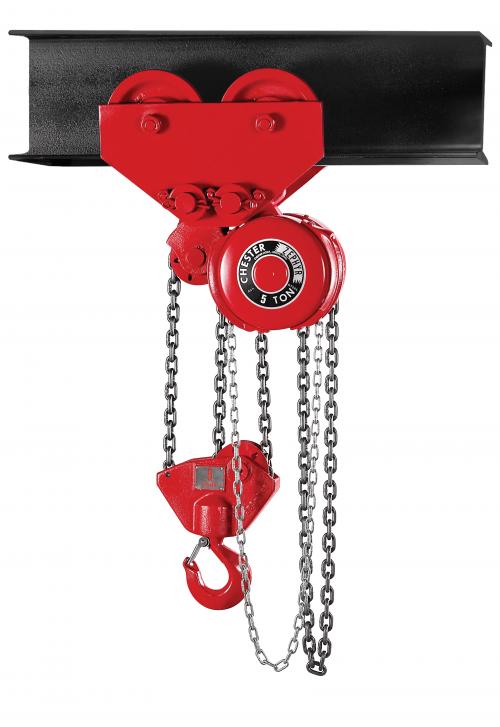
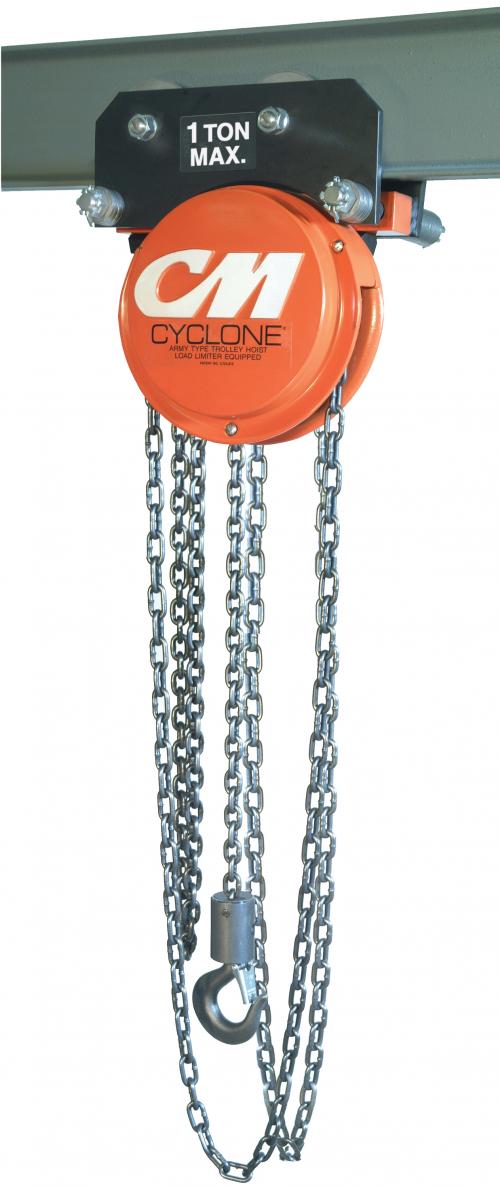
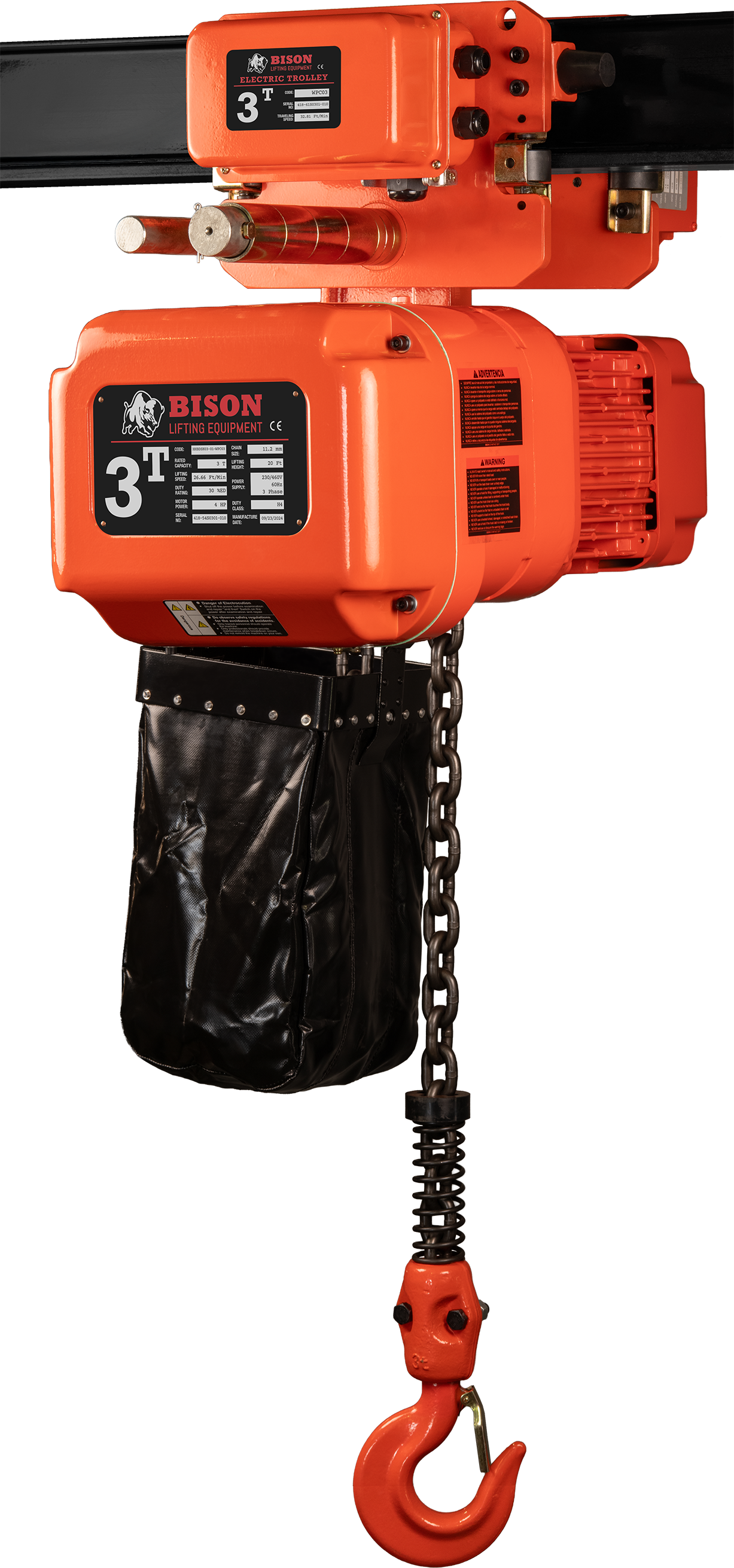
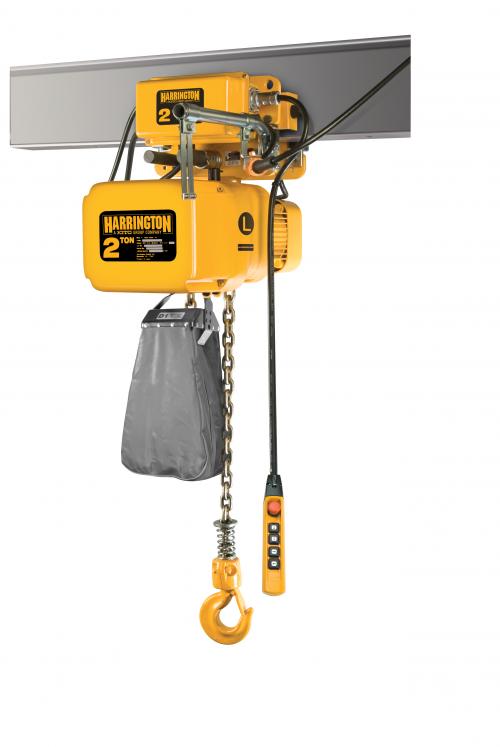
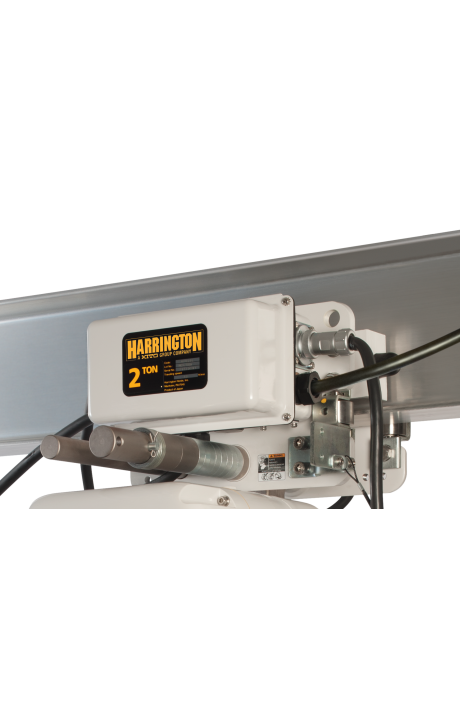
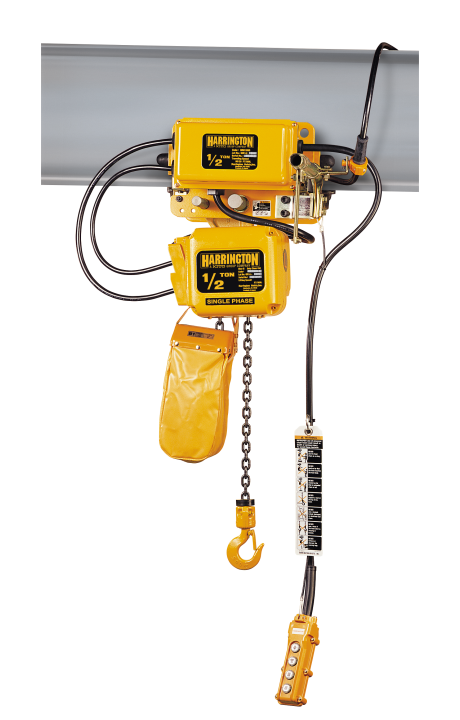
Under existing steel: hoists, trolleys, and their accessories. When the building supplies the beam, the buy is a hoist plus the trolley that carries it along the flange, sized as a pair to the steel. The fork is power. Manual chain hoists from Bison, Harrington, CM, Chester, and William Hackett start around $175 for a half-ton block and run past ten tons; they need no power drop and suit occasional lifts, and the same page covers lever hoists for work off the vertical. Electric hoists take over when the lift repeats all shift or travels far: Harrington ER and NER production hoists, the CM Lodestar, and Bison three-phase units to 10 tons, from 115V machines under $1,000 to multi-fall hoists past $40,000. Harrington chain hoists gathers that brand's full powered line, a quarter-ton mini to 20 tons. Hoist accessories finishes the system: push, geared, motorized, and food-grade trolleys, pendant and radio controls, end stops, and the test rigs that prove a hoist still lifts what its nameplate claims.
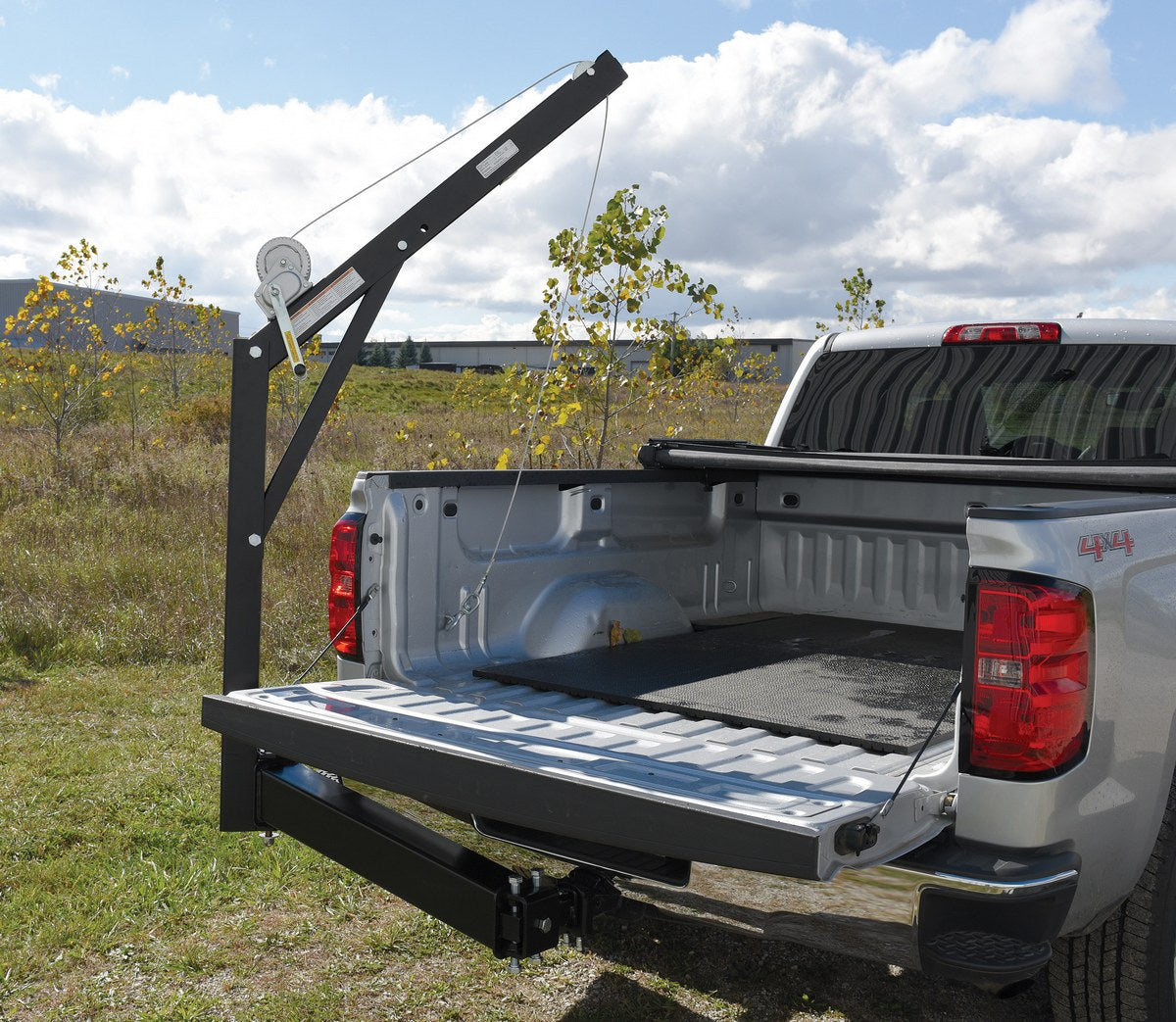
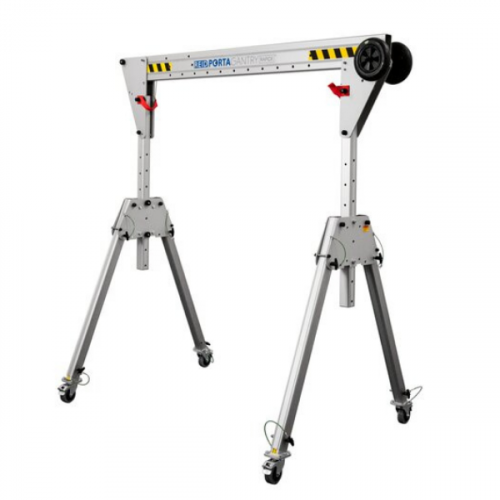
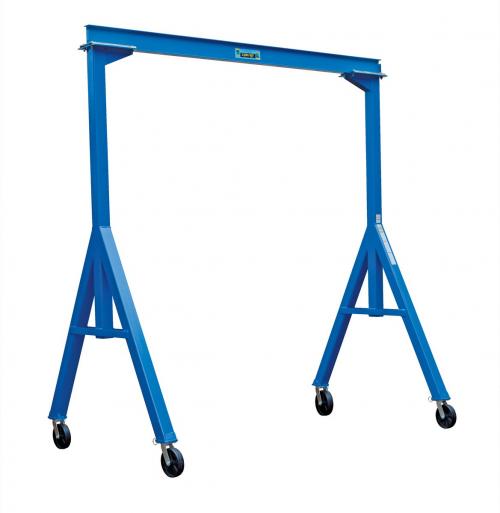
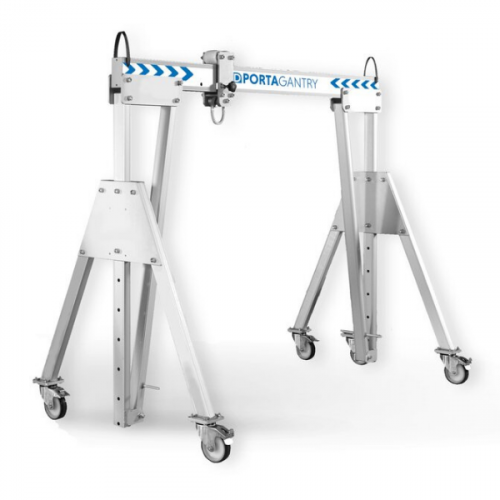
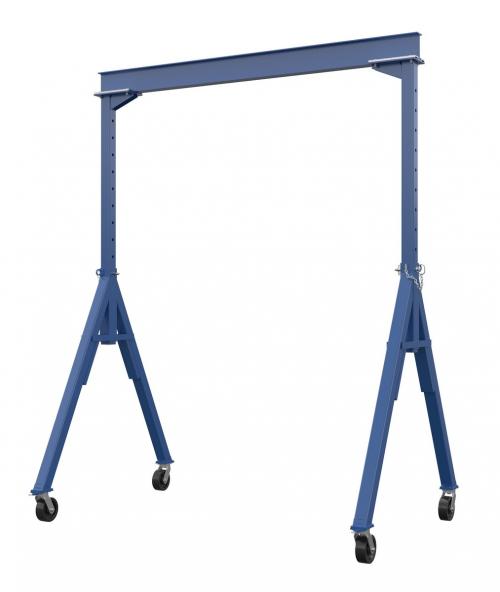
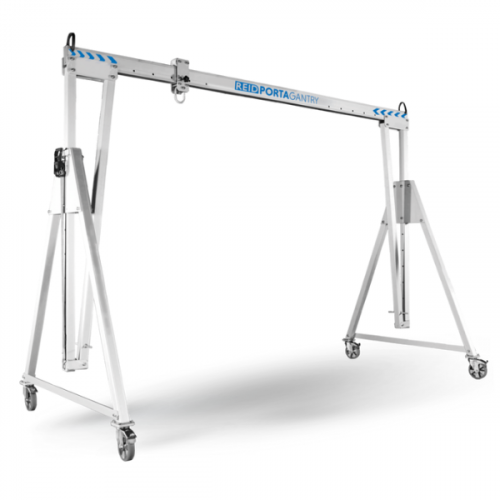
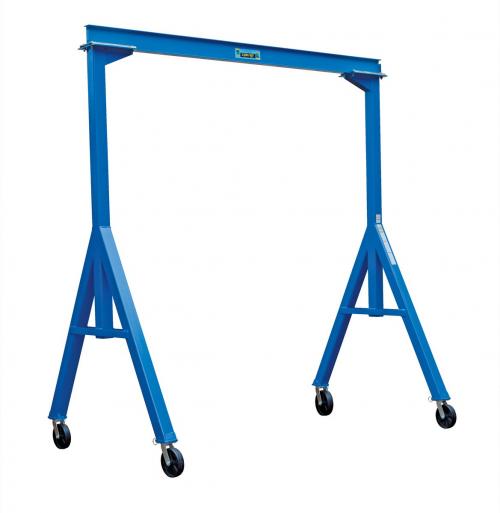
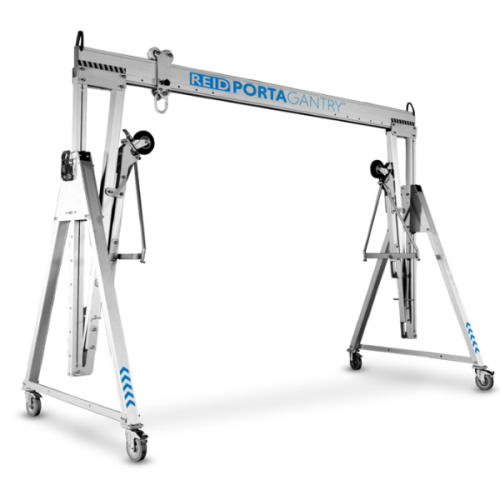
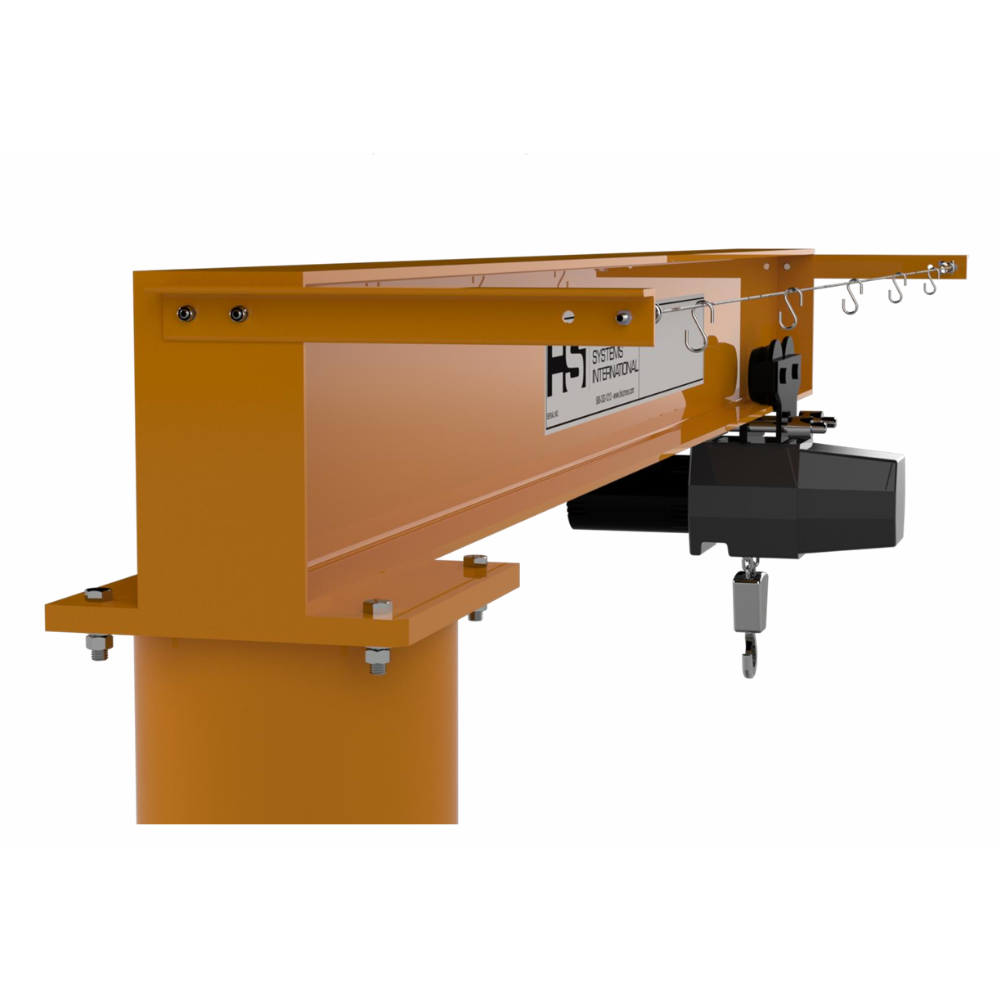
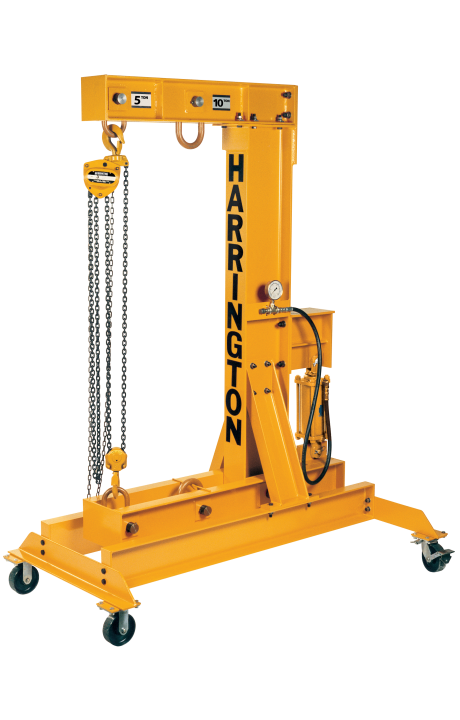
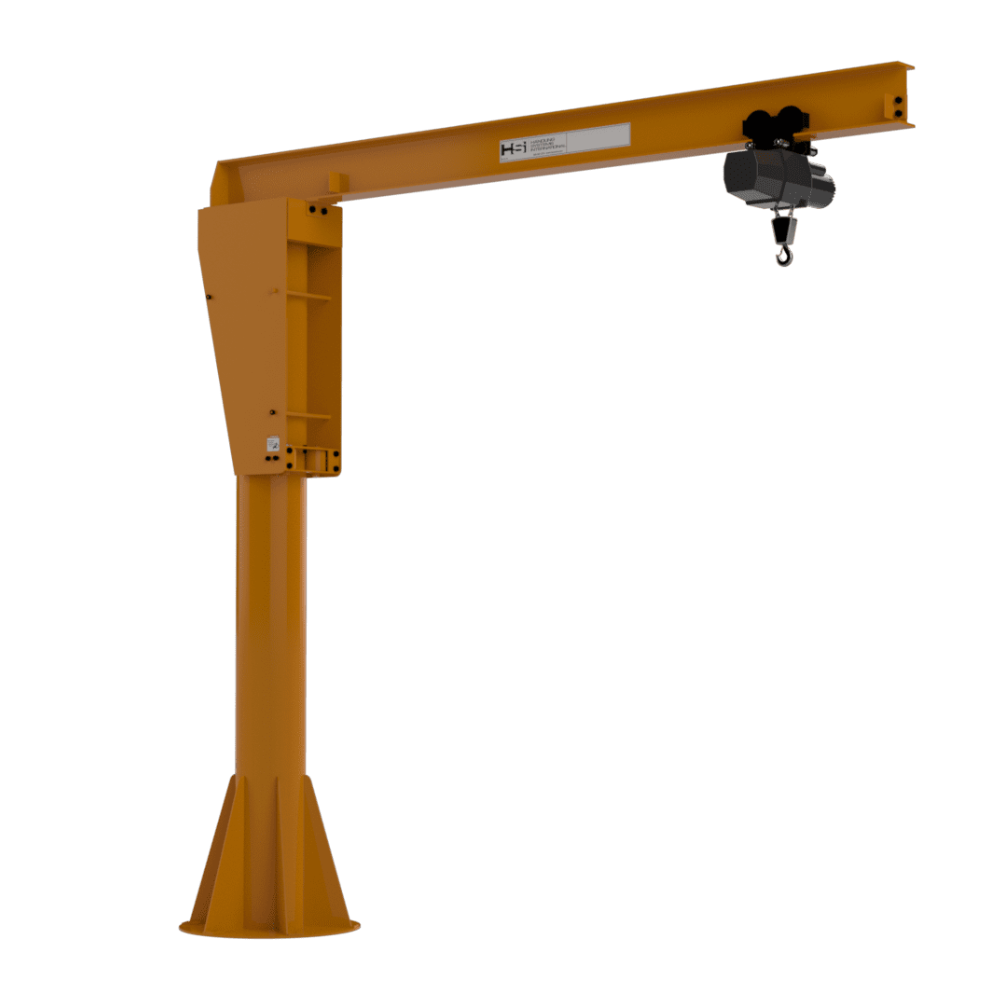
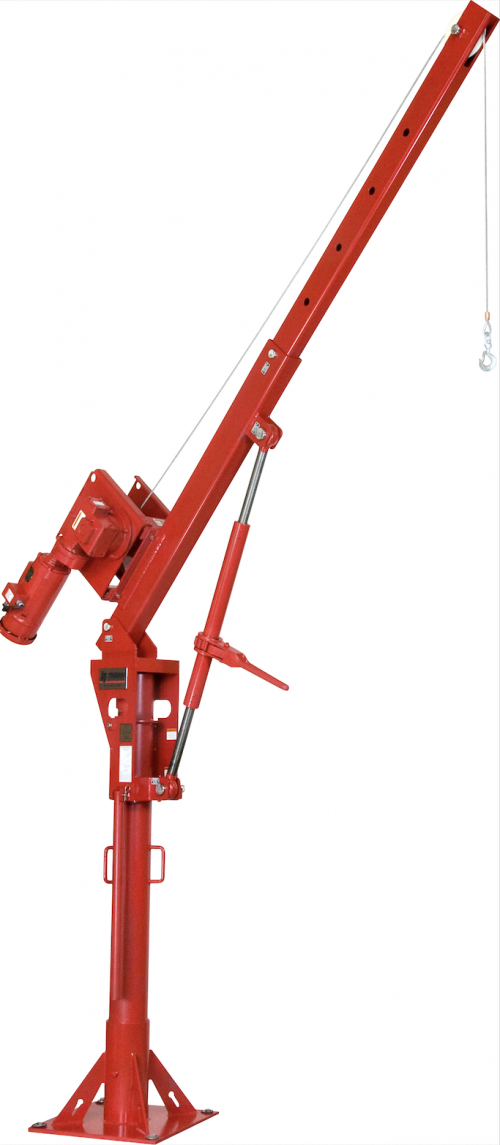
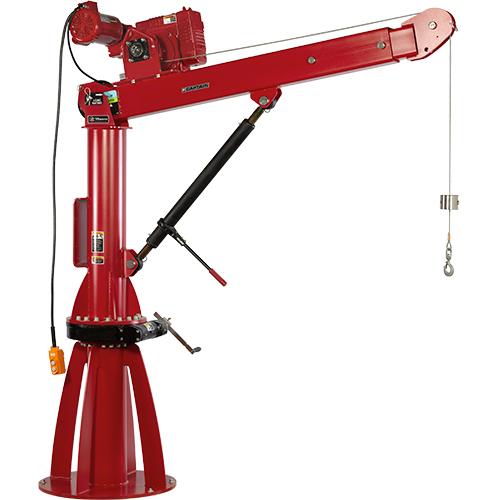
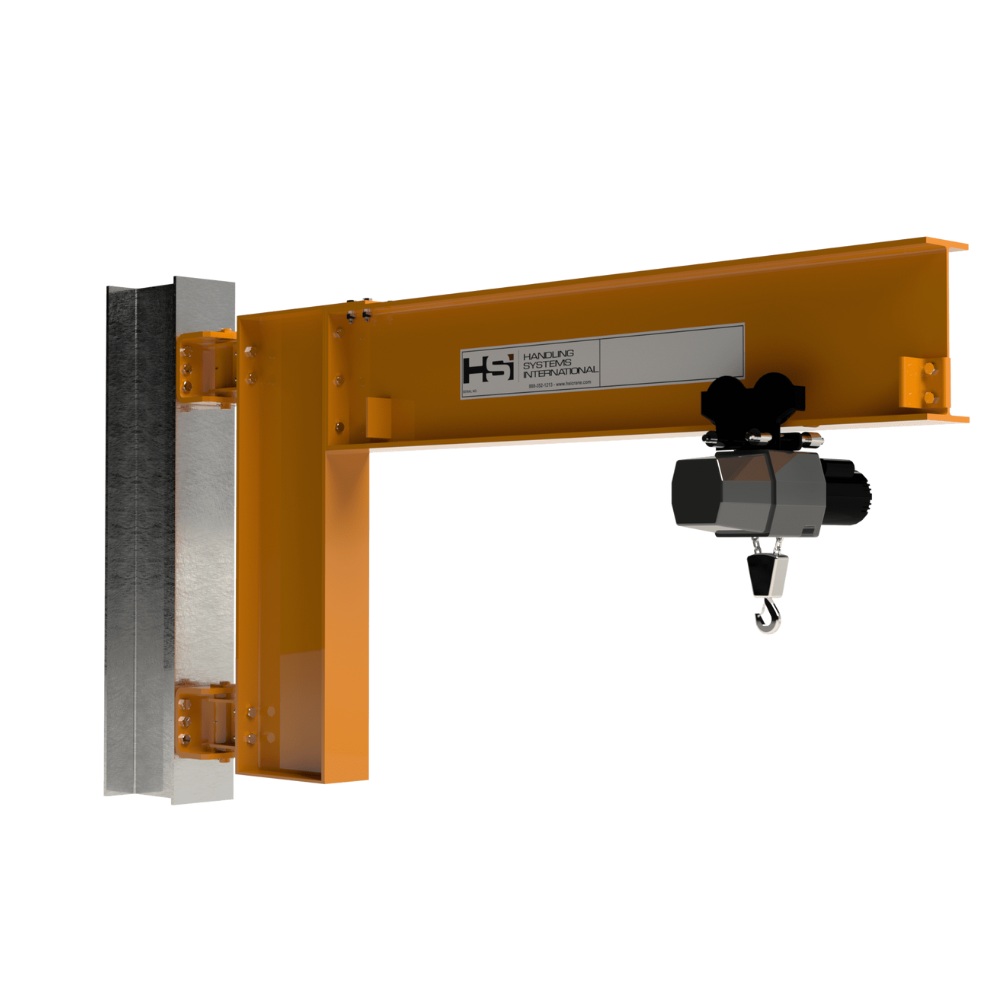
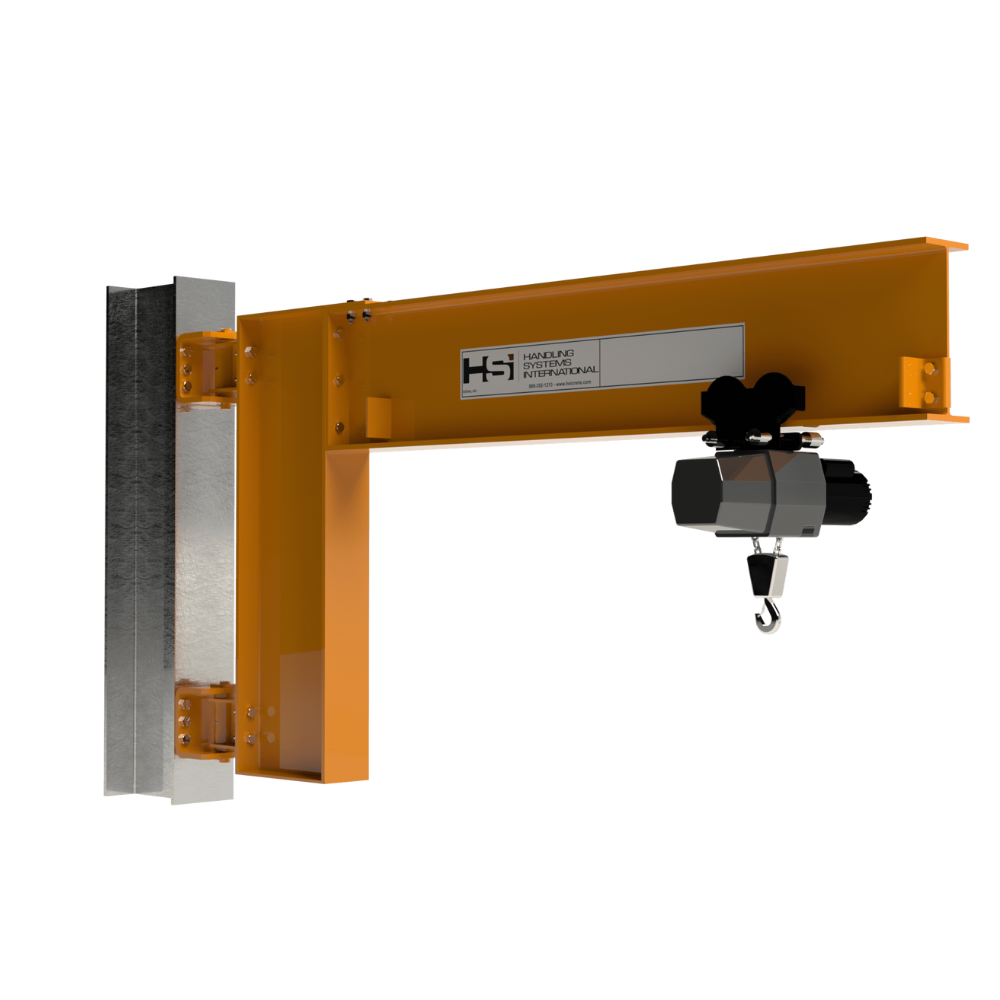
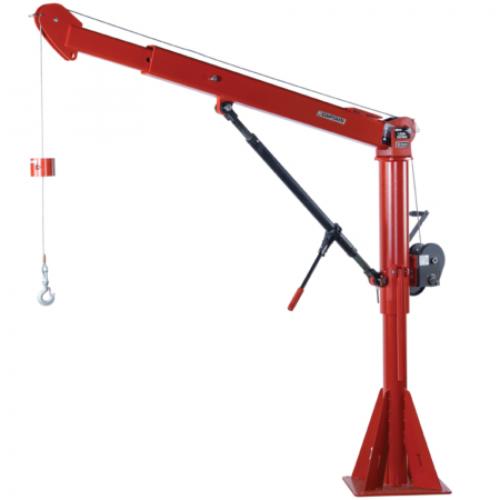
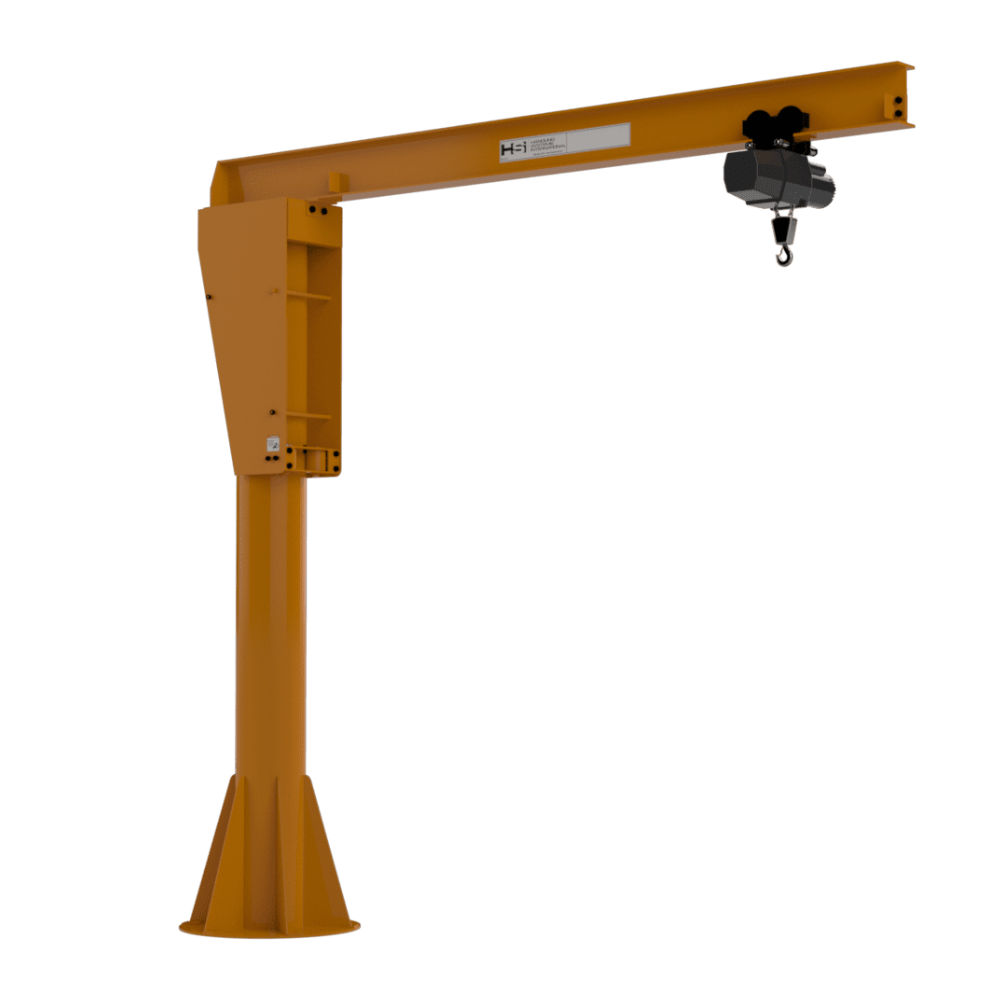
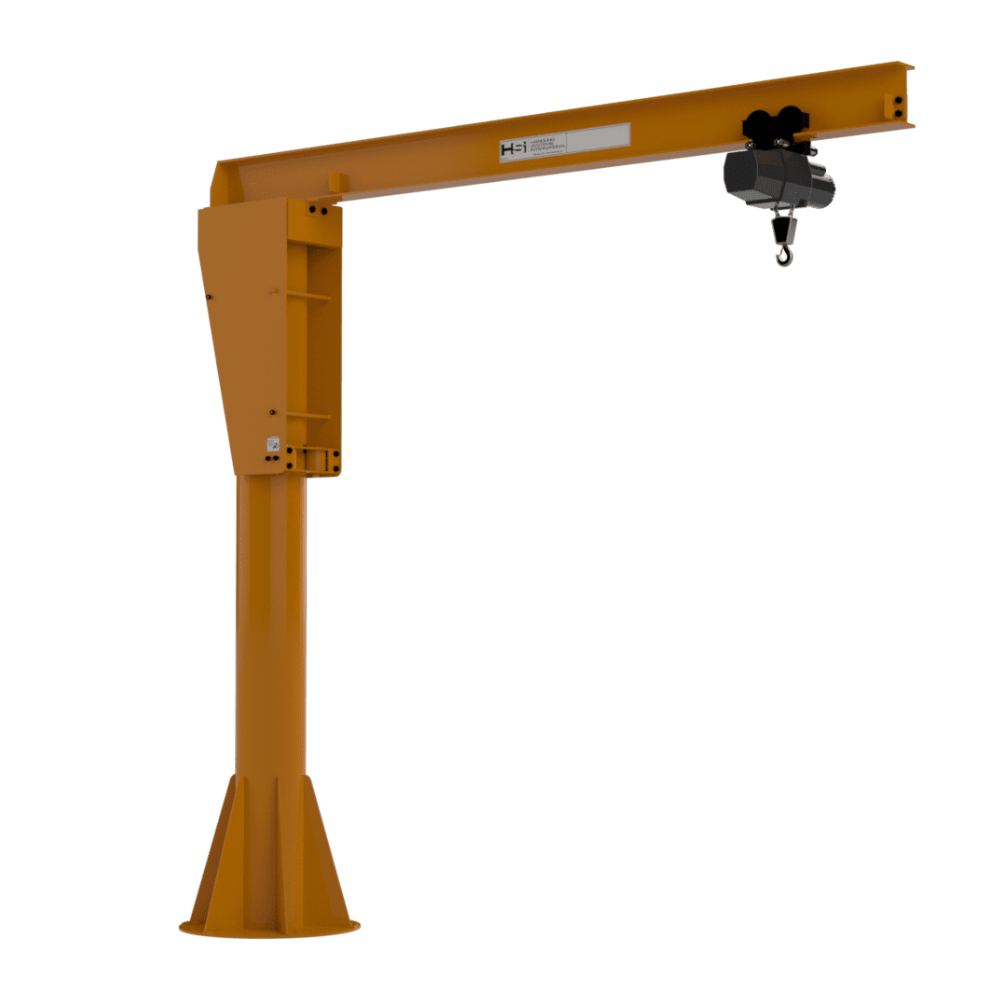
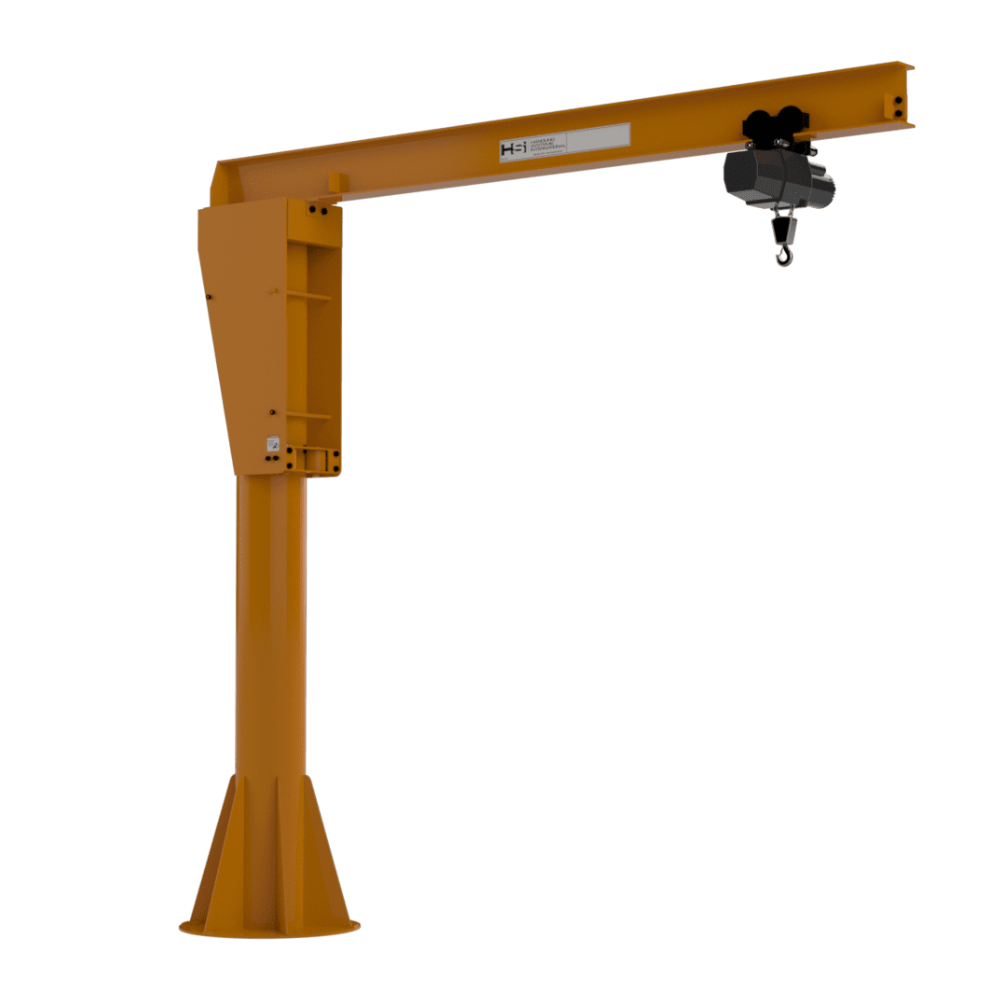
No steel overhead: jib cranes, davits, and portable frames. When the building cannot give you a pick point, the crane brings one, and the pattern of the work picks the crane. A jib crane suits one work area served over and over: HSI freestanding jibs rotate a full circle at ratings to 10,000 lb on spans of 8 to 20 ft, and wall and column mounts sweep roughly 200 degrees where building steel can carry them. A davit crane, in the same collection, answers the opposite pattern: the same lift repeated at scattered points. It drops into a socket base, makes the pick, and lifts out, so one Thern, OZ Lifting, or REID crane serves many bases. Read its rating at your working reach; a davit's capacity typically falls as the boom extends. Portable cranes covers the frames that install nothing: REID aluminum and Vestil steel gantry cranes that straddle the load and roll on casters, from an 880 lb folding frame to an 11,000 lb system, Vestil hydraulic shop cranes for engine work, and truck-mounted cranes, including a hitch-mounted unit that hand-winches 600 lb into a pickup bed.
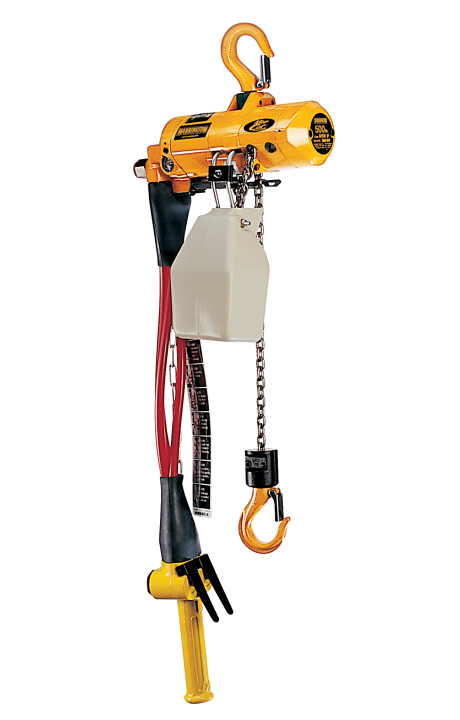
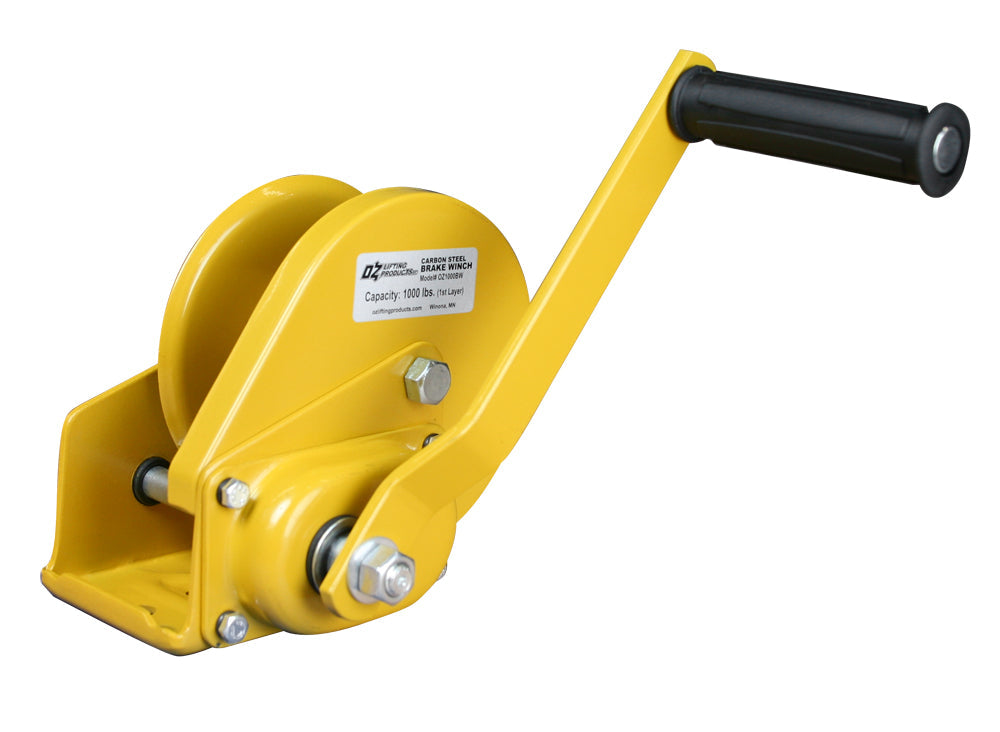
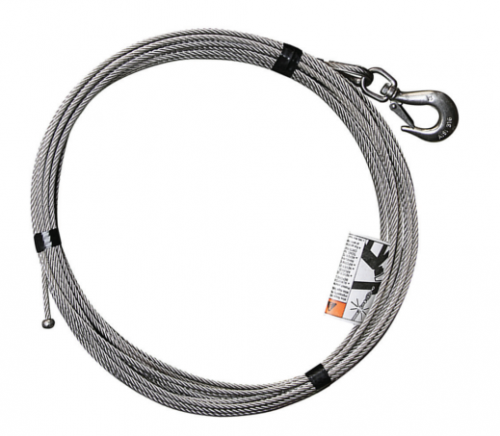
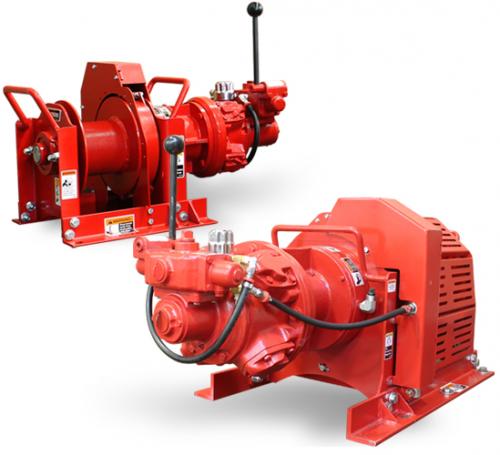
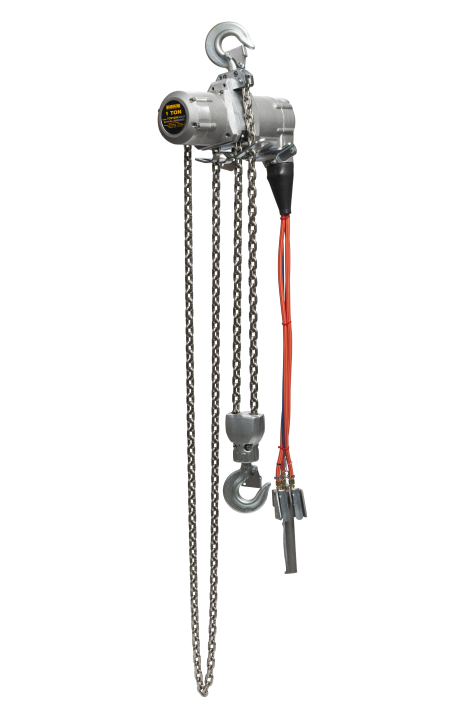
Pulling is not lifting: where winches fit. A winch is a drum, a rope, and gearing that multiplies effort, and the winches collection is organized around a distinction the ratings depend on: pulling duty, dragging a load across a floor or up a ramp, is not lifting duty, holding it in the air on the rope. Decide which duty you are buying for before reading a single capacity. The range runs from OZ Lifting hand and brake winches starting at $85, through geared electric power winches, to Thern piston air tuggers built for shift-long duty. Rate the pull at the rope layer you will actually use; a drum's stated capacity is usually its first layer and drops as rope stacks up. The collection also carries winch ropes, pulleys, and cable pullers, because the rope is a specification, not an accessory.
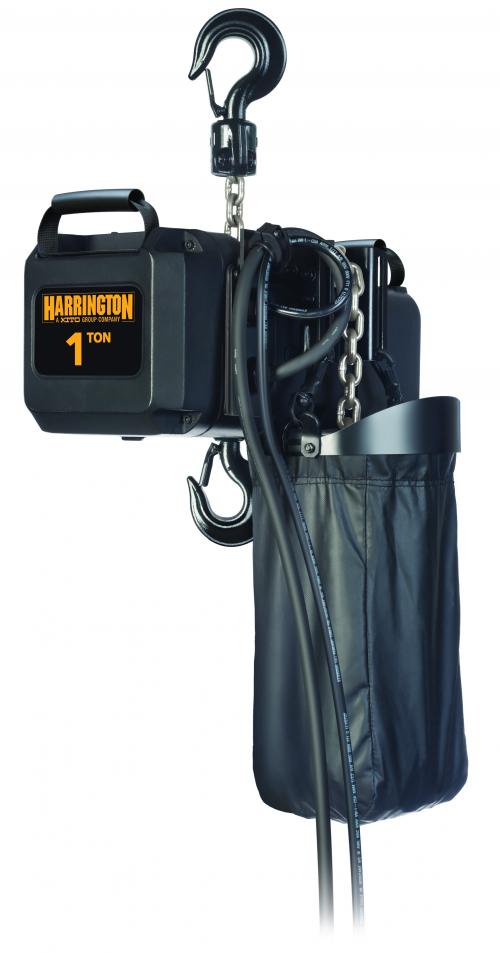
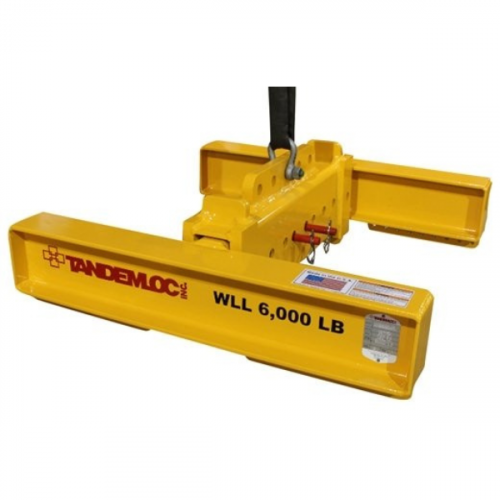
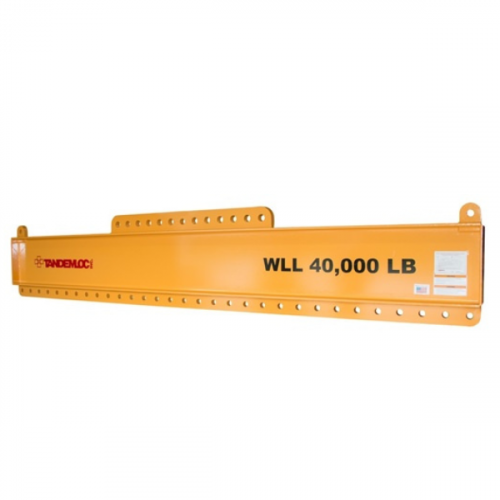
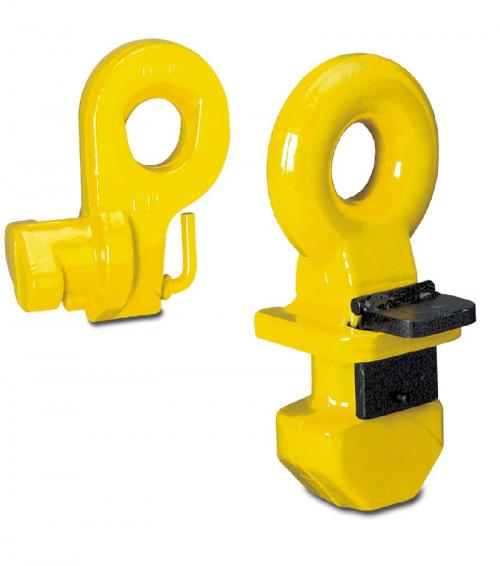
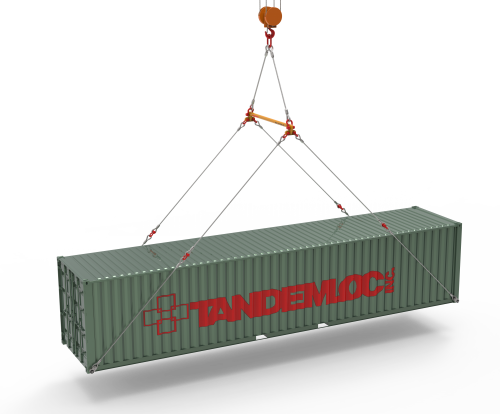
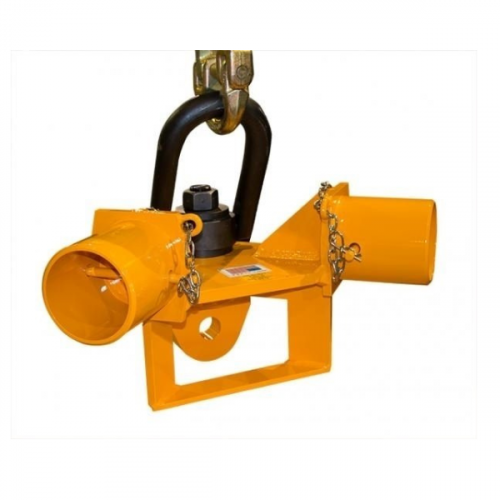
When the load defines the category: containers and stages. Two collections sort by the load rather than the structure. Container lifting equipment is the Tandemloc-led range for picking ISO shipping containers by their corner castings: lifting lugs and sling sets, spreader beams and frames that keep the pull vertical on ratings past 140,000 lb, and HTS ground skates for moving a landed box without a crane. If the load is a container, start there, not at a generic hoist. Stage hoists is the entertainment-rated corner of the hoist catalog: Harrington KREWMATE motors in 500 and 1,000 lb capacities, single-phase and three-phase, compact enough to tuck inside 12 inch truss and built to the entertainment industry's standards. Rigging over an audience is a different discipline from lifting over a shop floor, and an ordinary industrial hoist is not the machine for it.
Capacity covers the whole lift, and the structure carries the crane. Two rules hold across every collection on this page. First, rated capacity must cover everything below the pick point, not just the load. A 1,900 lb machine on a 100 lb chain hoist with 60 lb of slings and shackles is a 2,060 lb lift, which already rules out a 2,000 lb crane; total the worst case, add margin, and round up. Where a rating depends on configuration, read it at yours: davit booms derate as they extend, telescoping equipment derates extended, and a crane's rating assumes the mounting and foundation its manufacturer specifies. Second, a crane's rating says nothing about the structure it hangs from. A 5 ton hoist clamped to a beam nobody has evaluated is not a 5 ton system; the beam, wall, column, or slab must be verified for the loads, for a fixed installation by a qualified engineer. The ASME B30 series governs the equipment, B30.16 for hoists, B30.17 for gantries, B30.7 for winches, and each machine carries inspection duties that tighten as service gets heavier. Keep the rated load marked, and never exceed it.
Frequently Asked Questions
A hoist is the machine that raises and lowers the load; it has no structure of its own and hangs from a hook, trolley, or crane. A crane is the structure that positions the hoist: a jib boom, a gantry frame, a davit. A winch pulls a load toward its drum, usually along a surface, and only winches specifically rated for lifting duty may hold a load in the air. Most buys here are a hoist plus something to hang it from.
A hoist and a trolley, bought as a matched pair. The trolley clamps around the beam's bottom flange and must be sized to its width and profile, and the hoist hangs from the trolley. Choose manual or electric by how often you lift and how far. Before the first lift, have the beam verified for the load; the hoist's rating does not certify the steel above it.
Three, sorted by the pattern of the work. If one area gets served repeatedly, a freestanding jib crane on its own foundation covers a full circle for decades. If the same lift repeats at scattered points, a davit crane moves between socket bases so one crane serves them all. If the lift point changes constantly, a portable gantry crane straddles the load and rolls, no installation at all; a hydraulic shop crane covers the engine-pull end of that work.
Count lifts per shift and feet of lift. A hand chain hoist is the economical answer for occasional lifts over modest heights: no wiring, little to maintain, and precise control. Once lifting is part of the production rhythm, or loads travel several stories, an electric hoist pays for itself in time and operator fatigue. Check your power first, since single-phase 115V and three-phase machines are different lines, and match the duty class to real usage.
Add the heaviest load you will ever lift to the weight of the hoist, trolley, and all rigging between hook and load, then round up with margin. Check the rating at your configuration, not the headline: a davit derates as its boom extends. Then confirm the structure can carry the total, including the equipment's own weight.
Only if that specific winch is rated for lifting duty. Pulling a load along a surface and suspending it in the air are different duties with different ratings, brakes, and applicable rules; ASME B30.7 covers winches used for lifting. Manufacturers mark the service each model is rated for, and the winches collection separates them the same way. A pulling-rated winch must never hold a suspended load, and no winch may lift a person unless expressly rated for personnel.