Fall Protection Lifelines
Fall protection lifelines are the tensioned lines that keep a fall arrest system connected to its anchor while the worker moves, and the shape of the line follows the shape of the work. A horizontal run lets a crew travel along a roof edge or a beam. A vertical line follows a ladder or a drop up and down a structure. A self-retracting line pays out and reels back from a single overhead point and locks within inches of a fall. We carry the KStrong lifeline range across all three, from adjustable temporary horizontal systems and permanent stainless cable runs, to Micron web and Brute cable SRLs, to Polydac and Polysteel vertical ropes, backed by Globestock retrieval units for confined space. Prices span from a rope lifeline in the mid two figures to a sealed stainless SRL in the low four. The line is one part of the system; the anchor above it and the harness below it have to match, and the guide below walks the OSHA and ANSI numbers that decide which line belongs on which job.
Shop Lifelines by Category
Compare Lifelines
| Model | Price | Model | Type | Length | Rated Capacity | |
|---|---|---|---|---|---|---|
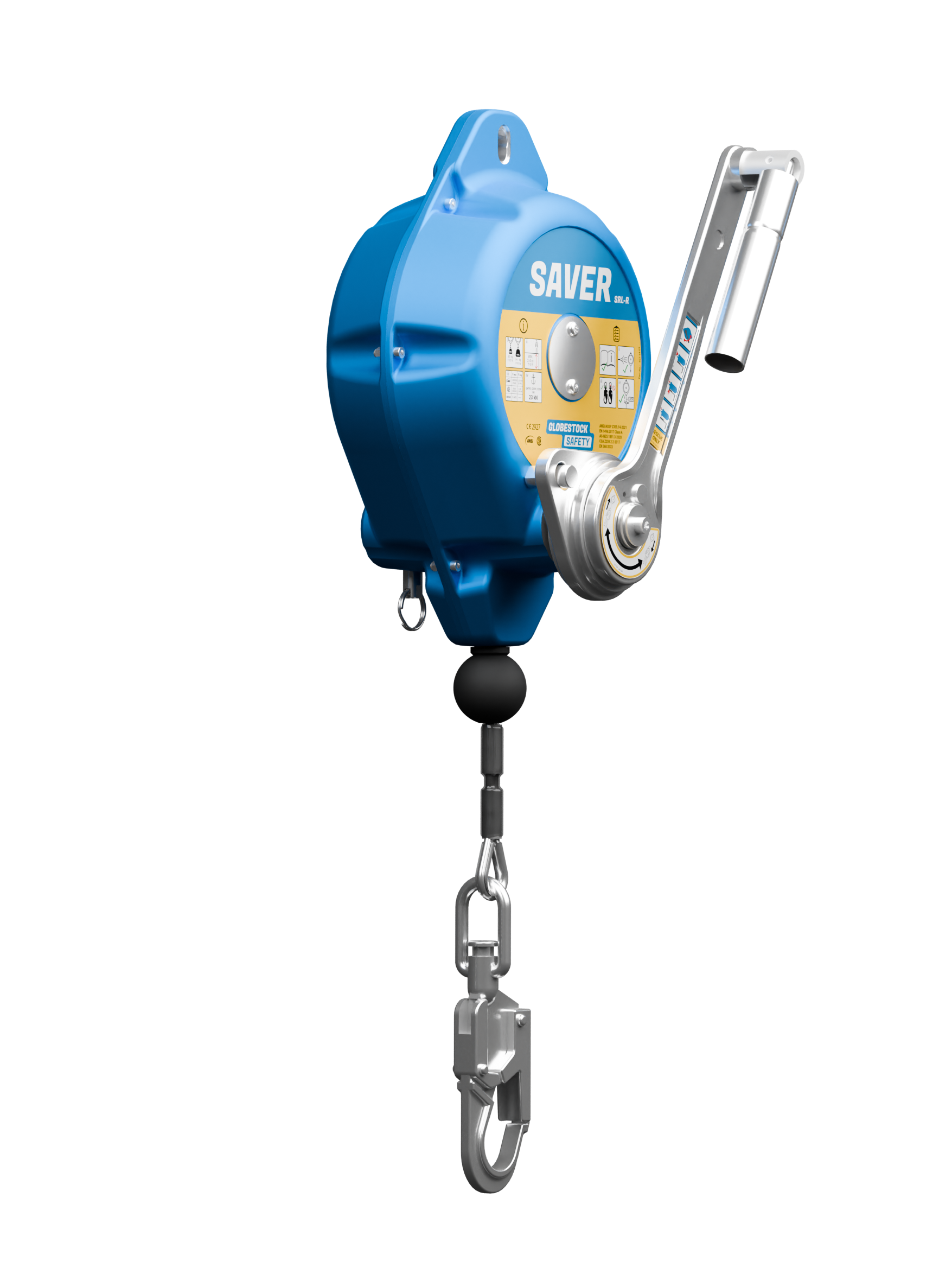
| Globestock SAVER 310lbs 3-Way Self Retracting Lifeline | $2,464 | — | — | — | — | View → |
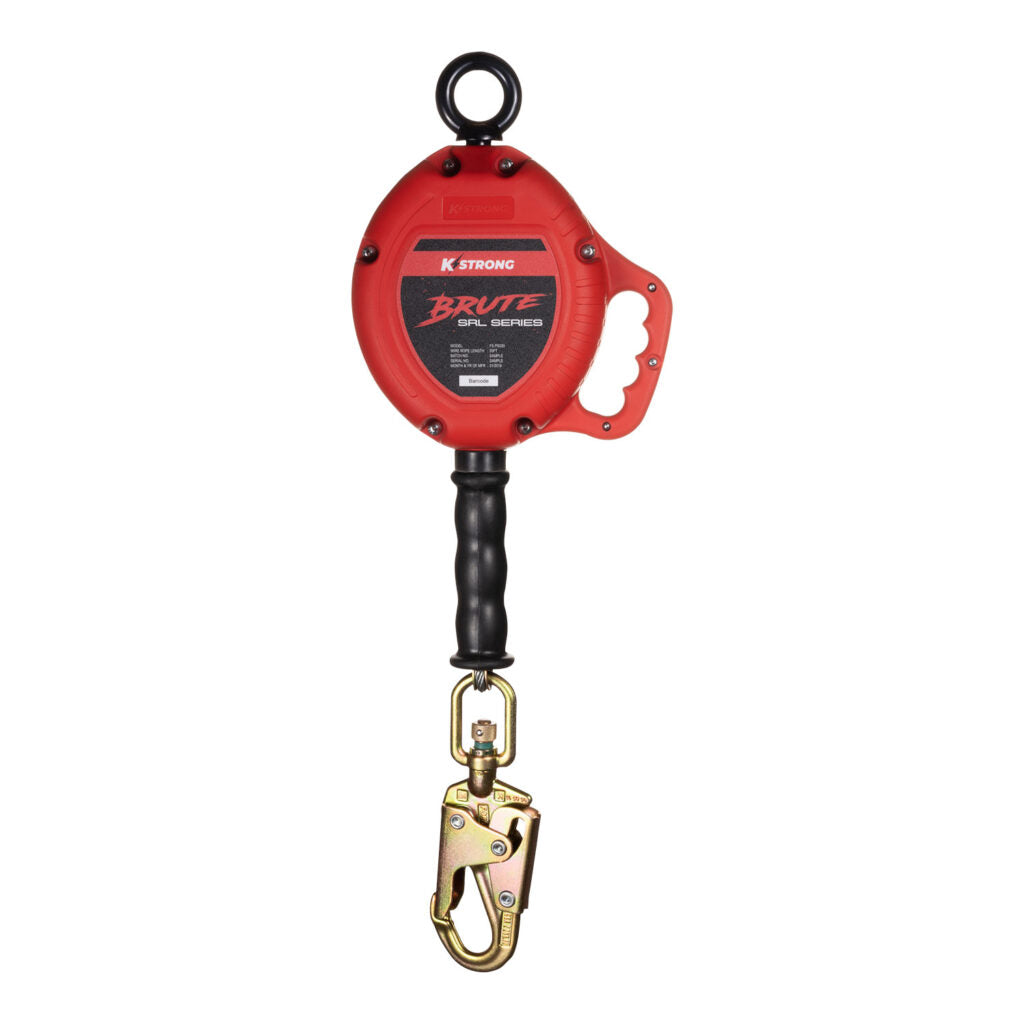
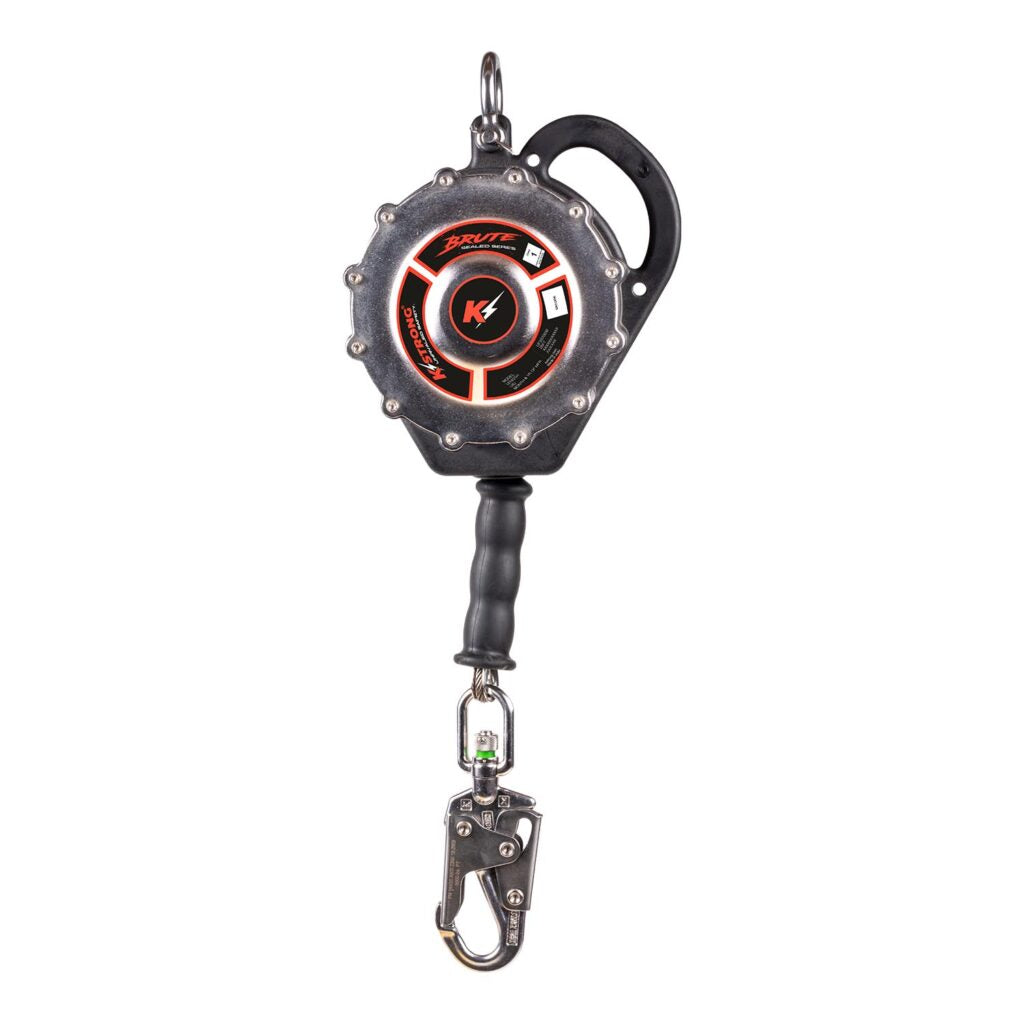
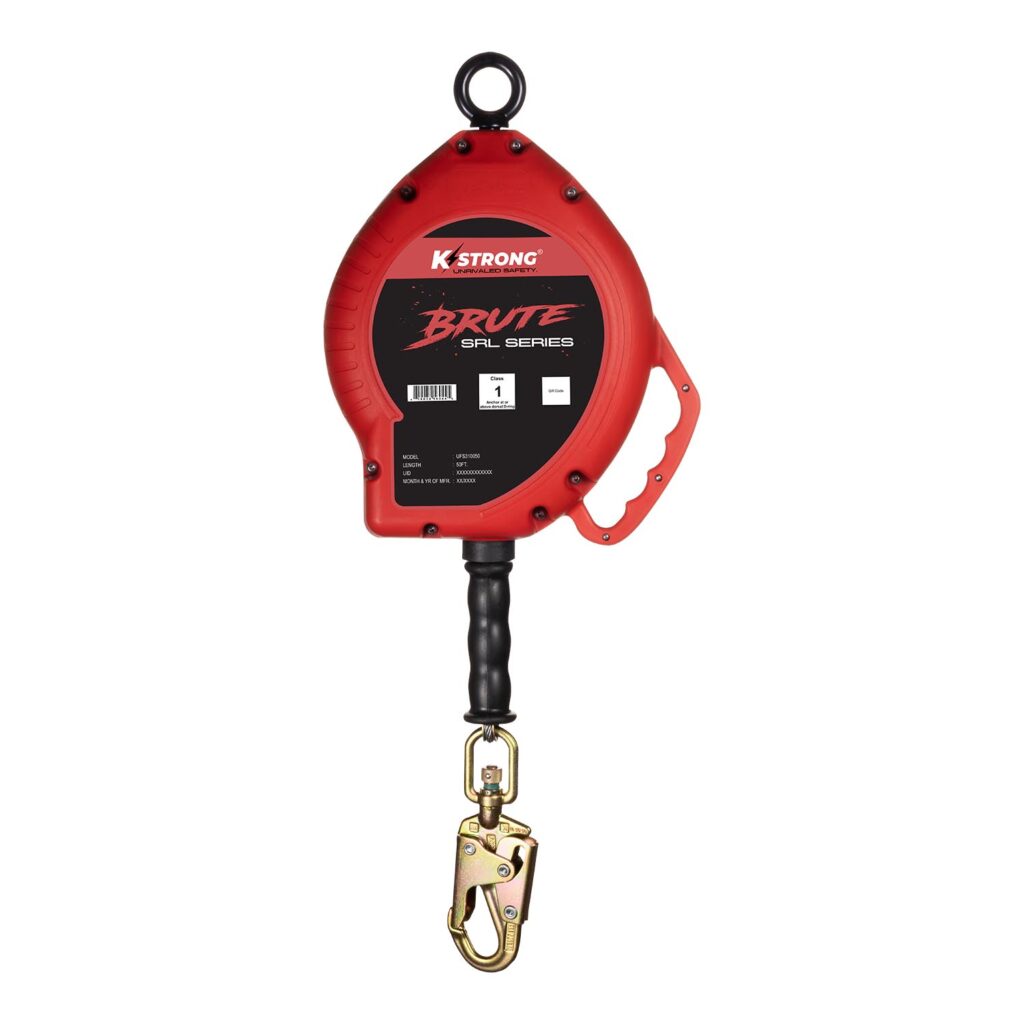
| KStrong BRUTE Sealed Self Retracting Lifeline with Stainless Steel Cable & Swivel Snap Hook | $2,050 | — | — | — | — | View → |
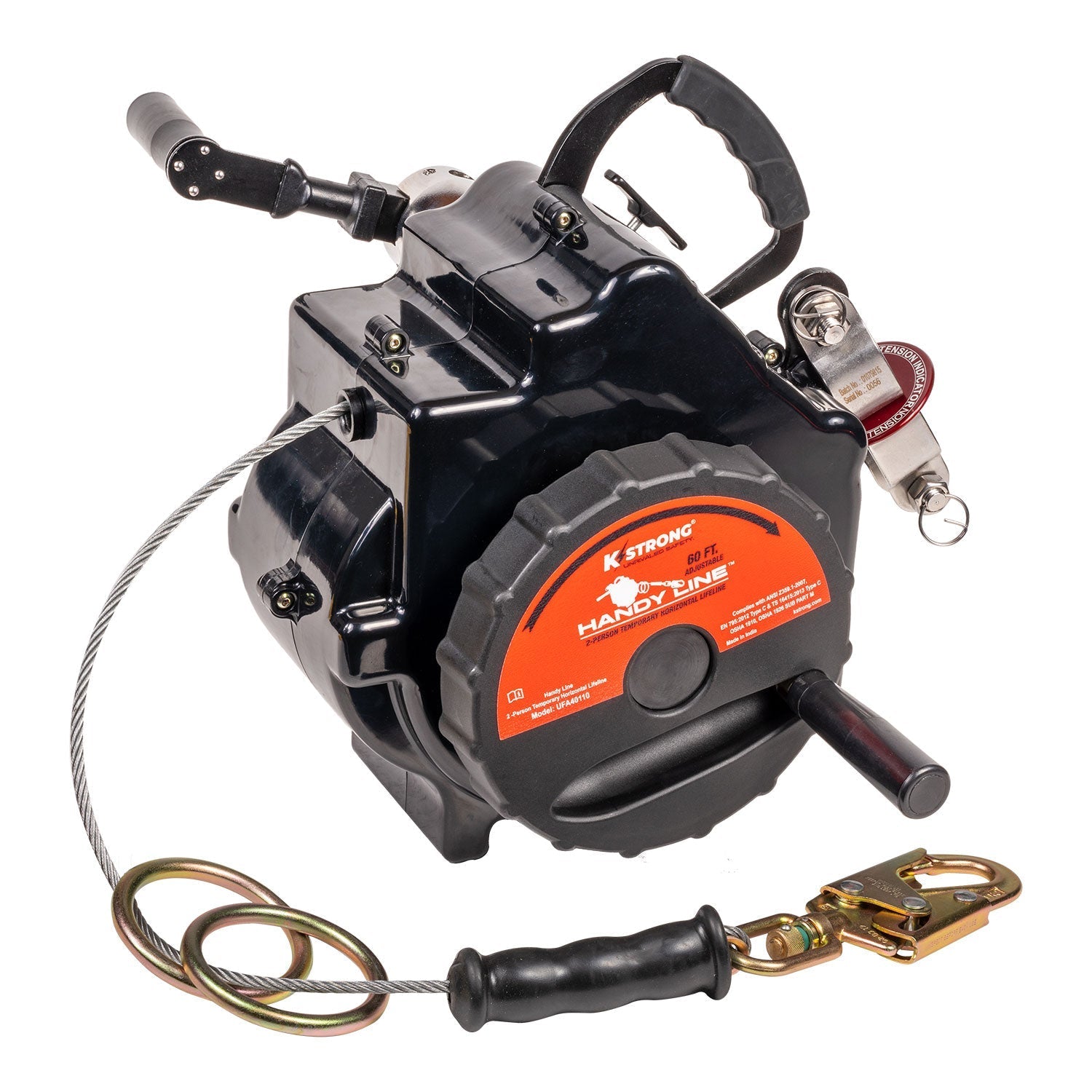
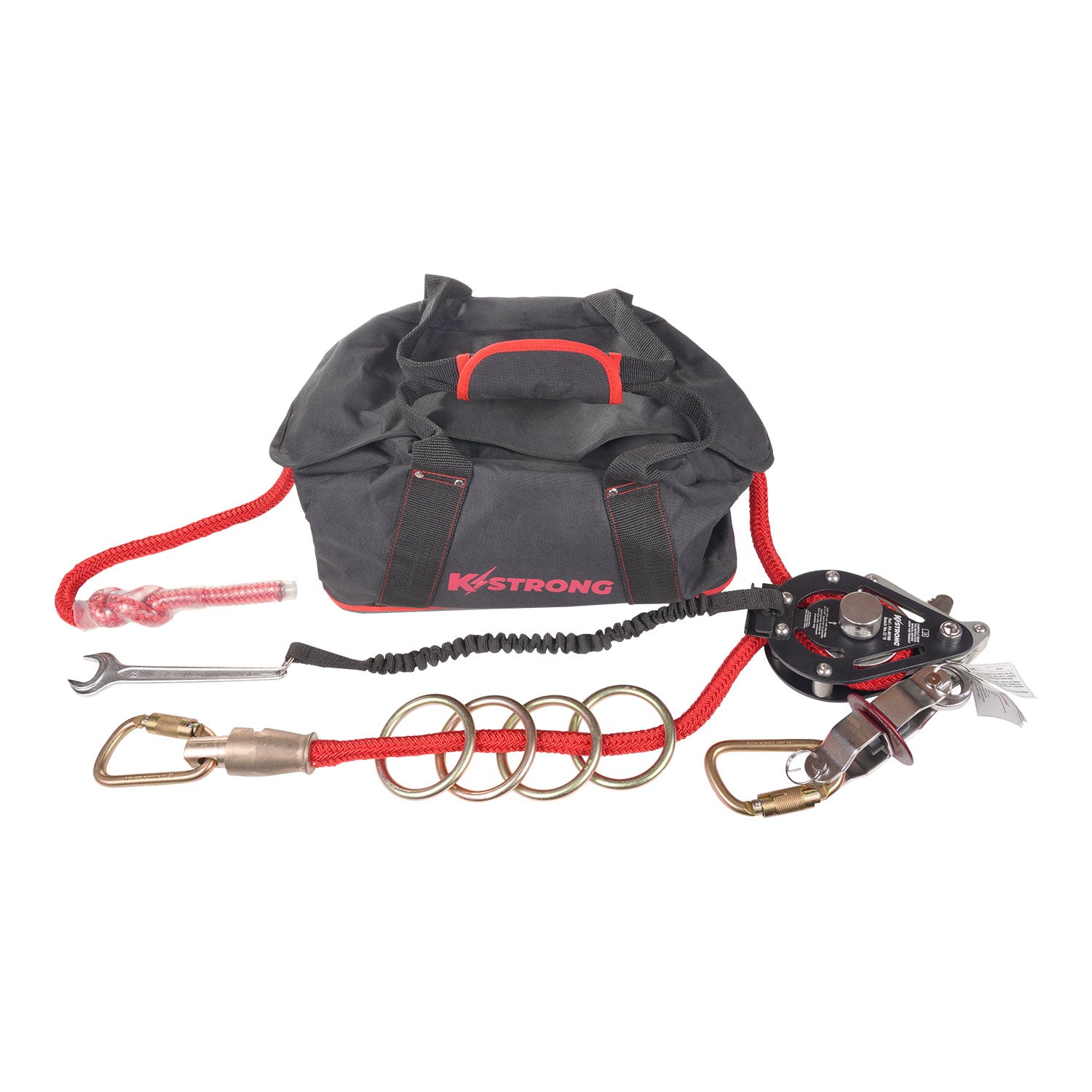
| KStrong® Handy Line™ 60 ft. Adjustable 2-Person Capacity Temporary Horizontal Lifeline System (ANSI) | $1,935 | UFA40110 | Handy Line Temporary Horizontal Lifeline System | 60 ft | 2-Person | View → |
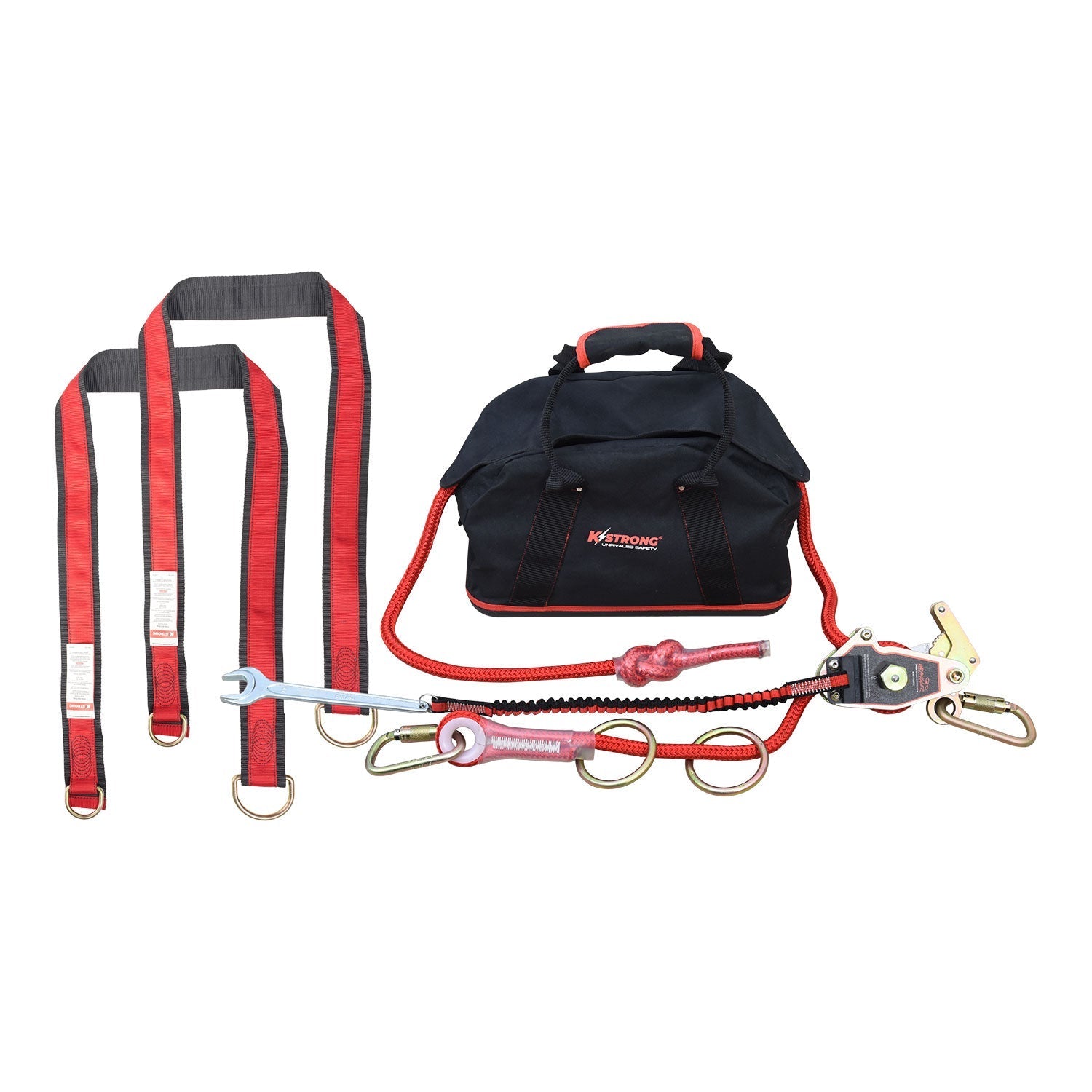
| KStrong® Wrangler Jr.™ 60 ft. Adjustable 2-person Capacity Horizontal Lifeline System | $745 | UFA40012 | Wrangler Jr. Horizontal Lifeline System | 60 ft | 2-Person | View → |
| KStrong® Wrangler™ 100 ft. Adjustable 4-person Capacity Horizontal Lifeline System | $738 | UFA40010 | Wrangler Horizontal Lifeline System | 100 ft | 4-Person | View → |
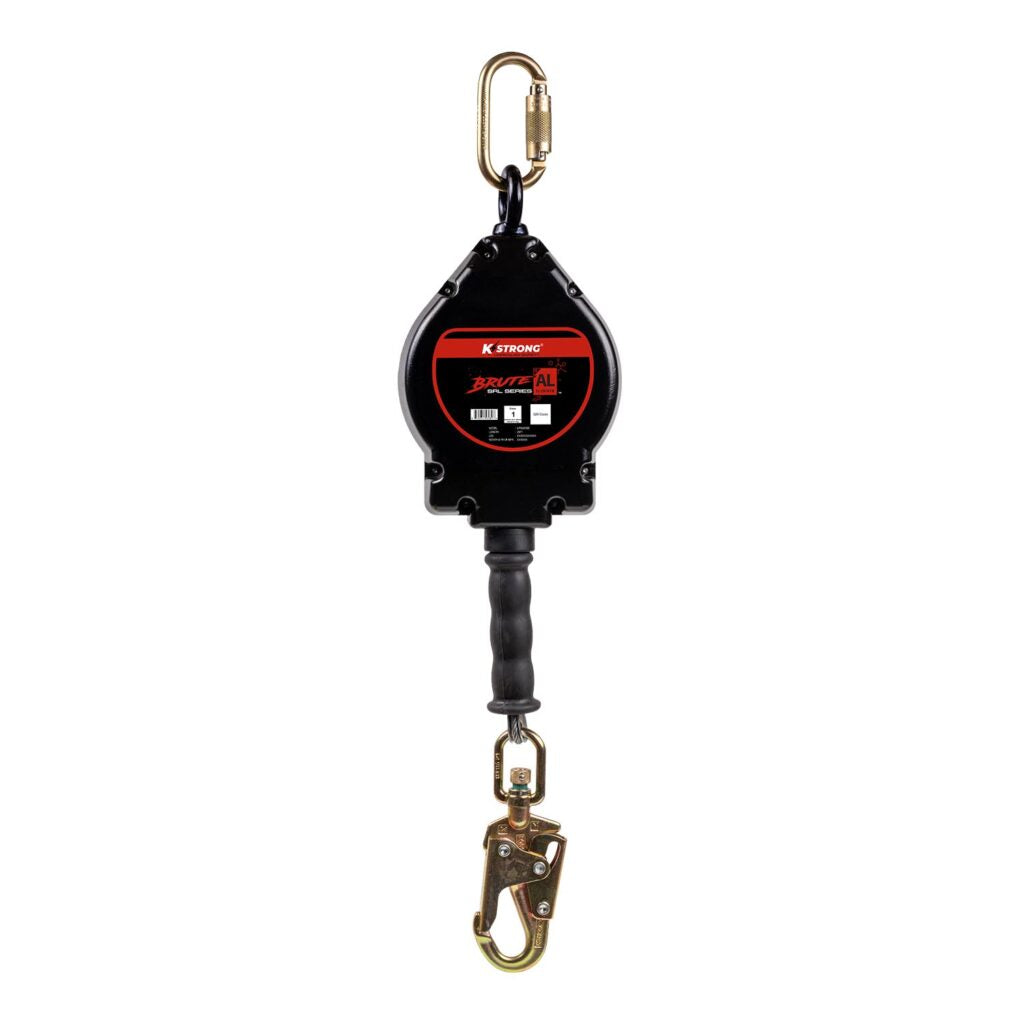
| KStrong BRUTE 50ft Cable Self Retracting Lifeline with Snap Hook | $664 | — | — | 50 ft | — | View → |
 In Stock
 In Stock
 In Stock
 In Stock
 In Stock
 In Stock
 In Stock
 In Stock
 In Stock
 In Stock
 In Stock
 In Stock
 In Stock
 In Stock
 In Stock
 In Stock
 In Stock
 In StockIn Stock
 In Stock
 In Stock
 In Stock
 In StockIn Stock
 In Stock
 In StockIn Stock
 In Stock
 In Stock
Lifelines Buying Guide
Horizontal, vertical, or self-retracting: match the line to the motion. Every lifeline here solves the same problem, keeping the worker tied off while they move, and the three types split by the direction of that movement. Horizontal lifelines string a cable or rope between two anchors so a crew can walk a roof edge, a beam, or a tank top with the connector sliding along behind them. Vertical lifelines hang a rope down a ladder or a drop, and a rope grab rides it up and down, locking if the worker falls. Self retracting lifelines anchor at a single point, usually overhead, and reel line in and out like a seatbelt, staying tensioned and locking within inches. Most sites end up with more than one: an SRL for the fixed work station, a horizontal system for the travel along an edge, and vertical ropes for ladder access. Pick by the geometry first, then size the specific unit to the fall clearance and the crew count.
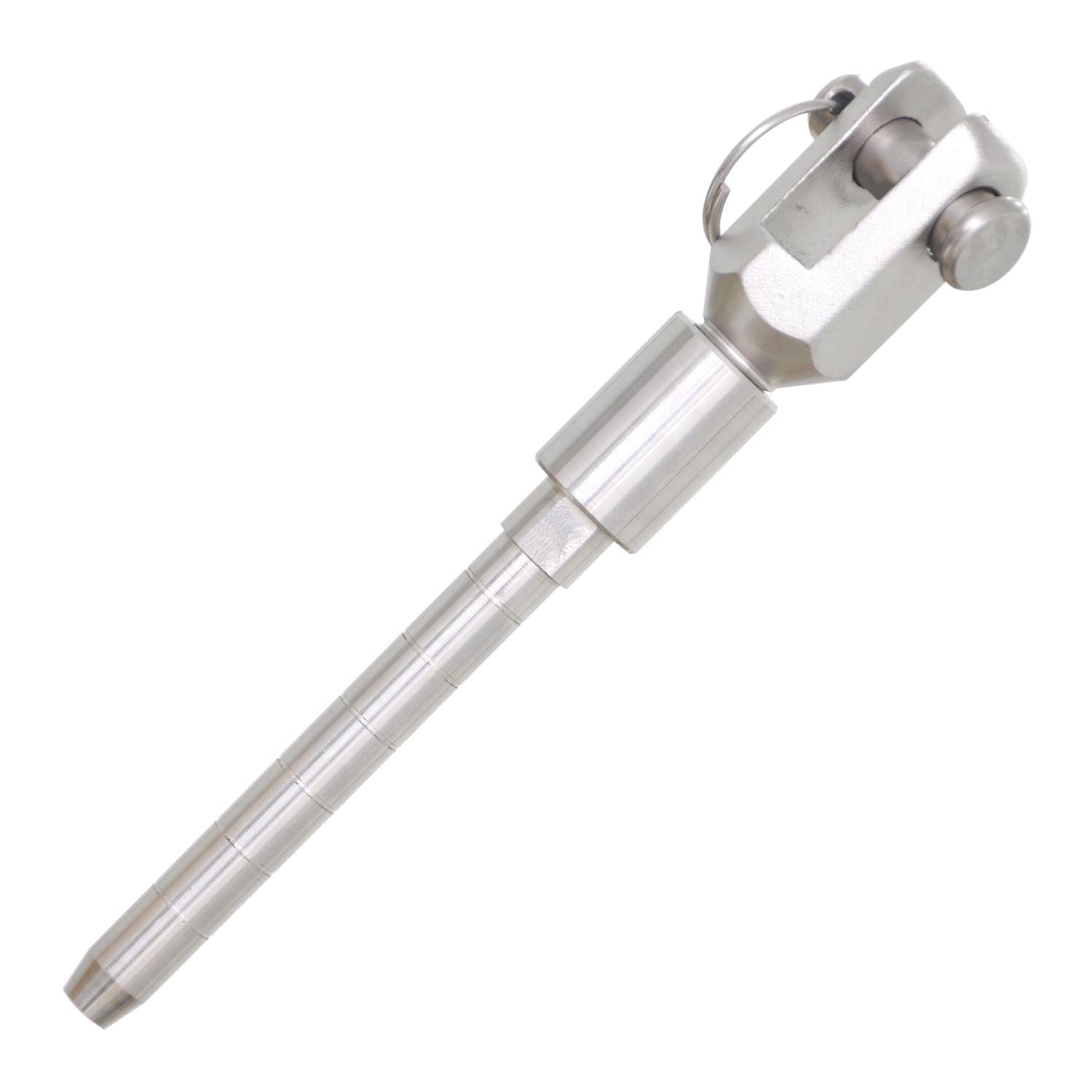
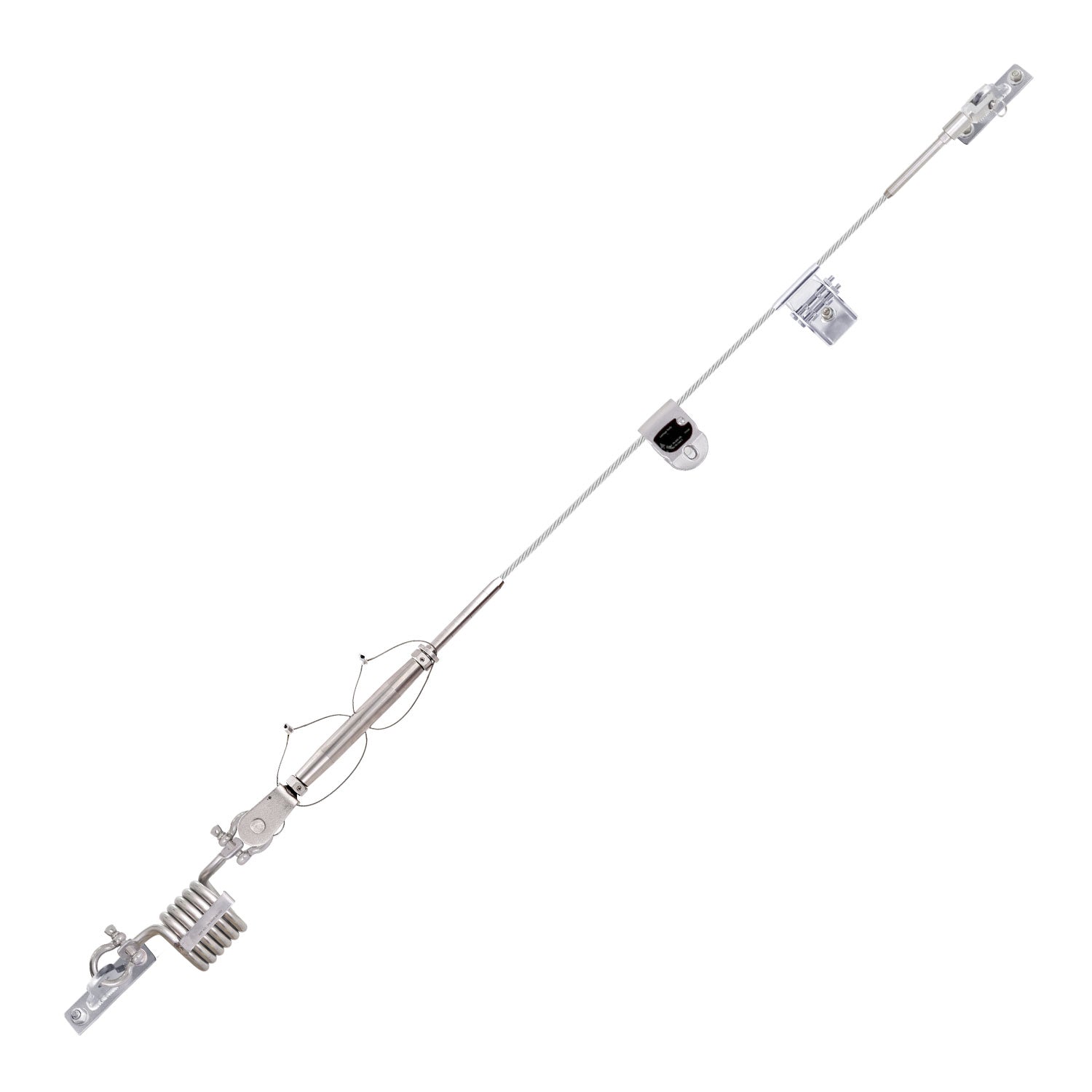
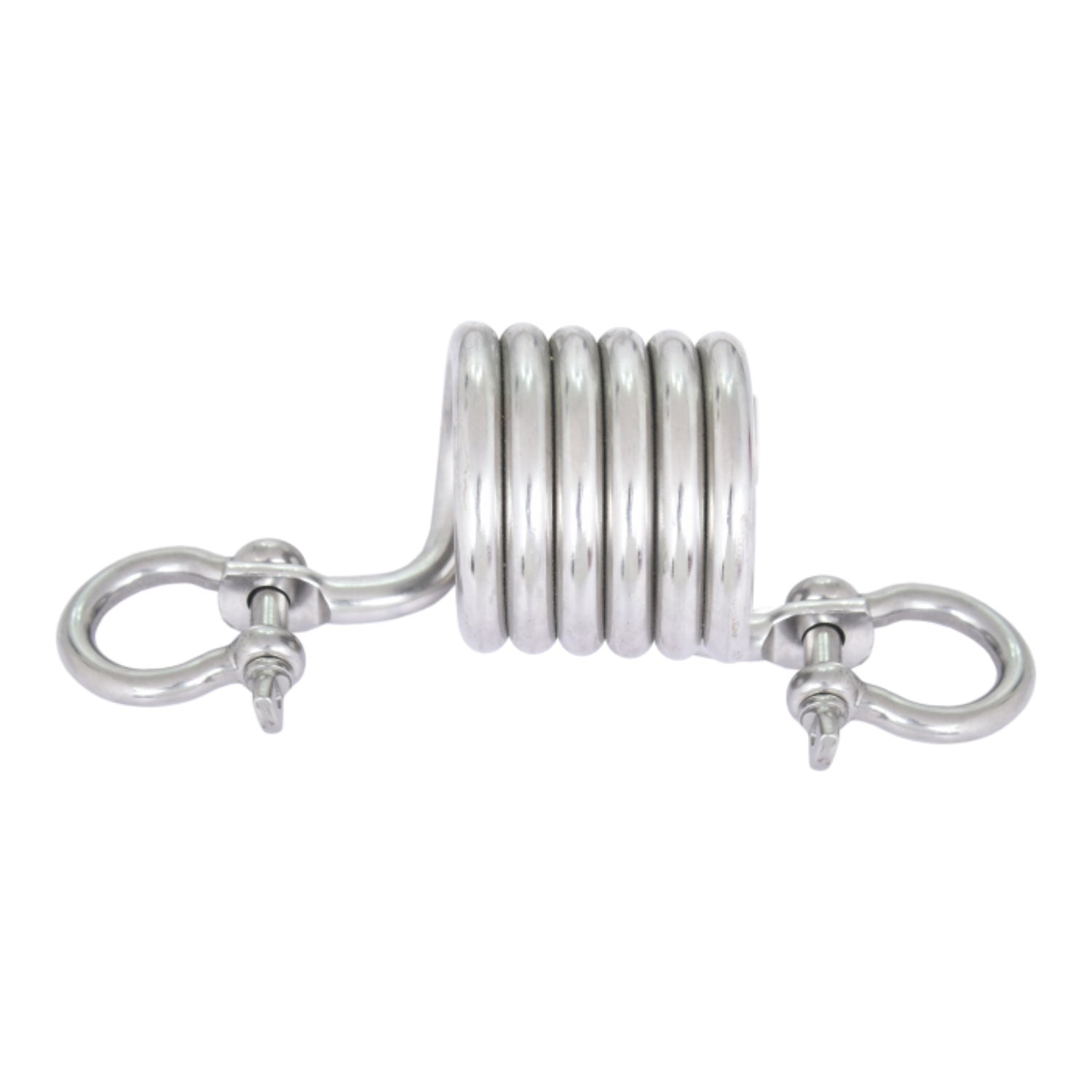
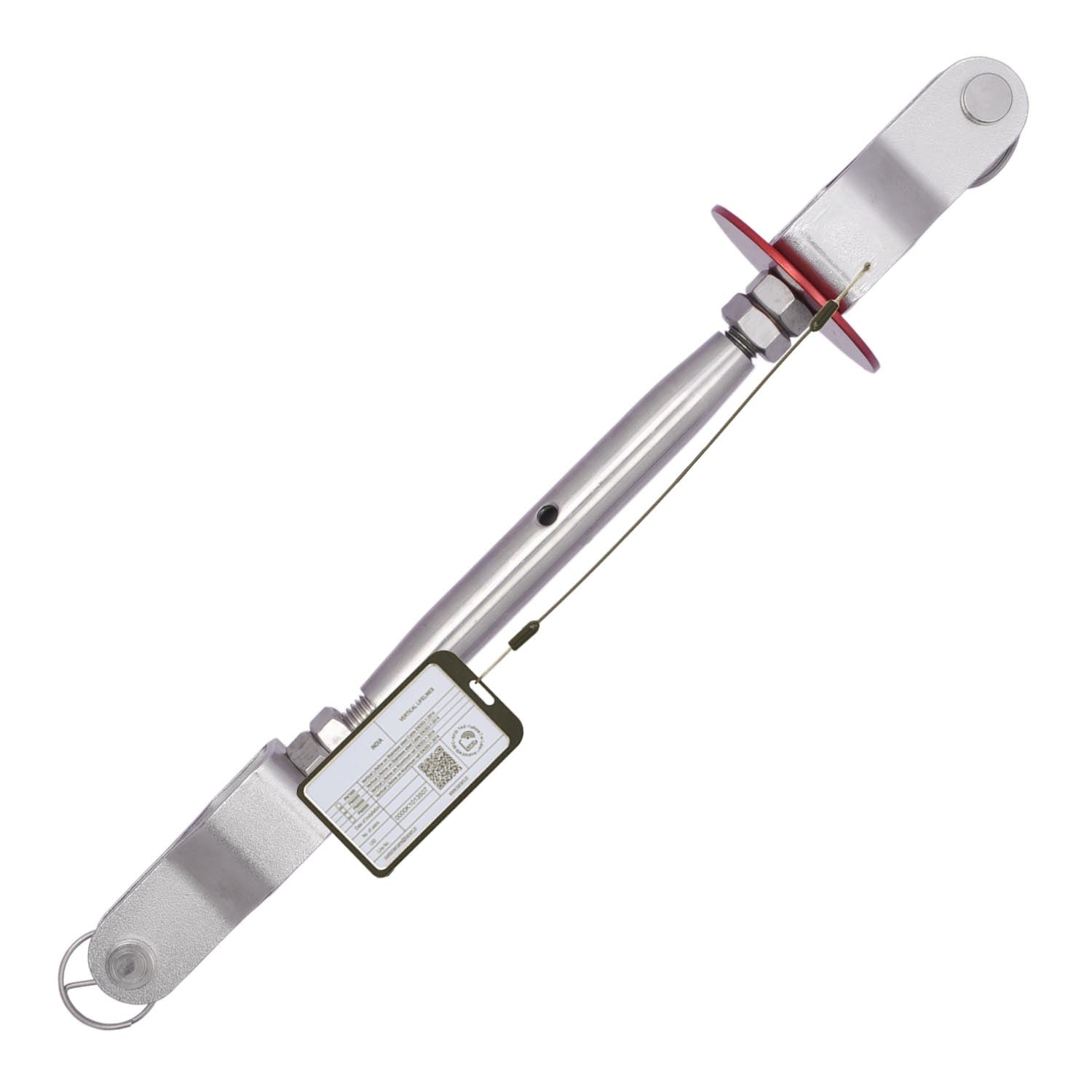
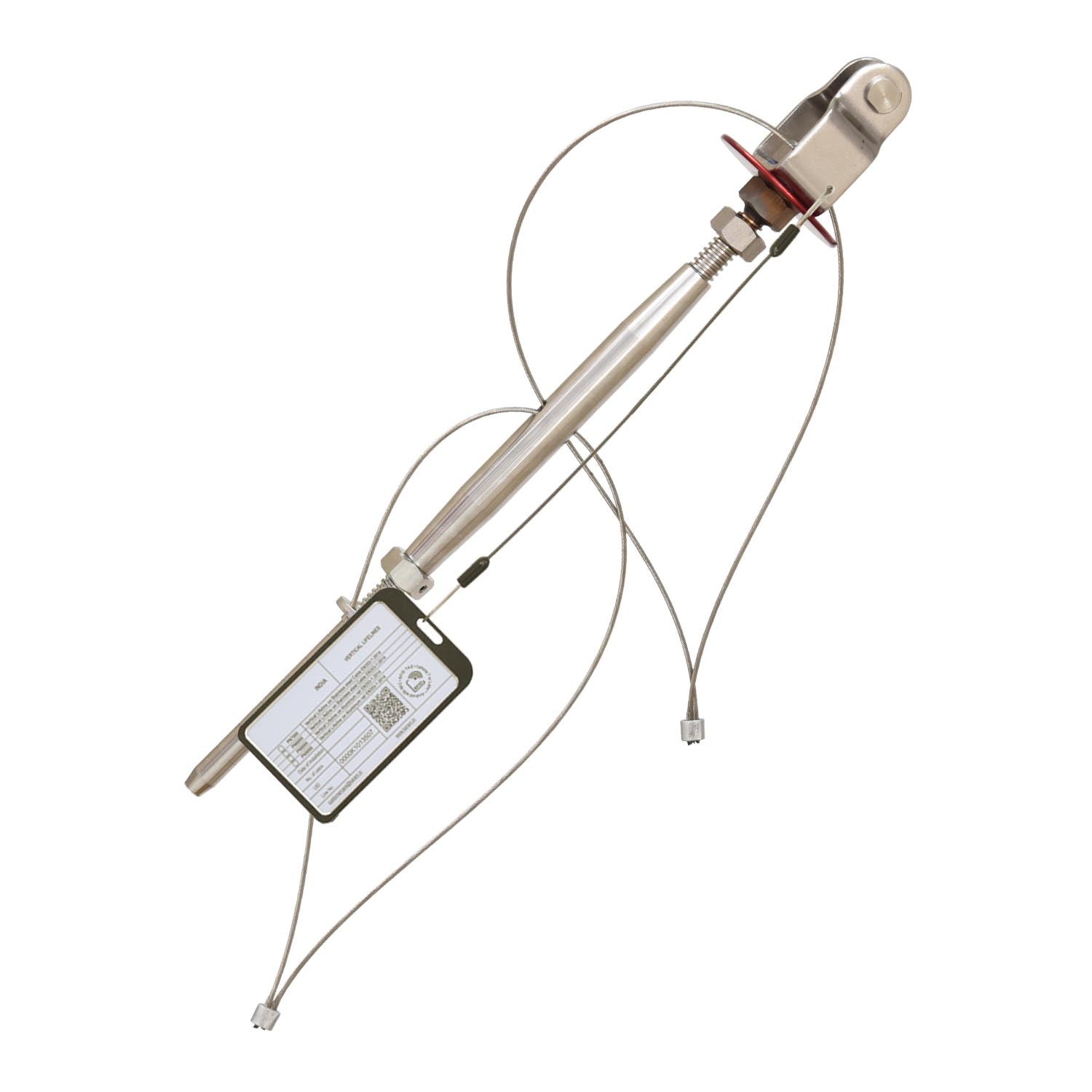
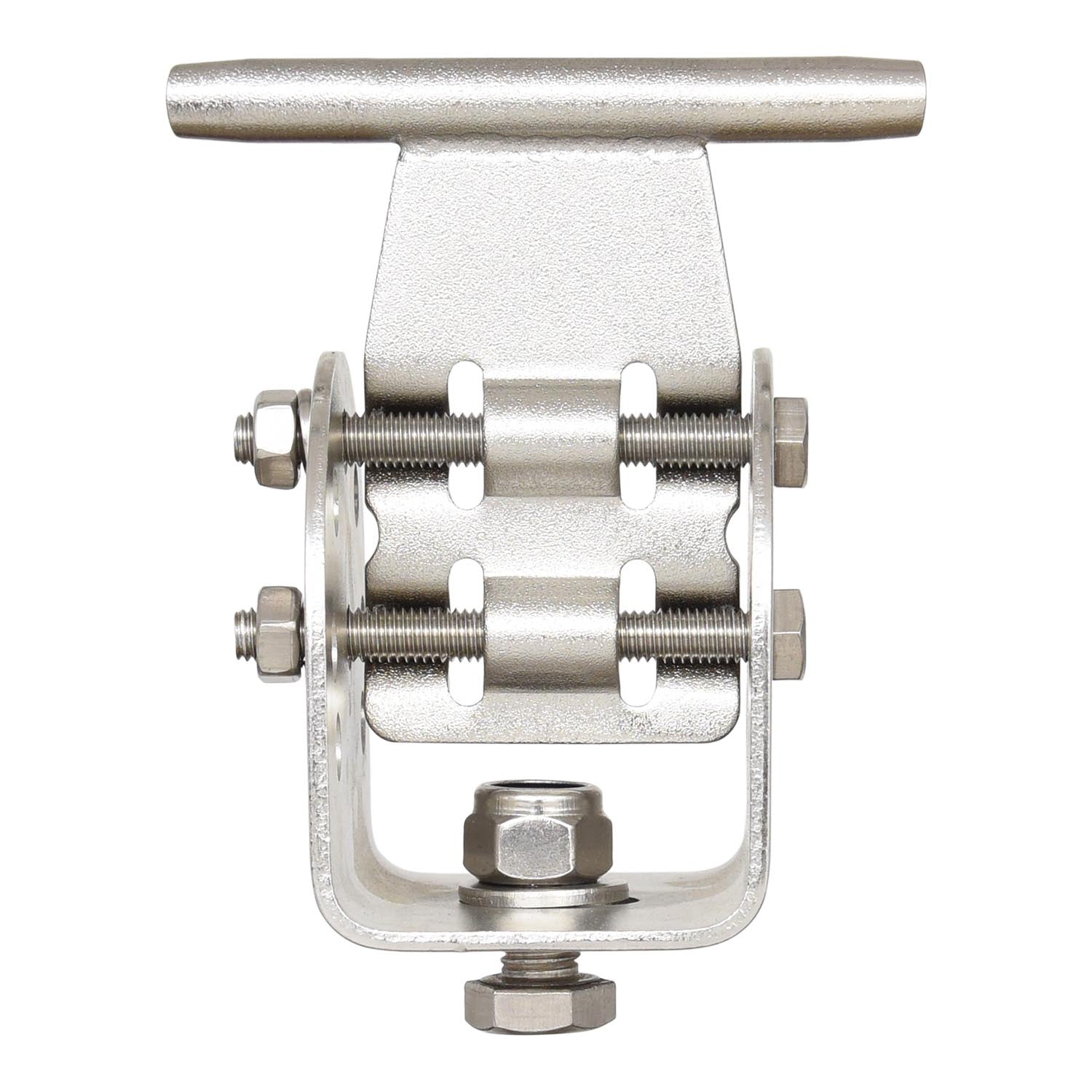
Horizontal lifelines: temporary systems and permanent runs. A horizontal lifeline carries a real design burden, because a fall anywhere along the span pulls the whole line taut and drives large forces into both end anchors. OSHA 1926.502(d)(8) is blunt about it: a horizontal lifeline has to be designed, installed, and used under the supervision of a qualified person, as part of a complete arrest system with a safety factor of at least two. That splits the shelf in two. For temporary work, the KStrong Wrangler and Wrangler Jr adjustable systems tension a rope line for two or four workers over 60 to 100 ft and pack down between jobs, and the Handy Line covers a 60 ft two-person span. For permanent installs, the stainless steel systems route 7x19 cable through intermediate brackets around corners, with a coil shock absorber to cap the arrest force and swaged cable extremities and tensioners to set the line. Budget the sag: a longer span deflects more under a fall and adds to the distance below.
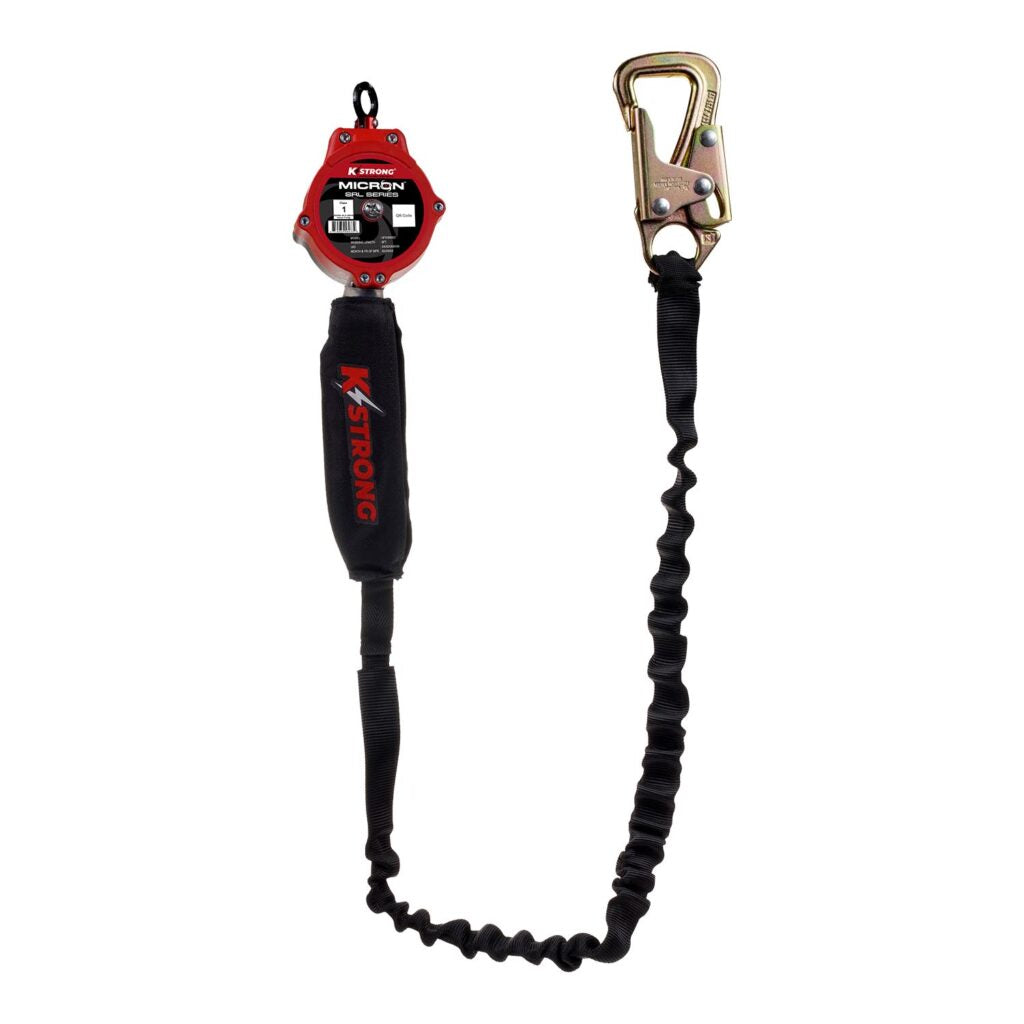
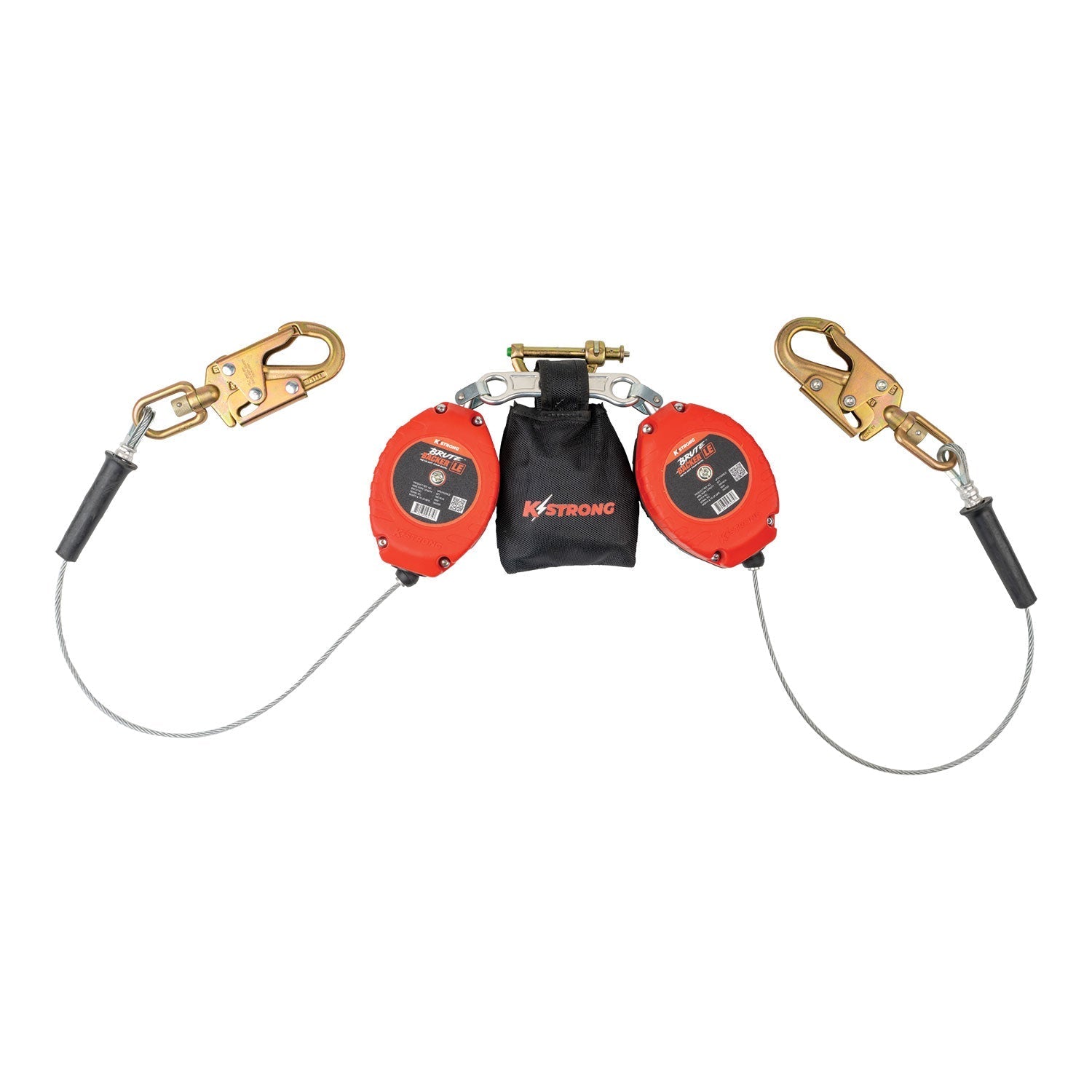
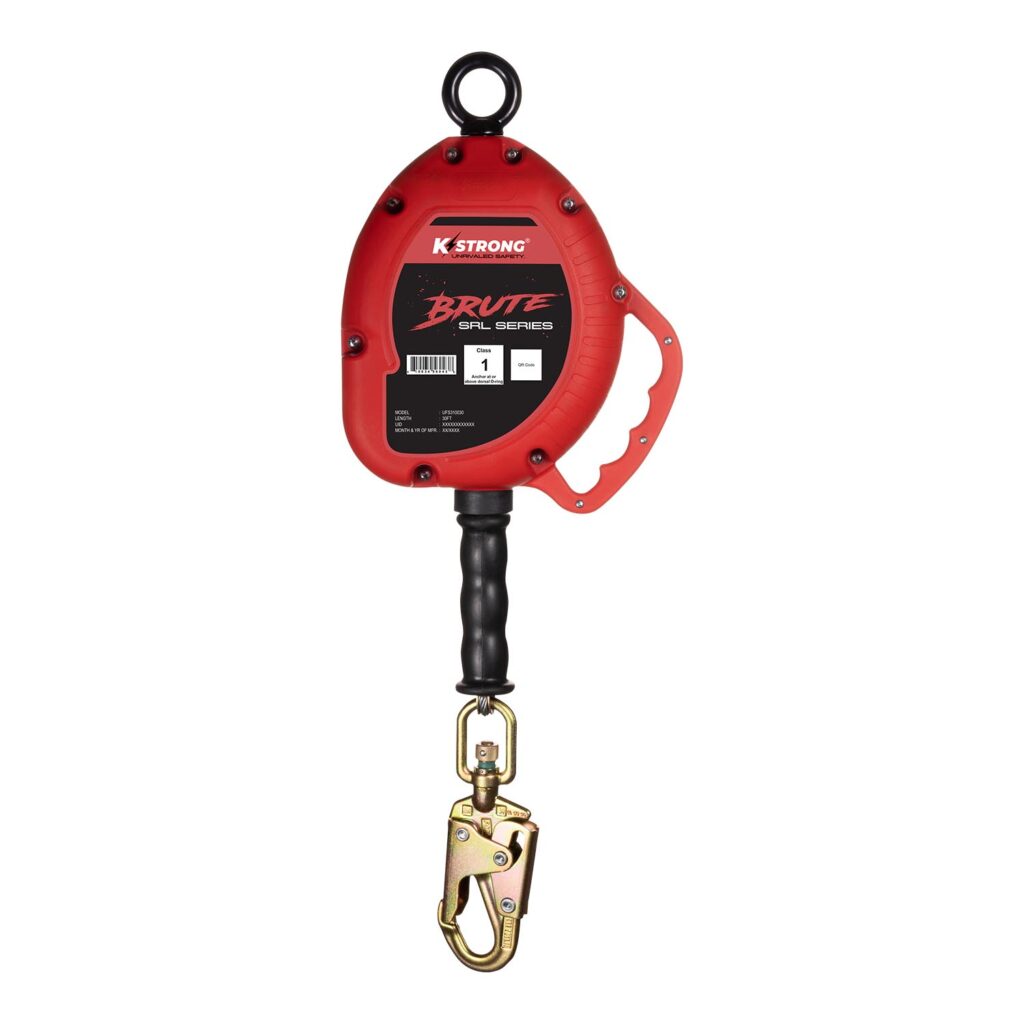
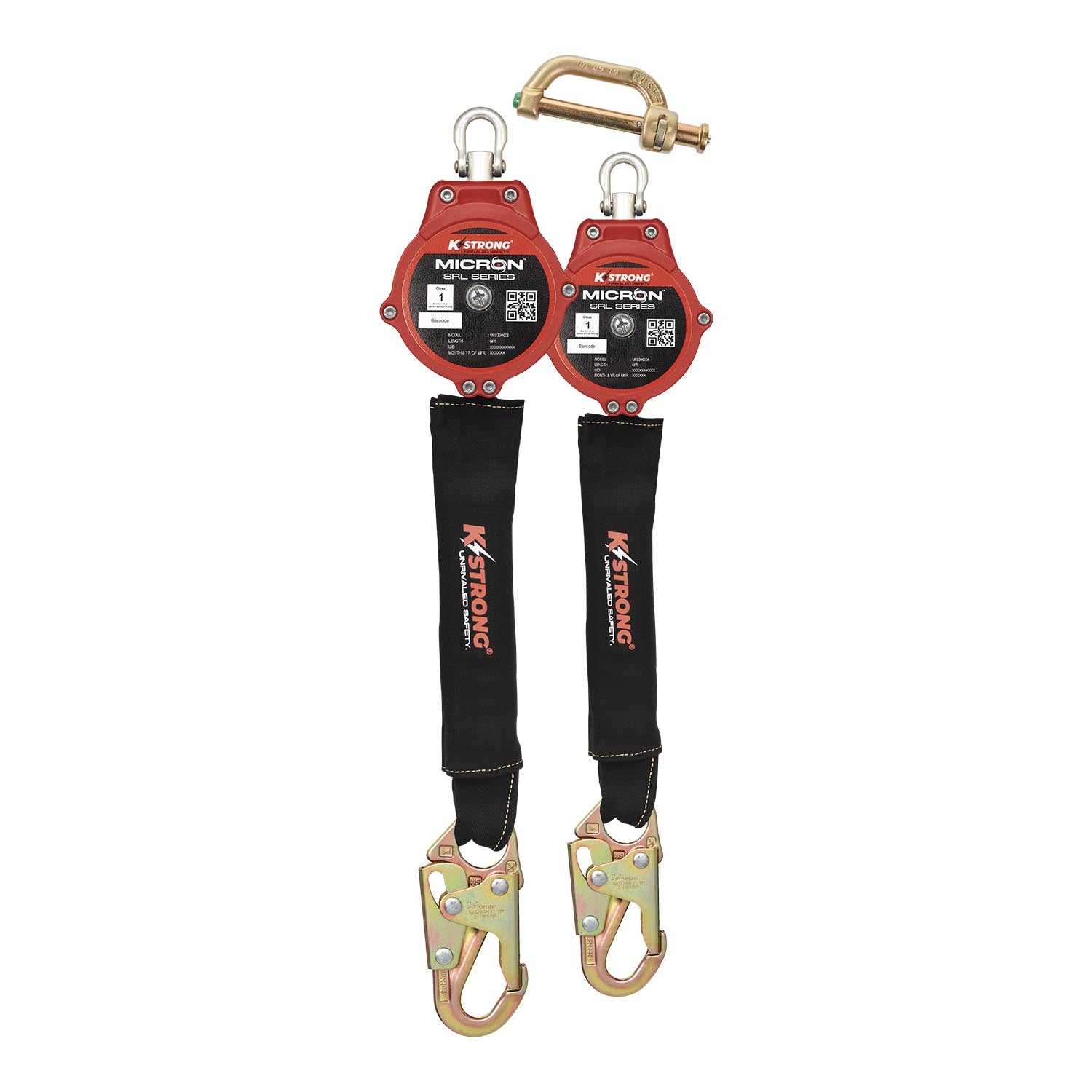
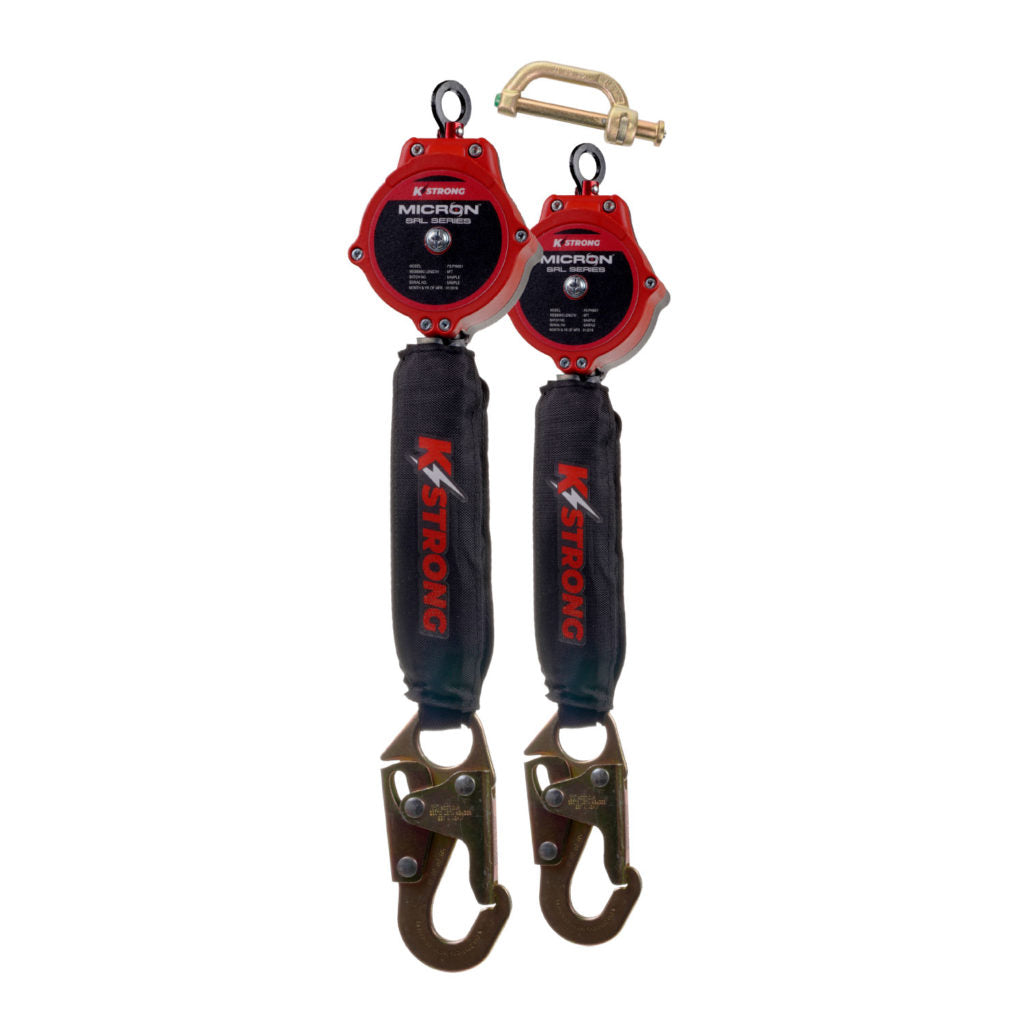
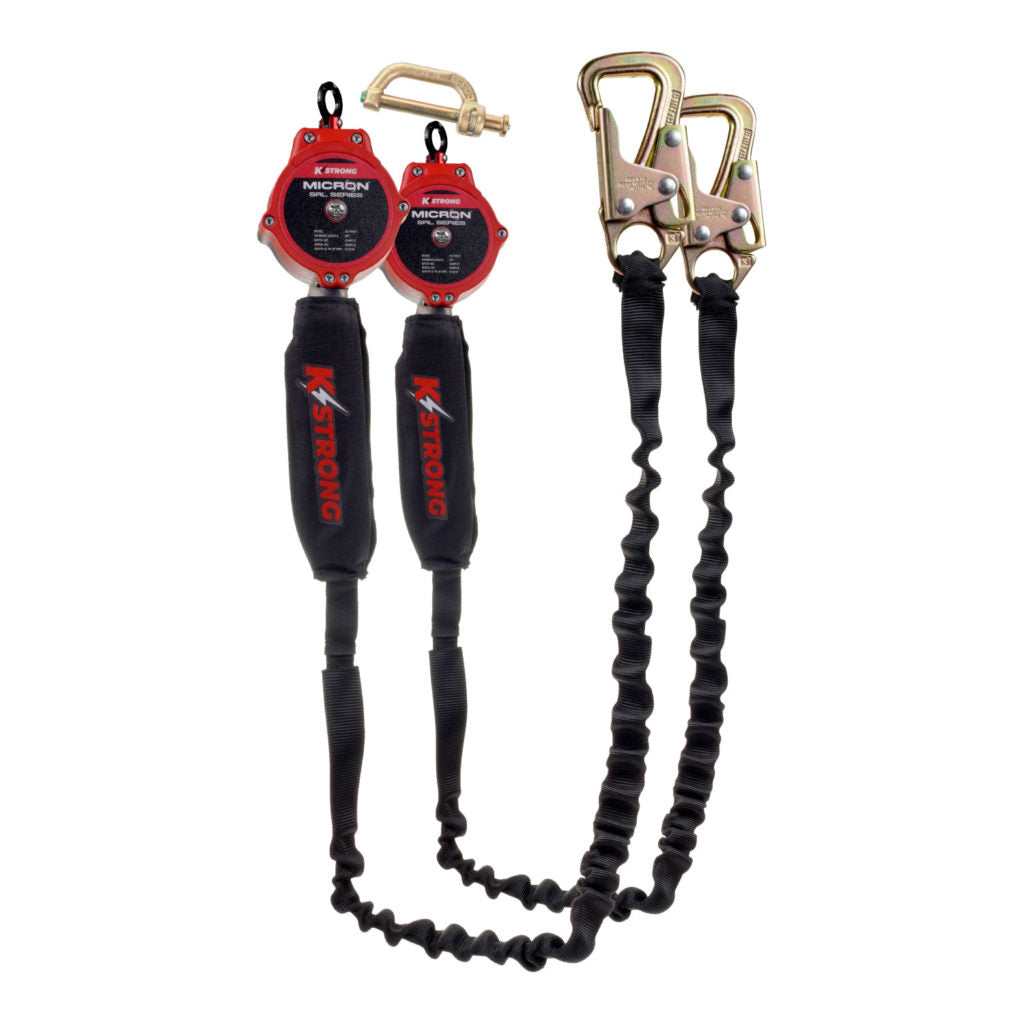
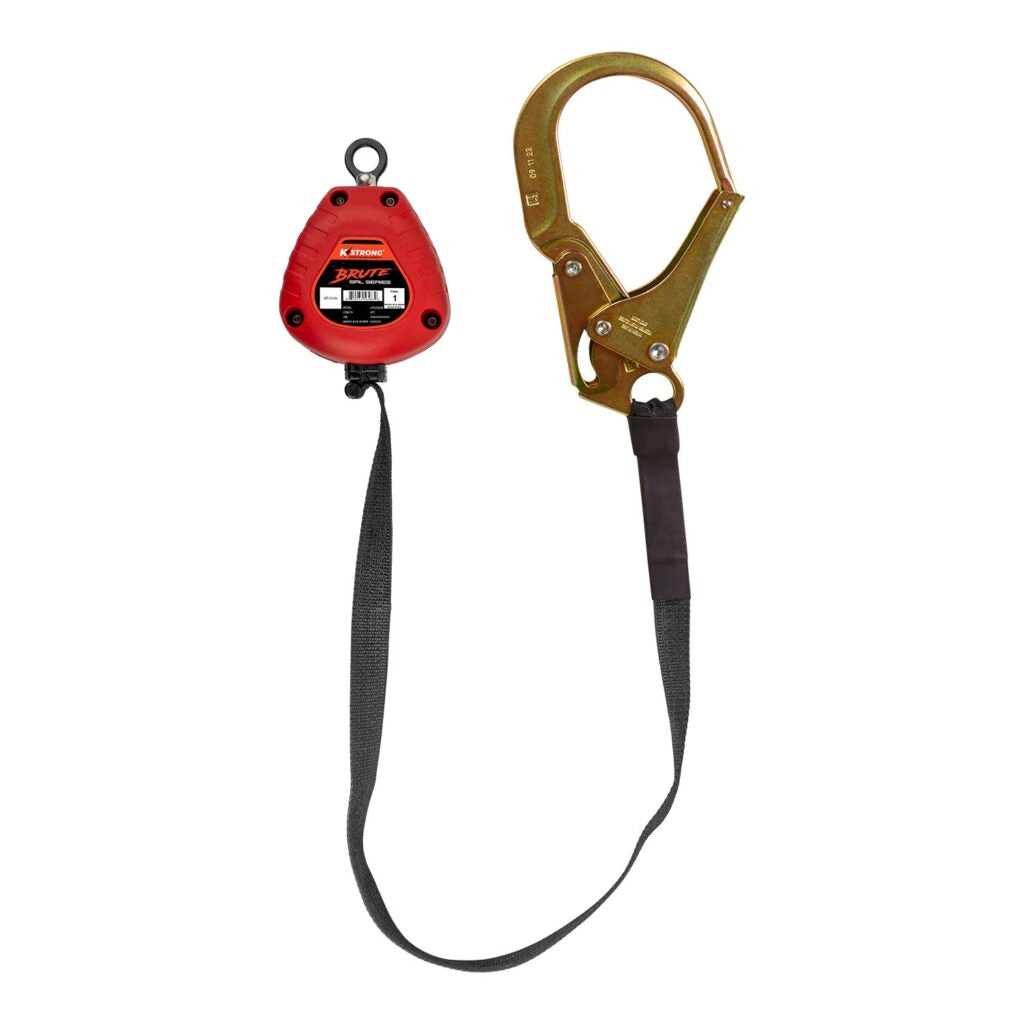
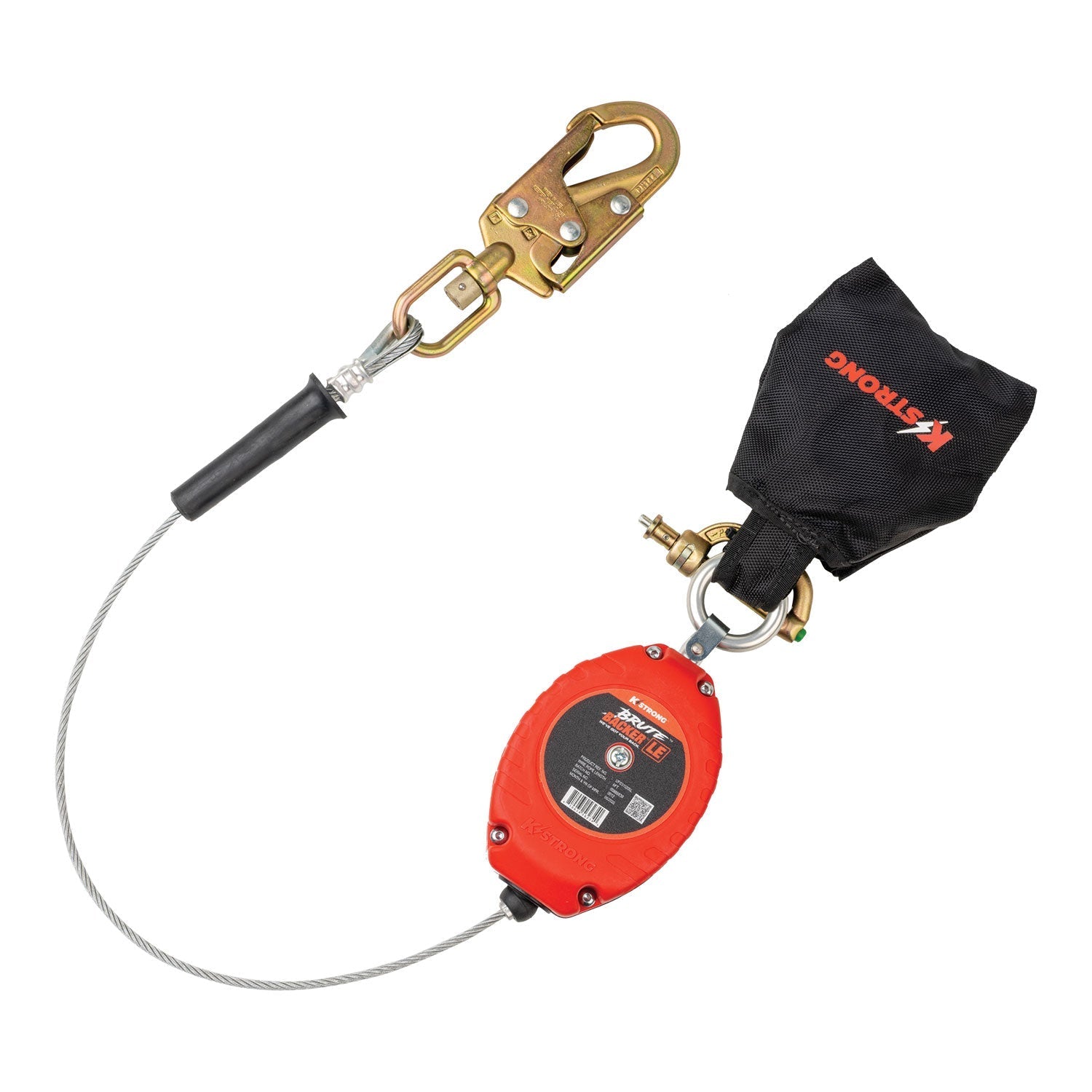
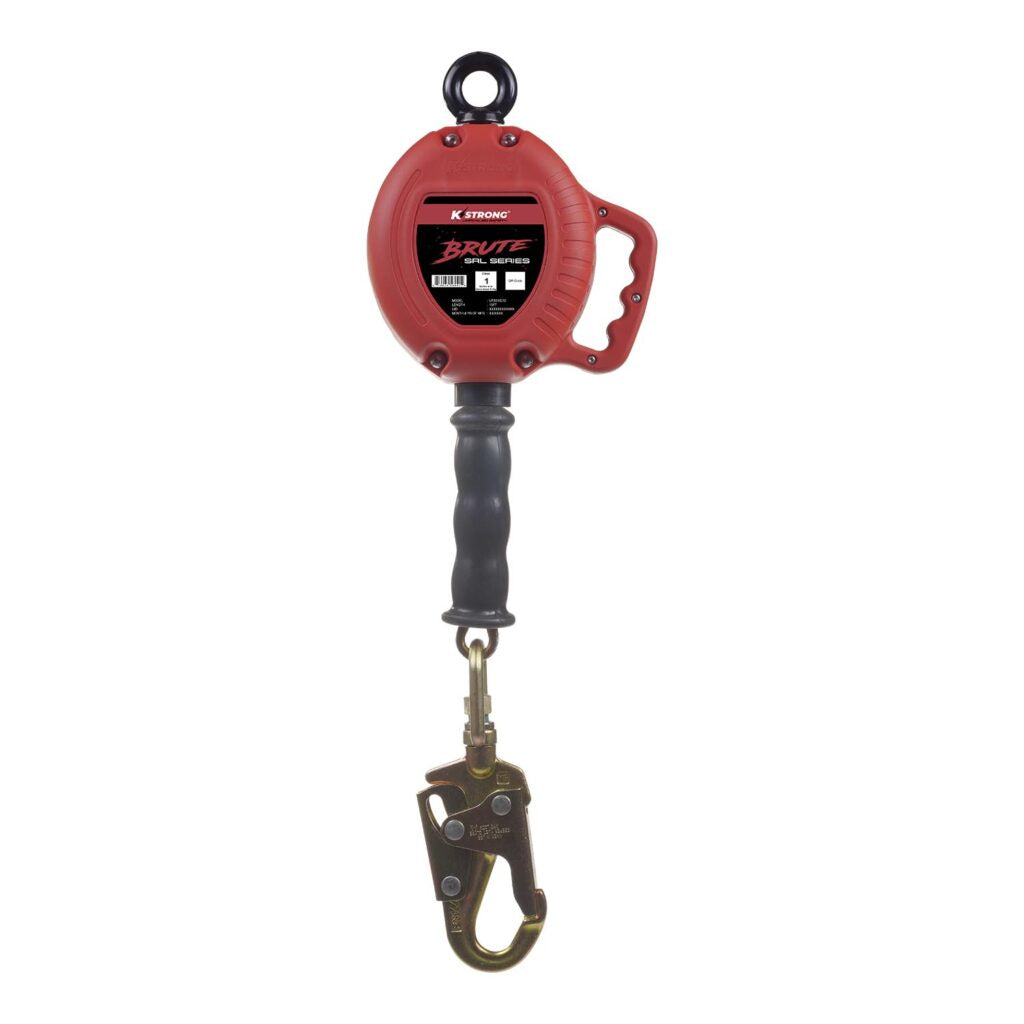
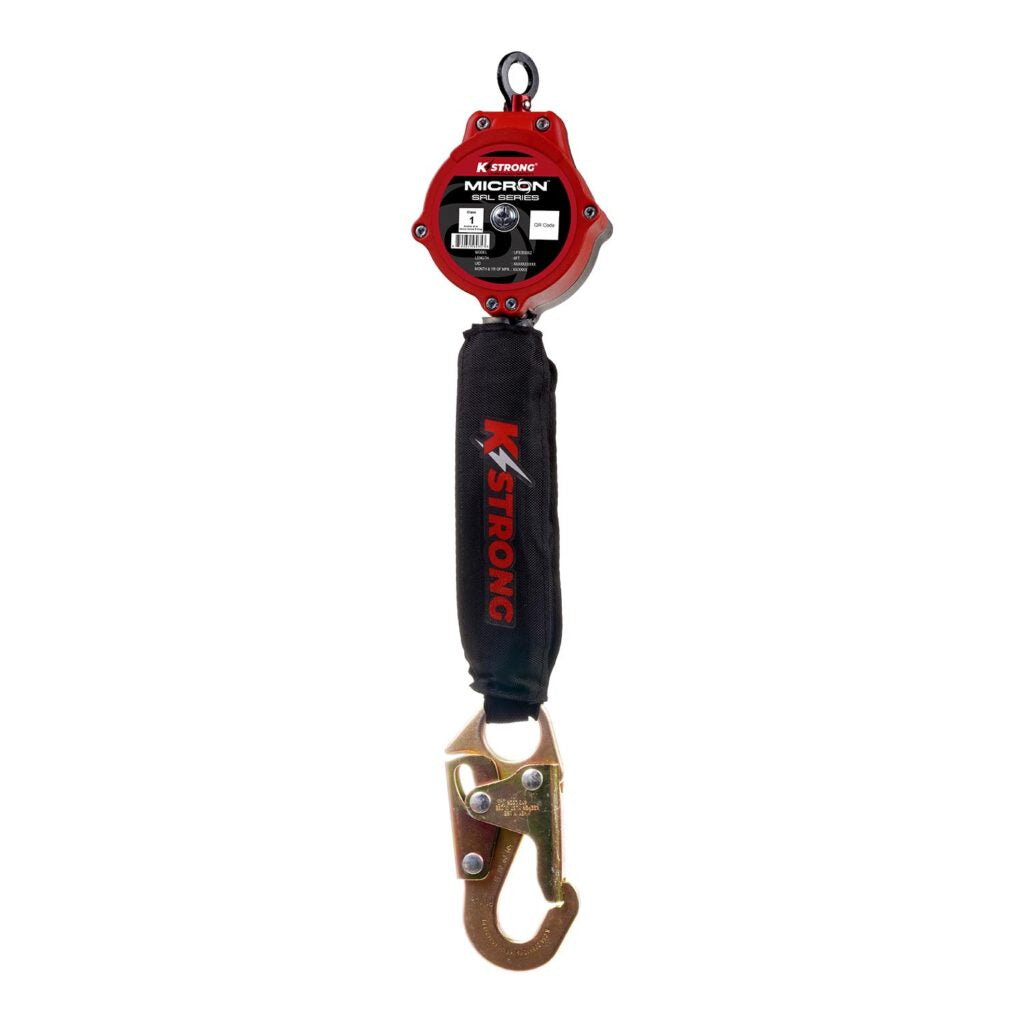
Self retracting lifelines: the class decides the job. An SRL stays tensioned to the D-ring and locks within inches, which is why it wins any job with a lower level close below. OSHA holds maximum arresting force to 1,800 lb and deceleration distance to 3.5 ft, and every self retracting lifeline here is built to meet it. The choice that trips people up is the class. ANSI/ASSP Z359.14-2021 splits SRLs into Class 1, rated only for anchorages at or above the dorsal D-ring, and Class 2, tested for anchorage below the D-ring and for the leading edge case where a fall drags the line over an edge. Anchor at your feet or over an edge and the label has to read Class 2; the Brute Backer LE single and dual cable units are built for it. The rest of the range covers the environment: Micron web SRLs for light overhead work, Brute cable units from 10 to 50 ft, aluminum-housing and sealed stainless versions for corrosive or dirty air, and an arc flash rated Micron for live electrical work. For confined space, the Globestock SAVER three-way adds retrieval to the arrest function.
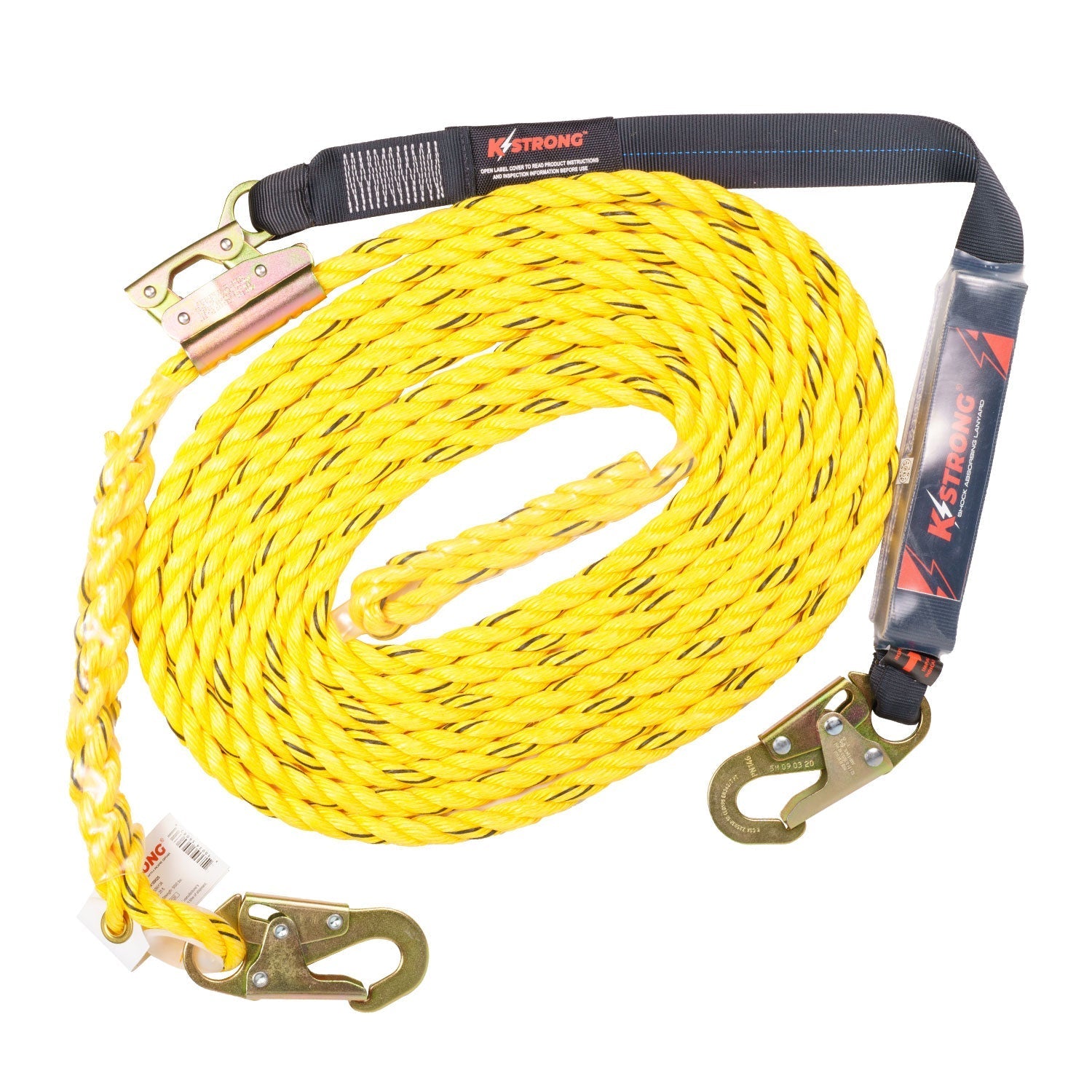
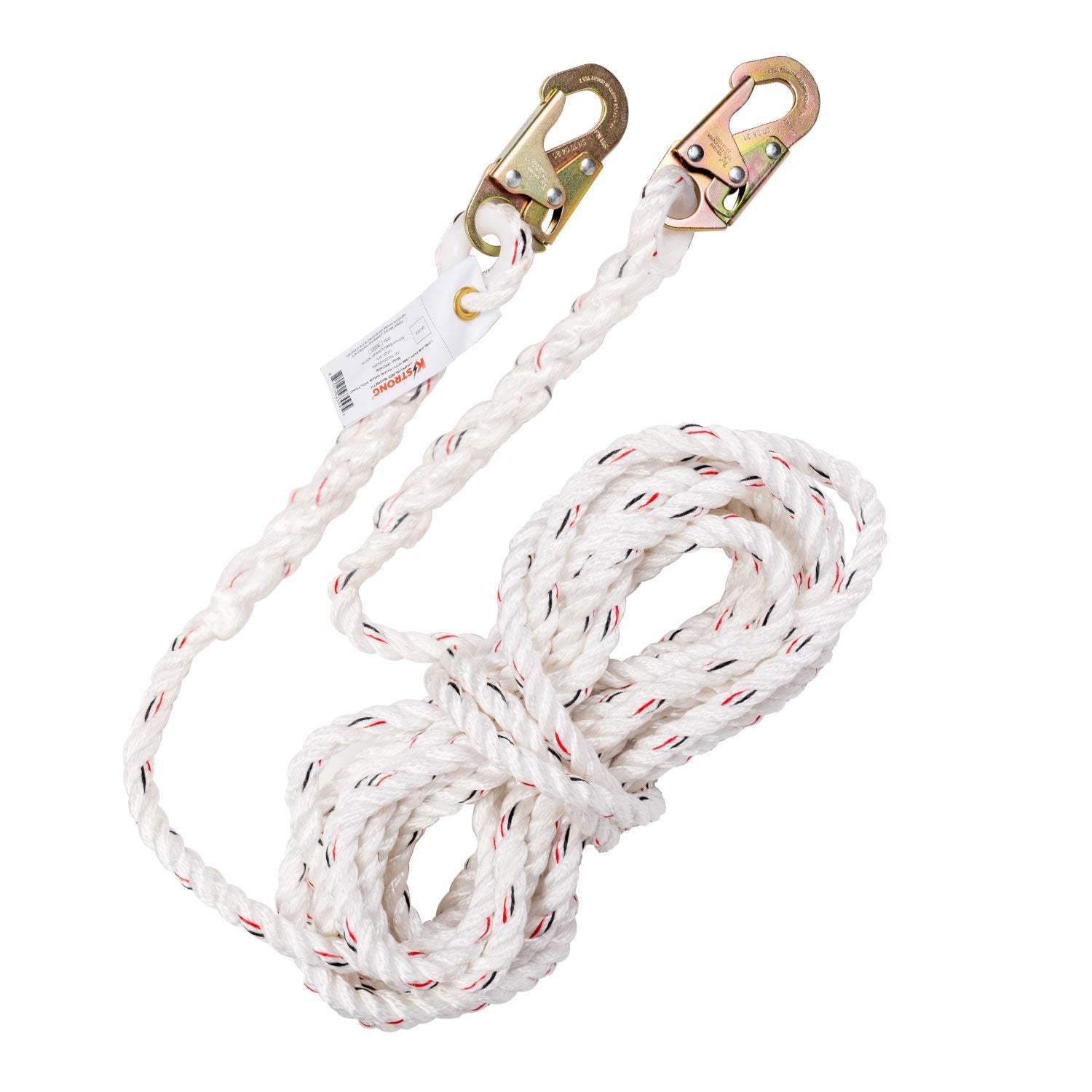
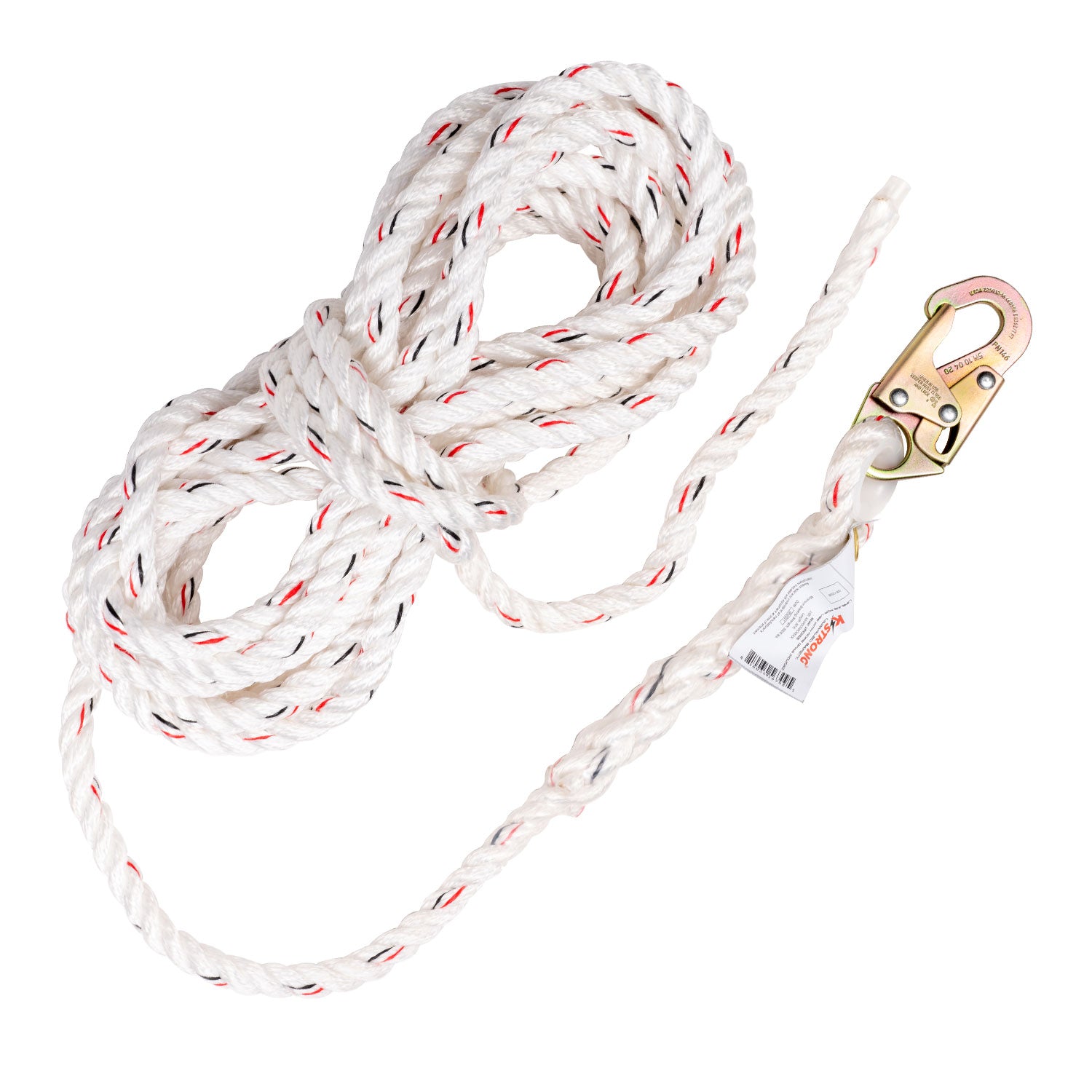
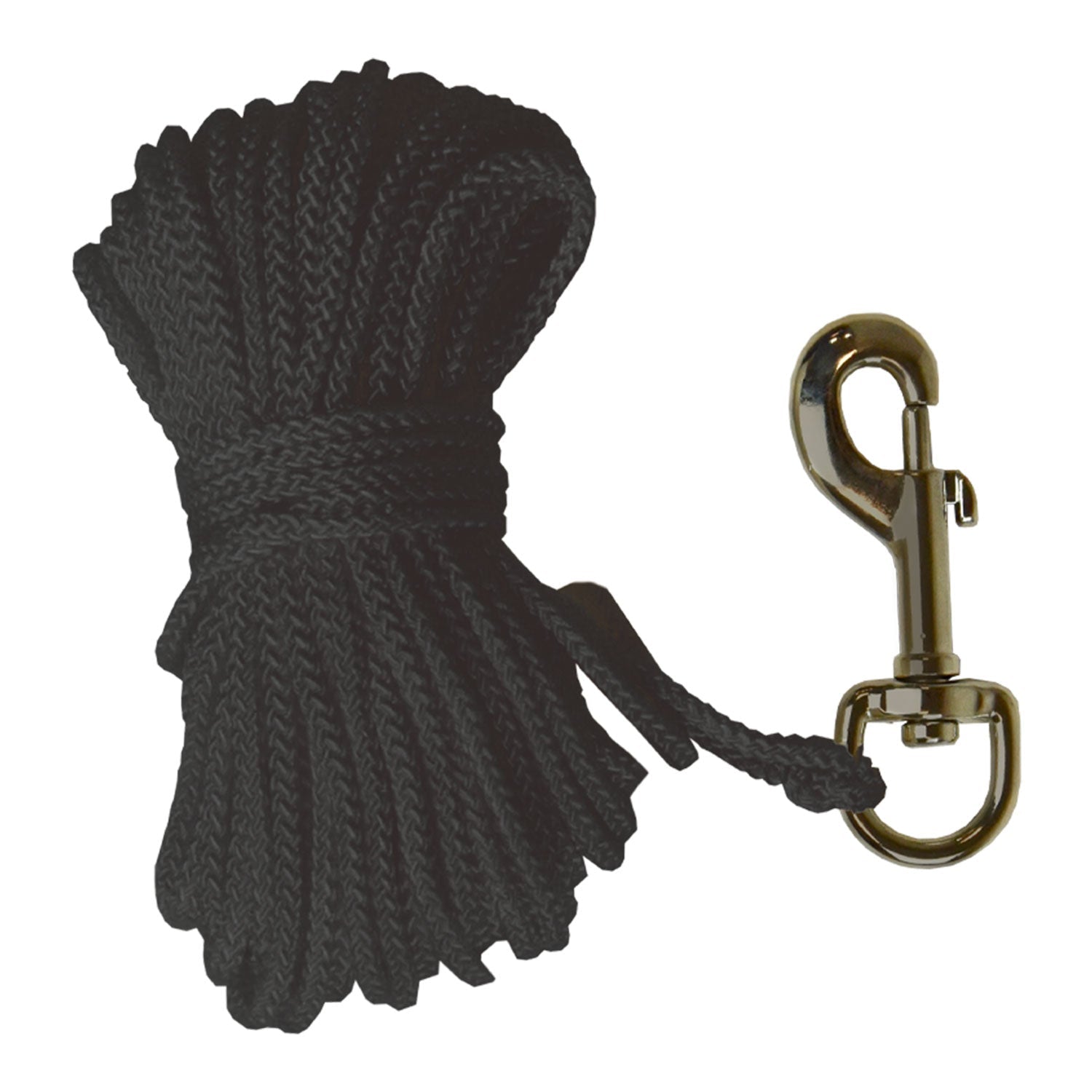
Vertical lifelines: the rope is half the system. A vertical lifeline is a rope hung from an overhead anchor with a rope grab traveling it, and the two are sold as halves because they wear and get replaced on different clocks. Our vertical ropes are Polydac and Polysteel builds with a snap hook and taped end or hooks at both ends, in a spread of lengths for ladders, towers, and rooftop drops. OSHA 1926.502(d) sets the rules that size them: each vertical lifeline needs a minimum breaking strength of 5,000 lb, and except in a few defined cases each worker gets a separate lifeline, so a two-worker ladder means two ropes, not one shared line. The traveling rope grab is the connector that makes it a system, self-tracking and openable models with an anti-panic feature that stops a startled grab from being ridden open. Leave at least 12 ft of rope below the grab and terminate the end so the grab cannot run off the bottom.
Sizing the fall clearance under the anchor. The line you pick sets how far a worker falls before the system catches, and that has to fit the space below the working surface. A vertical rope with a rope grab can allow several feet of free fall plus deceleration before it arrests, so total clearance below the deck can run past 15 ft once harness stretch and margin are added. A self retracting lifeline stays tight and locks in inches, which is why SRLs are the default anywhere a floor or machinery sits close below. A horizontal system adds its own sag to the tally, since the whole span deflects under load. Work the clearance for the actual anchor height before choosing; the cheapest way to run out of fall distance is to assume SRL math on a job rigged with a rope.
Inspection, and when a lifeline is done. Lifelines follow the same hard rule as the rest of a fall arrest system: anything that has arrested a fall comes out of service on the spot, because the energy-absorbing elements deform in ways you cannot reset. Short of that, inspect before every use and on a documented schedule under a competent person. On ropes and webbing, look for cuts, abrasion, heat glaze, and UV chalking, and pull any line with a missing or unreadable tag. On SRLs, confirm the line pays out and retracts smoothly, the brake locks with a sharp pull, and the load indicator has not tripped. On horizontal systems, check the end anchors, brackets, tensioners, and shock absorber for deformation. A rope lifeline costs less than a service call, and suspect gear is never worth defending.
Frequently Asked Questions
They split by the direction the worker moves. A horizontal lifeline runs between two anchors so a crew can travel along an edge or beam with the connector sliding behind them. A vertical lifeline hangs down a ladder or drop, and a rope grab climbs it and locks on a fall. A self-retracting lifeline anchors at one point, usually overhead, and reels line in and out while staying tensioned, locking within inches. Many sites need all three for different tasks.
Yes. OSHA 1926.502(d)(8) requires that a horizontal lifeline be designed, installed, and used under the supervision of a qualified person, as part of a complete personal fall arrest system that maintains a safety factor of at least two. A fall anywhere on the span loads both end anchors heavily, so the anchors, the line, and the shock absorber have to be sized together, not improvised on site.
The classes come from ANSI/ASSP Z359.14-2021. A Class 1 SRL is rated only for anchorages at or above the dorsal D-ring. A Class 2 SRL is tested for anchorage below the D-ring, down toward foot level, and for leading edge exposure where a fall drags the line over an edge. If you anchor at your feet or the line can contact an edge, the label has to read Class 2, like the Brute Backer LE units.
No. Except for a few defined cases, OSHA 1926.502(d) requires each employee on a vertical lifeline to be attached to a separate lifeline, so two workers on a ladder means two ropes. Each vertical lifeline also needs a minimum breaking strength of 5,000 lb, and the rope pairs with a rope grab, with at least 12 ft of rope left below the grab and the end terminated so the grab cannot slide off.
Immediately after it arrests a fall, since the energy-absorbing parts deform and cannot be reset, and any time it fails inspection or reaches the manufacturer's service life. Check ropes and webbing for cuts, abrasion, heat glaze, and UV chalking, pull any line with an unreadable tag, and on SRLs confirm smooth retraction, a solid brake lockup, and an untripped load indicator. Destroy or clearly tag retired gear so it stays out of service.