Hydraulic Equipment
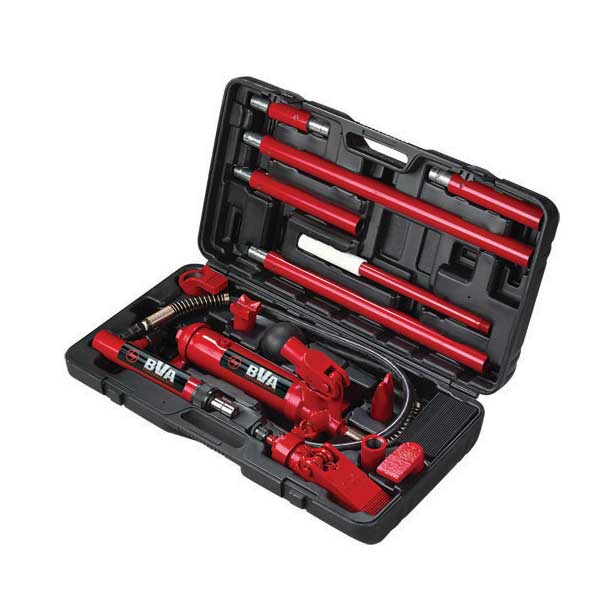
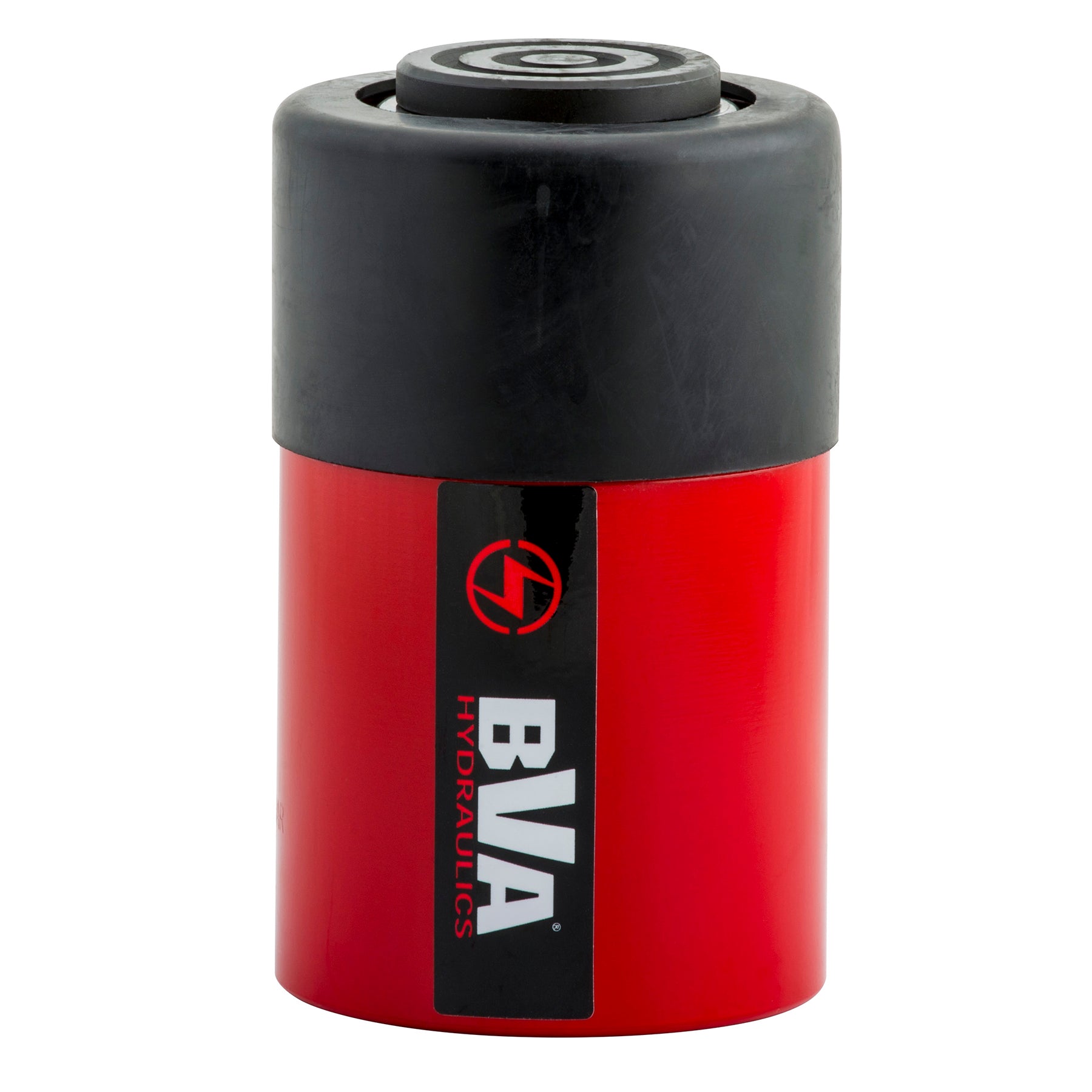
Hydraulic equipment is how you turn a hand of shop air or a wall outlet into tons of controlled force in a space the size of a coffee can. This hub covers the BVA Hydraulics line, a single-brand collection built around the 10,000 psi standard that runs the industrial high-pressure world, the same pressure class Enerpac and Power Team build to. The core is cylinders, from 2-ton units that fit a toolbox to 120-ton rams that jack a rail car, matched to the pumps that feed them and the hoses, manifolds, and fittings that carry the oil. Around that sit the purpose-built tools: toe jacks for machinery sitting on the floor, gear pullers, flange spreaders, and nut splitters for the jobs a wrench cannot finish. Prices run from under a hundred dollars for a hose up to the mid five figures for a gasoline power pack. Use this page to build the system in the right order, pump, cylinder, and line, then compare models inside each collection below.
Shop Hydraulics by Category
Compare Hydraulics
| Model | Price | Capacity | |
|---|---|---|---|
| BVA Hydraulics Gasoline Hydraulic Power Units | $7,209 | — | View → |
| BVA Hydraulics Rotary Air Pump 4HP 3-Gallon 4W/3P Manual Valve 10,000 PSI | $6,511 | — | View → |
| BVA Hydraulics Electric Hydraulic Power Units | $3,929 | — | View → |
| BVA Hydraulics 14 Ton Industrial Spreader | $3,747 | 14 ton | View → |
| BVA Hydraulics 100 Ton Hydraulic Cylinders | $3,282 | 100 ton | View → |
| BVA Hydraulics 60 Ton Hydraulic Cylinders | $2,628 | 60 ton | View → |
 In Stock
 In StockIn Stock
 In Stock
 In Stock
 In Stock
 In Stock
 In Stock
 In Stock
 In Stock
 In StockIn StockIn Stock
 In Stock
 In StockIn StockIn StockIn Stock
 In Stock
 In Stock
 In Stock
 In Stock
 In Stock
 In StockIn Stock
 In Stock
 In Stock
 In Stock
 In StockIn Stock
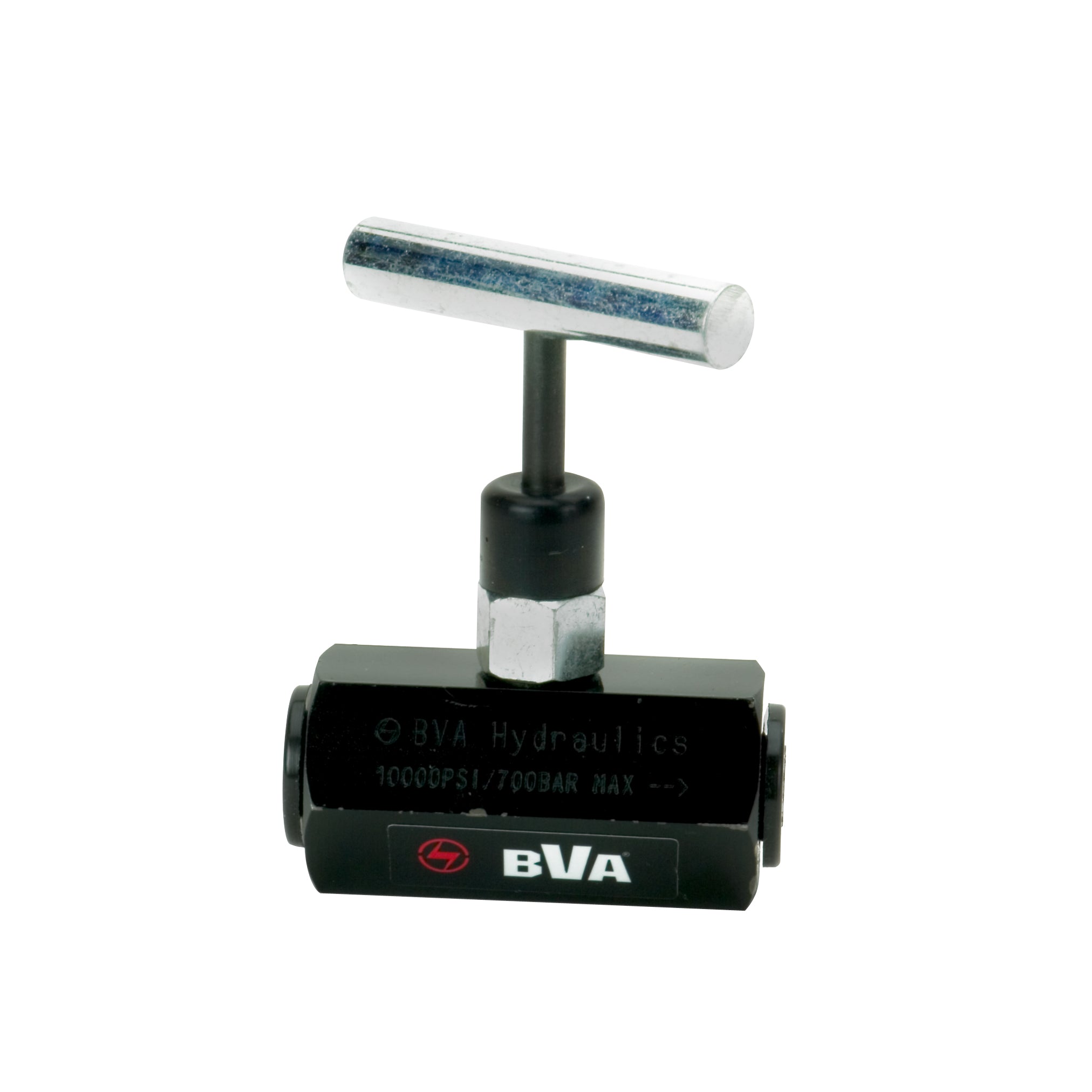 In StockIn Stock
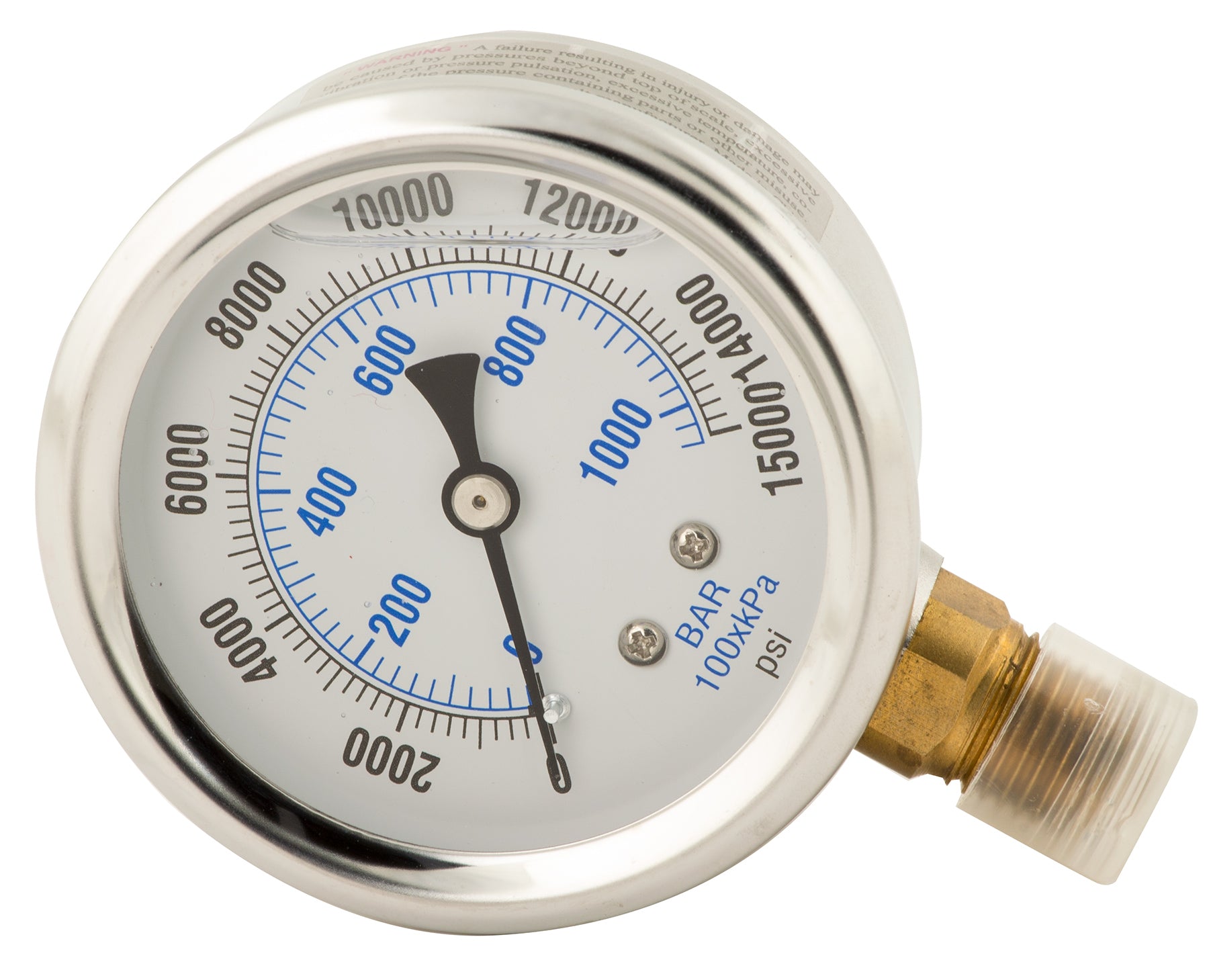 In StockIn Stock
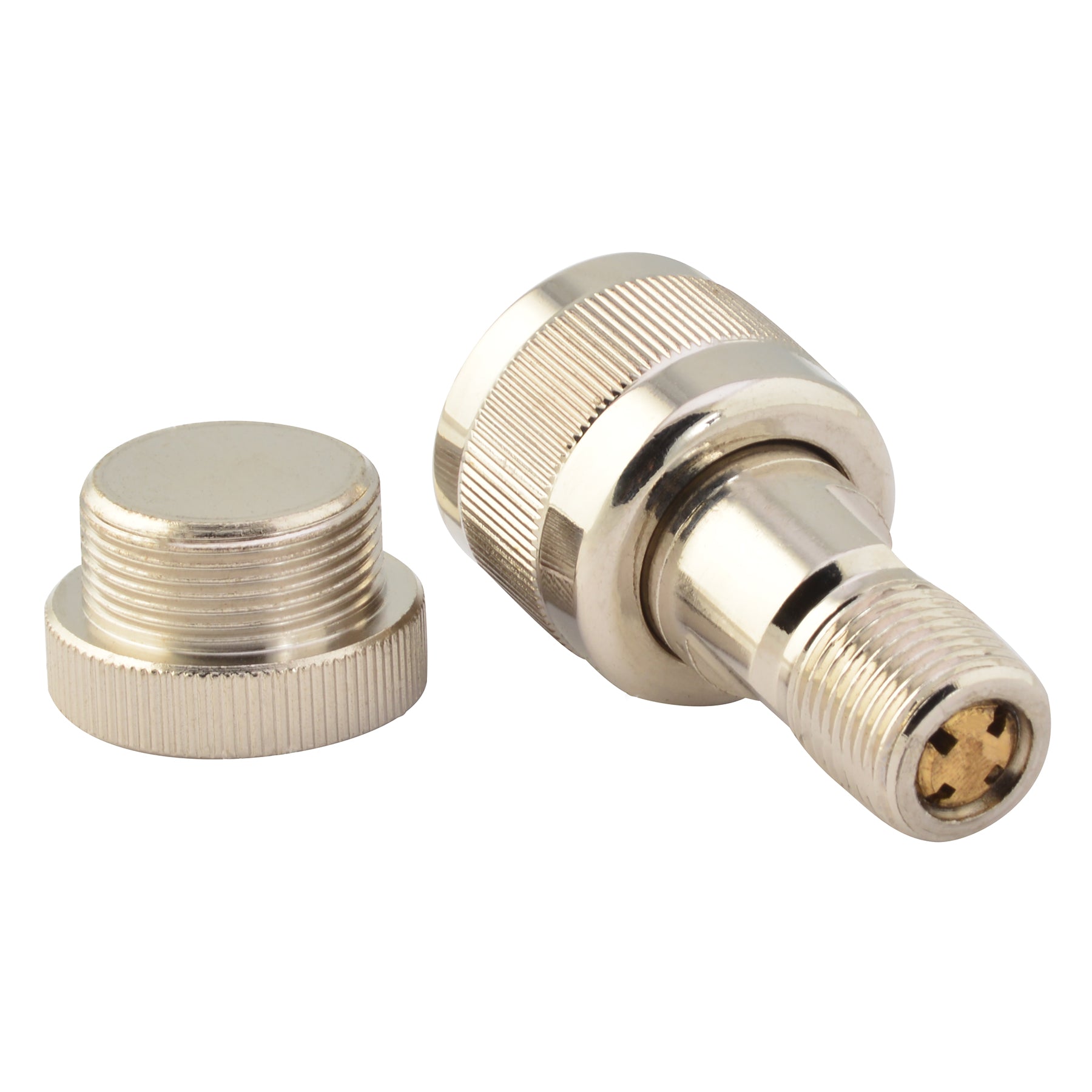 In Stock
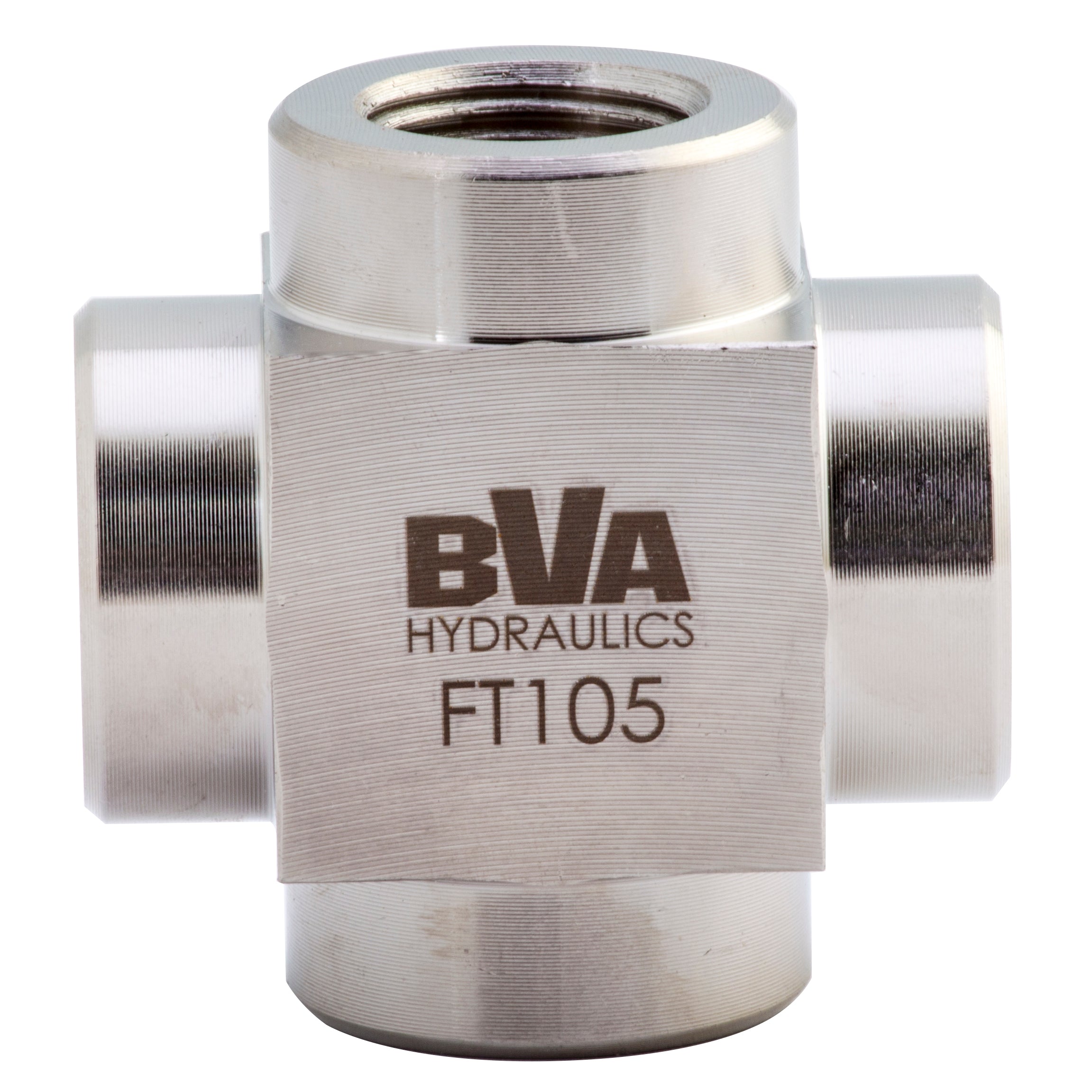 In Stock
 In Stock
 In Stock
 In Stock
 In Stock
 In Stock
 In Stock
 In Stock
 In Stock
 In Stock
Hydraulics Buying Guide
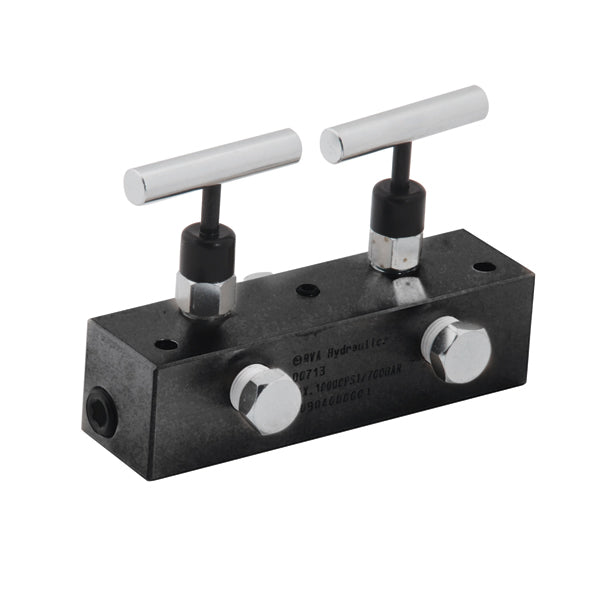
A hydraulic system is three parts, bought in order. Every job on this page comes down to a pump that makes pressure, a cylinder that turns that pressure into a straight push, and the hose that connects them. BVA builds the whole chain to one number, 10,000 psi, the industry-standard high-pressure rating, so a cylinder, pump, and hose from the line all speak the same language and a fitting from one bolts to another. Pressure times the plunger area gives you force, which is why a compact cylinder moves loads a forklift will not touch. When a single pump has to drive several cylinders at once, a manifold splits the flow so a lift stays level across four corners instead of racking a frame. Buy in that order every time: settle the cylinder to the load, then the pump to the cylinder, then the line and splitters that tie them together. Reaching for the tool first is how shops end up with a ram they cannot feed fast enough.
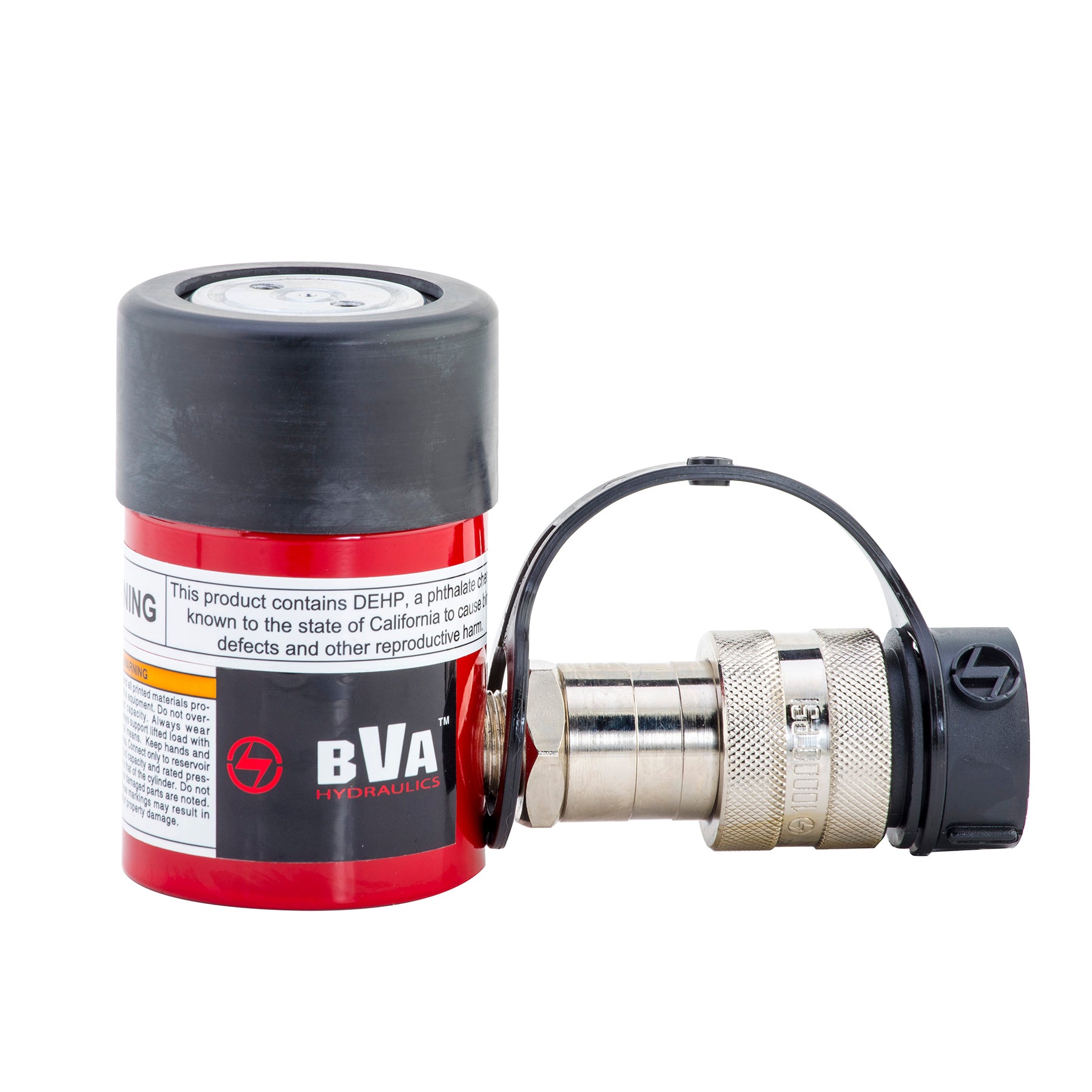
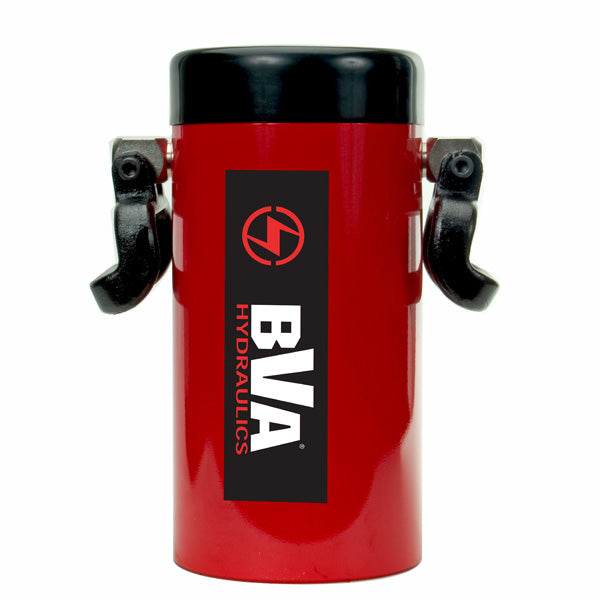
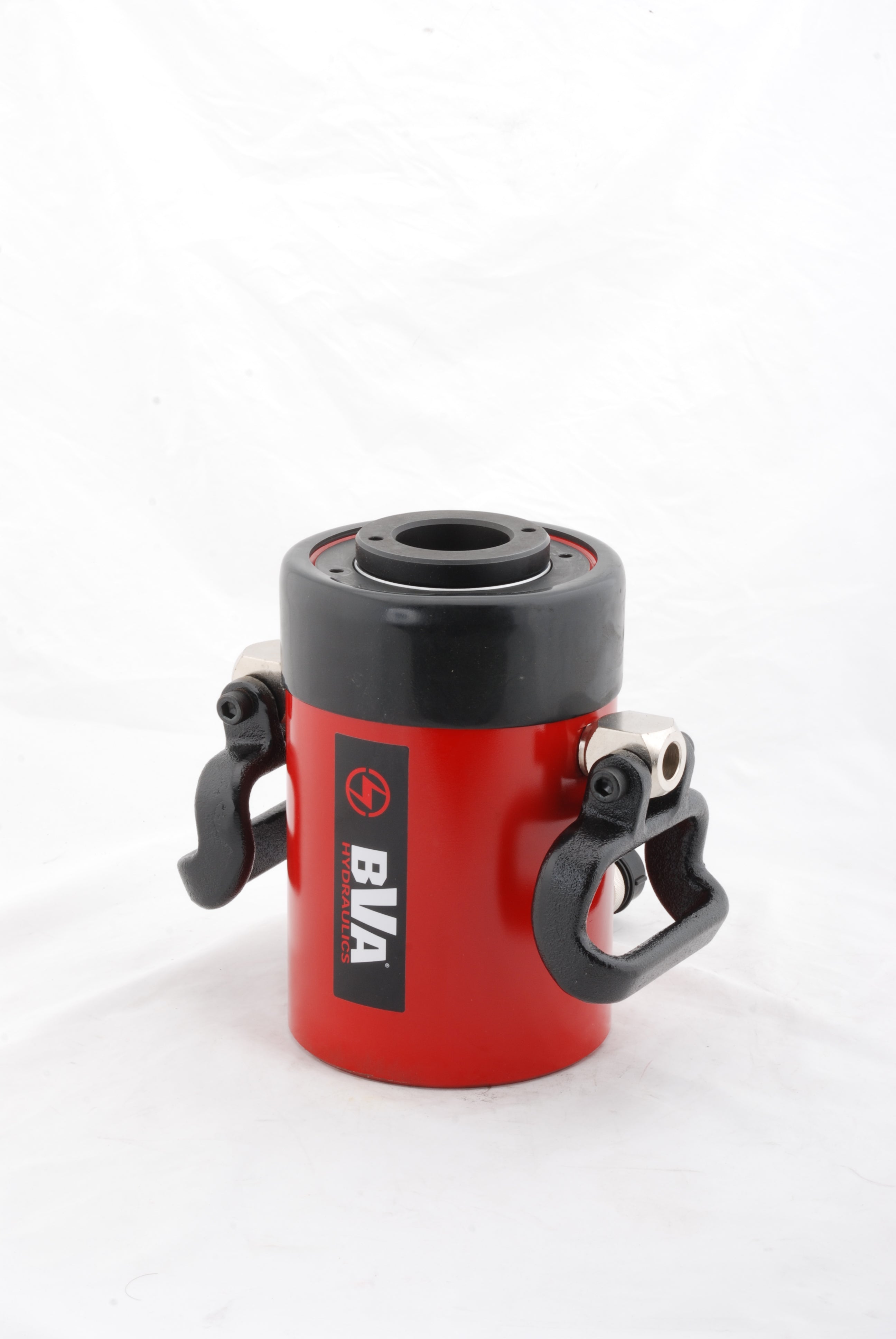
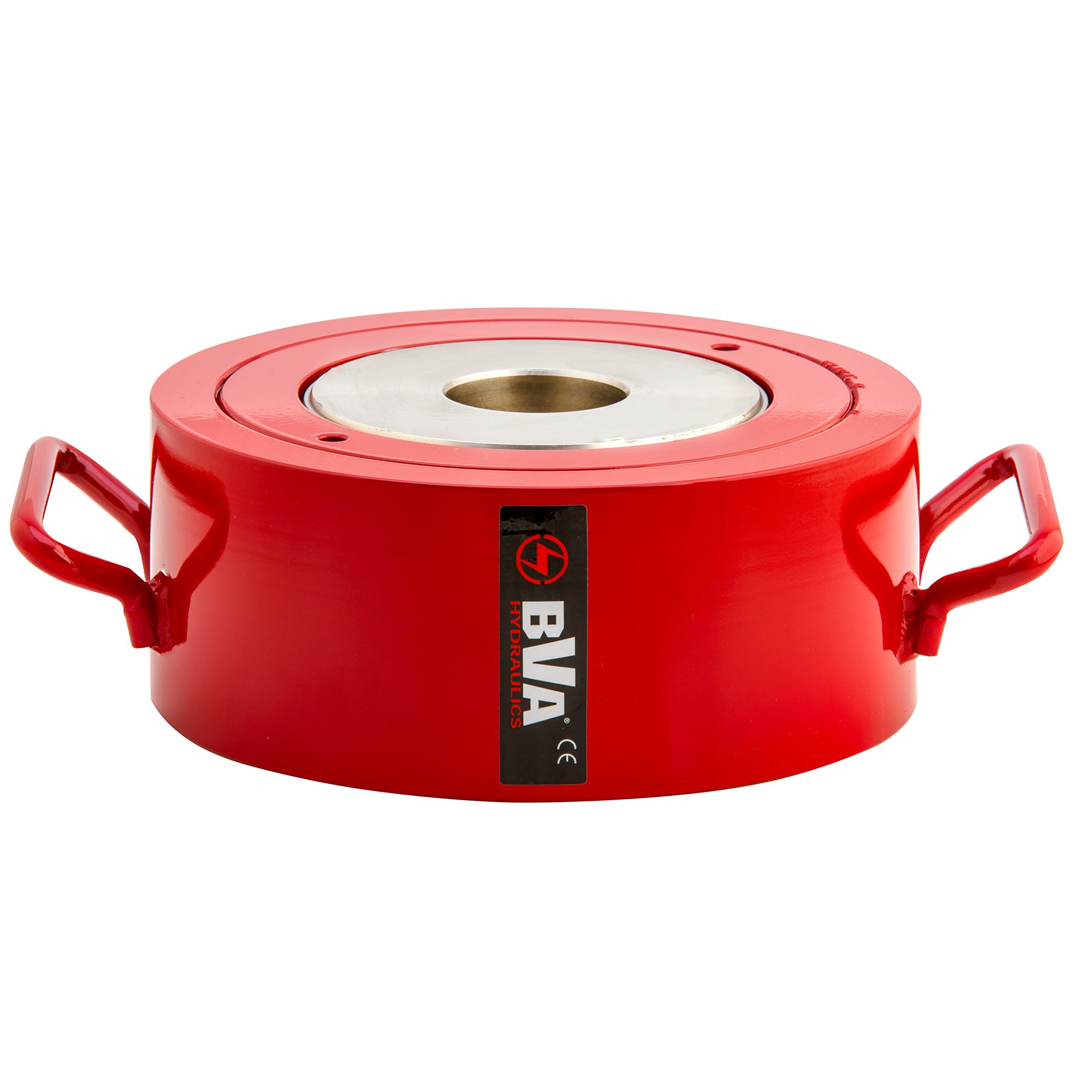
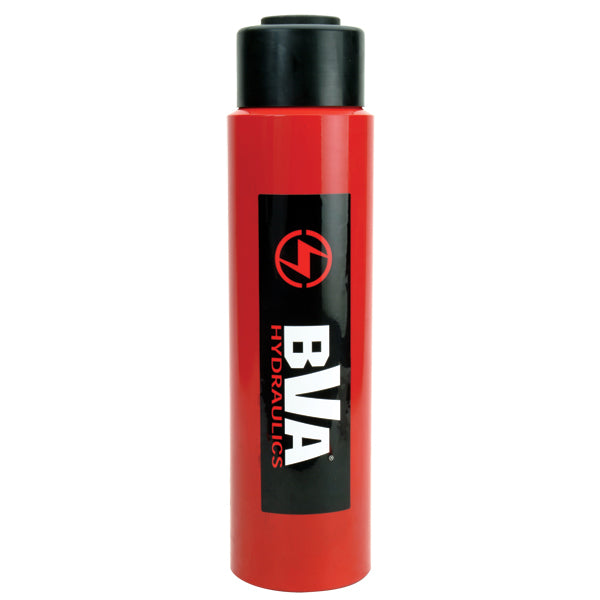
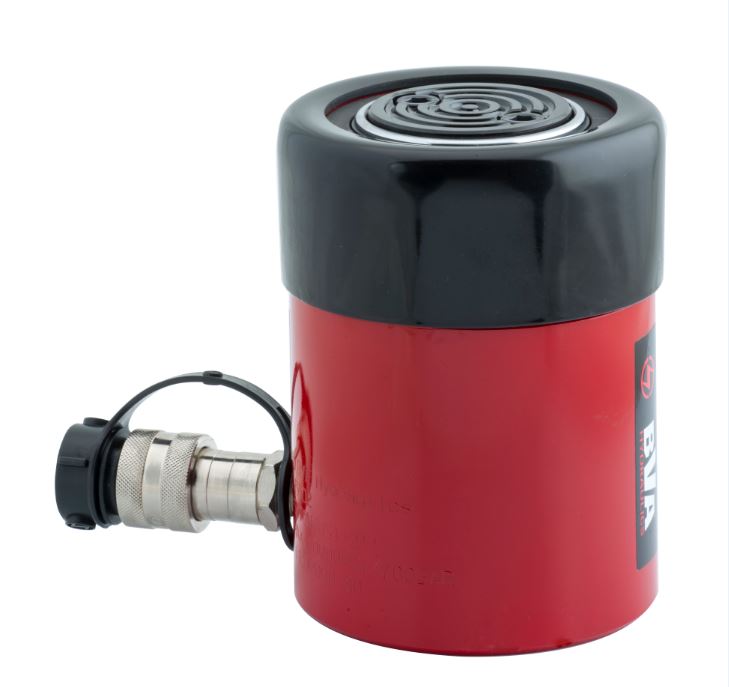
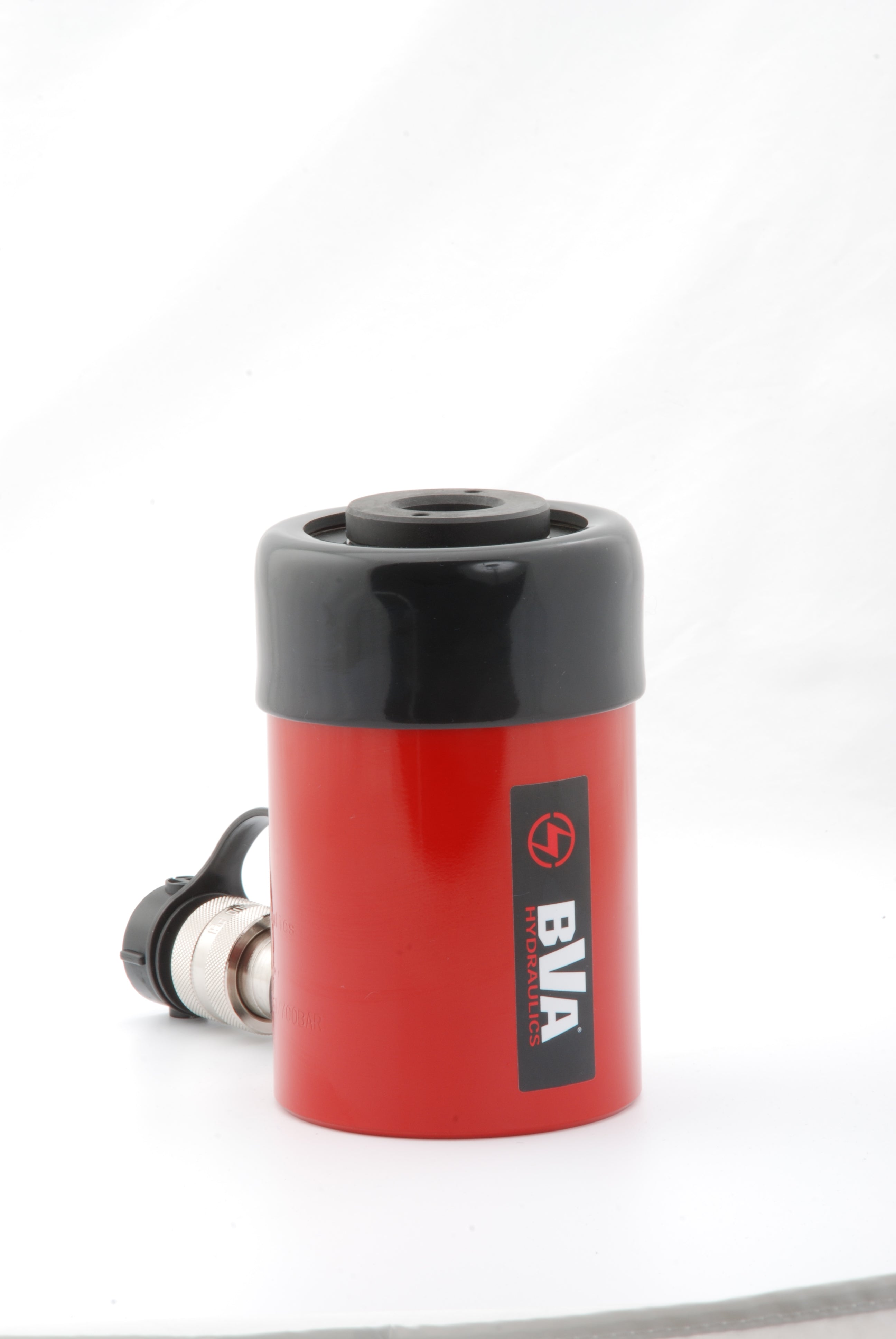
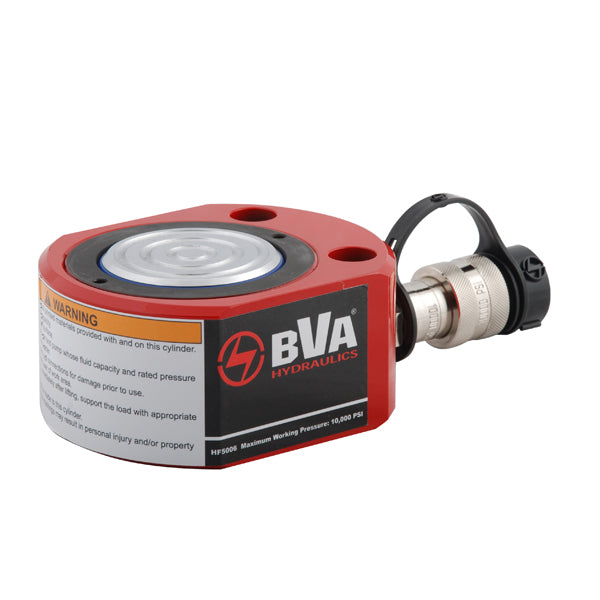
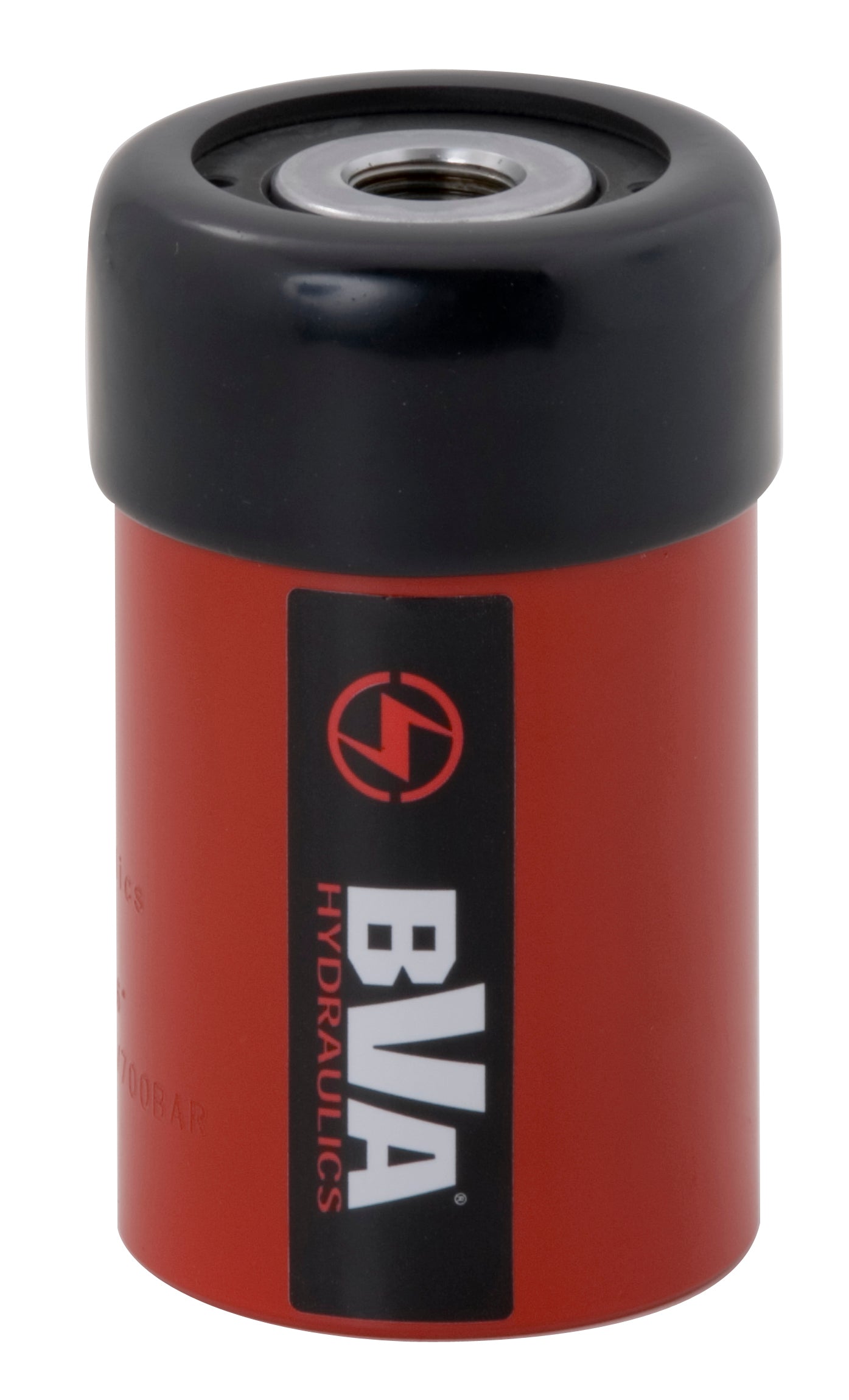
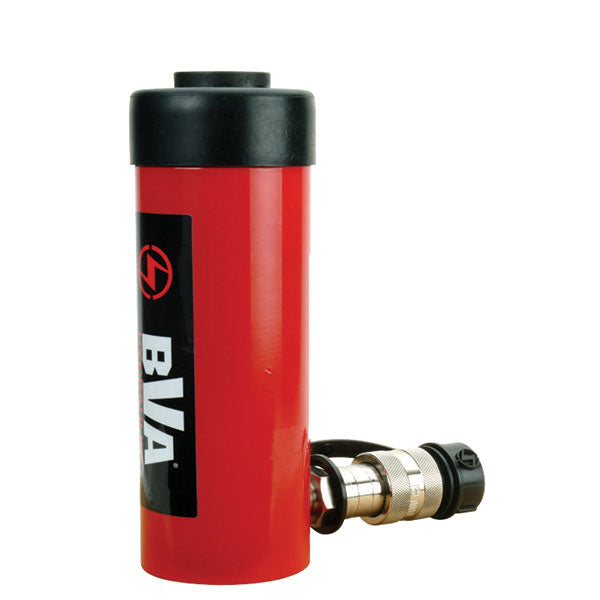
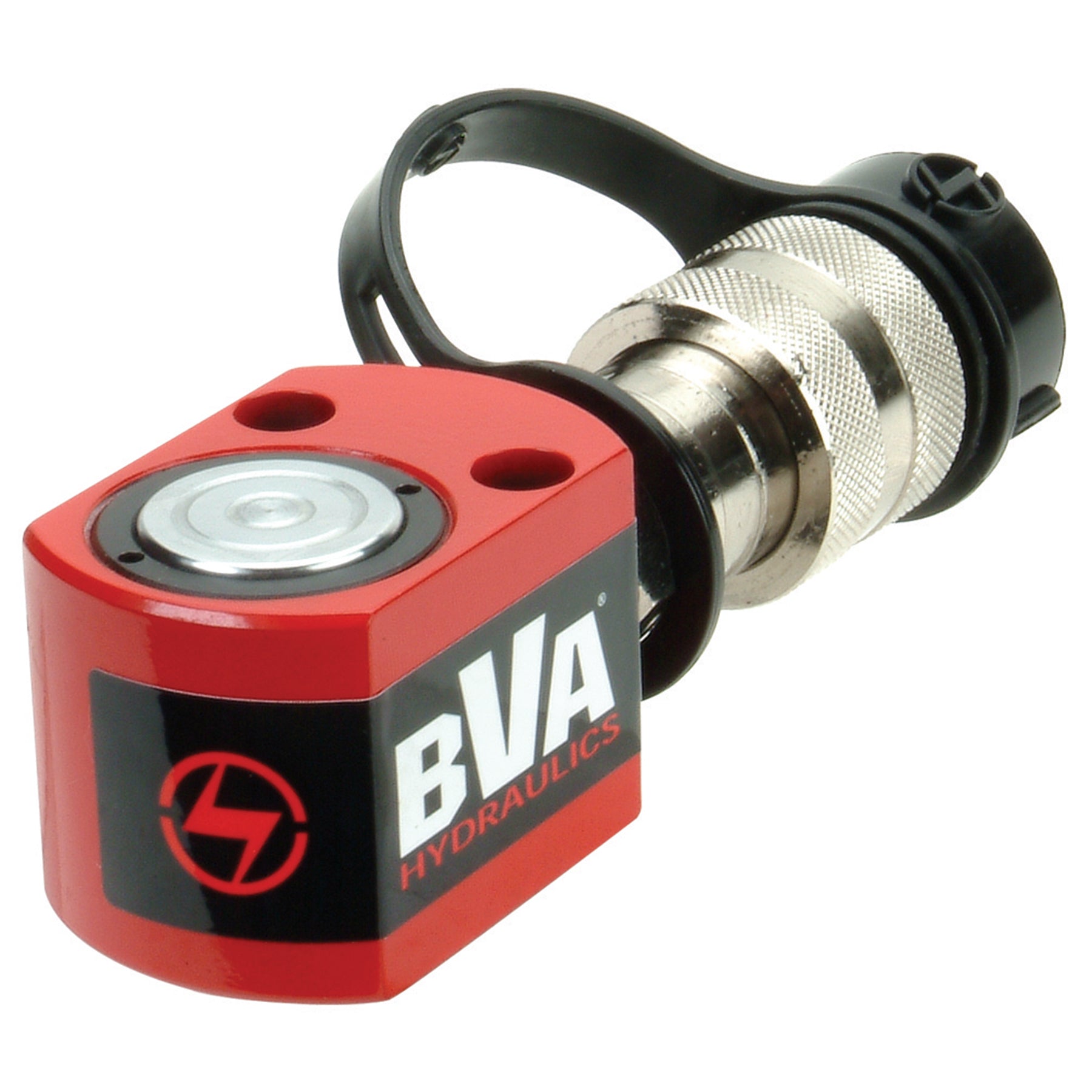
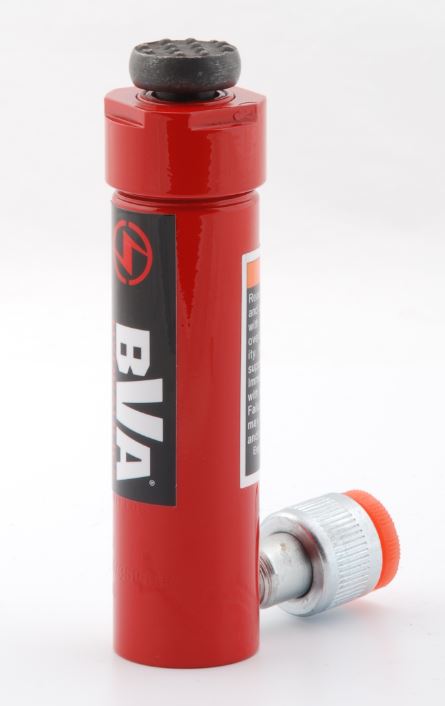
Size the cylinder by tonnage first, stroke second. The hydraulic cylinders here span 2 to 120 tons, roughly $290 for the smallest up to the mid four figures for a 100-ton ram, so the first cut is capacity. Rate the cylinder above the heaviest real load with margin, the same rule that governs everything else we sell. The second question is stroke, how far the plunger has to travel, since a cylinder that runs out of stroke mid-lift leaves you cribbing and resetting. Most of the low-height BVA cylinders are single acting, meaning oil pushes the plunger out and a spring or the load pushes it back; double-acting models use oil in both directions when you need a powered return or a controlled pull. Hollow-plunger versions let a rod or tensioning stud pass through the center for pulling and holding work. If you would rather not spec the pump separately, the cylinder and pump sets pair a ram with a matched pump out of the box, and cylinder bases and parts add the mounts and base plates that keep a tall cylinder stable under load.
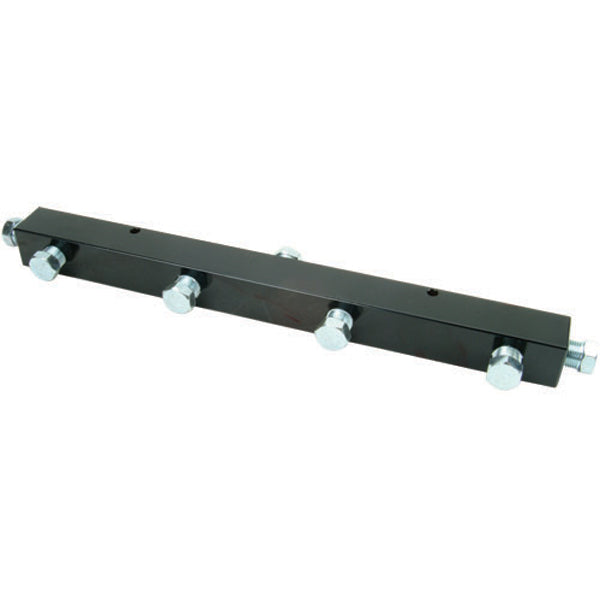
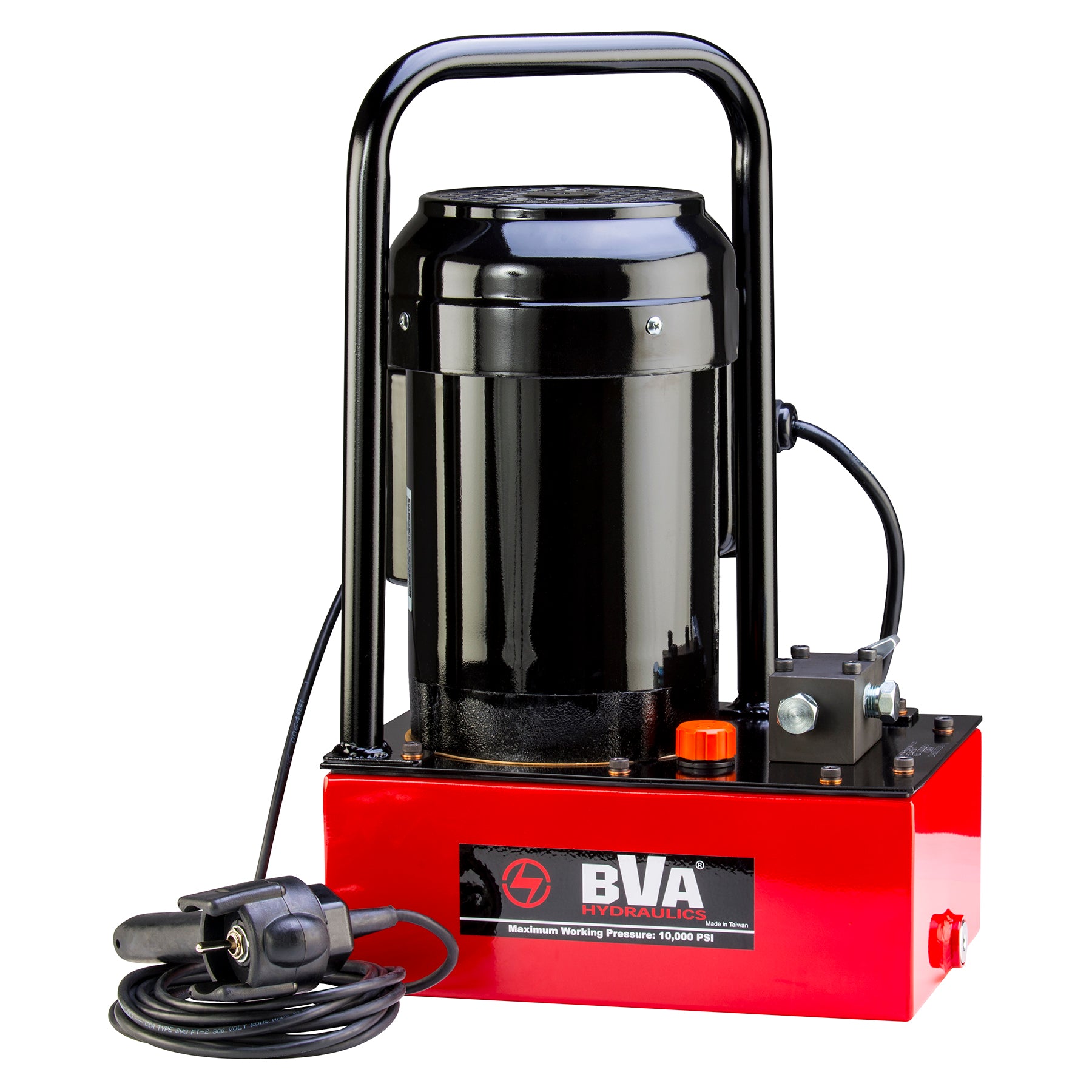
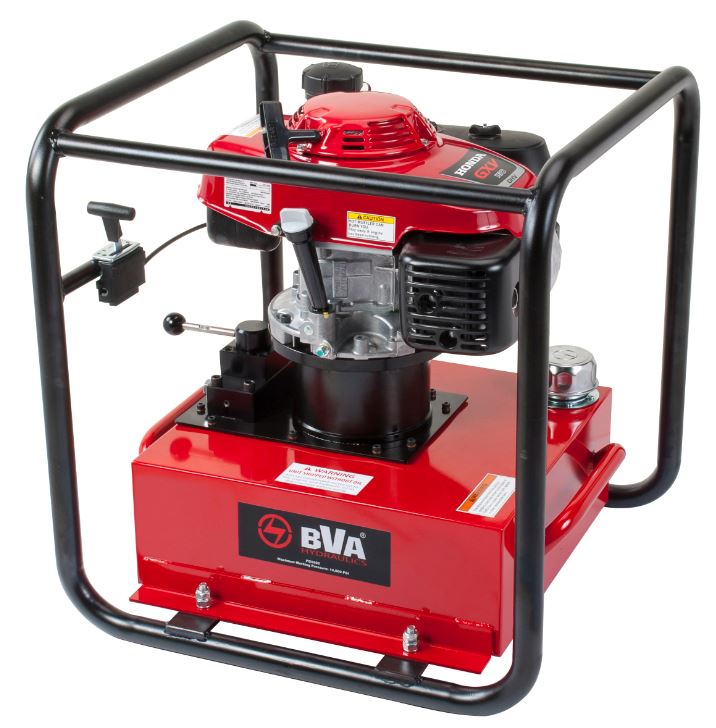
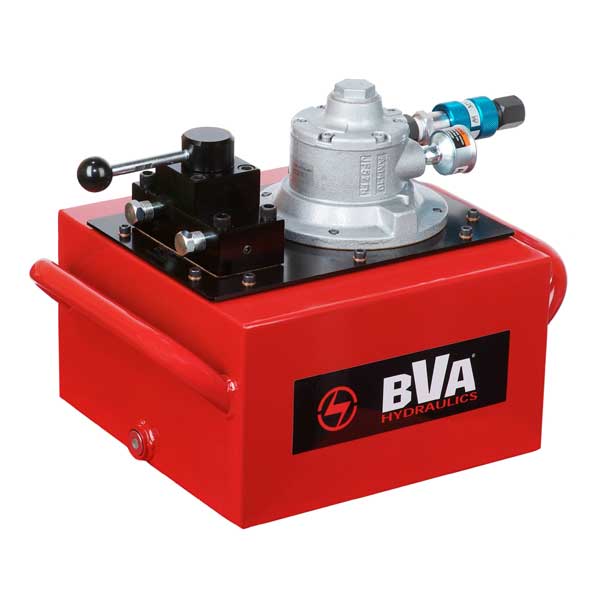
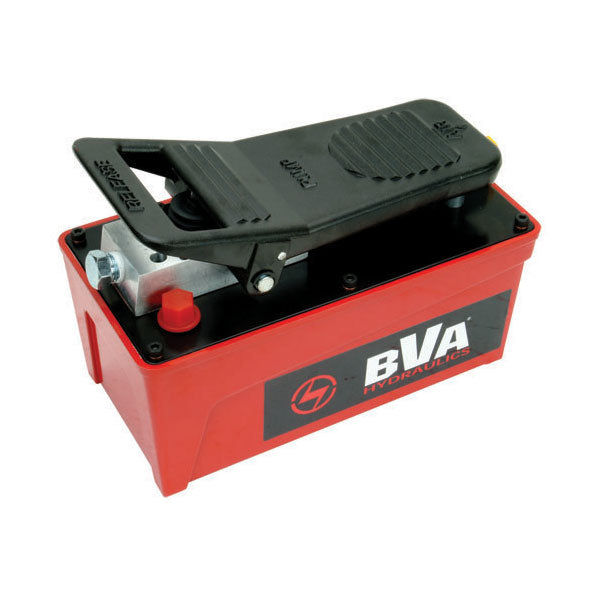
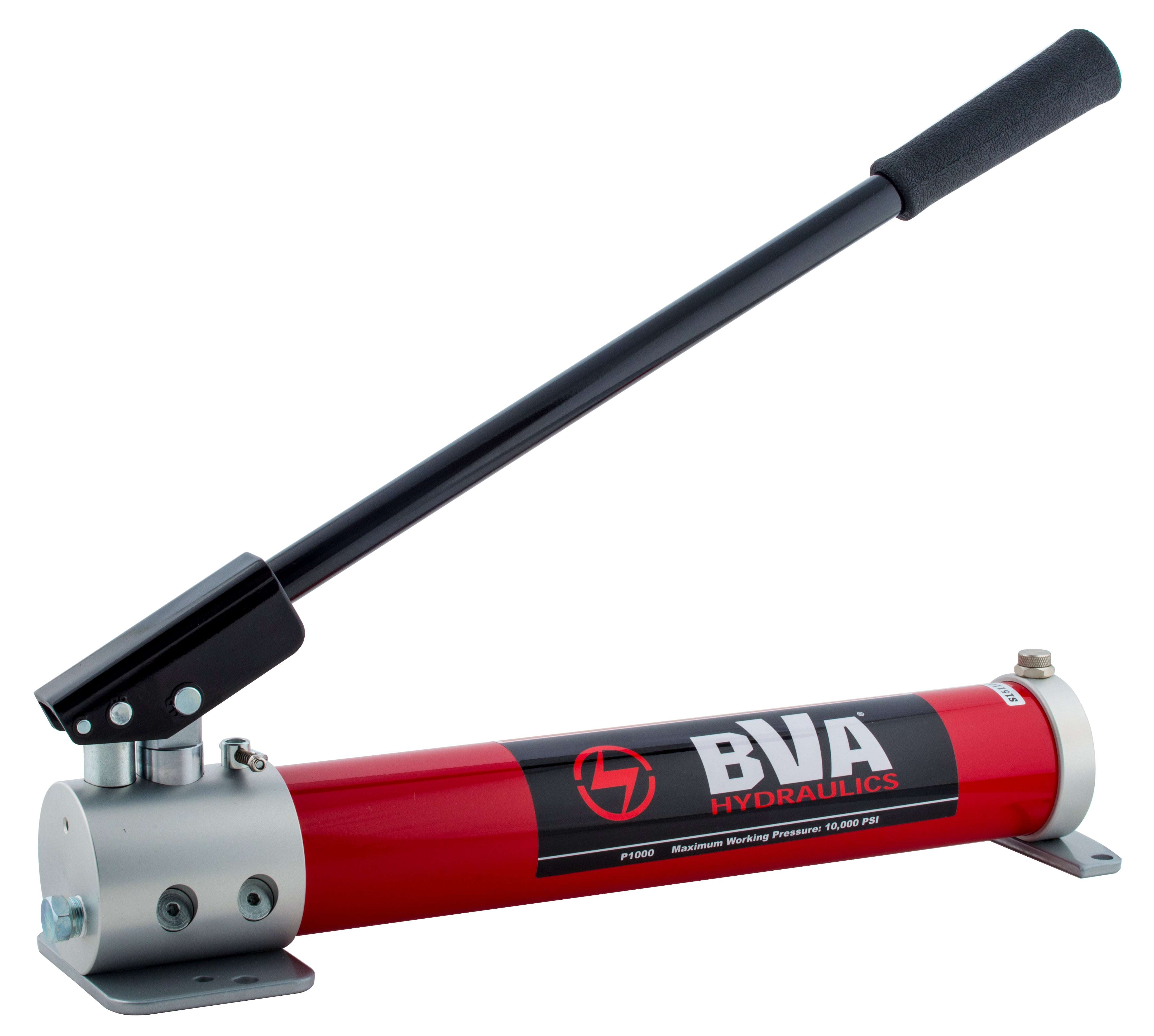
The pump decides what the shop can actually do. A cylinder is only as useful as the power unit behind it, and the pump is usually where the real money and the real constraint sit. The line runs from foot-operated pneumatic treadle pumps around $700, which need only shop air and a free foot, up through electric power units in the high three to four figures for bench and production work, to gasoline power packs past $7,000 for field jobs with no power at hand. Match the pump to the site first: air where you have a compressor and no outlet, electric for repeatable indoor cycles, gasoline for the yard or the road. Then match flow to the cylinder, because a big ram fed by a small hand pump technically works but tests your patience one stroke at a time. When the pump has to run several cylinders together, pair it with a manifold so the flow splits evenly and the load rises square.
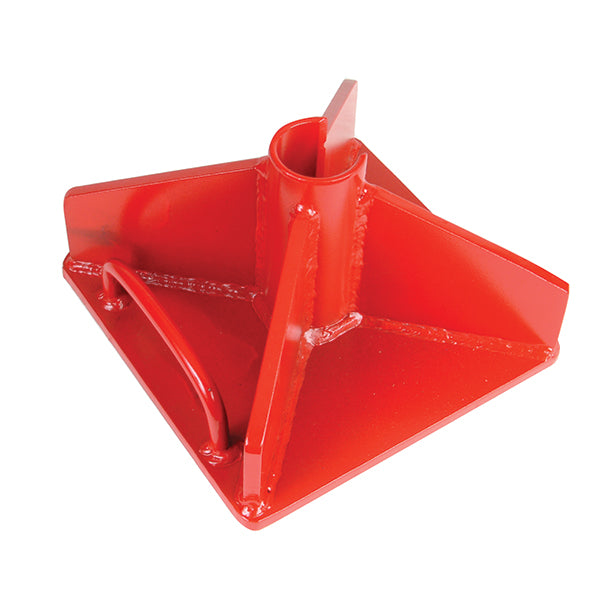
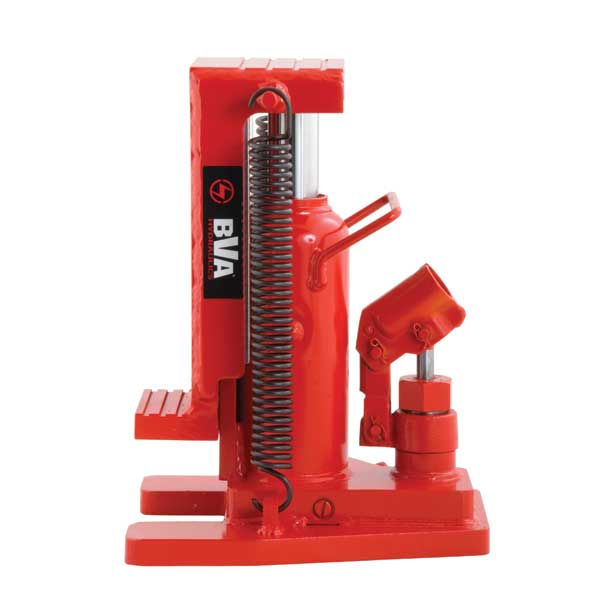
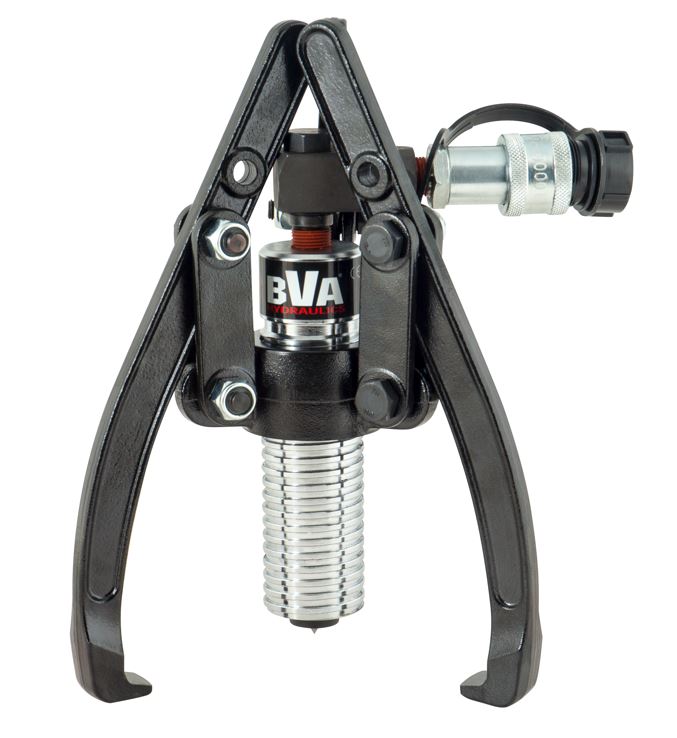
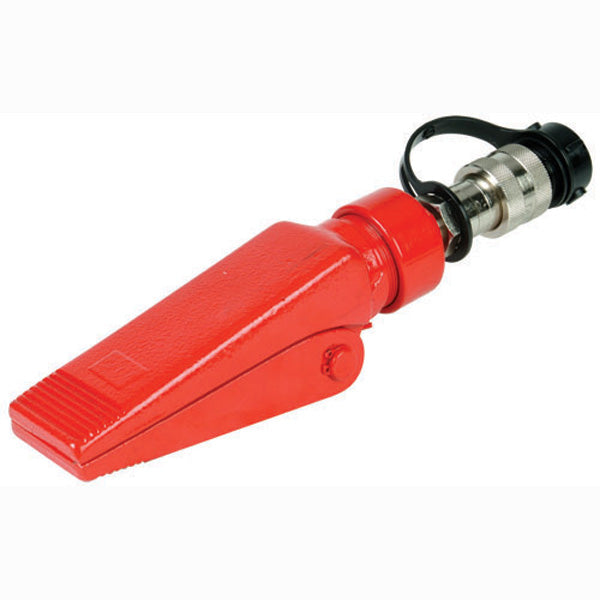
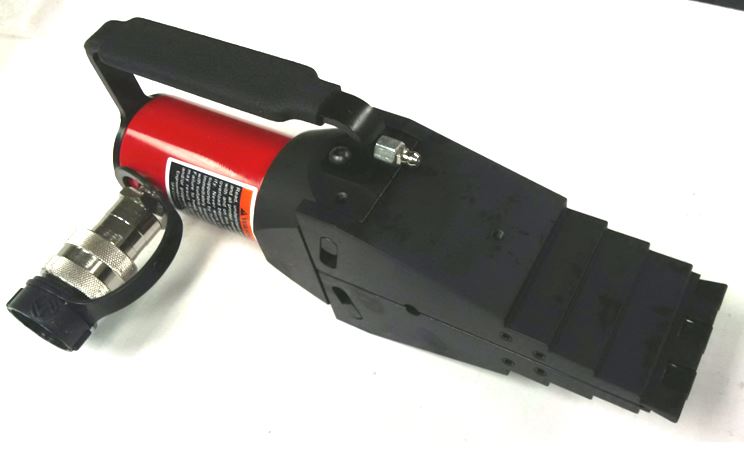
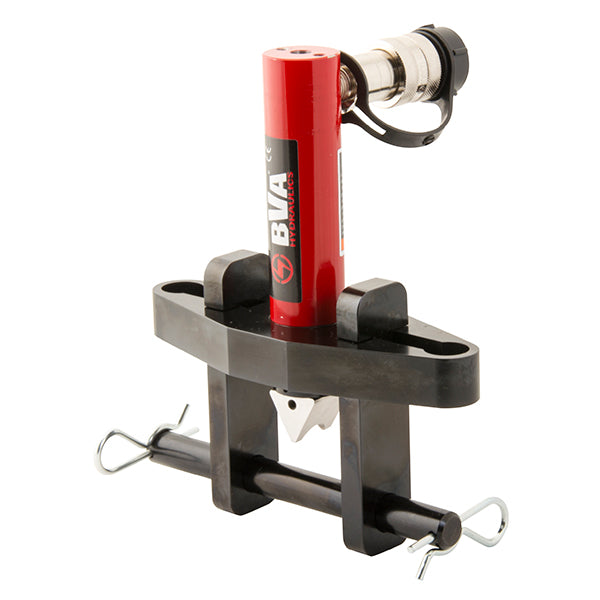
Jacking, separating, and pulling: the tools past the ram. Some jobs need a shape a plain cylinder cannot give. A hydraulic jack in the toe-jack pattern, BVA's Magic Lift, carries a low lifting toe that slides under machinery sitting flush on the floor, the classic way to get a lifting point under a press or a motor with almost no clearance, with a head pad on top for normal jacking. To separate rather than lift, spreader wedges drive a hydraulic taper between two flanges to break a gasketed joint open cleanly, and the heavier 14-ton industrial spreader handles the flanges a hand wedge will not move. To draw a part off a shaft, hydraulic pullers, rated here around 6 tons and up, pull seized bearings, gears, and pulleys straight without the hammer-and-pry damage that ruins a shaft. These are the tools that turn a hydraulic system into a maintenance department instead of a bare lift.
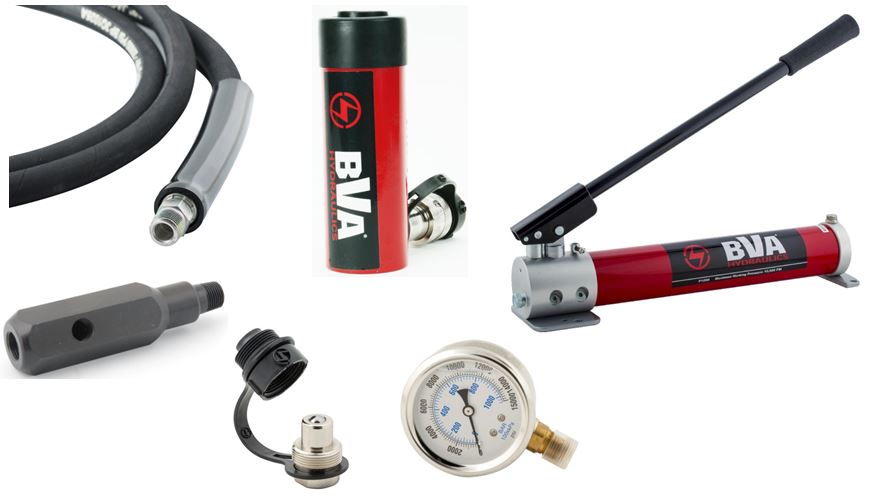
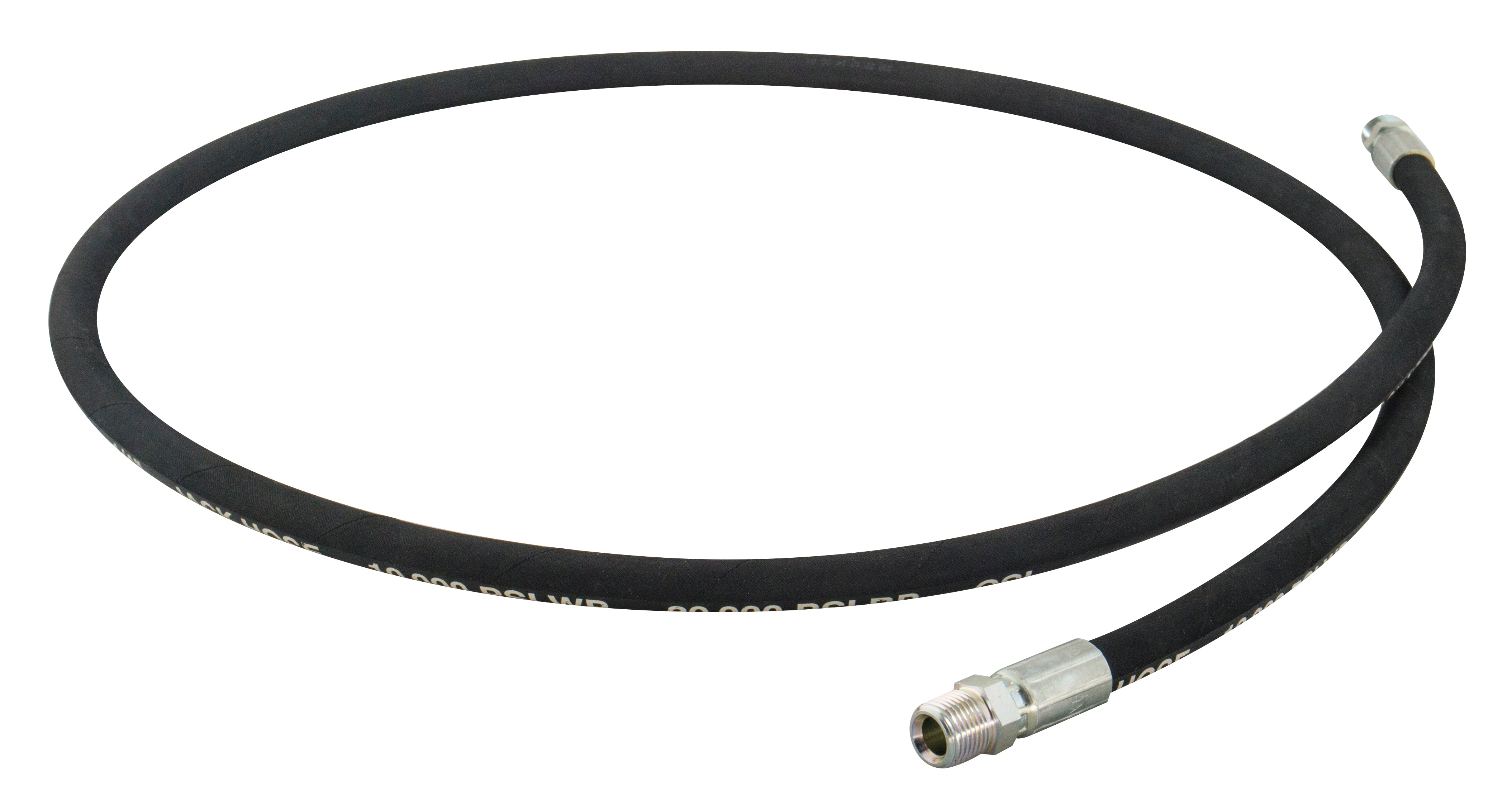
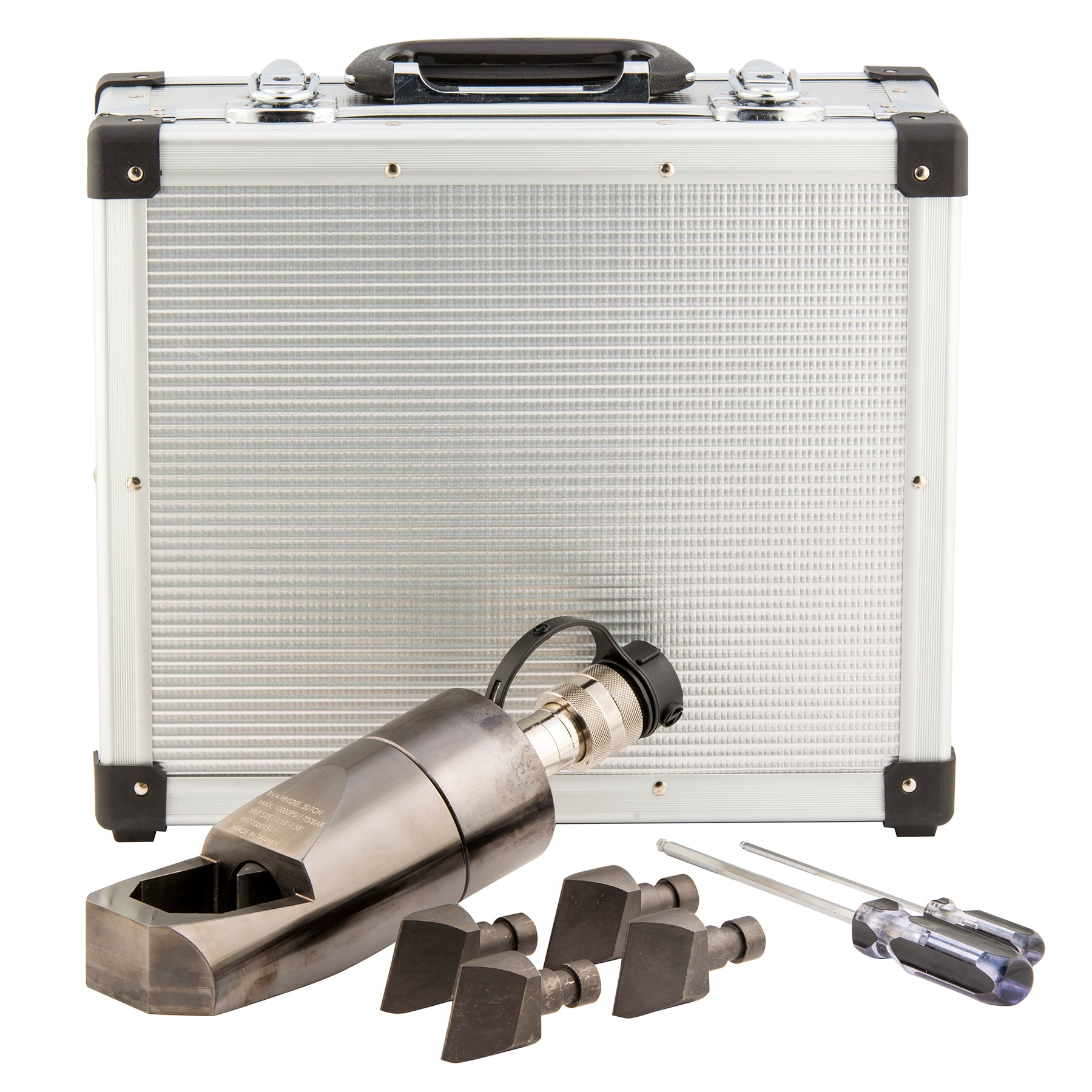
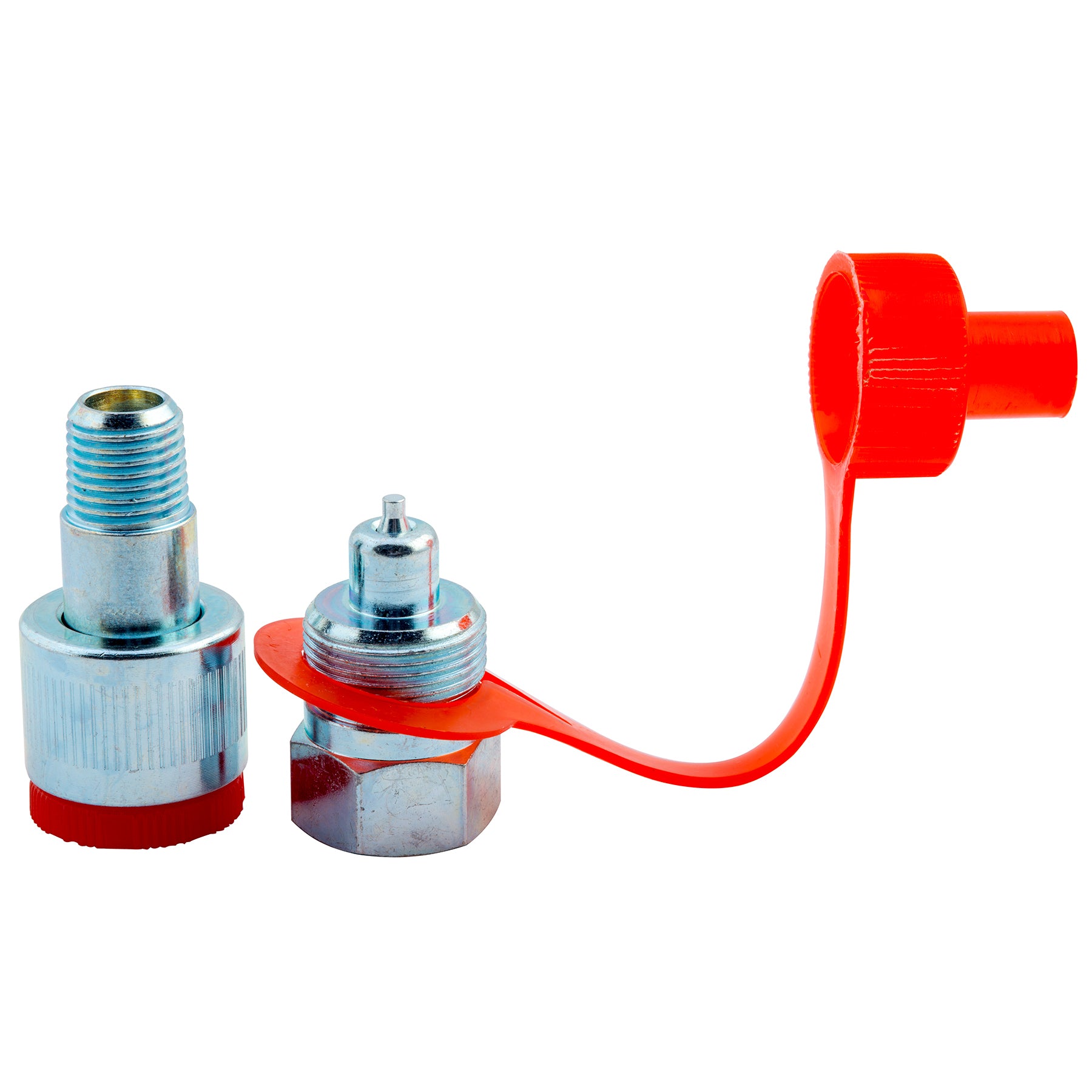
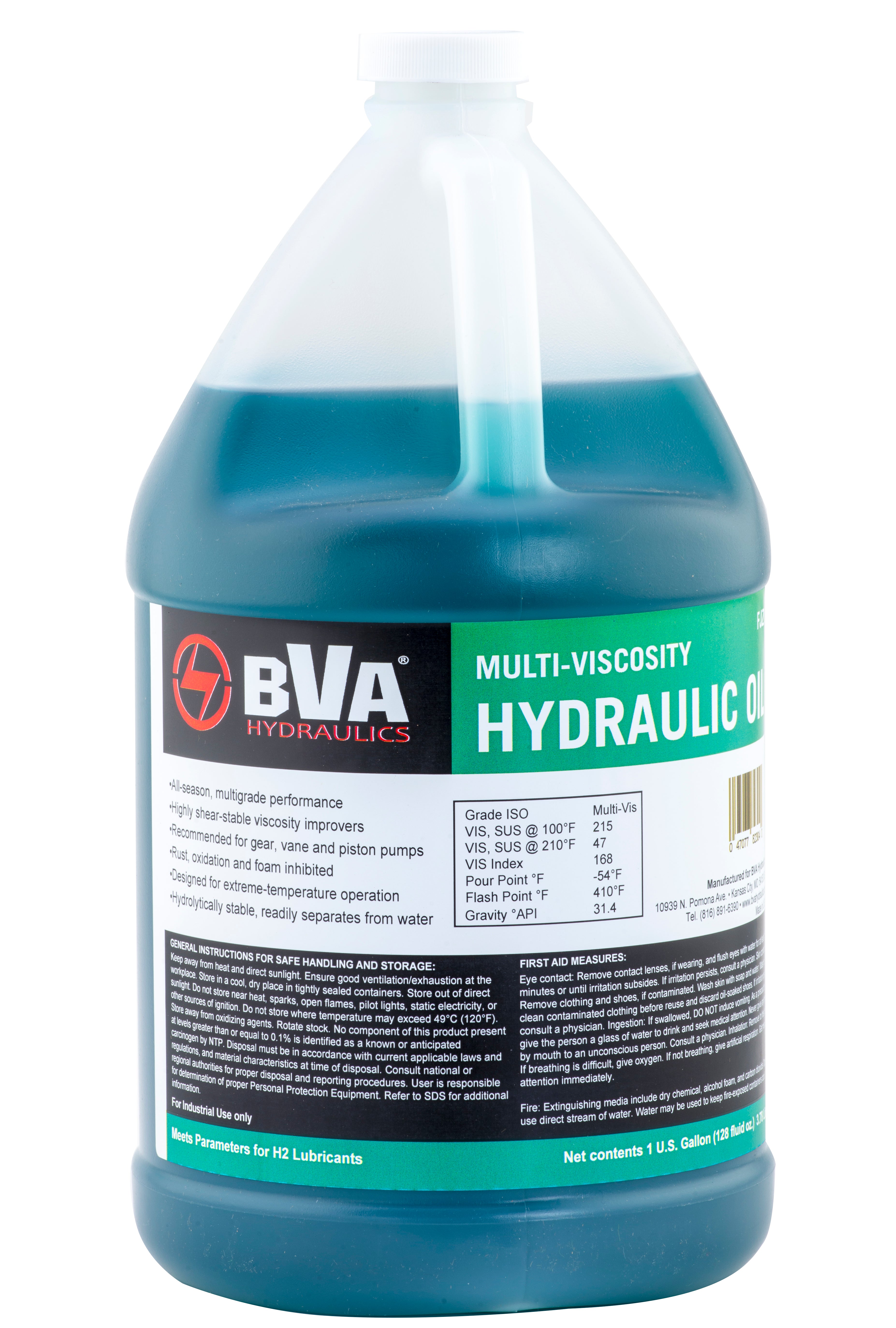
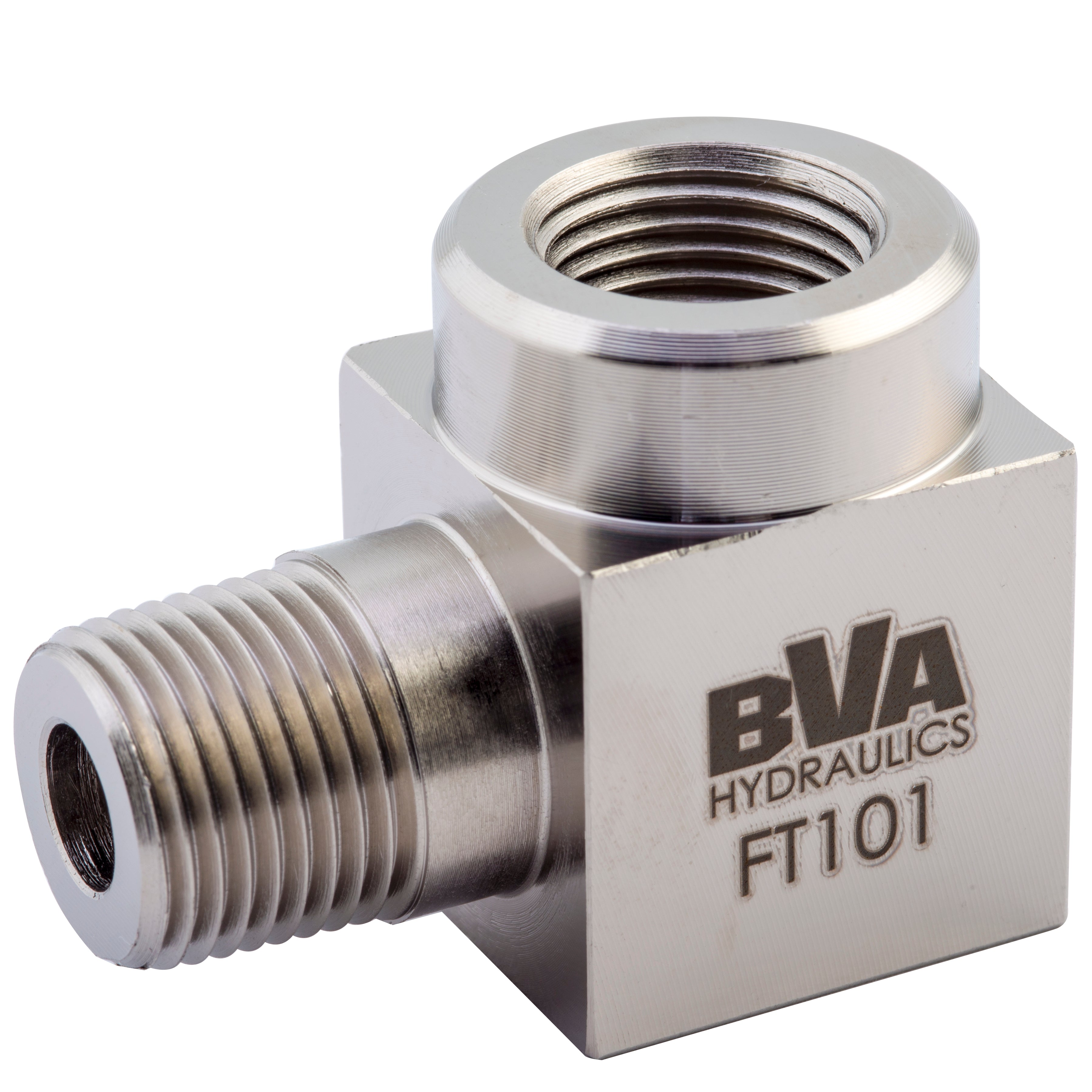
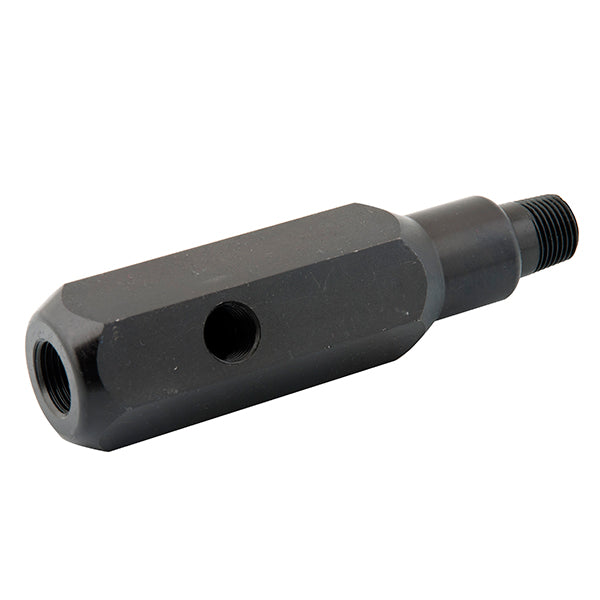
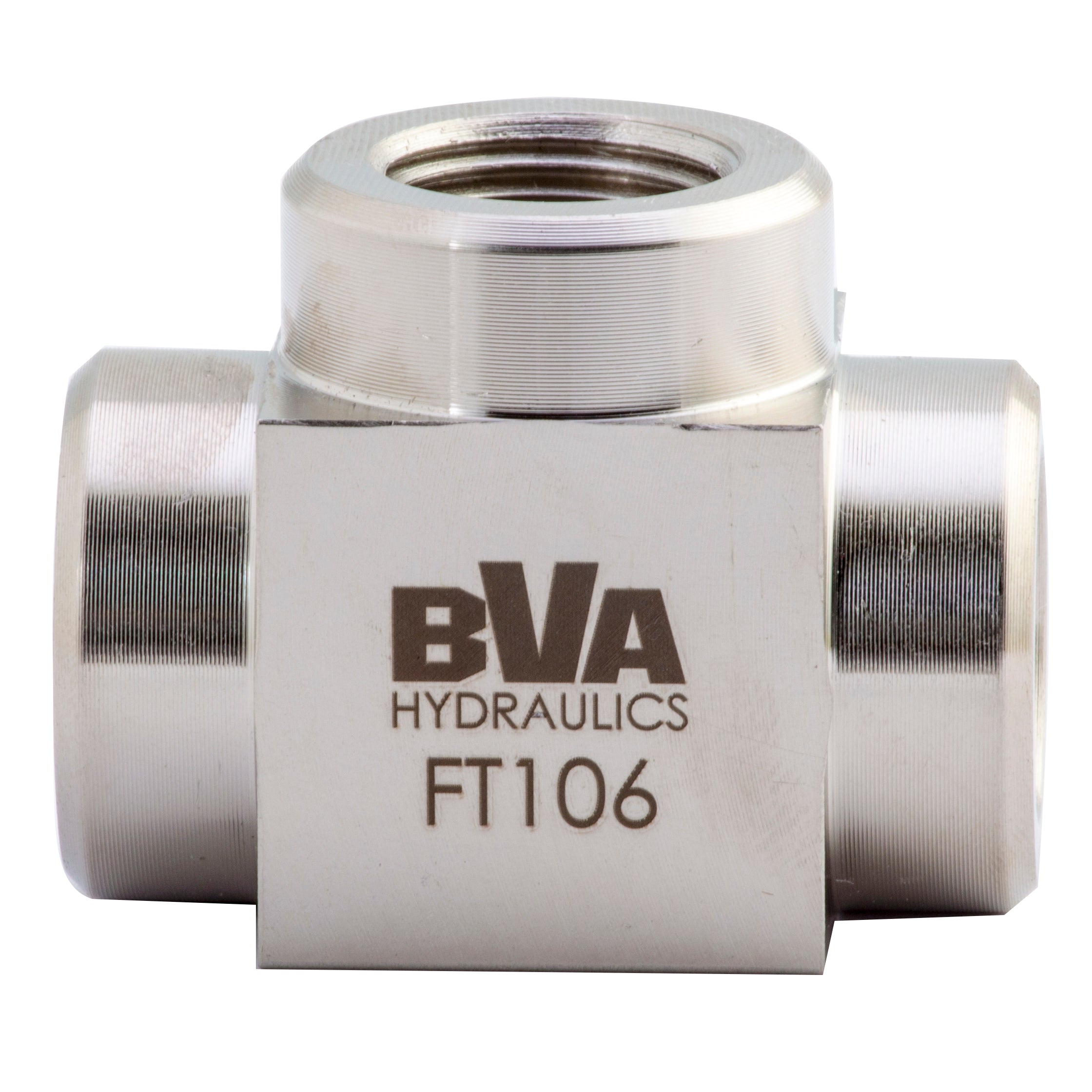
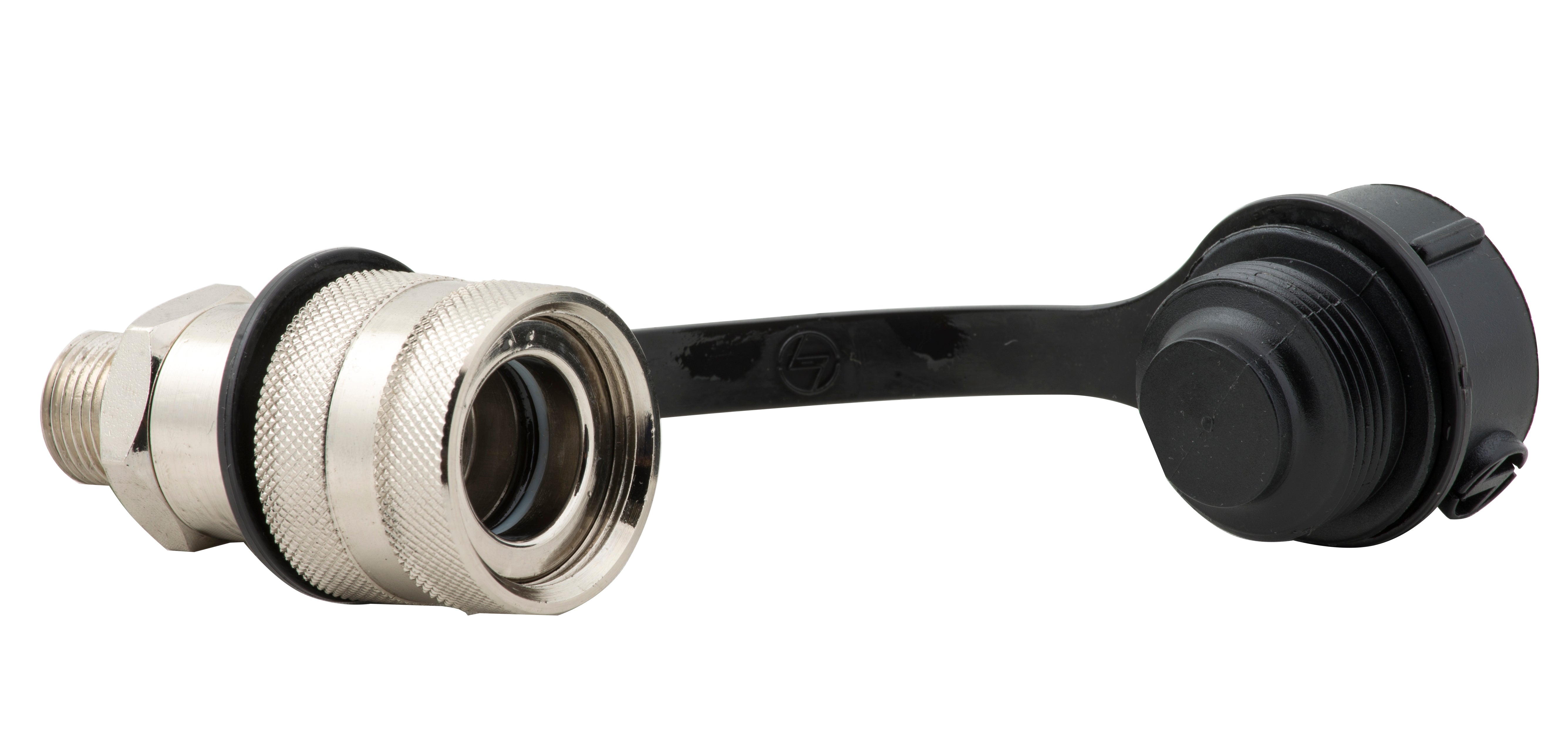
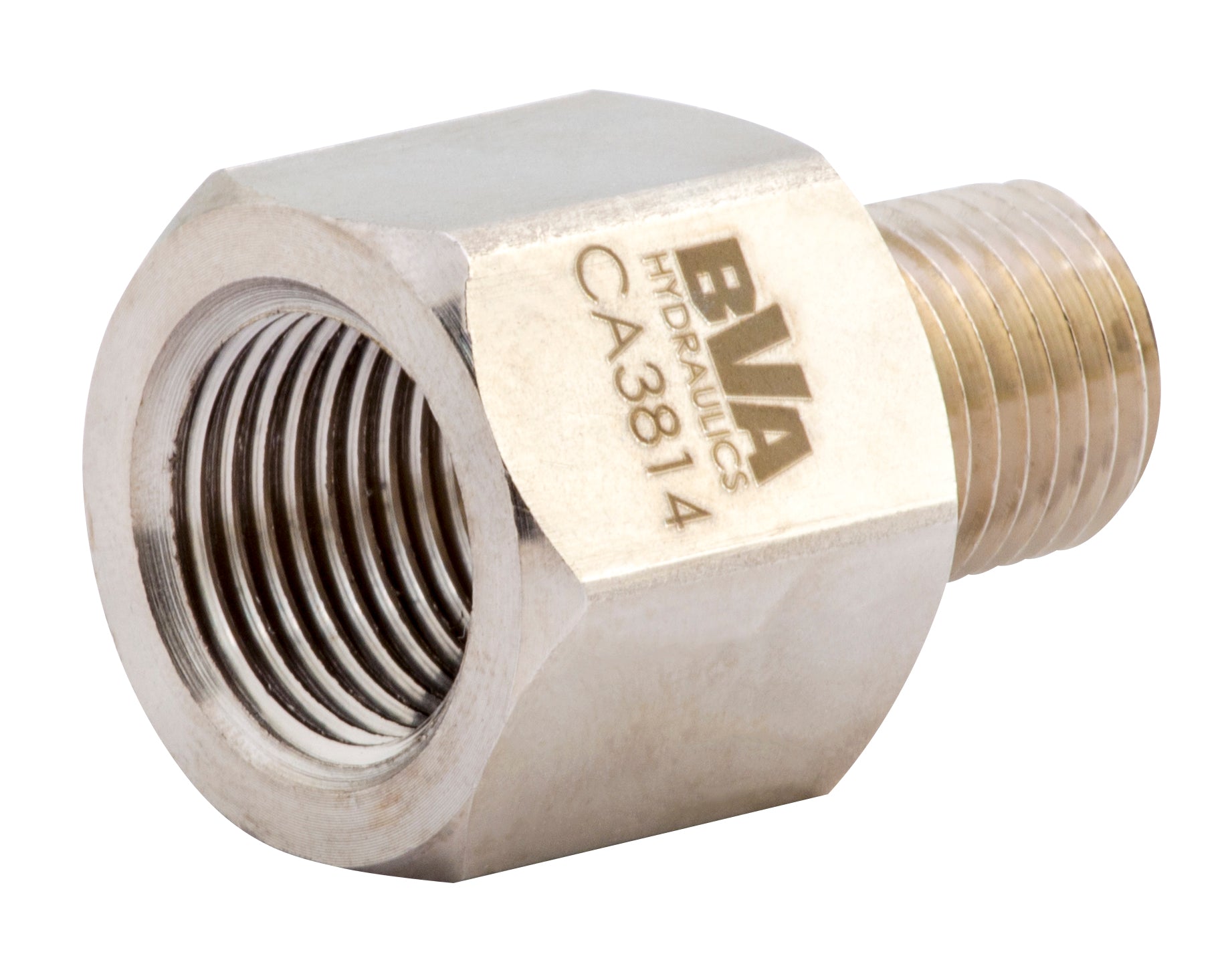
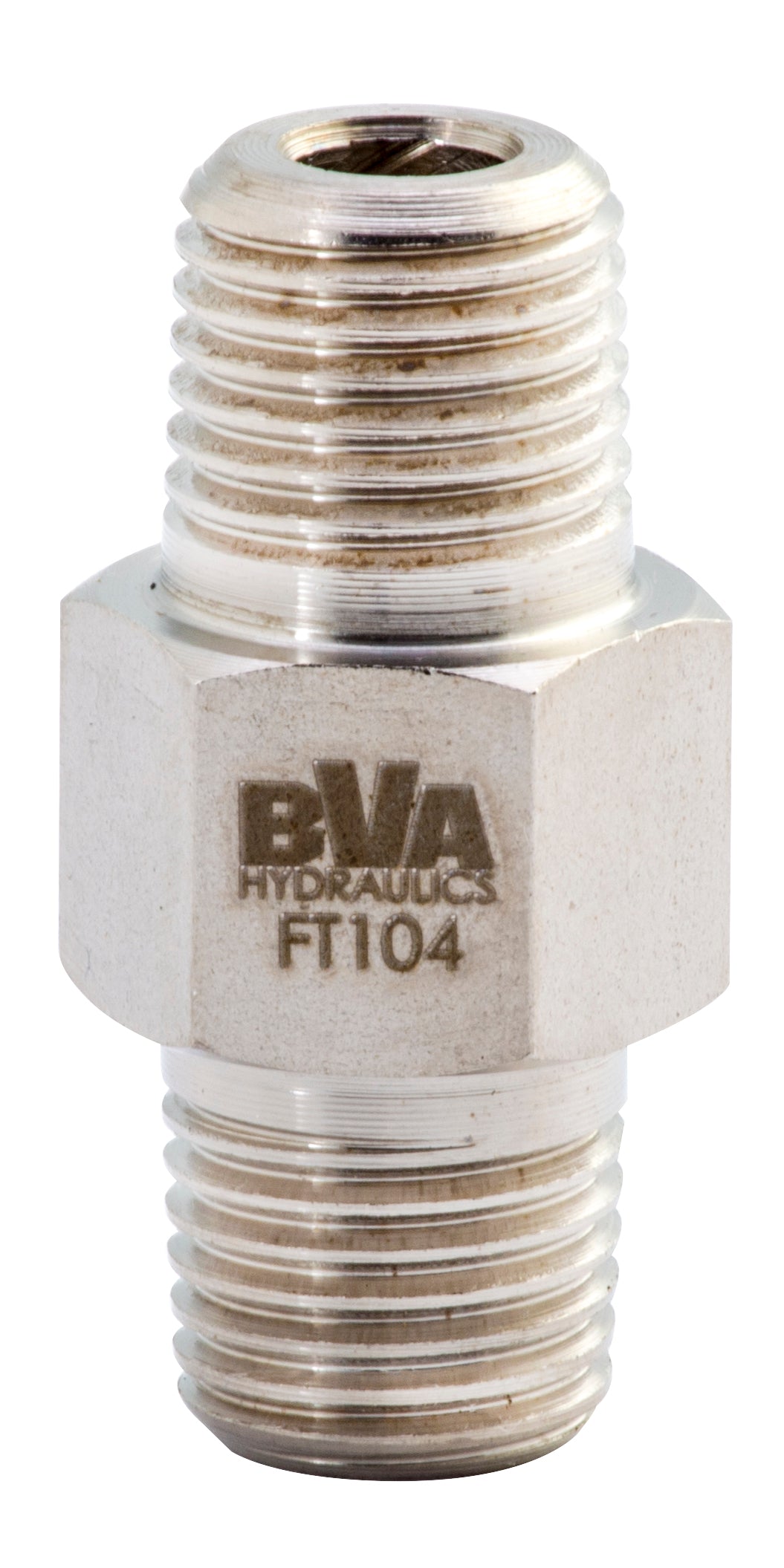
Hoses, fluid, and the small stuff that fails first. The hydraulic hoses here are 10,000 psi rubber lines from under $90, and they are worth treating as a wear part; a nicked or aged high-pressure hose is the most common failure point in a portable rig, so keep a spare of the length you actually use. Beyond the line, the hydraulic accessories collection carries the consumables and the odd-job kits: BVA's shear-stable antiwear hydraulic fluid to keep the system clean and the pump alive, a 15-ton nut splitter set that cracks a seized nut off its bolt without a torch, and multi-piece maintenance sets that bundle a cylinder, pump, and fittings for shops standing up hydraulic capability from scratch. Every item in this hub is BVA Hydraulics, stocked as an authorized-distributor line with the full manufacturer warranty, so the pump, cylinder, hose, and coupler you buy across these collections are engineered to work as one system.
Frequently Asked Questions
10,000 psi is the standard operating pressure for industrial high-pressure hydraulics, the same class Enerpac and Power Team build to. Every BVA cylinder, pump, hose, and fitting in this hub is rated to it, so parts across the collections are pressure-matched and connect to each other. It is also why compact cylinders make big force: force equals that pressure times the plunger area, so a coffee-can-sized ram lifts loads a wrench and a jack cannot.
Start with the heaviest real load, add margin, and rate the cylinder above it, never at it. After tonnage, check stroke so the plunger reaches full lift without running out and forcing you to crib and reset. Then decide between single acting, where a spring or the load returns the plunger, and double acting, where oil both extends and retracts for a powered return or a pull. Hollow-plunger models let a stud pass through for tensioning and holding.
Single acting cylinders extend under oil pressure and retract on a spring, gravity, or the load itself; they are lighter, cheaper, and fine for straight lifting and pressing. Double acting cylinders use oil to both extend and retract, which you want for a controlled powered return, faster cycles, or pulling work. Most of the low-height BVA lifting cylinders in this collection are single acting.
Match the pump to the site before the cylinder. Pneumatic treadle and air pumps need only shop air; electric power units suit repeatable indoor cycles; gasoline power packs are for field work with no outlet. Then size the pump's flow to the cylinder, so a large ram is not fed one slow hand stroke at a time. When one pump drives several cylinders, add a manifold so they rise together.
A toe jack lifts a load that sits flush on the floor with almost no clearance, sliding its low toe under a machine, press, or motor to create a lifting point where a bottle jack or floor jack will not fit. BVA's Magic Lift adds a top head pad, so the same unit doubles as a conventional jack once the load is off the ground.
Yes. This hub is the BVA Hydraulics line, a Shinn Fu / SFA Companies brand built to the same 10,000 psi standard as Enerpac and Power Team, stocked as an authorized-distributor line with the full manufacturer warranty. Because it is one engineered system, the cylinders, pumps, hoses, manifolds, and fittings across these collections are designed to connect and work together.