Loading Dock Equipment
The loading dock is where the building meets the truck, and everything in this collection exists to close that meeting safely: the gap gets bridged, the trailer gets held still, the opening gets sealed, and the traffic gets controlled. The two workhorse decisions are [dock levelers](/collections/dock-levellers), permanent equipment that compensates for trailer height all day, and [dockplates and dockboards](/collections/dockplates-dockboards), portable bridges you place per trailer, and most dock purchases start with one of those two pages. Around them we stock the full Vestil supporting cast: wheel chocks, bumpers, seals and shelters, dock lights, safety gates, and the yard ramps and dock lifts that create a dock where the building never had one. This page sorts out which pieces your dock actually needs and the OSHA rules that apply to the crossing.
Shop Loading Dock by Category

Compare Loading Dock
| Model | Price | Capacity | Overall Width | |
|---|---|---|---|---|
| Vestil Premium Truck Scissor Dock Lift | $19,556 | 5,000-12,000 lb | — | View → |
| Vestil Aluminum Yard Ramps | $16,955 | 16,000-30,000 lb | — | View → |
| EKKO EKYR 22000lbs Yard Ramp | $15,998 | 22,000 lb. | 7' ft. | View → |
| Vestil Mechanical Dock Levelers | $6,900 | 20,000-50,000 lb | 74-86 in | View → |
| Vestil Mini Yard Ramps | $6,786 | 5,000 lb | — | View → |
| Vestil Electric Hydraulic Dock Levelers | $6,153 | 20,000-50,000 lb | 74-86 in | View → |
In Stock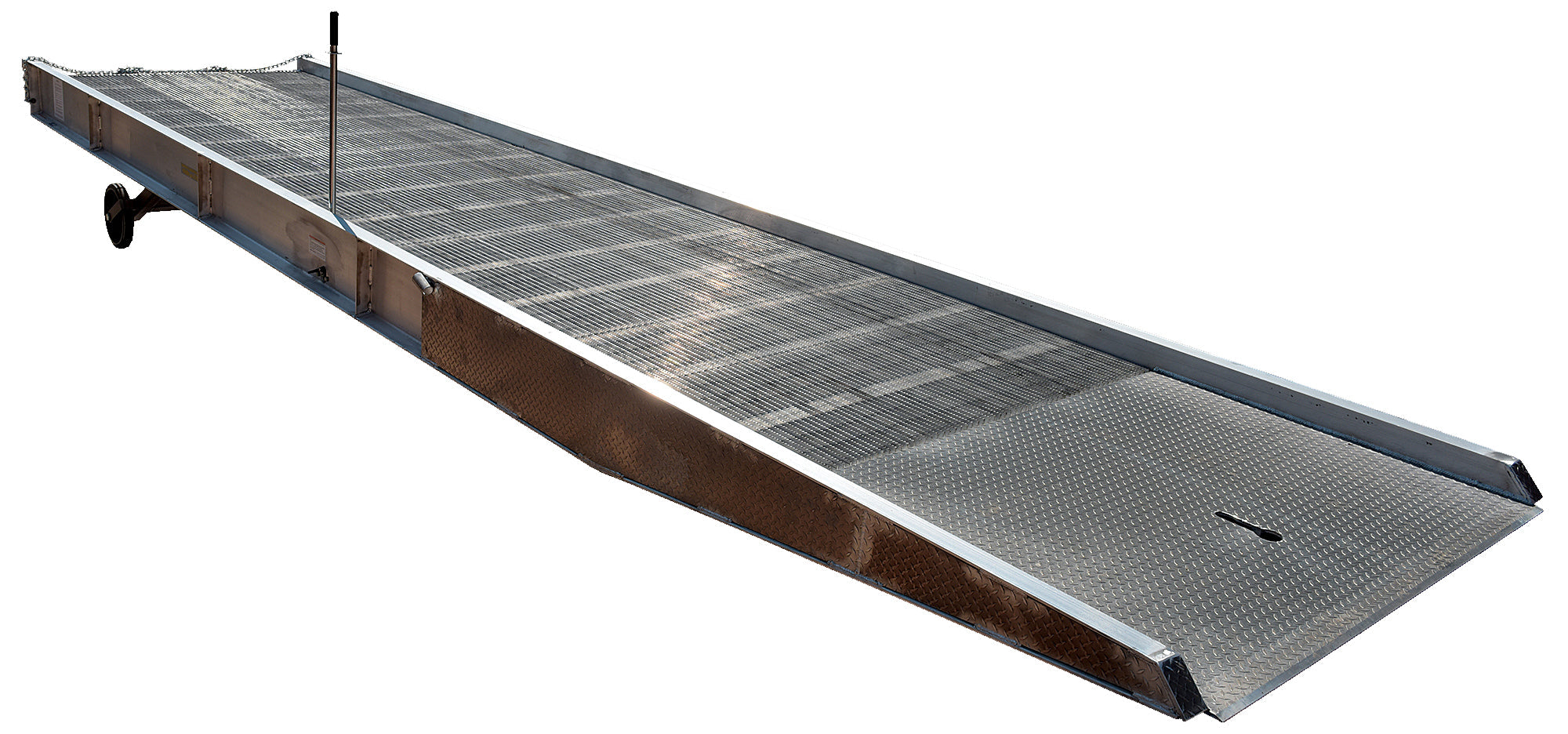 In StockIn Stock
 In Stock
 In Stock
 In Stock
 In Stock
 In Stock
 In Stock
 In Stock
 In Stock
 In Stock
 In StockIn Stock
 In Stock
 In Stock
 In Stock
 In Stock
 In Stock
 In Stock
 In StockIn Stock
 In Stock
 In Stock
 In Stock
 In Stock
 In Stock
 In Stock
 In Stock
 In Stock
 In Stock
 In Stock
 In StockIn Stock
 In Stock
 In Stock
 In Stock
 In Stock
 In Stock
 In StockIn StockIn Stock
 In Stock
 In Stock
 In Stock
 In Stock
 In Stock
 In StockIn StockIn Stock
 In Stock
 In StockIn Stock
 In Stock
 In StockIn StockIn Stock
 In Stock
 In Stock
 In Stock
 In Stock
 In StockIn Stock
 In Stock
 In Stock
 In Stock
 In Stock
 In StockIn Stock
 In StockIn Stock
 In Stock
 In Stock
 In Stock
 In Stock
 In Stock
 In Stock
 In Stock
 In Stock
Loading Dock Buying Guide
Start with the gap: leveler, dockboard, or dockplate. Every dock has a gap and a height mismatch between floor and trailer bed, and trailer beds vary by a foot or more across fleets. What crosses the gap decides the equipment. Foot traffic and hand trucks can cross a dockplate, the lightest and cheapest bridge. A powered pallet jack or forklift needs a dockboard, built heavier and with curbs, or a dock leveler, which is the permanent fix. The rule of thumb: if trucks are unloaded occasionally and by hand, plates; if powered equipment crosses at all, boards at minimum; if the dock works every day with mixed trailer heights, a leveler stops being a convenience and becomes the correct piece of equipment. Getting this call right first makes every other purchase on this page smaller and simpler.
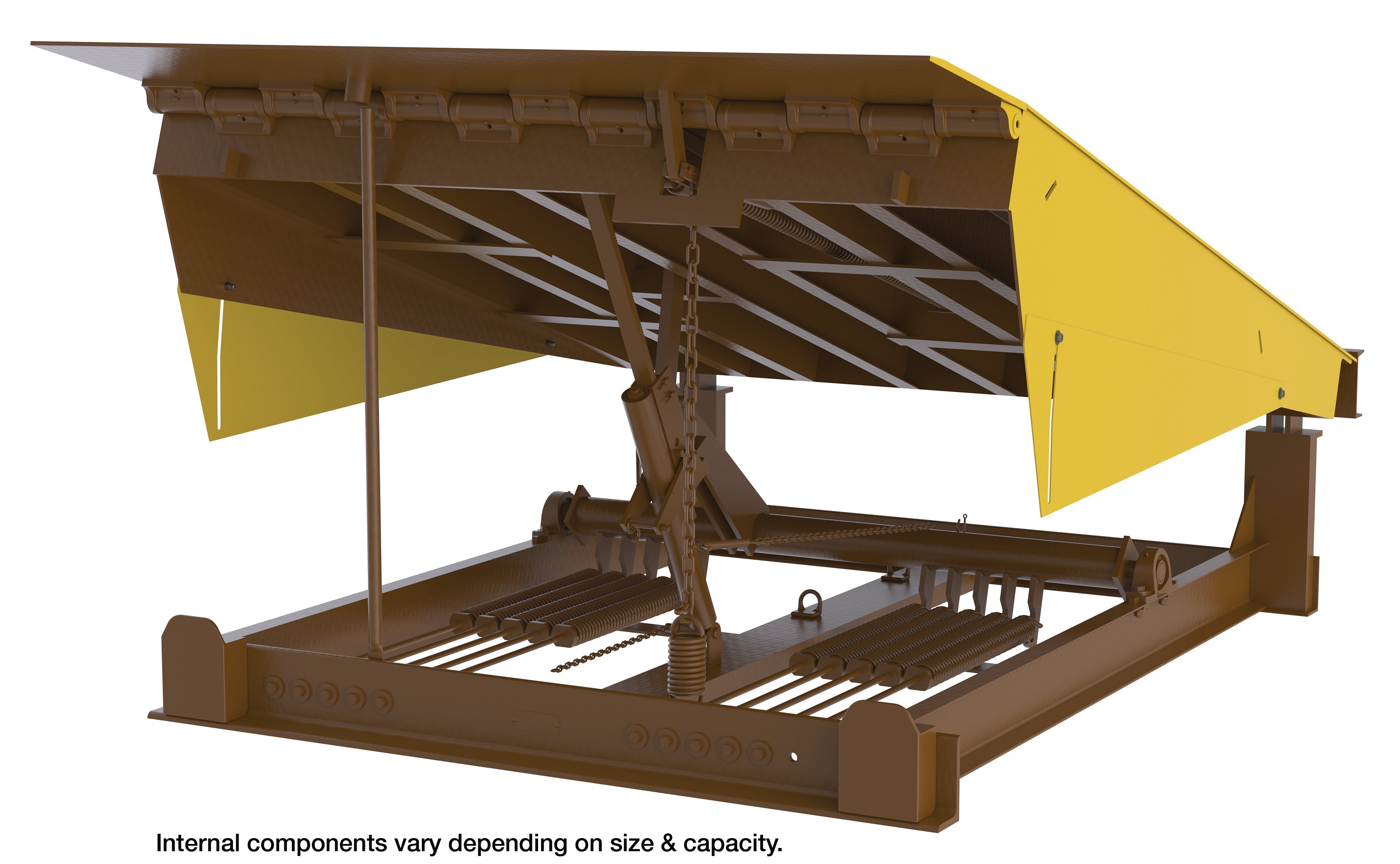
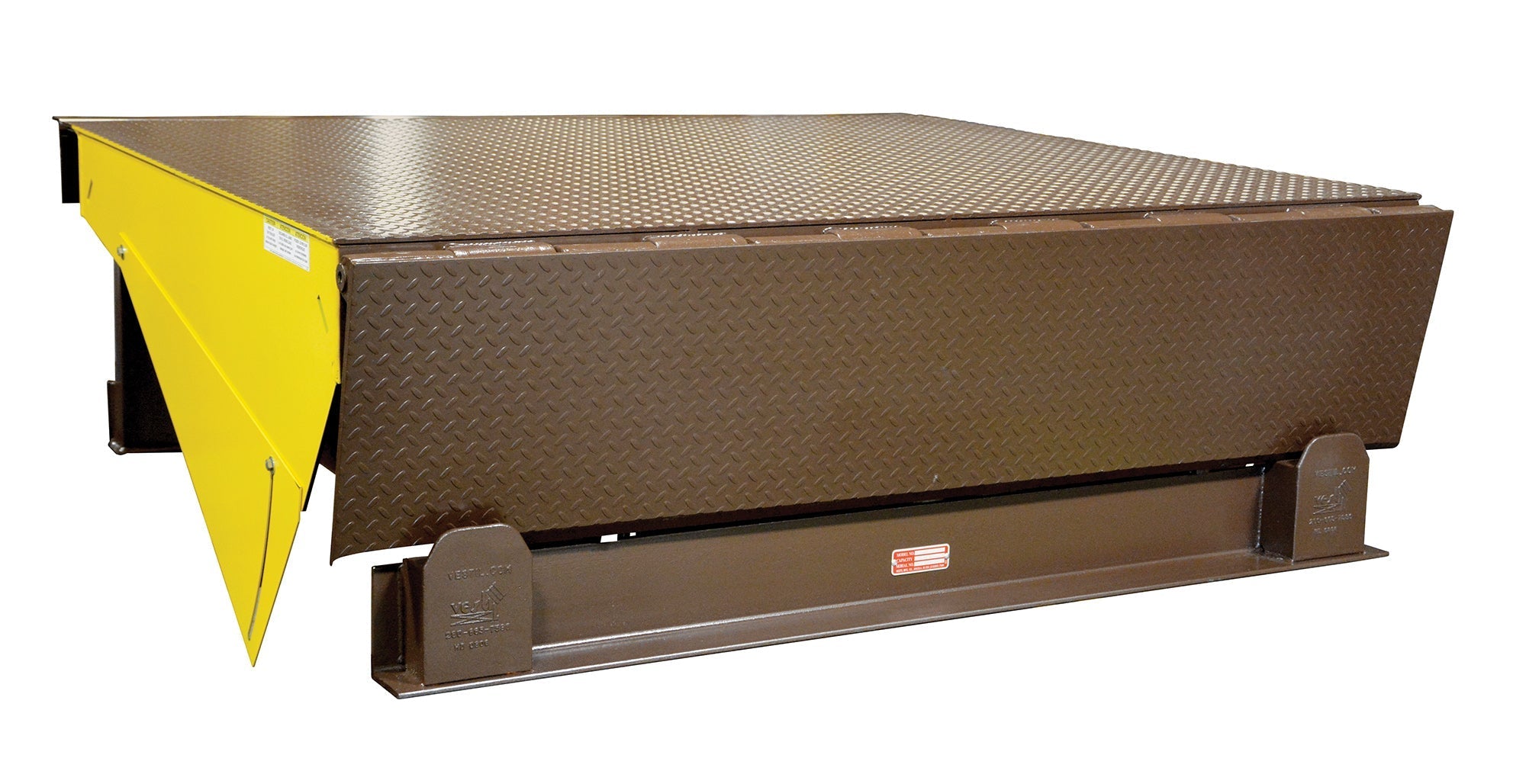
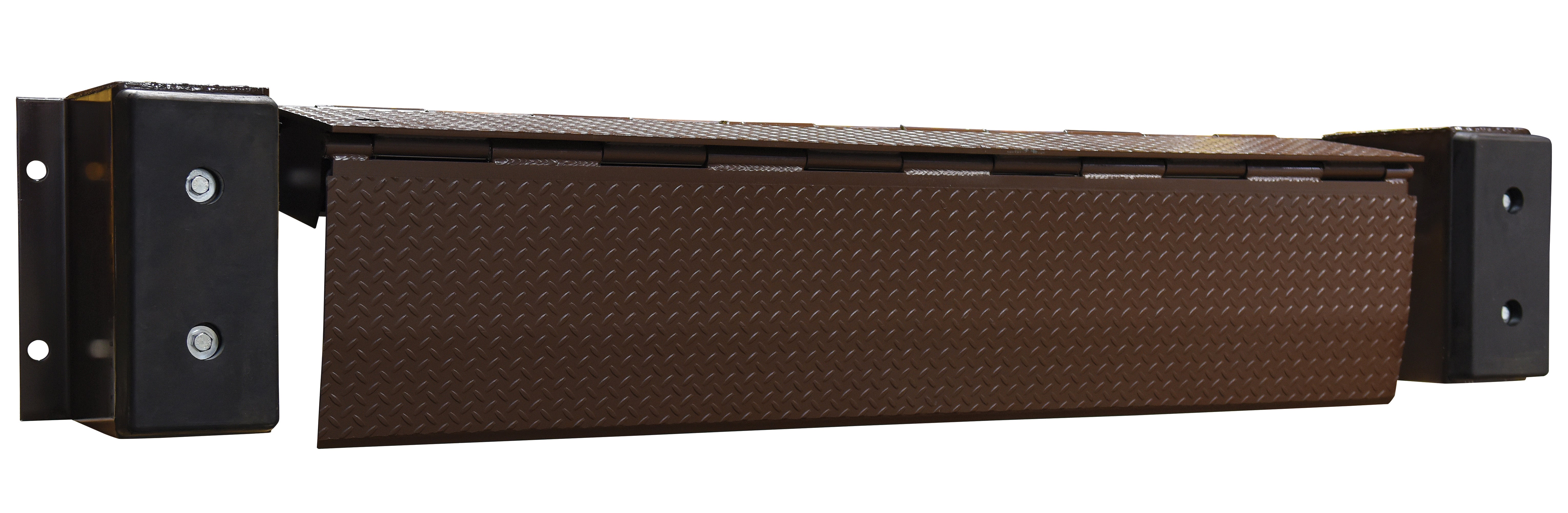
Dock levelers: edge-of-dock or pit. Within dock levelers, the split is mounting style. Edge-of-dock levelers bolt to the dock face and flip out to bridge to the trailer, serve trailers within a few inches of dock height, install without concrete work, and start around $970 with capacities to 30,000 lb. Pit levelers recess into the dock floor and handle a much wider range of trailer heights: mechanical models, from about $4,400, use springs and a pull chain, while hydraulic models, from about $5,100, raise and lower at a button and cost less to maintain over years of cycles. Dock leveling devices are designed and tested to ANSI MH30.1, and capacity should be specced to your heaviest loaded forklift crossing at speed, not the static weight of a pallet. If the budget allows hydraulic, take it; the pull chain is the part everyone grows to hate.
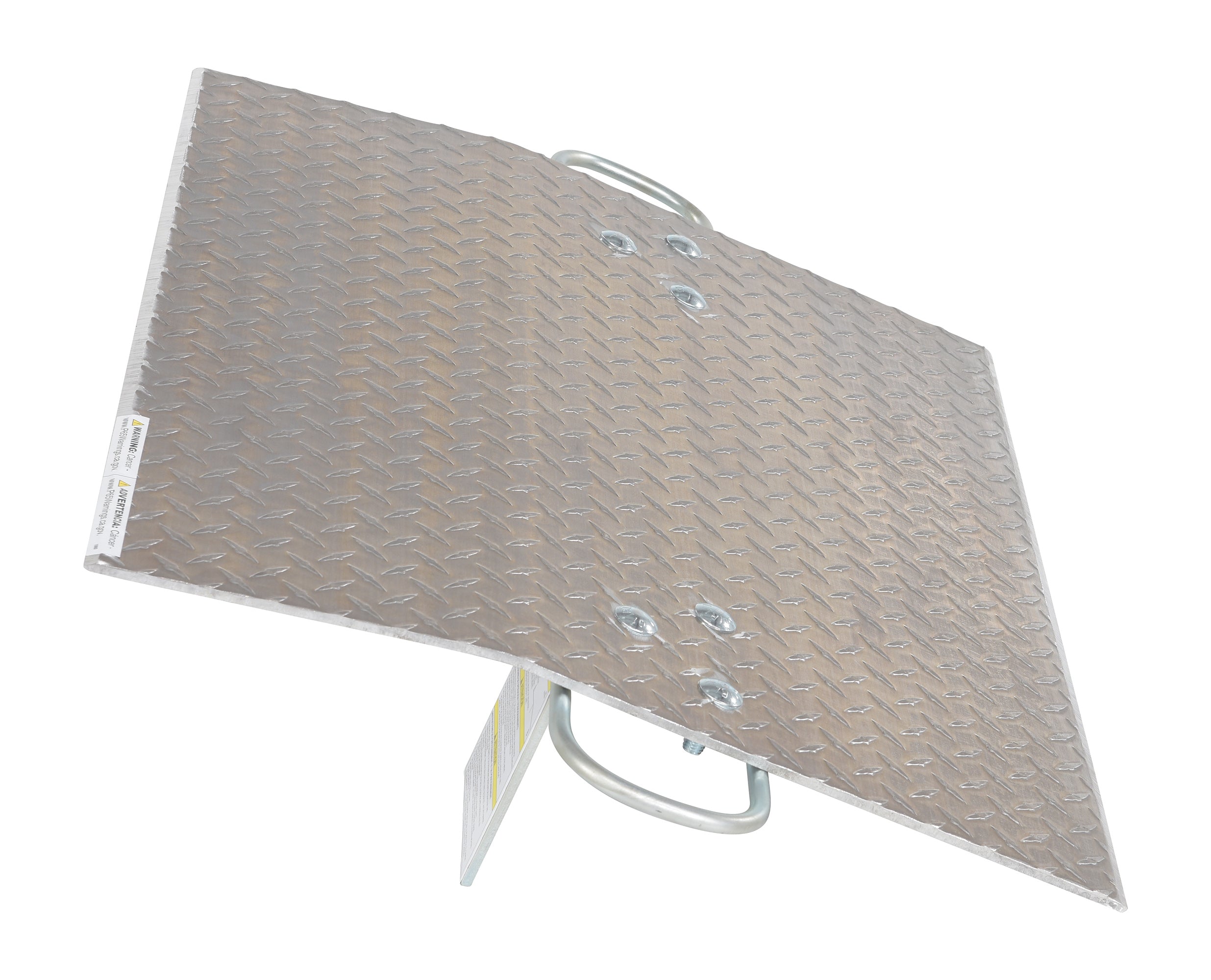
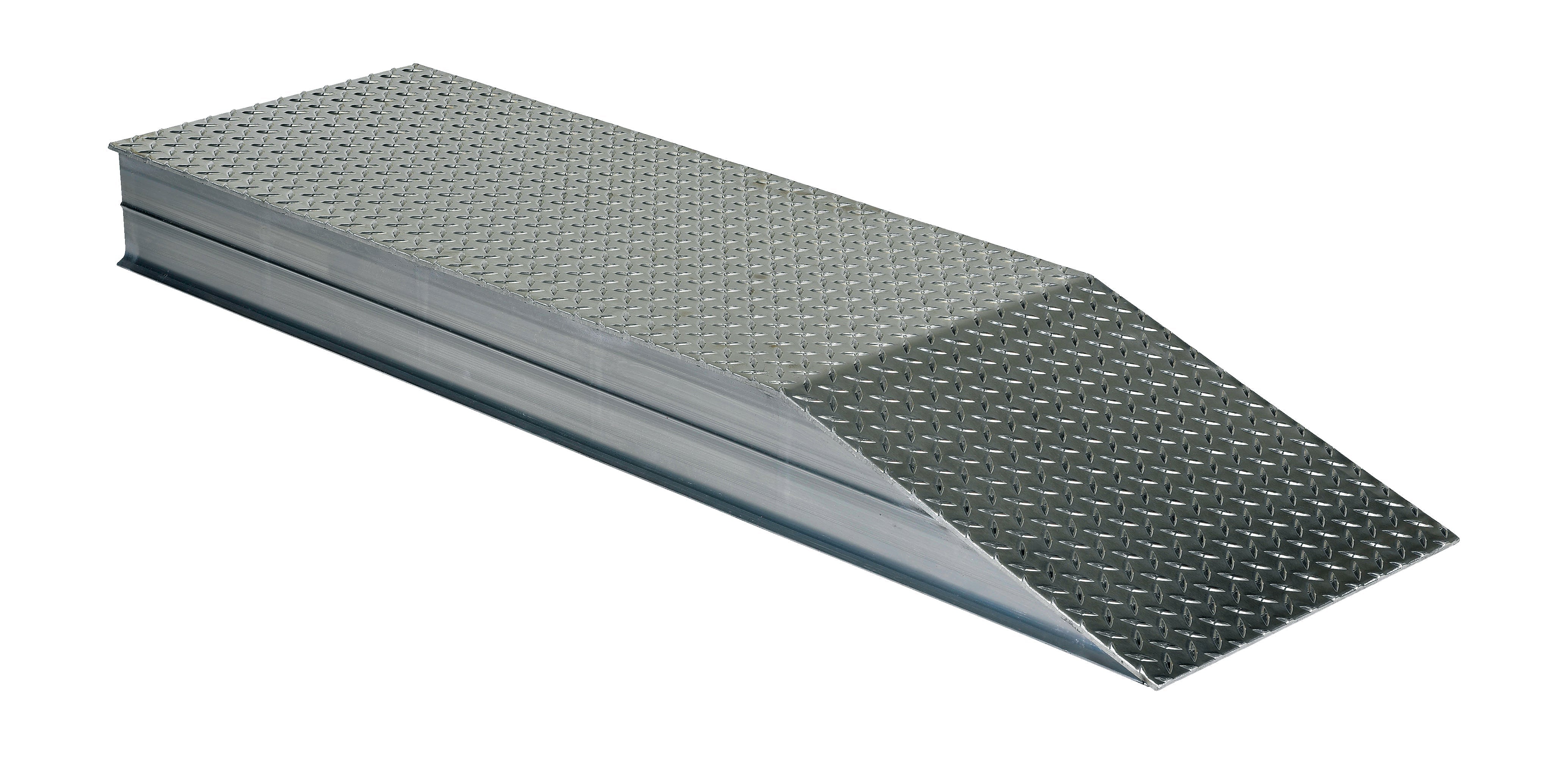
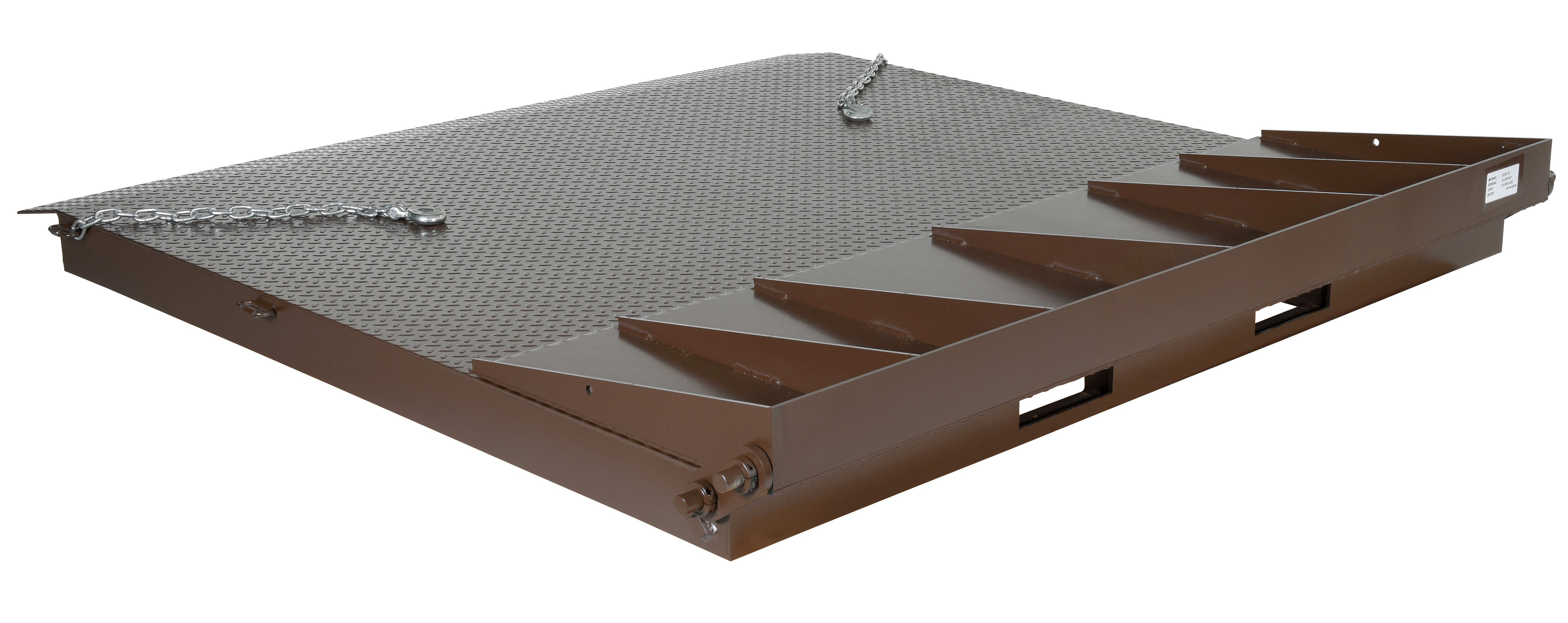
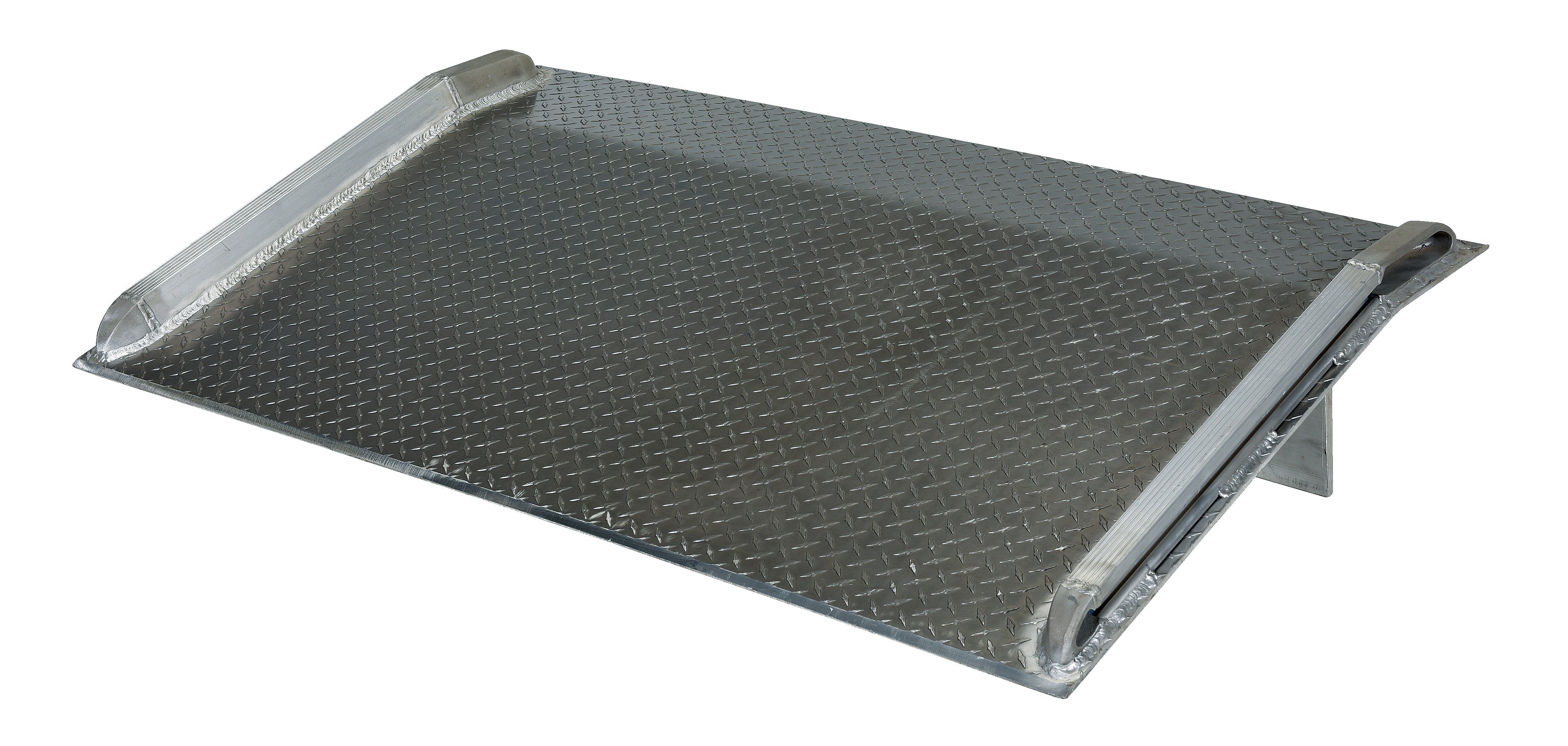
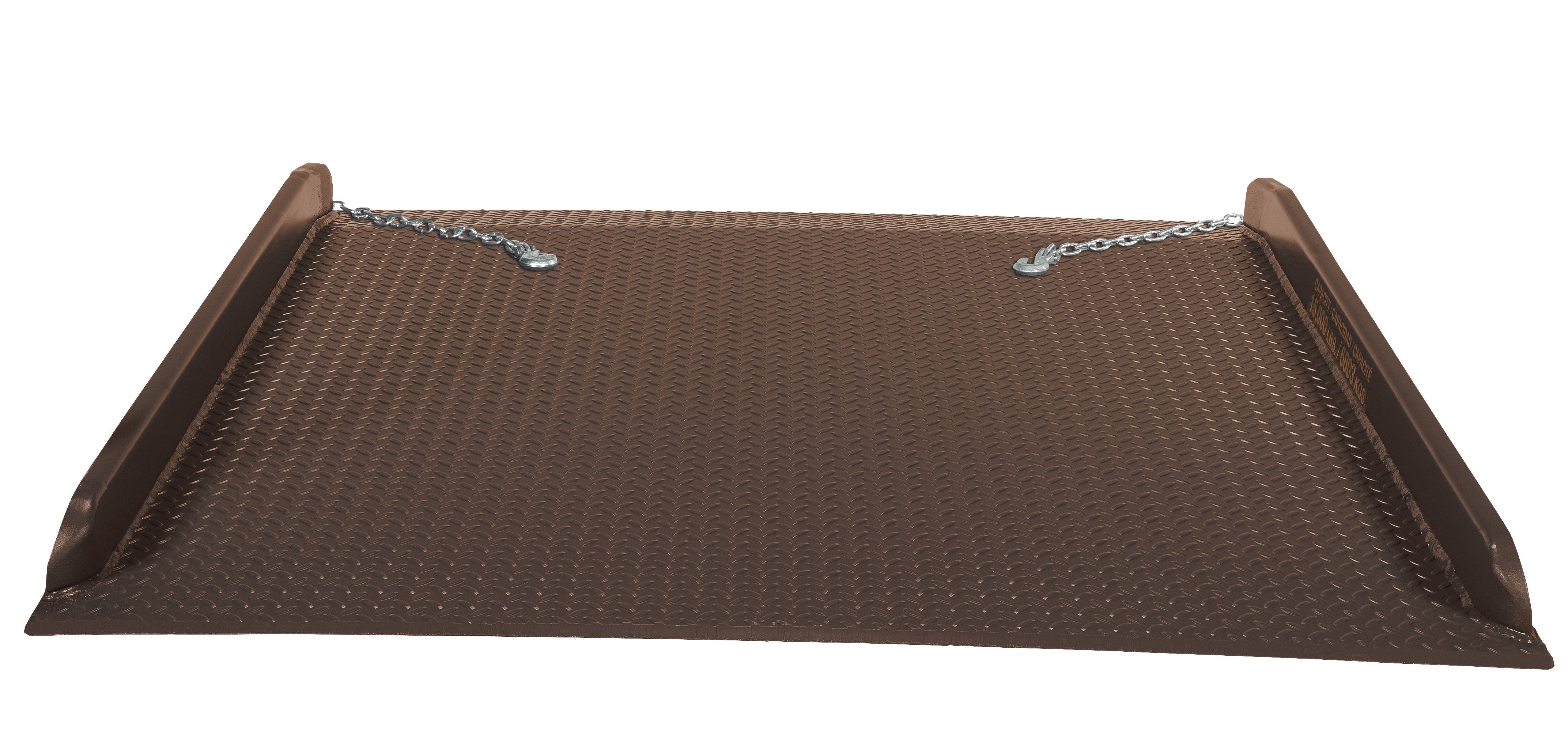
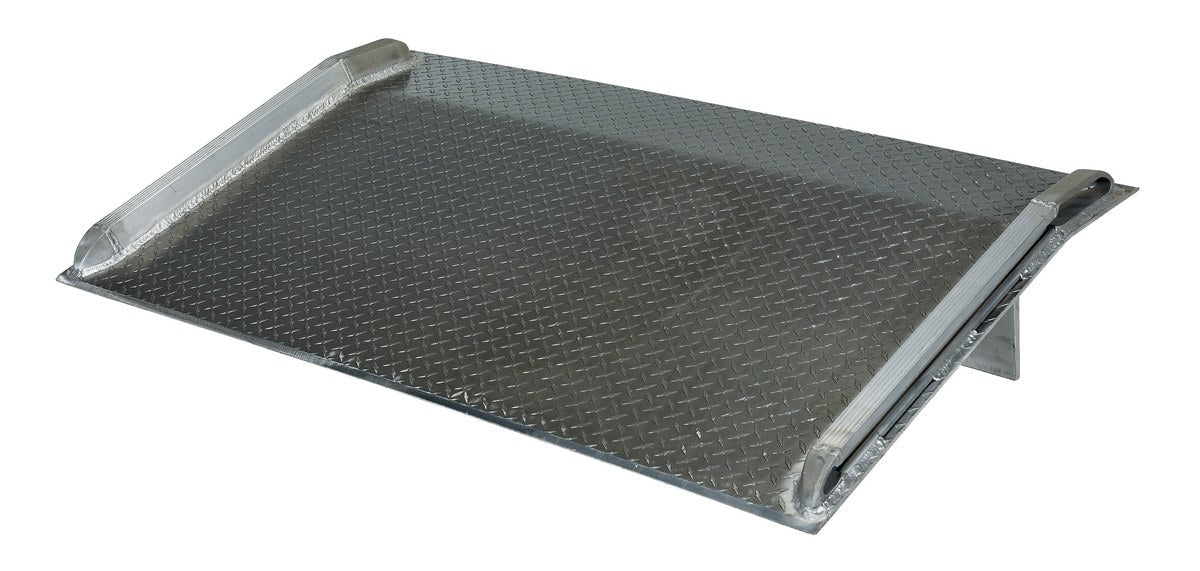
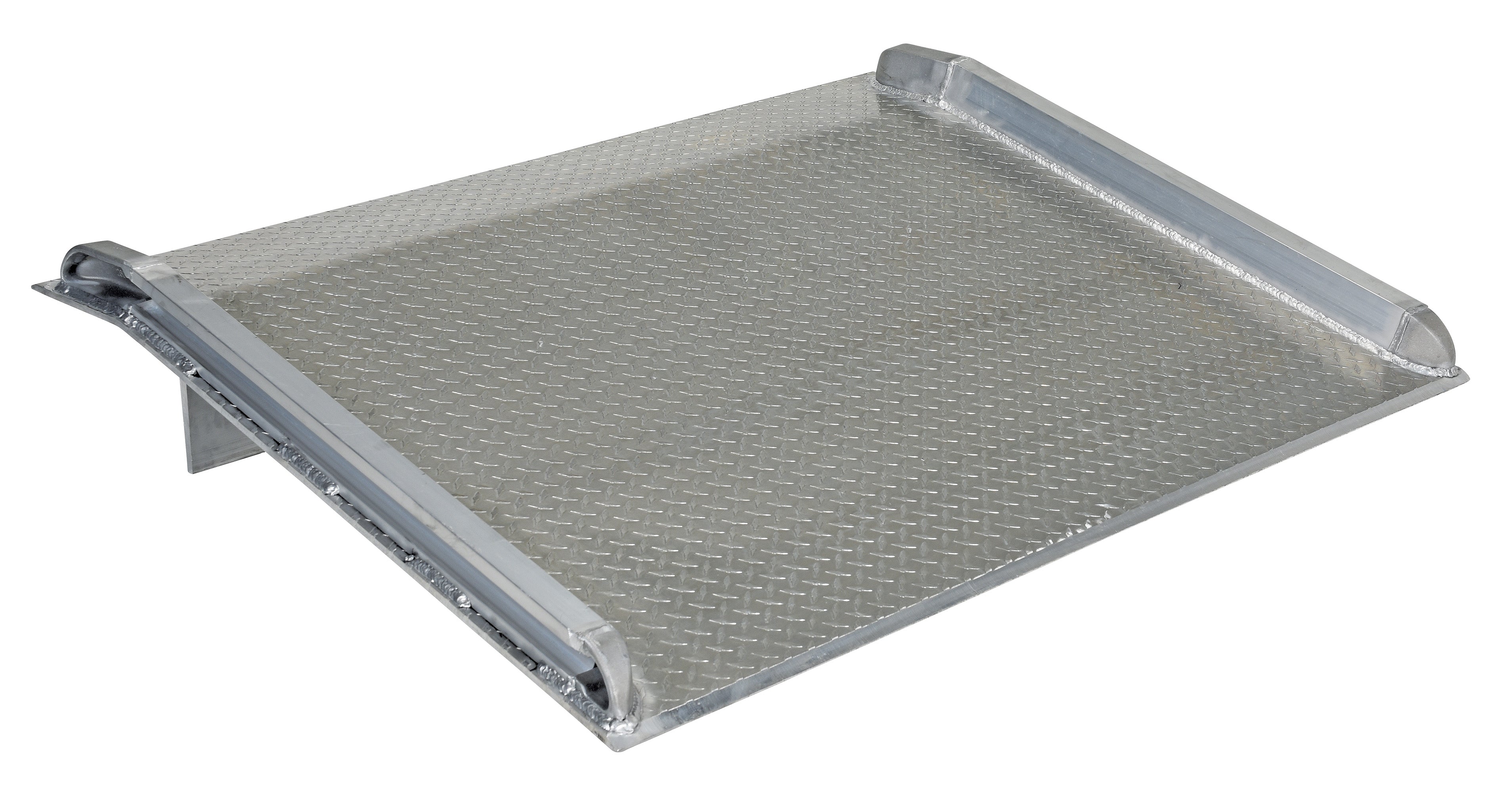
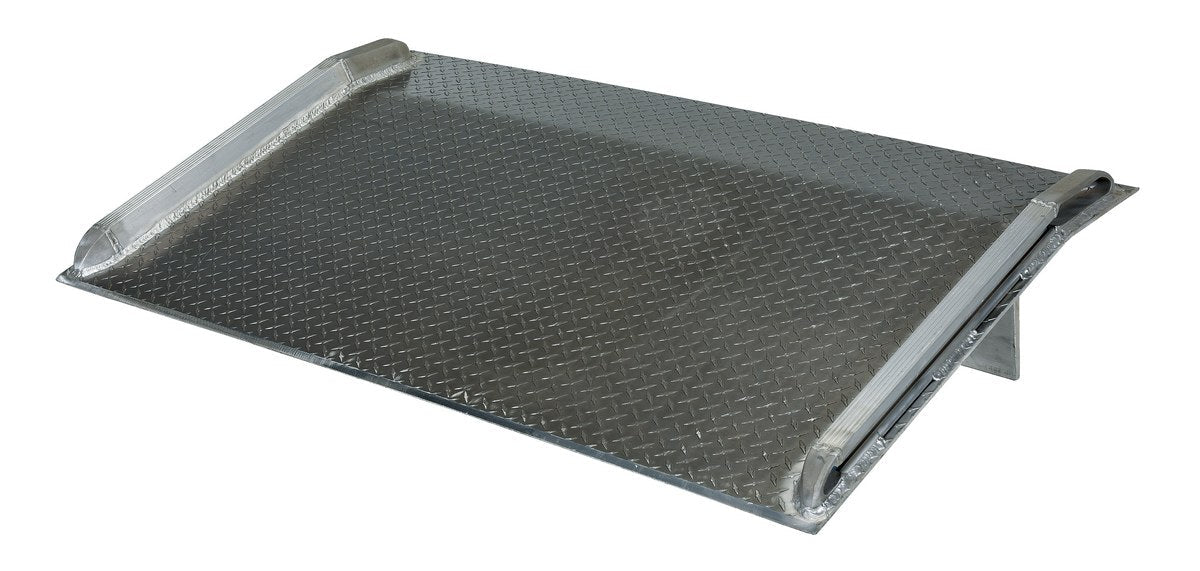
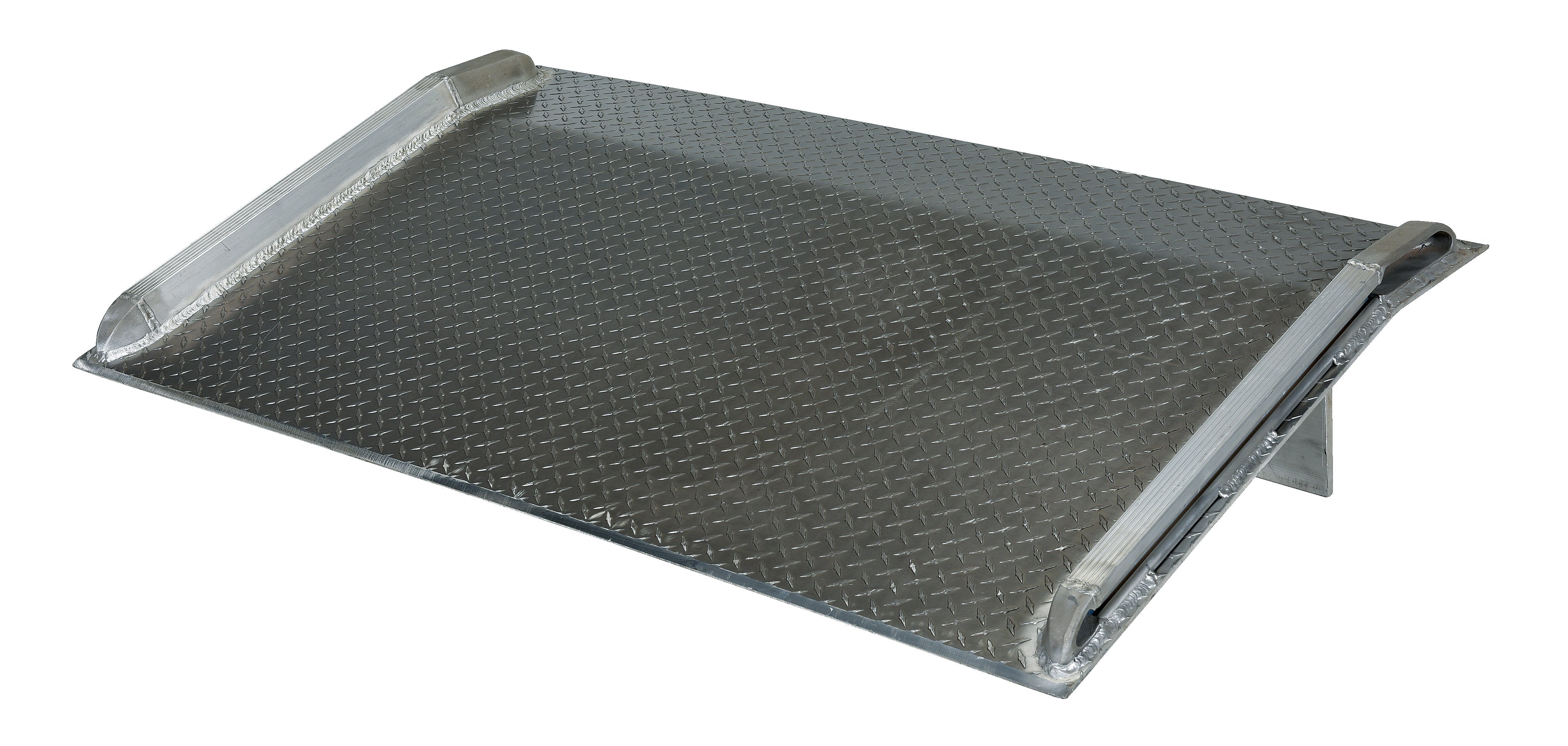
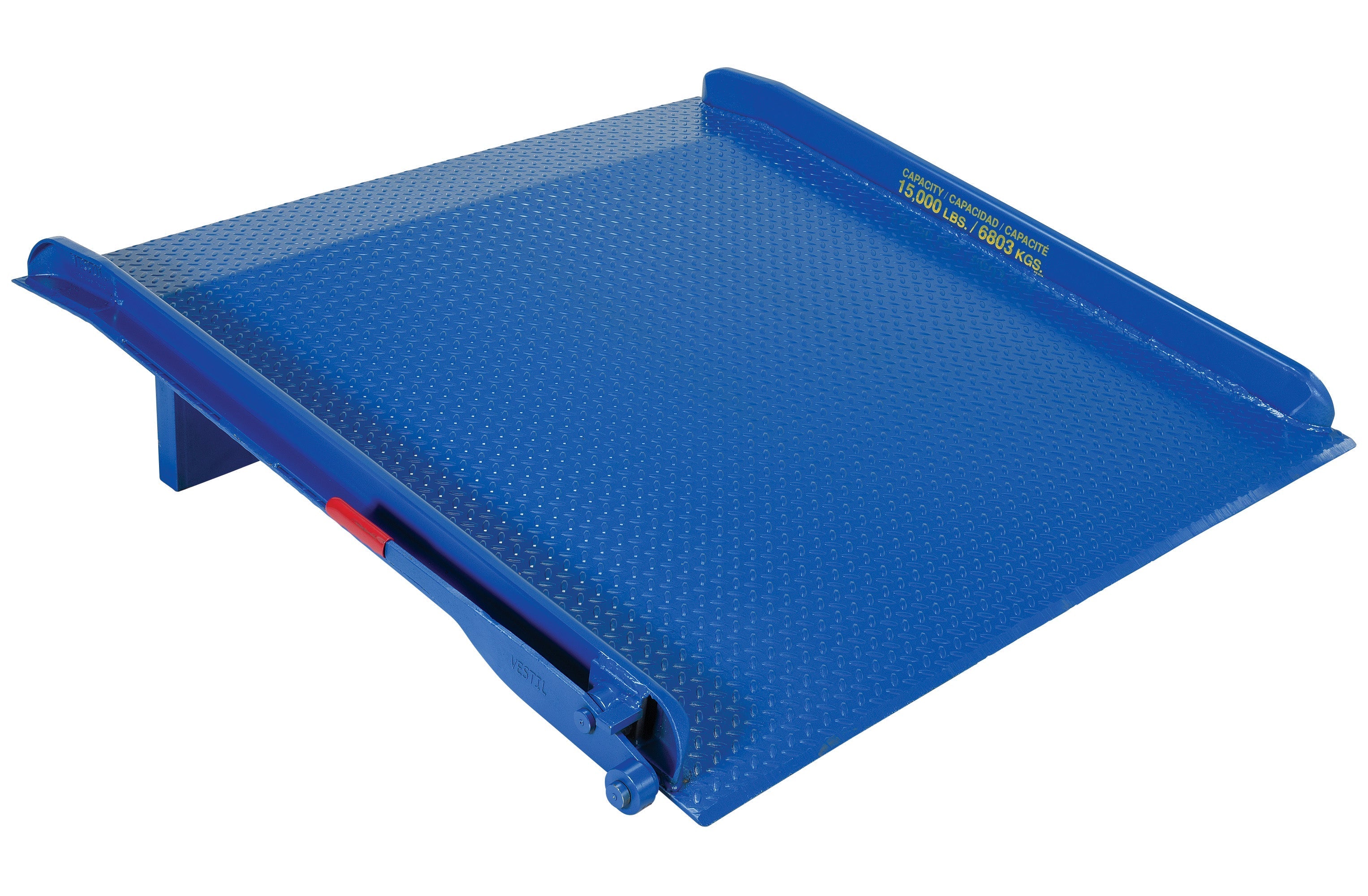
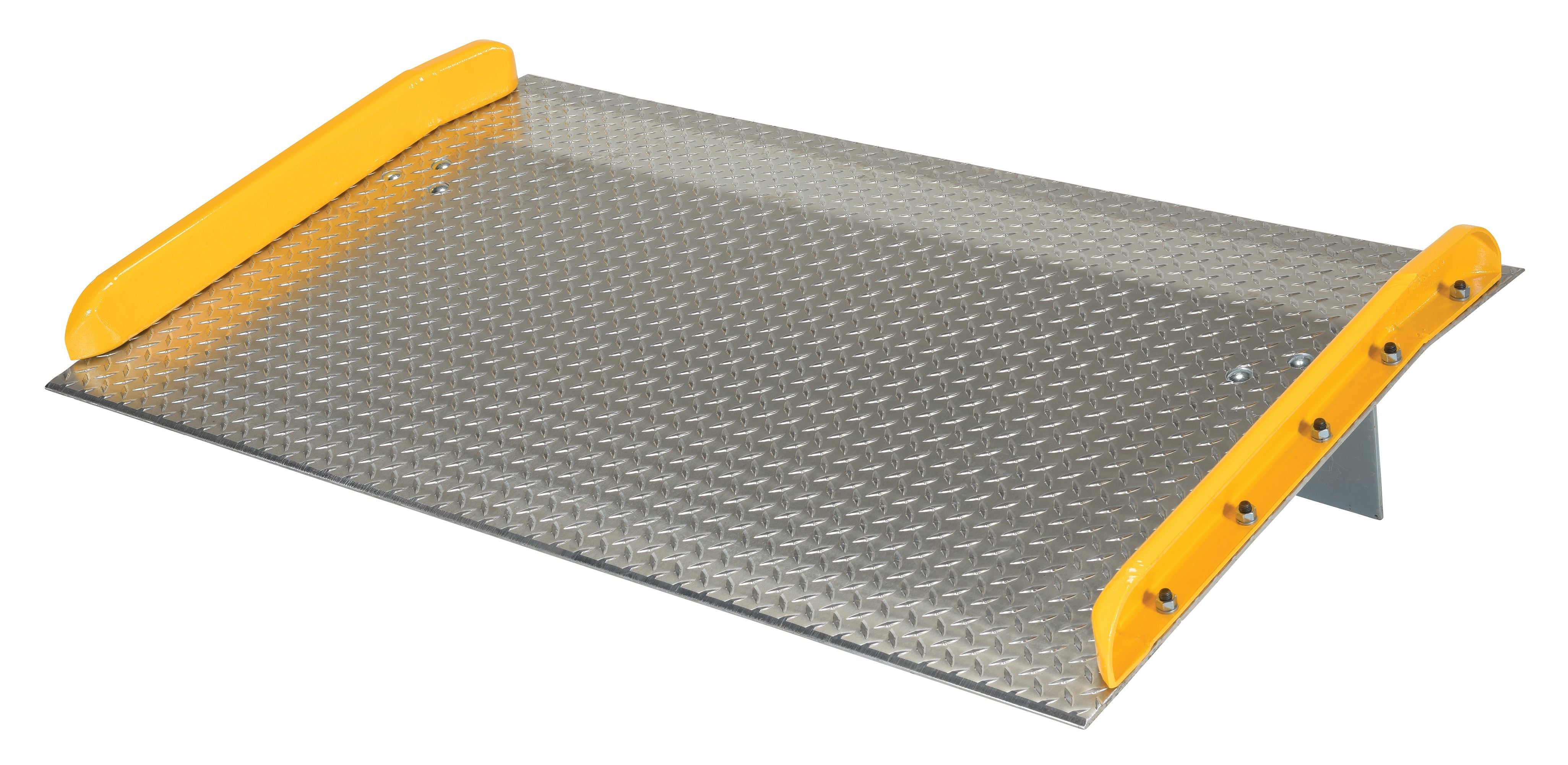
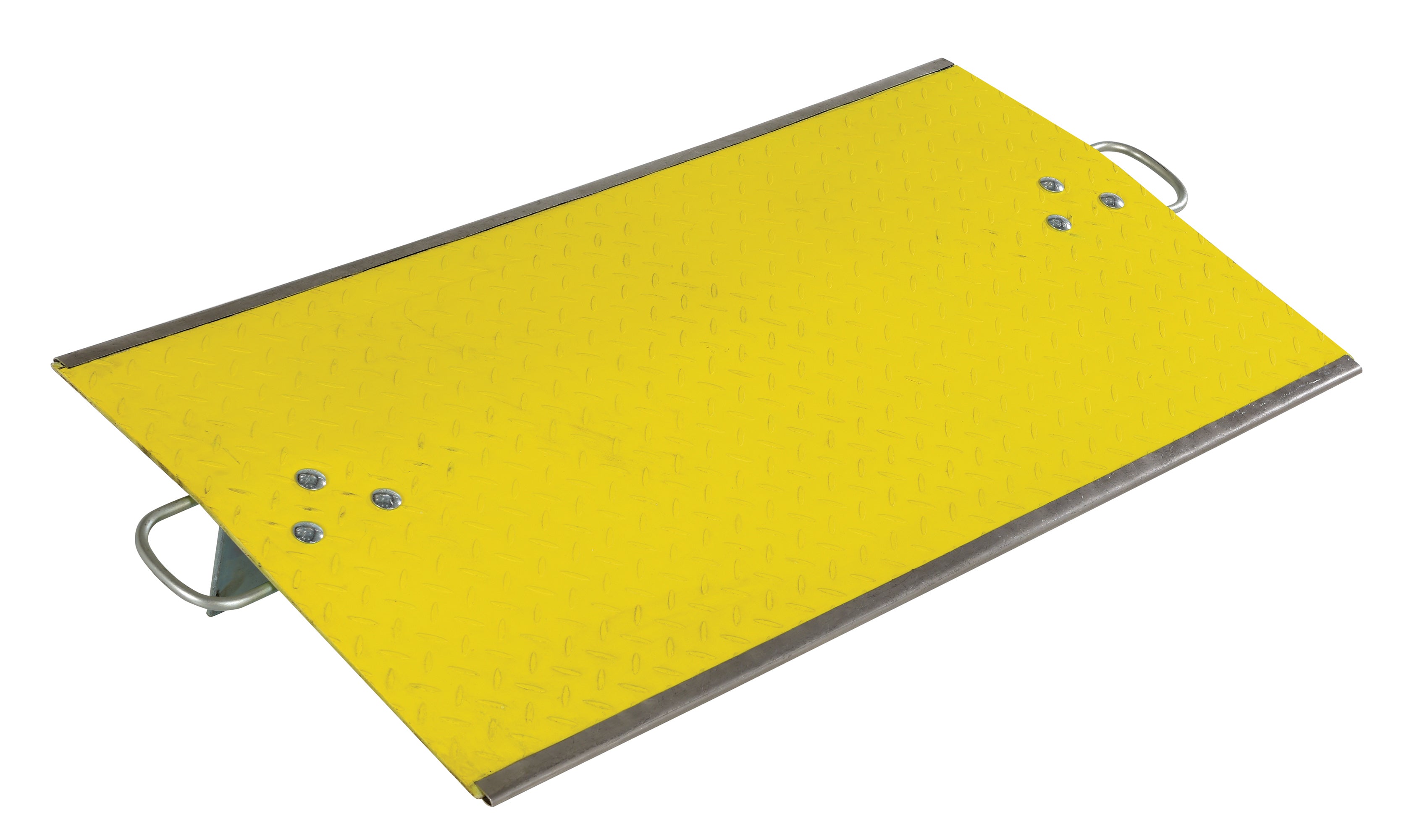
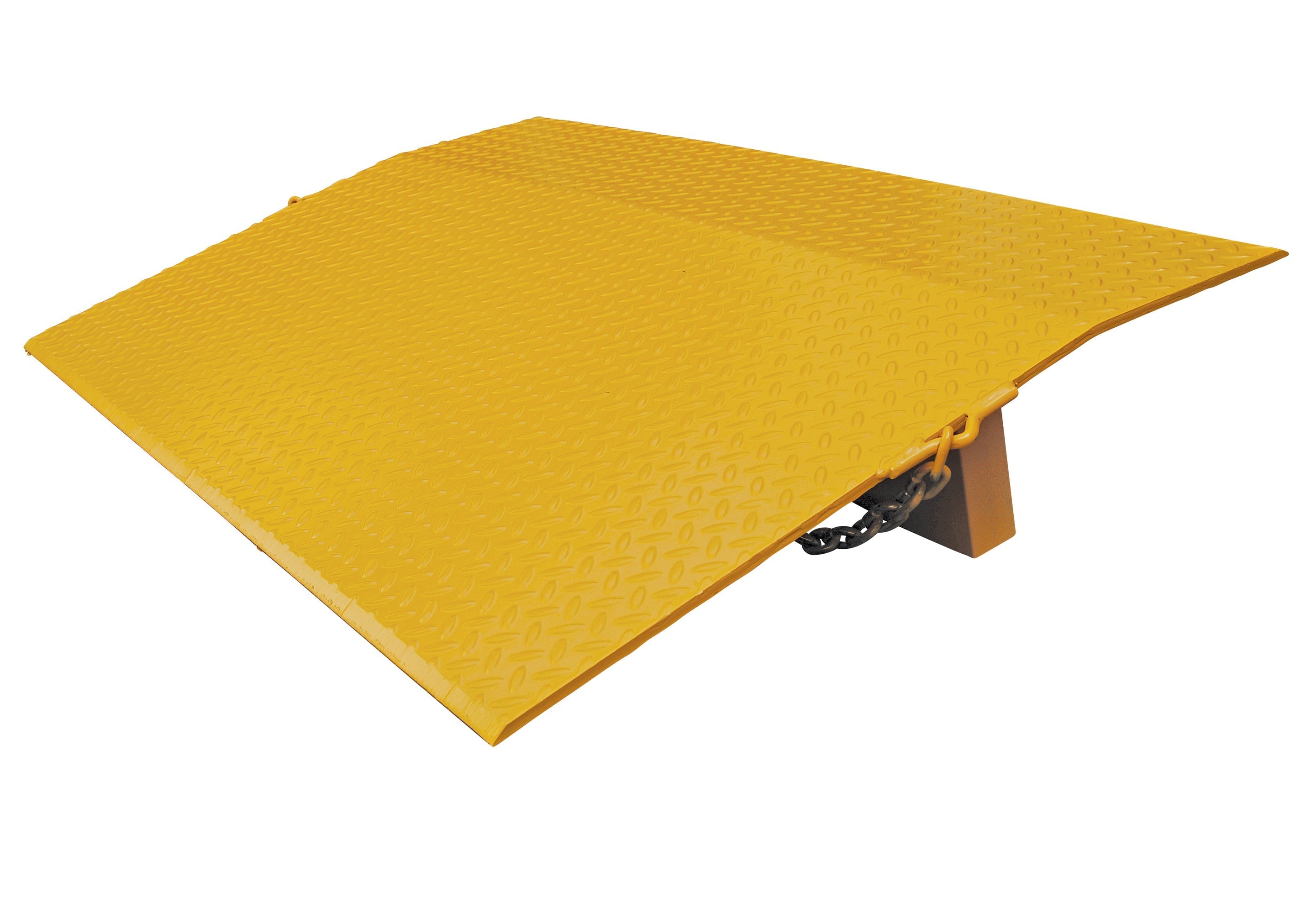
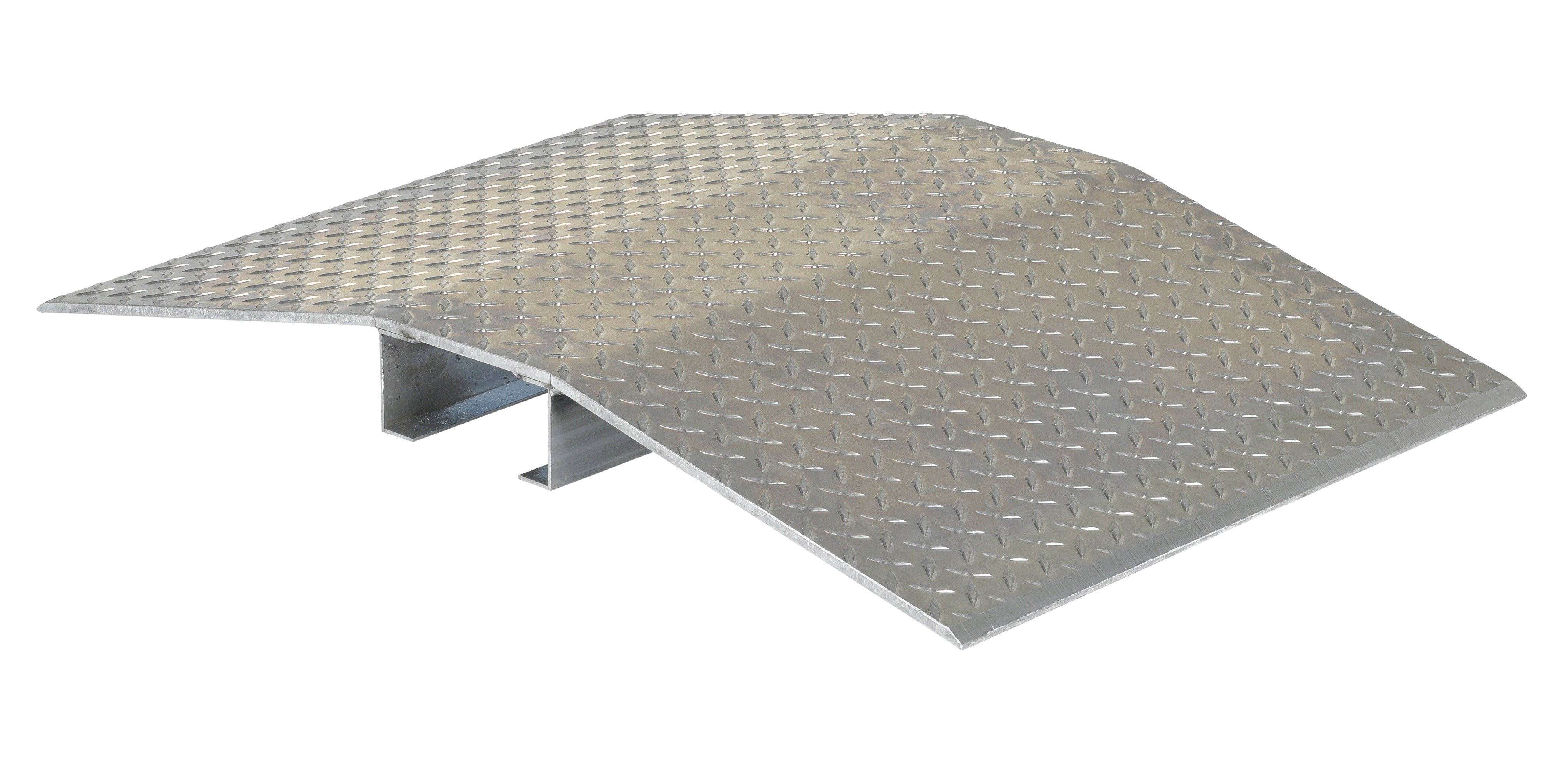
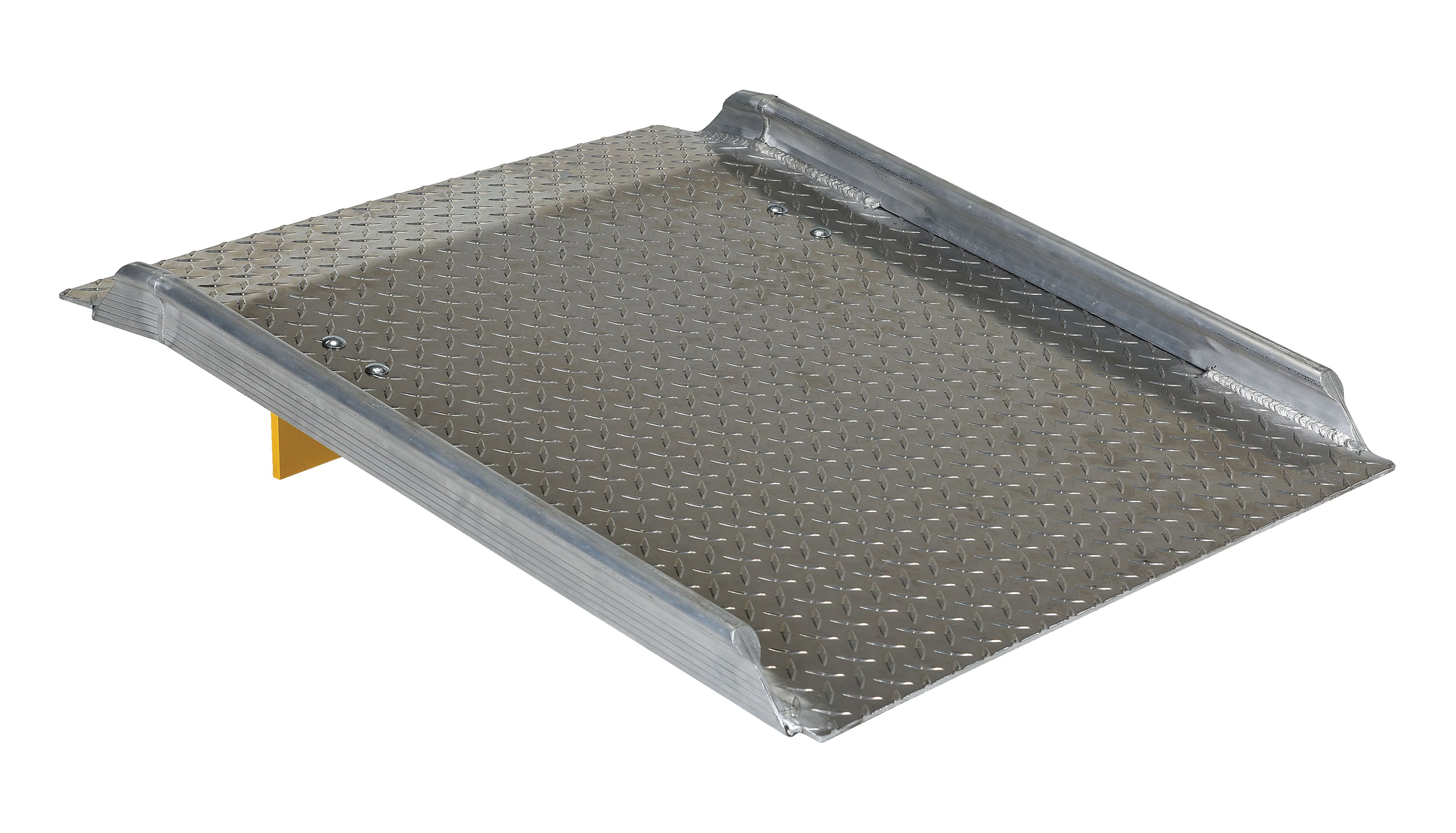
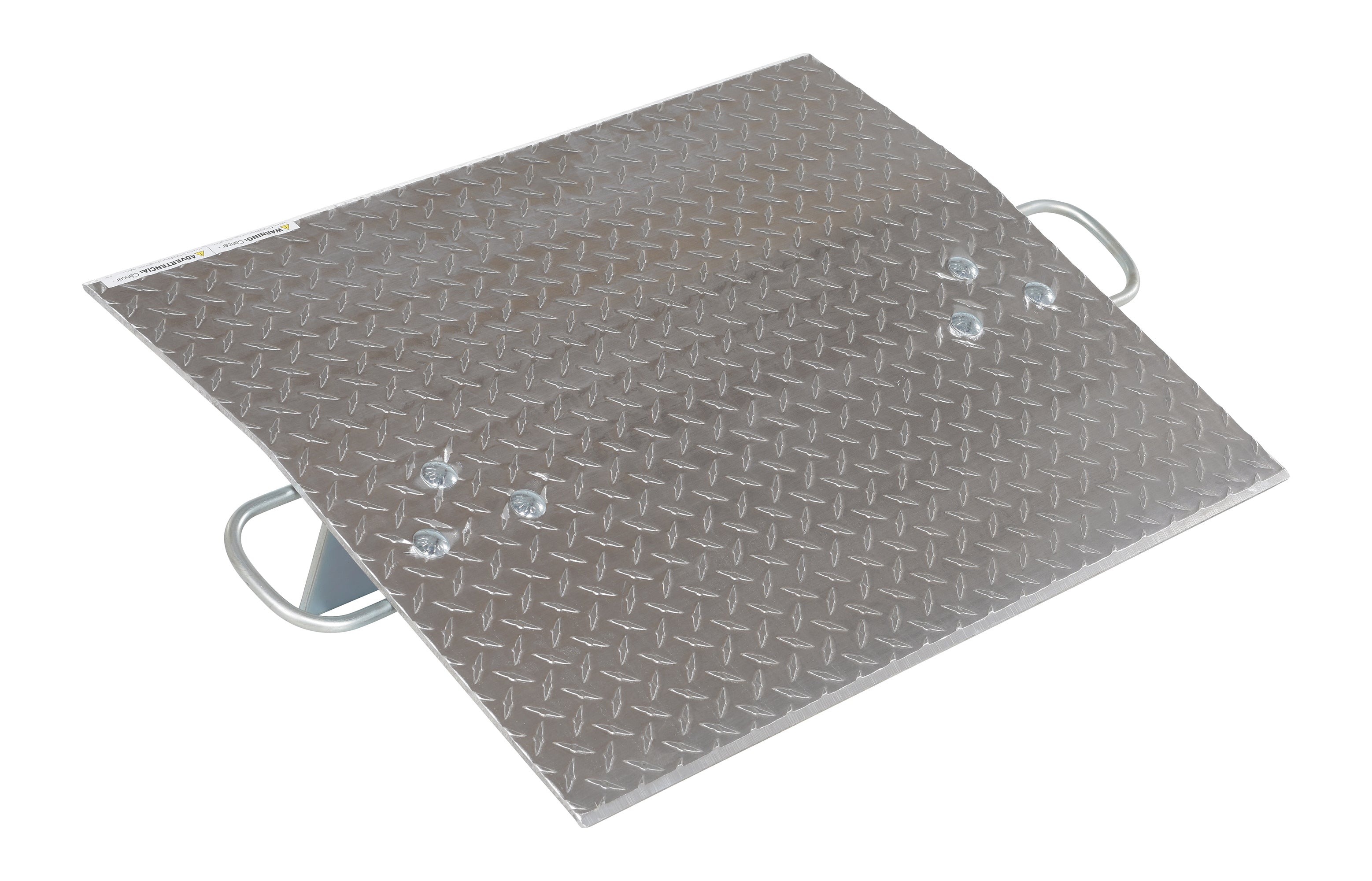
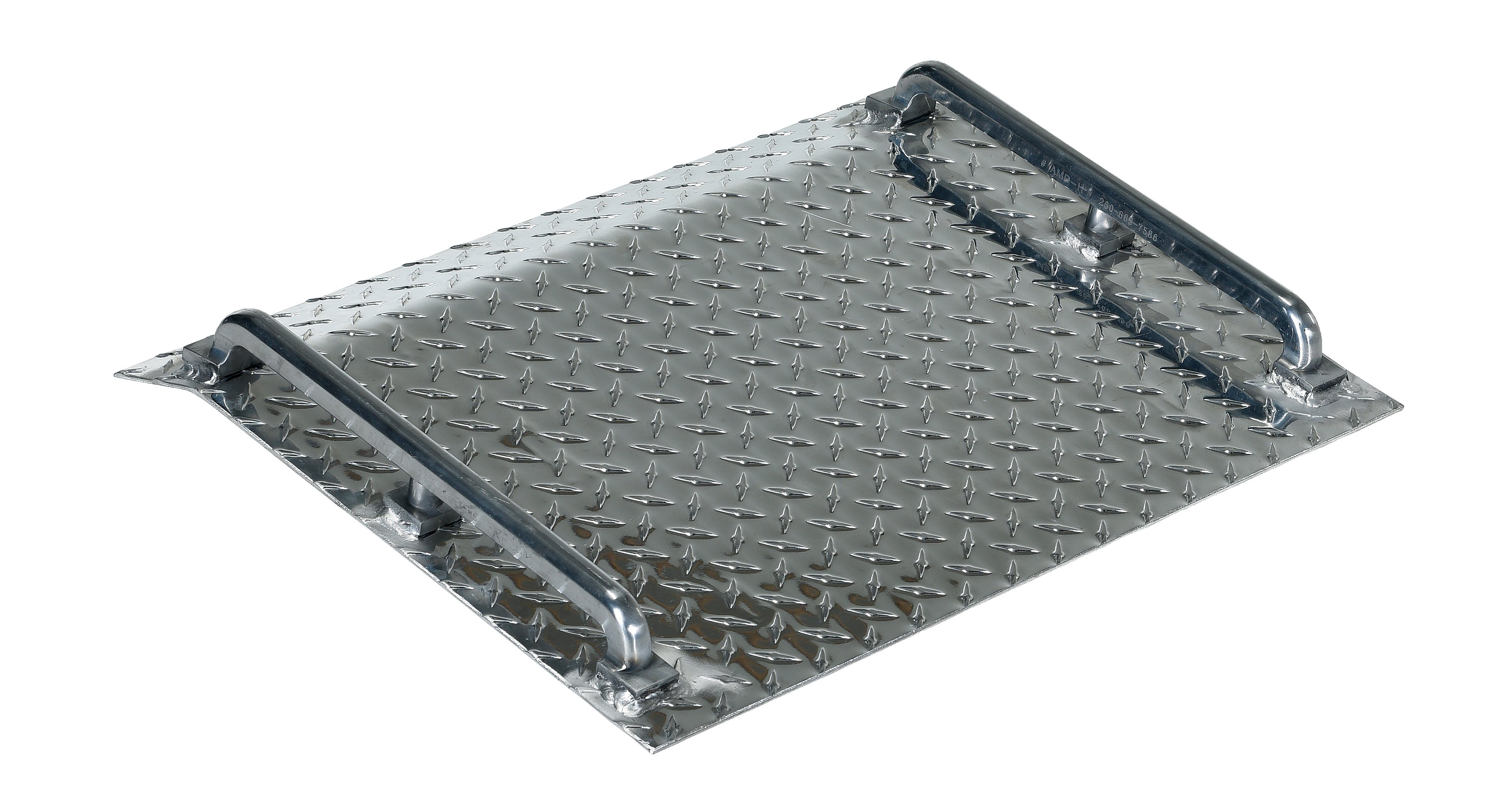
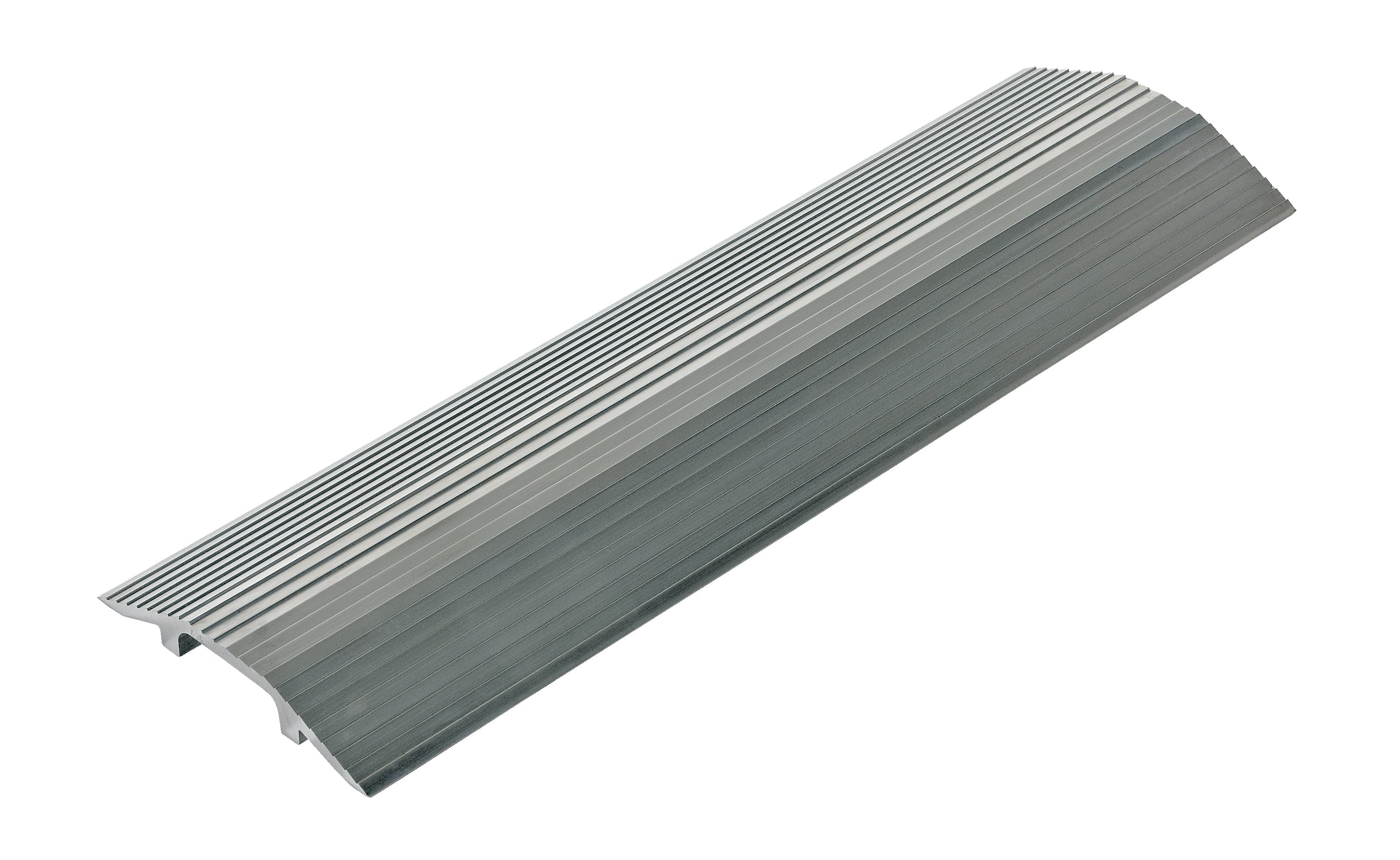
Dockboards and dockplates: sizing the portable bridge. The dockplates and dockboards page splits by duty. Aluminum dockplates, from about $144 for mini plates, carry hand trucks and foot traffic. Dockboards carry powered equipment: aluminum boards with welded curbs run 5,000 through 20,000 lb, steel boards carry 10,000 lb and up for the harshest service. Size capacity to the gross crossing weight, the forklift plus its heaviest load, and remember a loaded electric pallet jack can pass 6,000 lb. OSHA 1910.26 sets the rules for the crossing: dockboards must support their load, portable boards must be secured by anchoring or by devices that stop them moving out of safe position, boards put into service since January 2017 need run-off protection at the edges, and portable plates need handholds or another safe means of moving them.
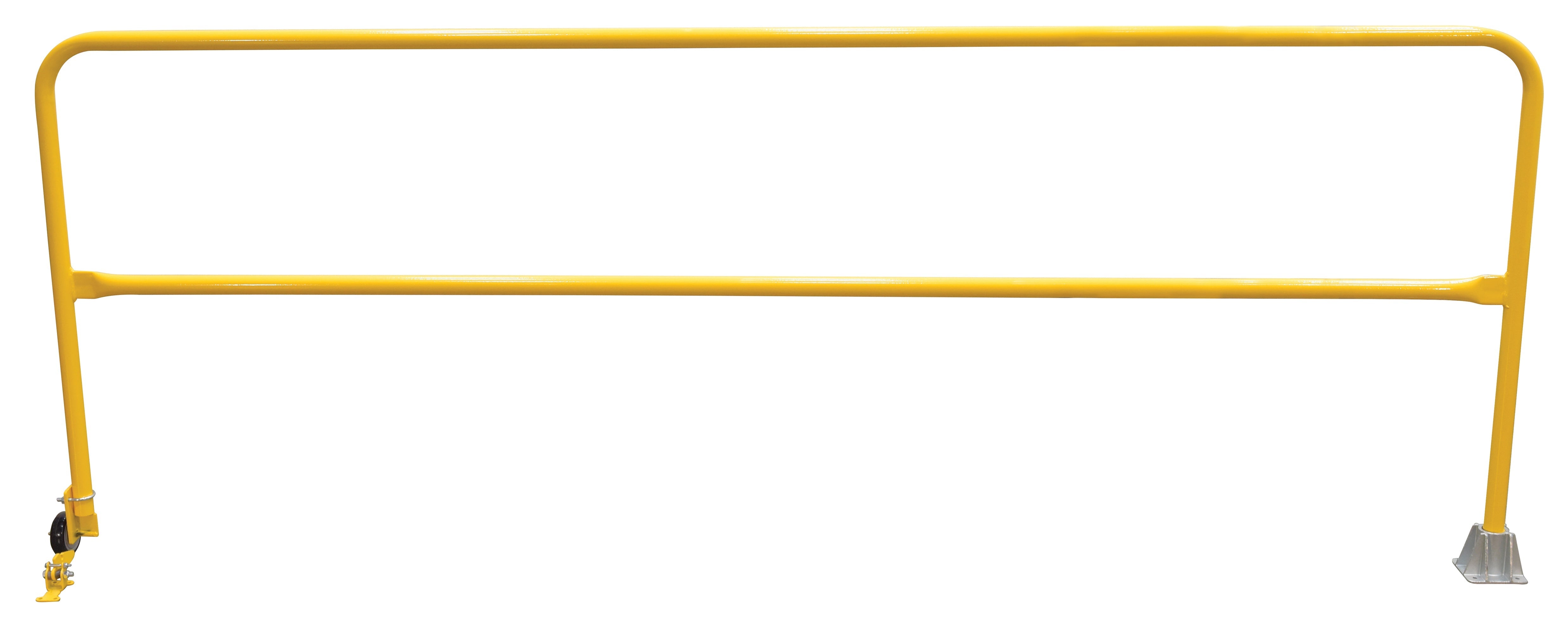
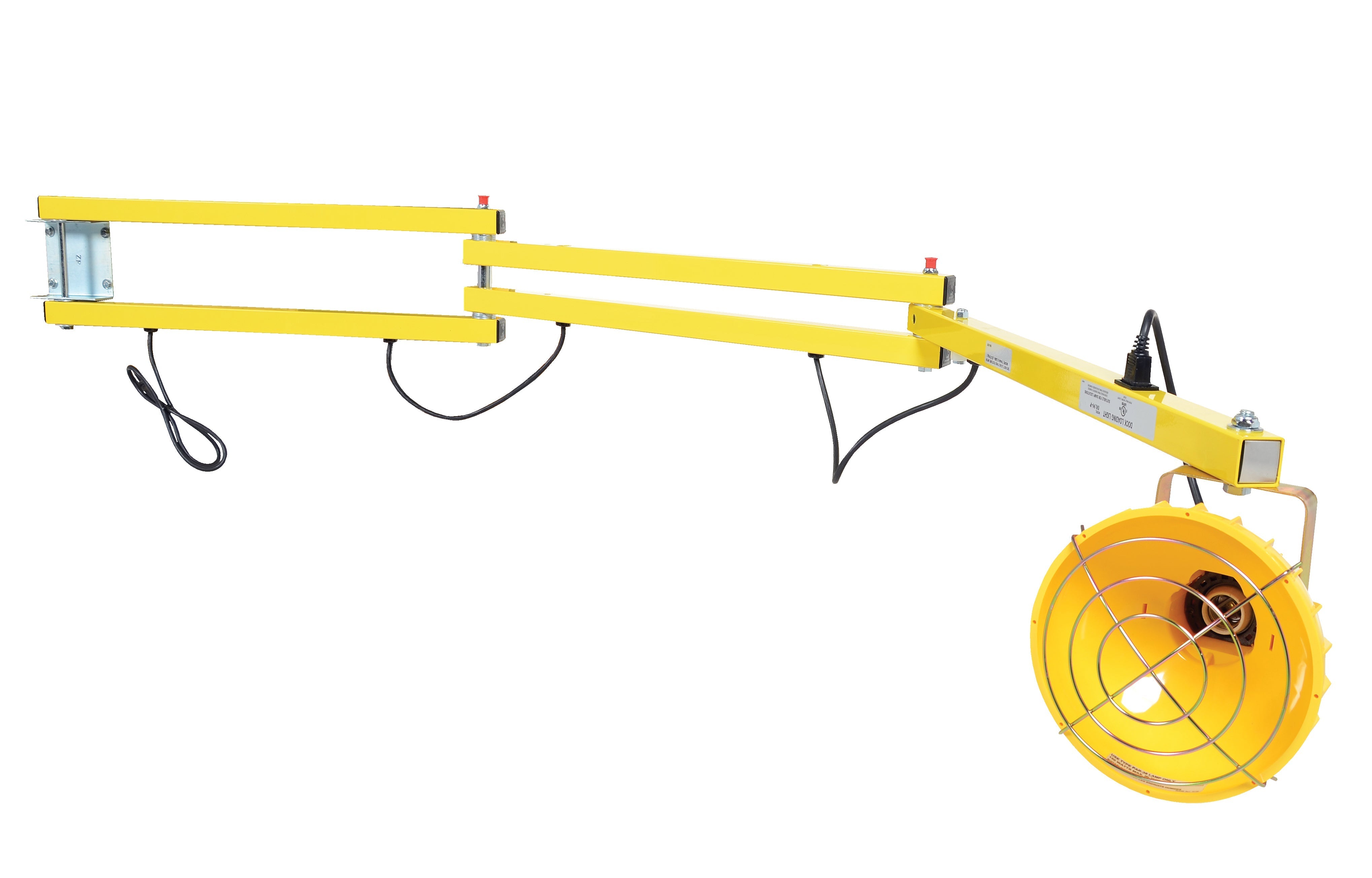
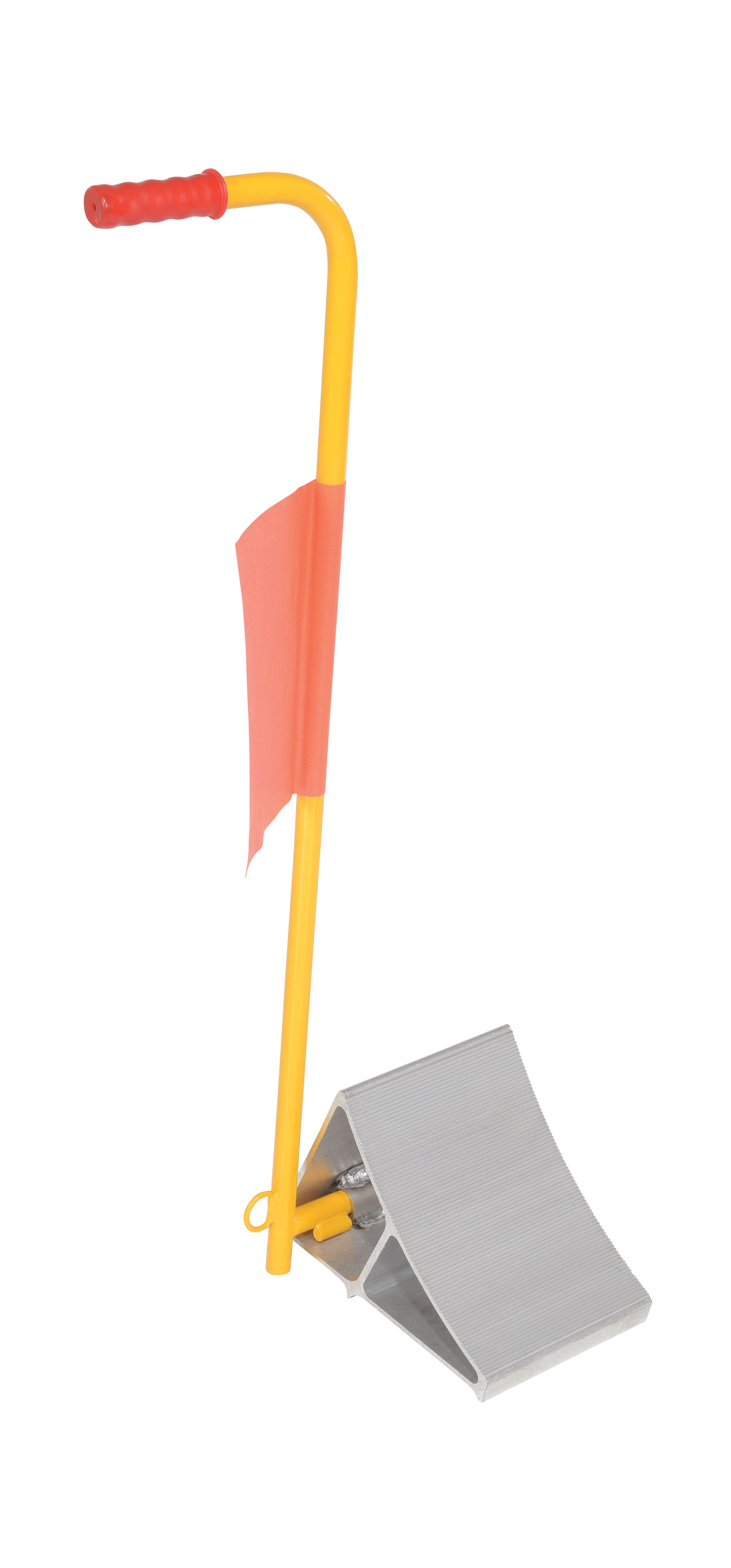
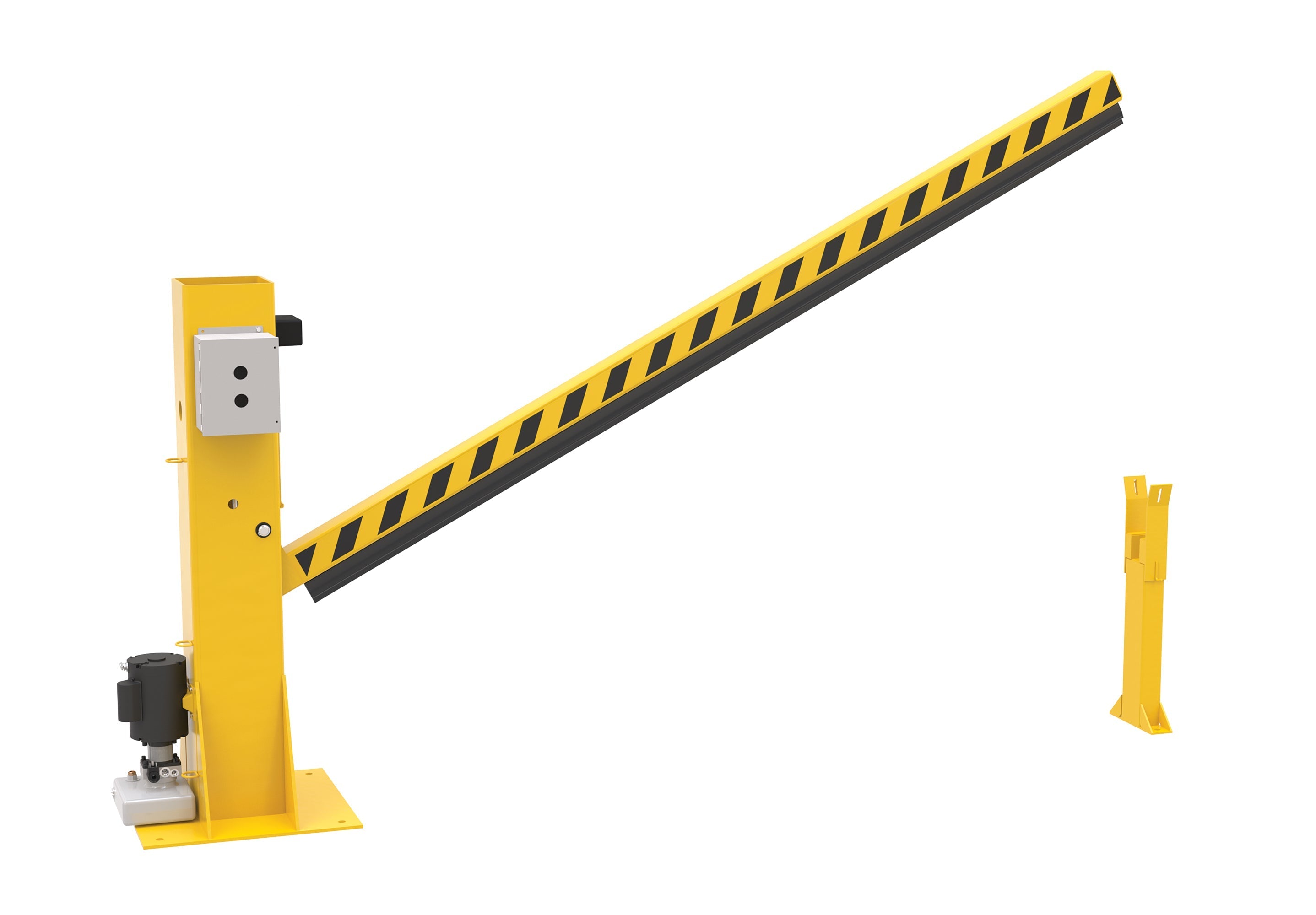
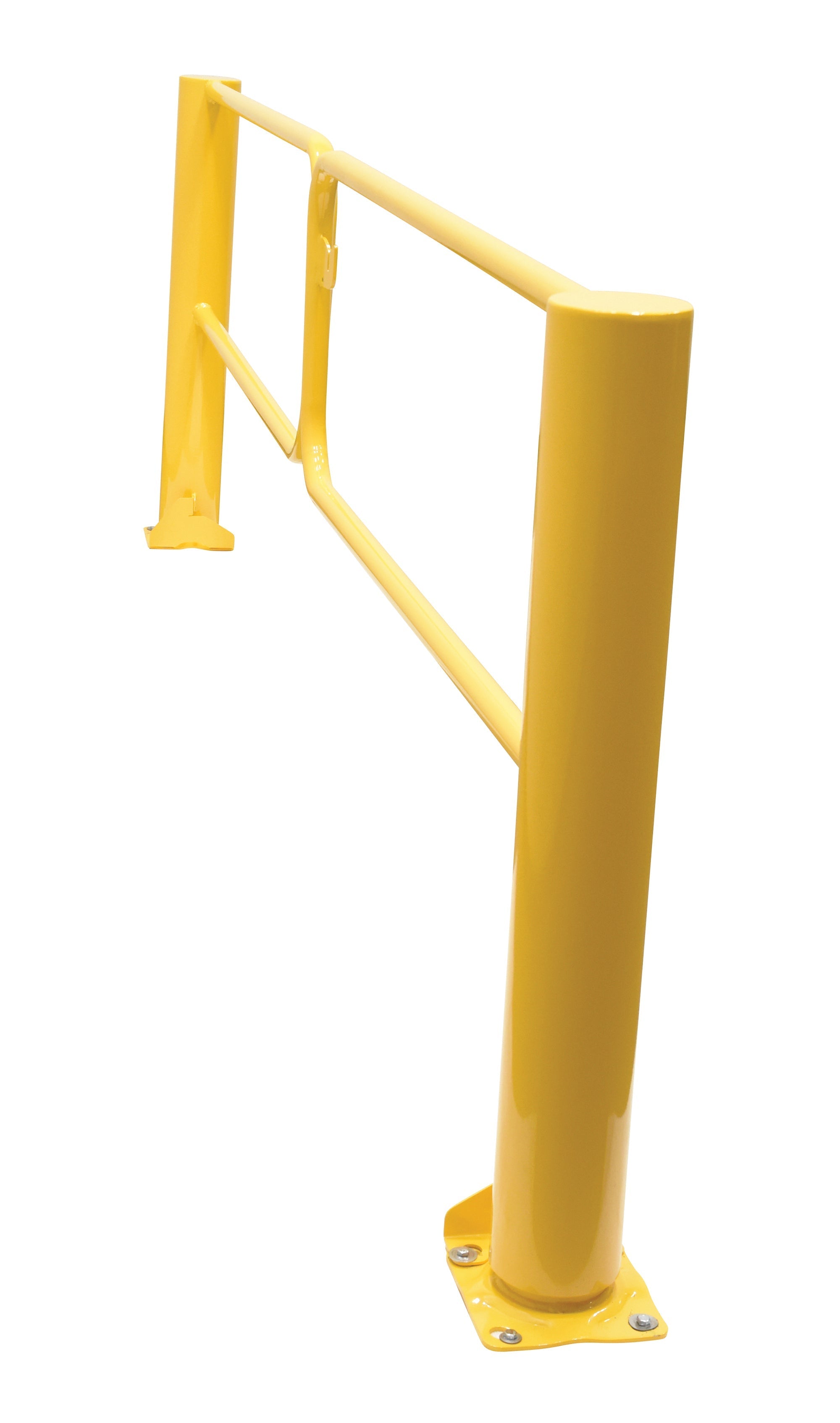
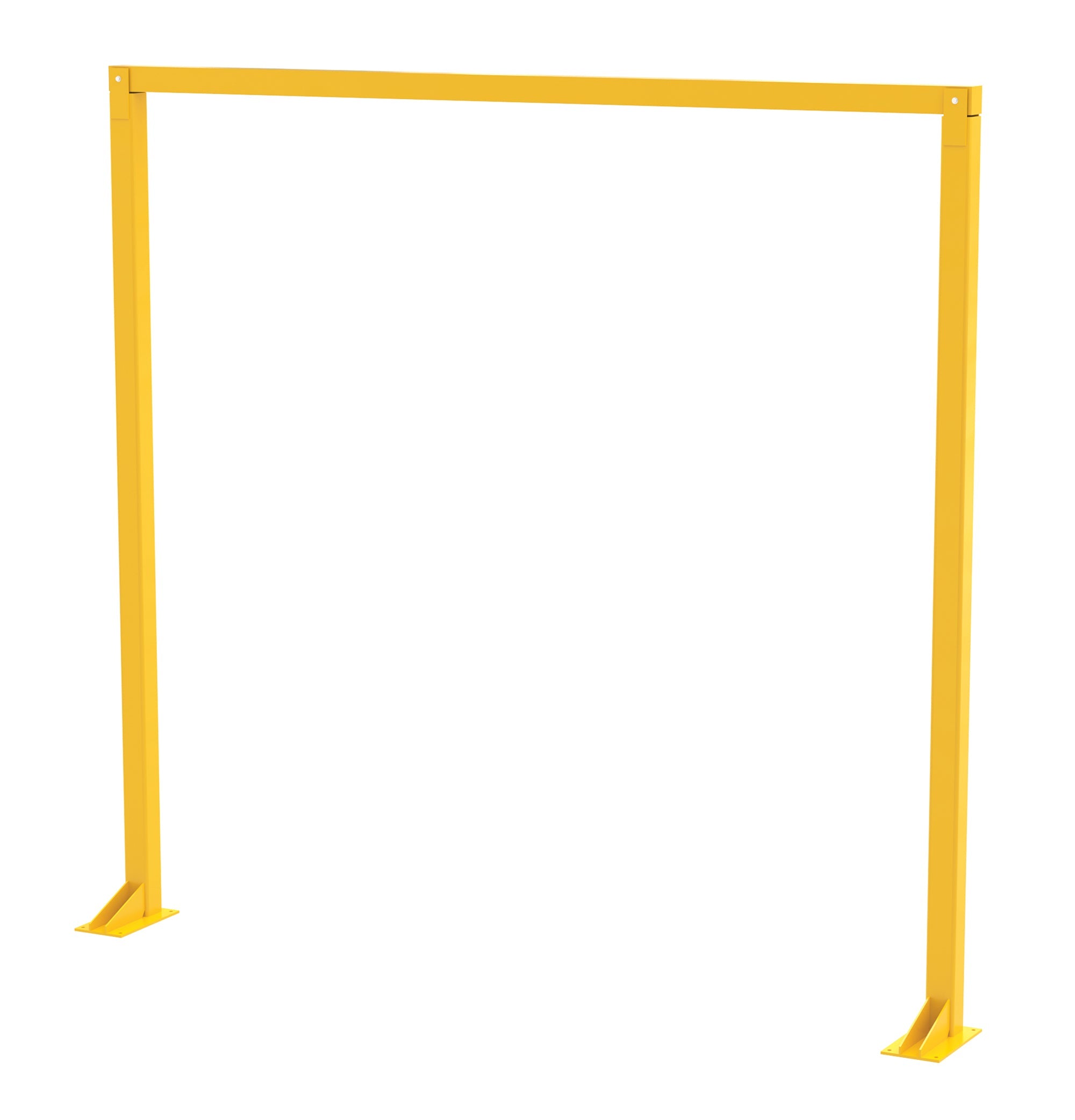
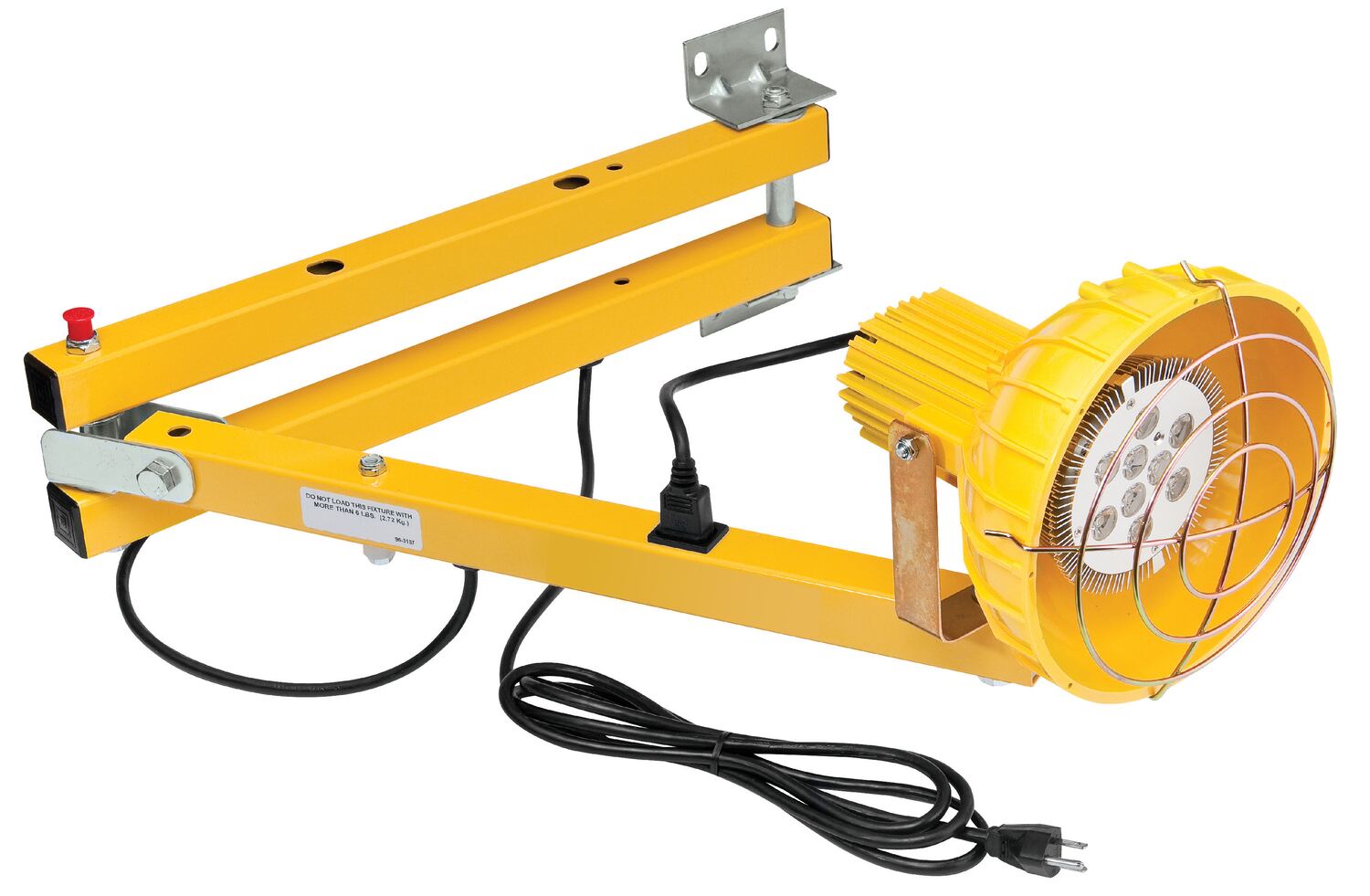
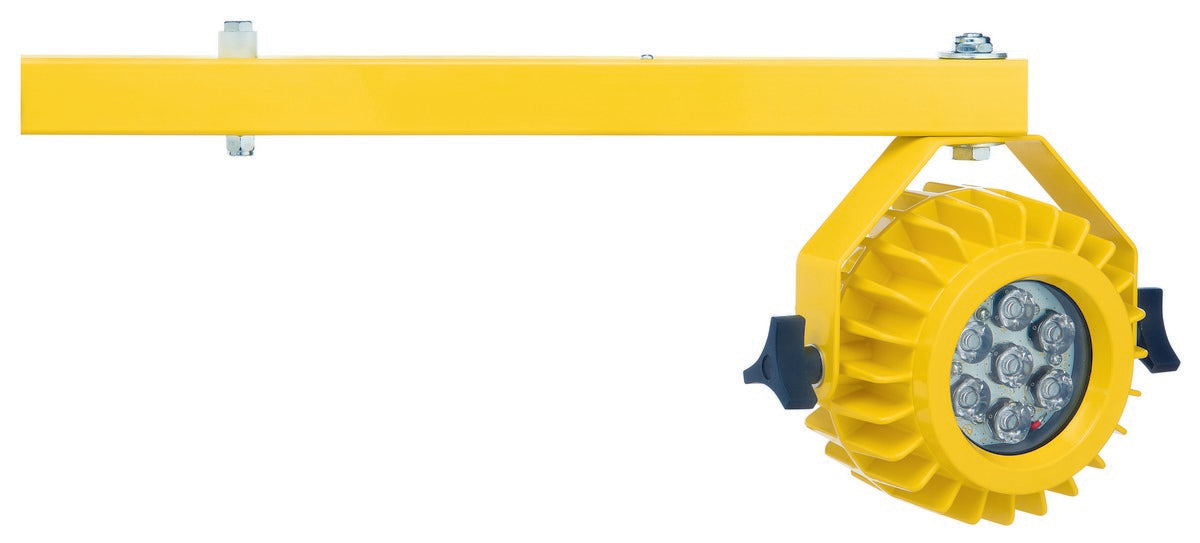
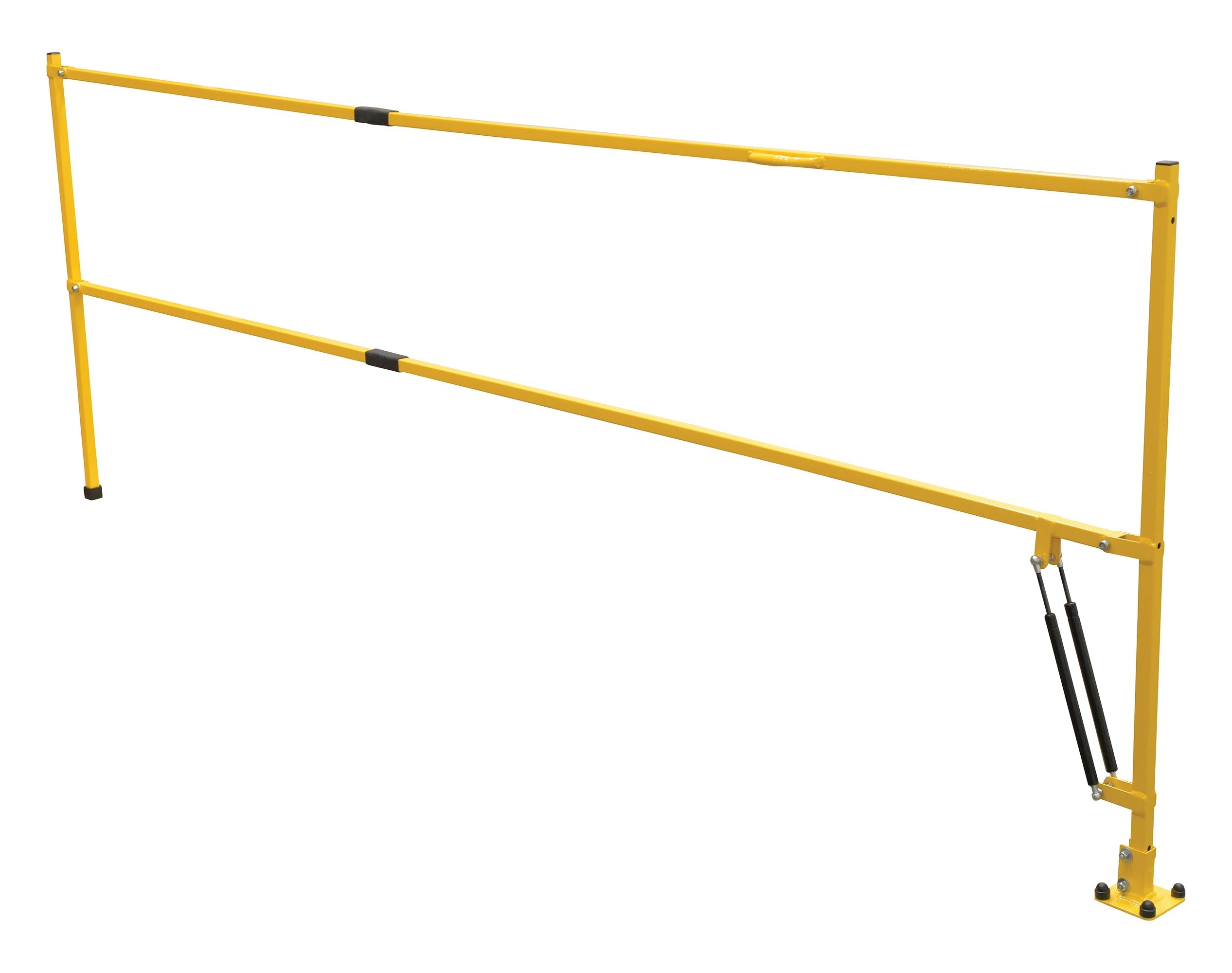
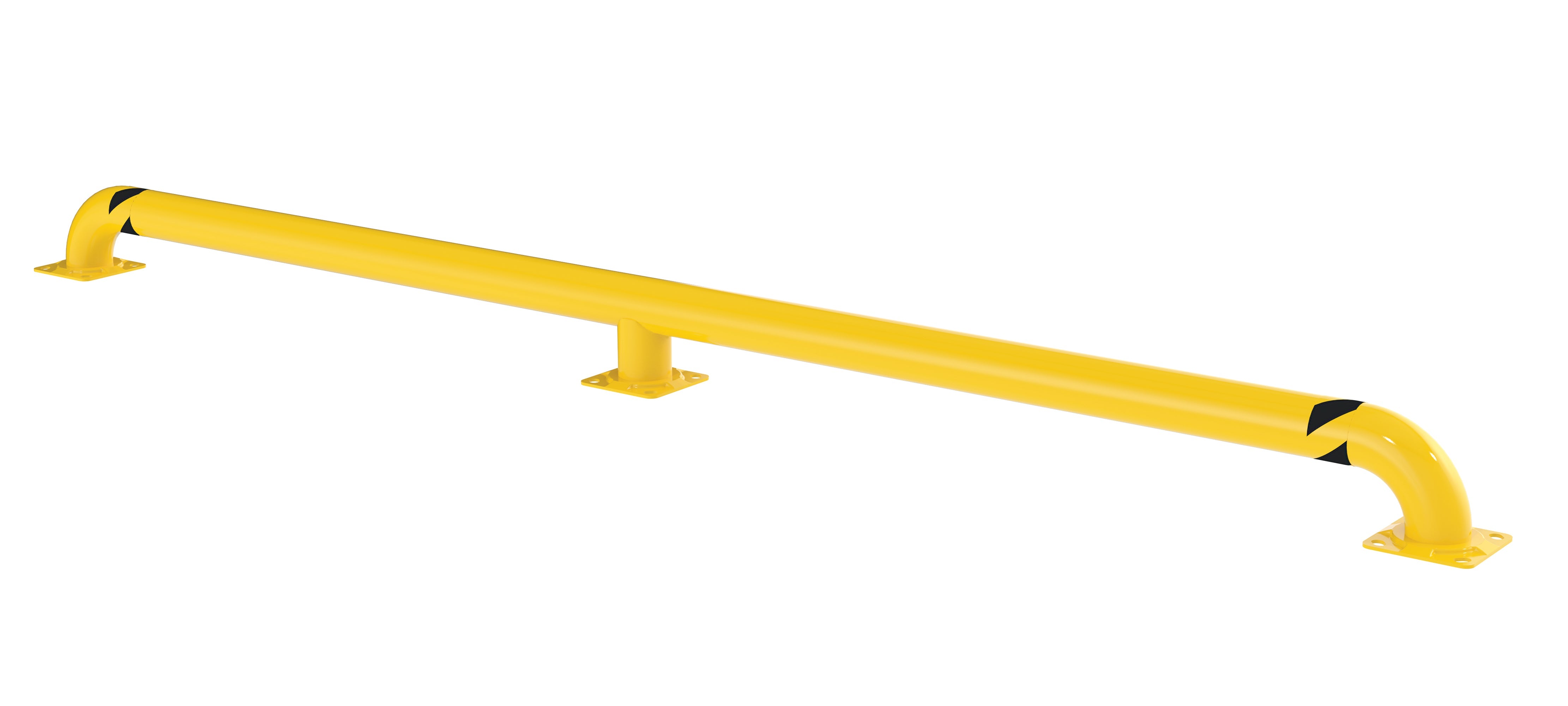
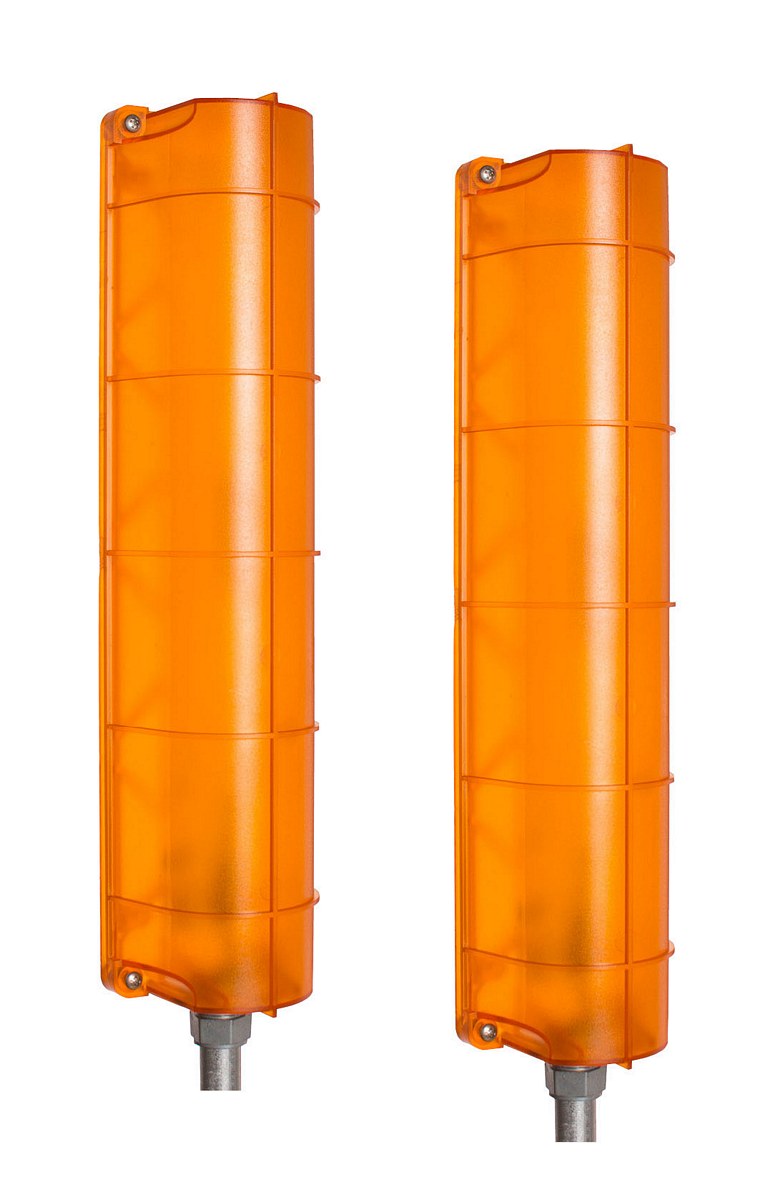
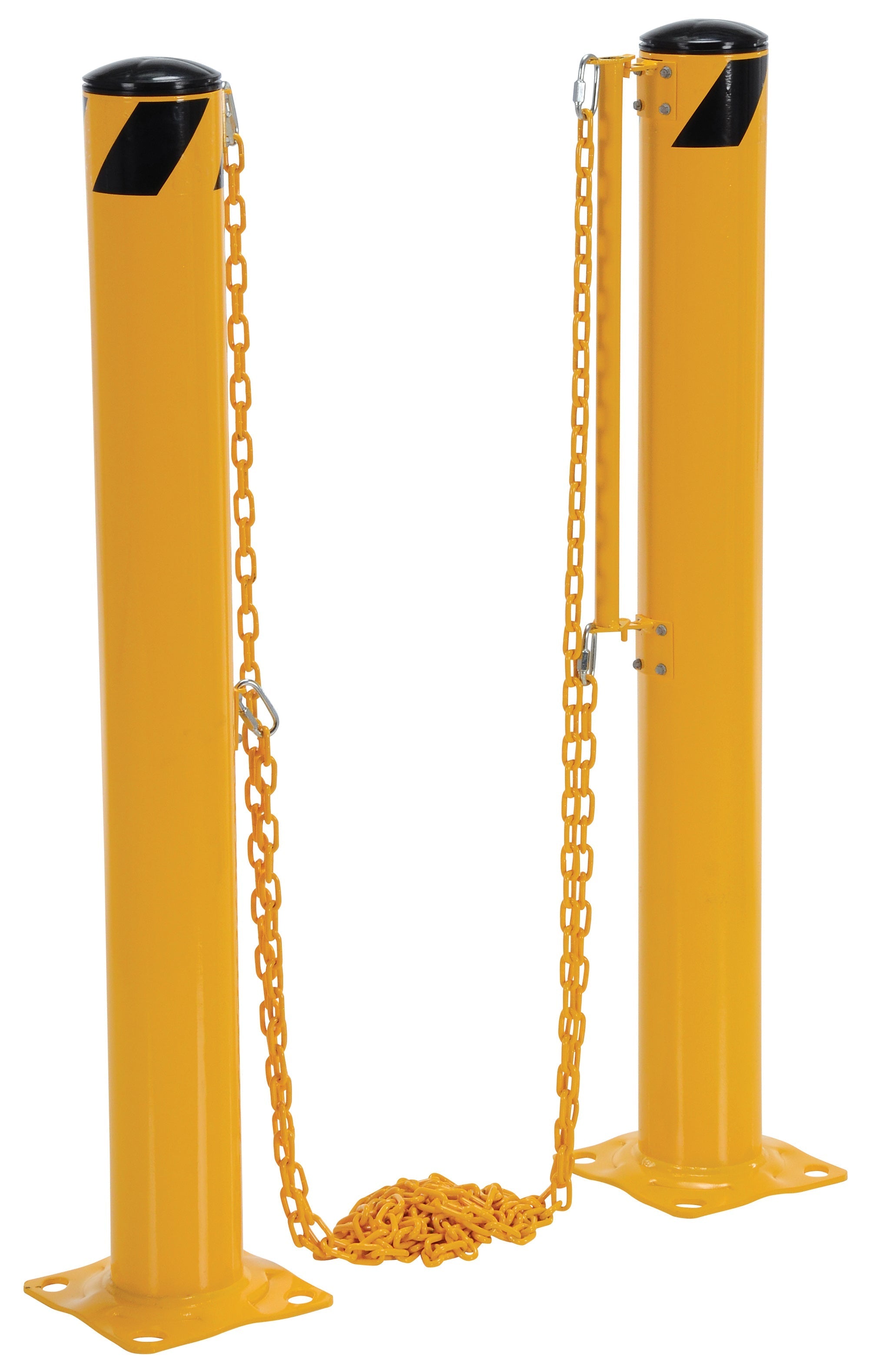
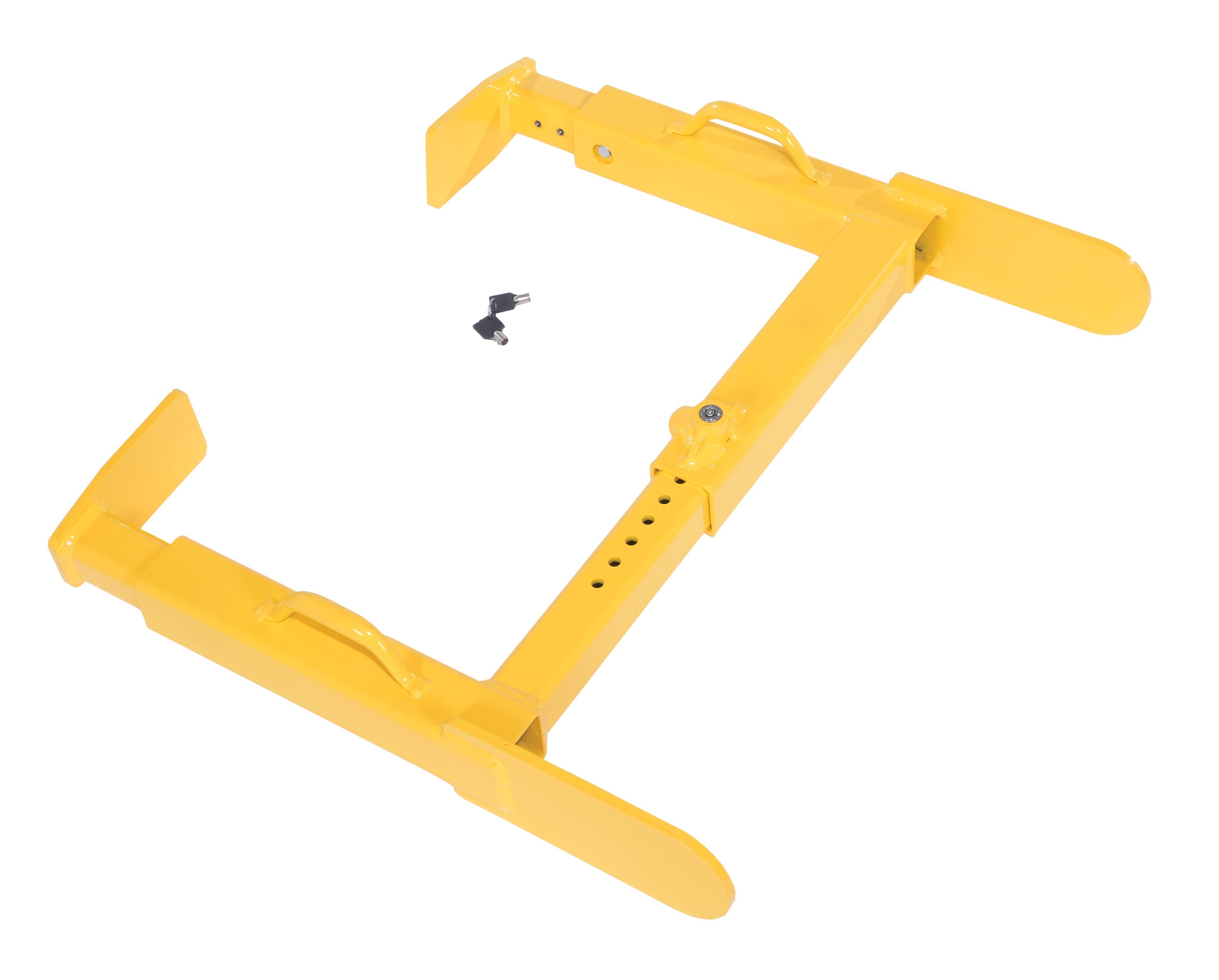
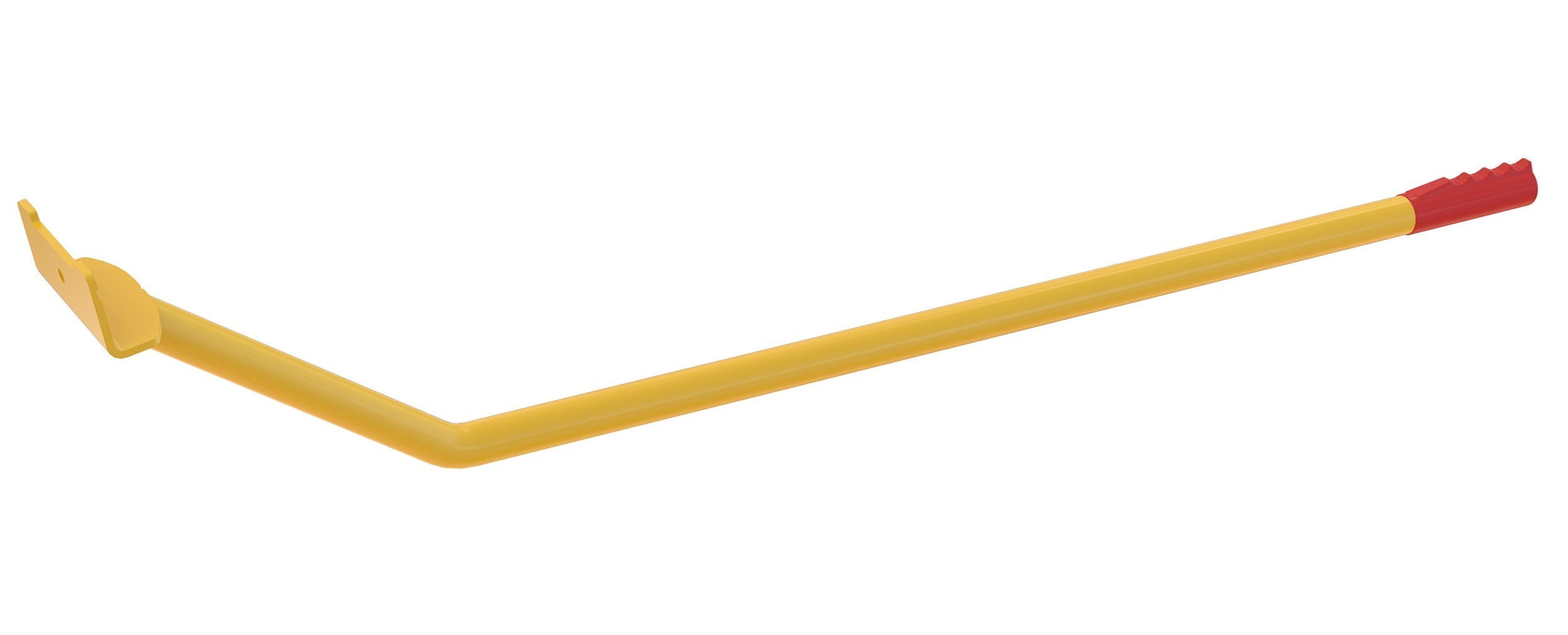
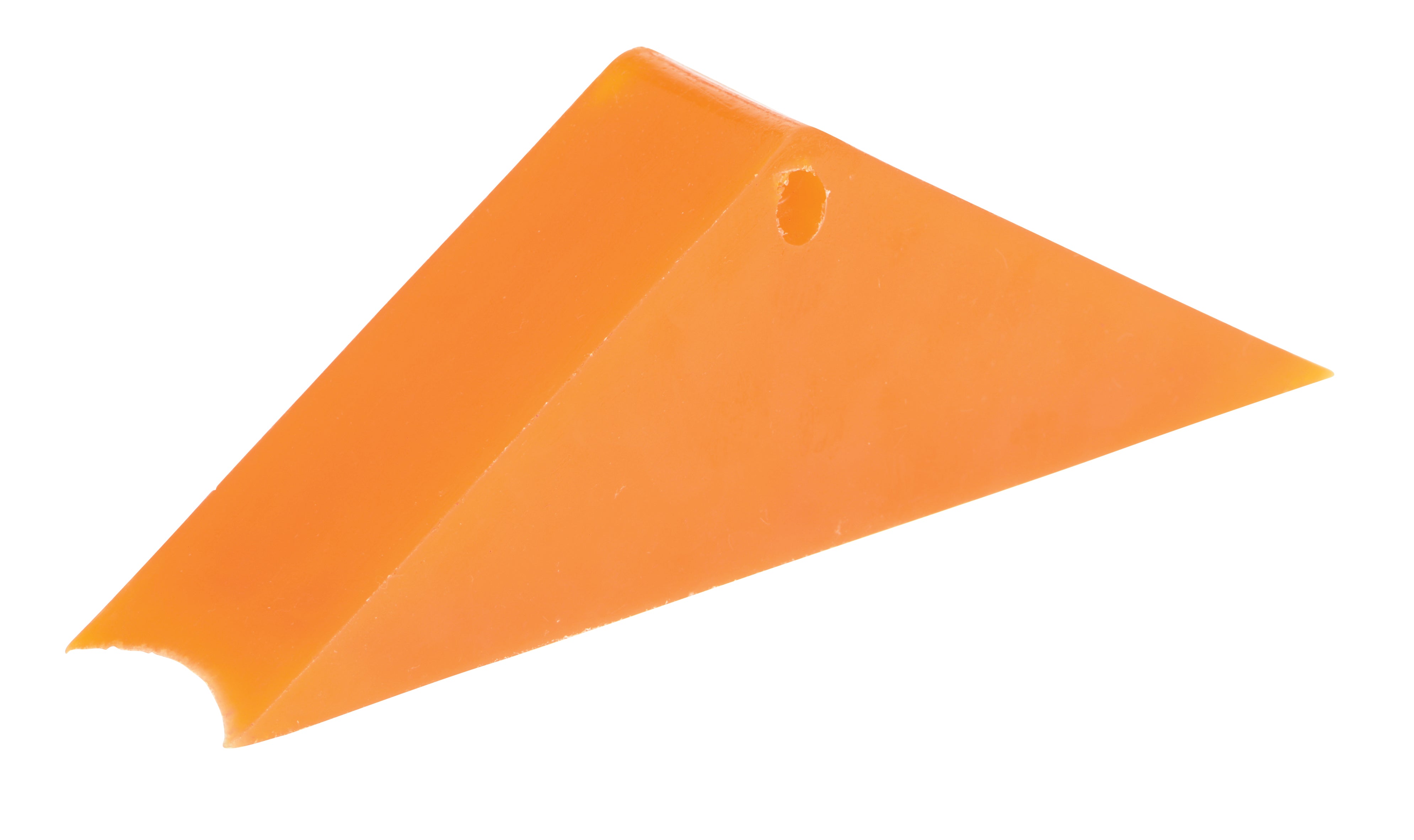
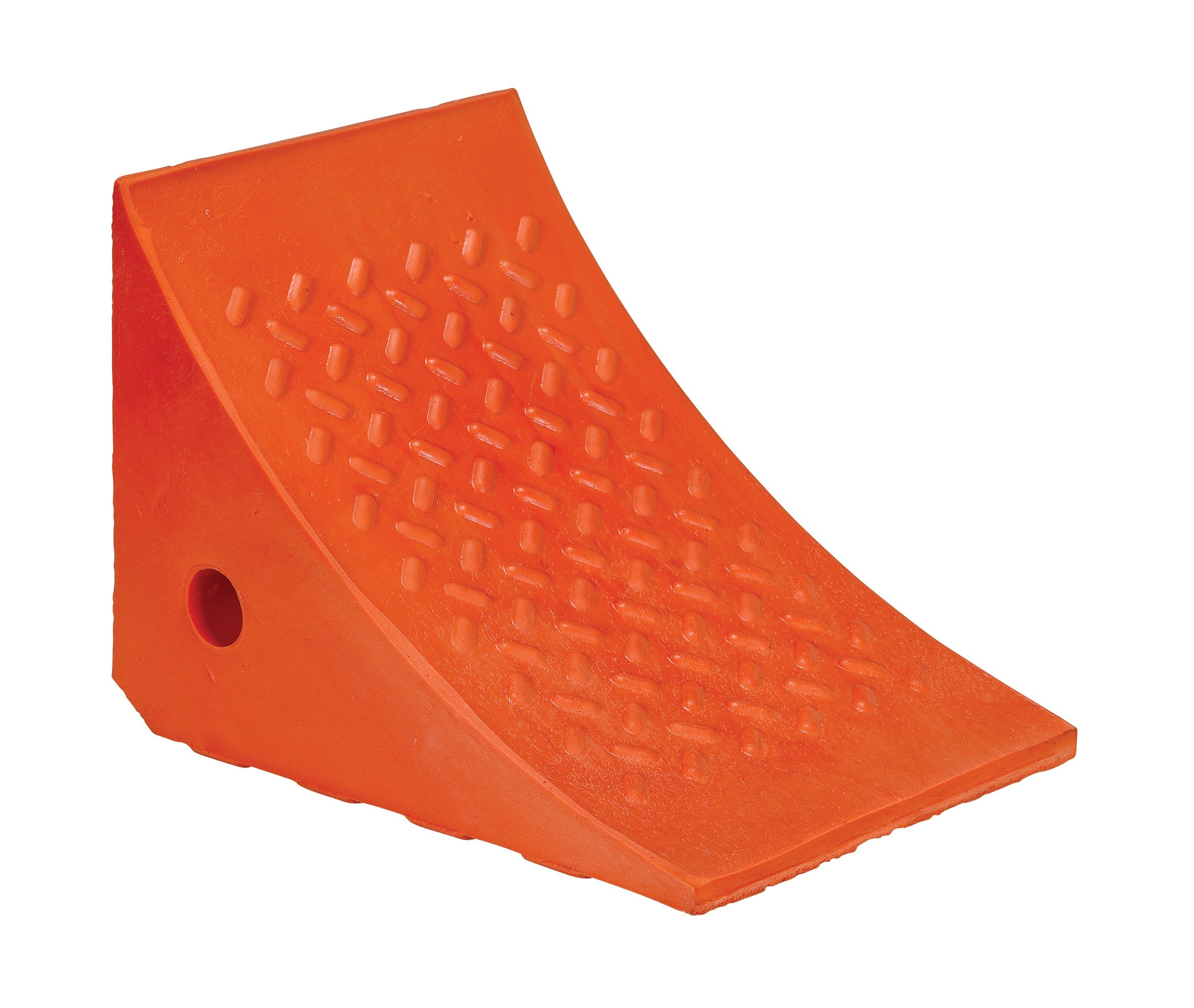
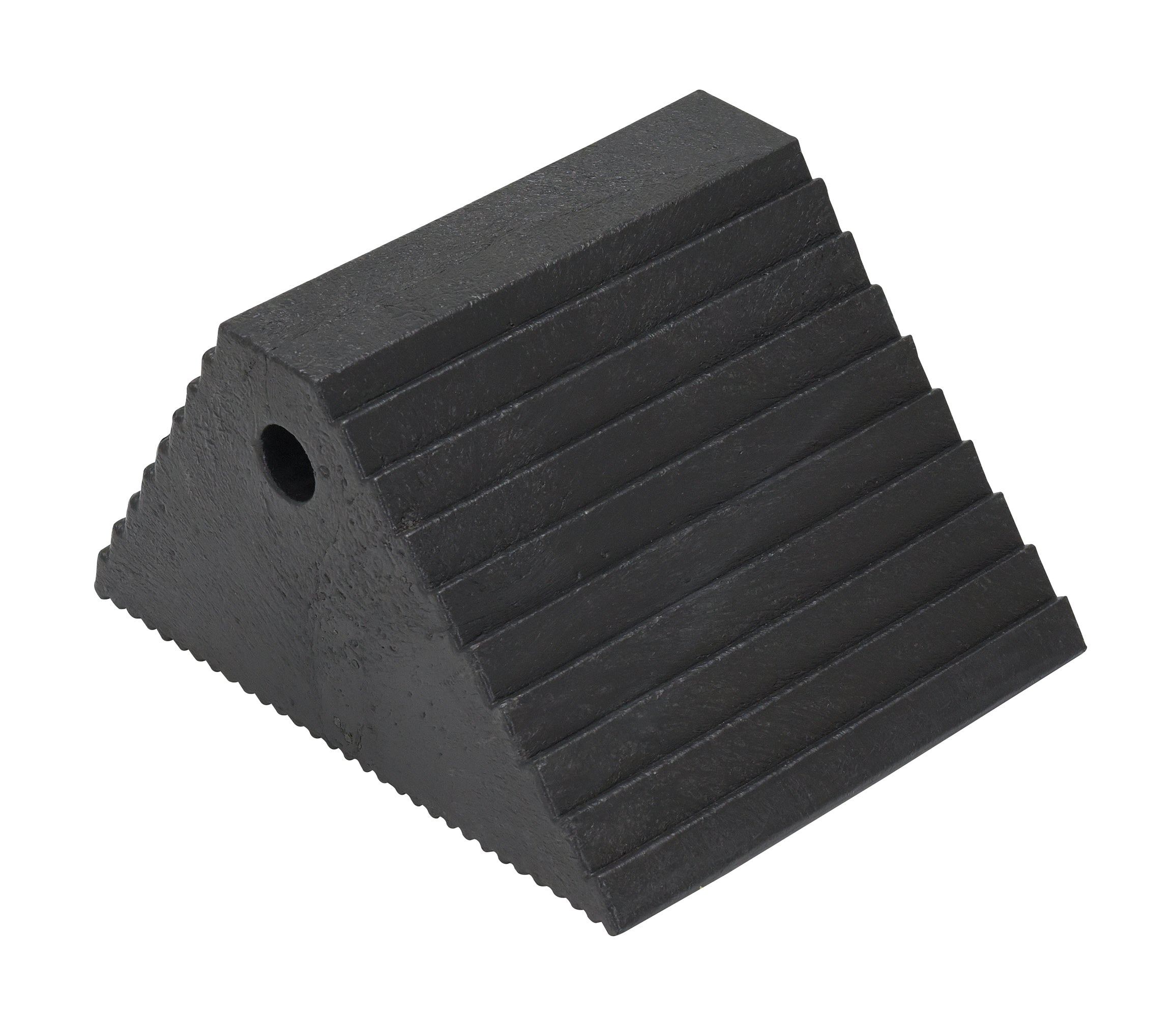
Hold the trailer, guard the edge, light the box. A trailer that creeps away from the dock while a forklift is inside it is the dock's signature accident, and OSHA 1910.178(k)(1) addresses it directly: highway trucks get brakes set and wheel chocks placed under the rear wheels before powered industrial trucks board them. Our wheel chocks run from rubber and urethane wedges under $30 to rail car chocks, and dock safety adds the trailer wheel locks, barricades, and guide curbs around them. The open dock edge itself is a 4 ft fall to concrete, which dock gates close off with swing, lift, and swivel designs from about $260. Inside the trailer, loading lights put LED light where pickers actually work, from about $200, because the darkest place in most warehouses is the nose of a trailer.
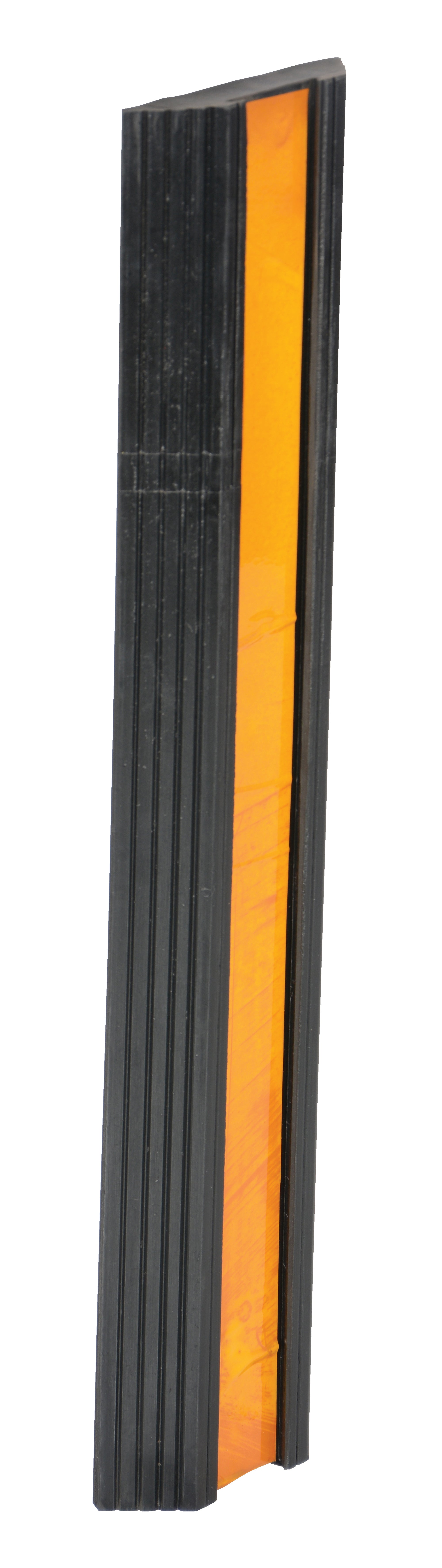
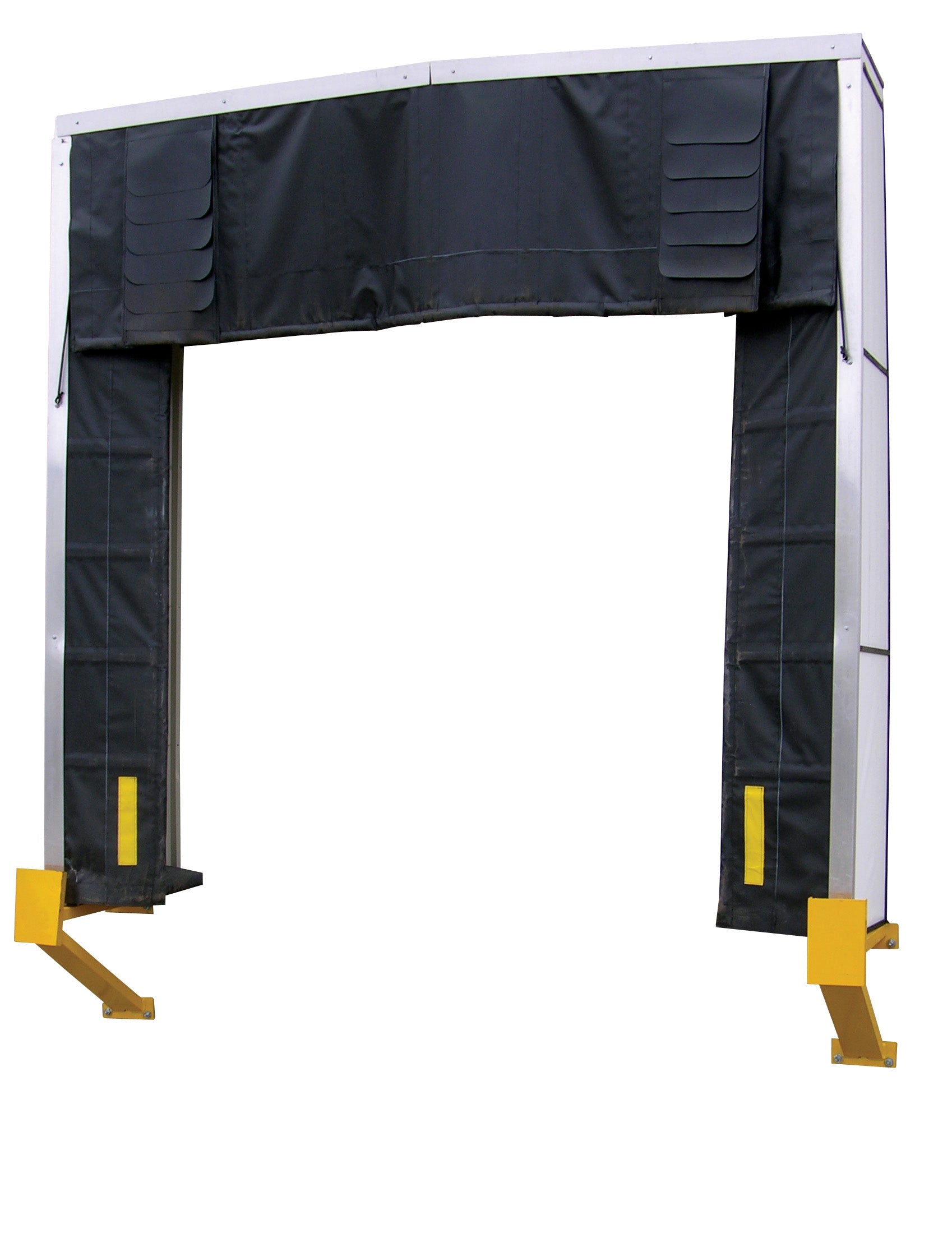
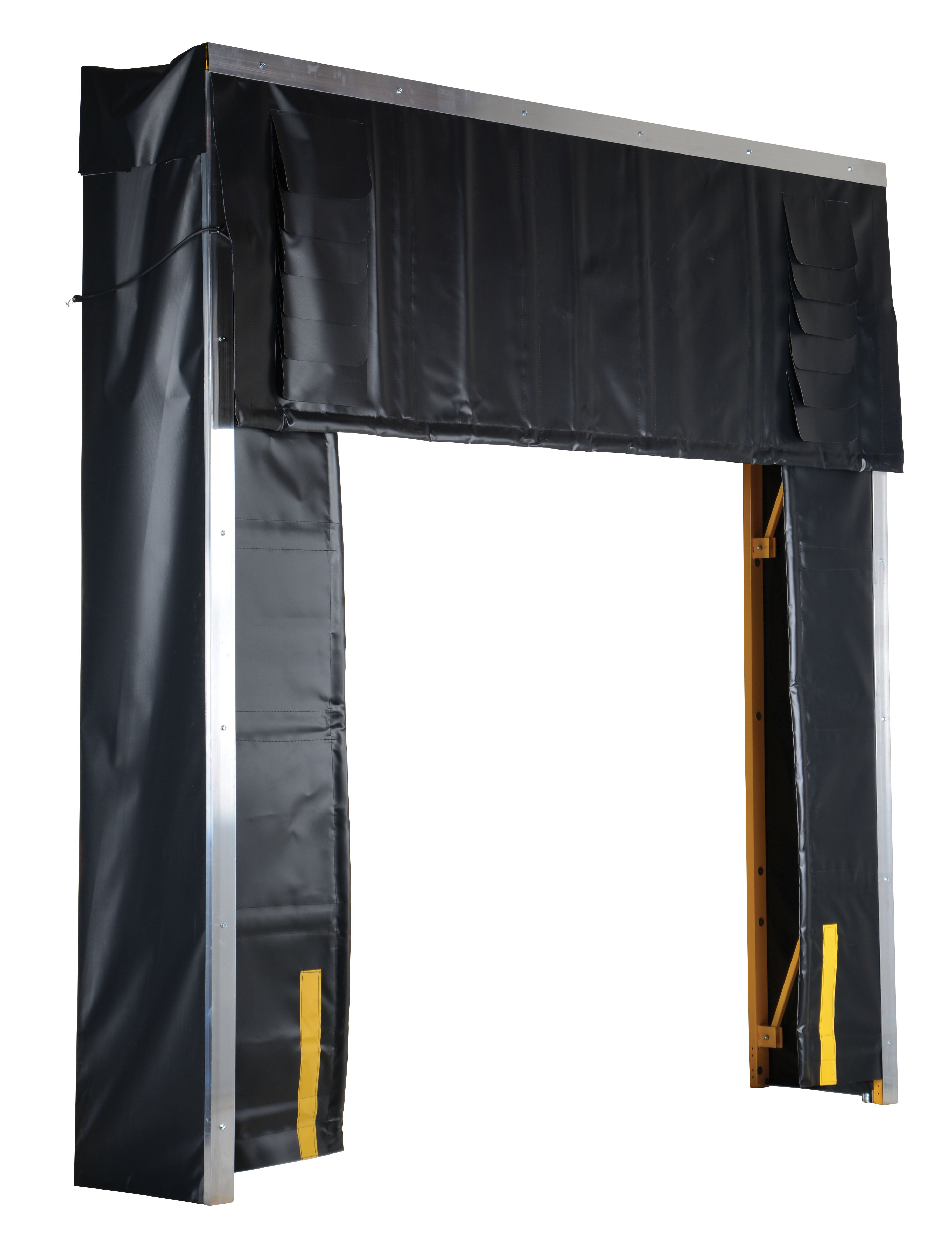
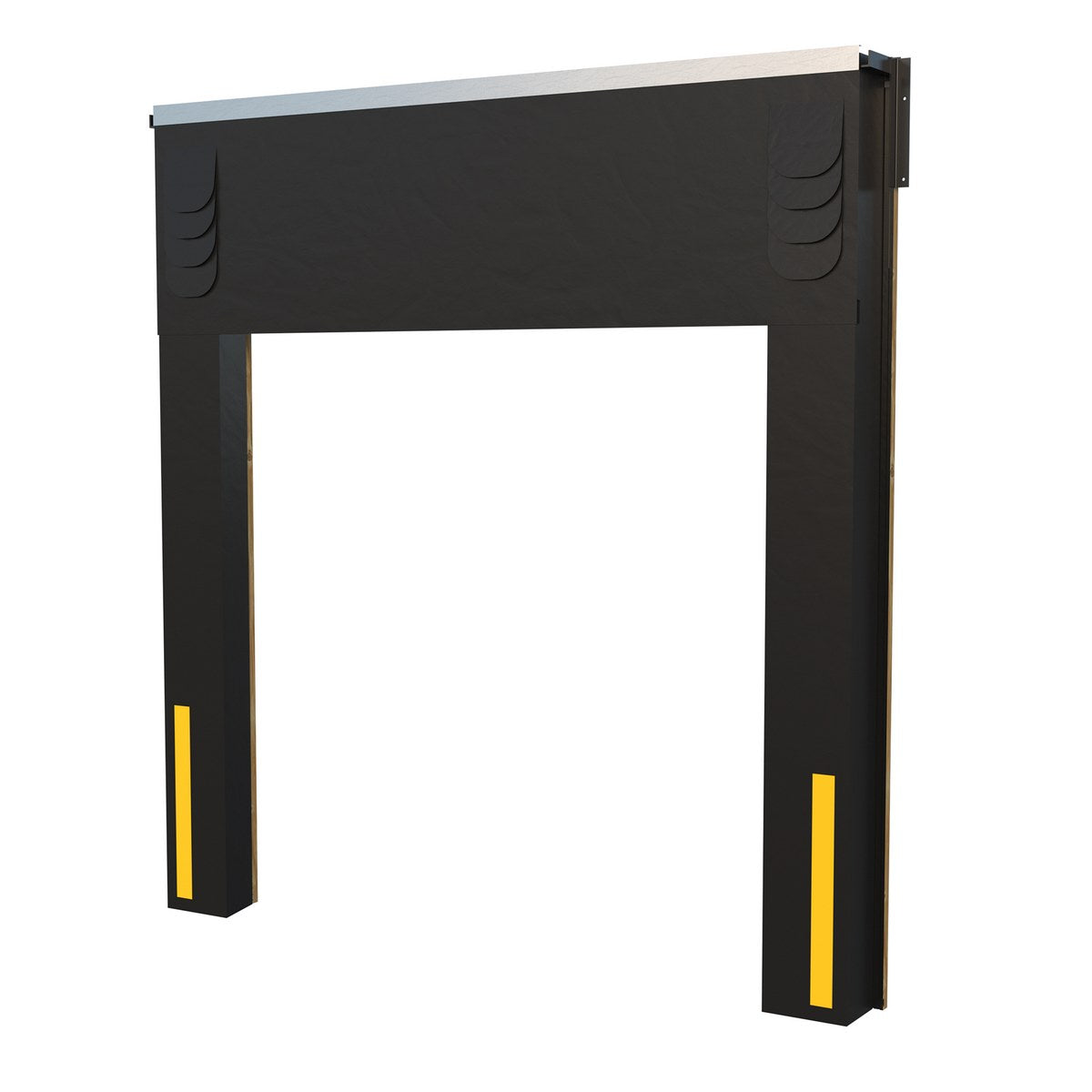
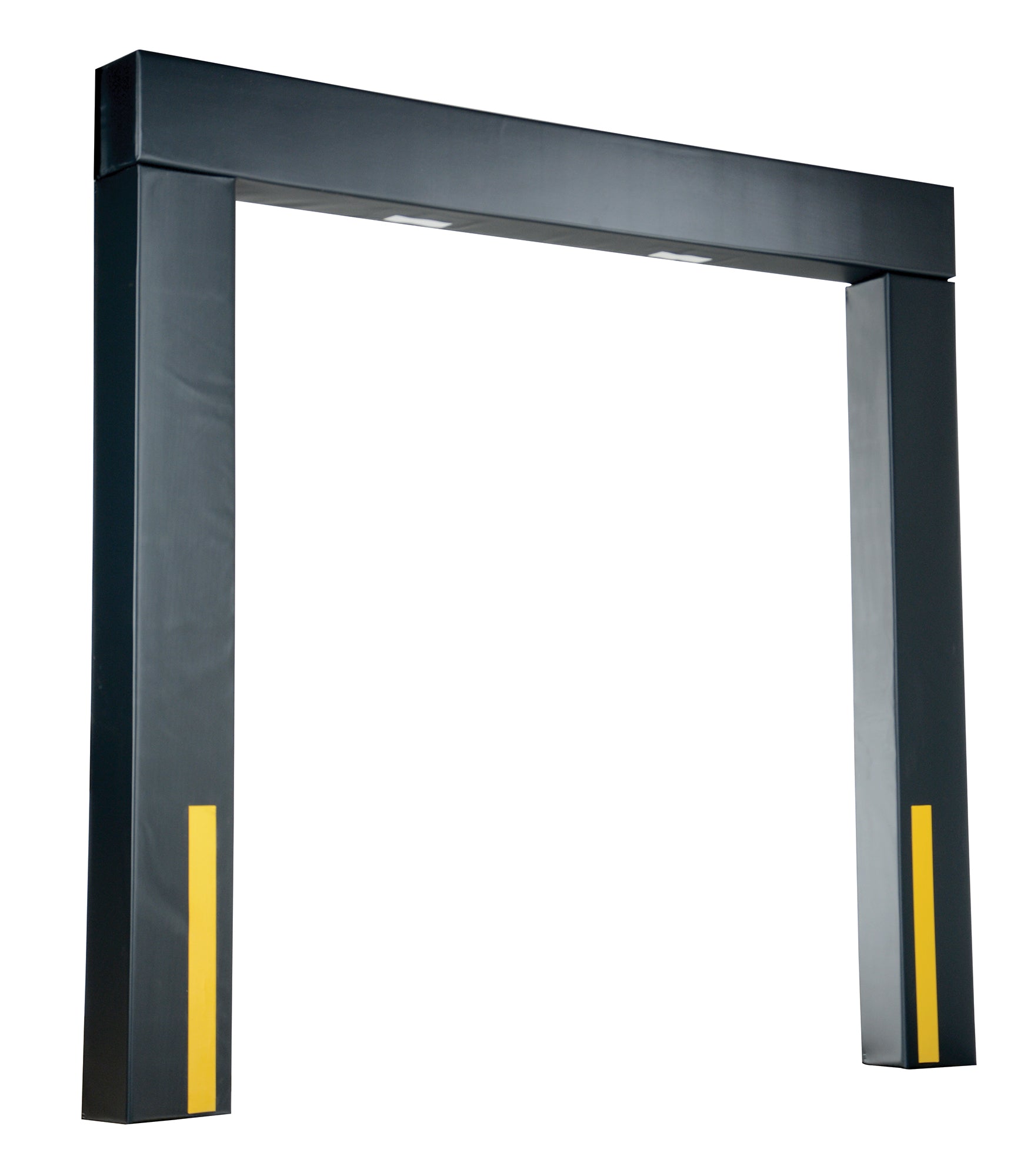
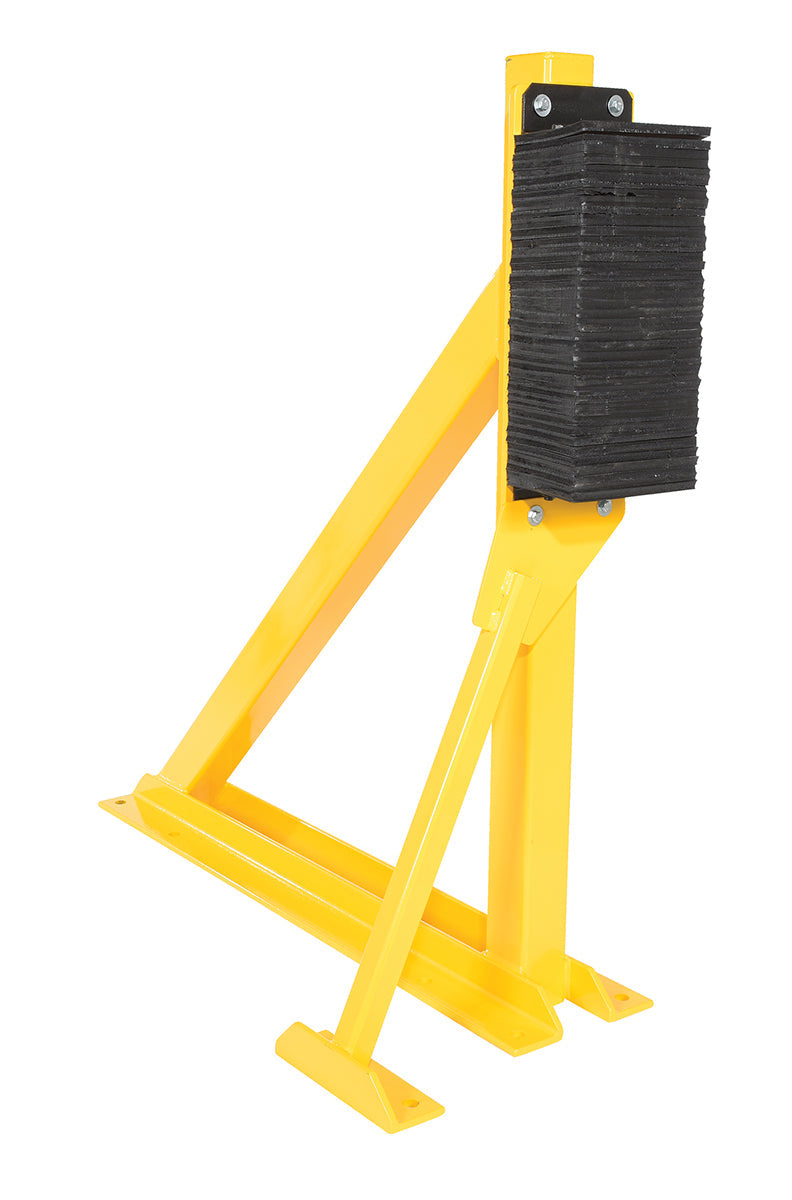
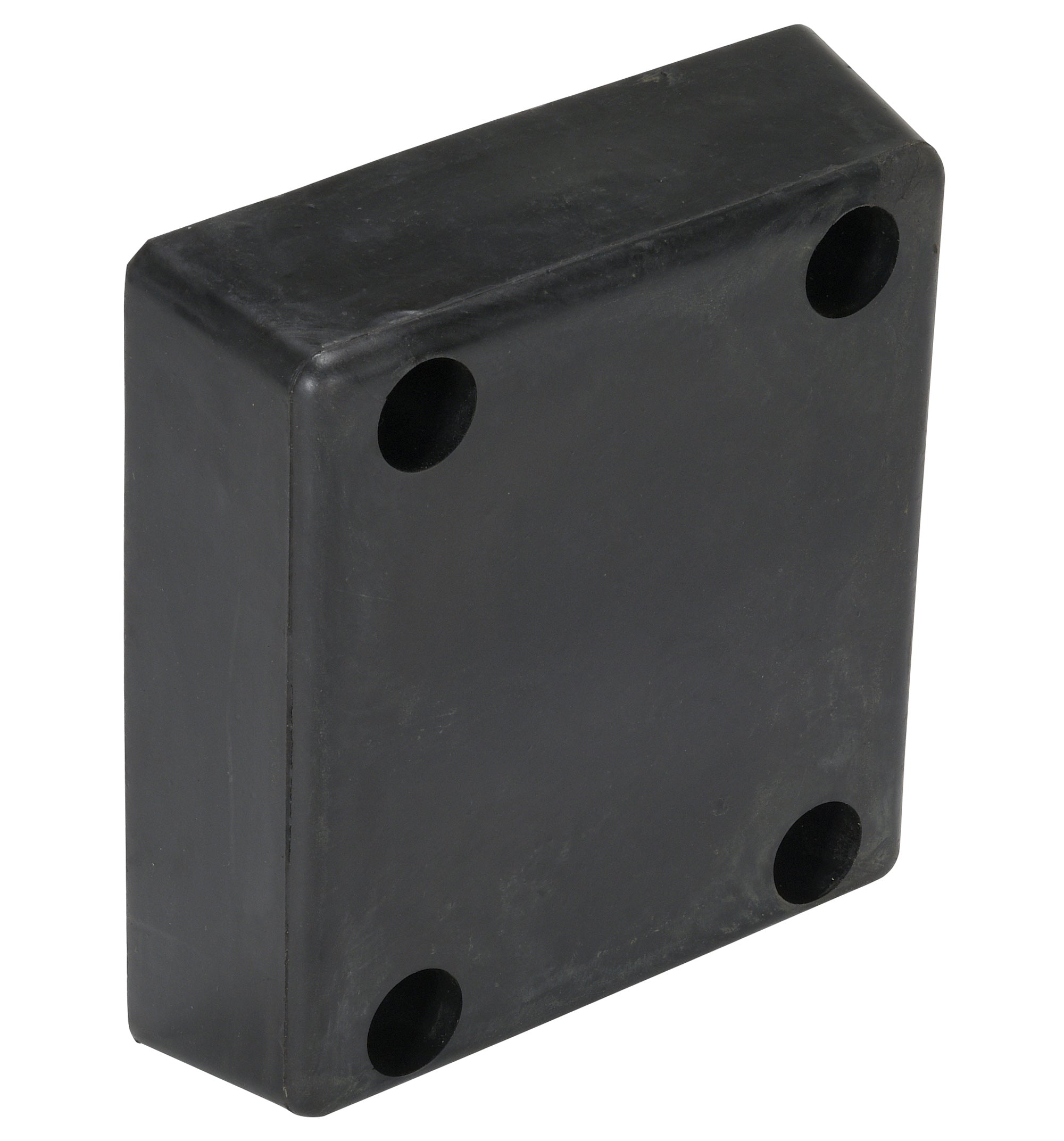
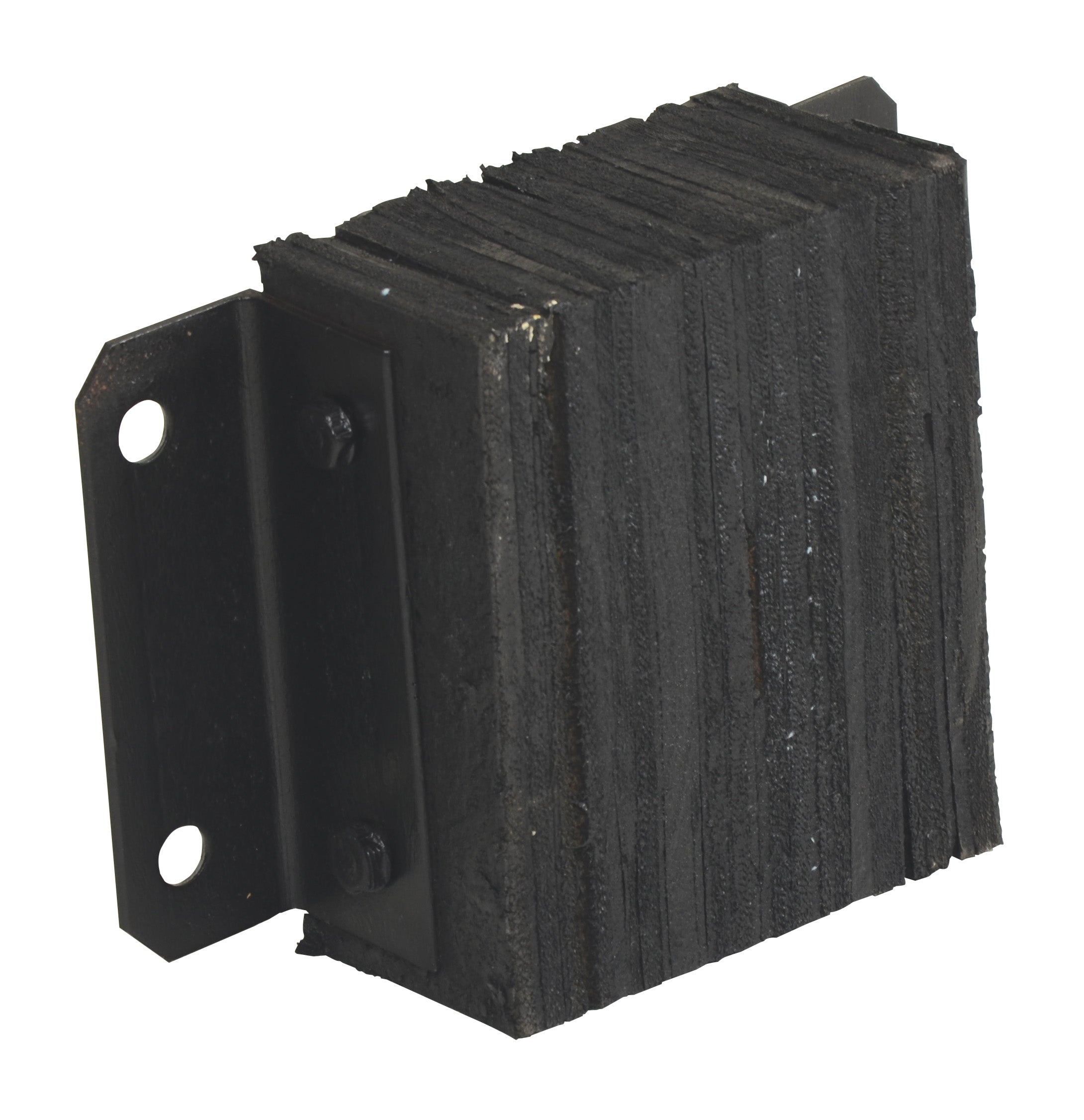
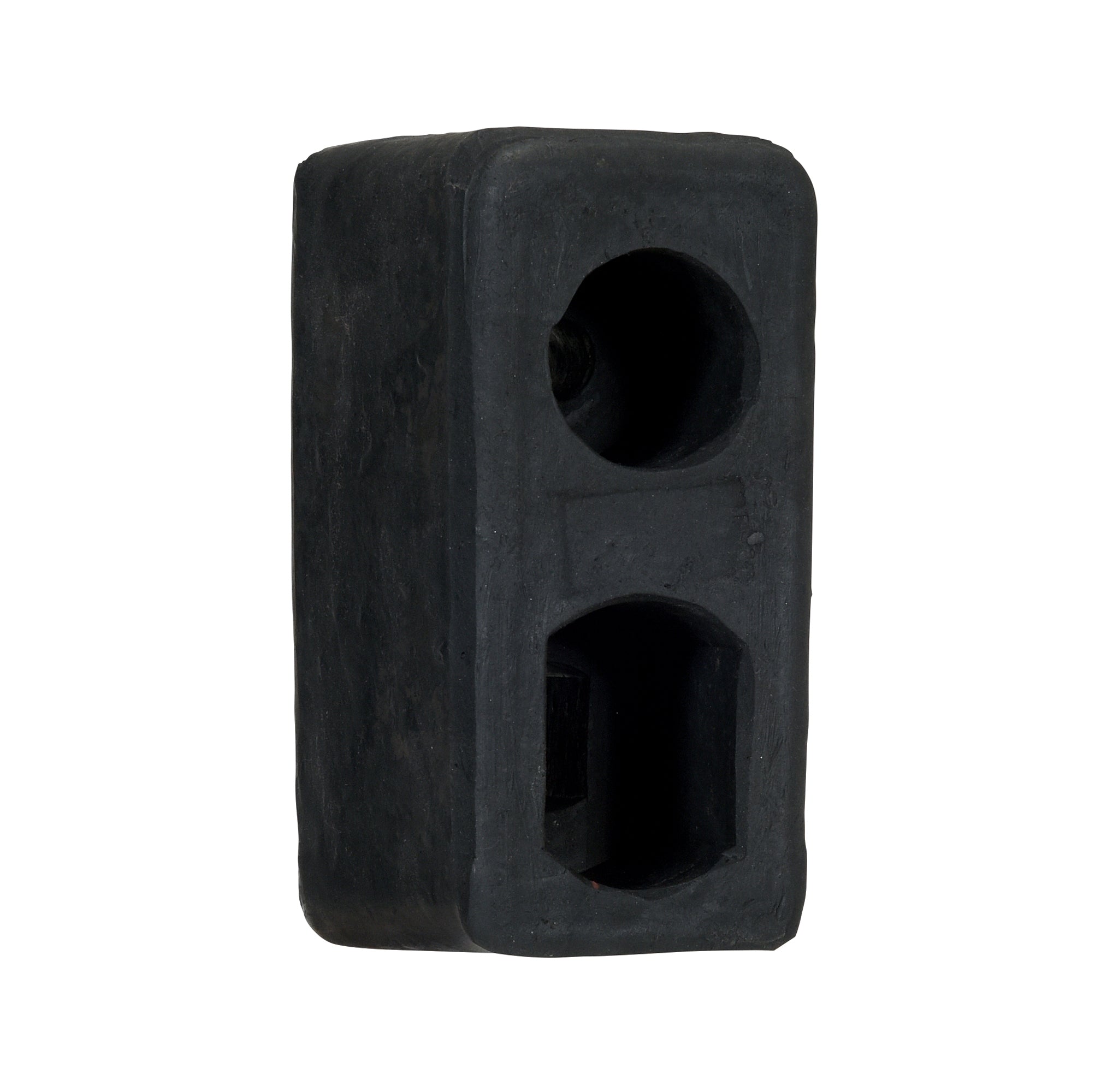
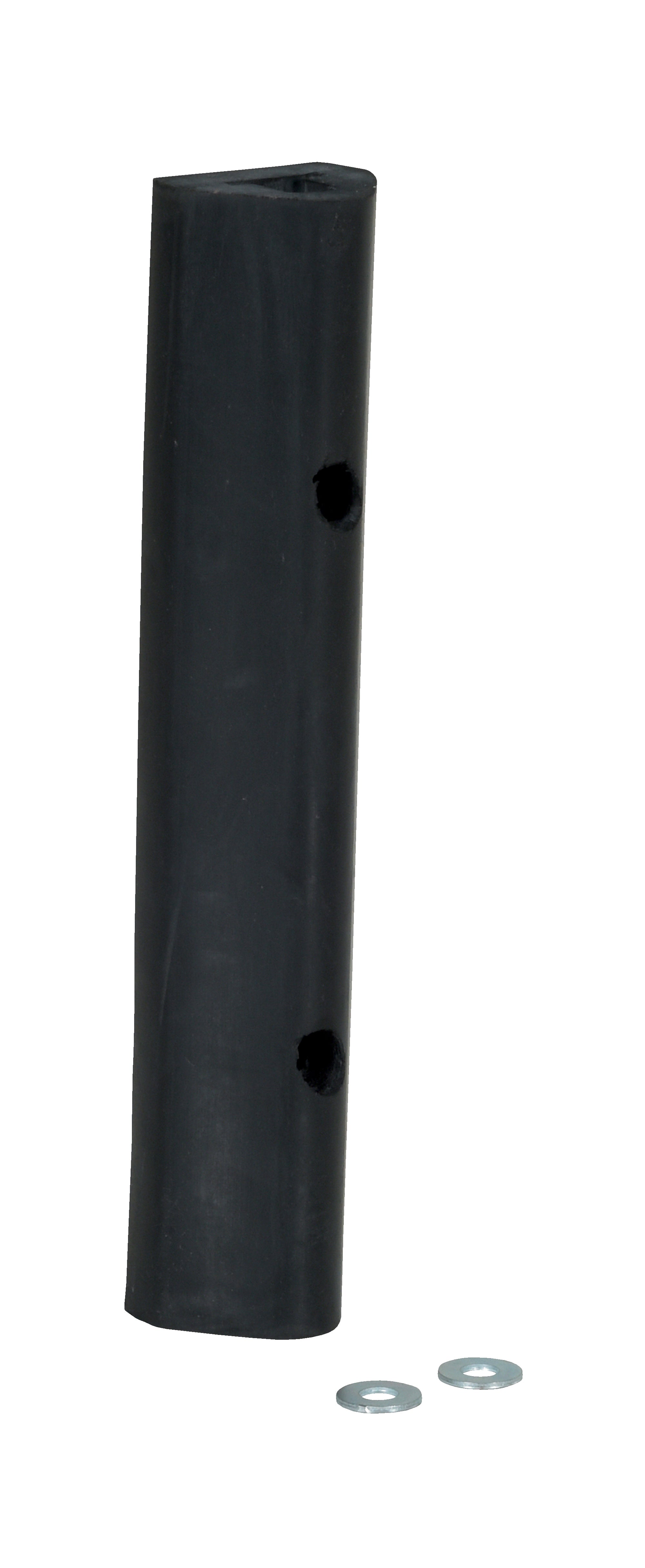
Seal the opening: bumpers, seals, and shelters. Dock bumpers are the cheapest insurance on this page, from about $11: they take the impact of a 40-ton trailer backing in, sparing the dock wall and the leveler behind it, in laminated, molded, and extruded styles sized to your dock face. Above them, dock seals and shelters close the gap between trailer and building that otherwise leaks conditioned air all day and lets rain ride in on every load. Foam compression seals, from about $860, press against the trailer body and suit docks that see consistent trailer sizes; shelters, from about $1,800, curtain around the trailer's top and sides and handle mixed fleets and full-width trailer access. Draft blockers and seal combinations cover the budget tiers between. An unsealed busy dock is a hole in the building the size of a truck.
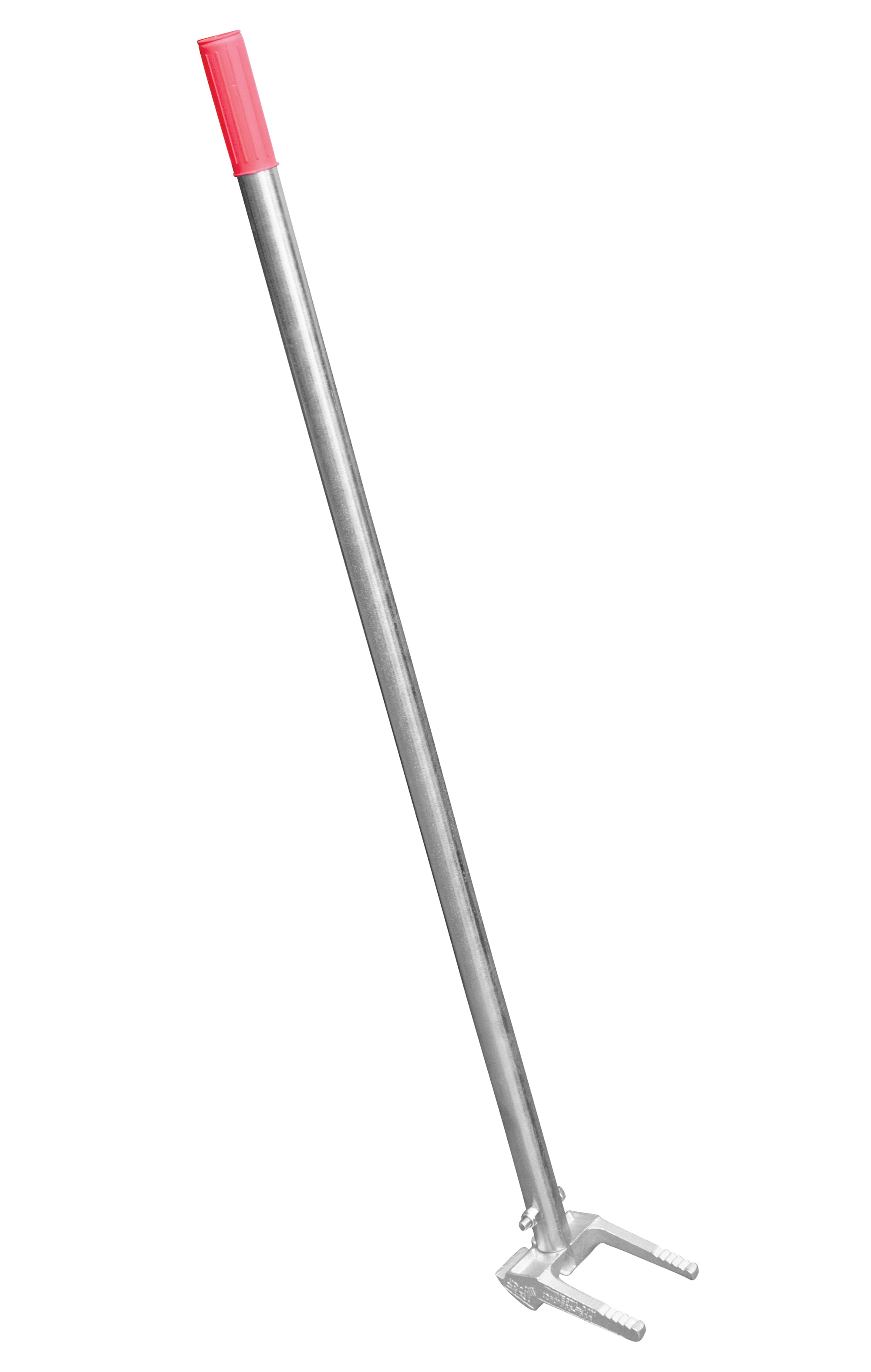
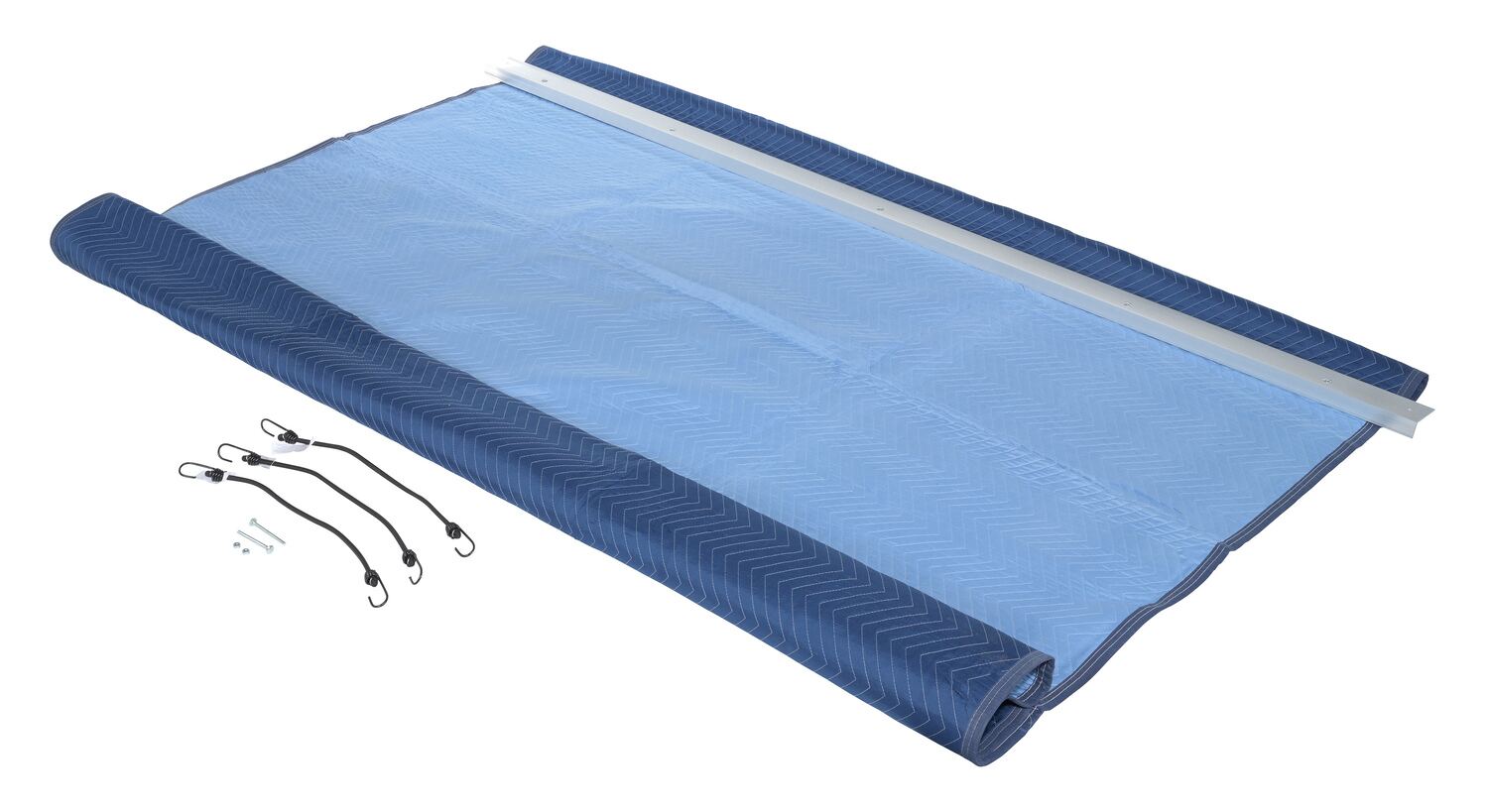
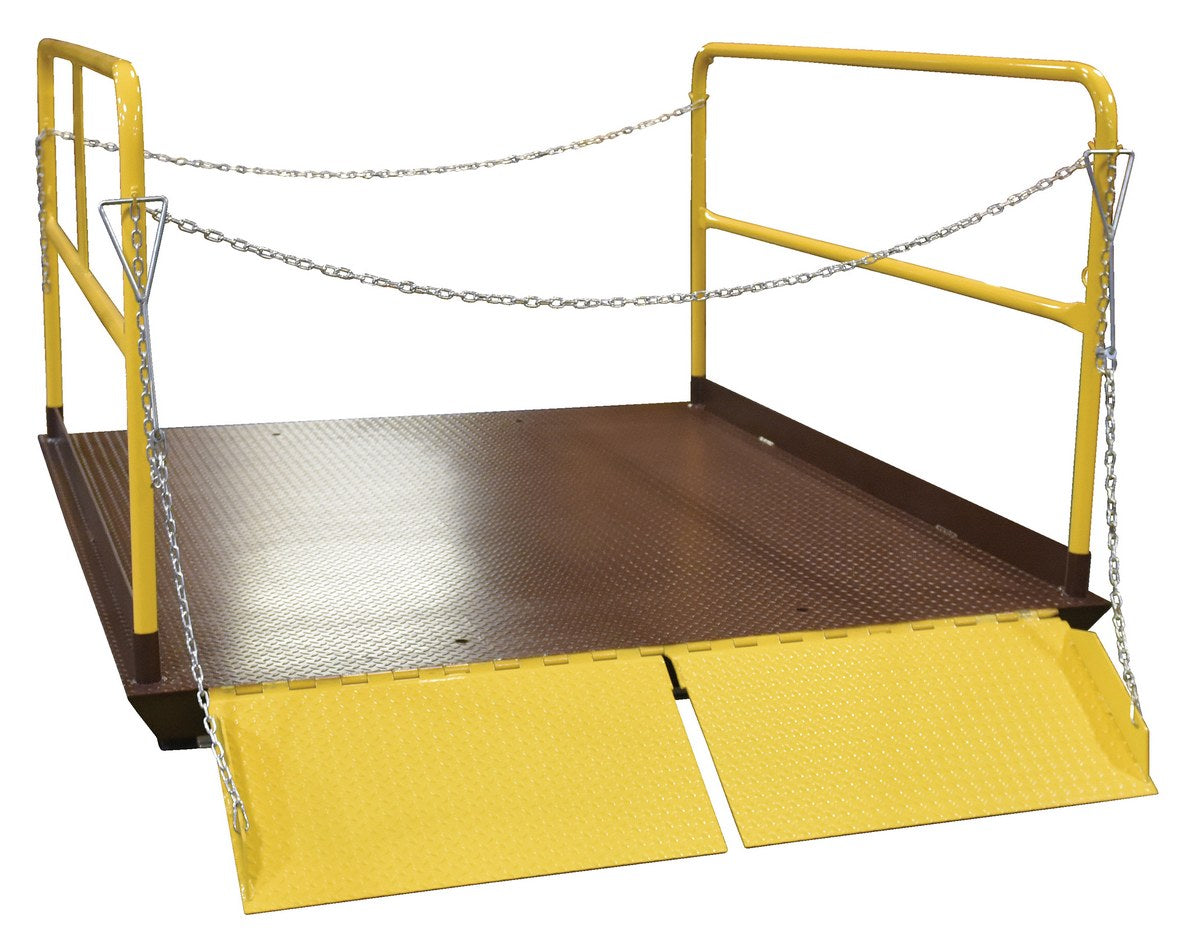
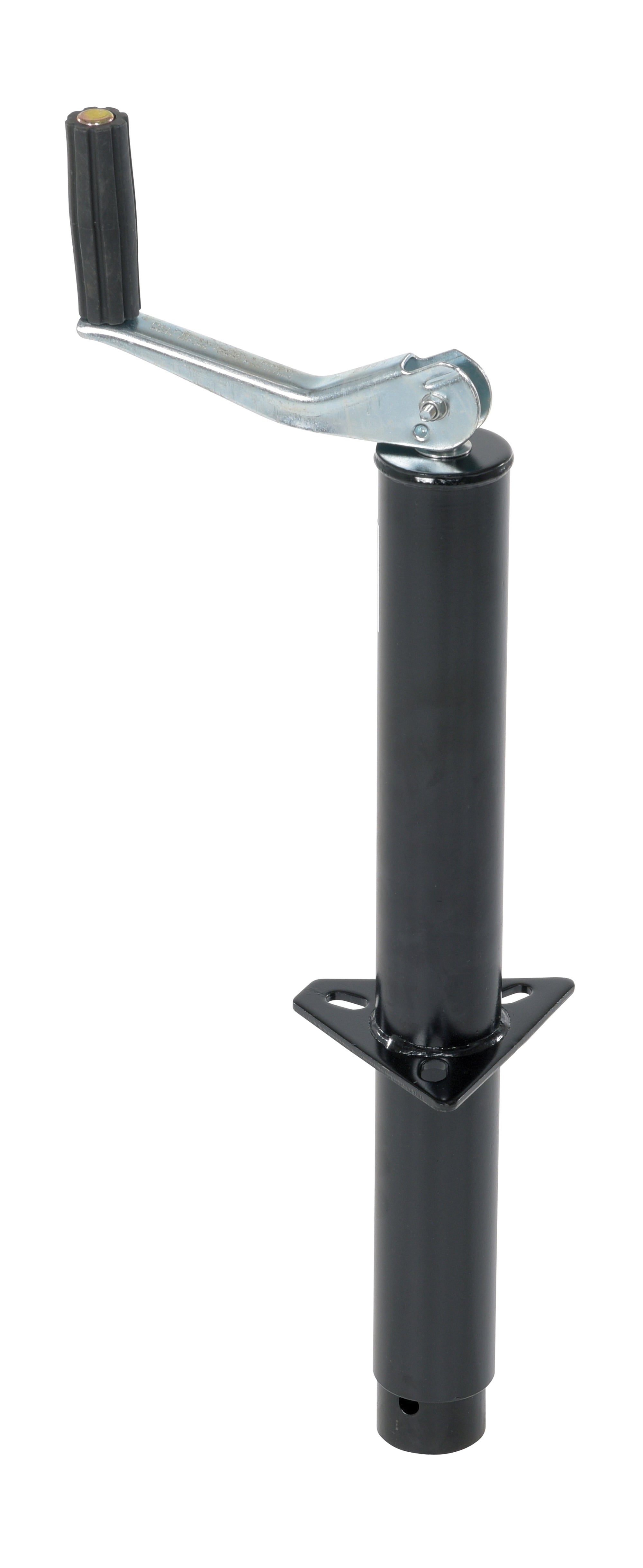
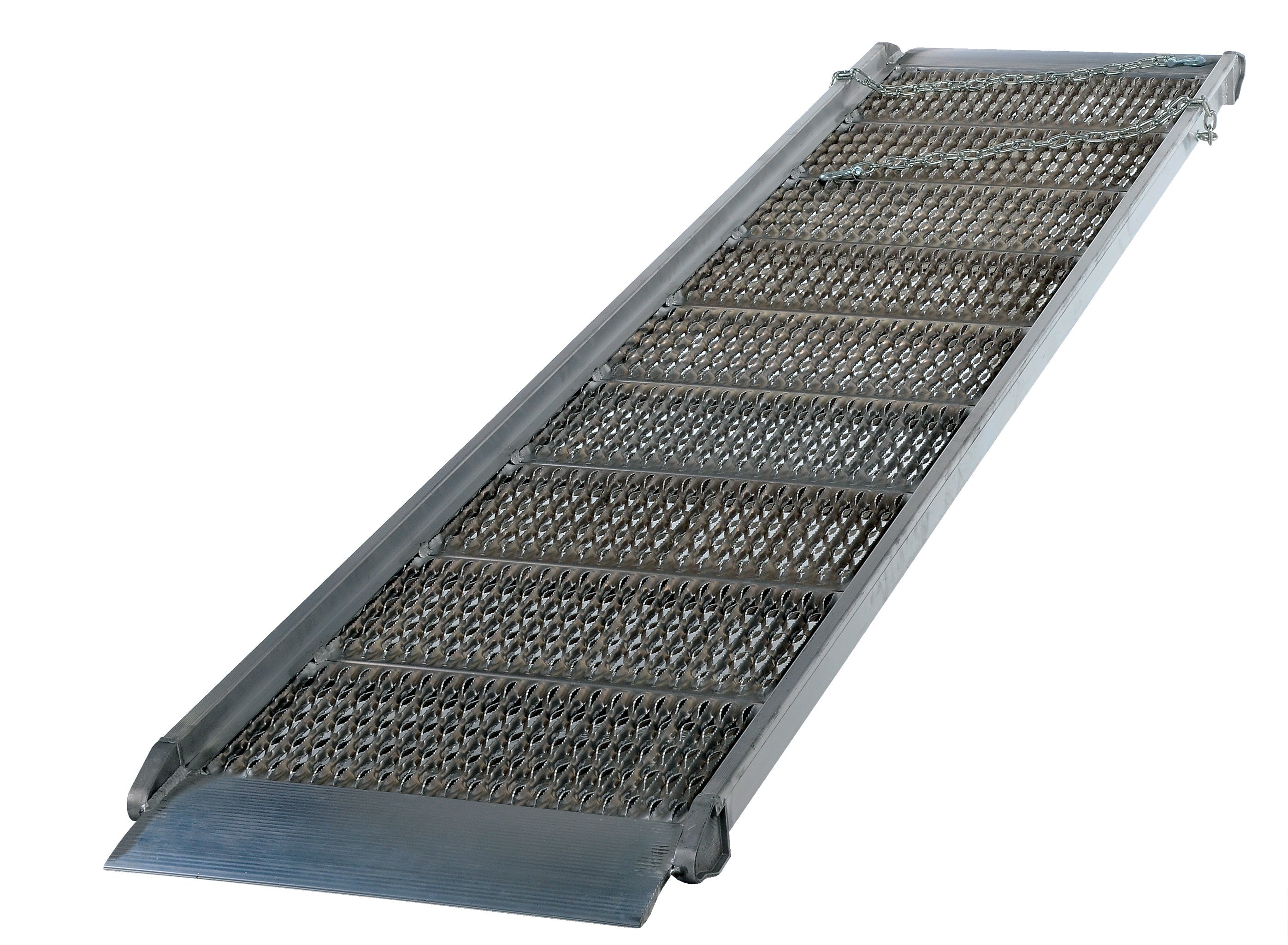
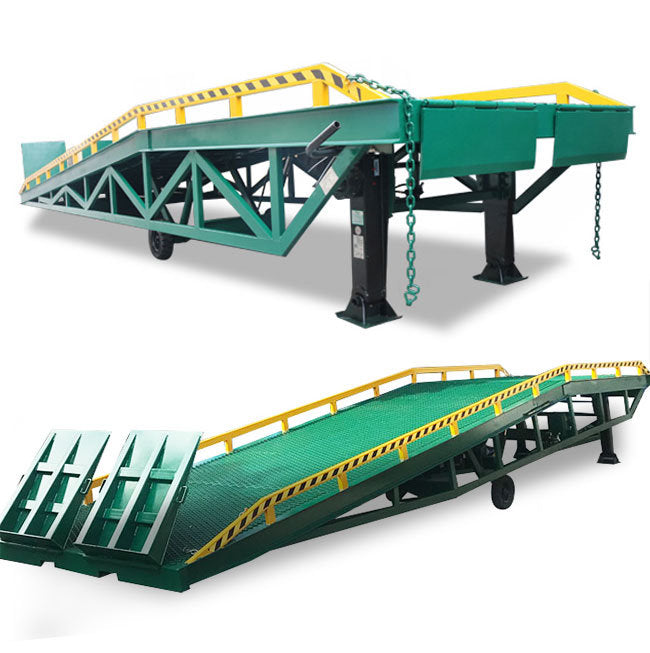
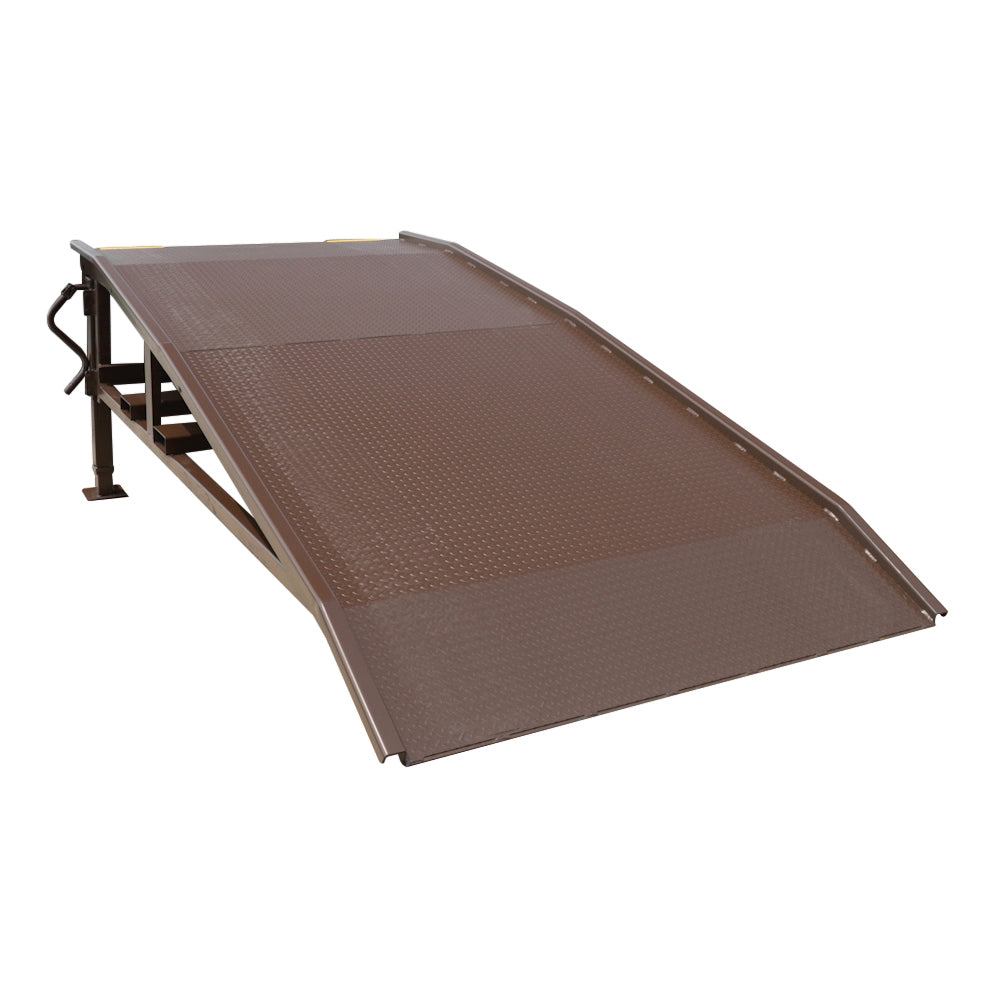
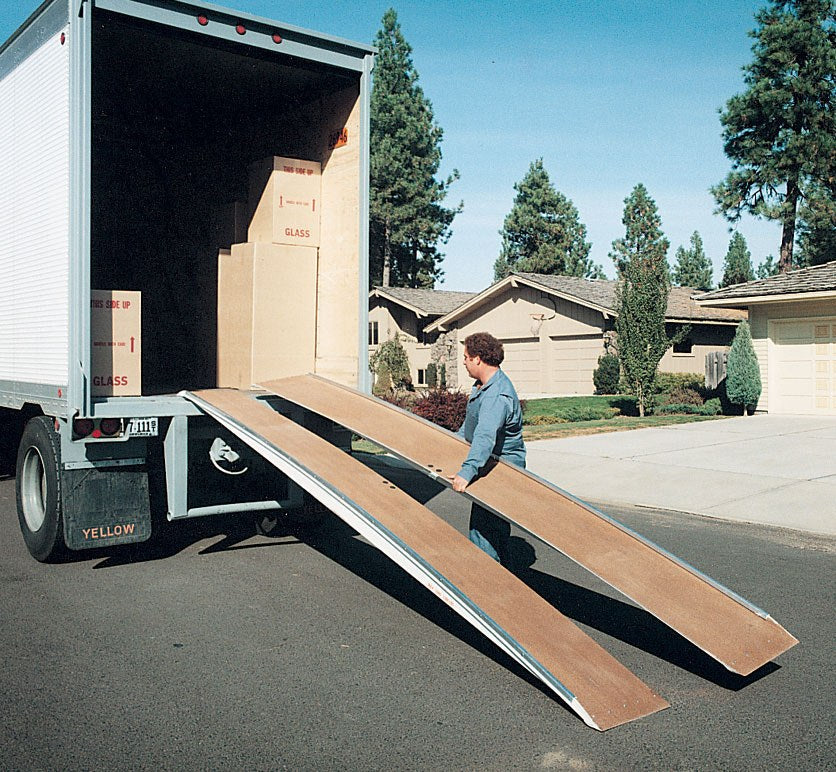
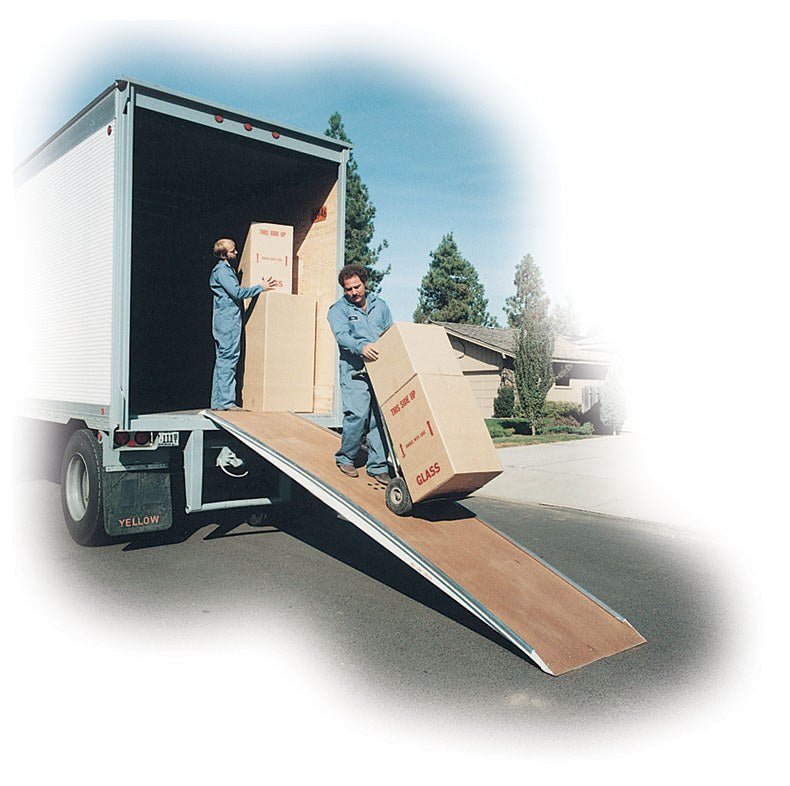
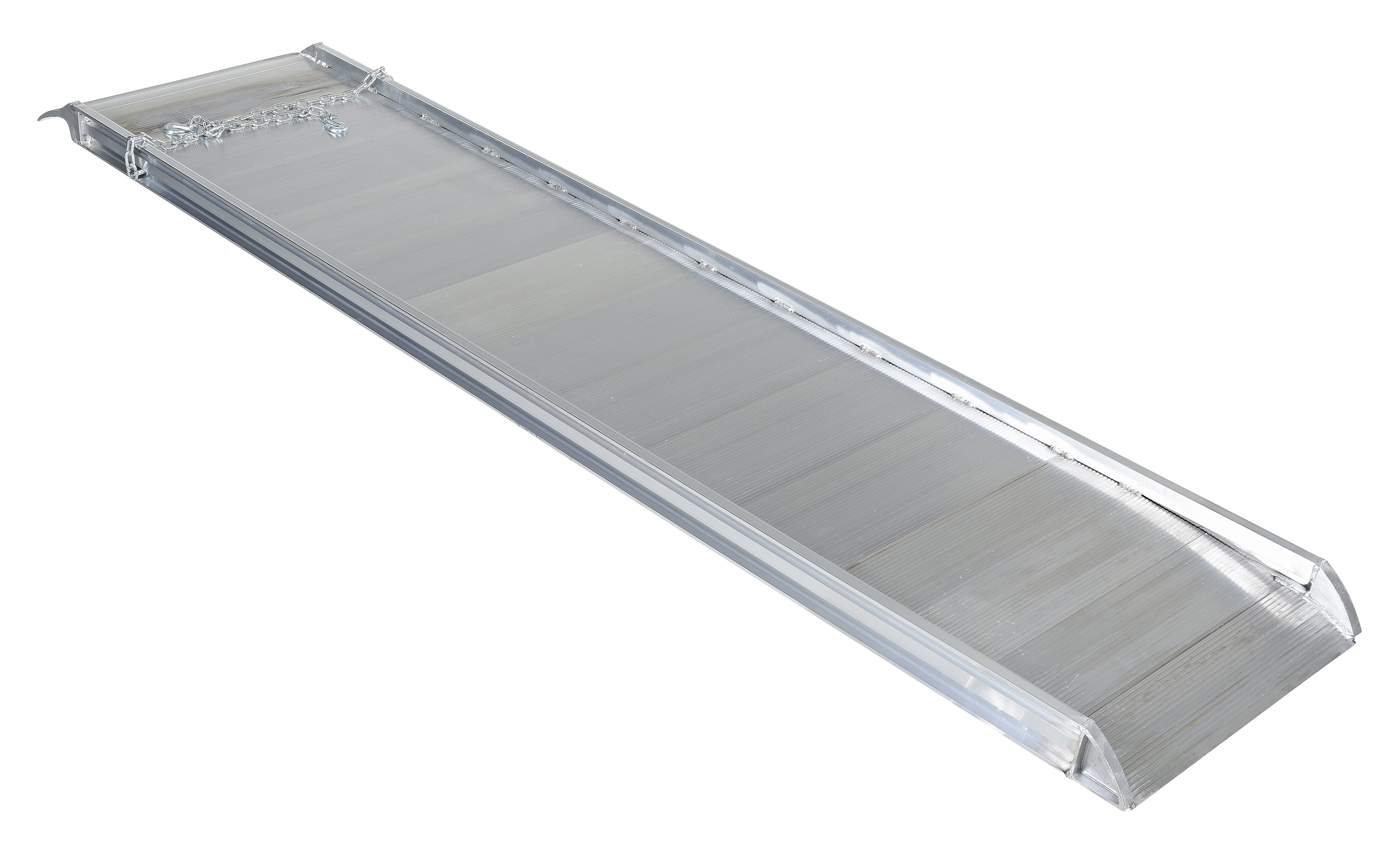
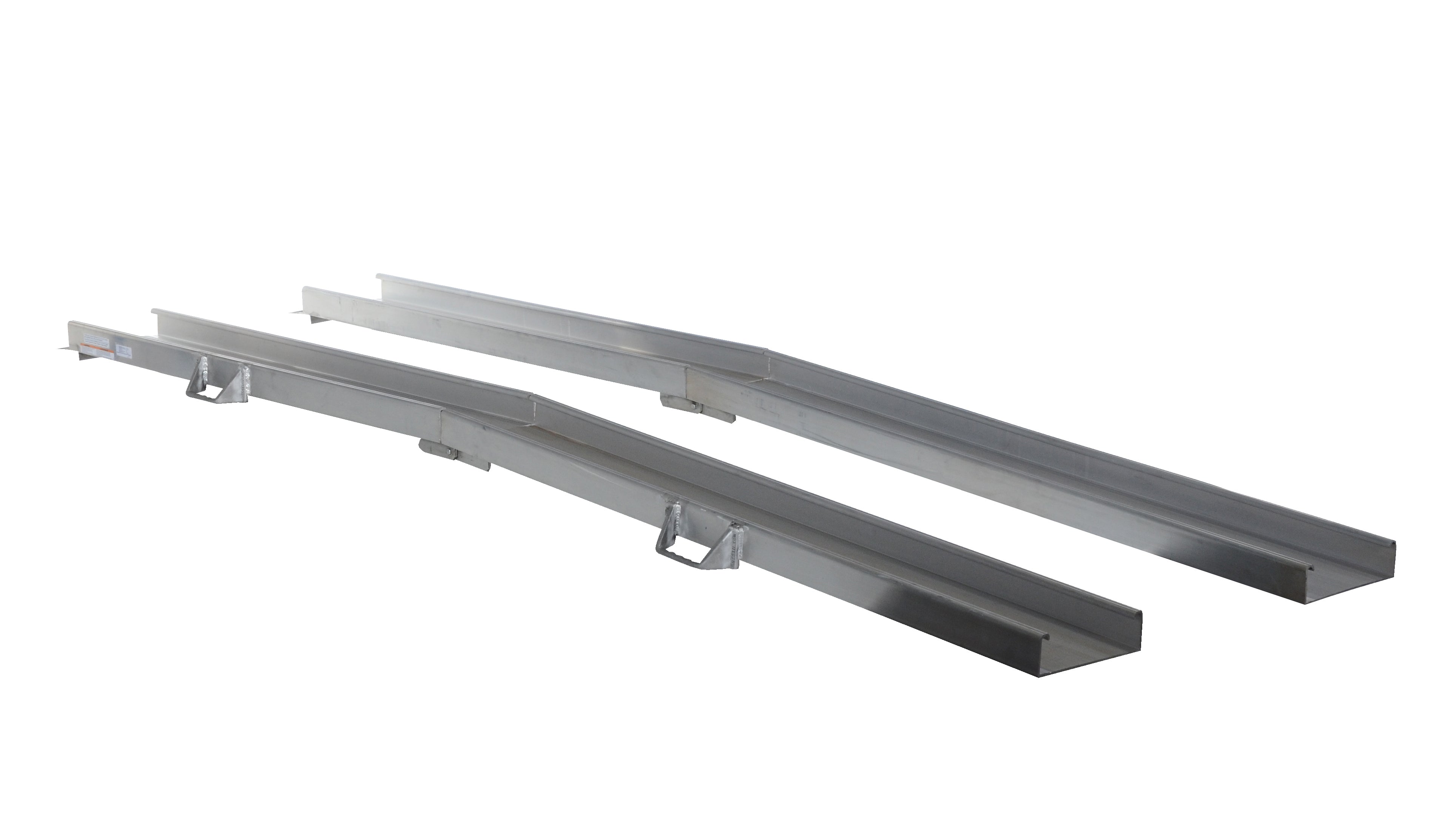
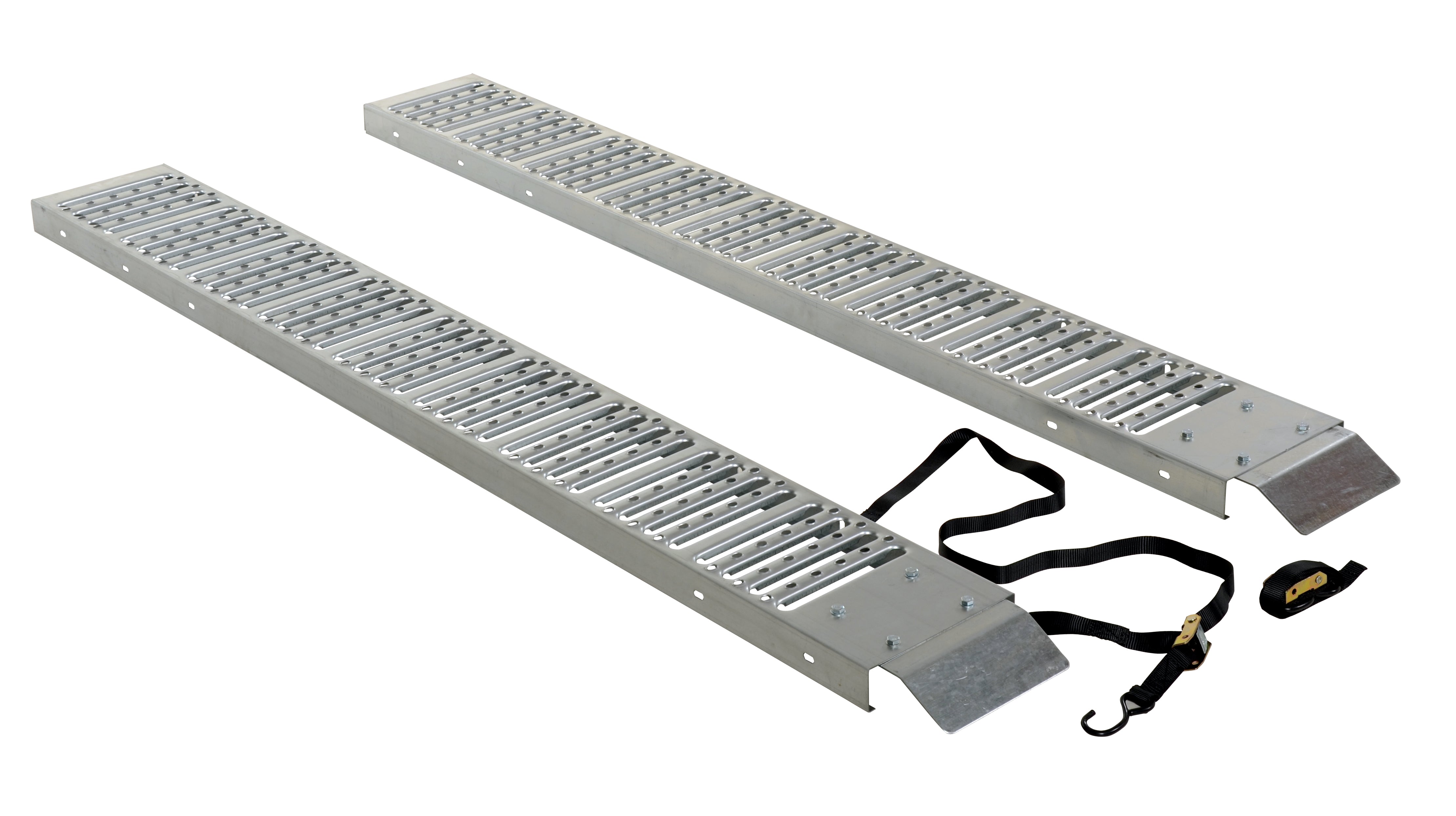
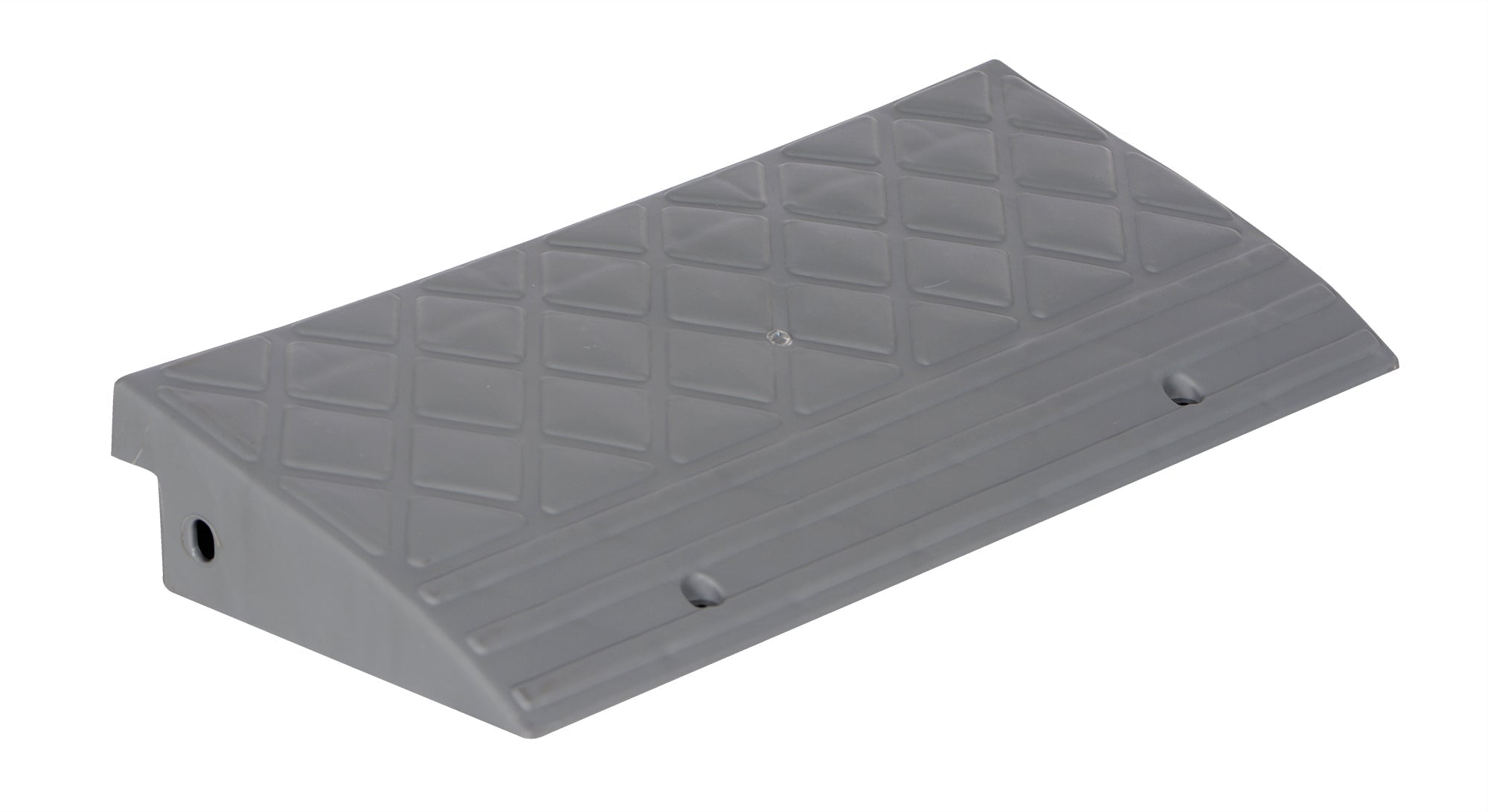
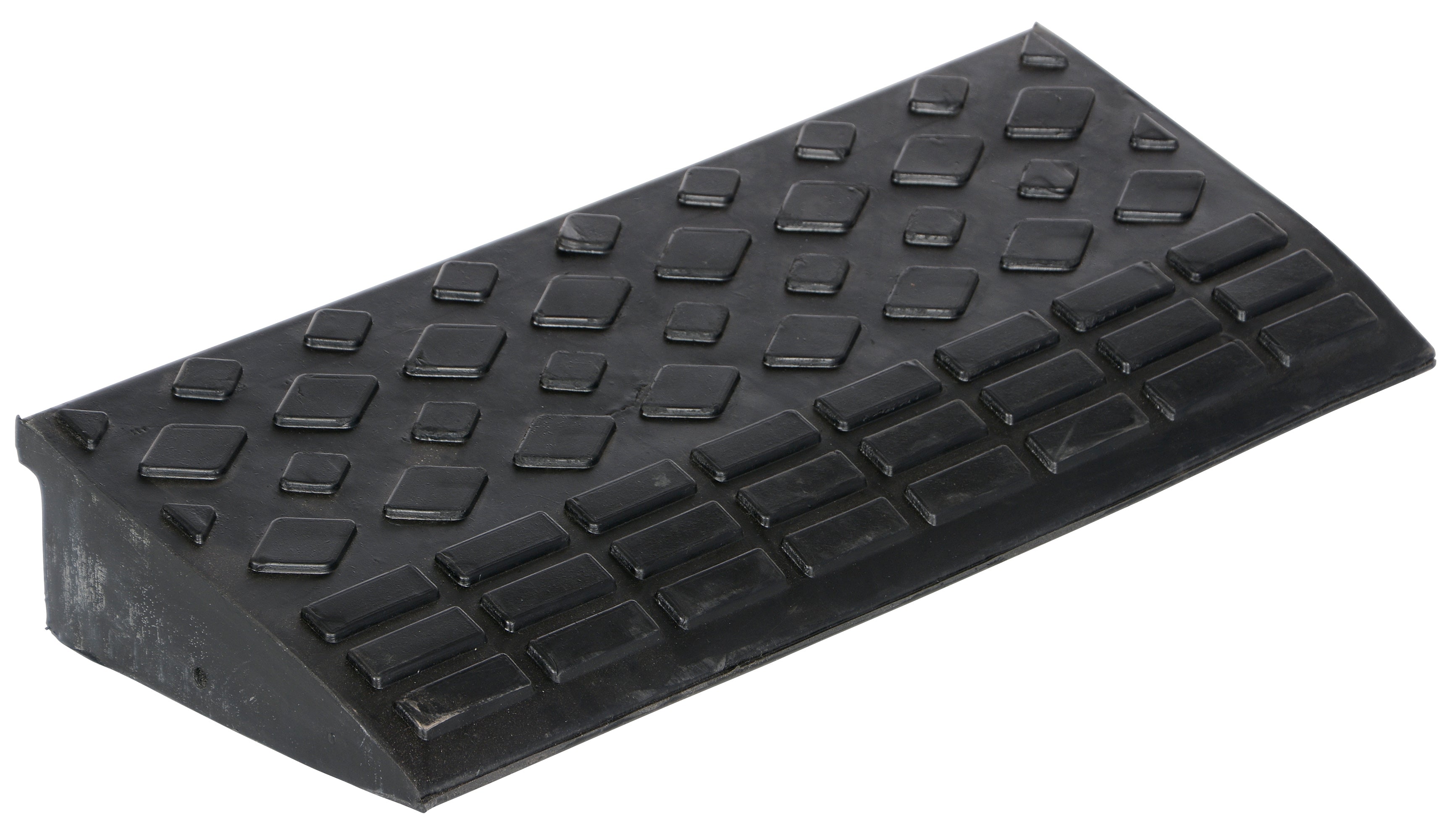
No dock, odd heights, and the rest of the yard. When the building has no raised dock, two collections substitute for one. Yard ramps let a forklift drive from grade into a trailer or container, from a 5,000 lb mini ramp around $6,800 to full aluminum yard ramps, and dock lifts raise entire loads from ground to bed height on a scissor platform, from about $10,600. Smaller mismatches have smaller fixes: wheel risers lift a low trailer's wheels to meet dock height, walk and service ramps handle foot and hand truck traffic, and trailer jacks support spotted trailers. The odds and ends earn their place too: dock accessories carries pallet pullers and busters, and moving pads protect finished goods in transit.
Frequently Asked Questions
A dockplate is a light aluminum bridge for hand trucks and foot traffic. A dockboard is the heavy version with curbs, rated for forklifts and powered pallet jacks. A dock leveler is permanently mounted at the dock position, either on the dock face or in a pit, and adjusts to each trailer's height. Occasional hand unloading suits plates; powered equipment needs boards or a leveler.
Size to the gross weight crossing it: the forklift or pallet jack plus its heaviest load, with margin. A 6,000 lb forklift carrying 4,000 lb needs a 10,000 lb board at minimum. Our aluminum boards run 5,000 to 20,000 lb and steel from 10,000 lb, and rounding up costs far less than replacing a folded board.
OSHA 1910.178(k)(1) requires highway trucks to have brakes set and wheel chocks placed under the rear wheels before they are boarded with powered industrial trucks. OSHA enforcement treats a positive mechanical trailer restraint as an acceptable alternative, but at docks without restraints, chocks are the rule, not a suggestion.
Seals are foam pads the trailer compresses against: tight, effective, and best where trailer sizes are consistent. Shelters curtain around the trailer's top and sides, accommodate mixed fleets, and leave the full trailer opening clear for loading. High-volume docks with varied trailers usually land on shelters; uniform fleets get a tighter seal for less money with seals.
Two routes. A yard ramp lets the forklift drive from grade up into the trailer, which suits container work and steady volumes. A dock lift raises the load, equipment and all, from ground to bed height on a scissor platform, which handles mixed vehicle heights down to vans. For a trailer that sits slightly low at an existing dock, wheel risers close the last few inches.