Industrial Ladders
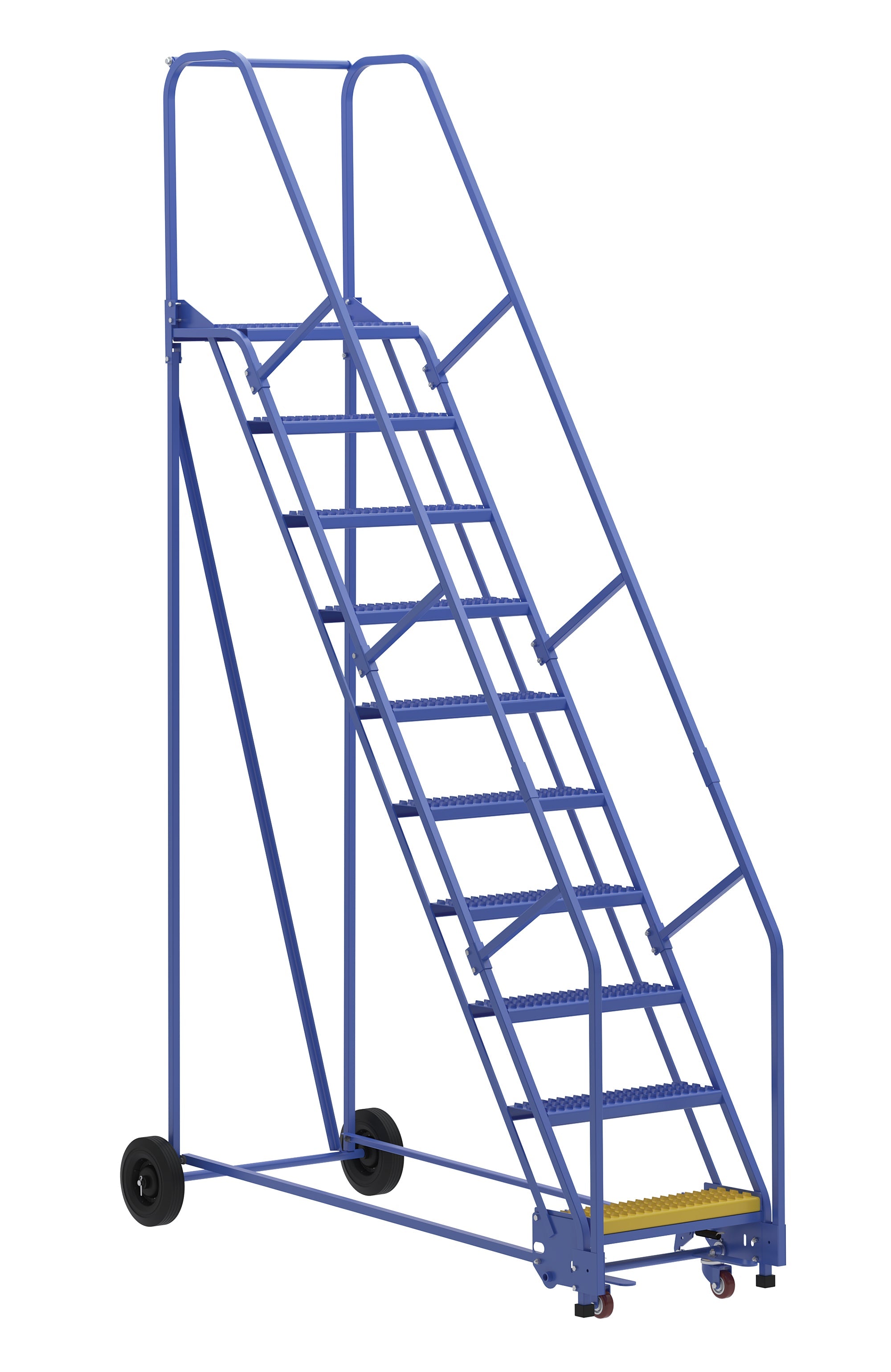
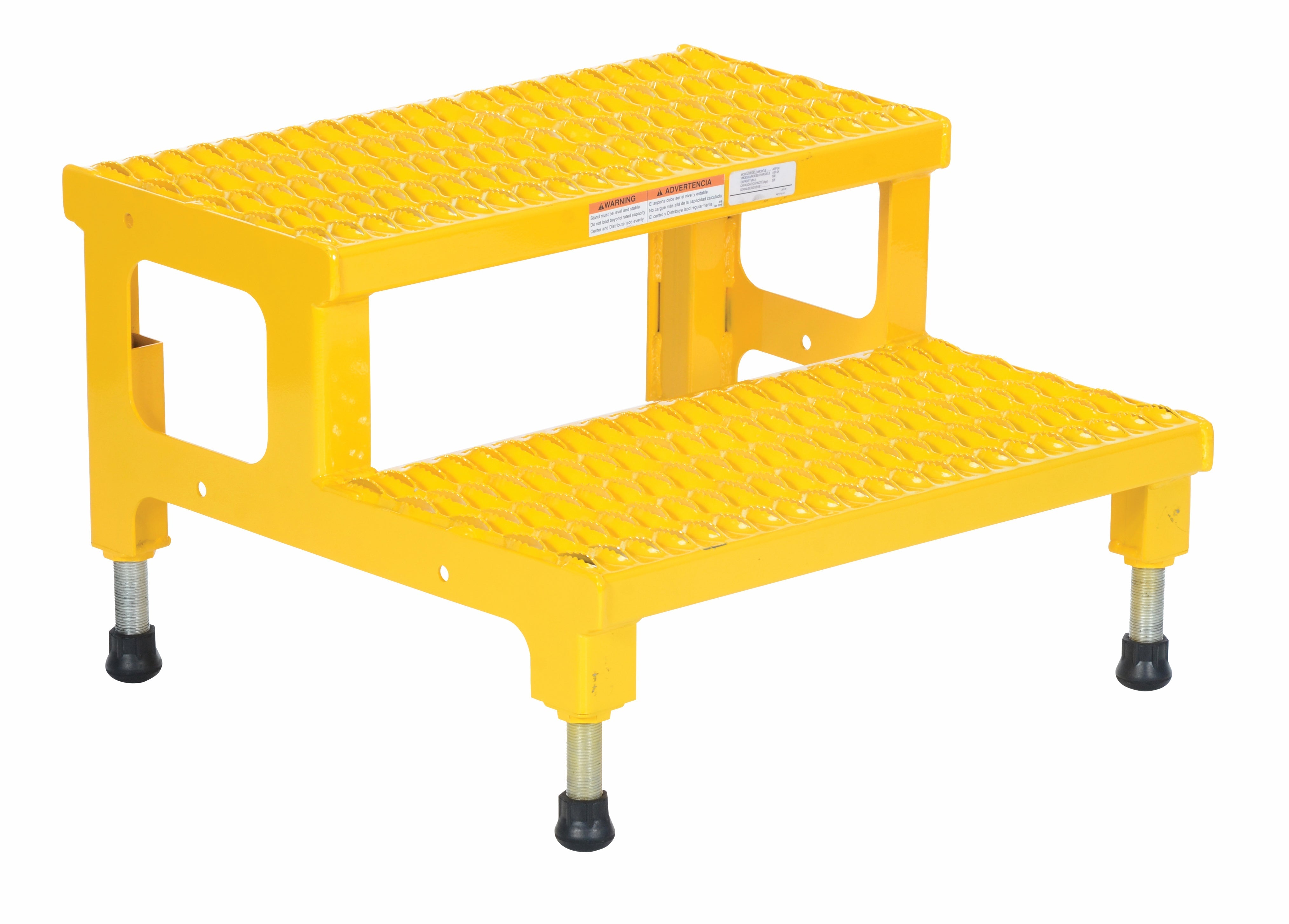
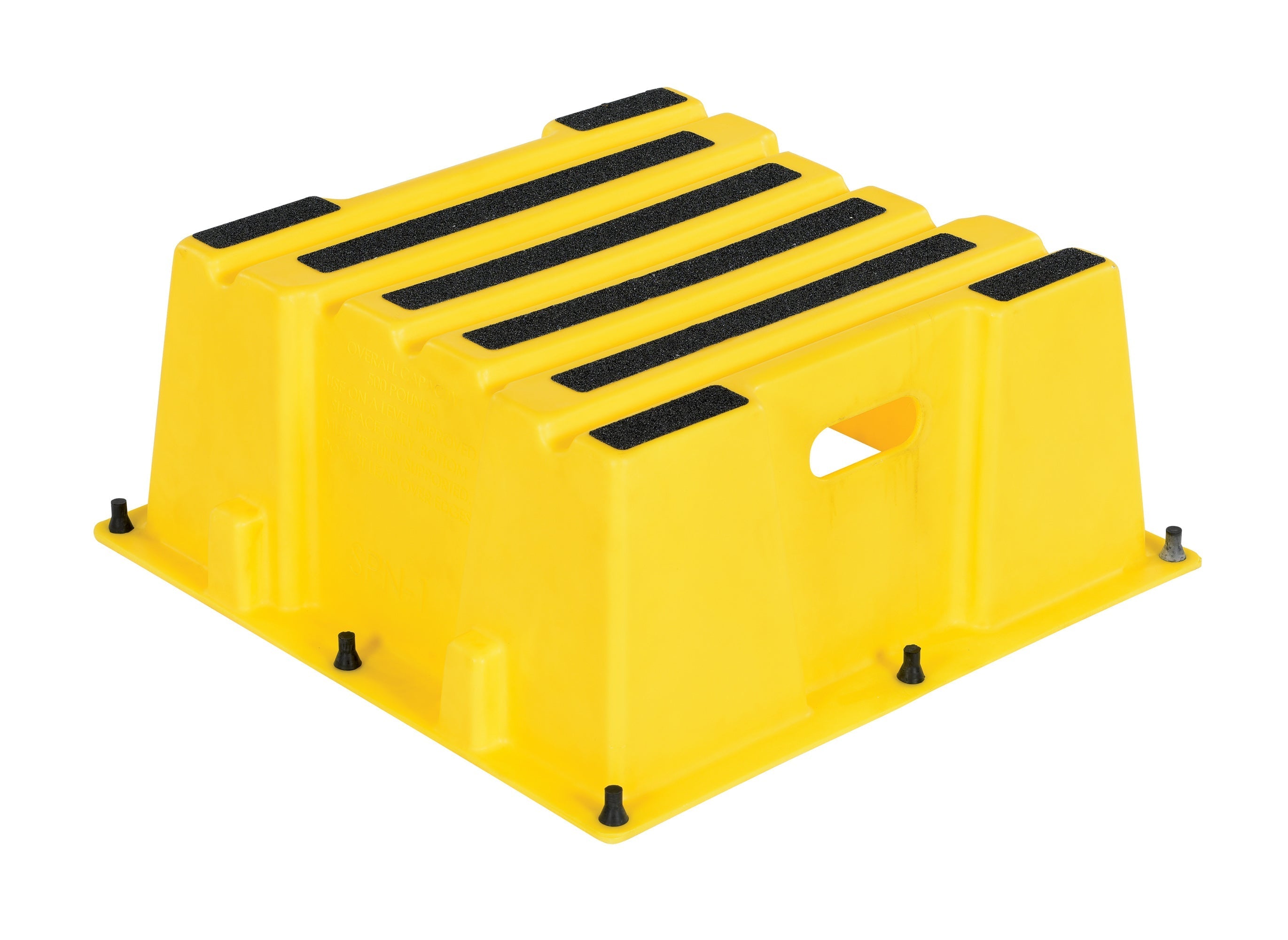
Industrial ladders are the climb-and-reach side of the plant: getting a worker up to stock on the top rack, over a conveyor, onto a tank top, or standing at the right height at a line all shift. This hub is Vestil's ladder program, organized by the question that actually decides the buy, which is not how tall but how often and how far you move it. The range runs from a sub-$100 nestable polyethylene stool for the occasional low reach up to $4,500 modular crossover and stair systems that become part of the building. In between sit rolling warehouse ladders rated to 350 lb, fiberglass step and extension ladders for electrical work, alternating-tread stairs, mezzanine and tank access ladders, and adjustable-height work stands. The three tiles below split that spread by job. Use them to land on the right type, then compare specific models inside each collection, and read the guide first if you are outfitting a space rather than replacing one unit.
Shop Ladders by Category
Compare Ladders
| Model | Price | Steps | Capacity | |
|---|---|---|---|---|
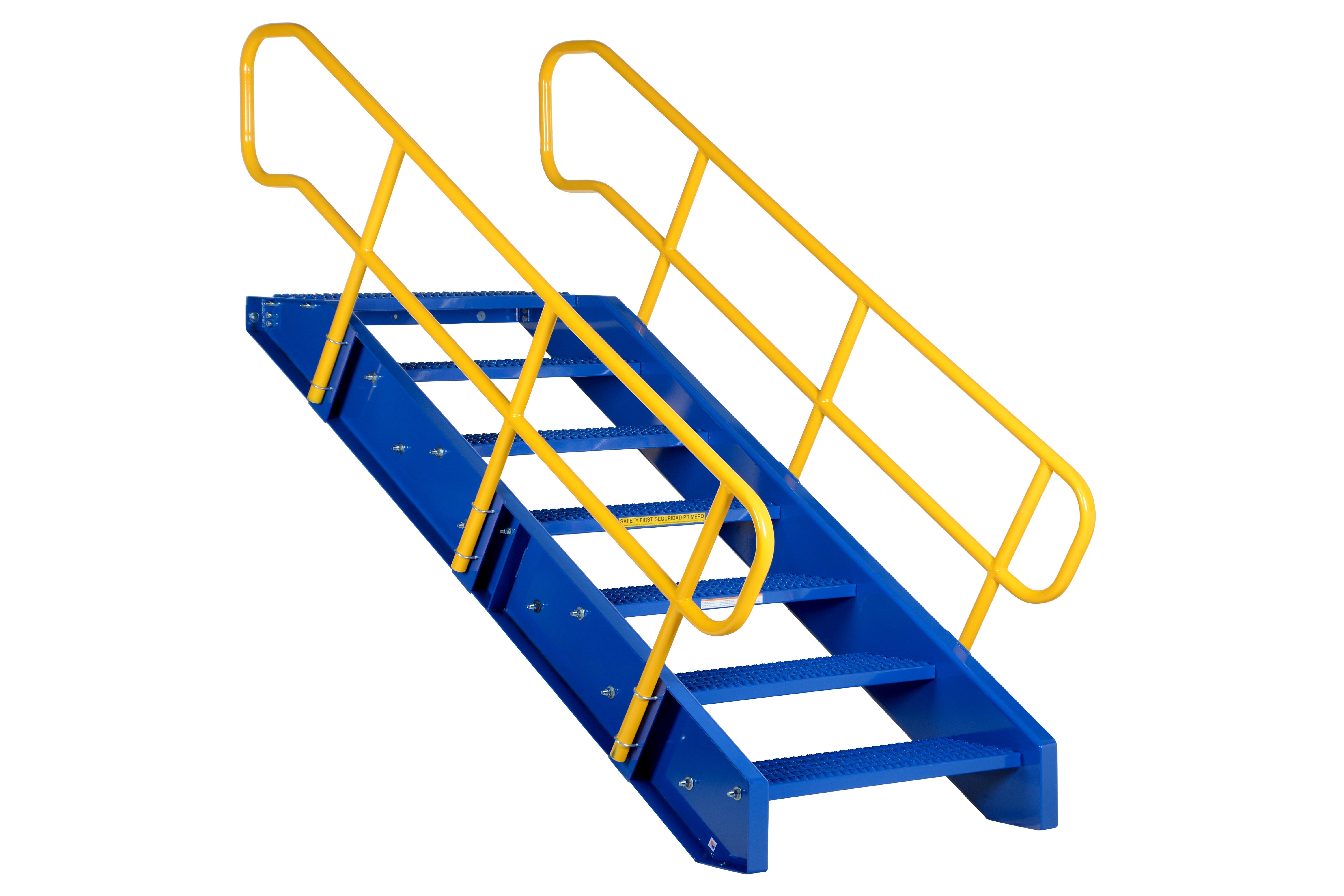
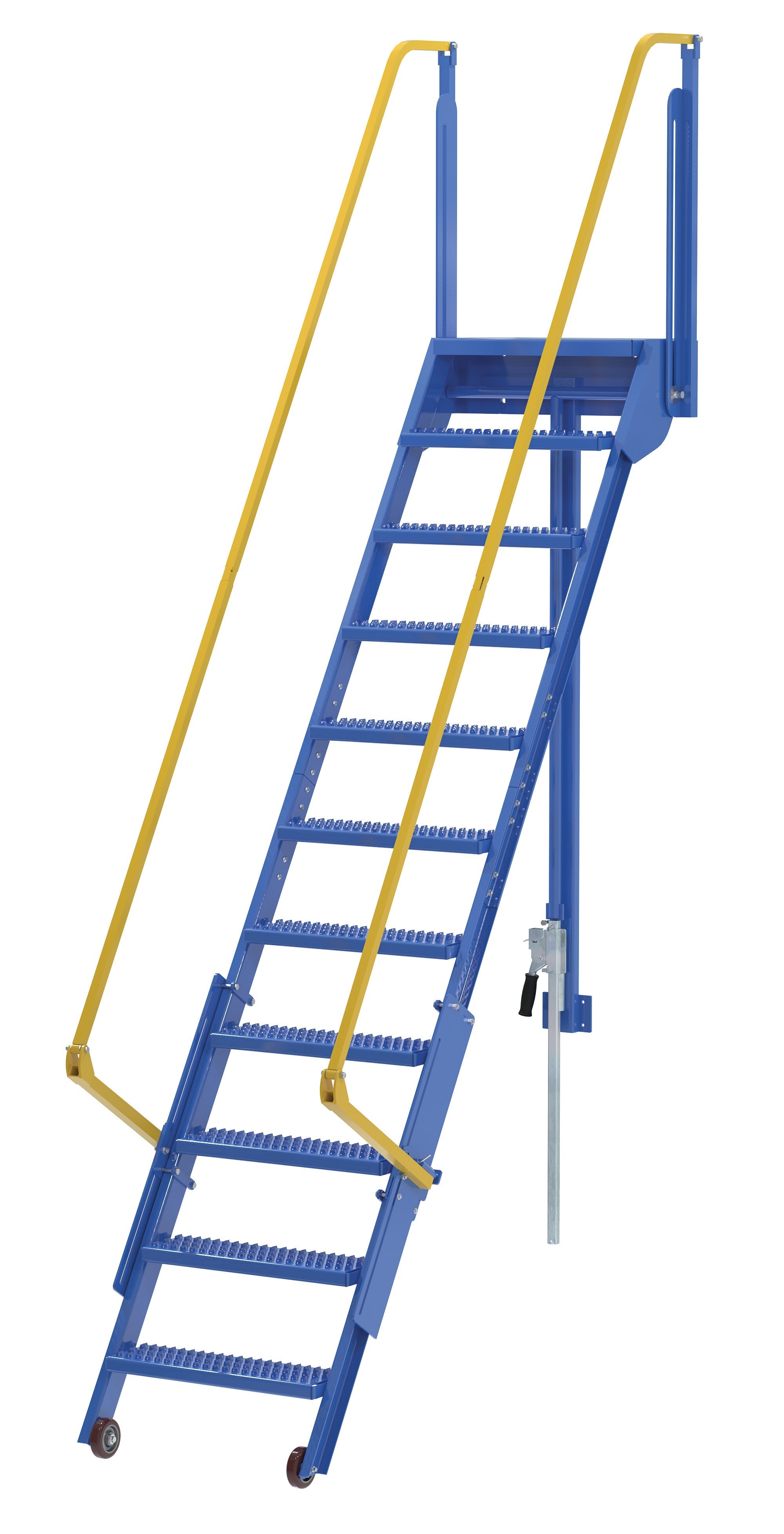
| Vestil Modular Style Stairways | $2,378 | 5-19 | 1,000 lb | View → |
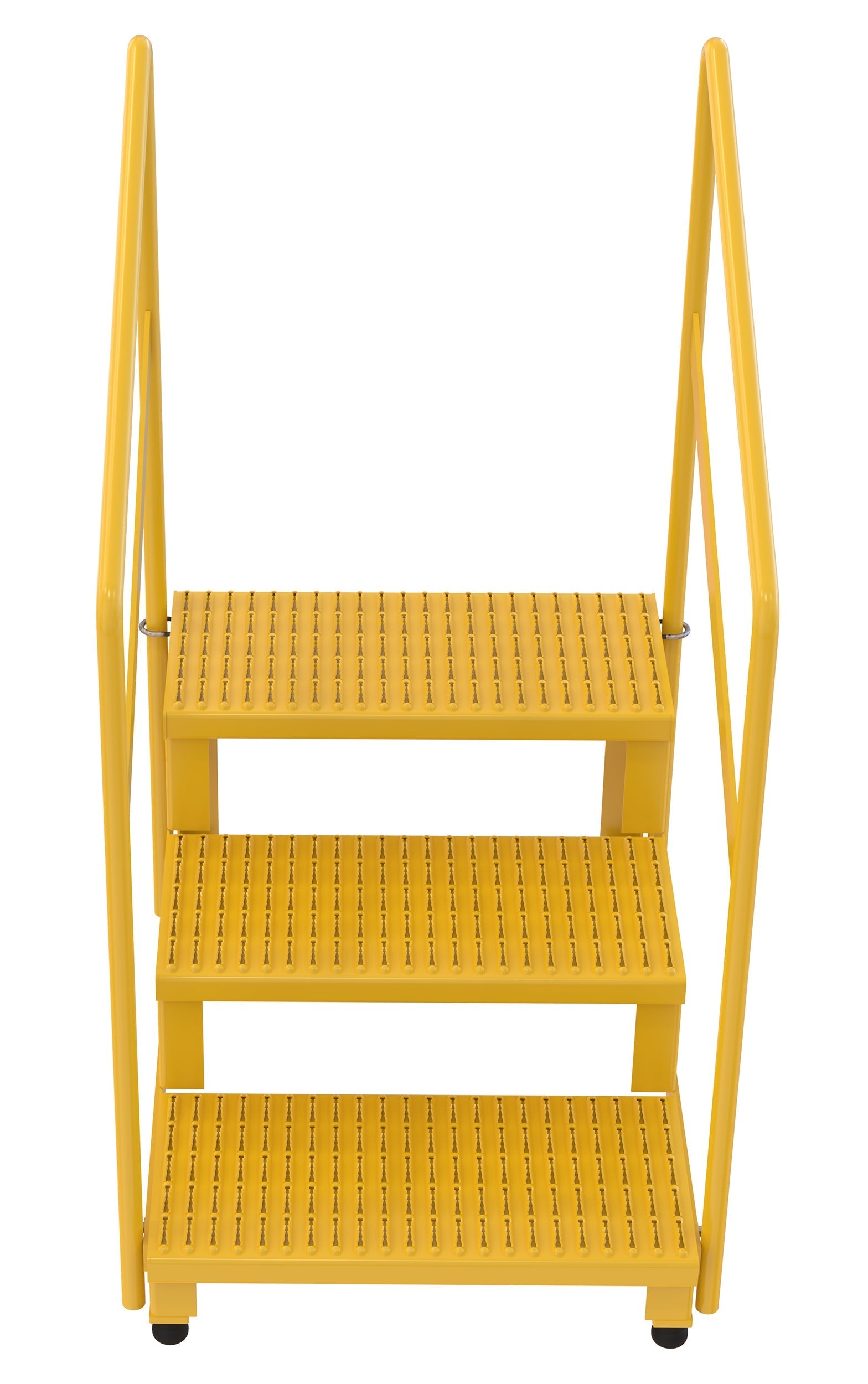
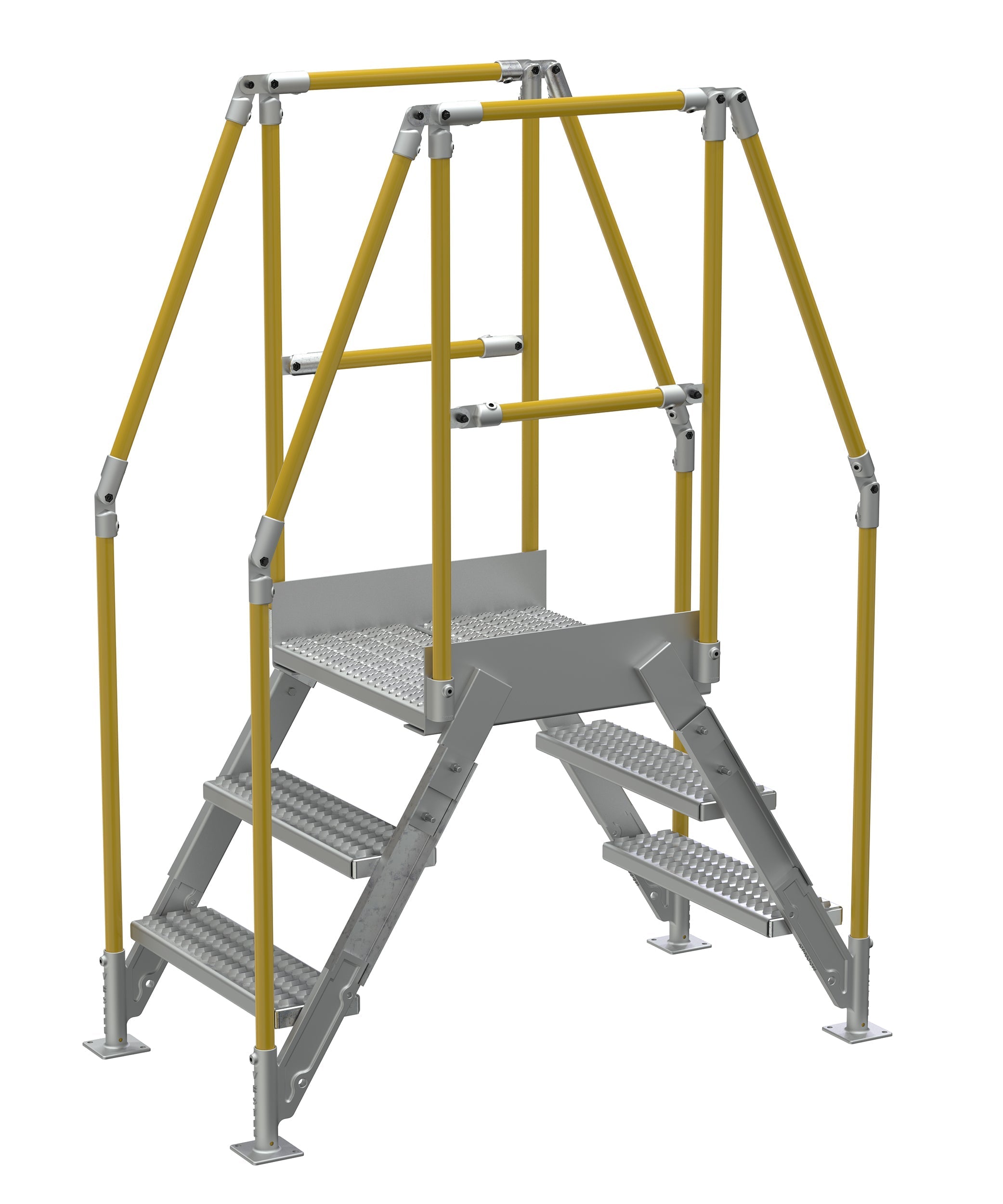
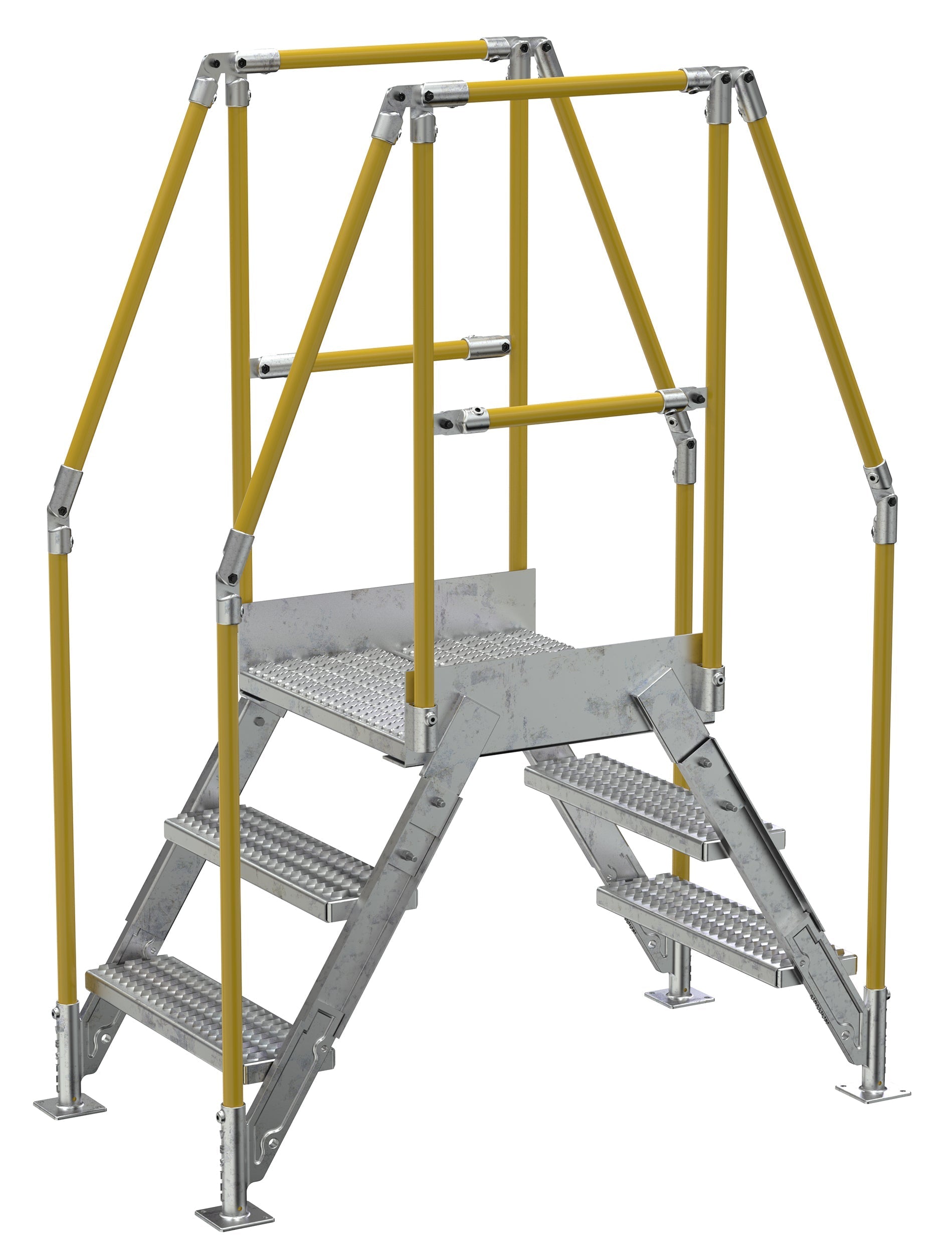
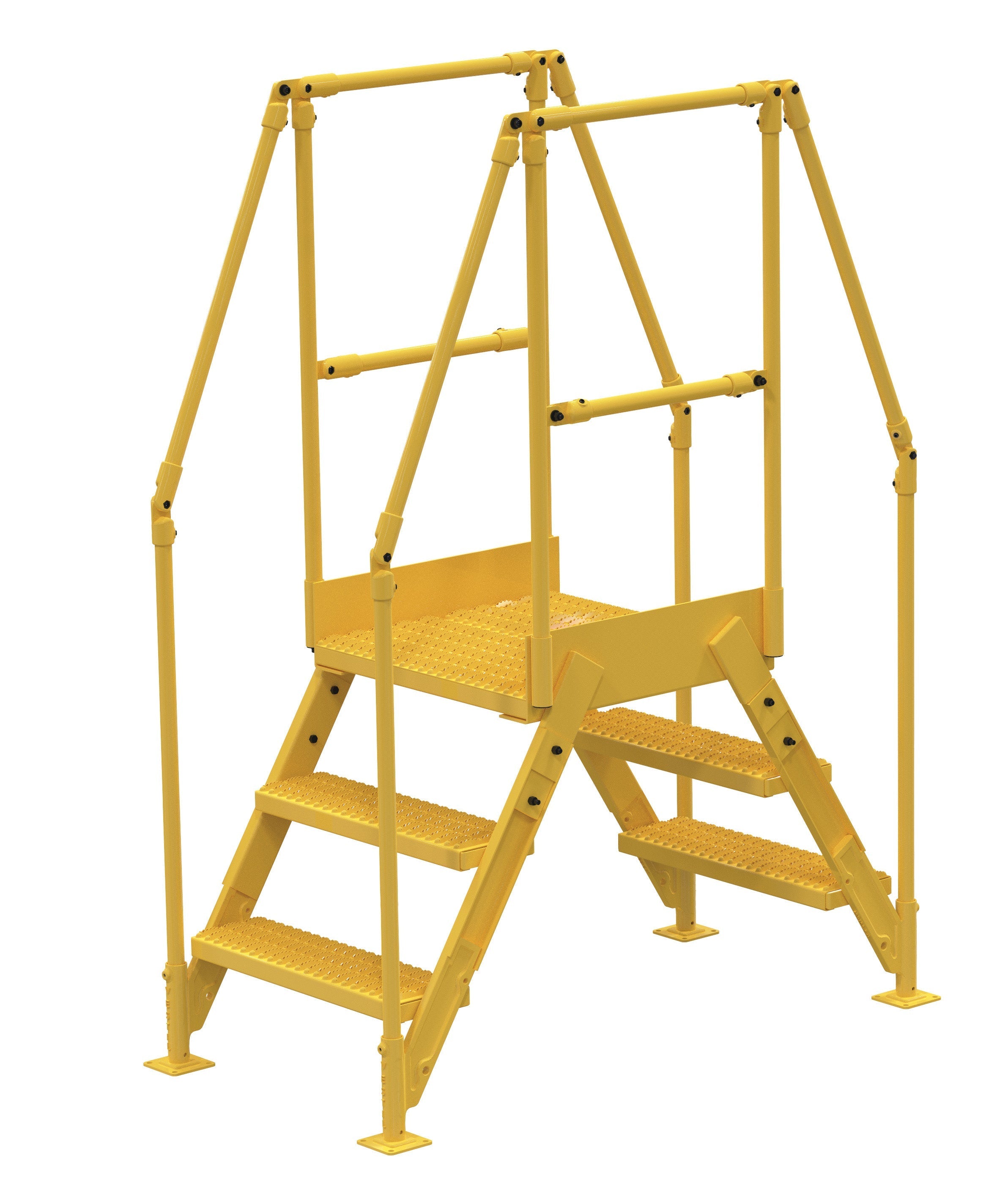
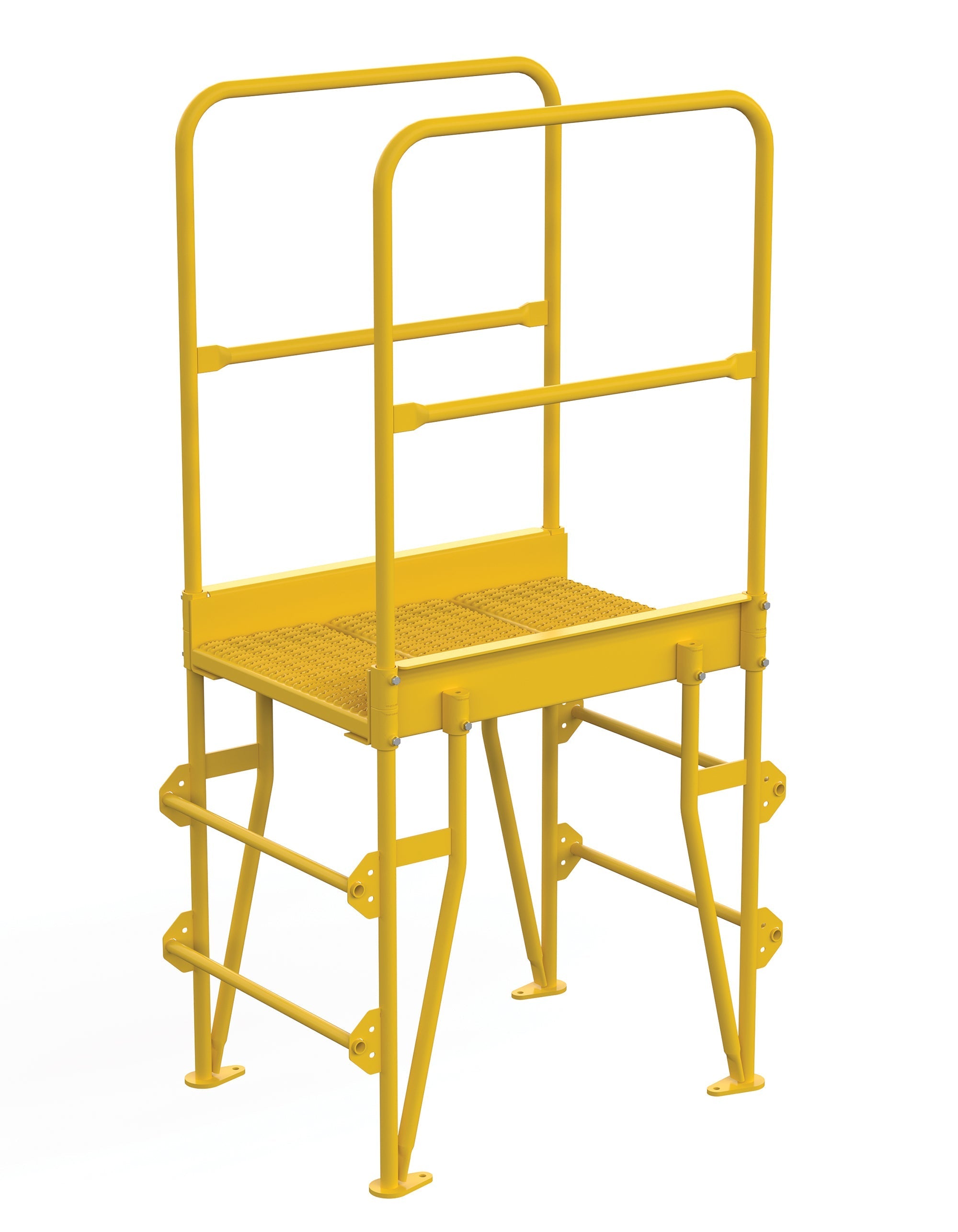
| Vestil Aluminum Cross-Over Ladders | $2,265 | 3-6 | 500 lb | View → |
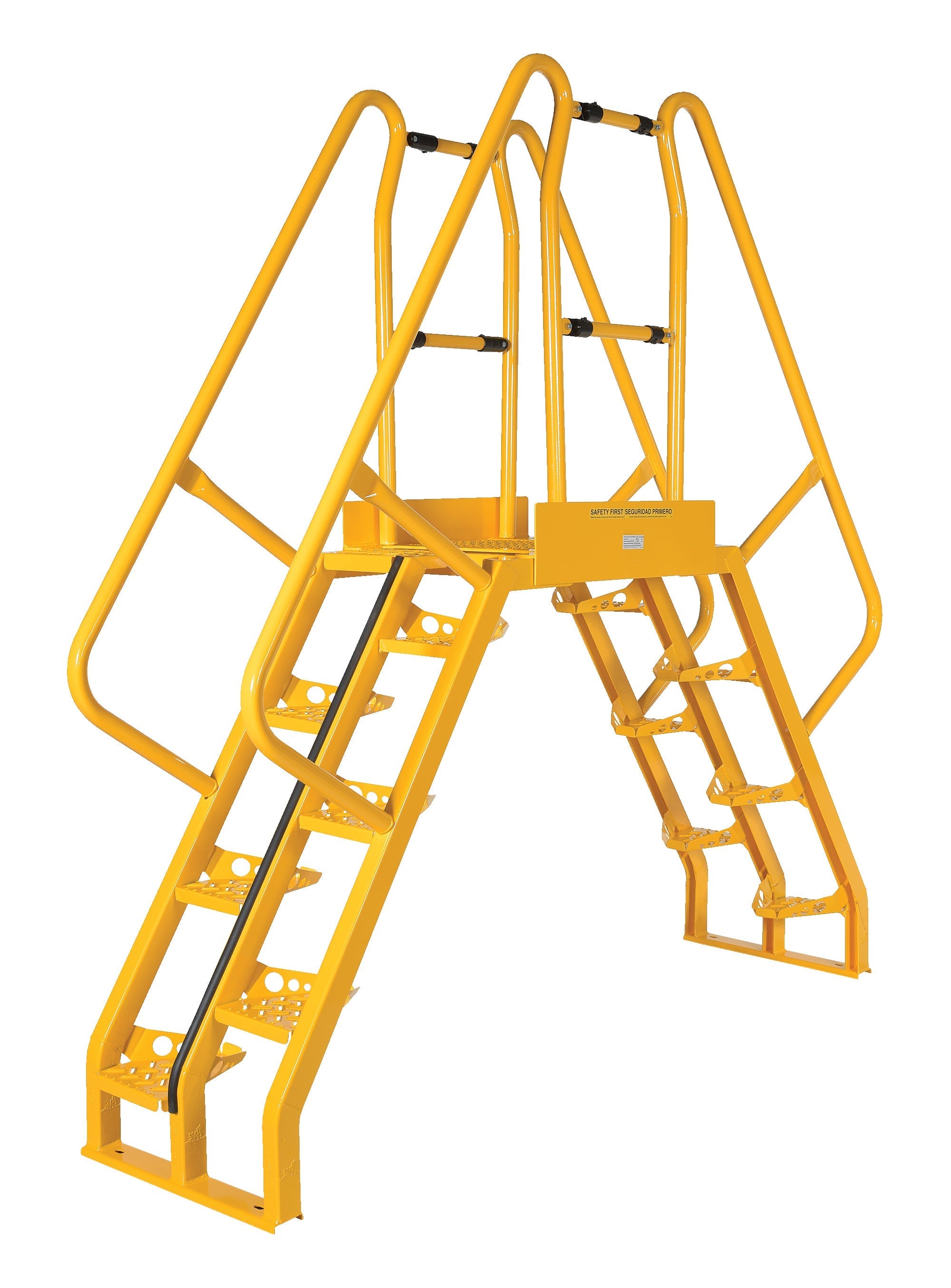
| Vestil Alternating Step Cross-Over Ladders | $2,012 | 2-7 | — | View → |
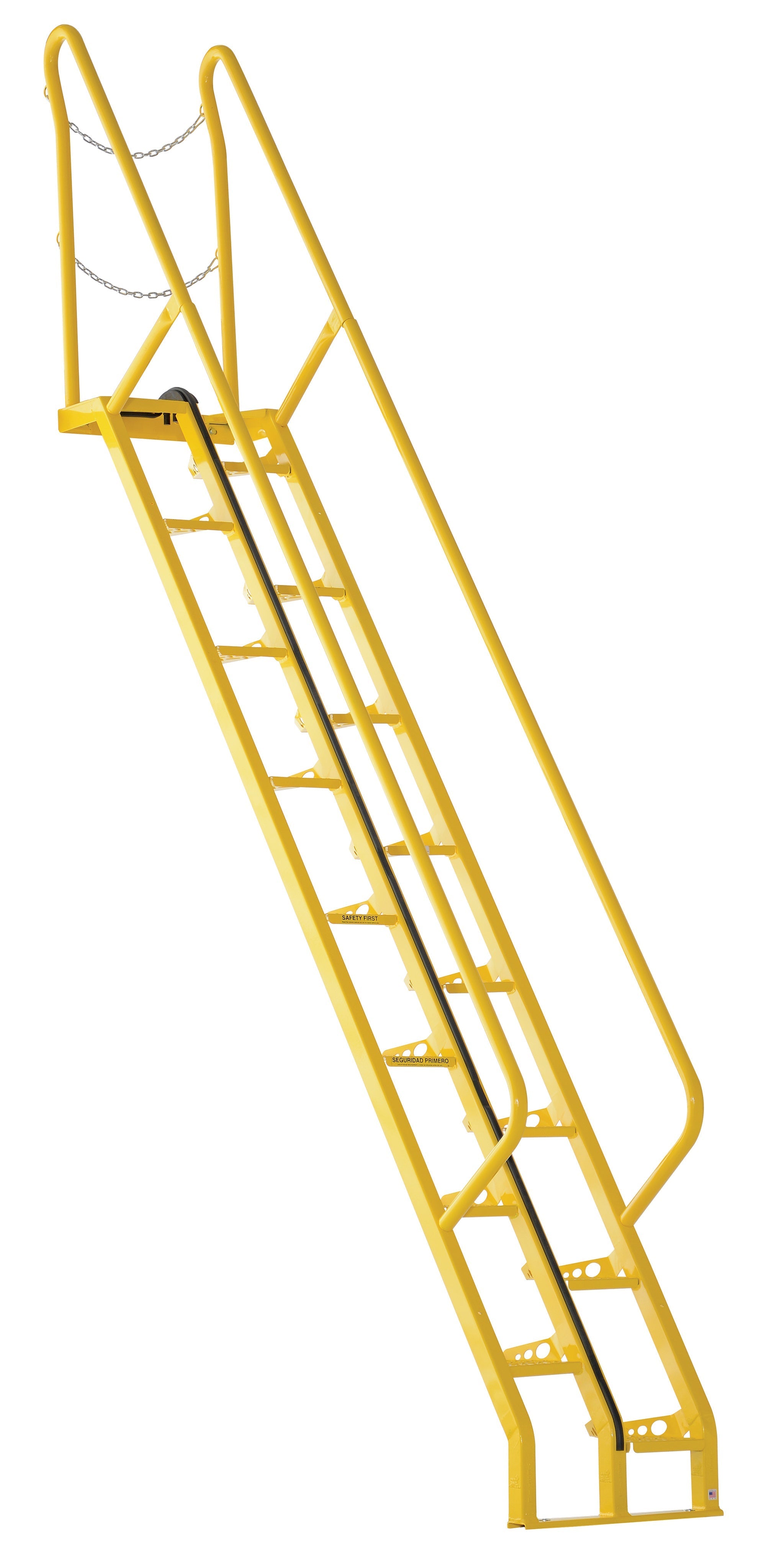
| Vestil Alternating-Tread Stairs | $1,840 | 7-24 | 350 lb | View → |
| Vestil Mezzanine Ladders (face mounted/retractable) | $1,614 | — | 350 lb | View → |
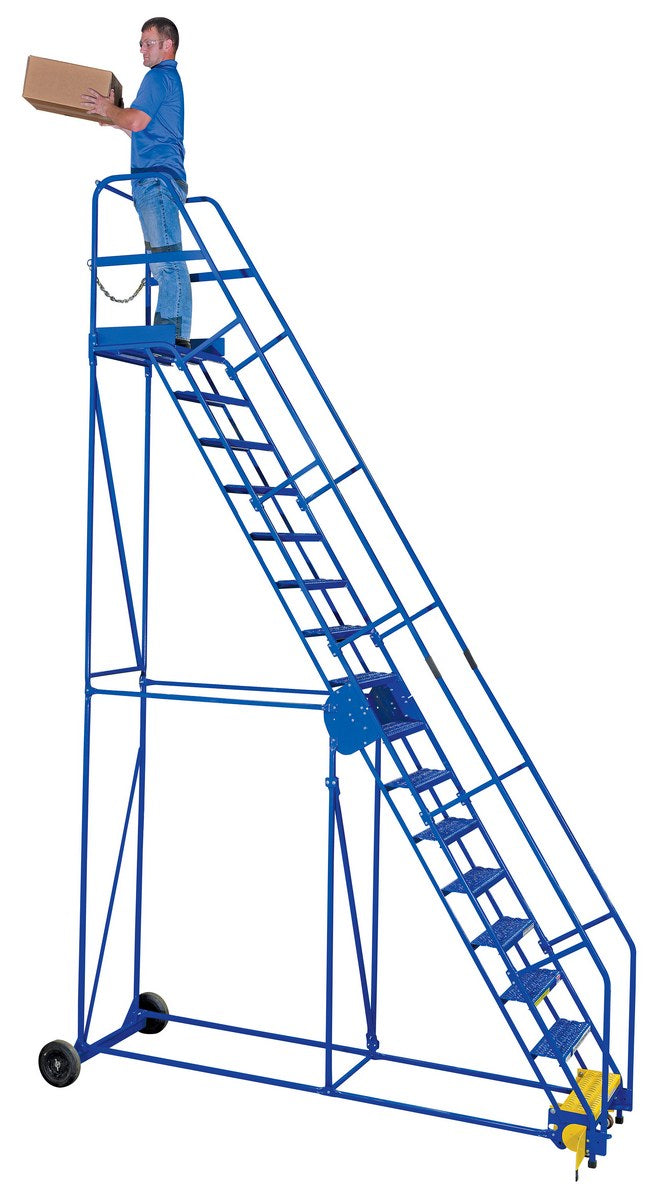
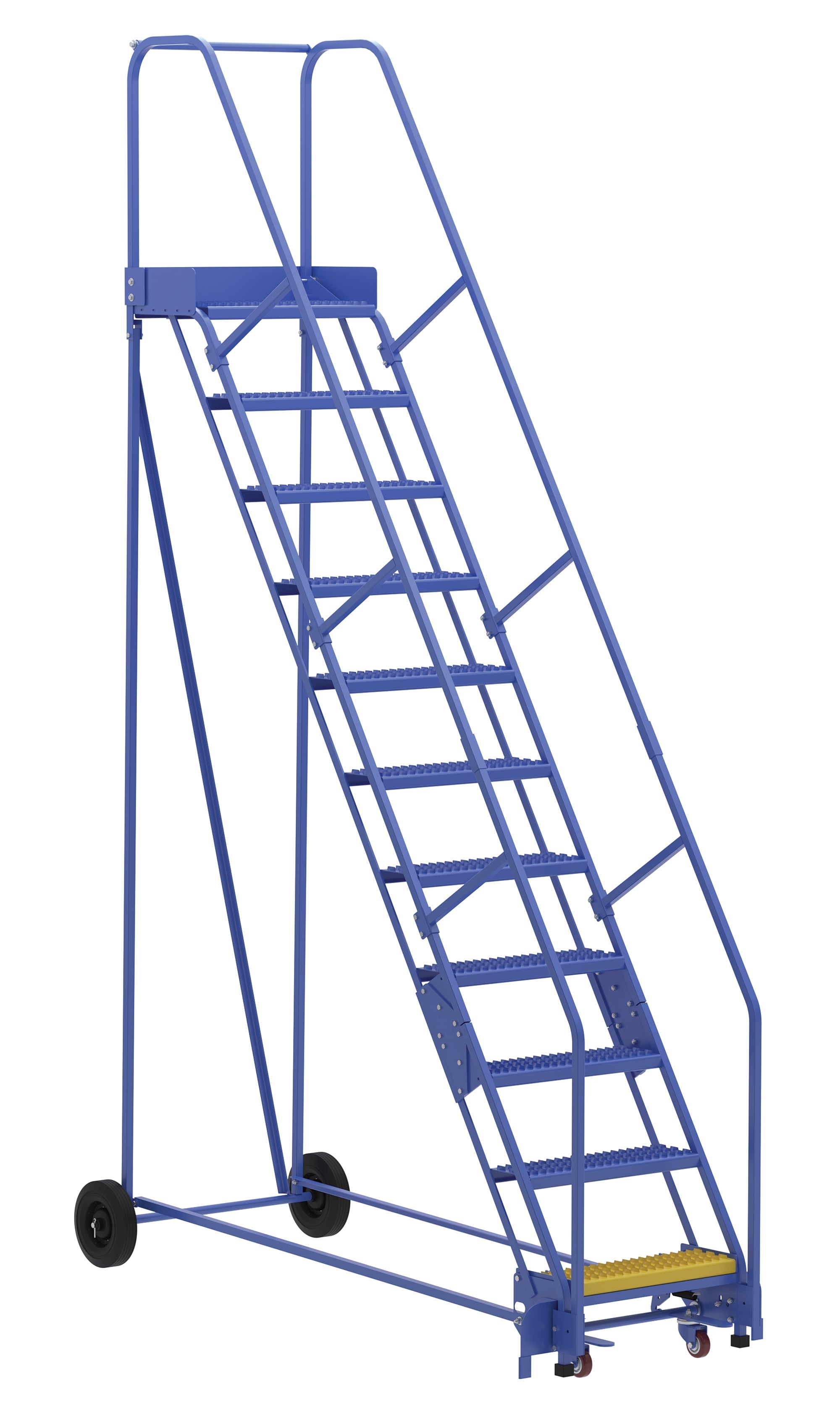
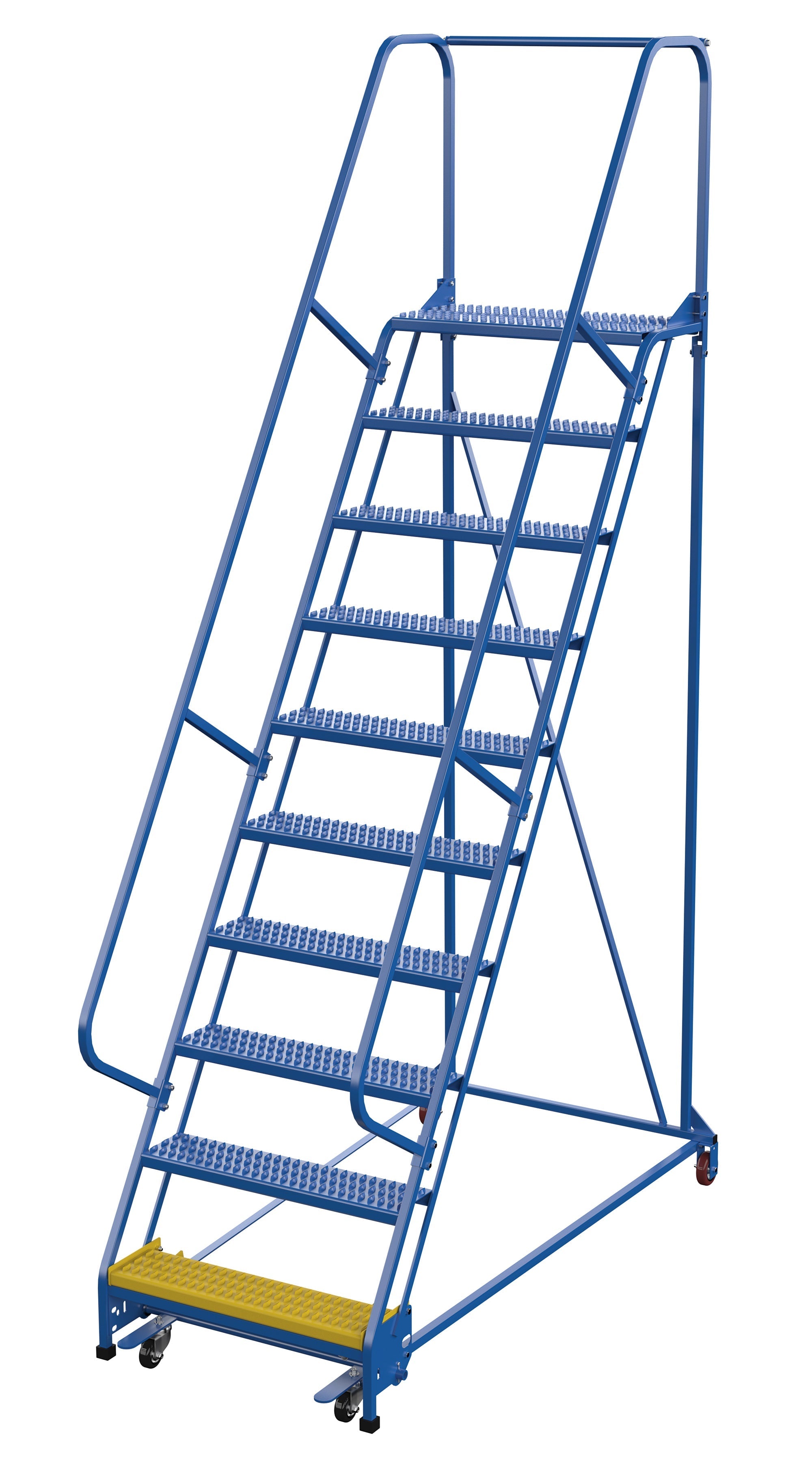
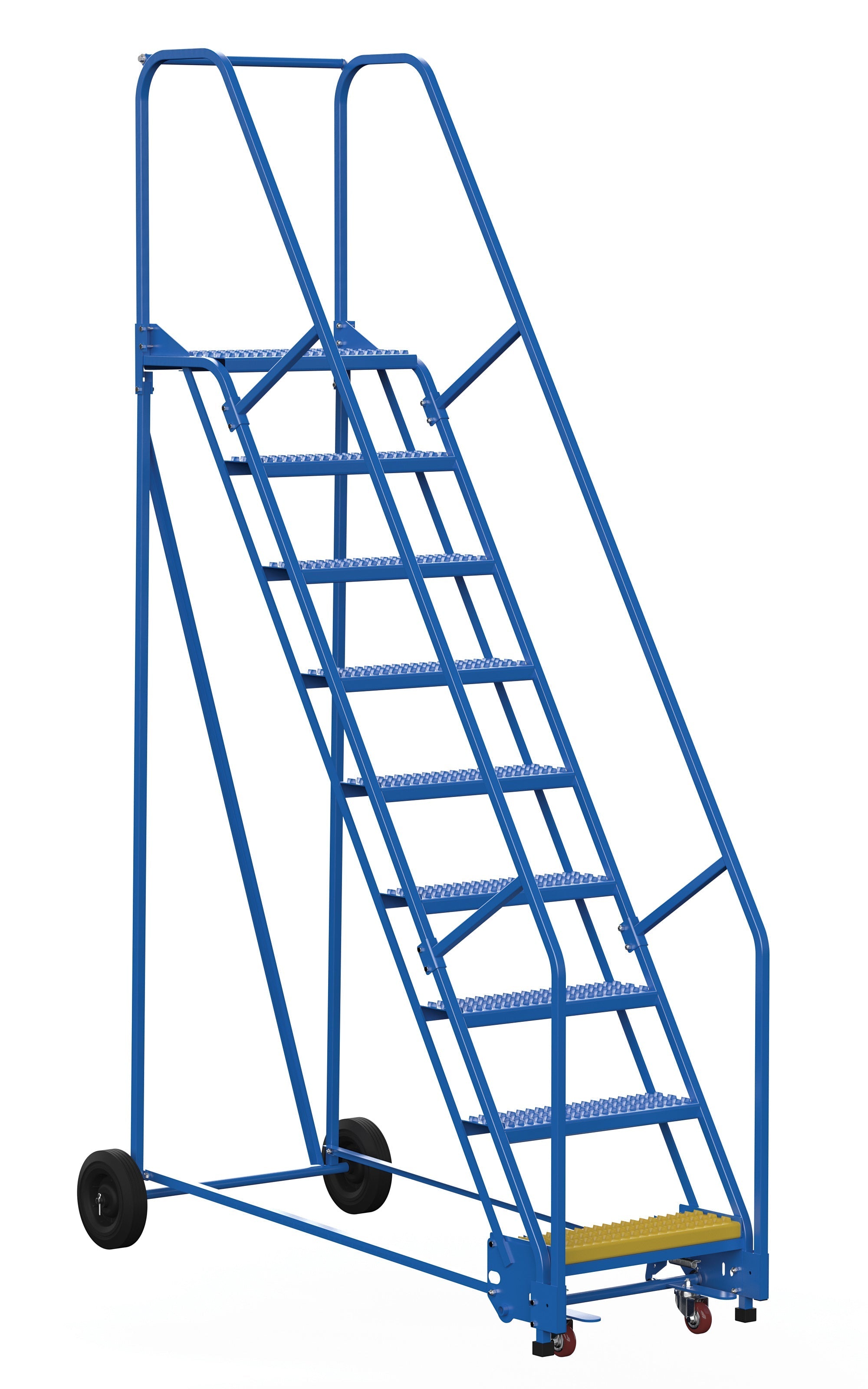
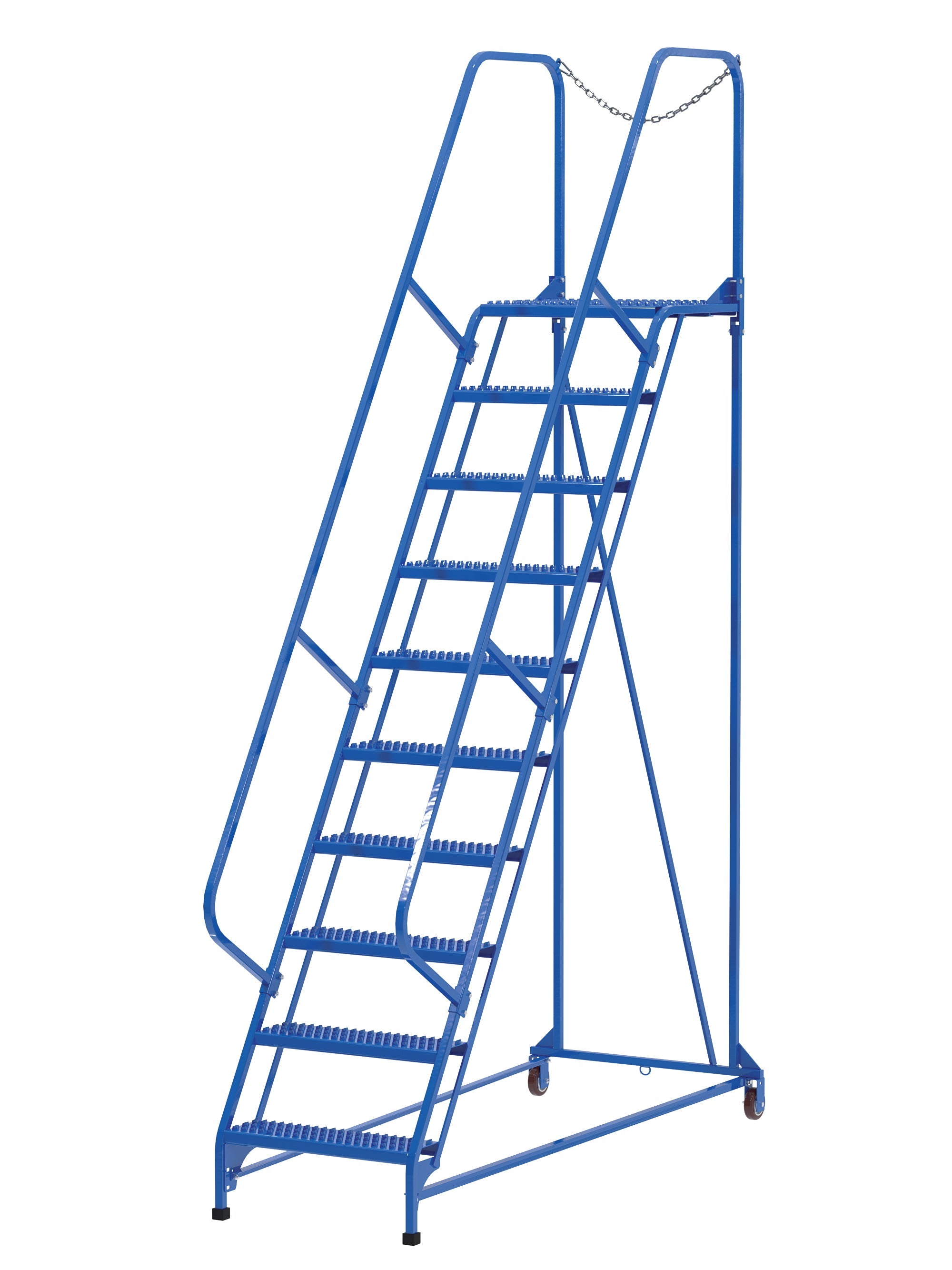
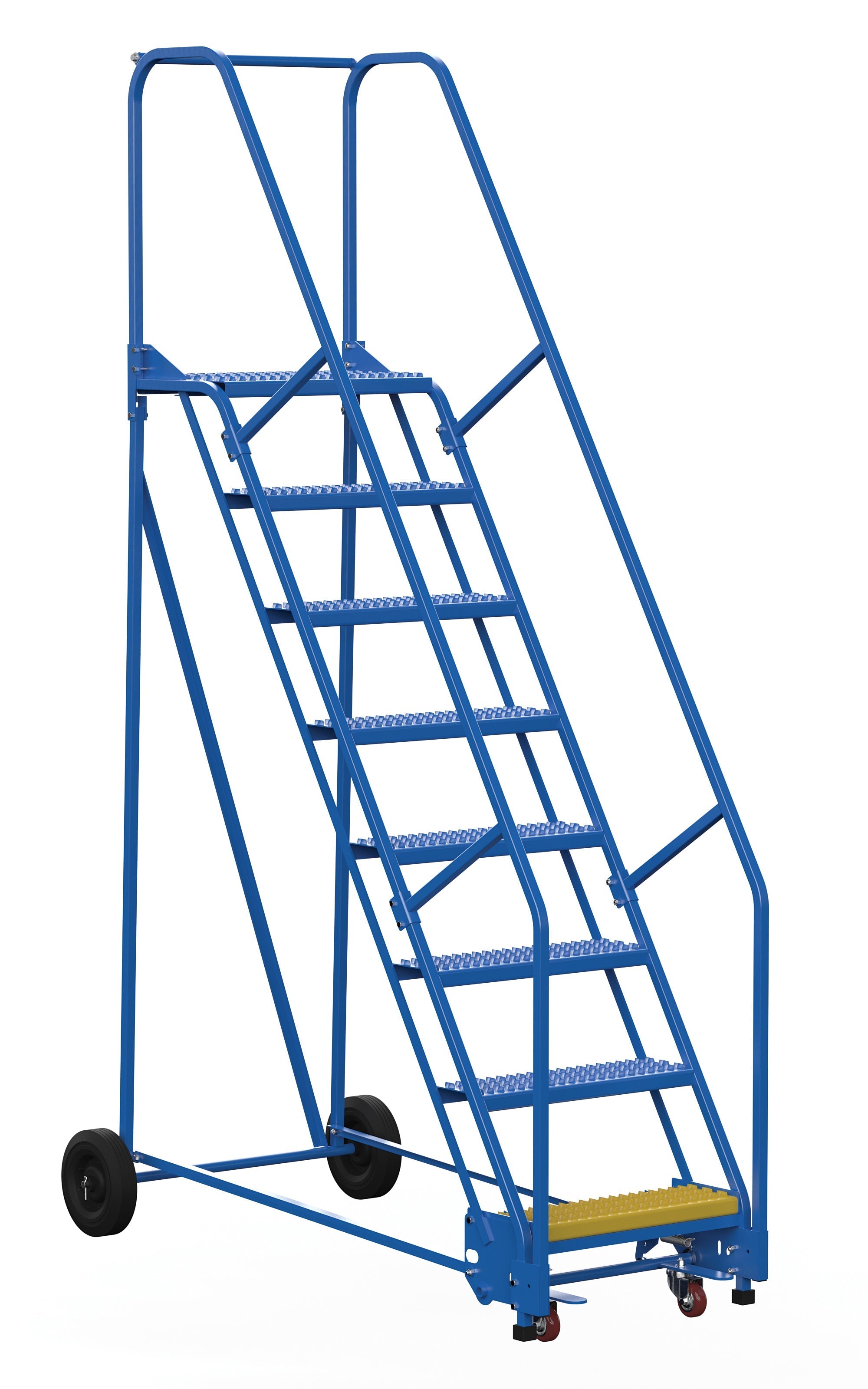
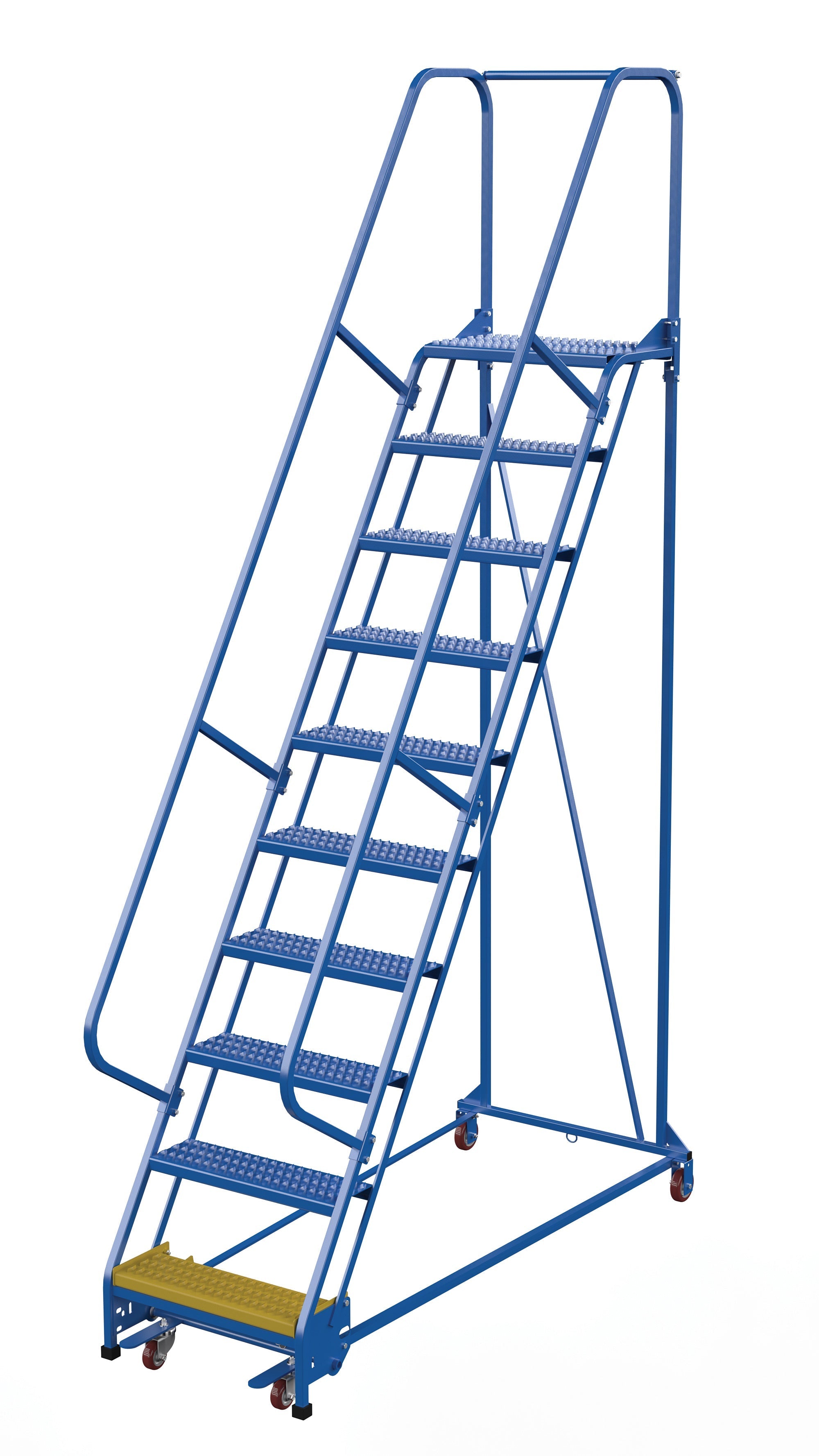
| Vestil Steel Rolling Warehouse Ladders (12-16 Step) | $1,467 | 12-16 | — | View → |
 In Stock
 In Stock
 In Stock
 In Stock
 In Stock
 In Stock
 In Stock
 In Stock
 In Stock
 In StockIn Stock
 In Stock
 In Stock
 In Stock
 In Stock
 In Stock
 In Stock
 In Stock
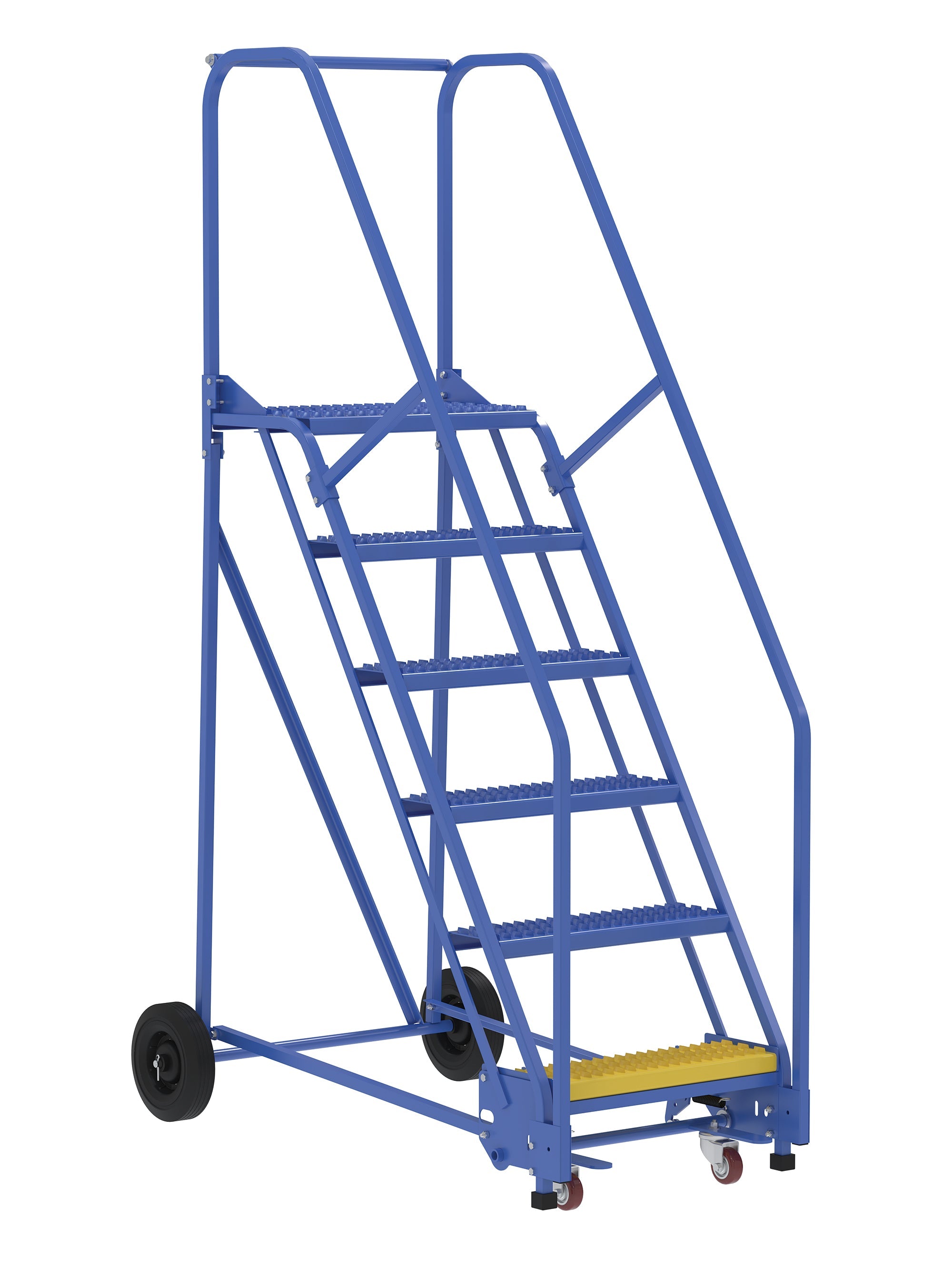 In Stock
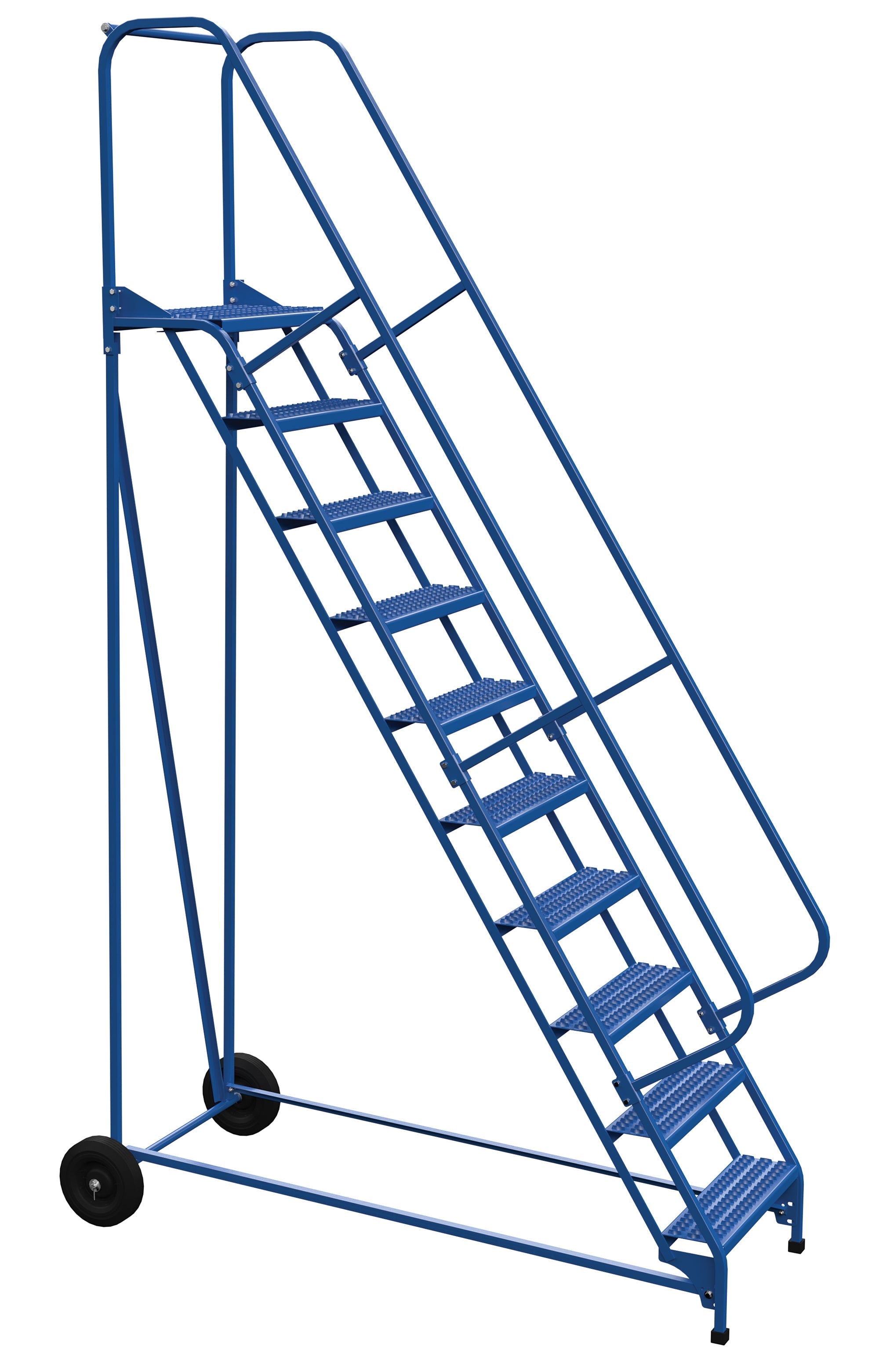 In Stock
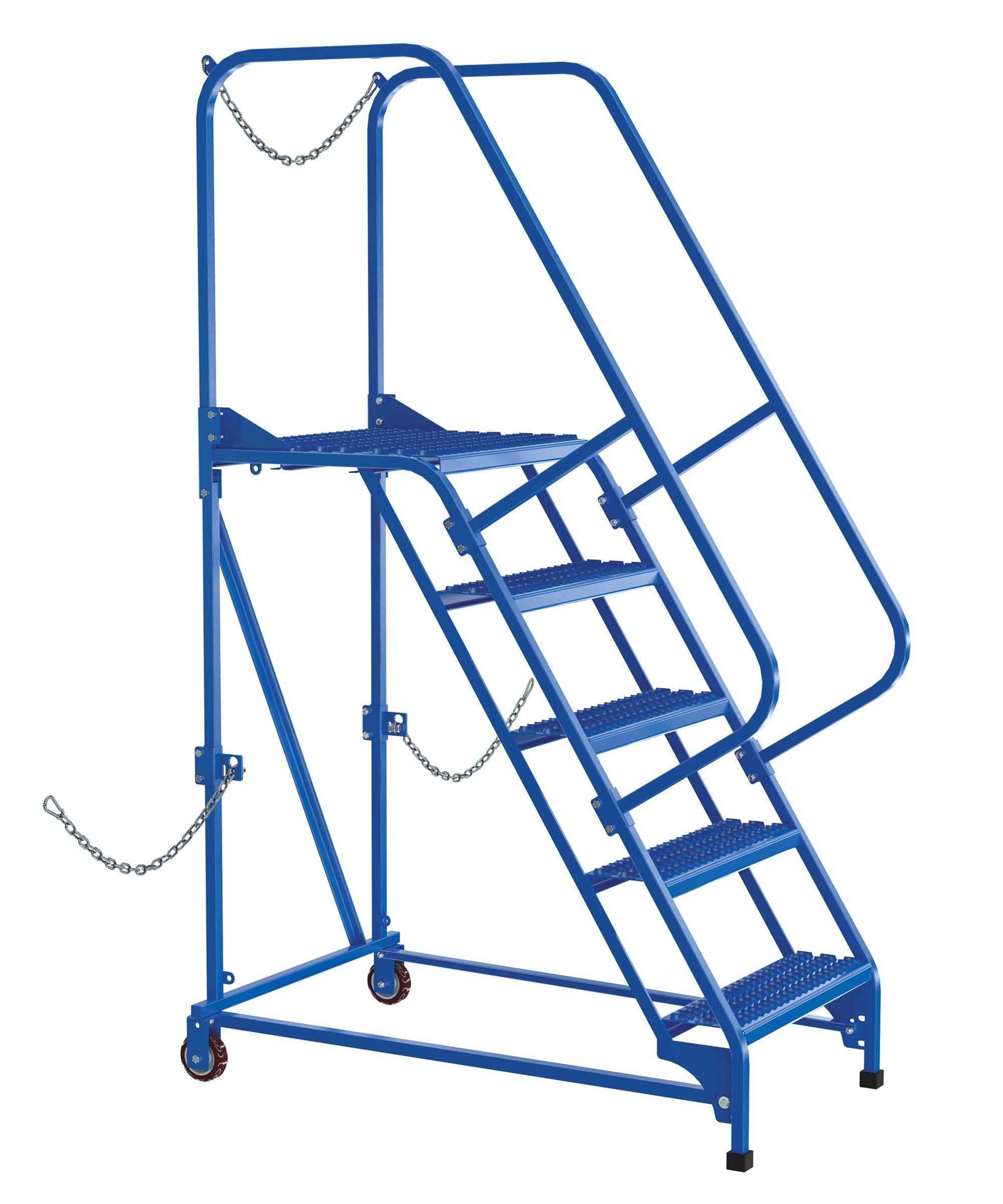 In Stock
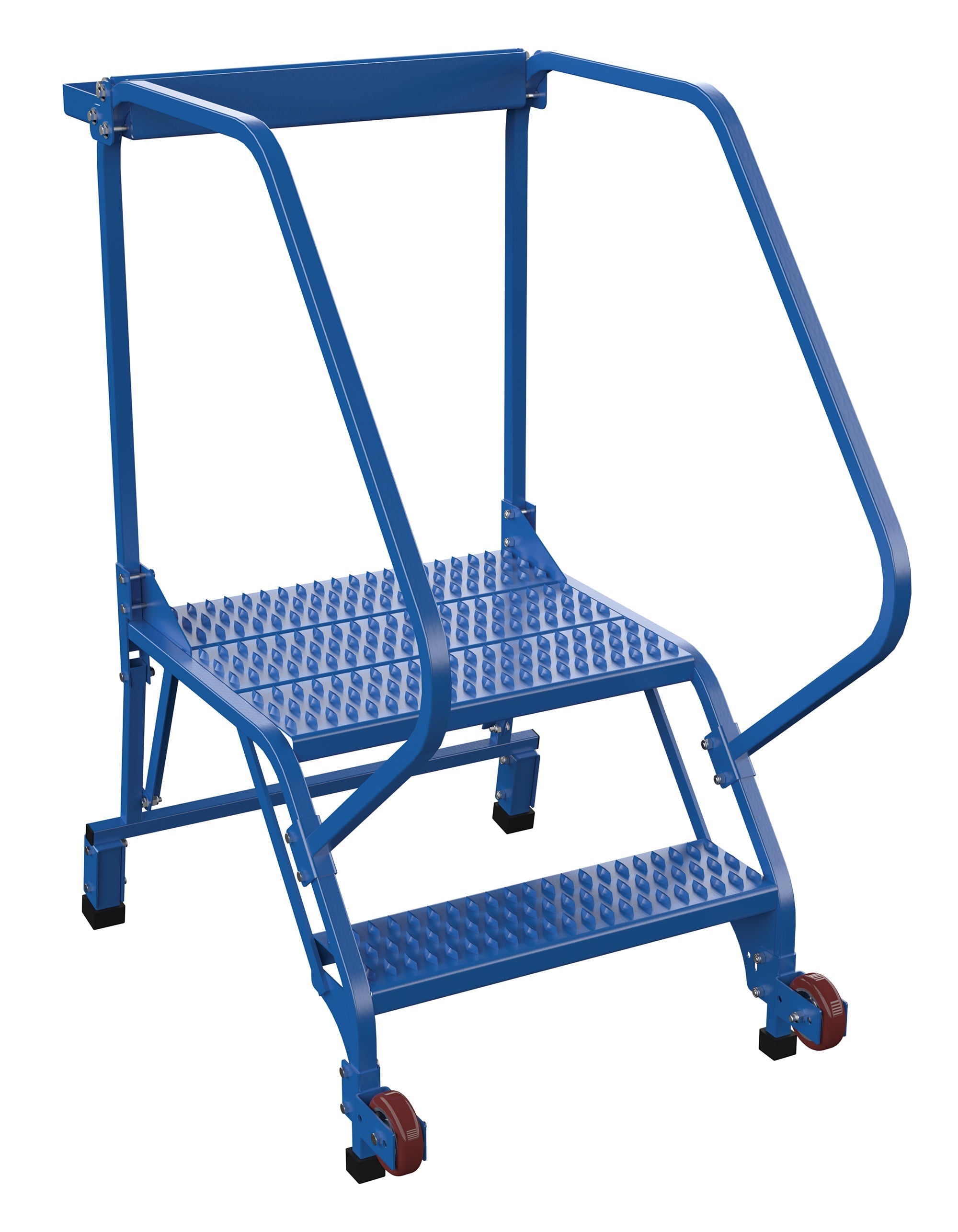 In Stock
 In Stock
 In Stock
 In Stock
 In Stock
 In Stock
 In Stock
 In Stock
 In Stock
 In Stock
 In Stock
 In Stock
 In Stock
 In Stock
 In Stock
 In Stock
 In Stock
 In Stock
 In Stock
 In Stock
 In StockIn Stock
 In Stock
 In Stock
 In Stock
 In Stock
 In Stock
 In Stock
 In Stock
 In Stock
 In Stock
 In Stock
 In Stock
 In Stock
 In StockIn Stock
Ladders Buying Guide
Three answers to how high, and how often. Everything in this hub answers a reach with one of three tools, and the right one turns on frequency and portability more than height. For the deep bench of climbing and access ladders, the ones that move around the plant or bolt to it, go to industrial ladders: rolling warehouse ladders, crossover ladders, slope ladders, and mezzanine, tank, and dock access. When the job is standing at a fixed height at a machine or assembly line rather than climbing to a shelf, that is a step stand, including adjustable-height Work-Mate models that raise the worker to the work. And when the reach is one or two steps up, occasional, and you want something light that stores flat, that is a step stool. Name the job first: a picker pulling stock at 10 ft, a welder standing at bench height all day, and a stocker grabbing a box off a shelf are three different purchases, and buying the wrong one is how you end up with a rolling ladder used as a step stool and a back injury used as a lesson.
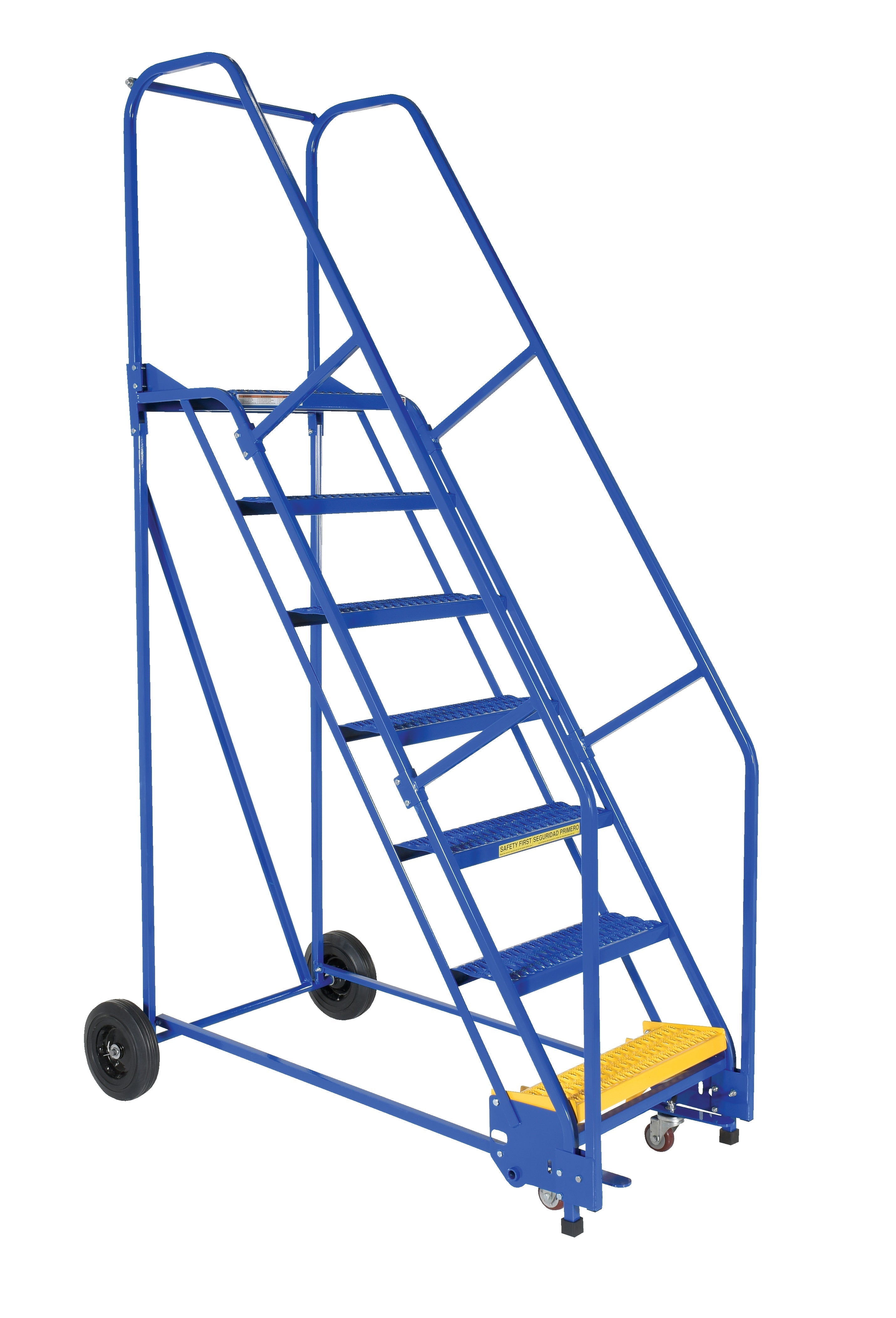
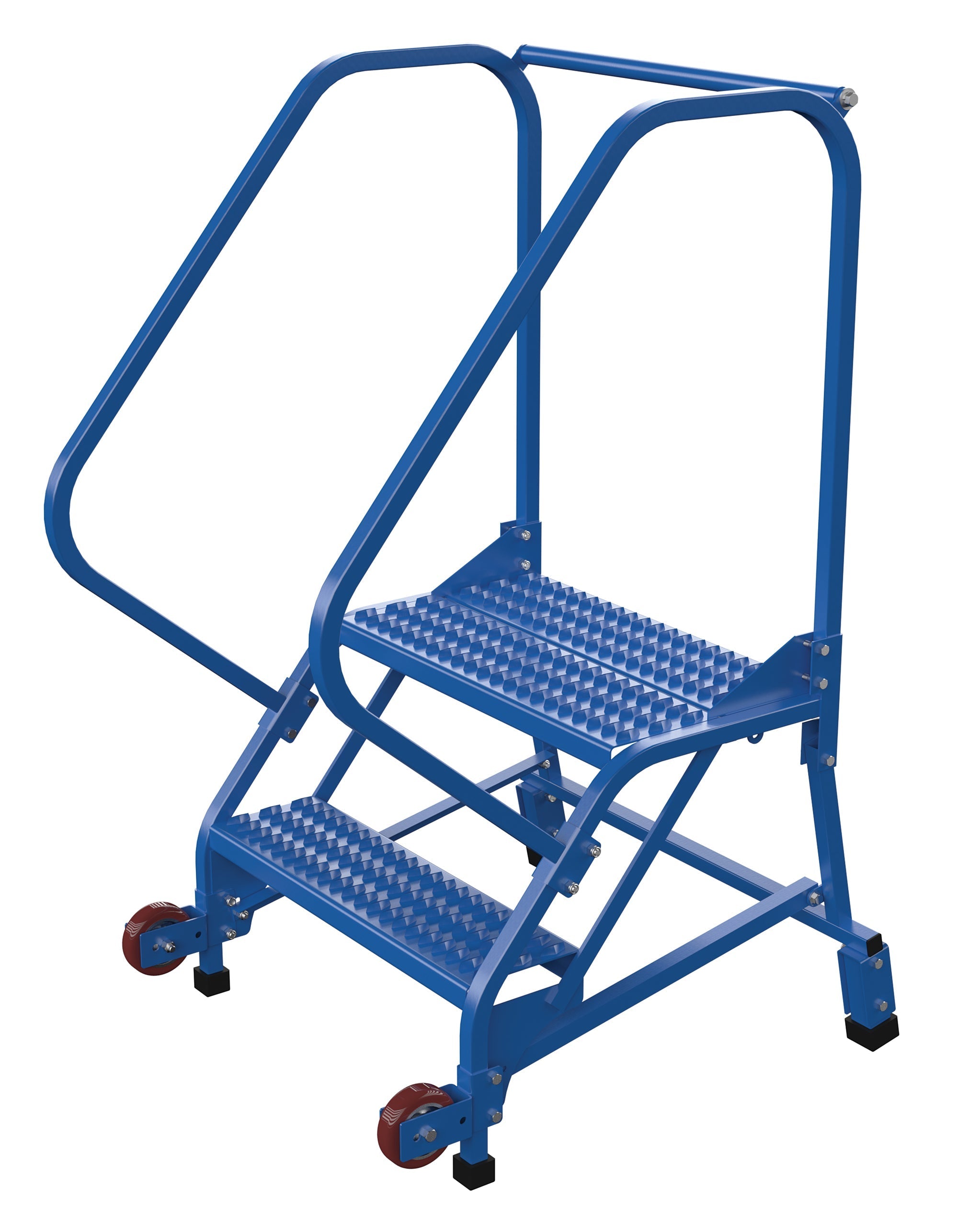
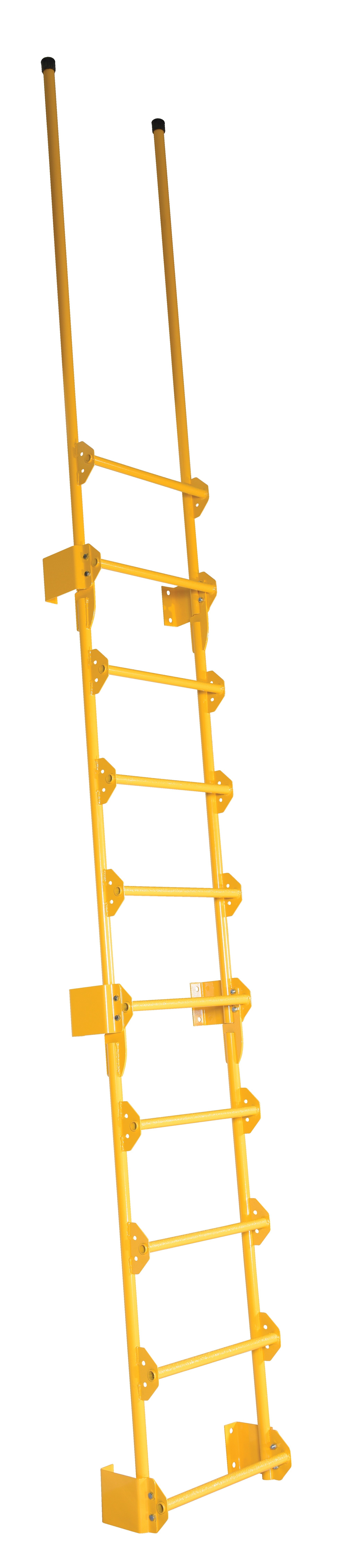
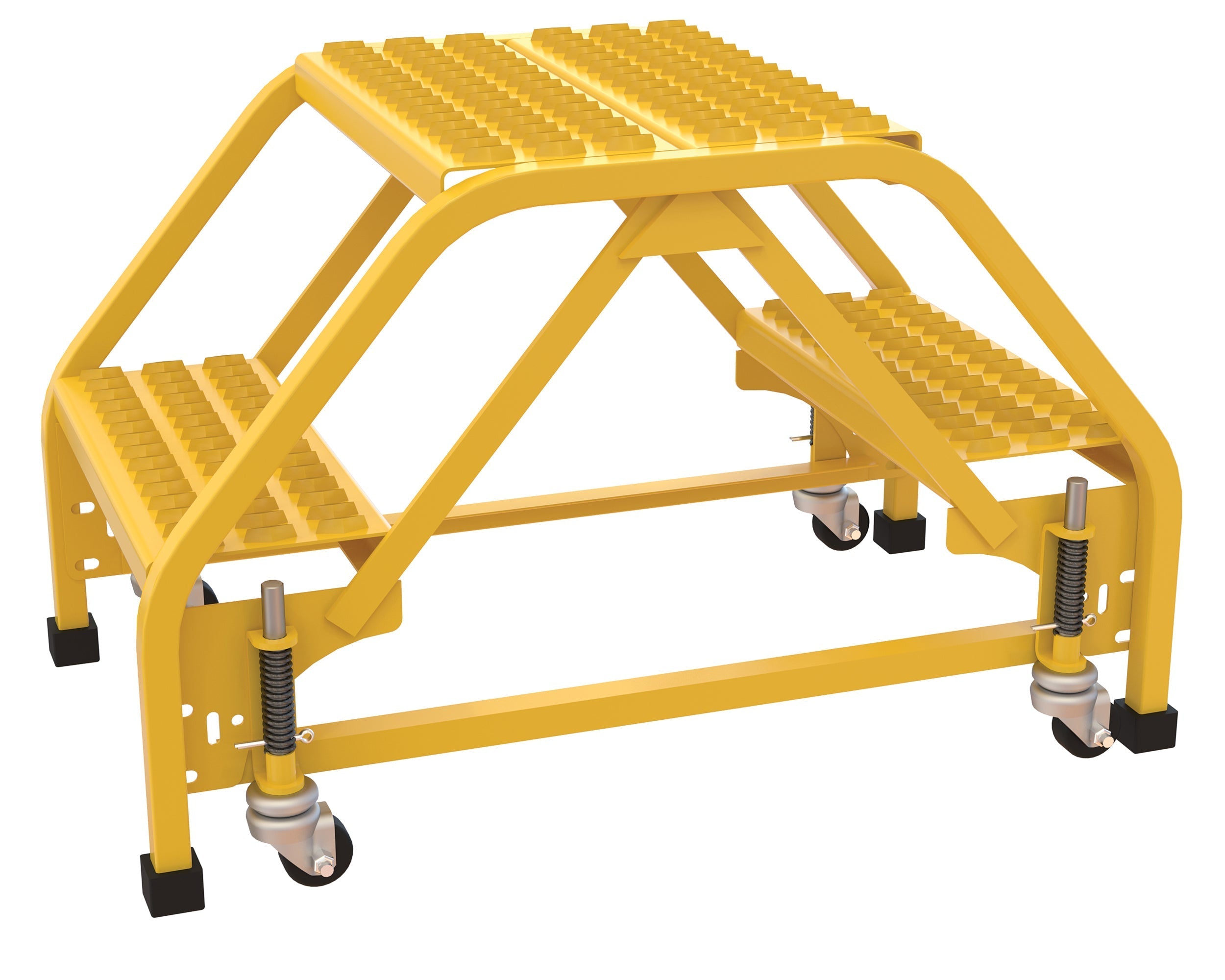
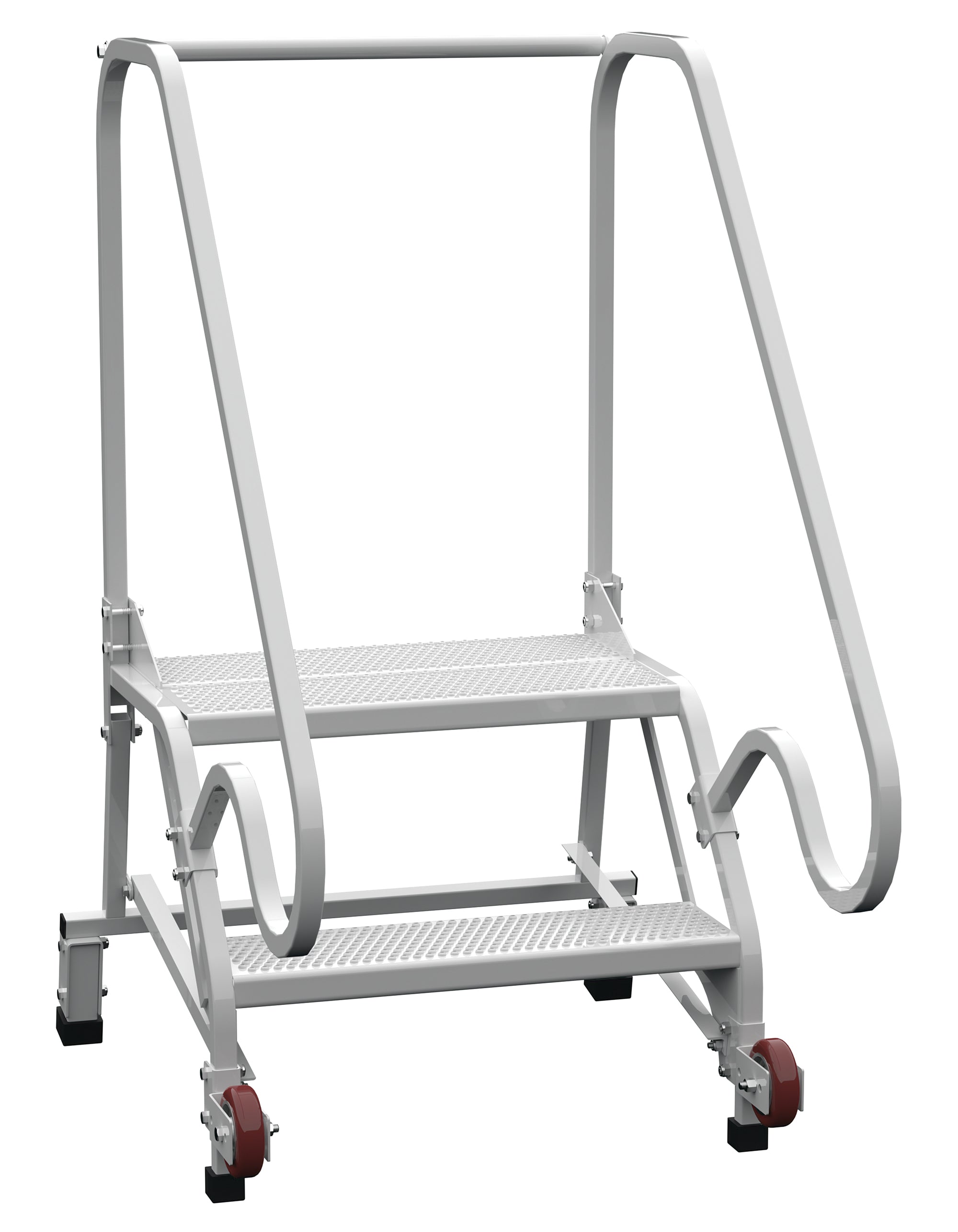
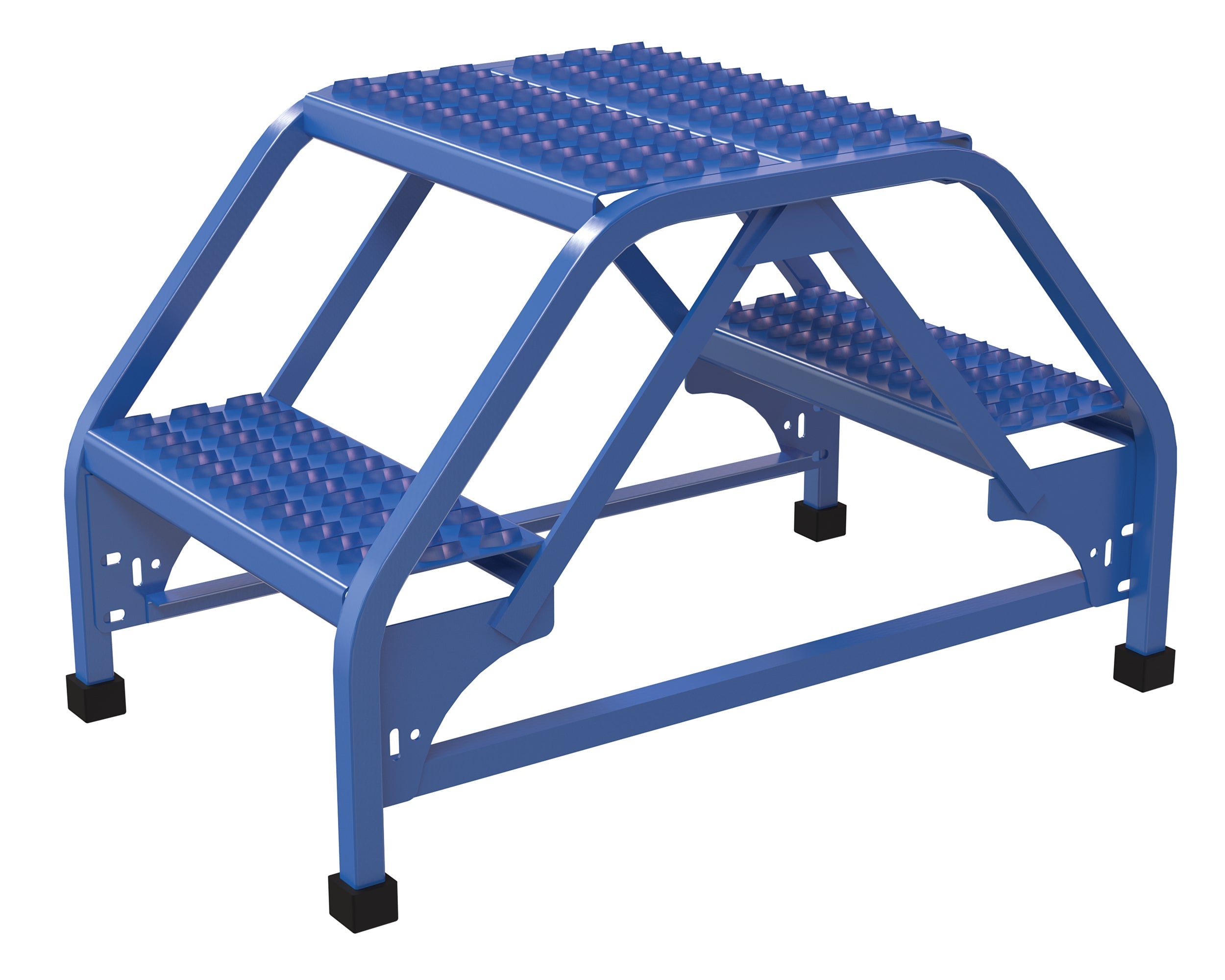
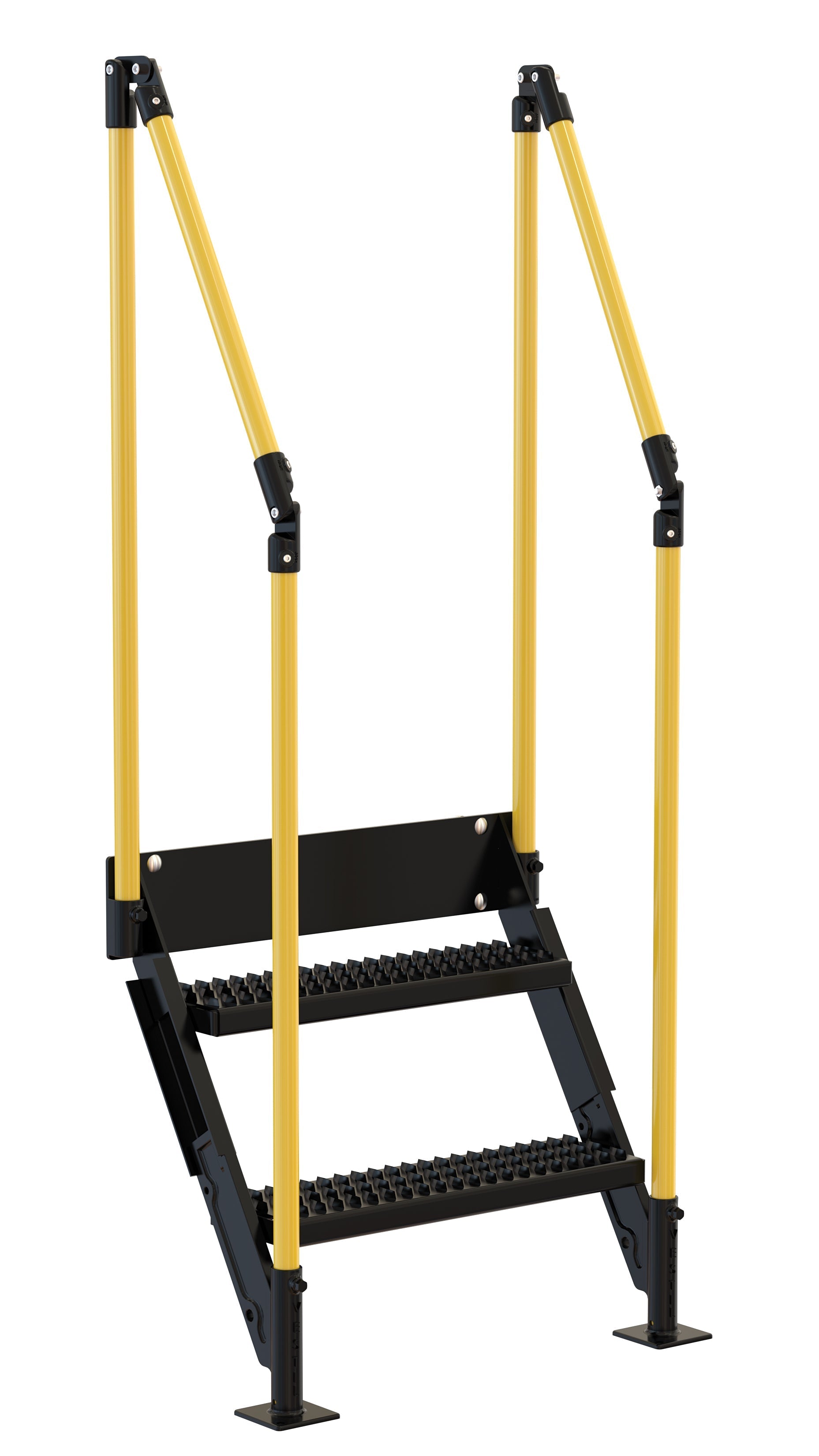
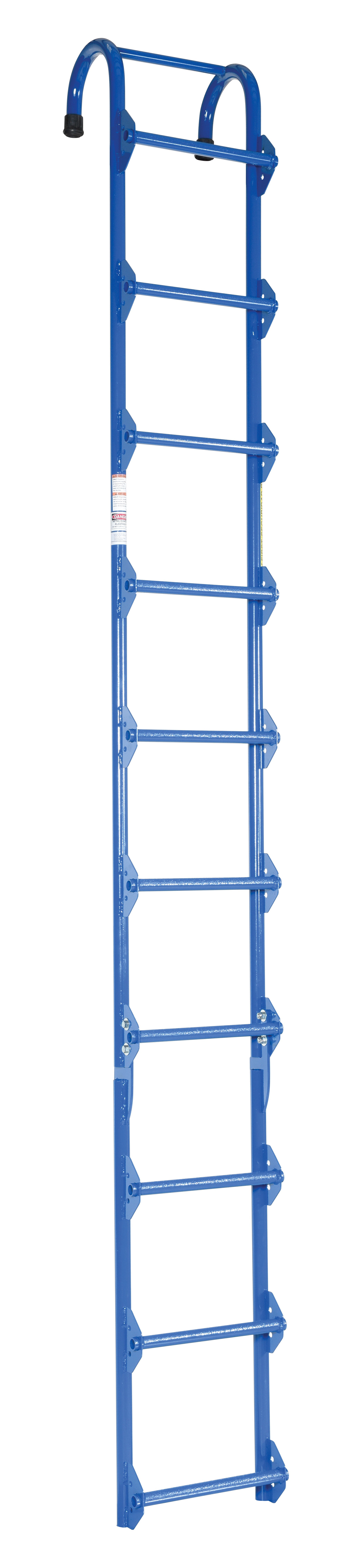
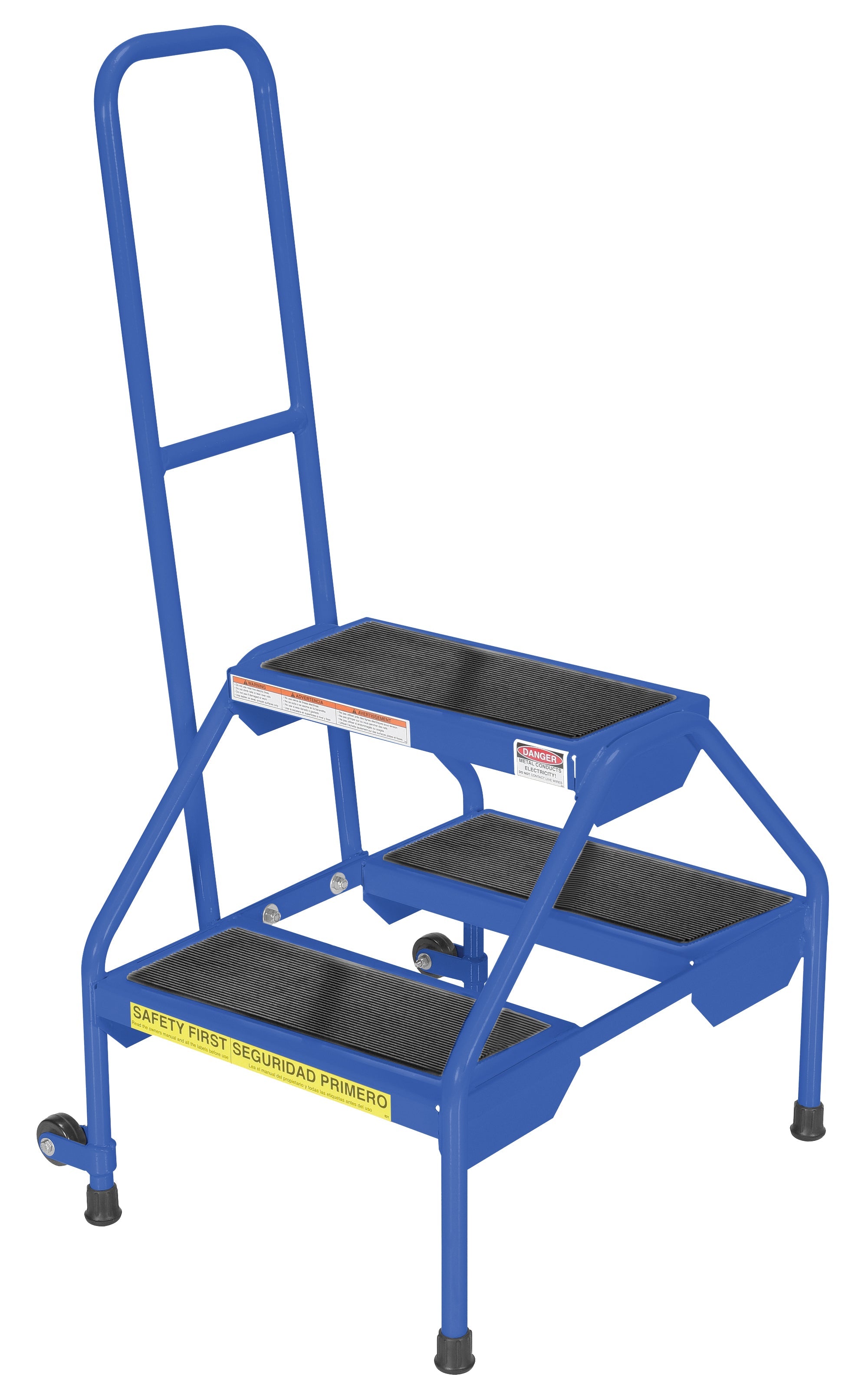
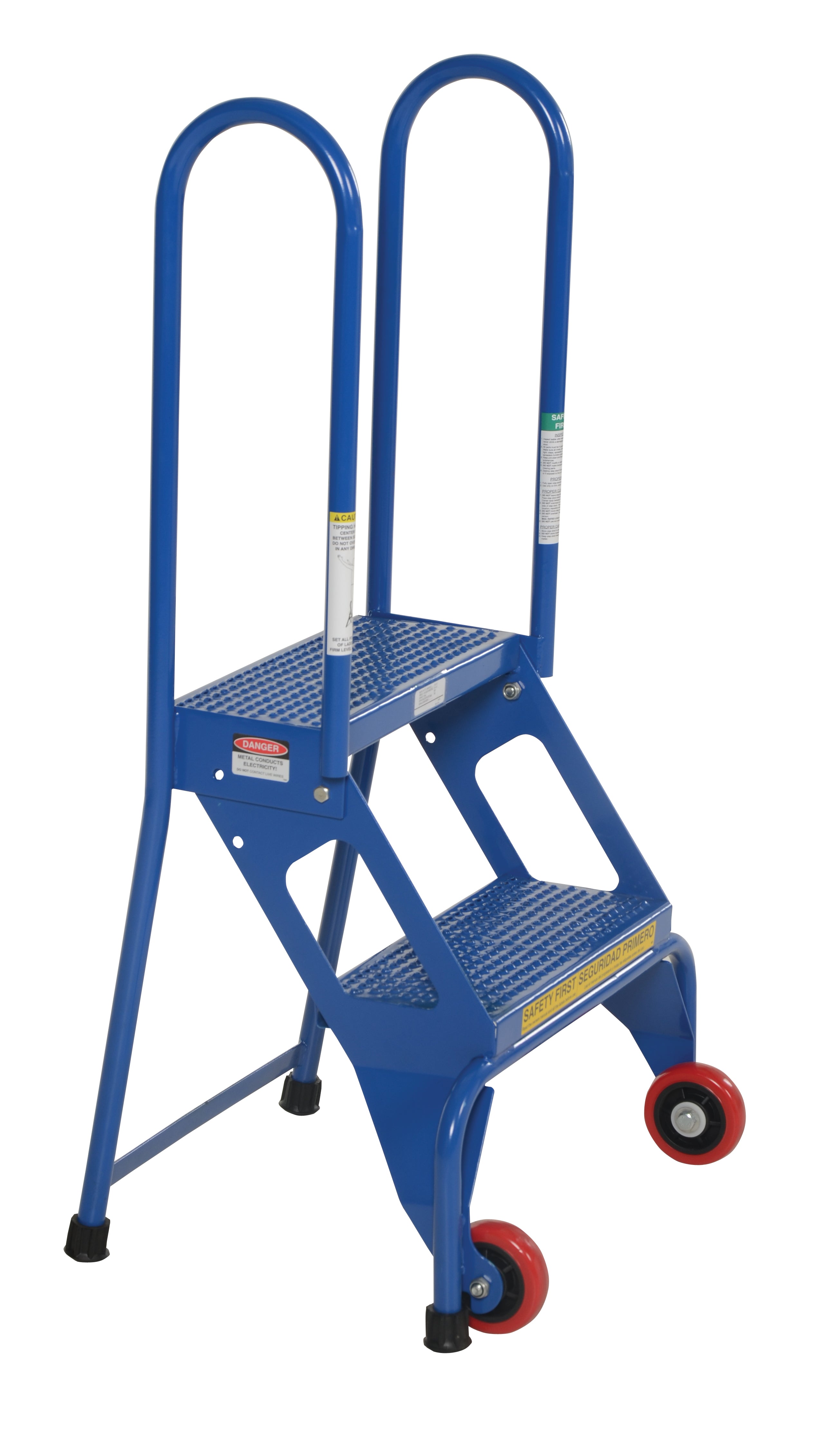
Industrial ladders: match the ladder to the access, not the height. The industrial ladders collection is the largest here because access takes many shapes. Rolling warehouse ladders, 6 to 16 steps and rated to 350 lb, are the mobile-picking workhorse: climb, pull stock, roll to the next bay. Crossover ladders, offered in aluminum, steel, and galvanized, put a platform and two stair runs over a conveyor, pipe rack, or wall so people stop climbing over the obstruction. Slope ladders with 16, 23, or 30 in top steps trade footprint for a wider, safer standing surface up top. Then there is the fixed and semi-fixed access tier, mezzanine ladders that mount to the deck edge in face-mounted or retractable versions, tank access ladders, semi-trailer and walk-thru dock ladders, plus modular stairways and steel work platforms you configure to the run. Alternating-tread stairs earn their own mention: they pack a stair into a near-vertical footprint, installed at a 50 to 70 degree slope under OSHA 1910.25, which is where a normal 30 to 50 degree stair will not fit. Start from the thing being accessed and the ladder type follows.
Rolling and mobile ladders carry OSHA rules with them. A rolling warehouse ladder is a mobile ladder stand under OSHA 1910.23(e) and ANSI A14.7, and the platform height sets what it must carry. Stands with a platform 4 to 10 ft high need 36 in handrails and midrails; above 10 ft they need guardrails and toeboards on the exposed sides. There is also a stability rule worth knowing before you buy tall: the top work surface cannot exceed four times the shortest base dimension without extra support, which is why the tall units get wide, straddling bases. Vestil's Tip-N-Roll line handles the move-it-often case with spring-loaded casters that lift onto wheels when you tip the ladder and set down under load when you step on, including FDA and straddle versions. Fixed ladders play by 1910.23 too: a fixed ladder that climbs more than 24 ft needs a personal fall arrest or ladder safety system, and new and replacement ladders can no longer lean on a cage alone, so budget the fall protection into any tank or mezzanine access purchase from the start.
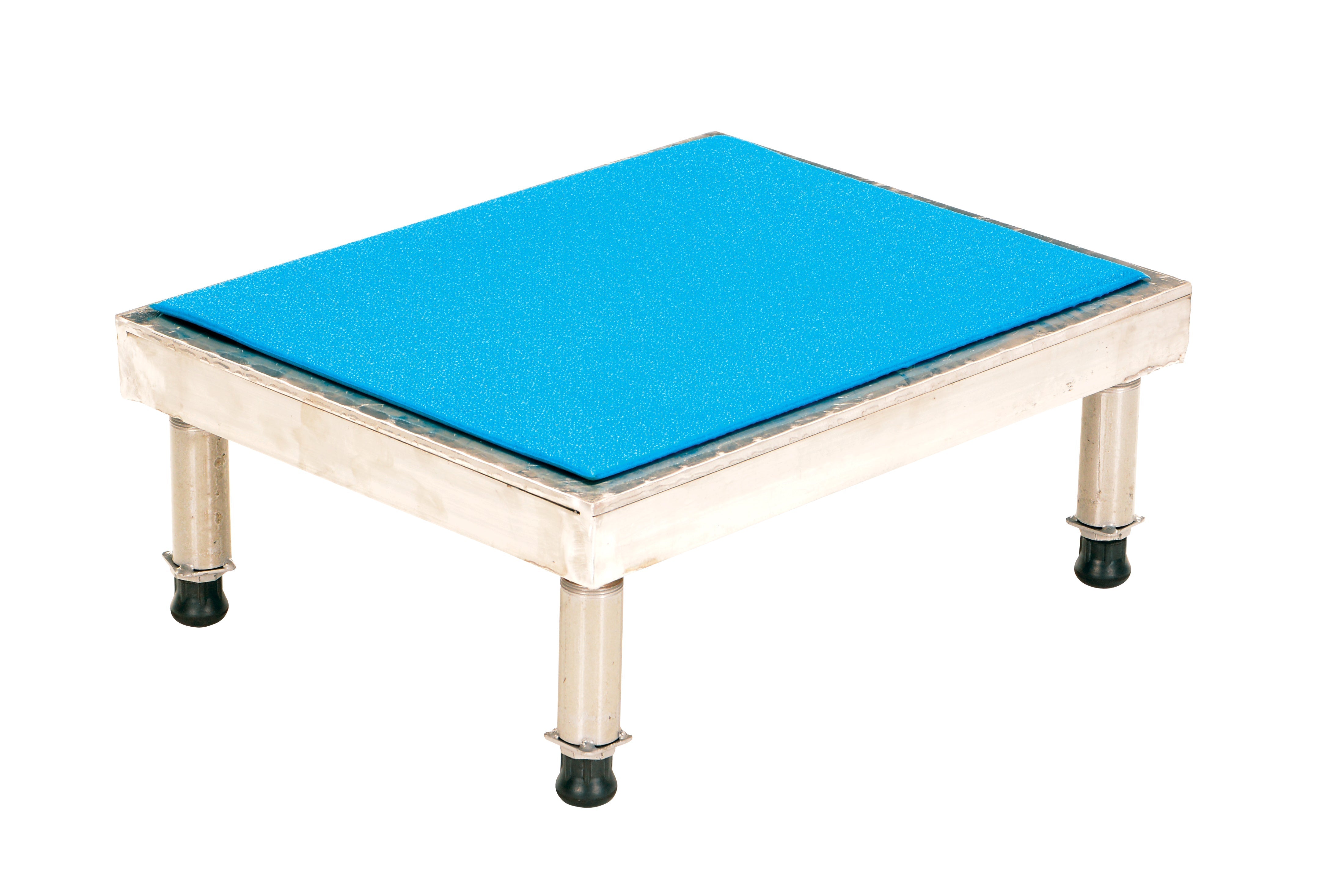
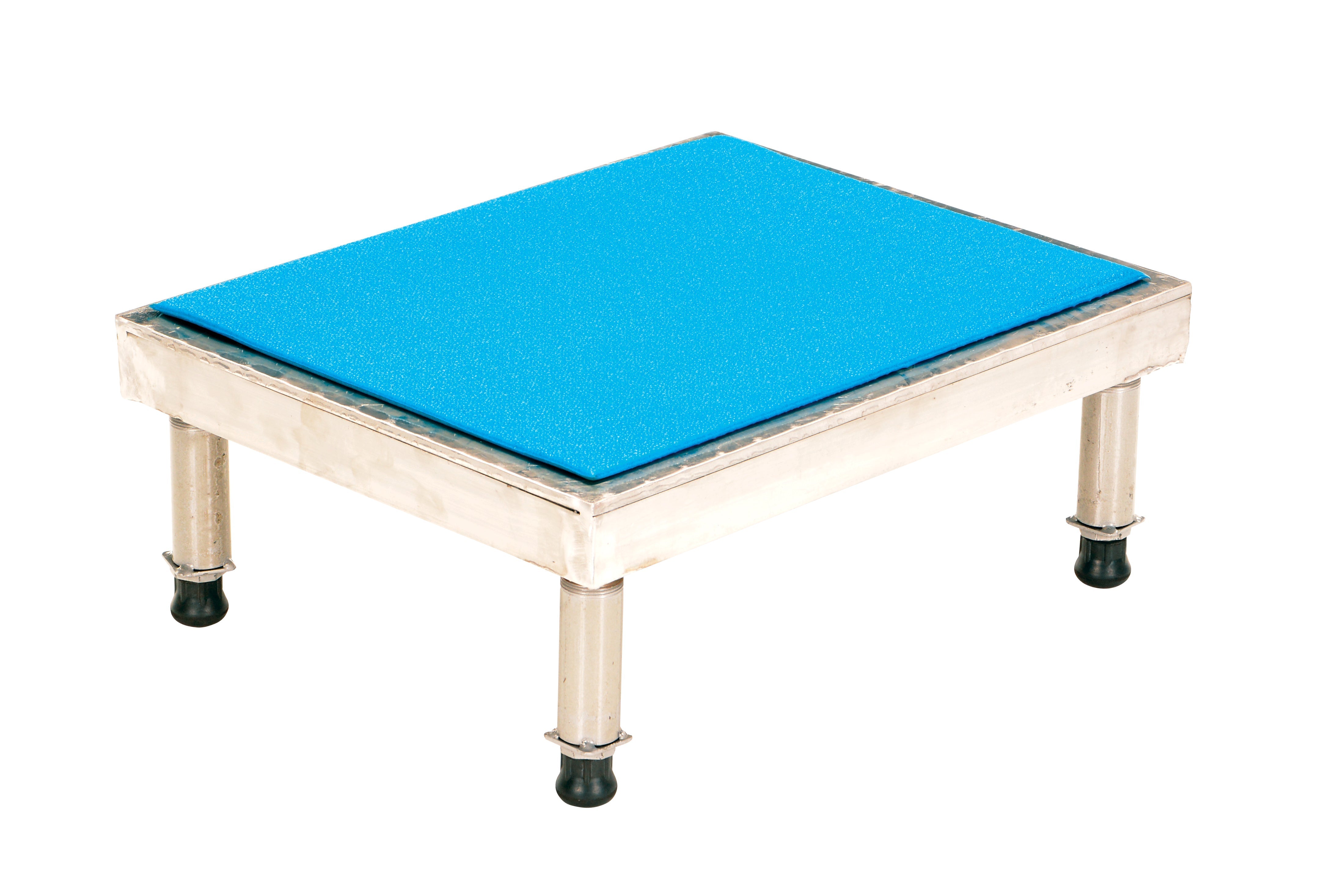
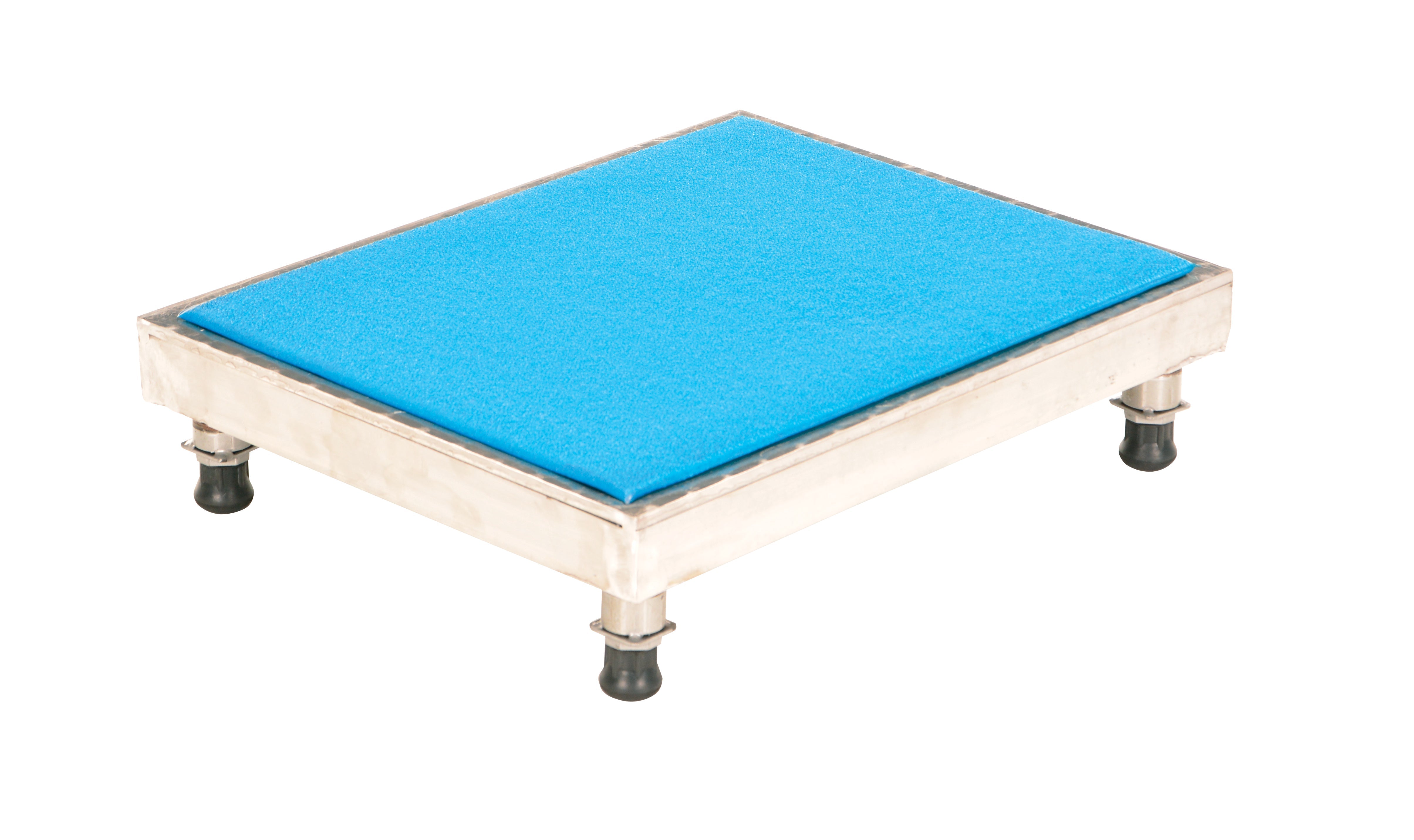
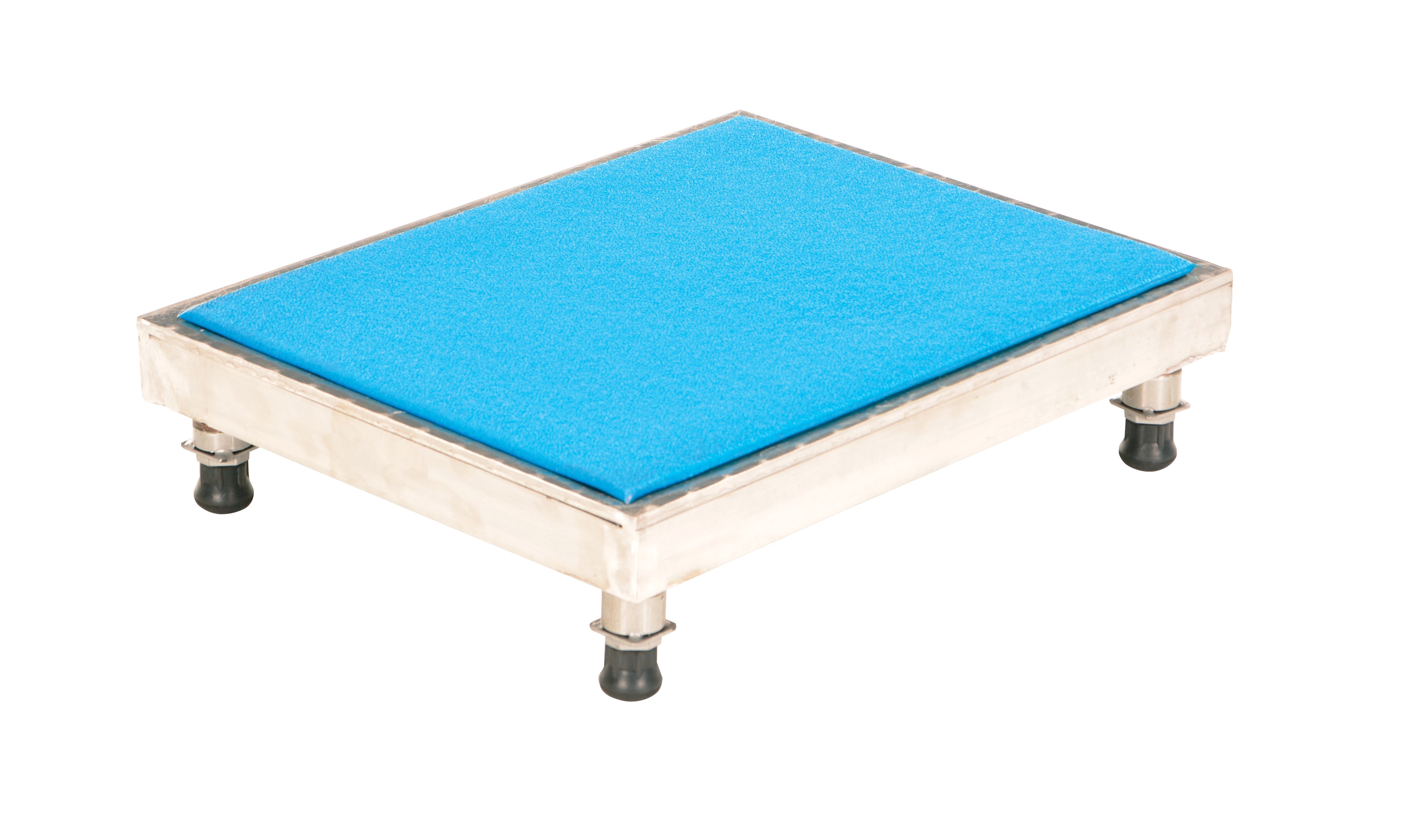
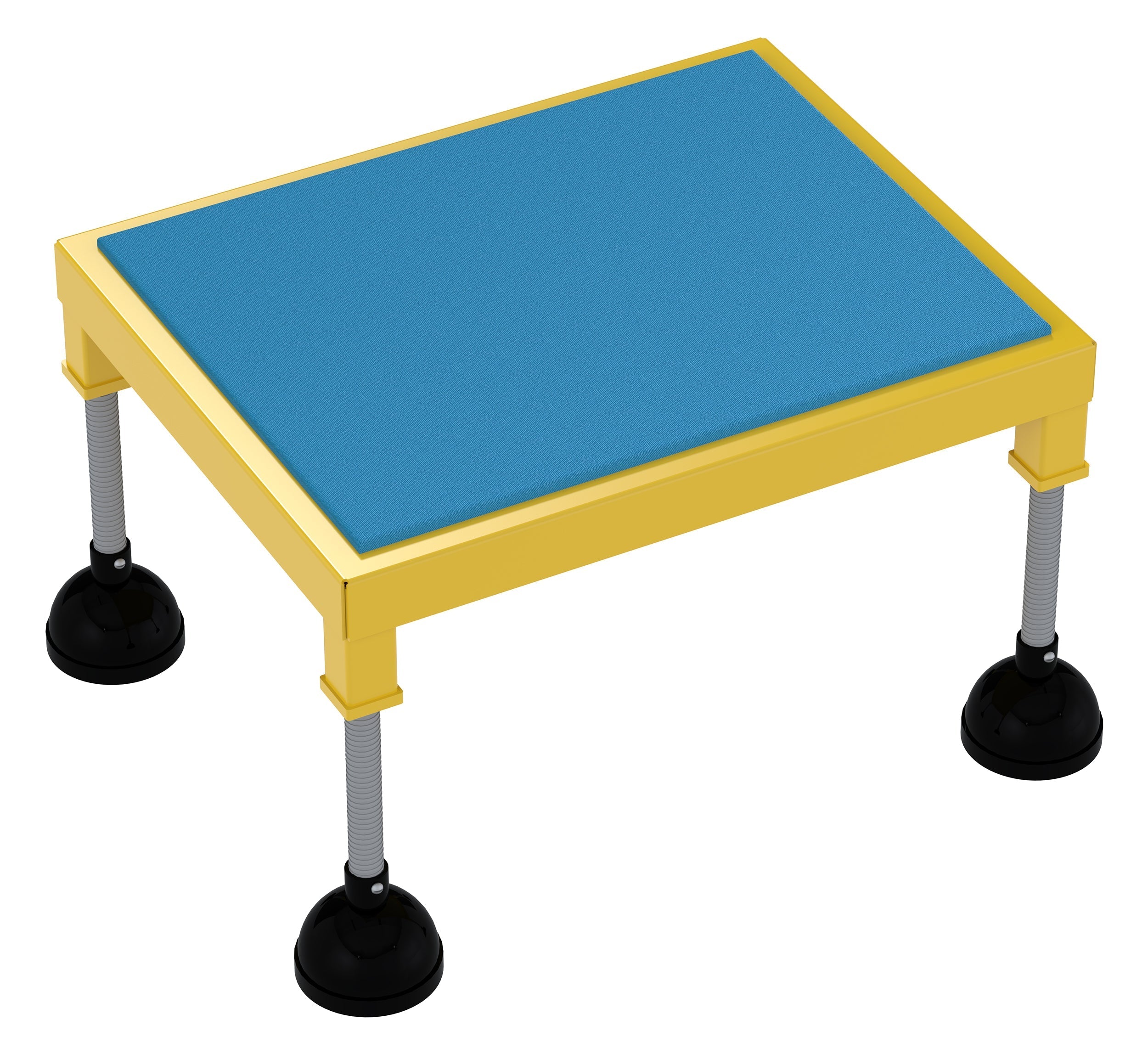
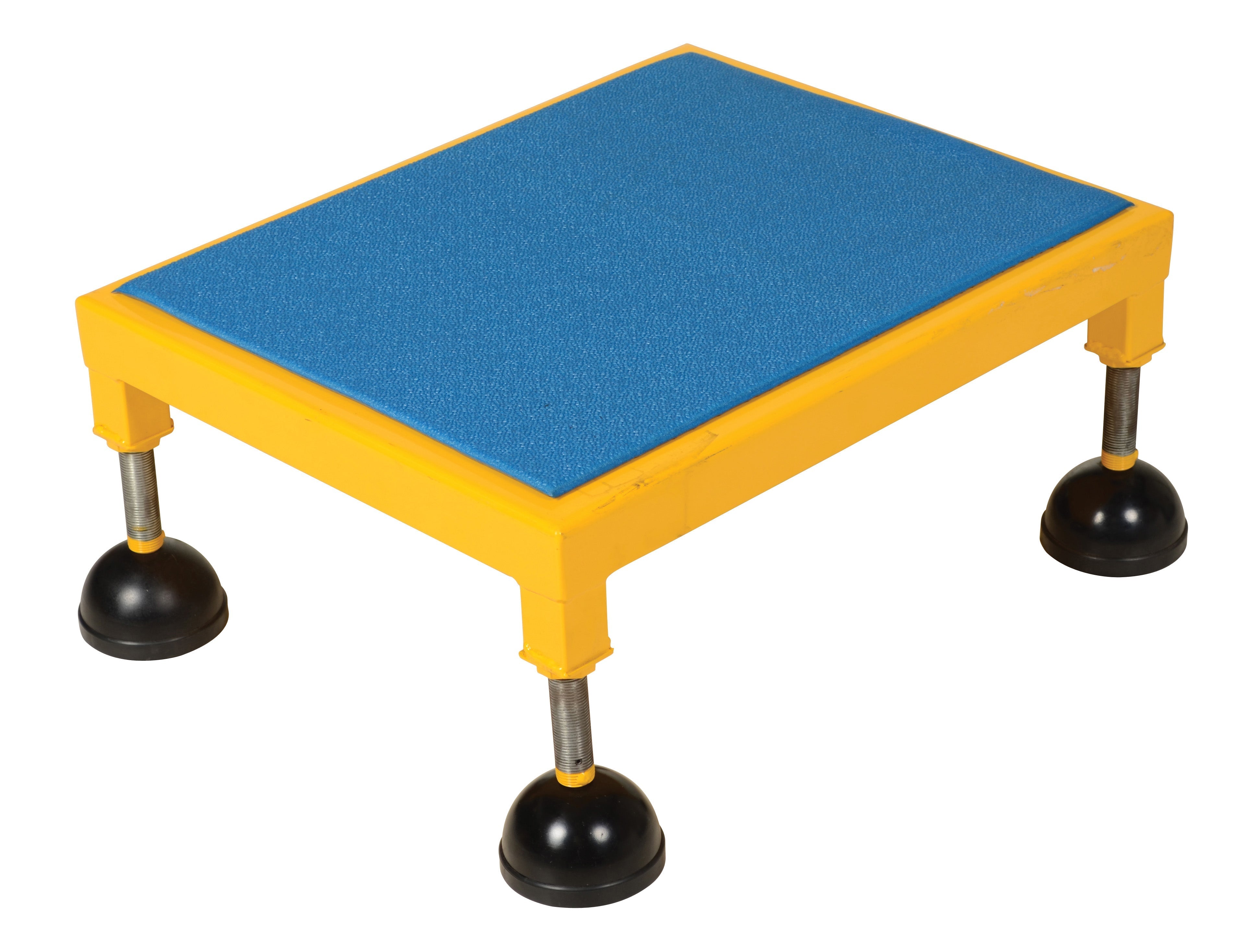
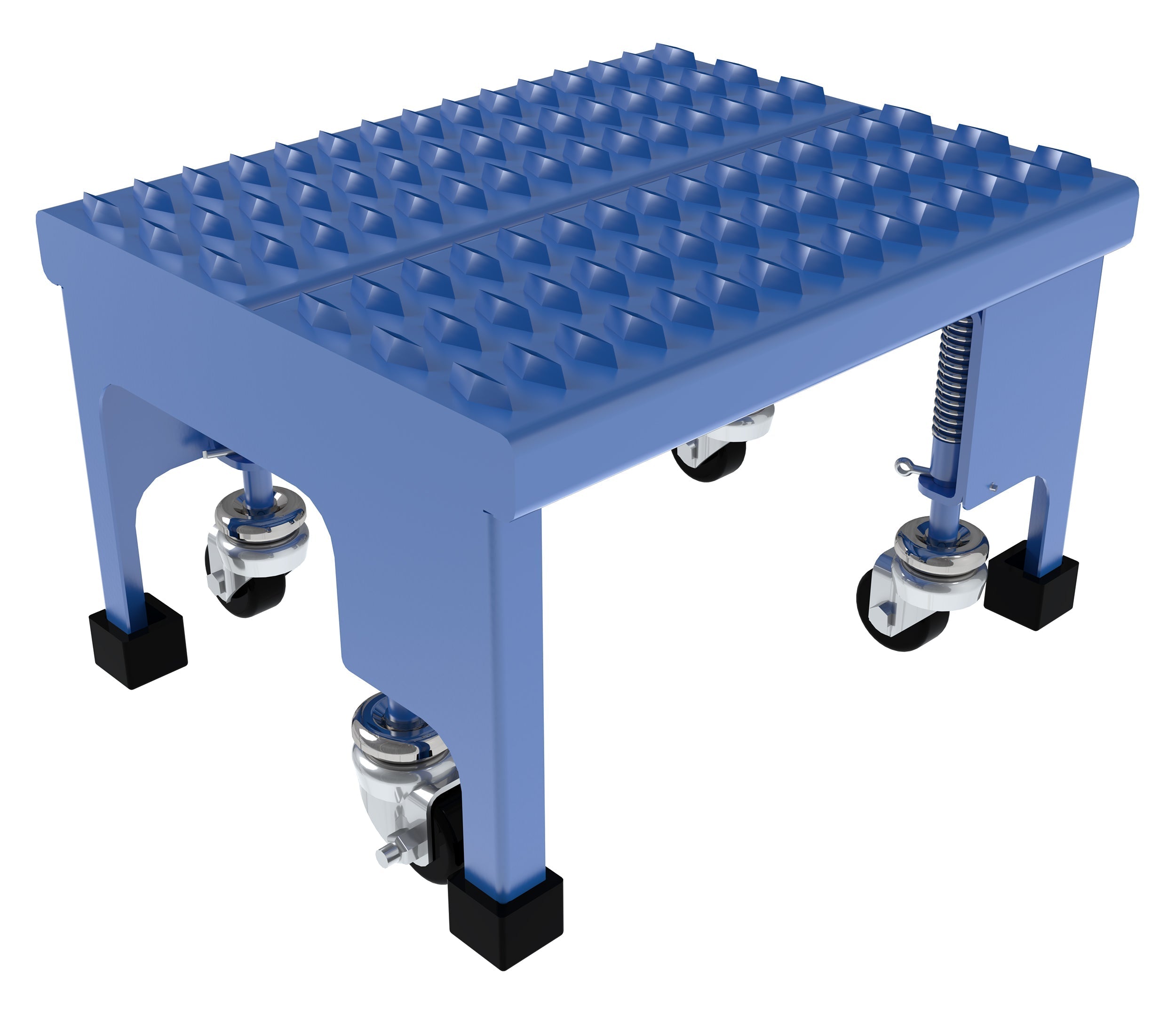
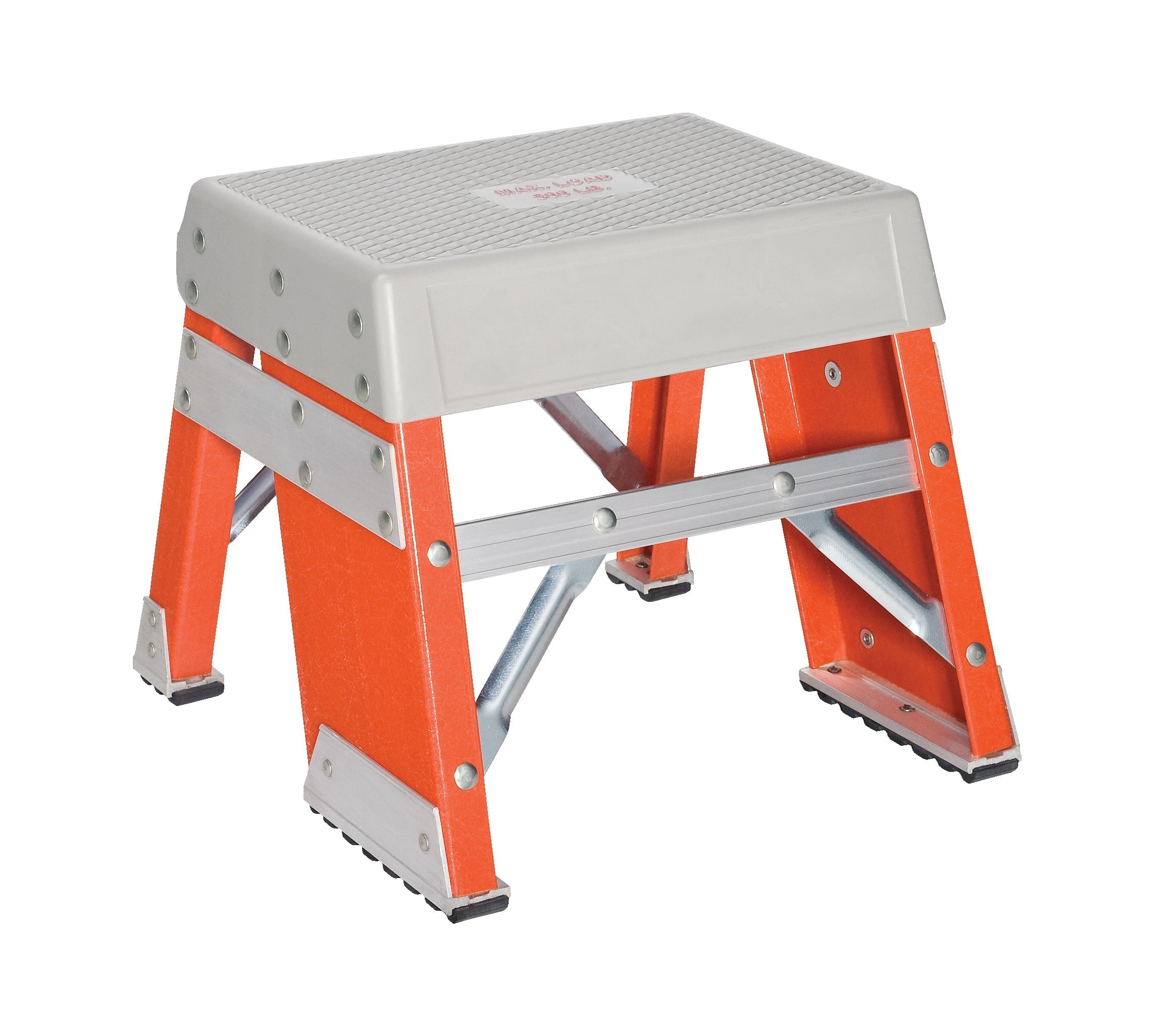
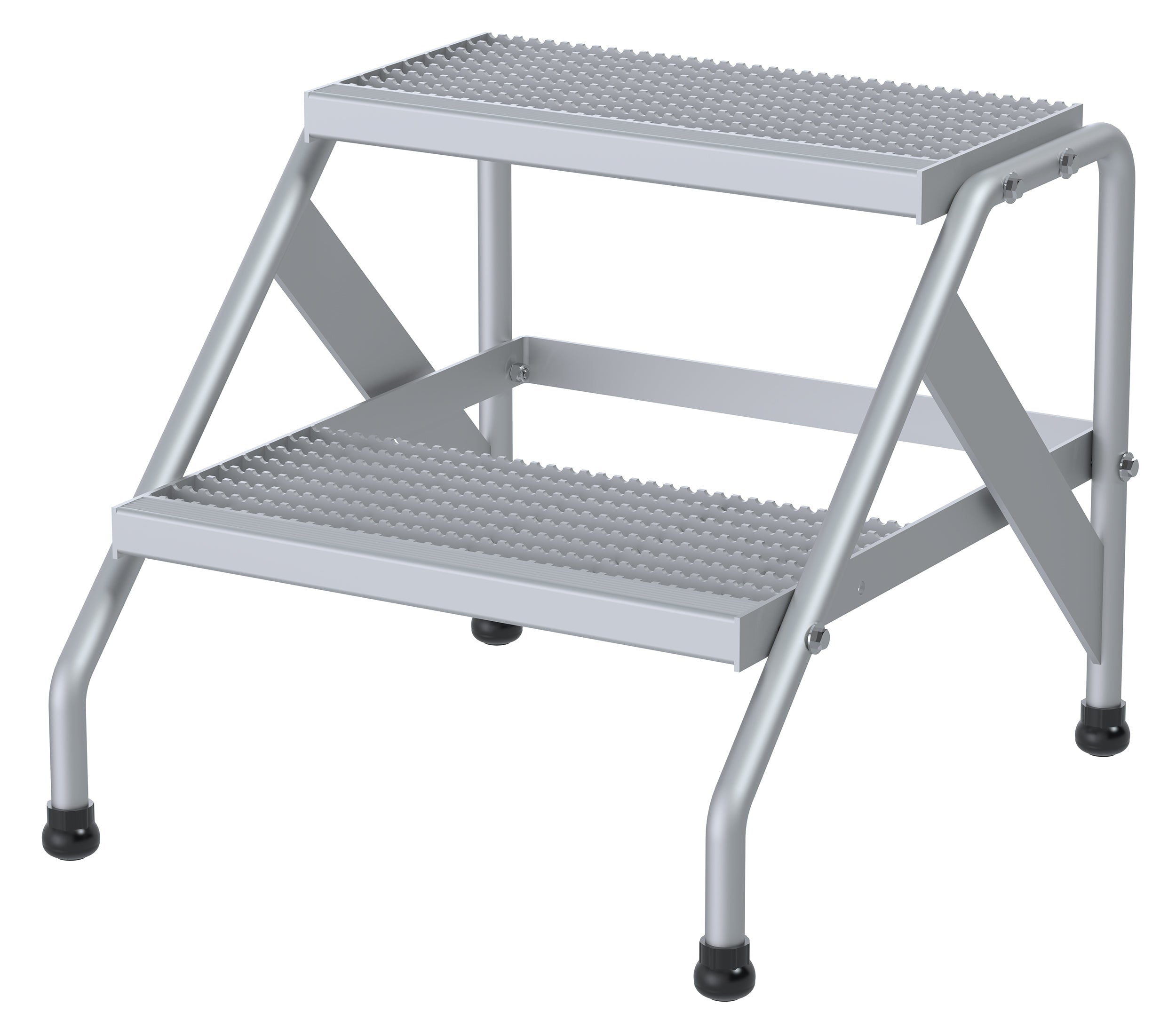
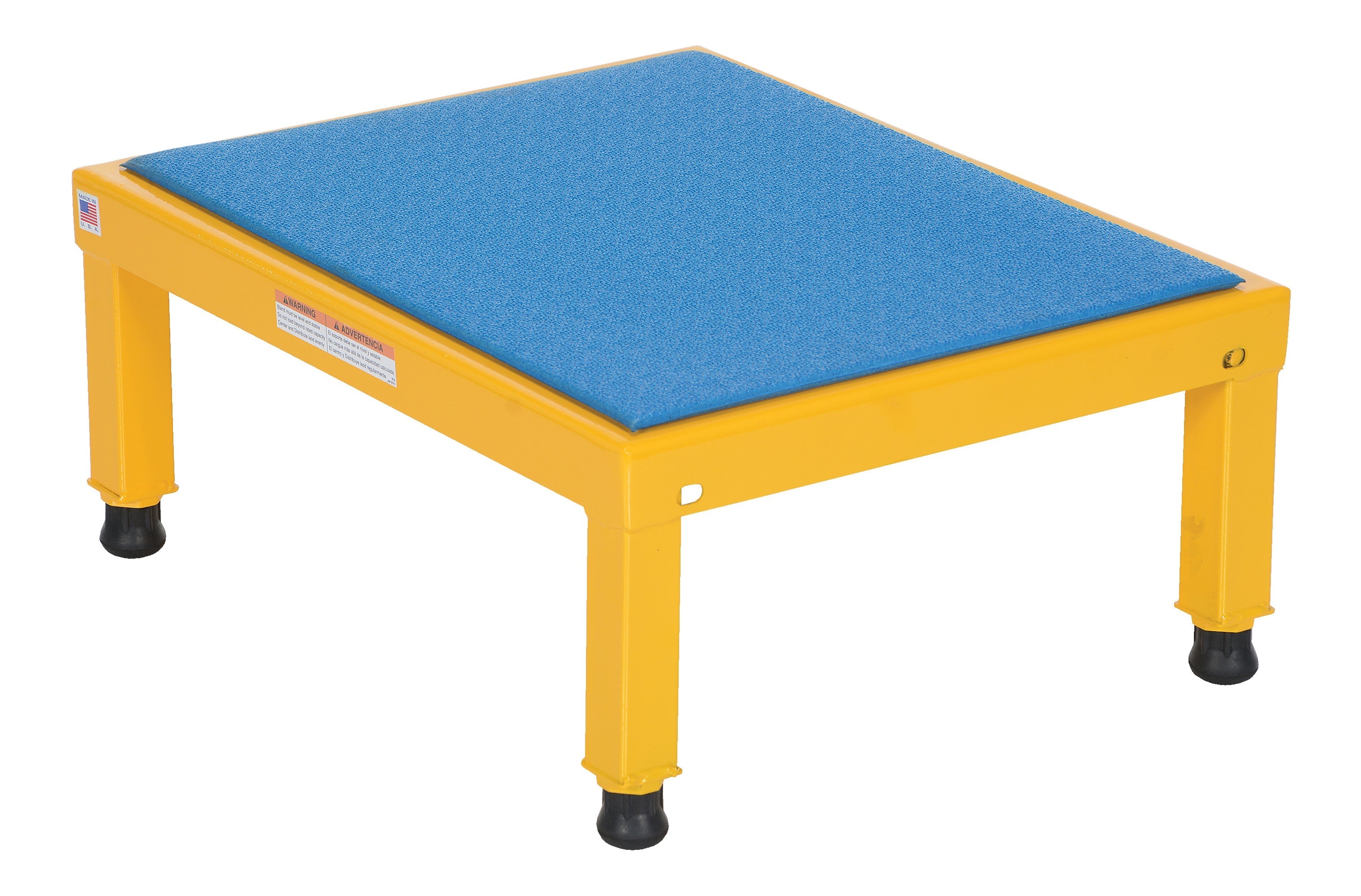
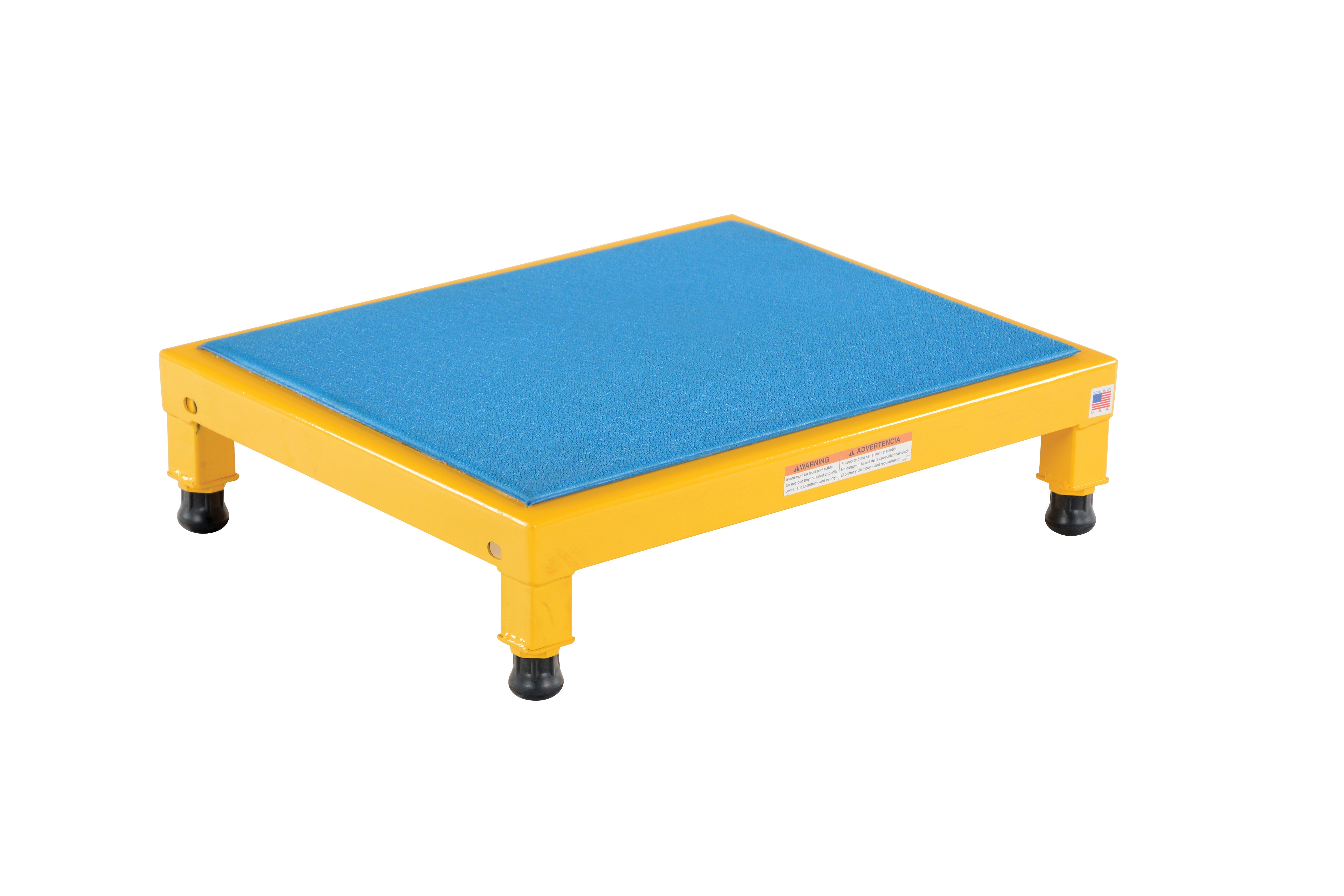
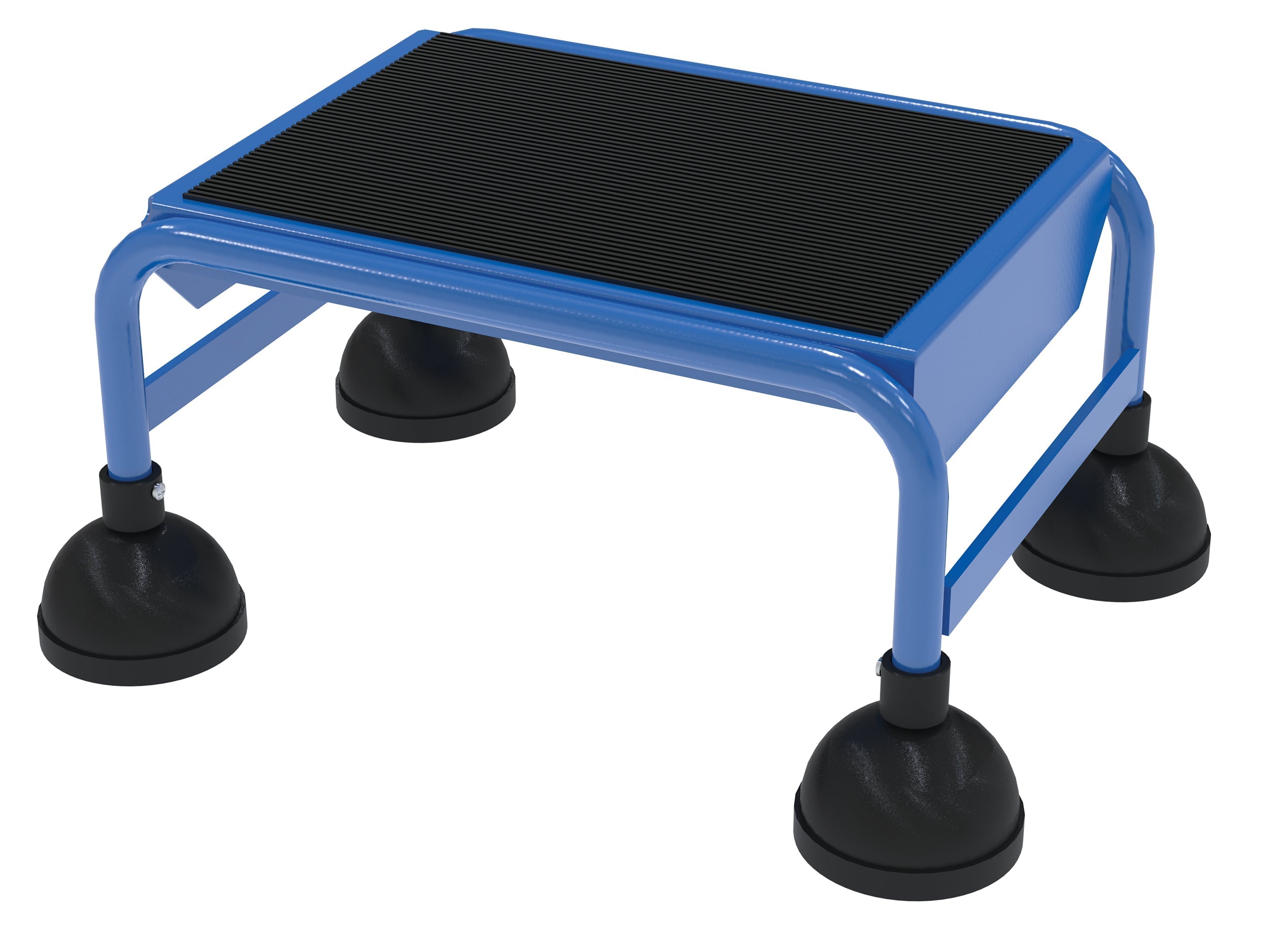
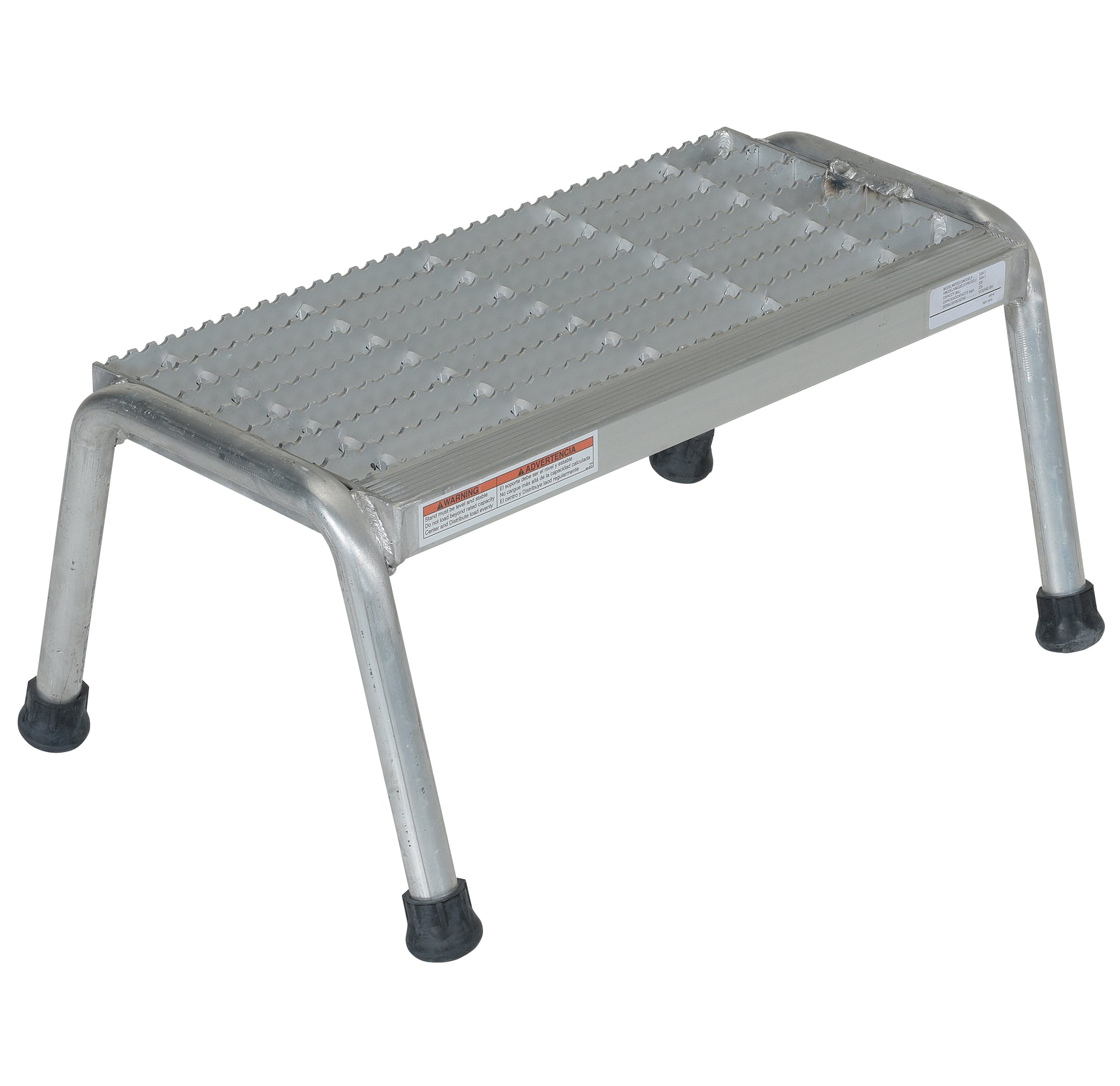
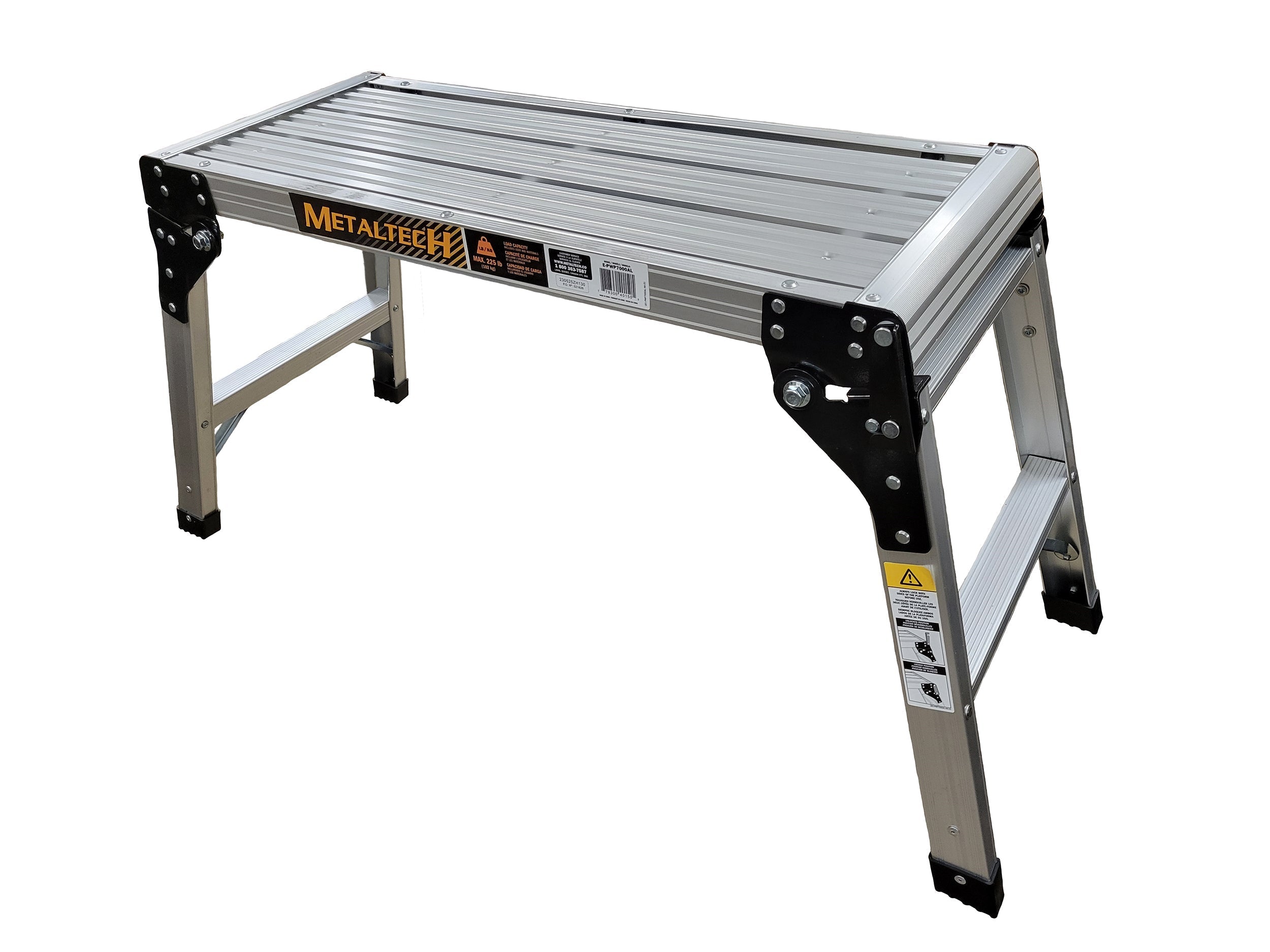
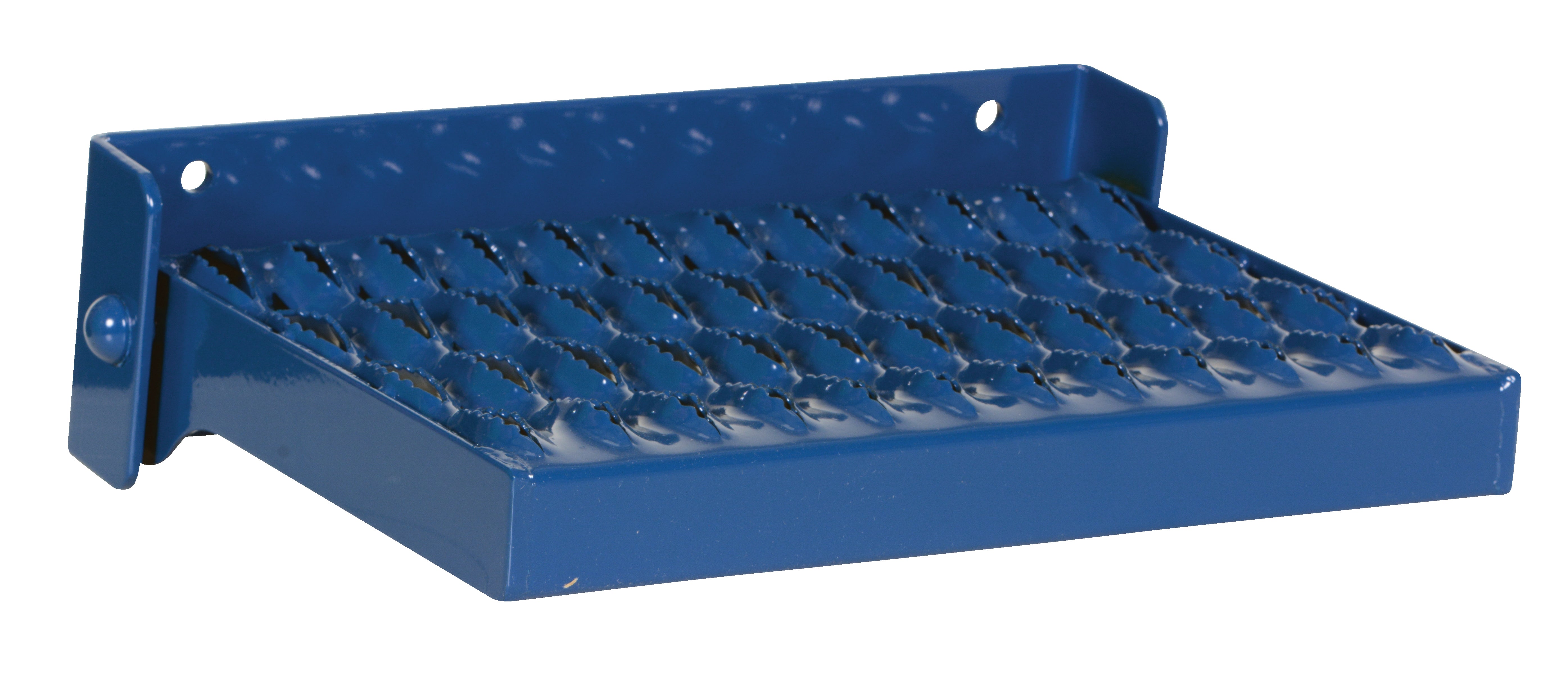
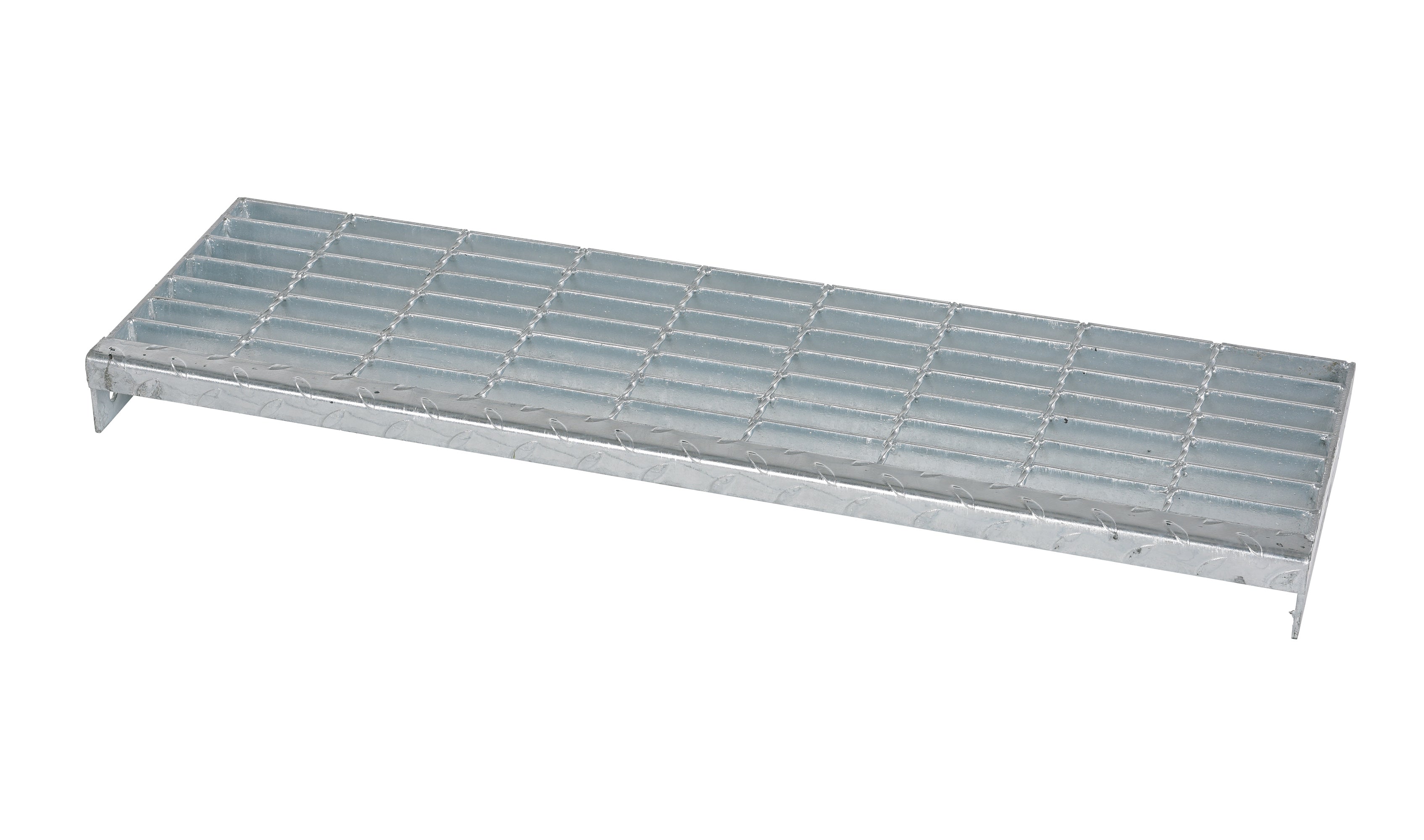
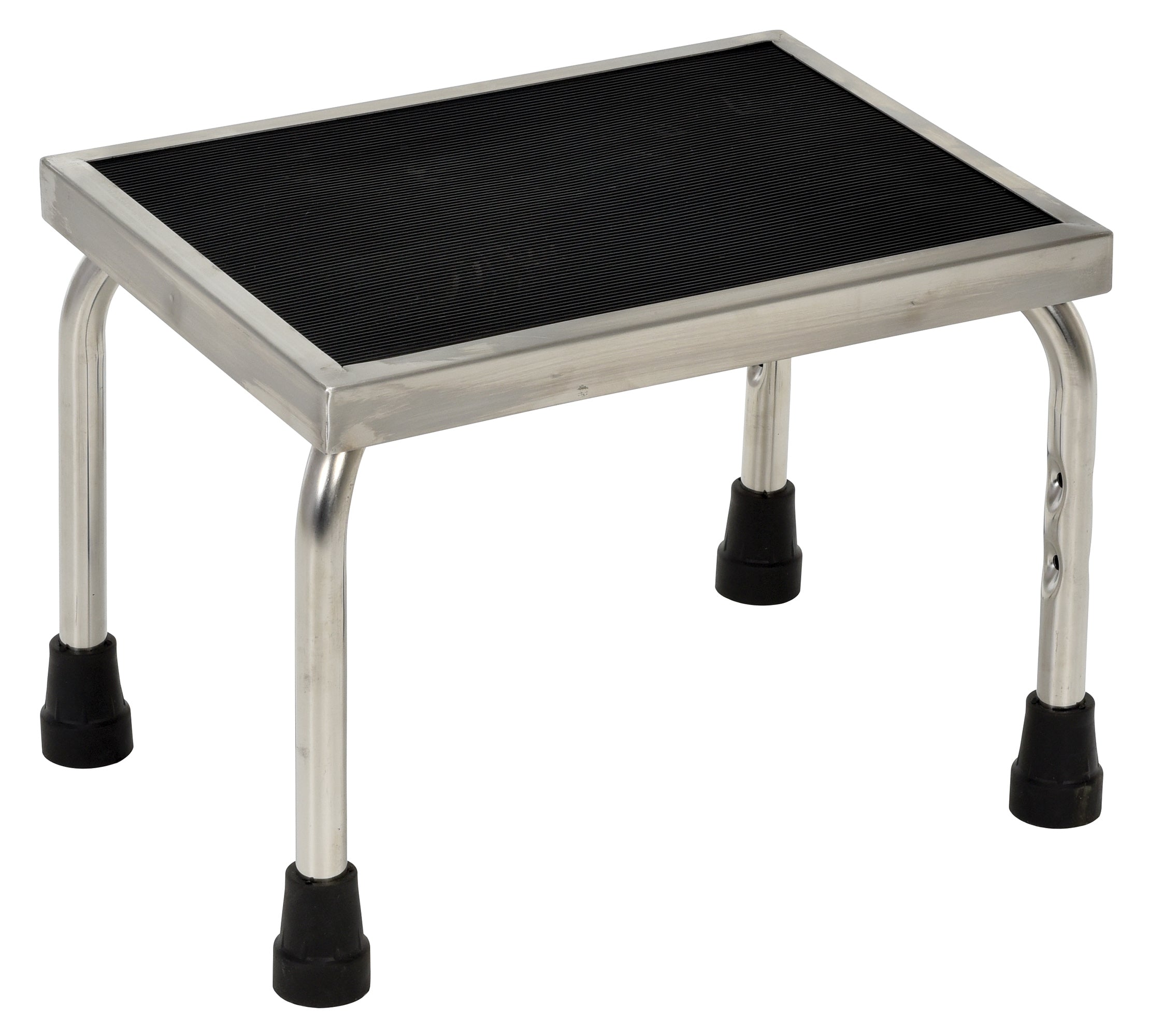
Step stands: standing at a height all shift is a different job. A step stand is not a short ladder, it is a work platform, and the deciding spec is often adjustability rather than reach. Fixed aluminum and stainless step stands, plus knock-down and folding platforms, put an operator at a set height at a machine, a truck bed, or a line. The Work-Mate adjustable-height stands are the ergonomic core of the collection: high-profile and low-profile frames in steel, stainless, and aluminum that crank the platform up or down so a worker stands square to the work instead of stooping or reaching, which is the actual injury source on a repetitive line. Material follows the environment. Stainless steel step stands and galvanized steel steps are the washdown and corrosive-area pick, food plants, chemical lines, wet bays, where a painted mild-steel frame rusts out. Aluminum keeps the weight down where someone repositions the stand through the day. Choose the platform size and height range for how the person works, then confirm the capacity clears the operator plus whatever they hold.
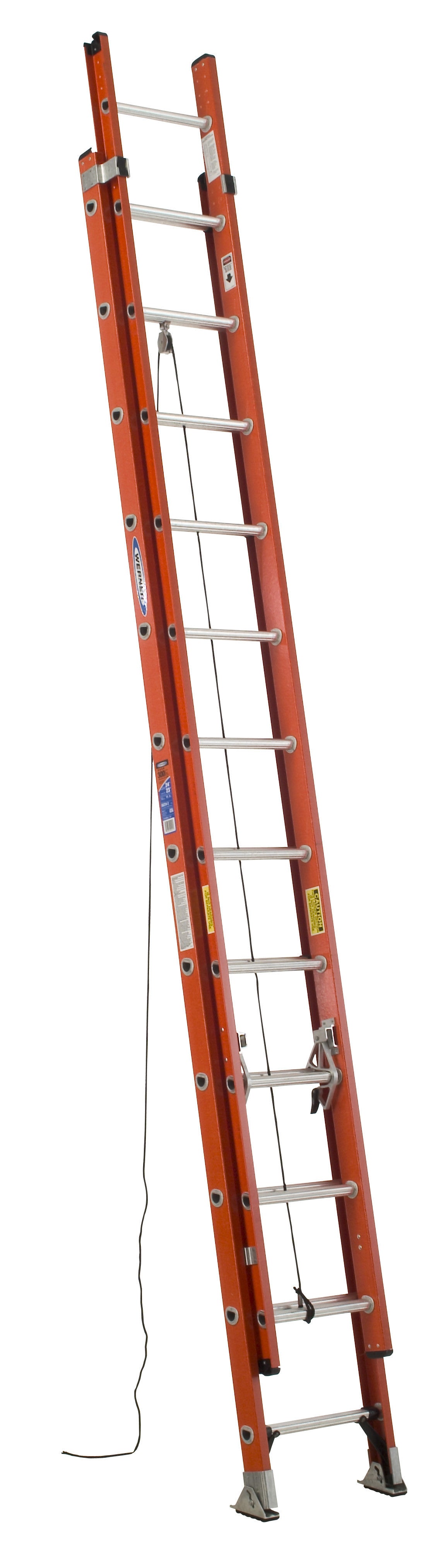
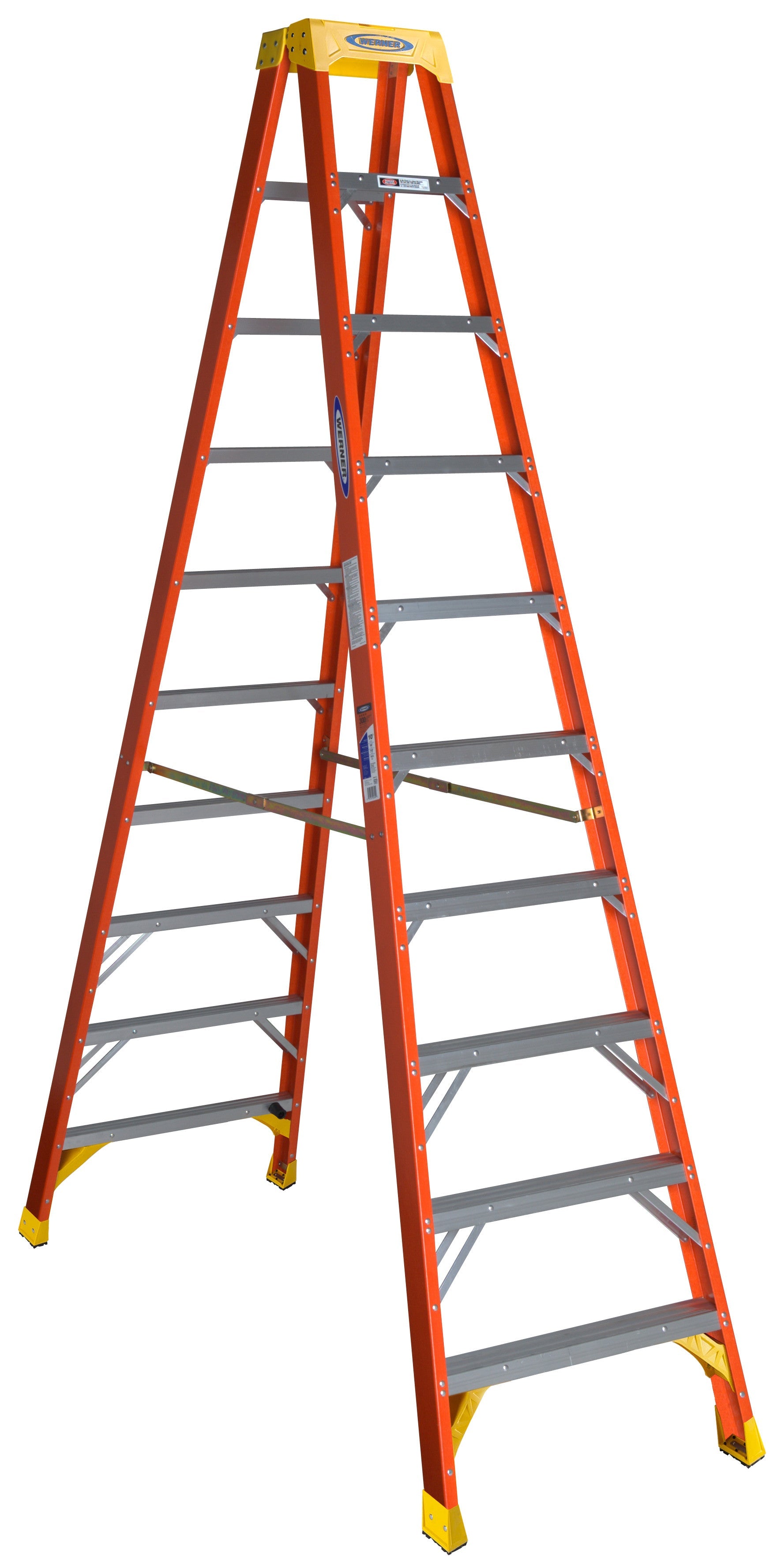
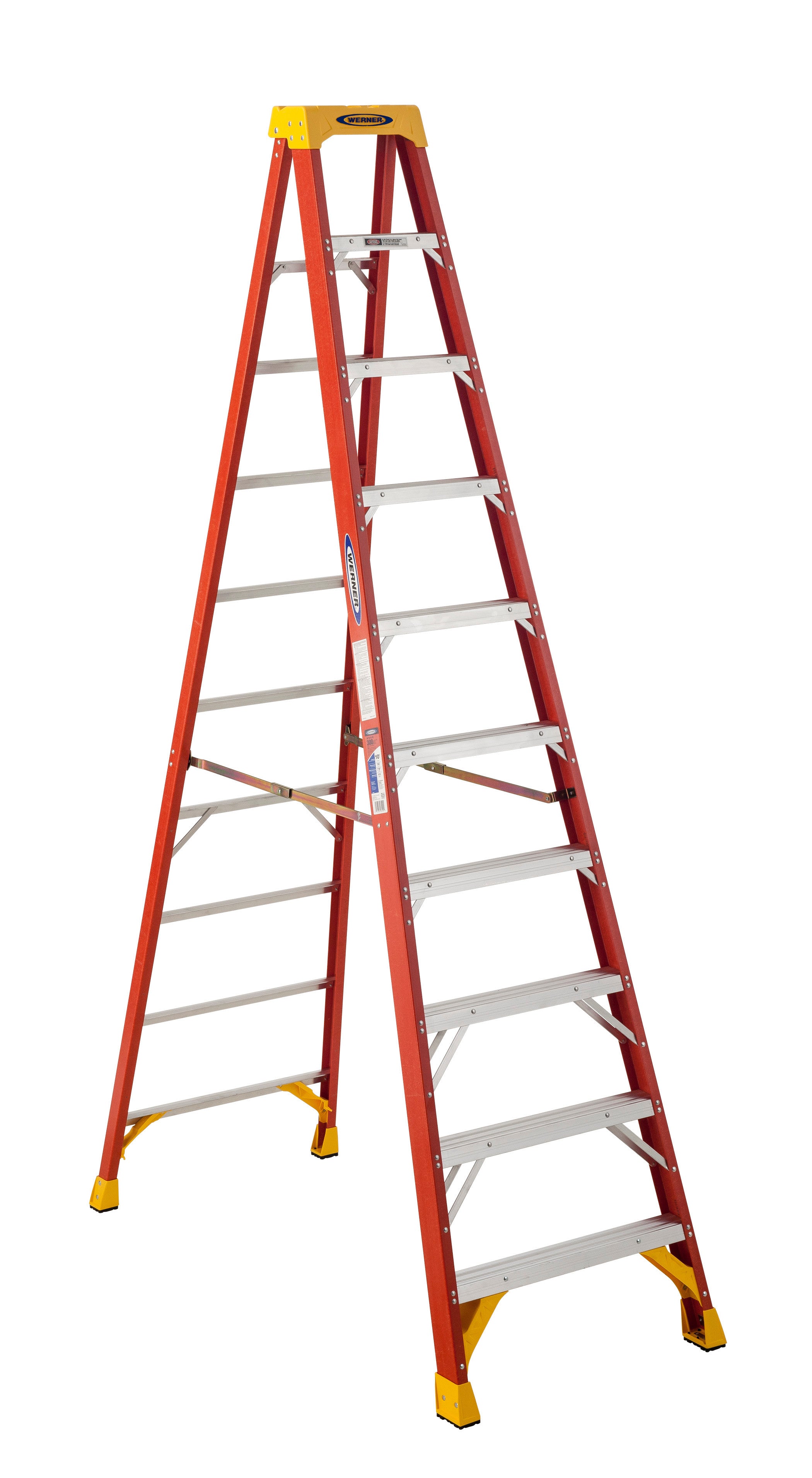
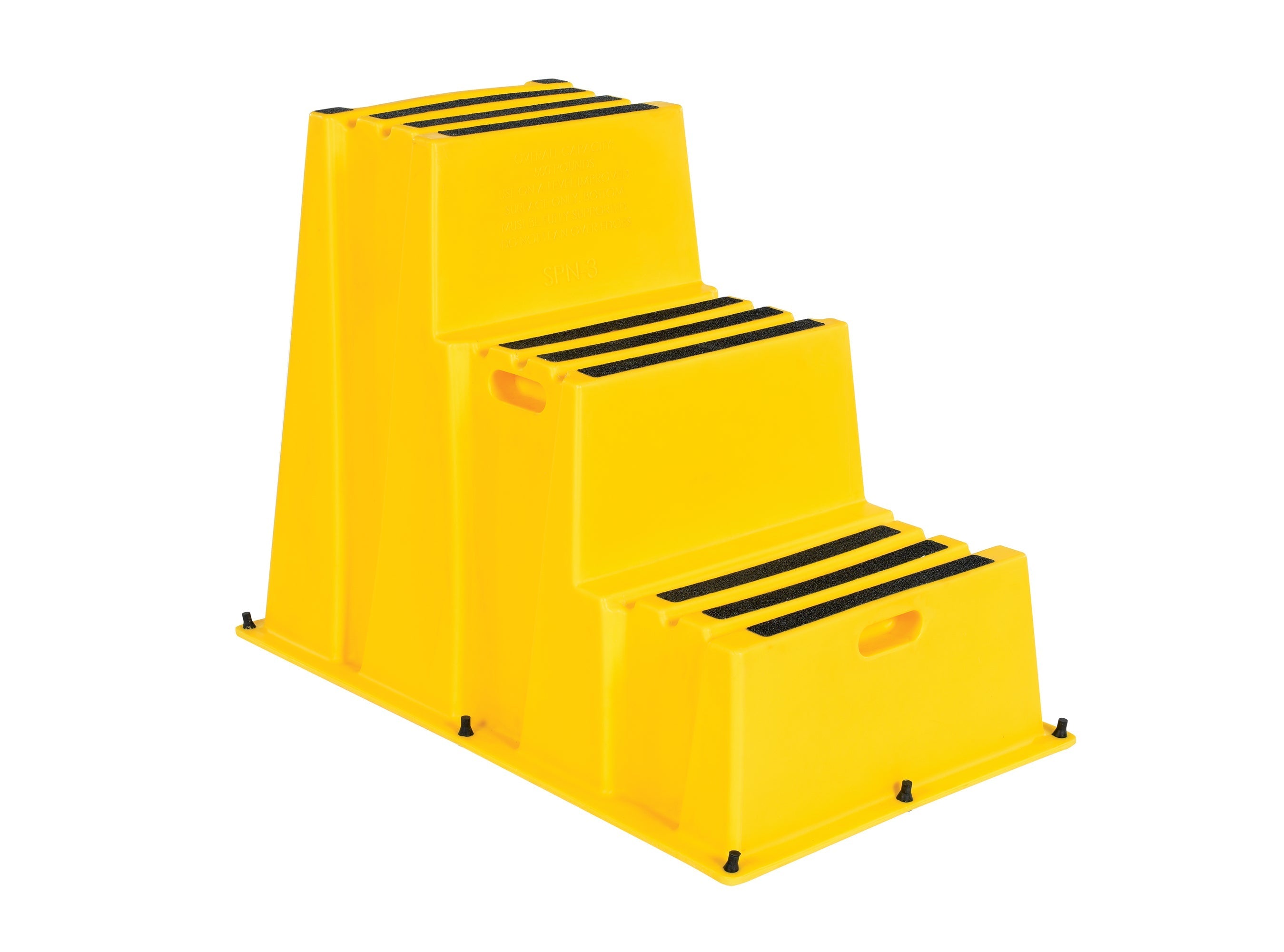
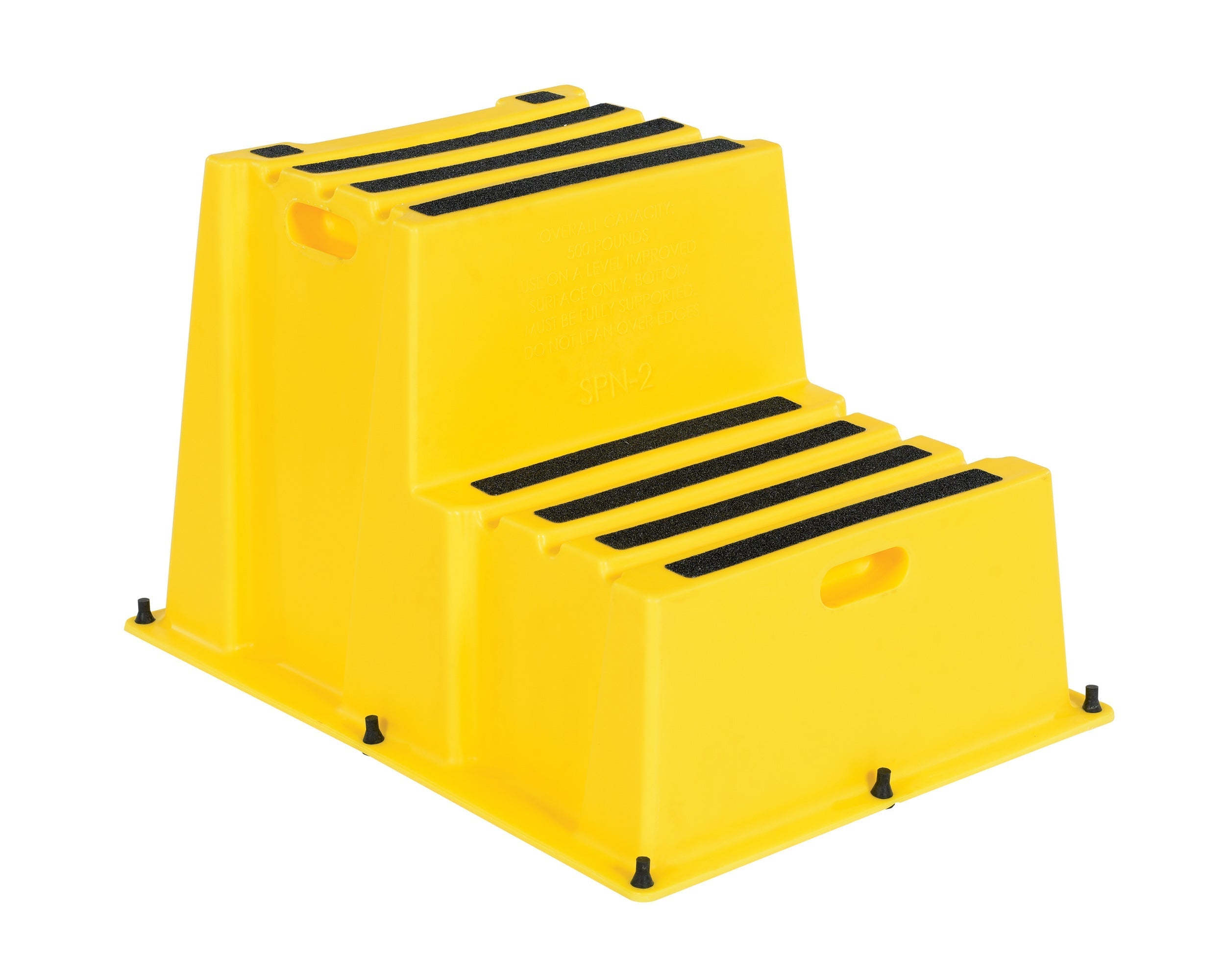
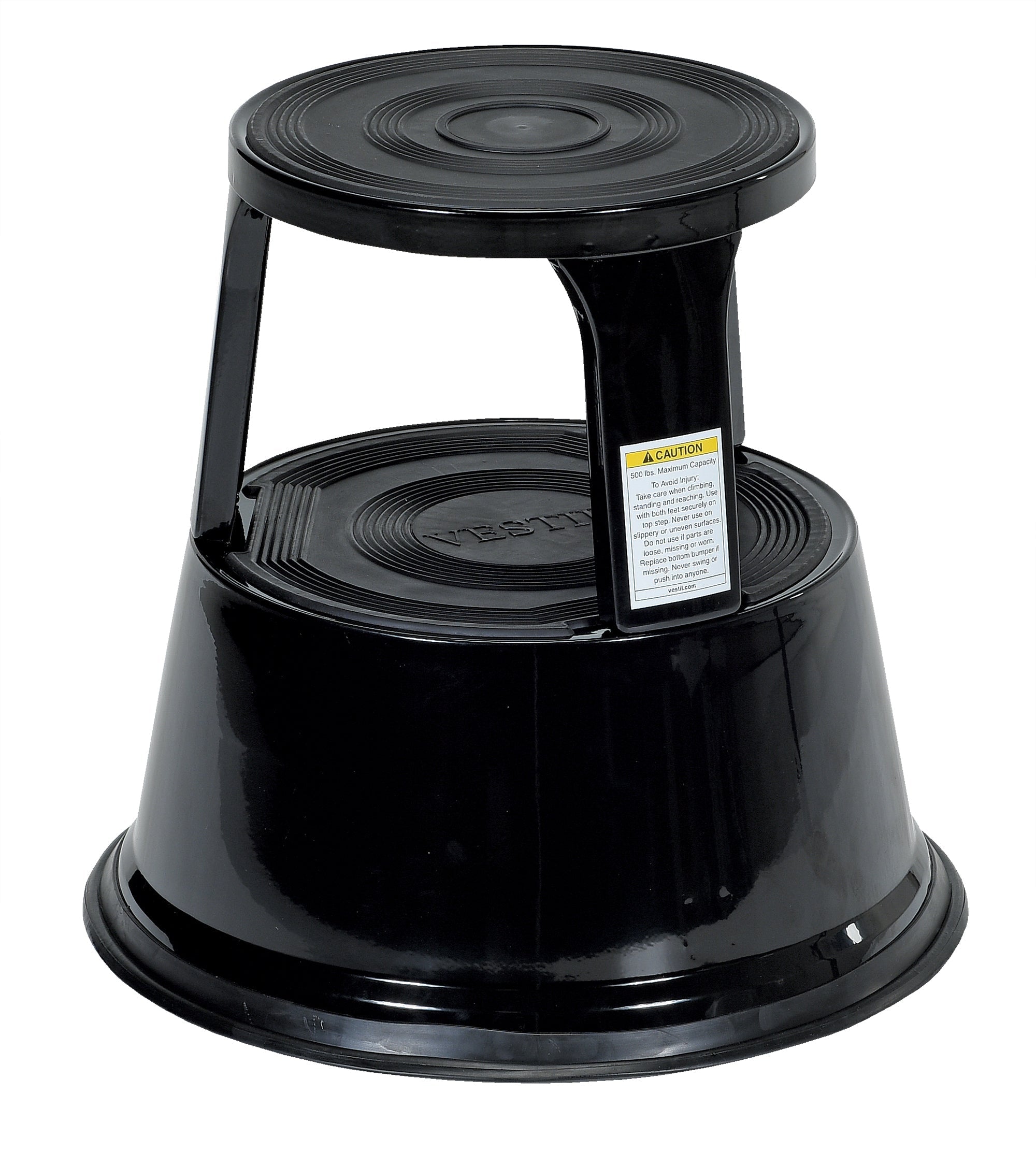
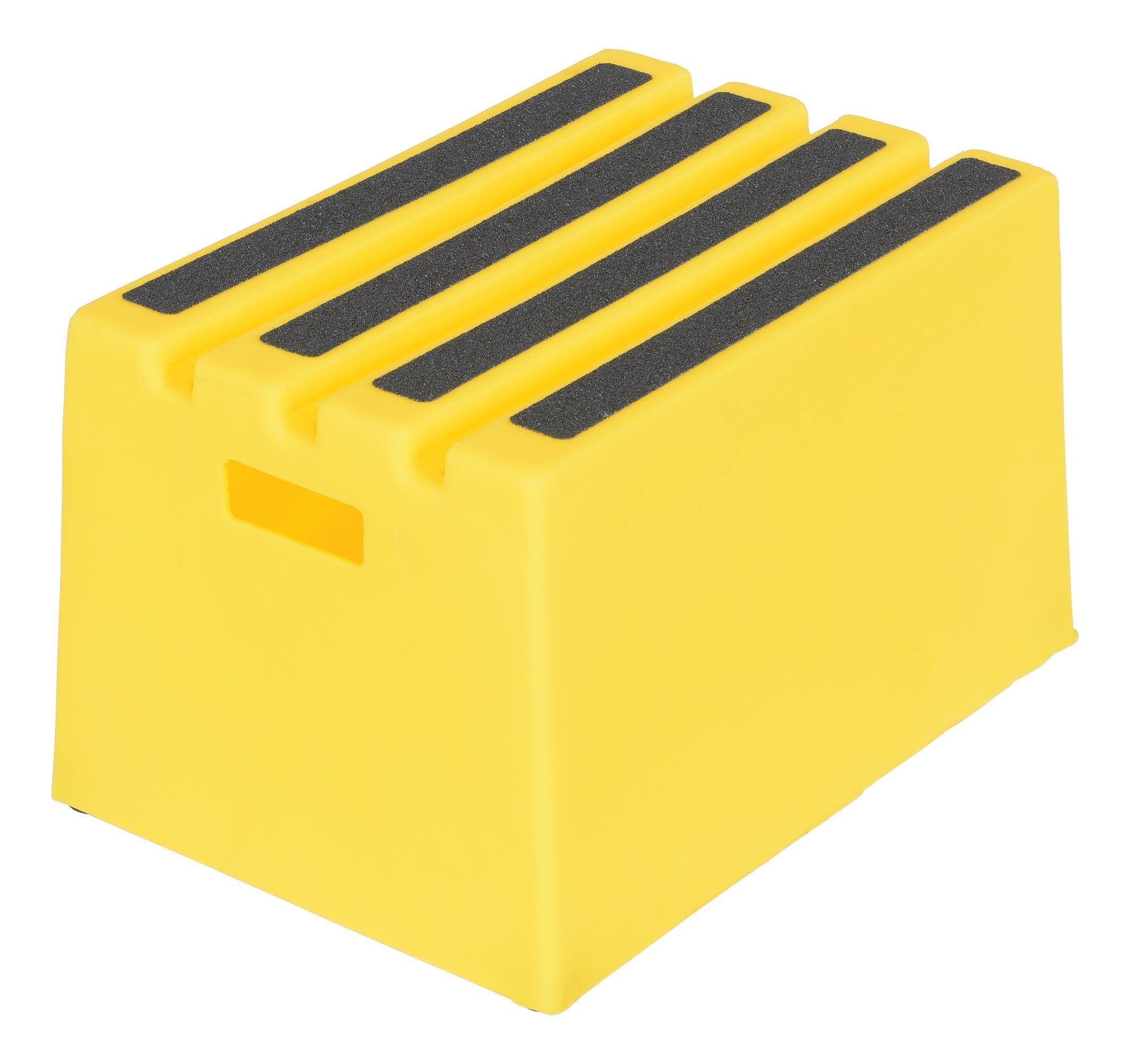
Step stools and the material question: fiberglass, steel, or poly. The step stool end is the cheapest and most abused gear in the building, so buy it deliberately. Vestil's one-, two-, and three-step nestable polyethylene stools stack into each other for storage, wipe clean, will not rust, and are non-conductive, which makes plastic the honest answer for a light low reach in an office, stockroom, or wet area. A rolling step stool adds mobility for a picker who works a run of low shelves. Material logic runs through the whole hub. Where the reach involves electrical work near live parts, OSHA rules keep conductive metal ladders away from energized lines, so the fiberglass step, twin-front, and extension ladders in the industrial ladders collection, typically Type IA at a 300 lb duty rating under ANSI A14.5, are the correct climb, not aluminum. Steel and aluminum ladders own the general-duty and heavy-frame work where there is no electrical exposure and you want the strength or the light weight. Pick the platform for the height and frequency, then let the environment, wet, corrosive, or electrical, pick the material.
Frequently Asked Questions
It comes down to the job. Industrial ladders are for climbing and reaching, rolling warehouse ladders, crossover ladders, and mezzanine or tank access. Step stands are work platforms for standing at a fixed or adjustable height at a machine or line, including the crank-up Work-Mate stands. Step stools are light one- to three-step units for an occasional low reach that store flat or nest together. The three tiles at the top of this page are the fastest route to the right one.
Yes. A rolling warehouse ladder is a mobile ladder stand under OSHA 29 CFR 1910.23(e) and ANSI A14.7. Platforms 4 to 10 ft high need 36 in handrails and midrails, and platforms above 10 ft need guardrails and toeboards on exposed sides. The stands are also built so the top work surface does not exceed four times the shortest base dimension without extra support, which is the reason the tall models ride on wide bases.
Choose fiberglass any time the work happens near live electrical parts. OSHA rules keep conductive metal ladders away from energized lines, and fiberglass is non-conductive, so it is the correct ladder for electricians and for maintenance around exposed conductors. The fiberglass step, twin-front, and extension ladders here are generally Type IA, a 300 lb duty rating under ANSI A14.5. Where there is no electrical exposure, aluminum saves weight and steel gives you the heaviest frames.
The duty rating is the maximum combined weight of the worker plus tools and materials the ladder is built to carry. Under the ANSI A14 series the grades are Type IAA at 375 lb, Type IA at 300 lb, Type I at 250 lb, Type II at 225 lb, and Type III at 200 lb. For industrial and material-handling use, stay at Type IA or above and size the rating to your heaviest real load with margin, not to the average day.
An alternating-tread stair is a staircase built into a near-vertical footprint, with offset treads for the left and right foot. OSHA 1910.25 installs them at a 50 to 70 degree slope, steeper than the 30 to 50 degrees a standard stair uses, so they fit where a normal stair will not, tight equipment access, pits, and platforms, while still being safer to descend than a vertical ladder. Use one when you need frequent climbing access and do not have the run for a conventional stairway.
Pick corrosion-resistant material. For step stands, the stainless steel and galvanized steel models are made for wet, corrosive, and food-processing environments where a painted mild-steel frame would rust. For low reaches, the polyethylene step stools wipe clean and will not corrode. On the ladder side, aluminum and fiberglass both resist rust better than painted steel. Match the frame material to the environment before you compare price, because the wrong material fails first in a washdown area.