Hoists
Hoists are the machines that do the lifting; everything they hang from, jib booms, gantry frames, monorail beams, is structure. This collection runs 145 products deep across the brands that dominate American lifting, Harrington and Bison first, with CM, Coffing, Chester, OZ Lifting, and Vestil behind them, from a $175 Bison hand chain hoist to 10 ton three phase electric chain hoists with motorized trolleys. Electric chain hoists carry the day-in day-out production work, manual chain and lever hoists cover rigging, maintenance, and jobs far from power, and air hoists take the washdown and spark-sensitive corners where an electric motor does not belong. The buying decisions run in a fixed order: power source, capacity, duty class, then suspension, and the guide below takes them in that order, with the trolleys and beam clamps that put a hoist on your beam covered along the way.
Compare Hoists
| Model | Price | Capacity | |
|---|---|---|---|
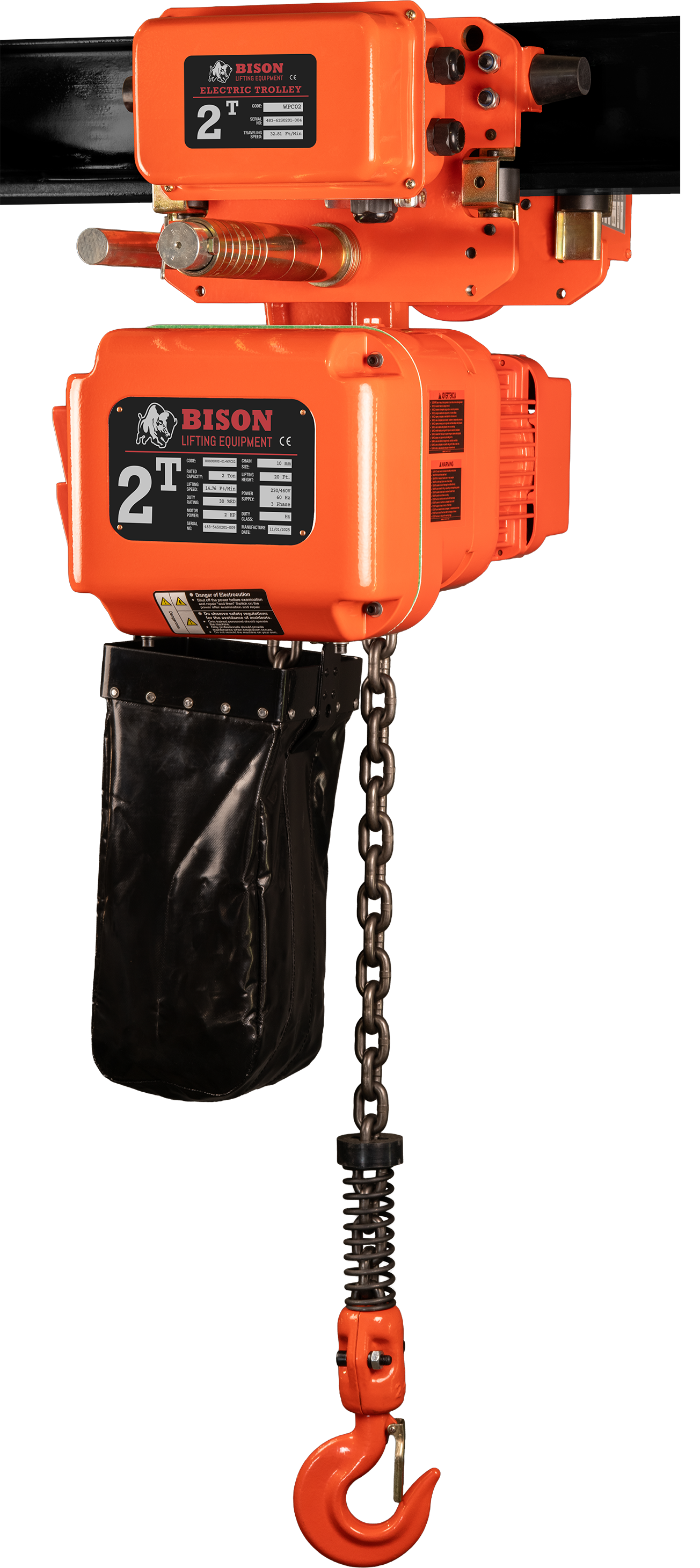
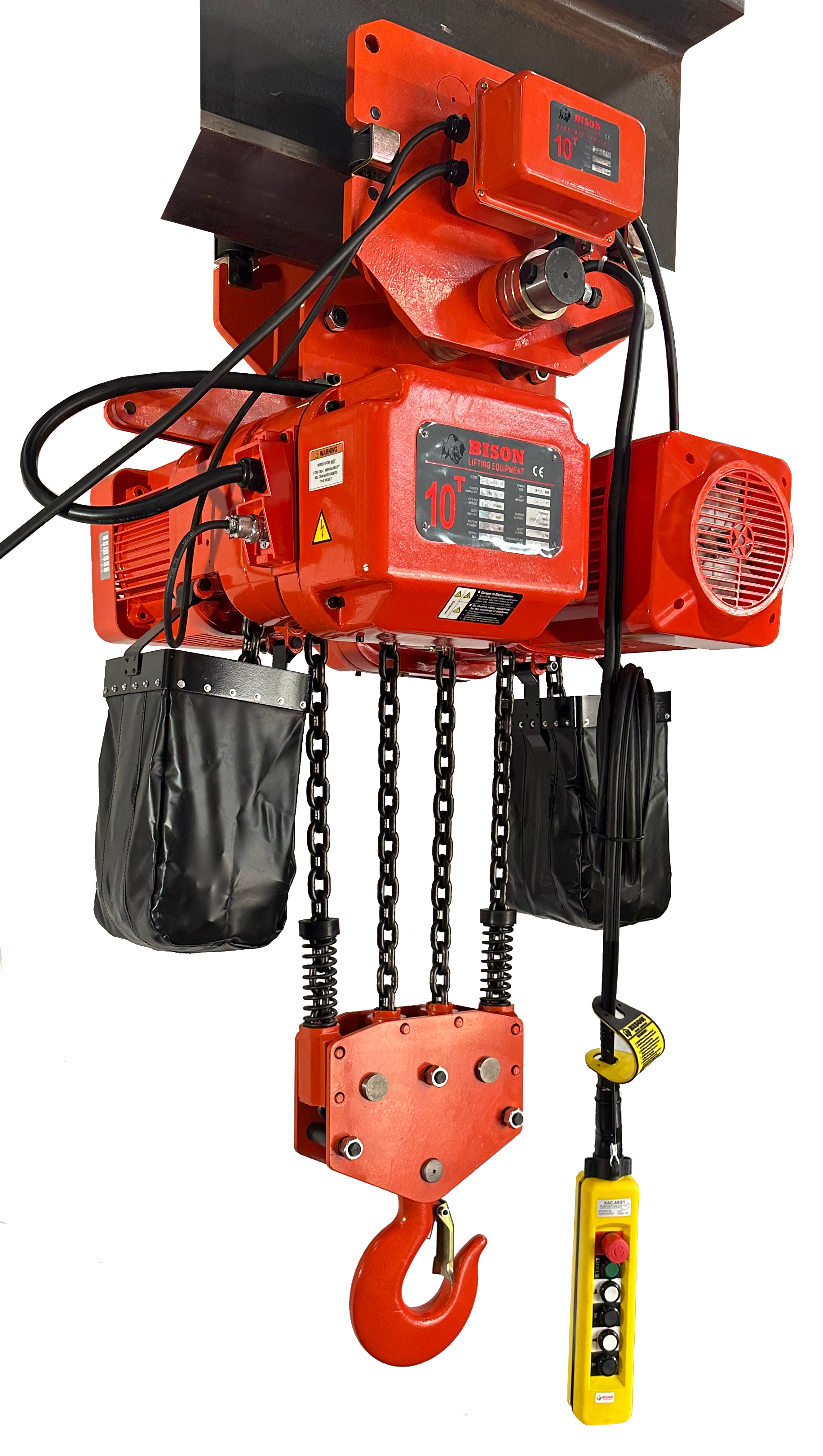
| Bison 10Ton Three Phase Dual Speed Electric Chain Hoist with Trolley 230v/460v | $21,823 | 10 ton | View → |
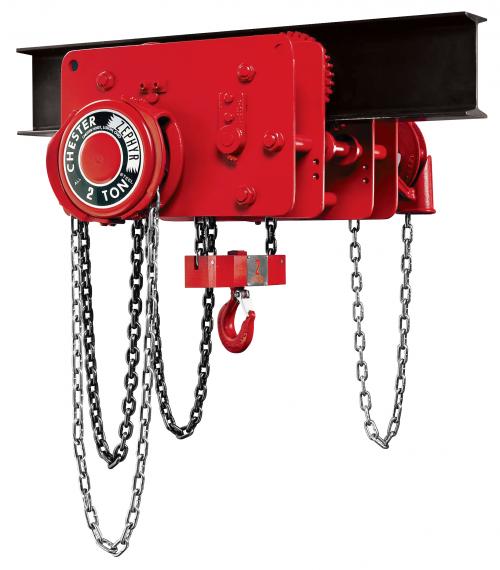
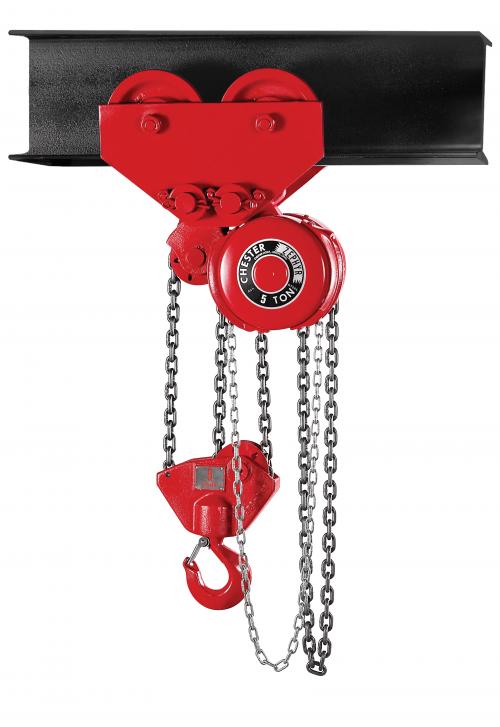
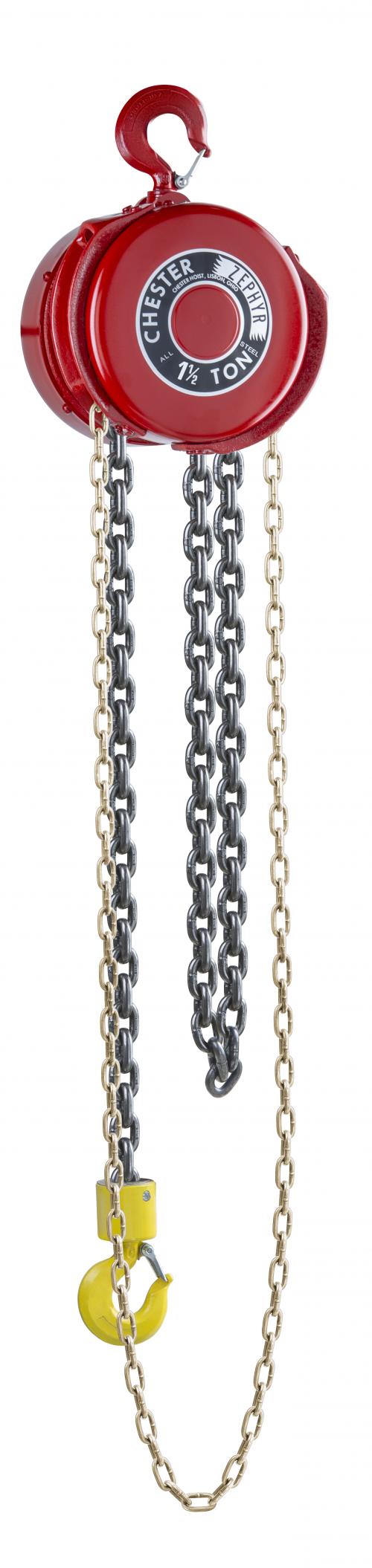
| Chester Zephyr Low Headroom Geared Trolley Hand Chain Hoist | $18,336 | 1.5-25 ton | View → |
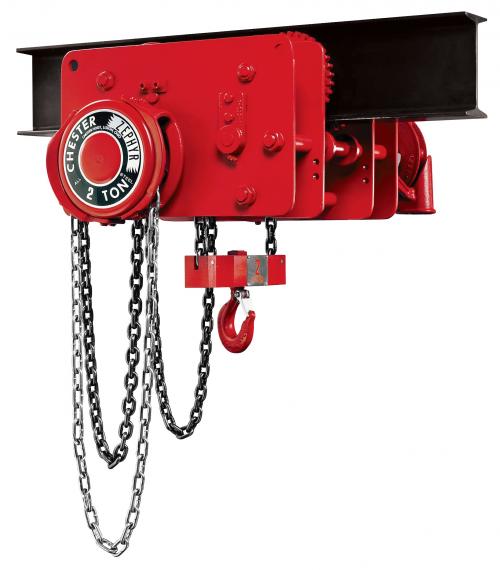
| Chester Zephyr Steel Low Headroom Plain Trolley Hand Chain Hoist | $16,836 | 1.5-25 ton | View → |
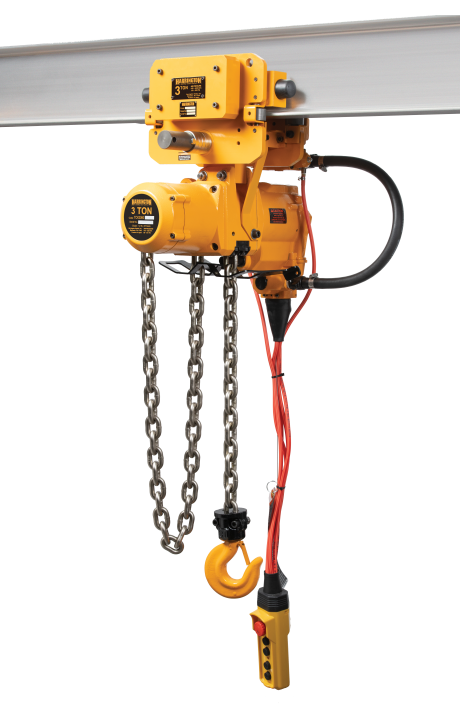
| Harrington TCKM Air Powered Trolley Hoist | $15,624 | 3-6 ton | View → |
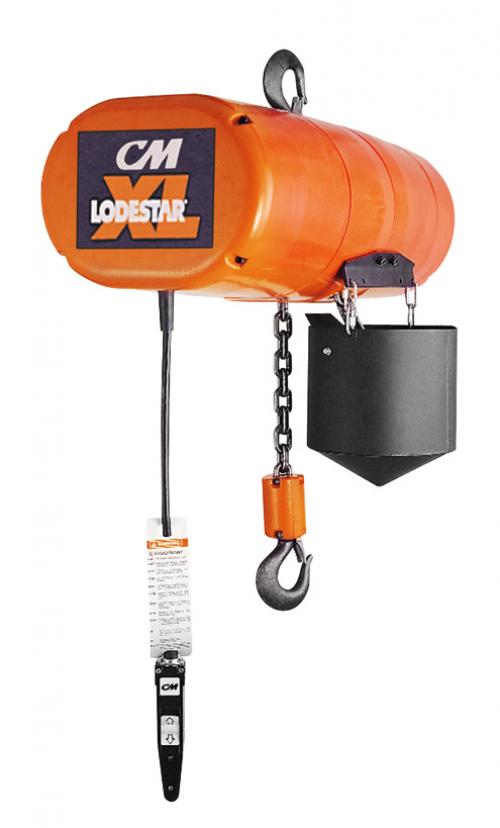
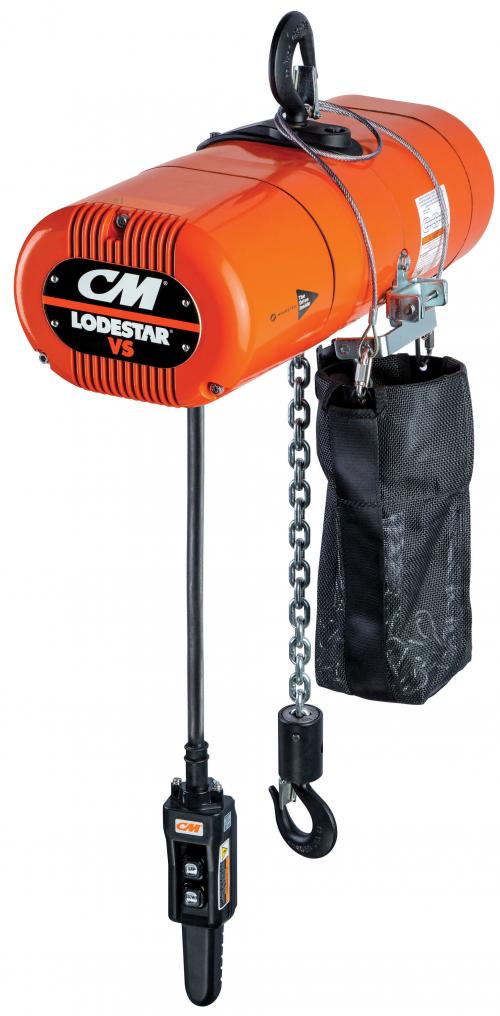
| CM Lodestar XL Electric Chain Hoist | $14,353 | 2-6 ton | View → |
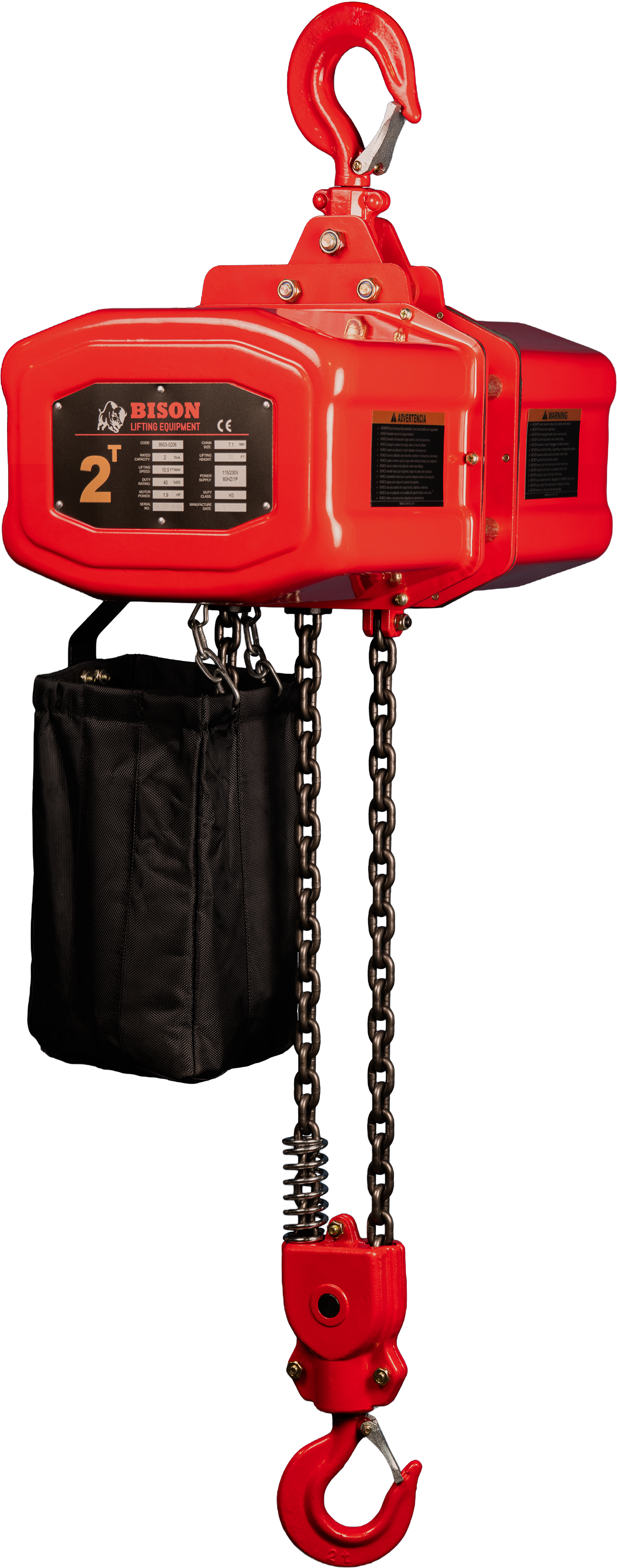
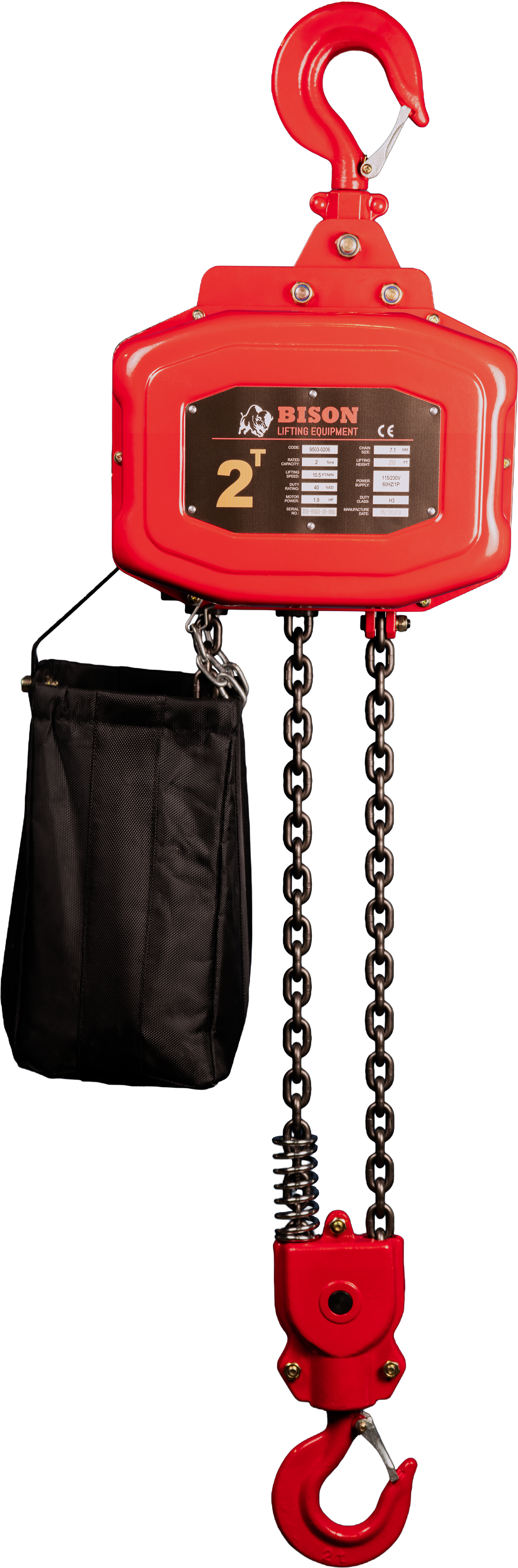
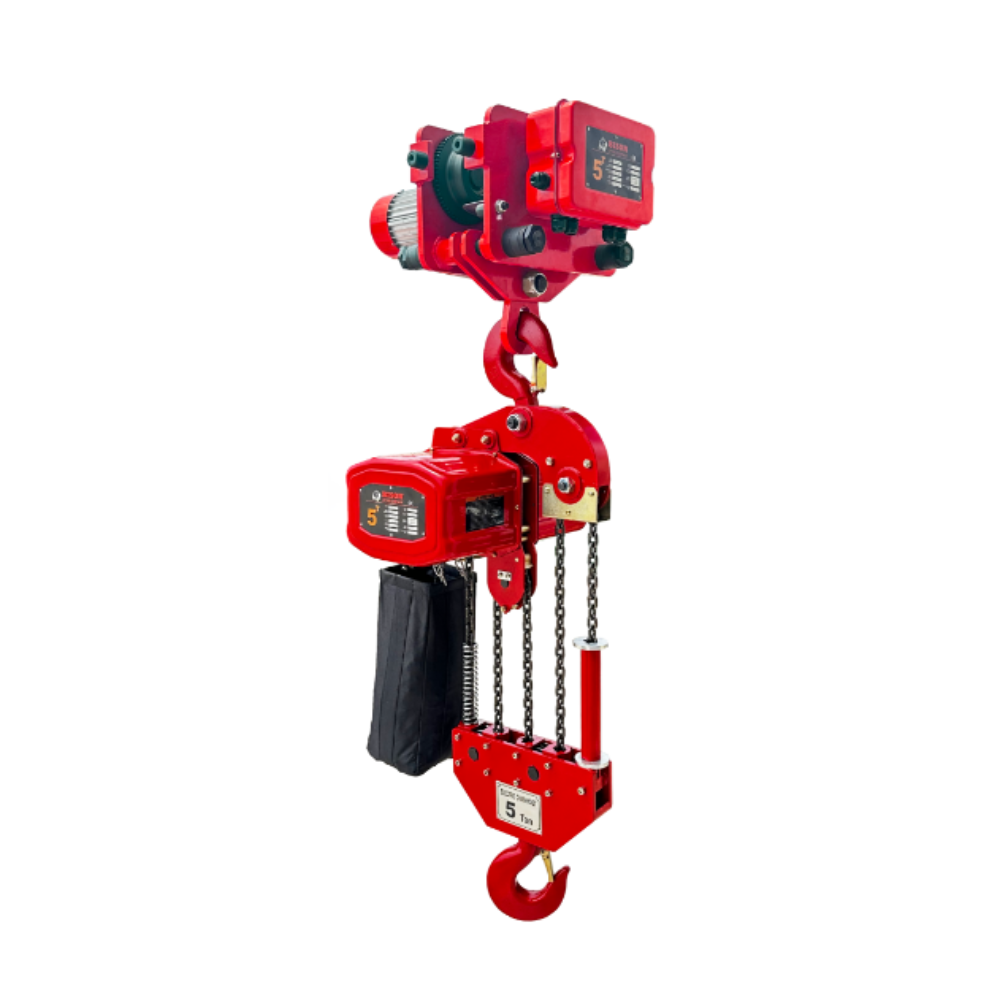
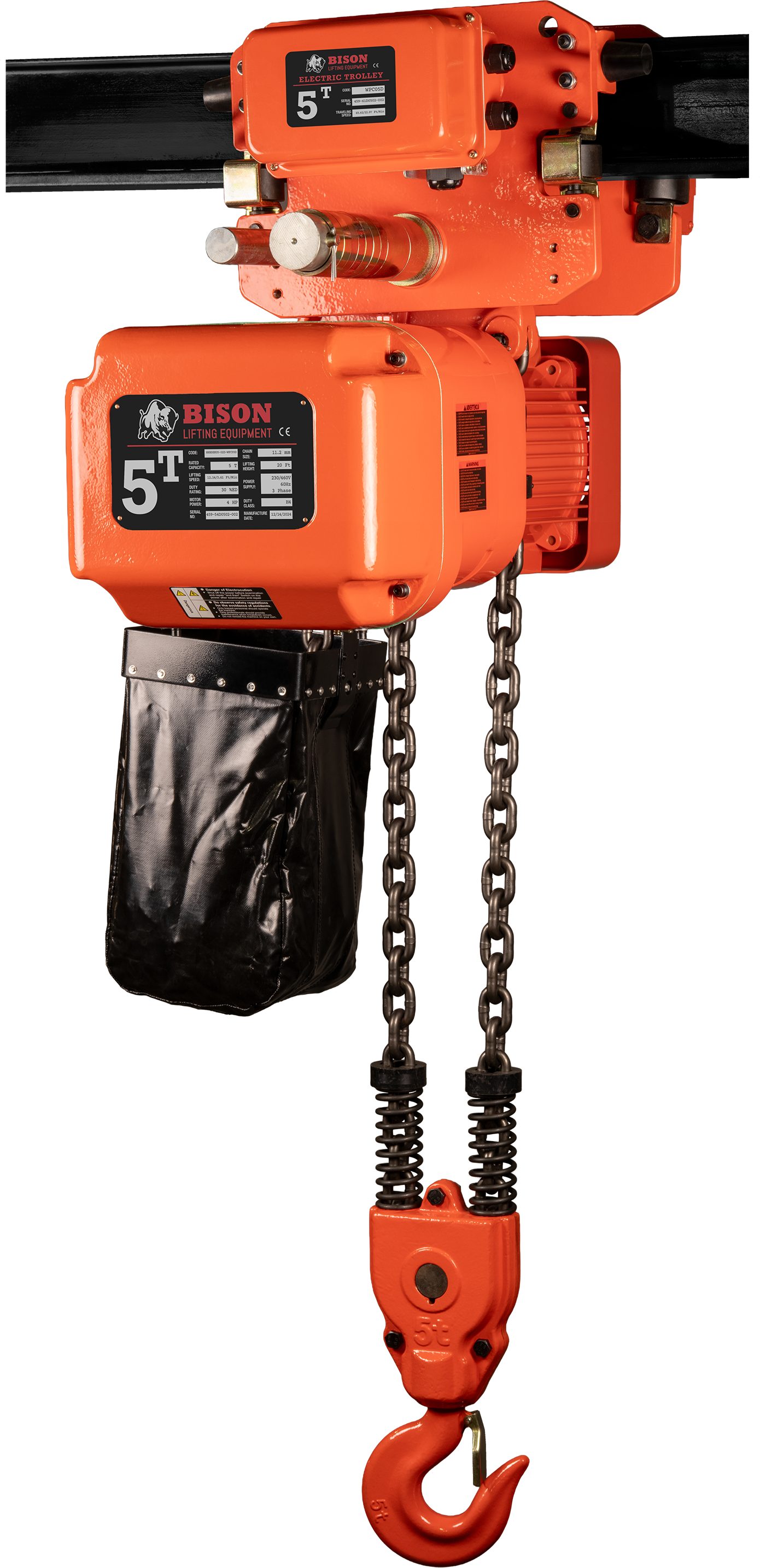
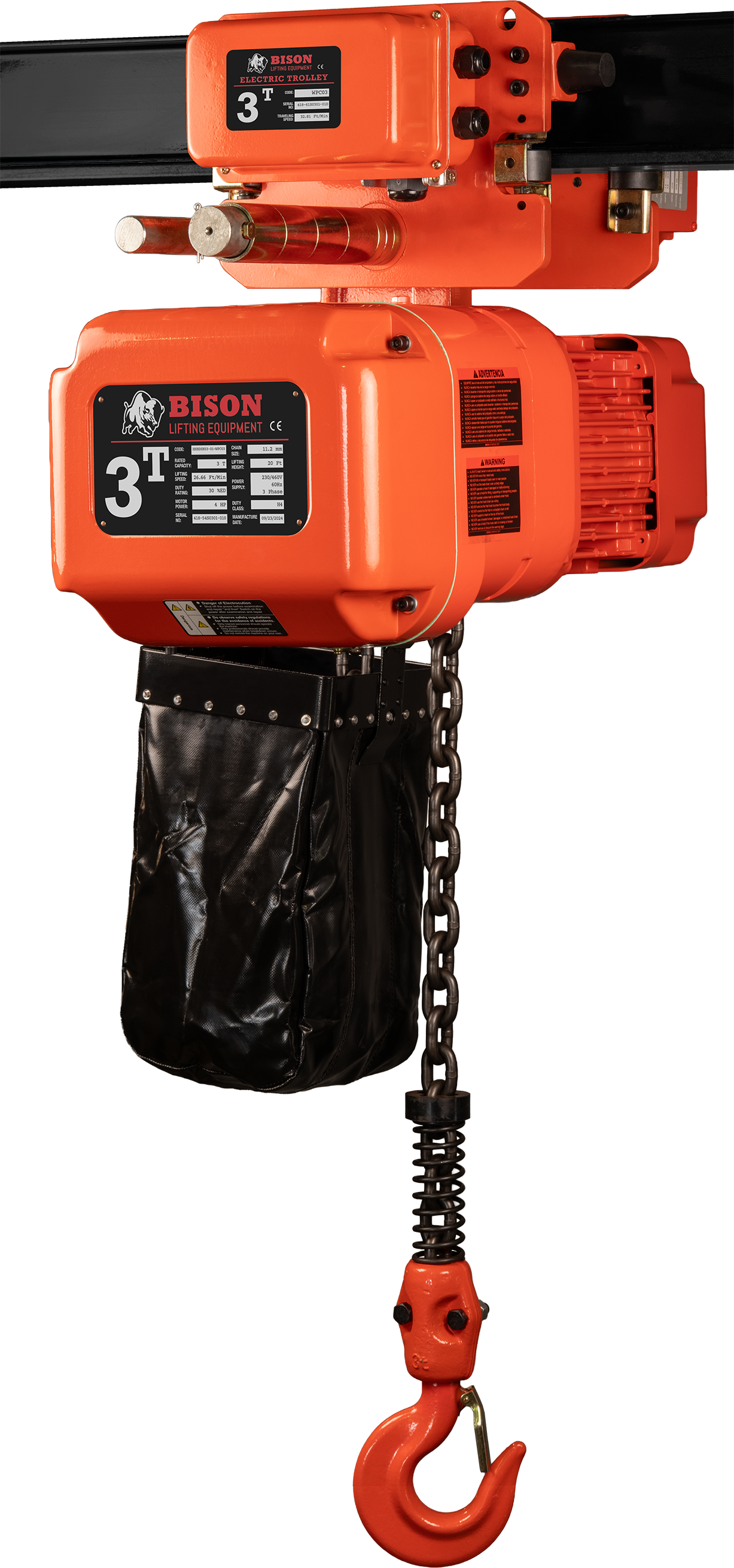
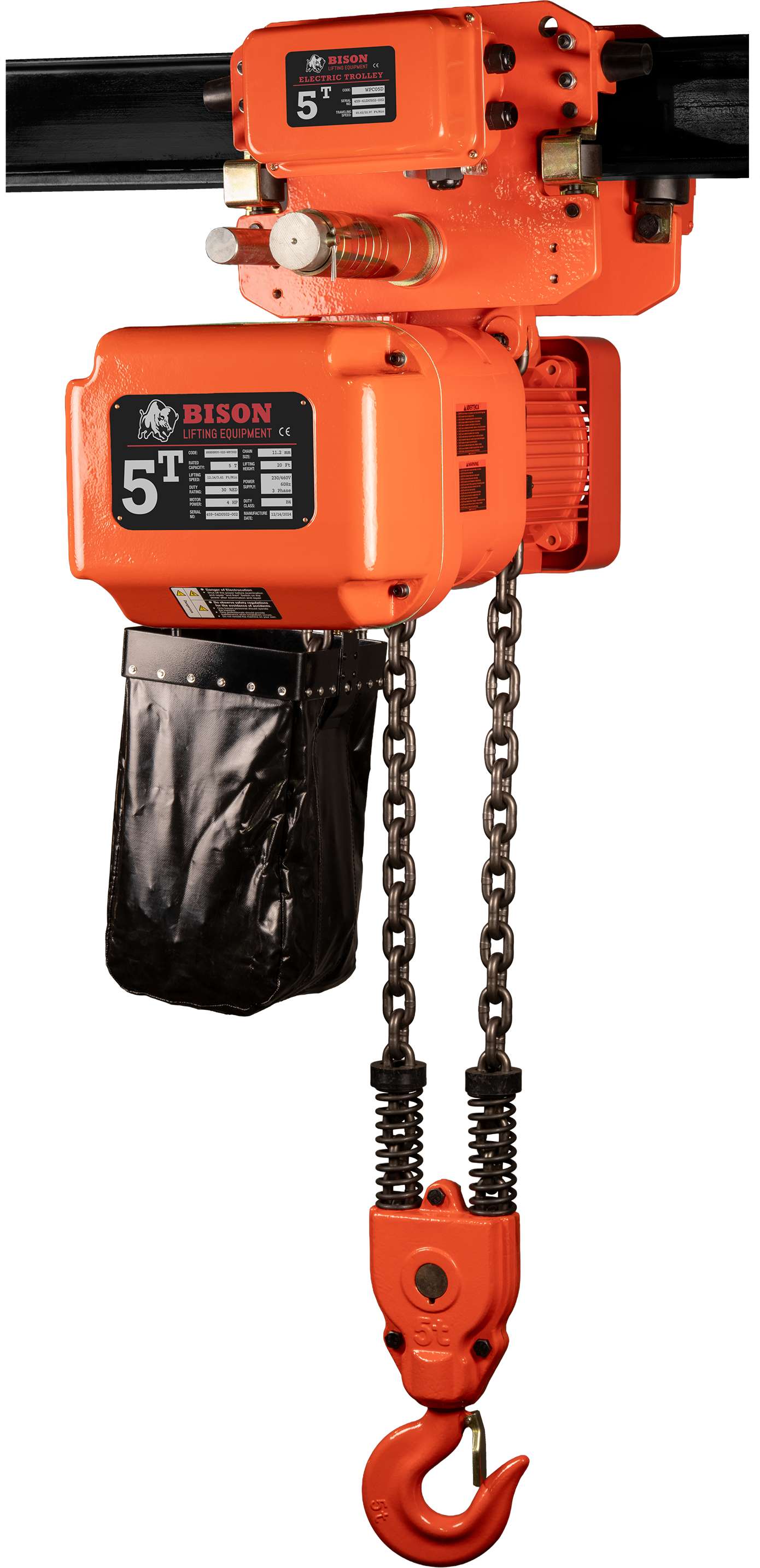
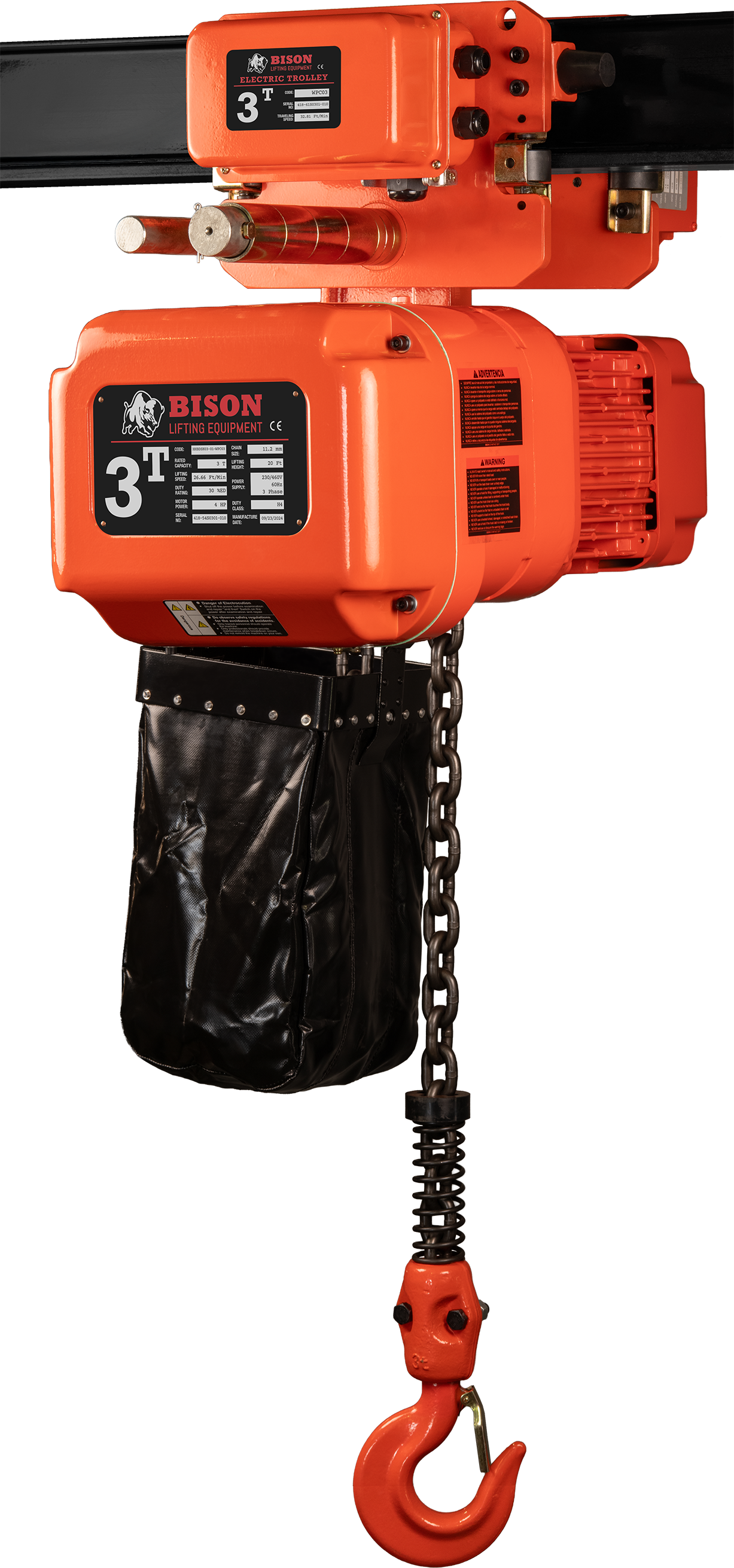
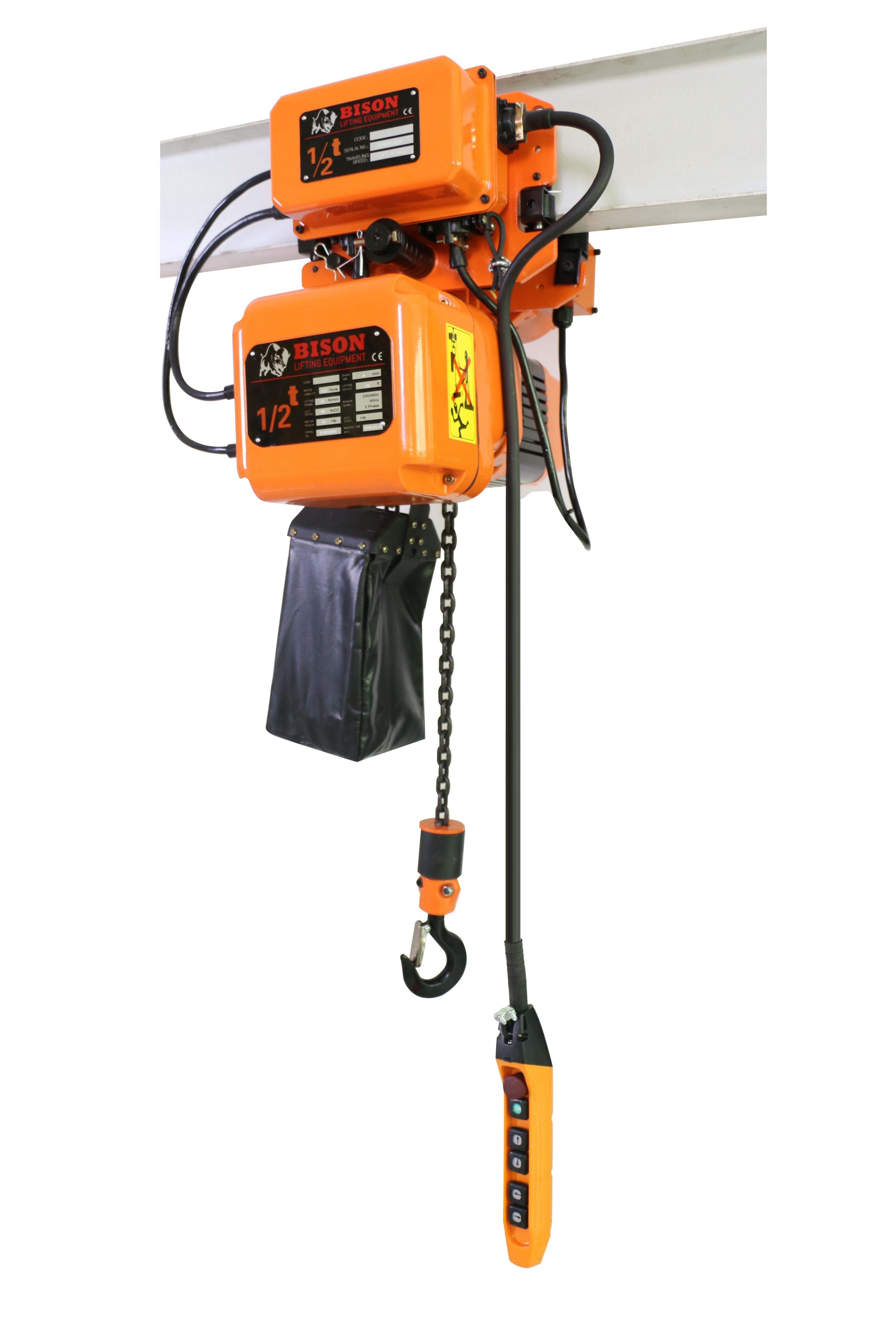
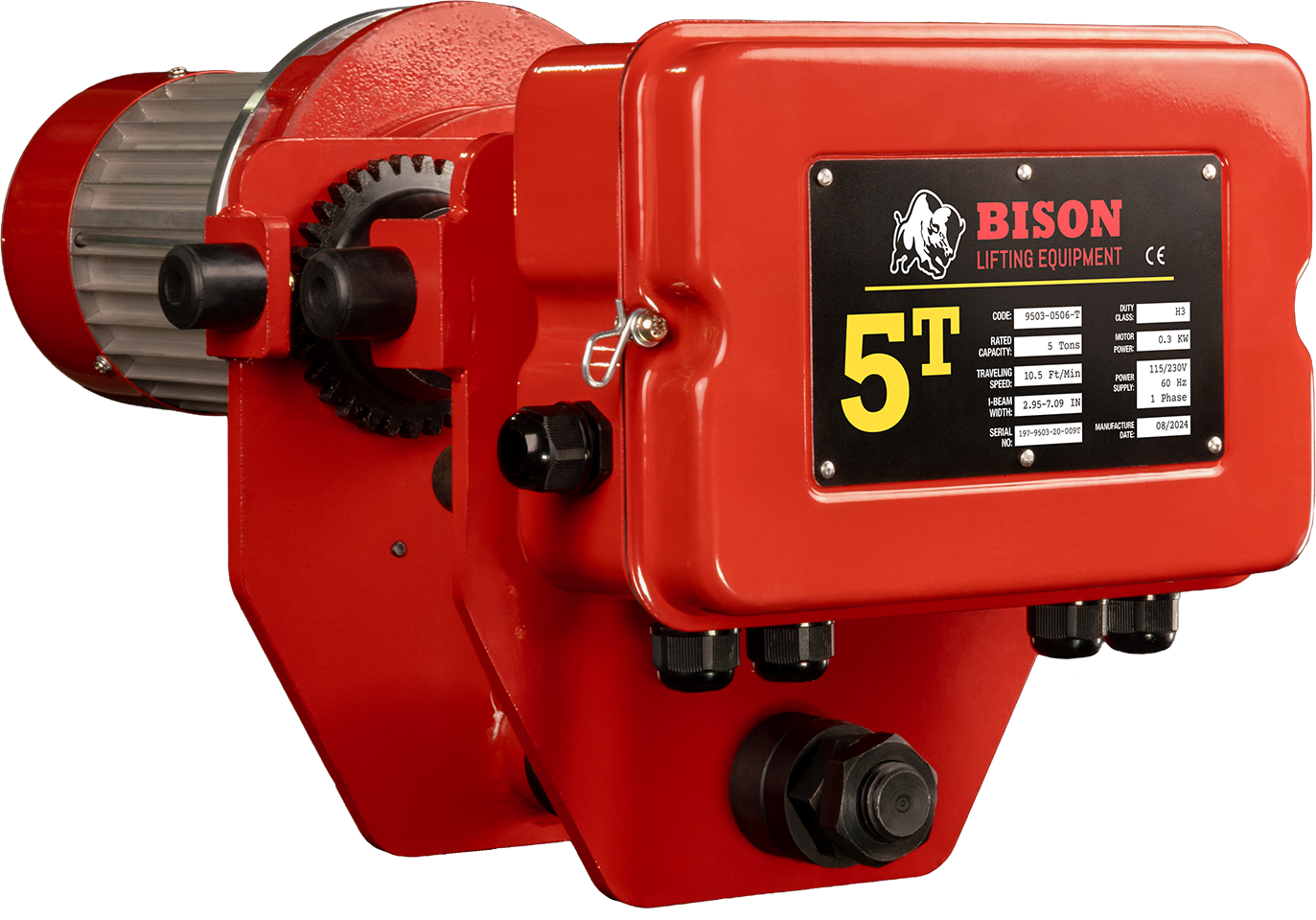
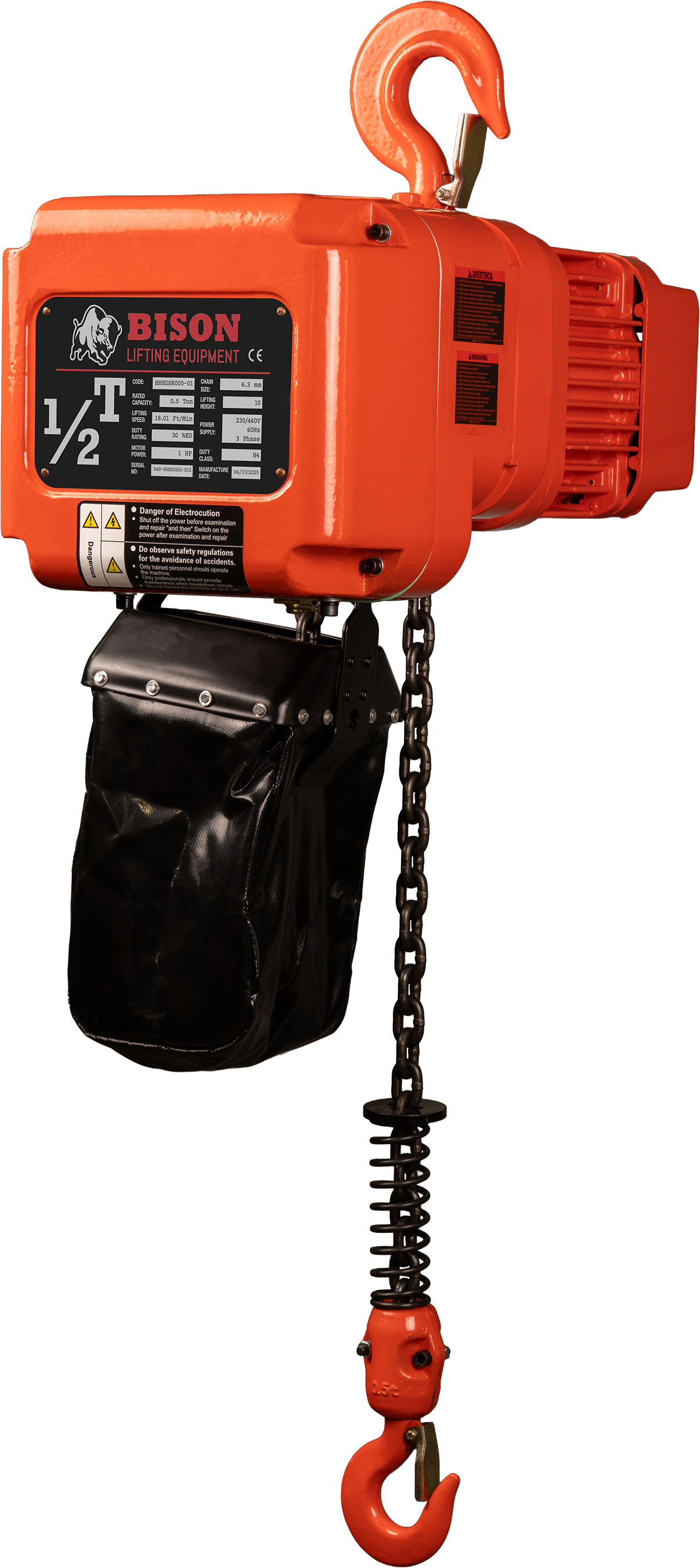
| Bison 5Ton Single Phase Electric Chain Hoist with Motorized Trolley 115v/230v | $11,988 | 5 ton | View → |
 In Stock
 In Stock
 In Stock
 In Stock
 In Stock
 In Stock
 In Stock
 In Stock
 In Stock
 In Stock
 In Stock
 In Stock
 In Stock
 In Stock
 In Stock
 In Stock
 In Stock
 In Stock
 In Stock
 In Stock
 In Stock
 In Stock
 In Stock
 In Stock
 In Stock
 In Stock
 In Stock
 In Stock
 In Stock
 In Stock
 In Stock
 In Stock
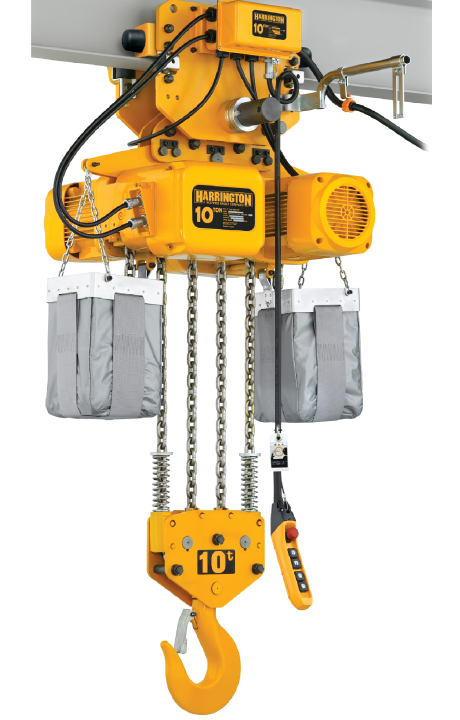 In Stock
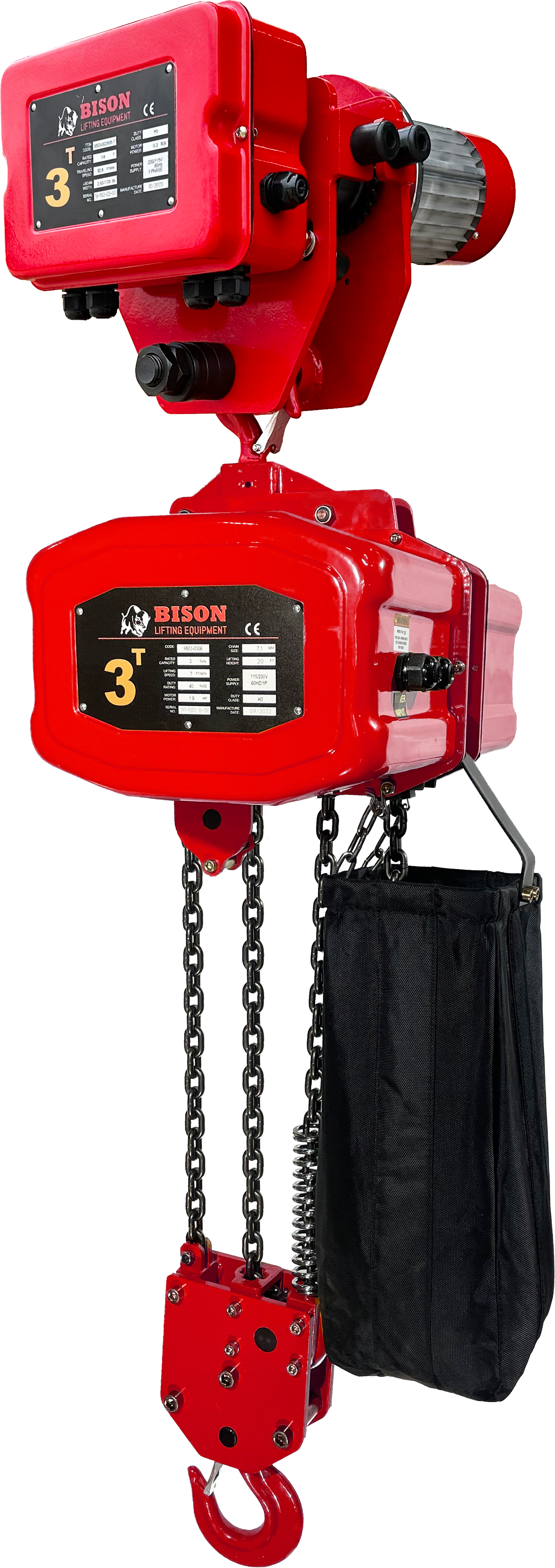 In Stock
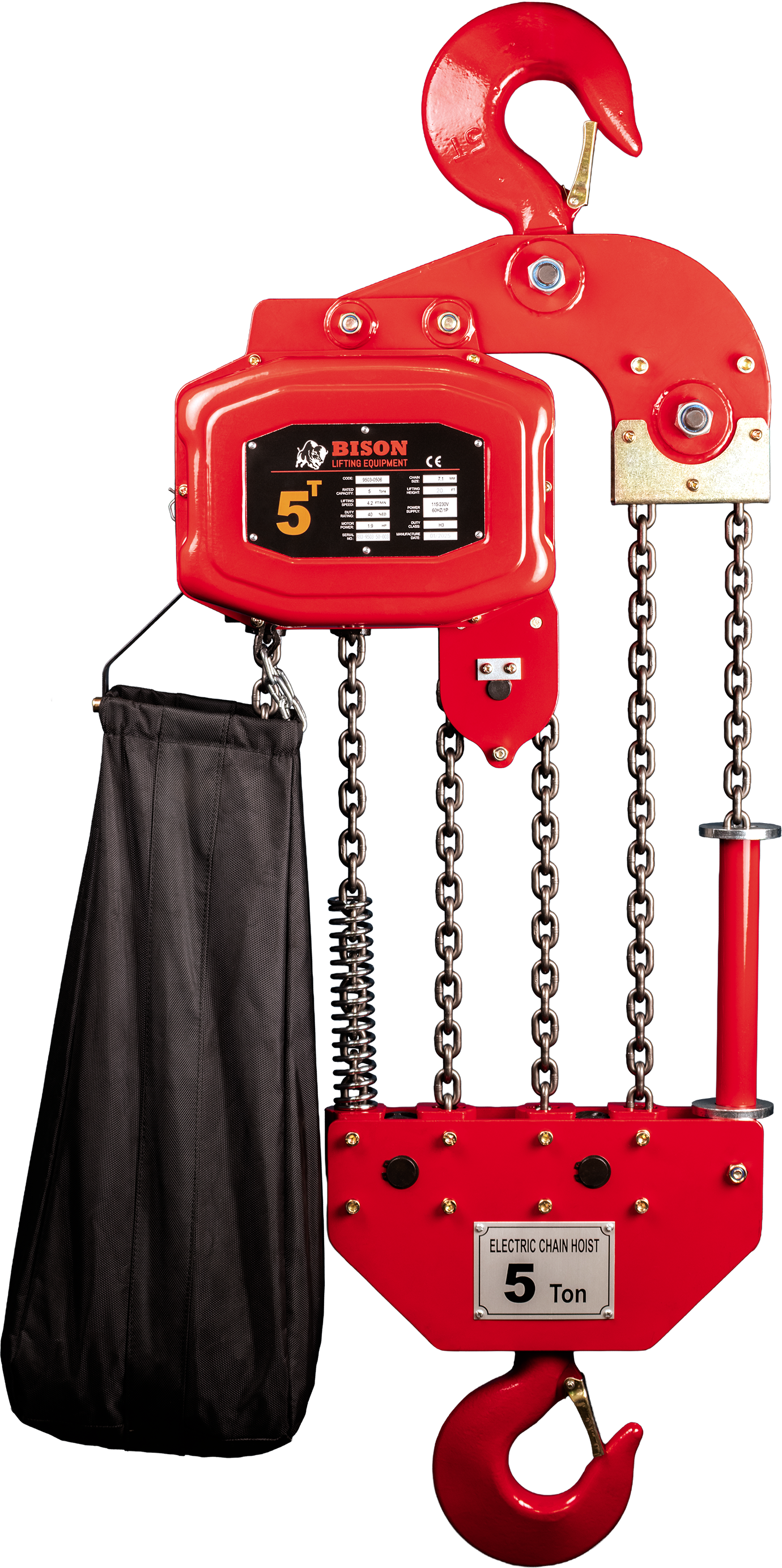 In Stock
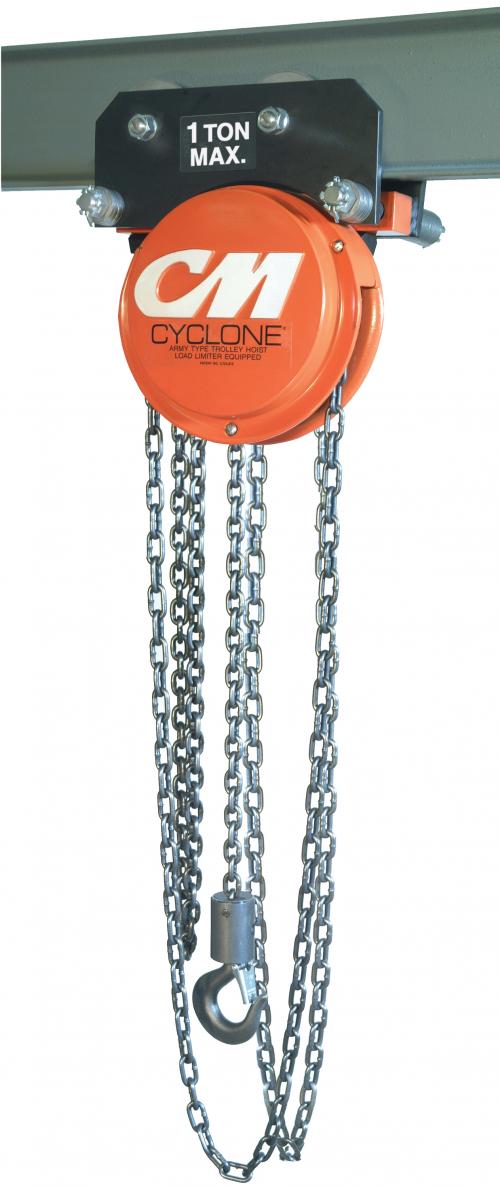 In Stock
 In Stock
 In Stock
 In Stock
 In Stock
 In Stock
 In Stock
 In Stock
 In Stock
 In Stock
 In Stock
 In Stock
 In Stock
 In Stock
 In Stock
 In Stock
 In Stock
 In Stock
 In Stock
 In Stock
 In Stock
 In Stock
 In Stock
 In Stock
 In Stock
 In Stock
 In Stock
 In Stock
 In Stock
 In Stock
 In Stock
 In Stock
 In Stock
 In Stock
 In Stock
 In Stock
 In Stock
 In Stock
 In Stock
 In Stock
 In Stock
 In Stock
 In Stock
 In Stock
 In Stock
 In Stock
 In Stock
 In Stock
 In Stock
 In Stock
 In Stock
 In Stock
 In Stock
 In Stock
 In Stock
 In Stock
 In Stock
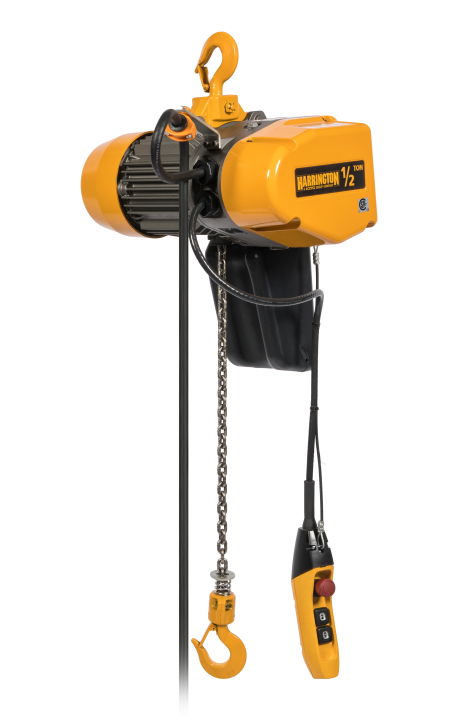 In Stock
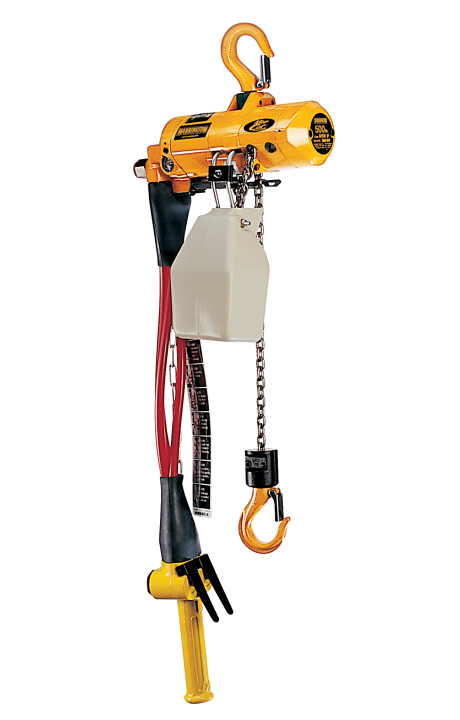 In Stock
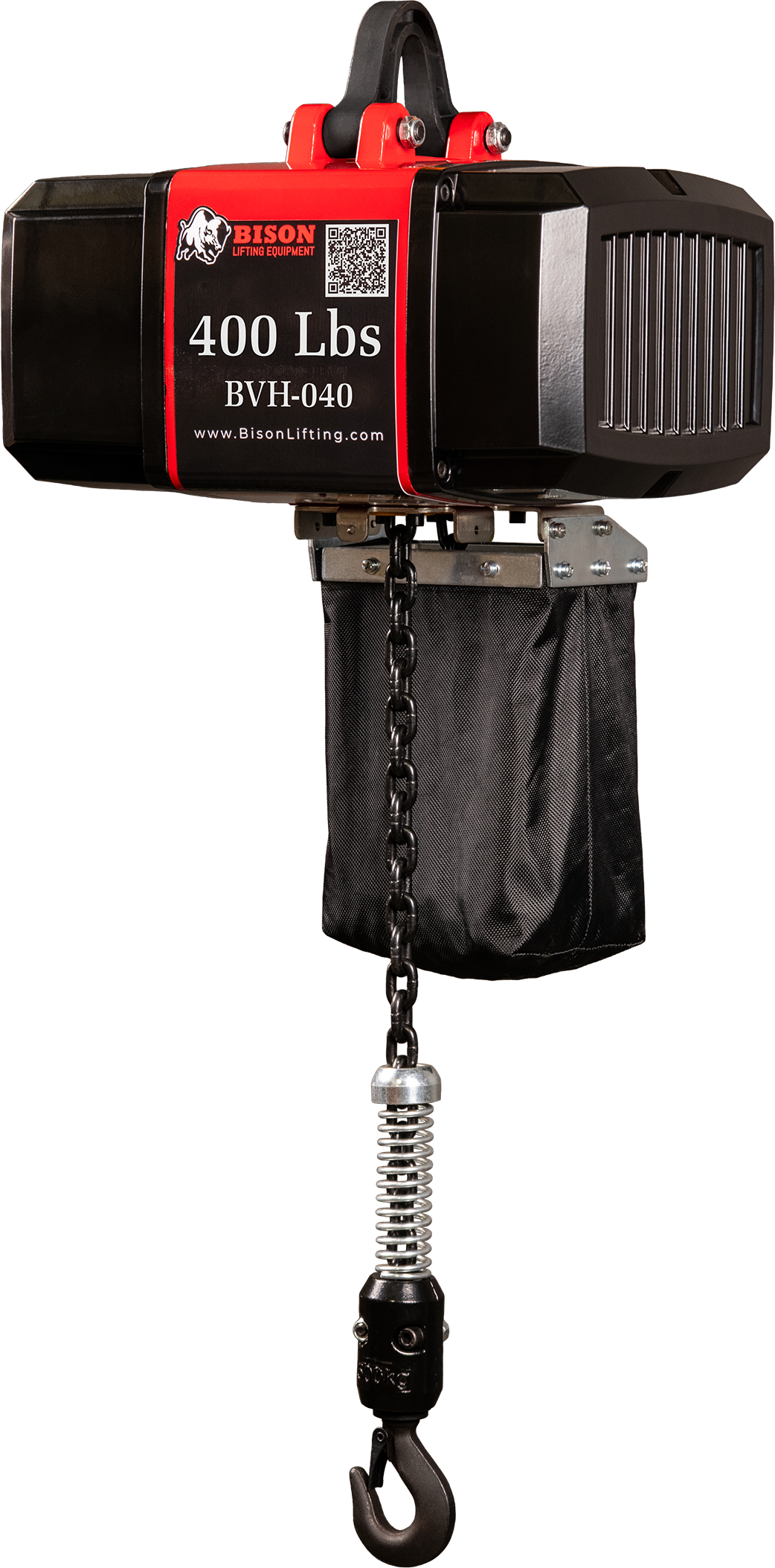 In Stock
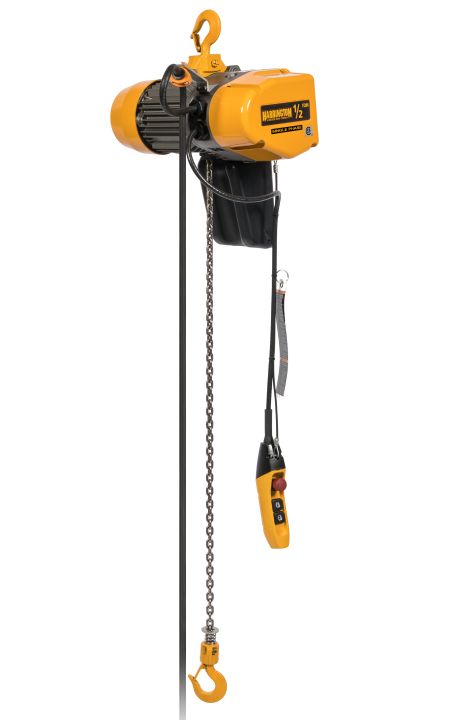 In Stock
Hoists Buying Guide
Manual, electric, or air is a duty cycle question. Start with how often the hoist works, because capacity is the cheap part of the spec. A manual chain hoist lifts anything within its rating for a few hundred dollars, needs no power, and travels in a gang box, so it wins for maintenance pulls, rigging jobs, and lifts that happen a few times a week. An electric chain hoist earns its motor the day lifting becomes production: repeated cycles, all shift, at speeds a hand chain cannot match. Air hoists take the assignments that punish electric motors, continuous duty cycles, washdown bays, and classified areas, running on plant air with speed controlled at the throttle. Most shops end up owning two of the three, a manual hoist for the odd jobs and a powered one over the work that pays the rent.
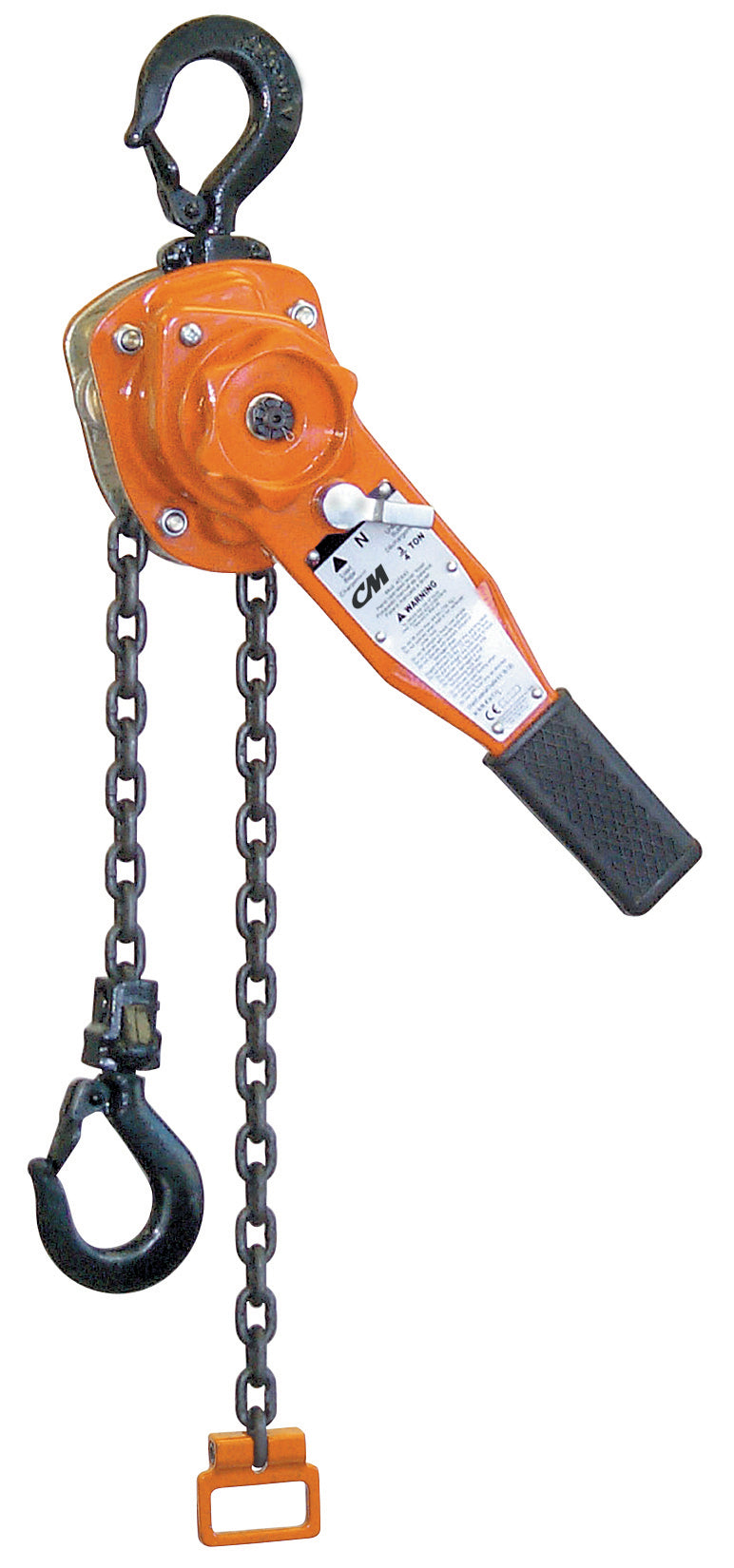
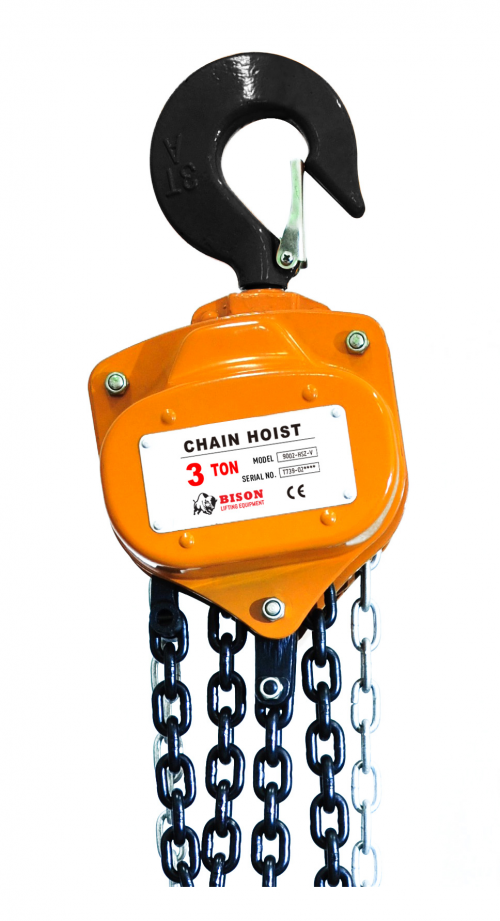
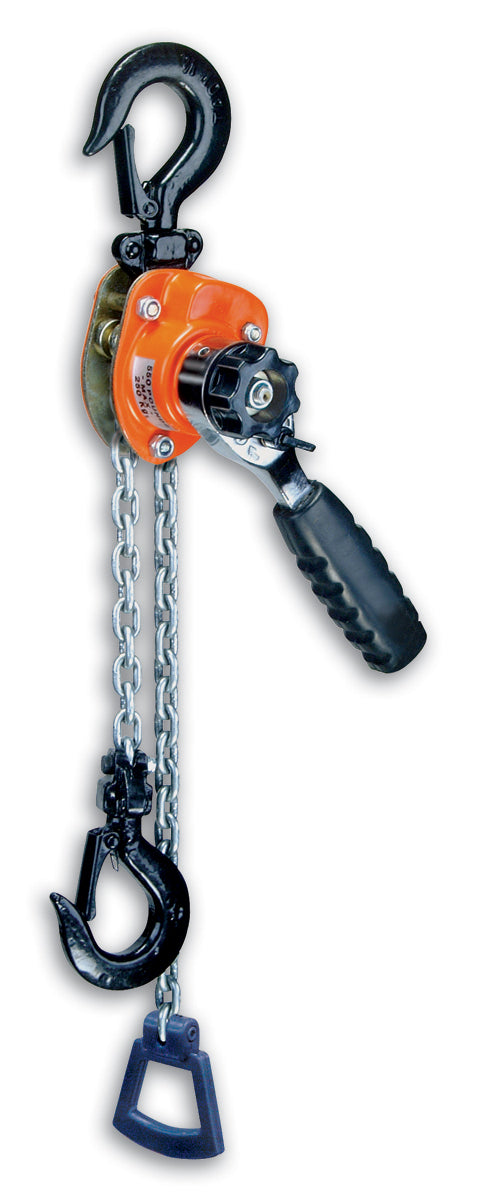
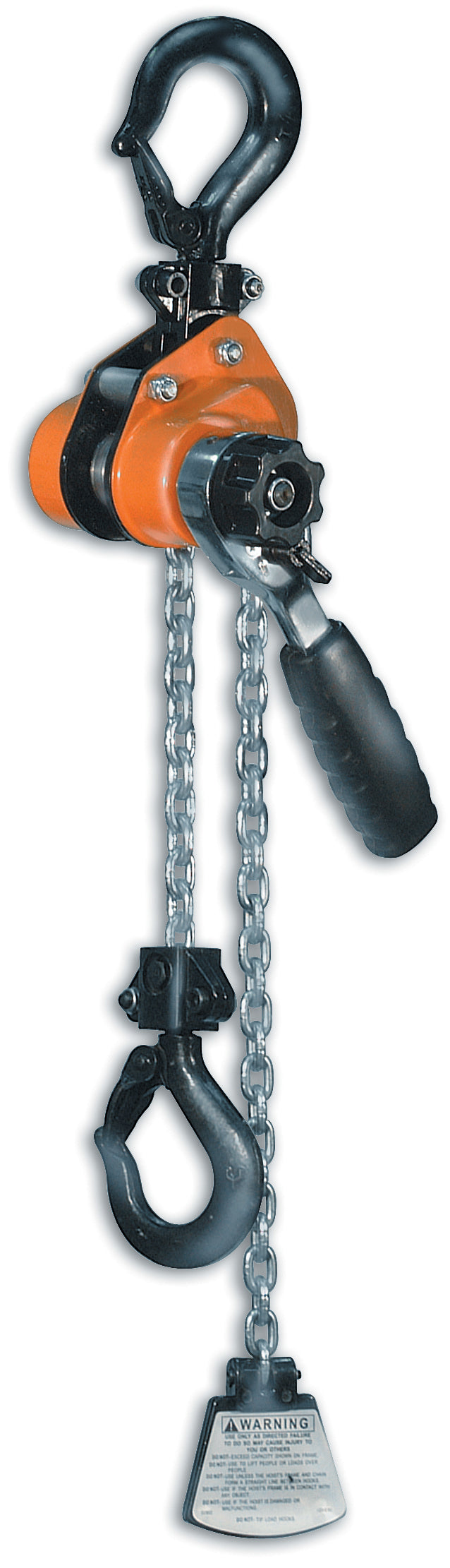
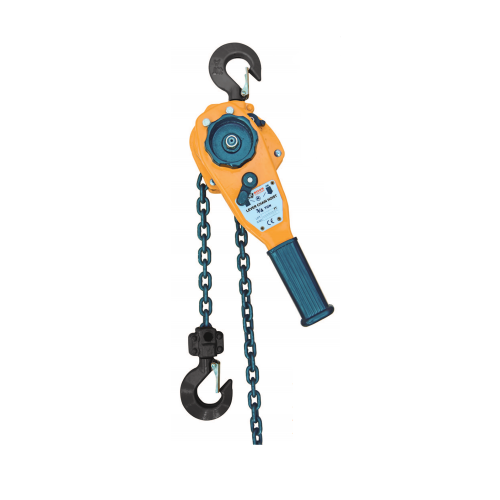
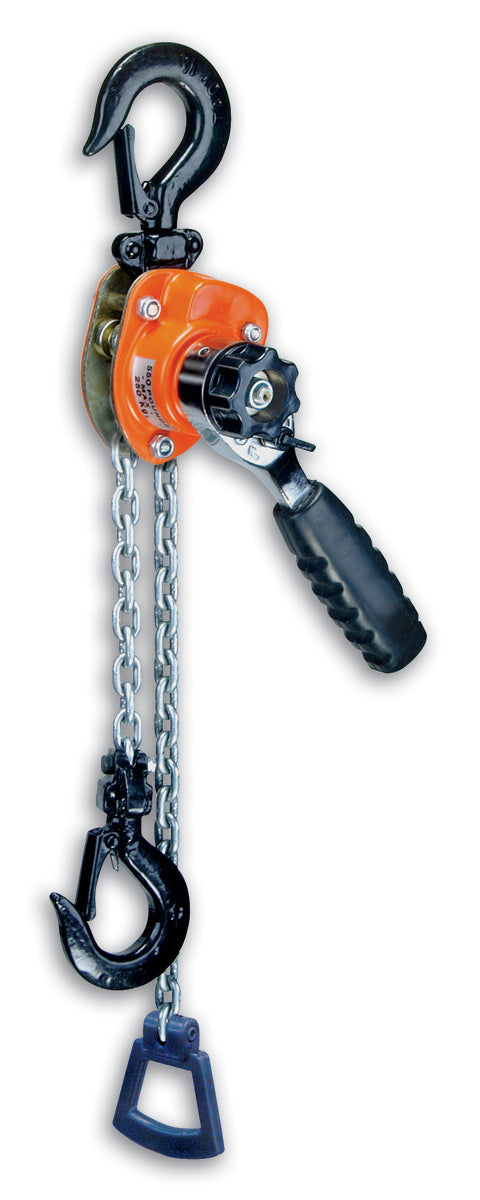
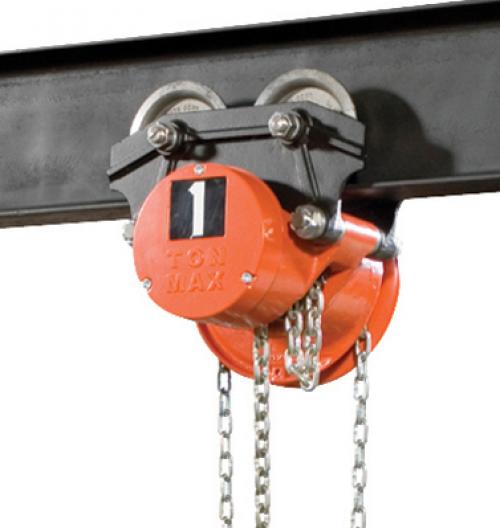
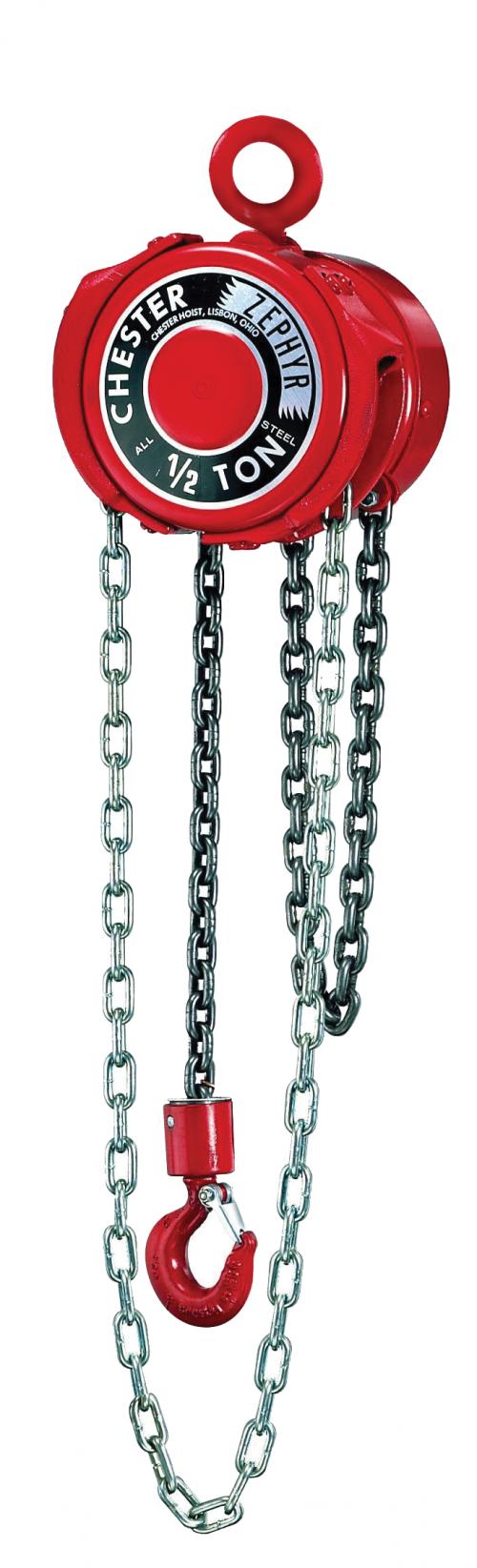
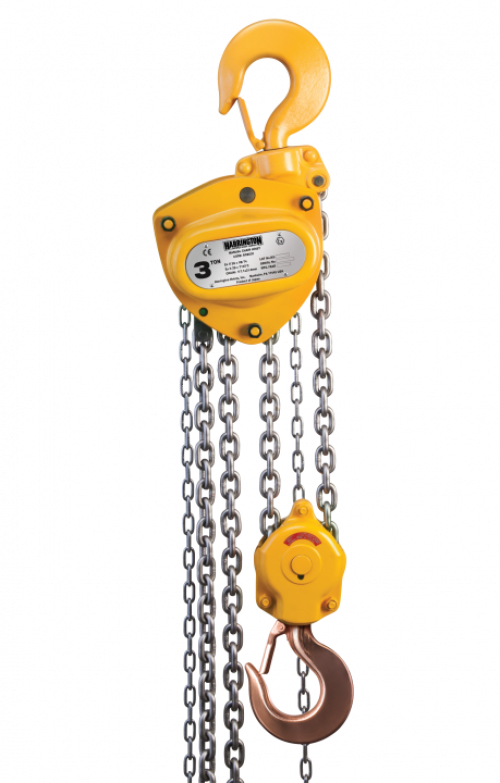
Manual hoists: chain blocks and lever hoists. The hand chain hoist is the value anchor of the whole collection: Bison's run 1/2 to 10 ton with 10 or 20 ft of chain, from $175, with overload protection models that add a slip clutch against the lift you should not have tried. Harrington's CF and CB blocks and CM's Hurricane 360, whose rotating hand chain guide lets you pull from any angle, cover the premium end. The lever hoist is the other half of manual lifting, built for pulling and positioning in any direction, up, across, or at an angle: CM's 653 series, Harrington's LB and the LX mini, and Bison's levers with overload protection, all governed by ASME B30.21. For nasty environments there are spark resistant builds from Harrington and OZ Lifting and stainless steel OZ hoists for corrosive and washdown service, all in manual hoists and trolleys.
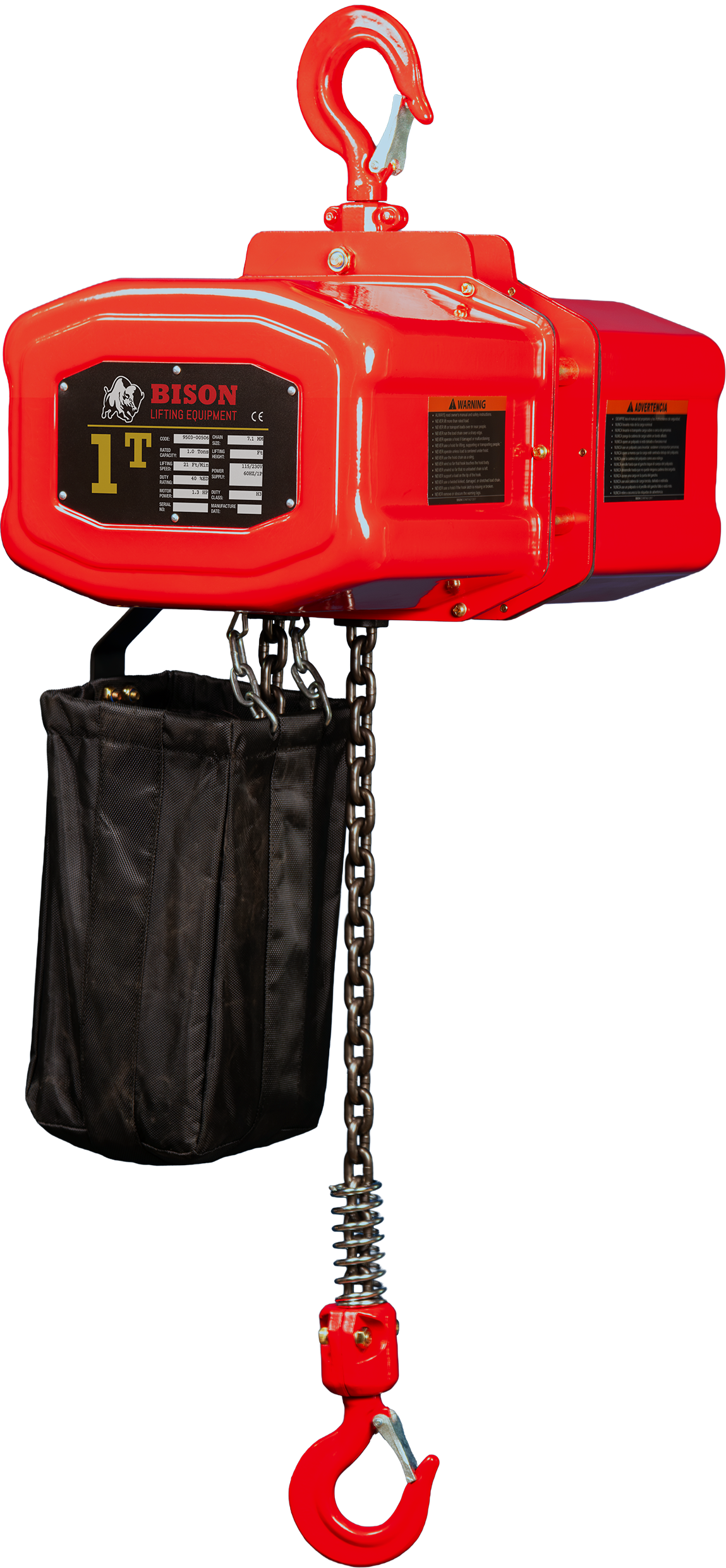
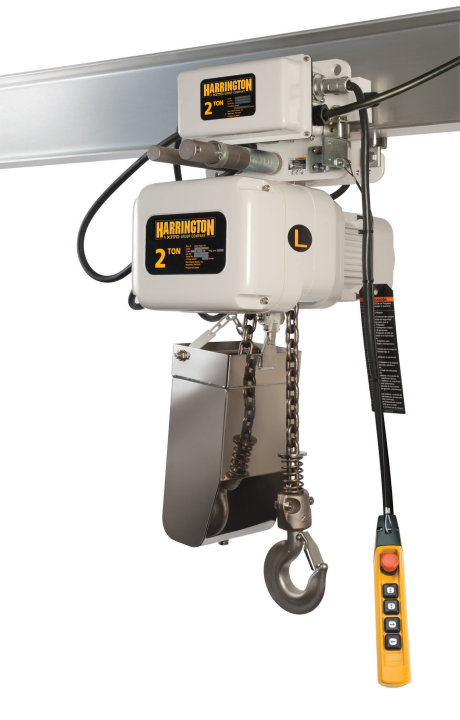
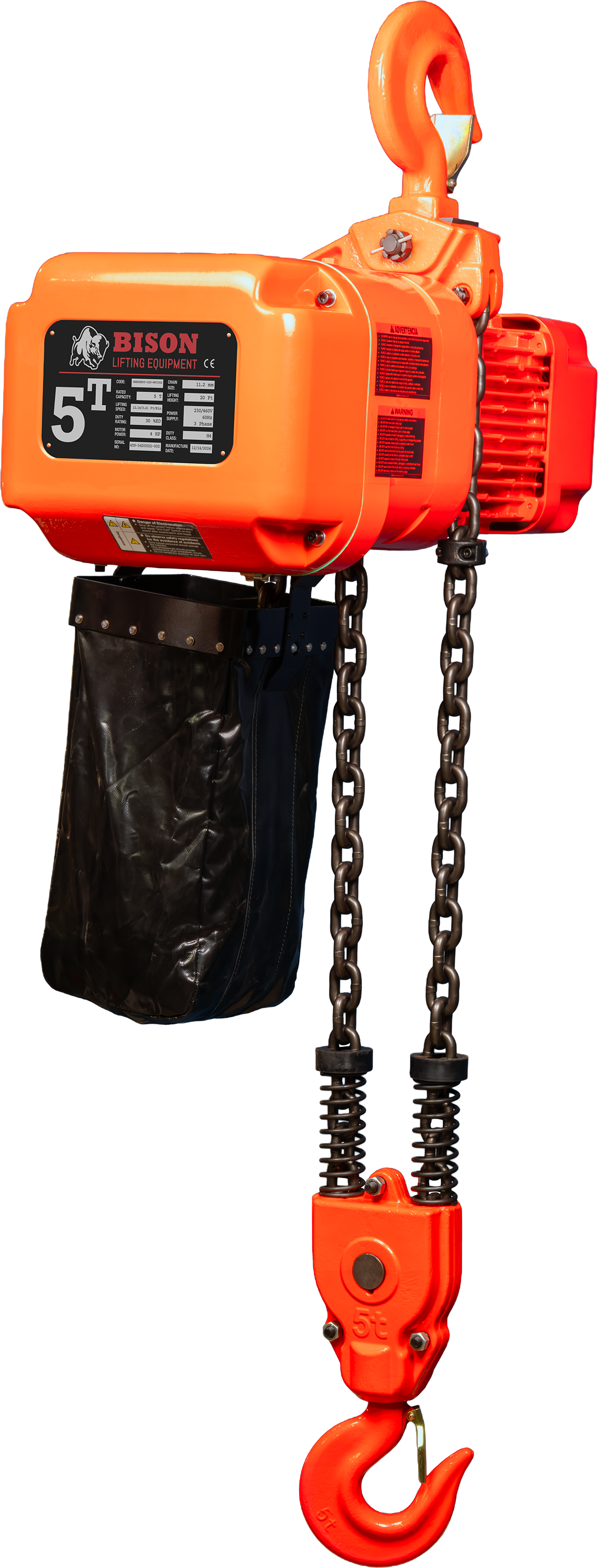
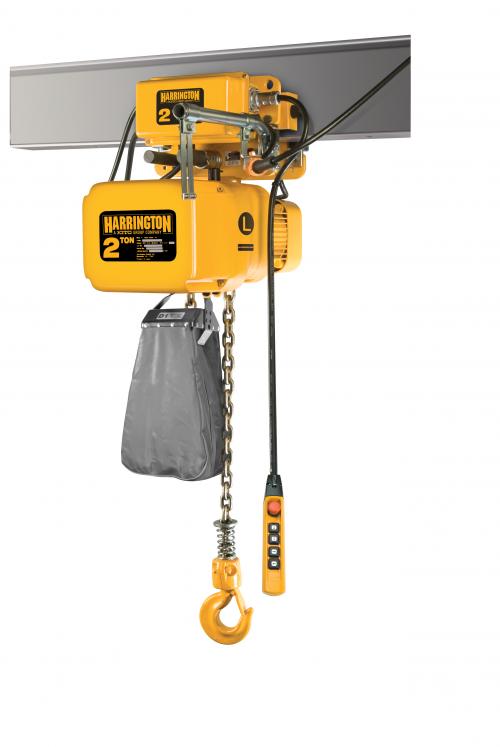
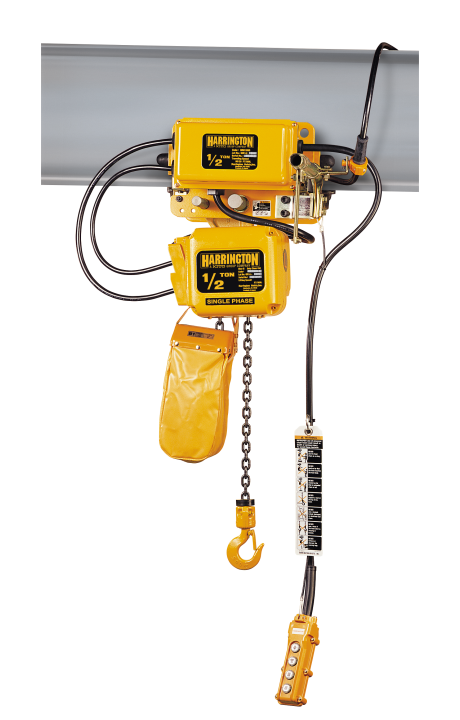
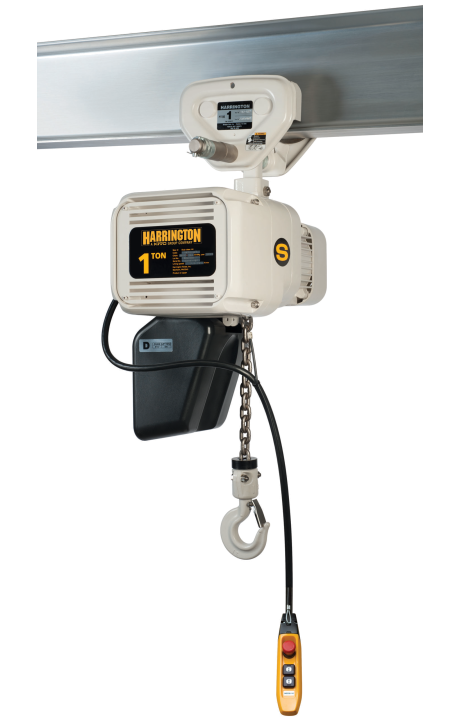
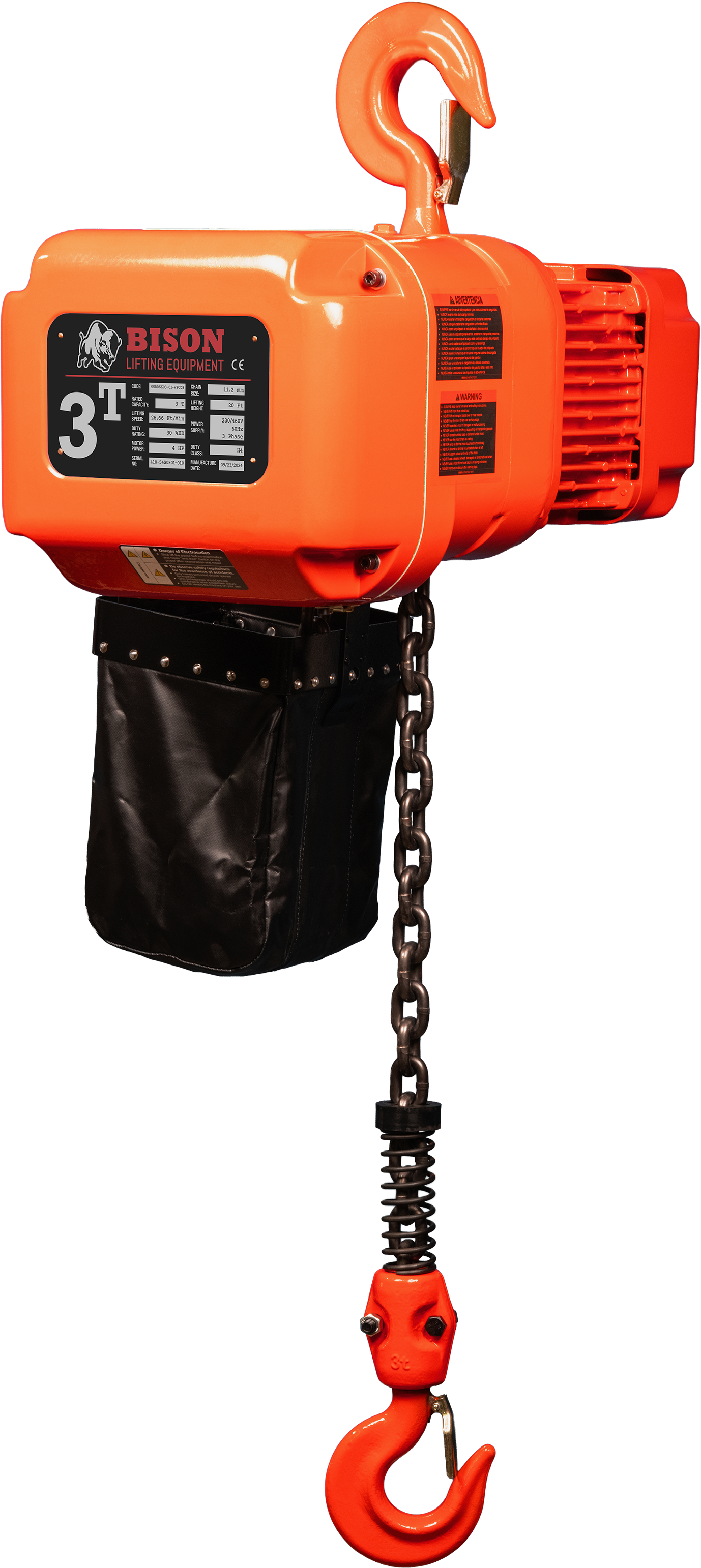
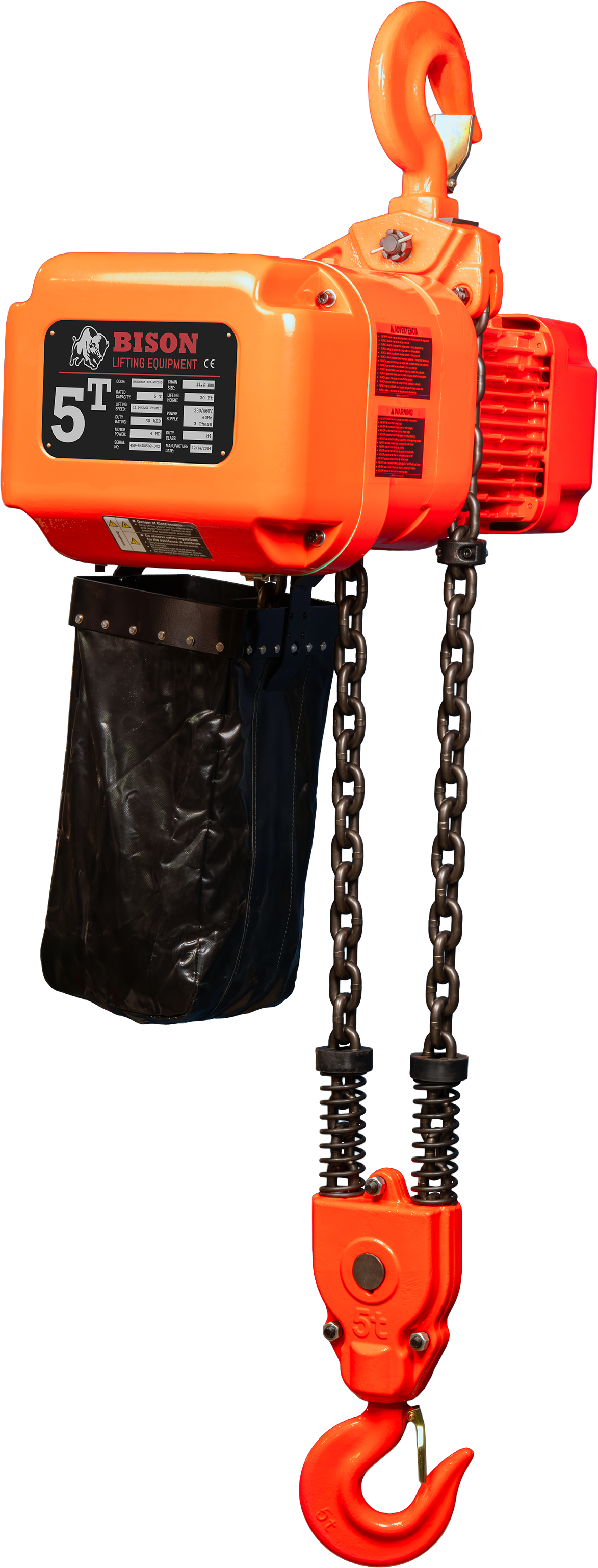
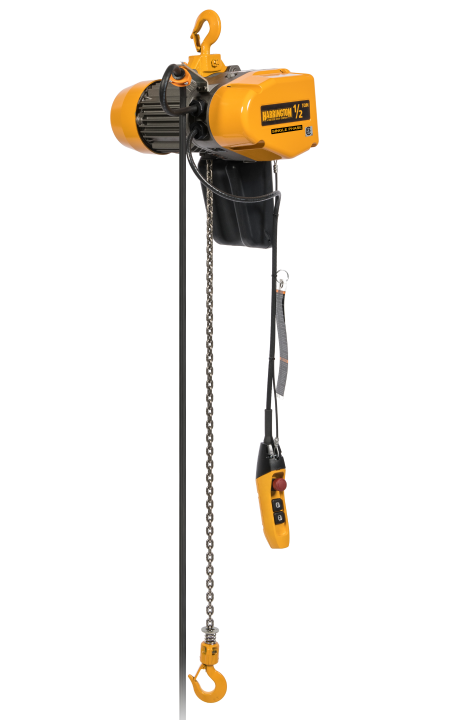
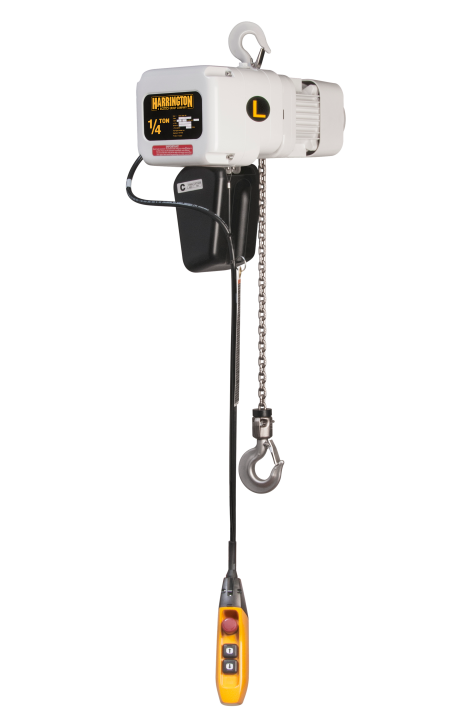
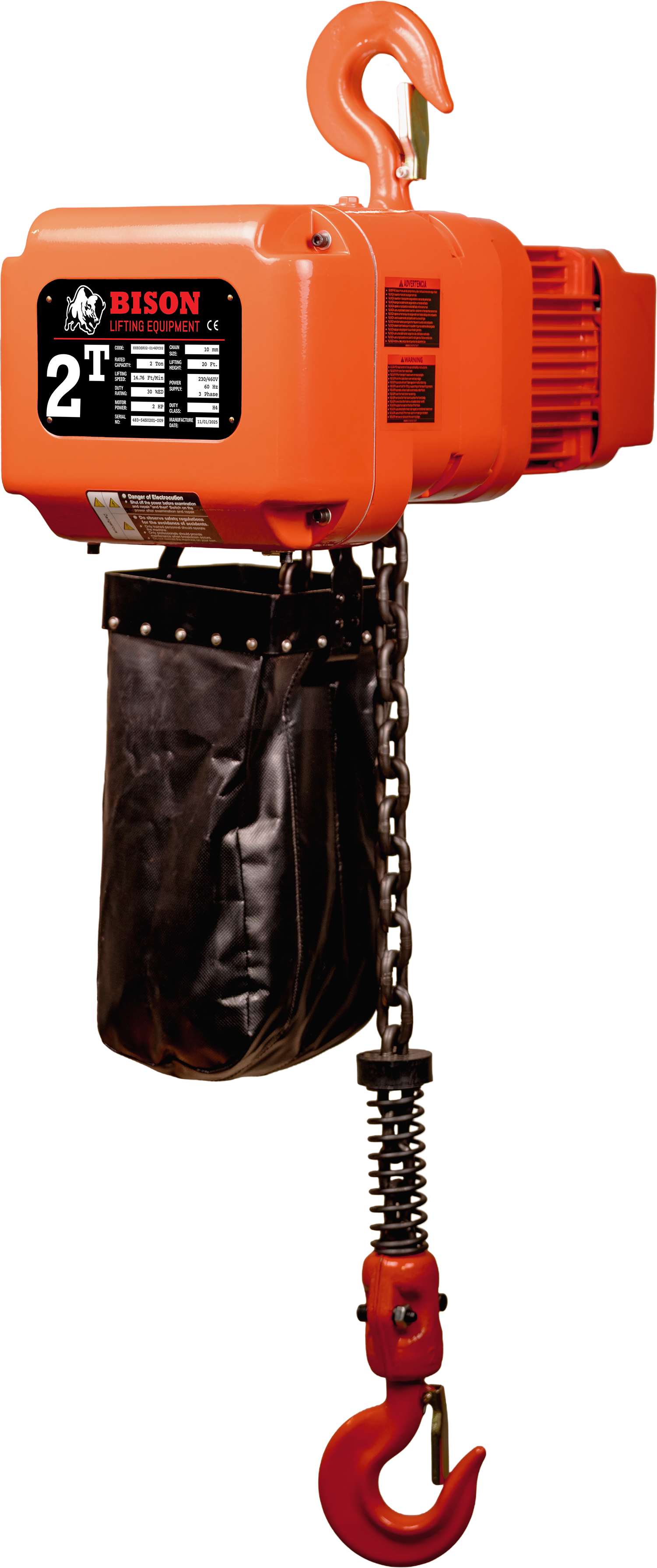
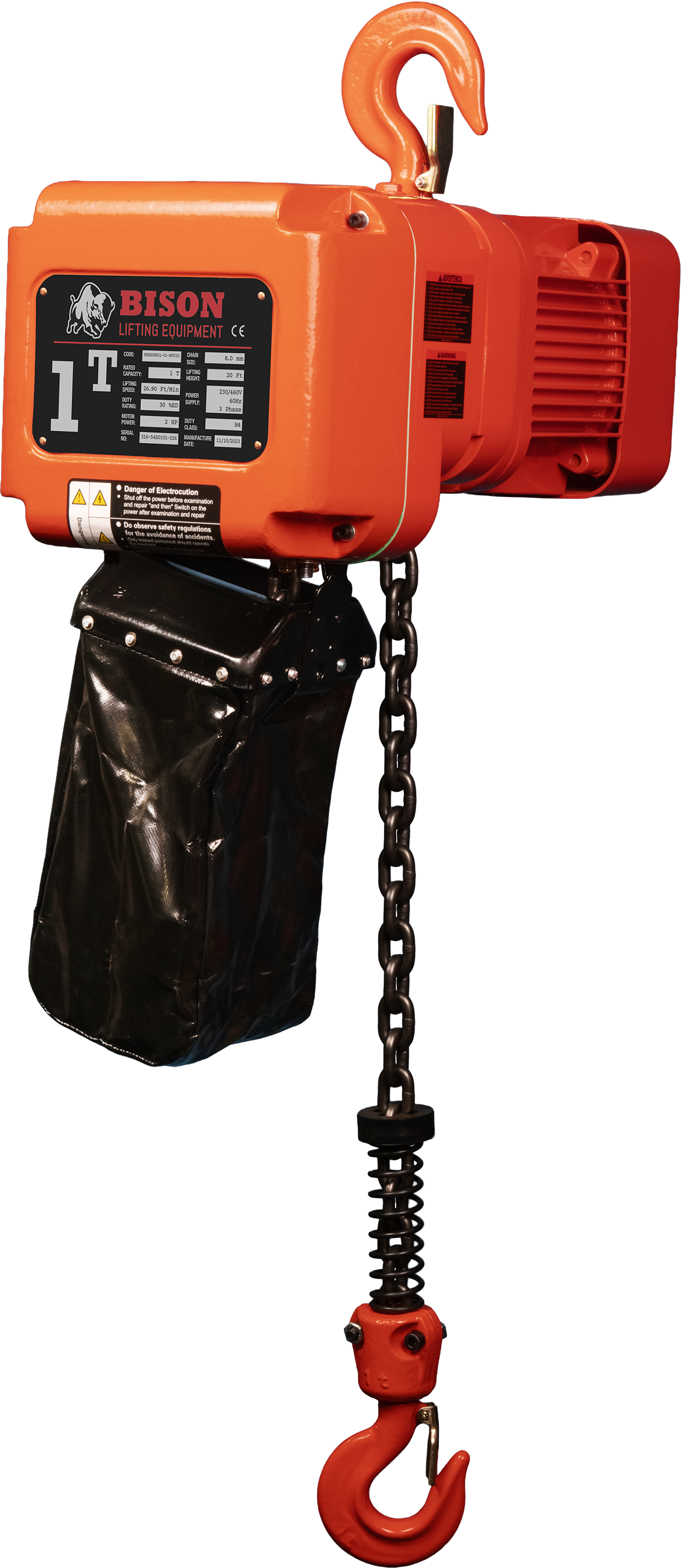
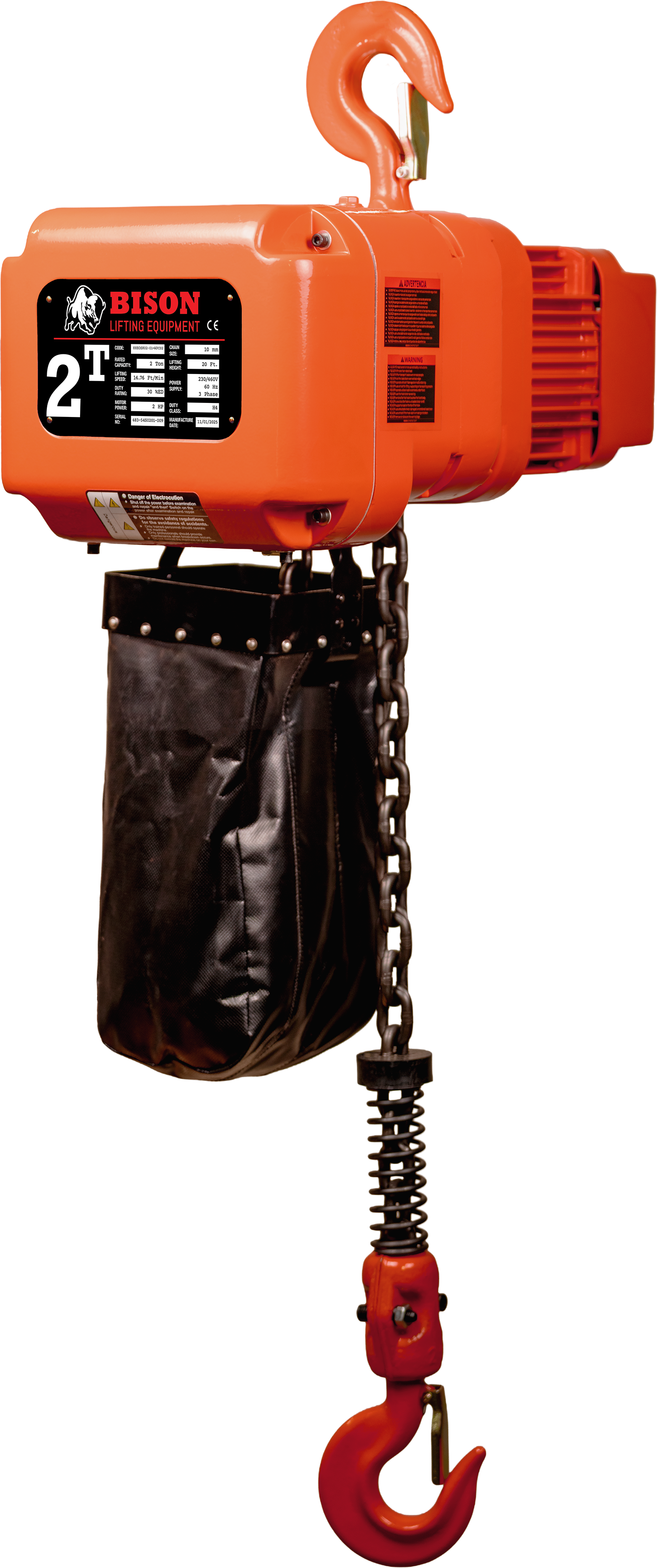
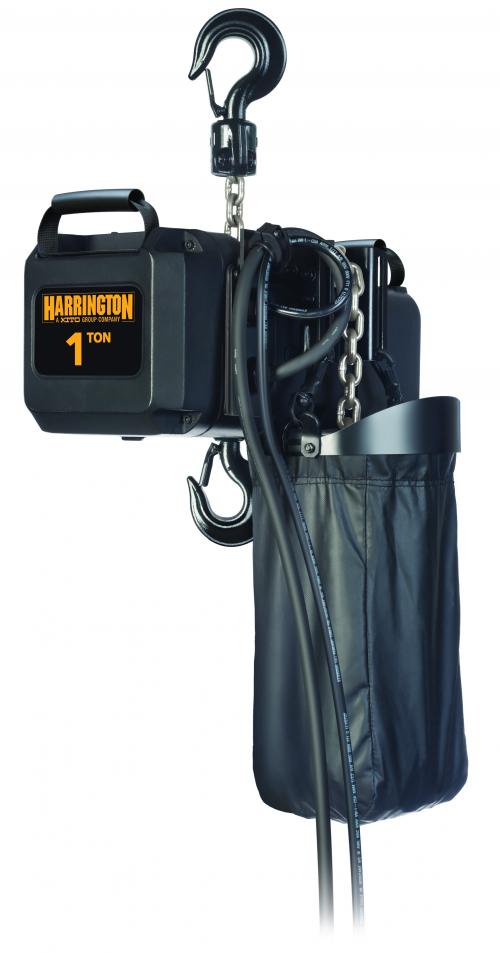
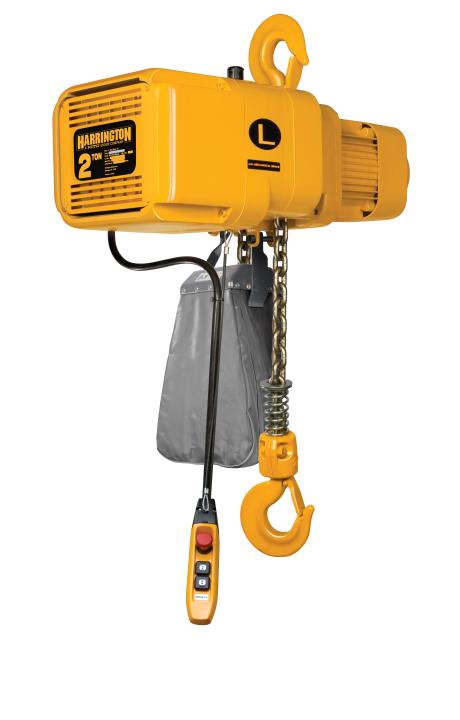
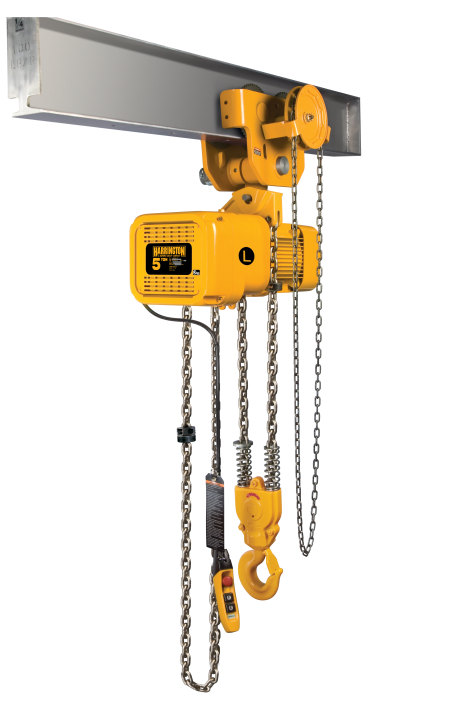
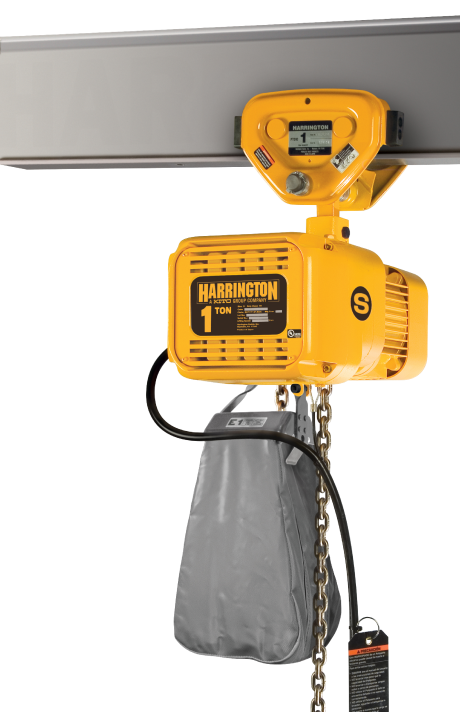
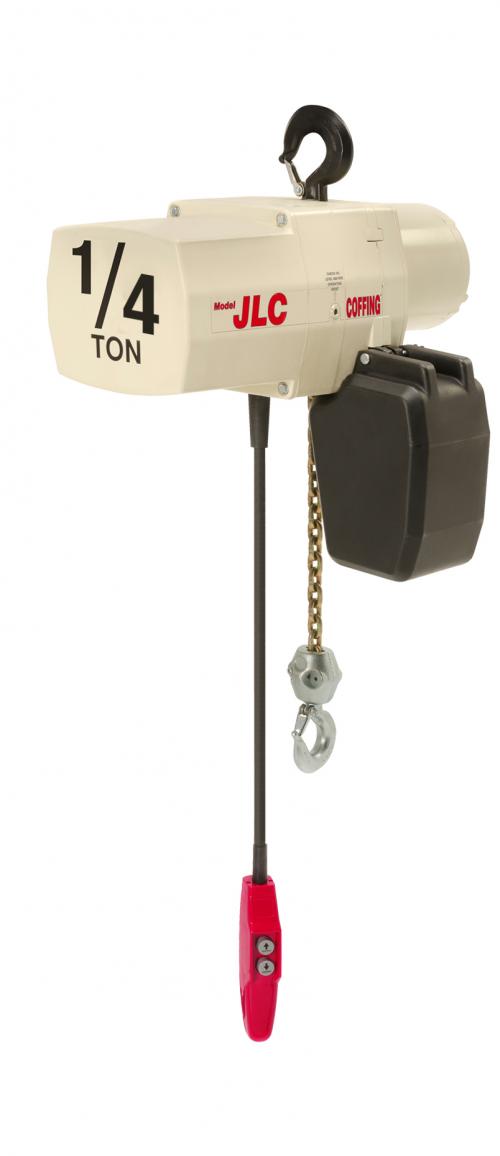
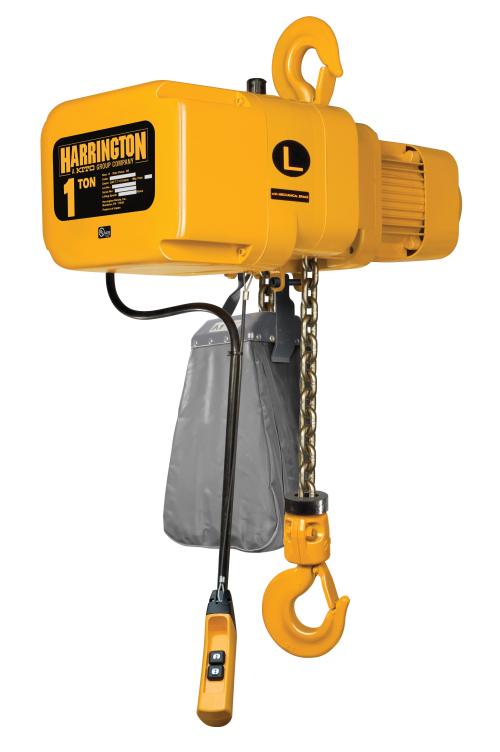
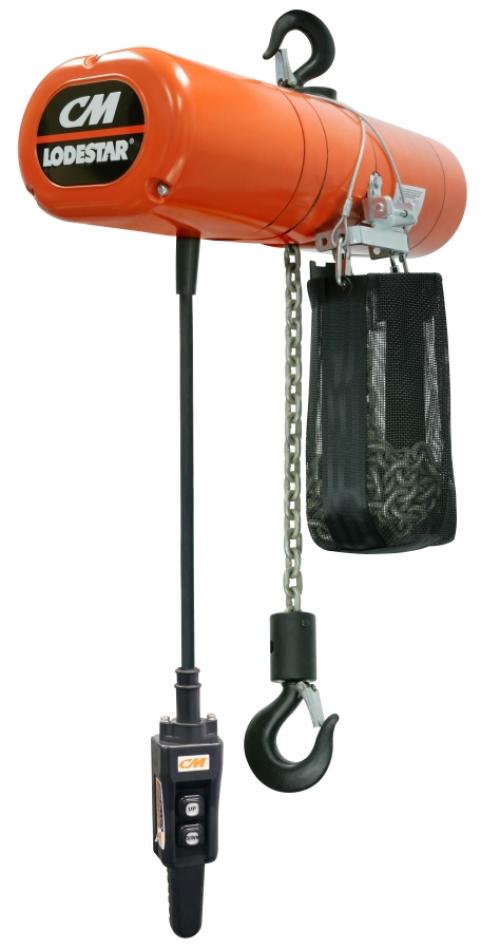
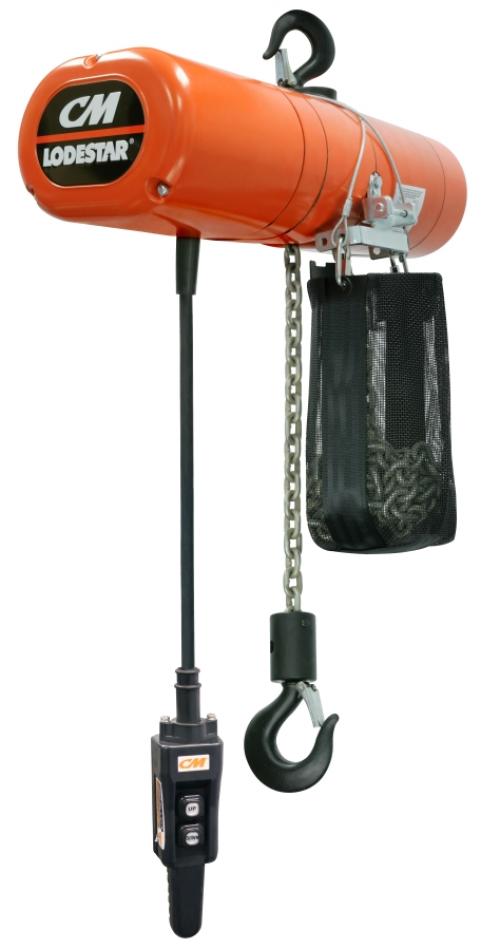
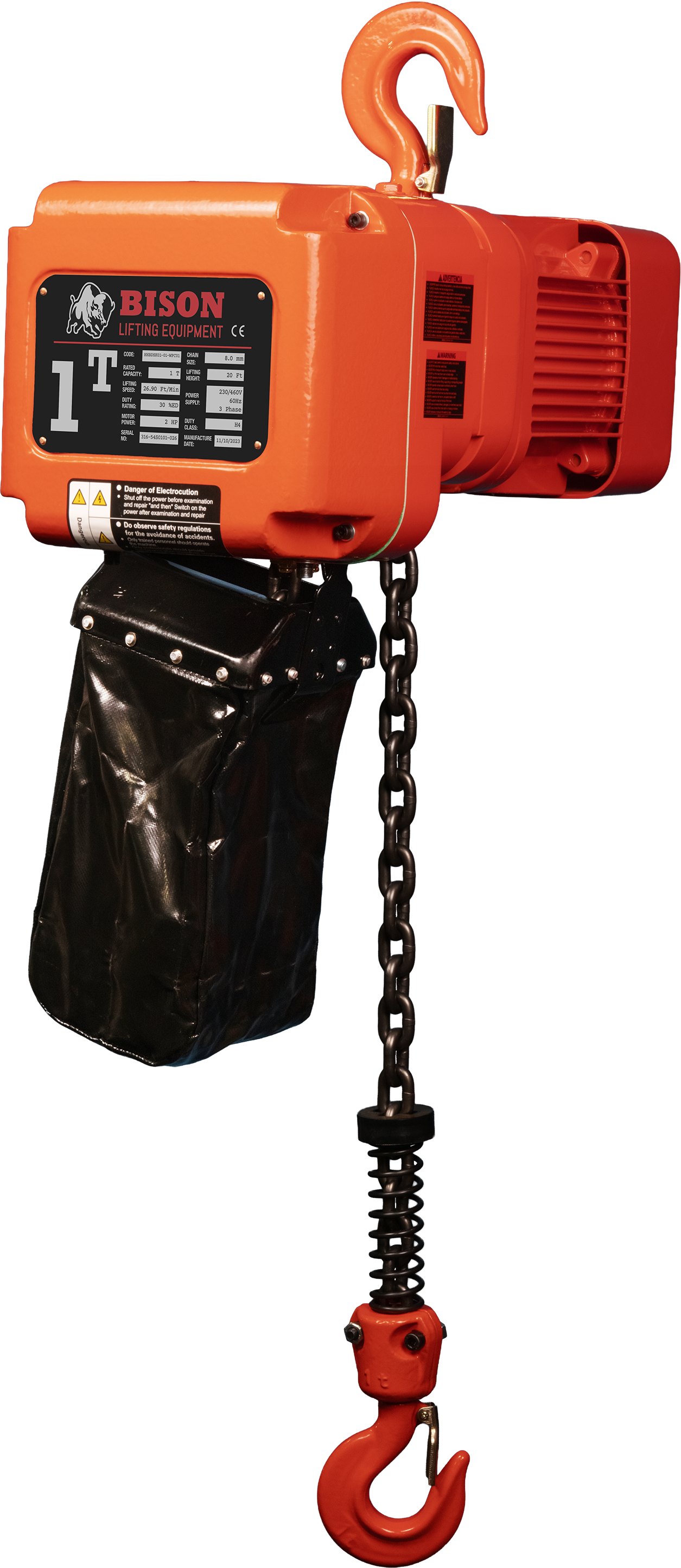
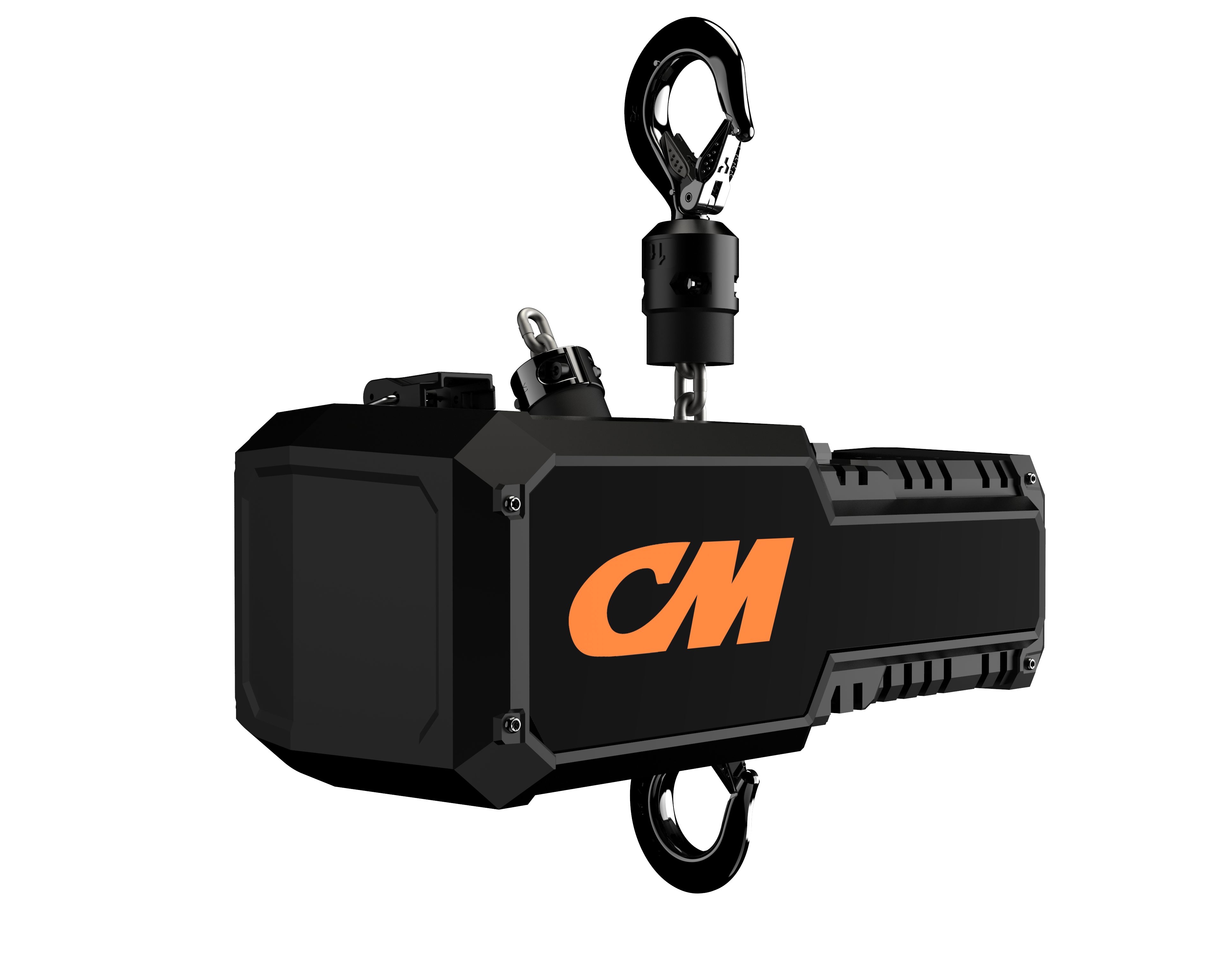
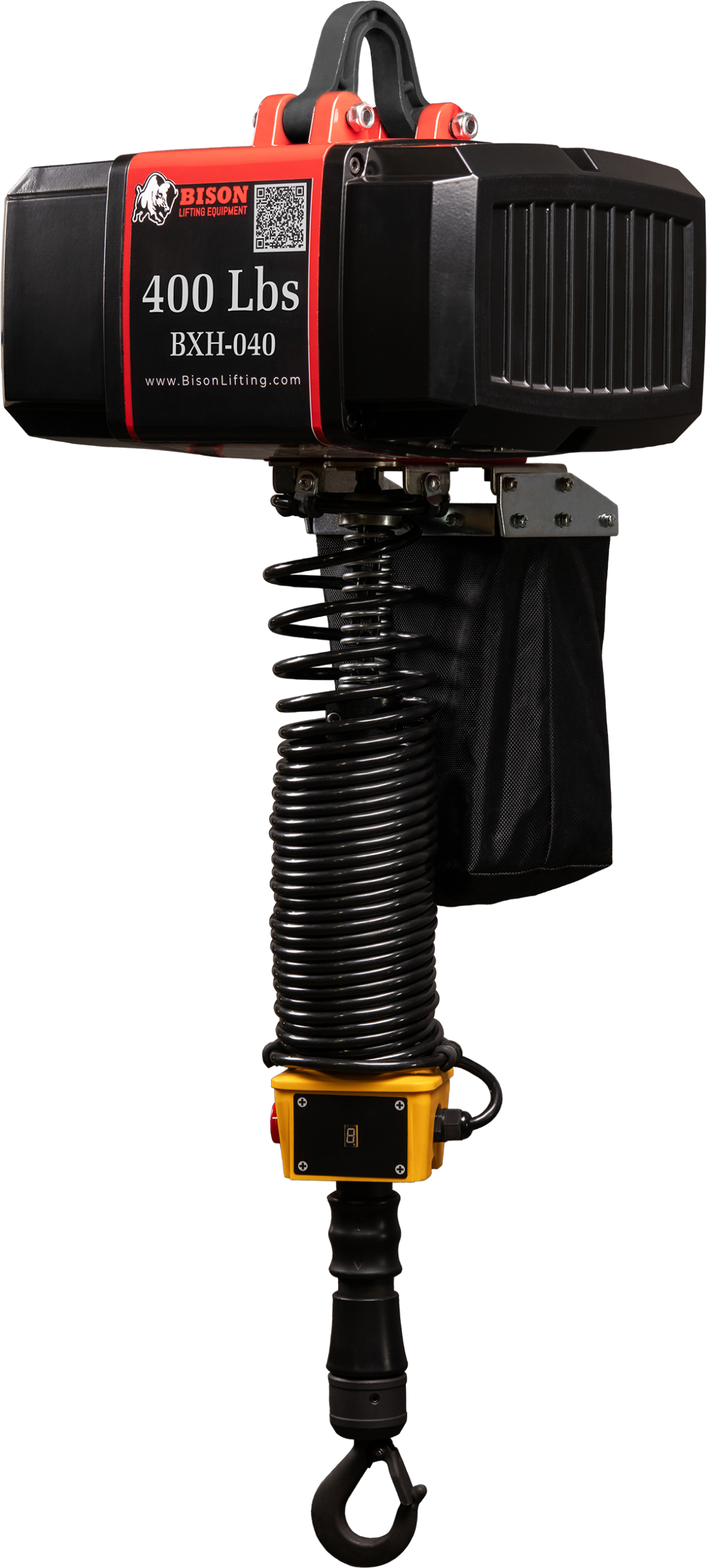
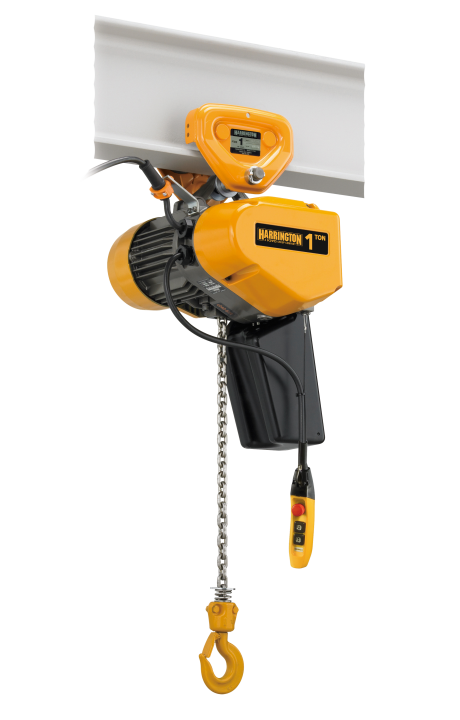
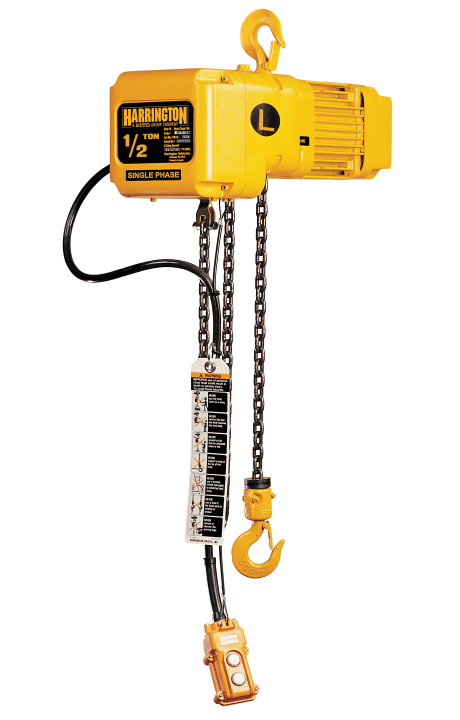
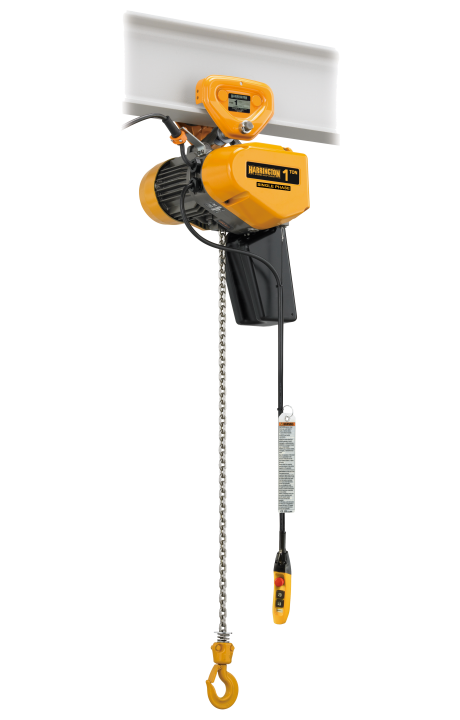
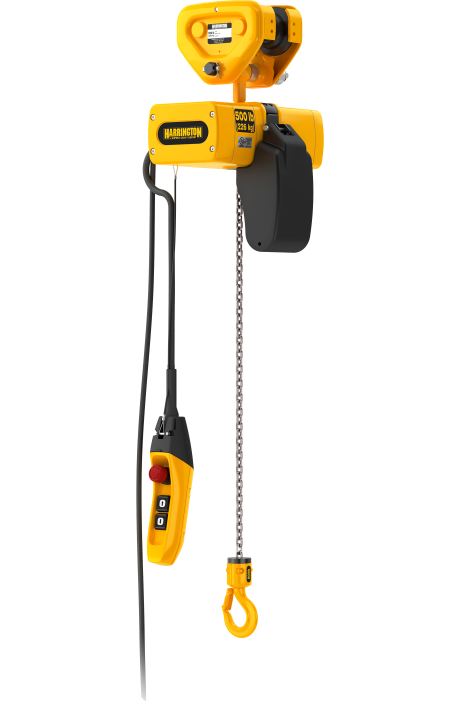
Electric chain hoists: single phase or three. Single phase 115/230 volt hoists run on ordinary shop circuits, which is why Bison's single phase line, 1/4 through 5 ton, and Harrington's SNER and ED series carry so much small-shop work; several ship as packages with motorized trolleys. Three phase 230/460 volt is the production choice, and dual speed models are worth the premium, a fast speed for travel and a slow one for placing work into a fixture: Bison's three phase range runs to a 10 ton unit with trolley, alongside Harrington's NER and EQ series and CM's Lodestar, the stage and shop standard for decades. Bison's BVH and BXH bring variable frequency drive control to single phase power. Special assignments are covered too: Harrington's FG food grade hoists for washdown, black TNER stage hoists, and Krewmate entertainment minis, all in electric hoists.
Duty class is the spec that predicts lifespan. Two hoists with the same tonnage can be built for very different lives, and the ASME HST performance standards capture that as duty classes H1 through H5. H2 covers light, infrequent service, H3 is the standard shop rating, and H4 means high volume handling of loads near rated capacity with running time up to half the work period. Harrington's NER carries an H4 classification with a 60 minute duty rating on the motor, which is most of why it outlasts bargain hoists of the same capacity. Size capacity to the heaviest lift with the usual margin, then size duty class to the busiest hour of the schedule. Underbuying duty is the expensive mistake: the hoist passes every load test, then eats brakes and motor windings a year into service.
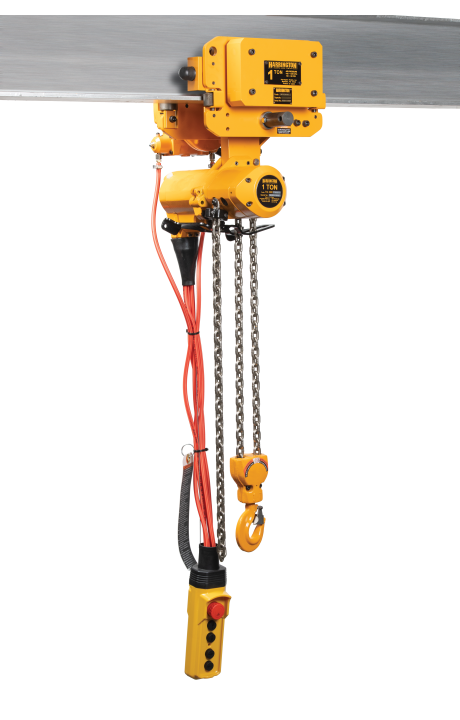
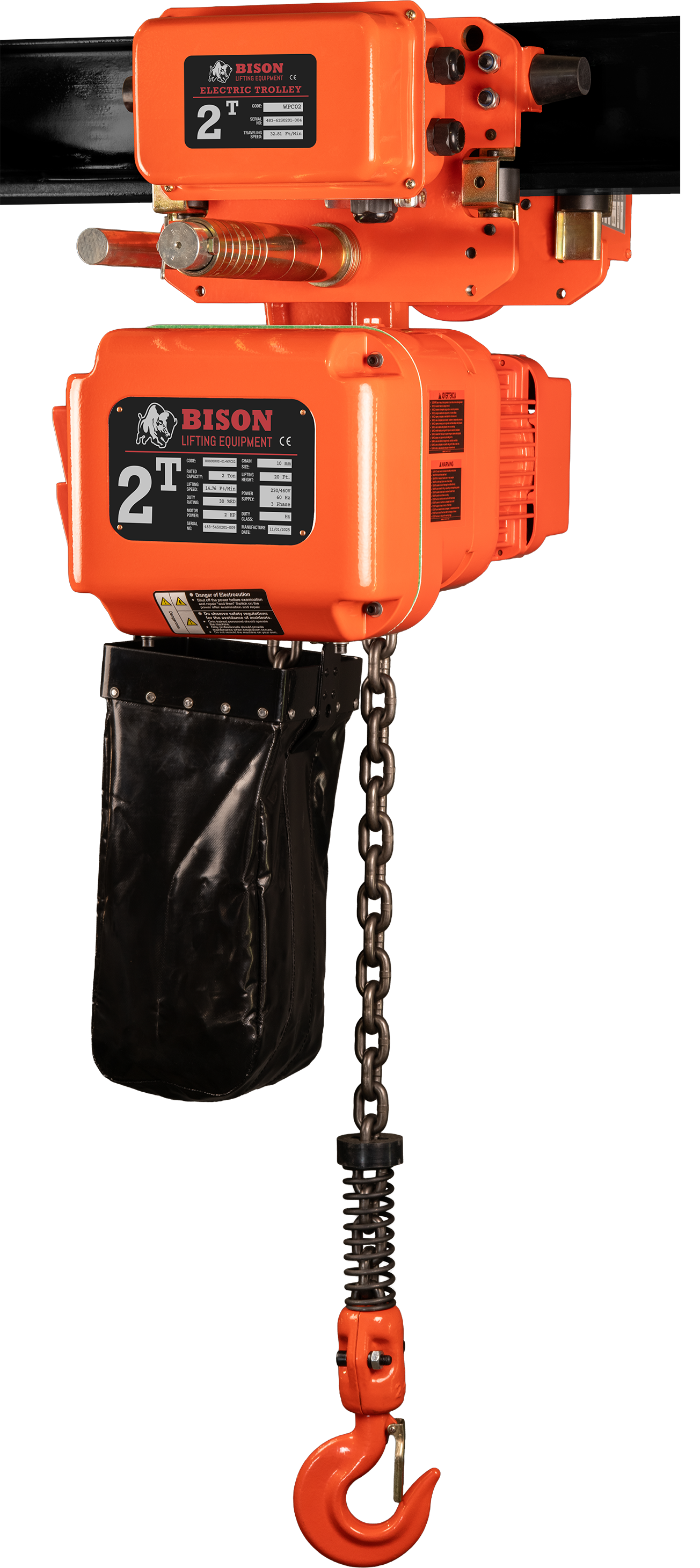
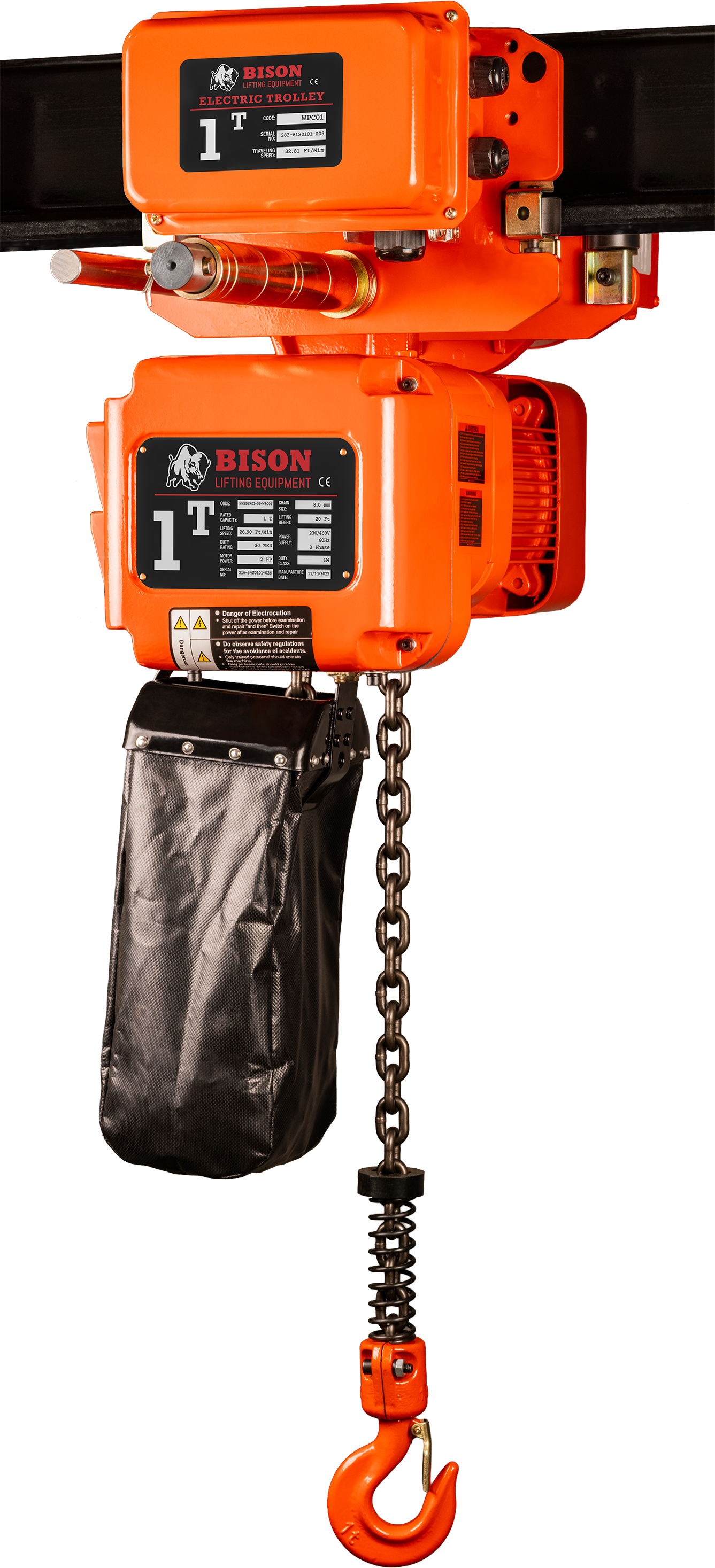
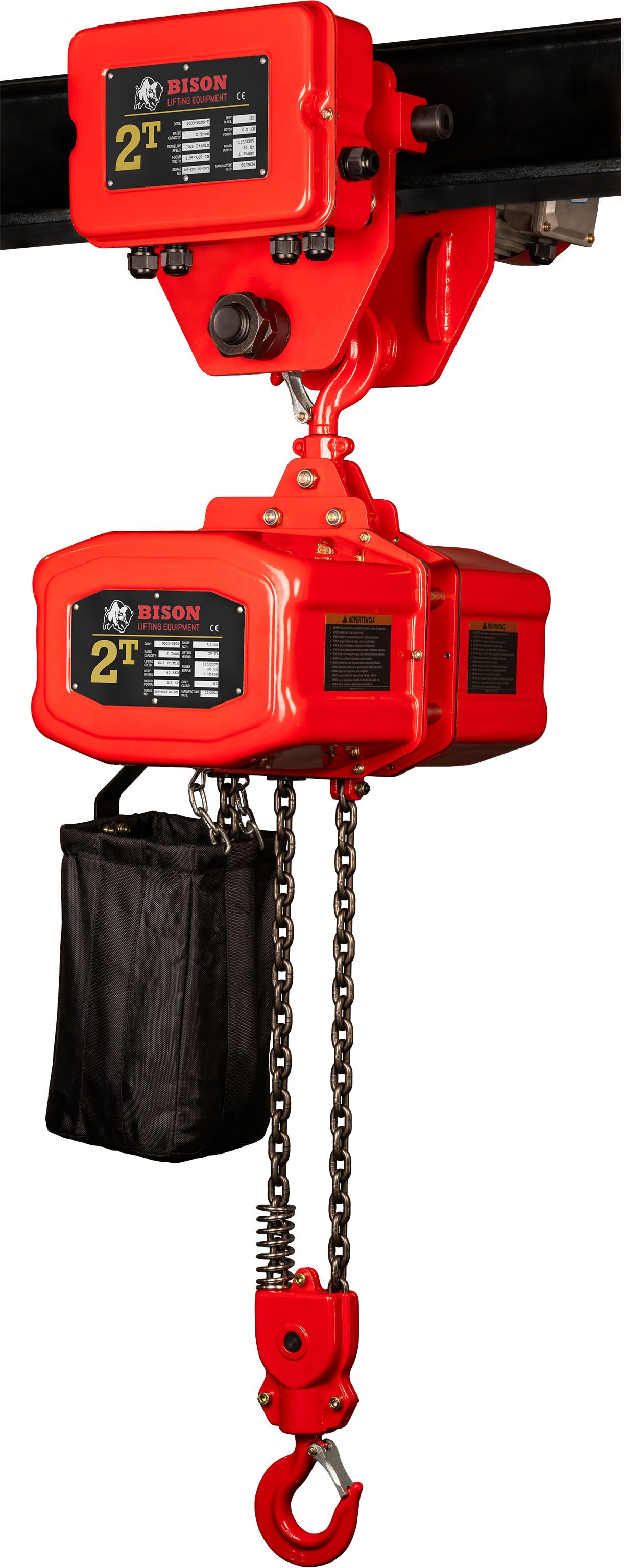
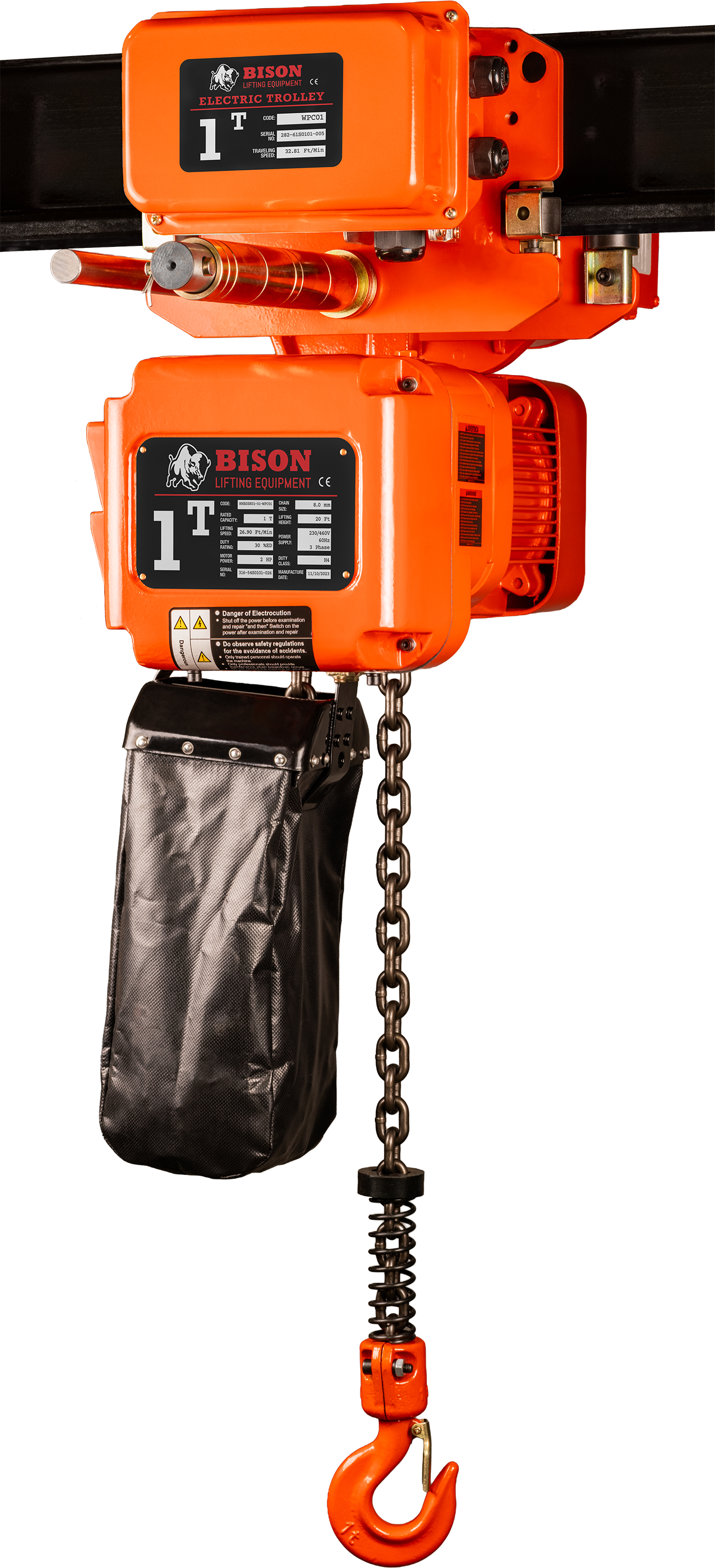
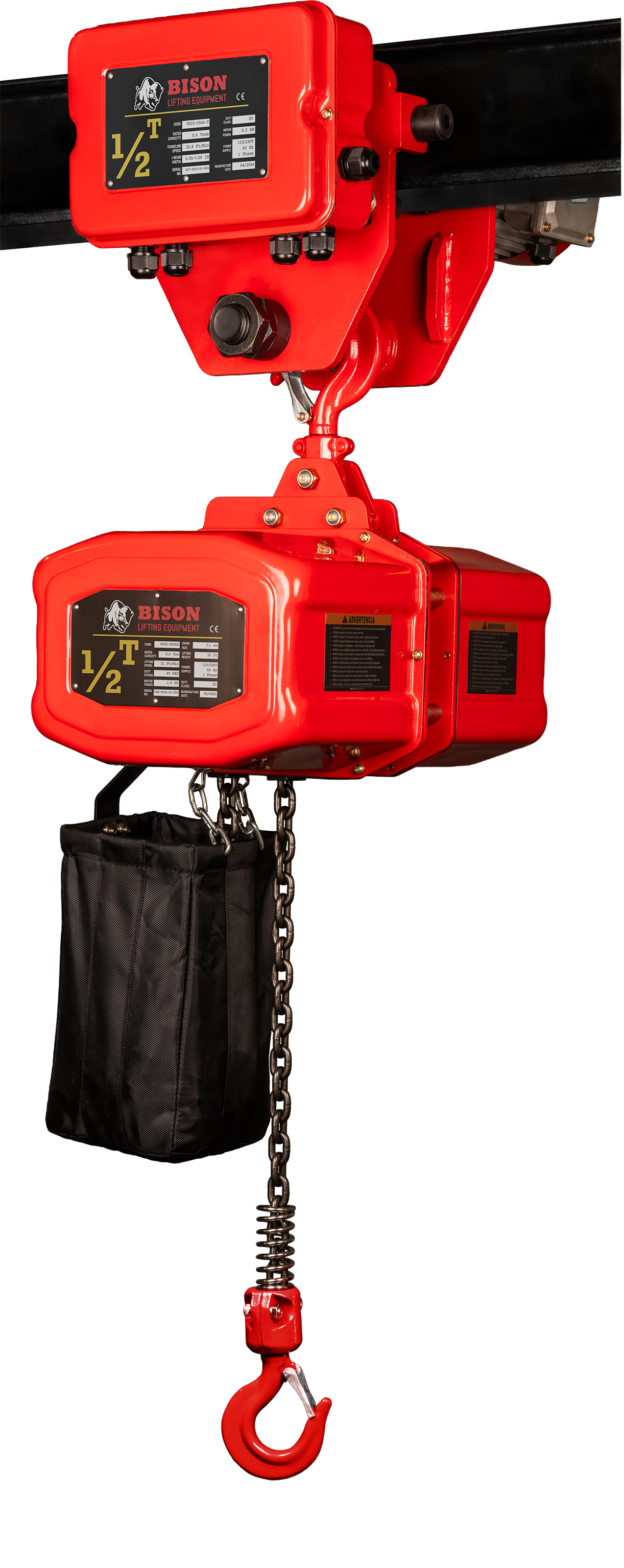
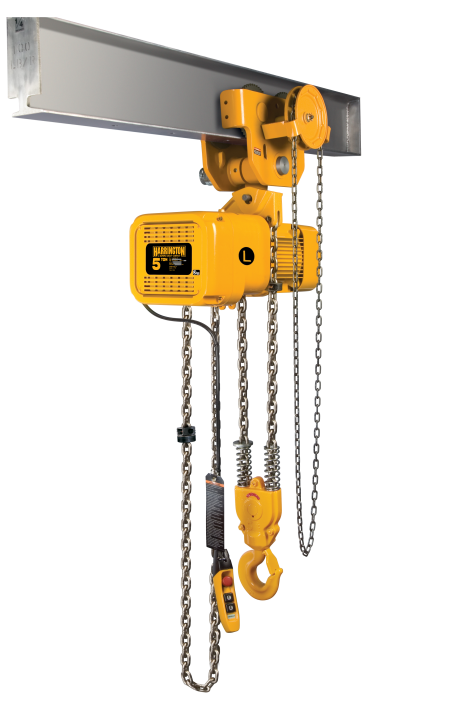
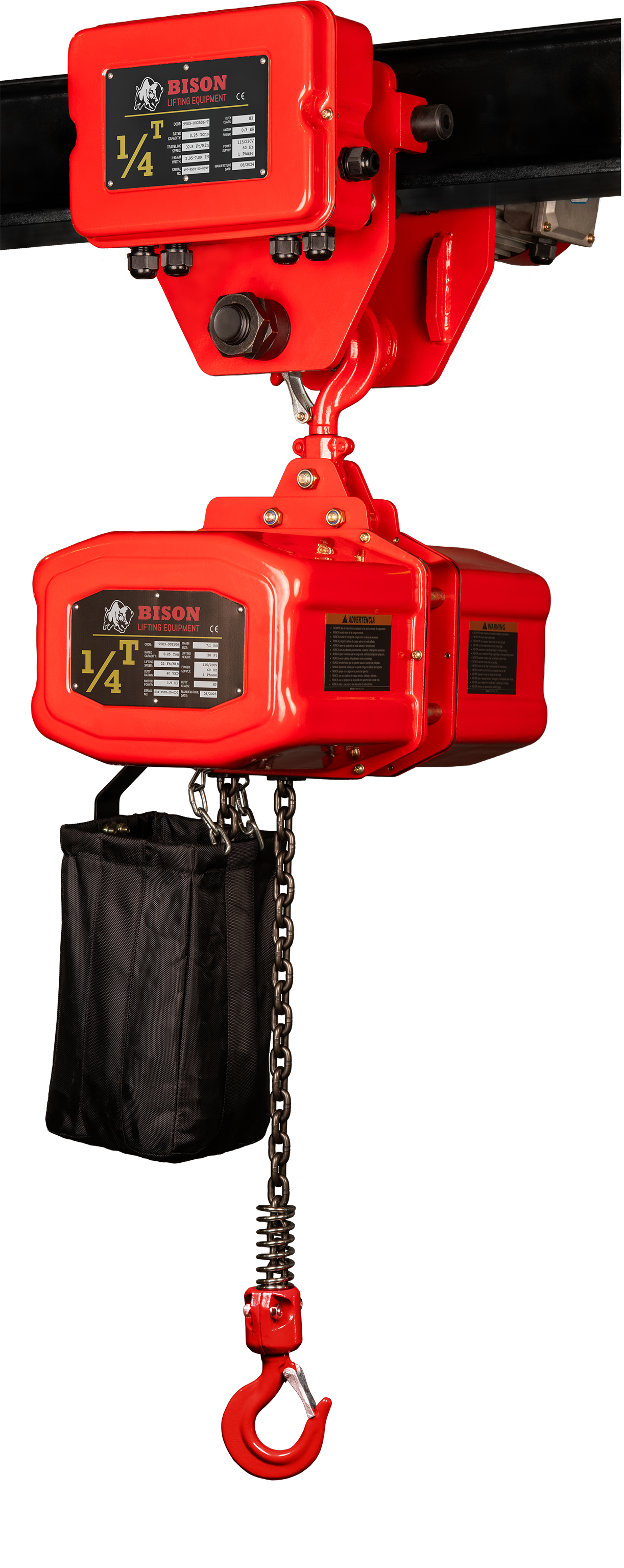
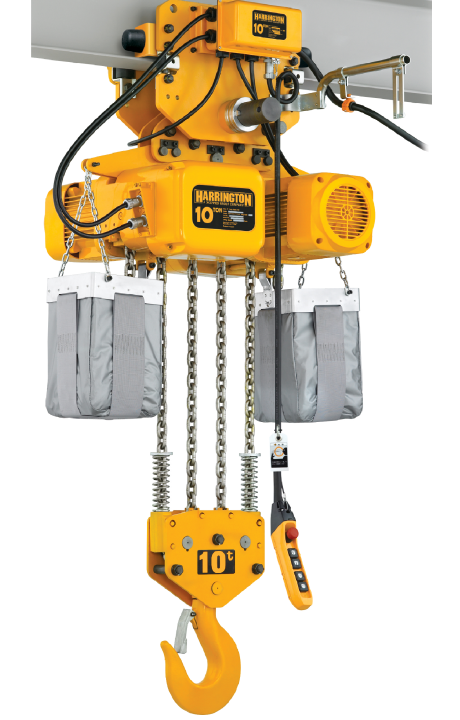
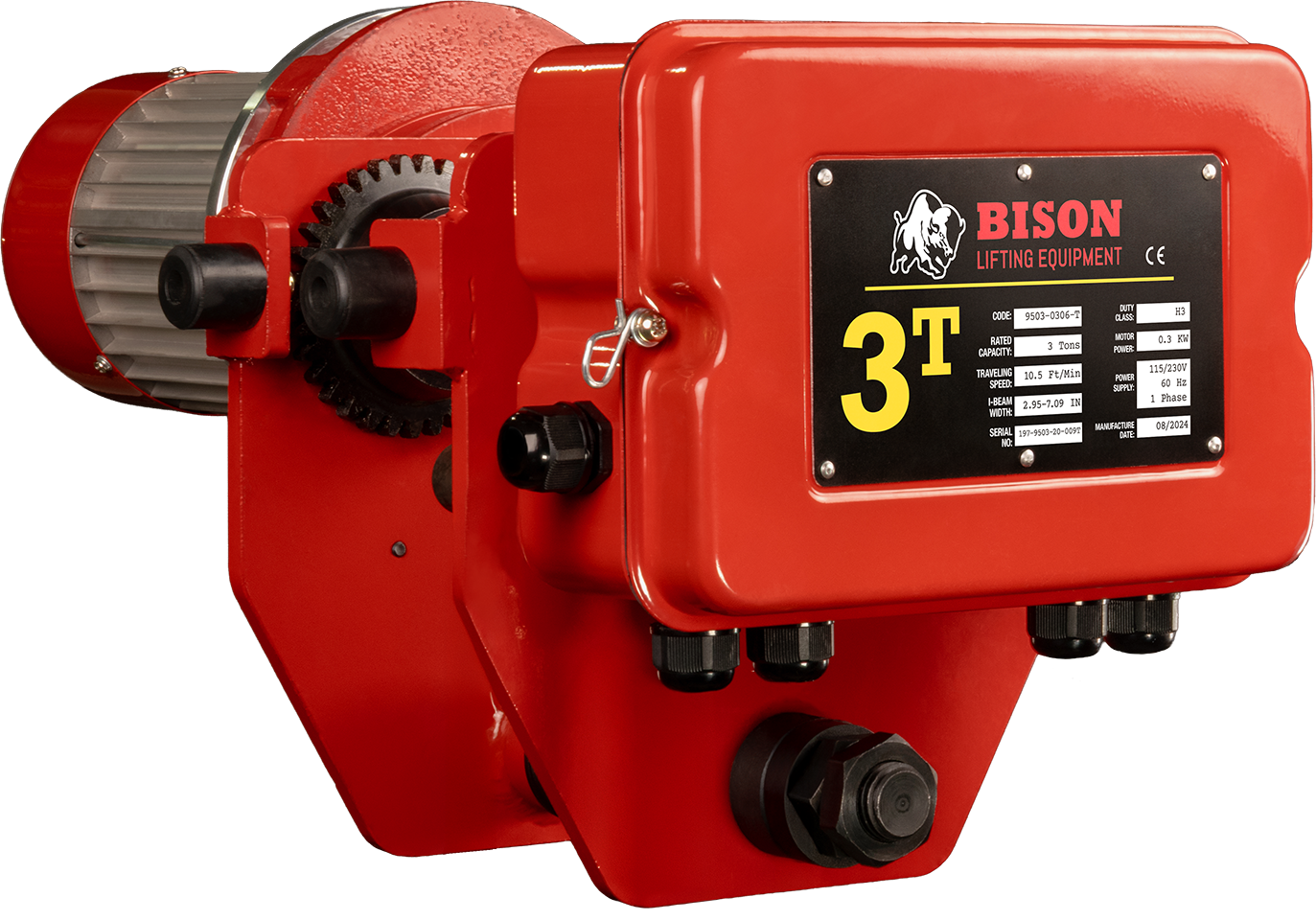
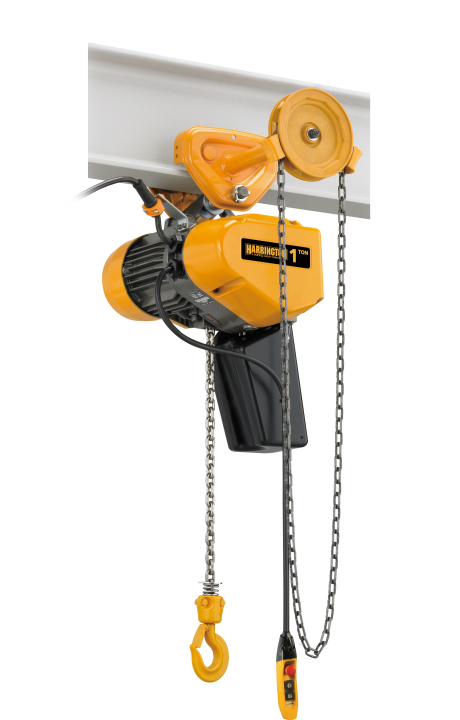
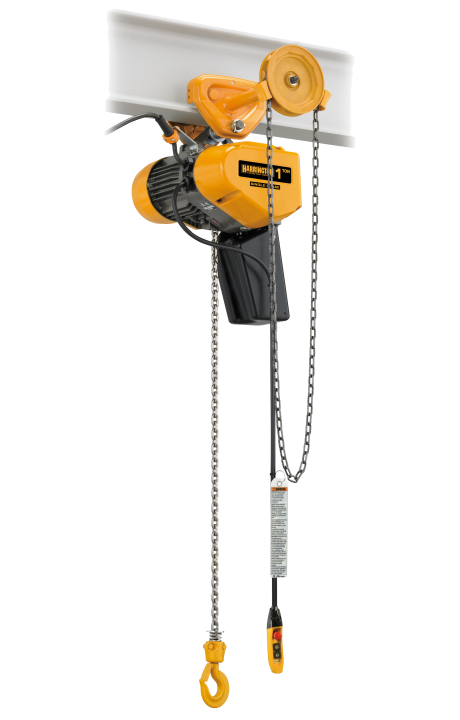
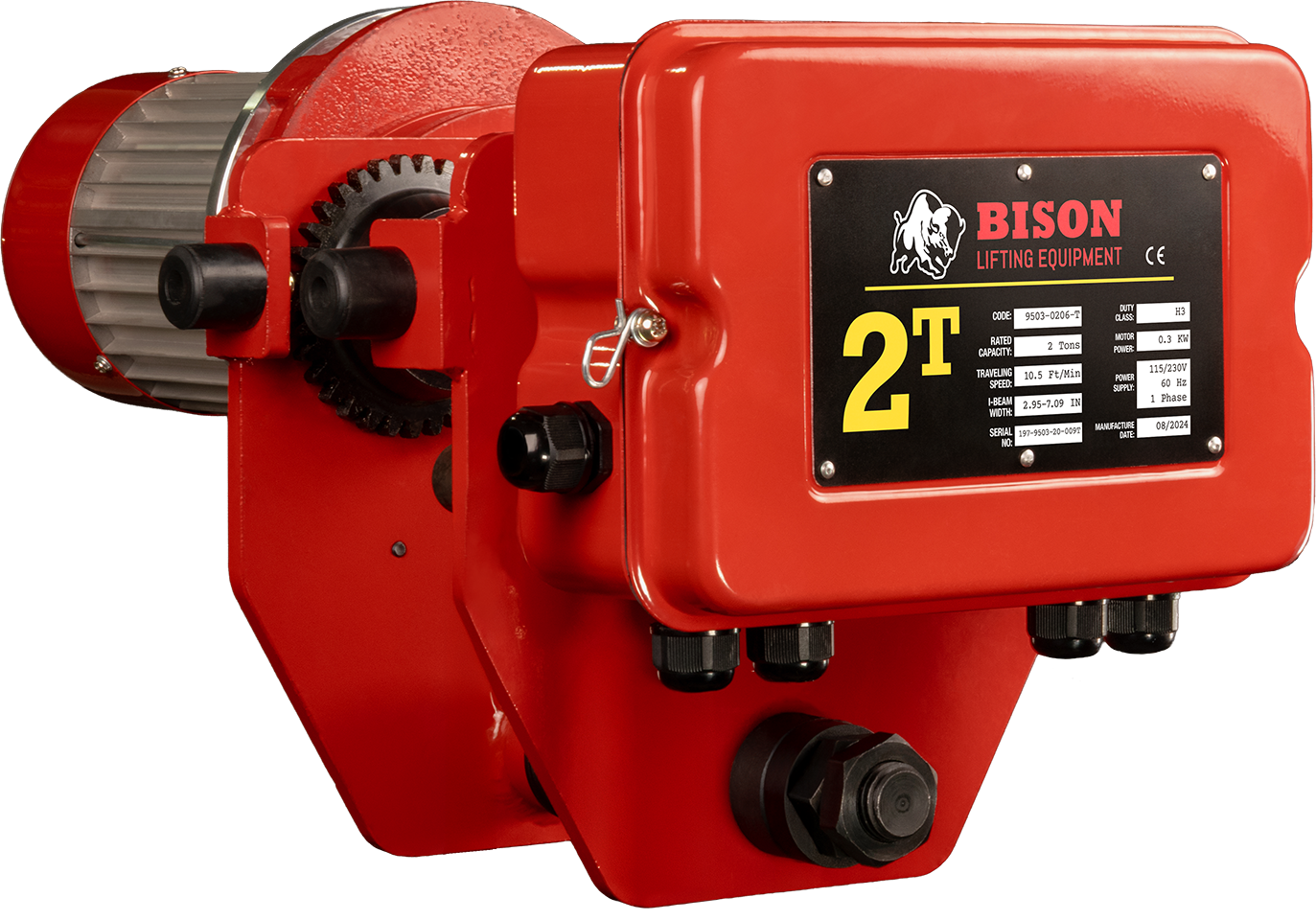
Suspension: hooks, trolleys, and beam clamps. A top hook hangs the hoist from a fixed point and is all many installations need. When the load must travel, the hoist rides a trolley on the beam flange: push trolleys for occasional repositioning, geared trolleys for precise moves with heavy loads, and motorized trolleys when travel is part of every cycle, the P, G, and M in Harrington's model codes. Match the trolley to your beam flange width, and where a hoist package is offered with its trolley, as most Bison electrics are, buy it that way. Harrington's UBC beam clamps, from $187, make rated hang points without a trolley, and its SHB ultra low headroom trolley hoists recover lift height under tight steel. Two reminders: hoist and trolley weight count against the capacity of the jib crane or portable gantry overhead, and Bison's radio remotes replace the pendant when the operator should stand clear.
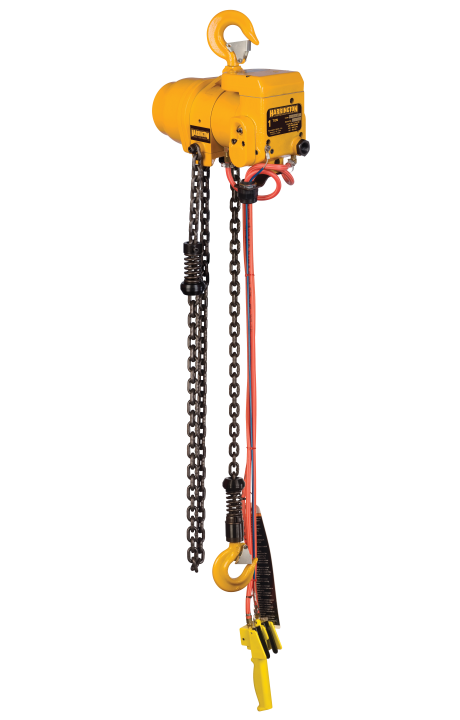
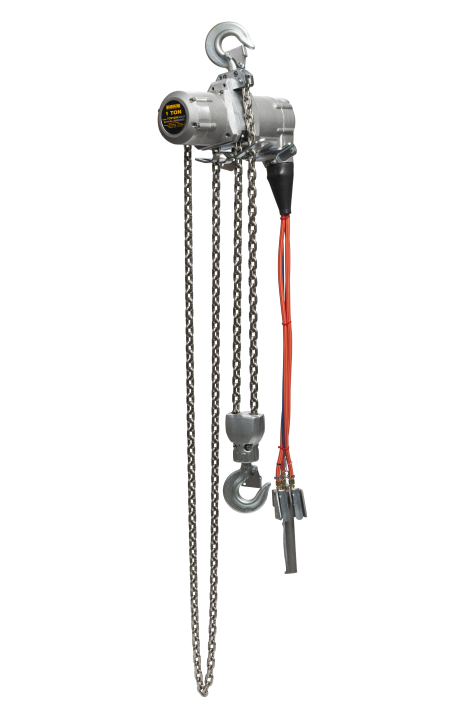
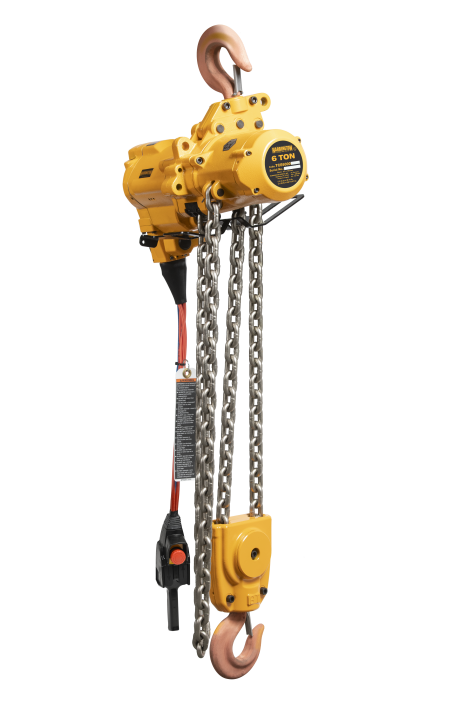
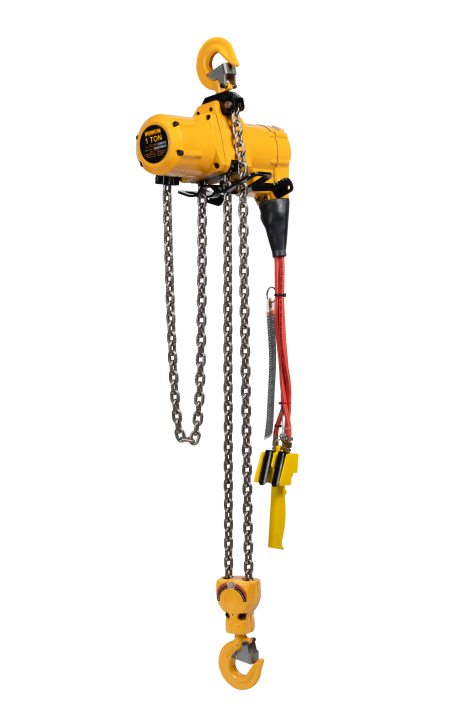
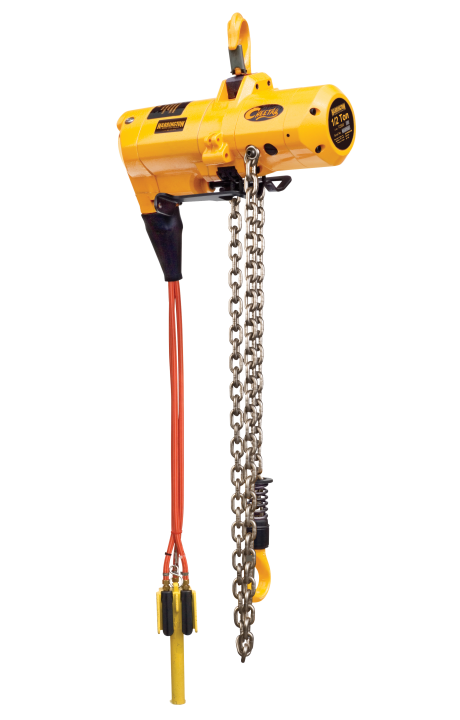
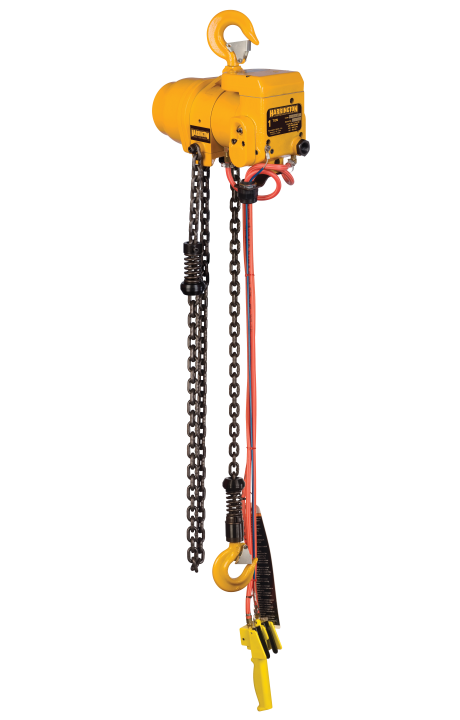
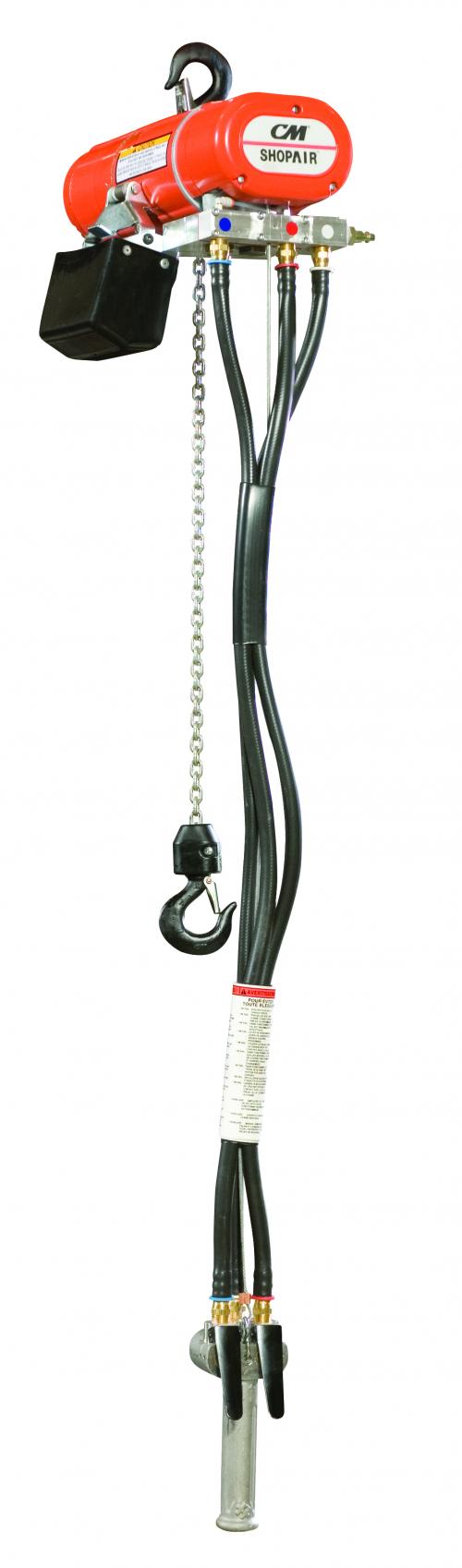
Air hoists, and the inspections everything shares. Harrington owns the air bench here: TCR, TCK, and TCS Cheetah hook mount hoists, lube-free TCL models that will not oil-mist the product below, TWC washdown units, and TCE EX spark resistant hoists for classified areas, with air powered trolleys to match. Air tolerates continuous duty and stall conditions that overheat electric motors, but confirm your compressor can feed the hoist's air demand before committing. Whatever the power source, ASME B30.16 sets the inspection rhythm for overhead hoists: frequent visual inspections, weekly to monthly as service gets heavier, plus documented periodic inspections on a monthly to annual cycle, covering chain wear and stretch, hook throat opening, brake action, and controls. Lever hoists follow the same pattern under B30.21. The discipline is the same as the rest of your rigging: check it before it lifts, write it down on schedule.
Frequently Asked Questions
Buy what your building supplies, then let duty decide the rest. Single phase 115/230 volt hoists run on common shop power and cover most sub-5-ton work. Three phase 230/460 volt units are the production standard, run larger motors to 10 tons here, and offer dual speed control, fast travel plus a slow speed for precise placement, that single phase rarely matches.
The ASME HST standards grade hoists H1 through H5 by how hard they can work. H3 suits standard shop service. H4, the rating Harrington's NER carries with its 60 minute motor, means high volume lifting near rated capacity for up to half the work period. If the hoist runs most of every hour, buy H4; a lighter class at the same tonnage will pass its load test and still wear out early.
Only on models sold as hoist-with-trolley packages, which Bison offers across its electric line. Otherwise the trolley is a separate line item: push, geared, or motorized, sized to your beam flange width. Harrington's UBC beam clamps are the alternative for a fixed hang point, and remember hoist plus trolley weight counts against the capacity of whatever they hang from.
A hand chain hoist lifts vertically under an overhead point and is the better pure lifter. A lever hoist works in any direction, lifting, pulling, dragging, and tensioning, which makes it the rigger's tool for positioning loads, fleeting machinery, and field work. Shops that own both reach for the lever hoist far more often than they expected.
Three cases: classified areas where an electric motor is a hazard, met by the spark resistant TCE EX line; washdown and food environments, met by the TWC and lube-free TCL models; and continuous duty cycles that overheat electric hoists. The trade is infrastructure, since the compressor has to supply the hoist's air demand at working pressure.
ASME B30.16 requires frequent visual inspections, weekly to monthly depending on service, and documented periodic inspections on a monthly to annual cycle by a designated person, covering chain, hooks, brake, and controls. Lever hoists follow ASME B30.21 on the same rhythm. Keep the periodic records; they are what an auditor asks for.