Forklift Attachments
A forklift attachment turns the truck you already own into a crane, a drum handler, a hopper carrier, or a sweeper, which is usually far cheaper than buying the dedicated machine. We stock the working range from Star Industries, Vestil, Tandemloc, and Morse: jibs and booms to 10,000 lb, fork-mounted hooks from $91, self-dumping hoppers, fork extensions, replacement forks in ITA Class 2 through 4, and drum attachments that pour a 55-gallon drum from the seat. Two facts sit over every purchase here. First, hanging anything on the forks changes the truck's rated capacity, and rarely in your favor. Second, OSHA 1910.178 has specific paperwork for non-factory attachments. The guide below covers both before it gets to the hardware, because they decide what you can safely buy.
Shop Forklift Truck Attachments by Category
Compare Forklift Truck Attachments
| Model | Price | Capacity | |
|---|---|---|---|
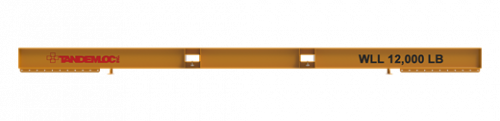
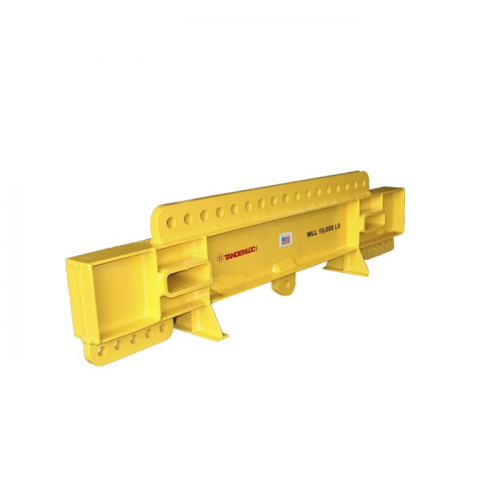
| Tandemloc Forklift Spreader Bar with Multiple Padeyes | $15,634 | 12,000 lb | View → |
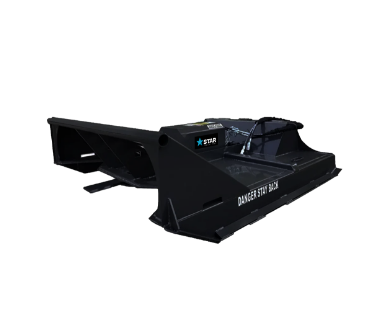
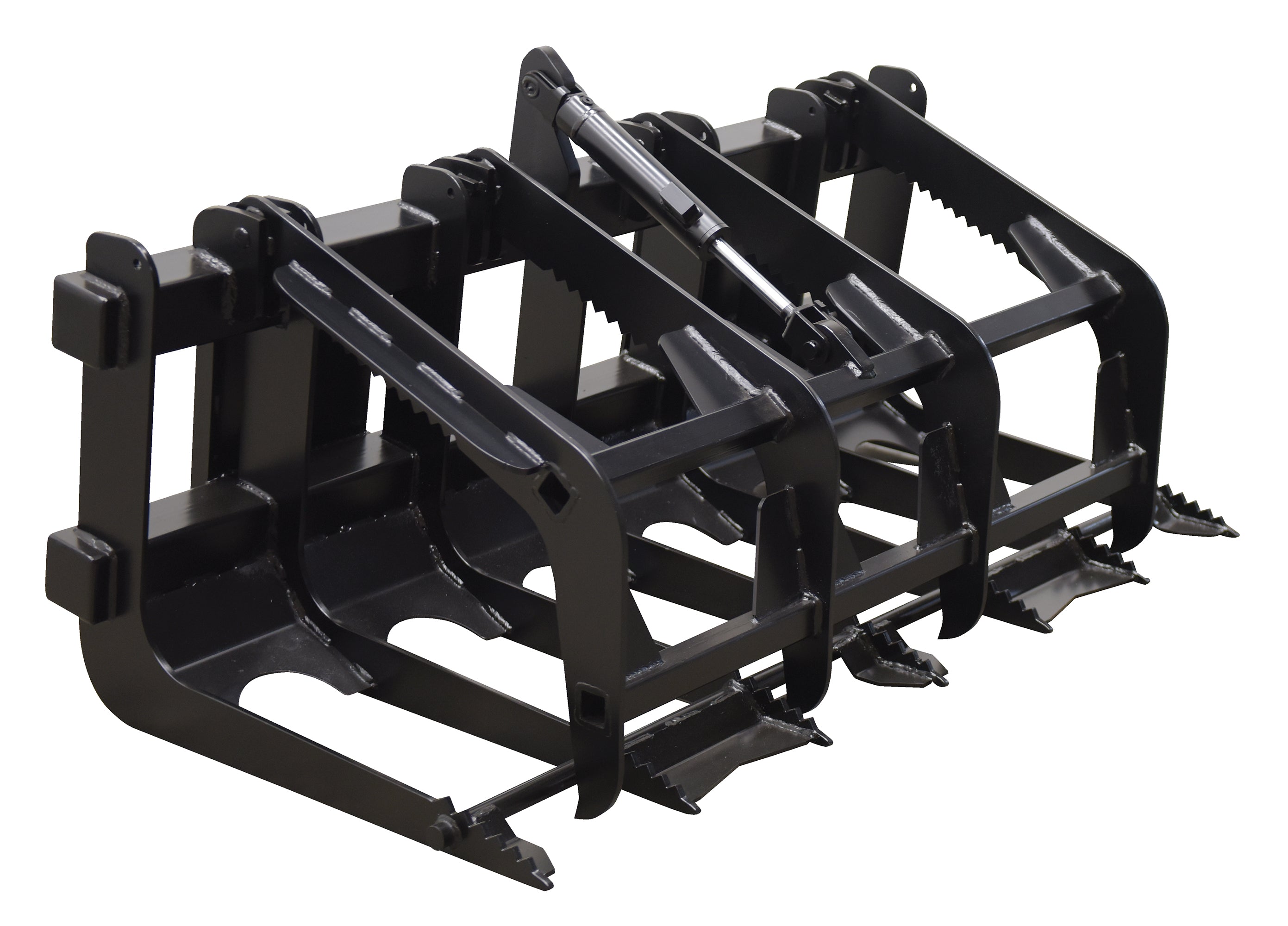
| Star Industries Skid Steer Attachments - Brush Cutter, Power Rake & Trencher | $12,923 | — | View → |
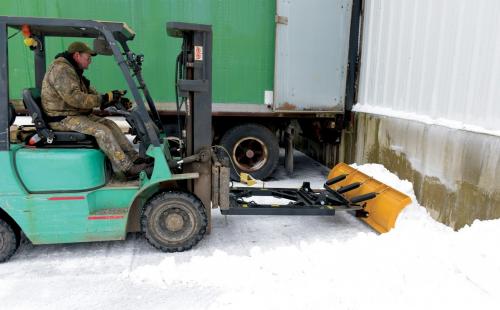
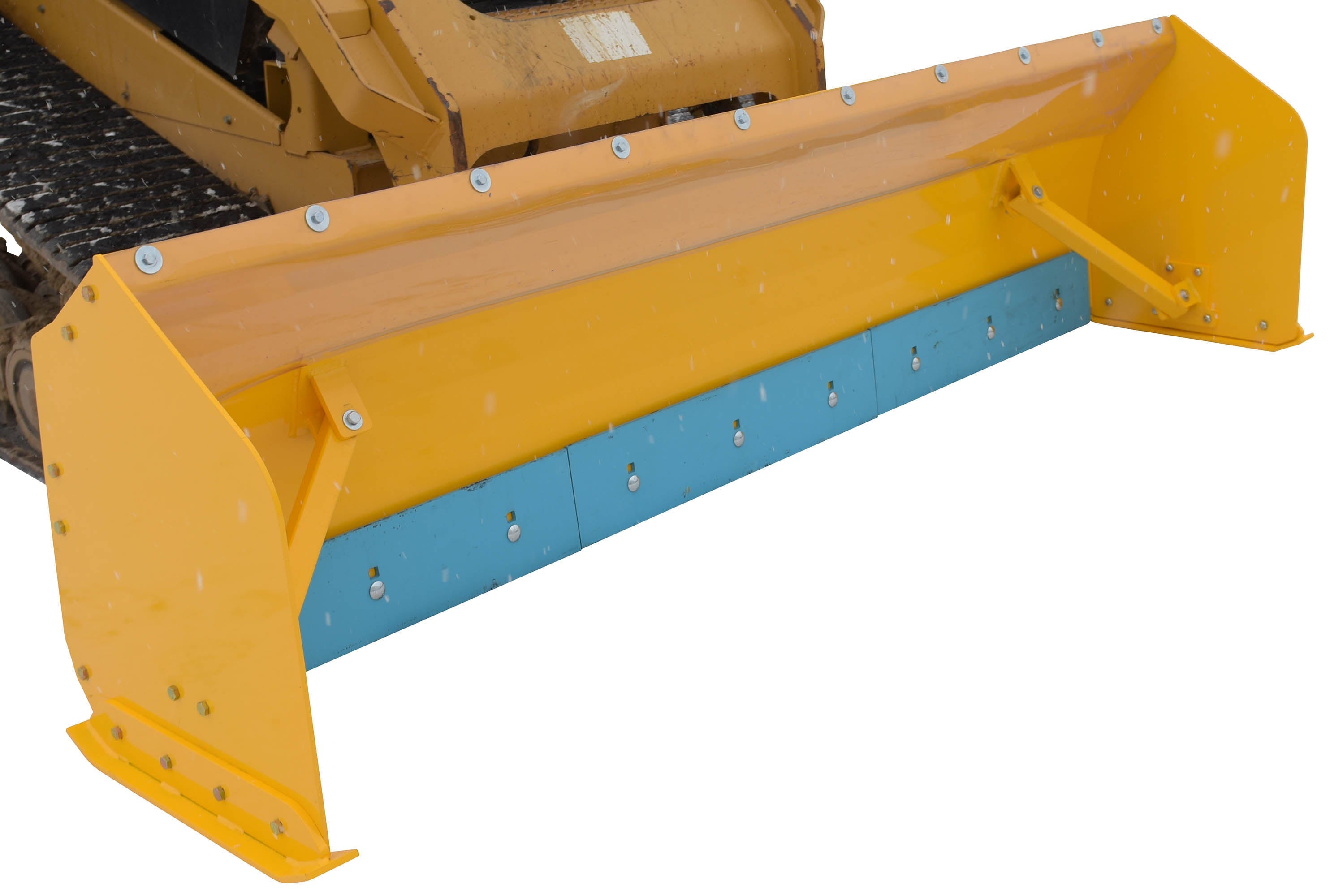
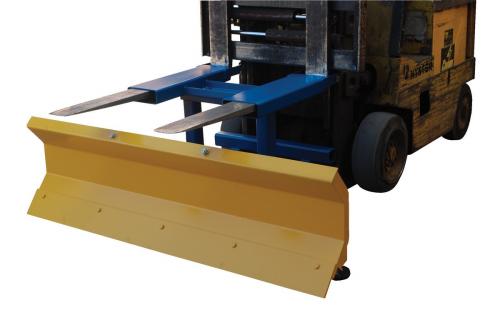
| Vestil Fork Mounted Snow Plow Blades | $10,416 | — | View → |
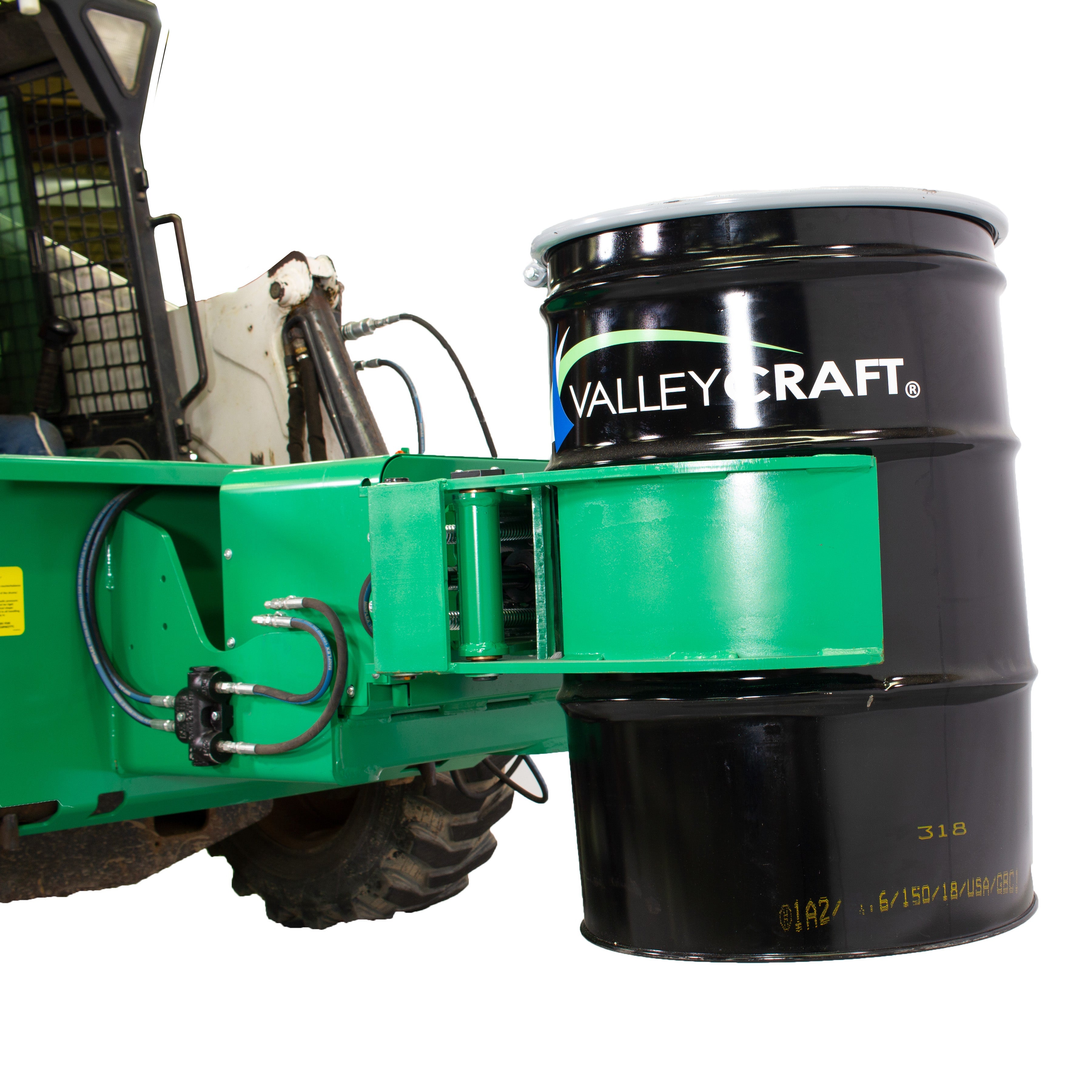
| Valley Craft Drum Clamp & Rotate Powered Skid Steer Attachments | $7,745 | 2,000 lb | View → |
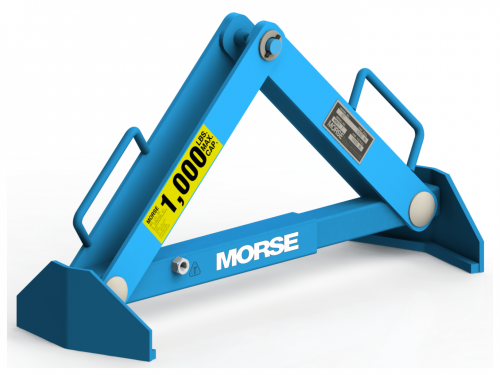
| Tandemloc Forklift Multi-Pick Spreader Beam | $6,132 | 10,000 lb | View → |
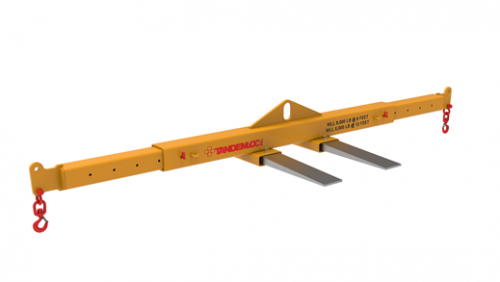
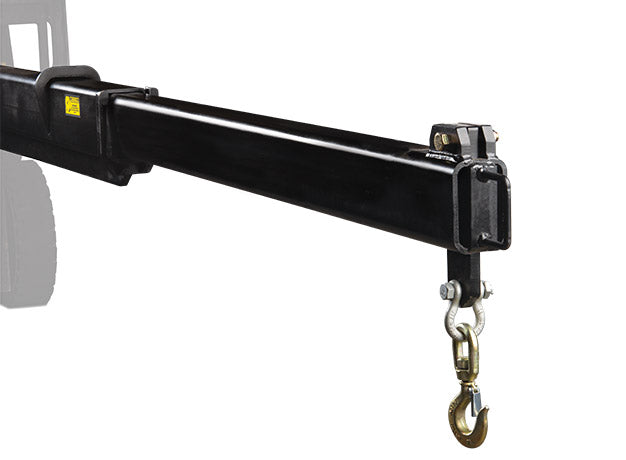
| Tandemloc Telescopic Forklift Lifting Beam | $5,883 | 5,000-8,000 lb | View → |
 In Stock
 In Stock
 In Stock
 In Stock
 In Stock
 In Stock
 In Stock
 In Stock
 In Stock
 In Stock
 In Stock
 In Stock
 In Stock
 In Stock
 In Stock
 In Stock
 In Stock
 In StockIn Stock
 In Stock
 In Stock
 In Stock
 In Stock
 In Stock
 In StockIn Stock
 In Stock
 In Stock
 In Stock
 In StockIn Stock
 In Stock
 In Stock
 In Stock
 In StockIn Stock
 In Stock
 In Stock
 In StockIn Stock
 In Stock
 In Stock
 In Stock
 In Stock
 In Stock
 In Stock
 In Stock
 In Stock
 In Stock
 In Stock
 In Stock
 In Stock
 In StockIn Stock
 In Stock
 In Stock
 In Stock
 In Stock
 In StockIn StockIn StockIn StockIn Stock
 In Stock
 In StockIn StockIn StockIn StockIn StockIn StockIn StockIn StockIn StockIn StockIn Stock
 In StockIn Stock
 In Stock
 In Stock
 In Stock
 In Stock
 In StockIn Stock
 In StockIn StockIn Stock
Forklift Truck Attachments Buying Guide
Every attachment changes the truck's capacity. A forklift's data plate rates it at a stated load center, commonly 24 in from the fork face. An attachment attacks that rating from two directions: its own weight comes straight off what the truck can lift, and most attachments also push the load's center of gravity further out, which cuts capacity a second time through the longer lever arm. A telescoping jib extended to full reach can turn a 5,000 lb truck into a machine that safely handles a fraction of that. Reputable attachment makers publish capacity charts by boom position and load center; read them against your truck's data plate before buying, not after. The attachment's own rating is a ceiling, never a promise: a 6,000 lb jib on a small truck lifts what the derated truck allows, and nothing more.
The paperwork is part of the installation. OSHA 1910.178(a)(4) requires the truck manufacturer's prior written approval for modifications and additions that affect capacity and safe operation, and 1910.178(a)(5) requires that a truck fitted with non-factory front-end attachments be marked to identify the attachment and show the approximate weight of the truck and attachment combination at maximum elevation with the load laterally centered. In practice that means contacting your truck dealer or manufacturer when you add an attachment, and getting the data plate updated to reflect the combination. It is a modest administrative step, it is what an OSHA inspector checks first, and it forces the derating math from the section above to actually get done. Operators must also be trained on the truck as equipped, since a jib or hopper changes how it handles.
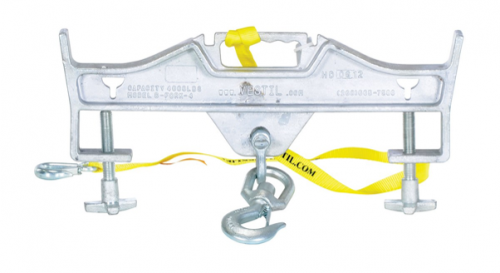
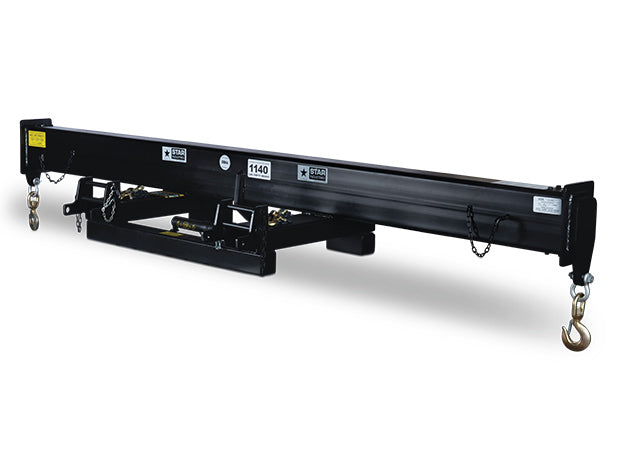
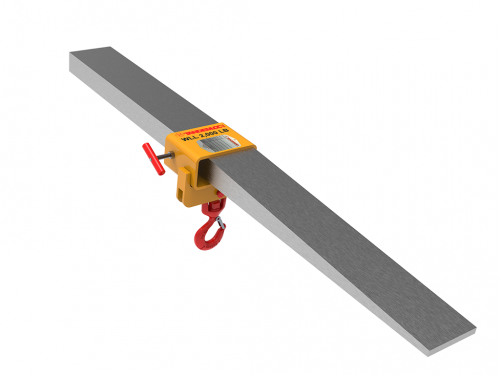
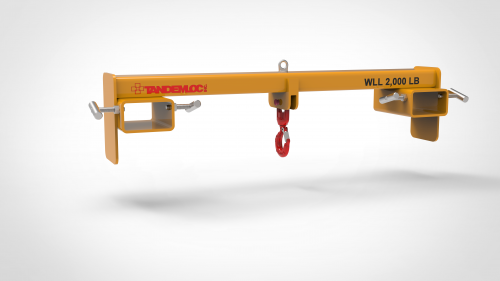
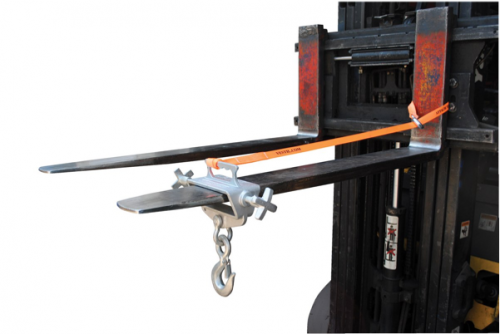
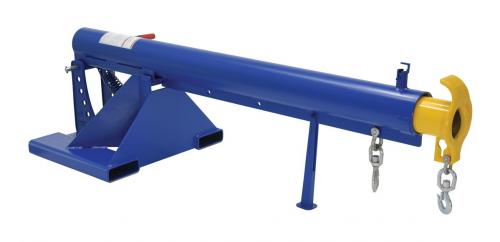
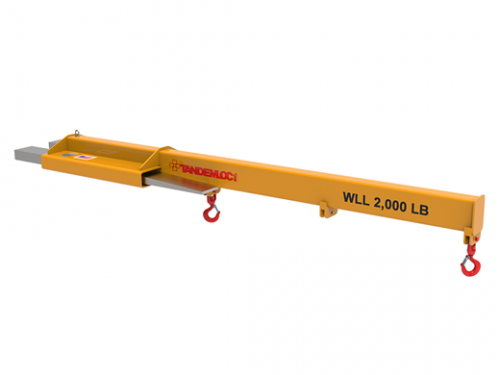
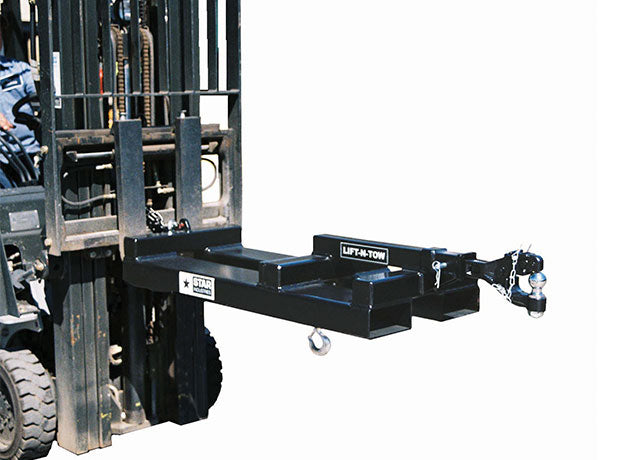
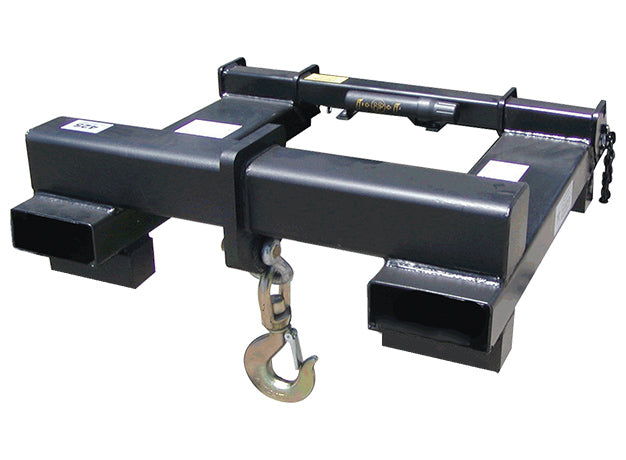
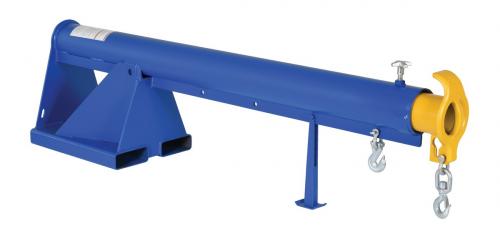
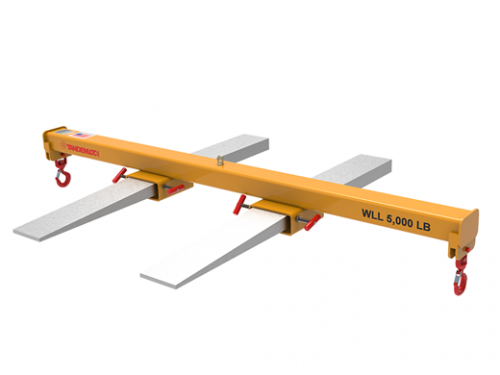
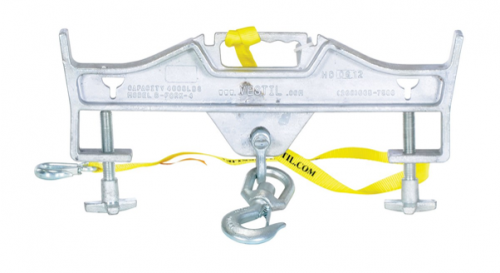
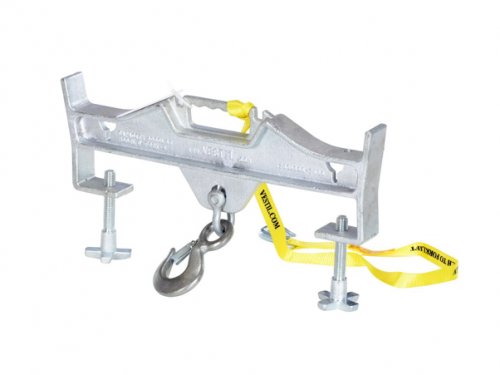
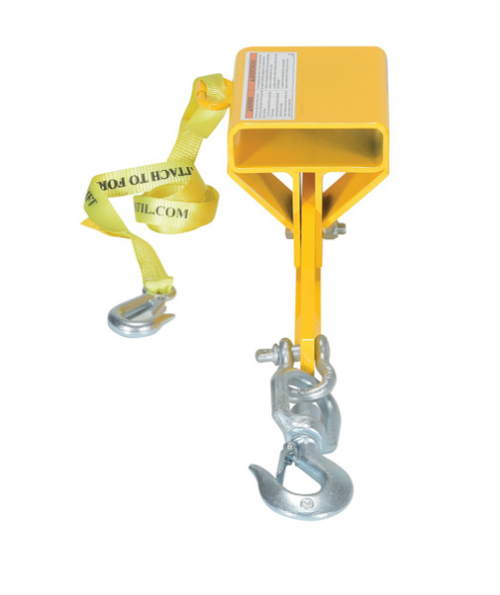
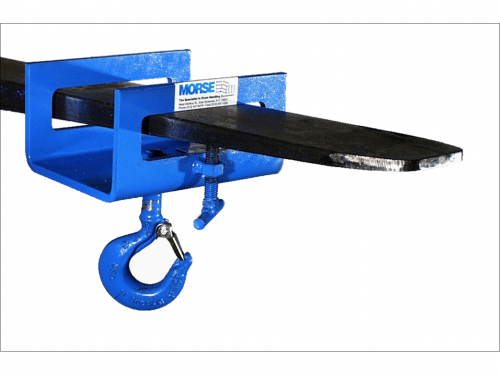
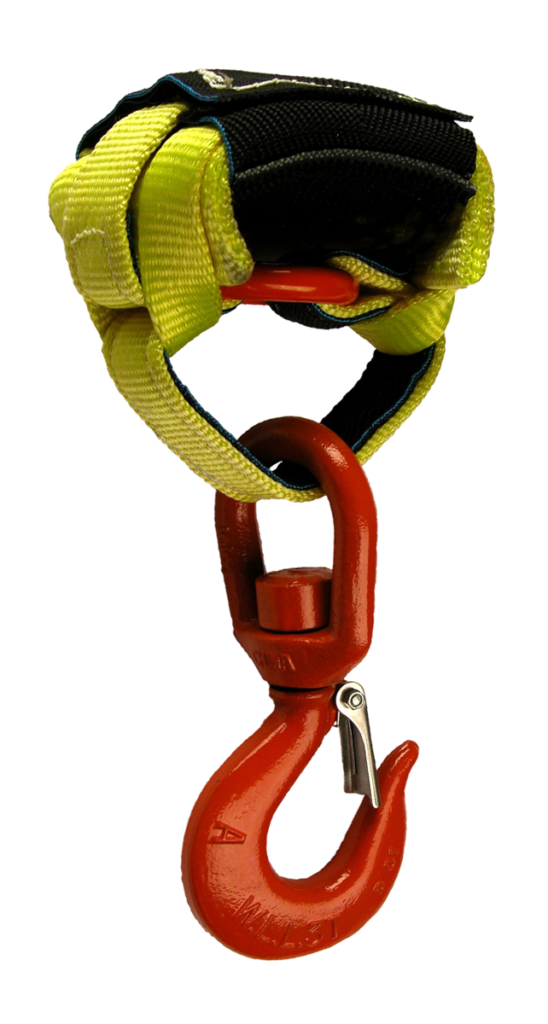
Jibs, hooks, and booms: the forklift as a crane. The forklift jibs and hooks collection is the biggest lever in the catalog: it gives a forklift a crane hook for slinging loads that forks cannot enter. Fork-mounted hooks are the simple end, Vestil single-tine and double units from $91 to about $330 in 4,000 and 10,000 lb ratings, with swivel-latch versions that let the load rotate. Star's heavy-duty jibs carry 6,000 lb from about $2,100, Vestil telescoping booms reach 3,000 lb with tilt options, and Tandemloc builds fork beams and multi-pick spreader beams to 10,000 and 12,000 lb for loads that need more than one pick point. Below the hook, ordinary rigging rules take over: shackles and slings sized to the load, and the sling angle math no different than under a crane.
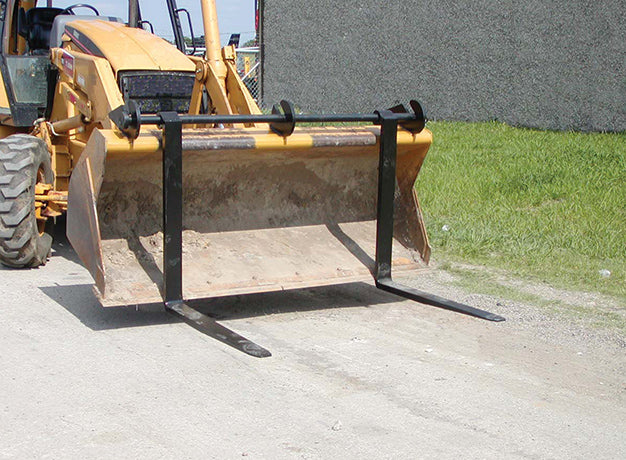
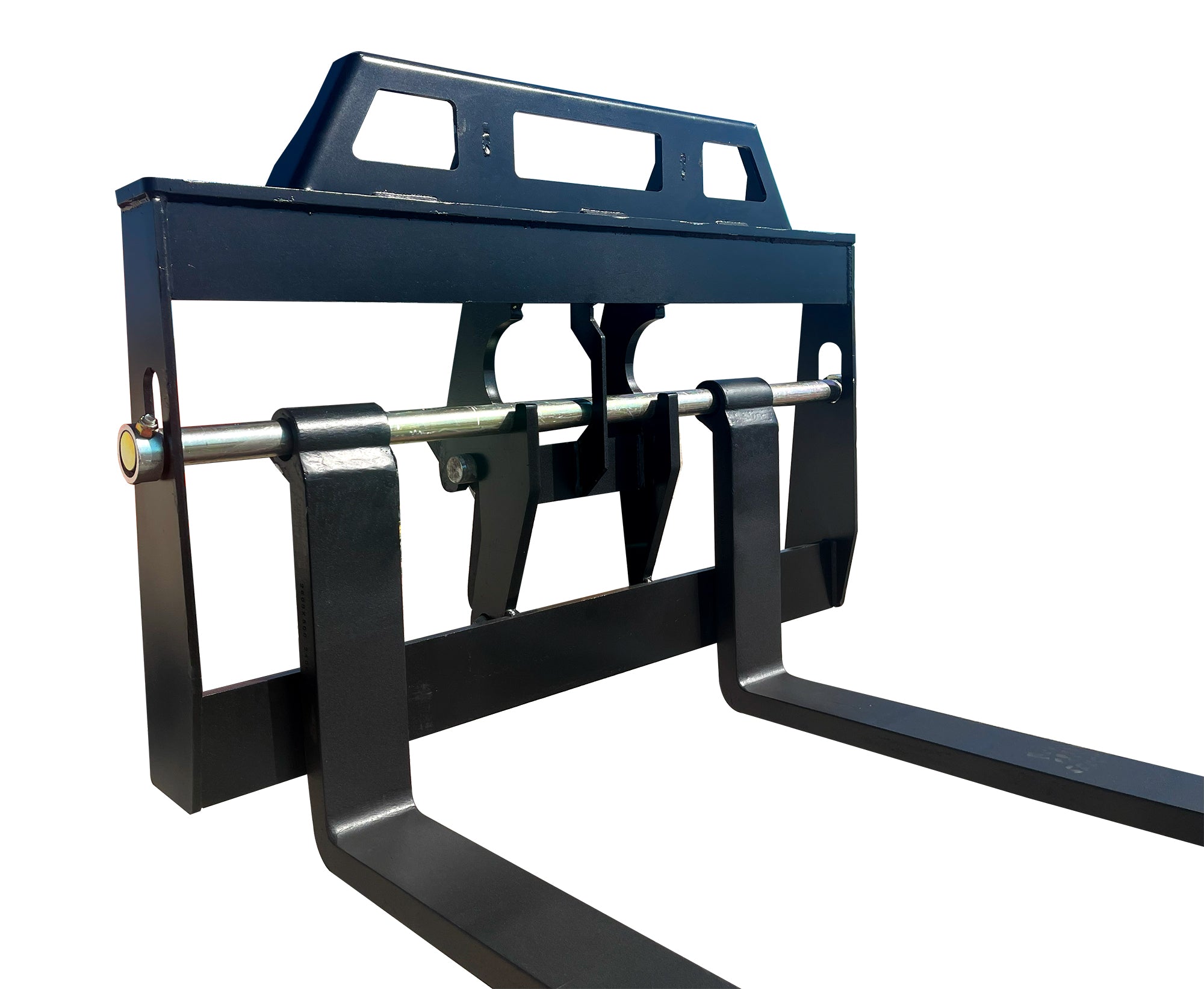
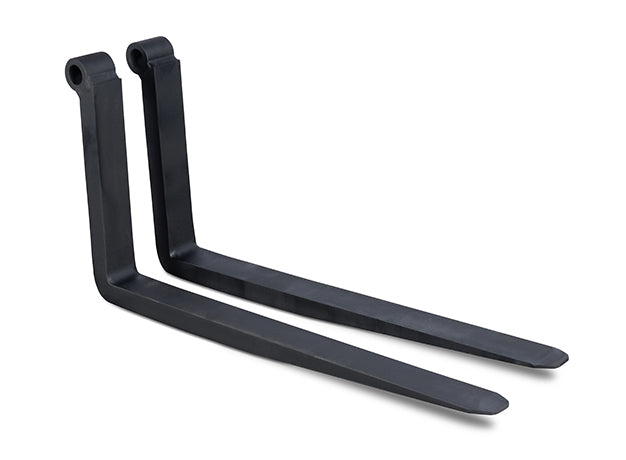
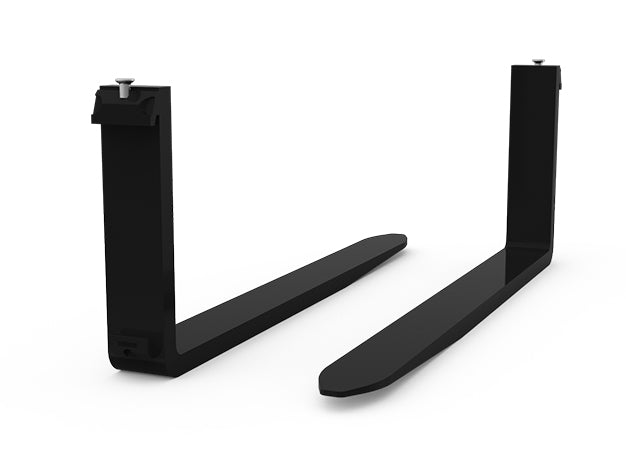
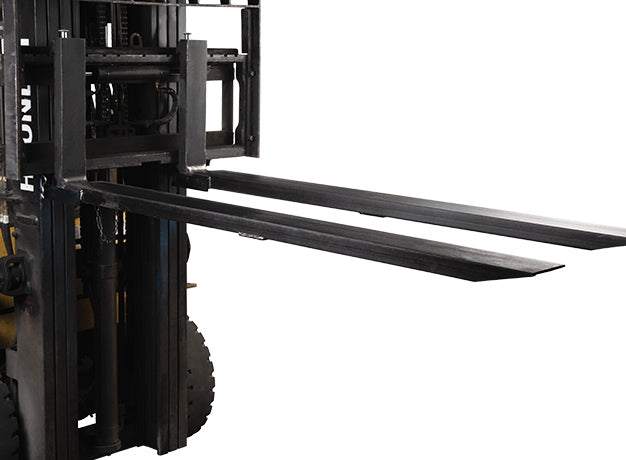
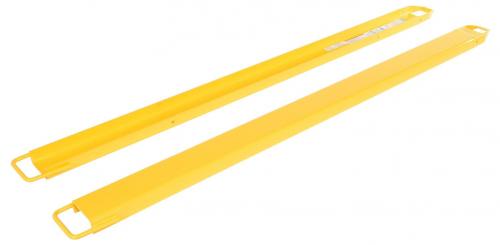
Fork extensions and replacement forks. Fork extensions slide over the existing forks to support deep loads, double-length pallets, crated machinery, and they carry a hard rule from the forklift design standard ANSI/ITSDF B56.1: extensions must not exceed 150 percent of the supporting fork's length, so 48 in forks take 72 in extensions at most. Vestil extensions start around $240. The same collection carries replacement and dedicated forks, where the spec that matters is the ITA carriage class: Class 2 forks hang on a 16 in carriage, Class 3 on 20 in, Class 4 on 25 in, and the class rises with truck capacity. Star covers Class 2 through 4 pallet and block forks, plus shaft-mounted forks matched to specific telehandlers, Skytrak, JLG, Genie, Gehl, CAT and others, where the shaft diameter must match exactly.
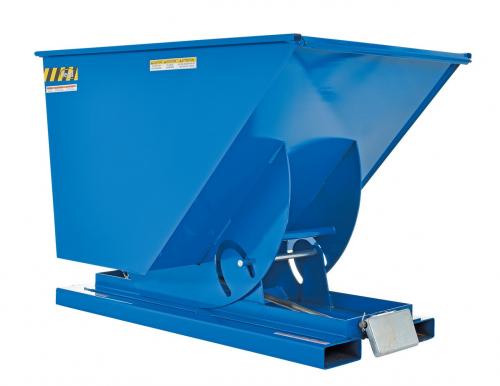
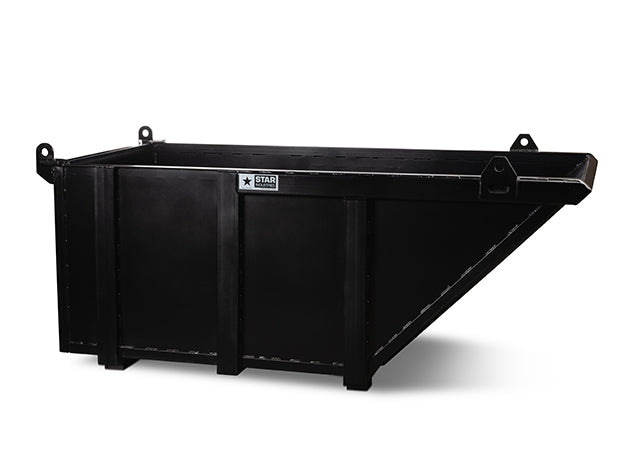
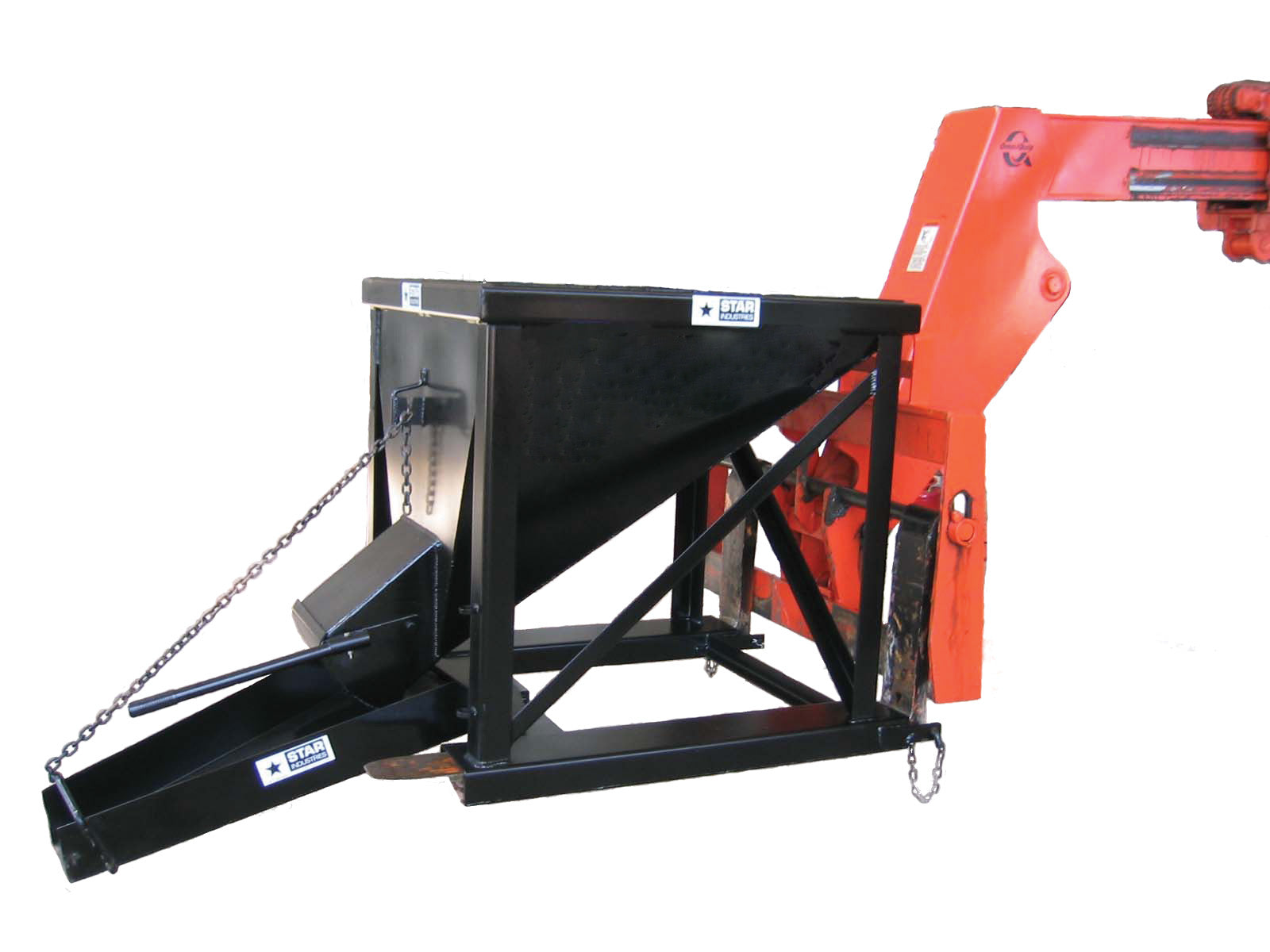
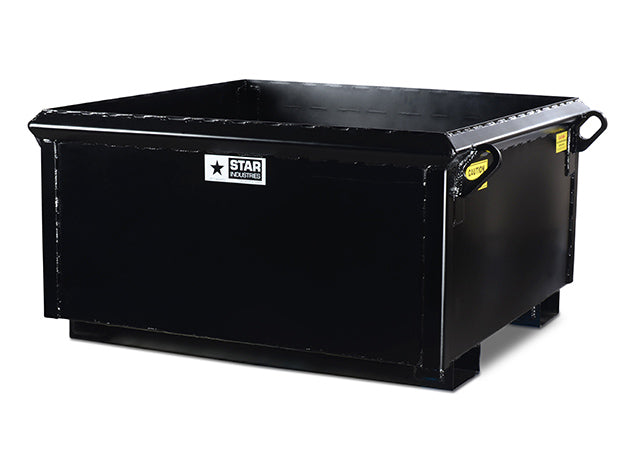
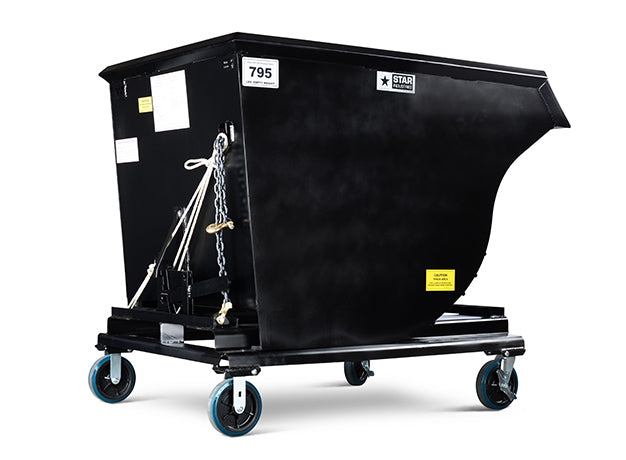
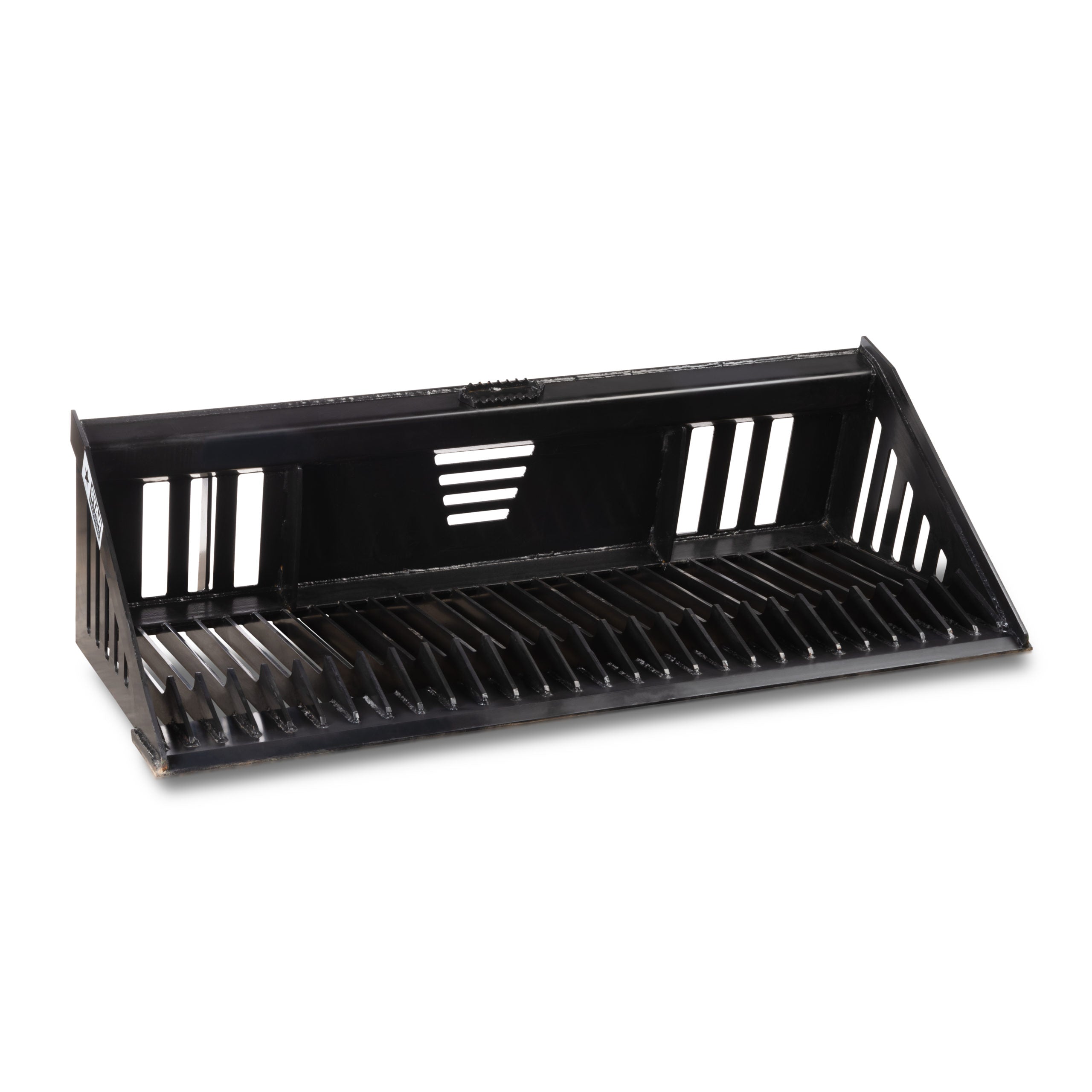
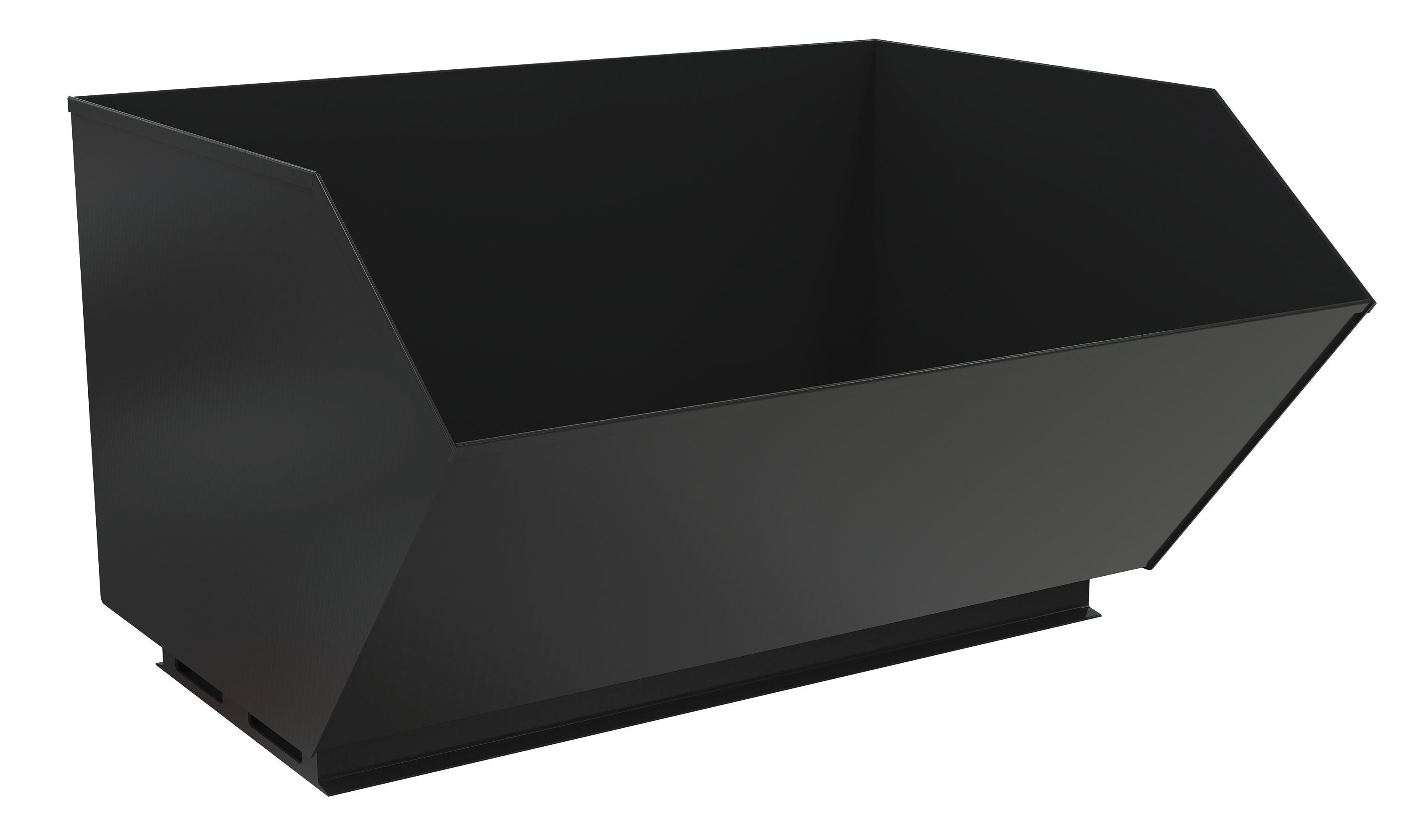
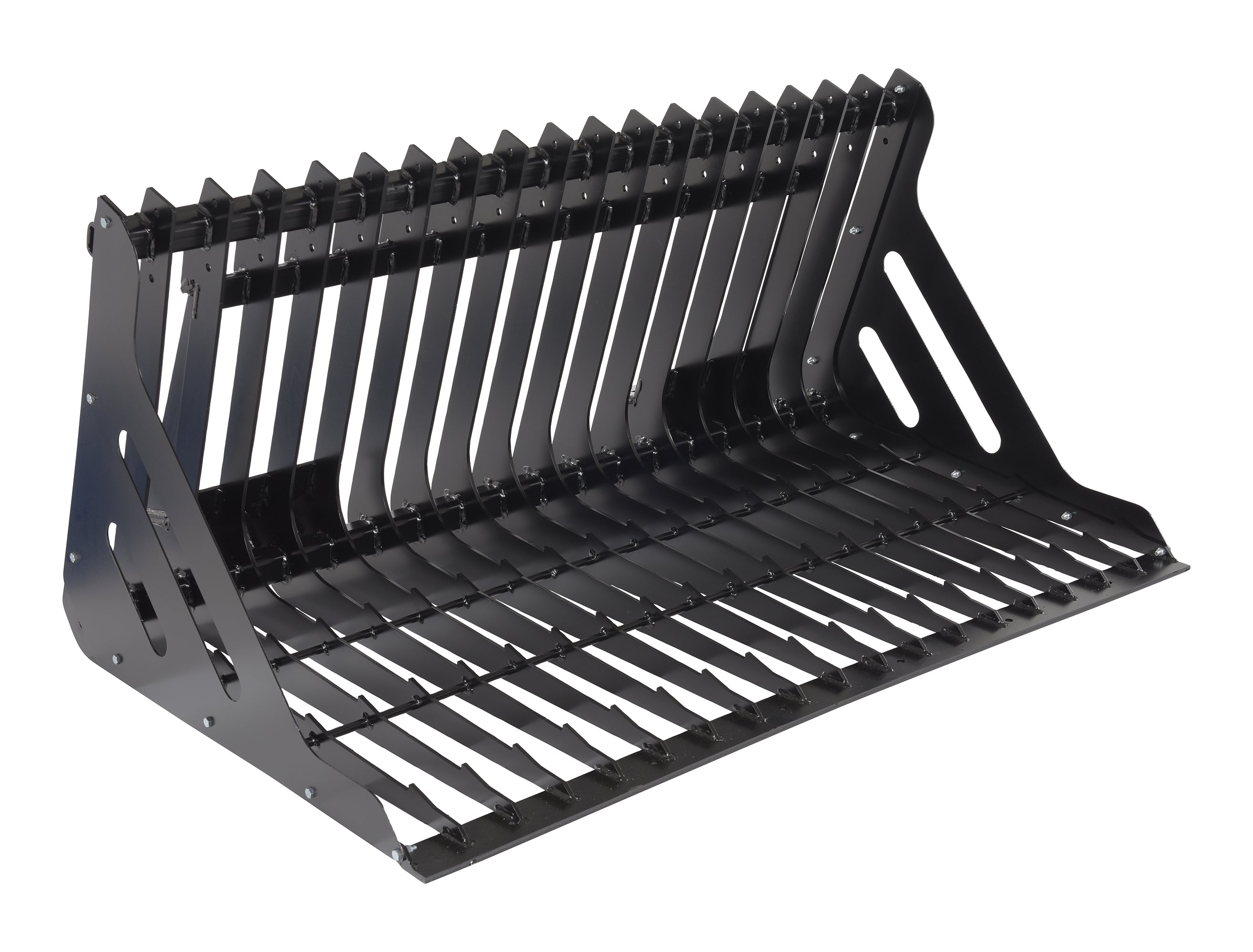
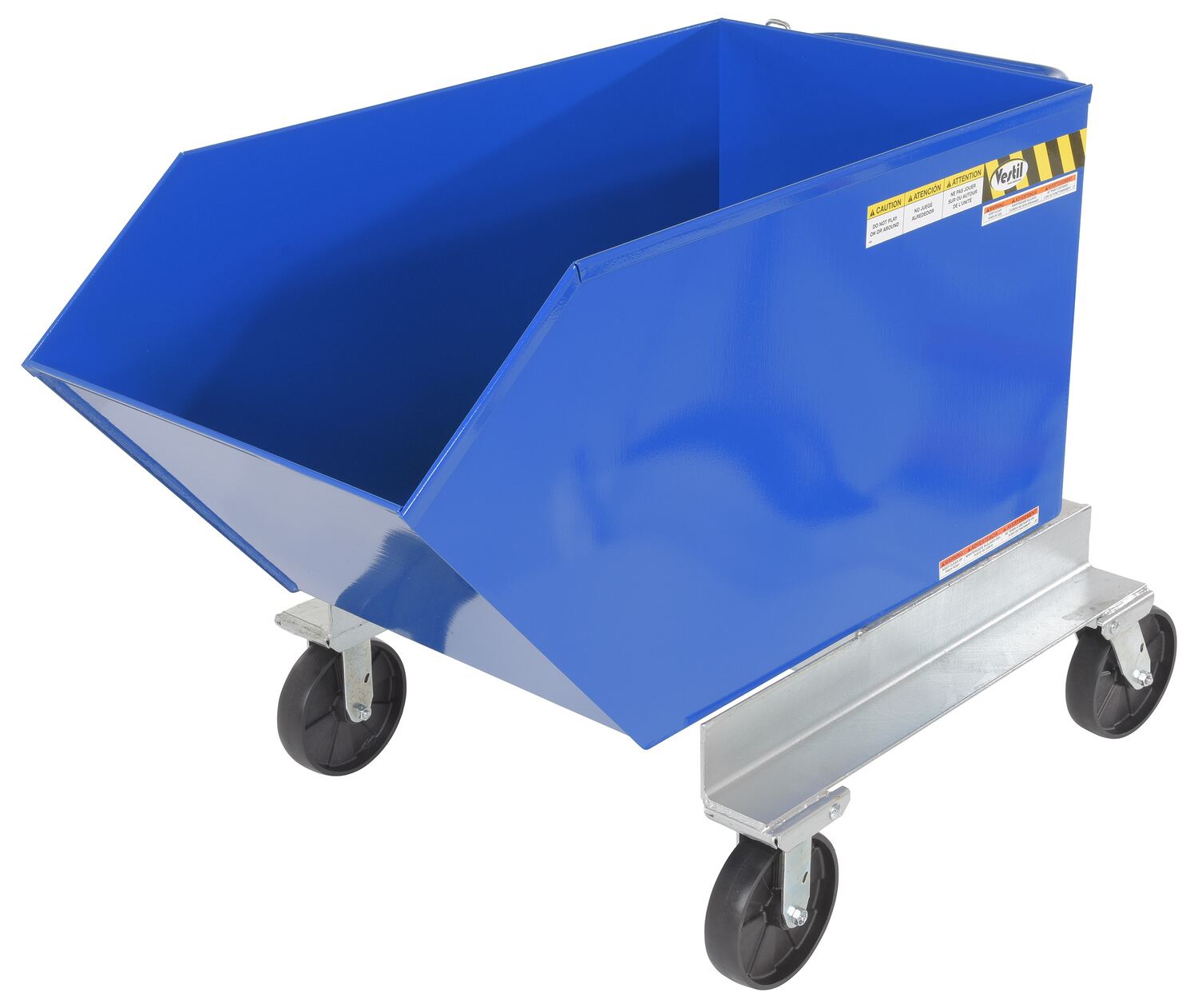
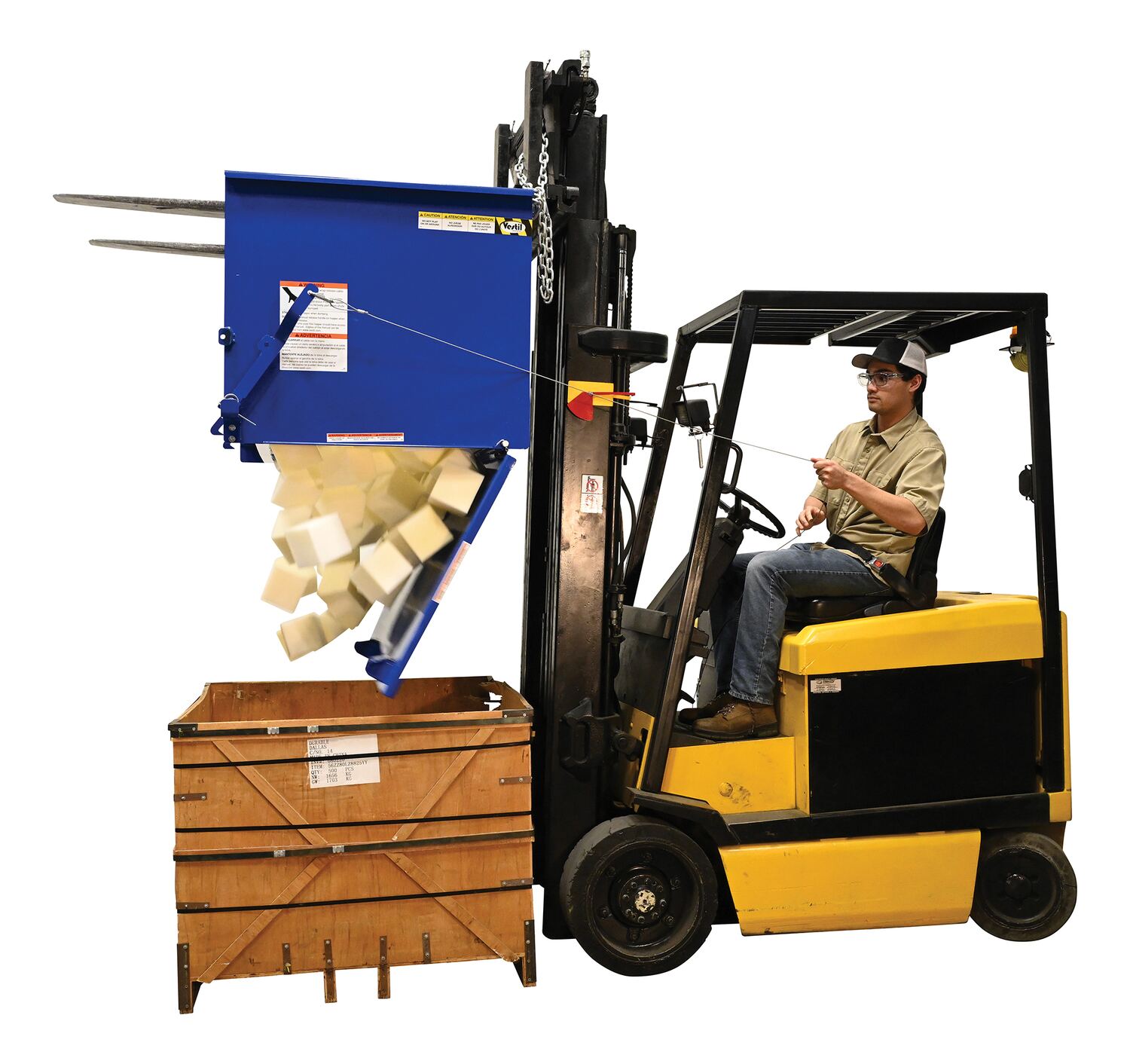
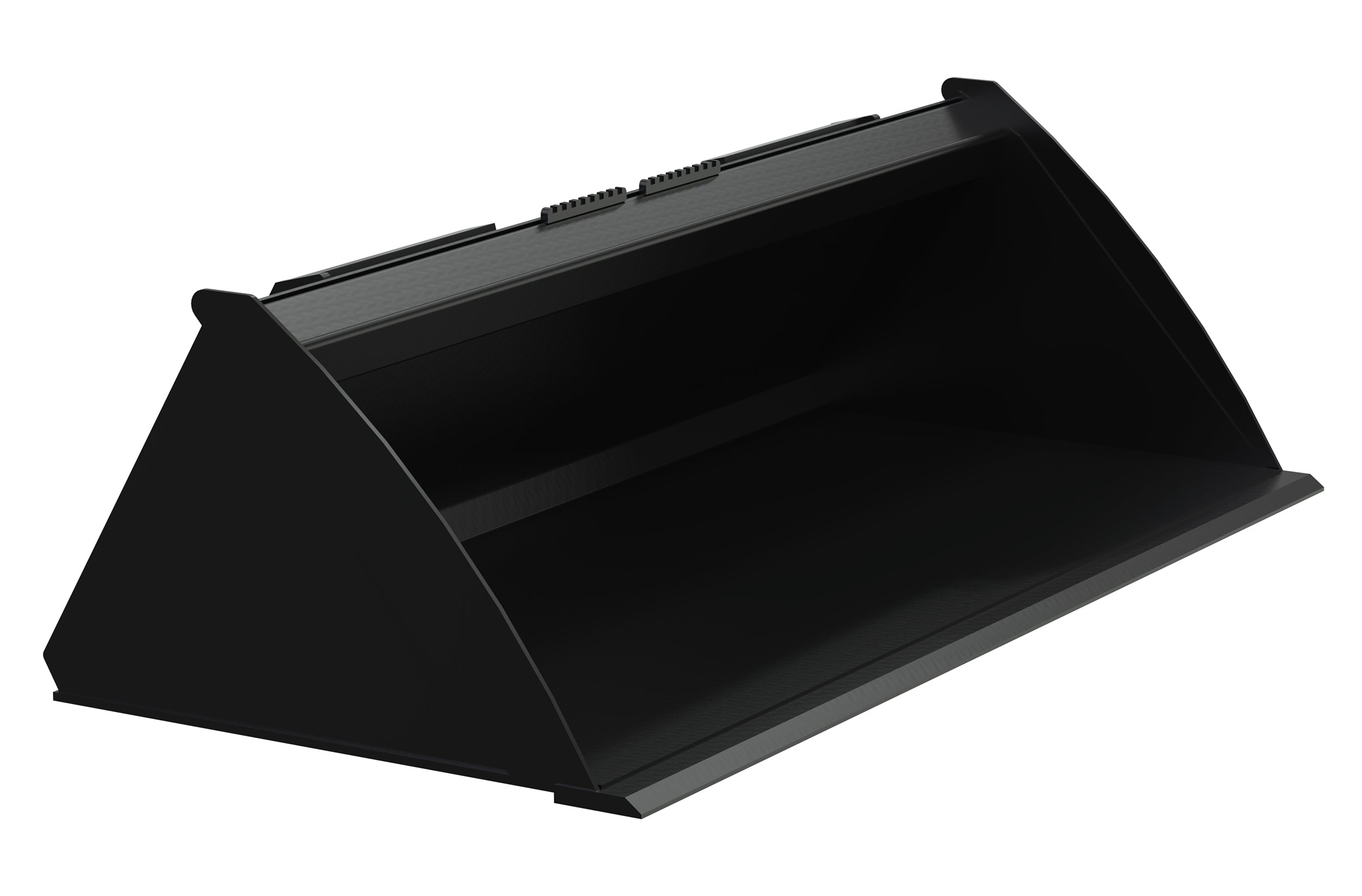
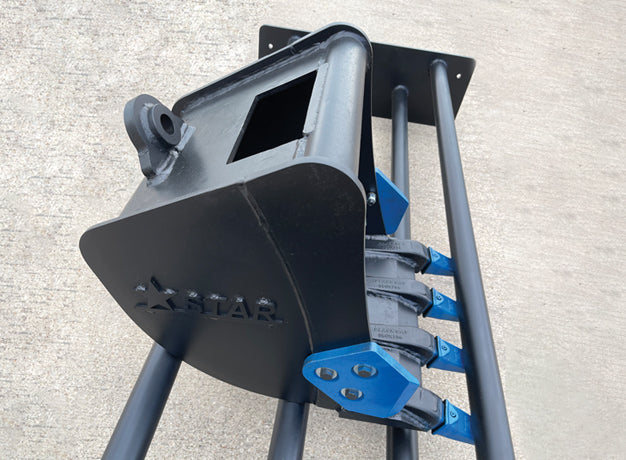
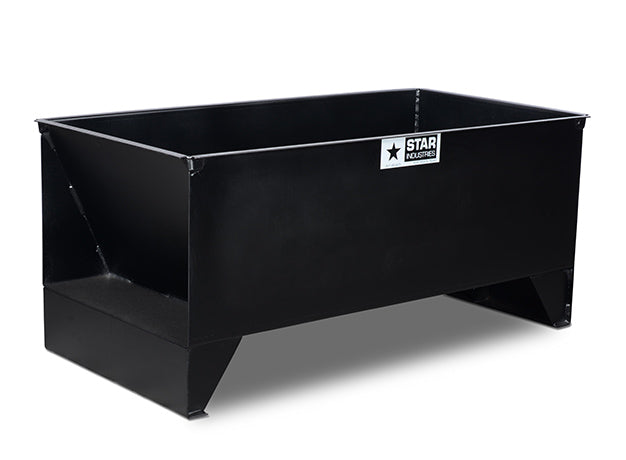
Hoppers: making the forklift move scrap and rubble. A forklift hopper rides the forks to the dumpster and empties itself; the operator trips the latch from the seat and the hopper rotates, dumps, and self-rights. Star's self-dump hoppers carry up to 4,000 lb from about $2,400, Vestil's light-duty steel hoppers start around $700, and wheeled versions from about $940 double as floor-level collection carts between lifts. The same collection covers the construction-side variants: concrete hoppers and mortar tubs for placing mix by forklift or telehandler, skeleton buckets that sift debris from soil, and crane-liftable trash skips to 13,000 lb for sites where material moves by hook as well as by fork. Sizing is simple: match the hopper's rated capacity to the density of what goes in it, because a hopper of demolition rubble weighs several times a hopper of packing waste.
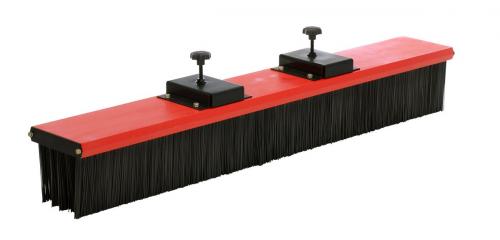
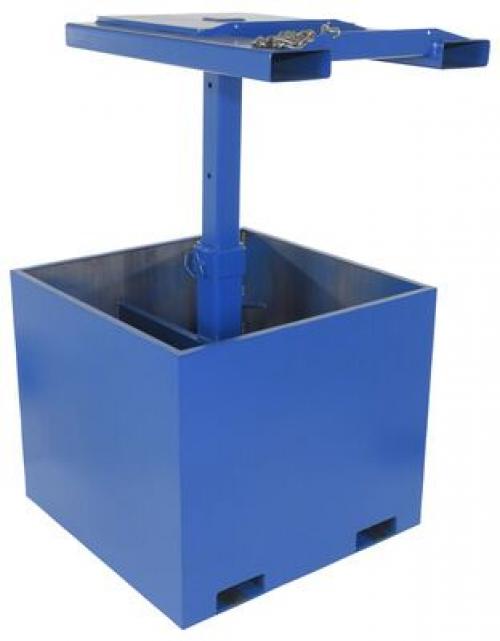
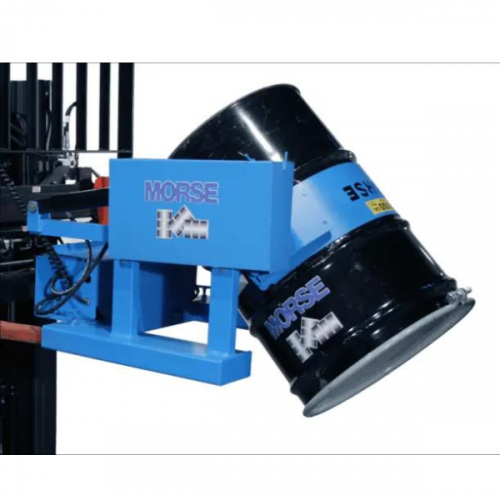
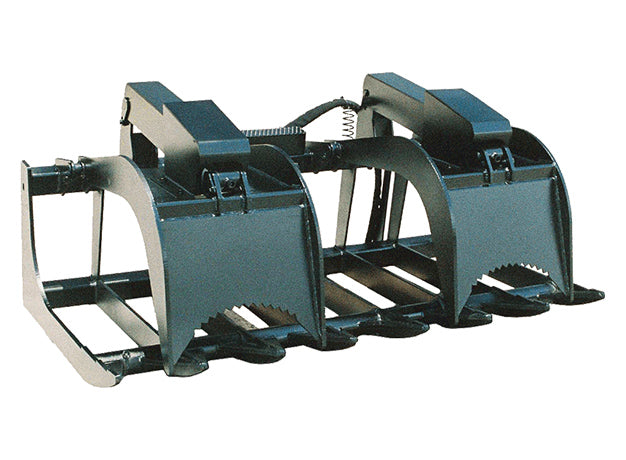
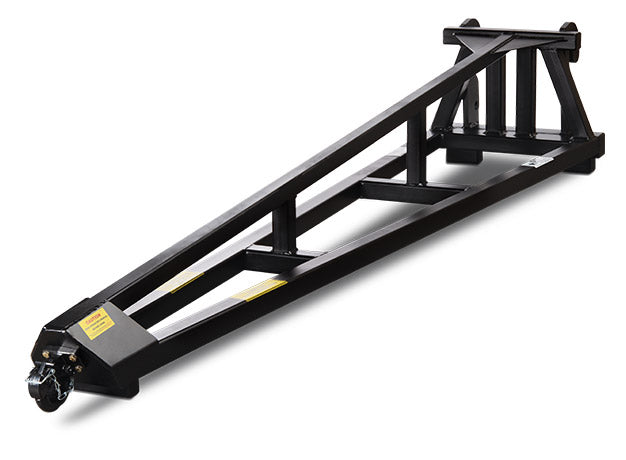
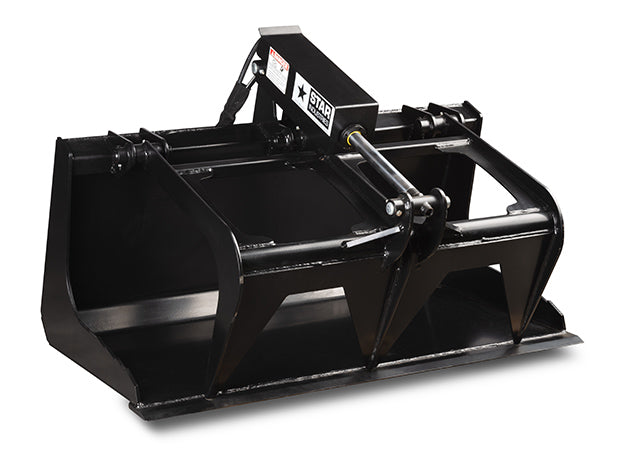
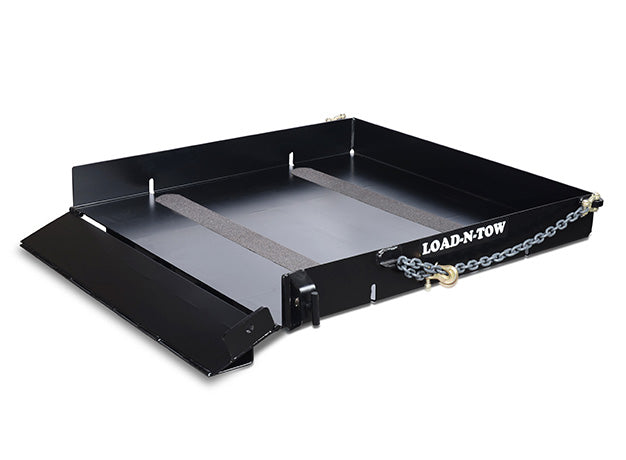
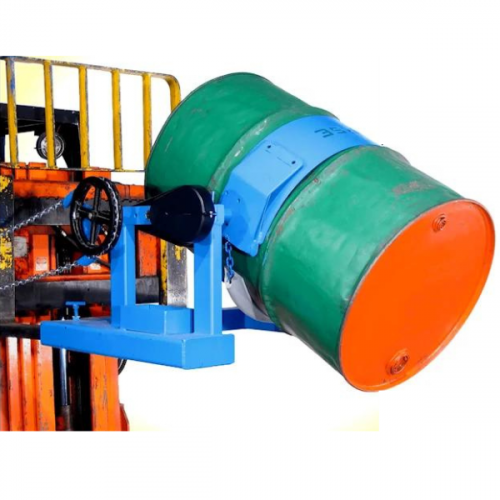
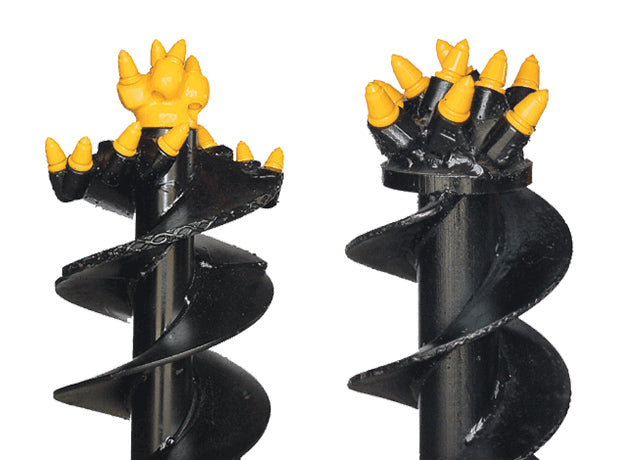
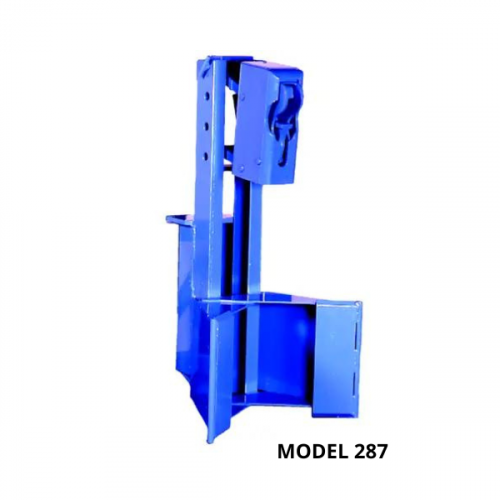
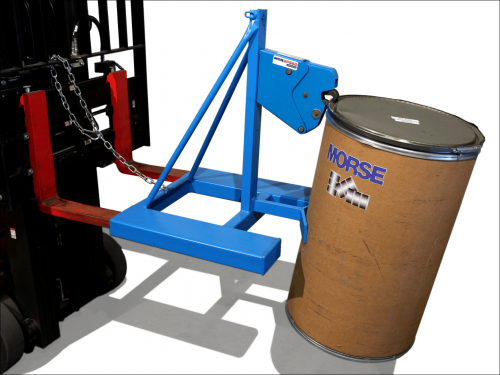
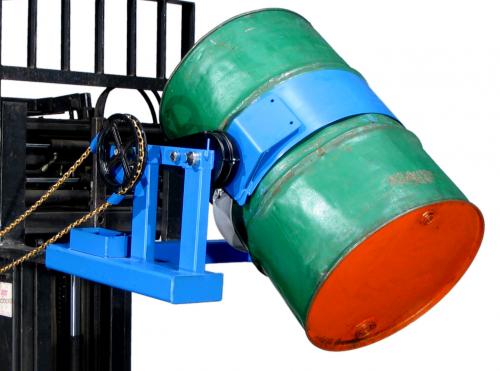
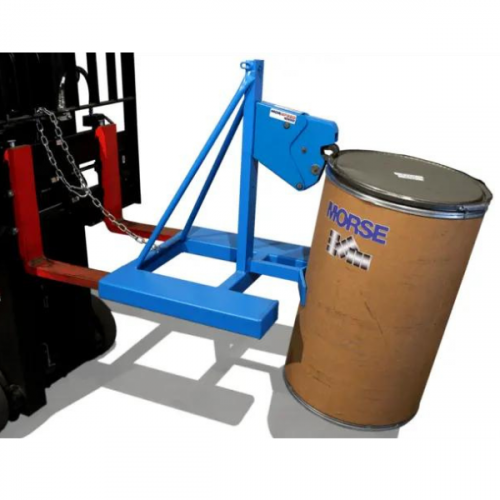
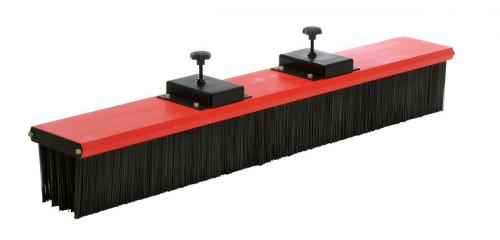
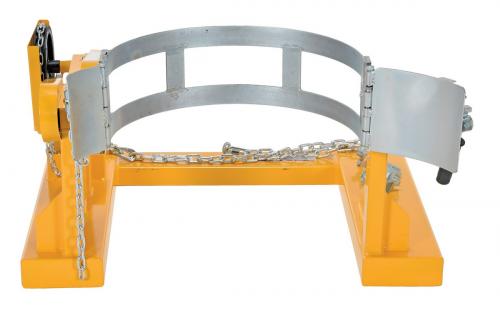
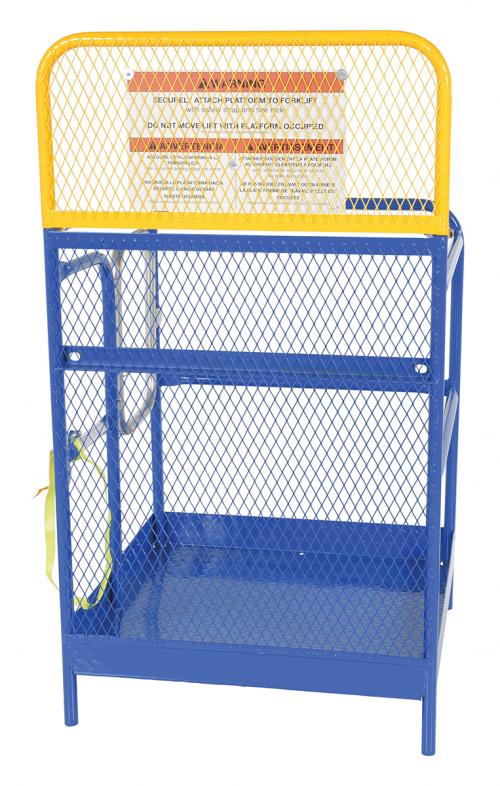
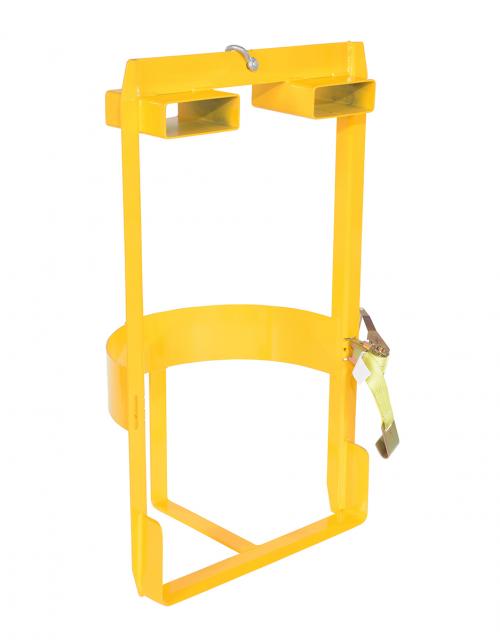
Drum handling, buckets, and the specialist rack. Morse owns the drum problem: fork-mounted drum lifters from about $257, MORSPEED handlers that grab a steel drum at 1,000 or 1,500 lb, and turn-and-pour attachments, manual tilt from about $1,060 or power-tilt to $6,600, that let one operator dispense from a 55-gallon drum without leaving the seat. For machines that are not forklifts, the skid steer attachments collection carries root grapples, grab buckets, and Star's brush cutter, power rake, and trencher heads. The rest of the answers live in specialist forklift attachments: 48 and 60 in sweeper brushes, snow plows and pushers, trash compactors, safety work platforms, truss booms to 10,000 lb, and telehandler carriages. If a job has the truck idle while workers do something by hand nearby, there is probably an attachment for it here.
Frequently Asked Questions
If the attachment affects capacity or safe operation, yes: OSHA 1910.178(a)(4) requires the truck manufacturer's prior written approval, and 1910.178(a)(5) requires the truck be marked to identify a non-factory front-end attachment and show the combined weight of truck and attachment at maximum elevation. Contact your truck dealer when you add one and get the data plate updated.
It depends on the attachment's weight and how far it moves the load center out. The attachment's weight subtracts directly, and added load-center distance cuts capacity a second time through the longer lever arm, which is why a telescoping jib at full extension may leave a small fraction of the truck's plated rating. Use the attachment maker's capacity chart against your truck's data plate for the real number.
Under ANSI/ITSDF B56.1, fork extensions must not exceed 150 percent of the length of the forks supporting them, so 48 in forks cap out at 72 in extensions. Longer than that, the bending load on the fork heels becomes unsafe, and the fix is proper longer forks rather than bigger extensions.
Measure the carriage bar height: Class 2 carriages measure 16 in, Class 3 measures 20 in, and Class 4 measures 25 in, with class rising alongside truck capacity. Order replacement forks to that class. Telehandlers with shaft-mounted forks are a separate system where the shaft diameter and machine model must match exactly.
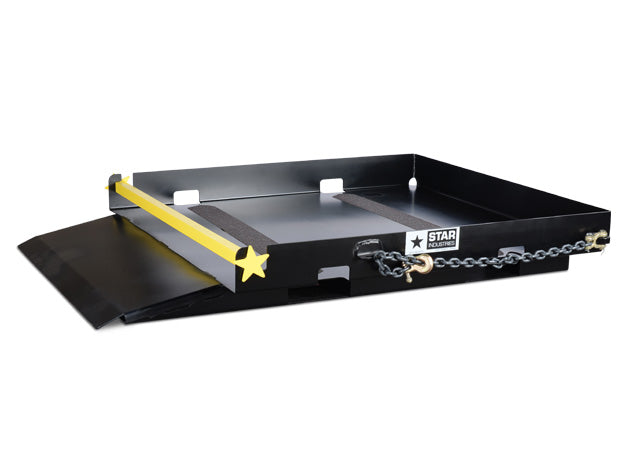
Only on a platform built for the purpose, like the Star safety work platforms, never on forks or a pallet. The platform must be secured to the truck, the combination falls under the same 1910.178 attachment and marking rules, and the operator stays at the controls while anyone is elevated. Treat it as an occasional-use tool, not a substitute for an aerial lift.