Waste Handling Equipment
Waste handling equipment is what a busy plant uses to get scrap, cardboard, and floor debris out the door before any of it becomes a pile someone trips over or a fire marshal writes up. This hub sits under facilities maintenance and splits the work three ways: compacting recyclables into bales, tipping bulk scrap into a dumpster without anyone lifting it, and sweeping the ferrous shrapnel that flattens forklift tires. The gear is Vestil and Valley Craft, and it spans a wide price range, from a roughly $25 magnetic push sweeper to a cardboard baler past $15,000. It is organized by what the waste is doing rather than what it is made of, because that is how the problem shows up on the floor: something needs crushing, something needs dumping, something needs sweeping. The three tiles below are those three jobs. Buy for the volume you actually generate, not the volume you hope to.
Shop Trash Collection & Recycling by Category
Compare Trash Collection & Recycling
| Model | Price | Power | Capacity | |
|---|---|---|---|---|
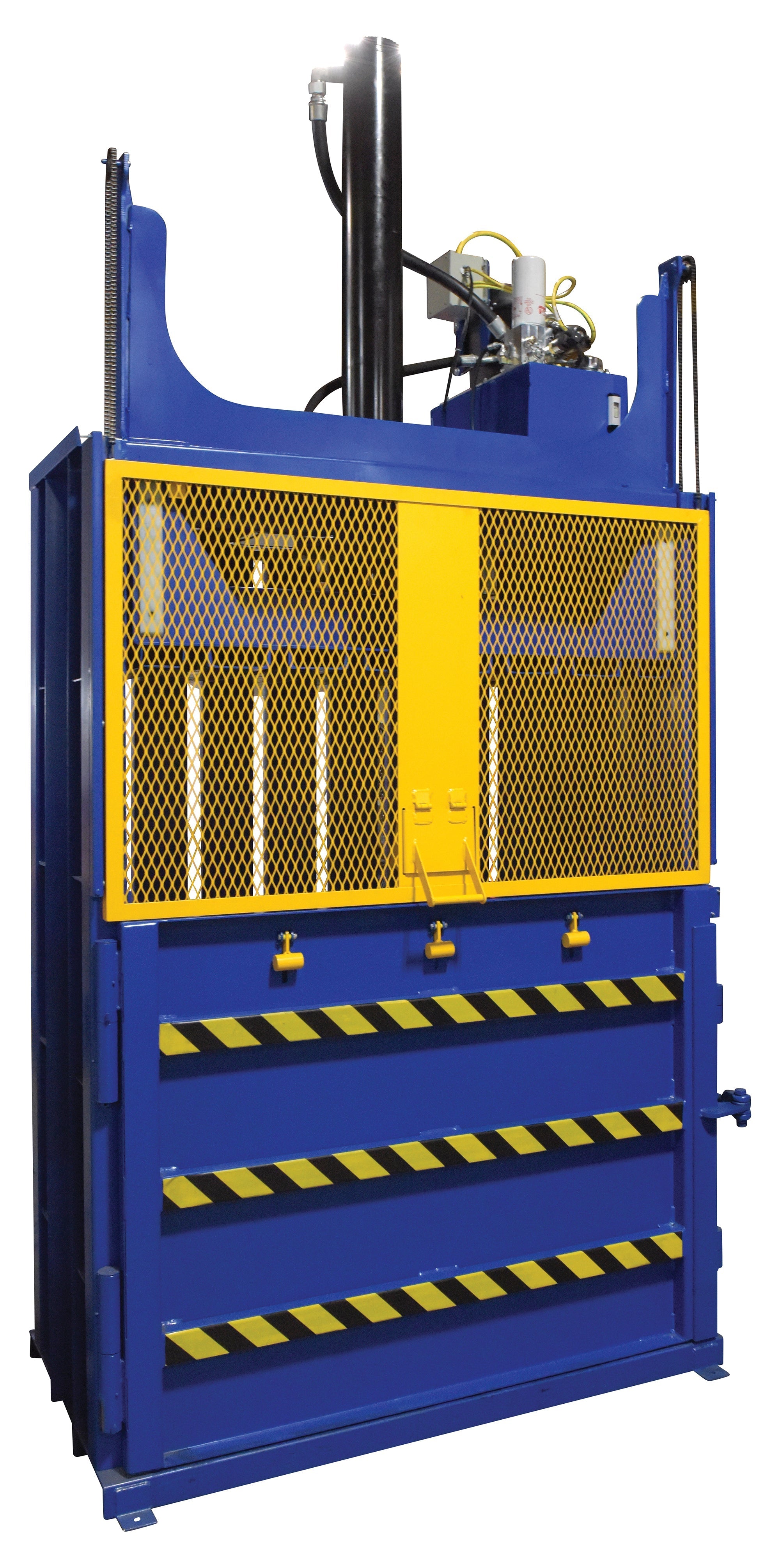
| Vestil Cardboard Baler | $15,493 | 460V | — | View → |
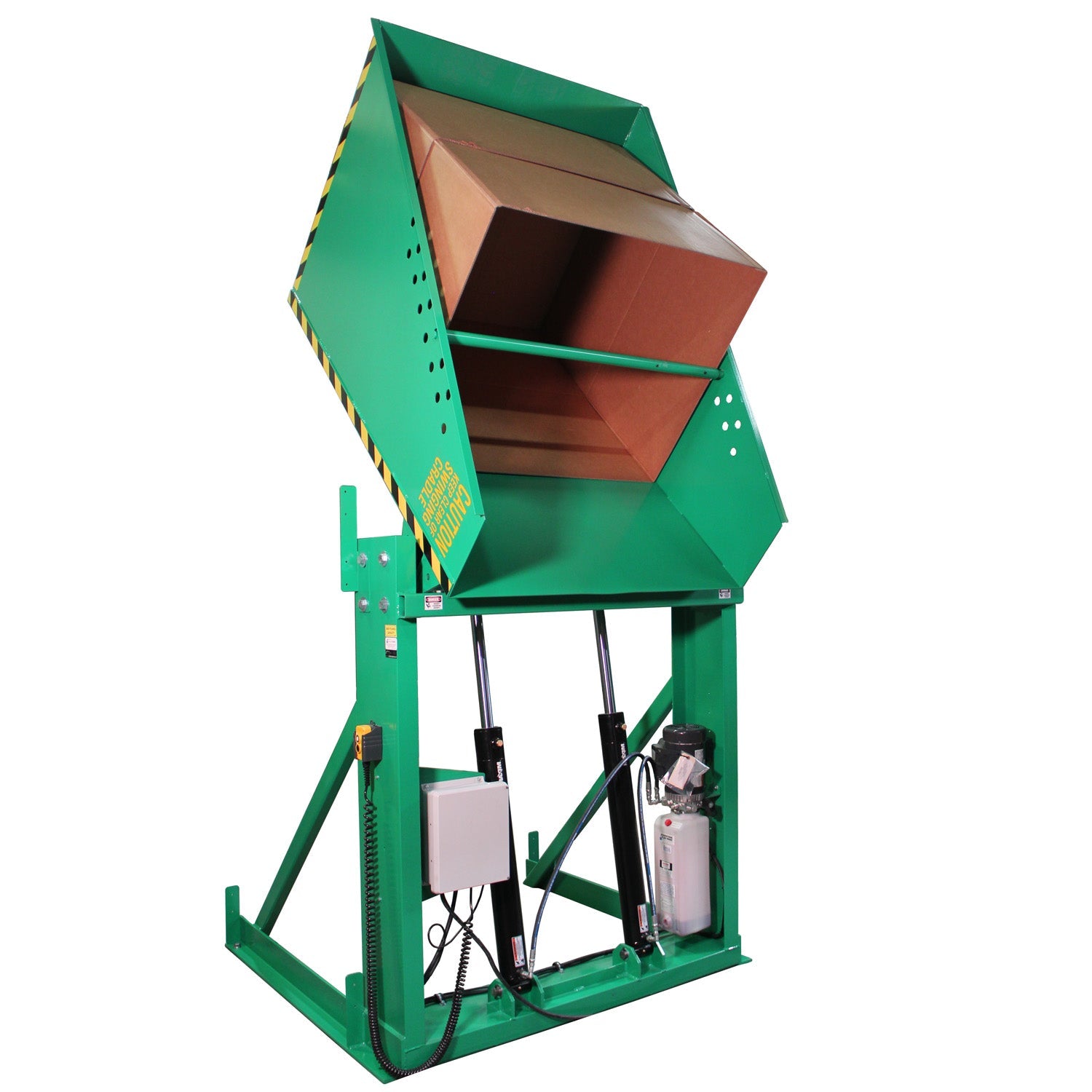
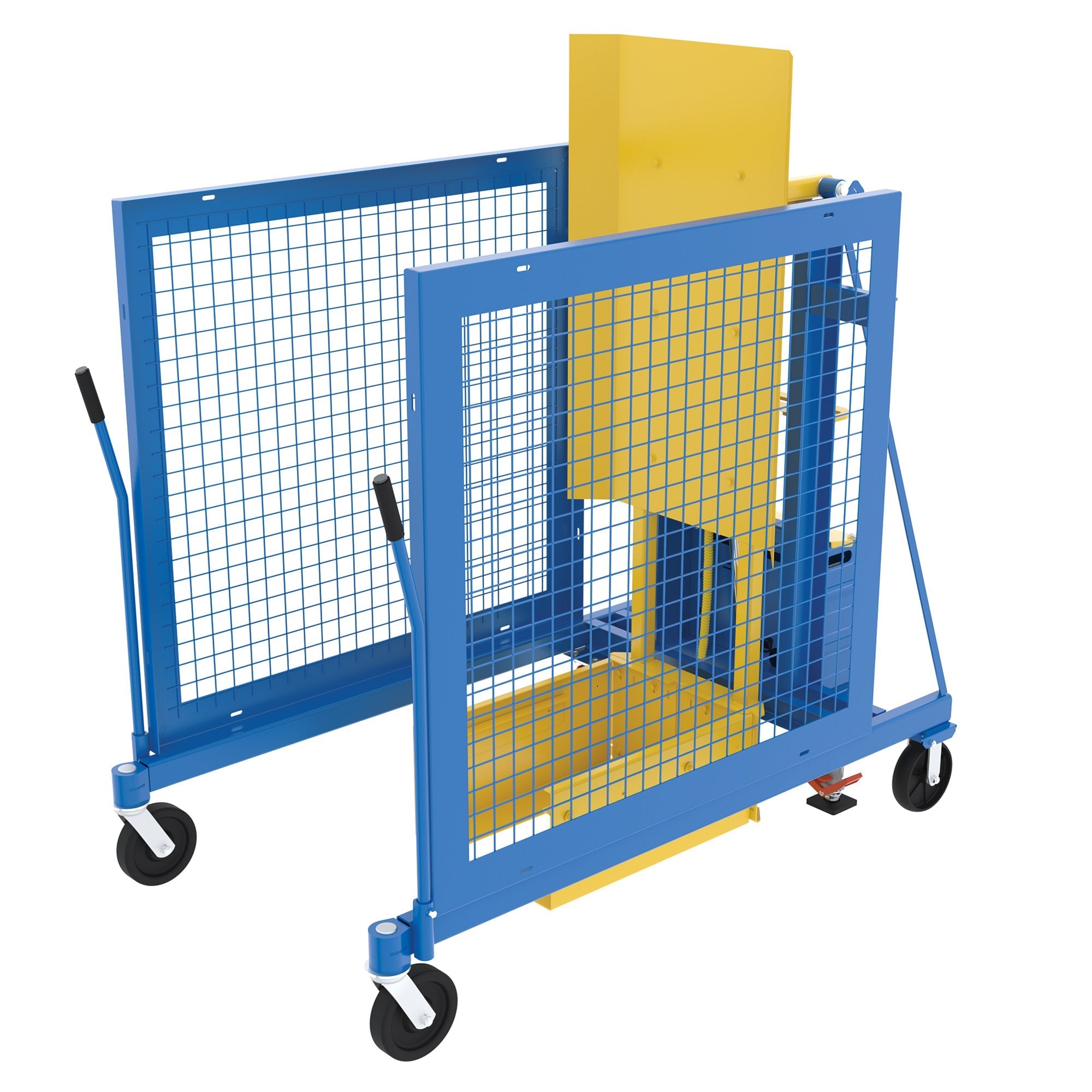
| Valley Craft Box Dumpers | $8,395 | 230V/460V | 2,000-6,000 lb | View → |
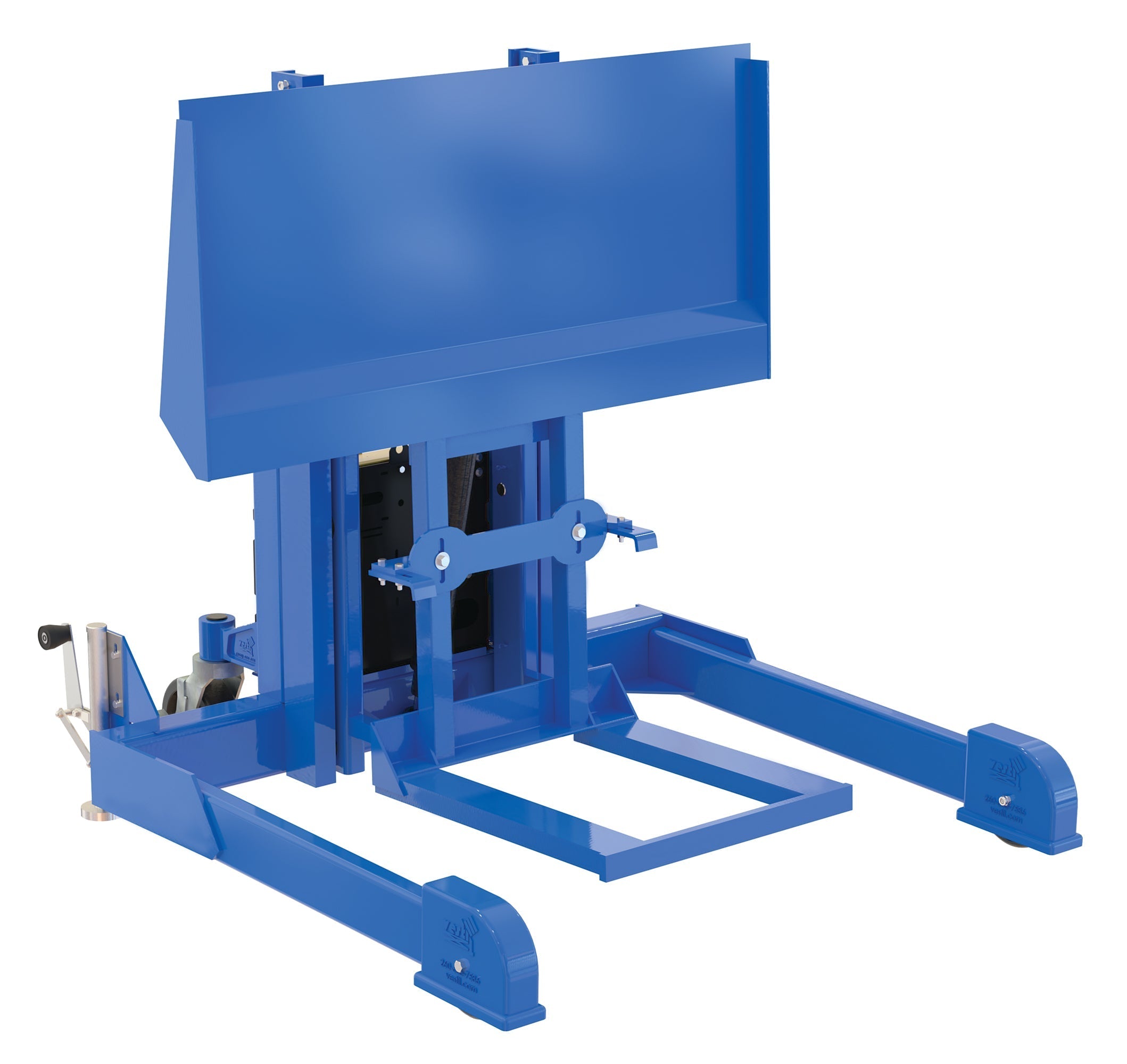
| Vestil Electric/Hydraulic Box Dumpers | $6,278 | — | 2,000-6,000 lb | View → |
| Vestil Multi-Purpose Tote Dumpers | $6,007 | — | 600 lb | View → |
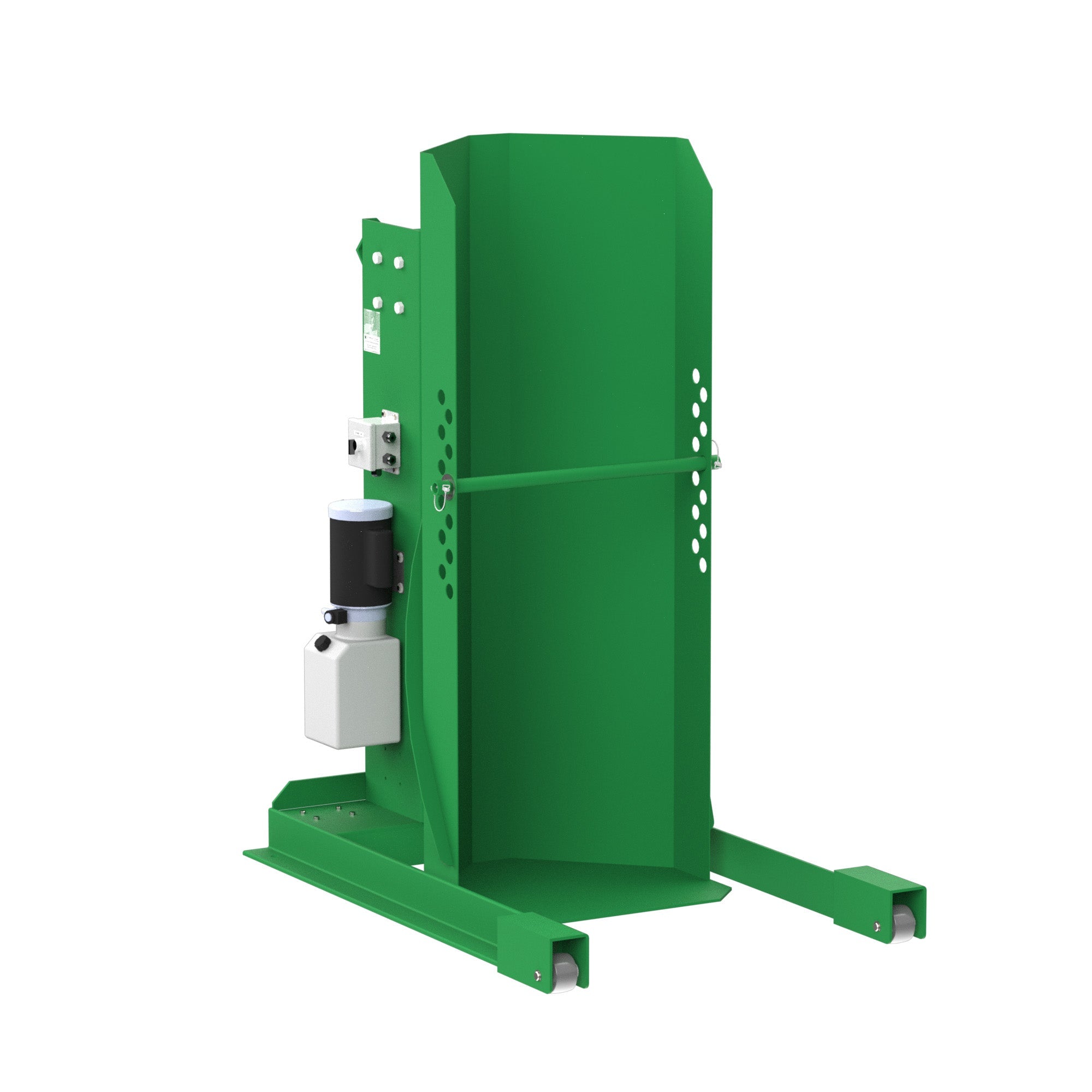
| Valley Craft Drum Dumpers | $5,595 | 110V | 1,500 lb | View → |
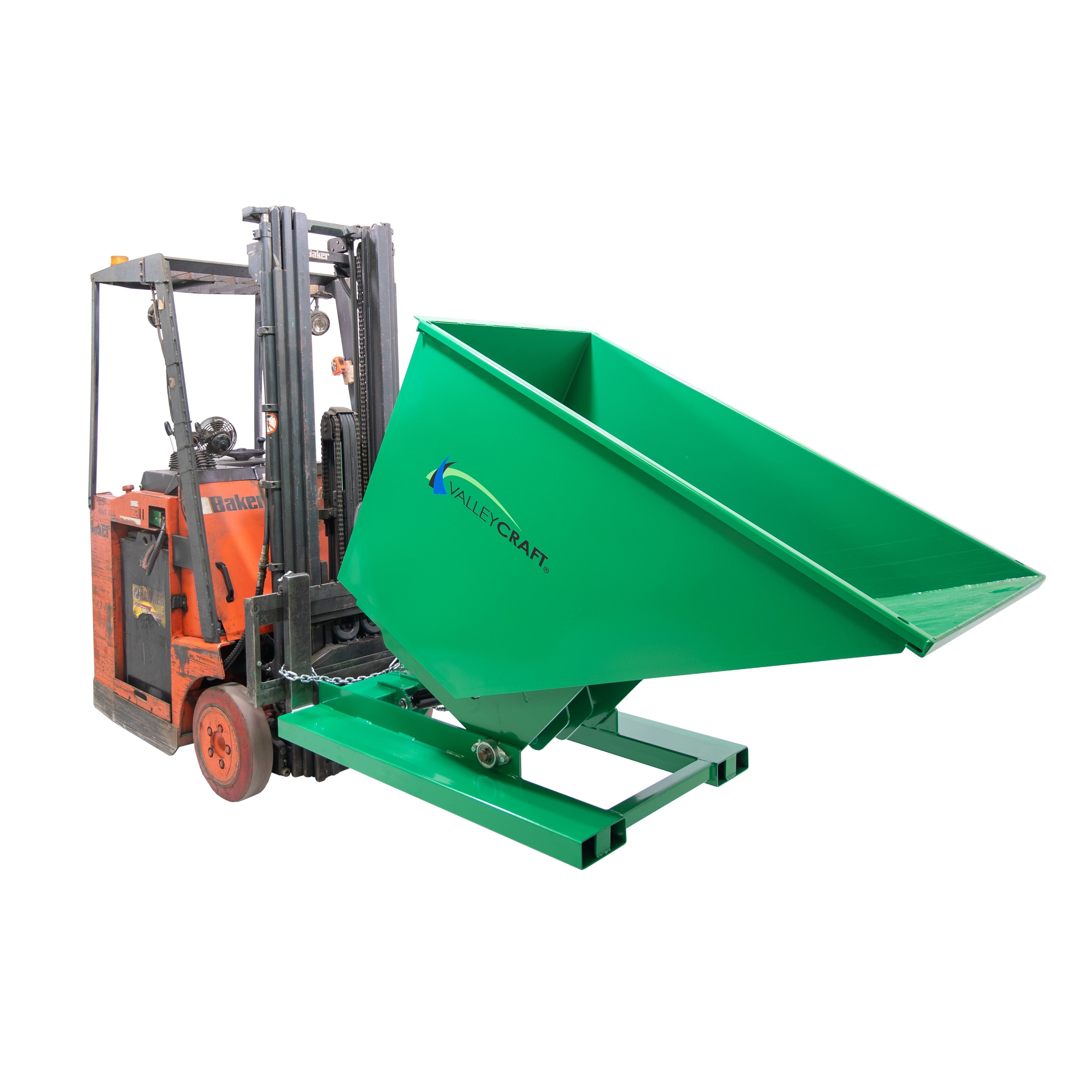
| Valley Craft Powered Self-Dumping Hoppers | $4,495 | — | 2,000-6,000 lb | View → |
In StockIn Stock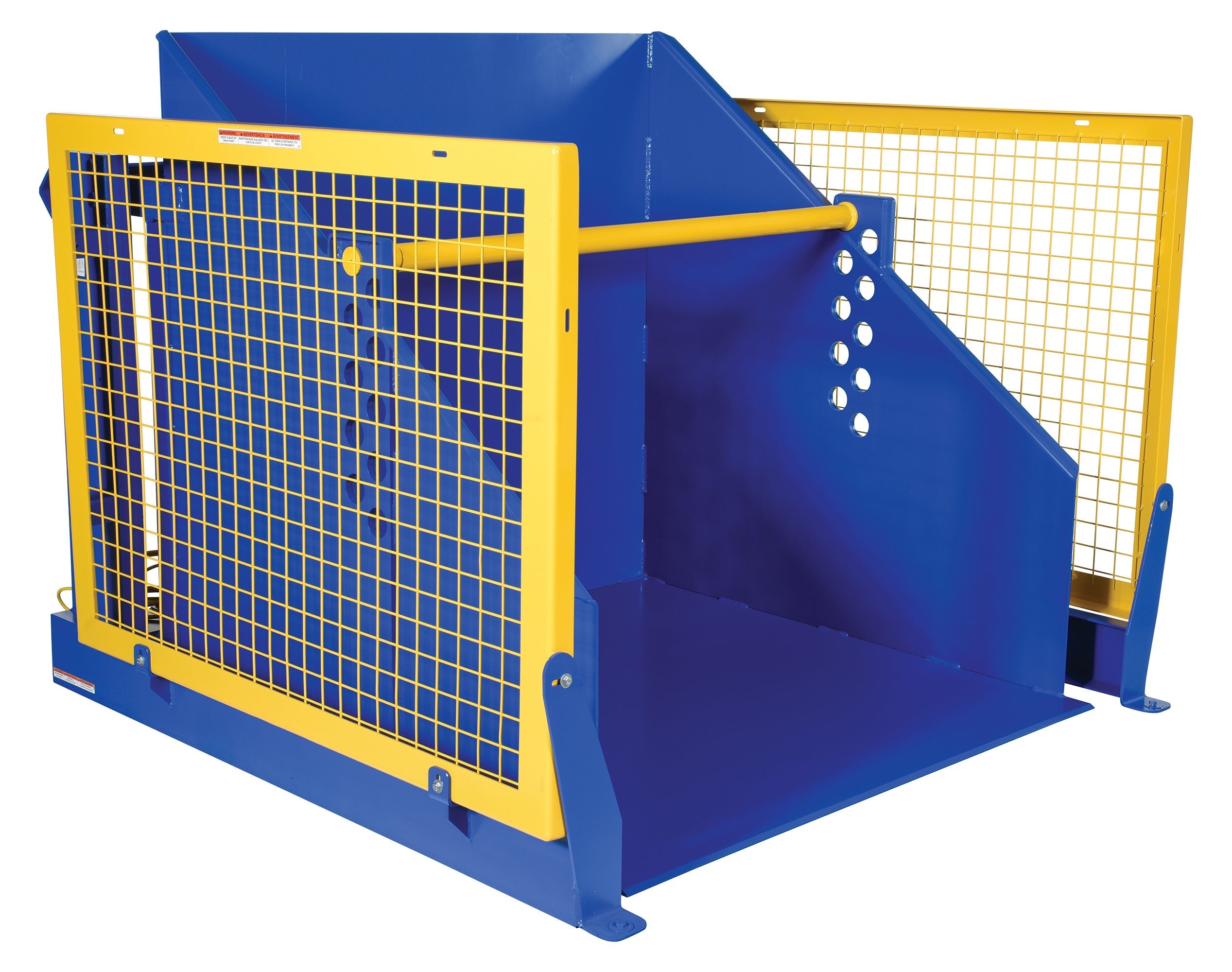 In Stock
 In Stock
 In Stock
 In Stock
 In Stock
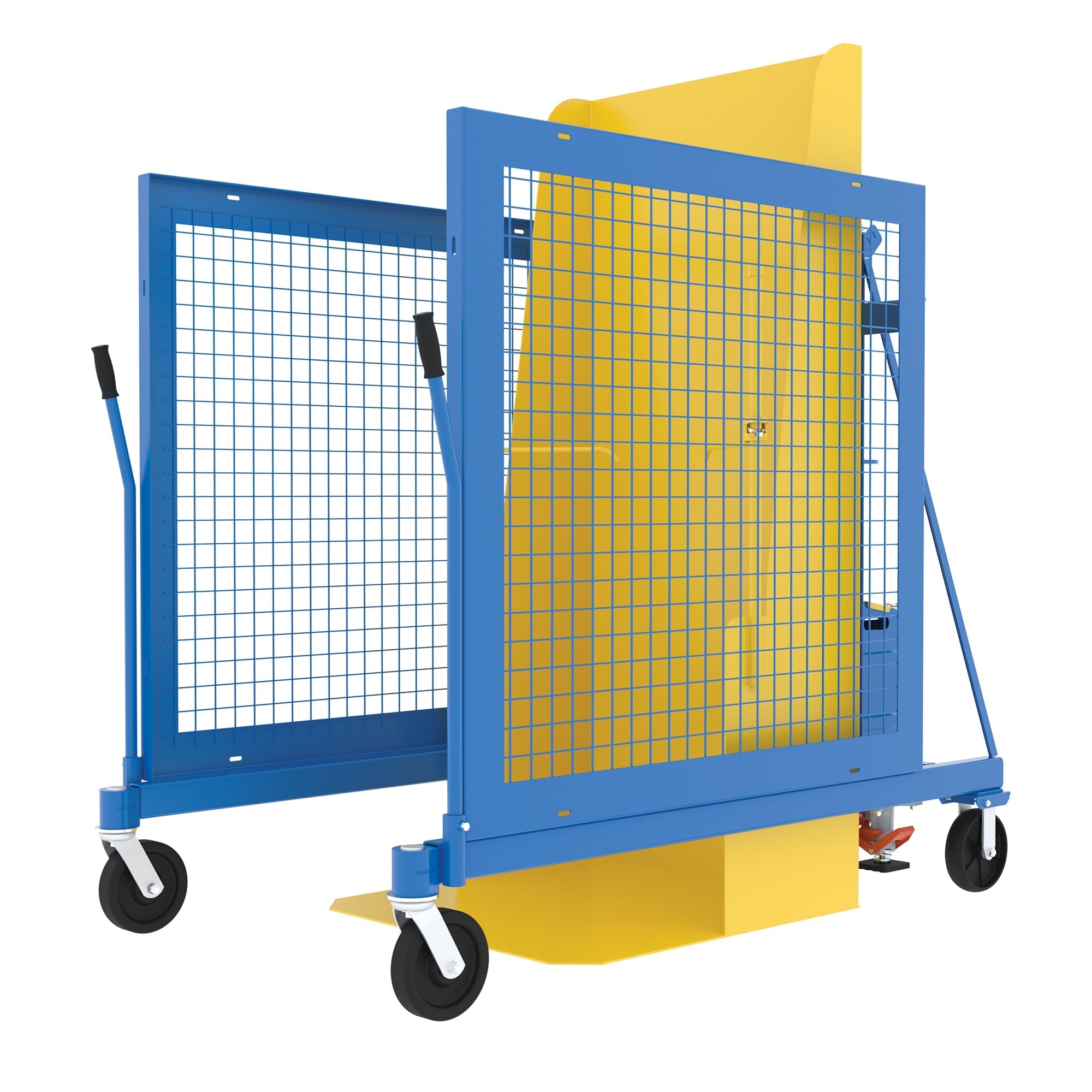 In Stock
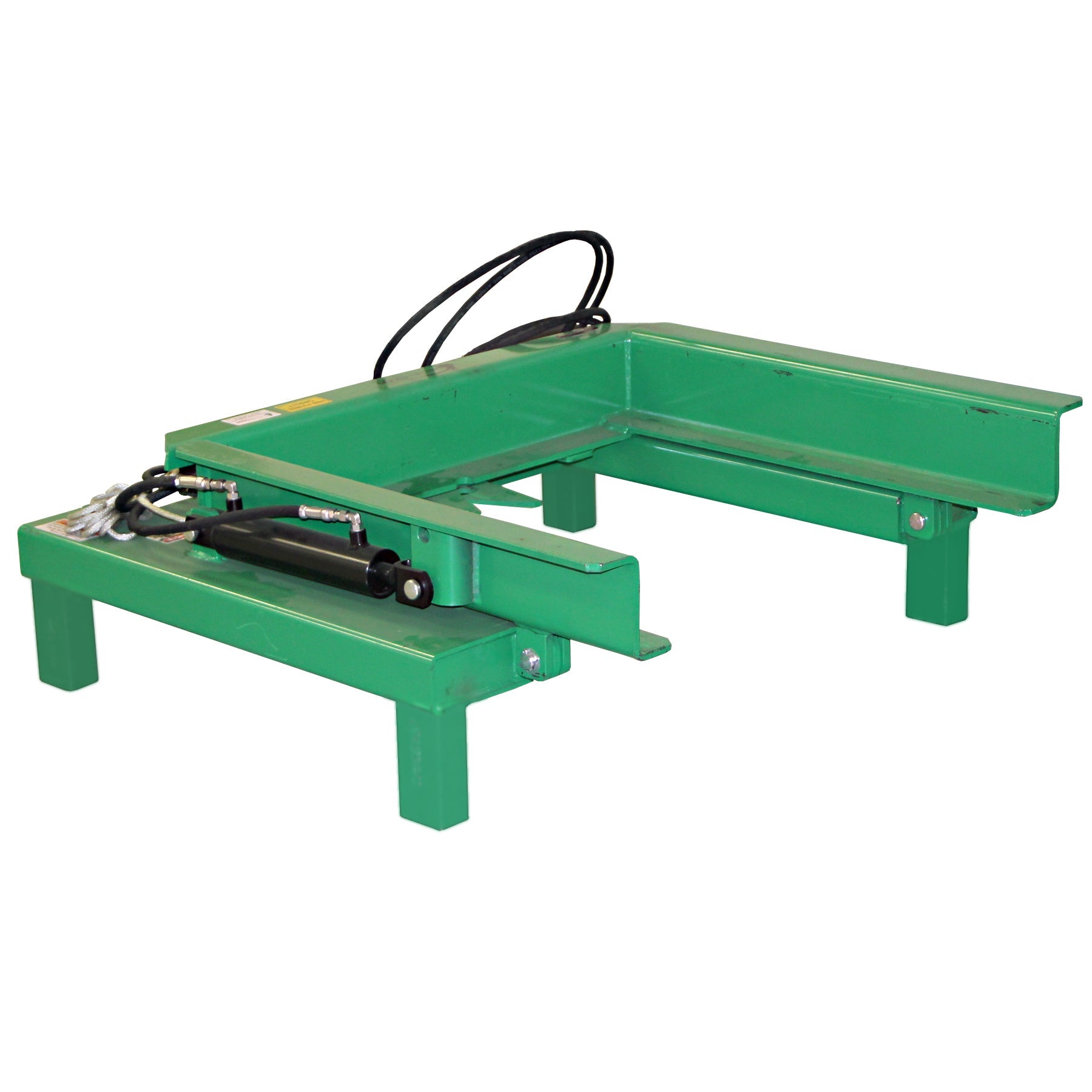 In Stock
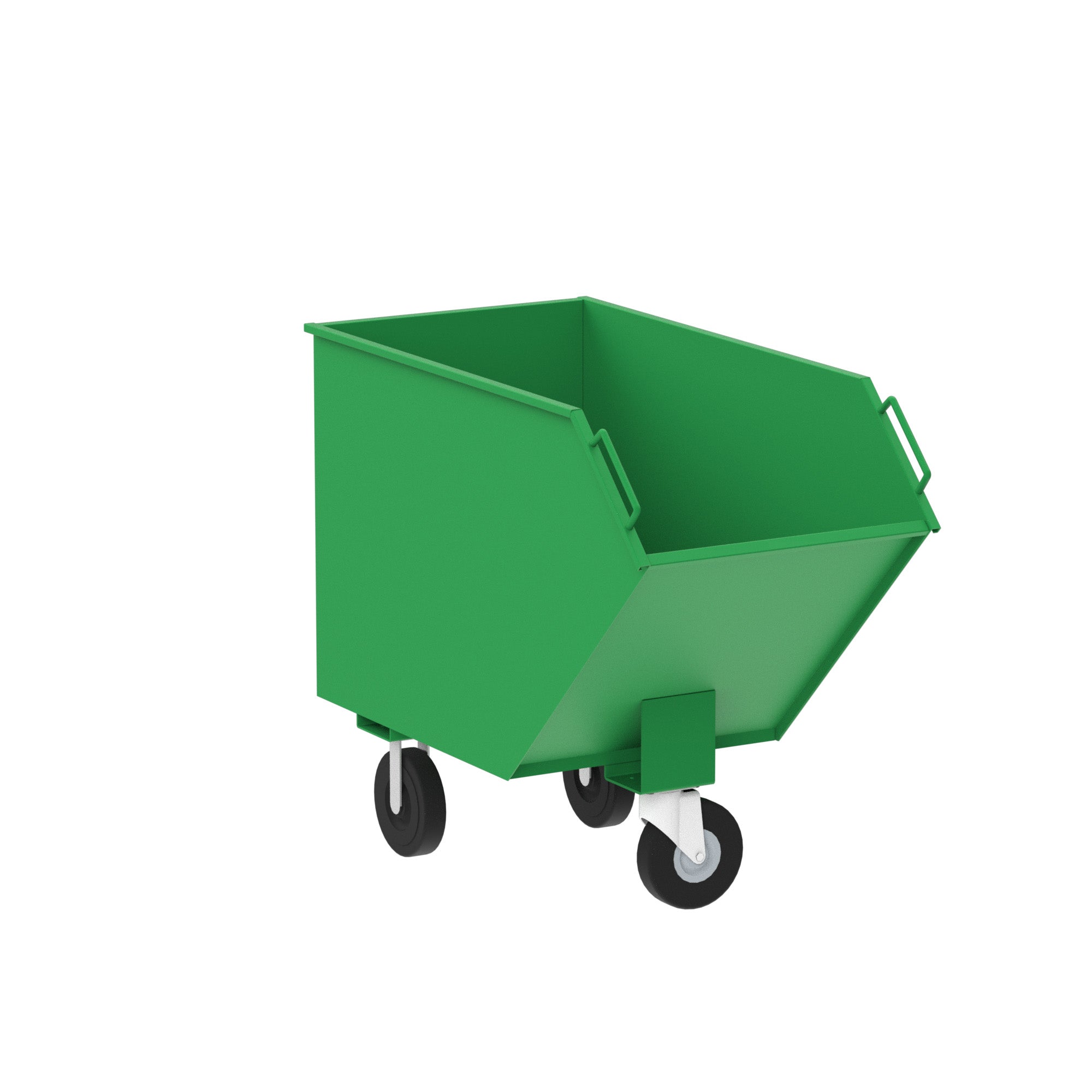 In Stock
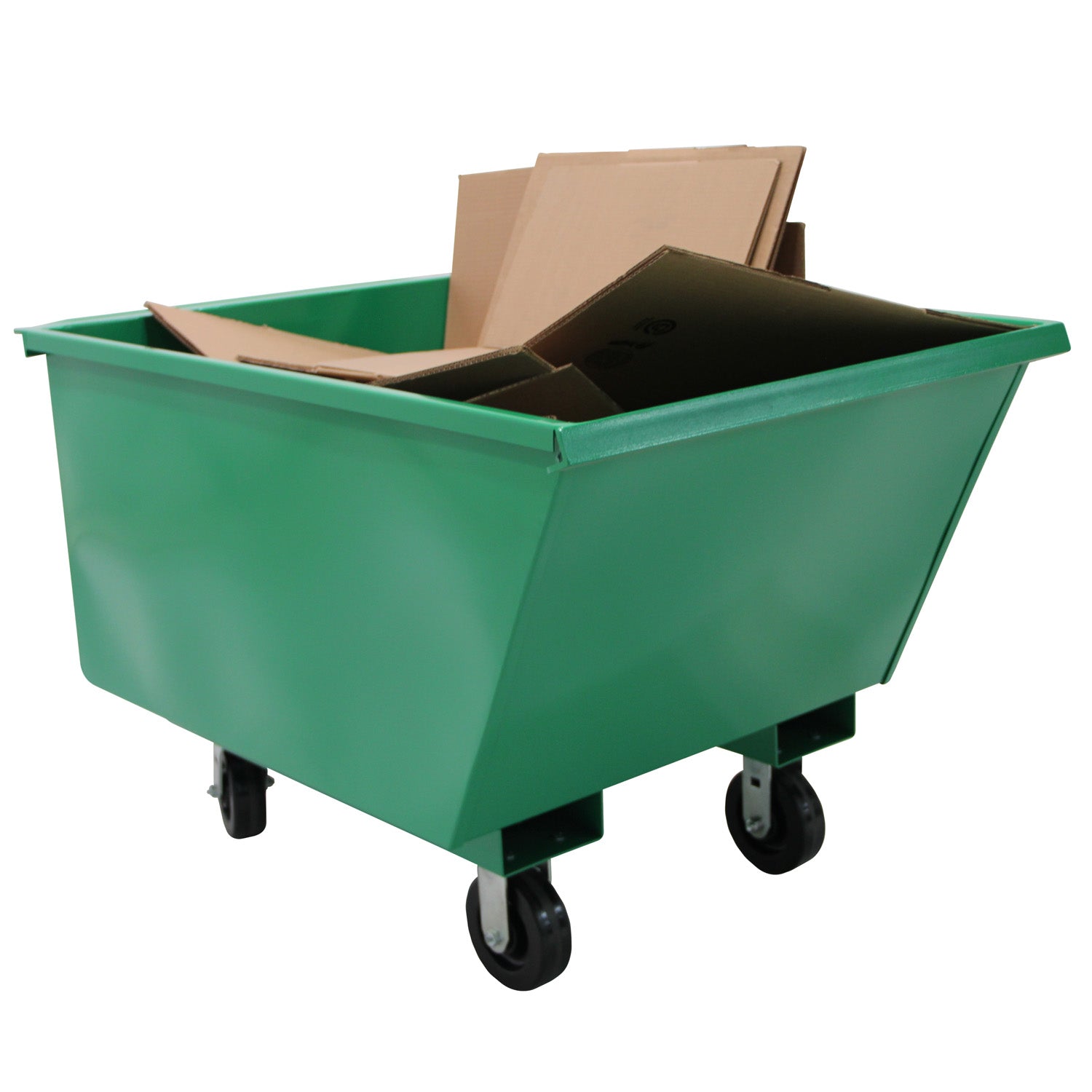 In StockIn Stock
 In Stock
 In Stock
 In Stock
Trash Collection & Recycling Buying Guide
Three jobs: compact, dump, sweep. This is an organizational hub under facilities maintenance, grouping the gear that moves waste out of the building rather than product through it. It splits into three collections by what the job is. Crushing recyclables down to a haulable size is balers. Tipping bulk scrap, chips, and trash into a container without hand-lifting is dumpers, the largest of the three by a wide margin. Clearing the floor of the metal and grit that damages tires and trips people is magnetic and brush sweepers. Most plants need two of the three, rarely all at once, so start with the waste stream that is loudest right now and add the others as the floor tells you to.
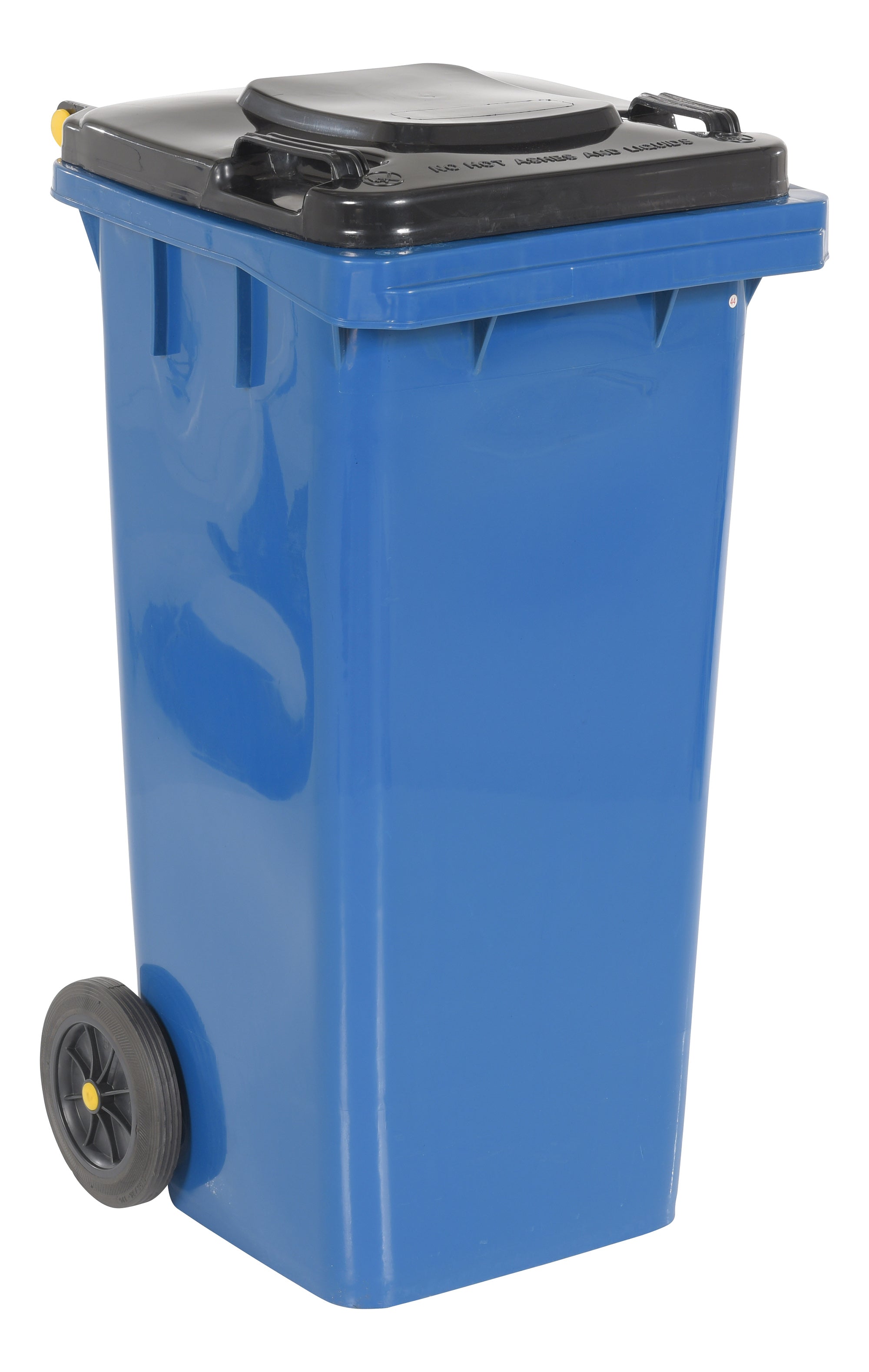
Dumping is the deep end of the hub. Dumpers is where most buyers land, because tipping a loaded tub is the job people get hurt doing by hand. The Valley Craft line runs from forkliftable mobile hoppers at half and one cubic yard, priced near $679, up through powered self-dumping hoppers and box, drum, and chip dumpers. The Vestil side adds electric and hydraulic box dumpers, multi-purpose tote dumpers, and trash-can dumpers in universal and can-specific styles, plus plain 32, 64, and 95 gallon trash cans to feed them. The common thread is that a forklift or a hydraulic ram does the tipping, so nobody climbs a dumpster or lifts a loaded container. Self-dumping hoppers ride on the forks: a spring-loaded latch holds the tub upright while you fill it, releases when the operator trips a cable or drives the bumper against the dumpster wall, then the tub returns to upright and locks on its own. Chip trucks are the machine-shop version, steel tubs from 9 to 17 cubic feet that park beside a lathe or mill and roll metal turnings to the scrap bin.
Baling pays for itself on the hauling bill. A cardboard baler earns its keep on the hauling invoice. Loose old corrugated cardboard, the OCC that a shipping or receiving dock generates by the truckload, is mostly air, so hauling it loose means paying to move empty space. The Vestil vertical baler compresses that cardboard into dense, stackable bales, which cuts the number of pickups and can turn a disposal cost into a small rebate from the recycler. It runs on 460V three-phase power and takes a fixed footprint rather than the cart-and-corner sprawl a loose pile spreads into. If your building throws out more cardboard than a couple of carts a day, price the baler against a year of hauling and dumpster rental before deciding it is too much machine.
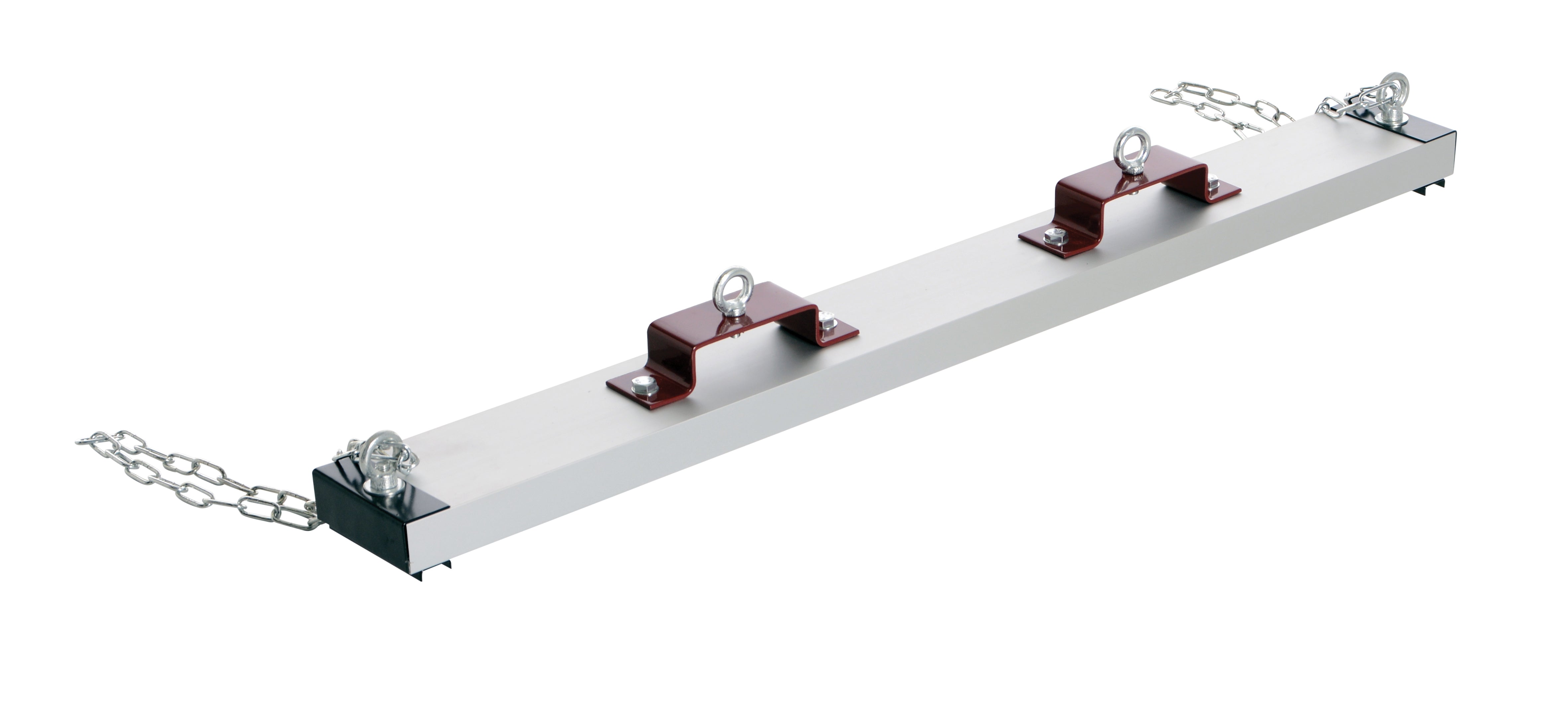
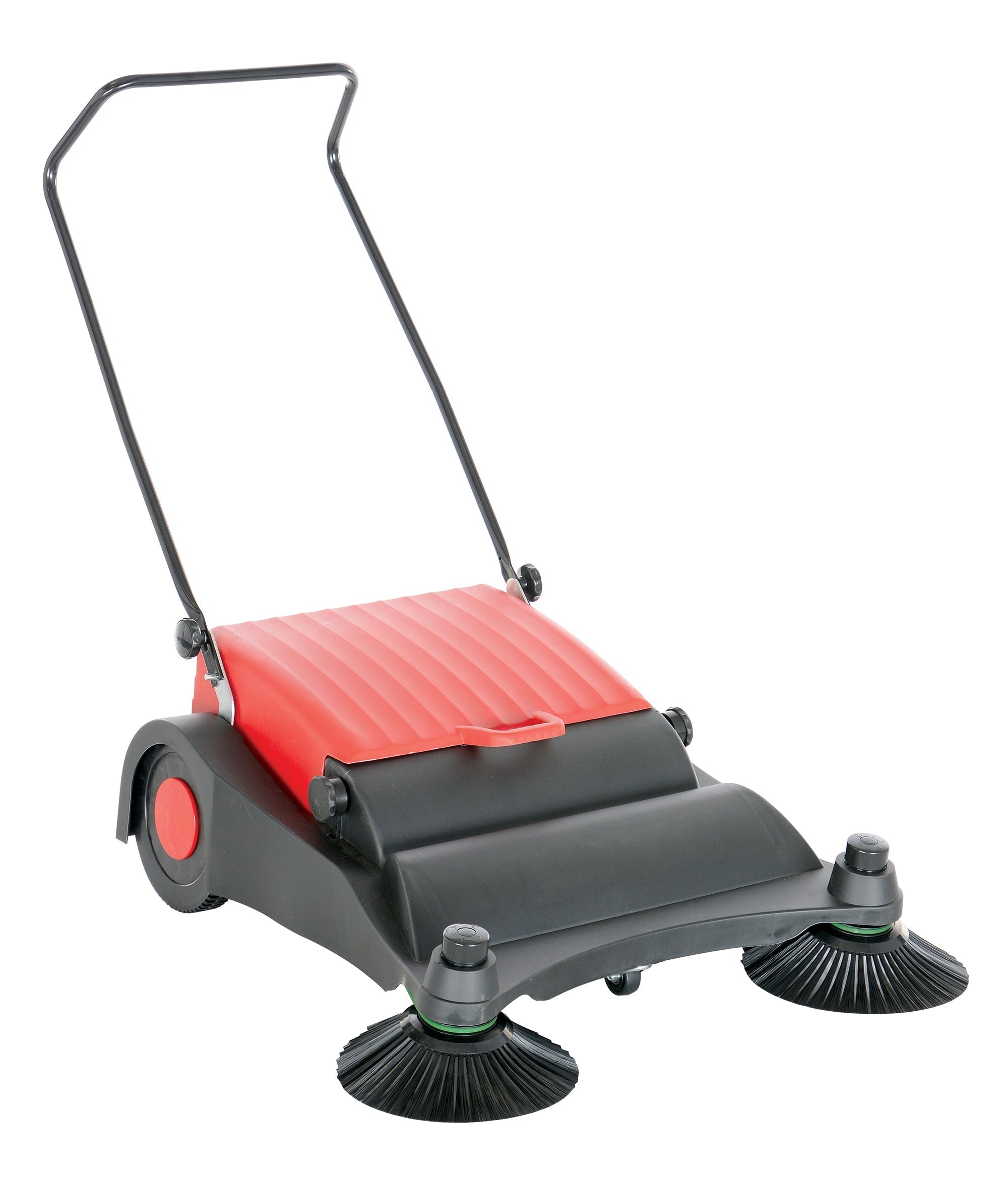
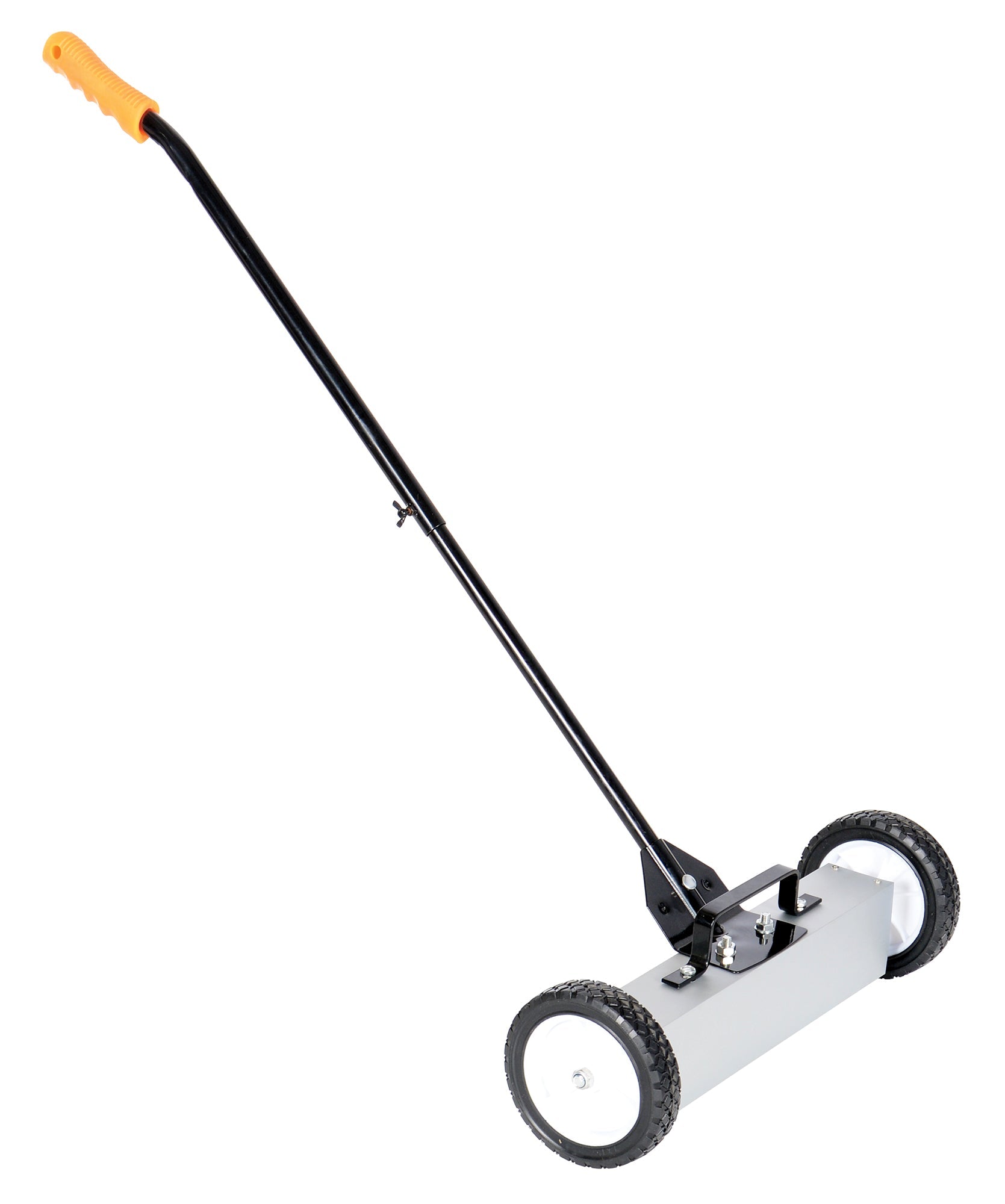
Sweeping: magnetic for metal, brush for everything else. Floor debris is its own hazard, and magnetic and brush sweepers handle it in two flavors. Magnetic sweepers pull ferrous foreign object debris, the nails, screws, weld spatter, and steel shavings that flatten forklift and trailer tires, off the floor with a permanent magnet. Vestil builds them as hanging units that clip to a chain or ride on the forks of a lift truck, in sweep widths from 36 to 72 inches, and as walk-behind push sweepers from 18 to 36 inches with a handle-lift or lever release that drops the collected metal into a bin instead of onto your gloves. When the debris is not metal, the manual brush sweepers, belt or gear driven, push grit, dust, and packaging trash into a hopper with no power and no cord. On a shop that welds or machines, a magnetic pass after each shift quietly pays for itself the first time it saves a set of tires.
Sizing a dumper, and why housekeeping is the point. Two numbers settle most dumper purchases: capacity and dump height. Capacity on the powered units steps through 2,000, 4,000, and 6,000 pounds, so rate the dumper against the heaviest full load it will ever tip, not the average. Dump height, offered from 36 up to 72 inches, has to clear the wall of the container you empty into, whether that is a low roll-off or a tall compactor hopper, so measure the receiving container before you order. After that, check power: the electric and hydraulic units list AC and DC options, and the DC versions run off a battery where you have no outlet at the dump point. Housekeeping is the reason to bother with any of it. OSHA 1910.22(a) requires that workrooms, passageways, and walking-working surfaces stay clean, orderly, and sanitary, and 1910.176(c) keeps storage areas free of accumulations that create tripping, fire, or pest hazards. Waste that leaves on a schedule is how a plant stays on the right side of both.
Frequently Asked Questions
Match it to your waste stream. If the problem is cardboard piling up at the dock, that is a baler. If it is scrap, chips, or full trash cans that someone is lifting or climbing to empty, that is a dumper. If it is nails, shavings, and grit on the floor, that is a sweeper, magnetic for metal and brush for the rest. Plenty of shops run a dumper and a magnetic sweeper together and never touch a baler, or the reverse. Buy for what the floor generates.
It tips on the forks. A spring-loaded latch holds the tub upright while you fill it, and the operator trips the release from the seat of the forklift, either by a pull cable or by driving the bumper against the dumpster wall. The tub rotates, dumps, then swings back to upright and locks on its own. Nobody climbs the dumpster or lifts the load, which is the safety case for buying one over a tilt-and-shovel routine.
Magnetic if the debris is ferrous. The magnet lifts nails, screws, weld spatter, and steel shavings that puncture forklift and trailer tires, and it works hanging from a forklift or as a walk-behind push unit. Brush if the debris is grit, dust, sawdust, or packaging trash that a magnet ignores. Welding and machining shops usually want both: a magnetic pass for the metal and a brush sweep for everything else.
It depends on how much cardboard you throw out. Loose OCC is mostly air, so you pay to haul empty volume. A vertical baler crushes it into dense bales, which cuts the number of hauls and can flip a disposal cost into a recycling rebate. Under a cart or two of cardboard a day, the baler is hard to justify. Above that, run the numbers against a year of dumpster pulls before calling it too much machine.
Rate capacity against the heaviest full load, not the average, since the powered units step through 2,000, 4,000, and 6,000 pounds. For dump height, measure the container you empty into: the tipper has to clear the wall of a low roll-off or a tall compactor, and the range runs from 36 to 72 inches. Get either wrong and the dumper either overloads or cannot reach over the lip.