Jib Cranes
A jib crane parks a rotating boom and hoist over one work area and serves it for decades, which makes it the piece of lifting equipment most shops buy exactly once. This collection is the HSI line in depth: freestanding and foundationless jibs to 10,000 lb with spans of 8 to 20 ft, tie rod and cantilever wall mounts, mast type and articulated booms, portable forkpocket units a forklift can carry, and the collectors, festooning, and anchoring hardware that finish an installation. Davit cranes from Thern, OZ Lifting, and REID share the page for lifts that move between mounting bases instead of owning one spot. Prices run from about $1,600 for a tie rod wall jib to five figures for the big freestanding and articulated systems, and most of that spread is decided by a single choice, the mounting, so that is where the guide starts.
Shop Jib Cranes by Category
Compare Jib Cranes
| Model | Price | Span | Under-Beam Height | Capacity | |
|---|---|---|---|---|---|
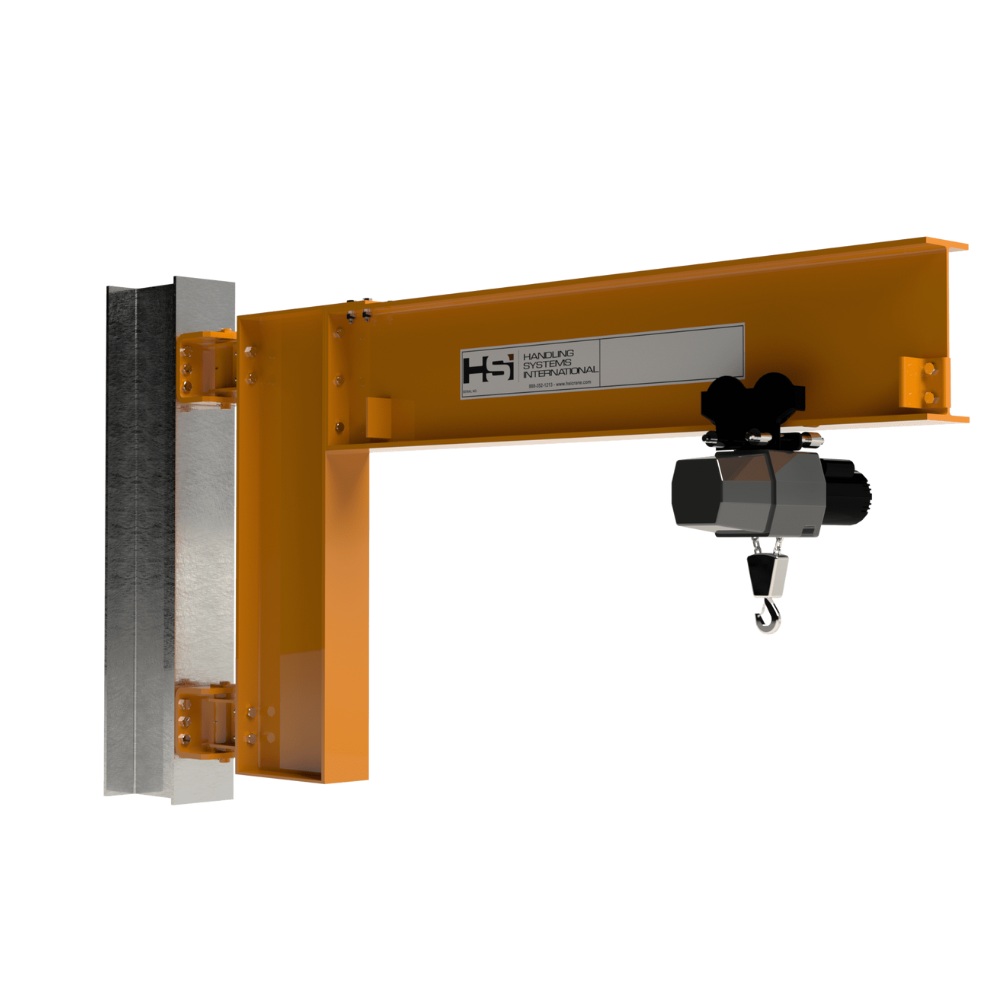
| HSI 2000lbs Freestanding Articulated Jib Cranes | $25,925 | 8 ft | 8-14 ft | 2,000 lb | View → |
| HSI 1000lbs Freestanding Articulated Jib Cranes | $18,836 | 8-16 ft | 8-14 ft | 1,000 lb | View → |
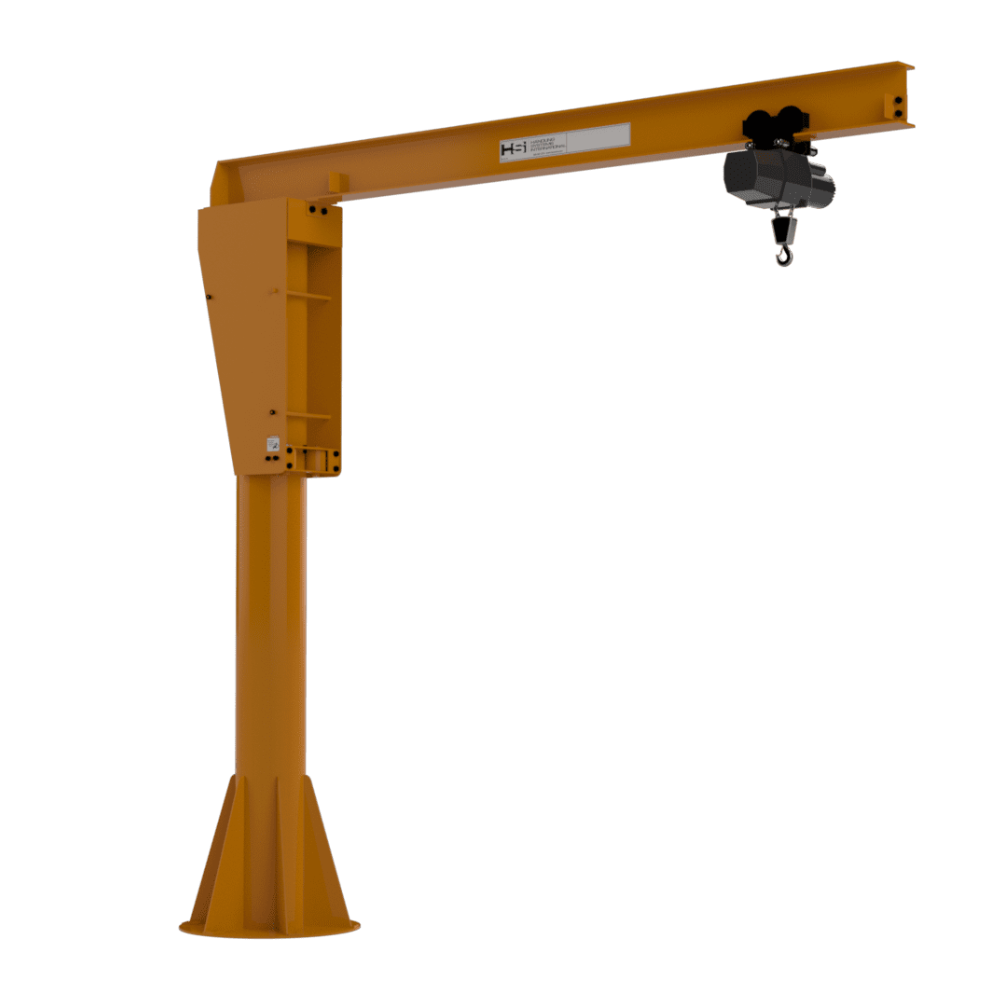
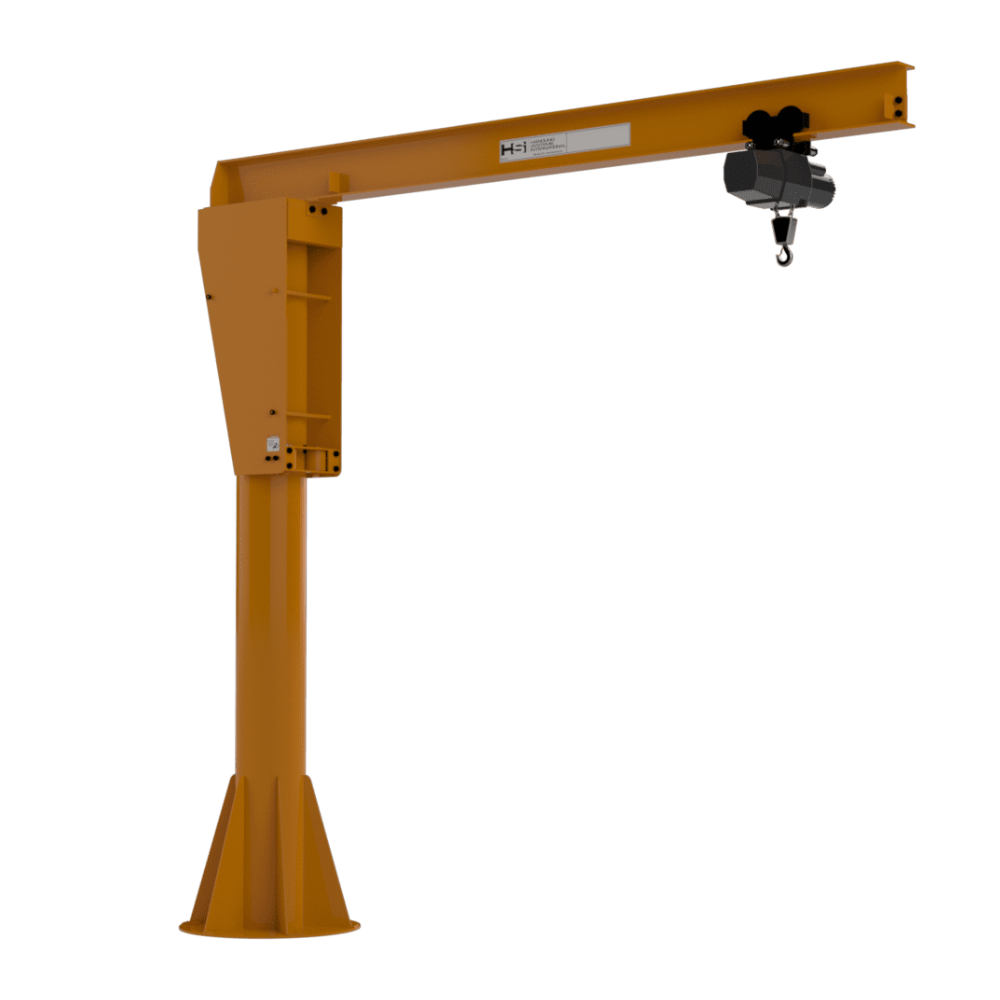
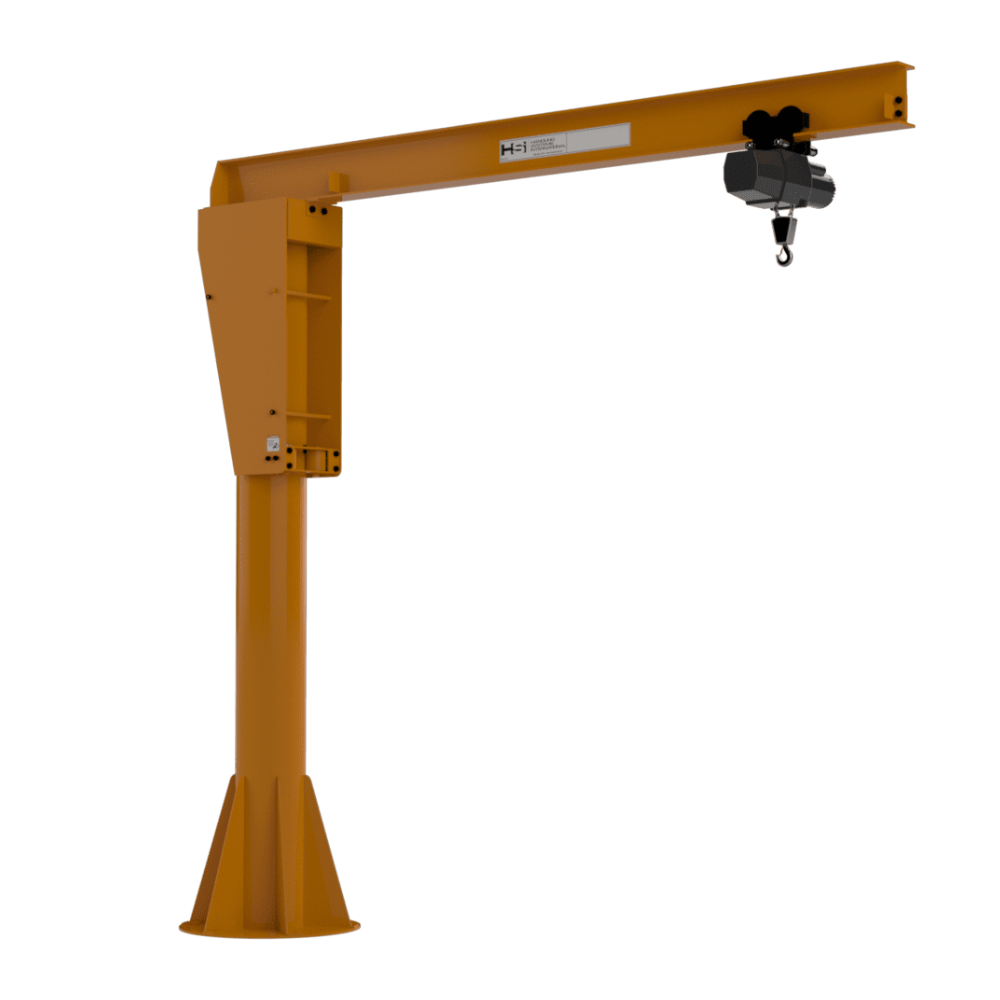
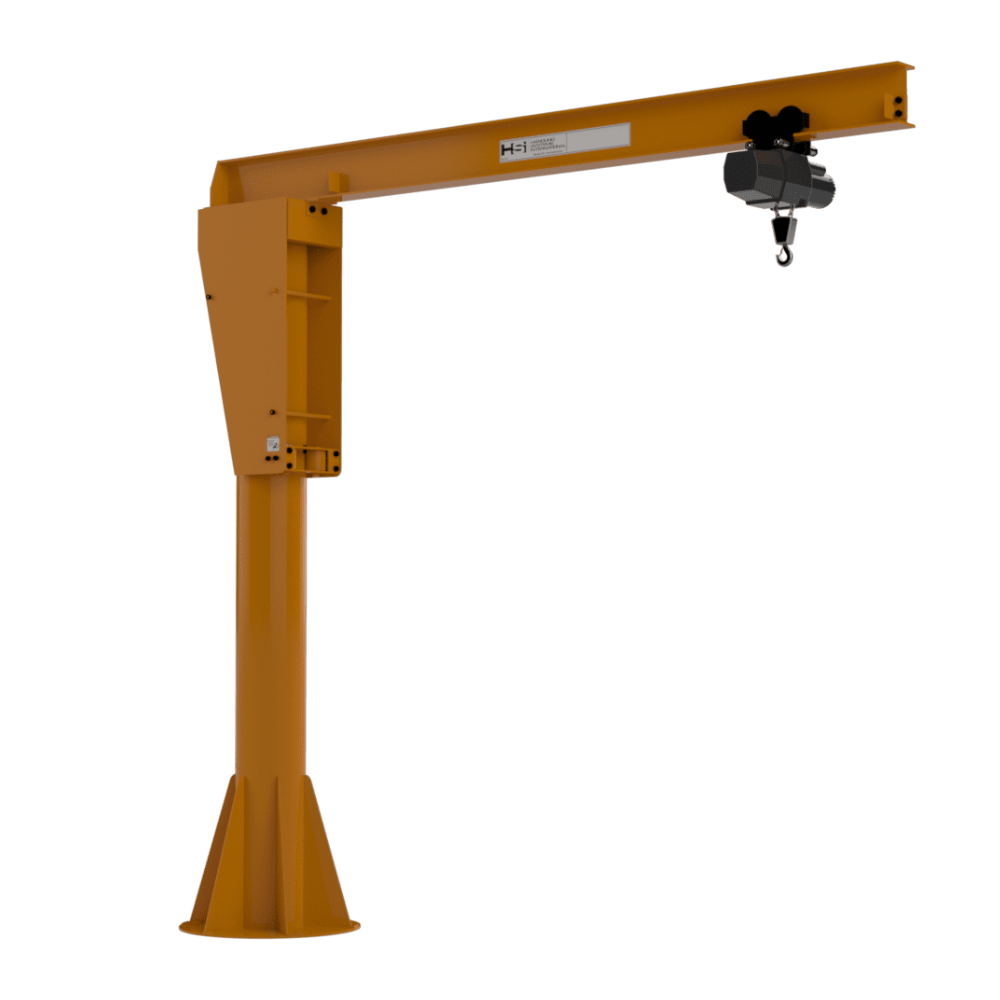
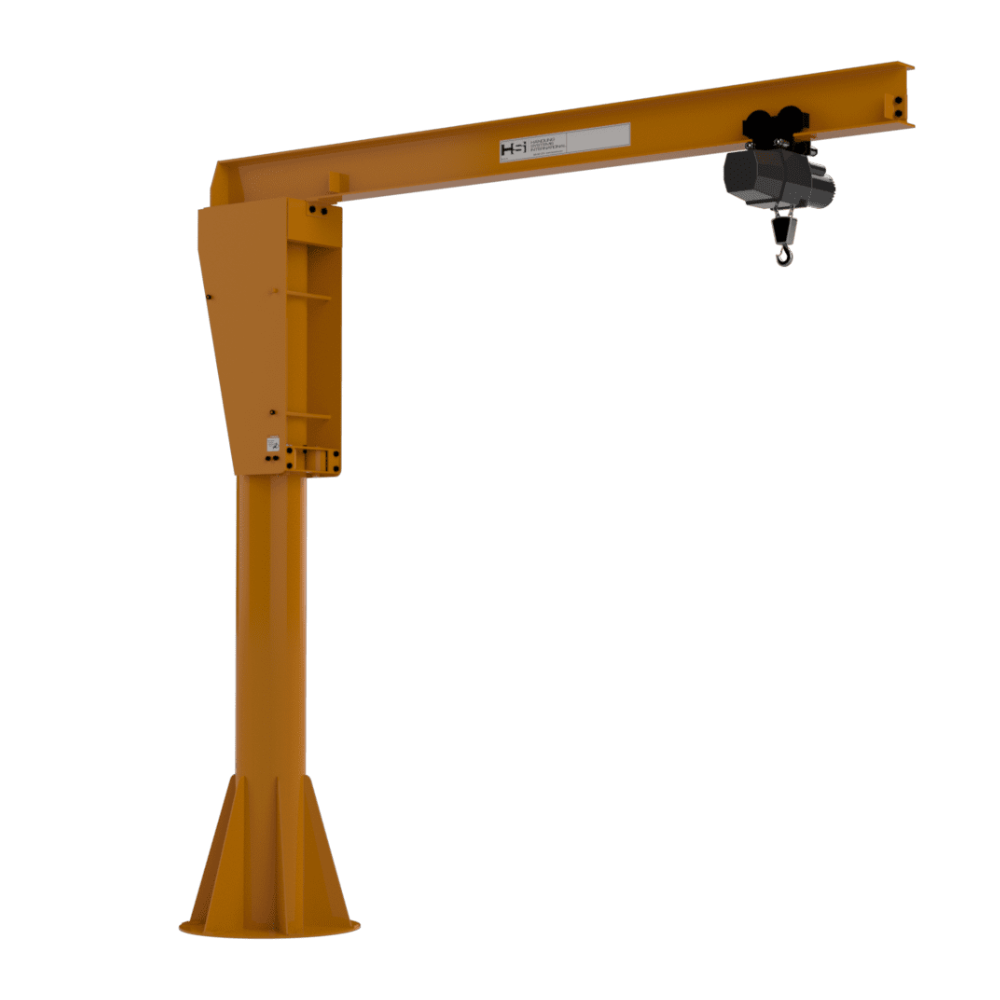
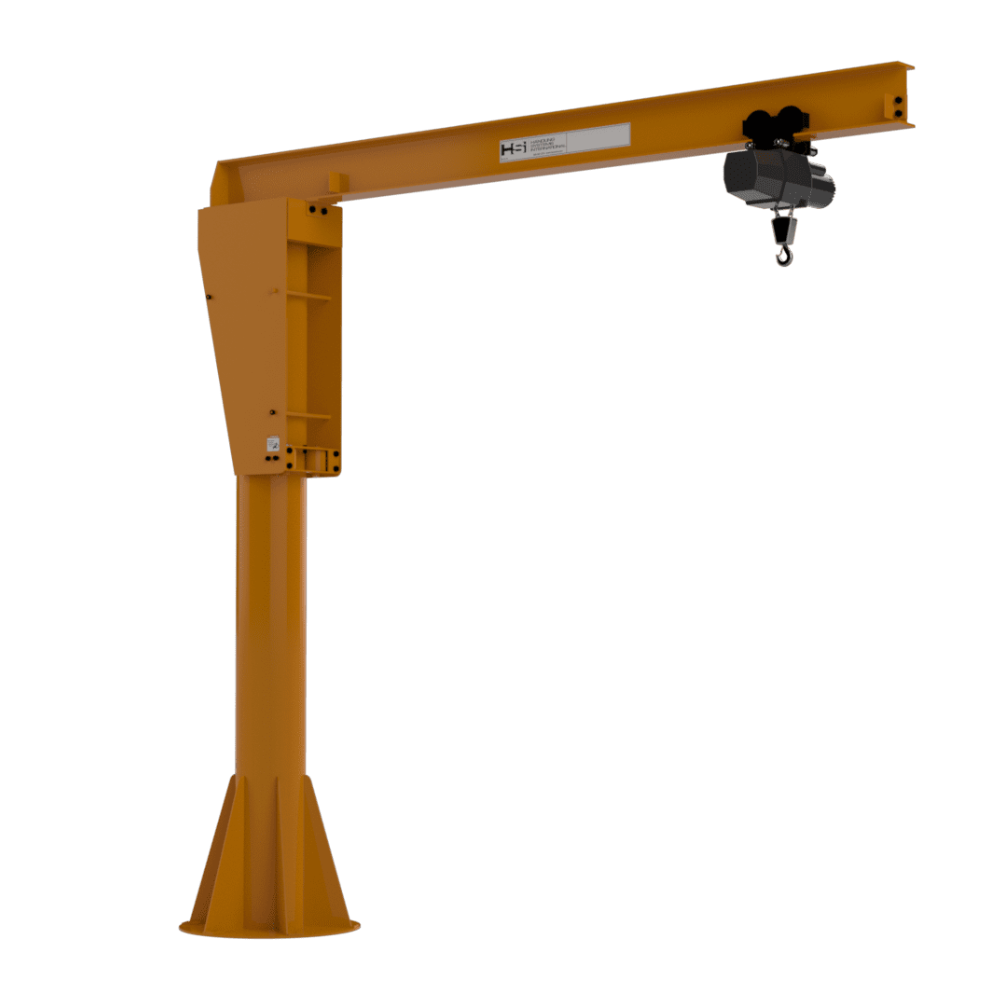
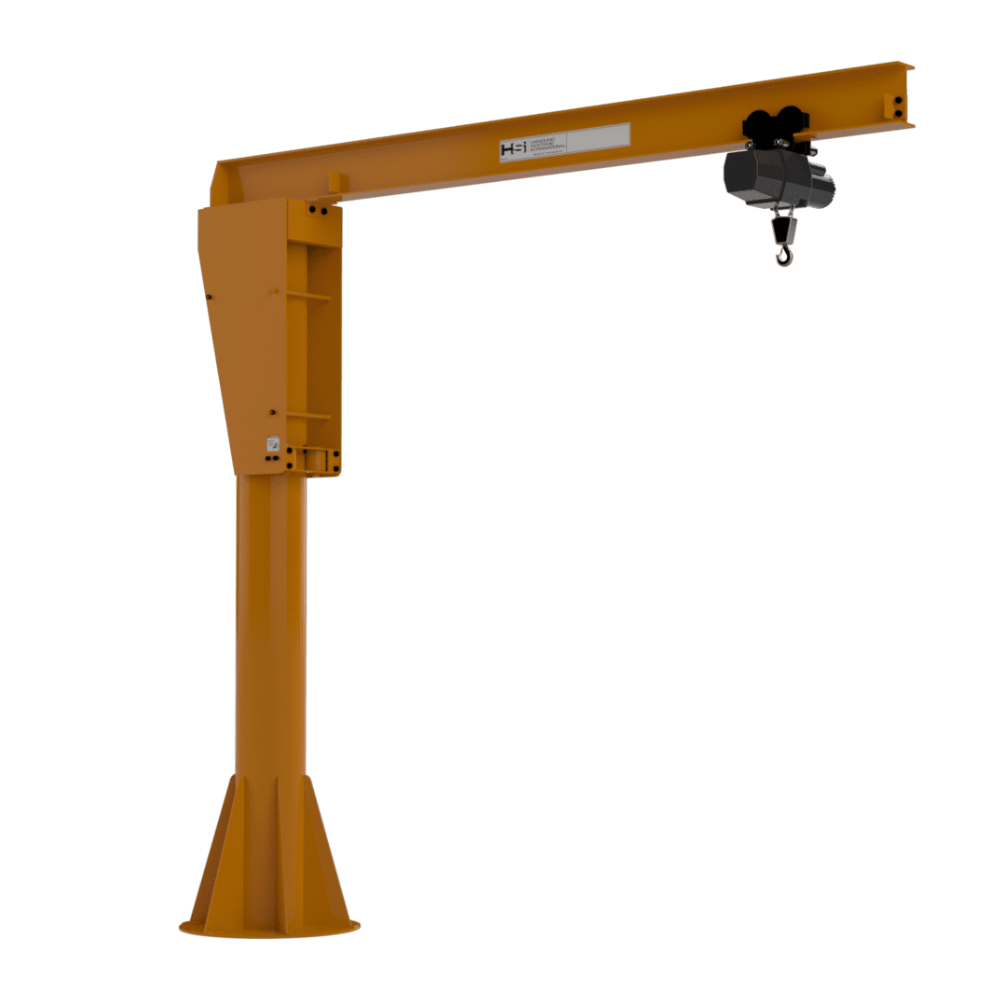
| HSI 10000lbs Heavy Duty Freestanding Jib Cranes (15ft - 20ft Span) | $15,104 | 15-20 ft | 8-20 ft | 10000 lb | View → |
| HSI 8000lbs Heavy Duty Freestanding Jib Cranes (15ft - 20ft Span) | $15,104 | 15-20 ft | 8-20 ft | 8000 lb | View → |
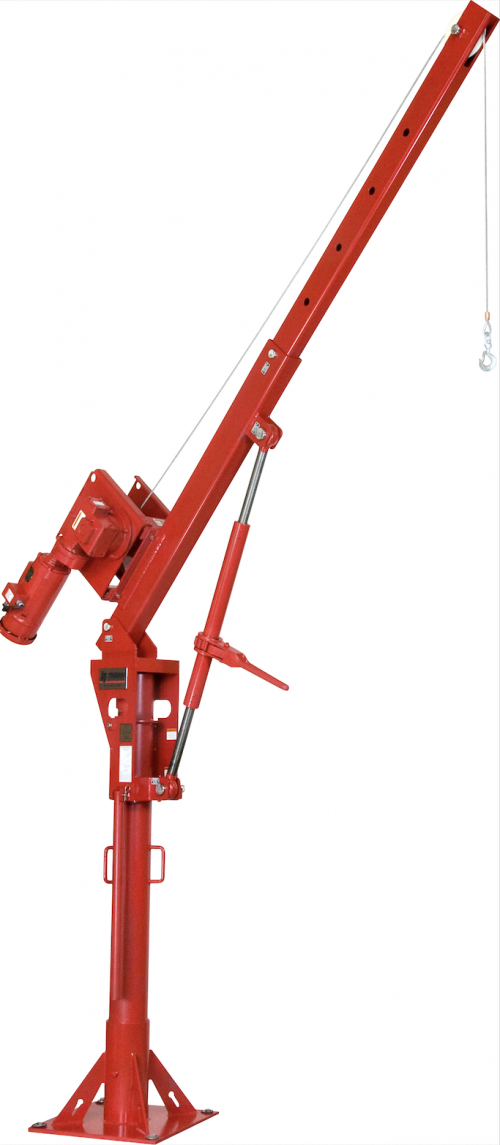
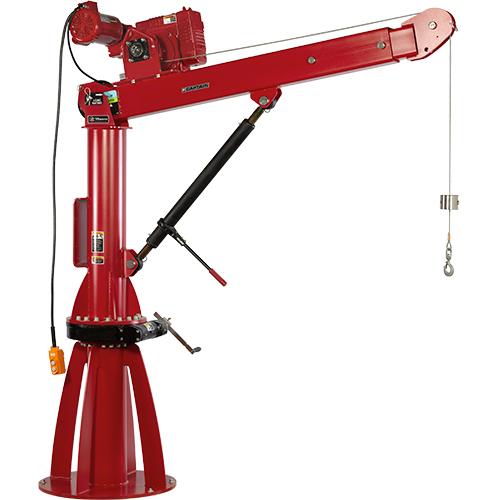
| Thern 5PT30 SERIES 3,000lbs Transportable Davit Crane with Winch | $13,320 | — | — | up to 3,000 lb — derates to 2,400 lb; see load rating table | View → |
| HSI 6000lbs Heavy Duty Freestanding Jib Cranes (15ft - 20ft Span) | $12,716 | 15-20 ft | 8-20 ft | 6000 lb | View → |
 In Stock
 In Stock
 In Stock
 In Stock
 In Stock
 In StockIn Stock
 In Stock
 In Stock
 In Stock
 In Stock
 In Stock
 In Stock
 In Stock
 In Stock
 In StockIn Stock
 In Stock
 In Stock
 In Stock
 In Stock
 In Stock
 In Stock
 In Stock
 In Stock
 In Stock
 In Stock
 In Stock
 In Stock
 In Stock
 In Stock
 In Stock
 In Stock
 In Stock
 In Stock
 In Stock
 In Stock
 In Stock
 In Stock
 In Stock
 In Stock
 In Stock
 In Stock
 In Stock
 In Stock
 In Stock
 In Stock
 In Stock
 In Stock
 In Stock
 In Stock
 In Stock
 In Stock
 In Stock
 In Stock
 In Stock
 In Stock
 In Stock
 In Stock
 In Stock
 In Stock
 In Stock
 In Stock
 In Stock
 In Stock
 In Stock
 In Stock
 In Stock
 In Stock
 In Stock
 In Stock
 In Stock
 In Stock
 In Stock
 In Stock
 In Stock
 In Stock
 In Stock
 In Stock
 In Stock
 In Stock
 In Stock
 In Stock
 In Stock
 In Stock
 In Stock
 In Stock
 In Stock
 In Stock
 In Stock
 In Stock
 In Stock
 In StockIn Stock
 In Stock
 In Stock
Jib Cranes Buying Guide
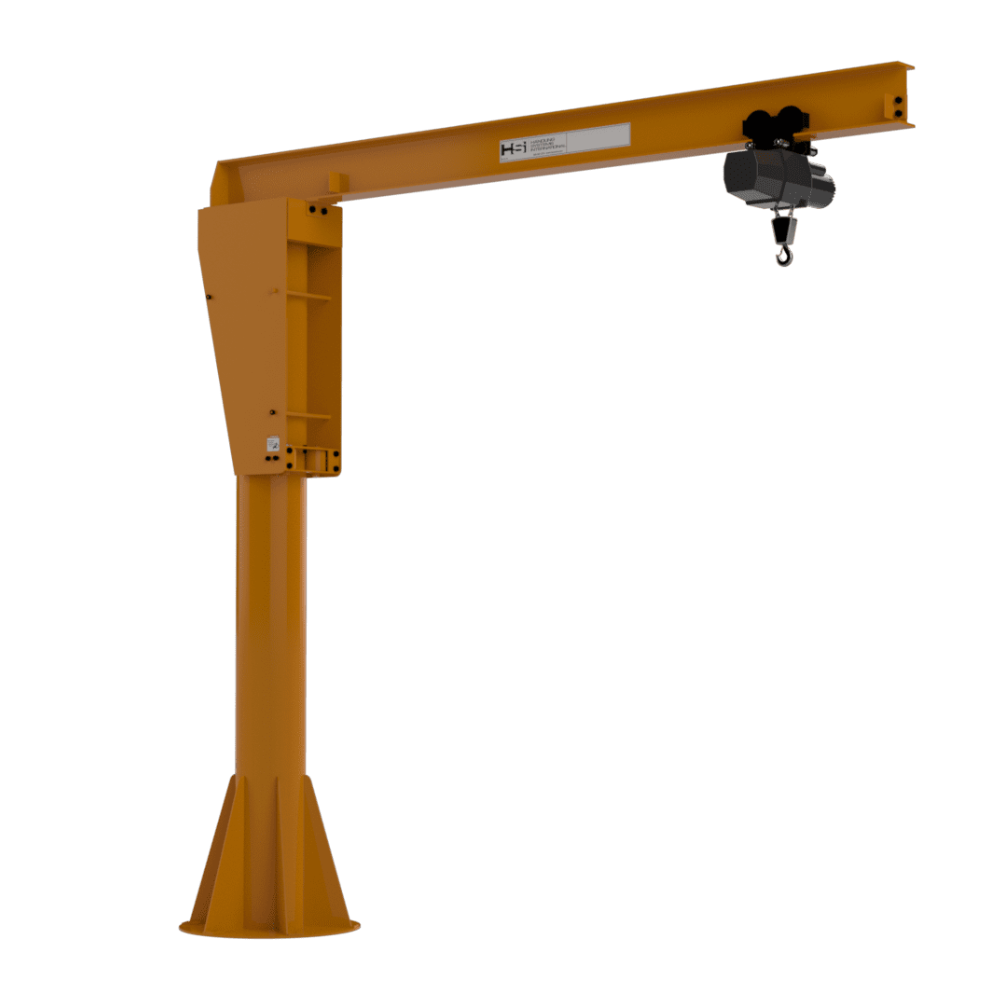
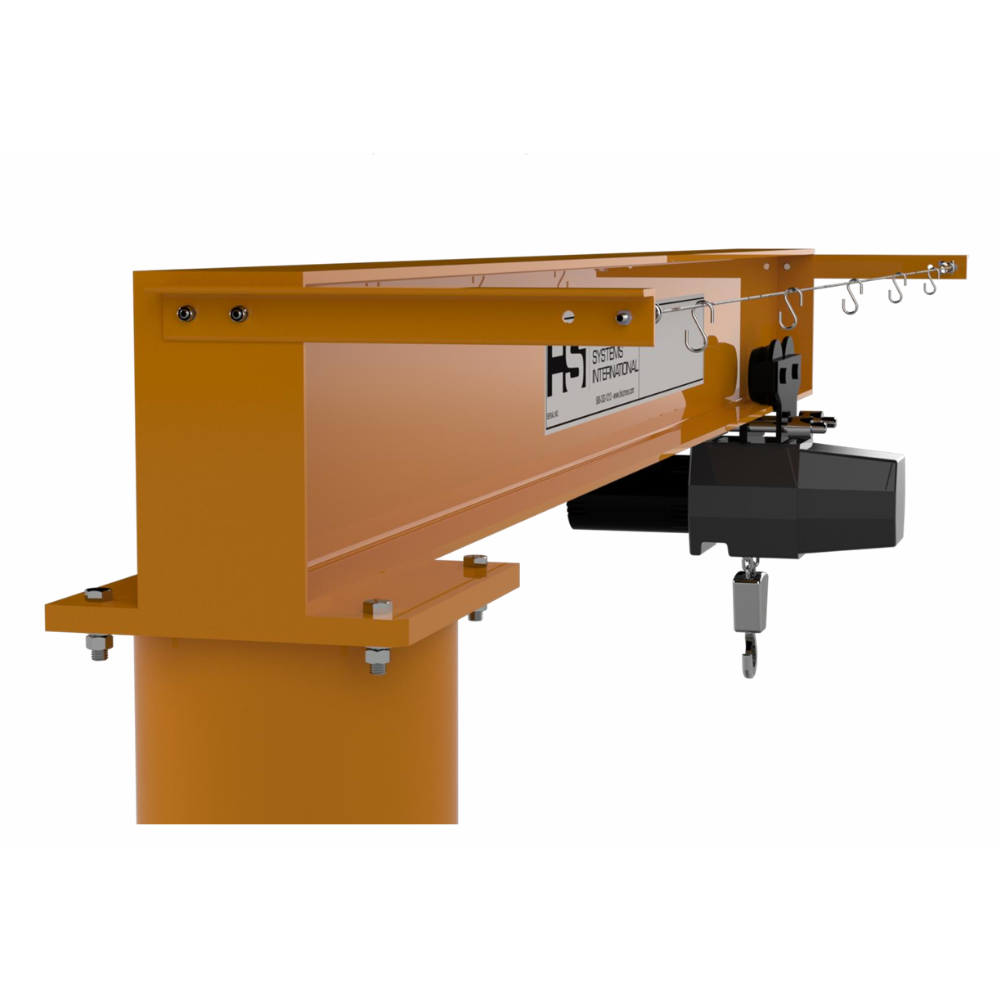
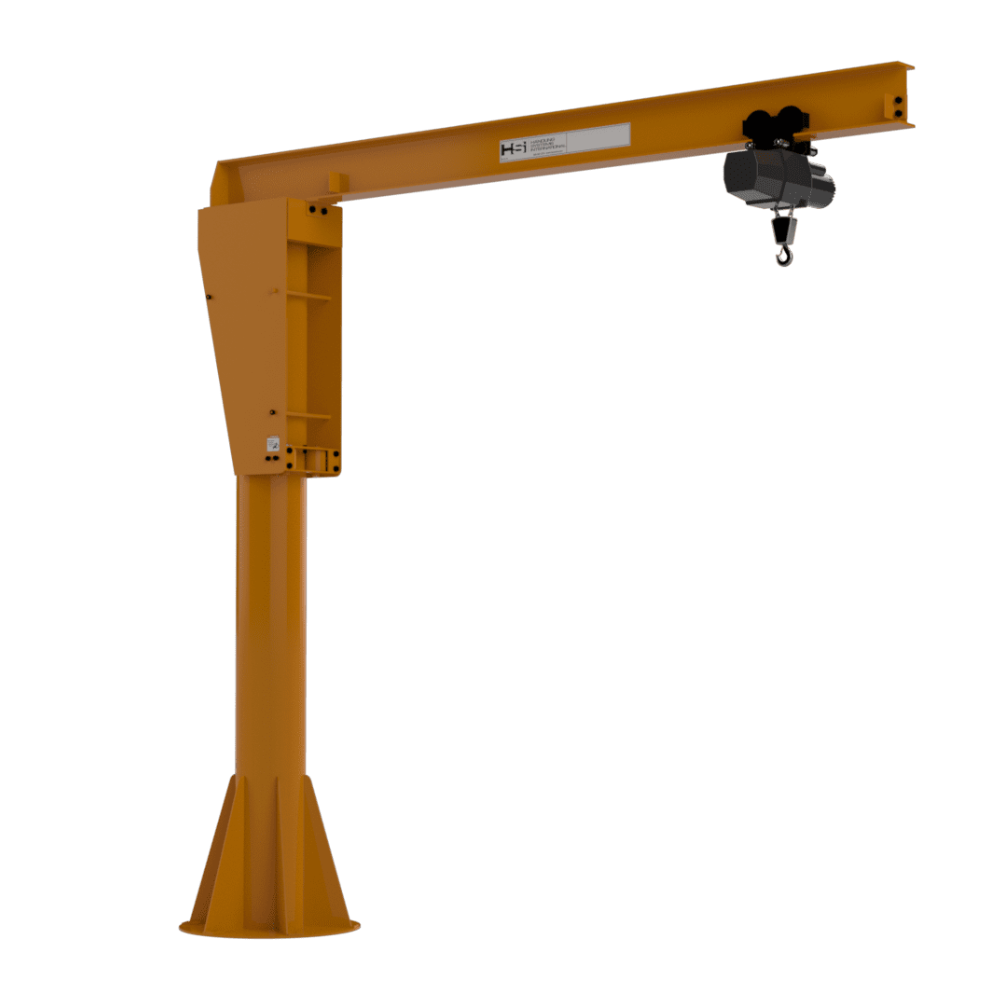
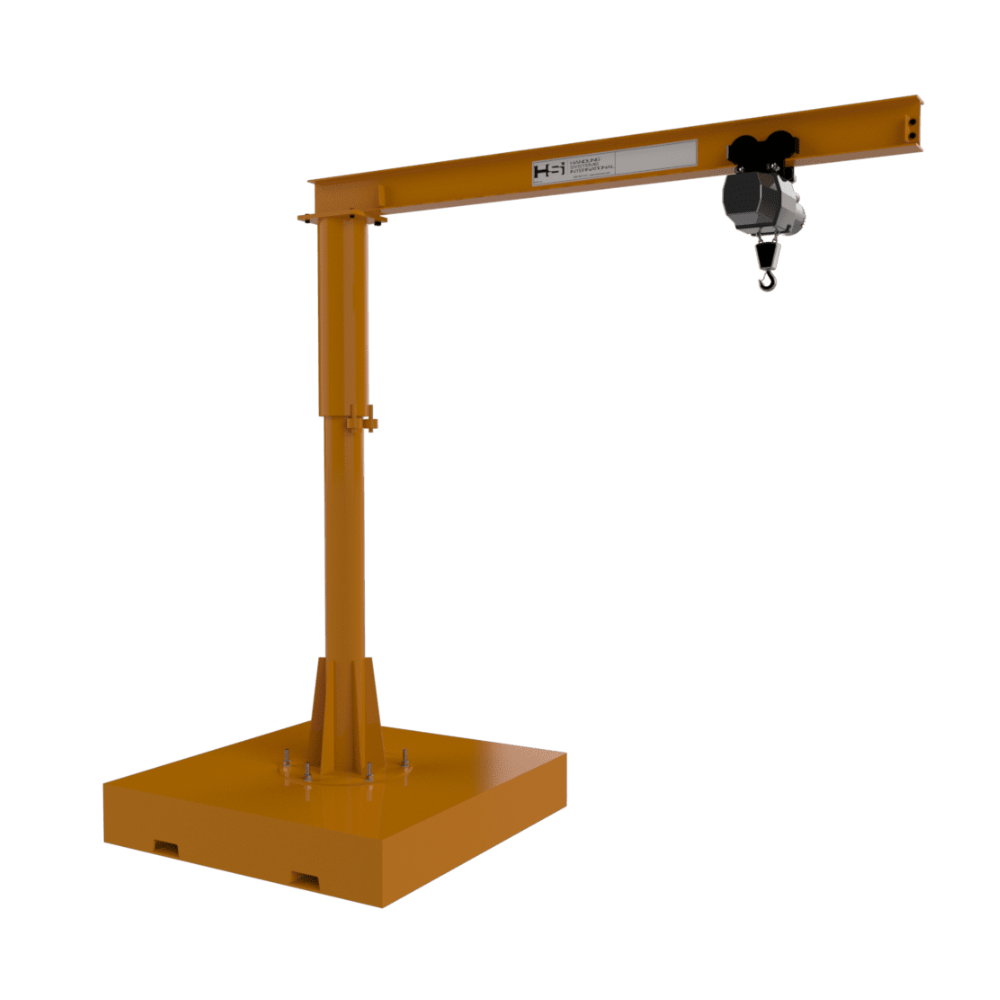
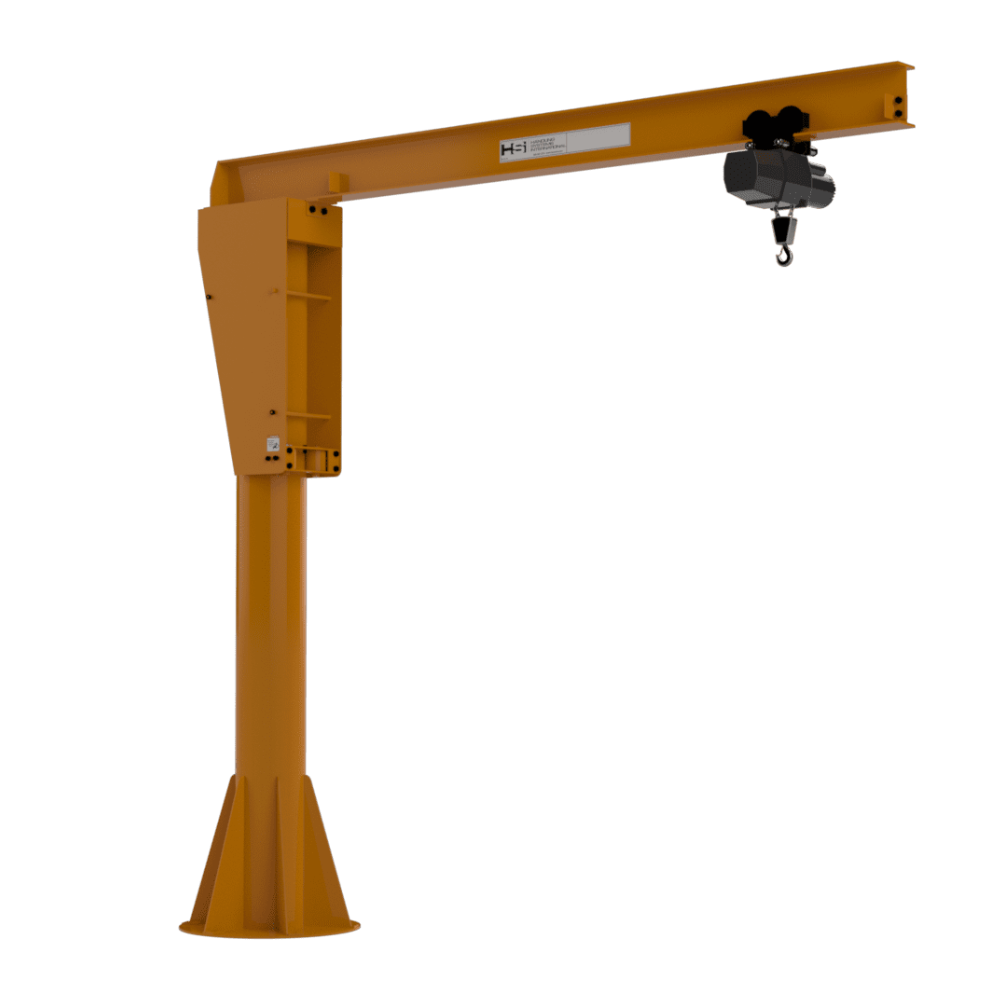
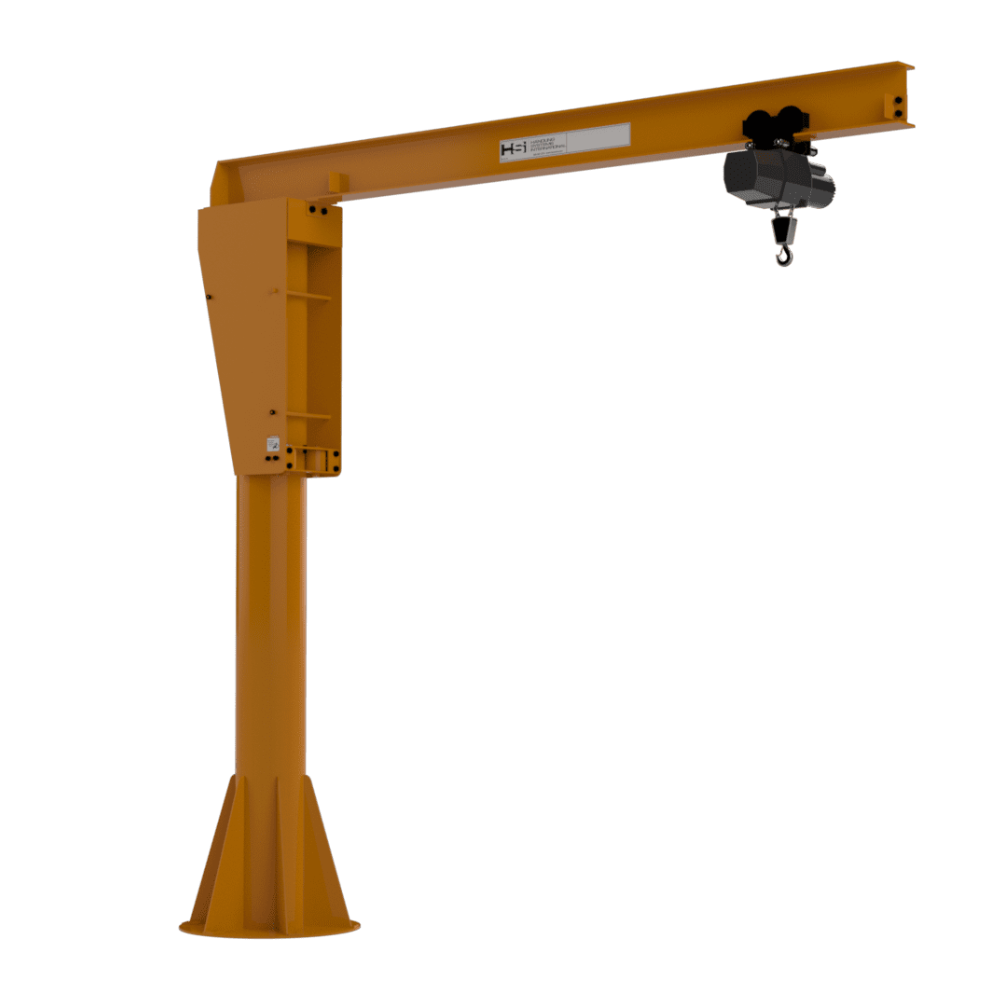
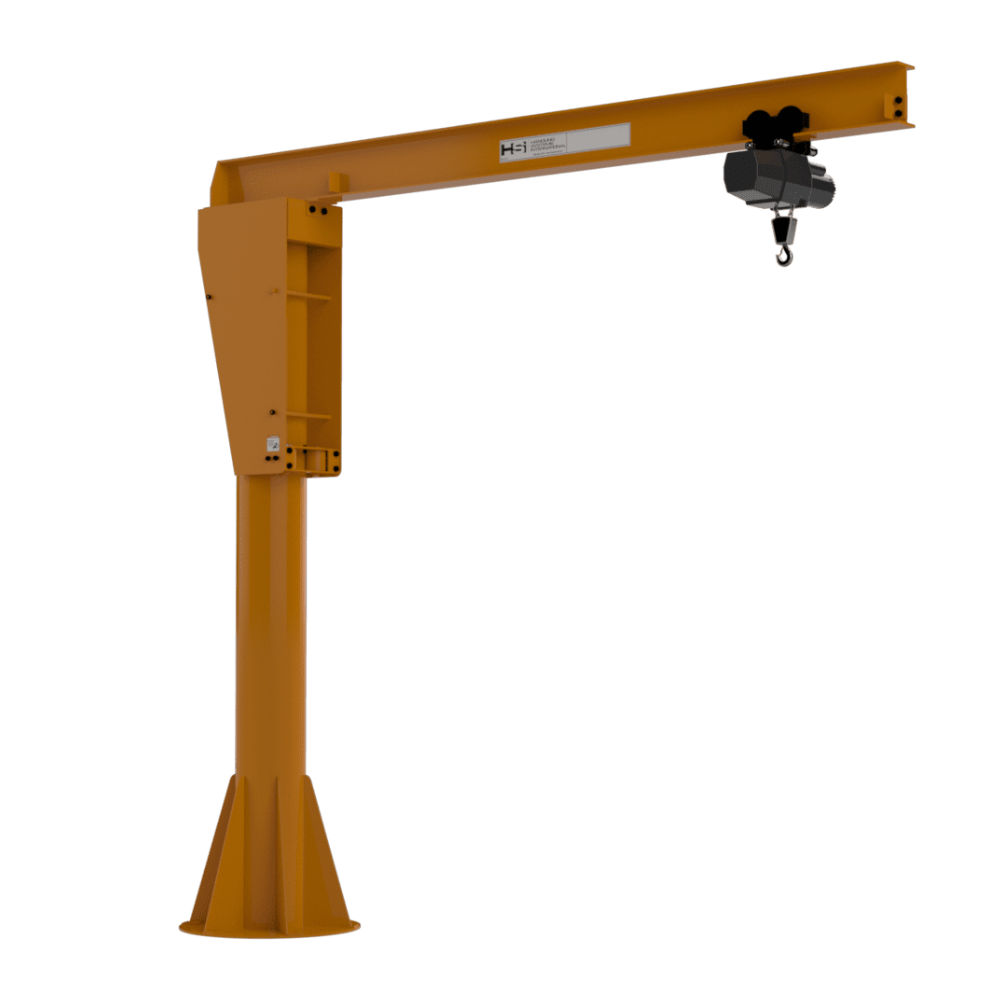
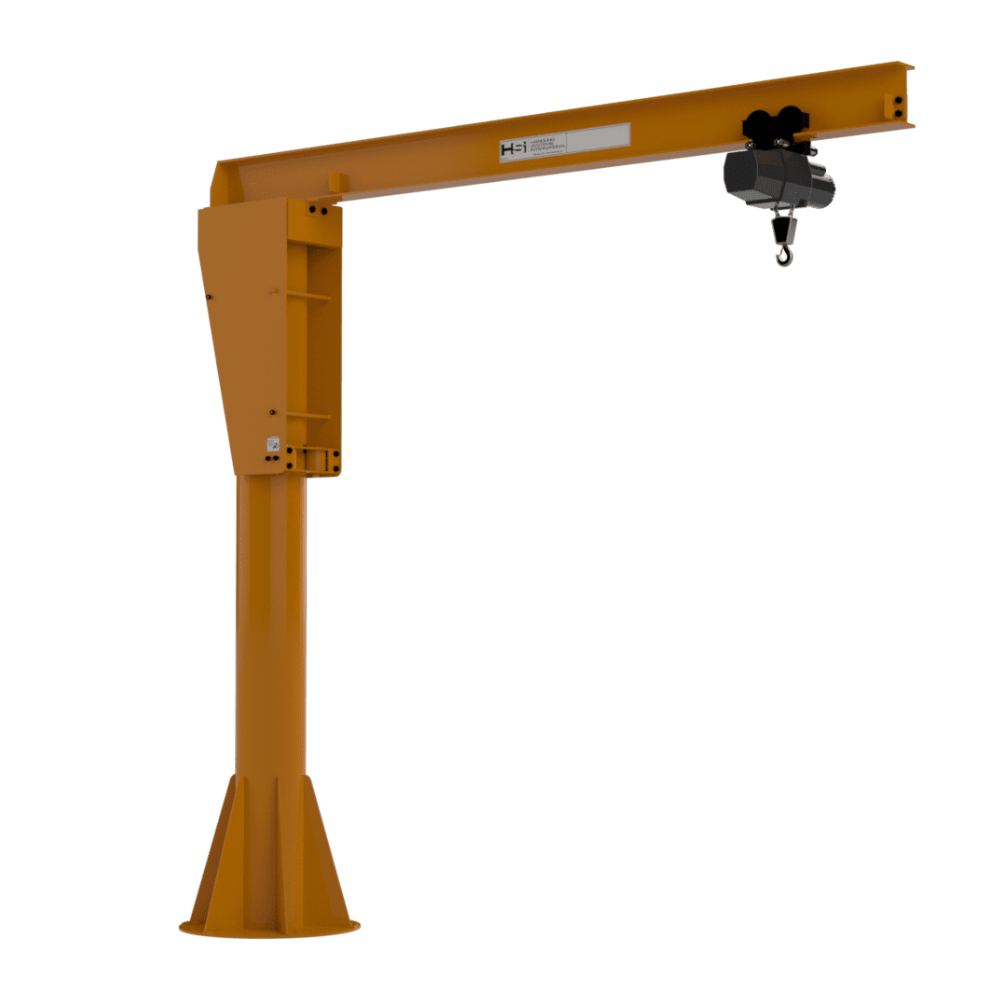
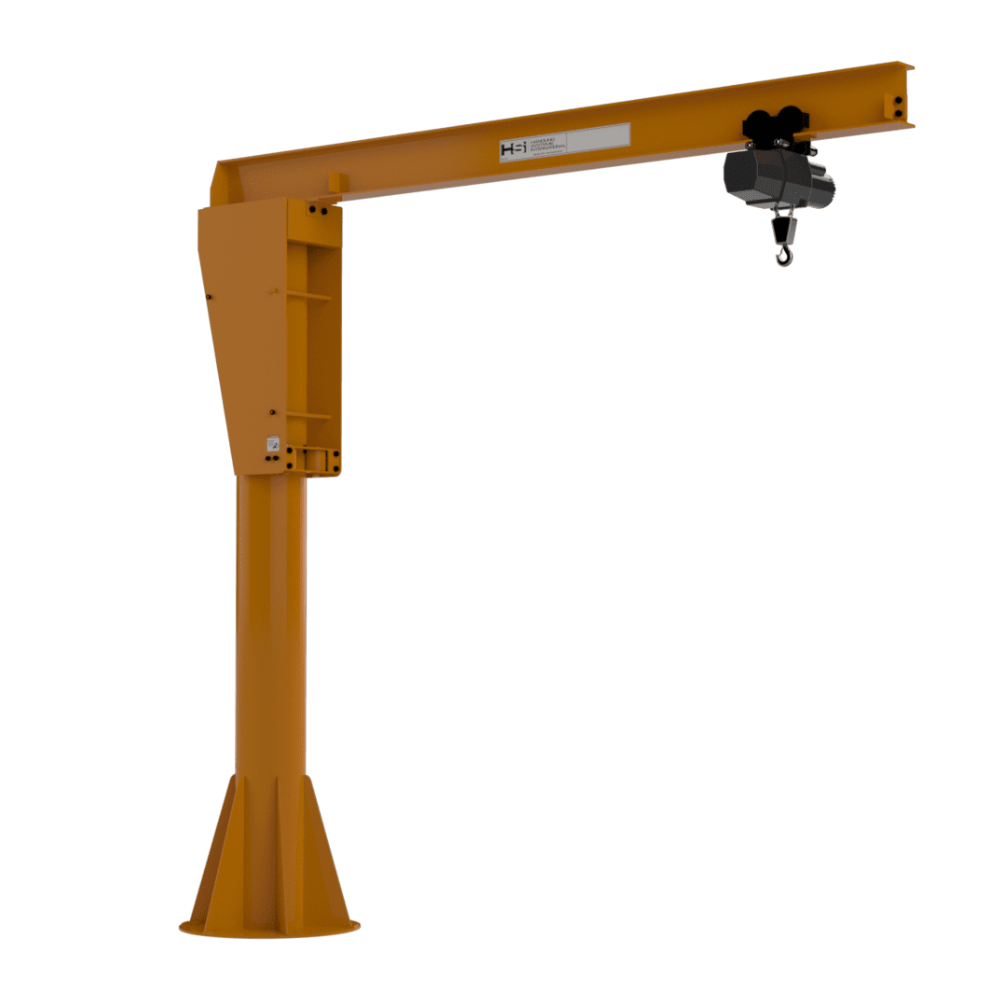
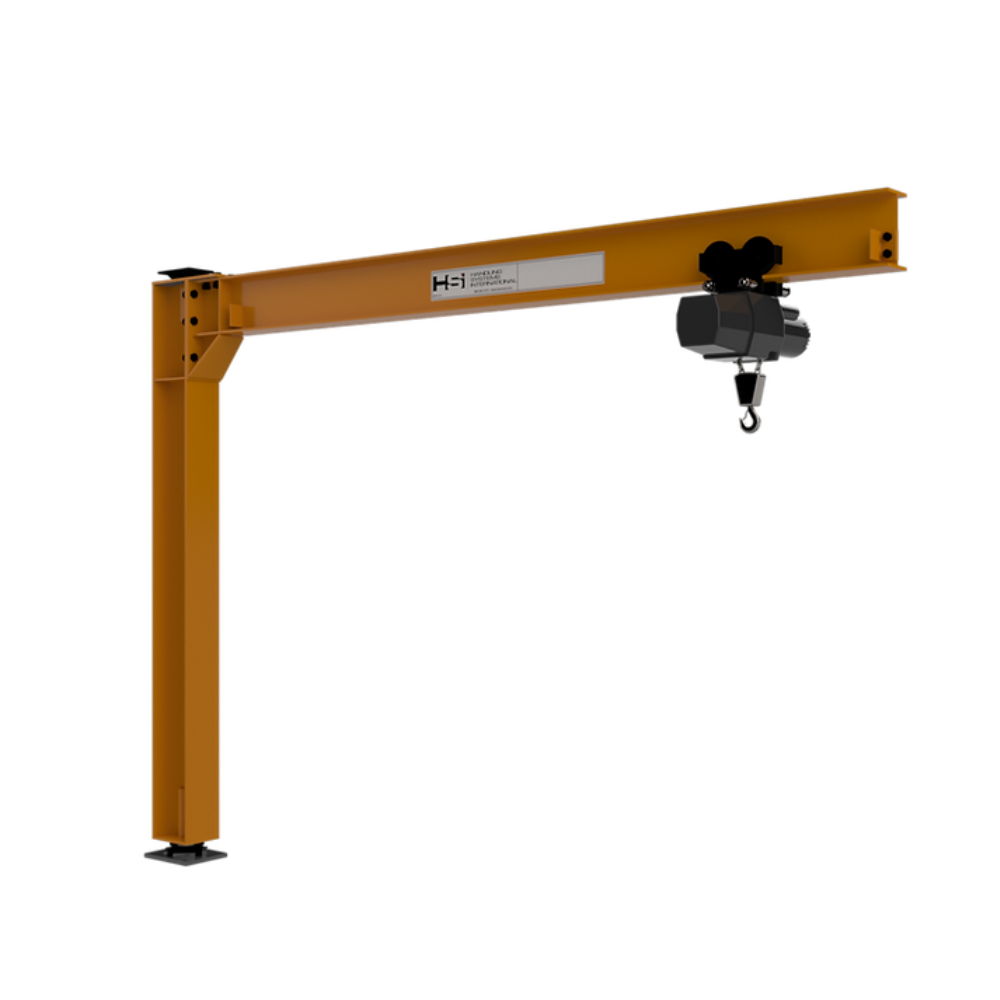
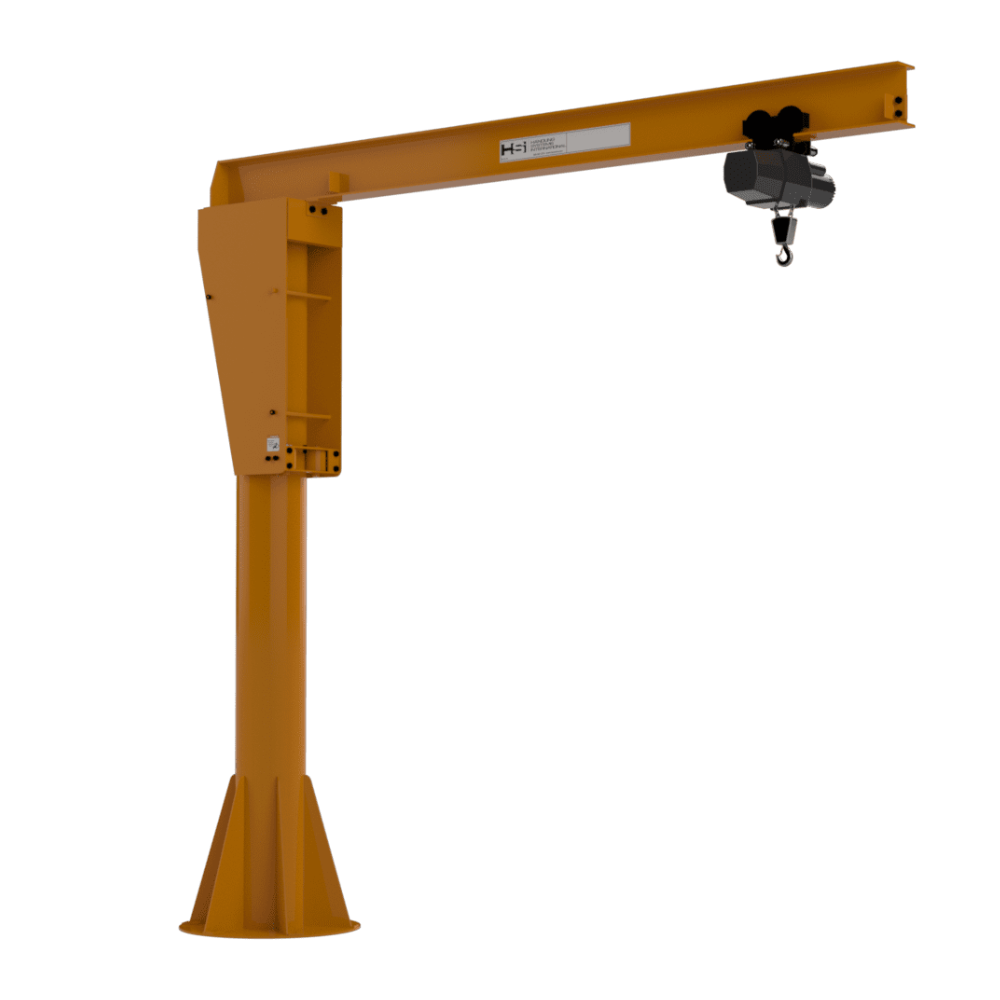
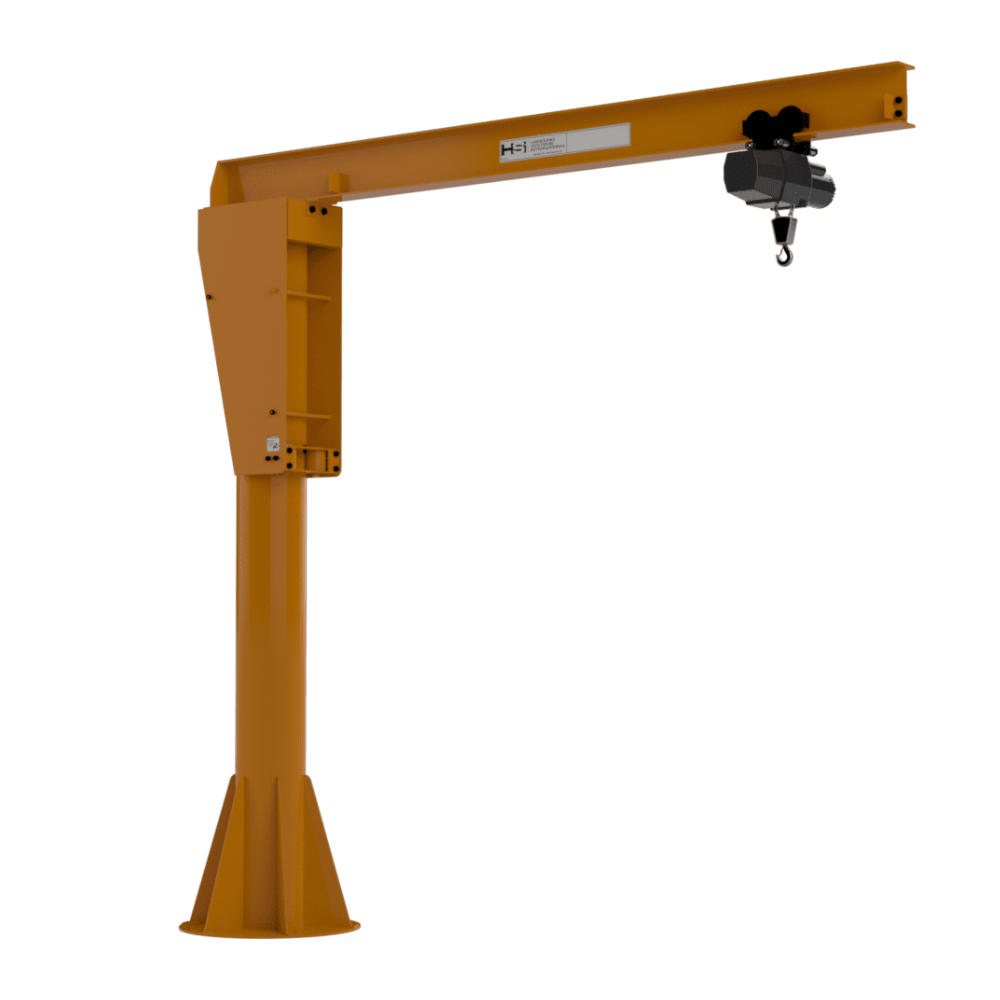
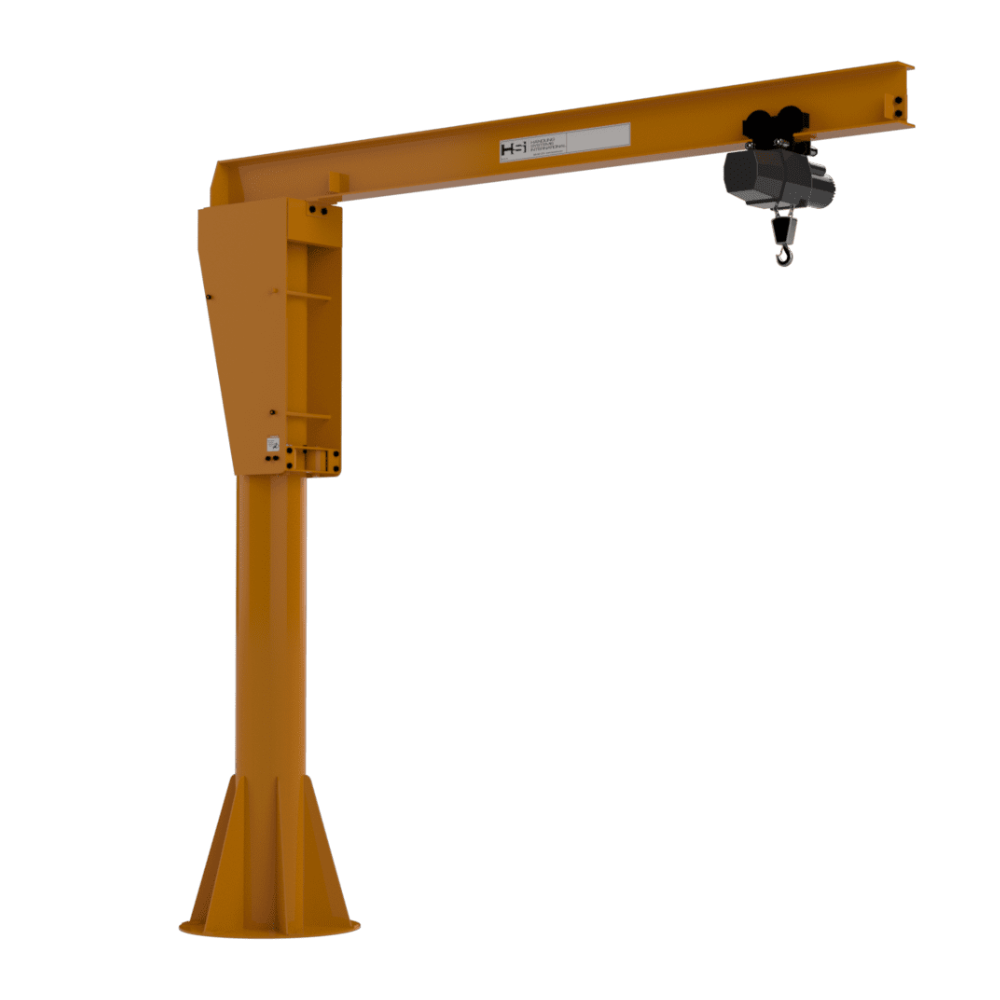
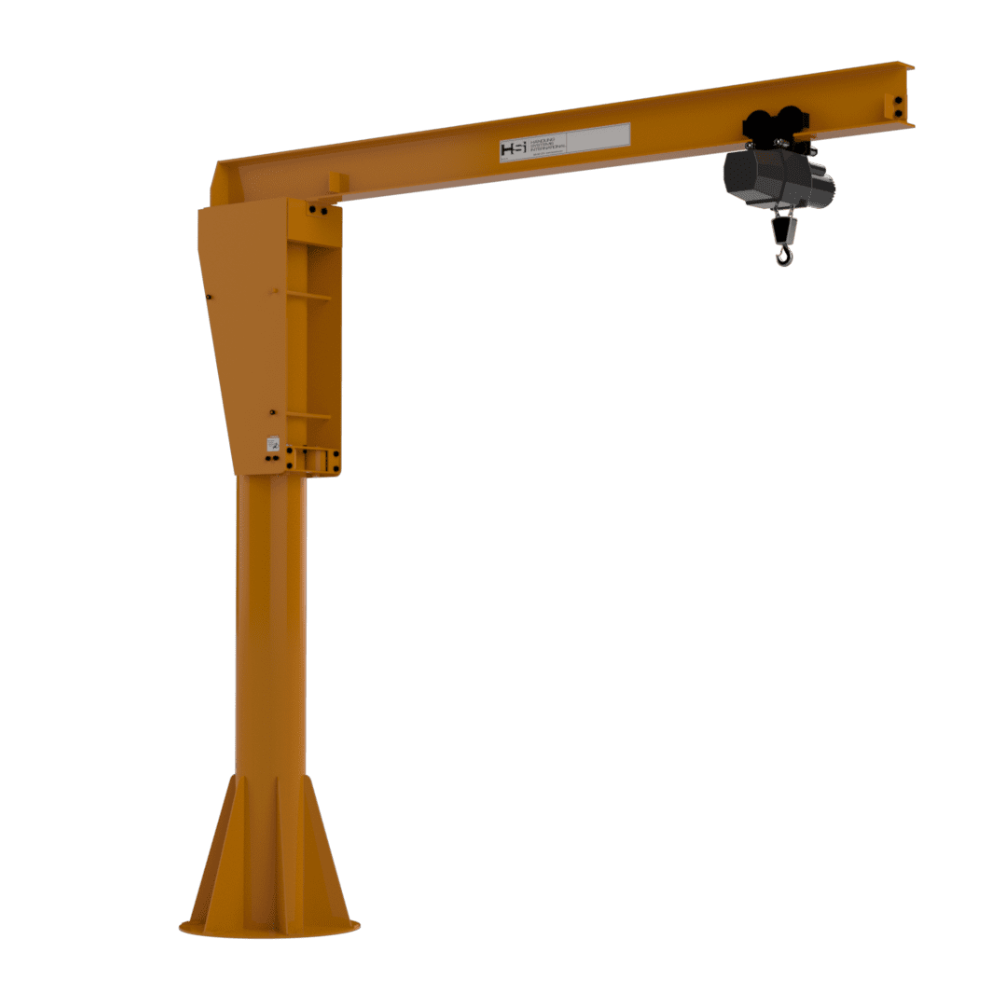
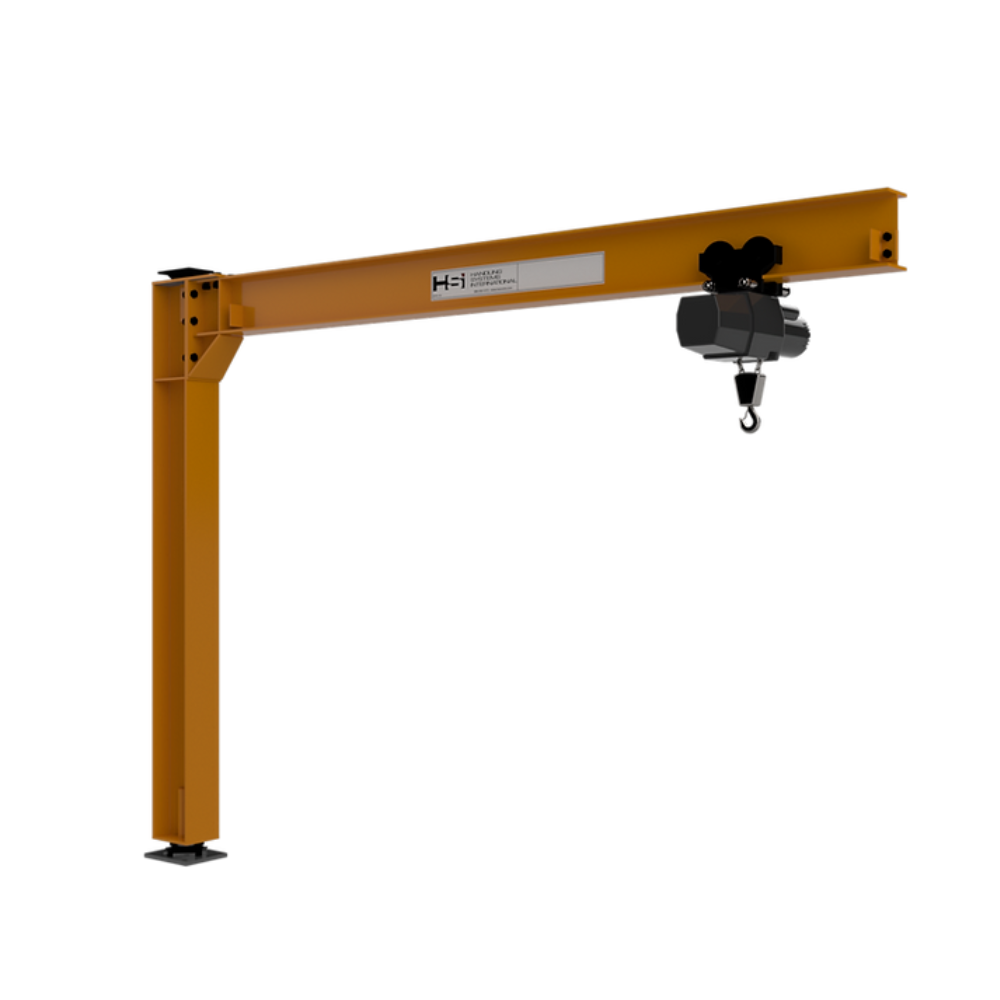
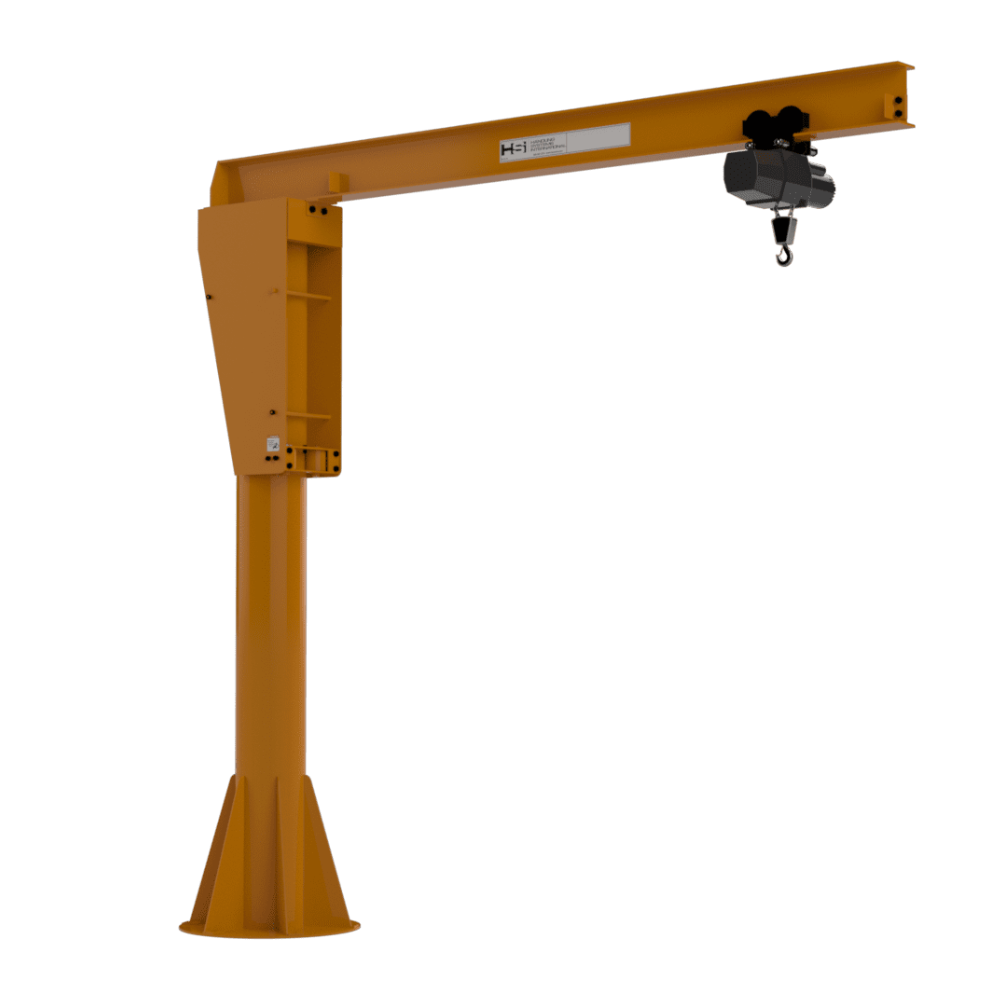
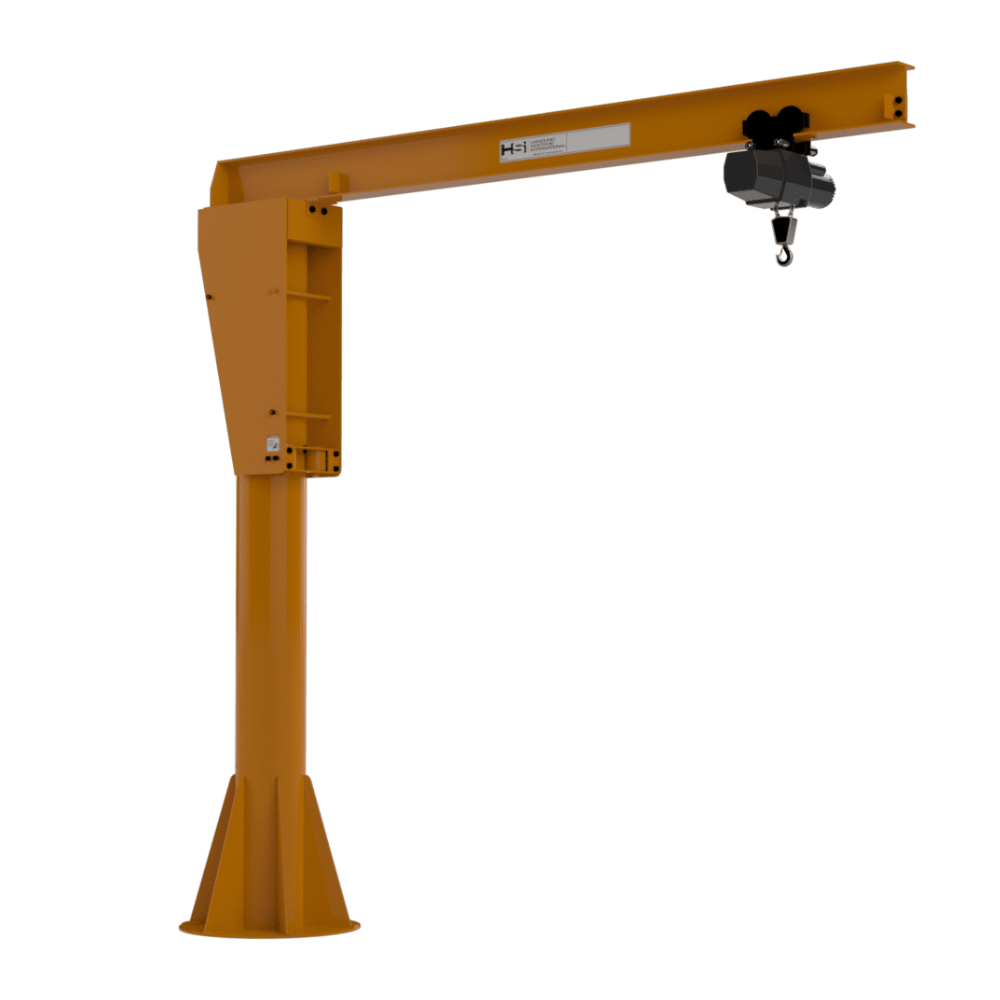
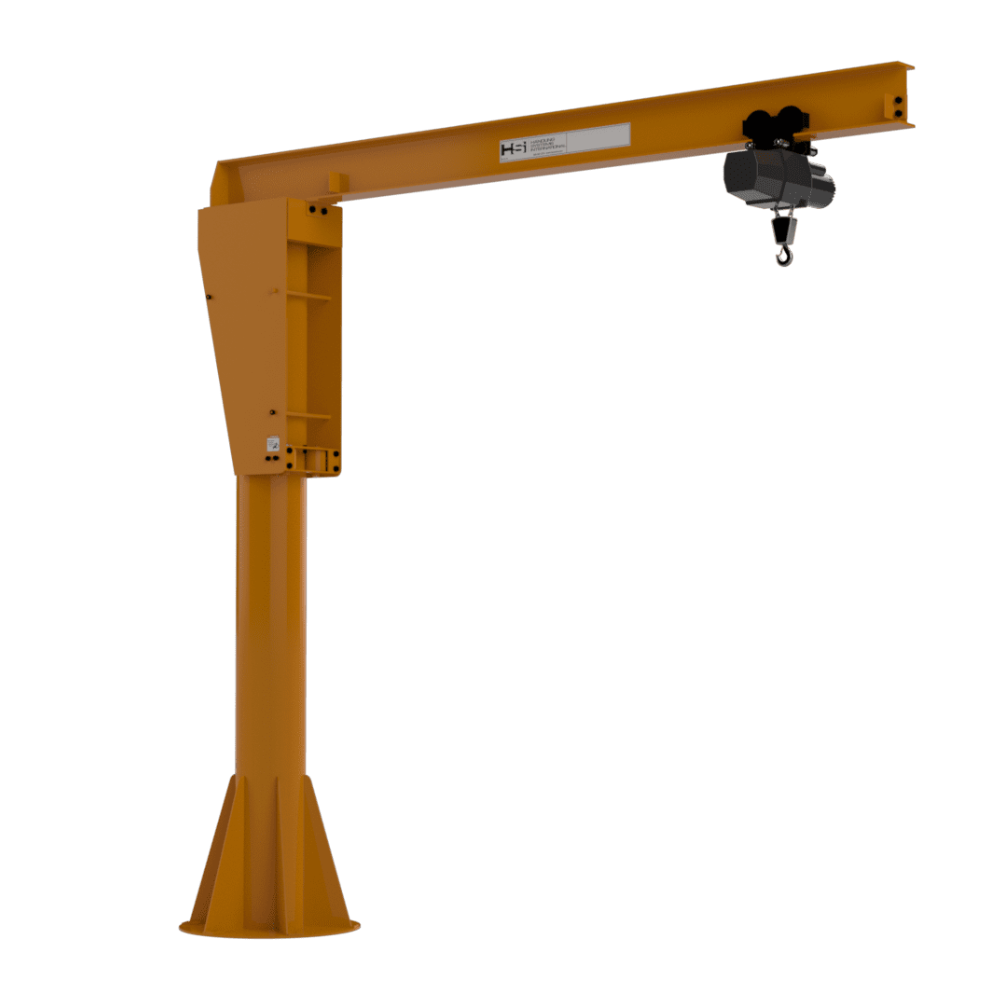
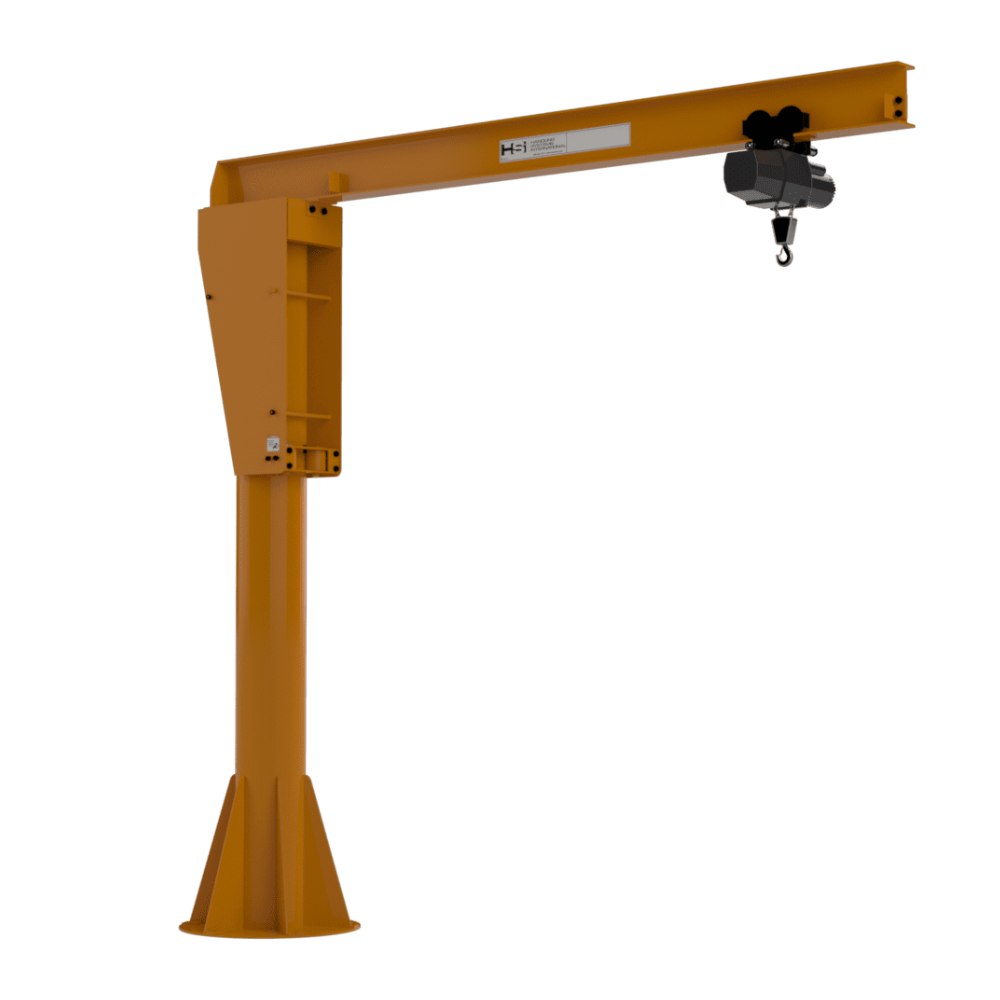
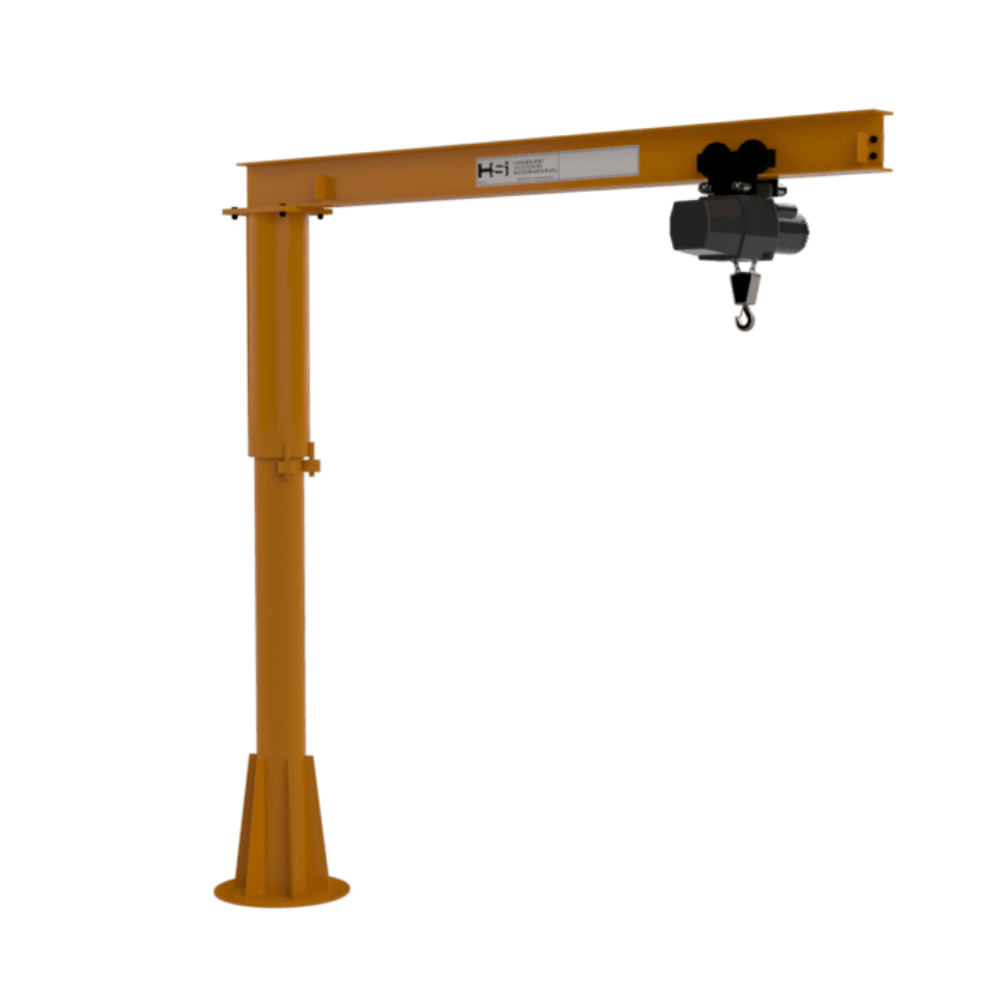
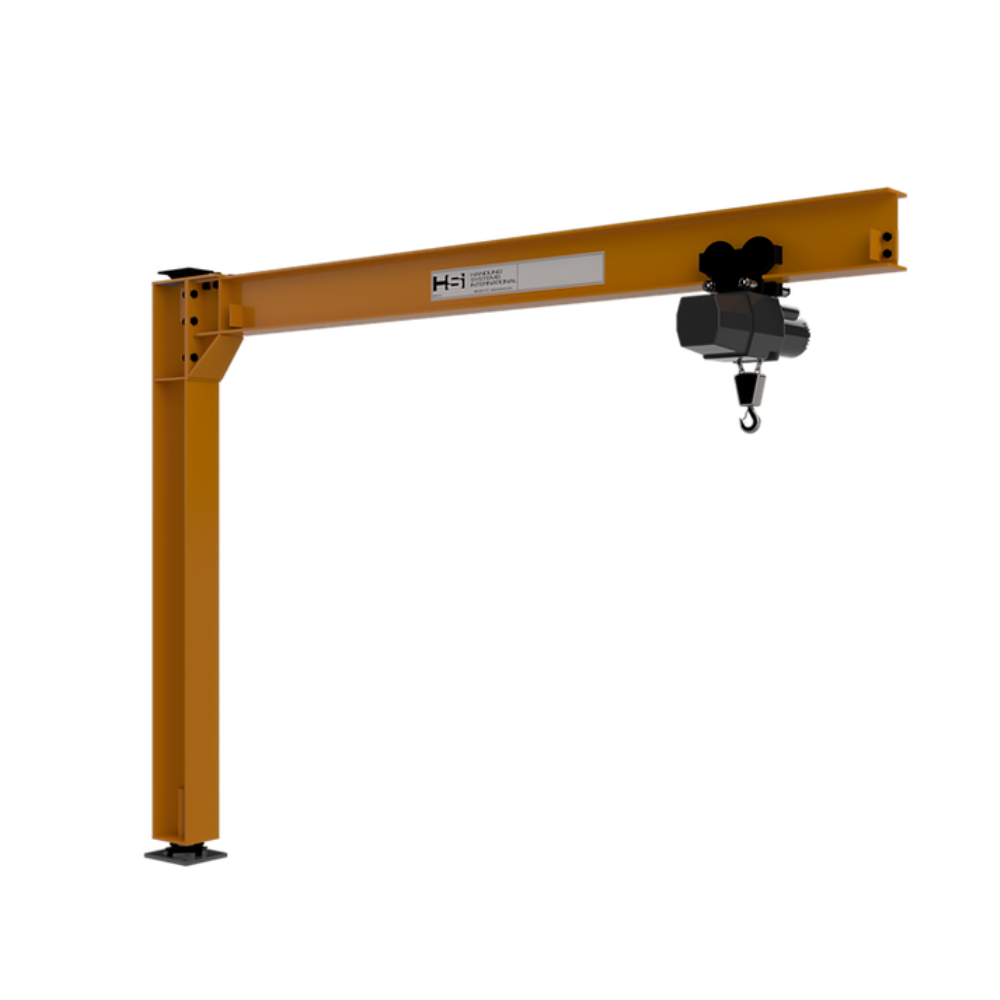
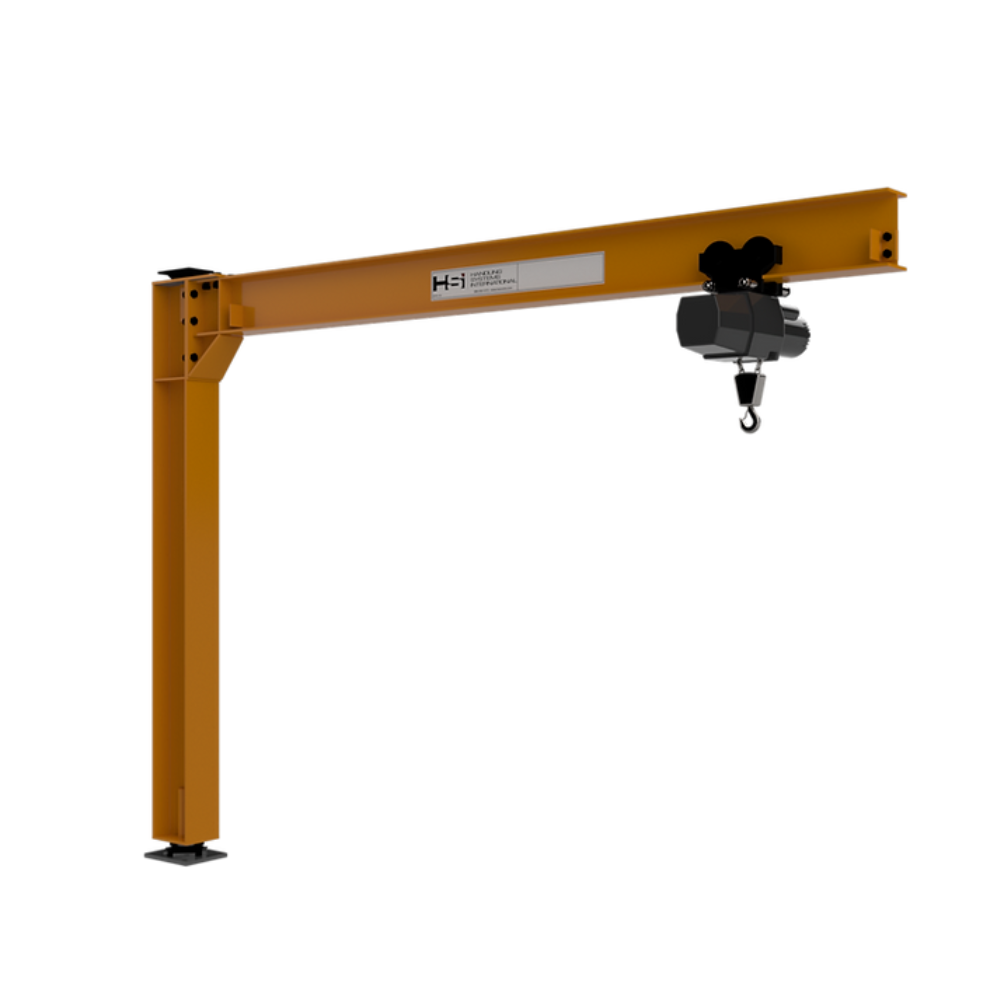
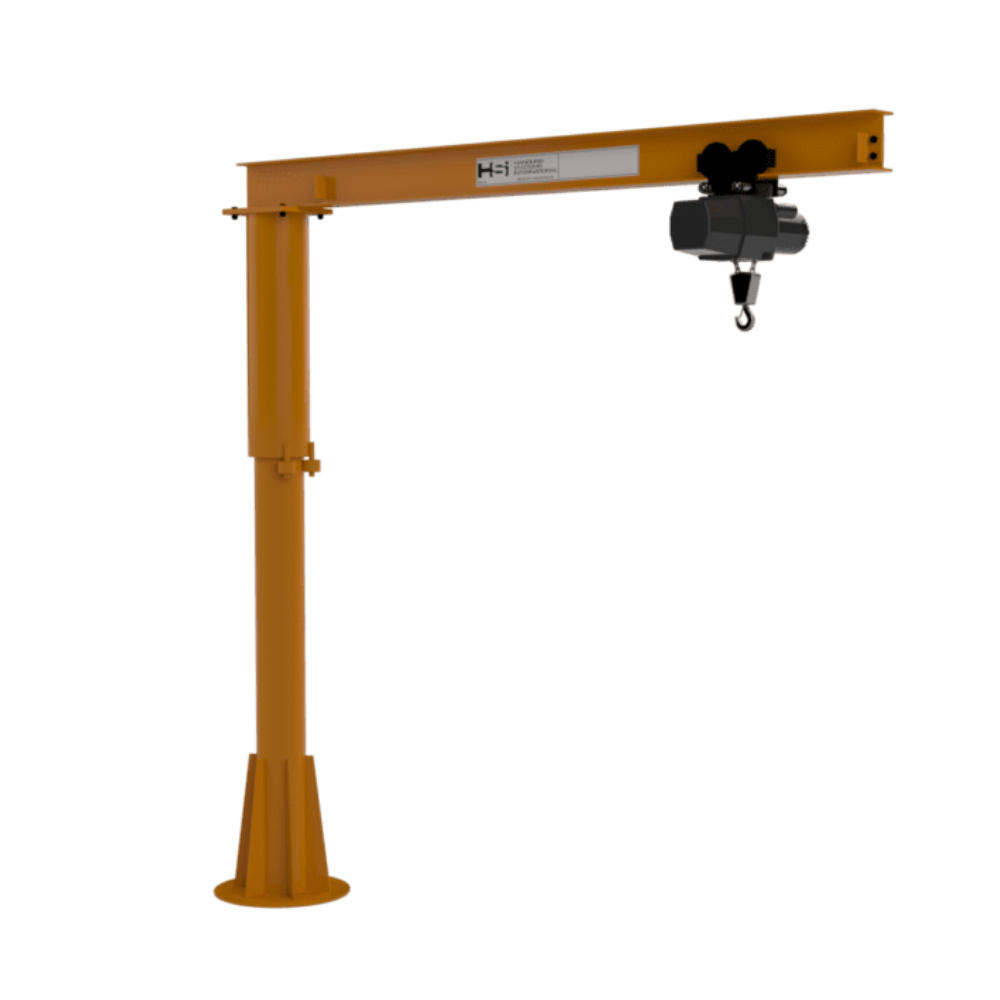
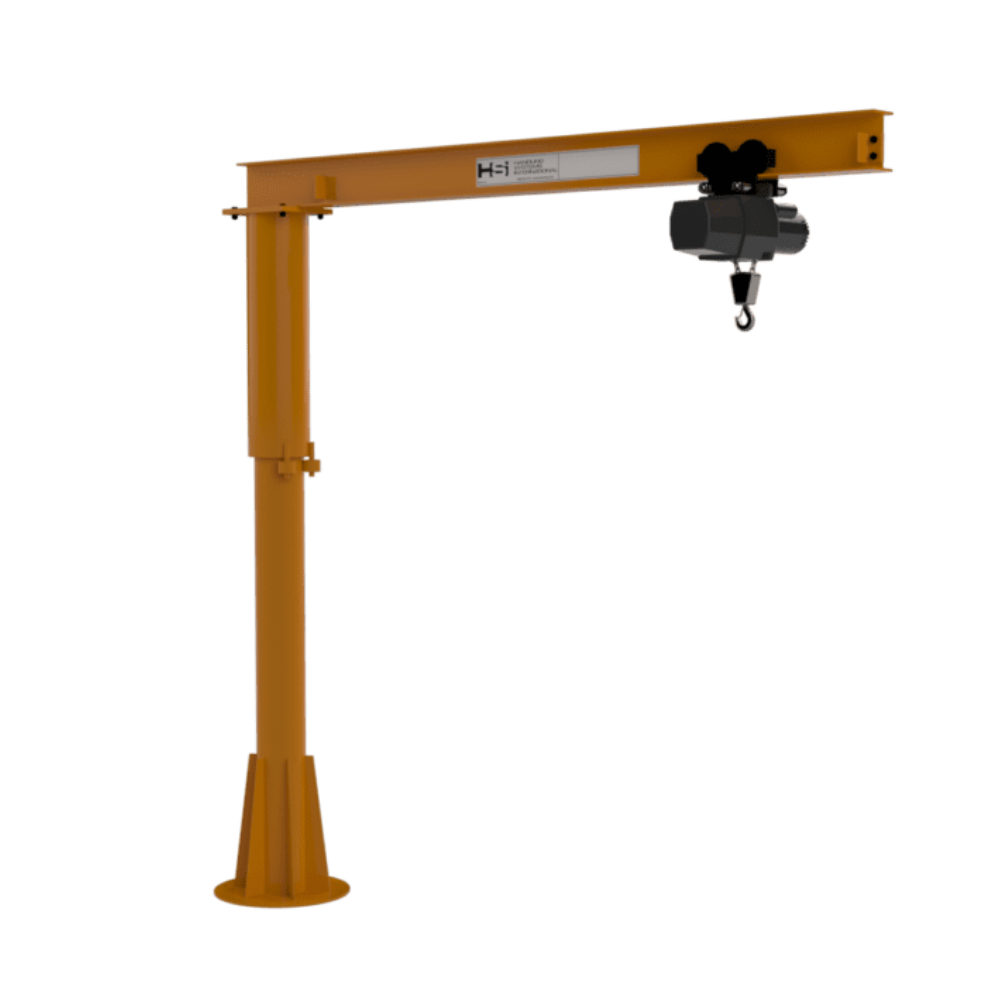
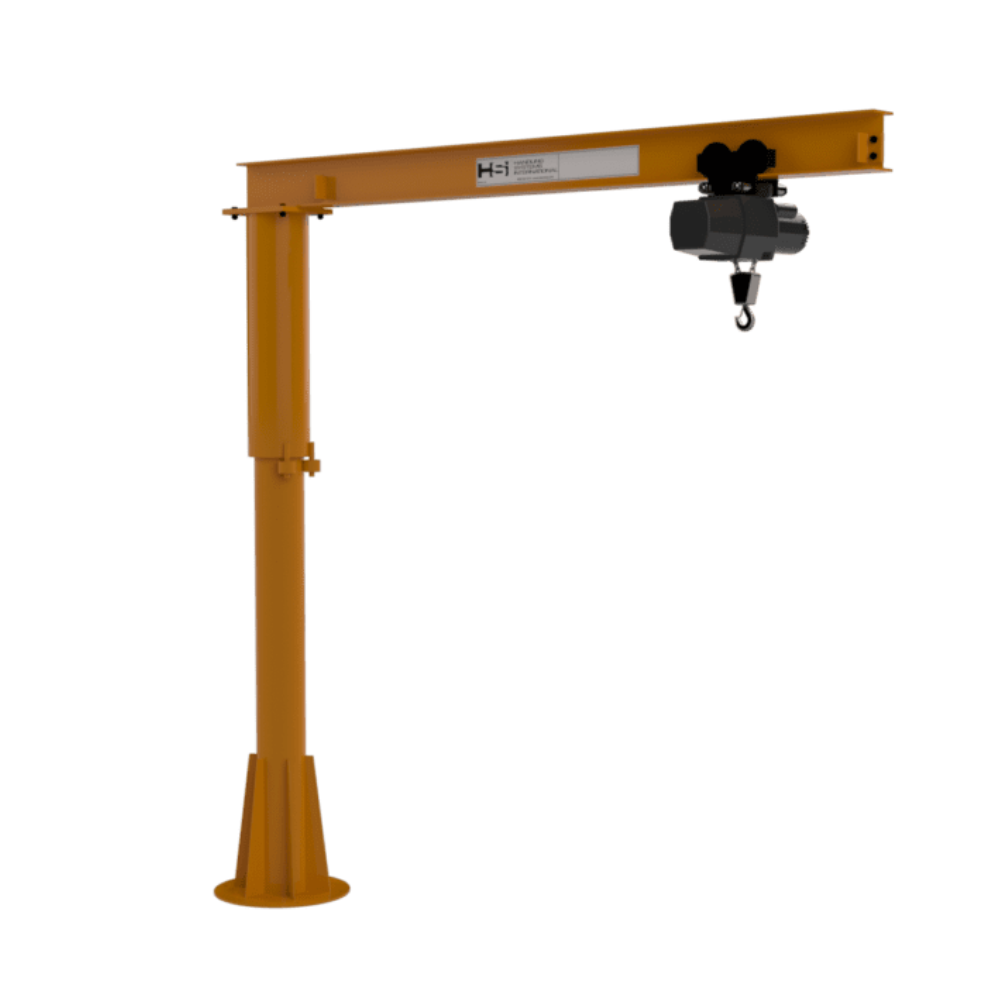
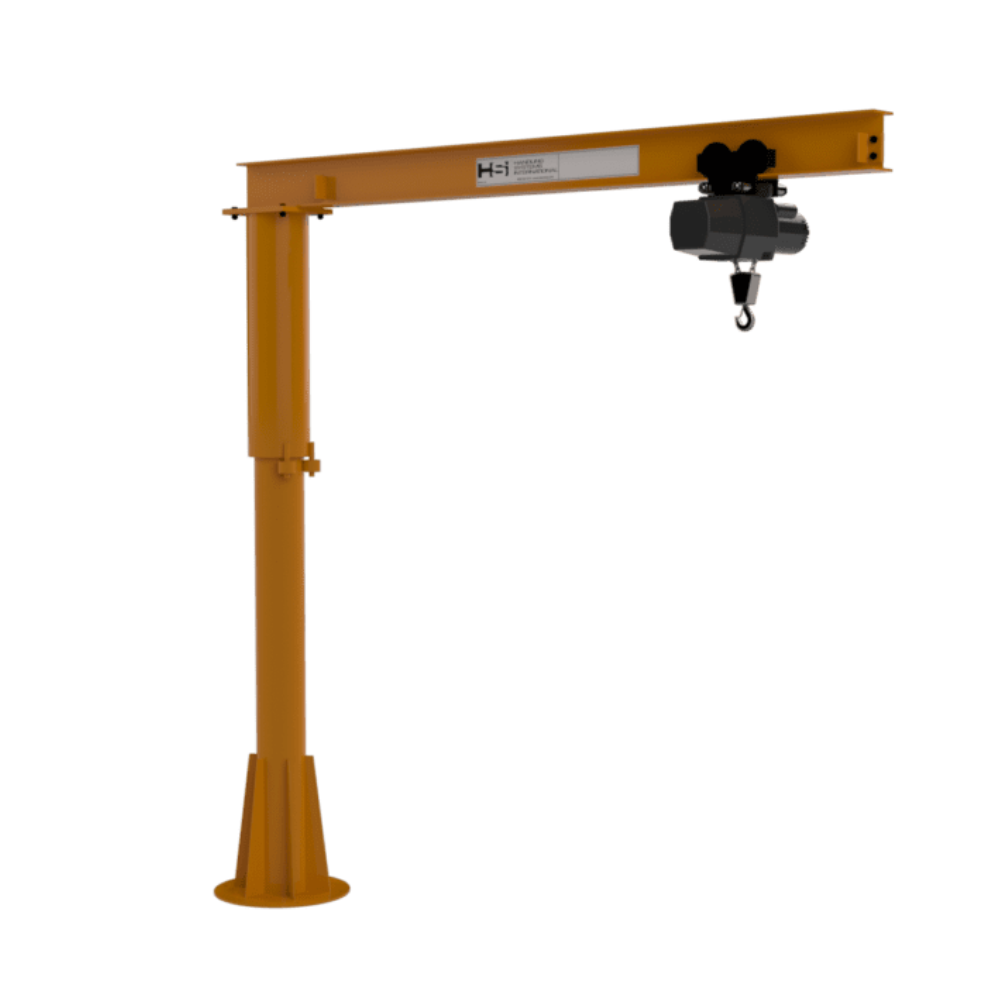
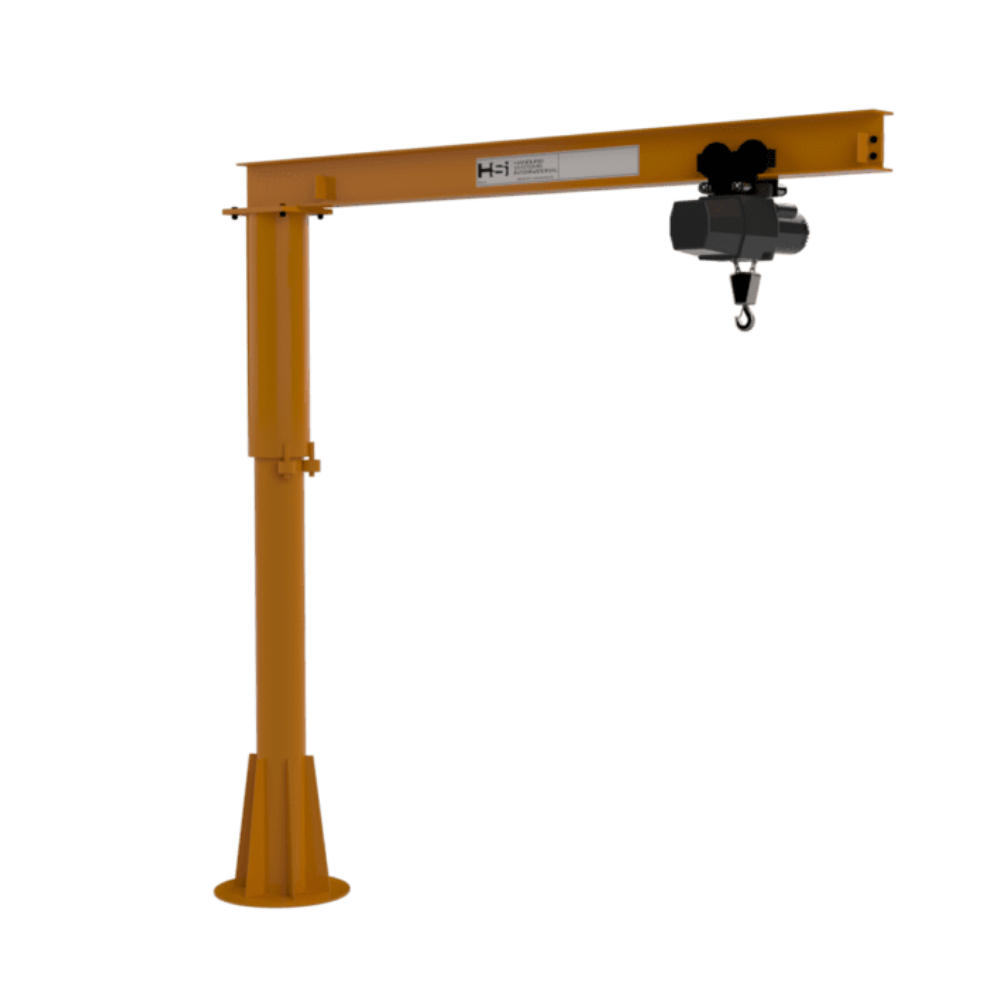
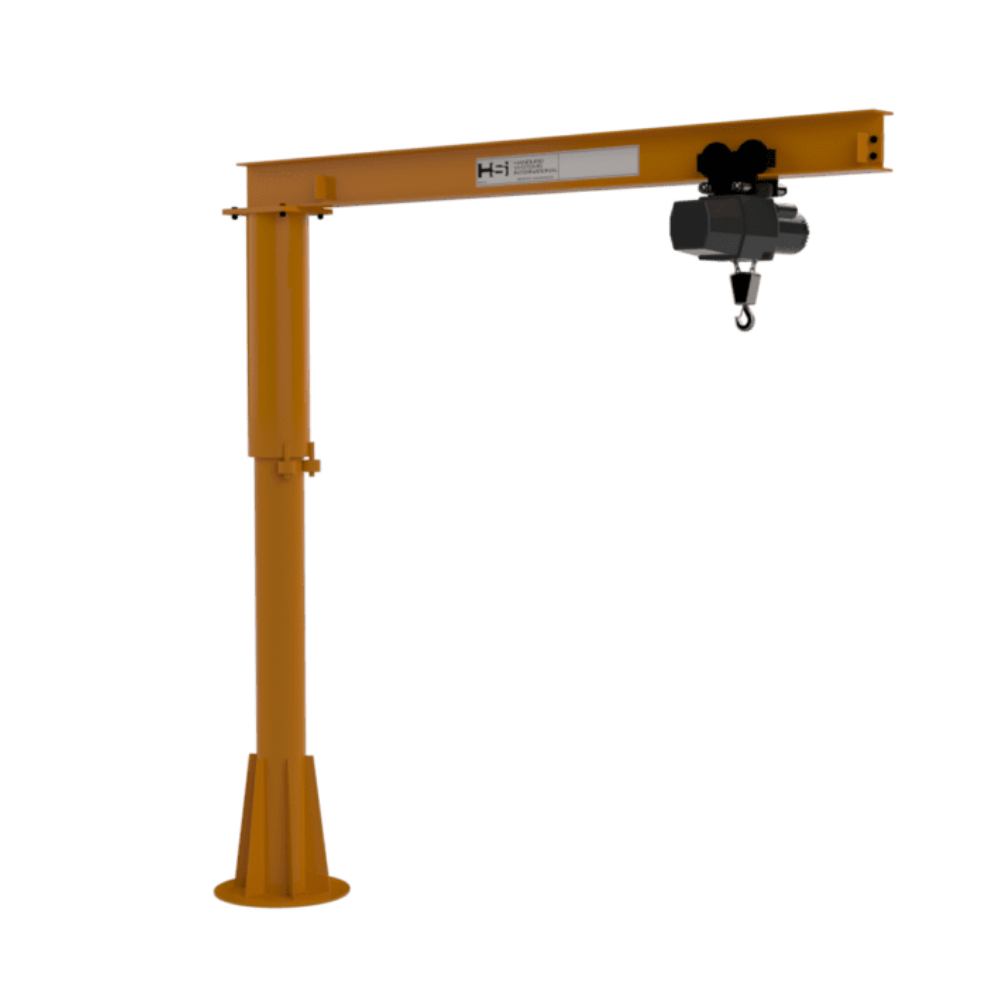
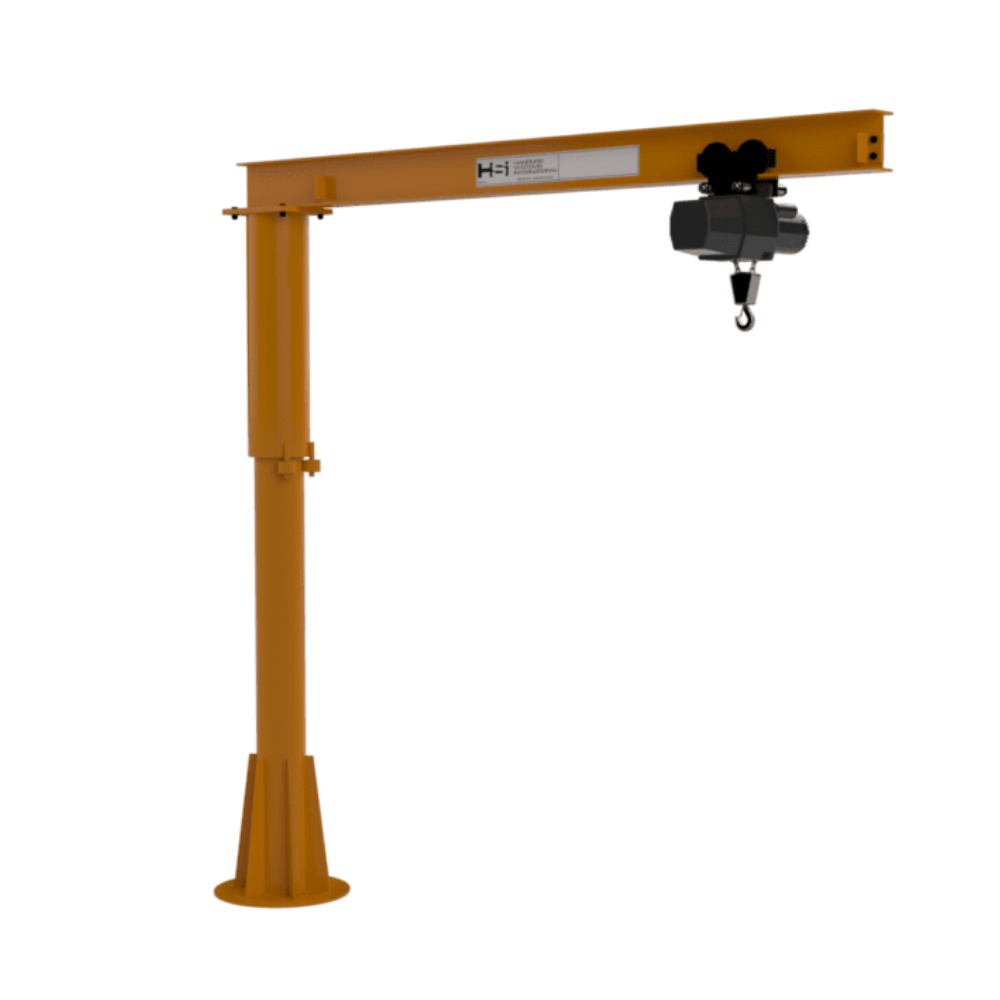
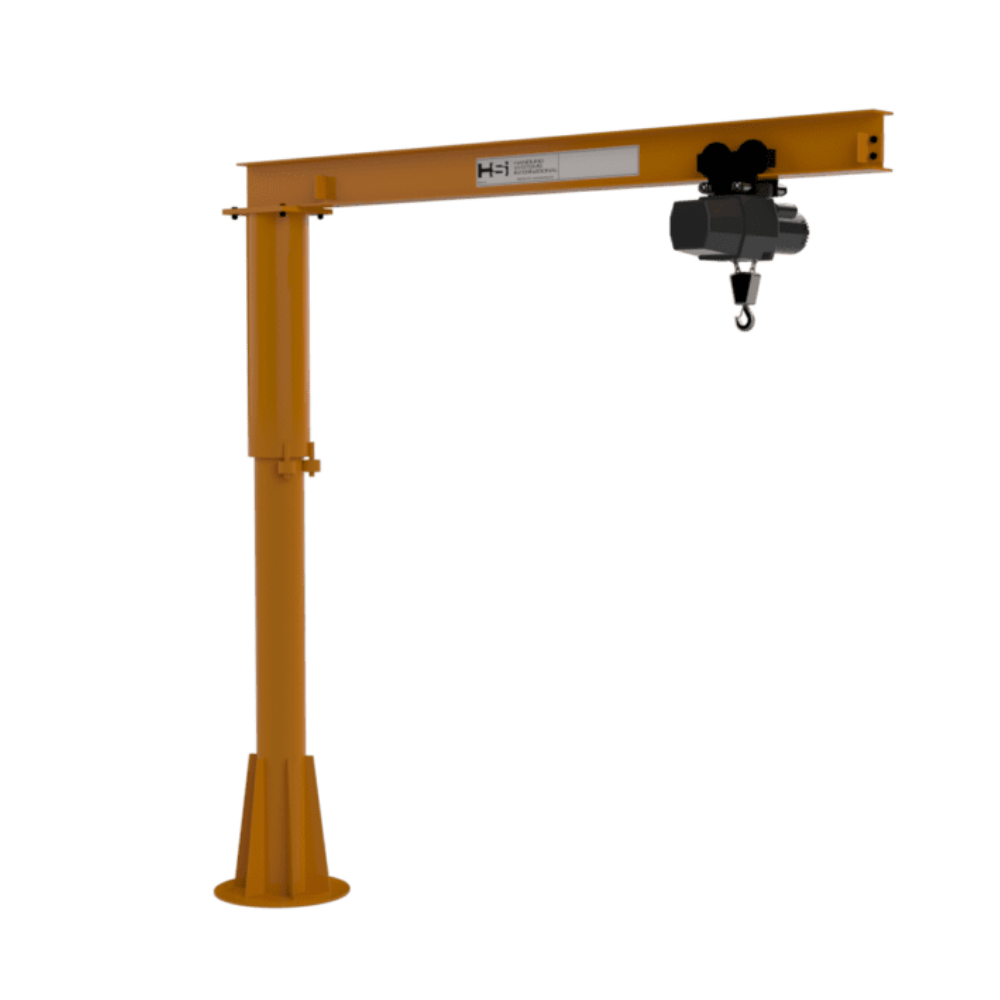
Freestanding jibs: full circle, real foundation. A freestanding jib rotates 360 degrees and serves everything inside its span, which is why it is the default for a machine cell, dock door, or assembly bench that gets lifted to all day. HSI builds two tiers in floor mount jib cranes: a medium duty line at 250 to 2,000 lb from about $2,360 for lighter work cells, and the heavy duty line at 500 to 10,000 lb with spans of 8 to 20 ft. The number that surprises buyers is under the baseplate: a standard freestanding jib anchors into a reinforced concrete foundation poured to the manufacturer's drawings for that capacity and span, so the real project cost is crane plus concrete plus cure time. Spec height under boom from your tallest load plus hoist and trolley headroom, and remember boom deflection eases when you buy the next capacity up.
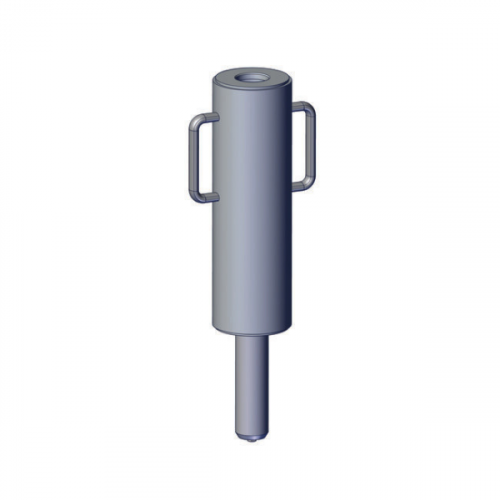
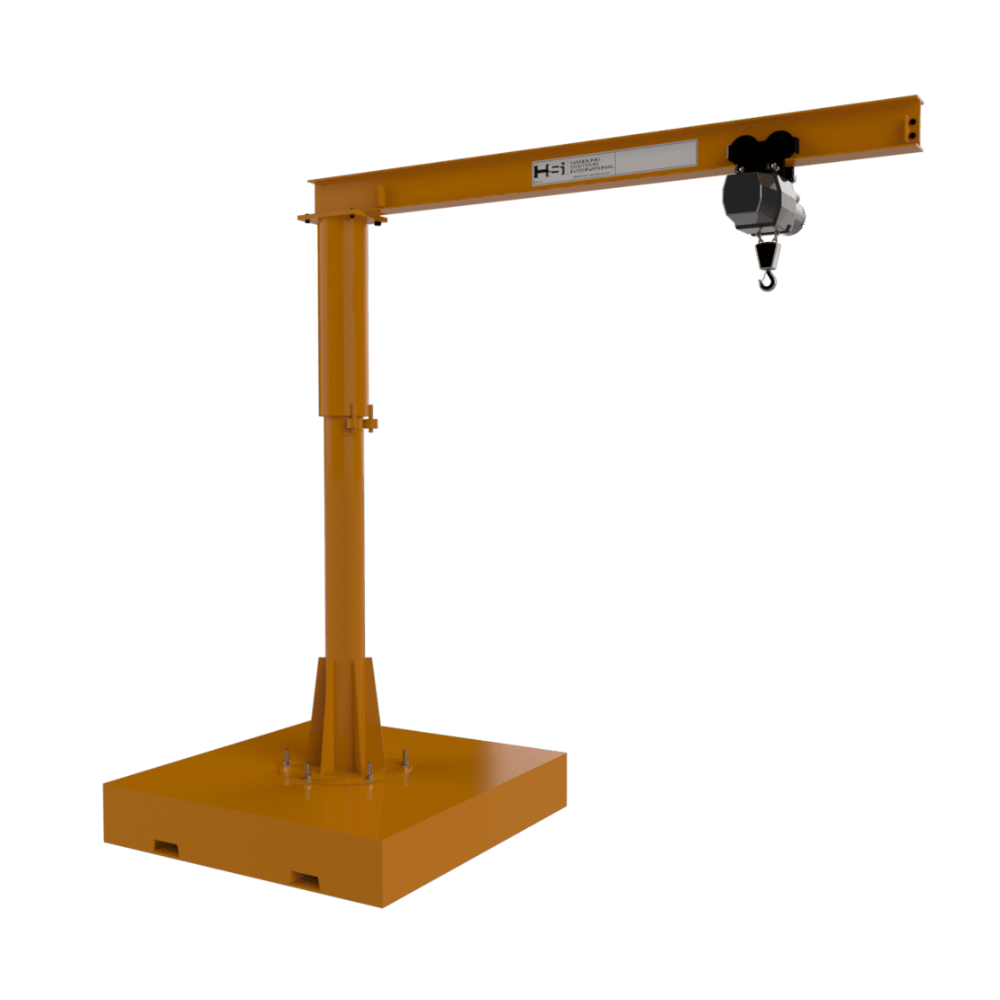
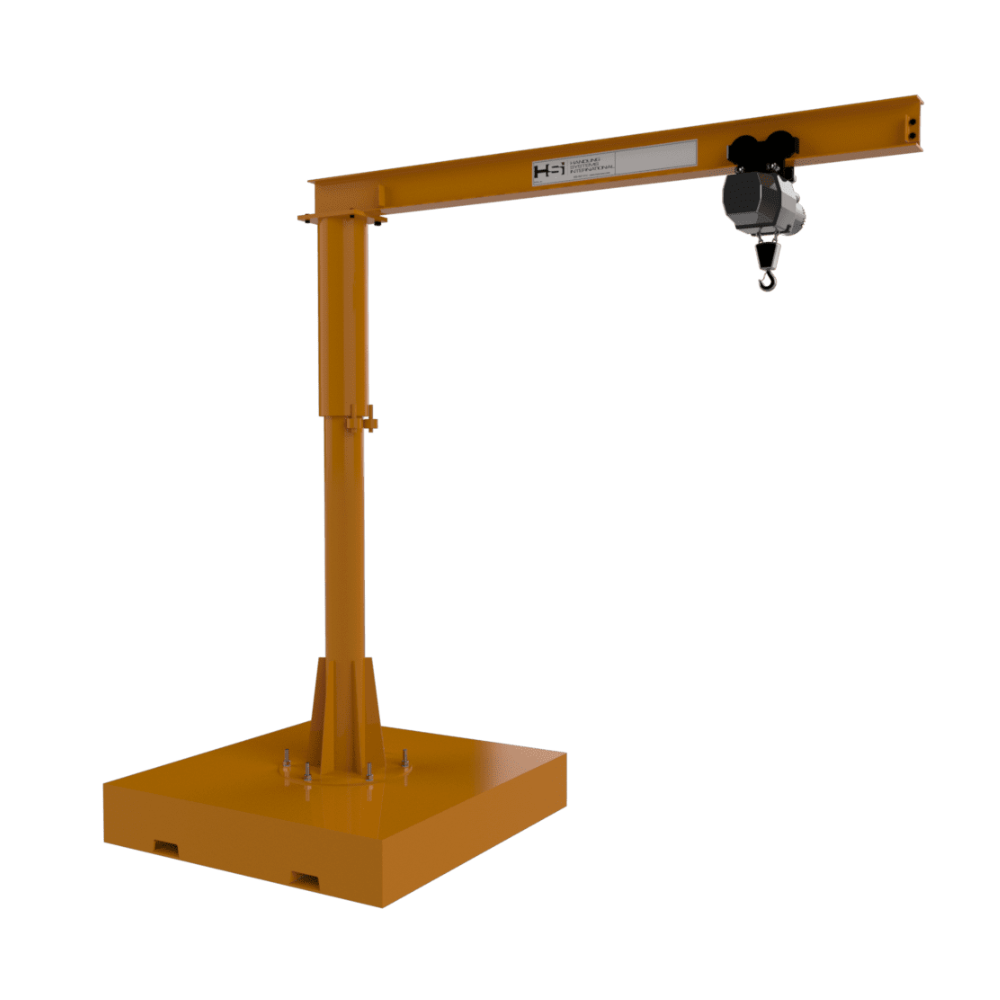
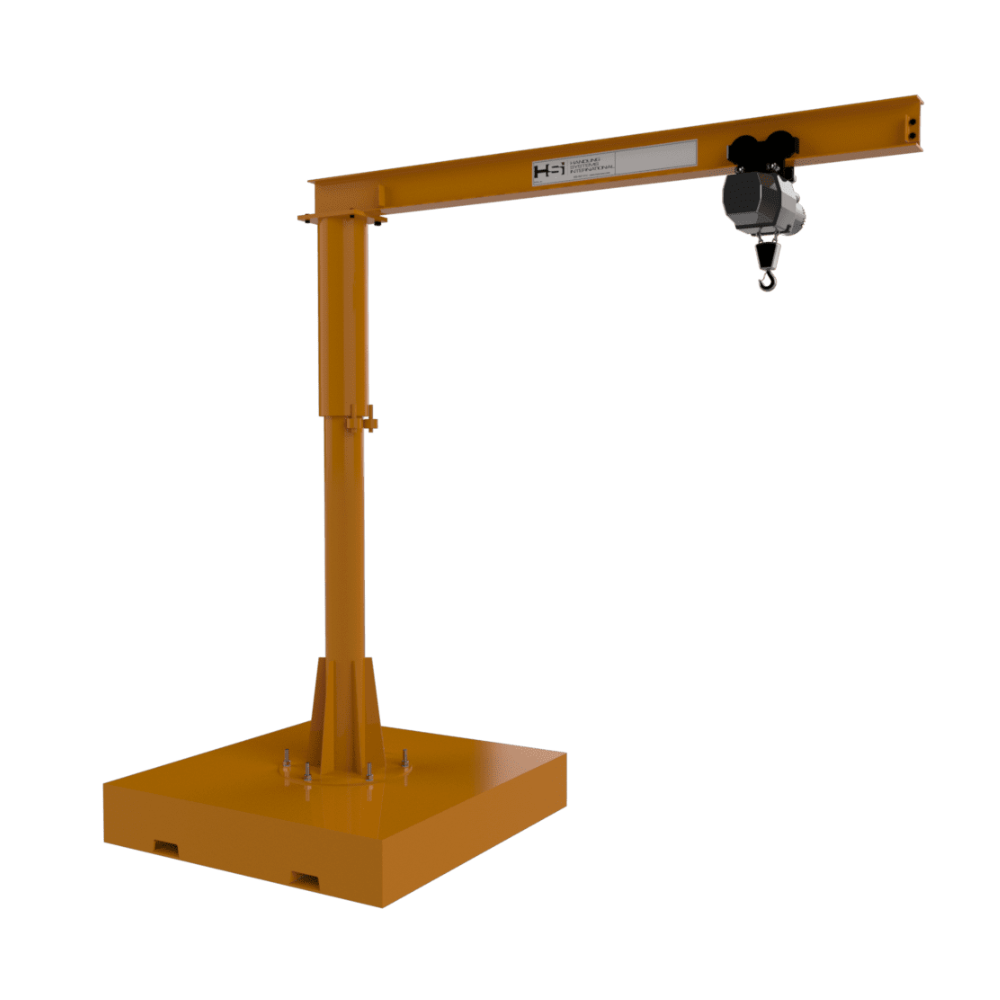
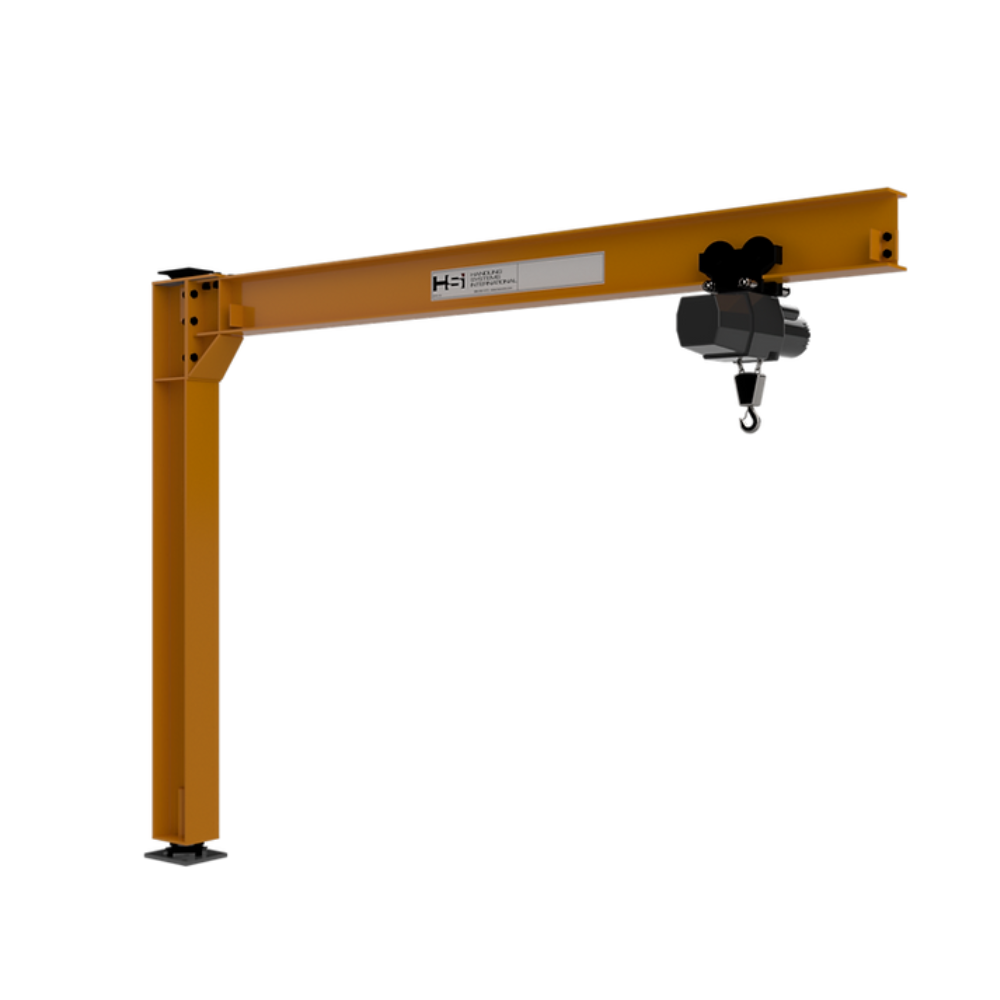
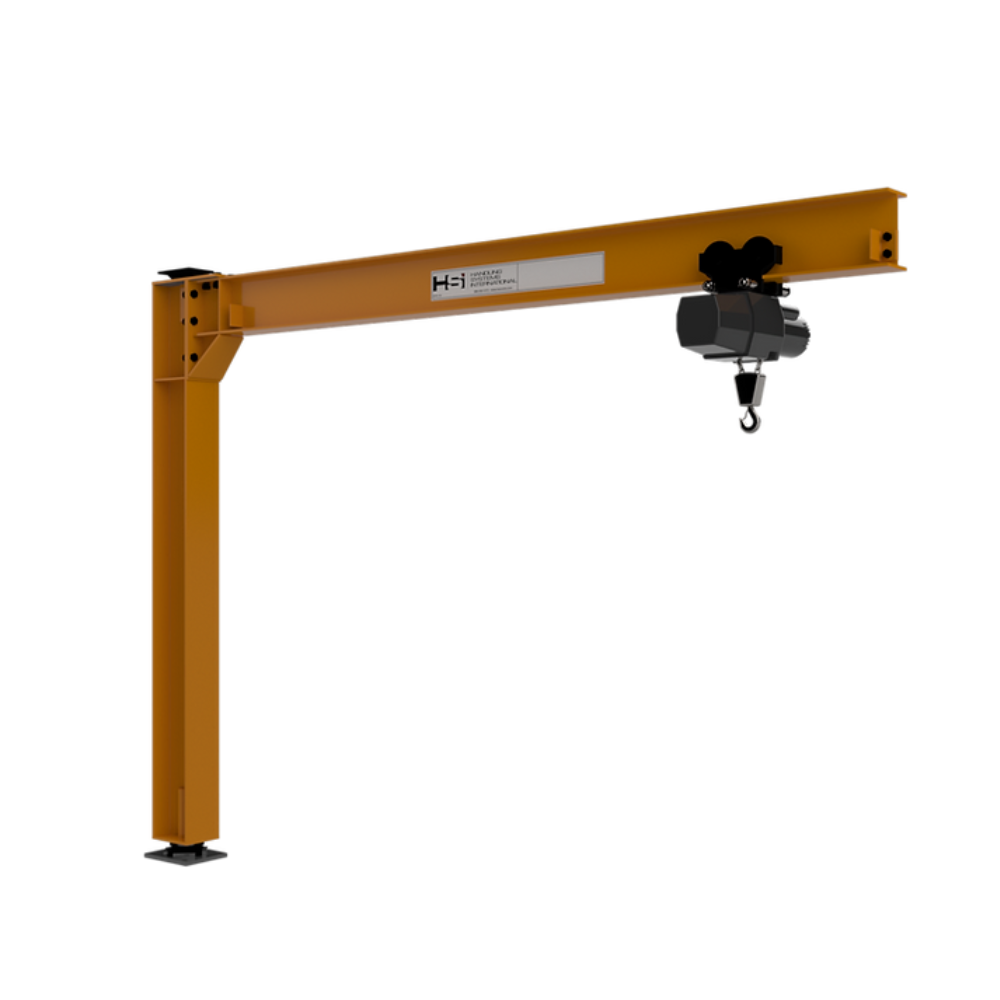
Foundationless and forkpocket: a crane without the pour. Foundationless models spread the load through a larger baseplate into the slab you already have. HSI's guidance is concrete: a minimum of 6 inches of reinforced concrete, free of gaps, cracks, and expansion joints, with the area verified by a qualified engineer, and anchor bolts embedded at least 4-3/4 inches. The collection carries the whole install path, J type anchor bolts with washers and nuts, quick dry epoxy anchoring systems, steel hole pattern templates, and an epoxy dispenser, so anchoring day is one order rather than five. If even the slab is negotiable, the portable forkpocket jibs at 250 to 1,000 lb travel on a forklift's forks between work areas, with bases ordered hollow or filled with concrete. When the floor is thin, unknown, or tiled with expansion joints, have the engineering conversation before the crane ships, not after.
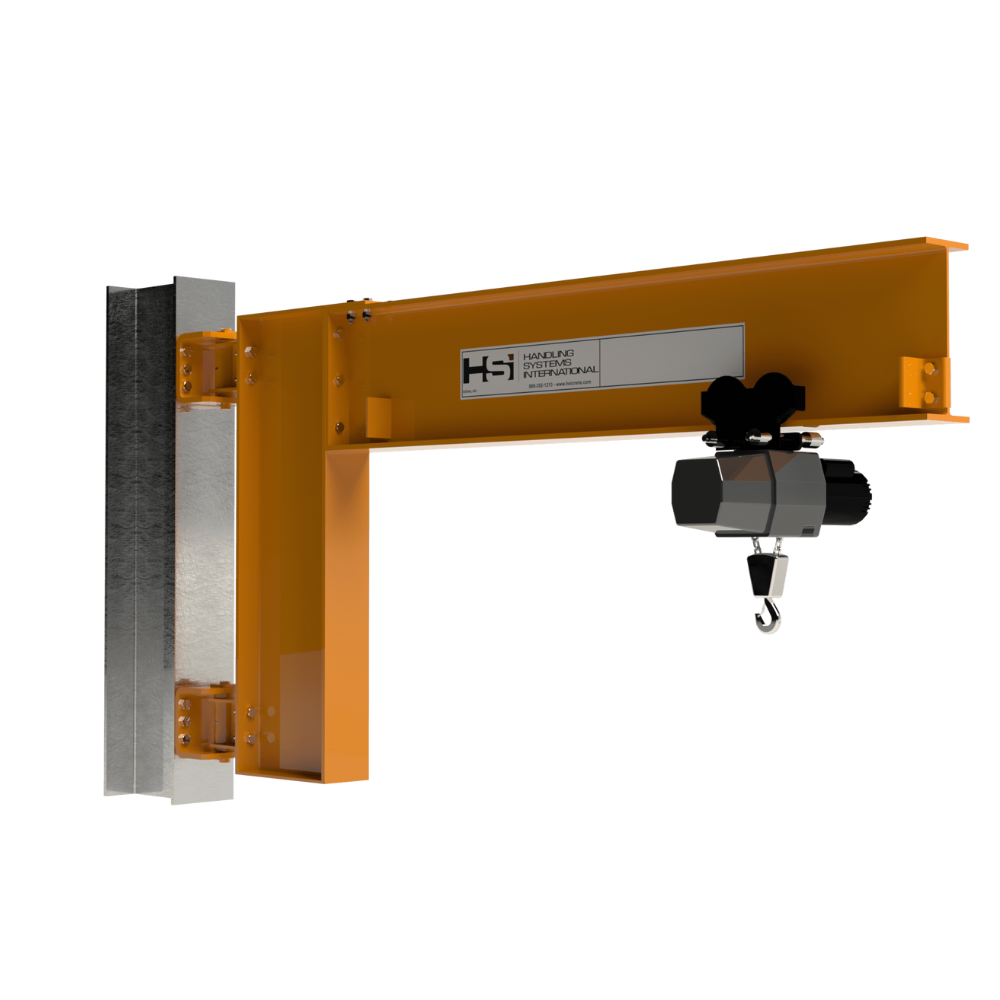
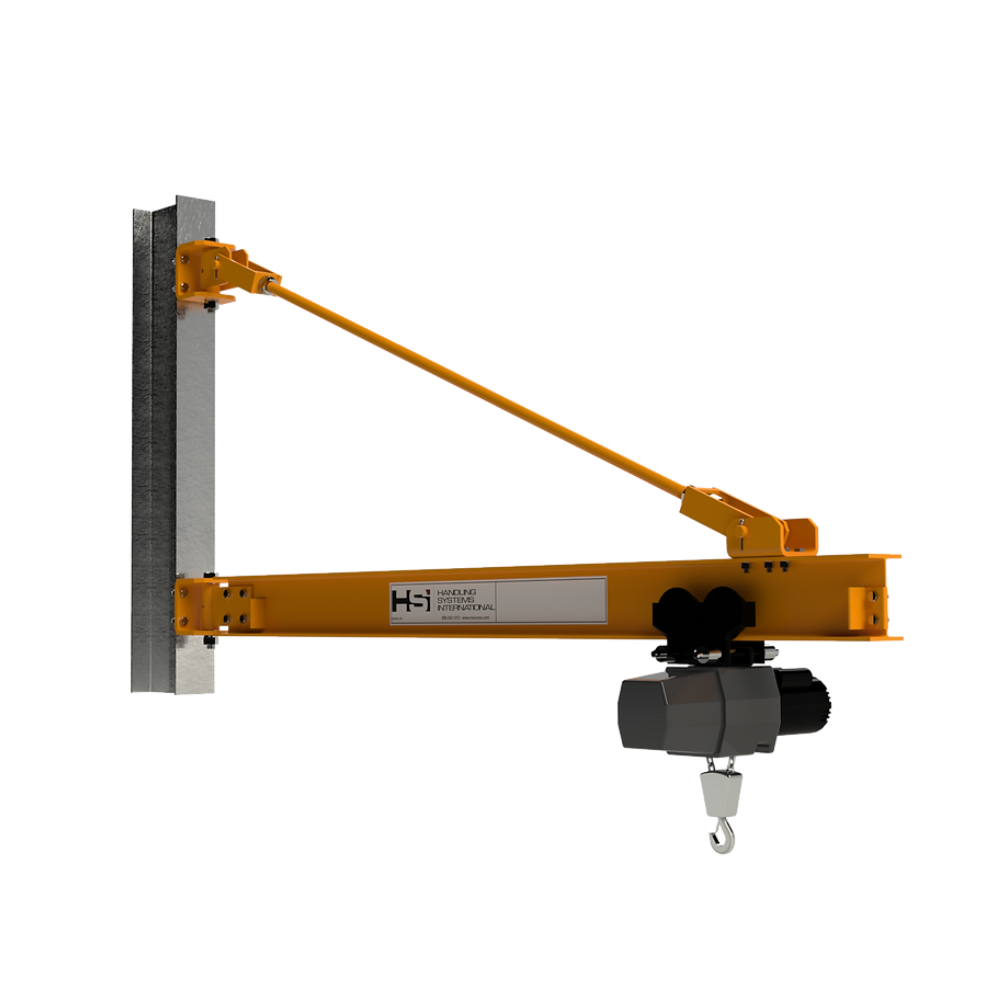
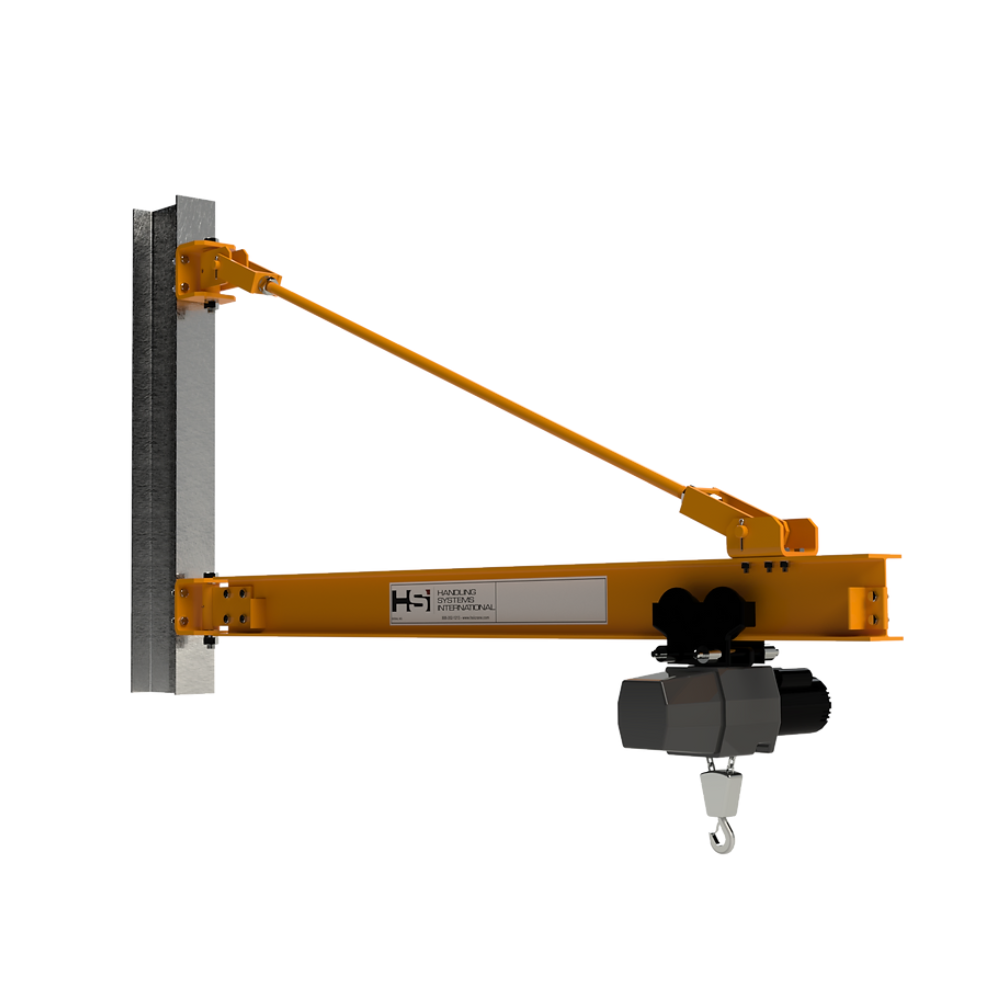
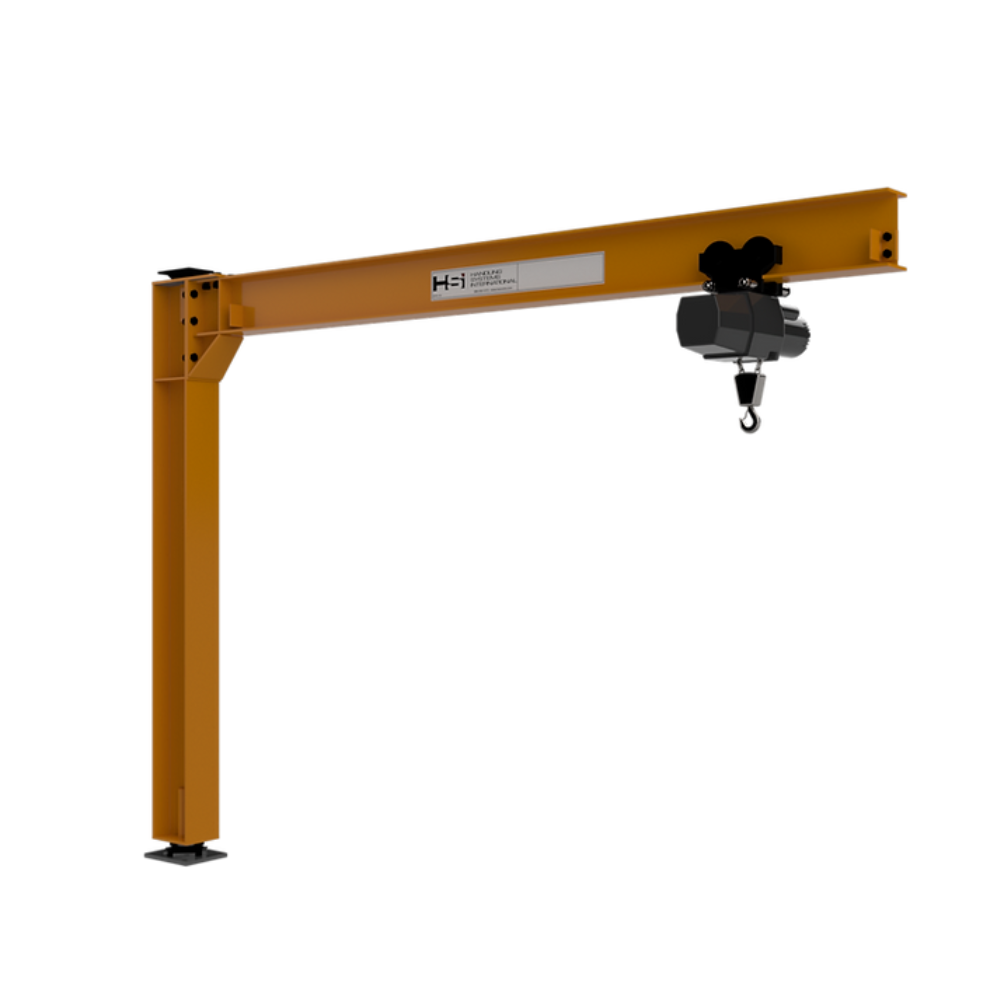
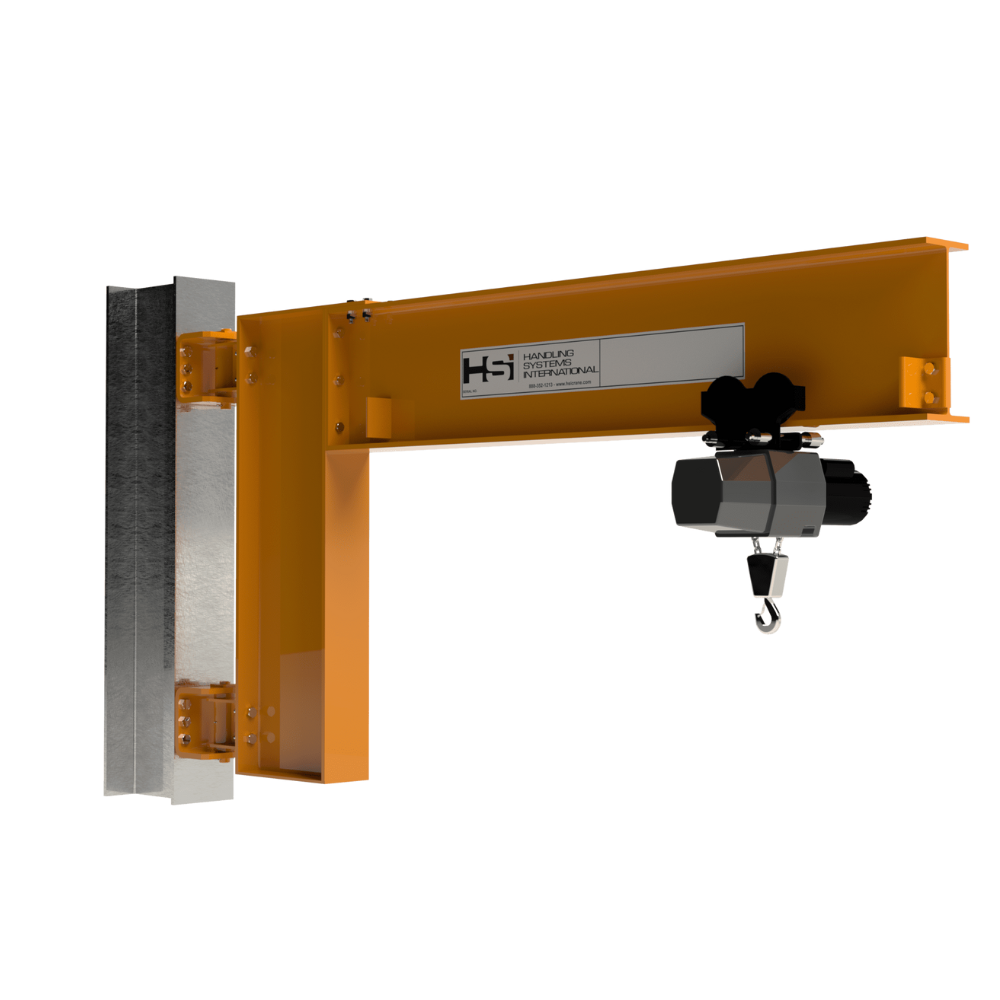
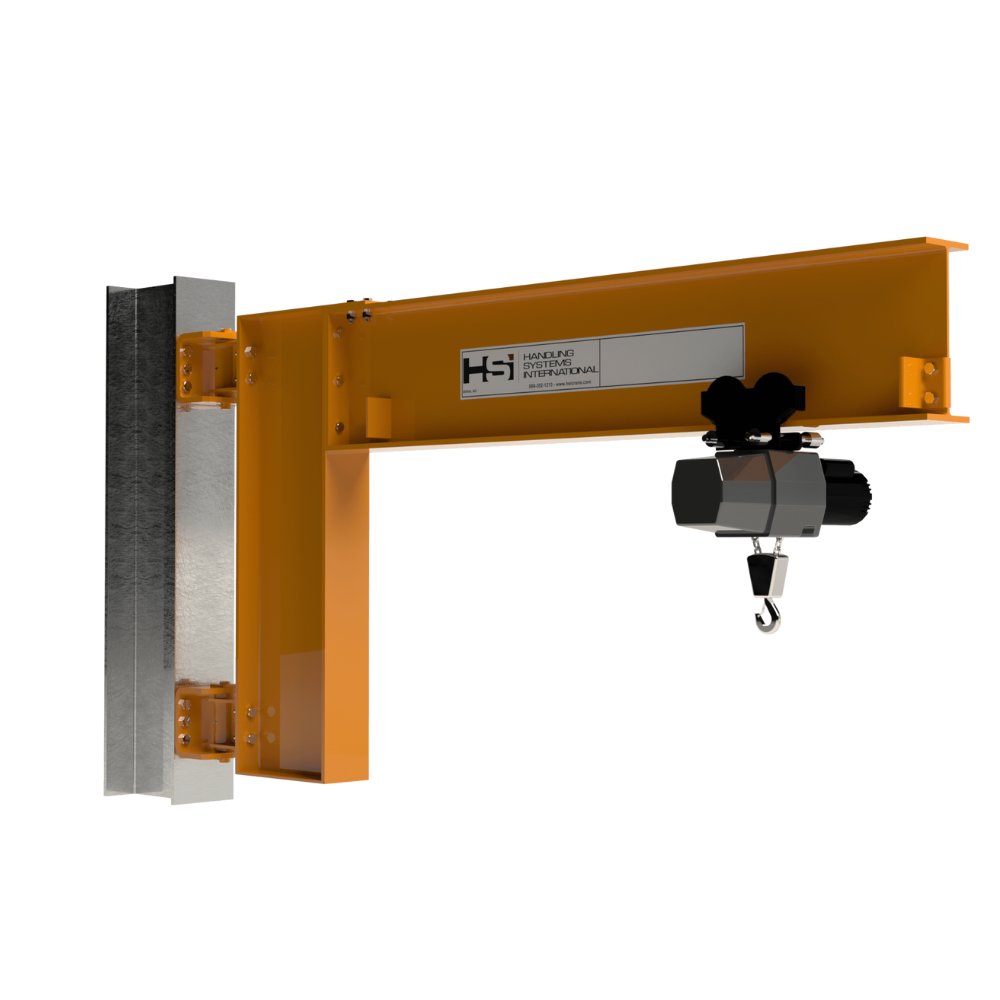
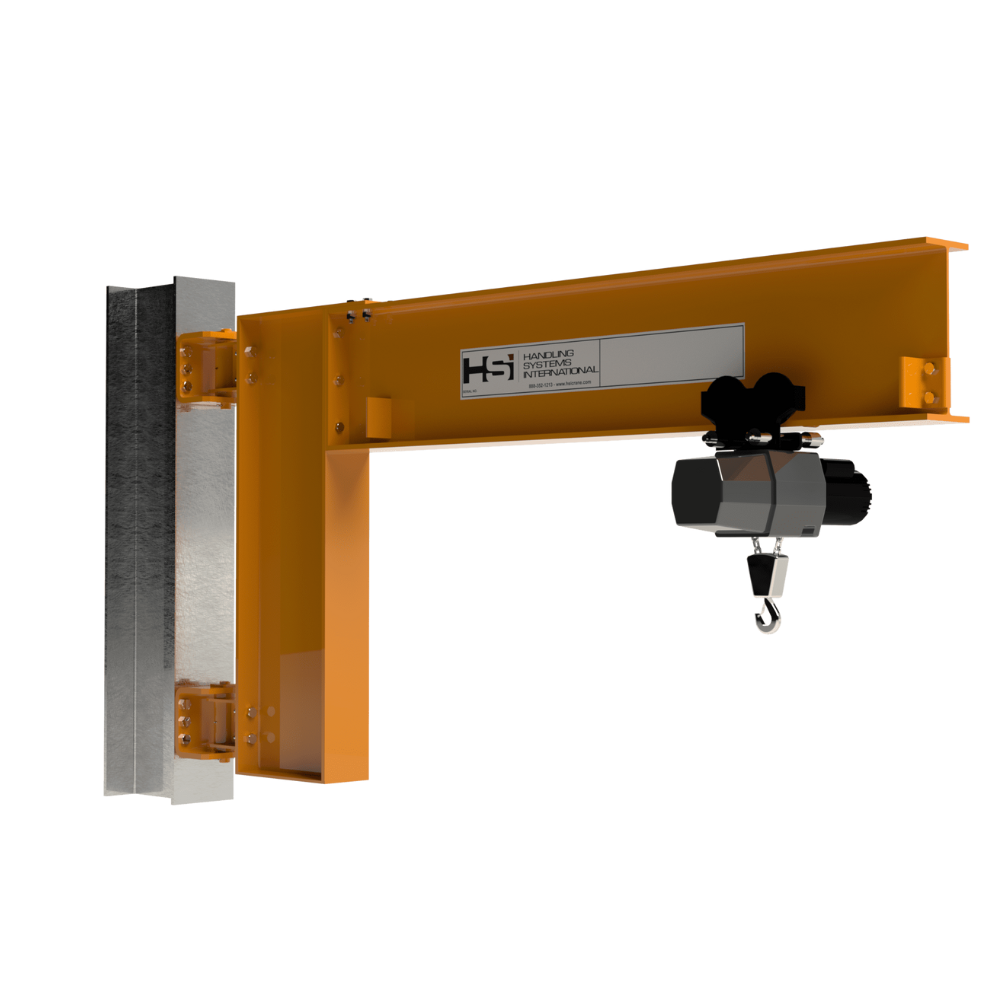
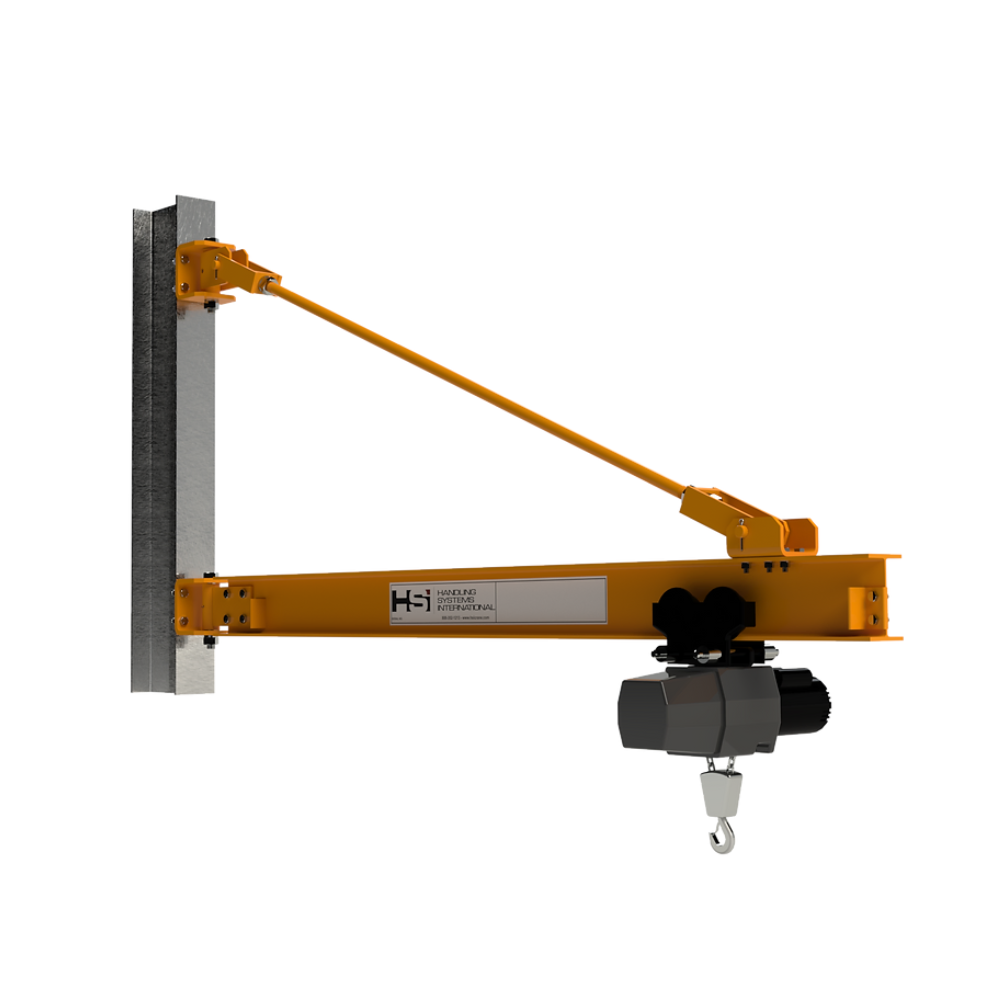
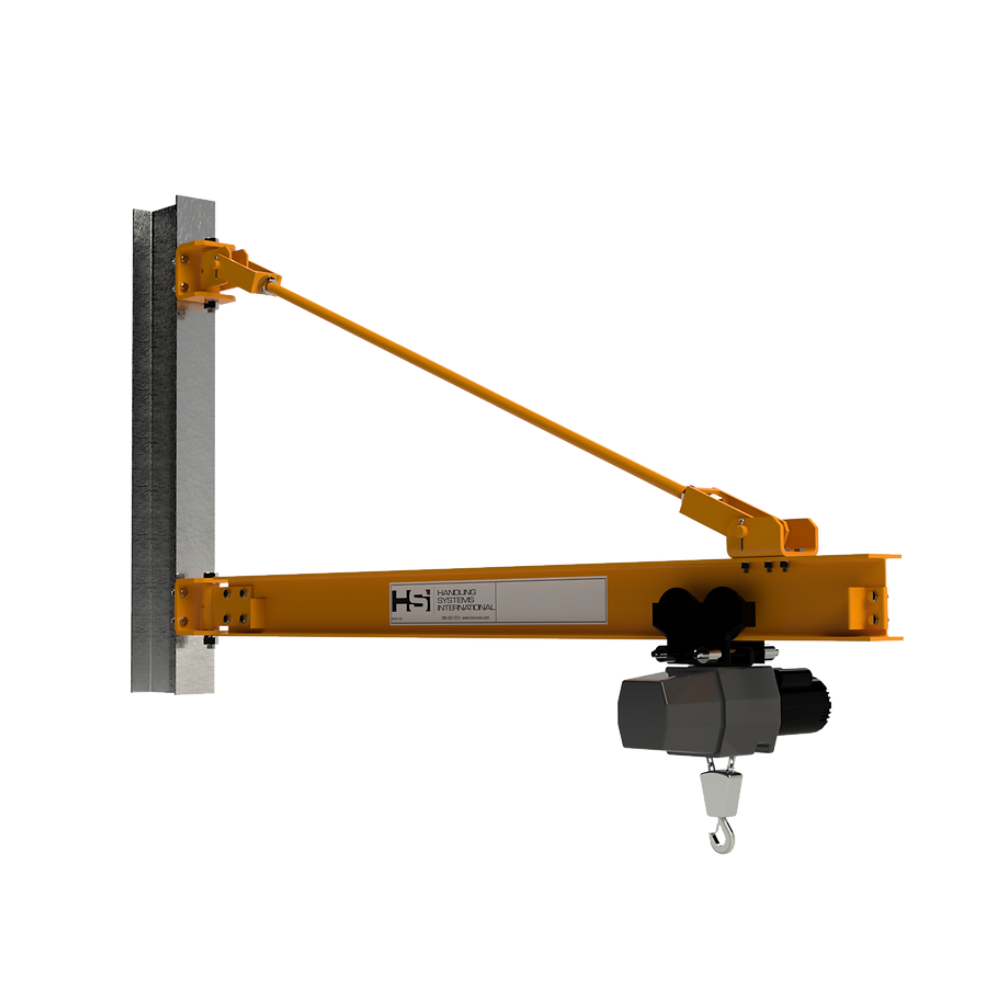
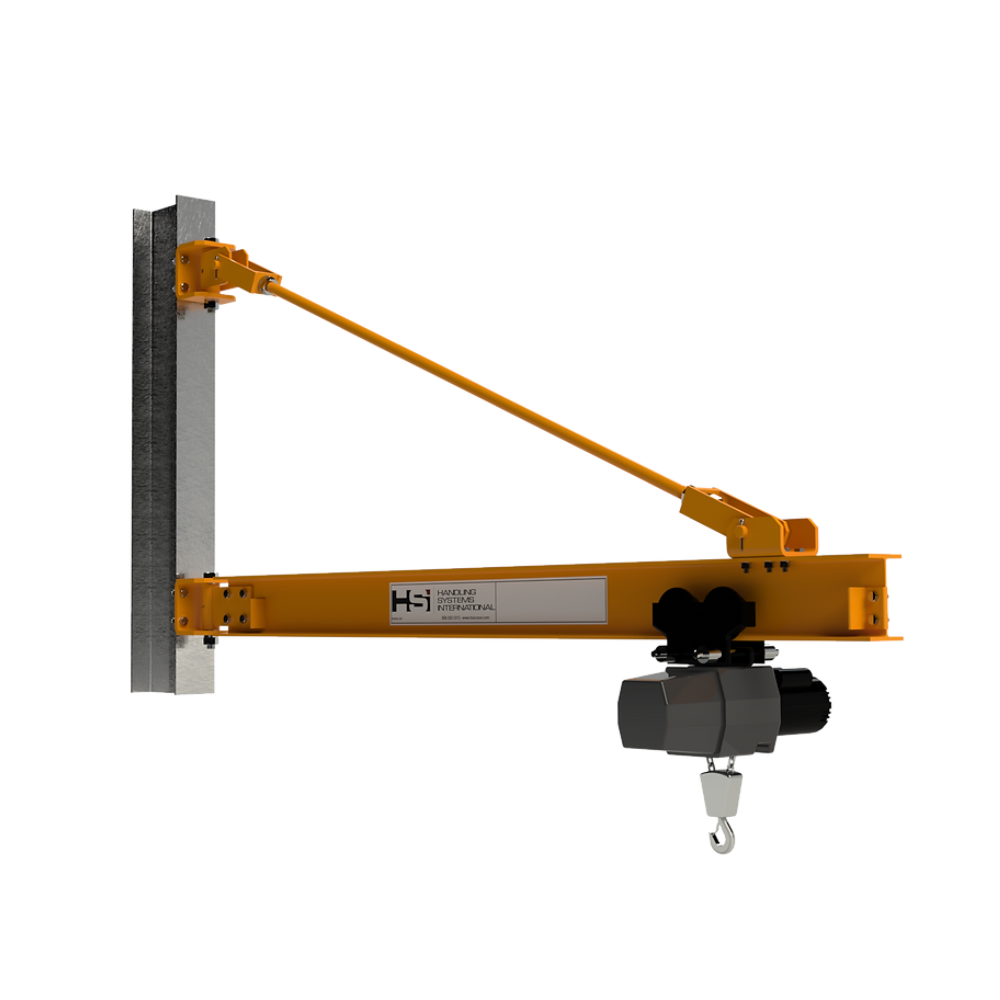
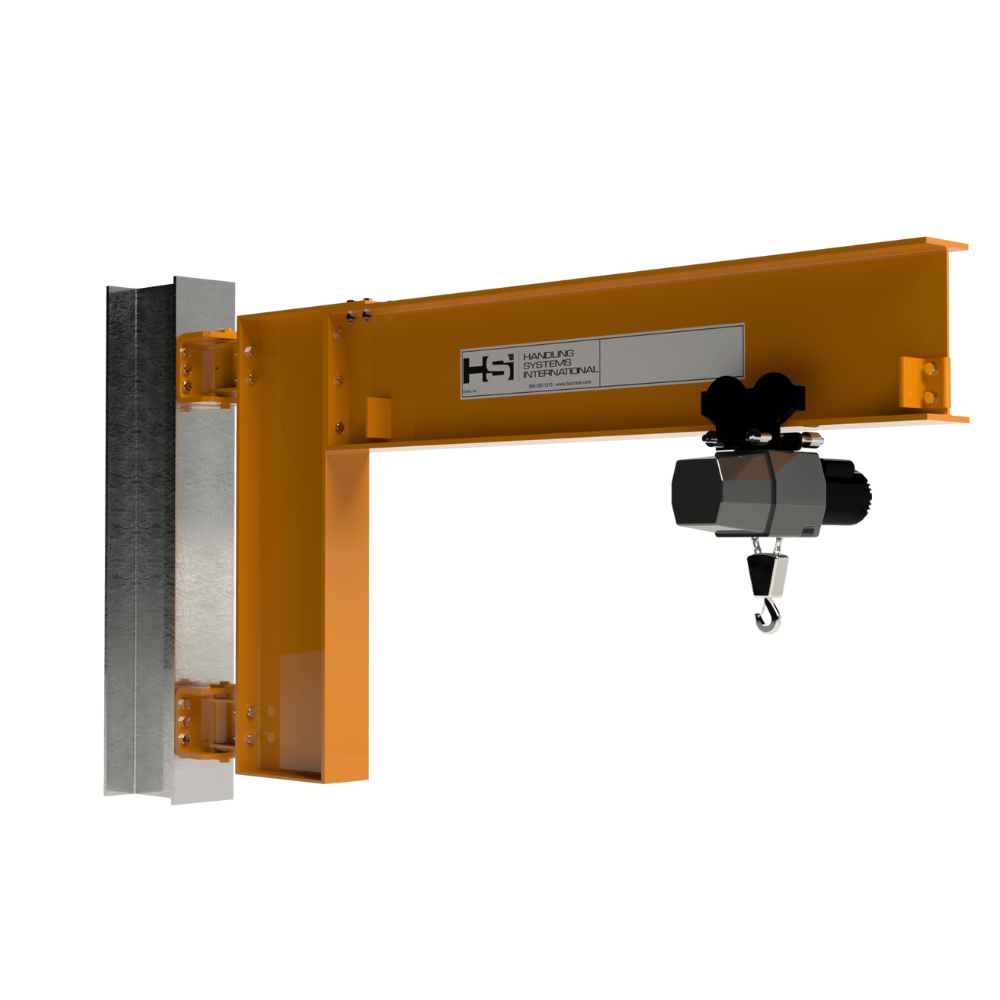
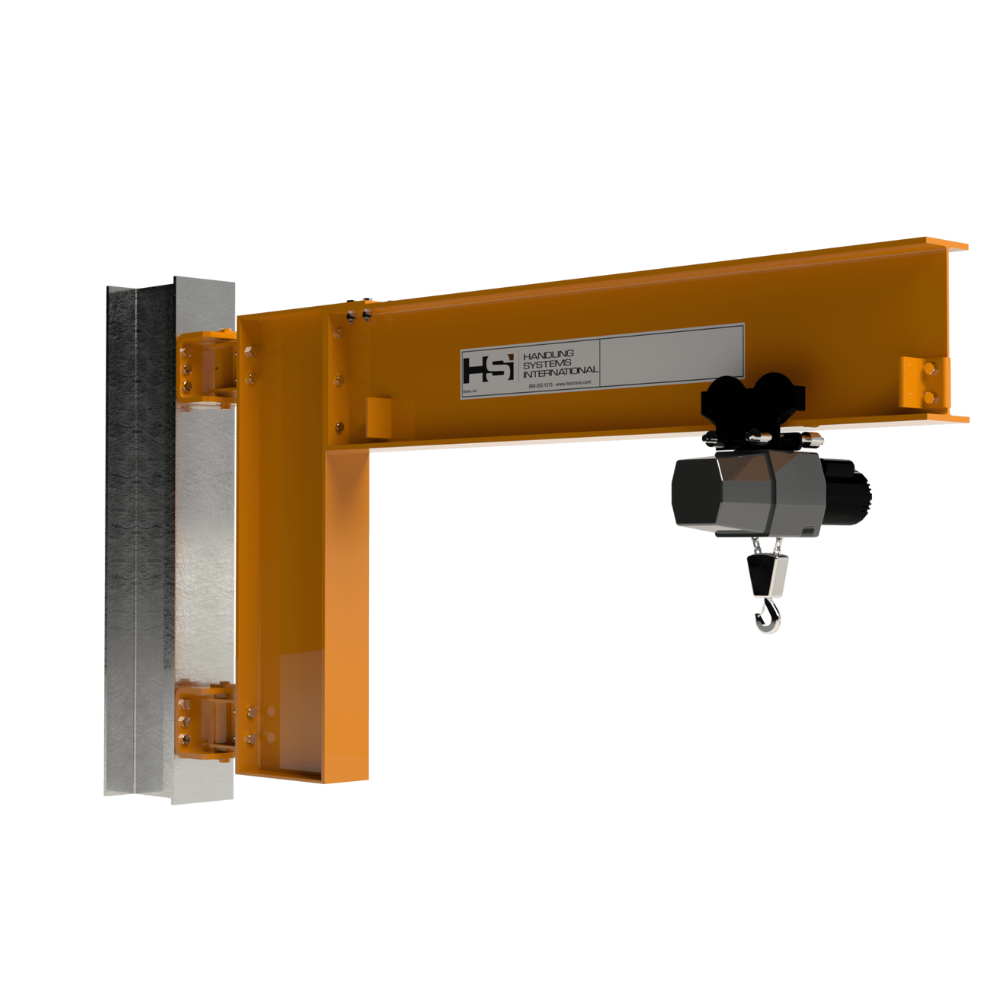
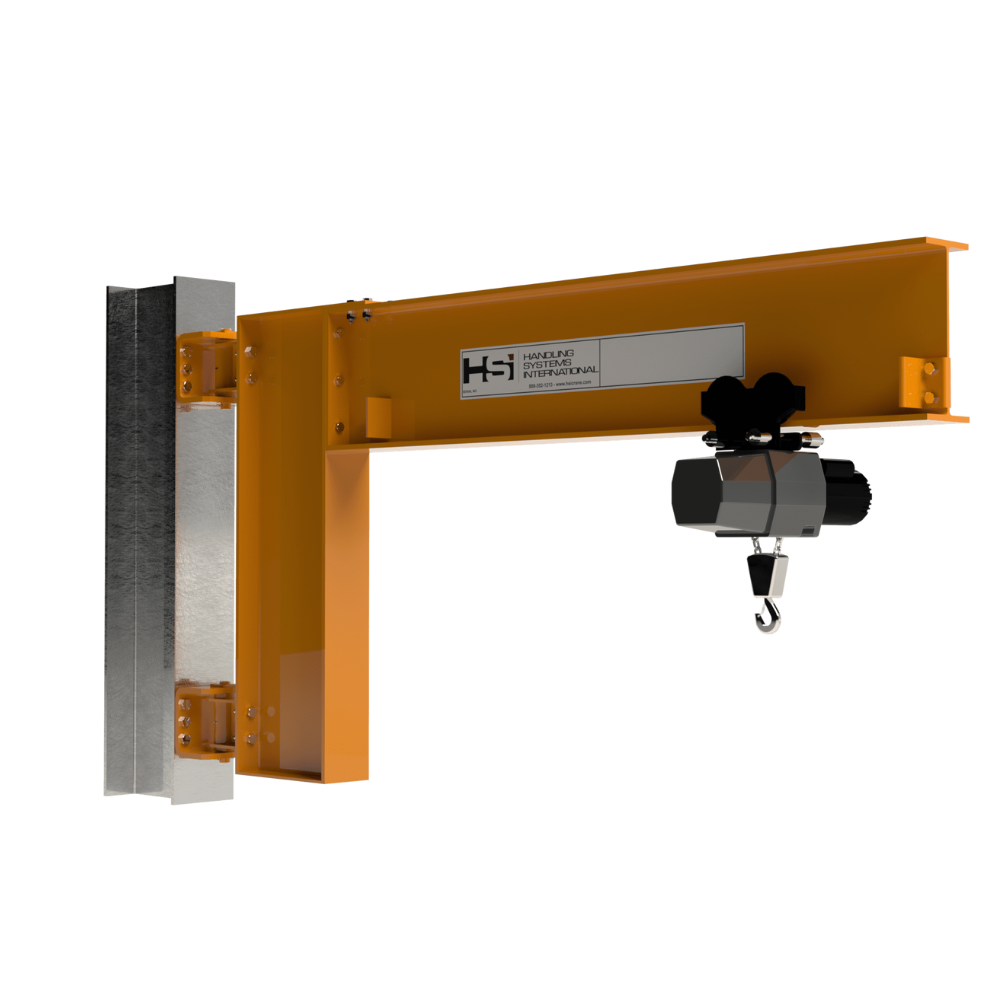
Wall and column mounted: tie rod or cantilever. When building steel can carry the load, wall and column mounted jib cranes deliver the cheapest capacity in the collection and sweep roughly 200 degrees, enough to serve a bay or feed a machine from a column. The tie rod style, from about $1,635 at 250 lb up to 10,000 lb, braces the boom with a rod above it and is the economical buy wherever headroom above the boom is not an issue. The cantilever style, from about $2,030, deletes the rod and carries the boom as a clean cantilever, buying low headroom installations and clear space above and below the boom, the pattern to pick under mezzanines and low steel. Both hang their full moment on your structure, so have an engineer confirm the wall or column before ordering, and use the J fitting kits sized to each crane type for the connection.
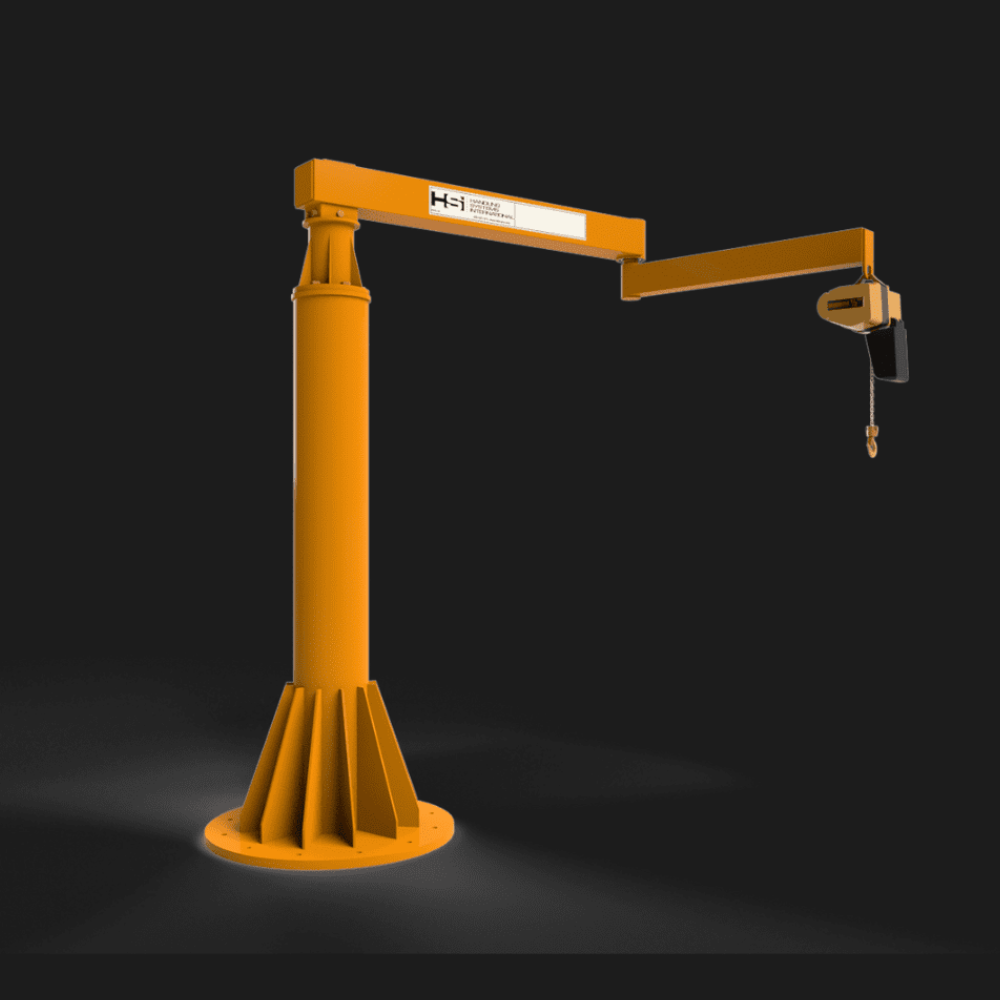
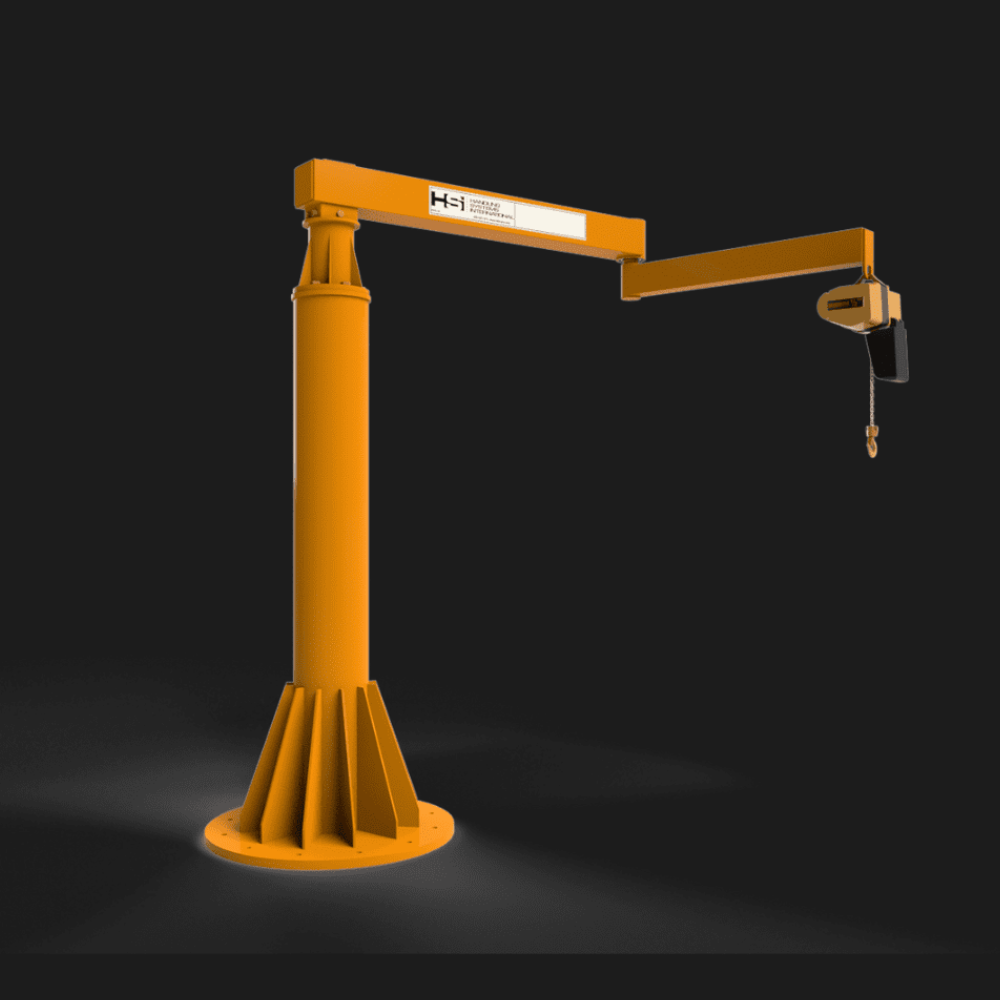
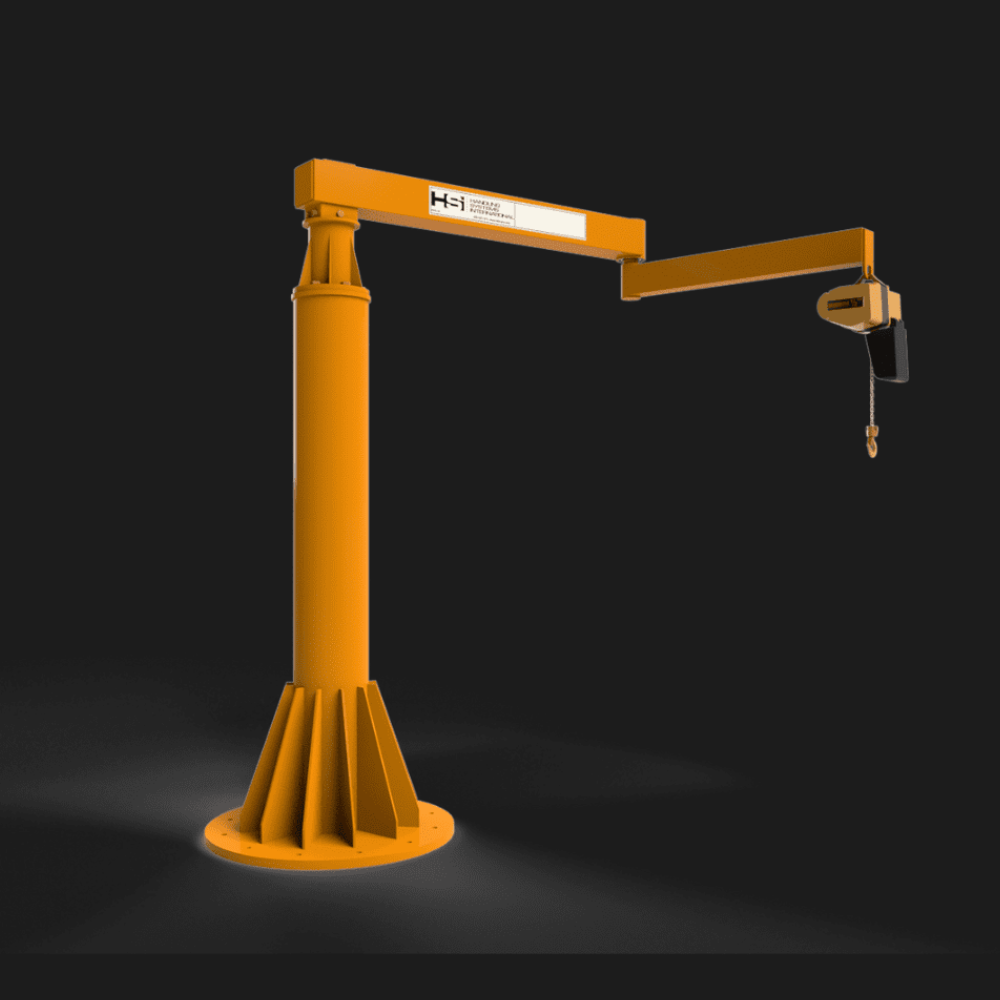
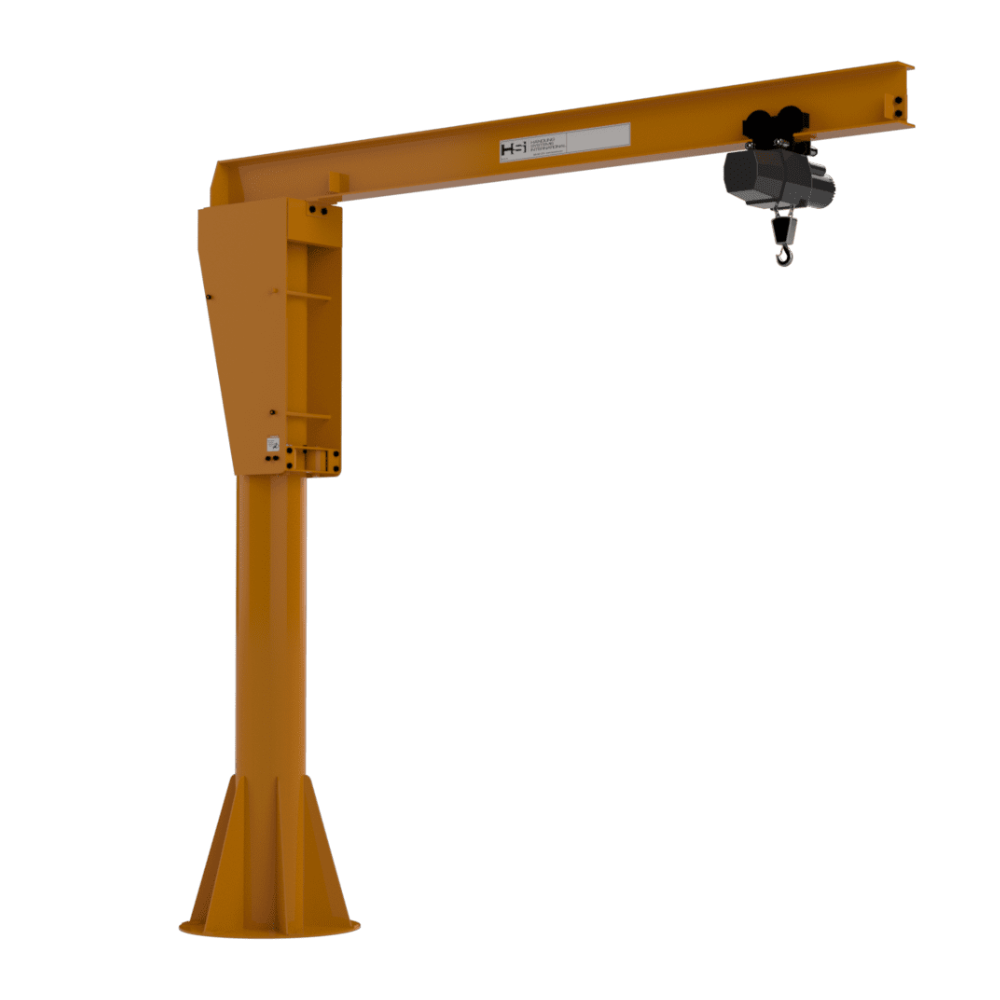
Mast type and articulated: the special assignments. Two designs solve problems the standard patterns cannot. Mast type jibs, 500 to 10,000 lb, bear on the floor and take their upper support from building truss or bracket, which gets you full 360 degree rotation with no special foundation, in a low headroom package; the building's top steel does what a freestanding jib's concrete would. Articulated jibs swing two pivoting arms instead of one straight boom, so the hook reaches around corners, under obstructions, and inside machines, then holds position without drift; HSI builds them freestanding from 150 to 2,000 lb. Two details finish a layout: rotational stops, at $71, limit the sweep of a manual freestanding jib wherever a wall, aisle, or machine sits inside the circle, and every jib here is manual rotation, so plan the boom's parking spot the way you plan the lift.
Getting power and air down the boom. The boom rotates; the hoist on it still needs electricity or air, and this is the detail that separates a finished installation from a cable wrapped around a mast. Top and bottom entry collectors, 4 conductor, feed power through the rotation axis so the boom turns freely without winding its own cord, and top and bottom entry swivels do the same for compressed air. Along the boom, the tight wire tagline festooning kit carries flat cable to the trolley, and air supply hoses cover spans to 20 ft. Order this hardware with the crane, because retrofitting a collector means dismantling the pivot. The hoist and trolley are separate line items in their own right, sized to the boom flange and built to ASME B30.16; the full range, manual through three phase electric, is in hoists.
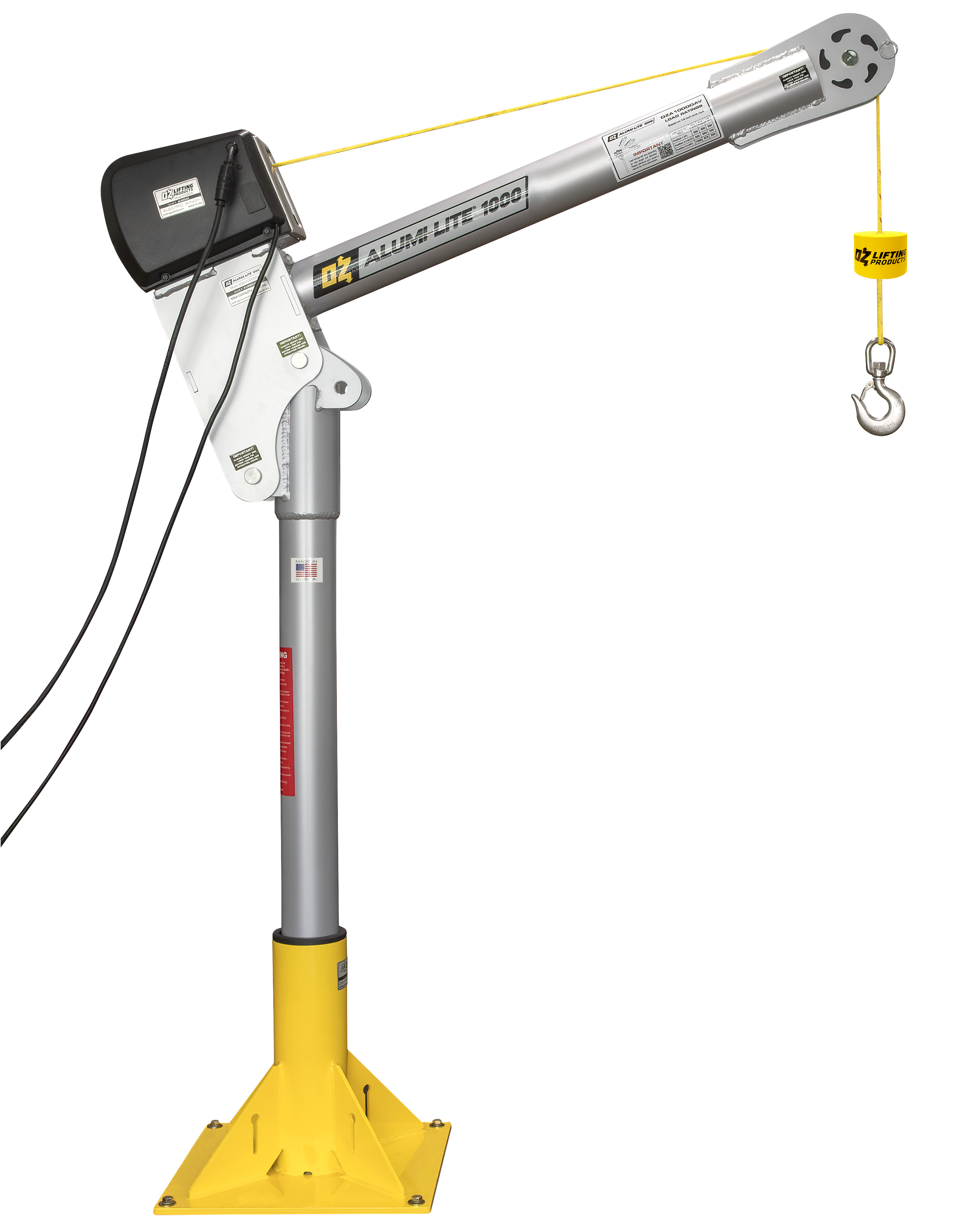
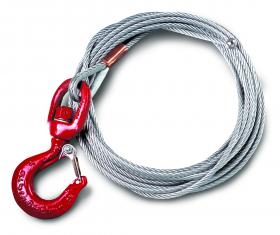
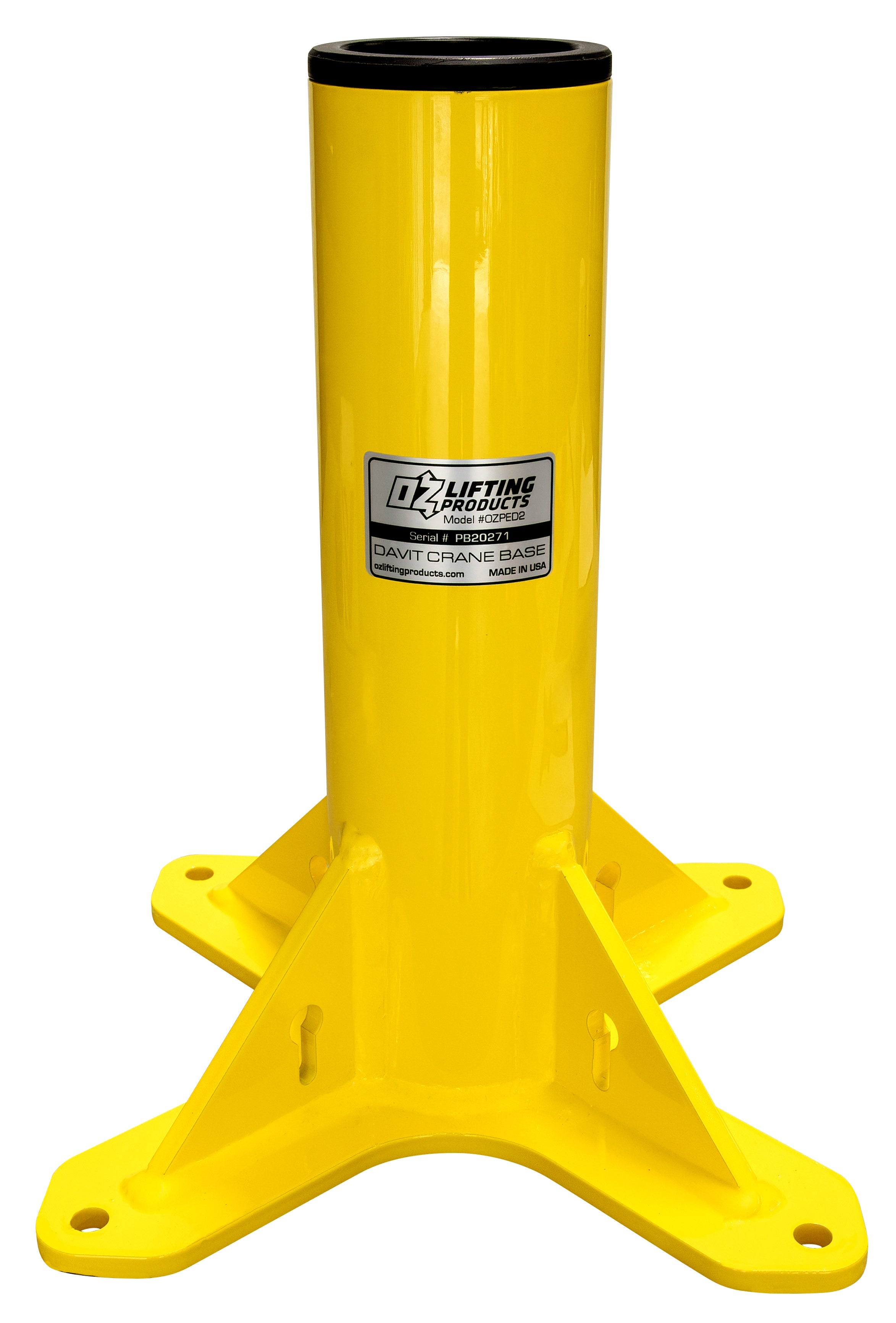
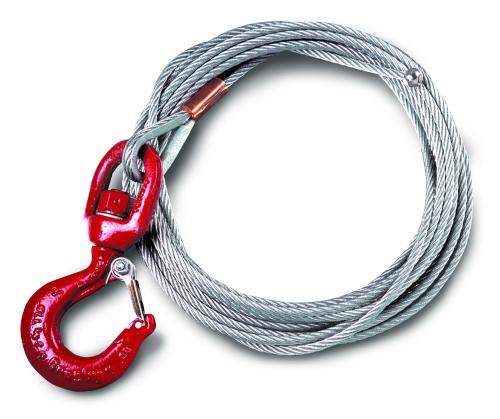
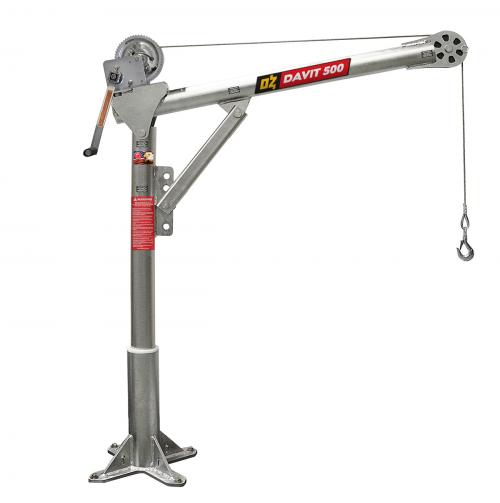
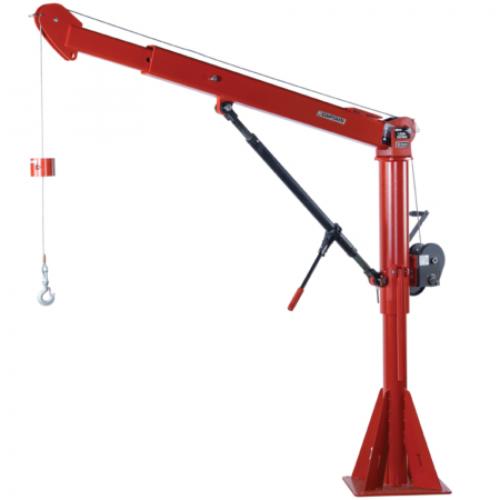
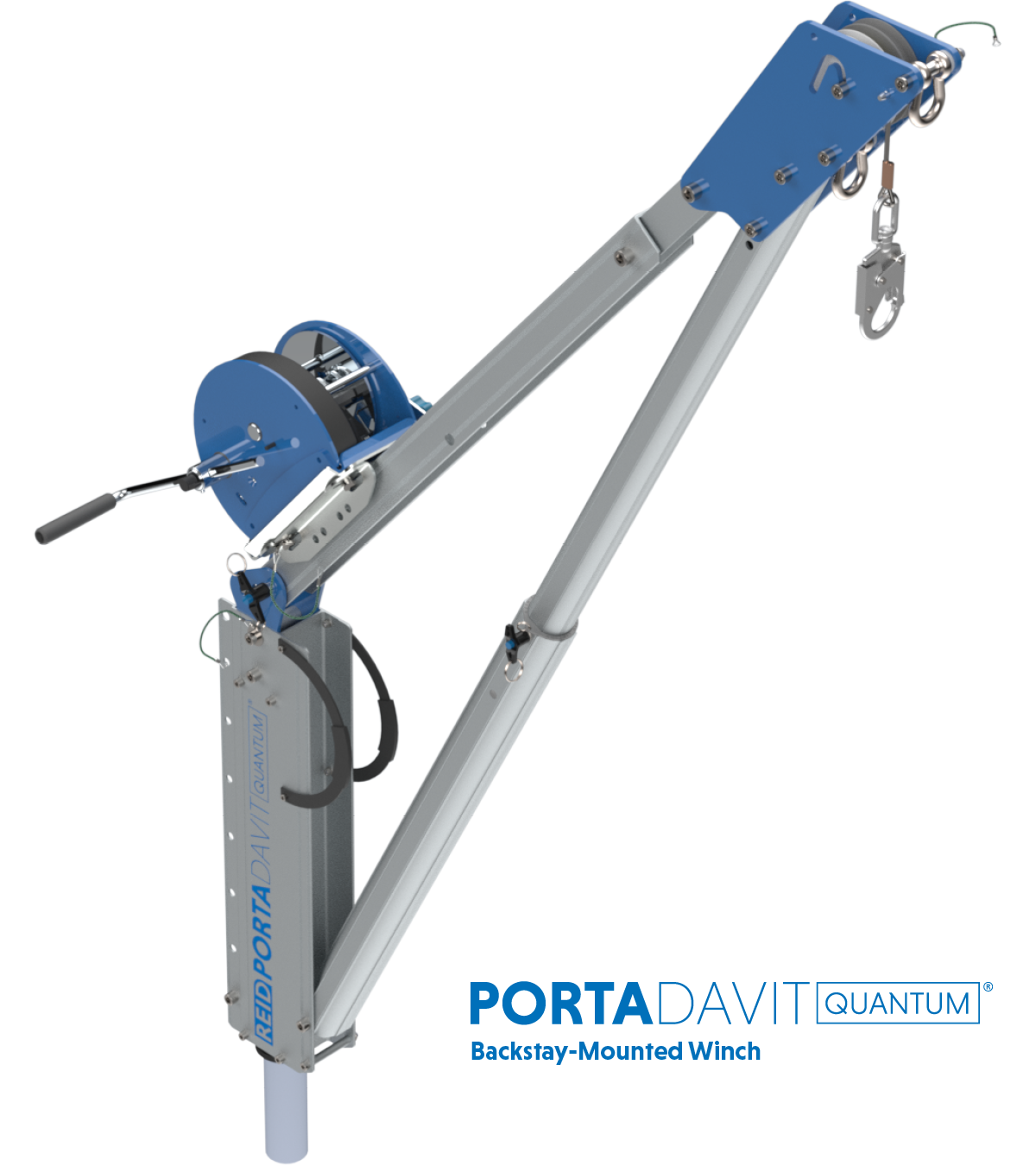
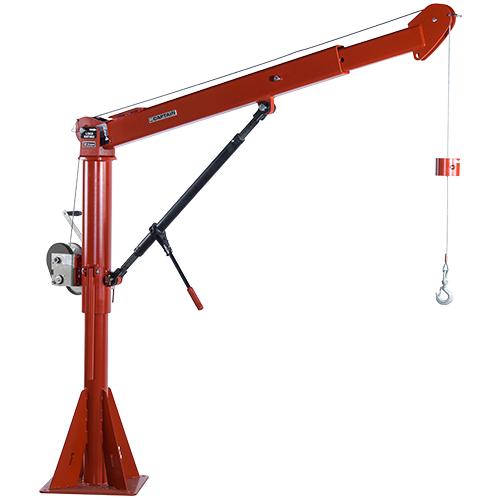
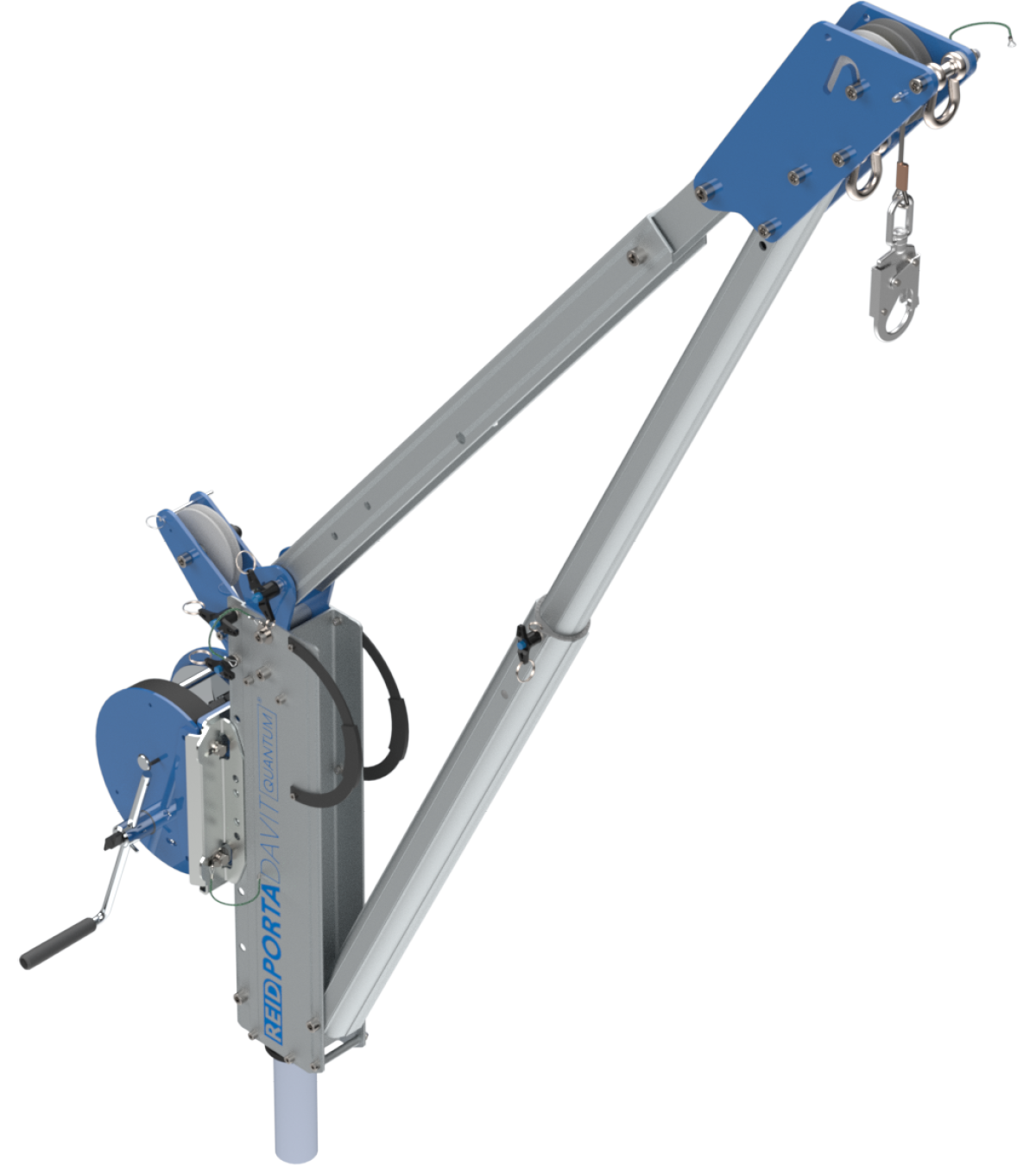
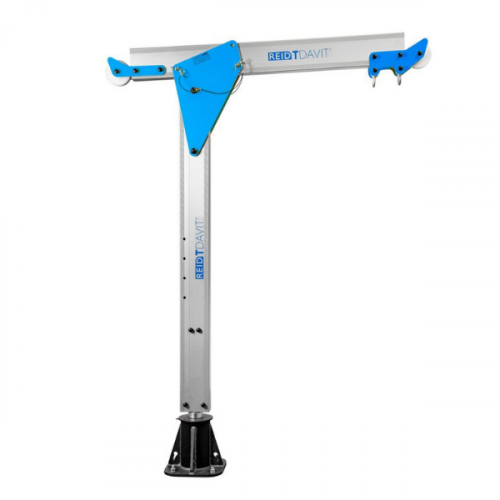
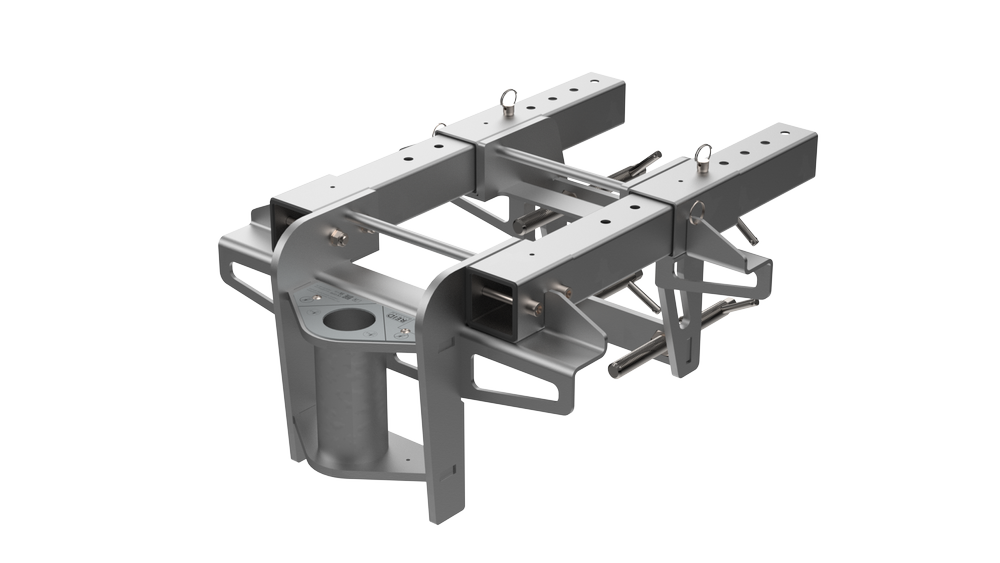
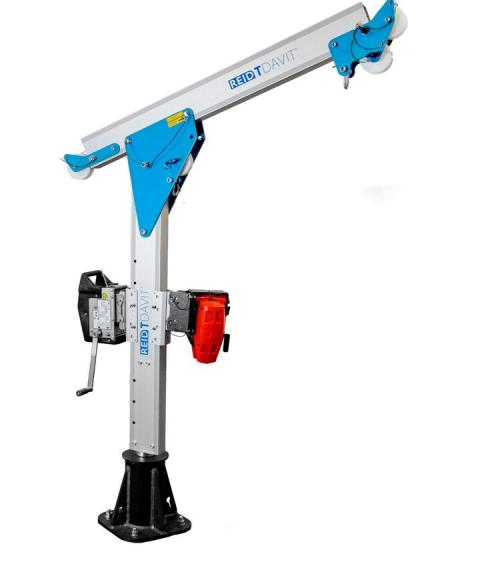
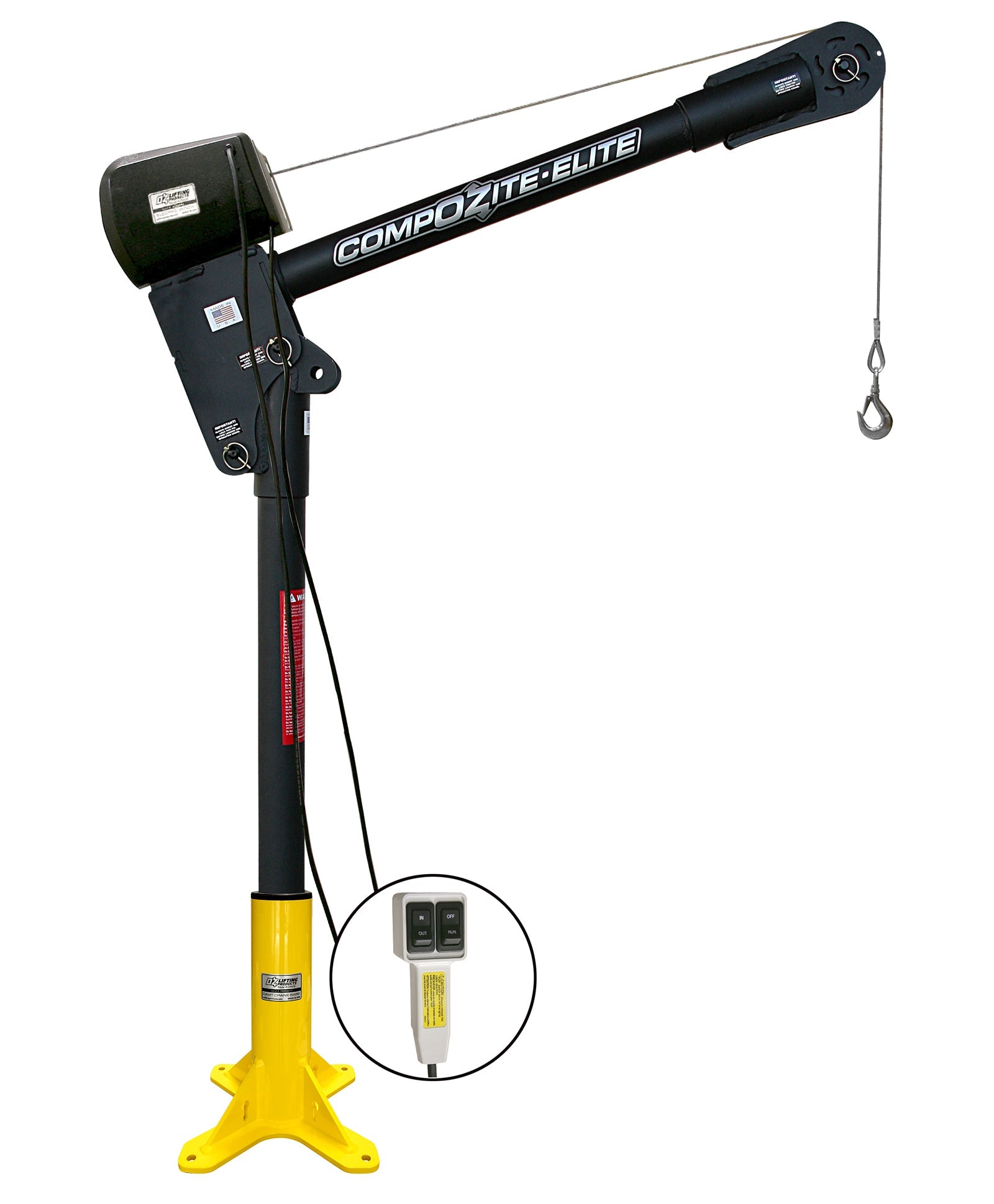
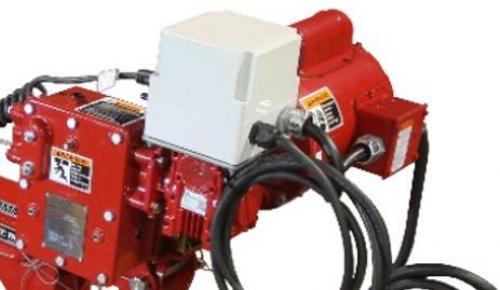
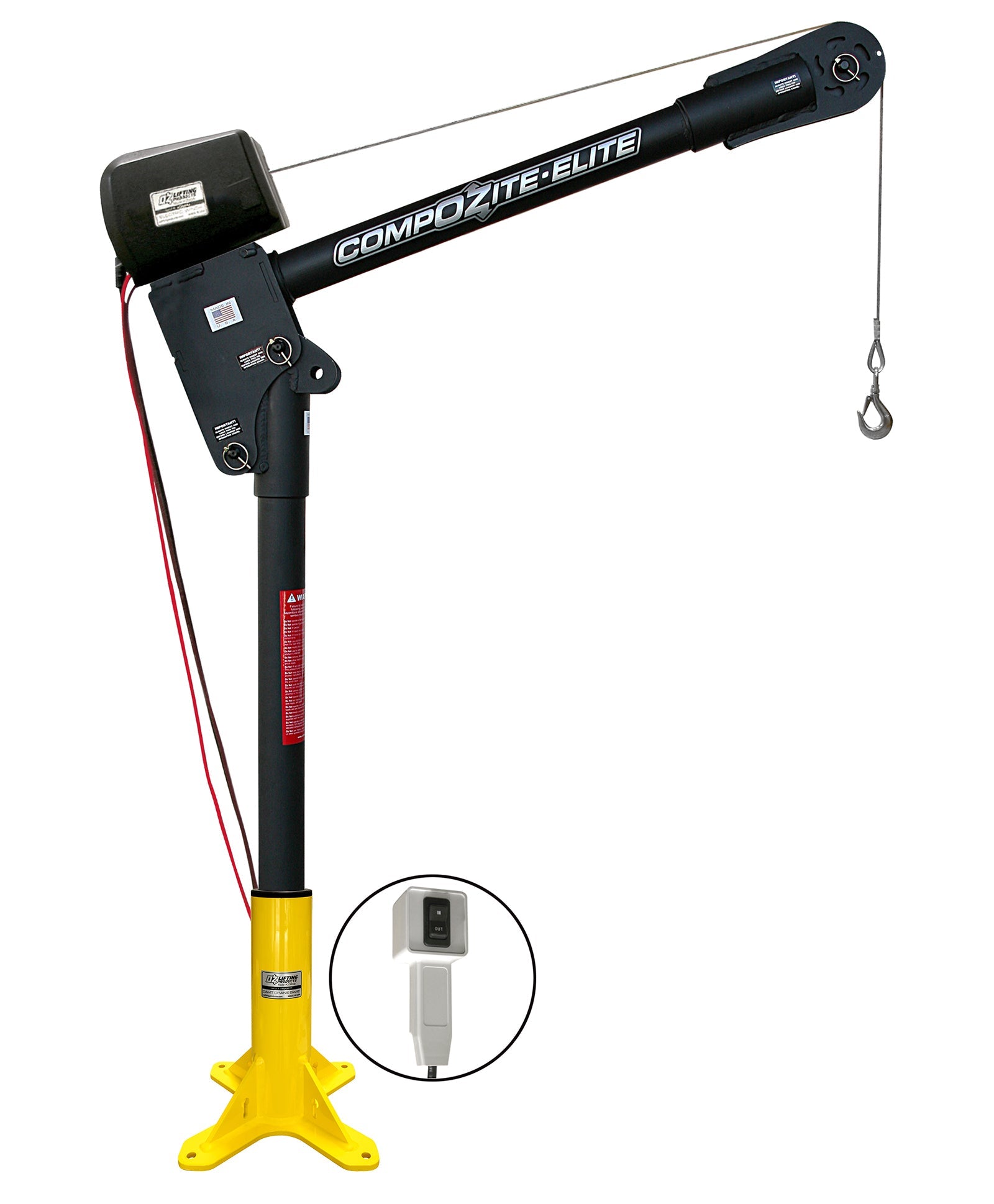
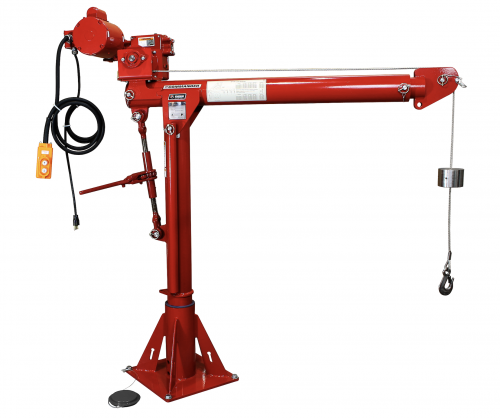
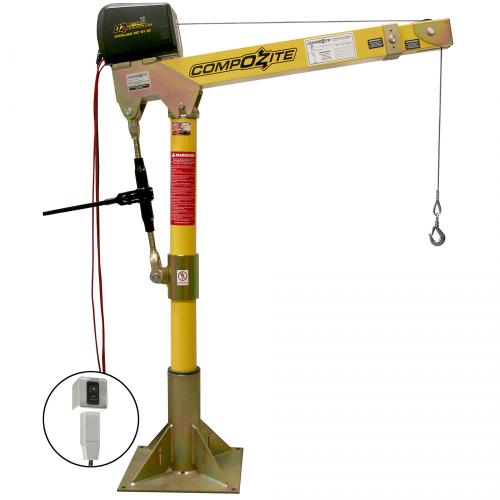
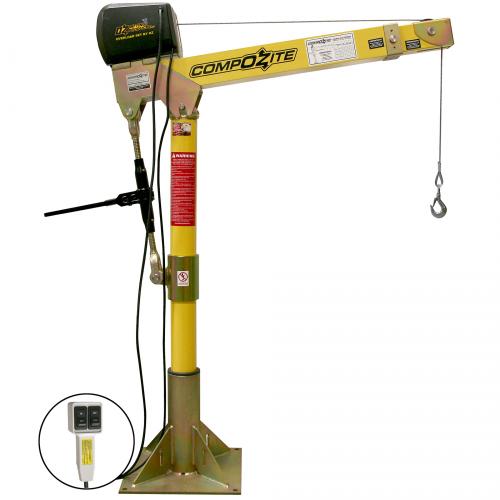
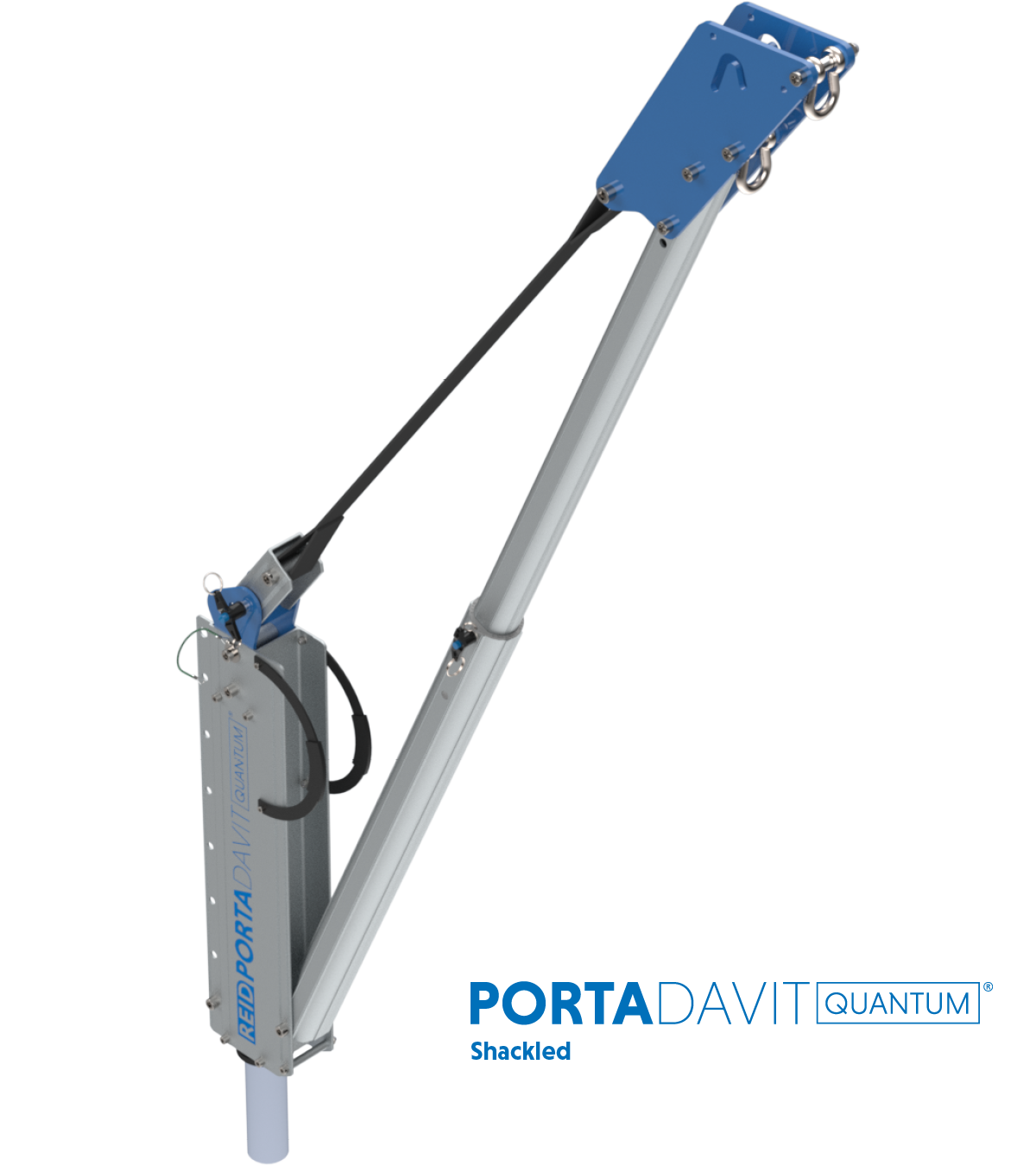
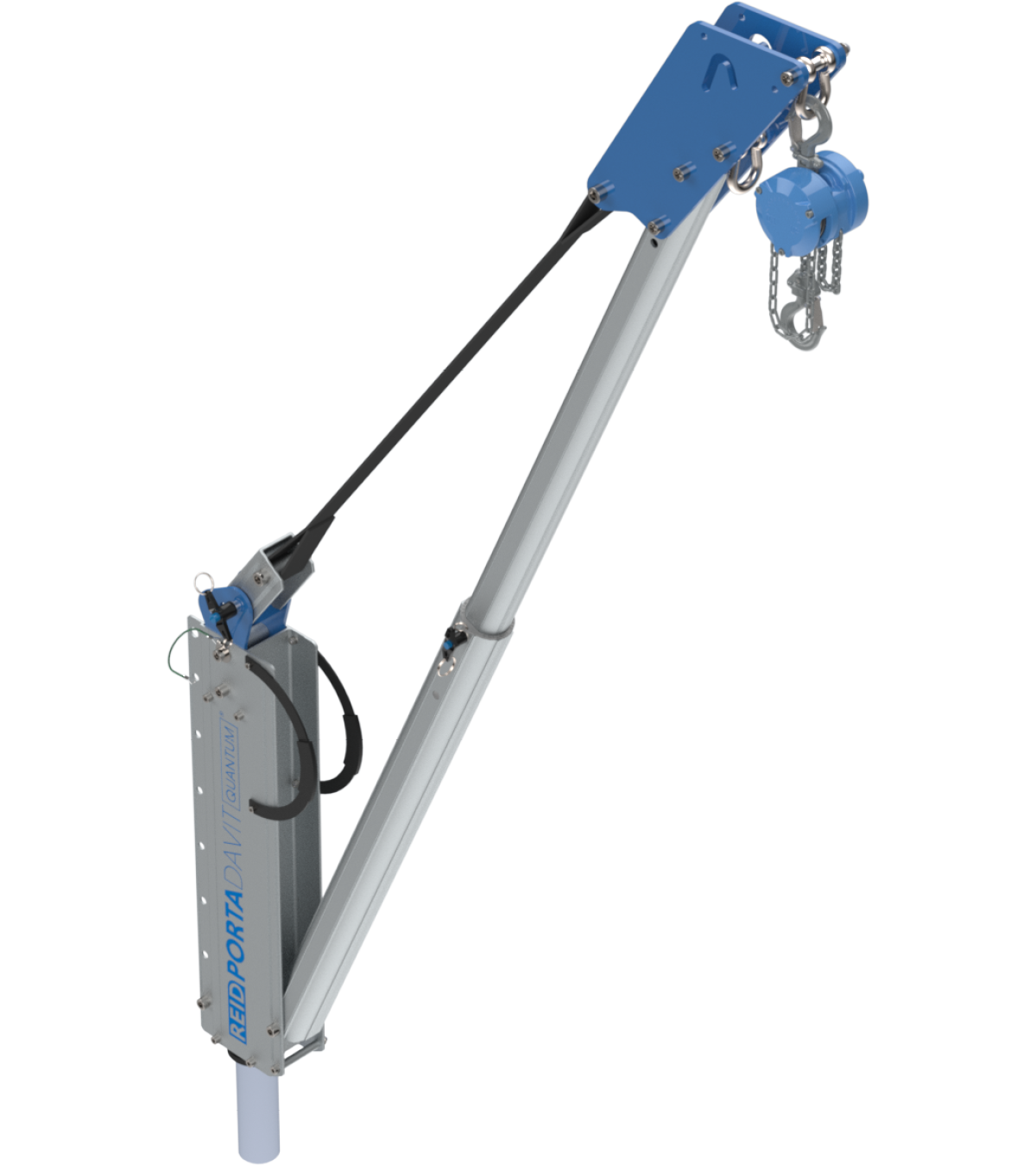
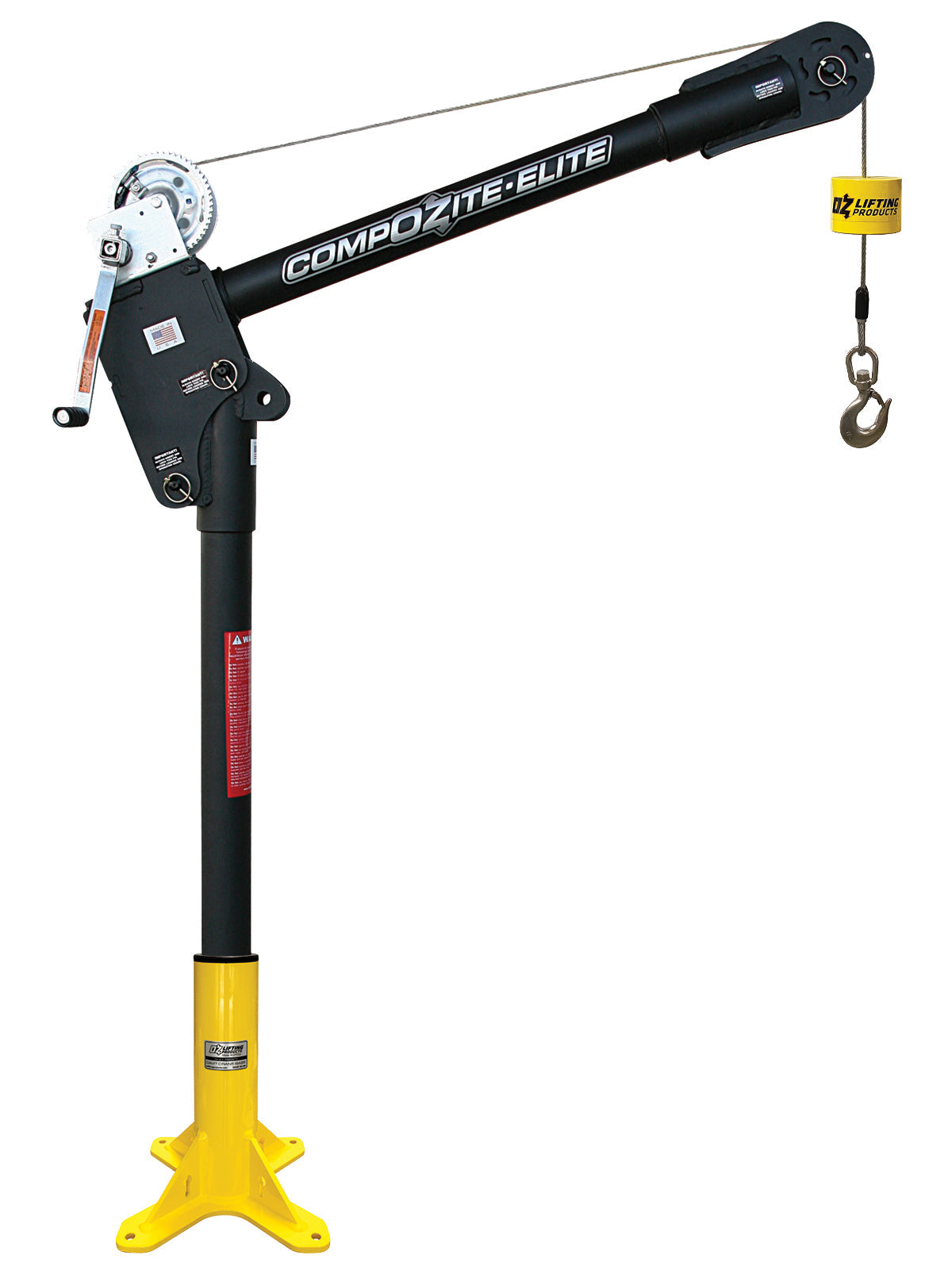
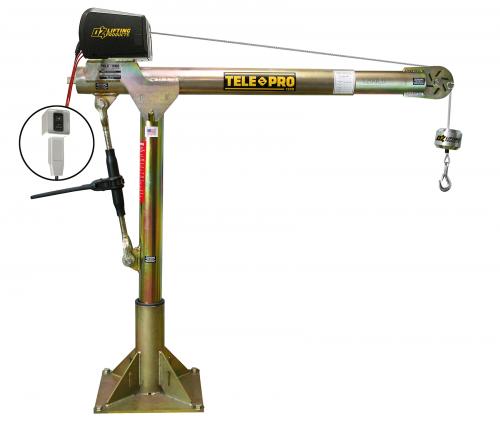
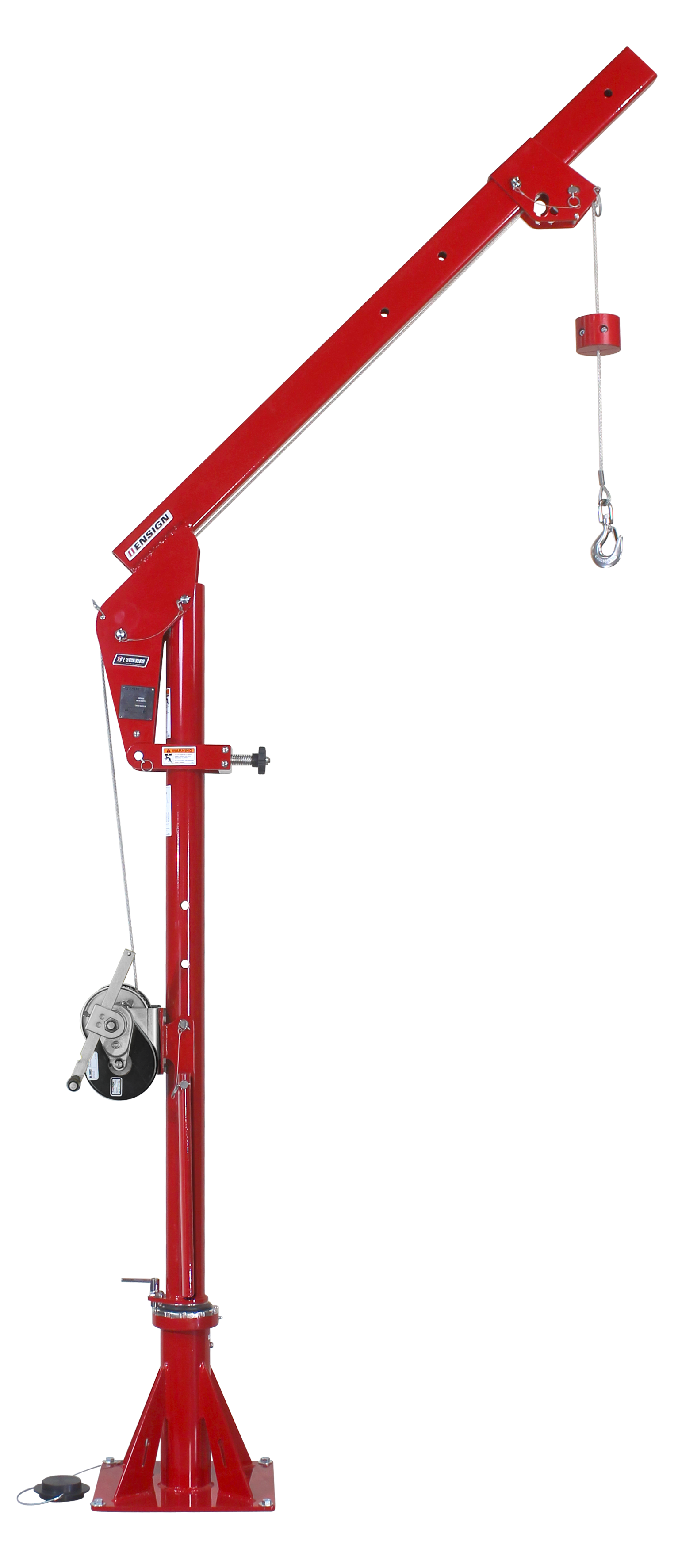
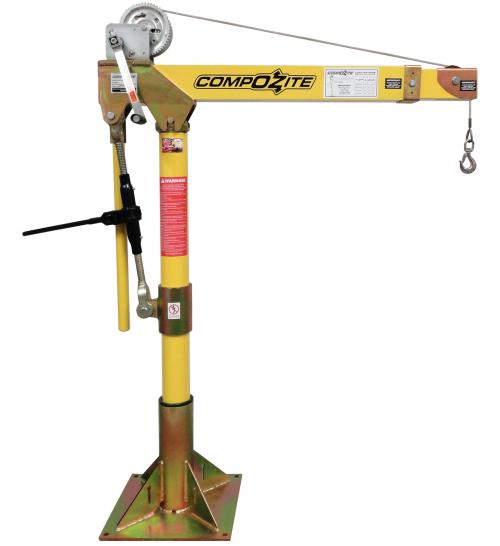
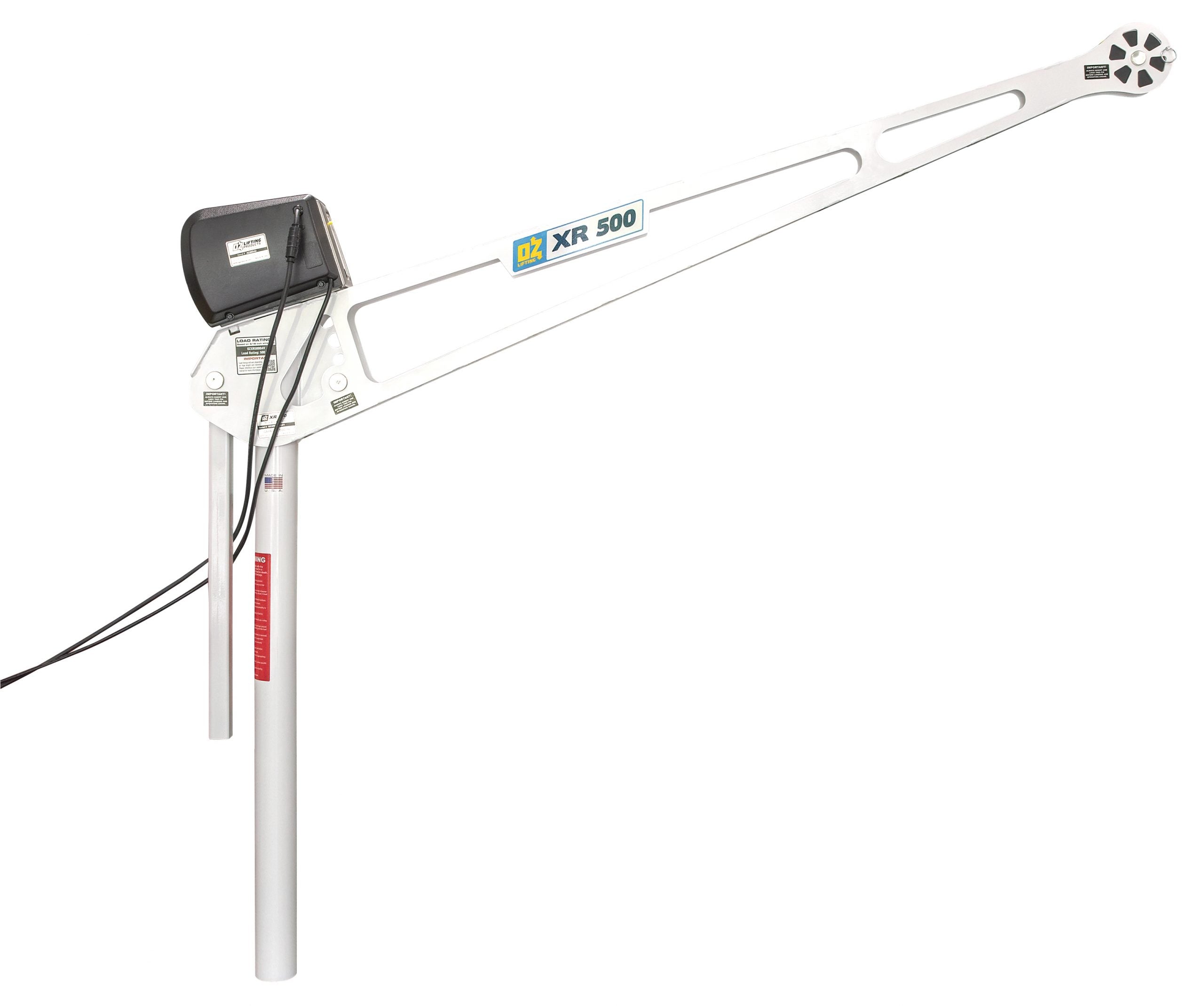
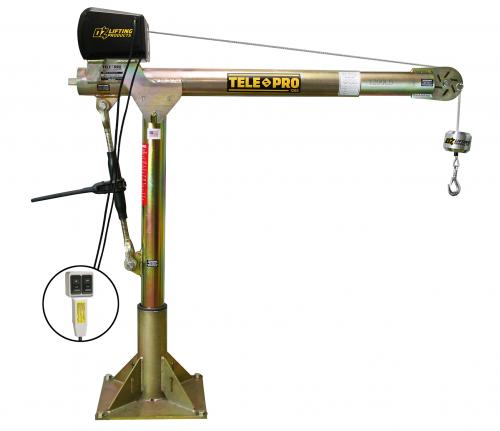
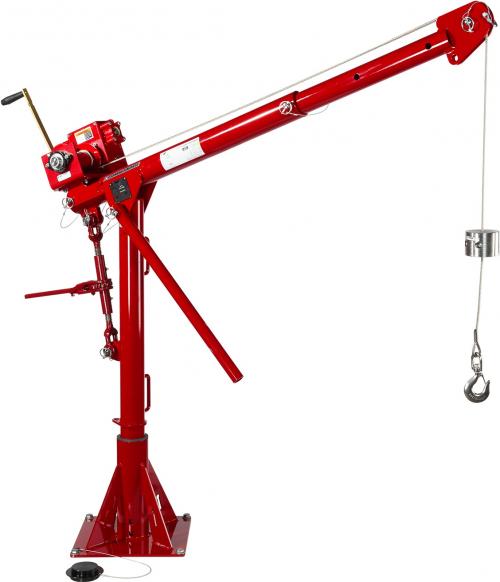
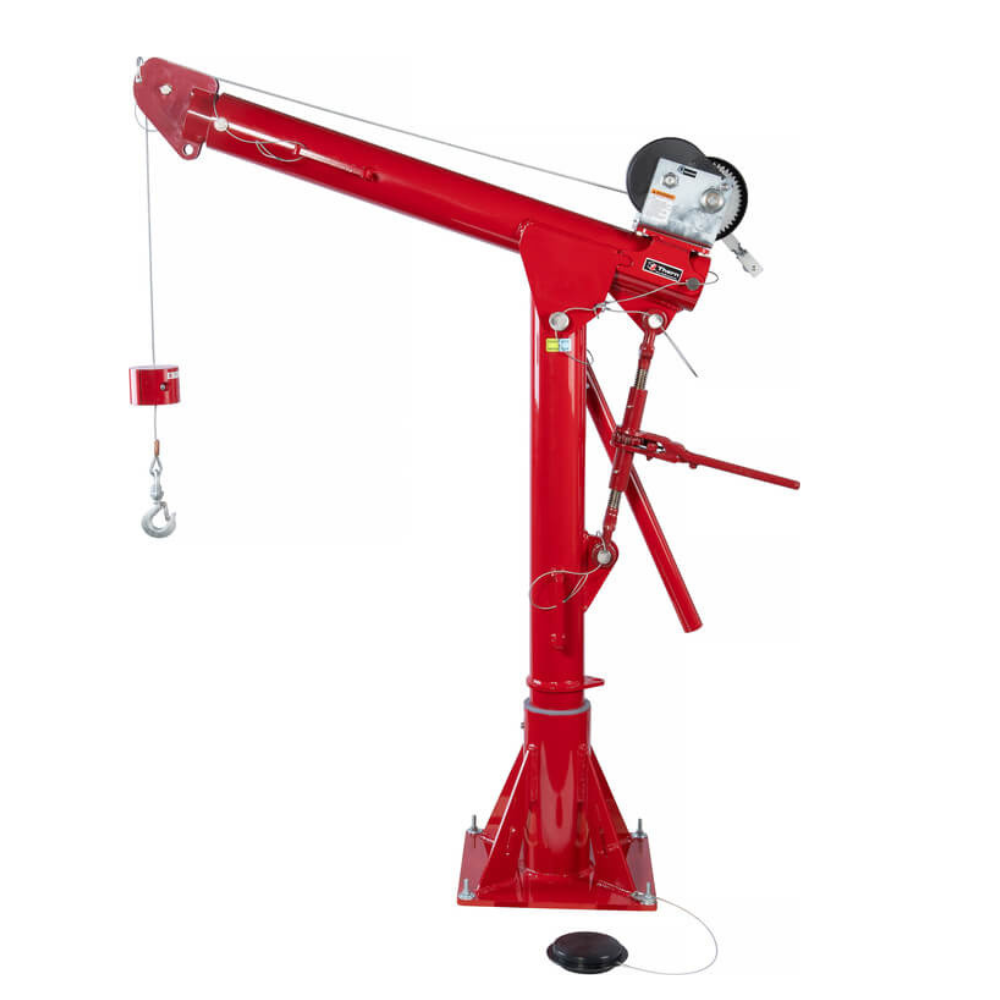
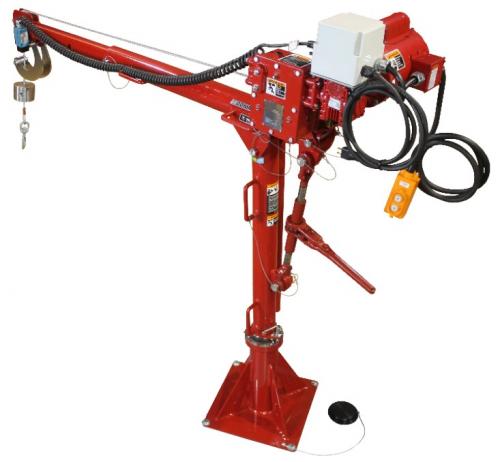
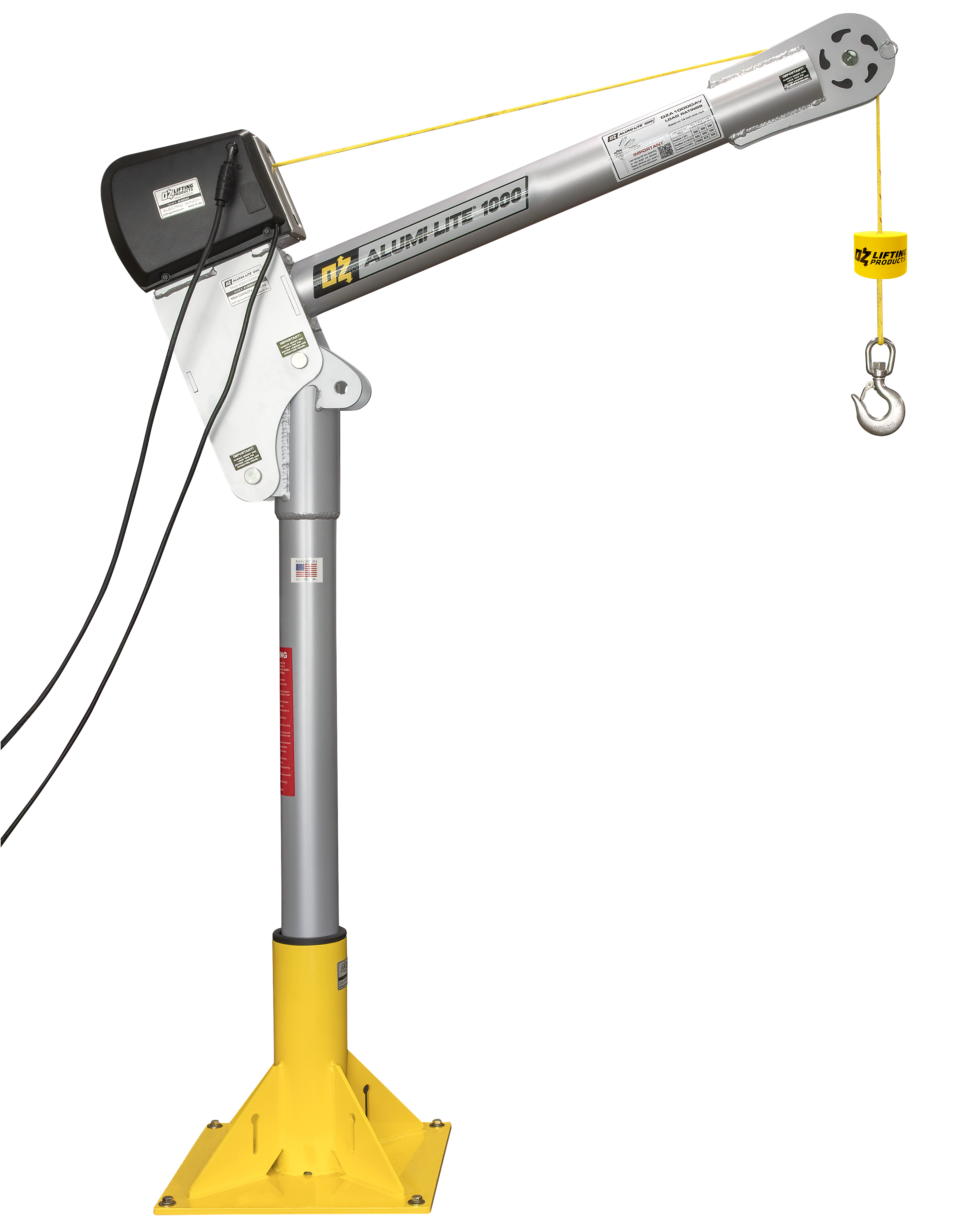
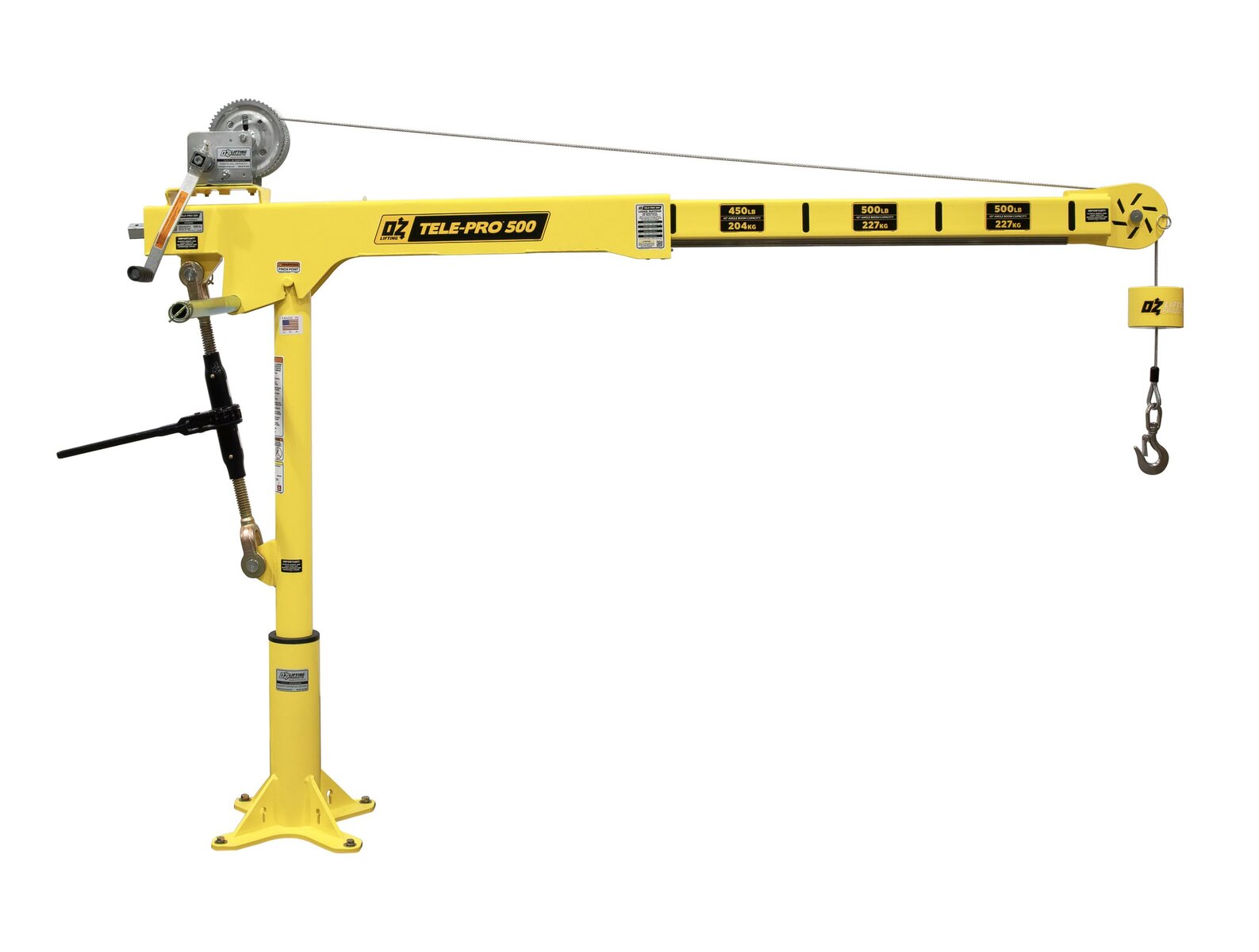
When a davit crane is the better answer. If the same 500 to 1,500 lb pick happens at six stations, buy one crane and six bases instead of six jibs. A davit crane lifts out of its socket and moves: Thern's portable line runs 500 to 3,000 lb with a stationary series to 5,500 lb, OZ Lifting builds steel, CompOZite composite, carbon fiber ELITE, and telescoping Tele-Pro models, and REID's PDQ aluminum davits at 1,100 and 1,320 lb set up by one person. Choose the winch by where the work is, manual for occasional lifts, 12V DC off a truck battery, 110V AC for daily duty near power, then buy sockets, pedestal, and wall bases per station in davit cranes, with series-specific mounts, wire rope assemblies, and winch options in REID davit accessories and Thern davit accessories. Shop, truck, and gantry lifting live in the wider cranes hub.
Frequently Asked Questions
A standard freestanding jib anchors to a reinforced concrete foundation poured to the manufacturer's drawings for its capacity and span. The foundationless models skip the pour by spreading load through a larger baseplate, but HSI still calls for at least 6 inches of sound reinforced concrete with no cracks or expansion joints, anchor bolts embedded a minimum of 4-3/4 inches, and a qualified engineer's confirmation of the slab.
Freestanding and mast type jibs rotate a full 360 degrees. Wall and column mounted jibs, both tie rod and cantilever, sweep roughly 200 degrees because the structure is in the way. Articulated jibs pivot at two points, which is how the hook gets around corners and into spots a straight boom cannot reach. Rotational stops can limit any manual freestanding jib's sweep where the circle includes something you value.
Two candidates. The cantilever style wall or column jib carries its boom without a tie rod above it, keeping the space over the boom clear. The mast type jib is also a low headroom design, taking upper support from your building steel while rotating a full circle. Between them, the deciding factor is usually whether a wall or a floor-to-truss position is available where the work happens.
No. The jib is the structure; the hoist and trolley are separate line items, sized to the boom flange and built to ASME B30.16, and their weight counts against the crane's rated capacity. If the hoist is electric or air powered, order the entry collector or swivel and festooning with the crane so the boom can rotate without winding its own supply line.
The portable forkpocket models are built for exactly that, moving between work areas on a forklift with no anchoring at all. A foundationless jib can be unbolted and re-anchored wherever the slab qualifies. A standard freestanding jib is married to its foundation, so if the work moves often, the honest answer is a davit crane and a base at each station.
A jib owns a spot: bolted down, 360 degree coverage, capacities to 10,000 lb, and decades of service over one work area. A davit follows the work: it lifts out of a socket, moves by hand or truck, and covers picks to 3,000 lb portable or 5,500 lb stationary. If one location gets lifted to all day, buy the jib; if the same lift happens at many stations, one davit and several bases cost a fraction of the alternative.