Fuel Transfer Pumps
A fuel transfer pump is the small machine standing between a delivery drum and an empty tank, and this collection covers the electric transfer bench a shop actually reaches for: diesel, DEF, oil, and general fuel work, all Vestil, all wired rather than hand cranked. Prices run from a couple hundred dollars for a 12-volt diesel pump that clamps to a truck battery to past a thousand for a 115-volt oil pump moving several gallons a minute. Two questions sort this page faster than price does: which fluid you are moving, and how long the pump has to run without stopping. DEF corrodes the metals inside an ordinary fuel pump, oil is thick and slow, and diesel is the easy case in the middle, so the fluid picks the shortlist before flow rate or voltage ever comes up. The two collections below split the bench along exactly that line, diesel on one side and the wider electric range on the other.
Shop Fuel Pumps by Category
Compare Fuel Pumps
| Model | Price | Power | |
|---|---|---|---|
| Vestil Electric Oil Pumps | $1,138 | 115V | View → |
| Vestil Heavy Duty Electric Fuel Pumps | $794 | 12V | View → |
| Vestil Electric DEF Pumps | $496 | 12V | View → |
| Vestil Continuous Duty Pump | $335 | 115V | View → |
Fuel Pumps Buying Guide
The fluid picks the pump before anything else. Every pump on this page is electric and made by Vestil, so the choice is not really about brand or even price. It is about what you are moving. Diesel and light distillates are the forgiving case and get the diesel fuel pumps collection. Everything with a complication, DEF that eats ordinary metals, oil too thick for a fuel-rated pump, or a fill that runs long enough to cook a small motor, lands in electric fuel pumps. Name the fluid first and most of the catalog falls away; then sort by flow rate, duty cycle, and whether the pump runs off a battery or a wall outlet. Get the fluid wrong and no other spec saves you, because a pump matched to diesel will contaminate DEF and stall on heavy oil.
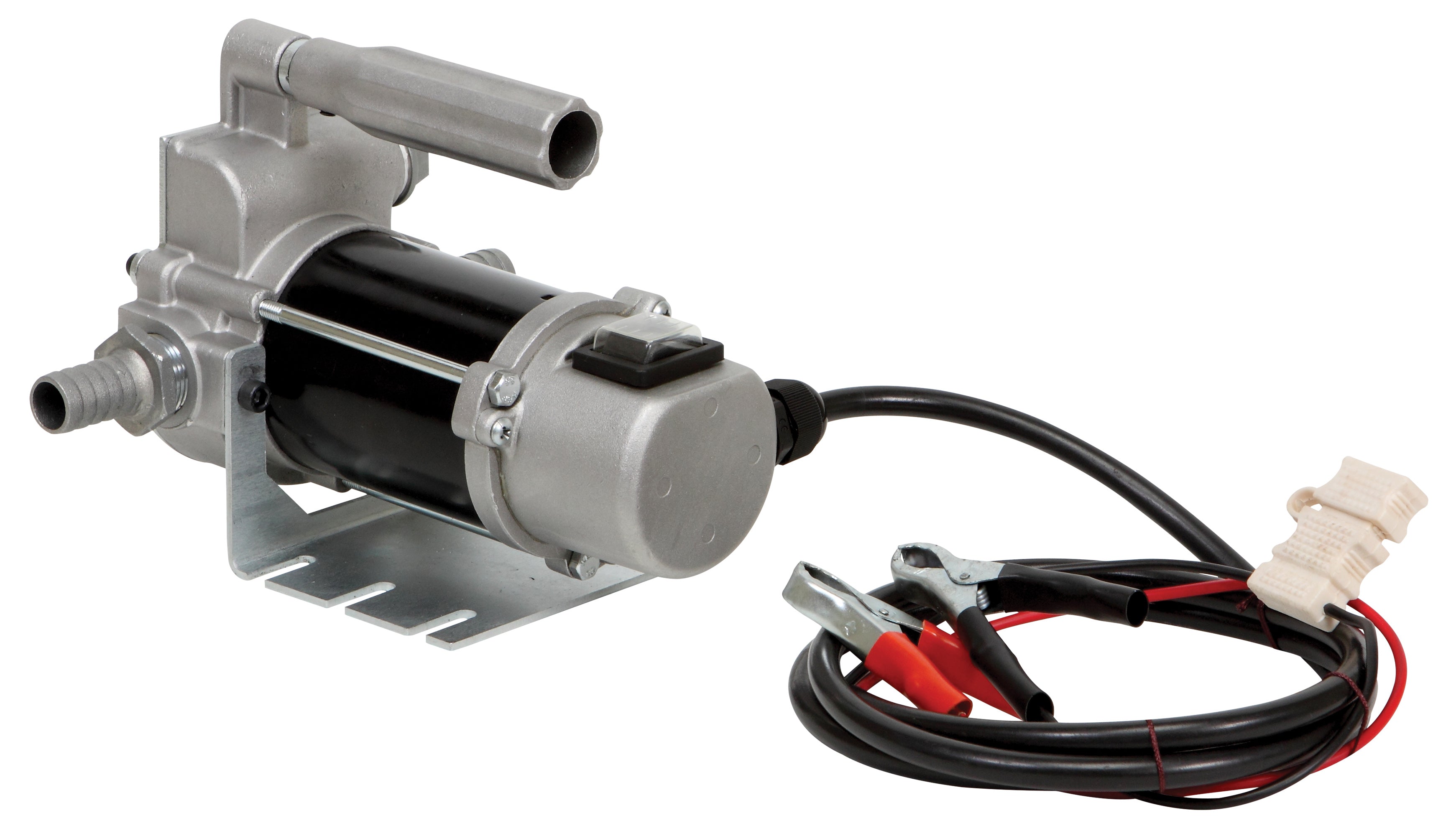
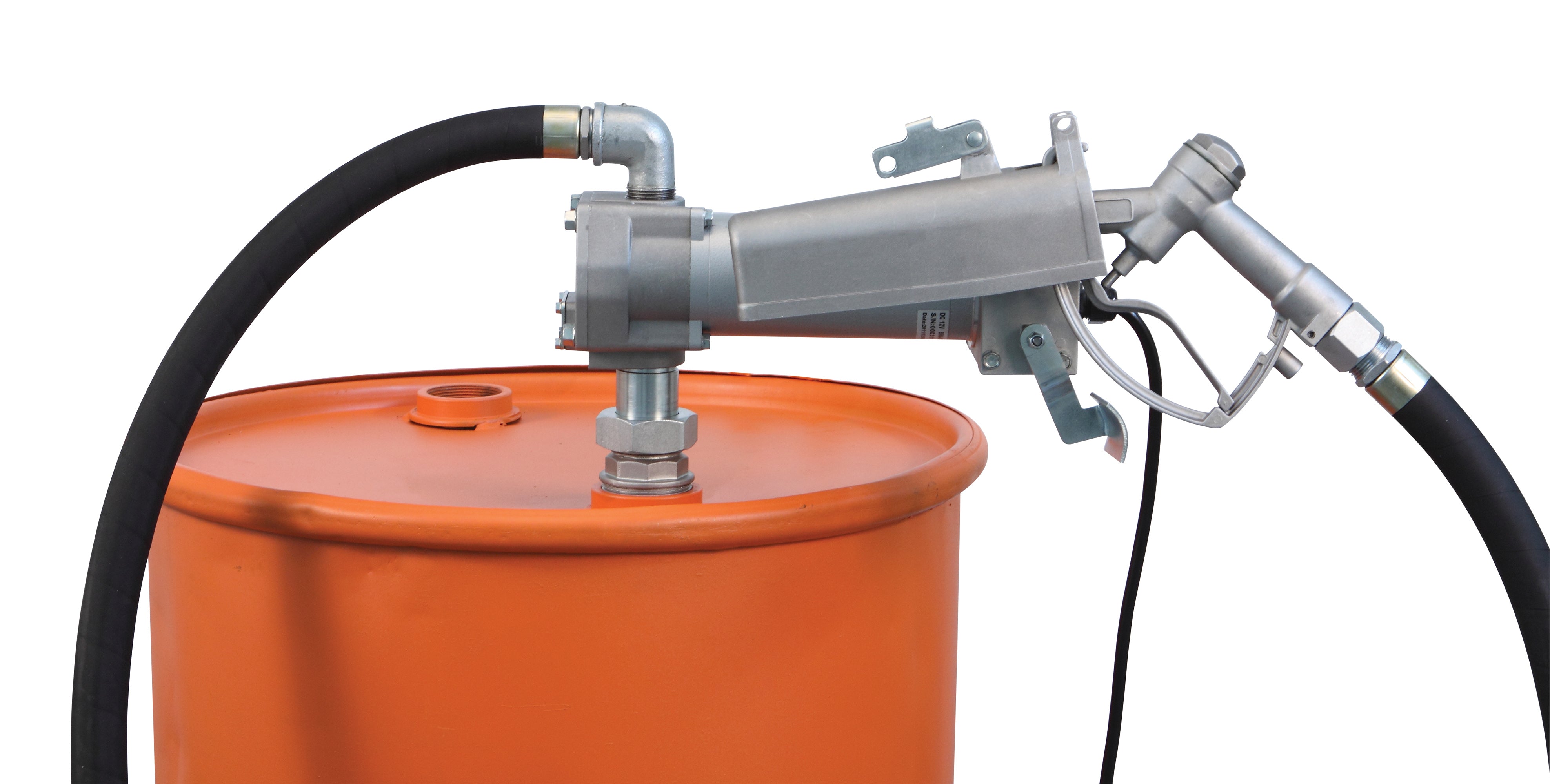
Diesel is the straightforward one. The diesel fuel pumps here are 12-volt units that clamp to a truck or equipment battery and self-prime out of a drum or tank, the pump most yards reach for to fill a tractor, generator, or bulk tank in the field. Vestil sells the diesel pump with an option for the discharge hose and automatic shut-off nozzle bundled in or left off, so read that line before you assume a hose is in the box. These pumps handle diesel, kerosene, and light machine or transformer oils. They are not gasoline pumps, and gasoline's much lower flash point is a real hazard, so never run it through a pump that does not specifically say it is rated for it. At a couple hundred dollars, the diesel pump is the cheapest fluid job in this hub, which is what you want, since diesel is the fluid that asks the least of the hardware.
DEF gets a dedicated pump, always. DEF, the 32.5 percent urea solution that diesel trucks meter into the exhaust to cut NOx in the SCR aftertreatment system, is mildly corrosive to the brass, copper, zinc, aluminum, and galvanized steel that ordinary fuel pumps are full of. Run DEF through a fuel pump and you corrode the pump and contaminate the fluid at the same time, and contaminated DEF clogs injectors downstream. That is why the electric fuel pumps collection carries a Vestil pump built specifically for DEF, with the wetted parts in materials that shrug it off. Never repurpose a diesel or oil pump for DEF, and never send DEF down a line that has carried fuel; the entire point of a dedicated pump is keeping the two fluids and their plumbing apart.
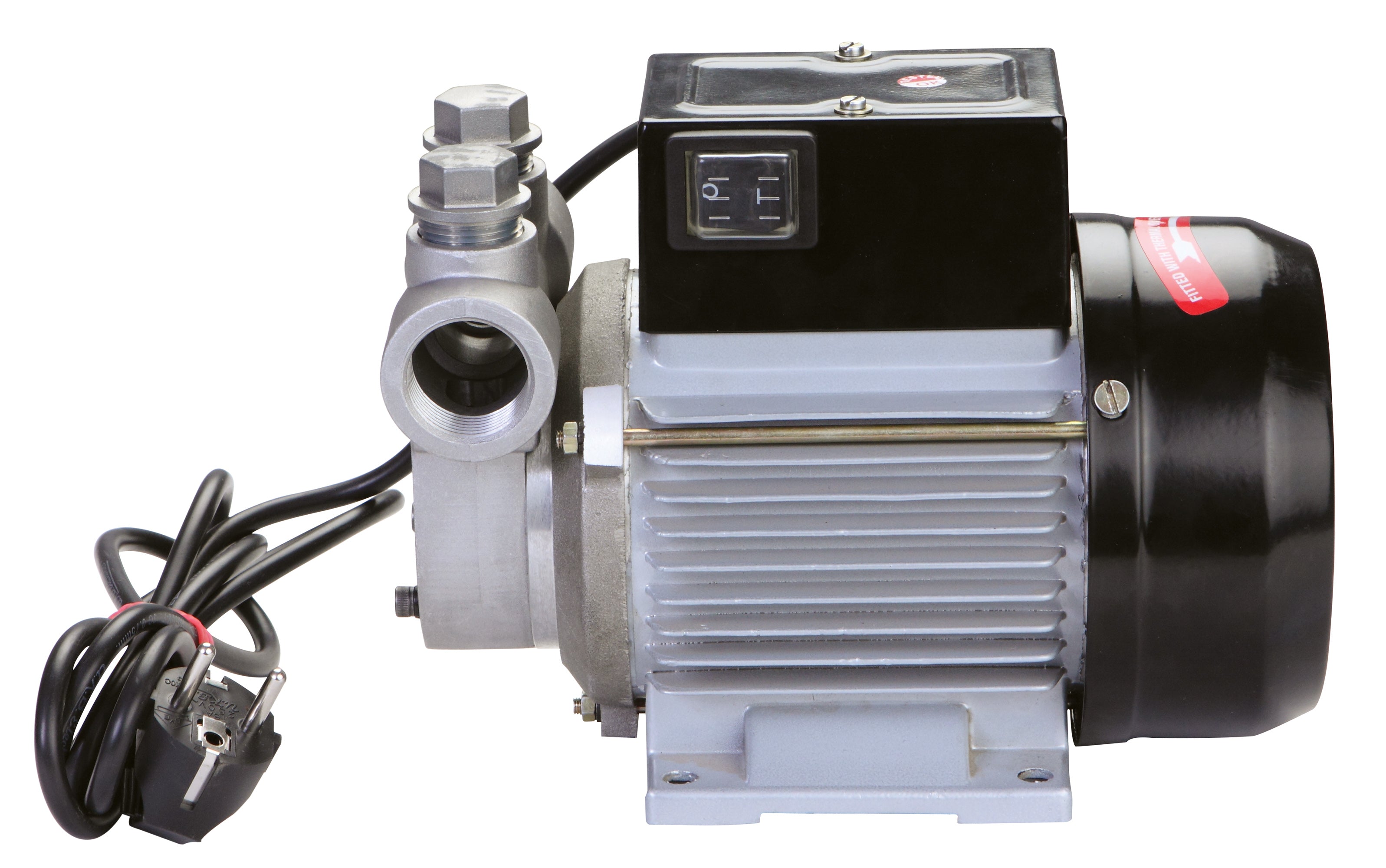
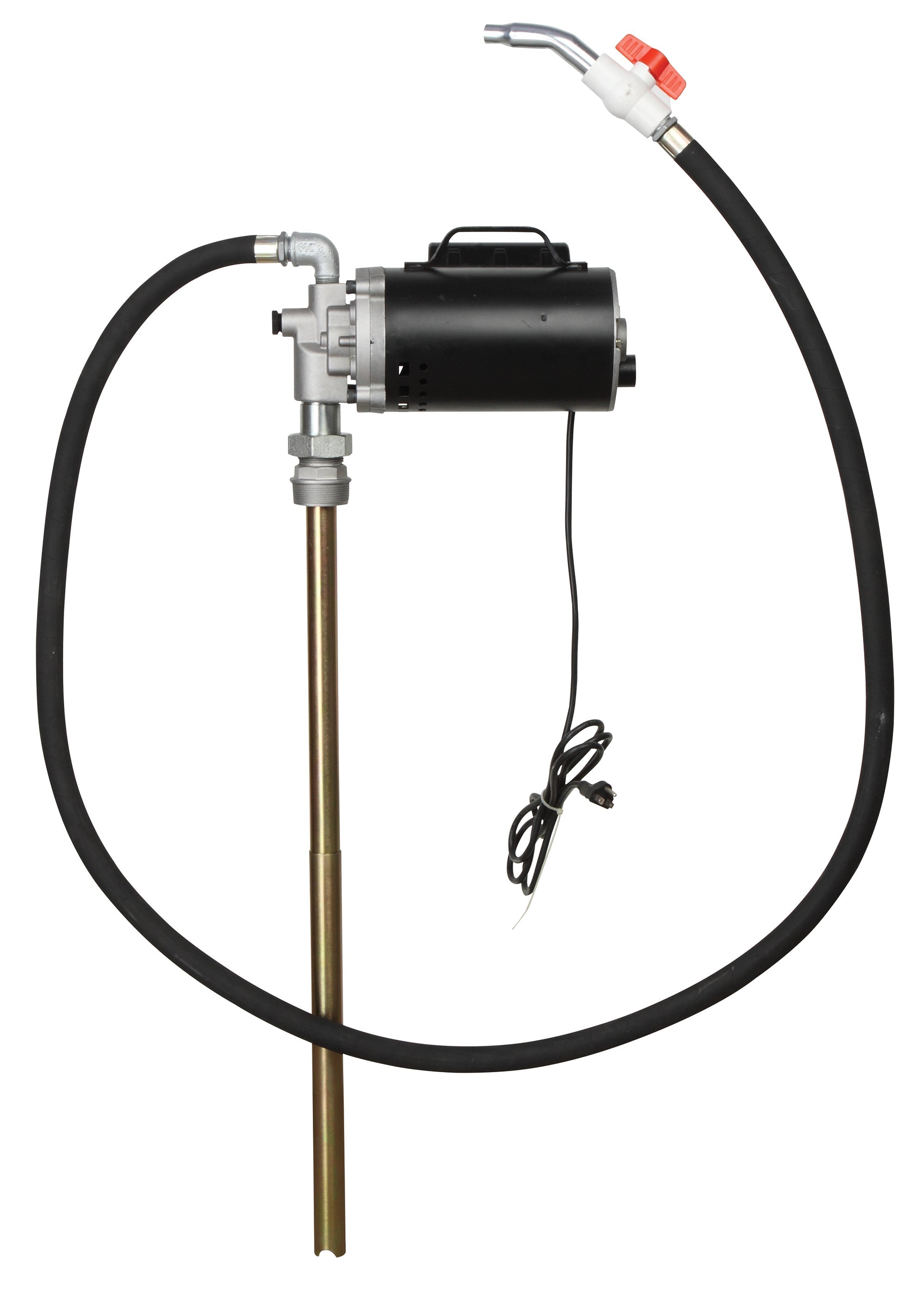
Oil is thick, so it becomes a flow-and-power question. Oil moves slower than fuel and asks more of the motor, so the oil pumps in electric fuel pumps step up to 115-volt wall power and come in a few flow ratings, up to roughly 3.5, 4.5, or 8 gallons a minute depending on the model and how heavy the oil is. Match the flow to the oil's viscosity and your patience: a thin hydraulic oil moves near the pump's top rating, while heavier gear oil crawls, and buying the higher-flow model is usually cheaper than standing over a slow one. These are the priciest pumps in the hub for that reason, since moving viscous fluid reliably is simply more machine. If you dispense a range of oils, size the pump to the thickest one you handle.
Duty cycle decides whether it survives the shift. The number that catches people out is duty cycle. Most inexpensive 12-volt pumps are intermittent duty, rated to run something like 20 to 30 minutes and then rest an equal stretch; push past that and the motor windings and the pump's vanes overheat and fail. That is fine for a five-minute tractor fill and wrong for a job that dispenses all afternoon. When the pump has to keep going, electric fuel pumps includes a Vestil continuous-duty pump that runs indefinitely without cooking, plus heavy-duty fuel pumps built for the higher-volume end. Be honest about how long the pump actually runs at a stretch: an intermittent pump bought for a continuous job is the most common way one of these dies inside a year, and the replacement costs more than the upgrade would have.
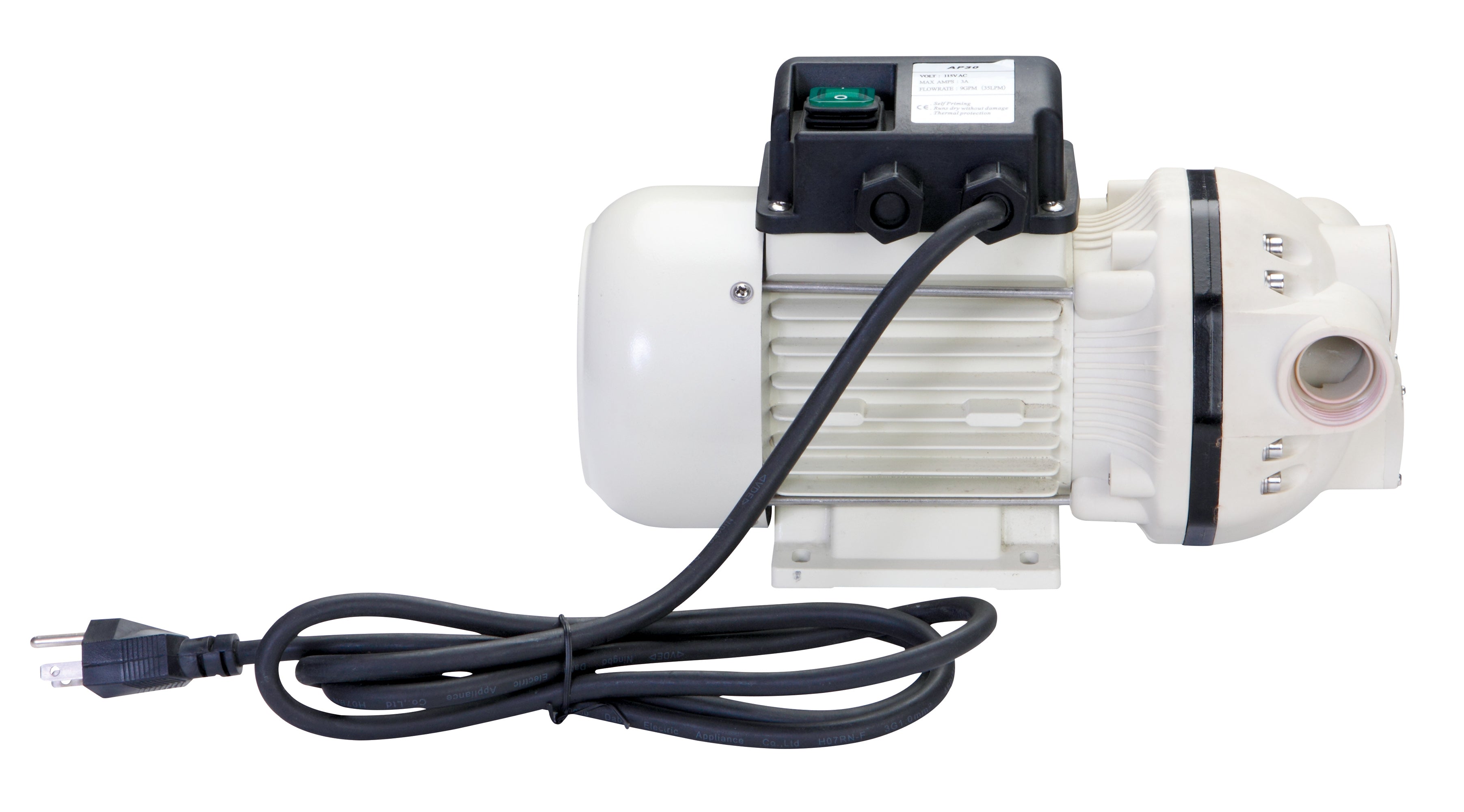
12 volt or 115 volt. The last split is power. The 12-volt pumps, the diesel unit and some of the fuel models, run off a battery, which makes them portable and right for the field, the truck bed, or anywhere without an outlet; a few of the fuel models add an AC option for bench use. The 115-volt oil and continuous-duty pumps plug into standard wall power and suit a fixed dispensing station where the tank and pump stay put. The rule is simple: if the pump travels to the fuel, buy the battery version; if the fuel comes to a fixed point, wire it once and buy the AC pump. Deciding this before you order keeps you from bench-mounting a pump that was meant to ride in a truck.
Frequently Asked Questions
No. DEF is a urea solution that corrodes the brass, copper, zinc, aluminum, and galvanized steel found in ordinary fuel pumps, and it clogs downstream injectors once it picks up that contamination. Buy the dedicated Vestil DEF pump for DEF and keep it on its own hose; never move DEF through a line or pump that has carried diesel or oil.
Treat them as diesel, DEF, and oil pumps unless a specific listing says otherwise. The 12-volt diesel pump is built for diesel, kerosene, and light machine or transformer oils. Gasoline has a much lower flash point and needs a pump specifically rated for it, so confirm the fluid rating before pumping gasoline through anything on this page.
Most inexpensive 12-volt pumps are intermittent duty, meaning roughly 20 to 30 minutes of running followed by a rest of about the same length before the motor overheats. A continuous-duty pump, like the Vestil model in the electric collection, can run indefinitely without cooking. If your fills are short and occasional, intermittent is fine; if you dispense for long stretches, buy continuous duty.
It depends on the model. The Vestil diesel pump offers a choice of including the discharge hose and automatic shut-off nozzle or buying the pump alone, so check that option on the listing. The other pumps are generally sold as the pump unit, so plan on hose, nozzle, and fittings sized to your setup.
DEF, or diesel exhaust fluid, is a 32.5 percent solution of high-purity urea in deionized water that diesel engines inject into the exhaust to reduce NOx in the SCR system. It is sensitive to contamination and mildly corrosive to common metals, so it is stored and pumped only through stainless steel or compatible plastics, which is what the dedicated DEF pump uses.
Pick by where the pump lives. A 12-volt pump runs off a truck or equipment battery and is the right call for the field, a truck bed, or any spot without an outlet. A 115-volt pump plugs into standard wall power and suits a permanent dispensing station. If the pump travels to the fuel, go battery; if the fuel comes to a fixed point, go AC.