Lifting Slings
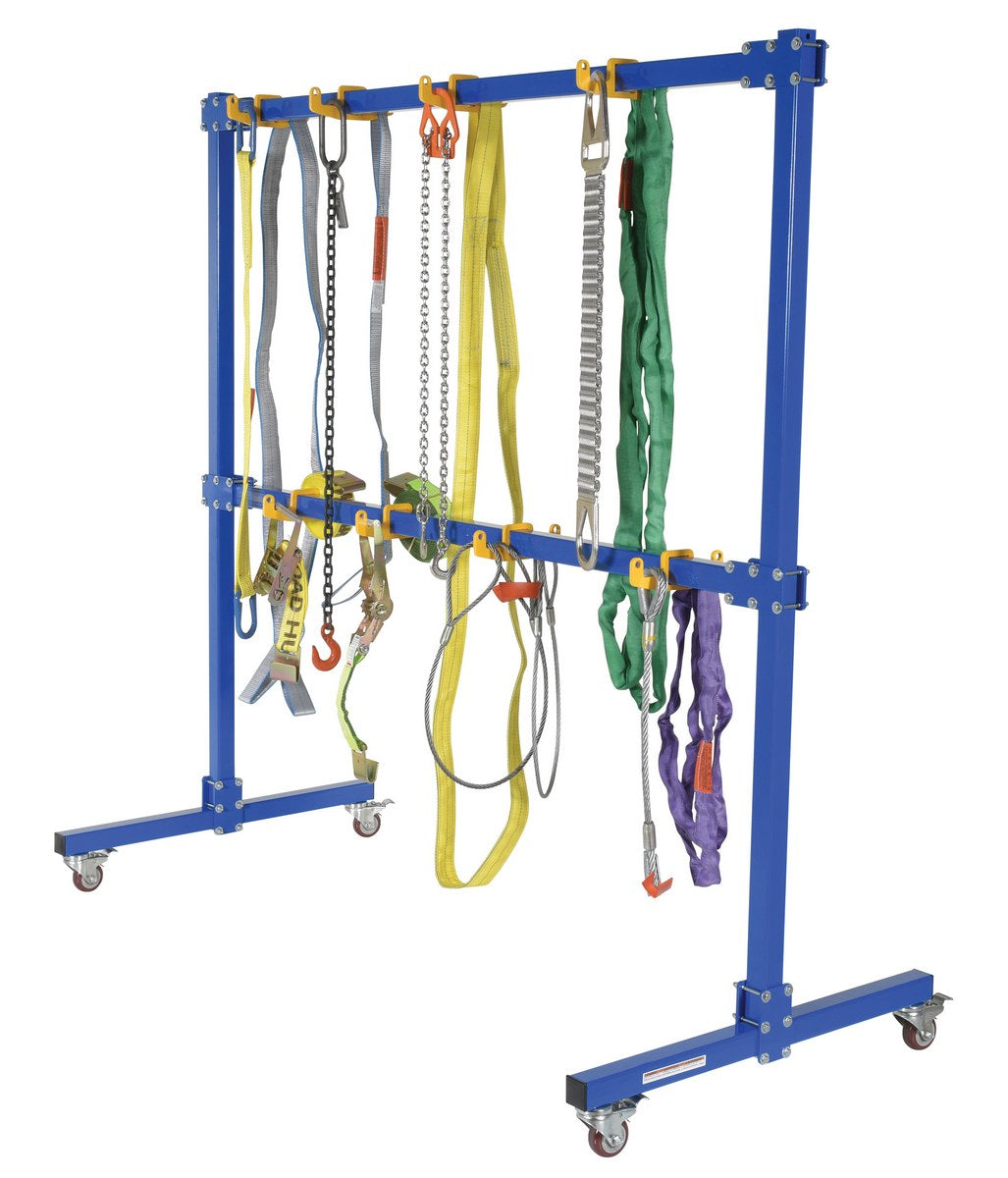
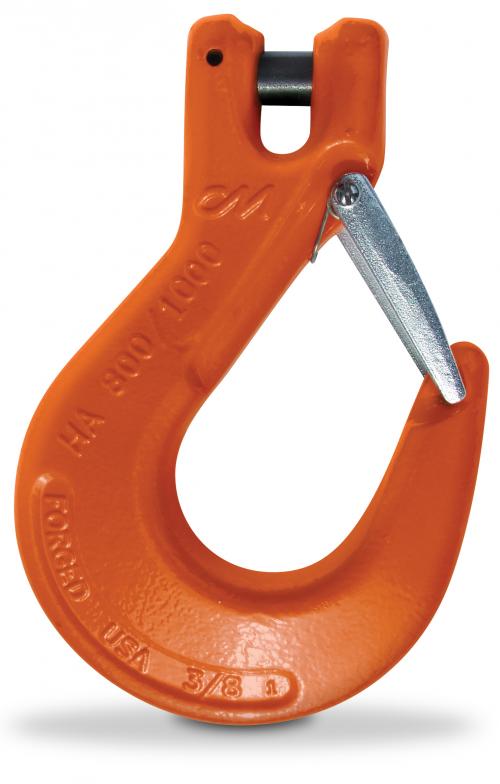
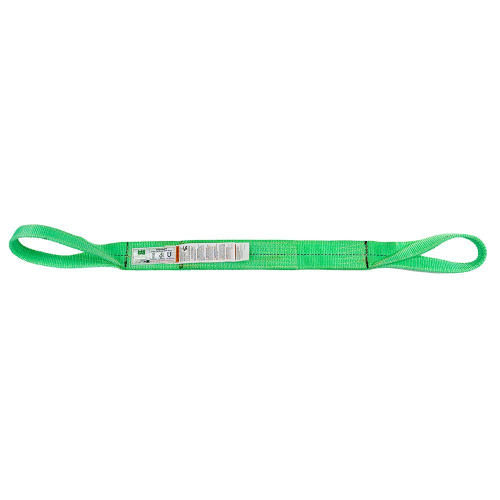
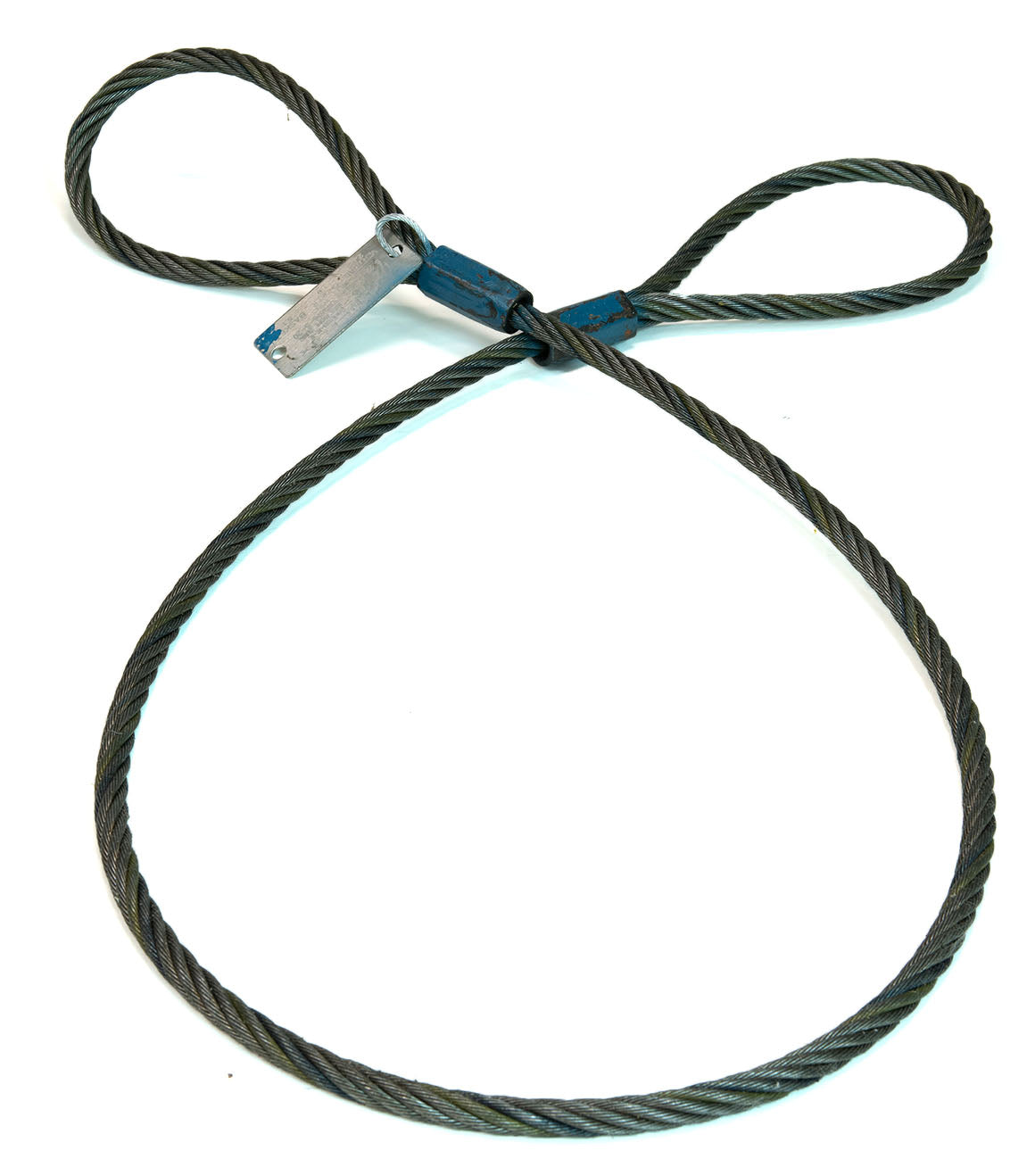
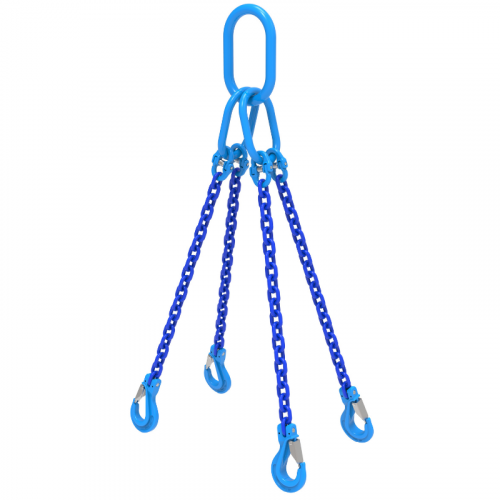
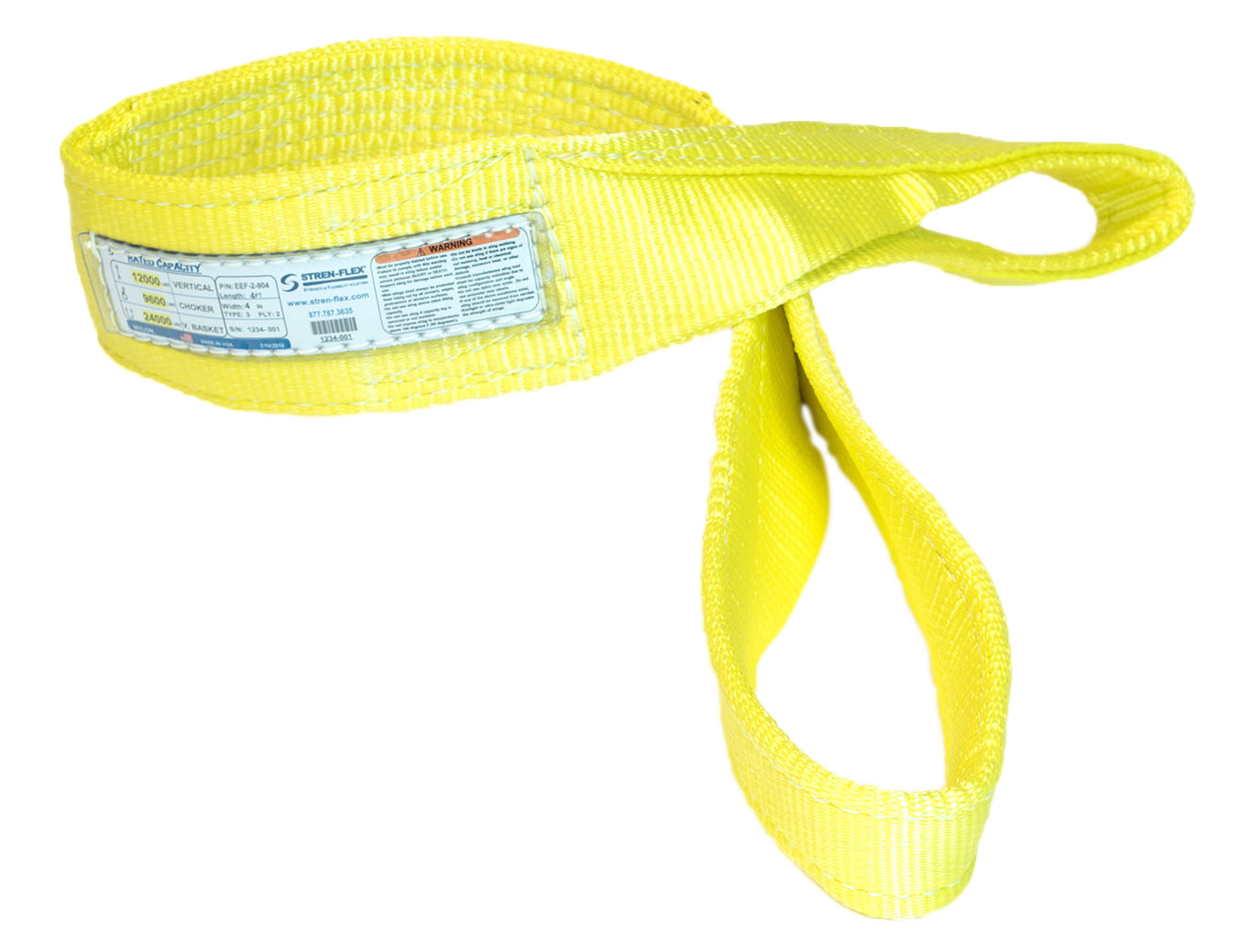
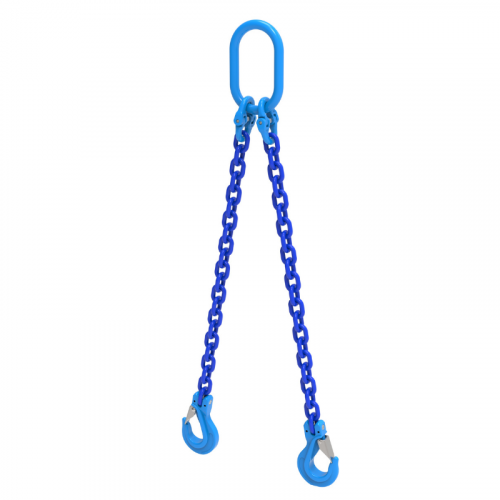
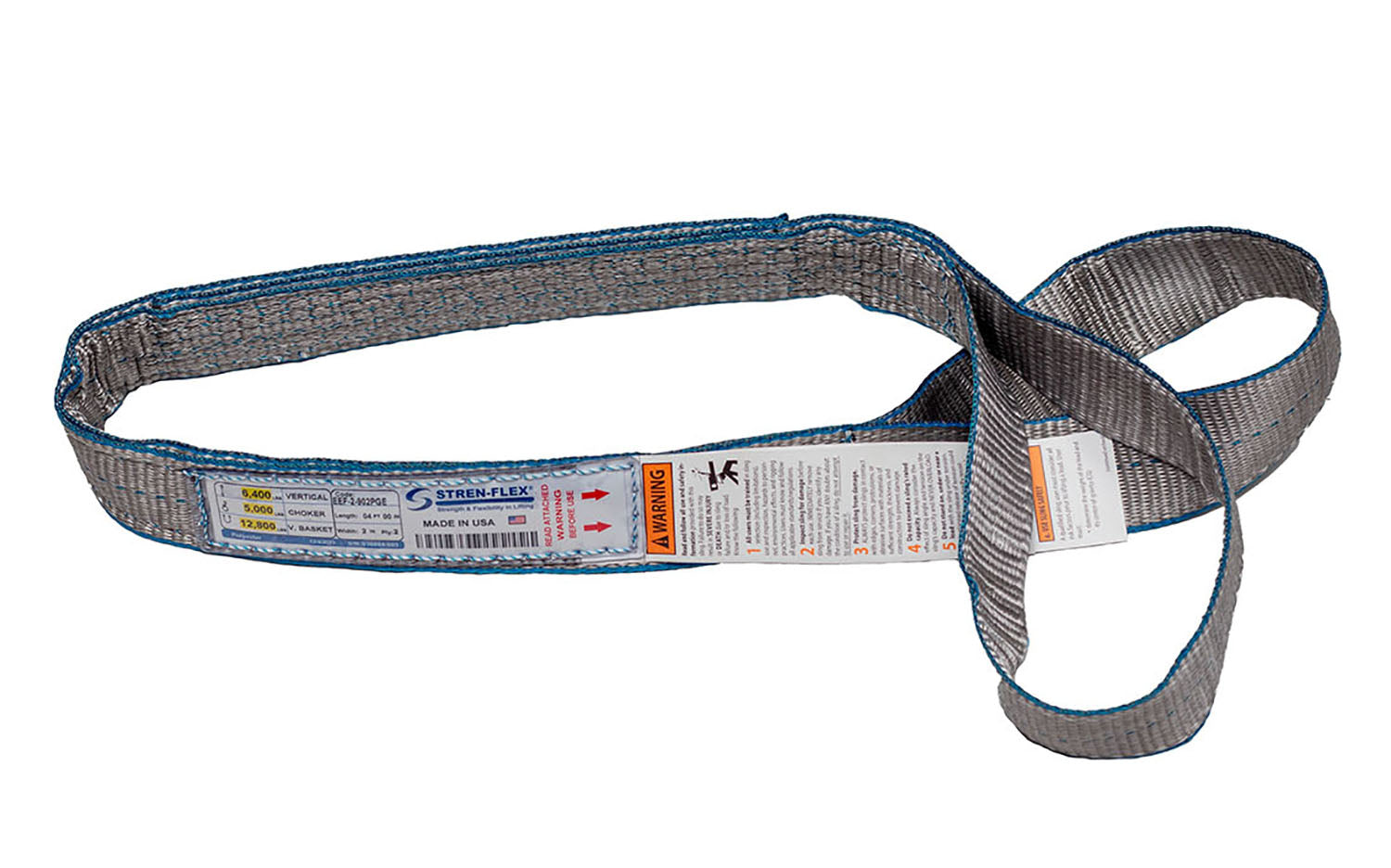
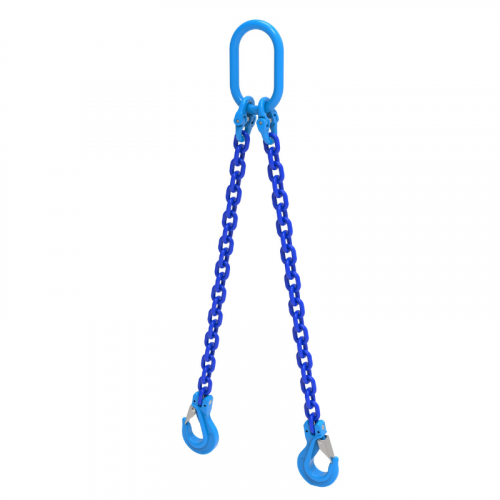
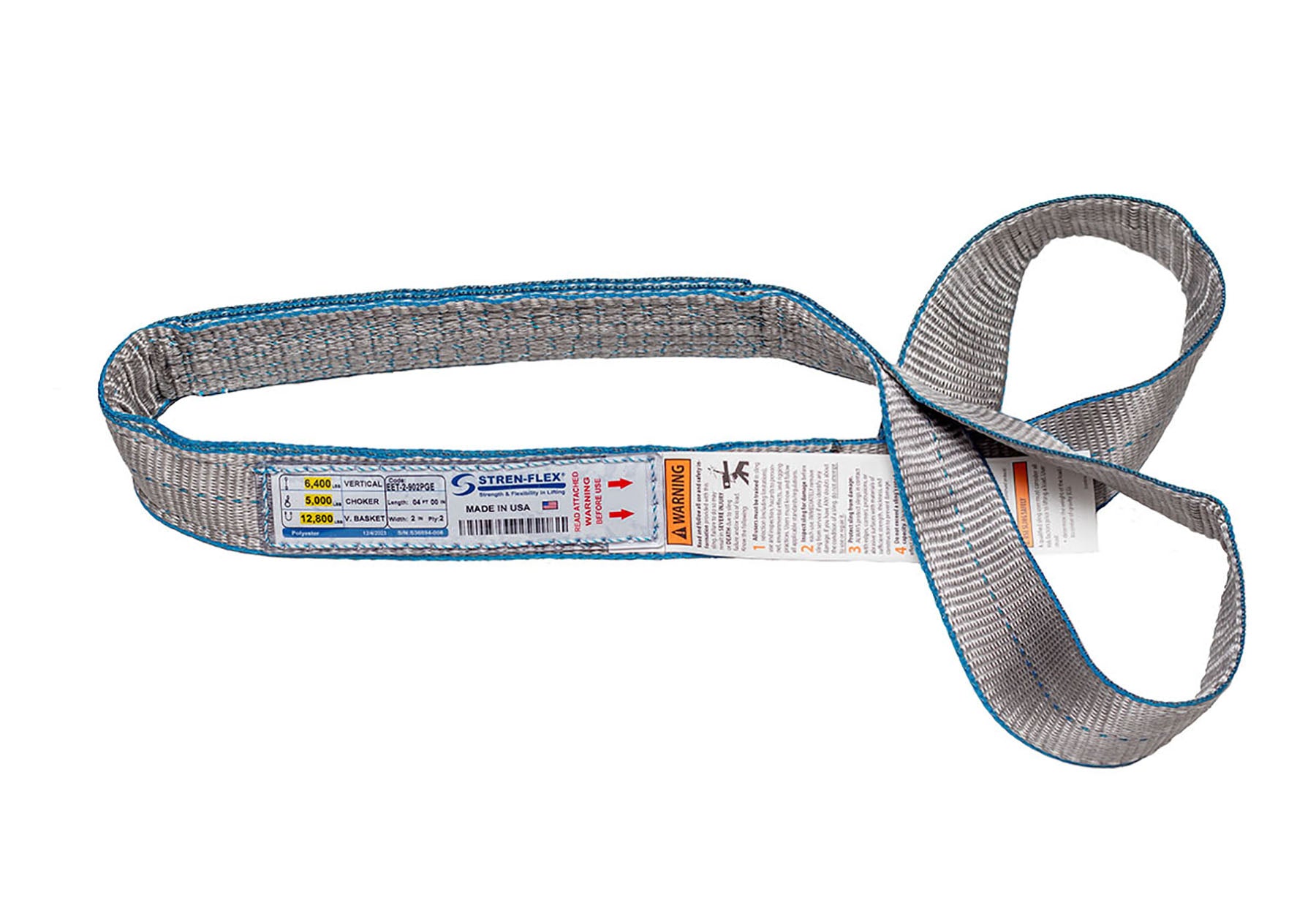
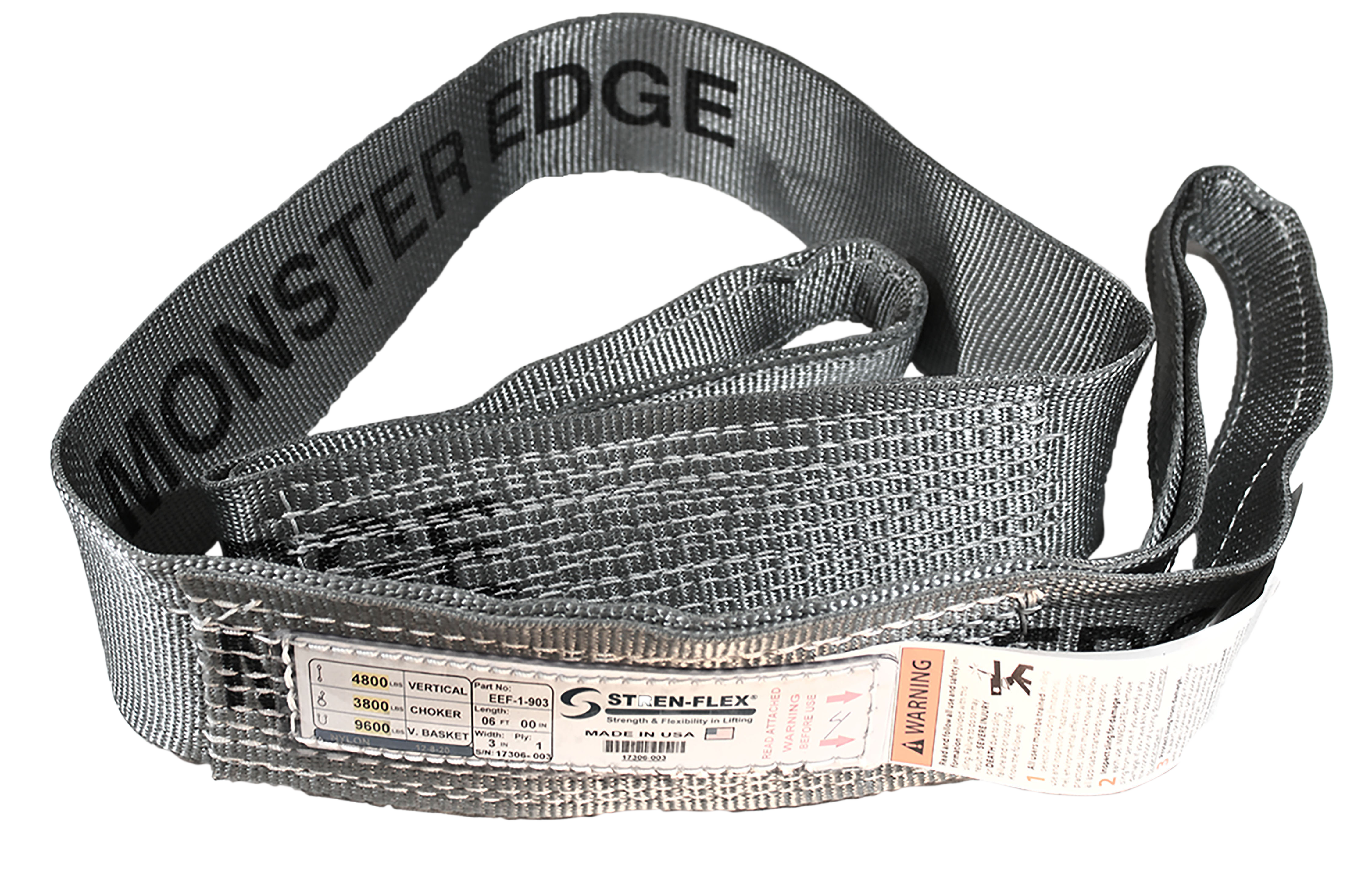
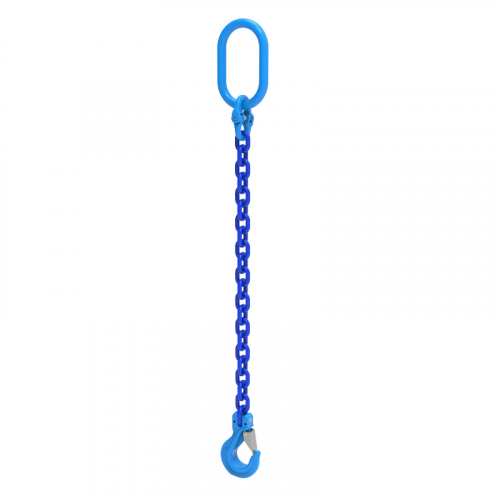
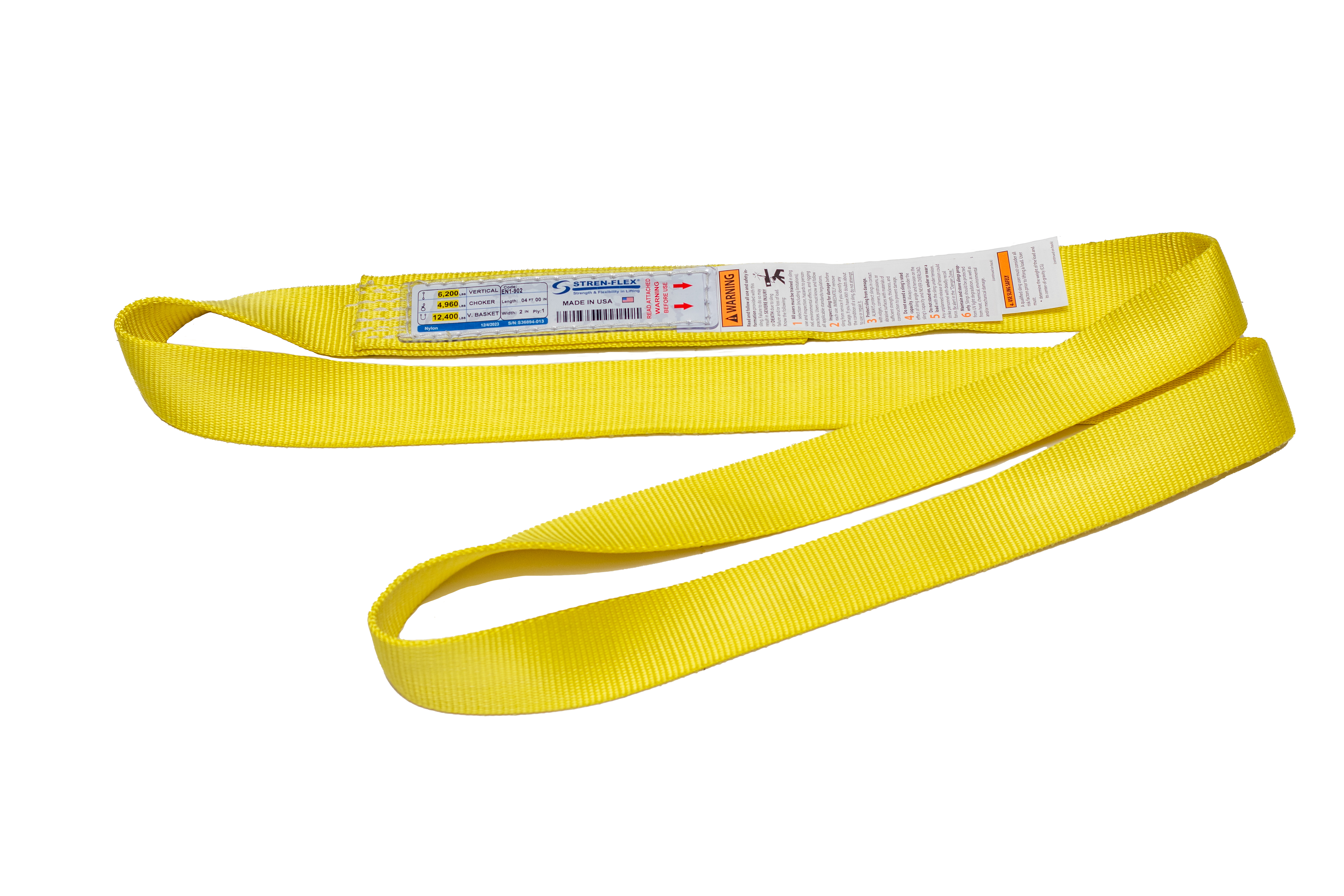
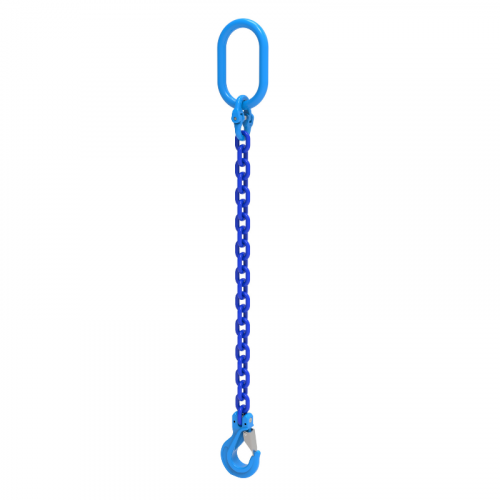
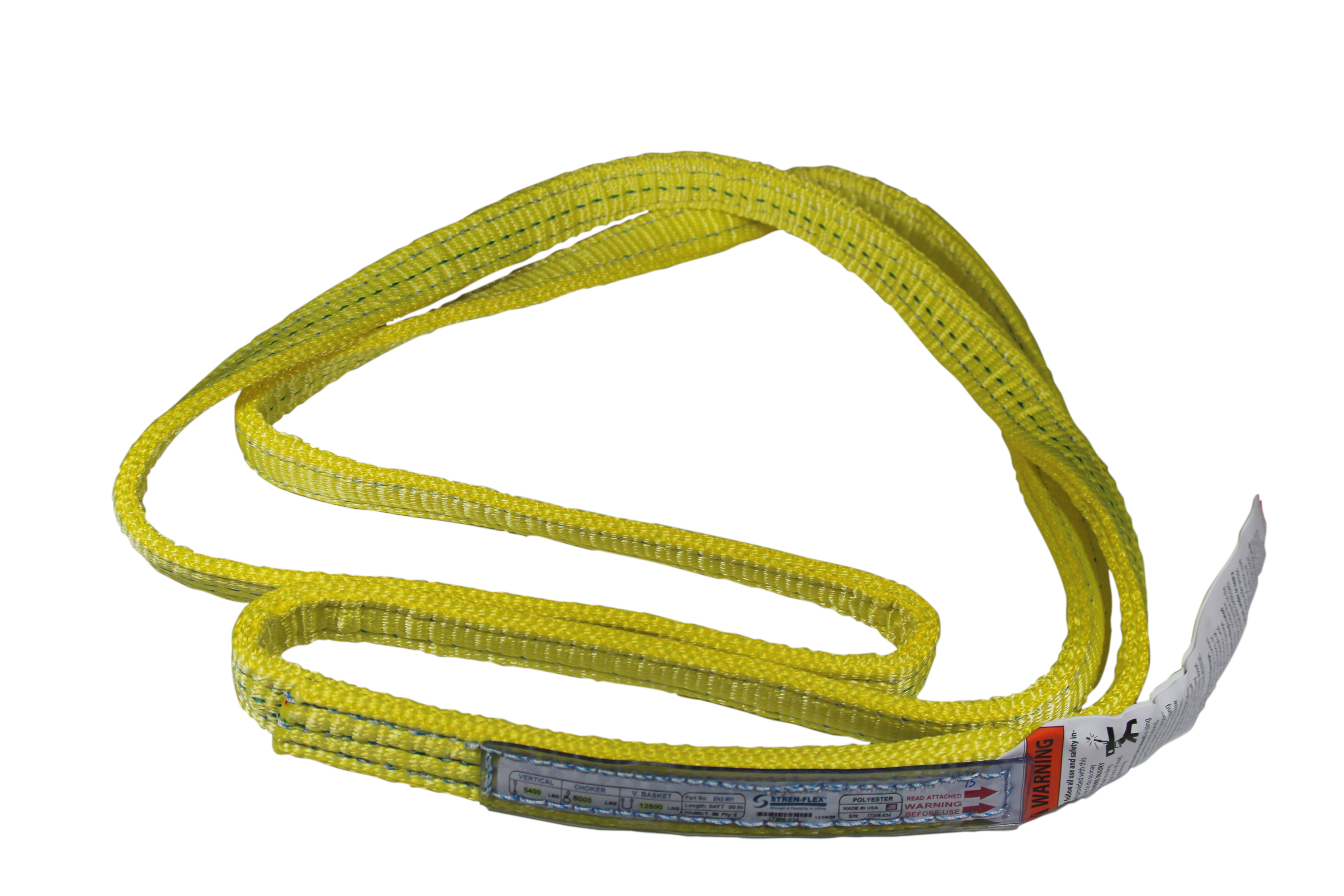
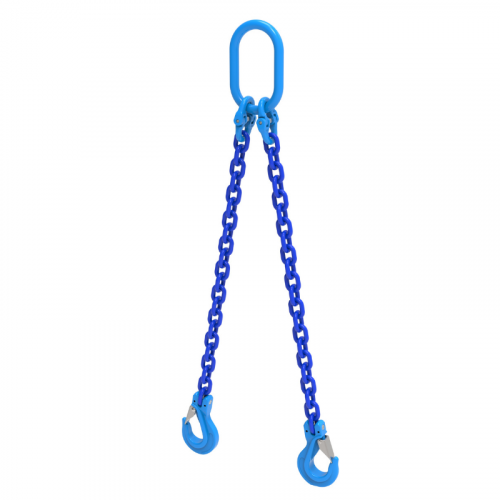
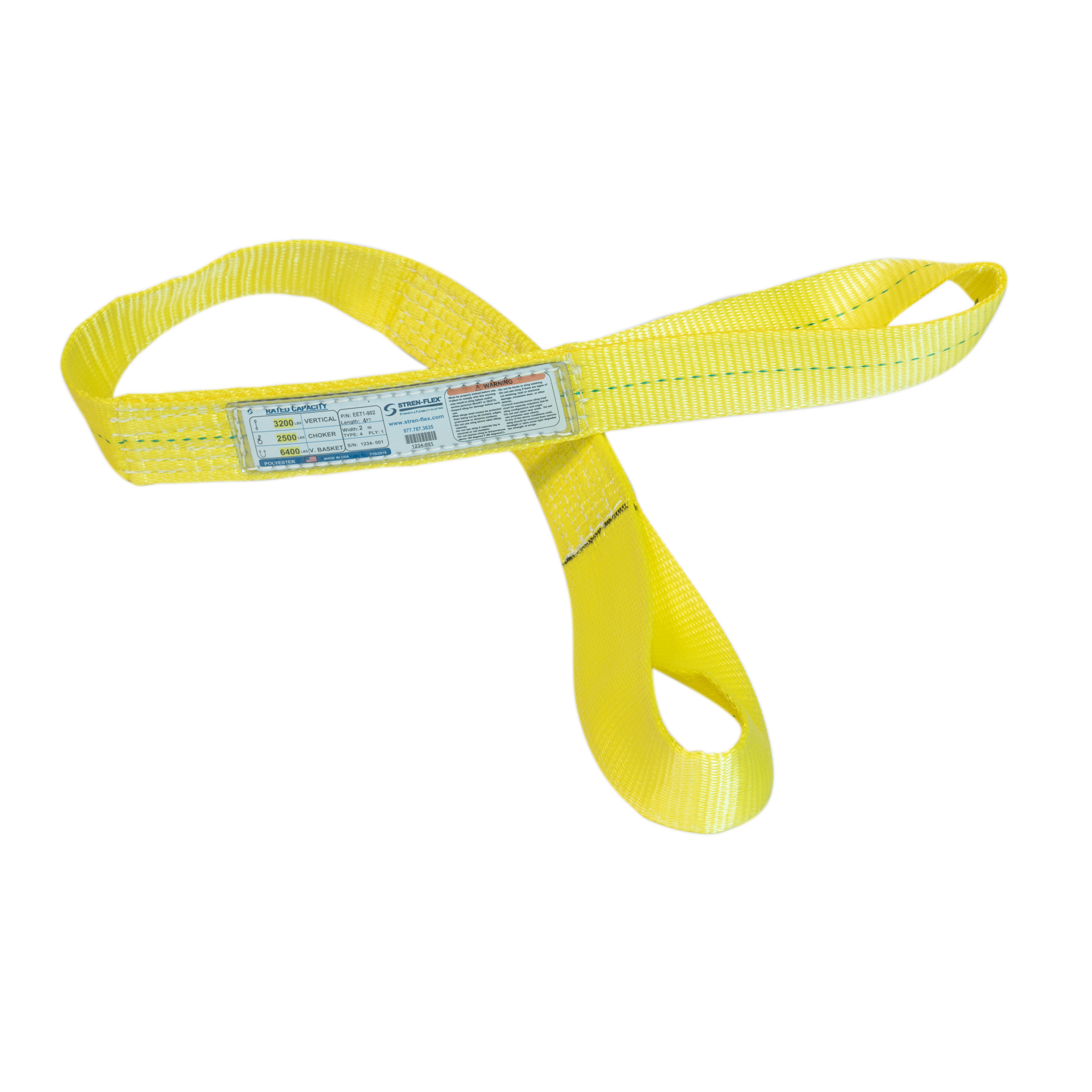
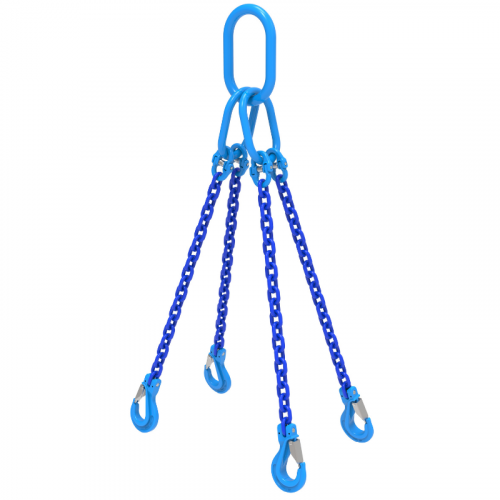
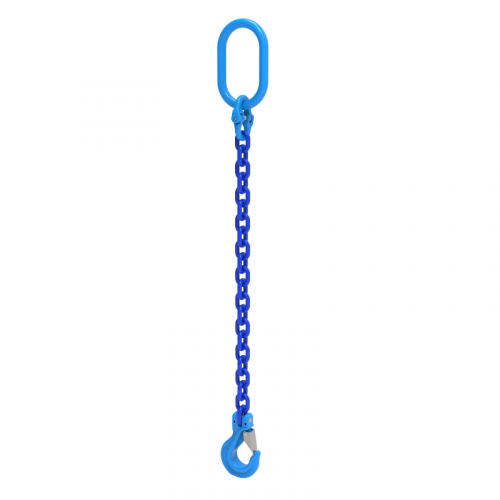
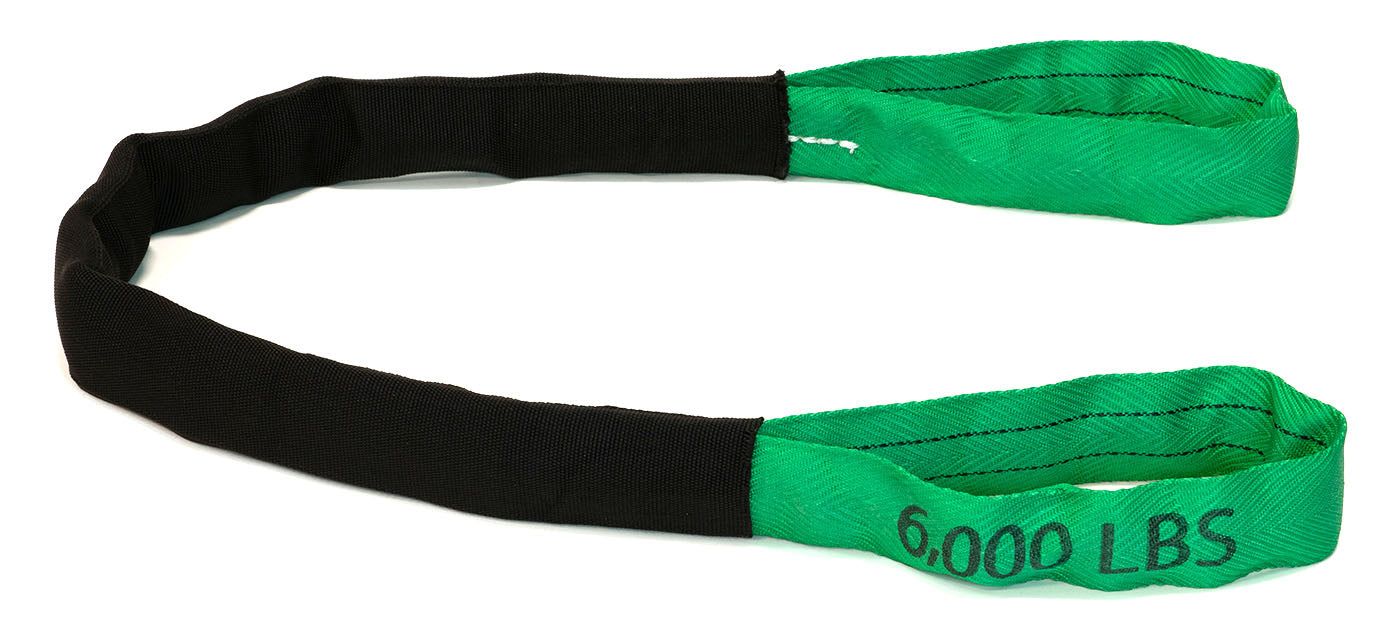
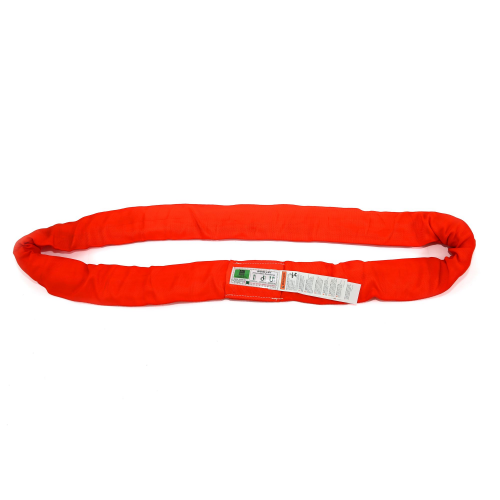
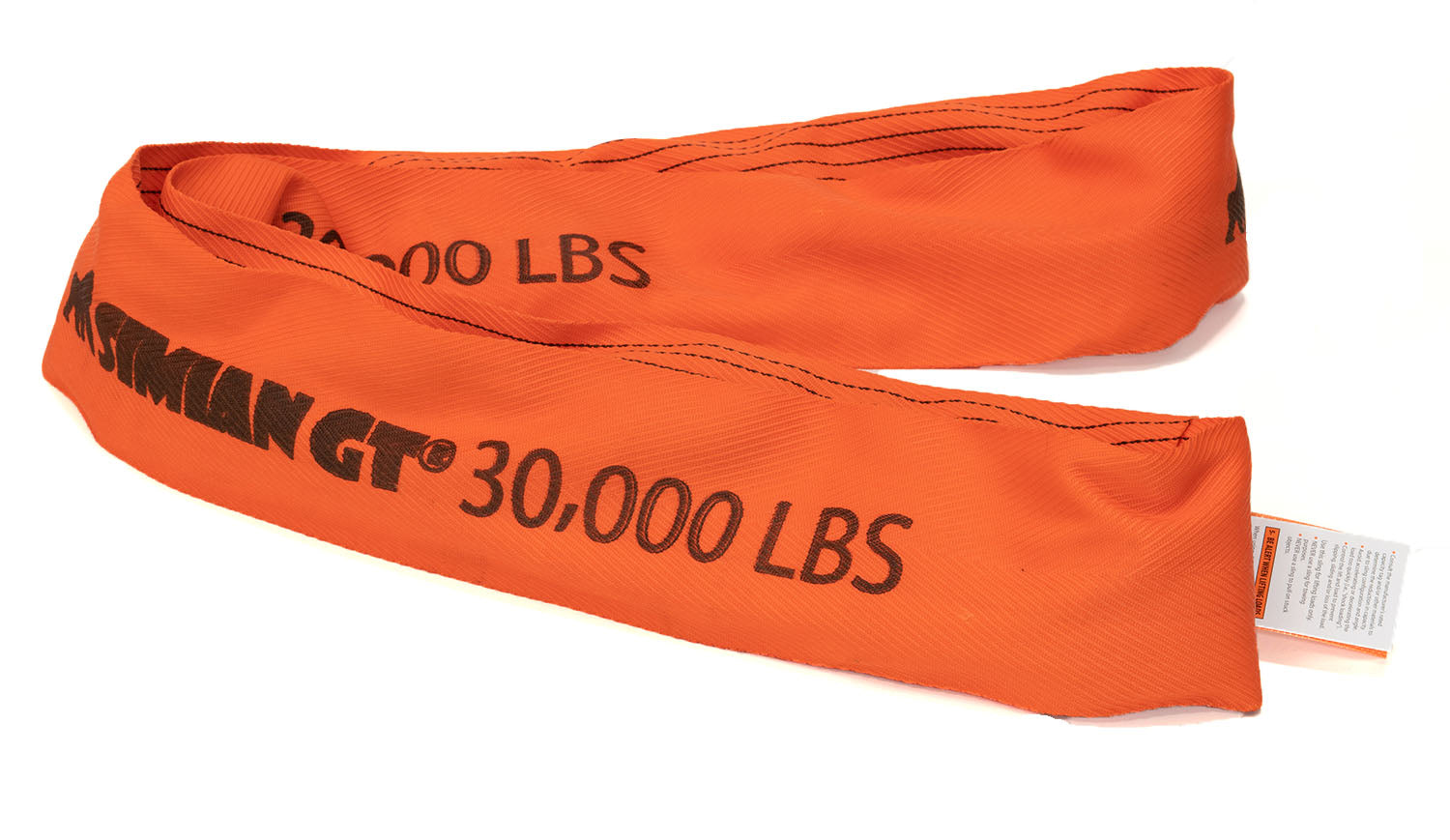
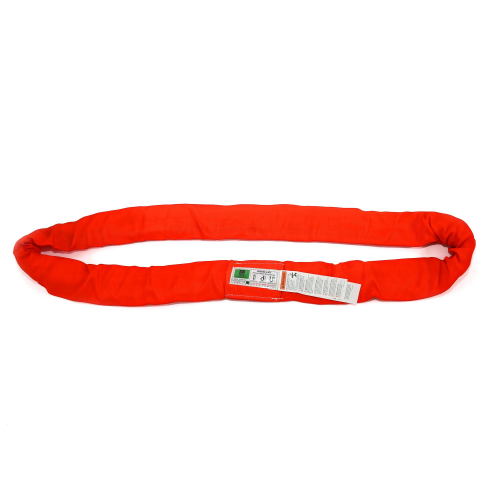
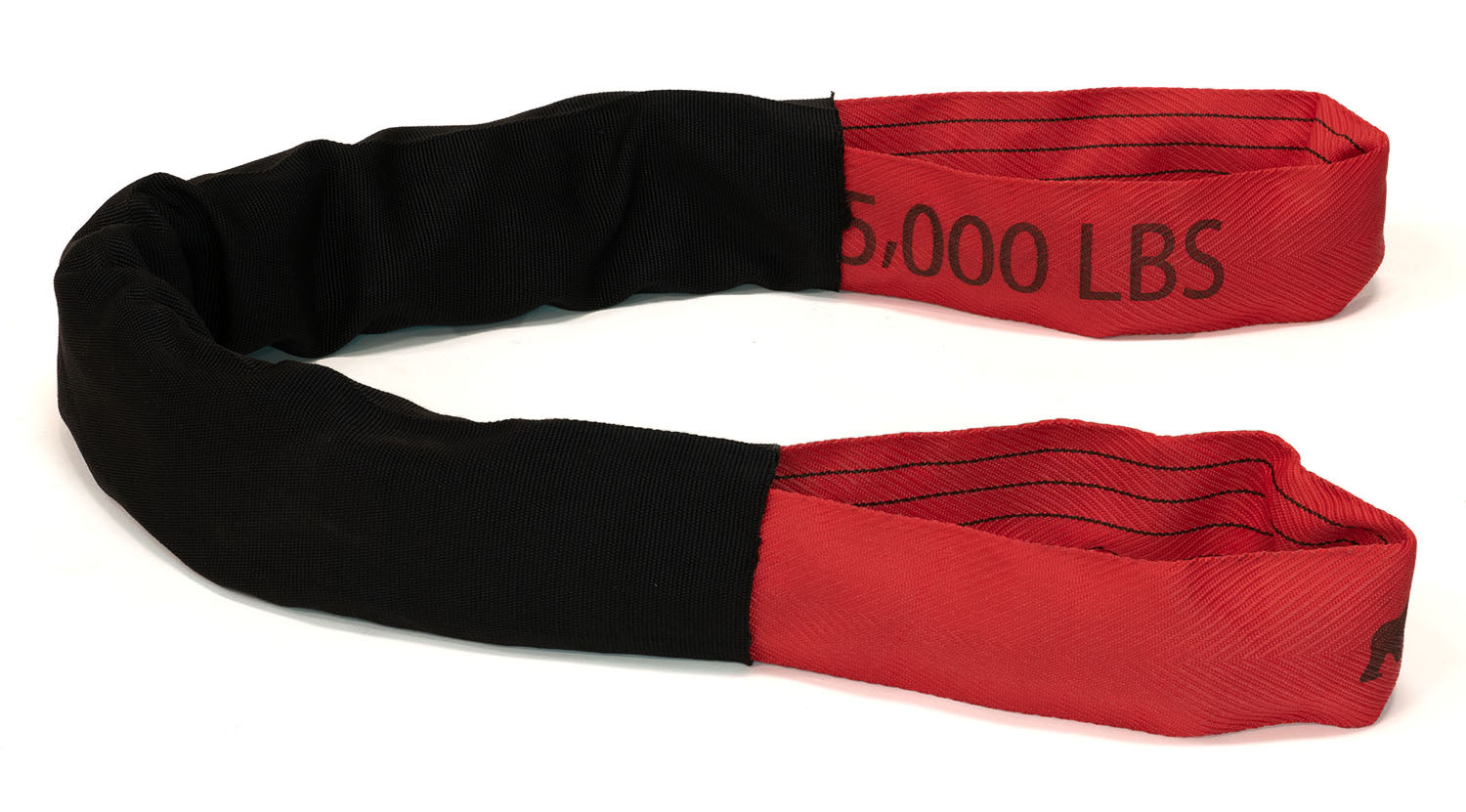
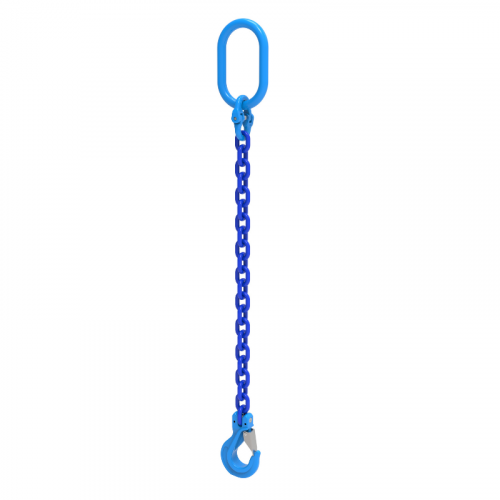
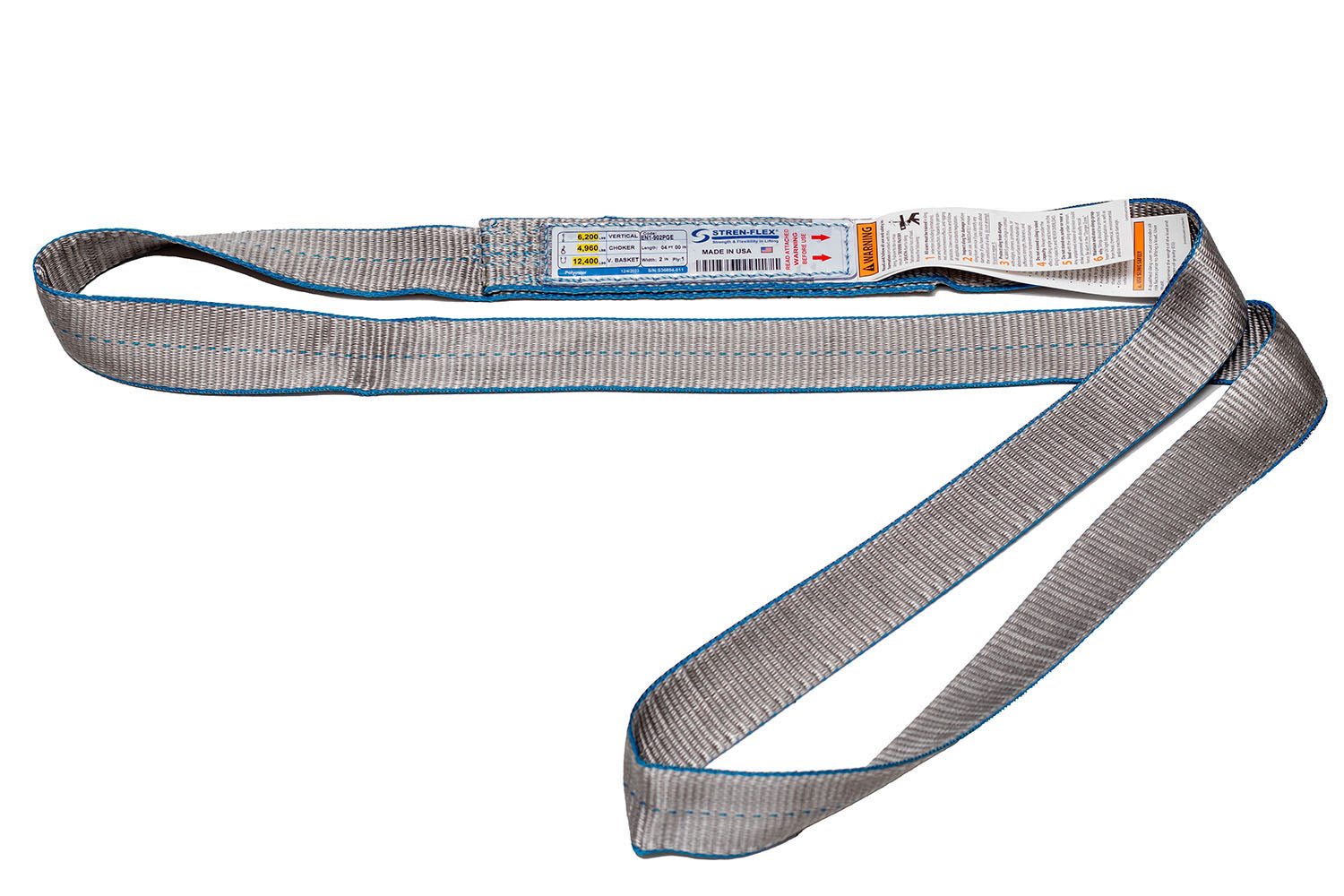
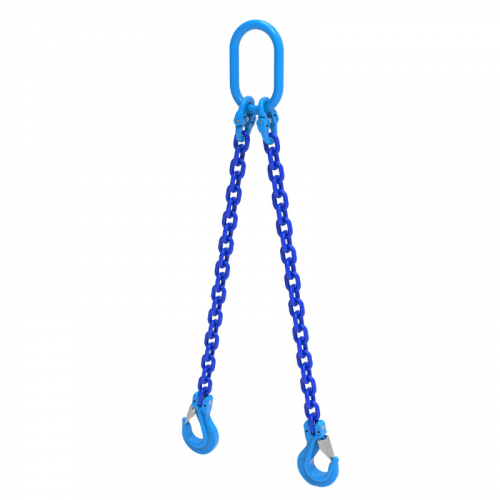
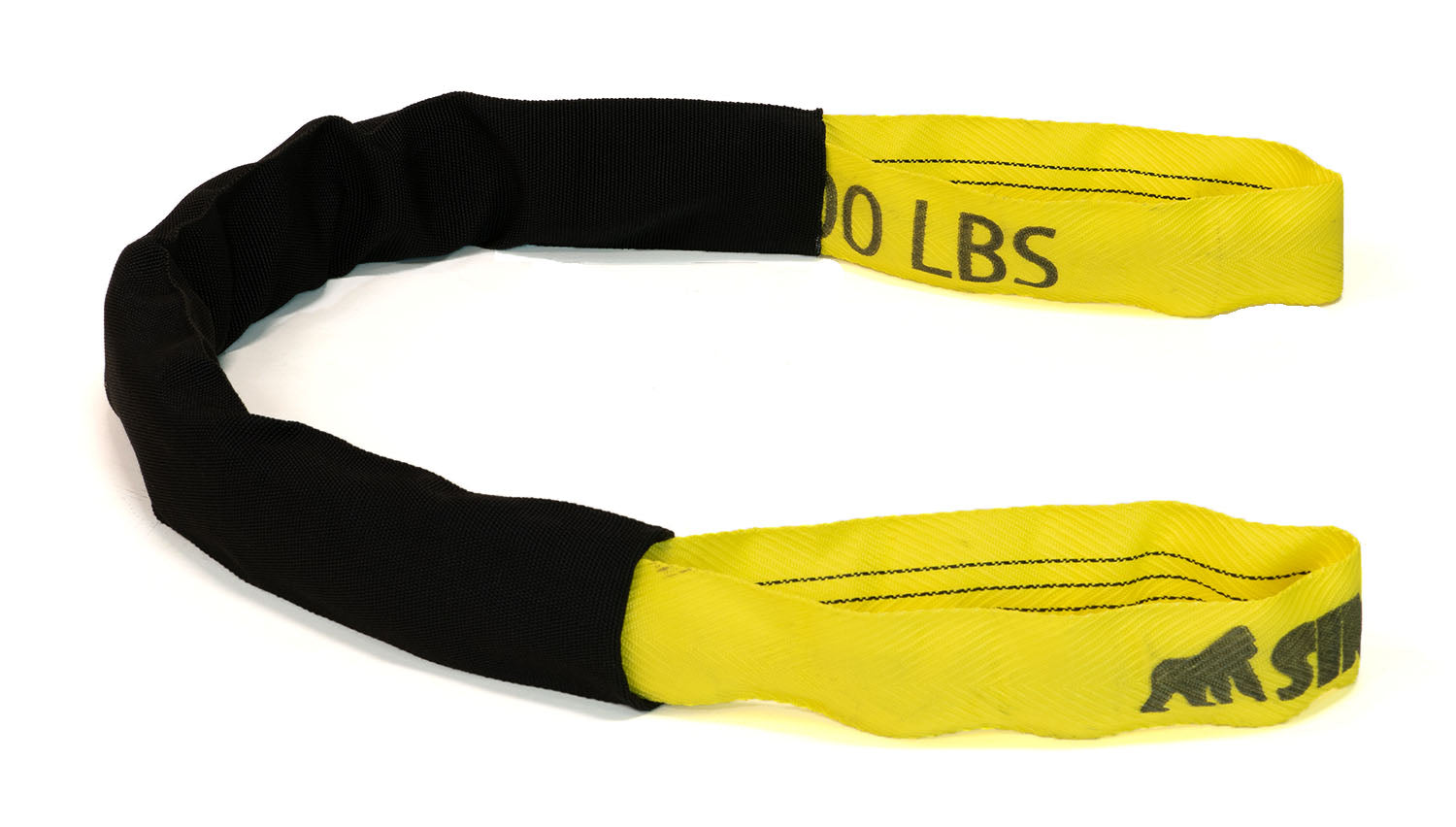
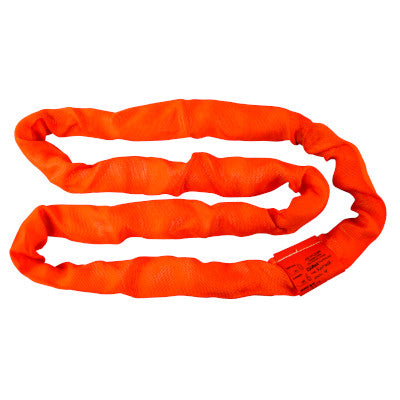
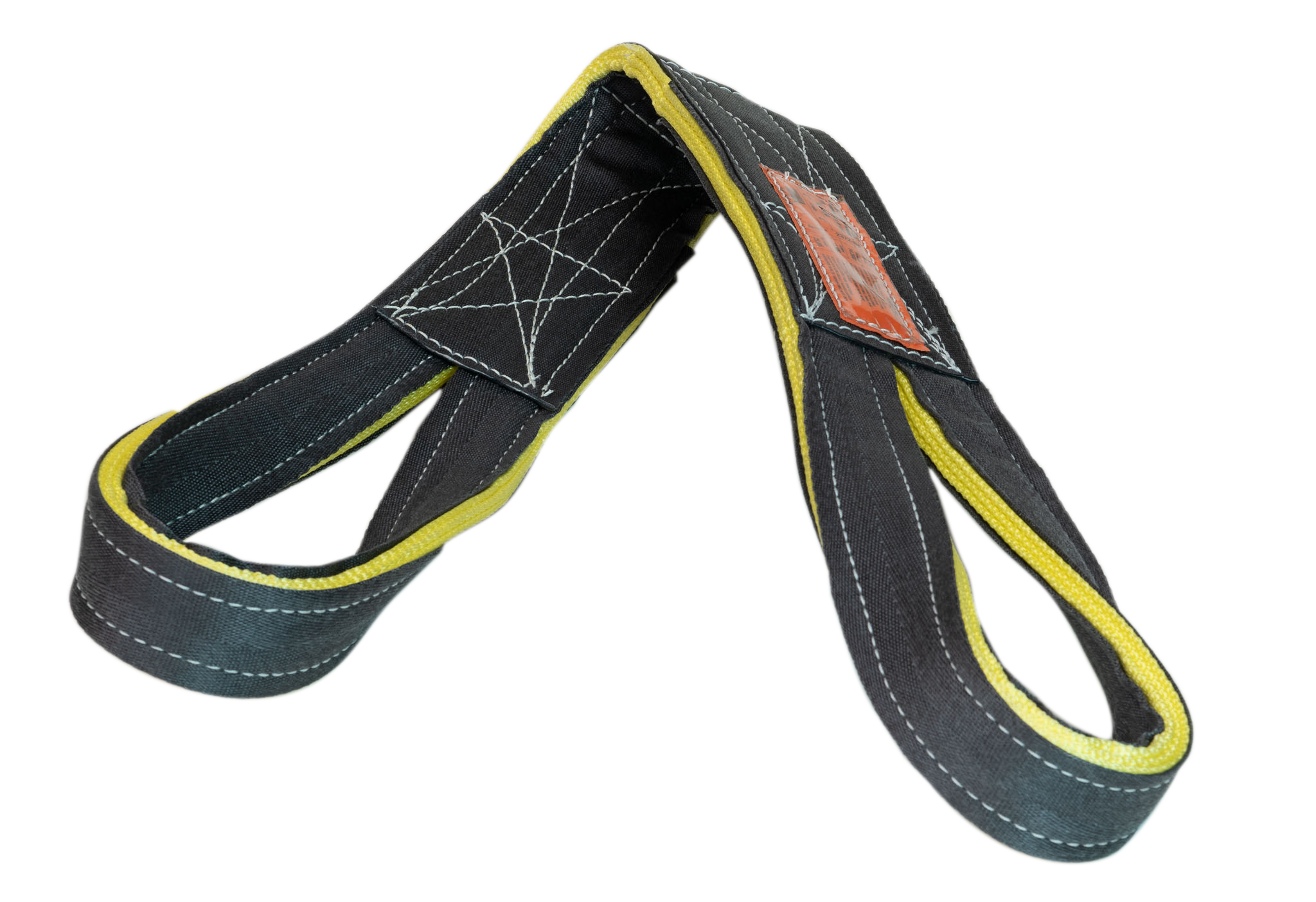
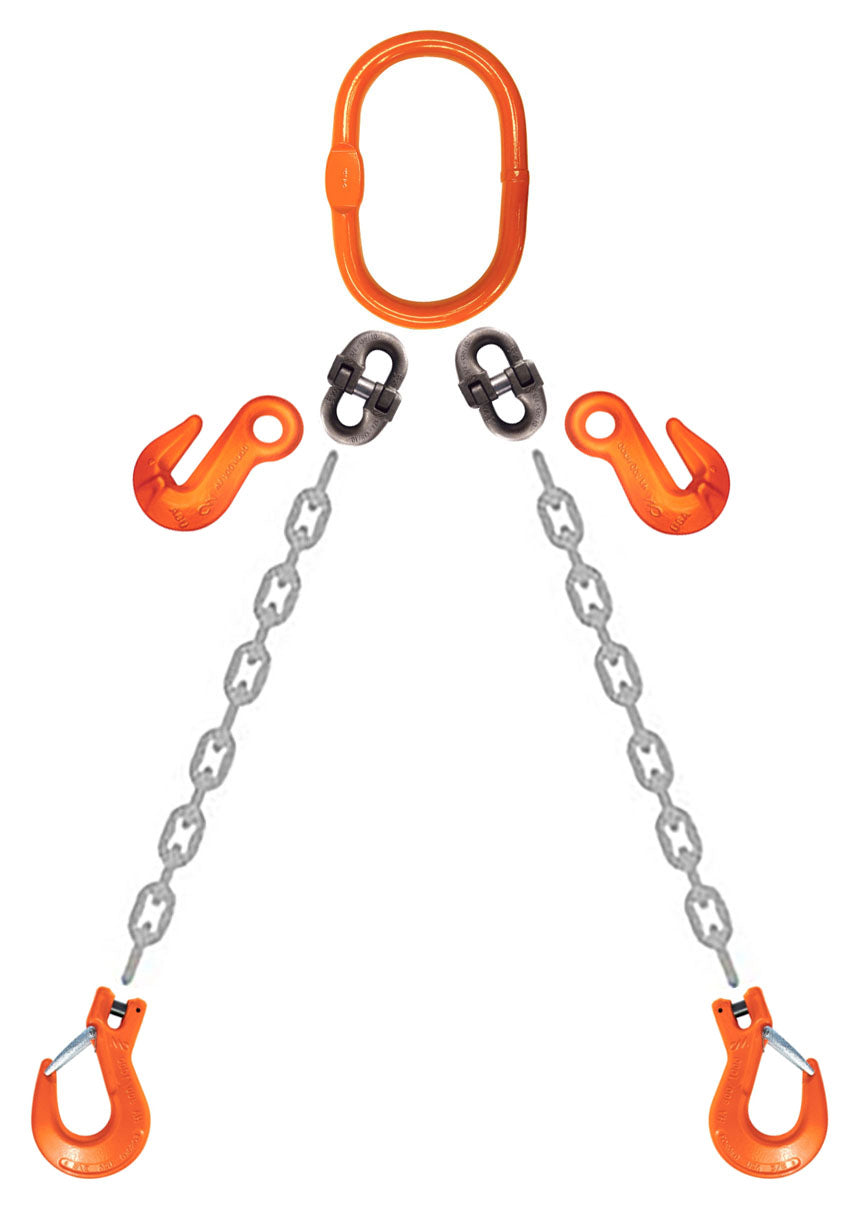
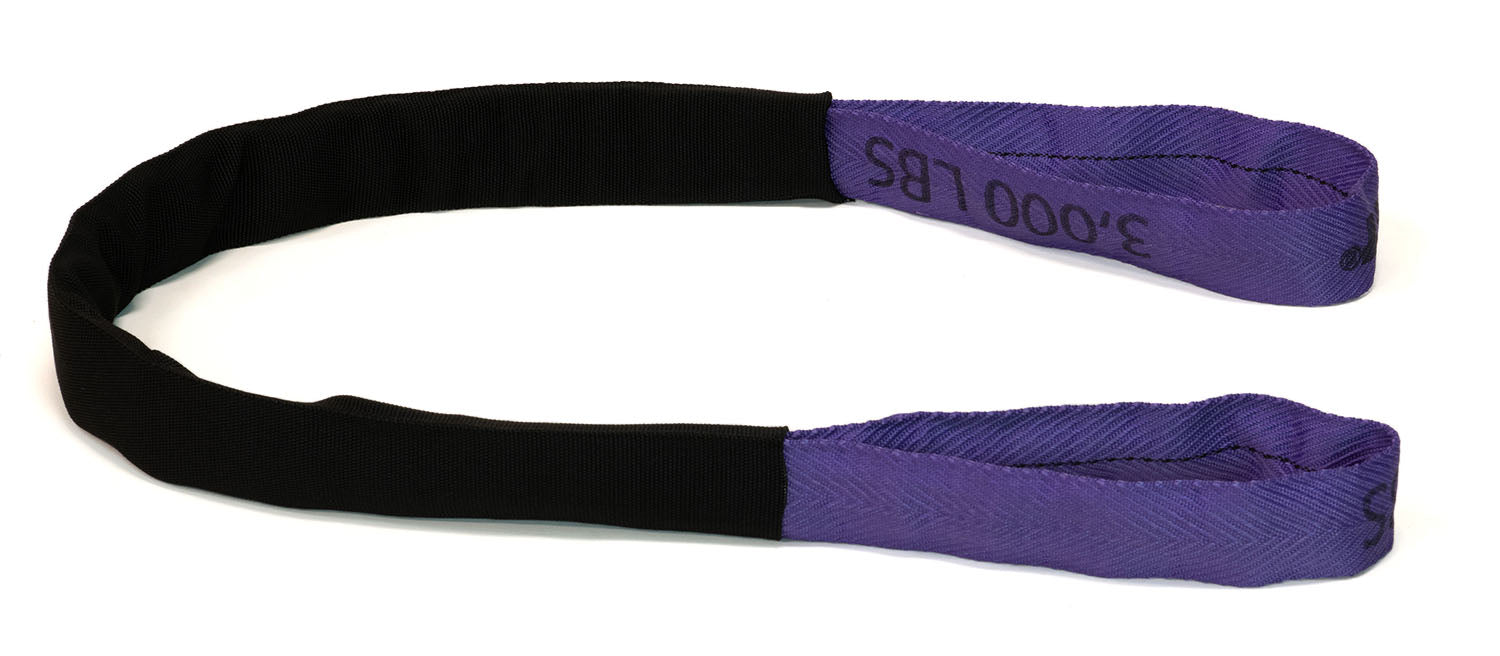
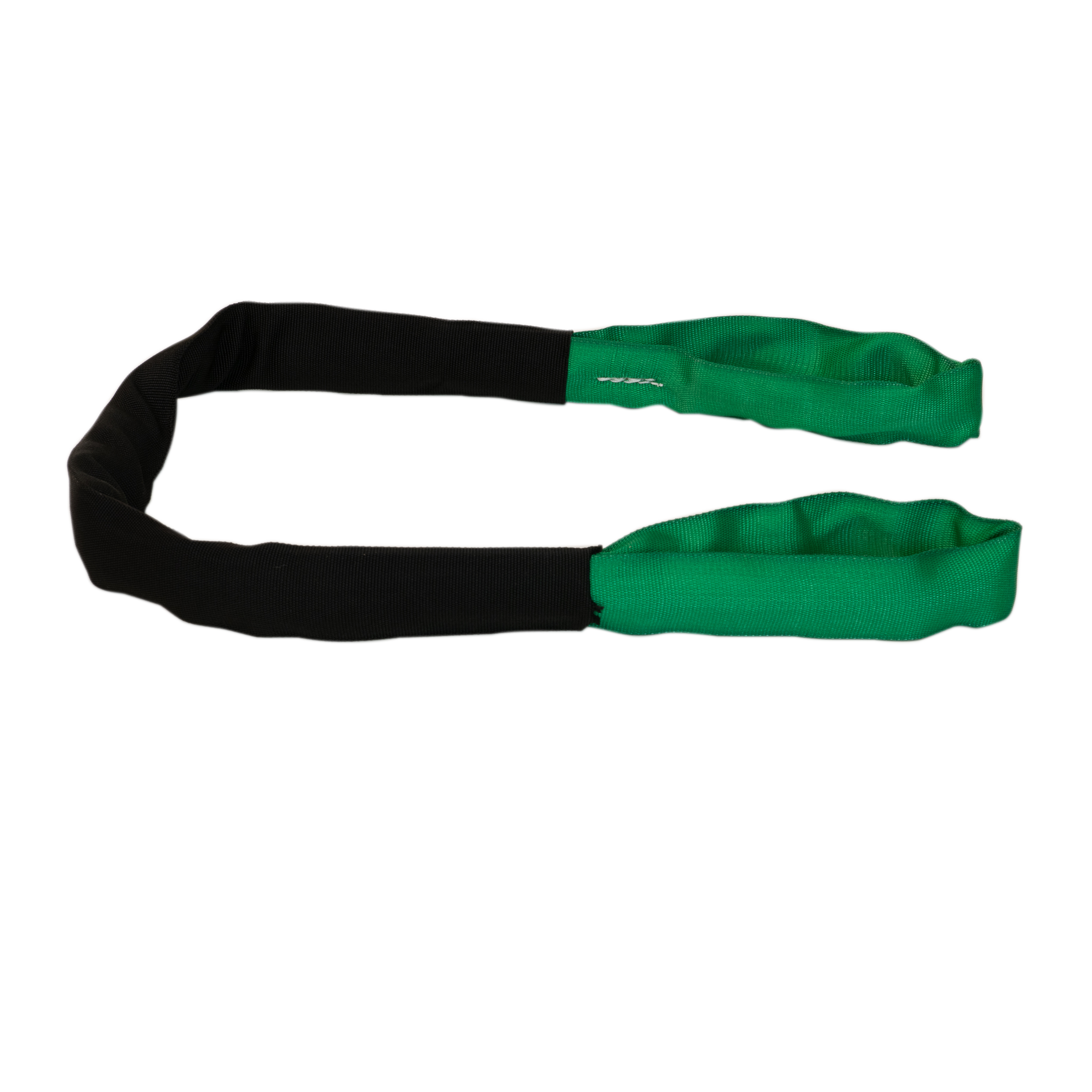
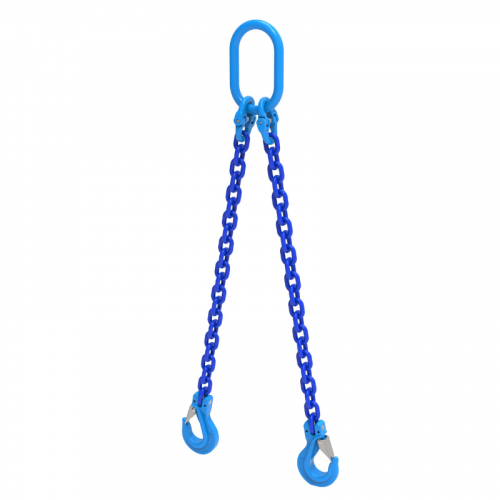
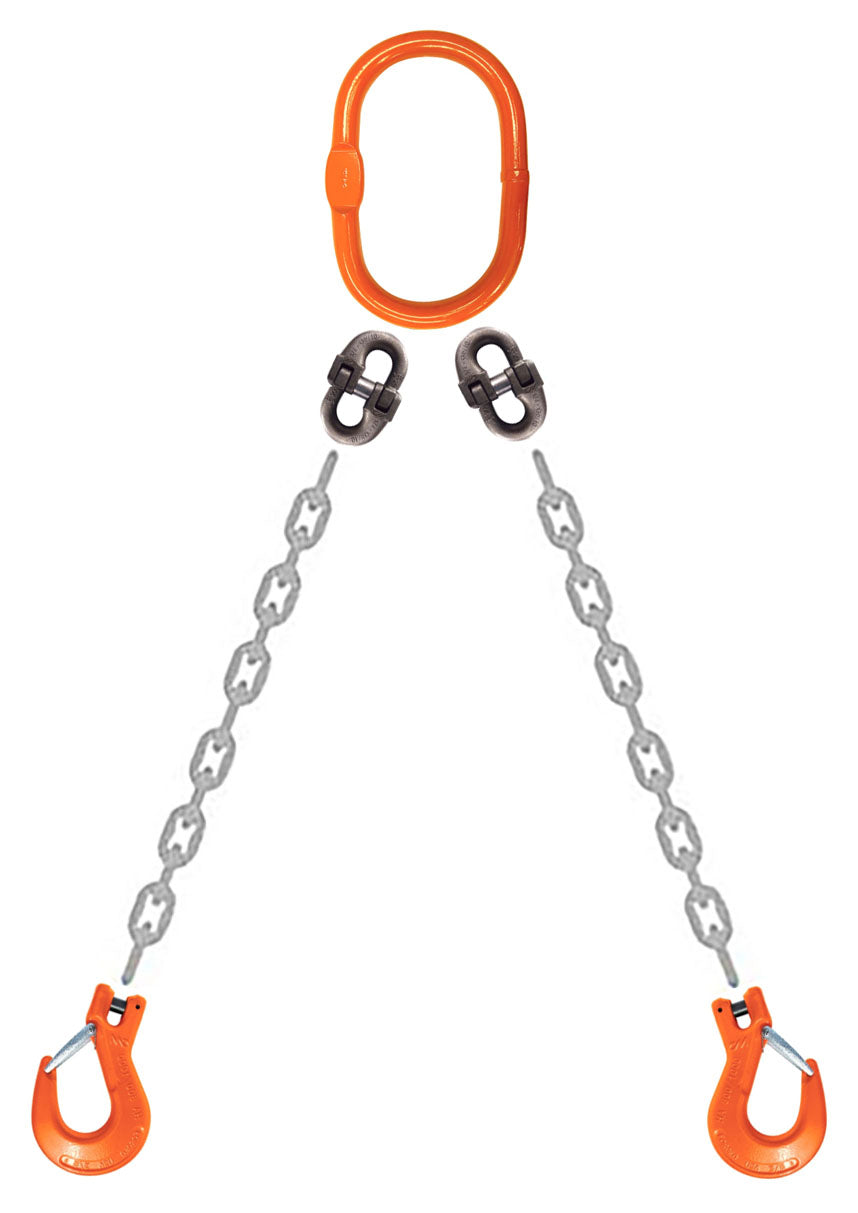
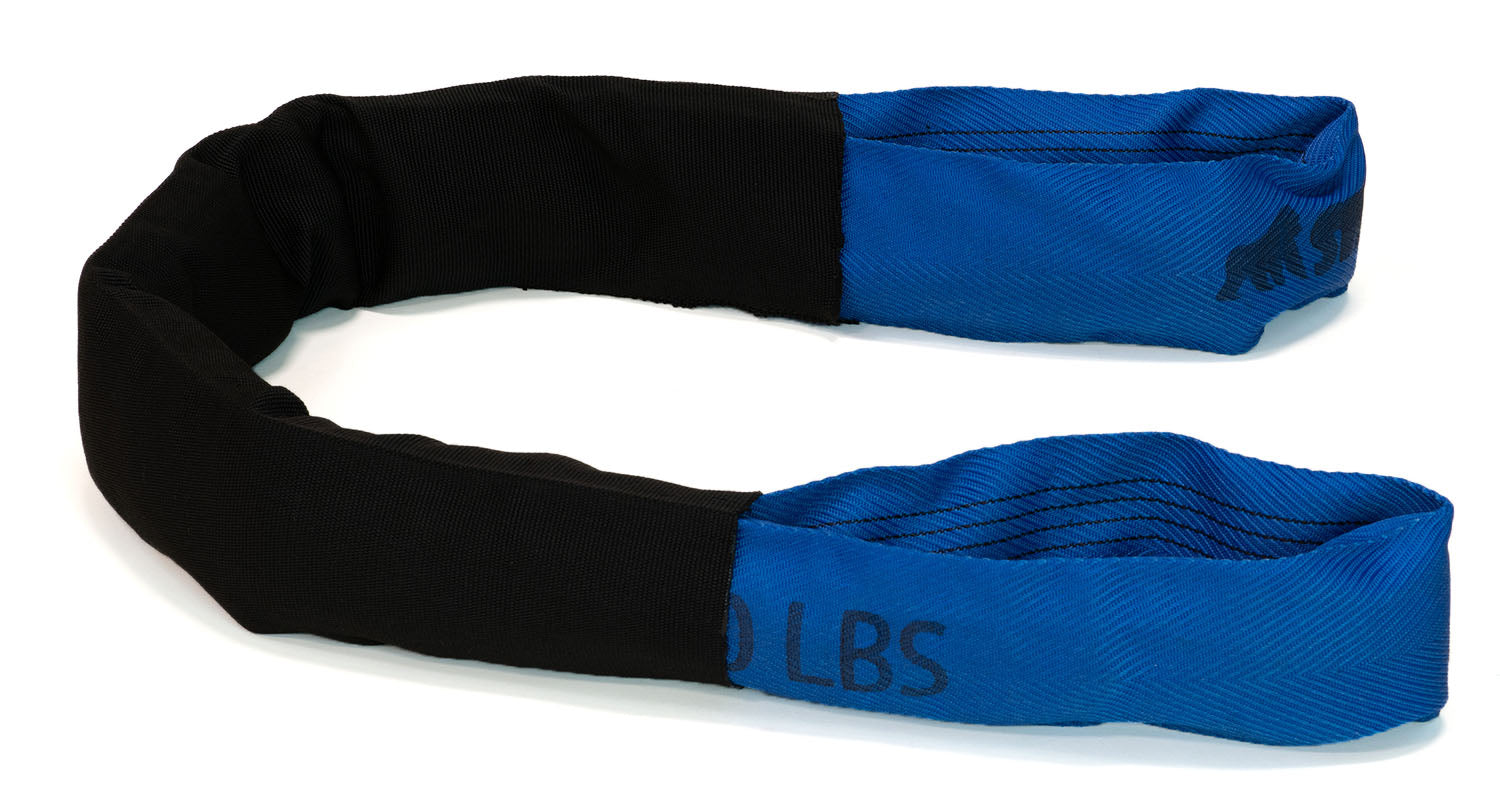
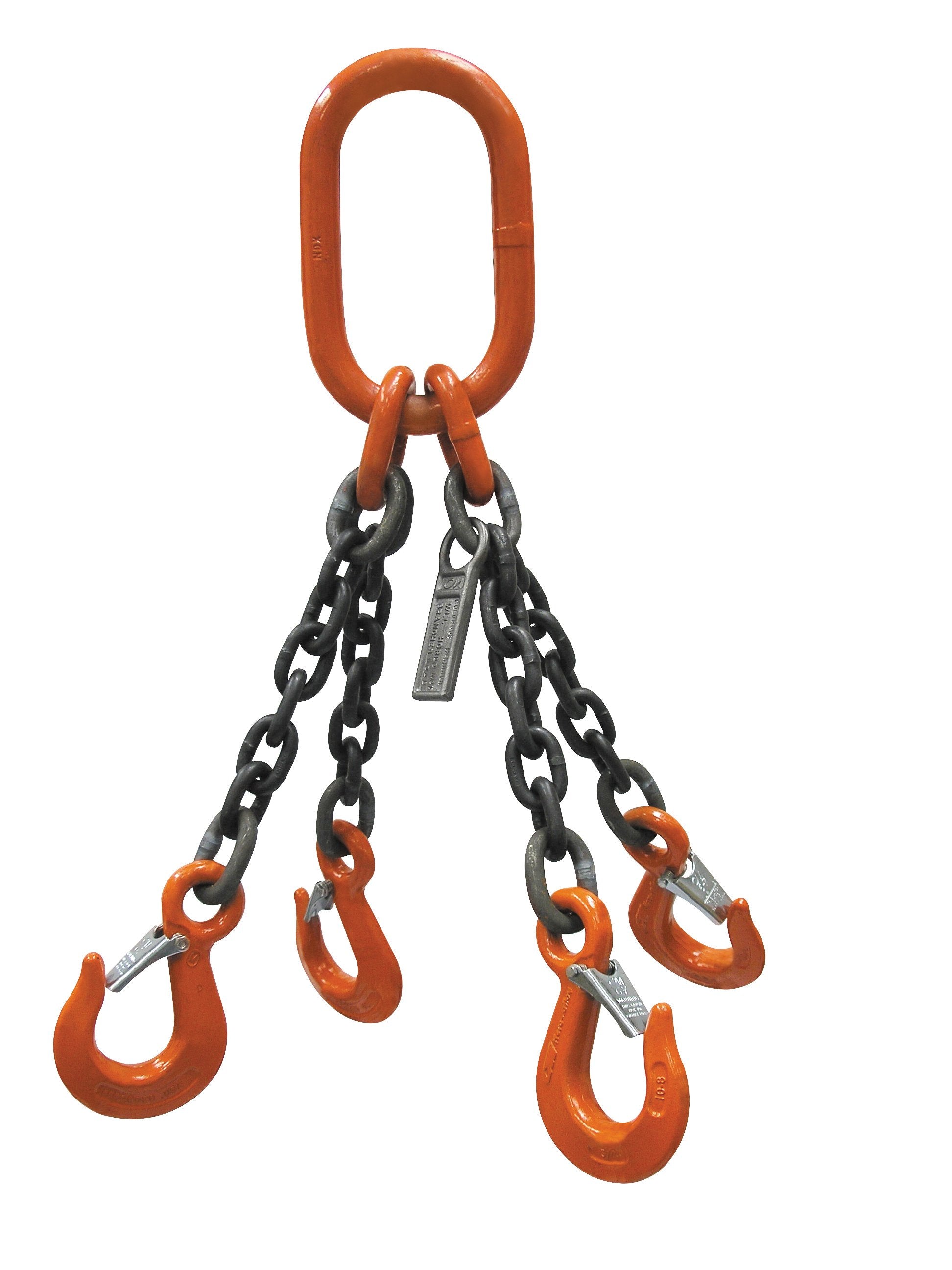
A sling is the flexible connection between the hook and the load, and the right one depends on what you are lifting, how hot and how rough it is, and the hitch you plan to rig. This collection covers the three families that handle most work: Holloway Houston polyester webbing slings in 1 through 4 ply builds, color-coded polyester round slings from 2,600 lb to 100,000 lb vertical, and William Hackett Grade 100 chain slings assembled in single, double, and 4-leg configurations up to 47,900 lb. Webbing slings, round slings, chain slings, and wire rope slings each have their own collection when you already know the type you need.
Shop Lifting Slings by Category

Compare Lifting Slings
| Model | Price | Overall Length | Capacity | |
|---|---|---|---|---|
| William Hackett 1-1/4 Inch Diameter 191700lbs 4-Leg Chain Sling | $17,893 | 3-30 ft | 191700 lb | View → |
| William Hackett 1-1/4 Inch Diameter 127800lbs 2-Leg Chain Sling | $5,782 | 3-30 ft | 127800 lb | View → |
| Lift-All 200,000lbs Keyflex Aramid Endless Round Slings | $3,952 | 8-80 ft | 200,000 lb | View → |
| Lift-All Dynaflex Dyneema 200,000lbs Endless Round Slings | $3,559 | 8-50 ft | 200,000 lb | View → |
| Lift-All 2-Ply Triangle/Choker Tuff-Edge III Polyester Web Slings 12" | $3,517 | — | 9,600-35,800 lb | View → |
| Lift-All 175,000lbs Keyflex Aramid Endless Round Slings | $3,452 | 8-80 ft | 175,000 lb | View → |
 In Stock
 In Stock
 In Stock
 In Stock
 In Stock
 In Stock
 In Stock
 In Stock
 In Stock
 In Stock
 In Stock
 In Stock
 In Stock
 In Stock
 In Stock
 In Stock
 In Stock
 In Stock
 In Stock
 In Stock
 In Stock
 In StockIn Stock
 In Stock
 In Stock
 In Stock
 In Stock
 In Stock
 In StockIn Stock
 In Stock
 In StockIn Stock
 In Stock
 In Stock
 In Stock
 In Stock
 In Stock
 In Stock
 In Stock
 In Stock
 In Stock
 In Stock
 In Stock
 In Stock
 In Stock
 In Stock
 In Stock
 In StockIn Stock
 In Stock
 In Stock
 In Stock
 In Stock
 In Stock
 In Stock
 In Stock
 In Stock
 In Stock
 In Stock
 In Stock
 In Stock
 In Stock
 In Stock
 In Stock
 In Stock
 In Stock
 In Stock
 In Stock
 In Stock
 In Stock
 In Stock
 In Stock
 In StockIn Stock
 In StockIn Stock
 In StockIn Stock
 In Stock
 In Stock
 In Stock
 In Stock
 In StockIn Stock
 In StockIn Stock
 In StockIn Stock
 In Stock
 In Stock
 In StockIn Stock
 In StockIn Stock
 In Stock
Lifting Slings Buying Guide
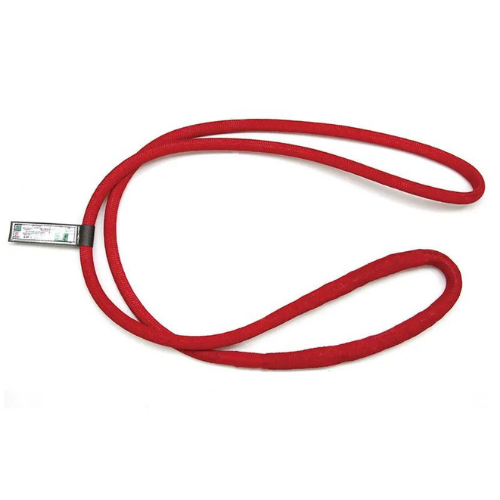
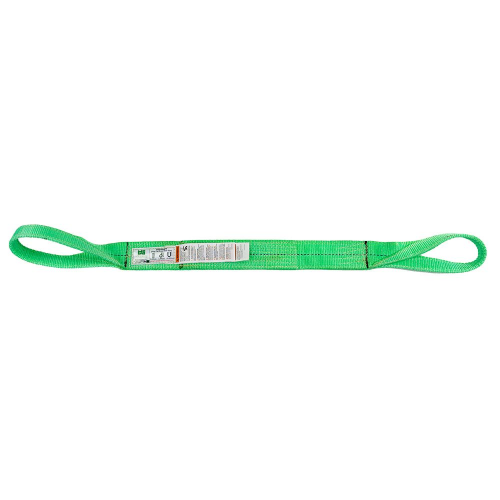
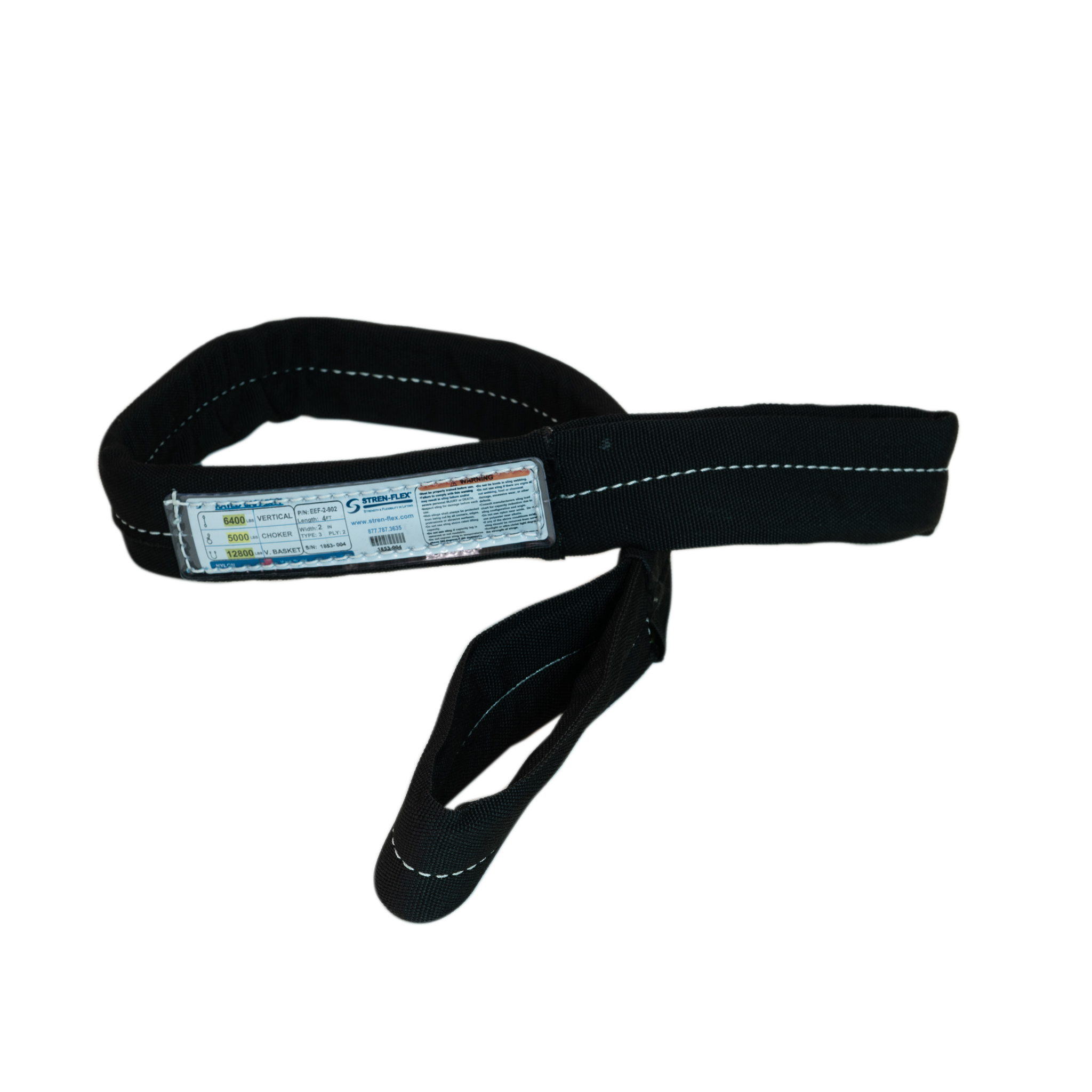
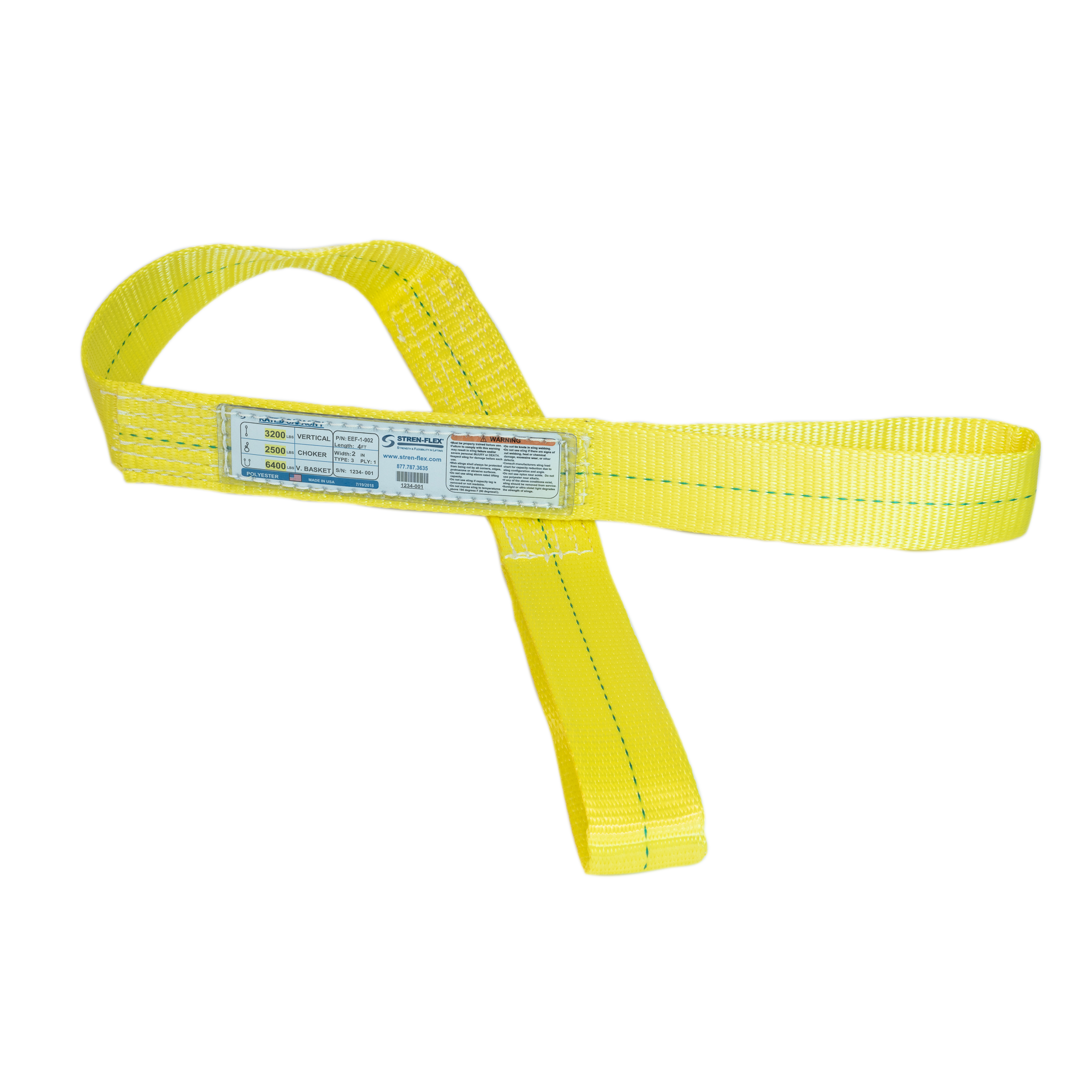
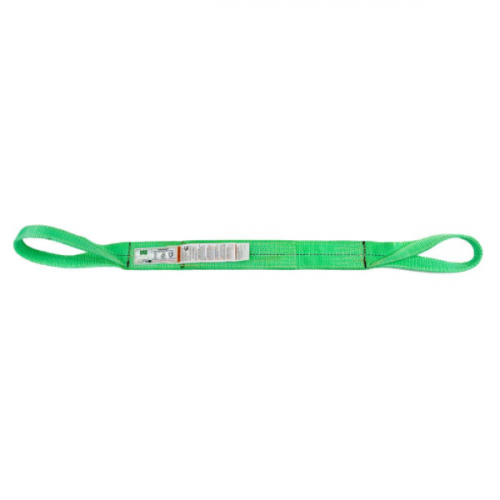
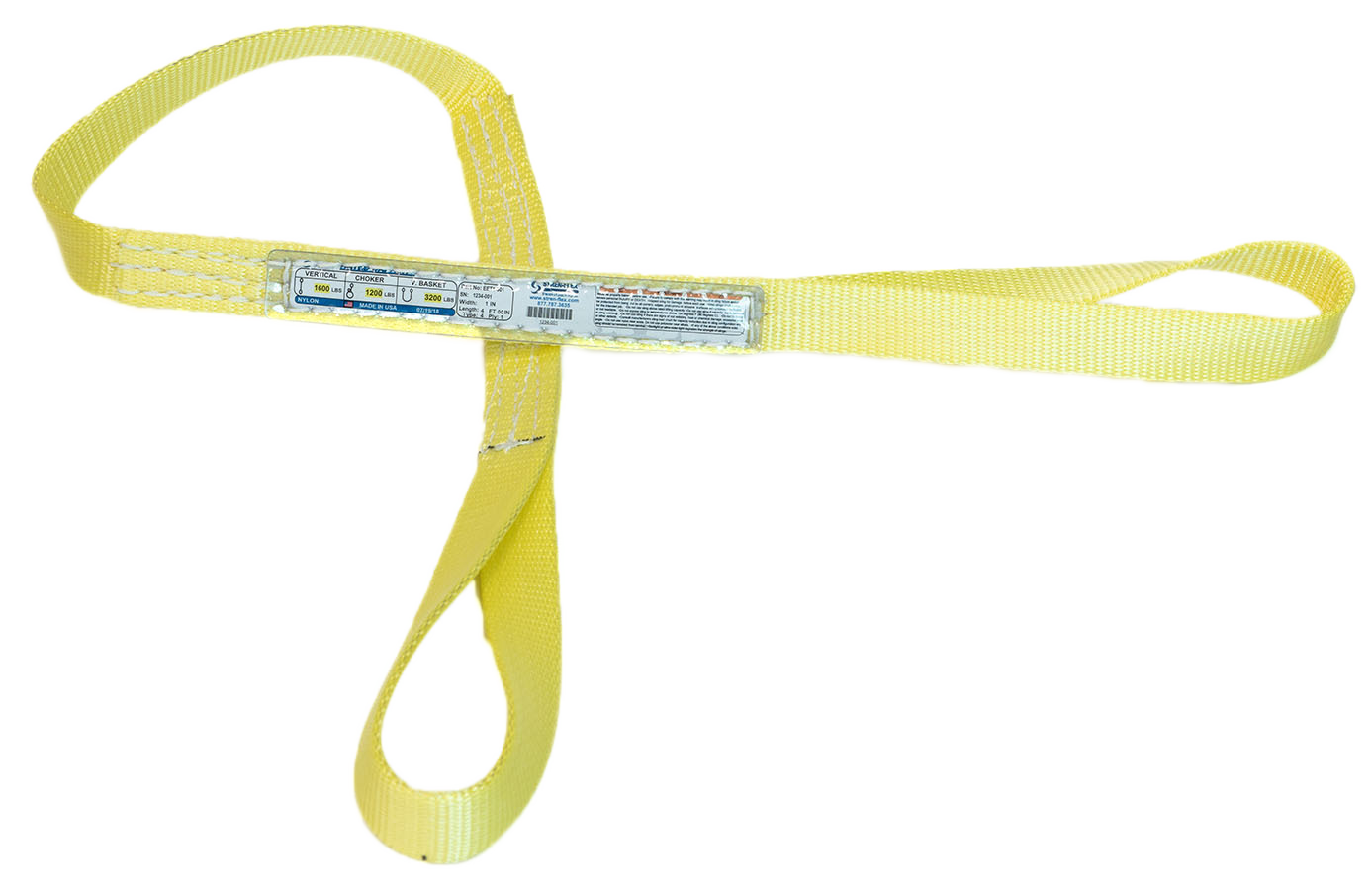
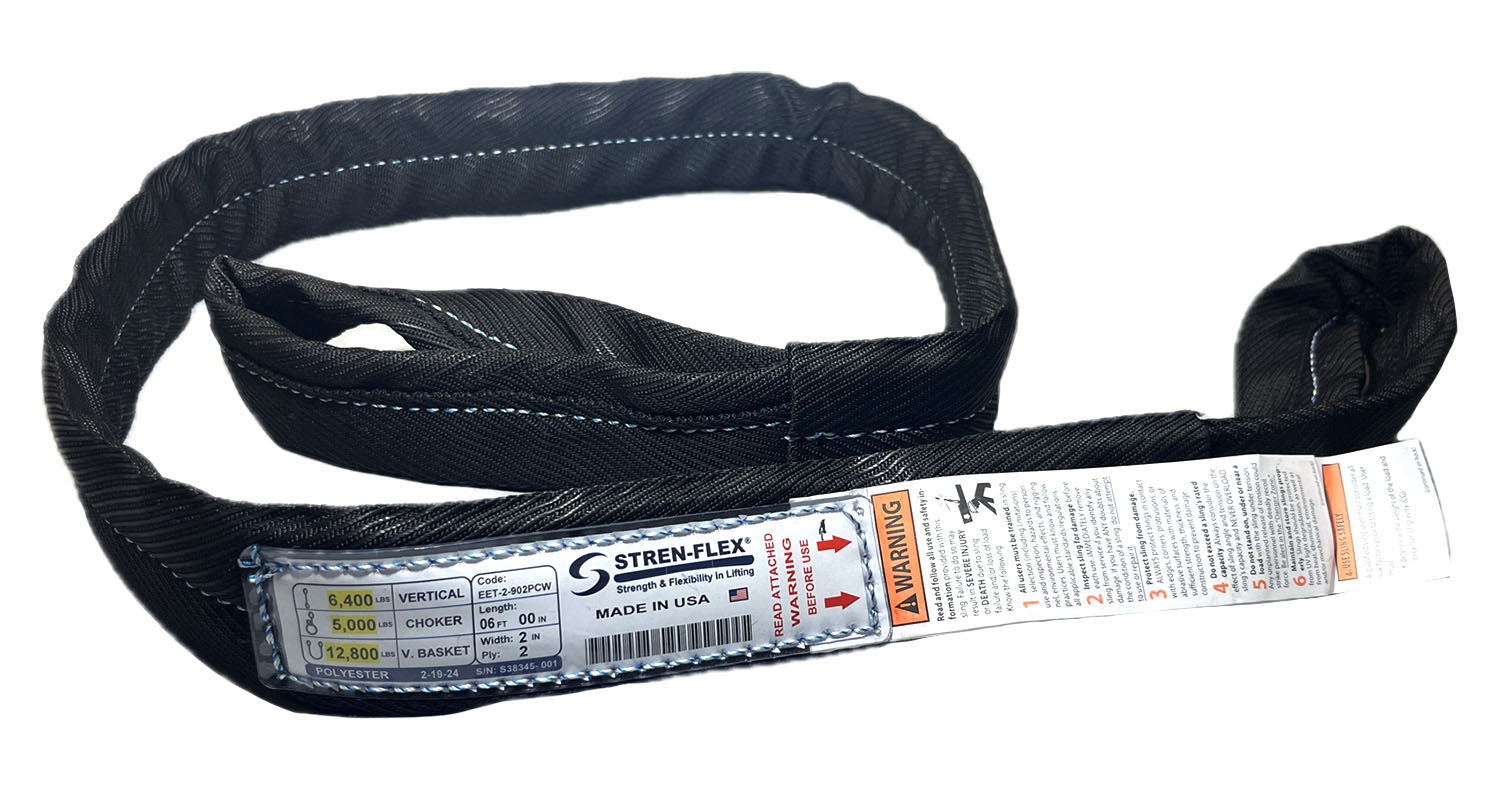
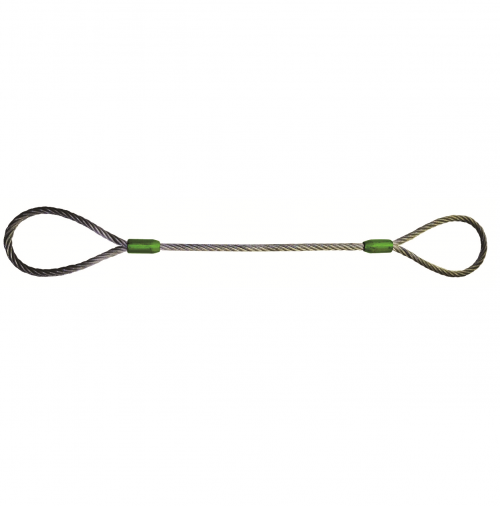
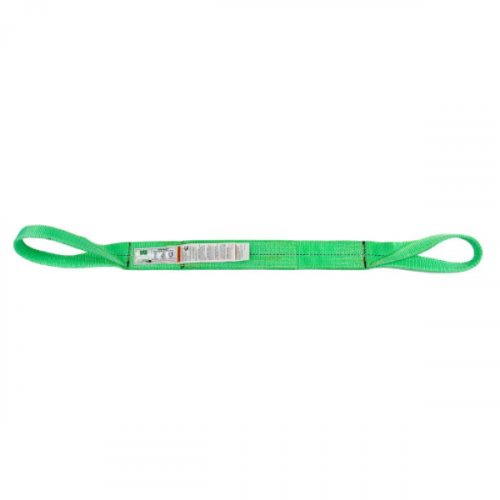
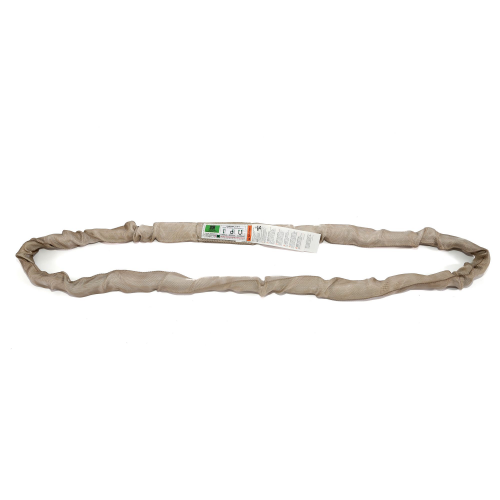
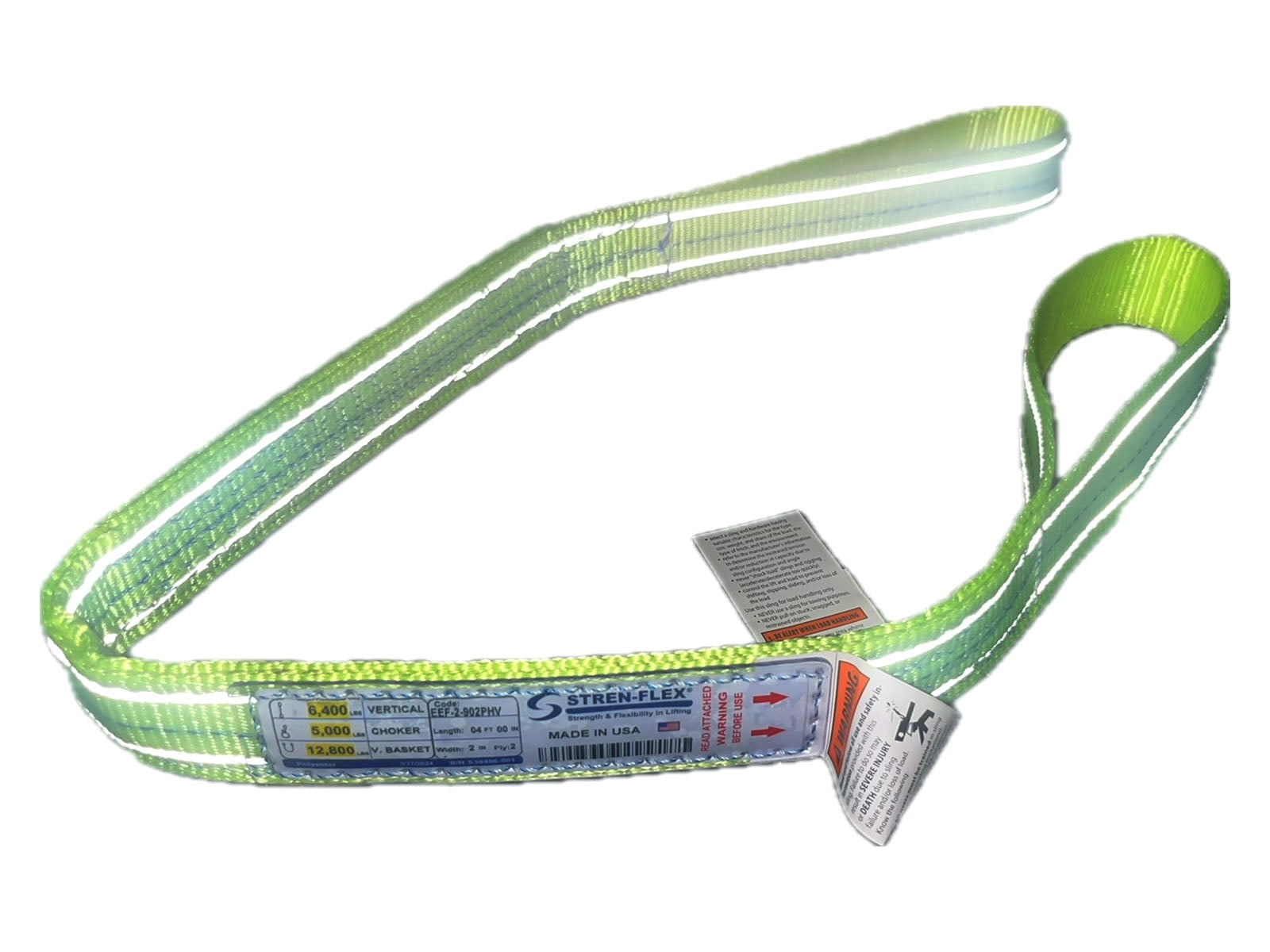
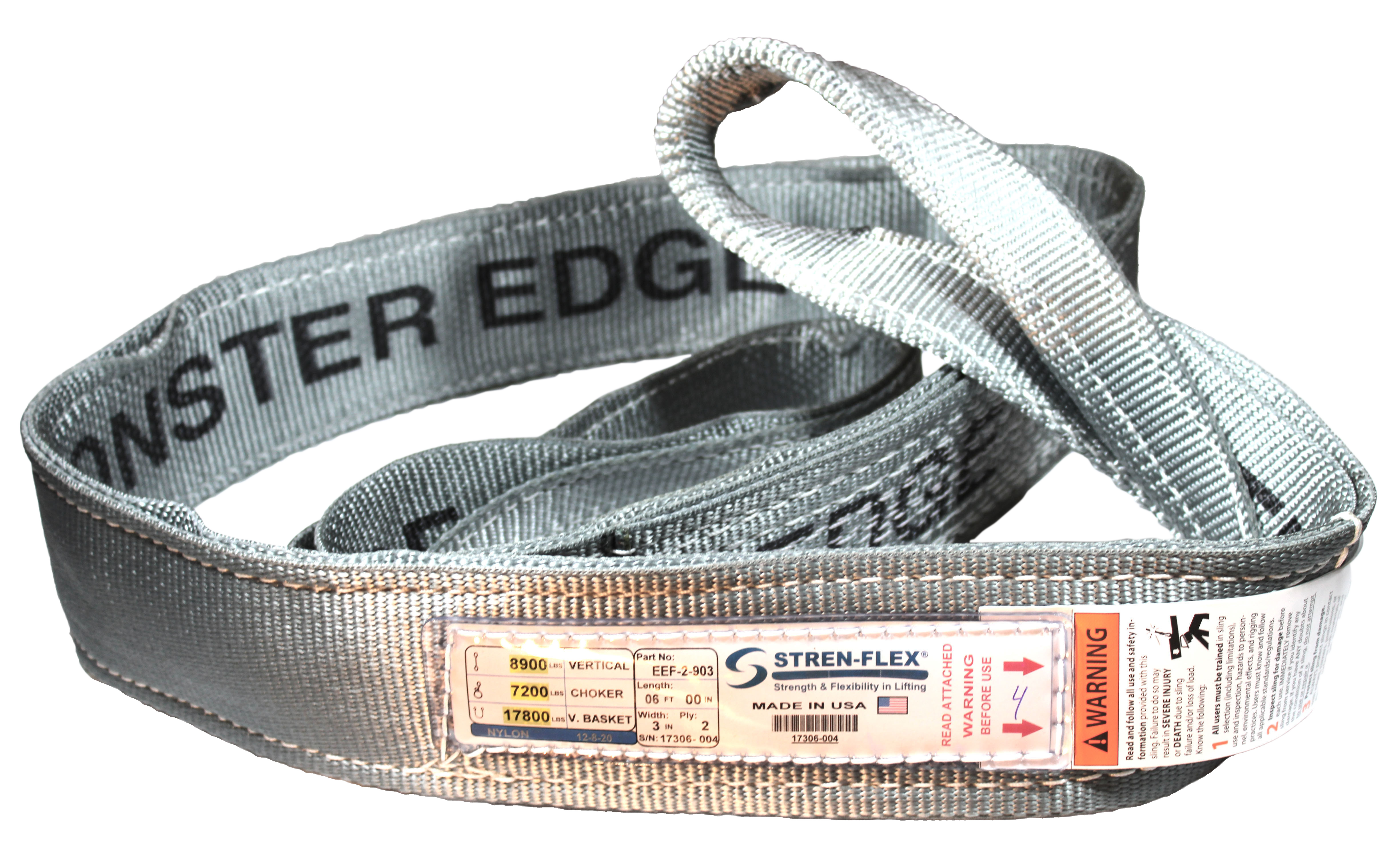
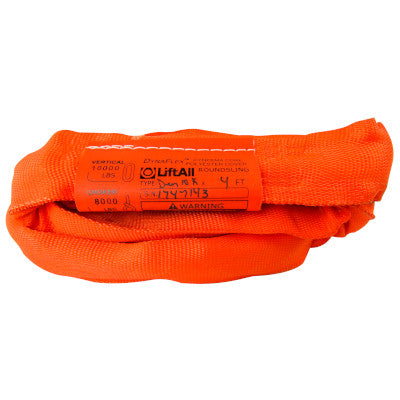
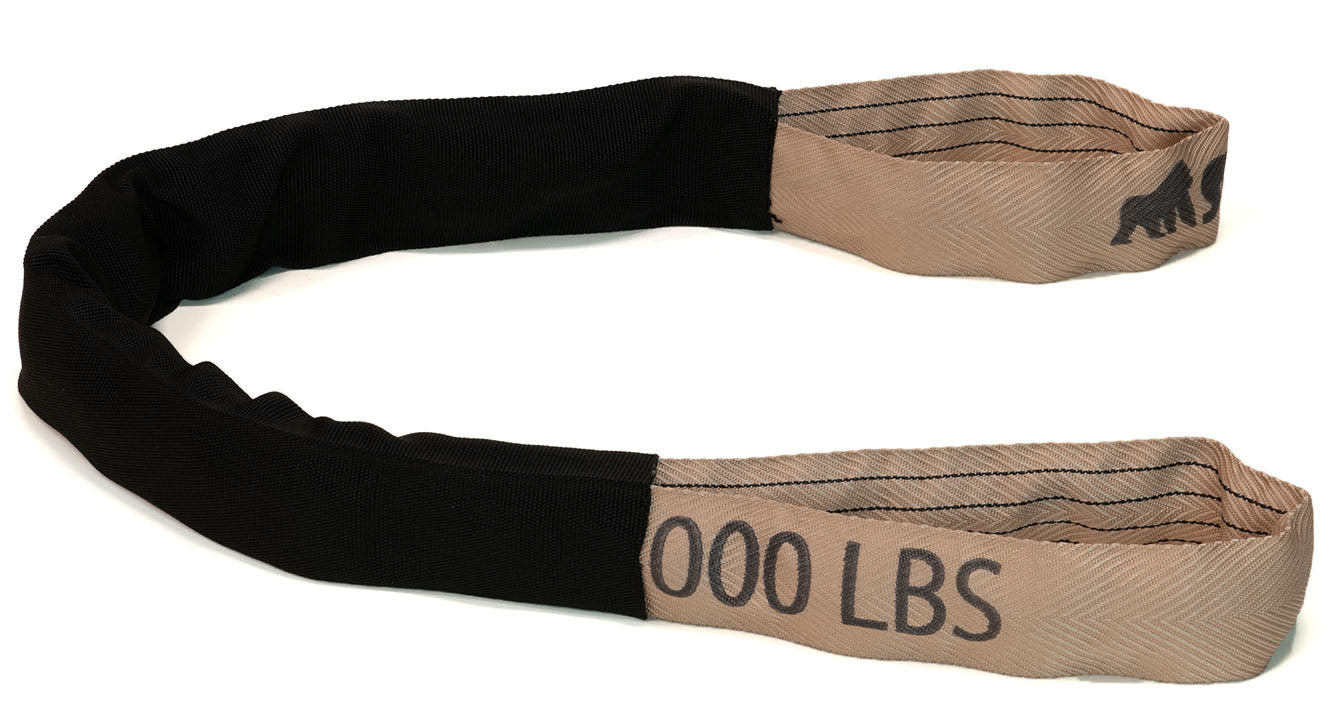
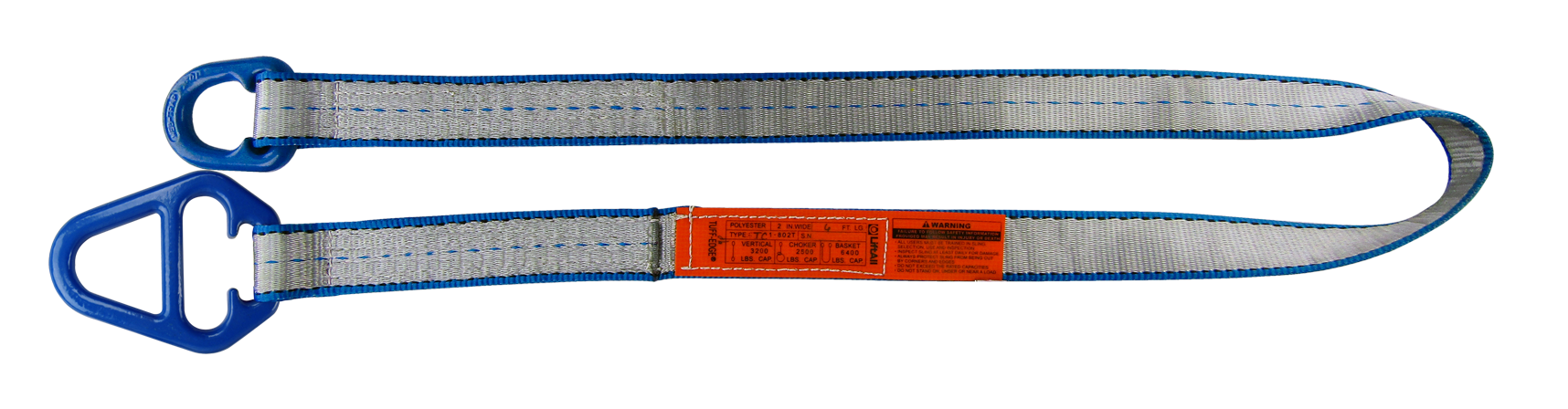
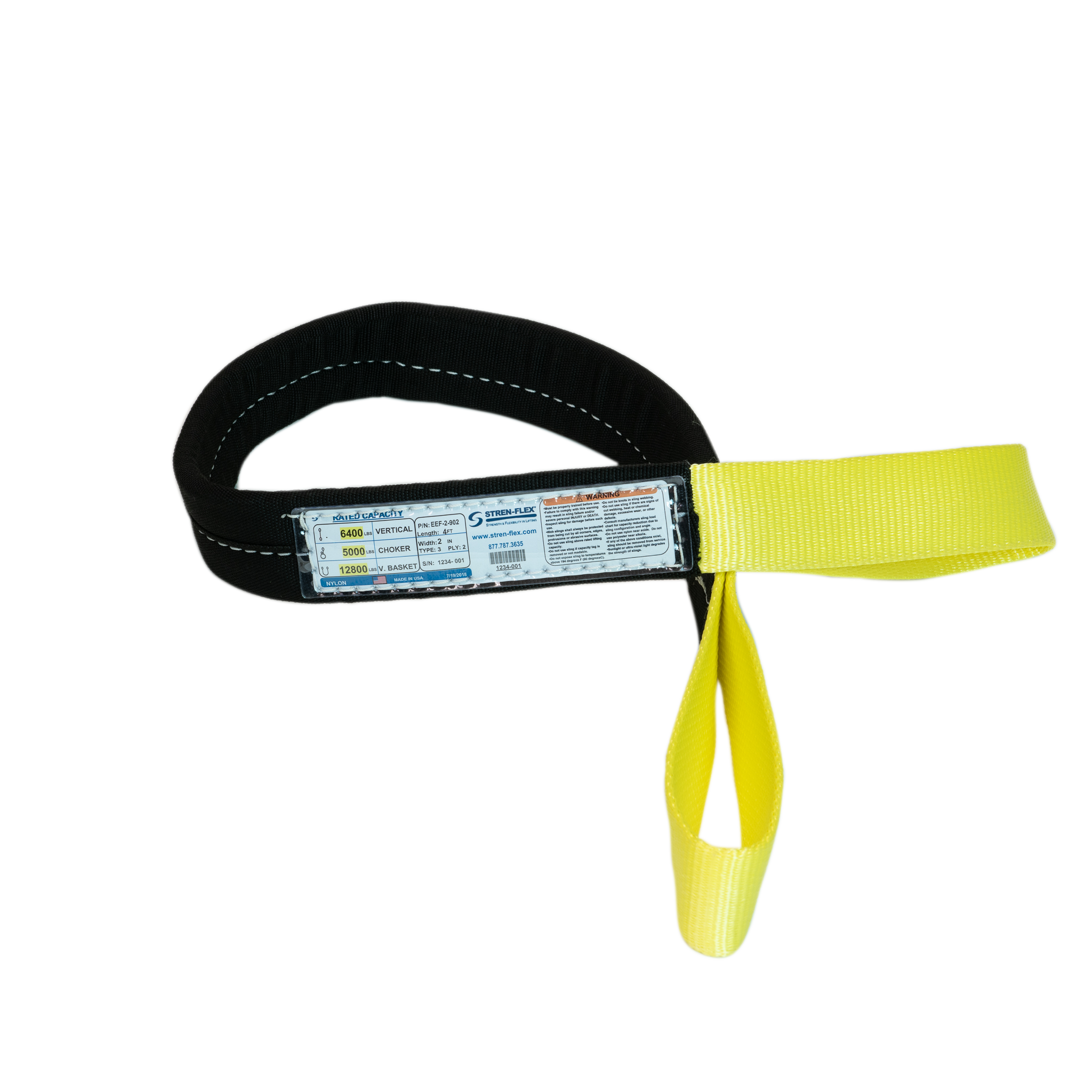
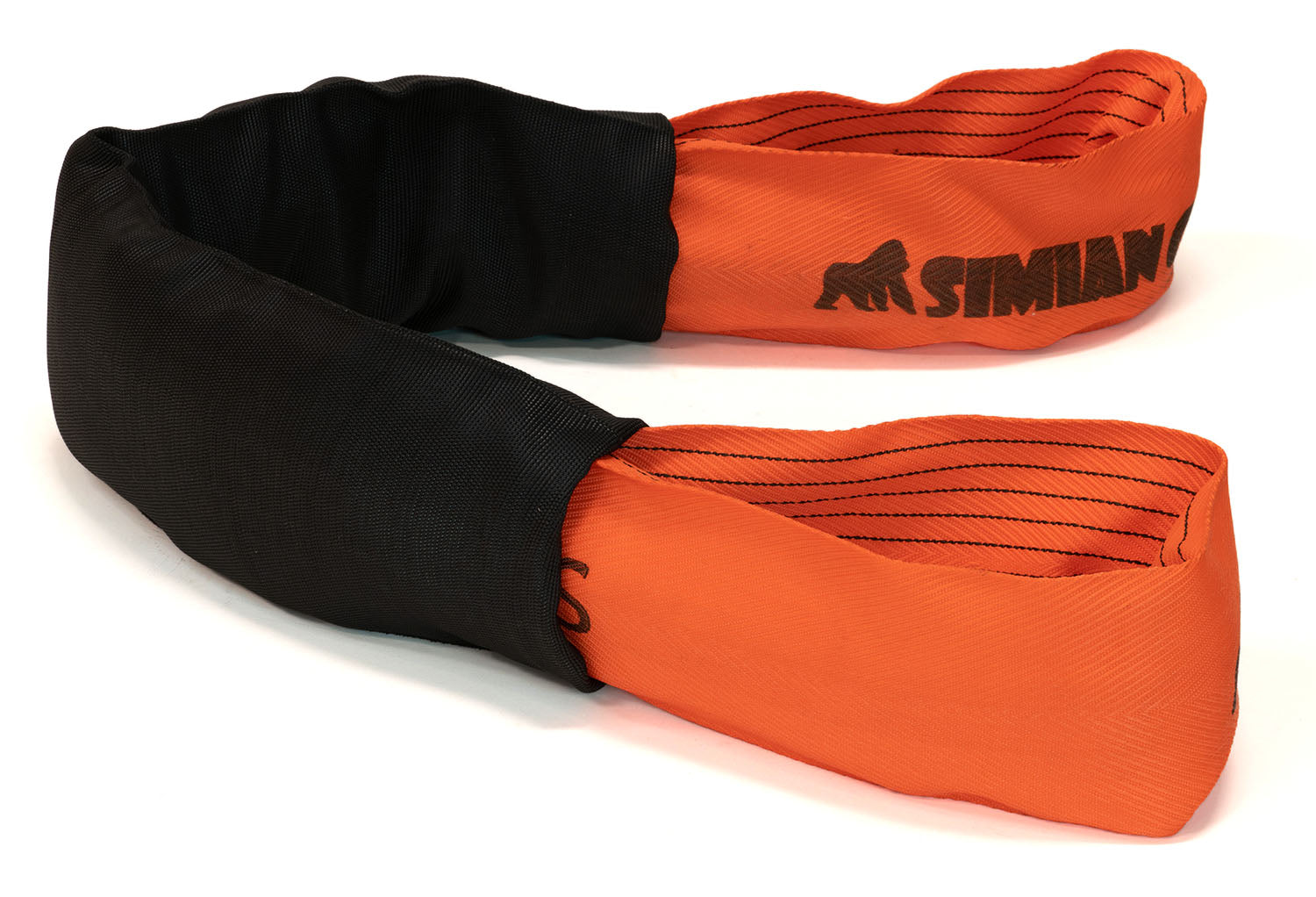
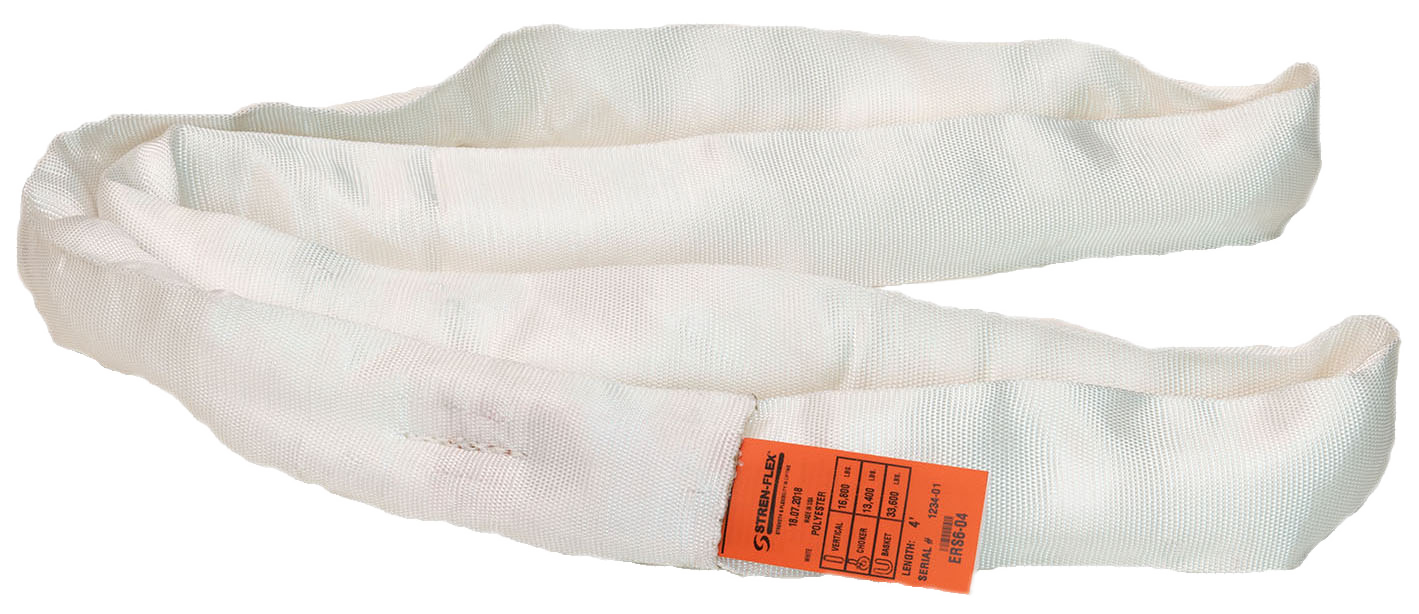
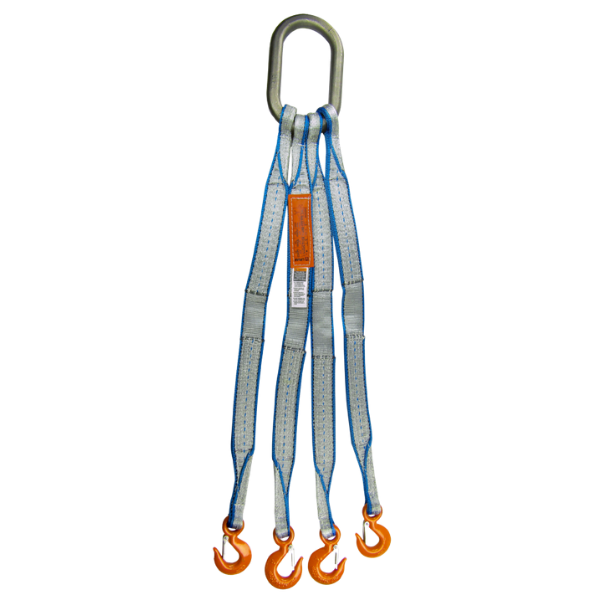
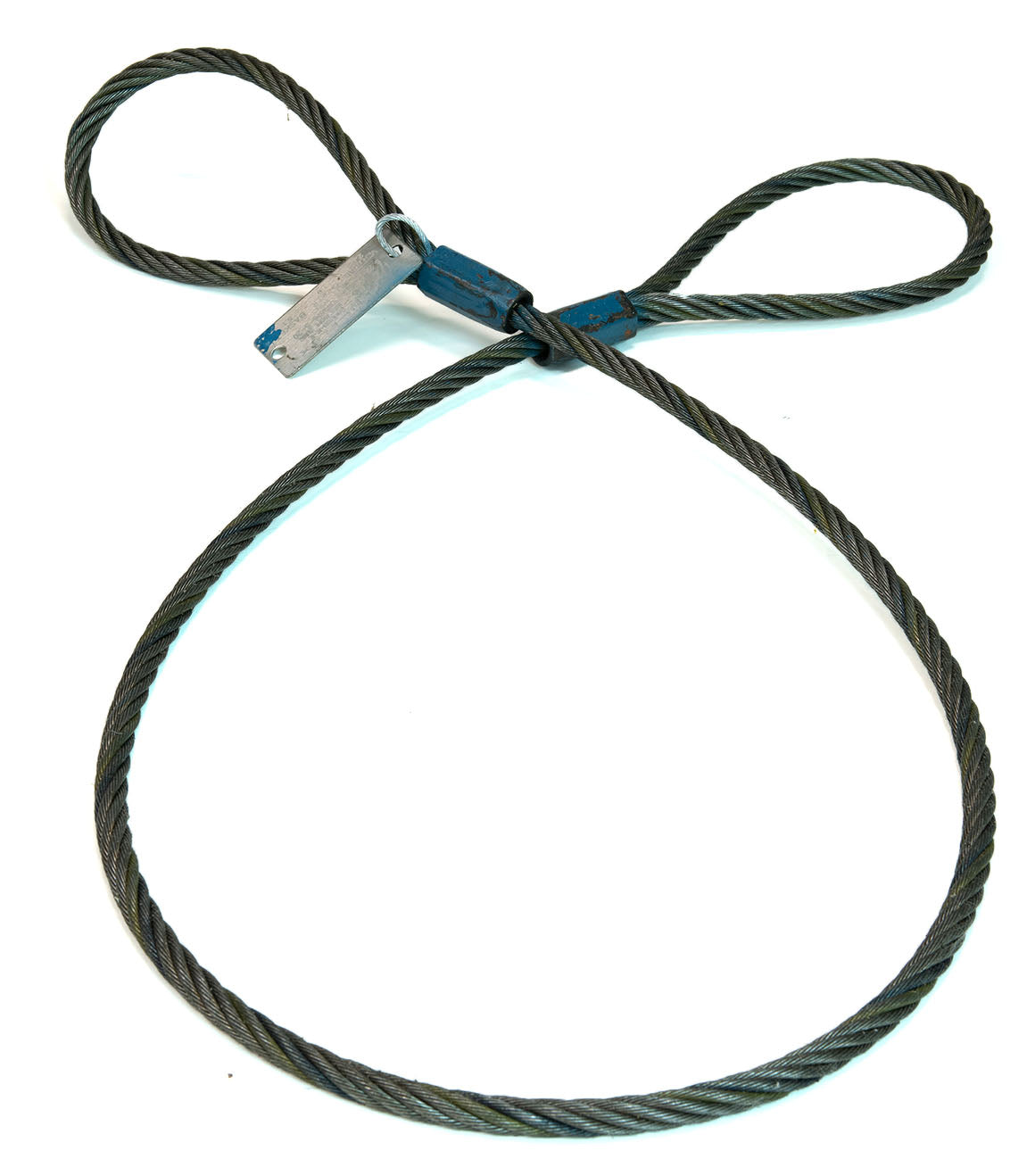
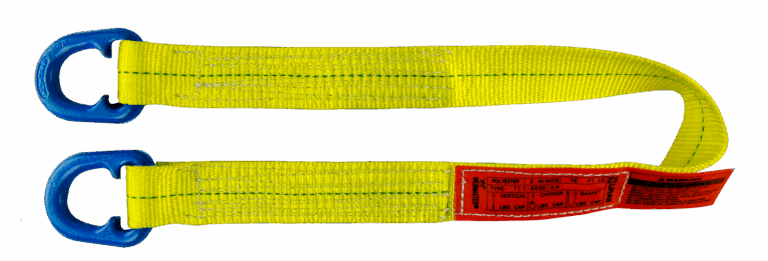
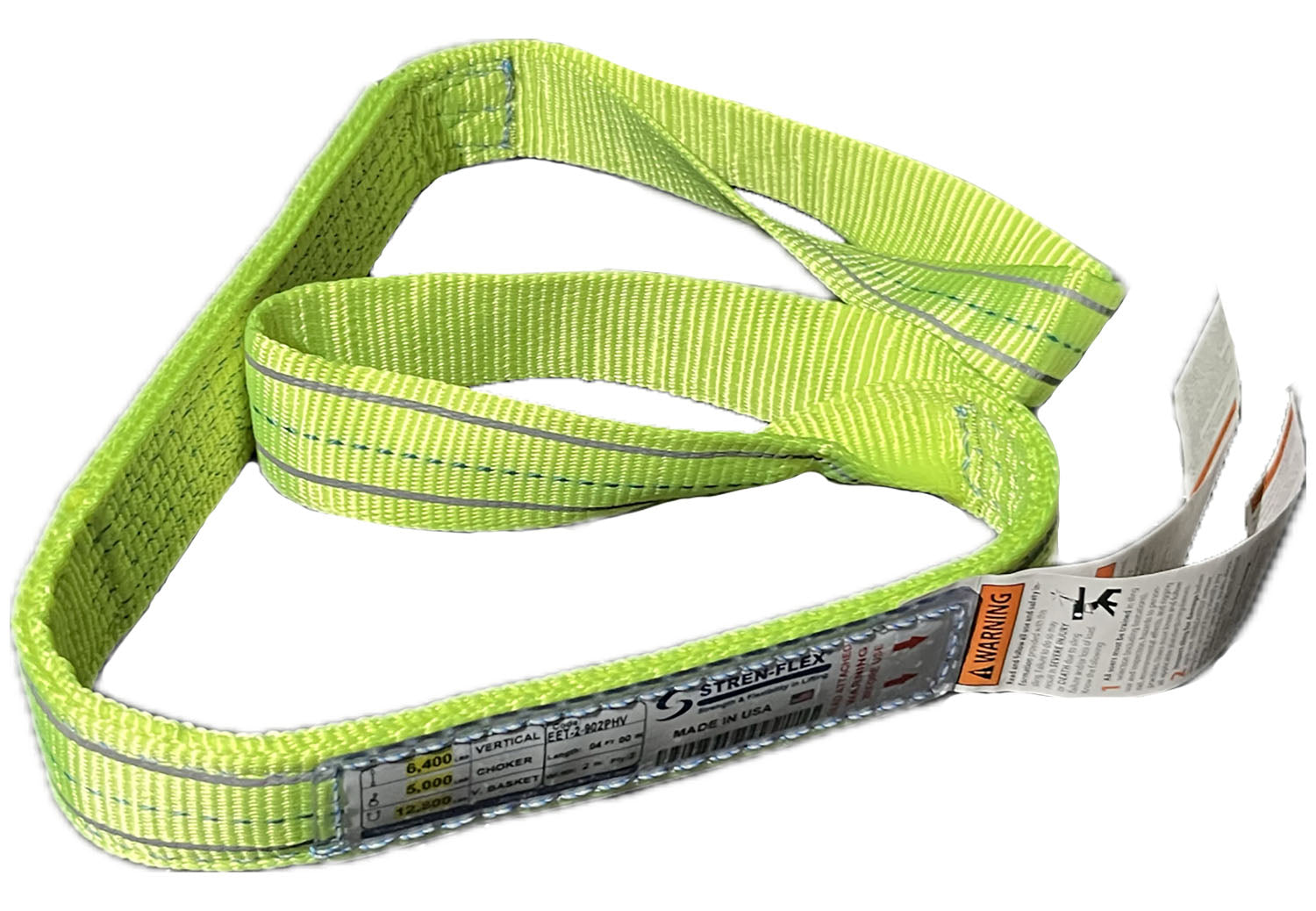
Web, round, chain, or wire rope. Webbing slings are flat polyester straps, and the width is the feature: load spreads across the face, which protects painted, polished, and thin-walled surfaces. Ours run 1 to 12 inches wide and 4 to 20 ft long in 1 through 4 ply builds, starting under $10. Round slings are endless polyester load yarns inside a woven cover, lighter and cheaper per pound of capacity than anything else here, and you can rotate the contact point between lifts to spread the wear. Chain is the durable choice: it shrugs off heat, edges, and shop abuse that destroy synthetics, and it can be inspected link by link over years of service. Wire rope sits between them on cost and toughness; our wire rope collection carries eye-and-eye single legs. Two smaller shelves round out the family: Hammerhead endless synthetic rope slings, and assembled Lift-All web bridles, multi-leg web slings with the master link and hooks already fitted. Outfitting from zero? Round slings cover the general work, and one chain sling covers the ugly lifts.
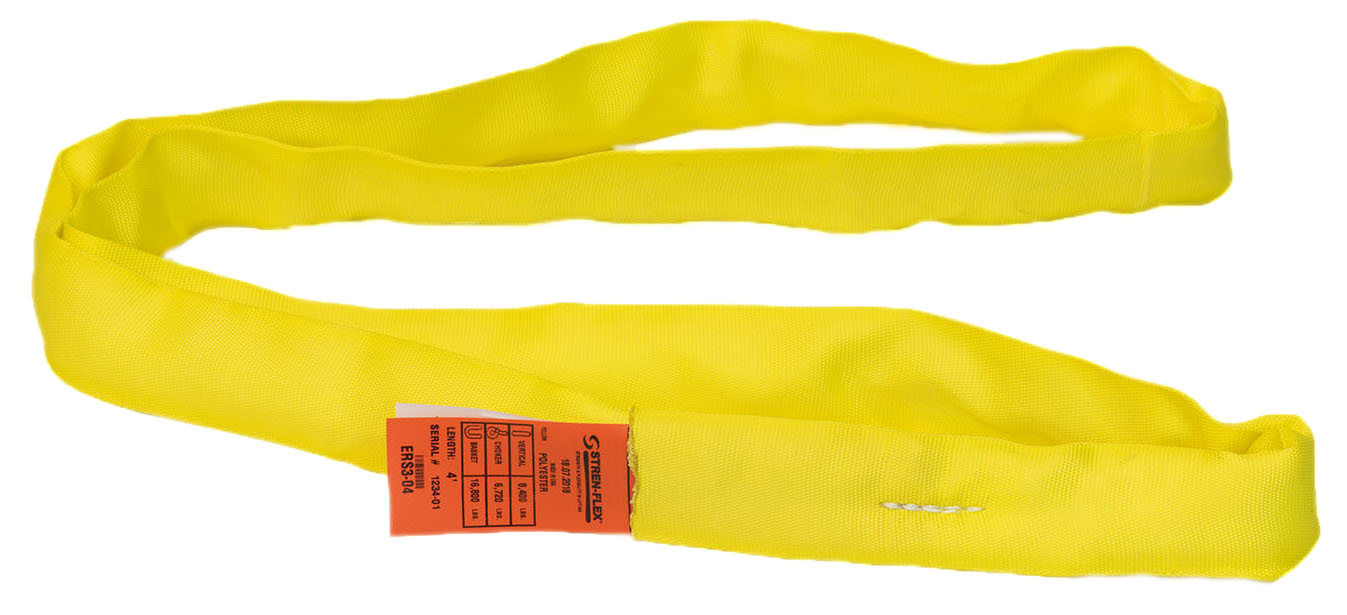
The hitch resets the rating. The number on the tag is the vertical rating: one leg, straight pull. Rig the same sling as a choker and you get 75 to 80% of that, because the choke point bends and pinches the sling. Our Yellow round sling rated 8,400 lb vertical becomes roughly a 6,700 lb sling in a choker. A basket hitch can carry up to twice the vertical rating, but only when both legs rise vertically and the load contact is a generous diameter; spread the legs apart or hook over a sharp corner and the doubling evaporates. Decide the hitch before you buy, and size off the hitch-adjusted number, not the tag.
Sling angle quietly multiplies the load. When two legs rig to one hook, the tension in each leg depends on the angle the leg makes with the horizontal, and it climbs fast as the legs flatten. Take a 10,000 lb load on two legs. Straight up, each leg sees 5,000 lb. At 60 degrees from horizontal each leg carries about 5,800 lb, at 45 degrees about 7,100 lb, and at 30 degrees each leg carries the full 10,000 lb, double the naive split. Below 30 degrees the numbers grow so fast that rigging practice treats the angle as off-limits. The fix is cheap: longer slings stand at a steeper angle. Buy the length that keeps your legs at 60 degrees or better, and check headroom before assuming you have room for it.
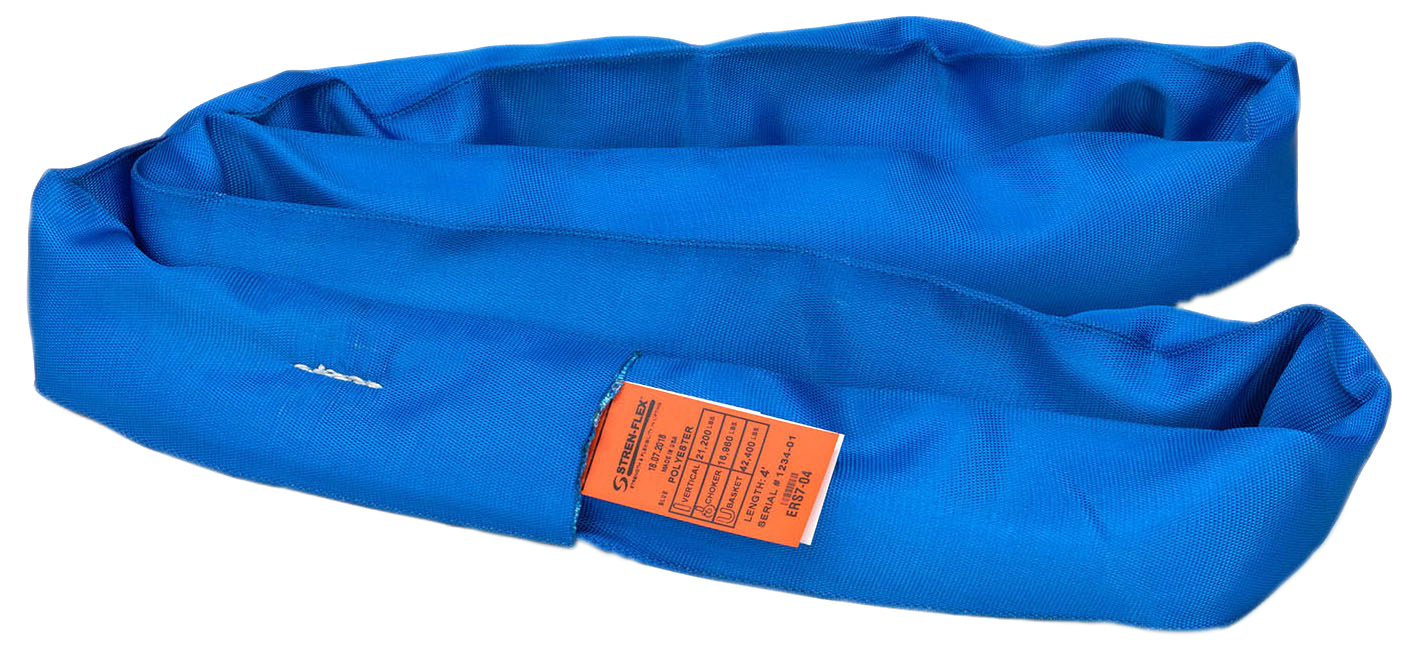
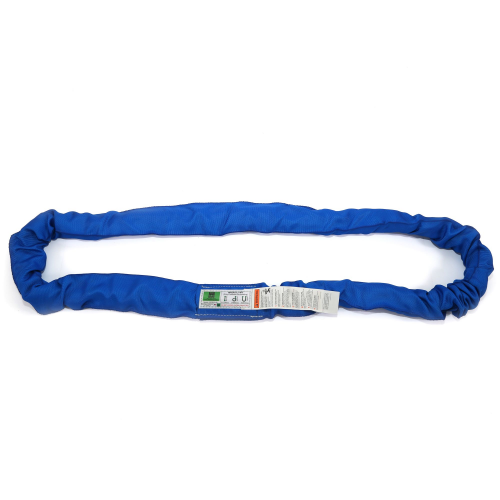
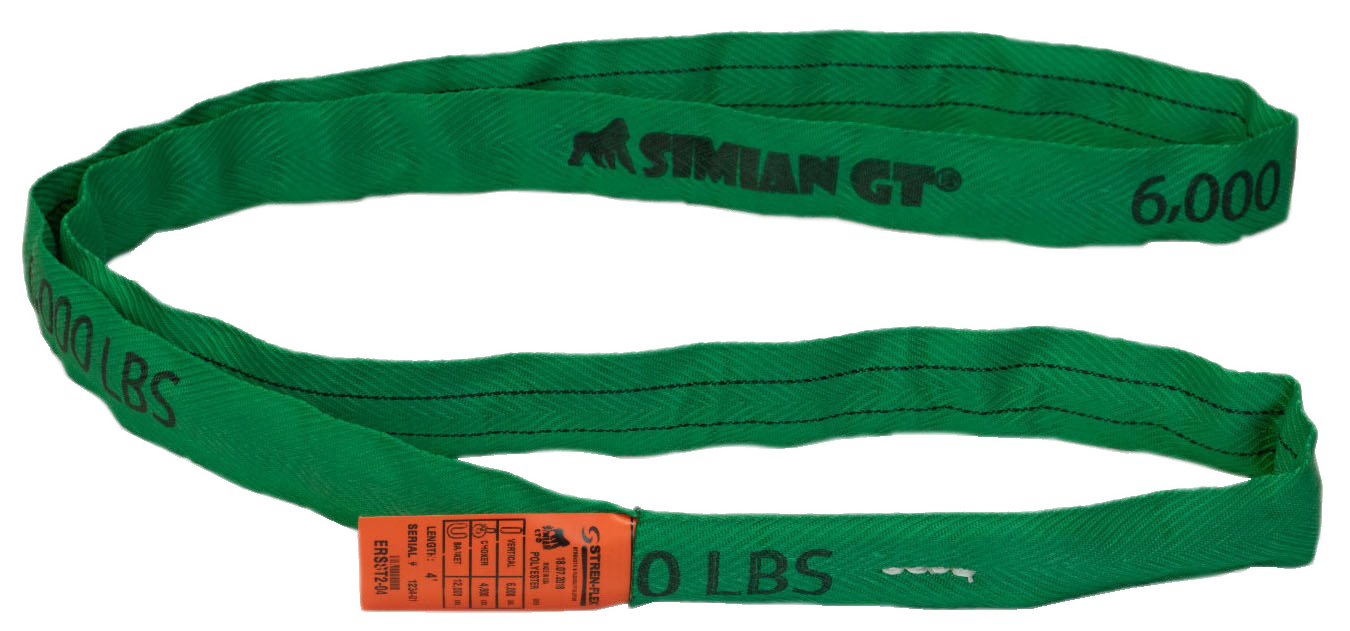
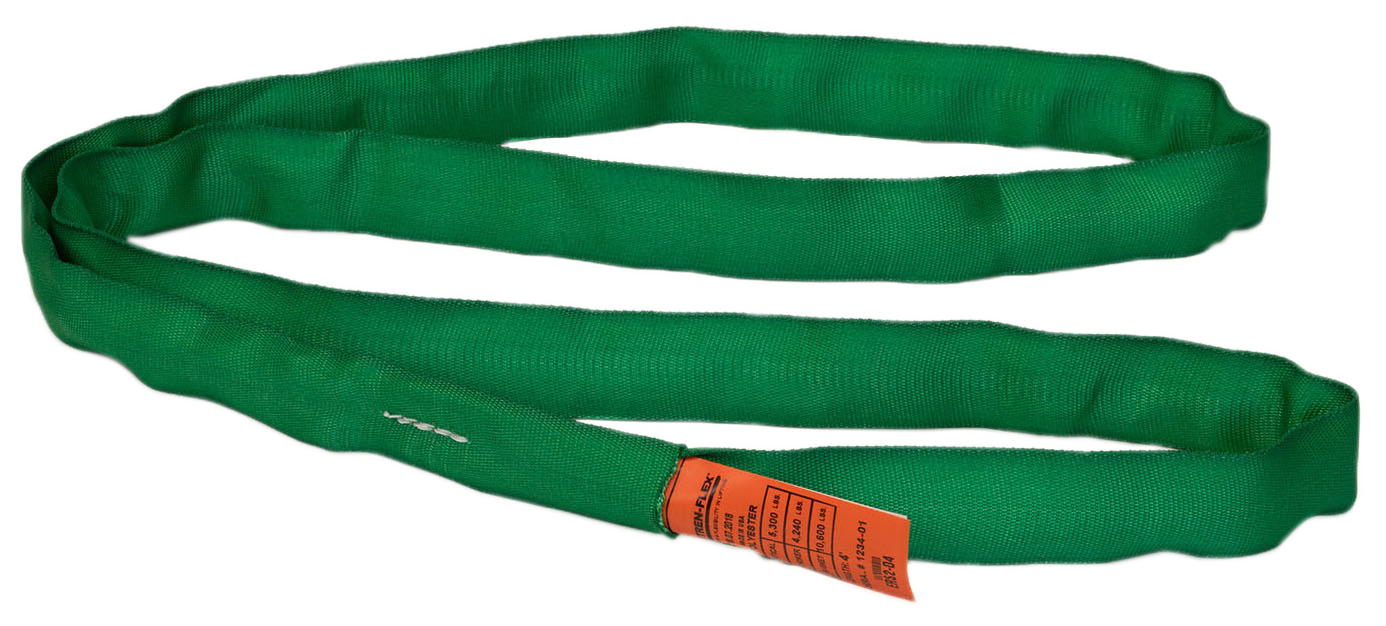
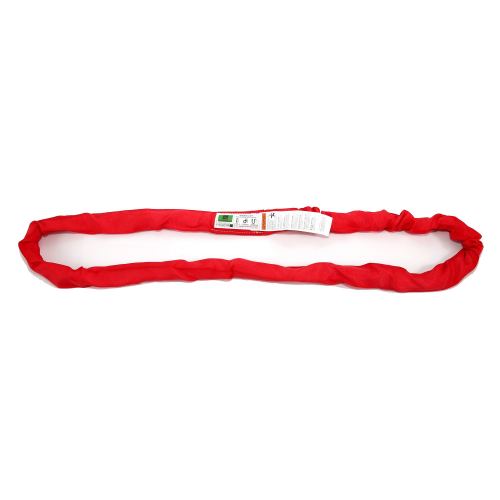
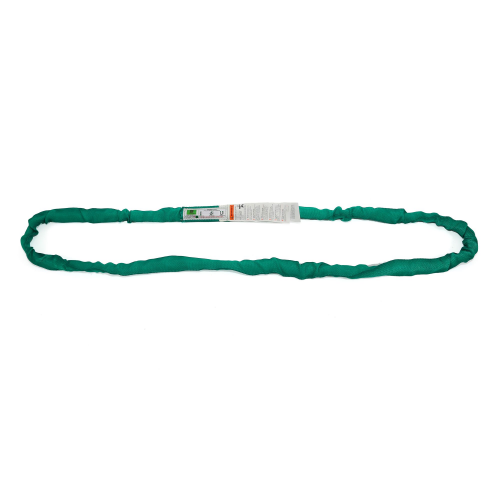
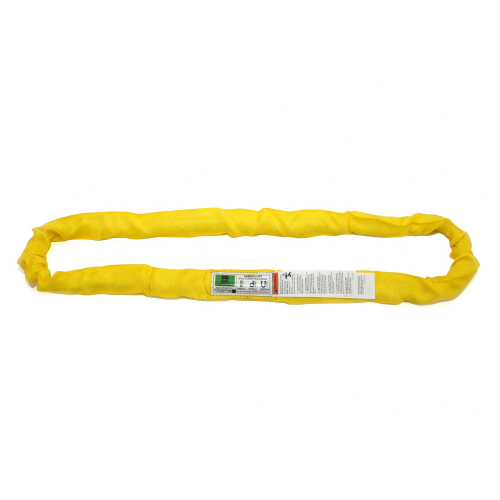
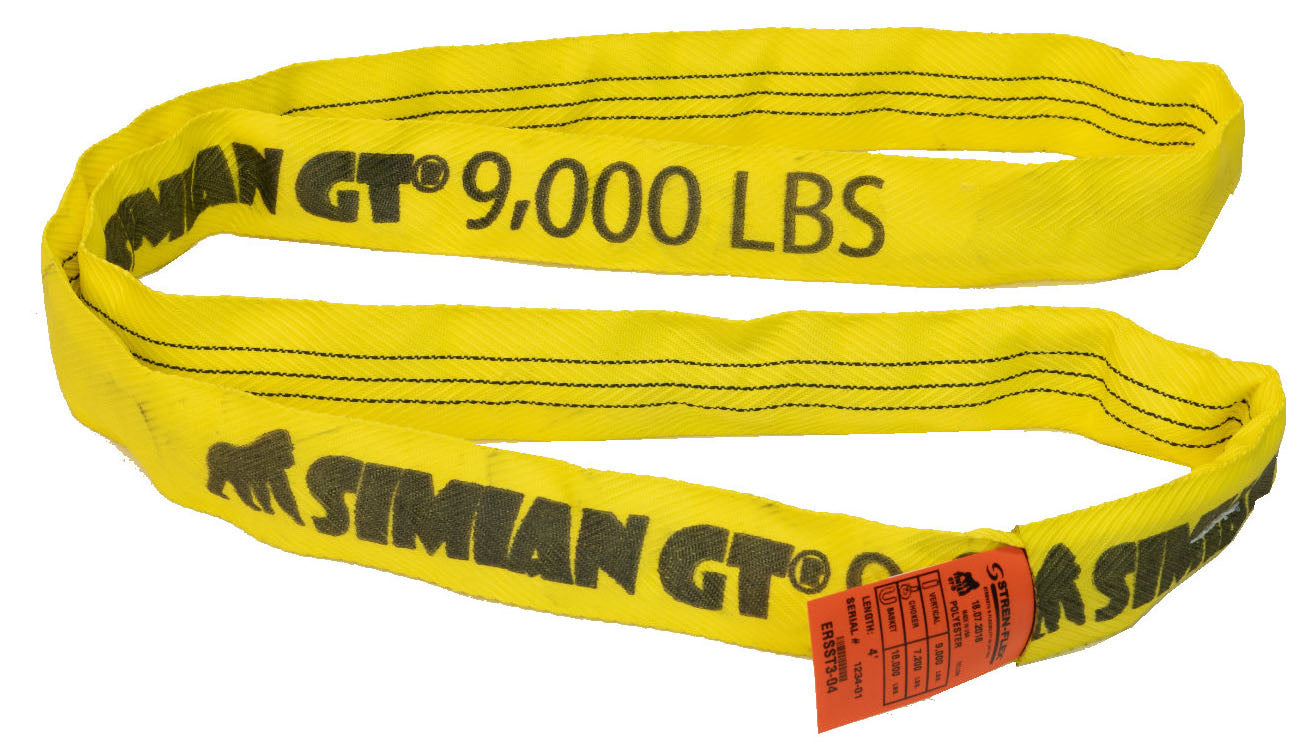
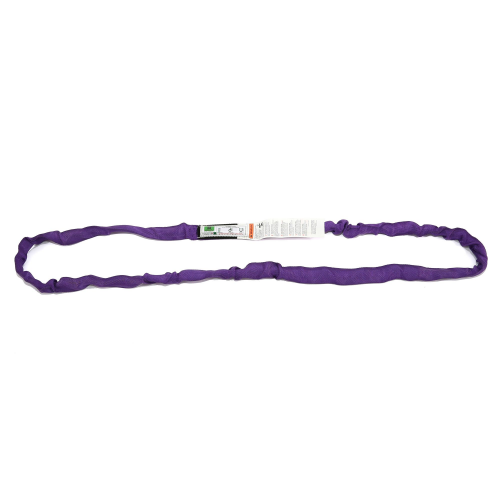
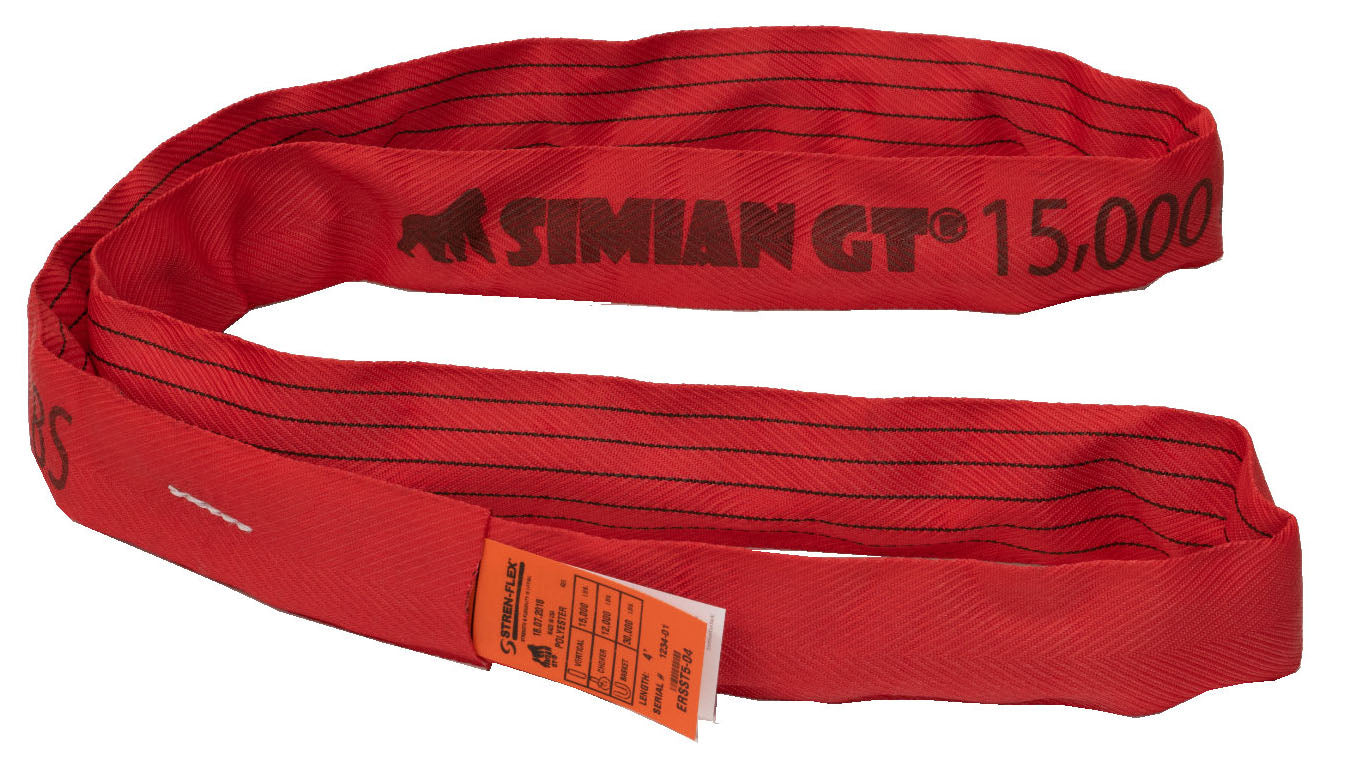
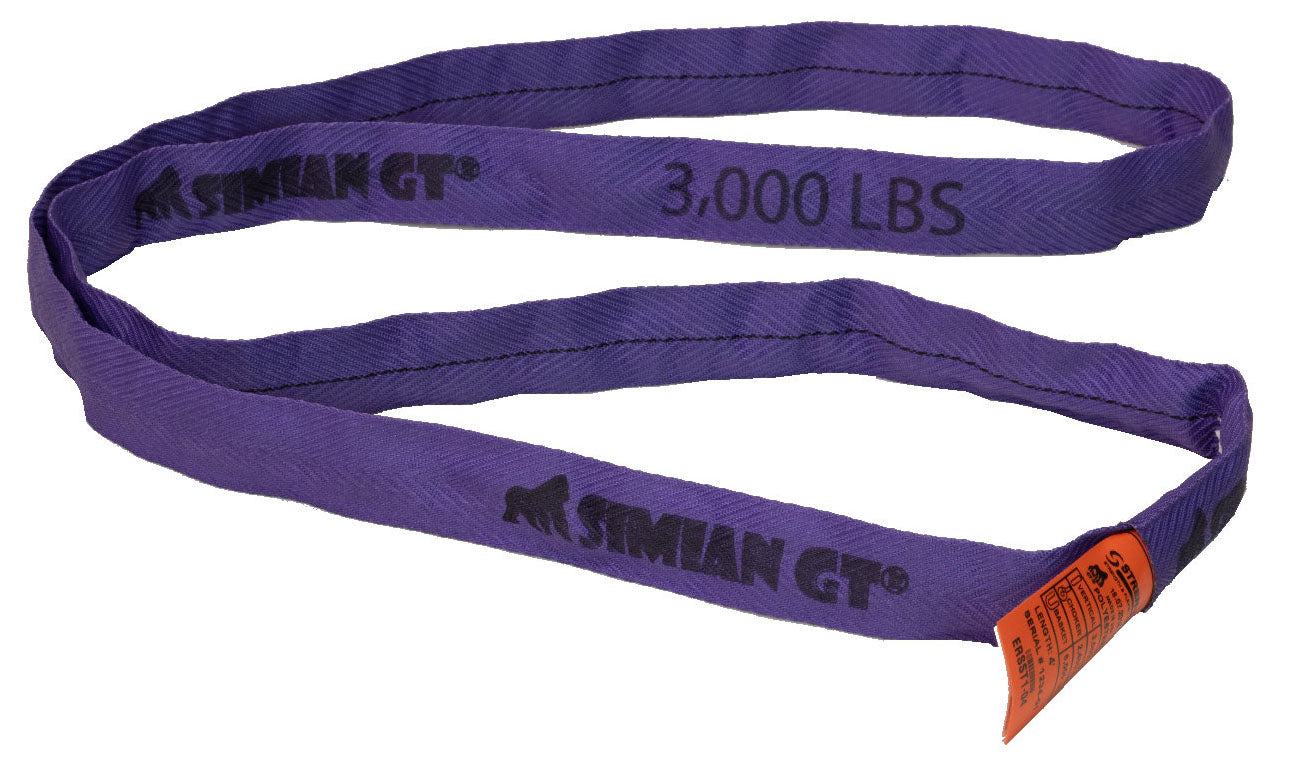
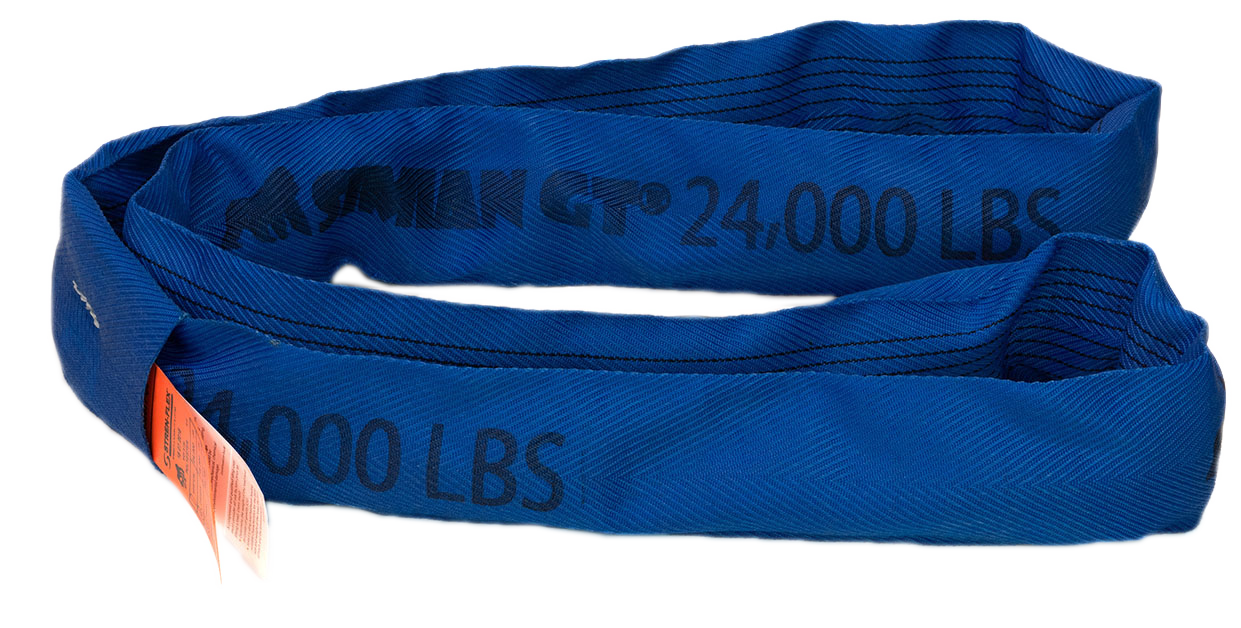
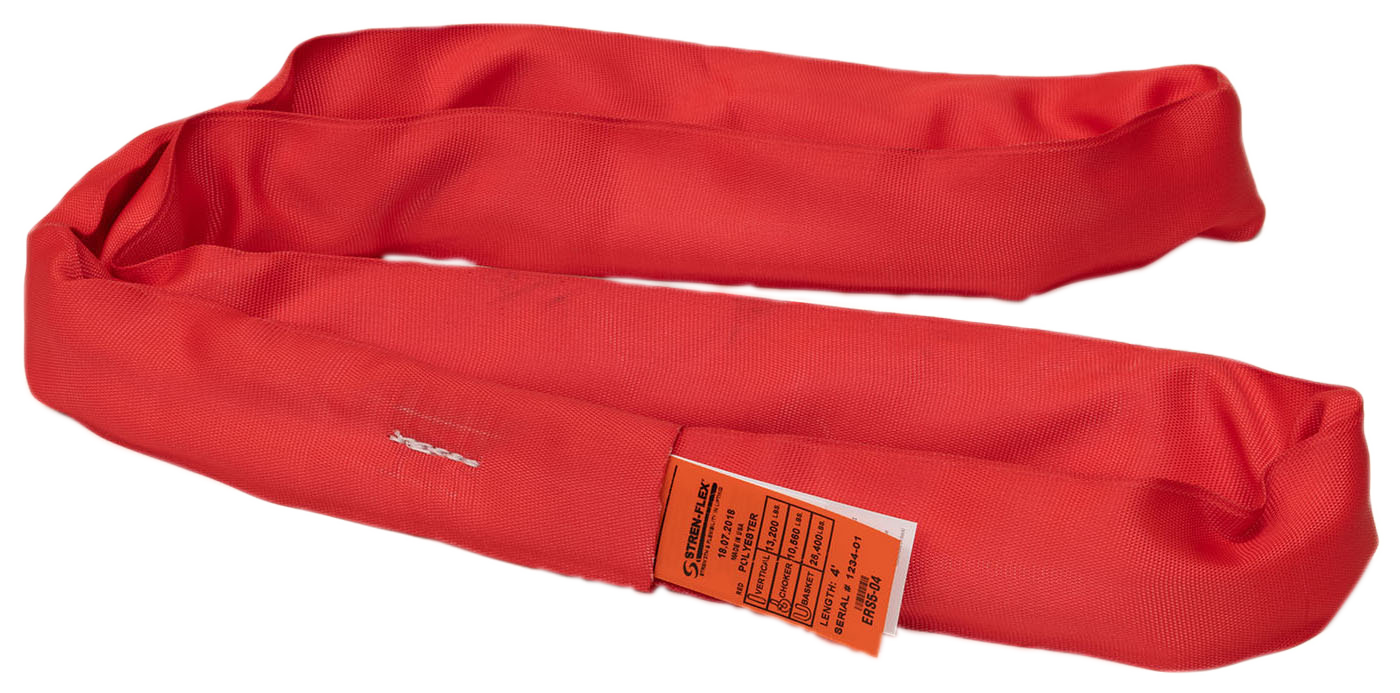
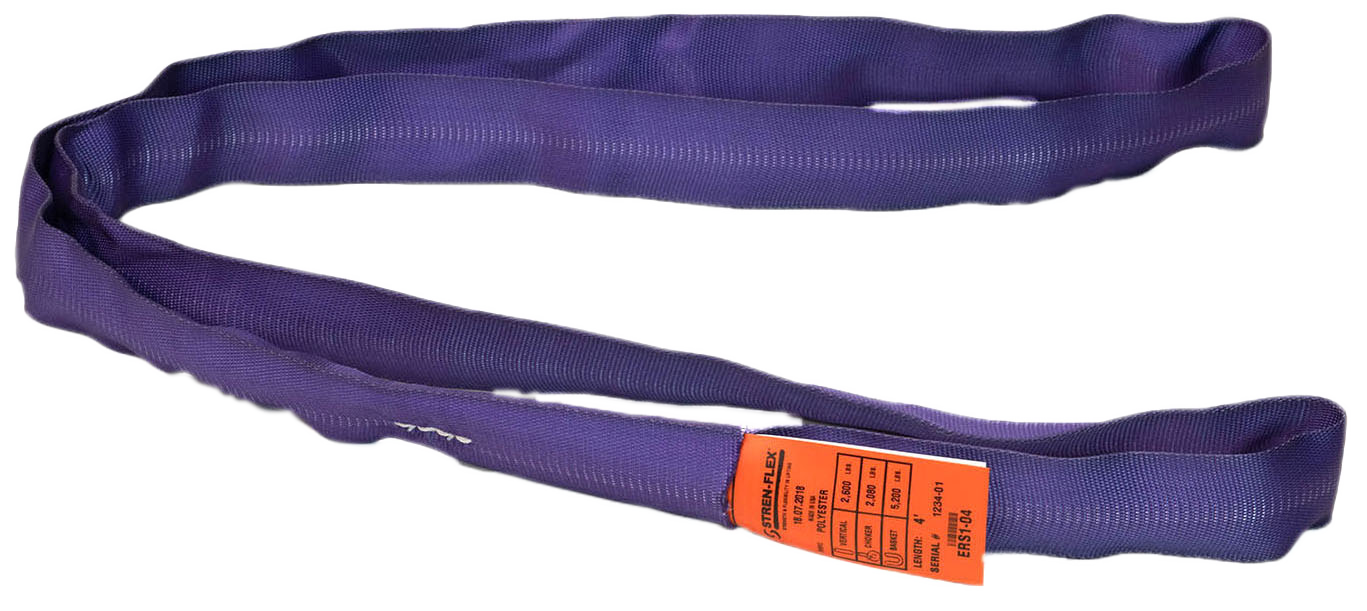
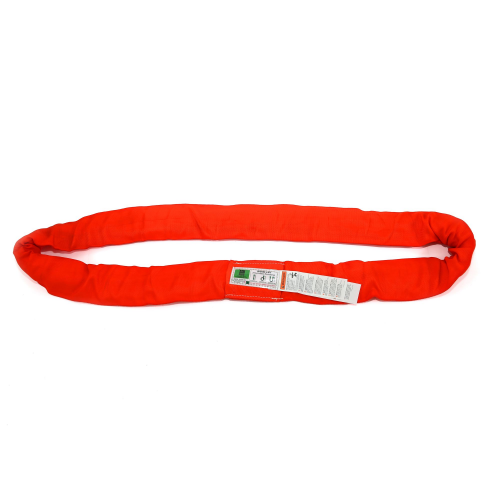
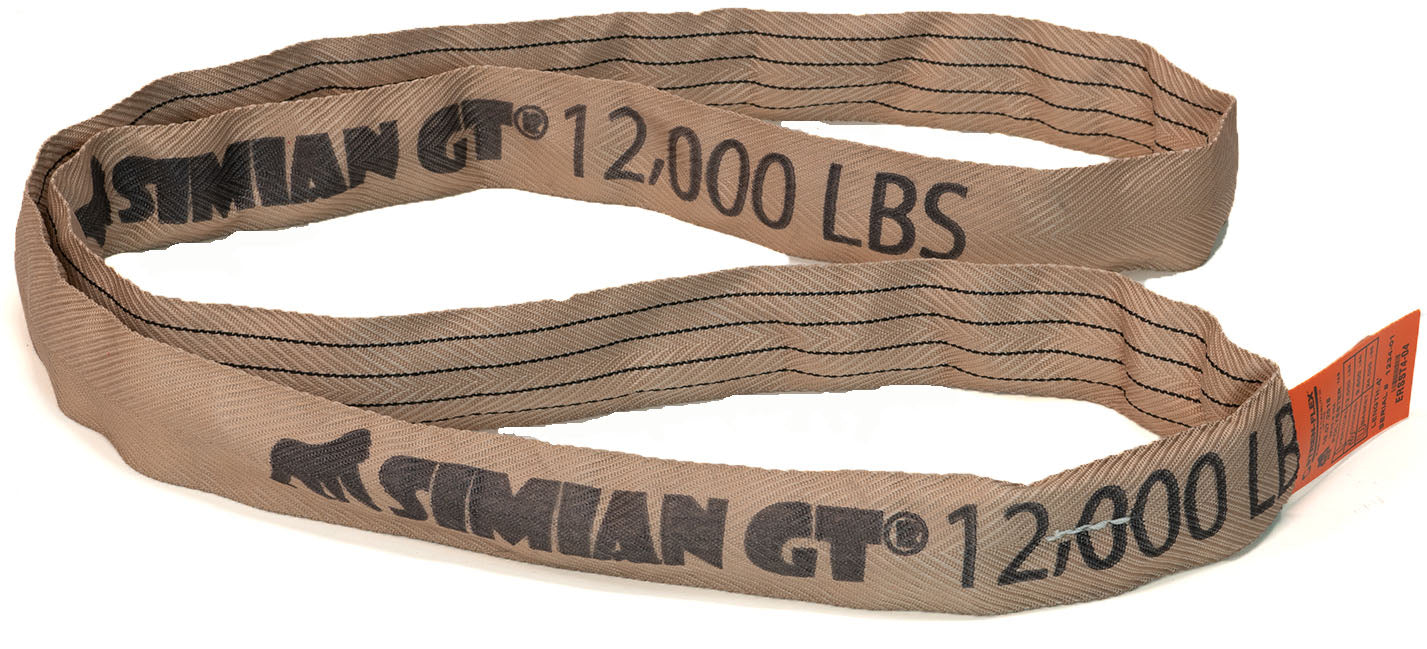
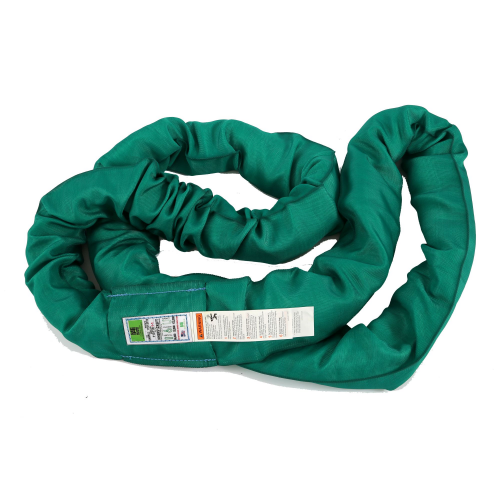
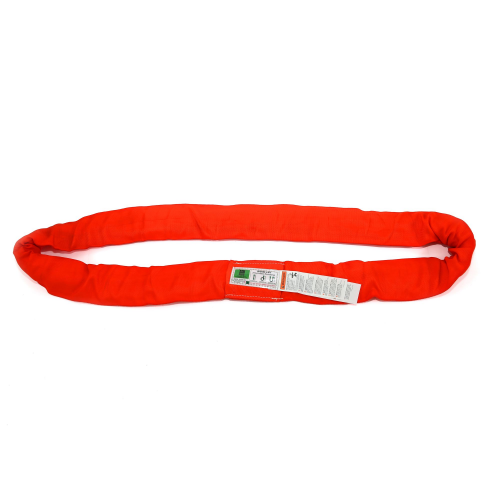
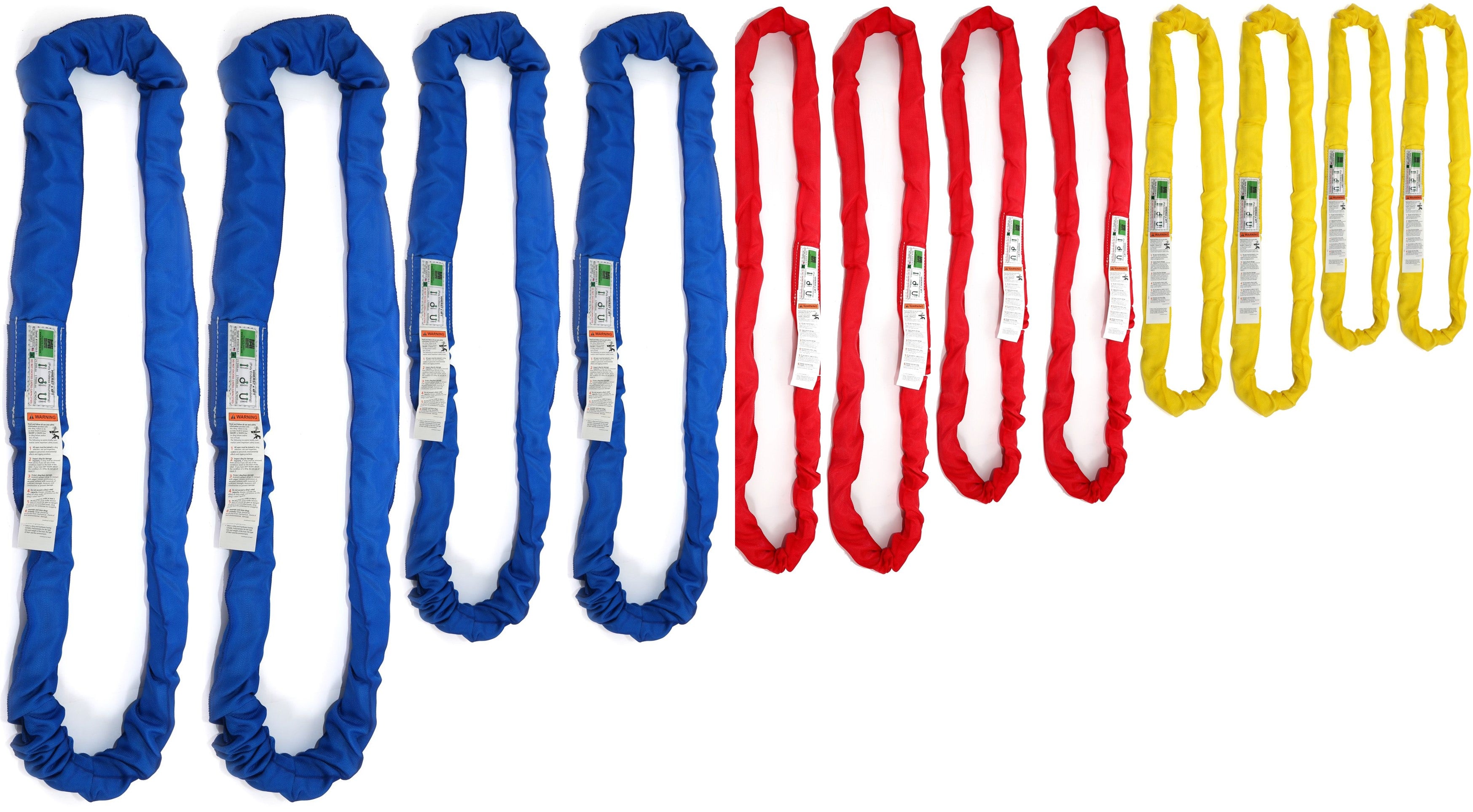
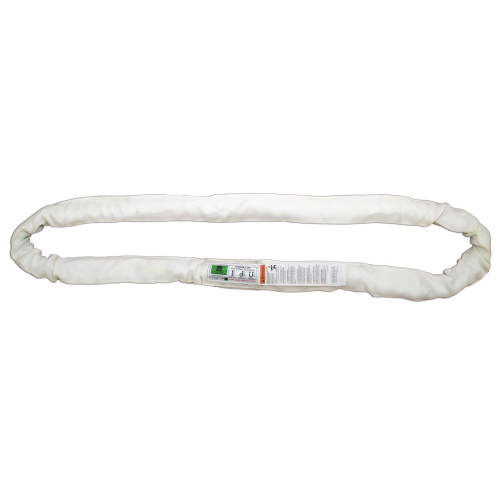
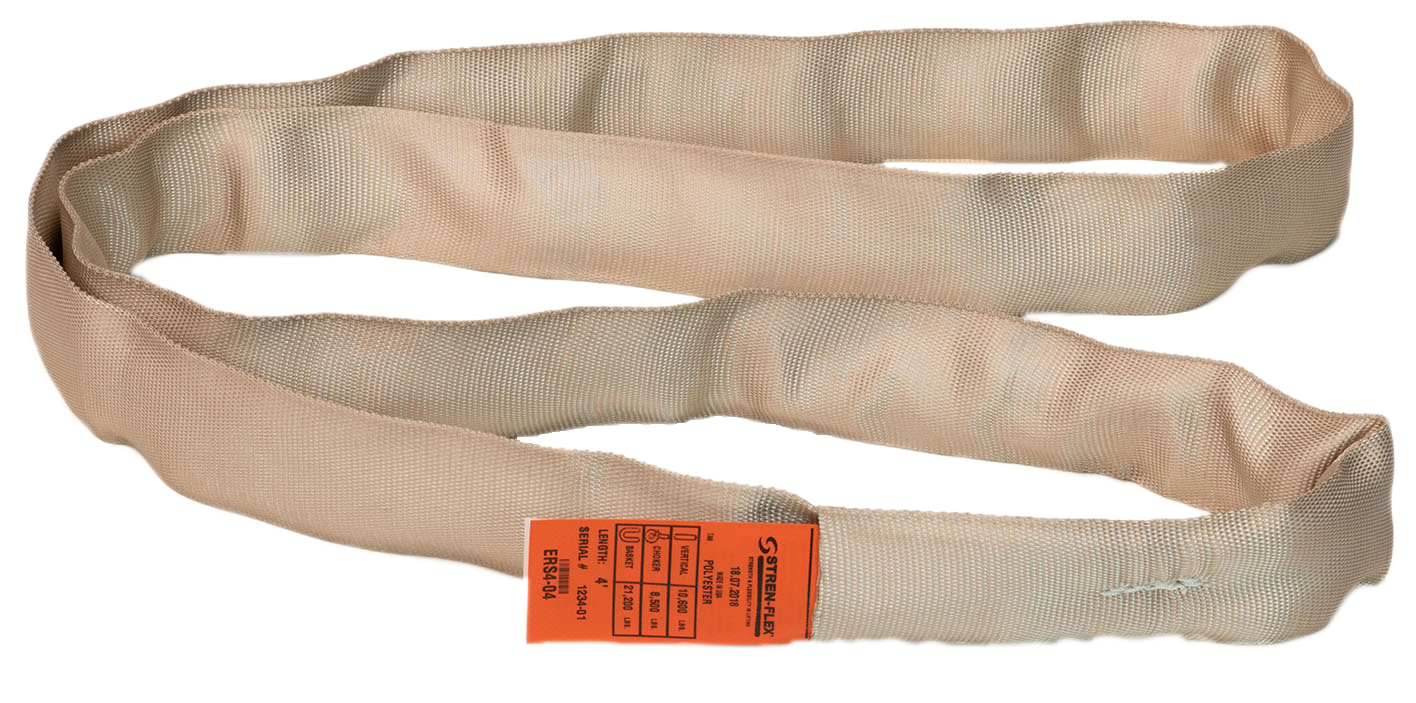
Reading the round sling colors. Our round slings follow the color sequence most US rigging shops know: purple is 2,600 lb vertical, green 5,300, yellow 8,400, brown 10,600, red 13,200, white 16,800, and blue 21,200. Above that the sequence stops being a code. Orange covers everything from 25,000 to 53,000 lb and olive runs 66,000 to 100,000, so at the heavy end two identical-looking slings can differ by tens of thousands of pounds. Treat color as a convenience for grabbing the probable sling off the rack; the tag is the rating, and a sling with a missing or unreadable tag comes out of service no matter how new the cover looks. Color codes also are not standardized across manufacturers, so never carry a color habit from one brand to another.
Heat, chemicals, and edges. Polyester has hard limits. OSHA caps synthetic web and round slings at 194 F, and below minus 40 F they also come out of service. Past that you are in chain territory: Grade 100 alloy chain carries full rating to 400 F, with published reduction tables above. Chemistry matters too. Polyester stands up to most acids but strong alkalis attack it, roughly the mirror image of nylon, so check a chemical chart if the sling will see washdown or process splash. And edges do more damage than anything else in ordinary service: a loaded synthetic sling dragged over a bare steel corner can be cut through in a single lift. Pad every change of direction with wear sleeves or corner protectors, or rig chain and stop worrying.
Inspection and removal from service. ASME B30.9, the sling standard, wants a visual check before each use and a documented periodic inspection on a schedule set by how hard the slings work. The removal criteria are specific. For synthetics: a missing or illegible tag, cuts, holes, snags, heavy abrasion, heat glaze or acid burns, and on round slings any damage that exposes the core yarns, since the cover carries no load and the core is the sling. For chain: stretched, bent, or gouged links, cracks, and hooks opened at the throat. When anything is in doubt, the sling comes out until a qualified person rules on it. A $15 round sling is not worth defending.
Frequently Asked Questions
For general shop and construction lifting, polyester round slings. They start at $9.26, weigh little, rig every standard hitch, and the color sequence keeps the rack self-organizing. Add one Grade 100 chain sling for the hot, abrasive, sharp-edged lifts that synthetics cannot survive.
Plan on losing 20 to 25%: a choker is rated at 75 to 80% of the vertical hitch. The penalty gets worse if the choke is cinched down tight, so keep the angle of choke wide, and if the load needs more grip, choke with a wider sling instead of over-cinching a narrow one.
Each color maps to a vertical working load limit, purple 2,600 lb up through blue 21,200 lb in our line, with orange and olive covering the heavy sizes above that. Use color as a shortcut and the tag as the truth: the code is not standardized across manufacturers, and above 21,200 lb one color spans several ratings.
Only up to 194 F, per OSHA and the manufacturers, and polyester weakens well before it visibly melts. For parts out of heat treat, welding tables, and anything too hot to hold, rig Grade 100 chain, which carries its full rating to 400 F.
Toughness and heat. A William Hackett single leg costs around $102 against $15 for a round sling of similar rating, but it survives the edges and temperatures that kill polyester and stays in service for years with link-by-link inspection. The double and 4-leg assemblies also give you fixed bridles with matched, rated components, which no pile of loose round slings really replaces.
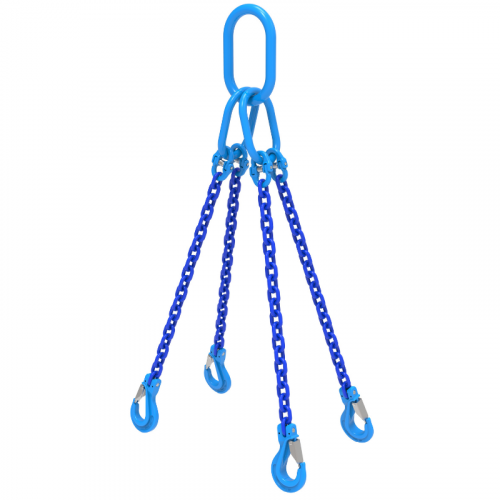
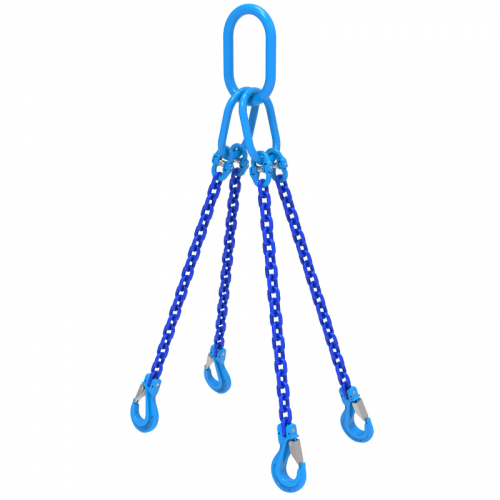
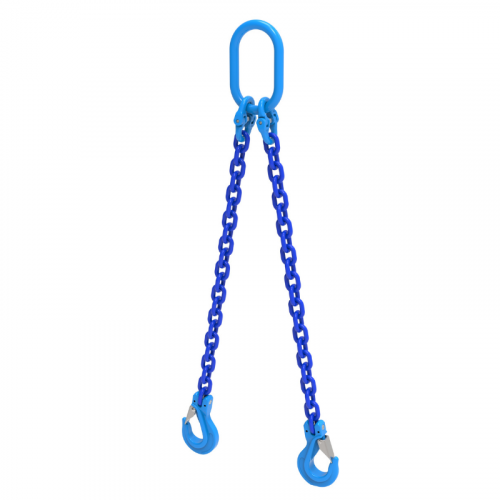
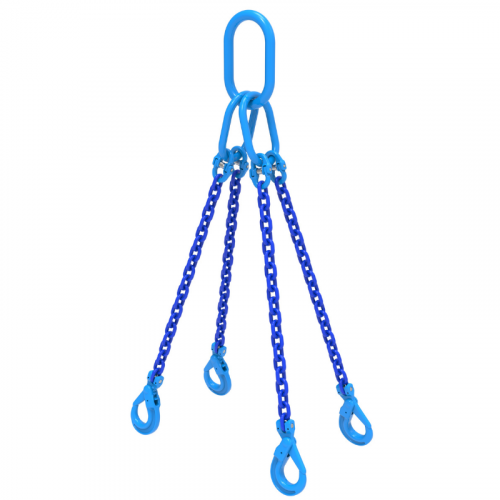
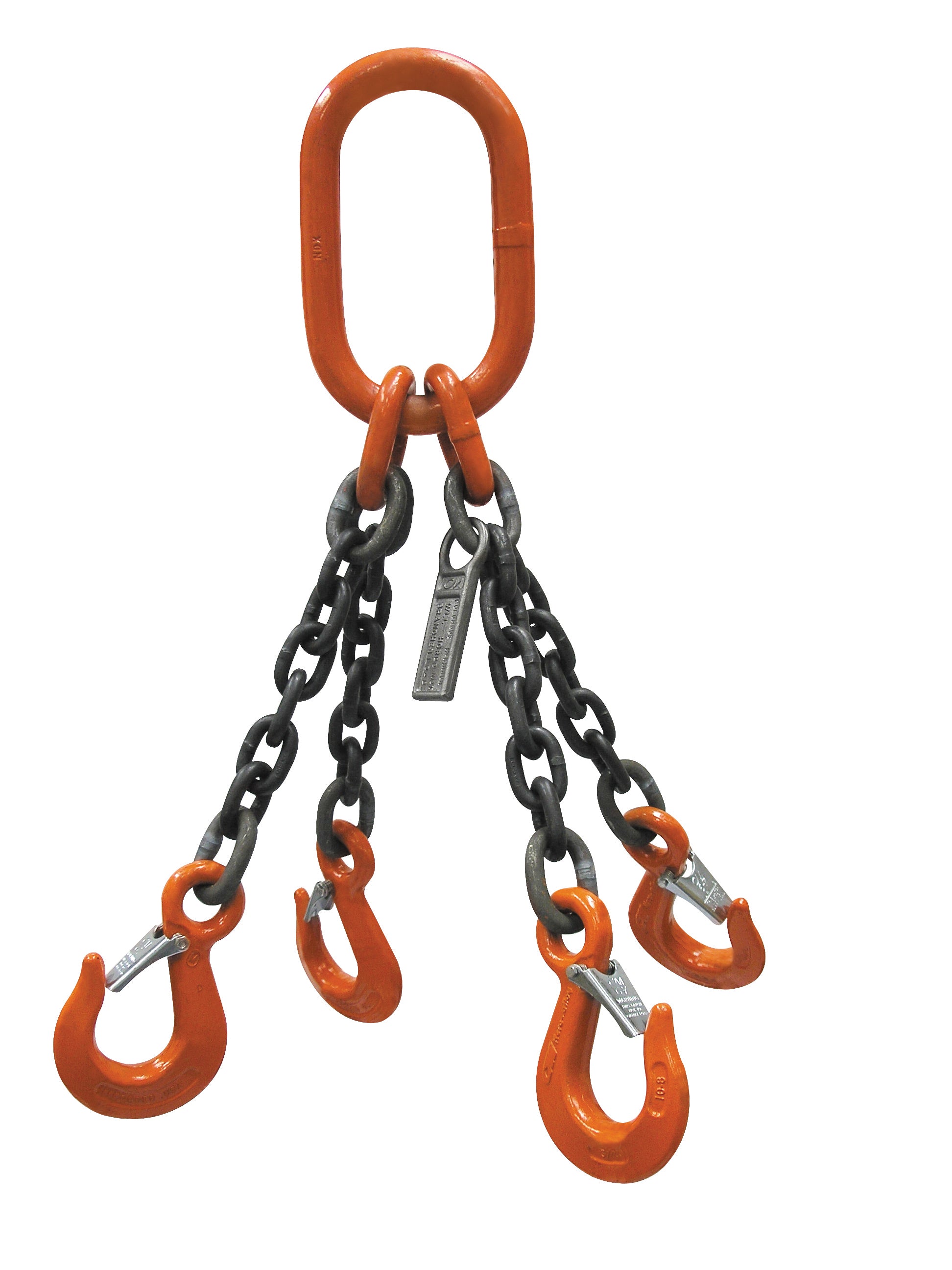
When the load has fixed pick points and needs to ride level. The multi-leg chain slings put a master link at the hook and rated legs to each point, from 3,800 lb on the light double up to 47,900 lb on the 5/8 inch 4-leg. The angle rules apply to every leg, and on a rigid load do not assume all four legs share evenly; rig for the worst-case split.