Storage Racks
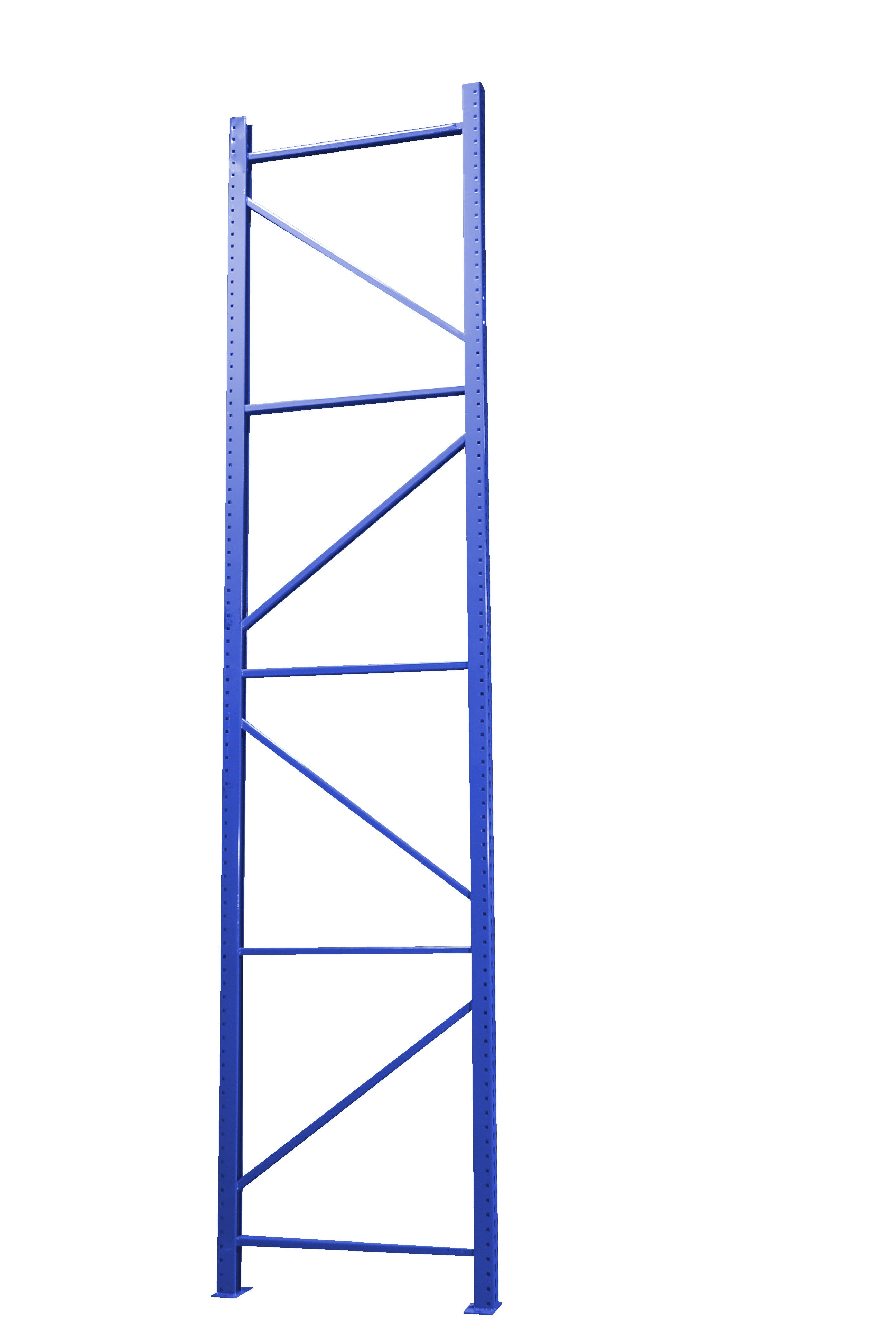
Storage racks are the steel that turns floor space into stacked space, and this collection is built around them: Vestil teardrop pallet racking and starter bays, cantilever racking for long stock, vertical and horizontal sheet racks, bar racks, dunnage racks, and carton flow racks, plus the guards, decking, and wire mesh that bolt onto them. Around the racking sits the rest of a warehouse storage program from Vestil and Valley Craft: welded steel cabinets, boltless and stainless shelving, storage bins and wire containers, mobile workbenches, lockers, storage buildings, and floor marking. Prices run from a few dollars for a rack shield up to the mid four figures for a flammable safety cabinet or a roll-out shelving system, so most jobs land somewhere in between. Use this page to settle on the right rack type for your load first, then move into the child collection that carries the model and the parts that go around it.
Shop Storage Solutions by Category
Compare Storage Solutions
| Model | Price | Material | |
|---|---|---|---|
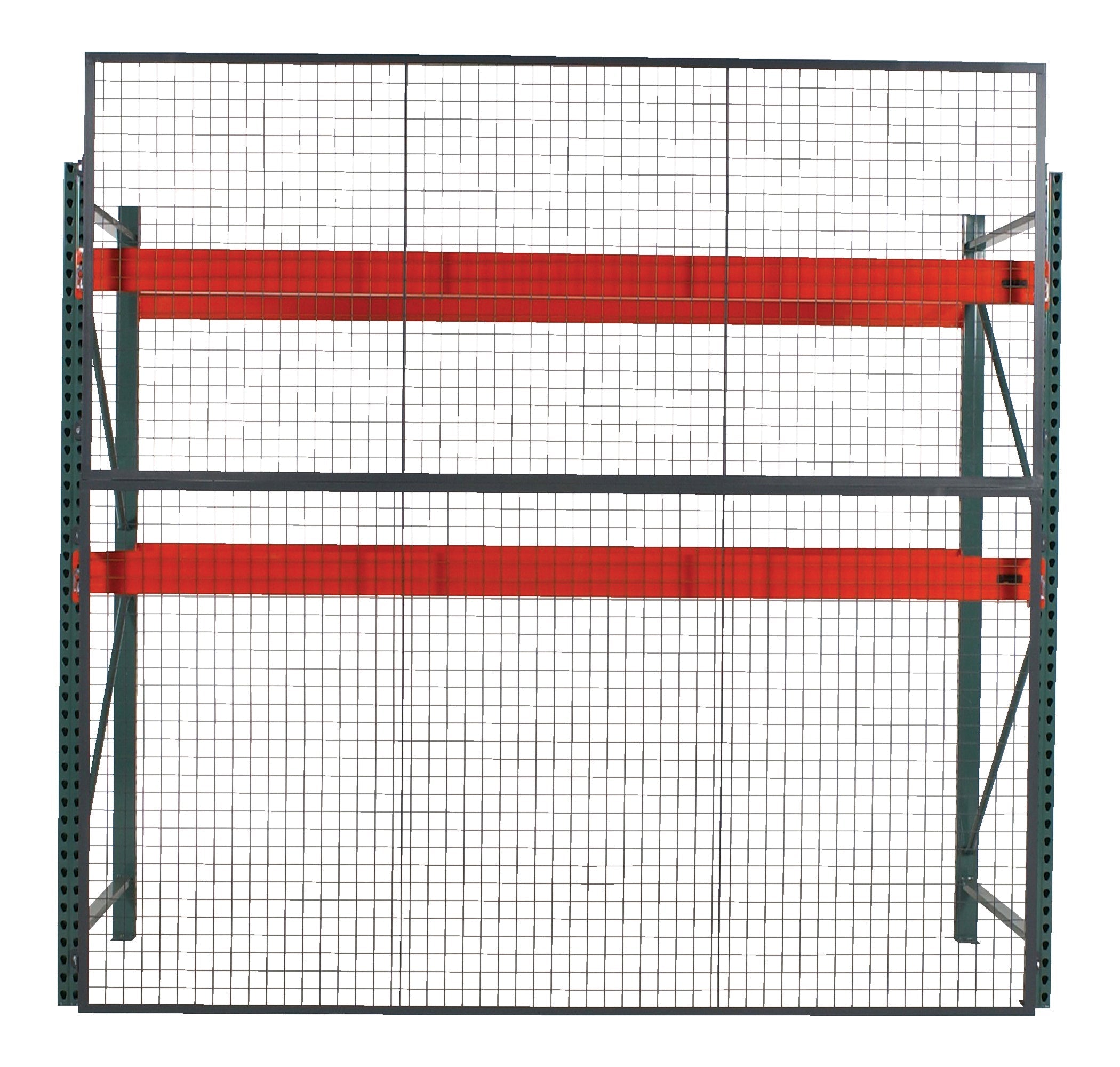
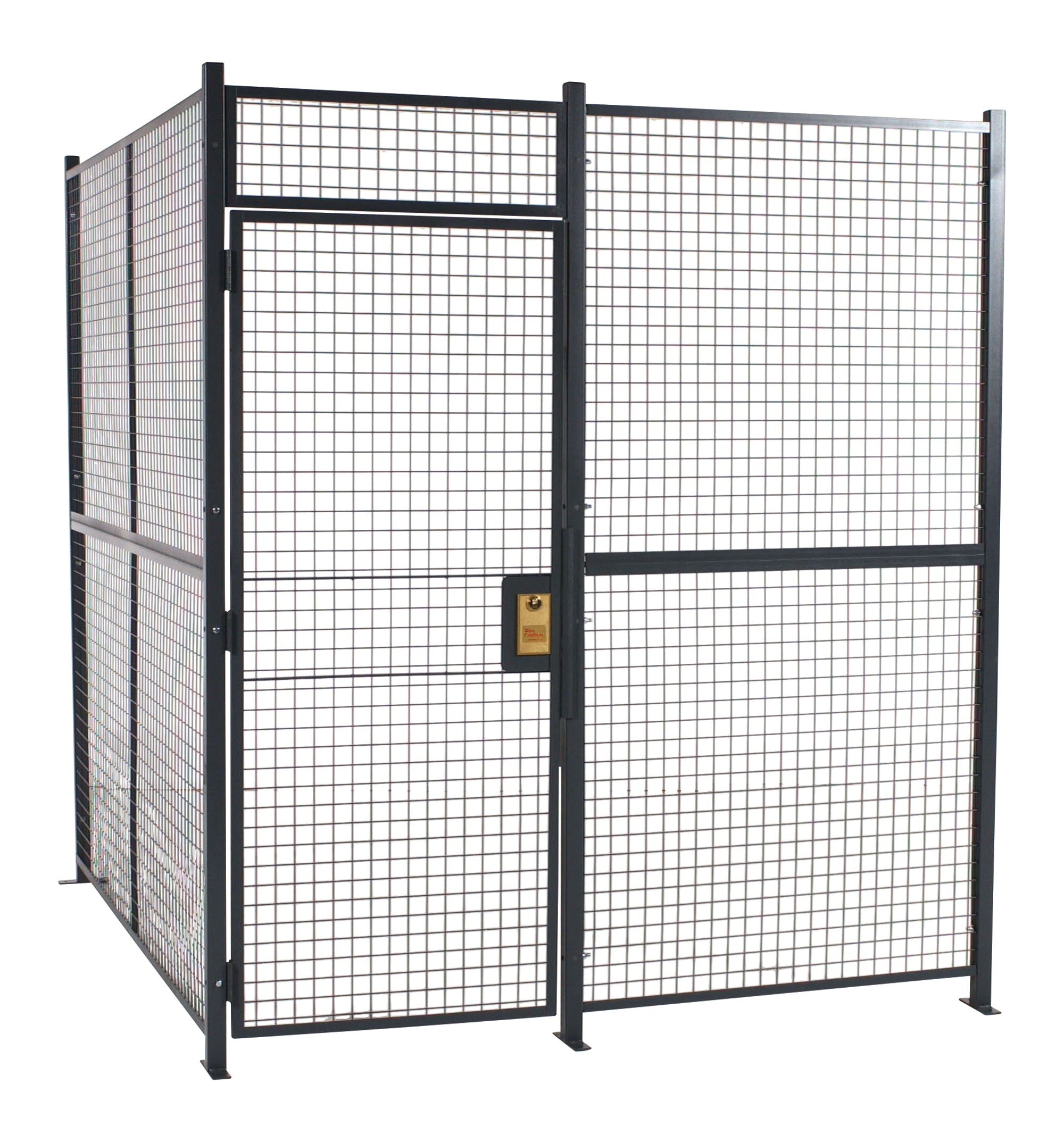
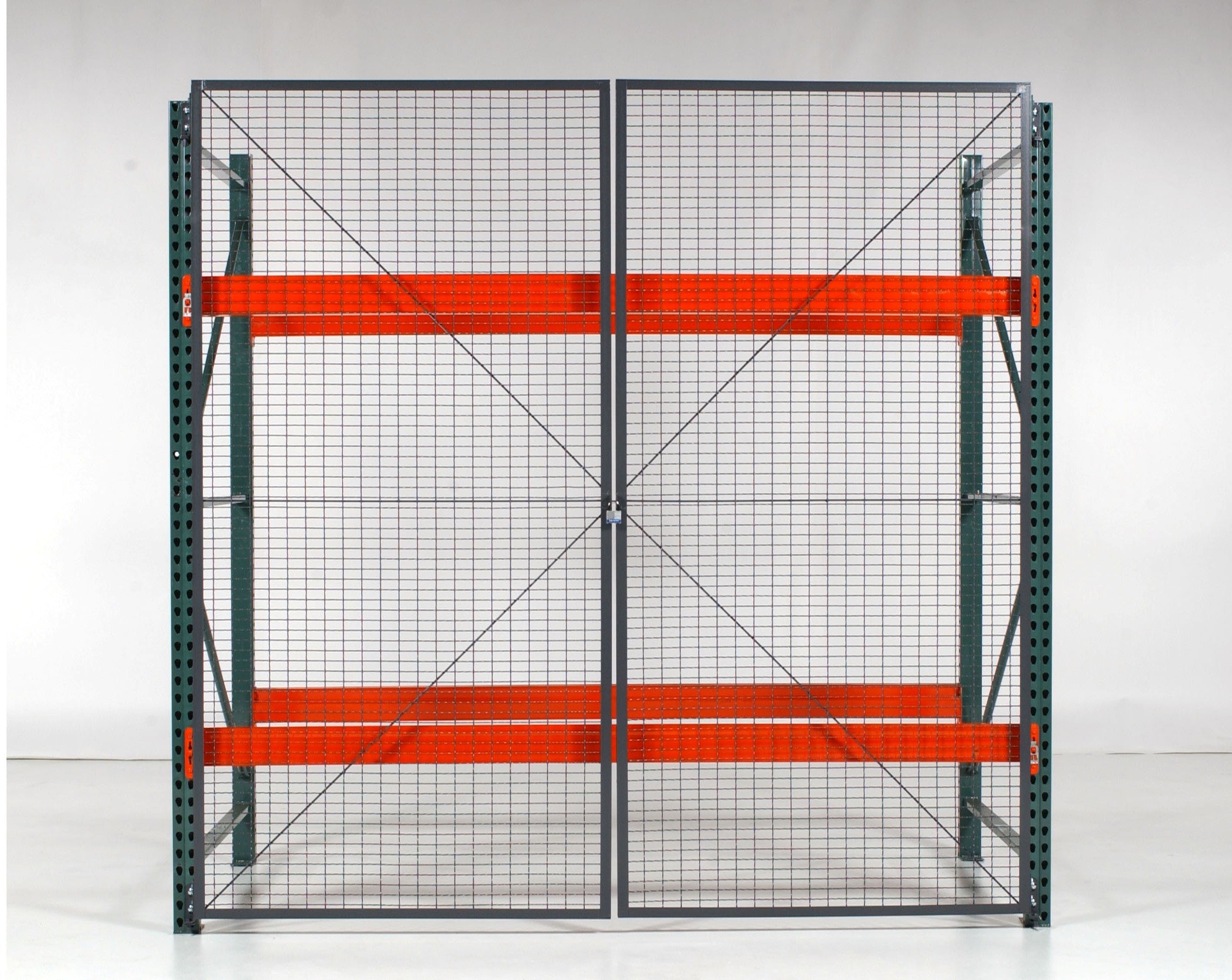
| Vestil Wire Cages | $6,585 | Welded wire mesh, painted finish | View → |
| Vestil Driver Cages | $5,682 | Woven wire, painted finish | View → |
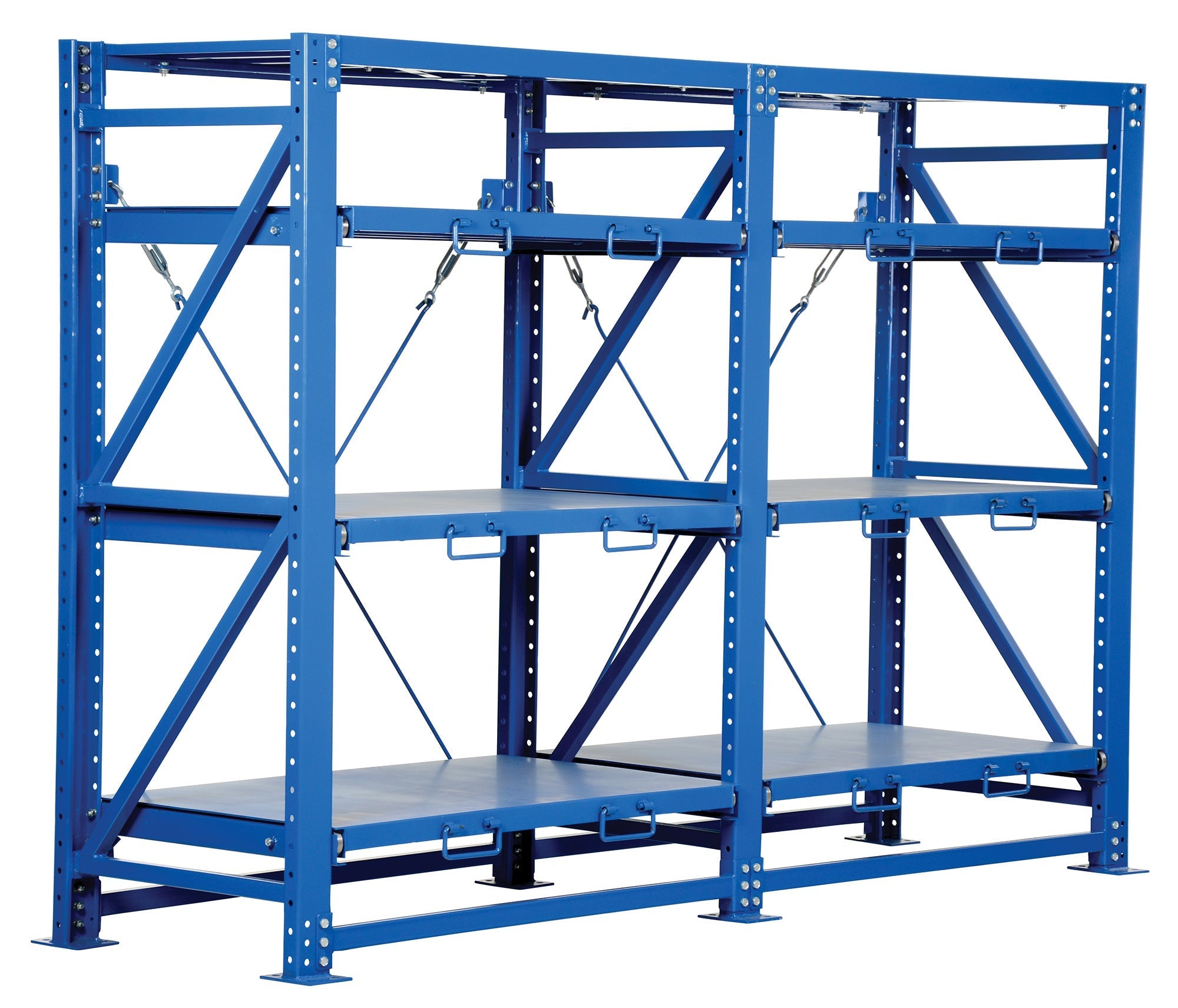
| Vestil Heavy Duty Roll-Out Shelving | $4,829 | Steel, powder-coat finish, roll-out/locking shelves | View → |
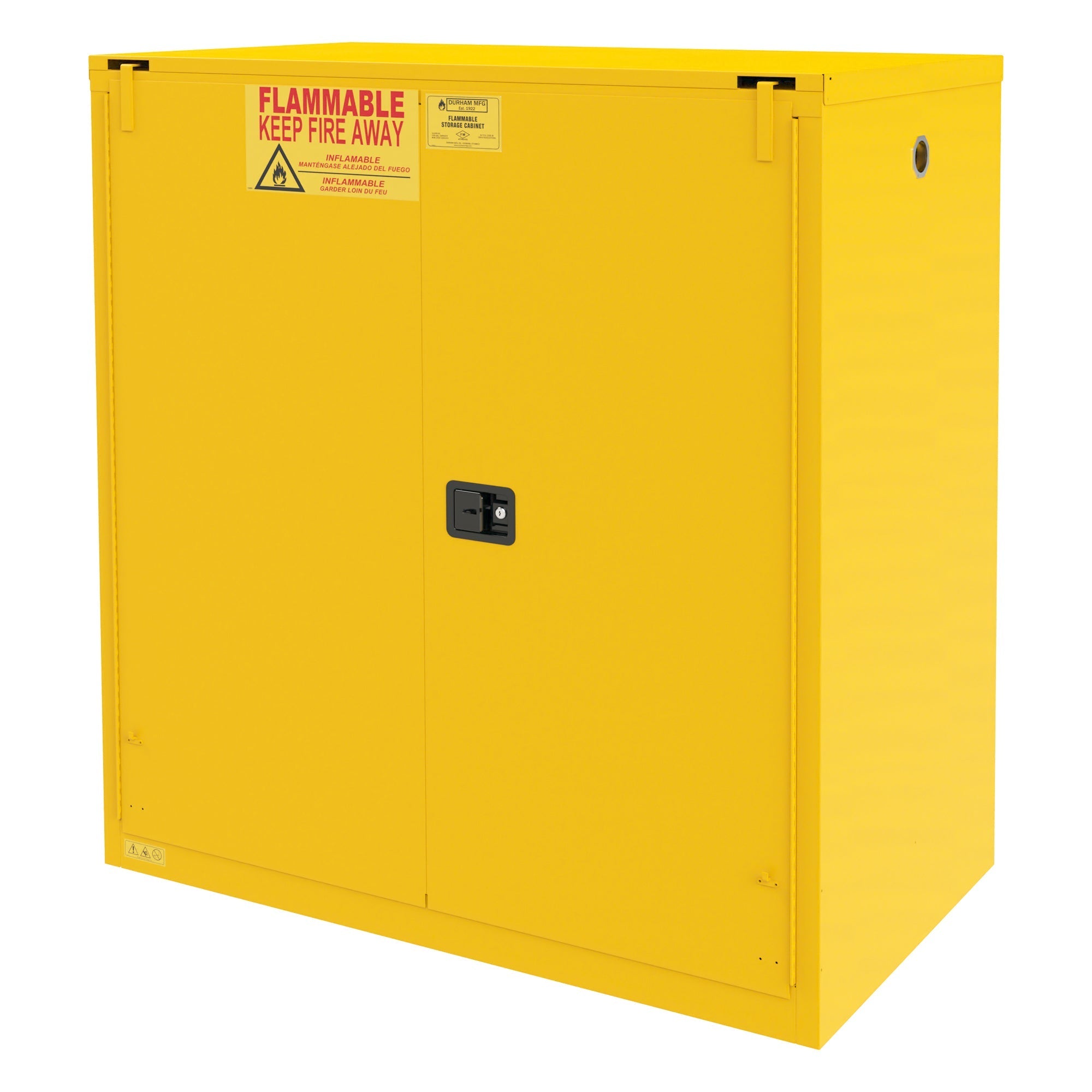
| Vestil Flammable Safety Cabinets | $4,508 | All-welded double wall steel, self-closing doors, 2 in. leak-proof base, FM approved | View → |
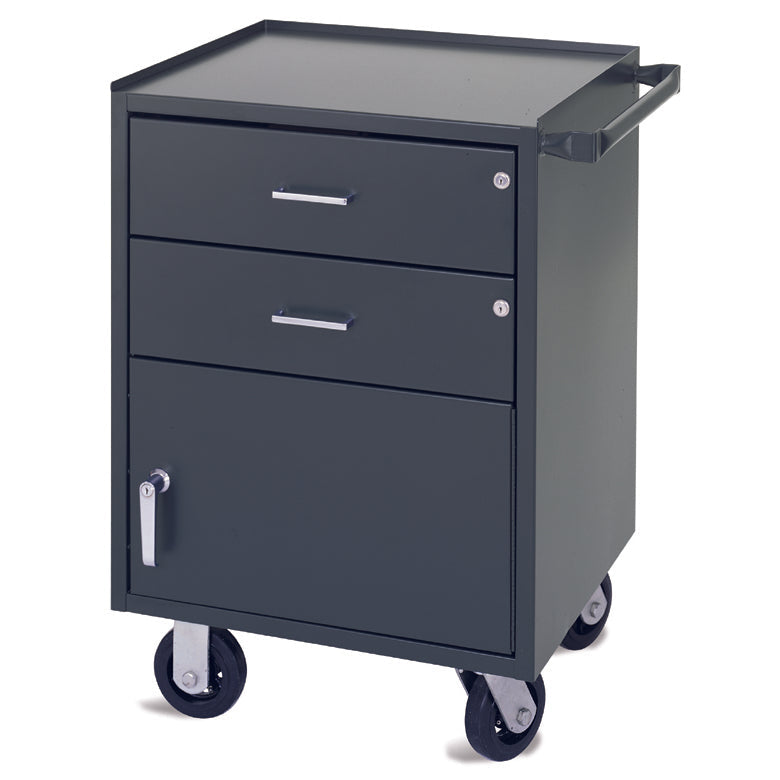
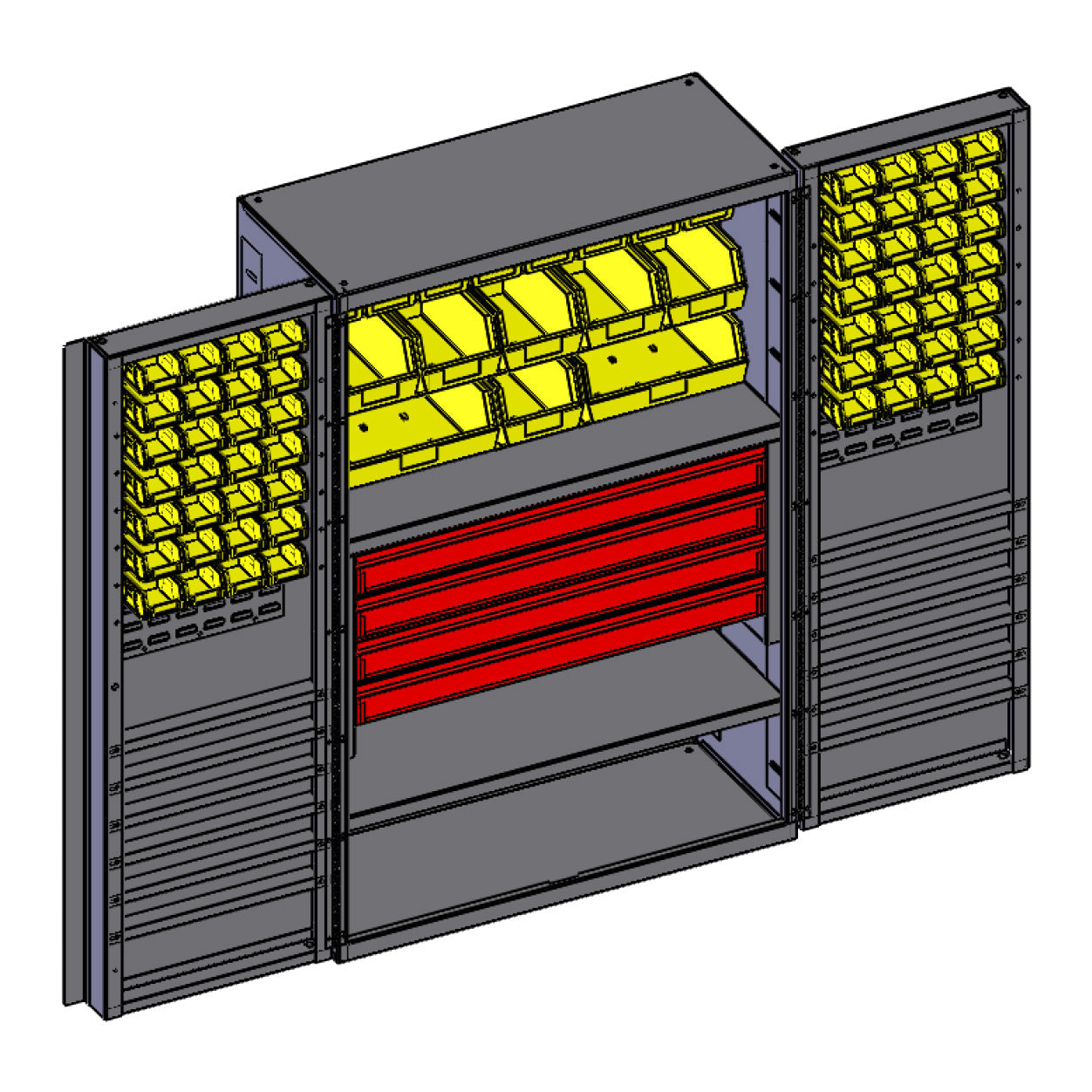
| Valley Craft Deep Door Drawer Cabinets | $2,895 | — | View → |
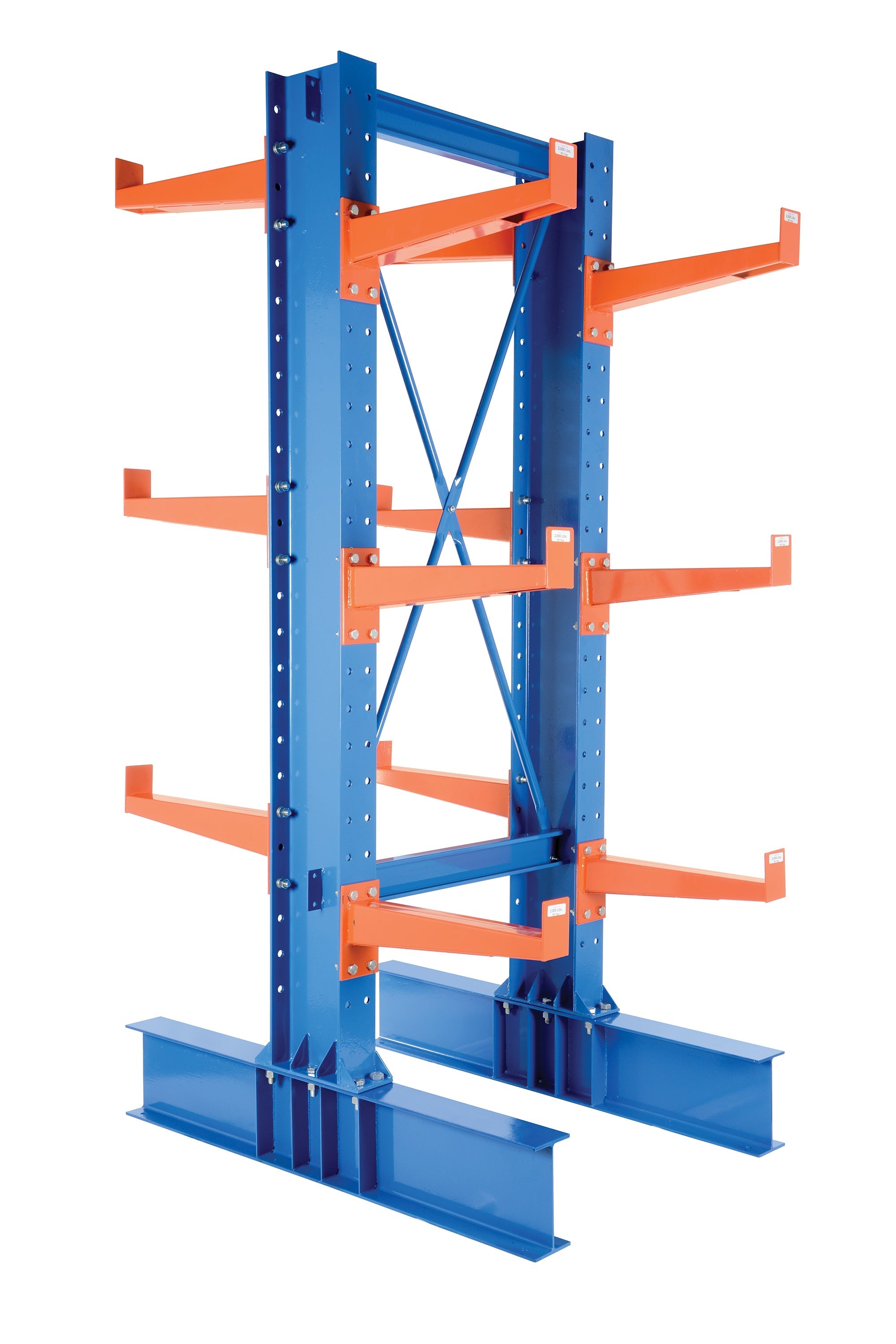
| Vestil Galvanized Cantilever Rack Kits | $2,718 | — | View → |
 In Stock
 In StockIn Stock
 In Stock
 In Stock
 In Stock
 In Stock
 In Stock
 In Stock
 In Stock
 In Stock
 In Stock
 In Stock
 In Stock
 In Stock
 In Stock
 In Stock
 In Stock
 In Stock
 In Stock
 In StockIn StockIn Stock
 In Stock
 In Stock
 In Stock
 In Stock
 In Stock
 In StockIn Stock
 In Stock
 In Stock
 In Stock
 In Stock
 In Stock
 In Stock
 In Stock
 In Stock
 In Stock
 In Stock
 In Stock
 In Stock
 In Stock
 In StockIn Stock
 In Stock
 In Stock
 In Stock
 In Stock
 In Stock
 In Stock
 In Stock
 In Stock
 In Stock
 In Stock
 In StockIn Stock
 In Stock
 In Stock
 In Stock
 In Stock
 In Stock
 In Stock
 In Stock
 In Stock
 In Stock
 In Stock
 In Stock
 In Stock
 In Stock
 In Stock
 In Stock
 In Stock
 In Stock
 In Stock
 In Stock
 In Stock
 In Stock
 In Stock
 In StockIn Stock
 In Stock
 In StockIn Stock
 In Stock
 In Stock
 In Stock
 In Stock
 In Stock
 In Stock
 In Stock
 In Stock
 In Stock
Storage Solutions Buying Guide
Start with the load, not the rack. The rack you need is decided by the shape and weight of what you store, so name the load before you shop the frame. Palletized unit loads go up onto pallet racking, where teardrop uprights and step beams stack pallet over pallet, bay after bay. Long, awkward stock like pipe, lumber, bar, conduit, and moulding has no pallet to sit on and no patience for a front column, so it belongs on cantilever racking with open load arms. Flat sheet goods and plate ride on vertical or horizontal sheet racks. Loose bar and tube sort into vertical bar racks and bar-stock trees, and dunnage racks keep bags and drums up off a wet floor. Name the load first and the rack type usually names itself, which cuts a long list down to two or three real candidates.
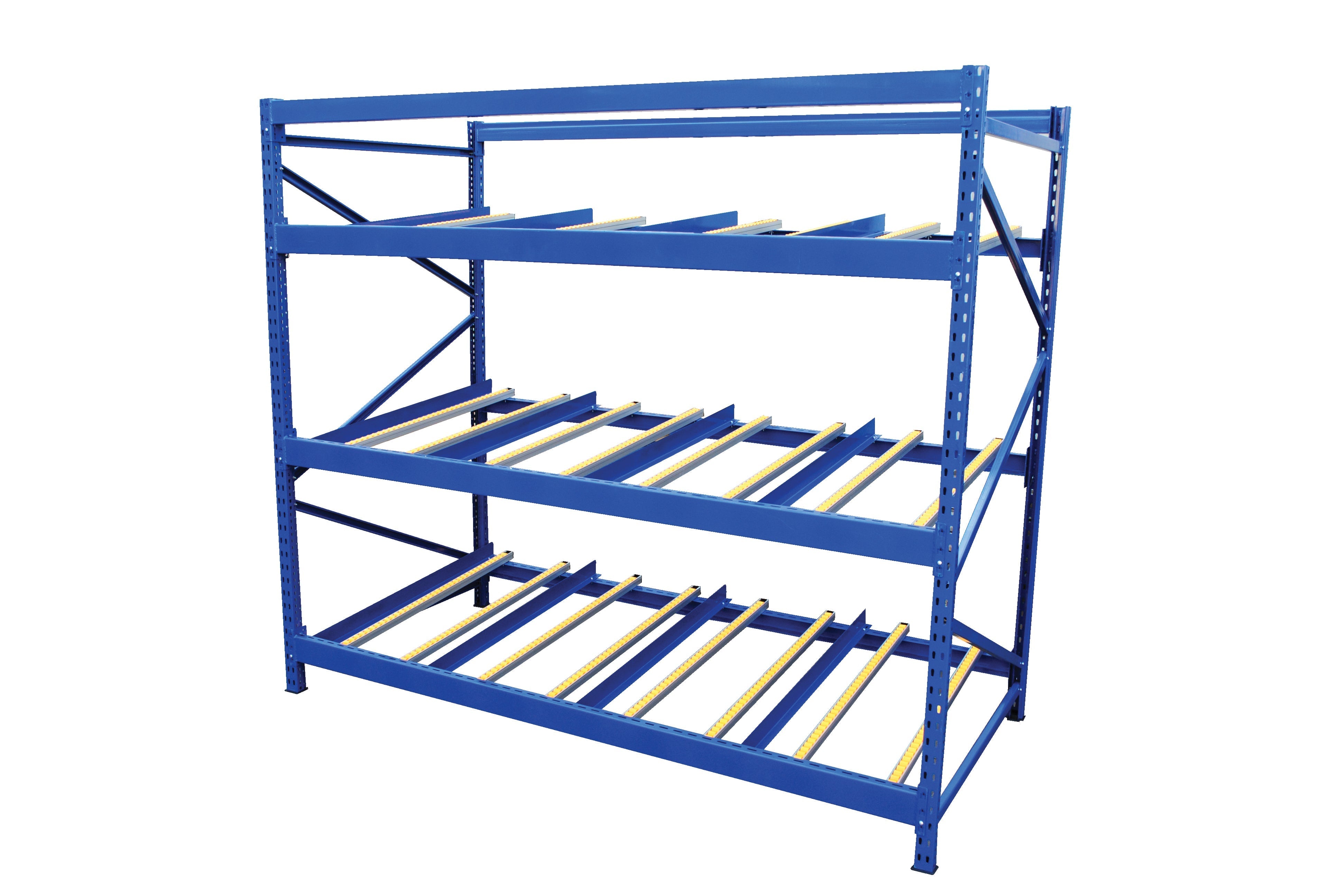
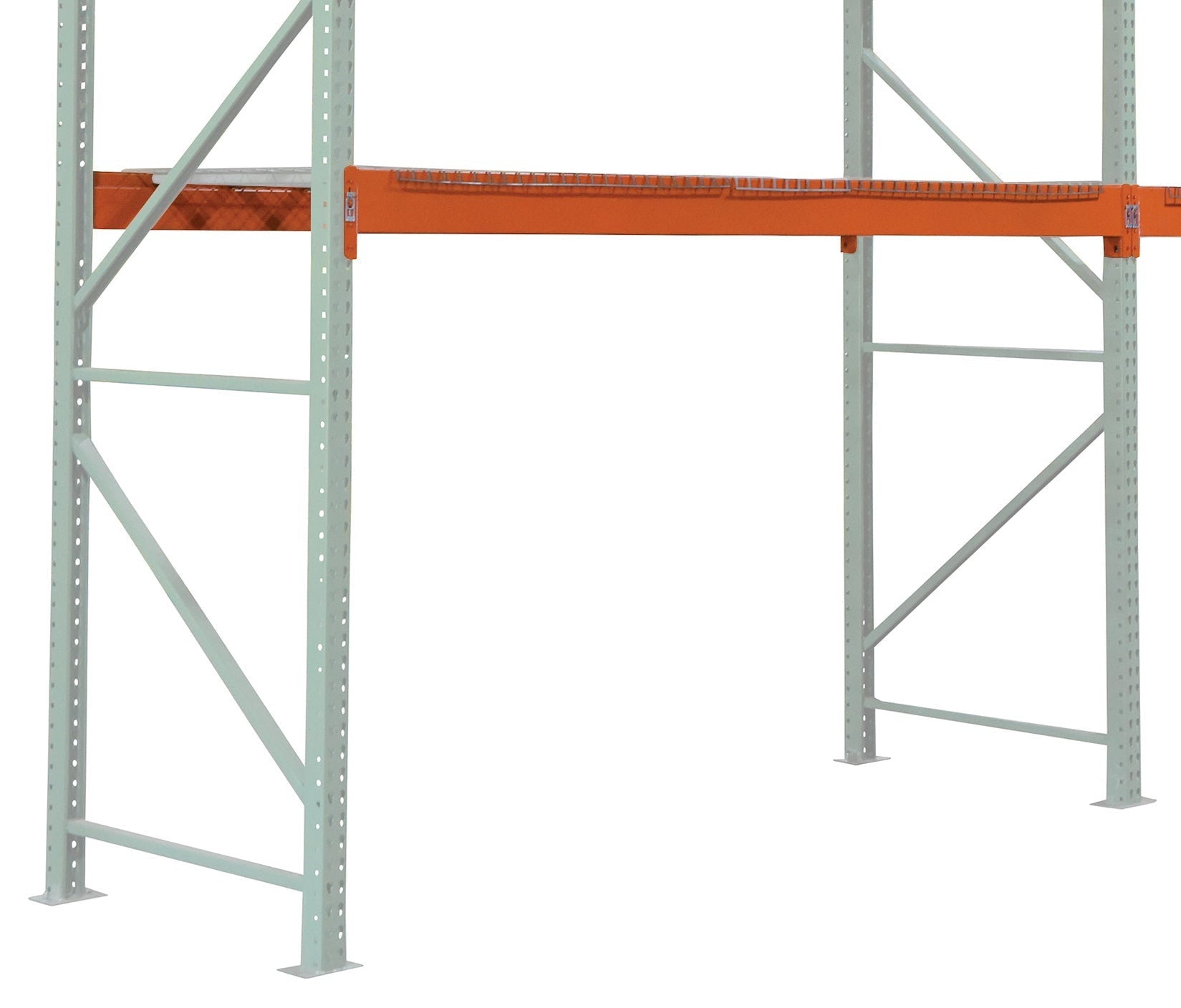
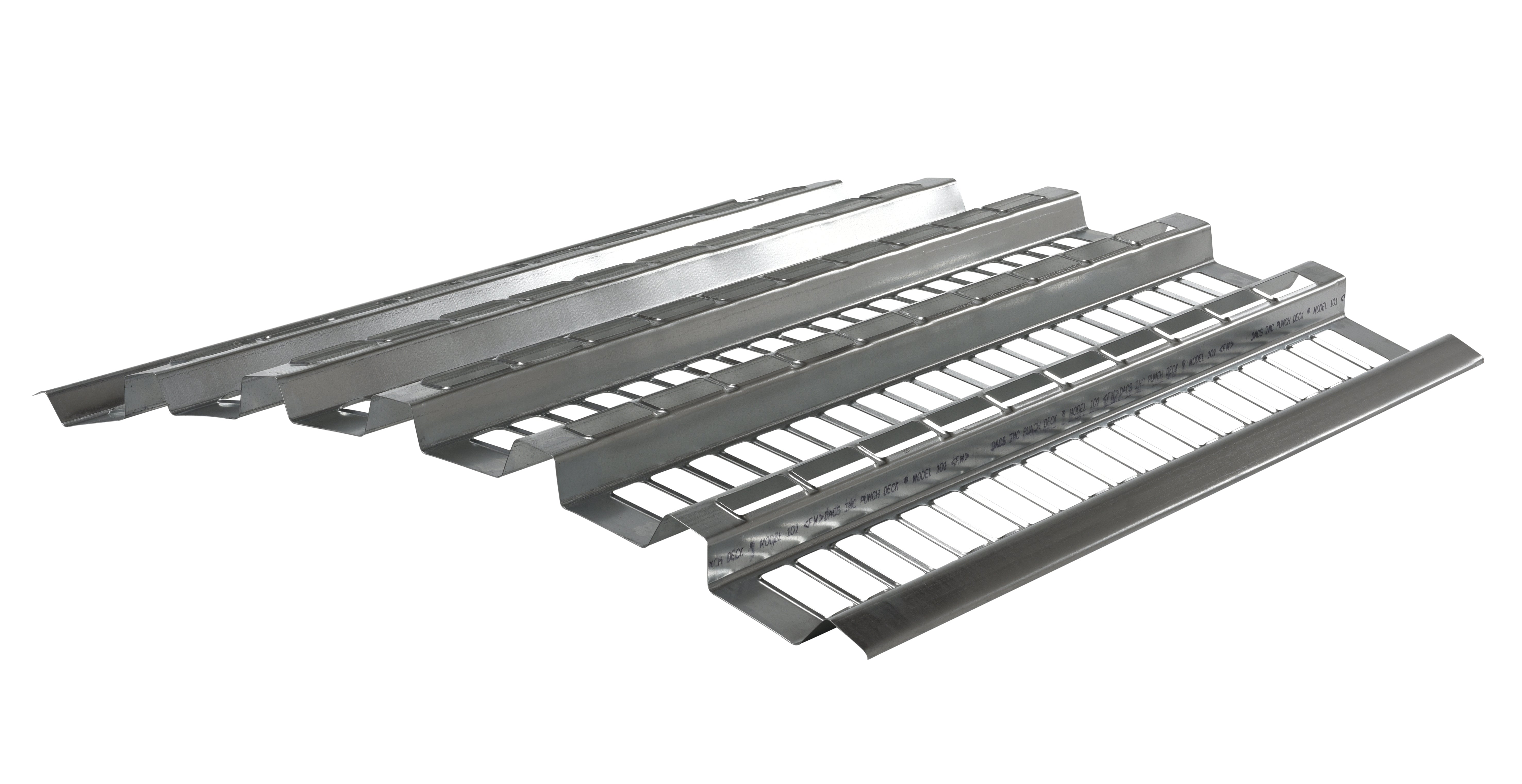
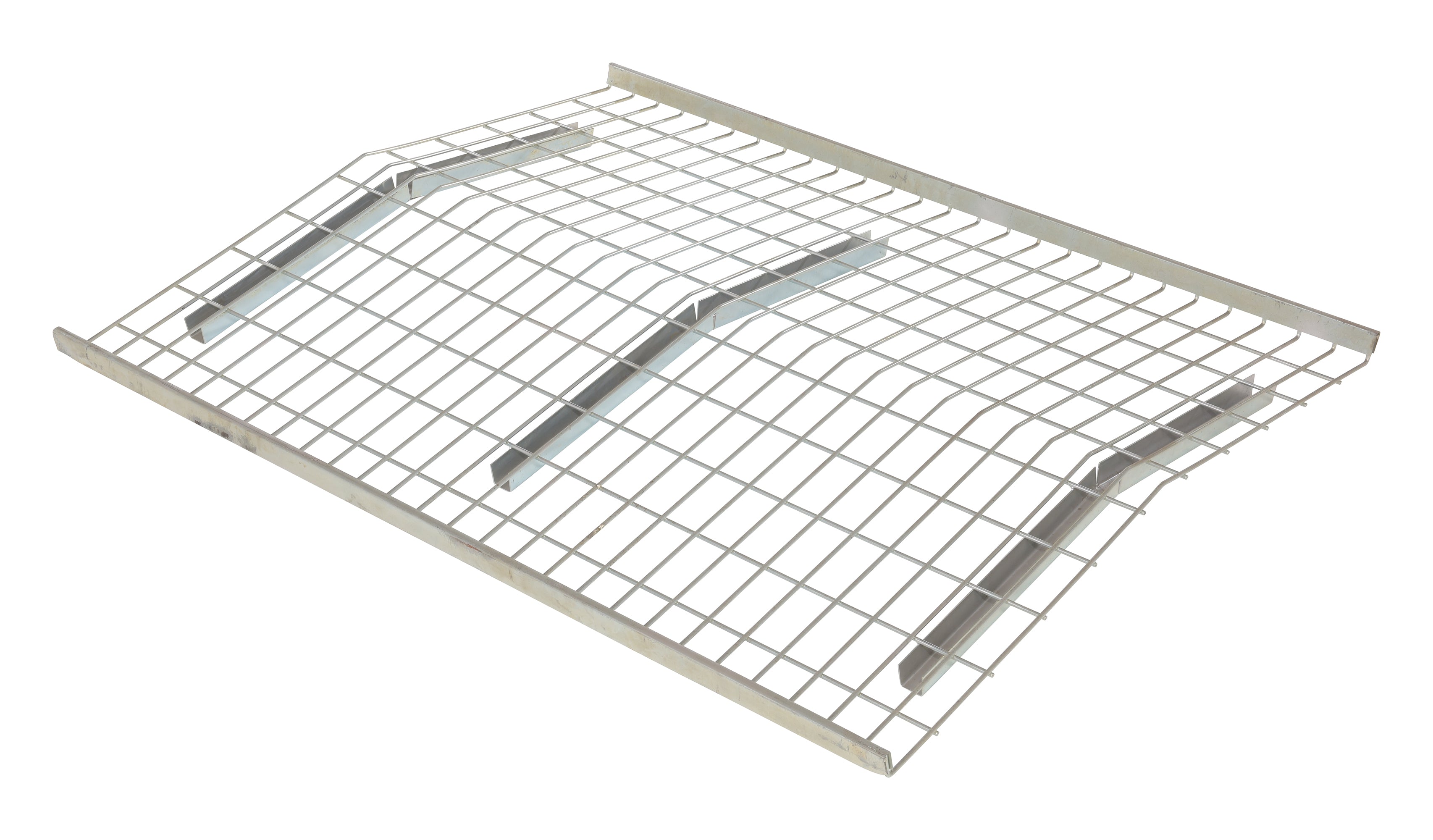
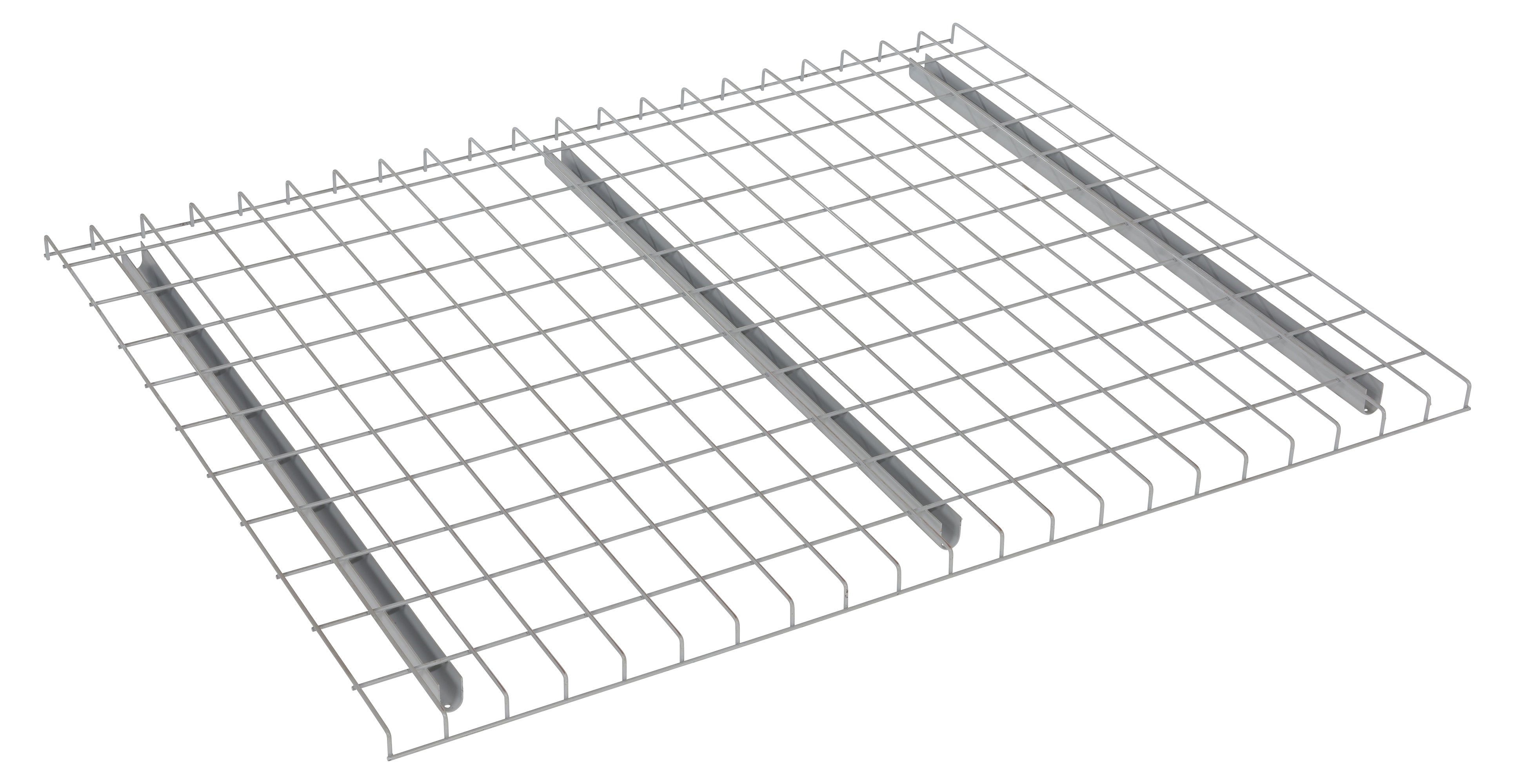
Pallet racks: capacity, beams, and decking. A pallet rack is an engineered structure, and the number that matters is the rated beam capacity per level, not the height of the frame. Vestil's teardrop pallet racking uses the industry-standard teardrop upright, where beam connectors hook into punched slots and lock under load, a pattern that stays compatible across nearly every teardrop system and reconfigures without tools. Rack design in North America follows ANSI MH16.1, the Rack Manufacturers Institute standard for the design, testing, and utilization of industrial steel storage racks, and that is where the published capacities come from. Deck the beams to suit the load: wire mesh decking lets sprinkler water pass through and generally keeps a bay compliant with NFPA 13, while solid and crown decking suit small or bagged items. Buy the starter bay, add-on bays, and decking together so the ratings match across the run.
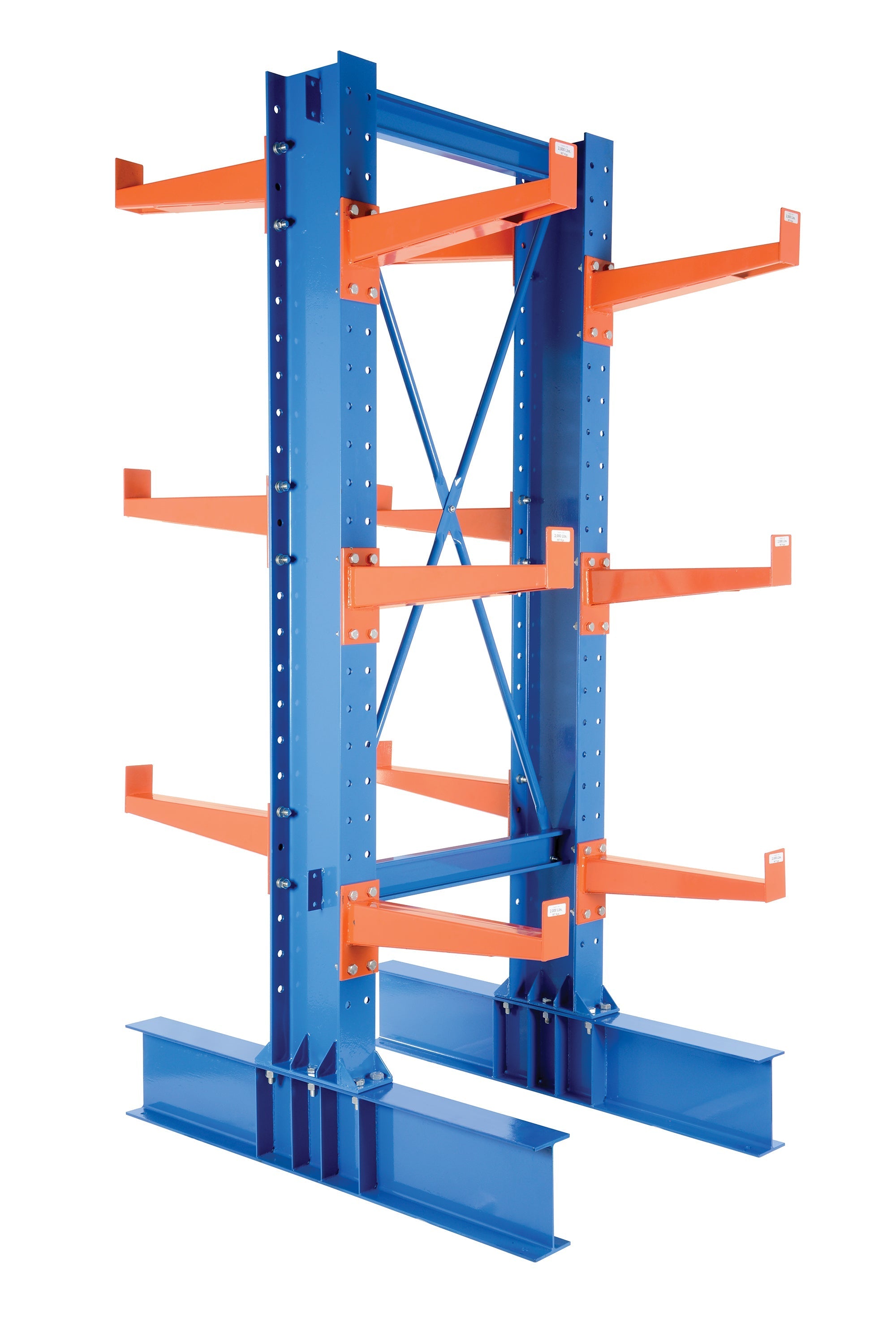
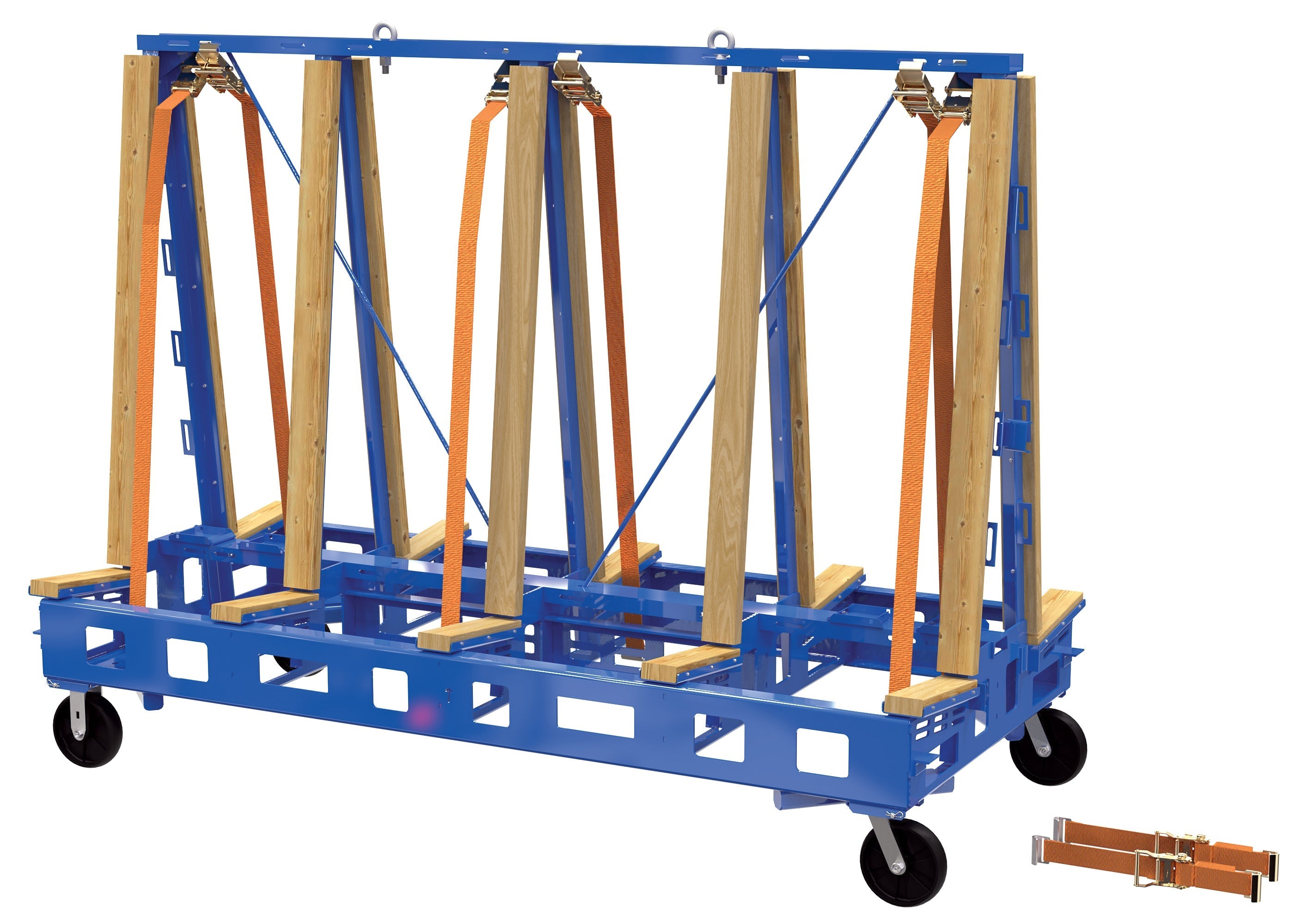
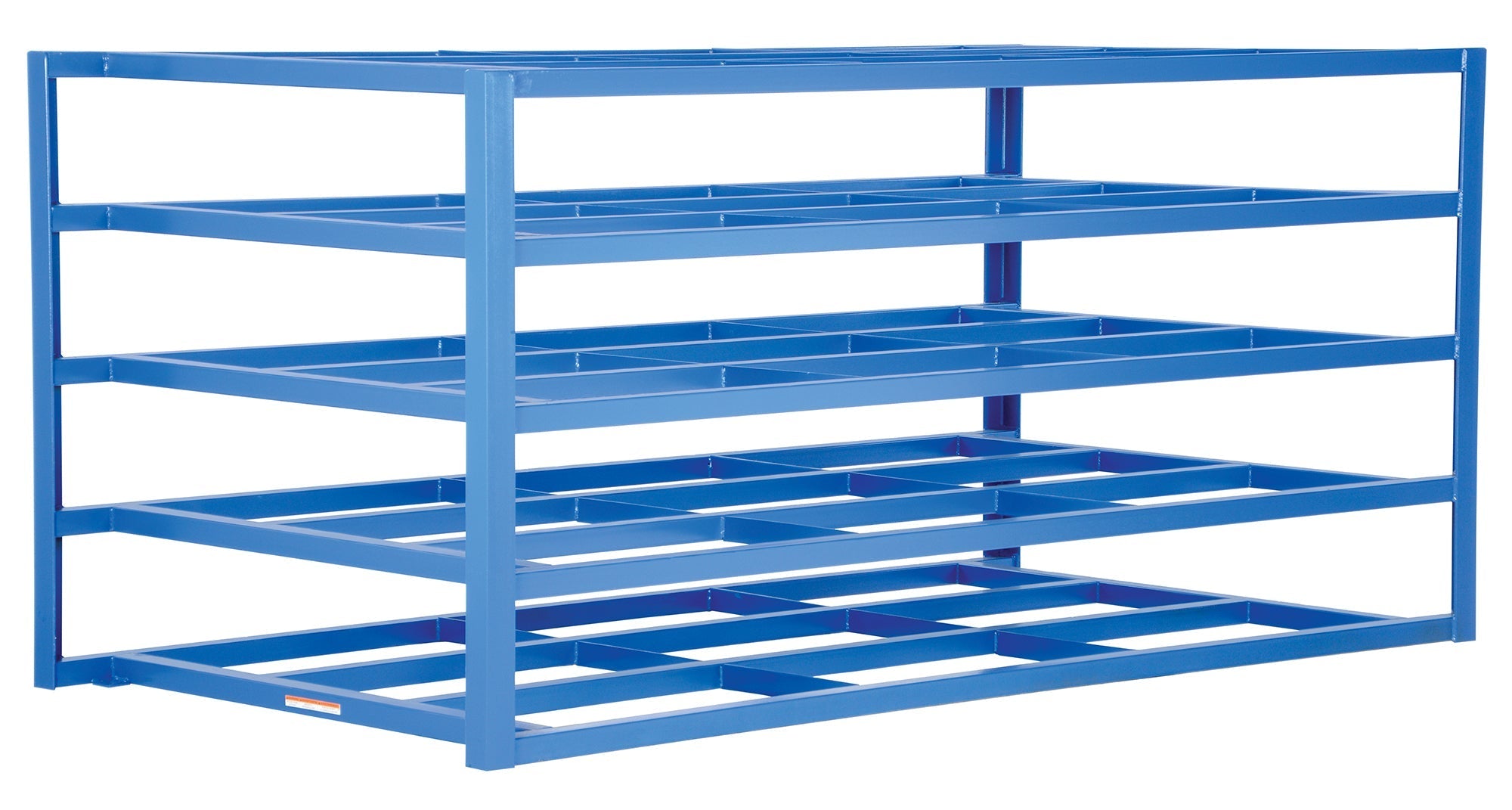
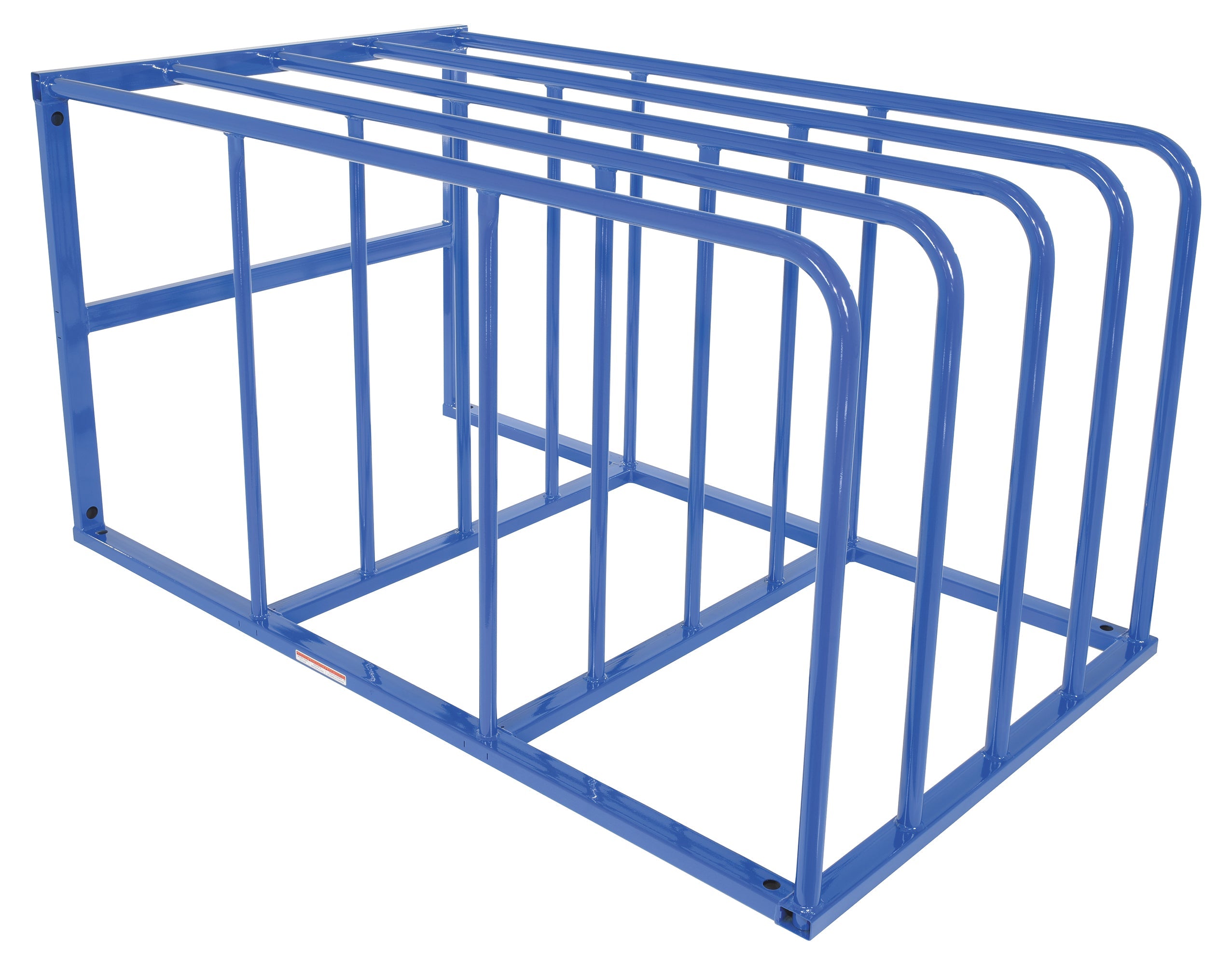
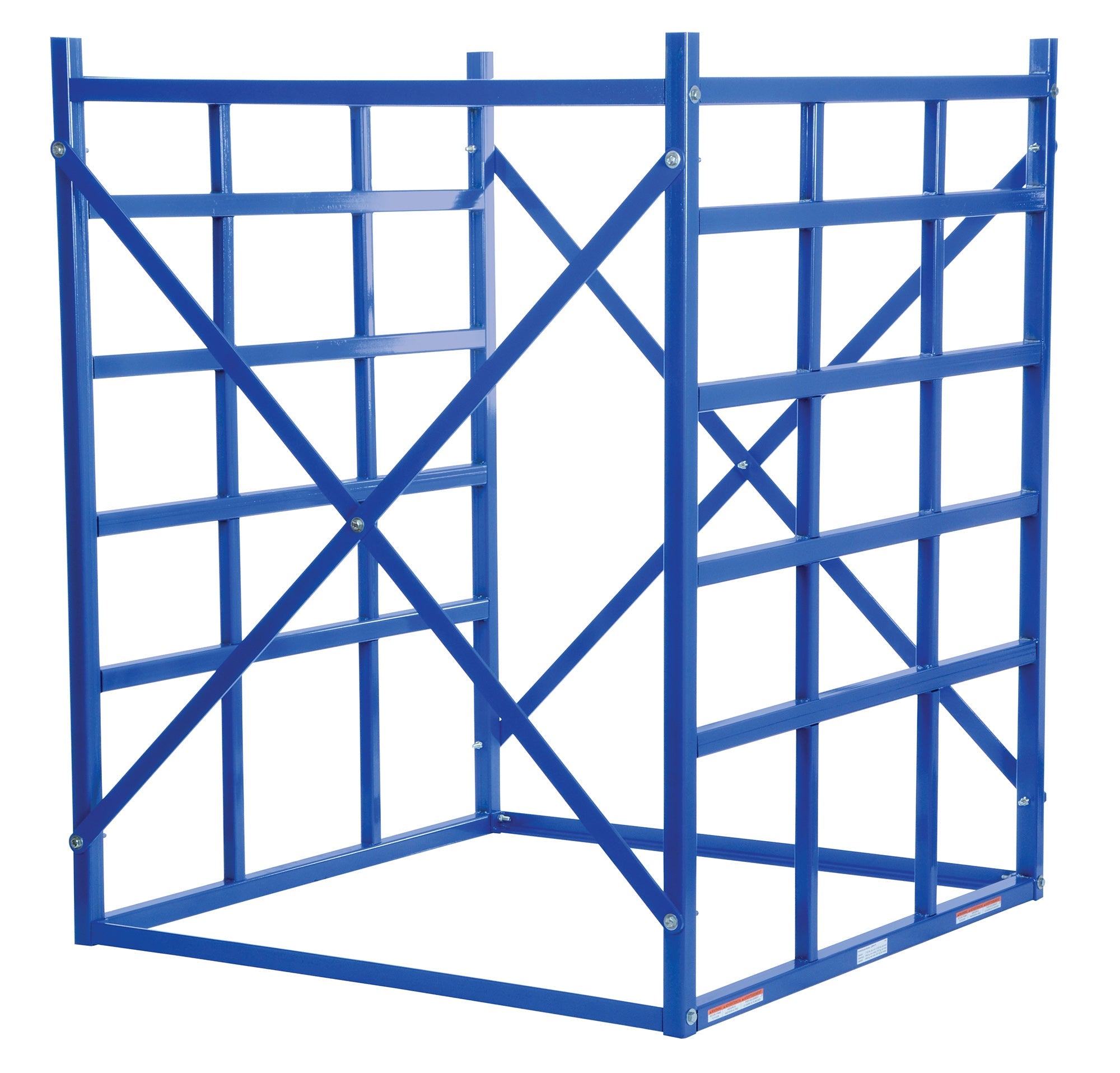
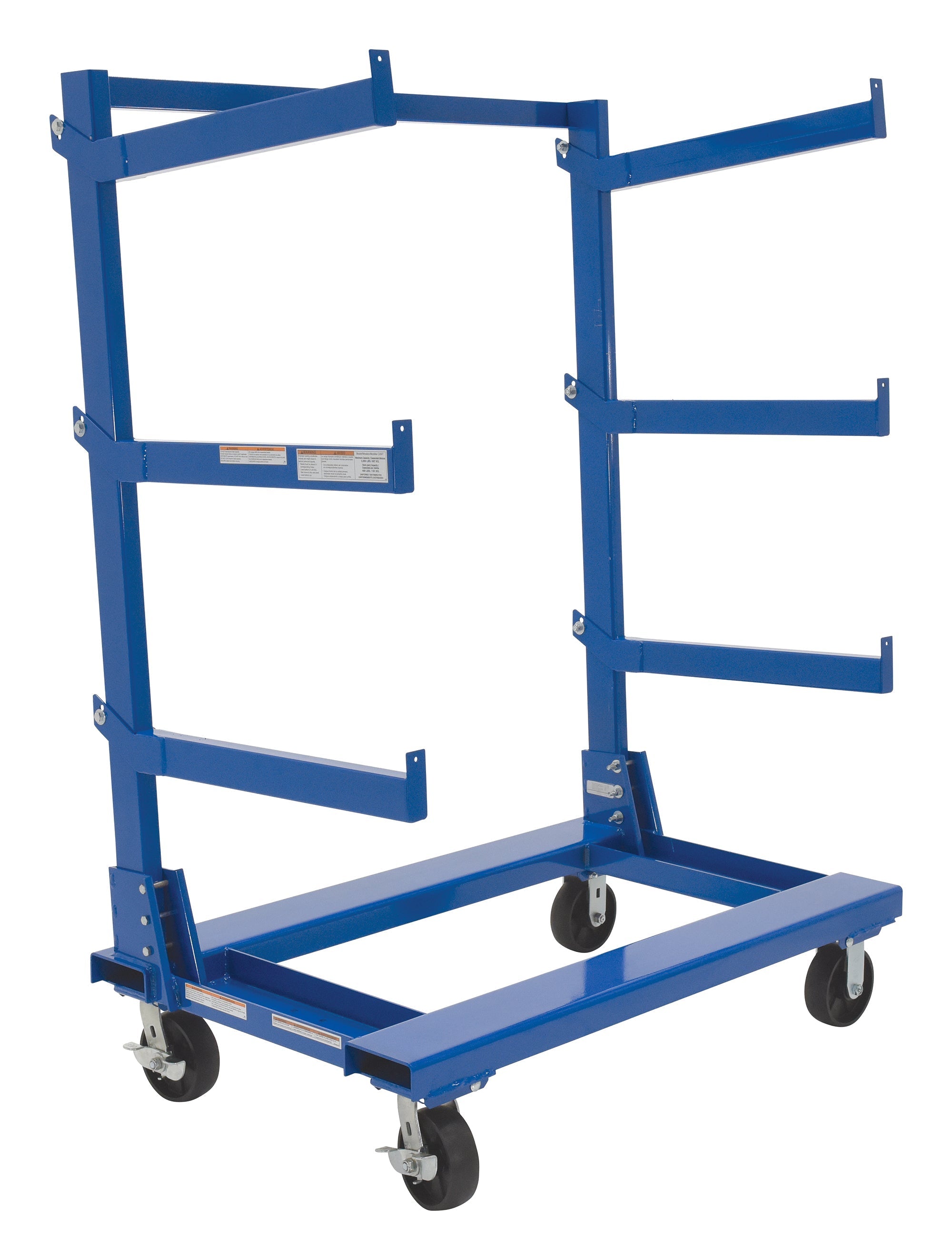
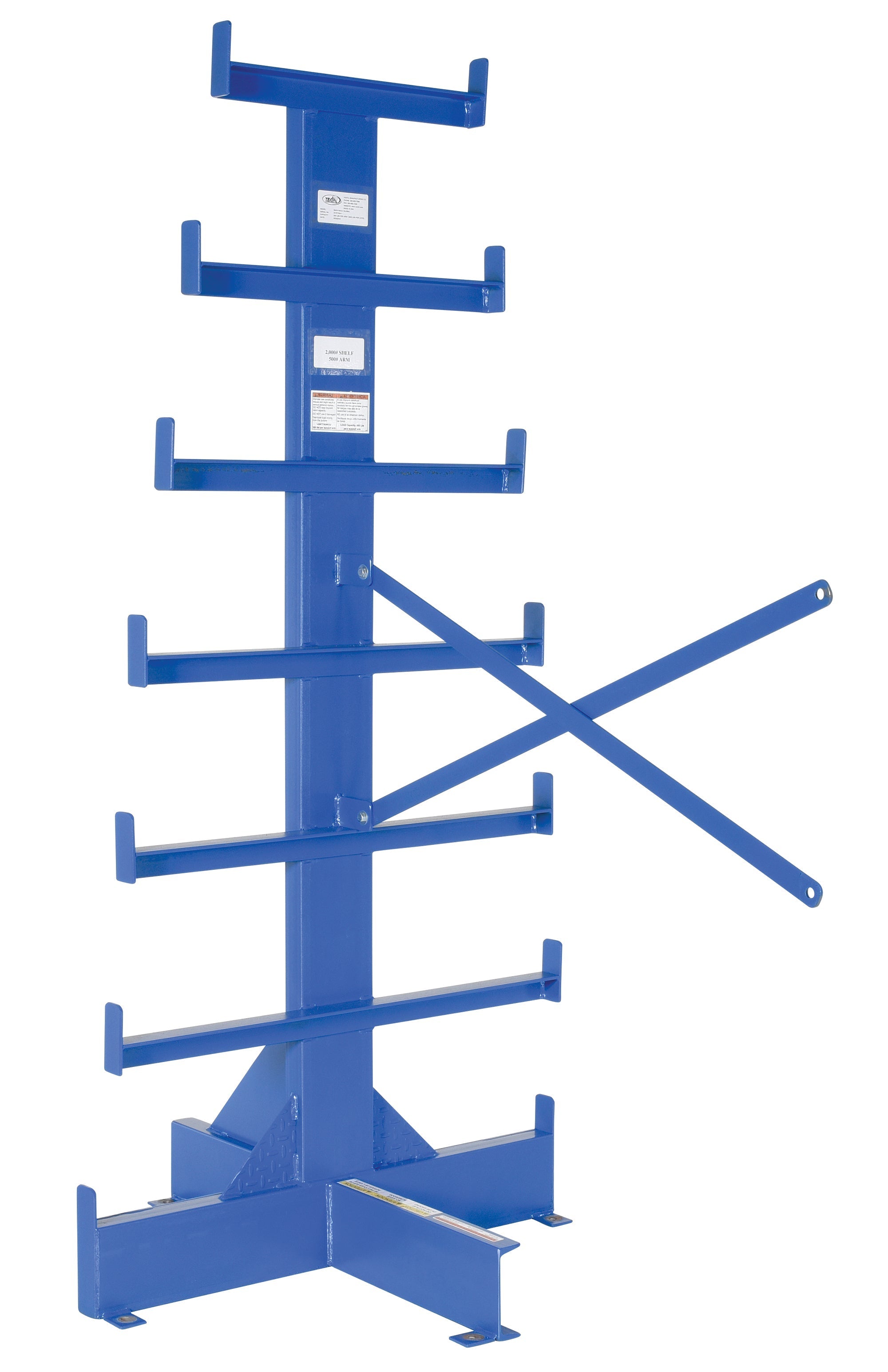
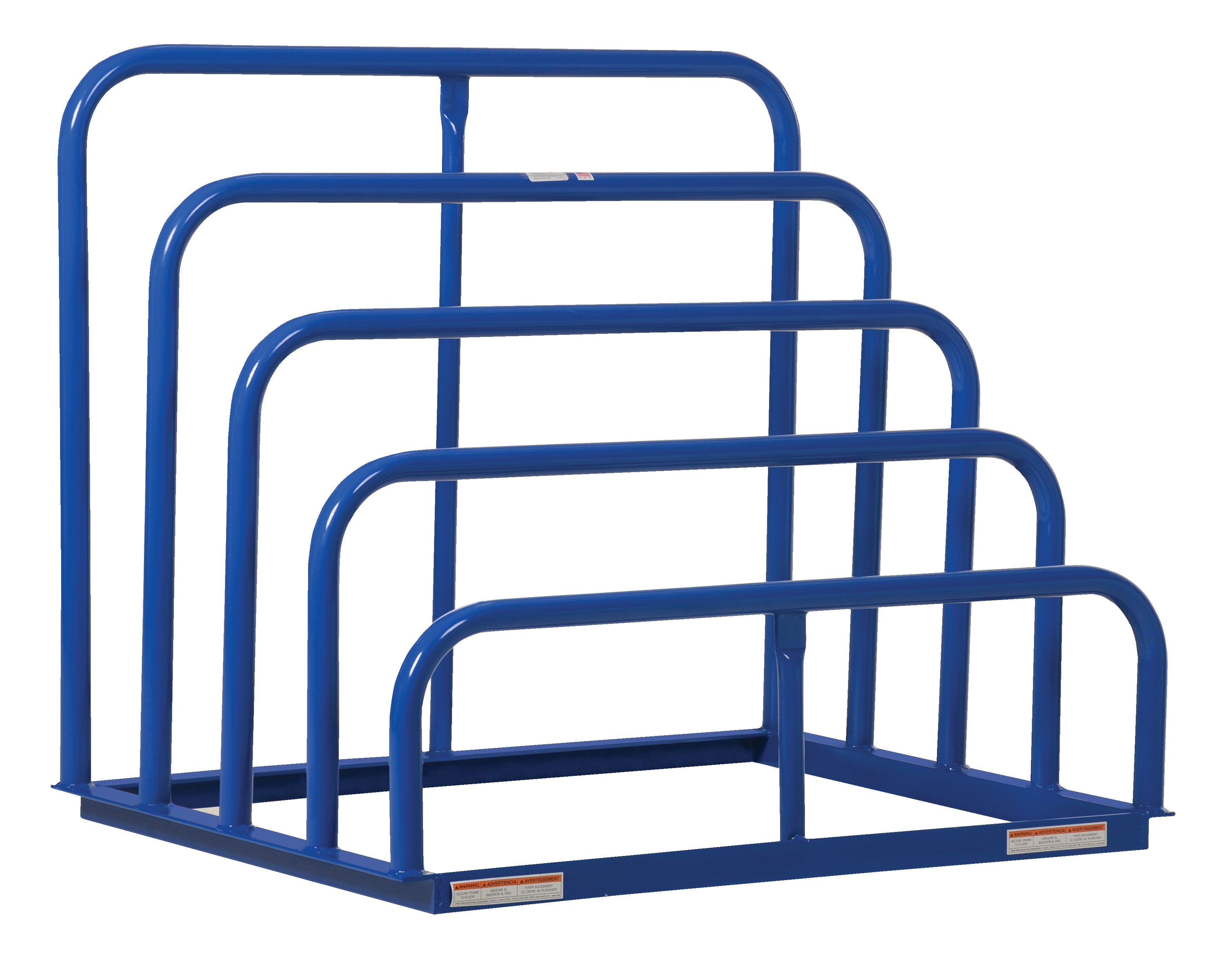
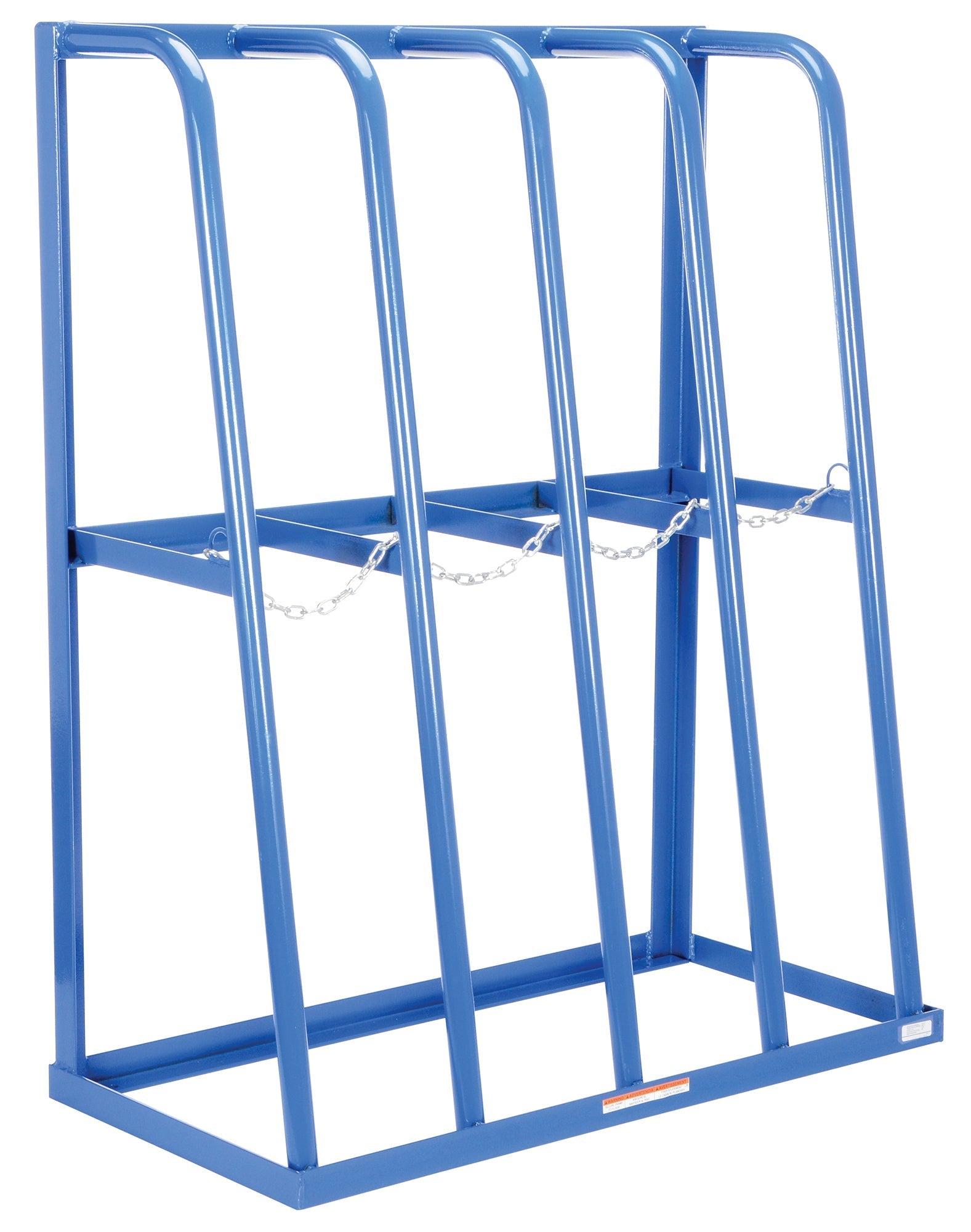
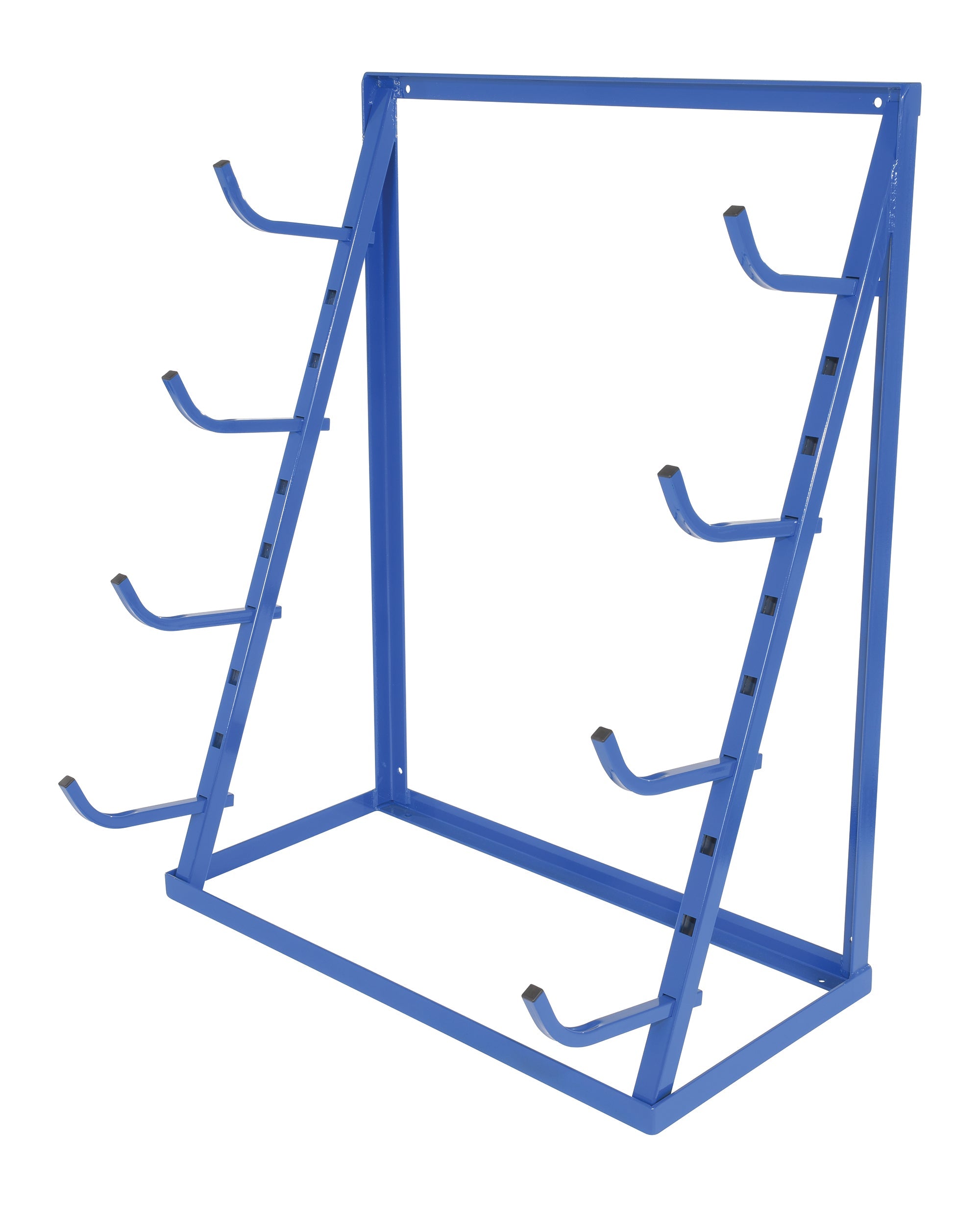
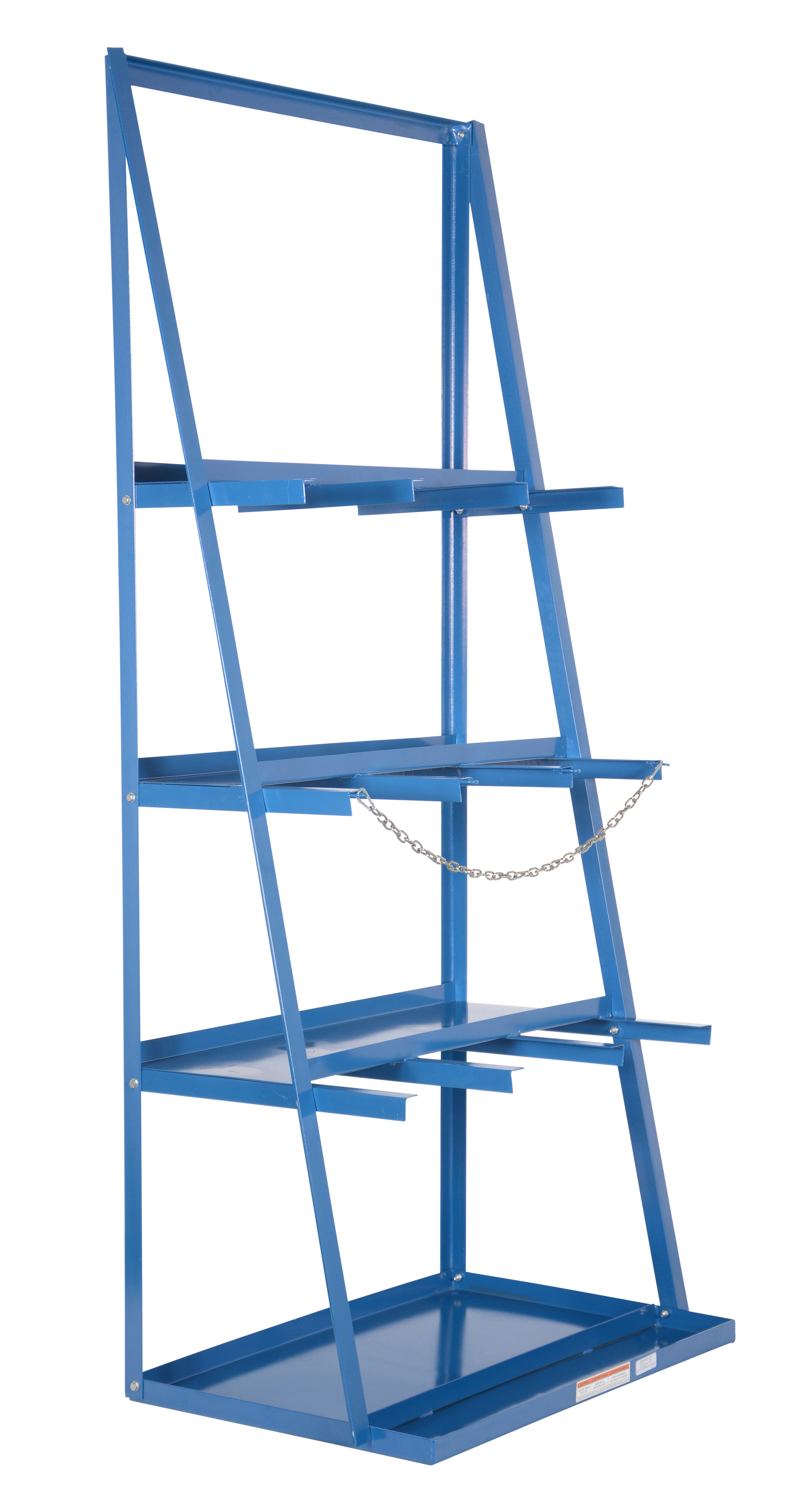
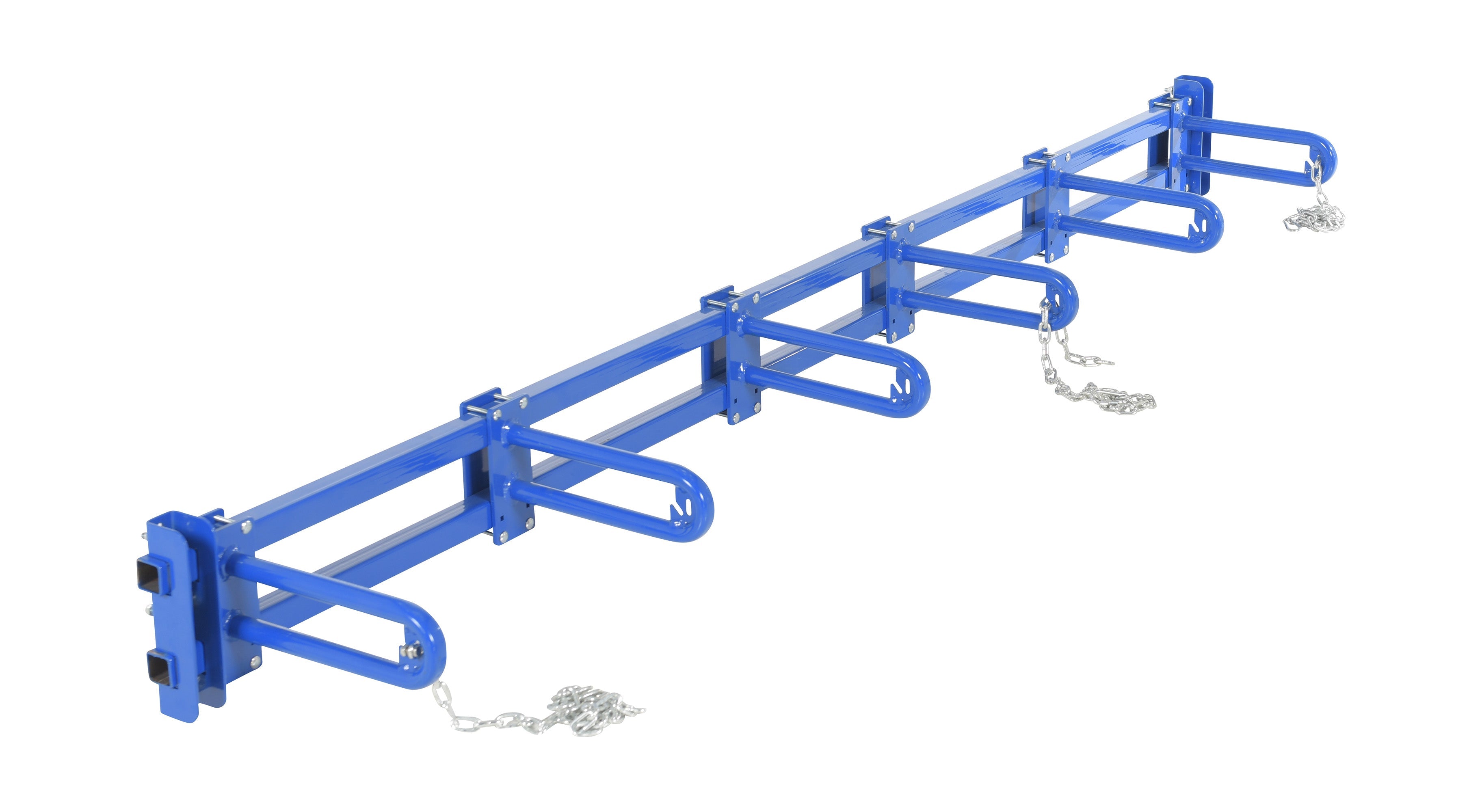
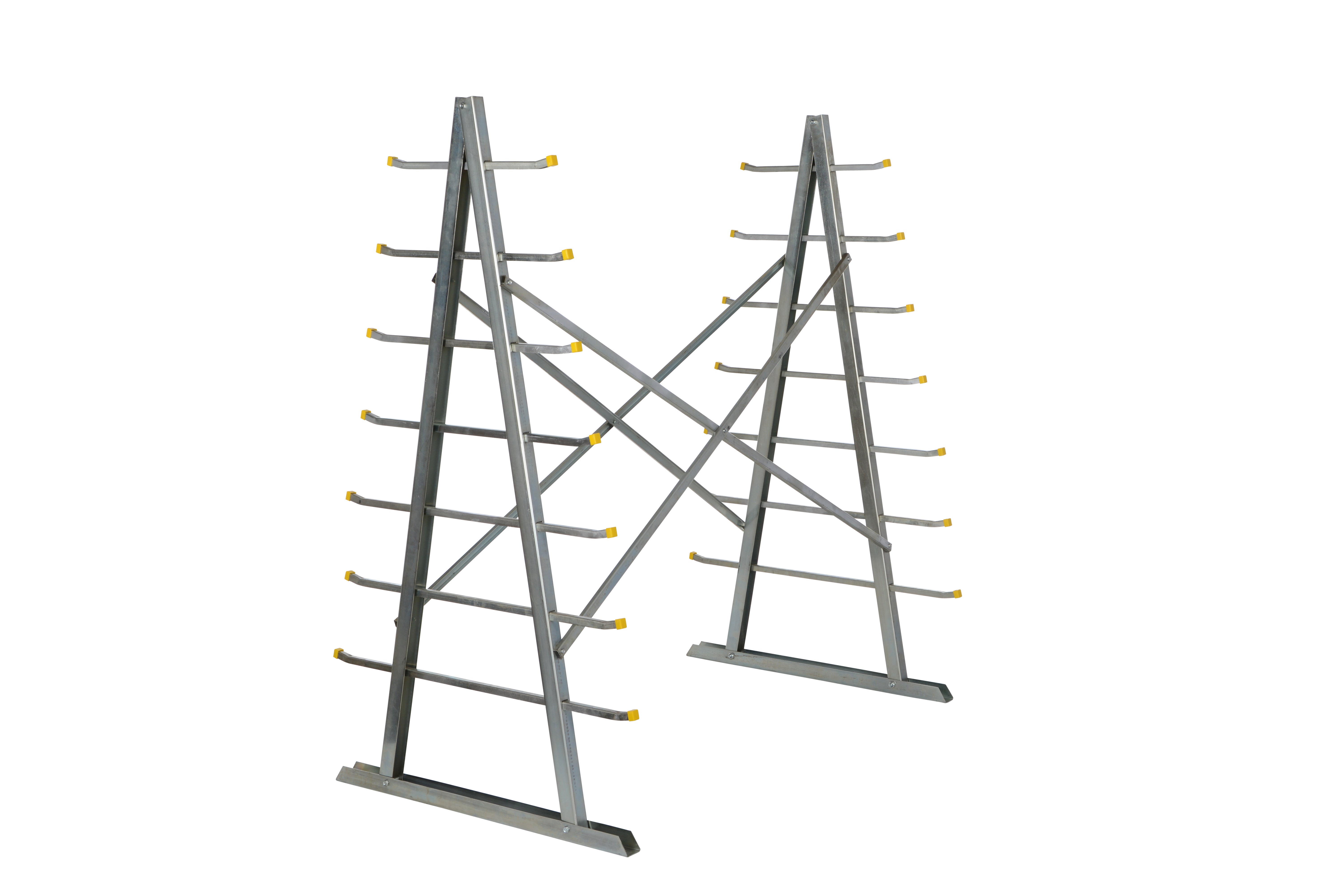
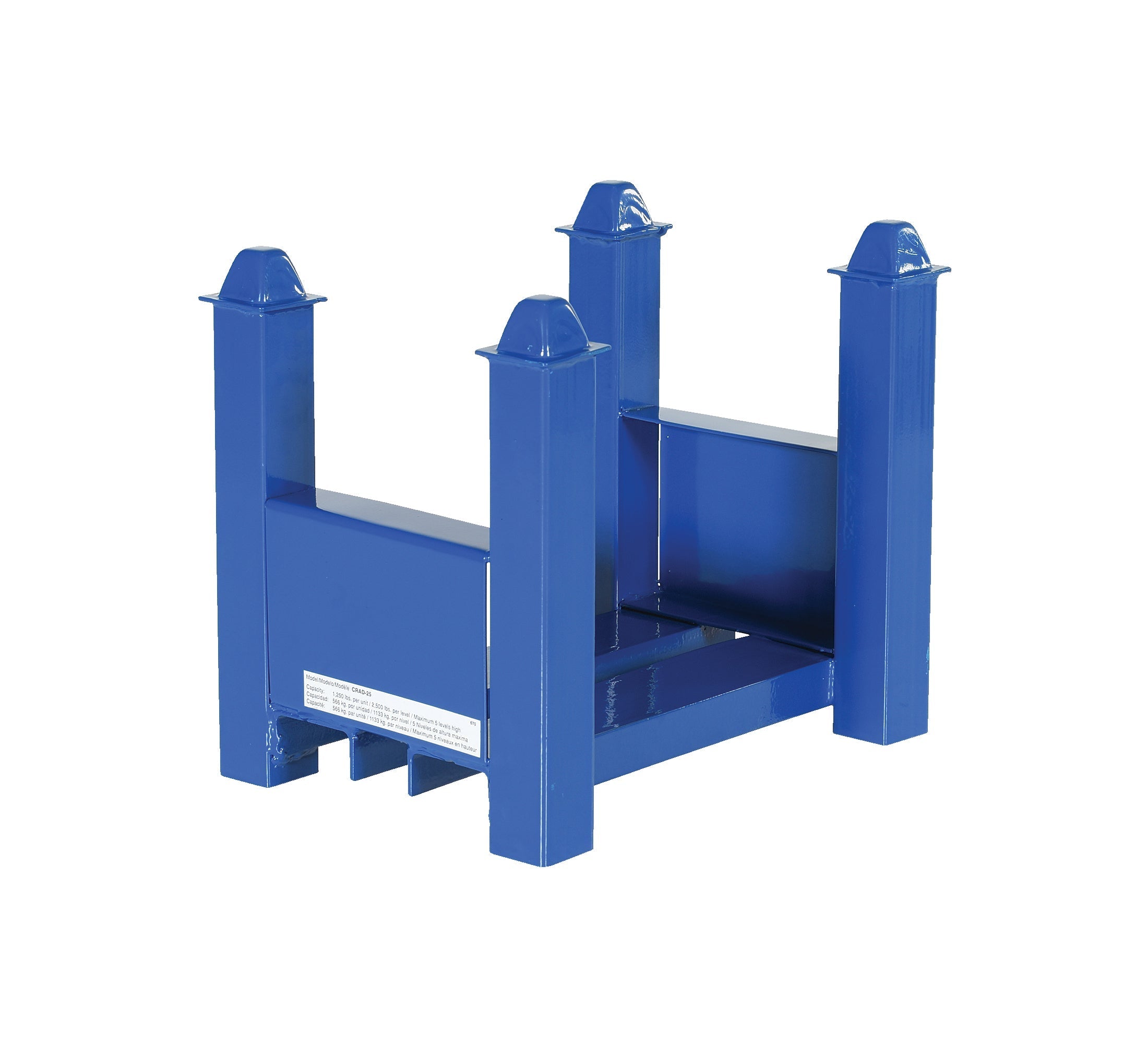
Long and flat stock wants a different rack. Long, awkward stock fights a pallet rack every time. Pipe, lumber, bar, conduit, and trim have no pallet and no room for a front column, so they belong on cantilever racking, where load arms project from a single upright and leave the whole face open for a forklift or by hand. Vestil runs standard-duty, heavy-duty, and structural cantilever plus bolt-together kits, and cantilever design carries its own standard, ANSI MH16.3, for industrial steel cantilevered storage racks. Flat stock is a third problem: sheet goods and plate go on vertical or horizontal sheet racks that hold panels on edge or lying down, while loose bar and tube drop into vertical bar racks and stackable bar cradles. Match the arm length and the rack depth to the longest and heaviest piece you actually handle.
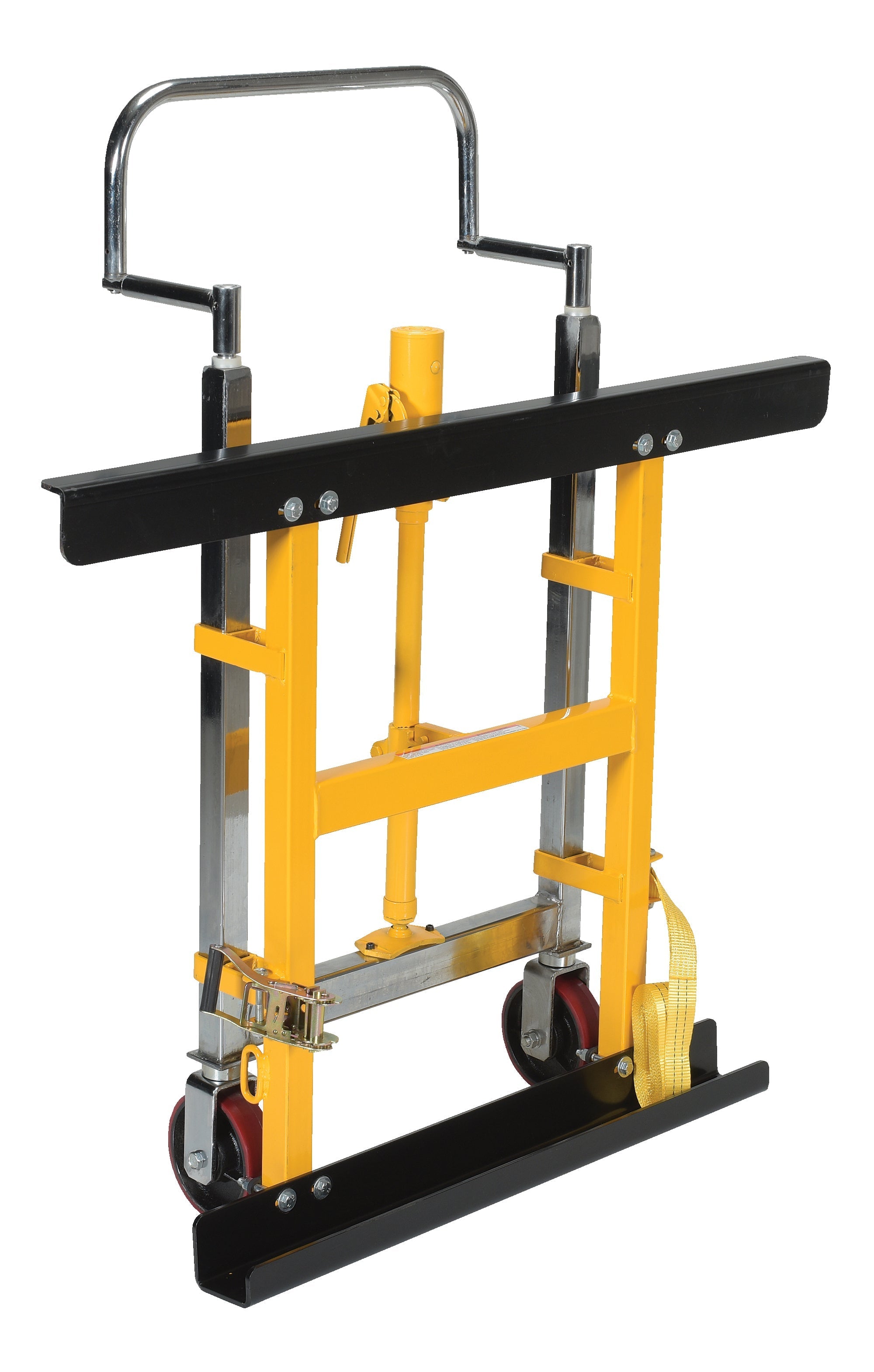
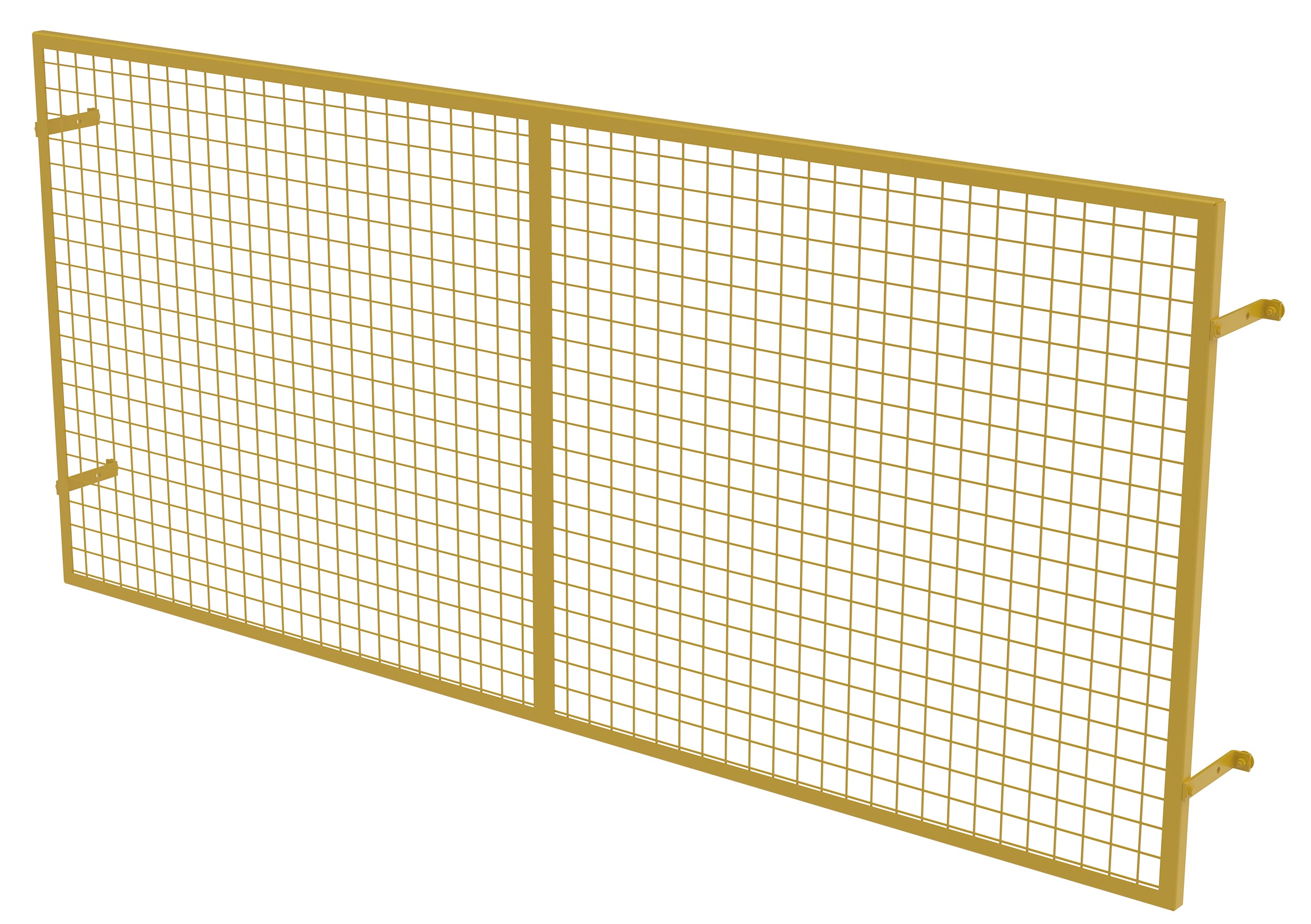
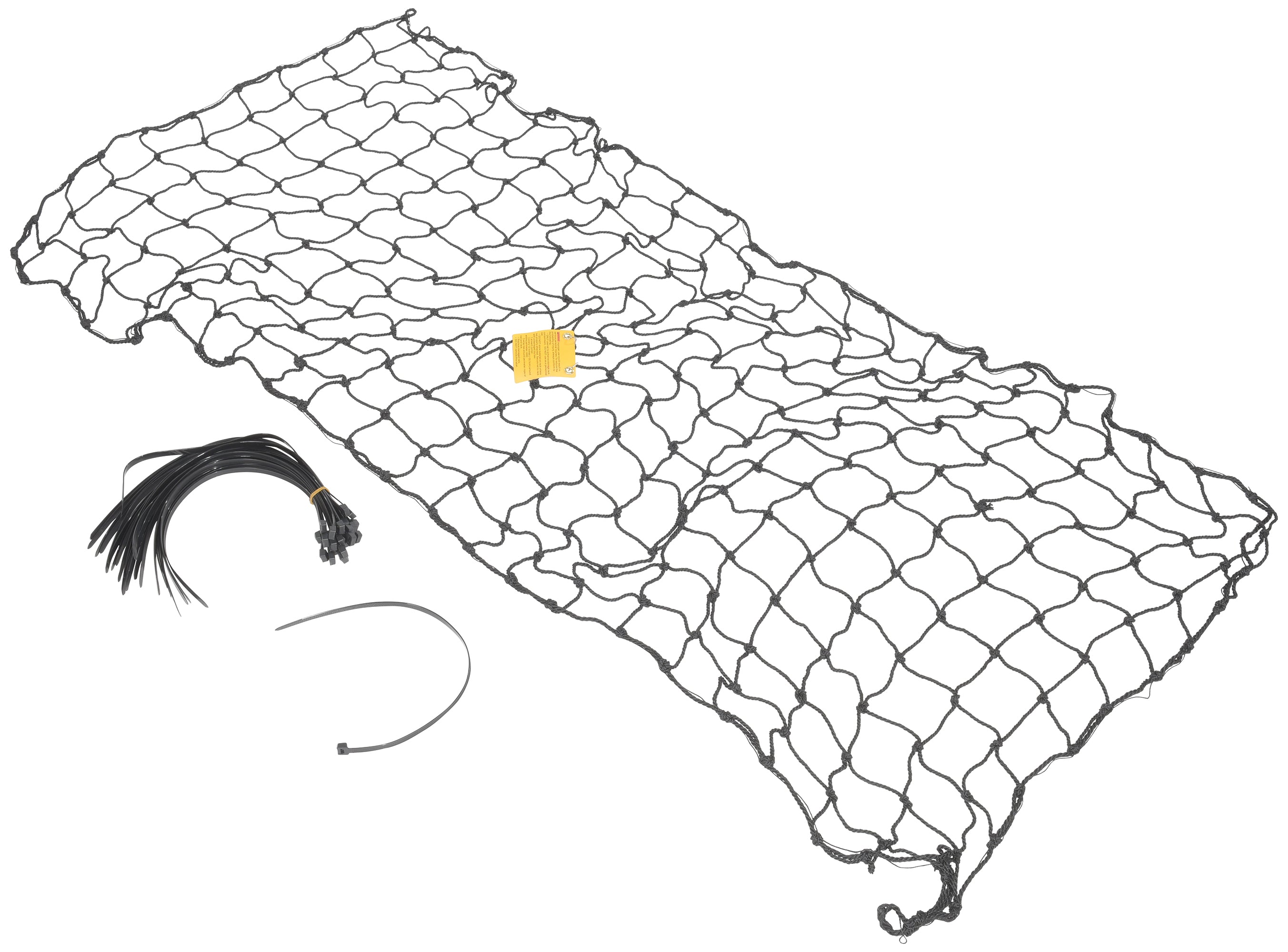
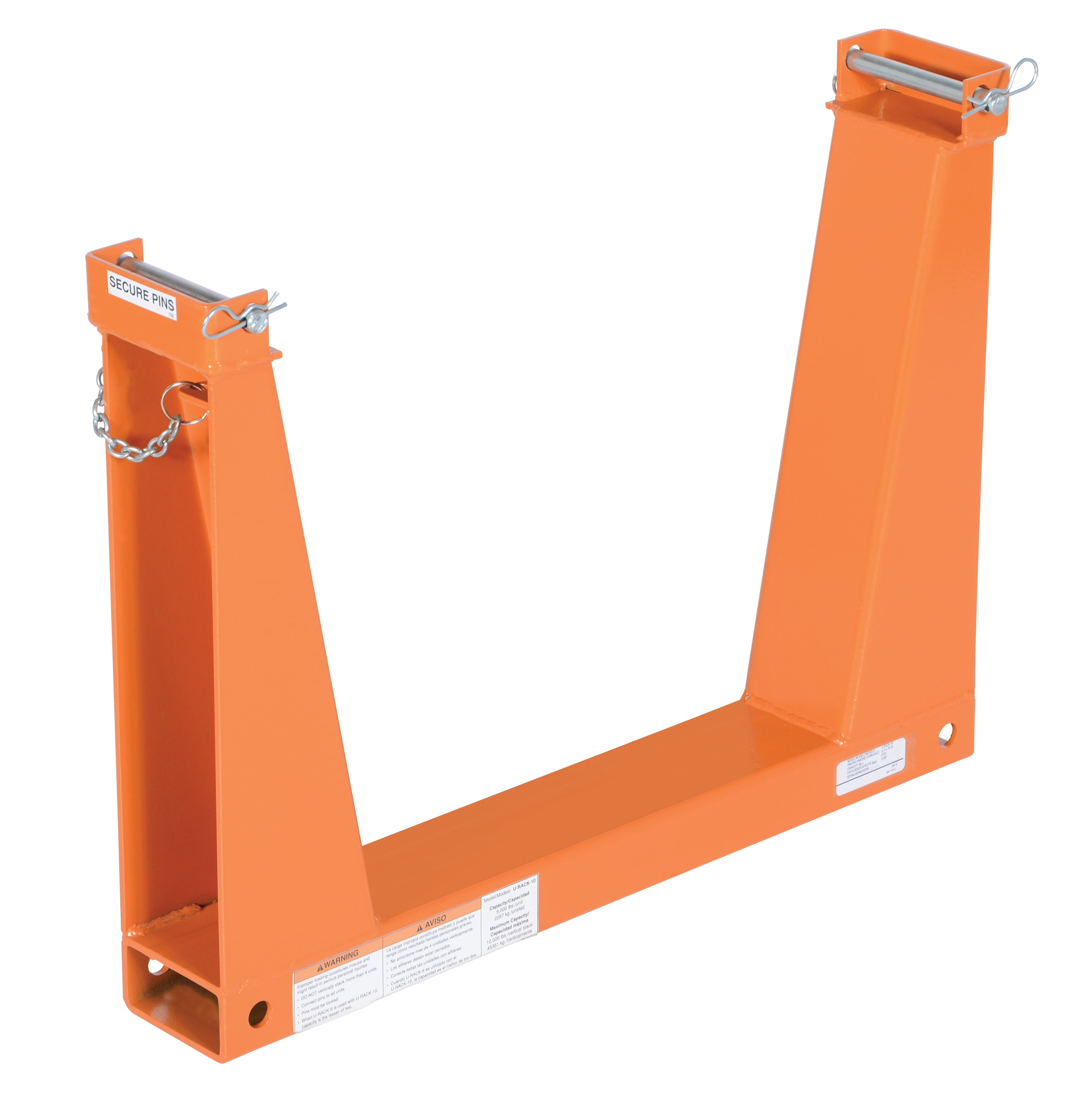
Guard the uprights before a forklift finds them. A rack is only as strong as its most-hit column, and in a busy aisle that column gets hit. Vestil covers upright protection from the floor up, from low-profile rack shields and bolt-on upright guards to structural rack guards and pallet rack end guards, with polyethylene and rubber-bumper versions that absorb the blow and spring back. Behind the rack, back guards and nylon netting stop product from pushing through into the next aisle or a walkway. Where a bay faces a pedestrian route, security gates and back panels turn an open face into a contained one. These protectors, along with wire and crown decking, pallet stops, and the occasional rack lifting dolly, all live in the pallet rack accessories collection beside the racking itself. Inspect a struck frame before you reload it, because a bent column no longer carries its rated load.
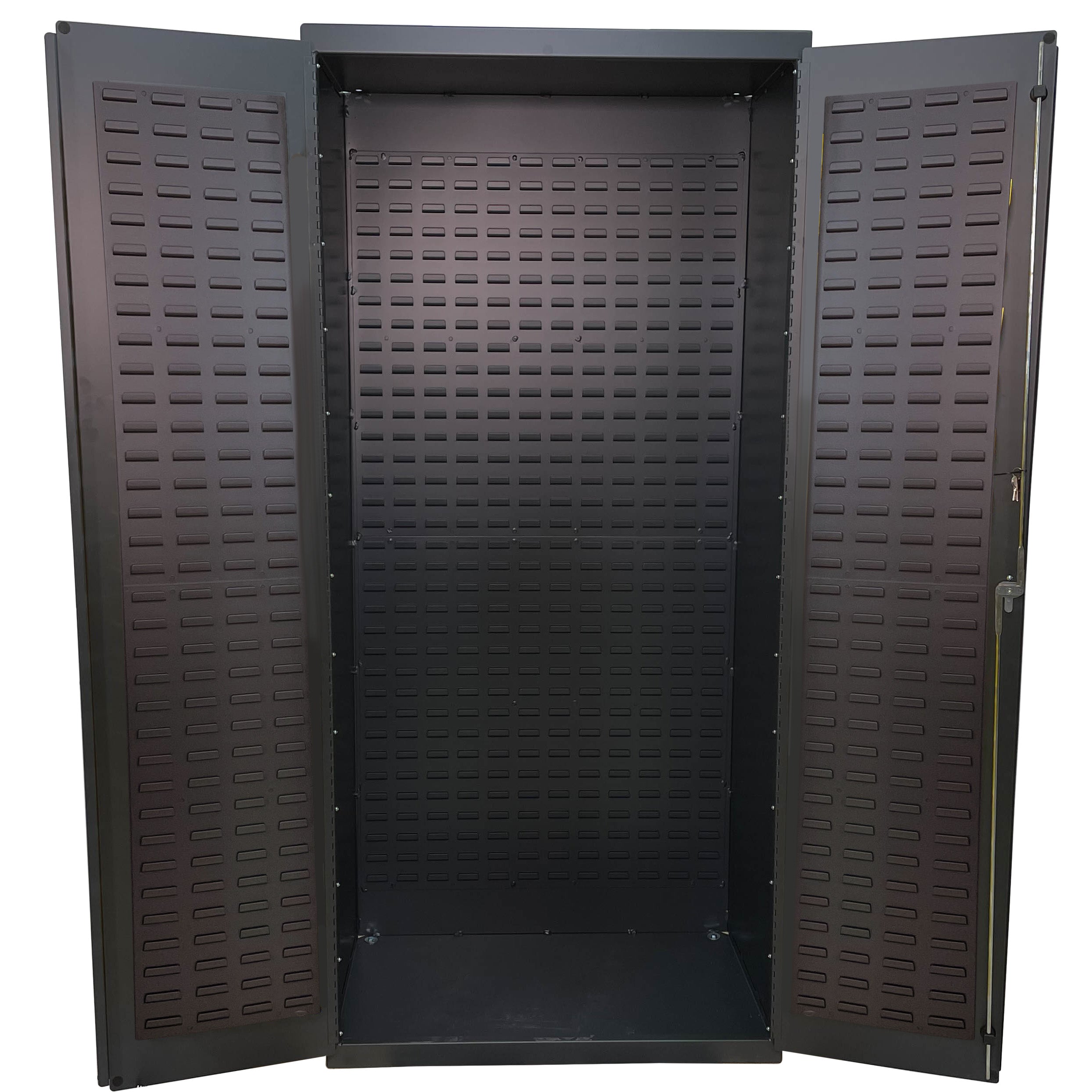
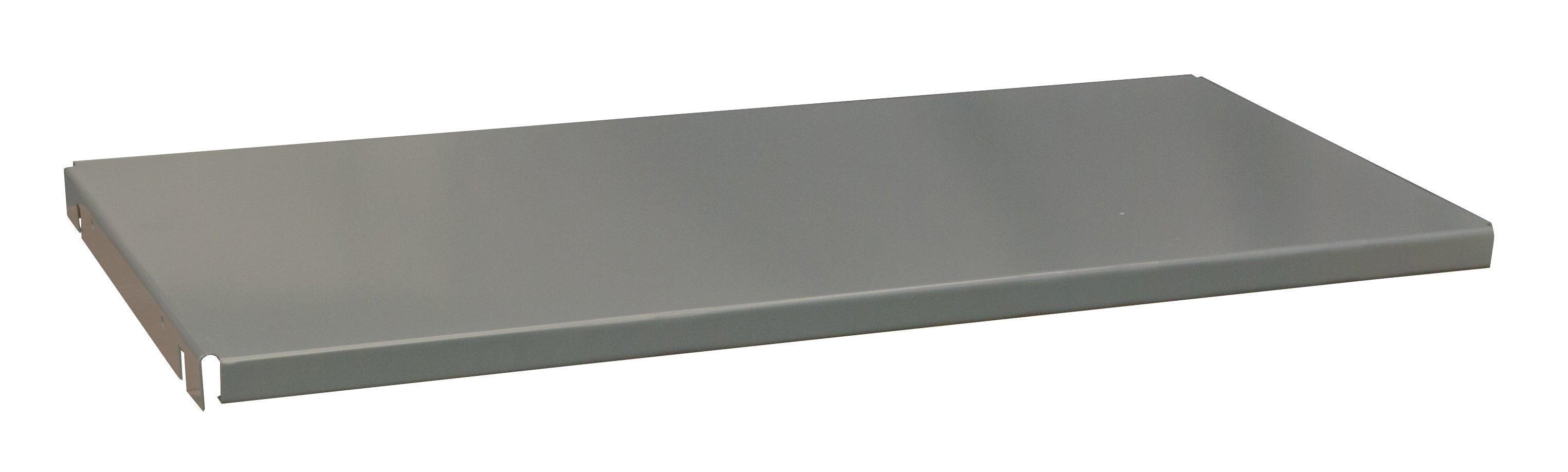
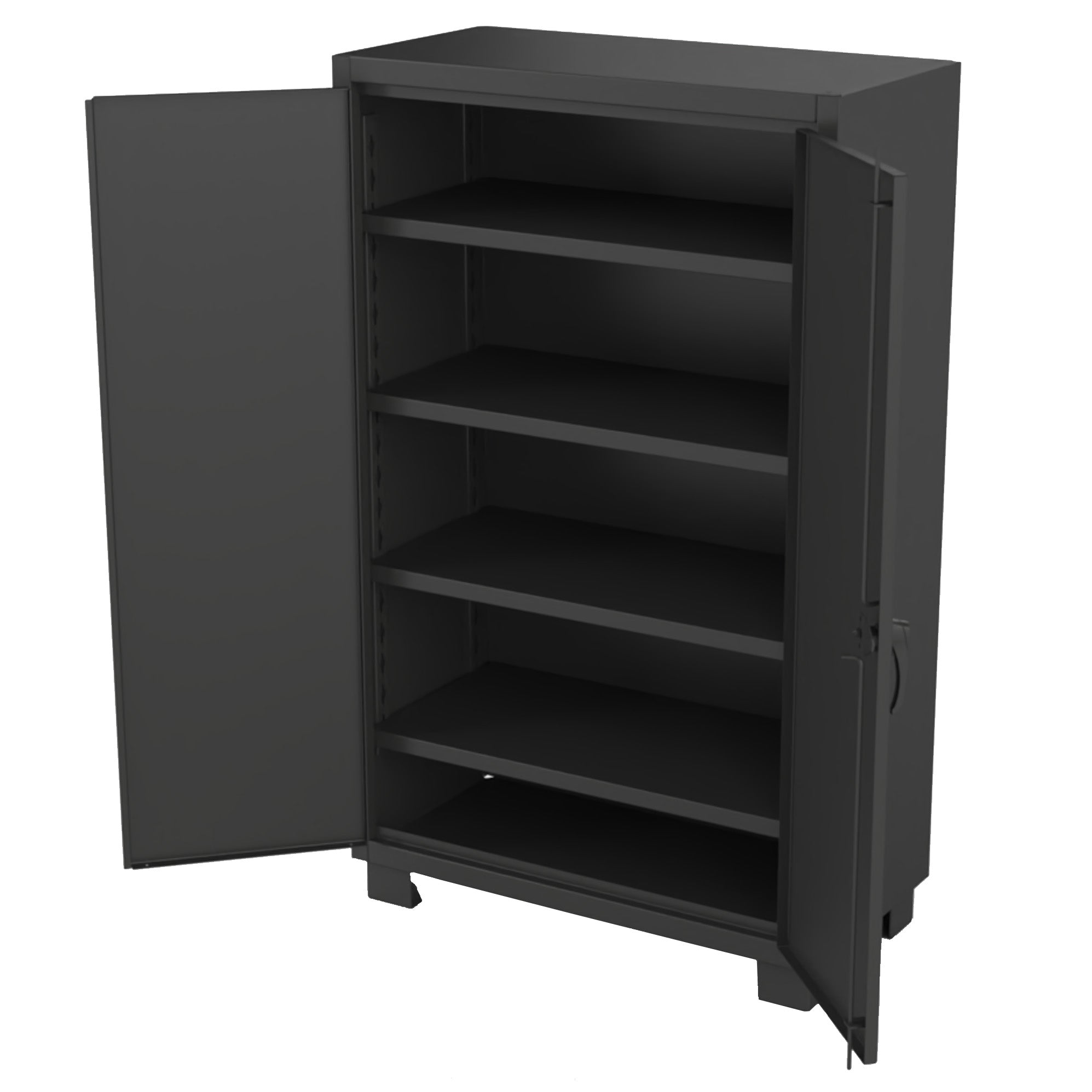
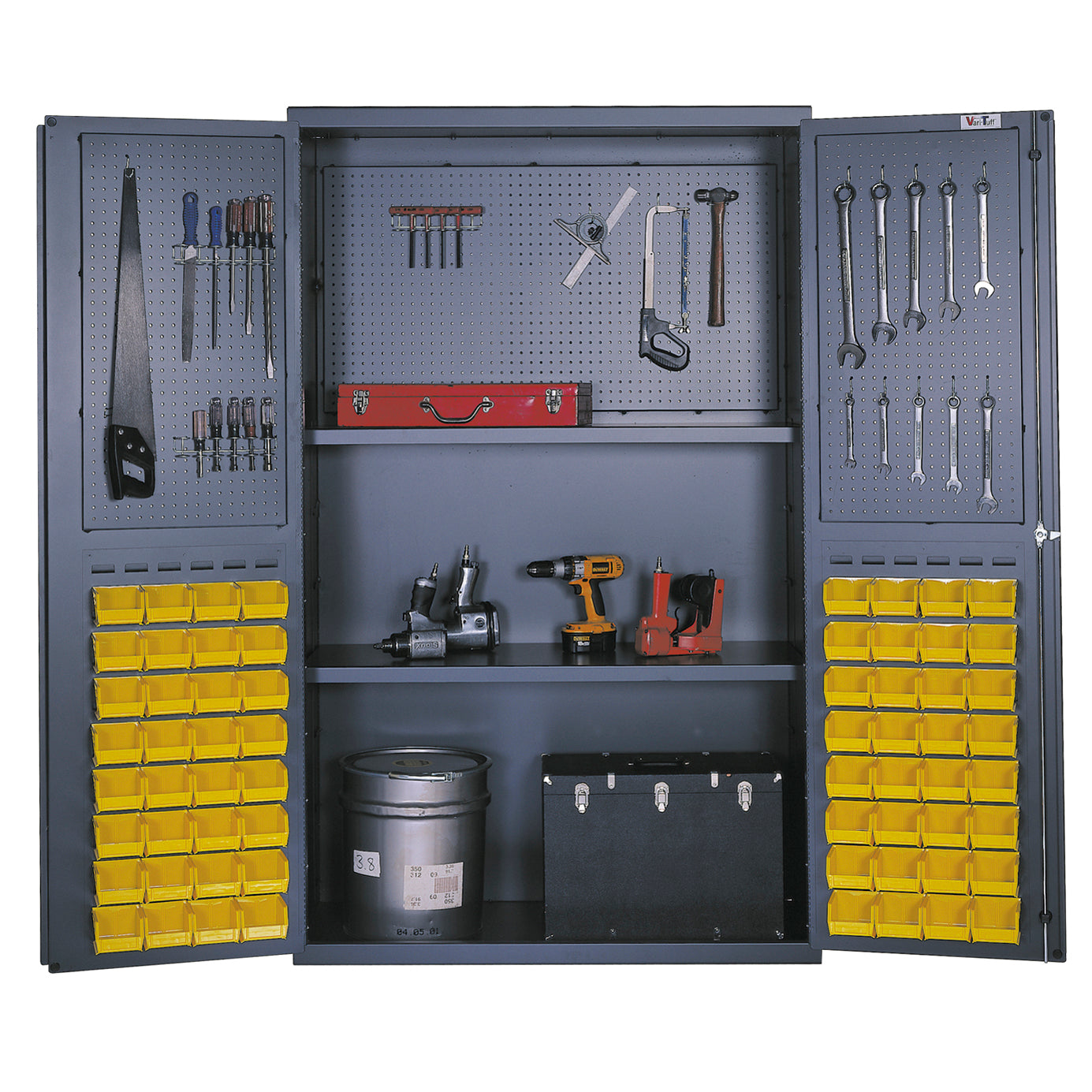
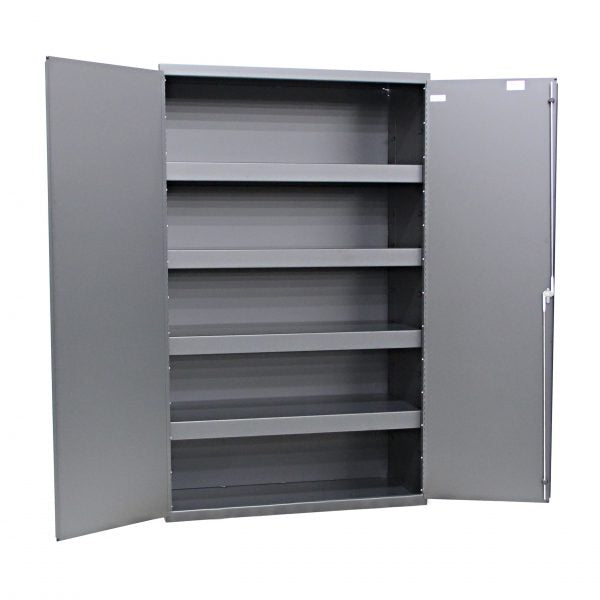
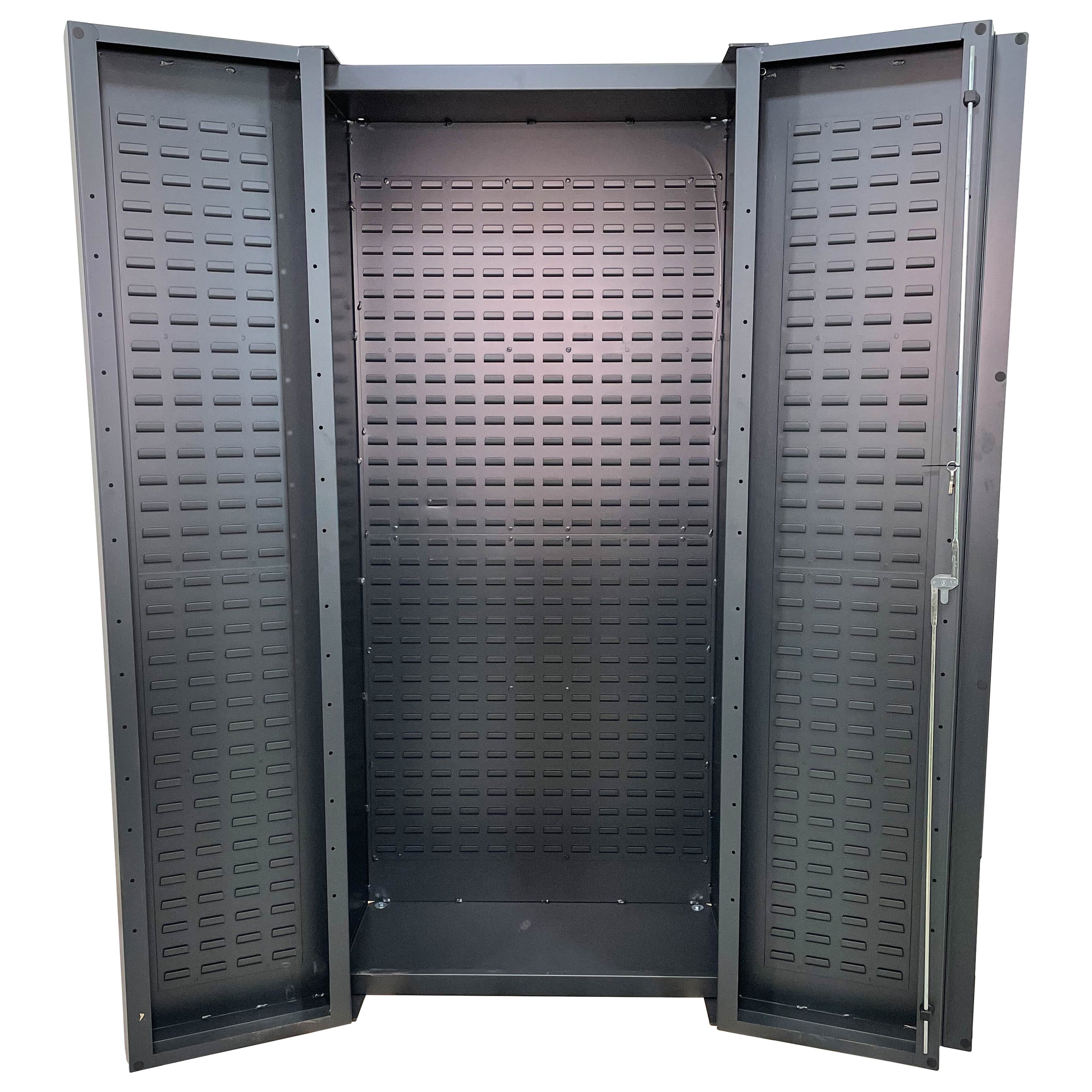
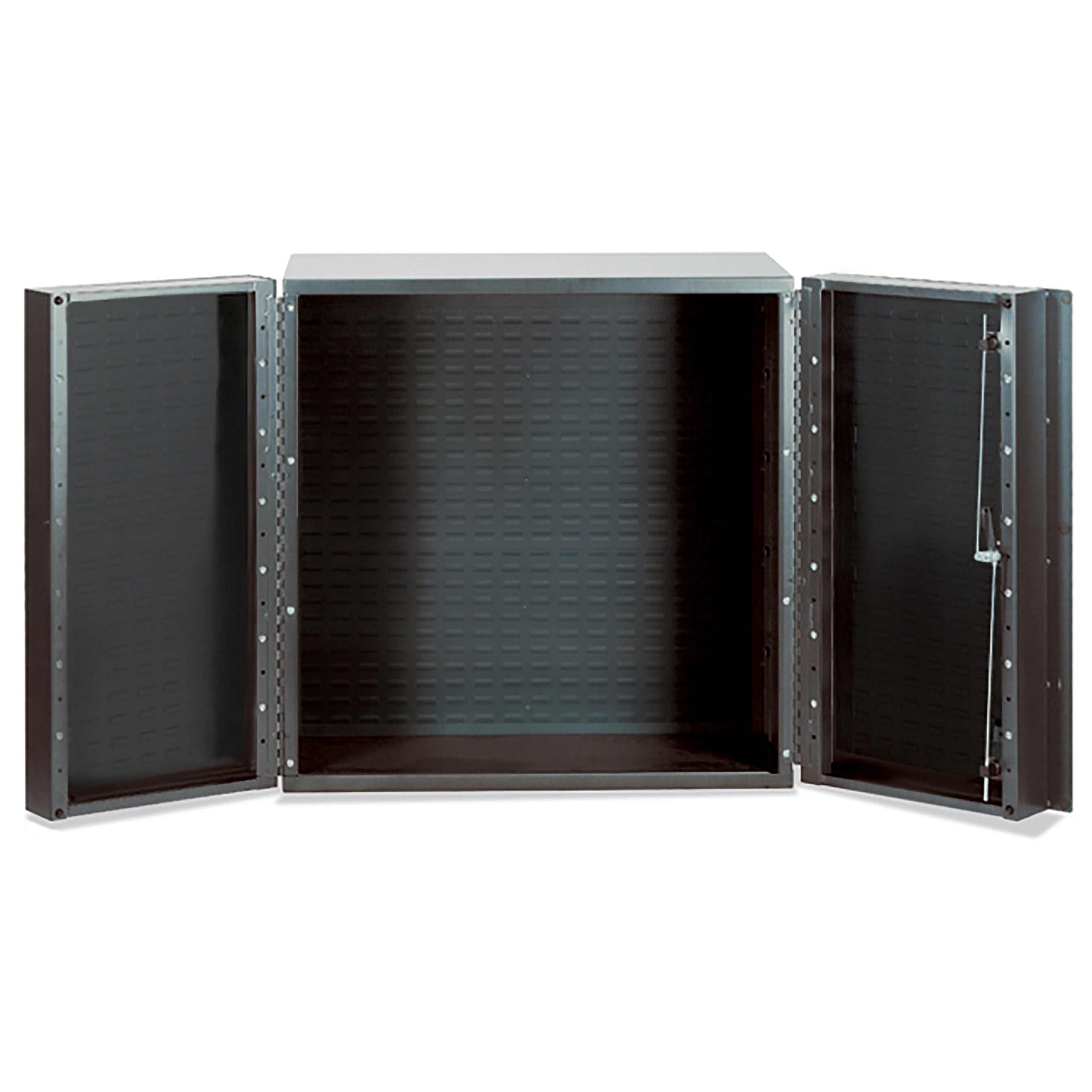
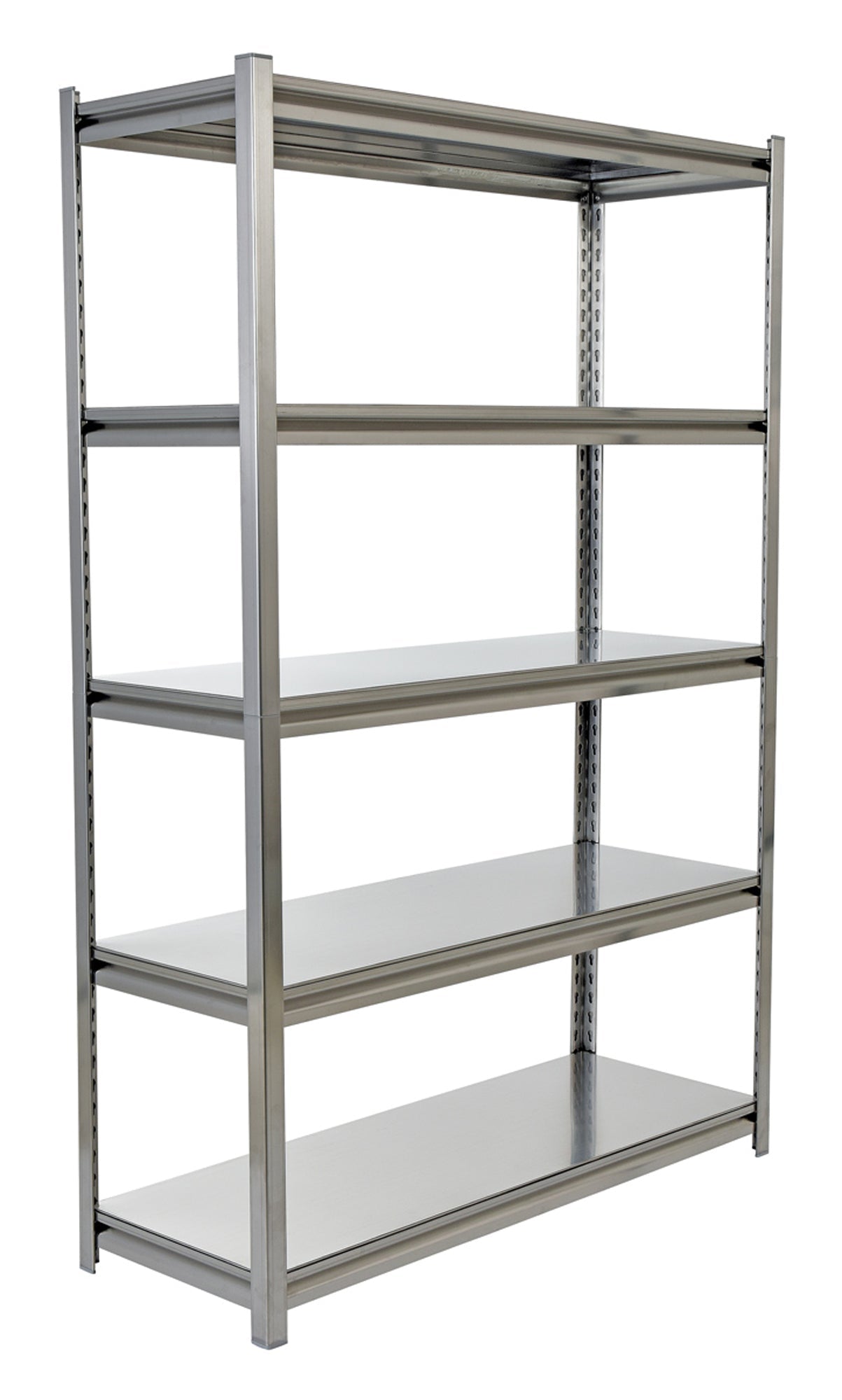
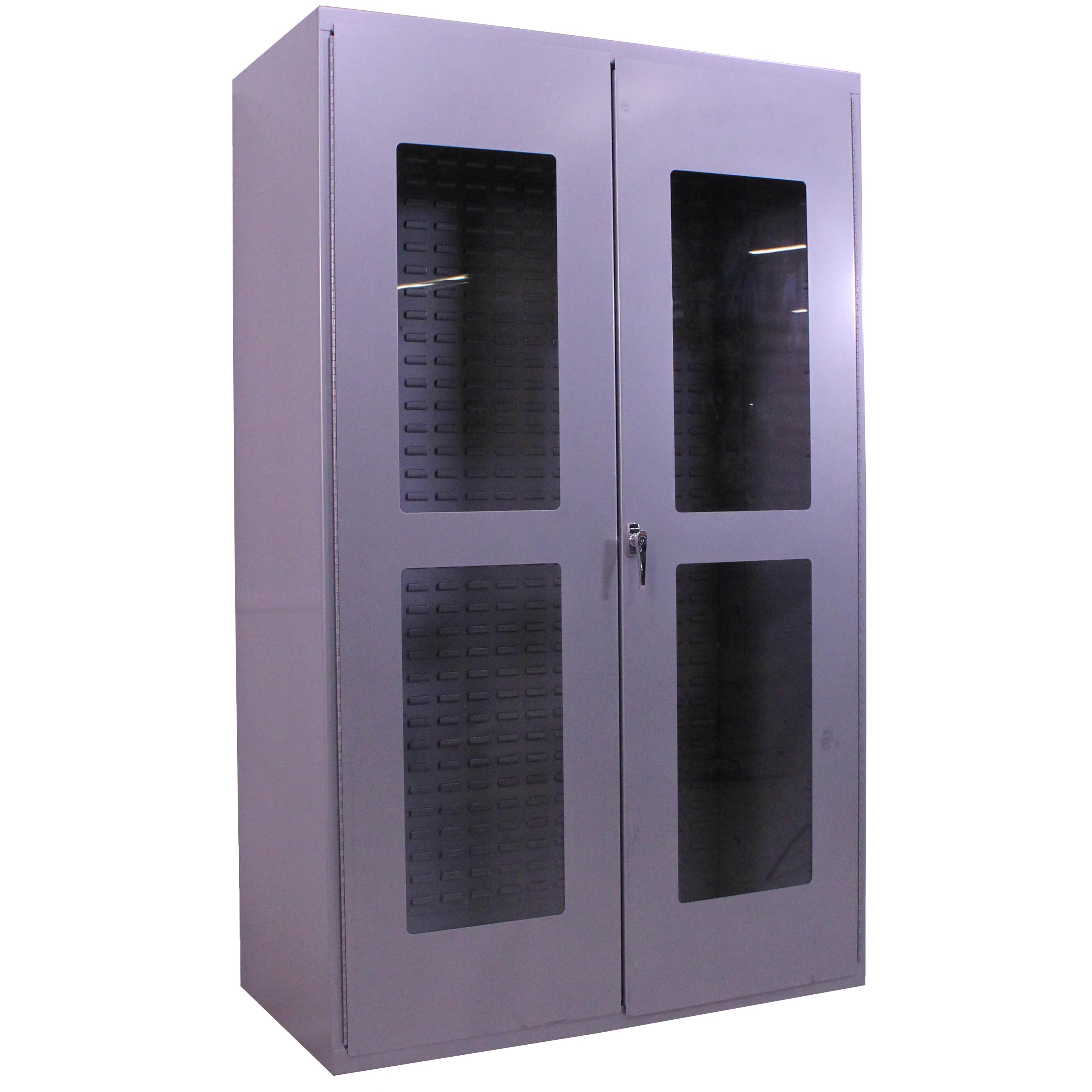
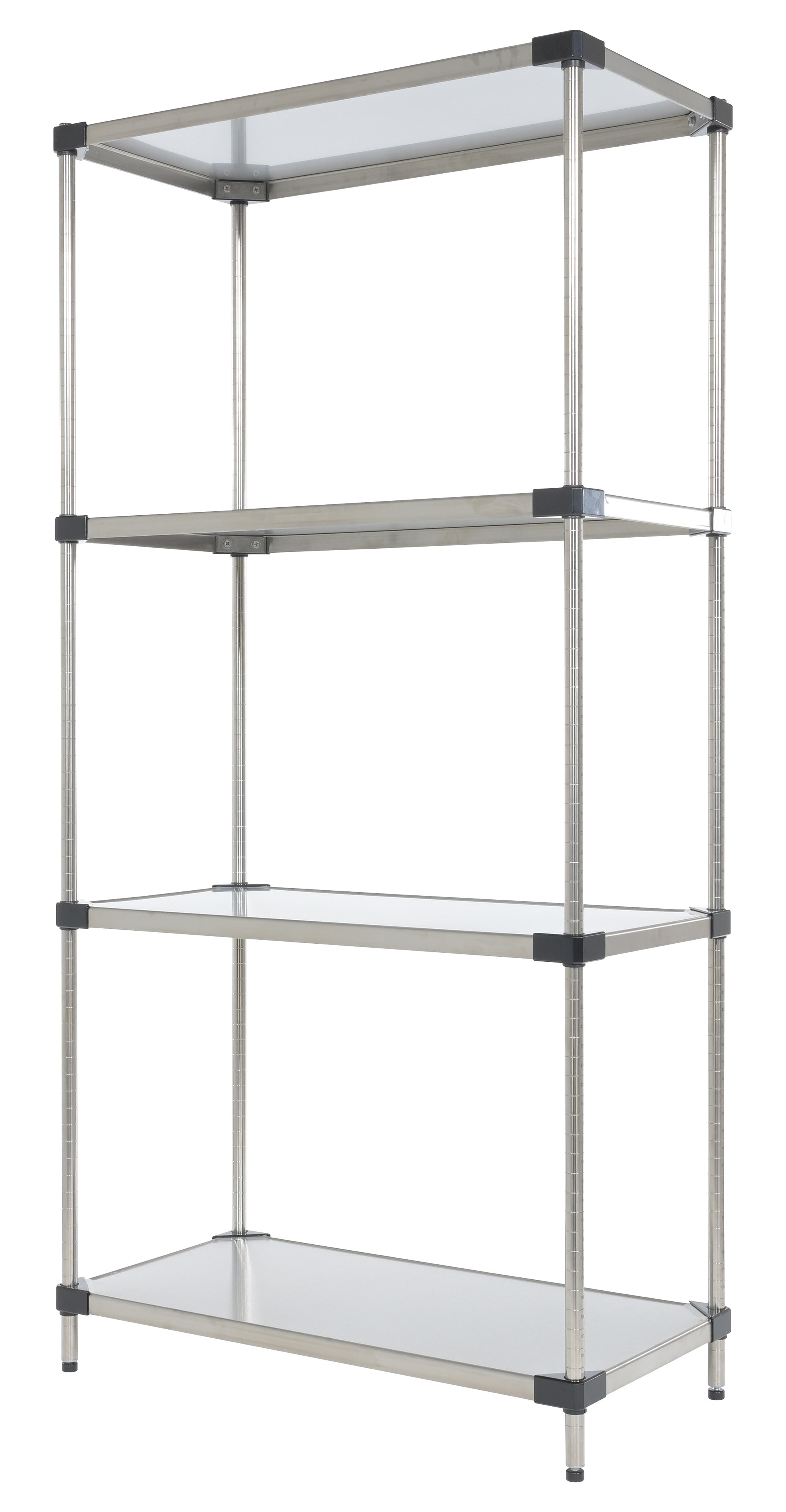
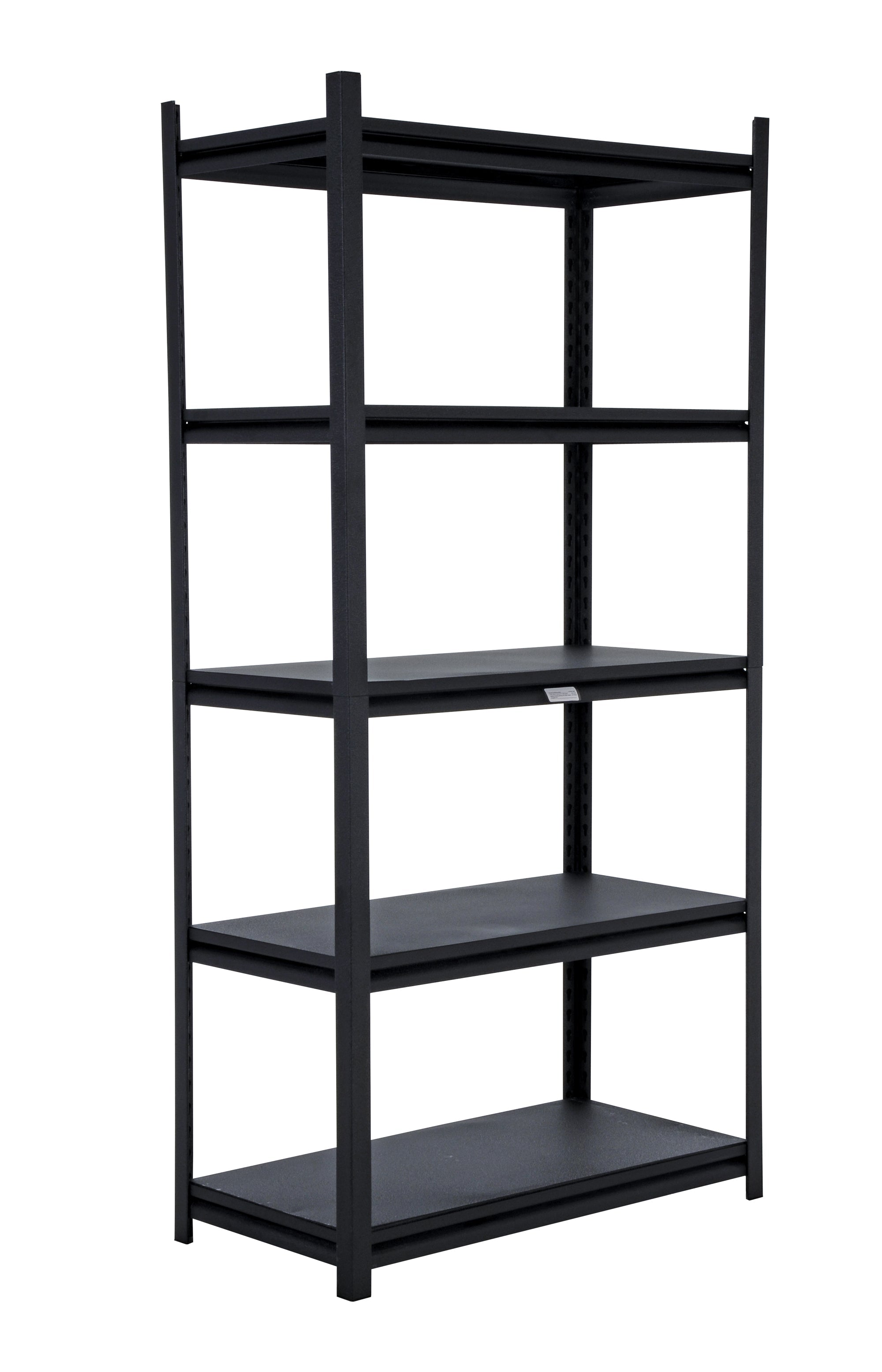
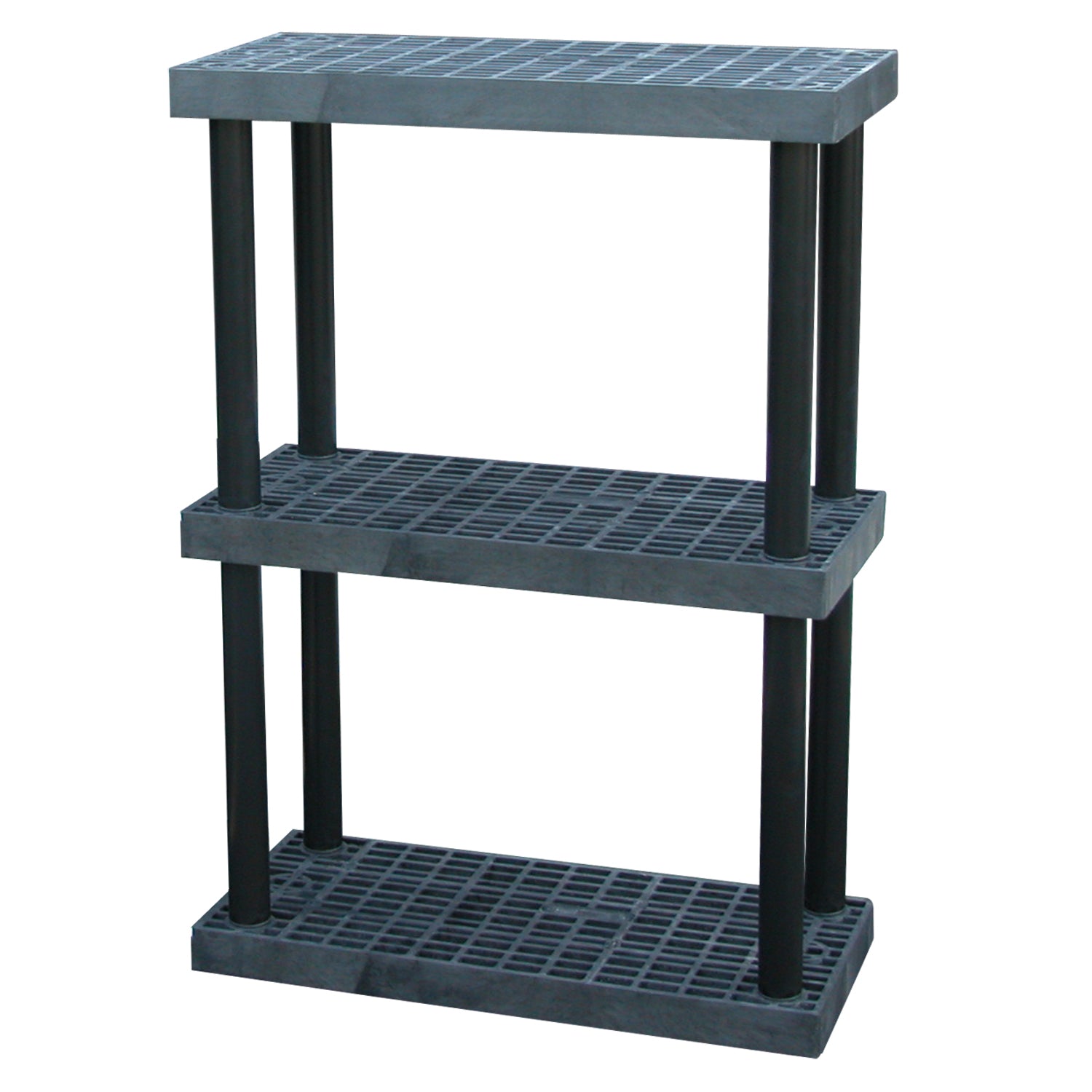
When a shelf or a cabinet beats a rack. Not everything wants a pallet rack. For hand-stacked cartons, parts, and totes, a shelving unit is cheaper and faster to load: Vestil boltless and solid-rivet shelving assembles without hardware, plastic bulk shelving shrugs off moisture, and stainless steel shelving suits washdown and food areas. When the contents need to lock up or the material is hazardous, step to a cabinet. The cabinets and shelving collection carries Valley Craft welded steel cabinets, electronic-locking cabinets, and gas cylinder cabinets, plus Vestil bin cabinets and flammable safety cabinets. A flammable cabinet is a code item: OSHA 29 CFR 1910.106 caps a single storage cabinet at 60 gallons of Category 1, 2, or 3 flammable liquid and requires the cabinet to hold its internal temperature below 325 degrees F during a fire test. Compressed gas has its own rule, OSHA 1910.101, and cylinders must be stored upright and secured against tipping.
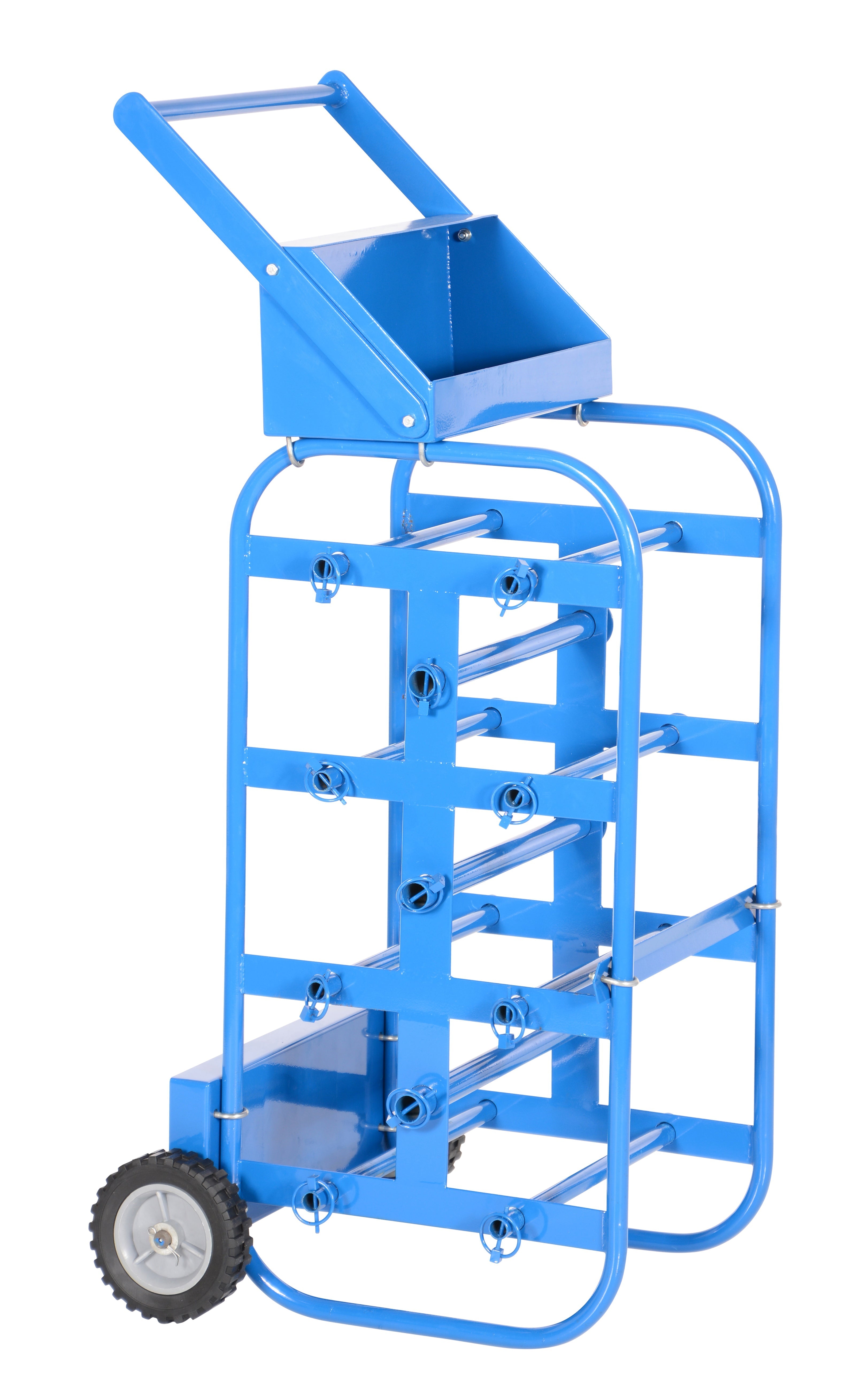
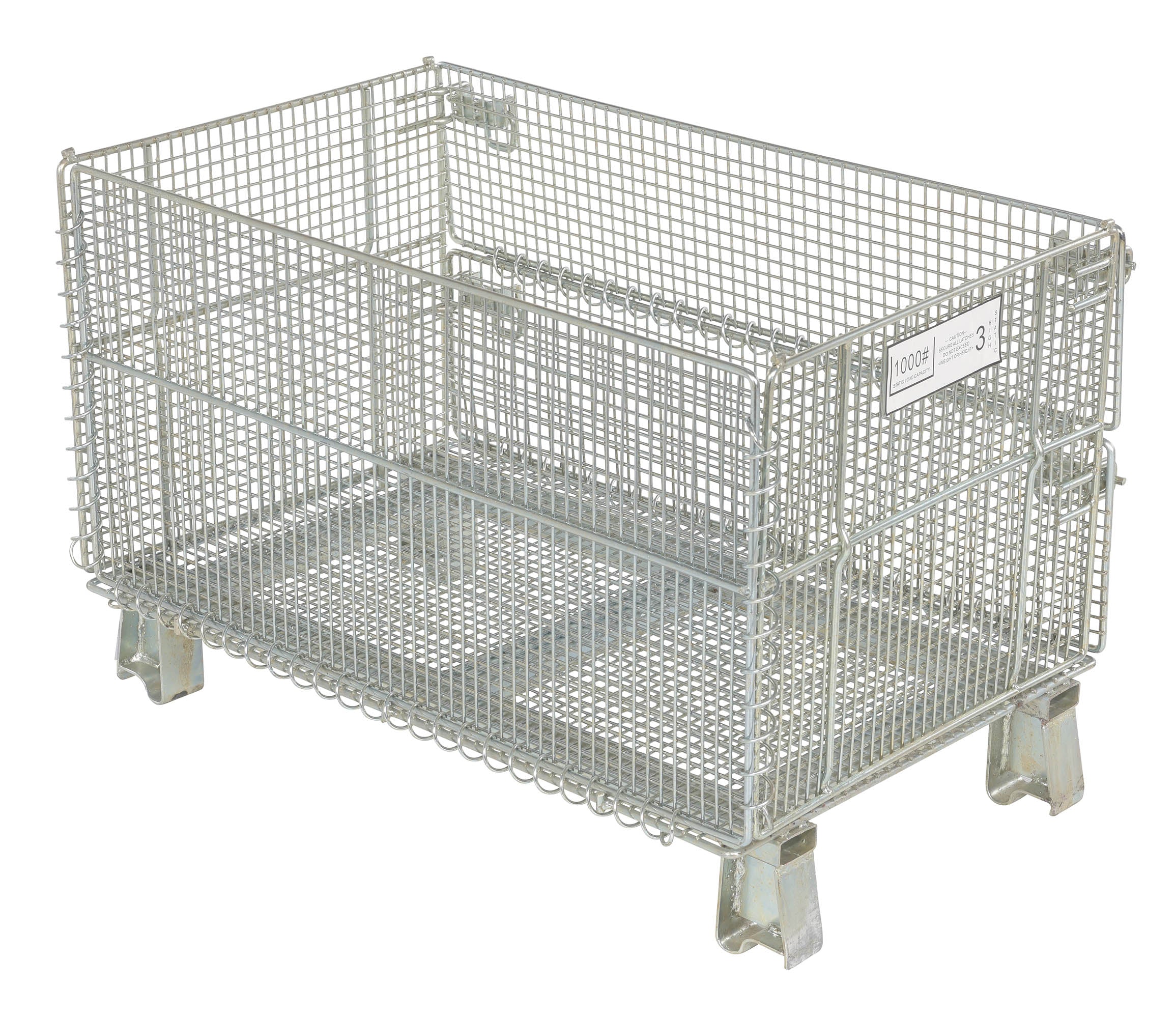
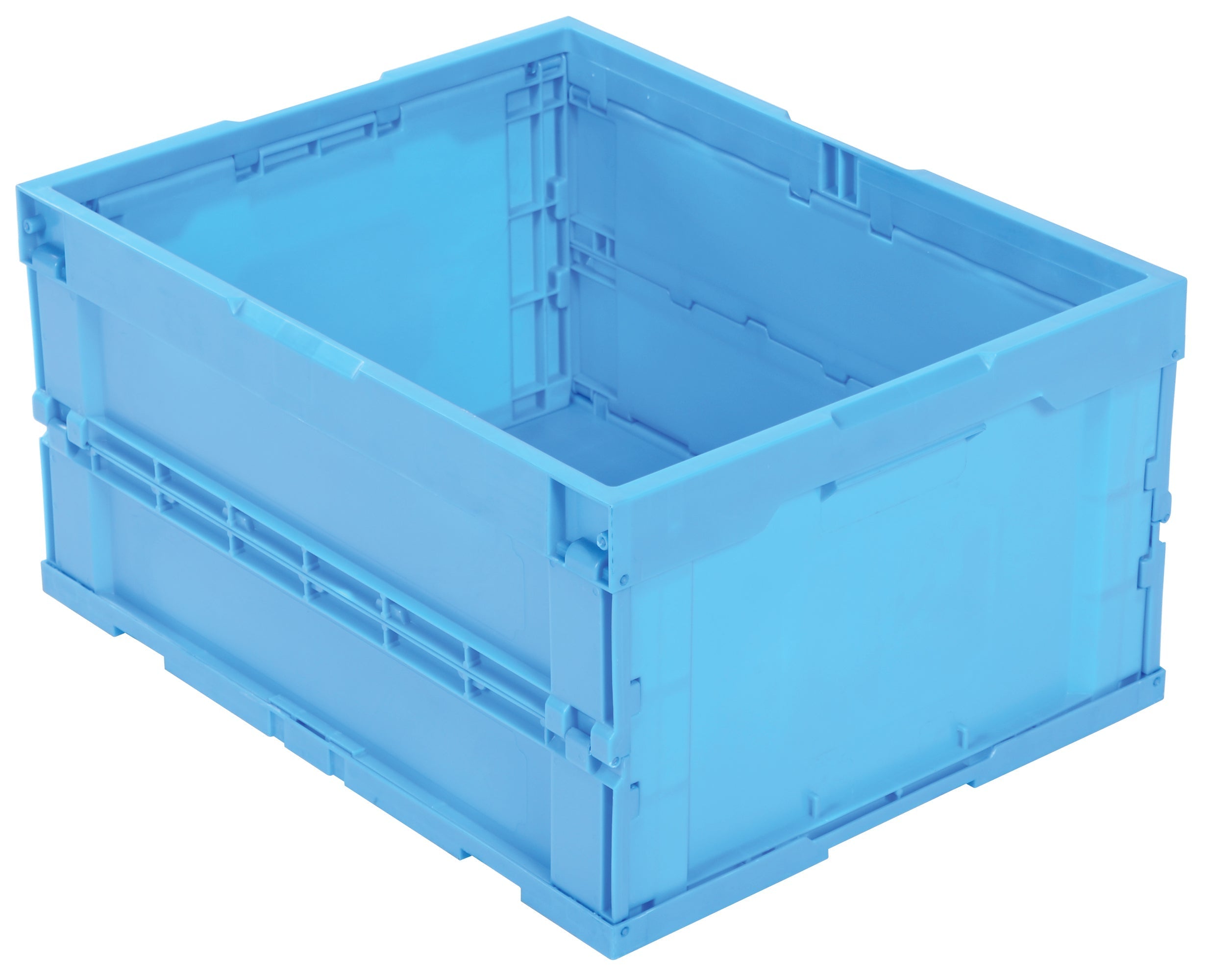
Bins, containers, and loose material. Loose material that never gets palletized still needs a home, or it ends up on the floor around the racks. The caddies and containers collection handles it with Vestil folding and collapsible wire containers that stack when full and fold flat when empty, utility boxes for bulk parts, and wire reel caddies that pay off cable and wire without a tangle. Keeping that stock contained is not merely tidiness: OSHA 1910.176 requires aisles and passageways to stay clear and in good repair wherever mechanical handling equipment runs, and it calls for stored material to be stacked and secured so it cannot slide or collapse.
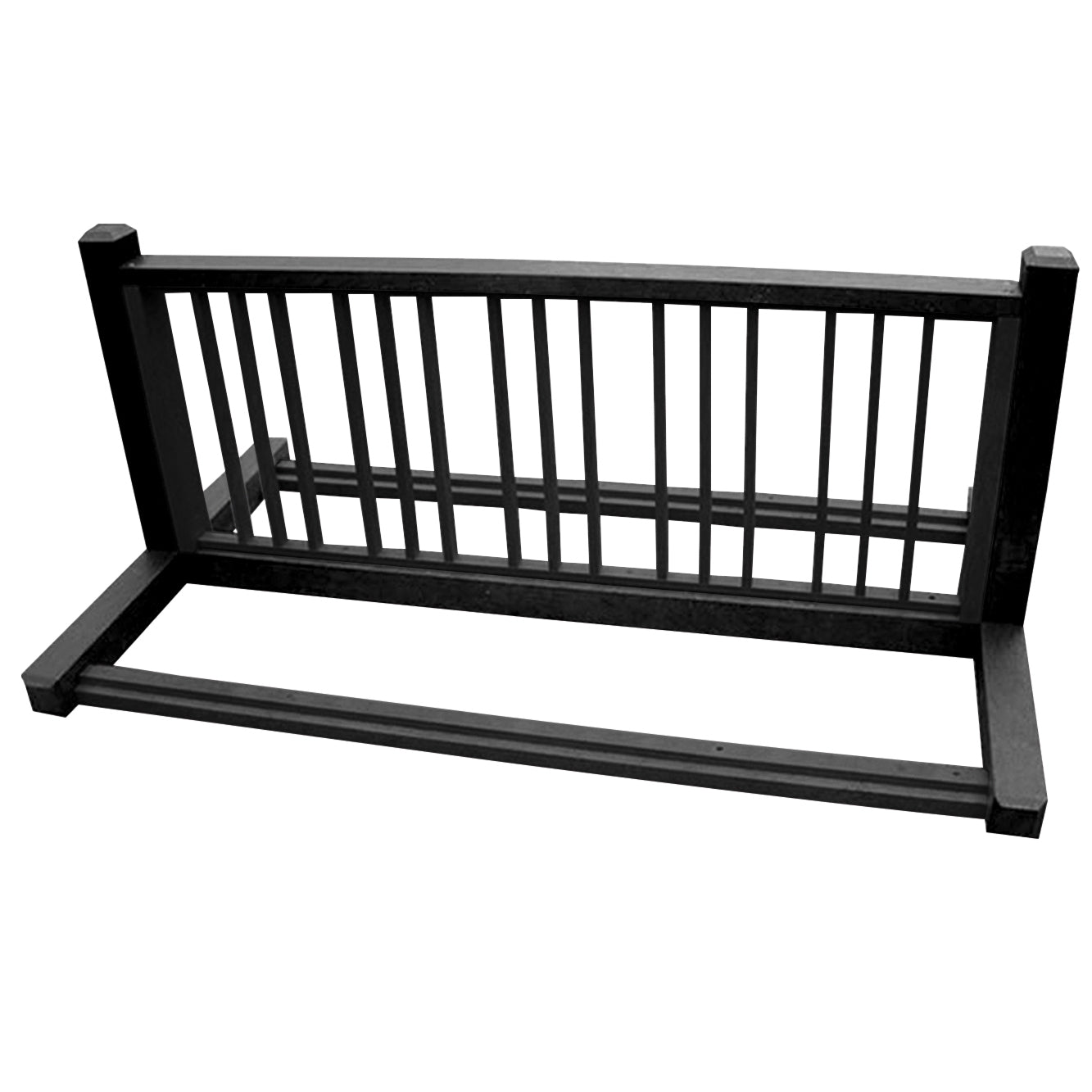
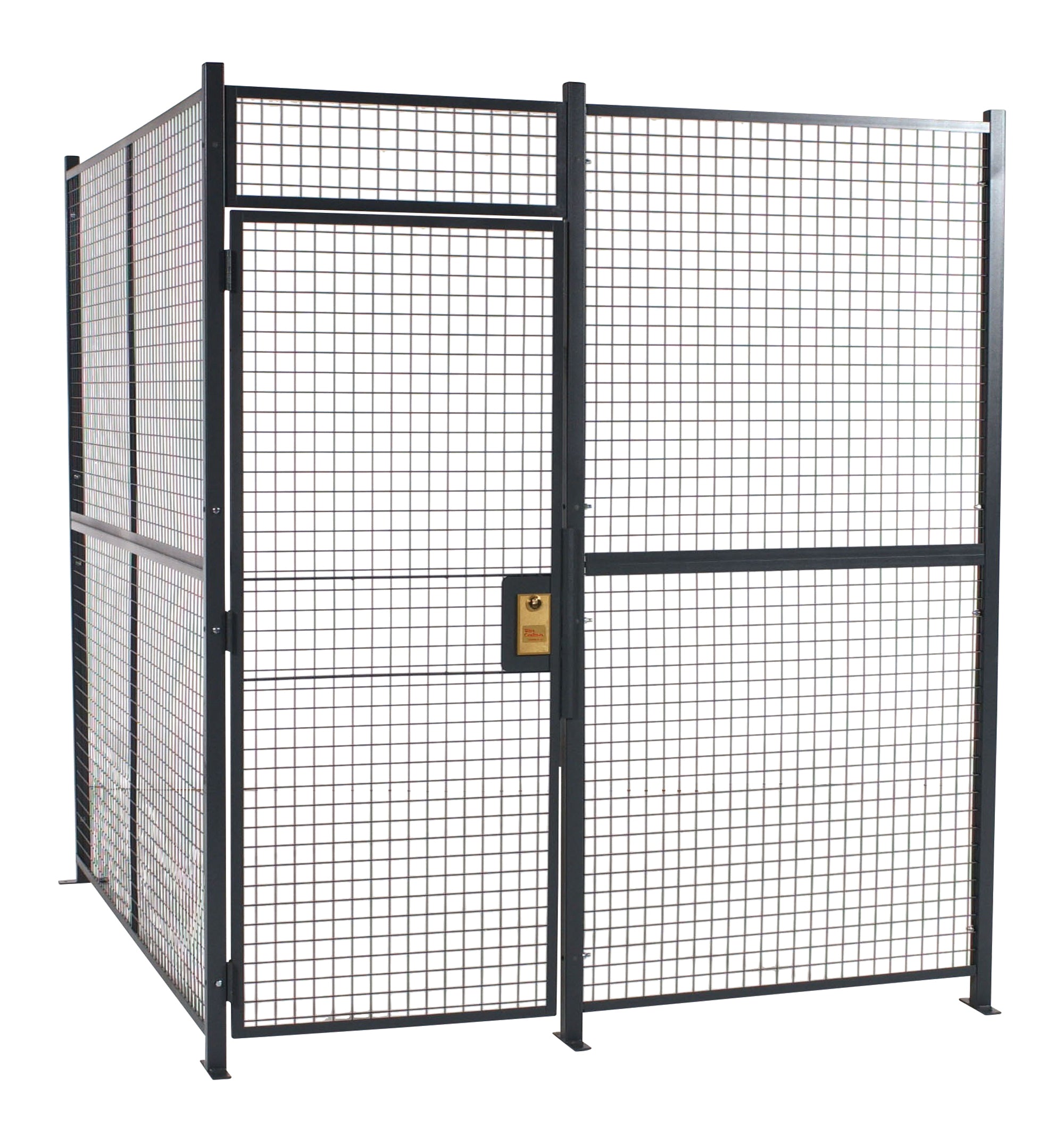
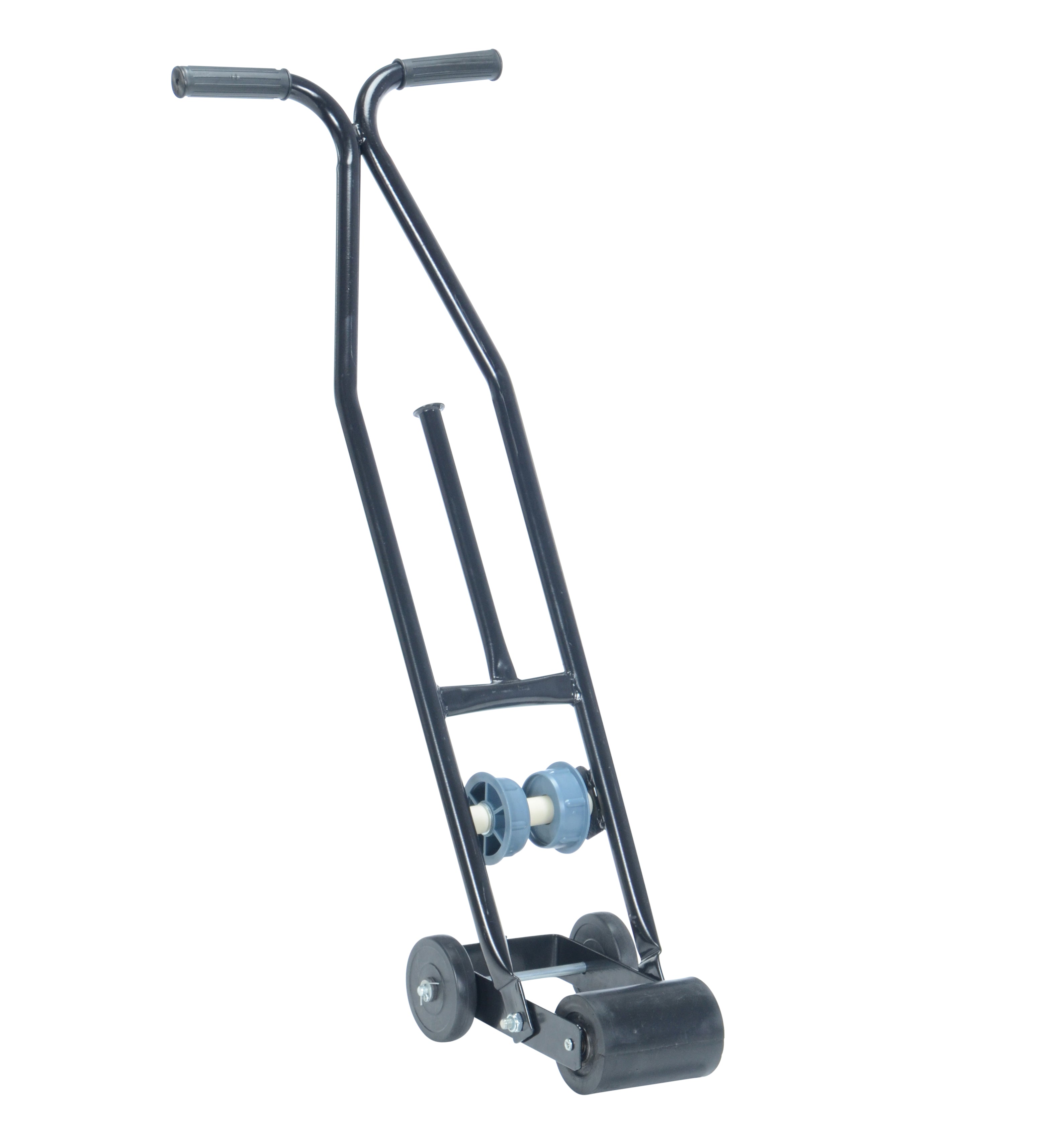
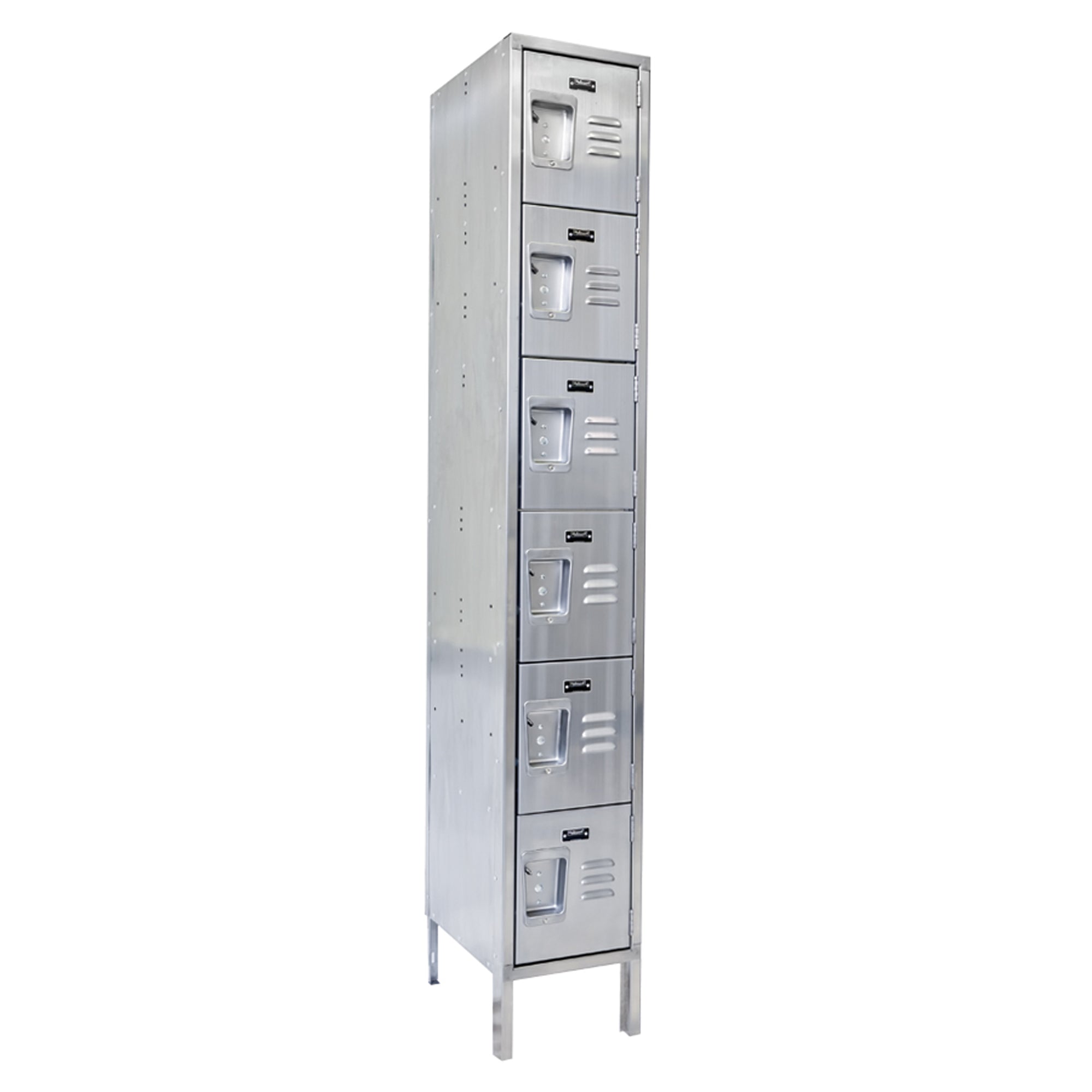
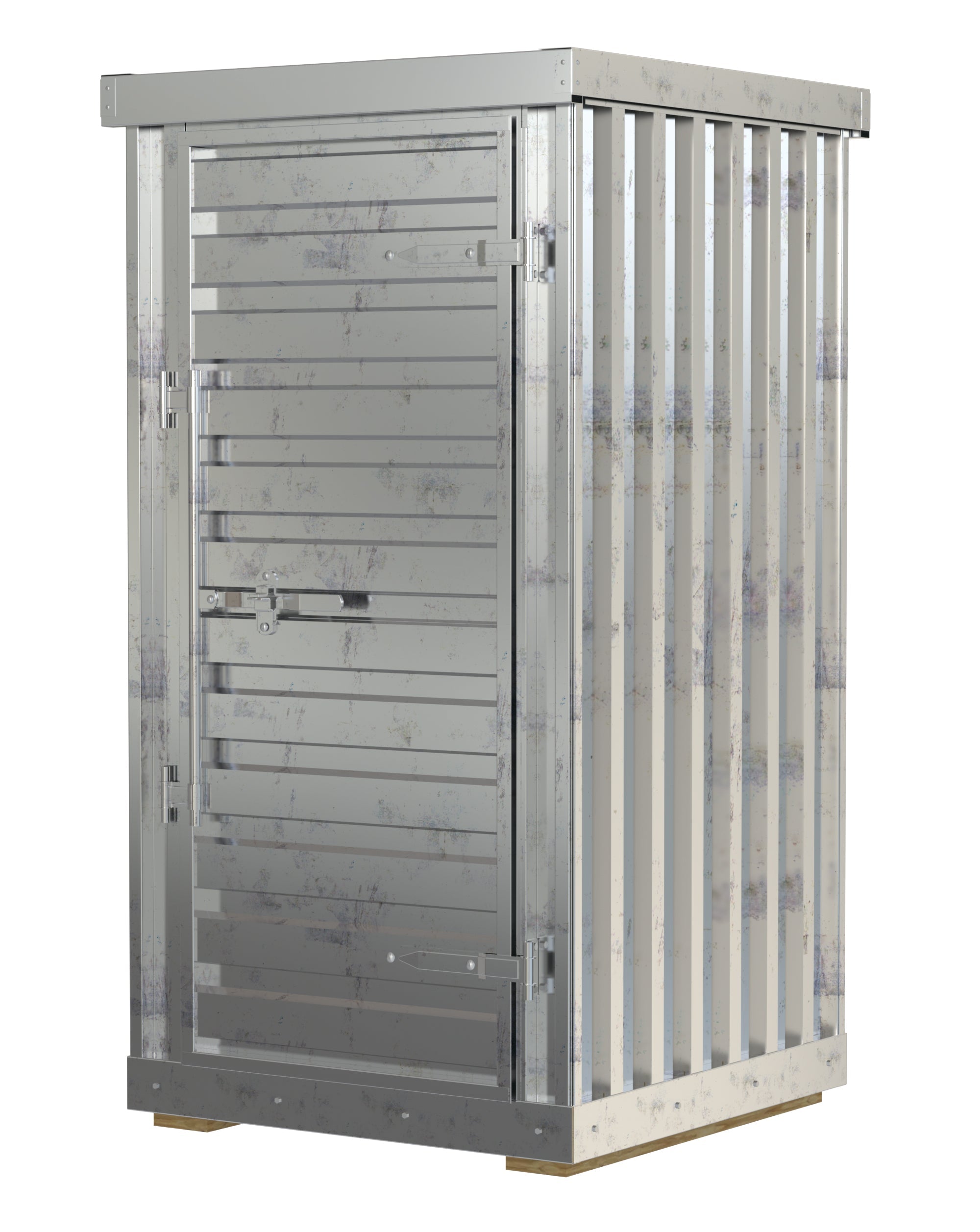
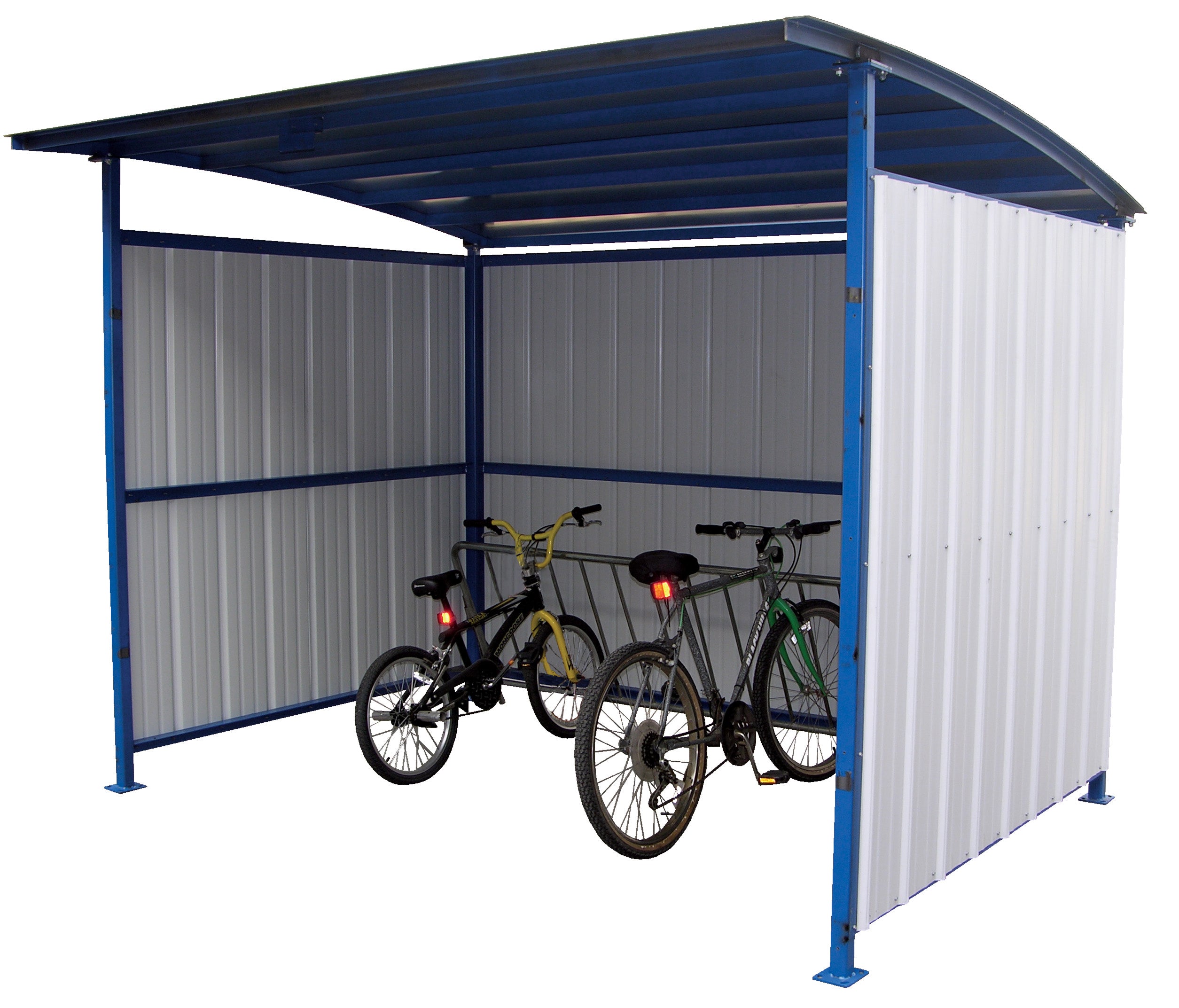
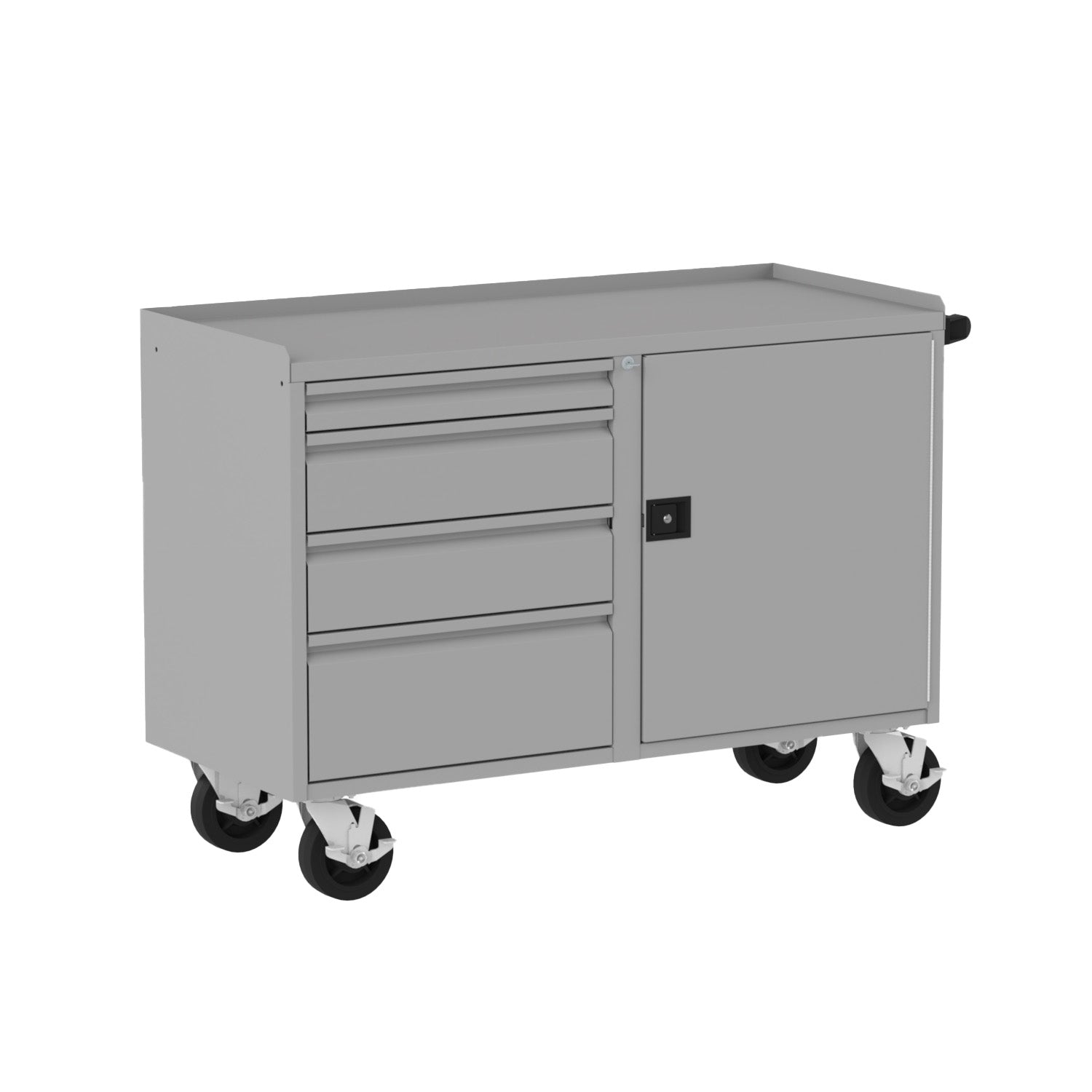
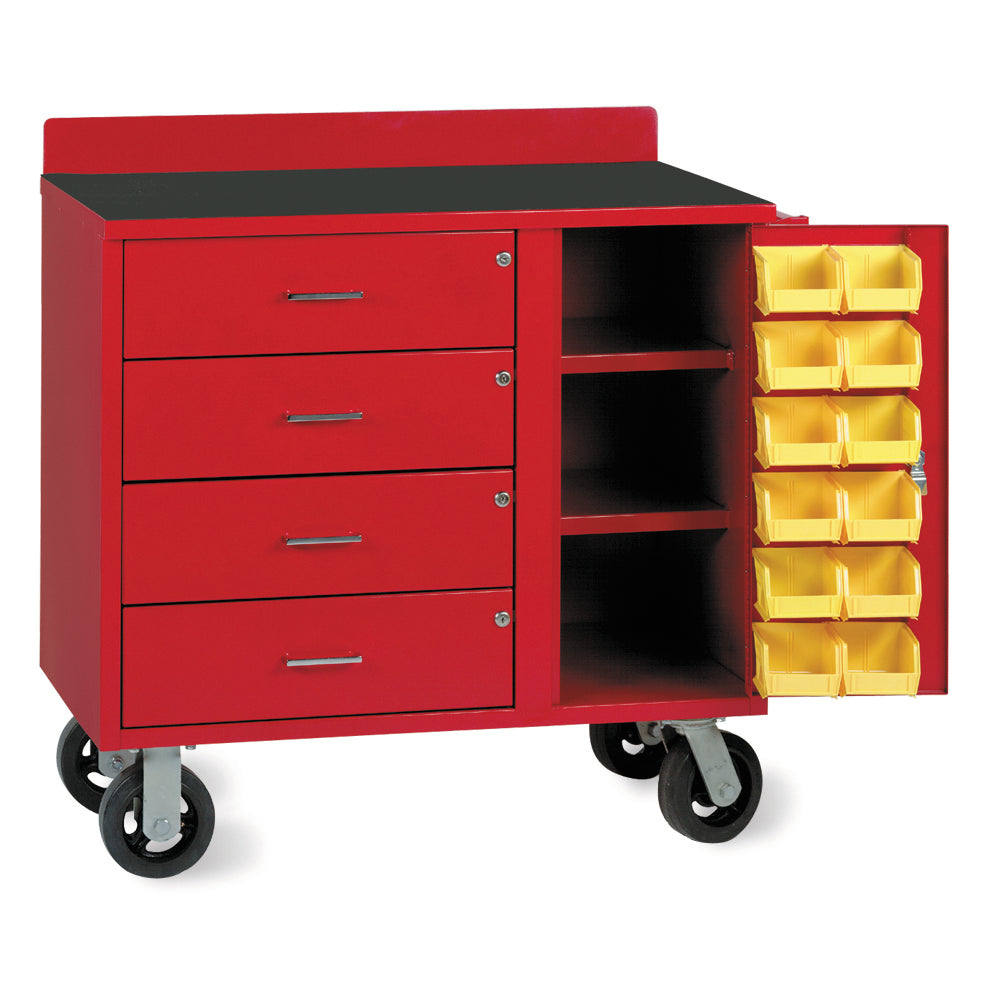
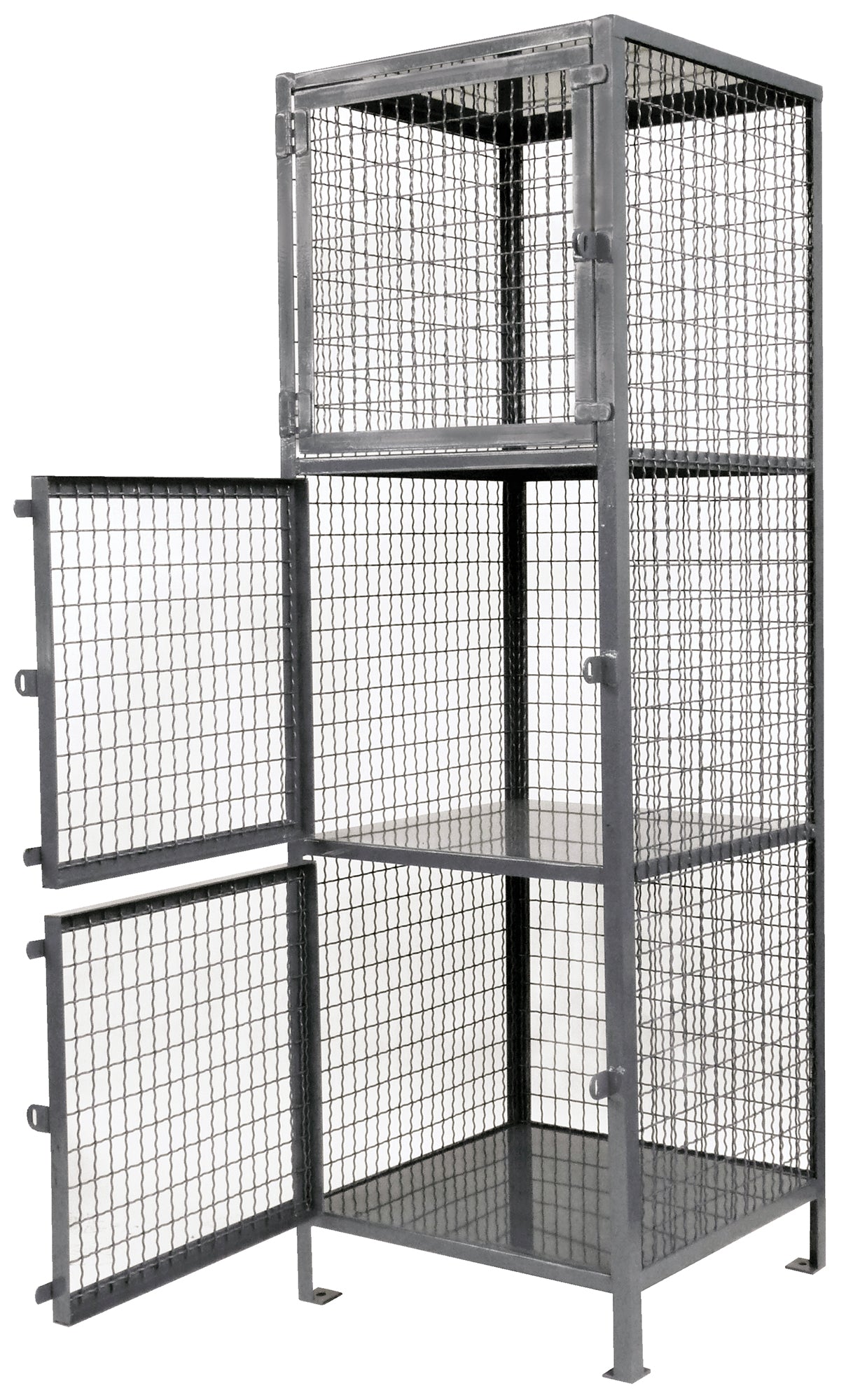
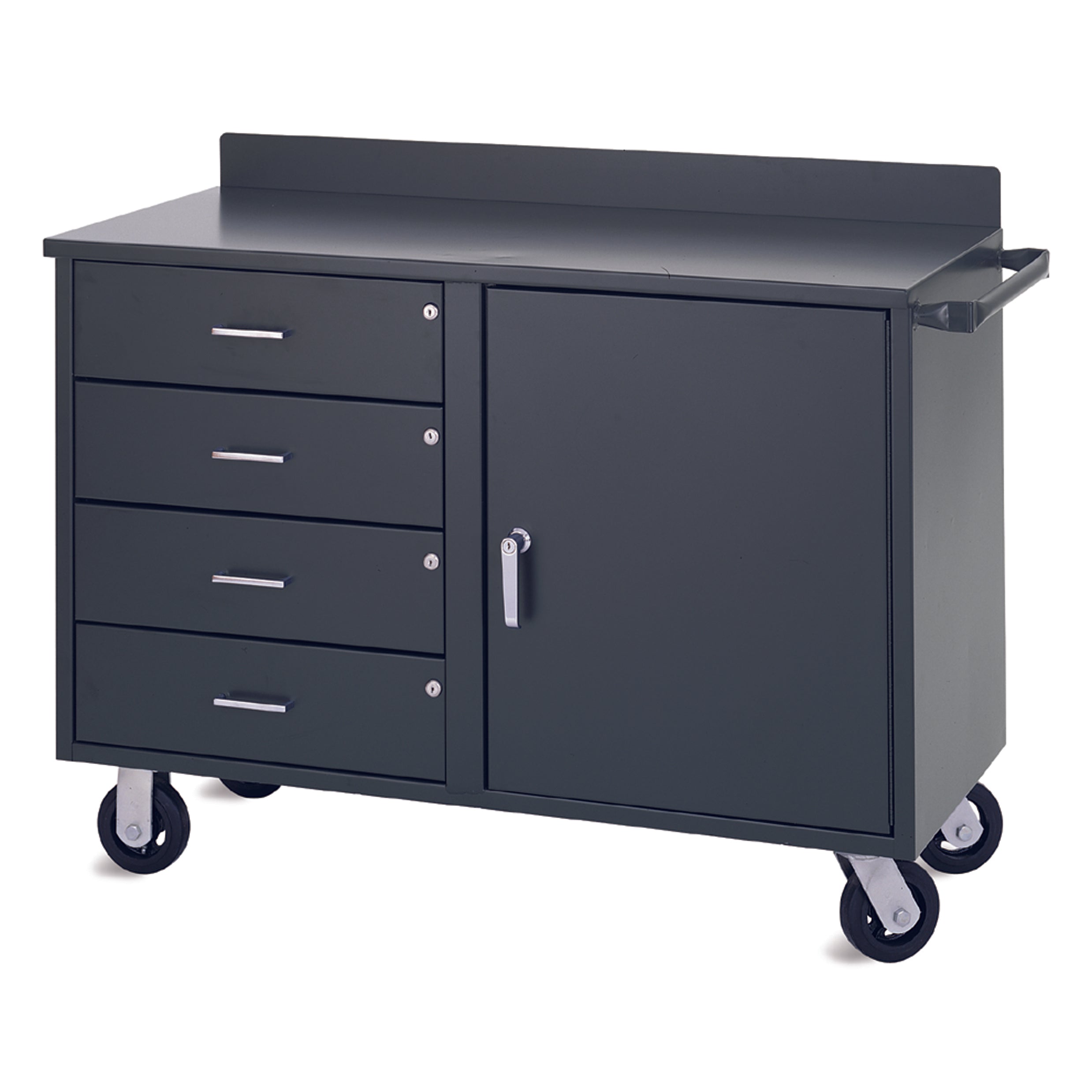
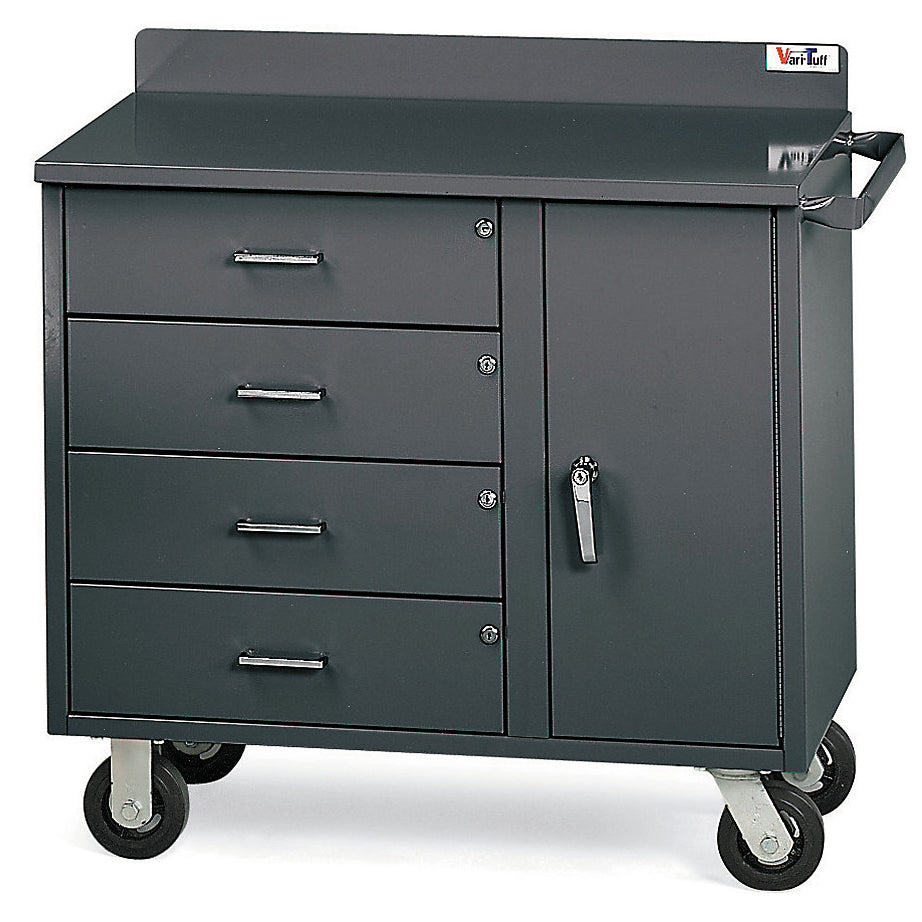
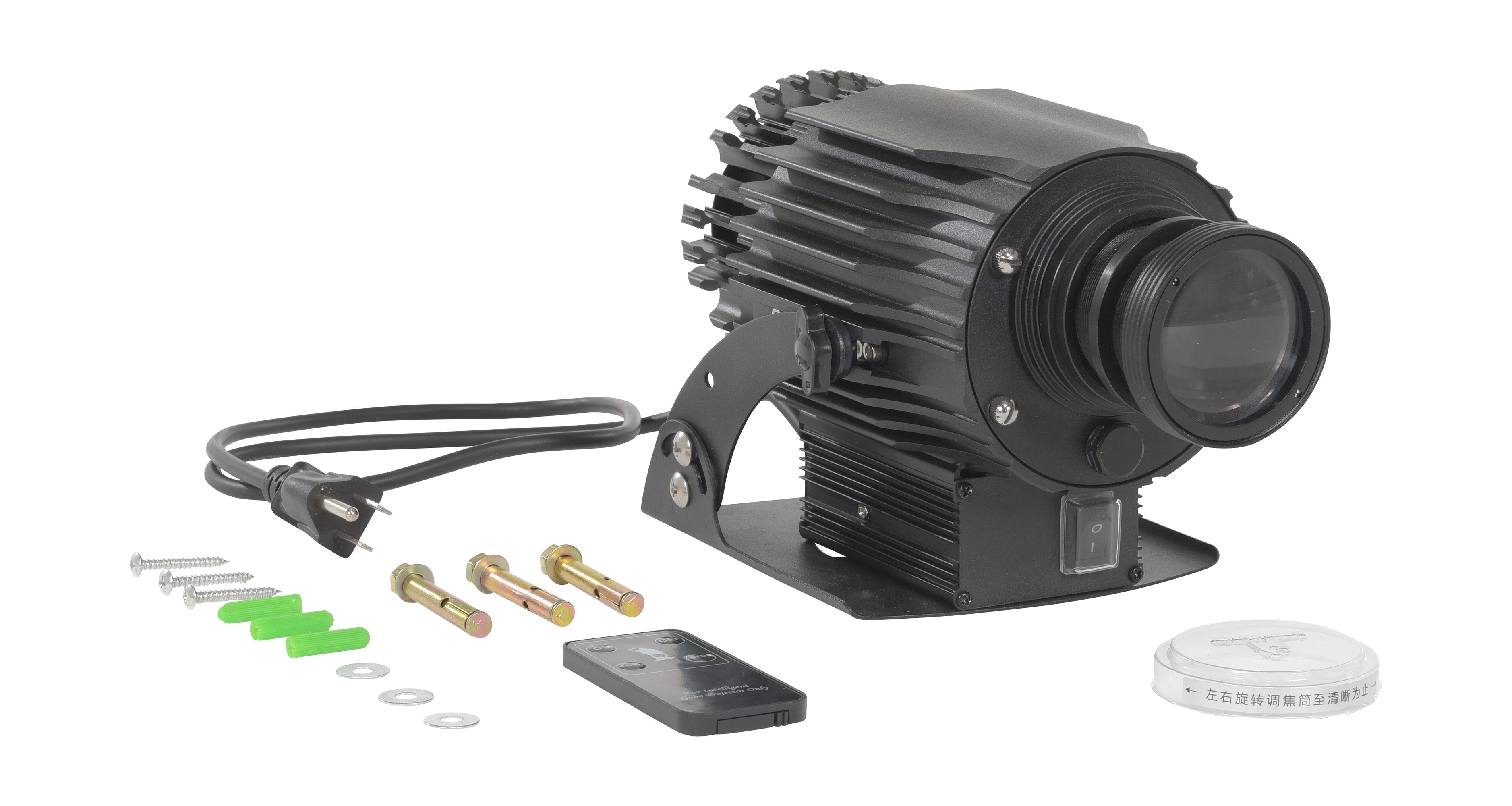
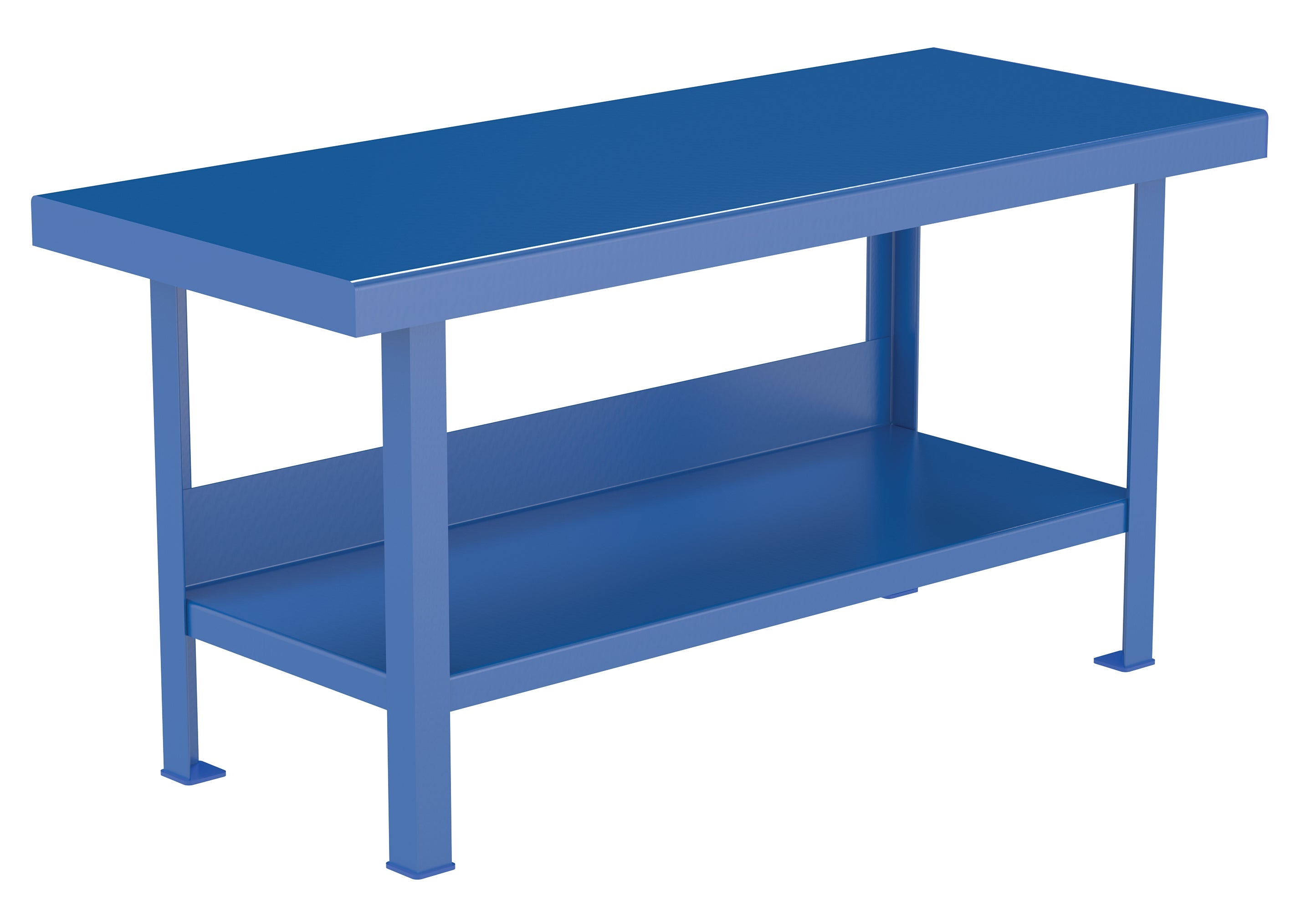
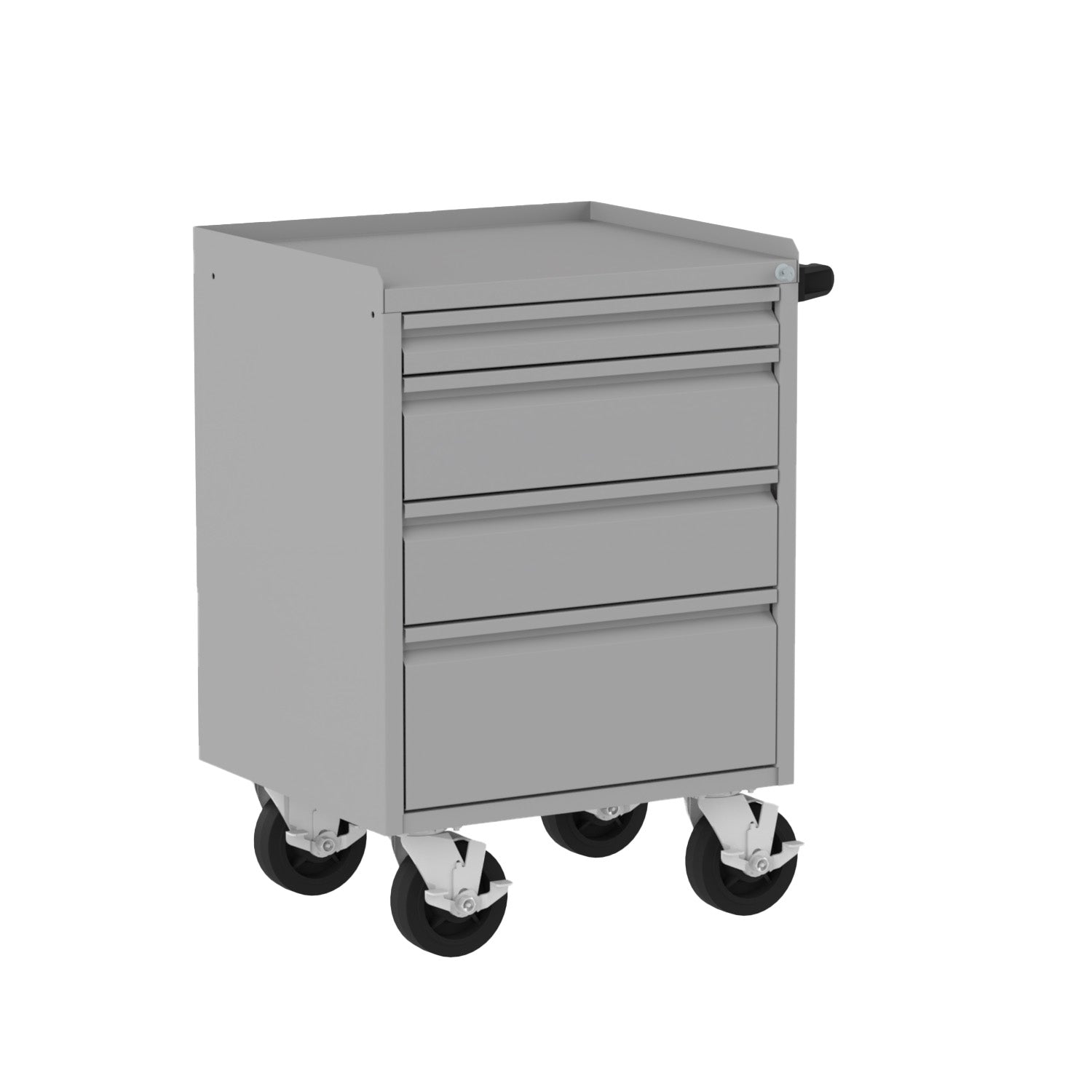
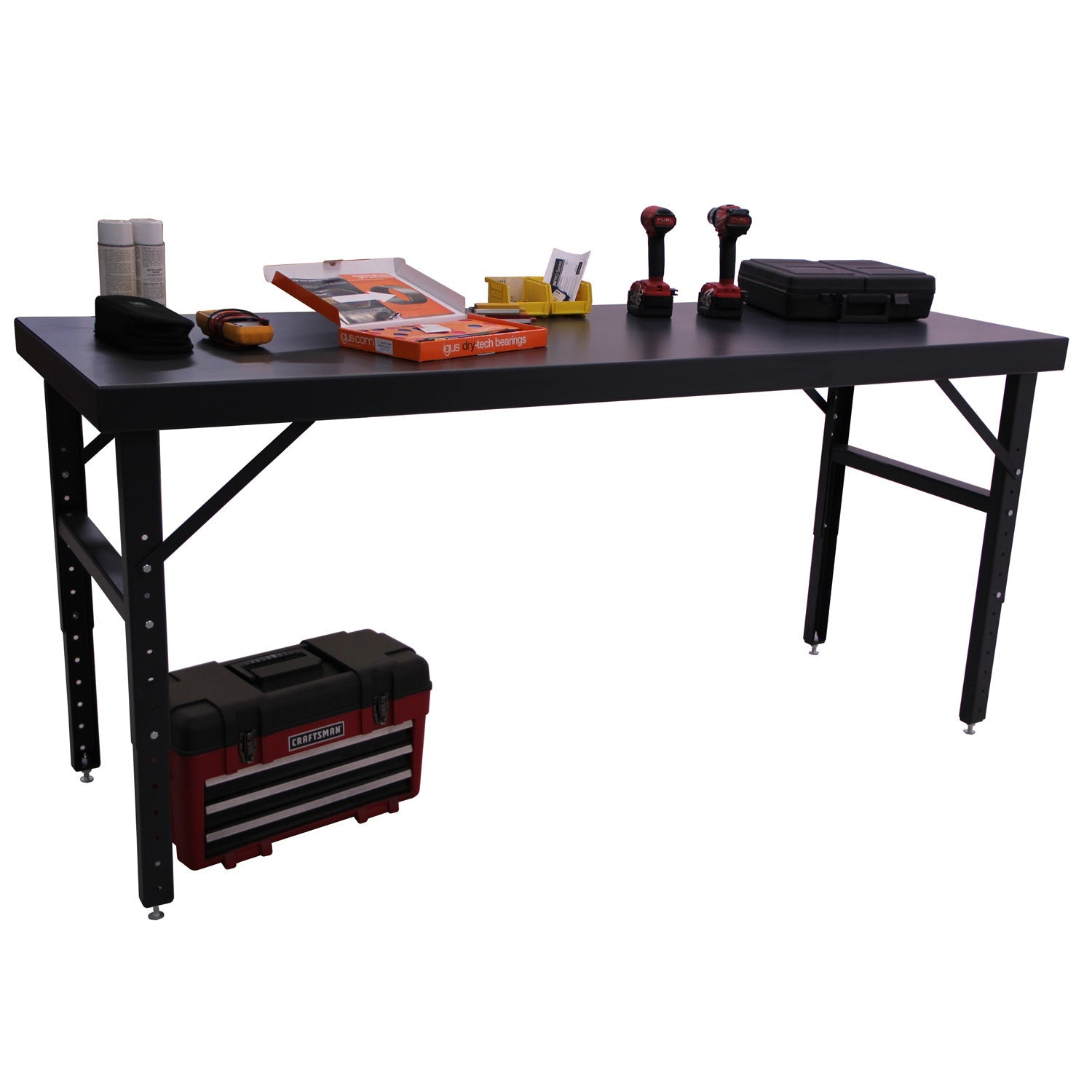
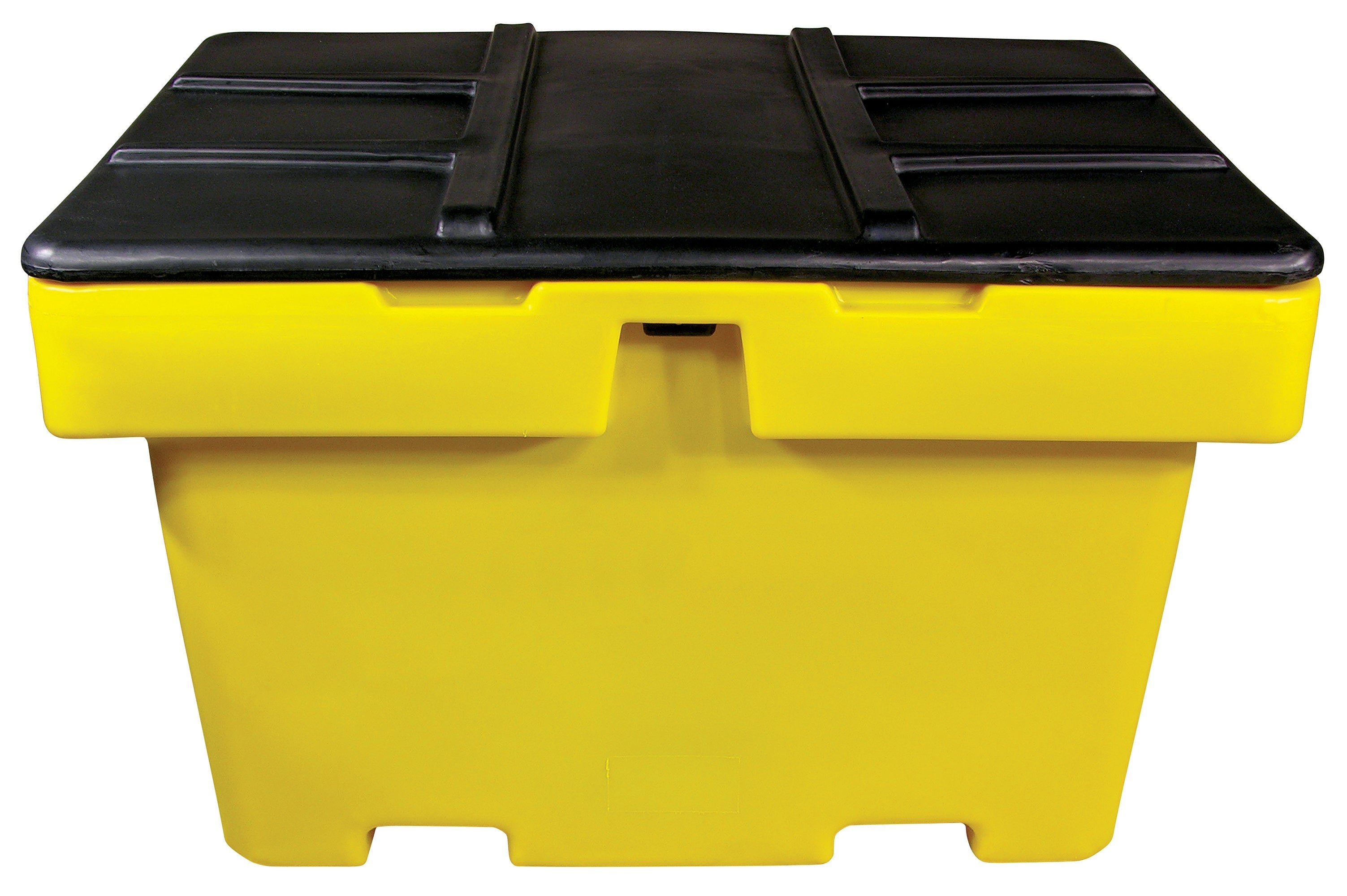
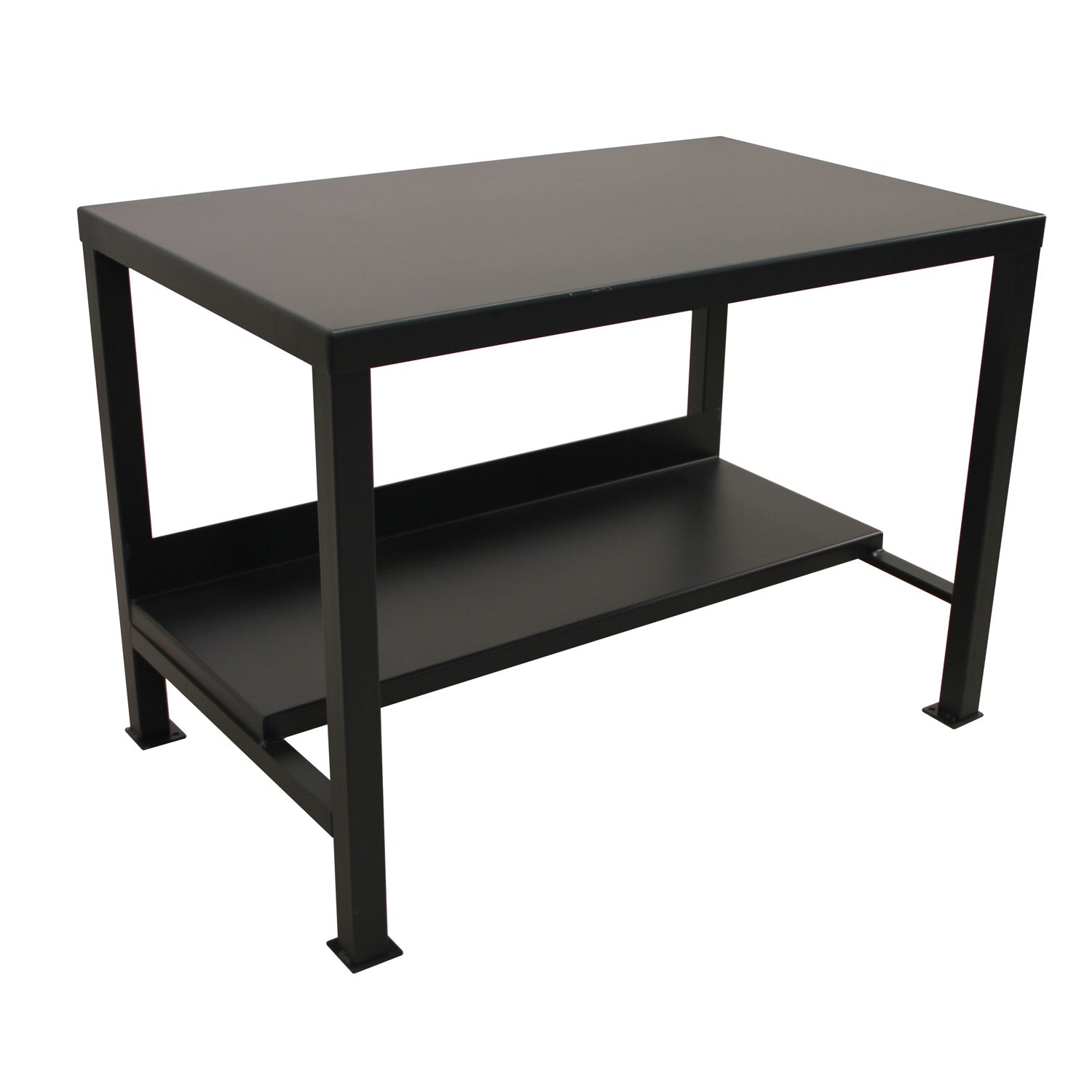
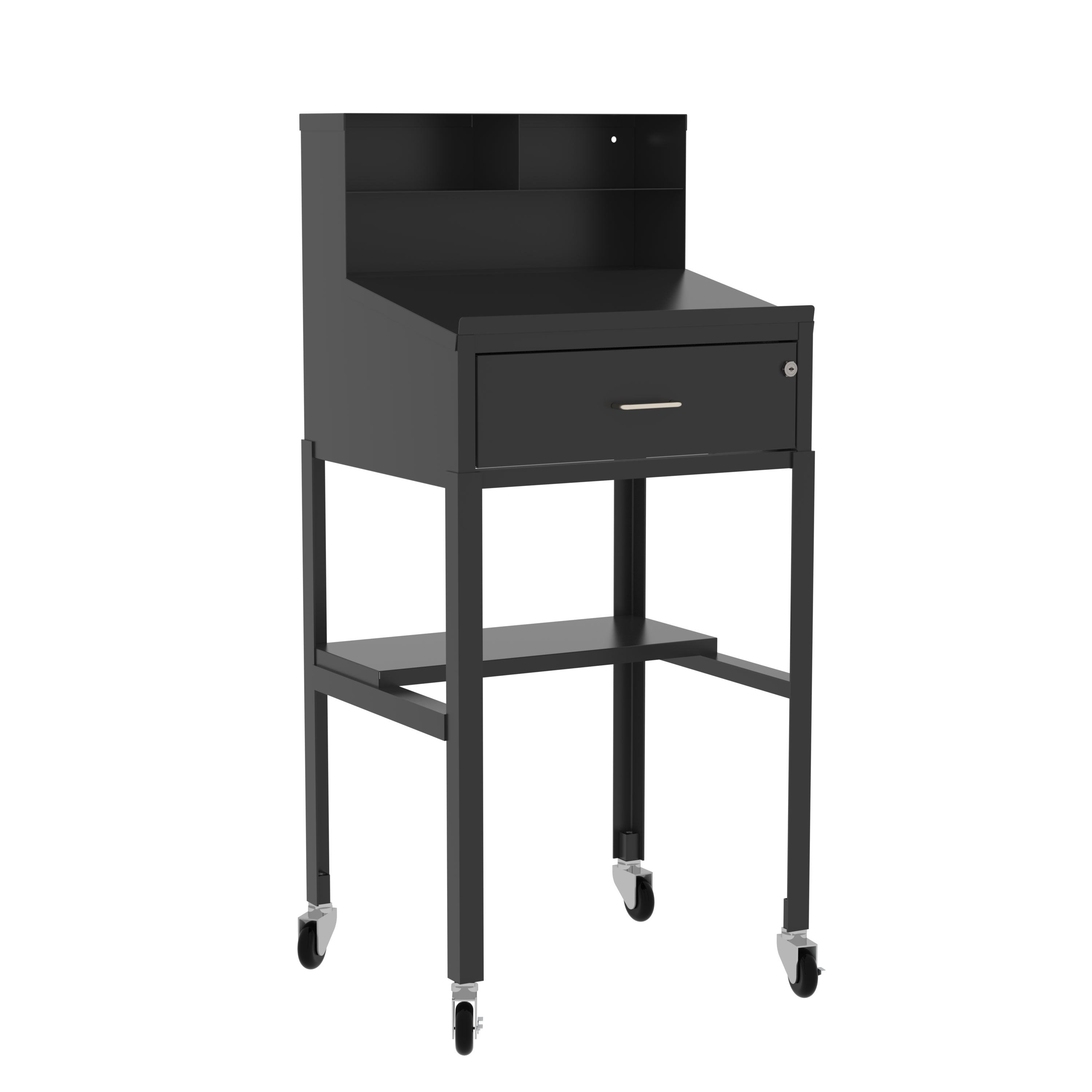
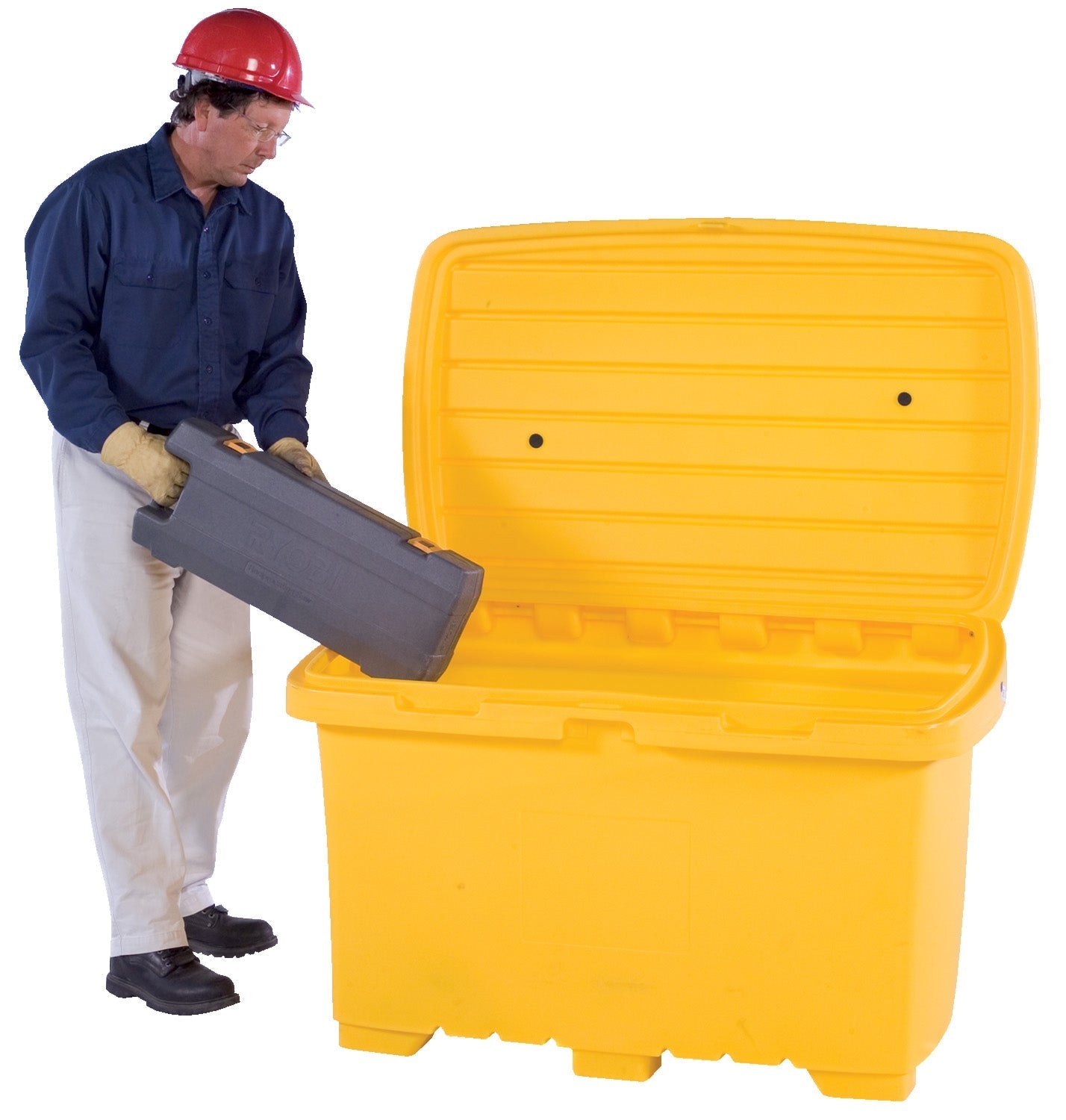
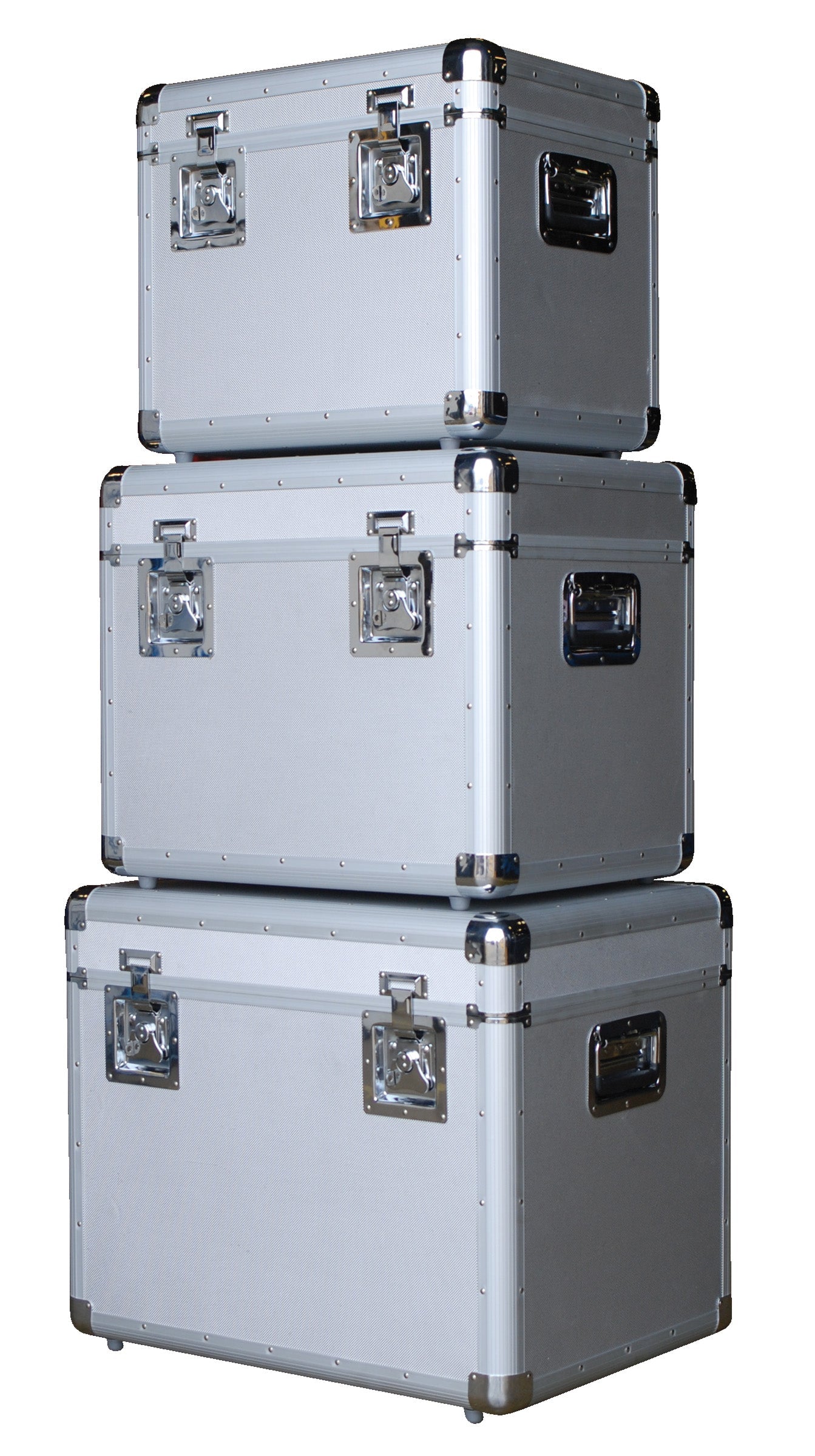
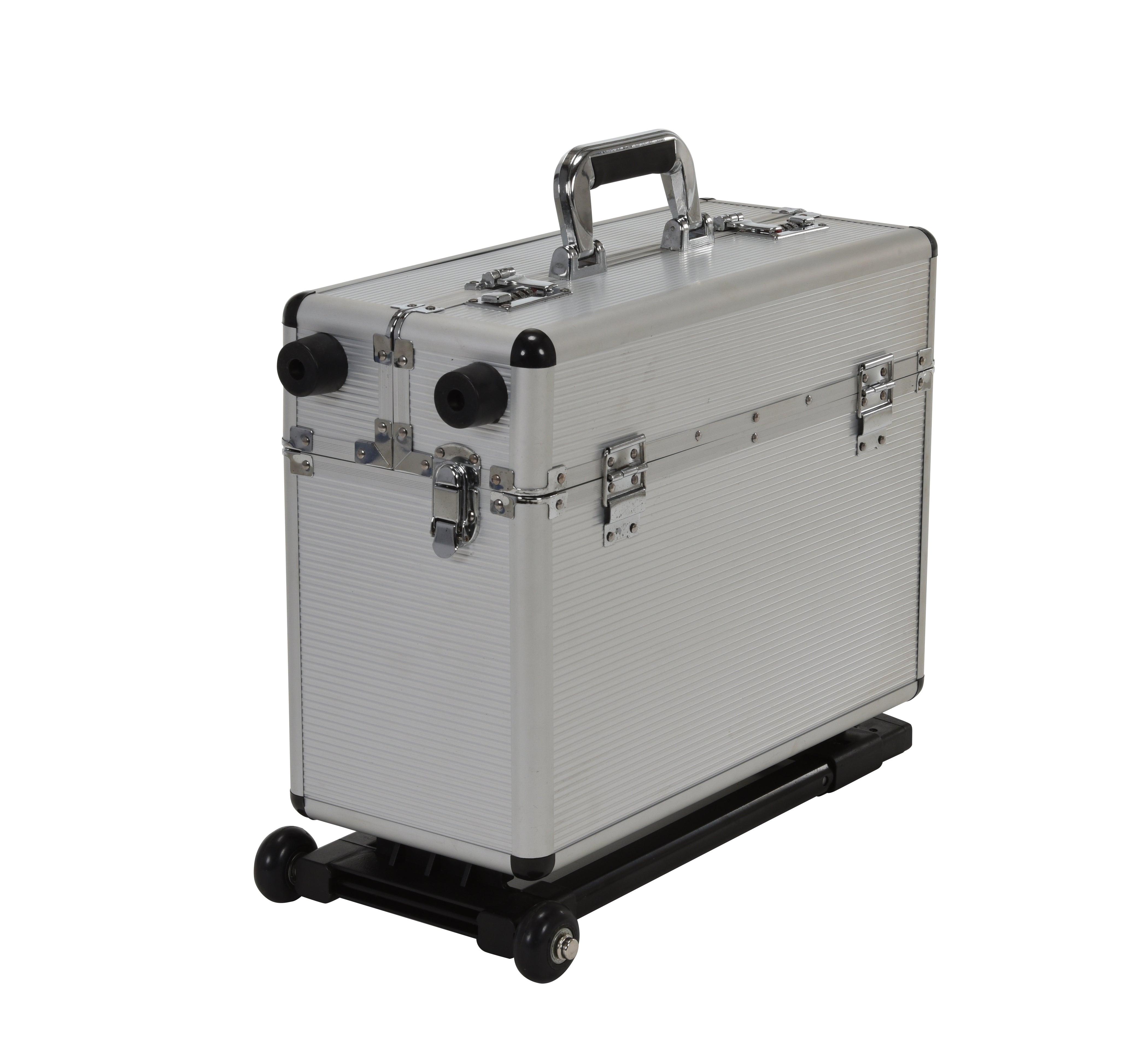
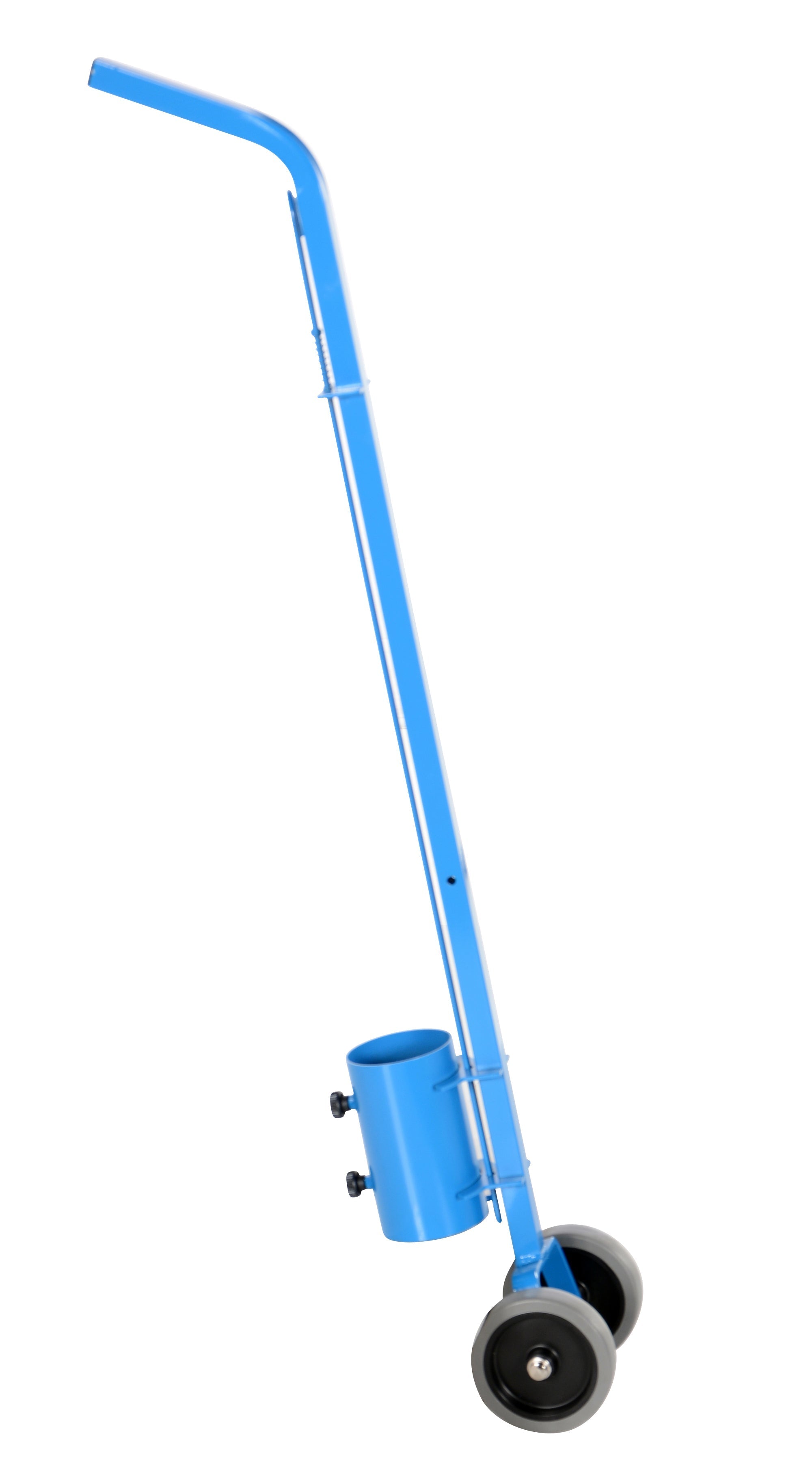
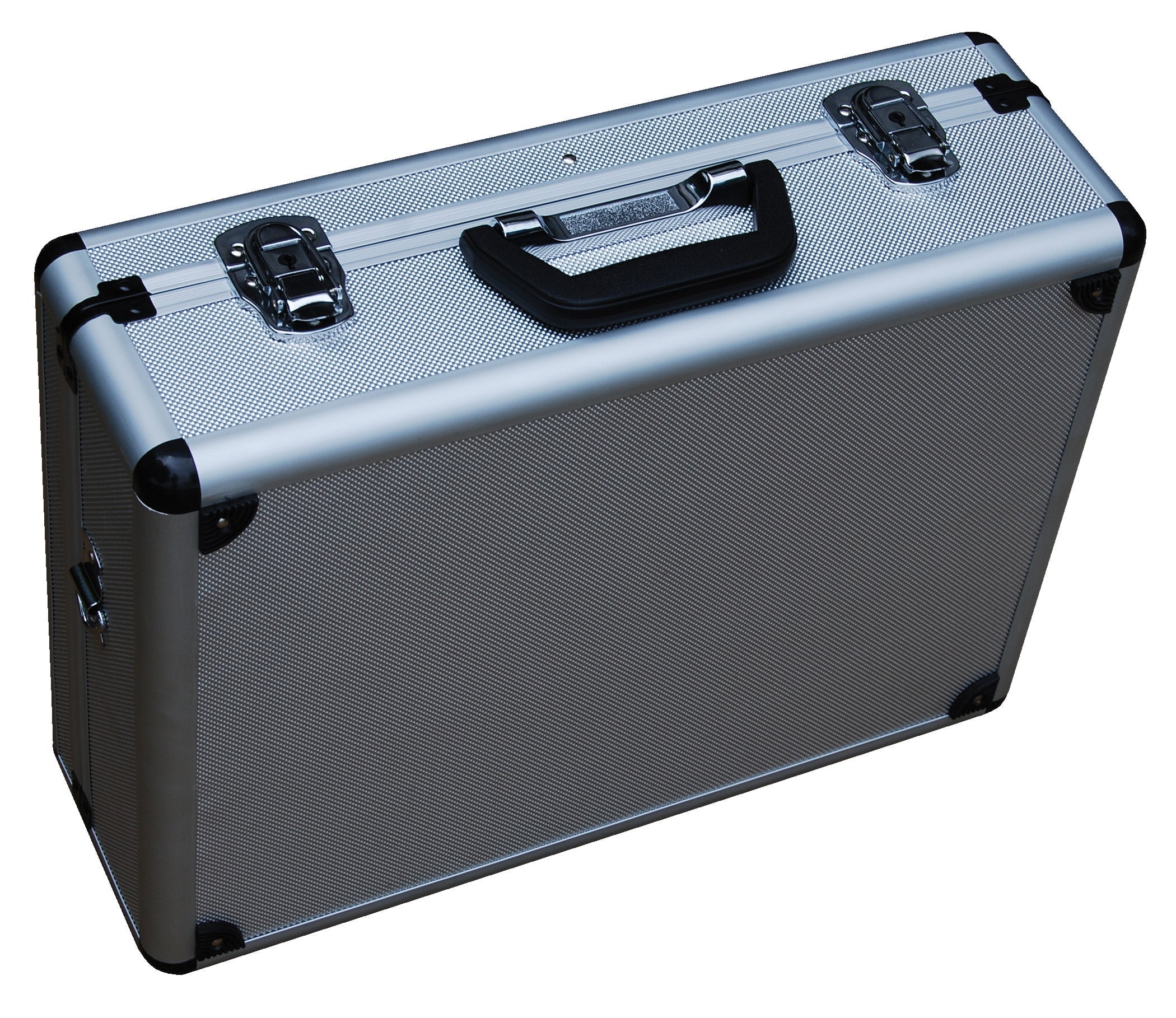
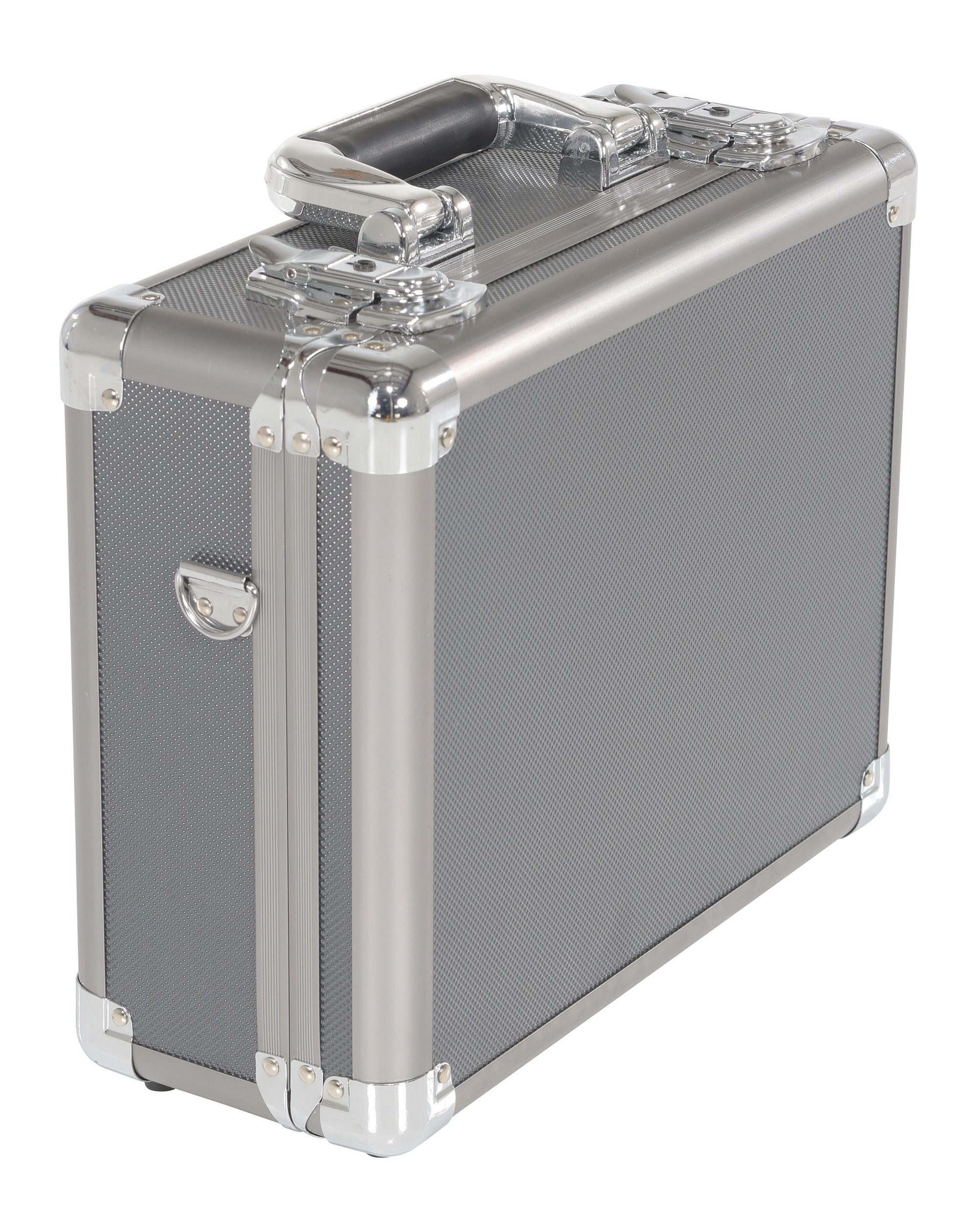
Benches, buildings, lockers, floor lines, and bikes. A few more pieces round out a full storage program. Fixed and mobile workbenches and tool storage give the crew a work surface and a place for hand tools, from Valley Craft mobile benches, welded work tables, and shop desks to Vestil steel benches and aluminum tool cases. Overflow and outdoor storage moves into storage buildings and shelters, including walk-in storage buildings, wire security cages, driver cages, and salt boxes with scoops. Personal gear and PPE lock into steel or stainless storage lockers. To keep the aisles you cleared actually visible, floor marking supplies tape applicators and tape, line stripers, and a projected virtual sign unit that throws a warning onto the floor. And for the parking lot, there is even an eco-friendly bike rack for the employee fleet.
Frequently Asked Questions
It depends on the beam profile and the span, not the height of the frame. Every Vestil rack ships with a load table that gives the rated capacity per pair of beams per level, and those ratings are derived under ANSI MH16.1, the RMI storage rack standard. Do not exceed the rated figure, and remember that wire or solid decking spreads a load but does not add beam capacity. If loads changed since the rack went in, re-check the table before you reload.
Pallet racking is for palletized unit loads that sit on beams, bay over bay. Cantilever racking is for long, unpalletized stock, pipe, lumber, bar, conduit, and moulding, that would overhang or foul a front column. Cantilever arms project from a single upright and leave the whole face open, so a forklift or a person can load anywhere along the length. If the item rides a pallet, buy the pallet rack; if it is long and loose, buy the cantilever.
If a full pallet bridges both beams, decking is optional for structure. You add wire mesh or solid decking when you hand-stack small items, cartons, or totes that would fall between the beams, and many fire codes call for it. Wire mesh is the common choice because its open pattern lets sprinkler water pass through, which generally keeps the bay compliant with NFPA 13. Solid and crown decking suit small parts and bagged goods where you do not want anything slipping through.
If you keep flammable liquids in quantity, effectively yes. OSHA 29 CFR 1910.106 limits how much you can store outside a cabinet and caps a single storage cabinet at 60 gallons of Category 1, 2, or 3 flammable liquid. The cabinet itself has to be built to hold its internal temperature below 325 degrees F in a fire and be labeled Flammable. The Vestil flammable safety cabinets in the cabinets collection are built to that construction standard.
No. Pallet racking ships as components, uprights plus beams, that hook and lock together at the job site, and cantilever racking ships as uprights, bases, and arms that bolt up. That is normal for freight-shipped racking and is what keeps shipping cost sane on a full bay. Shelving units are usually boltless and assemble by hand, while cabinets and lockers typically arrive welded and ready to place.