Rigging Equipment
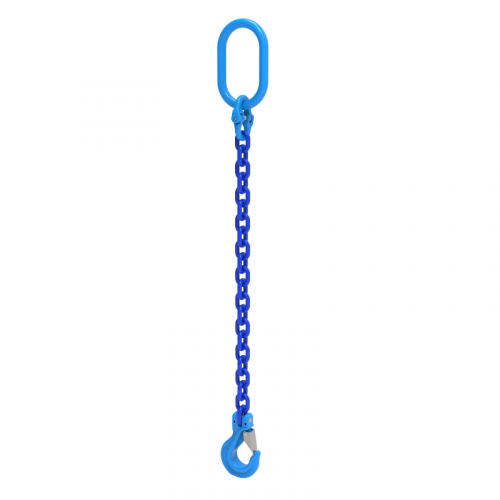
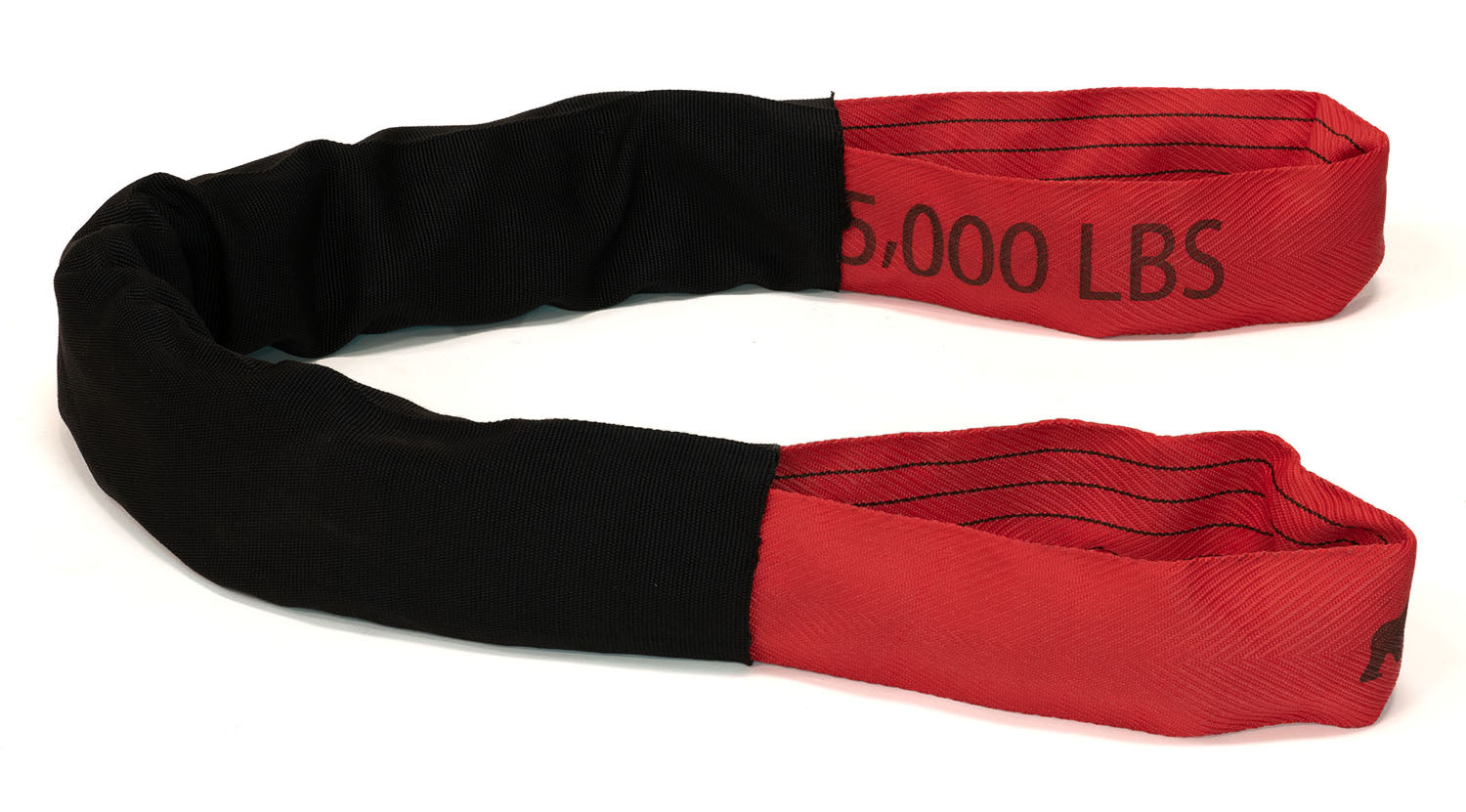
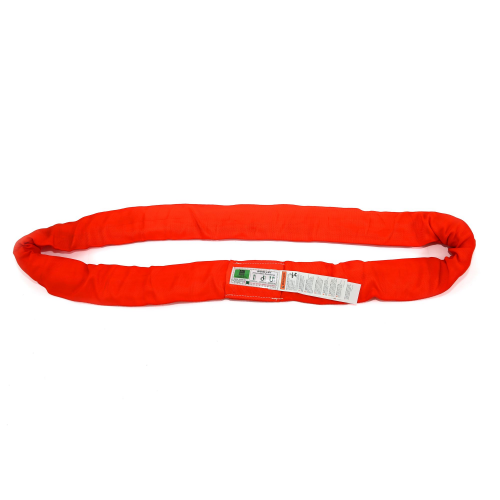
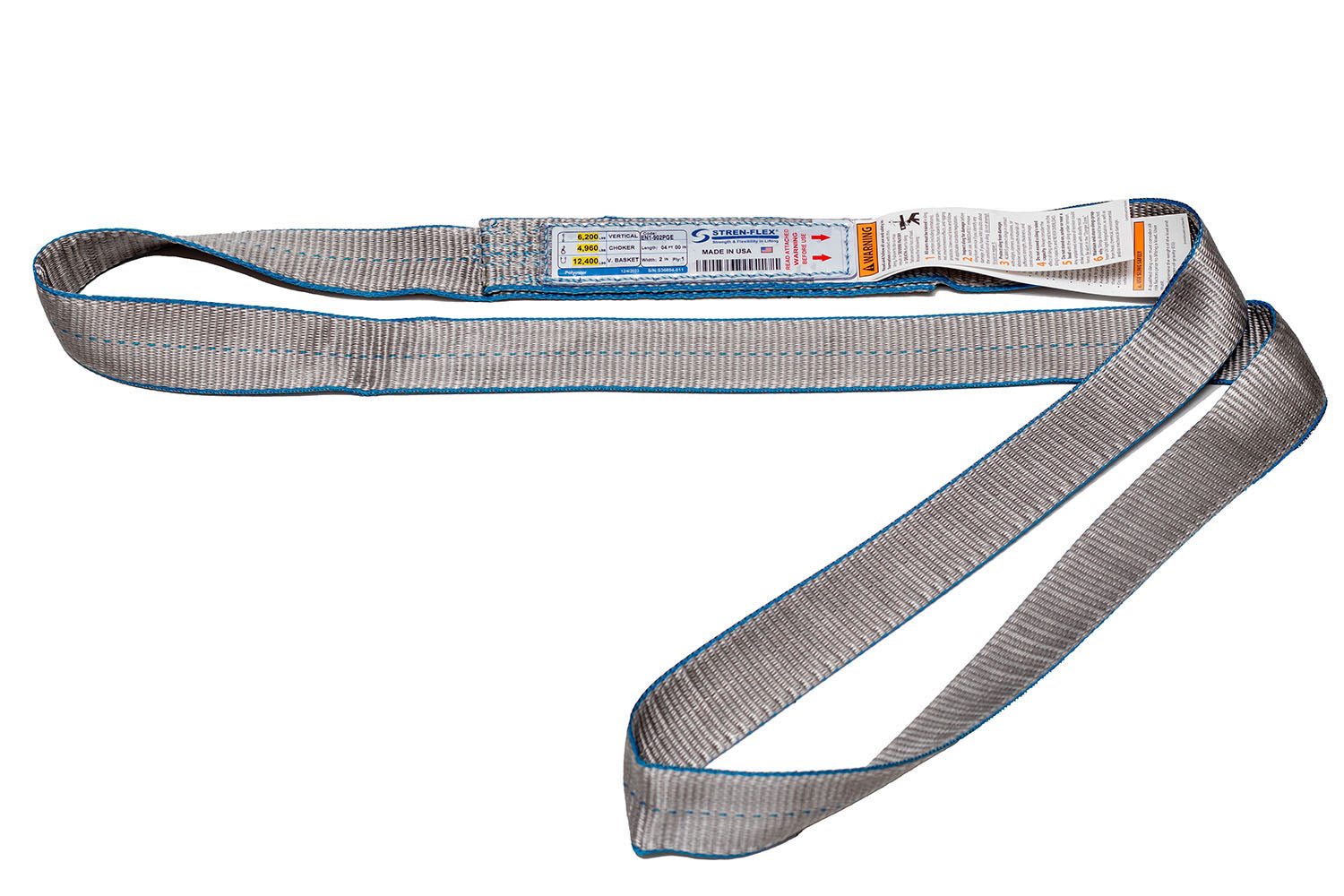
Rigging equipment is everything that connects the hook to the load: shackles, slings, and the links between them. This collection carries Green Pin bow shackles in screw pin and safety bolt patterns, HHIppo synthetic soft shackles, Holloway Houston round slings, and William Hackett Grade 100 chain sling assemblies, rated from a few hundred pounds up to 85 metric tons. A rig is only ever as strong as its weakest piece, so the work on this page is picking components that match.
Shop Rigging Equipment by Category
Compare Rigging Equipment
| Model | Price | Capacity | |
|---|---|---|---|
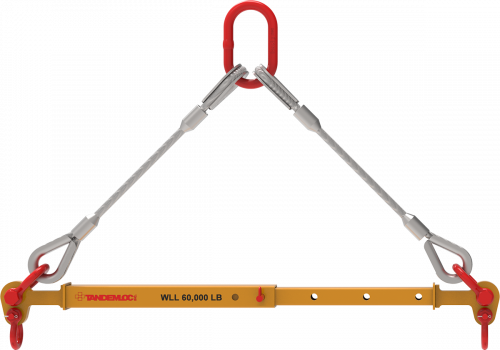
| Tandemloc Autoloc Spreader Container Lifting Frame | $33,249 | 67,200-70,000 lb | View → |
| Machining & Welding Rescue Personnel Basket | $18,077 | 2,000 lb | View → |
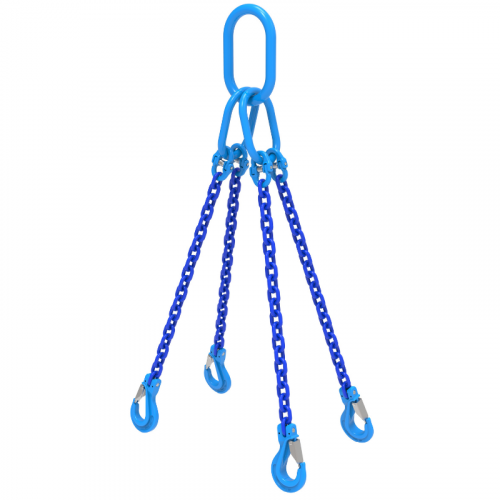
| William Hackett 1-1/4 Inch Diameter 191700lbs 4-Leg Chain Sling | $17,893 | 191700 lb | View → |
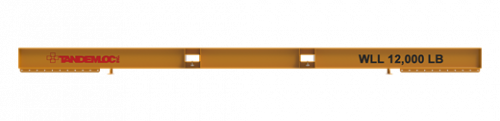
| Tandemloc Forklift Spreader Bar with Multiple Padeyes | $15,634 | 12,000 lb | View → |
| Machining & Welding Fixed Side 6000lbs Sloped End Material Baskets | $12,937 | 6,000 lb | View → |
| RUD VWBG load Ring, UNC Thread with Variable Length | $12,783 | 15-50 ton | View → |
 In Stock
 In Stock
 In StockIn Stock
 In StockIn Stock
 In Stock
 In Stock
 In Stock
 In Stock
 In Stock
 In Stock
 In Stock
 In Stock
 In Stock
 In Stock
 In Stock
 In Stock
 In Stock
 In Stock
 In Stock
 In Stock
 In Stock
 In Stock
 In Stock
 In Stock
 In Stock
 In Stock
 In Stock
 In Stock
 In Stock
 In Stock
 In Stock
 In StockIn Stock
 In Stock
 In Stock
 In Stock
 In Stock
 In StockIn Stock
 In Stock
 In Stock
 In Stock
 In Stock
 In Stock
 In Stock
 In Stock
 In Stock
 In Stock
 In Stock
 In Stock
 In Stock
 In Stock
 In Stock
 In Stock
 In Stock
 In Stock
 In Stock
 In Stock
 In Stock
 In Stock
 In Stock
 In Stock
 In Stock
 In Stock
 In Stock
 In Stock
 In Stock
 In Stock
 In Stock
 In Stock
 In Stock
 In Stock
 In Stock
 In Stock
 In Stock
 In Stock
 In Stock
 In Stock
 In Stock
 In Stock
 In Stock
 In Stock
 In Stock
 In Stock
 In Stock
 In Stock
 In Stock
 In Stock
 In Stock
 In StockIn Stock
 In Stock
 In Stock
 In Stock
Rigging Equipment Buying Guide
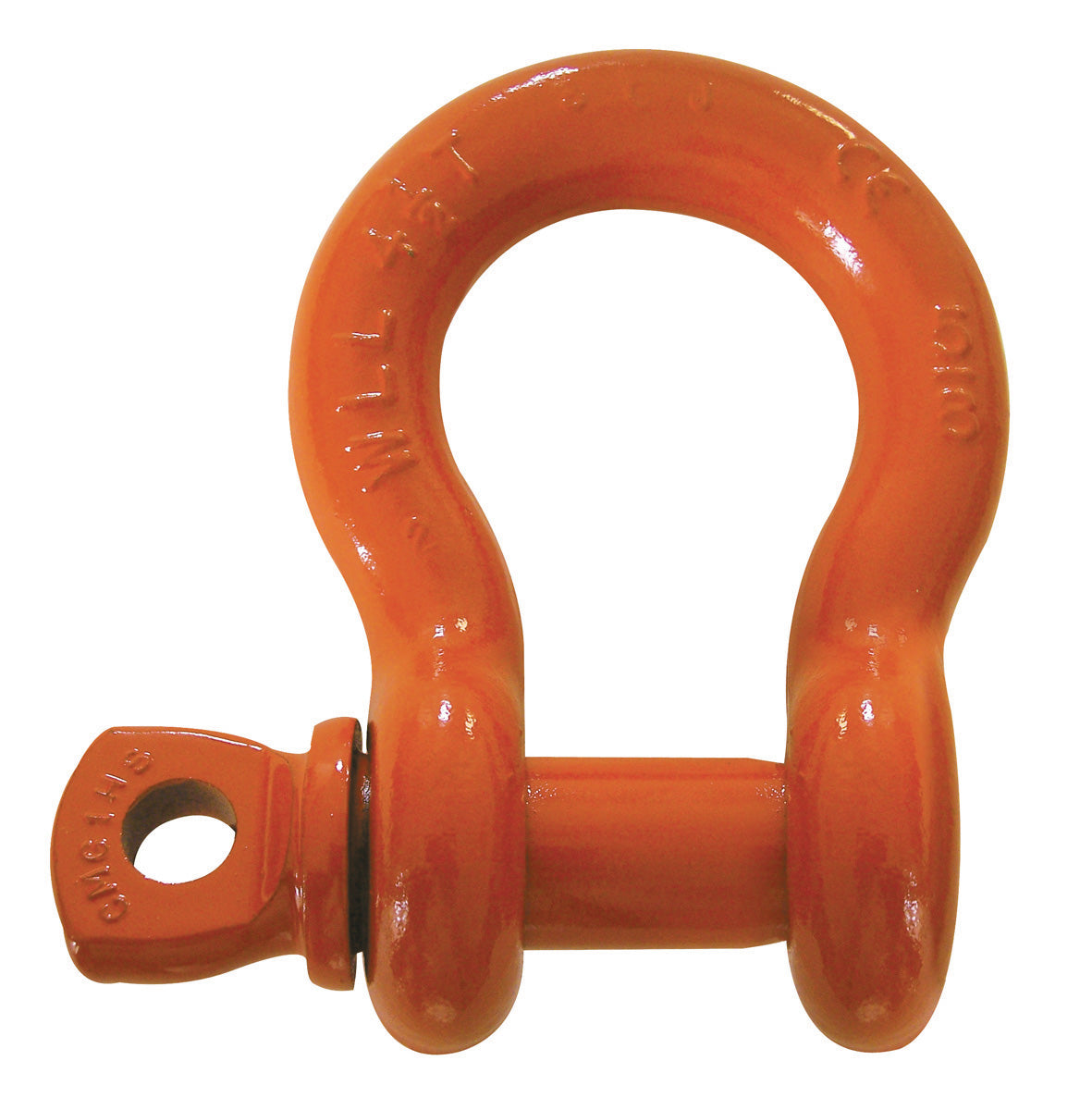
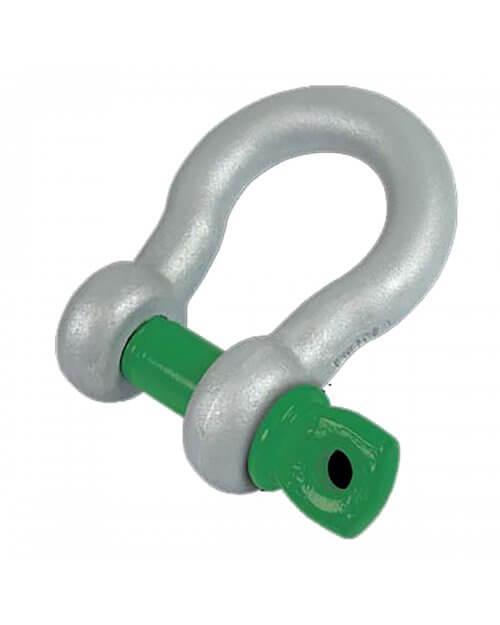
Start with the working load limit, and know what stands behind it. Every rated component here carries a working load limit, the most it may hold in normal service. Behind that number sits a design factor. Green Pin builds these shackles from quenched and tempered high tensile steel with a minimum breaking load of 6 times the WLL, so a 1/2 inch G-4161 rated at 2 metric tons (about 4,400 lb) does not let go until well past 26,000 lb. That factor absorbs dynamic loading, wear, and the abuse hardware collects in real service; it is not spare capacity for you to spend. Rig to the WLL, and remember the rating assumes a straight in-line pull: loading a shackle across its body or at an angle reduces what it can carry, and the manufacturer's reduction chart, not guesswork, tells you by how much. The same discipline runs across the collection's hardware, from lifting clamps and hooks and connectors to screw-in lifting points, and when you would rather read the load than estimate it, the Straightpoint dynamometers in load weighing equipment measure the tension directly.
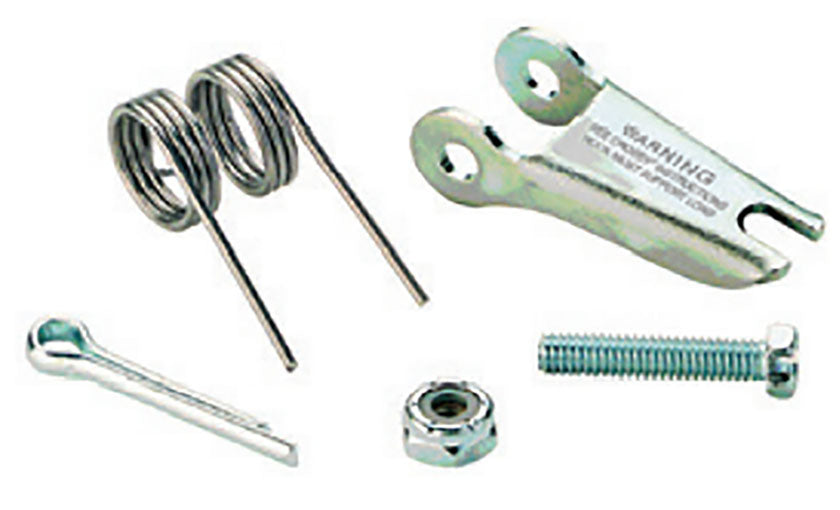
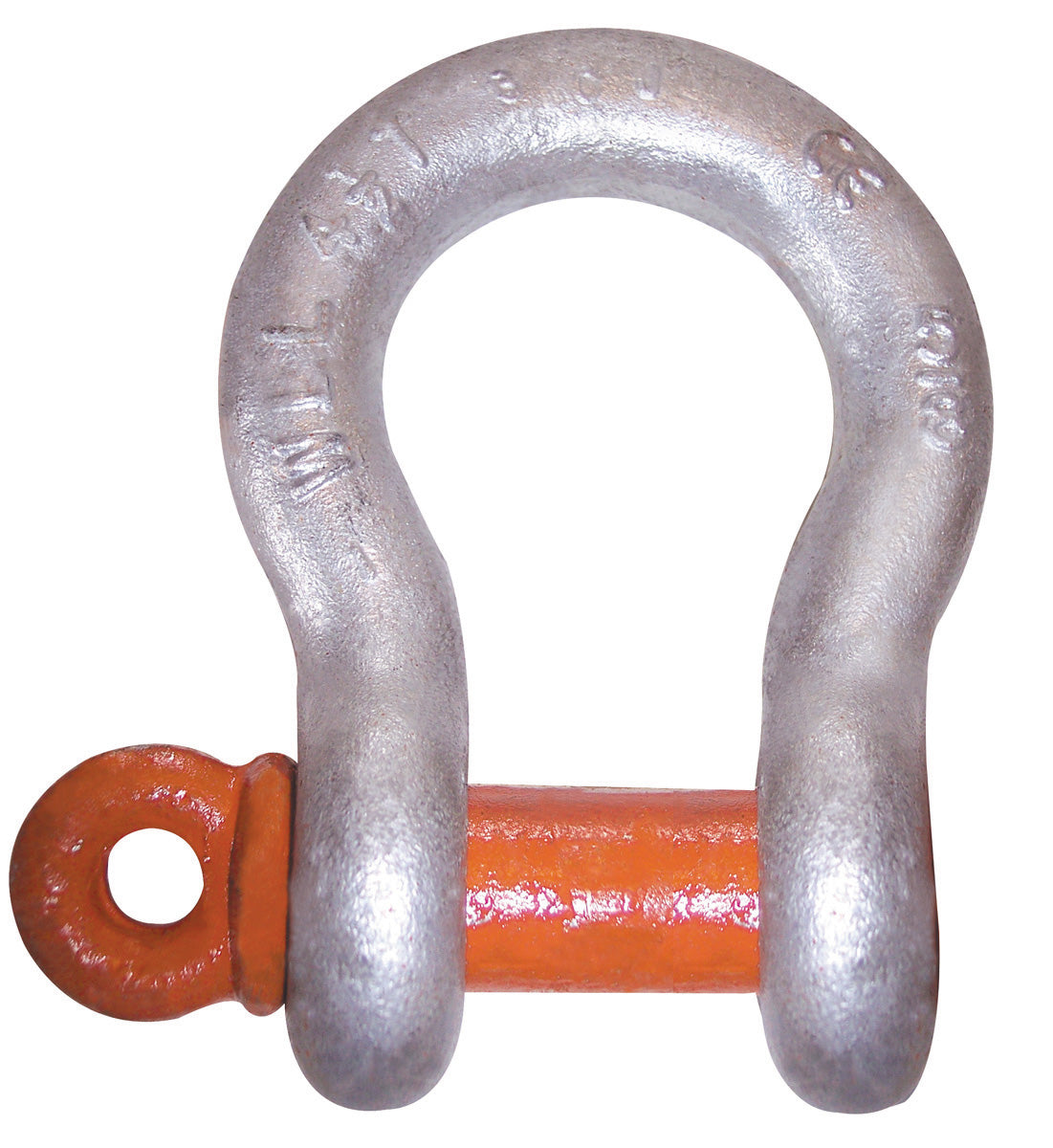
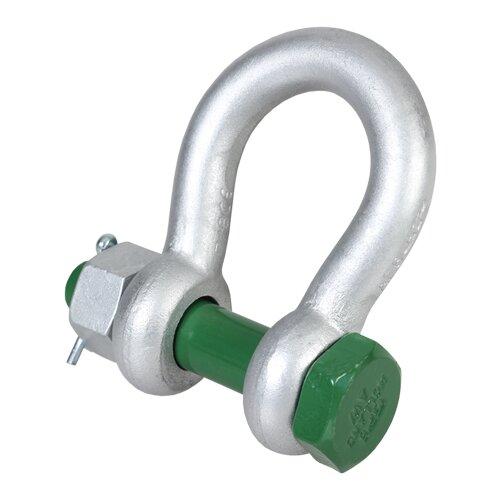
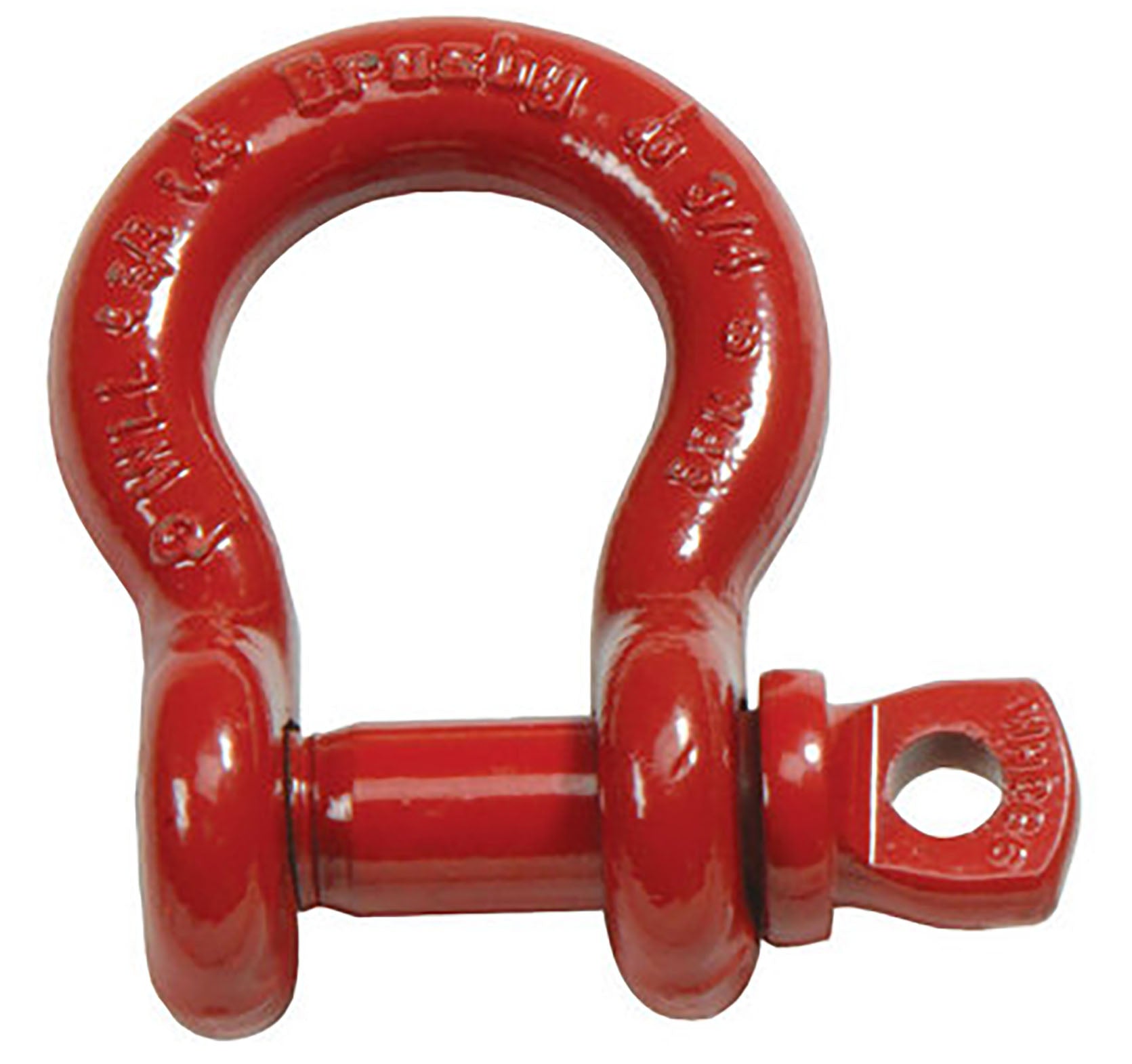
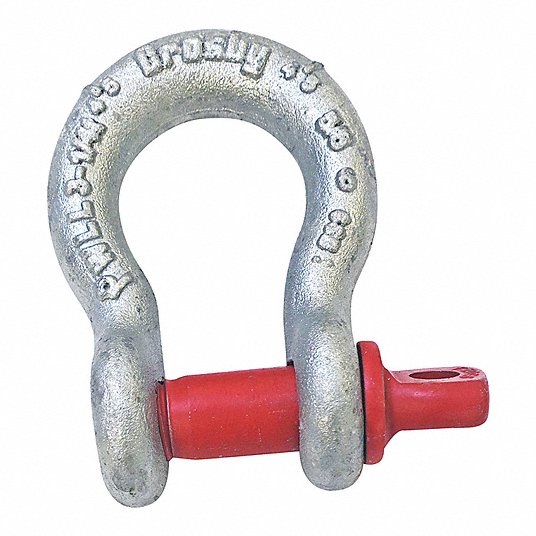
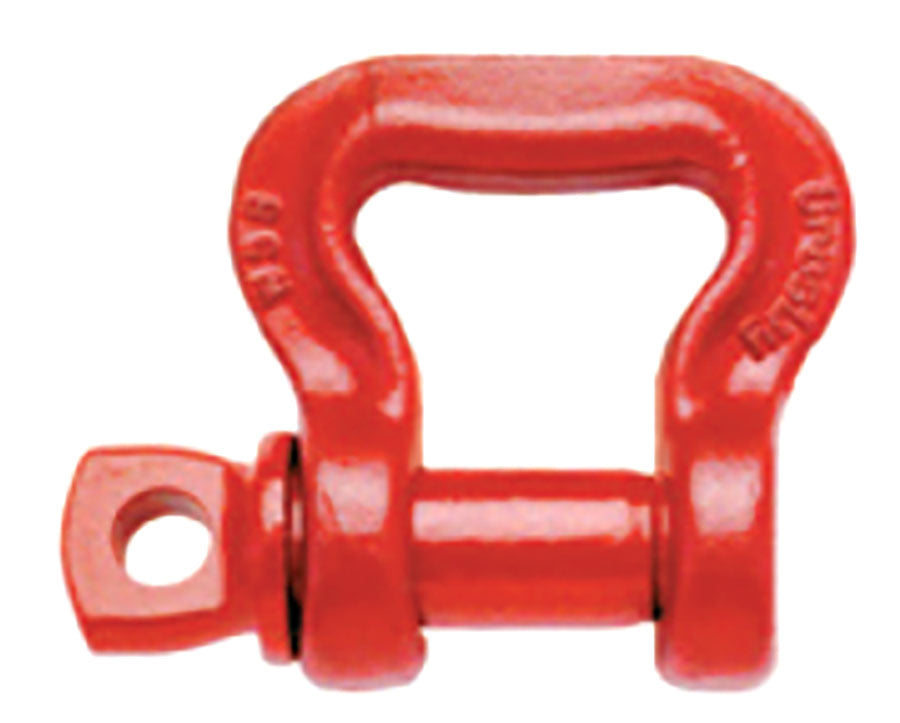
Screw pin or bolt-type. The G-4161 is a screw pin shackle. The pin threads into the body, goes on and off in seconds, and is the right choice for pick-and-place work where the shackle is rigged, lifted, and stripped the same day. Its weakness is that friction and vibration can back the pin out, so tighten it before every lift and never use one where the pin can rotate under load. The G-4163 safety bolt shackle closes that gap with a bolt, nut, and cotter pin: nothing unscrews, so it is the pick for connections that stay rigged for days, loads that can spin, and anything that cycles. The price gap is small, our G-4161 starts at $5.56 and the G-4163 at $15.51, so when in doubt, buy the bolt.
Why bow shackles, and what the shape buys you. Both Green Pin lines here are bow shackles, also called anchor shackles, with a rounded body wider than the pin. That extra room is the point: a bow collects two or three sling legs, or takes a single leg at an angle, without jamming the sling against the body. A chain shackle, the narrow D shape, is meant for straight in-line pulls between two components and does not tolerate side loading. For general rigging, where legs come in at angles and hardware gets reused across jobs, the bow pattern is the more forgiving buy. The G-4161 runs from a third of a tonne up to 55 tonnes and the G-4163 from half a tonne to 85 tonnes, so the same pattern scales from bench work to serious iron. And when sling legs need holding apart rather than collecting, that is a job for the lifting spreader bars one collection over.
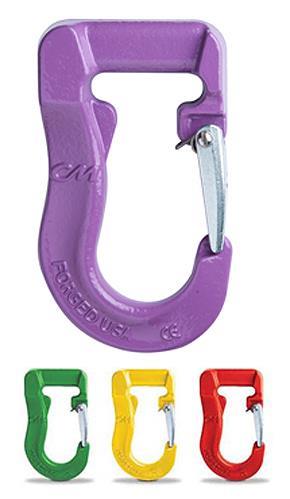
Where a soft shackle earns its place. The HHIppo Link is a shackle spliced from high-strength synthetic rope instead of pinned steel, with working load limits from 4,000 lb at the 1/4 inch size to 9,400 lb at 7/16 inch. It weighs a fraction of a steel shackle at the same rating, will not mar machined or painted surfaces, and threads through tight eyes and lug holes a steel bow cannot enter. The trade is cut sensitivity. Keep soft shackles away from sharp edges and abrasive steel, and retire one the moment you see cut or fuzzed fibers. They shine as sling-to-sling connections and anywhere a dropped steel shackle or a scratched surface would cost more than the shackle did.
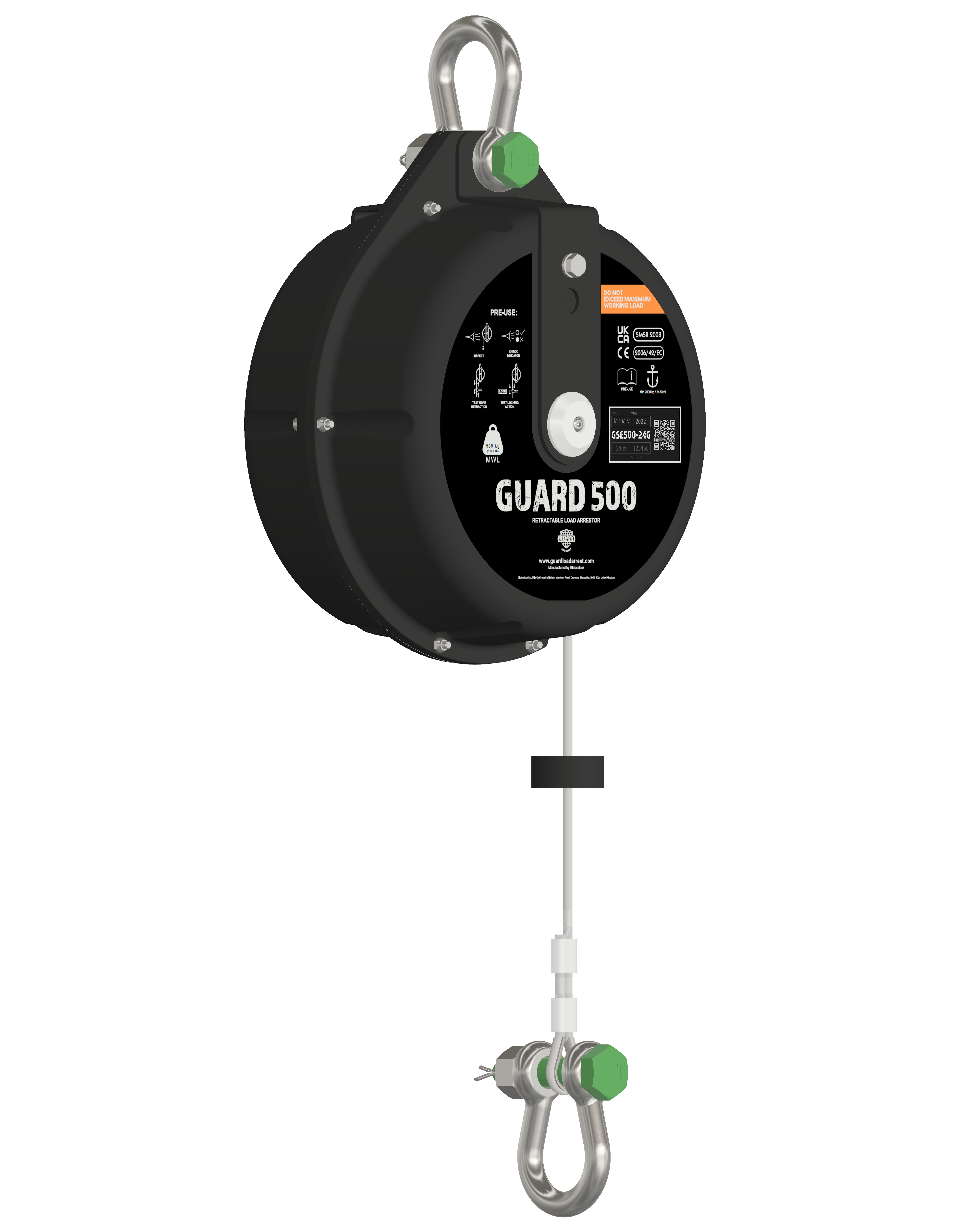
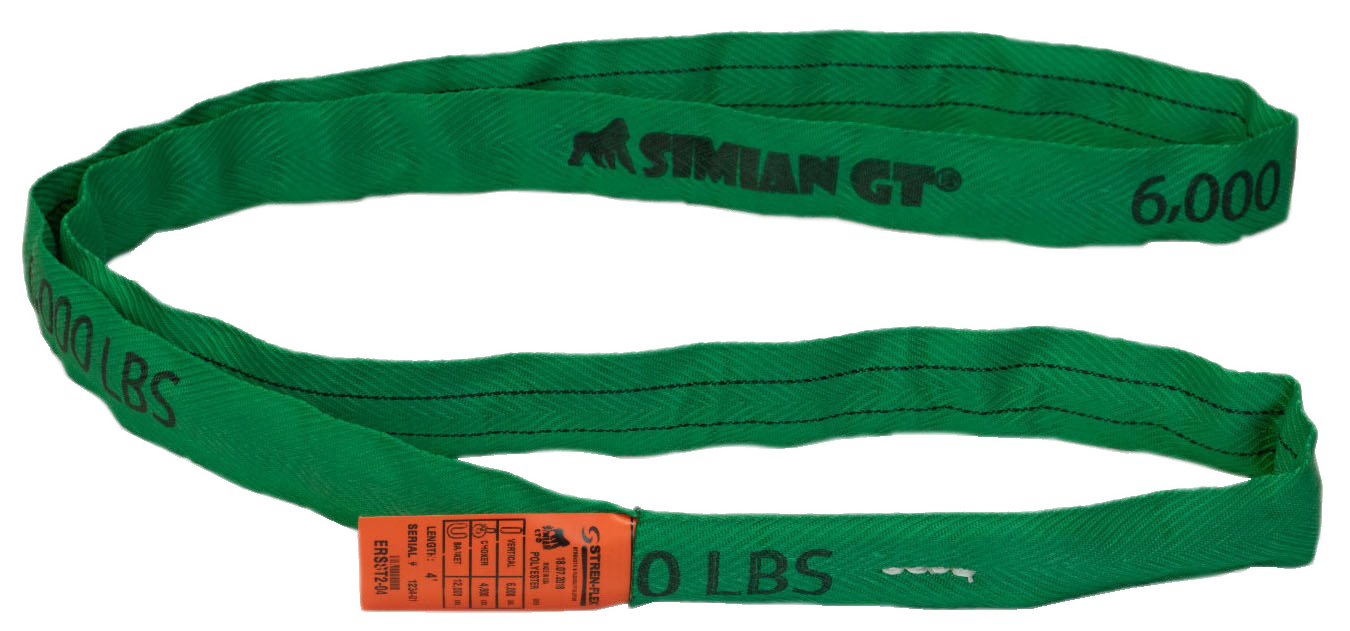
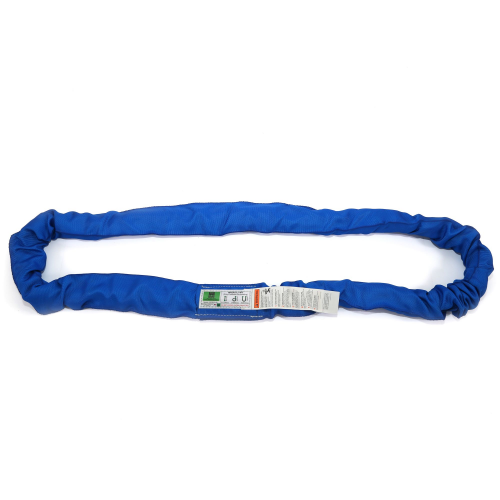
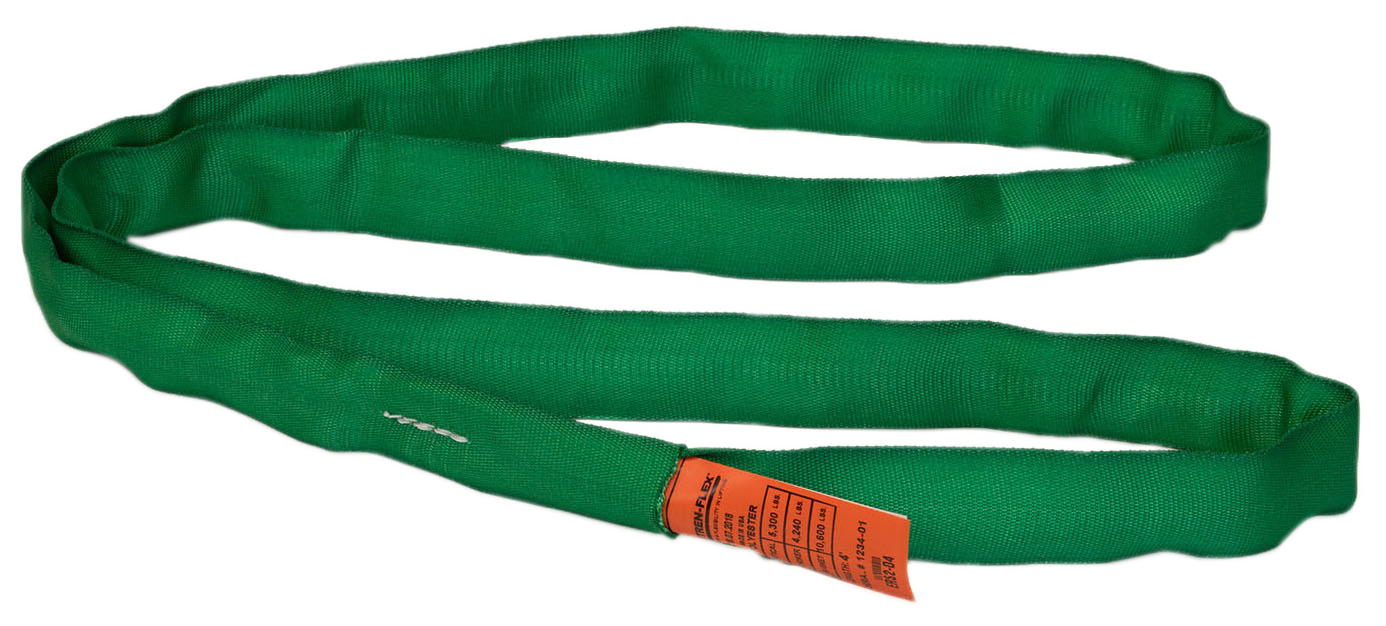
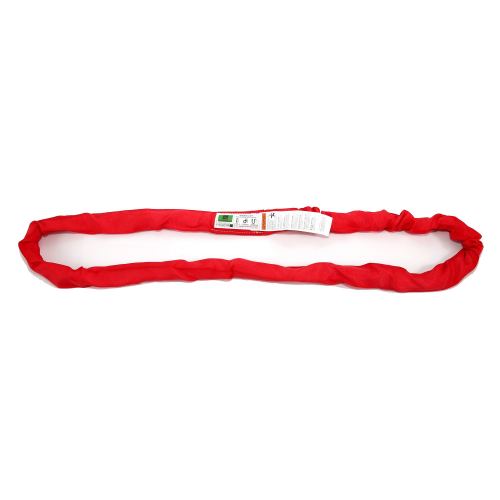
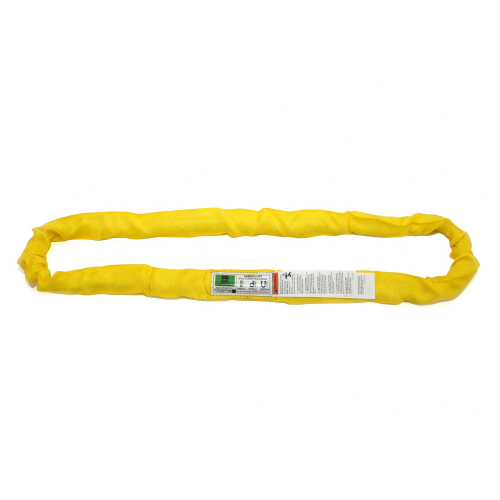
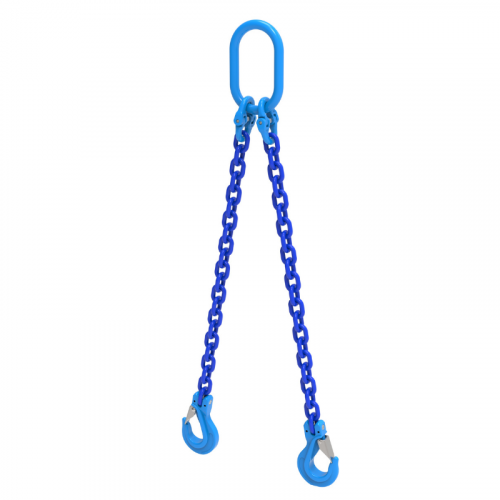
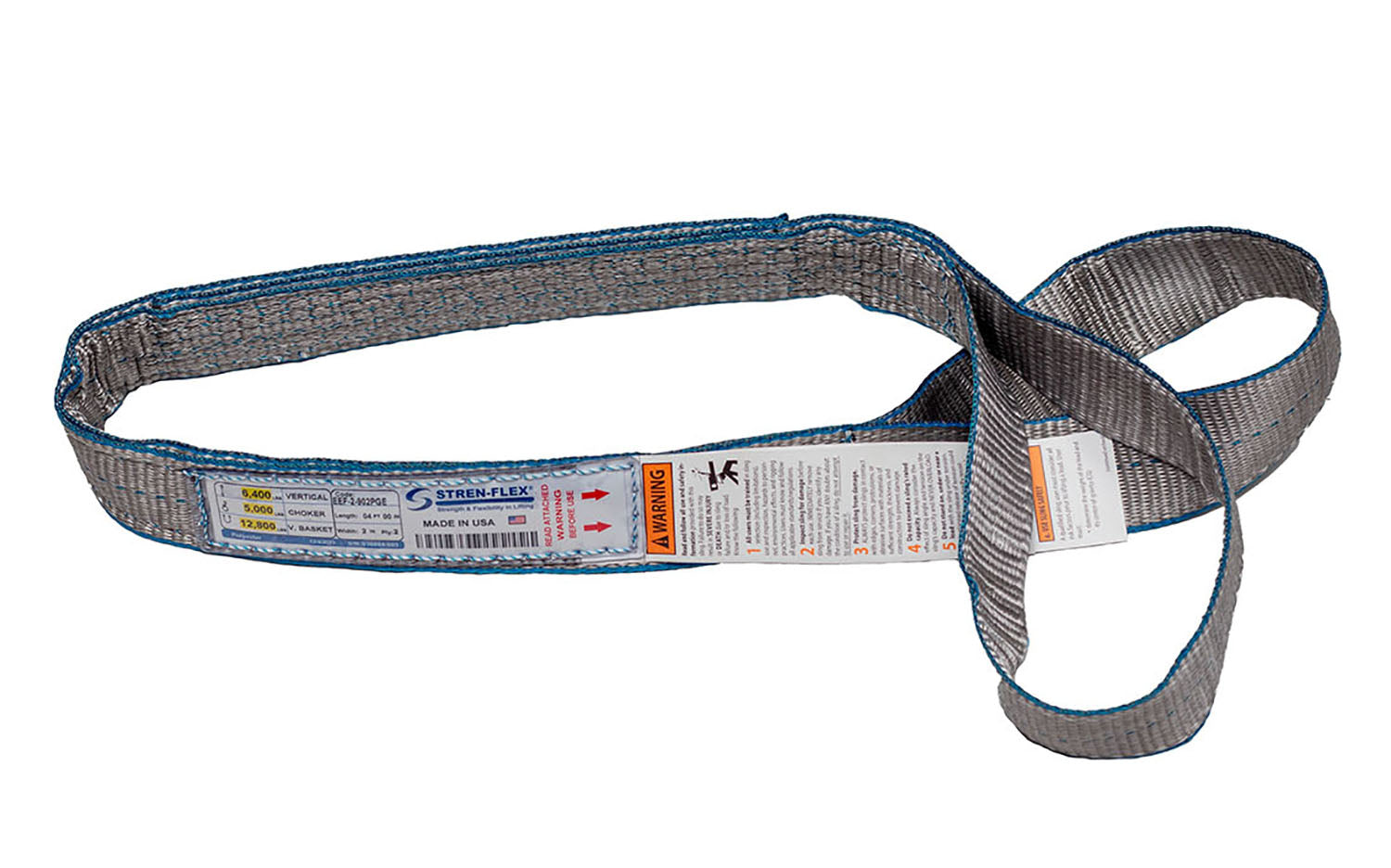
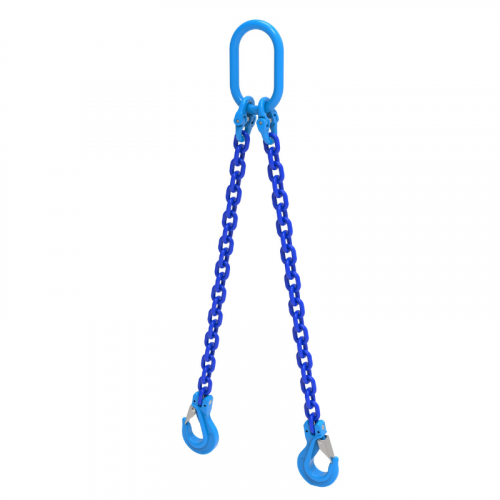
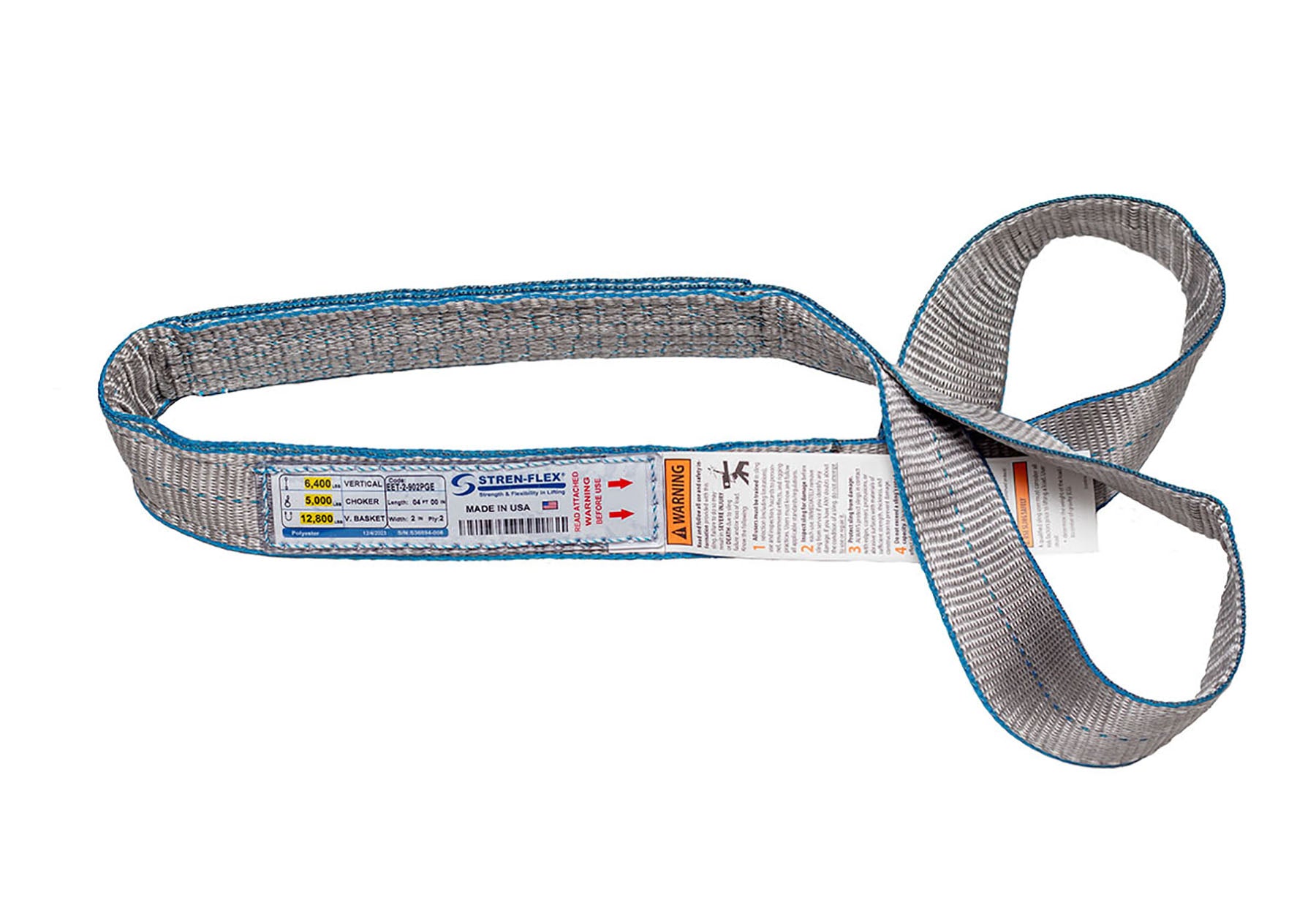
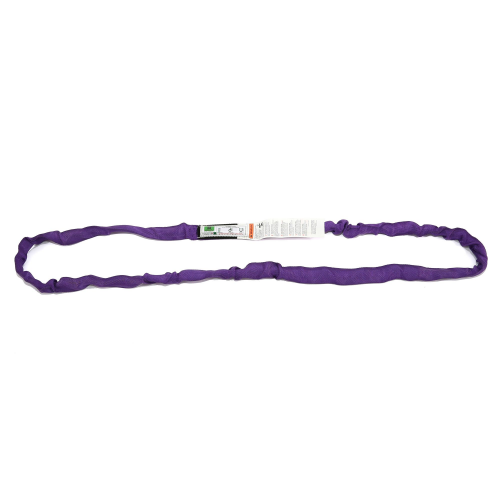
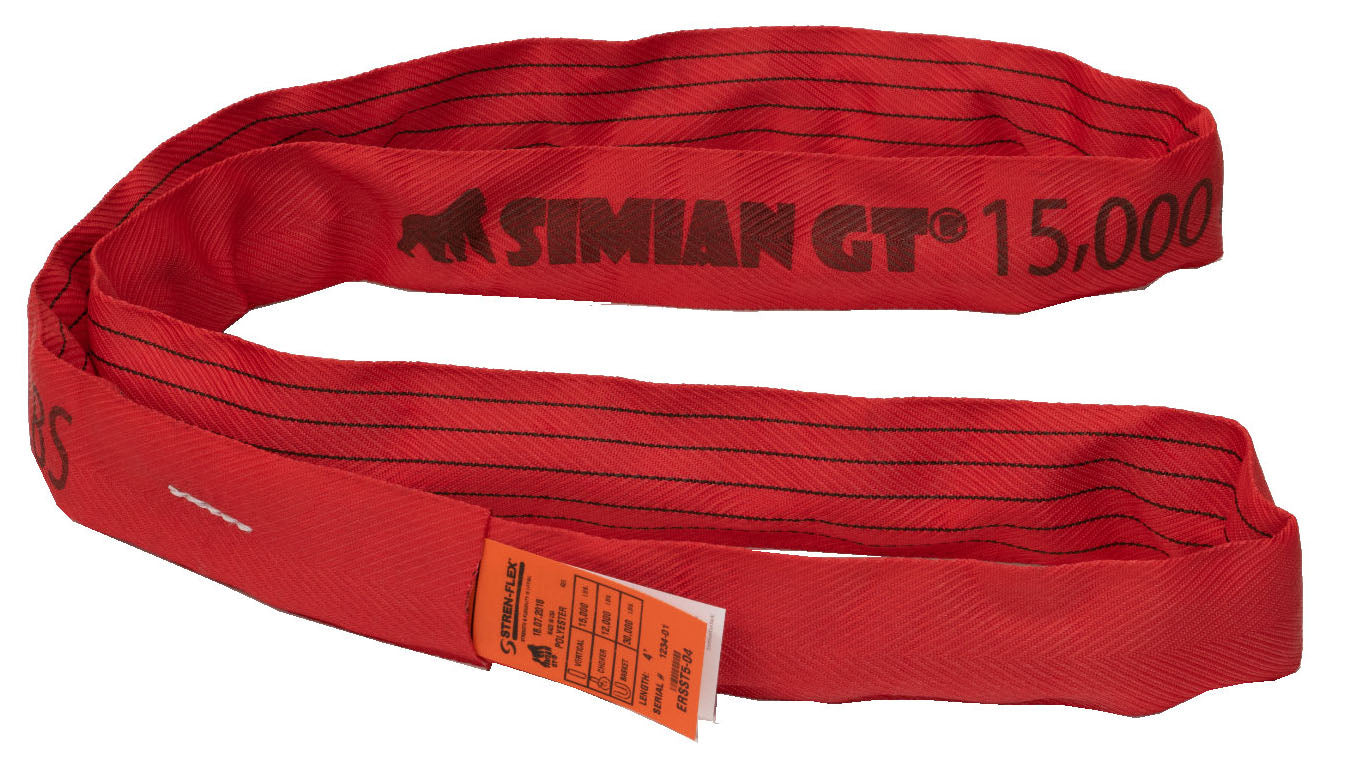
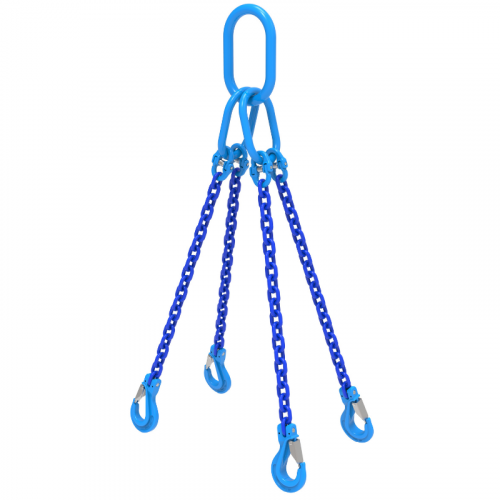
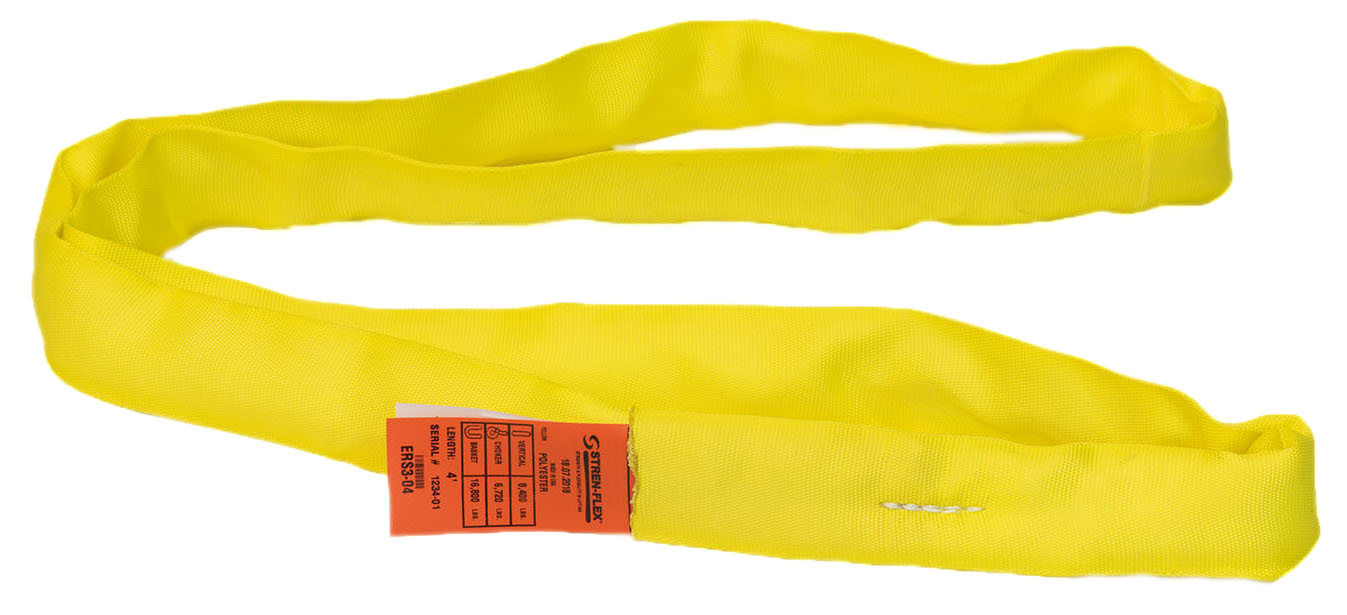
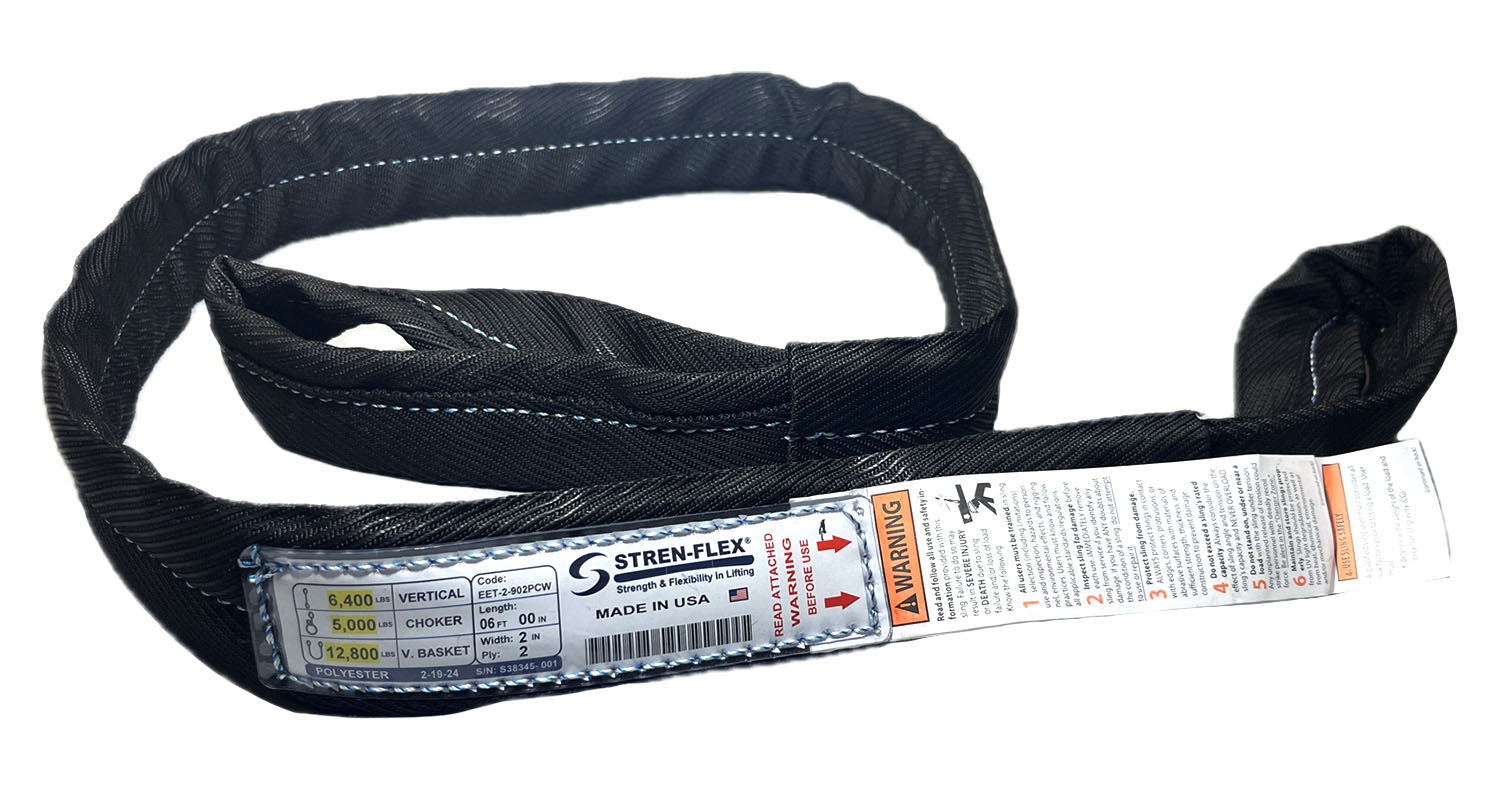
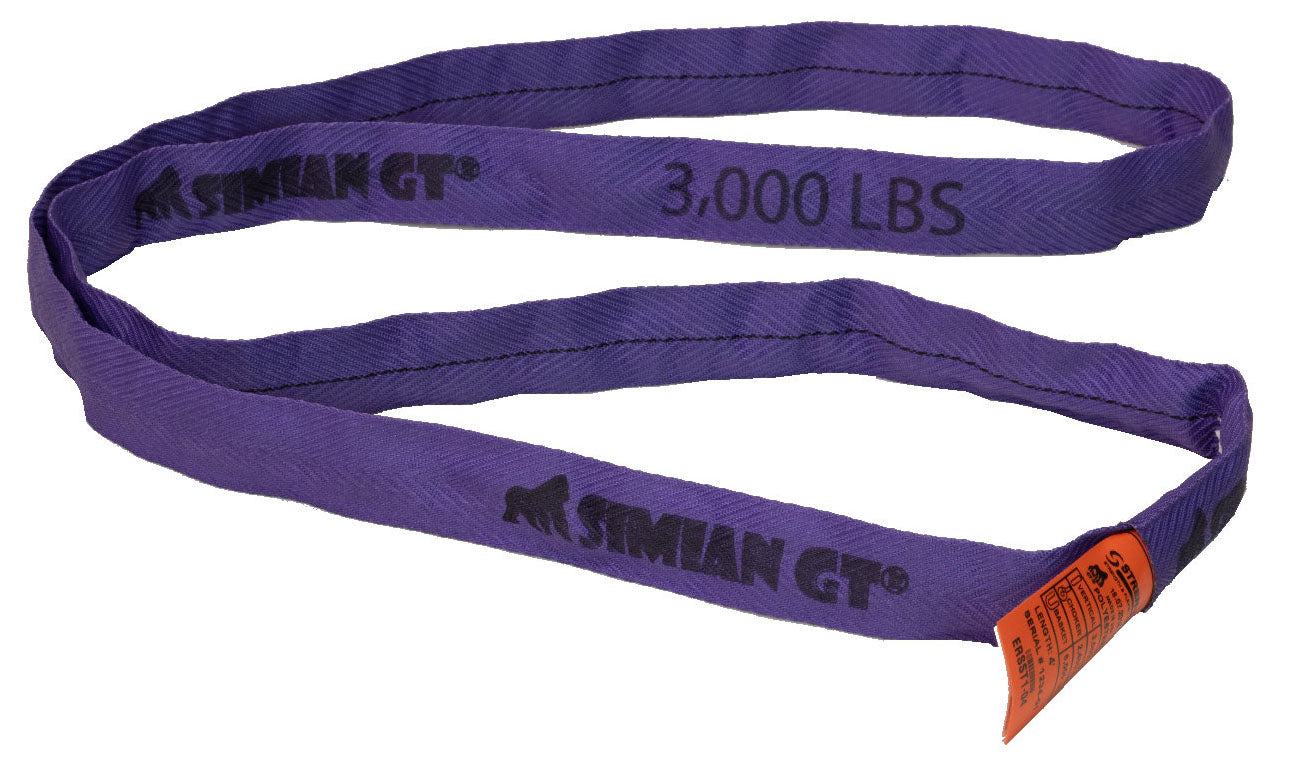
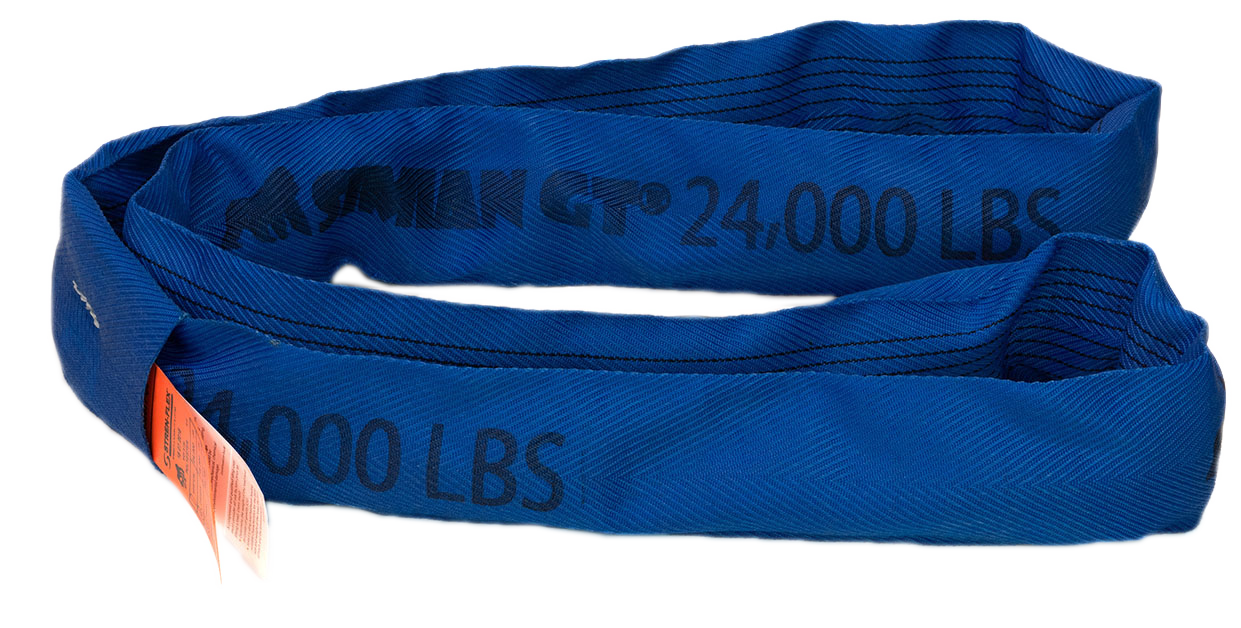
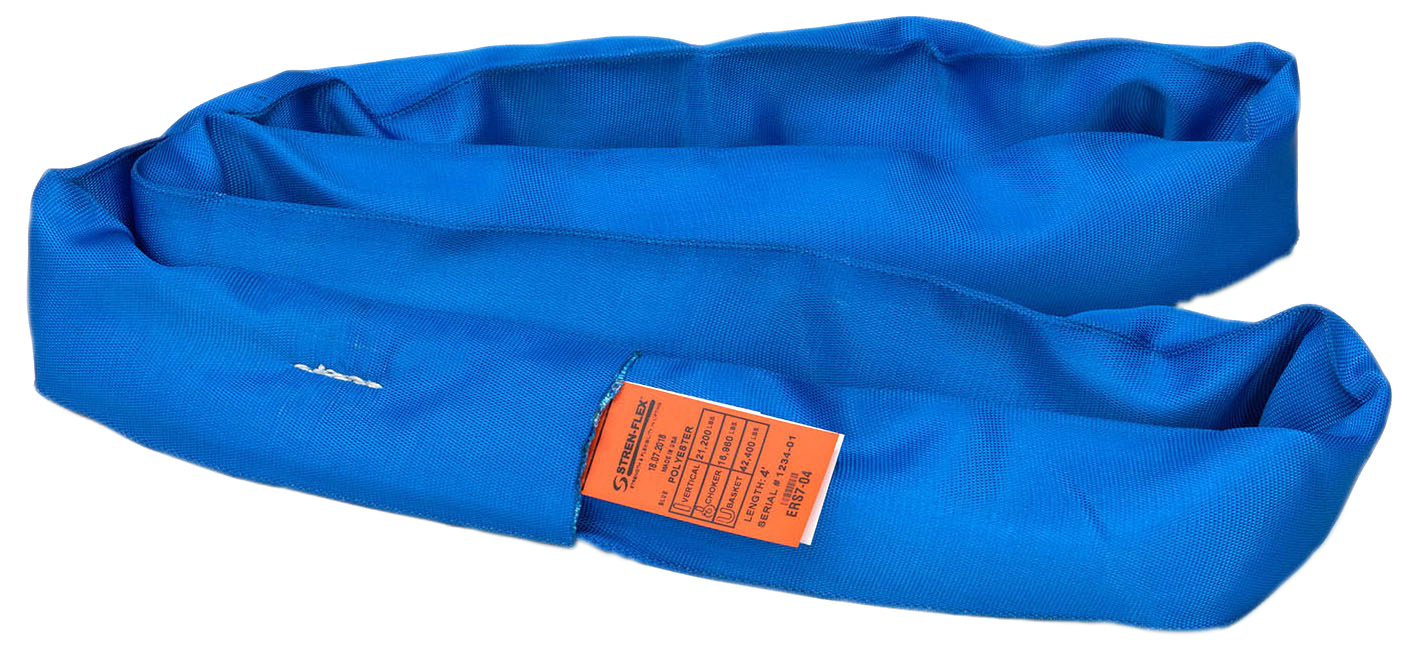
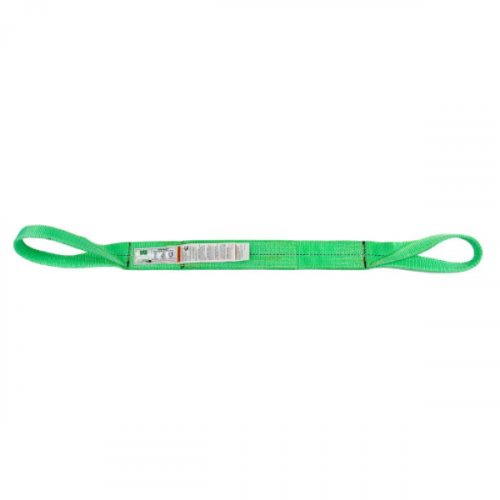
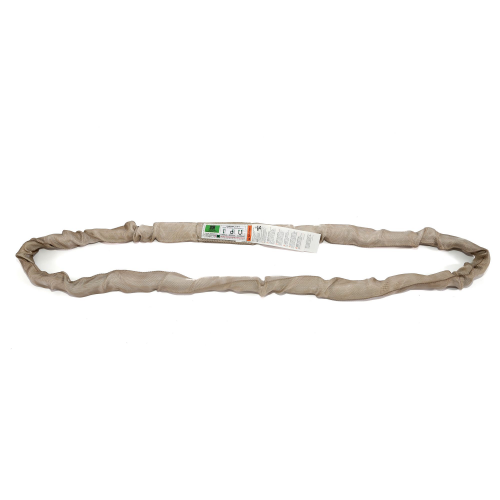
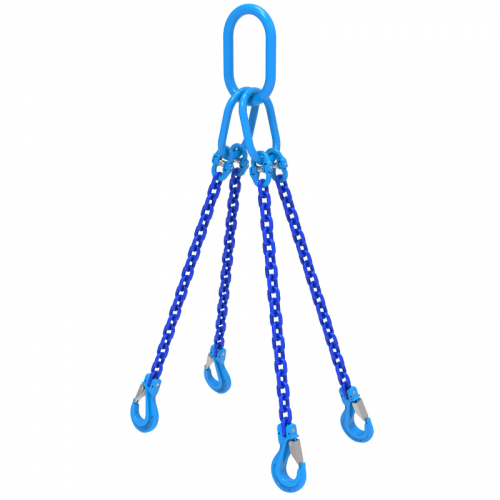
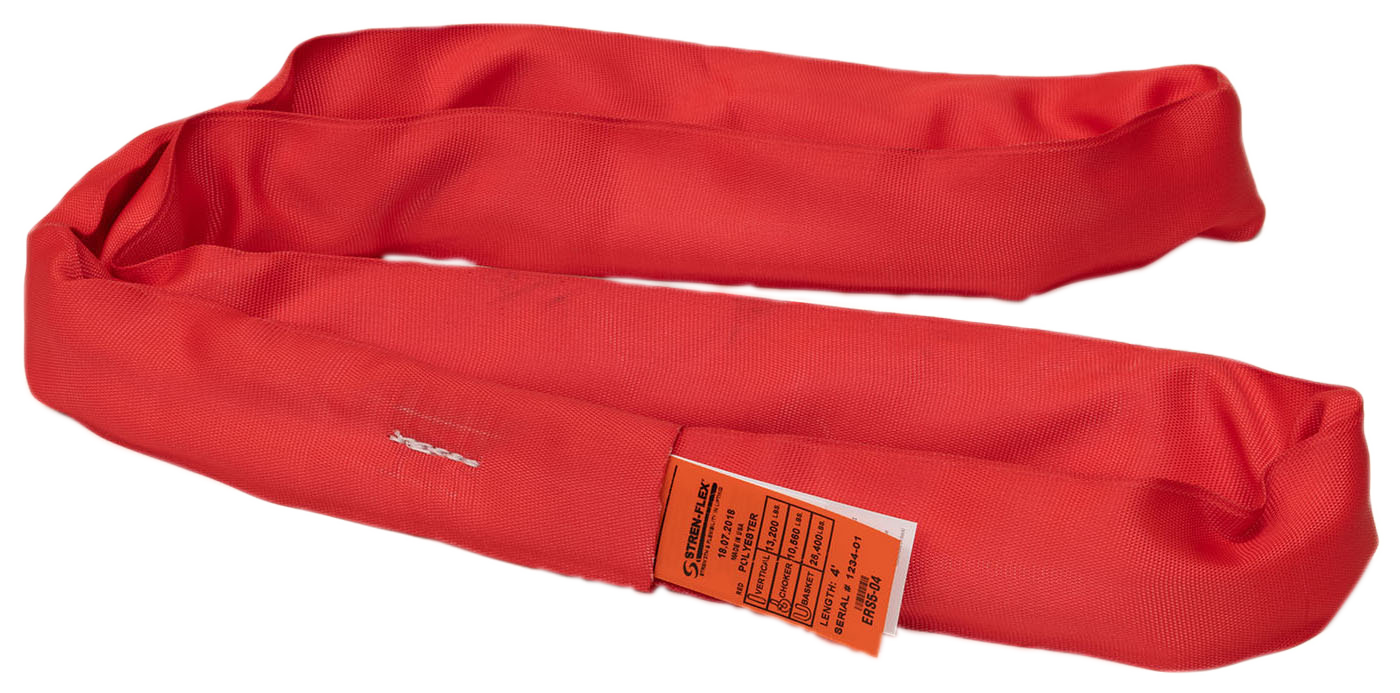
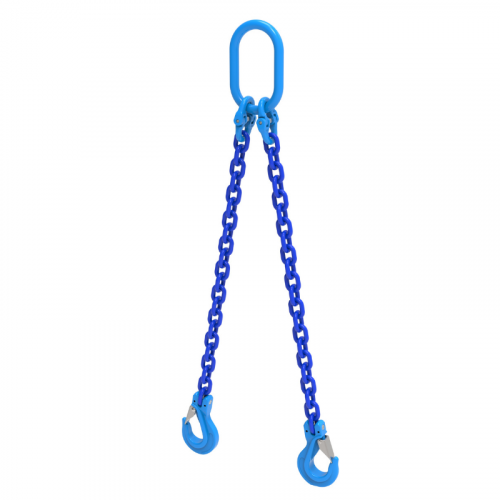
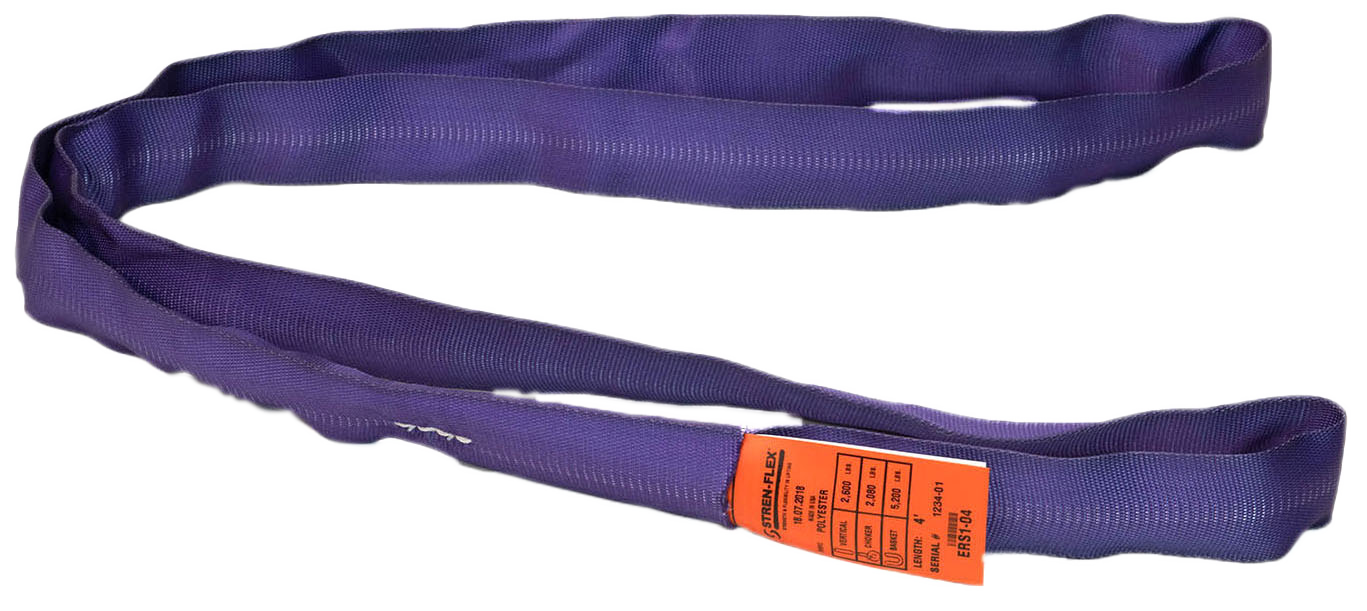
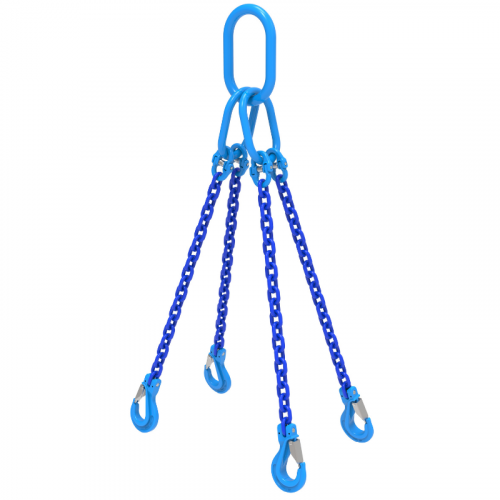
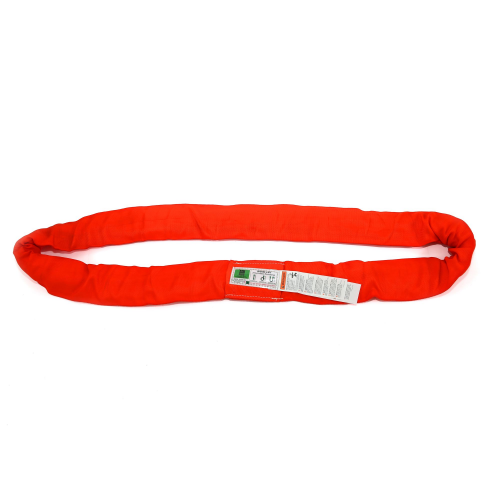
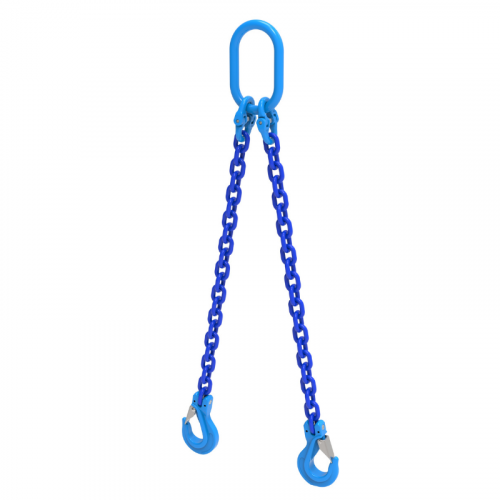
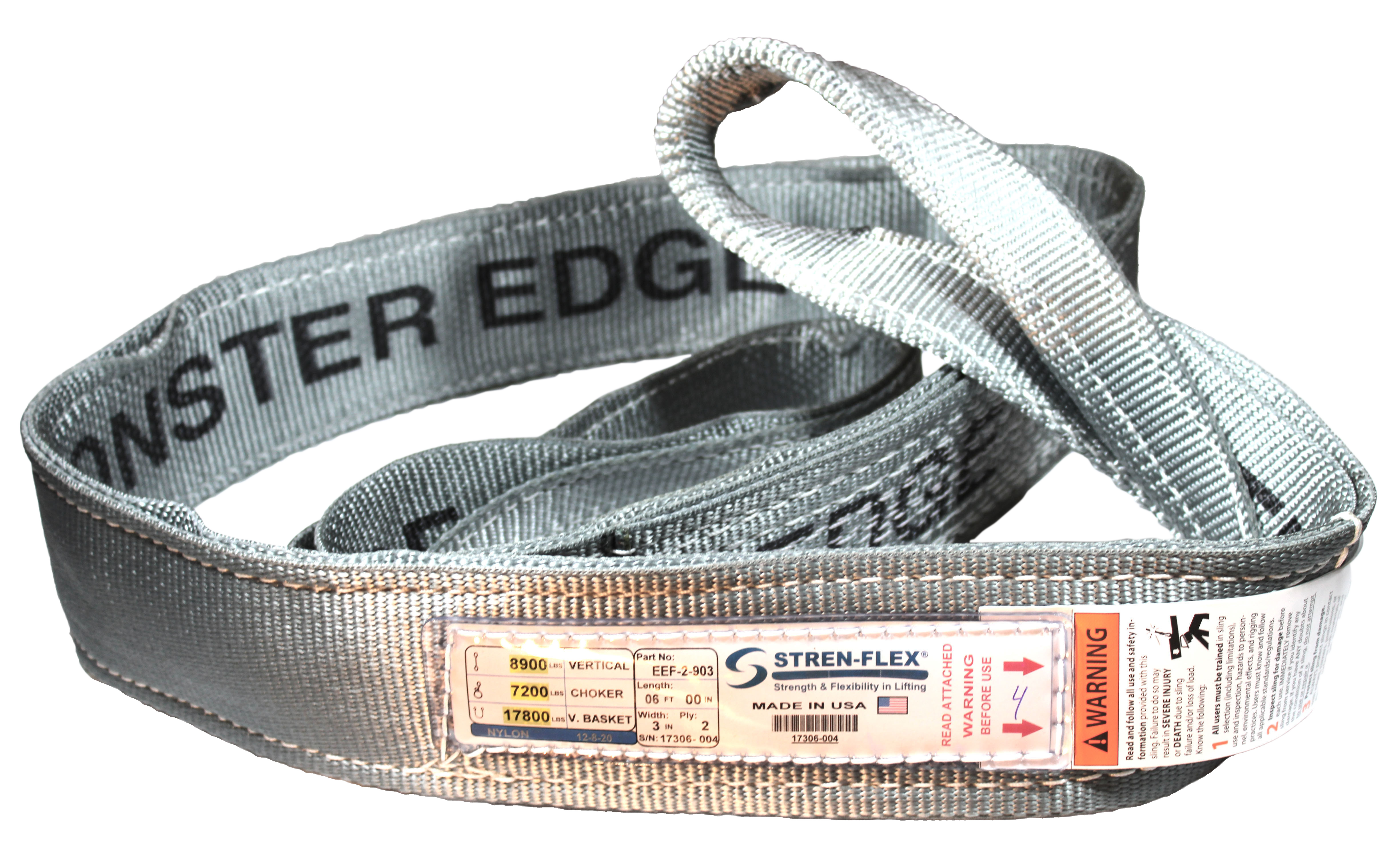
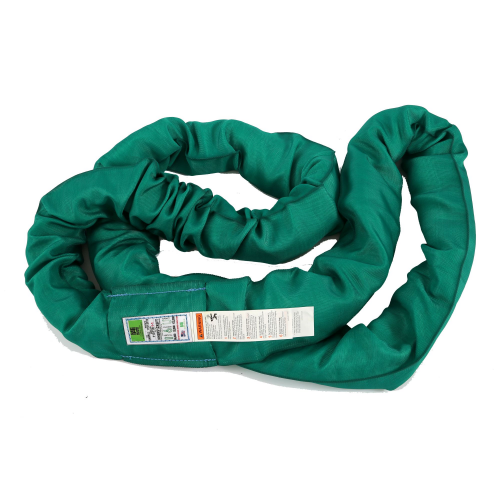
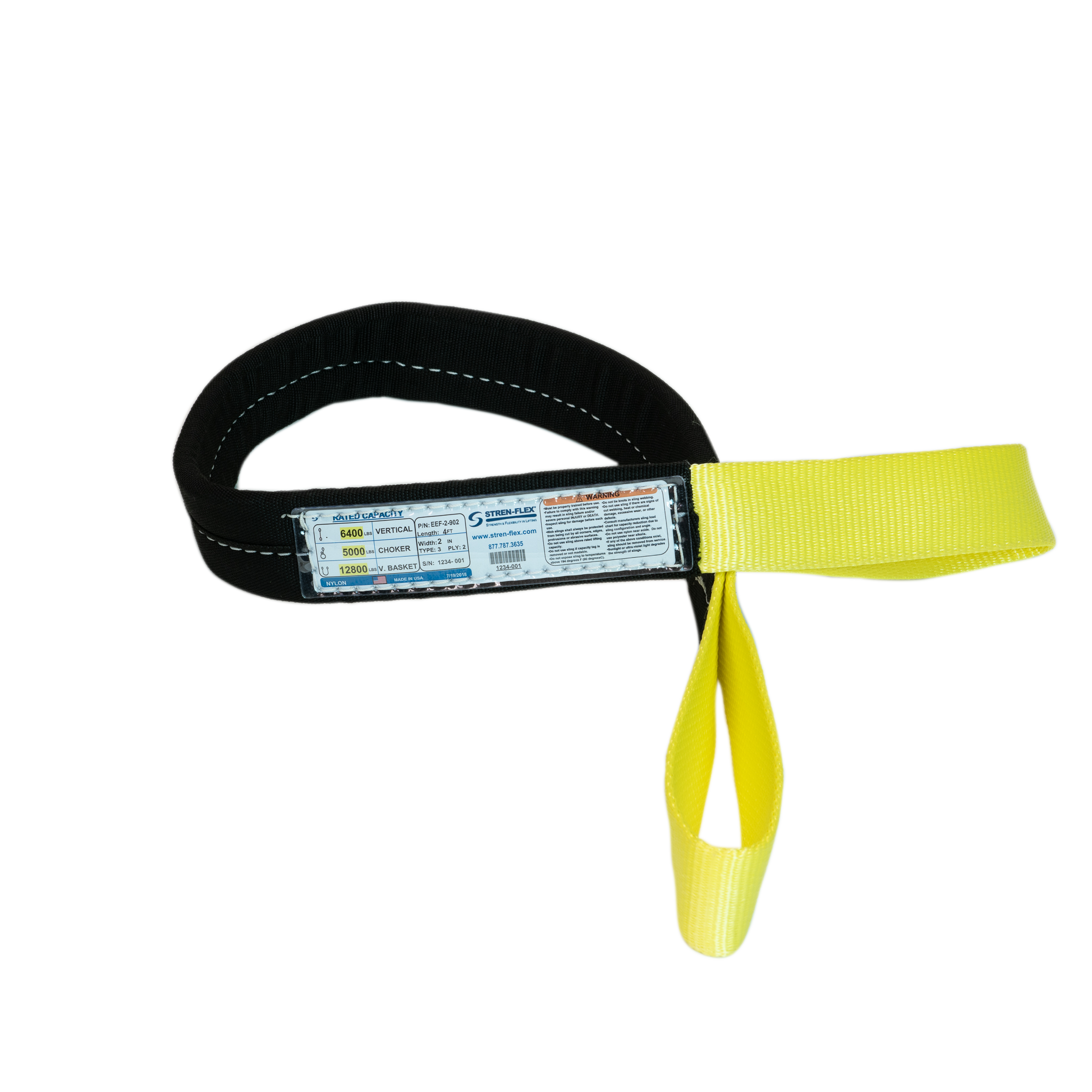
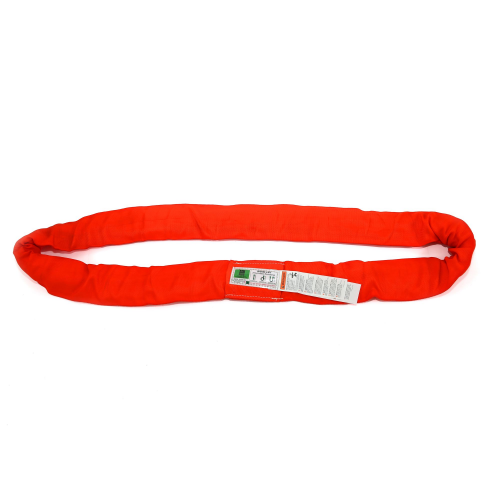
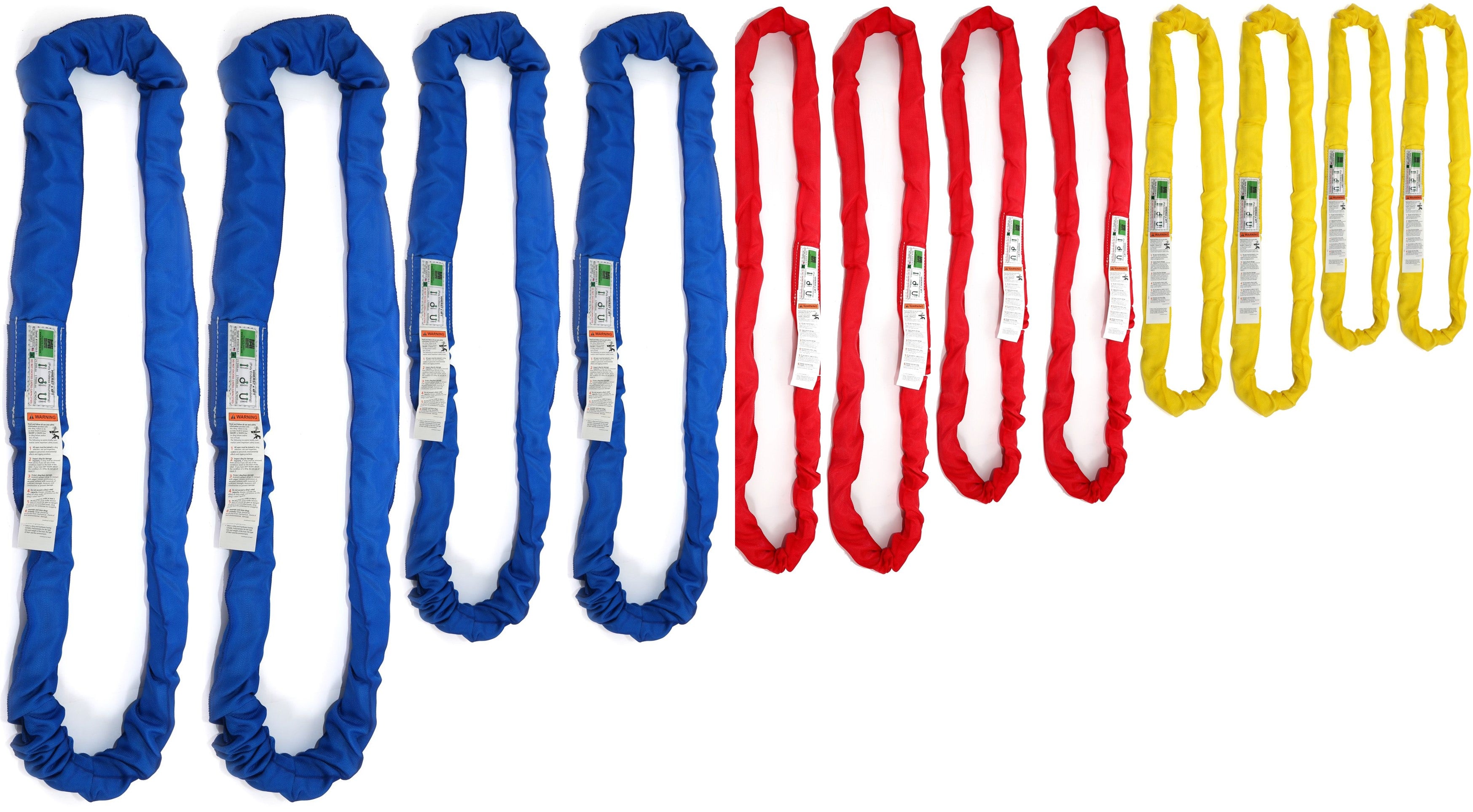
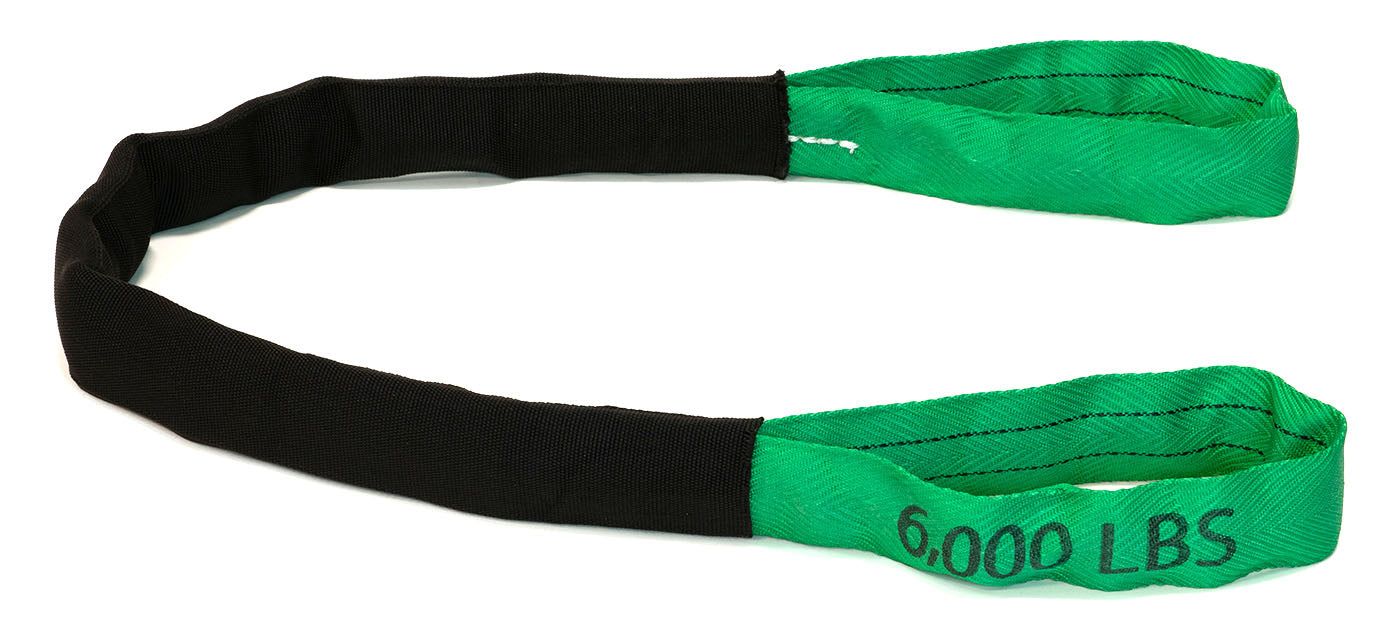
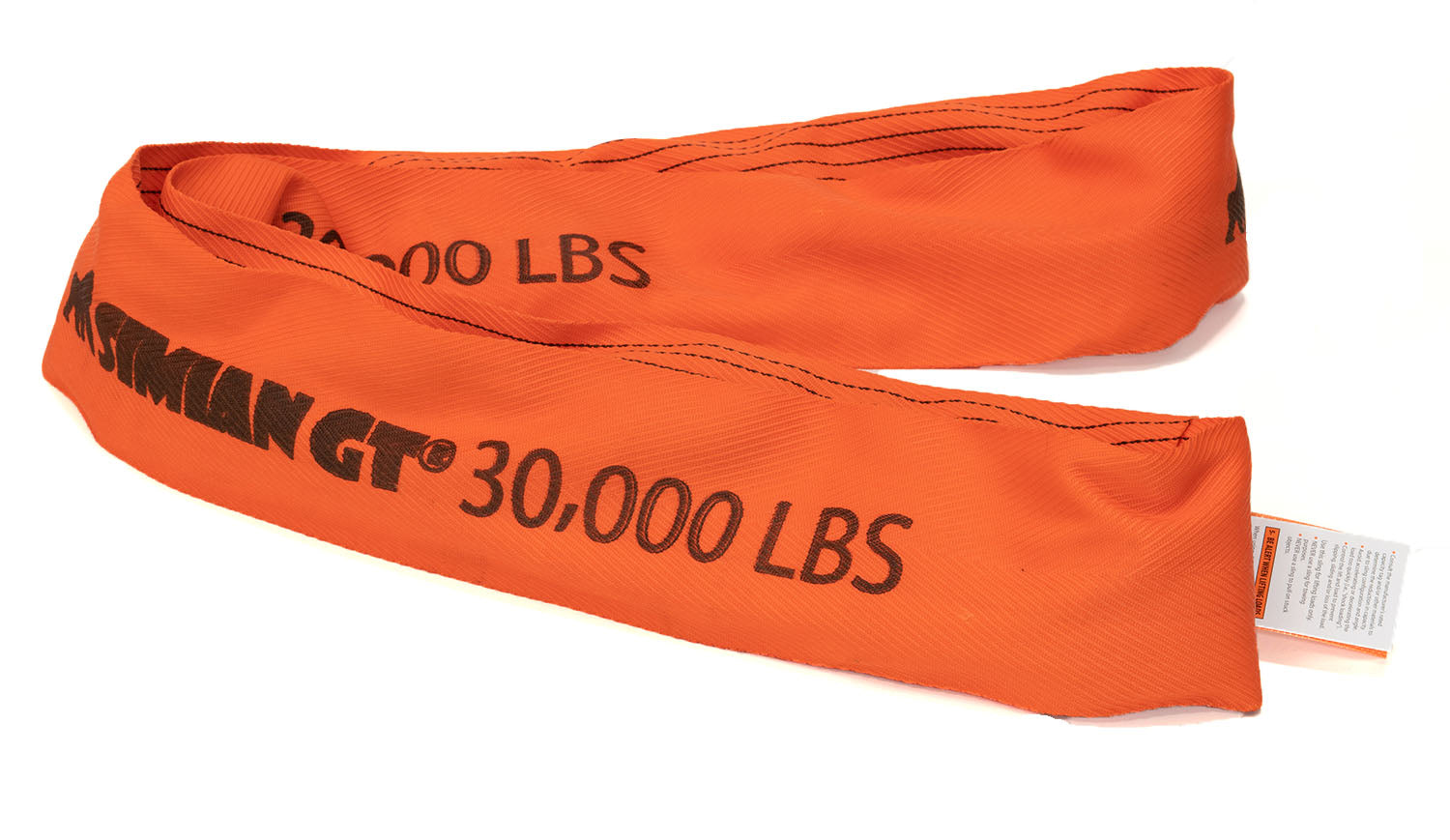
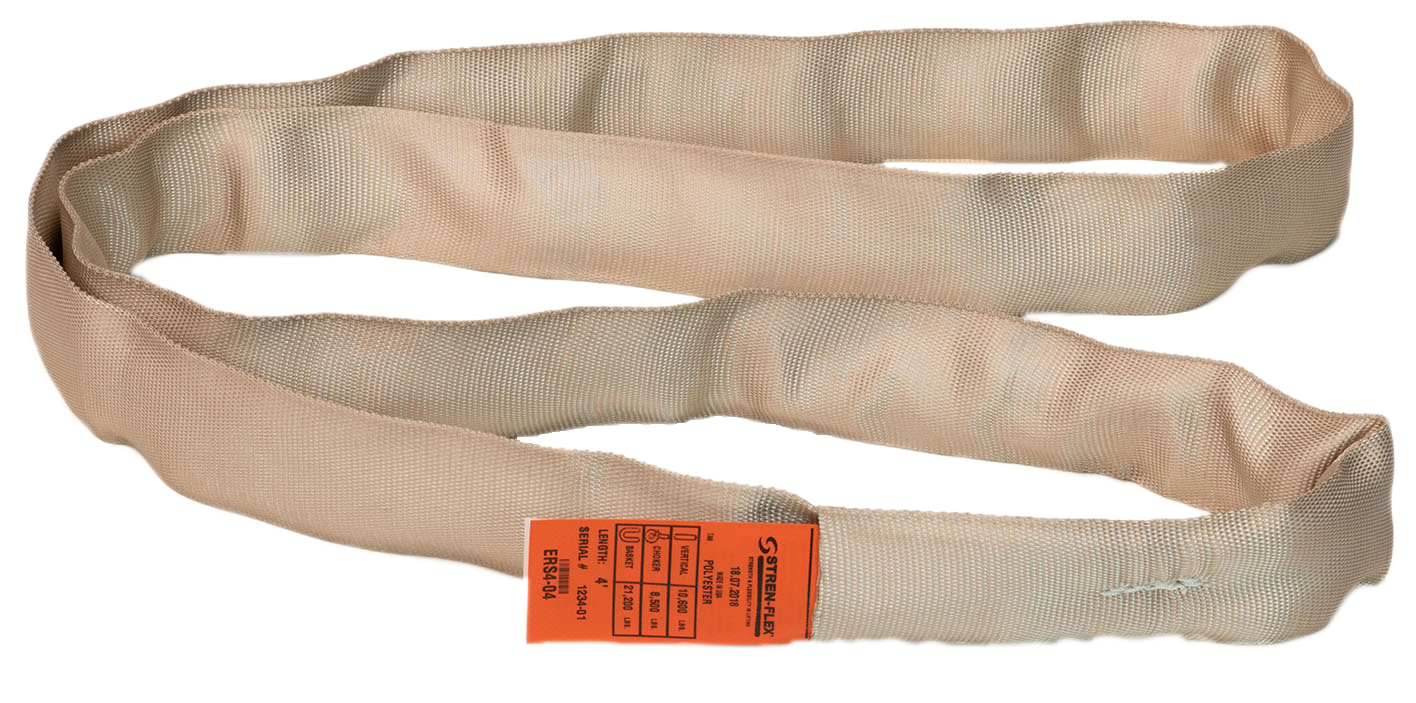
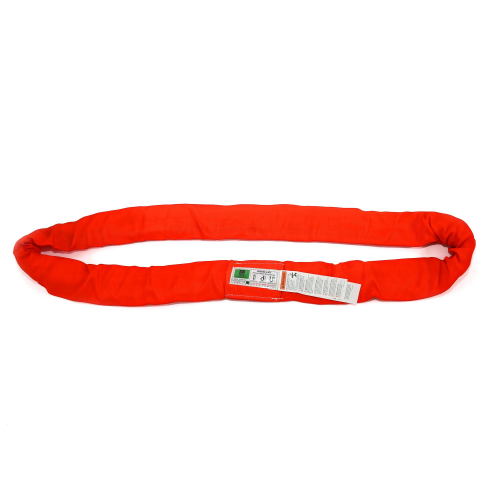
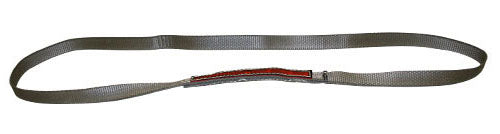
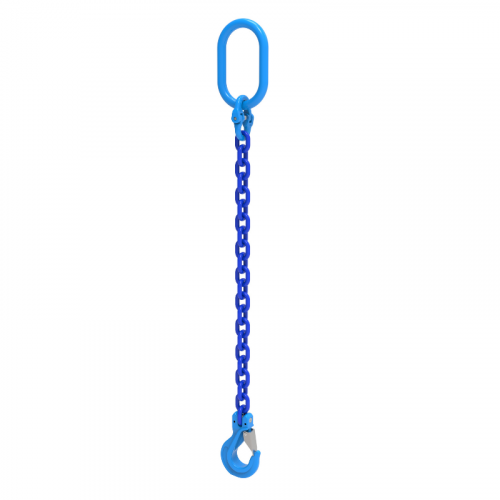
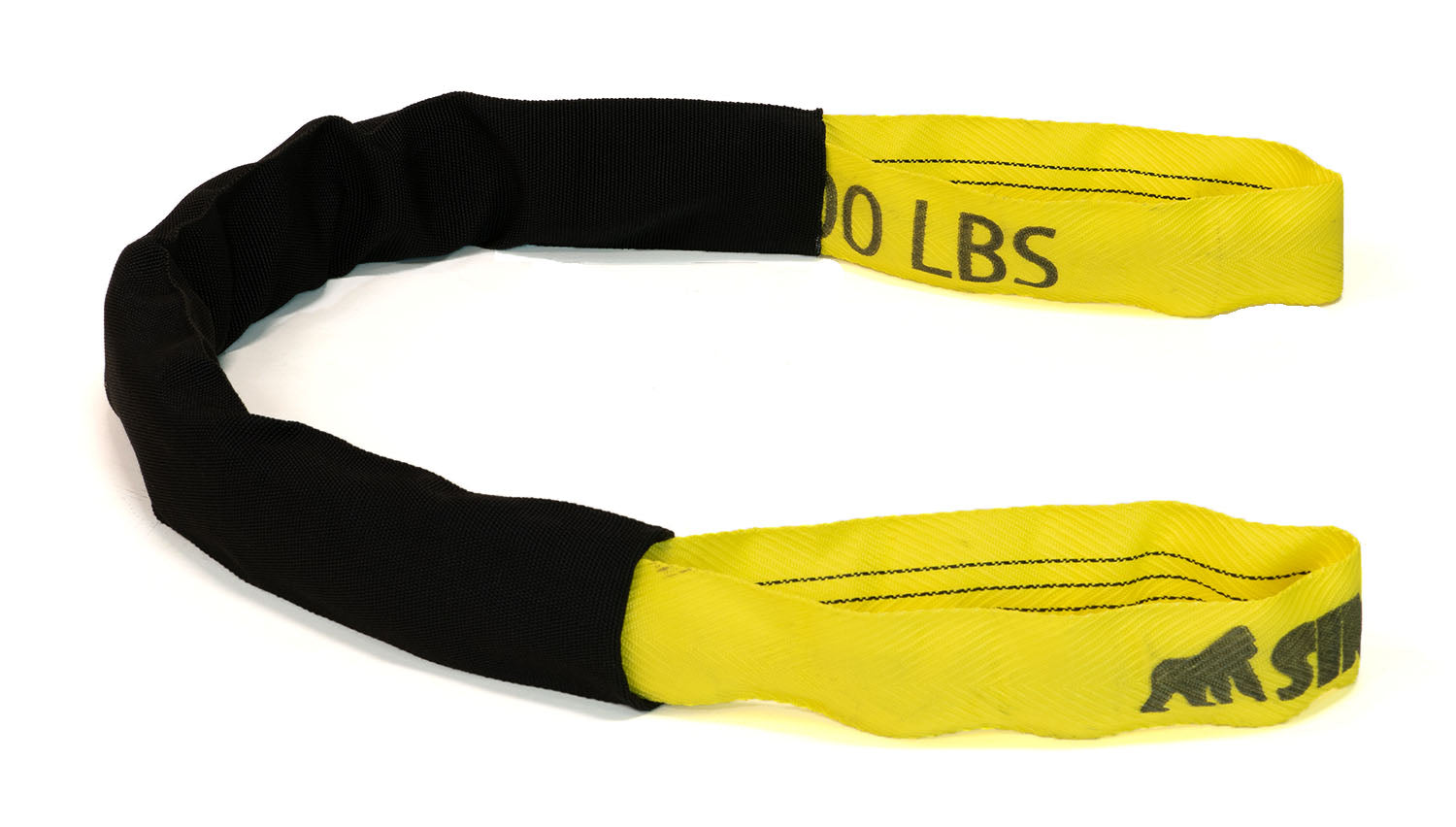
Match the hardware to the sling, then to the lift. The weakest component sets the rig rating, so buy hardware that at least matches the sling. Our Red round sling carries 13,200 lb in a vertical hitch; hang it from a 5/8 inch G-4161 rated 3.25 tonnes (about 7,100 lb) and you now own a 7,100 lb rig. Step up to a 1 inch shackle at 8.5 tonnes and the sling sets the limit again, which is how it should be. Check the physical fit too: a sling eye crowded onto too small a pin loads its fibers unevenly. The William Hackett chain slings sidestep the whole matching exercise. They arrive as assembled double and 4-leg slings, rated 8,100 and 12,100 lb here, with master link, Grade 100 chain, and hooks already matched and the assembly tagged as a unit. The purpose-built end of the collection works the same way: the crane attachments, lifters and cages, and material and personnel baskets arrive as rated units, as do the load arrestors that back up a load the way a lifeline backs up a worker.
Inspection under ASME B30.26, and when to scrap hardware. Rigging hardware falls under ASME B30.26, the standard covering shackles, turnbuckles, eyebolts, links, rings, and the rest of the detachable hardware family. It asks for two kinds of inspection: a frequent visual check before use, and a documented periodic inspection at least yearly, on intervals that tighten as service gets heavier. The removal criteria for shackles are concrete. Missing or illegible markings (manufacturer, size, and WLL must all be readable), wear of 10% or more of any original dimension, a bent or twisted body, nicks, gouges, or cracks, and a pin that will not seat fully all take the shackle out of service. Do not straighten, weld, or re-machine failed hardware. At $6 to $20 for most sizes here, a shackle is the cheapest component you will ever scrap, and the most expensive one to have kept.
Frequently Asked Questions
Three things must be readable on the body: the manufacturer, the size, and the working load limit, which Green Pin marks in metric tonnes. ASME B30.26 treats missing or illegible markings as a removal-from-service condition on its own, even if the shackle looks otherwise fine, because an unmarked shackle cannot be tied back to a rating.
Any time the shackle stays rigged for more than a shift, carries a load that can rotate, or sees vibration. All three can work a screw pin loose. The G-4163's nut and cotter pin cannot back out, so it holds in exactly the situations that disqualify the G-4161. For quick pick-and-place lifts the screw pin is faster and entirely appropriate.
A bow shackle tolerates angular loading better than any other pattern, which is why it is the standard for collecting multi-leg slings, but side loading still cuts capacity. Follow the manufacturer's reduction chart rather than estimating, and never rig a screw pin shackle where the pin itself can roll under load.
Size for size the rope is remarkably strong. Our HHIppo Links carry working load limits of 4,000 to 9,400 lb, squarely in steel shackle territory. The difference is the failure mode: a soft shackle dies by cutting and abrasion, so it belongs on smooth connections away from sharp steel and gets a fiber check before every use.
ASME B30.26 calls for a visual check each time you rig plus a documented periodic inspection, at least once a year in normal service and more often, down to quarterly, as service gets severe. Keep the records. An auditor asks for the periodic paperwork, not your word.
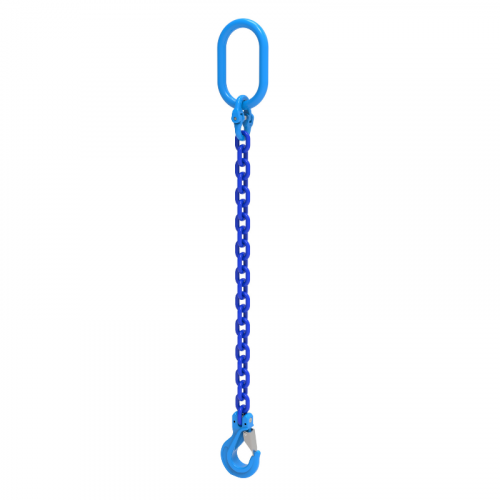
Yes. The William Hackett slings in this collection are complete 5/16 inch Grade 100 assemblies, a double leg at 8,100 lb and a 4-leg at 12,100 lb, with matched master links and hooks, tagged as a unit. The full range, single leg through 4-leg from 2,700 to 47,900 lb, lives in our chain slings collection. Grade 100 runs about 25% stronger than Grade 80 at the same diameter, so these hit their ratings with less chain weight to drag around.