Machine Moving Equipment
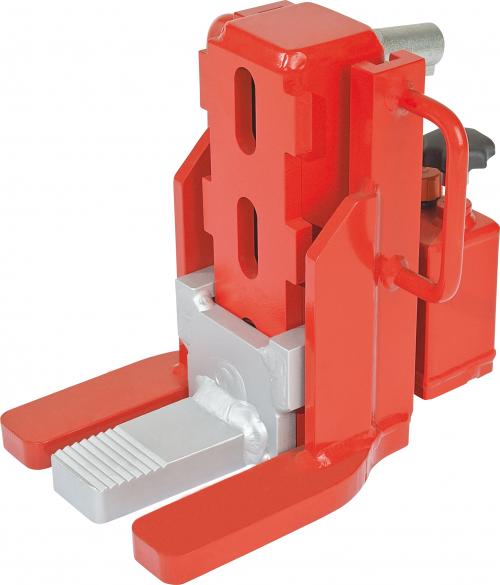
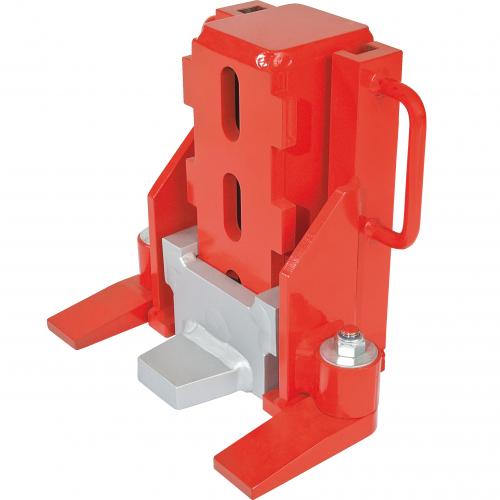
Machine skates are the low-tech, high-capacity answer to a problem no forklift or crane wants: getting a multi-ton machine across a plant floor, through a doorway, and set down exactly on its anchor bolts. This hub covers the two halves of that job. First you lift, with a hydraulic toe jack that slides its low toe under a load sitting flat on the slab. Then you roll, on steel-and-roller skates rated from a couple of tons up into the hundreds. The core is Vestil for individual skates and roller kits and HTS ECO for the heavier toe jacks and modular skate systems, with a few Stranor and Vestil furniture movers for lighter work. Prices run from under $100 for a single fixed skate to five figures for a 50 ton toe jack or a hundred-ton skate system. Start with the two collections below, [lifting jacks](/collections/lifting-jacks) to get the load up and [machine moving skates](/collections/machine-moving-skates) to carry it, then size each to the machine you actually move.
Shop Machine Moving by Category
Compare Machine Moving
| Model | Price | Capacity | |
|---|---|---|---|
| HTS ECO-Skate BIG Load Moving Skate Systems | $14,066 | 88-176 ton | View → |
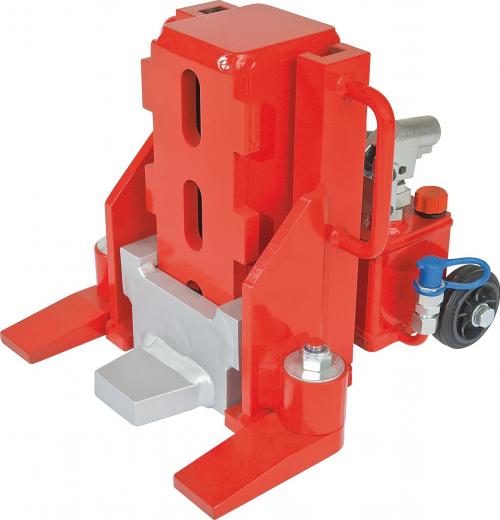
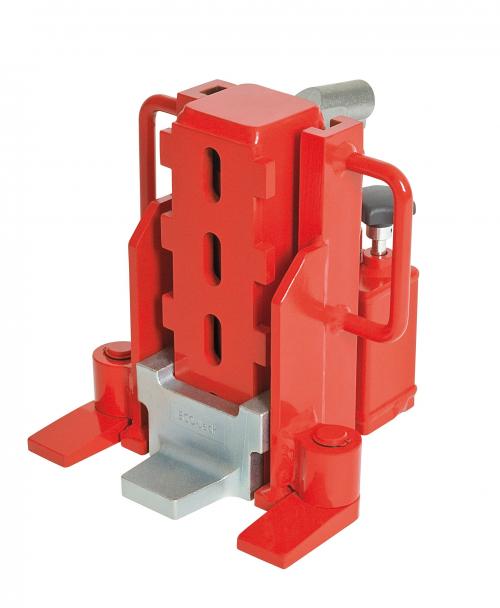
| HTS ECO-Jack XR-Series 50 Ton Hydraulic Toe Jack | $13,450 | 110,000 lb | View → |
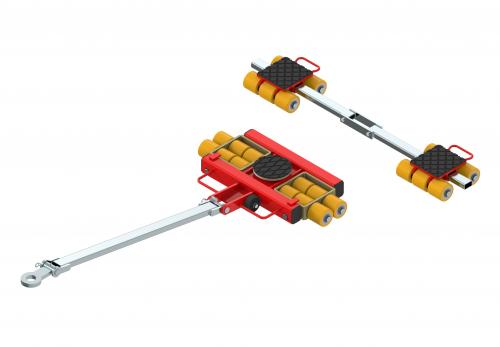
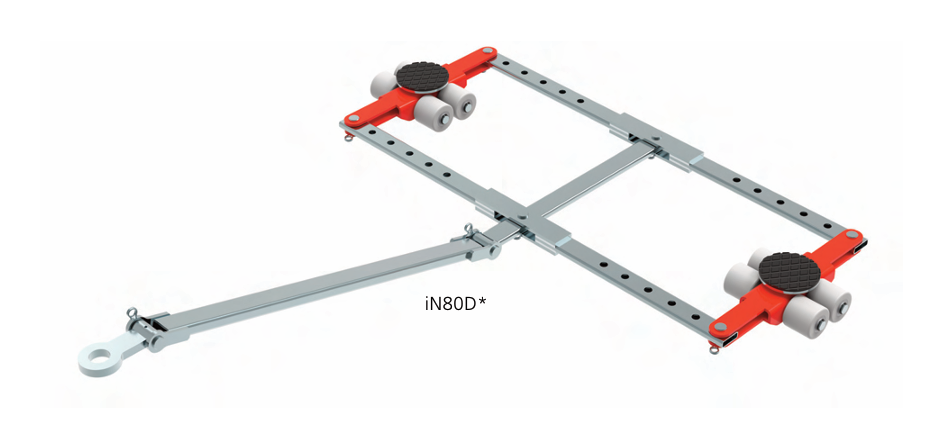
| HTS ECO-Skate iN-Series XL Load Moving Skate System with Nylon Wheels | $9,305 | 40-100 ton | View → |
| HTS ECO-Skate i-Series XL Load Moving Skate System with Polyurethane Wheels | $8,270 | 32-96 ton | View → |
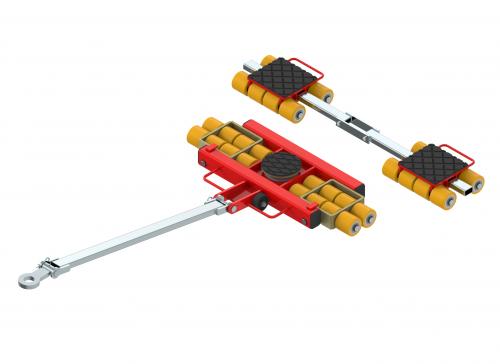
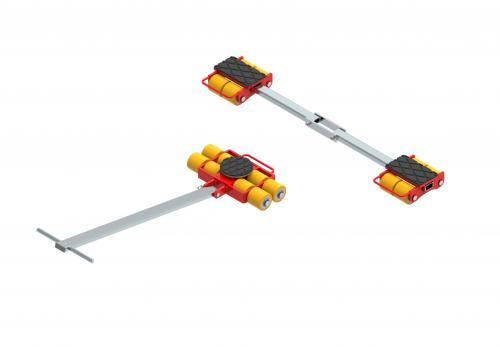
| HTS ECO-Skate 30 Ton Ideal Load Moving Skate Kits i-Series | $5,061 | 30 ton | View → |
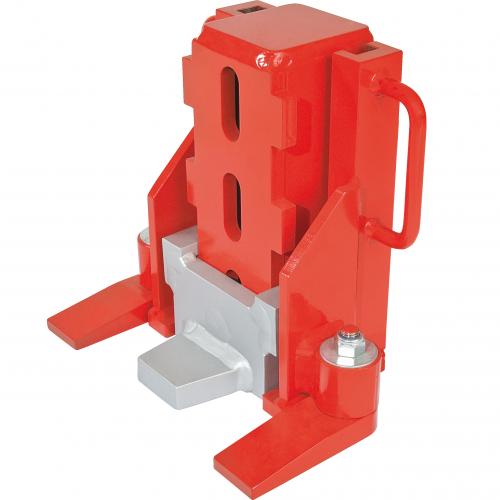
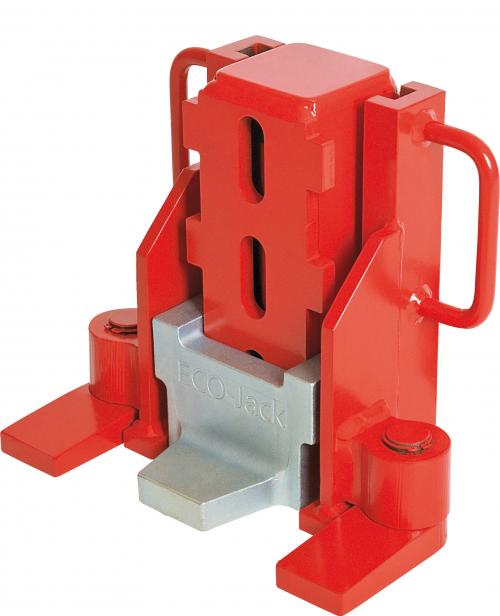
| HTS ECO-Jack XR-Series 23 Ton Hydraulic Toe Jack | $4,549 | 50,600 lb | View → |
 In Stock
 In Stock
 In Stock
 In Stock
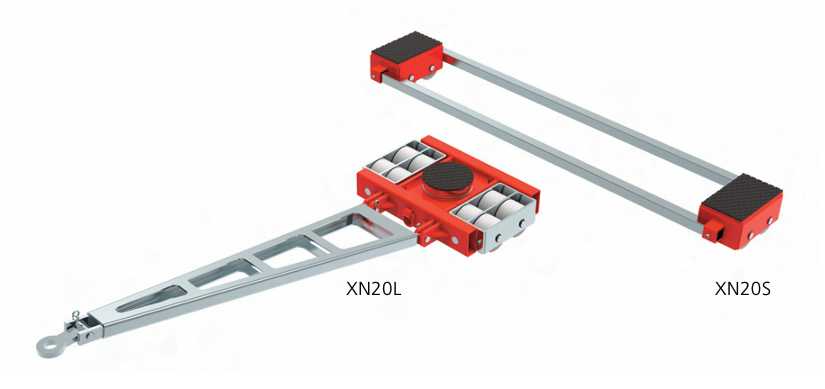 In Stock
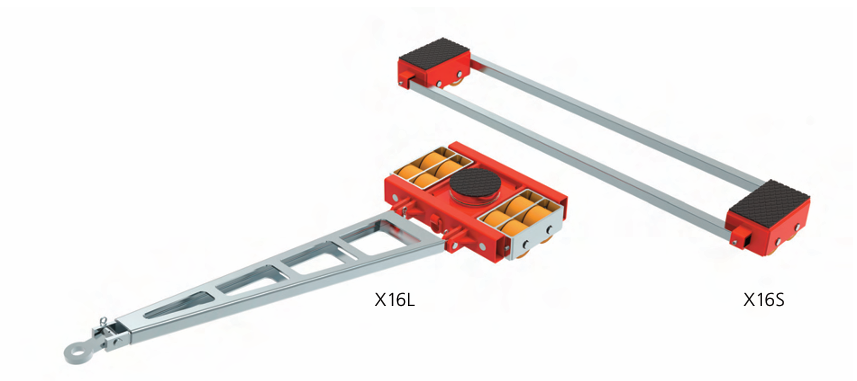 In Stock
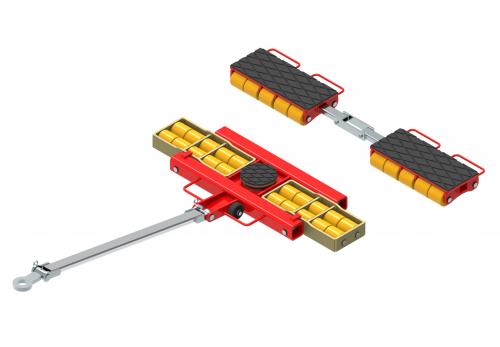 In Stock
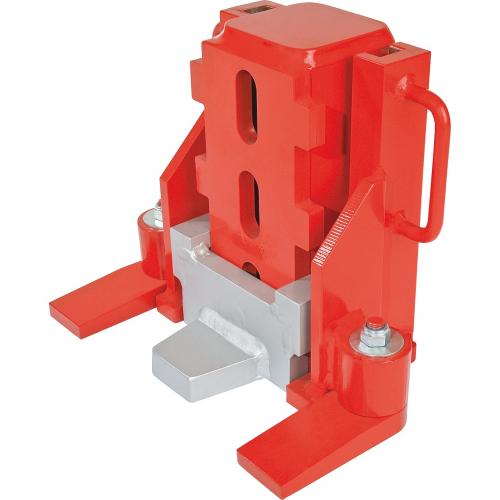 In Stock
 In Stock
 In Stock
 In Stock
 In Stock
 In Stock
 In Stock
 In Stock
 In Stock
 In Stock
 In Stock
 In Stock
 In Stock
 In Stock
 In Stock
 In Stock
 In Stock
 In Stock
 In Stock
 In Stock
 In Stock
 In Stock
 In Stock
 In Stock
 In Stock
 In Stock
 In Stock
 In Stock
 In Stock
 In Stock
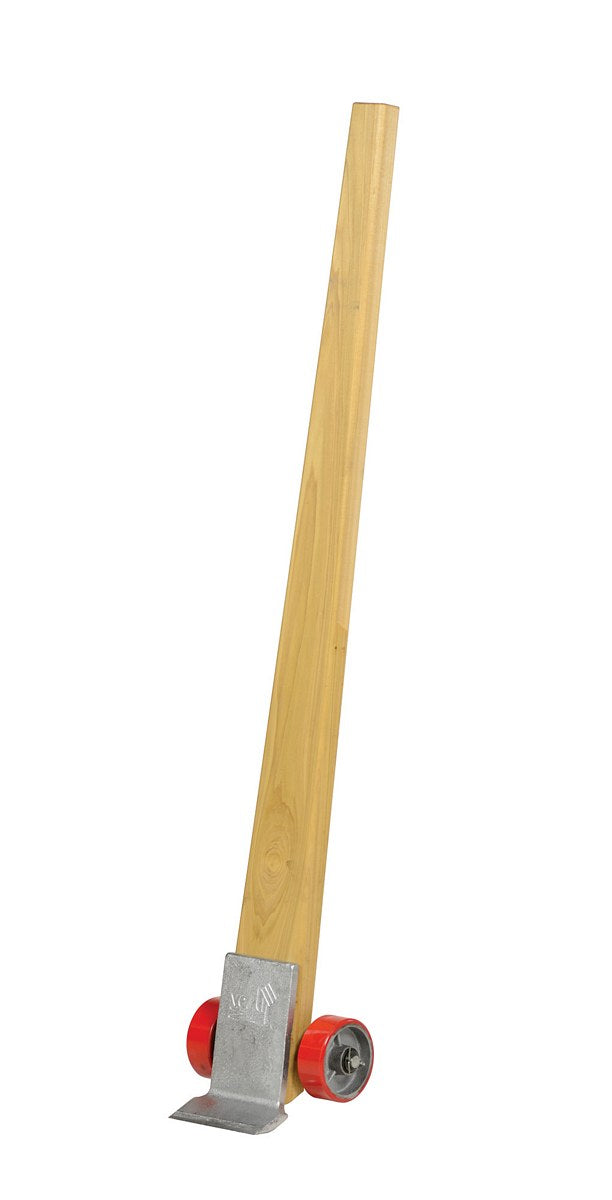 In Stock
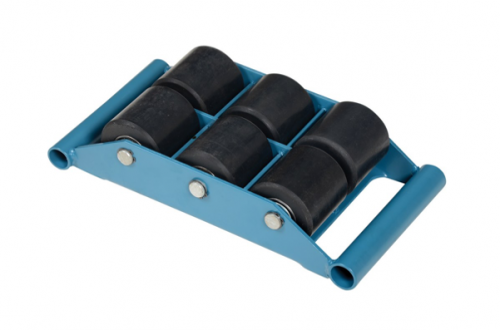 In Stock
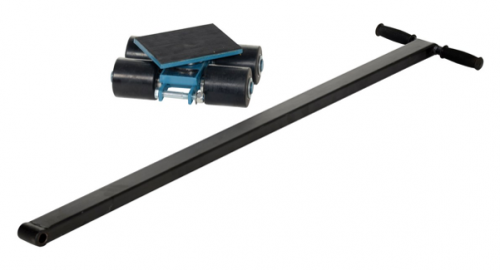 In Stock
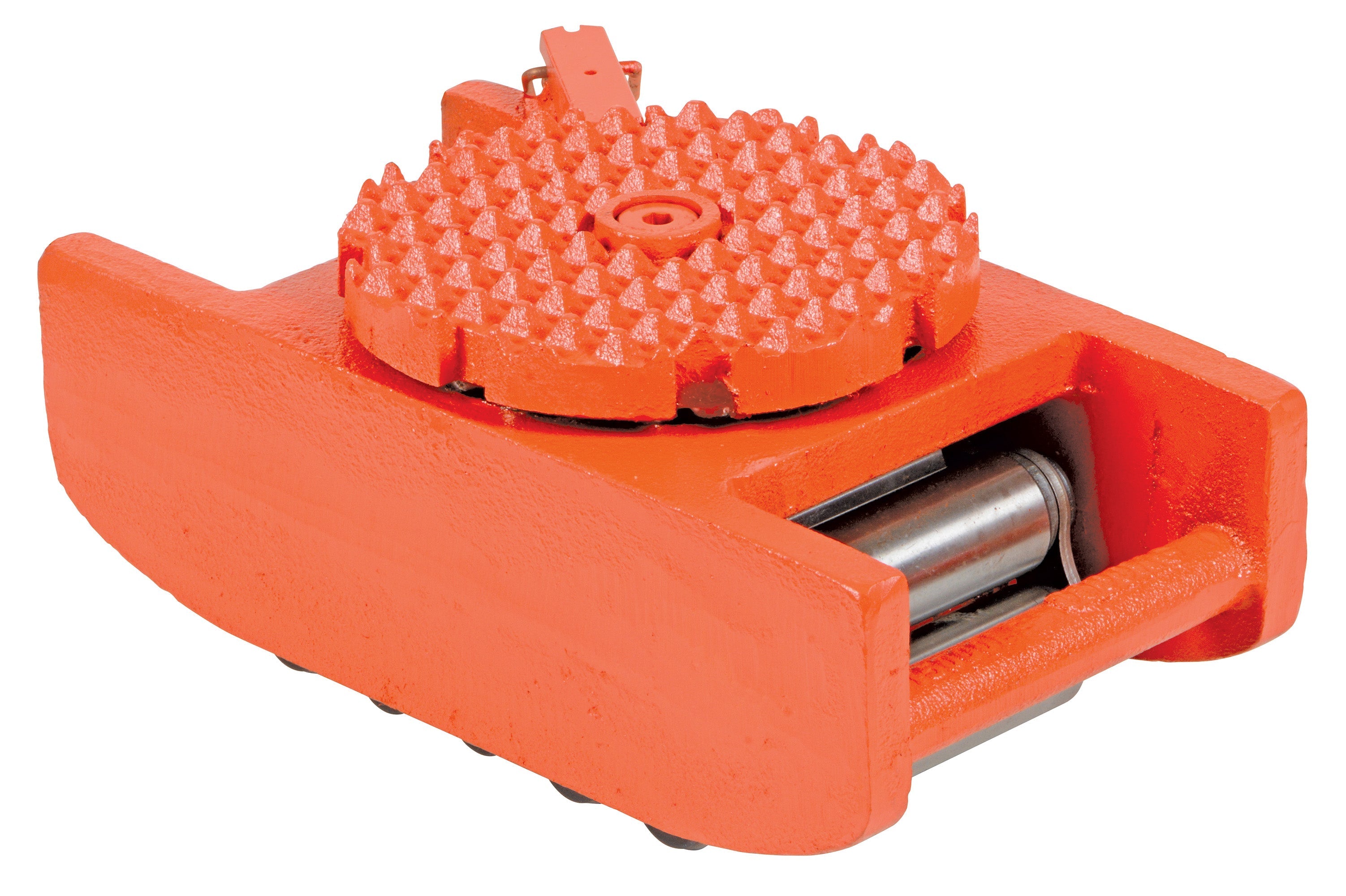 In Stock
 In Stock
 In Stock
 In Stock
 In Stock
Machine Moving Buying Guide
Two tools, one move: lift it, then roll it. Almost every machine move is the same sequence. The machine is bolted or resting flat on the floor, so a wheeled skate cannot get under it. You raise one end with a toe jack, whose low horizontal toe slides into the sliver of clearance a conventional bottle jack cannot reach, slip a skate under the load points, lower it onto the rollers, and repeat at the other end. Then you push. At the destination you jack it back up, pull the skates, and set it down on its footings. That split is exactly how this hub is organized: everything that raises the load lives in lifting jacks, and everything that carries it once it is up lives in machine moving skates. A short move on a smooth floor might need one toe jack and three skates and nothing else. Buy the jack and the skates as a set sized to the same machine, because a skate rated for the load is useless if you have no safe way to get it under there.
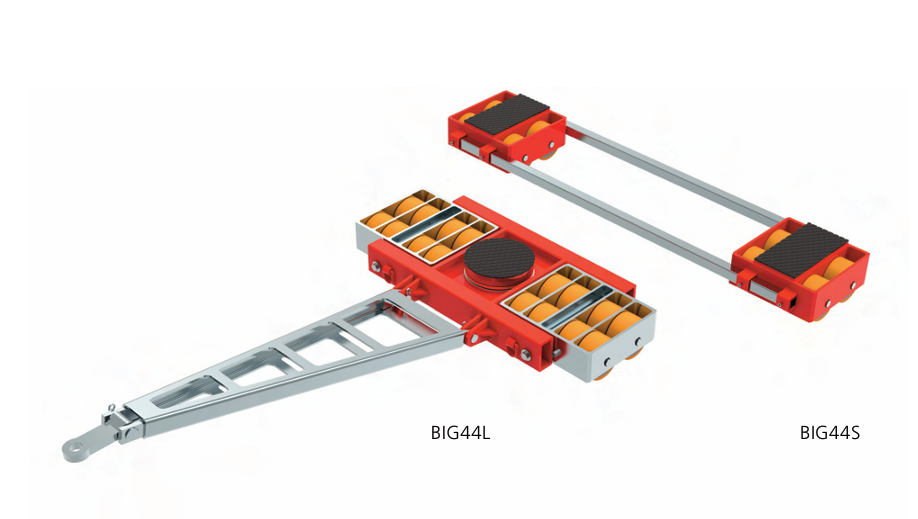
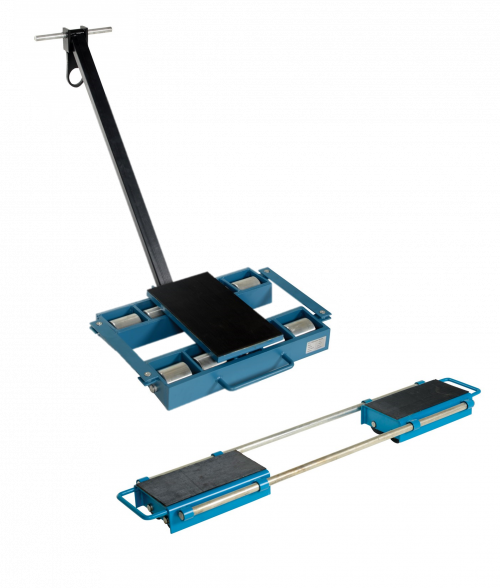
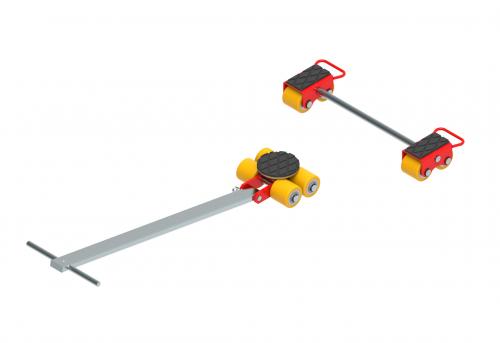
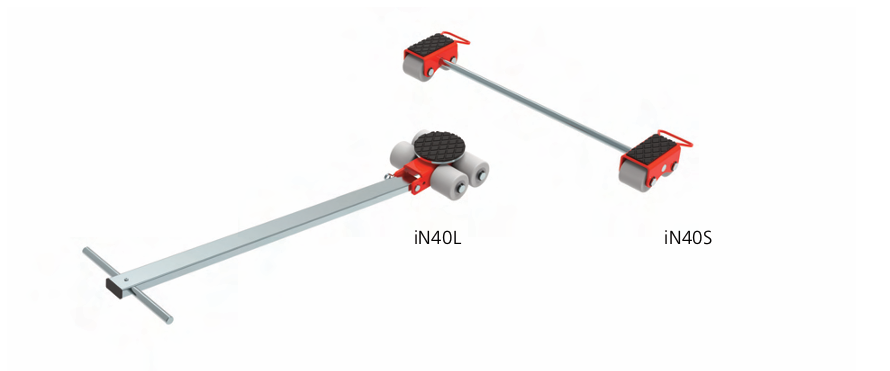
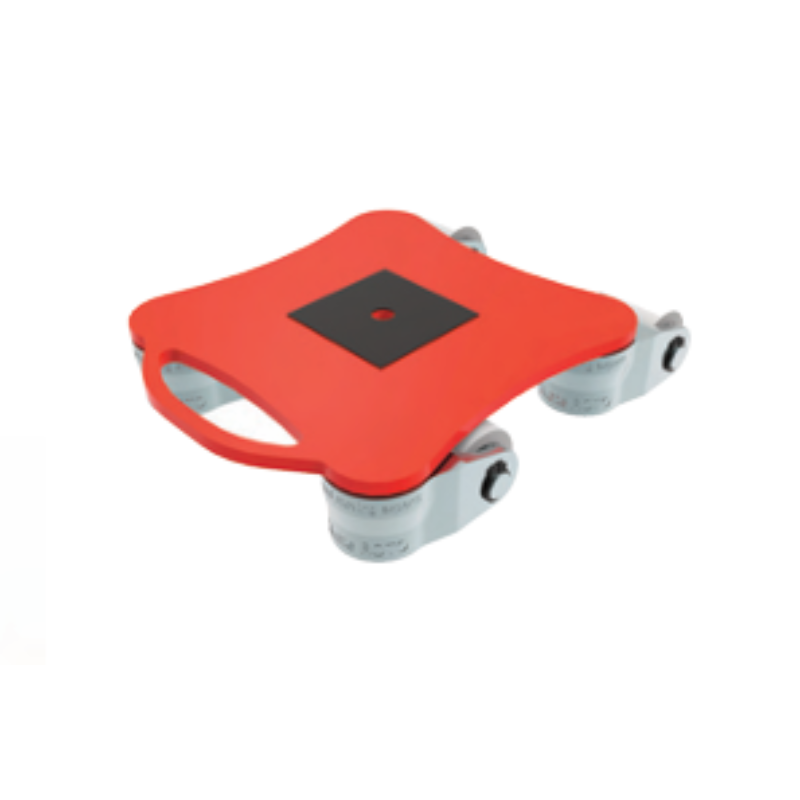
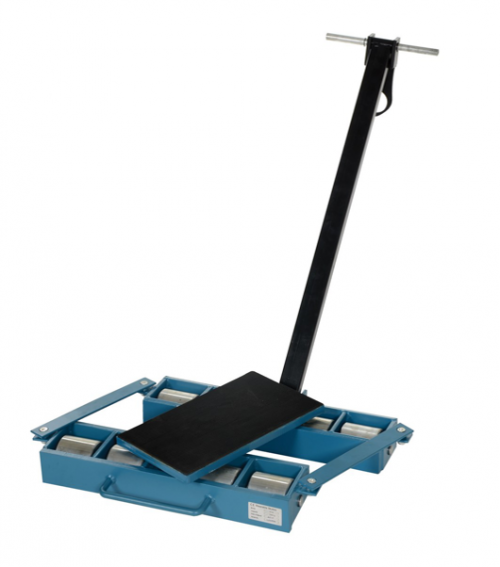
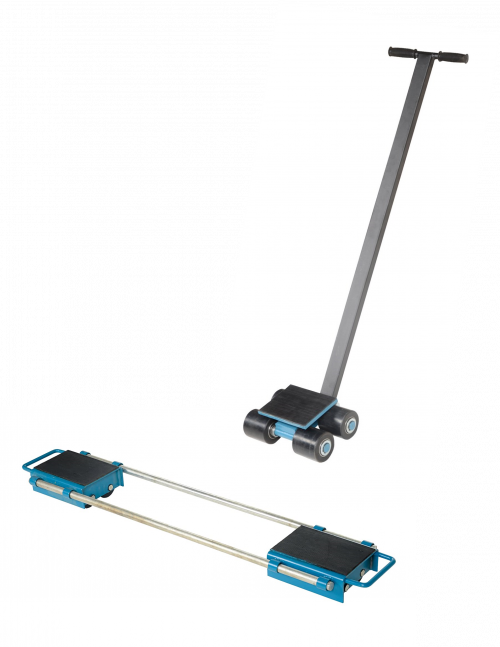
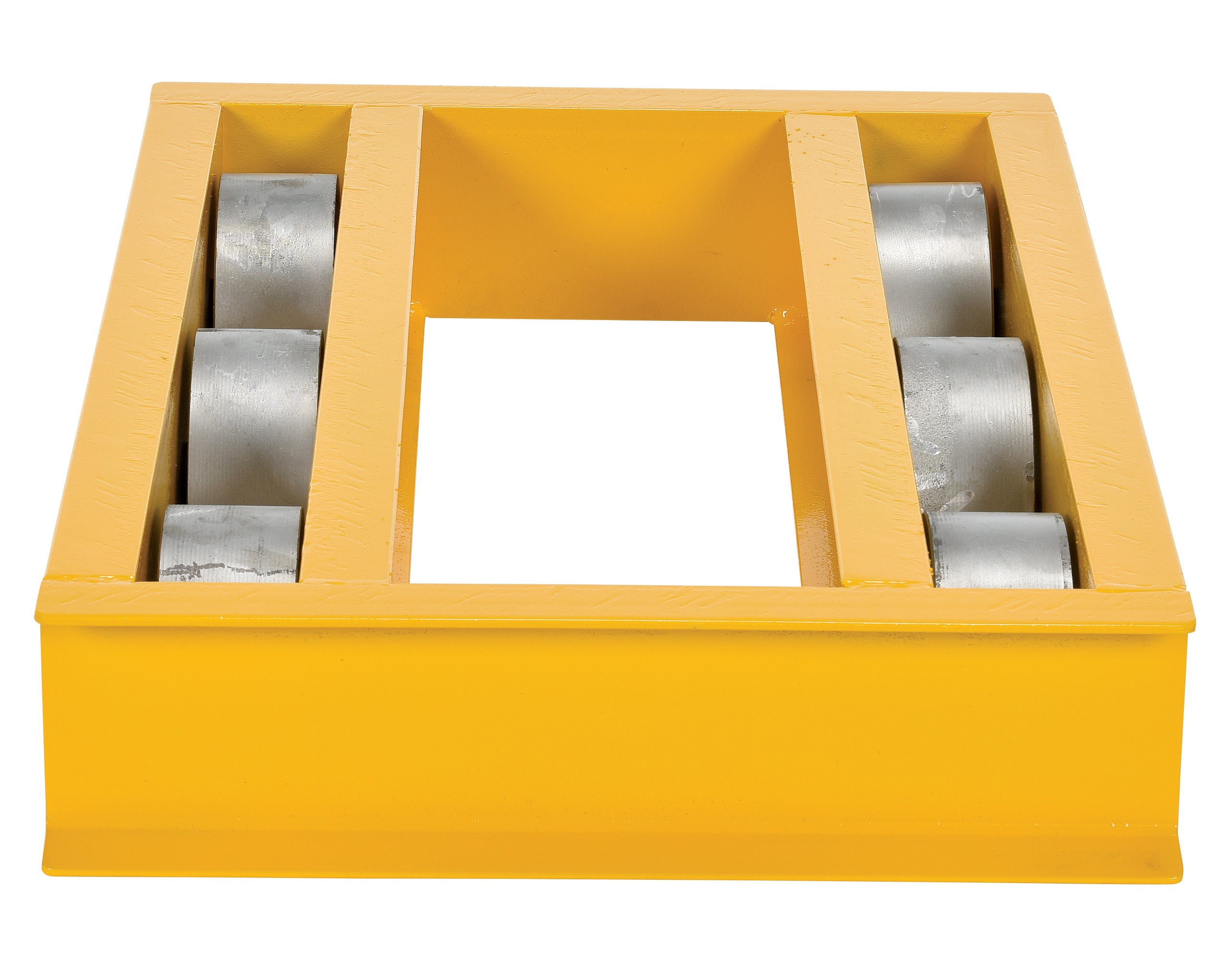
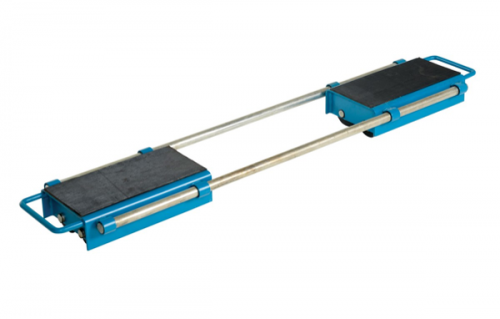
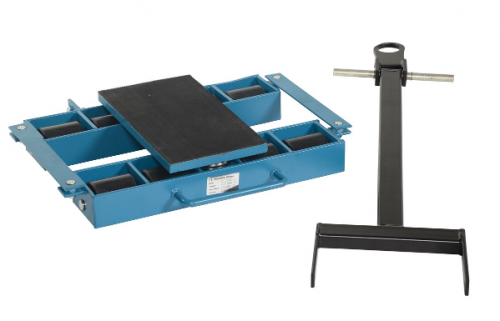
Size every skate to its share of the load, not the whole weight. Skates work in a group, so each one only carries a fraction of the machine. The classic layout is three points: one steerable skate at the front and two fixed skates trailing at the rear, which steers like a car with the rear following the front in a straight line. Four skates under the corners spread the load further and suit long or rectangular bases. The rule that matters is that no single skate can exceed its rating once you account for how the weight actually sits, because a machine is rarely balanced and one corner often carries far more than a quarter of the total. Add margin, then round up. Our Vestil skates run from a 2.5 ton fixed unit around $78 up through 6, 12, and 24 ton front-steerable and rear-adjustable models, and the HTS ECO-Skate I-Series kits step from 6 ton to 30 ton, with big-load and XL systems rated up past 88 tons for structural and plant work. Weigh the machine, divide by your skate count with the imbalance built in, and buy to the heaviest single point.
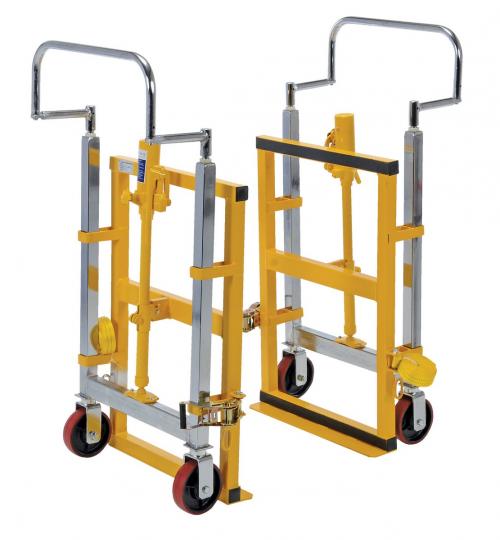
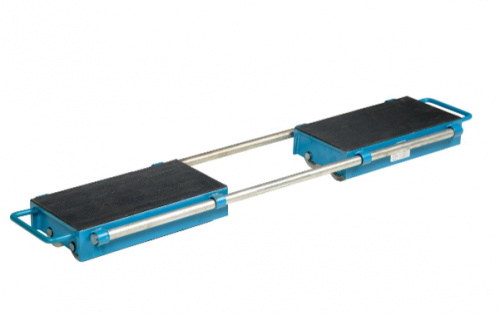
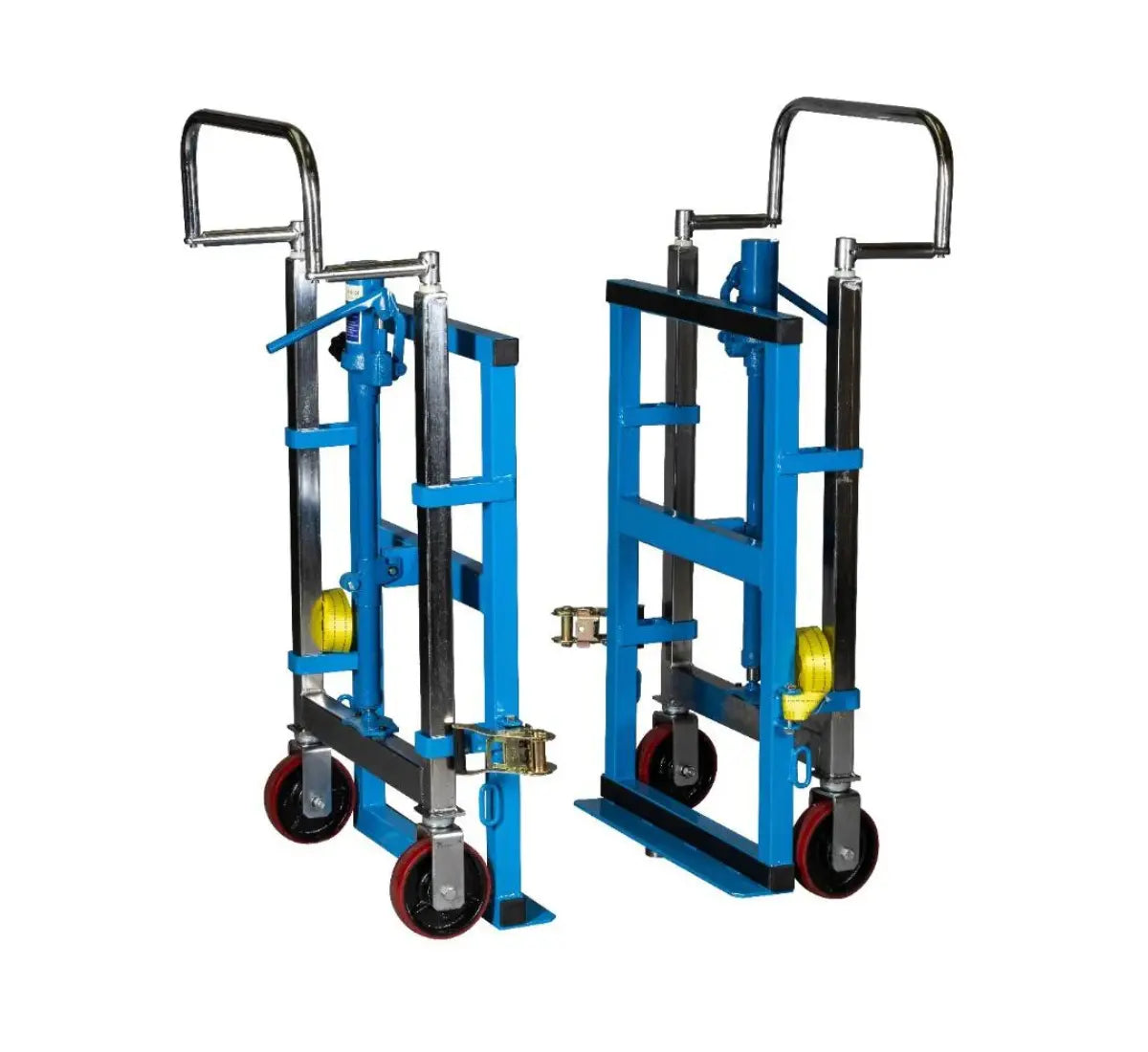
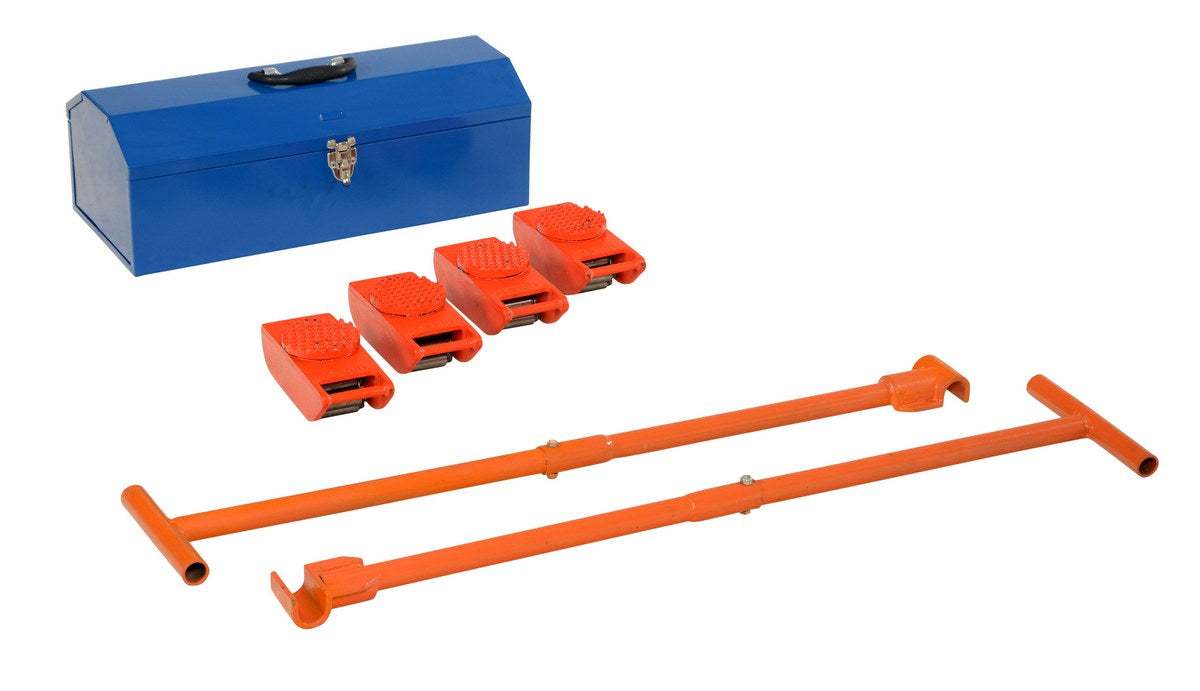
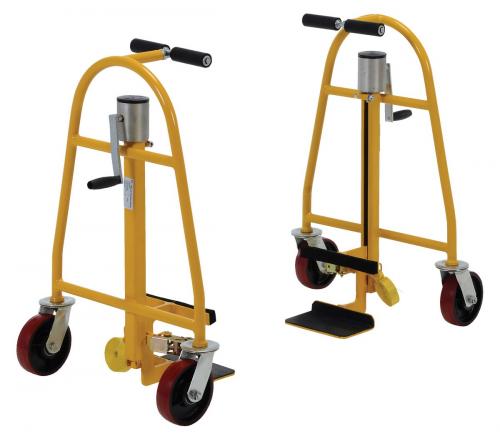
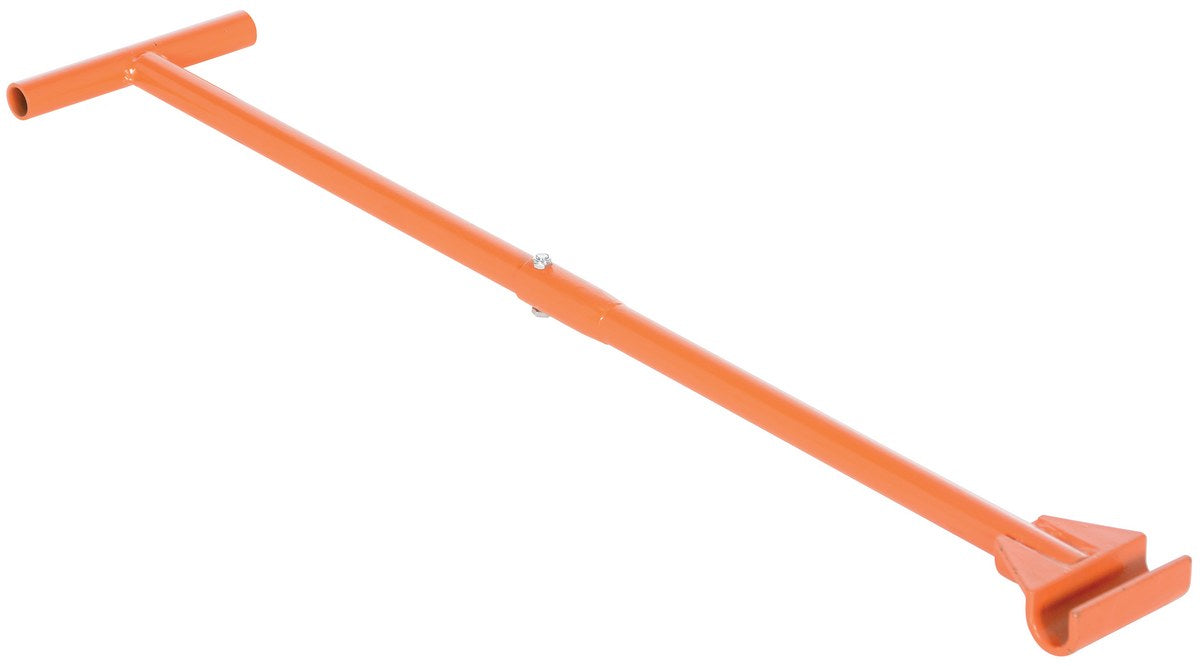
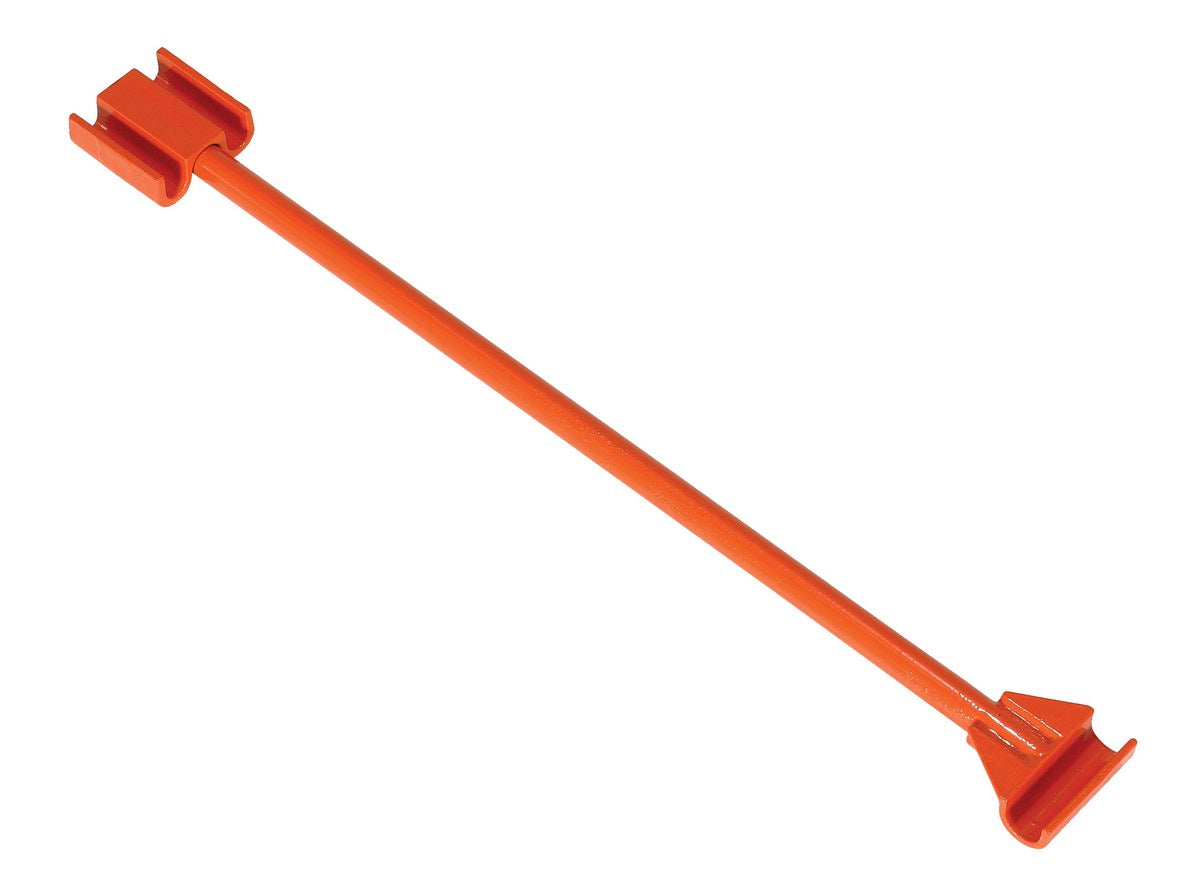
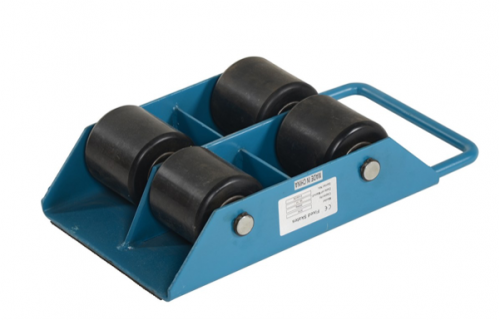
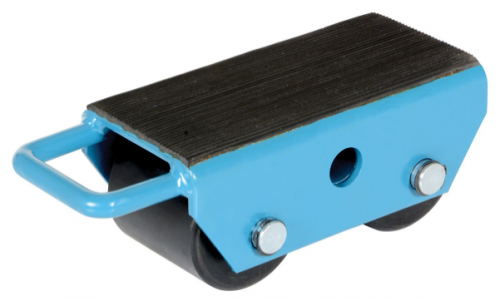
Fixed, steerable, or a full kit. Inside machine moving skates the first choice is straight-line versus steerable. Fixed skates roll in one direction and are the cheapest way to carry a corner; they are perfect for a straight push down an aisle. Steerable skates add a swivel top and a pulling handle so the load turns corners and spots precisely onto its base. Most people mix them, fixed at the back and steerable up front. If you would rather buy the whole system at once, the HTS ECO-Skate kits and the Vestil steel machine roller kit, rated 8,000 lb around $627, package matched skates so the geometry is settled out of the box. For turning and nudging a load into final position, the Vestil steering bars, turning bar, and roller pry bar give you the leverage to steer and align without a second machine on the floor. Lighter one-person jobs, office equipment, tool chests, and small machinery, are better served by the Vestil and Stranor furniture movers, from a 1,300 lb manual set up to hydraulic movers near 4,000 lb.
Nylon or polyurethane wheels. Several skates and systems come in both nylon and polyurethane, and the floor decides which. Polyurethane rolls quieter, cushions the load, and protects finished surfaces like sealed concrete, wood, tile, and vinyl, so it is the safer pick when you cannot mark the floor. Nylon has lower rolling resistance and higher wear resistance, resists flat-spotting under a static load left parked, and takes rough or pitted concrete better, which is why it is common on the heaviest kits. If the machine crosses a polished showroom floor to reach its spot, buy poly. If it lives on shop concrete and the priority is the least push effort under a heavy load, nylon earns its place. The HTS ECO-Skate line lets you choose the wheel material against your exact floor rather than compromising.
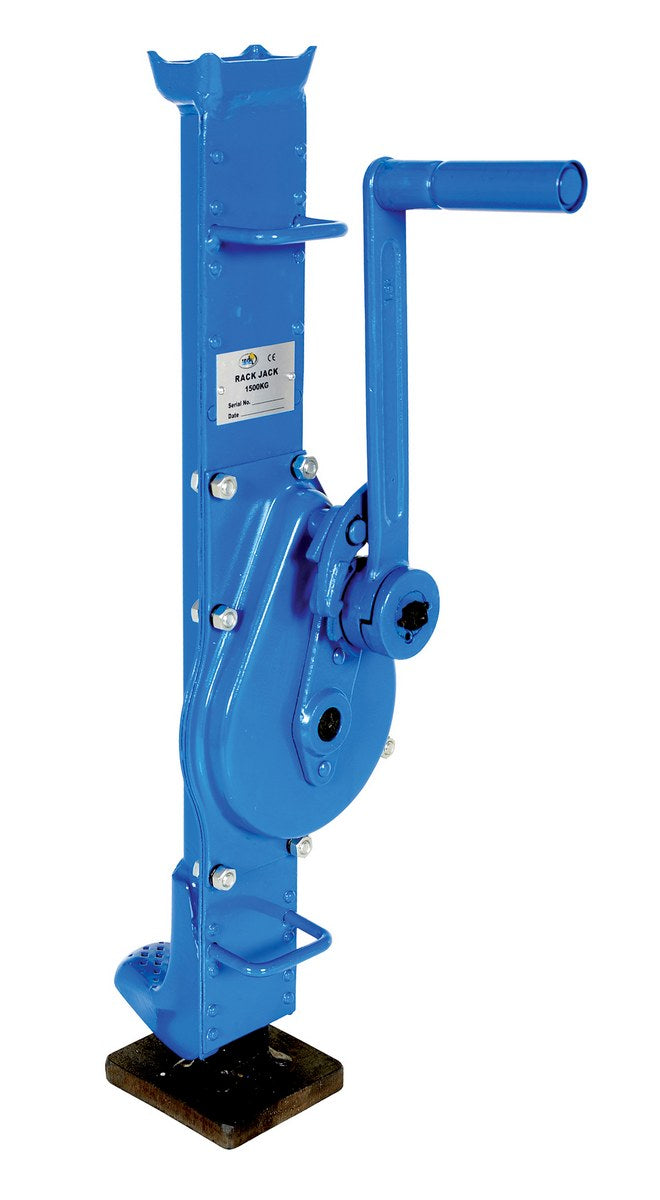
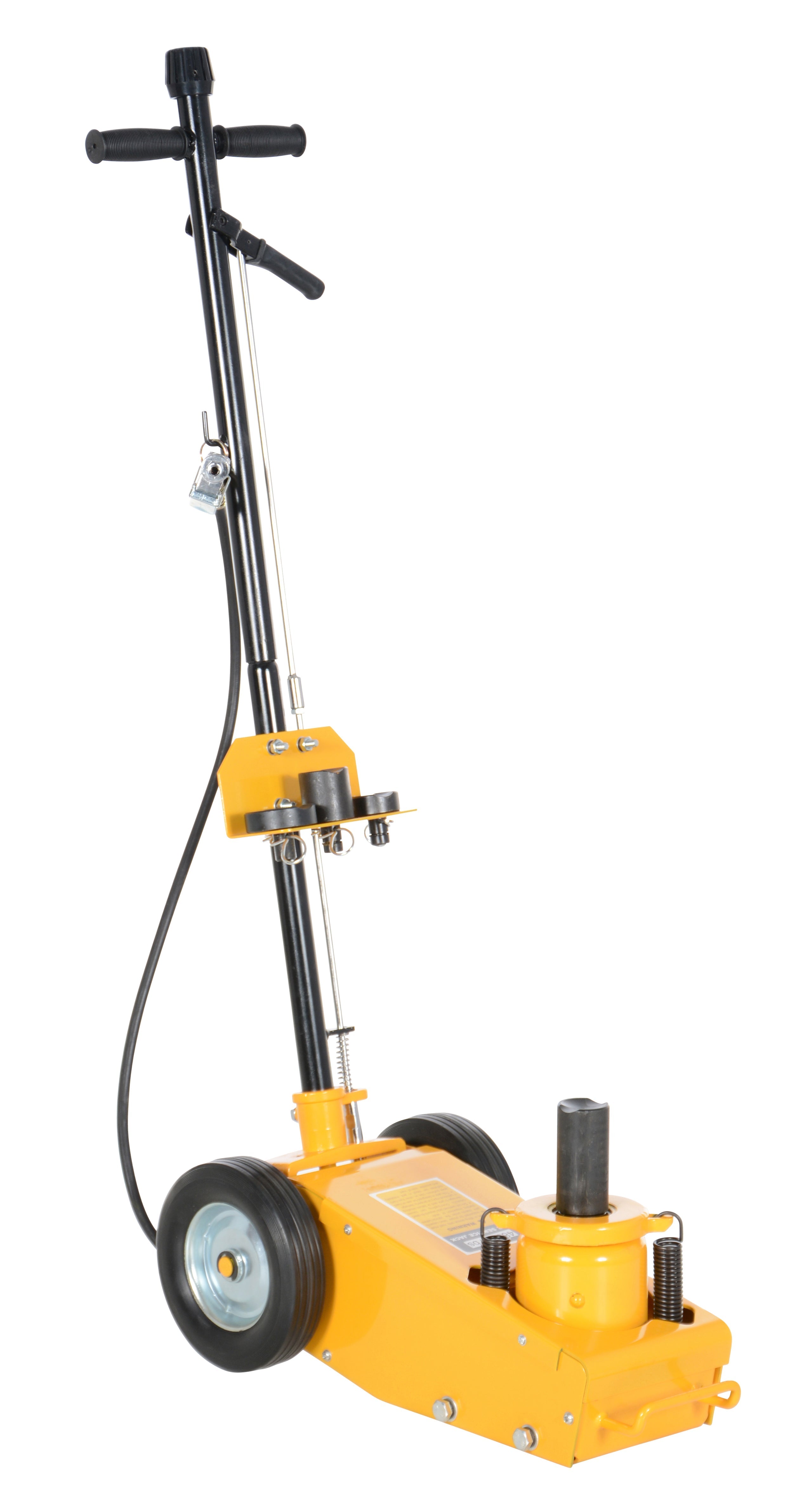
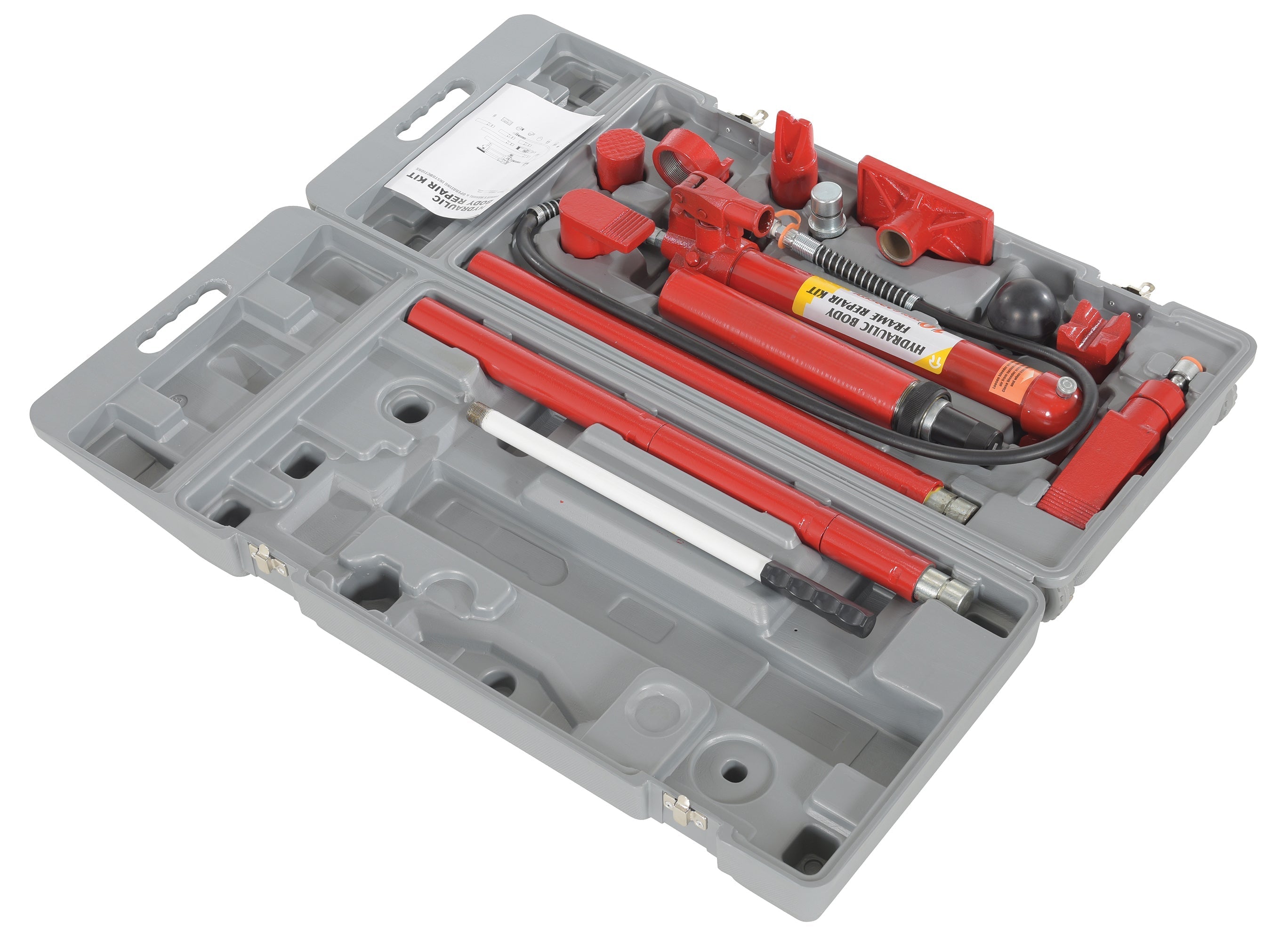
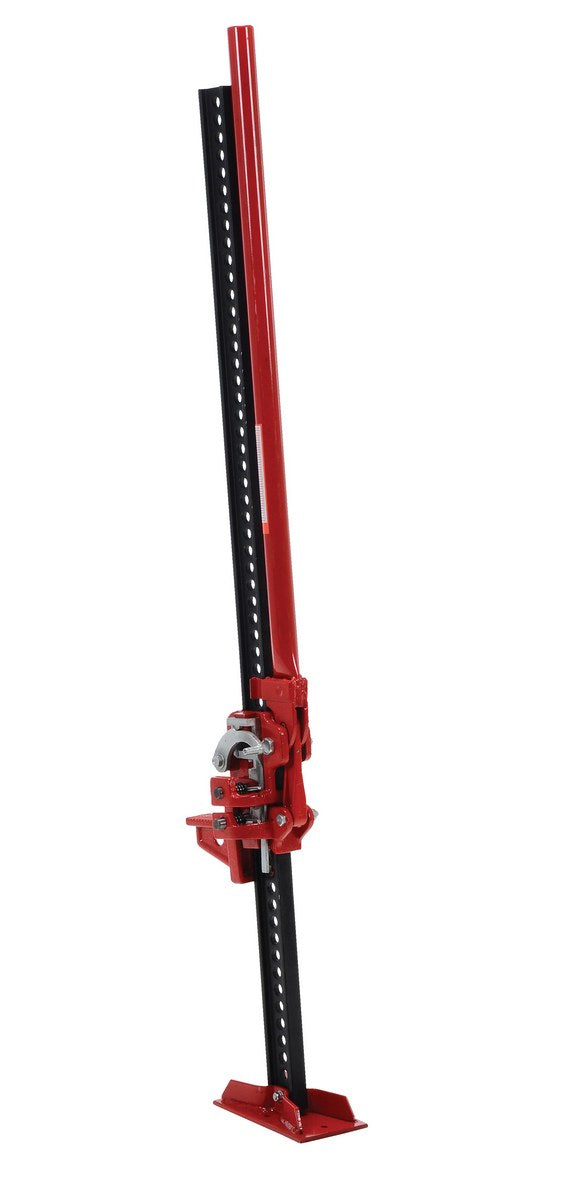
Choosing a jack: toe jacks, machine jacks, and holding it still. The lifting jacks collection covers more than the toe jacks that pair with skates. The HTS ECO-Jack hydraulic toe jacks are the workhorses, from a 4.5 ton XR unit around $1,547 up to a 50 ton model, and most offer both a low toe and a higher head pad so you can lift from whichever surface the machine gives you. For lighter positioning the Vestil mechanical machine jack lifts by screw rather than hydraulics at 3,000 lb, and the Vestil fork truck jack raises 13 tons of forklift for tire and wheel service. The same collection also holds the floor locks, which do the opposite job: dropped by foot pedal, they pin a cart, lift table, or rolling machine in place during loading and assembly so it cannot drift. If your rolling equipment needs to stay put while people work on it, add a set of Vestil floor locks, from economical models near $20 up to adjustable-height units.
Plan the path and the floor. Machine skates and toe jacks are floor-level tools, so the below-the-hook inspection rules that govern slings and lifting beams do not apply, but the floor does. A machine on skates concentrates its whole weight onto a handful of small roller contact patches, and that point pressure can crack a thin slab or punch through weak decking. Check the floor rating along the entire route, lay steel plates or timber over questionable stretches to spread the load, and confirm the machine and skates clear every doorway before you commit. Keep the push crew behind and beside the load rather than in front of it, move at a walking pace on a level path, and use the steering and pry bars to correct direction rather than manhandling a rolling multi-ton load. Jack, block, and reposition in small steps, and never leave a raised machine on the jack alone without cribbing under it.
Frequently Asked Questions
They do two different jobs in the same move. A toe jack lifts. Its low horizontal toe slides under a machine resting flat on the floor, where a normal jack cannot fit, and raises it a few inches. A machine skate carries. It is a small rolling platform you place under the raised load so it can be pushed to a new spot. You use the jack to get the machine up onto the skates, roll it, then use the jack again to lift it off the skates and set it down. Most moves need both, which is why this hub links them side by side.
Three is the common minimum: one steerable skate at the front and two fixed skates at the rear, which steers like a car. Four under the corners spreads the load further for long or heavy machines. Size to the load each skate actually carries, not the total weight, and assume the machine is unbalanced so one point takes more than its even share. Weigh the machine, divide by your skate count, build in that imbalance, add margin, and round up to the next rating. Our Vestil and HTS ECO skates cover 2.5 tons up past 88 tons in systems.
Match the wheel to the floor. Polyurethane is quieter, cushions the load, and protects finished surfaces like sealed concrete, wood, tile, and vinyl, so pick it when the floor must stay unmarked. Nylon has lower rolling resistance for the least push effort, resists wear and flat-spotting under a parked load, and handles rough or pitted concrete better, which is why it is standard on the heaviest kits. Several HTS ECO-Skate models come in both so you can choose against your exact route.
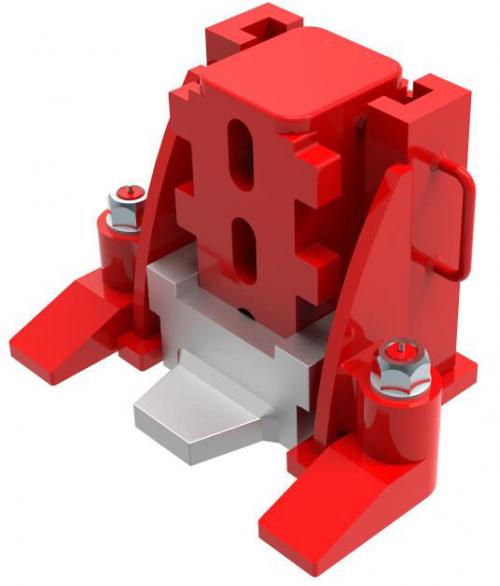
A toe jack reaches loads sitting flush on the floor. Its defining feature is the low toe, a thin horizontal lip that slides into clearances of well under an inch where a bottle jack or floor jack has no room to fit. That makes it the standard first step for getting a machine off the slab and onto skates. Many of the HTS ECO-Jack models also give you a higher head pad, so you can lift from the toe on a low load or from the top on a taller one with a single jack.
Machine skates are not motorized. A crew pushes the load, and the steerable skate plus the steering and turning bars set the direction. Because the load rides on low-friction rollers, the effort to keep a heavy machine moving on a level, smooth floor is far less than its weight suggests, but starting it and stopping it still take planning. Keep people out from in front of the load, move at a walking pace, and use the pry and turning bars to correct the line rather than shoving a multi-ton load by hand.