Safety Equipment
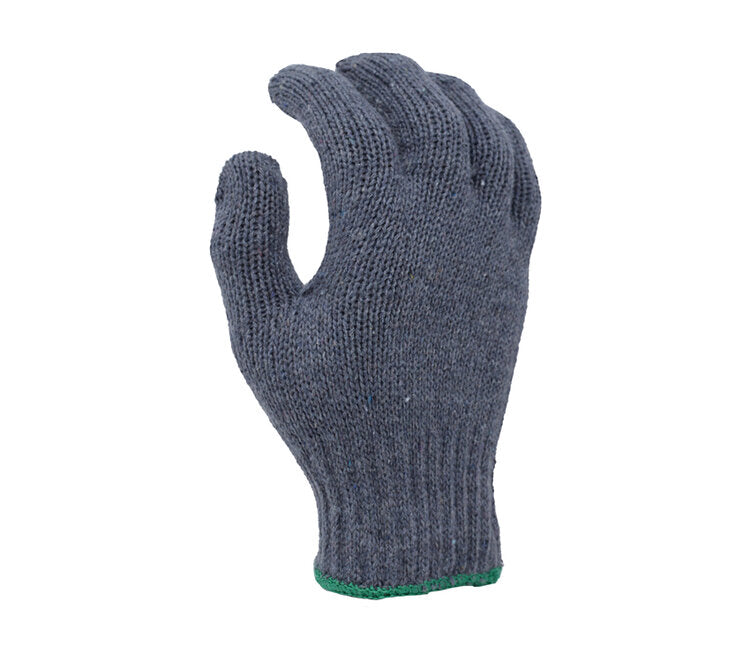
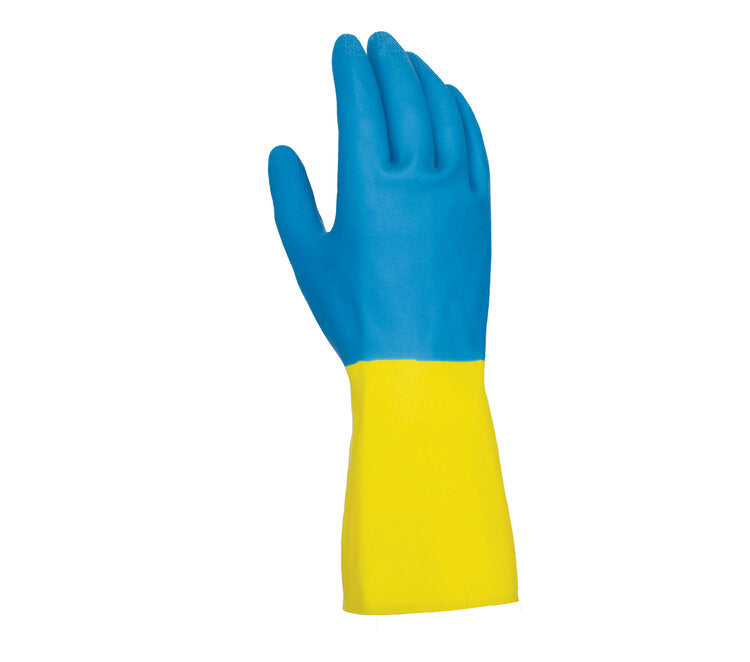
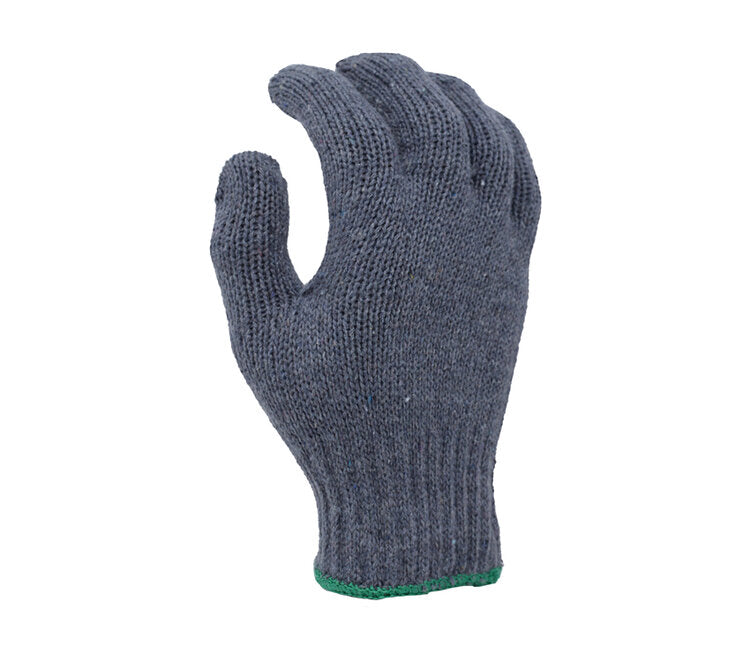
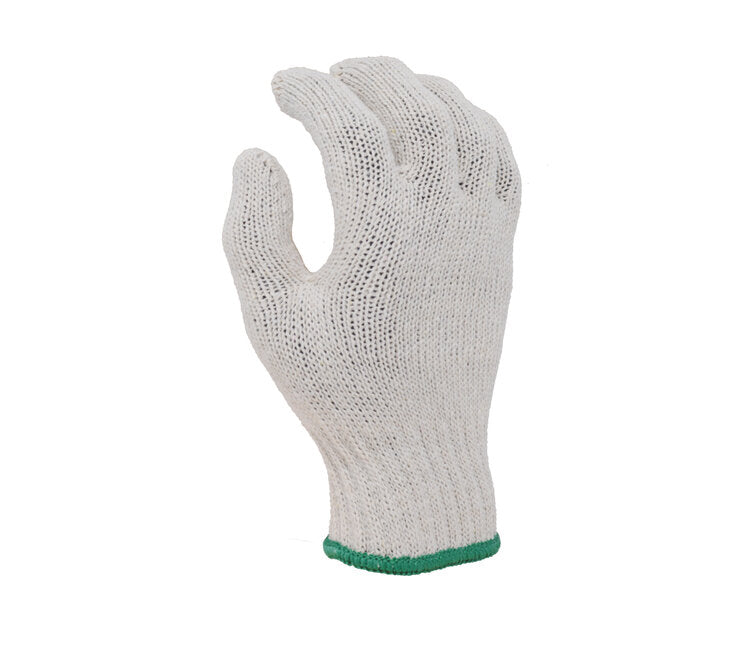
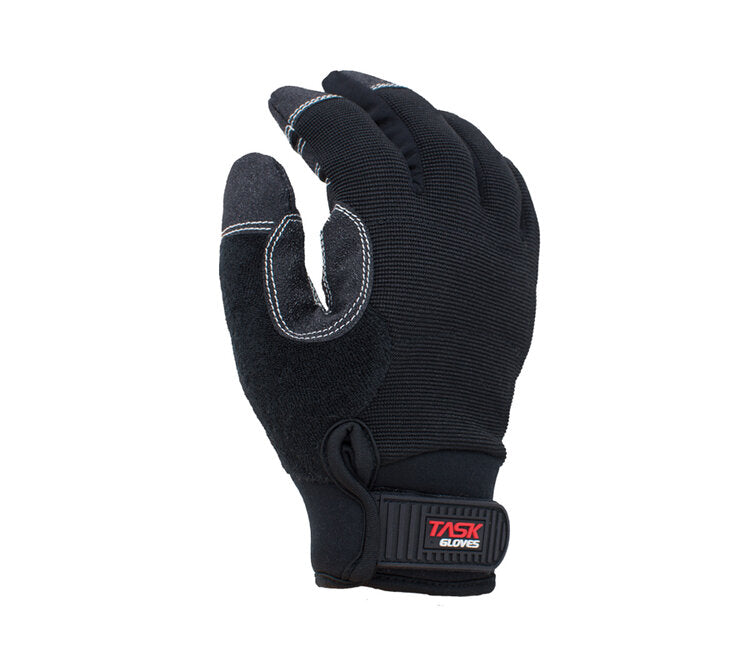
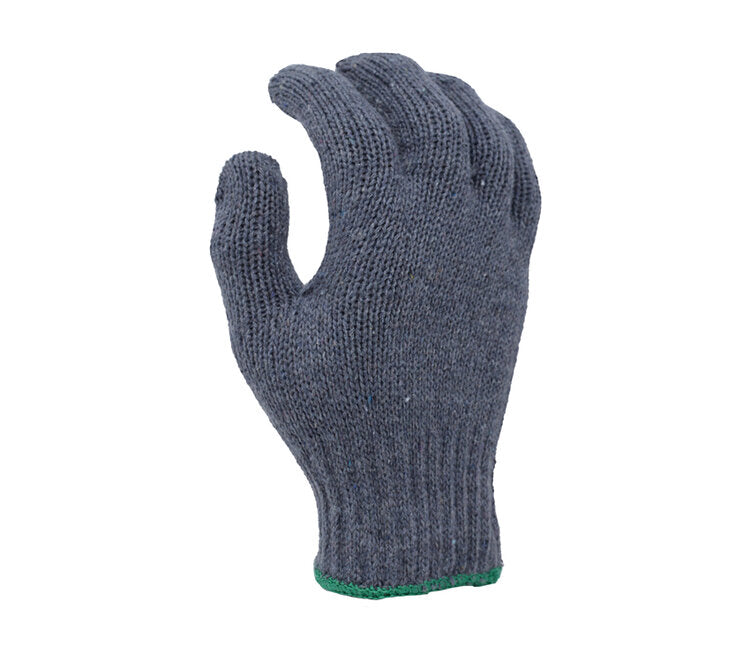
The safety equipment on this page is hand and arm protection: work gloves, cut-resistant sleeves, and the wearable apparel that goes with them. The shelf is built around Task Gloves, a hand-protection line deep enough to cover almost any job, backed by Stren-Flex sleeves and a short run of coveralls and rain gear. Gloves run from a light cotton-polyester string knit at a few dollars a dozen to aramid-and-synthetic-leather cut gloves near three hundred, and they sort into a handful of families: coated knits for grip, cut-resistant HDPE and aramid shells for blades, leather drivers and welding gloves for abrasion and heat, hot mill gloves for handling hot stock, and impact gloves with molded backs. Everything here is priced and packed by the dozen, most of it in twelve-pair cases, with individually wrapped vend packs for shops that dispense gloves through a machine. The guide below works the way a safety manager should, starting from the hazard and the OSHA rule behind it, then matching the glove to the task.
Compare Safety & PPE
| Model | Price | Sizes Available | |
|---|---|---|---|
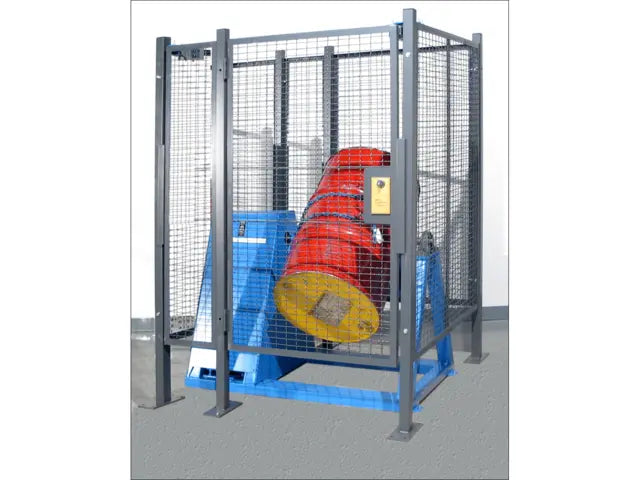
| Morse Guard Enclosure Kit with Safety Interlock | $6,054 | — | View → |
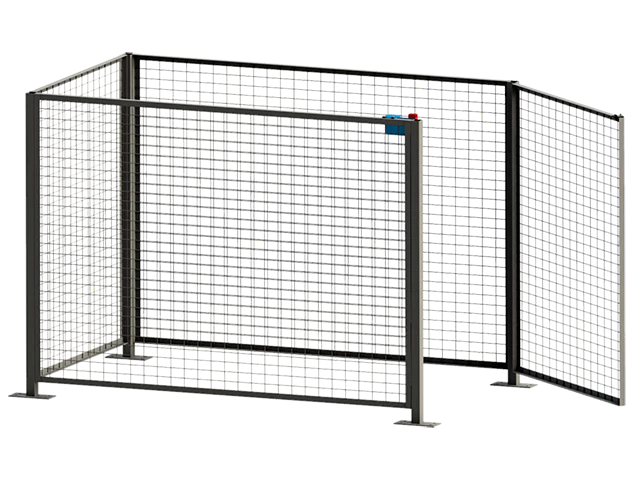
| Morse Self-Install Enclosure with Safety Interlock | $4,400 | — | View → |
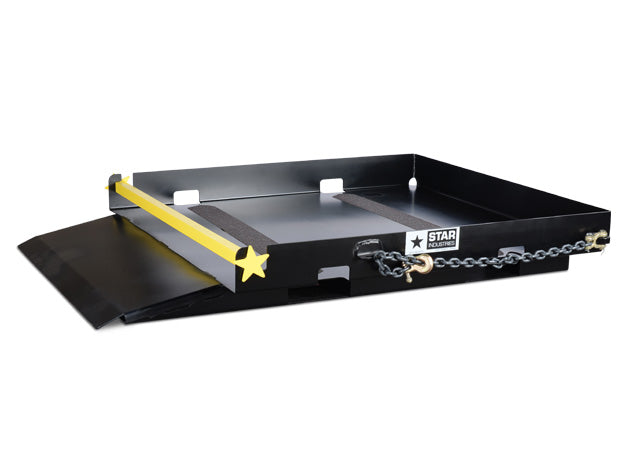
| Star Industries Safety Loading Platforms | $1,411 | — | View → |
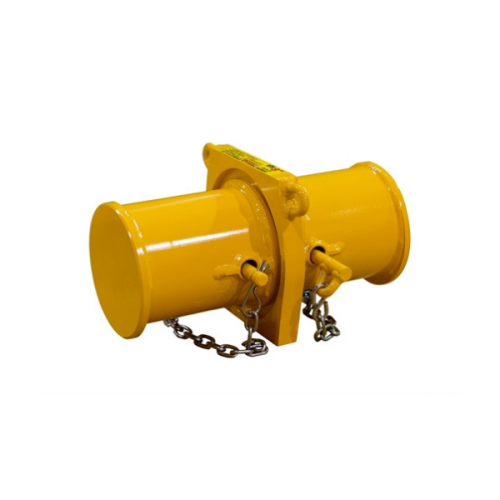
| Tandemloc Pipe Sleeves | $828 | 3, 4, 5, 6, 8, 10, 12, 14, 26, 32 inch (pipe diameter) | View → |
| TASK GLOVES - Synthetic Leather Palm Gloves, Double Armortex on palm, Hi-Vis Yellow spandex back, Neoprene cuff with ID pad, TPR back - Quantity 12 Pair | $300 | M-XL | View → |
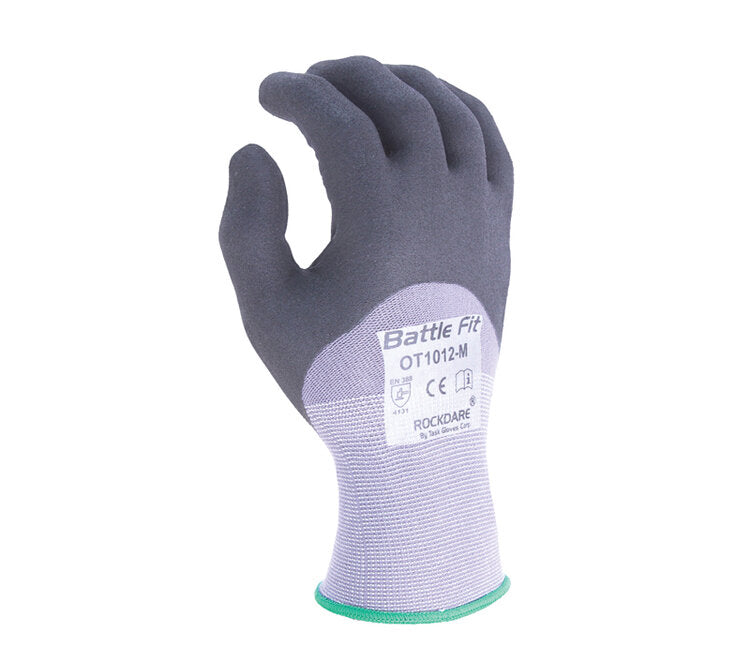
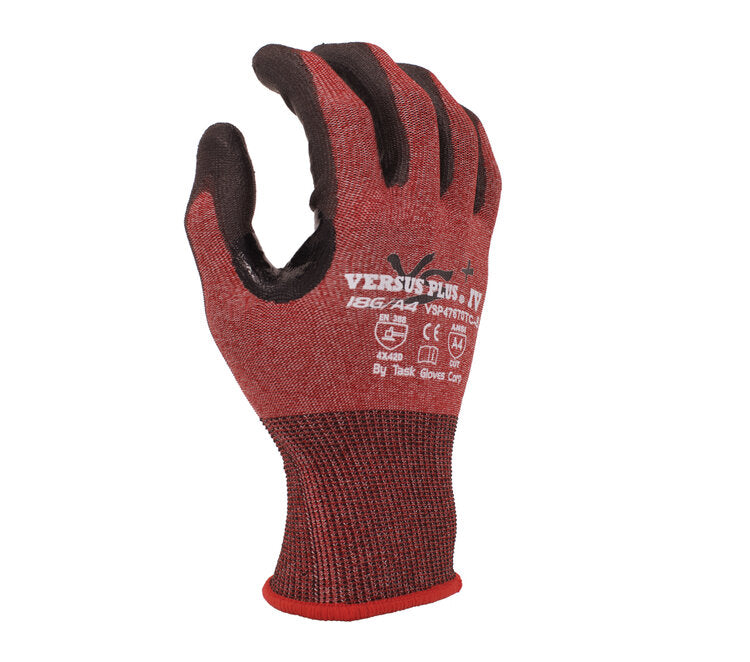
| TASK GLOVES - Anti-Cut composite cloth palm Gloves, Silicone Palm, Hi-Vis Yellow Spandex back, Armortex reinforced crotch, Neoprene cuff with ID pad, TPR back - Quantity 12 Pair | $236 | M-XL | View → |
 In Stock
 In Stock
 In Stock
 In Stock
 In Stock
 In Stock
 In Stock
 In Stock
 In Stock
 In Stock
 In Stock
 In Stock
 In Stock
 In Stock
 In Stock
 In Stock
 In Stock
 In Stock
 In Stock
 In Stock
 In Stock
 In Stock
 In Stock
 In Stock
 In Stock
 In Stock
 In Stock
 In Stock
 In Stock
 In Stock
 In Stock
 In Stock
 In Stock
 In Stock
 In Stock
 In Stock
 In Stock
 In Stock
 In Stock
 In Stock
 In Stock
 In Stock
 In Stock
 In Stock
 In Stock
 In Stock
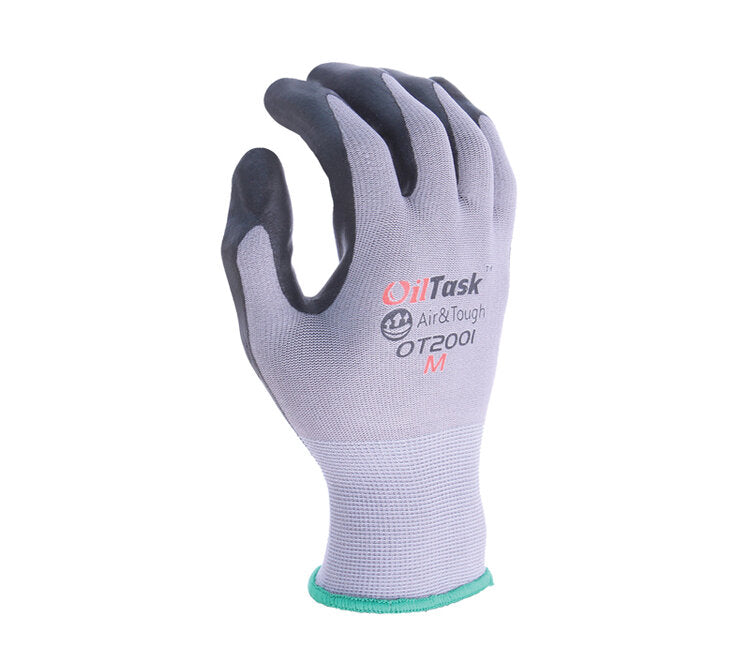 In Stock
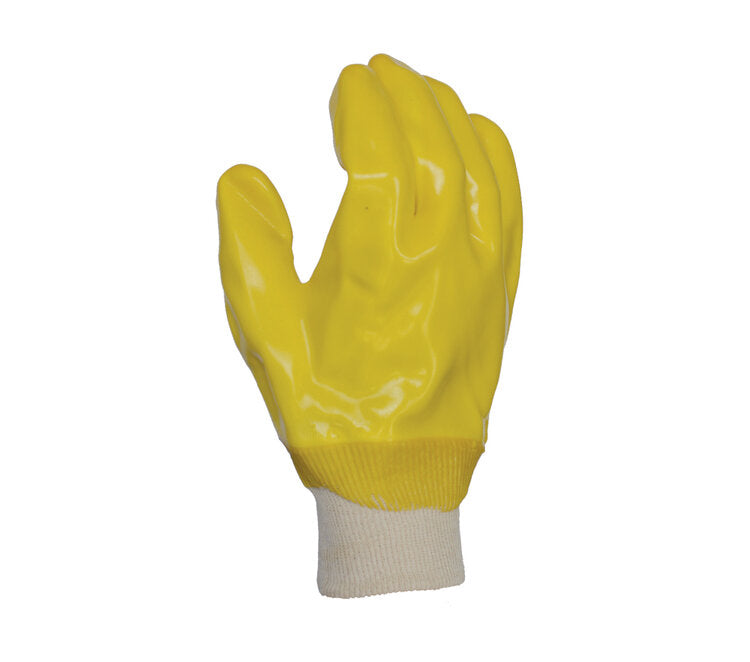 In Stock
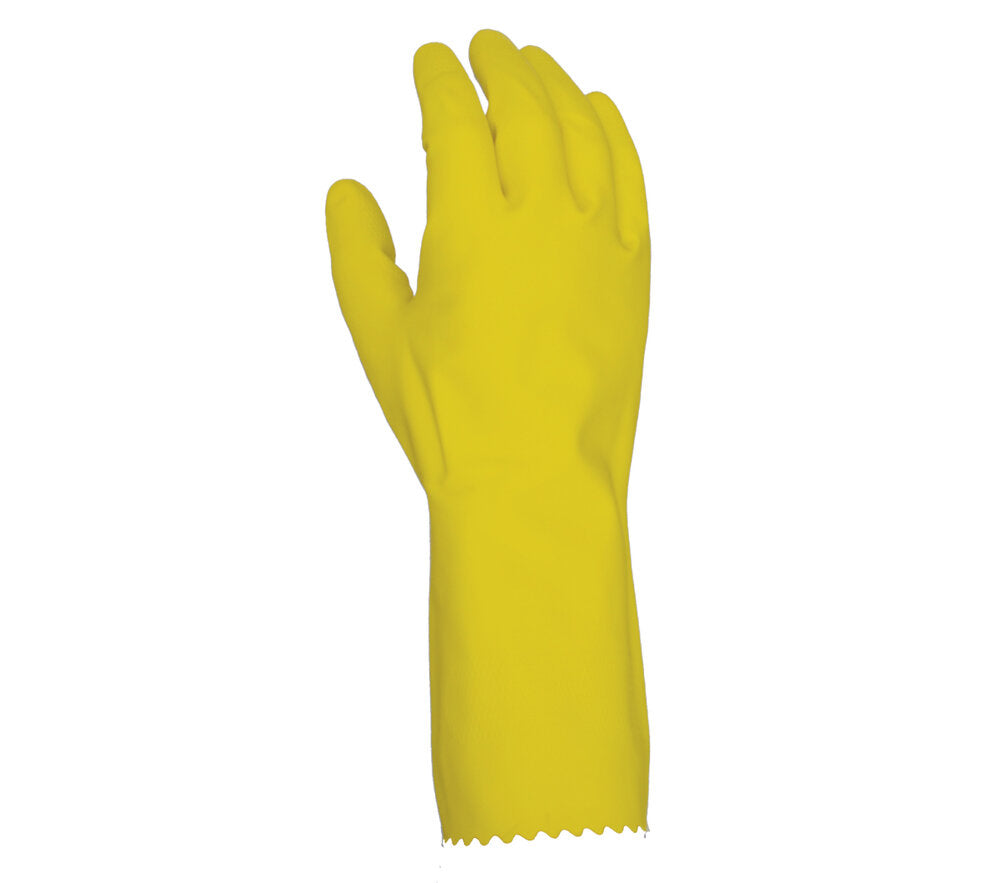 In Stock
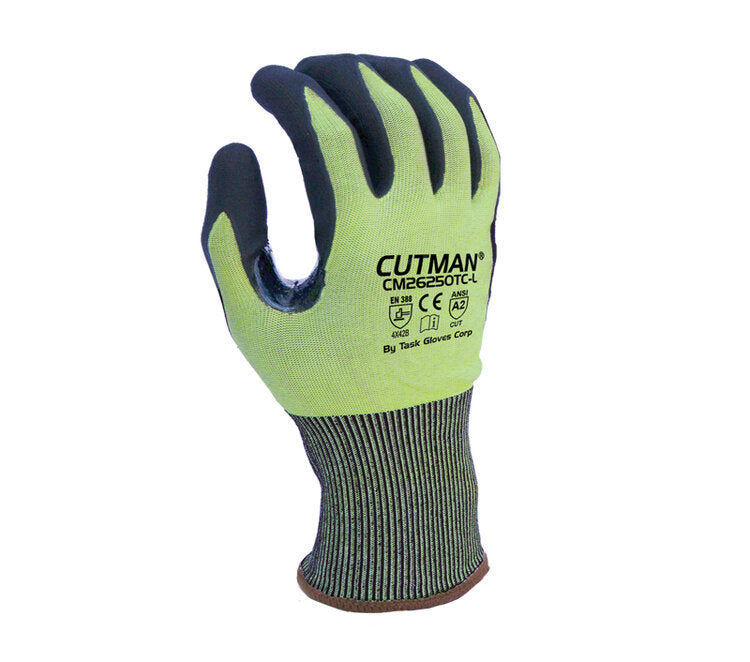 In Stock
 In Stock
 In Stock
 In Stock
 In Stock
 In Stock
 In Stock
 In Stock
 In Stock
 In Stock
 In Stock
 In Stock
 In Stock
 In Stock
 In Stock
 In Stock
 In Stock
 In Stock
 In Stock
 In Stock
 In Stock
 In Stock
 In Stock
 In Stock
 In Stock
 In Stock
 In Stock
 In Stock
 In Stock
 In Stock
 In Stock
 In Stock
 In Stock
 In Stock
 In Stock
 In Stock
 In Stock
 In Stock
 In Stock
 In Stock
 In Stock
 In Stock
 In Stock
 In Stock
 In Stock
 In Stock
 In Stock
Safety & PPE Buying Guide
Start with the hazard, because OSHA makes you. OSHA 1910.138 does not hand you a glove; it hands you a duty. The employer has to evaluate the task, identify the hazards, and then select and require hand protection that matches them, whether the exposure is severe cuts and lacerations, abrasions, punctures, chemical or thermal burns, or temperature extremes. That is the frame for this whole page. A cut glove does nothing against heat, a hot mill glove offers no blade resistance, and a leather driver is not chemical protection. Before you compare gauges and coatings, name the hazard the worker actually faces most of the shift, because that is the one the glove has to answer first. The families below are organized around those hazards so you can shop the way the standard tells you to select, one exposure at a time.
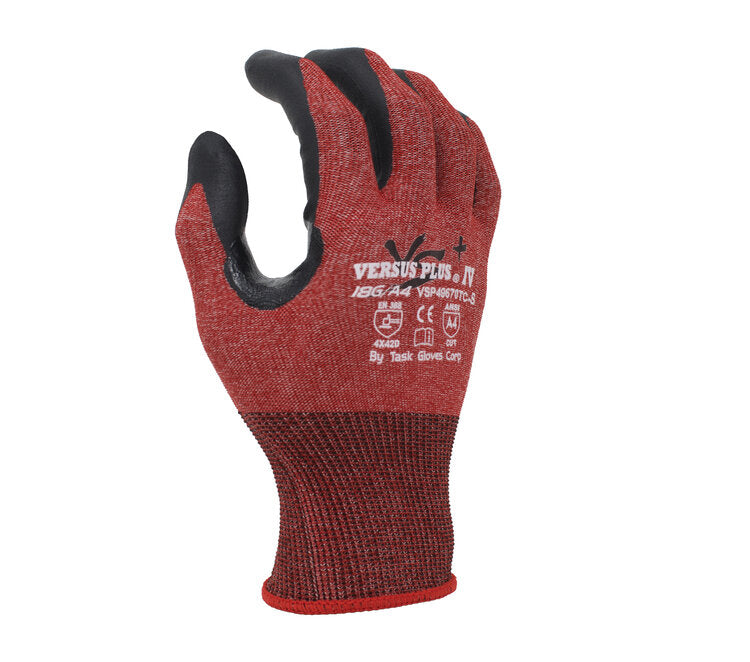
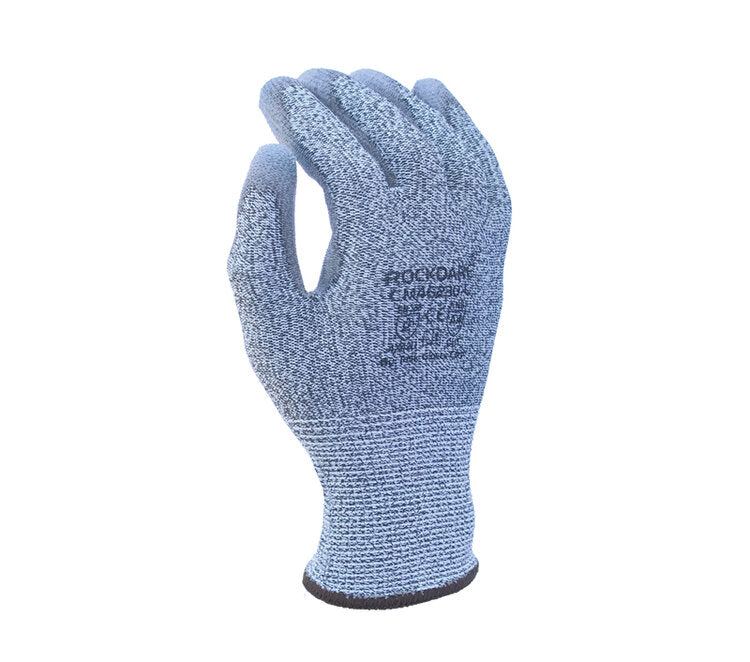
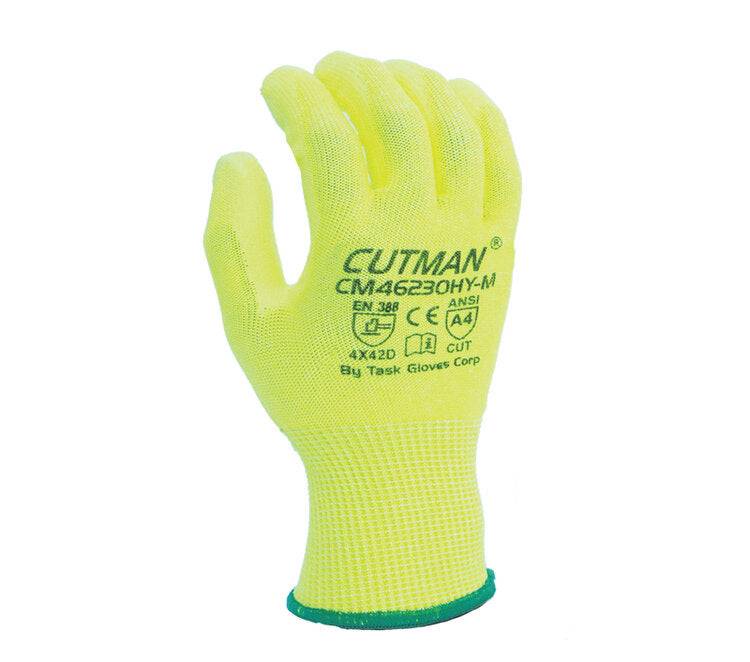
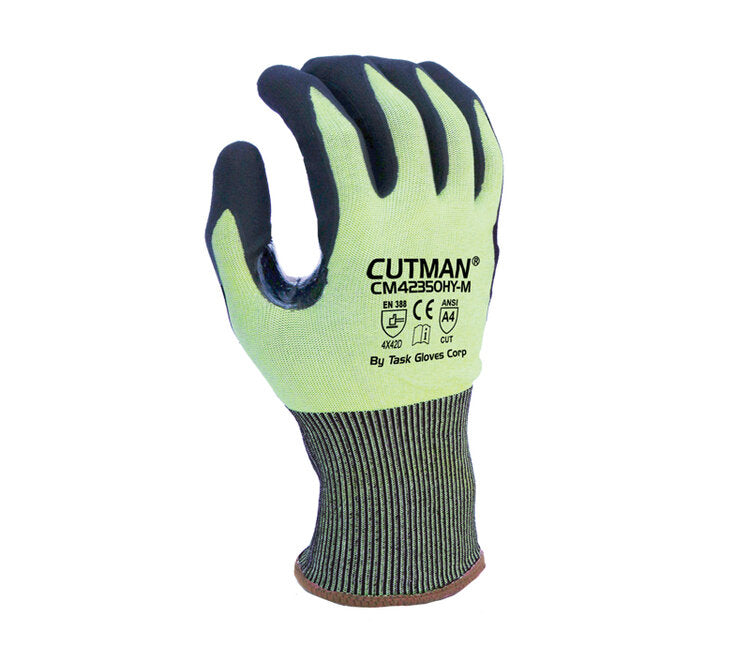
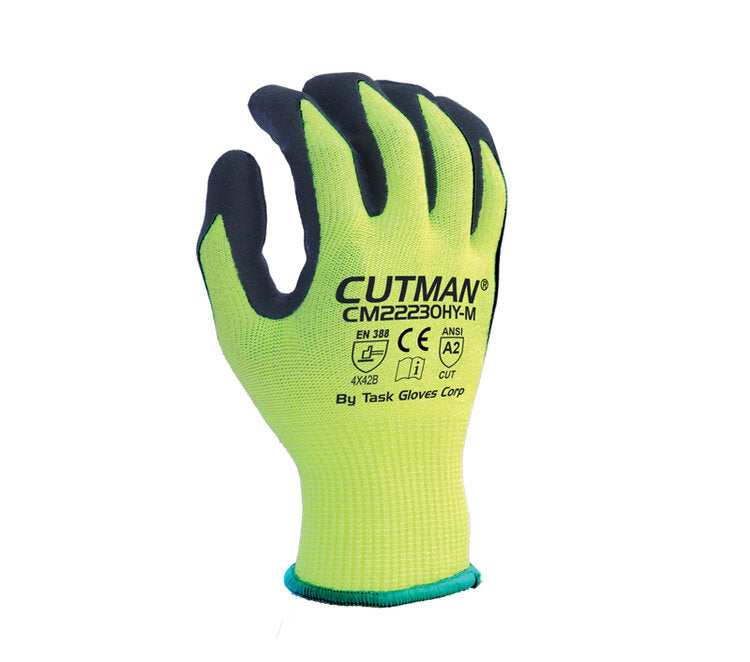
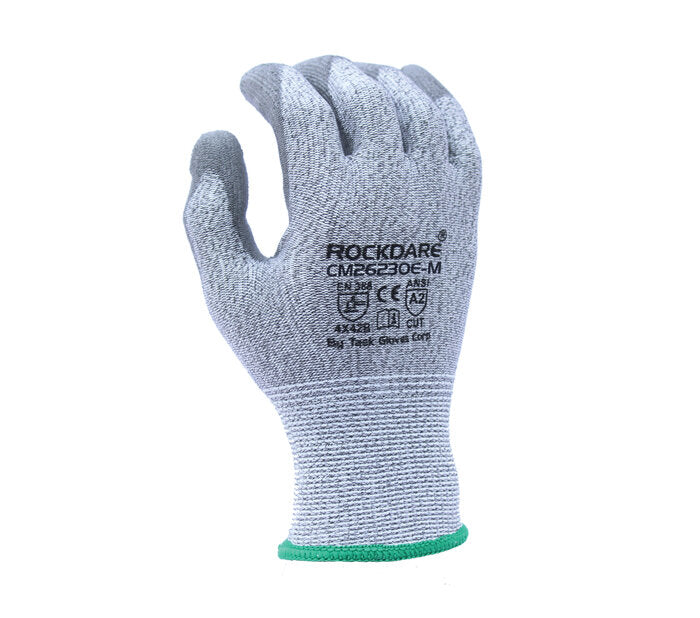
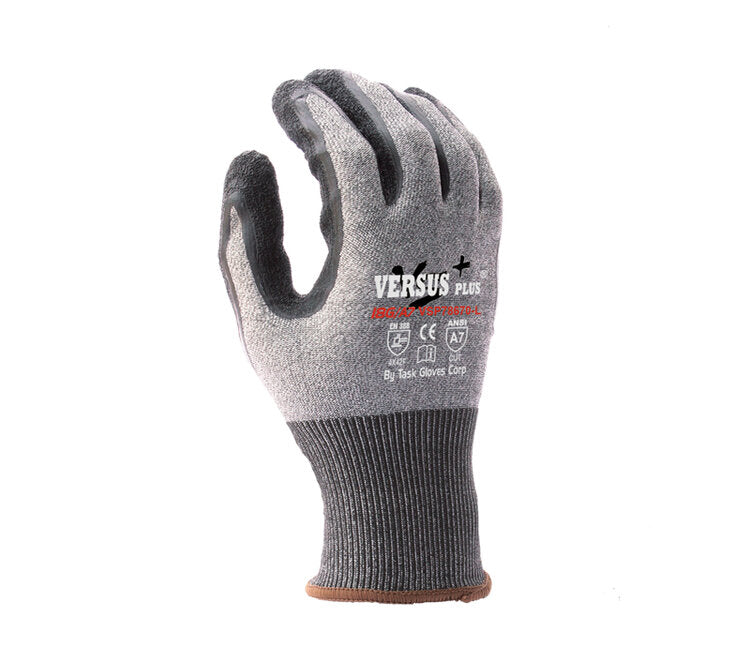
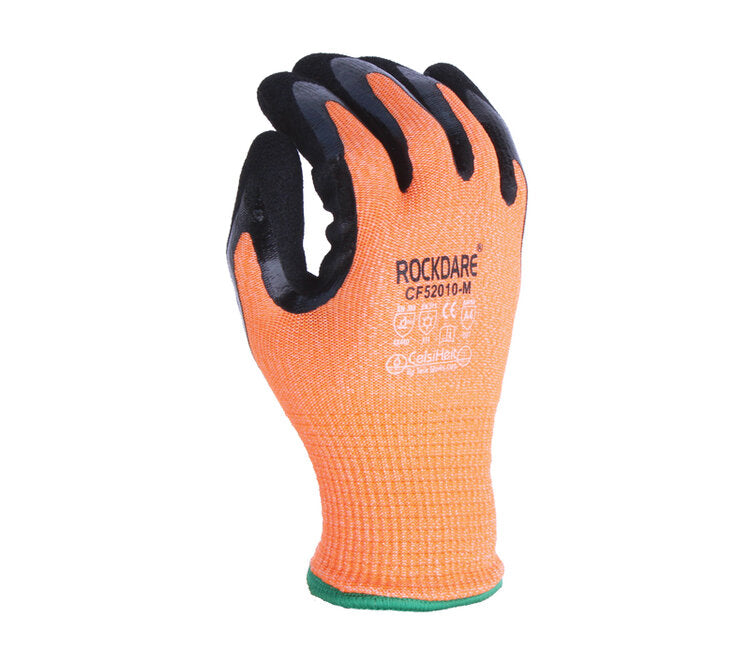
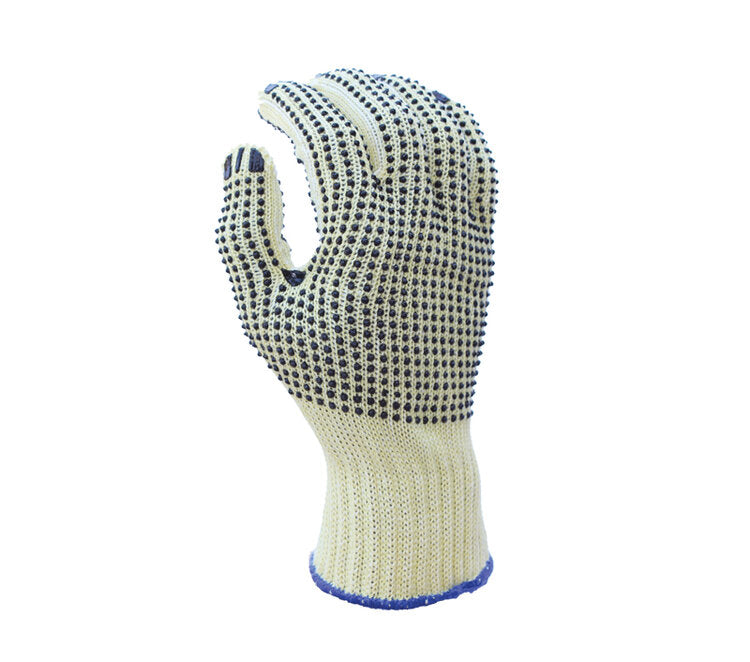
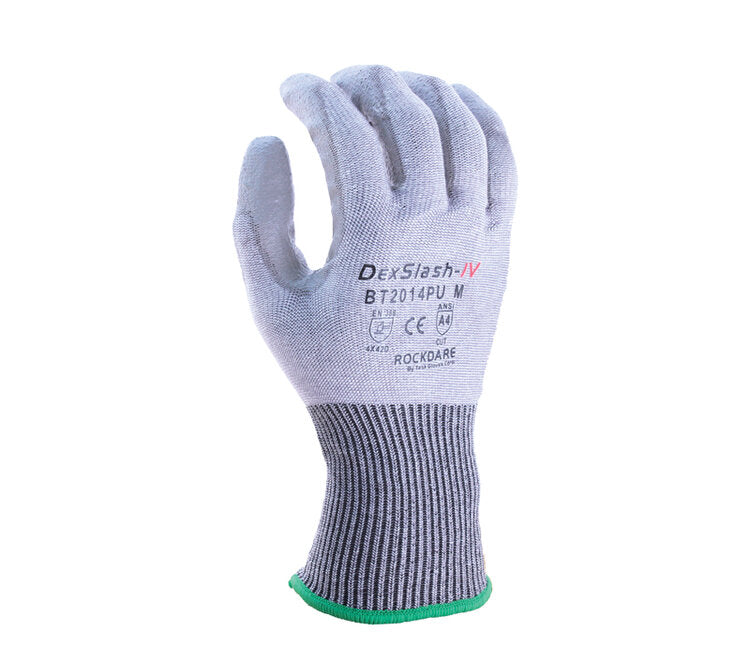
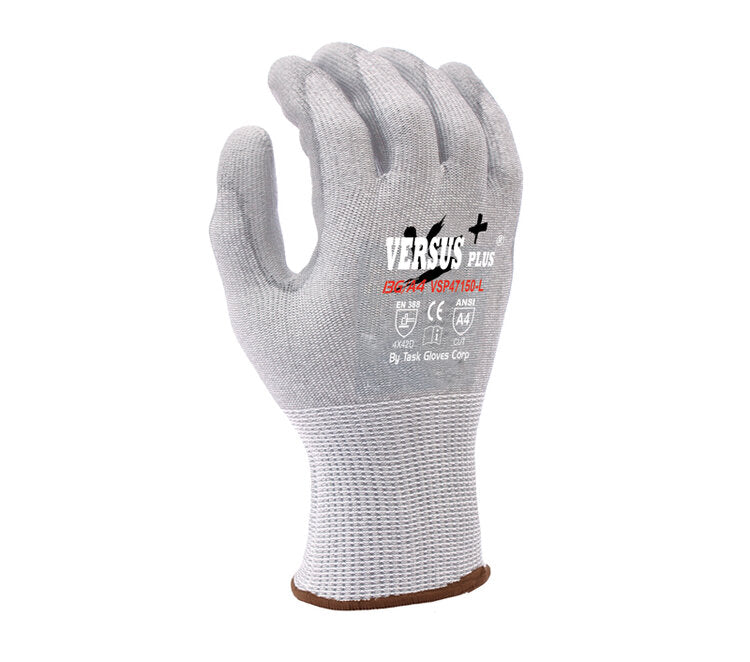
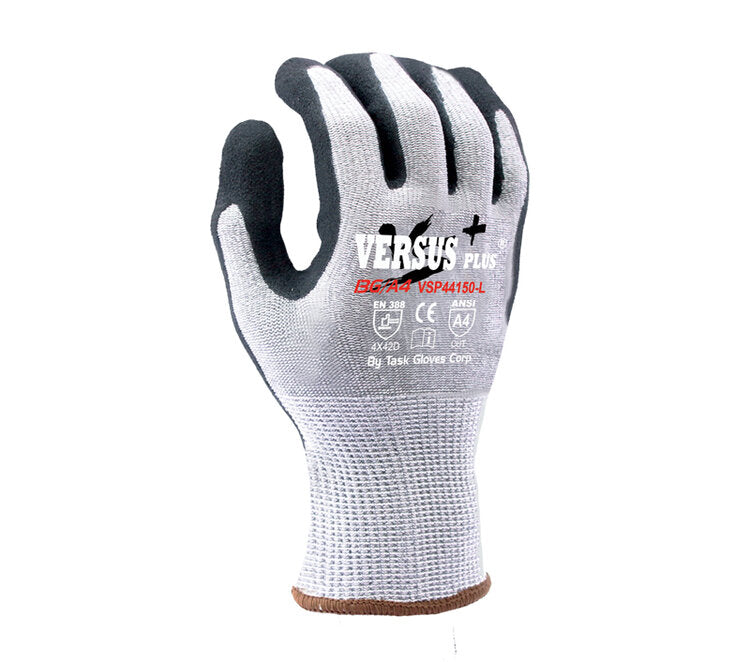
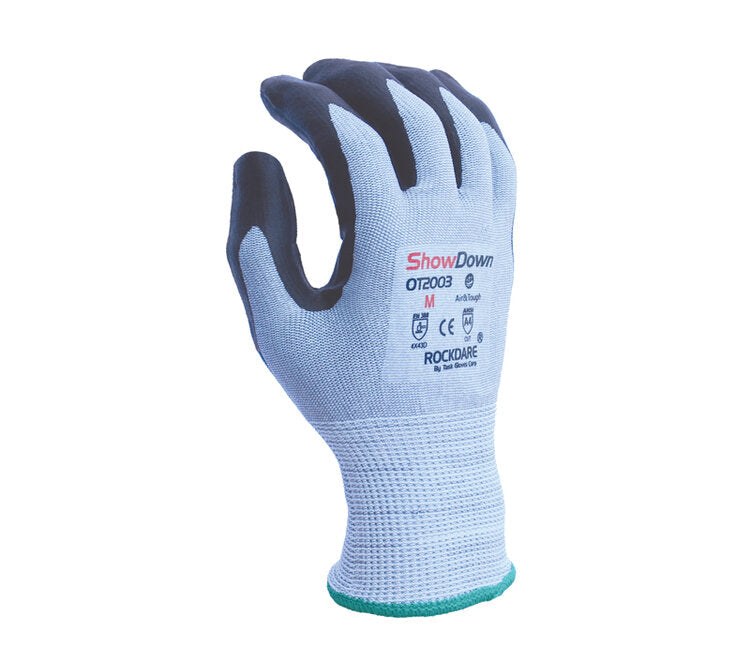
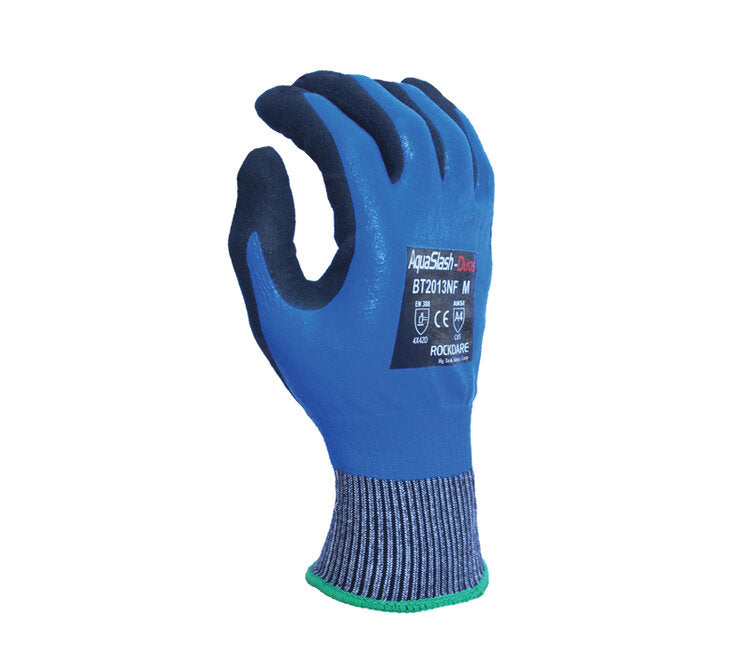
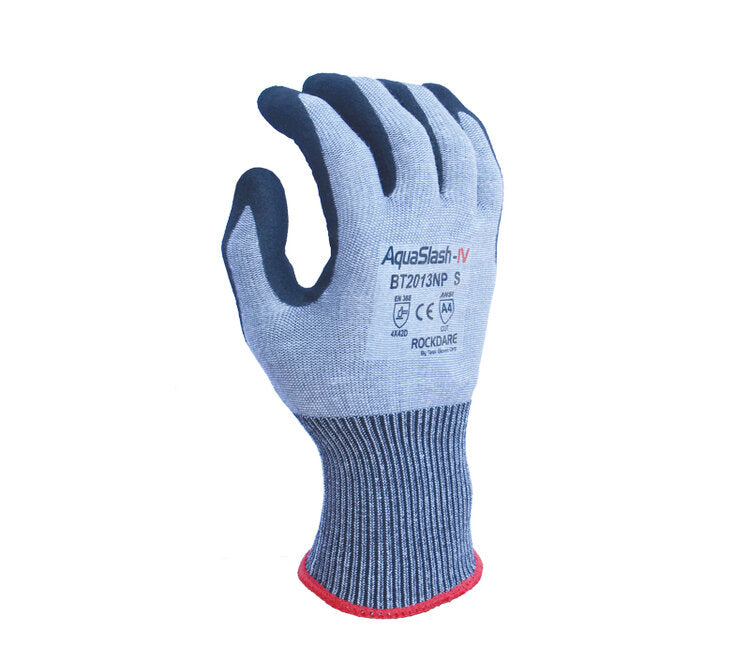
Cut resistance: read the A-scale, not the marketing. Cut-rated gloves here carry an ANSI/ISEA 105 cut classification, and it is the number that matters. The scale runs A1 through A9, and the rating is earned on the ASTM F2992 test rig, which measures the grams of blade force needed to cut through the material. Higher letter, more force, more protection. This shelf is heaviest in the middle and upper band, with a strong run of A4 gloves and options up through A6, A7, and A8 for glass, metal stamping, and blade-heavy work, plus A2 gloves for lighter nick-and-scratch tasks. Most of the cut gloves are built on a 13 gauge HDPE or aramid shell, which is what lets a high cut level stay thin enough to feel a bolt. Do not overbuy the letter. A worker who needs A4 and gets forced into A8 loses dexterity and often peels the glove off for fine work, which is worse than a right-sized glove kept on all day. Match the level to the sharpest thing the hands touch regularly, then check whether the palm coating suits the grip.
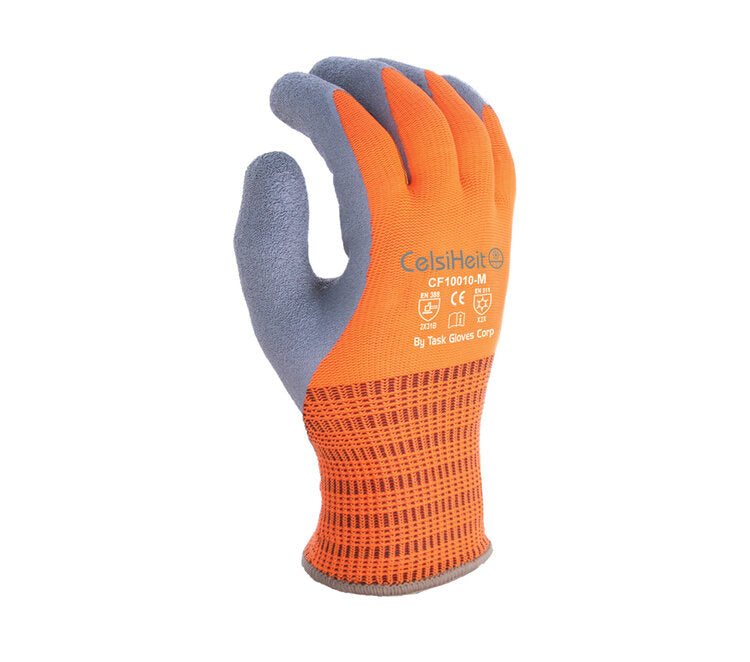
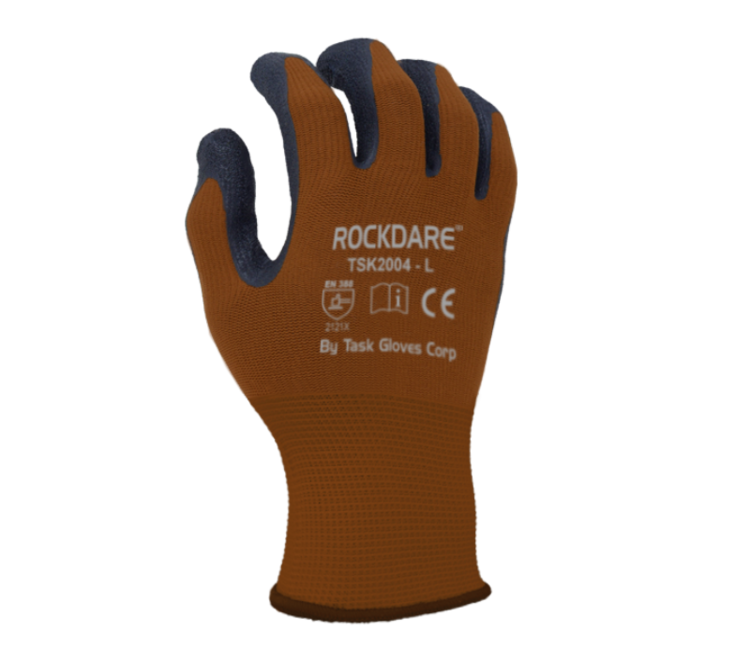
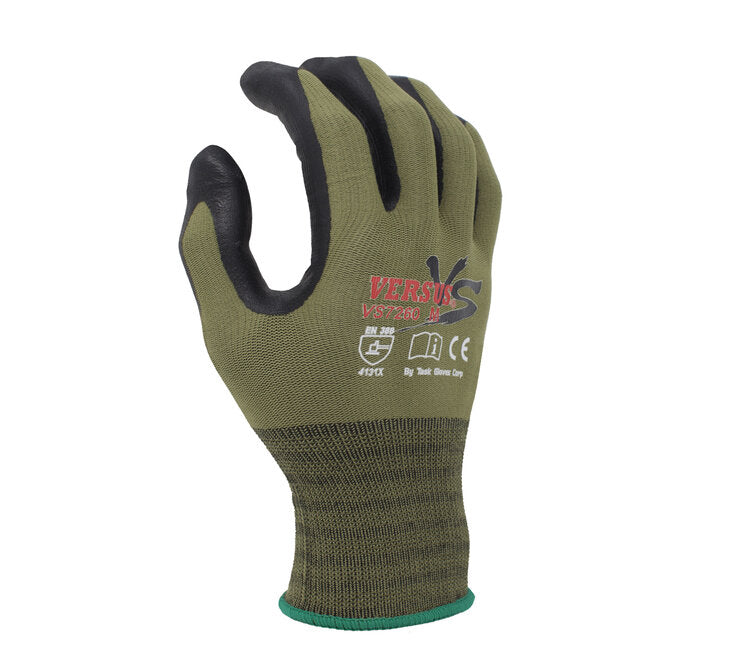
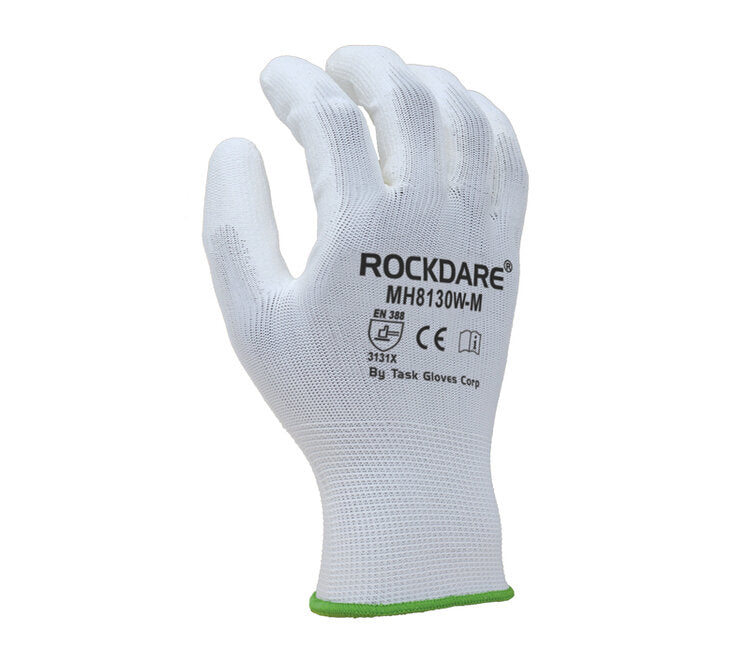
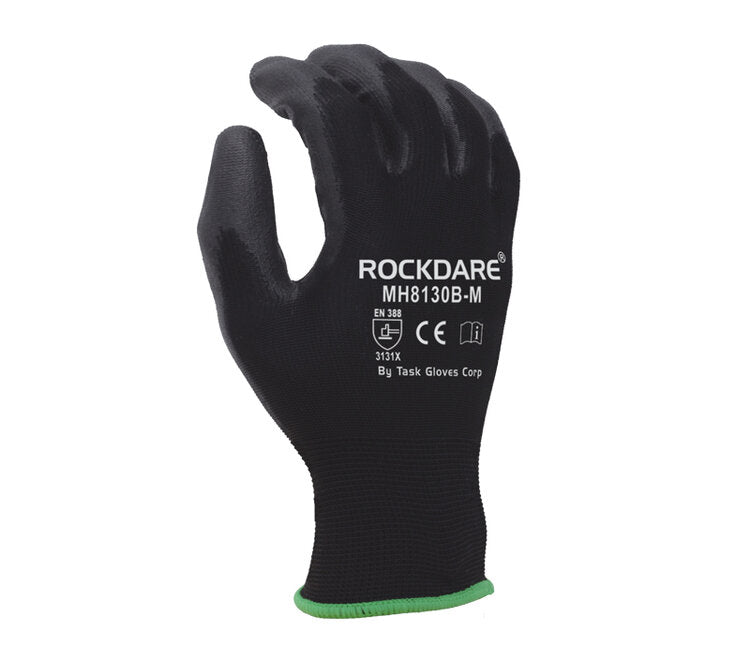
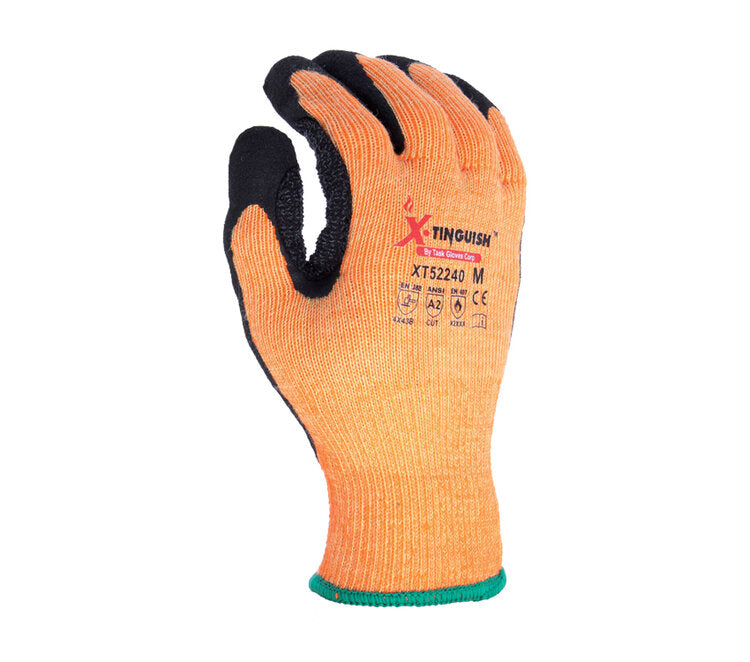
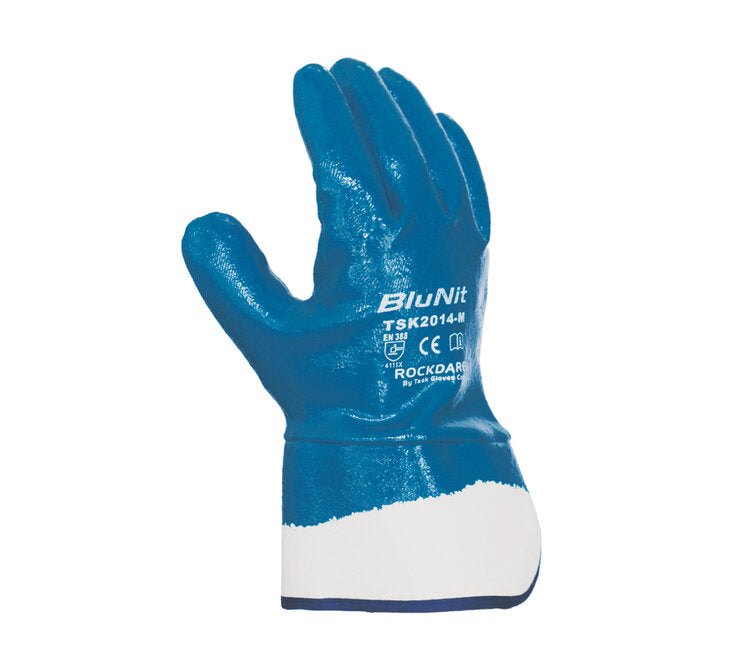
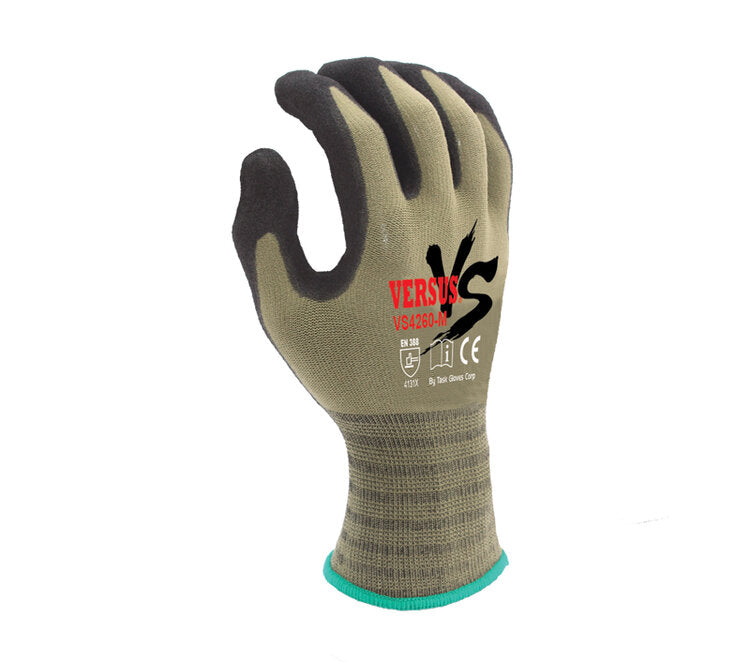
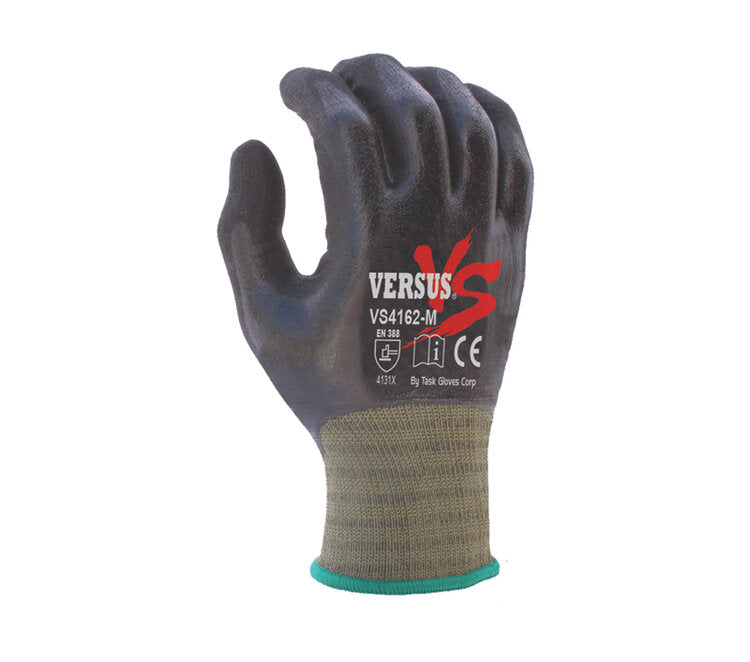
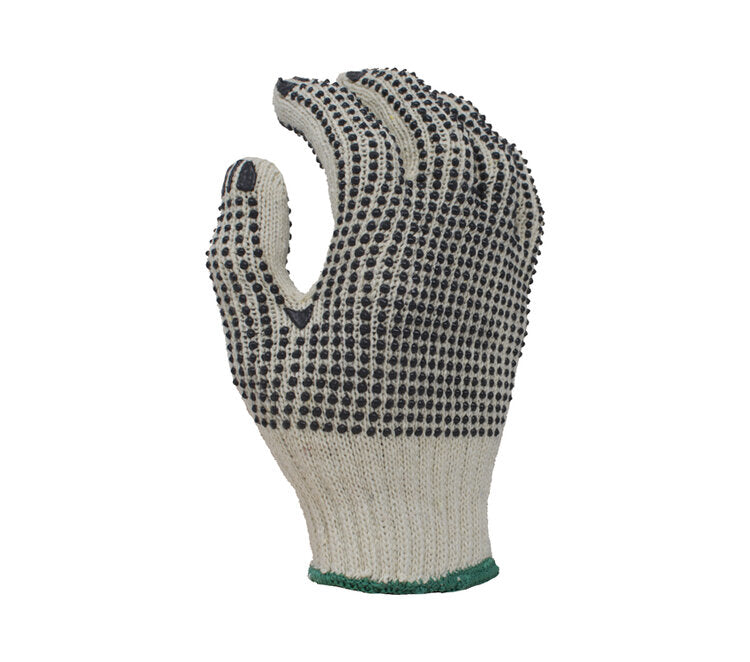
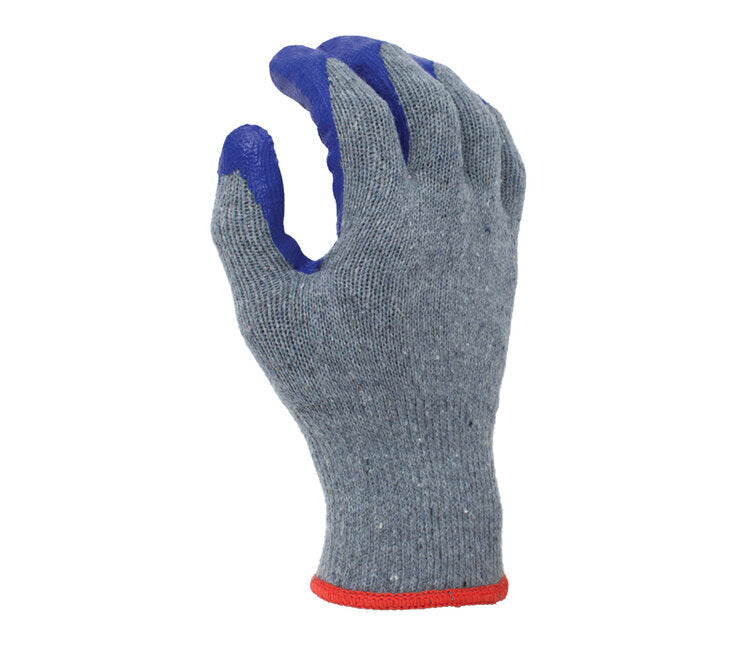
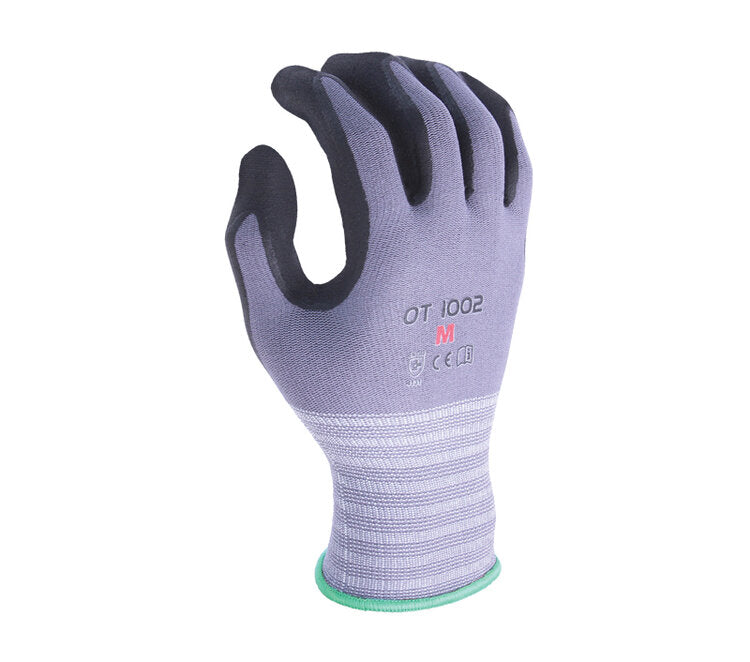
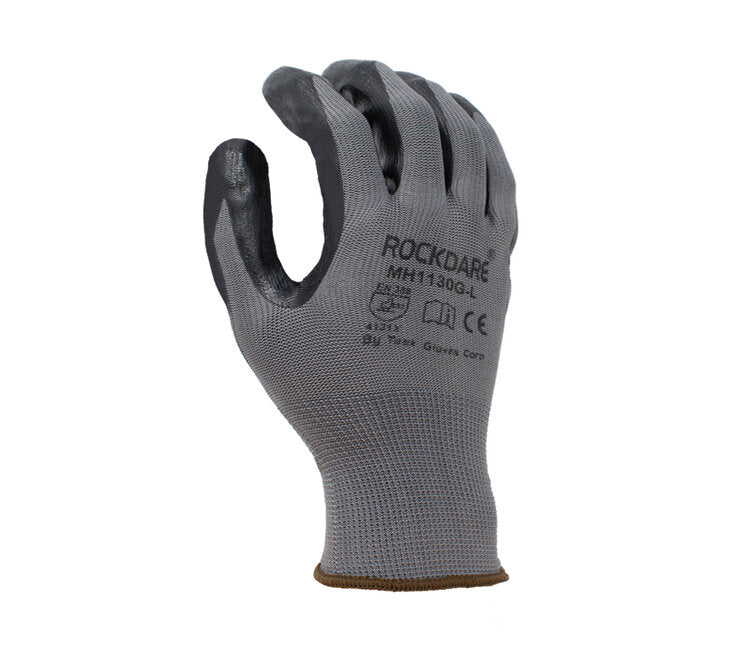
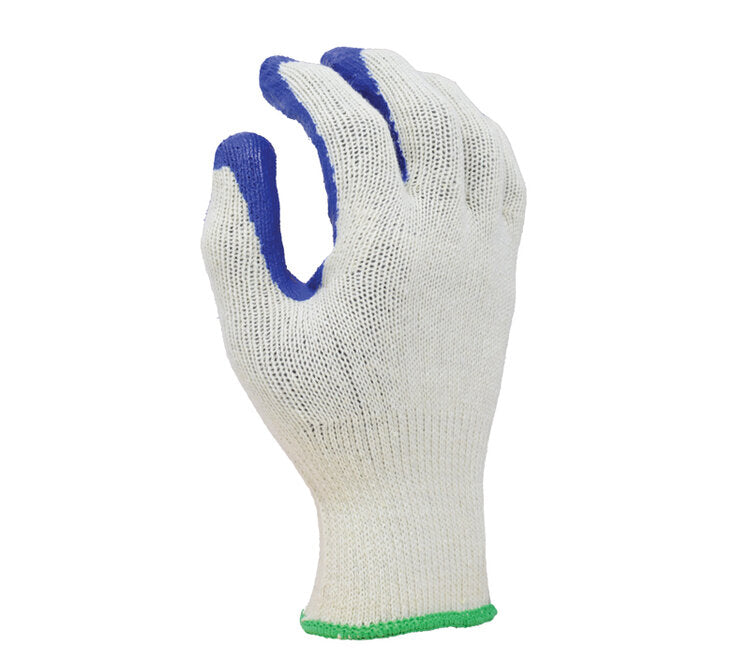
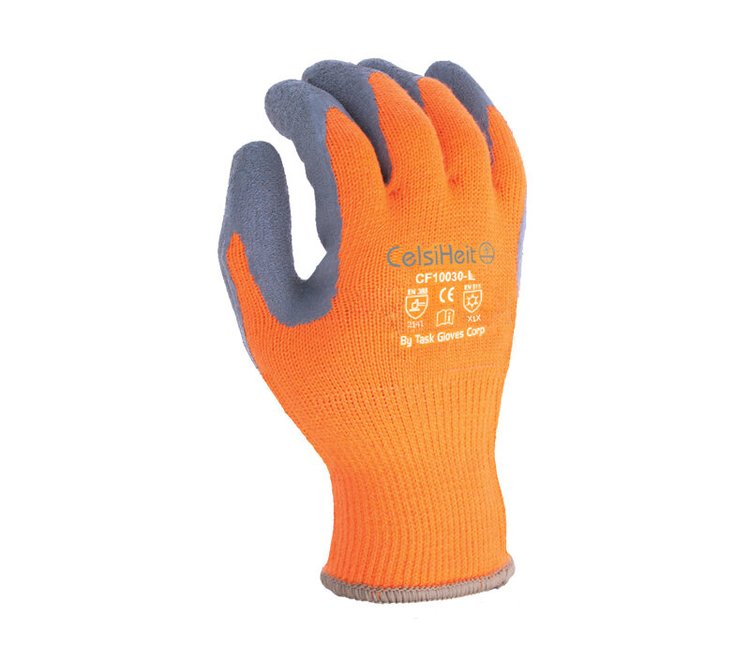
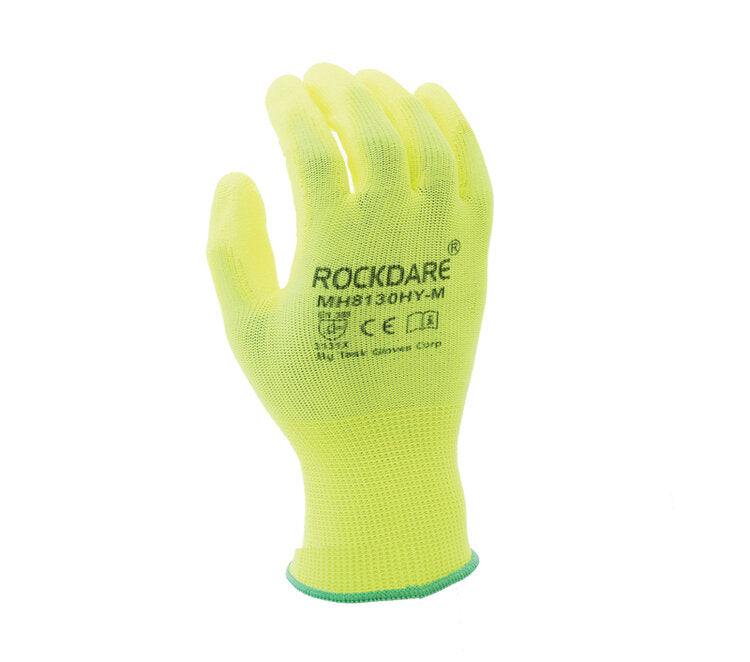
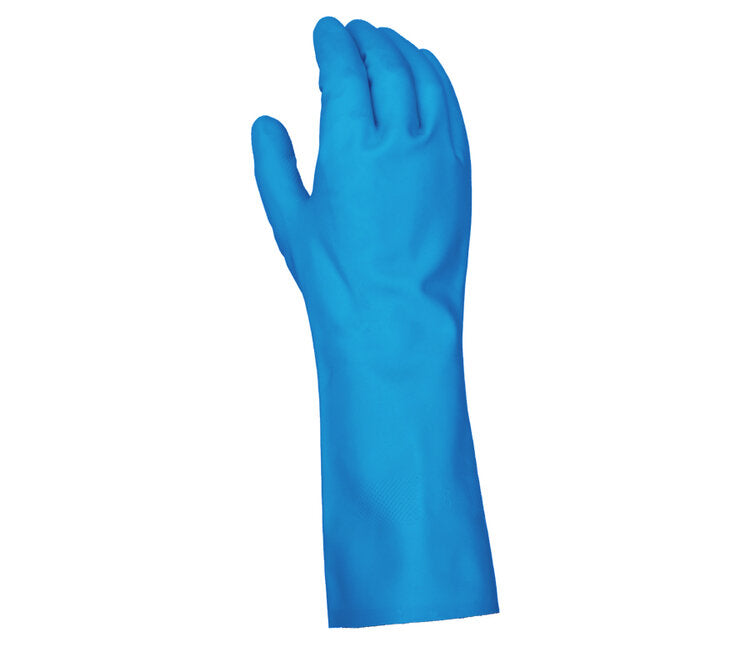
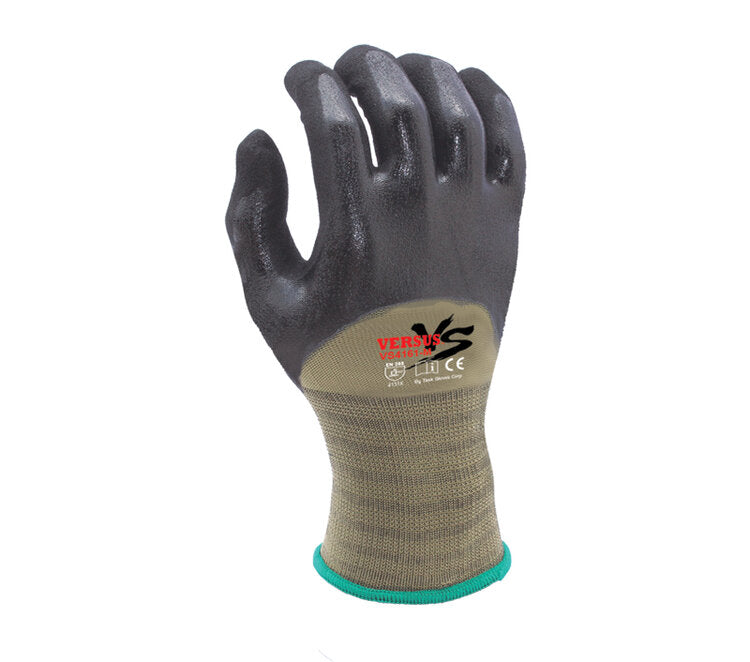
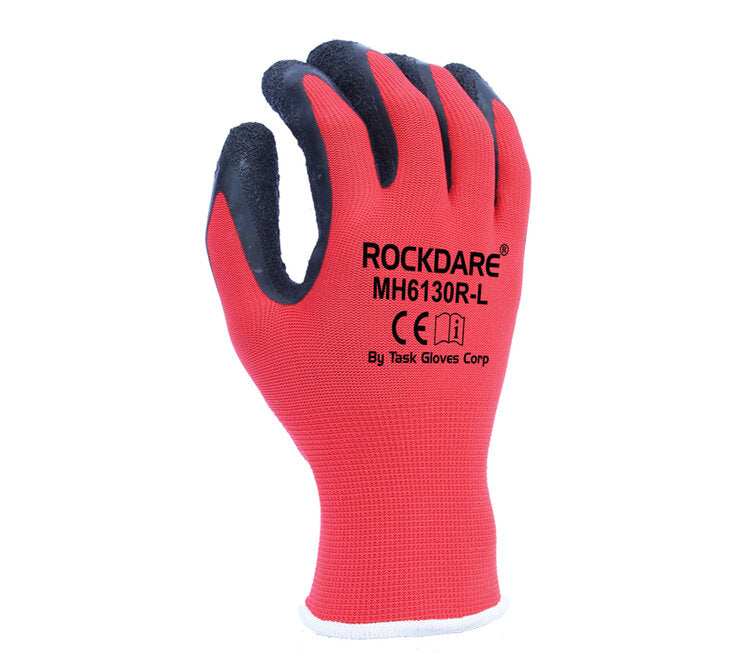
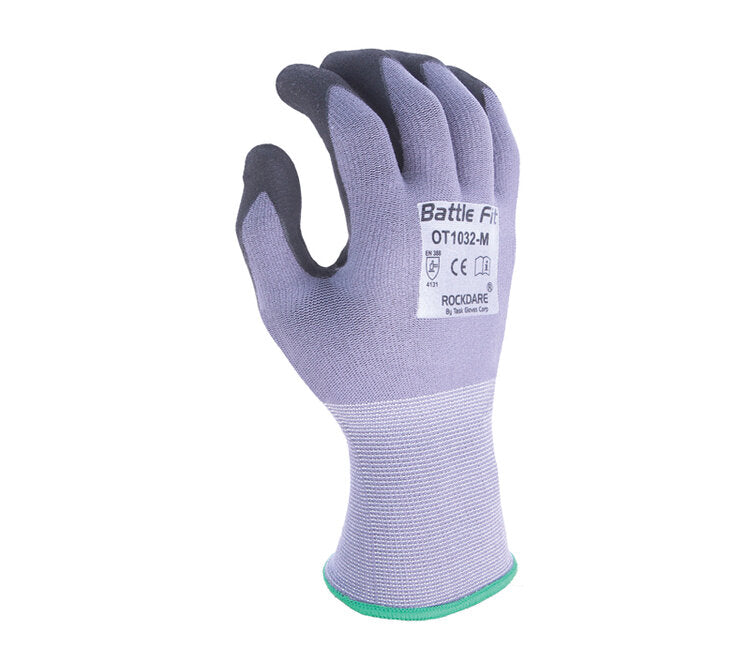
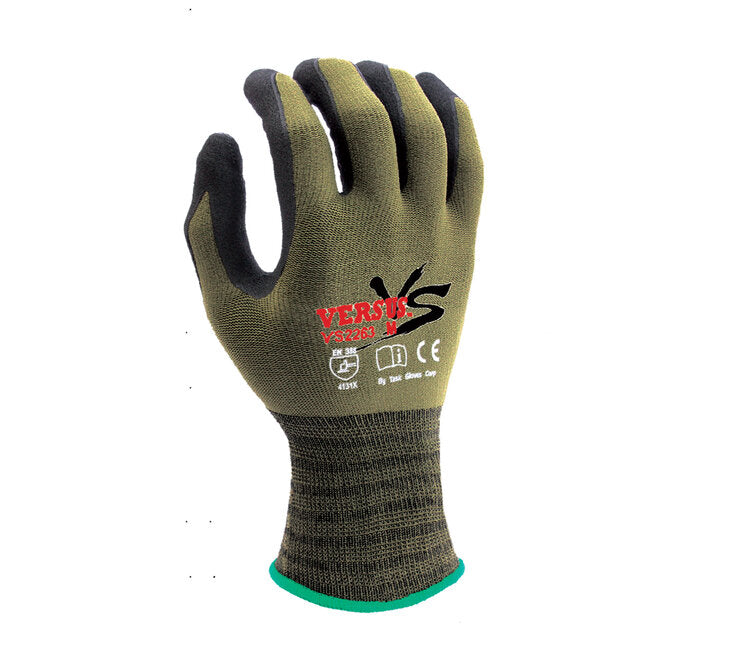
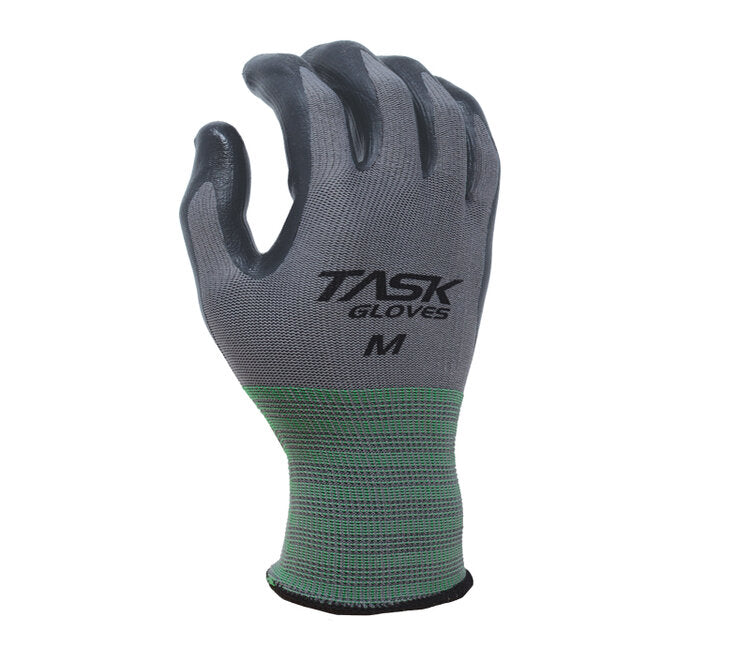
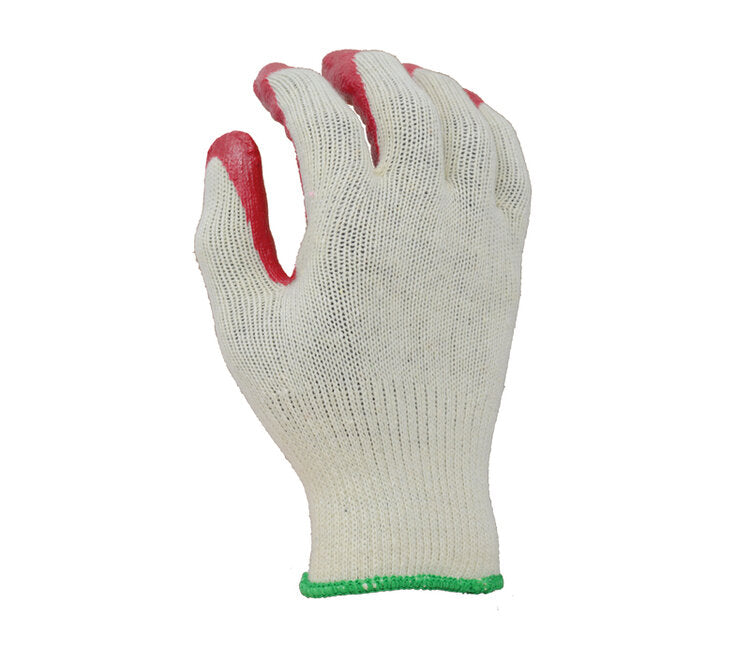
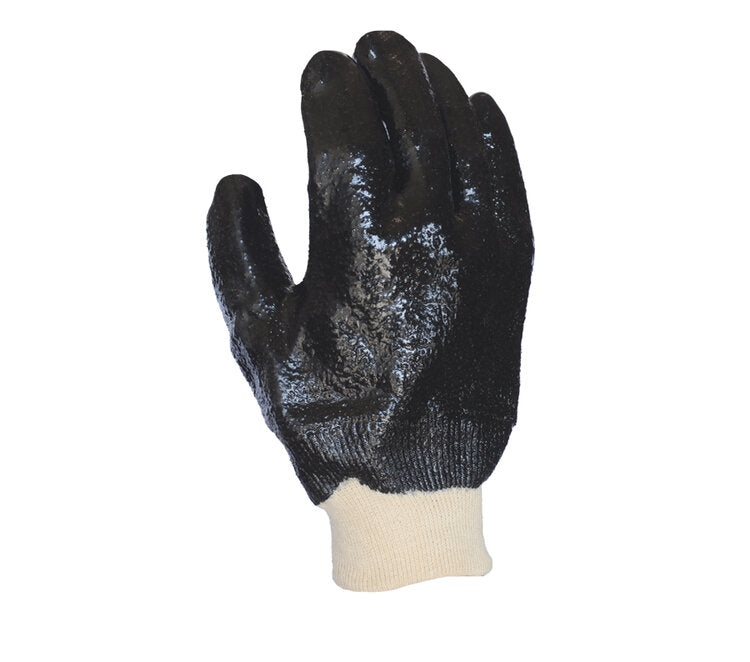
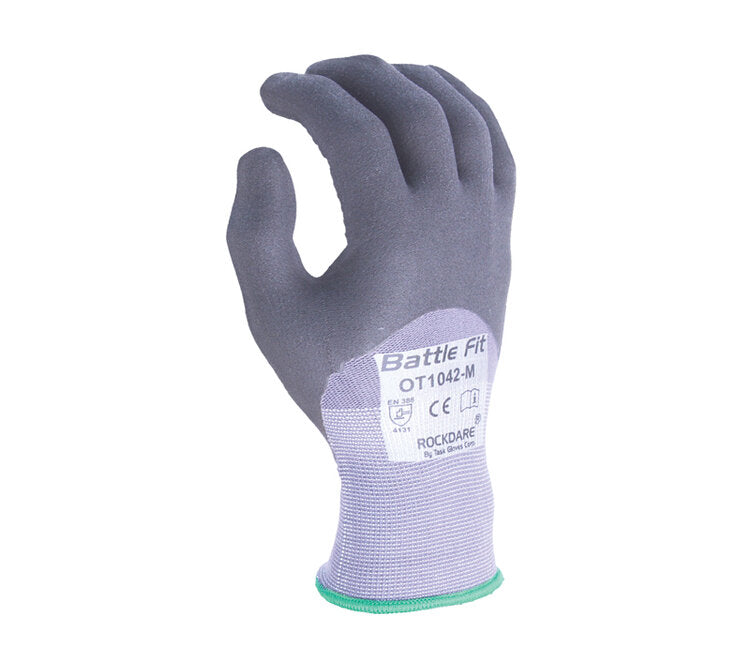
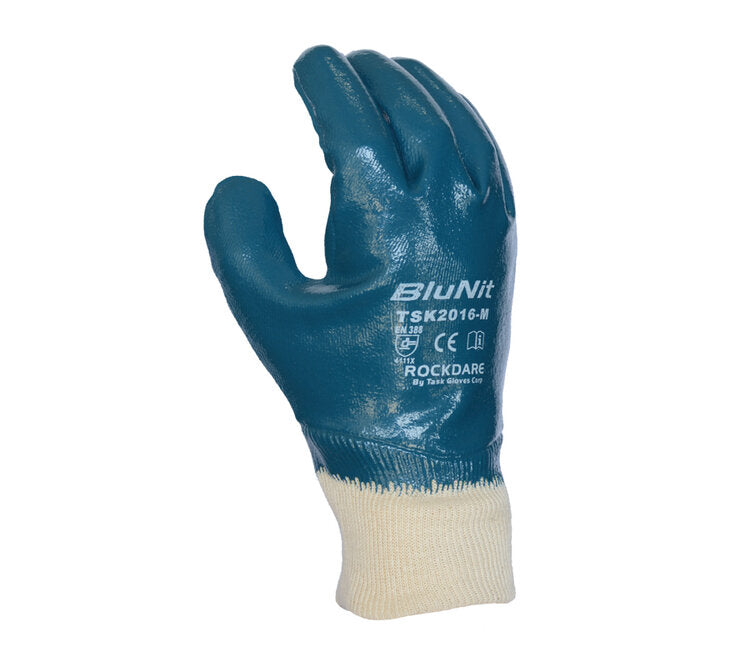
Coating and grip: the palm dip is the working surface. Cut resistance lives in the shell; grip lives in the coating. The coated knits here are dipped in nitrile, latex, polyurethane, or PVC, and the finish decides where they work. Polyurethane and flat nitrile are thin and tactile for dry assembly and parts handling. Sandy or foam nitrile bites through a film of oil, which is why it dominates machine shops and anywhere parts come off the line wet with coolant. Crinkle latex grabs hard in dry, rough, general-labor conditions and shrugs off abrasion. Fully coated and double-dipped gloves add a liquid barrier up the back or the full hand for wet and slurry work, and a few pair a waterproof PVC layer with acrylic lining for cold, damp handling. Gauge is the other half of the feel: a 13 or 15 gauge shell reads a fastener where a 7 or 10 gauge glove trades that touch for bulk and warmth. Pick the coating for the contaminant on the part, then the gauge for how much finger feel the task demands.
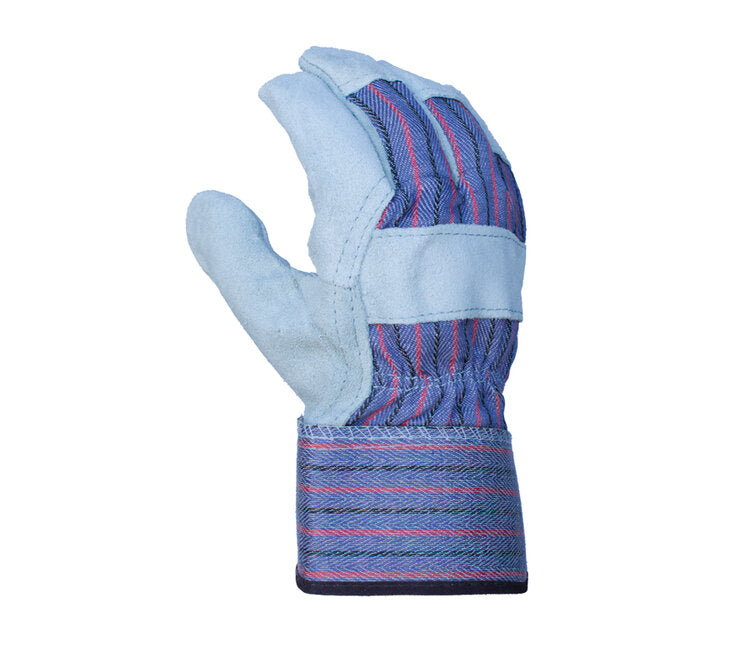
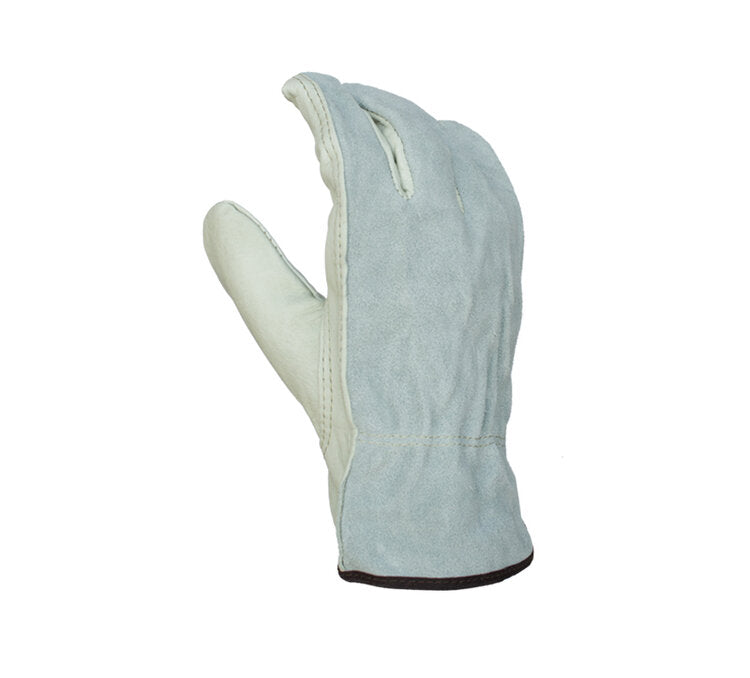
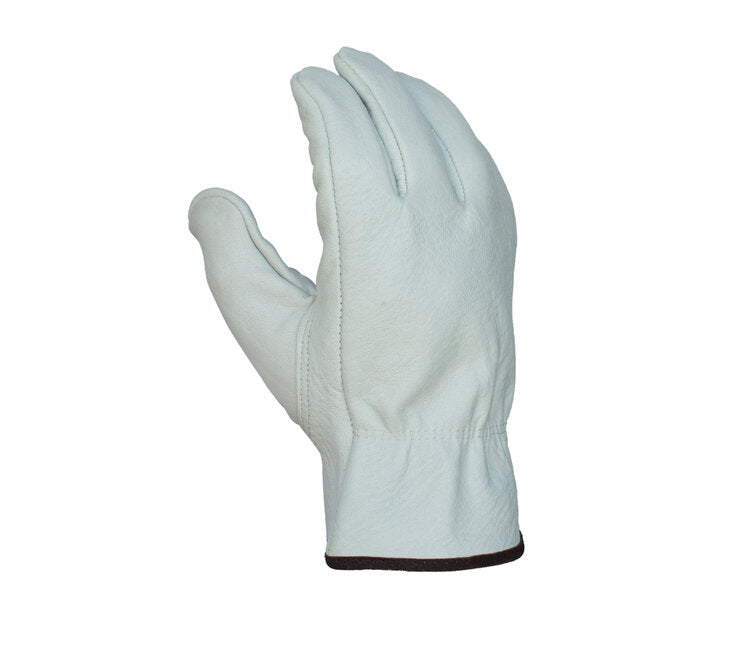
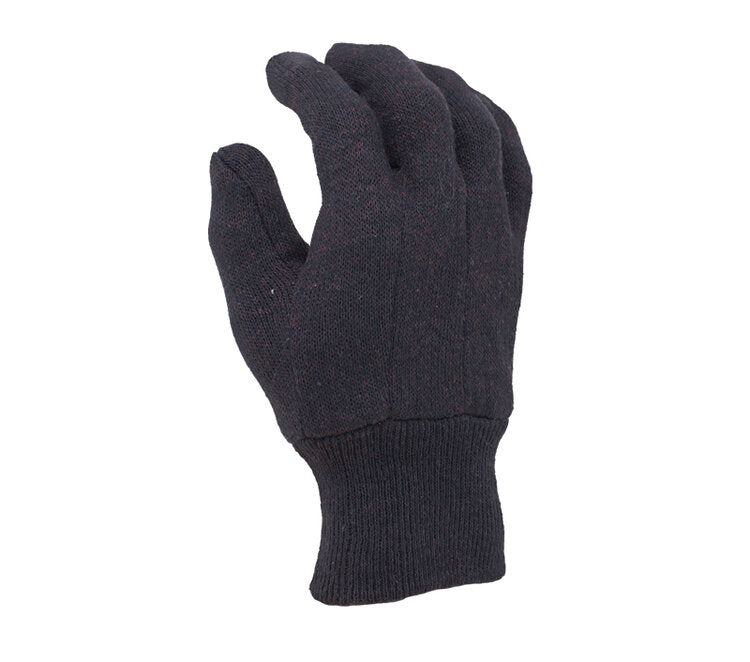
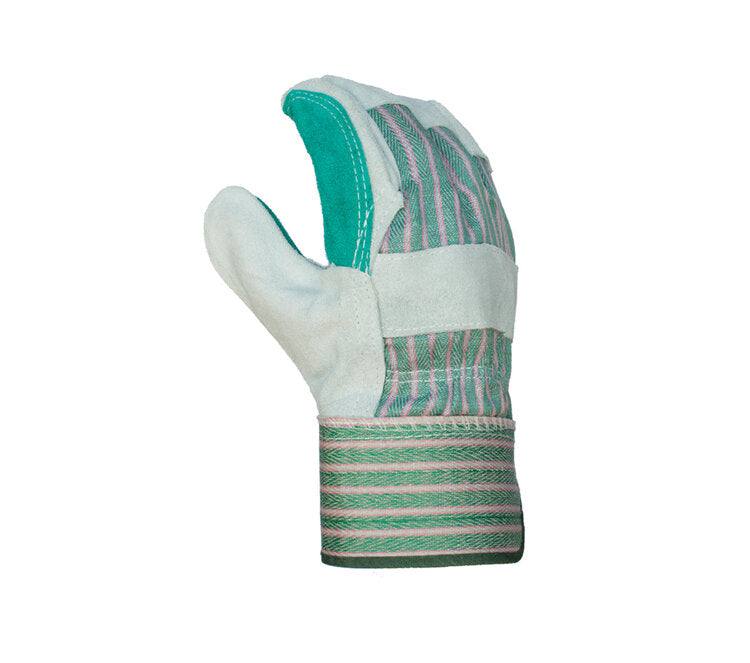
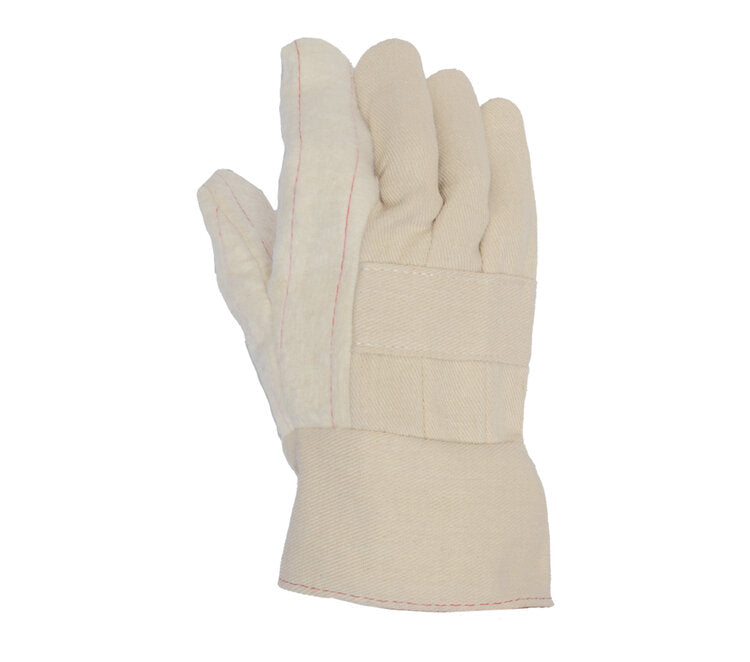
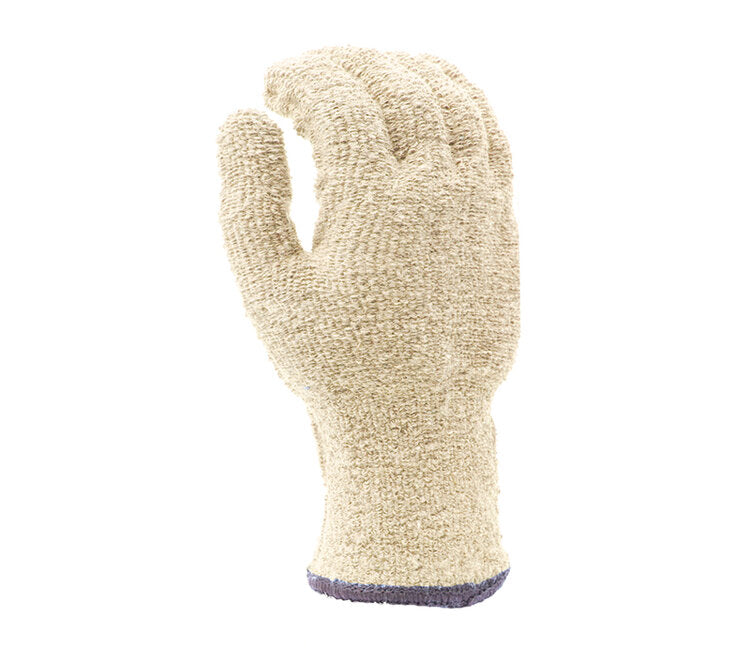
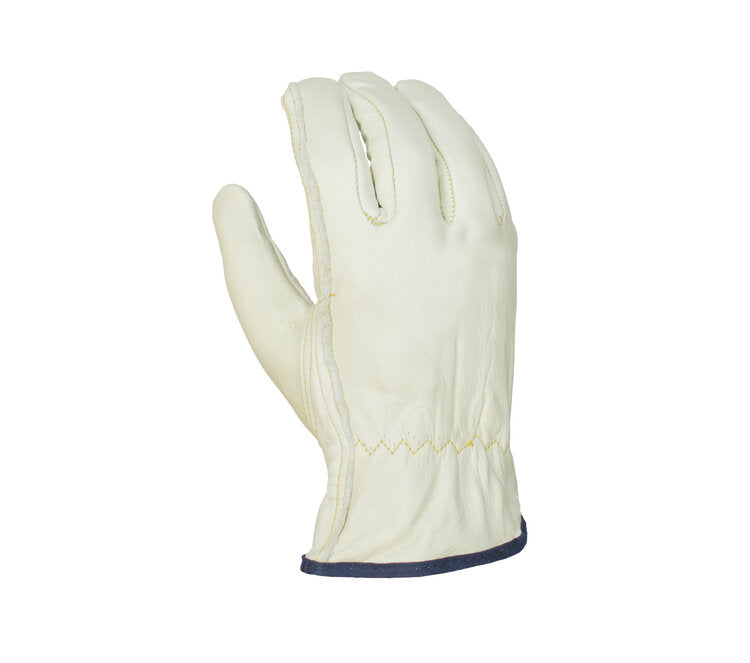
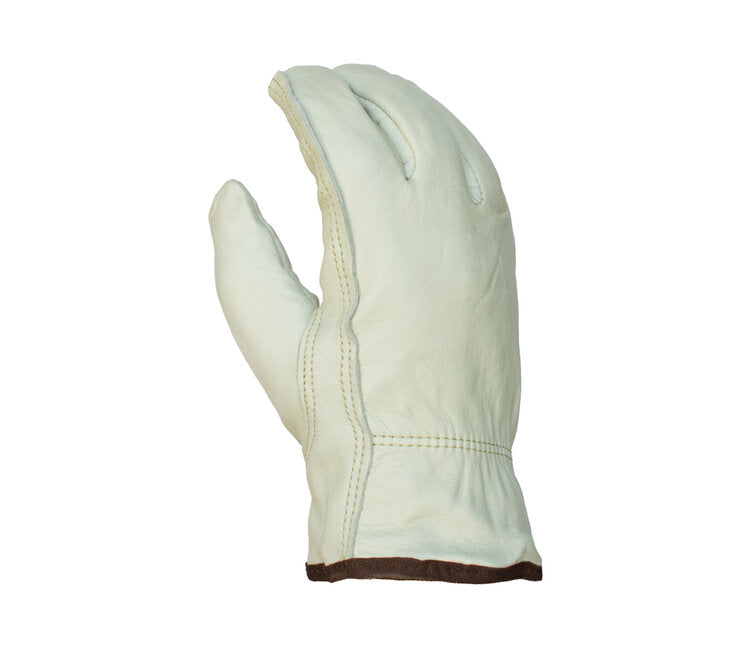
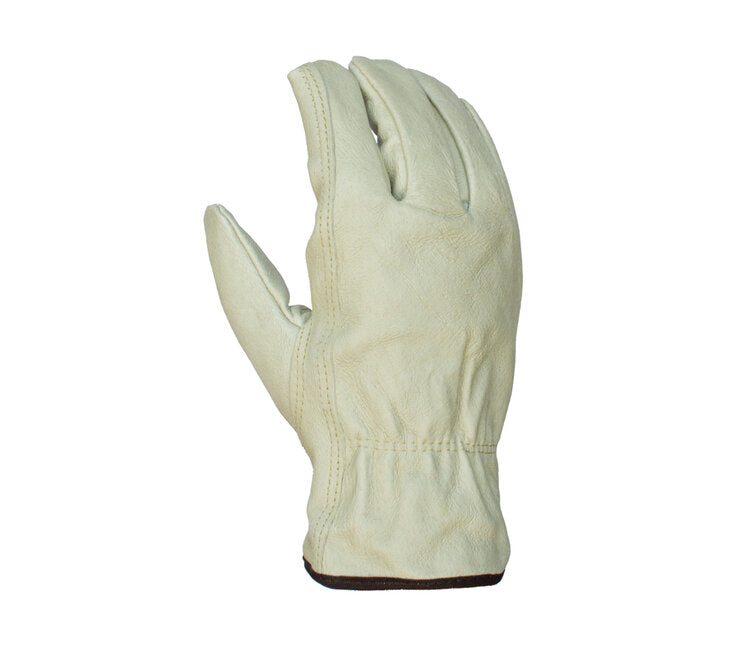
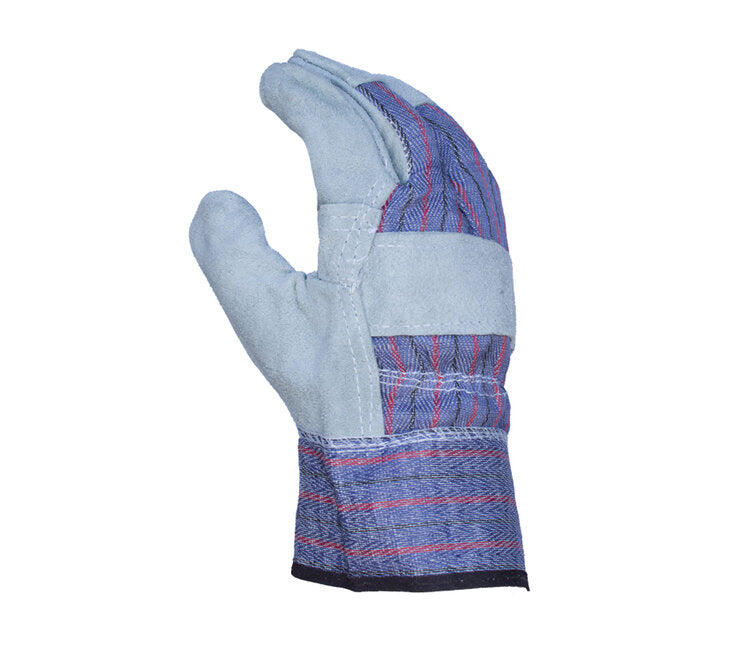
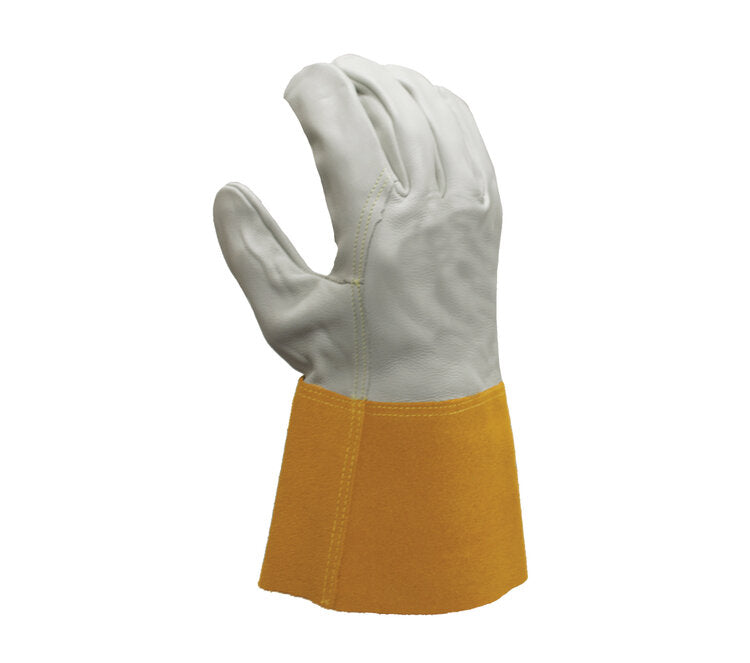
Leather, welding, and heat. Not every hazard is a blade. For abrasion, sparks, and rough stock, the leather side of the shelf runs cowhide, goatskin, and pigskin drivers with keystone thumbs in economy through premium grain, along with split-leather palm gloves and welding gloves sewn with aramid or Kevlar thread so the seams outlast the leather. Goatskin gives the most finger feel, pigskin breaks in soft and stays supple after it gets wet, and cowhide is the durable all-rounder. Heat is its own family: the hot mill gloves come in 20, 24, 28, 30, and 36 ounce weights, heavier napped cotton for hotter stock and longer contact, several burlap lined for an extra thermal layer, all cut with a straight thumb and a band top. Terry cloth loop gloves add heat handling where a knit is enough. As the ounce weight climbs the glove gets hotter-rated and stiffer, so buy the weight the job needs rather than the heaviest on the rack.
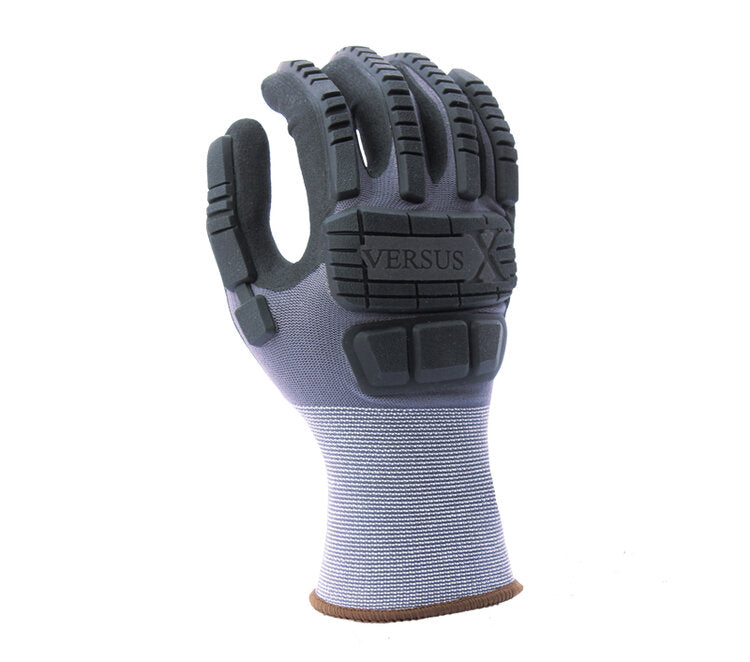
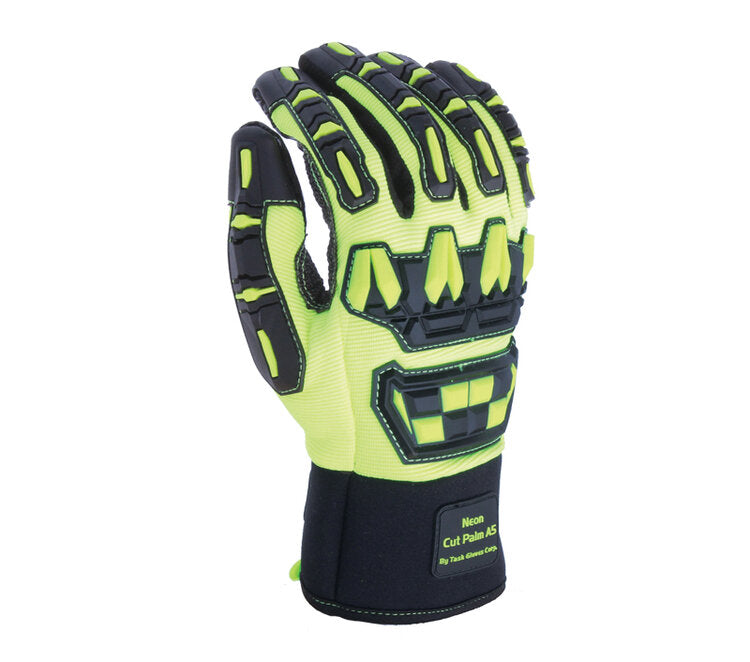
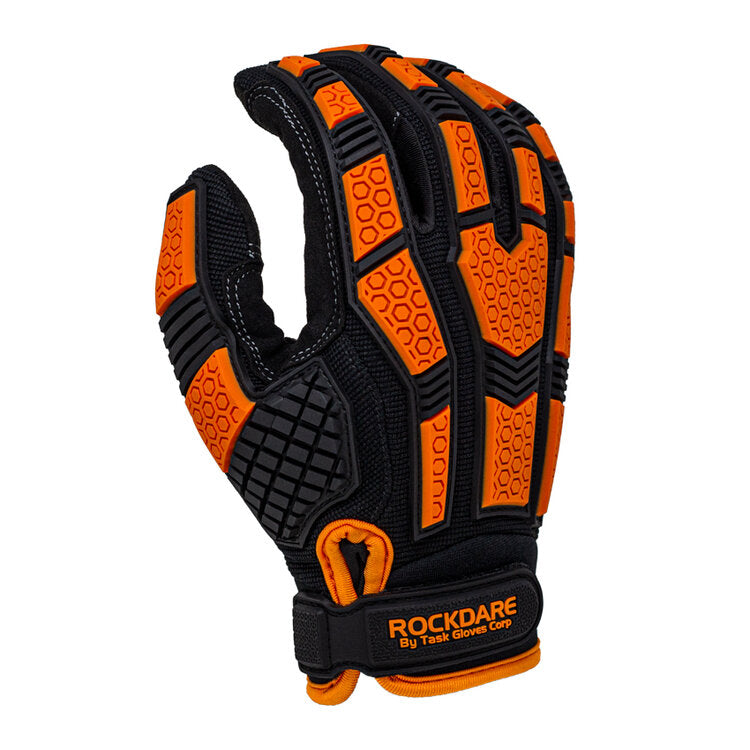
Impact protection and the back of the hand. Cut and abrasion ratings say nothing about a knuckle caught between a load and a beam. Impact gloves answer that with molded TPR across the back of the hand and fingers, and the measure is ANSI/ISEA 138, which rates back-of-hand impact protection on a 1 to 3 scale, level 1 for lower-probability knocks up to level 3 for the heaviest impact exposure, with the glove scored on its weakest zone. Several gloves here combine that TPR back with an A4 or higher cut palm, which is the right build for oil and gas, pipe handling, and demolition where the hands face pinch points and blades at once. If workers are bruising knuckles on the job, that is the standard to shop, and it stacks on top of the cut rating rather than replacing it.
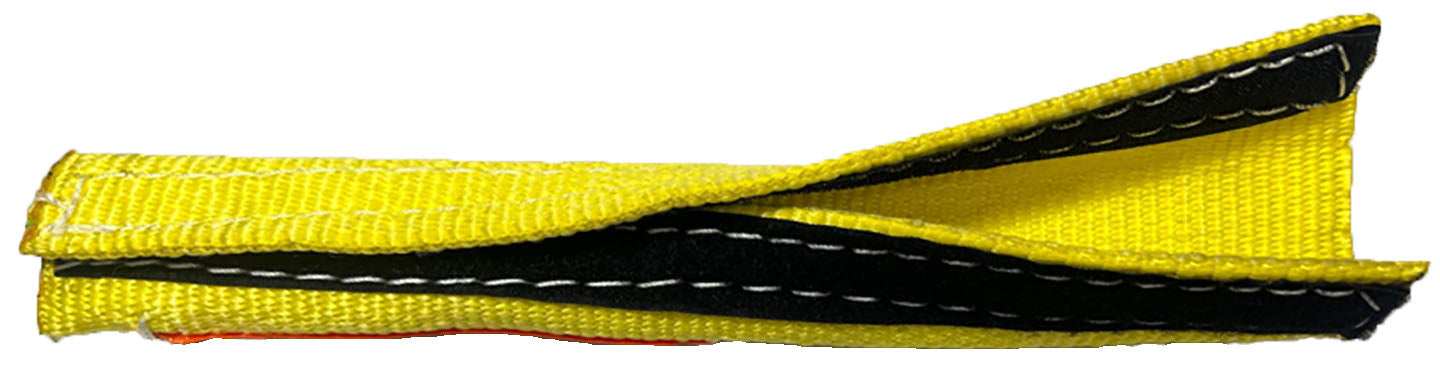
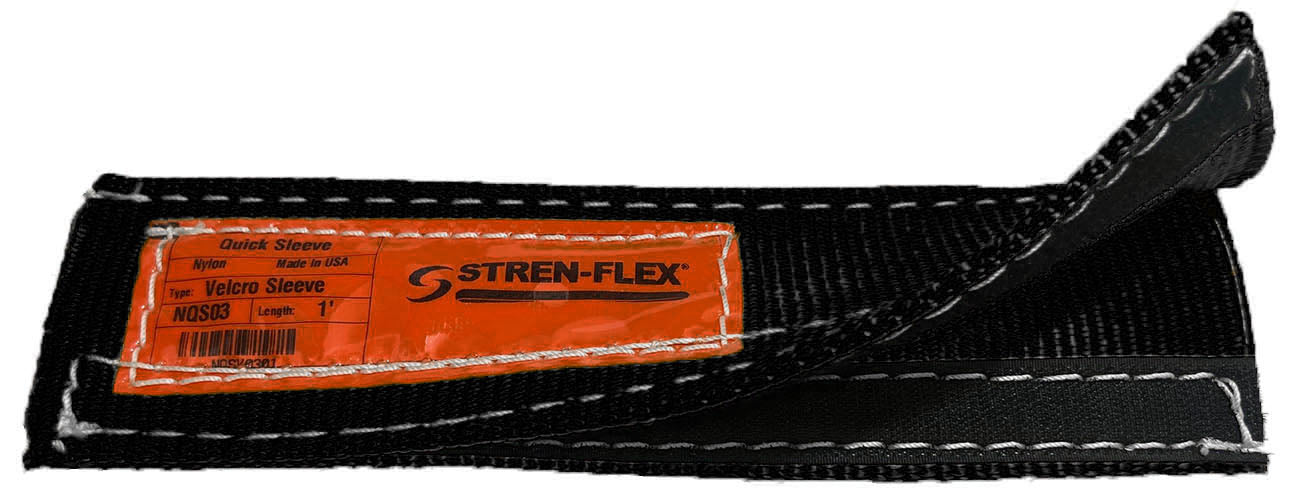
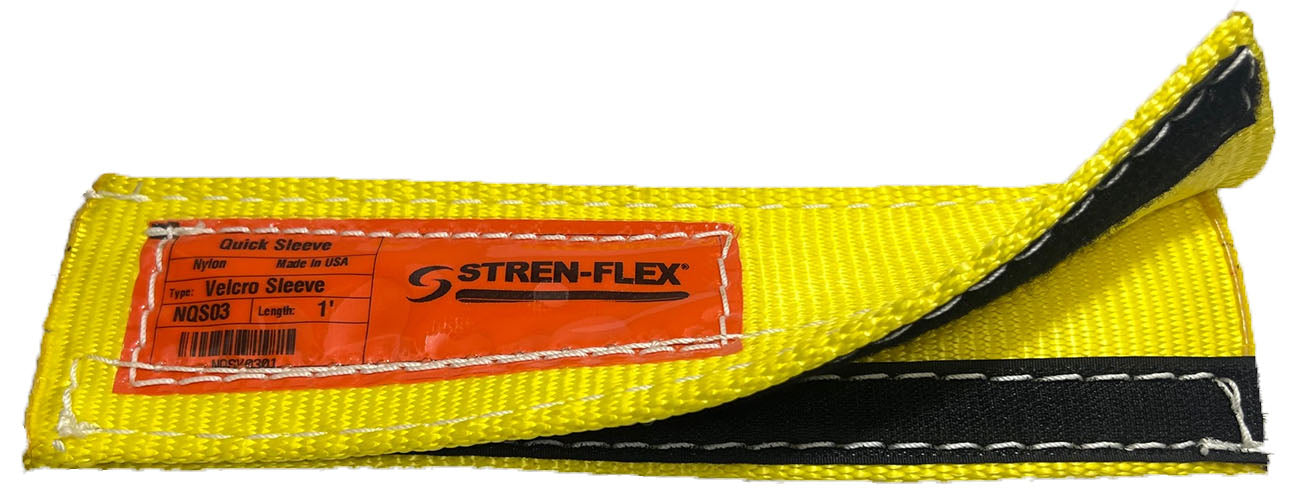
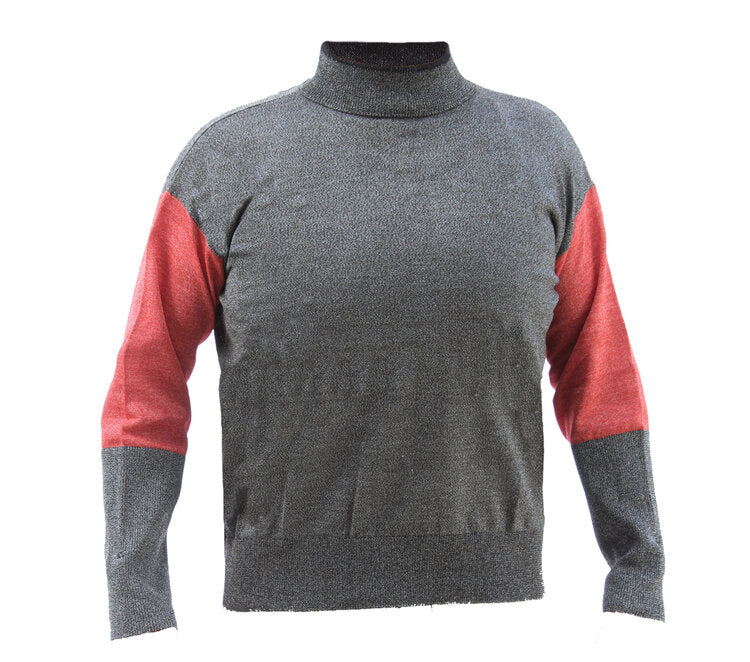
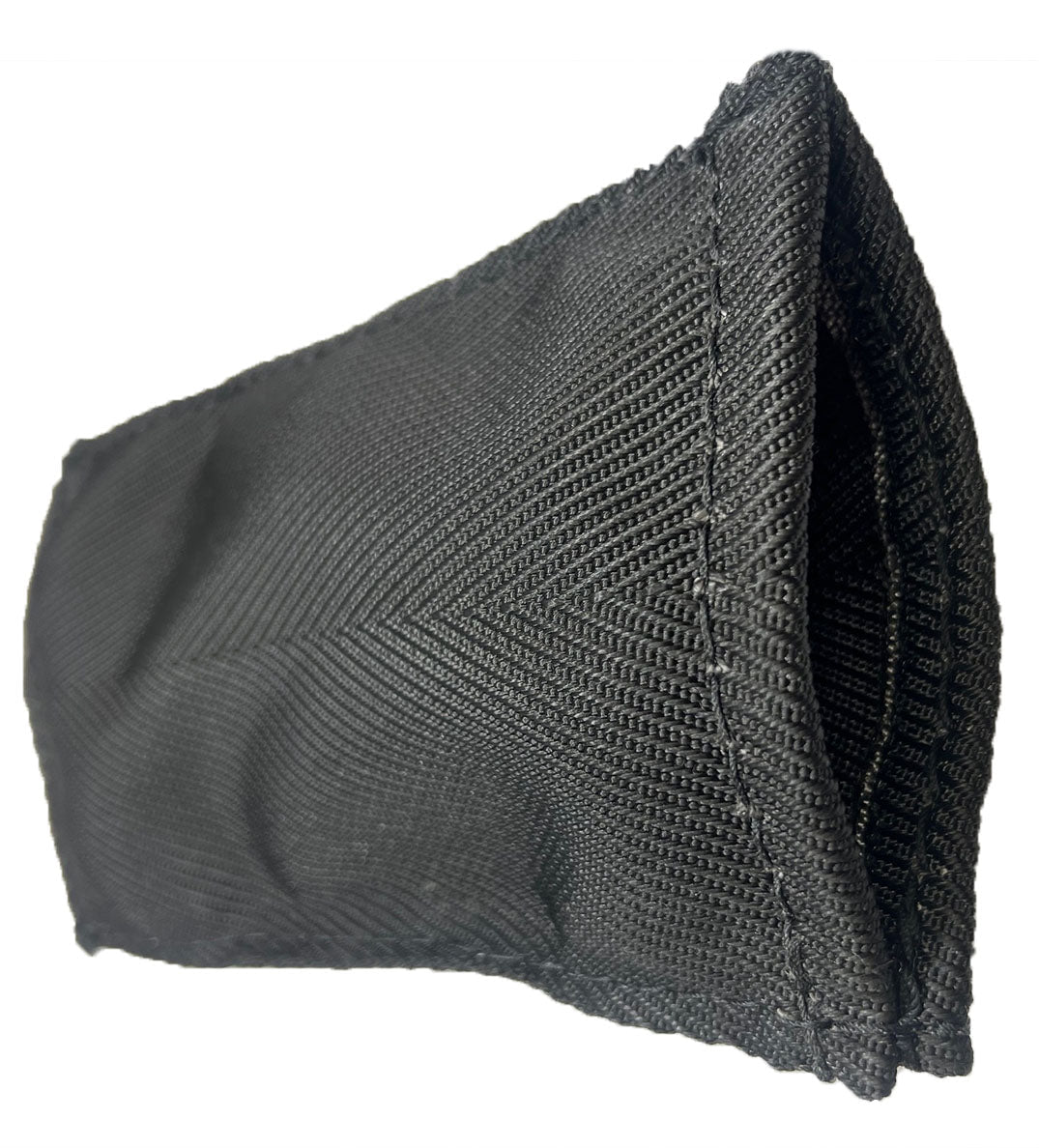
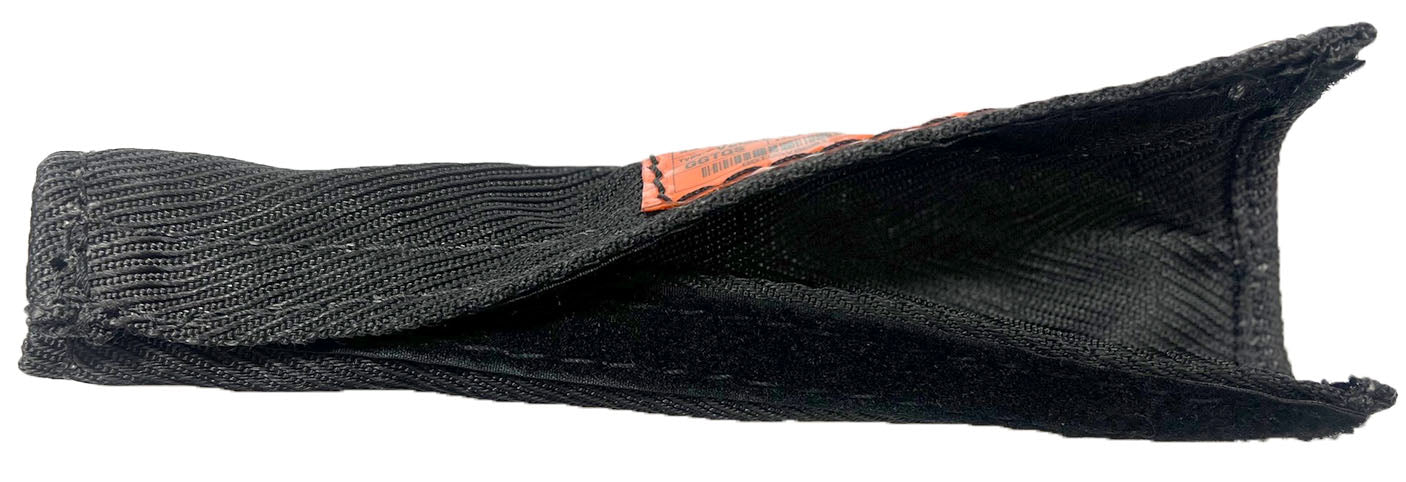
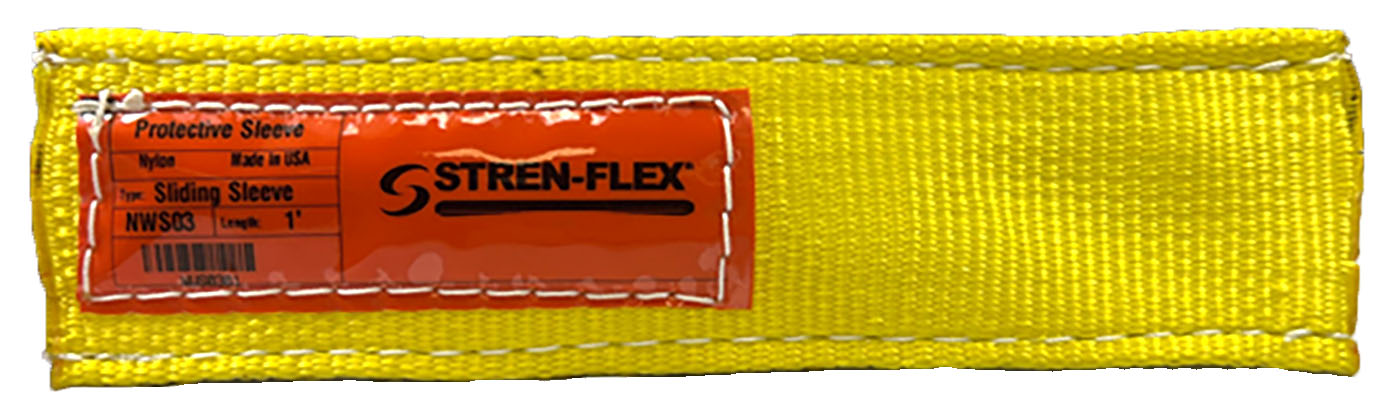
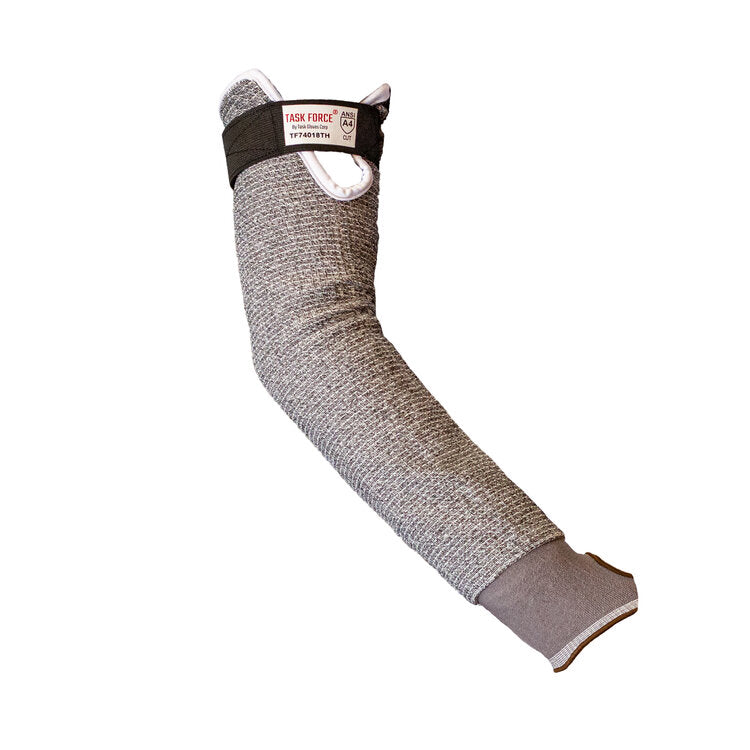
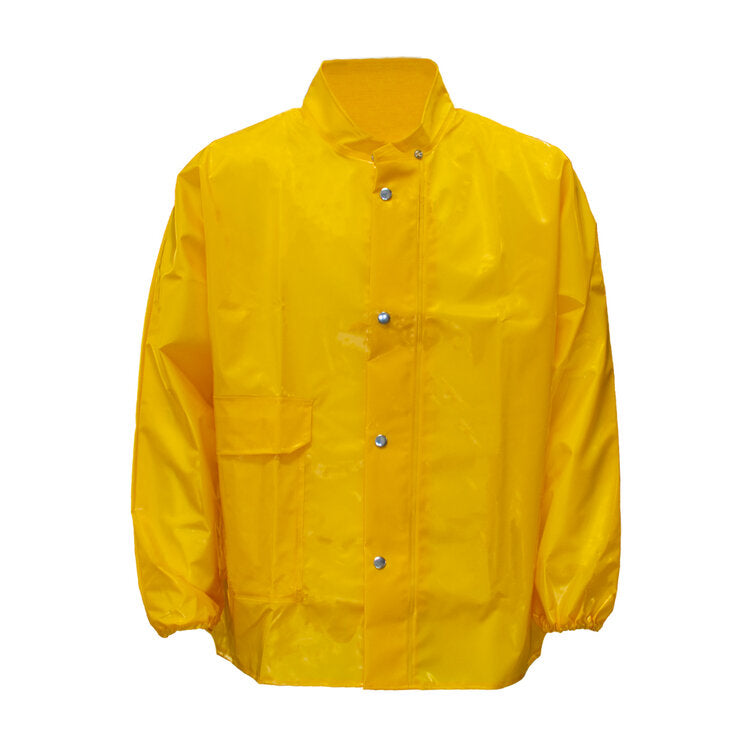
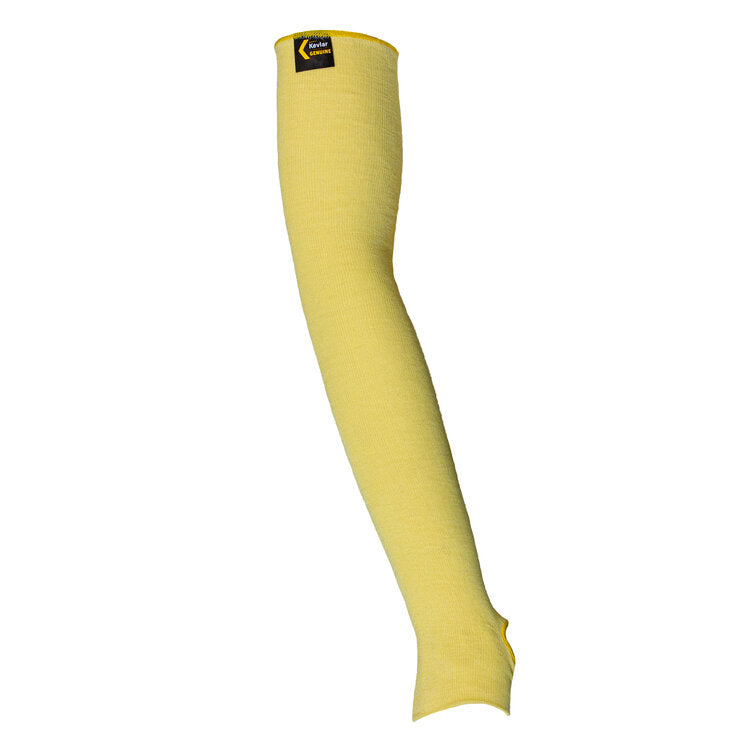
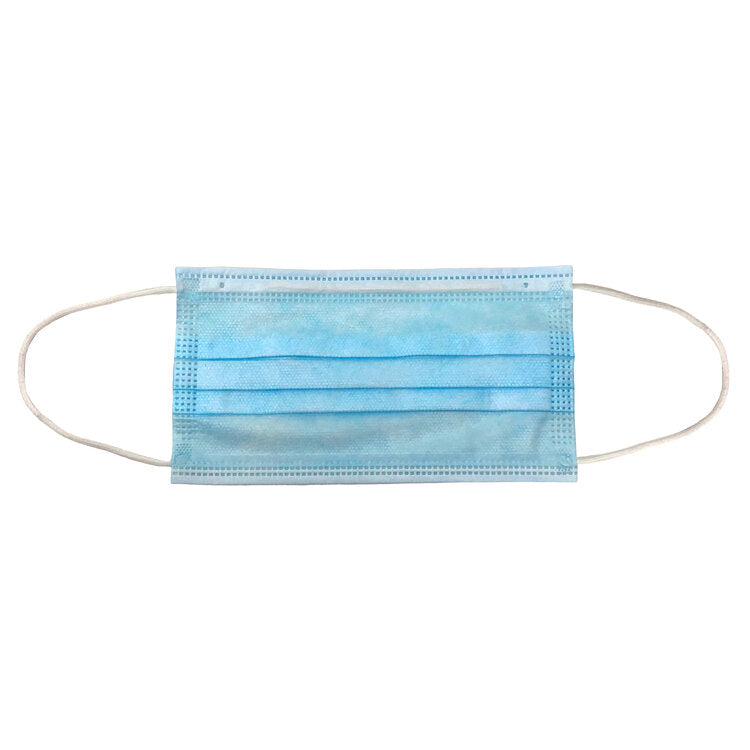
Sleeves and apparel to finish the coverage. A glove stops at the wrist, and plenty of cut hazards do not. The cut-resistant sleeves here extend that protection up the forearm: 13 gauge HDPE and 7 gauge Kevlar knit sleeves in 14, 18, and 24 inch lengths, carrying their own ANSI A3 and A4 cut ratings, many with a thumb hole to keep the sleeve from riding up and a hook-and-loop closure option for a snug top. Terry cloth sleeves add heat and abrasion cover where cut is not the issue. Alongside the sleeves is a short apparel run for the rest of the body: microporous coveralls with attached or open hood and boots for spray and particulate work, polyurethane-nylon rain jackets and bib trousers, a cut-resistant engineered-yarn pullover, and disposable face masks by the box. Stren-Flex wear sleeves round out the shelf as edge and abrasion guards for slings. Sleeves and apparel are sold by the dozen or case like the gloves, so a full crew outfits from one order.
Frequently Asked Questions
Match the level to the sharpest thing the hands touch on a normal shift, not the worst case that happens once a year. Light nick and scratch work is served by an A2. General fabrication, sheet handling, and most warehouse blade exposure sit comfortably at A4, which is where this shelf is deepest. Glass, metal stamping, and heavy blade work move you up to A6, A7, or A8. Overbuying the level costs dexterity, and a worker who takes an oversized cut glove off to do fine work is less protected than one wearing the right level all day.
By the dozen. Almost everything on this page is packed and priced as a twelve-pair case, and the sleeves ship in cases of 12 or 24. That is the standard unit for industrial hand protection because gloves are a consumable that gets replaced across a crew, not bought one pair at a time.
A vend pack is a case where each pair is individually wrapped so it drops cleanly through an industrial vending or dispensing machine. Many of the Task Gloves coated knits here are offered in a vend pack version of the same glove. If you dispense PPE through a machine on the floor, buy the vend pack; if gloves are handed out at a crib, the standard case is fine.
A coated glove is a knit shell dipped in nitrile, latex, polyurethane, or PVC on the palm; the knit carries the cut rating and the dip provides grip and, on fully coated versions, a liquid barrier. A leather driver is cut and sewn from cowhide, goatskin, or pigskin for abrasion, sparks, and rough handling. Coated knits win on dexterity, cut rating, and grip in oil; leather wins on raw abrasion resistance, heat near sparks, and durability against rough stock.
Yes. The sleeves on this page include 13 gauge HDPE and 7 gauge Kevlar knit sleeves rated ANSI A3 and A4, in 14, 18, and 24 inch lengths, several with a thumb hole or hook-and-loop closure to keep them in place. They extend a glove's cut protection up the forearm, which matters anywhere the exposure reaches past the wrist.
Not on modern shells. High-performance HDPE and aramid yarns let a 13 or 15 gauge glove reach A4 and above while staying thin enough to feel a fastener, so several high-cut gloves here are still dexterous. Stiffness comes more from added layers, heavy leather reinforcement, or coatings that stack up the palm than from the cut rating itself. Read the gauge and the build, not merely the letter, when dexterity matters.