Hydraulic Jack
A hydraulic jack lifts by turning a small hand effort into a large force: pump a little oil into a cylinder and the ram pushes up with tons behind it. This collection covers the industrial end of that idea, from BVA Hydraulics rams rated 2 to 120 tons with their matched pumps and bases, to HTS ECO-Jack toe jacks that pick a machine up off the floor, to the mechanical screw and ratchet jacks that hold a load once it is raised. Prices run from a sub-$40 adjustable support jack up past $13,000 for a 50 ton German-built toe jack, so the range spans a home garage and a rigging crew skidding transformers. The work on this page is matching the jack to three things: the weight, the height you need to raise it, and how low the jack has to reach to get under the load in the first place. Size those honestly and the rest follows.
Compare Hydraulic Jacks & Rams
| Model | Price | Capacity | Type | Part Number | Working Pressure (Bar/Psi) | |
|---|---|---|---|---|---|---|
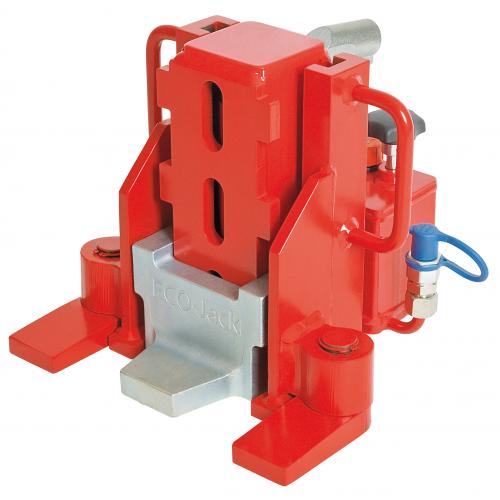
| HTS ECO-Jack XR-Series 50 Ton Hydraulic Toe Jack | $13,450 | 110,000 lb | EJ300-3 XR | 01 500 31 01 | 700/10,000 | View → |
| HTS ECO-Jack XR-Series 30 Ton Hydraulic Toe Jack | $6,205 | 66,000 lb | EJ300-3 XR | 01 300 31 01 | 700/10,000 | View → |
| HTS ECO-Jack S-Series 25 Ton Hydraulic Toe Jack | $4,652 | 55,000 lb | EJ100-4S | 01 250 31 10 | 520/7,425 | View → |
| HTS ECO-Jack XR-Series 15 Ton Hydraulic Toe Jack | $3,410 | 33,000 lb | EJ100-3 XR | 01 150 31 01 | 700/10,000 | View → |
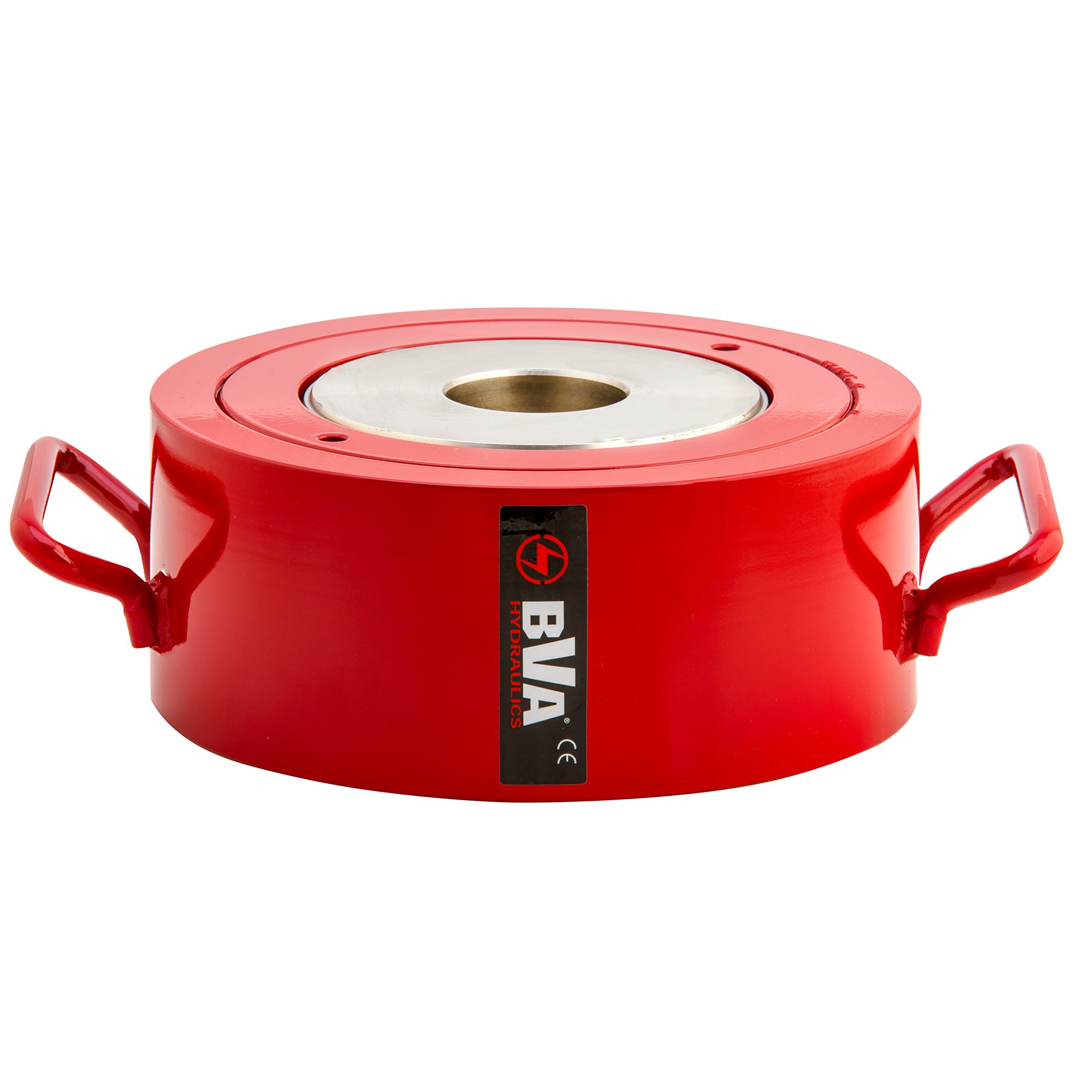
| BVA Hydraulics 100 Ton Hydraulic Cylinders | $3,282 | 100 ton | — | — | — | View → |
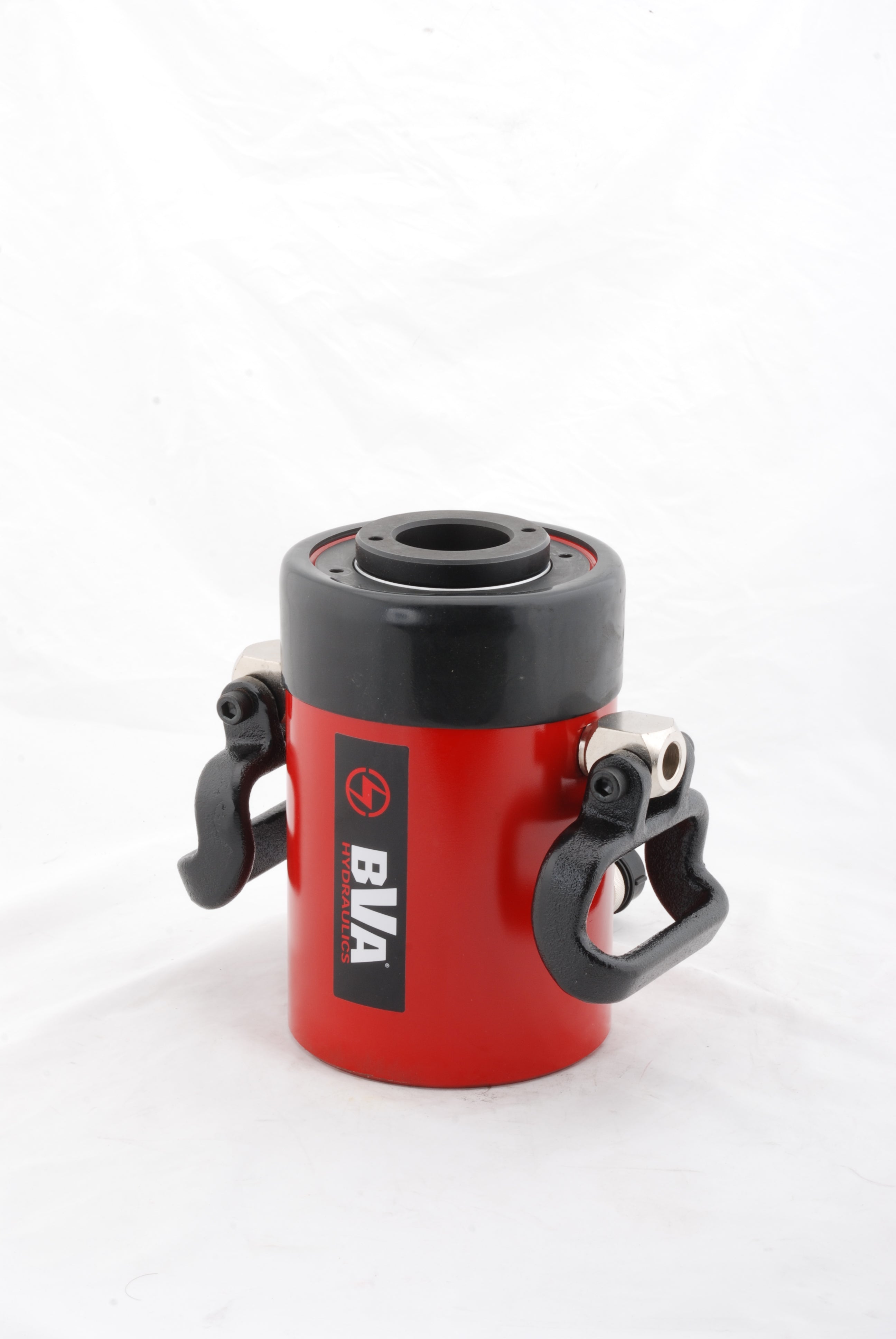
| BVA Hydraulics 60 Ton Hydraulic Cylinders | $2,628 | 60 ton | — | — | — | View → |
 In Stock
 In Stock
 In Stock
 In Stock
 In Stock
 In Stock
 In Stock
 In Stock
 In Stock
 In Stock
 In Stock
 In Stock
 In Stock
 In Stock
 In Stock
 In Stock
 In Stock
 In Stock
 In Stock
 In Stock
 In Stock
 In Stock
 In Stock
 In Stock
 In Stock
 In Stock
 In Stock
 In Stock
 In Stock
Hydraulic Jacks & Rams Buying Guide
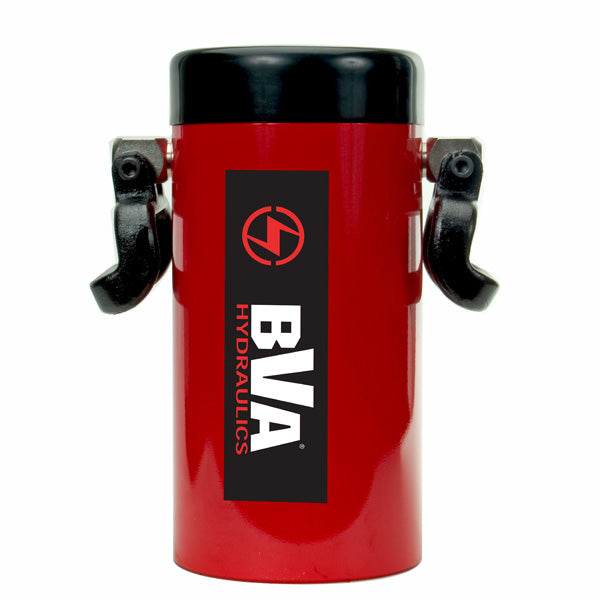
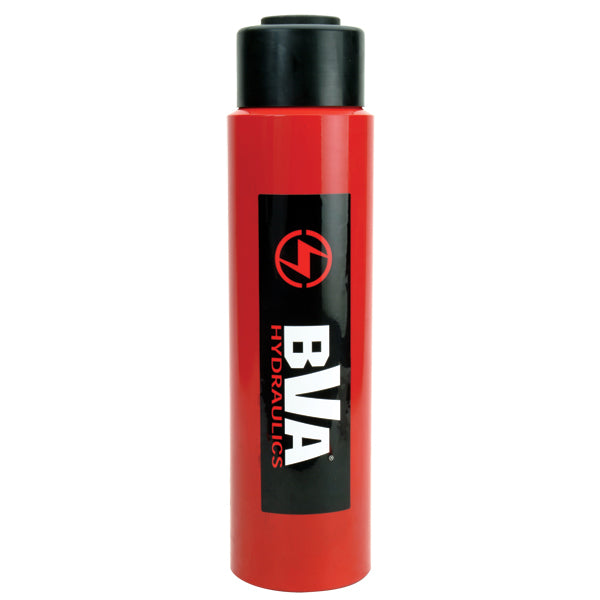
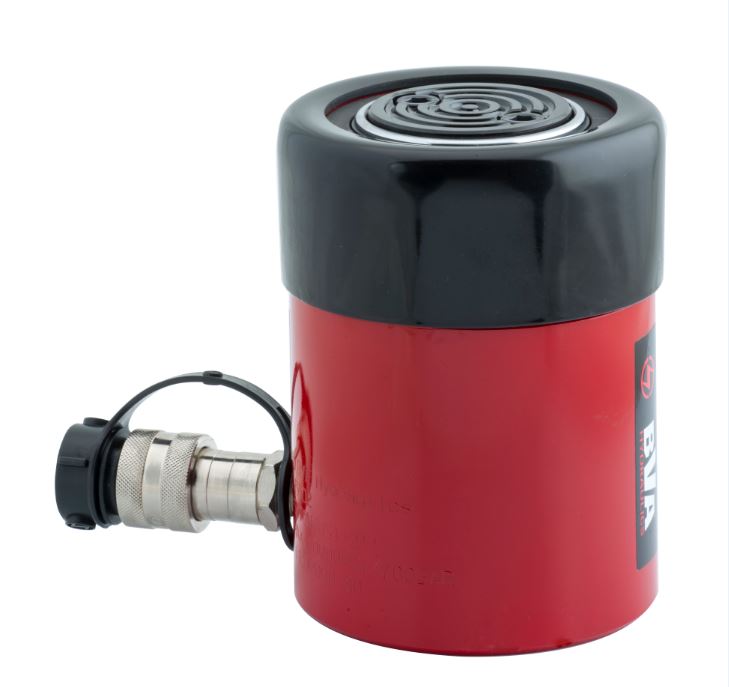
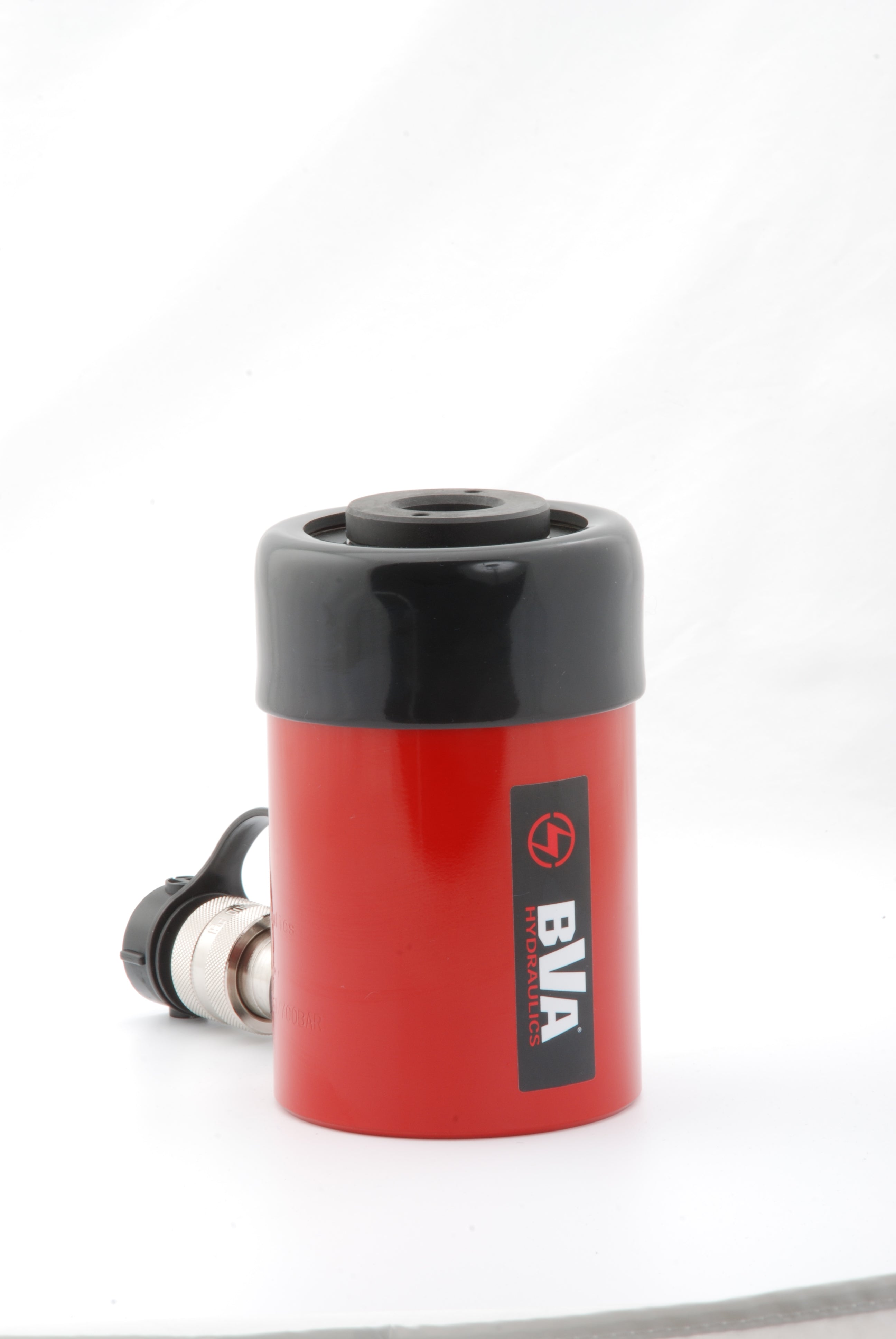
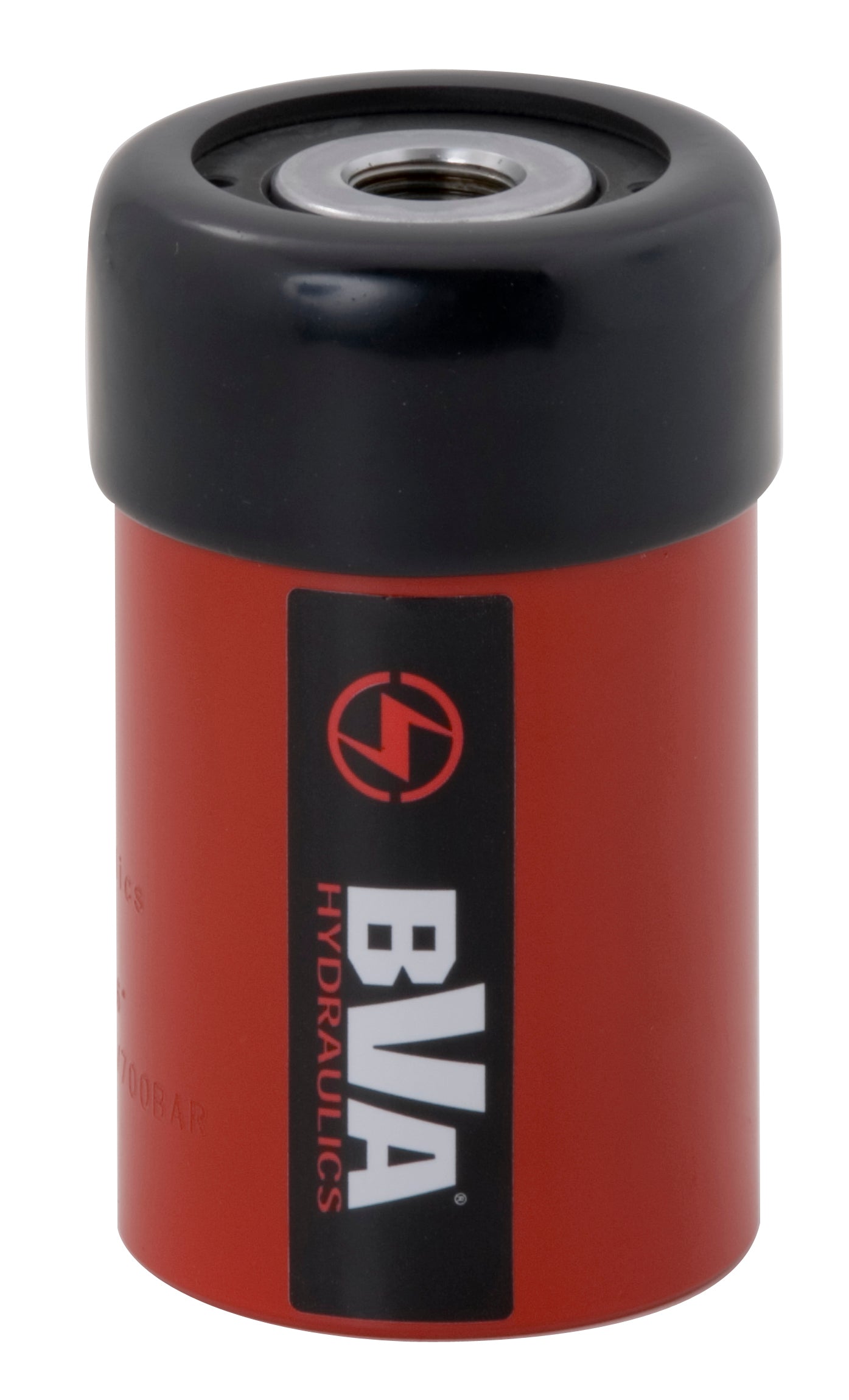
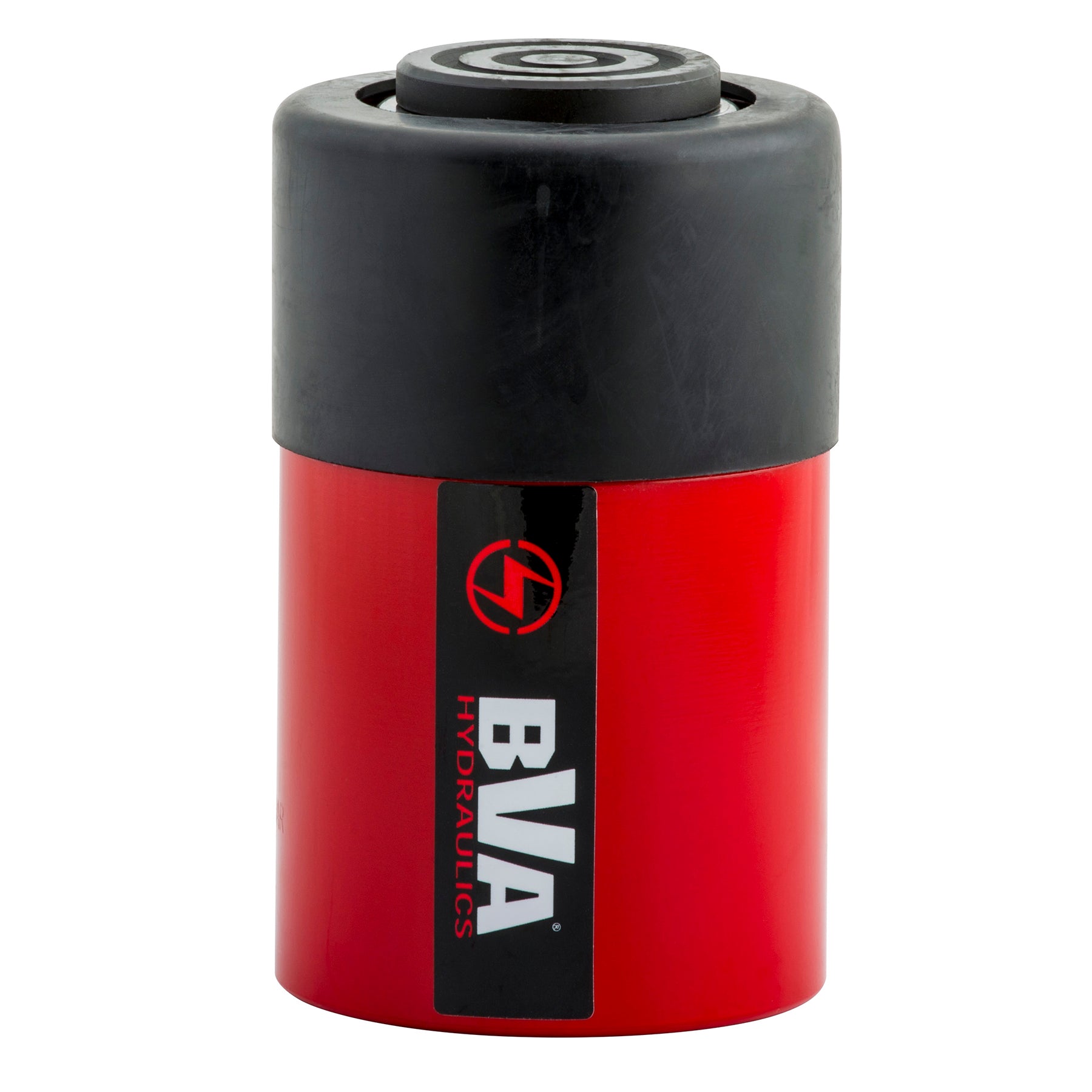
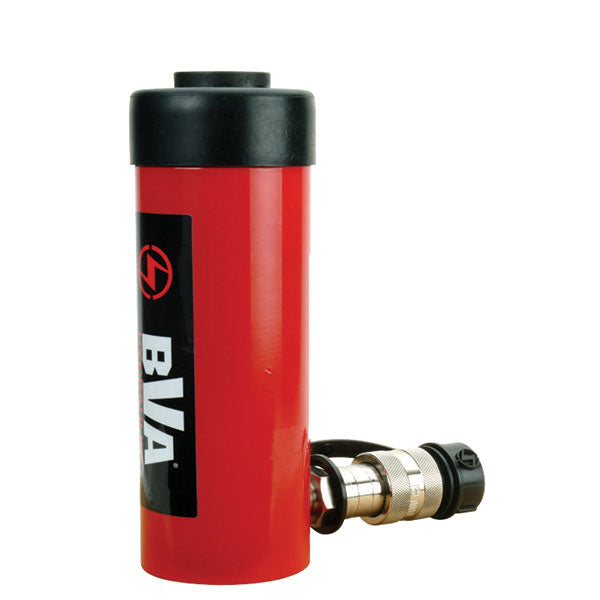
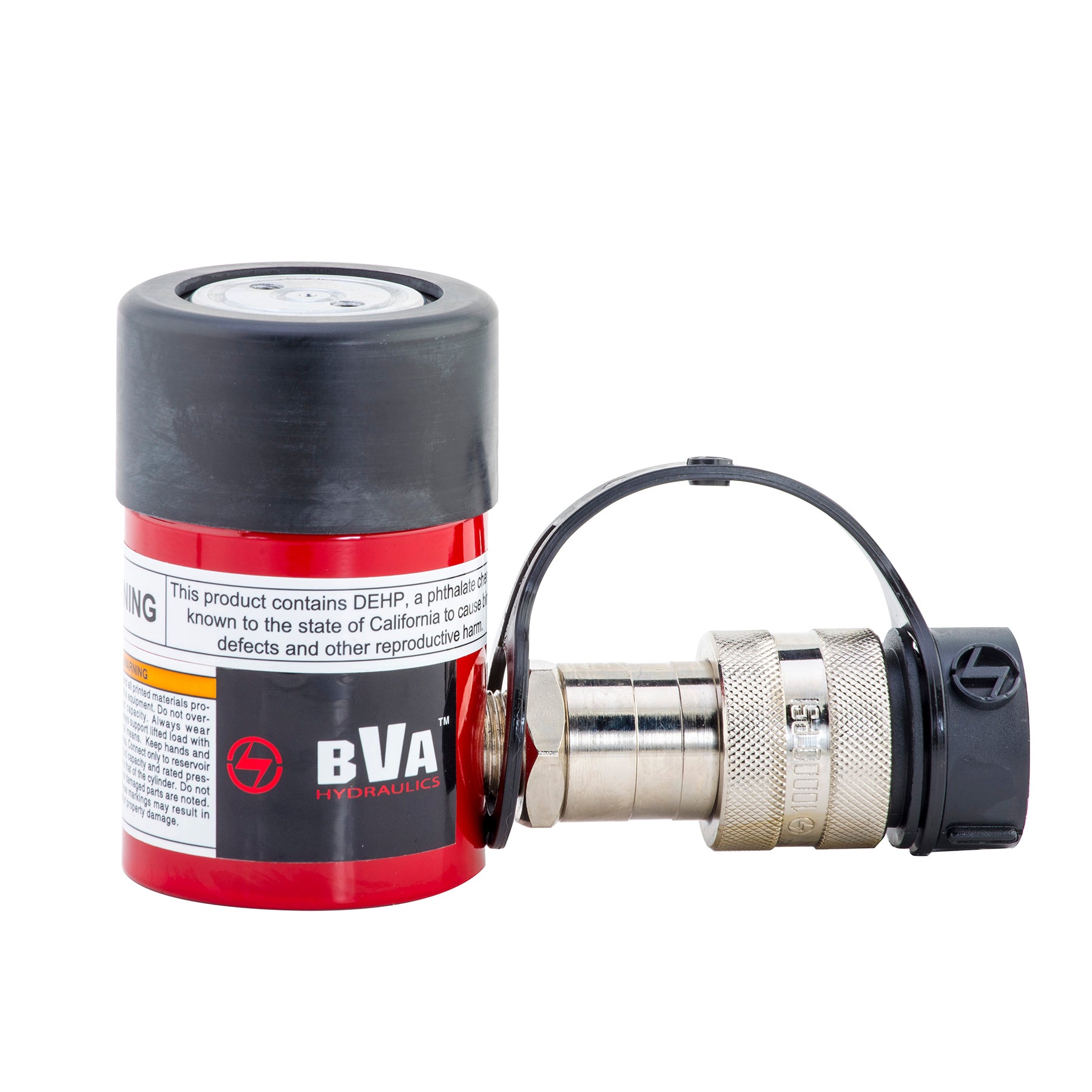
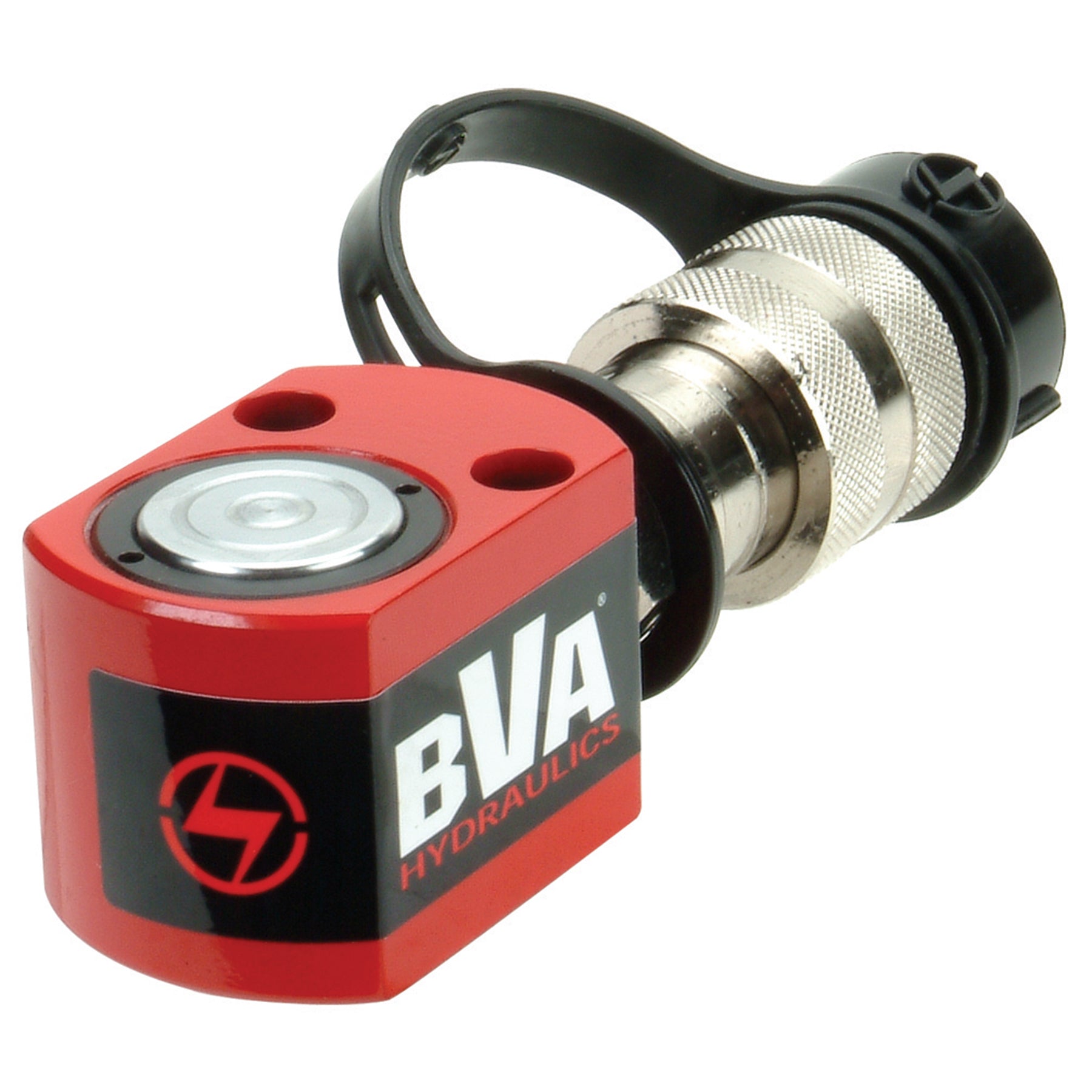
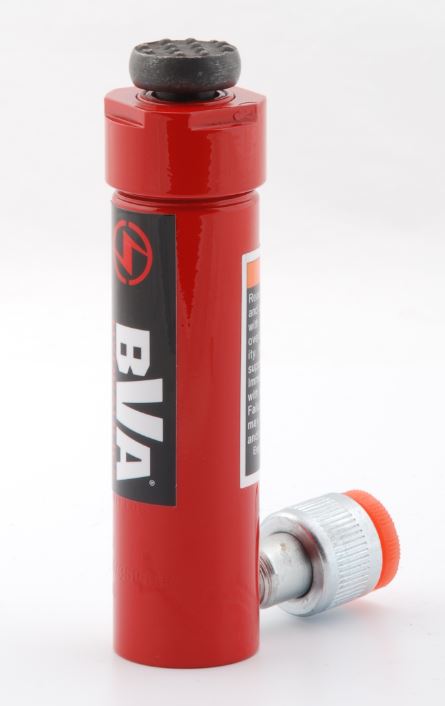
How a hydraulic jack turns a hand into tons. Every hydraulic jack runs on the same trick. Push a small piston with hand or air pressure, that pressure acts on a much larger ram piston, and the force multiplies by the ratio of the two areas. A few pounds of effort on a pump handle becomes tons at the saddle, which is why one person can raise a loaded trailer or a machine base. The rams in this collection are the industrial version of that mechanism: BVA Hydraulics cylinders that take oil from a separate pump through a hose, rated from 2 up to 120 tons, starting under $300 for the 2 ton and running past $5,000 for the 100 ton. They carry no pump of their own, so plan the ram and its hydraulic power unit as one system, and set it on a matched base plate so the load sits square. Every BVA cylinder is built to ASME B30.1, the safety standard that covers hydraulic, screw, and ratchet jacks alike.
Sizing a ram: capacity, stroke, and single or double acting. Three numbers size a ram. Capacity has to cover the whole load with margin, so total the worst case and round up to the next rating rather than buying level with your maximum. Stroke is how far the ram travels, and it has to exceed the lift you need in one go, because a jack is not meant to be re-blocked mid-stroke under load. The third choice is the return. BVA's general-purpose cylinders are single-acting and spring-return: oil pushes the ram out, a spring pulls it back when you release pressure, and one hose runs the job. Double-acting cylinders use oil in both directions for a powered, controlled retract, which matters when the ram pulls, works overhead, or lowers a load that must not be allowed to drop. When you would rather buy the ram and pump already paired, the BVA cylinder-and-pump sets match the two for common tonnages and save the guesswork of specifying each separately.
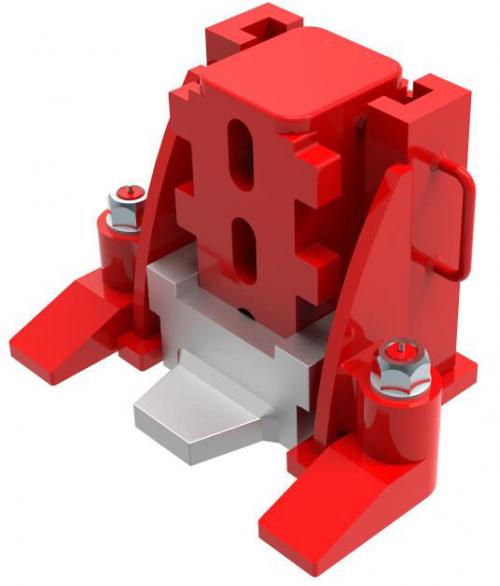
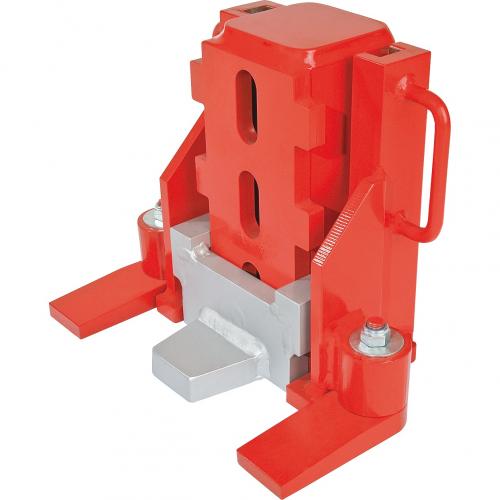
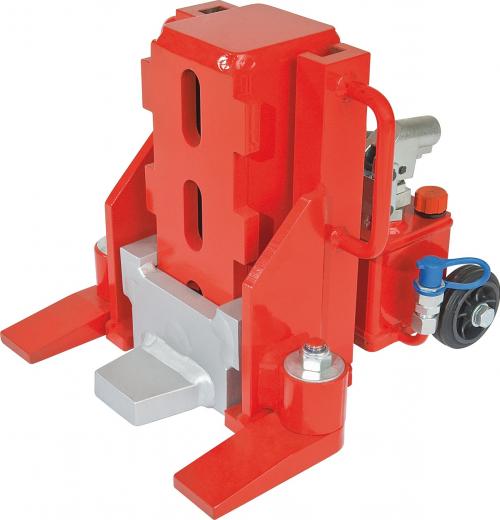
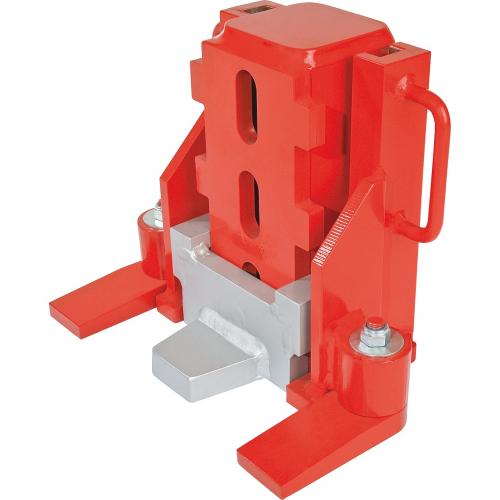
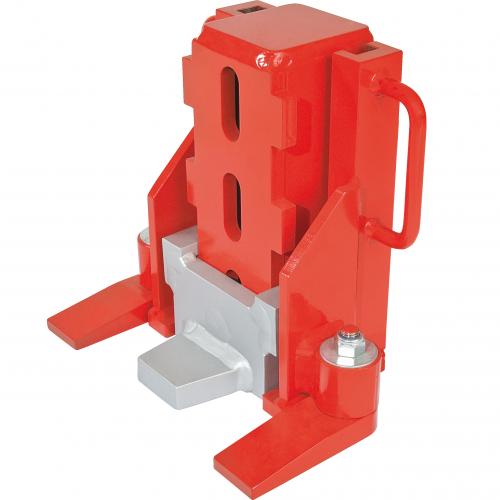
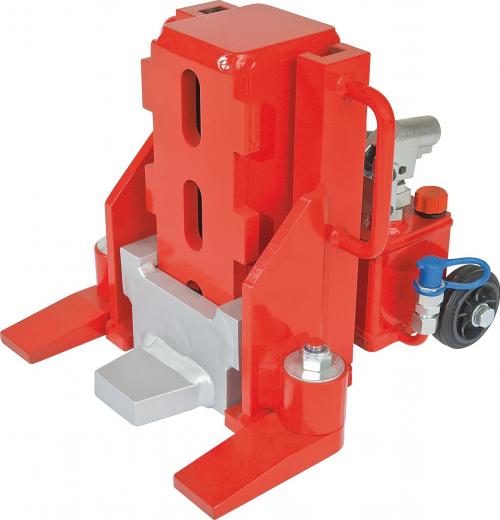
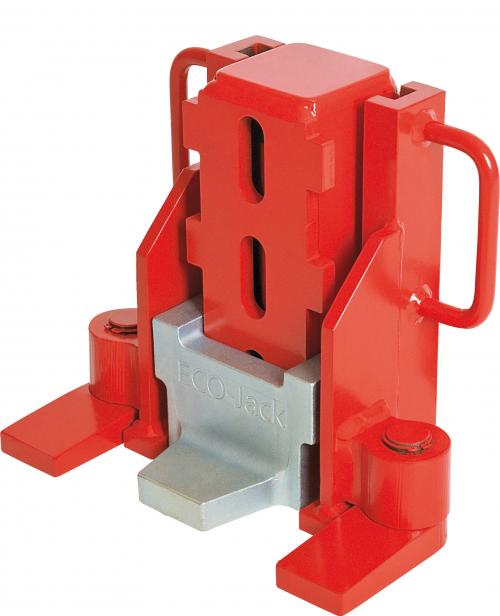
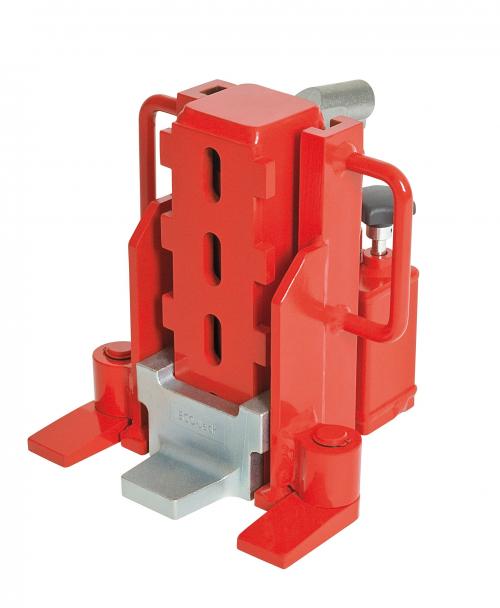
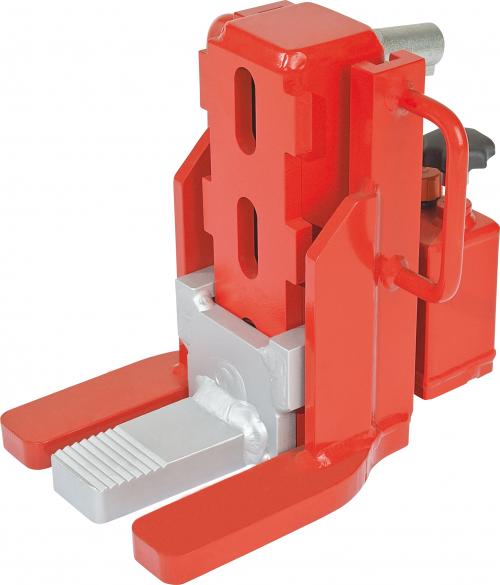
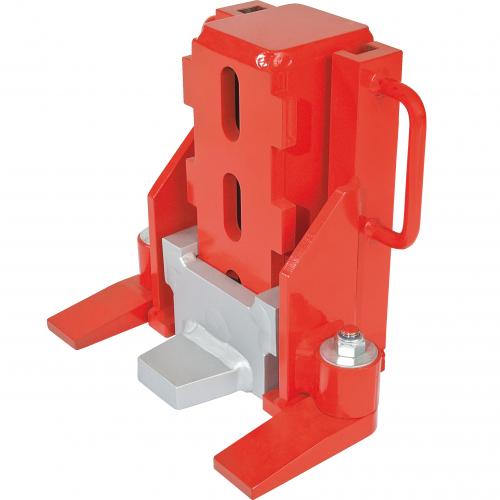
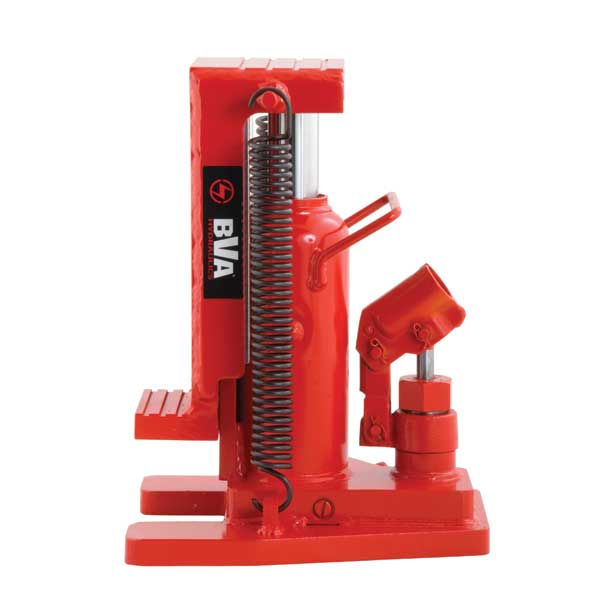
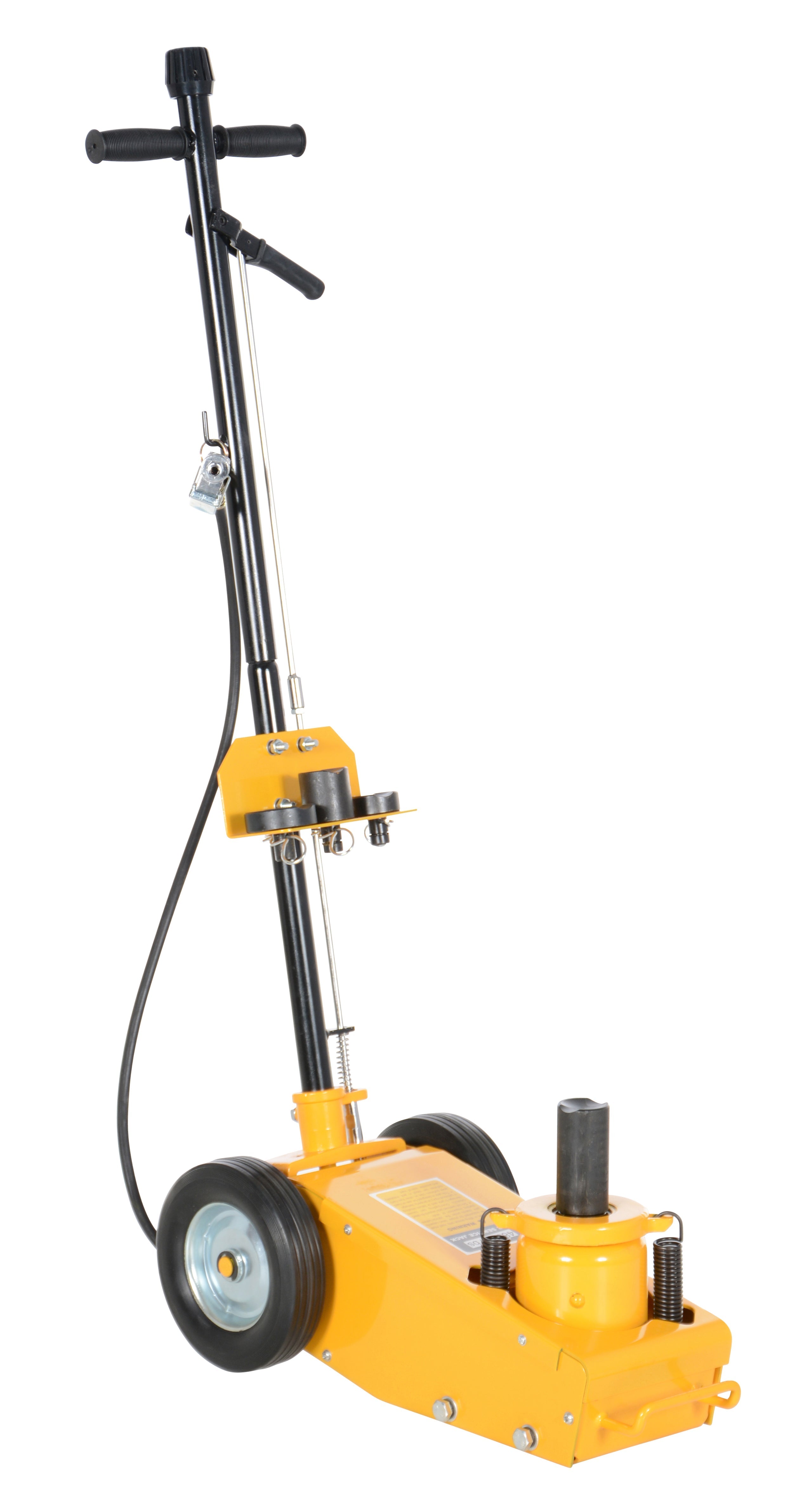
Toe jacks: when the load sits flat on the floor. A standard jack needs room for a saddle under the load, but plenty of machines and steel sit almost flat on the floor with nothing to slip a saddle beneath. That is the toe jack's job. Its lifting toe reaches in low, just off the ground, and raises the load enough to get rollers or cribbing underneath. Toe jacks carry two ratings, and the gap between them matters: a lower on-toe rating for lifting on that low lip, and a higher on-top rating for lifting on the saddle above it. The HTS ECO-Jack line is German-built with milled guides, swiveling feet that keep the jack from tipping, and a release valve for controlled lowering, in capacities that climb into the tens of tons and price up past $13,000 for the 50 ton model. The BVA Magic Lift is the lighter-duty toe jack, starting around $800, for shops that meet this problem less often.
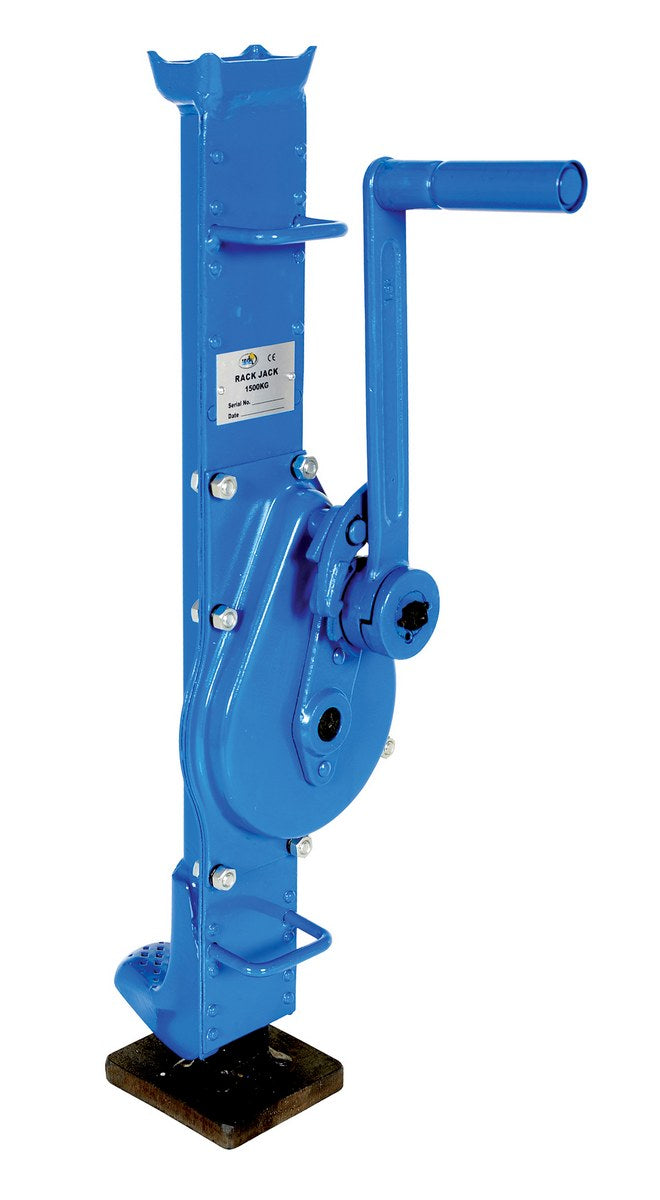
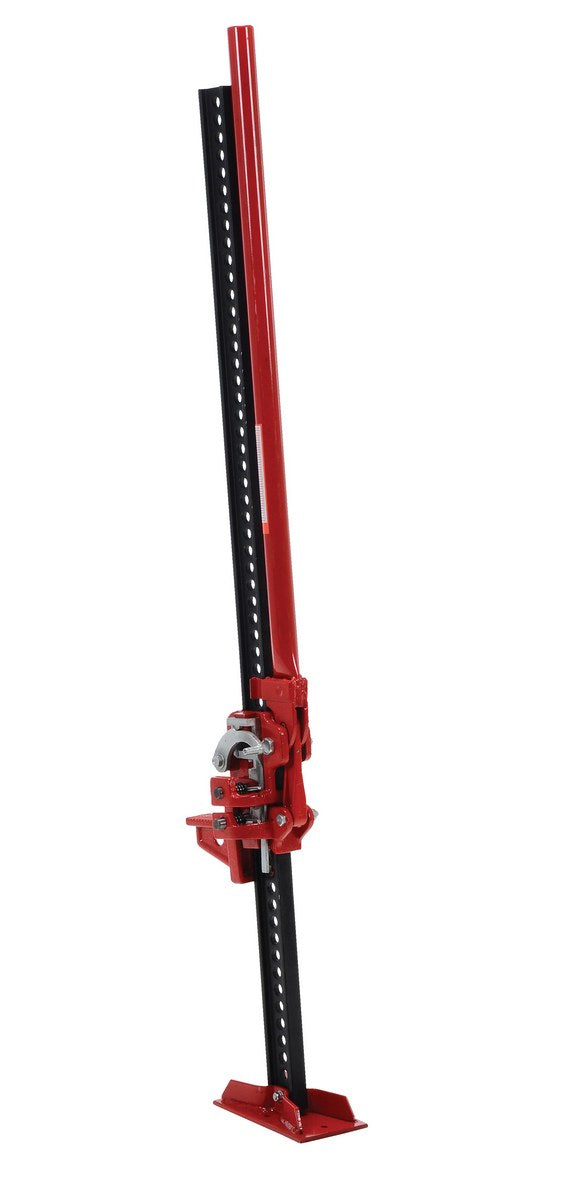
Mechanical jacks hold what hydraulics lift. Hydraulics lift fast, but oil can seep past a seal and let a load settle over hours, so a hydraulic jack is a lifting tool, not a holding one. Mechanical jacks hold. A screw jack like the Vestil mechanical machine jack, rated 3,000 lb, raises a load by turning a threaded column and stays exactly where the threads leave it with no pressure to maintain. The Vestil heavy-duty farm jack is a ratchet jack, rated 7,000 lb, that steps a load up notch by notch and locks at each one, the pattern for vehicle recovery and pulling fence posts. At the light end, the Vestil basement floor jacks are adjustable steel screw columns, priced from the mid-$30s, for shoring a beam or joist and holding it in place. All three sit under ASME B30.1 alongside the hydraulic rams, and all three trade lifting speed for the ability to park a load and keep it parked.
Never leave a load on the jack: crib it. The most broken rule in jacking is the simplest: a raised load never stays on the jack alone. OSHA's construction rule for jacks, 1926.305, is explicit that once the load is up it must be cribbed, blocked, or otherwise secured at once, which in practice means jack stands, cribbing, or blocking rated for the weight before anyone reaches in. Hydraulic jacks lose pressure, seals fail, and a bumped release valve can drop a load in an instant, so the jack raises it and the cribbing holds it. Setup matters as much as the lift. OSHA 1910.244 calls for blocking under the base on any surface that is not firm, and a block between the cap and the load wherever the cap could slip. Keep the rated capacity legible on the jack, never exceed it, and always lift on a point the load actually has, not on sheet metal or a casting that will crush.
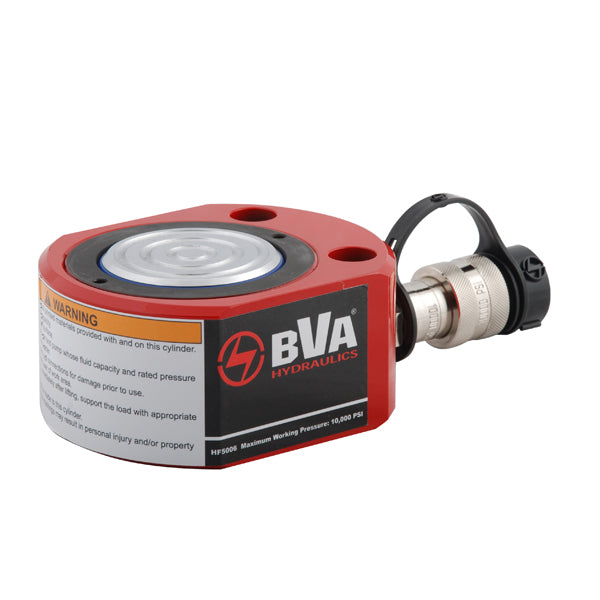
A sizing and setup checklist. Work the numbers before you buy. Add the full weight of what you are lifting plus margin for an uneven or off-center pick, and choose a rating above that total, not equal to it. Check two heights, not one: the collapsed height has to fit in the gap under the load, and the extended height has to reach the lift you need, which is exactly where toe jacks and low-profile rams earn their place under loads sitting close to the floor. Confirm the base has firm, level footing and enough area to spread the point load, because a jack that sinks or leans turns a routine lift into an incident. For rams, size the pump and hose to the cylinder and keep the two matched to the job. Then lift slowly, watch the load the whole way up, and get rated cribbing under it the moment it clears.
Frequently Asked Questions
Total the full weight you are lifting, add margin for an uneven or off-center pick, and choose a rating above that number rather than level with it. Then check the geometry: the jack's collapsed height has to fit under the load and its stroke has to reach the lift you need. With toe jacks, remember there are two ratings, a lower on-toe figure and a higher on-top figure, so size to whichever surface you will actually lift on.
A ram, or cylinder, is the lifting element on its own: it takes oil from a separate pump through a hose and has no pump built in, which is how the BVA Hydraulics cylinders here work, paired with a power unit and a base. A self-contained jack like a toe jack carries its own pump and reservoir in one unit, so you operate it with a handle and nothing else. Rams give you flexible reach and high tonnage; self-contained jacks give you a grab-and-go tool.
Single-acting cylinders push the ram out with oil and return it with a spring or the load's own weight, so they run on one hose and cost less, which suits most straight lifting. Double-acting cylinders use oil in both directions for a powered, controlled retract, and they need two hoses. Choose double-acting when the ram pulls rather than pushes, works overhead, or has to lower a load in a controlled way instead of letting a spring bring it back.
No. OSHA 1926.305 requires that a raised load be cribbed, blocked, or otherwise secured at once, and a hydraulic jack can lose pressure through a seal or a bumped release valve and drop the load. Use the jack to raise the load, then set jack stands or rated cribbing under it and lower it onto that support before anyone works near or under it. Screw and ratchet jacks are designed to hold position, but a hydraulic jack is not.
A bottle jack lifts on a saddle that sits several inches up, so it needs a lift point off the floor to get under. A toe jack has a low lifting lip that slides under a machine or steel plate resting almost flat on the ground, then raises it enough to slip rollers or blocking underneath. That is the whole reason toe jacks exist in machinery moving and rigging, and it is why they publish both an on-toe and an on-top capacity.