Toe Jack
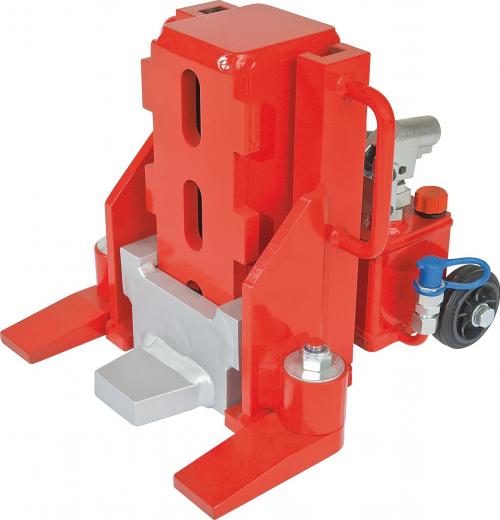
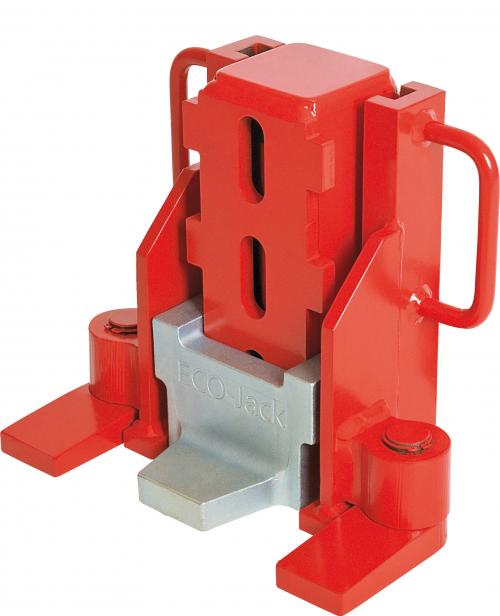
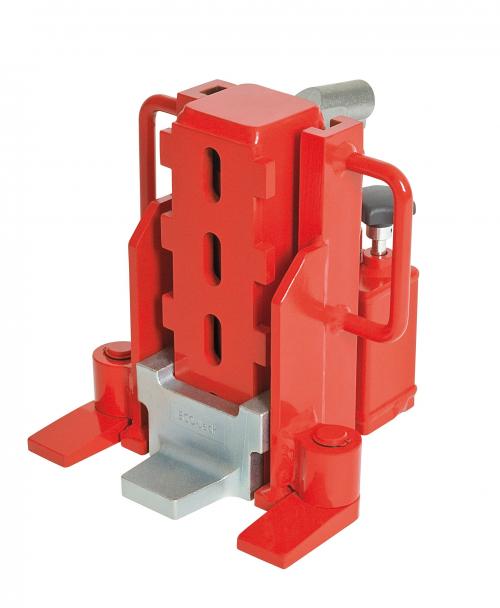
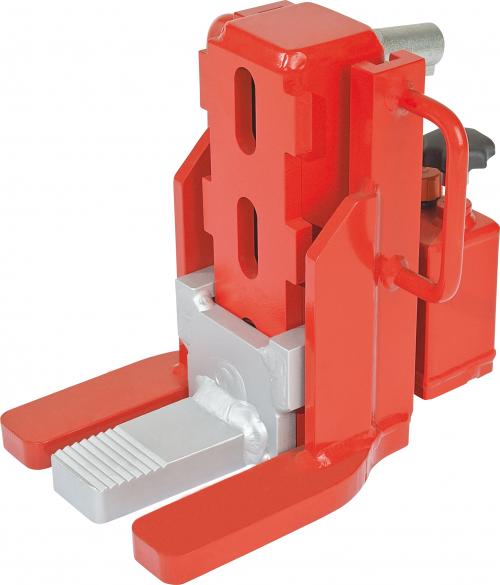
A toe jack is a hydraulic jack with a low lifting claw at its base, built to get under a machine that sits flat on the floor where a bottle jack has nothing to grab. The toe slides into an inch or two of clearance, picks the load up at ground level, and raises it enough to slip a skate or blocking underneath. This collection is anchored by the HTS ECO-Jack line, whose patented lifting claw adjusts by hand and covers ratings from 4.5 ton up to 50 ton, alongside Vestil screw jacks, fork truck jacks, farm jacks, and floor locks for lighter and specialized work. Prices run from around $130 for a farm jack to five figures for a 50 ton ECO-Jack. The guide below walks the toe jack decision first, capacity, toe design, and pump type, then places the other jacks in the catalog against the jobs they actually suit.
Compare Lifting Jacks
| Model | Price | Capacity | Type | Part Number | Working Pressure (Bar/Psi) | |
|---|---|---|---|---|---|---|
| HTS ECO-Jack XR-Series 50 Ton Hydraulic Toe Jack | $13,450 | 110,000 lb | EJ300-3 XR | 01 500 31 01 | 700/10,000 | View → |
| HTS ECO-Jack XR-Series 23 Ton Hydraulic Toe Jack | $4,549 | 50,600 lb | EJ230-3 XR | 01 230 31 01 | 700/10,000 | View → |
| HTS ECO-Jack XR-Series 15 Ton Hydraulic Toe Jack | $3,410 | 33,000 lb | EJ100-3 XR | 01 150 31 01 | 700/10,000 | View → |
| HTS ECO-Jack XR-Series 10 Ton Hydraulic Toe Jack | $2,479 | 22,000 lb | EJ100-3 XR | 01 100 31 01 | 700/10,000 | View → |
| HTS ECO-Jack S-Series 6 Ton Hydraulic Toe Jack | $1,754 | 13,200 lb | EJ60-4S | 01 060 40 10 | 520/7,425 | View → |
| HTS ECO-Jack G-Series Hydraulic Toe Jack 5 Ton - 10 Ton | $1,651 | 5 ton | — | — | — | View → |
 In Stock
 In Stock
 In Stock
 In Stock
 In Stock
 In Stock
 In Stock
 In Stock
 In Stock
 In Stock
 In Stock
 In Stock
 In Stock
Lifting Jacks Buying Guide
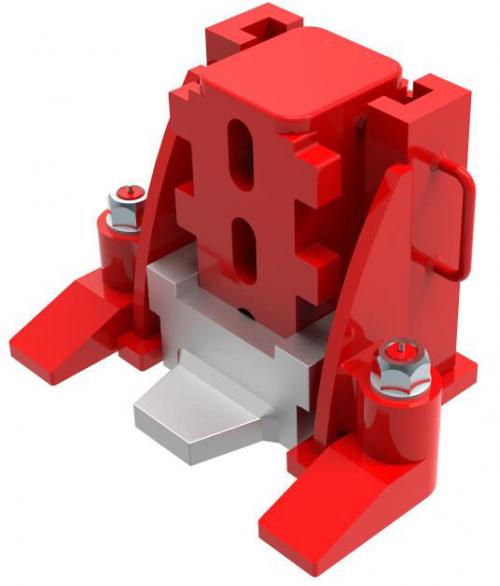
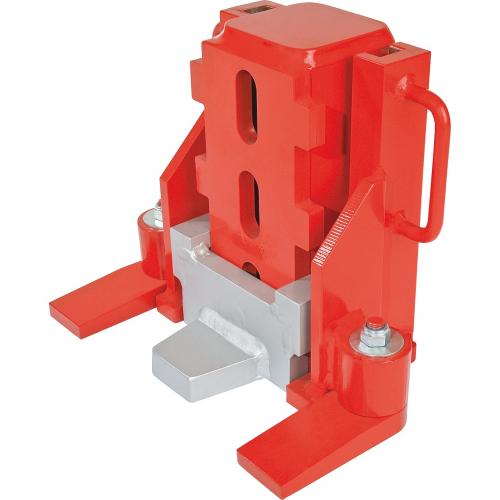
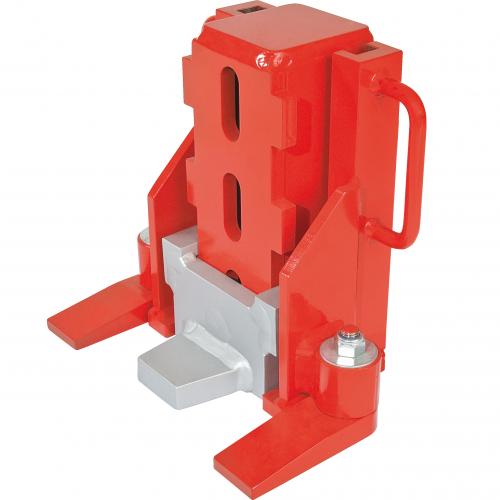
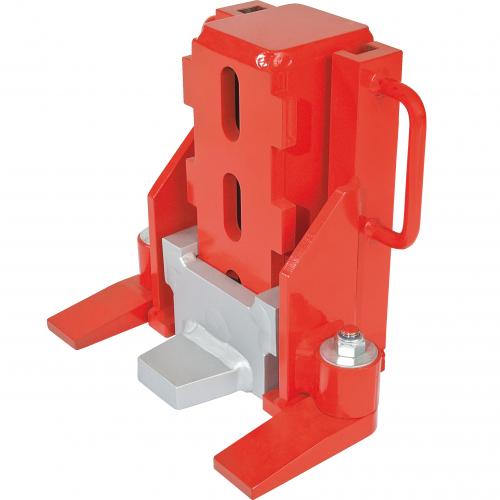
What the toe does, and why a bottle jack cannot. A conventional bottle or floor jack needs a lifting point with clearance beneath it. A machine bolted or resting flat on a slab gives you none. The toe jack answers that by putting the lifting surface at the very bottom of the jack: a horizontal claw that projects out ahead of the body and slides into the narrow gap under the load. Most toe jacks give you two lifting points, the low toe for ground-level work and a flat head on top for conventional lifting once the load is up on blocks. The HTS ECO-Jack claw is patented and repositions by hand, so you lift it, pull it out of the groove plate, and drop it into a new slot without ever tilting the jack. That low toe is the whole reason the category exists, and it is what lets one operator start a multi-ton machine move from a dead flat floor.
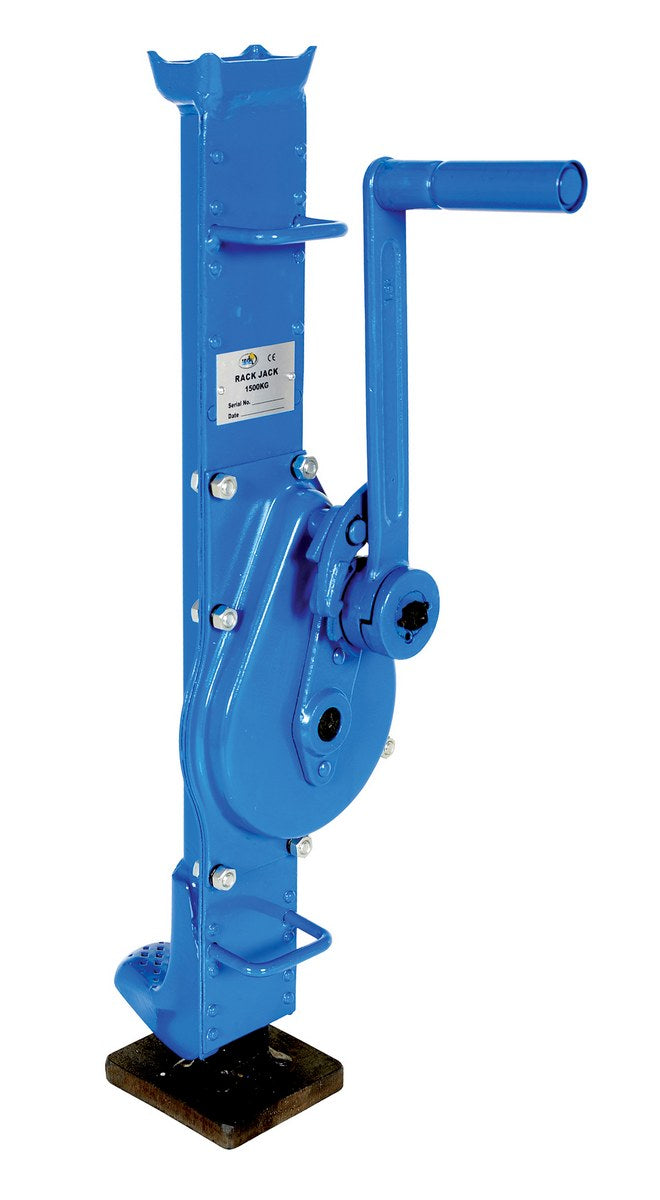
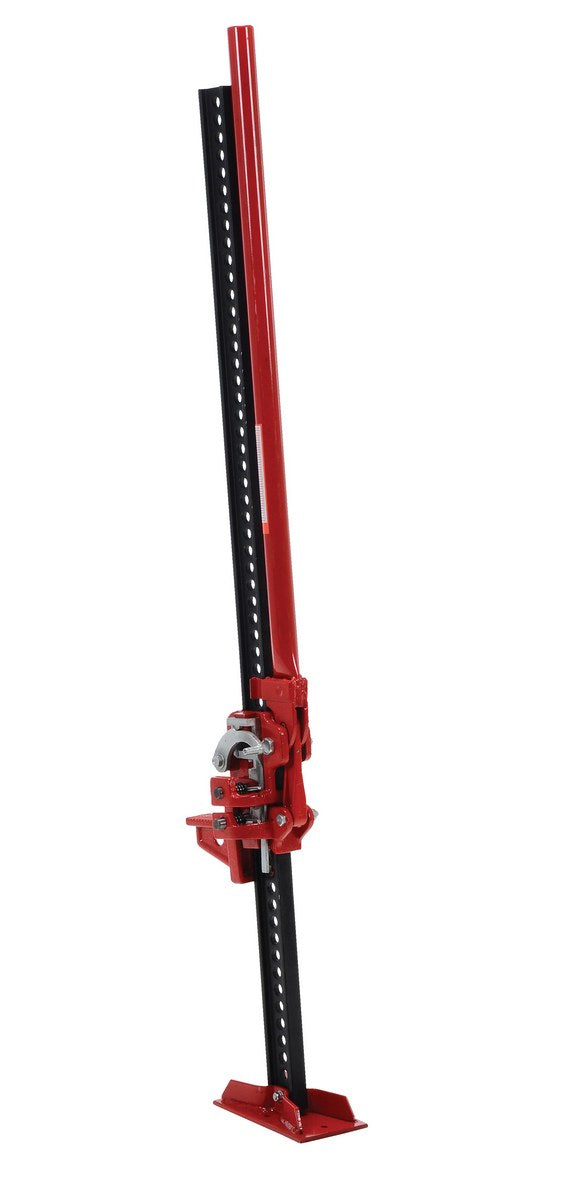
Size to the point load, not the machine's whole weight. A toe jack lifts one corner or one edge at a time, so what matters is the weight bearing on that single point, not the machine's total mass. Machines rarely sit balanced, and one end can carry well over half the load, so weigh the machine, work out the worst single point, add margin, and round up to the next rating. The HTS ECO-Jack range steps from 4.5 ton on the compact XR through 5, 6, 10, 15, and 23 ton up to a 50 ton XR that runs past $13,000, which covers everything from a machine tool to structural steel and heavy plant. For lighter and occasional lifts, the Vestil mechanical machine jack is a screw jack rated 3,000 to 10,000 lb at a fraction of the price, and the Vestil heavy duty farm jack handles 7,000 lb where a rugged mechanical lift beats hydraulics.
Self-contained or external pump. The ECO-Jack line splits on how it is powered, and the choice follows the job. The G-Series and S-Series carry an integrated hydraulic pump in the jack body, so there is no hose, no separate power pack, and one person can set up and lift alone; the G-Series low-profile claw is compact enough to work under forklifts, stackers, and electric hand trucks. The XR-Series drops the built-in pump and runs off an external 700 bar pump instead. That keeps the jack itself lighter and more compact for tight spaces, and it lets you drive several XR jacks from one pump so the corners of a big machine rise together. If you lift one point at a time and want grab-and-go simplicity, buy self-contained. If you run multiple jacks on one load or work where every inch counts, the external-pump XR is built for it.
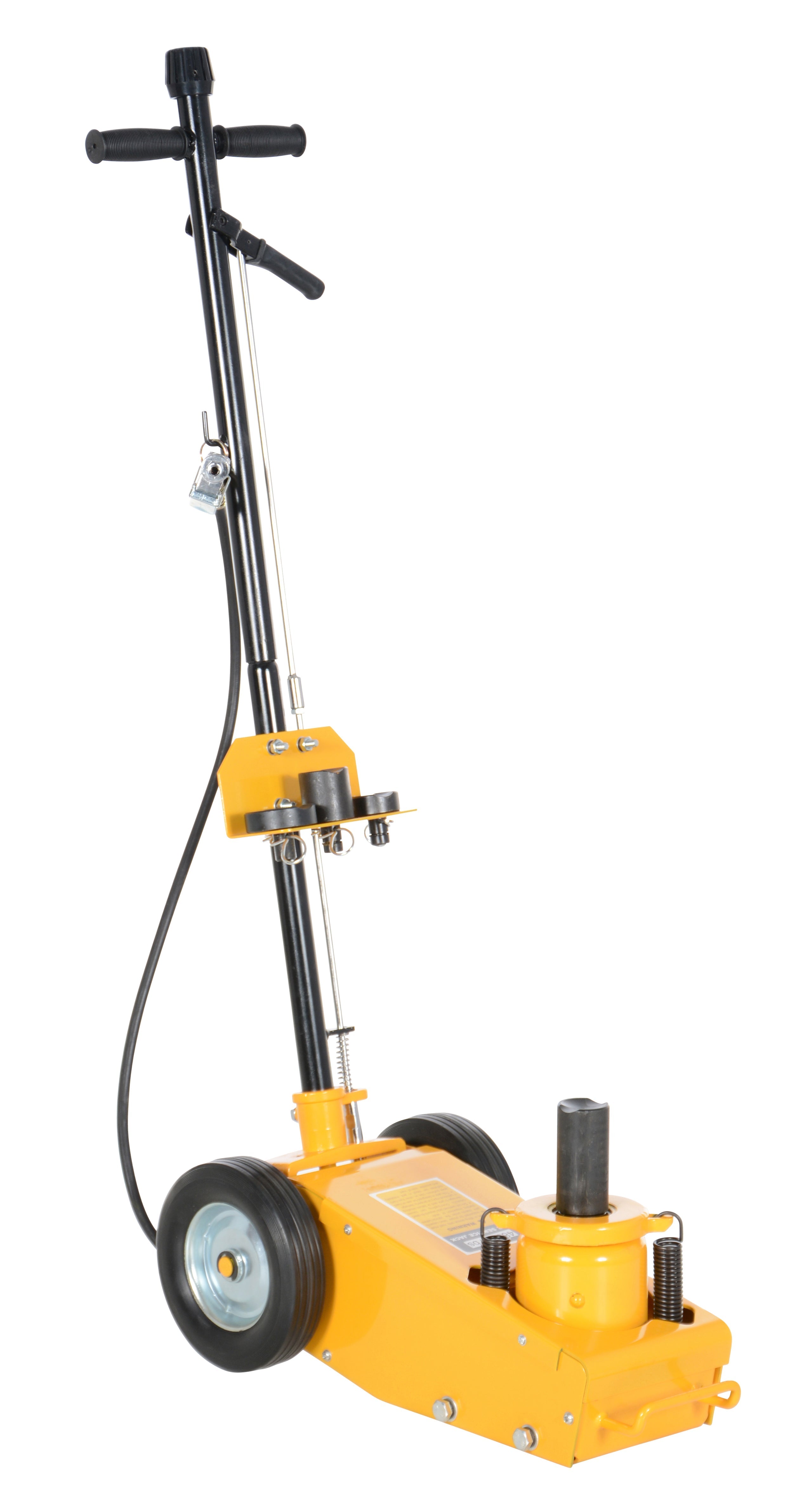
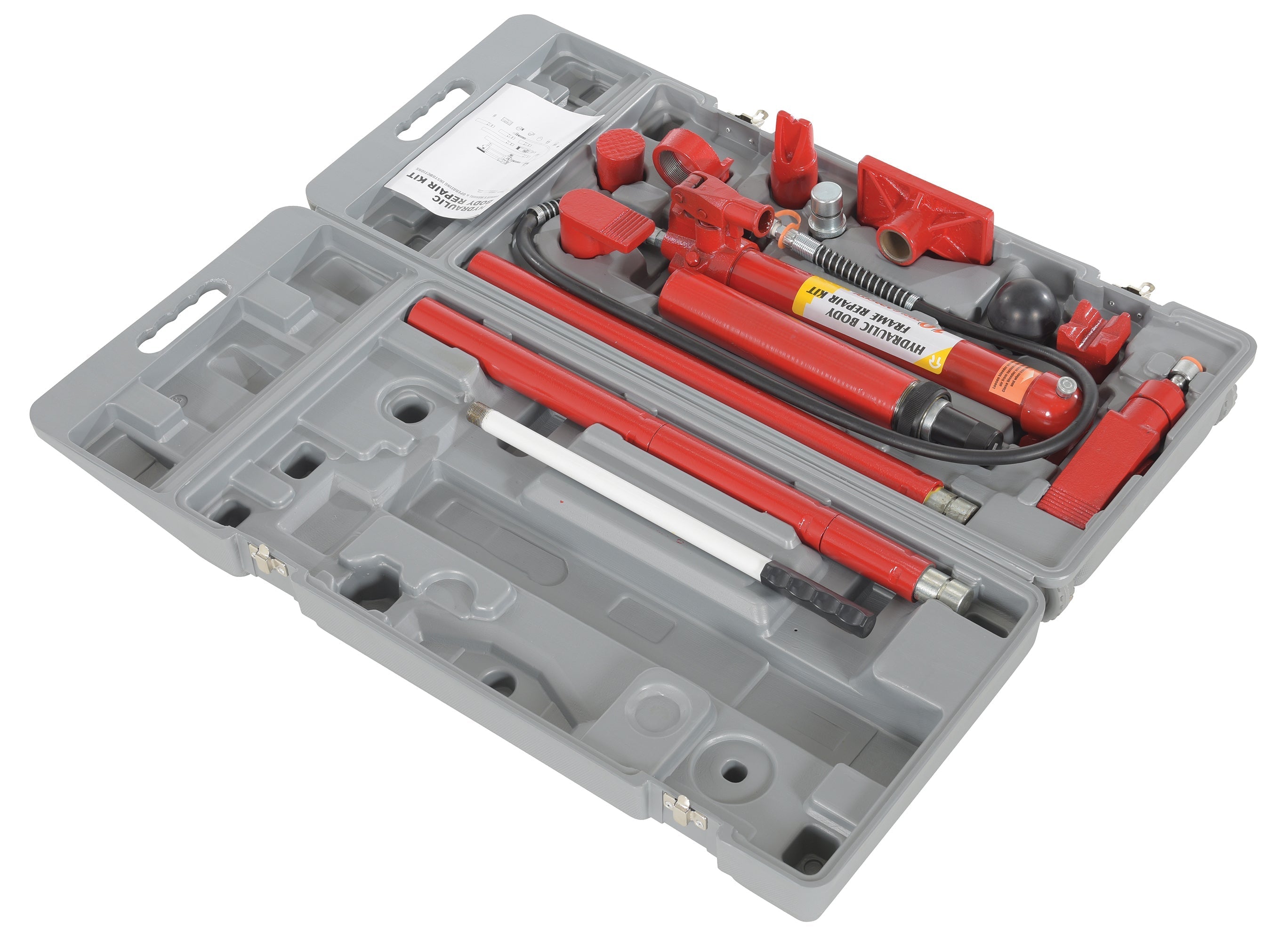
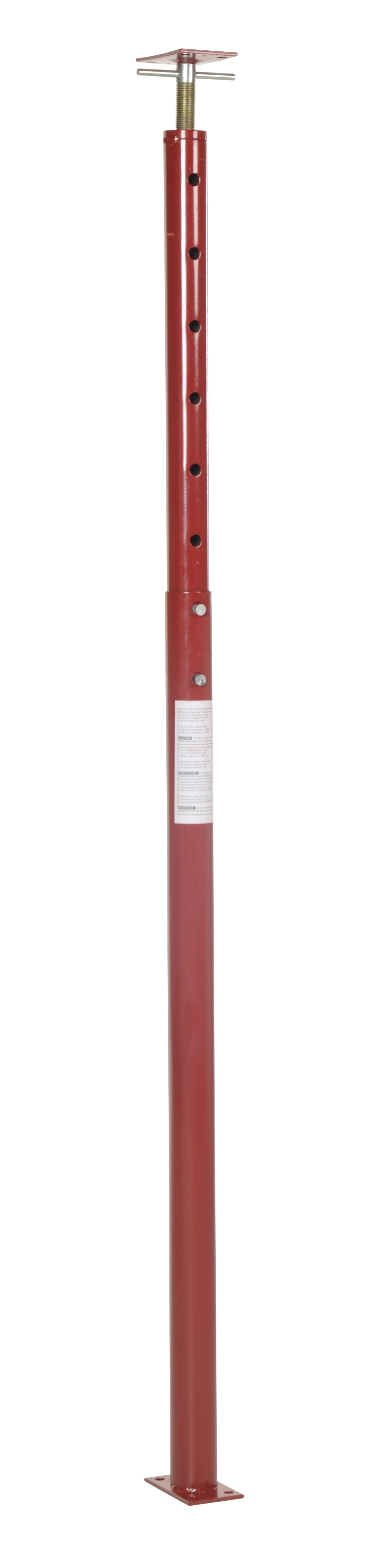
The other lifting jacks in the catalog. Not every lift is a toe-jack lift, so this collection carries the neighbors too. The Vestil fork truck jacks raise a parked forklift or heavy truck for tire and service work, in air or manual hydraulic versions rated up to 44,000 lb. The Vestil portable hydraulic equipment kit bundles a 4 or 10 ton ram with fittings for field repairs. Vestil basement floor jacks are adjustable steel support columns that shore a beam or joist at a set height rather than cycle a load up and down. And the floor locks, in economical, polyurethane, and adjustable-height versions, are not jacks at all but foot-operated stops that pin a caster-mounted cart in place so it cannot drift while you load it. Once a machine is up and needs to travel, pair the toe jack with machine moving skates to roll it to its footings.
Lift, then secure: the rules for jacks. A raised load resting on hydraulics alone is a hazard, and the standards are blunt about it. Under OSHA 29 CFR 1910.244(a), the rated load has to be marked on the jack, the operator has to confirm the jack out-rates the load, and after the load is raised it must be cribbed, blocked, or otherwise secured at once. If the floor is not firm, block or crib the base; if the cap or toe could slip, put a block between it and the load; watch the positive stop so you never over-travel; and a hydraulic jack used in freezing conditions needs antifreeze in the fluid. Jacks fall under the ASME B30.1 safety standard, which covers mechanical ratchet jacks, screw jacks, hydraulic jacks, and hydraulic gantries together, so the same inspect-before-use discipline you give your slings applies here. The habit that keeps hands safe is simple: jack a little, block a little, and never work under a load the jack alone is holding.
Frequently Asked Questions
A toe jack is a hydraulic jack with a low lifting claw at its base, so it can get under a load that sits flat on the floor. A bottle jack lifts from a cap on top and needs clearance beneath the lift point, which a machine on a slab does not give you. Most toe jacks also carry a flat head for top lifting once the load is up on blocks, so you get both options in one tool.
Size to the heaviest single point the jack will bear, not the machine's total weight, because you lift one corner or edge at a time and machines are rarely balanced. Weigh the load, find the worst point, add margin, and round up to the next rating. The HTS ECO-Jack range runs from 4.5 ton to 50 ton, which covers machine tools through heavy plant and structural steel.
Only for the XR-Series, which runs off a separate 700 bar pump and is built for confined spaces and for driving several jacks off one pump so a big machine's corners rise together. The G-Series and S-Series have an integrated pump in the jack body, so they need no hose or power pack and one person can lift with the jack alone.
No. OSHA 1910.244(a) requires that once a load is raised it is cribbed, blocked, or otherwise secured at once, and you should never work under a load the jack alone is holding. Jack it up, slide blocking or a skate under the load points, and lower onto that. Hydraulics can leak down over time; blocking does not.
Yes on most models. The low toe handles ground-level lifts where nothing else fits, and a flat head on top of the jack takes conventional lifts once the load is high enough to reach it. The HTS ECO-Jack claw itself repositions by hand without tilting the jack, which speeds up staged lifts where you raise a load in stages onto blocks.