Machine Skates
Machine skates are the low wheeled platforms that carry a multi-ton machine across a floor once you have raised it off its footings. Each skate is a steel body riding on a bank of rollers, rated in tons, and they work in a group so no single unit takes the whole weight. This collection pairs Vestil, for individual fixed, steerable, and rear-adjustable skates plus complete roller kits, with HTS ECO-Skate for the heavier modular and rotational systems, from a small fixed skate that carries one corner up to a big-load system that moves structural plant. Lighter jobs, tool chests, cabinets, and small machinery, ride on Vestil and Stranor furniture movers instead. Prices run from under $100 for a single fixed skate into five figures for a system rated past a hundred tons. The work on this page is straightforward: pick the right style, size every skate to its share of the load rather than the whole weight, and match the wheel to the floor you are crossing.
Compare Machine Moving Skates
| Model | Price | Capacity | |
|---|---|---|---|
| HTS ECO-Skate BIG Load Moving Skate Systems | $14,066 | 88-176 ton | View → |
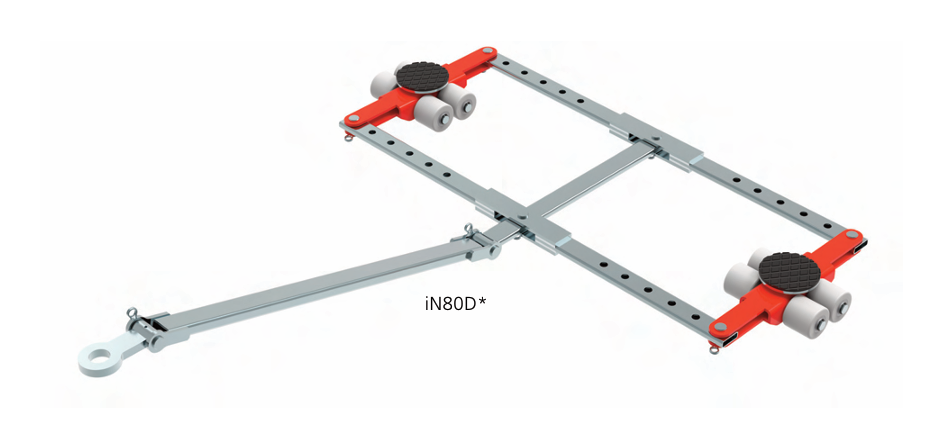
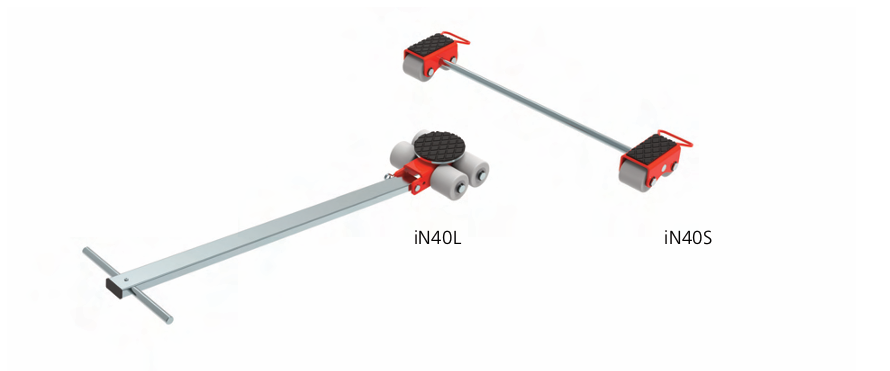
| HTS ECO-Skate iN-Series XL Load Moving Skate System with Nylon Wheels | $9,305 | 40-100 ton | View → |
| HTS ECO-Skate i-Series XL Load Moving Skate System with Polyurethane Wheels | $8,270 | 32-96 ton | View → |
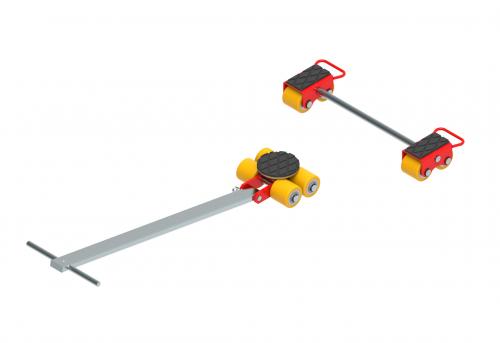
| HTS ECO-Skate 30 Ton Ideal Load Moving Skate Kits i-Series | $5,061 | 30 ton | View → |
| HTS ECO-Skate 24 Ton Ideal Load Moving Skate Kits i-Series | $3,819 | 24 ton | View → |
| HTS ECO-Skate 18 Ton Ideal Load Moving Skate Kits i-Series | $3,405 | 18 ton | View → |
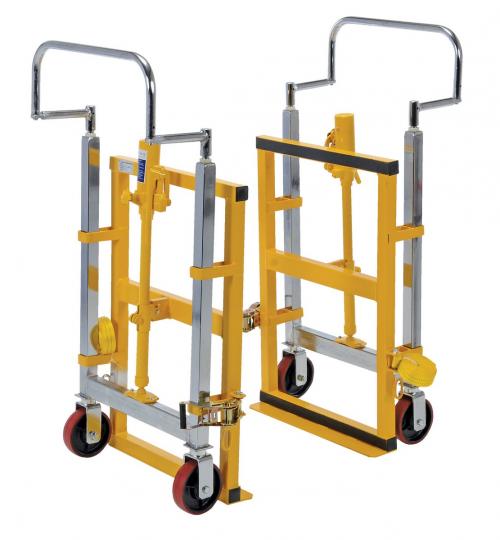 In Stock
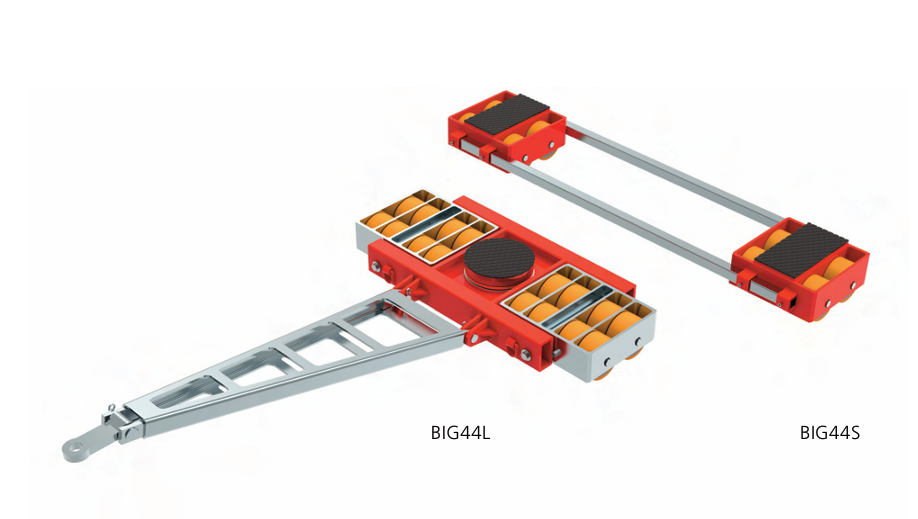 In Stock
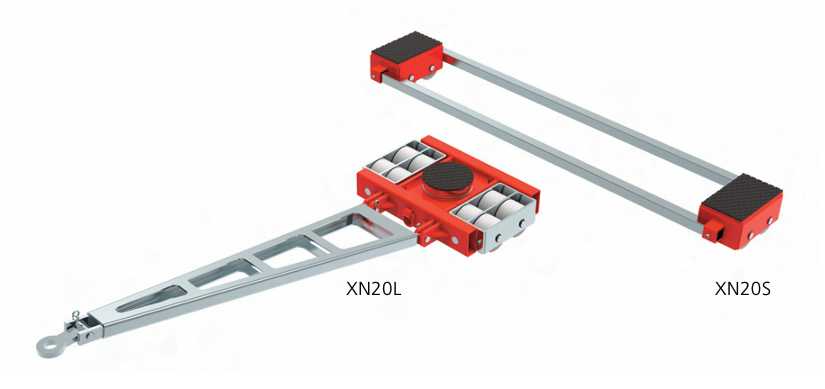 In Stock
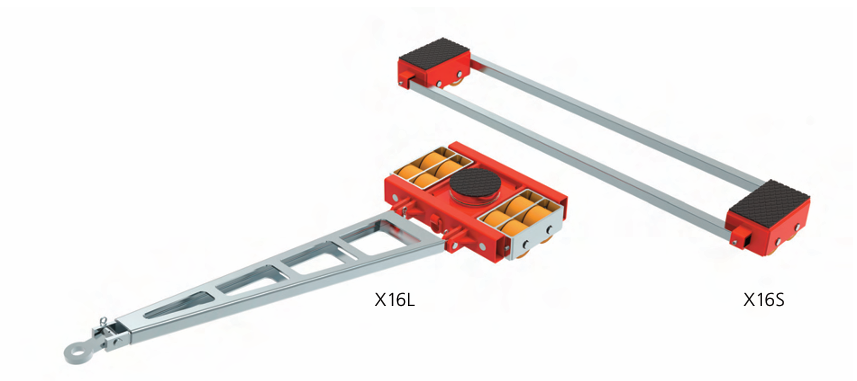 In Stock
 In Stock
 In Stock
 In Stock
 In Stock
 In Stock
 In Stock
 In Stock
 In Stock
 In Stock
 In Stock
 In Stock
 In Stock
 In Stock
 In Stock
 In Stock
 In Stock
 In Stock
 In Stock
 In Stock
 In Stock
 In Stock
 In Stock
 In Stock
 In Stock
 In Stock
 In Stock
 In Stock
Machine Moving Skates Buying Guide
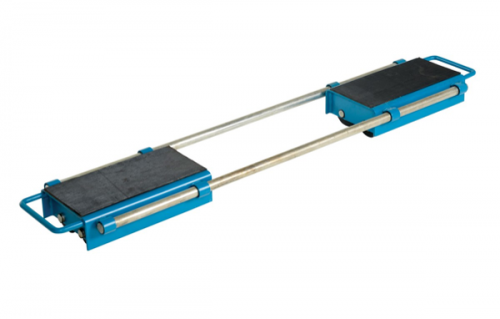
Skates work in a group, so size each one to its share. A machine skate never carries the whole machine, it carries the fraction that sits over it, and that is the number you size to. The standard layout is three points: one steerable skate at the front and two fixed skates trailing at the rear. That triangle steers like a car, the front turns and the rear follows in a straight line, and three points always sit flat on an uneven floor where a fourth would rock. Four skates under the corners spread the load further and suit long or rectangular bases. The rule that decides everything is that no single skate can pass its rating once you account for how the weight actually sits, because a machine is rarely balanced and one corner routinely carries far more than an even share. Weigh the machine, divide by your skate count, build in the imbalance, then buy to the heaviest single point and round up. Our Vestil skates run from a 2.5 ton fixed unit near $78 up through 3, 6, 12, and 24 ton models, which covers most single-machine work in a shop.
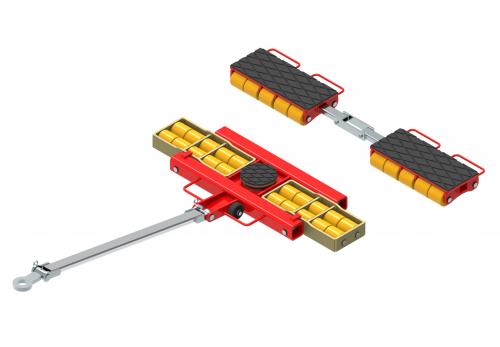
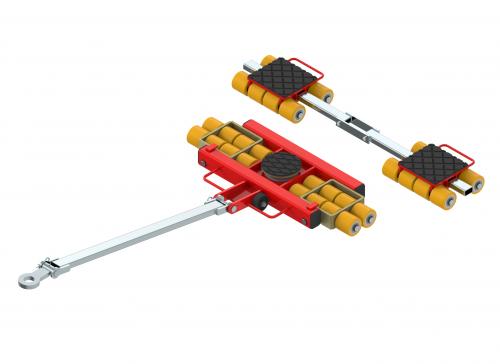
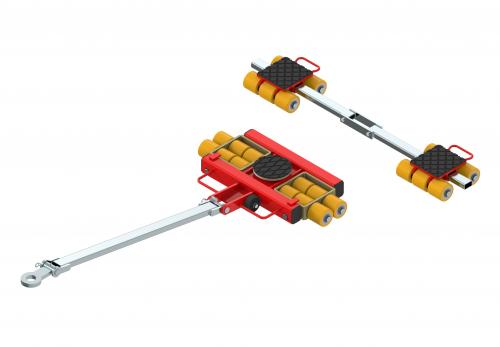
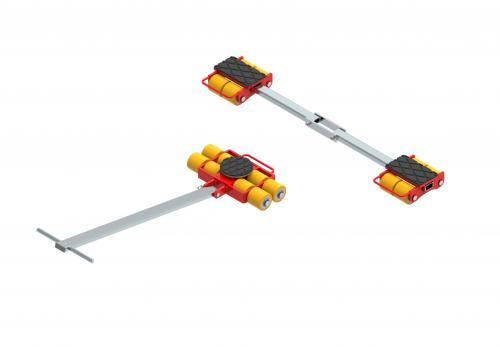
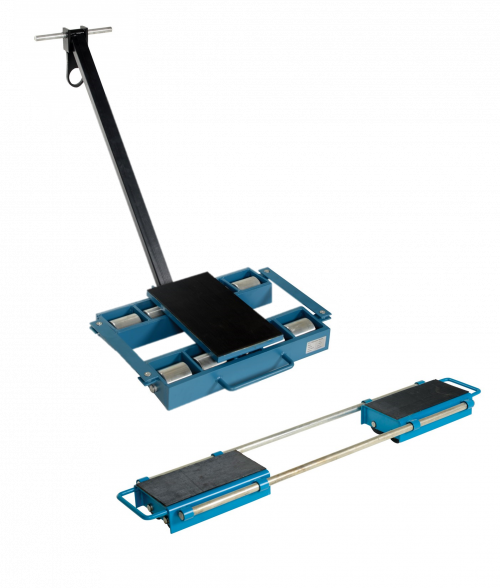
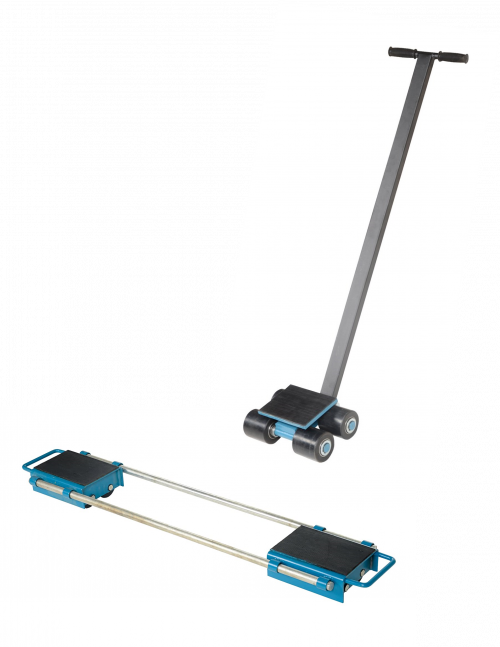
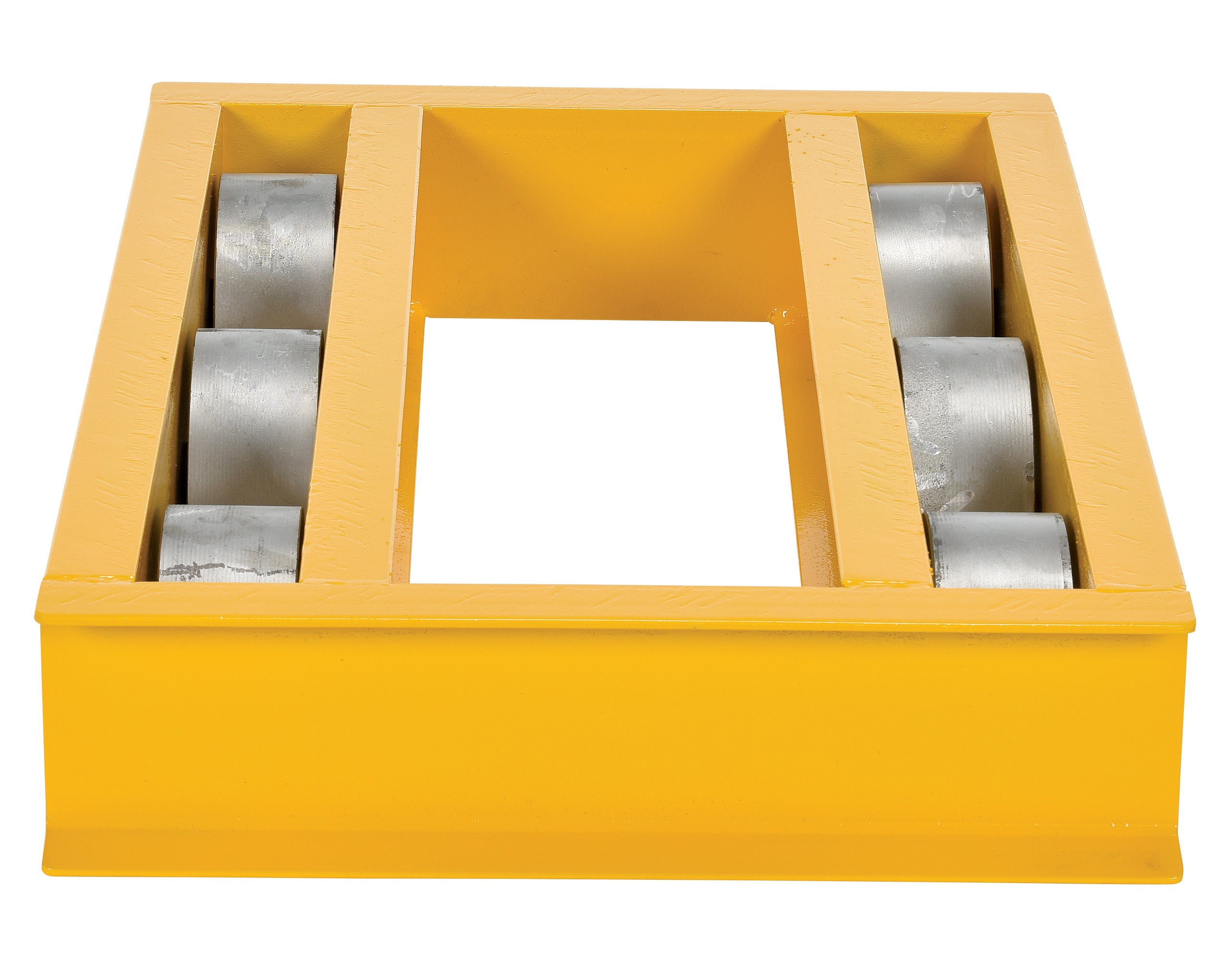
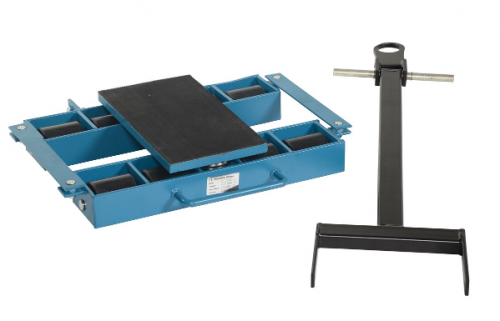
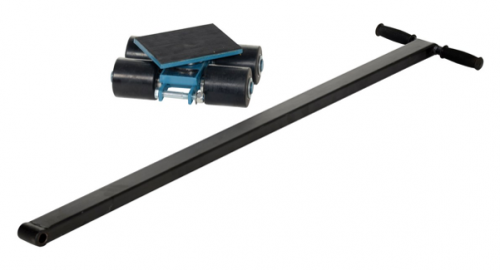
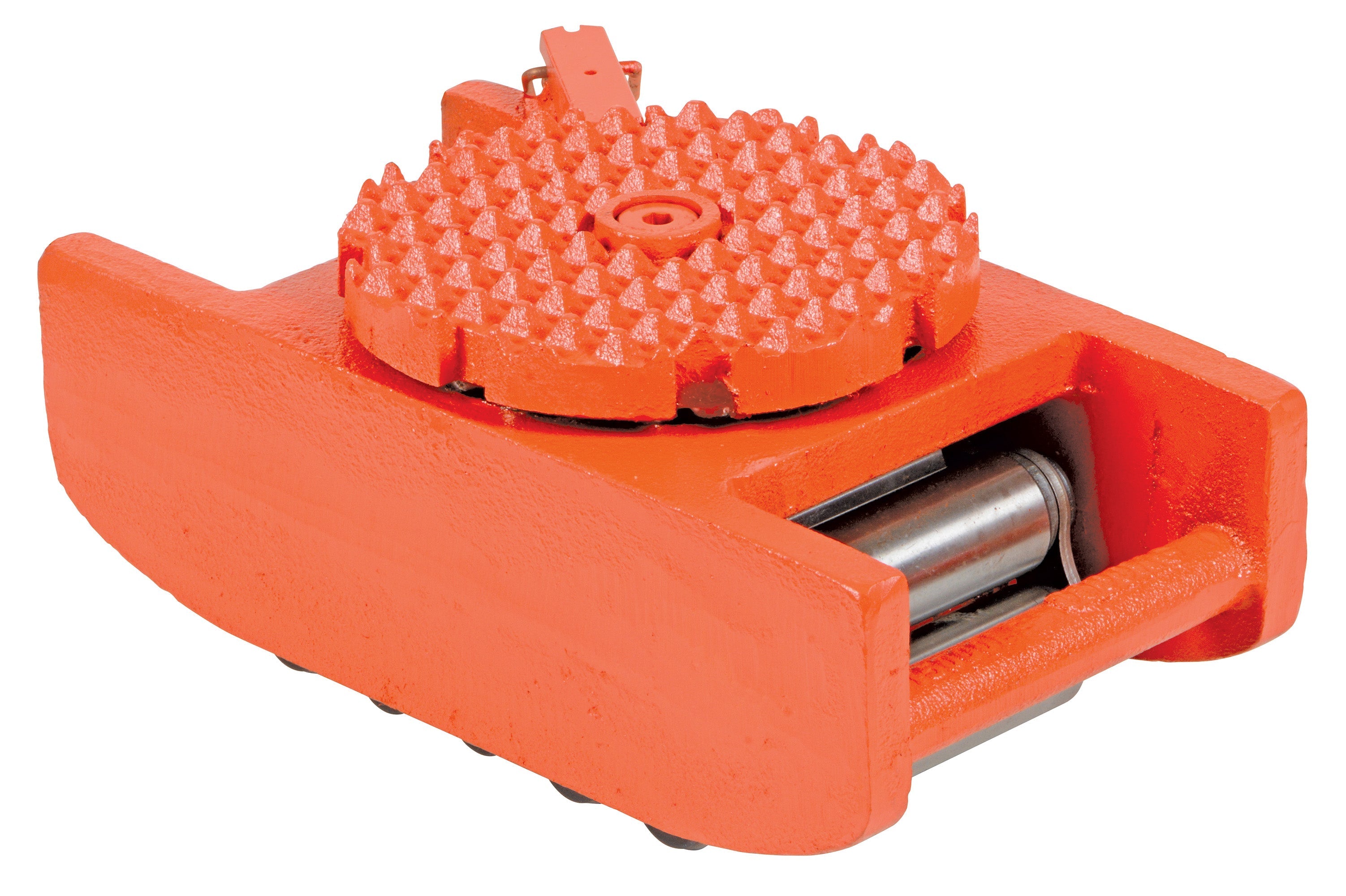
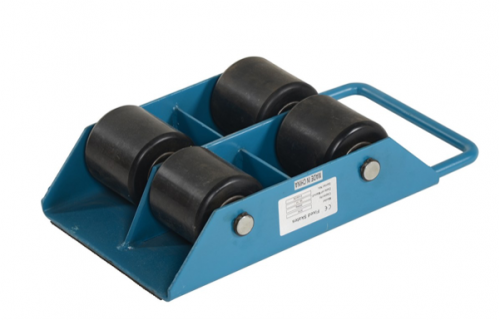
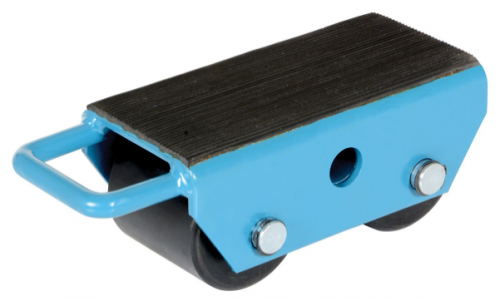
Fixed, steerable, or rear-adjustable. The first choice is the skate style, and most moves mix all three. A fixed skate rolls in one direction and is the cheapest way to carry a corner, ideal trailing at the rear or running straight down an aisle; our Vestil fixed skates are 2.5, 3, and 6 ton, from about $78 to $188. A front-steerable skate adds a swivel top and a pulling handle so the load turns corners and spots precisely onto its base, and Vestil offers those at 3, 6, and 12 ton, roughly $187 to $611. The rear-adjustable skates open the third variable: their frame widens to sit under bases of different widths, so one pair fits several machines, rated 6, 12, and 24 ton from about $362 to $912. A typical three-point set is one steerable up front and two fixed or rear-adjustable behind, sized so each carries its corner with margin to spare.
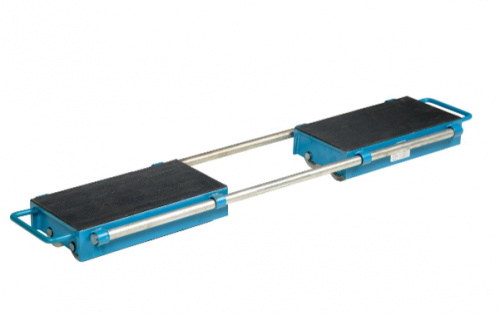
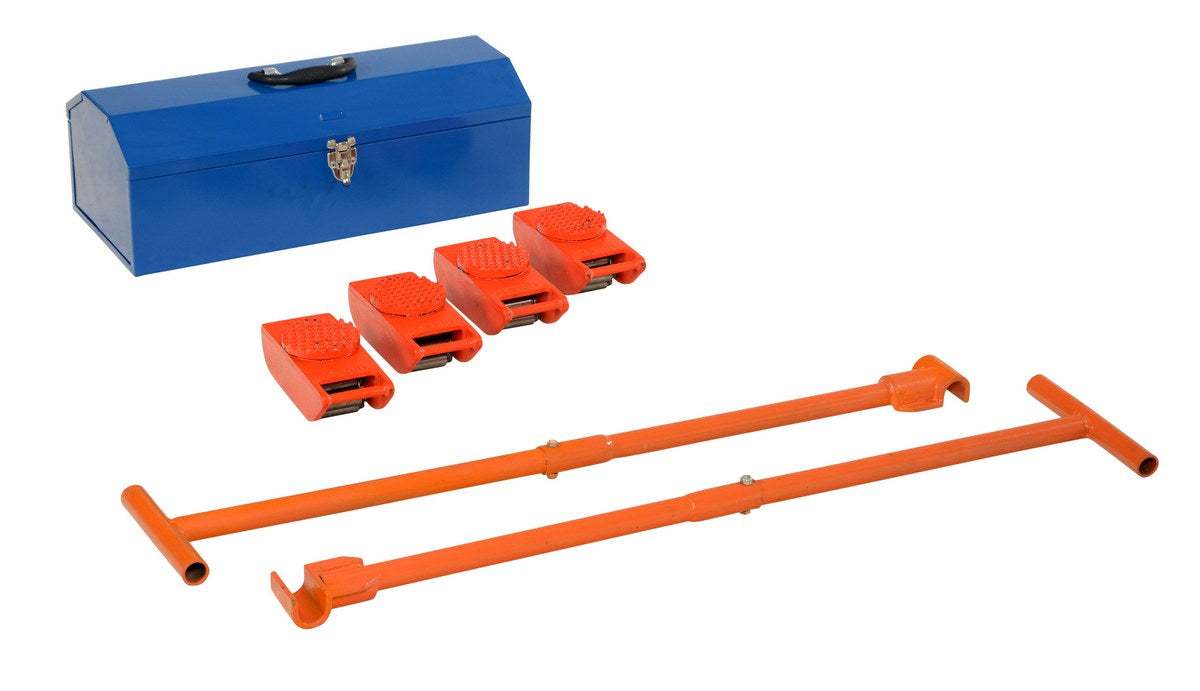
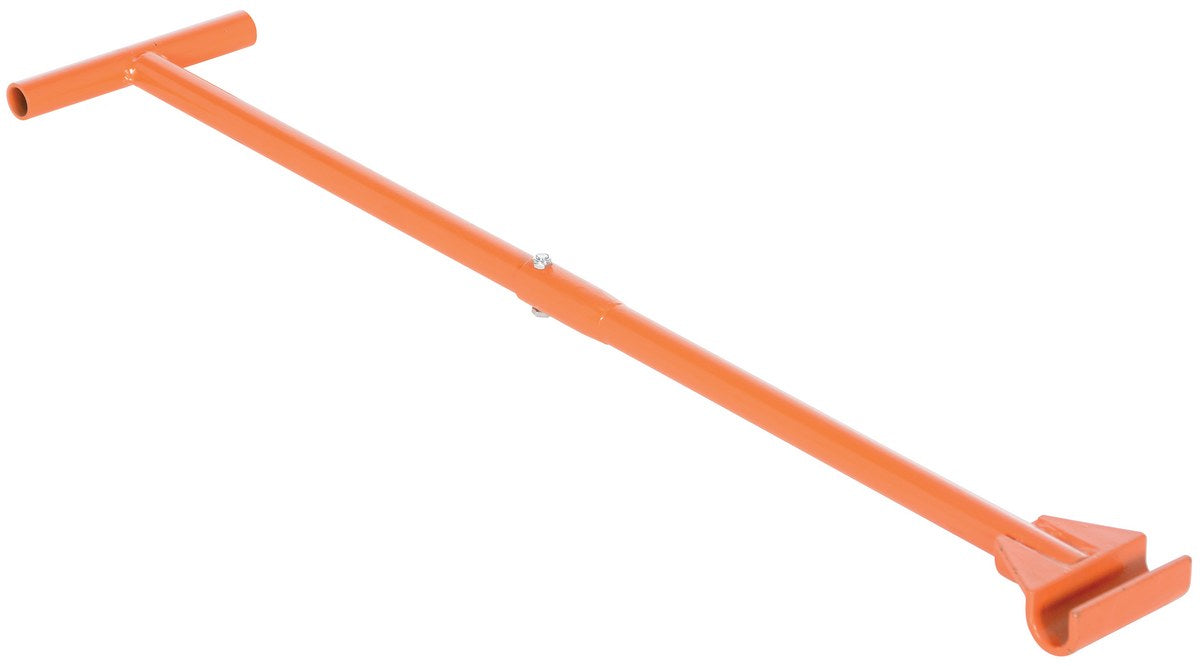
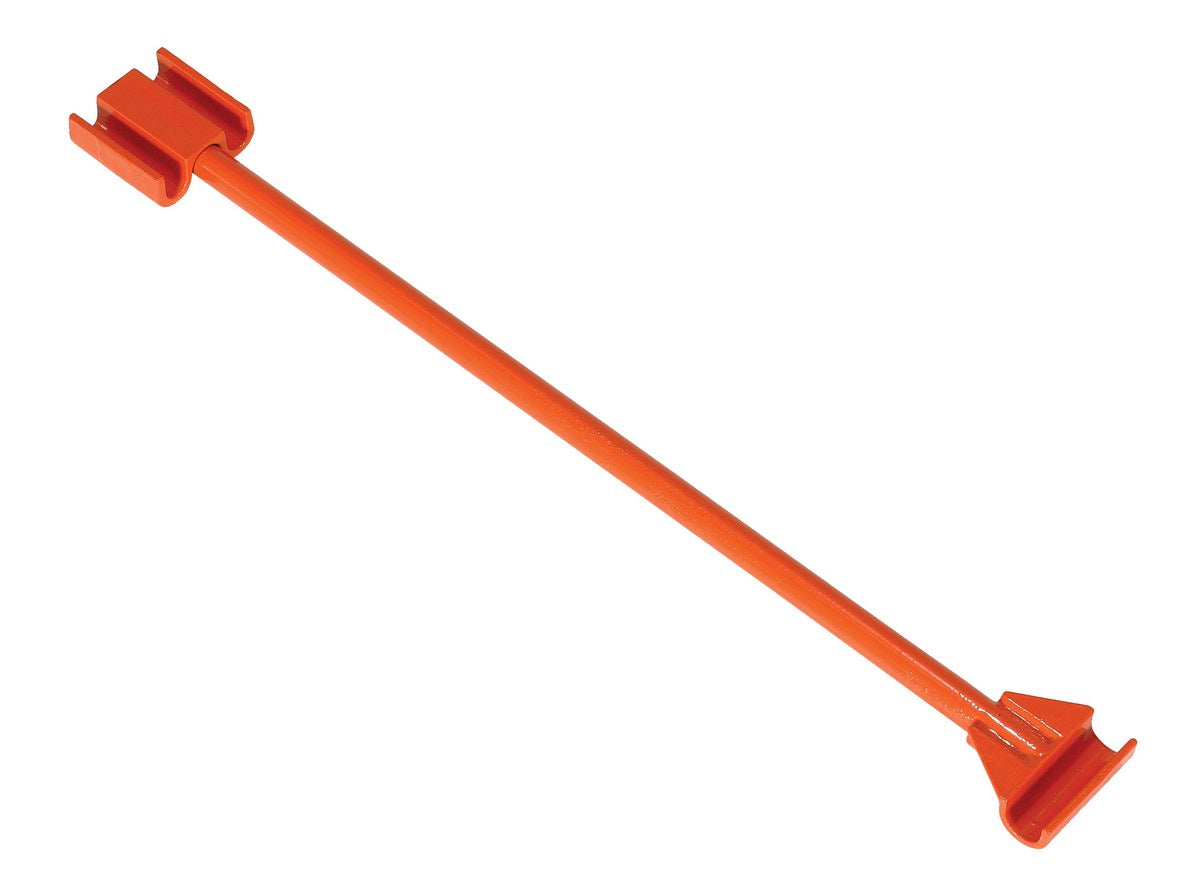
Buy the kit, or build the set from rollers and bars. If you would rather settle the geometry in one purchase, the Vestil machine moving skate kits package matched skates: a 6 ton kit near $600 and a 24 ton kit around $1,400. The Vestil steel machine roller kit, rated 8,000 lb near $627, is the lighter packaged option for engine-shop and small-machine work. You can also build a set from the individual Vestil steel machine rollers, from about $131, and add the accessories that make a move controllable: the steering bars give you leverage to swing a steerable skate, the turning bar near $239 nudges a load into final alignment, and the roller accessories cover connecting links and pads. For flat-decked loads that do not need a full skate set, the Vestil open deck machinery dollies carry 6,000 lb on a rolling platform. Order the steering hardware with the skates so you are not trying to align a multi-ton machine by hand.
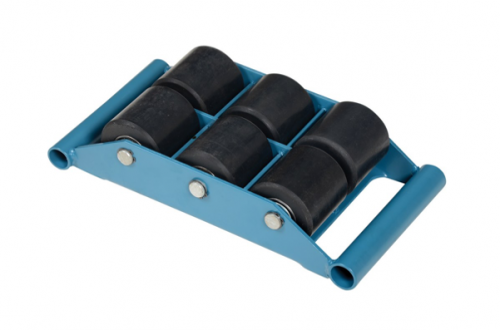
Nylon or polyurethane wheels. Several skates and systems come in both nylon and polyurethane, and the floor decides which. Polyurethane rolls quieter, cushions the load, and protects finished surfaces like sealed concrete, wood, tile, and vinyl, so it is the safer pick anywhere you cannot mark the floor. Nylon has lower rolling resistance and higher wear resistance, resists flat-spotting under a static load left parked, and takes rough or pitted concrete better, which is why it is common on the heaviest kits. If the machine crosses a polished showroom or a finished floor to reach its spot, buy poly. If it lives on shop concrete and the priority is the least push effort under a heavy load, nylon earns its place. The HTS ECO-Skate line lets you choose the wheel material against your exact floor rather than compromising on one.
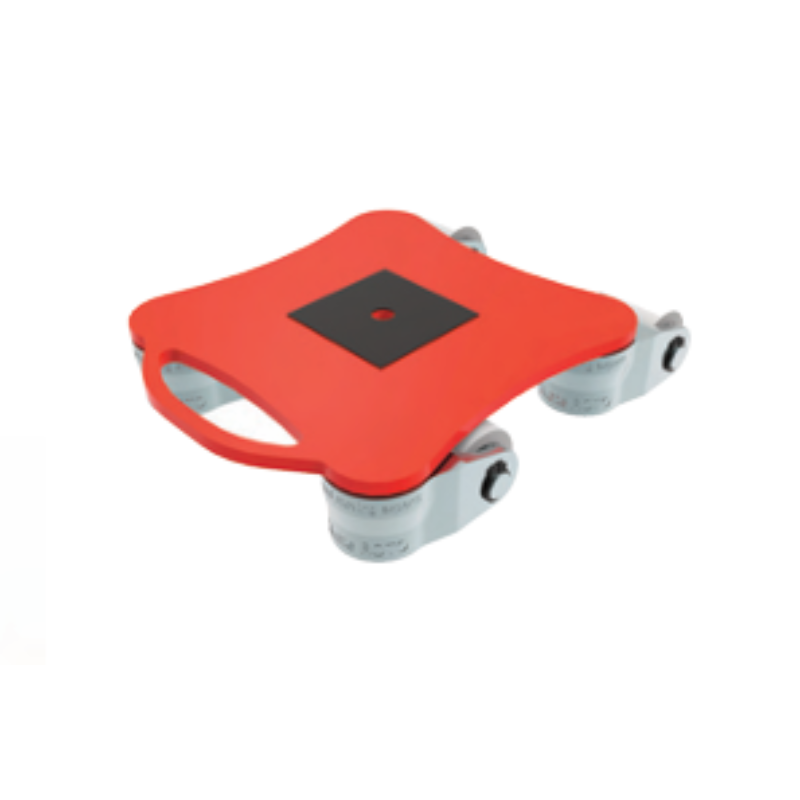
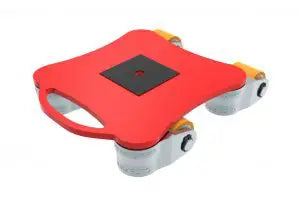
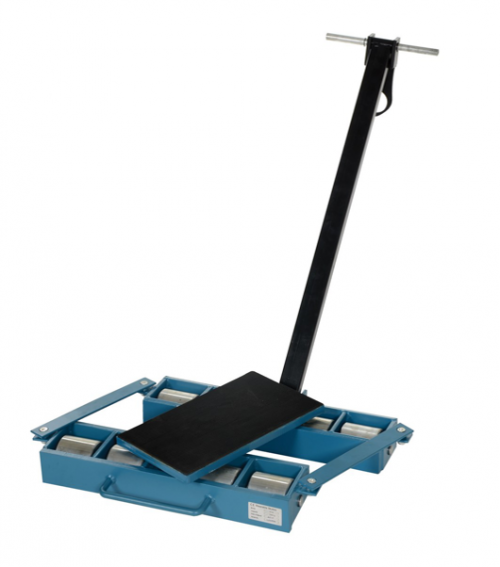
Rotating in place, and moving past 30 tons. When a machine has to spin in a footprint too tight to swing a three-point set, the HTS ECO-Skate ROTOflex is built for it: a full 360 degree rotatable profile for positioning accuracy in a small space, in safe working loads from 1,980 lb up to 26,400 lb, in nylon or polyurethane. For heavier plant, the HTS ECO-Skate i-Series kits step from 6 ton near $1,335 through 12, 18, 24, and 30 ton, and the iN-Series DUO skates cover 8 and 16 tonne loads. Above that, the XL systems reach roughly 100 tons and the BIG Load systems combine skate pairs to 88, 132, and 176 tonnes for structural and foundation work. Every skate in the HTS ROTO, IDEAL, and DUO series is combinable, so the total capacity is the sum of the individual skates, which lets you build a system to the exact machine instead of overbuying a single fixed rating.
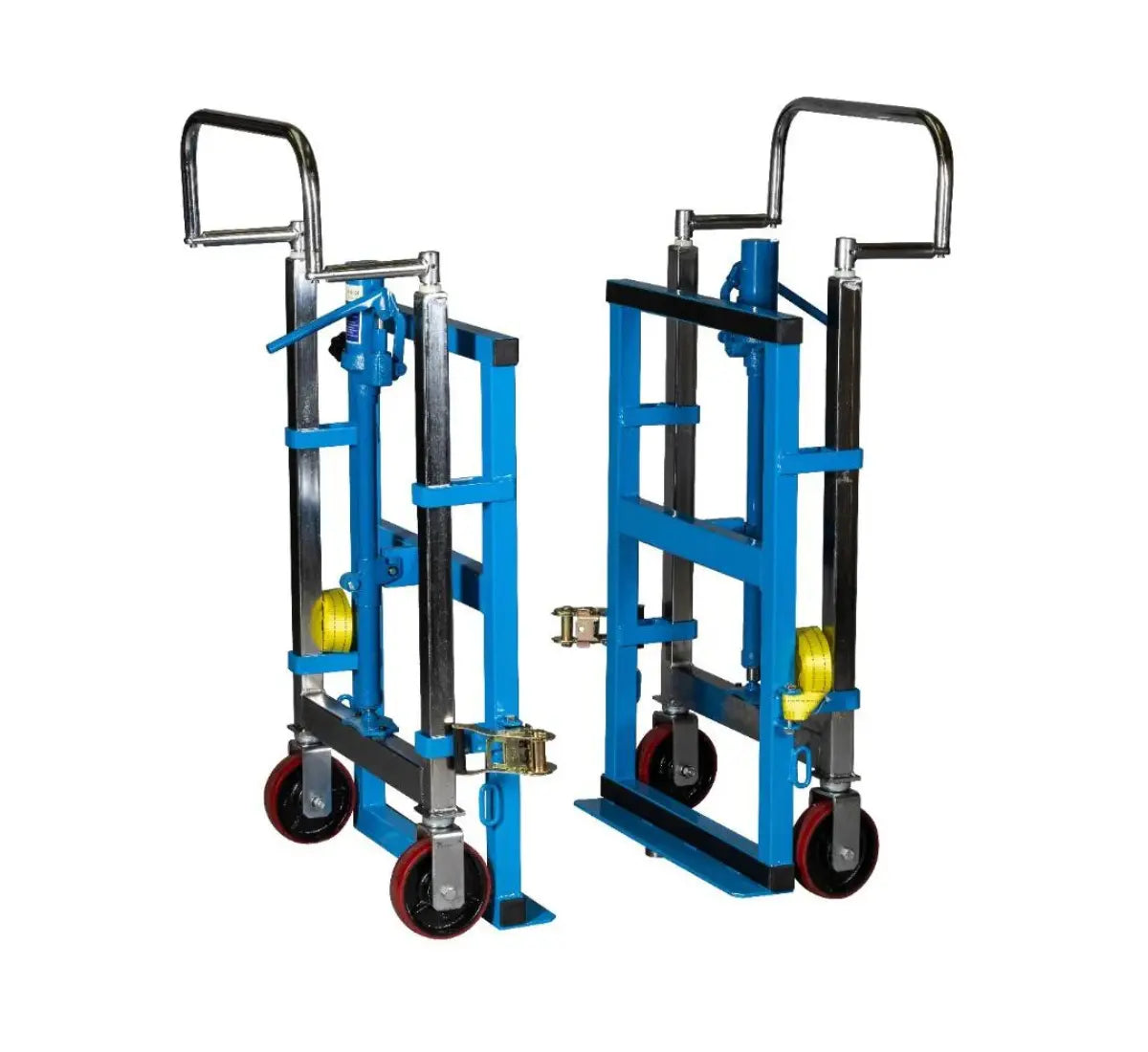
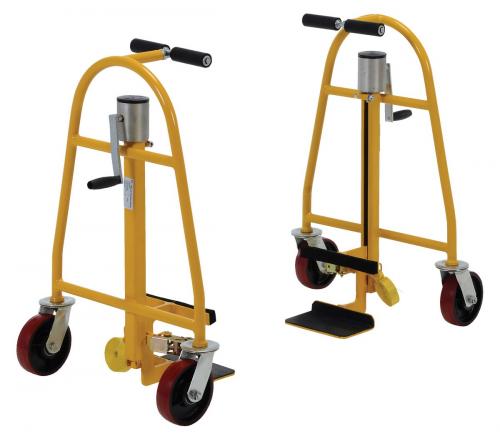
Getting under the load, the floor, and safe practice. A skate only works once the machine is up off its footings, and that lift is a separate tool: a hydraulic toe jack slides a low toe into the sliver of clearance under a machine sitting flat on the slab, raises one end, and lets you slip the skates under the load points. The toe jacks and machine jacks that pair with everything here live in lifting jacks, and you should buy the jack and the skates as a set sized to the same machine. Check the floor before the first roll: the pressure a skate puts through the slab is the load on it divided by the roller count divided by each roller's contact area, and a heavy machine on small rollers can run into the thousands of psi at each roller, enough to crack a thin or low-grade floor. Keep the rated capacity marked, never exceed a single skate's rating, plan a level and swept path, and have a competent person supervise the move. A furniture mover, the Vestil manual set at 1,300 lb near $626, the Vestil hydraulic mover at 4,000 lb with a 10 inch lift near $864, or the Stranor hydraulic mover at 3,968 lb near $799, handles the lighter one-person jobs that do not warrant a full skate set.
Frequently Asked Questions
Three is the usual minimum: one steerable skate at the front and two fixed or rear-adjustable skates at the rear. That triangle steers like a car and sits flat on an uneven floor. Use four under the corners for long or rectangular bases that need the load spread further. Whatever the count, size each skate so it can carry its own share of the weight with the machine's imbalance built in, never a simple even split.
Weigh the machine, divide by the number of skates, then add for the fact that one corner almost always carries more than its share, and buy to that heaviest single point. Do not size to an even fraction of the total. Our Vestil skates run 2.5 to 24 ton and the HTS ECO-Skate kits step from 6 to 30 ton, with XL and BIG Load systems reaching past a hundred tons, so round up to the next rating with margin to spare.
Let the floor decide. Polyurethane rolls quieter, cushions the load, and protects finished surfaces like sealed concrete, wood, tile, and vinyl, so pick it where you cannot mark the floor. Nylon has lower rolling resistance and higher wear resistance, resists flat-spotting when parked under load, and handles rough or pitted concrete better, which is why it is common on the heaviest kits. Many HTS ECO-Skate models offer both.
Yes. A front-steerable skate has a swivel top and a pulling handle so the load turns corners and spots precisely onto its base, and the Vestil steering bars and turning bar give you the leverage to align it. When a machine has to spin in a tight footprint, the HTS ECO-Skate ROTOflex offers a full 360 degree rotation for positioning accuracy in a small space, rated from 1,980 lb up to 26,400 lb.
Almost always. A skate cannot get under a machine that is bolted or resting flat on the floor, so you raise one end first with a hydraulic toe jack, slip the skates under the load points, then lower it onto the rollers. The toe jacks and machine jacks are in the lifting jacks collection, and you should buy the jack and skates as a matched set sized to the same machine.
Check it before the first roll. The pressure at each roller is the load on the skate divided by the roller count divided by each roller's contact area, and a heavy machine on small rollers can reach thousands of psi at every roller. A thin or low-grade slab can crack under that point load even though it carries the same weight spread over a wider area. Confirm the floor rating, plan a level swept path, and keep the load low and moving slowly.