Rolling Ladders
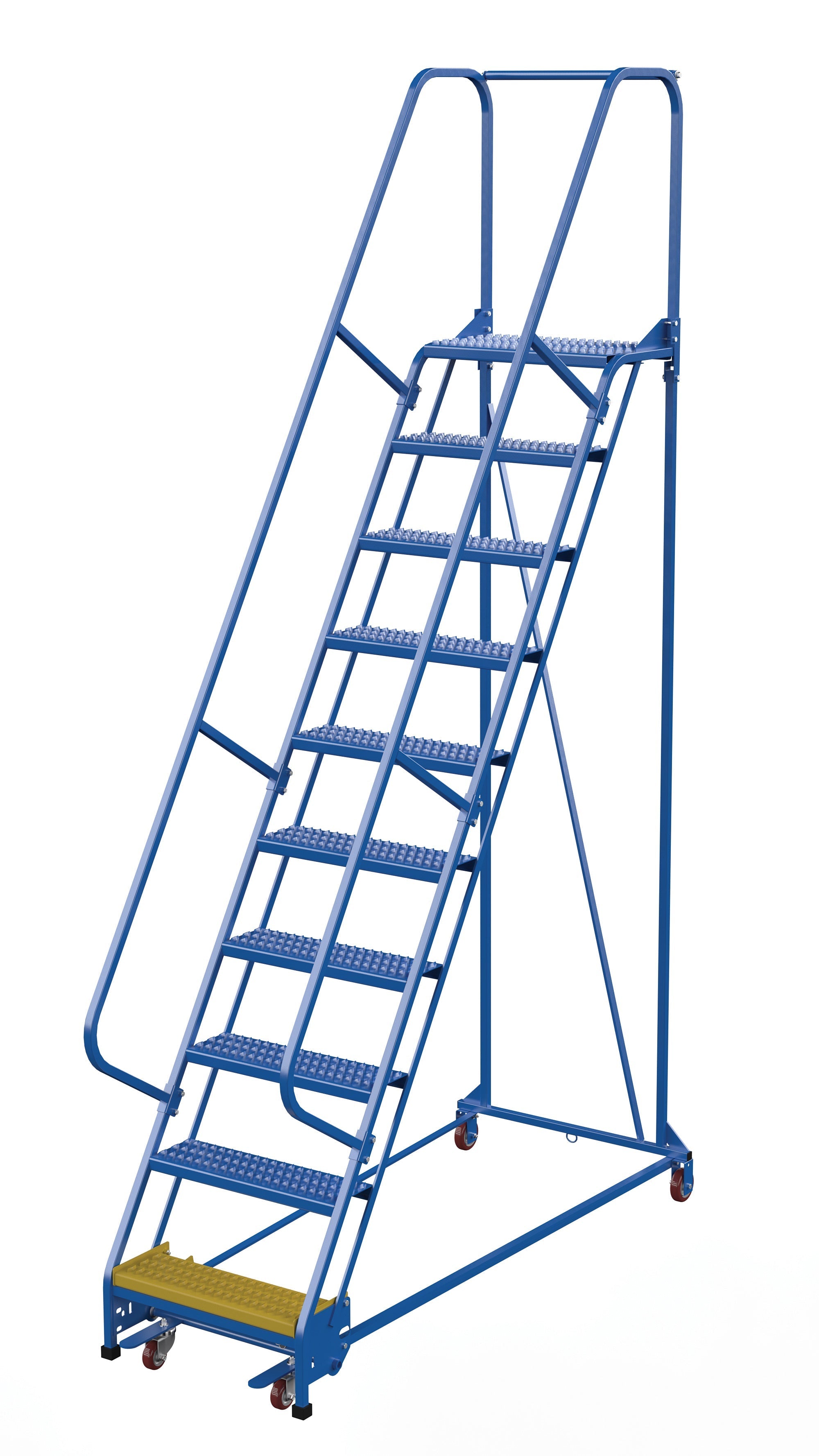
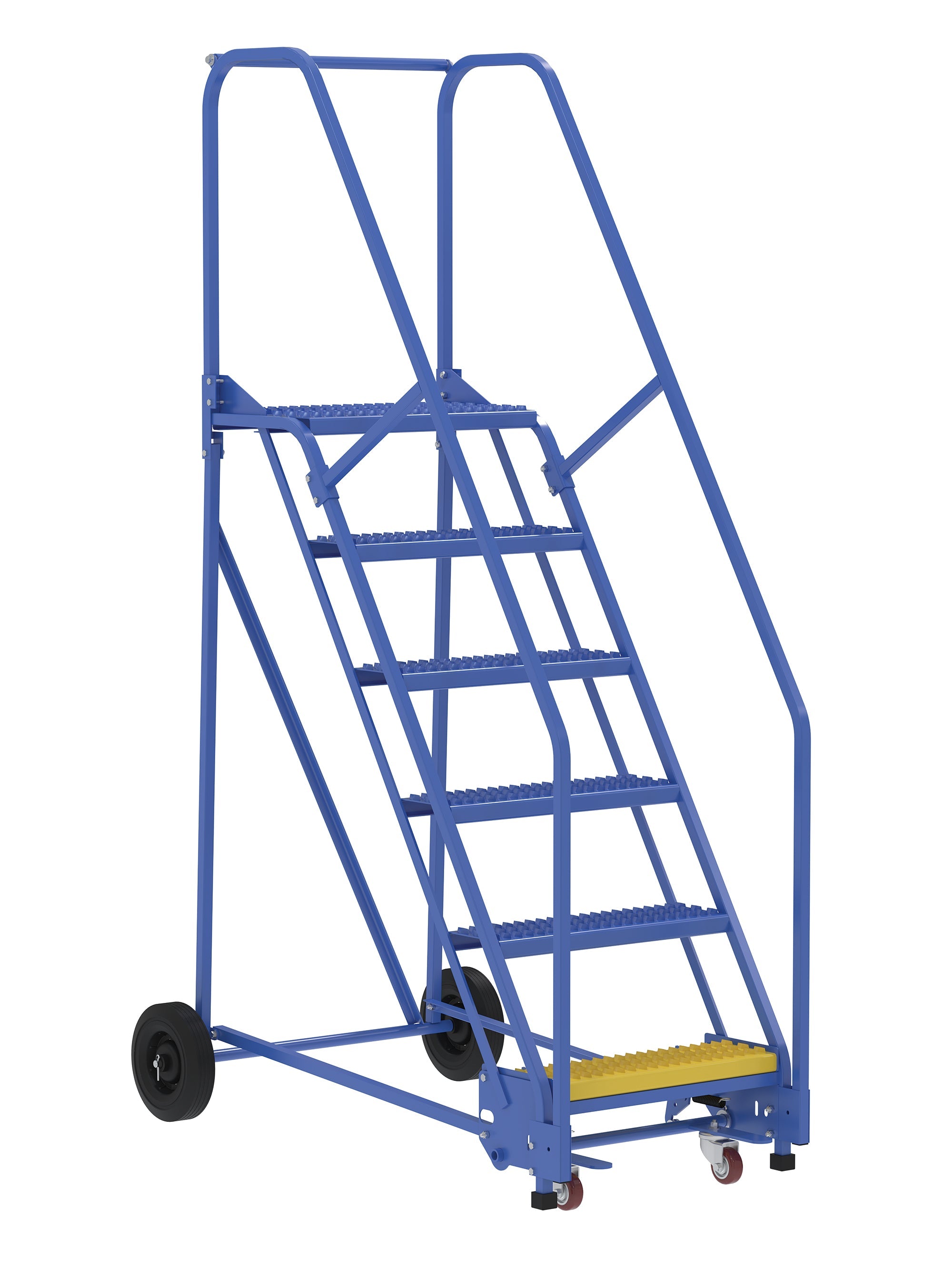
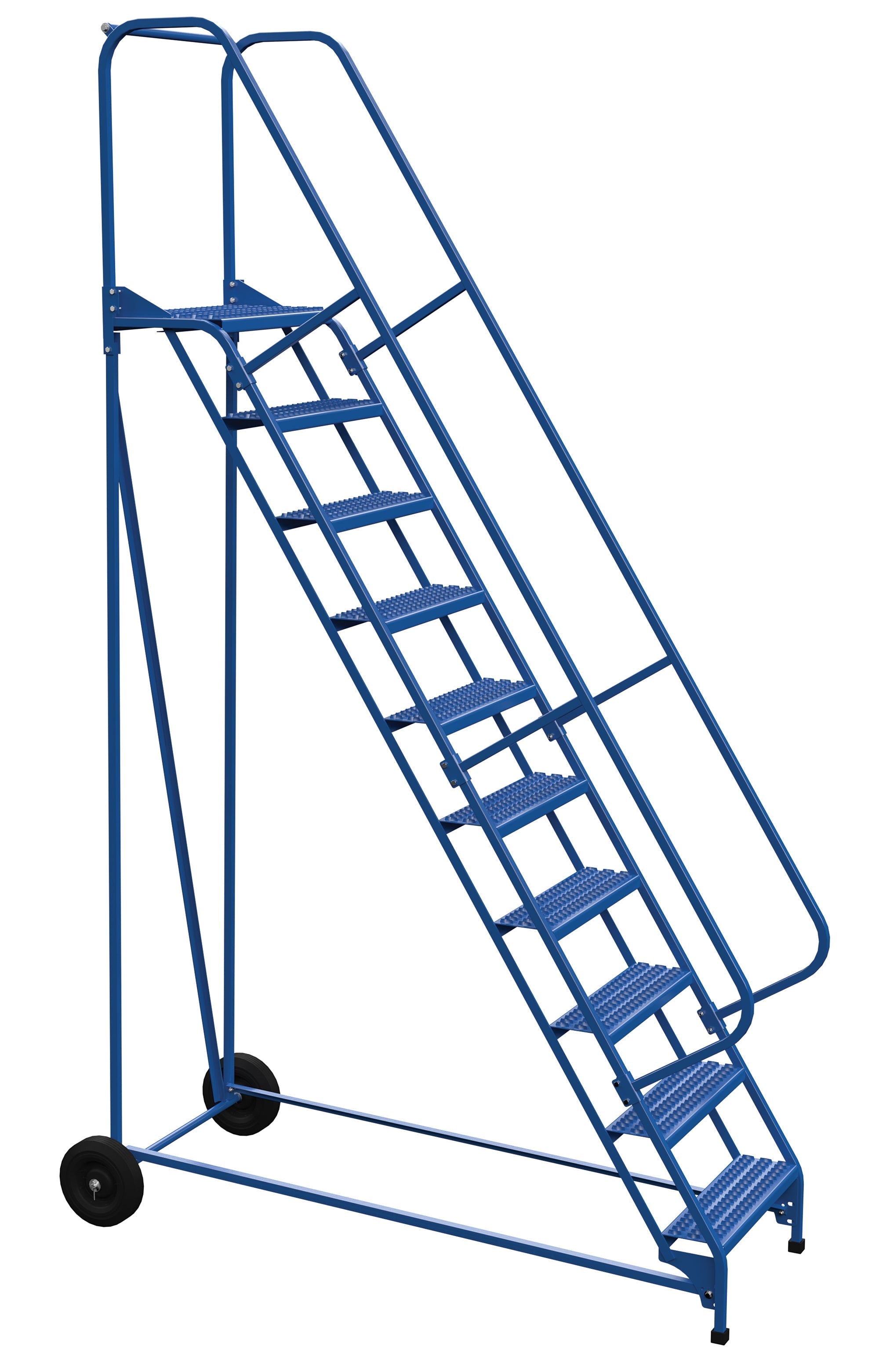
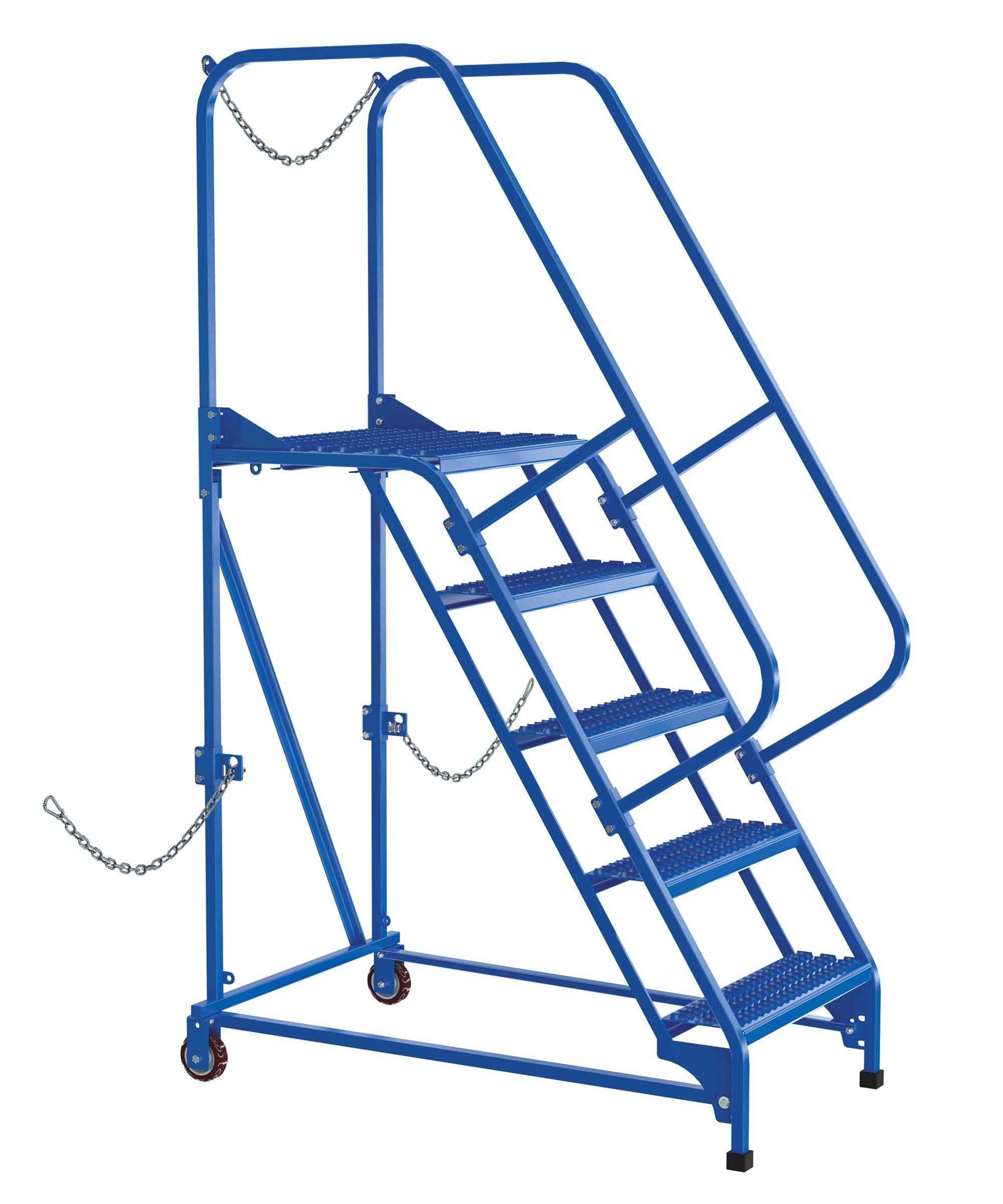
A rolling ladder is a mobile stairway on casters that a worker climbs to pull stock off a high rack, then rolls to the next bay and climbs again. This collection is Vestil's industrial ladder program, and rolling warehouse ladders sit at the center of it: welded steel units from 6 to 16 steps, rated to 350 lb, with wide serrated treads, full-height handrails, and integrated toeboards. Around them sits the rest of the plant's climb-and-reach hardware. Tip-N-Roll mobile ladders with spring-loaded casters for the move-it-often case, aluminum, steel, and galvanized crossover ladders that bridge a conveyor or pipe rack, alternating-tread stairs and slope ladders for tight footprints, mezzanine, tank, semi-trailer, and dock access ladders, and nonconductive fiberglass step and extension ladders for electrical work. Prices run from a sub-$150 folding unit up to modular stair and platform systems past $4,000. Start from how often the ladder moves and how far it has to reach, and the type follows.
Compare Industrial Ladders
| Model | Price | Steps | Capacity | |
|---|---|---|---|---|
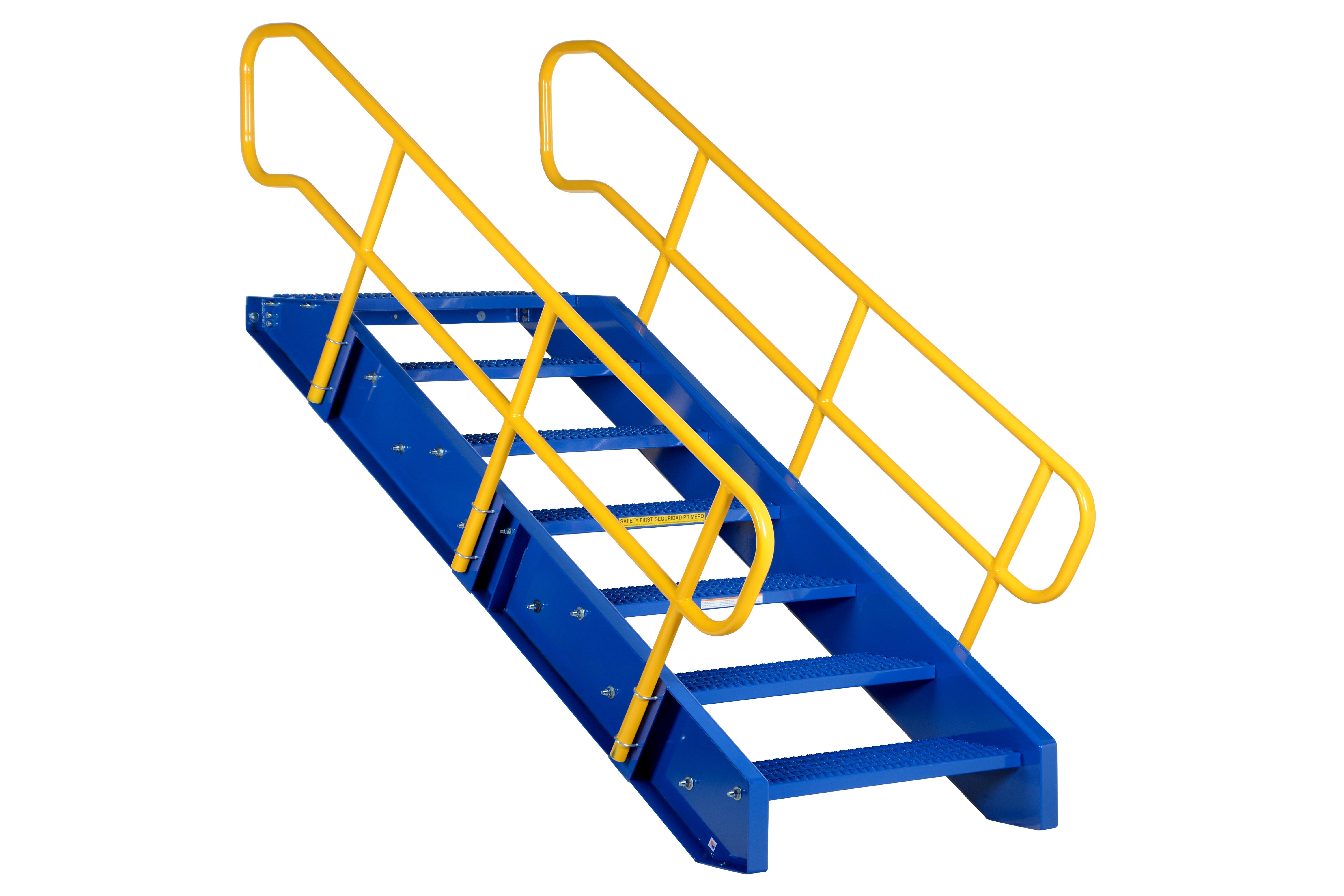
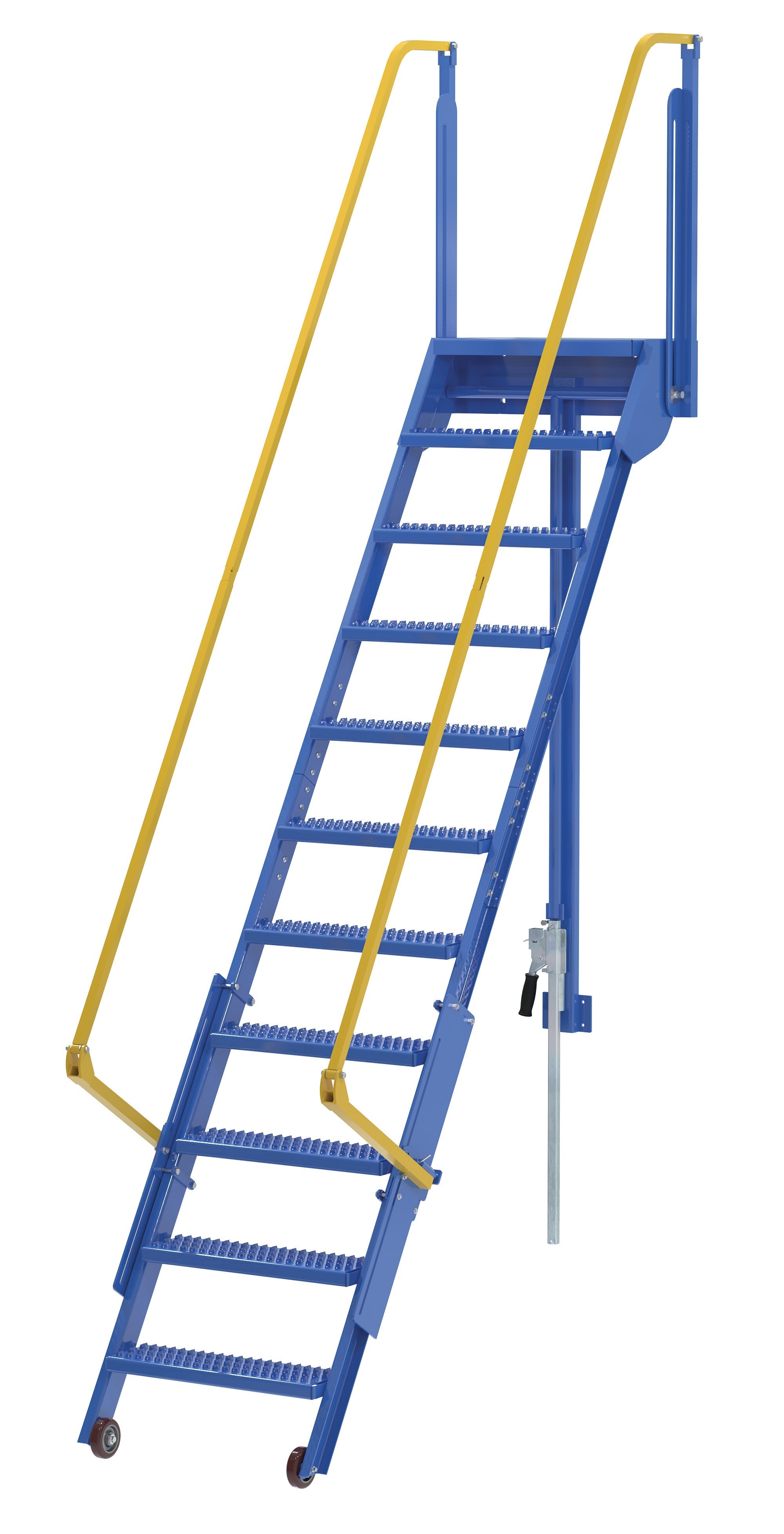
| Vestil Modular Style Stairways | $2,378 | 5-19 | 1,000 lb | View → |
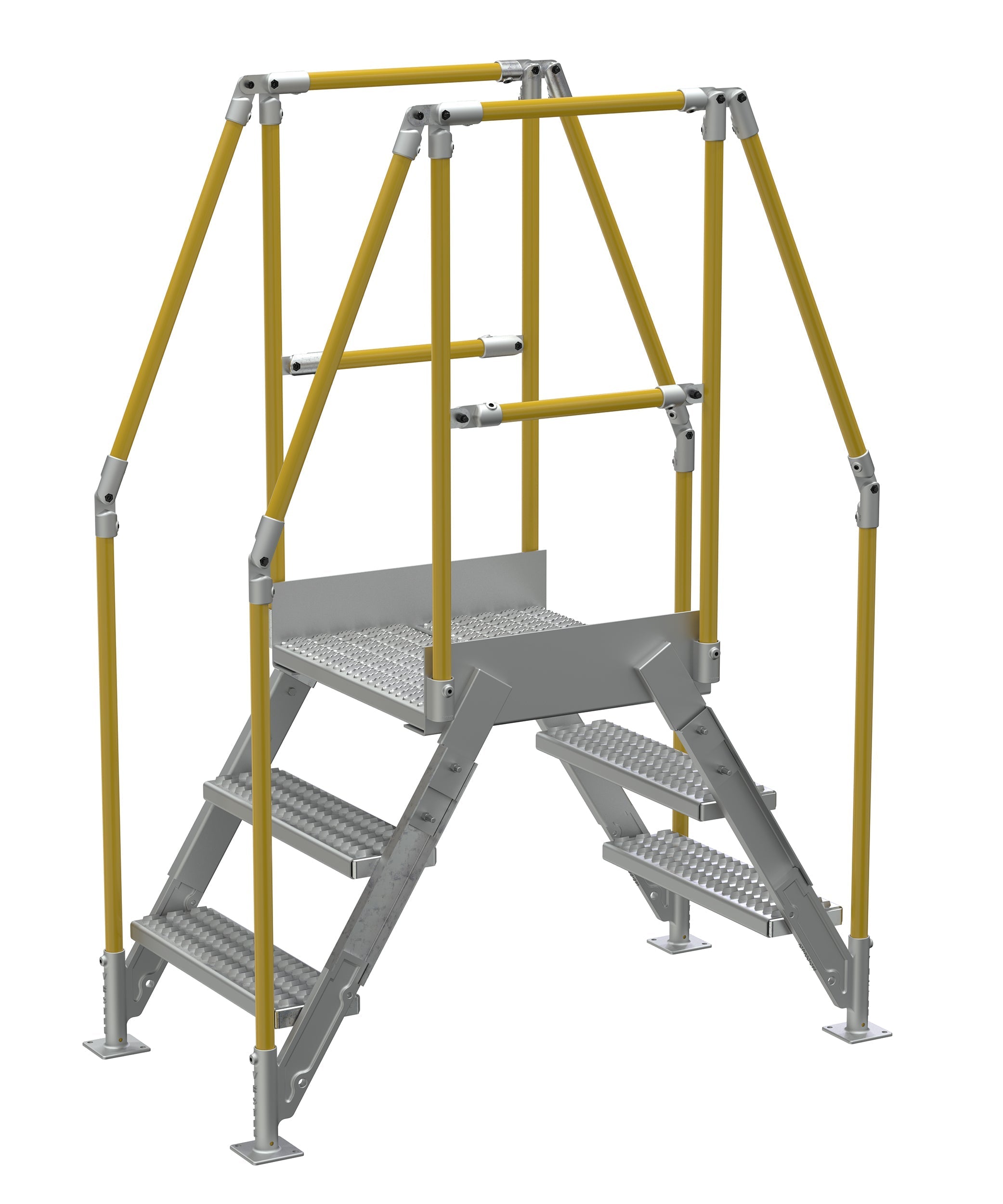
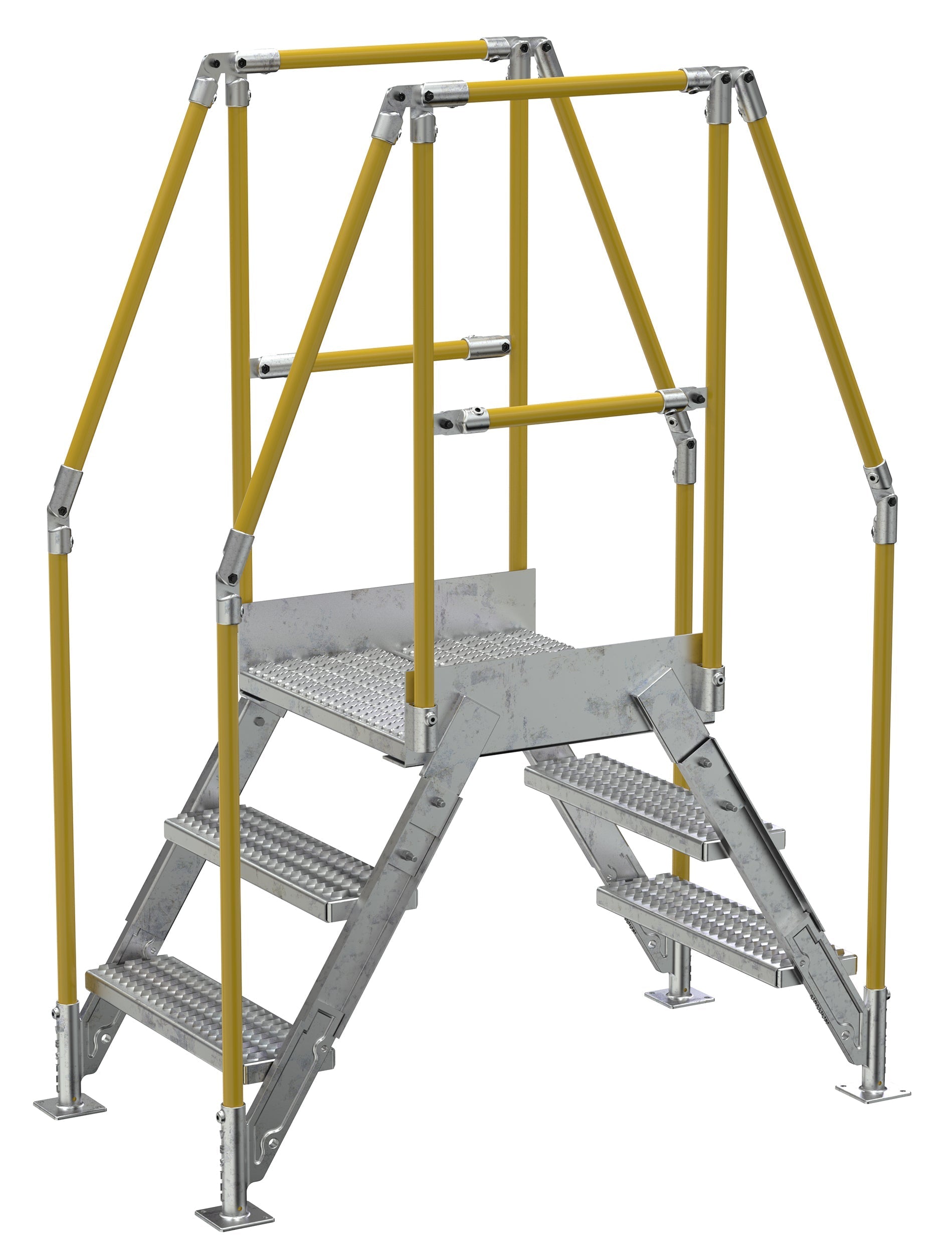
| Vestil Aluminum Cross-Over Ladders | $2,265 | 3-6 | 500 lb | View → |
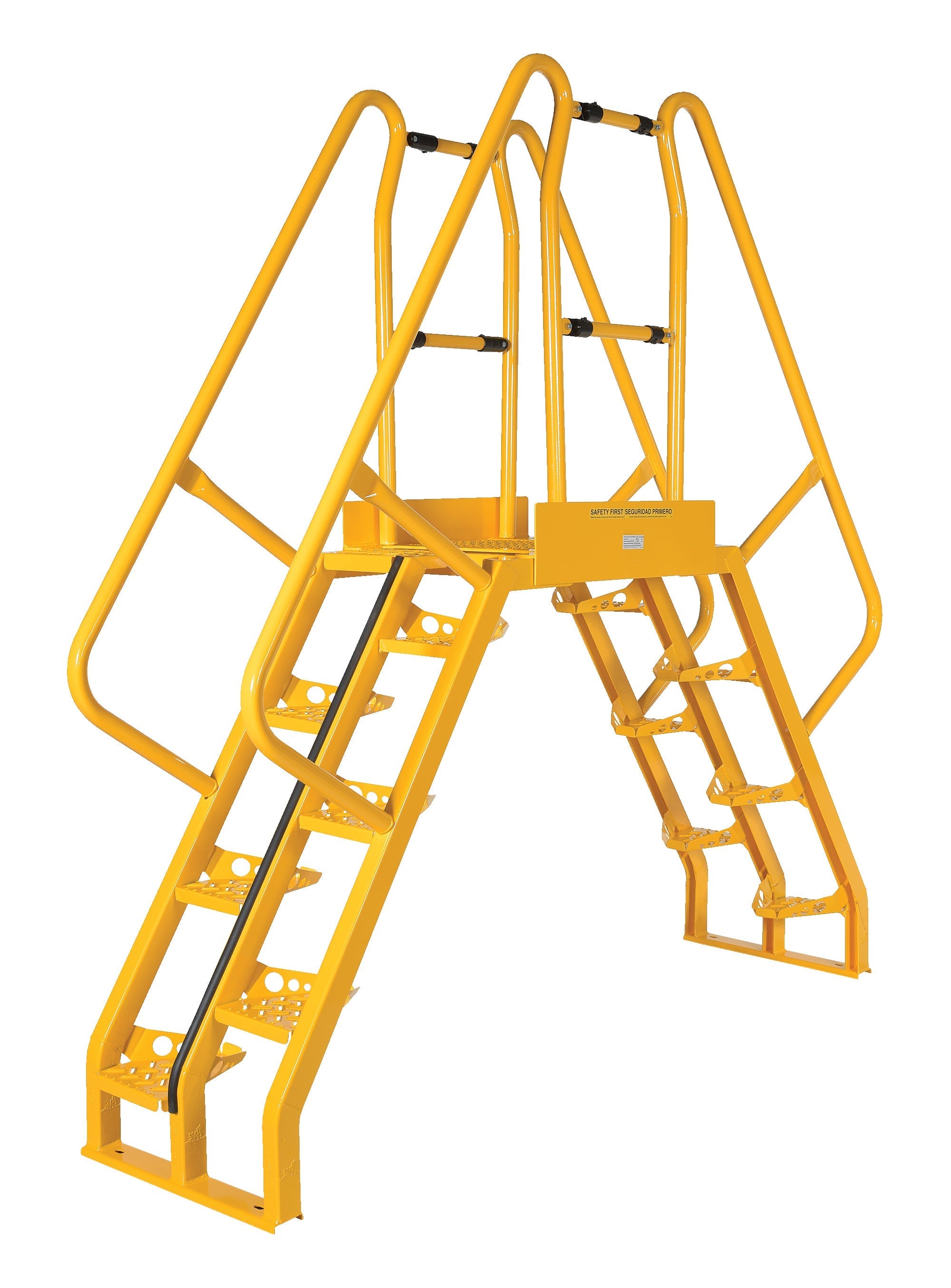
| Vestil Alternating Step Cross-Over Ladders | $2,012 | 2-7 | — | View → |
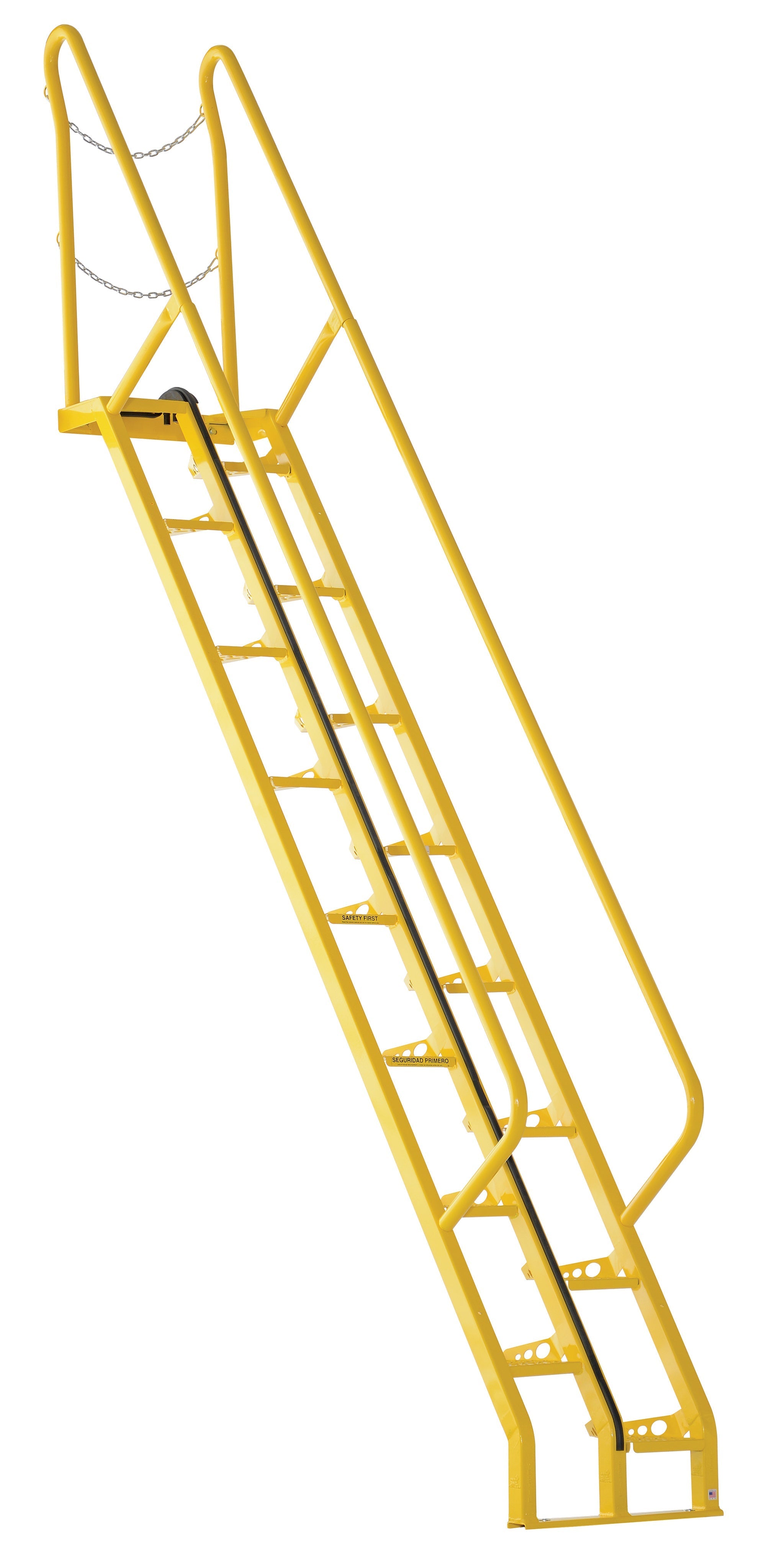
| Vestil Alternating-Tread Stairs | $1,840 | 7-24 | 350 lb | View → |
| Vestil Mezzanine Ladders (face mounted/retractable) | $1,614 | — | 350 lb | View → |
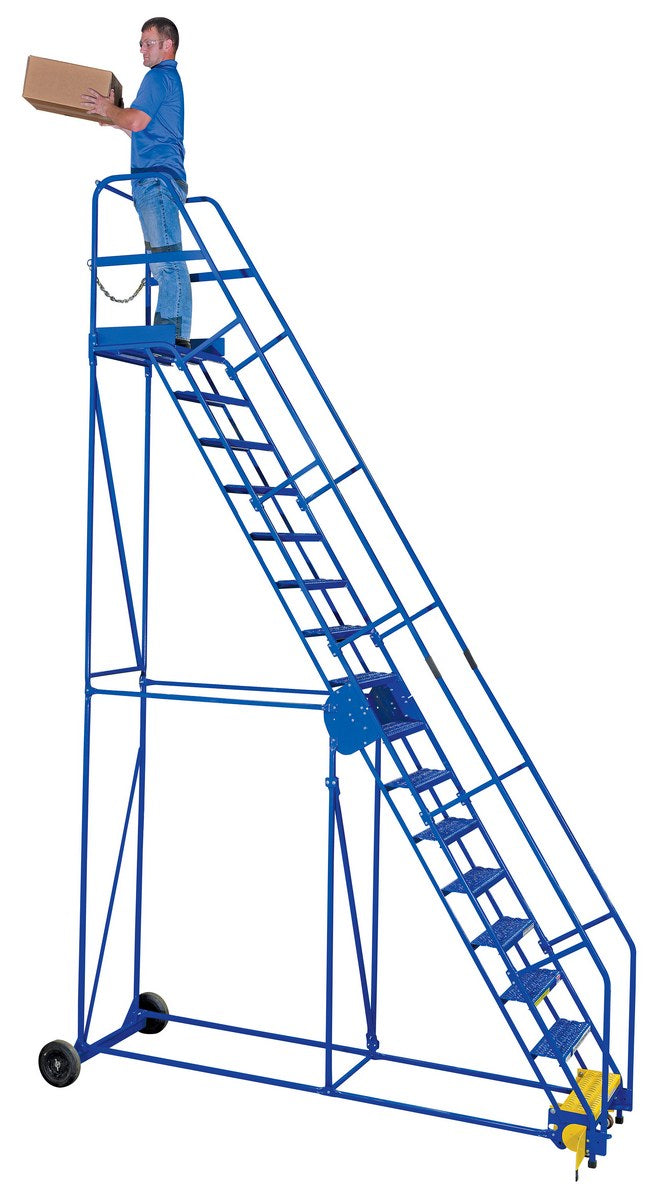
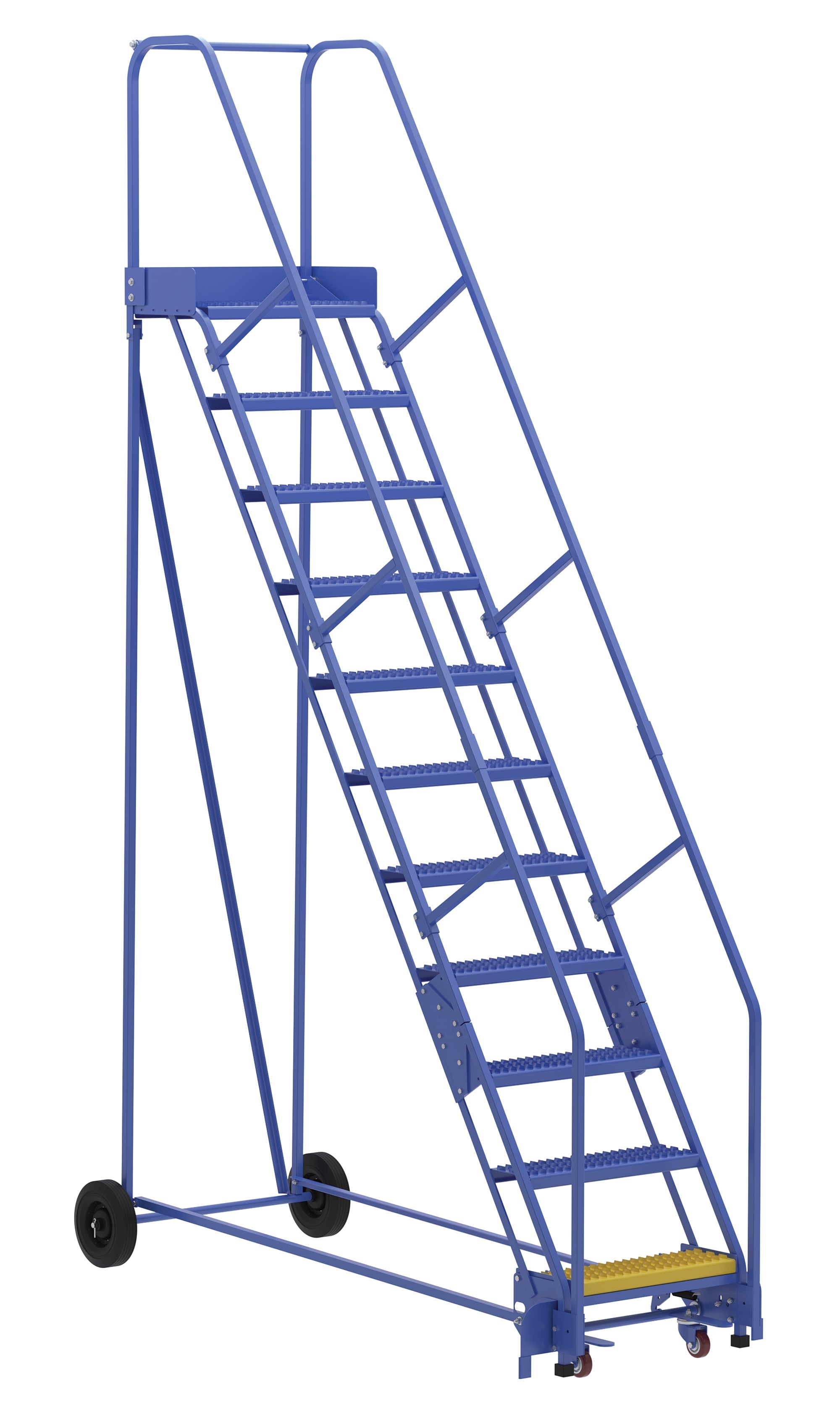
| Vestil Steel Rolling Warehouse Ladders (12-16 Step) | $1,467 | 12-16 | — | View → |
 In Stock
 In Stock
 In Stock
 In Stock
 In Stock
 In Stock
 In Stock
 In Stock
 In Stock
 In Stock
 In Stock
 In Stock
 In Stock
 In Stock
 In Stock
 In Stock
 In Stock
 In Stock
 In Stock
 In Stock
 In Stock
 In Stock
 In Stock
 In Stock
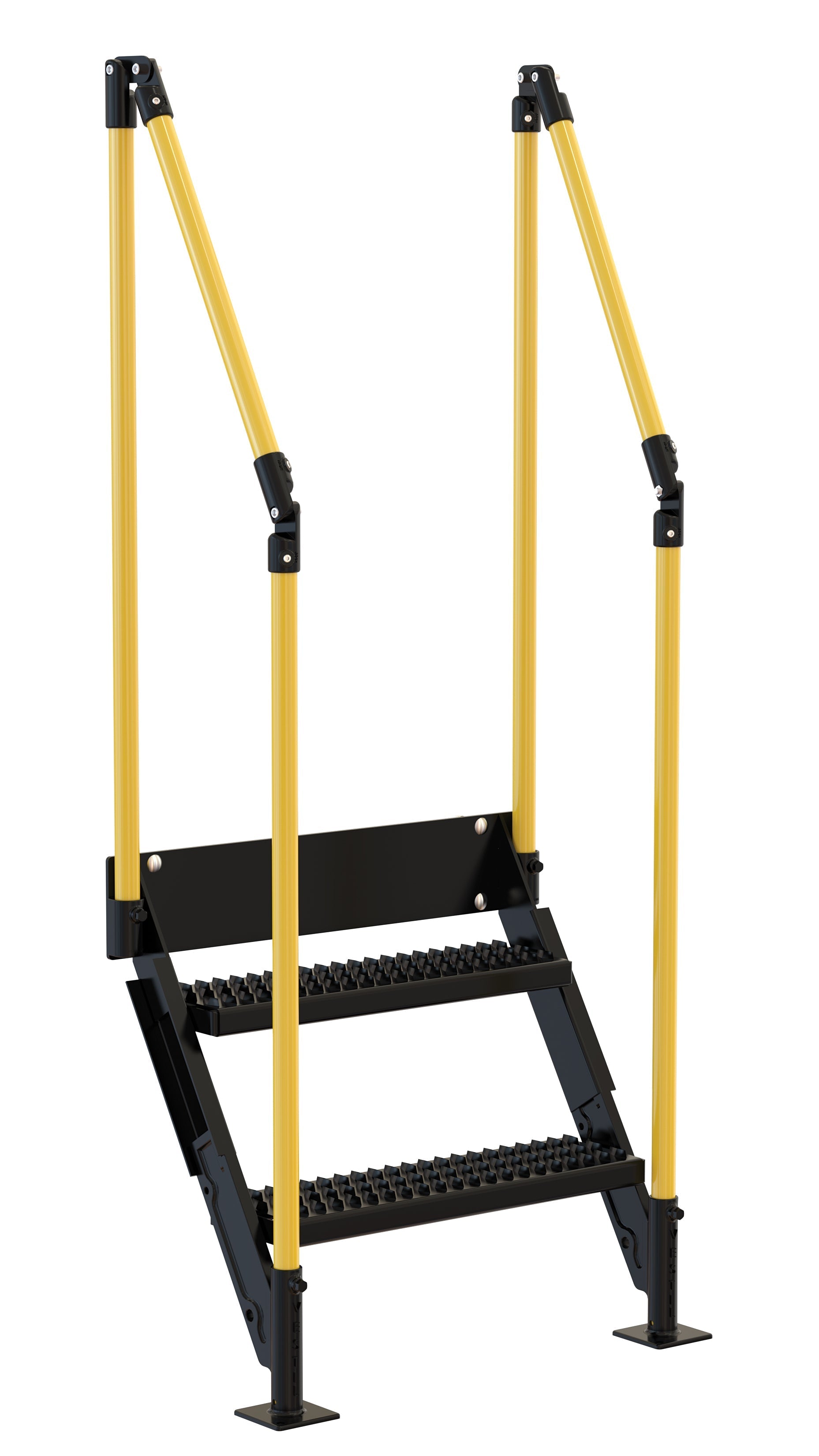 In Stock
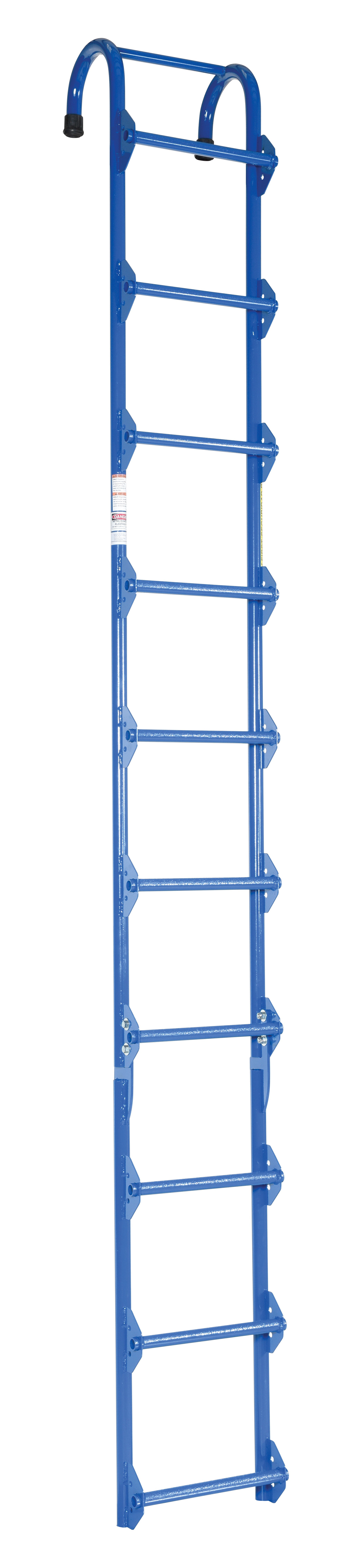 In Stock
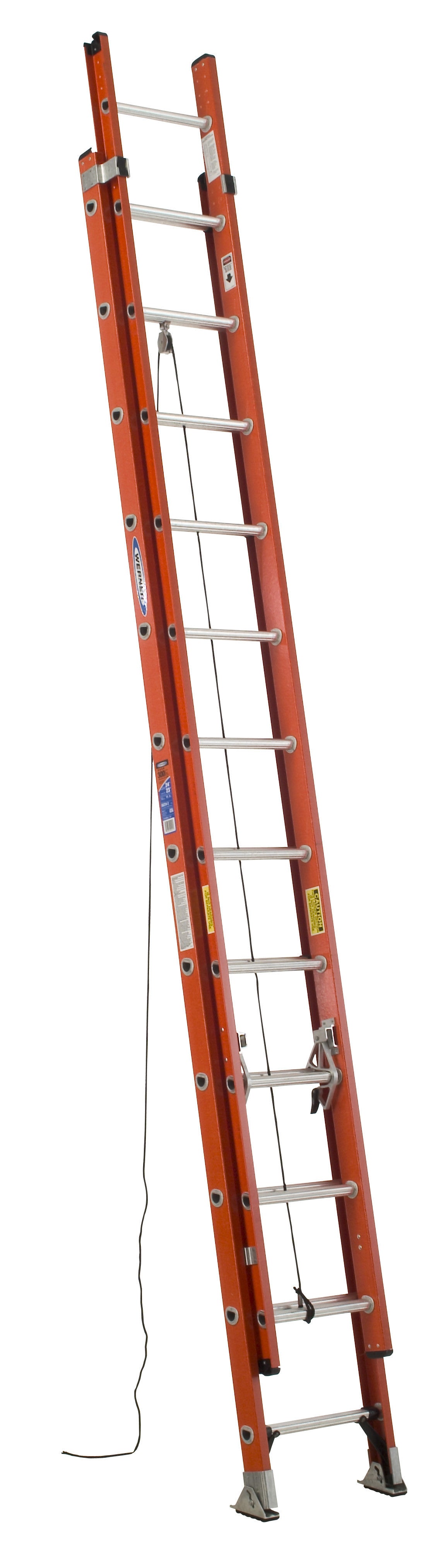 In Stock
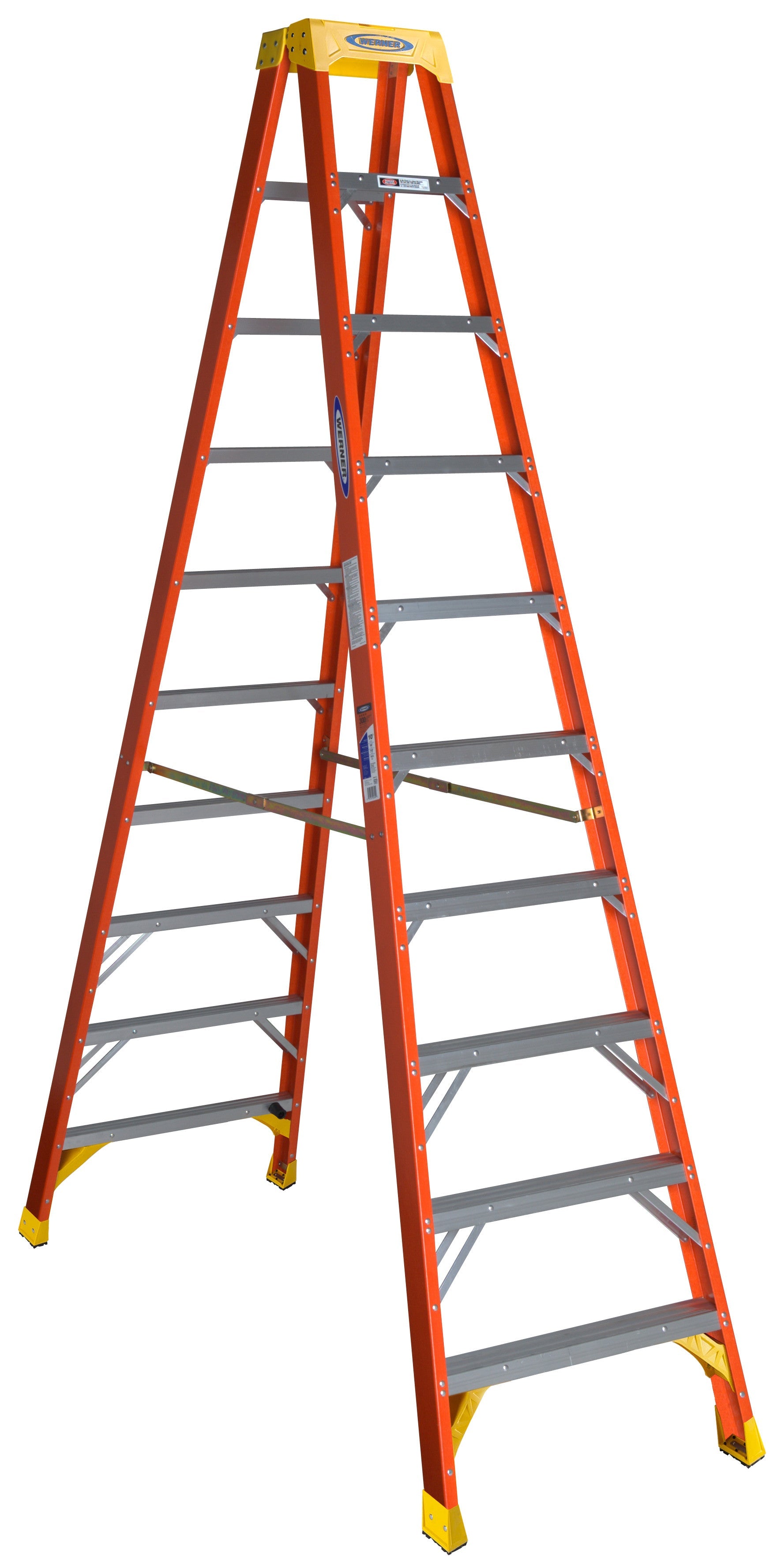 In Stock
 In Stock
 In Stock
 In Stock
 In Stock
 In Stock
 In Stock
Industrial Ladders Buying Guide
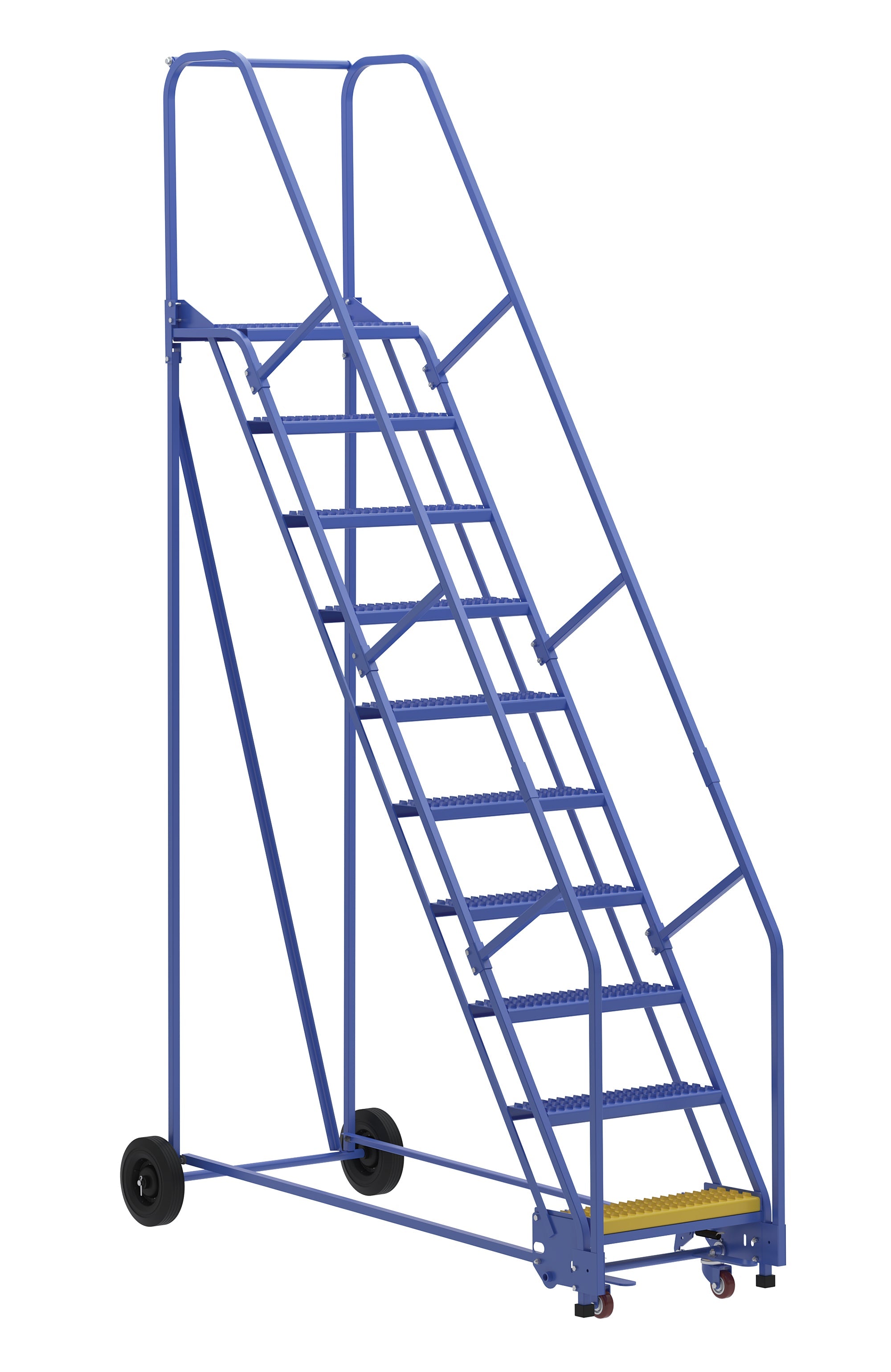
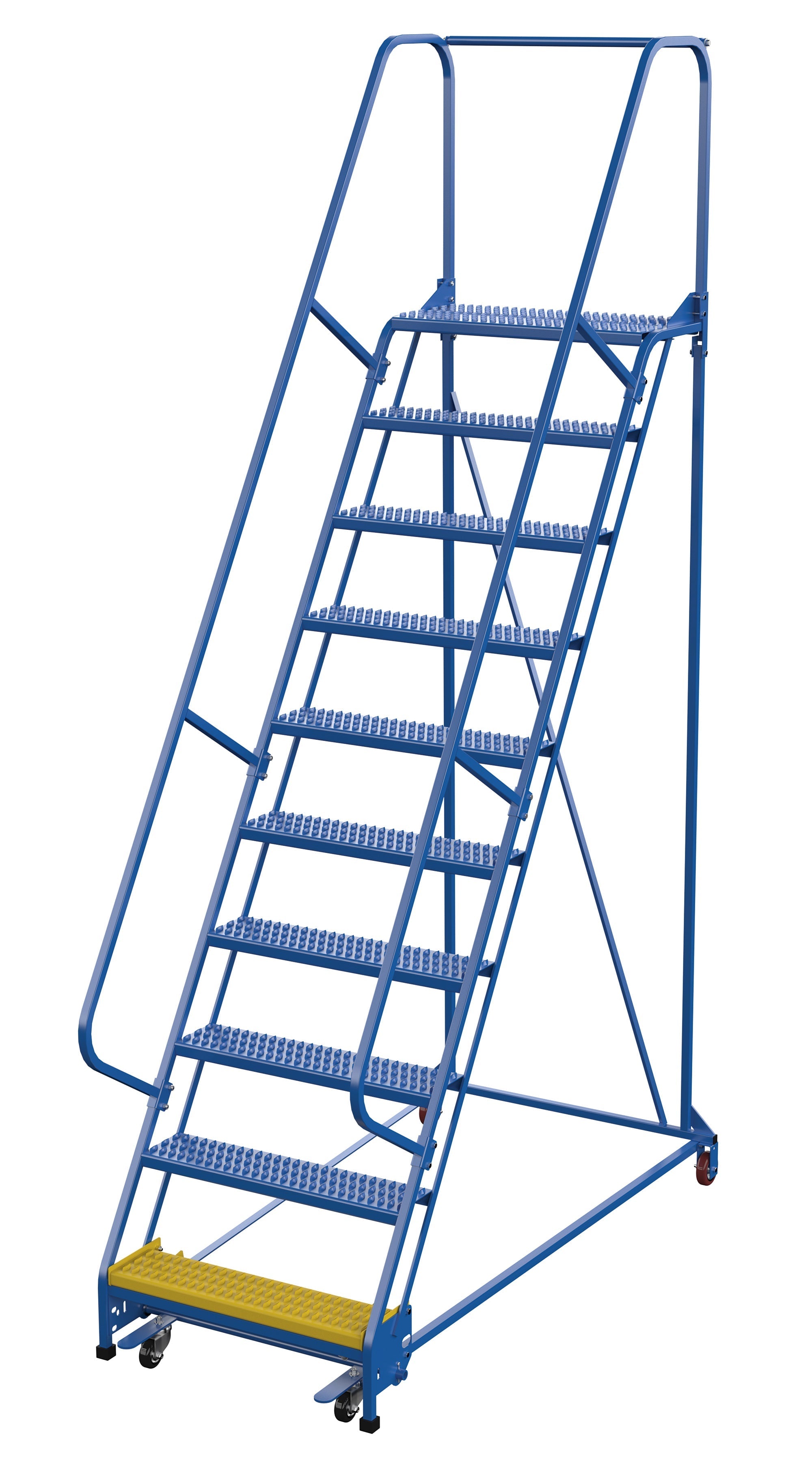
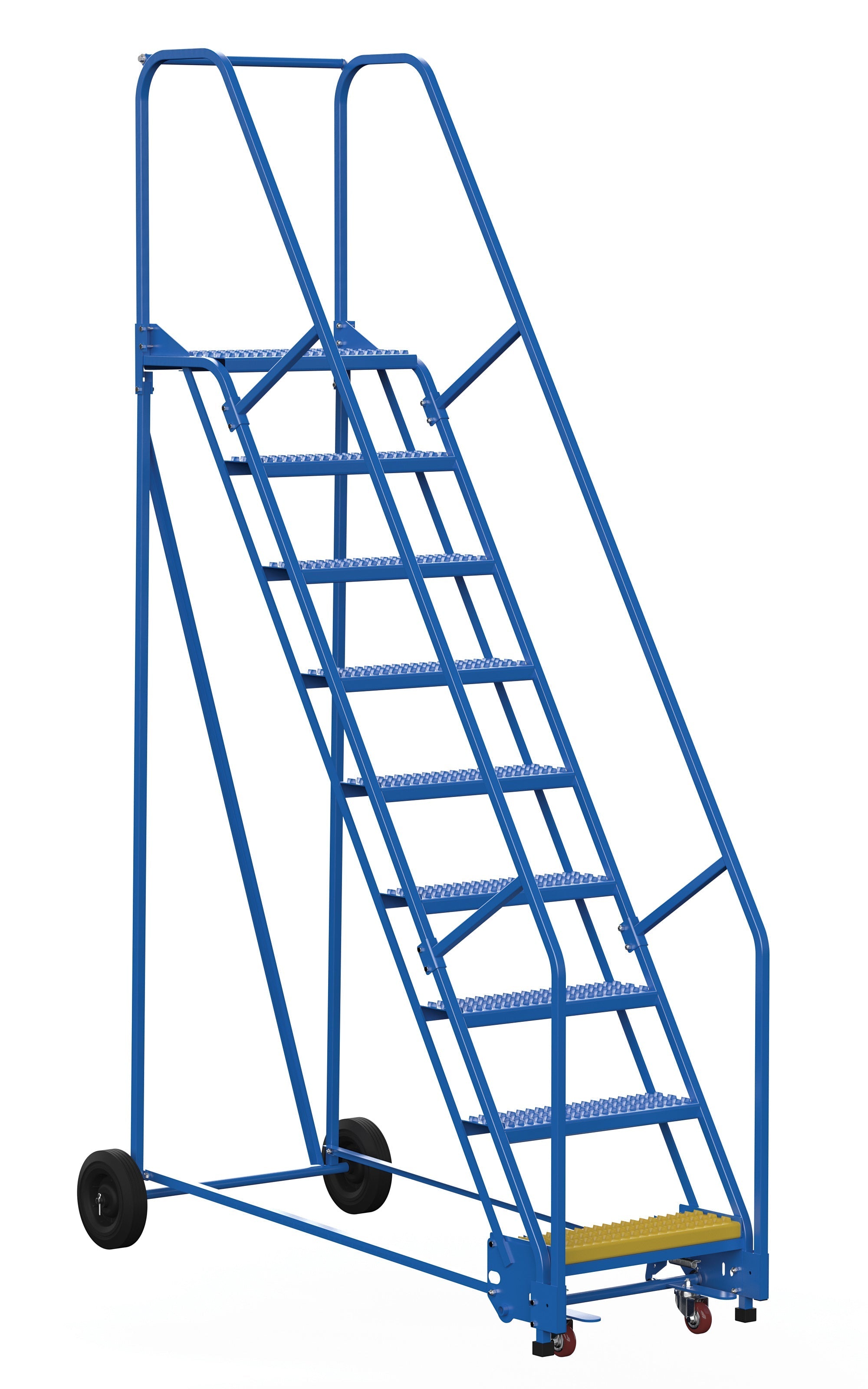
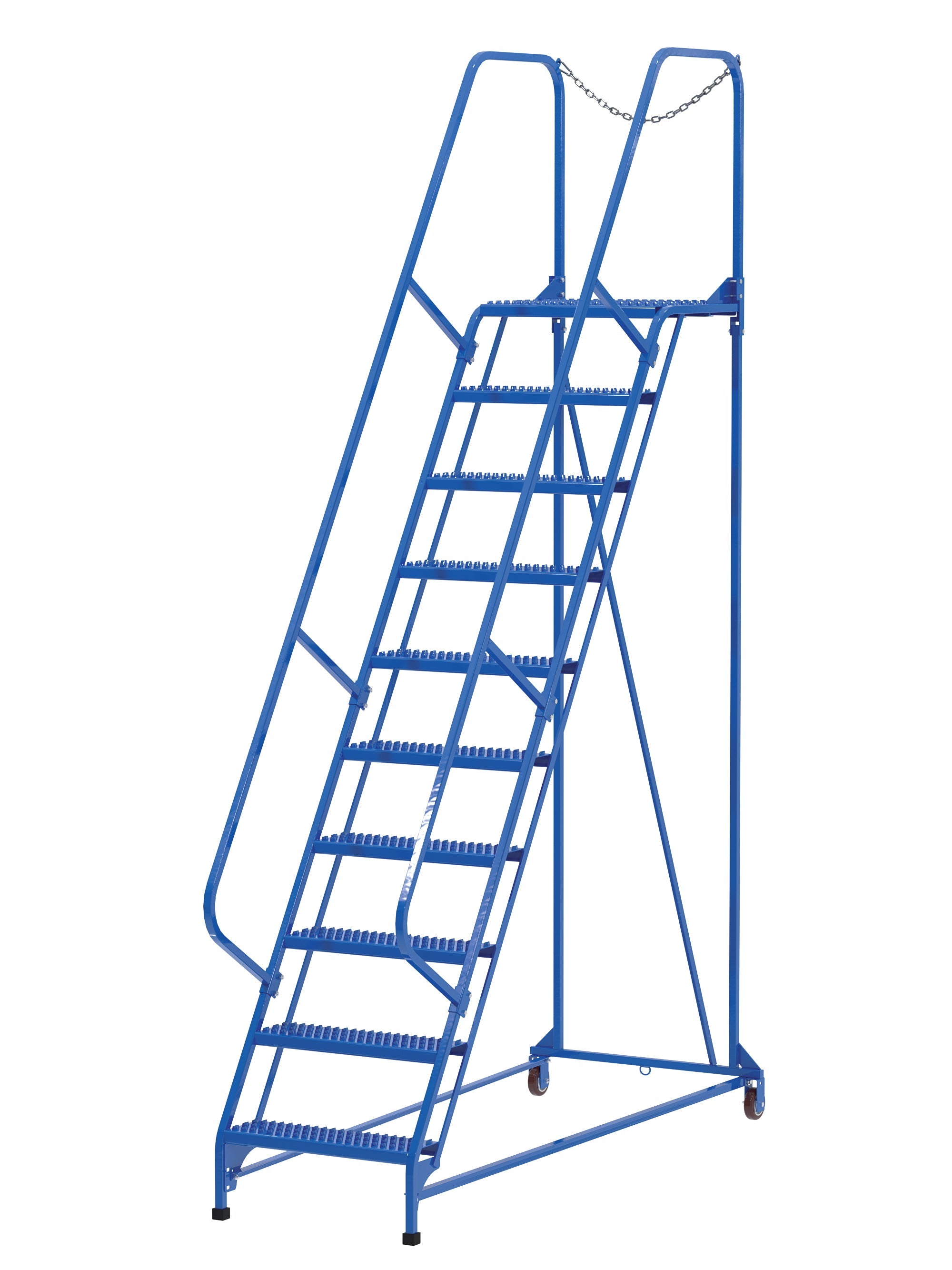
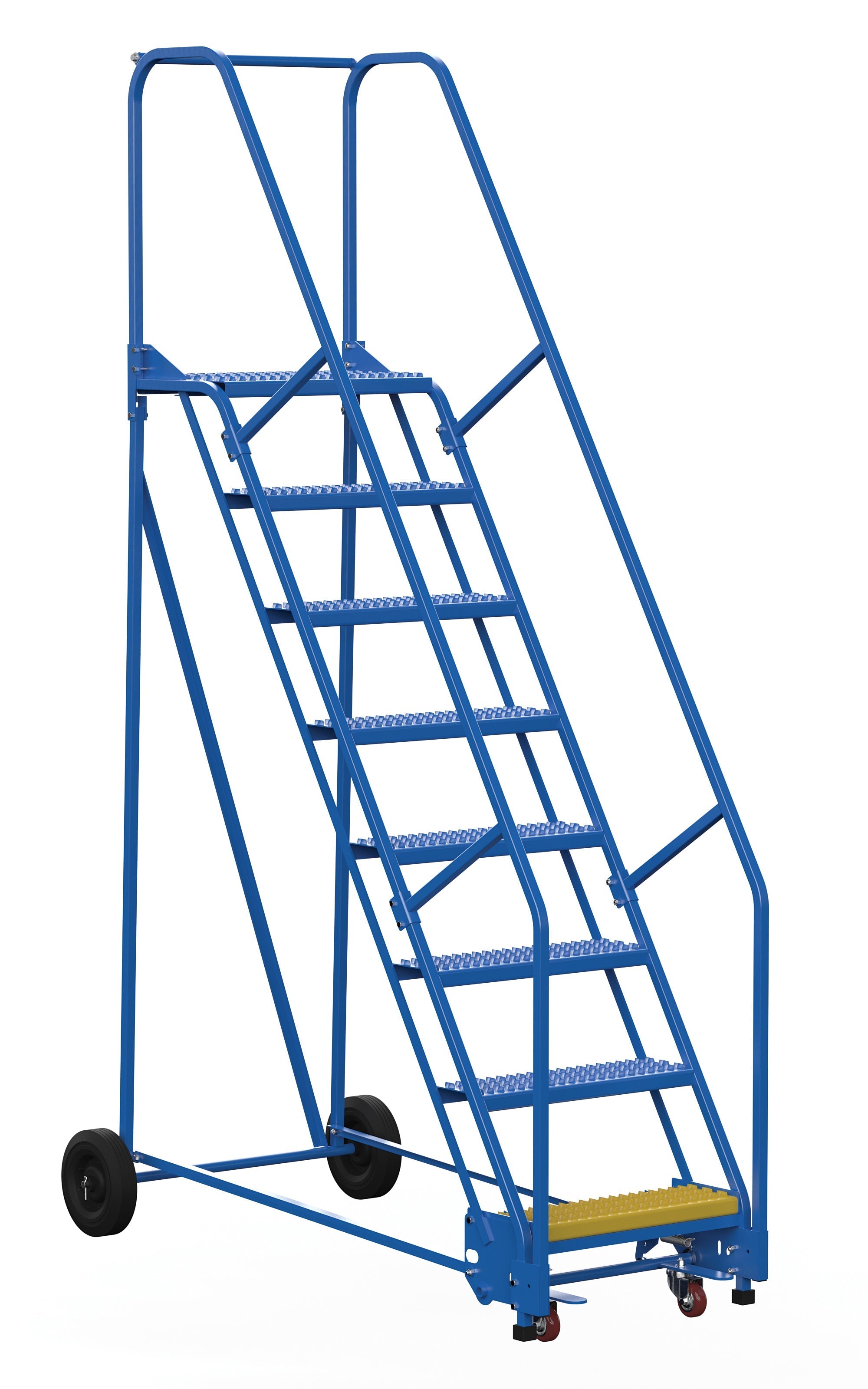
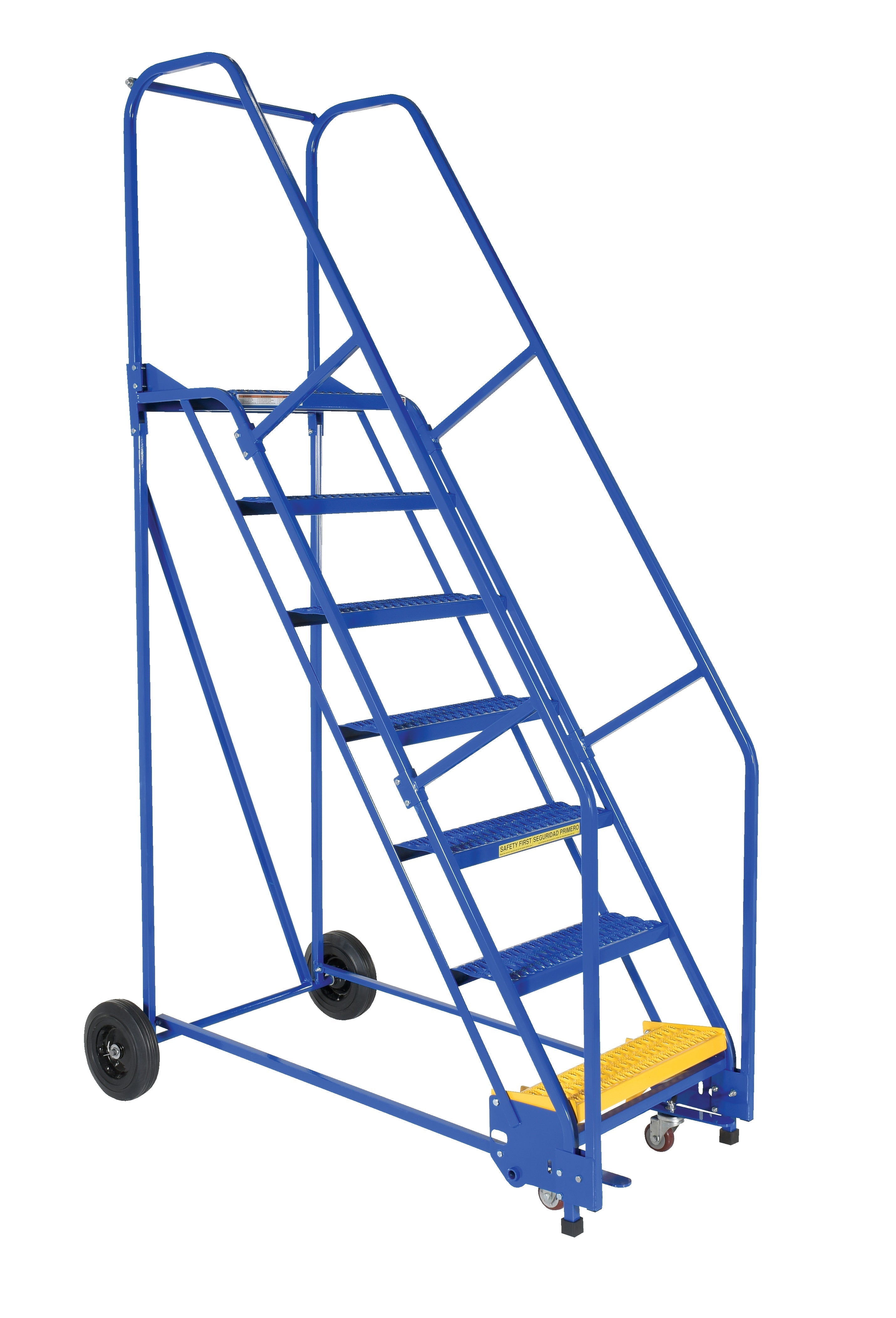
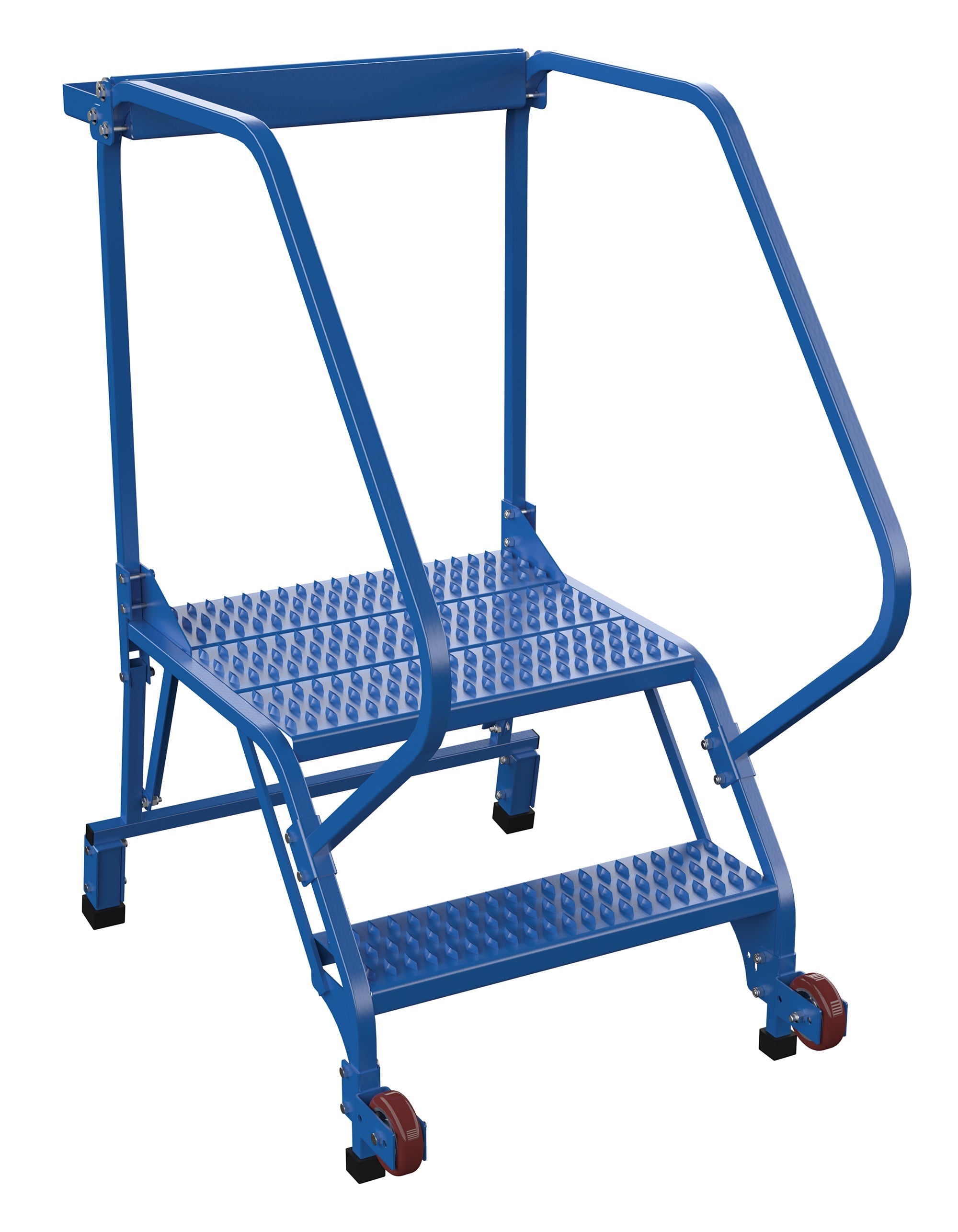
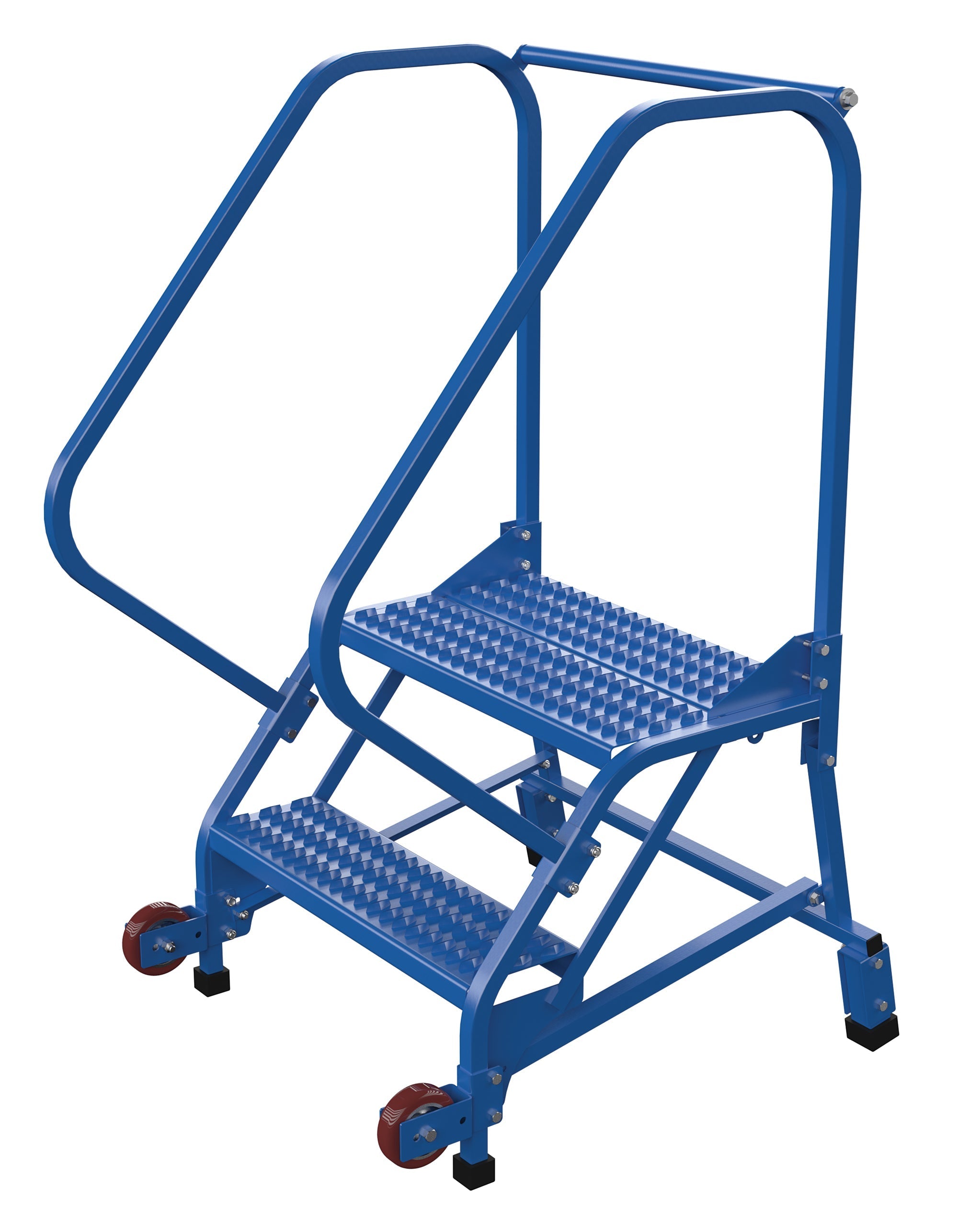
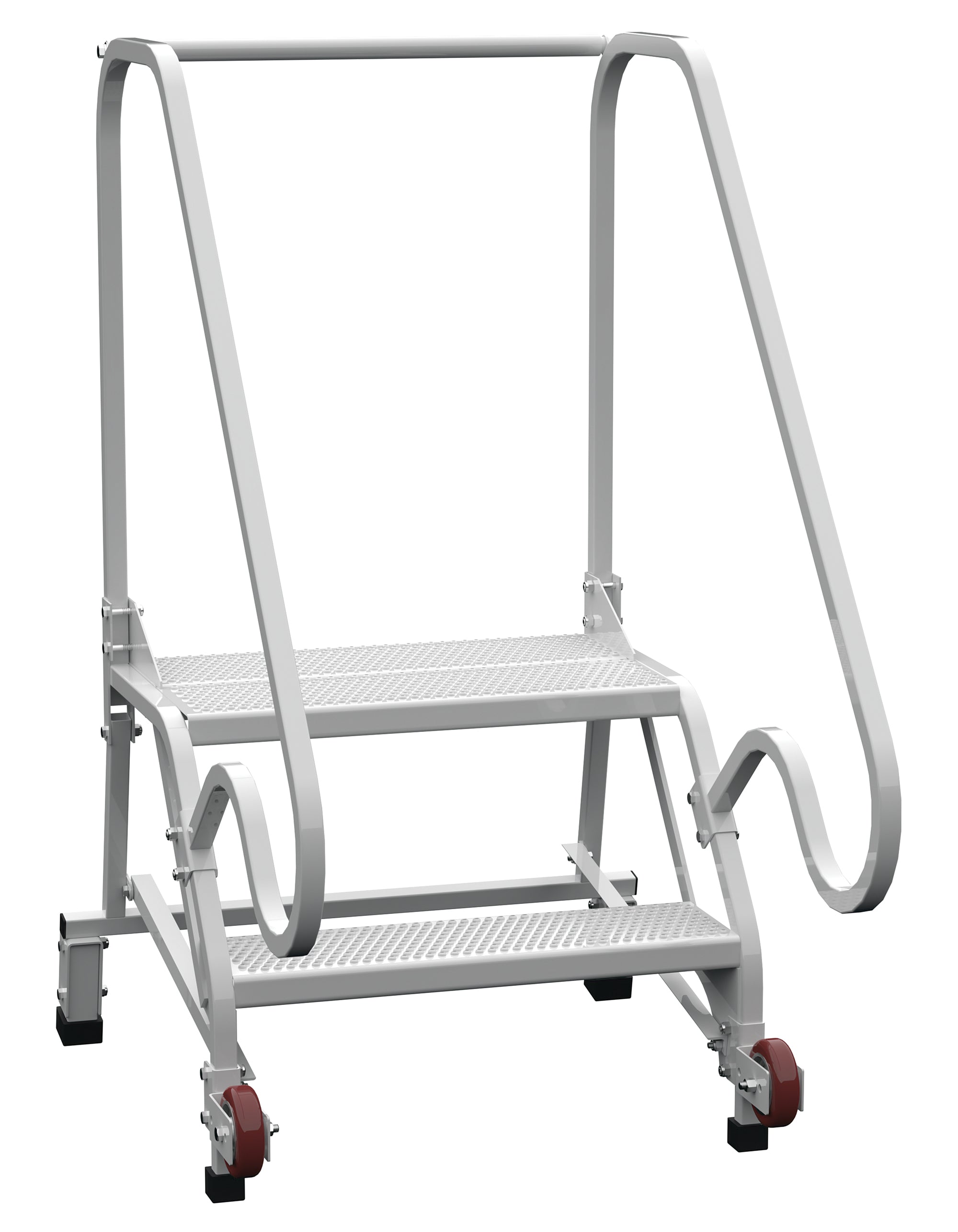
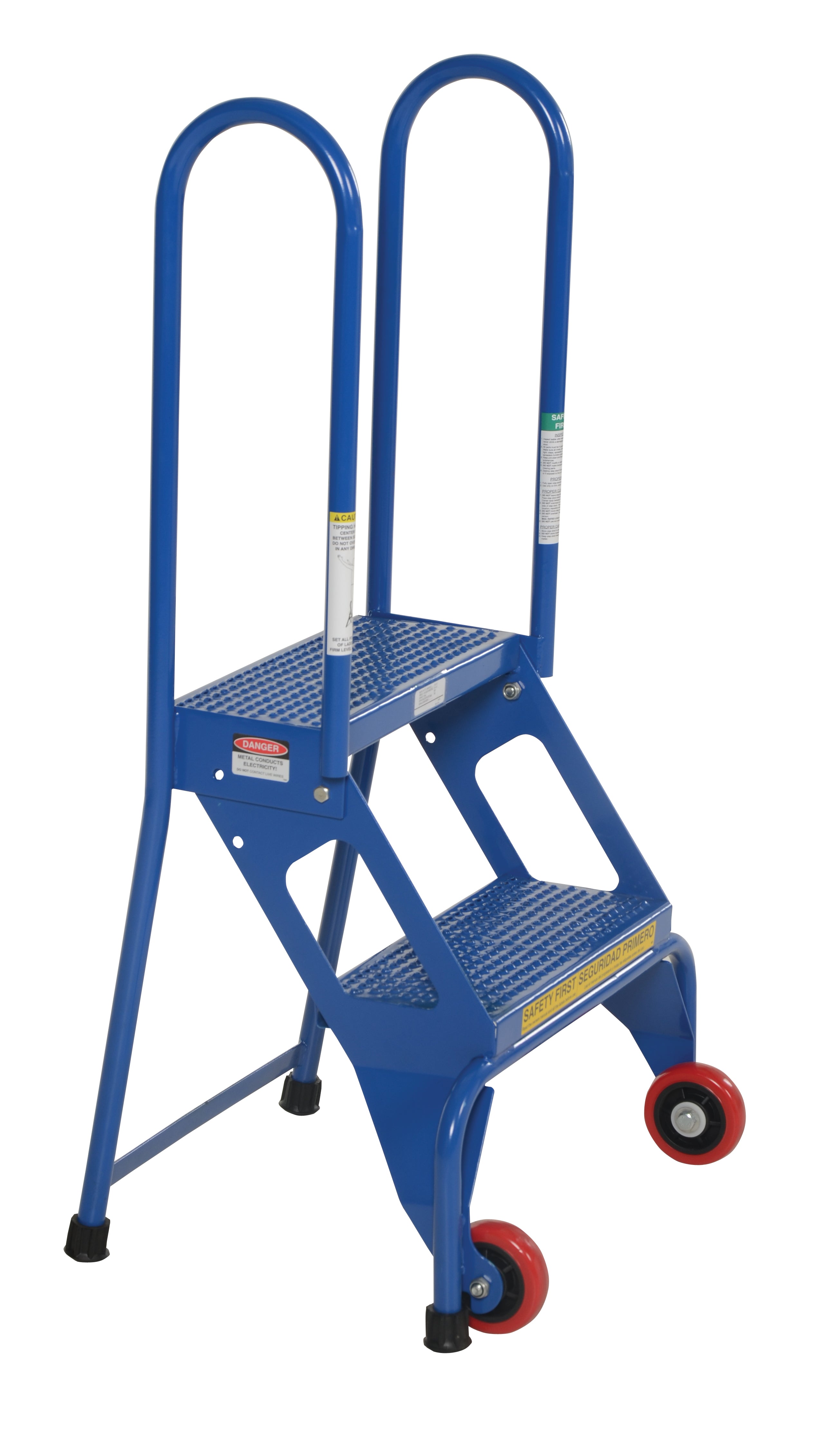
Rolling warehouse ladders, and why 350 lb is the number. The rolling warehouse ladder is the mobile-picking workhorse, and it is what most people mean by a rolling ladder. Vestil builds them in 6, 7, 8, 9, 10, and 11 step models, plus a steel 12 to 16 step range for the tall reaches, all welded square-tube steel with a powder-coat finish and every unit rated to 350 lb. That 350 lb is a worker plus a full carton with margin, which is the real duty on a picking line. Steps are wide and serrated for grip, handrails run the full climb, and toeboards keep tools from walking off the top platform. Standard units climb at 58 degrees; the EZ models drop to a 50 degree climb angle for an easier ascent when the ladder gets used all shift. Spring-loaded casters let you roll the empty ladder into position, and the frame settles and stays stable once someone steps on. You climb it parked, never moving.
Tip-N-Roll, for the ladder you reposition ten times an hour. When the job is short reaches all over the floor rather than one fixed bay, the Tip-N-Roll line earns its price. Its spring-loaded casters carry the ladder while you tip and roll it, then retract and set the ladder down on its base the moment you step on, so it locks itself under load without a brake to remember. Non-straddle bases suit standard open floor; straddle bases step over a conveyor, a low rack, or a fixed obstruction the ladder needs to sit around. There is also an FDA version built for food, pharma, and clean environments. Tip-N-Roll units start well under the rigid warehouse ladders, from about $587, and rate to the same 350 lb, so the choice between them is frequency of movement, not capacity.
Anything mobile carries OSHA rules with it. A rolling warehouse ladder is a mobile ladder stand under OSHA 29 CFR 1910.23(e) and ANSI A14.7, and the platform height decides what guarding it must have. A stand with a platform 4 to 10 ft high needs handrails at least 36 in tall plus midrails in the platform area; above 10 ft it needs guardrails and toeboards on the exposed sides and ends. There is also a stability rule worth knowing before you buy tall: the maximum work-surface height cannot exceed four times the shortest base dimension without added support, which is why the taller units ride on wide, straddling bases. Buy the ladder already built to the rule rather than planning to add rails later, and pair overhead access work with the right harness and lanyard from fall protection when a lift or edge is in play.
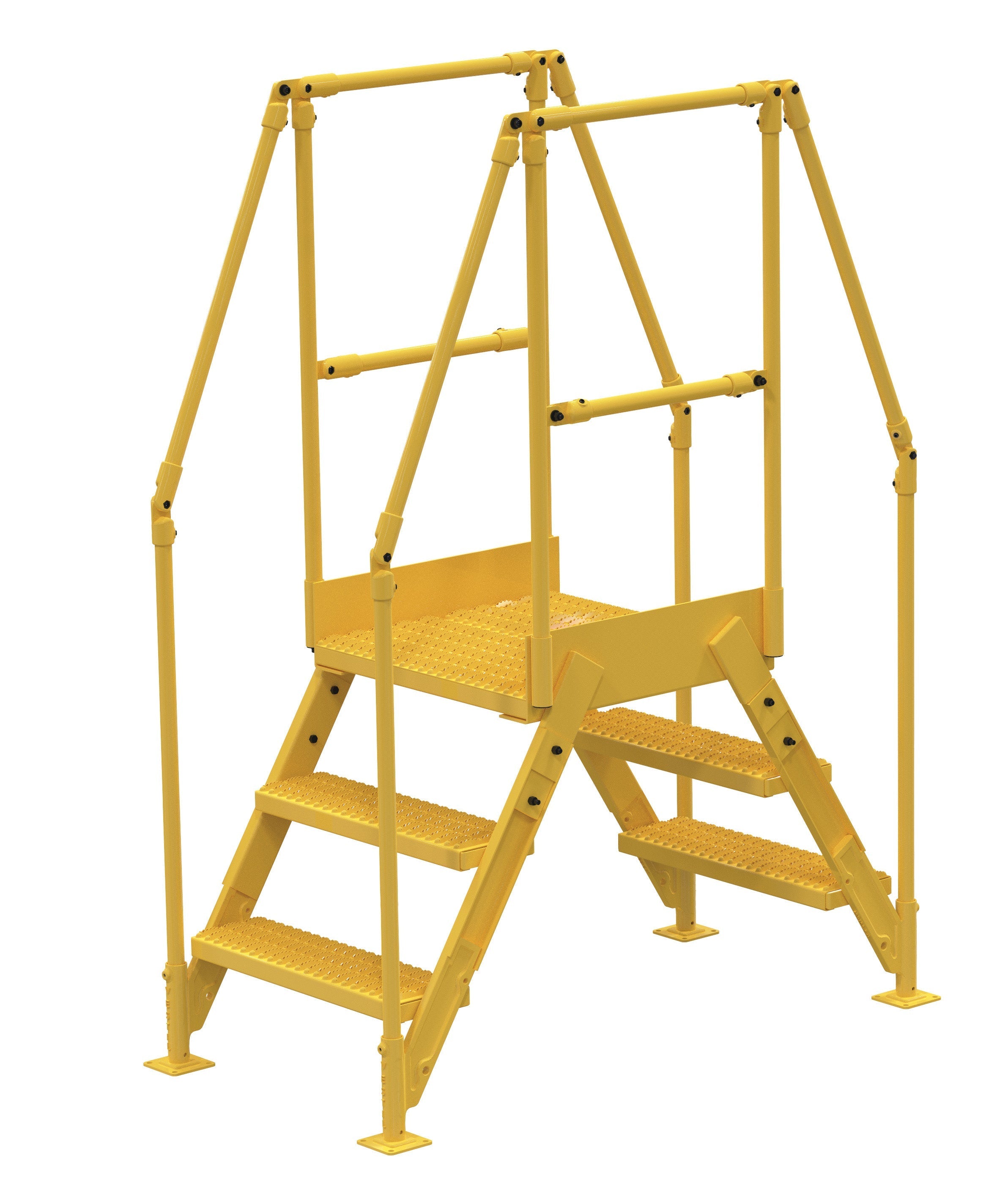
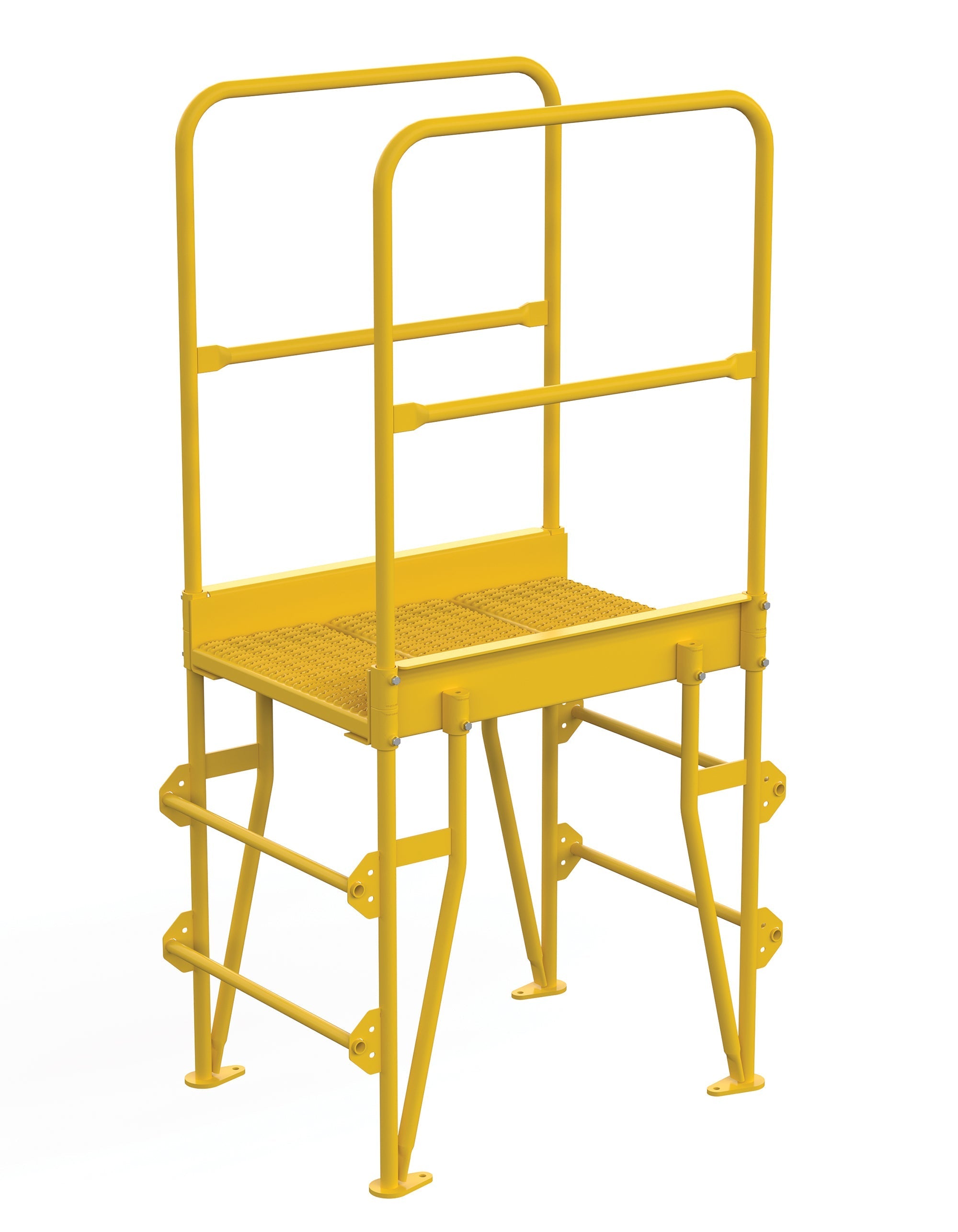
Crossover ladders bridge the obstruction instead of climbing it. When people keep climbing over a conveyor, a pipe run, or a low wall, a crossover ladder ends that. It puts a level platform between two stair runs so the crew walks up, across, and down on rated steps. Vestil offers them in aluminum for corrosion resistance and light weight, plain steel for the lowest price, and galvanized for wet or outdoor spans, plus alternating-step and vertical-leg builds for tighter or taller crossings. Steel units start around $1,364 and the aluminum and alternating-step versions climb past $4,500 as span and height grow. Size the crossover to the obstruction width and the walking height above it, and match the material to the environment: galvanized or aluminum where moisture or chemicals would rust plain steel, plain steel where cost rules and the air is dry.
Alternating-tread stairs and slope ladders solve the footprint problem. Two types trade reach for floor space. Alternating-tread stairs pack a near-vertical climb into a small footprint, installed at a 50 to 70 degree slope under OSHA 1910.25(f), which is where a normal 30 to 50 degree stair simply will not fit; Vestil's run from about $1,000 to $4,148 as the rise grows. Slope ladders go the other way and buy you a safer place to stand at the top, with 16, 23, or 30 in wide top steps so a worker can turn and work with both hands instead of perching. The wider the top step the larger the base, so the 30 in models cost and occupy more. All three top steps carry the 350 lb rating, and the 16 in units start under $300, which makes a slope ladder the cheap upgrade over standing on a warehouse ladder's top tread.
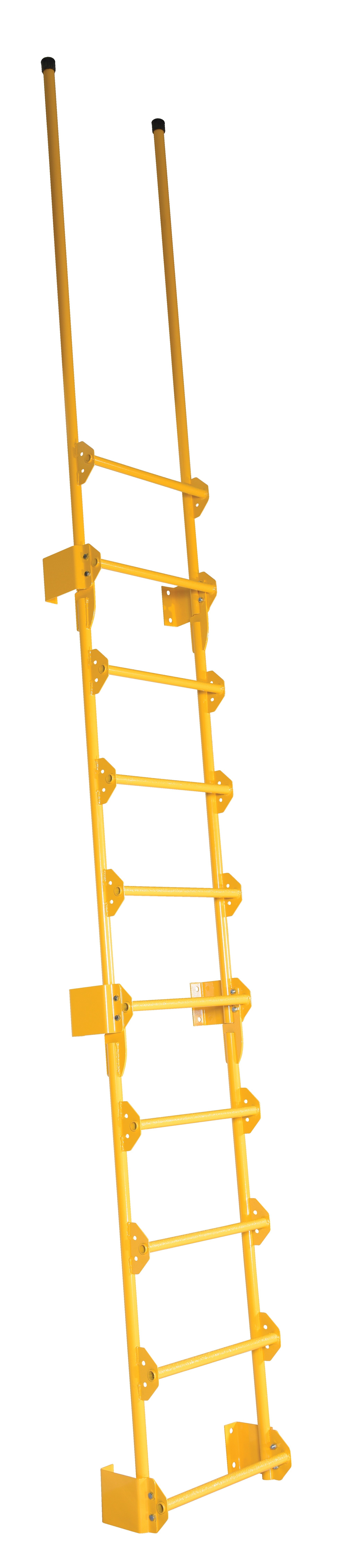
Fixed and semi-fixed access, and the fall-protection budget. Past the mobile gear sits the tier that mounts to the building: mezzanine ladders in face-mounted and retractable versions, tank access ladders, semi-trailer and walk-thru dock ladders, and modular stairways and steel work platforms you configure to the run. Price these with fall protection built in from the start, because a fixed ladder that climbs more than 24 ft above a lower level needs a personal fall arrest system or a ladder safety system on new and replacement installs under OSHA 1910.28(b)(9), not a cage on its own. Walk-thru dock ladders start near $255 and modular stairways run into the low thousands, so the access hardware is rarely the expensive part; the fall arrest and anchor points are, and skipping them is how a cheap ladder becomes a citation.
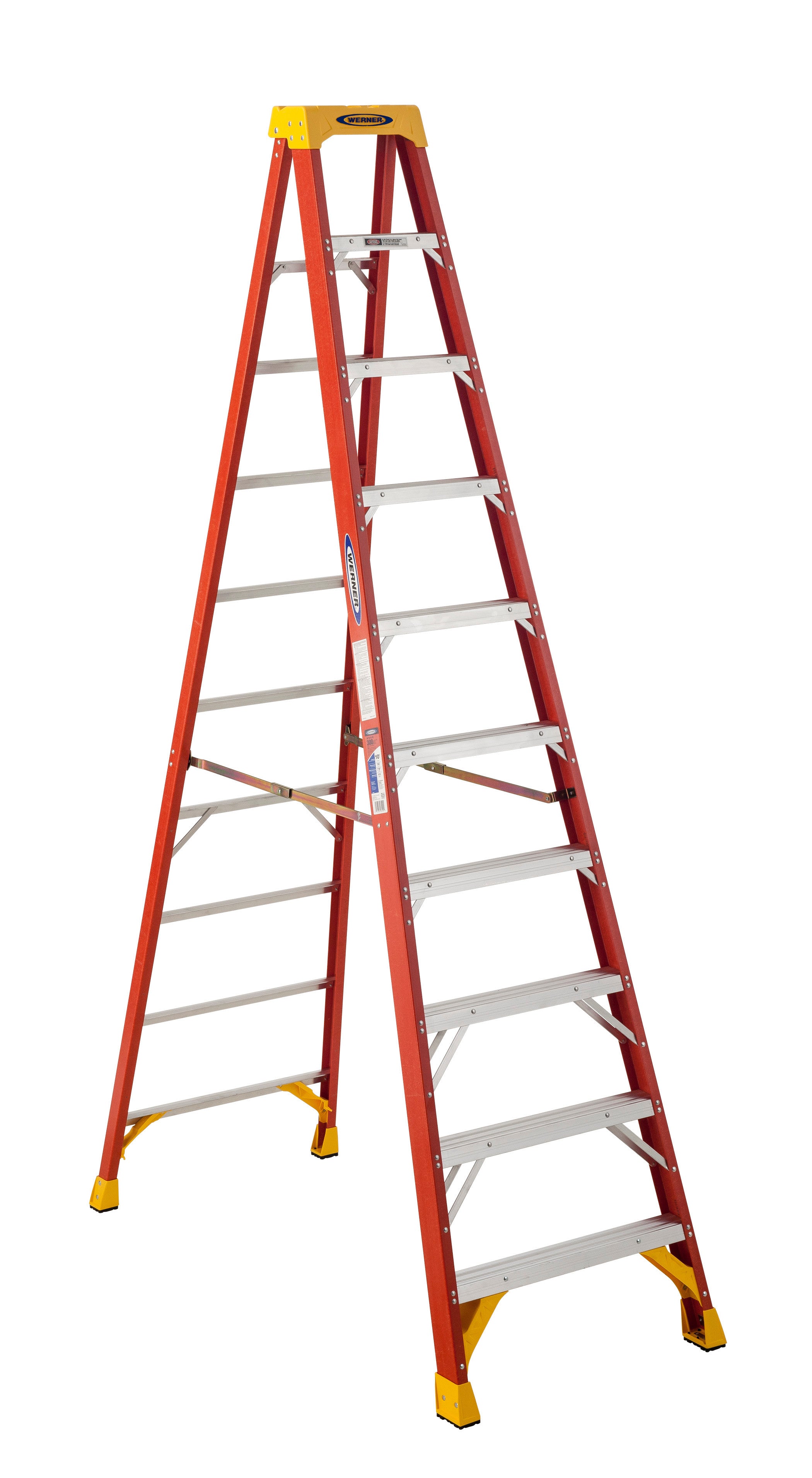
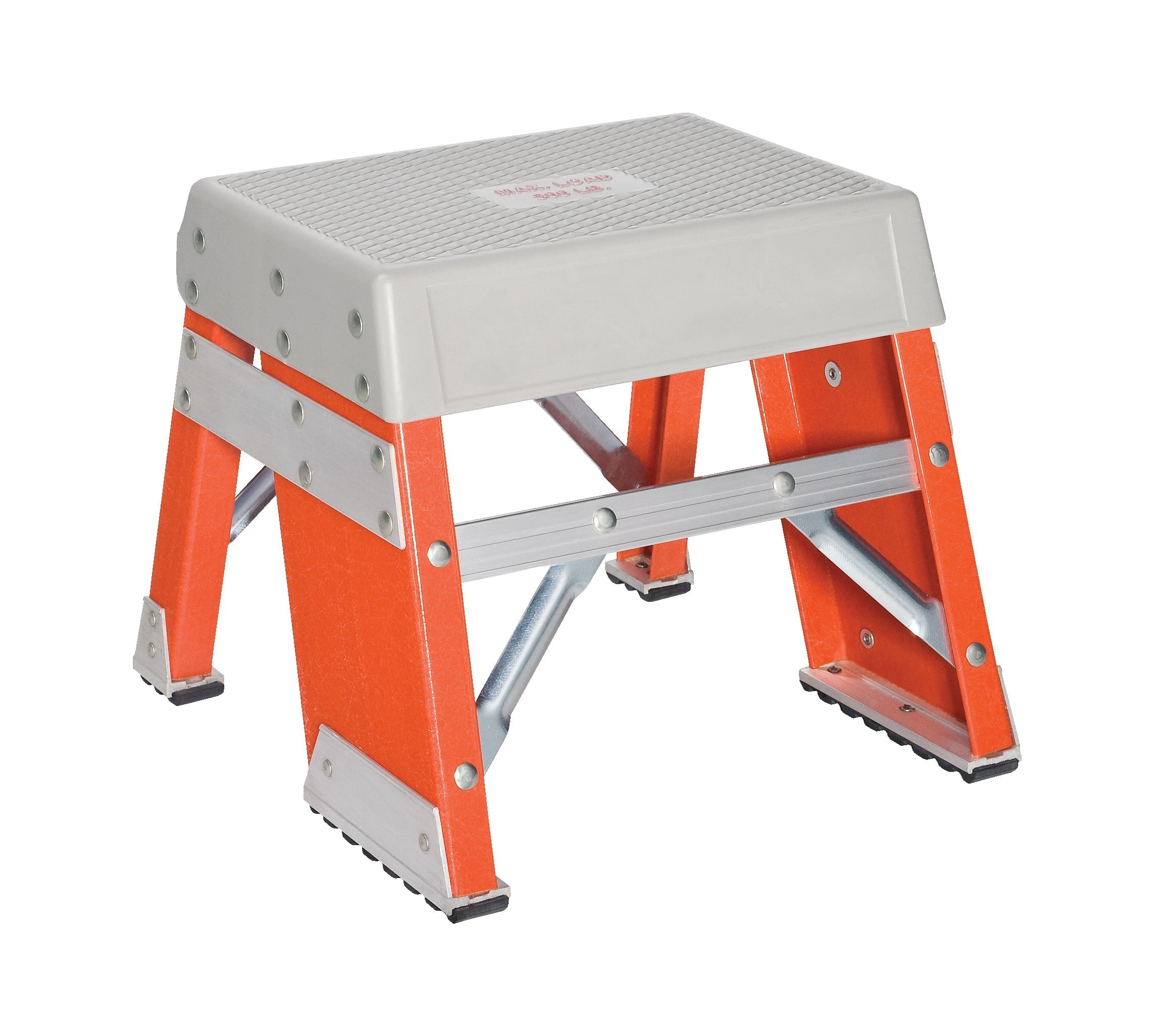
Fiberglass for electrical work, and where the line is. Fiberglass step, twin-front, and extension ladders exist for one reason: the rails do not conduct, so they are the ladder to reach for near live circuits, panels, and overhead lines where an aluminum ladder would be a hazard. Ours rate to 300 lb, an ANSI Type IA industrial duty rating, and start under $200 for the step models. Keep the frequency-and-job test in mind across the whole collection. If the real task is standing at one height at a machine or line all shift, that is a work platform, so shop step stands instead of a ladder. If the reach is one or two steps up and occasional, a light step stool stores flat and does the job. And when you want the full picture of the plant's climb-and-reach options side by side, the industrial ladders hub lays out all three families together.
Frequently Asked Questions
Every rolling warehouse ladder in the range, from the 6 step up through the steel 12 to 16 step models, is rated to 350 lb. That figure is the total load on the ladder, so a worker plus tools and a carton of stock all count against it. The nonconductive fiberglass step and extension ladders here rate to 300 lb, an ANSI Type IA industrial duty rating.
Both climb the same and both rate to 350 lb. The difference is how they move. A standard rolling warehouse ladder rolls on spring-loaded casters and settles stable when you step on. A Tip-N-Roll ladder is built for constant repositioning: its casters carry it while you tip and roll, then retract so it locks down on its base under your weight, with no brake to set. Pick Tip-N-Roll when the ladder moves many times an hour, and the rigid warehouse ladder when it works one bay at a time.
No. A rolling warehouse ladder is a mobile ladder stand meant to be climbed only while stationary. The casters are for positioning the empty ladder; once loaded it is designed to sit still on its base or feet. Never reposition an occupied ladder, and never have anyone ride it. Move it, set it, then climb.
OSHA ties the guarding to platform height under 1910.23(e). A mobile ladder stand with a platform 4 to 10 ft high needs handrails at least 36 in tall plus midrails; above 10 ft it needs guardrails and toeboards on the exposed sides and ends. The rolling warehouse ladders here already ship with full-height handrails and integrated toeboards, so buy the height you need and the guarding comes with it.
Fiberglass. Its rails do not conduct, which is why the fiberglass step, twin-front, and extension ladders are the ones to use near live circuits, panels, and overhead lines. Steel and aluminum ladders conduct and are the wrong choice around electricity. Keep in mind a nonconductive ladder is protection against contact, not a substitute for de-energizing and isolating the circuit first.
The rolling warehouse ladders top out with the steel 12 to 16 step range, which puts the platform high enough for upper-rack picking. Above that, the access moves to fixed and semi-fixed gear: mezzanine, tank, and modular stair systems that mount to the building. A fixed ladder climbing more than 24 ft above a lower level triggers OSHA's fall arrest or ladder safety system requirement, so plan the fall protection into any tall fixed install.