Portable Storage Buildings
Portable storage buildings put a lockable, weathertight room wherever the plant needs one, without pouring a foundation or waiting on a general contractor. This collection is the outdoor and perimeter end of the storage range: prefabricated steel buildings and sheds, open shelters for bikes and smoke breaks, secure wire caging for tools and controlled stock, driver cages at the dock, and the salt box that keeps the walkways from icing over. Vestil builds the whole group, in painted steel, in hot-dip galvanized steel for the wet end, and in steel and polycarbonate for daylight. Prices run from a couple hundred dollars for a salt scoop up to buildings and cages in the several-thousand range, sized by footprint and by how many sides you close in. What ties these together is that they mostly live outside or along a wall rather than deep in the racking, so the guide walks them by the job each one does: enclose, shelter, secure, protect, and de-ice.
Compare Buildings & Shelters
| Model | Price | Material | |
|---|---|---|---|
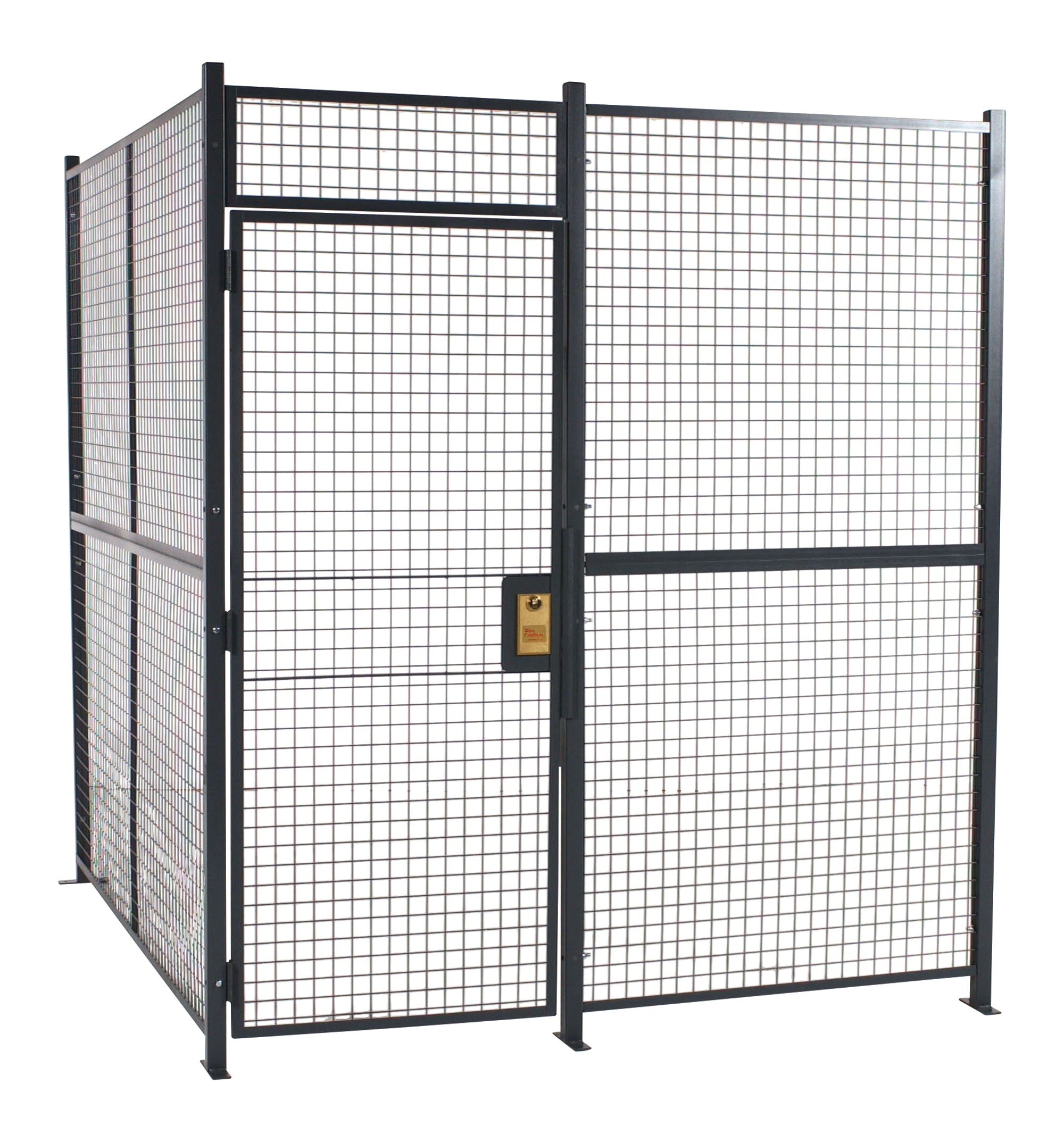
| Vestil Wire Cages | $6,585 | Welded wire mesh, painted finish | View → |
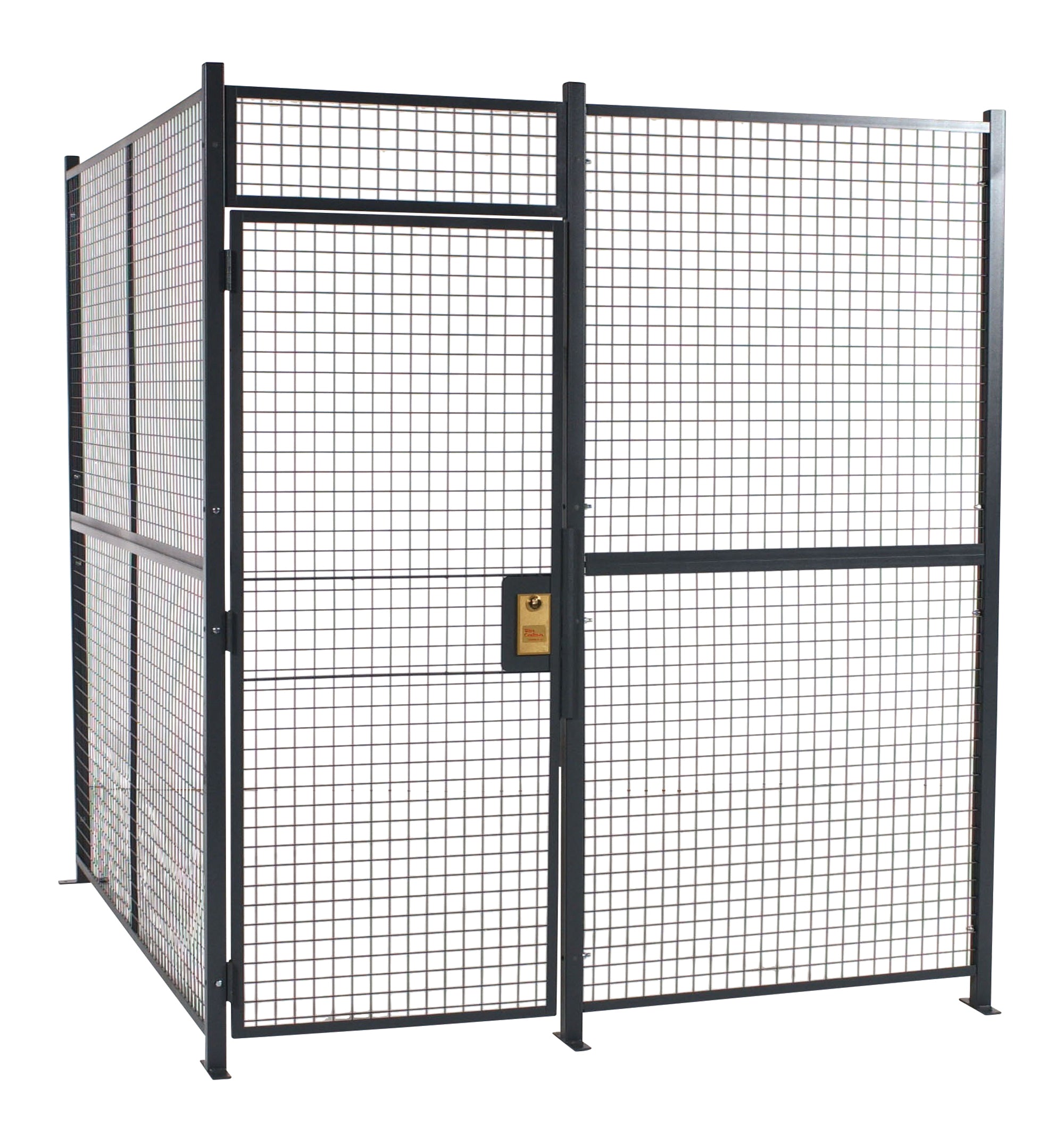
| Vestil Driver Cages | $5,682 | Woven wire, painted finish | View → |
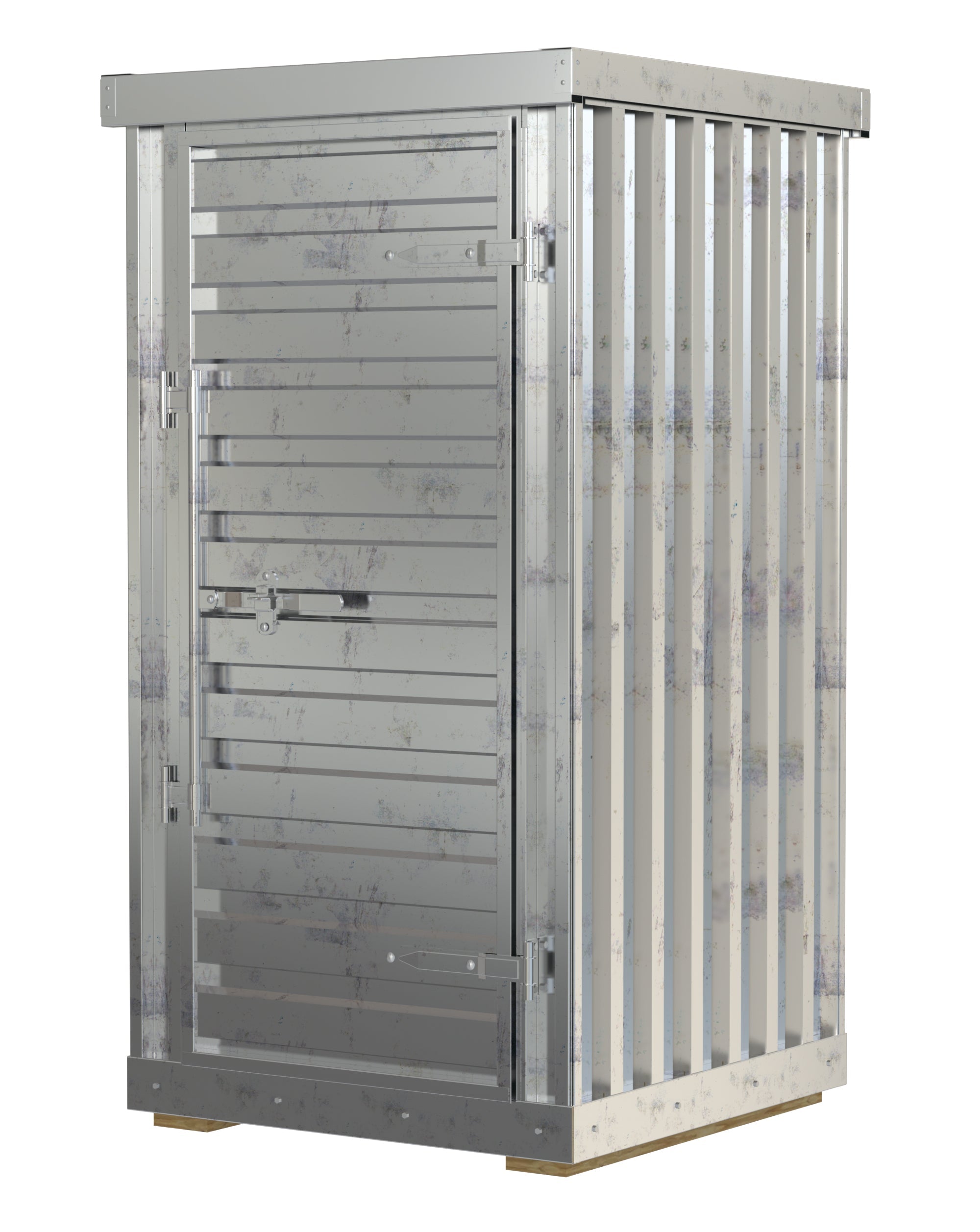
| Vestil Storage Buildings | $2,207 | Galvanized corrugated steel paneling | View → |
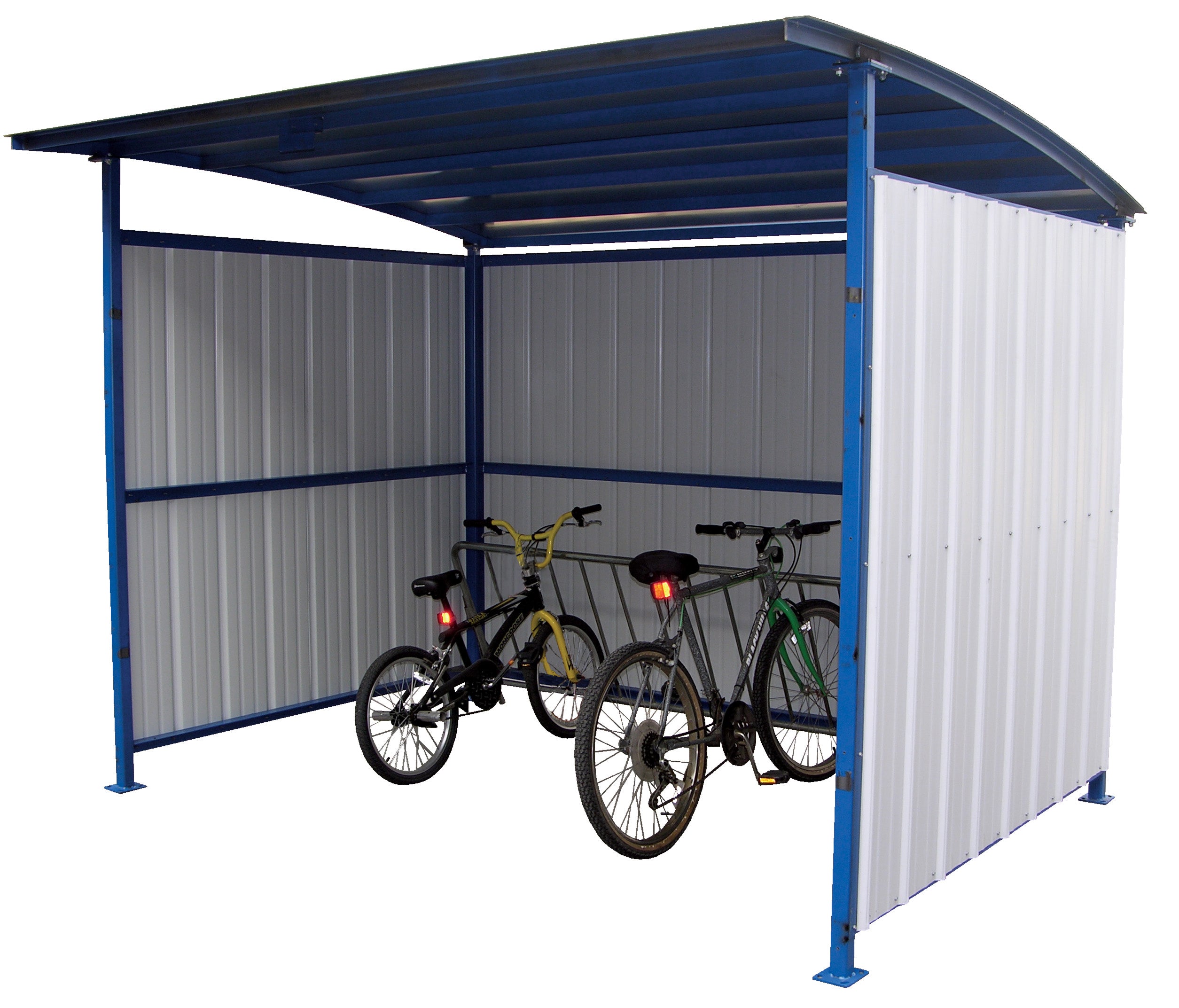
| Vestil Multi-Duty Storage Buildings | $2,175 | — | View → |
| Vestil Salt Box and Scoop | $657 | Polyethylene | View → |
 In Stock
 In Stock
 In Stock
 In Stock
 In Stock
Buildings & Shelters Buying Guide
Prefab buildings: a room without a foundation. The Vestil Storage Buildings line is the literal room: prefabricated galvanized steel buildings that bolt together and set on a slab or a level pad without the foundation and framing a stick-built structure needs. Footprints run from a compact booth about 44 inches wide up to a building roughly 9 feet wide and better than 12 feet deep, each with a single right-hand door, and prices land between about $2,200 and $5,000 by size. Plants use them as guard shacks, in-plant offices, tool rooms, and secure equipment enclosures, and because they are relocatable they move with the operation instead of becoming someone else's demolition bill later. One thing to settle before you site one is whether you need a permit. Some jurisdictions treat a relocatable, foundation-free building differently from a permanent structure, and others require a permit for any building regardless of size, so call the local building department first. Freight and lead time are confirmed at checkout, and business leasing is available.
Shelters: cover without walls. When the job is cover rather than an enclosed room, the Vestil Multi-Duty Storage Buildings configure as a bicycle shelter, a shed, a smoker's shelter, or a combined smoker's shelter and bus stop, priced from about $1,700 to $3,900. Material is the real decision. Painted steel is fine under a roof, steel with polycarbonate panels lets daylight through, and the hot-dip galvanized versions, coated to ASTM A123, are the ones that survive years of weather without the rust that eats a painted frame. A smoker's shelter is how a site gives smokers a designated spot while keeping them the distance from doorways and air intakes that local smoke-free workplace laws set, and the bus-stop build does the same for a shuttle stop on a large campus. If the shelter is for bikes, pair it with the bike racks in the storage hub so the frames actually lock to something.
Wire caging: secure without a vault. Vestil Wire Cages turn floor space into a locked room you can still see into: woven wire security partitions in 8, 10, and 12 foot squares, three or four sided, with an optional ceiling that stops anyone reaching in over the top. This is the tool-crib and secure-storage answer, the framework built to control a key while keeping airflow and sightlines, and standard security caging of this kind is 10 gauge wire woven into a 2 by 1 inch mesh and bolted together panel by panel. It also sits at the edge of regulated storage. DEA physical-security rules under 21 CFR 1301.72 allow Schedule III through V controlled substances behind an approved wire enclosure, while Schedule I and II demand a solid-walled vault. A general cage is the starting framework, but a DEA-graded install carries specific approval requirements, so confirm your compliance needs before you count on one for pharma. For anything you would otherwise lock in a cabinet at scale, the cage does it by the room.
Driver cages: protect the person at the dock. Vestil Driver Cages solve a specific dock hazard: the truck driver who has to be somewhere during loading and unloading and should not be in the forklift's path. They are caged wait areas, two or three sided in 4 by 4, 4 by 6, and 4 by 8 foot sizes and priced from about $4,400 to $6,800, that give a driver a marked, protected place to stand clear of moving equipment while the trailer is worked. The three-sided version closes in more of the opening where dock traffic is heavy. Set them where they belong in the flow of the loading dock, and treat them as part of the same guarding logic as the rails and rack guards in protective barriers: the cage is cheap next to the incident it prevents.
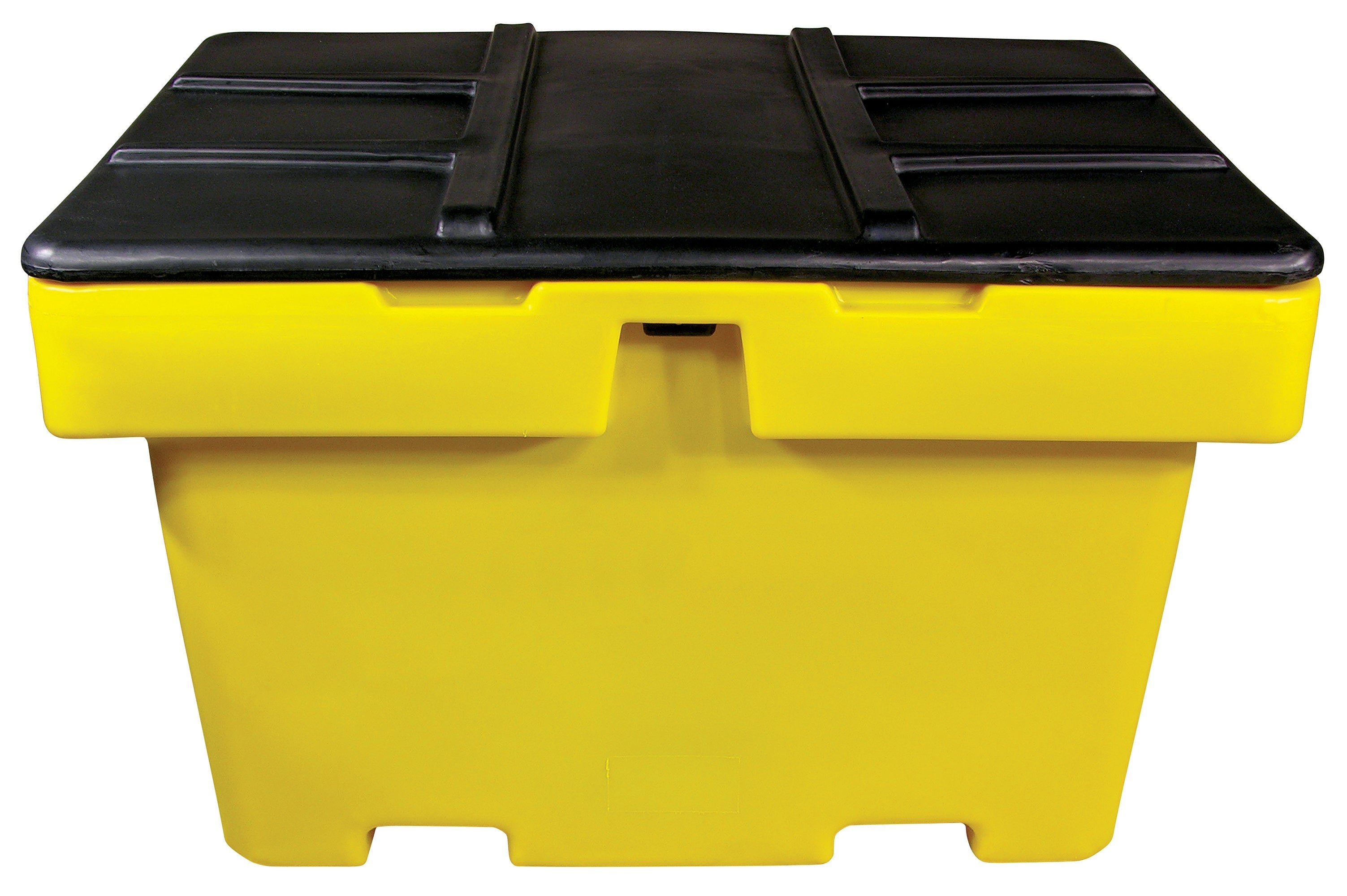
Salt box and the winter walk. The cheapest hardware in the collection does the most per dollar. The Vestil Salt Box holds de-icer dry and covered right by the door, about $657 for the box and $269 for the matching scoop, so the first crew in can treat the walkway and the dock apron before anyone slips. Ice at an entrance is the injury nobody budgets for and everybody pays for, and a stocked, lockable salt box near the door is the whole fix. Keep it filled going into winter and refill it before it runs out, because the morning it is empty is the morning someone goes down.
Frequently Asked Questions
It depends on where you are. Some jurisdictions treat a relocatable, foundation-free building differently from a permanent structure and permit it lightly or not at all, while others require a permit for any building regardless of size. Because the answer is set locally, call your building department before you site the unit rather than after it arrives on the truck.
Under a roof or indoors, painted steel is the right buy and the cheaper one. For anything living outside in the weather, choose the hot-dip galvanized version, coated to ASTM A123, which holds off rust for decades where a painted frame would corrode. Steel with polycarbonate panels is the third option when you want daylight through a shelter.
A wire cage when you want to see the stock, keep airflow, and control access to a whole room, which is the classic tool crib. A solid cabinet or vault when you must block sightlines or when the contents demand it, such as Schedule I and II controlled substances, which under DEA rules require a solid-walled vault rather than the wire enclosure allowed for Schedule III through V.
Count the walls you already have. A cage tucked into a corner needs only the open sides closed, so a three-sided unit finishes it against two existing walls, while a freestanding cage in open floor wants all four sides. Add a ceiling to a wire cage when it does not reach the deck, since an open top is the easy way around it.
Dock safety. It gives a truck driver a marked, protected place to wait during loading and unloading so they stay clear of forklift and pallet-truck traffic instead of standing in the path of it. The two and three sided builds size to the dock opening, and the three-sided version closes in more where traffic is heavy.
They bolt together and ship by freight rather than parcel, given the size and weight. Freight cost and lead time are confirmed at checkout, and business leasing is available on the larger buildings and cages if you would rather spread the cost.