Floor Markers
Floor markers are how a plant tells forklifts and foot traffic which lane belongs to whom, and this collection covers the three ways to draw that line: stick it down, spray it, or project it. OSHA 1910.176(a) requires that permanent aisles and passageways be appropriately marked wherever mechanical handling equipment runs, and the agency has said in writing that painted lines are not the only accepted method. The range here is all Vestil, from floor tape and walk-behind applicator carts starting near $15, to a wheeled paint-line striper, up to a virtual sign projector that throws a warning in light where a worn floor has defeated both tape and paint. Pick by how permanent the aisle is, how rough the floor gets, and how often the layout moves.
Compare Floor Markers
| Model | Price | Feature | Assembled Weight (lb) | |
|---|---|---|---|---|
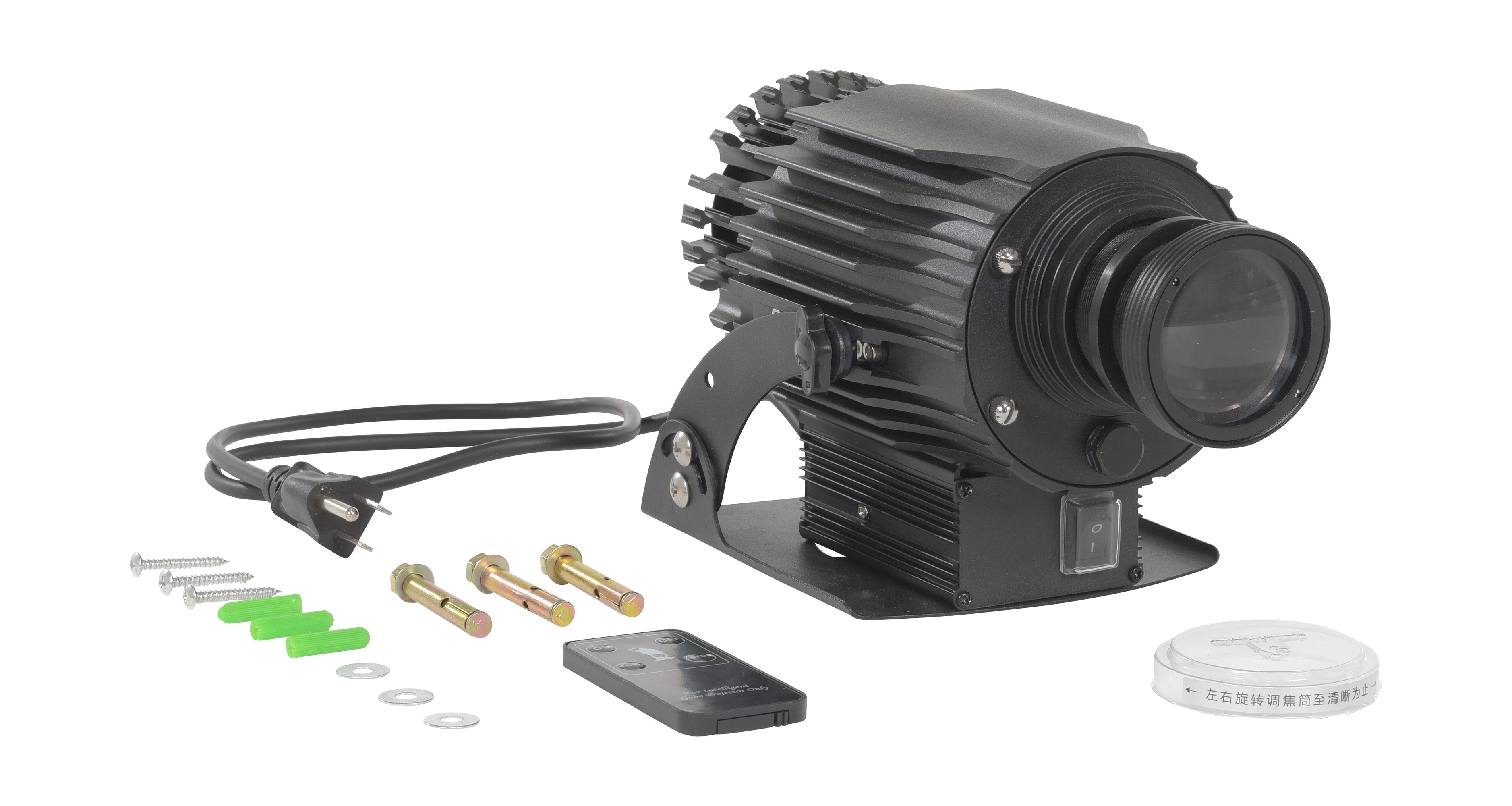
| Vestil Virtual Sign Projector | $873 | Projects on wall/floor; height:diameter ratio 1:1/4; hardware included | 6.5 | View → |
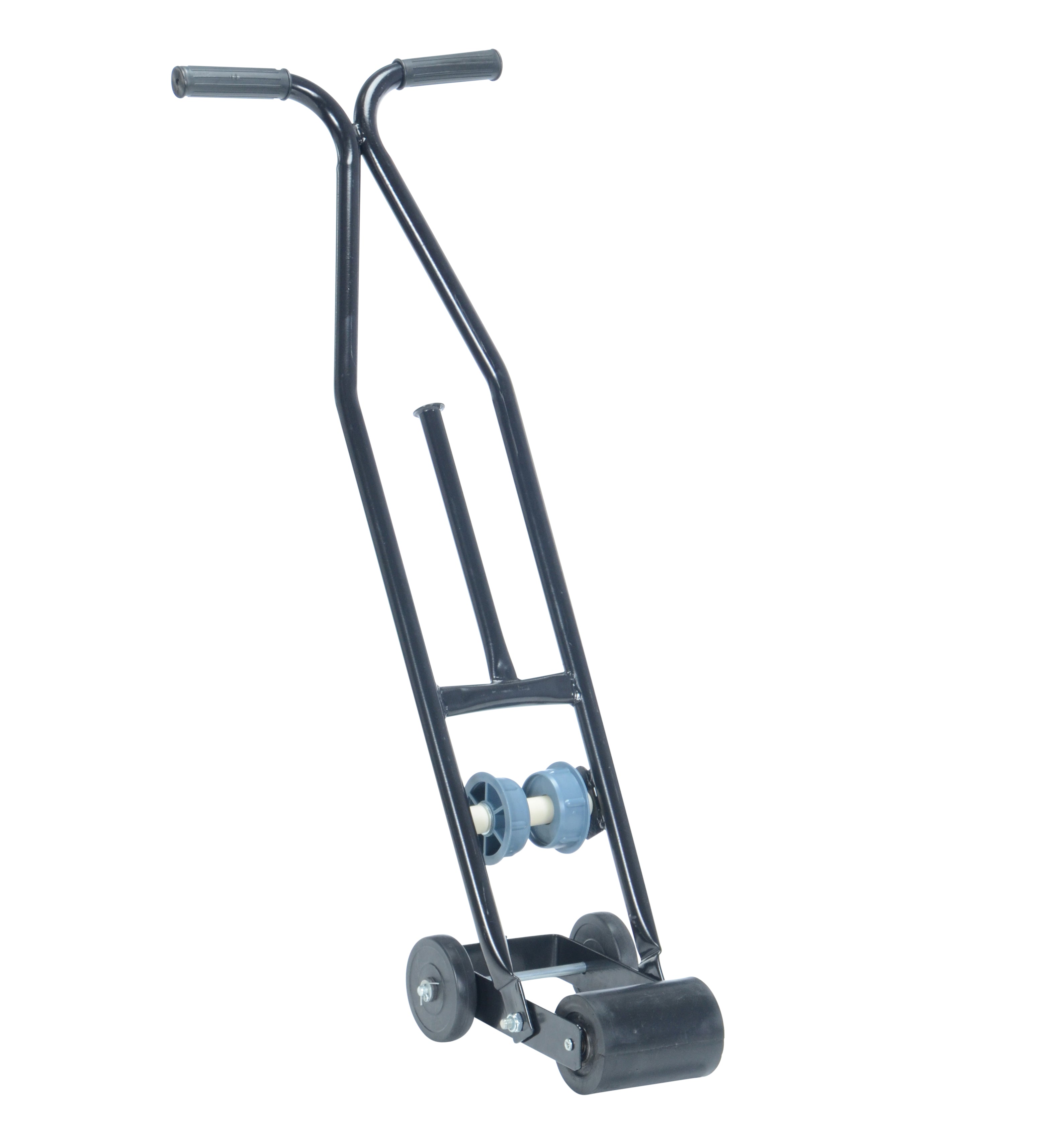
| Vestil Floor Tape Applicators & Floor Tape | $95 | — | — | View → |
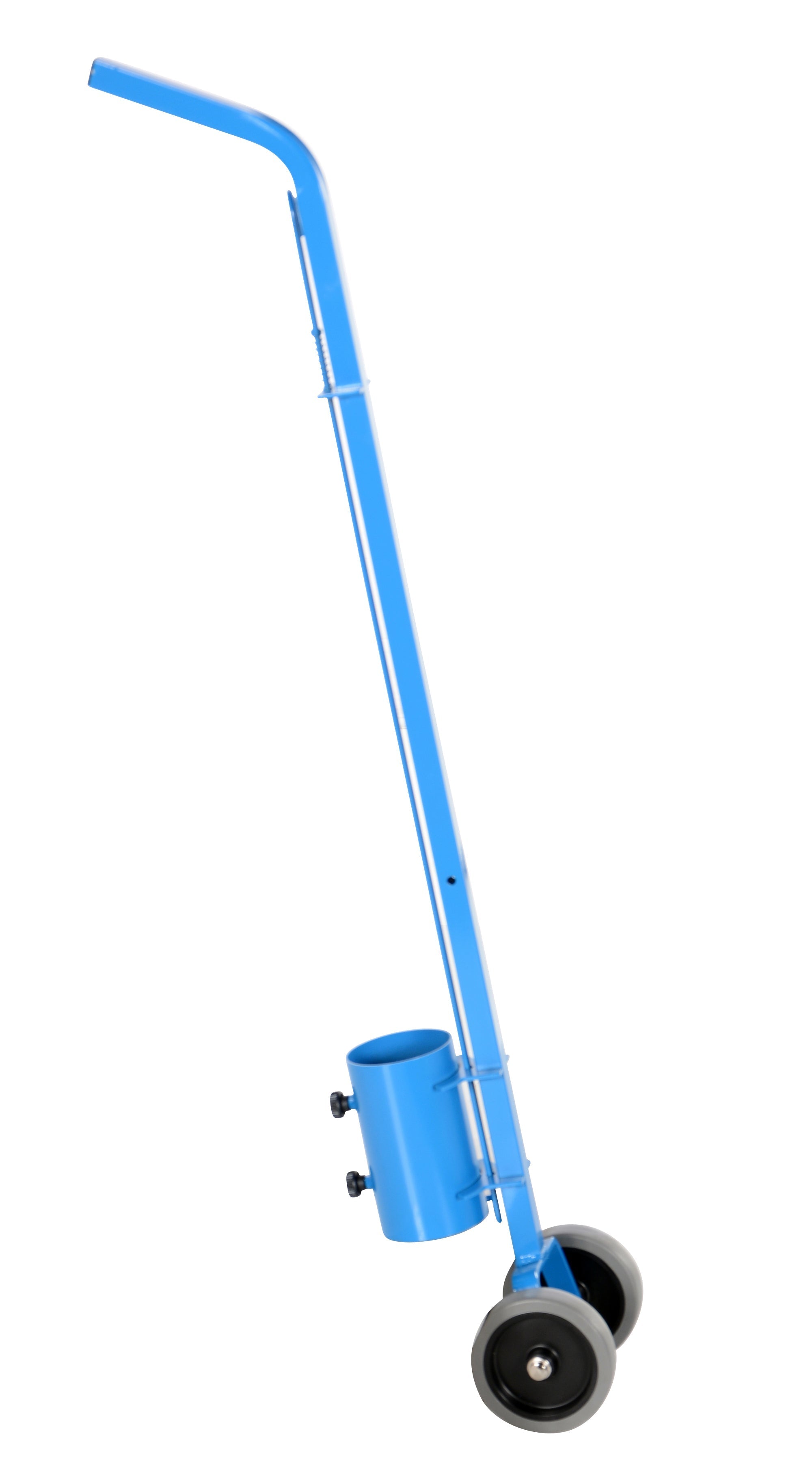
| Vestil Line Markers | $75 | Handheld wand, pull-trigger, holds 1 standard inverted aerosol spray-paint can | 6 | View → |
Floor Markers Buying Guide
Tape: the fastest line to lay. Floor tape is the cheapest storage hardware in the building and the quickest to change. The rolls here come in 2 and 3 inch widths, both inside the range OSHA treats as acceptable, since its interpretation letters accept any aisle marking 2 inches or wider. For anything past a short run, the two Vestil applicator carts pay for themselves in knees and straight lines: the TPA-10 at $94.90 lays tape up to 6-1/2 inches wide, and the TPA-20 at $228.99 handles tape up to 7 inches, both pressing the roll down as you walk it. Tape needs no cure time, so the aisle is back in service the moment you lift the applicator, and it peels up clean when a 5S layout changes, which is why it wins anywhere the floor plan is still moving.
Paint: a stripe that stays put. When the aisle is not moving again, paint outlasts tape through wet, grit, and pallet-jack wheels. The Vestil line marker at $75.35 is a wheeled applicator that holds one standard can of inverted marking spray paint and lays an even line about 1-1/4 inches wide from a pull trigger, with no bending over an aerosol can. That width suits lane centers, 5S shadow outlines, and equipment footprints. For an aisle boundary an inspector will read, run a wider tape or a second pass, since 1-1/4 inches sits under the 2 inch figure most facilities mark to. Paint also wants a clean, dry, sealed floor and a little masking at corners, so budget the cure time the tape jobs do not need.
Light: project the sign where the floor gives up. Some spots wear a painted line off faster than you can repaint it: dock thresholds, blind corners, the pinch point where a forklift aisle crosses a walkway. The Vestil virtual sign projector answers those by throwing the mark in light instead of paint, at $873 for the 12 inch projection and $1,468.69 for the 24 inch. Nothing touches the floor, so nothing scuffs off, and the image reads across a range of light levels. It runs a gobo, so the projected sign can be a stop, a pedestrian warning, or a custom mark, aimed at a floor or a wall where equipment and people meet.
Matching the method to the floor. Most plants end up running all three: tape for the layout that still changes, paint for the lanes that are settled, and a projector for the two or three crossings that eat both. Whatever you choose, OSHA cares that permanent aisles are marked and stay legible, not which product did it. Floor markers are the quiet finisher on the storage solutions hub they sit under, because a marked aisle is what keeps the racking, the carts, and the forklifts each in their own lane.
Frequently Asked Questions
Yes, where you run forklifts or other mechanical handling equipment. OSHA 1910.176(a) says permanent aisles and passageways shall be appropriately marked. The agency has clarified that appropriately marked is not limited to painted lines, so floor tape, paint, or a projected sign all qualify as long as the aisle is clearly and durably identified.
Tape if the layout still changes or you need the aisle usable immediately, since it lays down with no cure time and peels up clean. Paint if the lanes are settled and take heavy wheel and moisture traffic that would lift tape over time. Many facilities tape first, live with the layout for a season, then paint the lines that proved permanent.
OSHA's interpretation accepts any aisle marking 2 inches or wider, and 2 to 4 inches is the common industrial spec. The floor tape here is 2 and 3 inch. The paint striper lays about a 1-1/4 inch line, which is fine for lane centers and 5S outlines but narrow for a boundary, so use the wider tape where an inspector will judge the edge of an aisle.
A mounting point above the traffic and power at that point. It projects onto a floor or wall from overhead and uses a gobo to set the image, a stop sign, a pedestrian warning, or a custom mark, in a 12 or 24 inch diameter. Because the sign is light, it never scuffs off, which is its whole reason for existing at dock doors and blind corners where paint does not last.
Industrial floor tape holds up well on clean, sealed concrete under foot and cart traffic, and the applicator carts here press it down for better adhesion than hand-laid tape. Under constant forklift turning, tape wears faster than paint, so reserve tape for pedestrian and light-duty lanes, paint the lines that take hard wheel loads, or move those crossings to the projector.