Heavy Duty Workbench
A heavy duty workbench is the flat, rated surface a shop builds everything else around, and the ones here are made to take a beating: welded steel frames, thick tops, and load ratings measured in thousands of pounds rather than the hundreds a home-center bench gives up at. Vestil and Valley Craft supply the range, from a plastic bench for a wet corner near $185 to a welded steel bench rated at 8,000 lb. The split that matters most is fixed versus mobile: a welded table planted in one spot for heavy repair and press work, or a cabinet-based bench on casters that follows the job from station to station. Around both sits the point-of-use storage that turns a bare top into a workstation, louvered panels for bins, drawers under the deck, and aluminum cases for the tools that leave the building. This page sorts the bench by duty, by mobility, and by the top it needs.
Compare Tool Storage & Workbenches
| Model | Price | Overall Dimensions | Load Capacity | Material | Casters | |
|---|---|---|---|---|---|---|
| Valley Craft 48" Deluxe Mobile Workbenches | $1,395 | 52"W x 21"D x 36"H (base 48"W x 21"D) | 2,000 lb total, 100 lb/drawer | 14-gauge steel, powder coat | Four 5" non-marking rubber locking swivel casters | View → |
| Valley Craft Bin & Organization Mobile Workbenches | $1,095 | — | — | — | — | View → |
| Valley Craft 46" Industrial Mobile Workbenches | $947 | 51"W x 22"D x 36"H (base 46"x22") | 1,400 lb total | 14-gauge steel, welded, powder coat (gray) | Four 5" non-marking rubber casters (2 rigid, 2 swivel) | View → |
| Valley Craft 36" Industrial Mobile Workbenches | $878 | 41"W x 22"D x 36"H (base 36"L x 22"W) | 1,400 lb total | 14-gauge steel, welded, powder coat (gray) | Four 5" non-marking rubber casters (2 rigid, 2 swivel) | View → |
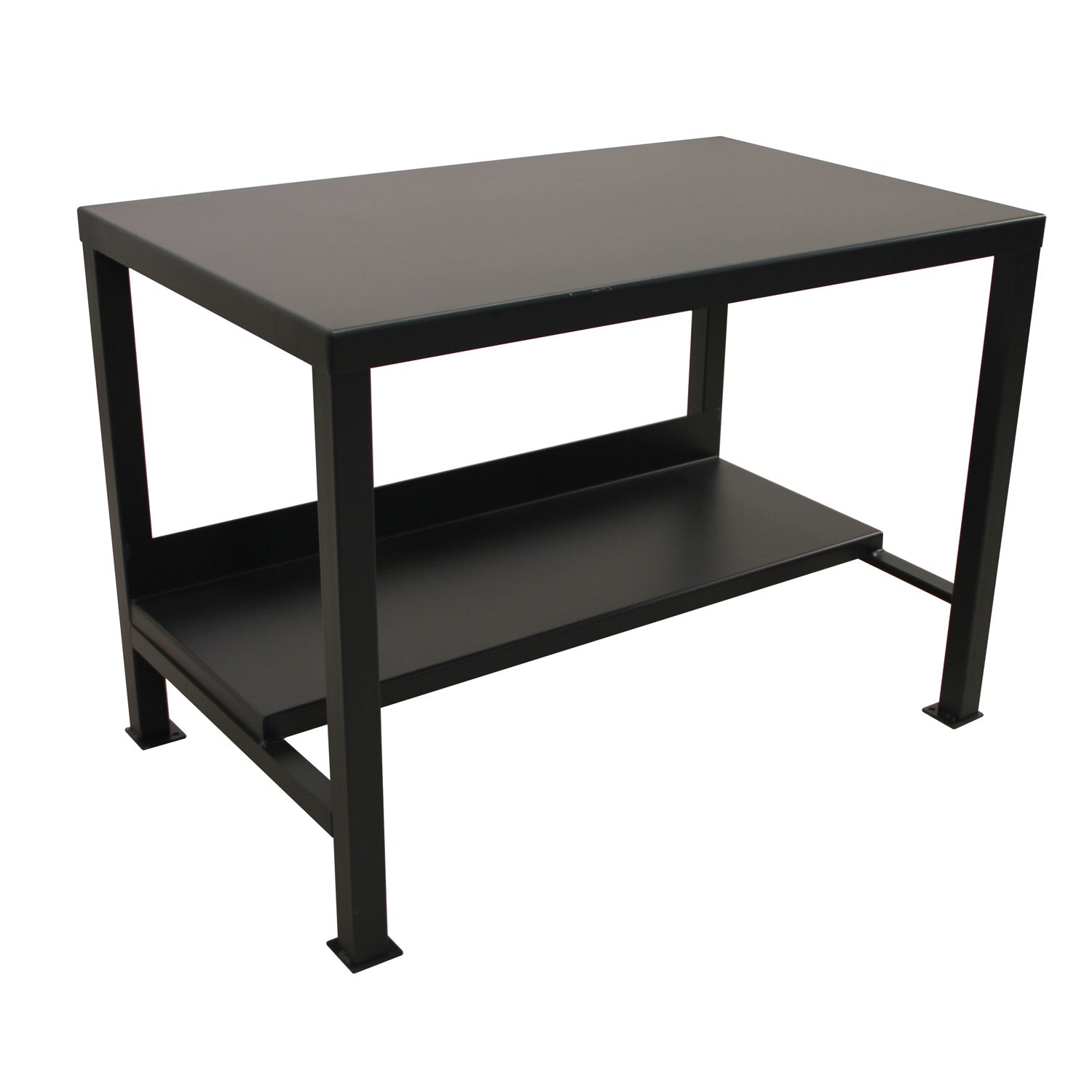
| Vestil Heavy Duty Steel Workbench | $849 | — | — | — | — | View → |
| Valley Craft 24" Deluxe Mobile Workbenches | $805 | 28"W x 21"D x 36"H (base 24"W x 21"D) | 2,000 lb total, 100 lb/drawer | 14-gauge steel, powder coat | Four 5" mold-on rubber locking swivel casters, single-point locking mechanism | View → |
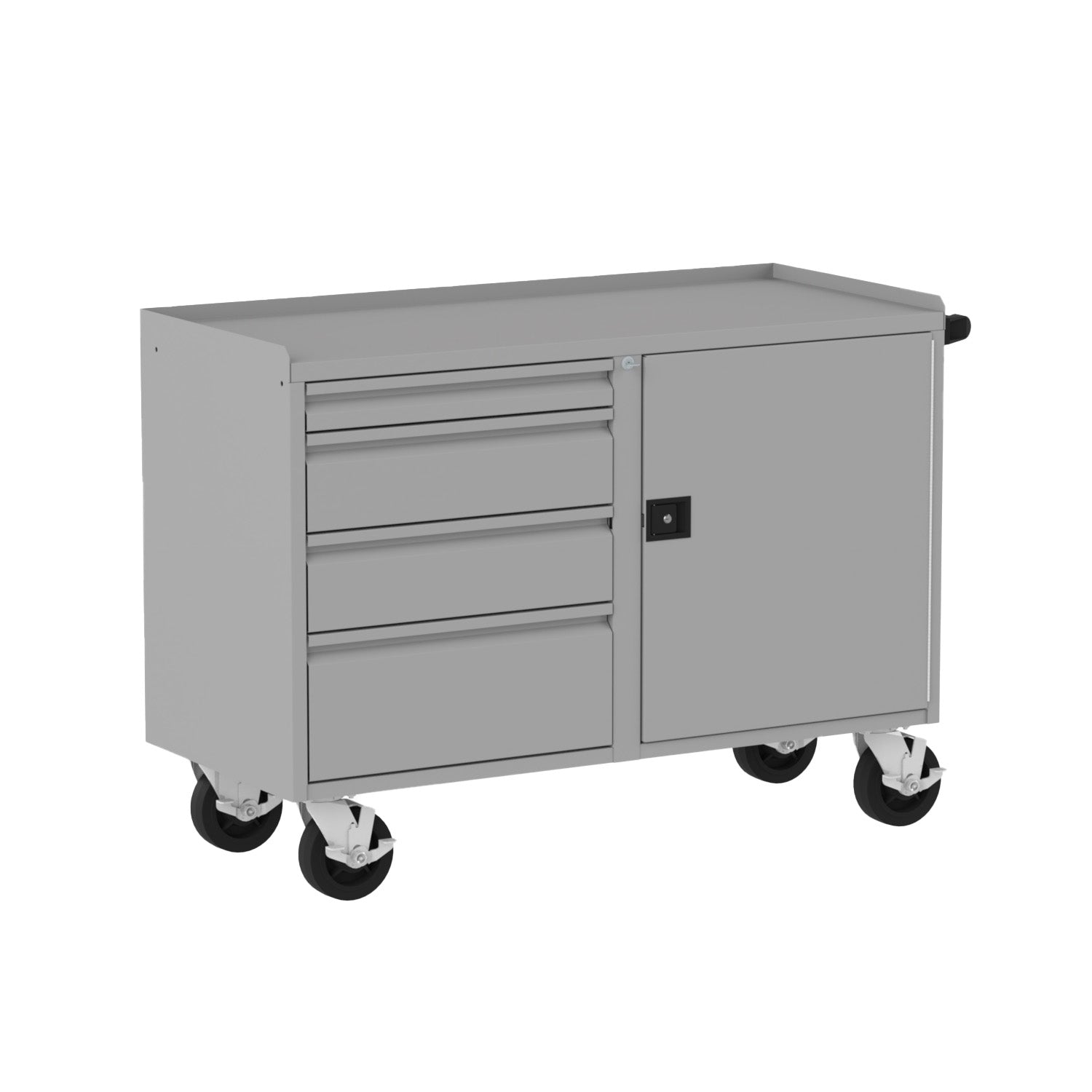 In Stock
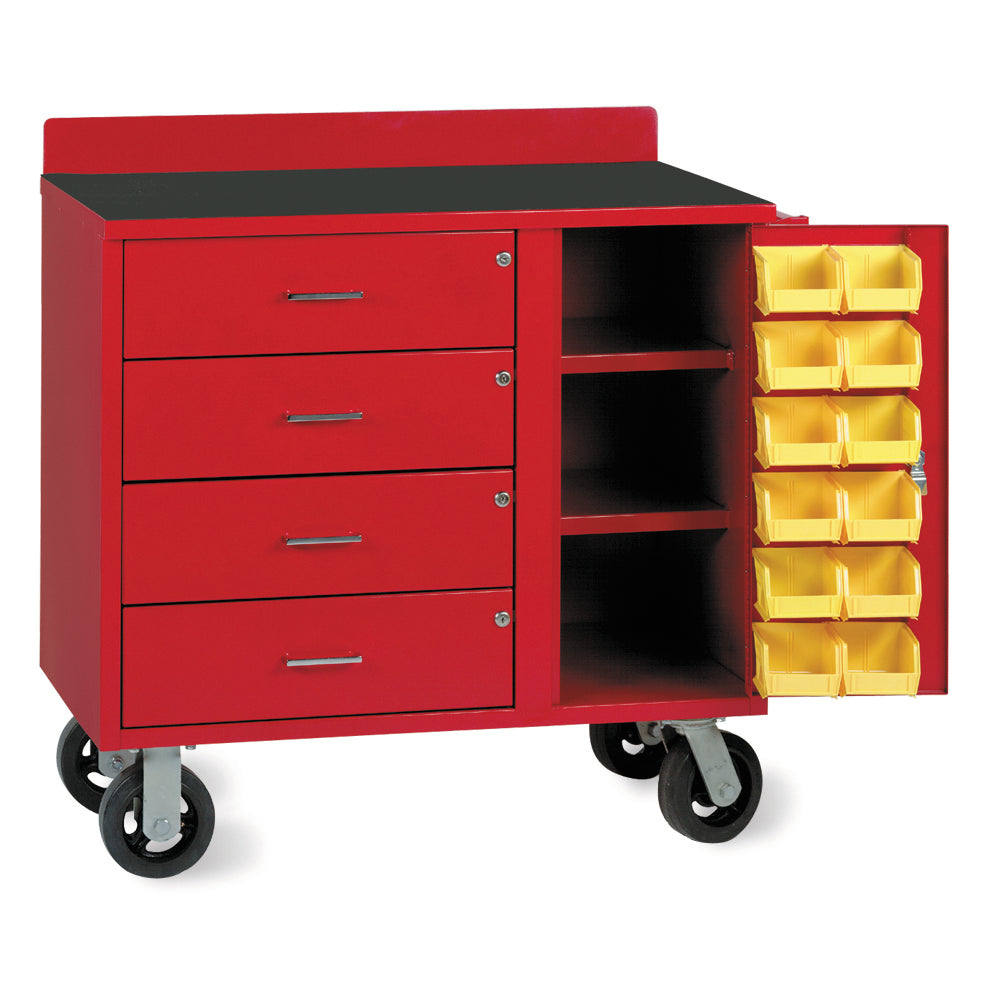 In Stock
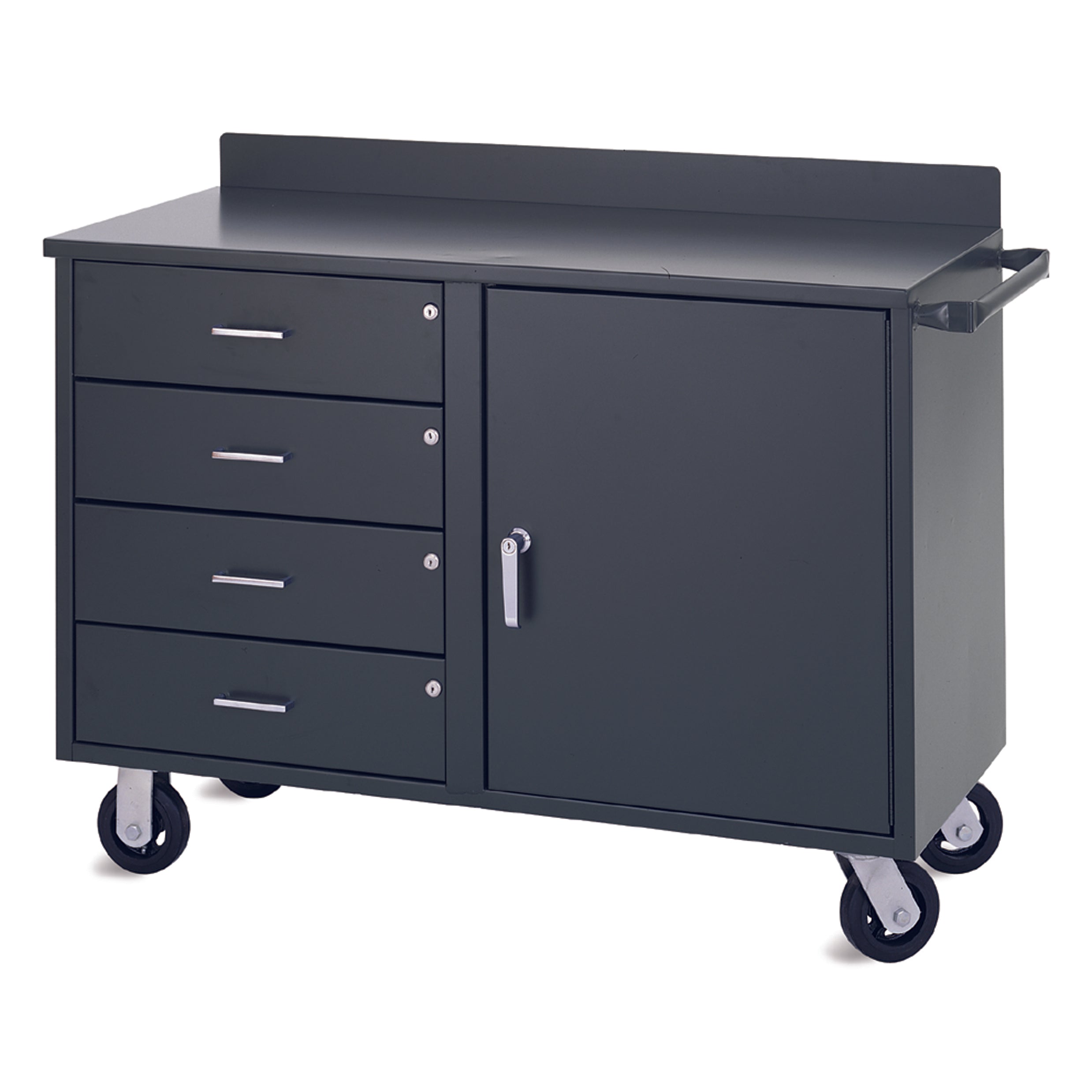 In Stock
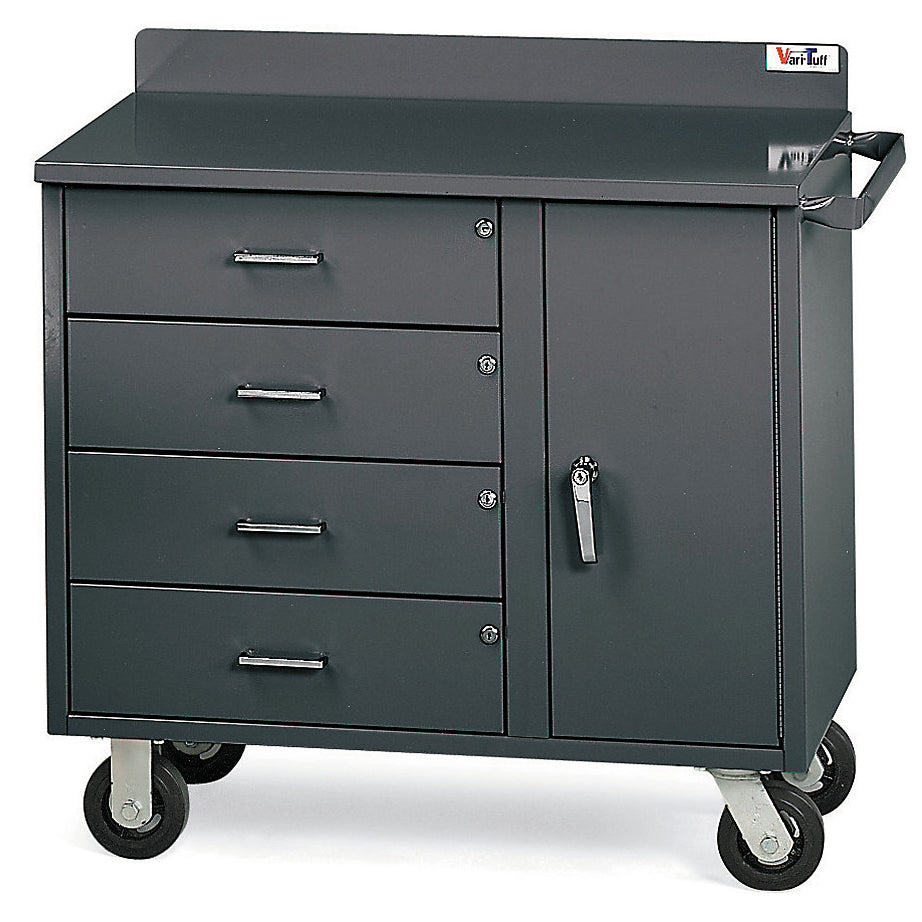 In Stock
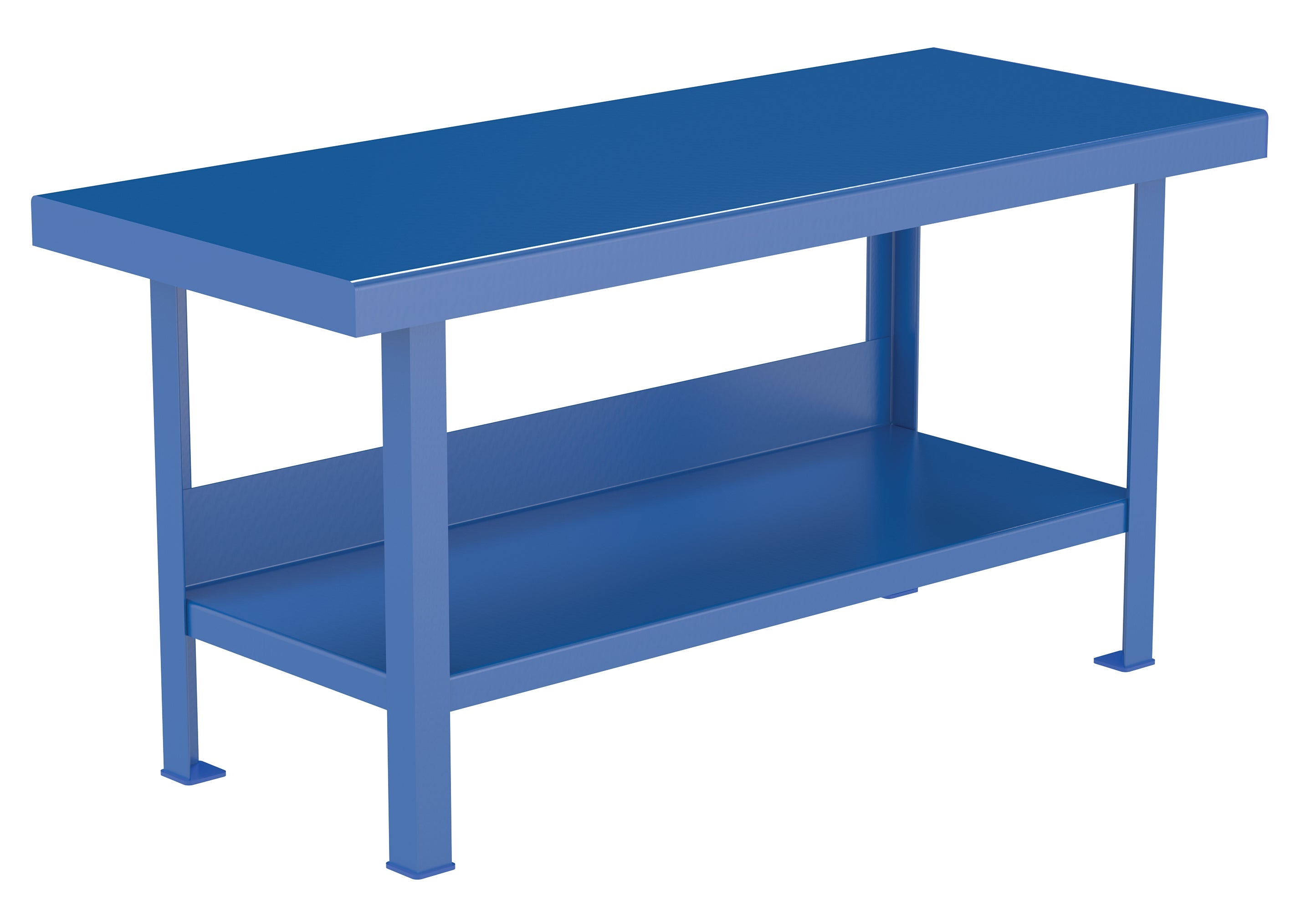 In Stock
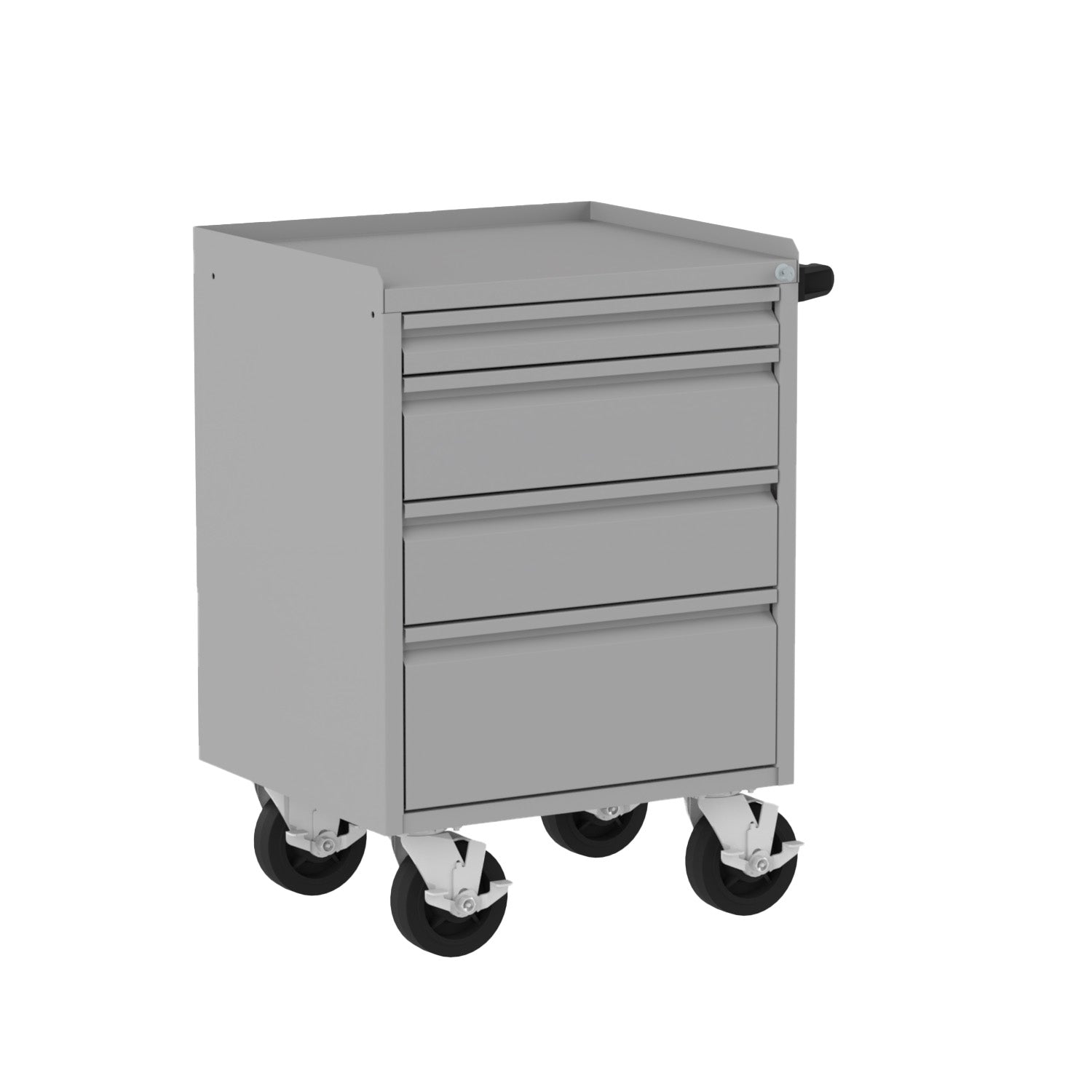 In Stock
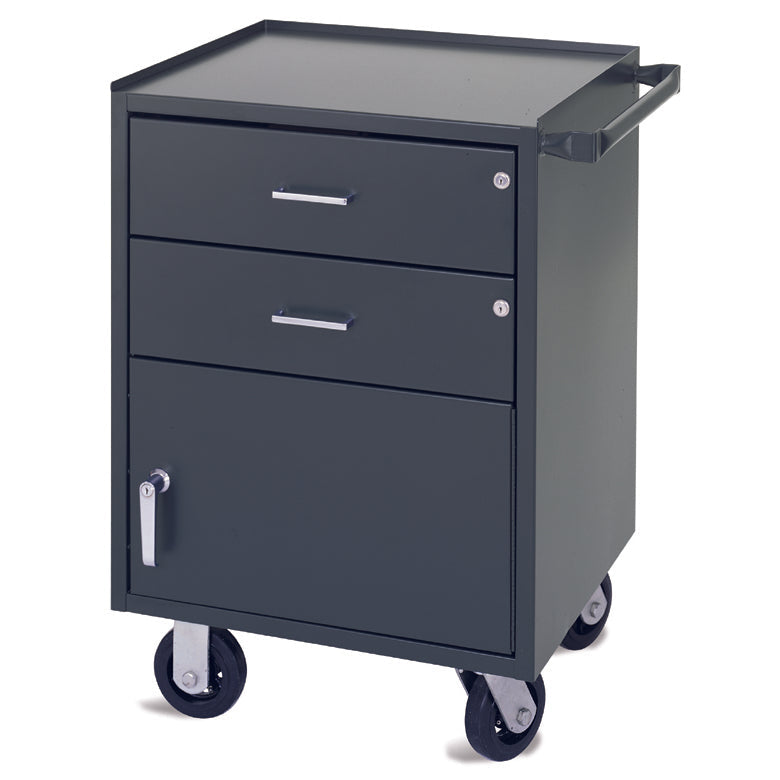 In Stock
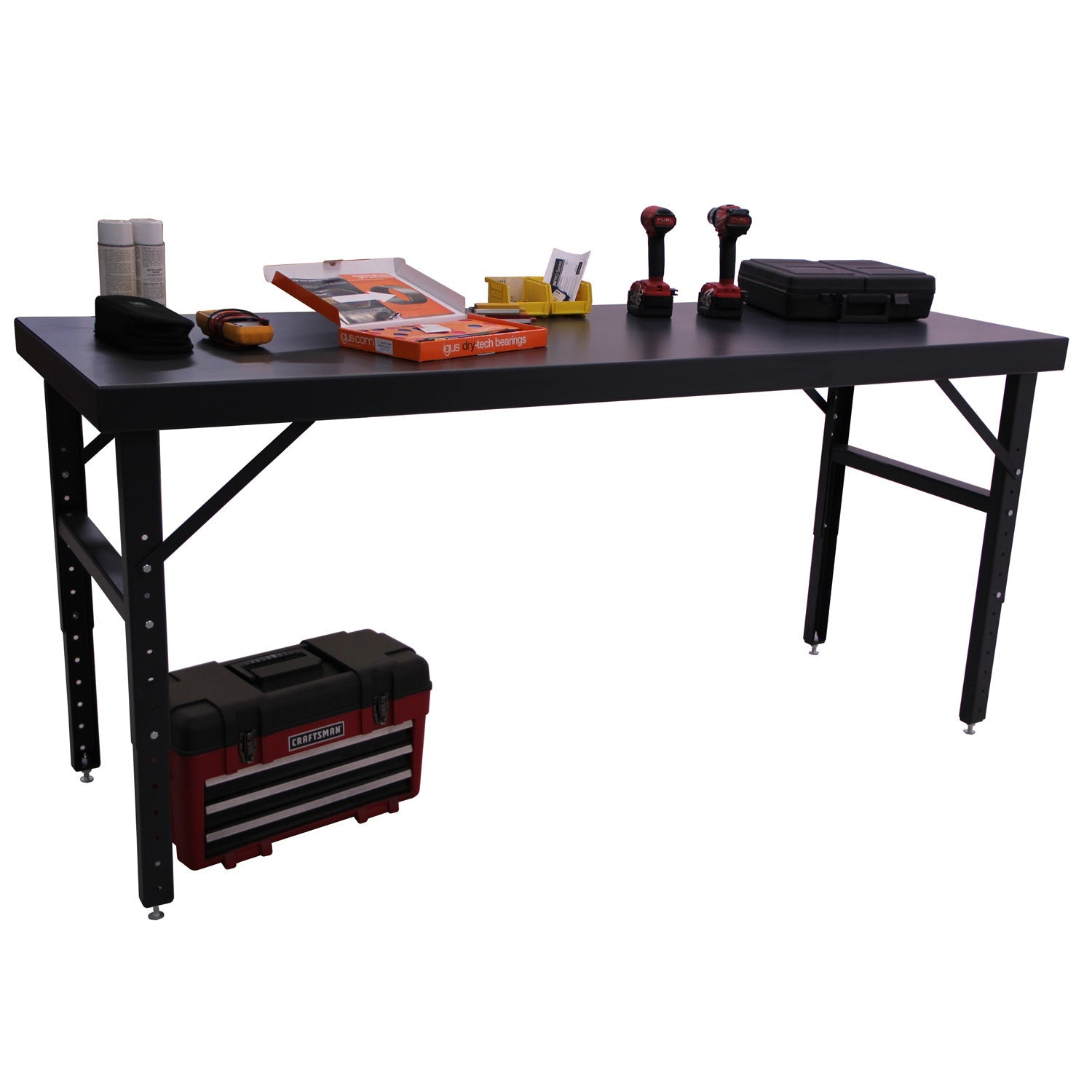 In Stock
 In Stock
 In Stock
 In Stock
 In Stock
 In Stock
 In Stock
 In Stock
 In Stock
Tool Storage & Workbenches Buying Guide
Capacity, and how the frame earns it. The number on the sheet is a uniformly distributed load, meaning the rating assumes the weight is spread evenly across the top rather than parked on one corner, so a compact engine block in the middle of the deck is a harder ask than the same weight laid out flat. Two things set that rating: how the frame is joined and how thick the steel is. A welded steel frame beats a bolted one because there are no fasteners to work loose under vibration and impact, and Valley Craft builds its work surfaces from 12 gauge steel, roughly 0.105 inch plate, the same stock behind its cabinets and shelving. That construction is why the Valley Craft welded work tables carry 3,000 lb across 48, 60, and 72 inch widths from about $645 to $745, and why the Vestil heavy duty steel workbench is rated at 8,000 lb near $849. When a hydraulic press, a transmission, or a die stack lives on the bench, that welded, heavy-gauge build is the honest answer; a lighter top will flex, and a flexing top is a bench you stop trusting.
Fixed tables: set the height to the work. A stationary table is the right buy when the bench never moves and the priority is a dead-flat, high-capacity surface. Beyond raw capacity, the height it sits at decides whether the work is comfortable or a slow back injury. The ergonomic rule is elbow-referenced: precision and inspection tasks want the surface about 2 to 4 inches above a standing worker's elbow, general light assembly sits right at elbow height, and heavy work where you lean into the job drops 4 to 8 inches below it. One bench cannot be all three heights, which is what the Valley Craft adjustable height work tables solve, rated at 2,000 lb, spanning 84 to 120 inch widths and 28 to 48 inch depths from about $695 to $1,095, and available with a hardwood top for stations that see hammering and impact where steel would ring and dent. Match the height to the operator and the task first, then confirm the deck is long enough that the load never overhangs the frame.
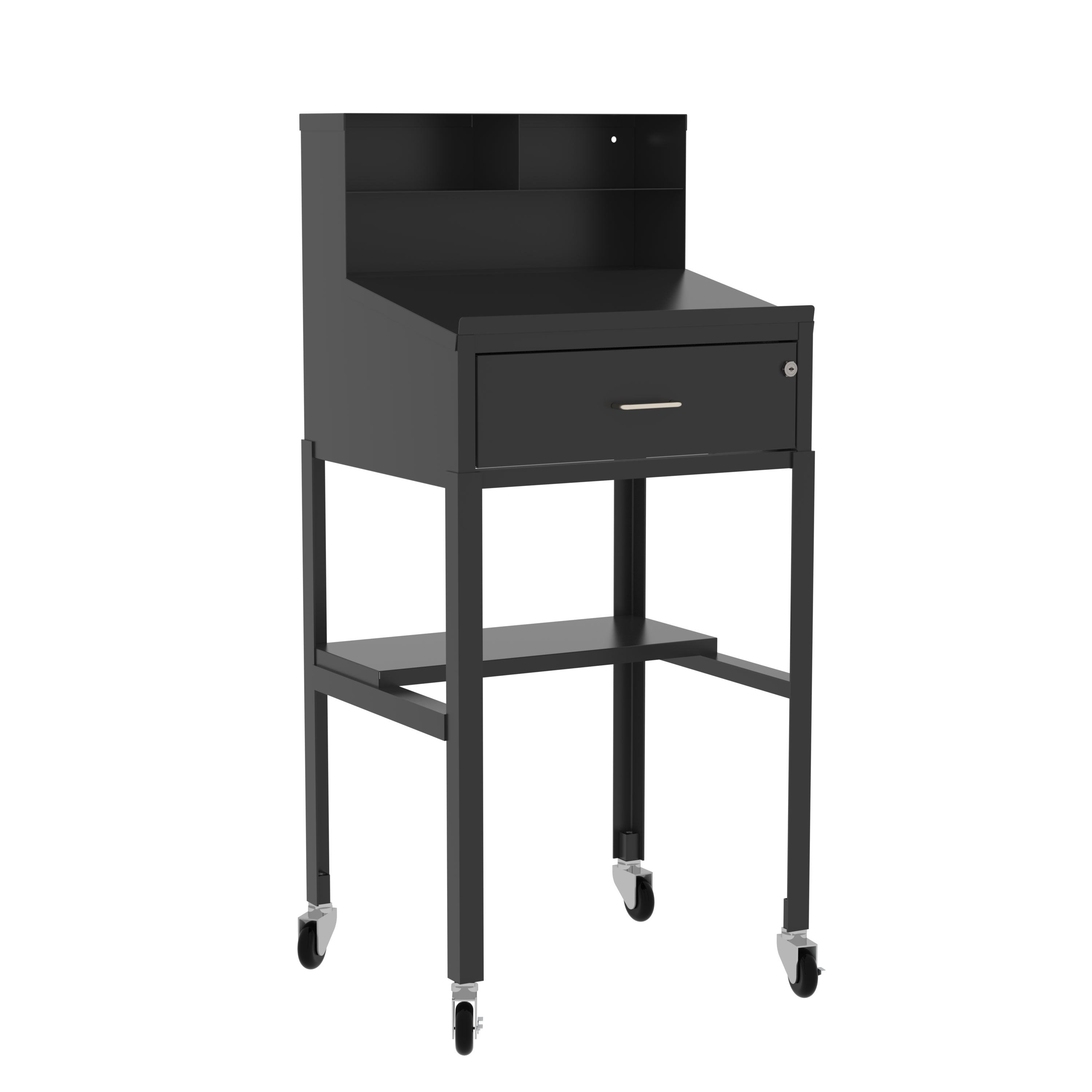
Mobile benches: one bench, many stations. A workbench on casters follows the job, which is how a single bench replaces two or three fixed ones in a plant where the work travels. The Valley Craft mobile workbenches come in 23, 24, 36, 46, and 48 inch widths and put a cabinet under the top, either drawers plus a locking door or twin doors, so tooling rides with the surface instead of walking off; they run from about $625 for a 24 inch deluxe to $1,695 for a fully configured 48 inch deluxe. When the job is small-parts assembly, the bin and organization mobile workbenches build hopper bins into the bench from about $1,095, and the mobile shop desks give a supervisor or a diagnostic tech a rolling standing desk on the floor, 400 lb on the industrial model and 1,000 lb on the deluxe, from about $595. If the bench needs to stay put and lock down hard, a stationary steel cabinet from cabinets and shelving is the better tool than a braked caster.
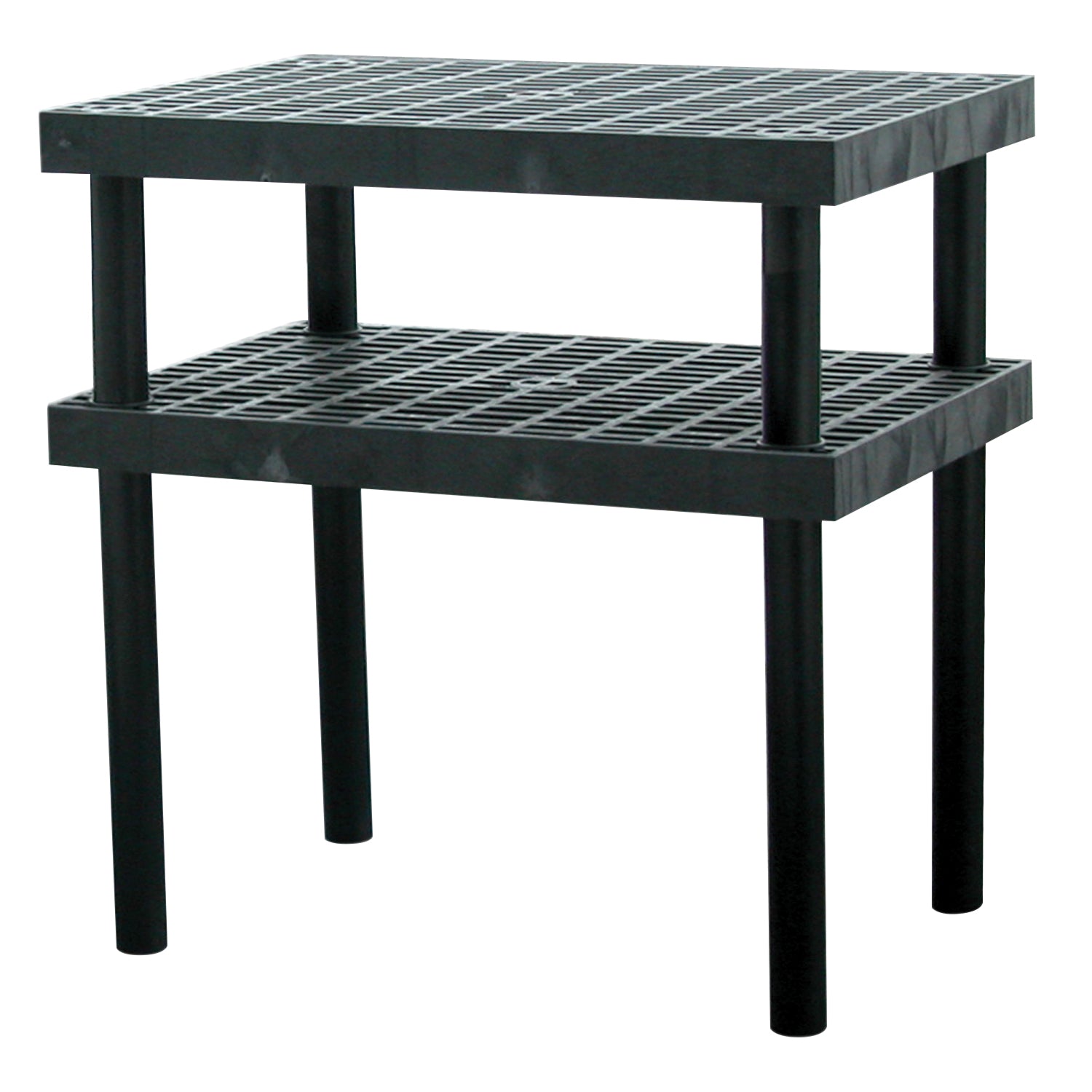
Plastic benches where steel corrodes. Steel is the default, but a hose-down regime, chemical splash, or a food and pharma room will rust a powder-coated frame from underneath where you cannot see it. The Vestil plastic work benches answer those corners, molded in sizes from 24 by 36 up to 24 by 96 inches with a grid or solid top and priced from about $185 to $439. The grid top drains and lets debris fall through, while the solid top holds small parts and liquids on the surface. For rooms that need both corrosion resistance and higher capacity, the stainless shelving and cabinets in the wider storage layer carry the load a plastic bench cannot, but for a wet bench that just has to shrug off water and mild chemicals without rusting, plastic is the cheapest surface that survives.
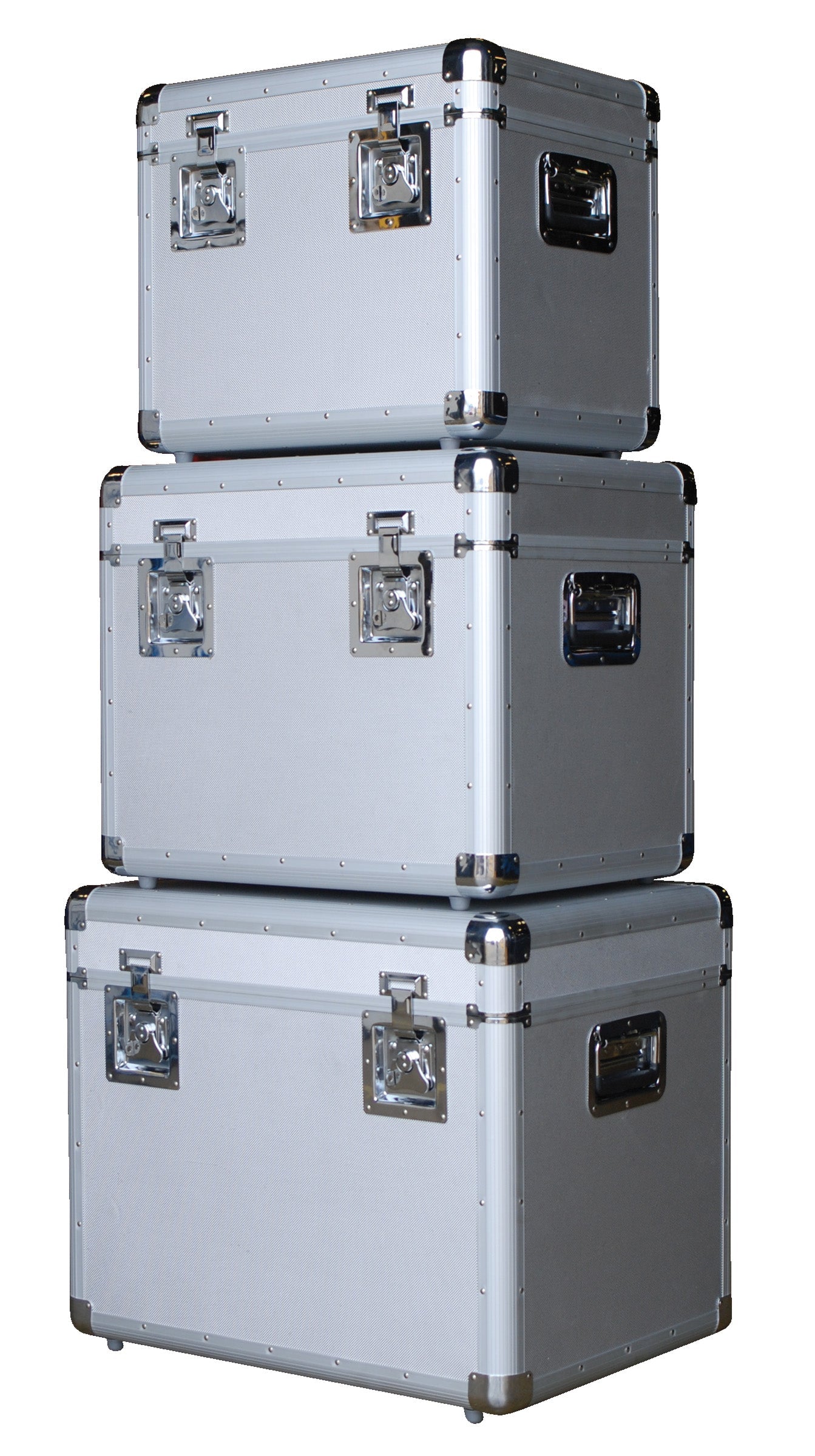
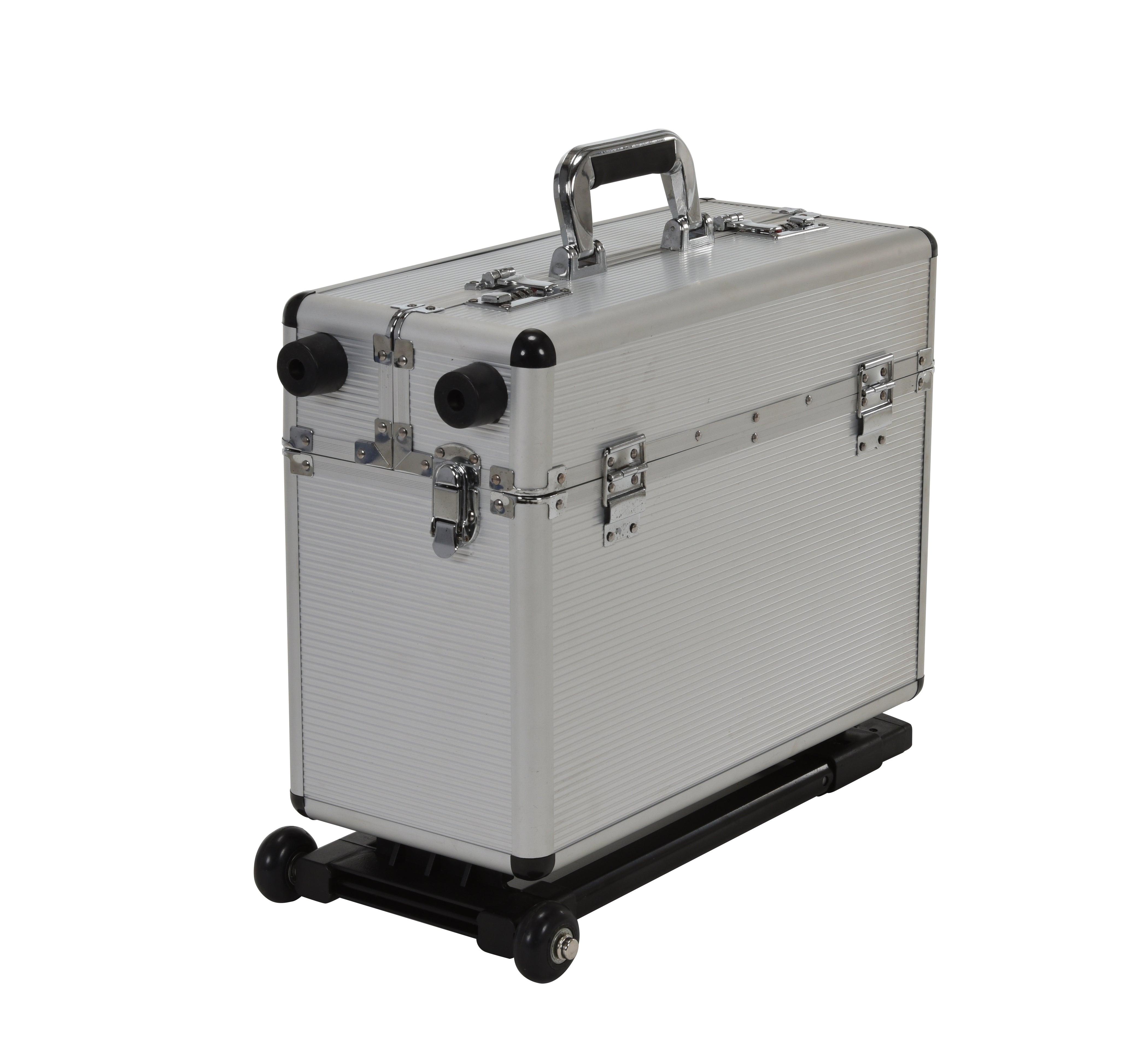
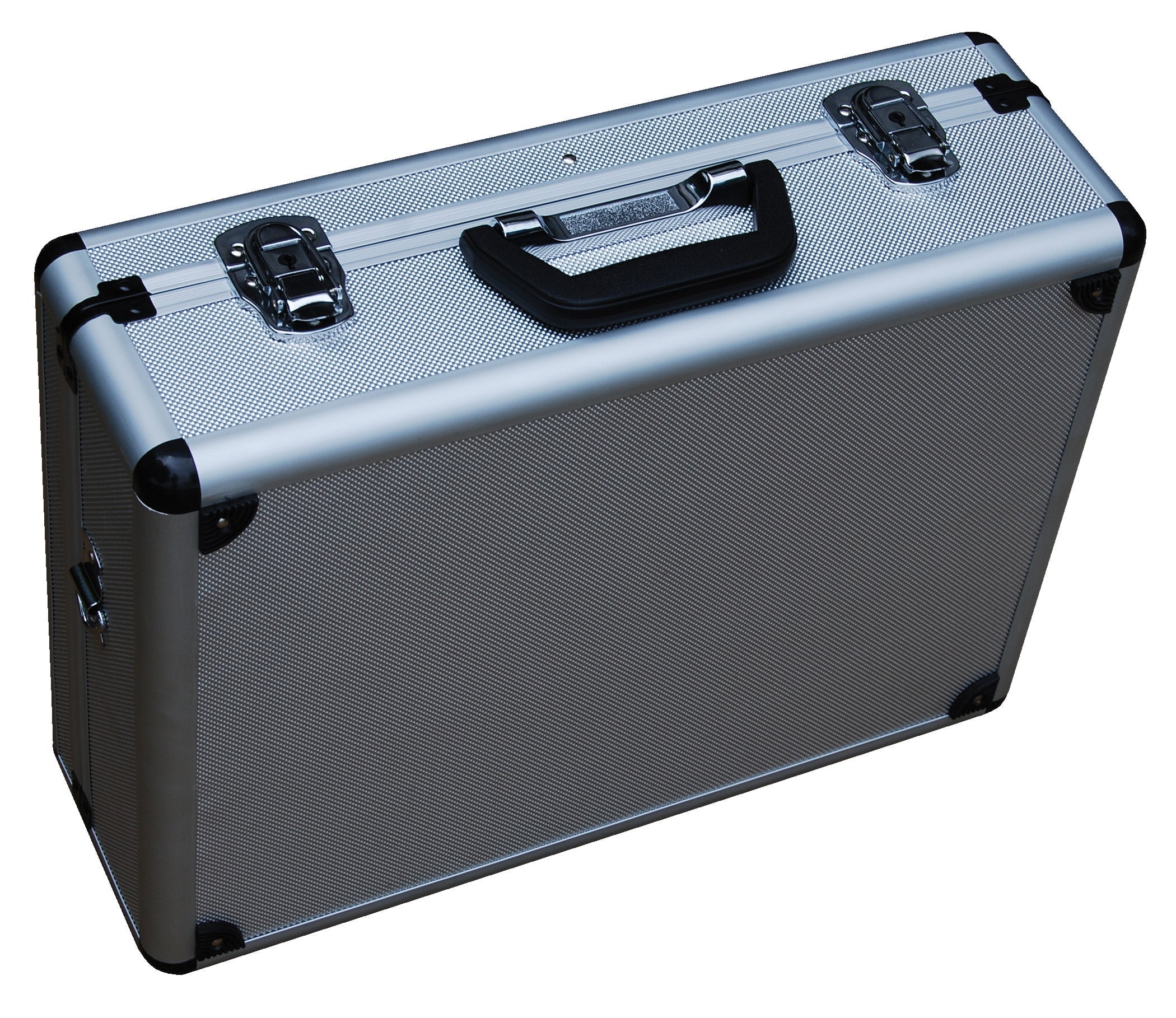
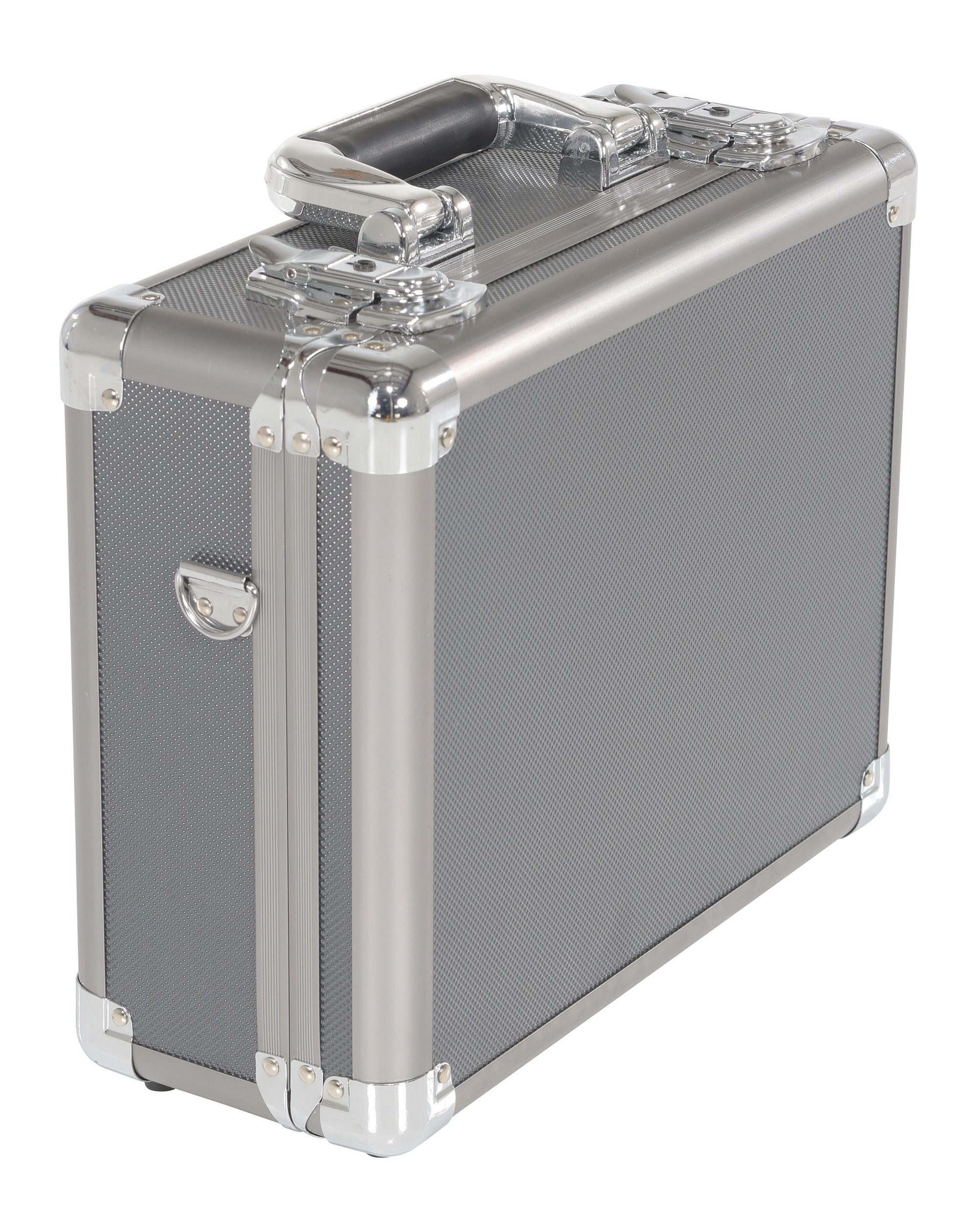
The storage that makes it a workstation. A bare top is a table; the storage around it is what makes it a workstation. Louvered wall panels, sold in a 2-pack from about $90 and rated at 200 lb per panel, hang bins on the wall behind the bench where a cabinet would waste the space, keeping fasteners and small parts at arm's reach without cluttering the deck. Under the top, the drawers and doors on the mobile benches keep tooling secured to the station. For the tools that leave the building, Vestil aluminum tool cases start around $59, the aluminum carrying case near $47, and the larger aluminum and molded storage cases run to about $352 with a 44 lb payload, protecting instruments and calibrated gear in transit between the shop and the field. Spec the storage the same day you spec the bench, because a workstation planned as a whole beats a good bench that slowly buries itself under loose parts.
Frequently Asked Questions
The rating is a uniformly distributed load, so it assumes the weight is spread evenly across the top, not concentrated on one spot. A welded steel frame in heavy gauge is what carries the big numbers: the Valley Craft welded tables are rated at 3,000 lb and the Vestil heavy duty steel bench at 8,000 lb. If a compact, dense load will sit in one place, derate accordingly and keep it centered, and if the deck flexes under the real load, step up to the heavier welded build.
Set it against a standing worker's elbow. Precision and inspection work wants the surface about 2 to 4 inches above the elbow, general light assembly sits right at elbow height, and heavy work you lean into drops 4 to 8 inches below it. No single fixed height serves all three, which is why the adjustable height work tables exist; they let one station be retuned as the task or the operator changes rather than forcing a compromise height on everyone.
Decide by whether the work comes to the bench or the bench goes to the work. A welded, planted table is the right buy for heavy repair, press, and machining stations that never move and need maximum capacity and flatness. A cabinet-based bench on casters earns its keep when the job travels between stations, since one rolling bench with its tooling aboard replaces several fixed ones and keeps the tools with the task.
Steel for dry shops and any real capacity, plastic for water and chemicals. Powder-coated and welded steel gives you the load ratings and the durability for a normal plant floor, but under a washdown hose or chemical splash it corrodes from underneath and quietly loses strength. The Vestil plastic benches are built for those wet, food, and chemical corners where rust would win, trading capacity for a surface that shrugs off moisture.
Yes. Gauge is the thickness of the steel, and lower numbers are thicker, so 12 gauge, roughly 0.105 inch, is meaningfully more rigid than the thin sheet on a light-duty bench. Combined with a welded rather than bolted frame, that heavier plate is what lets the Valley Craft tables hold their rating without the top flexing or the joints loosening under repeated impact and vibration.