Lashing Rings
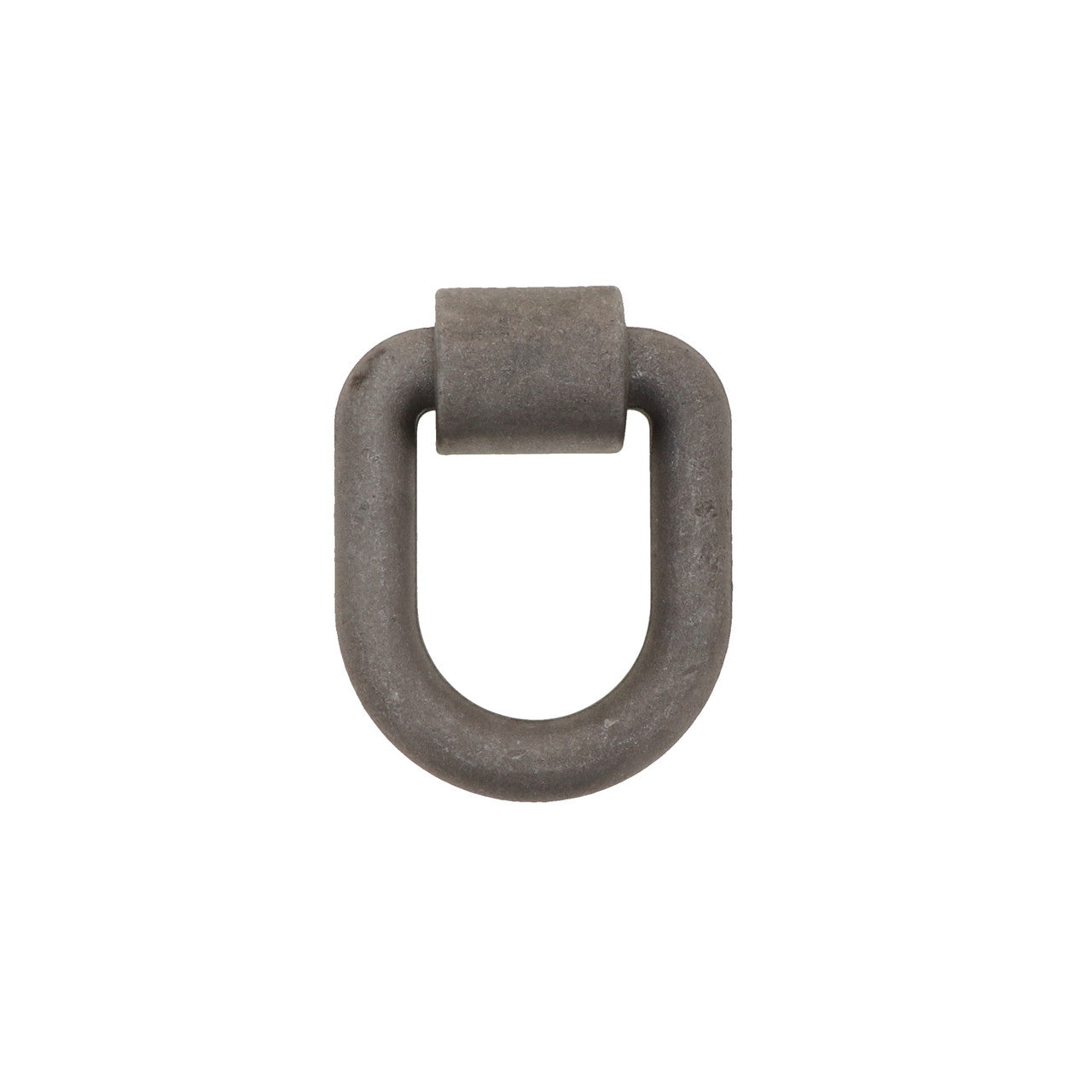
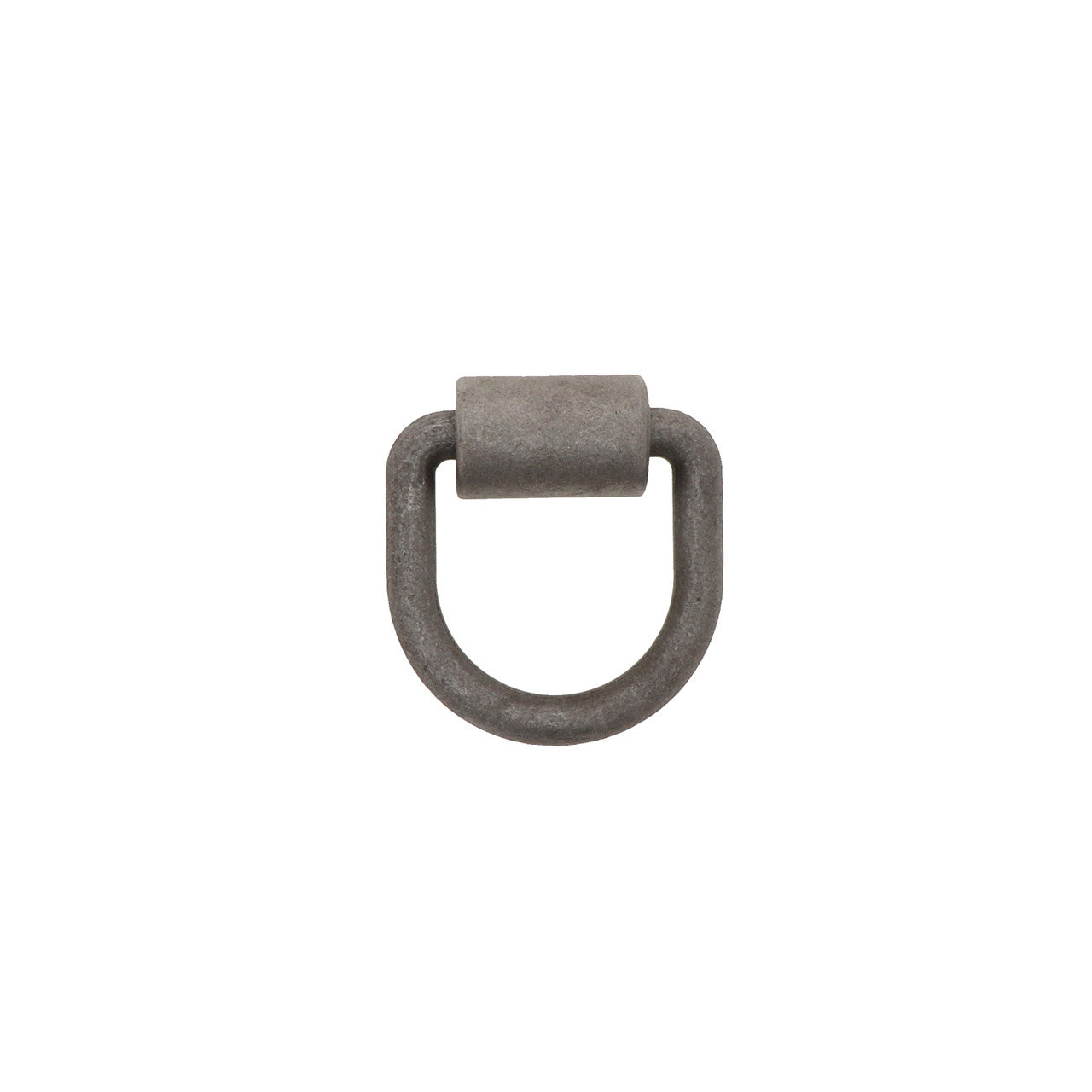
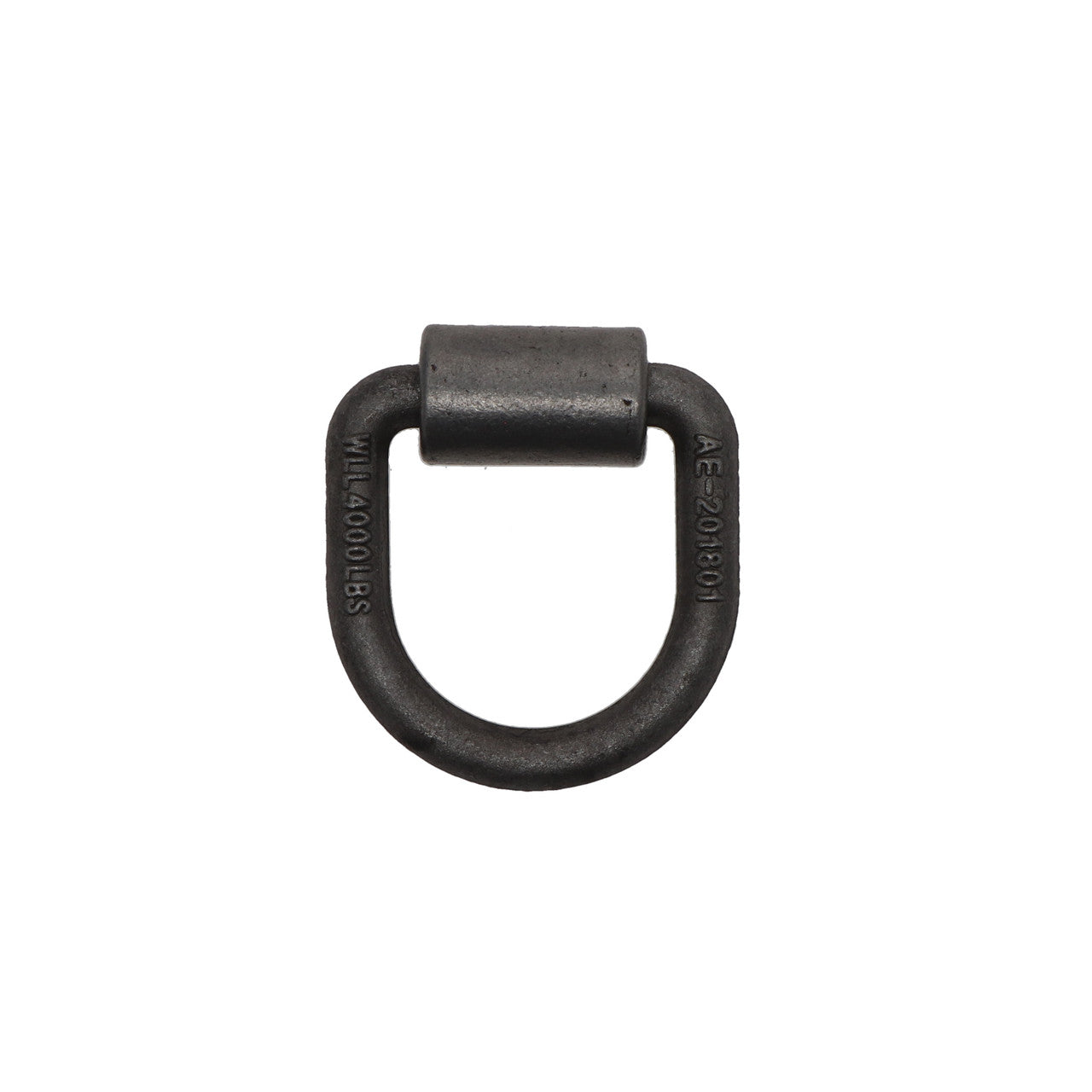
A lashing ring is the weld-on anchor point a strap, chain, or cable hooks to when you tie a load down, and this collection is a focused set of Kinedyne weld-on heavy-duty D-ring anchors built for exactly that. They come in three bar diameters, 1/2 inch, 5/8 inch, and 1 inch, each a forged steel ring on a weld-on clip that turns a spot on a flatbed, trailer, or steel structure into a rated tie-down point. Working load limits run from 4,000 lb on the 1/2 inch ring to 15,600 lb on the 1 inch, with break strengths three times those figures, and prices start at $7.53. The ring you want depends on the end fittings you run and the aggregate rating your load calls for, and the short guide below covers both.
Compare Lashing Points
| Model | Price | Part Number | Material | Finish | Clip Type | |
|---|---|---|---|---|---|---|
| Kinedyne 1" Weld-On Heavy-Duty D-Ring Anchor | $26 | 80139 | Forged steel | Natural steel | Weld-on | View → |
| Kinedyne 5/8" Weld-On Heavy-Duty D-Ring Anchor | $13 | 80137 | Forged steel | Natural steel (paintable) | Weld-on | View → |
| Kinedyne 1/2" Weld-On Heavy-Duty D-Ring Anchor | $8 | 80136 | Forged steel | Natural steel | Weld-on | View → |
Lashing Points Buying Guide
Read the working load limit, not the fraction. The 1/2 inch, 5/8 inch, and 1 inch in these names is the diameter of the forged ring bar, which sets what end fittings the ring swallows, and not the rating itself. The rating is the working load limit stamped on the part. Kinedyne's 1/2 inch ring carries 4,000 lb at $7.53, the 5/8 inch carries 6,300 lb at $12.94, and the 1 inch jumps to 15,600 lb at $25.95. Break strength on all three runs three times the WLL, so the 1 inch ring does not let go until 46,800 lb, the margin that one-third rule is built to hold. Pick the ring whose WLL clears the share of the load that anchor will actually carry, then confirm the ring opening fits the hook, chain, or shackle you run.
The anchor counts in the FMCSA aggregate. Under 49 CFR 393.106 the aggregate working load limit of your tiedowns has to reach at least half the weight of the cargo, and the assembly is only as strong as its weakest link. A 5,000 lb strap on a 4,000 lb ring is a 4,000 lb connection, because the ring gives first. Size the anchor to match or beat the ratchet straps or heavy-duty ratchet straps hooking to it, count half the WLL of each tiedown that runs anchor to anchor, and the full WLL of each one that passes over the load and returns to the deck. Underbuild the ring and it becomes the number the whole system is rated to.
The weld makes the rating real. A weld-on ring is rated on the assumption the weld holds, so the forged clip has to be welded to sound base metal by someone who can lay a structural bead, following Kinedyne's weld pattern for the size. Thin sheet, surface rust, or a cold tack turns a 15,600 lb ring into a guess. Weld the specified sides, let it cool, and inspect the bead before the first pull. Where you cannot weld, or the deck is aluminum or a van wall, a bolt-in or track anchor is the honest alternative, and logistic track and the wider truck and tow securement range cover those mounts.
A tie-down anchor is not a lift point. These D-rings are rated for cargo securement, the DOT tie-down world of straps, chains, and binders holding a load flat on a deck. That is a different rating from an overhead lifting attachment, which is proof-tested and marked under lifting standards for hanging a load off a crane hook. Do not sling from a lashing ring to pick a load. When you need a rated connection to lift from, lifting points and hoist rings are the engineered hardware for it, with the design factors and inspection discipline that job demands.
Frequently Asked Questions
Match the ring's working load limit to the share of the load that anchor will carry, then confirm the ring bar diameter suits your end fittings. The 1/2 inch Kinedyne ring is rated 4,000 lb, the 5/8 inch 6,300 lb, and the 1 inch 15,600 lb. A larger bar diameter also opens the ring to accept bigger hooks, chain, and shackles.
Each ring sits on a forged weld-on clip that you weld to the trailer, flatbed, or steel structure. The weld carries the entire rating, so it has to be a sound structural bead on clean base metal, welded on the sides Kinedyne specifies for that size. They are not bolt-in or track-mount parts.
Working load limit is the load the anchor is rated to hold in service. Break strength is where it actually fails, and on these rings it runs three times the WLL, so the 1/2 inch ring breaks at 12,000 lb, the 5/8 inch at 18,900 lb, and the 1 inch at 46,800 lb. That one-third ratio is the safety margin, so you rate to the WLL and never to the break figure.
No. These are cargo securement anchors rated for DOT tie-down work, holding a load down on a deck, not for overhead lifting. Lifting from an unrated point is unsafe. Use proof-tested lifting points or hoist rings when you need to sling a load off a hook.
FMCSA rules under 49 CFR 393.106 want the aggregate working load limit of your tiedowns to reach at least half the cargo weight, plus enough tiedowns for the length of the load. Every anchor in that system has to be rated for its share, since the lowest-rated component sets the limit for the strap attached to it.