The Best Lifting Slings: Which Type for Your Load?
There's no single best lifting sling, there's a best type for your load and environment. Below are the four main sling types compared, one representative of each, with the jobs each does best. Alloy chain handles heat and severe duty, wire rope rugged everyday lifting, synthetic web delicate loads, and synthetic round gentle high-capacity lifts. Match the type to your load, surface, and conditions.
| Rank | Model | Price | Overall Length | Capacity | |
|---|---|---|---|---|---|
| #1 | CM Grade 100 SOS 1 Leg Chain Sling - Clevlok Sling… | $213 | 3-20 ft | 2,700 lb | View → |
| #2 | Stren-Flex Import Wire Rope Sling - Eye & Eye w/… | $35 | 20 ft | — | View → |
| #3 | Lift-All 1-Ply Endless Tuff-Edge Polyester Web… | $218 | — | 9,200-16,500 lb | View → |
| #4 | Lift-All Dynaflex Dyneema 10,000lbs Endless Round… | $184 | 3-50 ft | 10,000 lb | View → |
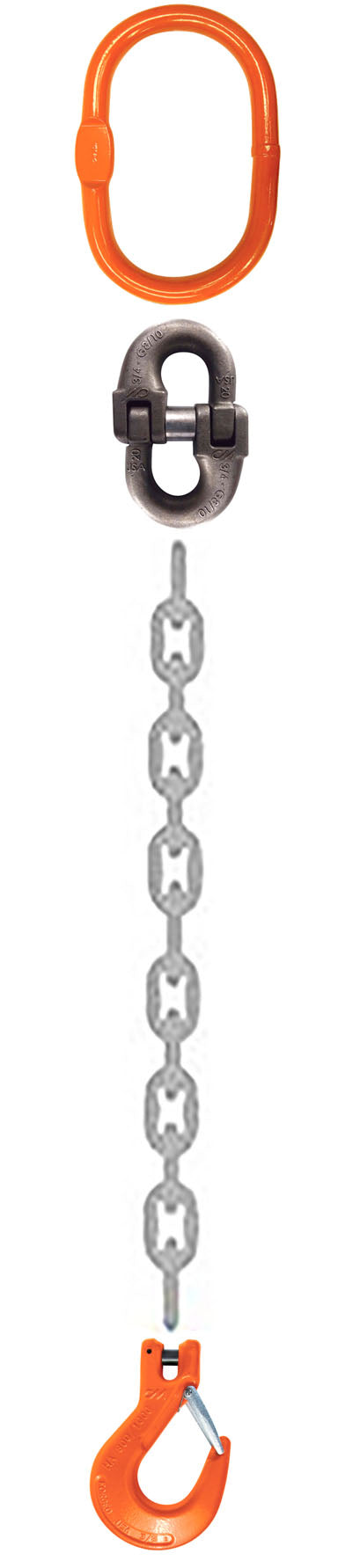
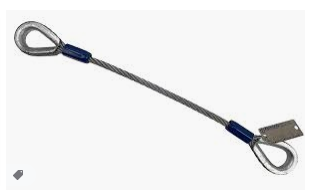
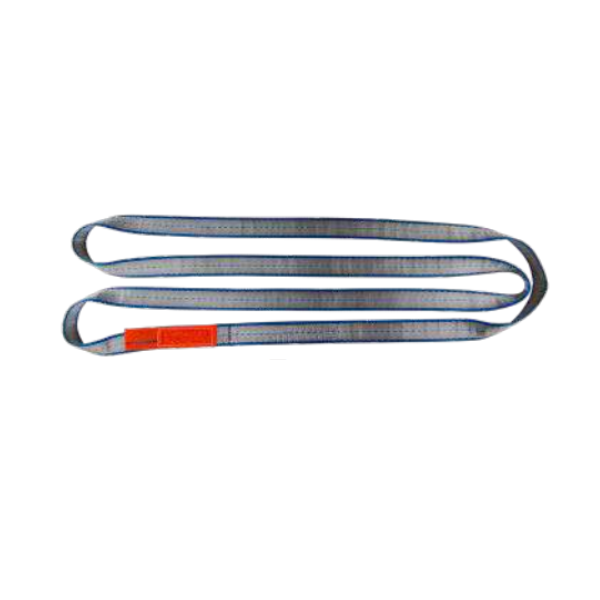
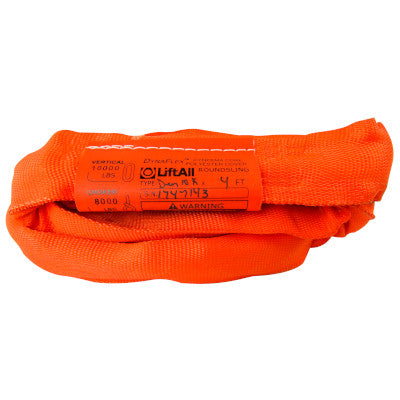
Best for heat and severe duty: alloy chain
Alloy chain slings, like the CM Grade 100 shown here, are the toughest slings made. They handle the heaviest loads, high heat above 400°F where synthetics can't go, sharp edges, and harsh, abrasive environments, and they're field-repairable by replacing links. The trade-off is weight and cost, chain is the heaviest and among the priciest per unit of capacity. For foundries, steel mills, and brutal outdoor work, chain is the only sling that survives. If your work is hot, sharp, dirty, or extremely heavy, this is the type to buy.
Best rugged all-rounder: wire rope
Wire rope slings are the durable, cost-effective everyday choice. They resist abrasion, carry higher capacities than synthetics, cost less than chain, and stay reasonably light, which makes them the workhorse for heavy, repetitive, rough-surface lifting. They're less flexible than synthetics and can mark delicate surfaces, and kinks or broken wires must be watched, but for general heavy lifting that isn't surface-sensitive or extremely hot, wire rope hits the sweet spot of durability and price. It's the type many operations reach for first for routine heavy work.
Best for delicate loads: synthetic web
Synthetic web slings, like the Lift-All polyester sling here, are lightweight, flexible, and gentle, ideal for finished, painted, or delicate loads you can't afford to scratch. They conform to the load, are easy to handle, and cost little. Their limits are cuts, abrasion, UV, and heat (keep them below about 180 to 194°F), and nylon versions dislike acids. For lighter, surface-sensitive lifts, machined parts, painted equipment, polished goods, a web sling protects the load in a way steel slings can't. Just inspect them often, since they take edge and abrasion damage readily.
Best gentle high-capacity option: synthetic round
Synthetic round slings combine the gentleness of web slings with far higher capacity and even less weight, around 10 percent of a comparable wire or chain sling. A color-coded jacket makes capacity easy to identify at a glance, and the sling conforms beautifully to the load, standard versions reach about 90 tons, high-performance ones far more. The caution is the jacket: if it's cut or worn through to the core, the sling is done. For heavy but surface-sensitive lifts, or anywhere a light, flexible, high-capacity soft sling helps, round slings are excellent.
How to choose between them
Work through the load and conditions. Hot, sharp, or brutally heavy work, choose alloy chain. Rugged, high-capacity everyday lifting that isn't delicate, choose wire rope. Delicate, finished, or lighter loads, choose synthetic web. Gentle handling with high capacity and low weight, choose synthetic round. Most operations keep several types on hand and pick per lift, since no one sling fits every job. Whatever you choose, size it to the leg tension (not just the load weight), respect the working load limit, and inspect before every use. Our how do I choose a lifting sling guide walks through the full decision.
Whatever you choose, rig it safely
Selecting the right type is only half the job, using it safely is the rest. Size any sling to the tension in each leg, which sling angle can push well above the load's simple weight. Protect synthetic slings from sharp edges, and keep them out of high heat. Respect the working load limit stamped on the tag, and inspect the sling before every use. A perfectly chosen chain sling rigged at a dangerous angle or run over a sharp edge is still unsafe. Match the type to the load, then rig and inspect it properly, and the lift is sound.
The verdict
There's no universally best lifting sling, only the best type for the job. Choose alloy chain for heat, sharp edges, and severe duty; wire rope for rugged, high-capacity everyday lifting; synthetic web for delicate and finished loads; and synthetic round for gentle, high-capacity, low-weight lifts. Size any sling to the tension in each leg, respect its rated capacity, and inspect it before every use and formally each year. Compare the four types in the table above.
FAQ
It depends on the load. Alloy chain is best for heat and severe duty, wire rope for rugged everyday lifting, synthetic web for delicate loads, and synthetic round for gentle, high-capacity lifts. Most operations keep several types and choose per job.
Alloy chain and wire rope carry the highest capacities for heavy industrial work and tolerate the harshest conditions, while synthetic round slings also reach very high capacities (up to ~90 tons standard) at a fraction of the weight. The right choice balances strength with the load's surface and the environment.
Use a synthetic web or round sling when the load is delicate, finished, or painted and must not be marked, or when you want a lightweight, flexible sling. Avoid synthetics in high heat (above ~180 to 194°F) or over sharp unprotected edges, where chain or wire rope is safer.
Related Guides
Sources: OSHA 1910.184, ASME B30.9, manufacturer references (Mazzella, Crosby, Lift-All, Columbus McKinnon), verified 2026-07-22. Always use the sling's rated capacity tag and the manufacturer's load chart; never exceed the working load limit. · Updated 2026-07-22