Start with the load weight
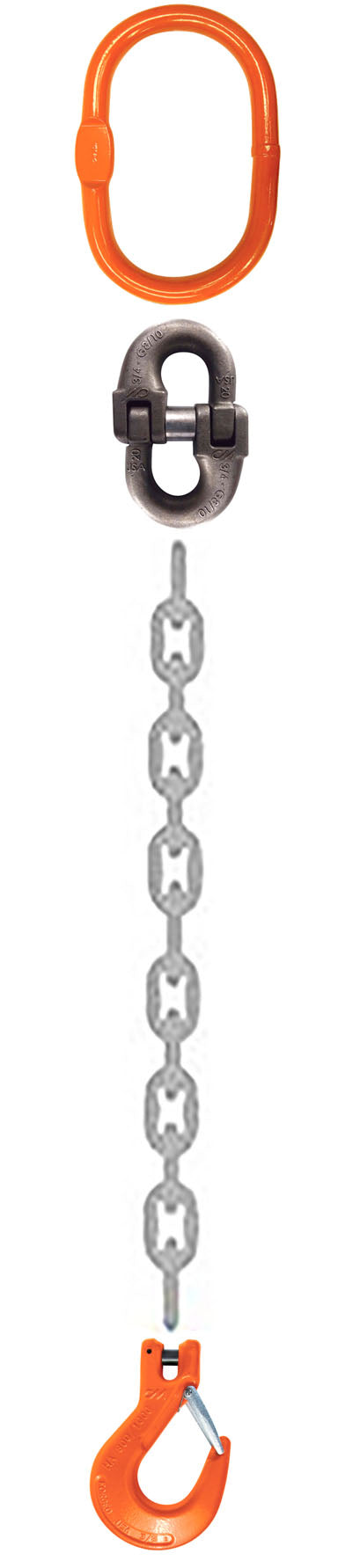
The first and non-negotiable factor is capacity. The sling's working load limit must exceed the load, but with a crucial catch: in a multi-leg lift, each leg carries only part of the load, yet sling angle can multiply the tension in each leg well above a simple division. So you size to the tension in each leg, not just the total weight divided by the number of legs. Get this wrong and you overload the sling even though the load is under its nominal rating. Always calculate leg tension and choose a sling, like a chain sling for heavy work, rated comfortably above it.
Consider the load's shape and surface
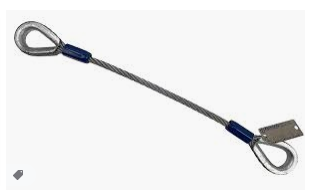
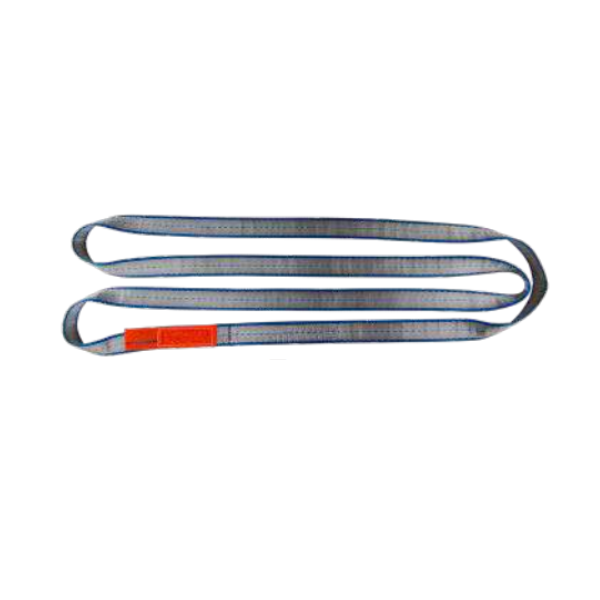
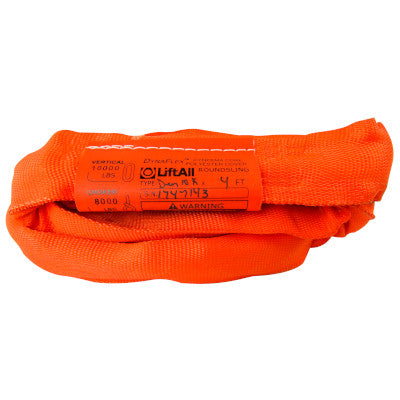
How the load is shaped and finished narrows the choice fast. For delicate, finished, or painted surfaces you can't afford to mark, a synthetic web or round sling is gentle and conforms to the load. For rough, heavy, or unfinished loads, a wire rope or chain sling shrugs off abrasion. The shape matters too: round slings and web slings wrap and cradle awkward or cylindrical loads well, while chain handles rigid, heavy items. Match the sling's contact to what the load can tolerate without damage.
Check the environment: heat and chemicals
Environment can rule out whole sling types. Synthetic slings, web and round, must not be used at high temperatures (above roughly 180 to 194°F), where they soften and fail, so hot work demands alloy chain (rated above 400°F) or, in some cases, wire rope. Chemicals matter too: nylon resists alkalis and oils but is degraded by acids; polyester handles acids and wet conditions but not strong alkalis; steel slings can corrode. Before choosing, ask what temperature and chemicals the sling will face, and eliminate any type that can't survive them. This step alone often makes the decision.
Watch for sharp edges
Edges are a leading cause of sling failure. A sharp corner can cut a synthetic sling or kink and damage a wire rope sling under load, dramatically reducing its strength or severing it outright. If the load has sharp edges, you either choose a more edge-resistant sling (chain, or wire rope with care), pad the edges with corner protectors, or both. Never run a synthetic sling over a sharp edge unprotected. Assessing the load's edges and contact points is a routine but critical part of choosing and rigging a sling safely.
Account for leg count and sling angle
How you'll rig the lift affects the choice. More legs share the load but introduce sling angles that multiply each leg's tension, so a multi-leg configuration may need higher-rated slings than the raw weight suggests. Plan the hitch (vertical, choker, or basket, each changes the effective capacity) and the angle before selecting. A choker hitch, for instance, reduces a sling's rated capacity. Our how does sling angle affect capacity guide covers the math, which you should run before finalizing the sling, since the rigging geometry is part of the selection, not an afterthought.
Match the type to the job
Pulling it together, a simple rule of thumb guides most choices. Heat, sharp edges, and severe or dirty duty point to alloy chain, the toughest option. Rugged, high-capacity everyday lifting favors wire rope, durable and cost-effective. Delicate, finished, or lighter loads call for synthetic web or round slings, gentle and light. Most operations keep several types on hand and choose per lift. When a job doesn't clearly fit one type, weigh the factors above, weight, surface, environment, edges, rigging, and let the constraints decide.
Frequency and cost
How often you'll use the sling factors in too. For frequent, demanding use, durability pays off, chain and wire rope last through abuse that would retire a synthetic sooner, though synthetics are cheaper to replace. For occasional or light use, a low-cost synthetic may be the sensible buy. There's no premium for over-building a sling you rarely use, and no economy in a fragile sling you'll thrash daily. Weigh purchase cost against expected service life and replacement frequency, alongside the safety factors, which always come first.
When in doubt, get expert help
Sling selection is genuinely consequential, a wrong choice can drop a load, so there's no shame in getting help on an unfamiliar or heavy lift. A qualified rigging supplier or a competent person can confirm the right type, capacity, and configuration for your load and conditions. For routine lifts within your experience, the factors above will guide you; for anything heavy, hot, awkward, or high-consequence, verify with an expert before you lift. The cost of a phone call is nothing against the cost of a failed lift. Browse our sling collection or the full lifting slings guide.
The bottom line
Choose a lifting sling by matching it to the load's weight (sizing to leg tension, not just total weight), its shape and surface sensitivity, the temperature and chemicals present, sharp edges, and the rigging geometry. Chain suits heat and severe duty, wire rope rugged everyday lifting, and synthetics delicate loads. Respect the working load limit and inspect before every use. When a lift is heavy, hot, or awkward, verify with an expert. See our full lifting slings guide and best lifting slings comparison.
Hitch type changes capacity
How you attach the sling to the load, the hitch, changes its usable capacity, so it's part of the selection. A vertical hitch gives full rated capacity. A choker hitch, which wraps and cinches the load, reduces capacity (commonly to around 75 to 80 percent) because of the bend at the choke. A basket hitch can raise capacity when rigged correctly, but then the leg angles follow the load-angle rules. Decide the hitch before you finalize the sling, and size it, whether a wire rope or chain sling, for the hitch and angle you'll actually use, not just a straight vertical pull.
Keep a range of slings on hand
In practice, most operations don't choose one sling type, they stock several and pick per lift. A workshop might keep web slings for finished parts, wire rope for rough heavy work, and chain for the occasional hot or brutal job. This is the realistic answer to sling selection: rather than forcing one type to cover every load, match the sling to each lift from a small, well-chosen inventory. Buy the types your work actually demands, keep them inspected and tagged, and train your people to choose correctly. The right sling is the one that fits the specific load in front of you.