The inspection requirements
Sling inspection follows OSHA 1910.184 and ASME B30.9, and there are three levels. An initial inspection when a sling is first received confirms it matches its certification. A frequent inspection, a visual check by the user, happens before each use, every shift. And a periodic inspection, documented and performed by a designated competent person, happens at set intervals, at least annually, and more often in severe service. Together these catch damage before it causes a failure. The frequent check is the frontline defense; the periodic one is the thorough, recorded examination.
The capacity tag comes first
Before anything else, check the tag. Every sling must carry a legible identification tag showing its rated capacity (working load limit), the manufacturer, and the applicable standard, and this is an OSHA compliance requirement, not a nicety. If the tag is missing or unreadable, the sling must be removed from service, because you can't safely use a sling whose rating you can't confirm. A missing tag alone disqualifies a sling. So the first step of any inspection is simply confirming the tag is present and legible, then verifying it's the right sling for the intended load.
Inspecting wire rope slings
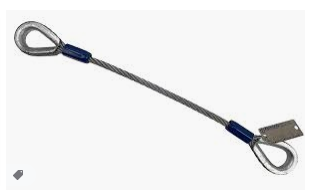
For wire rope slings, look for broken wires (a set number within a rope lay is cause for removal), kinks, birdcaging (the strands splaying apart), crushing or flattening, corrosion, and heat damage such as discoloration. Also check the end fittings and thimbles for damage and the splices for slippage. Broken wires and kinks are the most common findings, and they reduce the rope's strength well below its rating. Run a gloved hand along the rope to feel for broken wires you might not see. Any of these findings, or an unreadable tag, means removal from service.
Inspecting alloy chain slings
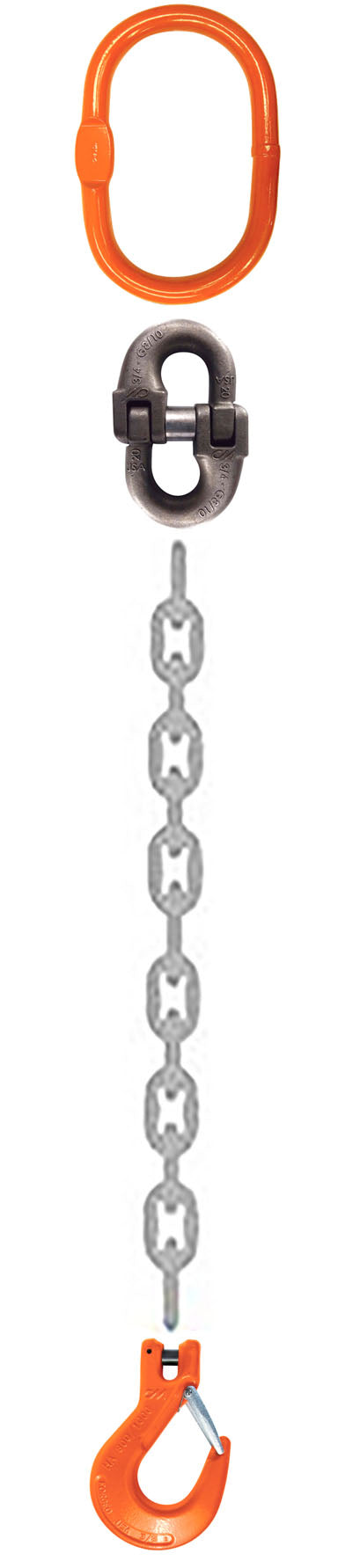
For alloy chain slings, inspect each link for stretch and elongation (a chain that has stretched has been overloaded), wear and gouges that reduce the link's cross-section, nicks and cracks, and bent or twisted links. Check the master links and hooks for the same, plus hook opening (throat) stretch. Chain is repairable by a qualified party, links can be replaced, but a stretched, cracked, or badly worn chain must come out of service until repaired. Measure against the manufacturer's tolerances rather than eyeballing, since small amounts of stretch or wear across many links add up to a compromised sling.
Inspecting synthetic web slings
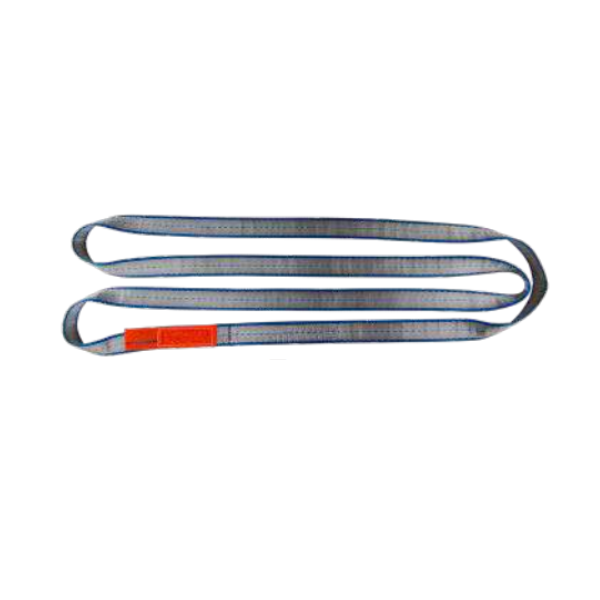
For synthetic web slings, look for cuts, tears, holes, and snags in the webbing; abrasion that has worn the fibers; broken or worn stitching, especially at the eyes, which is where failures often start; burns or melting from heat or friction; and chemical damage such as stiffening, discoloration, or brittleness. Also check for a missing or illegible tag. Web slings show damage readily, which is an advantage, but that also means they need careful, frequent inspection, since cuts and abrasion accumulate. Any significant damage to the webbing or stitching means immediate removal from service.
Inspecting synthetic round slings
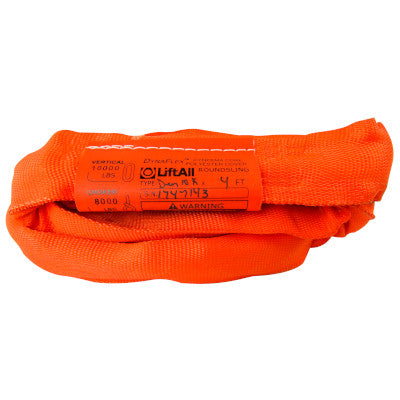
For synthetic round slings, the outer jacket protects the load-bearing core inside, so inspection focuses on the jacket's integrity. Look for cuts, abrasion, or holes that expose the core yarns, any exposed core means immediate removal, plus hard, melted, or heavily abraded areas, and chemical or heat damage. The catch with round slings is that internal core damage can be hidden by an intact-looking jacket, so any sign the jacket has been compromised is treated seriously. Check the tag, and if the color-coded jacket is cut through or the core shows, retire the sling at once.
Remove defective slings immediately
The rule that underpins all sling inspection: any sling found defective, at any inspection or during use, must be removed from service immediately and not used again until repaired (where the type allows) or destroyed. A damaged sling doesn't get one more lift. Synthetic slings generally can't be repaired and should be cut up and discarded so they can't accidentally return to use; chain slings can sometimes be repaired by a qualified party; wire rope slings are usually retired. Tag and physically separate any removed sling. This immediate-removal discipline is what actually prevents failures.
The bottom line
Inspect lifting slings before every use and formally at least once a year by a competent person, per OSHA 1910.184 and ASME B30.9. Confirm a legible capacity tag first, then check for the damage specific to each type, broken wires and kinks on wire rope, stretch and cracks on chain, cuts and worn stitching on web, and jacket damage exposing the core on round slings, and remove any defective sling from service at once. Keep records and tag every sling. See our full lifting slings guide and how to choose a sling.
Who does the inspection
The frequent, pre-use inspection is done by the trained user, anyone rigging a lift should be able to spot obvious damage and know to pull a bad sling. The periodic, documented inspection must be done by a designated competent person: someone with the training and authority to judge wear against standards and remove gear from service. That split matters. Day-to-day safety rests on every user checking before each lift; the deeper, recorded examination rests on a qualified person at least annually. Making sure the right people do the right level of inspection is part of a compliant sling program.