The Best Warehouse Safety Barriers & Bollards Compared
The best safety barrier depends on what you're protecting, how often it's hit, and your budget. Below are our top guardrails, bollards, and barriers compared, spanning steel and plastic, fixed and removable. Match the barrier's impact rating to your forklift's weight and speed, choose steel for hard protection or polymer/plastic for flex and floor protection, and place each at the points of greatest risk.
| Rank | Model | Price | Finish | |
|---|---|---|---|---|
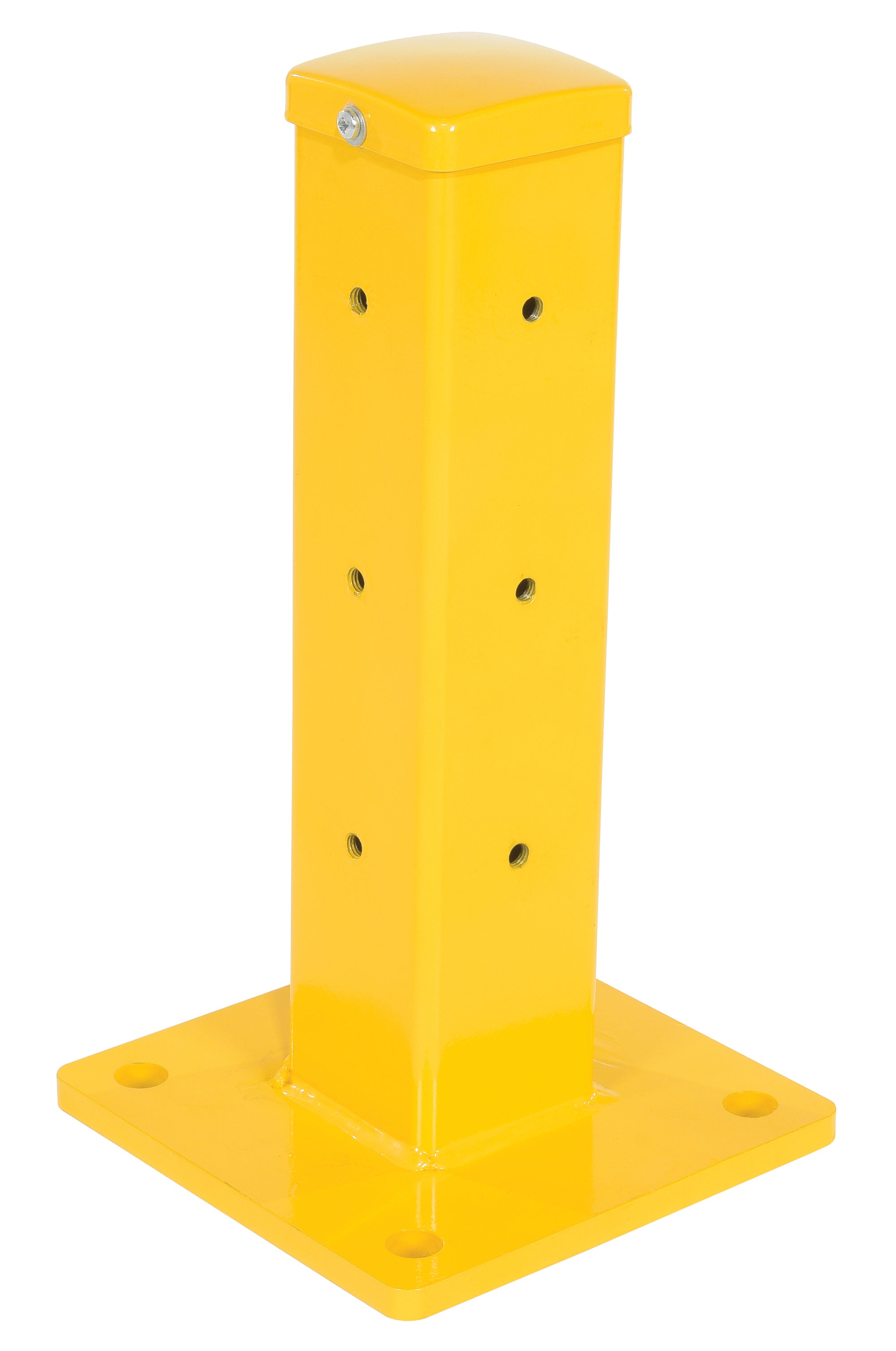
| #1 | Vestil 3-Rib Bolt-On Structural Guard Rail Systems… | $132 | — | View → |
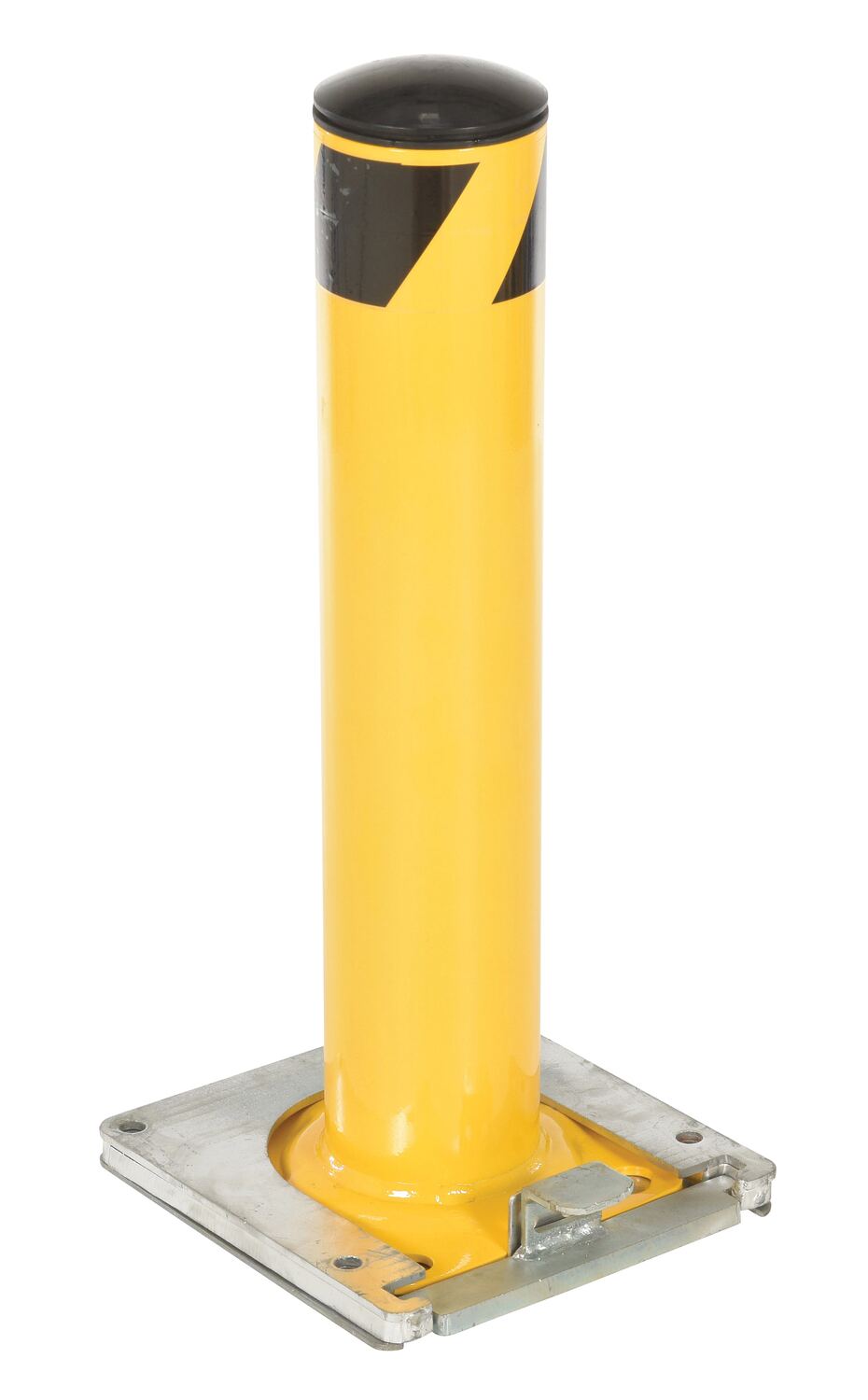
| #2 | Vestil Surface Mounted Removable Steel Pipe Safety… | $105 | Powder coat yellow | View → |
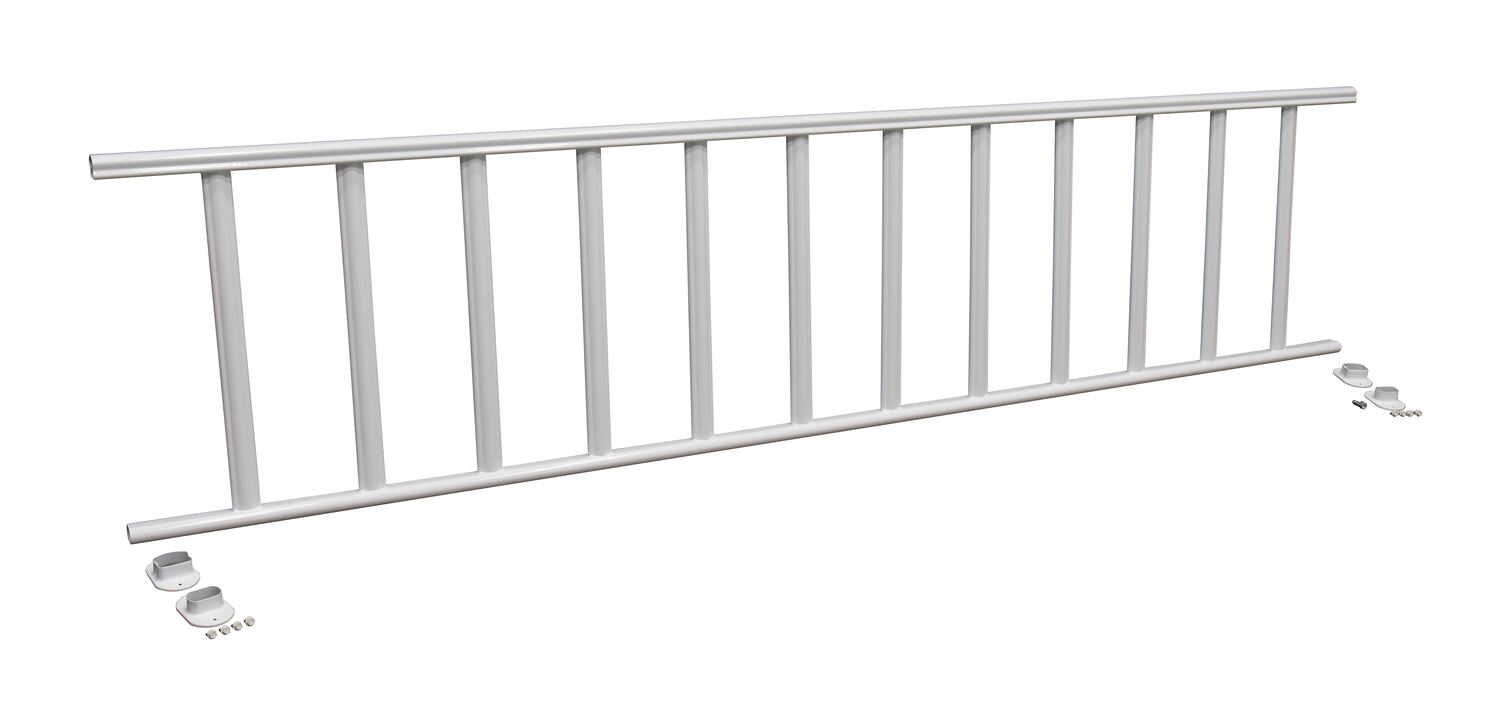
| #3 | Vestil Semi-Permanent Barriers | $181 | Powder-coat over galvanized base | View → |
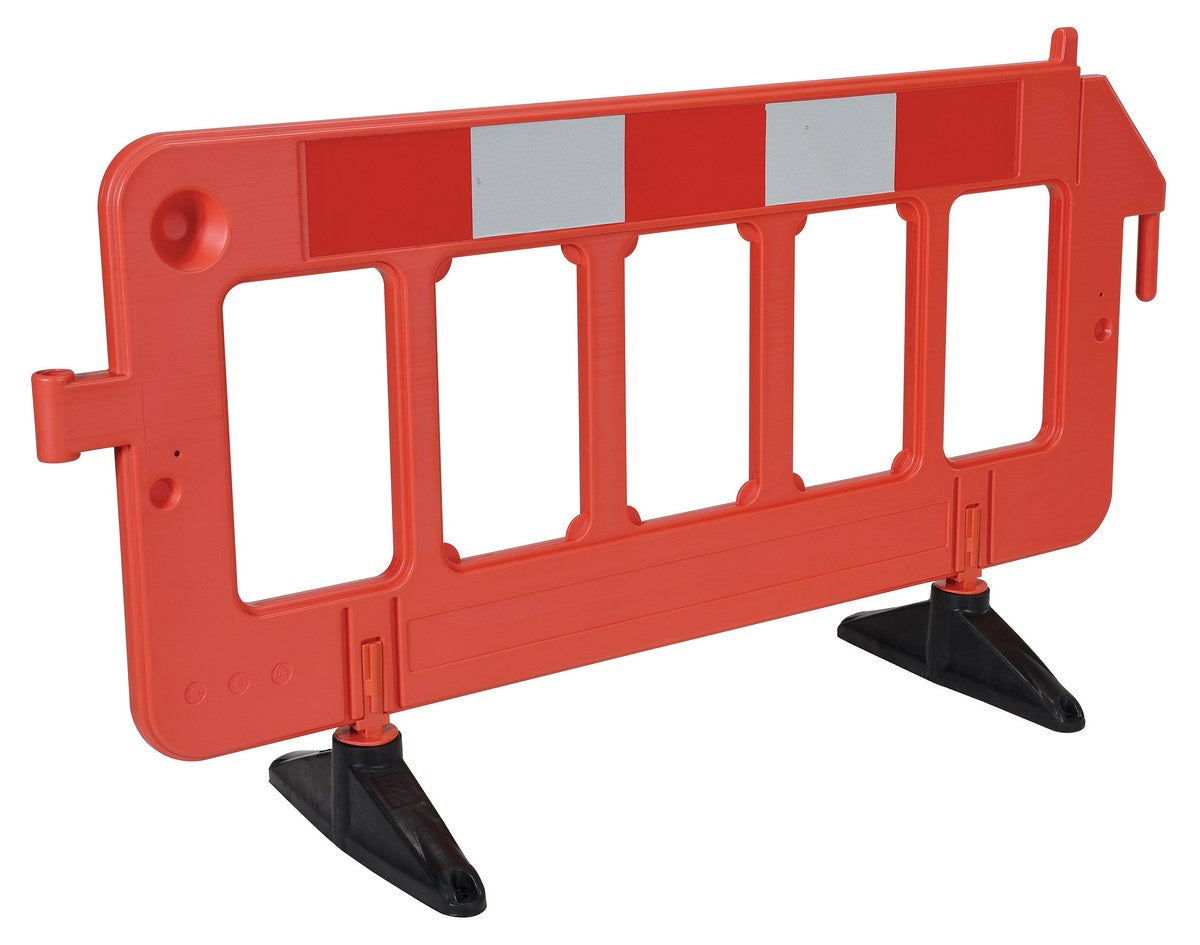
| #4 | Vestil Plastic Barriers | $138 | — | View → |
Best for walkways and racking: steel guardrail
For lining pedestrian walkways and shielding racking and equipment, the Vestil bolt-on structural guard rail is the workhorse. A rigid steel guardrail system provides strong, proven linear protection, separating foot traffic from vehicle lanes and guarding rack ends and machinery from forklift strikes. It's affordable and dependable, the standard choice for protected walkways and equipment barriers. Just remember that steel transfers impact to the floor and may need repair after a hard hit, and confirm its rating suits your forklift. For most linear protection needs, a steel guardrail run is the right, cost-effective answer.
Best point protection with access: removable steel bollard
For guarding a specific point, a corner, doorway, or rack end, while keeping the option to open the path, the Vestil surface-mounted removable steel pipe bollard is ideal. It provides strong steel point protection where a forklift could strike, then lifts out of its floor socket when you need vehicle access through that spot. That combination of hard protection and occasional access suits controlled entrances and maneuvering areas. For defending a single vulnerable point rather than a linear run, a bollard is the right tool, and the removable design adds flexibility a fixed post doesn't.
Best flexible separation: semi-permanent barriers
For segregating areas and channeling traffic with some flexibility, the Vestil semi-permanent barriers offer modular separation that can be positioned and repositioned as your layout changes. They're useful for marking off zones, creating pedestrian lanes, and separating work areas without the permanence of bolted-down steel. For facilities whose layout evolves, or that need to cordon areas temporarily, semi-permanent barriers provide protection and guidance with the ability to adapt. They're a flexible middle ground between rigid fixed guardrail and lightweight plastic barriers.
Best lightweight guidance: plastic barriers
For traffic guidance, marking zones, and lighter-duty separation, Vestil plastic barriers are the economical, flexible choice. Lightweight and easy to reposition, plastic barriers guide traffic, mark off areas, and provide visible separation, and their flexible material cushions minor contact and spares the floor. They're not for stopping a heavy forklift at speed, that's a job for rated steel, but for guidance, zoning, and light-impact protection, they're inexpensive and practical. Use plastic barriers where the goal is directing traffic and marking boundaries rather than stopping a serious strike.
How to choose your barrier
Work through three questions. What are you protecting, a walkway (guardrail run), a point like a corner or door (bollard), or a zone (barriers)? How hard and how often will it be hit, heavy frequent impacts call for rated steel or high-strength polymer, while light guidance suits plastic? And do you need access through it, if so, choose removable or fold-down designs? Then confirm the impact rating matches your forklift's weight and speed. Match the barrier type and material to the location's risk and your access needs, and you'll protect what matters without over- or under-building.
Match the barrier to the risk and rating
Whichever barriers you choose, two rules govern a safe result. First, match the barrier type to the risk: linear separation calls for a guardrail, point protection for a bollard, zoning for barriers, and light guidance for plastic. Second, match the impact rating to your forklift's weight and speed, an under-rated barrier of any material can be overwhelmed. Get both right and the barrier does its job; get either wrong, an under-rated barrier or the wrong type for the hazard, and you have false security. Assess each location's risk, then select the type and rating that actually protect it.
The verdict
For linear protection of walkways and racking, a steel guardrail is the dependable, cost-effective choice; for point protection of corners and doorways, a bollard (removable where you need access); for flexible zoning, semi-permanent barriers; and for lightweight traffic guidance, plastic barriers. Match the material to the impact, steel for hard hits, polymer or plastic for flex and floor protection, and always confirm the impact rating suits your forklift. Compare the options above, and place each at the points of greatest risk.
FAQ
It depends on what you're protecting. A steel guardrail is best for walkways and racking, a bollard for point protection of corners and doorways, semi-permanent barriers for flexible zoning, and plastic barriers for lightweight traffic guidance. Match the type to the location and confirm the impact rating suits your forklift.
Neither is universally better. Steel is rigid, cheaper, and best for stopping hard impacts, but it transfers force to the floor and may need repair after strikes. Flexible plastic and polymer barriers absorb impact and rebound, protecting the floor and lowering maintenance, but are better for guidance and lighter impacts than stopping a heavy truck.
Match the barrier's rating to your forklift's weight and typical speed, a commonly cited industrial figure is around 10,000 lb at 4 mph, with some rated higher. An under-rated barrier can be overwhelmed by a heavier or faster truck, so confirm the rating suits your specific equipment.
Related Guides
Sources: OSHA 29 CFR 1910.22, ANSI MH31.2 (barrier crash testing) and MH16.1/RMI (racking), manufacturer references (Vestil, A-SAFE, Cisco-Eagle), verified 2026-07-22. Match a barrier's impact rating to your forklift weight and speed; follow ANSI/RMI standards for racking. · Updated 2026-07-22