What safety barriers are
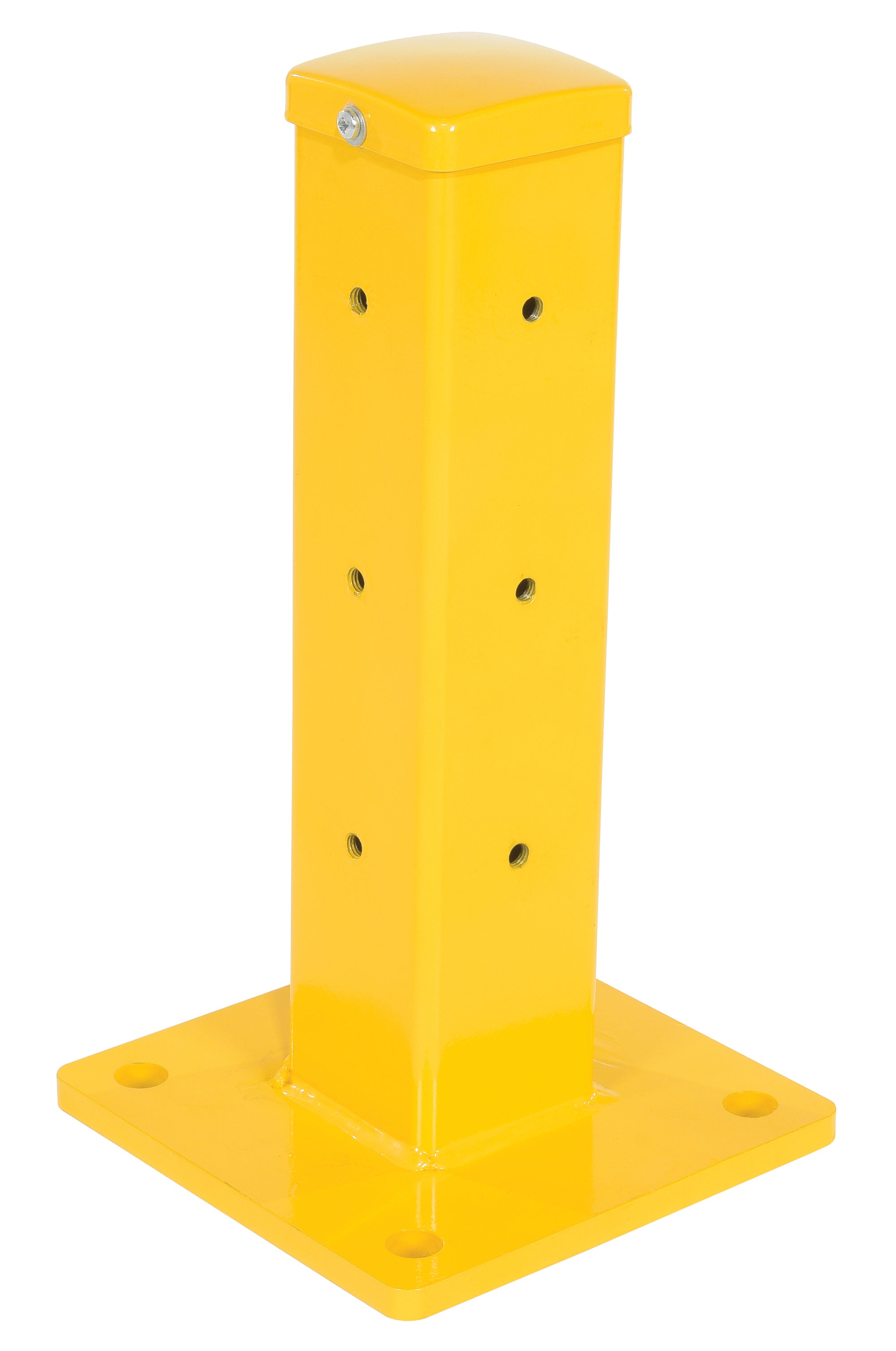
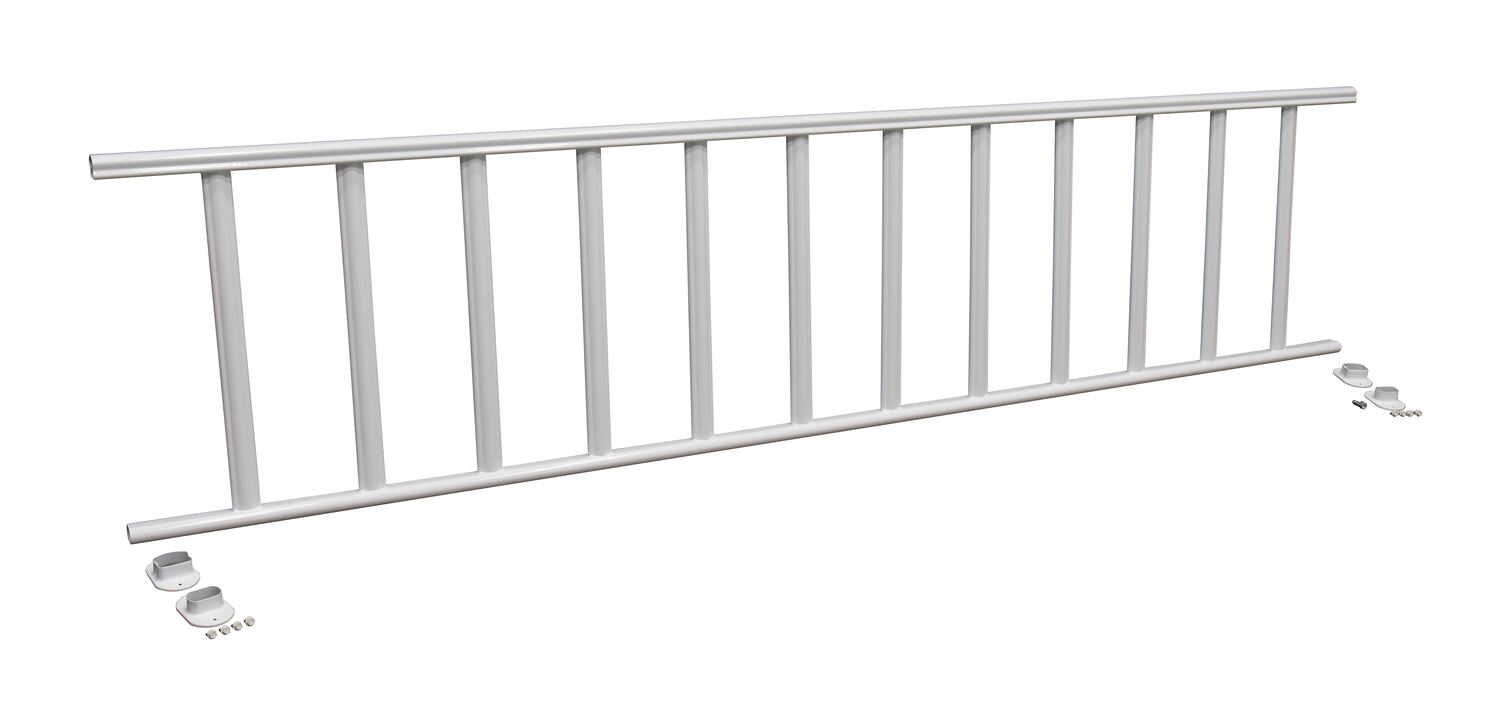
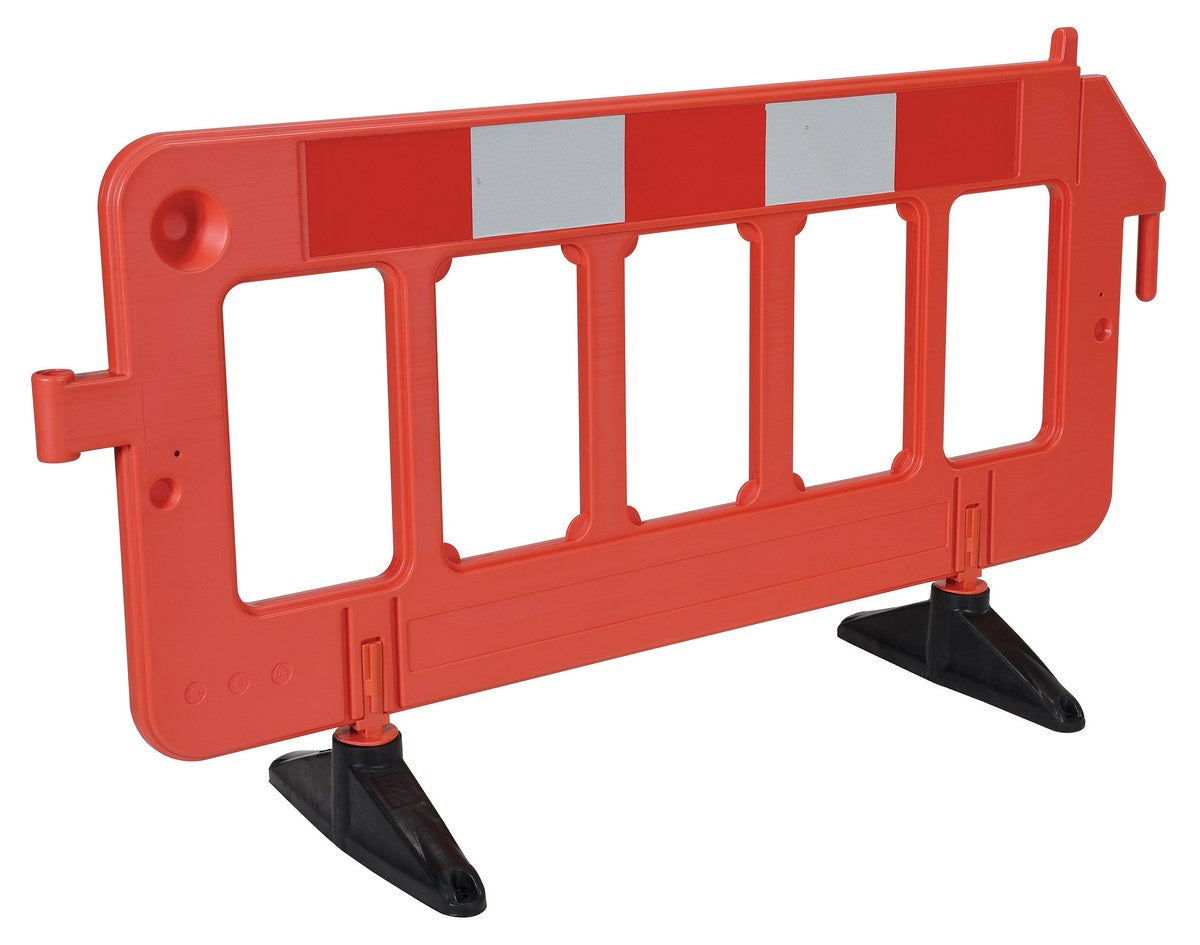
Warehouse safety barriers and guardrails are fixed steel or polymer structures installed to create physical separation between moving vehicles and the people, spaces, and equipment they could hit. In a busy facility where forklifts and pedestrians share space, that separation is a primary defense against serious injury and expensive damage. Guardrails line walkways and protect racking; barriers block off or segregate areas. They're a passive safety system, always in place, requiring no action from a worker, which is exactly why they're so effective. Our range covers steel guardrail systems and semi-permanent and plastic barriers for different needs.
What they protect: people
The most important thing barriers protect is people. Forklift-pedestrian collisions are among the most dangerous warehouse incidents, and the surest way to prevent them is to physically keep the two apart. Guardrails and barriers create protected walkways and segregate foot traffic from vehicle lanes, so a pedestrian can't stray into a forklift's path and a forklift can't drift into a walkway. This physical separation is more reliable than signage or training alone, because it doesn't depend on anyone paying attention in the moment. Protecting pedestrians with barriers at every point where people and vehicles cross is a foundational warehouse safety practice.
What they protect: racking and equipment
Barriers also shield the structures a forklift can hit. A strike on a rack upright can buckle it and, in the worst case, collapse a loaded rack, causing inventory loss and injury, so guardrails and rack protectors guard upright columns and rack ends. Barriers likewise protect walls, machinery, shipping offices, dock areas, and utilities from impact damage. A relatively cheap barrier prevents a far more costly collapse, repair, or shutdown. Positioning barriers at the corners, aisle ends, and equipment most exposed to forklift traffic protects both the structure and the operation's continuity.
How barriers are rated
Impact-rated barriers are specified by the force they can stop, expressed as a weight moving at a speed. A commonly cited industrial-steel rating is around 10,000 lb at 4 mph, with some products rated higher (12,000 lb at 5 mph), and limited deflection during the impact. The relevant crash-test methodology is the voluntary ANSI MH31.2 standard. The practical takeaway: match the barrier's impact rating to your own forklift's weight and typical travel speed, an under-rated barrier can be overwhelmed by a heavier or faster truck. Our semi-permanent barriers and guardrail systems are built for warehouse traffic, but always confirm the rating suits your equipment.
Steel versus flexible barriers
The biggest choice in barriers is material. Steel guardrails are rigid and lower-cost, but on impact they bend and transfer the collision force into the floor slab and anchors, often needing repair after a hit. Flexible polymer barriers flex, absorb the impact energy, and rebound to their shape, protecting the floor and reducing maintenance, at a higher upfront cost. Neither is universally better, they suit different priorities and budgets. Our steel vs flexible safety barriers guide covers the trade-off in full. For now, know that both protect, but they handle impacts, and the aftermath, differently.
The OSHA context
OSHA doesn't set a single impact rating for warehouse floor barriers, but it does require safe walking-working surfaces (29 CFR 1910.22), which can mean separating pedestrian and vehicle traffic where they'd otherwise mix dangerously. In other words, while there's no one prescribed barrier number, the duty to protect workers from forklift hazards drives the use of barriers, and the crash-test standard (ANSI MH31.2) provides the rating methodology. So treat barriers as part of meeting your general obligation to keep workers safe from vehicle traffic, and choose rated products matched to your equipment. Compliance is about the outcome, protected workers, not a single spec.
Where to install barriers
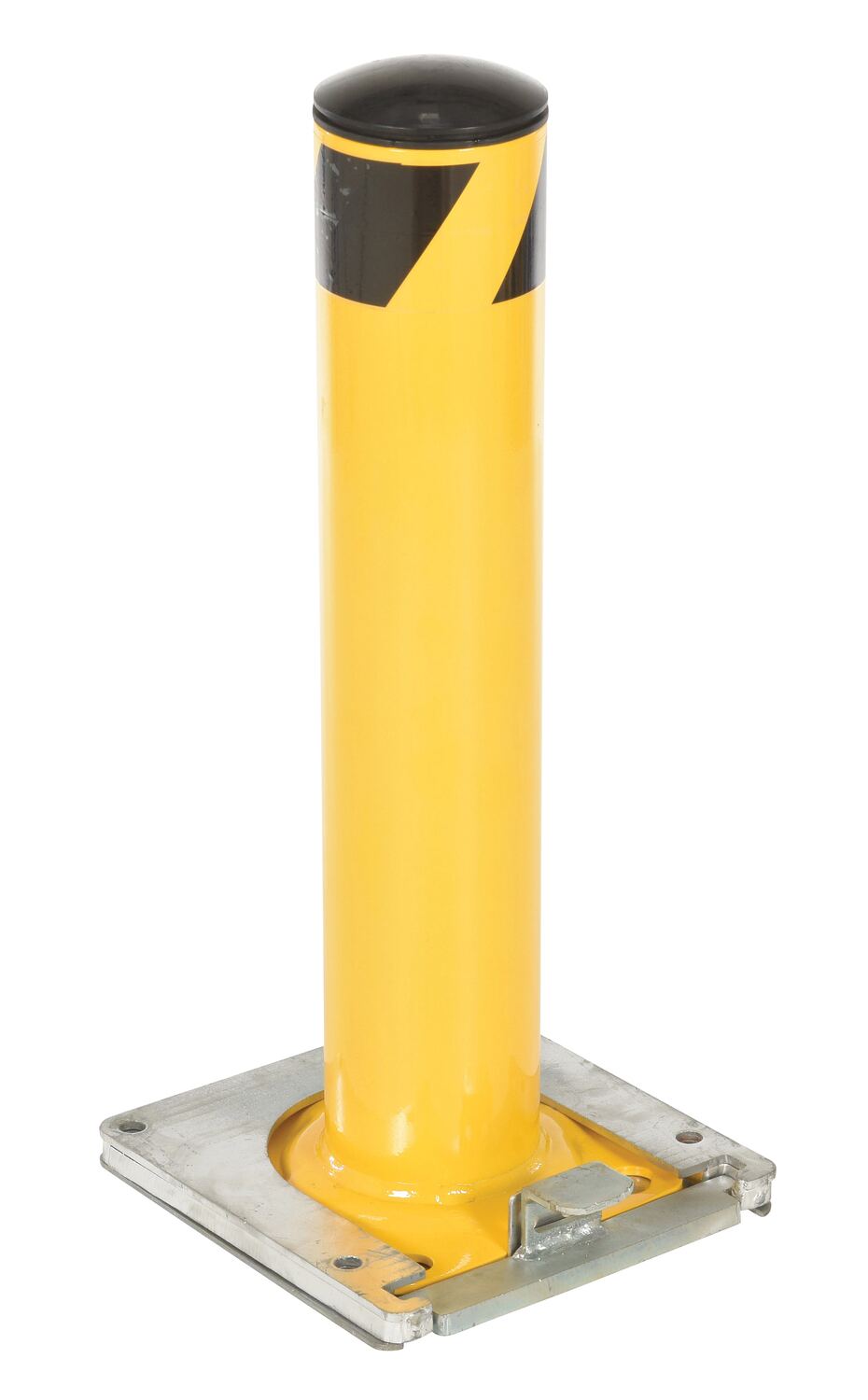
Effective barrier placement targets the points of greatest risk. Line pedestrian walkways to keep people in protected lanes. Guard rack ends and column corners exposed to forklift traffic. Protect doorways, dock areas, machinery, offices, and utilities that a truck could strike. And segregate any zone where forklifts and people would otherwise mix. Use bollards for point protection at corners and equipment, and guardrail runs for linear separation. Walk your facility and identify every place a forklift could hit a person or a structure, then protect it. Thoughtful placement, not just having barriers, is what actually prevents incidents.
The bottom line
Warehouse safety barriers and guardrails physically separate forklifts from pedestrians and shield racking, walls, and equipment from impact, a passive, always-on safety system that's more reliable than signage alone. They're rated by the force they stop at a speed (commonly ~10,000 lb at 4 mph), so match the rating to your forklift. Choose steel or flexible polymer per your priorities, and install barriers at every point where vehicles and people or structures meet. See our steel vs flexible barriers and what is a safety bollard guides, and compare options in best safety barriers.
Barriers as part of a safety program
Barriers are most effective as part of a broader traffic-safety program, not a standalone fix. Combine physical separation with clear floor markings, signage, speed limits, mirrors at blind corners, and operator training, so multiple layers reduce the risk of a forklift-pedestrian incident. The barrier is the physical backstop that works even when other measures fail, but pairing it with good practices and layout is what creates a genuinely safe facility. Walk your operation, identify where vehicles and people interact, and address each point with the right mix of barriers and practices. Protection comes from the whole program, with barriers as its physical foundation.