The Best Winches: Hand & Electric Compared
The best winch depends on your application, first and foremost whether you're pulling loads horizontally or lifting them, and then on load, frequency, and power. Below are our top hand and electric winches compared. Remember the critical rule: use only a lifting-rated winch or a hoist for overhead lifting, never a pulling-only winch. Match the rated pull to your load with margin, and confirm the winch suits your application.
| Rank | Model | Price | Capacity | |
|---|---|---|---|---|
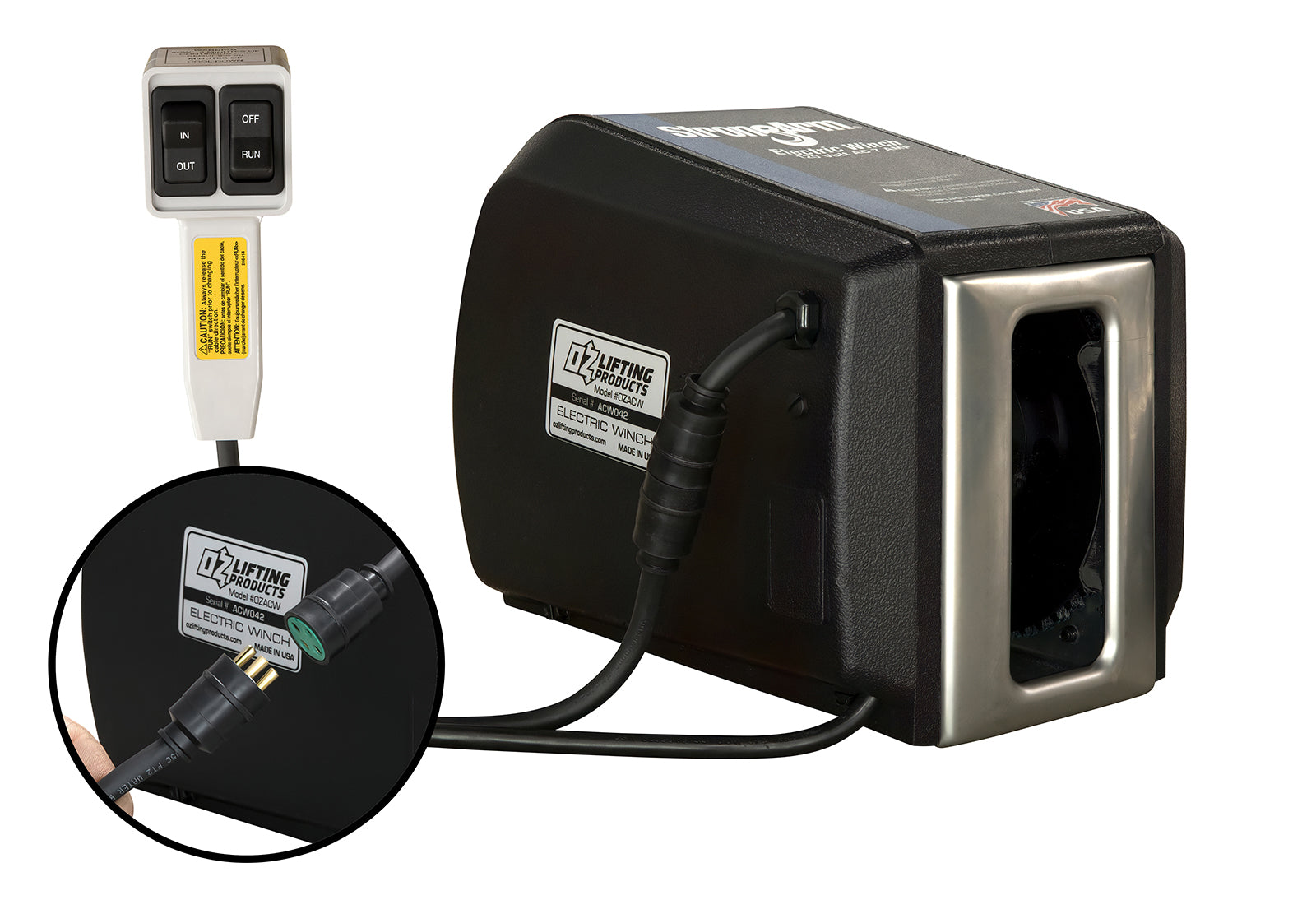
| #1 | OZ Lifting Products OZ Lifting 1200lbs Electric… | $749 | 1200 lb | View → |
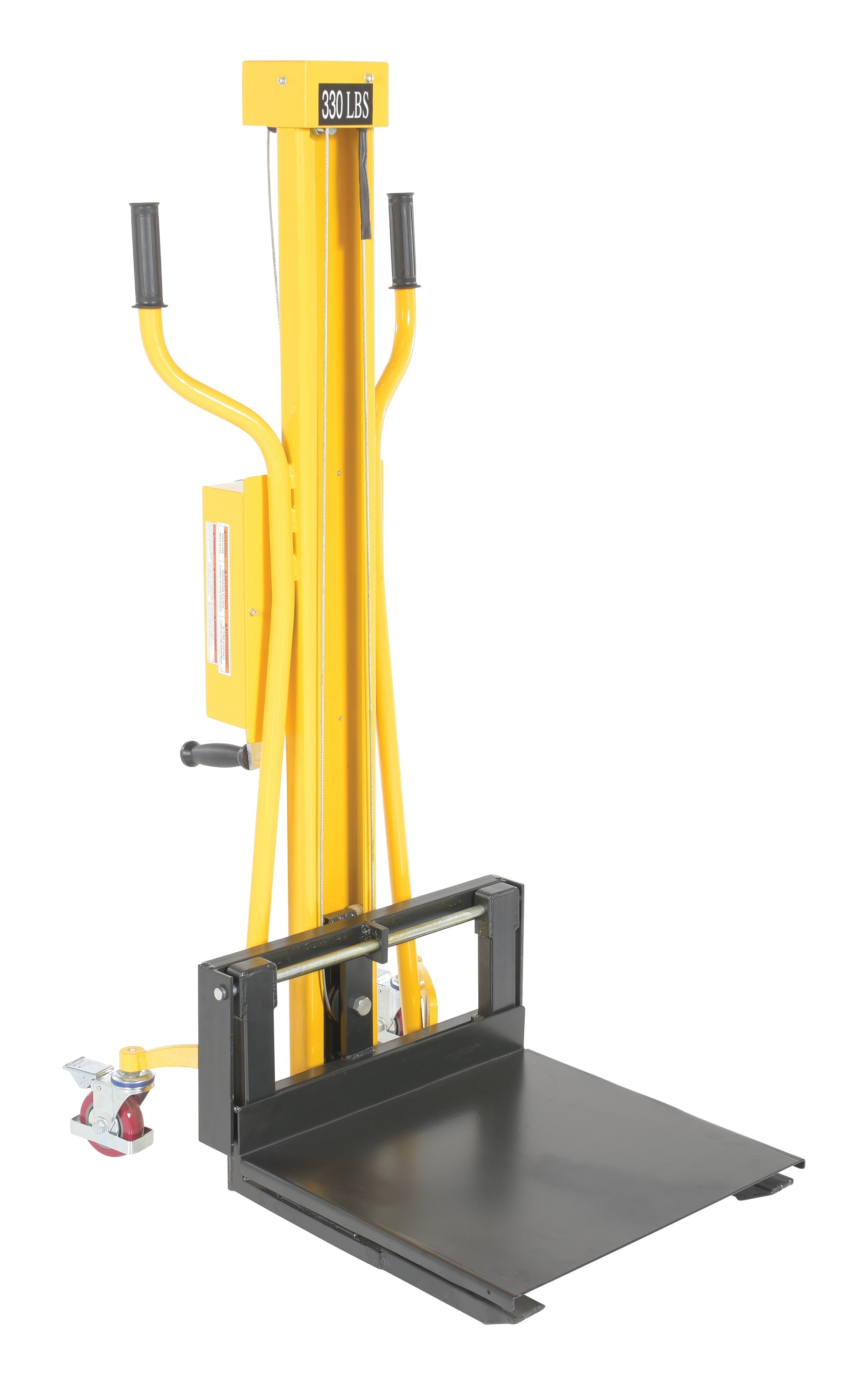
| #2 | Vestil Portable Hand Winch Lifter | $820 | 330 lb | View → |
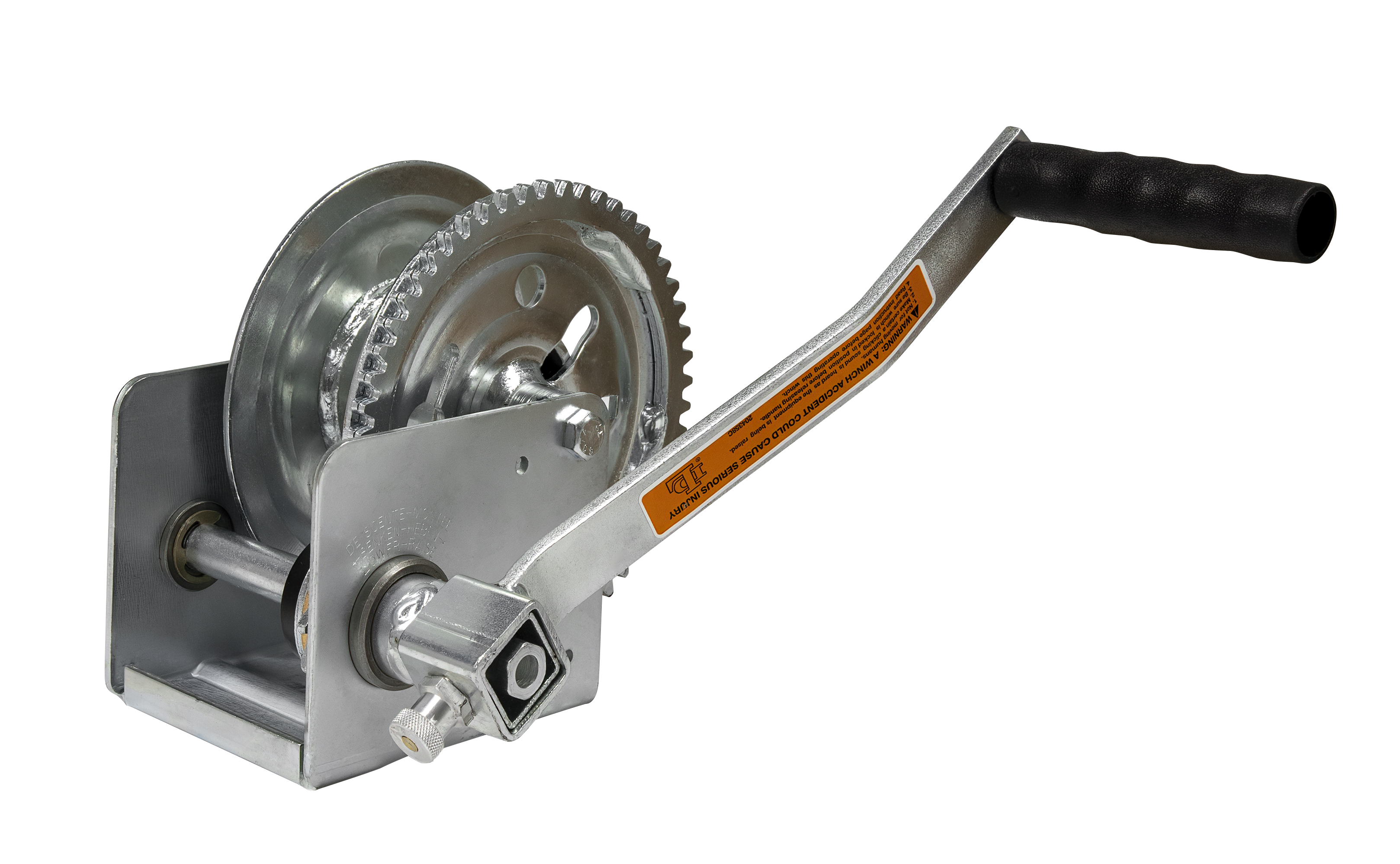
| #3 | OZ Lifting Products OZ Lifting Carbon Steel Hand… | $440 | 1,200-2,500 lb | View → |
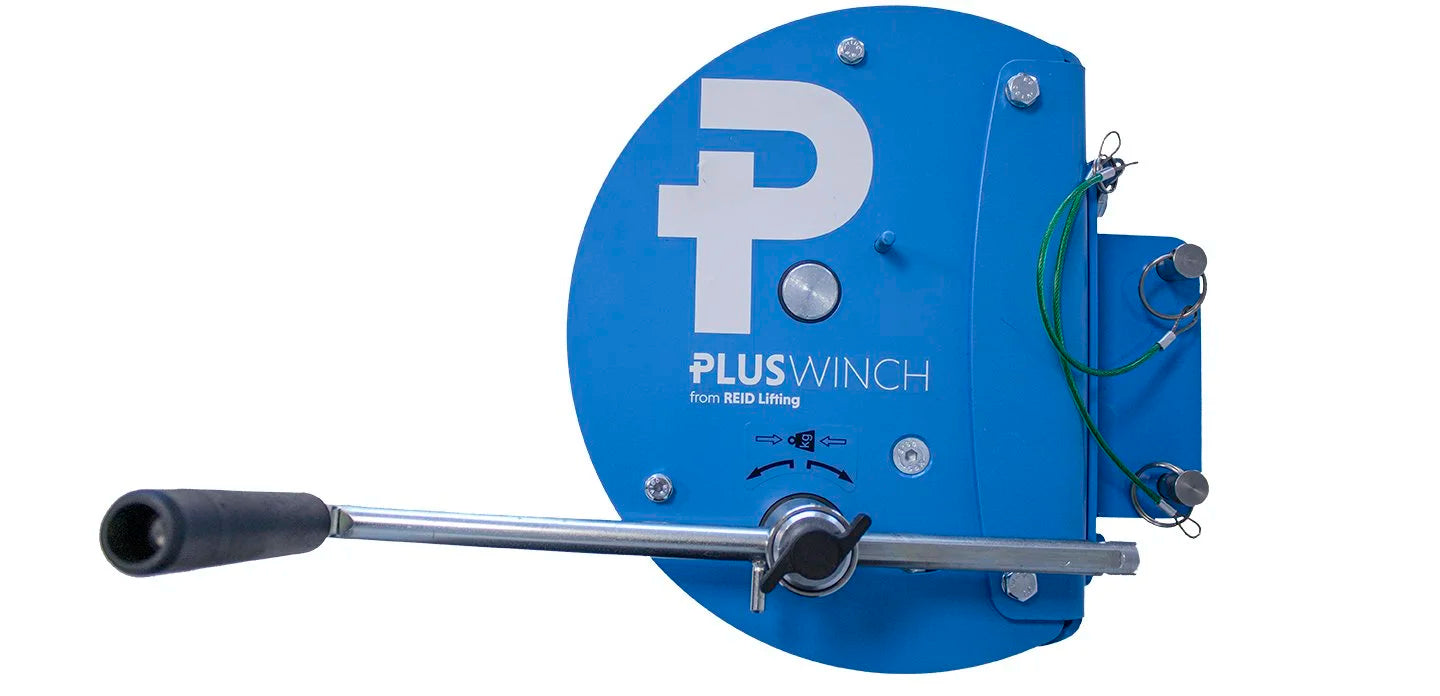
| #4 | REID Lifting PLUSWINCH 1100lbs Manual Goods Winch | $1,503 | 880-1,100 lb | View → |
Best electric value: OZ Lifting Electric Winch
The OZ Lifting electric winch is the value electric pick, delivering powered, push-button spooling for fast, low-effort pulling in the light-to-moderate range (around 1,200 lb). For vehicle recovery, repeated material pulls, or powered positioning where you have electrical supply, it removes the labor of hand-cranking. As with any electric winch, mind the duty cycle on continuous work, and confirm it's rated for your application. For an operation that pulls often and wants speed without the cost of an industrial unit, it's a sensible, capable choice.
Best lifting-rated hand winch: Vestil Hand Winch Lifter
The Vestil portable hand winch lifter is built for controlled lifting, not just pulling, which matters, since a general pulling winch must never lift overhead. Hand-cranked for precise, deliberate control and needing no power, it suits careful vertical lifting and positioning of moderate loads. Its portability and lifting rating make it a genuine option where you need controlled lift without a powered hoist. When your task is a controlled manual lift and you want a winch rated for it, this is the pick over a pulling-only unit.
Best budget hand winch: OZ Lifting Carbon Steel Hand Winch
The OZ Lifting carbon steel hand winch is the economical manual option, a simple, dependable, power-free winch for light-to-moderate pulling and, in lifting-rated configurations, controlled lifting. It's the pick for occasional work, remote or off-grid sites, and backup use, where its low cost and self-contained operation shine. Cranking is slow and effortful under load, so it's not for high-volume work, but for a reliable, inexpensive manual winch that works anywhere without power, it's hard to beat. Confirm the rating matches your application, pulling or lifting.
Best heavy manual goods winch: REID PLUSWINCH
The REID Lifting PLUSWINCH is a heavier manual goods winch (around 1,100 lb) built for controlled lifting and material handling, a step up in capability and build from basic hand winches. As a goods-lifting-rated winch, it's suited to the controlled vertical lifting that a pulling winch can't safely do. For operations needing a robust, lifting-rated manual winch for materials, it offers capacity and quality above entry hand winches. It's the premium manual pick when you need a dependable, lifting-capable hand winch for real work.
How to choose your winch
Start with the application: pulling horizontally, or lifting overhead? For lifting, choose only a lifting-rated winch (or a hoist), never a pulling-only unit. Then size the rated pull comfortably above your load, including friction and slope, and account for the drum-layer capacity drop. Choose hand for light, occasional, or off-grid work and electric for heavy or frequent pulling with power available. Match the duty cycle to your usage, and confirm the mounting is rated. Get the application and capacity right first, and the rest of the choice falls into place.
Application first, always
Whichever winch you're drawn to, let the application make the final call, because it's a safety decision, not a preference. If the task is overhead lifting, only a lifting-rated winch, like the Vestil hand winch lifter or REID PLUSWINCH, or a hoist, belongs in the job; the electric pulling winch, however capable at hauling, must not lift a load overhead. If the task is horizontal pulling, the electric or a basic hand winch is right. Confirm the rating on the actual unit before you buy or use it, and never let a winch's pull rating stand in for a lifting rating it doesn't have.
The verdict
The best winch is the one rated for your application: for overhead lifting, a lifting-rated winch like the Vestil hand winch lifter or REID PLUSWINCH (or a hoist), never a pulling-only unit. For powered horizontal pulling, the OZ Lifting electric winch is the value pick; for economical manual work and backup, the OZ Lifting hand winch. Size the rated pull above your load with margin, mind the drum-layer effect and duty cycle, and confirm the mounting. Compare the specs above, and read our lifting-vs-pulling guide before any overhead use.
FAQ
It depends on the application. For overhead lifting, choose a lifting-rated winch (like the Vestil hand winch lifter or REID PLUSWINCH) or a hoist, never a pulling winch. For powered horizontal pulling, the OZ Lifting electric winch is a strong value pick; for economical manual work, the OZ Lifting hand winch.
No. A winch rated for horizontal pulling is not safe for overhead lifting, it typically has a lower safety factor and may lack the automatic load-holding brake overhead lifting requires. Use only a hoist or a winch specifically rated for lifting to raise a load overhead.
Choose a rated line pull comfortably above your maximum load, accounting for friction and slope, a common rule is about 1.5 times the load. Also remember a winch pulls hardest on the bare drum and loses capacity as line spools on, so size for the pull you need at the outer layer.
Related Guides
Sources: OSHA/ASME lifting standards, manufacturer references (Thern, OZ Lifting, REID Lifting), verified 2026-07-22. Critical: a winch rated for horizontal pulling is not necessarily rated for overhead lifting; use only lifting-rated equipment overhead, and never exceed rated capacity. · Updated 2026-07-22