Start with the application: pulling or lifting
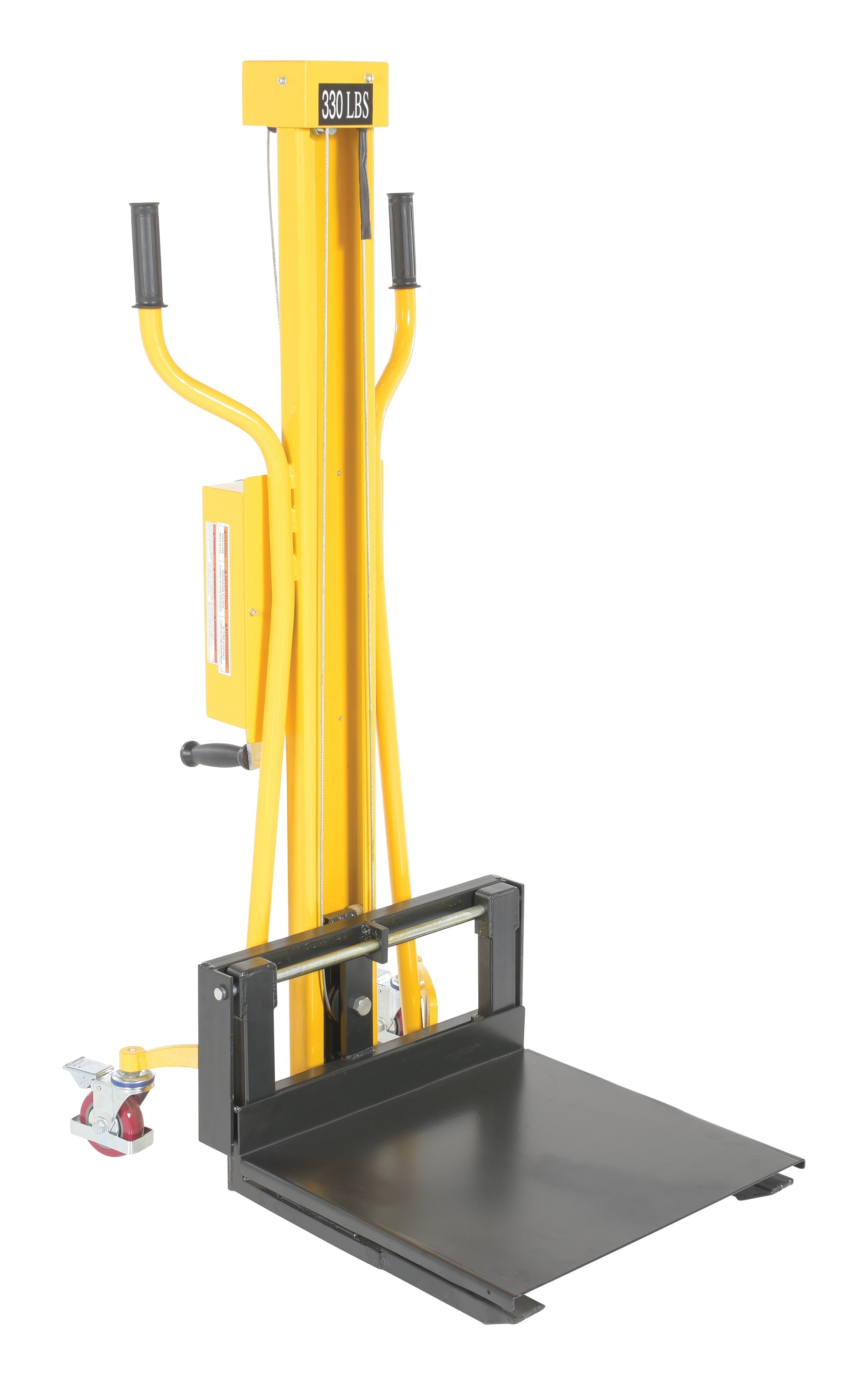
Before any spec, settle the most important question: will the winch pull loads horizontally, or lift them overhead? The two need different equipment. A general pulling winch must never be used to lift a load overhead, that requires a hoist or a winch specifically rated for lifting, with a load-holding brake and higher safety factor, as our lifting vs pulling winch guide explains. So first decide the application, then shop within the right category. A lifting-rated winch for vertical work, or a pulling winch for horizontal hauling, choosing the wrong category is the one mistake specs can't fix.
Size the line pull with margin
Rated line pull is the winch's capacity, and it must comfortably exceed your maximum load, with margin. Crucially, the real load isn't just the object's weight, friction, slope, and the weight of the cable itself all add to the pull required, so a load that weighs 2,000 lb may need considerably more than 2,000 lb of winch pull to move on a grade. A common rule of thumb sizes capacity to around 1.5 times the load. Never size a winch right at your load, and always account for the resistance beyond bare weight. Choose a winch rated well above the toughest pull you'll ask of it.
Account for the drum-layer effect
Here's a spec many buyers miss: a winch's rated maximum pull is measured on the first, bare layer of rope on the drum, and it falls as more rope spools on, roughly 10 to 20 percent per additional layer. This is because a full drum increases the effective radius, reducing leverage. So a winch pulls hardest with little line out and weakest with the drum full. If your job needs full pulling force with a lot of rope deployed, or with the drum well-loaded, size the winch for the pull at that outer layer, not the headline first-layer figure. Ignoring this can leave you short of force when the drum is full.
Match the rope to the winch
The line is part of the system and must be sized correctly. The rope's breaking strength should be well above the winch's rated pull, commonly 1.5 to 2 times, so the rope is never the weak link, and the diameter and length must suit the drum and your reach. Wire rope and synthetic lines each have strengths (synthetic is lighter and safer if it fails, wire rope is more abrasion-resistant), and the choice depends on your application. When you spec or replace a winch line, match its rating and size to the winch and the job, an undersized or worn rope defeats an otherwise correctly-sized winch.
Consider the duty cycle
Match the winch's duty capability to how continuously you'll use it. Electric winches generate heat and carry a duty rating, run one beyond its rated duty and the motor overheats, so continuous or repetitive heavy pulling needs a high-duty electric unit, or a hydraulic or air winch built for sustained work. Hand winches have no such limit but tire the operator. For occasional pulls, standard duty is fine; for constant work, size the duty up or choose a winch type suited to continuous operation. Underestimating duty leads to overheating, downtime, and shortened life, so estimate your real usage honestly.
Choose the power type for your setting
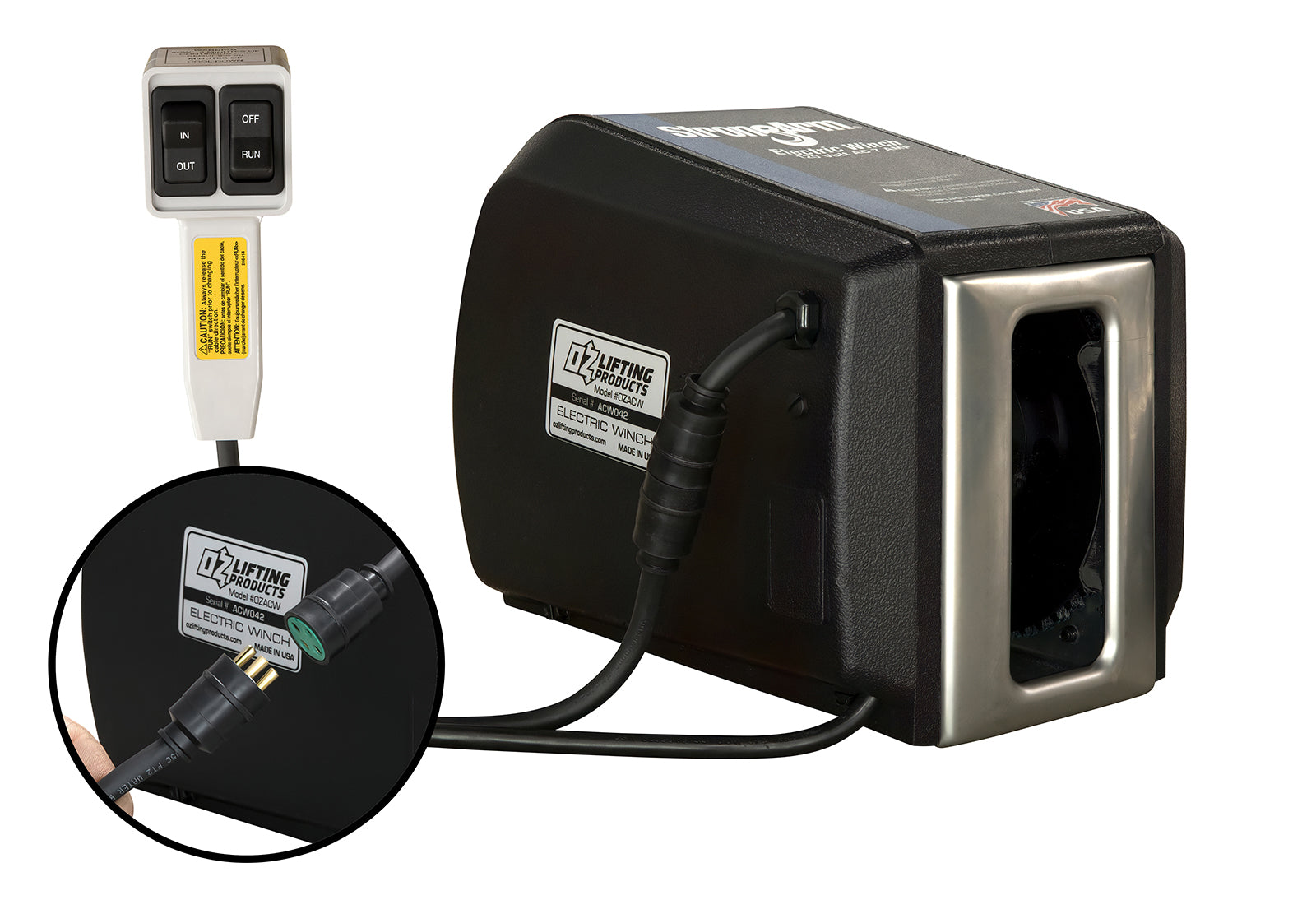
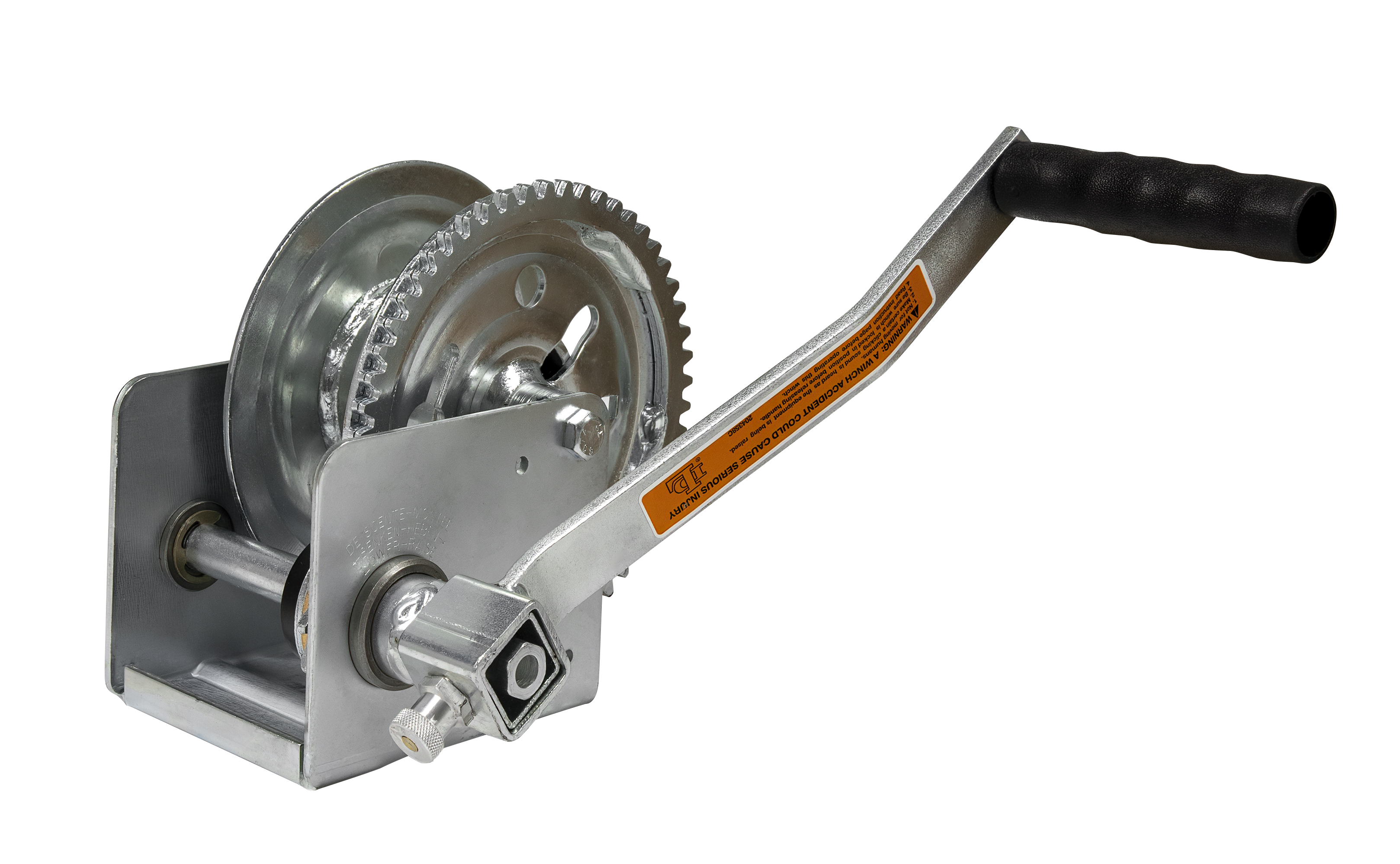
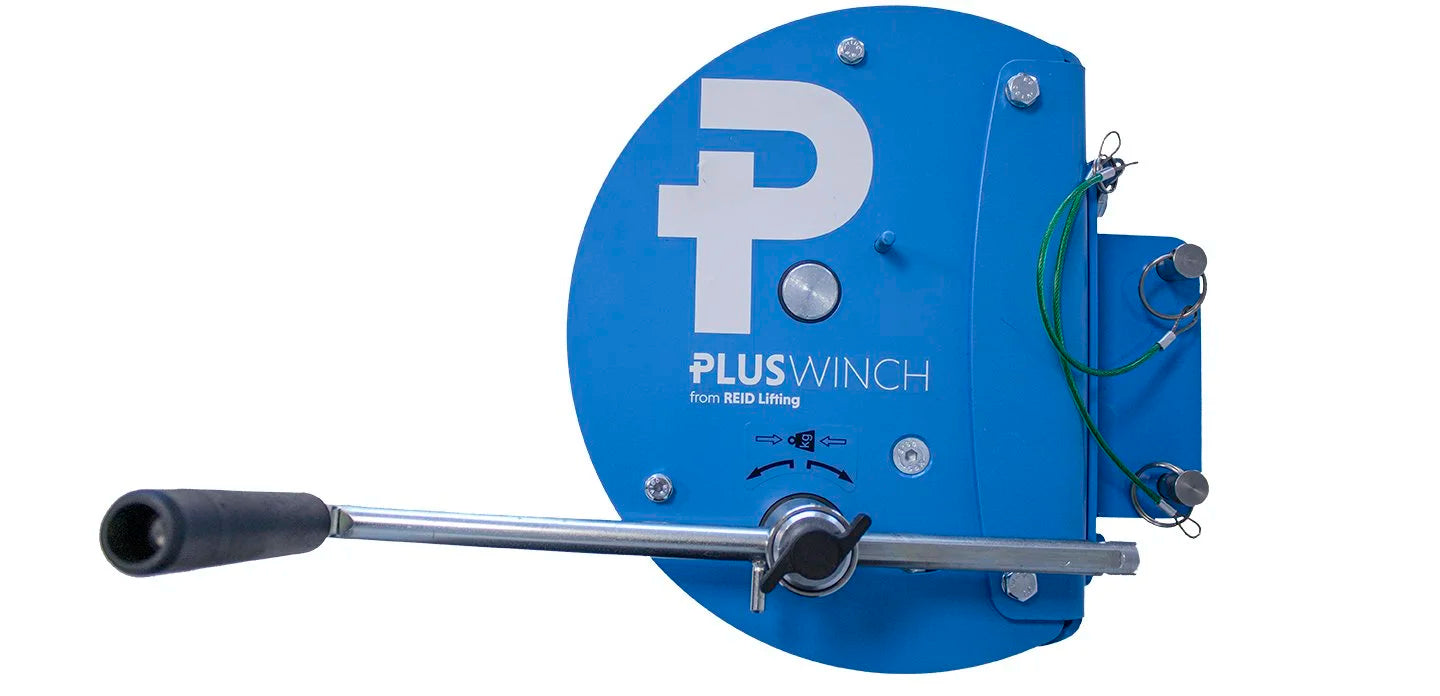
Pick the power source for your work and environment. A hand winch needs no power and suits light, occasional, or off-grid use. An electric winch is fast and effortless where power is available, for heavier or frequent pulling. A hydraulic winch delivers high, continuous force where hydraulic power exists. And an air (pneumatic) tugger is the choice for hazardous, explosion-prone areas and continuous duty, given a compressed-air supply. Our electric vs hand winch guide weighs the two most common options. Let the loads, frequency, and environment point you to the right power type.
Plan the mounting and use
Finally, confirm how and where the winch mounts, and that the mount is rated for the loads it will see. A winch pulling hard exerts large forces on its mounting and anchor points, so both must be strong enough, an under-anchored winch can tear loose under load. Plan the winch's position, its line path (including any fairleads or sheaves), and its anchoring before you buy, and make sure the whole setup suits the task. A correctly-sized winch on an inadequate mount is unsafe. Think through the complete installation, not just the winch itself.
The bottom line
Choose a winch by first settling the application, pulling or lifting (never lift overhead with a pulling winch), then sizing the line pull well above your load including friction and slope, matching the rope's strength (1.5 to 2 times the pull), accounting for the drum-layer capacity drop, matching the duty cycle, choosing the power type for your environment, and confirming a rated mount. Get the application and capacity right first; the rest follows. See our what is a winch and lifting vs pulling winch guides, and browse our winches.
Fairleads, sheaves, and the line path
Beyond the winch itself, plan the line path. A fairlead or roller guide keeps the rope spooling cleanly onto the drum and protects it where it changes direction, and sheaves or snatch blocks can redirect the pull or increase mechanical advantage. A poorly-guided line wears, birdcages, or spools unevenly, reducing capacity and life. So when you set up a winch, think about how the line runs from the drum to the load, add fairleads or sheaves where it turns, and keep the path clean. The winch is one part of a pulling system, and the line path and guides affect how safely and effectively it works.