The core trade-off
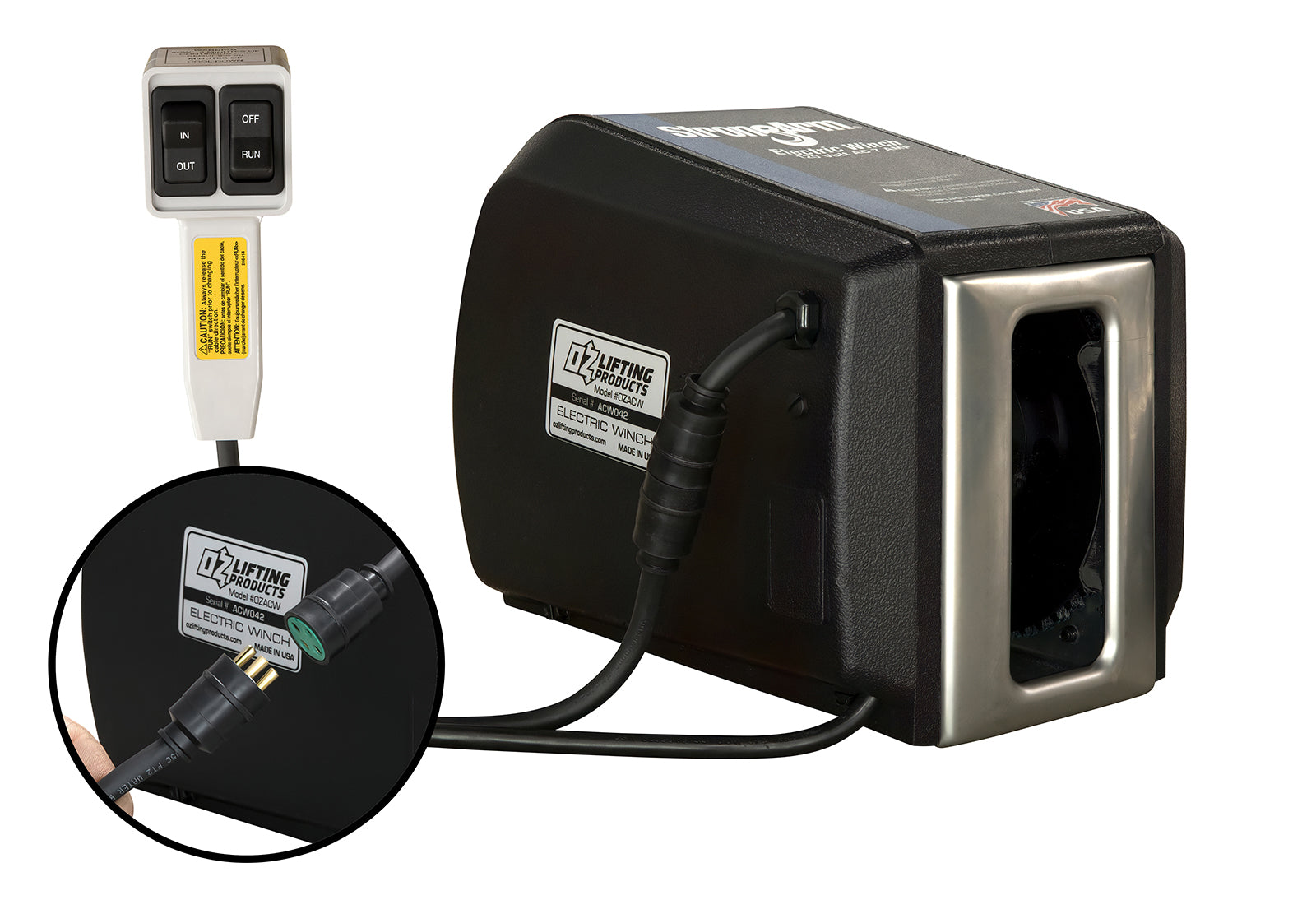
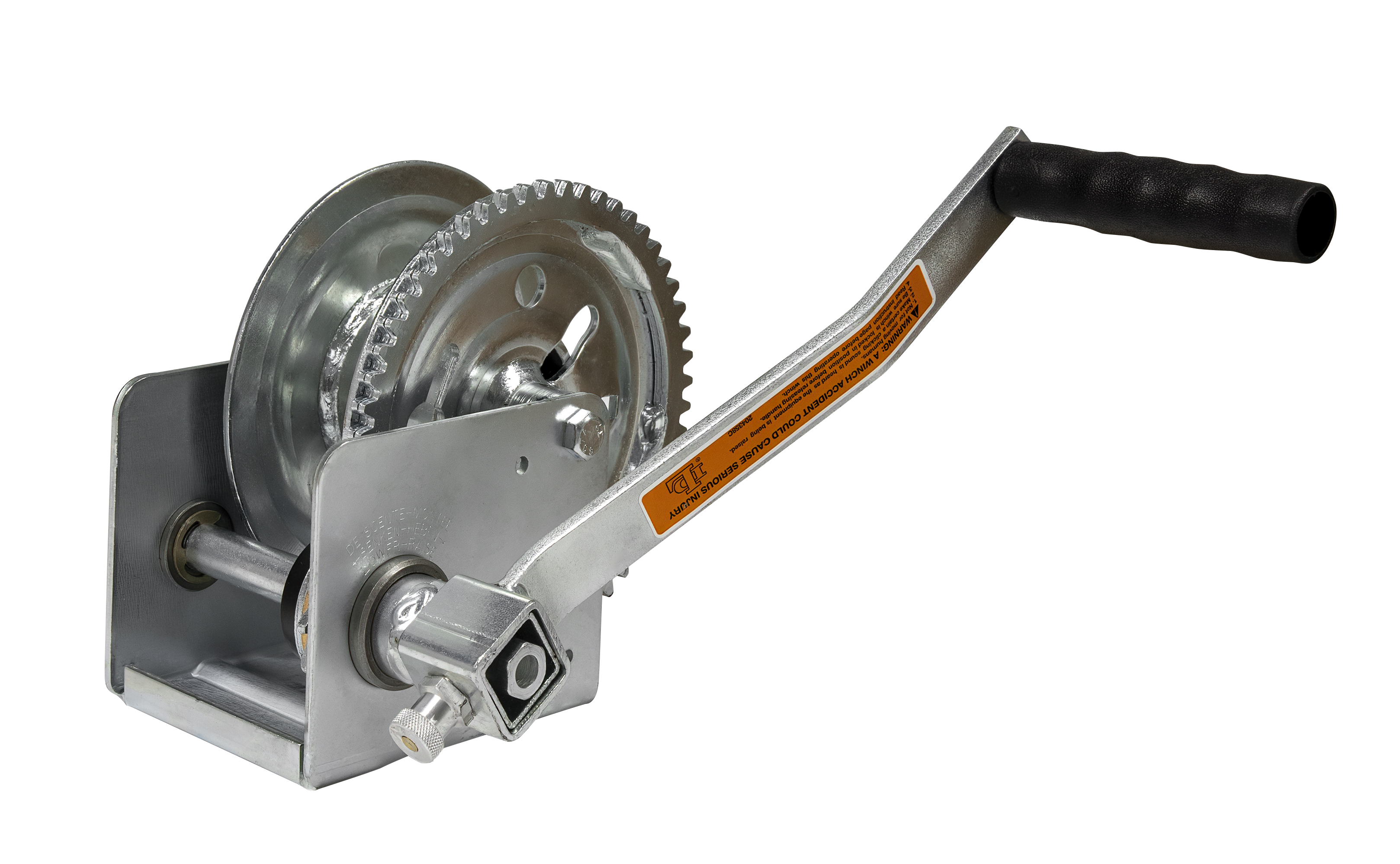
Both wind a line on a drum, but the power source changes everything. A hand winch is cranked by your arm, so it needs no power and goes anywhere, but it's slow and tiring under load. An electric winch spools the line by motor at the push of a button, fast and effortless, but it needs a power supply and has duty-cycle limits. The right choice depends on how heavy and how often you pull, and whether power is available where you work. Neither is universally better; they suit different jobs.
When a hand winch wins
Choose a hand winch for light-to-moderate loads, remote or off-grid locations, emergency and backup use, and infrequent work. It's inexpensive, dependable, and completely self-contained, no battery, no wiring, no motor to fail, so it works anywhere and is the natural backup when power isn't available. Capacities typically run from a few hundred kilograms up to a couple of tons, with heavy spur-gear models higher. If your pulling or lifting is occasional, moderate in weight, and possibly far from power, the hand winch is the economical, reliable pick, and it's often the safer choice for controlled, deliberate work.
When an electric winch wins
Choose an electric winch for heavy loads, frequent or repetitive pulling, and situations where speed and low effort matter, provided power is available. One-button operation removes the labor and fatigue of hand-cranking, and electric winches scale to far higher capacities than manual units. For vehicle recovery, repeated material pulls, and powered positioning, the electric winch's speed and ease are decisive. The costs are a higher price, the need for a battery or electrical supply, and duty-cycle limits, run it too long without rest and the motor overheats. Where pulls are heavy or frequent and power is on hand, electric is worth it.
Cost comparison
The price gap follows the capability. Hand winches are inexpensive, a modest cost for a dependable manual tool. Electric winches cost more, reflecting the motor, controls, and higher capacities, and industrial electric winches run well into the thousands. When you compare the two, weigh the labor an electric unit saves, not only the sticker over its life on heavy or frequent work, and the fact that a hand winch keeps working with no power. For light occasional use, the hand winch's low cost is compelling; for heavy repeated pulling, the electric unit's speed repays its price.
Duty cycle and heat
One electric-winch factor deserves attention: duty cycle. An electric motor generates heat, and pulling continuously or repeatedly without rest can overheat it, so electric winches carry a duty rating (some recovery winches are only rated around 30 to 40 percent duty). For sustained, continuous pulling, you either size up the duty rating or consider a hydraulic or air winch built for it. Hand winches have no such limit, you can crank as long as you (and the mechanism) hold up. If your work involves long, continuous pulls, factor the electric winch's duty limits into the decision, or look beyond electric.
Control and precision
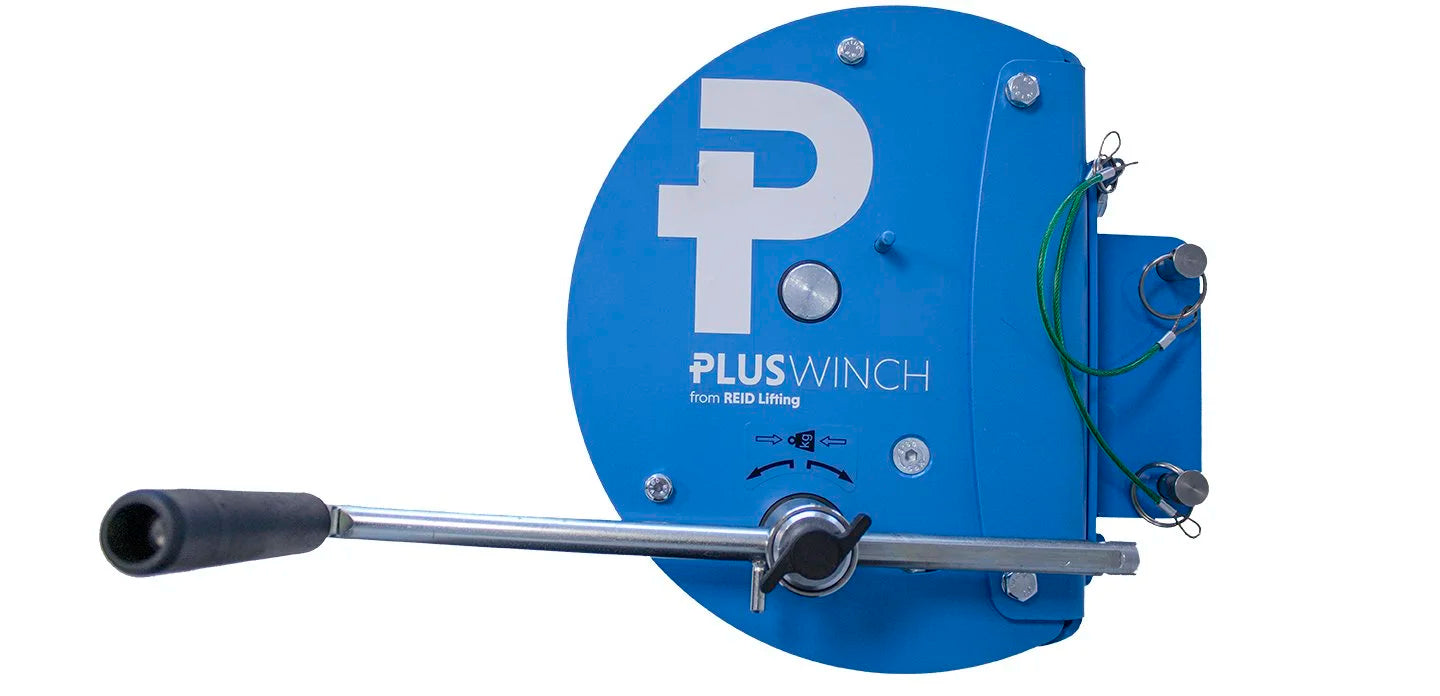
The two also feel different in use. A hand winch gives slow, deliberate, precise control, useful for careful positioning and controlled lowering, at the cost of effort. An electric winch is fast and effortless but can feel less delicate, though variable-speed controls help. For a controlled, precise lift or pull where you want to feel the load, the hand winch or a REID lifting winch offers fine control. For quick, repeated hauling where speed matters more than finesse, the electric winch wins. Match the control style to how precise your work needs to be.
Which should you buy?
Buy a hand winch for light-to-moderate, occasional, or off-grid work, and as a reliable backup, it's cheap, portable, and needs no power. Buy an electric winch for heavy or frequent pulling where power is available and speed matters, accepting the higher cost and duty-cycle limits. For continuous heavy-duty work, look past both to hydraulic or air winches. And whatever you choose, confirm it's rated for your application, lifting or pulling, since that safety distinction overrides the power-source choice. Our how to choose a winch guide covers the full selection.
The bottom line
A hand winch suits light-to-moderate, occasional, or off-grid work, cheap, portable, and power-free, while an electric winch suits heavy or frequent pulling where power is available, fast and effortless but pricier and duty-limited. Decide by load weight, how often you pull, and whether you have power, and mind the electric unit's duty cycle for continuous work. Above all, make sure the winch is rated for your application. Compare models in our what is a winch overview, and read lifting vs pulling winch before any overhead use.
Portability and reliability
Two practical points favor the hand winch in certain settings. It's completely self-contained, no battery to die, no wiring to fault, so it's the dependable backup and the tool that always works in a power outage or a remote location. And it's lightweight and portable, easy to carry to the job and mount. An electric winch, by contrast, depends on its power source and is heavier. For field work, emergency kits, and off-grid sites, the hand winch's independence and portability are real advantages that outweigh the electric unit's speed, which is why many operations keep a manual winch on hand even when they own electric ones.