Electric Wire Rope Hoist
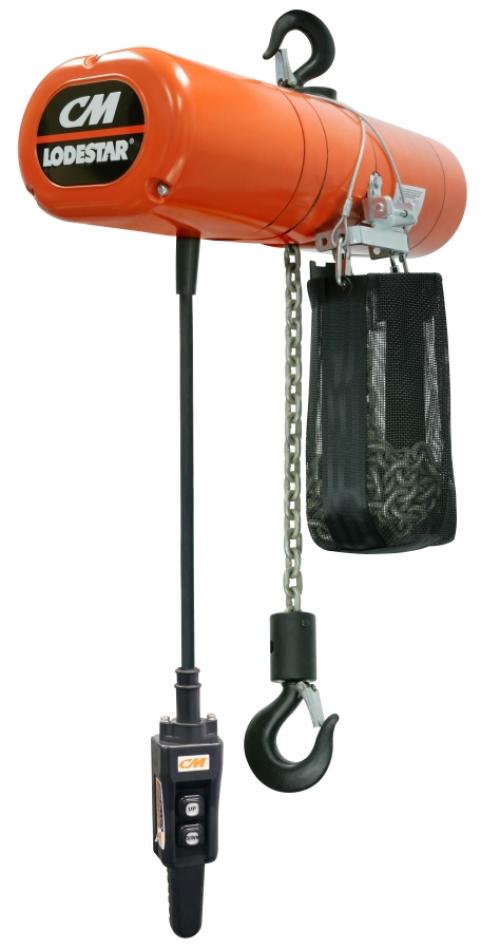
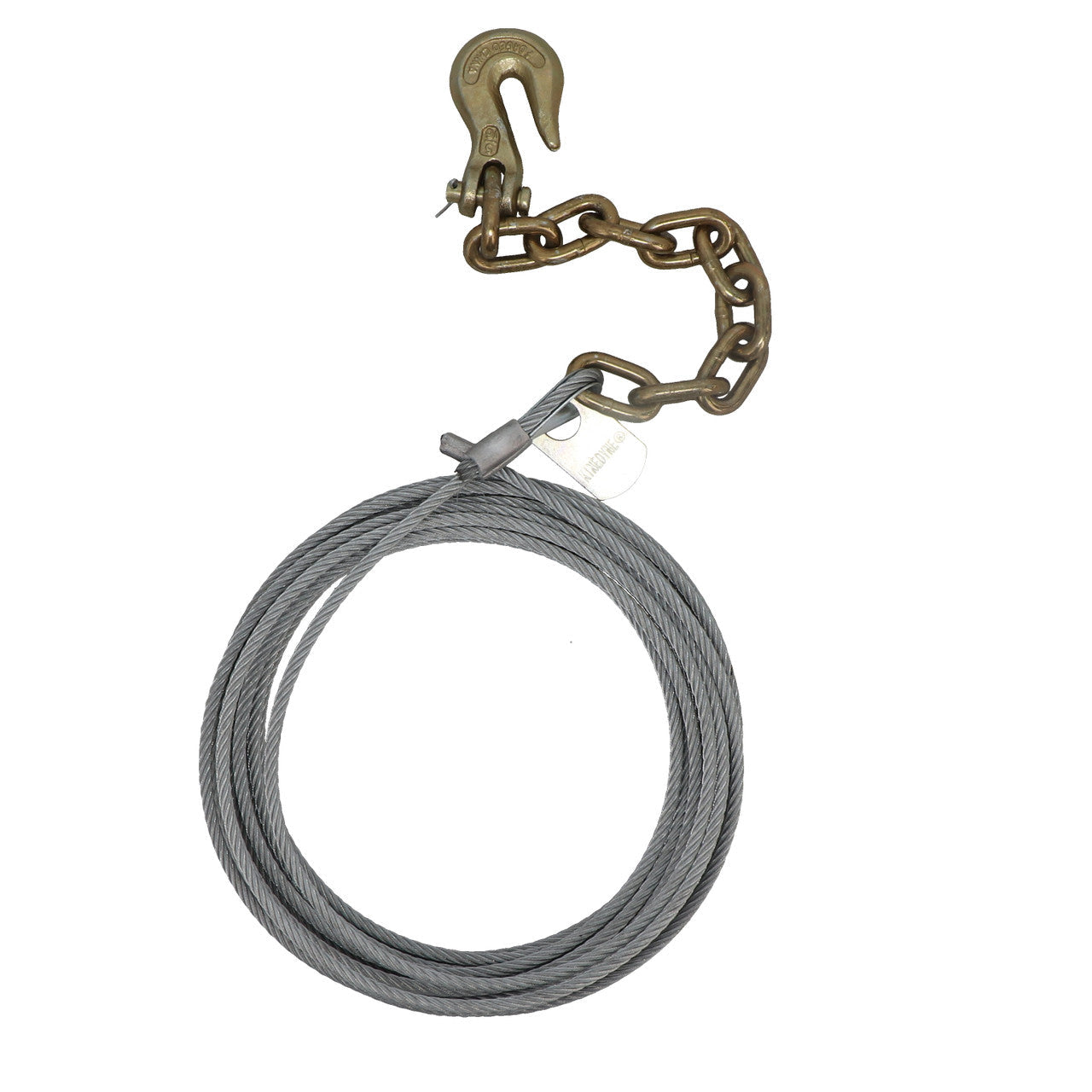
An electric wire rope hoist lifts a load on a steel cable wound onto a powered drum, which buys higher capacity, faster line speed, and a clean true-vertical lift that chain cannot match on the heaviest work. In practice most shops lifting up to a few tons reach for a powered chain hoist instead, and that is what anchors this collection: the CM Lodestar single-phase electric chain hoist, rated to three tons, alongside Kinedyne wire rope assemblies for winch and tie-down duty. The Lodestar is the powered lifting unit here; the wire rope pieces are cable, not hoists. If you came looking for a true wire rope hoist for heavy overhead lifting, read the guide below first, because the chain machine may be the better and cheaper answer for your load.
Compare Electrical & Wire Rope Hoists
| Model | Price | Capacity | Power | |
|---|---|---|---|---|
| CM Lodestar Electric Chain Hoist Single Phase 115v | $3,384 | 1/8-3 ton | 115V | View → |
| Kinedyne 1/4" by 30' Wire Rope Chain Assembly | $37 | 2,200 lb | — | View → |
Electrical & Wire Rope Hoists Buying Guide
Wire rope or chain: what the load decides. The two machines answer different jobs. A wire rope hoist runs a steel cable onto a drum for a single true-vertical lift, and it wins on high capacity, fast line speed, and tall lifts, which is why plants reach for it above roughly eight tons on a single hoist. Below that, a powered chain hoist is lighter, more compact, cheaper, and easier to hang, and it covers the light-to-medium range most shops actually work in. The powered unit in this collection is the CM Lodestar electric chain hoist rated to three tons, which sits squarely in that range. If your lifts are under a few tons and headroom is tight, the chain hoist is the honest pick; save the wire rope hoist for the heavy end.
Duty cycle separates a shop hoist from a production one. Capacity tells you what a hoist can pick; duty classification tells you how often. The CM Lodestar carries an H4 duty rating, the heavy-duty class built for high-volume, high-cycle work rather than the occasional pick. That rating matters more than most buyers expect, because a hoist run hard past its duty class overheats its motor and wears the brake and load chain early. Match the class to the shift. Intermittent maintenance lifting lives fine on a lighter machine, but a hoist that cycles all day on a production line needs the H4 build the Lodestar provides.
Power and installation: single phase 115V. The Lodestar in this collection is a single-phase 115V unit, which means it runs off standard shop power without the three-phase service a larger wire rope hoist usually demands. That makes it a practical fit for garages, small fabrication shops, and maintenance bays where three-phase is not run to every bay. Confirm the branch circuit can carry the motor's inrush current, and mount the hoist on a trolley or fixed lug rated for the full lift, the hoist plus load plus rigging, before you energize it.
The standard, the wire rope, and inspection. Electric chain and wire rope hoists both fall under ASME B30.16, the standard for overhead underhung and stationary hoists, which sets the inspection discipline: a frequent visual check before use and a documented periodic inspection on a schedule that tightens with heavier service. The Kinedyne wire rope assemblies here, 1/4 inch rated to 2,200 lb and 5/16 inch to 3,000 lb, are cable assemblies for winch and tie-down work, not overhead lifting devices, so rate them to their marked working load and keep them off the hook. Inspect the hoist's load chain, hook, and brake on the same before-use rhythm as the rest of your rigging.
Frequently Asked Questions
The powered lifting unit in this collection is the CM Lodestar electric chain hoist, not a wire rope hoist. It lifts on a load chain rather than a steel cable. The Kinedyne wire rope items are cable assemblies for winch and tie-down duty. A true wire rope hoist makes sense above roughly eight tons or where you need a tall true-vertical lift; below that, the chain hoist is usually the better buy.
On the heavy end. Wire rope hoists carry higher capacity, run faster, and give a clean single-line vertical lift on tall lifts, which is why they take over above roughly eight tons on one hoist. For lighter and medium loads the powered chain hoist is lighter, more compact, and cheaper, and it hangs in tighter headroom. The CM Lodestar's three-ton rating sits in chain-hoist territory.
H4 is the heavy-duty hoist classification, built for high-volume, high-cycle lifting rather than occasional picks. Running a hoist harder than its duty class overheats the motor and wears the brake and load chain early, so match the class to how often you lift. H4 covers production-line and other high-frequency work.
Yes. The Lodestar here is a single-phase 115V unit, so it runs off standard single-phase power without the three-phase service a larger wire rope hoist usually needs. Confirm the branch circuit handles the motor's inrush current, and hang the hoist from a trolley or lug rated for the full load plus rigging.
Electric chain and wire rope hoists both fall under ASME B30.16 for overhead underhung and stationary hoists. It calls for a frequent visual inspection before use and a documented periodic inspection on a schedule that tightens as service gets heavier. Check the load chain, hook, and brake before each use, and pull any hoist that fails from service until it is repaired.