The core trade-off
Both raise a load on a chain, but they differ in how. A manual chain hoist is powered by your arm pulling a hand chain; an electric chain hoist is powered by a motor at the push of a button. That single difference drives everything else: the manual unit is cheaper, simpler, portable, and needs no power, while the electric unit is faster, far less tiring, and better for volume, at a higher cost and with more to maintain. The right choice is about matching the tool to how often and how heavy your lifting is.
When a manual chain hoist wins
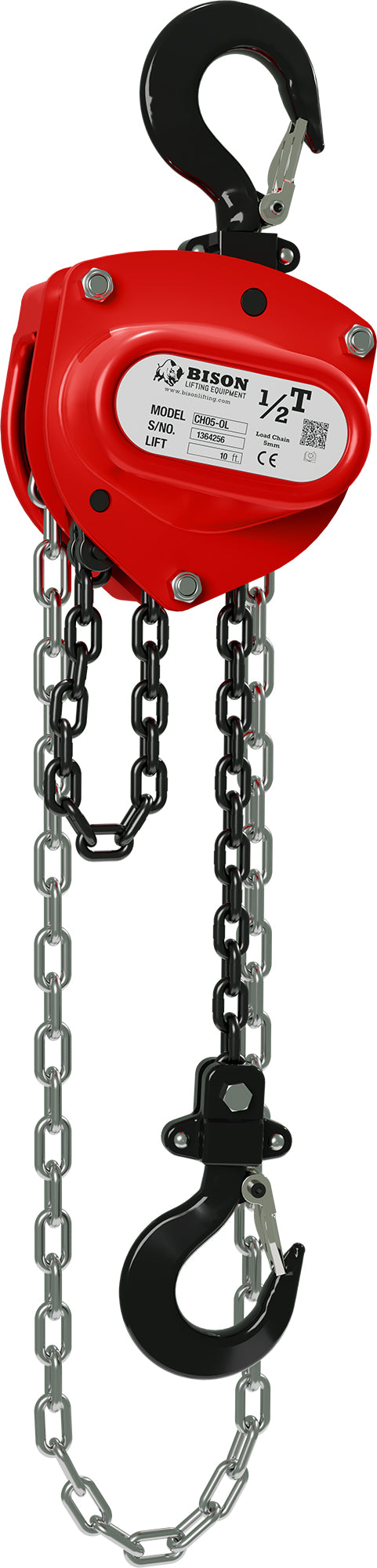
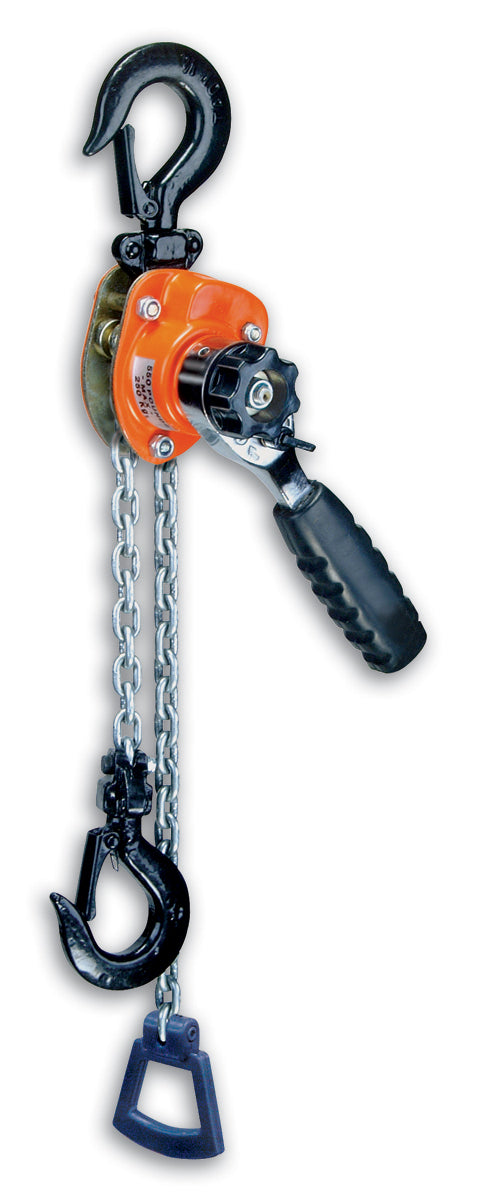
Choose a manual hand-chain hoist when lifting is infrequent, light-to-moderate, or happens where there's no power. It's the economical, dependable pick for maintenance tasks, remote or outdoor sites, occasional fixed-point lifts, and as a simple backup. It offers precise, controllable lifting, and with nothing but gears and chain, there's little to break. Manual hoists span roughly a quarter-ton to 20 tons, so capacity isn't the limit, effort and speed are. If you'll use the hoist now and then rather than all shift, the manual unit saves money with no real downside.
When an electric chain hoist wins
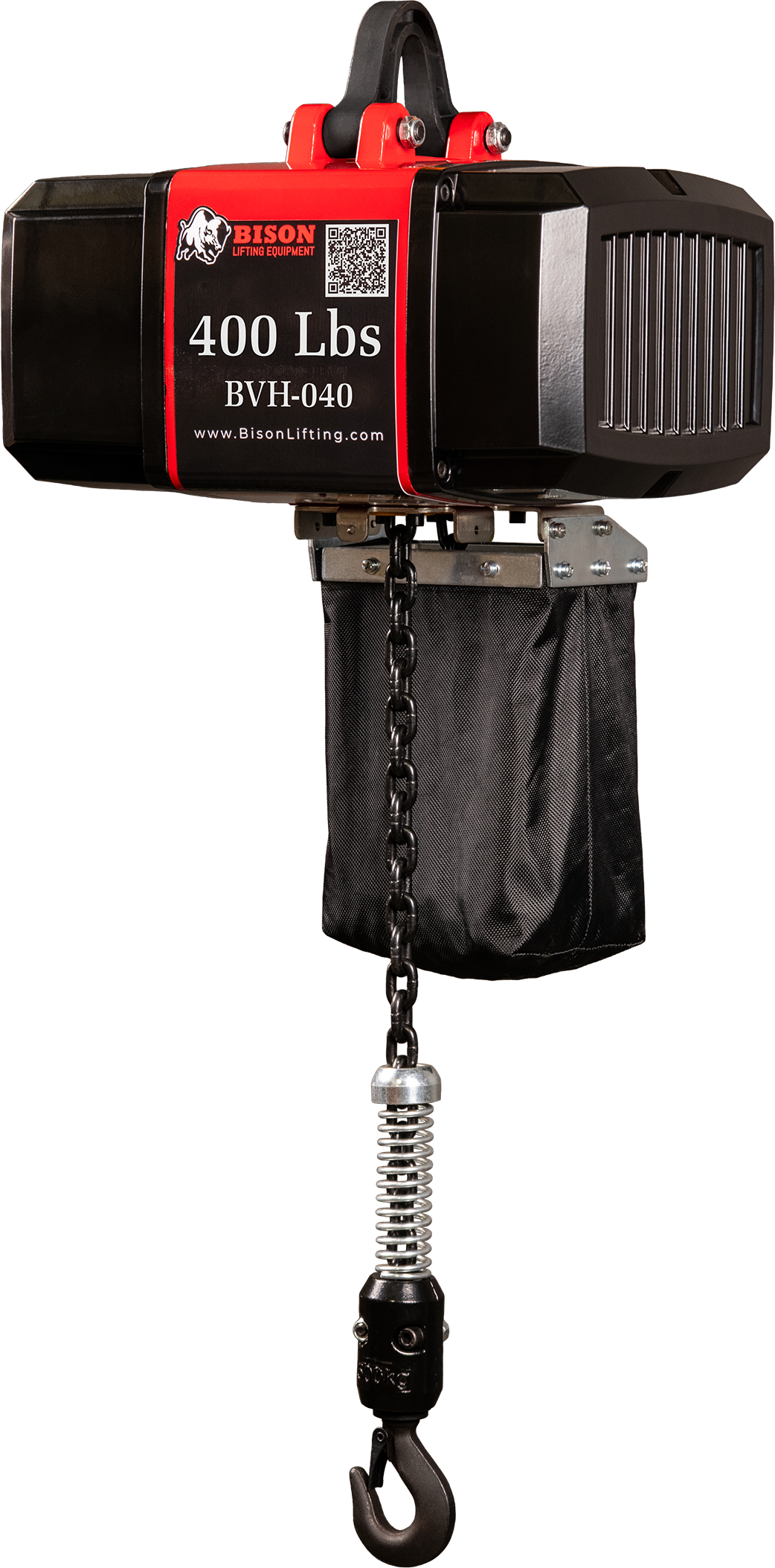
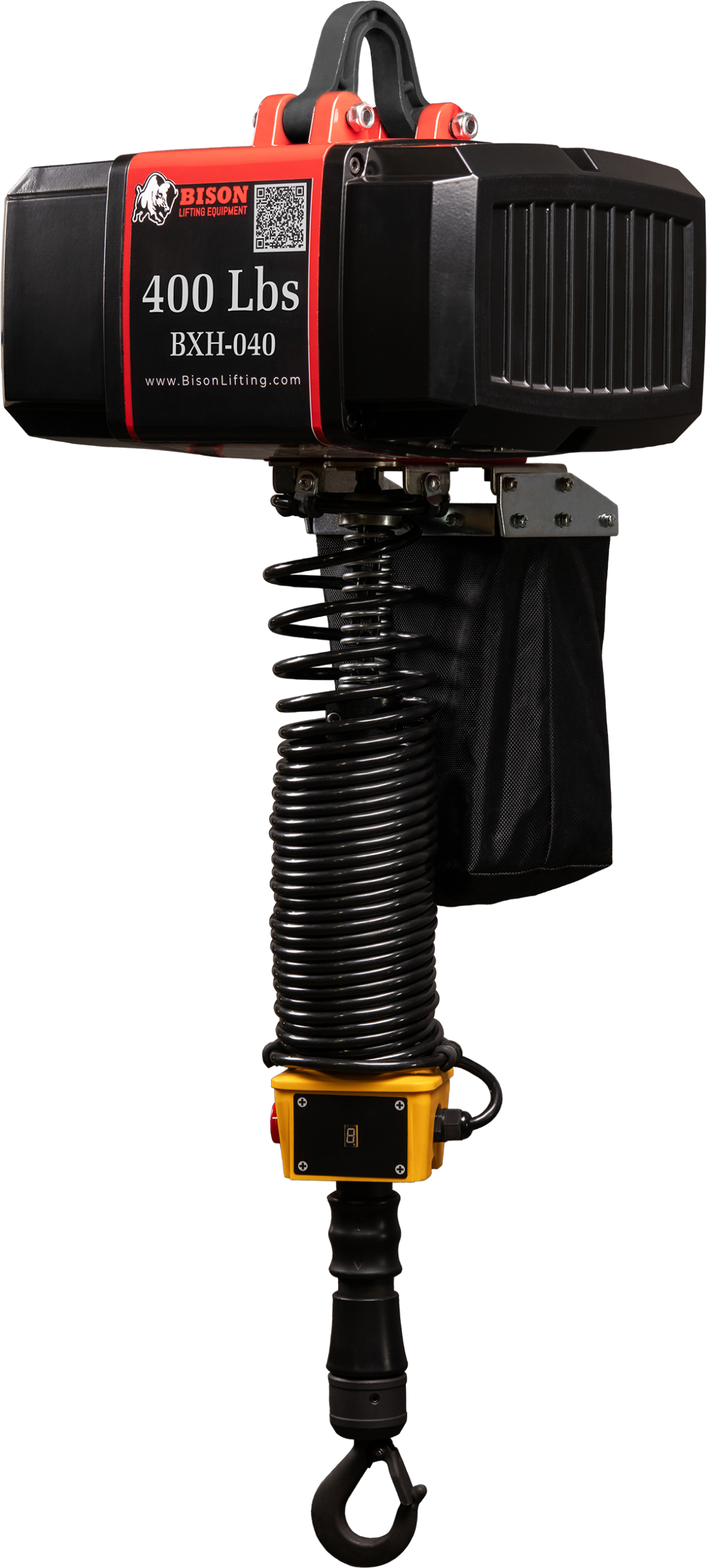
Choose an electric chain hoist when you lift frequently, heavily, or repetitively, especially in production. The motor does the work, so operators don't tire, cycles are fast, and throughput is high, which matters on an assembly line or a busy shop. Electric units also pair naturally with a motorized trolley for full powered movement. The costs are real: a higher purchase price, a power supply, and more maintenance than a simple manual hoist. But where lifting is a core, repeated part of the work, the labor saved and the speed gained repay the premium many times over.
Cost comparison
The price gap is significant. A manual chain hoist is inexpensive, often a couple hundred dollars for a common capacity. An electric chain hoist costs much more, a basic 1-ton unit runs roughly $500 to $3,000, and larger, two-speed, low-headroom, or specialty units cost more. Our Bison electric chain hoists sit in the mid-to-upper part of that range, reflecting their VFD control and build. When you weigh the two, factor in the labor an electric unit saves, not only the sticker over its life, which is where the powered hoist earns back its higher price in high-volume work.
Speed, control, and fatigue
Beyond cost, the daily experience differs sharply. A manual hoist gives fine, deliberate control, useful for delicate positioning, but every lift is physical effort, and repeated heavy lifts wear an operator out. An electric hoist lifts quickly with the press of a button, removing the fatigue entirely and speeding up every cycle, though single-speed units can feel less delicate (two-speed and VFD models restore fine control). For occasional precise lifts, the manual hoist's control is an asset; for constant work, the electric hoist's speed and effortlessness win decisively.
Power and installation
Practical factors can decide the choice. An electric chain hoist needs a suitable power supply at the lift point, single- or three-phase, which not every location has, and it's a more involved installation. A manual hoist needs nothing but a mounting point and works anywhere, indoors or out, power or none. If your lift point lacks power or moves around, the manual hoist's independence is a real advantage. If power is available and the hoist stays put on a beam or crane, the electric unit's convenience is worth the setup. Match the hoist to your site as well as your workload.
Duty and maintenance
Consider the long run too. Electric hoists have a duty classification, run one beyond its class and it wears out early, so a high-volume operation must buy enough duty rating, which adds cost. They also need more maintenance: the motor, brake, and controls all require periodic attention. Manual hoists are mechanically simple and low-maintenance, another point in their favor for occasional use. Whichever you choose, both require regular inspection per ASME B30 standards, since both suspend loads overhead. Factor the duty rating and upkeep into the electric decision, not just the purchase price.
Which should you buy?
Buy a manual chain hoist if your lifting is occasional, light-to-moderate, or off-grid, it's cheaper, simpler, and portable, with no real downside for that use. Buy an electric chain hoist if you lift frequently, heavily, or on a production line, where its speed and freedom from fatigue justify the higher cost, power needs, and maintenance. Many operations own both: manual hoists for maintenance and remote jobs, electric hoists on the main production lifts. Match the hoist to your volume and site, then confirm capacity and duty. See our how to choose a hoist guide.
The bottom line
A manual chain hoist suits infrequent, light, or powerless lifting, cheap, portable, and simple; an electric chain hoist suits frequent, heavy, production lifting, fast and effortless, at a higher cost with power and maintenance needs. Decide by how often and how hard you lift, and by whether your lift point has power. Size capacity up to the next rating and match the duty class either way. Compare powered units in our best electric chain hoists guide, and see the full picture in our what is a hoist overview.
Single-phase versus three-phase electric
If you go electric, one more choice matters: the power supply. Many electric chain hoists come in single-phase versions that run on common shop electrical service, which simplifies installation, and three-phase versions for industrial settings that offer more power for heavier, higher-duty work. Single-phase suits smaller shops and lighter production; three-phase suits busy industrial lifting. Confirm what power is available at your lift point before buying, since it determines which units you can install. Our Bison electric hoists are single-phase, easing installation for the many operations that lack three-phase power at the crane.